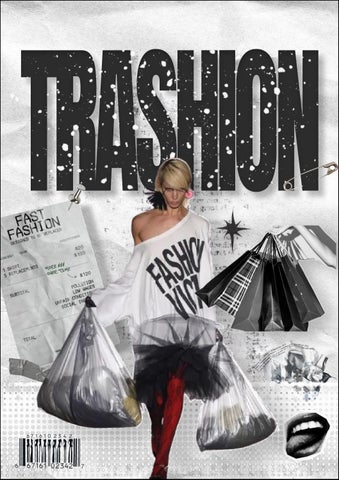
table of contents what is fast fashion?
environmental impacts
materials & pollution
making sustainable choices
what is
Fast fashion is a business model that rapidly designs, manufactures, and sells inexpensive clothing to mimic current runway and social media trends. Instead of traditional seasonal collections, brands churn out new styles in weeks or even days, encouraging highvolume consumption. However, this model relies on mass production using cheap synthetic materials, frequently leading to severe environmental pollution, textile waste, and labor exploitation in developing countries.
• Carbon Emissions: The fashion industry generates about 8% to 10% of global carbon emissions, surpassing all international flights and maritime shipping combined. Economics Observatory +1
• Water Consumption & Scarcity: Producing textiles is extremely water-intensive, consuming roughly 93 billion to over 200 trillion liters of water annually (for example, taking about 10,000 liters to make a single pair of jeans).
• Water & Chemical Pollution: Textile dyeing is a leading industrial polluter of water, releasing toxic chemicals, heavy metals, and wastewater directly into local rivers and streams. David Suzuki Foundation +1
• Microplastics in the Oceans: More than 60% of clothing uses synthetic fibers like polyester, nylon, and acrylic. Washing these garments releases hundreds of thousands of tons of plastic microfibers annually, accounting for 35% of all primary microplastics in the oceans. YouTube·ClickView +4
• Textile Waste & Landfills: The world produces over 92 million tonnes of textile waste every year. Estimates show a truckload of abandoned or unsold clothing is dumped in a landfill or burned every single second. Much of this waste is exported to the Global South, creating massive open-air dumps in places like Ghana or the Atacama Desert in Chile.
Adopt the “Buy less” mindset: The most sustainable garment is the one already hanging in your closet. Ask yourself if you truly need a new item before purchasing
Invest in quality: Choose durable, well-made clothing instead of cheap, trendy pieces that fall apart or go out of style quickly.
Thrift and Vintage Shop: Purchase pre-loved clothes from local thrift stores, consignment shops, or online resale platforms.
Mend your clothes: Learn basic sewing skills to fix loose buttons, small tears, or broken zippers instead of throwing the garment away.
Check for certifications: Look for third-party verifications like Global Organic Textile Standard (GOTS) or Fairtrade labels to ensure fair wages and safe working conditions.
RE-DUCE
RE-USE
RE-CYCLE
RE-WEAR
RE-PEAT.