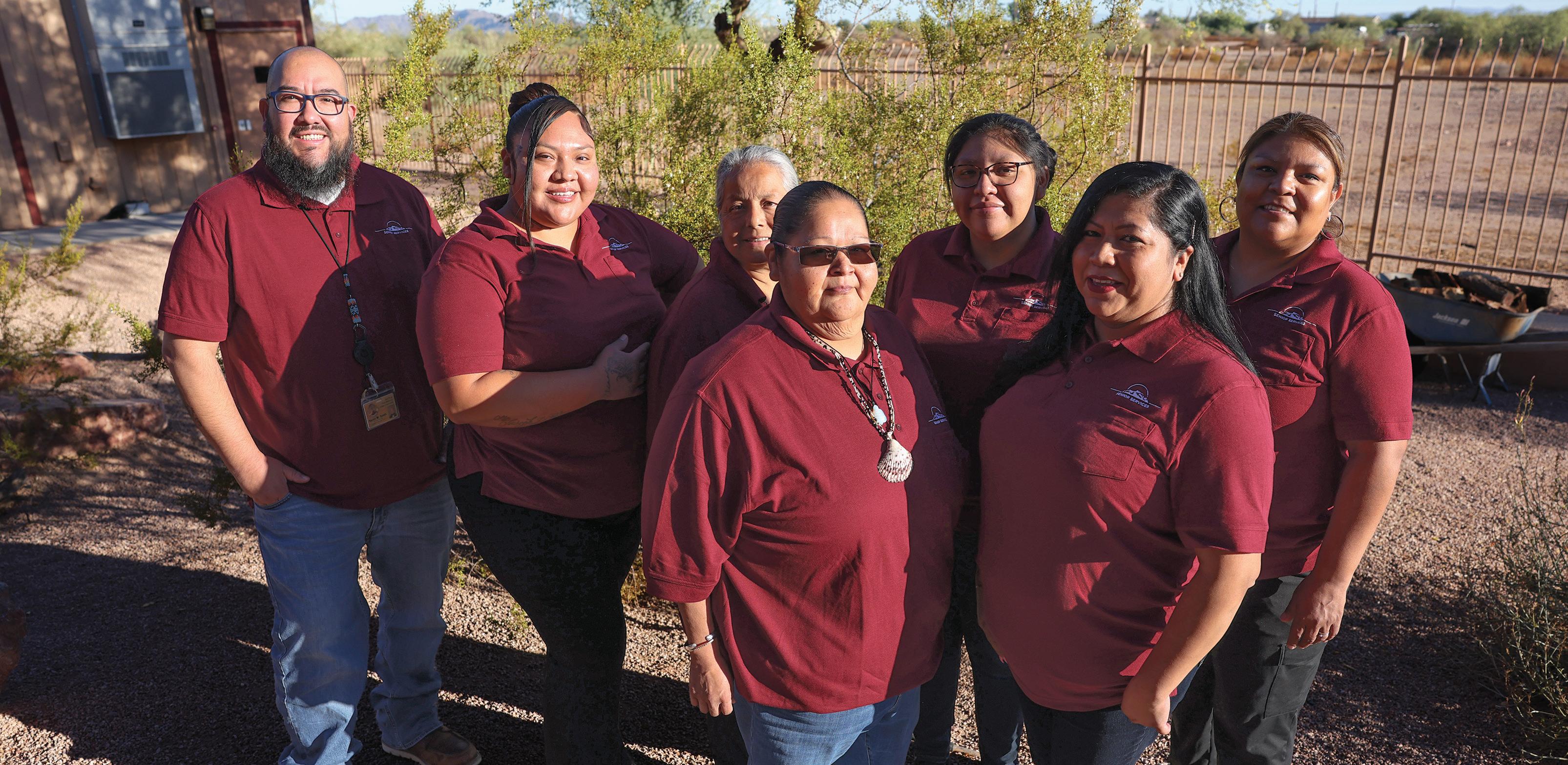
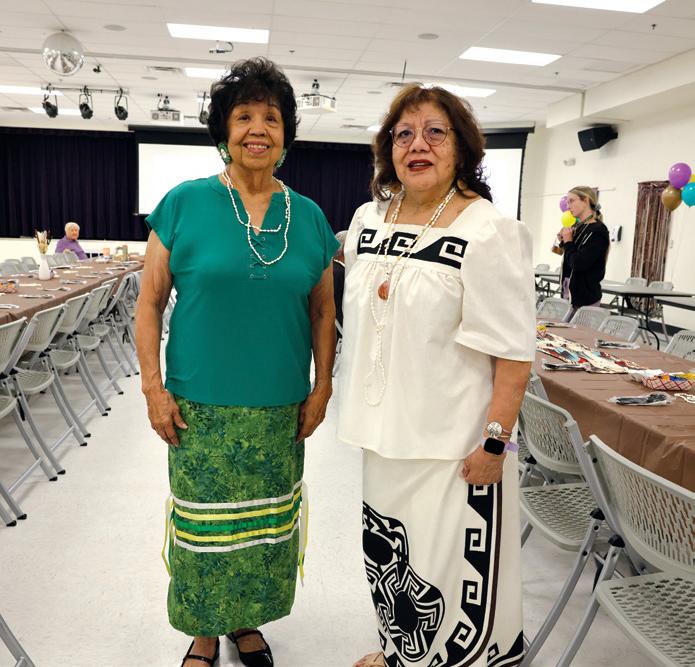
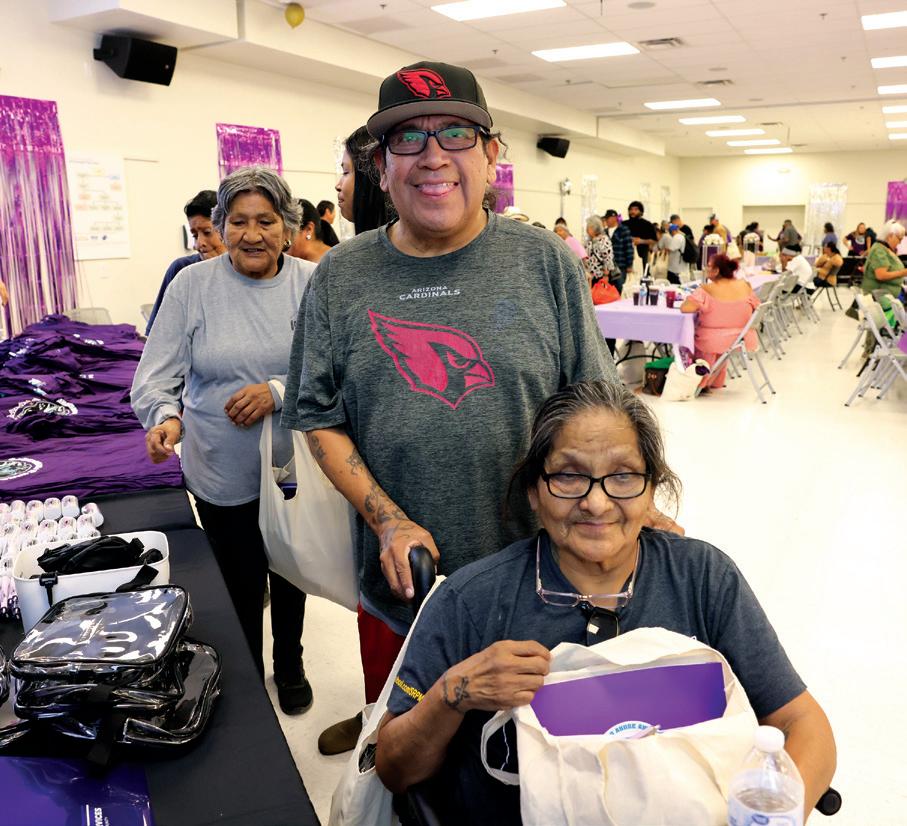
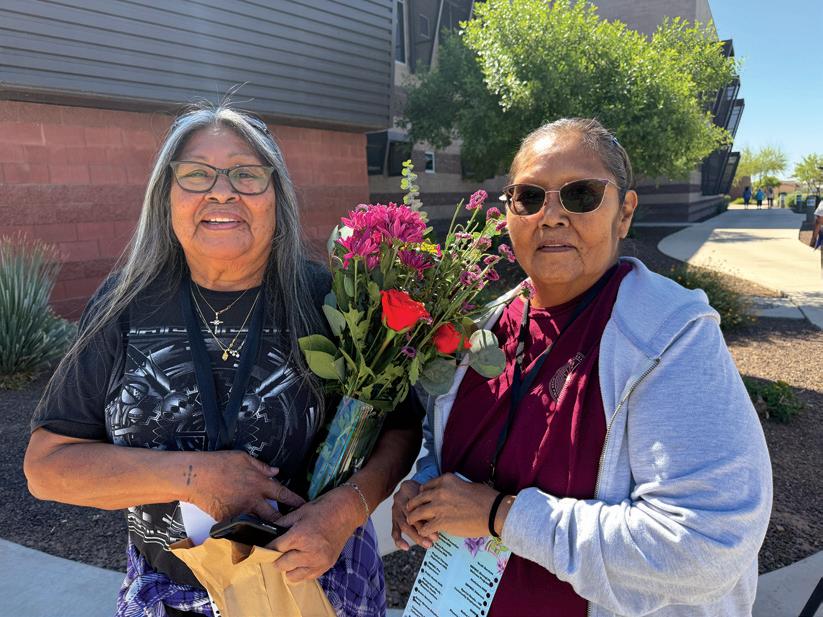
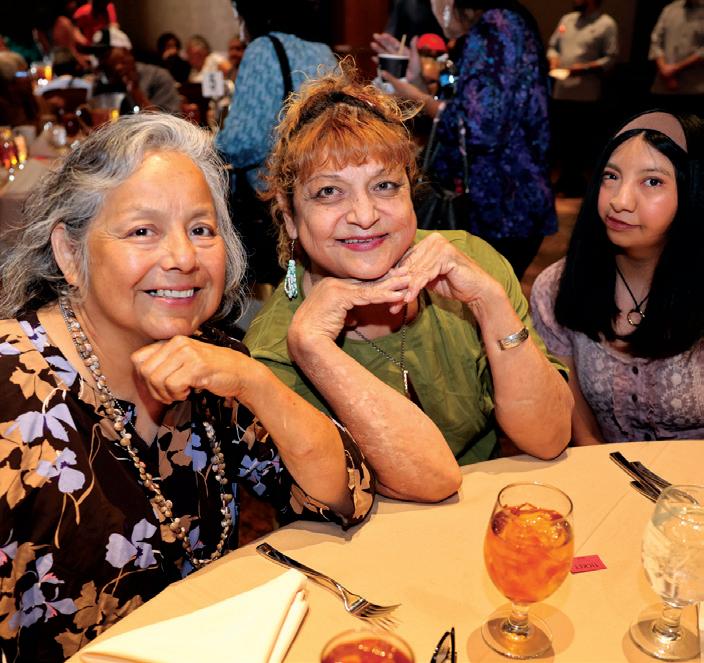
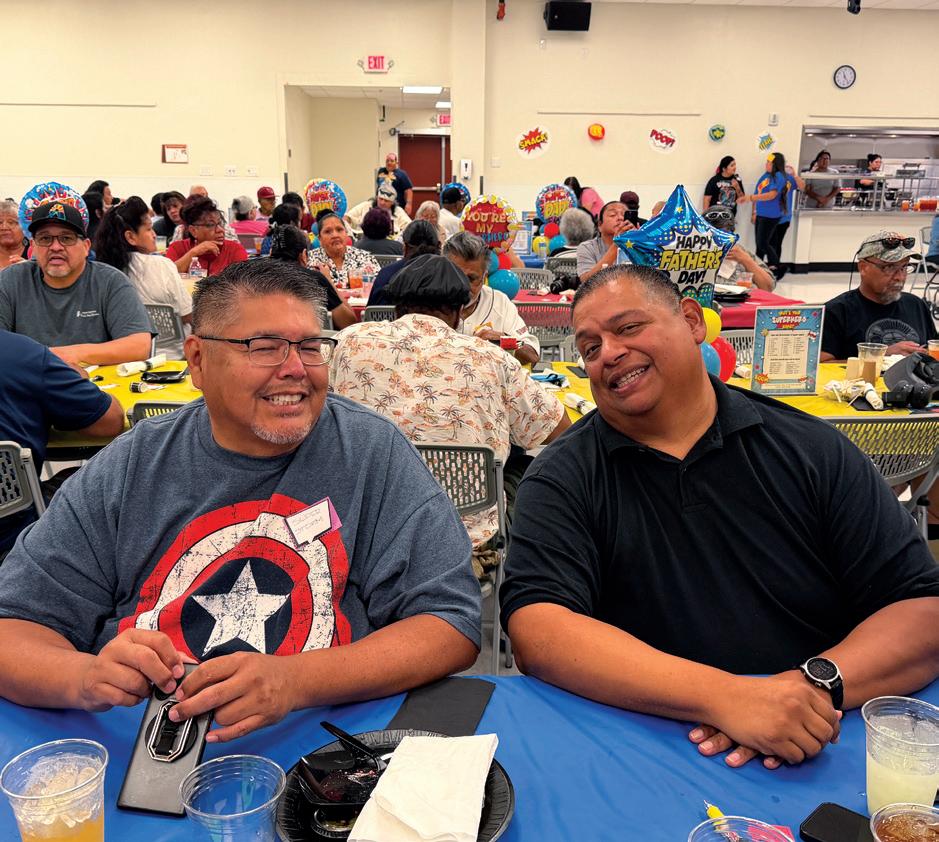
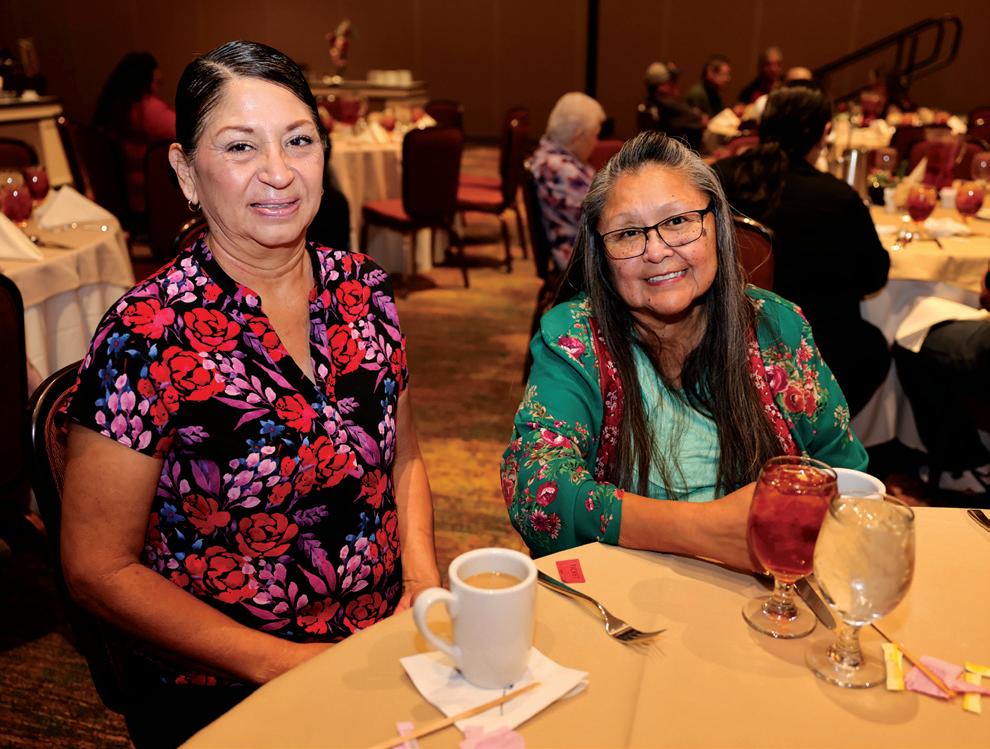
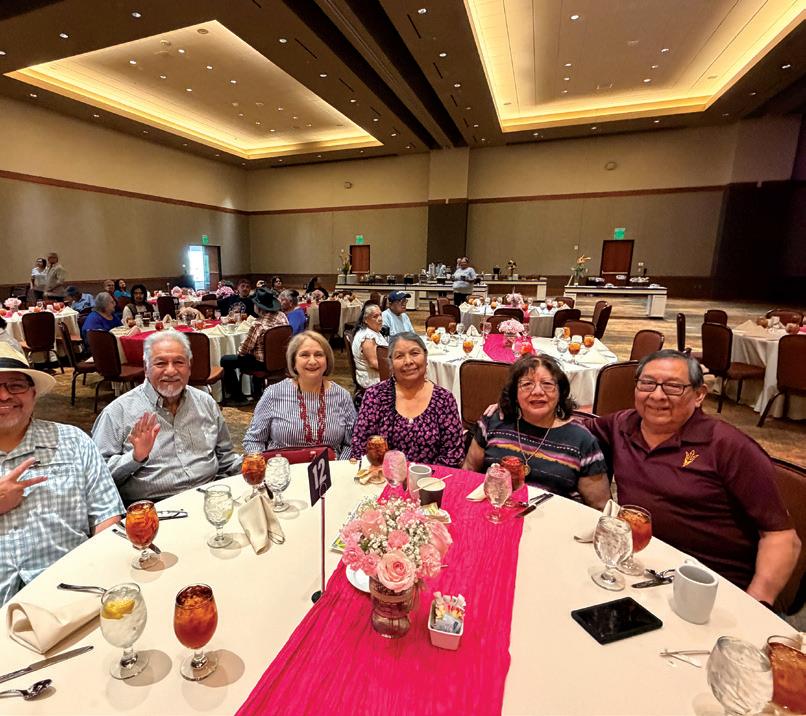
At Senior Services, it remains our honor to serve you. Every visit, activity, meal, ride, and conversation is a reminder that care is built through respect, kindness, and showing up for one another
Thank you for allowing us to be part of your lives.
Senior Services remains committed to serving with compassion and gratitude.
It’s been my privilege to serve alongside a team that cares deeply about your well-being, your independence, and your quality of life. I am grateful for the trust you place in us.
Thank you for allowing me to be a part of this work.
It has been and continues to be my honor to have served you.
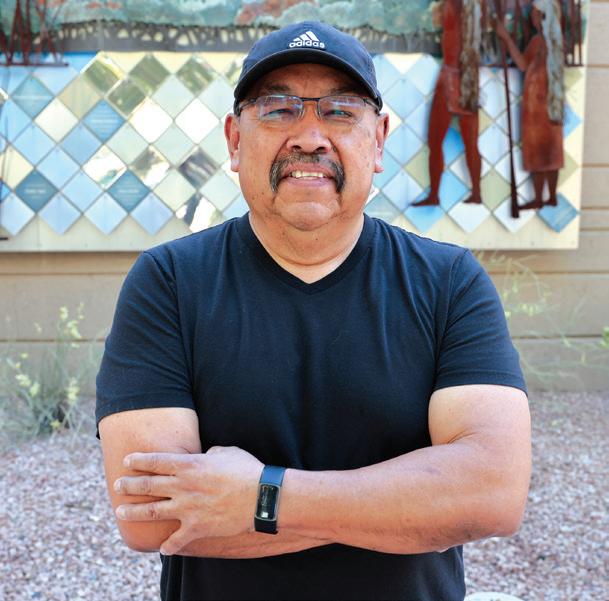
Melvin Deer Senior Services Director
Connecting Waters
Welcome back to Connecting Waters , or welcome if you are new to this column. My name is Jessica Martinez, I am the Community Liaison for Senior Services This column is used to answer some FAQ’s I receive from seniors around the community. Some range from really common questions about our services, to wacky questions like: “my dog needs a haircut, can you guys do that for me?” (Yes, I’ve really been asked that question before). I am here to answer them all!
I need an appliance for my home, but SHRRP could not assist. Do you know of another resource?
Yes, I do. Helping Hands can actually assist. They have what is called a “Helping Hands FUND Referral” program which can offer community members with big item purchases such as mattresses, stoves, refrigerators, some household items, etc. Although it is not always a guarantee that there are funds for these items, it does not hurt to ask, as the team at Helping Hands will still assist in any way they can. You can even get emergency clothing items as well if needed. You will just need a referral either from our Support Services staff or by reaching out to Thrift Store Manager Francies Edwards at 480.362.5625
with Jessica Martinez
Food & Nutrition Program Spotlight
Ske:g Tas. Kanduum. It’s been a while since we last connected, at least on paper. Chances are, though, we’ve seen you recently in the dining room at Salt River or Lehi, enjoying a meal. So let me take a moment to reintroduce myself and our team.
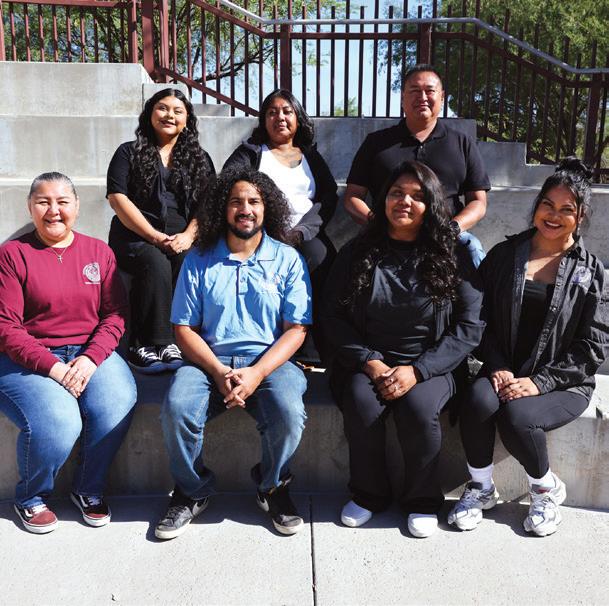
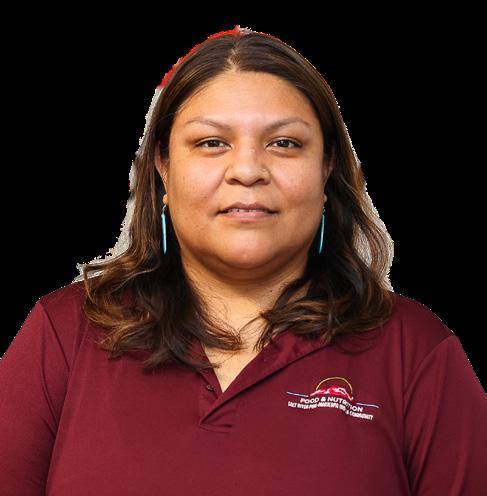
My name is Jessica Carmelo, Food Services Supervisor at Senior Services. I work alongside an incredible kitchen team: Crystal Gonzalez, Athena Whitman, Sommer Morgan, and Angelina Lewis. Together, we’re proud to serve our senior community with nutritious meals through both our group dining rooms and home-delivered meal services in partnership with Senior Service Transportation.
As a team, we’re always exploring flavors that honor tradition while bringing variety to the table. Each cook contributes to weekly meals using USDA My Plate guidelines, bringing their own flavors and recipes to the table. I especially enjoy adding pasta and Asian-inspired dishes into the rotation, so if you’ve noticed those on the menu, that’s a little of my touch. We also offer convenient options beyond dine-in service. We offer
Breakfast To-Go for anyone 55+ or working seniors at both Salt River and Lehi centers, starting at 7:45 a.m. Monday through Friday, as well as home-delivered meals for those unable to visit our centers. To learn more or sign up for meal delivery, please contact our Intake Assessment Coordinator, Christina Reyna, at 480.362.6350.
Whether you’re new, a regular, or a working senior, we invite you to join us for breakfast or lunch. While favorites like beef, spam, and potatoes are always a hit, we also serve wellbalanced meals that support your health and bring a little variety to your plate, because good food isn’t just about nourishment, it’s about discovery too.
Dine-in meals are served Monday through Friday at the Salt River Senior and Lehi Community Centers. Breakfast is available from 7:45–9 a.m., and lunch is served from 11:30 a.m. to 12:30 p.m.
ALIZABETH WILLIS
Employee Spotlight
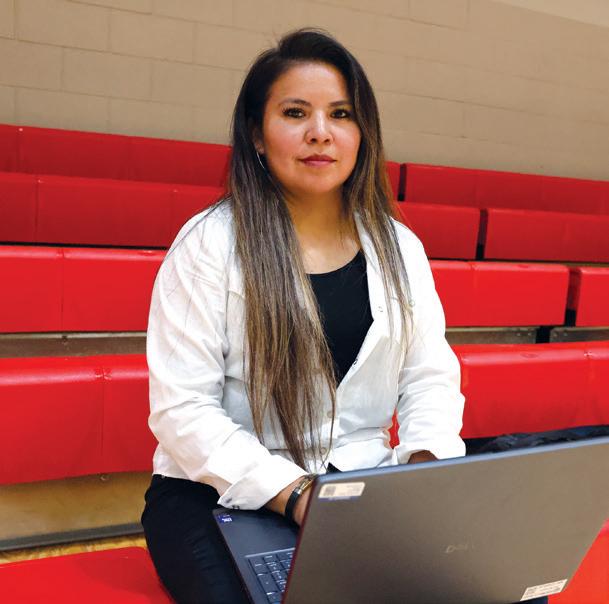
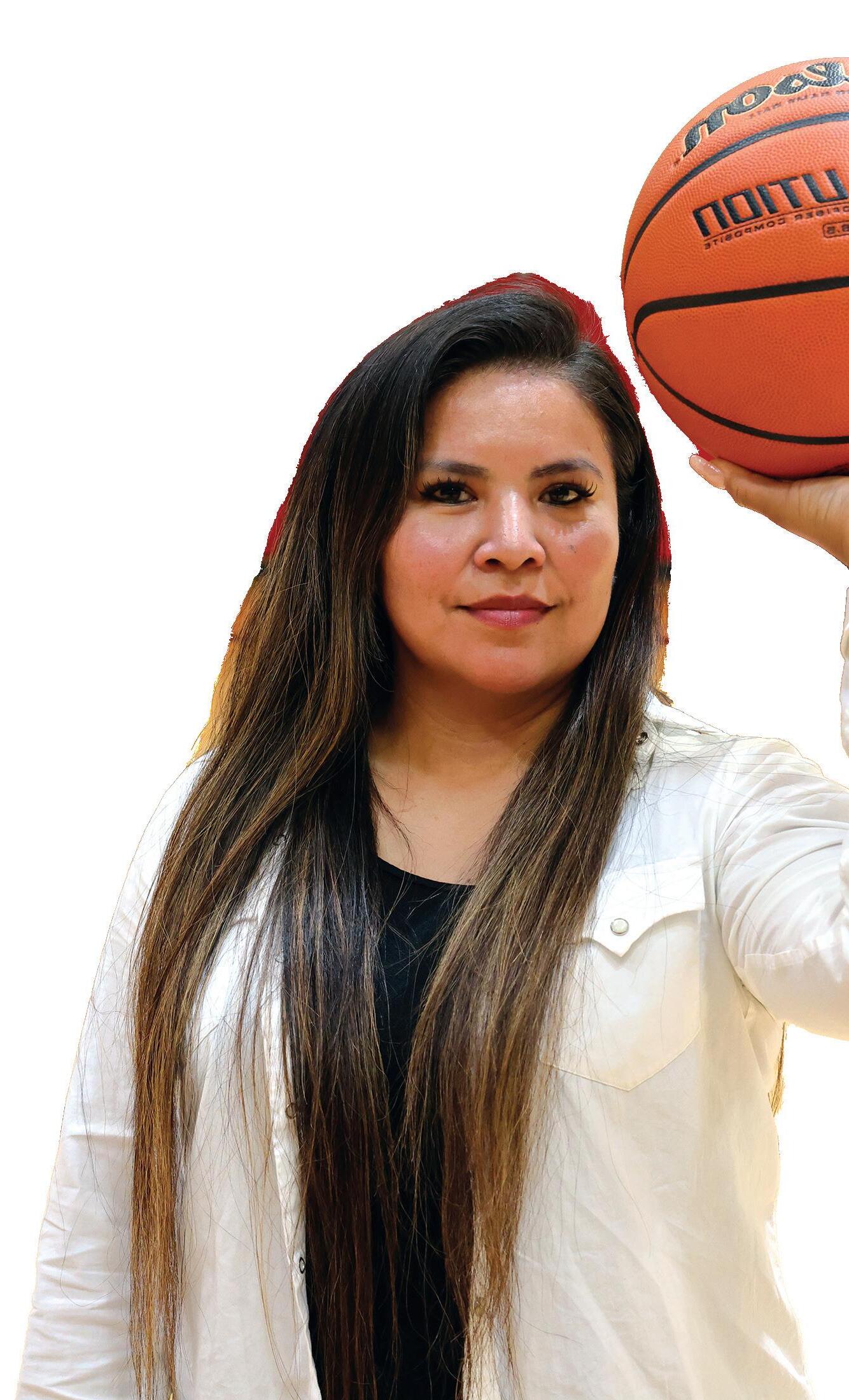
Hi, my name is Alizabeth Willis. I am half Navajo, and quarter Omaha and Sioux. I grew up in Farmington, New Mexico, with my father and mother, Steve and Vonda Philbrick. I am the oldest of two brothers and one sister (bot).
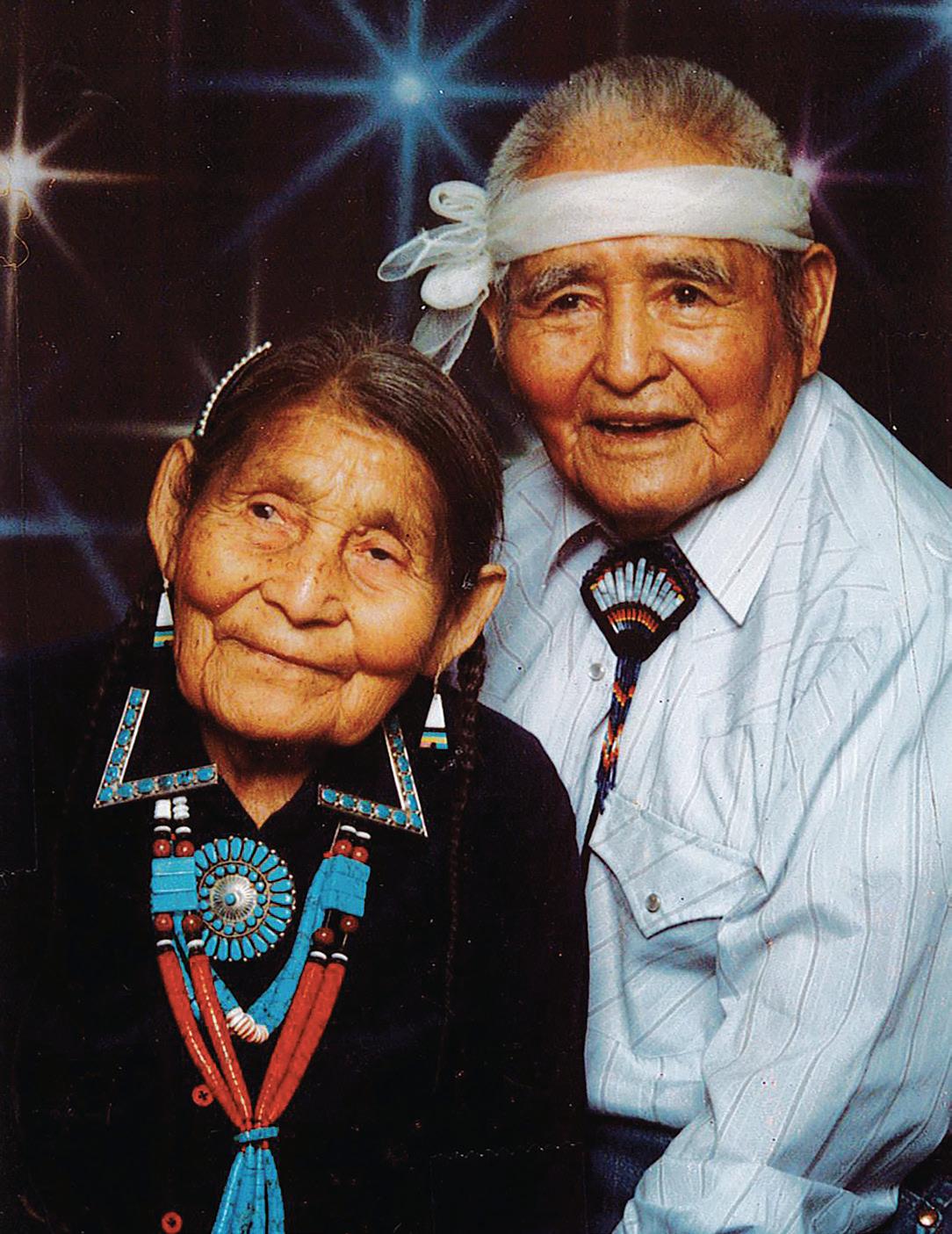
One of my favorite memories of childhood is being with my greatgrandmother. She was very kind, forgiving, and loving to everybody— always smiling and welcoming. She was the glue that held our family together and we spent summers with my great grandparents. Every summer my brother and sister would spend the entire summer with them. They had no running water, limited electricity, and no neighbors for miles. Spending time there taught me so much, it taught me to work hard for everything I have, to never take things for granted, always be respectful to your elders, always offer help and appreciate what you have around you. As young kids we walked miles to herd cattle, we gathered water at the well for baths, cooking and drinking and learned
to just enjoy being kids. I moved to Arizona in 2011 and have been a social worker in the Community since. I joined Senior Services as an Adult Protective Services investigator in 2023. I like helping clients make little changes in their lives when they’ve had a negative experience and helping them to gain a different perspective. I like seeing the joy it brings them when they overcome challenges they’ve had in the past.
One client who particularly touched me was a gentleman who was very misunderstood. I liked getting to know him— hearing his jokes, seeing him smile, and getting others to change their perception so they were no longer afraid to interact with him and actually began welcoming him. He taught me a lot as well, that a simple ‘Hello” goes a long way, being greeted with something so simple has a huge impact on some.
But, it’s not all work. I recently got married and together we have a blended family of 11 kids ranging from ages 7 to 20. The kids keep us busy with their sports and school schedules. On my own, I like playing basketball, and I try to weightlift every day to stay healthy and strong. A littleknown fact is that I know a little bit about everything—I can sew, work on cars, decorate parties, and fix things around the house. I also enjoy DIYs.
Get to Know
SHRRP & Your CSAs
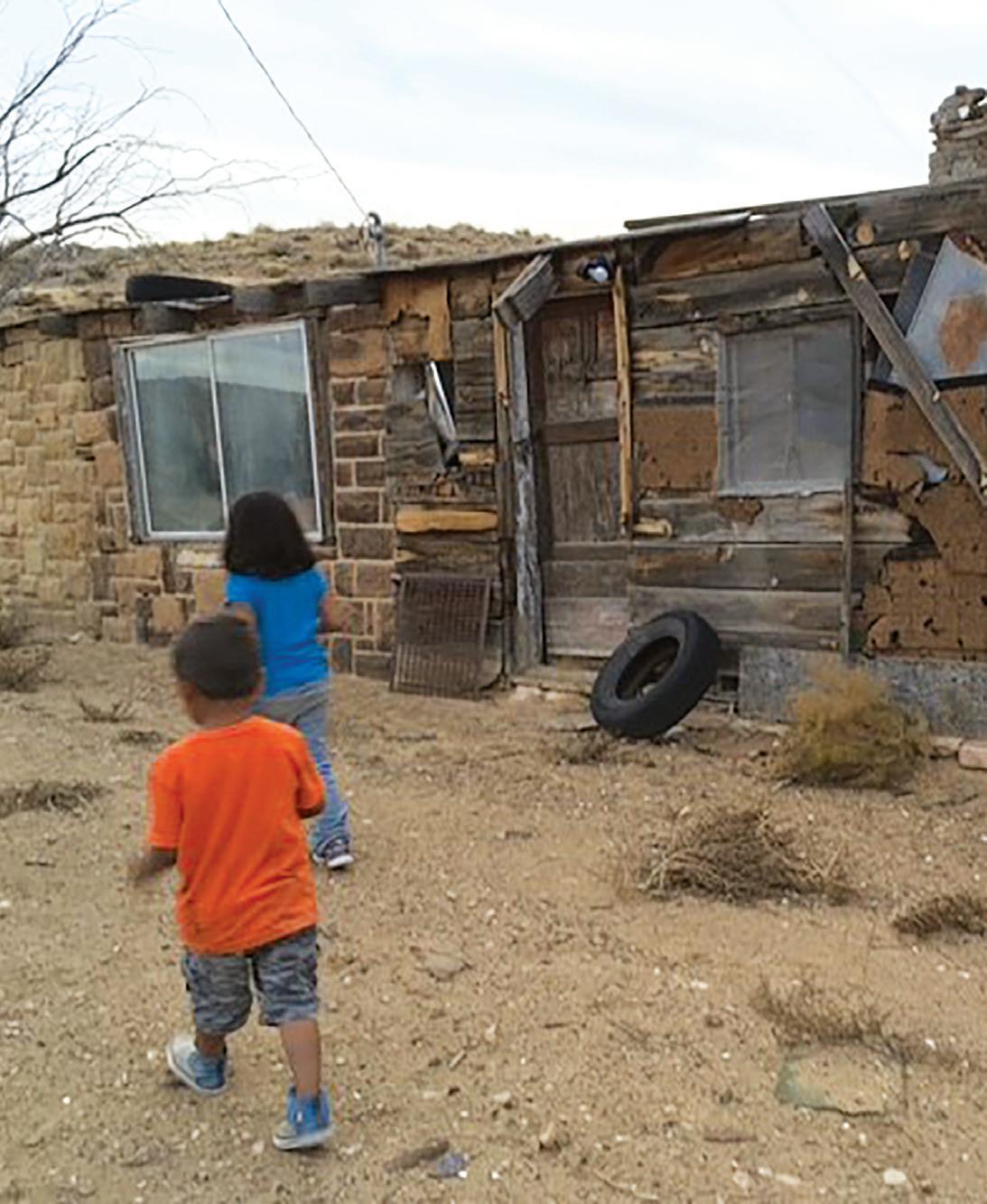
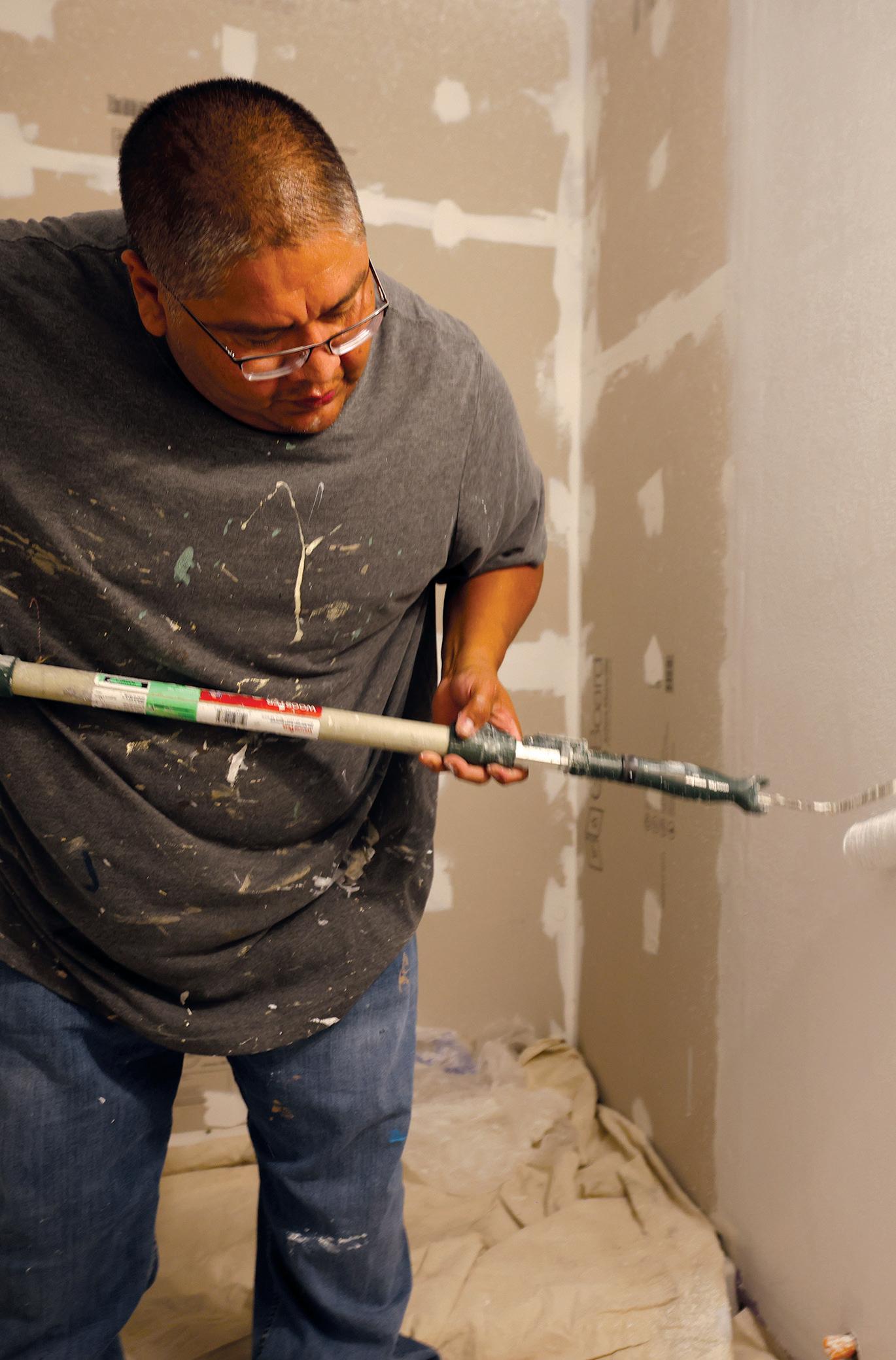
The Senior Housing Repair and Replacement Program, SHRRP, is a partnership among ECS, HHS and Senior Services. SHRRP provides repairs and replacements for home conditions that detrimentally affect the health or safety of qualified seniors.
Though SHRRP often receives referrals from Senior Services and HHS, community seniors and adults with adaptive needs can also call into the SHRRP helpline at 480.362.7800 to see if they qualify. Qualified individuals must be enrolled members age 55+ who have an existing home within community boundaries and have lived in that home for more than a year.
Once qualification is established, SHRRP schedules a home assessment. The assigned Customer Service Administrator visits the home to explain available services and does a walk-through of the home to review customer concerns.
If work is needed, the CSA generates a service order. Projects are reviewed by the SHRRP committee which prioritizes projects based on health and safety needs. The committee is made up of a council member, senior peers from Salt River and Lehi, as well as representatives from ECS, HHS, and Senior Services. Once a project is approved and ready for scheduling, a CSA will contact the client.
Completion of projects is affected by the number and priority of projects already in progress, as well as technical needs.
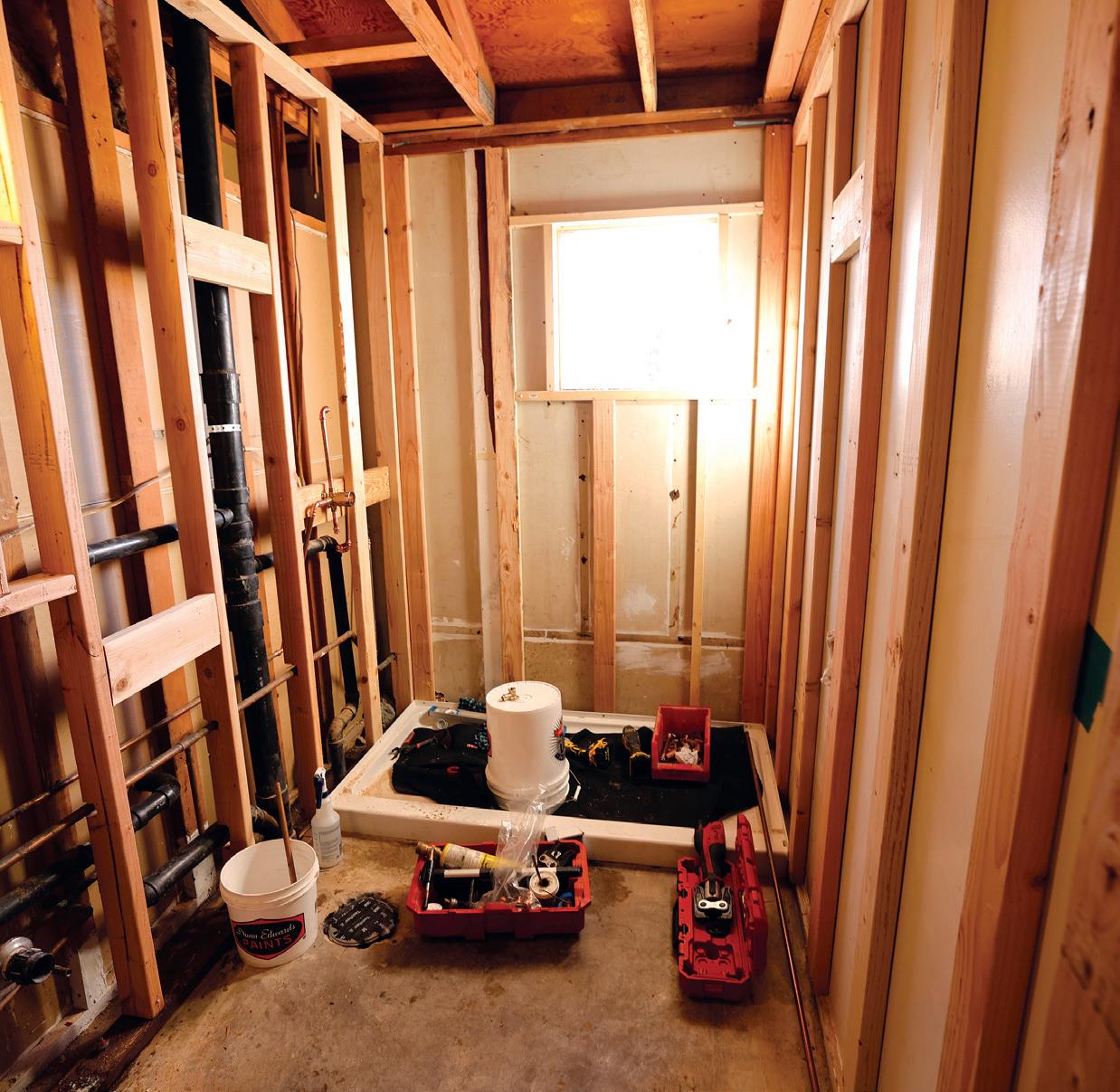
“Some projects such as kitchen and bathroom remodels require architectural plans, permits and plan approvals before work can begin. The same for entry covers and ramps, so these projects can take longer to
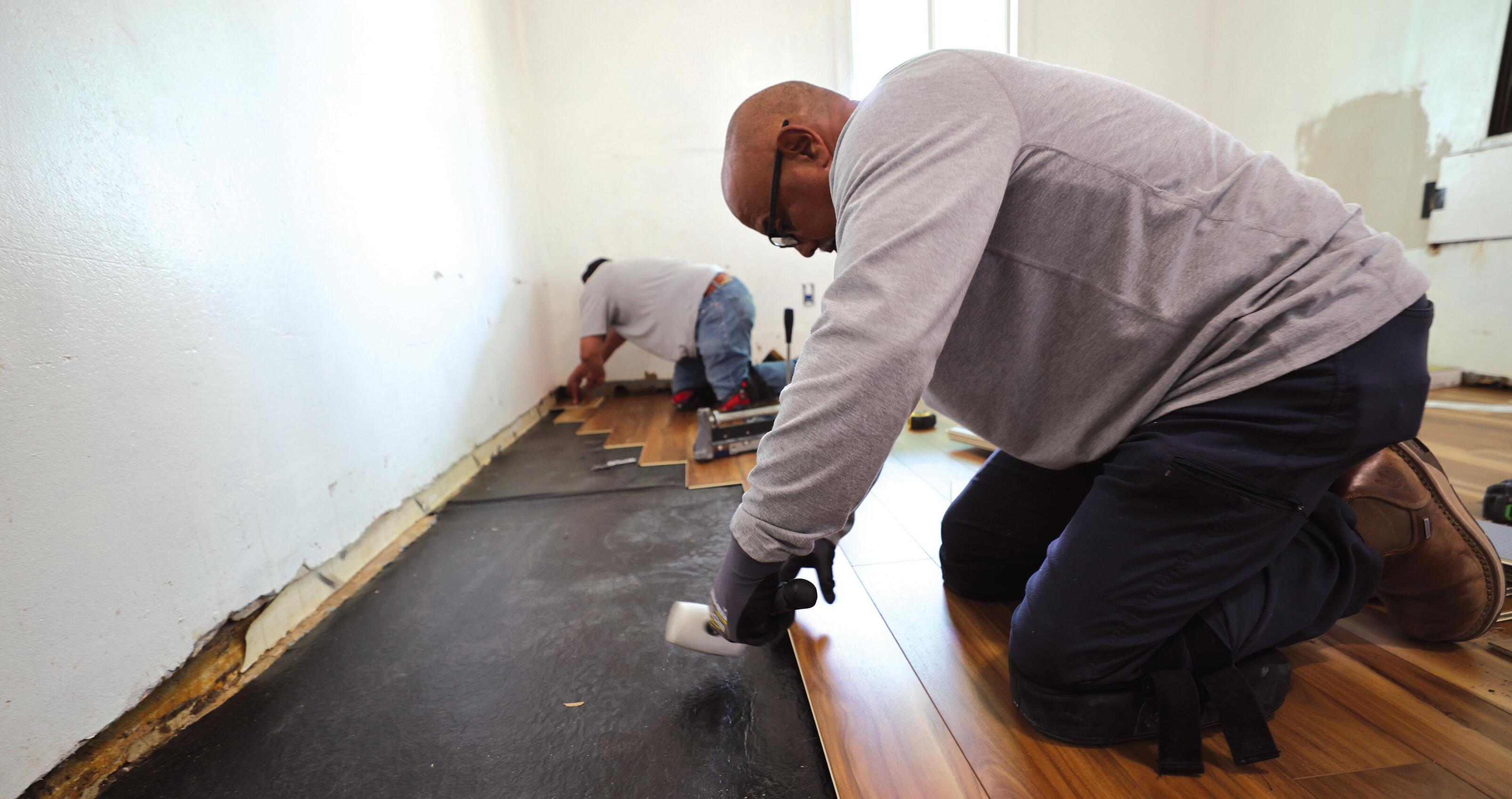
complete,” said Jamie James, SHRRP Supervisor. “Projects that do not require permits or architectural plans, such as roofing and flooring can be completed more quickly.” Services range from simple to complex projects such as renovations and retrofitting of interiors to meet health or safety needs. These can include, but are not limited to:
• Handicap Bathrooms
• Roofing
• Kitchen Cabinets
• Flooring
• Ramps
• Exterior Door Covers
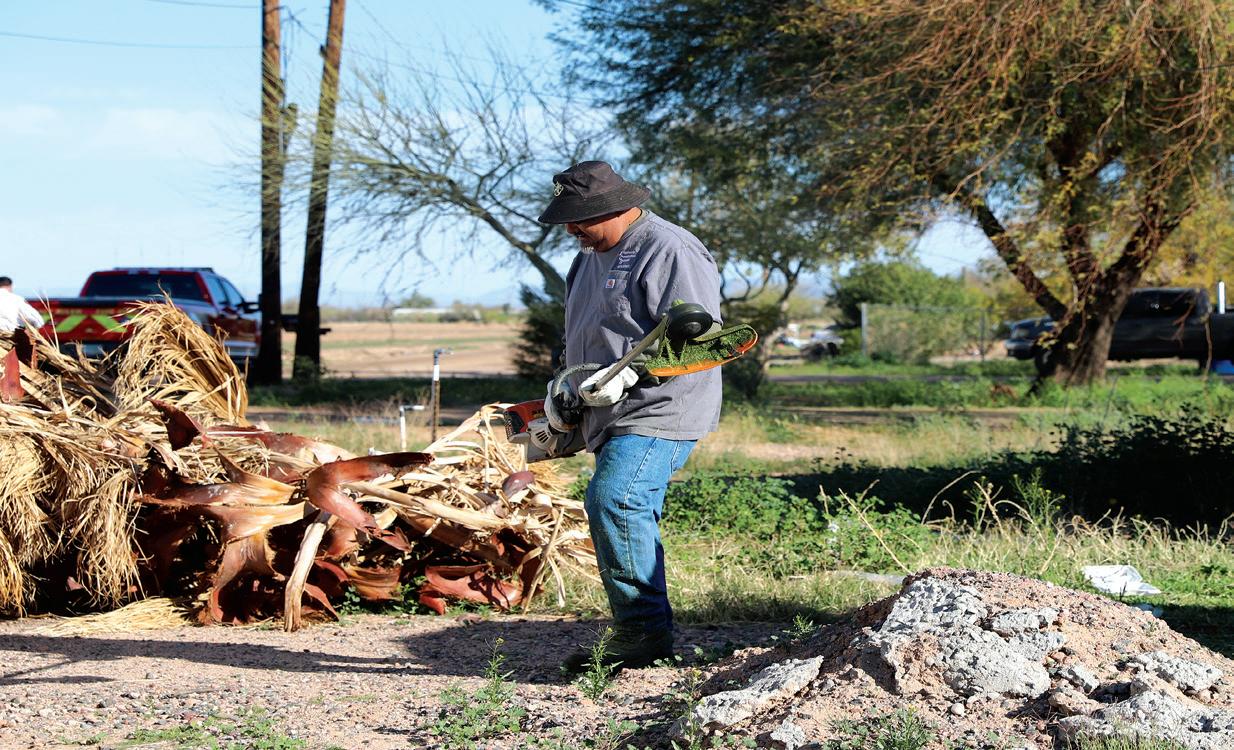
SHRRP also provides day-to-day services that seniors and those with adaptive and medical needs may find challenging, such as weed abatement, changing air filters, repairing exterior doors that do not close correctly or windows that are not properly sealed.
Jamie is immensely proud of the program and the impact it makes in the lives of those it serves, “I like knowing that we make homes habitable based on our clients’ health and safety. They are very thankful to the program for helping them to stay safe and live a comfortable life in their homes.”
Who to Call
If you are an existing SHRRP Customer, your CSA may have changed. They are assigned based on your last name. If you have two last names such as AguilarSalazar, it is based on the last last name, in this case, Salazar.
If
Is It Aging—or Something More?
Signs It May Be Time to Ask for Help
It can be hard to spot a substance use disorder in seniors because the symptoms often look like “just getting older.” Changes in health, memory, or mood are sometimes blamed on aging when they might actually be signs that your body is struggling with alcohol or pills.
Sometimes your body tries to tell you something is wrong through physical changes. You might find yourself falling down more often or noticing strange bruises that you don’t remember
getting. You might feel very tired all the time, or find that you can’t sleep at night and end up napping all through the day. Some people stop feeling hungry, while others notice their hands start to shake. It is also common to feel new aches and pains that just won’t go away.
Your mind and feelings can change too. You might start forgetting conversations you had or feel “foggy” and confused when trying to make a simple choice. Sometimes, you might
feel extra grumpy or sad and decide to stay home instead of seeing your friends. You might even find yourself hiding how much you drink or take pills because you don’t want your family to worry. If you are visiting many different doctors to get the same medicine, or if you feel like you need more and more of a drink to feel relaxed, these are all
signs that it is time to ask for a helping hand.
It is never too late to feel better and start a fresh chapter in your life. If you feel like you are drinking too much or relying on pills, there are people ready to help you right now. Here is how you can get started on a healthy path.
Talk to Your Regular Doctor First
The best person to talk to is the doctor who already knows you. They can check your health and make sure you stay safe as you make changes. Your doctor can also suggest a special counselor who knows how to help people your age.
When you sit down with your doctor, it can be hard to remember everything you want to say. Use this simple checklist to help start the conversation:
“Is the amount I am drinking safe for my age?”
“Could my medications make me feel more confused or tired?”
“Can you recommend a counselor who works with seniors?”
“Is it safe for me to stop right away, or do I need a slow plan?”
Find Friends Who Understand
You do not have to do this alone. There are groups where seniors meet to talk and support each other. It feels good to be with people who know exactly what you are going through. These groups are a great place to make new friends who want the best for you. You can locate any number of in-person and on-line groups such as Alcoholics Anonymous, Narcotics Anonymous, and Wellbriety in the community and stateside. There are also substancefocused groups offered at various churches and hospitals.
Involve Your Family
Your family loves you and wants to see you happy. If you feel comfortable, let them know you are looking for help. It is okay to tell your family that you are struggling. You don’t have to have all the answers yet. Simply saying, “I am worried about my drinking and I want to get better,” is a brave first step. Your family might want to help but not know how. Give them small, clear jobs so they feel useful. They can help you drive to appointments, keep track of your schedule, or just be there to listen when you have a tough day. Having a team behind you makes the journey much easier. Your family cares about you, and they might have been worried for a long time. They might need to talk about their own feelings, too. Listening to them shows that you value the relationship and that you are all on the same team. Many addiction recovery clinics offer specific service for families and the unique issues they face in recovery.
Look for Senior-Friendly Care
Finding the right kind of help is like finding a pair of shoes that fits just right. When you look for a recovery center, try to find one that offers services developed specifically for seniors. Recovery centers that are “senior-friendly” understand that you might move a little slower or have different health needs, so they offer plenty of breaks and have safe buildings with things like grab bars and elevators. The staff there will talk to your regular doctors to make sure all your medicines work well together. Before you pick a place, don’t be afraid to ask if other people in your group will be your age and if the staff knows how to help with things like aches and pains. If you are worried about how to get to your appointments or how to use a computer for a meeting, just ask for help. Many centers have vans to pick you up or people who can show you how to use your phone or tablet. They can even call your insurance for you to see how much is paid for. You deserve to be in a place where you feel comfortable, respected, and safe.
“You deserve to be in a place where you feel comfortable, respected, and safe.”
Do not worry about the cost right away. Medicare and most insurance plans help pay for doctors and meetings. They want you to get healthy! You can call the number on the back of your insurance card to find out which local clinics are covered or reach out to clinics that you may be aware of and ask them if they accept your particular insurance.
Community Spotlight Kevin Makil
I was born at Good Sam in Phoenix and lived out here at Pima and McDowell, the northeast corner. This was before the freeway—Pima was just two lanes back then, and right across the street was where they processed cotton—we called it the Cotton Gin. I lived there with my mom, dad and my older sister.
We Makil lived all along Pima—pretty much from McDowell to Oak, with all my dad’s brothers and their families. I always played with my cousins. I remember we would dam up the nearby cement ditch with boards and swim and float down a bit, get out, and do it again. And then there was a big ol’ pond where Casino Arizona is now, and we’d go there to hunt frogs—there were a lot of frogs! A bit further north, there was waterfall, and we’d stand under it. The water was cold but nice in the summer. A bit further on was a big, open concrete tank with a pipe where the water would come out—I think for irrigation. We’d swim in that too.
We walked everywhere. After we swam, we’d walk a trail to Milk Depot to get candy and soda, and there was a 7-11 at
Granite Reef. We’d go there too, and Smitty’s to get their pizza. That was good pizza!
We had dogs and cats, parakeets, some chickens and a rooster. We had a rabbit for a while too that my dad built a cage for. I went to kindergarten at the day school. I shifted schools every few years for grade school because the borders kept changing, I guess. I liked art and science.
Starting in junior high, I used to work at Mexican Imports in Old Town Scottsdale because my mom worked there. I worked there for about six years. It was funny because the guy who owned the place was actually Chinese, but it was fun seeing all the new stuff that would come in. I would stock the shelves, clean up, and keep inventory. In high school, I worked at an ice cream store, Kitchie’s 50 Flavors in Mesa. When the manager left to work at Pioneer Chicken, he wanted me to go too so I did.
“Once we went to Payson for a hike, stuff like that. It was good to get to know the other native kids who were at school, especially those from other communities.”
I went to Carson and then Westwood. I played football and I was active in the Native American Club. We took some trips. Once we went to Payson for a hike, stuff like that. It was good to get to know the other native kids who were at school, especially those from other communities.
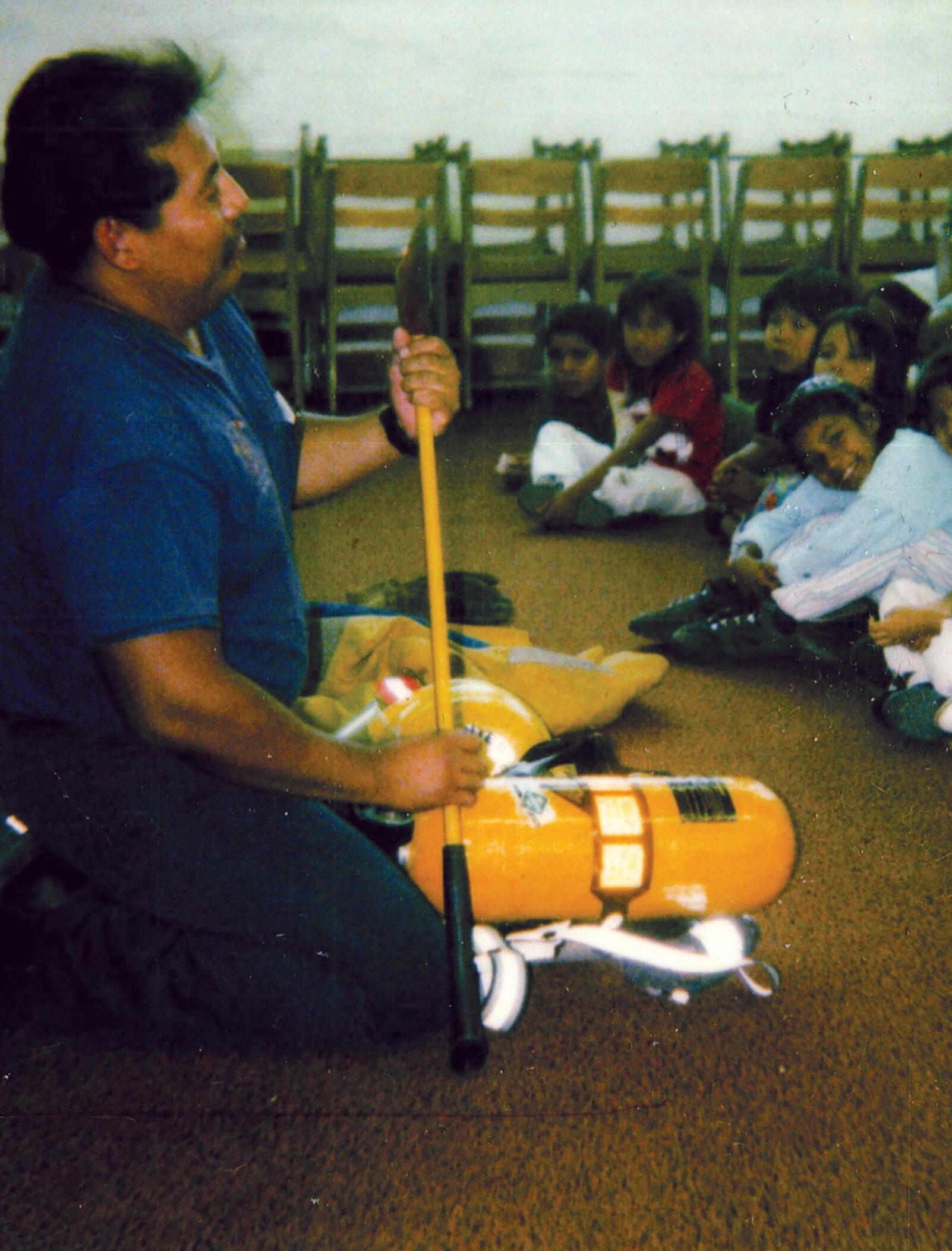
After I graduated, in 1982, the community formed the fire department, and I joined as a Reserve. In 1984, they opened up permanent positions and I was hired fulltime. The first six months, I was at Station 10 at Thomas and Miller
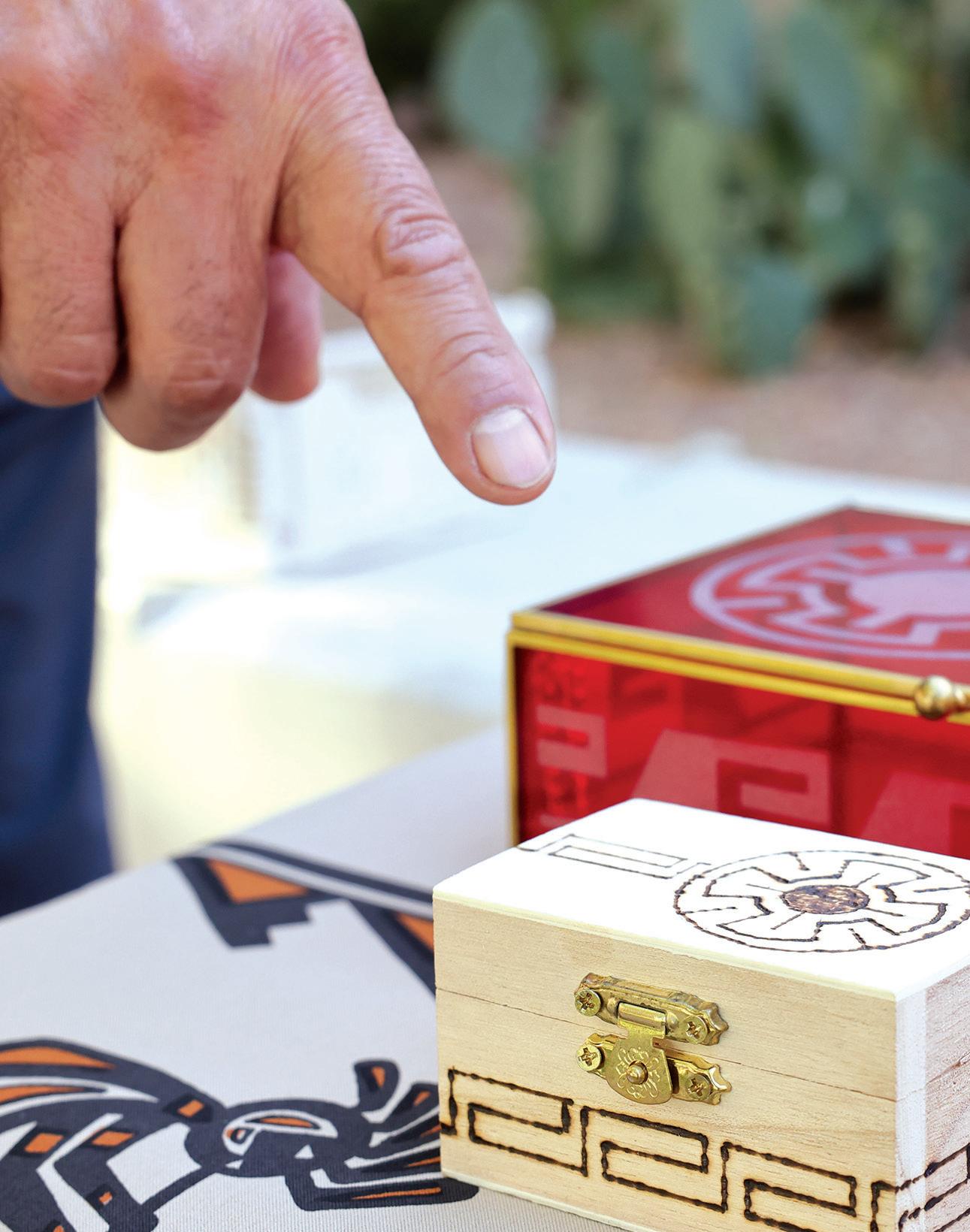
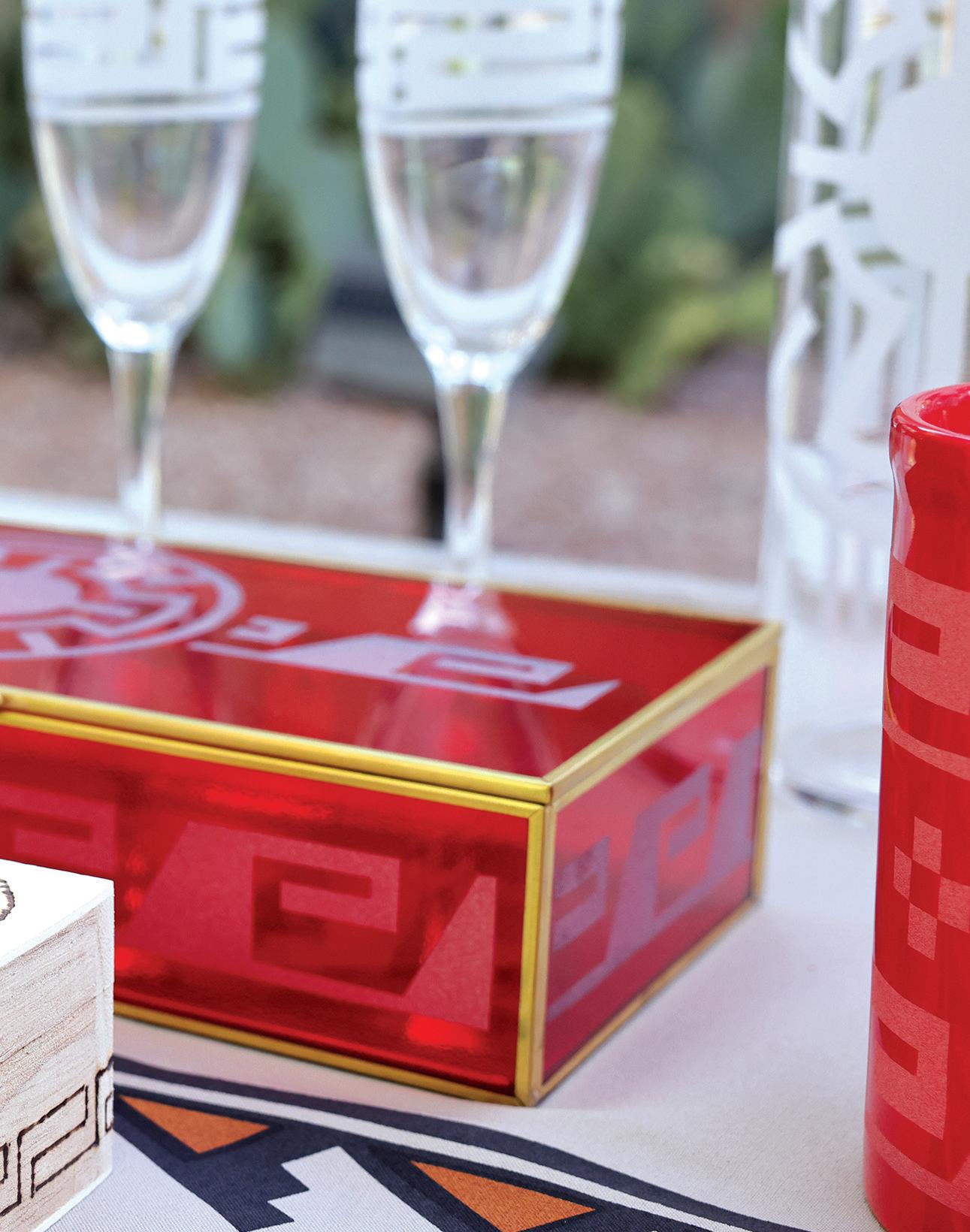
“...I started learning everything I could about it, and I have been doing it since. I etch O’odham designs, mugs,
mirrors, jewel boxes— anything really.
for my training. Then I came back here to the community.
The one story that sticks out to me was a fire late at night at the gravel yard around McKellips and Longmore. A tank caught fire, and we were there the whole night trying to put it out. We didn’t have enough water to put on it and back then we didn’t have foam. I remember the top of the tank blew off and flew across the road. We were finally able to put the fire out around 7am. I was with the fire department for 37 years. I retired in 2021.
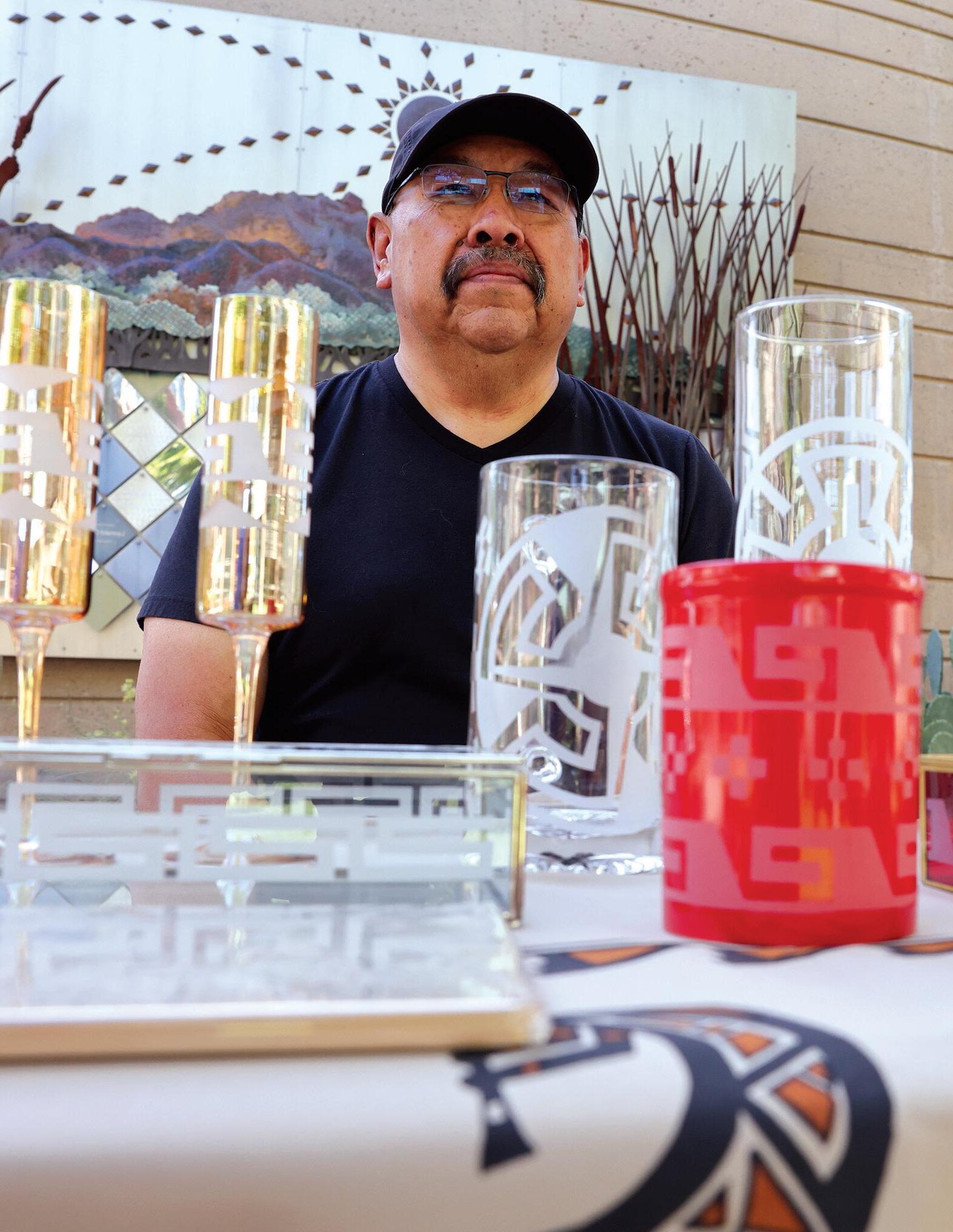
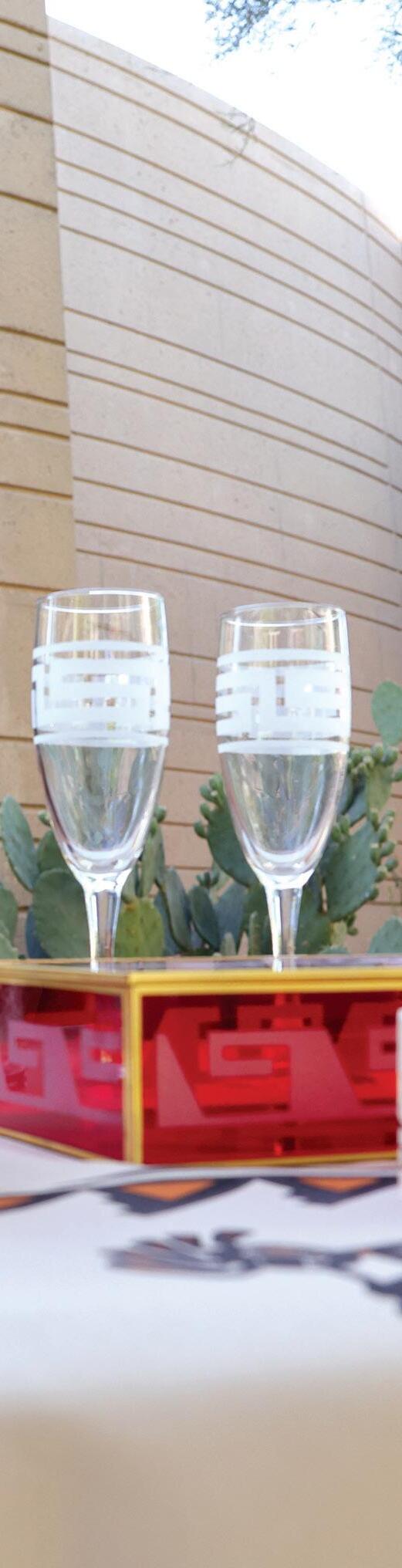
I took it easy for a while, but I really got into glass etching. I met a man at a pow wow who did it. I’d never seen it before and really liked it, so I started learning everything I could about it, and I have been doing it since. I etch O’odham designs, mugs, mirrors, jewel boxes—anything really.
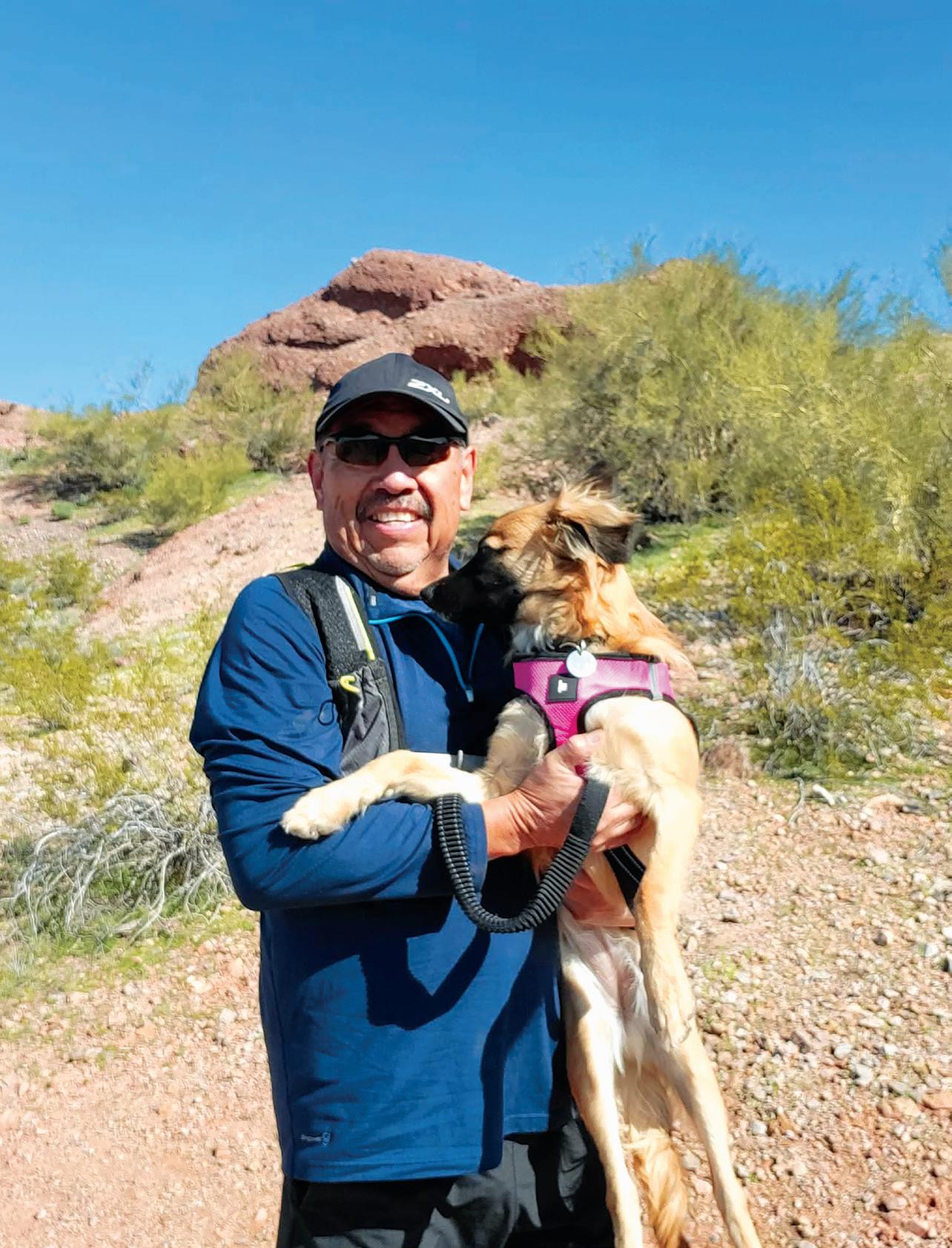
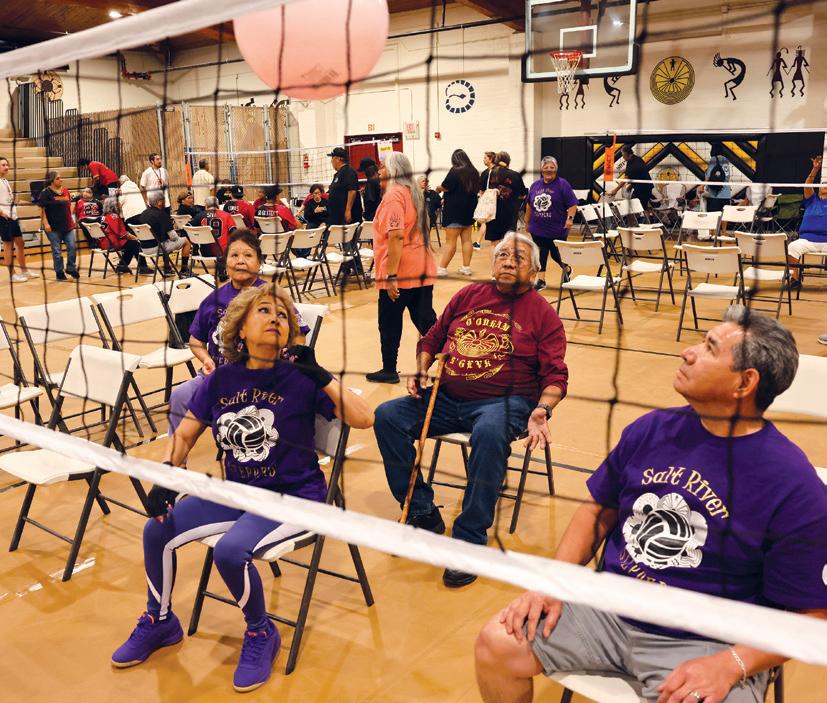
I also like playing chair volleyball. It’s a lot of fun, and you get to meet lots of new people at the tournaments, like those in California and Fort Mohave.
I like living here. It’s funny to look back and think of all the changes over the years—like the Tribal complex back then was just one-story buildings arranged in a square. They reminded me of Army barracks—maybe they were. Then they built a new finance building and administration was behind the station. Then those got torn down and the new building—the admin building, the court, the freeway were built, and Casino Arizona was just a big tent.
Even with the changes, I like the peace and quiet here. The atmosphere is different. It’s not crowded like the city. It’s home.
Culture Connections Bringing Culture Together
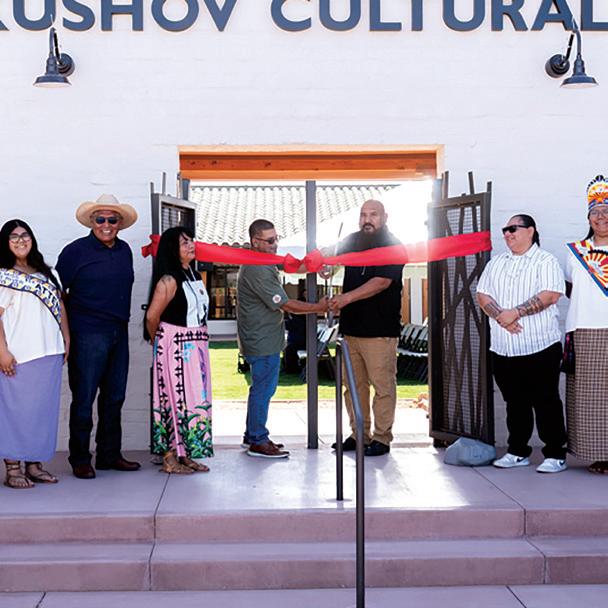
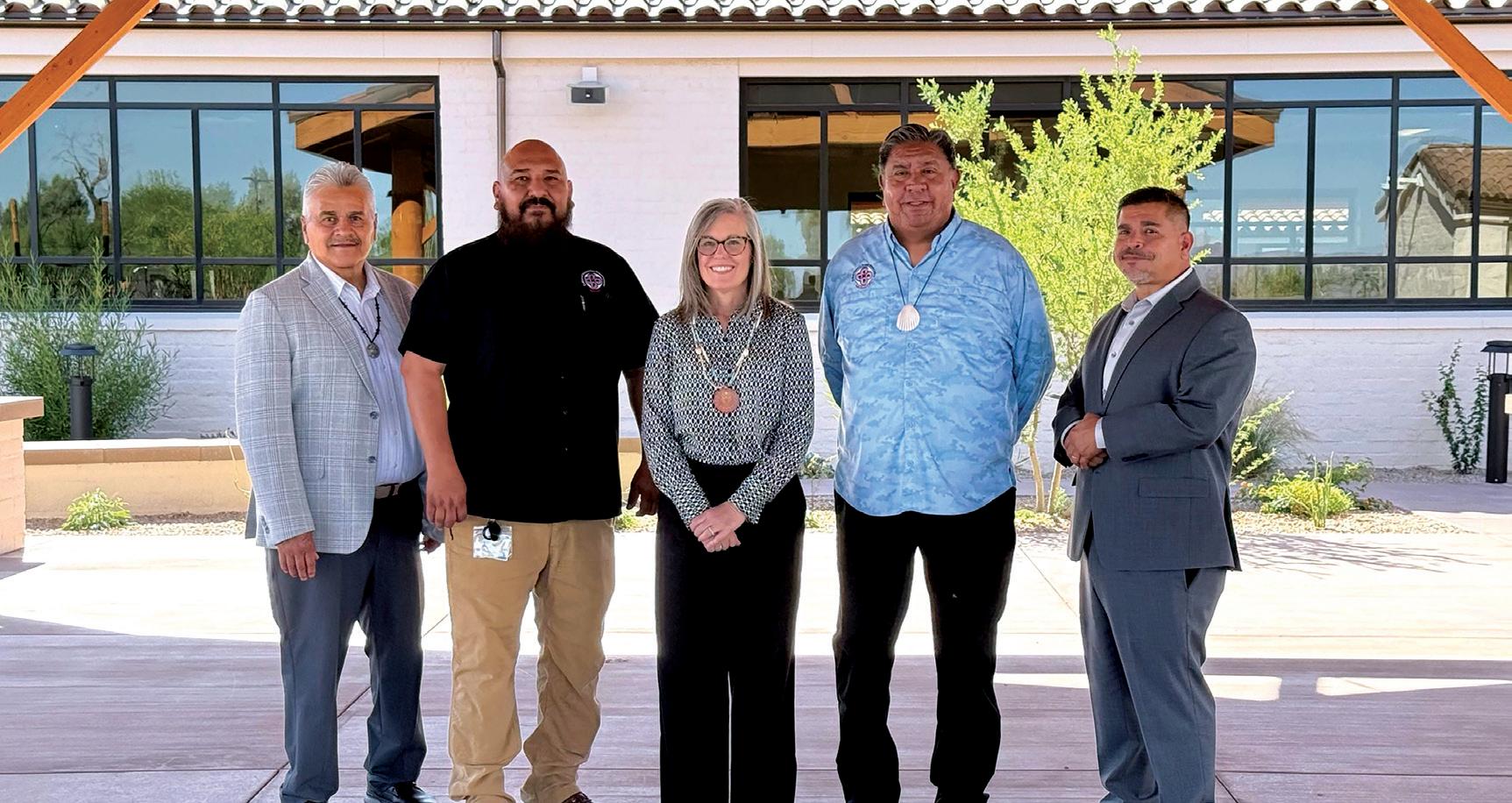
Group photo courtsey of Kavaḍ/ Kushov Cultural Center-CRD
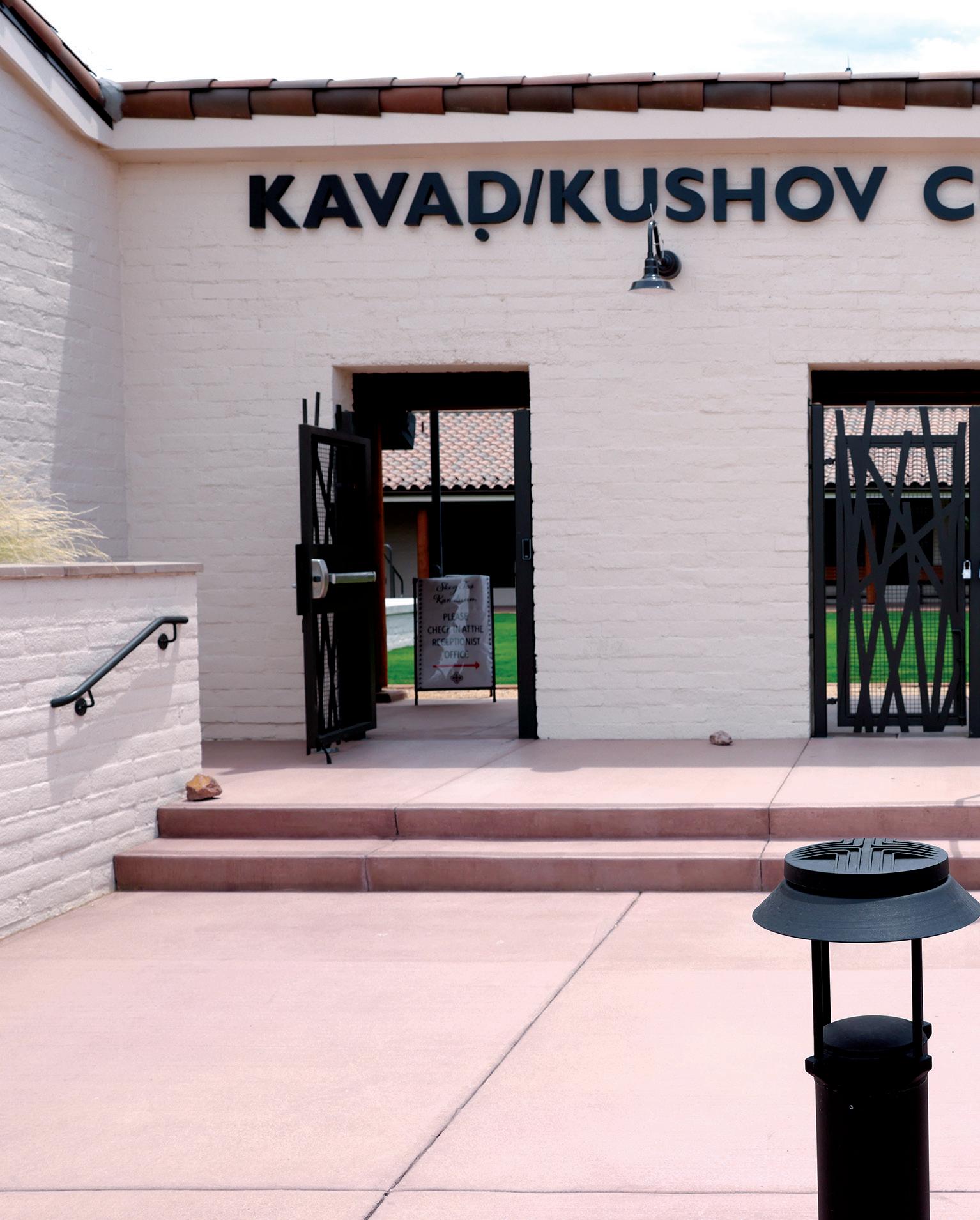
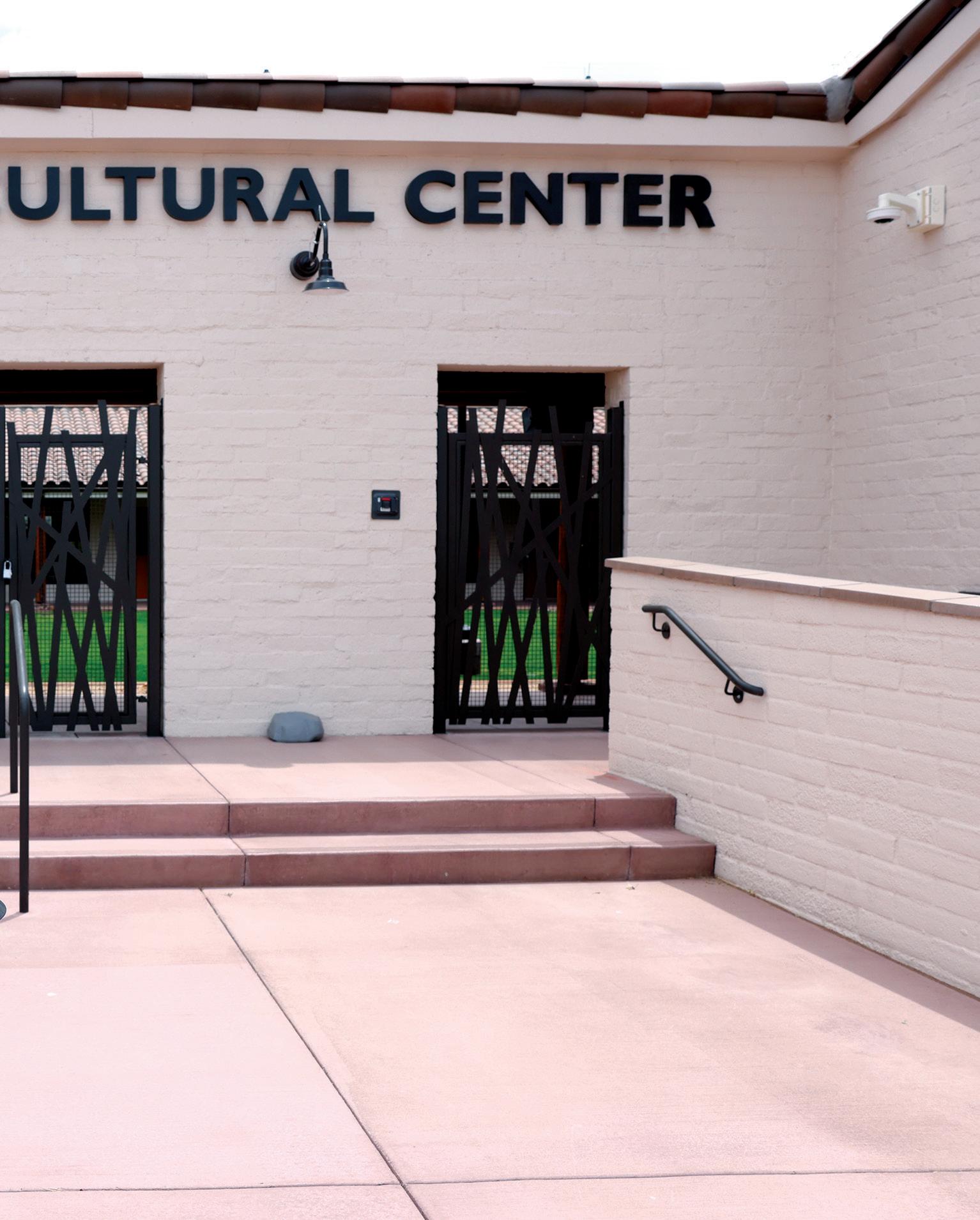
The Kavaḍ/Kushov Cultural Center celebrated its grand opening in May 2026, marking the culmination of a vision that has spanned decades. Cultural Resources Director Kelly Washington shared the long journey that brought this project to life.
In the late 90s, Kelly was a participant in a committee of community members who were exploring the possibility of a robust cultural center—a center that would provide spaces for cultural education in language, crafts and traditions, as well as cultural events and activities.
“The center is something I had envisioned for over 30 years in this location. I was just a participant at that time, as a community member. It had been brought up several times over the years, but this time It was brought up through the museum and I was excited that it might happen,” said Kelly.
He recalled numerous meetings and discussions, including debates about
where the center should be located. The original proposed site was at Dobson and Chaparral Roads.
“I couldn’t figure out why, given all the history that was [at the day school site], but it was an operating school at the time, so it was not feasible then,” said Kelly.
Unfortunately, many of the committee members eventually moved on, and the project lost momentum.
The idea resurfaced in the mid2000s when Council began exploring ways to bring the community’s cultural pieces together as a new department. Kelly, then director of the museum, was asked to lead the effort and become the director of the newly formed Cultural Resources Department.
“I remembered that these plans existed, and I wanted to dust them off,” said Kelly.
He participated in a strategy team that reviewed those plans and how they might be applied.
“We didn’t have a problem providing cultural programs, we just didn’t know where we would do them. The recommendation submitted to Council was the creation of a centralized cultural center, where all these things could happen,” said Kelly. “But at the same time, our energy was spent putting the department together—the language program was located at the Salt River Community Building, the museum was over by what would become Two Waters, the THPO garden staff were in Community Development, so we gave up one of the classrooms to move the garden staff in with language.”
Eventually, some staff were moved to the old Social Services building, providing more office space, but programming was still limited to one classroom.
“Over the years, I kept putting the need for a cultural center in my reports and budgets so no one would forget. Then in 2007, the school closed, and we became more vocal
about what should happen to the building and the creation of the cultural center,” recalled Kelly. “Some wanted to tear it down, but our community general plan has a section dedicated to the preservation of historical buildings, and we recommended that even if the department didn’t get the site, that it should be preserved.”
In 2016, Council and Community Development began creating a master plan for the area surrounding the water tower. Kelly’s department was asked to develop a sub-master plan for cultural complex that would use Bureau of Indian Affairs land within the greater masterplan.
When the day school closed, the community applied for the transfer of the BIA land. The process took 12 years, with the transfer finally completed in 2019.
“We had many meetings with Community Development and began planning what we would do if we got the school,” said Kelly.
“In 2018, we presented our draft of our plan to council. We also submitted a programming plan and presented the plans to the community. We were excited that funding was set aside for the cultural center in 2019.”
Like many projects, progress stalled during
Covid. Work resumed in May of 2021 and gained momentum with the selection of Dallas Construction in 2023. Around the same time, Kelly began working with Community Development on the Designation of Land Use for 18.5 acres, including the day school, for a cultural campus.
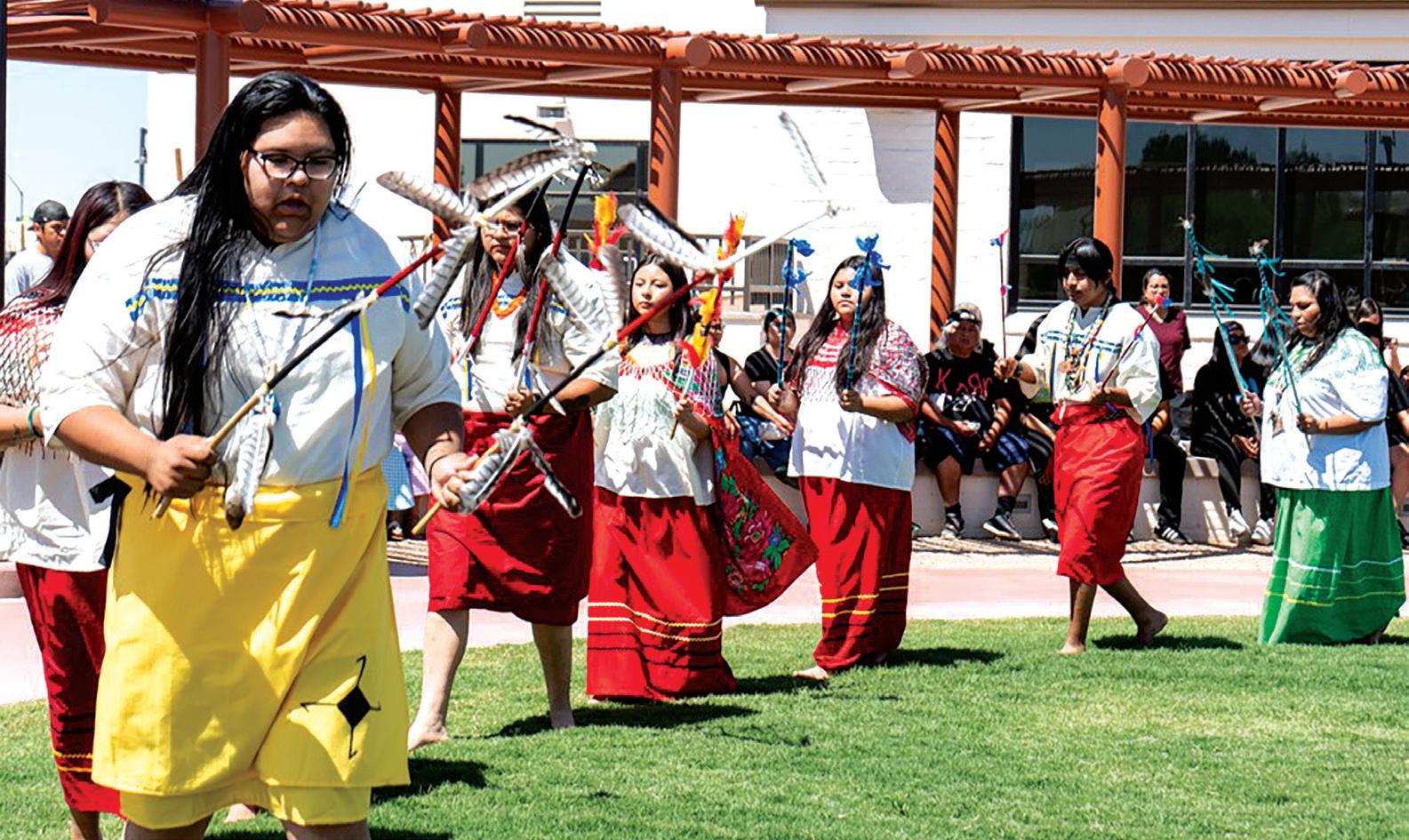
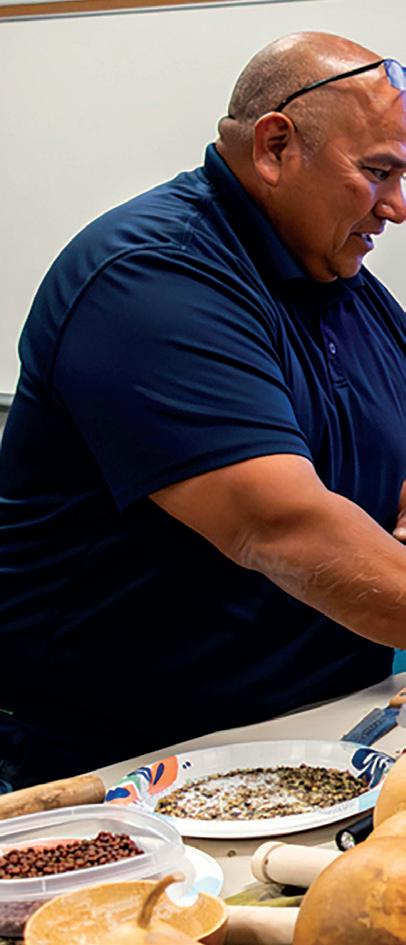
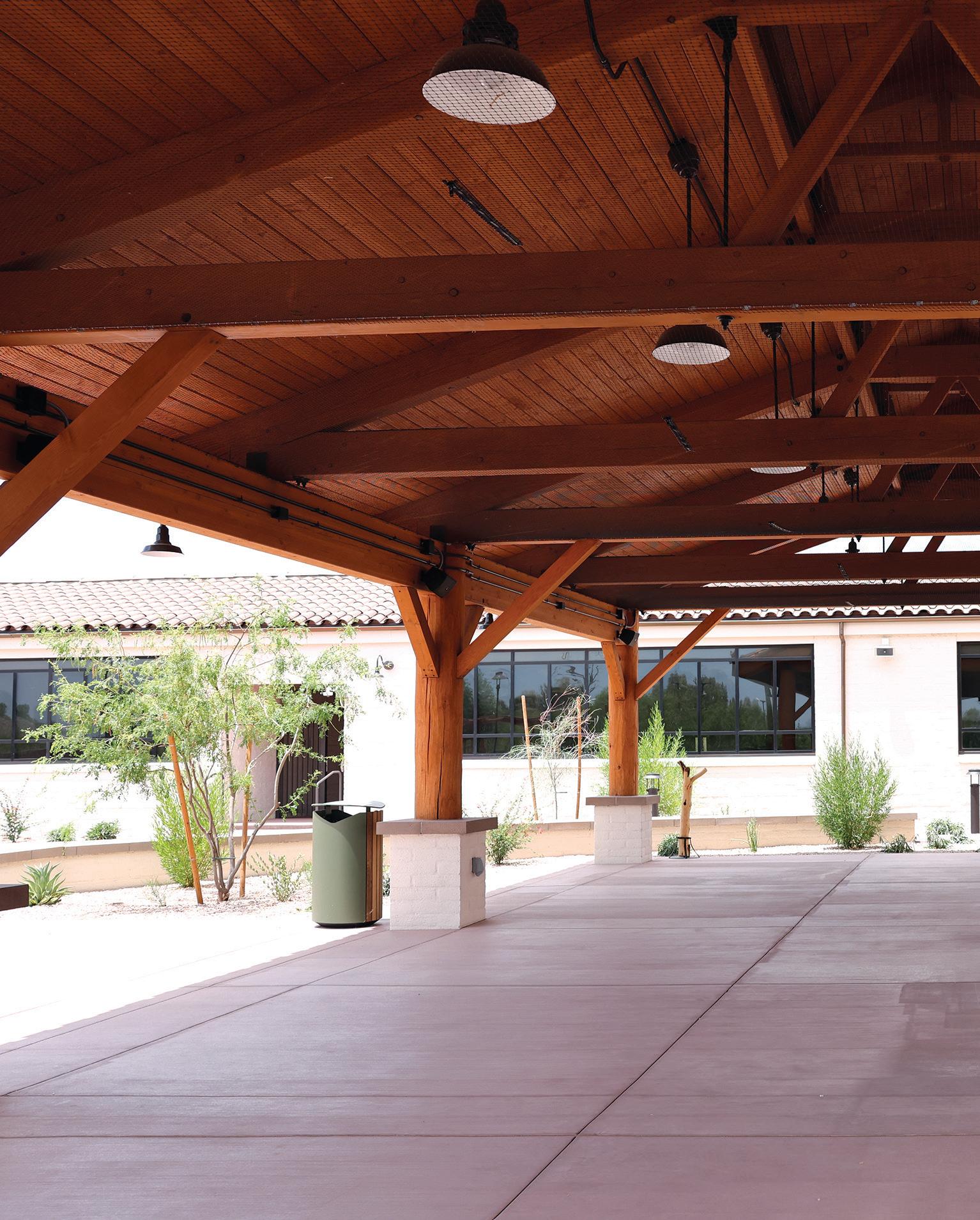
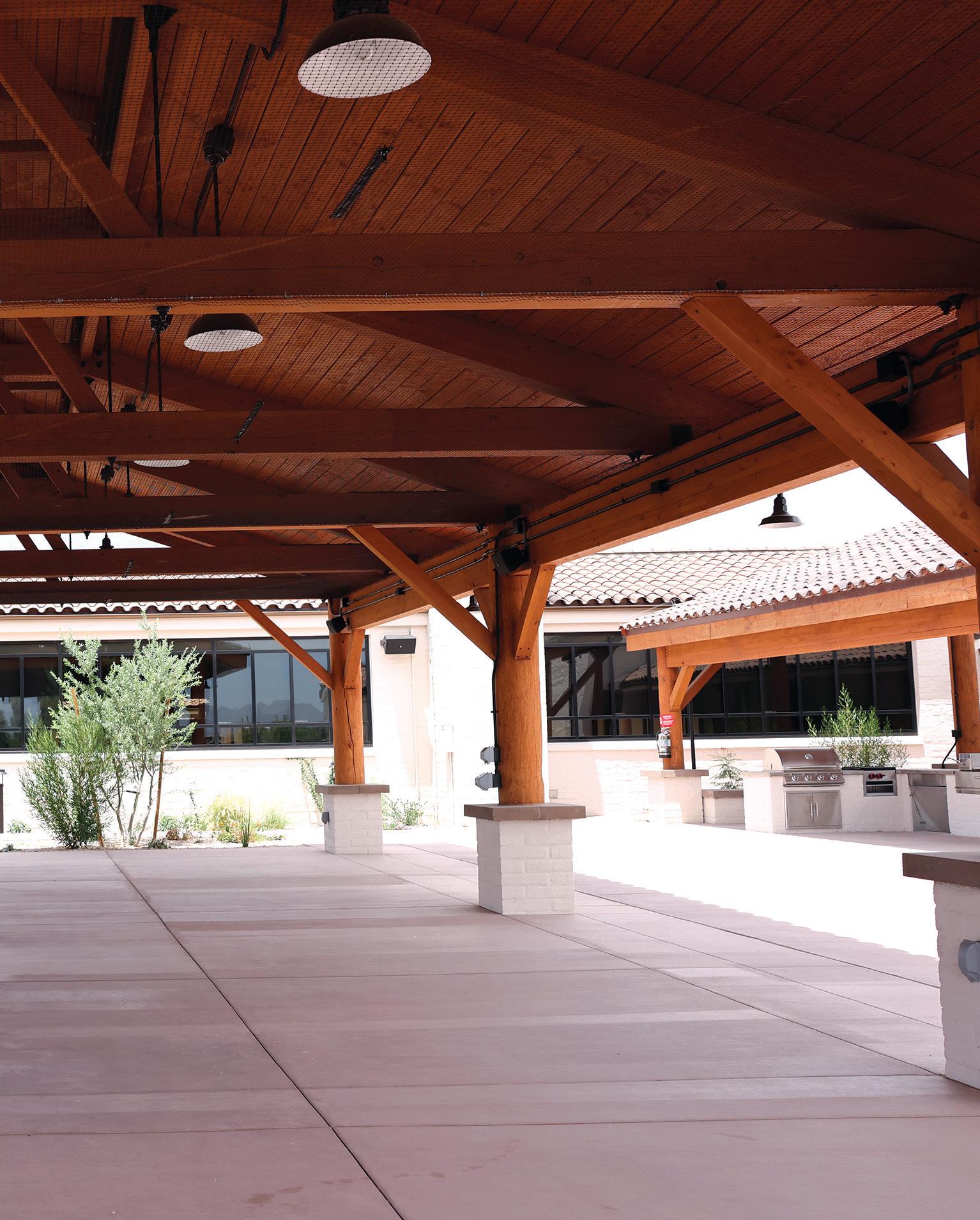
“With the school and surrounding land, we had a lot of free space, so we looked at the 90s document and began figuring out where certain programing would go,” said Kelly. “We created more outdoor spaces. We wanted spaces where the community could gather for dancing or cooking with an outdoor kitchen including a big komal and wood and gas grills. These would allow for traditional ways of cooking, supporting events and cooking classes.”
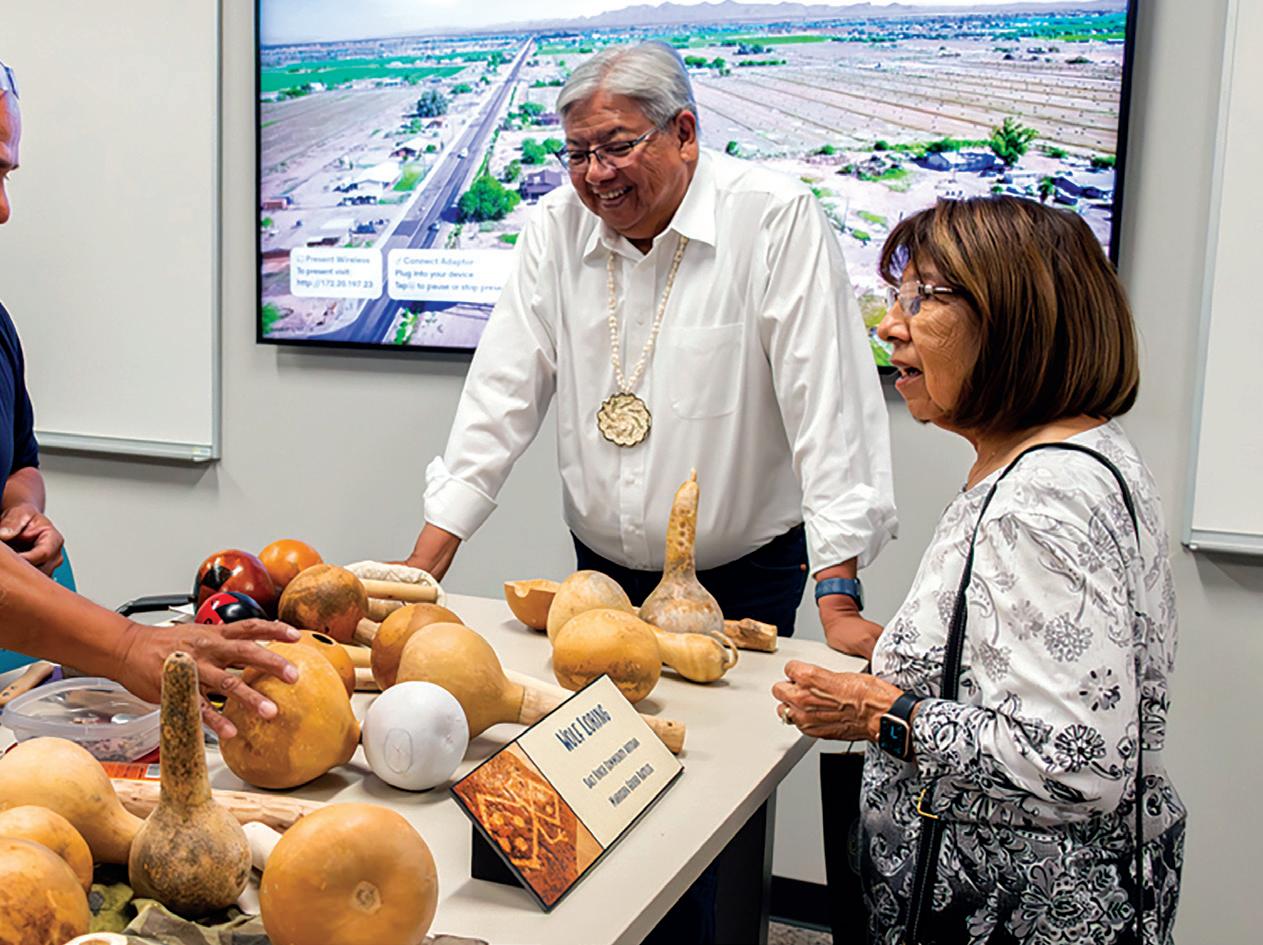
Today, the center hosts Cultural Resources programming such as language, and traditional crafts and cooking, but spaces are also available
to community members and others for events and programs that support the preservation and continuation of O’odham and Piipaash culture.
“We are not an event venue for parties and the like—there are other places in the community for that— rather, we dedicate our spaces for activities that have a cultural emphasis,” said Kelly. “Dance groups have reserved the space for practice, and we know we have people in the community who have a passion and expertise to share traditional arts and ways—such as pottery, traditional dress making, leather working— they just need a space to teach and share.”
While the grand opening marked a major milestone, Kelly says the work is not done.
“Our next project is to explore bringing museum onto the cultural campus. This would allow for permanent and new, temporary and rotating exhibits, including ethical return items that are coming back to the community,” said Kelly. “The museum has not yet been approved, but Cultural Resources has been developing programming ideas for a new museum for many years. If we are successful, this would be the last major element of the cultural campus that was envisioned 30 years ago.”
“With the school and surrounding land, we had a lot of free space, so we looked at the 90s document and began figuring out where certain programing would go.”
Ske:g Kamduum and Yá’át’ééh abíní!
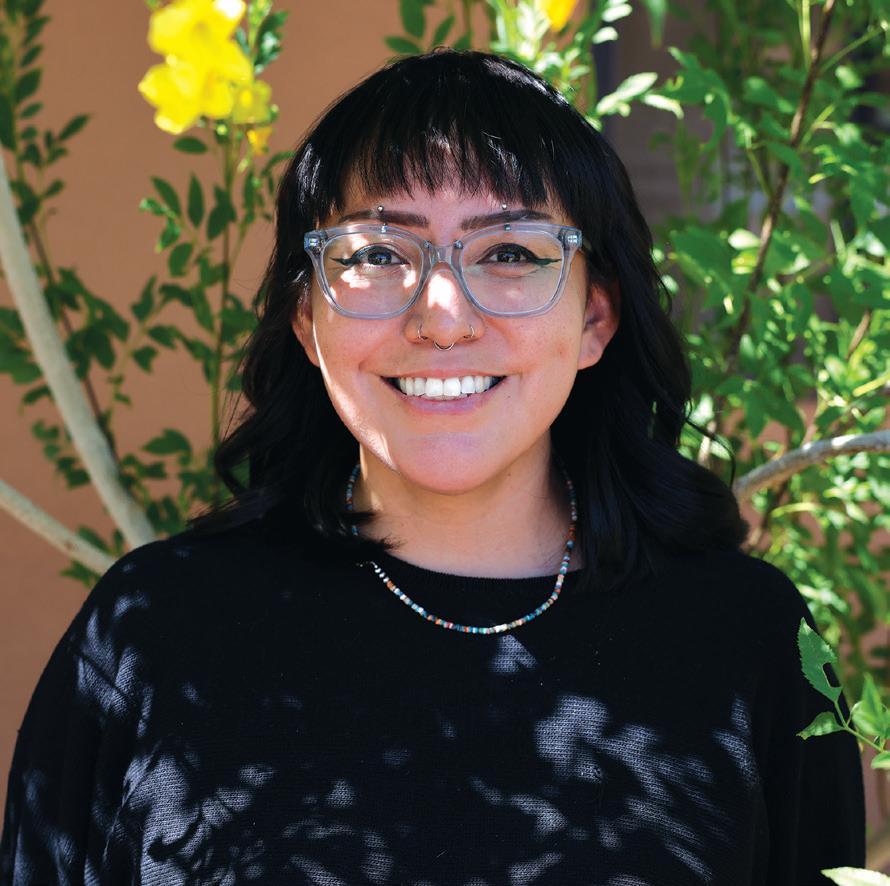
It’s me, your friendly goth/emo PR & Media Specialist, Ravenna. If this is your first time seeing my name, let me quickly introduce myself. Yá’át’ééh , my name is Ravenna Curley. I am of the Tsejíkinii (Honeycomb/Cliff Dwellers) Clan and born for the Tó’áhédlíinii (Water Flows Together) Clan. As you may have guessed, I am Diné (Navajo).
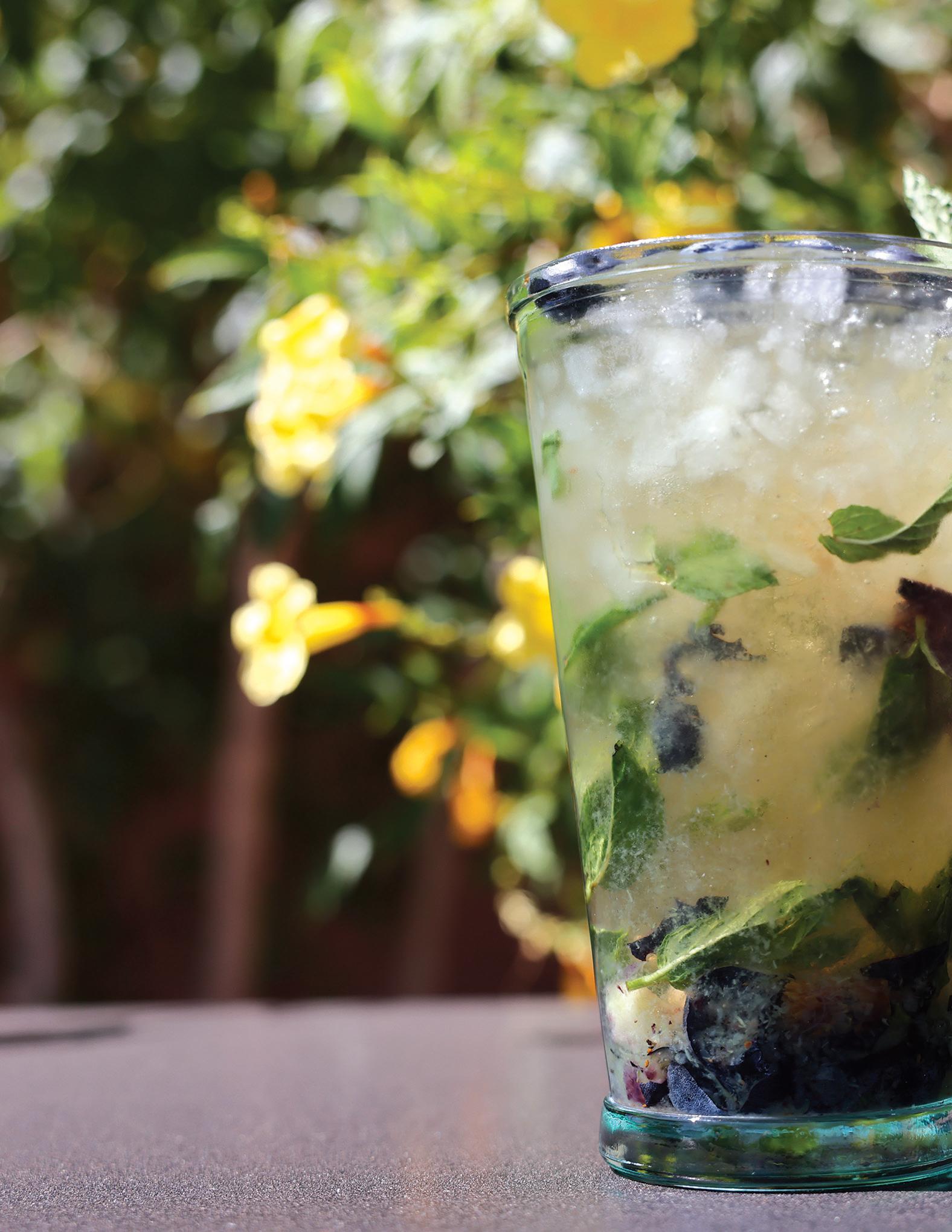
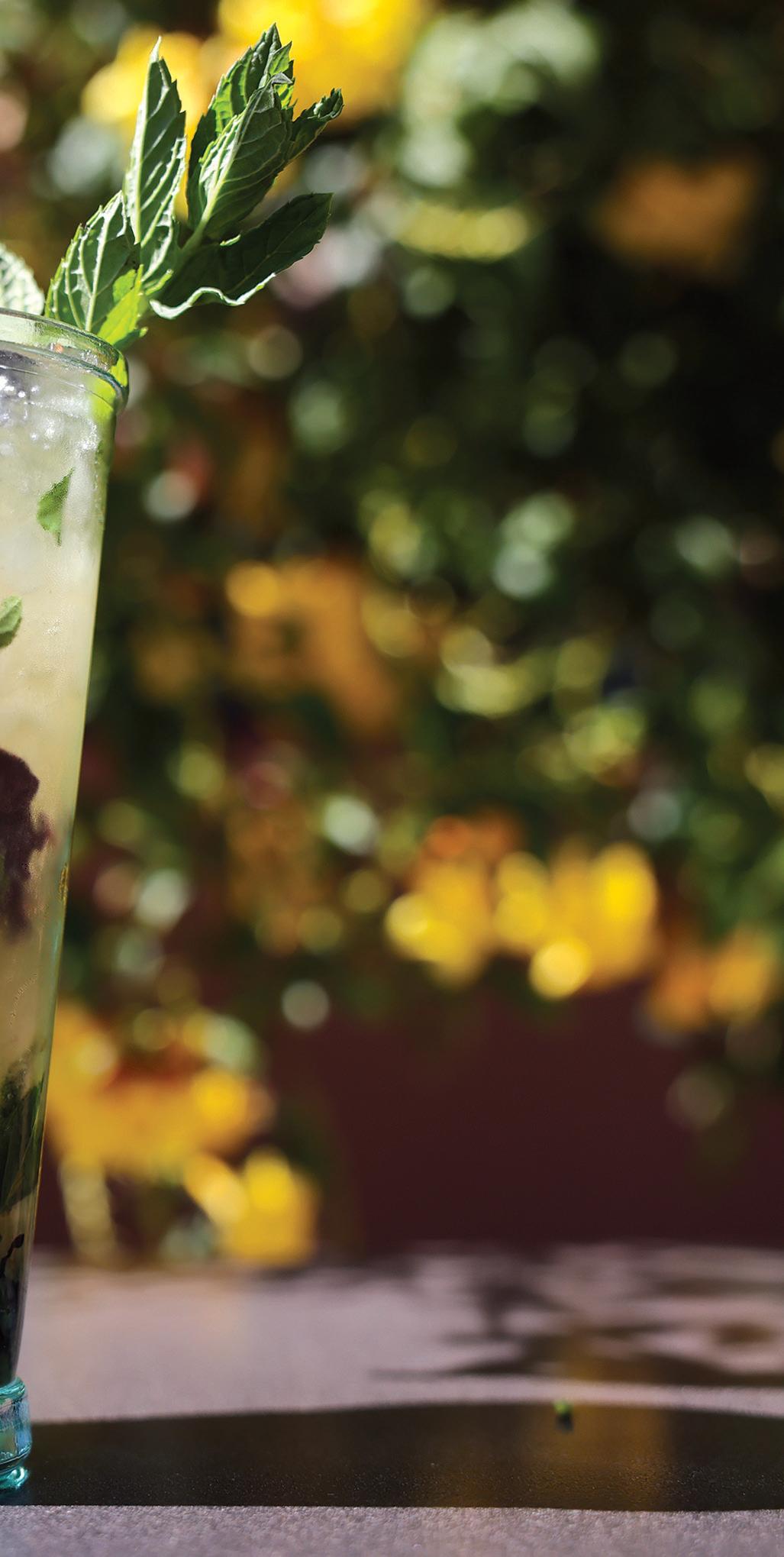
Over the past two years, I have been navigating a mysterious inflammatory condition affecting my feet. That experience inspired me to take a closer look at the foods I eat and begin incorporating more antiinflammatory ingredients into my daily meals. One ingredient that quickly became a staple in my kitchen is turmeric and chamomile tea.
As we age, many of us experience arthritis, joint pain, and swelling, which can make everyday activities more challenging. While food is not a cure-all, making small changes to our diets can help support overall wellness. Turmeric is commonly used for its antiinflammatory properties and combined with a chamomile tea refresher can be a comforting way to start your day.
With that in mind, I’d like to share two simple items that you can add to your weekly routine and start your mornings on a positive note.
INGREDIENTS
• 1 bundle of dried Navajo Tea/2 Bags of Chamomile Tea
• 3 Slices of fresh ginger
• ¼ cup of blueberries
• ¼ mint leaves
• 1 teaspoon of raw honey
• ½ cup of sparkling water
INSTRUCTIONS
1. Brew the bundle of Navajo tea/Chamomile tea bags and chill
2. Muddle fresh ingredients in a cup
3. Add ice to the same cup with muddled ingredients
4. Pour chilled tea over ice
5. And raw honey for sweetness
6. Top with sparking water and enjoy!
INGREDIENTS
• 1 5.3 oz of oikos triple zero flavored Greek yogurt
• ½ cup rolled oats
• ¼ cup unsweetened almond milk
• ¼ cup blueberries
• 1 teaspoon of powered turmeric
• Pinch of black pepper
INSTRUCTIONS
1. In a mason jar, mix Greek yogurt, rolled oats, almond milk, black pepper and turmeric
2. Cover jar tightly and refrigerate overnight
3. In the morning top with blueberries and raw honey
4. Enjoy with your tea refresher
1
Kraft Korner
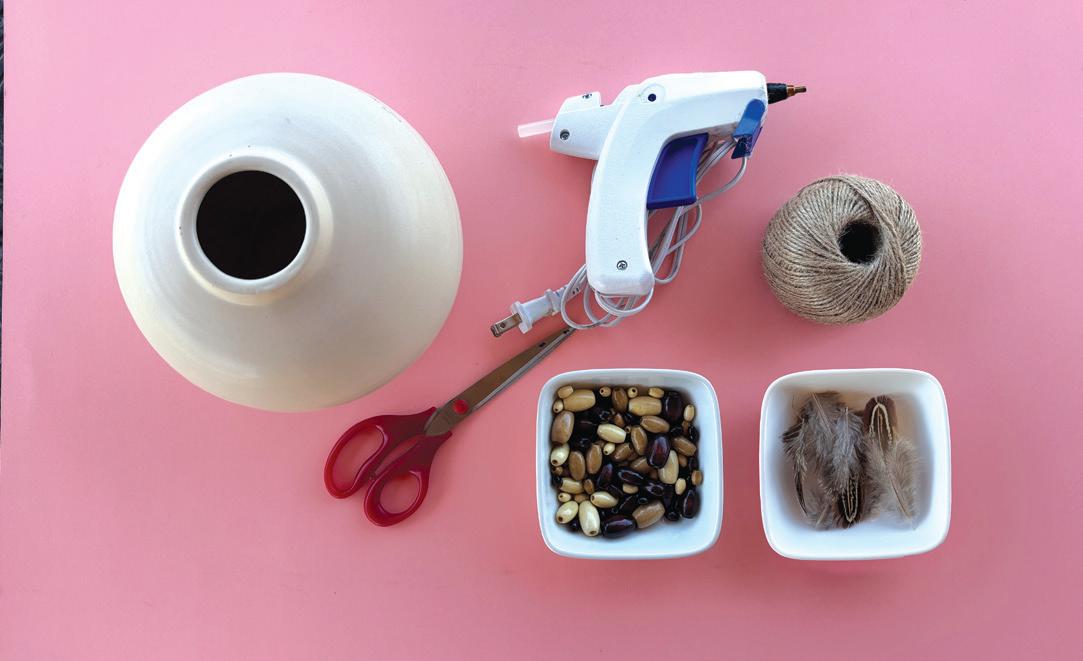
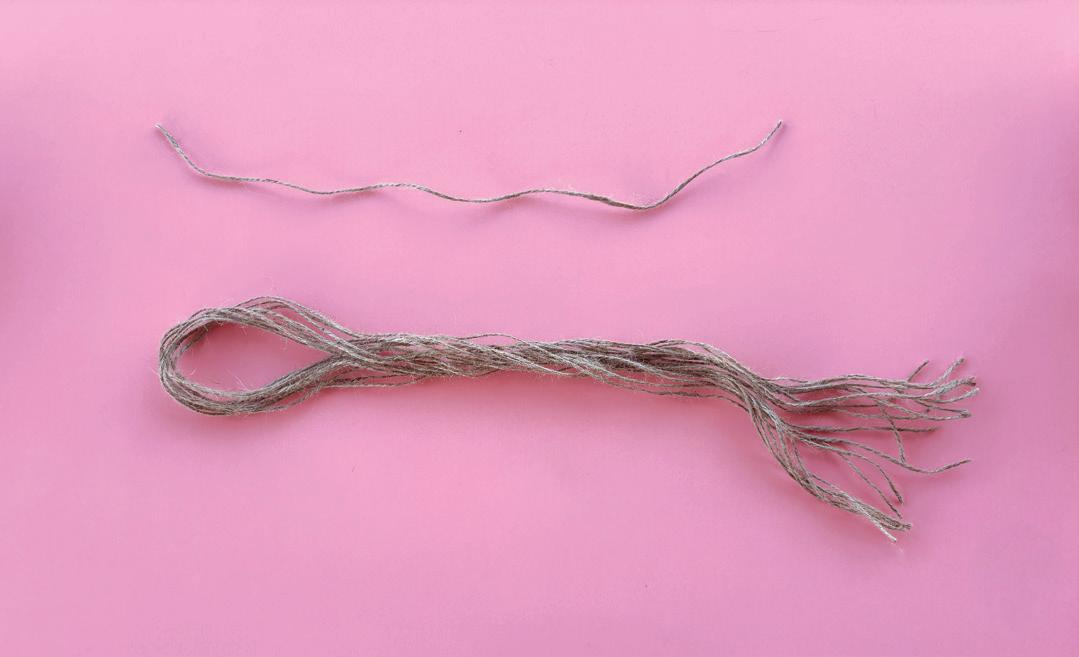
Gather your supplies: Vase, hot glue gun, hemp twine, scissors, beads and feathers or other embellishments of your choice.
3
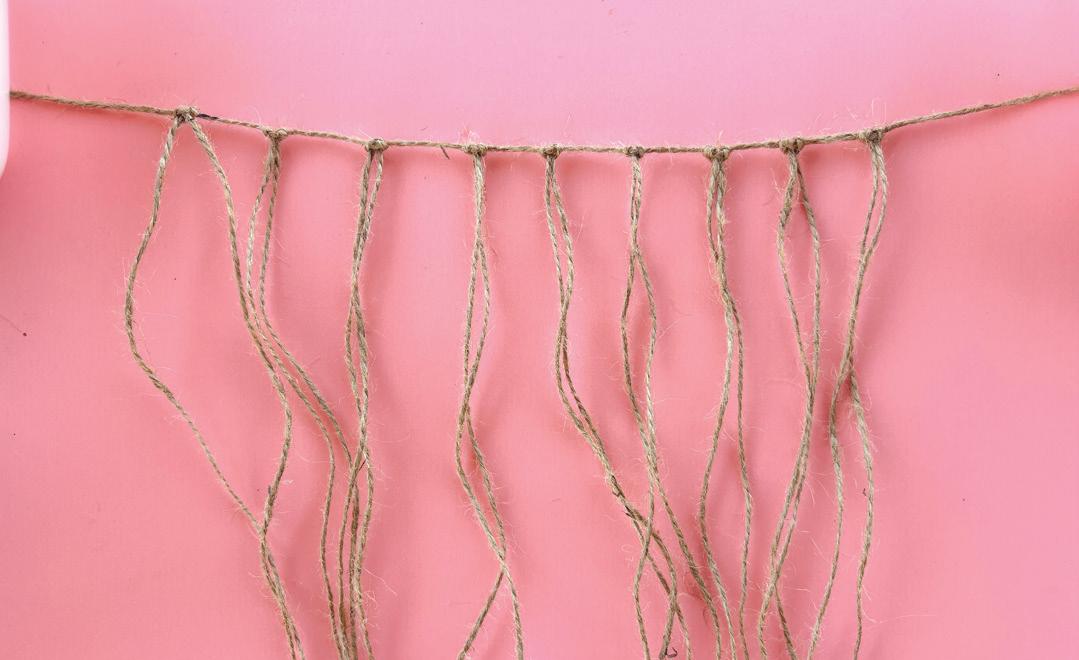
Take one of the long pieces of twine and starting in the middle of your marked area on the neck twine, place the loop end below the twine and bring ends up and through. Pull tight.
Here is a fun and simple craft you can do at home with your friends or grandkids!
2
Measure and mark the vase neck with twine, leaving extra for a knot. Cut 9 pieces, each twice the vase length plus 4 inches.
4
Continue to fill in the length of the twine at equal measures.
5 7 9
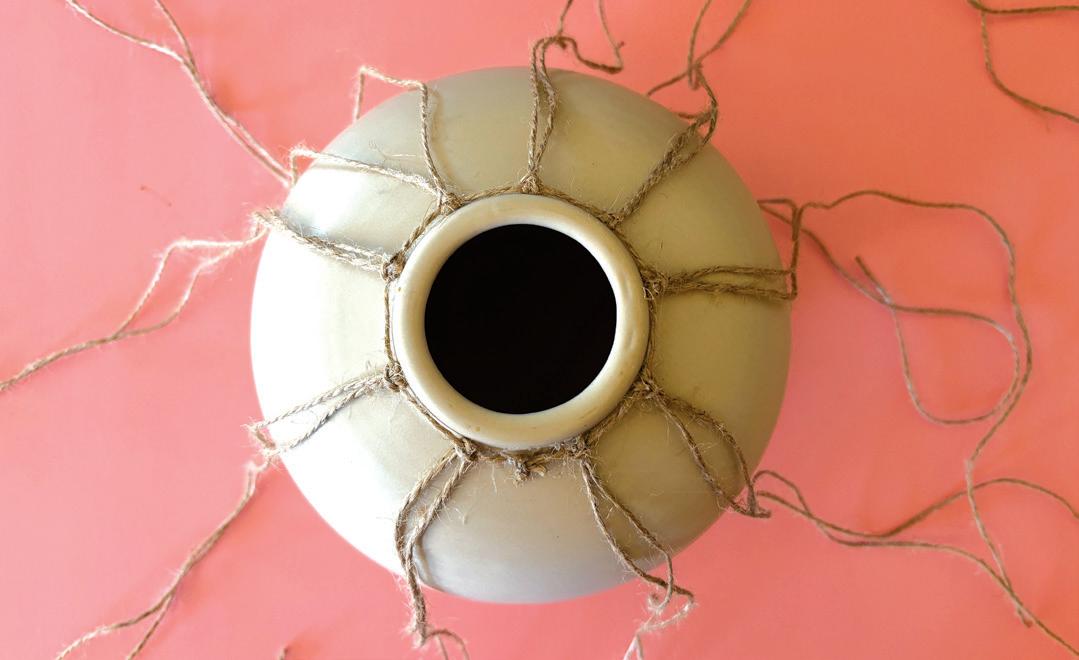
Tie the twine around the neck of the vase and secure with a bit of glue. Drape the ends over the sides and slide the “tails” for equal spacing.
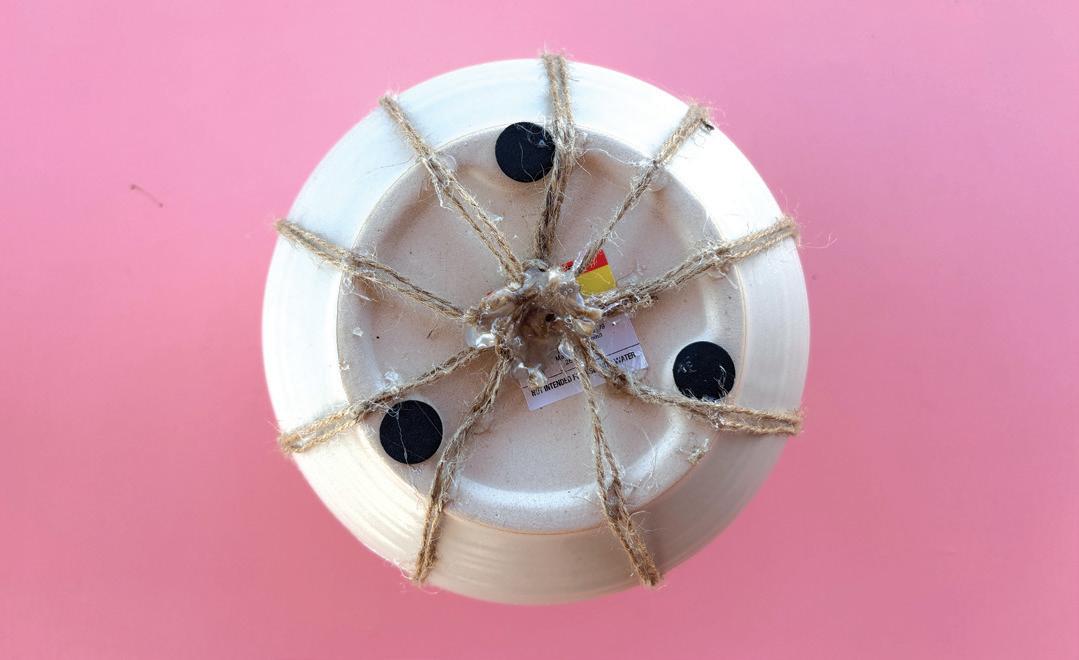
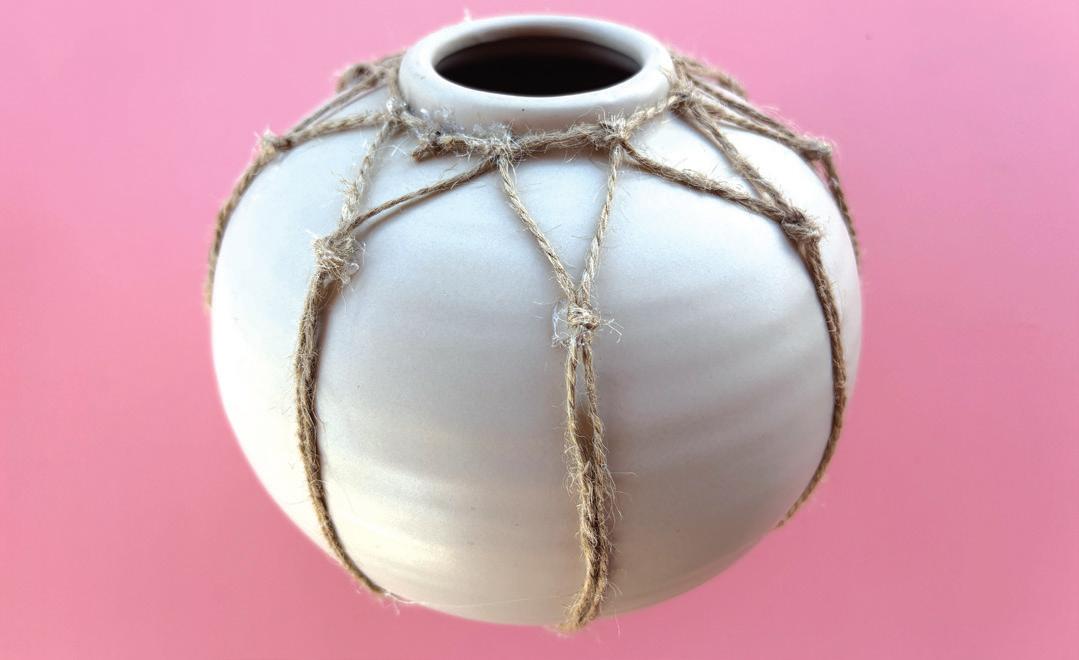
Tie a tail and secure knot to the bottom of the vase with glue. Tie the other tails around the first tail and secure the final large knot with glue.
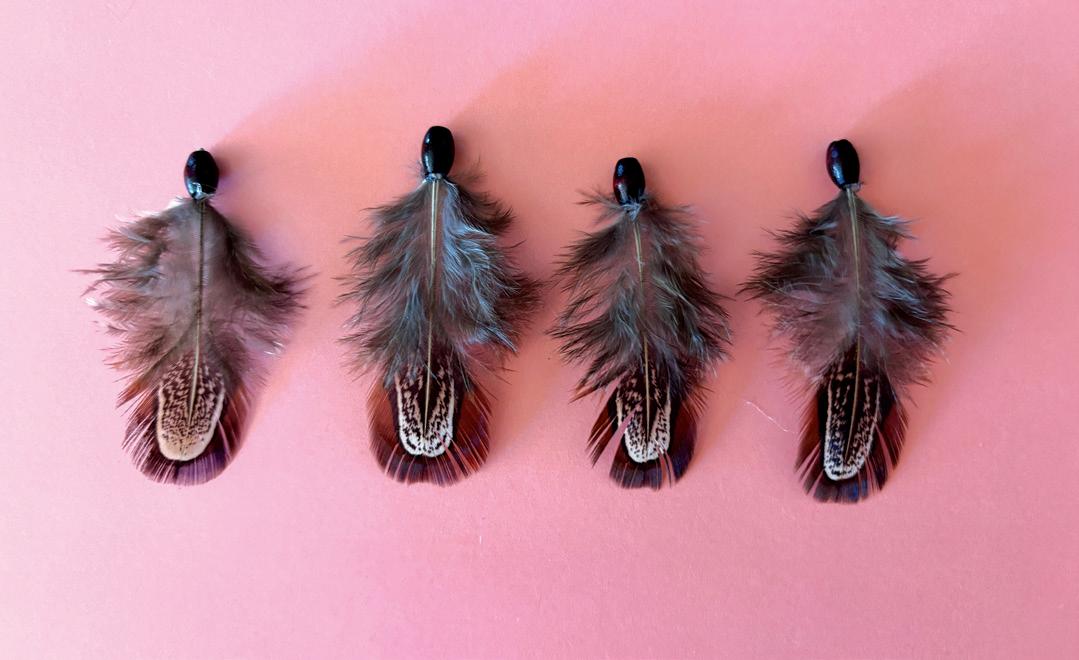
Place a bit of glue in the hole of a bead and insert a feather. Make nine of these.
6 8 10
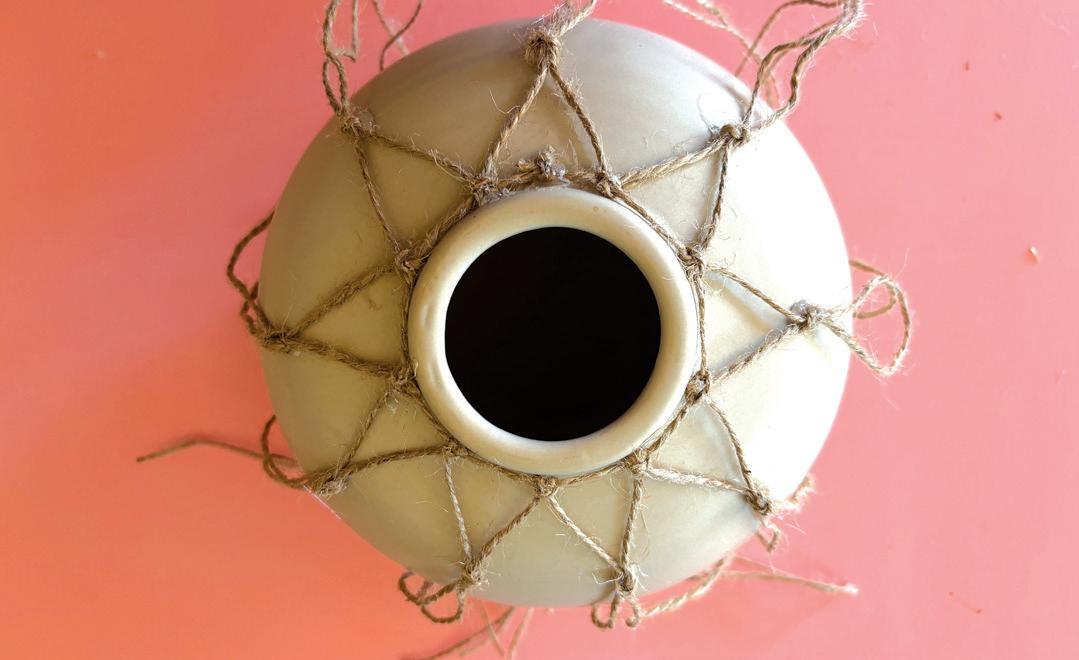
Take the left twine of one of the tails and the right twine of the tail next to it and tie a knot about 1.5 inches from the top of the vase. Continue the same way around the vase until you have a sunburst pattern. Secure the knots with glue.
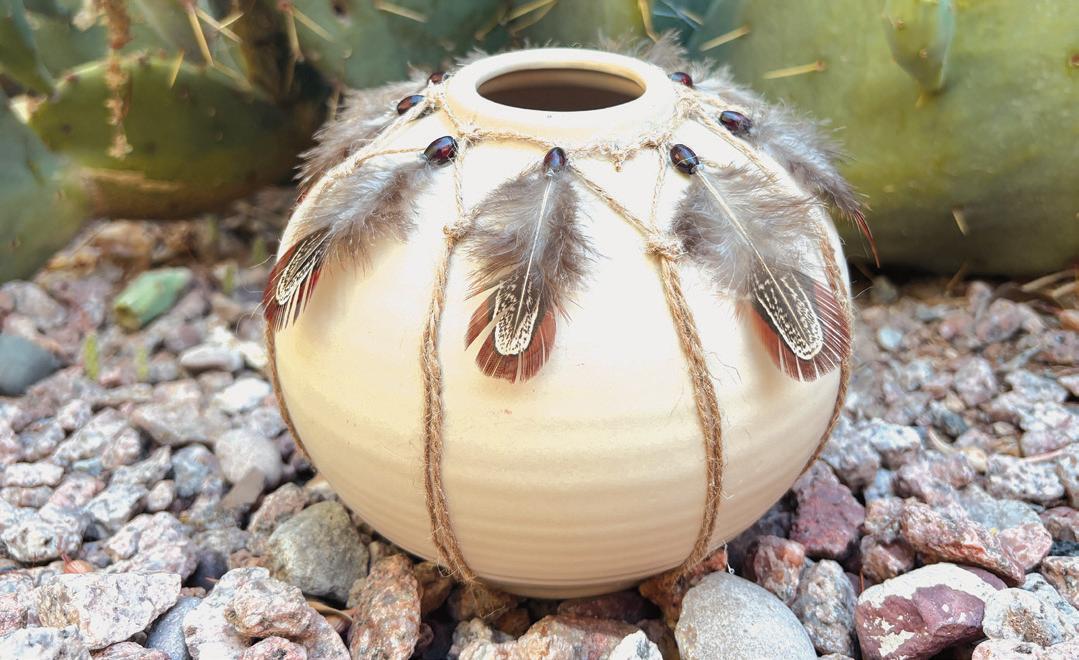
Your vase should look something like this.
Glue a feather at the neck of the vase between each sunburst. Voila! Your cactus is done.
Math Crossword
Find solutions for all equations and write down all the numbers.
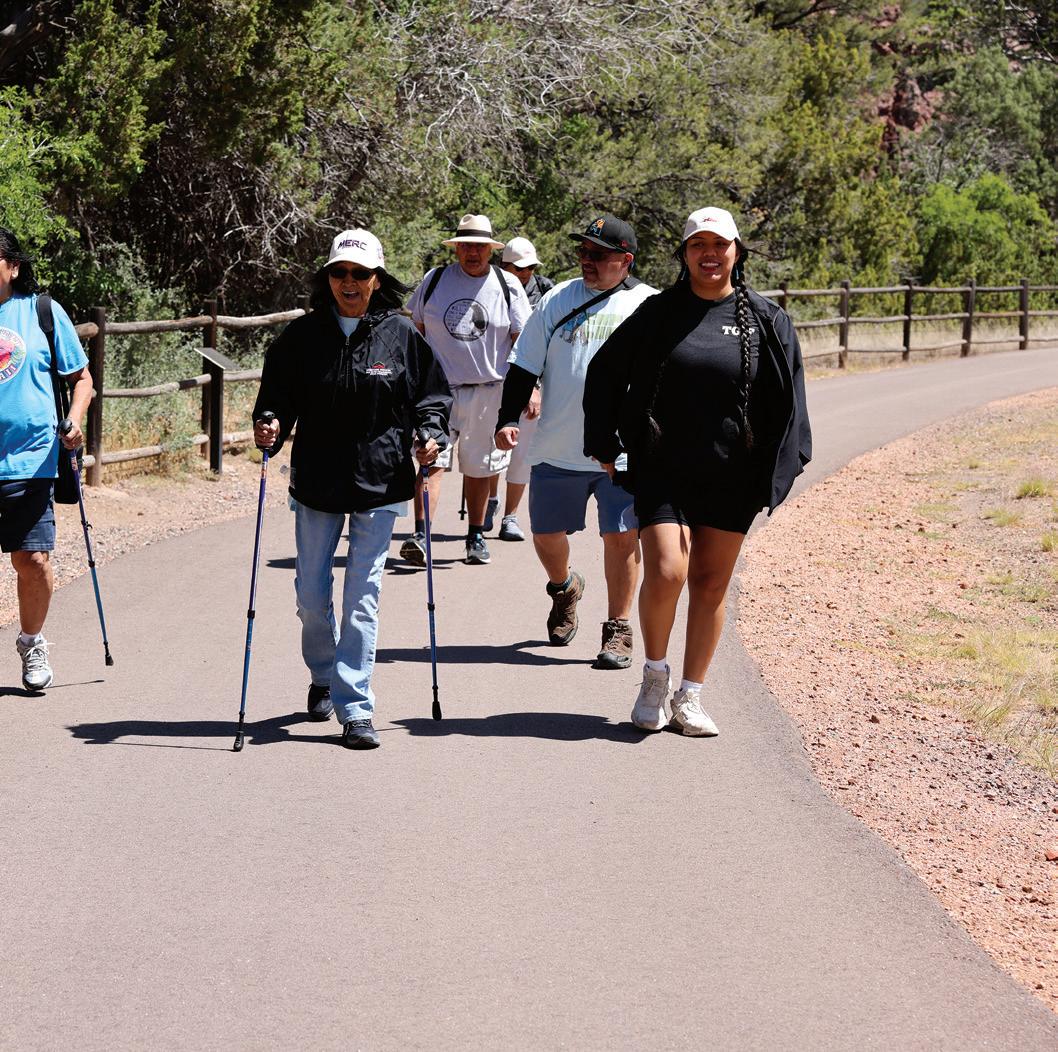
Let’s hike
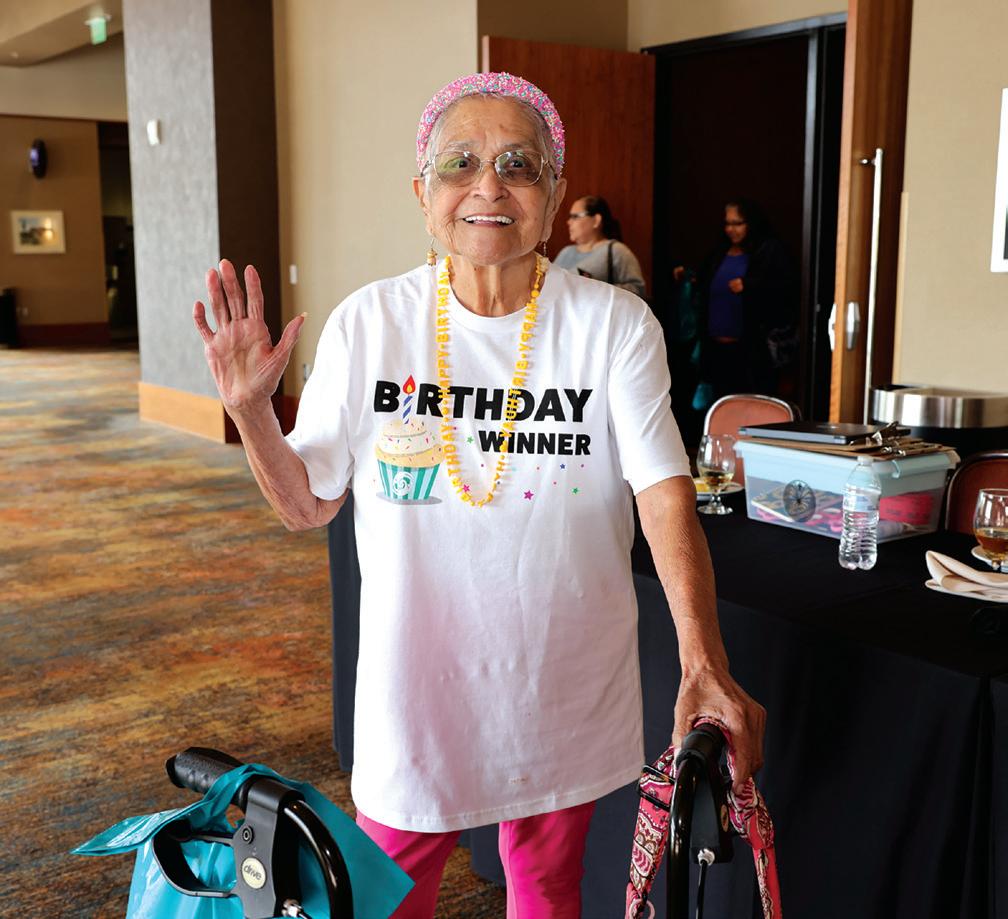
Candle Queen
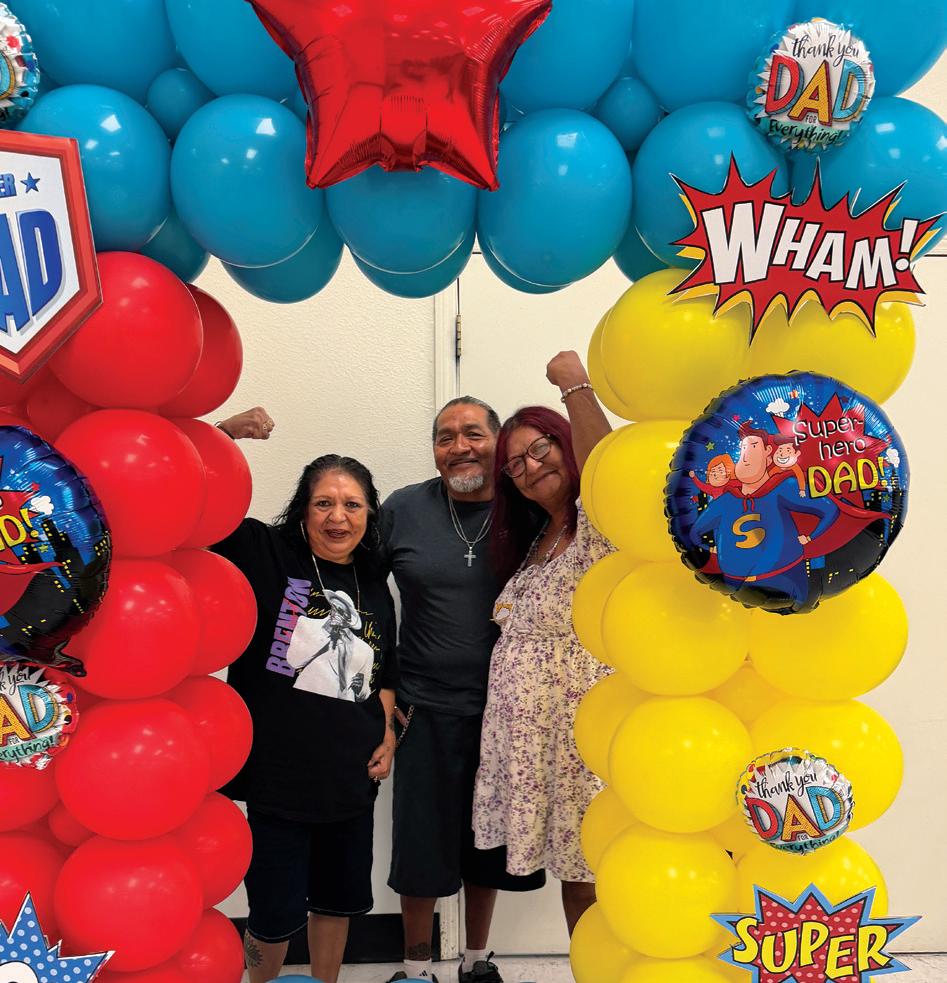
Wham!
A LOOK BACK
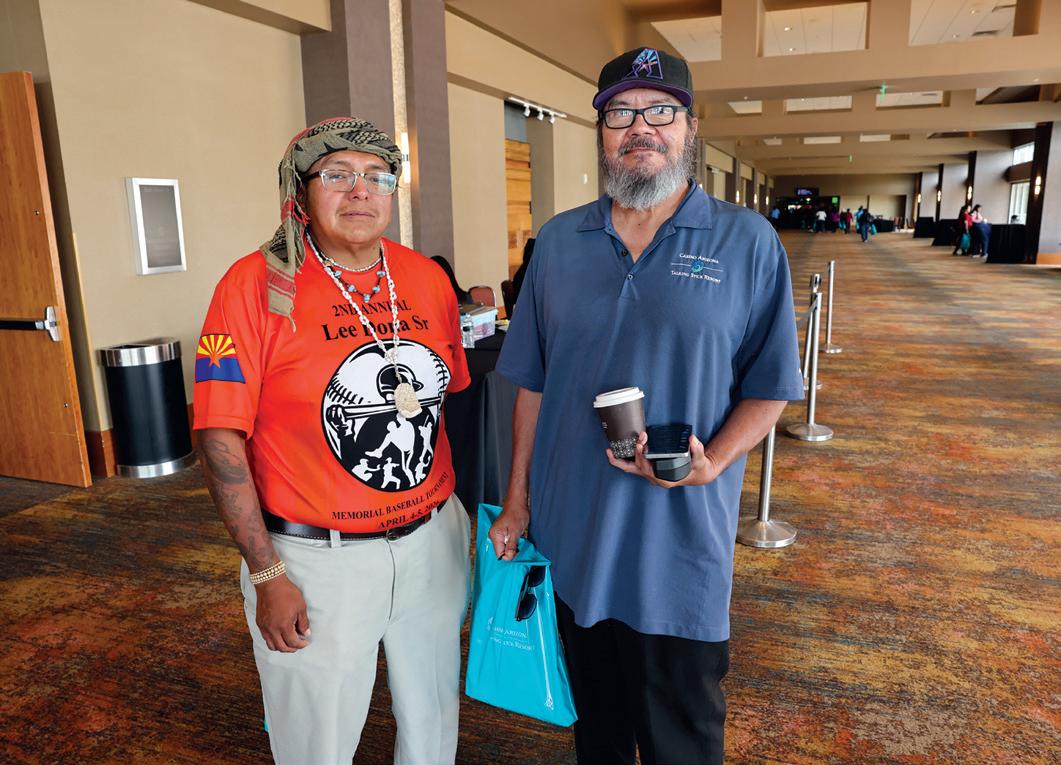
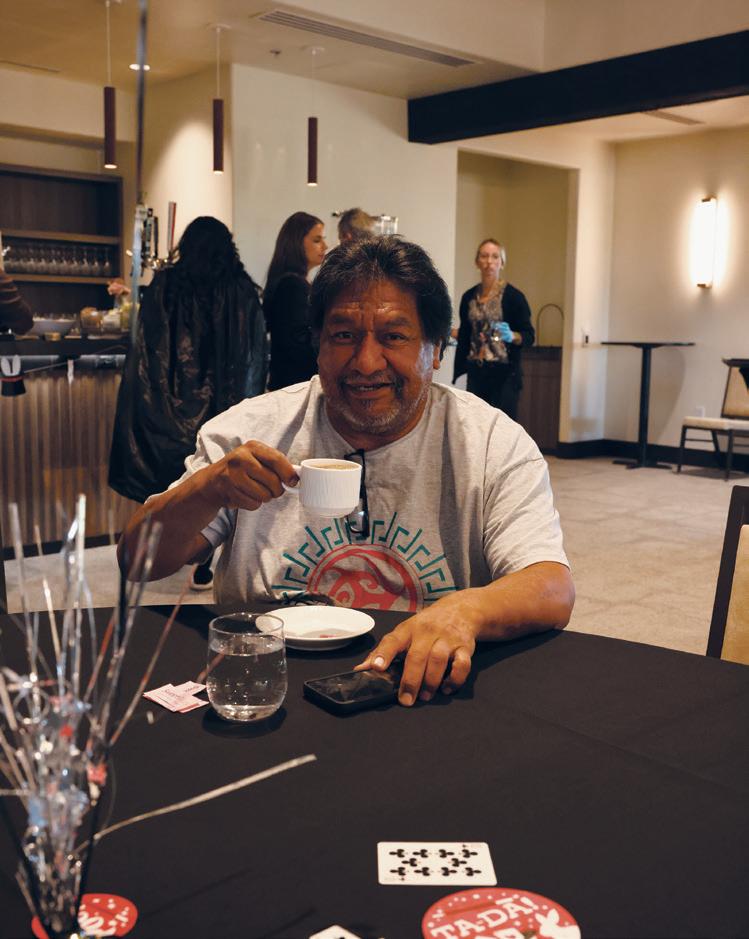
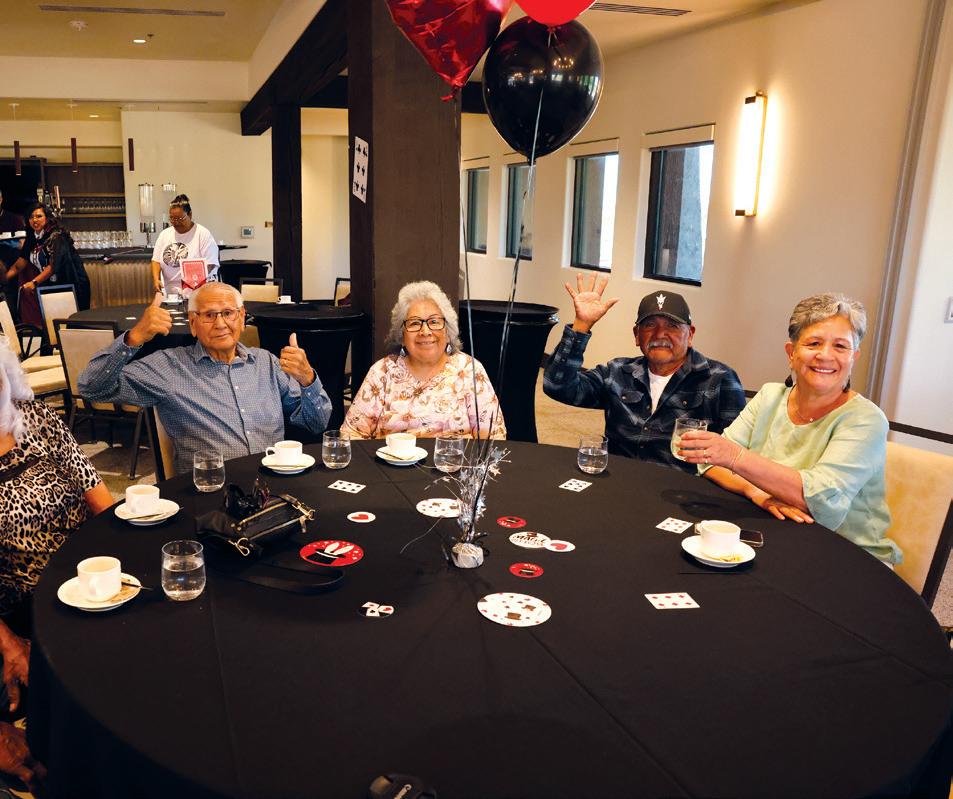
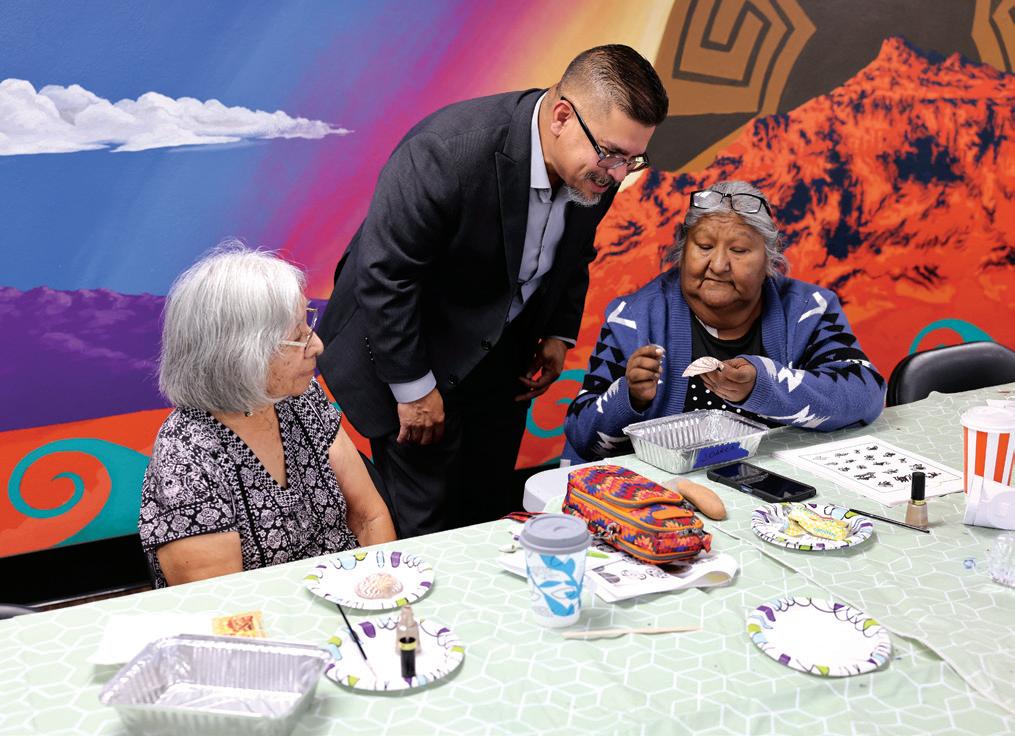
Summer has officially clocked in! Get ready for sunny adventures, cool treats, and enough laughs to melt a popsicle. These memories are proof that the best way to beat the heat is by making it together.