Our Ties to the Arizona National Guard & Memories of a Grandfather
Recipes
5-minute High-Protein Cottage Cheese Toast
Kraft Korner Rope Cactus
Mind Teasers Games
Senior
Rebecca
Community A Look Back
Contact us
Address
10510 E. Osborn Rd. Scottsdale, AZ 85256
Phone
480.362.6350
Department Message
Ske:g tas and Kamduum,
Follow
@SaltRiverSeniorServices srpmic-nsn.gov/seniors
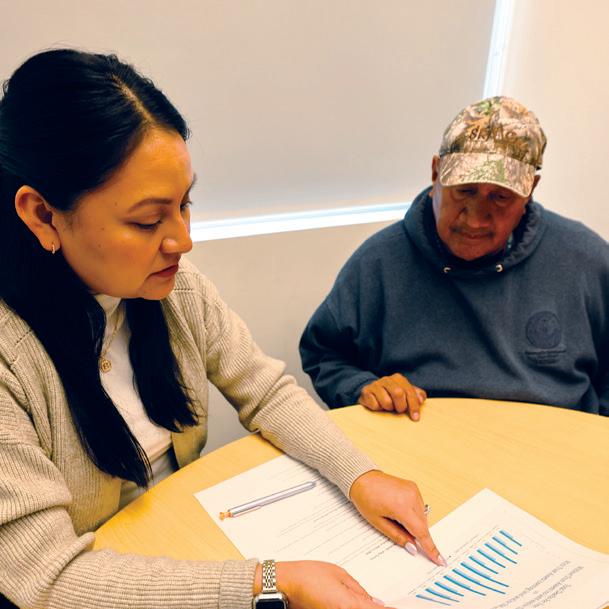
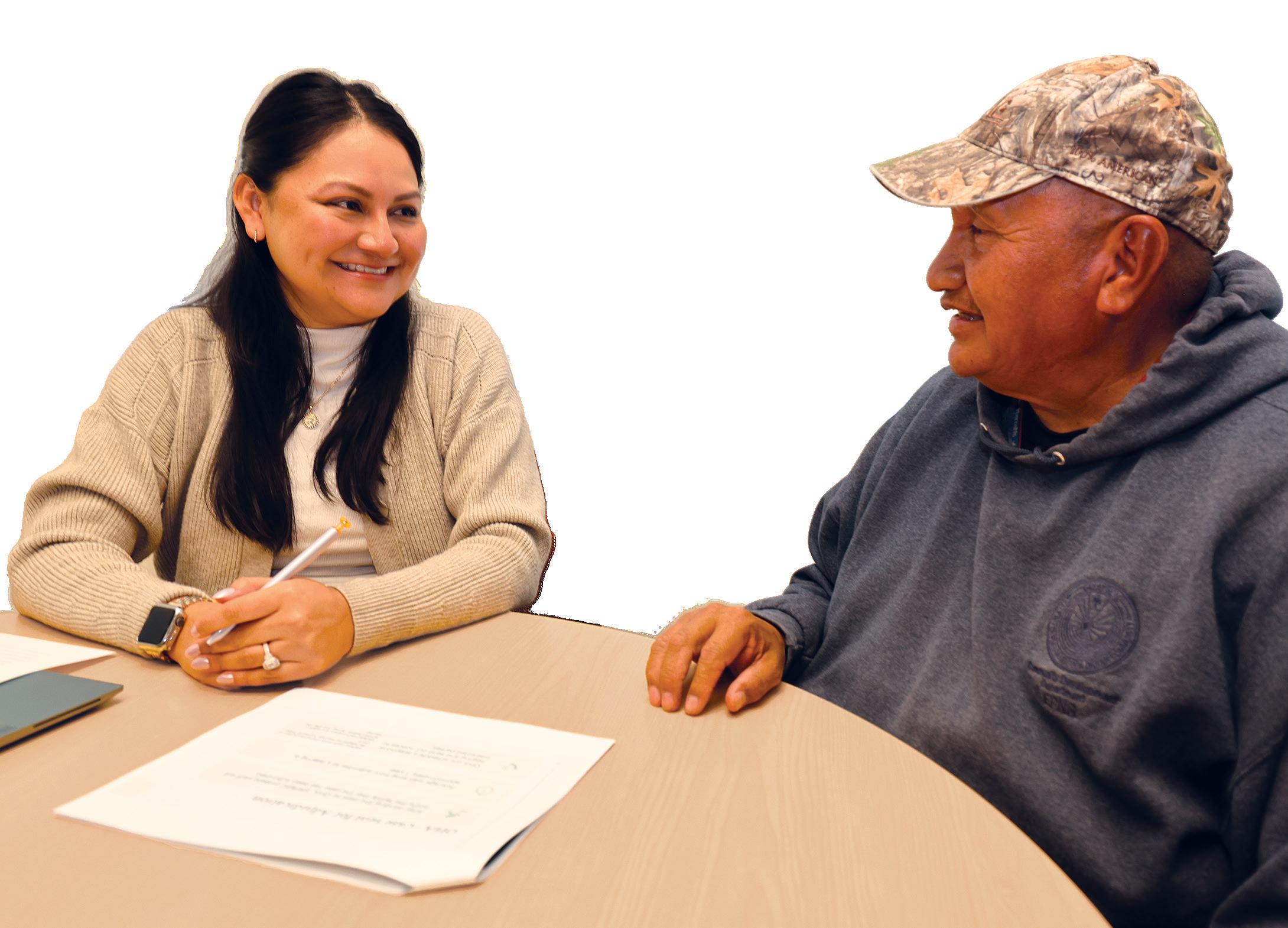
For those who don’t know me, my name is Jessica Martinez. I serve as the Community Liaison for Senior Services, and I am here to help as much as possible. My goal is to ensure you leave here with the intent to come back often and to recommend us to others.
Managing Editor Jon Newman
Writer Laura Toussaint
Graphic Designer Ravenna Curley
Photographer Isaac Torres
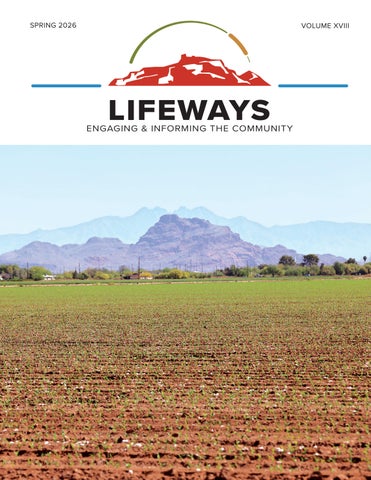
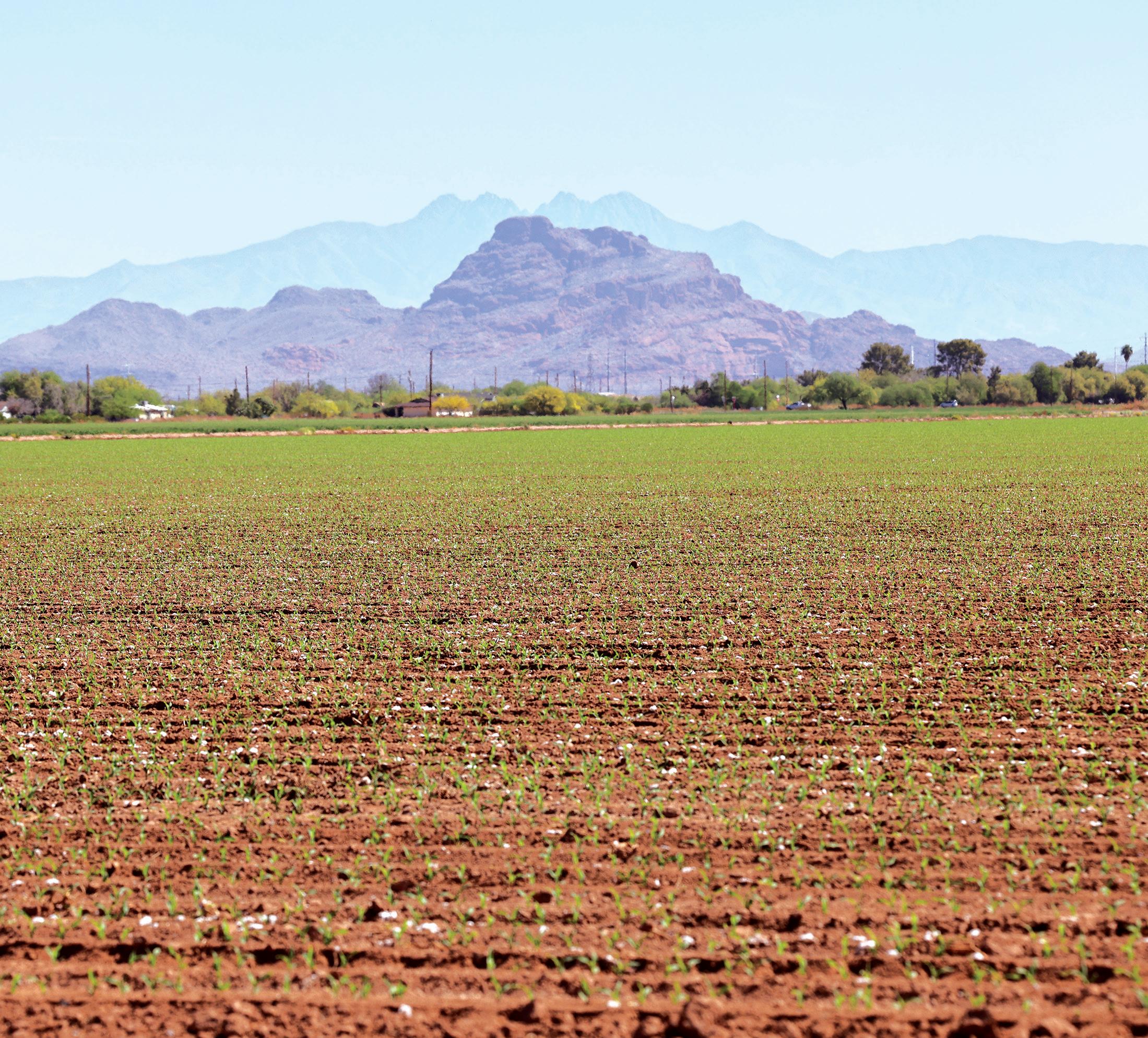
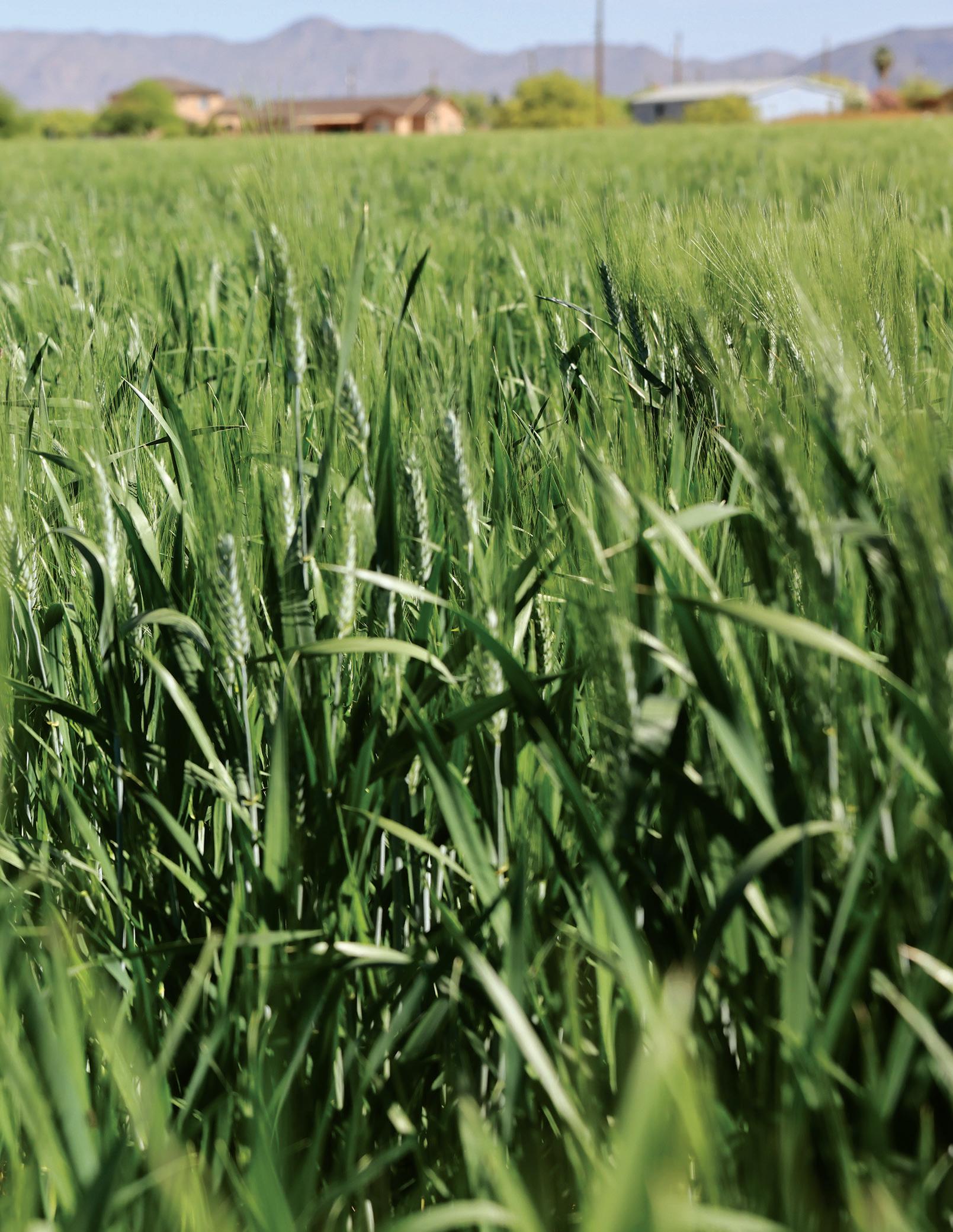
Cover Photo
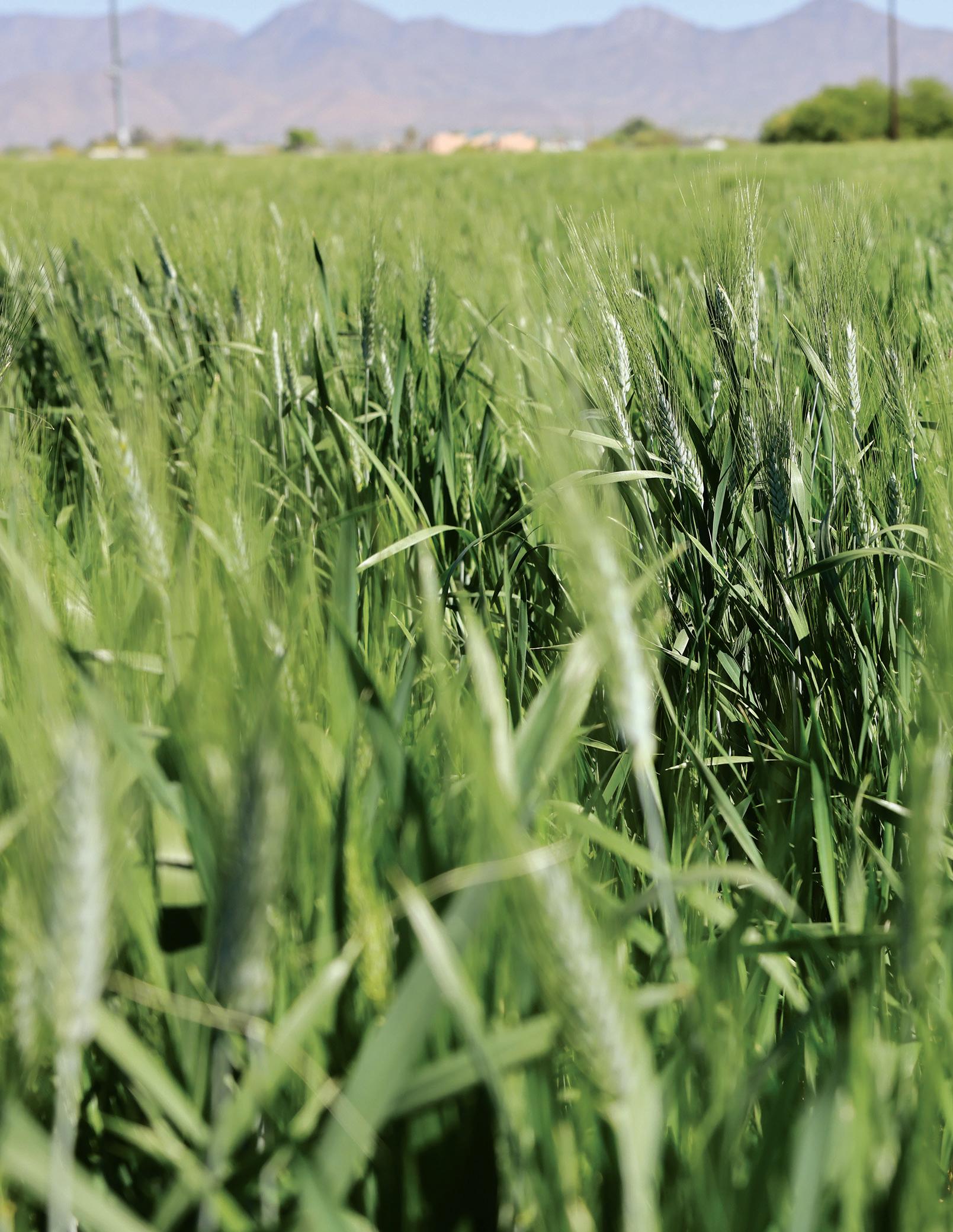
Community Fields & Red Mountain
At Senior Services, Care and Service are not a “nice to have” but a “must have”. We all have different lives and experiences, so I am grateful to learn from you. I hope you will learn from us as well, helping you adapt, thrive, and be content.
Everyone in the community is an important piece in our efforts to keep our community strong and resilient. No matter roles, our purpose transcends our job titles. It may sound corny, but it is the absolute truth—I come to work every day with you all in mind. I don’t consider my job title a noun, but a verb. Something my dad used to say about his job was that he was not a leader if he wasn’t showing it with his actions—not his demands. I hope we can live up to that standard for you all through continuous improvement and continuous feedback. Before I close, I just want to talk to you--yes, you. Please never forget how important you are, how much meaning you carry, and how valuable you are. You matter—always.
Jessica Martinez Community Liaison
Connecting Waters
with Jessica Martinez
Welcome to Connecting Waters . I’m Jessica Martinez, Community Liaison for Senior Services. In this column, I answer some FAQ’s from community seniors. Questions range from common ones about our services, to wacky ones like, My dog needs a trim. Can you do that for me? Yes, I’ve really been asked that before! Regardless of the question, I am here to answer them all!
How do I apply for the new general welfare/per capita payment? Also, can I apply for my spouse?
Great news! If you are an enrolled community member, you do not need to apply. This is the same per-capita payment that has been around since 2001—just without the worry of being taxed. You will still receive the payment by the same means you are currently receiving payments. There is no application to fill out and no qualifications beyond being an enrolled member. There are no negative changes to community members—only how the payment is classified. You will not need to submit receipts for purchases. You will not need to get approval for payments, nor apply for funds. And, since no one needs to apply, neither does your spouse. Now that is great news!
And, want to know more about our Senior Services programs? Here’s some information for you.
At Senior Services, you’re at the heart of what we do. We offer case management and engaging programs to help you stay healthy, safe, and independent.
Nutritious Meals
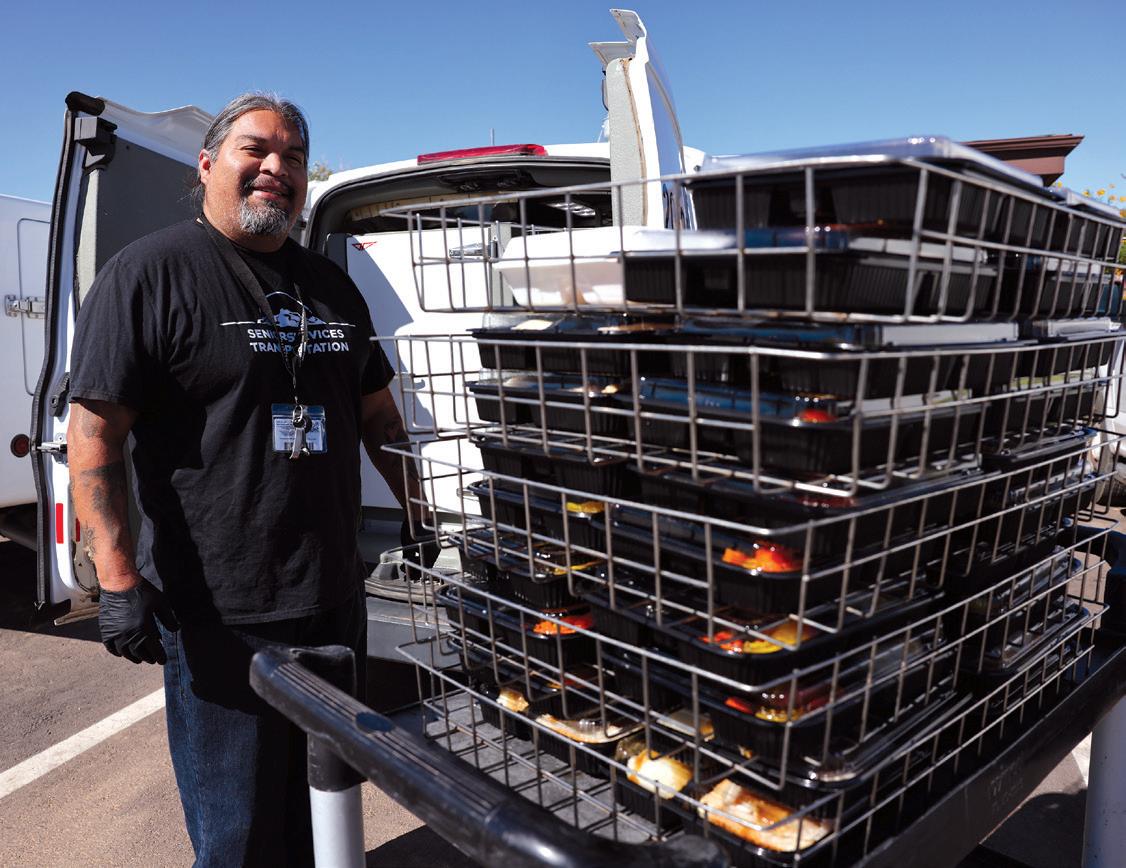
Food & Nutrition creatively prepares hot, well-balanced meals that include traditional and new foods for those who are unable to cook or who would otherwise not receive proper nutrition. Come join us in our dining rooms, or, if you qualify, your lunch will be delivered by one of our friendly drivers.
Transportation
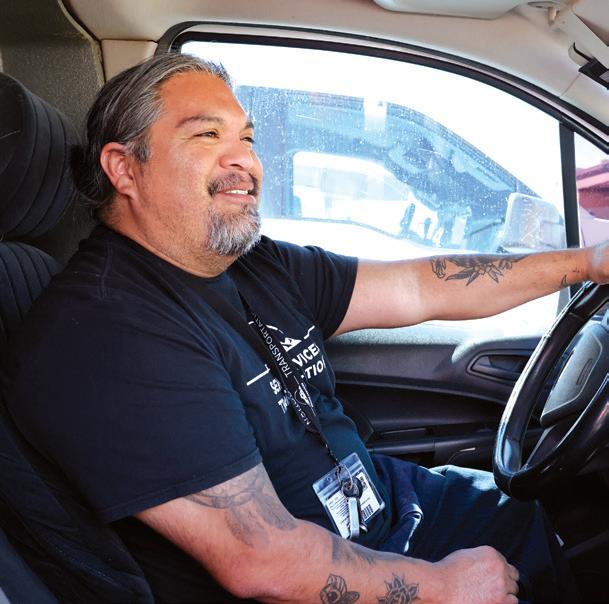
If getting around is a challenge, we’ve got you covered. Our professional staff provides friendly, safe, comfortable rides to healthcare appointments, errands, meals, and fun activities at locations both on and off the Community
Recreation
There’s always something fun going on. Our friendly event-certified recreation team plans enriching activities, crafts, field trips, and annual themed events to keep you engaged, connected, and smiling. We focus on your social and emotional well-being.
Health & Wellness
Taking care of yourself matters. Our Health & Wellness team offers fun and informative classes, workshops, and events to help you improve your health and wellness. We’re here to help you learn, grow, and thrive.
Home Care Assistance
If you need a little extra help at home, our caring professionals are ready to
provide three levels of in-home care, based on a comprehensive assessment and a personalized service plan tailored to your needs. Our goal is to help you stay safe and comfortable in your own home.
Case Management
Need help? You don’t have to figure it out on your own. Our knowledgeable, compassionate team helps connect you with vital services and programs. From eligibility assessments to ongoing coordination, our assessment coordinator and case managers work together to support your safety, wellbeing, and peace of mind.
Caregiver Support
Caring for someone you love is meaningful, but it can take its toll. Our Friendly, trained coordinators provide education, resources, counseling, peer support groups, and respite services and activities to help informal caregivers care for themselves while they care for others.
Adult Protective Services
When safety is a concern, we are here to help. Our trained professionals investigate reports of abuse, neglect, and or exploitation with a compassionate, client- and familycentered approach. We work closely with trusted partners to connect individuals and families to the resources they need.
GET THE HELP YOU NEED
One call is all it takes. Christina Reyna, Intake Assessment Coordinator, will guide you to the support you need.
Call 480.362.6350, ask for Intake, and we’ll take it from there.
BENNY COLORWJOHNSON
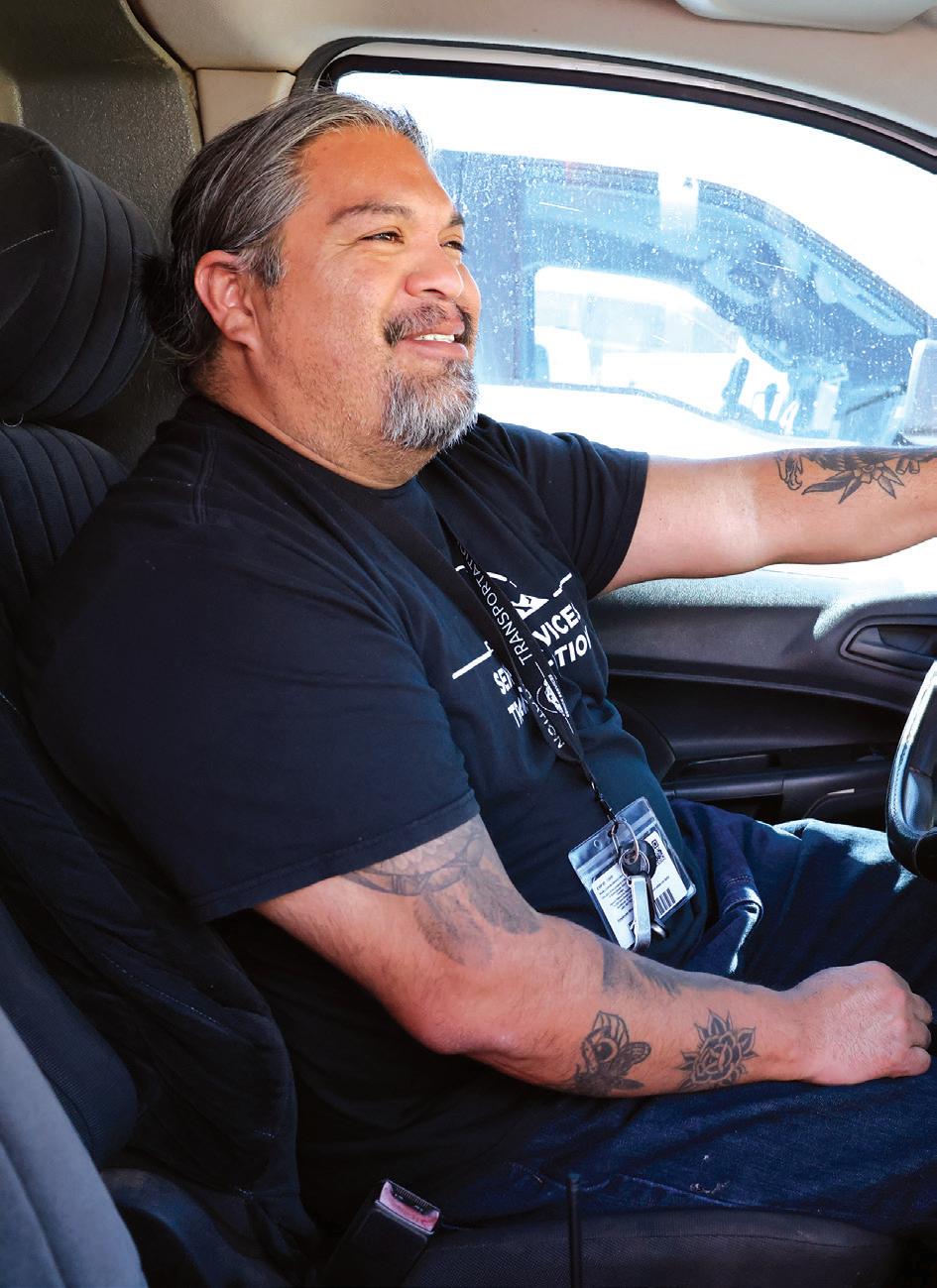
My full name is Benny Jack ColorowJohnson. I was born in Salt Lake City. I’m part Ute from Fort Duchesne on the Uintah & Ouray Indian Reservation.
I was raised with my mother and four younger brothers in my grandparents’ LaRue ( bot ) and Gerald ( bot ) Johnson’s sandwich home in Lehi, on the corner of Harris and Oak.
I had a favorite huge tree in the yard. My grandmother and I would do laundry under it and have conversations about everything— sometimes she would have to remind, “Less talk, more work.”
My brothers and I went to Lehi Elementary, where I played basketball with other kids from the community. We played basketball all the time—at recess, after school, in rec ed. I remember the janitor, Mr. Sosa. He looked out for us. He made sure we had our supplies, did our homework and got on the bus so we’d get safely home. He took care of us like an uncle.
On the weekends, we’d have a big hide-and-seek gathering of neighborhood kids and extended family. I learned to watch the dog— he’d tell me where everyone was hiding. He was my secret weapon. That experience taught me to really watch animals—like if they are running, I am running.
I was among the first kids to go to the new Stapley Junior High, where there was more diversity and I met more non-Natives. I really liked their art classes—they had a lot of cool supplies. I liked drawing portraits and still lifes in graphite. I’d spend hours drawing.
My first job was at the Scottsdale Six Drive-in at concessions and in
the ticket booths. I remember they still had the hook-on speakers when I first started. Later, you could dial in on the car radio. My Aunt Amanda Johnson worked there and it sounded like fun so I applied. I learned a lot of my people skills there.
On my days off, I’d go Video Roundup—I liked the dirt bike game, Motocross? I don’t remember the name. We’d also go TriCity for the dollar movies and King’s Table Buffet.
I was a young father, eventually having five children. I try to teach my kids that their choices today determine your future. My grandmother instilled in me to think ahead, so I’ve tried to share that my children.
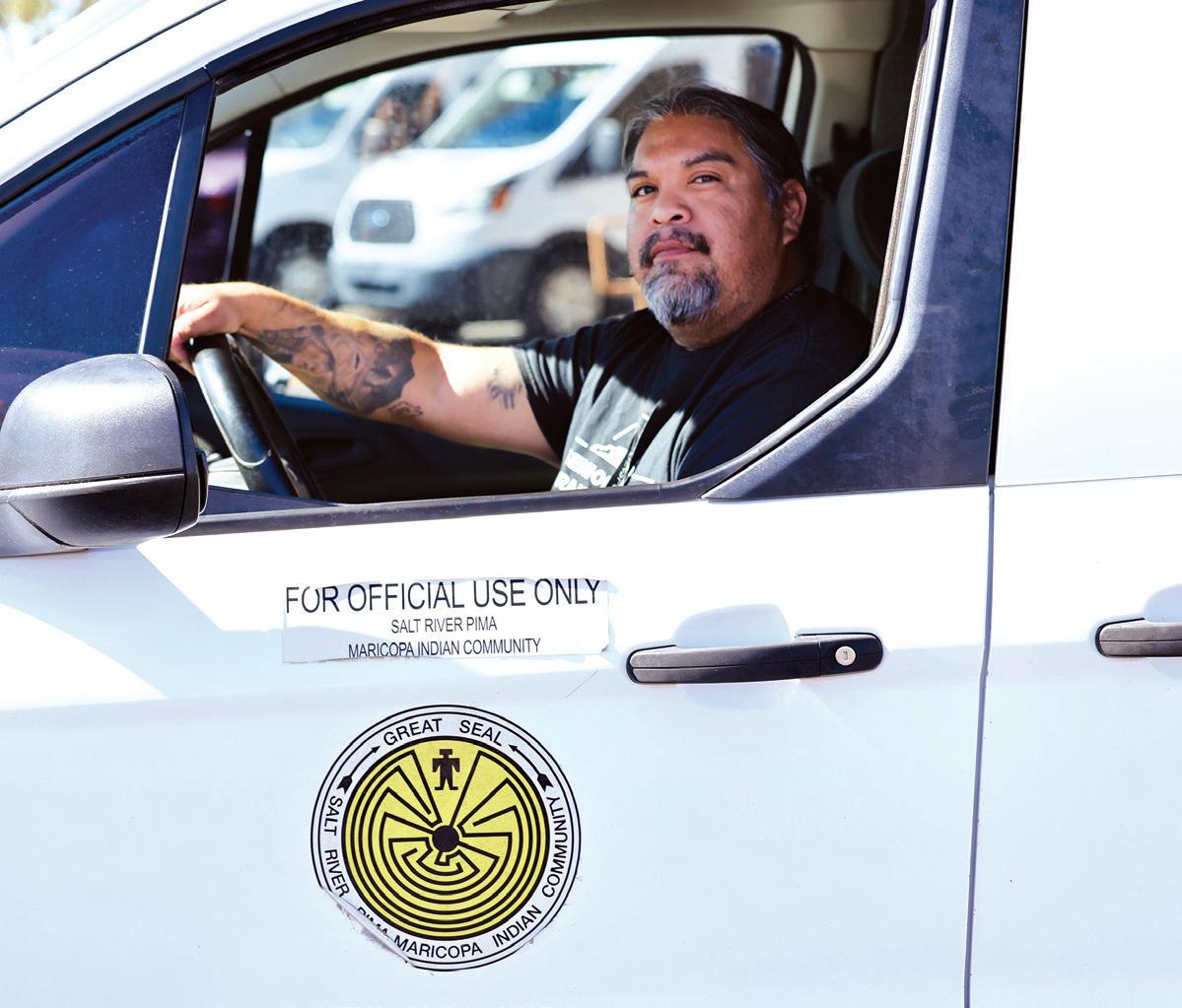
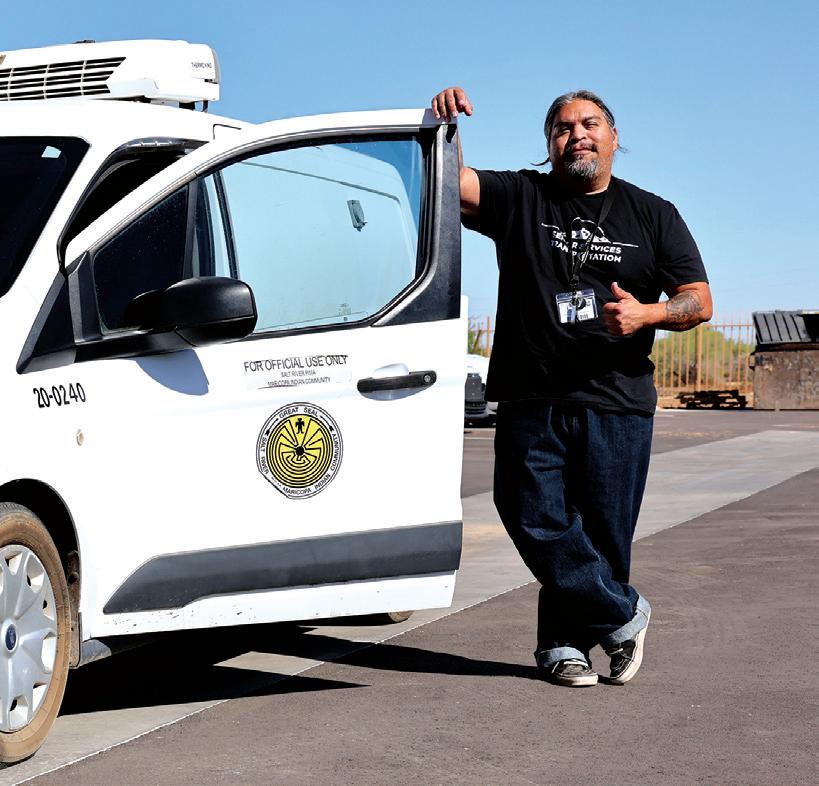
I supported my family while a student at Scottsdale Community College, where I earned my degree in American Indian Studies. Before coming here, I held a variety of jobs within the community, including at Ventura Market. I joined the Senior Services Transportation team in February 2024. What I like best is being able to provide transportation to our elders so they can access healthcare, attend meals and participate in social activities— things that make their lives better. We treat them with dignity, and that really matters to me.
One of my clients, Mr. Manuel Shaw, often reminds me of how blessed we are in this community with the services and programs available to our elders and our community members. He lives here because he has family that is Salt River, but he is San Carlos Apache, so he knows how fortunate we are compared to other communities. When I’m not working, I still like to draw in graphite. I also like watching vintage cult movies of the 80s like Army of Darkness, Say Anything, Bill and Ted’s Excellent Adventure
Weed Control = Fire Prevention
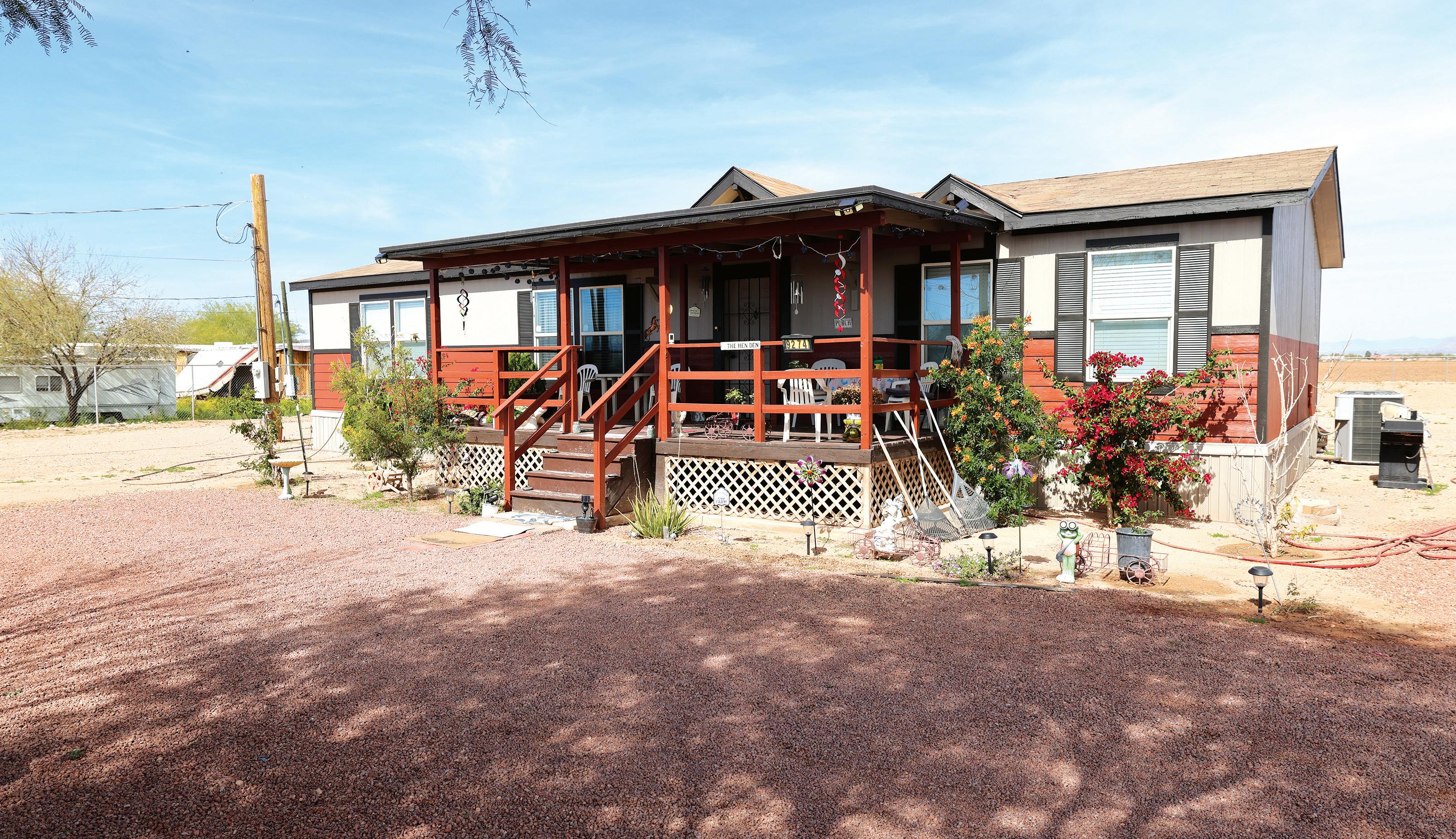
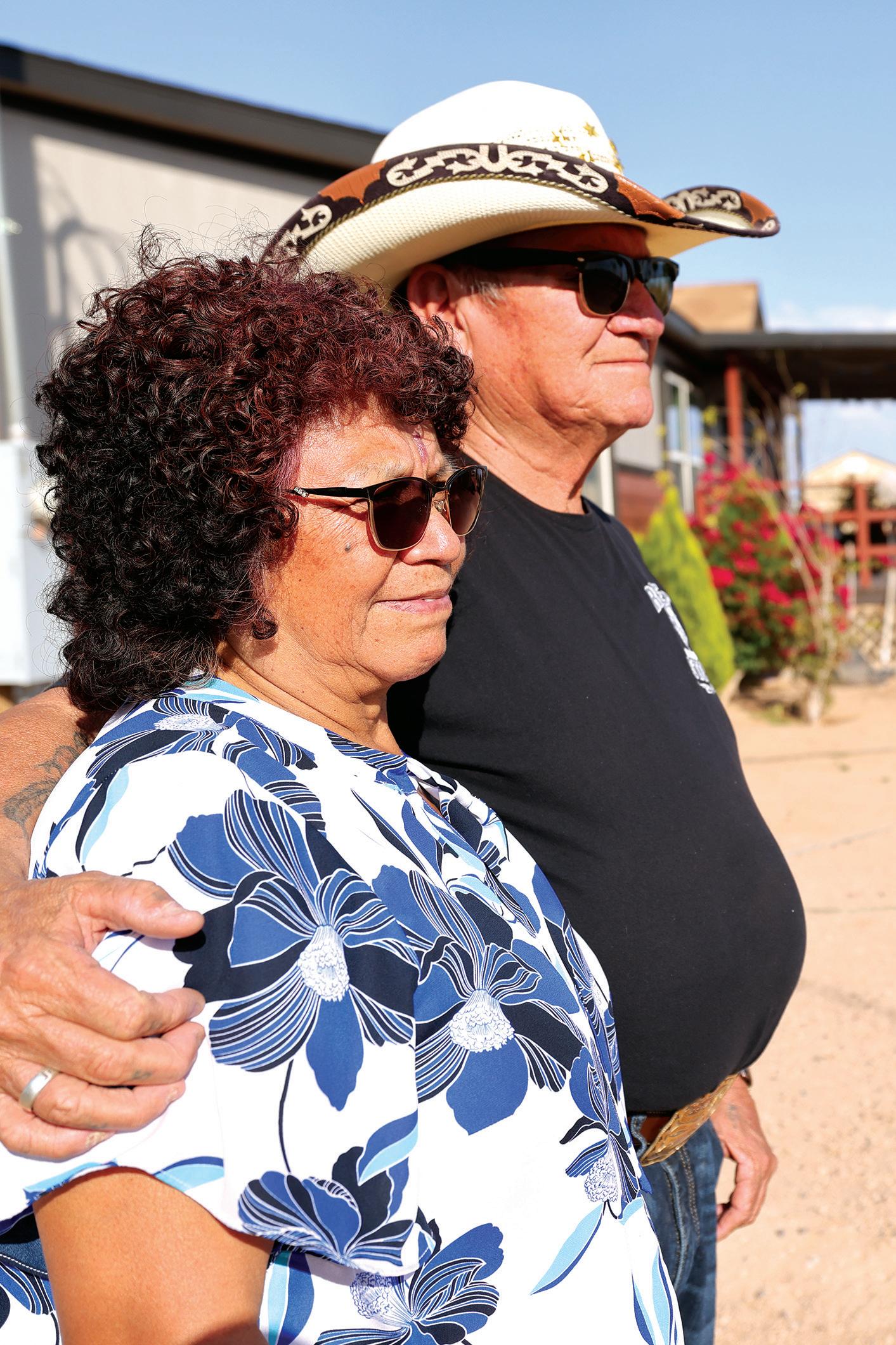
When Phoebe and Jesse Rosales moved to Salt River from Maricopa in 2020, they were still getting settled and learning about the resources available to them. It was then that Phoebe’s brother, Justin Fulwilder ( bot ), told them about the Senior Housing Repair & Replacement Program. He had just had his porch done and couldn’t say enough about the program and its benefits.
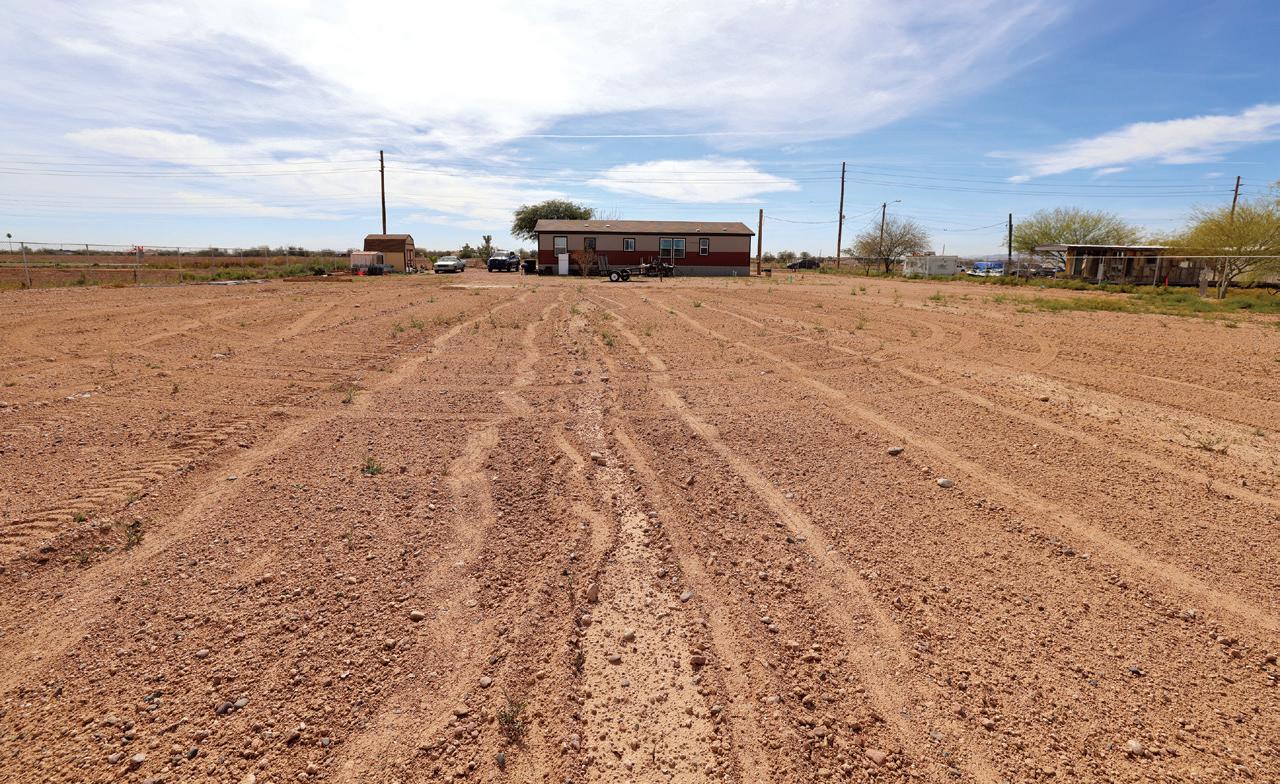
It didn’t take long for Phoebe and Jesse to experience that care firsthand. Jesse recalled the first thing SHRRP did was replace all the batteries in their smoke alarms—a small act that brought big piece of mind. Most recently, SHRRP cleared their yard of overgrown weeds and brush through its weed abatement program, a partnership with the Salt River Fire Department that helps keep community homes safe from fire.
“Clearing weeds and brush removes dry, highly flammable vegetation that can easily ignite and fuel the rapid spread of fire. By reducing this excess fuel, fires burn less intensely and are less likely to spread quickly to nearby
structures or natural areas,” said Salt River Fire Marshall Dustin Zamboni.
For Phoebe and Jesse, they are comforted knowing their yard is now clear of weeds that could pose a danger during dry summer months.
Over the years, SHRRP has also replaced a constantly running toilet, repaired their AC unit, and addressed an overflowing septic tank—improvements that have made Phoebe and Jesse’s home safer, more comfortable, and more secure.
“This program is such a helpful resource. They are knowledgeable, and they do it right,” said Jesse. “They don’t gripe—they are glad to help. They explain what they are doing and why. It’s such a blessing to our community.”
When asked for advice for seniors who may be embarrassed or unsure about calling SHRRP, Phoebe spoke from the heart.
“They should not be embarrassed— they should ask for the help they need. [SHRRP] doesn’t just your home or you; they are just happy to do the work and to help. I am so thankful that SHRRP is here for the community. They are always there for you and respond quickly as they can.”
In addition to weed abatement, SHRRP provides a variety of other services to qualified community residents. From larger renovations to everyday fixes, the program is designed to help elders remain safe and comfortable in their homes.
In addition to weed abatement, SHRRP provides a variety of other services to qualified community residents. From larger renovations to everyday fixes, the program is designed to help elders remain safe and comfortable in their homes.
• Handicap Bathrooms
• Roofing
• Kitchen Cabinets
• Flooring
• Ramps
• Exterior Door Covers
SHRRP also assists with day-to-day needs that seniors and those with adaptive or medical challenges may find difficult, such as changing air filters, repairing exterior doors that do not close correctly, or fixing improperly sealed windows.
To receive SHRRP services, individuals must be community members, age 55+, or qualify with a medical disability, and have a home condition that detrimentally affects their health, welfare, or safety.
If you think you or someone you know may qualify, call the SHRRP helpline Monday-Friday, 8am-5pm at 480.362.7800.
A Helpful Guide to Federal Probate Understanding Probate:
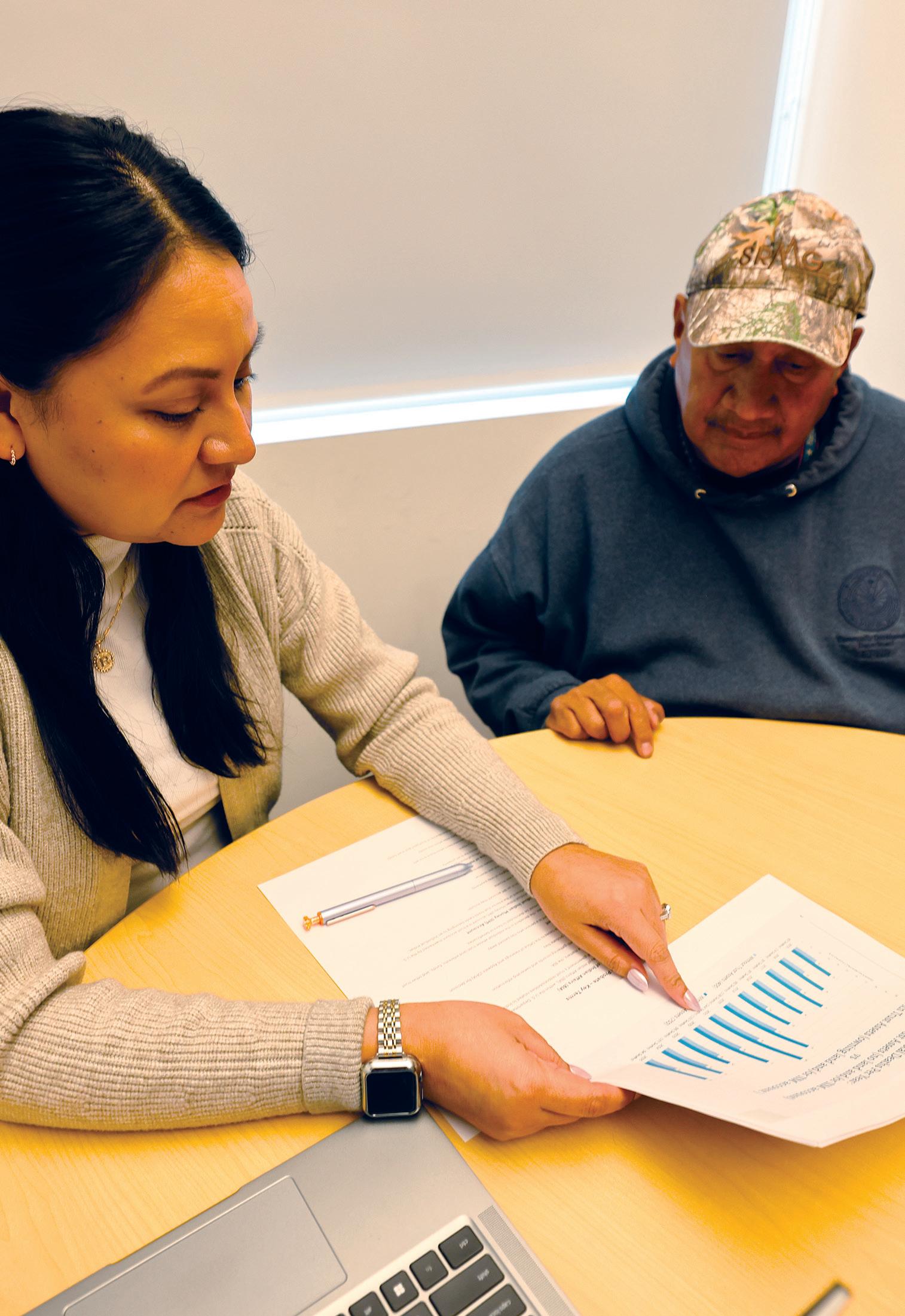
Probate is a topic that many of us would rather not think about but understanding it can make a difficult time less overwhelming. When a loved one passes away, probate is the legal process that ensures land and lease money are distributed according to a will and federal law. Knowing how it works can bring peace of mind and help families prepare.
Federal Probate applies to land you have interest in and lease money from that land. Community Development Probate Services assists family members through the beginning of the process, which is later handled through The Office of Hearings and Appeals.
Any family member can call Probate Services to schedule an appointment to start a federal probate case. This typically includes spouses, children, parents and siblings.
During your appointment, you will meet with a Probate Specialist who will ask questions about your deceased loved one, such as:
• Did they have a spouse?
• Did they have children?
• Were they divorced?
• Did they leave a will?
These details help determine what documentation is needed to move the case forward. Our Probate Specialists will also assist with gathering important documents including birth and death certificates and Certificates of Indian Blood (CDIBs).
What do Family Members Need to Bring?
Each family situation is unique. Your family knows best which documents may apply. You may be asked to assist in gathering important documents for your deceased loved one such as marriage certificates and divorce decrees. Bringing as much information as possible helps ensure the process is as smooth and efficient as it can be.
Who Can Start the Federal Probate Process?
How is the Hearing Date Set?
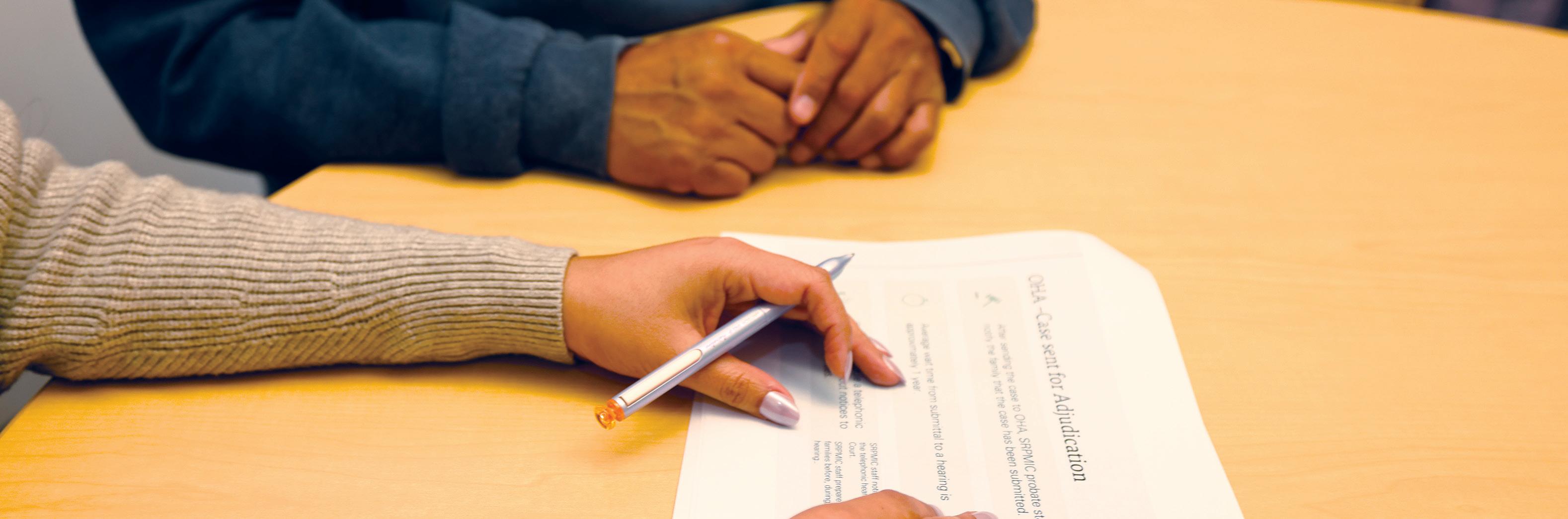
The Office of Hearings and Appeals, located in Albuquerque, reviews probate cases, assigns judges, schedules hearings, and writes and distributes probate decisions. Though located in Albuquerque, hearings are primarily held by phone to make participation easier for you and your family.
In addition to Salt River cases, the Office of Hearings and Appeals manages cases throughout the Southwest. Because of this, hearings are often scheduled up to a year later, so planning makes the most of your time and effort.
Once a hearing date is scheduled by the office, our probate team will notify you and help guide you through the next steps.
What Happens at the Hearing?
Our probate team will host the tele-hearing at the Salt River Judicial Center and meet with you beforehand about the hearing process, so you know what to expect.
During the hearing, the judge will ask you and your family members questions to help determine:
• What reservation the land is located on
• How income from the last is distributed
• Who the rightful heirs are
You and your family members also have the opportunity ask questions and provide information. It’s important to share all relevant information in advance. Introducing new information during the hearing may result in rescheduling which can delay the process— sometimes by another year.
Then What?
The assigned judge will review all the information provided during hearing along with the documents submitted. The judge then will make findings regarding the estate. However, nothing can be executed until the written decision is issued at a later date.
Once the decision is received, there is an appeal timeframe before the decision is final. During this period, our probate team verifies the decision for accuracy and can help clarify what it means to you and your family.
Once final, land ownership transfers from your loved one to the heirs according to probate decision. The case then progresses to the Bureau of Trust Funds Administration to process the disbursement of funds and closure of the probate process.
We Are Here to Help
Probate involves detailed legal steps and can feel confusing—especially when you are grieving. You do not have to navigate this process alone. Our team is here to support you, answer your questions, and help make the process as smooth as possible.
If you need assistance, please contact Probate Services at 480.362.7330.
What About Personal Property?
Community Development Probate Services works specifically with land and lease money transfer through the federal court. The transfer of personal belongings—such as jewelry, vehicles, and household items—is handled separately through Personal Property Probate at Salt River Tribal Court.
Community Spotlight
Rebecca Leonard
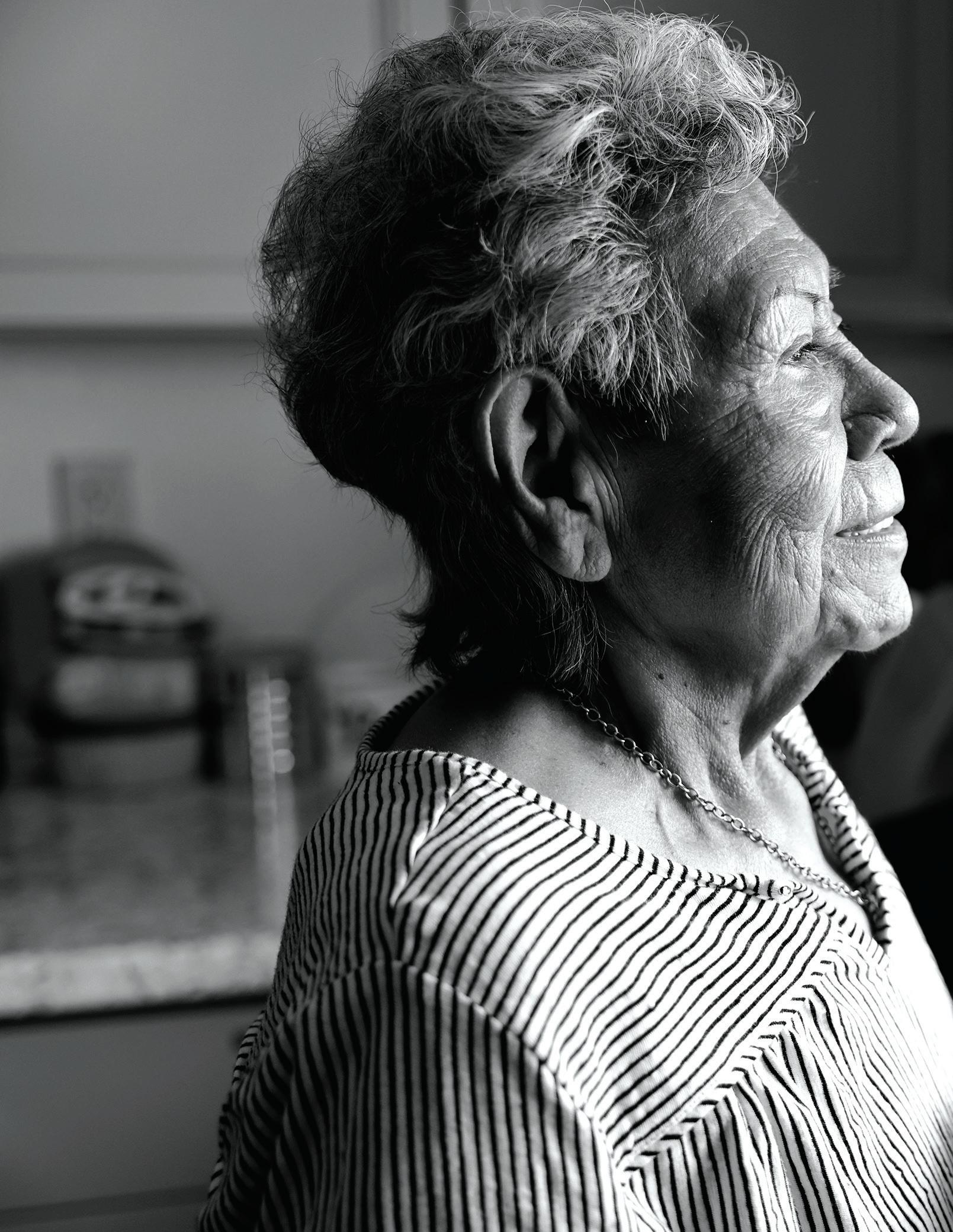
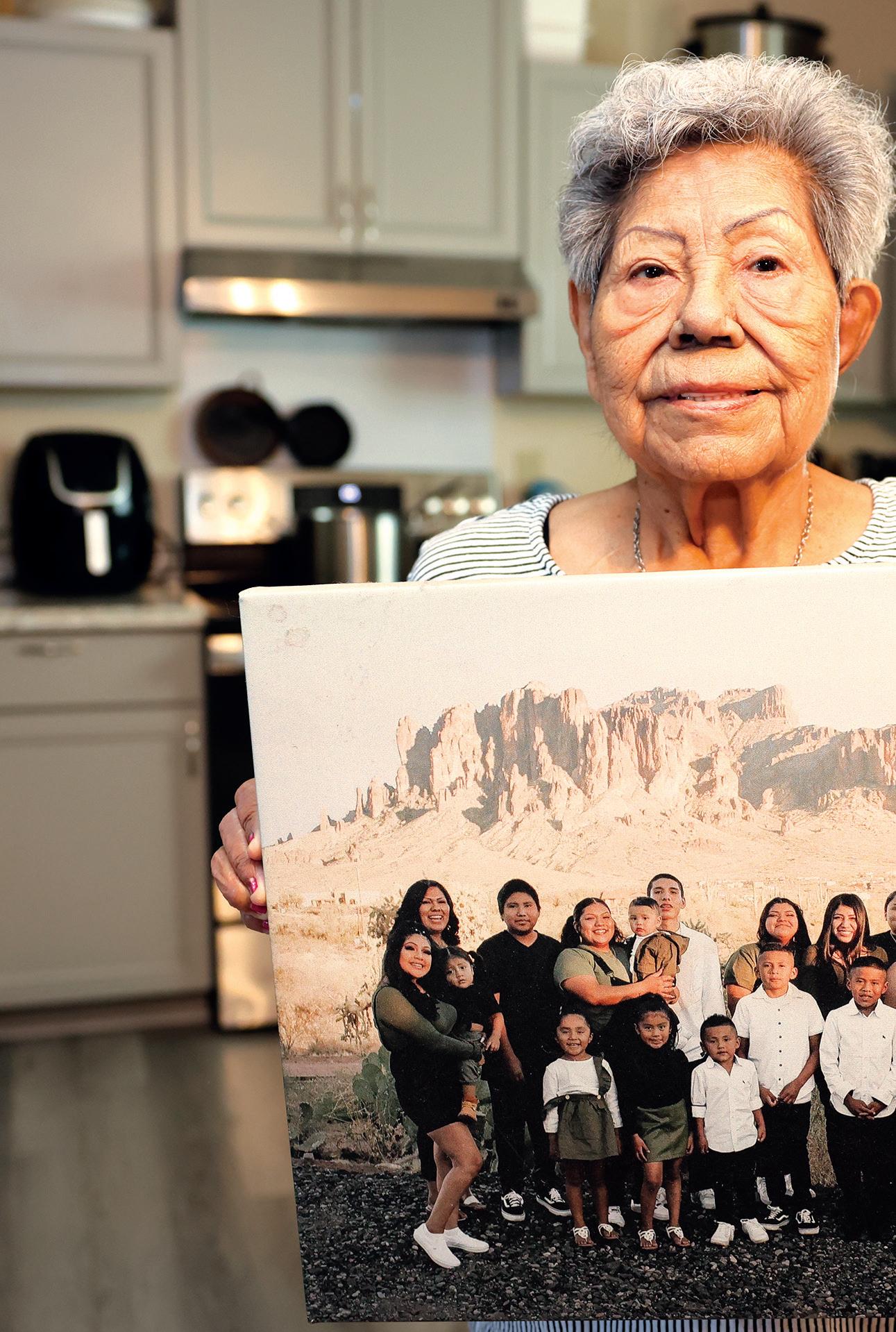
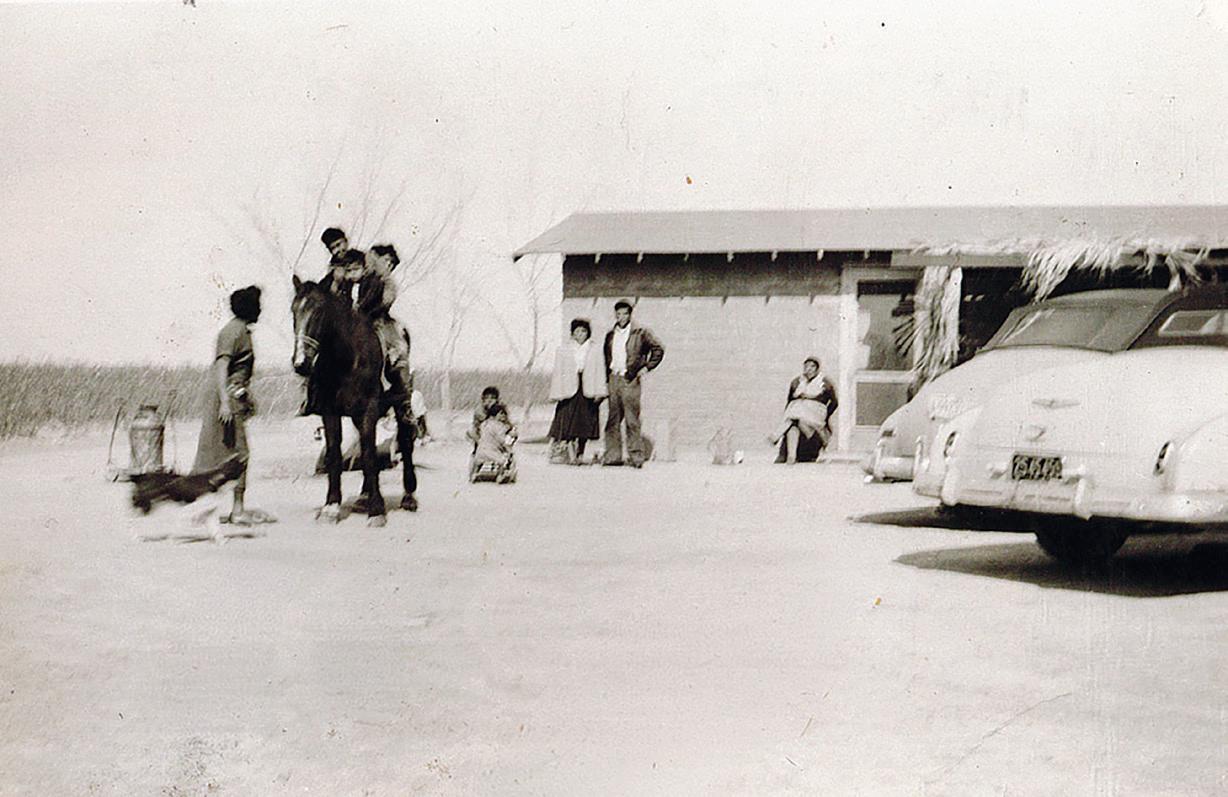
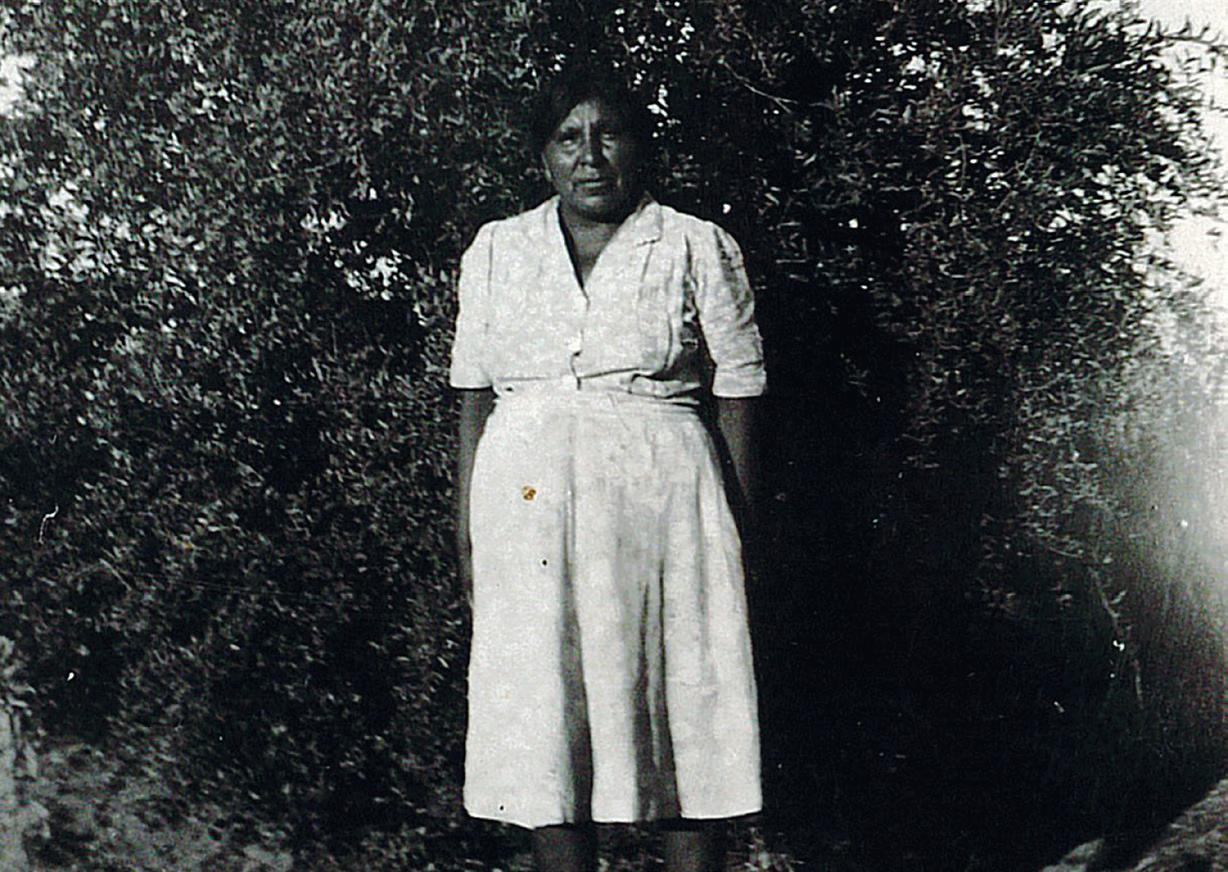
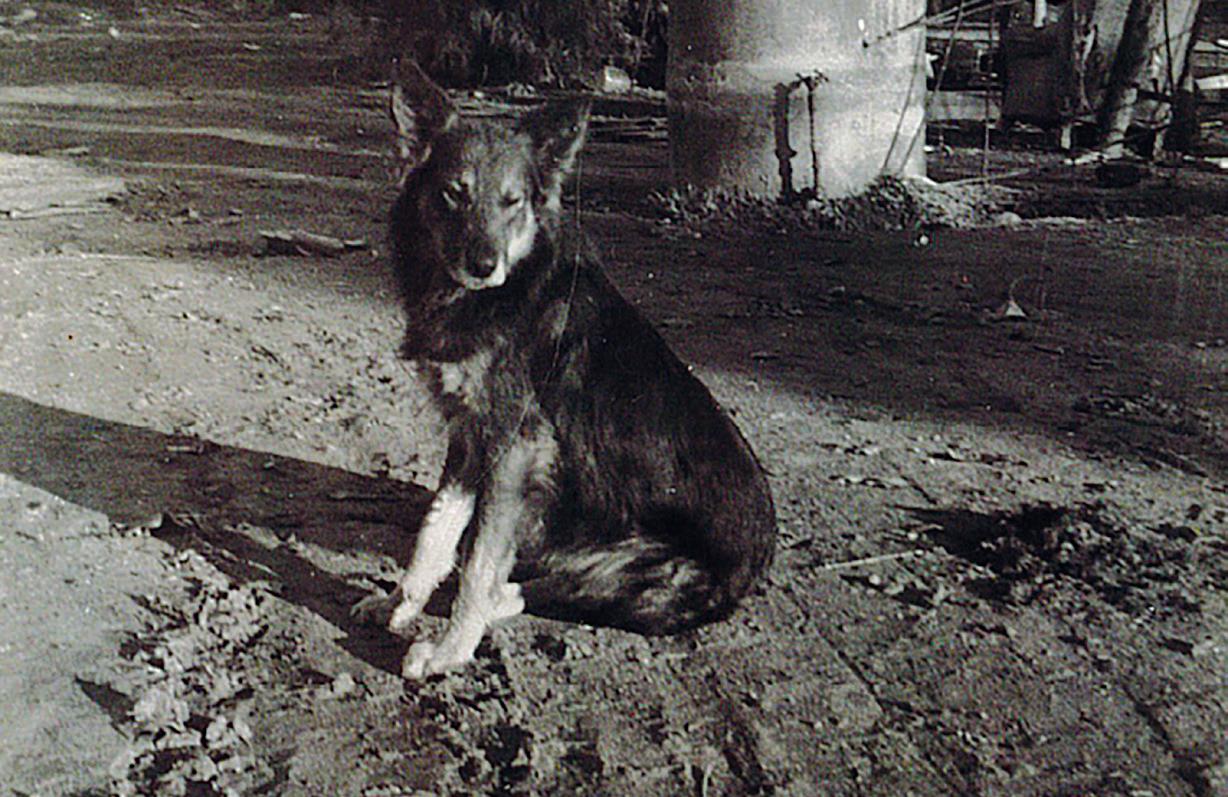
I was born here in Salt River and lived with my mom in my grandparents’ house, Alfonso ( bot ) and Evelyn ( bot ) Leonard. It was at Clarendon and Cholla, right down the street from where I am now. I remember I used to run all the way to Brusha’s house. We kids would swim in the ditches and ride horses. My grandparents had a horse, pigs, ducks and chickens—we had a really big coop, and it was my job to gather eggs in the morning. I also had a beautiful German shepherd. His name was Rex. He followed me everywhere, especially in the summer. In addition to all the animals, we had mulberry trees, peaches, apricots and watermelon, so we had lots of fresh food.
We had a wood-burning stove and Grandma would get up early to make the tortillas. My dad worked in the fields and my mom worked for a family in Phoenix who had girls about my age, so she would always bring me nice hand-me-downs. My mom had family in We-ko-pa and taught me Butterfly Dance. She would make me beautiful dresses to dance in.
I went to the day school. I really liked this one teacher, Mrs. Oat, I think. She was very nice to me. When I was in second grade, I became very ill and spent nine months in the hospital. It was like I was almost in a coma. When I came back to school, Mrs. Oat said that I had changed. She told me that I used to read advanced books to the younger kids. I remember when I woke up—they had sprinkled holy water on me—I think they were giving me last rites—and I remember it feeling cold. They never did say what was wrong with me, but I know I was a little slower after that.
My mom had remarried, and my stepfather participated in the relocation program, so we all moved to LA. My grandparents didn’t want us to go. I wasn’t sure I wanted to, but I do remember going to the beach—I loved the ocean, and going to Disneyland, the rollercoaster at Long Beach. I grew up out there. The schools there were good. They worked with me because I was a little slower. When I was older, I played on the school volleyball team. That’s when I found out I had a heart condition, so I could not play anymore. They missed me—I was a good spiker.
dances. A Papago band would come and play. I met someone there, got married and had my son. The marriage didn’t work out and I remember my grandfather telling me that I could always come back. Even when we left for California when I was a girl, he asked me to move back before he passed on. I didn’t make it before then, but I did move back to Salt River with my son.
My aunt was a supervisor at a hotel where I got a job as a maid. When the casino opened, I worked there, but the smoke really bothered me—you could smoke in the casino back then—I was never quite the same after my illness
“I do remember going to the beach—I loved the ocean, and going to Disneyland, the rollercoaster at Long Beach.”
The community had chicken scratch
and had developed walking pneumonia. So, I had to leave that job, but when they quit allowing smoking, I went back for a bit. Then I worked at Scottsdale Memorial on Osborn.
Today, I live with my granddaughters. They’ve been helping me since I have had cancer. They cook and they clean and help me a lot. We have family dinners here and we celebrate those who have passed, like my grandson— we visit their graves and we cook for them and eat for them.
I like that I live down the road from where my grandparents lived. I like my house and I’m glad to be home on my reservation.
“I like that I live down the road from where my grandparents lived. I like my house and I’m glad to be home on my reservation.”
by Pacer Reina
The O’odham were always known as peaceful and caring people, willing to help those in need. We were not a warring people. In addition, the Piipaash have a creation story that tells how two brothers made humans and threw them in all directions. Because of this, when the Spanish and Mi:ligan (Settlers) came, the Piipaash considered them to be relatives and did not fight them.
Today, when we talk about our community veterans, we tend to think back further than when the Arizona National Guard was created. We were farmers first, but our men were not passive when it came to protecting our villages and our people.
Tribes to the north, east, and west valued the things that we grew and made. There were raiding parties from the surrounding tribes. Our ancestors’ response was mostly defensive in nature and rarely attacking, but it is said that our warriors would pursue O:b (Other tribes/Enemy) raiding parties to recover what was taken—horses, food, tools, and sometimes, even women and children.
Later, if you look at just the Pima, we had a network of trails and runners, and though scattered, our communities were united so that if anything should happen and we had to fight, the U.S. military knew that up to 50,000 could rise, and with the alliance formed with the Piipaash, the number increased and benefited both tribes. It has also been
said that we fought not as individual warriors, but that we knew formations and maneuvers.
There was also interaction with the Spanish and the U.S. Cavalry. But before then, we had settlers making their way west to California for the gold rush and after the Civil War, that migration increased. As the Mi:ligan and Spanish began settling in our lands, they began damming the Gila River for their farms and towns. Many of the natives from that area began to move and settle among those surrounding the Salt River because it was still flowing.
A lot of the area where we are now and into the mountains to the east and west of us, was used to gather food and plants for medicine. We became a buffer between other less peaceful tribes and the military forts in the Tonto Basin area.
In 1865, the military created the First Arizona Infantry which was an allvolunteer force largely made up of O’odham and Piipaash and Juj:kum (Mexican). Antonio Azule, the O’odham chief at the time, became a 2nd Lt. for O’odham troops and Juan Chavaria became what was similar to a 2nd Lt. for the Piipaash.
They helped to establish and protect trading posts to the north of us in the Tonto Basin area.
Though initially established as an allvolunteer force, over time, the infantry unit began receiving payment in money
and goods. However, it was disbanded in the 1880s due to nonpayment. They were called up again in 1898 during the Spanish-American War and stood along the U.S. military on the border with Gen. John J. Pershing.
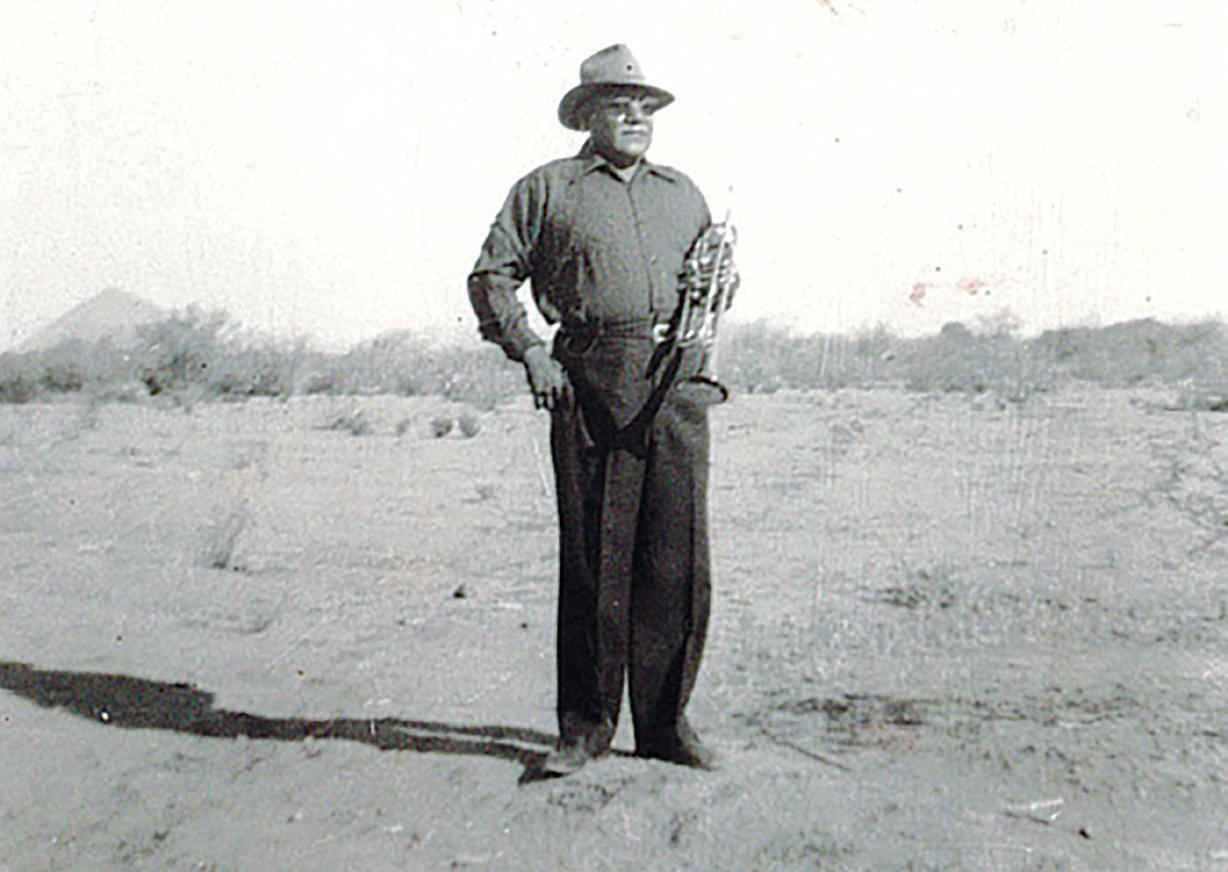
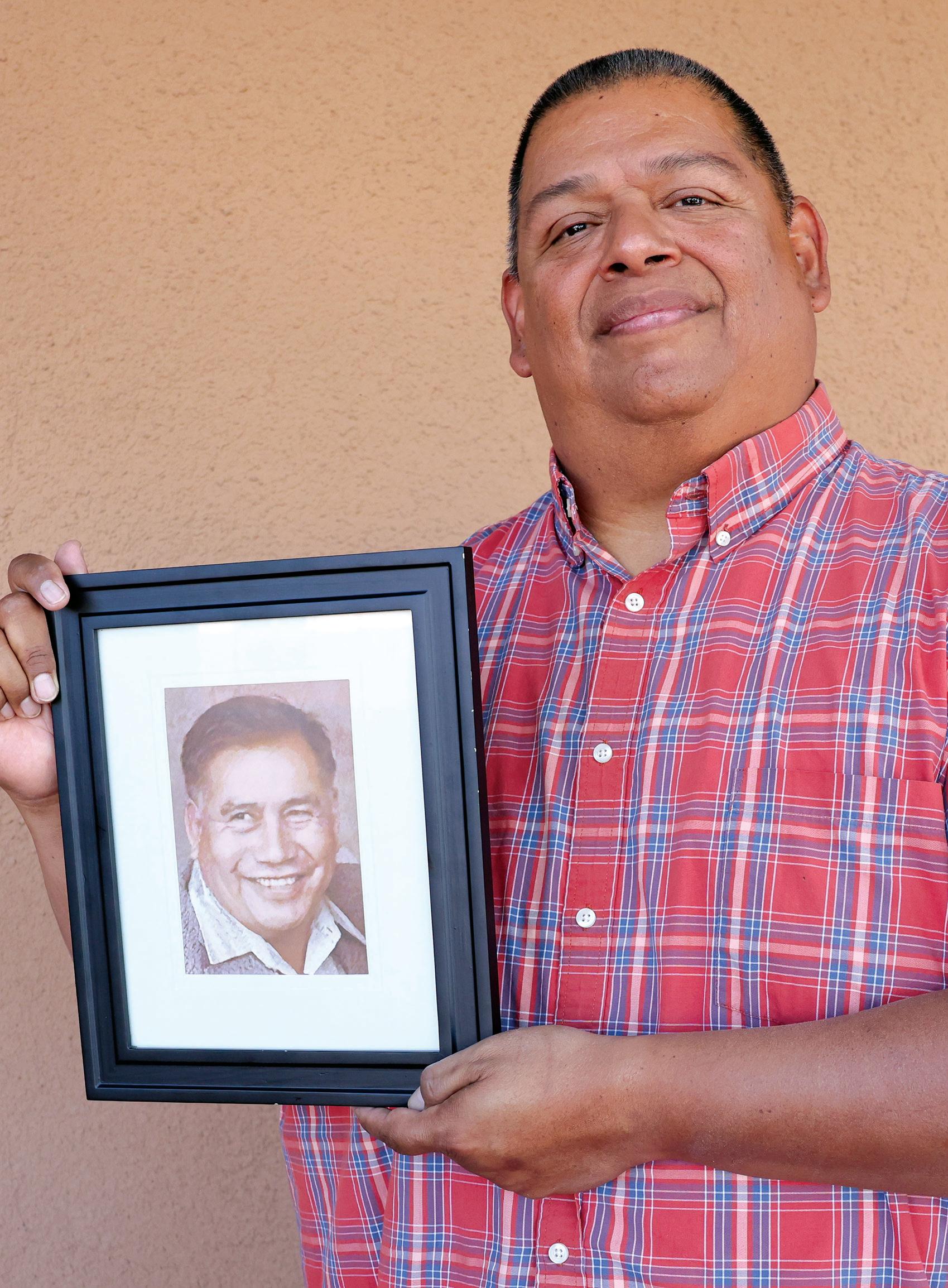
The unit then continued until it was part of what formally became the Arizona National Guard in 1912 when Arizona became the nation’s 48th state. When it comes to my family and the Arizona National Guard, I had two grandfathers who served when they left the Indian Boarding School: my grandfather Asa Juan Eschief ( bot) who left just before World War II, and my grandfather Dixon Harold Andreas ( bot ). His journey in the 158th Regimental Combat Team would take him into the Pacific Theater.
I really enjoy learning about military history. I read numerous books about the European battles in World War II, but it wasn’t until I joined the military and Grandpa Dixon began sharing stories with me that I realized the impact he, along with the 158th RCT, had in the Pacific Theater during World War II.
While he was in school, Grandpa Dixon remembered how structured the day was, how he and the other students would meet for morning formation to receive announcements and recite the Pledge of Allegiance. He felt this structure was what led many of our men to join the guard and military when they left boarding school. He recalled the time before the war started, how he, like everyone else, was filled with a sense of duty to fight for the United States.
By the 1940s, the guard began preparing for possible entry into the war. I remember touring Fort Tuthill in Flagstaff and seeing the barracks
specifically designated for the O’odham and Piipaash, where they trained before being sent to Oklahoma as part of the 45th Infantry which included other national guard units. Eventually, they went into the European theater.
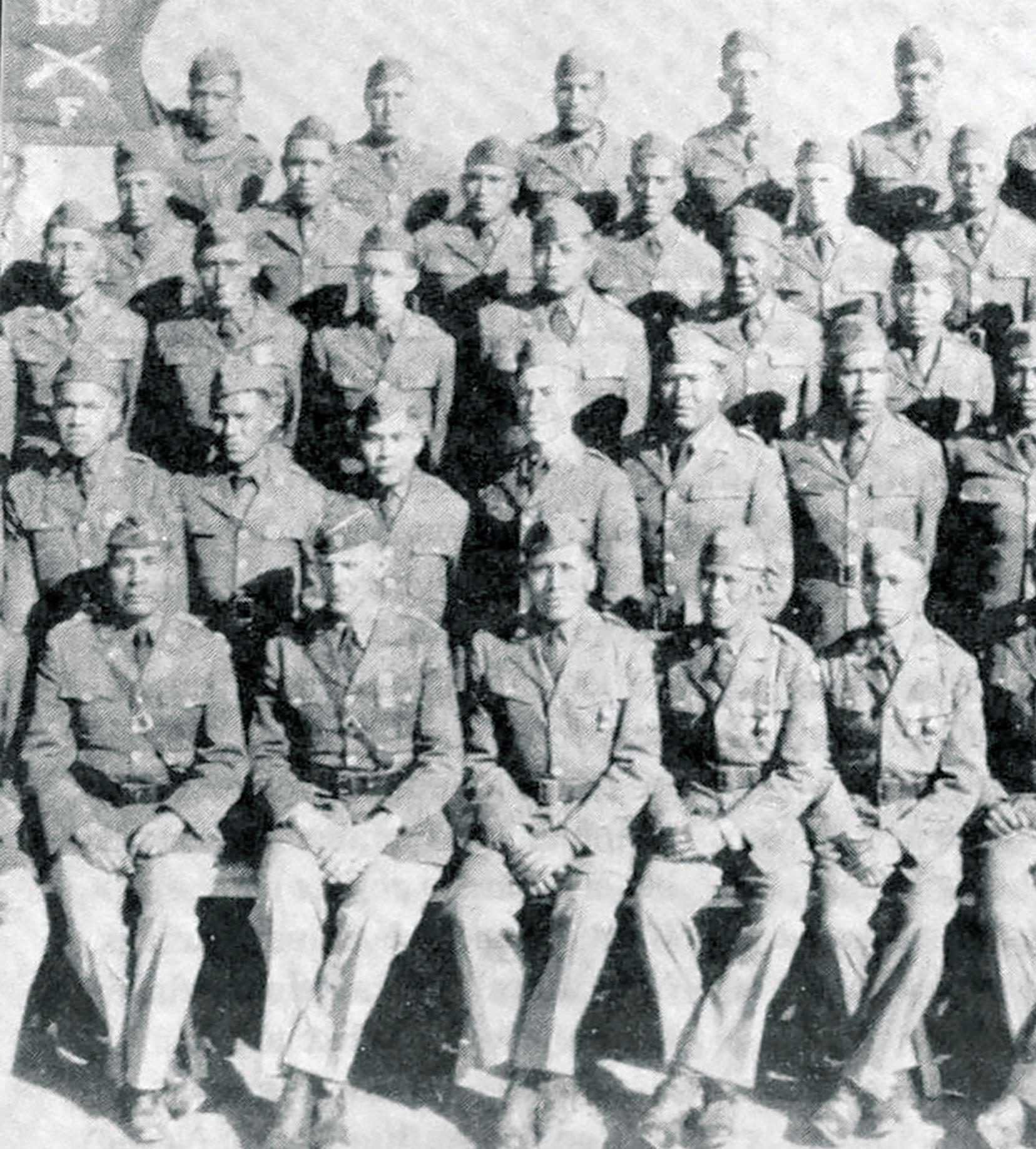
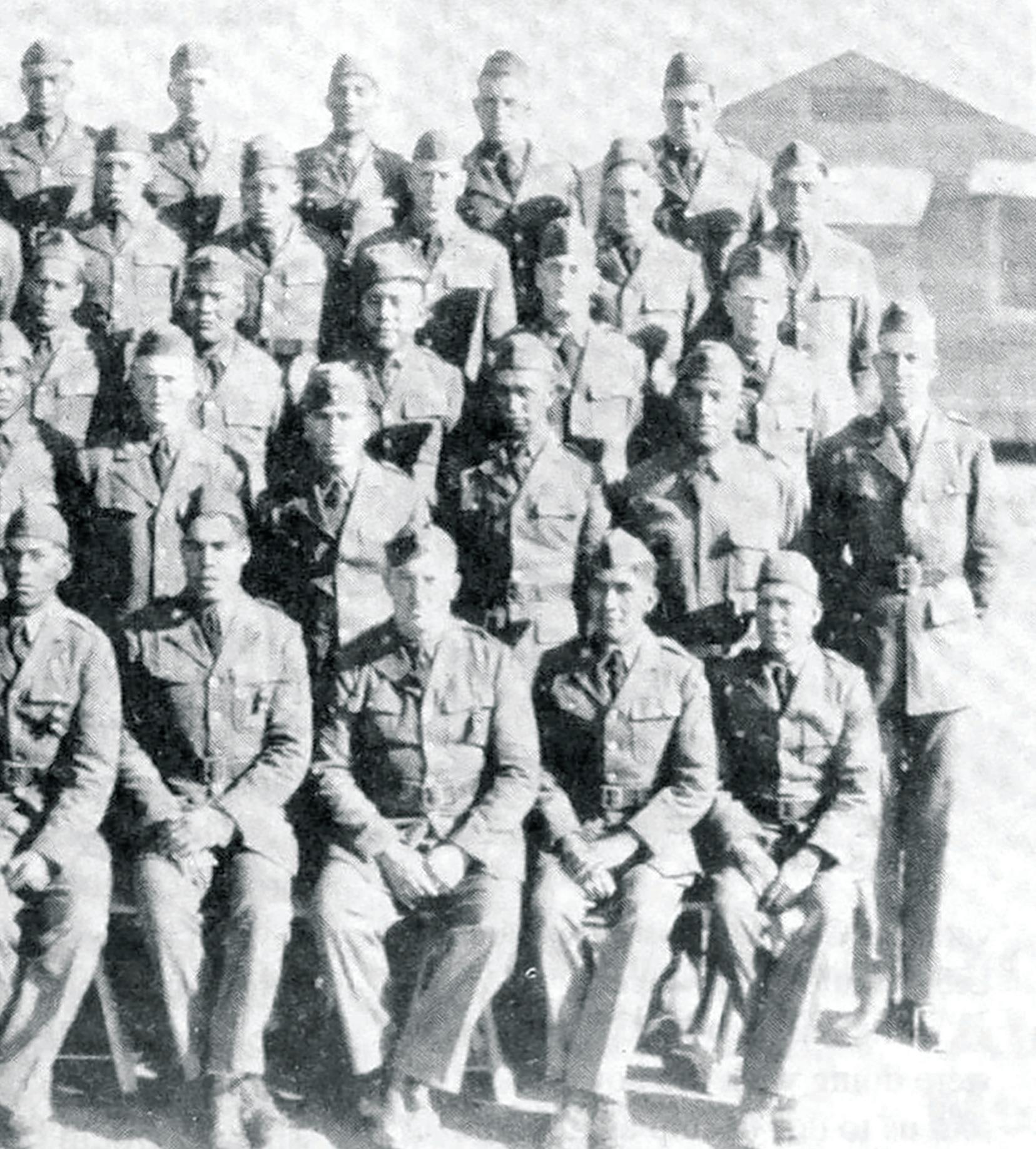
Grandpa Dixon mentioned how he and other men from Salt and Gila River bonded with the other Native men assigned to the 158th, especially F Company, which was made up of Native men from the various Arizona tribes but mostly O’odham and Piipaash.
He didn’t share much about his battle experience—I suspect it was still a source of uneasiness for him. Through research though, I discovered that he was the Headquarters radio operator “who would be talking with other ‘Pima Boys’ on the frontlines” of the battlefield, according
to my source in Texas, where the team was sent before going into theater.
I also discovered the 158th experienced some of the fiercest of jungle operations during the battles of New Guinea, Noemfoor and the Philippines. It is said that General Douglas MacArthur personally requested that the 158th fight in the South Pacific because he considered them elite and specialized in jungle warfare saying of them, “No greater combat team has ever deployed for battle.”
When I returned home from my enlistment, I joined of the Salt River Veterans Organization, which later became American Legion Post #114 “The Bushmasters.”
“It’s stories like this that keep my grandpa’s memory alive, inspire me, and make me proud to serve in the U.S. Army as a paratrooper.”
While serving as a member of the Post 114 Color Guard at a local pow-wow in the 90s, a gentleman asked about our post name, The Bushmasters. We shared its history and he told us his father’s story who was also a member of the 158th.
His father had been severely wounded, could not move and was caught behind enemy lines, but he kept telling himself that those “Pima Boys” would find him. They did and carried him back across the battlefield to the aid station, where he would eventually be sent to an army hospital and back home to Arizona.
He said he was glad we named our post after the 158th and that if it weren’t for the men of F Company, his father would not have made it home.
F-Company courtsey of Huhugam Ki: Museum-CRD
It’s stories like this that keep my grandpa’s memory alive, inspire me, and make me proud to serve in the U.S. Army as a paratrooper.
h o !ko
Serves 1
INGREDIENTS
• Toasted bread slice - Any kind you like! Sturdier is best.
• ¼ cup cottage cheese - Full-fat cottage cheese is a more satisfying snack and keeps you full longer, but any kind will work.
• Toppings of choice - See options for ideas below.
INSTRUCTIONS
1. Spread the cottage cheese on toast. Salt and pepper to taste.
2. Top with your desired toppings.
Helpful Tips
1. Stir any whey into cottage cheese before spreading on the toast.
2. Season well. Use salt and black pepper, other spices and fresh herbs to boost flavor.
3. Layer toppings and balance of flavors and textures. Pair creamy, crunchy, sweet, and savory elements.
4. Serve immediately. If it sits too long, the toast loses its crispness.
SAVORY TOPPING IDEAS
• Basil & Tomato. Top with sliced tomatoes, fresh basil leaves, and a pinch of salt.
• Avocado & Egg. Add sliced or mashed avocado, a poached, hard boiled or fried egg, salt and pepper.
SWEET TOPPING IDEAS
• Cinnamon & Banana : Add sliced bananas and a sprinkle of cinnamon. Peaches would also be delicious.
• Honey & Sliced Almonds : Sprinkle sliced almonds (love that crunch) and a drizzle of honey or maple syrup.
• Berries & Nut Butter. Use fresh berries and a drizzle of your favorite nut butter for an extra protein-packed option.
• Jam . Spread your favorite jam over the cottage cheese.
Kraft Korner
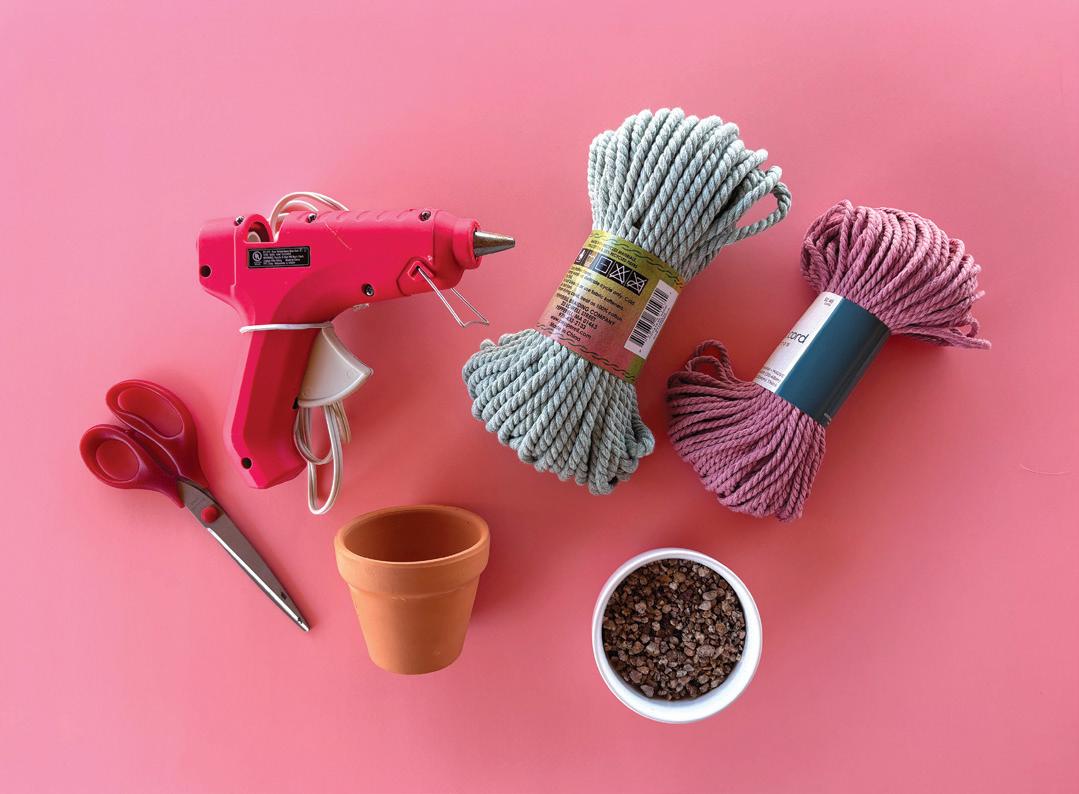
Gather your supplies: Hot glue gun, green 4 mm macrame cord, pink 2 mm macrame cord, scissors, small pot, and gravel or beans.
Here is a fun and simple craft you can do at home with your friends or grandkids!
1 3 2 4
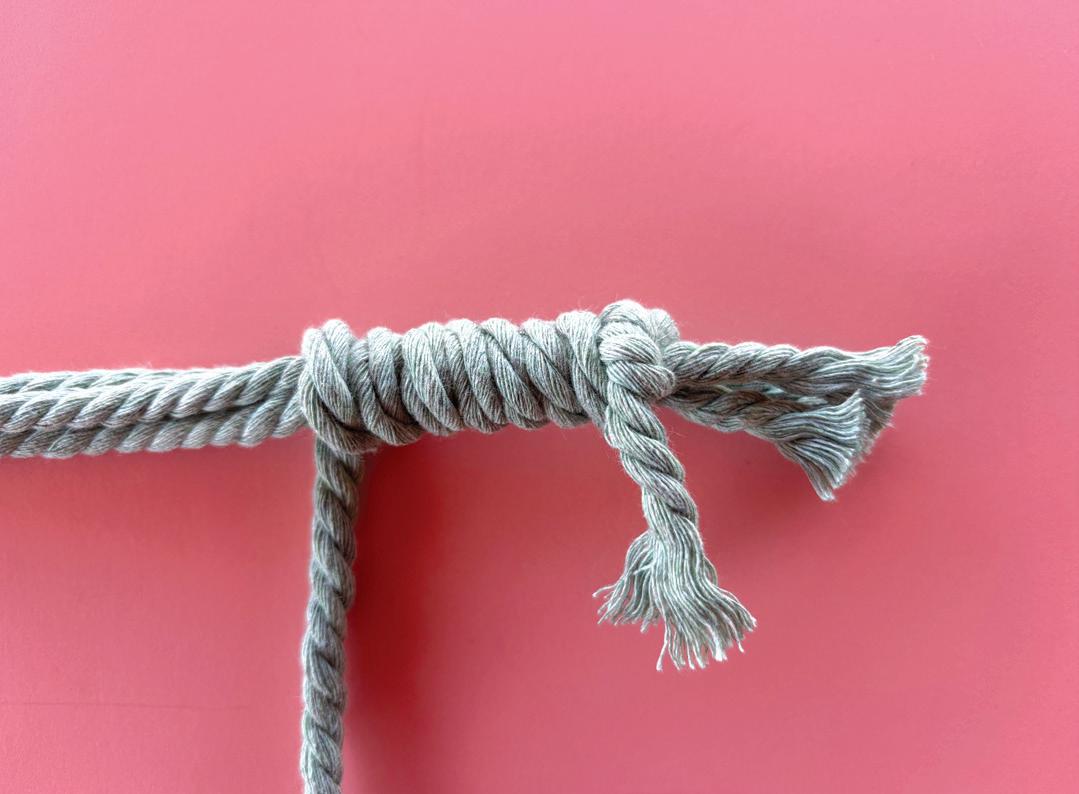
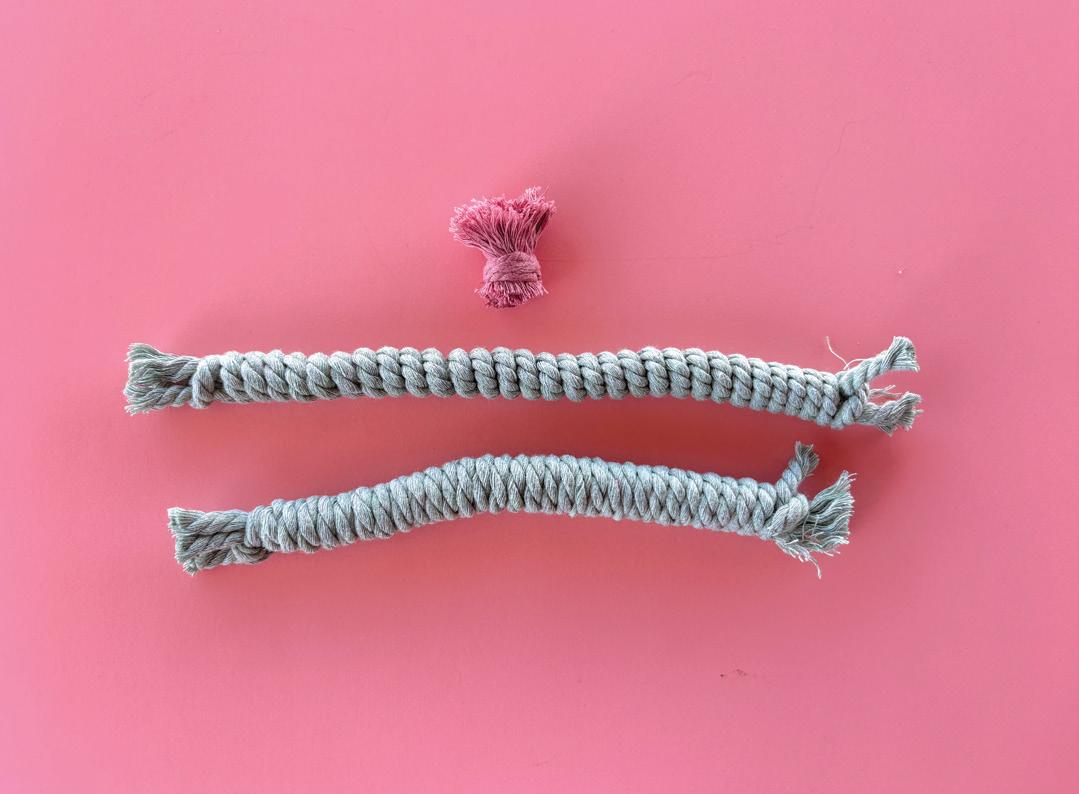
Tightly wrap the three 10-inch pieces with the 5-foot piece. Repeat these steps for the two 13-inch pieces and the other 5-foot cord.
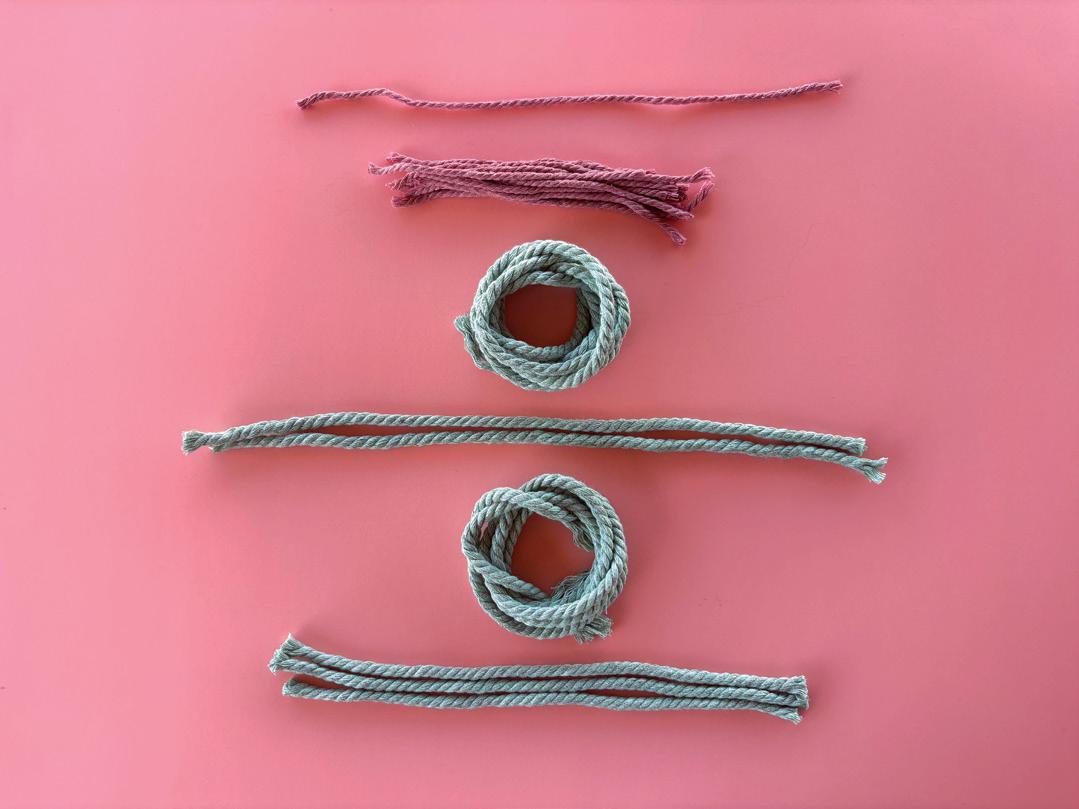
Cut 15 4-inch pieces and one 10-inch piece of pink cord. Cut three 10-inch, two 13-inch and two 5-foot pieces of pink cord and arrange into bundles.
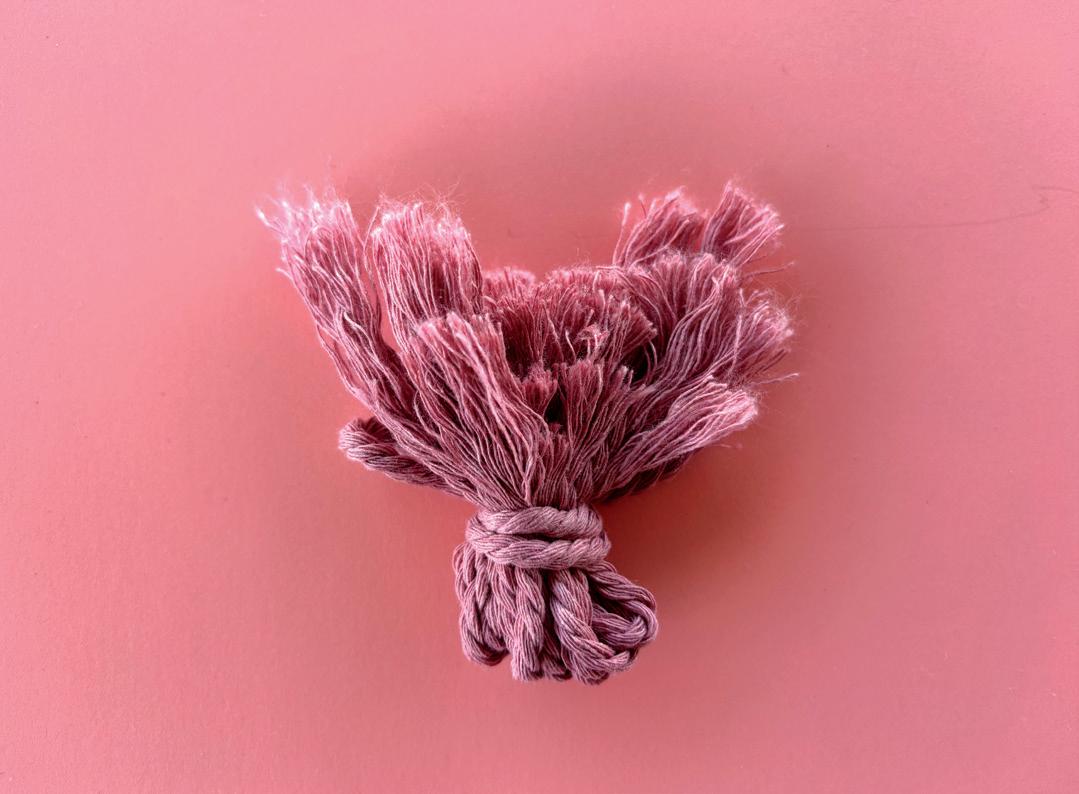
Fold the fifteen 4-inch pieces of pink cord in half and wrap the base with the 10-inch piece. With a toothbrush or fingers, fluff the ends of your flower.
Trim the ends of the green “ropes” and the pink flower to equal lengths
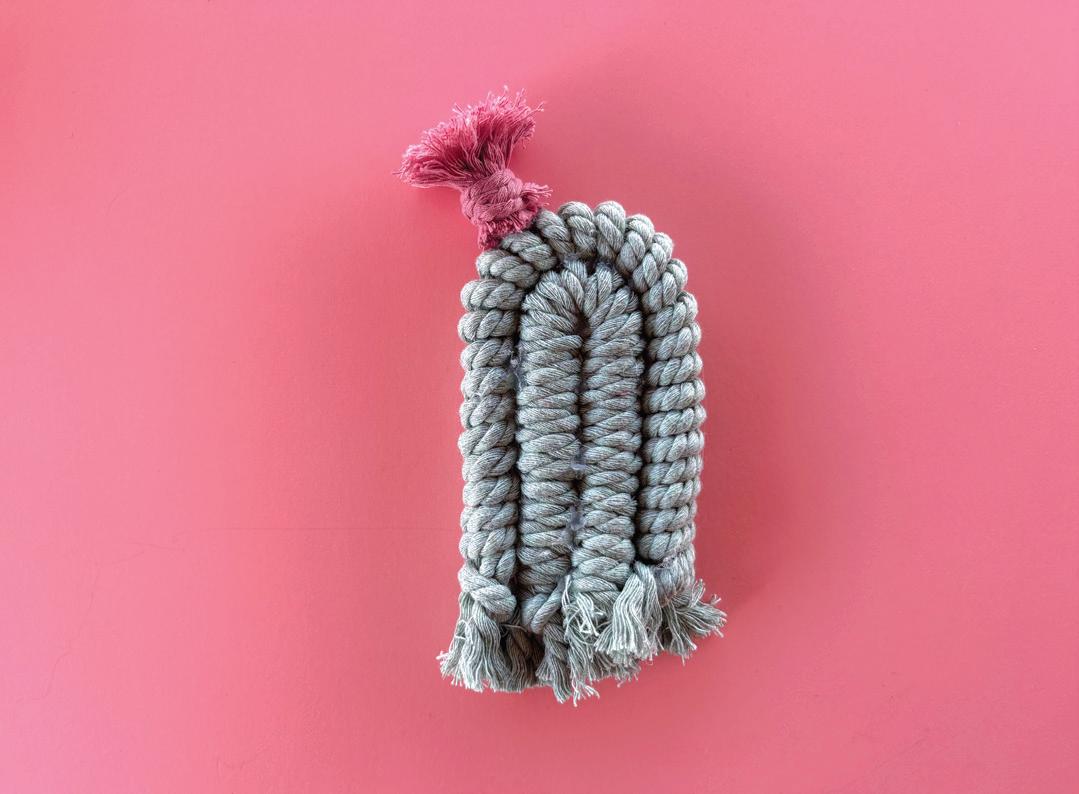
Glue your flower onto your cactus and hold until glue sets.
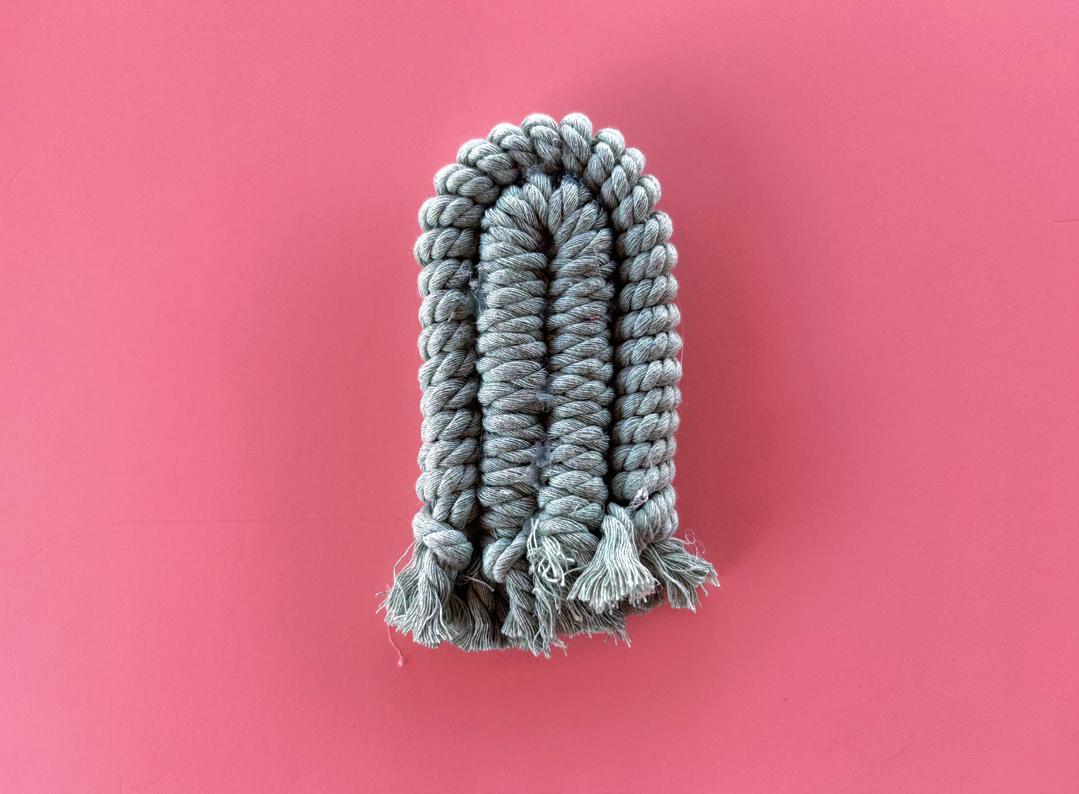
Hot glue half of the thicker rope, fold and hold until glue sets. Glue thinner rope around the “U”. It’s best to do one side at a time and hold until glue sets.
8
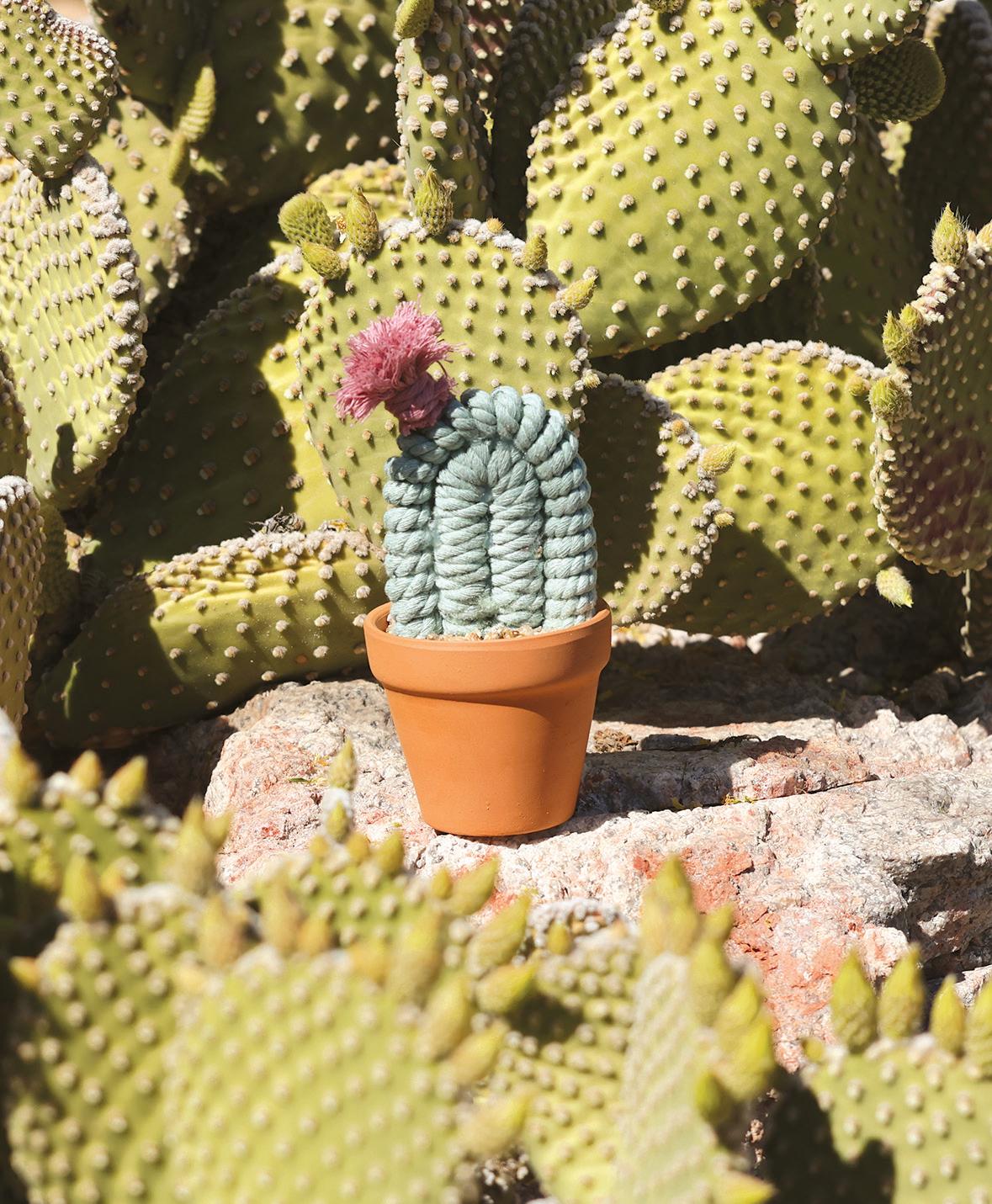
Place your cactus in the pot and hold upright as you fill with your gravel or beans. Voila! Your cactus is done.
Word Search
Match the Pieces
What pictures of 2-10 make up the pattern below.
1.Castle
Honeycomb Crossword
Solve for words from the clues. Words go clockwise or counterclockwise around their number. The arrow indicates the beginning and direction of the current word.
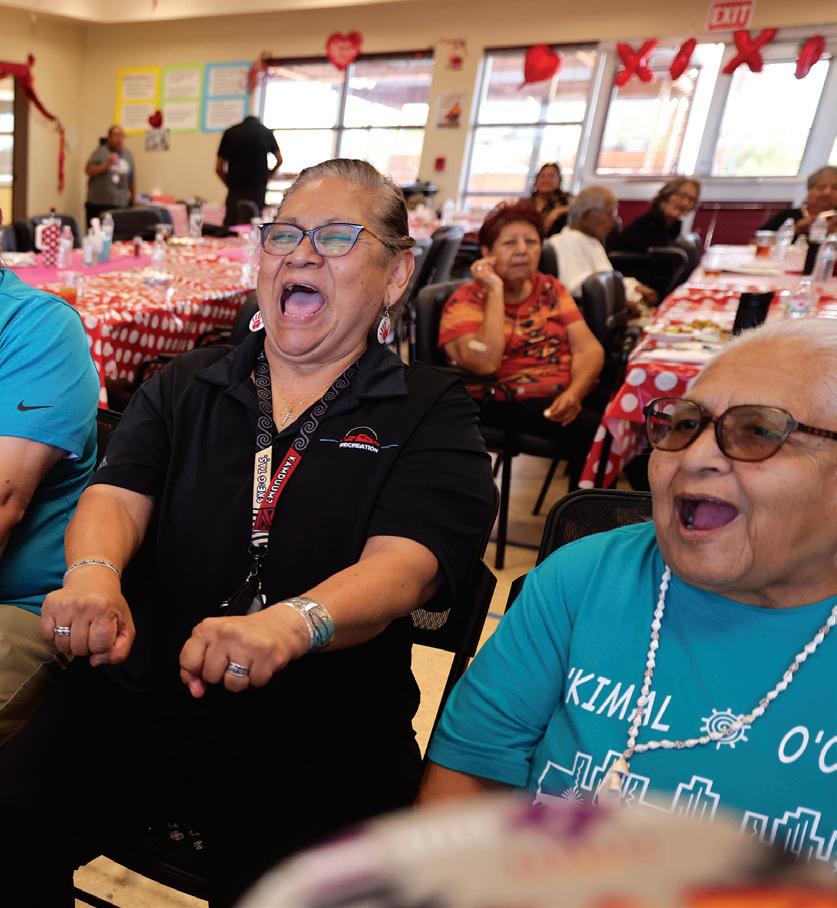
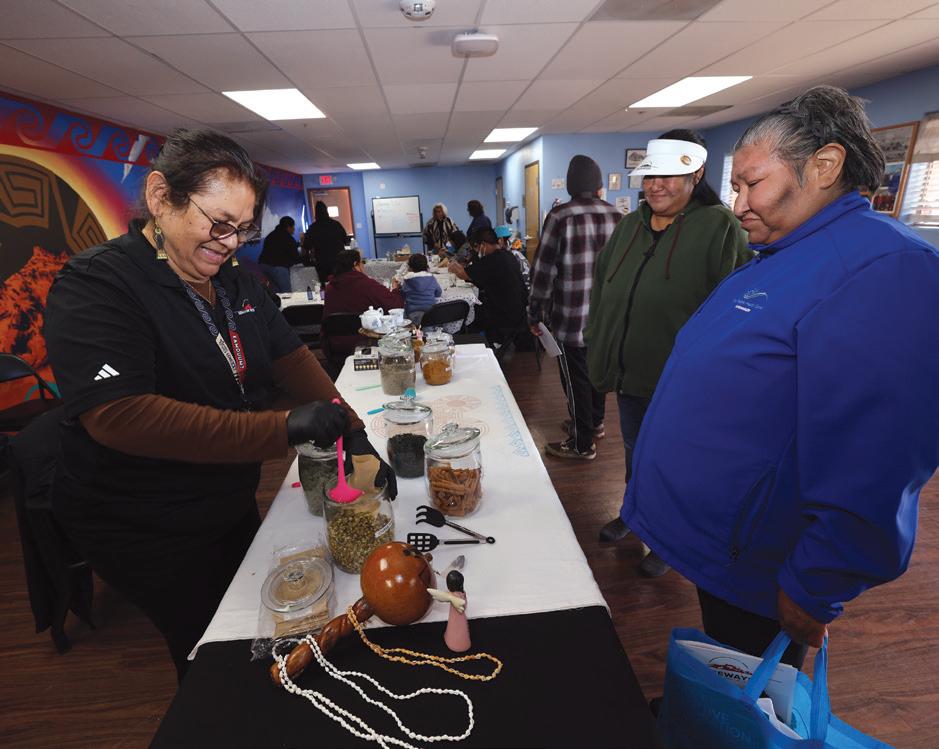
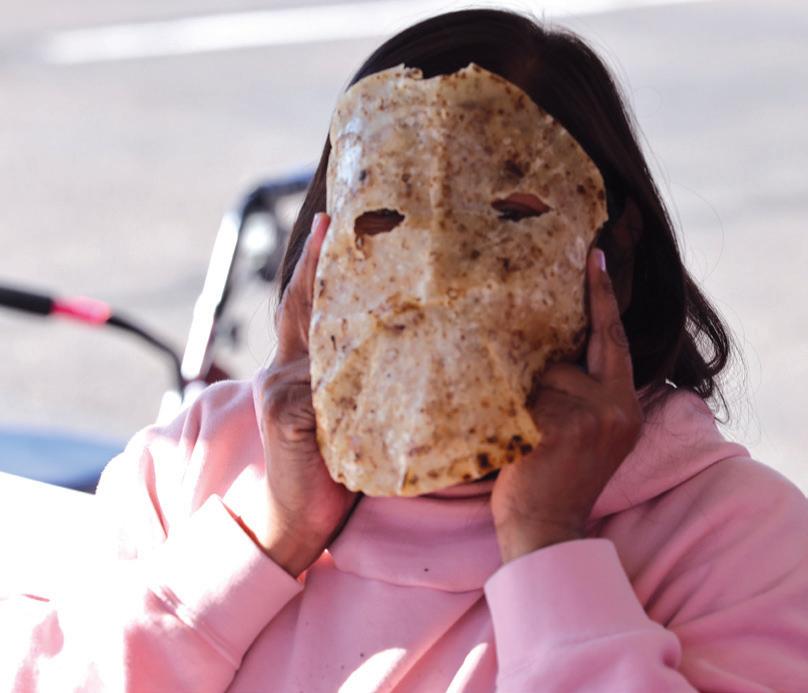
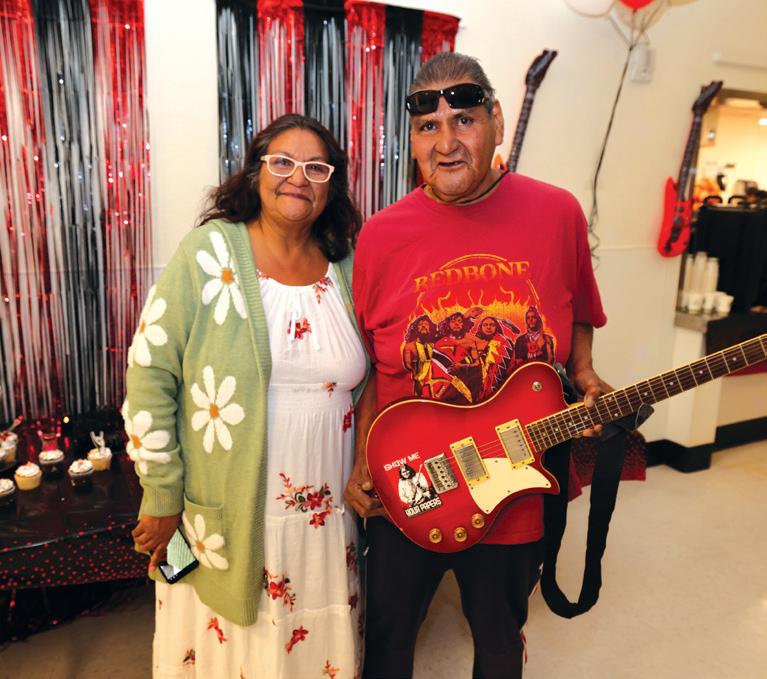
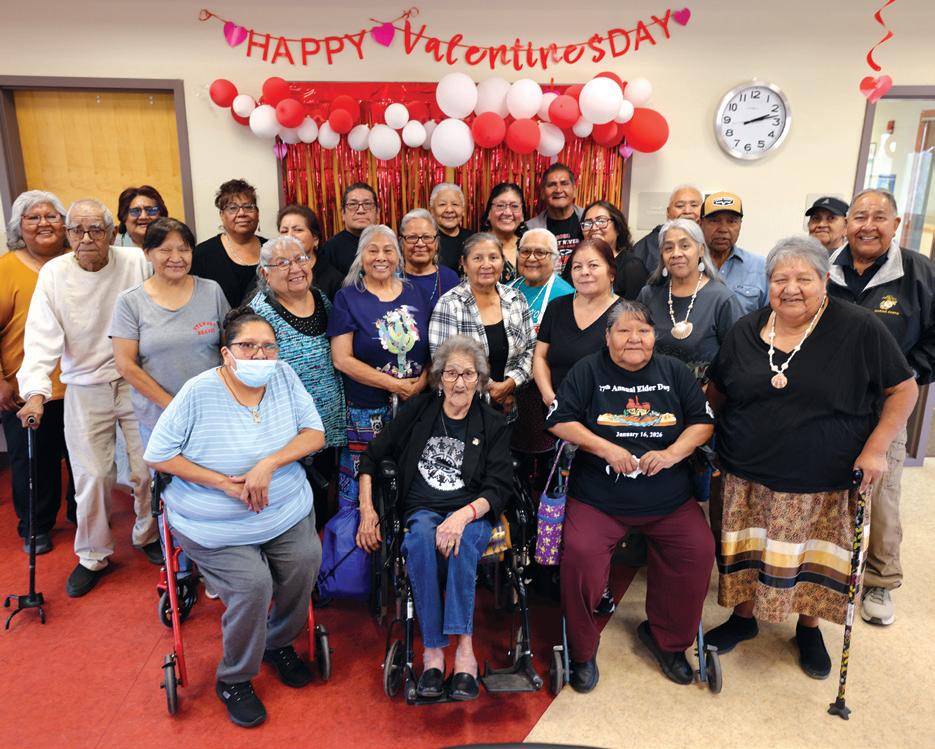
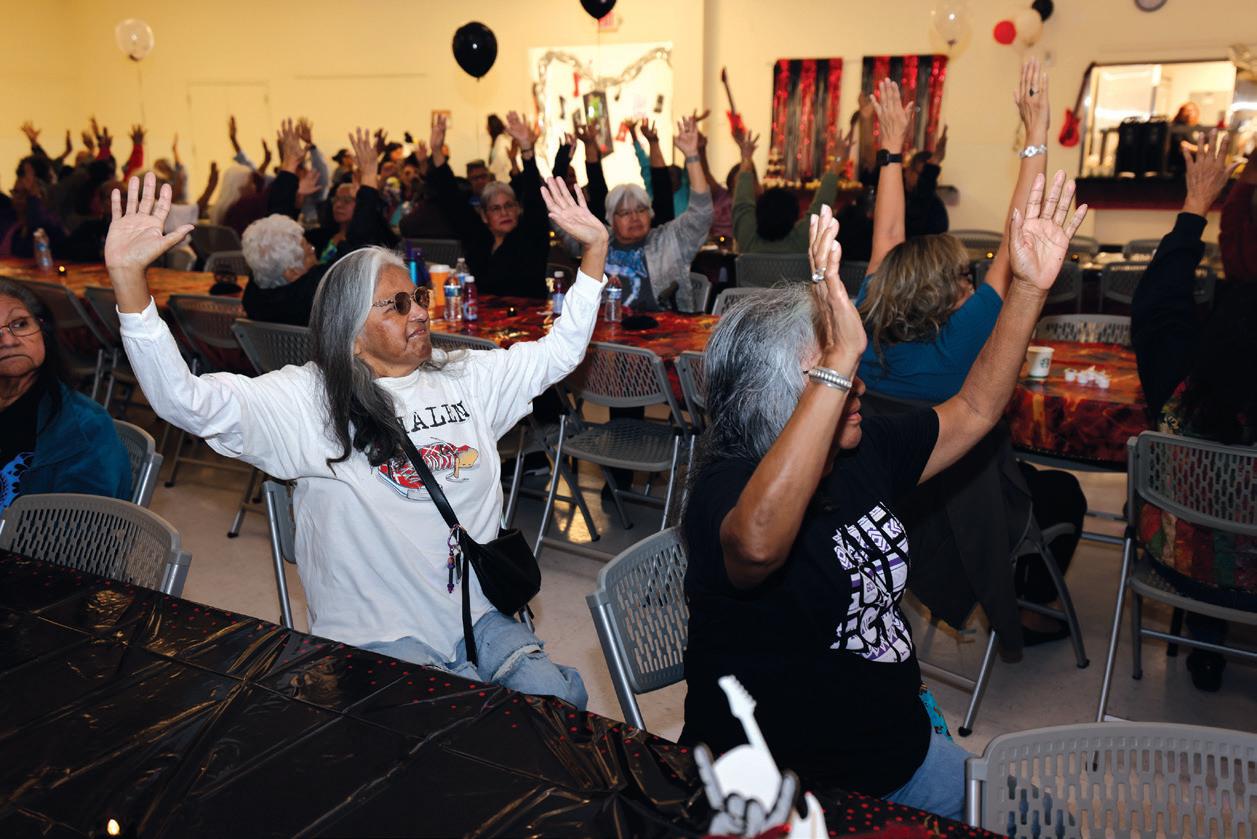
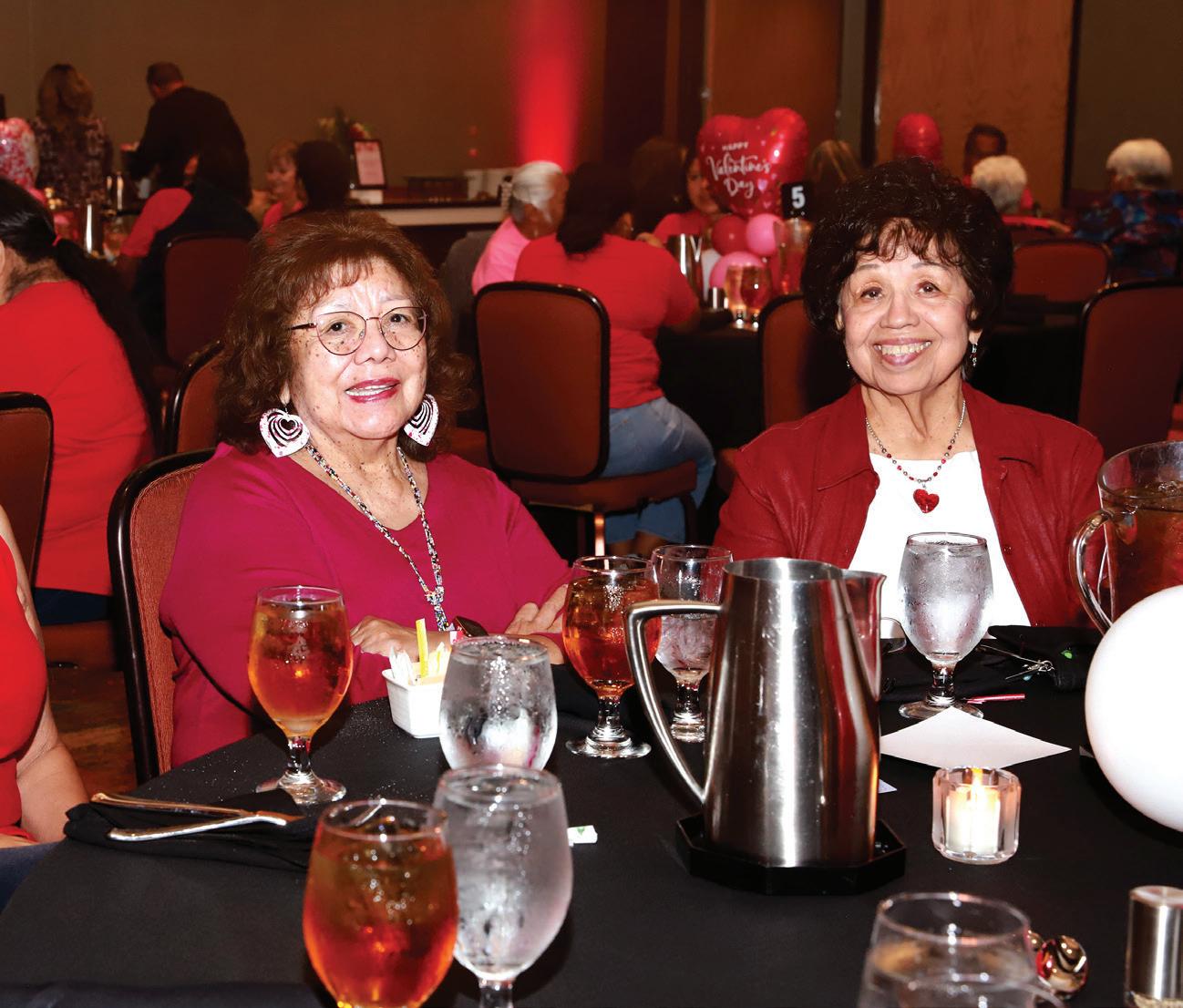
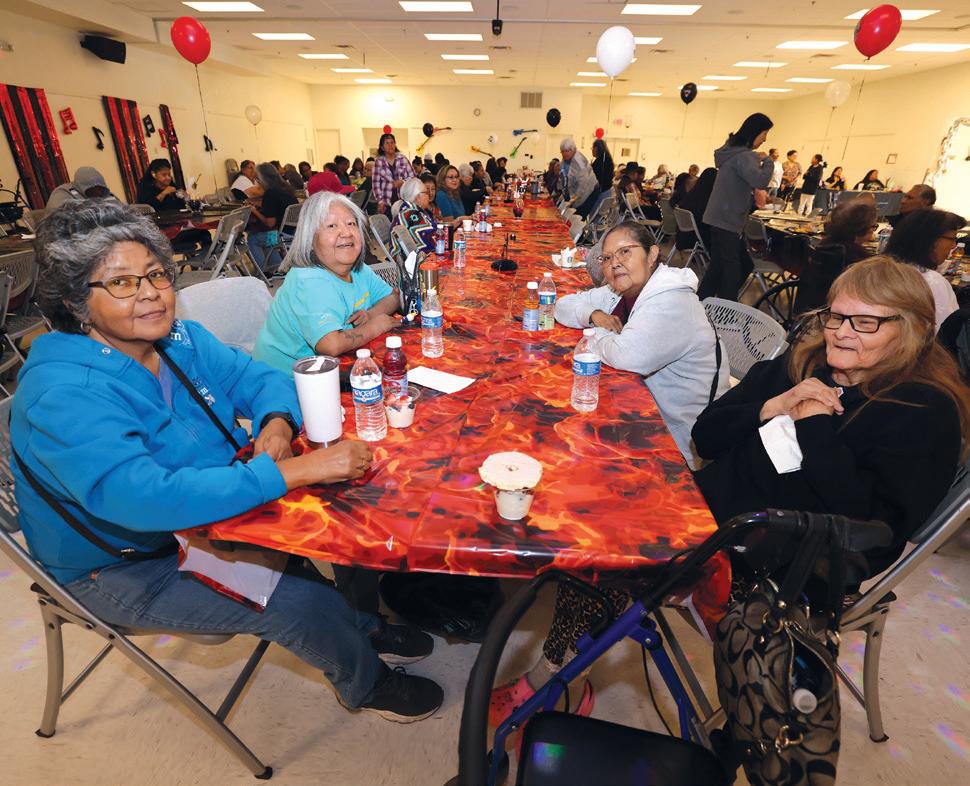
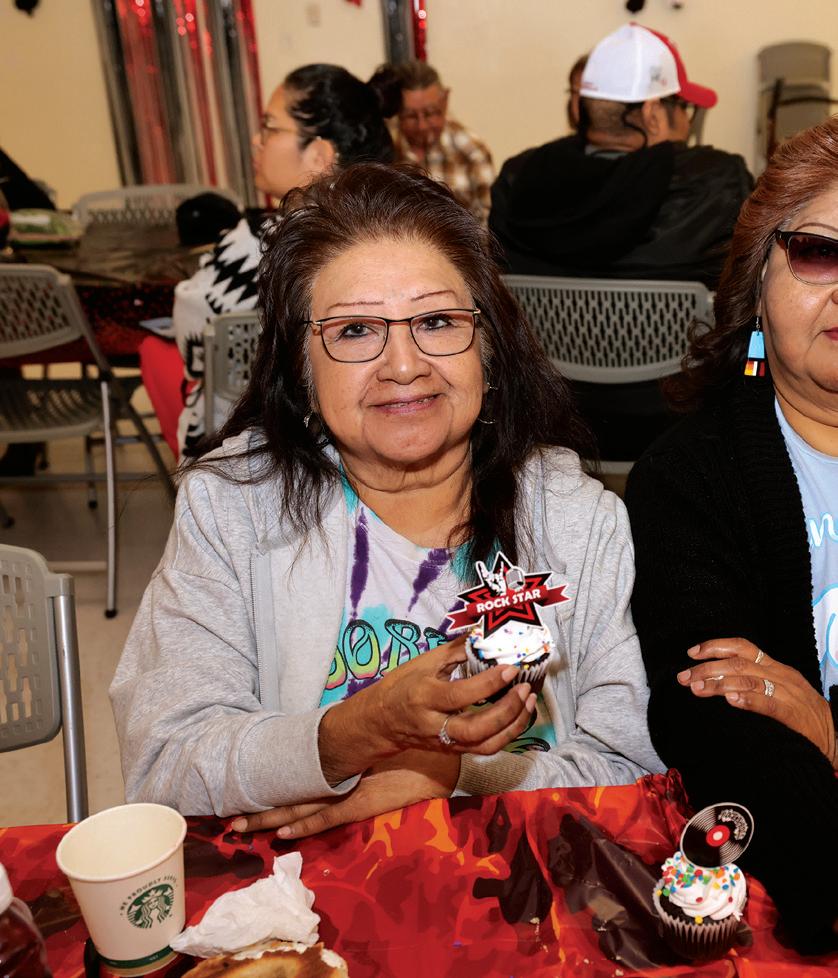
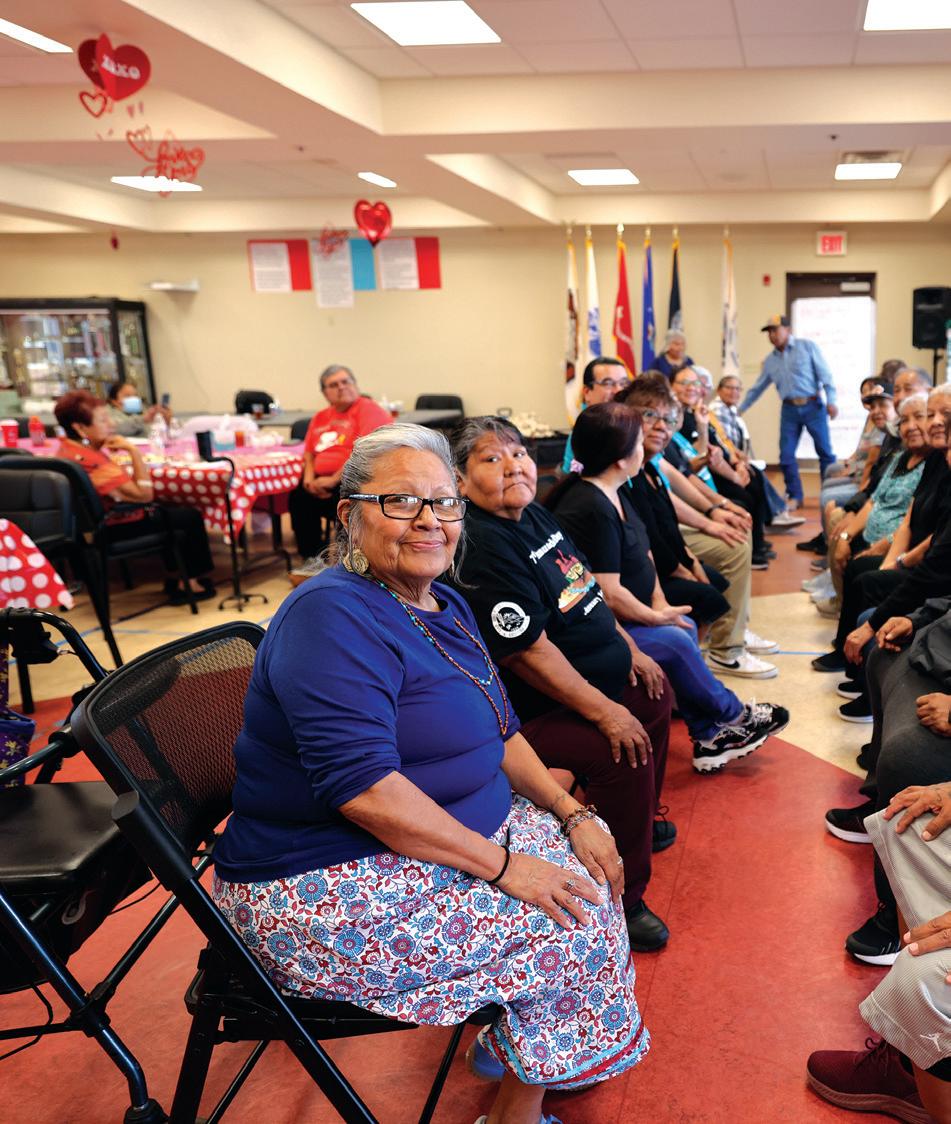
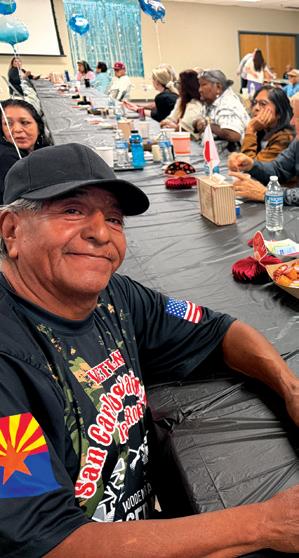
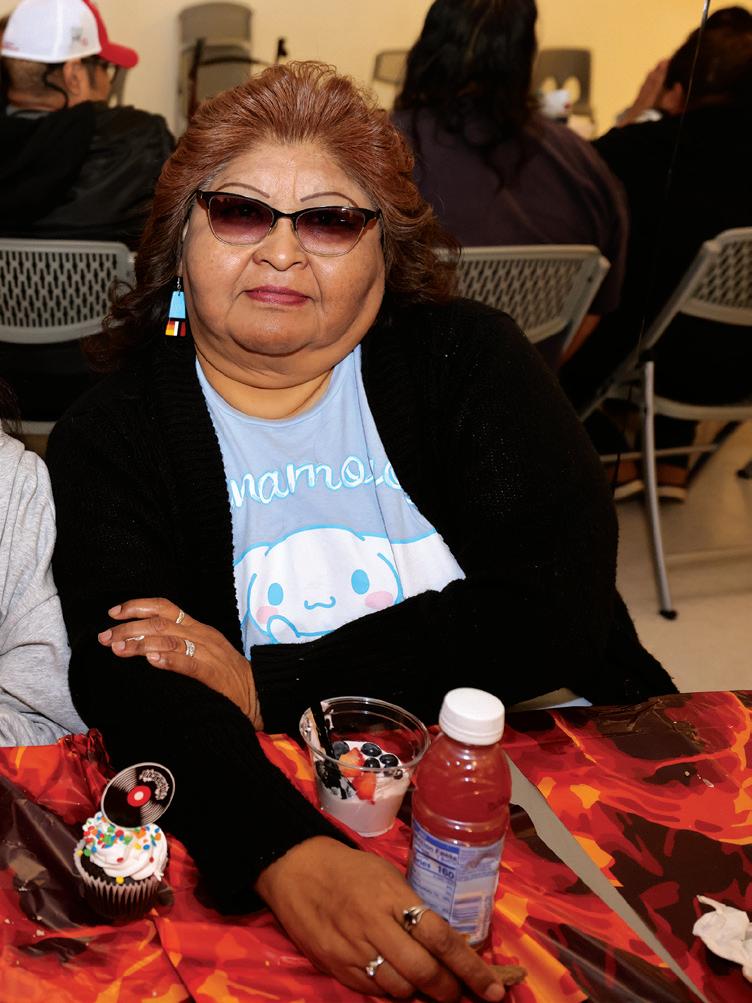
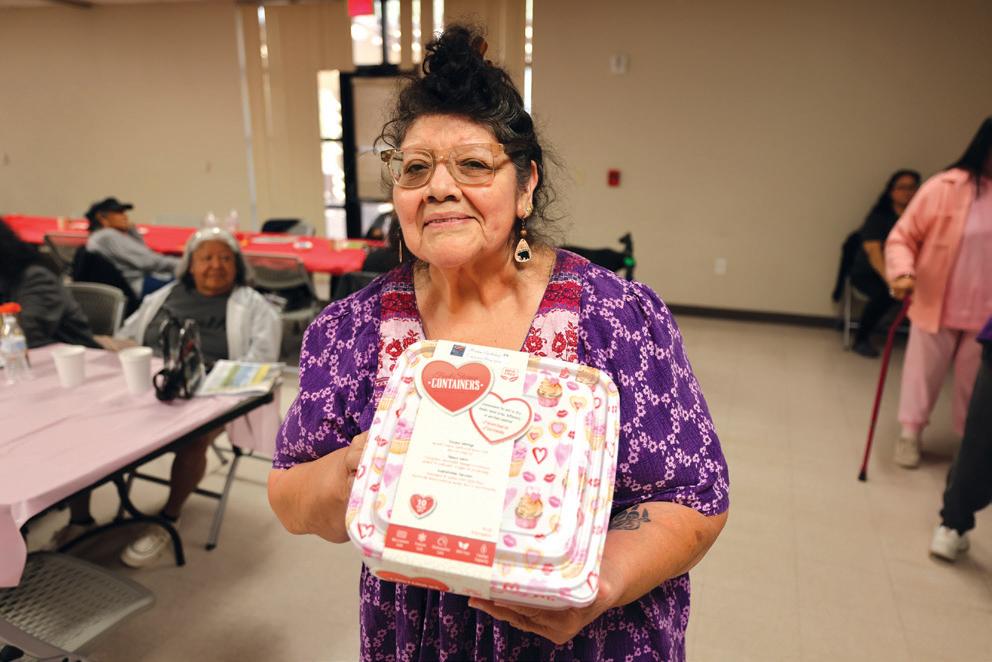
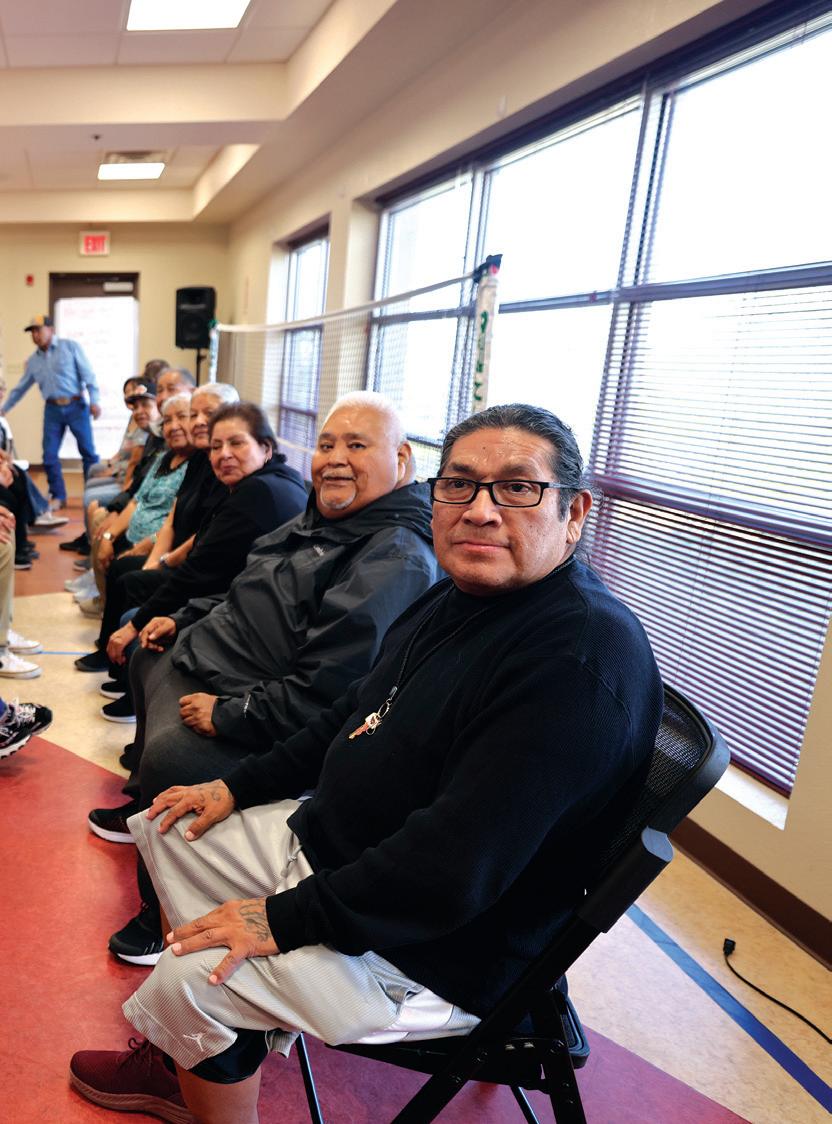
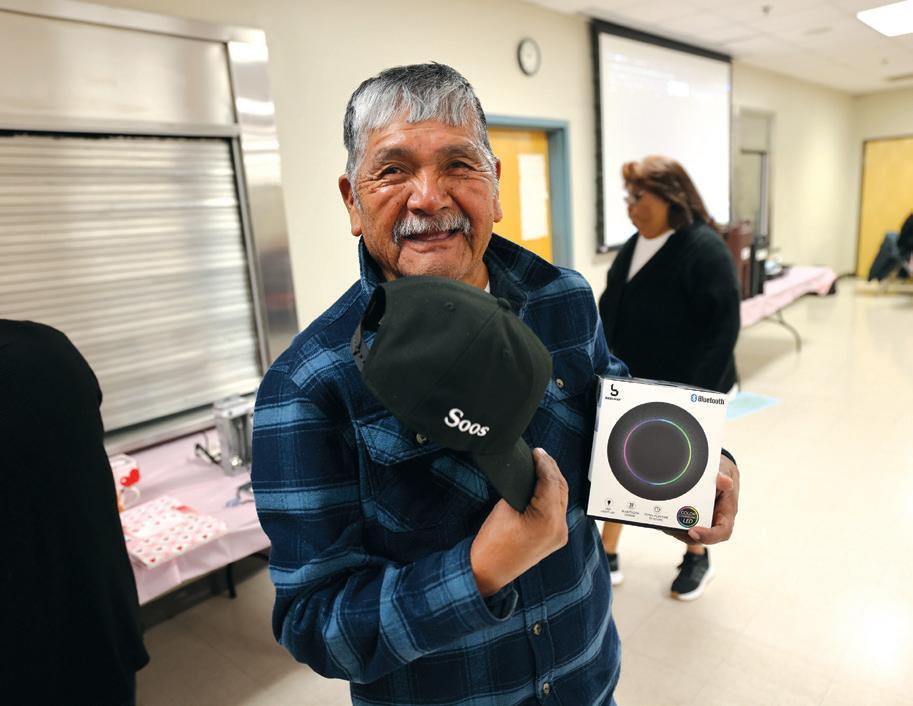
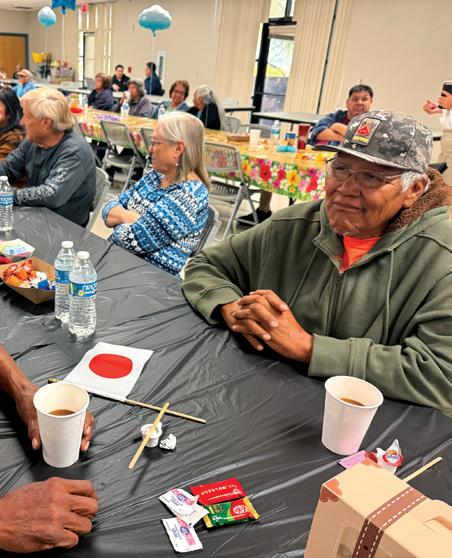
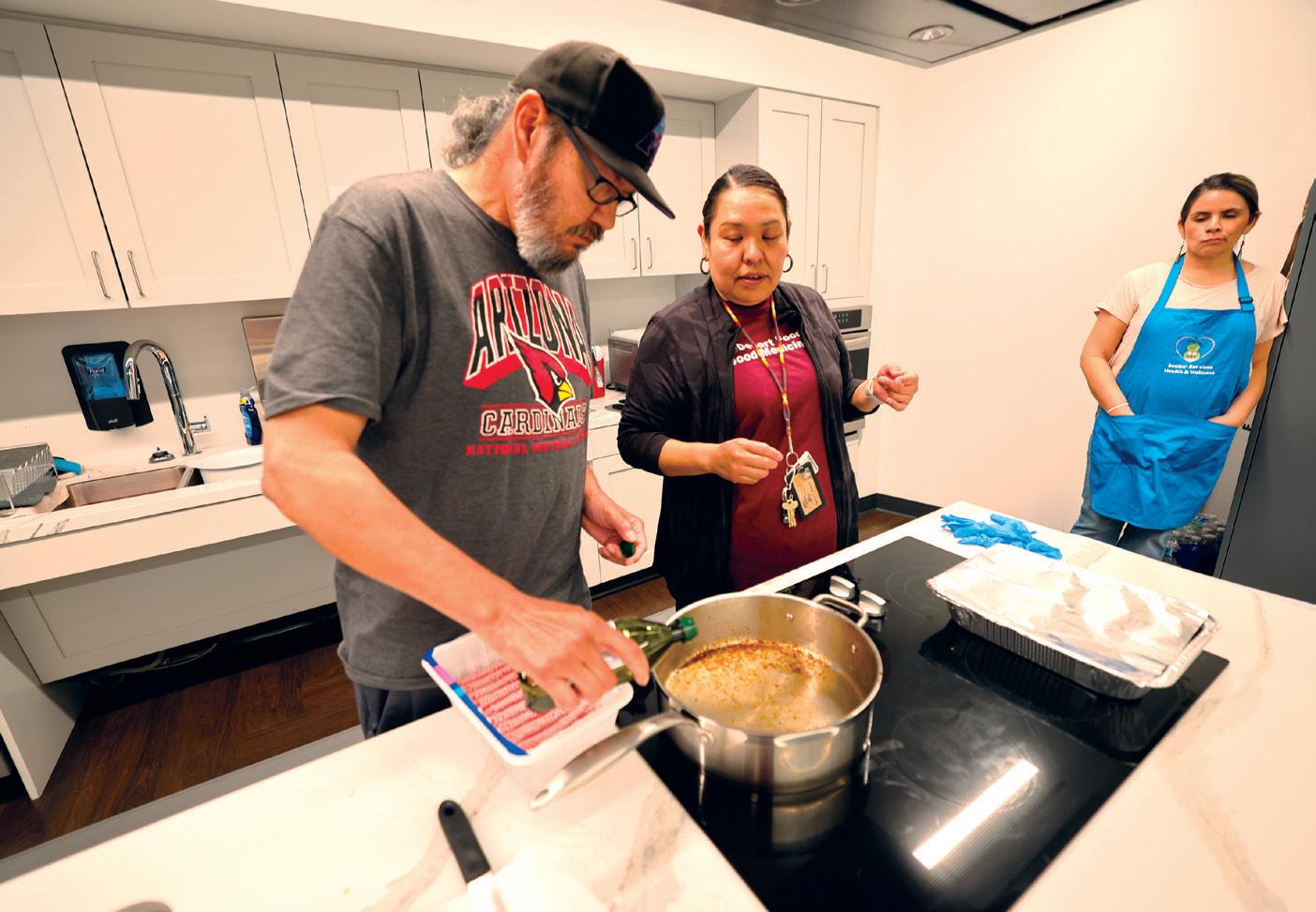
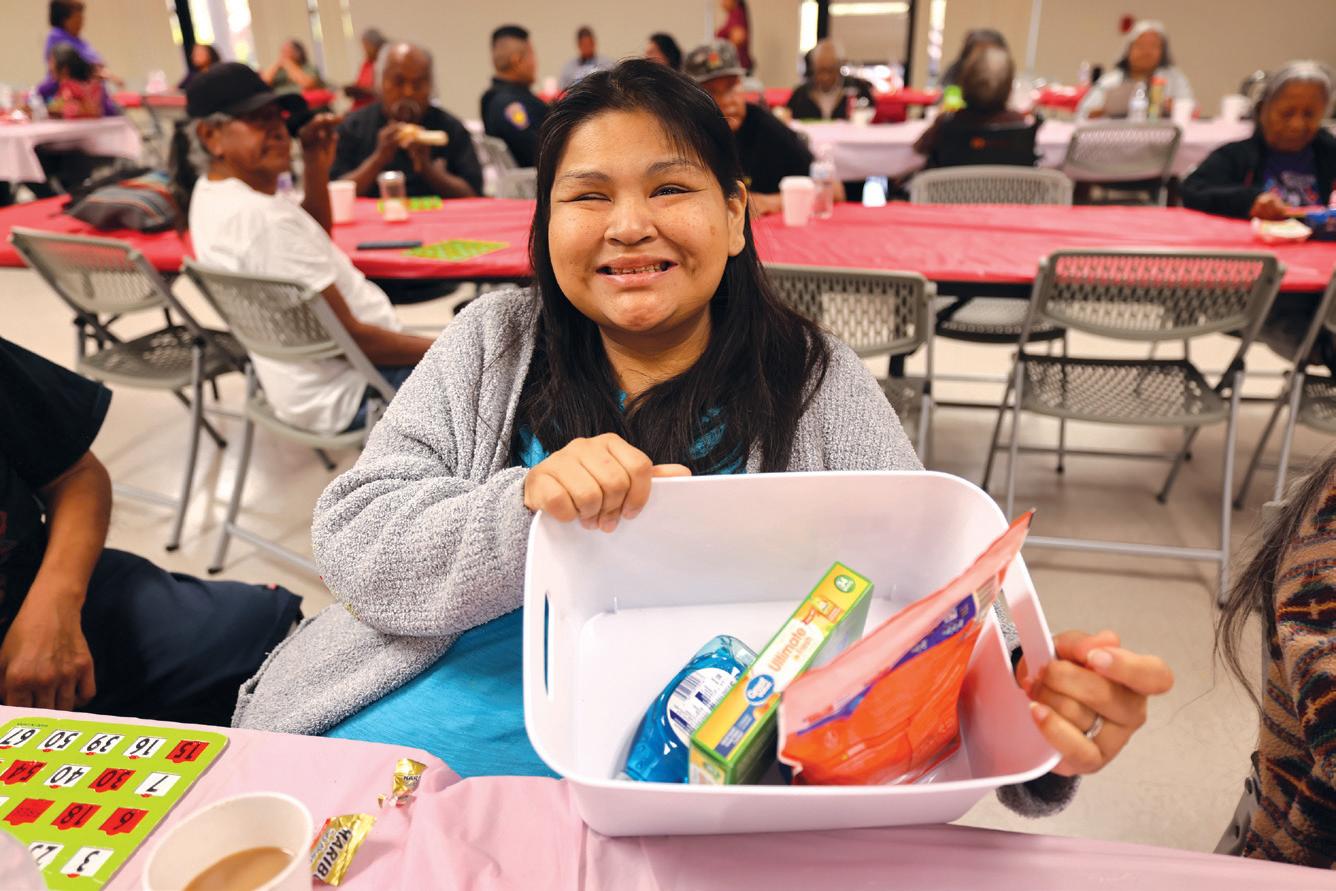
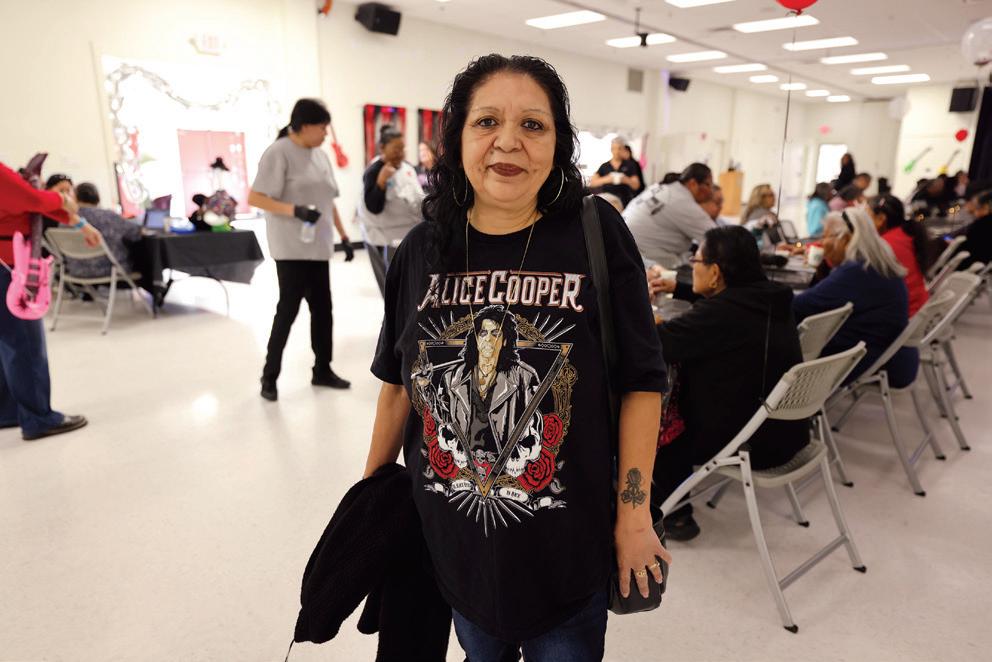
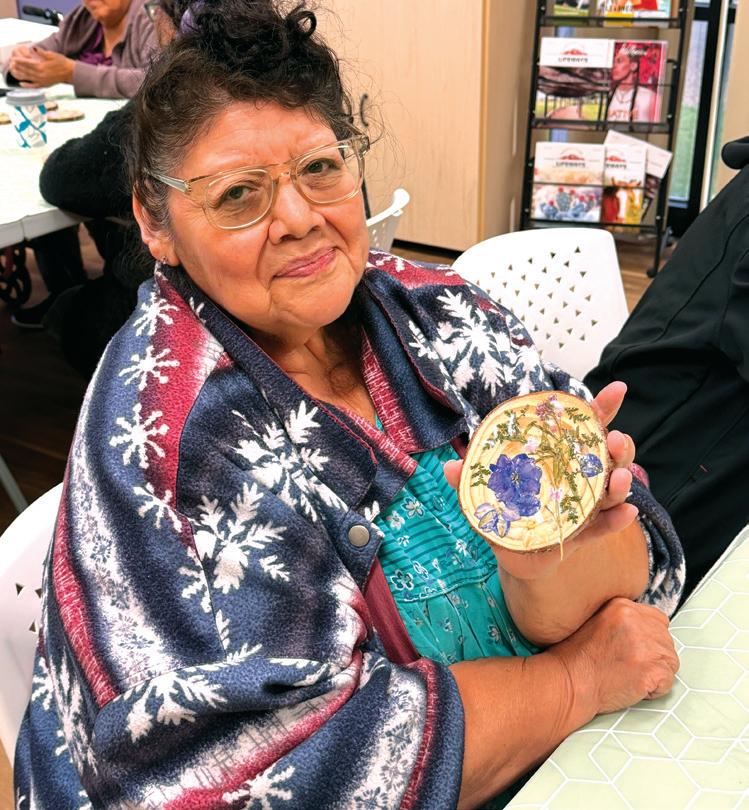
A gentle celebration of the beginning of spring, a season of renewal, fresh air, and new possibilities. Each photo captures moments of shared smiles, meaningful experiences, and the quiet joy of days growing brighter. As you look back, may these memories bring warmth to your heart and remind you of the hope and beauty this new season brings.
We are Family
Handsup
Breakfast clubin’
A LOOK BACK
So go ahead, embrace the heat, soak up the sunshine, and call it “natural glow.”