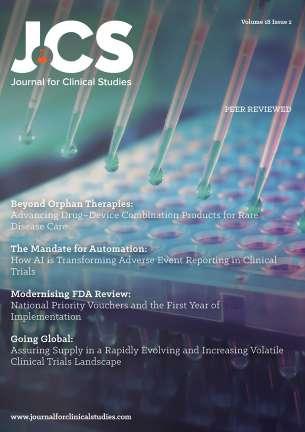
Beyond Orphan Therapies: Advancing Drug–Device Combination Products for Rare Disease Care
The Mandate for Automation: How AI is Transforming Adverse Event Reporting in Clinical Trials Modernising FDA Review: National Priority Vouchers and the First Year of Implementation Going Global: Assuring Supply in a Rapidly Evolving and Increasing Volatile Clinical Trials Landscape
www.journalforclinicalstudies.com
MANAGING DIRECTOR
Mark A. Barker
BUSINESS DEVELOPMENT
Anthony Stewart anthony@senglobalcoms.com
MANAGING EDITOR
Alice Philips alice@senglobalcoms.com
EDITORIAL
Melissa Cavner melissa@senglobalcoms.com
DESIGNER
Jana Sukenikova www.fanahshapeless.com
RESEARCH & CIRCULATION MANAGER
Carla Devine carla@senglobalcoms.com
FINANCE DEPARTMENT
Akash Sharma accounts@senglobalcoms.com
PUBLISHED BY
Senglobal Ltd., 46 Plover Way, London, SE16 7TT, UK
Journal for Clinical Studies – ISSN 1758-5678 is published quarterly by Senglobal Ltd.
4 FOREWORD
REGULATORY AFFAIRS
6 Modernising FDA Review: National Priority Vouchers and the First Year of Implementation
A year ago, the US Food and Drug Administration (FDA) launched a new ‘ultra-fast,’ review program intended to dramatically shorten review times for drug and biological product applications, as well as for manufacturing or efficacy supplements. The initiative aligns with the agency’s broader effort to improve approval efficiency and modernise regulatory frameworks to address emerging public health needs. With several actions already taken since launch, the FDA plans to publicly review the program in early June. Deborah Komlos of Clarivate discusses how the FDA will host a public meeting to solicit feedback and perspectives on the CNPV Pilot Program, including topics such as the eligibility criteria, voucher selection processes, sponsor responsibilities, FDA review procedures and overall program implementation.
10 Global CROs Help BioPharma Reach China and
APAC Patients and Speed Clinical Trials
China and the APAC region in general are increasingly becoming one of the most important operational and strategic imperatives for accelerating clinical development timelines, accessing patients faster and unlocking therapeutic asset value earlier. In short, APAC is becoming the next innovation hub for drug development. Dan Gallagher of Emerald Clinical Executive Team discusses the broader point of the global clinical trial market having already started moving in this direction. Sponsors who continue treating China as a secondary or future consideration risk finding themselves behind competitors that are already using the region to accelerate timelines and development decisions. The companies gaining momentum today are the ones building smarter global strategies earlier.
THERAPEUTICS
12 Beyond Orphan Therapies: Advancing Drug-device Combination Products for Rare Disease Care
As the rare disease landscape continues to evolve, companies that adopt integrated, patient-centric development models will be best positioned to bring innovative and commercially sustainable therapies to market. Dawn Manley of PCI discusses that advances in delivery technologies, growing regulatory support and increasing collaboration across the biopharmaceutical ecosystem are creating new opportunities to address longstanding unmet needs in rare disease care.
The opinions and views expressed by the authors in this journal are not necessarily those of the Editor or the Publisher. Please note that although care is taken in the preparation of this publication, the Editor and the Publisher are not responsible for opinions, views, and inaccuracies in the articles. Great care is taken concerning artwork supplied, but the Publisher cannot be held responsible for any loss or damage incurred. This publication is protected by copyright.
Volume 18 Issue 2 Summer 2026, Senglobal Ltd.
www.journalforclinicalstudies.com
16 Optimising Endpoints and Educating Investigators to Drive Clinical Trial Success
Defined and highly standardised trial endpoints, when paired with robust methodological training, can play a critical role in improving trial success. These concepts will be critical when optimising existing endpoints and with developing new endpoints, which is of great current interest in the community. Andrew Pucker of Mintra Health discusses that by ensuring that trial teams have a consistent understanding of testing protocols, variability in clinical trial data can be significantly reduced. This increased consistency enhances data quality, improves the reliability of trial results, and ultimately increases the likelihood of clinical trial success.
CLINICAL TRIAL MANAGEMENT
20 Patient-Centricity in Rare Disease: Accelerating the Path to Treatment
Rare disease patients are frequently isolated, navigating a disjointed path before receiving a correct diagnosis, joining a clinical trial, or accessing the right therapy. Chris Moore of Veeva discusses that breaking down these silos is essential to helping patients receive the treatment they need faster. An integrated ecosystem of connected data and software enables seamless collaboration across functions and an accelerated path from insight to treatment to improve patient outcomes.
22 Digital Medication Adherence Monitoring in Clinical Research
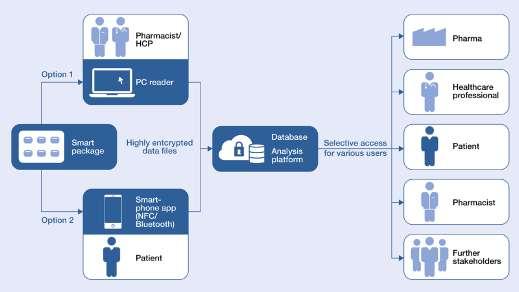
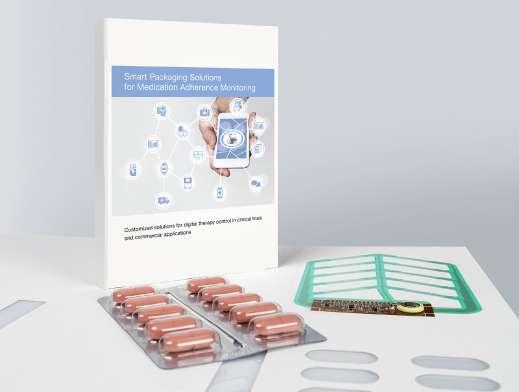
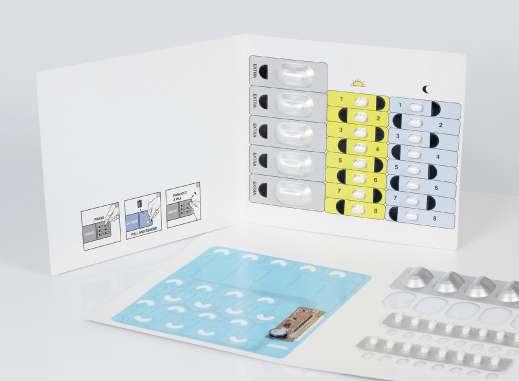
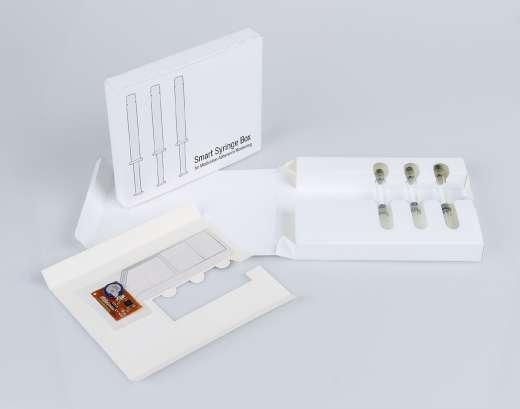
Medication adherence remains one of the most critical and least controlled variables in healthcare delivery and clinical research. Uwe Braun of Schreiner MediPharm discusses how digital adherence monitoring provides a scalable and reliable foundation for this transformation, contributing to more robust clinical evidence and more efficient drug development.
TECHNOLOGY
26 How RBQM Fits into an AI World
Risk-based quality management (RBQM) is now widely recognised as crucial to improving data quality and clinical trial efficiency. Regulatory backing and increasing complexity are driving adoption and the RBQM market is expected to maintain a CAGR of 12% through 2033, reaching
approximately $7 billion. Sophie Henderson of CluePoints discusses that by harnessing AI-powered technology and advanced analytics we can accelerate risk detection and course correction, helping teams succeed faster, fail smarter and focus resources where it matters most.
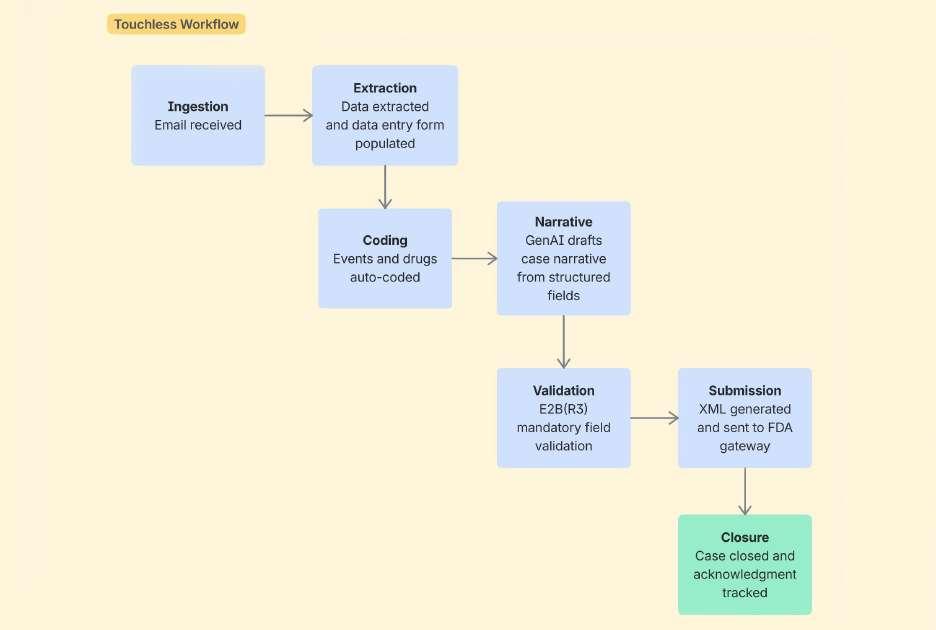
28 The Mandate for Automation: How AI is Transforming Adverse Event Reporting in Clinical Trials
The transition to automated adverse event reporting is no longer a future trend but a present-day mandate for the pharmaceutical industry. Martti Ahtola of Tepsivo Oy discusses that the path forward requires bridging the ‘Trust Gap’ and overcoming challenges related to legacy infrastructure by adopting a ‘crawl, walk, run,’ approach to AI implementation. The future of pharmacovigilance is moving beyond merely predictive to prescriptive analytics, transforming the function from ‘data entry,’ to data science to better protect patients and ensure the safe use of medicines in a digital-first world.
32 A New Breed of Digitalisation: The Path to Congruency and Faster Study Start-up
Most clinical research institutions believe their study start-up delays are a technology problem. They aren't. It’s a fragmentation problem, and many technologies have only made it worse. Jim Wagner of WCG discusses how AI-enabled digitisation creates a single authoritative source from protocol through activation, what that means for the over a dozen internal groups who depend on that information and why speed and congruency together, not either alone, are the real prize.
LOGISTICS
AND SUPPLY CHAIN
36 Going Global: Assuring Supply in a Rapidly Evolving and Increasing Volatile Clinical Trials Landscape
Taking trials global presents significant opportunity but it also introduces complex supply chain challenges. Sponsors expanding into emerging markets face regulatory complexity, infrastructure gaps, limited cold chain capacity and geopolitical volatility, all of which can threaten timely and safe supply to patients. Sharon Courtney of Almac Clinical Services discusses the effective strategies to mitigate these risks, and keep patients at the heart of the mission, include early planning, regulatory diligence, risk assessments, contingency preparation, realtime, end-to-end temperature management and partnerships with trusted local providers.
Welcome to the Summer edition of JCS. In this issue we examine advancing drug-devices to tackle rare diseases, ensure supply chain efficiency, safety regulations regarding Artificial Intelligence and patient retention.
Dawn Manley of PCI opens our Therapeutics section with a discussion centring around the development of DDCs for rare diseases as she presents the unique scientific, regulatory and commercial challenges. Drug–device combination products are playing an increasingly important role in advancing treatment options for patients with rare diseases. By integrating therapeutic efficacy with patient-focused delivery technologies, these products have the potential to improve adherence, expand access to home-based care and enhance quality of life for underserved patient populations. Dawn states that successful development requires far more than simply pairing a drug with a delivery system. Developers must navigate complex regulatory frameworks, optimise formulation-device compatibility, incorporate human factors engineering, design flexible clinical programmes and establish scalable manufacturing and resilient supply strategies.
Extending clinical trial operations outside of the comfort zones of North America and Western Europe often means encountering fragile infrastructure, long and unpredictable transport routes, and limited cold chain capacity, all of which can threaten supply continuity. Sharon Courtney of Almac Clinical Services explores effective strategies to mitigate these risks and keep patients at the heart of the mission, include early planning, regulatory diligence, risk assessments, contingency preparation, real-time, end-to-end temperature management and partnerships with trusted local providers.
Martti Ahtola of Tepsivo Oy determines that the path forward requires bridging the ‘Trust Gap’ and overcoming challenges related to legacy infrastructure by adopting a ‘crawl, walk, run,’ approach to AI implementation. The future of pharmacovigilance is moving beyond merely predictive to prescriptive analytics, transforming the function from ‘data entry,’ to data science to better protect patients and ensure the safe use of medicines in a digital-first world.
Cavner, Editor
JCS – Editorial Advisory Board
• Ashok K. Ghone, PhD, VP, Global Services MakroCare, USA
• Bakhyt Sarymsakova – Head of Department of International Cooperation, National Research Center of MCH, Astana, Kazakhstan
• Catherine Lund, Vice Chairman, OnQ Consulting
• Cellia K. Habita, President & CEO, Arianne Corporation
• Chris Tait, Life Science Account Manager, CHUBB Insurance Company of Europe
• Deborah A. Komlos, Principal STEM Content Analyst, Clarivate
• Elizabeth Moench, President and CEO of Bioclinica – Patient Recruitment & Retention
• Francis Crawley, Executive Director of the Good Clinical Practice Alliance – Europe (GCPA) and a World Health Organisation (WHO) Expert in ethics
• Georg Mathis, Founder and Managing Director, Appletree AG
• Hermann Schulz, MD, Founder, PresseKontext
• Jeffrey W. Sherman, Chief Medical Officer and Senior Vice President, IDM Pharma.
• Jim James DeSantihas, Chief Executive Officer, PharmaVigilant
• Mark Goldberg, Chief Operating Officer, PAREXEL International Corporation
• Maha Al-Farhan, Chair of the GCC Chapter of the ACRP
• Rick Turner, Senior Scientific Director, Quintiles Cardiac Safety Services & Affiliate Clinical Associate Professor, University of Florida College of Pharmacy
• Robert Reekie, Snr. Executive Vice President Operations, Europe, AsiaPacific at PharmaNet Development Group
• Stanley Tam, General Manager, Eurofins MEDINET (Singapore, Shanghai)
• Stefan Astrom, Founder and CEO of Astrom Research International HB
• Steve Heath, Head of EMEA – Medidata Solutions, Inc
Melissa
Modernising FDA Review: National Priority Vouchers and the First Year of Implementation
A year ago, the US Food and Drug Administration (FDA) launched a new “ultra-fast” review programme intended to dramatically shorten review times for drug and biological product applications, as well as for manufacturing or efficacy supplements. The initiative aligns with the agency’s broader effort to improve approval efficiency and modernise regulatory frameworks to address emerging public health needs. With several actions already taken since launch, the FDA plans to publicly review the programme in early June.
Announced in June 2025 by then-FDA Commissioner Marty Makary, MD, MPH, the Commissioner’s National Priority Voucher (CNPV) Pilot Program employs a “tumour board–style” review model to accelerate the evaluation and review of products aligned with one of five critical US national health priorities:
• Public Health Crisis Response: Products addressing urgent or emerging threats or significant population impact.
• Innovative Breakthrough Therapies: Transformative treatments with novel mechanisms that fundamentally change disease management.
• Large Unmet Medical Needs: Therapies for conditions where existing treatments inadequately address patient outcomes.
• Onshoring and Supply Chain Resilience: Efforts that strengthen domestic capacity, reduce foreign dependencies and improve national security.
• Affordability: Approaches that improve overall value through reduced costs to the healthcare system or expand access to important products.1
Makary noted that although the FDA has long led global medical innovation, “that leader status has been in jeopardy” and described the CNPV Pilot Program as a step toward modernising the agency’s regulatory processes.2 The pilot programme aims to reduce review times for qualifying new drug applications (NDAs), biologics license applications (BLAs), and manufacturing or efficacy supplements from the standard 10–12 months to a target of 1–2 months.
Core Elements of the Programme
Coordinated by the Office of the Chief Medical Officer (OCMO) within the Office of the Commissioner, the pilot programme involves the Center for Drug Evaluation and Research (CDER), the Center for Biologics Evaluation and Research (CBER), and the Oncology Center of Excellence (OCE).3
To participate, companies must submit a statement of interest identifying the relevant national health priority and briefly describe how their programme aligns with it. Requested information includes:
• The targeted disease or condition
• The potential impact of the drug
• The current stage of development (with clinical data highlights, as relevant)
• The unique aspects of the approach
• The specific issues for which enhanced communication with the FDA would facilitate development4
Potential participants may also be identified through internal nominations. In either case, factors considered in the voucher selection phase include alignment with national priorities, anticipated public health impact, readiness indicators (e.g., completeness of results), resource and timing considerations, and known risks, uncertainties, or dependencies.3
As part of the programme, the FDA established the CNPV Review Council, which provides recommendations to the delegated official (e.g., the deputy chief medical officer) on voucher selection and to the relevant center director to inform the center director’s approvability recommendation for the portions of the application reviewed by the council.
Makary likened the council’s multidisciplinary structure to clinical tumour boards, where experts jointly evaluate complex evidence. While the council informs review, final approval decisions remain within the FDA centers and follow the usual FDA processes. Criteria for voucher selection are outlined in the agency’s FDA Staff Manual Guides issued in January 2026.5
Companies selected for the pilot programme receive a voucher entitling them to benefits including enhanced communications and rolling review to support a shortened review timeline. As described in the FDA’s Guidance for Industry: Expedited Programs for Serious Conditions – Drugs and Biologics (May 2014), rolling review allows the agency to evaluate portions of an application as they are submitted.6 According to the agency’s CNPV Pilot Program submission webpage (updated July 22, 2025),4 the FDA will award a limited number of vouchers on a rolling basis.
The February 2026 Town Hall slides posted on the CNPV landing page note that the pilot programme includes an approximately 60day presubmission period, followed by an abbreviated filing period of 14–21 days and an application review period of 30–60 days.1,7 During presubmission, sponsors may meet with review divisions to establish a mutually agreed-upon timeline and address review issues (e.g., chemistry, manufacturing, and controls [CMC] and inspection) in advance to prevent delays.3
How the Pilot Compares
Complementing the FDA’s established expedited programmes –including Fast Track, Breakthrough Therapy, Accelerated Approval, and Priority Review – the CNPV Pilot Program targets products of national significance, combining expedited review with intensified regulatory engagement. Key differentiators of the CNPV Pilot
Program are its ultra-rapid review pathway and the nontransferability of its vouchers. By contrast, the FDA’s Priority Review Voucher (PRV) programme awards transferable vouchers to sponsors who obtain approval for certain qualifying applications (e.g., treatments for tropical diseases, rare pediatric diseases, or material threat medical countermeasures).8
PRV recipients may use the voucher for a future human drug application submitted to the FDA or transfer it to another party. A redeemed PRV entitles the holder to obtain priority review (a 6-month review clock)9 for a future application that would not otherwise qualify, upon payment of the annual PRV user fee announced in the Federal Register.8
The FDA noted in the Town Hall overview that the CNPV Pilot Program builds on elements from the OCE’s Real-Time Oncology Review (RTOR) and the Split Real Time Application Review (STAR) pilot programme. Both the RTOR and STAR programmes shift review activities earlier in the process to shorten overall time to approval without altering statutory review clocks.10,11 Each programme permits the FDA to begin evaluating portions of an application before the traditional complete submission milestone, enabling reviewers to identify issues sooner, reduce back-and-forth communication later in the cycle, and streamline the path to a final decision.
Achievements and Current Status
Completed in two months, the first review decision under the CNPV Pilot Program was issued in December 2025 for Augmentin XR (amoxicillin-clavulanate potassium) from USAntibiotics.12 Originally approved by the FDA in 2002, Augmentin XR is indicated for the treatment of community-acquired pneumonia and acute bacterial sinusitis in adults and pediatric patients.
According to the sponsor, Augmentin XR had been off the US market since August 2011, when the previous manufacturer ceased production.13 The sponsor indicated that the FDA had confirmed in October 2024 that the drug had not been withdrawn for safety or effectiveness reasons. Based on available information, the December 2025 action appears to have been a manufacturing-focused re-approval rather than a new NDA or labeling supplement. Because Drugs@FDA posts only original applications, efficacy supplements, and labeling supplements, this CMC-based action does not appear in the public database (see sidebar below).
The FDA updates its Drugs@FDA database with information from original NDAs/BLAs, efficacy supplements, and labeling supplements, as described on the Drugs@FDA Frequently Asked Questions webpage.14 Under 21 CFR 314.70, many post-approval manufacturing changes – such as facility or supply chain changes –are submitted as Changes Being Effected in 30 Days (CBE 30), CBE, or annual reportable supplements, categories that generally do not require labeling updates.15
In announcing the approval, the FDA noted that essential medicines such as amoxicillin and Augmentin XR “have experienced documented shortages... highlighting the critical need for stable domestic manufacturing capacity to protect public health.”12 The agency stated that the Augmentin XR application demonstrated “clear alignment” with the CNPV programme’s national health priorities by strengthening the US drug supply chain and addressing antibiotic shortages.
By May 2026, the agency had awarded vouchers for 21 products and granted seven approvals, including two notable programme firsts. On
April 1, the FDA approved the first new molecular entity (NME) under the programme, Foundayo (orforglipron) from Eli Lilly and Company. In the press release announcing the approval, the FDA noted that this was also the fastest approval of an NME since 2002.16 The second notable first under the pilot was the April 23 approval of Otarmeni (lunsotogene parveccwha) from Regeneron Pharmaceuticals, Inc., representing first-ever dual adeno-associated virus (AAV) vector-based gene therapy for the treatment of a type of genetic hearing loss.17 All of these awards and approvals are summarised in Tables 1 and 2; the dates of these entries are drawn from FDA press announcements published between 2025 and 2026.
On June 4, 2026, the FDA will host a public meeting to solicit feedback and perspectives on the CNPV Pilot Program, including topics such as the eligibility criteria, voucher selection processes, sponsor responsibilities, FDA review procedures, and overall programme implementation.18 Written comments may be submitted through June 29, 2026.
REFERENCES
1. FDA. Commissioner's National Priority Voucher (CNPV) Pilot Program. Updated April 28, 2026. Accessed May 26, 2026. https://www.fda.gov/ industry/commissioners-national-priority-voucher-cnpv-pilot-program
2. FDA. Commissioner’s National Priority Vouchers. YouTube. Published
Date of Voucher Award Product Indication/Use
October 16, 2025 Pergoveris Infertility
Teplizumab Type I diabetes
Cytisinicline Nicotine vaping addiction
DB-OTO Deafness
Cenegermin-bkbj Blindness
RMC-6236 Pancreatic cancer
Bitopertin Porphyria
Ketamine Domestic manufacturing of a critical drug for general anesthesia
Augmentin XR Domestic manufacturing of a common antibiotic
November 6, 2025 Zongertinib HER2 lung cancer
Bedaquiline Drug-resistant tuberculosis in young children
Dostarlimab Rectal cancer
Casgevy Sickle cell disease
Orforglipron
Wegovy
Obesity and related conditions
December 15, 2025 Teclistamab + daratumumab Relapsed/refractory multiple myeloma
December 19, 2025 Enlicitide decanoate Lowering LDL cholesterol
Sacituzumab tirumotecan Not specified in FDA announcement
April 24, 2026
Psilocybin Treatment-resistant depression
Psilocybin Major depressive disorder
Methylone
Post-traumatic stress disorder (PTSD)
+ indicates combination therapy
Table 1. Products Awarded Vouchers Under the CNPV Pilot Program
Treatment of community-acquired pneumonia and acute bacterial sinusitis in adults and pediatric patients
Treatment of adults with unresectable or metastatic non-squamous non–small cell lung cancer (NSCLC) whose tumours have HER2 (ERBB2) tyrosine kinase domain activating mutations as detected by an FDA-authorised test
Treatment of adults with relapsed or refractory multiple myeloma who have received at least one prior line of therapy, including a proteasome inhibitor and an immunomodulatory agent
Addition of a new higher dose (7.2 mg) for weight loss and long-term weight maintenance
In combination with a reduced-calorie diet and increased physical activity to reduce excess body weight and maintain weight reduction long term in adults with obesity or adults with overweight in the presence of at least one weight-related comorbid condition
Treatment of pediatric and adult patients with severe-to-profound and profound sensorineural hearing loss (any frequency >90 dB HL) associated with molecularly confirmed biallelic variants in the OTOF gene, preserved outer hair cell function, and no prior cochlear implant in the same ear
Treatment of adults with advanced, unresectable, or metastatic cholangiocarcinoma harboring a neuregulin 1 (NRG1) gene fusion with disease progression on or after prior systemic therapy
+ indicates combination therapy
Table 2. Products Approved Under the CNPV Pilot Program
June 17, 2025. Accessed May 26, 2026. https://www.youtube.com/ watch?v=CzMG6_hOB5w
3. FDA The FDA Commissioner’s National Priority Voucher Pilot Program [Fact Sheet]. Published 2025. Accessed May 26, 2026. https://www.fda.gov/ media/190896/download
4. FDA. Commissioner's National Priority Voucher (CNPV) Pilot Program Submission. Updated July 22, 2025. Accessed May 26, 2026. https://www. fda.gov/industry/commissioners-national-priority-voucher-cnpv-pilotprogram/commissioners-national-priority-voucher-cnpv-pilot-programsubmission
5. FDA. FDA Staff Manual Guides (SMG), Volume III – General Administration: FDA Councils and Committees, Commissioner’s National Priority Voucher Review Council (SMG 2010.23). Effective January 15, 2026. Accessed May 26, 2026. https://www.fda.gov/media/190099/download
6. FDA. Guidance for Industry: Expedited Programs for Serious Conditions – Drugs and Biologics. Published May 2014. Accessed May 26, 2026. https://www.fda.gov/files/ drugs/published/Expedited-Programs-for-Serious-Conditions-Drugs-andBiologics.pdf
7. FDA. The Commissioner’s National Priority Voucher (CNPV) Pilot Program: CDER, CBER, OCE Town Hall Pilot Program Overview [Slide Deck]. Dated February 3, 2026. Accessed May 26, 2026. https://www.fda.gov/ media/190927/download
8. FDA. Fee Rate for Using a Priority Review Voucher in Fiscal Year 2026. Federal Register. September 18, 2025; 90(179):45041–45044. Docket No. FDA–2025–N–3406. Accessed May 26, 2026. https://www.govinfo.gov/content/ pkg/FR-2025-09-18/pdf/2025-18075.pdf
9. FDA. Priority Review. Updated January 4, 2018. Accessed May 26, 2026. https://www.fda.gov/patients/fast-track-breakthrough-therapyaccelerated-approval-priority-review/priority-review
10. FDA. Guidance for Industry: Real-Time Oncology Review (RTOR). Published November 2023. Accessed May 26, 2026. https://www.fda.gov/ media/173641/download
11. FDA. Split Real Time Application Review (STAR). Updated January 13, 2026. Accessed May 26, 2026. https://www.fda.gov/drugs/developmentresources/split-real-time-application-review-star
12. FDA. First Approval in Commissioner's National Priority Voucher Pilot Program Strengthens Domestic Antibiotic Manufacturing Capacity. Updated December 10, 2025. Accessed May 26, 2026. https://www.fda.gov/newsevents/press-announcements/first-approval-commissioners-nationalpriority-voucher-pilot-program-strengthens-domestic-antibiotic
13. USAntibiotics. FDA Approves USAntibiotics’ Augmentin XR in Historic First for Expedited Review Program. Published December 11, 2025. Accessed May 26, 2026. https://us-antibiotics.com/2025/12/11/fdaapproves-usantibiotics-augmentin-xr-in-historic-first-for-expeditedreview-program/
15. FDA. 21 CFR § 314.70 – Supplements and other changes to an approved NDA. Updated May 21, 2026. Accessed May 26, 2026. https://www.ecfr. gov/current/title-21/chapter-I/subchapter-D/part-314/subpart-B/ section-314.70#p-314.70(c)(6)
16. FDA. FDA Approves First New Molecular Entity Under National Priority Voucher Program. Published April 1, 2026. Accessed May 26, 2026. https:// www.fda.gov/news-events/press-announcements/fda-approves-firstnew-molecular-entity-under-national-priority-voucher-program
17. FDA. FDA Approves First-Ever Gene Therapy for Treatment of Genetic Hearing Loss Under National Priority Voucher Program. Published April 23, 2026. Accessed May 26, 2026. https://www.fda.gov/news-events/ press-announcements/fda-approves-first-ever-gene-therapy-treatmentgenetic-hearing-loss-under-national-priority-voucher
18. FDA. Commissioner’s National Priority Voucher (CNPV) Pilot Program Public Hearing. Published April 1, 2026. Accessed May 26, 2026. https:// www.fda.gov/news-events/fda-meetings-conferences-and-workshops/ commissioners-national-priority-voucher-cnpv-pilot-program-publichearing-06042026#Meeting
Deborah Komlos, MS, is a former Principal Content Writer/Editor for the Cortellis suite of life science intelligence solutions at Clarivate, where she covered FDA advisory committee meetings, workshops, and product approvals. Her other previous positions have included writing and editing for magazines, newspapers, online venues, and scientific journals.
Deborah Komlos
Ramus Medical
is a part of Ramus Corporate Group. The company is managed under a centralised quality management and has developed an integrated QMS as well as specific standard operating procedures tailored for the clinical trials department that are fully harmonised with the GCP guidelines, and the local and European legislation.
Ramus Medical EOOD is a full-service contract research organisation (CRO) in Sofia, Bulgaria.
The company was created in 2009 as a natural development of the Medical Laboratory Ramus Ltd., the largest privately-owned medical laboratory in Bulgaria.
The company independently manages clinical research projects in Bulgaria and provides partnerships in multinational clinical projects providing a comprehensive range of clinical research services:
Core Services include:
• Medical writing
Our staff has extensive expertise in the preparation, adaptation and translation of a wide range of clinical trial documents that are fully compliant with the Good Clinical Practice (GCP) standards, the client’s specifications and the regulatory requirements.
• Study start-up
We offer full or partial study start-up assistance for different types of studies throughout Bulgaria.
• Regulatory submission
• Project management
• Monitoring
• Data Management
• Pharmacokinetic evaluation
• Biostatistics
• Regulatory advice and services
• Readability User Testing
• Registration of medicinal products on the territory of Bulgaria
• Pharmacovigilance services
• Logistic department
• Destruction of IMPs/IMDs & clinical samples – agreement with PUDOOS
• Archiving services
• DDD activities
Ramus Medical has gained its expertise during the completion of numerous clinical projects carried out over the past decade:
• Phases I to IV drug trials
• Non-interventional studies
• Pilot and Pivotal Medical Device investigations
The clinical trials we conducted facilitated the MA/CE mark granted by various European Agencies/Notified Bodies and Third Country Agencies.
Ramus Medical offers flexible clinical research services in various domains, with extensive experience in fields.
Our team comprises qualified, appropriately trained, experienced, motivated and collaborative professionals and is competent to
www.journalforclinicalstudies.com
communicate effectively across geographical and cultural boundaries to resolve any arising issues. We adhere strictly to the agreed timelines during the clinical investigations and strive to complete the tasks on time.
Why are we the solution for your projects? Ramus has its own:
Medical and Bioanalytical Laboratory
In 2018 the Medical Centre Ramus was established, located in Sofia, Bulgaria. Up to date, it has three separate locations, one of which is developed as an independent clinical research centre in compliance with the requirements for the phase I unit.
The Medical Centre Ramus allows the conduct of clinical trials in all phases in many therapeutic areas.
The Medical Centre meets all requirements for performing highquality clinical research and is designed to maximise the delivery of high-quality research data and was GCP-inspected.
Ramus Medical retains an extensive database of investigators and sites compiled through years of mutually beneficial collaboration.
Our bioanalytical laboratory is equipped with leveraging state-ofthe-art instrumentation (LC-MS/MS), techniques, and facilities, our team of experts has experience in a broad range of small molecules. Our Analytical laboratories provide method development, transfer, validation, and analysis of preclinical and clinical biological samples. We have extensive expertise in developing sensitive methods for LCMS/MS-qualifying multiple analytes and metabolites.
• Logistical company, certified for hazardous and biological samples transportation
• Clinical site facility and own catering company for hospitalised patients
Global CROs Help BioPharma Reach China and APAC Patients and Speed Clinical Trials
In the past year, China has rapidly emerged as a key strategic consideration for sponsors planning to run global studies. That marks a sharp shift from the traditional biotech and pharma regional focus, where APAC was often treated as secondary to the US and Europe and brought into development plans only later if timelines, funding, or commercial priorities allowed. That approach is changing rapidly. Across the industry, sponsors are recognising that APAC is no longer simply an optional expansion geography.
China and the APAC region in general are increasingly becoming one of the most important operational and strategic imperatives for accelerating clinical development timelines, accessing patients faster and unlocking therapeutic asset value earlier. In short, APAC is becoming the next innovation hub for drug development. The shift is already under way and some sponsors have adapted to it much more quickly than others. Part of the reason is simple competitive pressure. Sponsors are competing for the same investigators, the same sites and often the same patient populations across existing geographies in the US and Europe.
For smaller and mid-sized biotech companies, that challenge becomes even more pronounced. Large pharmaceutical companies already have entrenched investigator and site relationships, established infrastructure and recognisable brands. Competing against these factors solely within traditional Western enrolment markets can quickly become difficult. In highly competitive indications or in rare diseases, limiting enrolment strategy to the US and Europe increasingly creates operational risk and slows study enrolment timelines. There are a limited number of qualified sites and only so many eligible patients. As a result, only limited enrolment capacity is available at any given time.
Meanwhile, sponsors are starting to realise that the APAC region is a powerful enrolment multiplier. China, in particular, plays an increasingly important role in helping sponsors accelerate recruitment, especially in indications with high disease prevalence or heavily contested patient populations. Faster recruitment does more than just improve timelines. It also reduces development risk, lowers operational costs and allows sponsors to generate meaningful data sooner. That matters because time is directly tied to asset value. The faster study data is produced and analysed, the faster sponsors can validate whether an asset should move forward. Earlier data means earlier development decisions, earlier funding conversations, earlier partnership discussions and potentially earlier market opportunity. This can translate into potentially tens to hundreds of millions of dollars over the patent protection time of a drug.
That means that in the current commercial environment, accelerating development not only creates operational efficiency but also strengthens competitive positioning and market access. Right now, the pharmaceutical industry has started to recognise this. China is no longer viewed simply as a lower-cost geography or a supplemental enrolment region. It is increasingly becoming a global innovation hub for drug development itself.
Why Sponsors Are Rewriting Their Global Development Strategy
China’s transformation over the last decade has played a major role in that shift. Significant overhauls and advances in regulatory modernisation, improved infrastructure, growing scientific sophistication and increased operational maturity have dramatically changed how global sponsors approach the region. Previous experiences of industry veterans form many perceptions about conducting studies in China, which are simply outdated. Some sponsors that still think about China using assumptions from five or ten years ago are often underestimating how much the country has evolved. The market for clinical trial data and patient access is increasingly moving toward APAC, particularly in areas where speed and competition matter most.
This trend becomes especially important in key therapeutic areas like oncology or renal. If multiple sponsors are pursuing similar mechanisms or indications, delays can become strategically damaging very quickly. Six months lost during enrolment is not only significant operationally, but competitively it can materially alter market position, investor confidence and future commercial potential. The reality is that sponsors are no longer competing on therapeutic benefit and science alone but also on execution speed. This is forcing study sponsors to rethink when and how China should be integrated into global strategy. Historically, many sponsors approached China and broader APAC regions later in development. Today, more sophisticated sponsors are integrating them earlier into Phase I through IV planning. Instead of treating the region as an addon later, they are designing global studies from the outset with local participation explicitly built into the strategy.
That creates several advantages simultaneously as it:
• Accelerates patient access,
• Broadens enrolment options,
• Improves development flexibility,
• Reduces the risk of falling behind competitors already operating globally, and
• Elevates the importance of CRO selection.
The CRO Question Is Now a Strategic One
For sponsors entering China for the first time, one of the safest ways to reduce operational uncertainty is working with a CRO partner that already has deep regional experience, established operational infrastructure and ownership stakes in multiple levels of the APAC drug development ecosystem. That experience matters because global studies rarely fail from a single catastrophic issue. More often, they lose momentum and slow down through operational friction: communication gaps, fragmented oversight, unrealistic expectations, or lack of regional familiarity. Sponsors often underestimate how difficult it can be to coordinate disconnected regional strategies through multiple providers. If one CRO manages Europe, another Australia and a third China, it frequently creates duplication, inefficiency and slower decision-making.
The strongest CRO partners are not simply vendors executing tasks country by country. They understand how to guide sponsors
Regulatory Affairs
through the operational realities of conducting studies across regions while maintaining continuity in strategy and execution. That includes understanding local regulatory expectations, patient access dynamics, investigator relationships and the practical realities of running studies on the ground. For sponsors new to APAC or China, that kind of embedded experience significantly lowers the barrier to entry.
The broader point is that the global clinical trial market has already started moving in this direction. Sponsors who continue treating China as a secondary or future consideration risk finding themselves behind competitors that are already using the region to accelerate timelines and development decisions. The companies gaining momentum today are the ones building smarter global strategies earlier.
Dan Gallagher
Dan Gallagher is a senior commercial leader on Emerald Clinical Executive Team with 17 years of drug development experience driving business development, operational transformation and strategic growth for global CROs and biotech service providers. Currently serving as Senior Vice President, Head of Business Development and acting Chief Commercial Leader at Emerald Clinical, Dan leads a global commercial organisation spanning business development, contracts & proposals and marketing.
Beyond Orphan Therapies: Advancing Drug–Device Combination Products for Rare Disease Care
Rare diseases collectively affect an estimated 300 - 400 million people worldwide, despite each individual condition impacting only a small patient population. While scientific advances in biologics, gene therapies and targeted therapeutics have transformed the treatment landscape for some rare conditions, many diseases still lack effective treatment options. Drug–device combination products (DDCs) are emerging as an important strategy to bridge this gap by improving drug delivery, enhancing adherence and supporting patient self-administration in increasingly complex therapeutic regimens.
The development of DDCs for rare diseases presents unique scientific, regulatory and commercial challenges. Unlike conventional pharmaceutical products, combination therapies require the simultaneous optimisation of both the medicinal product and the delivery system. Developers must ensure compatibility between formulation and device, demonstrate usability for patients with highly specific clinical needs and establish scalable manufacturing processes despite relatively low production volumes. At the same time, accelerated regulatory pathways and orphan drug incentives provide important opportunities for innovation and market access.
As rare disease therapies become increasingly personalised and home-based, the strategic integration of drug and device development is becoming central to successful commercialisation.
Understanding the Complexity of Rare Disease Populations
Rare diseases are highly heterogeneous, with significant variation in symptoms, disease progression, severity and patient capability. This variability complicates treatment development and places considerable emphasis on patient-centric product design.
Many patients experience long diagnostic journeys, limited access to specialist care and substantial treatment burdens. For DDC developers, understanding these realities is critical. A delivery system that works effectively in a controlled clinical environment may prove impractical for patients managing chronic symptoms, mobility limitations, or cognitive impairment at home.
As a result, early engagement with patient advocacy groups, caregivers, clinicians and rare disease networks has become an essential part of the development process. These interactions provide valuable insight into treatment preferences, administration challenges and daily living considerations that can influence device selection and overall product strategy.
Flexibility is also important. Rare disease therapies may require administration across multiple patient populations, age groups, or disease stages, making adaptable delivery technologies particularly
valuable. Autoinjectors, wearable injectors, prefilled syringes and inhalation devices may each offer advantages depending on therapeutic requirements and patient capability.
Navigating Complex Regulatory Pathways
Regulatory strategy remains one of the most critical determinants of success for rare disease DDCs. Regulatory authorities including the U.S. Food and Drug Administration (FDA) and the European Medicines Agency (EMA) have established specific frameworks governing combination products, but the classification process can still be complex.
A key early consideration is determining the product’s principal mode of action, which dictates whether the therapy will primarily be regulated as a drug, device, or combination product. This classification influences development requirements, quality expectations and submission pathways.
Rare disease products may also qualify for expedited regulatory mechanisms, including Fast Track, Breakthrough Therapy, Priority Review, or Accelerated Approval designations in the United States, alongside accelerated assessment pathways in Europe. These programmes are designed to shorten development timelines and improve patient access to therapies addressing significant unmet medical needs.
However, accelerated pathways do not reduce the need for comprehensive evidence generation. Developers must still demonstrate robust safety, efficacy, quality and usability data for both the drug and device elements of the product. Human factors engineering, stability testing and device validation are increasingly scrutinised as integral components of regulatory submissions.
For many organisations, especially emerging biotechnology companies, partnering with experienced contract development and manufacturing organisations (CDMOs) can significantly reduce risk. Integrated partners capable of supporting formulation development, sterile fill-finish, device assembly, packaging and analytical testing can help streamline timelines, mitigate risks and maintain alignment across development functions.
Formulation Compatibility and Device Integration
Successful DDC development depends on ensuring that the drug product and delivery device function together reliably throughout the product lifecycle. Compatibility challenges can arise from interactions between the formulation and device materials, storage conditions, delivery mechanisms, or mechanical performance.
Early-stage container closure studies are therefore essential. These studies evaluate how different primary packaging systems, such as vials, cartridges, or prefilled syringes, affect product stability and performance over time. Selecting appropriate delivery systems early
in development provides greater flexibility and reduces the likelihood of costly redesigns later in the programme.
Drug characteristics also heavily influence device selection. Highviscosity biologics, for example, may require wearable or on-body delivery systems capable of administering larger injection volumes over extended periods. Other therapies may require precise dosing accuracy or specialised activation mechanisms to support safe selfadministration.
Comprehensive testing programmes are necessary to evaluate both pharmaceutical and device performance. Stability testing under varying environmental conditions assesses degradation kinetics and long-term product integrity, while functional stability testing evaluates device reliability under real-world usage conditions. Testing parameters often include activation force, injection time, dose accuracy, needle extension performance and lockout functionality.
Container closure integrity testing (CCIT) also plays a central role in maintaining sterility assurance and preventing contamination or leakage throughout storage and transport.
The increasing complexity of biologic therapies means that formulation scientists, device engineers, packaging specialists and regulatory teams must collaborate closely from the earliest stages of development.
Human Factors Engineering and Patient-Centric Design
Human factors engineering (HFE) has become a cornerstone of DDC development, particularly for rare disease therapies designed for home administration.
Patients with rare diseases often have physical, neurological, or cognitive impairments that can affect their ability to use medical devices safely and consistently. In some cases, caregivers or family members may administer treatments instead of patients themselves. Consequently, usability considerations must extend beyond basic functionality to encompass the broader treatment experience.
Device interfaces should be intuitive, instructions for use clear, and operational steps minimised wherever possible. Developers must also consider factors such as grip strength, dexterity limitations, visual impairment and treatment anxiety.
Regulators increasingly expect formal usability studies demonstrating that intended users can operate devices safely and effectively under realistic conditions. Human factors validation is therefore not simply a design exercise, but a regulatory requirement that directly supports product approval.
Importantly, patient-centric design can also improve longterm adherence and treatment outcomes. Therapies that reduce administration complexity or enable convenient self-administration may decrease hospital visits, reduce caregiver burden, and improve quality of life for patients managing chronic rare diseases.
Clinical Development Challenges in Rare Diseases
Clinical development for rare disease DDCs presents significant operational challenges due to limited patient populations, geographic dispersion and disease heterogeneity.
Traditional clinical trial models are often impractical in rare diseases, requiring more flexible and innovative approaches. Adaptive trial designs, decentralised clinical models and the use of surrogate endpoints are increasingly common strategies for maximising limited patient availability while still generating meaningful evidence.
Combination products add another layer of complexity because sponsors must evaluate both therapeutic efficacy and device usability simultaneously. Clinical programmes frequently need to assess drug performance, delivery accuracy, patient interaction and safety outcomes within a single integrated study design.
Real-world evidence (RWE) is becoming increasingly valuable in this environment. Post-market data collection can supplement clinical trial findings, particularly where long-term safety monitoring or broader patient experience data are required. For rare diseases with
Therapeutics
extremely small populations, RWE may play a particularly important role in demonstrating continued clinical benefit and supporting reimbursement discussions.
Strong collaboration with patient advocacy groups and specialist treatment networks is also essential for patient recruitment and retention, helping sponsors identify eligible participants and maintain engagement throughout lengthy development programmes.
Manufacturing Scalability and Supply Chain Resilience
Although rare disease therapies typically involve smaller production volumes than mass-market pharmaceuticals, manufacturing complexity remains substantial. Developers must establish processes that are flexible, scalable and capable of maintaining consistent quality standards across clinical and commercial supply.
Sterile fill-finish operations are especially important for injectable DDCs. Single use filling technologies are increasingly used to improve manufacturing flexibility, maximise product yield and reduce cross-contamination risk. At the same time, scalable assembly and packaging technologies that can support multiple device formats without requiring entirely new processing lines for each product variation are beneficial and provide maximum flexibility to meet the varying needs of global markets and patient populations.
Maintaining supply chain resilience is equally critical. Combination products rely on interconnected drug and device supply streams, each with distinct sourcing, quality and regulatory considerations. Disruptions affecting either component can compromise product availability and therefore patient treatment.
To mitigate these risks, companies are increasingly adopting dual sourcing strategies for critical components, strengthening supplier partnerships and implementing comprehensive risk management frameworks.
Commercial strategy must also account for regional differences in healthcare infrastructure and reimbursement models. In some markets, conventional vial-and-syringe presentations may remain economically viable, while other regions may prioritise advanced delivery systems such as autoinjectors or needle safety devices.
Conclusion
Drug–device combination products are playing an increasingly important role in advancing treatment options for patients with rare diseases. By integrating therapeutic efficacy with patient-focused delivery technologies, these products have the potential to improve adherence, expand access to home-based care and enhance quality of life for underserved patient populations.
However, successful development requires far more than simply pairing a drug with a delivery system. Developers must navigate complex regulatory frameworks, optimise formulation-device compatibility, incorporate human factors engineering, design flexible clinical programmes and establish scalable manufacturing and resilient supply strategies.
As the rare disease landscape continues to evolve, companies that adopt integrated, patient-centric development models will be best positioned to bring innovative and commercially sustainable therapies to market. Advances in delivery technologies, growing regulatory support and increasing collaboration across the biopharmaceutical ecosystem are creating new opportunities to address longstanding unmet needs in rare disease care.
Dawn Manley
Dawn Manley is the Director of Global Technical Sales for PCI's Commercial Packaging and Advanced Drug Delivery Business Segments. Dawn has over 25 years of experience in the pharmaceutical industry, with 17 years focused on injectables, including selfadministration and combination products. Prior to joining PCI, Dawn held the role of Business Development Leader at Becton Dickinson in the Pharmaceutical division, advancing the relationships with contract manufacturers. Dawn attended nursing school and holds a B.S in Business Management from North Park University, Chicago, IL.
Anthony Mire-Sluis, PhD Senior Vice President, Global Quality, Gilead Sciences
Melissa J. Moore, PhD Chair, Board of Directors, Waterfall Scientific; Board Member, Tessera Therapeutics
DIGITALIZATION AND AI
Susan Hynes Global Head, Quality, GSK
Jennitte L. Stevens, PhD Chief Technical Operations Officer, insitro
Weichang Zhou, PhD CTO, MediLink Therapeutics
Lynn Bottone Senior Vice President, Quality Operations, Environment Health & Safety, Pfizer Inc.
UPSTREAM PROCESS
DOWNSTREAM & FORMULATION
INTENSIFICATION & DIGITALIZATION
MODERNIZING ANALYTICS
GENE THERAPY, RNA, AND LNPs
CELL THERAPY
EMERGING MODALITIES
Therapeutics
Optimising Endpoints and Educating Investigators to Drive Clinical Trial Success
Everything in a clinical trial should be designed to optimise the success of meeting the trial’s endpoints. This goal starts with developing a flawless protocol, which then dictates all downstream trial activities. Trial Sponsors often in collaboration with Contract Research Organisations (CROs) then painstakingly follow this protocol, which was optimised in every way to meet the trial’s endpoints, yet most clinical products eventually fail to make it to market.1 Failing to meet the trial’s primary endpoint could mean that the treatment does not work as hypothesised, but trial endpoint failure could also stem from several other factors such as not optimising your protocol’s inclusion and exclusion criteria, from treatment non-adherence, or from a highly variable measurement.
Measurement variability could stem from the instrument (e.g., measurement repeatability), biological variability (e.g., inherent differences among participants such as height), environmental conditions (e.g., temperature may affect some measurement devices), or simply not following the protocol as intended.2 While most Investigators intend to follow the protocol, deviating from the protocol could stem from lack of clarity in the written trial documents, method complexity, participant cooperation, or biases based upon the Investigator’s training history (2). While it is challenging to fully control for all these issues, most of these problems can be mitigated with thoughtful methodological implementation and comprehensive multi-modal training.2,3 This article explores strategies for optimising clinical trial endpoint via optimising the methods used to collect the endpoints data and by training the investigator to correctly complete these measures. This article will accomplish this goal by first describing three common, yet diverse endpoints used in ophthalmology trials to illustrative examples of how to control for every endpoint factor possible and it will then discuss investigator endpoint training and why it is so important to control for all these factors from a statistical standpoint.
Symptomatology
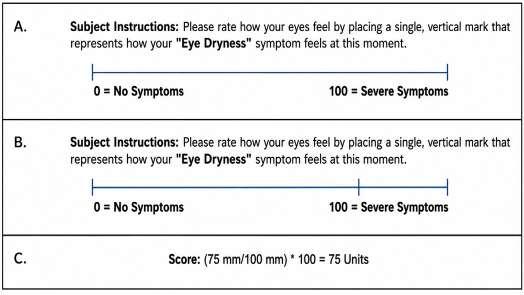
Understanding patient symptoms is one of the most basic aspects of patient care in any clinical discipline. An evaluation of symptomatology in clinic typically starts with the clinicians simply asking the patient how they are doing. While these conversations can be powerful for diagnosing a patient, these conversations can easily take multiple directions and they have limited applicability to the research setting due to the challenges of standardising open-ended conversations. If we use dry eye disease as an example, subjective symptoms are a key competent of diagnosis,4 and in the clinical setting, patients may specifically report symptoms such as dryness, soreness, burning, blur, light sensitivity and itch,5 which can be directly queried by the clinician. Standardising this line of questioning begins with surveys. While there are several standardised dry eye surveys,4 one of earliest, most common and simple ones in this indication and other indications is the visual analog scale (VAS).6 A VAS consists of a horizontal line (continuous scale without numbers) with an anchor on each end; the left-side anchor typically represents the complete absence of symptoms while the right-side anchor typically represents the most extreme presentation of symptoms (Figure 1).6–8 When a VAS is administered, the participant is asked to place a mark on the line to represent their current symptoms
state.3–5 This line, which is usually 100 mm long, is then converted to a symptom score by dividing the distance between the left anchor and the mark by the total length of the line and multiplying this decimal by 100 to obtain a symptoms score.3–5 A VAS has the advantage of having a high degree of sensitivity since patients can place a mark anywhere on the continuous horizontal line and because of this they are well suited for measuring changes within a participant over time.8 This test is enhanced by clearly educating the participant on the directions, the investigator on how to score the metric and the conditions themselves such as having a printing company print all of the VAS tests for a trial and printing them in a way that produces in a line that is exactly 100 mm long. While the above noted standardisations efforts have dramatically improved the repeatability of this metric, the dry eye community has further developed this metric with psychometric statistical approaches and created a further standardised survey called the Symptom Assessment iN Dry Eye (SANDE).9 The SANDE is a 2-item VAS used to quantify the frequency (question 1) and severity (question 2) of dry eye and/or ocular irritation symptoms, and it uses a global score to evaluate symptoms severity and to track treatment effectiveness across a trial.9
Best Corrected Visual Acuity
Visual acuity is one of the most if not the most iconic eye test.10 Patients report to clinic and they expect to read an eye chart to determine their visual potential and if they need to wear spectacles or if they need a change in their spectacle prescription. One of the first standardised visual acuity charts is the Snellen chart, which was invented by Herman Snellen in 1862. The Snellen chart is the classic eye chart that has the large “E” at the top of it.10 While the Snellen chart can adequately determine visual acuity in most clinical situations, it has several shortcomings in the research space. Snellen charts specifically have an unequal number of letters on each line and it has unequal visual angle changes between lines, which effectively makes them more of a categorial measurement (placing participants into visual acuity bins).10 The research shortcomings of Snellen charts were mitigated by the advent of logarithm of the minimum angle of resolution (logMAR) charts.11–13 Bailey and Lovie (BaileyLovie chart) introduced the first logMAR chart back in 1976.10 The magic of logMAR charts is that they are highly standard measures that systematically evaluate visual acuity letter-by-letter until the participant’s visual acuity is determined.14 Each line on the chart is made up of 5 standardised letters.10 The line on the top has the largest letters, and the letters get smaller as one reads down the chart.
Figure 1: Eye Dryness Visual Analog Scale
Each line gets progressively smaller by exactly 0.10 logMAR and each letter on a line is worth 0.02 logMAR units. Thus, logMAR charts can be analysed linearly like incremental changes on a line. This is important because this approach increases discernability between two measurements and it makes it easier to determining a statistical difference between groups.
The gold standard for evaluating visual acuity in any clinical trial is the Early Treatment of Diabetic Retinopathy Study (ETDRS) charts.14 The ETDRS chart originates from the National Institute of Health-funded Early Treatment of Diabetic Retinopathy Study.14 The ETDRS chart was introduced in 1982 and it is now distributed by multiple manufacturers.10 The distributed chart is a set of three standardised charts. Chart R is used for refraction (determining spectacle prescription), Chart 1 is used for determining right eye visual acuity and Chart 2 is used for determining left eye visual acuity. This approach was adopted to avoid memorisation during testing (e.g., avoid recall bias while testing left eye). The logMAR design has since been applied to other types of visual acuity charts (e.g., charts adapted for measuring vision in children). Other testing safeguards that have been implemented include scoring sheets that include every letter on the chart, which is marked by the testers as read or not read during the test to help ensure recording accuracy. Methodological expertise is furthermore often supported by testers being required to read an indepth training manual, completing a written knowledge test and by the tester completing a in person or virtual practical to determine if the tester is following the protocol. The overall evolution of visual acuity testing has been tremendous and it has evolved into one of the most frequent primary outcomes in ophthalmic trials.
Eye Surface Damage
Corneal staining is a measure of eye surface health and damage, and it is one of the most used outcomes in the dry eye clinical trials space.15–17 Corneal staining is performed by first applying an ocular surface dye to the eye – typically sodium fluorescein.18,19 Historically, sterile fluorescein strips are wet with sterile saline, shaken to remove excess solution and applied to the eye’s surface by lightly touching the strip to the eye’s surface in a manner that avoids induced staining.18 The eye is then evaluated with a lighted microscope to see if there is corneal staining present.18 While informative, this approach makes judging disease severity highly subjective; therefore, this test has
been standardised in several ways. Liquid fluorescein is now often used and applied with a volumetric pipette to control for fluorescein applied to the eye.18 A special filter and cobalt blue light is now used when viewing the eye with the lighted microscope to help standardise and help visualise the corneal staining.18 A standard amount of time (e.g., 1 minute) after applying the fluorescein is used for determining when to evaluate the cornea because the fluorescein itself dissipates on the eye with time.18 And possibility the greatest advancement that has standardise this method is the use of grading scales. Lemp introduced one of the first corneal staining grading scale in the 1995 as part of the National Eye Institute’s Industry Workshop on Dry Eye.18 The original National Eye Institute corneal grading scale uses a 0 to 3 integer grading scale for each eye region, and it has four gestalt drawings to illustrate the amount of staining on the cornea with 0 representing no staining and 3 representing severe staining. The investigator then evaluates 5 corneal regions that have been pre-defined by the scale and a total score is obtained by adding the 5 regions together (0 to 15 scale with 15 being the worst possible grade) 18 This scale has been further enhanced by switching from gestalt grading to counting the number of staining dots and morphology of the cornea to help avoid investigator biases and to make the grades across doctors more repeatable.20 These newer grading scales likewise have made it easier for Investigators to identify disease severity differences by making smaller grading increments (0.5-unit vs. 1.0-unit grading steps), which are still clinically meaningfully different and by expanding the grading scale (0–20 scale vs. 0–15 scale).20
Endpoints Education
Educating the trial team on how to complete an endpoint and educating a participant on how to complete a test is essential because poor protocol compliance can result in endpoint variability.2 With educating the trial team, several approaches can be taken such as having the team first train on the protocol. If an endpoint is essential for trial success, adding a knowledge check such as a multiple-choice test can help with understanding competency and if retraining is needed.2 When an endpoint method is complex, simulations and in person practical tests can further help enforce trial standards and determining if the trial team fully understands the measure.3 When it comes to the participant, it is also important to fully inform them about the test that are about to complete, so they are prepared during the testing situation. Procedure coaching can be provided assuming it is not going to bias data collection (e.g., avoid suggesting answers for questionnaires).
We should care deeply about standardising trial endpoints because it is not only good scientific practice, but it will statistically result in smaller sample sizes (e.g., cheaper, faster trials) and because it will make it more likely that a trial will meet its endpoints. This should
Figure 2: Early Treatment of Diabetic Retinopathy Study (ETDRS) Chart *AI Enhanced Image Based Upon Image Provided by Anna Tichenor, OD, PhD
Figure 3: Example Image of an Eye Being Evaluated with Sodium Fluorescein *Image Provided by Anna Tichenor, OD, PhD
start with selecting endpoints and optimising the endpoints to have good inter-examiner repeatability, which is a measure of how similarly two examiners makes the same measurement and intra-examiner repeatability, which describes how similarly one examiner makes the same measurement on two different occasions.21 Accomplishing these goals subsequently results in better/less measurement variability, which helps statistically as highlighted by the following examples.
Let’s consider theoretical corneal staining data from two different Phase II dry eye trials. Participants in each trial are seen at a baseline visit and a follow up visit and treated with a novel drug starting at the end of the baseline visit. Their right eyes are evaluated with 0 to 20 corneal staining scale at each visit. Table 1 provides example data from two different studies. Trial 1 has exceptionally low variability across participants while Trial 2 has higher variability across participants.
a clinically meaningful difference between groups (can the investigator notice this difference in the clinic). If we would again, plan a trial that is aimed to evaluate post-treatment change within the same participant, you would get the theoretical sample sizes described in Table 2.
Visits 1 and 2 in for each trial have the same sum total and mean corneal staining score, yet the standard deviation (measure of variability) for the visits in Trial 1 are much lower than the standard deviation for the visits in Trial 2. If you then compare the two groups in Trial 1 and compare the two groups in Trial 2 with a statistical test (paired t-test), the post-treatment difference in Trial 1 is highly significantly different compared to baseline, but it is not significant in Trial 2.
If you now use these data to plan a follow up trial, you will use the standard deviations from your results in your sample size calculation and you would also need to determine what you would consider to be
Table 2 highlights that increased variability can have a major impact on sample size. It also highlights the importance granularity of the scales we use. With this example, if we use a 0.5-unit increment scale, which is included in some corneal staining scales, it has the potential to shrink samples size compared to using a scale with 1.0-unit increments.
Conclusion
Defined and highly standardised trial endpoints, when paired with robust methodological training, can play a critical role in improving trial success. These concepts will be critical when optimising existing endpoints and with developing new endpoints, which is of great current interest in the community. By ensuring that trial teams have a consistent understanding of testing protocols, variability in clinical trial data can be significantly reduced. This increased consistency enhances data quality, improves the reliability of trial results, and ultimately increases the likelihood of clinical trial success.
REFERENCES
1. Takebe T, Imai R, Ono S. The Current Status of Drug Discovery and Development as Originated in United States Academia: The Influence of Industrial and Academic Collaboration on Drug Discovery and Development. Clin Transl Sci. 2018;11(6):597-606.
2. Kobak KA, Engelhardt N, Williams JB, Lipsitz JD. Rater training in multicenter clinical trials: issues and recommendations. J Clin Psychopharmacol. 2004;24(2):113-7.
3. Huang P, Miao W, Wang R, Yang F, Li X, Shen N. Innovative multimodal educational strategies: assessing the impact of integrative teaching methods on standardized neurology resident training. BMC Med Educ. 2025;25(1):1032.
5. Nichols KK, Begley CG, Caffery B, Jones LA. Symptoms of ocular irritation in patients diagnosed with dry eye. Optom Vis Sci. 1999;76(12):838-44.
6. Maxwell C. Sensitivity and accuracy of the visual analogue scale: a psychophysical classroom experiment. Br J Clin Pharmacol. 1978;6(1):15-24.
7. Carlsson AM. Assessment of chronic pain. I. Aspects of the reliability and validity of the visual analogue scale. Pain. 1983;16(1):87-101.
8. McMonnies CW. Measurement of Symptoms Pre- and Post-treatment of Dry Eye Syndromes. Optom Vis Sci. 2016;93(11):1431-7.
9. Schaumberg DA, Gulati A, Mathers WD, Clinch T, Lemp MA, Nelson JD, et al. Development and validation of a short global dry eye symptom index. Ocul Surf. 2007;5(1):50-7.
10. Azzam D, Ronquillo Y. Snellen Chart. StatPearls. Treasure Island (FL)2026.
11. Kaiser PK. Prospective evaluation of visual acuity assessment: a comparison of snellen versus ETDRS charts in clinical practice (An AOS Thesis). Trans Am Ophthalmol Soc. 2009;107:311-24.
12. Shamir RR, Friedman Y, Joskowicz L, Mimouni M, Blumenthal EZ. Comparison of Snellen and Early Treatment Diabetic Retinopathy Study charts using a computer simulation. Int J Ophthalmol. 2016;9(1):119-23.
13. Lim LA, Frost NA, Powell RJ, Hewson P. Comparison of the ETDRS logMAR, 'compact reduced logMar' and Snellen charts in routine clinical practice. Eye (Lond). 2010;24(4):673-7.
14. Early Treatment Diabetic Retinopathy Study (ETDRS): Manual of Operations. U.S. Dept. of Commerce, National Technical Information Service: 1985.
Table 1: Theoretical Right Eye Total Corneal Staining Scores for 2 Studies
15. Terry RL, Schnider CM, Holden BA, Cornish R, Grant T, Sweeney D, et al. CCLRU standards for success of daily and extended wear contact lenses. Optom Vis Sci. 1993;70(3):234-43.
16. Joyce PD. Corneal vital staining. Ir J Med Sci. 1967;6(500):359-67.
17. Dundas M, Walker A, Woods RL. Clinical grading of corneal staining of noncontact lens wearers. Ophthalmic Physiol Opt. 2001;21(1):30-5.
18. Lemp MA. Report of the National Eye Institute/Industry workshop on Clinical Trials in Dry Eyes. CLAO J. 1995;21(4):221-32.
19. Korb DR, Greiner JV, Herman J. Comparison of fluorescein break-up time measurement reproducibility using standard fluorescein strips versus the Dry Eye Test (DET) method. Cornea. 2001;20(8):811-5.
20. Sall K, Foulks GN, Pucker AD, Ice KL, Zink RC, Magrath G. Validation of a Modified National Eye Institute Grading Scale for Corneal Fluorescein Staining. Clin Ophthalmol. 2023;17:757-67.
21. Powell DR, Nichols JJ, Nichols KK. Inter-examiner reliability in meibomian gland dysfunction assessment. Invest Ophthalmol Vis Sci. 2012;53(6):3120-5.
Andrew D. Pucker
Dr. Andrew Pucker is the Chief Development Office of Mintra Health. He is a worldrenowned clinician-scientist with deep expertise in ophthalmic disease and clinical trial design. He earned his OD, MS and PhD degrees from The Ohio State University, and he is an adjunct professor at the University of Alabama at Birmingham. Dr. Pucker’s independent research career has focused on ocular surface disease, contact lenses and myopia development.
Email: andrew.pucker@mintra.bio
Clinical Trial Management
Patient-Centricity in Rare Disease: Accelerating the Path to Treatment
More than 300 million people worldwide live with a rare disease, representing up to 5.9% of the global population. With over 6,000 distinct conditions, 72% of which are genetic, the therapeutic landscape is uniquely complex. For these patients, the primary barrier to life-changing care is not simply a lack of medicine, but a fragmented healthcare system that often fails to connect them with the right specialists in time.
Rare disease patients are frequently isolated, navigating a disjointed path before receiving a correct diagnosis, joining a clinical trial, or accessing the right therapy. ‘Diagnosed with a rare cancer at 28, I learned the hard way how disconnected healthcare is. I had to consult five different specialists just to understand my options and drive 800 kilometres a week to be on an early-phase clinical trial. It’s a stark reminder of how difficult it remains for patients to access the expertise, information and care they need,’ explains Jan Geissler, founder and CEO of Patvocates.
Patients' access to treatment depends heavily on the industry’s ability to find, educate and support healthcare professionals (HCPs) who care for them. Yet, functional silos often prevent critical clinical insights from reaching field teams, meaning relevant HCPs may not receive the timely, consistent information they need to confidently diagnose and treat patients.
Breaking down these silos is essential to helping patients receive the treatment they need faster. This starts by unifying clinical, medical and commercial teams on a single platform with a shared, trusted data foundation. An integrated ecosystem of connected data and software enables seamless collaboration across functions, more consistent engagement with key stakeholders and an accelerated path from insight to treatment to improve patient outcomes.
Identifying the Right Specialists with Precision Data
In rare disease, access to treatment starts long before launch. Patient populations are small and dispersed and the physicians who treat them often remain hidden from traditional mapping. Early visibility and scientific engagement with these HCPs can accelerate treatment adoption by up to 40%.
One leading rare disease biopharma is addressing this by using high-quality reference data to gain a complete view of the healthcare ecosystem and find key specialists. Comprehensive HCP profiles including affiliations and networks such as the NHS Boards in the UK or reimbursement statuses in Italy offer the company a deeper understanding of the healthcare system and access to hard-to-reach HCPs.
But knowing where the experts are in a complex ecosystem only solves part of the equation. Driving meaningful engagement requires
understanding who those experts are and what they care about. HCPs treating rare diseases often have a deeply personal connection to the condition and expect an elevated scientific dialogue with biopharmas. By using deep data to surface insights into an HCP’s specific interests, clinical trials, niche expertise and recent publications, commercial teams can provide high-value, personalised conversations to become true partners in patient care.
Increasingly, biopharma companies are rethinking how they capture and operationalise medical insights to move from observation to understanding. By applying AI to translate, tag and analyse fragmented field insights at scale, organisations can identify emerging patterns and build a clearer, shared view of medical need, turning insights into measurable medical impact for patients.
Delivering Scientific Evidence at the Speed of Patient
Care
Scientific education is the primary force evolving clinical practice and shaping care delivery. Research shows that 94% of key opinion leaders (KOLs) value scientific exchange with biopharmas – especially in the rare disease space, where clinicians rely on the latest data to navigate the complexity of treating these conditions.
Recordati provides a powerful example on how medical information teams are transforming into strategic, tech-enabled partners supporting HCPs. Michelle Bridenbaker, head of global medical excellence and communications at Recordati and vice president of Medical Information Leaders in Europe (MILE) Association, explains how they use AI to upskill professionals and lower barriers to scientific evidence: ‘A clinician reached out regarding a child in palliative care with a complex medical situation. By leveraging AI to synthesise internal product data and published evidence, we were able to deliver a response in just three hours, a task that previously took more than a day, allowing the physician to start treatment the same day.’
By using a tightly governed framework where AI handles the searching while humans retain control over authorship, Recordati ensures full traceability for regulators while delivering scientific answers at the speed of patient care.
Removing Blind Spots for a Seamless Patient Pathway
While medical and field teams operate on the front lines with HCPs, capturing the voice of the patient and the reality of the clinic remains a significant hurdle. Too often, these insights are lost in transit or trapped in disconnected tools, creating blind spots that prevent biopharma from refining engagement according to actual needs. This fragmentation affects the patient by creating knowledge gaps that delay access to life-changing therapies.
Bringing all functions on a single CRM enables a connected flow of information, where medical insights can instantly inform a commercial strategy or a clinical trial design. Each interaction is built upon the last
Clinical Trial Management
one, ensuring coordinated engagement for better HCP and patient experiences.
When Italfarmaco launched a new rare disease division, it established a strong operational foundation to enter a complex, highly specialised market with speed and accuracy. By unifying its commercial and medical teams on a single platform, the company was able to balance global standardisation for efficiency with countryspecific requirements to scale across Europe in record time. Simona Gay, European customer excellence lead for rare disease at Italfarmaco, explains: ‘Implementing a CRM means transforming the great potential for knowledge that resides in local teams into structured information: it is the starting point for building value.’ The goal, she adds, is to offer the team a ‘level of coordination and access to information that is fast, secure and complete as possible.’
Today, the company uses this infrastructure to map centre readiness, orchestrate compliant engagement and enrich hospital profiles with real-time insights from the field. Simplifying these internal processes allows teams to focus on the external interactions that change lives, ensuring the patient no longer carries the burden of navigating a fragmented system alone. As Gay emphasises, ‘the ultimate mission is to bring concrete results to patients and families by listening to their voices.’
Measuring Success through Patient Outcomes
Digital transformation is not the end goal of the life sciences industry patient, impact is. By connecting software and data and simplifying
processes, biopharma leaders enable commercial teams to focus on the high-value human interactions that truly change lives.
Every professional in the industry must act as a patient advocate and interact with patient communities to inform their work. As Jan Geissler says: ‘When you get up in the morning, think about how you can, in your own sphere of influence, deliver patient impact. There are strong patient communities out there that can help you truly understand what patients want. Don’t just make assumptions, work with patient organisations to co-design healthcare solutions to deliver patients’ pressing unmet needs.’
With the right data and technology, the industry can bridge the gaps in a fragmented healthcare system and transform the patient pathway, accelerating access to treatments and healthcare services patients so urgently need.
Chris Moore, President Europe at Veeva Systems joined Veeva in 2018 as President of Veeva Europe to enable the European team to establish Veeva as the cloud platform of choice for the Life Sciences industry for its R&D and Commercial activities. Chris holds a bachelor of science degree in information technology from the University of Salford.
Chris Moore
Clinical Trial Management
Digital Medication Adherence in Clinical Research
Reliable medication intake is a fundamental prerequisite for both therapeutic success and the validity of clinical trial outcomes. Deviations from prescribed regimens, including missed doses, incorrect timing or improper storage, can compromise efficacy assessments and introduce variability into study data. Around 50% of patients in clinical trials do not adhere fully to dosing requirements and approximately 40% discontinue correct intake after 150 days, resulting in prolonged and more costly studies. Even a 1% improvement in adherence in Phase III trials can reduce costs by an average of 335,700 US dollars.1 Digital adherence monitoring technologies provide objective, real-time data and offer a pathway to more robust, data-driven clinical development.
Adherence: A Persistent Variable in Therapy
Medication adherence remains one of the most critical and least controlled variables in healthcare delivery and clinical research. It reflects the degree to which a patient follows a prescribed dosing regimen, yet is influenced by behavioural, psychological and practical factors such as forgetfulness, therapy complexity or perceived side effects. Particularly in chronic conditions and polypharmacy scenarios, adherence declines over time and introduces variability that is difficult to quantify using conventional approaches.
The broader implications extend beyond clinical outcomes. For instance, non-adherence contributes significantly to hospitalisations and mortality, with estimates attributing more than 10% of hospital admissions in the United States to poor compliance.2 In addition, it affects the economic performance of pharmaceutical products, as perceived lack of efficacy may lead to therapy discontinuation or product switching. This highlights that adherence is not only a clinical parameter but also a determinant of healthcare system efficiency and product lifecycle success.
Traditional monitoring approaches such as pill counting, patient diaries or investigator assessments provide limited insight. They are retrospective, susceptible to bias and incapable of capturing dosing patterns with sufficient granularity. As a result, adherence is often assumed rather than measured, despite its central role in determining therapeutic and clinical trial outcomes.3
Clinical Trials: Data Integrity Under Pressure
In clinical trials, adherence directly affects the interpretability of efficacy and safety data. Protocol-defined dosing regimens are designed to ensure comparability across patient populations, yet deviations introduce variability that can obscure treatment effects. Non-adherence may lead to underestimation of efficacy or misinterpretation of adverse events, ultimately compromising the scientific validity of the study.
From an operational perspective, the consequences are substantial. Increased variability often requires larger sample sizes to maintain statistical power, while prolonged study durations delay regulatory submission and market access. The cost of bringing a new drug to market has increased significantly over time, reaching an estimated 2.6 billion US dollars,4 which further emphasises the need for efficient and reliable trial execution.
Digitalisation is reshaping clinical trial models, with decentralised and hybrid approaches gaining importance. These models reduce reliance on site visits but increase the need for remote, objective monitoring. Digital adherence technologies address this requirement by enabling continuous data capture without adding burden to patients or study sites. In this context, adherence evolves from an uncontrolled variable to a measurable and actionable parameter within clinical development.
Medication
Adherence Monitoring: From Event to Data
Medication Adherence Monitoring converts physical medication use into structured digital information. Smart packaging equipped with conductive tracks and electronic components detects removal events. As soon as the patient pushes medications out of a cavity, data is generated in real time such as the exact time of pill removal, the respective cavity and the dose it contains. These data are stored within the packaging and transmitted via NFC or Bluetooth to connected data dashboards for analysis. This provides the investigator with a centralised overview of each study participant’s real-time adherence data.
This approach significantly improves data accuracy. While traditional methods achieve limited reliability, digital monitoring solutions reach accuracy levels of approximately 97%.5 This enables differentiation between pharmacological non-response and behavioural nonadherence, providing a clearer interpretation of study outcomes. Based on this, the investigator can make an informed decision and intervene if necessary.
Beyond data collection, digital adherence monitoring supports operational efficiency. Automated drug accountability reduces comprehensive on-site monitoring and manual documentation, while real-time data enable early identification of irregular dosing patterns. This facilitates proactive intervention strategies and contributes to more adaptive trial designs. Furthermore, adherence data can be integrated into broader digital ecosystems, supporting patient-centric approaches and real-world evidence generation.
Technical Architecture of Smart Adherence Solutions
Smart adherence solutions are based on the integration of electronics into pharmaceutical packaging. Conductive tracks are precisely aligned with cavities or compartments to ensure that an electrical signal is
Figure 1: Smart packaging enables secure generation, transmission and analysis of adherence data, with encrypted data transfer via smartphone or PC reader to a central database and controlled access for different stakeholders.
generated with each removal. This signal triggers data generation within an integrated electronic module.
The system includes local data storage and communication interfaces for NFC or Bluetooth transmission. Optional temperature sensors enable monitoring of environmental conditions, particularly relevant for sensitive biologics. Data transmission is secured through encryption and designed to comply with regulatory requirements for data protection.
From a manufacturing perspective, the technology is implemented using scalable roll-to-roll processes which ensures 100 % quality control and thus an exceptionally robust quality. Smart packaging is delivered as a secondary packaging component that can be integrated into existing packaging and assembling lines without process changes. This ensures compatibility with established pharmaceutical manufacturing workflows while enabling large-scale deployment.
The usability of the packaging remains unchanged for patients. Removal of medication follows established handling patterns, ensuring high acceptance and minimising the risk of user-related errors.
Portfolio of Digital Adherence Solutions
A range of smart packaging formats has been developed to address different dosage forms and clinical trial requirements. Smart Blister Wallets enable monitoring of solid oral dosage forms and can accommodate complex dosing regimens with up to 64 cavities. Smart Vial Kits extend this concept to multi-vial packaging, while maintaining precise tracking of removal events.
These solutions are designed to be adaptable to various packaging formats and regulatory requirements. Child-resistant designs, multilayer configurations and customised layouts can be implemented without compromising electronic functionality. The integration of adherence monitoring into established packaging standards ensures compatibility with existing supply chains.
In addition to clinical trial applications, such solutions can also provide value in commercial settings. By generating real-world adherence data, they support therapy optimisation, patient engagement and long-term product differentiation. Integration with digital platforms via standardised interfaces allows seamless incorporation into broader healthcare ecosystems.
Adherence Monitoring for Pre-Filled Syringes
Injectable therapies present specific challenges for adherence
Clinical Trial Management
monitoring. Many advanced treatments require precise dosing intervals and strict temperature control, making deviations particularly critical. In clinical trials, improper administration or storage conditions can directly affect efficacy and safety outcomes.
The Smart Syringe Box extends adherence monitoring to syringebased therapies. It incorporates a perforated cardboard layer with numbered compartments corresponding to individual syringes. Opening a compartment triggers a defined electronic event, generating a time-stamped record of syringe removal.
The smart packaging captures key adherence data, including timing and compartment identification, and enables transmission of this information to a central database. Optional temperature monitoring ensures that storage conditions are tracked, providing an additional layer of safety for sensitive products such as biopharmaceuticals.
The solution is compatible with various syringe packaging formats and integrates seamlessly into existing manufacturing processes. By enabling objective monitoring of injectable therapies, the Smart Syringe Box supports improved data quality and operational efficiency in clinical trials.
Digital Display Labels: Dynamic Labelling for Clinical Trials
In addition to event-based adherence tracking, digital display technologies introduce a new dimension to marking of investigational
Figure 2: Smart blister packaging with integrated electronics records each tablet removal event and generates time-stamped adherence data without altering standard patient handling.
Figure 3: Smart Blister Wallet with embedded conductive tracks and electronic module for real-time monitoring of medication intake across multiple cavities
Figure 4: Smart Syringe Box with perforated compartments and integrated electronics for automated tracking of syringe removal and optional temperature monitoring.
Clinical Trial Management
drugs by transforming static labelling into a dynamic and updateable information interface. In clinical trials, where protocol number changes, patient group adjustments or changes to expiry dates are quite common, conventional labels quickly reach their operational limits. These changes typically require manual relabelling of investigational medicinal products across multiple regions, resulting in delays, additional logistical effort and increased costs.
The Digital Display Label addresses these challenges by enabling label information to be updated electronically and in real time. This ensures that both clinical staff and patients always have access to current and accurate information without the need for physical relabelling. As a result, process efficiency is improved and the risk of errors due to outdated or incorrect labelling is significantly reduced.
From a technical perspective, the solution is based on a modular system comprising a reusable plastic housing that protects the integrated display electronics. An adapter concept enables flexible application across a wide range of pharmaceutical packaging formats, including flat blister wallets, kit boxes and cylindrical containers such as vials or bottles. For transparent primary containers, additional functionalities such as light protection or blinding can be incorporated.
Beyond operational efficiency, Digital Display Labels contribute to improved patient safety by ensuring that critical product information is always up to date. At the same time, the reusable design of both the housing and the adapter system supports sustainability objectives by reducing material consumption and waste. The modular architecture allows integration into existing standard packaging without requiring modifications, facilitating implementation within established clinical trial processes.
In the context of clinical trials, Digital Display Labels complement digital adherence monitoring technologies by addressing a different but related challenge: the reliable and flexible communication of product information. While adherence solutions capture and analyse patient behaviour, Digital Display Labels ensure that the information guiding this behaviour remains accurate and current throughout the study lifecycle.
Conclusion
Digital medication adherence monitoring is a decisive factor in the success of clinical trials and the effectiveness of therapeutic interventions. Traditional manual monitoring methods are insufficient to capture the complexity of patient behaviour, while digital adherence technologies provide precise, real-time insights into medication use.
Smart packaging solutions transform adherence into a measurable parameter, enabling improved data quality, operational efficiency and patient-centric trial designs. Digital Display Labels are another forward-looking approach to enhance clinical trial workflows and accelerate the entire trial process.
As clinical research continues to evolve towards decentralised models, the ability to capture and utilise adherence data will become increasingly important. Digital adherence monitoring provides a scalable and reliable foundation for this transformation, contributing to more robust clinical evidence and more efficient drug development.
REFERENCES
1. Alsumidaie, M. Non-Adherence: A Direct Influence on Clinical Trial Duration and Cost. Applied Clinical Trials (2017).
2. National Council on Patient Information and Education. Accelerating Progress in Prescription Medicine Adherence: The Adherence Action Agenda. National Council on Patient Information and Education, Rockville, MD (2013).
3. Vrijens, B., Pironet, A. & Tousset, E. The Importance of Assessing Drug Exposure and Medication Adherence in Evaluating Investigational Medications: Ensuring Validity and Reliability of Clinical Trial Results. Pharmaceutical Medicine, 38, 9–18 (2024).
4. Avorn J. The $2.6 billion pill-- methodologic and policy considerations. The New England Journal of Medicine, 372: 1877–9 (2015).
5. Pironet, A. Medication Adherence Monitoring and Management: A Closer Look at the Role of Data Science and Understanding Patient Behavior. Applied Clinical Trials (2021).
Uwe Braun
Uwe Braun is Senior Business Development Manager Medication Adherence Monitoring Solutions at Schreiner MediPharm, a business unit of Schreiner Group GmbH & Co. KG.
Uwe is in charge of developing new markets and business opportunities for Digital Adherence Solutions. He has been with Schreiner Group for more than 30 years, holding several positions. He holds a degree in Printing Technology from the University of Applied Sciences Munich.
Figure 5: Digital Display Label mounted on a pharmaceutical container, enabling dynamic and remote updating of label information in clinical trial applications.
Media and Communications
IPI
Peer Reviewed, IPI looks into the best practice in outsourcing management for the Pharmaceutical and BioPharmaceutical industry.
www.international-pharma.com
JCS
Peer Reviewed, JCS provides you with the best practice guidelines for conducting global Clinical Trials. JCS is the specialist journal providing you with relevant articles which will help you to navigate emerging markets.
www.journalforclinicalstudies.com
IAHJ
Peer Reviewed, IAHJ looks into the entire outsourcing management of the Veterinary Drug, Veterinary Devices & Animal Food Development Industry.
www.international-animalhealth.com
IBI
Peer reviewed, IBI provides the biopharmaceutical industry with practical advice on managing bioprocessing and technology, upstream and downstream processing, manufacturing, regulations, formulation, scale-up/technology transfer, drug delivery, analytical testing and more.
www.international-biopharma.com
PNP
Pharma Nature Positive, is a platform for all stakeholders in this industry to influence decision making by regulators, governments, investors and other service providers to achieve Nature Net Positive Results. This journal will enable pharma the ability to choose the right services to attain this goal.
www.pharmanaturepositive.com
PHARMA POD
‘Putting science into conversation, and conversation into science.’Join some of the most esteemed and integral members of the Drug Discovery & Development world as they give insights & introspect into the latest movements, discoveries and innovations within the industry.
senglobalcoms.com
How RBQM Fits into An AI World
Sophie Henderson, Senior Strategic Consultant at CluePoints, discusses how risk-based quality management (RBQM) can harness the power of artificial intelligence and advanced analytics to transform clinical trial execution and oversight.
Risk-based quality management (RBQM) is now widely recognised as crucial to improving data quality and clinical trial efficiency. Regulatory backing and increasing complexity are driving adoption and the RBQM market is expected to maintain a CAGR of 12% through 2033, reaching approximately $7 billion.1 The percentage of clinical trials implementing RBQM elements by 2027 is expected to increase to 82% in planning and design, 81% in execution and monitoring and 79% in documentation and resolution.2
With the industry accepting the benefits of RBQM, now is the time to more effectively leverage the real-time data collected to support riskbased decision making and regulatory confidence. This requires us to harness artificial intelligence (AI)-powered technology and advanced analytics.
A Unified AI-powered Ecosystem
Creating a unified AI-powered ecosystem can redefine how clinical trial teams detect, act on and learn from data. This new era of RBQM incorporates central statistical monitoring (CSM) and harnesses new AI powered tools.
CSM applies statistical algorithms to identify outliers and discrepancies in clinical trial data. The investigation and documentation of identified issues can be simplified in AI-powered RBQM tools which provide root cause identification insights. These techniques support a more proactive data-driven form of RBQM. By integrating AI, sponsors gain deeper insight into deviations, site variability and emerging risks. Ultimately, this accelerates timelines and reduces oversight burden.
At the same time, integrating new tools with existing RBQM technology can extend the reach of AI-powered insights beyond central monitoring. For example, adaptive site monitoring tools can equip teams to decrease site visits, guide critical thinking for site monitoring and decrease manual data processing. Another area ripe for AI transformation is medical coding. For example, a deep learningbased medical coding model can guide researchers to the correct term in seconds, drastically reducing coding errors, creating resource efficiency gains and saving time across the study life cycle.
To maximise the impact of these advanced technologies and new tools, they should be combined with human intelligence. This includes effective change management and strategic problem solving that goes beyond the software itself, helping sponsors appropriately prioritise initial investments with a clear line of sight to value attainment.
Regulatory Backing
Centralised approaches, enabled by new technologies which leverage the power of statistical analytics, have received backing from regulators. ICH E6(R3)3 expands on the concept of centralised monitoring and its ability to identify systemic or site-specific issues. This in turn has had an impact on industry approaches. Survey data presented at eClinical Forum found more than 44% of respondents were either piloting new processes or were already fully ICH E6(R3) compliant.4
FDA guidance states statistical and analytical methods which allow centralised monitoring of critical data may be “particularly advantageous”5 The FDA also uses a central monitoring platform (CMP) to support its own regulatory oversight.6
As global regulators raise the bar, AI-powered technology and advanced analytics can empower sponsors and CROs to embed riskbased strategies into operations, ensuring readiness for what comes next.
Intelligent Risk Detection
Intelligent risk detection offers real-time oversight and actionable insights to empower clinical trial teams to navigate complexity successfully and make smarter decisions, faster. This includes the ability to resolve data issues and anomalies in critical areas like query detection and medical safety review.
Intelligent query detection (IQD) can automate data discrepancy detection using high-precision, specialised large language models (LLMs). By streamlining manual query detection throughout a clinical trial, IQD enhances efficiency, accuracy and consistency in query identification and resolution. This can reduce the manual workload for data managers, improving their oversight and allowing them to gain a more powerful voice in driving data quality and trial success.
Medical and safety reviewers have historically had to rely on manual processes to analyse patient data and safety outcomes from EHRs, lab results and other sources during clinical trials – methods prone to error and inefficiency. By contrast, an accurate, AI-powered process can rapidly identify common outliers, enhance query management with clear status updates and seamlessly integrate data review and query generation with automatic communication of queries to the source system via API.
Conclusion
Every trial is a race against time. By harnessing AI-powered technology and advanced analytics we can accelerate risk detection and course correction, helping teams succeed faster, fail smarter and focus resources where it matters most.
As ICH E6(R3) pushes a unified risk-based model, new technologies can simplify RBQM adoption, helping sponsors, CROs and regulators move from outdated methods to data-driven oversight. With sponsors also continuing to examine streamlining the integrated data review
process, new technologies can streamline and simplify oversight and reconciliation across teams.
Extending outside of RBQM alone, new AI-driven technologies go beyond risk detection, operationalising analytics, empowering teams to make proactive decisions and helping to resolve issues before they escalate.
Sophie Henderson, Senior Strategic Consultant at CluePoints has over 10 years of experience in clinical research, working at sponsors, CROs, and software companies in roles across clinical operations, data management, and quality assurance. As a Senior Strategic Consultant at CluePoints, she works closely with clients to help them successfully adopt CluePoints’ solutions to maximise the impact of data-driven insights on trial efficiency and decision-making.
The Mandate for Automation How AI is Transforming Adverse Event Reporting in Clinical Trials
The primary goal of drug safety, or pharmacovigilance, is the detection, assessment, understanding and prevention of adverse effects or any other drug-related problems.
Today there is more nuance to the drug safety processes than in the early years of pharmacovigilance in the 1960s, thanks to the more detailed legislation and more set guidelines. The pharmaceutical industry has now decades of experience with adverse event reporting. There is more historical data that can be used to reflect the new findings.
The number of new adverse event cases is growing every year. We now live in a world where the estimated amount of data grows by over 50% every year. This number is not specific for drug safety, but it is probably behind the idea that in a data management and data assessment sector, such as pharmacovigilance, the use of automation and AI-based tools is now mandatory in order to be able to handle the heaps of data.
The Reality of AE Report Volume Growth
Exponential growth of safety data is something that you might come across in keynote speeches from drug safety executives, sales and marketing materials of CROs or in certain research papers. These sources suggest that the volume of safety data is growing at an exponential rate, driven by factors that extend far beyond the simple increase in the number of authorised medicinal products. One thesis is that the increase in safety data is caused by new types of data sources, digital health technologies and regulatory complexity.
It might be true that the amount of certain type of data is increasing, but if we look at the number of adverse event reports, which are still very much the core data type when it comes to drug safety, the growth rate of new reports to major regulatory authorities (FDA, EMA) has been around 6–7% annually over the past 10 years, which is hardly ‘exponential.’
In addition to the regulatory authority reporting, a clinical trial case might be also reported between organisations, such as the CROs, license holders and other potential parties involved. Depending on the country, there can be multiple regulatory organisations that must receive the report. If the clinical trial is conducted globally, there can be multiple countries where one report must be reported.
Is Manual Case Processing Unsustainable?
Historically, the pharmaceutical industry has addressed increasing case volumes by increasing headcount. The linear scaling model, hiring more safety associates to process more cases, is no longer economically viable.
These reasons could include for example that the manual processing is slow, taking days or even a week for complex cases or that in times of crisis (e.g., a pandemic or a mass litigation), manual teams cannot scale instantly, leading to backlogs, delayed reporting and potential regulatory fines. The reasons to automate are not purely economical, but more related to improved quality and compliance.
Thanks to the recent advances in AI, automation of case processing has become significantly easier and thus cheaper, meaning that automation can also reduce costs, or at least prevent cost increase.
Manual data entry is inherently prone to error. The repetition of typing complex medical terminology leads to fatigue and inconsistency.
In the context of clinical trials, where a single miscoded Serious Adverse Event (SAE) can skew the safety profile of an investigational drug, a 1% error rate is significant. If an SAE is misclassified as nonserious due to a data entry error, it may not be reported to the FDA or EMA within the expedited 7 or 15-day window, most likely resulting in a finding of non-compliance, but also corrupting the aggregate report data.
Automated systems drastically reduce the risk of data integrity issues.
Manual entry requires extensive Quality Control steps, adding cost.
Machines always code ‘Headache,’ to the same MedDRA term; humans may vary.
Automation enables real-time signal detection.
Table 1: Example Comparison of Manual vs. Automated Data Entry Performance
Adverse Event Reporting Automation across Clinical Trial Phases
To understand the specific application of automation, it is essential to analyse how safety monitoring evolves through the lifecycle of drug development. Each phase presents different types of challenges that can be addressed with automation.
Clinical Trial Phase Primary Challenge/Focus
Phase I: Safety Planning and Expedited Speed Low AE volume, but peak criticality; need for speed and accuracy.
Phase II: Establishing the Safety Profile
Phase III: Large-Scale Surveillance and Global Complexity
Increased data volume; growing complexity of causality assessment (due to comorbidities and concomitant medications).
Sheer volume of data; managing a matrix of global reporting obligations across multiple countries and sites.
Phase IV: Post-Marketing and Real-World Evidence Data is ‘noisy’ and unstructured and cost-effectiveness becomes more important.
The Technological Architecture of Automated Reporting
The transition to automated reporting is driven by a stack of advanced technologies, often integrated into platforms.
Best-practice systems centralise all intake channels (electronic data capture systems, portals, gateway) into a single processing hub. This ensures that no report is lost in a personal inbox or a SharePoint subfolder and provides a single audit trail for all incoming safety information.
One of the simplest, cheapest and most effective ways to automate, or more accurately digitise and simplify, the data entry process is to ensure that all data is entered electronically and if possible, from the beginning of the process to the central data hub utilising different types of data entry forms. Entering data from the beginning to a centralised database completely removes the need to manually map the data and also the need for AI-assisted data extraction.
Natural Language Processing (NLP) and Extraction
Once the document is digital, AI takes over to ‘read,’ the text. This is the core differentiator between simple digitisation and true automation.
Automation Application
Automated intake systems integrated with Electronic Data Capture (EDC) to instantly flag Grade 3 or 4 toxicity, triggering immediate alerts to the Medical Monitor and Data Safety Monitoring Board.
AI-driven causality assessment tools to support medical reviewers and provide a probability score for causality. Aids in generating the Development Safety Update Report (DSUR).
Safety Data Exchange Agreement (SDEA) automation utilising a rules engine to automatically schedule and generate the correct report (CIOMS I, MedWatch, E2B) for the correct recipient within the correct timeline.
Automation of spontaneous report intake, AI assessment, automated expedited reporting and generation of aggregate reports, AI signal detection tools etc.
The AI agent parses the narrative to identify the four validity criteria of an adverse event report; patient, product, reporter and adverse event.
The AI system maps the extracted terms to standard dictionaries. This is called ontology mapping. ‘Severe nausea,’ is mapped to the MedDRA Lower Level Term (LLT) ‘Nausea’ and the Standardised MedDRA Query (SMQ) for gastrointestinal disorders. The suspect drug is mapped to a drug dictionary.
In benchmarking studies, advanced models have demonstrated an accuracy of over 99% in detecting adverse events from unstructured text. Even the generic Large Language Models (LLMs) from 2024 can achieve almost 95% accuracy out of the box.
The use of more advanced models ensures better accuracy, but older models allow processing large amounts of data for a significantly lower price. This means that in situations where large amounts of data is available, for example in Phase IV where literature and large healthcare registries are analysed, the best solution is to use a layered approach where a cheaper model is used extensively for ‘pre-screening,’ and the advanced model is used selectively for decision making.
Table 2: Examples of the drug safety challenges in clinical trials and their automation solutions
Automated Triage and Validation
After extraction, the system applies business logic to triage the case. When AI is used for safety assessment the precision is critical; a false positive creates unnecessary work, while a false negative is a compliance risk. Many would naturally choose over-reporting instead of under-reporting. This has been the trend in manual processes.
One of the most complex tasks in adverse event case management is identifying if a new report is actually a follow-up to an existing case. AI algorithms can use fuzzy matching logic (comparing name, DOB, gender, event date) to score the probability of a match. If the score is high (e.g., >90%), the system automatically links the new document to the existing case.
Another critical point in case management is the seriousness assessment. The system scans the extracted events against the regulatory seriousness criteria (Death, Life-Threatening, Hospitalisation, Disability, Congenital Anomaly). If ‘Hospitalisation,’ is detected, the case is automatically flagged as ‘Serious’ and routed to the expedited workflow. This prioritisation ensures that critical cases are never buried in a queue of non-serious reports.
The ‘Touchless,’
Workflow
A ‘touchless,’ case is one that moves from intake to submission without human intervention.
Currently, touchless processing is most viable for non-serious, high-volume cases (e.g., from Phase IV Patient Support Programs) or well-structured clinical trial cases. For complex, serious cases, the current industry standard is still ‘Human-in-the-Loop’ (HITL), where the AI pre-processes the case and a human expert reviews and finalises it.
The Regulatory Landscape
The adoption of AI and automation in drug safety processes is not a ‘wild west’; it is occurring within a framework of regulation that some would say is currently lagging behind the technological advancements by years, if not already decades. To patch this legislative gap, the regulatory authorities have published opinion papers in the past couple of years.
FDA Guidance
The FDA’s ‘Considerations for the Use of AI to Support Regulatory Decision-Making,’ from 2025 emphasises a ‘Risk-Based Credibility Assessment.’
FDA highlights the importance of Data Representativeness. The AI model must be trained on data that is representative of the target population. If an AI model is trained only on US English medical notes, it may fail to accurately extract data from reports written in Indian or Japanese English, leading to bias and potential safety gaps. The US FDA also highlights that in a touchless system, the audit trail is the only proof of what happened. The FDA requires immutable
audit logs that record the ‘who, what, when, and why,’ of every data change, whether performed by a human or an algorithm.
The EU AI Act
The European Union's AI Act from 2024 classifies AI systems used in critical healthcare infrastructure as ‘High Risk,’ systems. It can be considered that AI solutions used for drug safety processes, especially in Phase I, belong to this high risk class. Under the EU’s AI act the high risk designation carries significant obligations related to transparency, explainability and human oversight.
The transparency obligation means that if a chatbot is interacting with a patient to collect AE data, it must be disclosed that the entity is an AI.
Requirement for explainability means in this context that if an AI agent rejects a case as a duplicate, the reasoning must be available in the record or audit trail.
A good example of the need for transparency and explainability is that if the use of the AI solution could be considered to have a high regulatory impact or high patient risk in a clinical trial and the method has not been previously qualified by the EMA for the specific context of use, everything related to the AI solution could be considered to be part of the clinical trial data. Meaning that there could be a full assessment of the architecture, logs, validation, testing etc.
The human oversight requirement can seem like a major hurdle for automating case processing utilising AI. If the requirement is interpreted so that a human can override the AI's decision, meaning each of the cases should always be assessed by a human, the ‘touchless,’ process would be impossible. However, a risk-based approach to this requirement would mean that if the test data shows that for non-serious cases the AI data entry quality is 99.9%, while manual data entry by drug safety specialist is 96% accurate, the data entry by AI should have similar quality control requirements as the manual data entry.
Quantifying the Return on Automation Investment
The adoption of automated reporting delivers measurable value. Automation cuts pharmacovigilance costs via automated intake and data entry. It accelerates SUSAR dispatch from days to minutes, ensuring compliance with strict 7/15-day reporting deadlines. This ‘de-coupling,’ of volume and cost allows safety teams to manage double-digit annual case volume growth without a linear increase in headcount.
Automated systems offer consistent, 24/7 rule application, preventing fatigue-related delays, reducing late submissions and minimising regulatory findings. Removing human variability in coding and data entry improves safety data quality, leading to fewer invalid signals and more reliable benefit-risk assessments. By automating routine tasks, safety professionals can focus on
high-value activities like medical review, signal evaluation and risk management, transforming pharmacovigilance into a strategic drug development partner.
To measure the success of automation initiatives, organisations should track a set of KPIs.
Challenges and Barriers to Adoption
Despite the benefits, the path to automation is not without obstacles.
The ‘Trust Gap’
There is a natural hesitation to trust algorithms with patient safety. A ‘false negative,’ (failing to report a serious AE) can be a high-stakes failure.
As expected, the industry is adopting a ‘crawl, walk, run,’ approach with AI. It starts with ‘Human-in-the-Loop,’ where the AI makes a suggestion that a human approves. As confidence scores improve and validation data accumulates, the system moves to ‘Human-on-theLoop,’ (monitoring) and finally to ‘touchless,’ for low-risk cases.
Legacy Infrastructure
The shift to cloud-native safety platforms is accelerating and the assumption is that at this point there is only a low number of sponsors and CROs who still rely on on-premise, legacy safety databases, EDC or other software that lack modern APIs. Integrating a cutting-edge AI intake tool with a 15-year-old software can be technically challenging.
Modern platforms are designed API-first, facilitating easy integration with AI and automation microservices. Migrating to a new system, especially in the middle of a study, can be a hurdle that takes quite a number of convincing arguments.
Conclusion
The transition to automated adverse event reporting is no longer a future trend but a present-day mandate for the pharmaceutical industry. While the underlying volume of core adverse event reports is not growing exponentially, the increasing complexity, global reporting matrix and sheer scale of data expected from new digital sources are set to render manual case processing unsustainable.
The core argument for automation rests on its clear advantages over the traditional ‘linear scaling,’ model of hiring more staff:
• Automated systems achieve vastly higher accuracy compared to manual data entry significantly reducing the risk of a single miscoded Serious Adverse Event leading to regulatory noncompliance.
• Automation dramatically cuts the case processing time from days to minutes, accelerating the dispatch of SUSARs and ensuring compliance with expedited reporting deadlines.
• This shift is driven by AI for high-accuracy data extraction and ontology mapping and business logic for automated triage, duplicate checking and seriousness assessment.
• The concerns around regulatory compliance are best addressed with a risk-based ‘Human-in-the-Loop,’ approach rather than a full veto on the ‘touchless,’ processing of high-volume, low-risk cases.
• Automation delivers a clear return on investment, decreasing cost per case, allowing safety teams to manage volume growth without a linear increase in headcount.
Ultimately, the path forward requires bridging the ‘Trust Gap’ and overcoming challenges related to legacy infrastructure by adopting a ‘crawl, walk, run,’ approach to AI implementation. The future of pharmacovigilance is moving beyond merely predictive to prescriptive analytics, transforming the function from ‘data entry,’ to data science to better protect patients and ensure the safe use of medicines in a digital-first world.
Martti Ahtola
Chief Operating Officer of Tepsivo, pharmacist from Finland and a graduate of the University of Helsinki. With extensive experience spanning the international pharmaceutical industry, as well as pharmacist roles in one of Finland’s largest community pharmacies and a major hospital pharmacy. Tepsivo is a service provider of pharmacovigilance, regulatory affairs and clinical data management services and an organisation passionate about driving progress, dedicated to advancing innovation, automation and excellence across the pharmaceutical industry.
Email: martti.ahtola@tepsivo.com
A New Breed of Digitisation: The Path to Congruency and Faster Study Start-up
The Protocol as Source of Truth
Most clinical research institutions believe their study start-up delays are a technology problem. They aren't. It’s a fragmentation problem, and many technologies have only made it worse. This article examines how AI-enabled digitisation creates a single authoritative source from protocol through activation, what that means for the over a dozen internal groups who depend on that information and why speed and congruency together, not either alone, are the real prize.
Most institutions think they have a technology problem when really, they have a fragmentation problem. Interestingly, it’s the technology they've deployed over the past decade that has quietly made it worse.
Here's how it happens. A new study arrives and the protocol lands in the hands of a contracts team, a budgeting team, a coverage analysis team, an IRB coordinator, a feasibility analyst, a study coordinator, a billing specialist, a lab team, a radiology team and that's just a partial list. Over a dozen internal groups, each receiving the same source document, reading it through their own lens and building their own version of the truth.
This unintentional fragmentation isn't a failure of effort or intelligence. It's a structural outcome of how clinical research institutions are built – by function, not by flow. And when a dozen versions of the truth collide downstream, you get what every site and sponsor already knows: miscommunications that require resolution, budget assumptions that don't match protocols and activity schedules, coverage analyses that conflict with billing expectations and amendments that could have been avoided if everyone had been reading from the same page.
But they weren't and therein lies the problem.
What Digitisation Has and Hasn't Solved
The industry has been digitising for years through electronic trial master files, CTMS platforms, eRegulatory systems and eSourcing tools. Each solved a piece of the puzzle, but none solved the underlying architecture.
The reason is straightforward – most digitisation efforts were built to replace paper within a function, not to connect multiple functions to each other. You get an eTMF that stores documents more reliably than a filing cabinet. You get a CTMS that tracks enrolment more accurately than a spreadsheet. What you don't get is a shared foundation – one place where the study's core parameters live and from which every downstream function draws.
So, while processes became faster and documents became more searchable and better organised, they remained siloed, just digitally.
This is the distinction that matters. Digitisation and integration are not the same thing. Most institutions have achieved the former with very few having achieved the latter. And without integration, fragmentation persists.
Every study start-up inefficiency traces back to a single root: the protocol is read many times, by many people, for many purposes and each reading produces a separate artifact that is never reconciled against the others.
The contracts team extracts payment terms and deliverables. The budget team extracts procedures and visit schedules. The coverage analysis team extracts standard-of-care versus research-driven activities. The IRB coordinator extracts consent requirements and subject populations. These extractions happen in parallel, in isolation and with no mechanism to flag when one team's interpretation diverges from another's.
The amendment is often the first signal that something went wrong. By then, the damage is done: weeks of rework, re-signatures, resubmissions. The root cause isn't the amendment; it is that multiple teams read the same protocol and came away with different understandings and nobody found out until it was too late.
AI-enabled digitisation changes the starting point. Not by replacing human judgment on any of these questions, but by parsing the protocol once, extracting the structured data that every downstream function needs and distributing that single authoritative source before anyone builds their version of the truth.
Parse once. Distribute one foundation. Let every team work from the same ground.
What ‘AI-Enabled’ Actually Means Here
It's worth being specific, because the term gets stretched past usefulness.
AI-enabled digitisation in this context is not a chatbot that answers questions about your protocol. It's not a summarisation tool that produces a two-paragraph overview for busy executives. Those are useful tools, but they're not what we're talking about.
What we're talking about is structured extraction – the ability to read a protocol and produce a machine-readable data layer that downstream systems can consume. Procedures mapped to visit schedules. Visit schedules mapped to budget line items. Budget line items mapped to coverage analysis categories. Coverage analysis categories mapped to billing codes. Each connection is explicit, traceable and derived from a single source.
The AI does the extraction work that currently happens separately, in multiple departments, with multiple divergent outputs. It doesn't eliminate human review – every function still applies its expertise to the structured output. What it eliminates is the re-reading, the reinterpreting and the silent divergence that happens when every team starts from scratch.
The difference is recoverable errors versus unrecoverable ones. When every team reads from one source, disagreements surface early, cheaply and are typically fixable before they metastasise into amendments. When every team reads separately, disagreements
surface late, in the form of delays and rework that can set a study back by months.
Three things change immediately when you move to a structured, shared data layer. Speed to access: every team gets what they need from the same source, at the same time, without waiting for another function to finish their independent read. Uniformity of data: there is no longer a budget version, a contracts version and a coverage analysis version, there is one version. And when something changes, such as a protocol amendment, a scope adjustment, or a sponsor revision, the update propagates across all teams simultaneously. No more email chains, version control nightmares, or teams operating on last month's assumptions.
That last point deserves emphasis. In a fragmented system, updates are the most dangerous moment. One team gets the amendment, but another doesn't and the study moves forward on misaligned assumptions. In a shared data layer, an update for one is an update for everyone.
The Value of AI-Enhanced Conversation
Structured data also unlocks something that pure document management never could: genuine, context-aware conversation about the study.
A well-designed AI interface built on top of structured protocol data doesn't just retrieve documents, it answers questions. A coordinator can ask why a specific procedure is classified as research-driven rather than standard of care and the system can explain, traceable back to the protocol language that drove the classification. A budget analyst can ask how a scope change affects the visit schedule, and get an answer grounded in the actual data layer, not a guess.
This is materially different from a general-purpose chatbot. Intelligence is only as good as the data underneath it. When the
data is structured, consistent and derived from a single source, the conversation becomes a genuine tool for the people doing the work.
Speed and Congruency: Two Outcomes, One Architecture
Everyone wants faster study activation with shorter start-up timelines, days-to-first-patient, sites opening and enrolling. These are the right goals, but speed without congruency is a liability, not an achievement. A study that activates fast on misaligned assumptions costs more to correct than one that took two extra weeks to get aligned at the start.
The institutions that activate fastest and run cleanest aren't trading one for the other. They've built the architecture that produces both. Congruency, the state where every function's understanding of a study is aligned with every other function's understanding, is what makes speed durable. Fewer amendments, fewer billing errors, fewer coverage analysis exceptions that require IRB re-review, and fewer budget reconciliation conversations between the site and sponsor that consume weeks of calendar time.
An institution with congruency doesn't just activate faster – it maintains that speed. The speed doesn't erode into rework and correction cycles three months into the study. That's the difference between a fast start and a clean run. And that's where AI-enabled digitisation is the architecture that produces both.
Good Governance Is Not Optional
Deploying AI-enabled digitisation responsibly requires more than good technology. It requires a governance framework that keeps humans genuinely in the loop, not ceremonially, but operationally.
The most important governance mechanism is bidirectional visibility. Any downstream team that identifies a problem like a misclassified procedure, a scope discrepancy, or a data anomaly must have a clear, fast path to flag that issue back upstream, where it
becomes visible to all stakeholders simultaneously. Not an email to a supervisor or a ticket in a queue. A live signal surfaced to the shared data layer, which every affected function can see and act on.
This is what separates AI-enabled digitisation from AI-enabled automation. Automation removes humans from the loop. Properly executed digitisation puts humans in a better position in the loop. AI extracts and structures, while humans validate, question and correct. When a downstream team catches something that the AI missed, that catch makes the shared source more accurate for everyone. The system improves because humans are genuinely engaged with it, not just downstream consumers.
Human checkpoints are a feature, not a workaround. When you build them in explicitly, make them visible, and measure how often they catch something, that measurement will tell you where the AI needs to improve and where human expertise is irreplaceable.
What Implementation Actually Looks Like
None of this is theoretical. Institutions that have already moved in this direction share a few common patterns.
They start with the protocol since it is the source document from which everything else derives. If you can extract the structured data layer from the protocol accurately, every downstream function benefits.
They build for consumption, not for storage. The goal isn't a better filing system for protocol documents; it is a structured output that every downstream system, including CTMS, budget tool, coverage analysis platform and eRegulatory system, can read and use. It is designed for the consumer, not the archivist.
They measure both speed and congruency. Activation timelines matter, as do amendment rates, budget variance at closeout and coverage analysis exception rates. If you're only measuring how fast you activated and not how cleanly you ran, you're missing half the picture.
The Site-Sponsor Dimension
Everything above applies within an institution. The fragmentation problem doesn't stop at the site's walls.
Sites and sponsors often begin study start-up from the same protocol and arrive at materially different understandings of scope, procedures and expectations. Those differing understandings only collide when the contract is being negotiated, or the budget is being reconciled. By then, both parties have invested weeks in versions of the truth that don't match each other.
AI-enabled digitisation creates the possibility of a shared foundation between the site and sponsor – not just within each organisation, but
across the table. When both parties work from the same structured protocol data layer, the negotiation starts from alignment rather than from divergence. That changes the nature of the conversation. It doesn't eliminate disagreement, but it moves the disagreement upstream, where it's cheap to resolve, rather than downstream, where it's expensive.
This is the longer arc of where the industry is heading. Not just faster start-up within institutions, but a congruent start-up across them, and a shared data foundation that makes both possible.
A Framework for Getting Started
Assessing your fragmentation points is the right first step. Ask these questions honestly:
• How many times is your protocol read before the study activates?
• By how many different teams?
• What does each team produce from that reading?
• When does anyone compare those outputs? Additionally, consider where your amendments cluster.
• If you map your last amendments against the workflow stage where the root cause originated, a pattern will emerge. Most institutions find the same two or three fragmentation points generating much of their amendment volume.
What would it take to parse the protocol once and distribute the output? This is a technology question, but it's also a workflow question and a governance question. The technology exists, but the harder work is redesigning the workflow around a shared source rather than a siloed one.
The institutions that answer these questions honestly, and act on the answers, are the ones that will look back in five years and wonder how they ever did it the other way.
Closing
The fragmentation problem in clinical research is not new. What's new is that we now have the tools to solve it at the source rather than manage it downstream.
AI-enabled digitisation isn't a faster version of what we already have. It's a different architecture. It is developed with one source and foundation. Every function is working from the same grounding level and every function is empowered to improve that ground when they find something wrong.
The studies that activate in weeks instead of months and stay on track after they open aren't doing more. They're fragmenting less, and that is the new path forward.
Jim Wagner
Jim Wagner is senior vice president of AI and Product Innovation – Site Enablement at WCG, where he leads the expansion of AIdriven capabilities across study start-up and site enablement following WCG’s acquisition of The Contract Network. Previously, Jim was co-founder and CEO of The Contract Network, an AI platform designed to accelerate clinical trial contracting and improve alignment between sponsors, sites and CROs. Earlier in his career, he served as vice president of Agreement Cloud Strategy at DocuSign and as president of Seal Software. Jim is a Duke Law School graduate and a member of the Duke Law Tech Lab advisory board.
Pharma’s biggest event is back.
Bigger, bolder, and more fun.
62,000+ Attendees
J o i n t h e e x p e r i e n c e
2,900+ Exhibitors
170+ Countries
Logistics and Supply Chain
Going Global: Assuring Supply in a Rapidly Evolving and Increasingly Volatile Clinical Trials Landscape
The globalisation of clinical research is accelerating, with a growing share of trials now conducted in emerging markets across Asia, Latin America and Africa. Venturing into new regions offers clear advantages, including opportunity to reach diverse patient populations, speed recruitment and address areas of high unmet medical need. And while opportunities are plentiful, so too are the challenges of assuring safe, compliant and timely supply to patients.
Extending clinical trial operations outside of the comfort zones of North America and Western Europe often means encountering fragile infrastructure, long and unpredictable transport routes and limited cold chain capacity, all of which can threaten supply continuity. Regulatory complexity and varying import requirements further complicate matters, while new and ongoing geopolitical volatility has shown just how quickly supply chains can be disrupted; affecting shipment timing, security, site access and overall trial operations. Extreme climates, ranging from desert heat to tropical humidity, can add further pressure, increasing the risk of temperature excursions for sensitive biologics and vaccines.
In 2026, embracing the benefits of going global means taking on additional logistical complexity to maintain reliable patient access. Sponsors that plan early and plan often, use real-time monitoring and work with trusted local partners can reduce disruptions and keep trials on track. In today’s rapidly evolving and increasingly volatile clinical trials landscape, a resilient and well-managed supply chain is a prerequisite to delivering the right supplies, to the right patients, at the right time and in the right condition.
The Threats to Supply Continuity
One of the primary hurdles in hard-to-reach regions is effectively navigating regulatory and import/export requirements. Across emerging markets, sponsors often face complex documentation demands, varying permit requirements and unpredictable approval timelines. Even when all paperwork is complete, approvals can take weeks and customs delays can hold shipments indefinitely, compromising product integrity and patient access. This complexity is compounded in regions affected by political sanctions or ongoing conflicts, where import regulations can shift quickly and alternative logistics routes may be limited.
Maintaining end-to-end temperature control is another critical challenge. With an increasing number of trials involving biologics, vaccines and sensitive materials, reliable cold chain management is essential. Infrastructure gaps, from limited airport storage to unreliable road networks and/or ‘boots on the ground,’ can expose shipments to extreme temperatures and heighten the risk of excursions.
Access to reliable, on-the-ground expertise is vital but often difficult to procure. Many regions require local representation for customs
clearance, permit applications, or last-mile distribution. Without vetted local partners, paperwork errors, transport delays, or regulatory missteps can lead to fines, shipment rejections, or product loss. In remote areas, poor road networks, limited courier capacity and extreme weather can further complicate delivery.
Geopolitical volatility adds another layer of risk. The ongoing conflict in Ukraine, along with recent developments in parts of the Middle East, have shown how quickly supply chains can be affected. Restricted airspace, disrupted shipping lanes and sudden securitydriven site closures create new challenges for sponsors to navigate.
With patients waiting for potentially life changing IMP, responding with precision and speed to the complex and multifaceted challenges of operating global clinical trials is mission critical. If these challenges are not managed effectively, supply interruptions can delay patient dosing, cause protocol deviations and undermine trial timelines. Sponsors must therefore integrate regulatory diligence, temperature control, local expertise and contingency planning to maintain reliable access to investigational therapies in harder-to-reach regions.
Overcoming Complexity
To achieve this, these challenges must be approached strategically. The first step is ensuring regulatory compliance. Accurate, complete documentation and a deep understanding of country-specific requirements, from ethics approvals to import permits, are key. Planning at least three to six months ahead allows sponsors to define stakeholder roles, identify the Importer of Record, and secure in-country support for smooth customs clearance. Lead times in emerging markets are often longer than in Europe or North America, so early preparation is critical.
Risk assessments tailored to shipment lanes and regions help sponsors build resilience. Contingency measures, such as alternative routes, backup couriers, secondary storage sites and use of direct-topatient distribution, can mitigate disruptions caused by infrastructure gaps, extreme weather, or geopolitical volatility. Proactive risk mapping also supports compliance audits and informs business continuity planning.
Temperature management is another critical focus. In regions with limited infrastructure, visibility declines once shipments leave manufacturer facilities, increasing the likelihood and reducing the detectability of excursions. Sponsors can reduce risk through validated packaging, phase-change shippers, multiple real-time temperature monitors, GPS tracking and use of end-to-end temperature management systems. Timely monitoring and rapid adjudication help prevent compromised product reaching sites.
Finally, reliable local partnerships make all the difference. An on-the-ground presence helps troubleshoot issues, accelerates customs approvals and ensures compliance. However, it’s important
Logistics and Supply Chain
that sponsors vet couriers and logistics providers through quality audits, regular on-site checks and robust contractual agreements to guarantee adherence to GDP/GXP standards. Combining regulatory diligence, proactive risk assessment, robust temperature management and trusted local partnerships enables sponsors to maintain continuous, safe supply to patients in even the most challenging trial environments.
Keeping Patients at the Heart of the Mission
Taking trials global presents significant opportunity but it also introduces complex supply chain challenges. Sponsors expanding into emerging markets face regulatory complexity, infrastructure gaps, limited cold chain capacity and geopolitical volatility, all of which can threaten timely and safe supply to patients.
Effective strategies to mitigate these risks, and keep patients at the heart of the mission, include early planning, regulatory diligence, risk assessments, contingency preparation, real-time, end-to-end temperature management and partnerships with trusted local providers.
By integrating these measures, sponsors can ensure resilient supply chains that maintain patient access, protect product integrity and keep
trials on schedule in a rapidly evolving and increasingly volatile clinical trials landscape.
Sharon is an International Logistics Specialist with more than 21 years of clinical supply chain experience. She has extensive expertise in temperature-sensitive shipping, risk mitigation, transport partner management, chain of custody, shipping solutions, and global import/export requirements. Sharon has developed numerous international logistics models, delivering reliable solutions for customers, and has played a key role in shaping Almac’s logistics services worldwide.