Official Supporting Associations - Sponsored companies -
Your partner in (pre)clinical development
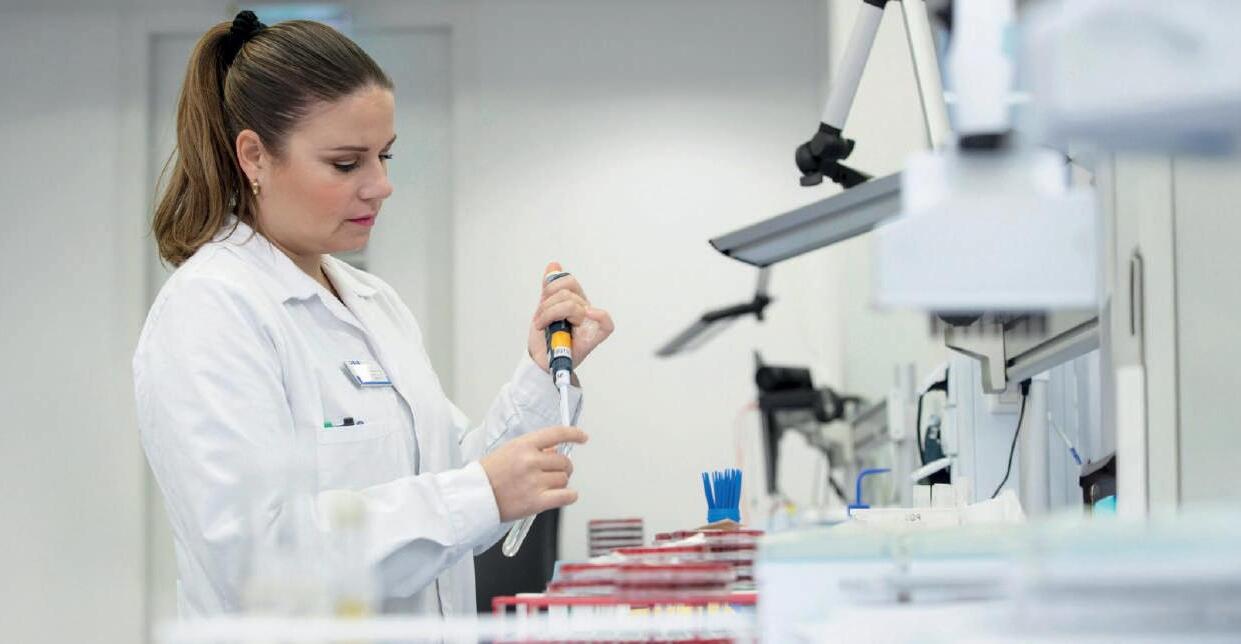
Do you need a contract research organisation to support you throughout the pre-clinical and clinical development of you product? Then partner up with Royal GD!
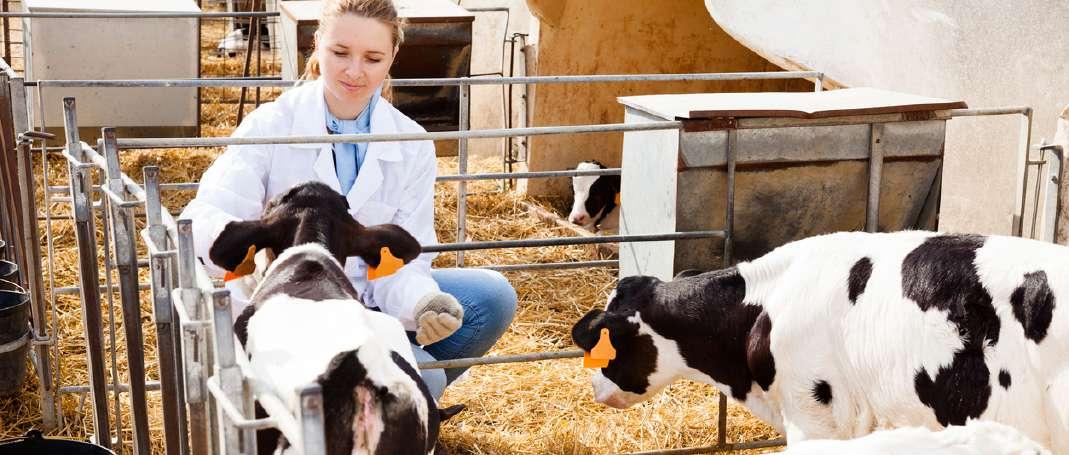
With our advanced facilities and one of the largest veterinary laboratories in Europe, we are equipped to meet even the most complex research requirements. We excel in controlled environment studies involving poultry, pigs, cattle and small ruminants. We can run multi-country clinical trials in collaboration with our daughter companies throughout Europe, and in compliance with the VICH Good Clinical Practice (GCP) guidelines.
04 EDITORS LETTER
REGULATORY & MARKETPLACE
06 Redefining Innovation: Commercialisation Case Studies at AHNTI EU 2026
International Animal Health Journal – ISSN 2752-7697 is published quarterly by Senglobal Ltd.
The opinions and views expressed by the authors in this journal are not necessarily those of the Editor or the Publisher. Please note that although care is taken in the preparation of this publication, the Editor and the Publisher are not responsible for opinions, views, and inaccuracies in the articles. Great care is taken concerning artwork supplied, but the Publisher cannot be held responsible for any loss or damage incurred. This publication is protected by copyright.
Volume 12 Issue 4 Winter 2025
Senglobal Ltd.
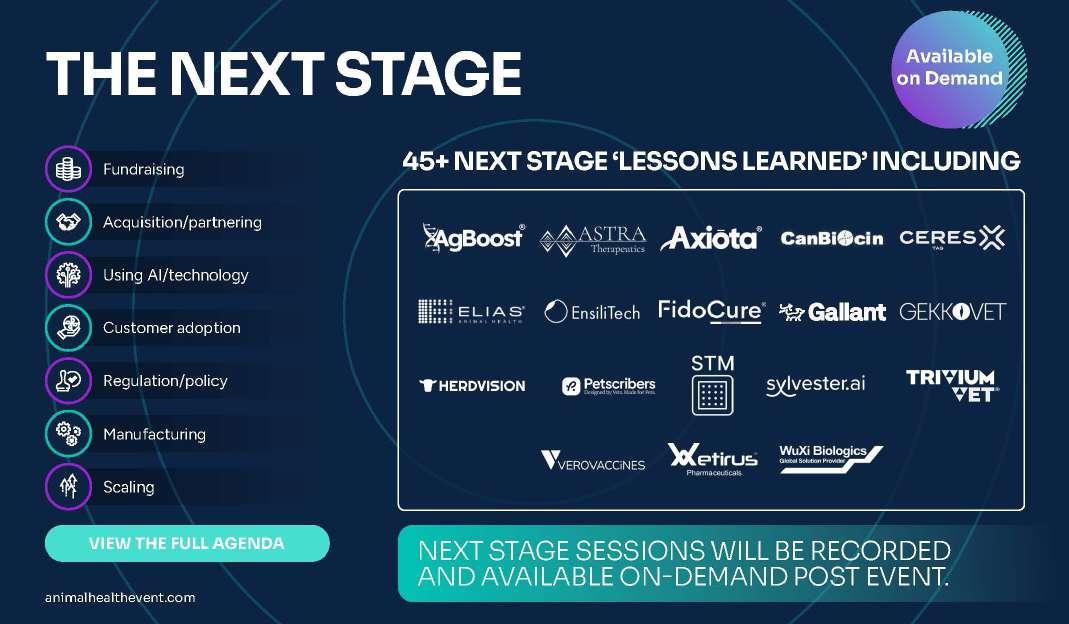
In recent conversations with founders, investors, and industry leaders, one message is clear: the animal health sector is entering a new era of commercial maturity. At Kisaco Research, the series has a front-row view of this momentum. Niamh Gallagher of Kisaco Research’s Animal Health, Nutrition, Technology and Innovation shares how she had the pleasure of connecting with their community, from early-stage innovators to global strategics, to better understand the complexities of commercialisation. It was from these conversations that The Next Stage was born – a platform designed to spotlight the real, often messy, milestones that turn research into reality. The next phase of animal health innovation will be defined by convergence: of disciplines, business models, and markets. Against this backdrop, the need for shared understanding has never been greater. The Next Stage at AHNTI Europe 2026 will document this evolution, providing a space for founders to speak openly about the realities of growth and for the wider community to learn from their experience.
MANUFACTURING/PACKAGING
10 The Importance of Embossing Tablets, be they Pharma or Veterinary
When it comes to tablet design, embossing is often viewed as an open canvas. Logos, brand names, dosage numbers, safety marks, or even decorative details can be applied to the punch face. This leads to a common misconception: that you can put any amount of embossing on a tablet face without running into problems. Andy Dumelow of I Holland discusses how embossing is not limitless, and overstepping design boundaries can cause significant production and quality issues. The best embossing designs are those that achieve clarity, durability, and functionality without overloading the tablet with unnecessary detail. In tablet manufacturing, good design is not just about what you add, it is just as much about knowing where to stop. Designers who embrace these principles produce not only beautiful tablets but also efficient, reliable manufacturing outcomes that stand the test of time and market demands.
14 Moisture Control in Pharmaceutical Packaging: Comparing Silica Gel, Molecular Sieve, and Equilibrium Technologies
Moisture is one of the most prevalent risks to pharmaceutical stability. From oral solid dosage (OSD) forms such as tablets and capsules to inhalation devices, fluctuations in humidity can compromise drug quality, alter dissolution profiles, and shorten shelf life. Excess moisture can catalyse hydrolytic degradation or polymorphic changes, while overly dry conditions may cause excipients and gelatin capsules to lose mechanical integrity. Elisa Le Floch and Valére Logel of Colorcon discusses how silica gel and molecular sieve remain essential in pharmaceutical packaging, offering reliable moisture control for a wide range of products. However, both technologies have limitations silica gel may not provide sufficient low-RH protection,
CONTENTS
while molecular sieve risks overdrying and higher costs. As pharmaceutical formulations become more complex and global distribution grows, moisture control strategies will continue to evolve. Equilibrium systems mark a game-changing shift in packaging technology –from passive protection to adaptive, intelligent moisture management – ensuring medicines stay safe, effective, and reliable throughout their lifecycle.
The pharmaceutical industry continues to grapple with quality control issues. Traditional inspection methods are failing to meet the demands of modern production, with high-profile contamination incidents like stainless steel particles in Moderna vaccines exposing critical vulnerabilities. Manual inspection remains prone to human error, whilst conventional automated systems can only detect what they've been programmed to find. Yuting Shao of Xin Weisheng discusses how regulatory frameworks become increasingly stringent and market dynamics continue evolving, AI-driven visual inspection transitions from emerging technology to essential infrastructure. Forward-thinking manufacturers implementing these systems today establish competitive advantages that will prove increasingly difficult to replicate. In a regulatory environment where quality assurance capabilities determine market access and operational sustainability, AI-driven inspection represents a fundamental component of future pharmaceutical manufacturing excellence.
LIVESTOCK & DISEASES
24 An Evolution in Mycotoxin Mitigation: Toward a Holistic and Robust Multimodal Strategy
Mycotoxins are a diverse group of naturally occurring toxic secondary metabolites produced by filamentous fungi such as Fusarium, Aspergillus, Penicillium and Alternaria. They represent one of the most pervasive challenges to agriculture, particularly to animal nutrition, as they compromise feed safety and animal performance across all regions of the world. Dr. Alexandros Yiannikouris of Alltech discusses that though mycotoxins cannot be eliminated from feed, mitigation technologies must evolve in parallel with the
changing landscape of contamination. Mycosorb A+ Evo and Mycosorb Evo exemplify this evolution, offering a scientifically validated and biologically relevant tool to reduce the burden of exposure. By lowering cumulative risk by up to 75%, preserving intestinal integrity and supporting feed efficiency, the new Mycosorb Evo range establishes a new standard for in-feed mitigation.
AQUACULTURE
28 Safeguarding Salmon: Tackling Health Challenges in a Growing Aquaculture Industry
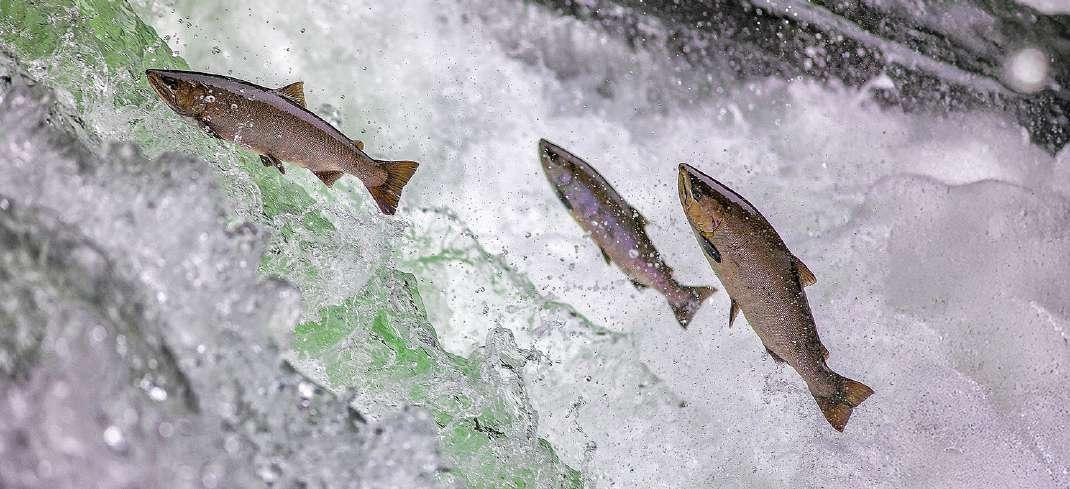
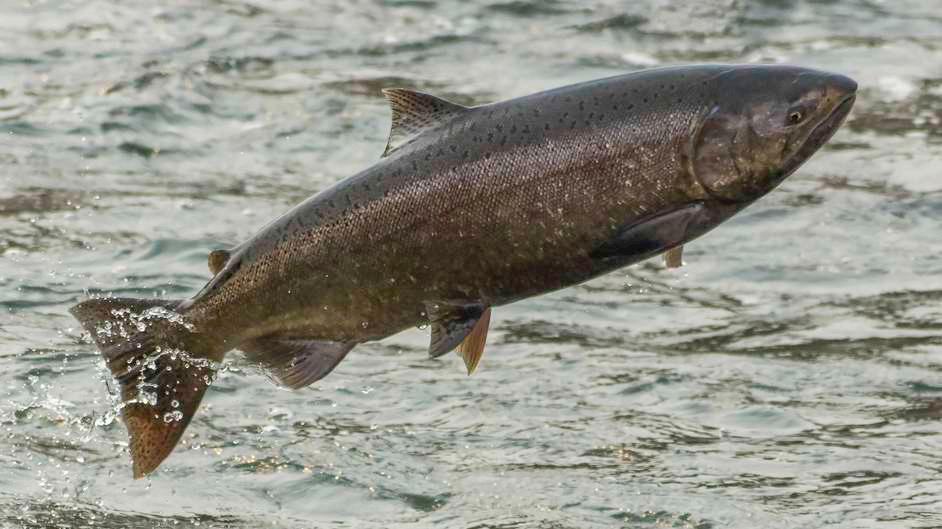
Aquaculture has emerged as a vital contributor to food security and economic development. The rapid expansion of salmon farming has brought with it a host of health and welfare challenges such as infectious diseases, environmental stressors and the limitations of traditional treatment methods that threaten both fish welfare and industry sustainability. Dr. Bill Roy and Dr. Charlotte Burgess of Moredun Scientific discuss by embracing these advanced disease models, novel vaccine technologies, and holistic welfare strategies, the aquaculture sector can safeguard fish health, protect the environment, and ensure long-term profitability.
FOOD & FEED
32 Food Allergies and Intolerance in Pets
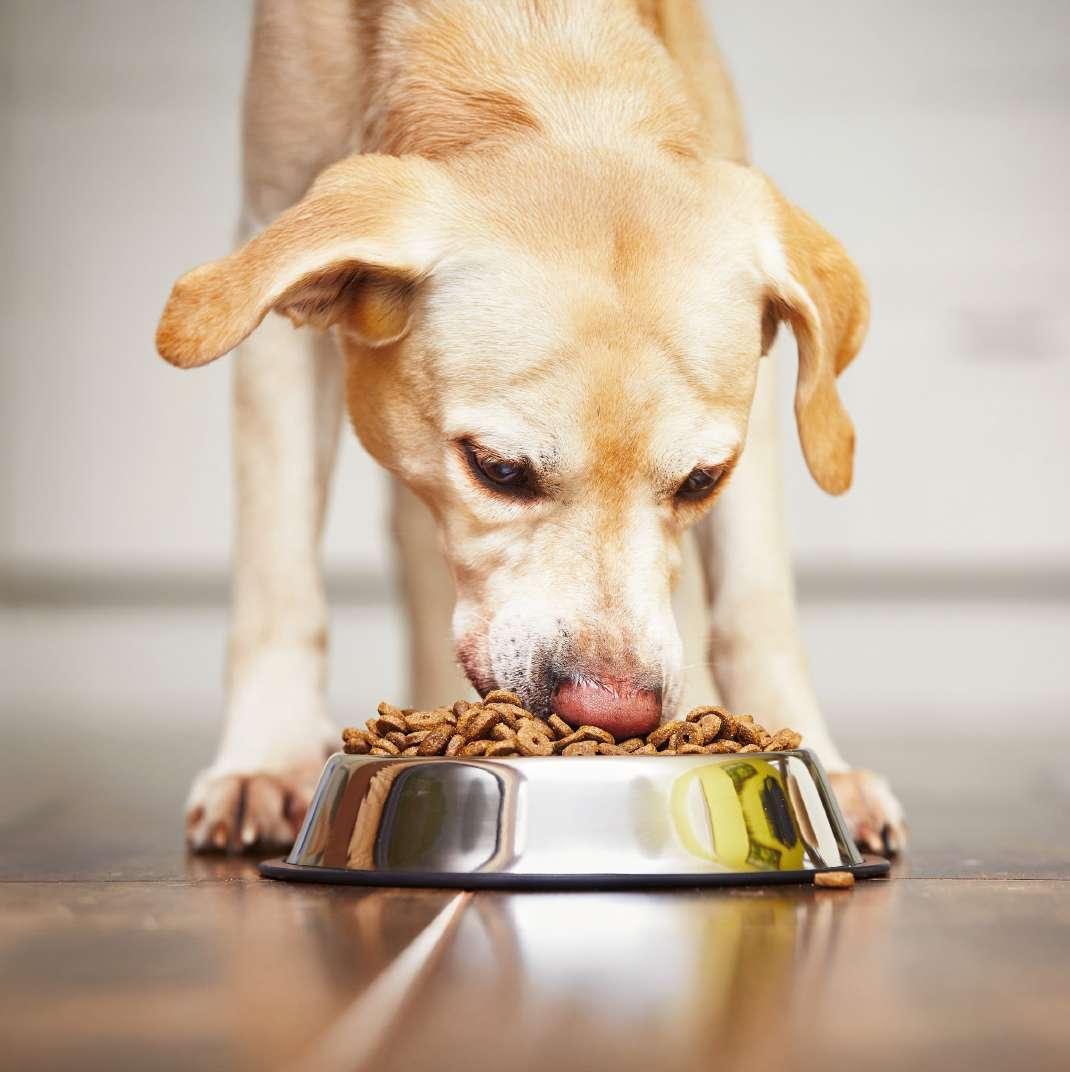
Adverse food reactions are categorised as reactions to dietary ingredients by specific individuals which are harmless to others. This term covers toxic reactions, food allergies and food intolerances. A food allergy is an immune system response to one or more proteins that have been ingested by the pet. Jennifer Dean of Pets Choice discusses the discomfort food allergies in pets can cause, both physically for the pet, and emotionally for the owner. Symptoms are generalised, so an allergy is not always the first thought of a veterinary professional upon initial examination, and the only way to identify presence of a food allergy and the exact ingredient is through dietary elimination trials. Once the ingredients have been identified, it will give the owner more freedom to provide variety in their pet’s diet if they wish and prevents the continued discomfort of the pet through alleviation of allergy symptoms.
Animal Health & Aquaculture Contract Research
Efficacy Studies
• Broad portfolio of infectious disease models in livestock and fish
• New model and protocol development
• VICH-GCP compliant studies
Target Animal Safety Testing
• GLP compliant studies
• All species of livestock
• Aquaculture species
• All types of biological & pharmaceutical products
Animal Health Facilities
• GLP accredited animal facilities
• Conventional farm animal accommodation
• Category 3 containment
• Specific Pathogen Free
• Gnotobiotic units
• GLP accredited lab facilities
Aquaculture Facilities
• Seawater
• Freshwater
• GLP compliant small scale
• Larger scale biocontainment
• Commercial scale
• Warm water for fish and shrimp
www.moredun-scientific.com For further information please visit www.moredun-scientific.com or contact: Moredun Scientific, Pentlands Science Park, Bush Loan, Penicuik EH26 0PZ, Scotland, UK Tel: +44 (0)131 445 6206 Email: info@moredun-scientific.com Follow us:
EDITORS LETTER
As this year draws to a close, we welcome you to our fourth edition of IAHJ in 2025. We hope you enjoy reading! In this Winter issue of IAHJ, it draws together all of the diligence and commitment carried out globally to maintain and share animal public health and welfare.
We begin our Livestock and Diseases section with Dr. Alexandros Yiannikouris’ assertion that Mycotoxins’ are a diverse group of naturally occurring toxic secondary metabolites produced by filamentous fungi such as Fusarium, Aspergillus, Penicillium and Alternaria. They represent one of the most pervasive challenges to agriculture, particularly to animal nutrition, as they compromise feed safety and animal performance across all regions of the world. These compounds frequently contaminate a wide range of agricultural commodities, including cereal grains, forages and stored feed ingredients, both pre- and post-harvest. Alltech’s global monitoring program, which has operated for more than 15 years and analyses about 15,000 samples annually, confirms the breadth of the problem. More than 92% of tested samples contain detectable mycotoxins, and the average number of co-occurring toxins has risen from five to as many as eight per sample. Given the resilience of mycotoxins, complete prevention is not possible. Agronomic and storage interventions can reduce but not eliminate risk. Therefore, mitigation strategies incorporated into feed remain essential. Effective solutions must demonstrate efficacy against a wide spectrum of toxins, function under gastrointestinal conditions, and be supported by mechanistic data as well as in vivo validation.
Embossing has an important role in the veterinary, pharmaceutical, nutraceutical, and confectionery worlds. It is far more than cosmetic. By embossing a logo or
symbol onto the surface of a tablet, manufacturers make products instantly recognisable to customers, pharmacists, and patients. This supports brand identity and consumer confidence, but it also provides critical functionality such as anti-counterfeiting, dosage identification, and even safety in preventing medication errors. Andy Dumelow defines embossing as not limitless for if the design boundary is overstepped it can cause significant production and quality issues. The best embossing designs are those that achieve clarity, durability, and functionality without overloading the tablet with unnecessary detail. In tablet manufacturing, good design is not just about what you add, it is just as much about knowing where to stop. Designers who embrace these principles produce not only beautiful tablets but also efficient, reliable manufacturing outcomes that stand the test of time and market demands.
At Kisaco Research, the Animal Health, Nutrition, Technology & Innovation (AHNTI) series has a front-row view of this momentum. Niamh Gallagher shares The Next Stage – a platform designed to spotlight the real, often messy, milestones that turn research into reality. This broader view of innovation – scientific and strategic, creative and commercial – is what makes the AHNTI community distinctive. The experts and leaders who gather at AHNTI form an ecosystem that not only accelerates product development but also strengthens the business strategies that allow great ideas to reach the market. The animal health ecosystem in 2025 has been shaped by both opportunity and adaptation. As global markets stabilised post-pandemic, new confidence emerged around the economic resilience of animal health, driven by its essential role in food security and humanisation of companion animals. Every year, AHNTI brings together individuals who are shaping the future of animal health. In 2026, The Next Stage adds a new layer to that story.
Melissa Cavner, Editor
EDITORIAL ADVISORY BOARD
Amanda Burkardt, MSc, MBA – CEO of Nutripeutics Consulting
Germán W. Graff – Principal, Graff Global Ltd
Fereshteh Barei – Health Economist & Strategy Advisor, Founder of BioNowin Santé Avenue Association
Carel du Marchie Sarvaas Executive Director Health For Animals
Kimberly H. Chappell – Senior Research Scientist & Companion Animal Product Development Elanco Animal Health
Dr. Sam Al-Murrani – Chief Executive Officer Babylon Bioconsulting & Managing Director at Bimini LLC
Sven Buckingham – Buckingham QA Consultancy Ltd.
Dawn Howard – Chief Executive of the National Office of Animal Health (NOAH)
Jean Szkotnicki – President of the Canadian Animal Health Institute (CAHI)
Dr. Kevin Woodward – Managing Director KNW Animal Health Consulting
Lyophilization and Sterile Manufacturing
Driving development and connecting commercialization of sterile and lyophilized drug products, we are dedicated to your success in bringing life-changing therapies to patients.
www.pci.com
OUR END-TO-END BIOLOGIC SOLUTIONS INCLUDE:
• Sterile Formulation & Lyophilization Cycle Development
• Lyophilization and Sterile Fill-Finish Manufacturing
• Aseptic Robotic Technologies
• Analytical Support
• Clinical & Commercial Labeling & Packaging
• Refrigerated/Frozen Storage & Distribution
talkfuture@pci.com
REGULATORY & MARKETPLACE
Redefining Innovation: Commercialisation Case Studies at AHNTI EU 2026
In recent conversations with founders, investors, and industry leaders, one message is clear: the animal health sector is entering a new era of commercial maturity. So far in 2025, over 150 transactions have shaped the sector, representing more than $300 million in disclosed value, signalling a renewed appetite for commercially ready innovation. Yet behind the headlines lies a more nuanced story – not only about capital, but about commercialisation: the process of turning groundbreaking science into sustainable, scalable businesses.
At Kisaco Research, the Animal Health, Nutrition, Technology & Innovation (AHNTI) series has a front-row view of this momentum. I’ve had the pleasure of connecting with our community, from early-stage innovators to global strategics, to better understand the complexities of commercialisation. It was from these conversations that The Next Stage was born – a platform designed to spotlight the real, often messy, milestones that turn research into reality. Ahead of AHNTI Europe 2026, I’m struck by how these founder-led stories capture the shifting DNA of the industry: more cross-disciplinary, more investorready, and increasingly attuned to the commercial, regulatory, and cultural factors that enable and define success.
Reflecting on AHNTI as “the momentum engine for innovation in Diagnostics, Nutrition, Biopharma and Technology”, I’ve found myself thinking more deeply about what innovation really means to this sector. For many, it begins with product development, the conception of new science, new molecules, and new technologies that provide solutions to unmet needs. Yet true innovation extends far beyond the laboratory. It lies equally in how founders navigate commercialisation. How they adapt business models, forge strategic partnerships, and engage with regulators and investors to enable innovation to truly shape the future of animal health. I’d argue that innovation is as much about process as it is about product.
This broader view of innovation – scientific and strategic, creative and commercial – is what makes the AHNTI community distinctive. The experts and leaders who gather at AHNTI form an ecosystem that not only accelerates product development but also strengthens the business strategies that allow great ideas to reach the market.
The Global Landscape
The animal health ecosystem in 2025 has been shaped by both opportunity and adaptation. As global markets stabilised post-pandemic, new confidence emerged around the economic resilience of animal health, driven by its essential role in food security and humanisation of companion animals.
Venture investors have become more selective, but they have not pulled back. Instead, capital has shifted towards companies demonstrating clear routes to commercialisation. 2025 maintained a steady pace of growth with venture funding backing applied innovation. Deals such as Agteria Biotech’s $6 million round, Lupa’s $20 million series A, and BiomEdit’s $18.4 million Series B exemplify this move towards
market-ready solutions. Investors are seeking credibility, not just novelty.
These headlines are indicative of a more educational story. Each reflects a growing investor appetite for real-world, evidence-based solutions and ventures that can demonstrate measurable benefits to producers, veterinarians, and pet owners. It is here, in this middle ground between discovery and market, that the next generation of animal health leaders is emerging.
The global innovation landscape is becoming increasingly interconnected and sophisticated. North America continues to lead in venture activity, with an ecosystem structured around rapid scale-up and investor engagement. Europe, by contrast, is distinguishing itself through deep collaboration and regulatory expertise, factors that make it an increasingly strong environment for clinical validation and partnership. In the Asia-Pacific region, applied innovation is thriving, with manufacturing capabilities and nutritional science being translated into scalable commercial models.
This global diversification is reshaping the path to market. Founders are no longer navigating commercialisation within isolated ecosystems; they are building businesses that learn from regional strengths, borrowing North America’s pace, Europe’s precision, and Asia’s scale. It is this international exchange, reflected across the global AHNTI community, that is beginning to lower long-standing barriers to growth and create new opportunities for investment, collaboration, and ultimately, commercialisation.
From Discovery to Delivery
The Next Stage is where founders present their innovation story. Whether that’s reaching a regulatory milestone, closing a key funding round, or pivoting a business model, lessons learned will be shared with peers, investors, and industry partners.
This evolution is brought to life through the experiences of early and growth-stage companies navigating the realities of scaling. This year’s cohort brings together ventures tackling some of animal health’s most persistent unmet needs, each highlighting a different facet of what it takes to bring innovation to market.
MEET NORDSON EFD
Where reliability meets advanced animal health packaging
Industry-Leading Drug Packaging & Delivery
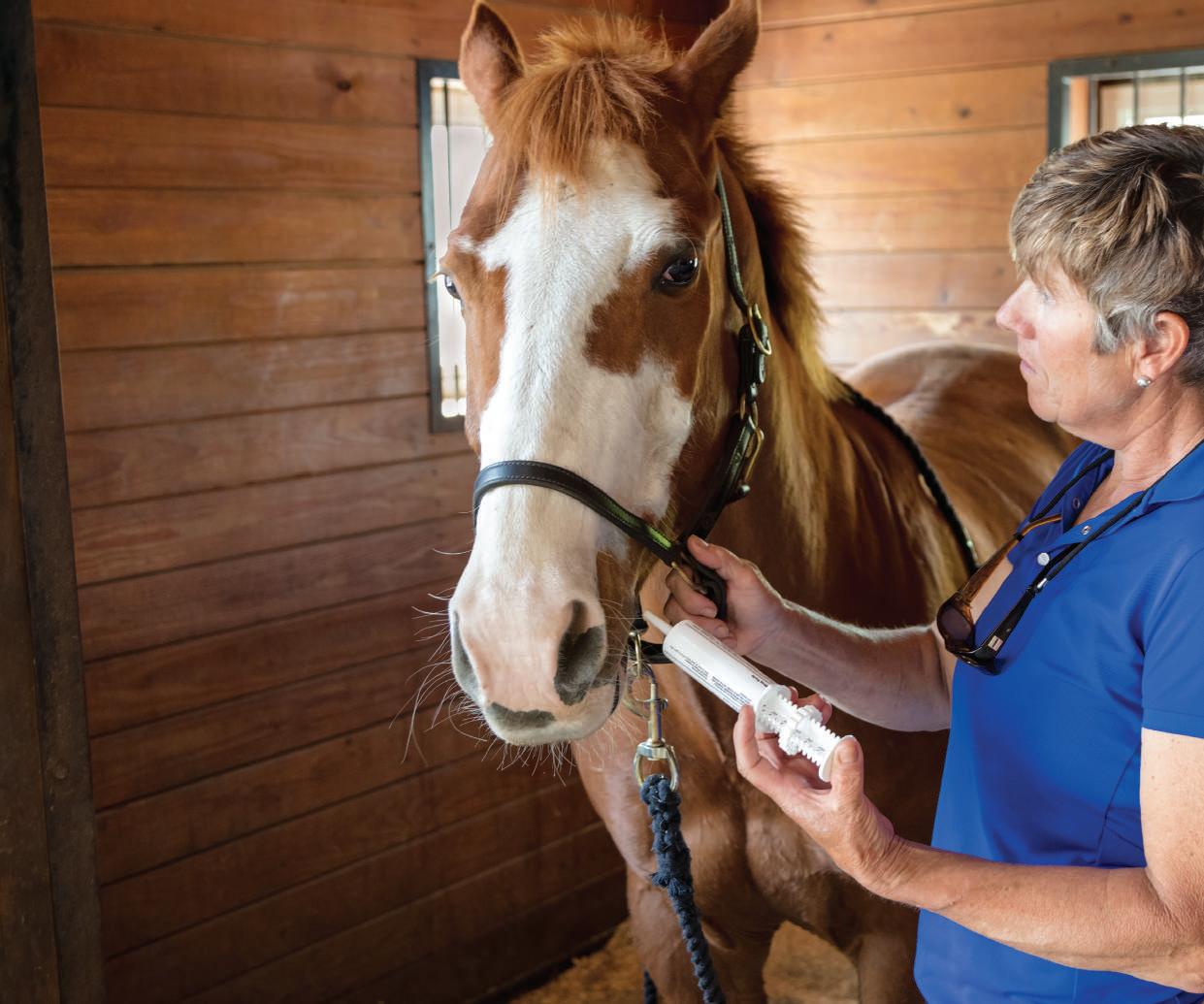
Nordson EFD Dial-A-Dose™ and Posi-Dose® disposable dosing syringes allow users to tailor multiple, accurate doses based on treatment requirements.
• Molded from FDA-approved resins
• Wide range of nozzles for varied applications
• Oral, topical, intramammary, and rectal uses
• Self-venting feature prevents air entrapment
• Reliable, accurate, repeatable dosing
• Global customer support
dosing syringes feature a unique ‘lead-in’ aid that facilitates high-speed filling.
EFD
REGULATORY & MARKETPLACE
Collectively, these stories reveal a shift in mindset: commercial readiness is emerging as the new measure of innovation. Scientific excellence remains essential, but it is only through regulatory foresight, strategic partnership, and effective investor communication that great ideas achieve meaningful impact. Here’s just a snapshot of the journeys you’ll hear at AHNTI EU 2026:
Understanding the Market Need – Benno Therapeutics
Benno Therapeutics exemplify how targeted innovation begins with understanding the market it serves. Focused on canine oncology, their commercialisation journey was born from direct engagement with veterinarians to define where the unmet need truly exists. This early validation informed both their R&D priorities and their commercial model, ensuring that innovation addressed not just a scientific challenge but a practical one. Market awareness is not a secondary thought in commercialising innovation; it’s where the process begins.
Navigating Regulation – ELIAS Animal Health
For ELIAS Animal Health, innovation has meant operating ahead of the curve in terms of regulation. Developing novel immunotherapies, the ELIAS faces a landscape where policy is still evolving. Rather than waiting for clarity, they’ve built adaptability into their strategy to align pivotal trials with shifting expectations. This experience reflects a broader reality in animal health: regulation is no longer a fixed framework but a dynamic part of innovation. Success now depends on anticipating change, engaging early, and turning uncertainty into momentum.
Policy Reform – Petscribers
Policy reform is often seen as a constraint, but Petscribers shows how it can drive innovation. Emerging in the wake of the UK Competition and Markets Authority’s review of veterinary prescription and pricing practices, they recognised that compliance and transparency would soon define the next phase of veterinary business. Beyond software, Petscribers represents a shift in mindset: that innovation and policy must evolve together.
Manufacturing and Scale – Vetirus Pharmaceuticals
Vetirus Pharmaceuticals has approached commercialisation through foresight. By embedding regulatory, clinical, and operational planning from the outset, Vetirus has transformed compliance from a hurdle into an asset. From the earliest stages, they integrated manufacturing feasibility, supply chain mapping, and quality assurance into its development process. This discipline has accelerated development timelines and earned investor confidence, underscoring the importance of commercial foresight for success.
Securing Funding – Ensilitech
For EnsiliTech, the turning point came through a well-timed bridge investment that kept momentum alive when traditional capital was still catching up. By securing early backing from a family office, the company secured the momentum necessary to strengthen its positioning, negotiate with confidence, and ultimately close an oversubscribed £4.5 million round. This approach highlights a reality that many founders face: capital is not just about availability, but also about timing and strategy. EnsiliTech’s experience shows how interim funding can transform vulnerability into leverage, turning a short-term bridge into a long-term advantage.
Educating the Market – Gallant
For Gallant, advancing regenerative therapies has required both scientific resilience and market education. Stem-cell and regenerative treatments are moving from the margins of veterinary medicine toward mainstream adoption, but success depends as much on trust as on technology. By prioritising education and transparency, Gallant has demonstrated that innovation earns its place through clinician engagement, not disruption alone.
Exit – TriviumVet
TriviumVet’s acquisition captured a broader trend reshaping the industry: strategic buyers are no longer just acquiring assets but partnering with innovation. For TriviumVet, the deal was a culmination of careful timing and positioning, aligning its novel therapies with a platform capable of accelerating market
REGULATORY & MARKETPLACE
access. It exemplifies how well-structured acquisitions can transform early innovation into lasting market presence. It’s a signal to the next generation of founders that exit strategies can be as creative and purposeful as the innovations themselves.
Together, these stories represent more than individual achievements; they map the realities of bringing innovation to market. From identifying unmet needs and navigating regulation to securing investment and scaling sustainably, each milestone reflects a different form of innovation: scientific, strategic, and operational.
The Next Stage demonstrates that innovation in animal health is no longer a linear journey; it’s a network of people, ideas, and experiences that build on one another. Each founder’s path strengthens the next, creating a more connected and commercially confident ecosystem where discoveries move to delivery faster, and with greater impact than ever before.
Looking Ahead
The next phase of animal health innovation will be defined by convergence: of disciplines, business models, and markets. Data and diagnostics will continue to underpin personalised care, with nutrition increasingly joining that continuum. New manufacturing and regulatory pathways will encourage closer collaboration between start-ups, strategics, and service providers.
Against this backdrop, the need for shared understanding has never been greater. The Next Stage at AHNTI Europe 2026 will document this evolution, providing a space for founders to speak openly about the realities of growth and for the wider community to learn from their experience.
Commercialisation remains complex, but collaboration is closing the gap. As innovation expands across borders and sectors, the collective ambition of the animal health ecosystem, from investors to researchers, regulators to entrepreneurs, is to make that journey faster, smarter, and more sustainable. AHNTI will continue to play its part, not as an observer, but as an active participant in shaping what comes next.
Every year, AHNTI brings together individuals who are shaping the future of animal health. In 2026, The Next Stage adds a new layer to that story. I’m excited to see these founders take the stage and share the real experiences behind their milestones. I hope you can join us in London to hear them live, and when it's over, you’ll have on-demand access to revisit the stories that inspired you most.
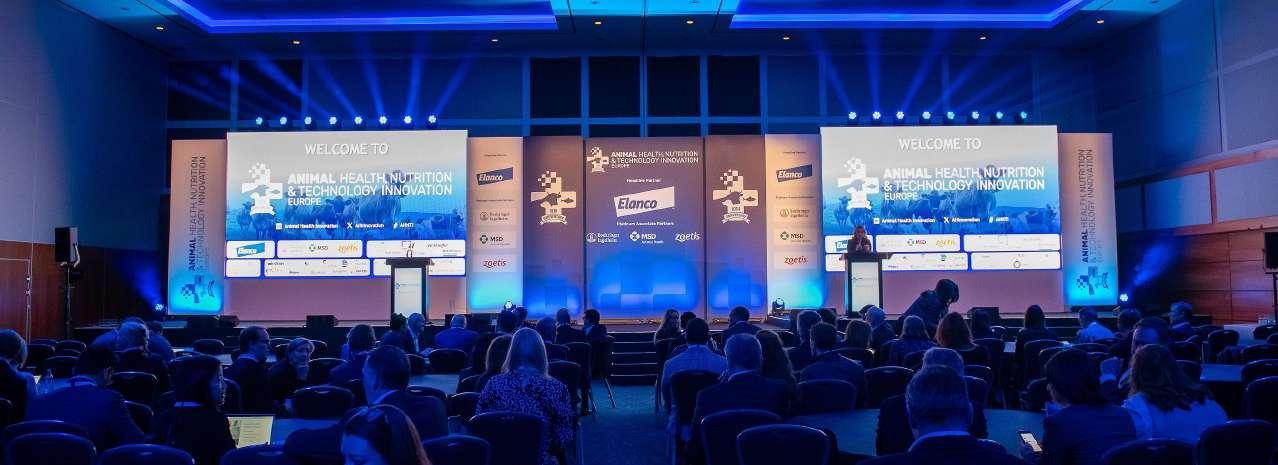
AHNTI Europe 2026 will take place on 2–4 March 2026 in London, for more information visit: animalhealthevent.com
Niamh Gallagher
Niamh Gallagher is the Conference Producer for Kisaco Research’s Animal Health, Nutrition, Technology & Innovation (AHNTI) series. As a recent Geography graduate from Brasenose College, University of Oxford, her mission is to bring a fresh perspective to the animal health sector, focusing on how collaboration, commercial insight, and community can empower the journey from innovative ideas to real-world impact.
MANUFACTURING/PACKAGING
Can You Put Any Amount of Embossing on a Tablet?
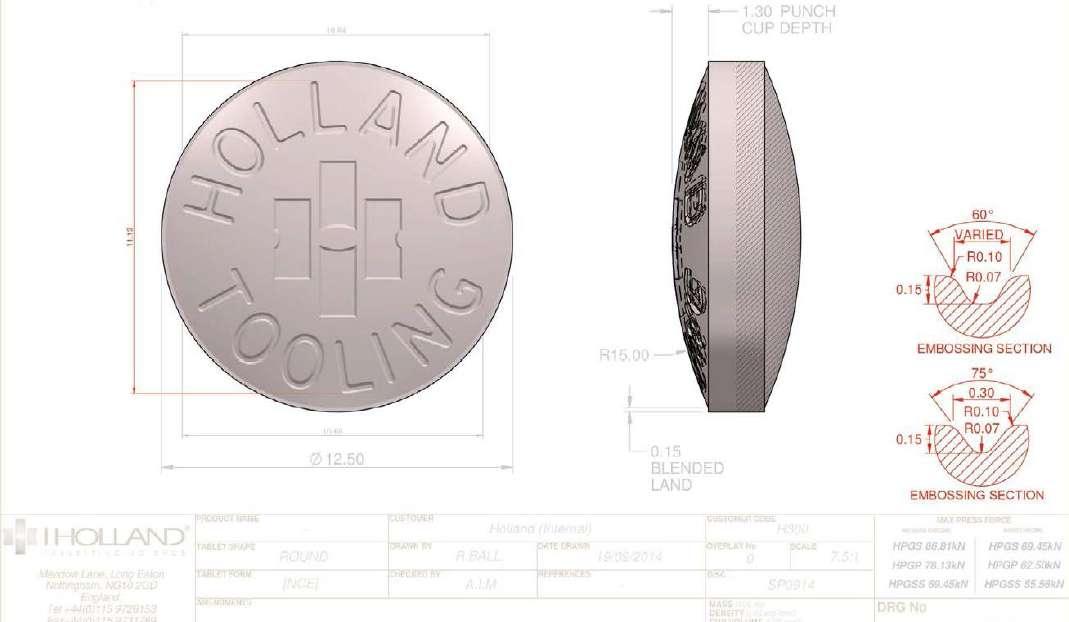
When it comes to tablet design, embossing is often viewed as an open canvas. Logos, brand names, dosage numbers, safety marks, or even decorative details can be applied to the punch face. This leads to a common misconception: that you can put any amount of embossing on a tablet face without running into problems. At first glance, the idea makes sense. If modern CAD software allows intricate designs, should they not translate directly into the tablet itself? However, the reality of manufacturing tablet tooling is different. Embossing is not limitless, and overstepping design boundaries can cause significant production and quality issues. Embossing sits at the intersection of engineering and material science, where choices have consequences that extend beyond aesthetics. In fact, even small changes to embossing depth or angle can have dramatic downstream effects on manufacturability and performance that are often overlooked at the concept stage.
Embossing has an important role in the veterinary, pharmaceutical, nutraceutical, and confectionery worlds. It is far more than cosmetic. By embossing a logo or symbol onto the surface of a tablet, manufacturers make products instantly recognisable to customers, pharmacists, and patients. This supports brand identity and consumer confidence, but it also provides critical functionality such as anti-counterfeiting, dosage identification, and even safety in preventing medication errors. In short, embossing is one of the most visible elements of tablet design, and it carries heavy responsibility. But while embossing is powerful, it is not without constraints. The geometry of the tablet, the behaviour of powders under compression, and the durability of the tooling all place limits on what is possible. Every embossing design therefore has to strike a careful balance between form and function, ensuring that aesthetic appeal never compromises mechanical integrity or patient safety.
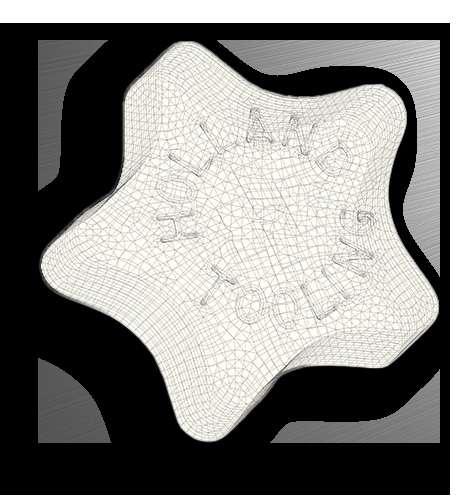
One of the most fundamental limits is the available face area. The embossable portion of a tablet depends on its shape and profile. Flat-faced tablets and those with shallow cups offer generous surface area, sometimes up to 80 percent of the tablet face. However, more curved profiles, such as ball or pill shapes, reduce the usable area significantly, sometimes to only 40 percent. Attempting to emboss beyond these limits results in distorted characters, weakened tablet surfaces, or poor legibility. A flat logo may look perfect on a computer screen, but once applied to a small, curved tablet surface, the angles and depths of the strokes are altered, sometimes beyond recognition. This distortion becomes even more apparent when dealing with fine text or detailed logos, as perspective and curvature can subtly warp the perceived design. This distortion can become especially noticeable under certain lighting conditions, where even minor curvature can make embossed text appear uneven or incomplete. Ultimately, the flatter the tablet surface, the more freedom designers have to express visual identity without compromising manufacturability.
Excessive embossing also creates structural challenges. Every groove, cut, or recess in the tablet face represents a
stress point during compression. The more detail added, the weaker the tablet becomes. This can lead to manufacturing problems such as lamination, capping, or even tablet breakage during packaging and handling. It also affects the tooling itself. Deep, complex embossing can reduce the strength of the punch cup, making the punches more prone to wear or even catastrophic failure. In practice, embossing must be carefully balanced to preserve not just the integrity of the tablet, but also the longevity of the valuable tooling used to create it. Tooling engineers often describe this balance as a ‘compromise of design intent,’ where creative ambition must yield slightly to mechanical practicality. Even the most advanced tooling steels and coatings cannot compensate for fundamentally flawed embossing geometry, so good design remains the first line of defence against production failures. Manufacturers who adopt a proactive design-formanufacture mindset often see fewer problems, faster setup times, and more consistent product quality.
Surface defects are another major concern when embossing is pushed too far. Problems such as picking and sticking are well-documented in tablet production. Picking occurs when powder particles cling to the fine details of an embossed design, pulling material out of the tablet face and leaving behind pits or voids. Sticking, on the other hand, is more general adhesion of product to the punch surface, often made worse by large, shallow embossing areas. Both issues compromise the appearance and quality of the tablet, and both become more likely as the density of embossing increases. In these cases, the problem is not the formulation alone, but the interaction between formulation, tooling, and the embossing design. Environmental factors such as humidity and temperature can exacerbate these problems. It highlights how even a seemingly minor design decision can have a ripple effect across the entire production line, from compression efficiency to final product presentation.
A good example of how embossing design directly influences tablet performance came from a customer who was struggling with persistent sticking. The issue appeared on both faces of the tablet, the upper face at the break-line and the lower face within the embossed detail. By working closely with the customer to review the design, it became clear that certain features were contributing to the problem. The tablet’s soft centre was prone to adhesion, so a double radius profile was proposed, to remove the weak area and improve strength. The embossing itself contained trap zones that encouraged material build-up, so we simplified the design to eliminate those areas and improve release. To further reduce the risk of sticking, we introduced tapered peninsulas, which rounded off sharp, compound angles and allowed cleaner ejection. These design refinements improved the manufacture of the tablet, showing how practical design changes, developed in collaboration, resolve production issues and deliver functional and reliable tablets The process also demonstrated the importance of cross-functional collaboration between tooling engineers, formulators, and production teams to achieve lasting results.
Even when tablets survive compression without major issues, film and sugar-coating processes can expose any weaknesses. If embossing is too shallow or wide, the coating
Discovery Park is one of the largest science and technology parks in the UK, providing all the space, support and facilities you need to unlock your company’s potential.
• World-class laboratory, manufacturing and office spaces.
• Excellent connectivity to London & European markets.
• Collaborative ecosystem fostering innovation and partnerships.
• Comprehensive business support and access to investment.
• Ideal setting offering the optimum quality of life for employees.
Get in touch today for a tour and find out how we can help your business succeed.
material may “infill,” filling up the characters and erasing their definition. If the embossing is too steep, the coating may ‘bridge,’ over the grooves, leaving empty pockets beneath and producing weak or uneven surfaces. Both outcomes mean that the intended logo or text becomes blurred, illegible, or lost altogether. Worse still, coating stresses can erode the fine details, chip tablet edges, or even reduce tablet hardness. The idea that any embossing design can survive the rigors of coating simply does not hold up under realworld conditions. The coating process amplifies small flaws, so a design that appears perfect at compression may fail visually or mechanically once the coating has been applied and dried. Inconsistent coating coverage can also alter tablet appearance between batches, undermining brand uniformity and patient trust.
With embossed tool design, it is vital to recognise limitations and work within them. Successful tablet designs often start with simplifying logos or text to make them ‘tablet-friendly.’ This may mean opening up counters (the enclosed spaces inside letters like A, O, or P), avoiding sharp corners, or reducing the number of characters on a single face. Choosing the right tablet profile is also critical, since deeper cups reduce the available embossing area and distort strokes more severely. Specialised embossing fonts, developed specifically for pharmaceutical tooling, help minimise picking, sticking, and stress points while keeping characters clear and legible. Coating allowances must also be built into the design, with embossing depths adjusted to withstand the additional thickness of film or sugar layers. Even subtle adjustments, such as widening line spacing or rounding serif ends, can dramatically improve manufacturability without diminishing brand identity. These careful adjustments are often made during digital simulation phases, where virtual models can predict how the final tablet will behave under realistic conditions. This early attention to detail saves time, money, and frustration during later production stages.
When you consider all the individual factors, it becomes clear that embossing is already a highly technical design challenge. The complexity increases even further when multiple features are combined on a single tablet face. For example, pairing a company logo with dosage text and a functional break-line may seem straightforward on paper, but in practice each element competes for limited space
and interacts with the others in ways that affect strength, legibility, and manufacturability. A break-line might weaken the same area where embossing detail is placed, or a curved profile may distort one element more than another. The more design features added, the more careful the balance must be. Designers must also remember that patient usability is influenced by these factors; an unreadable dosage mark or an unclear logo could lead to confusion during dispensing or consumption. In regulated markets, such readability concerns are not just aesthetic but legal, since dosage misidentification can have safety implications. This makes the alignment of design, compliance, and manufacturing discipline more important than ever.
That is why it is always advised to work closely with tablet manufacturers at the very beginning of the design stage, reviewing every element in context and helping to identify the most effective combination of features. If this is not an option and manufacturing has already taken place using another design that has failed to meet expectations, we can still recommend targeted improvements that will achieve both brand impact and reliable manufacturability. Successful tablets are those where every element has been considered not just in isolation, but in agreeance with tablet geometry, tooling strength, and downstream processes like coating. Collaboration early in the design process helps avoid costly tooling reworks, reduces time to market, and ensures that every batch maintains consistent visual and mechanical quality.
The myth that any amount of embossing can be placed on a tablet face ignores the realities of physics, tooling principles, and manufacturing. Overly ambitious designs risk producing weak, illegible, or inconsistent tablets, along with excessive tooling wear and coating problems. By contrast, carefully considered embossing, supported by collaboration with tooling experts, results in tablets that are strong, readable, and consistent across every production run. In essence, true design freedom comes not from ignoring limits but from understanding and respecting them.
The myth is busted. You cannot emboss without limits. Tablet design demands restraint and technical understanding. Far from being a blank canvas, the tablet face is a finely balanced surface where less often equals
more. The best embossing designs are those that achieve clarity, durability, and functionality without overloading the tablet with unnecessary detail. In tablet manufacturing, good design is not just about what you add, it is just as much about knowing where to stop. Designers who embrace these principles produce not only beautiful tablets but also efficient, reliable manufacturing outcomes that stand the test of time and market demands.
Andy Dumelow
Andy Dumelow joined I Holland as a PharmaCare® service engineer in 2000. He quickly moved into the role of trainer on the Approve Tooling Measuring System and was promoted to Product Manager, responsible for the running and development of the PharmaCare® range of products. He is now Head of Technical Sales for EMEA and NA.
Moisture is one of the most prevalent risks to pharmaceutical stability. From oral solid dosage (OSD) forms such as tablets and capsules to inhalation devices, fluctuations in humidity can compromise drug quality, alter dissolution profiles, and shorten shelf life. Excess moisture can catalyze hydrolytic degradation or polymorphic changes, while overly dry conditions may cause excipients and gelatin capsules to lose mechanical integrity.
Traditionally, packaging has relied on desiccants such as silica gel and molecular sieve to mitigate moisture ingress. These technologies remain widely used and effective in many applications. However, their inherent adsorption behaviours – either too gradual or too aggressive –do not always align with the specific needs of modern drug products. This has prompted interest in engineered equilibrium systems designed to maintain a target relative humidity (RH) rather than simply reducing it as far as possible.
This article reviews the strengths and limitations of silica gel and molecular sieve, and explores the role of equilibrium humidity stabilisers, such as EQIUS®, in balancing product stability with packaging efficiency.
Silica Gel:
Versatile and Economical Moisture Control
Silica gel, composed of amorphous silicon dioxide, has long been favoured in pharma-ceutical packaging. Its internal network of pores adsorbs water vapor through capillary condensation, allowing it to function across a broad RH range.
Advantages of Silica Gel
• Cost-Effective and Scalable: widely available, suitable for high-volume packaging with options to further moderate costs through bulk purchasing or optimised usage.
• Versatile formats: available as packets, canisters, capsules, or washers, adapt-able to different packaging designs.
• Limitations of Silica Gel
• Limited efficiency at low RH: struggles to achieve or maintain ultra-low humidity levels required by highly
hygroscopic APIs or the amount of silicagel required to achieve low RH is very important.
• Potential overdrying: in certain cases, may reduce RH below optimal thresholds, causing gelatin capsule brittleness or tablet friability and can stress sensitive dosage form.
Silica gel remains a practical solution for many products where moderate moisture control suffices, but may fall short when precise or low-RH environments are essential.
Molecular Sieve:
Targeting Low RH with High Capacity
Molecular sieve, typically a crystalline aluminosilicate (zeolite), offers a sharper tool for moisture control. Its uniform pore sizes selectively adsorb water molecules, enabling aggressive uptake even at very low ambient humidity.
Advantages of Molecular Sieve
• Strong low-RH performance: effective in maintaining near-zero humidity, essential for APIs that degrade under even slight moisture exposure.
Limitations of Molecular Sieve
• Risk of overdrying: extreme adsorption can reduce humidity below the stability window for certain formulations, leading to capsule brittleness or altered drug release profiles.
Molecular sieve is therefore particularly useful for highly moisture-sensitive products, diagnostics, or biologics, but requires careful evaluation to avoid overdrying effects.
Beyond Traditional Desiccants:
The Role of Equilibrium Systems
While silica gel and molecular sieve provide broad moisture protection, their limitations underscore a key challenge: not all products benefit from an environment that is simply “as dry as possible.” For many OSD forms and inhalation devices, stability depends on maintaining RH within a defined window rather than at extremes.
Equilibrium humidity stabilisers, such as EQIUS®, represent a different approach. Instead of adsorbing moisture indefinitely, these systems are engineered to buffer the internal package environment to a target RH – for example, 25–45% RH.
Working Principle of Equilibrium Systems
Equilibrium stabilisers are composed of materials conditioned to a specific RH. Once sealed within packaging, they act as a buffer – adsorbing or releasing moisture to maintain the defined equilibrium. This differs from conventional desiccants, which only adsorb.
Such stabilisation is valuable when product performance depends on avoiding overdrying. For instance, gelatin capsules may become brittle below ~30% RH, while tablets require strong moisture protection to prevent degradation or loss of efficacy.
discuss topics important for the profession of medical writing
Brought to you by the Masters of Medical Writing
MANUFACTURING/PACKAGING
Applications in OSD Packaging
• Capsules: Hard gelatin capsules are vulnerable to brittleness or cracking under excessively dry conditions. Equilibrium stabilisers help maintain capsule flexibility and integrity over time.
• Tablets: By controlling RH within the package, degradation pathways such as hydrolysis or polymorphic transitions can be minimised, supporting consistent dissolution and bioavailability.
• Medical devices and biosurgery products: Where device performance or sterility is influenced by environmental moisture, equilibrium solutions provide a controlled microclimate without extremes.
Regulatory and Industry Considerations
Moisture control strategies are increasingly guided by regulatory frameworks and quality standards. The USP <671> permeation test provides a benchmark for evaluating moisture barrier performance of pharmaceutical containers, while ICH Q1A stability testing underscores the need to simulate climatic conditions across global markets.
In this context, equilibrium technologies offer advantages in demonstrating compliance and predicting long-term stability. By maintaining a consistent internal RH, packaging systems can meet regulatory expectations for reproducibility and patient safety.
Strategic Implications for Packaging Science
From a broader industry perspective, equilibrium stabilisers illustrate the evolution of packaging from passive barriers to active environmental management systems. Rather than only protecting against moisture ingress, packaging can now actively regulate internal conditions to align with product needs – including avoiding excessively low humidity, which can be as detrimental as high humidity for certain sensitive products.
This shift supports a more holistic view of pharmaceutical stability, in which dosage form, excipients, packaging, and storage interact dynamically. For companies, it also provides a means of differentiating products by ensuring consistent performance across varied climates and distribution chains.
Conclusion
Silica gel and molecular sieve remain essential in pharmaceutical packaging, offering reliable moisture control
Risk of overdrying Possible High None
Format flexibility High High High
Suitability for capsules Variable Risk of brittleness Maintains integrity
Customisation potential Limited Limited High
Comparative Overview
for a wide range of products. However, both technologies have limitations silica gel may not provide sufficient low-RH protection, while molecular sieve risks overdrying and higher costs.
Equilibrium humidity stabilisers, like EQIUS, go beyond traditional solutions by actively maintaining the precise RH level each product requires – unlike other desiccants that simply dehydrate. This tailored approach ensures optimal stability for oral solid dosage (OSD), capsule, and inhalation applications, protecting therapeutic integrity with unmatched precision.
As pharmaceutical formulations become more complex and global distribution grows, moisture control strategies will continue to evolve. Equilibrium systems mark a gamechanging shift in packaging technology – from passive protection to adaptive, adaptive moisture management –ensuring medicines stay safe, effective, and reliable throughout their lifecycle.
Elisa Le Floch
Elisa Le Floch, Global Product Manager – Colorcon, has over 14 years of experience in active pharmaceutical packaging. At Colorcon, she is responsible for developing and deploying functional packaging solutions focused on improving drug stability and protection. Her expertise lies in controlling the drug microenvironment (moisture and oxygen), supporting pharmaceutical, nutraceutical and diagnostic applications. She leverages her background in pharmacy to maintain a practical, medicine-focused approach, always linked to real product use and patient safety.
Valère Logel
Valère Logel, Global Head of Innovation – Colorcon Functional Packaging, is a leading topic expert in the field of preservation packaging. With over 15 years of experience, he has led the development and market introduction of innovative packaging solutions for moisture control, oxygen adsorption and multi-layer polymer barriers.
A FINGERPRINT FOR YOUR PRODUCTS
Visit cypheme.com/riskprotection to book a demo
Can be checked an unlimited number of times, by anyone along your distribution chain—from the distributor to the patient.
A patient harmed by a counterfeit medicine is a scandal waiting to happen. Give your patients the ability to verify that the product they buy is genuine and safe. Remove fakes before they ever reach the market.
In markets where fakes reach up to 70%, enabling buyers to check authenticity is an easy one-step solution to unlock untapped revenue.
The pharmaceutical industry continues to grapple with quality control issues. Traditional inspection methods are failing to meet the demands of modern production, with high-profile contamination incidents like stainless steel particles in Moderna vaccines exposing critical vulnerabilities.1 Manual inspection remains prone to human error, whilst conventional automated systems can only detect what they've been programmed to find. As regulatory scrutiny intensifies and production complexity increases, manufacturers need a solution. AI automated technology represents a sophisticated evolution in visual inspection that addresses fundamental limitations of both manual and traditional automated approaches. Promising to transform pharmaceutical quality assurance, artificial intelligence-driven inspection offers the capability to achieve zero-defect production whilst maintaining commercial viability.
The Regulatory Imperative Regulatory bodies, including the U.S. Food and Drug Administration (FDA), European Medicines Agency (EMA), and Medicines and Healthcare products Regulatory Agency (MHRA), are progressively expecting manufacturers to demonstrate robust quality control capabilities that extend beyond traditional compliance measures.
Current Good Manufacturing Practice (cGMP) incorporates strict contamination control protocols designed to prevent foreign particles from compromising pharmaceutical products, with enforcement becoming increasingly stringent across global markets.
The FDA’s Guidance for Industry on the Inspection of Injectable Products for Visible Particulates requires that all medicinal products intended for parenteral administration be visually inspected for particulate matter, and that any container showing visible particulates must be rejected.2 In addition, the United States Pharmacopoeia guidance on visible particulates in injections establishes regulatory requirements for visual inspection of parenteral products, enforcing demonstration through 100% visual inspection that batches are ‘essentially free of visible particulates,’ before release.3 These regulations underscore the critical importance of comprehensive inspection capabilities in pharmaceutical manufacturing.
Currently, no AI-specific regulations are in place, though the EU has drafted GMP Annex 22 (Artificial Intelligence) and Annex 11 (Computerised systems), which are under review. A key regulatory principle emerging from these drafts is that for critical GMP applications, only static or deterministic models are permitted, whilst dynamic or continually learning models are not acceptable for critical GMP uses.4,5
This regulatory framework means AI models must be locked and static when deployed in inspection machines for production, with self-learning capabilities reserved for development and future releases rather than automatic onsite production model updates.
Given that AI-specific regulations remain in draft stages, AI-based inspection machines are currently governed by the same regulatory framework as traditional inspection machines. The EU policy on automated visual inspection (AVI) states: ‘where automated methods of inspection are used, the process should be validated to detect known defects (which may impact product quality or safety) and be equal to, or better than, manual inspection methods.’6
Many AI automated inspection systems support the various compliance frameworks by creating comprehensive audit trails that satisfy regulatory documentation requirements, providing manufacturers with defensible quality assurance processes.
Technological Advancement and Capabilities
AI automated technology represents a sophisticated evolution in visual inspection that addresses fundamental limitations of both manual and traditional automated approaches. Manual inspection remains subject to human error, fatigue, and inconsistency, whilst traditional automated inspection can only identify defects for which it has been explicitly programmed.7 AI automated technology offers significant advantages, including novel defect detection capabilities and continuously improving detection through self-learning algorithms, fundamentally changing the inspection paradigm.
AI-based inspection machines achieve substantially reduced false negative rates, decreasing the percentage of acceptable products incorrectly rejected from 10-20% to approximately 2%.8 This dramatic improvement in accuracy translates directly to significant cost savings and reduced waste. Additionally, AI technology can analyse sequences of images as video content, gaining insights from motion patterns and multi-angle views of suspected defects to inform final good or bad determinations, providing a more comprehensive assessment than static image analysis.
The operational mechanism of AI automated inspection involves training deep neural network models with extensive datasets comprising images of acceptable products, which are labelled good, alongside images of defective products, labelled bad, with defect areas indicated.
Comprehensive training typically utilises one million acceptable images and 2.5 million defective images. Acceptable images include perfectly good products as well as images containing expected distractions such as bubbles, scale marks, and engraved logos.
Defective images encompass typical contamination types within pharmaceutical products, including glass, particles, and metal contaminants, though the range of defect types need not be exhaustive. Following training, models learn to recognise features of acceptable products with expected distractions, contrasted against defective products.
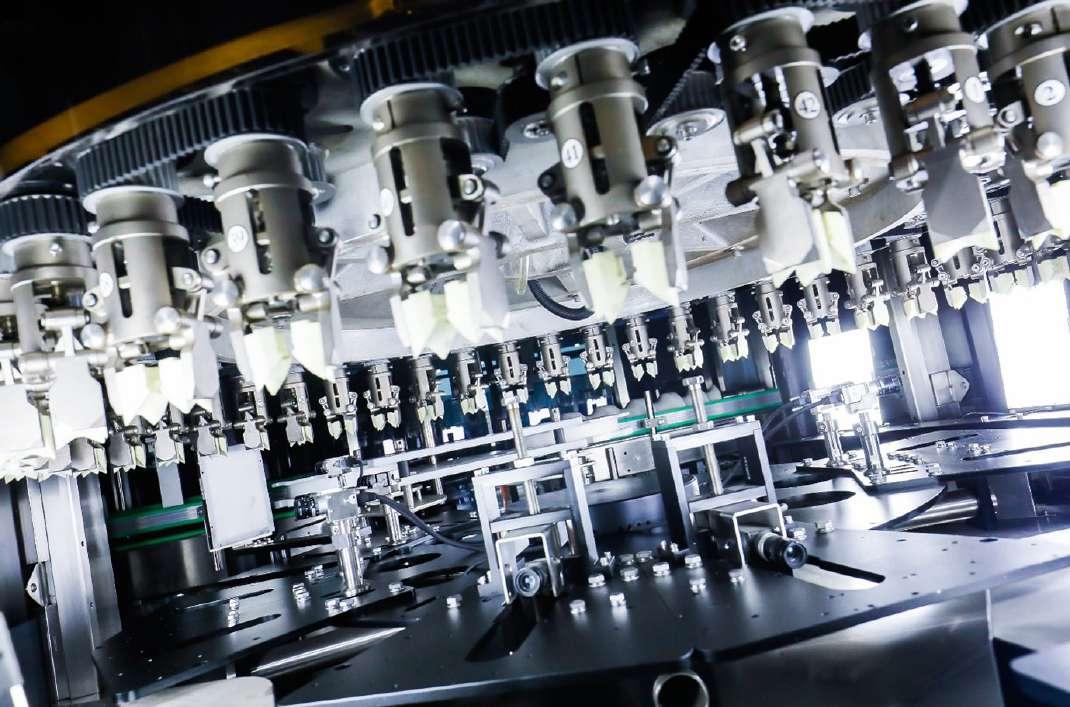
During deployment, inspection machines capture multiple images of each product, feeding these to the model for good or bad determinations. Models render 'good,' judgments when all features contained in images match those expected from acceptable products. While 'bad' judgements are made when
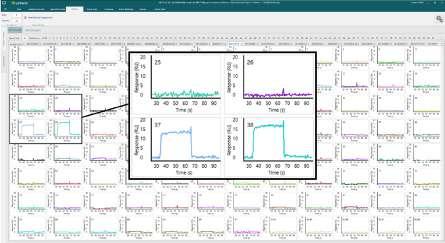
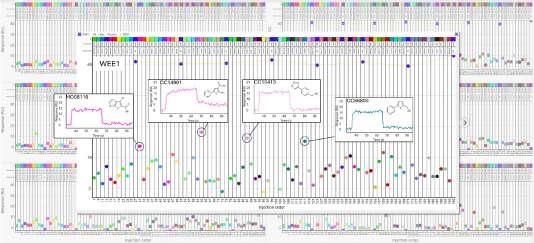
Fragment hit identi cation against 96 proteins using the Carterra Ultra platform.
Maybridge fragment library screening against a kinase panel.
Open up a whole new universe of possibilities with HT-SPR technology.
either of two criteria are met: certain features align with defect patterns from training, or certain features do not conform to the acceptable product feature profile, even when not directly matched to a specific defect type.
This second criterion operates on a 'fail safe' principle, ensuring potentially problematic products are flagged for further evaluation. Inspection machines also assess capping defects, container cosmetic defects, and fill level control, each utilising separately trained deep neural network models following essentially identical methodologies.
Economic Benefits and Performance Metrics
AI automated inspection has the potential to deliver substantial cost-saving benefits through reduced labour costs, minimised waste, and avoidance of recall expenses. Implementing more sophisticated visual inspection technology can reduce regulatory compliance costs, prevent reputational damage from quality issues, and avoid loss of market opportunities. The most significant cost saving derives from waste reduction, with false rejection rates decreasing from approximately 15% to 2%, saving 13% of final products that would otherwise be unnecessarily discarded.9
Performance evaluation of inspection systems relies on two primary metrics: false negative rates (miss rates) and false positive rates (false rejections). False negative rates measure the percentage of defective products not rejected by the inspection process, whilst false positive rates measure the percentage of acceptable products mistakenly rejected. Probability of Detection (PoD) or detection rate represents the inverse of false negative rates, calculated as (1 - false negative percentage).
According to the United States Pharmacopeia, visual inspection is a probabilistic process rather than an absolute one, with detection likelihood influenced by particle size, shape, colour, density, and reflectivity. The human eye has
a theoretical resolution limit of ~11 µm, though practical resolving power is closer to 85–100 µm. Under controlled conditions, manual inspection demonstrates a PoD only slightly above 0% for 50 µm particles, rising to about 40% for 100 µm single-seeded spherical particles (polystyrene beads), approximately 70% for 150 µm particles, and exceeding 90% for 200 µm and larger particles.10
For glass-based containers, where delamination or breakage makes glass particles a major contamination risk, differences in detection performance between methods are pronounced. Studies show that manual inspection detects only about 40% of units containing a single glass particle sized between 50–400 µm, missing the majority. By comparison, traditional automated inspection systems typically detect around 90%, while AI-based vision systems can achieve up to 98.5% detection, corresponding to a missed fraction of only 1.5%.11 These performance improvements represent a substantial enhancement in safety and quality assurance for sterile products.
For plastic-based containers, where foreign matter is harder to distinguish due to transparency and refractive similarity, performance disparities are even more pronounced. Manual inspection achieves about 25% PoD for a single plastic particle, increasing to ~45% when five 400 µm particles are present. Traditional automated systems show limited capability, achieving ~65% detection, whereas AI-based inspection systems report ~95% PoD. Regarding false rejection rates, conventional machine vision is often confounded by bubbles and cosmetic features, resulting in 10–20% false rejections, compared with ~2% for AI-based systems, a performance level comparable to human inspection.11
Implementation Challenges and Solutions
Transitioning from manual or automated visual inspection to AI automated inspection presents specific challenges that manufacturers must navigate carefully. One
MANUFACTURING/PACKAGING
significant challenge involves setting explicit parameters for acceptance thresholds, which differs markedly from manual inspection, where acceptance thresholds are often verbally communicated and relatively vague. Pharmaceutical companies frequently encounter varied opinions on machine threshold settings among different departments, including quality control, production, and financial teams. Achieving consensus on numerical threshold levels can prove challenging during initial implementation phases, requiring careful change management and stakeholder alignment.
Successful implementation requires comprehensive validation processes that demonstrate equivalence or superiority to existing methods. Companies must establish robust training protocols for personnel operating new systems, develop standard operating procedures that accommodate AI-driven processes, and ensure integration with existing quality management systems. Additionally, manufacturers must address data governance requirements, including proper dataset curation, bias management, and comprehensive documentation of model development and validation processes.
Future Technological Developments
Visual inspection technologies continue evolving towards improved performance and broader applicability. Current development focuses on creating more generic computer vision neural network models, similar to trends in large language models. Present approaches require training different models for different container formats and, in some cases, different drug solutions. Given similarities between acceptable and defective samples and recent algorithmic developments, efforts are underway to combine and fuse different models into unified general inspection models. This consolidation saves customers effort in switching between models and reduces potential operational risks, whilst significantly alleviating machine manufacturers from numerous calibration iterations.
Depth of field limitations in camera imaging have constrained inspection capabilities for decades, particularly when detecting small particles within relatively large containers such as 30ml vials. Leveraging AI model predictive capabilities, algorithms are being developed to forecast particle trajectories in three-dimensional space based on the first 20% of image sequences. These predictions enable real-time liquid lens control to adjust camera focus planes according to predicted particle trajectories. This approach overcomes shallow depth of field limitations and obtains significantly sharper images of suspected particles. In doing so, false negative rates could be cut from 2% to 0.2%, and probability detection rates improved from 99% to 99.8%.12
Advanced AI techniques also enable enhanced defect classification and characterisation, providing manufacturers with more detailed information about contamination sources and patterns. Machine learning algorithms can identify trends in defect occurrence, supporting predictive maintenance programmes and process optimisation initiatives. These capabilities extend AI benefits beyond immediate inspection to broader manufacturing intelligence applications.
Strategic Implementation Considerations
Successful transition to AI-driven pharmaceutical visual inspection requires strategic planning that encompasses technical, regulatory, and organisational dimensions. Manufacturers must assess their current quality control infrastructure, identify specific improvement opportunities, and develop phased implementation approaches that minimise operational disruption. Regulatory considerations
should inform technology selection and validation strategies, ensuring compliance with evolving requirements whilst positioning organisations for future regulatory developments.
Training and change management programmes are essential for successful implementation, as staff must understand new technologies and adapt established working practices. Quality assurance professionals require training in AI system validation and ongoing monitoring, whilst production personnel need familiarity with automated system operations and exception handling procedures. Management support and clear communication about implementation benefits help ensure organisational buy-in and successful technology adoption.
When it comes to financial considerations, decisionmakers should evaluate not only initial capital costs but also ongoing operational benefits, including reduced waste, improved compliance, and enhanced product quality. Total cost of ownership analyses should incorporate labour savings, reduced recall risks, and competitive advantages from superior quality control capabilities.
Conclusion
The pharmaceutical industry stands at a defining moment. The leap from manual inspection to AI systems achieves much higher accuracy, representing more than a technological advancement as it embodies a turning point in how we safeguard human health. Manufacturers embracing this transformation are not merely upgrading equipment; they are positioning themselves as leaders in an industry where precision directly translates to lives protected and trust earned.
Whilst manual and traditional methods have likely reached their performance ceiling, AI-driven inspection continues evolving with algorithmic breakthroughs. Future developments could promise detection rates approaching 99.8%, transforming today's ambitious goals into tomorrow's minimum standards. The technology transcends business metrics, becoming an instrument of global health protection where every contaminated vial prevented represents a patient safeguarded.
As regulatory frameworks become increasingly stringent and market dynamics continue evolving, AI-driven visual inspection transitions from emerging technology to essential infrastructure. Forward-thinking manufacturers implementing
MANUFACTURING/PACKAGING
these systems today establish competitive advantages that will prove increasingly difficult to replicate. In a regulatory environment where quality assurance capabilities determine market access and operational sustainability, AI-driven inspection represents a fundamental component of future pharmaceutical manufacturing excellence.
REFERENCES
1. Chooi, W.H. et al. (2022) Vaccine contamination: Causes and control, Vaccine. Available at: https://pmc.ncbi.nlm.nih.gov/ articles/PMC8860342/ (Accessed: 20 August 2025).
2. (2021) Inspection of Injectable Products for Visible Particulates – Guidance for Industry. Available at: https://www.fda.gov/ media/154868/download (Accessed: 20 August 2025).
3. (2014) The United States Pharmacopeia. Chapter 790. Available at: https://doi.usp.org/USPNF/USPNF_M7197_01_01. html (Accessed: 21 August 2025).
4. (2025) Annex 22: Artificial Intelligence. Available at: https:// health.ec.europa.eu/document/download/5f38a92dbb8e-4264-8898-ea076e926db6_en?filename=mp_vol4_ chap4_annex22_consultation_guideline_en.pdf (Accessed: 20 August 2025).
5. (2011) Annex 11: Computerised Systems. Available at: https:// health.ec.europa.eu/system/files/2016-11/annex11_01-2011_ en_0.pdf (Accessed: 20 August 2025).
6. (2022) Annex 1: Manufacture of Sterile Medicinal Products. Available e05af55b-38e9-42bf-8495-194bbf0b9262_en (Accessed: 21 August 2025)
7. (2020) Vision Inspection Using Machine Learning/Artificial Intelligence. Pharmaceutical Engineering (November–December 2020). Available at: https://ispe.org/ pharmaceutical-engineering/november-december-2020/ vision-inspection-using-machine (Accessed: 20 August 2025).
8. Xin Weisheng (2025) Internal research on AI-driven visual inspection performance compared to traditional visual
inspection machines. Unpublished internal data.
9. Xin Weisheng (2025) Internal research on AI-driven visual inspection performance compared to traditional visual inspection machines. Unpublished internal data.
10. Cherris, R. (2016) Visual Inspections of Injections – NGVF Masterclass Slides. PDA/PharmOut. Available at: https://www. pharmout.net/wp-content/uploads/2018/02/NGVF-2016Visual-Inspections-of-Injection.pdf (Accessed: 21 August 2025).
11. Mazaheri, M. et al. (2024) ‘Monitoring of Visible Particles in Parenteral Products by Manual Visual InspectionReassessing Size Threshold and Other Particle Characteristics that Define Particle Visibility’, Journal of Pharmaceutical Sciences. Available at: https://www.sciencedirect.com/ science/article/abs/pii/S0022354923004112 (Accessed: 28 August 2025)
12. Xin Weisheng (2025) Company prediction on future AI visual inspection detection rates. Unpublished internal estimate.
Yuting Shao
Yuting Shao, Director of Xin Weisheng, is a passionate serial entrepreneur with over 11 years of experience delivering customised solutions to international pharmaceutical clients. She is the Director of Xin Weisheng, a global leader in pharmaceutical machinery, specialising in aseptic processing lines, AI-driven visual inspection systems, and high-speed packaging solutions. Yuting holds a BA (Hons) in Economics from the University of Cambridge and an MBA from Judge Business School, University of Cambridge.
An Evolution in Mycotoxin Mitigation: Toward a Holistic and Robust Multimodal Strategy
Mycotoxins are a diverse group of naturally occurring toxic secondary metabolites produced by filamentous fungi such as Fusarium, Aspergillus, Penicillium and Alternaria. They represent one of the most pervasive challenges to agriculture, particularly to animal nutrition, as they compromise feed safety and animal performance across all regions of the world. These compounds frequently contaminate a wide range of agricultural commodities, including cereal grains, forages and stored feed ingredients, both pre- and post-harvest. Their resilience to environmental changes, resistance to standard feed processing, and ability to persist across diverse commodities mean they remain a constant risk. The economic impact of mycotoxins extends beyond immediate animal health problems, creating long-term losses due to reduced productivity, impaired fertility, suppressed immunity, and decreased efficiency of nutrient utilisation. Over the past few decades, the issue has become even more complex, with producers increasingly facing multiple co-occurring toxins and emerging fungal metabolites not captured in traditional monitoring systems.
A Complex and Growing Challenge
During the 1980s, the U.N. Food and Agriculture Organisation (FAO) estimated that 25% of the world’s crops were contaminated by mycotoxins. Improvements in analytical chemistry, particularly the development of liquid chromatography coupled with tandem mass spectrometry, have revealed that this figure was a vast underestimate. Contemporary data indicate that between 60% and 80% of feedstuffs worldwide are contaminated.
Alltech’s global monitoring program, which has operated for more than 15 years and analyses about 15,000 samples annually, confirms the breadth of the problem. More than 92% of tested samples contain detectable mycotoxins, and the average number of co-occurring toxins has risen from five to as many as eight per sample. The profiles vary by geography,
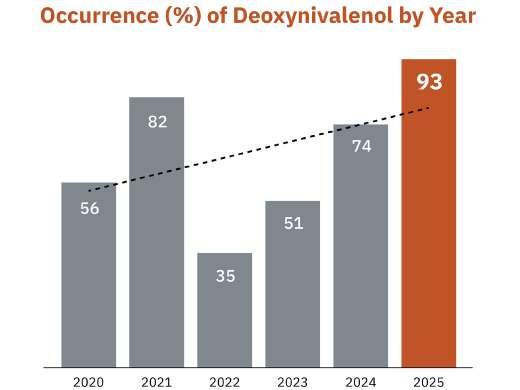
crop, storage and climate, but across datasets, the most frequent are B trichothecenes such as deoxynivalenol (DON), along with fumonisins, aflatoxins, ochratoxin A (OTA) and zearalenone (ZEA).
At the same time, the increased capabilities of modern detection has revealed the widespread presence of ‘masked,’ or conjugated mycotoxins, as well as emerging compounds such as fusaric acid, enniatins, beauvericin and moniliformin. The toxicological significance of some of these metabolites remains under investigation, but their prevalence indicates that animals are exposed to complex and unpredictable mixtures rather than to single compounds in isolation.
Limitations in Regulatory Frameworks
Despite the well-established toxicity of major mycotoxins, regulatory frameworks remain limited. In regions such as the EU and the U.S., only aflatoxin B1 (AFB1) in animal feedstuffs, and its metabolite aflatoxin M1 (AFM1) in milk, are subject to strict legal limits. Other compounds, including DON, ZEA, OTA, patulin and fumonisins, are currently governed by guidance levels or non-binding recommendations. Lesser-studied or emerging mycotoxins such as fusaric acid (FA), beauvericin, moniliformin and enniatins are frequently detected but not yet regulated.
One of the critical limitations in current regulatory policies is the incapacity to account yet for the co-occurrence and potential interactive effects of multiple mycotoxins within a single feed matrix, because of the complexity of mixtures encountered in the field and the dose-dependent relationship between toxins and their effects on animals. Numerous in vitro and in vivo studies have demonstrated that mixtures of mycotoxins can exhibit additive, synergistic or antagonistic toxicological interactions, thereby amplifying their adverse effects on animal health and productivity beyond what would be predicted from individual toxin levels. While acute mycotoxicosis – often resulting in overt clinical signs and pathology – is well documented, chronic, low-dose exposure has now been characterised in the scientific literature as a major concern in livestock production and economics. Such exposure has been linked to subclinical effects including
Figure 1. Alltech 37+ analysis of DON in European wheat and barley, 2022–2025
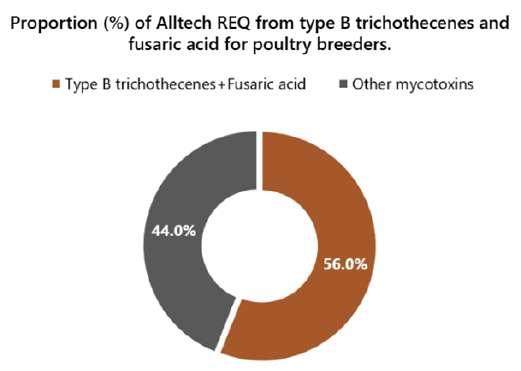
Figure 2. Alltech REQ global data for type B trichothecenes and fusaric acid in poultry breeders
We highly value the protection of your confi dential data. Learn more about the 4ReValue Journal – your opportunity to safeguard data from publication on OPEN EFSA.
REUSE OF STUDY DATA
CALLS FOR COMMON SPO NSORSHIP
REDUCTION of the number of animals used in standardized tests for pure substances – a practical solution to the ”one substance, one assessment” approach.
REFINEMENT through improvement of animal testing methods and recording results to enhance data reusability. The aim is to avoid or minimise the stress on animals during an experiment.
4ReValue GmbH info@4revalue.com www.4revalue.com
REPLACEMENT of animal tests by buying or selling existing test results – as anonymous as possible, as transparent as necessary.
REUSE of standardized test results by trading them between companies. This approach combines and leverages REDUCTION, REFINEMENT and REPLACEMENT –taking it to the next level.
LIVESTOCK AND DISEASES & DISEASES
immunosuppression, reproductive dysfunction, impaired gut integrity and reduced nutrient absorption, ultimately compromising animal performance and economic returns.
Emphasising Mitigation, Not Complete Prevention
Given the resilience of mycotoxins, complete prevention is unrealistic. Agronomic and storage interventions can reduce but not eliminate risk. Therefore, mitigation strategies incorporated into feed remain essential. Effective solutions have to demonstrate efficacy against a wide spectrum of toxins, function under gastrointestinal conditions, and be supported by mechanistic data as well as in vivo validation. In the portfolio of available mitigation strategies, early mitigation relied heavily on yeast cell wall components, particularly β-glucans, which adsorb toxins through non-covalent interactions made of hydrogen bonding and hydrophobic forces. These have shown to be an important initial step, but in some cases could be limited against the full diversity of contamination encountered. Climate change, shifting agronomic practices, and the globalisation of feed trade continue to reshape fungal ecology, further emphasising the need for more robust solutions.
Alltech’s Mycosorb® Evo range: The Next Evolution in Mycotoxin Mitigation
To address this challenge, Alltech and its research team
developed Mycosorb® A+ Evo and Mycosorb® Evo as the next generation of its mycotoxin mitigation technology. The Mycosorb Evo range builds on the foundation of the original Mycosorb® but introduces a patent-pending formulation that combines functionalised yeast cell wall components with a novel bacterial ingredient. Through a process of targeted screening and optimisation, this formulation was shown to achieve synergistic interactions that significantly expand the range and strength of adsorption compared with conventional yeast-based products. The addition of algalderived material in Mycosorb A+ Evo provides enhanced binding against difficult-to-bind toxins such as citrinin and penitrem A, adding modularity and versatility to the approach. The outcome is a composite material that reflects decades of research, yet responds directly to the realities of modern contamination.
Results of Biochemical Assays
Extensive biochemical assays confirmed that the Mycosorb Evo range delivers superior adsorption capacity. DON binding was improved twofold, and FA binding nearly threefold, compared to conventional yeast-based technologies. This is especially relevant because FA alone is not highly toxic, but in combination with DON it exacerbates cytotoxicity, making its mitigation particularly valuable. Broad-spectrum performance was also observed: aflatoxins were bound at levels exceeding 78%, OTA up to 66%, trichothecenes between 33% and 93%, and ZEA between 43% and 88%. Aspergillusand Penicillium-derived toxins were sequestered with adsorption between 79% and 100%, and ergot alkaloids showed binding levels ranging from 45% to 87%. Emerging Fusarium metabolites such as enniatins demonstrated adsorption values ranging from 39% to 100%. In addition, algal supplementation improved the binding of citrinin to as much as 88% and of penitrem A to 74%. Together, these results confirm the broad spectrum of efficacy and indicate that the components act synergistically to yield adsorption beyond the performance of individual ingredients.
Synergistic Mitigation of Mycotoxins in IPEC-J2 Cells
Beyond binding assays, biological relevance was assessed using swine jejunal epithelial cells, which are physiologically pertinent because the small intestine is the site of first exposure to ingested mycotoxins. When cells were exposed to DON alone, Mycosorb Evo restored viability by an average of 33%. Under combined exposure to DON and FA, viability improved by 47%, with recovery reaching up to 58% at lower toxin concentrations. These findings confirm that Mycosorb Evo reduces the cytotoxicity of mycotoxins under biologically relevant conditions and demonstrates protective effects even when multiple toxins are present.
In Vivo Validation in Broiler Chickens
In vivo validation was obtained through a broiler chicken trial. Birds were fed diets naturally contaminated with a mixture of Fusarium toxins, including DON, FA and ZEA. While body weight gain and feed intake did not differ significantly across treatments, improvements in feed conversion ratio were observed in birds receiving the formulation, particularly between days 22 and 28. Inflammatory biomarker analysis revealed modulation trends of calprotectin levels in blood and caecal tissues, suggesting mitigation of mycotoxin-induced immune disruption, possibly through reduced neutrophilic infiltration and local intestinal inflammation. Cecal volatile fatty acid profiles and genes related to butyrate synthesis remained stable, indicating preserved microbial function. Blood analysis demonstrated lower concentrations of DON in treated groups, confirming reduced systemic absorption. Collectively, these findings demonstrate a multimodal protective effect that includes improved efficiency, immune
LIVESTOCK & DISEASES
function support, and limited translocation of toxins across the gut barrier.
Assessment with the REQ Model
To quantify overall impact, Alltech applied its Risk Equivalent Quantity (REQ) model, a composite index that integrates concentrations of multiple mycotoxins into species-specific and age-specific measures of burden. Application of this model demonstrated that the Mycosorb Evo range reduced residual risk by between 50% and 75%, depending on the toxin profile and species considered. This substantial reduction highlights the relevance of the formulation under commercial conditions, where animals are typically exposed to multiple interacting toxins.
Taken together, the evidence positions the Mycosorb Evo range as a next-generation advance in mycotoxin mitigation, a technology that preserves the foundation of yeast-based sequestration while incorporating additional biological components that expand efficacy and ensure relevance against emerging challenges. The formulation demonstrates superior adsorption across a broad spectrum of toxins and quantifiably decreases systemic exposure in animal models. These outcomes reflect a strategic shift from singlemode binding agents toward synergistic, multi-component solutions capable of addressing the complexity of modern contamination.
Setting a New Standard
The implications for animal agriculture are significant. As mycotoxins cannot be eliminated from feed, mitigation technologies must evolve in parallel with the changing landscape of contamination. Mycosorb A+ Evo and Mycosorb Evo exemplify this evolution, offering a scientifically validated and biologically relevant tool to reduce the burden of exposure. By lowering cumulative risk by up to 75%, preserving intestinal integrity and supporting feed efficiency, the new Mycosorb Evo range establishes a new standard for in-feed mitigation.
For researchers, the development of these technologies underscores the value of iterative, evidence-driven approaches that integrate biochemical, cellular and animal data into comprehensive solutions. For producers, these solutions offer greater assurance in safeguarding animal health and protecting productivity in an environment where mycotoxins remain a constant, if often invisible, threat.
Product availability and details may vary by country. Contact your local Alltech representative for specific information.
REFERENCES
1. Eskola, M., Kos, G., Elliott, C. T., Hajšlová, J., Mayar, S., & Krska, R. (2019). Worldwide contamination of food-crops with mycotoxins: Validity of the widely cited “FAO estimate” of 25%. Critical Reviews in Food Science and Nutrition, 60(16), 2773–2789. https://doi.org/10.1080/10408398.2019.1658570
2. Boutrif, E., & Canet, C. (1998). Mycotoxin prevention and control: FAO programmes. Revue de Médecine Vétérinaire, 149(6), 681–694.
Dr. Alex Yiannikouris
Dr. Alex Yiannikouris is occupying the position of Research Group Director, Division of Chemistry and Toxicology, and Global Mycotoxin Management Research Director at Alltech Inc.
Dr. Yiannikouris obtained is Doctoral degree in Biochemistry in 2004 from Blaise-Pascal University, co-supported by Alltech Inc. and the National Institute of Agronomic Research (INRA) in France, following his bachelor and master's degrees in Cellular Biology, Microbiology and Parasitology and a master's degree in Pharmacology, Human Nutrition and Food Science.
Safeguarding Salmon: Tackling Health Challenges in a Growing Aquaculture Industry
As the global demand for seafood continues to rise, aquaculture has emerged as a vital contributor to food security and economic development. Among the most valuable aquaculture species is the Atlantic salmon, with Scotland alone producing over 205,000 tons annually (source Scottish Government Marine Directorate). However, the rapid expansion of salmon farming has brought with it a host of health and welfare challenges. Infectious diseases, environmental stressors, and the limitations of traditional treatment methods threaten both fish welfare and industry sustainability.
This article explores the most pressing health issues affecting farmed salmon, the innovative solutions being developed, and the future directions for research and industry collaboration.
The Health and Welfare Landscape in Salmon Aquaculture
Fish health is a cornerstone of aquaculture success. It directly influences productivity, profitability, and animal welfare. However, the intensification of farming practices has increased the prevalence and impact of infectious diseases. Bacterial, viral, fungal, and parasitic pathogens are estimated to cause annual losses of 5–7% in finfish aquaculture, equating to approximately 10 billion USD globally.
Alongside ‘traditional,’ diseases of farmed salmon, such as (but not limited to) sea lice infection, Piscine Myocarditis Virus (PMCV) and Amoebic Gill Disease (AGD), environmental changes such as rising sea temperatures and shifts in ocean chemistry further exacerbate disease risks by creating favourable conditions for opportunistic pathogens. Among these, micro jellyfish and other gelatinous zooplankton have emerged as significant contributors to gill disease, a condition that compromises respiratory function and overall fish health.
With a move away from using chemical treatments to protect against environmental damage and antimicrobial resistance, research is focusing on alternative methods of disease control and monitoring.
The aquaculture industry is increasingly focused on noninvasive health and welfare monitoring. Technologies such as remote sensing, machine vision, and biosensors are being explored to detect early signs of stress or disease without handling the fish.
In terms of disease control vaccine development is key, however in parallel alternative solutions such as functional feeds, probiotics, and selective breeding are gaining traction. These approaches aim to enhance the innate immunity of fish and reduce reliance on pharmaceuticals.
Vaccination as a Preventive Strategy
Vaccines are a cornerstone of disease prevention in aquaculture. They offer a proactive approach to health management, reducing the need for antibiotics and chemicals, which can contribute to antimicrobial resistance and environmental degradation. Effective vaccines must provide long-term protection with minimal side effects and be cost-effective to produce and administer. Factors such as fish species, life stage, pathogen serotype, and route of administration all influence vaccine design.
Vaccines for aquatic species have seen significant advancement, with commercial options now available for approximately 30 different bacterial and viral pathogens, the majority are tailored for salmon and trout. Multivalent vaccines, formulations that protect against multiple diseases are commonly used. Moreover, there is growing innovation in vaccines for marine fish such as European sea bass, sea bream, turbot, halibut, yellowtail, and grouper. In parallel, numerous vaccines are under development to address a broader range of pathogens and fish species, signalling
40 years of building powerful industry partnerships.
Broadest portfolio of self-injection products built on platforms
Serving pharma globally for all their originator and biosimilar needs
Over 70 products launched in 15 different therapeutic areas
Global manufacturing footprint spanning Switzerland, Germany, China and North America
Fully integrated strategic partner network
For more information visit www.ypsomed.com/yds Ypsomed AG // Brunnmattstrasse 6 // 3401 Burgdorf // Switzerland T +41 34 424 41 11 // info@ypsomed.com
www.international-animalhealth.com
LIVESTOCK AND DISEASES AQUACULTURE
continued growth in this important field of aquaculture health.
Vaccination in aquaculture offers a range of benefits that extend beyond individual fish health. By curbing disease transmission, vaccines help protect both vaccinated and nonvaccinated populations, leading to overall lower infection rates. This reduction in disease-related losses directly boosts farm profitability, as fewer fish succumb to illness and productivity increases. With a shift toward preventive strategies rather than reactive treatments, farms can better manage health outcomes while enhancing animal welfare. Additionally, reliance on antibiotics and chemicals diminishes, which helps address the growing concern over antibiotic resistance. This more sustainable approach also translates into decreased environmental impact from aquaculture operations.
Experimental Disease Models: A Research Backbone
To test new treatments and preventive measures, researchers rely on robust experimental disease models. These models simulate real-world conditions and allow for the controlled study of pathogen-host interactions.
Experimental models play a vital role in advancing health surveillance, prevention, and treatment strategies. They are also vital in the development and testing of new vaccines and novel vaccine technologies, as well as for marker-led breeding programs aimed at genetic improvement and disease resistance. They can also be used to evaluate functional feeds and dietary interventions that enhance immunity and overall health as well as validating new medicines and the efficacy of feed and water additives.
A Path Forward for Sustainable Aquaculture
The future of salmon aquaculture hinges on the industry's ability to manage health and welfare challenges effectively. Vaccines represent a major area of growth, offering a sustainable alternative to antibiotics and chemicals. However, their success depends on continued investment in research, innovation, and collaboration between academia, industry, and regulatory bodies.
By embracing advanced disease models, novel vaccine technologies, and holistic welfare strategies, the aquaculture sector can safeguard fish health, protect the environment, and ensure long-term profitability.
As the sector evolves, so too must our approaches to fish health – balancing scientific rigor with practical application to meet the demands of a growing global population.
Moredun Scientific is a contract research organisation that specialises in the use of experimental disease models for the uses described above. They have a range of established experimental models and regularly work towards developing new models.
Dr. Bill Roy
Bill Roy is Head of Aquaculture at Moredun Scientific and is responsible for service development and delivery of contract research on farmed fish health and welfare. He has a Ph.D. from the Institute of Aquaculture, and more than 30 years of experience in contract research to evaluate and support the registration of fish vaccines, veterinary medicines, and feed additives for use in salmon production.
Dr. Charlotte Burgess
Charlotte Burgess is the Head of Business Development for the Moredun Group and is responsible for building strategic partnerships and supporting the commercialisation of research outputs. She has a PhD in Quantitative Genetics from Roslin Institute and worked for many years in animal health research prior to taking a more commercial focus.
PYROSTAR™ Neo+
Recombinant Endotoxin Detection Reagent, Plus...
PYROSTARTM Neo+ is based on a genetically engineered approach to produce reactive factors required for endotoxin detection at pharmaceutical and medical equipment manufacturing sites. With greater stability of the negative control and better
endotoxin recovery in heparin and heparin-based compounds, Neo+ facilitates the same sensitivity of endotoxin detection as our traditional limulus amebocyte lysate (LAL) reagent, through a more sustainable and environmentally friendly method.
• Colorimetric method, can be used with an absorbance plate reader
• 3-Factor system mimics the same cascade reaction as traditional LAL
• Endotoxin-specific reagent eliminates the risk of false positives from (1-->3) ß-D-Glucan
• 100% free of horseshoe crab blood
• Quantitative range: 0.001 to 50EU/mL
• High sensitivity with less lot-to-lot variation
• Stable storage after dissolution (4 hrs. at 2-8°C and 2 weeks at -30°C)
Recombinant Protein-Reagent
Food Allergies and Intolerances in Pets
Adverse food reactions are categorised as reactions to dietary ingredients by specific individuals which are harmless to others. This term covers toxic reactions, food allergies and food intolerances. A food allergy is an immune system response to one or more proteins that have been ingested by the pet. These proteins are referred to as antigens because they cause antibody production, and an allergen is an antigen that causes an immune reaction and is therefore allergy-inducing (Cave 2006). In an allergy response, the immune system incorrectly recognises the food protein as an antigen and causes a chain reaction in the body, commonly an immunoglobulin E (IgE) mediated response which leads to allergy symptoms. A food allergy develops in two stages: when the allergen is first consumed, it triggers the production of IgE antibodies which are specific to the protein ingested. This is known as the sensitisation period, and these antibodies bind to basophils and mast cells. If the allergen is consumed again, it binds to its specific IgE antibodies and cross-linking of these antibodies causes release of histamines and leukotrienes, chemical mediators, from basophils and mast cells activated during the cascade of reactions caused by the immune response. Cross-linking of receptors and allergens is needed to activate mast cells and basophils, meaning that two or more IgE antibodies need to bind to one allergen to cause a reaction (Matsuo et al. 2015; Waserman and Watson 2011). When a pet develops a food allergy, it is most commonly as a result of long-term exposure to a protein (Raditic et al. 2011).
Food intolerance is not an immune-mediated response, but typically a cell-mediated response. Food intolerance is a reaction to the pharmacological effects of food components, or enzyme defects within the body. All foods contain chemicals with the potential to cause pharmacological activity, which may or may not cause a gastrointestinal reaction and related symptoms. The mechanism of action that causes a food intolerance in this manner is not fully known (Lomer 2015). Enzyme defects are characterised, for example, by the pet not having sufficient enzymes in the gastrointestinal tract to digest a particular ingredient that has been consumed. Lactose intolerance is a good example. When cats and dogs are first born, the milk from their mother contains lactose, and they are able to digest it efficiently. However, once weaned they will not typically be exposed to lactose again unless fed dairy-containing products by owners, so the lactase enzyme that ingests lactose is surplus to requirement. Therefore, the body reduces production of this enzyme. In some cases, production of lactase can cease altogether, or reduce to extremely low levels. Therefore, when lactose is consumed the body cannot sufficiently digest it, leading to lactose passing through the gastrointestinal tract into the intestine. This causes an increase in the water content of the intestine, and the microflora present in the intestine can ferment the lactose and produce gas. This leads to the symptoms of flatulence and diarrhoea often seen in pets with lactose intolerance (Deng et al. 2015). However, lactose intolerance can be reversible, as the presence of lactose in the diet can cause increased production of the lactase enzyme once the
initial symptoms and inflammation have subsided (Lomer 2015).
Allergy symptoms develop much more rapidly than those of food intolerance. Symptoms of food intolerance are gastrointestinal reactions involving abdominal pain, bloating, vomiting and diarrhoea. This is largely due to food intolerances more commonly affecting the gastrointestinal tract organs such as the bowel, causing symptoms deriving from this area (Guilford et al. 2001). Whereas allergy symptoms can manifest in a number of ways because the immune system is affected, including gastrointestinal, respiratory, nervous and skin reactions, which are all caused by the release of histamine. Gastrointestinal reactions are often unpleasant for the owner as they have to clean up what can sometimes be large amounts of vomiting and diarrhoea. Respiratory reactions can involve coughing, wheezing and difficulty breathing, and discharge from the nose and eyes. Allergy symptoms can also manifest in the central nervous system and affect balance and movement or cause nerve pain. Skin reactions, known as pruritis, which is a general term for itching, are only seen in the case of food allergy and not intolerance, typically shown through inflammation which causes the skin to become hot, red, dry and flaky (Gaschen and Merchant 2011). Skin reactions cause the pet to become itchy, and they can make symptoms worse by repeatedly scratching or licking the affected area. Skin reactions are the most common symptoms of food allergies, occurring in up to 90% of cases. In cats, it has been suggested that food allergies are the second highest cause of allergy-related dermatitis, seen in up to 11% of cases (Guilford et al. 2001). The symptoms shown as a result of allergic reactions are varied and can also be similar to symptoms of other ailments, so are not always the first thought of a vet during examination. A vet will treat the symptoms first, for example using steroids to help improve breathing. With pruritis, the first course of action will be to rule out parasite infestation such as fleas or ticks, and any infections. Treatment will involve soothing the skin to prevent the animal causing further damage through licking and scratching. Once treatment options have been explored for the initial symptoms, if they have not worked then vets would look into the possibility of a food allergy.
Diagnosing a food allergy in a pet can be a difficult process, as there is no one test that can be carried out. Skin and blood tests can be used to ascertain that there is an allergy present due to detecting immune markers, but these tests cannot identify the source of the allergy and are generally unreliable and not recommended in practice (Hill, 1999). The most common and effective method used by veterinarians to diagnose food allergies is the use of elimination diets, which is a longer process but helps to pinpoint the ingredient(s) that the pet is sensitive to (Wills and Harvey 1994). An elimination diet is feeding alternative sources of proteins and carbohydrates that the pet has not been fed in the past. These diets are often very simple and use one protein and carbohydrate source. Ingredients that can be used in elimination diets include rabbit, venison, pork and fish, with carbohydrates such as sweet potato, white potato, and pea. The elimination diet is fed for a period of up to 12 weeks to allow clinical symptoms of the allergy to dissipate. If the symptoms of the allergy are alleviated, it indicates that an ingredient in the previous
FOOD & FEED
diet is the cause of the allergy symptoms. This theory can then be tested by re-introducing the diet, and if clinical signs return within two weeks, then it confirms the diagnosis of food allergy to a particular ingredient (Wills and Harvey 1994). The elimination diet diagnoses the presence of a food allergy but does not necessarily indicate the ingredient that the pet is sensitive to. This can be done by introducing new protein sources one at a time. Once the base elimination diet has been established and fed without causing any symptoms, a new protein can be introduced to the diet. For example, if the base diet is salmon, then some chicken can be introduced. If no symptoms reappear during the first four days of including chicken in the diet, then it indicates that the pet is not allergic to chicken, but if they do then it points to a chicken allergy. This can be tried one protein source at a time including meats, fish and vegetables, and will allow owners to create a database of ingredients that their pet can and cannot consume. This is a long process to carry out but, will identify what products the pet is sensitive to, allowing the owner to
have a more informed choice and potentially opening up a greater choice when looking for varieties of products to feed their pet. Feeding an elimination diet to outdoor cats may prove more difficult compared to indoor cats and dogs, as cats have the freedom to pick up and eat alternative food sources when outside. With outdoor cats, it could also be the case that it is not an ingredient in the commercial diet fed by the owner that is causing the allergic reaction, but something they are eating when they are roaming, either that they are catching or picking up from food that other people are leaving within their reach. The diagnosis of food intolerance also follows the dietary exclusion method, but in some cases a reduction in the consumption of an ingredient can be enough to improve symptoms. This is because there can be a threshold for reactions to intolerances such as lactose that can be dependent on the amount consumed at any one time and the amount of lactase that is produced by the body (Lomer 2015). For example, if small amounts of lactose are consumed at several periods throughout the
day, this may not cause an intolerance reaction in a pet that has low-level lactase production, but consuming a larger amount of lactose-containing foods in one sitting may cause an intolerance reaction, as it may be more than the body can digest at one time.
Treatment options will focus on alleviating or calming the symptoms; for example, with skin lesions this can lead to secondary infections if bacteria invade any open wounds. The only treatment for the food allergies themselves is to avoid feeding the allergen in any format. This can be challenging for owners when looking into the ingredient label of a product. Some brands prefer to label their products in a category format, meaning that each ingredient in the food is not specified on the packaging. This is not illegal in any way and there are clear descriptions of what type of ingredient goes into which category, but it is not helpful to those owners who have pets with allergies, as they cannot tell by looking at the packaging whether their pet can consume the treat or complete food. Therefore, in order to find the information, the customer needs to contact the company to ask if the ingredient is included, which can put some customers off from buying the product as the information is not readily available. An increase in the occurrence of food allergies and intolerances to common pet food ingredients has led to the introduction of novel ingredients, and hypoallergenic or hydrolysed protein dog and cat foods. Novel ingredients include those animal protein sources that are typically more expensive and have not been used as commonly in pet foods, such as pork, venison, duck and fish in pet diets. There are no guidelines set out by FEDIAF that control the use of the term ‘hypoallergenic’ and what types of foods it can be associated with. The Oxford Dictionary term for hypoallergenic is “relatively unlikely to cause an allergic reaction”. Therefore, as there is nothing restricting the use of the term, it can be used to describe foods that do not contain the ingredients that have been determined as common allergens for that species. However, the literature is unclear as to what the common allergens for pets are, with sources identifying a range of proteins as ‘common’ allergens, but there are some overlaps between what have been identified. It is thought that common allergens in dogs are beef, chicken, dairy products, soybean, egg and wheat (Raditic et al. 2011; Mueller et al. 2016). In cats, common allergens have been identified as beef, fish, wheat, maize and dairy products (Mueller et al. 2016; Wills and Harvey, 1994). All of the ingredients listed are very common ingredients in pet food diets and have been for a long time period. This is because historically, diets have been made up of lower-cost materials such as chicken meal, meat and bone meal (containing beef) and cereals including wheat, which could have caused over-exposure to these proteins and led to allergies. It is only the emergence of different price points with development of premium and super-premium foods that has introduced new and varied protein sources into the market, mostly driven by the pet-owning population wanting to introduce variety to their pets’ diet, as well as continuous nutritional research. Diets that claim to be hypoallergenic should not include any of the ingredients that are described as common allergens, and should be able to reduce the allergy symptoms. Some hypoallergenic diets, mostly those that are a veterinary-based diet, use hydrolysed proteins. Hydrolysed proteins are proteins which have undergone a process to disturb the structure of the protein. This changes its shape, preventing the body from being able to recognise it. This means that pets that are allergic to, for example, chicken, should be able to consume foods that contain hydrolysed chicken protein without suffering allergy symptoms. These types of foods can also be fed as part of an elimination diet to identify the protein that is causing the allergy symptoms. They can also be fed as a full-time diet by owners who want
FOOD & FEED
to alleviate their pets’ symptoms and potentially do not want to reintroduce proteins that may cause an issue to find out the true cause of the allergic reaction, or if a pet has a number of allergies and the owner cannot find a suitable food that does not contain any of the allergens.
Food allergies in pets can cause discomfort, both physically for the pet, and emotionally for the owner. Symptoms are generalised, so an allergy is not always the first thought of a veterinary professional upon initial examination, and the only way to identify presence of a food allergy and the exact ingredient is through dietary elimination trials. These can be time-consuming and potentially costly to the owner through buying several foods containing different ingredients. However, once the ingredients have been identified, it will give the owner more freedom to provide variety in their pet’s diet if they wish and prevents the continued discomfort of the pet through alleviation of allergy symptoms.
REFERENCES
1. Cave NJ. Hydrolyzed Protein Diets for Dogs and Cats. Veterinary Clinics Small Animal Practice (2006) 36:1251-1268
2. Deng Y, Misselwitz B, Dai N and Fox M. Lactose Intolerance in Adult: Biological Mechanism and Dietary Management. Nutrients (2015) 7:8020-8035
3. Graschen FP, Merchant SR. Adverse Food Reactions in Dogs and Cats. Veterinary Clinics: Small Animal Practice (2011) 41:361-379
4. Guilford WR, Jones BR, Markwell PJ, Arthur DG, Collett MG, and Harte JG. Food Sensitivity in Cats with Chronic Idiopathic Gastrointestinal Problems. Journal of Veterinary Internal Medicine (2001) 15:7-13
5. Hill P. Diagnosing Cutaneous Food Allergies in Dogs and Cats – Some Practical Considerations. (1999) 21: 287-294 In Practice
6. Lomer MCE. Review Article: The Aetiology, Diagnosis, Mechanisms and Clinical Evidence for Food Intolerance. Alimentary Pharmacology and Therapeutics (2015) 41:262275
7. Matsuo H, Yokooji T, and Taogoshi T. Common Food Allergens and Their IgE-Binding Epitopes. Allergology International (2015) 64:332-343
8. Meuller RS, Olivry T and Prelaud P. Critically Appraised Topic on Adverse Food Reactions of Companion Animals (2): Common Food Allergen Sources in Dogs and Cats (2016)
9. Raditic DM, Remillard RL, Tater KC. ELISA Testing for Common Food Antigens in Four Dry Dog Foods Used in Dietary Elimination Trials*. Animal Physiology and Animal Nutrition (2011) 95:90-97
10. Waserman S and Watson W. Food Allergy. Allergy, Asthma and Clinical Immunology (2011) 7:S7
11. Wills J, and Harvey R. Diagnosis and Management of Food Allergy and Intolerance in Dogs and Cats. Australian Veterinary Journal (1994) 71:322-326
Jennifer Dean
Jennifer Dean graduated from the University of Nottingham with a bachelor of science with honours degree in animal science and a master’s degree in animal nutrition. She joined Pets Choice in 2016 in the role of NPD Technologist. Jennifer is involved in all areas of new product development, including complete foods and treats for cats and dogs, as well as improving current products and answering customers’ nutritional enquiries.
Page 25 4ReValue
OBC Alltech
Page 19 Carterra
Page 23 Christ Packaging Systems
Page 17 Cypheme
Page 11 Discovery Park
Page 31 FujiFilm
IFC GD Animal
Page 33 Kisaco
Page 3 Moredun
Page 7 Nordson
Page 5 PCI
IBC Pharma Pack
Page 15 Trilogy Writing and Consulting
Page 29 Ypsomed
IAHJ is also now active on social media. Follow us on: www.twitter.com/AHMJournal www.facebook.com/Animal-Health-Media www.plus.google.com/+Animalhealthmediajournal www.animalhealthmedia.tumblr.com/
Subscribe today at www.international-animalhealth.com or email info@senglobalcoms.com I hope this journal guides you progressively, through the maze of activities and changes taking place in the animal health industry.