Recruitment and Retention in Clinical Trials: A Participant-Centred Approach
Overcoming Drug Distribution Hurdles: In Hard-to-reach Clinical Trial Markets Future of Blockchain Technology: In Clinical Trials www.journalforclinicalstudies.com
Journal for Clinical Studies
MANAGING DIRECTOR
Mark A. Barker
BUSINESS DEVELOPMENT
Anthony Stewart anthony@senglobalcoms.com
MANAGING EDITOR
Alice Philips alice@senglobalcoms.com
EDITORIAL
Melissa Cavner melissa@senglobalcoms.com
DESIGNER
Jana Sukenikova www.fanahshapeless.com
RESEARCH & CIRCULATION MANAGER
Carla Devine carla@senglobalcoms.com
FINANCE DEPARTMENT
Akash Sharma accounts@senglobalcoms.com
PUBLISHED BY
Senglobal Ltd., 46 Plover Way, London, SE16 7TT, UK
Journal for Clinical Studies – ISSN 1758-5678 is published quarterly by Senglobal Ltd.
4 FOREWORD
MARKET REPORT
6 The Future of AI Initiatives in Clinical Research
Since GenAI models have been released, there has been increased potential for AI models to embed themselves in the daily activities of clinical development, dependent on life sciences companies’ appetite for innovation and risk. Karen Ooms of Quanticate discusses how AI can support biometrics practices in clinical data management, biostatistics, programming, medical and regulatory writing and trial designs and how initiatives can remain inspection-ready at submission. Ultimately, the measure of success will be whether AI delivers clearer evidence, faster insights and submission packages that withstand scrutiny while serving the needs of patients and regulators alike.
10 Embracing Quantitative Signal Detection Methods as
a Smaller MAH
The major regulators have a minimum expectation that all pharma companies will be taking a proactive approach to real-world safety monitoring. As part of this, they ideally need to employ structured statistical methods to understand the findings and their significance, in context. John Cogan of Qinesca discusses that by sharpening QSD capabilities will stand companies in good stead for the future too. That’s both as data volumes increase, and as continued scientific breakthrough extend populations’ longevity uncovering new health challenges, or adverse events not previously considered.
REGULATORY AFFAIRS
12 Independent Data Monitoring Committee Member Selection: Practice and Challenge
The selection of appropriate IDMC members involves a number of critically important criteria. IDMC members should collectively have a combination of medical, statistical and ethical expertise, past or present experience with clinical trials and serving on other IDMCs, independence from potential conflicts of interest (COI) and certain personal characteristics. Maxim Kosov, Kim Rolland and Kari Zielke of PSI discusses that in order for optimal results to be achieved during the selection process it must be performed by highly trained professionals who have experience in searching for and selecting IDMC members. A database of experts who may be considered for IDMC membership may be a reliable and effective tool to achieve the desired result.
16 Communication is Key to Unlocking Clinical Trial Success
The opinions and views expressed by the authors in this journal are not necessarily those of the Editor or the Publisher. Please note that although care is taken in the preparation of this publication, the Editor and the Publisher are not responsible for opinions, views, and inaccuracies in the articles. Great care is taken concerning artwork supplied, but the Publisher cannot be held responsible for any loss or damage incurred. This publication is protected by copyright.
Volume 17 Issue 4 Winter 2025, Senglobal Ltd.
www.journalforclinicalstudies.com
Communication in clinical trials is not a peripheral skill, but a central operational competency. From aligning sponsors and sites to supporting patient-centric design, it underpins every stage of the trial journey. Laura Tomat of Indero discusses the success of a trial depends not only on the strength of its protocol or the innovation of its therapy, but on the quality of its communication. As the industry, technology and communication strategies continue to evolve, those who master these key skills will be best placed to successfully deliver new treatments to patients with speed, accuracy and trust.
18 Artificial Intelligence and Ethical Review
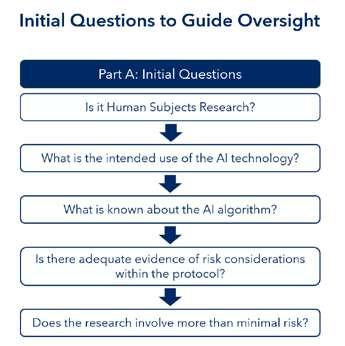
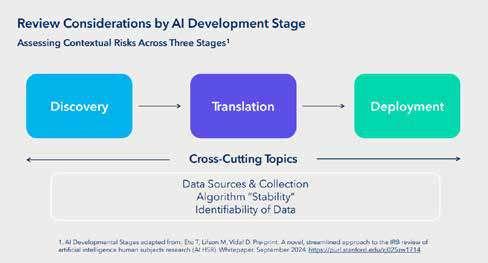
As artificial intelligence (AI) becomes increasingly integrated into clinical research, Institutional Review Boards (IRBs) face new challenges in evaluating associated risks and ethical implications.
Donna Snyder, Trevor Baker and Barbara Bierer of WCG discuss how the Framework for Review of Clinical Research Involving Artificial Intelligence, developed by the MRCT Centre and WCG in collaboration with experts in the field, provides essential guidance for addressing the challenges posed by AI in research. It discusses applicable and pertinent considerations: human agency and oversight, technical robustness and safety, privacy, confidentiality, and data governance, transparency, representativeness and fairness, and informed consent.
THERAPEUTICS
22 Paediatric Oncology Faces Unique Challenges that Set it Apart from Adult Cancer Care
Paediatric cancer remains a rare but devastating diagnosis, affecting roughly 1,100-1,200 children and adolescents (0-18 years old) annually in Spain. Despite remarkable progress in treating diseases such as acute lymphoblastic leukaemia (ALL), which now sees survival rates above 80%. Dr. Marta Osuna Marco of START Paediatrics discusses that the future of paediatric oncology in Spain will depend on sustaining regulatory momentum, supporting academic and industrysponsored research, and ensuring that children everywhere have equitable access to trials. By coupling innovation with collaboration and compassion, Spain has the potential to become a leading hub for paediatric oncology research in Europe.
26 Rethinking Recruitment and Retention in Competitive Oncology Clinical Trials
Trial success hinges not just on recruitment but also on retention. This is particularly true for trials that run six months or longer. Claudia Hegemberger and Johannes Wolff of Wolff LLC discuss that in order to improve oncology clinical trial execution and meet study endpoints with greater confidence, sponsors must move beyond traditional thinking. That means engaging experts early, grounding protocol design in operational feasibility, and leveraging untapped patient access channels. It also requires viewing complexity, competition, and retention not as isolated challenges, but as interconnected risks that must be managed from day one.
CLINICAL TRIAL MANAGEMENT
30 Exploring the Use of Patient Reported Outcomes for Primary Endpoints
The potential implications for study integrity of using ePRO data for primary endpoints is discussed and some lessons learned are shared from the case studies of three multi-centre, multinational prevention trials in the field of paediatric respiratory disease. Barbara Arch of Phastar discusses how the use of ePRO data for primary endpoints has great potential. But we need to explore in more detail how these real-time data collection methods improve event measurement and how to protect study integrity while unlocking new insights.
32 Recruitment and Retention in Clinical Trials: A Participant-Centred Approach
Recruitment and retention are among the most persistent operational challenges in clinical trials, directly influencing timelines, budgets and data quality. Elizabeth Romano of Richmond Pharmacology discusses the strategic and operational benefits of integrating participant-centred principles throughout study development, with specific attention to UK regulatory expectations, Patient and Public Involvement and Engagement (PPIE) and the growing role of Patient
Advisory Groups (PAGs). Drawing on UK policy, best practice and operational insights, it aims to support clinical operations leaders in designing trials that are inclusive, efficient and aligned with the evolving UK research landscape.
TECHNOLOGY
36 Transforming Clinical Operations through the Synergy of Generative and Agentic AI
Agentic AI represents the next frontier in the evolution of AI. Unlike traditional or generative models that rely solely on user prompts and static outputs, Agentic AI systems can autonomously plan, act, and adapt toward predefined objectives. Ashok Ghone of MedInventas discusses that in order to overcome challenges in data integrity, model coordination, regulatory compliance, ethical governance, and organisational adaptation. Addressing these barriers through crossfunctional collaboration among AI developers, clinical experts, quality leaders, and regulators will be key to realising the full potential of AIdriven clinical operations transformation.
40 Future of Blockchain Technology in Clinical Trials
At present, when everything seems to be about artificial intelligence (AI), it is easy to forget that there are other technologies that will likely impact on how clinical trials will be conducted in the future. One of them is blockchain. Martti Ahtola of Tepsivo Oy discusses how the use of blockchain can go more unnoticed due to its use for enabling features, that will allow more secure and efficient work with health data. Implementation of blockchain to healthcare and other systems could be a great improvement with a huge impact.
LOGISTICS & SUPPLY CHAIN
44 Overcoming Drug Distribution Hurdles in Hard-to-reach Clinical Trial Markets
Africa’s position in the global drug development landscape is transforming. Increasingly, sponsors are viewing the region through the lens of opportunity, especially where vaccines and biologics are concerned. Opportunity to diversify trial populations and reduce enrolment timelines are also drivers contributing to Africa’s status as an emerging clinical trial hotspot, as is regulatory and infrastructure improvements and growing investment. Sharon Courtney of Almac discusses the key challenges such as the one faced by sponsors entering the African market is regulatory and import/export related barriers. Even when all the correct documentation is provided, approval delays are common, often taking several weeks.
As the days grow colder and the year comes to a close, we reflect on all the phenomenal achievements made in the sector of clinical trials. We welcome you to our Winter issue of JCS that delves into all the vital and exploratory research undergone by the greatest minds in the sphere of clinical trials.
Recruitment and retention are among the most persistent operational challenges in clinical trials, directly influencing timelines, budgets and data quality. Elizabeth Romano of Richmond Pharmacology discusses the strategic and operational benefits of integrating participant-centred principles throughout study development, with specific attention to UK regulatory expectations, Patient and Public Involvement and Engagement (PPIE) and the growing role of Patient Advisory Groups (PAGs). Drawing on UK policy, best practice and operational insights, it aims to support clinical operations leaders in designing trials that are inclusive, efficient and aligned with the evolving UK research landscape.
In our Therapeutics section Dr. Marta Osuna Marco of Rana Health delves into the significance of the regulatory change in Spain’s national agency as it fuels the expansion of its fast-track assessment procedure to include early-phase clinical trials in oncology and rare diseases. For paediatric oncology, this opens the door for children with aggressive, treatment-resistant cancers to access innovative therapies more quickly, at a stage when each week can be decisive. Marta concludes in her discussion that the future of paediatric oncology in Spain will depend on sustaining regulatory momentum, supporting academic and industrysponsored research, and ensuring that children everywhere have equitable access to trials. By coupling innovation with collaboration and compassion, Spain has the potential to become a leading hub for paediatric oncology research in Europe.
We begin our Regulatory Affairs section with the discussion that Independent Data Monitoring Committees (IDMCs) are a vital part of drug development and if the selection process is not carried out responsibly, the IDMCs are no longer an effective tool to achieve a desired result. Maxim Kosov, Kim Rolland and Kari Zielke of PSI explore this thinking by stating that IDMC members should collectively have a combination of medical, statistical and
JCS – Editorial Advisory Board
• Ashok K. Ghone, PhD, VP, Global Services MakroCare, USA
• Bakhyt Sarymsakova – Head of Department of International Cooperation, National Research Center of MCH, Astana, Kazakhstan
• Catherine Lund, Vice Chairman, OnQ Consulting
• Cellia K. Habita, President & CEO, Arianne Corporation
• Chris Tait, Life Science Account Manager, CHUBB Insurance Company of Europe
• Deborah A. Komlos, Principal STEM Content Analyst, Clarivate
• Elizabeth Moench, President and CEO of Bioclinica – Patient Recruitment & Retention
• Francis Crawley, Executive Director of the Good Clinical Practice Alliance – Europe (GCPA) and a World Health Organisation (WHO) Expert in ethics
• Georg Mathis, Founder and Managing Director, Appletree AG
ethical expertise, past or present experience with clinical trials and serving on other IDMCs, independence from potential conflicts of interest (COI) and certain personal characteristics. Secondly, IDMC members must have strong communication skills, which are essential for any cooperation or discussion. Communication skills can be assessed based on previous experiences in interacting with the candidate or based on others’ opinions and feedback from the candidate.
Martti Ahtola of Tepsivo begins our Technology section by shifting the focus from the ongoing AI Revolution towards that of Blockchain. Blockchain has the promise to change how data in healthcare systems is managed and there have been different kinds of ideas for practical solutions, while AI is often seen as a more general purpose technology that could replace a human in many processes. Investments in blockchain technology have shown consistent growth over recent years and are projected to continue this upward trend. Blockchain and AI are not competing technologies in their use. Instead Blockchain can improve the use of AI, for example by creating an audit log of data used for the model training and the use of that data and AI can improve the use of blockchain, for example by analysing the data and changes over time.
Melissa Cavner, Editor
• Hermann Schulz, MD, Founder, PresseKontext
• Jeffrey W. Sherman, Chief Medical Officer and Senior Vice President, IDM Pharma.
• Jim James DeSantihas, Chief Executive Officer, PharmaVigilant
• Mark Goldberg, Chief Operating Officer, PAREXEL International Corporation
• Maha Al-Farhan, Chair of the GCC Chapter of the ACRP
• Rick Turner, Senior Scientific Director, Quintiles Cardiac Safety Services & Affiliate Clinical Associate Professor, University of Florida College of Pharmacy
• Robert Reekie, Snr. Executive Vice President Operations, Europe, AsiaPacific at PharmaNet Development Group
• Stanley Tam, General Manager, Eurofins MEDINET (Singapore, Shanghai)
• Stefan Astrom, Founder and CEO of Astrom Research International HB
• Steve Heath, Head of EMEA – Medidata Solutions, Inc
Ramus Medical
is a part of Ramus Corporate Group. The company is managed under a centralised quality management and has developed an integrated QMS as well as specific standard operating procedures tailored for the clinical trials department that are fully harmonised with the GCP guidelines, and the local and European legislation.
Ramus Medical EOOD is a full-service contract research organisation (CRO) in Sofia, Bulgaria.
The company was created in 2009 as a natural development of the Medical Laboratory Ramus Ltd., the largest privately-owned medical laboratory in Bulgaria.
The company independently manages clinical research projects in Bulgaria and provides partnerships in multinational clinical projects providing a comprehensive range of clinical research services:
Core Services include:
• Medical writing
Our staff has extensive expertise in the preparation, adaptation and translation of a wide range of clinical trial documents that are fully compliant with the Good Clinical Practice (GCP) standards, the client’s specifications and the regulatory requirements.
• Study start-up
We offer full or partial study start-up assistance for different types of studies throughout Bulgaria.
• Regulatory submission
• Project management
• Monitoring
• Data Management
• Pharmacokinetic evaluation
• Biostatistics
• Regulatory advice and services
• Readability User Testing
• Registration of medicinal products on the territory of Bulgaria
• Pharmacovigilance services
• Logistic department
• Destruction of IMPs/IMDs & clinical samples – agreement with PUDOOS
• Archiving services
• DDD activities
Ramus Medical has gained its expertise during the completion of numerous clinical projects carried out over the past decade:
• Phases I to IV drug trials
• Non-interventional studies
• Pilot and Pivotal Medical Device investigations
The clinical trials we conducted facilitated the MA/CE mark granted by various European Agencies/Notified Bodies and Third Country Agencies.
Ramus Medical offers flexible clinical research services in various domains, with extensive experience in fields.
Our team comprises qualified, appropriately trained, experienced, motivated and collaborative professionals and is competent to
www.journalforclinicalstudies.com
communicate effectively across geographical and cultural boundaries to resolve any arising issues. We adhere strictly to the agreed timelines during the clinical investigations and strive to complete the tasks on time.
Why are we the solution for your projects? Ramus has its own:
Medical and Bioanalytical Laboratory
In 2018 the Medical Centre Ramus was established, located in Sofia, Bulgaria. Up to date, it has three separate locations, one of which is developed as an independent clinical research centre in compliance with the requirements for the phase I unit.
The Medical Centre Ramus allows the conduct of clinical trials in all phases in many therapeutic areas.
The Medical Centre meets all requirements for performing highquality clinical research and is designed to maximise the delivery of high-quality research data and was GCP-inspected.
Ramus Medical retains an extensive database of investigators and sites compiled through years of mutually beneficial collaboration.
Our bioanalytical laboratory is equipped with leveraging state-ofthe-art instrumentation (LC-MS/MS), techniques, and facilities, our team of experts has experience in a broad range of small molecules. Our Analytical laboratories provide method development, transfer, validation, and analysis of preclinical and clinical biological samples. We have extensive expertise in developing sensitive methods for LCMS/MS-qualifying multiple analytes and metabolites.
• Logistical company, certified for hazardous and biological samples transportation
• Clinical site facility and own catering company for hospitalised patients
Even before the boom of AI following the launch of generative AI platforms in 2022, AI was already reshaping clinical research and drug development, with early adopters active by 2012 and improvements in its capabilities thereafter. However, since GenAI models have been released, there has been increased potential for AI models to embed themselves in the daily activities of clinical development, dependent on life sciences companies’ appetite for innovation and risk. In recent years, volumes of data are increasing, timelines are short and review cycles require clarity and traceability in clinical research. Human expertise remains central, yet there are many processes that consist of repeatable steps and document generation. This article highlights how AI can support biometrics practices in clinical data management, biostatistics, programming, medical and regulatory writing and trial designs and how initiatives can remain inspection-ready at submission.
How Modern AI is Embedding in Clinical Research
Clinical research teams capture data from sites, laboratories, devices and patient apps and every protocol adds more variables to check, reconcile and explain. Manual review, even on digital platforms, struggles at this scale, so AI provides practical, measurable help. Pattern recognition quickly surfaces anomalies. Natural-language tools turn narrative notes into structured prompts that accelerate medical coding and writing tasks while keeping humans in the loop. Generative tools can create first drafts from strong templates and validated inputs, providing writers and statisticians a head start. These features focus on data and submission; cleaning and review, statistical outputs, assistive drafting, design support and the steps that turn evidence into a defendable document without losing oversight.
AI and Data Standards
AI can only add value in clinical research when data are standardised, traceable and transparent from capture through to reporting. CDISC standards provide a common framework for domains, variables and terminology, reducing variability across studies and improving consistency. Metadata then links source data to analyse and report results, making AI outputs easier to validate and defend during review.
Synthetic datasets (artificially generated records that resemble real trial data but contain no patient information) offer a safe way to test AI tools, edit checks and dashboards before applying them in live studies. Used alongside established standards, they support reproducibility and inspection-readiness.
AI in Clinical Data Management
AI is already reducing the distance between data capture and confident review. Machine-learning models read large datasets and bring records that merit attention to the reviewer’s notice by flagging
unexpected changes, cross-record discrepancies and protocol violations, then explaining why they appear unusual. The goal is to guide data managers to the right place at the right time, not to accept or reject data without human judgment.
Natural language processing lightens narrative workloads by pulling signs, symptoms and outcomes from adverse event descriptions and other clinical notes, suggesting candidate terms for MedDRA or other dictionaries and identifying gaps that might warrant a query. In eligibility checks, NLP can find information in investigator notes that contradicts or supports tick-box entries, which enhances consistency and minimises rework. These tools are particularly valuable in large, multinational trials, where narrative styles and language differences often increase the burden on coders and reviewers.
Risk-based quality management also benefits. AI-supported RBQM prioritises sites, subjects and variables based on live signals from data quality, enrolment behaviour and operational events. This enables earlier intervention at underperforming sites and improves targeting of monitoring resources. Early EDC integrations already suggest formats for free text and flag ambiguous inputs at entry, preventing downstream issues. To make outputs inspection-ready, leading tools generate an explicit ‘reason-for-flag,’ and preserve an audit trail of suggestions and decisions, aligning with human-in-theloop expectations.
At the point of entry, ‘smart forms’ pair-controlled terminology with gentle prompts so sites select standard values first and resort to free text only when necessary. Where coding is involved, NLP can pre-suggest the lowest-level terms from current dictionary versions, whilst final adjudication remains with trained coders to ensure consistency and traceability.
In practice, sponsors piloting these approaches report faster query resolution, fewer downstream coding discrepancies and reduced cycle times between interim database locks. Importantly, every efficiency gain is tied to traceable outputs and documented human review, ensuring improvements in speed do not compromise quality or regulatory compliance.
Regulators have also emphasised the importance of human oversight and explainability, with ICH E6(R3) highlighting the need for clear audit trails in AI-supported processes.
AI in Biostatistics and Programming
In programming and statistics, AI is most useful when it accelerates repetitive steps and logs every recommendation for audit. In practice, assistants can draft SAP shells from standards libraries and prior protocols, pre-populating analysis populations, endpoints and estimands. Support can start with the statistical analysis plan (SAP), where earlier studies and standard libraries form a foundation
that a drafting assistant can draw upon to suggest structure, section order and common methods. For example, in oncology trials, AI can flag typical endpoints such as progression-free survival or overall response rates, helping statisticians draft shells more efficiently while still requiring expert review. Statisticians are still responsible for decisions, assumptions and conformity to the protocol.
Template-driven automation for tables, figures and listings builds on that foundation, with code-assist proposing routines for common derivations and data transformations while independent QC pipelines verify outputs. In large Phase III studies, this means common outputs such as adverse event frequency tables or efficacy listings can be generated faster, freeing statisticians to focus on more complex modelling tasks. Parameterised TFL shells and unit tests help catch divergence early and issues are triaged with explicit reason-for-change notes.
Reproducibility is essential. Teams lock package versions, log seeds and version prompts or configuration instructions used to create any code or text, so suggested code is traceable and accepted code is signed off explicitly by a programmer. Reproducibility also supports downstream functions; validated statistical outputs feed directly into medical writing and submissions, meaning quality in programming reduces rework later in the trial lifecycle. This keeps speed and control in balance and ensures explainability at review.
AI in Medical Writing and Regulatory Submissions
Regulatory documents often follow structured formats, making them well-suited to AI-assisted drafting. Reusable content blocks, controlled terminology and validated outputs can be assembled into coherent drafts, with writers refining language and ensuring accuracy. Clinical Study Reports (CSRs) are a prime example; AI can integrate protocol and SAP information with validated tables and figures to generate a draft consistent with ICH E3. Similar approaches apply to protocols, investigator brochures and DSURs, reducing rework through structured authoring.
Machine-assisted citation management ensures claims are linked to the correct sources, while template libraries and terminology controls support consistency across submissions. Audit trails capture
which inputs informed each passage and writers retain final sign-off, reflecting EMA expectations for transparency and oversight.
Recent regulatory commentary reinforces that AI must not replace human responsibility for accuracy and interpretation. Instead, AI assists assembly and checks, helping teams reduce formatting loops and late rework while maintaining accountability with qualified writers and reviewers.
AI in Clinical Trial Design
Design decisions determine the entire programme and small improvements early can save months down the line. Predictive models enable more accurate eligibility criteria and site mix by integrating historical trials, registries and, where allowed, electronic health records to estimate where recruitment is possible and where response is more likely. These models don’t determine whom to enrol but rather illuminate opportunities and risks so teams can adjust with confidence. Language tools comb literature, previous protocols and internal reports to guide endpoints, visit schedules and assessments, finding relevant passages quickly and alerting on conflicts that need a decision. Retrospective analytics on completed studies can uncover heterogeneous treatment effects, highlighting subgroups that benefit more and refining endpoints for follow-on trials. AI is also being applied to trial simulations, allowing teams to test sample size and design scenarios more efficiently. Models can highlight potential challenges in achieving diversity targets and forecast operational risks such as dropout rates or site underperformance, helping sponsors design studies that are both scientifically robust and operationally feasible. Adaptive designs depend on pre-specified decision rules and interim analyses to allow dose changes, cohort adjustments or sample size re-estimation when data justify it. FDA guidance sets expectations for their design and reporting. AI doesn’t change those rules but instead accelerates interim data preparation, generates clean outputs and helps detect signals earlier, while keeping analysis and decision separate and documentation compliant.
Governance of AI-Assisted Processes
Governance ensures that AI moves beyond pilot projects into reliable, inspection-ready practice. This applies across all functions: data management, statistics, programming, medical writing and safety
reporting. A risk-based validation plan should define acceptance criteria, test datasets and monitoring before AI tools are applied to live studies. Oversight mechanisms such as change control, role-based access and documented human sign-off maintain accountability. Risk management also requires testing for bias, protecting privacy and safeguarding data security, with a transparent audit trail linking AI-assisted outputs to final human decisions. By embedding these practices across the study lifecycle, organisations can demonstrate that AI enhances quality while maintaining compliance.
Operationalising AI in Clinical Research
Successful adoption of AI depends as much on people and process as on technology. Cross-functional training helps data managers, statisticians, programmers, writers and safety reviewers understand both the capabilities and the limits of new tools. Short, hands-on sessions framed around real workflows reduce uncertainty and capture user feedback to improve usability. New roles such as AI product owners, model validators and prompt librarians can support consistency and oversight. Standard operating procedures should define when and how AI is used, review responsibilities and escalation pathways, while clear communication plans ensure consistent adoption across studies.
Measuring Effectiveness of AI-Supported Processes
The value of AI adoption in clinical research should be demonstrated through clear, study-level performance indicators. Baseline metrics should be established before implementation so that improvements can be tracked as initiatives scale beyond pilots. Examples include time to database soft lock (data management), query rate per CRF page (data quality), reconciliation cycle times across systems (programming and statistics) and first-pass acceptance of RBQM signals (study oversight). In medical and regulatory writing, the percentage of reusable content blocks and the time from TFL freeze to first CSR draft highlight efficiency gains. Taken together, these measures show whether AI is reducing rework, improving consistency and building confidence across functions.
Conclusion
The future of AI in clinical research will be defined by its integration across the full trial lifecycle. From protocol design and data capture through to analysis, safety reporting and regulatory submission. The greatest value lies not in replacing expertise, but in enabling experts to focus on interpretation and decision-making while AI handles repetitive, standardised tasks. To scale responsibly, organisations must apply consistent governance, clear validation and transparent oversight across all functions. When combined with training, metrics and regulatory alignment, these practices allow AI to improve quality and efficiency without compromising compliance. Ultimately, the measure of success will be whether AI delivers clearer evidence, faster insights and submission packages that withstand scrutiny while serving the needs of patients and regulators alike.
REFERENCE
1. www.smartdev.com/looking-back-and-forward-a-decade-of-ai-in-drugdiscovery/, visited Aug 2025
2. www.cdisc.org/standards, visited Aug 2025
3. Kreimeyer K., Foster M., Pandey A., et al. Natural language processing systems for capturing and standardising information from electronic health records: a systematic review. J Biomed Inform (2017)
4. Deléger L., Bossy R., Chaix E., et al. From narrative descriptions to MedDRA: automating adverse drug reaction encoding in clinical reports. J Biomed Inform (2018)
5. www.quanticate.com/blog/ai-in-clinical-data-management, visited Aug 2025
7. www.quanticate.com/blog/ai-in-clinical-trial-design, visited Aug 2025
8. www.fda.gov/regulatory-information/search-fda-guidance-documents/ adaptive-design-clinical-trials-drugs-and-biologics-guidance-industry, visited Aug 2025
9. www.ema.europa.eu/en/ich-m4-common-technical-document-ctdregistration-pharmaceuticals-human-use-organisation-ctd-scientificguideline, visited Aug 2025
10. www.ema.europa.eu/system/files/documents/scientific-guideline/ reflection-paper-use-artificial-intelligence-ai-medicinal-product-lifecycleen.pdf, visited Aug 2025
11. database.ich.org/sites/default/files/E8-R1_Guideline_Step4_2021_1006. pdf, visited Aug 2025
12. database.ich.org/sites/default/files/ICH_E6%28R3%29_Step4_ FinalGuideline_2025_0106.pdf, visited Aug 2025
13. www.fda.gov/media/184768/download, visited Aug 2025
14. Berry D.A. Adaptive clinical trials: the promise and the caution. J Clin Oncol (2011)
15. Ghosh P., Prasad V., Guha S., et al. Artificial intelligence in clinical trial design: a scoping review. Contemp Clin Trials (2022)
Karen Ooms
Karen Ooms is Joint Chief Operating Officer at Quanticate and a Chartered Fellow of the Royal Statistical Society, with over 30 years of experience in clinical development. She has been with Quanticate since 1999 as Head of Statistics for more than 10 years, providing cross-functional oversight of operational departments. Her therapeutic experience spans oncology, neurology, infectious disease, rheumatology and vaccines and she has extensive Phase I–IV expertise, including statistical consultancy, health economics and regulatory submissions to EMA and FDA (ISS/ISE). At Quanticate, she also leads strategic initiatives exploring the application of AI across biometrics functions, reflecting her passion for innovation in clinical research.
Email: karen.ooms@quanticate.com
Embracing Quantitative Signal Detection Methods as a Smaller MAH
The major regulators have a minimum expectation that all pharma companies will be taking a proactive approach to real-world safety monitoring. As part of this, they ideally need to employ structured statistical methods to understand the findings and their significance, in context. But now more affordable and scalable solutions are being packaged to suit all needs, transforming what’s possible.
Keeping abreast of emerging safety issues and accurately maintain a drug’s safety profile, has proved a challenge without the necessary systems and statistical expertise to model and assess the significance of findings. But this is what is expected by the major regulators as part of real-world safety signal monitoring.
For smaller pharmaceutical organisations with limited product lines, low adverse event caseloads, or established products with known safety profiles, the process of post-marketing signal detection has tended to be a manual and passive one, dependent on spreadsheets to capture any findings. In other words, signal detection has not been a particularly strategic or analytical endeavour, other than to comply with the need to report periodically to health authorities.
But this is to undermine the fuller impact of pharmacovigilance (PV), in detecting unknown causal associations between medicines and unexpected events. That relies on optimised detection processes and proper scrutiny of unexpected findings.
Stastistical Options
Statistical methods are designed to supplement traditional PV methods. These methods, collectively known as Quantitative Signal Detection (QSD), or Statistical Signal Detection (SSD), use mathematically-calculated scores to assess the relationship between a medicine and an adverse event. Minimum thresholds are then applied to highlight or raise alerts on specific drug-adverse event pairs and avoid statistical noise or false positive findings.
Statistical methods fall into three broad categories; disproportionality; change detection; and reference data methods. Disproportionality methods are useful for finding new patterns in large data sets. Change detection methods, which pick up on increased frequency or severity, are useful to monitor known issues or identify manufacturing issues. Reference data methods match findings to identified medically important events, for example through comparison with Designated Medical Events (DME) lists maintained by the regulators.
Combining these methods, and applying appropriate thresholds and monitoring cadence, to arrive at an optimal signal detection approach for a product can seem daunting, especially for smaller safety teams.
All major pharmacovigilance regulations and guidelines, such as those from the European Medicines Agency (EMA), the US Food and Drug Administration (FDA) and the International Council for Harmonisation of Technical Requirements for Pharmaceuticals for Human Use (ICH), strongly recommend (and in some cases require)
the use of statistical methods in signal detection. However, there are variabilities dictated by context – e.g. such as the type of product and how well established it is. Ultimately, regulators are looking to assess whether they are for or against a given drug based on their current understanding of the benefit-risk ratio. The assumption is that monitoring and detection will take place at a suitable frequency for the given context, as part of companies’ regulatory obligations and duty of care to patients.
There is a reputational risk if companies do not employ QSD. If the major health authorities know more about a company’s products and any emerging safety patterns before the organisation itself, this does not look good. And once an issue has been detected externally, the time pressure for effecting corrective action will be aggressive and failure to respond appropriately could have grave consequences (e.g. in regulatory warnings, with implications for the company’s share value).
Ideally, any statistical anomalies would already be known to the pharma company, allowing the marketing authorisation holder (MAH) to prepare a response and initiate action before they are audited.
Size Should be no Barrier to Safety Vigilance
Larger pharma companies with broader and more diverse product lines, which may include advanced or novel therapies, typically run advanced, large-scale signal detection systems which track, flag and analyse findings proactively. To control the demands and cost of this activity, organisations will often adapt the frequency of their monitoring and analysis to the level of perceived risk.
Although smaller pharma organisations may lack the resources and infrastructure to deploy comparable capabilities internally, opportunities to readily access a quantitative signal detection service delivered by a trusted partner have levelled the playing field, triggering a rethink of signal detection by more modest-sized drug companies.
For overstretched heads of safety, with limited budgets, this is a chance to tap into highly specialised expertise, gain clear oversight and respond more promptly to the latest real-world experiences of their products.
Digging Deeper for Clues
The opportunity here is not just one of risk management; it is about building richer intelligence about a product and its relative impact in the world. The major health authorities, with their vast databases about all products, are able to perform rich segmentation to understand expected health issues – such as the expected rate of heart attack – in geriatric populations, paediatric populations and general populations and note any significant changes linked to classes of drug or individual products over time.
It can then be determined whether the number of reports of particular adverse events are within expected parameters, or whether they are disproportionately greater in incidence for those taking a particular drug. In this way they can distil, for example, whether patients taking a particular nonsteroidal anti-inflammatory drug (NSAID) are statistically more prone to a heart attack or stroke than those taking an alternative. Being ahead of these trends means drug
companies can perform an earlier analysis of and investigation into, what may be causing those spikes.
Highlighting Potential Manufacturing or Dosing Issues
Proactive change detection signal detection methods will also shine a light on any emerging issues with manufacturing – such as possible contamination in one of the manufacturing pipelines. The earlier potential issues of this nature are detected, the lower the risk of patient harm and of reputational damage.
Further value can help in detecting possible issues linked to complex products that require careful administration, such as once-a-day medicine formulations versus split-dosing. Known issues have emerged here with cancer-related pain treatment, involving the use of controlledrelease opioid products. If the intended effects of these medications don’t last for the expected period, so that the patient goes on to experience pain, this should be picked up in the safety reporting. The solution to managing an identified signal of this nature may be better healthcare professional training, or patient information leaflet updates.
The biopharma evolution towards advanced therapeutics including Chimeric Antigen Receptor T-cell (CAR-T cell) therapy will further increase the need for statistically-robust signal detection. CAR-T cell therapy involves genetically engineering a patient’s own T cells to attack cancer cells. Data capture of adverse events on such products is enhanced due to the setting in which they are administered. This relatively high data volume, per patient, can quickly overwhelm smaller safety teams using more manual detection methods, yet regular scrutiny of these products is high.
Strategic Benefits of Outsourcing QSD
There is a risk to doing the bare minimum when it comes to postmarketing signal detection, irrespective of companies’ respective portfolios. Proactive, statistics-based detection enables earlier and more decisive intervention wherever warranted.
QSD-as-a-service solves that problem, bringing access to the latest statistical algorithms, expert consultancy and workload simulations within the reach of all pharma companies. The appeal of this flexible and light-touch approach is that companies need only tap into (and pay for) these on-demand resources as and when needed. And simulation studies on real data can help to determine the minimum alert thresholds and minimum number of times surveillance of a particular product will be needed, to keep patients safe and fulfil the expectations of regulators, helping companies to find the right balance.
Making statistical signal detection more accessible paves the way for all pharma organisations, whatever their size and scope, to be more proactive and strategic about their real-world safety monitoring and responsiveness.
Sharpening QSD capabilities will stand companies in good stead for the future too. That’s both as data volumes increase, and as continued scientific breakthrough extend populations’ longevity uncovering new health challenges, or adverse events not previously considered.
John Cogan
John Cogan, COO of Qinecsa, is a life sciences industry veteran with over 30 years’ experience in transforming strategy, organisations, processes and systems across R&D.Qinecsa is a global provider of innovative, digital pharmacovigilance solutions, including cloudbased analytics solutions and services for medical research and healthcare delivery.
Linkedin: johnpcogan
Independent Data Monitoring Committee Member Selection: Practice and Challenges
Independent Data Monitoring Committees (IDMCs) have become an essential part of drug development. Not every clinical trial needs to have an IDMC, but the number of trials that utilise an IDMC is growing; moreover, some trials may have more than one type of data review committee. For example, a single trial might have not only an IDMC but also an Endpoint Adjudication Committee (EAC), a Diagnosis Review Committee and other committees simultaneously. Different committees have different goals, responsibilities and compositions. In this paper we explore the critically important topic of IDMC member selection.
Establishing an IDMC is the responsibility of the clinical trial sponsor. However, the sponsor may delegate this task partly or entirely to a vendor or contract research organisation (CRO). The responsibilities of an IDMC include monitoring safety of trial participants and validity of trial data, as well as major decisions such as recommending to the sponsor whether to continue, stop, or modify the trial. Therefore, selection of appropriate IDMC members involves a number of critically important criteria. IDMC members should collectively have a combination of medical, statistical and ethical expertise, past or present experience with clinical trials and serving on other IDMCs, independence from potential conflicts of interest (COI) and certain personal characteristics. Other factors to be considered when establishing the IDMC and selecting its members include the number of members, geographical representation and the specialties and qualifications of those members. In addition to these general and universal criteria, there may be trial-specific criteria to consider during the selection process.
With rapidly evolving clinical trial practices, selection criteria are subject to change. What was considered standard practice in the clinical trial industry several years ago might now be outdated as the standards are changing rapidly and being aligned with modern clinical trials. Below we will discuss the current practices of selecting IDMC members and potential and real challenges that could arise during the process.
Number of IDMC Members
There are no universal requirements for the number of IDMC members. Generally, there should be a minimum of three members.1 There is no upper limit to the number of members that can be on an IDMC and for some large, complex trials, an IDMC may have seven to ten members. It would be logical to conclude that the more members there are on an IDMC, the more difficult it would be to organise the IDMC meetings and this is partly true. However, with modern technology, this is not as big of a logistical hurdle as it might seem. Most meetings are conducted remotely using videoconferencing platforms like Zoom and Teams. Although conducting meetings remotely does not eliminate challenges such as scheduling conflicts and differences in time zones among members, it can make
the logistics of coordinating meetings with many committee members much simpler.
One potential advantage of having a larger IDMC is that if one member is absent from a meeting, the impact is not as critical on achieving a quorum. IDMCs must have a quorum, which is defined as the minimum number of members (Chairperson included) that must be present for the proceedings of the meeting to be valid. For a small IDMC composed of three members, a quorum cannot be achieved unless all members are present and therefore, no decisions can be made. Alternatively, for a larger IDMC composed of at least five members, four members are considered a quorum and therefore, the absence of one member is not as critical.
Another consideration when talking about the number of members for an IDMC is whether there should be an even or odd number of members. The rationale for having an odd number is to avoid a tie during the voting process. For recommendations involving major actions such as suspension of enrolment or stopping the trial, the current paradigm is that IDMC voting should be unanimous rather than a majority.2 Furthermore, some experts suggest that all IDMC recommendations should result from a consensus rather than from a vote by the members.3 Another point that is often overlooked but equally important is whether all members should have equal voting rights. For example, should a biostatistician member have the same voting rights as a medical member? Probably not, as a biostatistician is not qualified to discuss and vote for specific medical recommendations. In this case, if an IDMC is composed of three members and only two out of the three members are qualified to vote, the IDMC is at risk of low credibility. Given the FDA-supported trend of including a biostatistician on IDMCs and a possibility to include members with non-medical expertise (as discussed below), it is reasonable to expand the IDMC to four or more members, in order to have at least three clinicians that will provide the necessary breath of clinical expertise.
Expertise of IDMC Members
For current clinical trials and especially in the case of complex trials, an IDMC will be composed of medical professionals but may also include members who have backgrounds outside of medicine. Medical professionals still make up the core of every IDMC. The medical specialty of IDMC members should fit the clinical trial indication. For example, IDMCs should have medical oncologists for oncology clinical trials, gastroenterologists that treat patients with Crohn’s disease or ulcerative colitis for Inflammatory Bowel Disease (IBD) clinical trials and infectious disease specialists for infectious disease clinical trials. When looking for medical professionals who specialise in the indication of the clinical trial, it is important to avoid narrowing the choice of candidates by looking for ultraspecialised clinicians. For instance, for a lung cancer trial, the first step is to look for medical oncologists treating lung cancer patients. From this pool of candidates, the focus can be narrowed to those
with expertise in specific mutations or experience with a particular class of medications. In certain cases, it might be important to choose highly specialised clinicians who can appropriately evaluate safety signals. On the other hand, the purpose of an IDMC is not to treat actual patients but to analyse the trial data, make conclusions and issue recommendations to the sponsor. Therefore, clinical experience alone is insufficient. In addition to clinical expertise, IDMC members should have scientific, publication and analytical backgrounds. How would candidates who meet all these criteria be located? This part of the selection process can be challenging and time-consuming but also exciting. To search for qualified candidates, the process would begin with reviewing institutional websites, lists of attendees and preferable presenters at the major national and international congresses and reviewing their respective publications in databases such as PubMed and ResearchGate.
A trial may require representatives from other areas of biomedical knowledge such as immunology, toxicology, or genetics. Some clinical trials touch on sensitive social, ethnic, or gender issues. In such cases, it may be beneficial for the IDMC to include members such as patient advocates or representatives from relevant patient organisations in order to ensure that the perspectives of the trial population are adequately represented in committee deliberations.
Frequently, an IDMC will include a biostatistician with expertise in statistical analysis plans and analysis of clinical trial data. It is recommended to have a biostatistician who is not only experienced in these general clinical trial activities, but also in the clinical trial therapeutic area. For example, for a breast cancer clinical trial, the IDMC should consider a statistician who has worked on and published research on other breast cancer clinical trials.
IDMC Member Experience with Clinical Trials and IDMCs
Because IDMCs operate in the clinical trial industry, members of the IDMC need to have an understanding of Good Clinical Practice (GCP) principles and clinical trial procedures. Typically, candidates being considered as members of an IDMC have previously participated in clinical trials as investigators or sub-investigators. Their experience working on clinical trials can often be found in open sources. They may have co-authored articles describing the results of a clinical trial or their work on clinical trials may be noted in their resume on their institution’s website. It is often more difficult to determine whether candidates have previous experience serving on an IDMC. Information about prior involvement with IDMCs is most often not public and thus not available in open sources, which makes it challenging to search for candidates with prior IDMC experience. Although it would be an advantage for candidates to have previous experience on an IDMC, lack of this experience should not be a disqualifying factor. Requiring all IDMC members to have previous experience on an IDMC would make the process of selection more difficult, as well as narrow the pool of potential candidates. At the same time, if an IDMC is partly or entirely composed of members who have not previously served on an IDMC, it is vital for them to have a clear understanding of the working processes and principles of an IDMC, which requires proper training. It is also important that the candidate being considered for Chairperson has prior or current experience serving on an IDMC, as they will guide the IDMC through the process, manage various situations and chair the meetings. Currently, there are no regulatory requirements for the training of IDMC members and pharmaceutical companies or CROs may each have their own practices. There is no universal solution for how to structure the training for inexperienced IDMC members, but one option is a comprehensive prolonged training covering all theoretical and practical aspects of IDMC functioning. This type of training may require several sessions to complete. Although this may seem like an
appealing option, it might not be practical due to time constraints and limited availability of the IDMC members. A second option is a shorter trial-specific presentation that can be delivered during the IDMC orientation meeting. This is the approach used in most cases, especially when aspects of IDMC functioning are included in the IDMC Charter presentation and discussion. However, due to the time limits for such meetings, the information provided is often not detailed and does not include general or background points. It is suggested, therefore, that there be an additional presentation, separate from the IDMC Charter discussion, covering general principles of IDMC organisation and detailed descriptions of the data review and communication process.
Personal Characteristics of IDMC Members
The topic of personal characteristics among IDMC members is frequently overlooked, but its importance should not be underestimated. Personal characteristics in the context of an IDMC is a multi-faceted topic. The following highlights several key personal characteristics relevant to IDMC members.
Firstly, IDMC members must have a good command of English. Almost all IDMCs are now international, and therefore some of the members may be non-native English speakers. Because language barriers can make discussions and decision-making more difficult, it is important that all IDMC members can communicate effectively in the language being spoken during the IDMC meetings, which is most often English. A member might have strong medical expertise in a particular therapeutic area, but if they don’t have a strong grasp of the English language, they may not be able to effectively contribute to the work of the IDMC.
Secondly, IDMC members must have strong communication skills, which are essential for any cooperation or discussion. Communication skills can be assessed based on previous experiences in interacting with the candidate or based on others’ opinions and feedback on the candidate’s communication skills.
Finally, and perhaps most obviously, IDMC members must have availability in their schedule to review the clinical trial data and attend the IDMC meetings. Sponsors often want to have prominent physicians and key opinion leaders on their IDMC, but it is important to consider such highly ranked experts are in high demand and often have busy schedules and competing commitments. Therefore, when selecting potential IDMC members it is crucial to clearly communicate the schedule of the meetings and projected workload. Some IDMCs may have two or three meetings during the trial at predictable timepoints, such as quarterly or biannually, without specific trigger events, making it easier to schedule and plan for these meetings in advance. Other IDMCs may hold meetings tailored to study-specific events, for example, the number of paediatric patients enroled into an age cohort, or the number of patients enroled and treated. In such cases, the decision of the IDMC is required to continue enrolment and thus the meeting is time sensitive. For trials with these types of meeting triggers, it may be difficult to schedule a meeting in advance and members may not be able to attend the meetings as conflicting commitments arise. Even though after the COVID-19 pandemic most meetings have shifted to being conducted remotely rather than in person, scheduling remains challenging, especially considering time zone differences among international members. Here is a real-world example: We had a committee composed of three members – two of them from Europe, and one, the Chairperson, from the Midwest region of the US – which resulted in a nine-hour time difference. Because the US Chairperson had extensive hospital duties, he only had two options for the meetings, which were either early in the morning (around 7 AM), frequently coinciding with busy hospital
Regulatory Affairs
hours in Europe, or after his regular hospital hours, which resulted in evening or even middle-of-the-night meetings for his European colleagues. This large time difference became particularly challenging in cases of ad hoc meetings that couldn’t be planned in advance and had to be conducted within a limited time frame due to their urgent subject matter, for example, meetings for a serious unexpected adverse reaction (SUSAR) or a potential trial-stopping event.
Independence of IDMC Members
As per the definition, an IDMC is a group of independent experts free of any real or potential COIs. Independence of the IDMC is one of the key ideas of the Greenberg report and is a strong recommendation of both the FDA and EMA guidelines.1,4 By independence, it is meant that no member should have any preference in the outcome of the trial; rather, members should remain neutral.5,6 Additionally, members should not have the ability to influence the trial conduct in a role other than as a member of the IDMC. Regardless of whether a COI is financial, scientific, or therapeutic, there are strategies that can be used to look for and to avoid a COI.
The most obvious and possibly the easiest COI to identify is therapeutic bias. This bias can occur when a physician knows an investigational drug being given to their patient or is aware of efficacy and/or safety trends in a trial, which may influence their treatment decisions and strategy. To avoid this type of COI in an IDMC, physicians who are involved in treatment of clinical trial participants cannot serve on the IDMC established for the trial. However, the situation may be more complex. For example, should a physician who works in the same hospital or the same department as the physician who is involved in treating participants in a clinical trial be allowed to serve on the IDMC? If the answer is ‘no,’ this will narrow the pool of candidates for an IDMC, which is particularly concerning for rare indications where there are a small number of patients being treated in only a few medical centres worldwide. Additionally, there are a limited number of experts in the case of a rare indication. One issue that arises frequently is when an IDMC member is working in the same institution or department as a physician who is involved in treating participants in a clinical trial. In this scenario, it is unlikely but not impossible, for the IDMC member to deliberately or inadvertently share information about the
trial with the treating physician. IDMC members sign a contract that contains a section on confidentiality, but this does not guarantee they will not breach this confidentiality agreement. One potential safeguard against confidentiality breaches, which helps to maintain a broad pool of candidates for the IDMC, is to disqualify employees who work in the same department as the treating physician involved in the clinical trial from being on the IDMC for that trial. However, employees from other departments within the hospital would still be eligible to be a member of the IDMC.
Another situation occurs when an IDMC member for one clinical trial is also an investigator for another trial within the same drug program that involves the same investigational drug. On the one hand, they are not involved in the treatment of participants in the trial for which they serve on the IDMC; however, as an investigator for the same drug program, their knowledge of safety and/or efficacy trends of the investigational drug may influence the IDMC’s enrolment decisions. Given this potential bias, it is recommended to avoid this situation.
Another potential bias may arise if an IDMC member serves on an IDMC for a different sponsor within the same therapeutic indication. While there is no direct involvement of the IDMC members in the treatment of the trial participants in the given trial, knowing the data about how competing drugs perform may influence the IDMC’s decisions. This situation is assumed to present a potential COI and it is recommended to not include such experts on the IDMC. Information that would reveal this type of COI is typically not publicly available and should be clarified with a potential IDMC member during the selection process for candidates for a given IDMC.
Financial COI also involves several factors. It is universally accepted that IDMC members should not receive any payments from the clinical trial sponsor for which the IDMC is established, except for the honorarium for the current IDMC-related activities. Being a direct employee of the sponsor or of the CRO who is managing the IDMC on behalf of the sponsor, or being a current consultant to the sponsor, are all examples of COI. If a potential member of an IDMC was previously a consultant to the sponsor but is not currently employed as a consultant, this would not be considered a COI, as
long as there is no existing contract for consulting services. If a candidate for an IDMC for a sponsor has served on another IDMC for a previous trial for the same sponsor, this is not considered a COI. This situation is allowable and occurs relatively frequently. Besides being an IDMC member for the sponsor of the trial for which the IDMC is established, an IDMC member may be acting as a consultant to other pharmaceutical companies, including those that are investigating drugs that may be in direct competition. It is nearly impossible to completely avoid this kind of involvement, especially in the case of well-known experts and key opinion leaders who have agreements with multiple pharmaceutical companies. Such services are not disqualifying but should be disclosed by the IDMC member during the selection process for the IDMC. Additionally, if any new contracting activity occurs during their service as an IDMC member, it must be disclosed to the sponsor as soon as possible.
If therapeutic and financial independence receive substantial attention from sponsors during the selection of IDMC members, there is another potential COI that is frequently overlooked, which Susan Ellenberg calls ‘intellectual’.2 This COI occurs when an IDMC member has a strong opinion for or against the investigational drug, device, or procedure. Such prejudice does not allow for an objective review of the data. In our experience, this is the most difficult type of COI to identify. It is possible to overcome this COI with a thorough review of the scientific publications and presentations of an IDMC candidate. Frequently, the sponsor has identified experts whom they want to serve on the IDMC for their clinical trial. In these situations, the possibility cannot be ruled out that the choice has been made based on a known favorable attitude of the experts toward the investigational drug or device. It might be considered controversial, but a solution to achieve the highest level of IDMC independence would be to outsource the process of IDMC member selection to a vendor or CRO.
Process of IDMC Member Selection
The process of targeted search and selection of IDMC members that fit predefined selection criteria is challenging and time-consuming, especially if it is performed as an internet search. A reliable and effective tool may be a database of experts that could be considered for IDMC membership. However, there is no such universal and publicly available database. Various organisations (pharmaceutical companies, vendors, CROs) maintain internal databases of experts. 7,8 Sources for the experts for such databases include publications, lists of presenters at medical conferences, professional medical societies, major medical centres and various registries. Information collected and included into the databases typically consists of name, geographical location, affiliation, medical specialty and main clinical and scientific interests, professional membership, prior IDMC experience and contact details. There are no standards for the size of the database. Our recommendation is that it should be extensive enough to be able to provide 20 to 30 names of experts for an indication. This allows for observing diversity and avoids overuse of the same experts, which will reduce COI. Such databases will streamline the selection process, reduce administrative burden and costs and help to avoid delay in clinical trial initiation.
Conclusion
Considering the critical role of IDMCs in drug development, the importance of IDMC composition should not be underestimated. The selection process of IDMC members is not easy; it is a complicated and time-consuming process. The first step is to define trial-specific selection criteria for IDMC members. Given the current trend of including a biostatistician, most frequently as a non-voting member, the minimum number of IDMC members should be four. A profile of potential IDMC members includes various characteristics, with the
key one being independence. Optimal results can be achieved when the selection process is performed by highly trained professionals who have experience in searching for and selecting IDMC members. A database of experts who may be considered for IDMC membership may be a reliable and effective tool to achieve a desired result.
REFERENCES
1. FDA Guidance for Clinical Trial Sponsors: Establishment and Operation of Clinical Trial Data Monitoring Committees, March 2006
2. Ellenberg SS, Fleming TR, DeMets DL. Data monitoring committees in clinical trials: a practical perspective. New York: Wiley, 2003
3. Wittes J, Fleming T, DeMets D, Ellenberg S, Gerstein H, Pfeffer M, Rockhold F, Yusuf S, Hennekens C. The Data Monitoring Committee: A Collective or a Collection? Ther Innov Regul Sci. 57(4), 653-655 (2023). doi: 10.1007/ s43441-023-00520-6.
4. EMEA/CHMP/EWP/5872/03 Corr Guideline on Data Monitoring Committees, 27 July 2005
5. Wittes J, Schactman M. On independent data monitoring committees in oncology clinical trials. Chin Clin Oncol. 3(3), 40 (2014). doi: 10.3978/j. issn.2304-3865.2014.06.01.
6. Evans SR. Independent Oversight of Clinical Trials through Data and Safety Monitoring Boards. NEJM Evid. (2022). doi: 10.1056/EVIDctw2100005.
7. https://speacsafety.net/dsmb-support/?utm_source=chatgpt.com. Visited on 20 Sep 2025
8. https://www.ctiexchange.org/get-involved/database-of-experts?utm_ source=chatgpt.com. Visited on 20 Sep 2025
Maxim Kosov
Maxim Kosov, MD, PhD, is Senior Medical Advisor at PSI CRO AG (USA). He is a board-certified physician in paediatrics and anaesthesiology and intensive care. Maxim has more than 30 years of experience in both the medical and clinical research industry and has experience across a broad range of indications. He is also the author/coauthor of more than 60 publications.
Email: maxim.kosov@psi-cro.com
Kim Rolland
Kim Rolland, MA, is a Principal Medical Writer at PSI CRO AG (USA). She has more than 30 years of experience as a Medical Writer for the pharmaceutical industry. She has experience writing clinical trial documents across all phases of clinical development and a wide range of therapeutic indications.
Email: kim.rolland@psi-cro.com
Kari Zielke
Kari Zielke is a Quality Control Associate on the Medical Writing department at PSI CRO AG (USA). She has 5 years of experience in clinical research including as a Clinical Research Assistant, Clinical Research Coordinator and Quality Control Associate.
Email: kari.zielke@psi-cro.com
Regulatory Affairs
Communication is Key to Unlocking Clinical Trial Success
The importance of clear, consistent communication between contract research organisations (CRO), sponsors and trial sites cannot be stressed enough. Effective collaboration between all contributors to a clinical trial is vital to ensure that differing needs and priorities are accommodated, from designing a project plan and setting milestones to establishing escalation pathways and driving timelines. Laura Tomat, Senior Director Clinical and Project Management at Indero, explores three critical aspects of communication in clinical research; the economics of communication, optimised delivery channels, and personalised communication.
Clinical trials can be complex, multinational undertakings that rely on the coordinated efforts of sponsors, CROs, investigative sites and regulators. Each stakeholder has distinct responsibilities and priorities, and they must all work together towards a common goal: delivering therapies to patients efficiently and safely. In this context, communication is more than an operational detail, it is a core competency that determines whether trials run smoothly or not. Inadequate or inconsistent communication can derail a study, jeopardising deadlines and creating recruitment challenges or protocol deviations. On the other hand, clear and timely exchanges between stakeholders strengthen alignment, mitigate risks and set the foundation for success.
Despite its importance, communication is rarely straightforward, since the needs of a site clinician working in a busy environment differ dramatically from those of a sponsor tracking milestones and metrics. The art lies in striking the right balance to ensure that information is delivered in a way that is accurate, relevant and actionable for its audience, without creating noise or an administrative burden. Three factors are key in shaping effective trial communication: the economics of communication, optimised delivery channels and personalisation. Each offers valuable solutions for sponsors, CROs and trial sites as they seek to refine their collaboration models.
The Economics of Communication Finding the Balance
One of the most persistent challenges in clinical trial management is finding the middle ground between over- and under-communication. Too much information can overwhelm and overburden recipients, leading to information fatigue or diminishing returns on messaging, while too little can leave stakeholders missing critical details, resulting in misaligned expectations or delays. This ‘economics of communication,’ can be thought of as a cost–benefit equation. Every update, meeting or dashboard entry consumes resources, both in the preparation and in the recipient’s time to interpret it. At some point, the cost of additional communication outweighs the benefit. The key lies in aligning expectations early, agreeing on the appropriate level of detail, and knowing when providing more or less information strikes the right economic balance for constructive communication.
Recognising Diminishing Returns
Examples of over-communication are easy to find, and include weekly meetings where the agenda is unclear, email chains that
duplicate information, or dashboards filled with metrics but lacking context. These practices create confusion rather than clarity, and it is essential to recognise when communication is no longer adding value. Signs include low engagement, repeated questions, or stakeholders requesting summaries because information has become too fragmented. Similarly, under-communication carries its own risks, as failing to provide timely updates can erode trust with both sponsors who depend on accurate reporting to assess risk and progress and with clinical sites who depend on accurate and timely communication to ensure protocol adherence. The optimal point sits between these extremes, where communication supports decisionmaking, aligns expectations, proactively mitigates risk and reduces uncertainty, without adding an unnecessary burden.
Agility and Responding to Need
The COVID-19 pandemic is an example of a time when we needed to optimise communication practices rapidly, as the restrictions on physical meetings and site visits forced teams to adapt, relying on virtual meetings, online dashboards and remote collaboration for everything from monitoring to milestones. The practice of agility and responding to need, ultimately improved efficiency, saving time and reducing costs while maintaining oversight. The experience demonstrated that optimising communication channels can support better communication practices, streamlining the number of touchpoints, using real-time platforms and focusing on the messages that matter most.
Optimising Delivery Channels Matching Channel to Context
The method of communication delivery is just as important as the volume of communication. Each stakeholder has different working conditions, technological access and preferences, and optimising delivery channels means tailoring the medium to the audience’s reality. For site staff, who often balance trial responsibilities with patient care in clinic or hospital environments, communication must be to-the-point, mobile-friendly and, in some cases, require a low-tech burden. Secure messaging, concise updates or quick phone calls may be more effective than lengthy emails. Traditional tools like laminated pocket cards or printed guidelines may be preferrable over digital systems in high-pressure environments, such as operating rooms or emergency departments, providing an immediate, widely accessible reference for key information. In contrast, sponsors tend to need more comprehensive information, presented through robust data and dashboards that display enrolment, protocol adherence, risks and milestones. Dashboards, metrics and structured reports become essential here, allowing strategic oversight and timely intervention when issues arise.
Real-time Solutions
Centralised, real-time tools are increasingly replacing fragmented communication channels. Shared dashboards, eConsent systems, electronic investigator site files and remote monitoring platforms enable faster decision-making and more reliable data flow. They help to reduce the reliance on static documents and emails and provide transparency while maintaining version control. However, new technologies must be introduced with care. If your stakeholder is accustomed to email updates, proposing a collaborative document editing platform may require a proactive discussion. Similarly, a site clinician on a rotating shift may prefer a simple printout to logging
into multiple systems. Therefore, optimisation is less about adopting the newest tools, and more about aligning methods, platforms and communication tools with the user’s needs and realities.
Managing Resistance to New Tools
Introducing new communication platforms is rarely seamless. Site staff may resist electronic systems if they perceive them as burdensome or unfamiliar, and sponsors may hesitate over content or integration concerns. Successful adoption requires early alignment with users to tailor solutions to their needs, clearly communicate benefits and provide thorough training. Demonstrating how a new system saves time or reduces errors is more persuasive than presenting it as a compliance requirement.
Personalisation and Authenticity
Audience-Centric Communication
Adapting the style of communication to the recipient’s experience, situation and knowledge is key. Context is important, as it will dictate what to include in the communication, and which parts to leave out. For experienced sponsors, updates may focus on strategic insights that highlight trends, risks and potential mitigations. Meanwhile, the same communication aimed at newer site coordinators might need to be more instructional, offering step-by-step guidance and support.
Considering Culture and Geography
Global trials add further complexity, as language, tone and cultural norms all shape how messages are received. What feels clear and direct in one region may come across as abrupt or inappropriate in another. To maintain alignment, communication strategies must reflect regional expectations as well as regulatory frameworks. Practical considerations include avoiding jargon, acronyms and idioms that do not translate easily or accurately and providing translations where appropriate. Legal and regulatory requirements also vary, with differences in data privacy laws, advertising restrictions and approval processes influencing what can be shared and how. Cultural differences should also be taken into account as, in some regions, punctuality is paramount, while in others hierarchy dictates who should be addressed first and how decisions are communicated. Even images and gestures can carry unintended meanings across cultures. All of which underscores the need for personalised communication practices.
Balancing Automation with the Human Touch
Automation can make communication faster and more consistent, but it can neglect nuances and subtleties. AI is an important, useful tool to integrate into our work to introduce efficiency and automation, but critical details still need a human eye to check accuracy and ensure that the tone is right, and the message is as intended. Automated tools are great for reminders or regular updates, but they cannot always sense whether a situation calls for a more supportive, critical or directive tone. Adding a human touch, even something as small as tailoring a message to reflect previous discussions, shows attentiveness and strengthens relationships. The most effective approach is to let automation handle the routine, while keeping highstakes or sensitive communications personal. Milestone updates, difficult conversations or moments where trust is at risk should always be personalised, authentic and audience centric.
Communication and the Patient
Although patients do not interact directly with CROs, they are the ones who benefit the most from clear and effective communication. Decisions made between sponsors, sites and CROs shape the patient experience, from how often visits are scheduled to how forms are written. Patient-facing documents such as informed consent forms, advertising materials or electronic diaries must be accessible and free of jargon, written at a level suitable for the general population, and
Regulatory Affairs
taking cultural sensitivities into account. Inclusivity also depends on how patient-facing tools are delivered. A digital reporting system, such as an electronic patient reported outcome (e-PRO) tool, should function equally well across phones, tablets, desktops and paper, since some participants may choose to use their smartphones while other patients might be more comfortable with paper formats. Offering multiple formats helps to ensure that every patient can engage in a way that feels accessible, helping to support diversity, encourage compliance and foster a sense of inclusion.
Patient-centered communication is not just about forms and paperwork; it also shapes how trials are designed. It means asking practical questions, such as whether it is realistic to ask patients to attend weekly blood draws or sit through long clinic visits. When these discussions happen with the patient’s experience in mind, protocols are more realistic, recruitment is easier, and participants are more likely to stay engaged throughout the study.
Looking Ahead
Organisations need to prepare for the changing realities of how new tools and platforms affect how we communicate. Continually offering staff training that is clear, empathetic, culturally aware and audience adapted builds a strong foundation for effective communication. In addition, a flexible communication pathway that evolves with shifting expectations is essential to master the economics of communication, optimise delivery channels, and enable personalised engagement. For both CROs and sponsors, the message is unmistakable; communication done well is a defining factor that sets successful partnerships apart. It is what keeps projects on track, allows teams to anticipate and resolve risks quickly and, ultimately, makes therapies accessible to patients in a safe and timely way.
Conclusion
Communication in clinical trials is not a peripheral skill, but a central operational competency. From aligning sponsors and sites to supporting patient-centric design, it underpins every stage of the trial journey. Ensuring information is clear, consistent and impactful requires considering the economics of communication, selecting the right delivery channels and embracing personalisation. Looking ahead, the combination of technology and human-centered strategies offers exciting opportunities to further refine collaboration. Ultimately, the success of a trial depends not only on the strength of its protocol or the innovation of its therapy, but on the quality of its communication. As the industry, technology and communication strategies continue to evolve, those who master these key skills will be best placed to successfully deliver new treatments to patients with speed, accuracy and trust.
Laura Tomat
Laura Tomat, Senior Director Clinical and Project Management at Indero has over 25 years of experience in clinical research, and is dedicated to advancing healthcare through innovative solutions and strategic vision. Laura is committed to inspiring teams to achieve excellence, ensuring that therapies reach the patients who need them most. Beginning her professional journey on the frontline in hospitals and operating rooms, Laura has since expanded her expertise through academic research, management, education, clinical operations, and project management. Her diverse experience spans multiple therapeutic areas, including general surgery, plastic surgery, maternal and infant health, emergency cardiology, dermatology, and inflammatory bowel disease (IBD).
Artificial Intelligence and Ethical Review
As artificial intelligence (AI) becomes increasingly integrated into clinical research, Institutional Review Boards (IRBs) face new challenges in evaluating associated risks and ethical implications. IRBs need a framework that offers structured questions and decision-making tools to help them determine when and how to apply appropriate, proportionate oversight, consistent with regulatory directives. This article will discuss key topics, including aligning review practices with regulatory standards, assessing AI-specific risks and benefits, and addressing the growing debate around ‘AI exceptionalism,’ in ethical review.
Institutional Review Boards (IRBs) oversee clinical research to protect the rights and welfare of human participants. Ethical guidelines such as the Belmont Report, Declaration of Helsinki, and Nuremberg Code, as well as regulations issued by the U.S. Department of Health and Human Services and the U.S. Food and Drug Administration, provide ethical standards by which research should be conducted. However, these guidelines and regulations were developed well before artificial intelligence (AI) came to the forefront. Rudimentary applications of AI have been used in medical devices for many years; however, it wasn’t until recently that AI permeated society and clinical research in a more expansive way.
In 2023, those of us involved in the ethical review of research began to question whether there were inherent differences in what should be considered when a protocol includes AI as an experimental intervention, meaning the AI is intended to have a direct influence on the intervention with the potential to affect the research participant’s condition or outcomes. There were additional questions around whether the introduction of AI would require
different considerations beyond those already included in the IRB review of a protocol. At the time, there were no U.S. FDA, HHS, or global guidance addressing ethical issues in the review of clinical research that includes AI.
To address these questions, WCG and the Multi-Regional Clinical Trials Center of Brigham Women’s Hospital and Harvard (MRCT Center) together assembled an expert task force to discuss ethical and regulatory considerations by IRBs that review protocols involving AI as an experimental intervention. The task force consisted of institutional review board (IRB) chairs and members, ethicists, AI technologists, and industry representatives. The Framework for Review of Clinical Research Involving AI was developed from these discussions.
The Framework provides a structure to help the IRB discern how AI is being used in the specific study under review, what IRB or institutional oversight is necessary, and what questions to consider. A further section considers risks and benefits based on the AI stage of development, followed by ethical considerations that may be unique to research involving AI.
Initially, the IRB must determine whether the AI project is research, part of a quality improvement project, or exploratory, and given the stage of development, the nature of the risks involved. The stage of development, the risks, and other factors determine whether the protocol is exempt from IRB review, expedited review is appropriate, or full board review is required. Since AI algorithms are continually ingesting and analysing data, complex issues related to privacy and confidentiality could warrant full board review or compel differences in the process or content of informed consent that might not be necessary or required for other types of interventions. Additional questions include whether the AI qualifies as a medical device under FDA regulations and, therefore, whether submission to the FDA is needed before the research can be initiated.
Partitioning the evaluation of the AI research by stage of development is helpful in part because the level of human exposure and engagement in the research varies based on stage. Some research may include elements of more than one stage.
• The Discovery Stage involves the conceptualisation, design, and development of the AI algorithm. This stage is unlikely to involve participants directly but will likely use human data or protected health information to train, build, and refine the algorithm. The source of the data, how the dataset was accessed, how the data are protected, and the nature and sensitivity of the data must all be considered.
• The Translation Stage generally involves some validation and/or testing of the algorithm. Prospective participant data may be used, but deployment of the AI algorithm would not typically guide clinical management or treatment. Consent to access or use the data may be appropriate or even required, depending on the specific protocol. If AI-enabled results or predictions are anticipated, discussion as to whether and how
this information can or should be shared with participants (or their care providers) should be part of IRB review.
• During the Deployment stage, the ability of the AI algorithm to support or guide the diagnosis or treatment of trial participants is evaluated. Here, the AI is used on, with, or by participants, and human oversight is essential, particularly if AI is replacing functions that had historically been performed by clinicians. AI algorithms, for example, may be used to adjust a medical device automatically without direct clinician monitoring or intervention. Some AI algorithms, once validated, are stable; others, however, are adaptive, refining their output as the algorithm learns from the introduction of new data. As AI learns, the performance of and outputs from the algorithm should improve. Occasionally, however, it may change in ways that are harmful to participants; mitigating the risks of ‘algorithmic drift,’ requires human oversight and timely intervention. The nature and periodicity of monitoring should be reviewed by the IRB.
The foundational ethical principles of respect for persons, beneficence and nonmaleficence, and justice that apply generally to research also apply to research involving AI. That said, certain ethical dimensions are particularly salient in research involving AI. The Framework specifically discusses six areas that should be deliberated during IRB review of AI-embedded research, namely: (1) human agency and oversight, (2) technical robustness and safety, (3) privacy, confidentiality, and data governance, (4) transparency, (5) representativeness and fairness, and (6) informed consent.
The concept of a ‘human in the loop,’ is often mentioned in the context of AI and is closely tied to human agency and oversight. The degree of human oversight is important as systems become more automated, particularly when human interpretation and judgment are important for decision-making. Ethical reviews of research should include evaluating how AI is monitored, including when and how its actions or decisions are assessed.
Technical robustness and safety center on the evaluation of the limitations of the AI algorithm. Has adequate validation been performed to ensure that the AI output is reliable and unlikely to result in risks to participants? Most of this will depend on the provenance, completeness, and quality of the data used to develop the algorithm and whether AI has been trained on data from a population representative of the group intended to benefit from the use of the AI application.
Privacy, confidentiality, and data governance play a role in research that includes AI, not only because a large amount of data is needed to develop AI algorithms, but also because of the ‘black box,’ nature of an AI algorithm, where the process of decision-making by or the output of the AI algorithm is opaque. While individual data are not readily identifiable, they might be shared, accessed, and/or stored during AI development; linkage to other data sources increases the risk of identifiability. It may be nearly impossible to remove participant data once they are incorporated into an AI algorithm. These data must be protected by encryption or other means from dissemination.
It is exactly the black box nature of AI that requires transparency, when possible, to maintain trust in the utilisation of AI outputs. Researchers are responsible for providing information on the AI’s decision-making process and its intended use to participants and the IRB, as well as clarifying how issues like bias or errors generated by AI systems will be addressed.
Representativeness and fairness are relevant in AI research. Datasets used to develop AI algorithms should be representative of the population that is anticipated to use the AI-enabled product or device. Representation mitigates the risk of bias and will increase the applicability, fidelity, and utility of the product when deployed. Researchers should be particularly sensitive to issues of representation and access in their research.
Informed consent is rooted in the ethical principle of autonomy and respect for persons, and it is central to all research. The Framework suggests that there might be unique considerations for protocols that include AI that test the limits of our regulations. For example, given the evolving nature of AI algorithms, participants should be provided with clear information about how their data may be used and shared beyond their participation in a particular study. In some cases where waivers of consent might be considered reasonable, the inherent risk of sharing and maintaining data might warrant consenting participants when possible.
What is it about AI that requires special considerations beyond other types of research? AI is a form of computing software that uses vast amounts of data to make predictions. These predictions are complex and may appear to replace or supplant human reasoning. Some suggest that AI’s capabilities may transcend those of humans (Pierce, 2024) (LuisEscobarL.-Dellamary, 2025). The concept of ‘AI exceptionalism,’ is rooted in the complexity of AI, its capacity to continually learn, and the unclear nature of how outputs are generated. (Bélisle-Pipon JC, 2021) Analysis of the outputs of AI
Regulatory Affairs
algorithms requires human oversight to ensure that the outputs are accurate and to protect individuals from harm. AI, however, does not have the capacity for empathy or human emotion, or to infer causal effects, at least currently.
IRB review of protocols that involve AI is challenging, in part because of the unique use of large data sets in the research, and how the data are sourced and retained for future algorithm development. IRBs are tasked to ensure that participants understand the use of their data and the limitations of protecting their data in research that includes AI. To date, many studies have not involved ‘readily identifiable data,’ rendering IRB review more straightforward; as AI advances, however, the concept of anonymisation may need to be retired.
“The promise of these AI systems to automate and scale scientific discovery and inquiry will continue to call on the need for human judgment... The closer AI gets to influencing care decisions, the more essential it becomes to ensure that the data that it draws on [and] that it’s using to develop a model of decision-making, is traceable, interpretable, and ethically sourced.”
Mary Gray, Senior Principal Researcher, Microsoft Research (Webinar, 2025) Conclusion
In summary, integrating AI into research introduces significant opportunities and complex ethical challenges. The Framework for Review of Clinical Research Involving Artificial Intelligence, developed by the MRCT Center and WCG in collaboration with experts in the field, provides essential guidance for addressing the unique challenges posed by AI in research. It offers a structured approach to IRB oversight, highlighting the benefits and risks at different stages of AI development. Grounded in established and foundational ethical principles, it discusses applicable and
pertinent considerations: human agency and oversight, technical robustness and safety, privacy, confidentiality, and data governance, transparency, representativeness and fairness, and informed consent. The Framework helps researchers and IRBs navigate the complexities of AI algorithms, including their black box nature and the risks associated with data use, retention, and reuse. AI will continue to evolve and challenge us. The Framework supports responsible innovation by fostering trust, protecting participant rights, and ensuring the ethical advancement of AI technologies in human research.
REFERENCES
1. Bélisle-Pipon JC, C. V. (2021). What Makes Artificial Intelligence Exceptional in Health Technology Assessment? Front Artif Intell. doi:0.3389/frai.2021.736697
2. LuisEscobarL.-Dellamary. (2025). The Myth of AI Exceptionalism. Retrieved from SocArXiv Papers: https://osf.io/preprints/ socarxiv/4bhvx_v1
3. Pierce, M. (2024, January 31). AI And The End Of Human Exceptionalism. Retrieved from Science 2.0: https://www.science20.com/mark_pierce/ ai_and_the_end_of_human_exceptionalism-256953
4. Webinar. (2025, June 24). Multi-regional Clinical Trials Center, A Framework for AI Adoption and Oversight in Clinical Research. Retrieved from https://mrctcenter.org/resource/framework-for-ai-adoption-andoversight-in-clinical-research/
5. Webinar. (2025, June 24). Framework https://mrctcenter.org/ resource/framework-for-ai-adoption-andoversight-in-clinicalresearch/"
Donna Snyder
Donna Snyder, MD, MBE, is the executive physician at WCG providing guidance on medicine, research, and regulations. Before WCG, Dr. Snyder served as senior pediatric ethicist, in the Office of Pediatric Therapeutics, at the Food and Drug Administration (FDA). She is a board-certified pediatrician with experience in pediatric practice and research ethics.
Trevor Baker
Trevor Baker, MS, is a program manager at the MRCT Center of Brigham and Women's Hospital and Harvard, where he works on initiatives focused on artificial intelligence and ethical research. Prior to joining the MRCT Center, he worked as a research project manager at Boston Medical Center on a multi-site clinical trial.
Barbara E. Bierer
Barbara E. Bierer, MD, a hematologistoncologist, is professor of medicine at Harvard Medical School (HMS). She leads the Multi-Regional Clinical Trials Center at Brigham and Women's Hospital and Harvard, (MRCT) aiming to strengthen international clinical trial standards. In addition, she is director of SMART IRB and Harvard Catalyst's Regulatory Foundations, Ethics, and Law program, and previously served as senior vice-president, research, Brigham and Women's Hospital.
Broadest portfolio of
Serving
Over
Global manufacturing footprint spanning Switzerland, Germany, China and North America
Fully integrated strategic partner network
Paediatric Oncology Trials in Spain: Meeting Urgent Needs with Innovation and Speed
In September 2025, Spain’s national medicines agency, AEMPS, announced a significant regulatory change: the expansion of its fast-track assessment procedure to include early-phase clinical trials in oncology and rare diseases.1 This reform shortens evaluation timelines to just 26 days in eligible cases, nearly halving the traditional approval window. For paediatric oncology, this opens the door for children with aggressive, treatment-resistant cancers to access innovative therapies more quickly, at a stage when each week can be decisive.
Paediatric cancer remains a rare but devastating diagnosis, affecting roughly 1,100–1,200 children and adolescents (0–18 years old) annually in Spain.2 Despite remarkable progress in treating diseases such as acute lymphoblastic leukaemia (ALL), which now sees survival rates above 80%,3 outcomes for other paediatric tumours such as high-grade gliomas, metastatic sarcomas or various relapsed/refractory tumours remain dismally low.4
Spain has steadily expanded its capacity for paediatric oncology research over the past decade, with major centers leading the way in clinical trial activity. Yet access is uneven, and participation in early-phase trials is often constrained by limited infrastructure and lengthy review processes. The AEMPS’ decision to prioritise oncology and rare diseases through an accelerated pathway provides a timely catalyst for growth.
At the same time, new initiatives are aligning with this regulatory momentum. The launch of a dedicated paediatric clinical trials unit by the START Center for Cancer Research at Hospital HM Montepríncipe in Madrid exemplifies how child-centered research environments can be embedded within comprehensive paediatric services. Together, these developments point to a pivotal moment for Spain: an opportunity to accelerate innovation in paediatric oncology and advance treatment, reduce toxicity, and build the evidence base that can guide future treatments and provide hope to families.
Paediatric oncology is not simply a scaled-down version of adult oncology. The diseases, biology, and patient needs differ in fundamental ways. Unlike adults, whose cancers are often linked to cumulative genetic damage and lifestyle factors, children mostly develop cancers that arise from embryonal cells or immature tissues. Some of the most common diagnoses include leukaemias, lymphomas, neuroblastoma, Wilms’ tumour, and medulloblastoma – tumour types rarely seen in adults.4 Conversely, common adult malignancies such as breast, lung, prostate or colorectal cancer are virtually absent in paediatric populations.
Pharmacokinetics also diverge sharply between children and adults. Children’s bodies differ in water content, fat distribution,
and liver and kidney function, all of which affect how drugs are metabolised and cleared. Moreover, children’s body composition undergoes progressive changes with their age. Dosing therefore must be carefully calculated based on body surface area or weight, and dose-finding studies must be performed specifically in paediatric populations. Applying adult trial data without modification can lead to both under-treatment and excess toxicity.
The rarity of paediatric cancers introduces further challenges. Childhood cancers account for only about 1% of all cancers diagnosed each year, which means that individual centers see relatively small patient volumes. This scarcity makes multicenter and even multinational collaboration essential to recruiting sufficient numbers of patients for clinical trials. It also amplifies the need for regulatory flexibility and efficient trial designs to ensure that children can benefit from advances in therapy without years of delay.
Beyond biology and trial logistics, the human dimension is distinct. Enrolling children in clinical research requires a dual process of informed consent from parents or guardians and assent from older children and adolescents. In Spain and across Europe, this approach is mandated by ethics committees to safeguard children’s rights and autonomy while acknowledging their developmental stage. Childhood cancer is a diagnosis for the entire family, not only the child. This makes it essential that trial units be embedded in child-focused care environments that provide not only medical expertise but also comprehensive psychosocial support, integration of palliative care where appropriate, and continuity of schooling.
Advances in Treatment and Remaining Gaps
Over the past several decades, outcomes for children with cancer have improved substantially, yet survival gains are uneven, and many challenges remain. Standard chemotherapy regimens cure the majority of patients with ALL in Spain and other high-income countries.3 Hodgkin lymphoma and some low-risk solid tumours also have favorable prognoses. However, progress has stalled for high-grade gliomas, diffuse intrinsic pontine glioma, and metastatic sarcomas, where survival rates remain below 20%.
Treatment strategies are also evolving. In addition to chemotherapy and radiotherapy, targeted therapies such as BRAF and MEK inhibitors have shown benefit in select tumour types, including gliomas and Langerhans cell histiocytosis. Antibody-drug conjugates like brentuximab vedotin and immunotherapies such as blinatumomab are increasingly being used in relapsed disease, and even in selected newly diagnosed high-risk situations.5 CAR T-cell therapy has been transformative for certain relapsed leukaemias and offers a less toxic option for children who are unable to tolerate intensive chemotherapy.
A major limitation in paediatric oncology is the relatively low tumour mutational burden compared with adult cancers. This
makes immunotherapy less effective in many childhood tumours and complicates the development of precision medicine approaches. Genomic profiling of paediatric tumours often identifies only a small number of actionable mutations, limiting the scope of matched targeted therapies.
Alongside these scientific hurdles, reducing treatment-related toxicity is a priority. Many survivors of childhood cancer face later effects, including cardiac disease, infertility, neurocognitive deficits, and growth or developmental impairments that may last a lifetime. Strategies to ameliorate these effects include tailoring intensity based on molecular risk stratification, integrating targeted therapies earlier in the treatment pathway, and designing protocols that balance cure with quality of life.
Why Clinical Trials Are Indispensable for Children
Historically, children were excluded from research following abuses in early decades, leading to decades of under-representation. If we do not investigate children directly, we cannot generate the evidence needed to improve outcomes.
Today, the rationale for paediatric trials is clear. Children respond differently to therapy due to developmental pharmacokinetics and pharmacodynamics; they require dedicated Phase 1 dose-finding studies to establish safe and effective regimens for infants, school-age children, and adolescents. Without these studies, many therapies remain inaccessible or used off-label without robust safety data.
Paediatric trials are also vital because the spectrum of diseases is unique. Each requires tailored strategies that cannot be extrapolated from adult experience. Trials are the only mechanism to test targeted inhibitors, antibody-drug conjugates, or advanced therapies like CAR T-cells in these distinct settings.
Furthermore, clinical trials provide structured pathways for reducing toxicity. De-escalation strategies, long-term follow-up protocols, and integration of psychosocial endpoints ensure that outcomes are measured not only in years of survival but also in quality of life. In Spain, academic groups like the Spanish Society of Paediatric Hematology and Oncology (SEHOP), which coordinates national protocols and promotes access to early-phase and cooperative clinical trials and dedicated hospital units have been instrumental in promoting such designs, often in collaboration with international consortia.
Finally, clinical trials offer families hope. For many parents whose children face aggressive or relapsed cancers, trial participation may represent the only access to innovative treatments.
Spain’s
Fast-Track Pathway: A Regulatory Catalyst
The regulatory framework is a decisive factor in shaping the pace of paediatric oncology research. Until recently, the approval of earlyphase clinical trials in Spain was hindered by timelines that stretched over six weeks, slowing the initiation of urgently needed studies. In 2025, AEMPS introduced its fast-track assessment procedure for eligible early-phase trials in oncology and rare diseases, reducing evaluation timelines to as little as 26 days.1 This reform aligns with the European Clinical Trials Regulation while directly responding to the needs of rare disease and cancer communities.
The first trial approved under this pathway was a Phase 1 vaccine study at several Madrid hospitals, demonstrating the potential to accelerate innovative research in Spain. For paediatric oncology, the implications are profound. Trials testing CAR T-cells, targeted
inhibitors, or novel biologics can now move forward more rapidly, ensuring children with relapsed or refractory cancers do not lose critical time waiting for approvals. The streamlined process also encourages sponsors to open trials in Spain, strengthening the country’s role in international consortia.
Embedding Research in Paediatric Care Models: Design and Innovations
While regulatory reform accelerates trial approval, successful paediatric oncology research also depends on how trials are designed and embedded into everyday care. Children cannot be treated in isolation from their families, education, and development. For this reason, the most effective paediatric trial programs combine familycentered care with methodological innovations in trial design.
Across Spain and Europe, adaptive dose-finding designs are being increasingly adopted. These approaches account for repeated cycle toxicities, use modeling to predict optimal dosing, and in some cases borrow safety data from adult oncology studies while still establishing child-specific thresholds. In parallel, basket and umbrella designs allow small paediatric cohorts with shared molecular features to be studied more efficiently. Molecular profiling is also being increasingly used in paediatric trials, helping to identify actionable alterations and allocate children to appropriate investigational arms. A growing proportion of paediatric studies target molecularly defined subgroups, reflecting the broader shift toward precision medicine. In parallel, investigators are also incorporating liquid biopsies into trial protocols to monitor disease status and treatment response with less invasive methods. Avoiding repeated surgical biopsies reduces risk and discomfort while still enabling high-quality molecular analysis.
Embedding these innovations within child-focused care environments ensures that trial participation is both scientifically rigorous and developmentally appropriate. In Spain, units that integrate oncology, intensive care, radiology, psychosocial support, and schooling under one roof exemplify this model. Earlyand late-phase trials are offered alongside classroom learning, psychosocial services, and multidisciplinary medical teams.
Families facing a paediatric cancer diagnosis often describe it as a crisis that affects siblings, parents and grandparents as much as the child. Embedding trials in supportive environments reduces the burden of participation, improves adherence, and helps normalise children’s lives. Ultimately, this holistic and innovative approach strengthens recruitment and retention while aligning research with the core goal of paediatric oncology: not only to extend life, but to ensure quality of life throughout and after therapy.
Ongoing Challenges in Paediatric Trials
Despite regulatory acceleration and integrated care models, significant challenges remain in advancing paediatric oncology research. Recruitment is the most pressing issue: because childhood cancers are rare, individual centers often see too few patients to power meaningful studies. This necessitates multinational collaboration, which can introduce logistical complexity, delays in ethics approval across jurisdictions, and variability in standards of care.5
Another challenge is the shortage of trained professionals. Conducting paediatric trials requires highly specialised investigators, research nurses, data managers, and pharmacists with expertise in both oncology and child health. Dedicated staff fully focused on clinical research are essential, yet assembling such teams can be slow and resource intensive. Funding constraints exacerbate this problem, particularly for academic trials that may
Therapeutics
address pressing scientific questions but lack strong commercial incentives. The START Paediatrics unit at HM Montepríncipe has addressed these challenges by leveraging its connection with the broader START network in Madrid, centralising data management and regulatory support through its adult oncology partner site while focusing local staff on patient-facing roles. This hybrid model allows a small core team – comprising a paediatric hematologist and oncologist, research nurse, and pharmacist – to operate effectively, supported by shared resources and specialised training. Over time, this approach is expected to build local expertise while ensuring trials can begin without long delays in staffing.
Ethical oversight also introduces complexity. Informed consent and assent processes must be adapted for children of different ages, and protocols often need to be modified to minimise invasive procedures. Regulators and ethics committees must balance the urgency of providing novel therapies against the obligation to protect vulnerable populations. This requires tailored consent pathways – developing age-appropriate assent forms, requiring re-consent when adolescents turn 18, and minimising invasive biopsies in favor of liquid biopsies where possible. This approach aligns international ethical standards with practical, family-centered care, while allowing participation without overburdening children or parents.
Finally, equity of access remains uneven. Families in large urban centers may have relatively straightforward access to trial opportunities, while those in smaller cities or rural areas face geographical and financial barriers. Although Spain has a strong national paediatric oncology network, differences in infrastructure and referral pathways persist.
Addressing these barriers requires continued investment in training, harmonisation of trial approval across Europe, and dedicated funding streams for paediatric research. Without such measures, the promise of fast-track procedures and integrated units may fall short of delivering equitable innovation.
Future Directions: Precision, Collaboration and Access
Looking ahead, paediatric oncology trials are expected to increasingly adopt precision medicine approaches using advances in molecular profiling and adopt innovative trial designs to test multiple agents simultaneously in small, genomically defined cohorts.
International collaboration will also be critical. Spain is well placed to contribute, given its strong paediatric oncology network and recent regulatory reforms. Harmonisation of protocols across
Europe can help to accelerate enrollment, reduce duplication, and expand access. Digital platforms for data sharing, collaboration with local reference centers and professionals, and telemedicine-based follow-up may further reduce barriers to participation for families outside major cities.
Ultimately, the future of paediatric oncology in Spain will depend on sustaining regulatory momentum, supporting academic and industry-sponsored research, and ensuring that children everywhere have equitable access to trials. By coupling innovation with collaboration and compassion, Spain has the potential to become a leading hub for paediatric oncology research in Europe.
REFERENCES
1. AEMPS. (2025). Fast-track assessment procedure for clinical trials. Agencia Española de Medicamentos y Productos Sanitarios. Available at: https:// www.aemps.gob.es/medicines-for-human-use/research-with-medicinesfor-human-use/clinical-trials-with-medicines-for-human-use/fast-trackassessment-procedure/?lang=en
2. Peris-Bonet R, et al. (2024). Childhood cancer incidence and survival in Spain. Clinical & Translational Oncology. https://link.springer.com/ article/10.1007/s12094-024-03445-0
3. Ward E, et al. (2023). Global childhood cancer survival trends. Pediatric Blood & Cancer. https://pmc.ncbi.nlm.nih.gov/articles/PMC11764332/ 4. Cañete Nieto A, et al (2024). Cáncer infantil en España. Estadísticas 19802023. Registro Español de Tumores Infantiles (RETI-SEHOP). www.uv.es/ reti/documentos/Informe-reti-sehop-1980-2023.pdf
5. Steliarova-Foucher E, et al. (2021). Pediatric oncology trials in Europe: progress and challenges. Annals of Oncology. https://pubmed.ncbi.nlm. nih.gov/34076861/
Dr. Marta Osuna Marco
Marta Osuna Marco, MD, is a paediatric oncologist, Director, Clinical Research, and Principal Investigator at START Paediatrics, Spain’s first paediatric onco-hematology clinical research unit, which is located at HM Montepríncipe University Hospital in Madrid. Dr. Osuna graduated from the School of Medicine at the Complutense University of Madrid and specialised in paediatrics, with a focus on hematology and oncology. She also completed one of Spain’s most prestigious two-year fellowships in paediatric hematology and oncology.
Therapeutics
Rethinking Recruitment and Retention in Competitive Oncology Clinical Trials
In the current pharmaceutical environment, where the industry faces a potential patent cliff ranging anywhere from $236–400B in revenue,1,2 sponsors are under mounting pressure to hit increasingly aggressive milestones. Yet many programs underestimate the operational realities that shape recruitment and retention, particularly in competitive therapeutic areas like oncology or rare diseases. A growing body of research confirms this disconnect: nearly 80% of clinical trials fail to meet initial enrolment targets on schedule, and around 19% are terminated early due to insufficient accrual.3,4 Overall, only 40% of clinical trials reach their intended enrolment goals.5 Even when enrolment succeeds, retention presents a second major hurdle. It’s not unusual for dropout rates in trials to be as high as 25–30%,6 compromising both data integrity and statistical power. In long-term trials, these rates can rise even higher, especially when patients perceive limited therapeutic benefits.
In short, patient recruitment and retention represent major operational risks to successful oncology study completion generally, and in particular, for complex and competitive therapeutic areas. Our experience confirms these trends, and more importantly, sheds light on their root causes and potential solutions.
The Hidden Cost of Over-Engineered Protocols
Trial success hinges not just on recruitment but also on retention. This is particularly true for trials that run six months or longer. We’ve seen firsthand that when faced with the prospect of extended study periods, patients (and sometimes even their physicians) tend to opt out.
Many enrolment failures stem from protocol design choices that ignore operational feasibility. Two key culprits: overly narrow eligibility criteria and overly burdensome procedures. Sometimes there simply are no patients who meet study criteria, while in other instances, patients decline to enrol because the study is too disruptive to their lives.
Sponsors often pursue idealised patient profiles in an effort to reduce variability or optimise data quality. But this can backfire. High screen failure rates delay enrolment and inflate costs. Worse, once a study launches and fails to recruit, the sponsor must initiate protocol amendments, requiring re-approval by IRBs or ethics committees across multiple regions. This process often delays studies for weeks or even months.
KOLs and Monitors Matter
From our experience, we know that the people behind the protocol matter. Both key opinion leaders (KOLs) and medical monitors with deep therapeutic area expertise can help ensure that designs are grounded in both clinical and operational reality. KOLs are also essential in building investigator enthusiasm. This is a factor that significantly influences recruitment but is often overlooked. Investigators need to believe the experimental treatment is good for patients. And they need to hear that convincingly from someone who speaks their language.
Unfortunately, some sponsors delegate early-stage discussions to partners without sufficient scientific depth in the given therapeutic area, which can undermine site trust. This is far more common than
expected. We believe strongly that CROs and KOLs who understand both the science and the clinical landscape can bridge this gap and help align study goals with investigator expectations.
Rethinking Patient Access
Switching to a non-competing CRO rarely fixes recruitment shortfalls if everyone is drawing from the same limited site pool. That’s because the constraint typically is patient access, not vendor choice. Sponsors benefit by rethinking access models, such as expanding beyond the usual site networks through partnerships that broaden geography and reach. CROs with genuinely differentiated site relationships can help, but the goal is to widen patient channels, not just change logos.
Consider that many studies involve sites juggling upwards multiple active protocols in the same indication. In one example, a rare disease trial struggled to enrol even eight patients over three years, partly due to there being multiple sponsors competing for the same tiny population. In such scenarios, the sponsor must carefully weigh whether different CRO partners with undifferentiated patient access actually can deliver a new set of patients to further the study.
A Better Path Forward
To improve oncology trial execution, and increase the likelihood of meeting study endpoints, sponsors can take practical action, including:
Using Patient Access Strategies that Extend Beyond the Traditional Site Model
In highly competitive or rare disease trials, sponsors do better when they go beyond the standard network. Traditional patient-information channels such as ClinicalTrials.gov (and international equivalents), hospital trial listings, patient-advocacy organisations (e.g., Leukaemia & Lymphoma Society, American Cancer Society), and word-of-mouth in clinics and conferences, still matter. Sponsors and CROs should have targeted strategies for each. But many potential participants never walk through academic centres’ doors.
There are entire populations that remain untapped because they don’t walk through the doors of clinical trial research sites and academic medical centers. Working with large, structured healthcare systems and institutional networks that aren’t formal study sites but have robust patient data, consistent engagement, and exceptionally high retention. Access to these patient populations is conducted under strict adherence to privacy laws and regulations, including HIPAA and other applicable privacy regulations, with Institutional Review Board (IRB) oversight where required.
• Engaging Experienced Clinical Developers and KOLs Early in Protocol Design:
Protocol development should not be done in isolation by regulatory or medical affairs teams. Drug developers who understand trial operations and feasibility should have a voice in early planning, alongside KOLs who understand the investigator and patient mindset. Equally important, representatives from patient advocacy groups or patient organisations should be engaged early to ensure the trial design and informed consent process are aligned with the real-world patient experience. Their
input is critical for validating that consent language is accessible and understandable, helping to address one of the most common reasons patients decline participation – simply not understanding what they are agreeing to. Incorporating this perspective, strengthens both patient trust and trial enrolment ability.
• Incorporating Feasibility into
Design Decisions
Feasibility is the foundation of a viable clinical study. One of the most common mistakes sponsors make is designing protocols based on theoretical patient profiles that don’t exist in the real world. We often see protocols with overly restrictive inclusion and exclusion criteria (no prior treatments, organ-specific constraints, narrow lab windows) crafted in the hopes of clean data. But in practice, this narrows the pool so drastically that sites can’t find eligible patients. Then, when enrolment falters, the sponsor scrambles to amend the protocol, which triggers ethics reviews, IRB re-approvals, and months of delay. If you want to de-risk a trial, feasibility must inform design from day one. That means involving people with deep therapeutic expertise (i.e., expert drug developers, not just medical writers) who understand both the patient population and operational implications. It also means integrating site and KOL feedback early, because they’re the ones who know if the study is even executable. Because if the
assumptions baked into the protocol are flawed, all the modeling in the world won’t save the trial.
• Using Strategic Country Selection as a Lever: Sponsors shouldn’t default to countries based on precedent or vendor habit; geostrategy should be driven by patient reality and explicit criteria. Prioritise these considerations:
• Future approval needs: run meaningful portions of development where you’ll seek licensure (e.g., U.S. cohorts for a U.S. label).
• Country-specific experience: prior wins, operational familiarity, and investigator relationships.
• Epidemiology and population data: size of the addressable population using WHO and national sources.
• Local regulatory hurdles – for example, Germany’s BfArM requirements for radiation protection.
Applying these filters often surfaces non-obvious regions (centralised health systems, national registries, underutilised institutional networks) where evaluable patients are concentrated. If sponsors account for global regulatory timelines up front and leverage proven in-country partners, these choices can materially shift feasibility in their favor.
Therapeutics
• Beyond Traditional Sites
By leveraging trusted care environments, including military health systems or large retail healthcare providers, studies can ethically gain access to highly compliant patients who otherwise wouldn’t be reached. Not only do they improve enrolment, but they also dramatically improve evaluability and follow-through, which is what sponsors ultimately need.
• De-risking Studies by Reducing Protocol Complexity
Complex protocols are often recognised as one the most consistent threats to trial performance.7 Every additional procedure, visit, or exclusion criterion may seem justifiable on paper, but cumulatively, they create a burden that drives screen failures, site fatigue, and patient dropout. We’ve seen many overly engineered protocols that are scientifically elegant but operationally unworkable. If the goal is to increase the likelihood of success of the trial and preserve data quality, then complexity must be reined in early. Simplify where you can. Prioritise what truly matters. Because complexity, far from being neutral, actually compounds risk at every stage.
• Considering Competing Studies in the Feasibility Process
The number of other competing studies is often vastly underestimated during protocol planning. For rare diseases, this has a significant impact on the available patient pool. Sponsors should insist on a thorough competitive landscape analysis before locking in their enrolment strategy. Waiting until trial launch to discover the same patient population is already overcommitted is too late. And unfortunately, it happens too often.
• Prioritising Retention Equally with Recruitment
A recruited patient who drops out is not evaluable, and represents a significant cost in terms of money, time and opportunity. Sponsors need to consider what motivates a patient to remain in a trial, particularly if they face a long study timeline. Retention strategy must be built into the protocol, including frequency of visits, reimbursement policies, remote monitoring, and communication plans.
To improve oncology clinical trial execution and meet study endpoints with greater confidence, sponsors must move beyond traditional thinking. That means engaging experts early, grounding protocol design in operational feasibility, and leveraging untapped patient access channels. It also requires viewing complexity, competition, and retention not as isolated challenges, but as interconnected risks that must be managed from day one. Trials are not just scientific experiments. They are operational systems with real-world constraints. We have seen firsthand that the sponsors who succeed are those who treat design, recruitment, and retention as strategic levers for de-risking, not afterthoughts. With the right planning and the right partners, clinical trials can move faster and deliver higher-quality data.
Claudio Hegenberger
Claudio Hegenberger, MD, MBA, MSc, is VP of Scientific and medical. Dr. Hegenberger brings 27 years of global experience in all pharma Medical Affairs areas (Clinical Development and Operations, CROs' supervision, PV, MI, Safety, and country/regional MDs supervision), most recently serving as VP of Medical Affairs at Pfizer. With an MD in Internal Medicine, he holds multiple advanced degrees and certifications – including from Georgetown University, Mount Sinai Hospital, and Harvard – and became an Associate Professor of Internal Medicine in 2 universities in Argentina. Dr. Hegenberger leads Emerald’s Scientific and Medical Affairs team and also supports strategic business development initiatives. Currently based in Madrid, he is fluent in English, Spanish, and German, and has extensive experience across all therapeutic areas Internal Medicine (CV, Metabolic, CNS & Pain, Nephrology, OTC line), Inflammation and Immunology, Vaccines, Oncology, Rare Diseases, and Hospital line.
Johannes Wolff
Johannes Wolff, MD, PhD is CMO and founder of oncology consulting Wolff LLC. Trained originally as paediatric hematologist oncologist in Germany, he had a threedecade academic bedside medicine career in Germany, Canada and the USA, being faculty in 6 universities and professor in four of those, and calling MDAnderson Cancer Center his academic home. This was followed by one decade of pharmaceutical industry employment in Clinical development, Medical Affairs and Safety, calling AbbVie his pharma home. In his consulting role he now works out of Seattle and supports multiple sponsors and CROs mainly focusing on oncology early drug development and data analysis. Dr Wolff has published over 200 peer-reviewed journal articles, and more recently You-Tube teaching videos address topics such as Kaplan Meier curves, or BOIN design.
Address the shortcomings of conventional therapies.
Here is a safe and proven antimicrobial that helps overcome antibiotic resistance and biofilm formation.
• Effective against Cutibacterium acnes and Staphylococcus epidermis
• Compatible across delivery forms, from liquids to semi-solids and solids.
• Enhances product stability and maximizes shelf life.
Don’t let outdated perceptions limit your innovation. Explore how Benzalkonium Chloride can enhance your acne care formulations.
Let’s connect at CPhI WorldWide 2025!
novonordiskpharmatech.com/BKC
Let’s connect at CPhI
Clinical Trial Management
Exploring the Use of Patient Reported Outcomes for Primary Endpoints
Barbara Arch, Principal Statistician at Phastar, discusses the use opportunities and challenges of using electronic patient reported outcomes (ePROs) for primary endpoints and shares learnings from three multi-centre multinational prevention trials in the field of childhood respiratory disease.
Patient reported outcomes (PROs) are gaining increasing importance in clinical trials, as part of a broader shift towards patientcentred research. Because PROs come directly from the patient or carer, without interpretation by a clinician, they offer a unique realtime perspective on the implications of treatment regarding aspects of health that are important to patients.
While paper-based PROs have been used in clinical trials for many years, electronic (ePRO) collection has only become possible more recently. We now have the means through simple to use apps on hand-held devices to take measurements on-the-spot. This brings the potential for precise identification of the start and duration of symptom-related medical events. However, there are also challenges, including under-reporting or mis-reporting and missing data.
In this article, the potential implications for study integrity of using ePRO data for primary endpoints is discussed and some lessons learned are shared from the case studies of three multi-centre, multinational prevention trials in the field of paediatric respiratory disease.
Introducing the Case-studies
Respiratory illnesses in children such as wheezing, respiratory tract infections (RTI), and asthma exacerbations are common. In children that are susceptible to recurrent episodes, preventative medicine is particularly important. The case-studies motivating this article are all trials aiming to evaluate the efficacy of a preventative medicine in reducing respiratory event rates compared with a placebo. The primary endpoint in each trial is a count of events per unit time treated. These events may be characterised by a set of symptoms, in combination with certain medications.
The investigators decided to use a diary-based methodology to collect respiratory symptoms and medications taken. In previous studies, the sponsor had collected respiratory event data at sites each month. This had cost implications, there was potential for recall bias, and it placed a time and travel burden on families which could affect attendance.
To measure events using ePROs, a strict event definition is created. This includes reporting of symptoms’ severity and duration and medication taken. Questionnaires were created in collaboration with respiratory experts. ePRO data was collected using portable handsets, or a smartphone app. Families were given training in how
and when they should complete their diaries to decrease the risk of missing or incomplete data. For example, to record RTIs, children or their families were asked to answer the question ‘How sick do you feel today,’ every day. If the answer was ‘Not sick,’ no further input was required. Any other response required them to answer questionnaires. These included the Wisconsin Upper Respiratory Symptom Survey for Kids (WURSS-K) and ‘Other RTI-related symptoms,’ questionnaire. Families were also asked to use an ear thermometer to record their child’s temperature.
For wheezing episodes, only on days their child was sick were families asked to record any wheezing symptoms and medication or requirement to seek medical help using their handheld device.
Prior to the initiation of these case-study trials, little was known about the reliability and validity of ePRO in the counting of respiratory events in the populations of interest. Once the studies were underway, it was clear that more monitoring than had been expected would be required to identify and mitigate risks to study integrity.
Implications for Study Integrity
COVID-19 accelerated the development of remote electronic data collection, allowing us to collect vast amounts of data in real time. This could be seen as a huge leap forward in capturing endpoint data which is meaningful to study populations. However, we are still learning about the implications for study integrity.
The key consideration is the validity and reliability of any ePRO tool as a method of measurement. Is there potential for underreporting or misreporting; are events missed due to technical issues; and what back-up measures could be used to mitigate missing data?
Another consideration is how compliance should be measured. Not all missing data leads to a loss of critical data.
Lessons Learned
It is vital to monitor data quality, especially at the start of studies. Key areas to monitor include whether participants complete diaries as expected (are there technical/cultural obstacles); whether the primary endpoint is affected by poor compliance; and whether the primary endpoint is being measured accurately through the use of diary data. Visualisations are a useful way to monitor data – they can really aid sites in being partners in the monitoring of compliance and data quality. Complex checks via statistical programming may need to be planned for – standard compliance statistics or completeness of data checks are not sufficient to quantify impact on primary endpoint measurement quality. The monitoring plan should include endpoint quality monitoring. Missed diary data cannot be queried or collected retrospectively, so mitigation needs to focus on minimising the risk of loss of critical data at the time of collection. We recommend implementing methods to check if important data is missing and investigate any reasons for poor compliance. Mitigation measures
may include re-training participants and their families or making adaptations. A valuable part of the monitoring plan should be a set of quality tolerance limits (QTLs) in order to drive decisions to maintain study integrity.
Sample size calculations should be based on prior studies that use the same measurement tool, and in the same population of interest. An allowance for loss of power due to underreporting should be made similar to allowing for drop-out. Sample size calculations in the case studies were based on design characteristics from historical preCOVID site-collected data. Whilst the protocols built in sample size re-estimation in case the underlying placebo event rate had changed, it could not be foreseen that the data might also have a different distribution. In one study, the dispersion appears to be much higher than expected. This could be that ePRO works very well and identifies events far more accurately than traditional methods. It could be that there is over-reporting, or that the definitions are not specific enough. In a second study, a check of the cumulative event rate indicated much lower than expected event rates. On closer check, there was a strong cultural tendency to under-report illness.
Consideration should be made for how to keep participants engaged throughout the study duration. It is highly recommended to design Case Report Forms (CRFs) to have means to collect supplementary data that complements or combines with ePRO to strengthen the derivation of endpoints.
Diary datasets are enormous, especially for daily symptom data reporting. Contract research organisations (CROs) should consider these complex datasets and the programming of Analysis Data Model (ADaM) datasets as a complex task. Algorithmic approaches are required for deriving clinical events from symptom data. Derivations may require detailed logic to be specified within statistical analysis plans (SAPs).
There are also statistical considerations. Sensitivity analyses should be planned to evaluate the robustness of measurement tools. Sample size calculations may be affected by measurement error, so it is important to allow for some loss of data rather than relying purely on ePRO for derivations of endpoints.
Guidance from Regulators
The FDA, EMA and UK HRA all have guidance for decentralised trials and the use of ePRO measures which broadly mirror the points discussed throughout this article.
The FDA says sponsors should define the role a PRO endpoint is intended to play in the clinical trial so the instrument development and performance can be reviewed in the context of the intended role, and appropriate statistical methods can be planned and applied.1 The same guidance also emphasises the need to incorporate ePRO in a way which minimises the burden of administrator and patient, as well as missing data and poor data quality.
The UK HRA says sponsors must assess, verify and validate the technology, methodology and usability of any novel digital or other endpoints that will be used to collect data directly from participants.2
EMA guidance also emphasises the importance of addressing potential limitations introduced by decentralised elements, including a potential increase in missing data, either overall or for specific endpoints.3
Conclusion
There is a need for caution when using ePRO for primary endpoints.
Clinical Trial Management
Training, monitoring and potentially retraining of participants and their families to maintain participation and data quality can be resource intensive. Supplementary site-collected data should be planned, and primary endpoint derivations should incorporate these sources to mitigate missed critical data.
It is also important that we do not place an additional burden on participants and their families. It remains to be seen how fewer site visits compare with daily reporting in terms of participant burden.
The use of ePRO data for primary endpoints has great potential. But we need to explore in more detail how these real-time data collection methods improve event measurement and how to protect study integrity while unlocking new insights.
Barbara Arch is an experienced biostatistician with over 25 years in clinical trials, public health, and statistical consultancy. Currently a Principal Statistician at Phastar, she previously worked at the University of Liverpool’s Clinical Trials Research Centre. Her background includes freelance consultancy supporting academic research and public sector projects, with expertise spanning trial design, statistical analysis, and oversight across academic and commercial environments.
Clinical Trial Management
Recruitment and Retention in Clinical Trials: A Participant-Centred Approach
Recruitment and retention are among the most persistent operational challenges in clinical trials, directly influencing timelines, budgets and data quality. In the UK, delays in participant enrolment and high attrition remain a significant operational concern across UK trials, even where median retention rates appear reasonably high. Ultimately, this threatens study feasibility and limits the generalisability of results. While scientific design, regulatory approval and feasibility assessments are given extensive attention, the lived experience of participants is often treated as secondary. Yet it is this experience, shaped by burden, communication, accessibility and trust that directly determines whether a study reaches its targets on time and with high-quality data.
A comprehensive review of publicly funded UK RCTs found that only about 63% achieved their final stated recruitment target, and 30% of trials revised their target.1 The median retention of participants (valid primary outcome data) across studies was approximately 88%. Turning to industry-sponsored studies, the ABPI reports that between 20–30% of UK industry clinical trials fail to recruit the agreed participant numbers within the planned timeframes.2
This article explores the strategic and operational benefits of integrating participant-centred principles throughout study development, with specific attention to UK regulatory expectations, Patient and Public Involvement and Engagement (PPIE) and the growing role of Patient Advisory Groups (PAGs). Drawing on UK policy, best practice and operational insights, it aims to support clinical operations leaders in designing trials that are inclusive, efficient and aligned with the evolving UK research landscape.
Why Recruitment and Retention Are Critical
Clinical trials have become increasingly complex, spanning multiple sites, regulatory frameworks and therapeutic areas. While milestones such as protocol approval, feasibility assessment and regulatory submission dominate planning, recruitment and retention challenges frequently extend study timelines by one to six months, increase costs and compromise data completeness.3,4 Delays of even a few weeks can carry substantial cost implications in industry settings, underscoring the imperative of proactive recruitment and retention planning.
Another review of 151 publicly funded UK RCTs reported a median retention rate of 88%,5 but with substantial variability linked to communication quality, participant burden and study design. Retention challenges not only slow progress but also risk introducing bias and decreasing data completeness, ultimately requiring amendments, extensions or additional recruitment efforts.
The NIHR portfolio studies similarly show that early identification of barriers and structured recruitment strategies are associated with higher enrolment efficiency and fewer protocol amendments.6 For senior clinical operations professionals, the implication is clear: recruitment and retention are not ancillary considerations, but core operational levers that shape study viability from outset to close-out.
Early-phase trials are particularly vulnerable; participants may be motivated yet cautious about unknown risks. Transparent, participantfocused engagement is therefore essential from the outset to build trust and reduce dropout.
In the UK, the Future Clinical Trials Delivery Plan (2023–2025) emphasises efficient, participant-focused delivery as key to maintaining the nation’s research competitiveness.7
Persistent Barriers
• Practical Burden
Practical barriers: travel, scheduling constraints, financial strain and caring responsibilities, including childcare, remain dominant drivers of both slow enrolment and attrition. Increasingly, sponsors and sites are turning to decentralised models, remote assessments and flexible scheduling to address these pressures. Empirical work and trial-process reviews consistently identify travel support, extended clinic hours and flexible visit windows as important levers for reducing participant burden and supporting retention. However, robust UK-specific quantification of impact remains limited.
• Communication and Understanding Participants consistently report that unclear information, inconsistent messaging and limited opportunities to ask questions undermine confidence. For early-phase healthy volunteer studies, where perceived risk may be higher, clarity and transparency are central to informed decision-making. Plain-language materials, structured updates and accessible digital communication channels reduce consent queries and enhance trust.
• Accessibility and Inclusivity
Improving diversity in clinical research is a growing UK priority. Underrepresentation of certain demographic and socio-economic groups continues to affect generalisability and ethical robustness. Localised recruitment, community partnerships, translated materials and culturally appropriate communication can help ensure the participant population reflects real-world patients. The HRA and MHRA both emphasise inclusivity as a component of ethical trial conduct.
Operational Strategies to Improve Recruitment and Retention
Structured Recruitment Journey
Well-designed recruitment journeys begin long before the participant reaches the consent discussion. Early touchpoints: screening materials, initial contact and pre-screening tools play a crucial role in shaping perception and reducing friction. For senior operational teams, this means ensuring consistency between study design, scheduling capabilities, capacity planning and participant-facing communications.
Campaign Design and Participant Engagement
While participant-facing information and outreach remain essential, their operational impact depends on alignment with feasibility, capacity planning and real-world delivery constraints. Targeted awareness campaigns, community-based recruitment and
transparent messaging support more predictable enrolment curves and reduce downstream retention challenges.
Digital Tools and Automation
Pre-screening tools, digital scheduling platforms, remote monitoring and telehealth follow-ups increasingly underpin efficient delivery. When used thoughtfully, these tools streamline operations, reduce administrative burden on site staff and improve convenience for participants without compromising data security or regulatory compliance
Patient Advisory Groups (PAGs), PPIE and PPI
This is an area where UK regulatory expectations have strengthened significantly. Both the Health Research Authority (HRA) and the Medicines and Healthcare products Regulatory Agency (MHRA) now emphasise the operational and ethical importance of embedding participant voice throughout trial development, from early feasibility through to delivery and follow-up. This shift reflects a broader recognition that participant insight is central to designing trials that are both practical and acceptable.
Patient Advisory Groups (PAGs) provide structured, experiencebased input that can significantly influence feasibility and operational planning. Their involvement can help to:
• Optimise participant information materials to support informed consent
• Identify procedures or assessments that may be unnecessarily burdensome
• Suggest more realistic and acceptable visit schedules
• Highlight accessibility barriers, including travel, technology and language needs
• Improve cultural sensitivity and relevance of study materials
• Anticipate concerns likely to influence enrolment or long-term retention
Operational benefits of early participant involvement are well documented. Studies demonstrate that PAG input is associated with fewer protocol amendments, higher retention and smoother feasibility assessment, including in complex or rare-disease studies.8 Collectively, these contributions strengthen both operational predictability and participant acceptability, directly supporting sponsor and site priorities.
Patient and Public Involvement and Engagement (PPIE) and wider PPI frameworks extend this approach across the trial lifecycle. They create mechanisms, such as advisory panels, participant surveys and iterative material testing, through which feedback can be incorporated into communication strategies, scheduling and support systems in a continuous and responsive manner. The Health Research Authority highlights that PPI improves study quality, relevance and retention (HRA, 2025),9 reinforcing its value as an operational as well as ethical practice.
Practical Applications Include:
• Enhanced Communication: Regular plain-language updates and clear channels for participant questions
• Flexible Scheduling: Evening or weekend visits and adaptable appointment windows
• Dedicated Support: A consistent point of contact to provide reassurance and logistical guidance
Embedding PPI and PPIE systematically helps ensure that diverse participant perspectives shape trial design and delivery. This not
Clinical Trial Management
only strengthens ethical robustness but also supports more efficient recruitment, higher retention and fewer avoidable operational delays.
Operational Levers That Improve Study Performance
Strategy Area Practical Approaches Operational Impact
Communication
Scheduling & Flexibility
Participant Support
Digital Tools
Inclusivity & Equity
Plain-language materials, regular updates, open channels
• NIHR and Future Clinical Trials Delivery Plan (2023–2025): Advocates participant-centred operational practices to improve trial delivery and efficiency
Together, these national policy movements demonstrate that participant-centred operational design is now an expectation, not a “nice to have.”
Future Outlook
The direction of travel for UK clinical trials is clear; streamlined, participant-centred delivery grounded in regulatory expectations and operational best practice. With the establishment of the NIHR Research Delivery Network and ongoing modernisation of approvals, the UK landscape is increasingly structured to support trials that embed participant insights from the outset. Sponsors and CROs that systematically integrate participant insights, through PAGs, PPIE frameworks, flexible operational models and modern digital tools, are better positioned to deliver studies that are both efficient and ethically robust.
As competition for participants increases and trial designs grow more complex, the organisations that invest in participant experience will achieve faster enrolment, fewer amendments, higher retention and stronger data integrity. The shift toward participant-centred
Clinical Trial Management
operations is not purely ethical; it is strategic, operationally impactful and essential for maintaining the UK’s competitiveness as a global research leader.
REFERENCES
1. Jacques RM, Ahmed R, Harper J, et alRecruitment, consent and retention of participants in randomised controlled trials: a review of trials published in the National Institute for Health Research (NIHR) Journals Library (1997–2020)BMJ Open 2022;12:e059230. doi: 10.1136/bmjopen-2021-059230
2. Association of the British Pharmaceutical Industry. The road to recovery for UK industry clinical trials: December 2024. London: ABPI; 2024.
3. Chaudhari N, Ravi R, Gogtay NJ, Thatte UM. Recruitment and retention of the participants in clinical trials: Challenges and solutions. Perspect Clin Res. 2020 Apr-Jun;11(2):64-69. doi: 10.4103/picr.PICR_206_19. Epub 2020 May 6. PMID: 32670830; PMCID: PMC7342338.
4. Treweek S, Pitkethly M, Cook J, Fraser C, Mitchell E, Sullivan F, Jackson C, Taskila TK, Gardner H. Strategies to improve recruitment to randomised trials. Cochrane Database of Systematic Reviews 2018, Issue 2. Art. No.: MR000013. DOI: 10.1002/14651858.MR000013.pub6. Accessed 15 October 2025.
5. Walters SJ, Bonacho Dos Anjos Henriques-Cadby I, Bortolami O, Flight L, Hind D, Jacques RM, Knox C, Nadin B, Rothwell J, Surtees M, Julious SA. Recruitment and retention of participants in randomised controlled trials: a review of trials funded and published by the United Kingdom Health Technology Assessment Programme. BMJ Open. 2017 Mar 20;7(3):e015276. doi: 10.1136/bmjopen-2016-015276. PMID: 28320800; PMCID: PMC5372123.
6. Daykin A, Clement C, Gamble C, Kearney A, Blazeby J, Clarke M, Lane JA, Shaw A. 'Recruitment, recruitment, recruitment' – the need for more focus on retention: a qualitative study of five trials. Trials. 2018 Jan 29;19(1):76. doi: 10.1186/s13063-018-2467-0. PMID: 29378618; PMCID: PMC5789584.
7. The Future of Clinical Research Delivery: 2022 to 2025 Implementation Plan. UK Government / HRA.
8. Merkel PA, Manion M, Gopal-Srivastava R, Groft S, Jinnah HA, Robertson D, Krischer JP; Rare Diseases Clinical Research Network. The partnership of patient advocacy groups and clinical investigators in the rare diseases clinical research network. Orphanet J Rare Dis. 2016 May 18;11(1):66. doi: 10.1186/ s13023-016-0445-8. PMID: 27194034; PMCID: PMC4870759.
9. Health Research Authority. Public involvement guidance for researchers. Last updated 7 November 2025.
10. MHRA, Patient Involvement Strategy 2021–25. UK Government.
11. MHRA, Patient Involvement Strategy: One Year On (2023).
12. MHRA, Patient Involvement Strategy: Assessment of Progress (2025).
Elizabeth Romano
Elizabeth Romano is Director of Communications and Participant Engagement at Richmond Pharmacology, where she guides the organisation’s approach to marketing, communications and volunteer engagement. Her work focuses on strengthening Richmond’s visibility, deepening community connections and supporting effective recruitment and retention of clinical study participants. With more than 20 years’ experience across marketing and communications roles, she brings operational insight and a participant-centred perspective to advancing high-quality clinical research.
Fragment hit identi cation against 96 proteins using the Carterra Ultra platform.
Maybridge fragment library screening against a kinase panel.
Open up a whole new universe of possibilities with HT-SPR technology.
Transforming Clinical Operations through the Synergy of Generative and Agentic AI
Artificial Intelligence (AI) continues to evolve at an unprecedented pace, reshaping the way organisations operate, innovate, and make decisions. Among its most transformative advancements are Generative AI (GenAI) and Agentic AI, two complementary paradigms that represent distinct yet synergistic milestones in the evolution of intelligent systems. Within the realm of clinical operations, trial management, and medical or regulatory writing, the convergence of these technologies offers a groundbreaking opportunity to enhance productivity, quality, speed, and compliance across the clinical development lifecycle. This article explores the capabilities of Generative and Agentic AI, their synergistic interplay, and their potential to transform core processes in clinical research and operations. It also highlights practical applications across clinical operations, the anticipated benefits, and the challenges that life science organisations may face when adopting these technologies in real-world settings.
Generative AI has captured widespread attention for its ability to create original content, including text, code, images, audio, and structured data, based on learned patterns from large datasets. Its strength lies in pattern recognition, knowledge synthesis, and creative generation, allowing it to automate complex cognitive tasks such as drafting protocols, summarising clinical data, and generating regulatory or safety reports. In the pharmaceutical, biotechnology, and medical device sectors, GenAI is already assisting in generating the first drafts of clinical study reports, safety narratives, literature reviews, and medical monitoring summaries.
Agentic AI, building upon this foundation, represents the next frontier in the evolution of AI. Unlike traditional or generative models that rely solely on user prompts and static outputs, Agentic AI systems can autonomously plan, act, and adapt toward predefined objectives. These intelligent agents integrate reasoning, contextual understanding, feedback loops, and task orchestration, allowing them to function as proactive collaborators rather than passive tools. In clinical operations, Agentic AI can autonomously manage complex workflows such as monitoring KRIs, efficacy end points, safety data, identifying adverse events, generating narratives, notifying stakeholders, and updating databases, with minimal human intervention.
Together, Generative and Agentic AI redefine the relationship between humans and machines, advancing from automation to collaborative intelligence. In complex, data-driven, and highly regulated domains like clinical research, this synergy has the potential to revolutionise operational models by uniting Generative AI’s creative generation with Agentic AI’s autonomous execution and reasoning. Generative AI can instantly produce protocols, clinical documents, and analytical summaries. At the same
time, Agentic AI can orchestrate those workflows, monitor trial activities, track performance metrics, analyse specific critical data, flag emerging risks, and optimise resource allocation in real-time. This convergence represents a paradigm shift toward intelligent, adaptive, and proactive clinical operations, where AI not only generates knowledge but also acts upon it with precision, autonomy, and continuous learning. By augmenting human expertise rather than replacing it, the synergy of Generative and Agentic AI promises to redefine how clinical teams manage complexity, ensure quality, and deliver innovation at scale.
Transforming Clinical Operations with the Two Pillars of NextGeneration AI
Modern clinical operations have evolved into a highly data-intensive and globally distributed ecosystem. A late-phase clinical study may involve multiple investigative sites, thousands of patients, and millions of data points captured across various systems. While today’s eClinical platforms have enhanced workflow efficiency and compliance tracking, many operational processes still depend heavily on manual review cycles, fragmented data reconciliation, and repetitive documentation tasks. The result is an operational landscape often constrained by data silos across EDC, CTMS, eTMF, and safety databases, characterised by reactive rather than predictive decision-making, and excessive documentation that consumes valuable medical writing and oversight resources. To overcome these limitations, the industry requires more than digital tools. It needs intelligent systems that can reason, learn, and act seamlessly across the clinical trial ecosystem. This is where the two pillars of nextgeneration AI – Generative AI and Agentic AI – come into play.
Synergising Generative and Agentic AI from Protocol Drafting to Site Activation
Protocol Drafting and Design Optimisation: Generative AI accelerates protocol development by automatically drafting key sections based on prior protocols, therapeutic guidelines, and regulatory requirements. It suggests endpoints, inclusion/exclusion criteria, study design, and statistical methodologies that are aligned with the study objectives. By incorporating user inputs and historical data, Generative AI enables teams to refine and tailor protocols more efficiently, reducing the iterative drafting burden. Agentic AI transforms protocol development into a structured, intelligently managed workflow. Once Generative AI produces the initial draft, Agentic AI autonomously orchestrates the review and finalisation process by managing content ownership across functional sections. Through dynamic task orchestration, it can assign responsibilities for sections such as patient population and efficacy endpoints to biostatistics, eligibility criteria to the clinical or medical team, and safety monitoring to pharmacovigilance. Agentic AI continuously monitors progress, version control, and intersection dependencies in real-time. It validates study objectives, assesses feasibility across key domains such as clinical operations, biostatistics, and safety, and ensures alignment with the Clinical Development Plan (CDP). The
combined capabilities of Generative and Agentic AI make protocol design and drafting more agile, consistent, and evidence-driven.
Intelligent Feasibility and Site Selection: Agentic AI can revolutionise this process by acting as an autonomous feasibility coordinator, capable of engaging with study sites in real-time, managing two-way communication, and dynamically learning from responses to optimise site evaluation. Agentic AI starts by designing or customising feasibility questionnaires using structured parameters derived directly from the study protocol. Once finalised, the Agentic AI system automatically circulates the feasibility questionnaire to selected investigators and institutions via secure email links or integrated site portals. Once sites begin responding, Agentic AI agents engage in live, conversational exchanges, using natural language processing (NLP) and dialogue reasoning. This adaptive conversation model mimics human coordination but with far greater speed and consistency. As investigational site responses are received, Agentic AI validates data entries, for example, ensuring patient recruitment numbers suggested are realistic given the site's patient population data. It will apply a dynamic scoring algorithm to evaluate each site across various parameters, including recruitment potential, the investigator’s experience with the specific indication, data quality history, resource adequacy, and EC/IRB meeting frequency, among others. The scores are continuously updated as new responses or clarifications are received, providing live feasibility dashboards for sponsors and CROs. Generative AI complements this process by automatically generating summary reports, site comparison charts, site ranking reports, and sponsorready presentations. Agentic AI handles autonomous execution, sending questionnaires, communicating with sites, validating responses, and learning iteratively. Together, they enable an end-to-end intelligent feasibility workflow, from protocol to site recommendation, significantly reducing feasibility timelines and improving the accuracy of site selection decisions.
Streamlined Site Activation and Documentation: Once sites are selected, Generative AI automates the preparation of essential document packages, including protocols, investigator brochures, informed consent forms, CE/IRB submissions, and training materials, all customised to regional or institutional requirements. Agentic AI then coordinates activation workflows, monitors task completion, and proactively alerts stakeholders about delays or missing approvals. This dual-layer AI orchestration transforms site activation from a linear administrative process into an intelligent, continuously optimised workflow.
By combining the creative intelligence of Generative AI with the autonomous execution capabilities of Agentic AI, sponsors and CROs can significantly accelerate startup timelines, speed up protocol writing, enhance protocol quality, ensure the selection of the right sites, expedite the site activation process, and reduce the need for costly rework. This synergy creates a responsive ecosystem where strategy and execution continuously inform each other, setting a new benchmark for intelligent clinical trial operations.
Synergising Generative and Agentic AI for Intelligent Central Monitoring and Quality Oversight
Centralised and Risk-Based Monitoring (RBM) have become cornerstones of modern clinical trial oversight, enabling sponsors to shift from retrospective reviews to proactive, data-driven risk management. The convergence of Generative AI and Agentic AI presents a transformative model that combines autonomous execution with intelligent interpretation, delivering unprecedented precision, agility, and scalability in clinical monitoring and quality oversight.
AI-Augmented Risk Identification and Prioritisation: Generative AI can interpret study protocols, risk management plans (RMPs), and monitoring plans to extract potential risk indicators and key quality parameters such as patient recruitment rate, query rate, SAE reporting lag, protocol deviation/violation rate, and the efficacy endpoint parameter trend/outlier, etc. It can automatically design a risk library tailored to the therapeutic area, indication, study design, and patient population.
Agentic AI- Autonomous Execution of Oversight Tasks: Agentic AI can function as a virtual Monitor/CRA, autonomously executing both routine and adaptive oversight activities throughout the course of a clinical trial. By continuously monitoring reports planned for centralised and risk-based monitoring or ingesting and analysing real-time data streams from multiple clinical systems, including EDC, CTMS, ePRO, and safety databases, it maintains an integrated and dynamic view of study performance. The system constantly monitors key risk indicators (KRIs), such as query rate, query resolution rate, data-entry lag, patient recruitment rate, and delays in reporting serious adverse events (SAEs), alongside key effectiveness indicators (KEIs), including endpoint deviations and treatment response patterns. Through advanced pattern recognition and adaptive learning models, Agentic AI detects emerging risks, identifies outliers, and recognises subtle anomalies that may indicate data quality or compliance issues. When pre-defined risk thresholds are breached, Agentic AI intelligently prioritises high-risk sites, subjects, or data domains for further human review. It then initiates targeted workflows, automatically generating deviation reports, issuing escalation alerts, or communicating with the CRA or site coordinators. This continuous, self-driven monitoring loop ensures proactive trial oversight, enabling earlier intervention, improved data integrity, and reduced operational burden for clinical monitoring teams.
Generative AI – Contextual Intelligence and Documentation: Generative AI complements autonomous monitoring capabilities of Agentic AI by transforming vast streams of monitored data into interpretable narratives, analytical summaries, and actionable insights. Once Agentic AI identifies patterns, risks, or anomalies within clinical trial data, Generative AI translates these findings into structured, human-readable outputs that facilitate decision-making across stakeholders. Leveraging its natural language generation and contextual understanding capabilities, Generative AI produces centralised monitoring reports that synthesise key operational trends, data integrity indicators, and protocol compliance deviations into concise, easily interpretable summaries for the study monitoring or study oversight team. It also generates visual analytics and executive briefs tailored for Data Monitoring Committees (DMCs), Quality Review Boards, and cross-functional governance teams, enabling informed oversight without the need for manual data compilation. Beyond reporting, Generative AI drafts Corrective and Preventive Action (CAPA) documentation and follow-up communications, ensuring alignment with both organisational quality frameworks and regulatory expectations. Through iterative learning and continuous feedback loops, it refines its outputs for improved contextual precision, clinical accuracy, and regulatory consistency over time.
Synergistic Oversight – The Closed-Loop Model: Together, Generative AI and Agentic AI form a closed-loop, intelligent monitoring ecosystem that transforms how quality oversight is conducted in clinical research. Agentic AI autonomously identifies, assesses, and acts upon emerging risk signals in real time, while Generative AI translates these autonomous actions into interpretable insights and audit-ready documentation. This synergy bridges decision-making and communication, where Agentic AI executes and Generative AI explains, creating an adaptive, insight-driven model
of clinical trial monitoring. By continuously analysing operational and patient safety data streams, the combined system enables proactive risk mitigation through real-time detection and automated escalation, replacing traditional retrospective reviews. It ensures consistent quality oversight with standardised, AI-driven reporting that promotes transparency, traceability, and reproducibility across multiple studies. In parallel, operational efficiency improves as manual review efforts and on-site visits are significantly reduced, allowing sponsors and CROs to concentrate on high-value strategic activities.
The synergy also enhances regulatory readiness and strengthens regulatory compliance, as all AI-driven actions and outputs are captured within verifiable, audit-ready records consistent with GCP, 21 CFR Part 11, and ICH E6(R3) standards. Ultimately, the convergence of Generative and Agentic AI shifts clinical oversight from reactive correction to proactive prevention, transforming centralised and riskbased monitoring into a continuous, intelligent, and self-optimising framework that elevates both data quality and patient safety.
Synergising Generative and Agentic AI for Clinical Study Report (CSR) Drafting and Finalisation
The Clinical Study Report (CSR) remains one of the most complex and time-intensive deliverables in drug development. It integrates diverse information, such as statistical analyses, patient narratives, listings, tables, and appendices, into a single, regulatory-compliant narrative of study conduct, efficacy, and safety. Despite the evolution of automation and document management tools, CSR preparation continues to depend heavily on manual interpretation, extensive cross-functional coordination, and repeated quality review cycles. The convergence of Generative AI and Agentic AI represents a fundamental shift, transforming CSR authoring from a static documentation process into an autonomous, intelligent ecosystem that learns, adapts, and optimises continuously.
Generative AI – Intelligent Content Creation and Scientific Contextualisation: Generative AI serves as the creative and analytical core of CSR and clinical summary development. Leveraging both structured data, such as SDTM (Study Data Tabulation Model) or ADaM (Analysis Data Model) datasets, analysis tables, and unstructured content like monitoring reports, narrative summaries, and protocol amendments, GenAI autonomously generates scientifically coherent, regulator-ready content. It interprets statistical results and transforms them into clear, contextual narratives that bridge quantitative findings with clinical meaning, enabling a seamless blend of data interpretation and medical storytelling. GenAI drafts key CSR sections, including efficacy and safety results, statistical interpretations, and conclusions aligned with ICH E3 standards. It ensures a consistent tone and structure across contributors, automatically generates tables, listings, and figures, and maintains internal accuracy through realtime cross-referencing. Drawing from prior submissions, standard template requirements, and style guides, it progressively learns sponsor preferences, regulatory feedback, and reviewer expectations, enhancing contextual accuracy with each iteration. Beyond CSRs, GenAI also accelerates the creation of clinical summaries, integrating data interpretation and narrative generation to deliver coherent, submission-ready. In practice, this capability can reduce initial drafting timelines by up to 70–80%, while significantly improving scientific clarity and linguistic consistency.
Agentic AI – Orchestrating the End-to-End CSR Workflow: While Generative AI focuses on content creation, Agentic AI can serve as the autonomous orchestrator, managing workflow execution, collaboration, compliance, and version control throughout the CSR lifecycle. Acting as a virtual project manager for CSR writing, it coordinates cross-
functional inputs from medical writers, statisticians, clinicians, and quality reviewers, dynamically adjusting timelines and dependencies to ensure smooth document progression. Agentic AI retrieves data directly from EDC, CTMS, and safety systems, ensuring all information included in the CSR remains current, traceable, and consistent. It performs automated quality control checks, validates table, figure, and text alignment, and verifies compliance with regulatory standards. It also manages review cycles, tracks comments, reconciles conflicting feedback, and maintains a transparent version of history. By continuously monitoring progress through interactive dashboards, sending automated alerts, and escalating potential bottlenecks, Agentic AI ensures efficient communication and accountability across CSR writing teams. Its oversight extends to managing approval workflows, archiving final documents, and maintaining an audit-ready trail aligned with GCP and 21 CFR Part 11 requirements.
Synergy in Action – The Autonomous CSR Ecosystem: When Generative and Agentic AI systems operate in concert, they form a closed-loop, self-optimising CSR and clinical summary development framework. Generative AI generates high-quality drafts informed by real-time data, while Agentic AI manages task orchestration, review governance, and compliance assurance. As reviewers provide feedback or quality control findings, Agentic AI channels these insights back to GenAI, enabling iterative content refinement through continuous learning loops. This synergy transforms the traditionally linear, laborintensive CSR authoring process into a dynamic, adaptive workflow where drafting, review, and validation occur in parallel. The outcome is faster cycle times, reduced rework, and improved scientific precision, leading to timely, consistent, and audit-ready regulatory submissions. In essence, the integration of Generative and Agentic AI advances medical writing beyond automation toward accurate document intelligence. In this paradigm, reports and summaries are not only written faster but also crafted with a deeper understanding of context, compliance, and clinical purpose. The synergy of Generative and Agentic AI in CSR authoring drives significant gains in efficiency, quality, and collaboration, cutting drafting and review time by up to 60–70%. This improvement enhances accuracy and compliance through automated validation and streamlines teamwork with intelligent workflow automation.
Challenges in Synergising Generative and Agentic AI within Clinical Operations
While the synergy between Generative AI and Agentic AI promises transformative potential for clinical operations, its real-world implementation faces several technical, regulatory, and organisational challenges. Clinical research, being one of the most regulated and risksensitive domains, requires that every technological advancement strike a balance between innovation, reliability, compliance, and ethical accountability.
• Data Quality and System Interoperability – Clinical data often reside in siloed systems like EDC, CTMS, and safety databases, each with different standards and formats. For Generative AI and Agentic AI to operate in sync, data must be standardised, traceable, and accessible in real time. Without this foundation, automated insights and actions risk being inaccurate or incomplete.
• AI Coordination and Workflow Alignment – Generative AI generates insights and narratives, while Agentic AI acts on them. Ensuring seamless interaction between the two, so that one interprets and the other executes accurately, is critically important. Disconnected logic or feedback loops can disrupt workflow automation and compromise the quality of the decisions made.
• Regulatory and Compliance Complexity – Regulatory frameworks such as ICH E6(R3) and 21 CFR Part 11, FDA guidance on AI require transparency, auditability, and control. Documenting adaptive AI decision-making in a transparent and traceable manner is crucial for ensuring regulatory compliance. Maintaining a transparent record of how AI systems make and track decisions is crucial for ensuring compliance in regulated environments.
• Security, Privacy, and Scalability – Expanding AI capabilities require robust protection of sensitive data under HIPAA and GDPR, while ensuring cybersecurity and scalability, which is often a challenge, especially for small and mid-sized organisations with limited infrastructure.
• Ethical Oversight and Human Accountability – With increasing AI autonomy, the boundaries of accountability become blurred. Errors in AI-generated documents or automated actions can have regulatory consequences. A strong human-in-the-loop framework must remain in place to validate outputs, maintain ethical standards, and ensure clinical integrity.
• Organisational Readiness and Cultural Shift – AI integration demands not only technology but also a mindset change. Many clinical teams are still adapting to the use of automation. Upskilling staff in AI literacy, establishing digital governance, and fostering collaboration between humans and intelligent systems will determine adoption success.
Conclusion
The synergy between Generative AI and Agentic AI marks a transformative evolution in the landscape of clinical operations. While Generative AI serves as the creative and analytical engine, capable of synthesising data, generating content, and contextualising scientific insights, Agentic AI acts as the autonomous executor, orchestrating workflows, managing compliance, and enabling continuous operational intelligence. Together, they establish a synergistic framework that extends beyond automation into adaptive, self-learning, and decisionsupport ecosystems. In clinical operations, this synergy can redefine how teams manage protocol designing and writing, study feasibility, data monitoring, patient safety monitoring, CSR writing, and clinical documentation. The impact of this synergy extends across key dimensions, including improved efficiency, enhanced data quality, compliance with regulatory standards, better strategic insight, and proactive risk management. Yet, success depends on overcoming challenges in data integrity, model coordination, regulatory compliance, ethical governance, and organisational adaptation. Addressing these barriers through cross-functional collaboration among AI developers, clinical experts, quality leaders, and regulators will be key to realising the full potential of AI-driven clinical operations transformation.
REFERENCES
1. International Council for Harmonization of Technical Requirements for Pharmaceuticals for Human Use: ICH Harmonised Guideline: Guideline for Good Clinical Practice, E6 (R3), )6 January 2025.
2. FDA Guidance: Considerations for the Use of Artificial Intelligence to Support Regulatory Decision-Making for Drug and Biological Products Guidance for Industry and Other Interested Parties, January 2025
3. Embracing Generative Artificial Intelligence in Clinical Research and Beyond: Opportunities, Challenges, and Solutions; Henry P Foote et al; JACC Journals › JACC: Advances › Archives › Vol. 4 No. 3; 10 February 2025.
4. What Is Agentic AI and How Can It Be Used in Healthcare?; Erin Laviola, HealthTech, May 2025 https://healthtechmagazine.net/article/2025/05/ what-is-agentic-ai-in-healthcare-perfcon
5. Artificial intelligence in scientific medical writing: Legitimate and deceptive uses and ethical concerns; Davide Ramoni et al; European Journal of Internal
Medicine; Volume 127, 31-35, Sept 2024.
6. Artificial intelligence in clinical trials: A comprehensive review of opportunities, challenges, and future directions; D.B. Olawade et al.; International Journal of Medical Informatics, 206 (2026) 106141; Available online 8 October 2025.
7. Back to basics: Agentic AI and how it’s impacting clinical trial research; Medable Knowledge Center. 2025. https://www.medable.com/knowledgecenter/guides-back-to-basics-agentic-ai-and-how-its-impacting-clinical-trialresearch?utm_source=chatgpt.com
8. Agentic Artificial Intelligence (AI): A Game Changer In Clinical Trials; Everest Group Blog, 2024/25. Available at: https://www.everestgrp.com/blog/agenticartificial-intelligence-ai-a-game-changer-in-clinical-trials.html Everest Group.
9. Artificial Intelligence for Clinical Trial Design; Harrer, Stefan et al; Trends in Pharmacological Sciences, Volume 40, Issue 8, 577 – 591.
10. Embracing Generative Artificial Intelligence in Clinical Research and Beyond: Opportunities, Challenges, and Solutions; Henry P. Foote et al; JACC: Advances, Volume 4, Issue 3, 2025.
11. “Performance in clinical development with AI & ML.” McKinsey & Company; https://www.mckinsey.com/industries/life-sciences/our-insights/ unlocking-peak-operational-performance-in-clinical-development-withartificial-intelligence?utm_source=chatgpt.com
12. Generative AI in Medical Writing for Pharmaceutical Companies. Alpha Life Sciences. (May 28, 2025). https://alphalifesci.com/blog/generative-ai-inmedical-writing-for-pharmaceutical-companies?utm_source=chatgpt.com
13. How medical writing and regulatory affairs professionals can embrace and deploy generative AI at scale; Inger Ødum Nielsen, Vanessa de Langsdorff, and John April; Applied Clinical Trials, Volume 34, January 2025
14. Narratives for a clinical study report: The evolution of automation and artificial intelligence; Cobb L, Haycock N; Medical Writing. 2023;32(3):28-31.
15. Ethical and regulatory challenges of AI technologies in healthcare: A narrative review. Mennella C, Maniscalco U, De Pietro G, Esposito M; Heliyon. 2024 Feb 15;10(4).
Ashok Ghone
Ashok Ghone, PhD, MBA, is the CEO and Founder of MedInventas, bringing nearly 25 years of experience across the pharmaceutical, medical device, and CRO industries. He brings deep expertise in global clinical research, spanning clinical operations, project management, trial execution, and process innovation. Ashok has successfully led cross-functional teams across local, regional, and global studies in both early- and late-phase development, as well as in multiple therapeutic areas. A recognised thought leader in clinical operations excellence, he has played a pivotal role in designing and implementing frameworks for risk-based and centralised monitoring, operational process optimisation, and clinical team enablement through the use of data intelligence. At MedInventas, Ashok offers domain expertise and strategic direction for developing AI-powered eClinical systems designed to transform clinical operations, trial management, and medical writing. His vision focuses on empowering life sciences organisations and CROs with intelligent, adaptive, and compliant AI ecosystems that improve quality oversight, accelerate study delivery, and enhance decision-making.
Email: ashok.ghone@medinventas.com
Future of Blockchain Technology in Clinical Trials
Nowadays, when everything seems to be about artificial intelligence (AI), it is easy to forget that there are other technologies that will likely impact on how clinical trials will be conducted in the future. One of them is blockchain.
While AI's promise in healthcare was initially hyped before widespread adoption, now a significant shift is underway, with some calling it a revolution.
This revolution is happening also in clinical trials. AI tools are being implemented to existing systems to increase efficiency in data processing and management, to produce the required documentation and to analyse the trial results.
These AI enhancements are on the top of everyone’s mind and can seem to be part of every business discussion, but there is another technology, blockchain, that has also been hyped to revolutionise healthcare systems for the past ten years or so and while it can seem that the general interest in blockchain solutions has dwindled, the numbers tell a different story.
The monetary investment in blockchain is increasing every year and healthcare is one of the main areas where the blockchain technology is suggested to be implemented in.
Before the ongoing AI Revolution, the promise of AI was talked about for years. This started long before any of the now commonly used applications were much more than ideas.
The past three years have seen a huge shift in how we work and how we think about work. The scale of the change is still impossible to comprehend, but according to individuals behind machine learning technology, such as Google DeepMind’s Demis Hassabis, we are in the middle of a change that will be ten times bigger than the industrial revolution and is happening ten times faster. This is a hyperbolic claim, but somehow it doesn’t feel completely crazy.
For many of us, it would have been hard to predict the current state only five years ago. Back then another technology, blockchain, had almost as prominent a role as AI amongst the future technologies that had potential to change how we work. This was before the big blockchain scandals. The years leading up to that point had seen a huge boom in money poured into different kinds of blockchain and cryptocurrency projects. The media had been full of stories about people getting rich or spending their now-precious Bitcoins on a single pizza.
Investment in Blockchain
Looking now at some of those blockchain projects and companies from five years ago, it can seem that the interest in blockchain has decreased significantly. Project websites are no longer working, have not been updated in two years and some are even partially broken. There are projects where no follow-up actions have been done since the early goals were reached. Some organisations that were all about blockchain five years ago now only talk about AI on their websites. Widespread adoption of blockchain solutions in healthcare is scarce.
Blockchain and artificial intelligence are two quite different technologies, but both have the potential to change how healthcare systems work. Blockchain has promised to change how data in healthcare systems is managed and there have been different kinds of ideas for practical solutions, while AI is often seen as a more general purpose technology that could replace a human in many processes.
In recent years, investments in AI, particularly generative AI, have seen an exponential increase, overshadowing other technological domains, especially in mainstream media, so it would be easy to think that the investments into blockchain have been moved to AI and that nothing is happening with the blockchain technology. However, quite the opposite is true. Investments in blockchain technology have shown consistent growth over recent years and are projected to continue this upward trend.
Blockchain and AI are not competing technologies in their use. Blockchain can improve the use of AI, for example by creating an audit log of data used for the model training and the use of that data and AI can improve the use of blockchain, for example by analysing the data and changes over time.
Blockchain in Clinical Trials
Modern clinical research is a global endeavor. A typical Phase III trial involves numerous research sites, multiple countries and a complex web of stakeholders, including the sponsor, various Contract Research Organisations (CROs) and site-level staff.
Decentralisation in clinical trials, while aiding recruitment, creates operational friction due to fragmented data in incompatible systems, leading to information silos and limited visibility, as participants only see immediate transactions, lacking a holistic data view.
The patient recruitment is slowed by the difficulty of identifying and verifying eligible participants across different systems, the informed consent process can be cumbersome and paper-based and sharing data between sponsors and CROs is often inefficient and requires manual reconciliation.
A blockchain is a type of distributed database that records and stores information in a secure and transparent manner in multiple locations instead of a single one. A blockchain database is not controlled by any single entity, making it resistant to censorship and manipulation. Consider a study database where control over the data is shared by the sponsor, the CRO, the participants and relevant health authorities, rather than being solely managed by the sponsor or the CRO. Blockchain provides an auditable record of all trial activities, increasing trust and accountability among all stakeholders.
Improving Data Integrity with Blockchain
Clinical trials face persistent challenges in data integrity, efficiency and supply chain security. Blockchain is proposed as a solution to these vulnerabilities, acting as a foundational ‘trust layer.’
Blockchain technology guarantees the integrity and transparency of data by making it unalterable and undeletable once recorded. This
inherent quality eliminates the need for additional assurances, fostering complete trust in the data's accuracy.
Blockchain uses cryptography to secure data, making it difficult for attackers to tamper with or steal information. This is one of the key, if not the main, selling points of blockchain technology. There are several different types of techniques for how the data remains confidential, but the data itself can be either shared with other parties, or the existence of the data can be shared with others.
Clinical trial credibility relies on data accuracy, reliability and completeness, crucial for new therapeutic approvals. However, current systems face challenges: FDA and EMA inspections reveal issues like investigator non-adherence, poor record-keeping and inadequate site monitoring. These are symptoms of a fragile, often manual, data chain of custody from patient to regulator.
Blockchain technology provides an immutable, decentralised and time-stamped ledger that creates a tamper-proof audit trail for clinical trial data by recording cryptographic hashes of documents, ensuring data integrity and compliance with regulatory standards.
Secure and Interoperable Electronic Health Records (EHRs)
Currently, EHRs are often siloed within individual healthcare providers, making it difficult for patients to share their medical history across different institutions. This fragmentation can lead to misdiagnosis, duplication of tests and inefficient care.
Blockchain can create a decentralised platform for storing and sharing EHRs. This would allow patients to have control over their data and grant access to authorised healthcare providers as needed.
Blockchain allows for controlled sharing of patient data among authorised researchers. Data is encrypted and access is restricted based on predefined rules, ensuring patient privacy while facilitating collaboration.
Patient Identity and Consent Management
Blockchain can facilitate patient recruitment by creating a decentralised platform for connecting patients with eligible clinical trials.
A key feature of many blockchain platforms is the ‘smart contract,’ a self-executing contract with the terms of the agreement directly written into code. Smart contracts can be used to manage patient recruitment, automate data collection, or facilitate data sharing.
An electronic informed consent (eConsent) form can be managed via a smart contract, automatically logging the patient's consent in an immutable manner and triggering subsequent trial activities. Similarly, patient stipends or site payments can be automated, executing upon the verified completion of a trial milestone. This automation can significantly reduce administrative overhead, while also minimising the potential for human error.
Considerations and Challenges of Blockchain Implementation
A key consideration is whether blockchain technology is truly necessary. Are we talking about blockchain because of the people and companies who want us to invest in their cryptography projects for their own benefit? Is blockchain actually so revolutionary that the same results cannot be achieved with other technologies, or by improving the current technologies?
It is true that clinical trial data security, patient privacy and the efficiency of the processes could be improved. However, there are
many other technologies and practices that are already in use, or at least available to be used, that could be used to improve security in clinical trials, even without the use of blockchain. But what about five or ten years from now? Will these technologies and practices keep the data safe, or do we then need blockchain technology to secure it?
There is ongoing research and development around blockchain frameworks that are designed to be tamper-proof even if a quantum computer was used to try to hack the data. Still, this probably doesn’t mean that blockchain is the only technology that can be used to protect trial data once quantum computers are more commonly in use.
One reason to question whether it even makes sense to invest in blockchain technology for clinical trials is that blockchain, as all other technologies, has its own challenges.
For example, there are scalability issues. Blockchain technology may not be able to handle the large volumes of data generated by largescale clinical trials. There can also be work around ensuring regulatory compliance and interoperability between existing healthcare systems. And as with AI, blockchain operations seem to be using immense amounts of energy, so it is not the most sustainable option either.
Is Blockchain Already Used for Clinical Trials?
There are hundreds of articles describing in detail how blockchain could be used in healthcare, but how many use cases are there in practice? There are proposals how the technology could be used for electronic health records, supply chain, patient recruitment etc. but it is difficult to find any real-life practical uses where the blockchain is actually being used today by an actual healthcare organisation or in clinical trials.
Google search or Google Scholar do not reveal any good examples. Google Gemini’s Deep Research says that after ‘a rigorous analysis of the landscape,’ it is able to identify ‘a small but significant cohort of companies and collaborations,’ that have actually used blockchain for a clinical trial.
According to Gemini the most definitive and well-documented example of blockchain technology being deployed in a multi-center clinical trial, was the collaboration between the Dutch eClinical platform provider Trial and the Mayo Clinic. The two-year clinical trial focused on pulmonary arterial hypertension was announced in 2022. News about the study after 2022 are scarce, so it is unclear whether the study is still ongoing and what were the achieved benefits of the use of blockchain technology during the study.
Another example of practical implementation of blockchain in the product life-cycle was a project of Innovative Health Initiative (IHI), world’s largest public-private partnership in health, where the goal was to establish a common blockchain ecosystem for pharmaceutical development, manufacturing, and distribution. The project envisioned a future state where application of blockchain technology is an enabler for digital transformation of the pharmaceutical industry.
A concrete example of this initiative is the PharmaLedger project, which later evolved into a nonprofit, PharmaLedger Association. The project concentrated on the aspects of anti-counterfeit features for products and keeping clinical trial participant data secure.
The first step to a completely decentralised system was supposed to be the development of blockchain-based eConsent forms. Based on the association’s website this is still under development with no published practical applications, but they have built an electronic product information (ePI) application.
The ePI app allows users to scan a type of barcode on the package of any medication, which brings you to a digital version of the corresponding information leaflet that can be constantly updated in real time, in any language. The use of blockchain ensures that users always have the correct and up-to-date information that can be trusted and this solution should reduce the amount of product information leaflets that have to be printed. This app is already in use in certain countries outside of the EU and there is an ongoing push to implement ePIs in the EU.
Conclusion
Will we see a new boom in blockchain technology similar to the AI revolution or somehow related to the AI revolution in the future? Will we be able to make use of some of the hype around blockchain technologies or will the blockchain be completely forgotten? Thanks to the hundreds of billions of dollars poured into the different areas of blockchain, it seems unlikely that it will be completely abandoned any time soon.
While it seems unlikely that blockchain would have a similar ‘iPhone moment,’ as the use of generative AI by the general public did in 2022, it is not completely out of the question. Compared to AI, the use of blockchain can go more unnoticed due to its use for enabling features that will allow more secure and efficient work with health data. Implementation of blockchain to healthcare and other systems could be a great improvement with a huge impact, but right now it is hard to believe that anything else would be the phenomenon that AI is today.
But let’s not forget the cryptocurrency side of blockchain technology, the side that it is actually much more known for. While cryptocurrencies promise to decentralise the economy, to remove the middleman from transactions and other improvements that seem like they could revolutionise the global economy, many people associate blockchain with meme coins, billions of dollars lost or stolen, rather than secure data platforms for healthcare.
It is not completely ruled out that blockchain and cryptocurrencies, or more likely a crypto currency, would have its ‘iPhone moment,’ or
‘bigger than industrial revolution,’ situation if it were to fundamentally change the global economy. For example, thanks to the ubiquitous nature of (non-crypto) WeChat payments in China, it is easy to imagine that there would be a company that would dominate the payments market completely with the use of their own currency. An even more revolutionary situation would be where the economy would become truly decentralised, disconnected from the countries, governments, financial institutions and large corporations. Technology that revolutionises the whole financial system would be an obvious choice for healthcare systems, as well.
One option, probably the more likely one, is that blockchain will gradually become a standard technology and it will change the way data is maintained, but the average user will not even notice the difference. This scenario is linked to the ‘Web 3,’ hypothesis, which refers to a situation where people truly own their online identity and their data, thanks to the use of blockchain. How many people can really say what is the difference between Web 1 (static websites) and Web 2 (user created content)? Who remembers by heart when we moved from the first iteration of the internet to the current one?
Martti Ahtola
Chief Operating Officer of Tepsivo, pharmacist from Finland and a graduate of the University of Helsinki. With extensive experience spanning the international pharmaceutical industry, as well as pharmacist roles in one of Finland’s largest community pharmacies and a major hospital pharmacy. Tepsivo is a service provider of pharmacovigilance, regulatory affairs and clinical data management services and an organisation passionate about driving progress, dedicated to advancing innovation, automation and excellence across the pharmaceutical industry.
Email: martti.ahtola@tepsivo.com
Vials with Exceptional Inner Surface Durability
For Biotech
Less interactions of drug molecules and formulations with the inner glass surface
• Optimized lyophilization process (less fogging)
• Reduced risk of glass delamination
For Diluents
Water for injection | Aqueous NaCl solution
Lower pH shift
•
Reduced risk of glass delamination
Overcoming Drug Distribution Hurdles in Hard-to-reach Clinical Trial Markets
Africa’s position in the global drug development landscape is transforming. Increasingly, sponsors are viewing the region through the lens of opportunity, especially where vaccines and biologics are concerned. High disease prevalence, especially from infectious diseases, neglected tropical diseases, and increasing non-communicable diseases represents opportunity for clinical development targeting conditions including malaria, HIV/AIDS, and tuberculosis, which can often be under-researched in other regions. Opportunity to diversify trial populations and reduce enrolment timelines are also drivers contributing to Africa’s status as an emerging clinical trial hotspot, as is regulatory and infrastructure improvements and growing investment. So much so that the African clinical trials market size is projected to grow from USD 0.96 billion in 2024 to USD 1.68 billion by 2032, exhibiting a compound annual growth rate of 7.2%.1
However, for sponsors keen to explore this new frontier, key hurdles must be overcome. Getting clinical trial supplies to the right place, at the right time, and in the right condition within hard-to-reach regions requires careful planning. Infrastructure gaps, regulatory complexities, and extreme climate conditions can hamper a sponsor’s ability to provide timely supply to patients and keep vital timelines on track. Navigating these hurdles effectively demands expertise and meticulous planning and execution of drug distribution to overcome import/export complexity, uphold end-to-end temperature control, and reach patients with safe, compliant, and timely supply.
Understanding the Key Challenges
One of the key challenges faced by sponsors entering the African market is regulatory and import/export related barriers. For example, in Nigeria sponsors must obtain an import permit from the National Agency for Food and Drug Administration and Control for each shipment. The application for this requires extensive documentation, including the clinical trial approval letter, Certificate of Analysis, Certificate of Origin, and the Investigator’s Brochure. An authenticated bank guarantee to cover associated import duties and taxes is also needed in some instances. Even when all the correct documentation is provided, approval delays are common, often taking several weeks.
In other countries in Africa, such as Mozambique where sponsors may need Ministry of Health authorisation letters in addition to import permits, if documentation is incomplete or errors are present, customs may hold shipments indefinitely, risking drug integrity via expiry or temperature excursions. To ensure continuous, safe supply to patients, there is an onus on sponsors to adopt a ‘right first time’ approach to documentation requirements and to factor third party delays into distribution timelines.
Ensuring end-to-end temperature control is another key challenge for sponsors operating clinical trials in hard-to-reach regions, where
infrastructure risks are widespread. With most clinical trial shipments now requiring some degree of temperature control across all ranges due to increasing R&D activity involving biologics, vaccines, or sensitive biologic materials, distribution into Africa requires a robust temperature management strategy. Given that airports in the region often lack temporary storage at required temperature ranges, and road networks between customs and clinical sites can expose shipments to extreme ambient temperatures, sponsors must adopt bullet-proof temperature management strategies.
Lack of appropriate access to reliable, ‘boots on the ground’ expertise can also derail distribution efforts in hard-to-reach regions. Without appropriate due diligence in place, it’s easy for performance to suffer and harder to assure continuous, safe supply to patients. For instance, many African countries require local representation for import permits and custom clearance. Without vetted local brokers, inaccurate or incomplete paperwork can lead to non-compliance, fines, or outright rejections. In Sub-Saharan Africa, custom clearance times for imports of goods in general are already among the slowest in the world, averaging over 100 hours compared with under 10 hours in high-income economies , so adding to these timelines should be avoided at all costs. In a worst-case scenario, shipments fail to pass through customs altogether meaning repeat imports, additional duties, negative patient impact, and wasted product.
The risk of temperature excursions also increases without trusted, local couriers available to ensure shipments are transported and stored compliantly. Similarly, accessing clinical sites can prove problematic, due to poor all-season road networks in rural areas that can make access physically difficult to achieve without skilled, local couriers. Political or security-based disruptions is another risk factor and one that requires local knowledge to navigate safely.
If not managed effectively, these key challenges can lead to delays or failures in supply chain continuity. In turn, this can interrupt patient dosing schedules, create protocol deviations, and impact trial performance.
Managing Risk in Hard-to-reach Regions
Given the opportunity running clinical trials in emerging, hard-toreach regions presents to sponsors, it’s important these key challenges are tackled strategically.
Establishing a best practice approach to assuring regulatory compliance in Africa necessitates accurate and complete documentation. This demands access to a control tower of knowledge relating to country-specific regulatory requirements – from ethics approvals to bank guarantees. Scoping requirements at least 3 to 6 months in advance of when drug is needed at sites is advisable, as is appropriately defining roles and responsibilities between various stakeholders. Key questions need to be asked at this point, including ‘which stakeholder is best positioned to serve as Importer of Record?’
and ‘what in-country support do we need to facilitate smooth custom clearances?’. Early planning will also help to accommodate leadtimes for things like obtaining import/export permits, which can be significantly longer compared with Europe or North America.
Another best practice is to conduct shipment and/or lane-specific risk assessments to review what is and isn’t achievable. Sponsors can then look at building in redundancies, like back-up monitors, alternative routes, secondary suppliers, and contingency storage.
Proactive risk mapping reduces surprises and supports compliance audits. It also informs effective business continuity plans, which is of course essential for distribution in all clinical trial regions, not just those that are hard-to-reach. Regular monitoring combined with contingency planning for events that have the potential to disrupt distribution activity can safeguard trial continuity should geopolitical instability, extreme weather events, or cyber-attacks threaten patient access. For instance, switching to direct to patient distribution could be an option, should access to clinical sites become restricted. Understanding the regulatory, logistics, and cost/benefit implications of this in advance, will ensure a faster and more efficient transfer if and when the situation arises.
Looking to temperature management, we know that when clinical trial supplies leave the audited facilities of manufacturers and CMOs, and begin the journey to sites and patients, visibility sharply declines. The likelihood of excursions increases, while detectability plumets. This issue is magnified in hard-to-reach regions with developing infrastructure. Avoiding the fall-out from this requires a combination of proactive strategies to:
• Prevent temperature excursions from occurring during transportation and storage (i.e. phase change shipper technology, real-time monitors, GPS tracking etc.)
• Enhance detectability with a focus on people, process, and technology that facilitates access to centralised end-to-end temperature data.
• Decrease response time via timely and effective adjudication.
Real-time temperature monitoring, combined with GPS tracking through the shipment journey can boost visibility and help prevent excursions from occurring. As can placing multiple monitors in shipments to mitigate tamper risk during customs inspections. Using validated packaging and phase change shipping solutions can maintain internal temperatures and mitigate the impact of time out of conditions through lengthy customs and transfer processes. And proactive support from temperature experts can boost site compliance. Data digitisation is another area of focus that should be factored in. Ensuring seamless data flows via APIs between key stakeholders’ systems will empower each party to know the location, customs, and temperature status of each shipment in real time.
Thorough understanding of country-specific regulatory requirements and robust end-to-end temperature management are essential to successful drug distribution in hard-to-reach clinical trial regions. However, it’s also paramount to establish capable and reliable local partnerships – whether directly or via CMOs.
A presence is needed on the ground to effectively troubleshoot issues in real time and keep delays to a minimum. In practice, this means working with partners who have trusted relationships with customs and sites. Strong local networks accelerate document approvals and clearance processes. Sponsors should expect that local partners are transparent with their risk assessments and provide realistic expectations and contingency planning as standard.
Logistics & Supply Chain
Vetting local partners is key, so sponsors should demand all courier and logistics vendors go through a full quality audit to ensure they align with and can uphold rigorous GXP/GDP requirements. Carrying out regular on-site audits and setting clear expectations via robust contracts are some of the ways CMOs ensure couriers meet global standards in challenging local environments on behalf of sponsors.
Keeping Patients at the Heart of the Mission Africa is rapidly emerging as a vital hub for clinical research. The combination of high disease burden, expanding research infrastructure, and regulatory progress is opening real opportunities for sponsors to accelerate recruitment, diversify patient populations, and address diseases that remain under-researched elsewhere.
Yet, getting trials up and running in hard-to-reach regions is not without challenge. Import requirements are complex, cold-chain capacity limited, and without reliable local partners on the ground, shipments can easily stall. Often, the real make-or-break factor in hardto-reach regions isn’t the protocol itself but whether study drugs reach patients on time and in the right condition.
Mitigating the key drug distribution challenges demands a control tower of regulatory knowledge, early and effective planning – asking the right questions, gathering the right information, and defining roles and responsibilities clearly. Shipment and lane-specific risk assessments, robust business continuity planning, end-to-end temperature management, and access to boots on the ground partners capable of upholding rigorous GXP/GDP standards are also crucial to strengthen distribution resilience.
Sponsors who partner with CMOs that already meet these criteria –who have the regulatory expertise, the quality oversight, the integrated digital ecosystem, the continuity planning, and the established network of local vendors – are far better positioned for success. These capabilities make it possible to effectively overcome the hurdles of drug distribution in hard-to-reach regions, while ensuring patients remain at the heart of the mission.
Sharon Courtney, Director of Logistics Services (UK & Ireland), is an experienced leader with over 25 years’ expertise in Global Logistics and Distribution within the Clinical Supply Chain. Sharon possesses specialist knowledge across key areas of the end-to-end supply chain process, including developing and implementing import/export strategy tools to manage international logistics throughout the life cycle of a clinical trial, ensuring full compliance with GDP guidelines and regulations. She consistently leads, manages, and introduces innovative services such as Importer of Record considerations (e.g., valuation methods, tariff codes, country of origin, and duty/tax implications). Sharon also sources and implements temperature-controlled packaging solutions across a wide range of temperatures. Her strong management of contracts and relationships with global transport vendors ensures robust Business Continuity Plan processes are in place to mitigate unexpected events.
IFC Aptar
Page 25 Biopharma
Page 35 Carterra
OBC Catalyst Clinical Research
IBC Krautz Temax
Page 43 Nipro
Page 29 Novo
Page 3 PCI
Page 5 Ramus Medical Ltd
Page 9 Trilogy Writing and Consulting Gmbh
Page 21 Ypsomed AG
Subscribe today at Email: info@senglobalcoms.com www.journalforclinicalstudies.com
I hope this journal guides you progressively, through the maze of activities and changes taking place in the pharmaceutical industry
JCS is also now active on social media. Follow us on: www.journalforclinicalstudies.com
Journal for Clinical Studies
AVAILABLE WORLDWIDE AVAILABLE WORLDWIDE AT YOUR FREIGHT FORWARDER AT YOUR FREIGHT FORWARDER
TEMPERATURE TEMPERATURE
QUALIFICATIONS & VALIDATIONS
QUALIFICATIONS & VALIDATIONS
Temperature protection of pharmaceutical and healthcare products in airfreight (+15°C + 25°C°) and (+2°C + 30°C) (+15°C + 25°C°) and (+2°C + 30°C)
Multilayer thermal blanket for PMC-ULD - Euro and Block pallets
Stress-tested in summer (+46°C) and winter (-15°C) profiles
Airfield Tarmac tested on solar power and greenhouse effects