All rights reserved. No part of this publication may be reproduced, duplicated, stored in any retrieval system or transmitted in any form by any means without prior written permission of the Publishers.
The next issue of IBI will be published in Spring 2026.
ISSN No.International Biopharmaceutical Industry ISSN 1755-4578.
The opinions and views expressed by the authors in this journal are not necessarily those of the Editor or the Publisher. Please note that although care is taken in the preparation of this publication, the Editor and the Publisher are not responsible for opinions, views, and inaccuracies in the articles. Great care is taken concerning artwork supplied, but the Publisher cannot be held responsible for any loss or damage incurred. This publication is protected by copyright.
2025 Senglobal ltd.
Volume 8 Issue 4 – Winter 2025
www.international-biopharma.com
04 Foreword
TALKING POINT
06 Cutting Through Complexity: PCI’s Integrated Model for Faster PFS Development
Prefilled syringes have rapidly become one of the most influential formats in injectable drug delivery. Dawn Manley of PCI Pharma Services discusses how the company has positioned itself at the forefront of this transformation, looking at why PFSs are surging, what biopharma companies need from partners today and how PCI is building an integrated, future-ready global network.
REGULATORY AND COMPLIANCE
08 The Analytical Landscape in mRNA Therapeutics: Characterisation and Batch Release Strategies
Messenger-RNA drug therapeutics have recently emerged as promising and increasingly viable treatment modalities for cancer, cardiovascular diseases, rare genetic disorders and autoimmune diseases. Dr. Milena Quaglia of RSSL presents an overview of the latest advancements in analytical platforms for the characterisation and batch release testing of mRNA-based therapeutics, focusing on those typically available in the biopharmaceutical industry.
12 Overlap and Differences Between Bacterial Endotoxin Testing and Extractables and Leachables Testing
In the world of pharmaceutical and medical device manufacturing, there are various quality control tests that may be required for distinct product types from separate regulatory agencies. Delaney Novak of FUJIFILM addresses next generation medical device manufacturing, highlighting that the line between Bacterial Endotoxin Testing and Extractables and Leachables Testing may become blurred.
PRECLINICAL
14 The Next Generation of Pharmacological Treatments for Chronic Disease
The success of GLP-1 receptor agonists as obesity therapeutics has initiated a seismic shift in the treatment paradigm and conceptual understanding of non-communicable chronic diseases. Jack Martin and Alan Balridge of ICON highlight how this drug class has demonstrated that pharmacological interventions can meaningfully address chronic conditions long considered incurable.
18 Optimising Clinical Trials Through Integrated Biomarker and Translational Data Models
Clinical trials bridge the gap between discovery and patient care, but high failure rates, unpredictable patient responses and data variability continue to challenge even the most promising therapies. Julie Ann Mayer of Crown Bioscience argues that by connecting biological insight with clinical design, researchers can better predict therapeutic response, refine patient selection criteria and reduce costly trial inefficiencies.
RESEARCH/INNOVATION/DEVELOPMENT
22 Overcoming the Challenges of Developing Cell and Gene Therapies for Autoimmune Disorders
As researchers look beyond using cell and gene therapy (CGT) for oncology indications and start to focus on autoimmune disorders, they need to adjust their approach. Kevin King of BioIVT argues that
researchers need to develop personalised therapies that are tailored to the specific immune profiles and needs of each patient.
30 Peptide Libraries: Expanding Frontiers in Drug Discovery and Development
Peptide libraries have emerged as a transformative technology in drug discovery and development. These diverse collections of peptides enable researchers to rapidly and efficiently screen large numbers of peptide sequences for desired biological activities. Aimee Cousins and Emily Toulson of Biosynth examine how crude peptide libraries have advanced from early research to become vital tools for target identification, epitope mapping, protein interaction studies, drug optimisation, functional analyses and screening campaigns.
34 Innovative Solutions for Future Cell Culture Development
The world is still confronting complex and urgent challenges. Populations continue to grow, while many societies are ageing, placing heavy burdens of chronic and degenerative diseases on people’s lives and healthcare systems. Robert Brownlee of PeptiGrowth identifies how synthetic peptides can open the door to safer therapies, sustainable food production, and a new era of biotechnology.
44 Powering the Future of Cell Therapy: Building Scalable Cell Therapy Manufacturing Across the UK
CAR T-cell therapies stand at a pivotal moment, clinically validated yet not universally accessible. Dr. Natalie Kenny of BioGrad explores how the UK can lead the world in cell therapy biomanufacturing by investing in infrastructure, workforce development and regional capacity. With the right approach, the UK can ensure these advanced therapies are made, scaled up and delivered here for the benefit of patients nationwide.
46 Is the PROTAC Party Just Getting Started?
With the apparent success of ADCs, we now see the next ‘hot area’ for conjugates as part of the rapidly emerging modality targeting “undruggable” proteins for degradation. Kenneth Barr of Syngene analyses what comes next for PROTACs. Through sustained research efforts including cross-disciplinary collaboration, PROTACs offer a powerful means of modulating disease-driving proteins with unprecedented precision.
TECHNOLOGY
48 Moving Batch Release into the Fast Lane
Novel therapies offer the exciting prospect of treatments for previously incurable diseases. Since many of these are greenfield, life sciences companies must grapple with new suppliers and processes for manufacturing and testing while ensuring continuous control and visibility. Mike Edwards of Veeva argues that digital solutions reduce compliance and data risks, empowering quality leaders to make quick and correct decisions.
MANUFACTURING AND PROCESSING
50 Advanced Flow Cytometry Solutions for Drug Development: A Focus on B Cells and T Cells
Understanding both B and T cells through specialised technologies enables the identification of novel biomarkers, better patient stratification and more precise evaluation of therapeutic efficacy. Christy Bucks of KCAS Bio evaluates how leveraging technologies like high-dimensional spectral flow cytometry, scientists in all stages of research, whether in discovery, pre-clinical or clinical stage programs,
can gain deeper insights into the phenotype and function of immune cells.
52 The Growing Potential of Monodisperse PEG 2000 and PEG 5000 Applications
Poly(ethylene glycol) (PEG) derivatives are one of the most widely used polymeric excipients, with over 50 years of applications in medicine. Zuzanna Samol, Yomkippur Perez and Erik Agner of Polypure assess the current applications of monodisperse PEG derivatives in both academic and commercial settings, highlighting potential areas where polydisperse PEG could be replaced with its monodisperse equivalent.
ONCOLOGY
SUBSECTION
62 Evolving Feasibility in Oncology: Continuous Assessment for Timely Enrollment
In the changing oncology landscape, enrollment challenges can arise unexpectedly. Kasia Moscicka, Jessica Phillips and Jenifer Zalud of PSI evaluate how committing to a continuous feasibility approach and investing in data, local insight and adaptable planning can help sponsors streamline oncology drug development to reach the market faster and better meet the urgent needs of patients.
APPLICATION NOTE
26 High-throughput Imaging Assays to Streamline the Development of Anti-fibrotic Therapies for Lung Disease
Early pipeline testing using a controlled assay setup permits the detection of meaningful changes in cellular phenotypes and responses to perform an initial evaluation of the therapeutic mechanism. Dr. Fiona Leslie of Newcells Biotech explores how early pipeline testing using a controlled assay setup can permit the detection of meaningful changes in cellular phenotypes and responses to perform an initial evaluation of the therapeutic mechanism.
38 Inflammasome Biology in Drug Discovery: Overcoming Selectivity and Safety Challenges
Recent breakthroughs in inflammasome biology have led to a new generation of therapeutics designed to target the proteins that drive the release of inflammatory cytokines. Concept Life Sciences explores how a complete understanding of the inflammasome is necessary to support pre-clinical assay selection and overcome safety concerns.
58 Managing Demand Uncertainty in Biologics Production
Forecasting demand and planning capacity is a critical component for all biopharmaceutical companies preparing to launch a new product. John Ward of Thermo Fisher evaluates best practices for building better forecasts, determining demand and mitigating risk.
YOUR PRODUCT — OUR COMPETENCE AND DEDICATION FOR MORE THAN 35 YEARS!
Richter Biologics is your professional and experienced partner offering CDMO solutions from gene to product all from one source.
Richter Biologics: expert for late stage and commercial production.
RICHTER BIOLOGICS
Suhrenkamp 59, 22335 Hamburg, Germany
Phone: +49 40 55290-801
CONTACT US TO BRING YOUR PROJECT TO SUCCESS!
Foreword
The winter issue of IBI arrives at a moment when many of us begin to slow our pace after a demanding year filled with meetings, conferences and the relentless drive to move projects toward their next milestone. It is a natural point of reflection, a chance to look back on the past months while also turning our attention to the year ahead. Given the state of global affairs, pessimism can come easily. Yet for those of us working in the pharmaceutical and biopharmaceutical industry, optimism remains not only possible but essential.
We are privileged to be part of an industry undergoing profound transformation. Rapid advances in cell and gene therapies, mRNA technologies, analytical platforms and clinical development models continue to reshape what is scientifically achievable. As innovation accelerates, our sector must balance its ambitions with the practical realities of manufacturing, regulation and patient access. This issue once again reflects the promise of advanced therapy medicinal products (ATMPs) and the collective effort required to bring them to the patients whose lives they are destined to improve.
We open with Kevin King of BioIVT and his article, “Overcoming the Challenges of Developing Cell and Gene Therapies for Autoimmune Disorders,” which explores the expansion of CGT into therapeutic areas well beyond oncology. King underscores the growing need for truly personalised therapies, those calibrated to each patient’s unique immune profile, as researchers confront the complexity and heterogeneity of autoimmune disease.
In “Powering the Future of Cell Therapy,” Dr. Natalie Kenny of BioGrad turns to the critical issue of manufacturing scalability. While CAR T-cell therapies are now clinically validated, their availability remains uneven. Kenny argues that the UK is uniquely positioned to lead by investing in infrastructure, workforce development and distributed manufacturing capacity. Her perspective reinforces a central truth: scientific breakthroughs cannot benefit patients without a resilient, forward-looking production and clinical delivery ecosystem.
Welcome to our winter edition of IBI, the last journal of 2025. I joined Senglobal earlier this year and this is now my third publication. I have really enjoyed working with a range of contributors and meeting so many faces at different conferences over the last few months. In this edition, we have a spotlight on Oncology, starting on page 62, which features an article from Kasia Moscicka, Jessica Phillips and Jennifer Zauld of PSI, titled “Evolving Feasibility in Oncology: Continuous Assessment for Timely Enrollment.” On page 22, we have a contribution from Kevin King of BioIVT, titled
• Cellia K. Habita, President & CEO, Arianne Corporation
• Deborah A. Komlos, Senior Medical & Regulatory Writer, Clarivate Analytics
• Francis Crawley, Executive Director of the Good Clinical Practice Alliance – Europe (GCPA) and a World Health Organisation (WHO) Expert in Ethics
• Hermann Schulz, MD, Founder, PresseKontext
Novel modalities may command the spotlight, but advances in traditional pharmacological therapeutics continue to be propelled by modern analytical technologies. In “Advanced Flow Cytometry Solutions for Drug Development,” Christy Bucks of KCAS Bio illustrates how high-dimensional spectral flow cytometry is deepening our understanding of B- and T-cell biology. These insights are accelerating biomarker discovery, improving patient stratification and informing functional characterisation across discovery, preclinical studies and clinical development.
The importance of linking biomarker insight with clinical design is further explored in “Optimising Clinical Trials Through Integrated Biomarker and Translational Data Models.” Julie Ann Mayer of Crown Bioscience demonstrates how integrated approaches can reduce variability, lower failure rates and enable more precise predictions of therapeutic response. By sharpening patient selection and aligning biological understanding with study strategy, such models are setting the stage for more efficient and data-driven clinical trials.
Looking ahead, regulatory momentum is gathering. With the FDA and EMA preparing to adopt mRNA vaccine-specific guidelines and the MHRA moving forward with an ambitious draft guideline for individualised cancer vaccines, the pathway for mRNA-based therapies is becoming clearer. In “The Analytical Landscape in mRNA Therapeutics,” Dr. Milena Quaglia of RSSL outlines the analytical frameworks essential for these developments, from early-stage characterisation to qualified QC assays for stability and batch-release testing. As mRNA technology expands beyond vaccines into oncology, cardiovascular disease and rare genetic disorders, robust analytical strategies will be indispensable.
Taken together, the contributions in this issue offer a coherent view of a sector striving for greater precision, scalability and integration. They reveal an industry not only advancing scientific possibilities, but also re-examining the systems required to translate innovation into meaningful patient outcomes.
Dr. Steven A. Watt, CBDO (Chief Business Development Officer) at A&M STABTEST GmbH
“Overcoming the Challenges of Developing Cell and Gene Therapies for Autoimmune Disorders”, which is a very thoughtful read about the considerations needed when developing new CGTs, to help a wide variety of patients.
I would like to take this opportunity to wish all of our readers and contributors a very Merry Christmas and a Happy New Year. I hope everyone has a good break and I look forward to receiving plenty more articles in 2026, when we all feel refreshed!
• Rafael Antunes, Vice President Business Development, Aurisco Pharmaceutical Europe
• Stanley Tam, General Manager, Eurofins MEDINET (Singapore, Shanghai)
• Stefan Astrom, Founder and CEO of Astrom Research International HB
• Steven A. Watt, CBDO (Chief Business Development Officer) at A&M STABTEST GmbH
LABORATORY FOR ANALYSIS AND STABILITY TESTING
RELIABLE
BENEFIT FROM OUR SERVICES
30 YEARS GMP EXPERIENCE
Full spectrum NBE/NCE analysis of human and veterinary drug substances and products at one site
IN THE HEART OF EUROPE
close to Pharma Hub Frankfurt Airport, temperature-controlled sample pick-up service possible
OUR ANALYTICAL ANTISENSE
OLIGONUCLEOTIDE CAPABILITES INCLUDE:
SAMPLE STORAGE/ MANAGEMENT
ICH compliance, customizable conditions, and scalable capacity.
FROM DISCOVERY TO MARKET … AND BEYOND
Including development-related studies, technology development + validation, ready-for-market product testing, batch release, stability testing
Assay by UV
Purity by non-denaturating IPRP-HPLC and AEX-HPLC
Identity by melting-temperature and LCMS/MS
Residual solvents by GC-FID
Potency by Cell-based Assay and qRTPCR readout
Cutting Through Complexity: PCI’s Integrated Model for Faster PFS Development
Prefilled syringes (PFS) have rapidly become one of the most influential formats in injectable drug delivery, driven by demand for patient-friendly, ready-to-use drug-device combination products. PCI Pharma Services has positioned itself at the forefront of this transformation with major global investments in sterile fill-finish, assembly, testing and packaging. International Biopharmaceutical Industry (IBI) sat down with Dawn Manley, Director of Global Technical Sales, to discuss why PFS are surging, what biopharma companies need from partners today and how PCI is building an integrated, future-ready global network.
Prefilled syringes have seen remarkable growth in recent years. What’s driving this shift across clinical and commercial programmes?
The rise of prefilled syringes has been incredibly fast and it’s rooted in a fundamental shift toward patient-centric drug delivery. In clinical trials, PFS eliminate preparation steps and reduce product waste, which simplifies site workflows and improves dosing accuracy. Those advantages translate directly to the commercial world, where ease of administration, safety and reliability are paramount, especially as more therapies move into at-home self-injection.
We’re also seeing a strong push from biologics and biosimilars developers, where convenient and user-friendly delivery is a key differentiator. Combined with the growing prevalence of chronic disease, the market trajectory is clear; analysts project the global PFS market to more than double to over USD 16 billion by 2030. It’s one of the most dynamic segments in drug delivery today.
What role does PCI play in supporting this growing demand for PFS and combination products?
PCI has made significant strategic investments to support biopharma companies from early development through to clinical trials, launch and ultimately global commercialisation. What differentiates us is that we offer a truly end-to-end integrated solution for PFS programmes from sterile fill-finish, final device assembly, functional testing, labelling and packaging to global supply chain capabilities, all within one network.
That integrated model reduces risk by eliminating handoffs between suppliers, accelerates speed to market and ensures consistency across every stage of production. Whether a client is scaling a Phase I trial or preparing for a major commercial launch, they get access to our deep expertise, advanced technologies and, importantly, global capacity.
Sterile fill-finish capacity and flexibility have become industry bottlenecks. How is PCI addressing these challenges?
Sterile fill-finish is the foundation of any PFS programme and it’s an area where we’ve invested heavily. Across our North American
and European network, we operate state-of-the-art isolatorbased facilities that can support a wide range of molecules from monoclonal antibodies and mRNA to peptides, oligonucleotides and small molecules.
In the US, for example, we can flexibly scale from 20,000 to 200,000 syringes per batch. In Europe, our new high-speed isolator-based PFS line in León, Spain, can deliver up to 12,000 units per hour, with maximum batch sizes around 300,000 syringes. That gives sponsors both regional redundancy and the scalability they need as programmes progress from early-phase to global launch.
Our goal is always to create a reliable pathway so clients aren’t constrained by capacity or geography. With true flexibility and global reach, we’re able to support syringe and cartridge filling for everything from needle-safety devices to autoinjectors and on-body delivery systems.
PCI also supports device strategy and packaging design. Why is this early-phase collaboration so important?
Drug-device combination products are increasingly complex, and decisions made early in development can significantly affect timelines, manufacturability and regulatory success. That’s why our specialists work with clients early to evaluate device platforms, whether that’s selecting established systems with regulatory precedence or exploring novel delivery technologies.
Packaging design is another critical piece. Our in-house team incorporates human factors engineering and technical functionality to ensure the final solution is automatable, scalable, sustainable and compliant. By integrating sterile manufacturing, engineering and operations expertise upfront, we help clients establish robust design-for-manufacture processes.
This proactive approach reduces downstream risk, prevents costly design changes and helps accelerate regulatory submissions. Ultimately, it supports the patient with a device that is intuitive, reliable and safe.
In-house testing often determines how quickly a programme can advance. What capabilities does PCI offer in this area?
Our in-house analytical and functional testing laboratories are designed to streamline the journey from development through to commercial supply. We offer everything from product identification testing, method transfer, release and stability testing, to functional testing of drug-device combination products in alignment with ISO standards.
Having these capabilities under one roof is incredibly valuable. It reduces delays, ensures consistent quality and ultimately ensures that life-changing therapies meet global regulatory requirements and are safe for patients. For many clients, especially those navigating combination-product
testing for the first time, that integrated support is a major advantage.
Many sponsors struggle with long lead times and high upfront costs when developing PFS-based combination products. How does PCI help accelerate projects and reduce the need for clients to invest in dedicated tooling?
One of the biggest barriers to speed and cost efficiency in drug-device combination programmes can be the need for bespoke tooling for filling, assembly and testing. At PCI, we’ve removed that barrier by investing in an extensive library of established, validated tooling sets that support a wide assortment of syringe formats, needle-safety devices, autoinjectors, pens and packaging configurations.
Because we already have these tooling solutions in place, clients don’t need to purchase or wait for custom tooling to be manufactured. That eliminates long lead times, reduces capital expenditure and allows projects to begin much earlier. It also minimises risk; the tooling has already been proven in production environments, which gives sponsors confidence that their product can move smoothly into fill-finish, assembly, or functional testing without unplanned engineering and validation work.
This readiness is one of the key ways we accelerate timelines. Instead of spending months designing, ordering and validating tooling, clients can leverage our established platforms and our experienced teams to move rapidly from development to GMP production. In today’s competitive landscape, especially with biologics and chronic-disease therapies, that speed can make all the difference.
Device assembly and packaging needs vary significantly from clinical to commercial scale. How does PCI maintain flexibility?
Flexibility is absolutely essential. We support early development, niche orphan drugs and clinical supply with multi-platform assembly solutions that handle prefilled syringes, needle safety devices and autoinjectors at low volumes. These lines are ideal for rapid iterations and device refinement.
As programmes move into later phases or commercial launch, we offer mid- and high-volume assembly technologies operating from 3 to 300 ppm. One of our strengths is that these lines can be quickly and cost-effectively retooled for new drug-device combination product formats. That means clients can keep pace with evolving delivery technologies without compromising supply reliability. The ability to scale seamlessly without switching suppliers is something our clients truly value.
PCI has significantly expanded its global footprint. What recent investments should biopharma companies be aware of?
Our global expansion and investment plans have been substantial and very intentional. We’ve made strategic investments across the US and Europe to increase capacity, strengthen regional supply and address rising demand for sterile filling and advanced drug delivery.
A few highlights:
• San Diego, US: We acquired Ajinomoto Bio-Pharma Services’ facility, adding proven expertise in sterile vial, syringe and cartridge filling. This site supports complex modalities,
including mRNA, LNPs, peptides and biologics, and enhances our US isolator-based filling capabilities, particularly for syringes and cartridges.
• León, Spain: As part of a USD 25 million investment plan, we’re installing a fully automated isolator-based PFS and cartridge filling line. This high-speed system significantly bolsters our European clinical-to-commercial capabilities.
• Ireland: We expanded with a 90,000 sq ft packaging facility in Dundalk and will soon open an additional 80,000 sq ft site at our CityNorth campus. These facilities add major capacity for final assembly, labelling, packaging and cold-chain storage for injectables and drug-device combination products.
• Rockford, US: One of our largest expansions includes two new facilities at our Rockford campus. Together, they’ll house more than 25 suites equipped with both low-volume and high-speed lines for PFS, autoinjectors, vials and pen-cartridge systems. They also include advanced testing labs and extensive top-load cartoning capability. Both will be GMP-ready early 2026.
Across all regions, our guiding principle is the same: build flexible, future-ready capacity that keeps our clients’ programmes moving to deliver life-changing therapies to patients.
With all these investments, how does PCI see its role in shaping the future of injectable drug delivery?
The future is clearly headed toward ready-to-use, patient-centric delivery systems and prefilled syringes are central to that shift. Our role is to provide an integrated pathway that makes it easier and faster for clients to bring these therapies to patients worldwide.
By combining sterile manufacturing, device strategy, assembly, packaging, testing and global supply chain services, we help simplify complex processes and reduce development risk. Clients can move confidently from early phase right through to global launch with a partner fully invested in their success.
Standing at the forefront of this evolution, we see our mission as empowering the next generation of therapies with the infrastructure, expertise and customer service excellence to support them.
Dawn Manley
Dawn Manley is the Director of Global Technical Sales for PCI’s Commercial Packaging and Advanced Drug Delivery Business Segments. Dawn has over 25 years of experience in the pharmaceutical industry, with 17 years focused on injectables, including self-administration and combination products. Prior to joining PCI, Dawn held the role of Business Development Leader at Becton Dickinson in their Pharmaceutical division, advancing the relationships with contract manufacturers. Dawn attended nursing school and holds a B.S. in Business Management from North Park University, Chicago, Il.
Regulatory and Compliance
The Analytical Landscape in mRNA Therapeutics: Characterisation
and Batch Release Strategies
Messenger-RNA (mRNA) drug therapeutics have recently emerged as promising and increasingly viable treatment modalities for cancer, cardiovascular diseases, rare genetic disorders and autoimmune diseases. Furthermore, the potential of using mRNA technology during mass vaccination campaigns was successfully demonstrated during the COVID-19 pandemic.
With an increased number of RNA therapies currently in various stages of clinical trial around the world, the requirements for reliable analytical methods to ensure the quality and safety of this new class of therapeutics are high.
Here, we present an overview of the latest advancements in analytical platforms for the characterisation and batch release testing of mRNA-based therapeutics, focusing on those typically available in the biopharmaceutical industry.
Following the success of mRNA vaccines in response to the COVID-19 pandemic, mRNA-based therapeutics have demonstrated significant potential in treating various diseases, including cancer, cardiovascular diseases, infectious diseases, rare genetic disorders and autoimmune conditions. Currently, over 3000 mRNA therapeutics are in various stages of clinical trials worldwide, substantially increasing the demand for robust analytical platforms to monitor drug quality, safety and efficacy throughout development and for batch release testing.
Linear mRNA is the conventional form used in many mRNA-based therapies. It consists of: 1) a 5' cap (typically a modified guanine nucleotide) necessary for ribosome binding and translational initiation, to increase stability and reduce immune-response; 2) a single, linear strand of nucleotides with a sugar-phosphate backbone encoding the desired protein; and 3) a 3' poly(A) tail to improve mRNA stability.
Despite the incorporation of chemically modified nucleosides to enhance mRNA stability, a key challenge in producing reproducible, high-quality mRNA therapeutics is their inherent instability. This, coupled with the high heterogeneity, large size and negative charge of mRNA molecules, makes developing analytical workflows for mRNA characterisation and batch release testing to meet regulatory requirements a complex task.
In general, the ICH Q6B principles for biotechnological products are applicable to mRNA therapeutics. The European Medicines Agency (EMA) also recently published a guideline addressing specific aspects regarding the manufacturing process, characterisation, specifications and analytical control of mRNA vaccines. While the scope of this guideline is limited to mRNA vaccines against infectious diseases, certain sections and analytical considerations may be applicable to other mRNA therapeutics [EMA/CHMP/BWP/82416/2025].
mRNA possesses unique critical quality attributes (CQAs) that require thorough characterisation. These include identity, integrity, quality (including capping efficiency and poly(A) tail) and impurity control /purity profile. The development and validation of functionality assays based on in vitro translation and cell-based assays are also a critical regulatory requirement. In addition, well-known USP monographs are utilised to address appearance (USP 790), residual solvents (USP 467), pH (USP 791) and safety (USP 85, 61, 62, and 1115).
Identity
Confirming mRNA sequence identity is a regulatory requirement for both characterisation and batch release testing. Traditionally, identity testing has relied on molecular methods such as quantitative polymerase chain reaction (qPCR) and restriction enzyme analysis. While useful for batch release, these approaches target only specific regions of the mRNA, necessitating additional data for comprehensive sequence identity confirmation. Sanger sequencing offers an alternative to qPCR, but its limited resolution and high costs make it less suitable for stringent regulatory demands. Next-generation sequencing (NGS) presents a valuable alternative to Sanger sequencing and qPCR, as it is well-suited for thorough genomic characterisation, including the identification of nucleotide variants and sub-populations. This involves aligning the sequence data set against defined reference sequences. While NGS provides high throughput and detects sequence variations effectively, mass spectrometry is increasingly favoured for its ability to identify and locate post-translational modifications, as well as directly detect smaller mRNA fragments and dimers. Recent advancements have refined RNase mass mapping for characterisation through partial digestion using RNase enzymes like RNase T1, often combined with alternative enzymes such as MazF to enhance sequence coverage. Data are then processed using commercially available software or custom solutions. A key advantage of mass spectrometry is its capacity to detect chemically synthesised nucleotides and post-translational modifications (PTMs), generating data that regulators are already familiar with, as it parallels peptide mapping data for protein therapeutics. Implementing mRNA sequencing by mass spectrometry within a Good Manufacturing Practice (GMP) environment remains a significant challenge.
The higher-order structure of mRNA should also be assessed during characterisation and development, as it may impact its stability and translational efficacy. Techniques such as circular dichroism (CD), differential scanning calorimetry (DSC), or differential scanning fluorimetry (DSF) are generally utilised for this purpose
Capping Efficiency and Poly(A) Tail
Capping efficiency and poly(A) tail length must be monitored for characterisation and batch release purposes, as it’s essential for efficient translation and increasing stability. However, due to the structural complexity of mRNA, those measurements can
Regulatory and Compliance
be challenging. These attributes are commonly assessed using high-performance liquid chromatography (HPLC) coupled with either ultraviolet (UV) or mass spectrometry (MS) detection. Mass spectrometry based methods are particularly regarded for monitoring capping efficiency and Poly (A) tail because of its capacity to resolve and quantify heterogeneous forms with high resolution and concurrently monitor different critical quality attributes. Furthermore, LC-MS based methods are suitable for high-throughput analysis, making them valuable for quality control of mRNA therapeutics.
Purity and Integrity
The purity and integrity of mRNA therapeutics must be assessed throughout drug development and for batch release testing. Fragmentation of mRNA is very common and may result from the synthesis of the active mRNA or degradation during manufacturing and storage. Analysis of the molecule's integrity and its fragments is a mandatory requirement. Ion-pair reversed-phase liquid chromatography methods coupled with UV or mass spectrometry are generally used for the identification and quantification of mRNA fragments. Size exclusion chromatography (SEC) and capillary electrophoresis-based methods are also extremely valuable and provide orthogonal options.
As with most biologics, mRNA aggregates need to be measured to address any potential implications they may have on vaccine or therapeutic efficacy and safety. Size exclusion chromatography is one of the well-established HPLC methods for measuring aggregates of various types of molecules, including antibodies, and has been extensively applied to mRNA. When coupled with multi-angle light scattering (MALS) detection, it provides the additional of the molecular size and
structure of mRNAs in solution, enabling a powerful elucidation of the mRNA molecule.
An increased interest in mass photometry-based methods has recently emerged, spurred by the introduction to the market of robust and qualified instrumentation for batch release testing and the significant advantages of this method. Mass photometry is based on the principles of interferometric scattering microscopy and uses light to measure the mass of single biomolecules in solution by directly measuring their native molecular mass, providing insights into the presence of fragments, aggregates and incomplete molecules (such as those lacking a poly(A) tail). Mass photometry does not require sample denaturation or complex preparation, enabling quick, picomolar-to-nanomolar level analysis in minutes and offering ideal solutions for batch quality control in mRNA production and research.
Alongside the product related impurities, process related impurities, residual solvents, residual plasmid and double stranded RNA (dsRNA) should be monitored.
Process-related impurities include residual DNA template and host cell DNA, residual proteins, any chemicals used during manufacturing and unincorporated nucleotides. Of particular importance is the requirement for orthogonal test methods to quantify and characterise residual DNA. Characterisation of the fragment size of residual DNA is expected to be performed to demonstrate the effectiveness of the enzymatic reaction and purification process. Residual DNA template is generally monitored by quantitative polymerase chain reaction (qPCR), the quantitation of free/non-incorporated nucleosides is
Regulatory and Compliance
performed by RP–LC-MS/MS and residual NTP and capping agent are measured by anion-exchange chromatography. Finally, the content of T7 RNA polymerase is generally provided by ELISA measurements. Double-stranded (ds) RNA can potentially be formed during in vitro transcription and its presence should be monitored because of potential unwanted effects. Methods to monitor dsRNA include immunoblotting or ELISA.
Content
The total RNA concentration is an important critical quality attribute that must be monitored for both characterisation and batch release testing. Reverse transcriptase qPCR (RT-qPCR), as well as ultraviolet measurements, is generally used for this purpose. The data is then combined with information from the RNA integrity analysis to provide a more detailed picture of the product's quality and its consistency
Functionality
Beyond physicochemical techniques for characterising specific quality attributes, it is also critical to have assays that assess the overall functionality of mRNA. Functionality testing evaluates the combination of all the analytical characteristics of the mRNA, such as capping efficiency, poly(A) tail length, dsRNA content and other structural features, ensuring that the synthesised mRNA can be efficiently translated into a functional protein. These assays typically evaluate translation efficiency, often measured as the yield and/or quality of the encoded protein product. Overall, a wide variety of assays can measure mRNA translation efficiency, ranging from cell-free systems utilising recombinant proteins to more complex cell-based assays.
Conclusions
mRNA vaccines and therapeutics have emerged as a powerful new class of medicines. However, due to the physicochemical properties of these large RNA molecules, the development of robust analytical workflows is challenging. mRNA is a highly polar molecule characterised by high heterogeneity due to its
extensively negatively charged phosphodiester backbone. Its single-stranded nature leads to dynamic alternative secondary structures, resulting in potential sample heterogeneity. Moreover, mRNA manufactured using in vitro transcription (IVT) often contains impurities, many of which are similar in size and nature to the full-length mRNA, making separation and characterisation difficult.
Several analytical technologies are currently available, each offering distinct advantages and limitations for characterising mRNA-based therapeutics and their batch release testing. Considerable effort has been invested in developing new analytical tools to characterise the diverse critical quality attributes of mRNA-based therapeutics. Capillary electrophoresis (CE), chromatography, mass spectrometry, mass photometry and new sequencing technologies being the analytical platforms mostly utilised.
Dr. Milena Quaglia
Dr. Milena Quaglia is a leader in biological measurements with over 20 years of industrial experience, holding scientific leadership and management roles for protein measurements in R&D and analytical regulatory environments (UKAS and GMP). After completing her PhD in analytical chemistry and four years of postdoctoral experience, Milena joined the National Measurement Laboratory at LGC in the UK, where she led nationally and internationally protein metrology issues, coordinated European Measurement Projects and was heavily involved in international organisations. Milena joined RSSL in 2022 as a Senior Associate Principal Scientist working in the Bioanalysis Department. A recent achievement was the successful application of a Knowledge Transfer Program with the University of Sheffield on mRNA characterisation by mass spectrometry.
Overlap and Differences Between Bacterial Endotoxin Testing and Extractables and Leachables Testing
In the world of pharmaceutical and medical device manufacturing, there are various quality control tests that may be required for distinct product types from separate regulatory agencies. With next generation medical device manufacturing, such as combination drug devices, the line between Bacterial Endotoxin Testing (BET) and Extractables and Leachables (E&L) Testing may become blurred. In fact, some may find considerable overlap between the goals of these methods with regards to product and patient safety.
Bacterial Endotoxin Testing: Background, Purpose and Testing Methodology
Bacterial Endotoxin Testing (BET) is performed to detect the presence of bacterial endotoxin in a drug product or medical device. Endotoxins, or lipopolysaccharides (LPS), are a type of pyrogen derived from the outer membrane of gram-negative bacteria. When introduced into the bloodstream, endotoxin can induce a febrile response, among other pyrogen-triggered systemic reactions, including septic shock in severe cases.
Any drug product or medical device that comes into contact with the bloodstream or cerebrospinal fluid is required to be tested for bacterial endotoxin following testing parameters outlined in United States Pharmacopeia (USP) Chapter <85>. Drug and product-specific monographs define the endotoxin limit required for their testing, meaning that the final product must have an endotoxin concentration lower than that defined limit.
Endotoxin testing is performed using Limulus Amebocyte Lysate (LAL) reagent, which is biological in nature and utilises a clotting mechanism found in the Atlantic Horseshoe Crab. Although the assay was initially established as a qualitative test, there are also various quantitative test methods that allow for the quantification of bacterial endotoxin in either a turbidimetric or colourimetric assay.
The assay, being biological in nature, establishes concentration in units of biological activity, or “Endotoxin Units (EU)”, rather than in mass or size. At the molecular level, LPS naturally exists in various structures and formations, which can, in turn, affect the biological activity level of the molecule. Therefore, even if someone were to place two LPS molecules of the same mass side by side, their biological activity level may greatly differ.
Since endotoxin is a naturally occurring biological contaminant, it typically does not tend to pose a risk to patients under normal conditions with medications in the form of topical preparations, tablets, capsules and liquids. However, with injectable and implantable drugs and medical devices, these products that come into contact with the bloodstream or cerebrospinal spinal fluid can pose a major threat if contaminated with endotoxin.
Endotoxin limits for these products are set by accounting for the threshold pyrogenic dose (TPD), depending on the route of application. For intravenous injections, this dosage is 5 EU/ kg, while for intrathecal (IT) applications, this dose is only 0.2 EU/kg. The TPD is the dosage of endotoxin that is capable of causing a fever, which was experimentally determined in rabbits with the precedent Rabbit Pyrogen Test (RPT). The endotoxin limit, typically reported in units of EU/mL, is then determined by dividing this threshold pyrogenic dose by the maximum bolus dose of the product in units of kg/hour.
Some products that should be tested for endotoxin include parenteral drug products, biopharmaceutical products (antibodies, recombinant proteins, cell and gene therapies), dialysis products and waters, injectable suspensions and emulsions, irrigation solutions, water for medical device manufacturing, immunotherapy products, intraocular devices, and surgical instruments and accessories, among various others.
Extractables and Leachables Testing: Background, Purpose and Testing Methodology
While bacterial endotoxin testing focuses on the detection of naturally occurring LPS from gram-negative bacteria, extractables and leachables testing has a more chemical and analytical technique. The primary purpose of E&L testing is to identify potential chemical migrants that may originate from drug product packaging, container closure systems, or manufacturing and bioprocessing components. The focus, rather than on a biological contaminant, is on chemical impurities in drug products and drug delivery systems that may cause long-term product instability or harm to the patient. These can also include formulation ingredients in the drug product, such as dyes, polymers, lubricants and antioxidants.
Unlike the use of a biological assay, extractables and leachables testing includes analytical and chemical analysis, including chromatography, spectroscopy, microextraction and total organic carbon (TOC) analysis. Typically, extractables risk assessments are performed on the container closure systems and packaging components, while leachables evaluations focus more on the drug products and stability testing of the final product, including its packaging and storage stability. While extractables testing is typically performed under exaggerated conditions, leachables testing involves the analysis of the product under normal storage conditions. Toxicological risk assessments are important to determine a patient’s risk posed by chemical contaminants in a drug product to ensure that potential product instability is not a threat to patient safety.
The purpose of E&L testing is to identify the chemical contaminants and possible migrants from a drug product, drug delivery device, or critical manufacturing step. Products that need to be tested include combination drug and device products, parenteral drug products, biologics and biopharmaceuticals, tablets, topical applications, single-use
Regulatory and Compliance
systems, manufacturing equipment, container closure systems, and implantable medical devices, among various others.
Overlap and Deviations Between the Assays
While there are significant differences between the processes and assays of E&L testing and endotoxin testing, there is also significant overlap in the products that are tested and the purpose of testing. While E&L testing is performed with the goal of identifying chemical and manufacturing contaminants, BET is performed with the goal of identifying a natural contaminant, LPS or bacterial endotoxin.
Parenteral drug products that are administered intravenously, intramuscularly or subcutaneously bypass the natural protective barriers of the body, increasing the risk of adverse reactions due to contamination in the product. Therefore, these injectable drug products require both endotoxin testing and extractables and leachables testing due to their contact with the bloodstream. Similarly, implantable medical devices that are in contact with sterile fluids, tissues, or bloodstream require both forms of testing as well. Examples of these types of products include catheters, hemodialysis membranes, implanted pumps and delivery systems, ophthalmic and intraocular devices, as well as surgical meshes and scaffolds.
Furthermore, combination products that integrate the process of drug delivery with a device component have significant overlap between the requirements for endotoxin testing and extractables and leachables testing. For these combination products, including pre-filled syringes and autoinjectors, BET and E&L testing are critical for both the drug portion as well as the device.
However, there are some products that require E&L testing that do not require BET. While E&L testing is required for oral tablet and topical medications, including ointments, eye drops and lotions, these products do not require BET because they are not injected or come in contact with the bloodstream or cerebrospinal fluid.
As mentioned, the methodology between the assays differs in origin, as E&L testing utilises chemical and analytical analyses, such as chromatography and mass spectrometry, while BET utilises the biologically based LAL reagent for endotoxin detection. Additionally, E&L testing often requires the development of risk-based assessments that include risk identification, analysis and evaluation steps for both the drug product as well as the packaging and container closure materials. Similarly, in this context, there would be the validation process and preliminary method suitability testing that is required for bacterial endotoxin testing.
While the regulatory chapters that provide guidance for the testing methodologies differ, there is overlap in the regulatory bodies that provide oversight for these assays. The International Council for Harmonisation (ICH) provides harmonised guidelines for both extractables and leachables and bacterial endotoxin testing. ICH Q3E provides a comprehensive guideline for developing risk assessment and control for extractables and leachables, including chemical testing and assessment, as well as the evaluation criteria. Additionally, the USP provides guidance for informational purposes related to
E&L testing with above-1000 chapters <1661>, <1663> and <1664>. These chapters provide additional guidance on the assessment of extractables and leachables associated with drug products and packaging and delivery systems. General Chapters <661>, <232> and <233> also provide information on the assay procedures and chemical analysis for E&L testing.
Similarly, ICH Q4B Annex 14 provides harmonisation of guidelines from global pharmacopoeial bodies on bacterial endotoxin testing. This includes three major pharmacopeial chapters on BET: USP <85>, Japanese Pharmacopoeia (JP) 4.01 and European Pharmacopoeia (Ph. Eur.) 2.6.14. This also includes the assertion that all three reference standards for endotoxin testing (USP-RSE, JP-RSE and Ph. Eur. RSE) are interchangeable and can be used by LAL manufacturers for the development of secondary standards if needed.
While E&L testing and BET differ in their methodologies and analysis, they are both necessary assessments for ensuring patient safety through the identification of possible contaminants in drug products and medical devices. Many drug products and medical devices that require one of the tests may also require the other due to the overlap in the nature of the testing. However, each test serves a distinct purpose, as it is important to take into account all factors when considering patient safety.
Delaney Novak
Delaney Novak is a Technical Specialist for the Pyrogen Testing Division of FUJIFILM Biosciences. She holds a B.S. in Environmental Science alongside a minor in Biology. She enjoys working in a collaborative environment and is always open to addressing new challenges and answering complex questions. She applies these skills to further support any technical needs or concerns you may have in your pyrogen testing endeavours.
The Next Generation of Pharmacological Treatments for Chronic Disease
The success of GLP-1 receptor agonists as obesity therapeutics has initiated a seismic shift in the treatment paradigm and conceptual understanding of non-communicable chronic diseases. Originally developed for type 2 diabetes, this drug class has demonstrated that pharmacological interventions can meaningfully address chronic conditions long considered incurable or manageable only through behavioural modification or surgical intervention.
Recently approved incretin-mimetic-based therapies, such as semaglutide and tirzepatide, may achieve weight reductions that rival bariatric surgery, reframing obesity as a pharmacologically modifiable disease.1 These agents have also shown that behavioural interventions, once the cornerstone of obesity management, can be more effective when supported by pharmacologic treatment, improving adherence and long-term outcomes.2
Beyond weight loss, GLP-1 receptor agonists have demonstrated the systemic impact of glucose metabolism modulation, which influences an array of interconnected conditions not traditionally linked to obesity in clinical or therapeutic development contexts. This has elevated interest in the broader class of upstream metabolic modulators, drugs that mimic nutrient-stimulated hormones, which regulate glucose homeostasis and energy balance.3
Nutrient-stimulated hormones are hormones released in response to specific nutrients. Examples of nutrient-stimulated hormones include insulin, glucagon, GLP-1, ghrelin and gastric inhibitory peptide (GIP). These hormones play a crucial role in regulating metabolism, appetite and other physiological processes through receptor binding in the liver, pancreas and brain, including the hypothalamus and hindbrain. For example, in the pancreas, GLP-1 receptor activation stimulates insulin release, facilitating glucose uptake and lowering blood sugar. In the brain, GLP-1 receptor activation suppresses appetite and enhances satiety. These multi-organ actions help explain the broad clinical benefits observed with nutrient-stimulated hormone-based (NUSH-based) therapies, which span from treatment of chronic brain disorders such as addiction to diseases of the heart, liver and kidney.3
The demonstrated efficacy of GLP-1 receptor agonists has profoundly altered the clinical management of obesity, a condition historically viewed by providers and payers as best addressed through lifestyle modification, except in extreme cases. Their impact on interrelated chronic conditions has triggered a high-stakes innovation race, redefining how chronic diseases are understood and treated across therapeutic domains. In fact, semaglutide, a GLP-1 agonist, recently received accelerated approval for the treatment of adults with MASH with moderate to advanced liver fibrosis.4
Future Obesity Therapies Will Be More Potent, Tolerable and Targeted
Despite recent advances in NUSH-based therapeutic development, the tide of innovation remains in its infancy. At present, obesity affects approximately 40.3% of the US adult population.5 However, only 2% of adult patients in the US took a GLP-1 drug in 2024, underscoring the vast undertreatment of obesity in the US.6 This lag reflects restricted access to treatment, including limited treatment coverage by payers. It also reflects a wide range of untapped opportunities for therapeutic development.
In the coming years, clinical developers will fill the opportunity gaps for NUSH-based therapies by increasing the potency and durability of treatments, addressing therapeutic barriers to access and adherence, developing therapies for a wider breadth of interrelated chronic conditions, and personalising treatments to patient needs.
Increasing Potency and Durability
Building on the success of GLP-1 receptor agonists, the next wave of innovation is advancing toward dual and triple agonist therapies, agents that co-activate multiple NUSH pathways to achieve more potent and durable treatment. These multi-receptor agonists offer enhanced efficacy by targeting complementary hormonal axes involved in appetite regulation, energy expenditure and glucose homeostasis.7
The leading example is Tirzepatide, a dual GLP-1/GIP receptor agonist, which has demonstrated average weight reductions exceeding 20% in clinical trials, surpassing GLP-1 monotherapy and approaching bariatric outcomes. 8 Tirzepatide’s dual mechanism enhances insulin secretion, delays gastric emptying and amplifies satiety signals, while GIP co-activation may improve insulin sensitivity of adipose tissue and reduce postprandial lipid excursions.9 Beyond weight loss, Tirzepatide has been approved for the treatment of patients with obstructive sleep apnea and obesity.10 Clinical studies have also demonstrated that Tirzepatide improved outcomes in patients with metabolic dysfunction-associated fatty liver disease (steatohepatitis) and reduced clinical events in heart failure patients with preserved ejection fraction.11,12
Looking ahead, triple agonists such as retatrutide, which targets GLP-1, GIP and glucagon receptors, are under active investigation for their ability to simultaneously suppress appetite, increase energy expenditure and improve glycemic control. Early phase trials suggest these agents may induce weight loss exceeding 24%, with additional benefits in metabolic dysfunction-associated steatohepatitis and cardiovascular risk reduction.13
A multi-hormonal approach reflects a deeper understanding of obesity as a multi-systemic disease that can be treated through a reversal of entrenched metabolic dysfunction. As new agents progress through late-stage development and regulatory review,
they are poised to redefine the standard of care for a constellation of chronic diseases linked to dysregulated metabolism.
Improving Access and Adherence
The next generation of metabolic therapies must also overcome barriers to access and adherence. While current GLP-1 therapies are administered via weekly subcutaneous injections, ongoing research is exploring oral formulations and longeracting injectables to reduce dosing frequency and improve convenience.7
Addressing side effects is another area of active research. The potency of many GLP-1 therapies is limited by dose-dependent gastrointestinal side effects, particularly nausea. Alternative formulations and combination therapies that reduce side effects and dosing burden are likely to improve long-term adherence and expand patient eligibility.
Broader Indications and Precision Therapeutics
NUSH-based therapies are increasingly viewed as systemic agents with relevance across cardiometabolic, hepatic, neurological and behavioural domains. To capitalise on the multi-indication potential of therapies for chronic diseases, developers are designing trials with cross-speciality endpoints, adaptive protocols and regulatory strategies that support broader therapeutic positioning.14
As therapeutic options grow, precise patient selection becomes crucial. Historically, obesity has been defined by body mass index (BMI) alone, encouraging a one-size-fits-all approach. In 2025, the Lancet Diabetes & Endocrinology Commission proposed a new definition and diagnostic criteria for clinical obesity, emphasising that BMI alone is an incomplete measure of its clinical impact and should not be used for individual health assessment. They suggested distinguishing clinical obesity, a systemic disease caused by excess adiposity, from preclinical obesity, which involves excess adiposity without organ dysfunction but with elevated future risk. Future classifications will likely categorise obesity into subtypes, enabling more targeted therapies and management.15
NUSH–based treatments are also being adapted for specific patient subpopulations. For example, older adults or those with
sarcopenic obesity may be at higher risk of muscle loss during treatment. The BELIEVE Phase 2b study, a global clinical trial in adults who are overweight or obese, evaluated combination therapy with bimagrumab, a monoclonal antibody that promotes muscle preservation, and semaglutide. Results demonstrated enhanced fat loss while preserving lean mass, highlighting the potential of combination therapies to improve metabolic outcomes without compromising functional health.16
Insights From Today’s Clinical Developers Already, the adoption of multi-indication approaches to therapeutic pipelines is widespread. In a 2025 ICON survey of 155 biopharma sponsors actively developing therapies for obesity or related comorbidities, 83% reported pursuing multi-indication strategies for at least one therapy in their pipelines.17 The survey findings reflect a shared view of obesity therapeutics as systemic agents with relevance across cardiometabolic, hepatic, neurological and behavioural domains and suggest that the race towards pharmacologic treatment of chronic diseases has only just begun.14
REFERENCES
1. Melson E, Ashraf U, Papamargaritis D, Davies MJ. What is the pipeline for future medications for obesity? Int J Obes. Published online February 1, 2024. doi:10.1038/s41366-024-01473-y
2. Jones LA, Brierley DI. GLP-1 and the Neurobiology of Eating Control: Recent Advances. Endocrinology. 2025;166(2):bqae167. doi:10.1210/endocr/bqae167
3. NIH. Leveraging Real-World Evidence to Assess Benefits and Risks of GLP-1-Based Therapies. Presented at: May 7, 2025. Accessed June 4, 2025. https://videocast.nih.gov/watch=56751
4. Schneider L. Wegovy Now Approved for Treatment of Severe Liver Disease. JAMA. 2025;334(13):1135. doi:10.1001/jama.2025.13358
5. Emmerich S, Fryar C, Stierman B, Ogden C. Obesity and Severe Obesity Prevalence in Adults: United States, August 2021–August 2023. National Center for Health Statistics (U.S.); 2024. doi:10.15620/cdc/159281
6. Bleich SN, Pickett-Blakely O, Cooper LA. Physician practice patterns of obesity diagnosis and weight-related counseling. Patient Educ Couns. 2011;82(1):123-129. doi:10.1016/j.pec.2010.02.018
7. Moiz A, Filion KB, Tsoukas MA, Yu OHY, Peters TM, Eisenberg MJ. The expanding role of GLP-1 receptor agonists: a narrative review of current evidence and future directions. eClinicalMedicine. 2025;86:103363. doi:10.1016/j.eclinm.2025.103363
8. Lilly. FDA Approves Lilly’s MounjaroTM (Tirzepatide) Injection, the
First and Only GIP and GLP-1 Receptor Agonist for the Treatment of Adults with Type 2 Diabetes | Eli Lilly and Company.; 2022. Accessed March 13, 2025. https://investor.lilly.com/news-releases/ news-release-details/fda-approves-lillys-mounjarotm-tirzepatideinjection-first-and
9. Liu QK. Mechanisms of action and therapeutic applications of GLP-1 and dual GIP/GLP-1 receptor agonists. Front Endocrinol. 2024;15. doi:10.3389/fendo.2024.1431292
10. Malhotra A, Grunstein RR, Fietze I, et al. Tirzepatide for the Treatment of Obstructive Sleep Apnea and Obesity. N Engl J Med. 2024;391(13):1193-1205. doi:10.1056/NEJMoa2404881
11. Loomba R, Hartman ML, Lawitz EJ, et al. Tirzepatide for Metabolic Dysfunction-Associated Steatohepatitis with Liver Fibrosis. N Engl J Med. 2024;391(4):299-310. doi:10.1056/NEJMoa2401943
12. Packer M, Zile MR, Kramer CM, et al. Tirzepatide for Heart Failure with Preserved Ejection Fraction and Obesity. New England Journal of Medicine. 2025;392(5):427-437. doi:10.1056/ NEJMoa2410027
13. Sanyal AJ, Kaplan LM, Frias JP, et al. Triple hormone receptor agonist retatrutide for metabolic dysfunction-associated steatotic liver disease: a randomized phase 2a trial. Nat Med. 2024;30(7):20372048. doi:10.1038/s41591-024-03018-2
14. ICON plc. How Today’s Obesity Developers Are Navigating a Multi-Indication Landscape.; 2025. Accessed June 27, 2025. https:// www.iconplc.com/insights/therapeutics/obesity/survey-reporthow-todays-obesity-developers-are-navigating
15. Rubino F, Cummings DE, Eckel RH, et al. Definition and diagnostic criteria of clinical obesity. Lancet Diabetes Endocrinol. 2025;13(3):221-262. doi:10.1016/S2213-8587(24)00316-4
16. New GLP-1 Therapies Enhance Quality of Weight Loss by Improving Muscle Preservation | American Diabetes Association. Accessed September 25, 2025. https://diabetes.org/newsroom/ press-releases/new-glp-1-therapies-enhance-quality-weight-lossimproving-muscle-0
17. ICON plc. Obesity and beyond: Embracing Multi-Indication Potential during Clinical Development.; 2025. Accessed June 4, 2025. https:// www.iconplc.com/insights/therapeutics/obesity/obesity-andbeyond-embracing-multi-indication-potential-during-clinical
Dr. Jack L. Martin
Dr. Jack L. Martin is board certified in cardiovascular diseases and interventional cardiology. He has over 35 years of clinical practice and investigational experience. Jack is an experienced consultant for pharmaceutical and medical device companies. This includes all phases of product development, including device design, trial design, FDA pre-sub and panel meetings. While at ICON, Jack has provided medical oversight for numerous cardiometabolic studies and has focused on cross functional team building to provide novel solutions for the effective delivery of drug and device trials.
Dr. Alan Baldridge
Dr. Alan Baldridge is a Medical Doctor and Juris Doctor. He has 24 years of clinical experience in Paediatric Gastroenterology. He has been involved in clinical paediatric care and subspecialty resident training as a subspecialty training director in paediatric gastroenterology. He is a senior director in ICON Drug Development Services and provides advice regarding protocol and regulatory consideration, health authority submissions and clinical trial design. During his tenure at ICON, he has acted as a medical monitor for MASH phase 3 registration trials, post-marketing observational studies in rare disease patients and a phase 3 study in rare paediatric disease.
Document, search, and collaborate
Scientific data management
with new add-on functionality to make discoveries faster
Generate, QC, and analyze results
Register entities to secure your assets
Keep track of entities
Deep learning and AI
Connect instruments, data, and tools
Manage and analyze experimental data
Assay informatics
Plot and mine results
Optimising Clinical Trials Through Integrated Biomarker and
Translational
Data Models
Clinical trials bridge the gap between discovery and patient care, but high failure rates, unpredictable patient responses and data variability continue to challenge even the most promising therapies. By connecting biological insight with clinical design, researchers can better predict therapeutic response, refine patient selection criteria and reduce costly trial inefficiencies. Biomarkers grounded in strong translational evidence enable smarter inclusion and exclusion parameters, while data models ensure that insights flow seamlessly from discovery to development.
Despite record R&D spending in drug development, the failure rate of clinical trials remains stubbornly high. Only about 10% of drug candidates that enter clinical trials ultimately reach the market and a single Phase III failure can cost hundreds of millions of dollars. A major contributor to these failures is the lack of robust translational alignment between preclinical research and clinical execution. Variability in biospecimen quality, patient heterogeneity and inconsistent data interpretation compound these challenges.
Integrating biomarker discovery with strong translational data models creates a more precise, data-driven approach that speeds development, improves reproducibility and boosts
subpopulations most likely to respond to a therapy, thereby helping to define inclusion and exclusion criteria that reflect biological reality rather than broad demographic assumptions. Biomarkers can also help with early efficacy or safety endpoints, allowing researchers to make data-driven decisions earlier in the process.
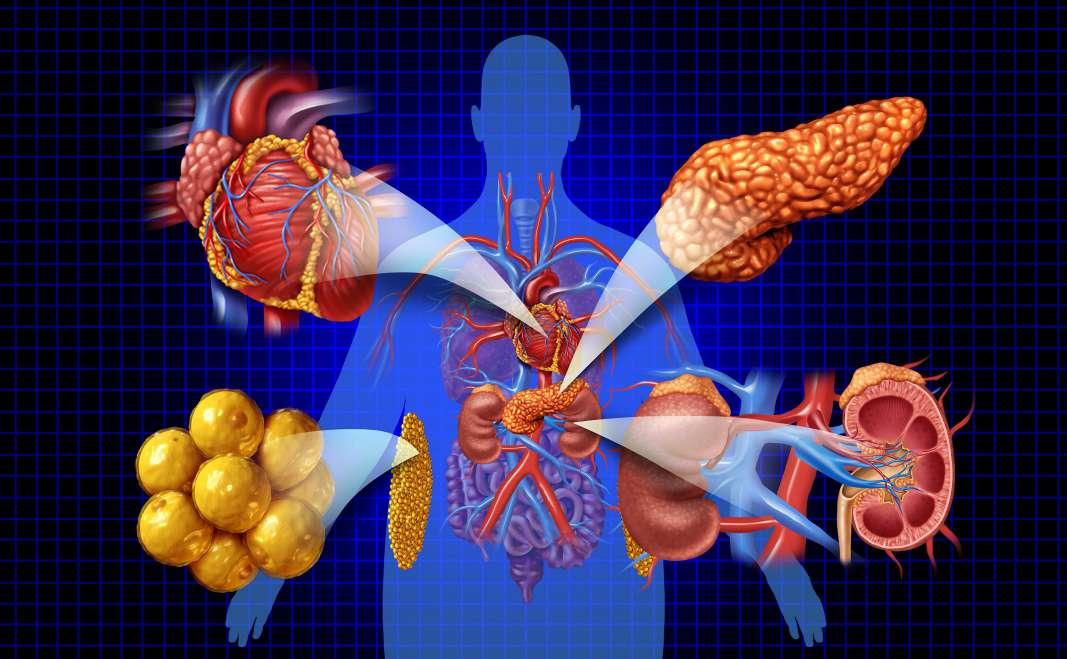
Additionally, the use of biomarker discovery and validation can result in better downstream outcomes. Integrating translational research early helps scientists identify disease mechanisms, define predictive biomarkers and choose clinically meaningful endpoints. These translational models ensure that findings from preclinical systems accurately translate to human biology, bridging the gap between discovery and the clinic (Figure 1). The result is reduced uncertainty, improved reproducibility and increased probability of clinical success.
Technological Enablers
Evolving technological enablers support translational research models that more accurately reflect the complexity of human disease than traditional in vitro or in vivo systems. This convergence of pathology, multi-omics, cell-free DNA (cfDNA) and advanced analytics is now paving the way for the next generation of biomarker discovery and validation. Collectively, these technologies enable the selection of markers that are mechanistically relevant and clinically actionable.
clinical success. Aligning biological insight with clinical design helps predict outcomes, refine patient selection and reduce trial inefficiencies.
The Role of Biospecimens and Biomarkers
The biological materials used during early research serve as the foundation for the entire drug development process. The integrity of these samples directly determines the validity of downstream data, influencing everything from molecular profiling to patient stratification. A compromised biospecimen introduces interference that can obscure true biological signals, leading to false conclusions and costly delays.
Accurate and clinically relevant biomarkers, on the other hand, enable more intelligent and efficient trial design. Biomarkers support precision in patient stratification by identifying the
Figure 1. Biomarkers turn clinical trials from broad statistical exercises into precise, biologically driven investigations. Source: Crown Bioscience.
Quantitative, reproducible analyses of tissue morphology and protein expression are now achievable at greatly improved resolution. These capabilities provide metrics that can be compared across studies and time points, helping researchers better understand disease mechanisms and evaluate therapeutic response.
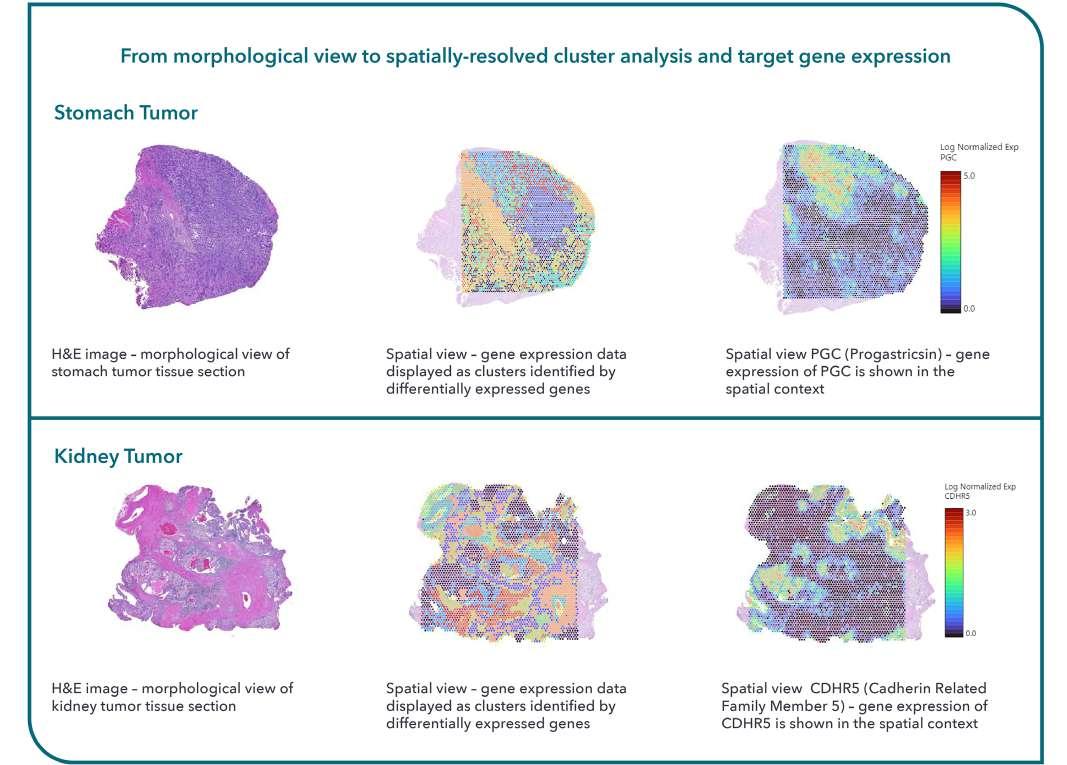
Spatial multi-omics has emerged as a particularly powerful complement to traditional pathology. By combining transcriptomic, proteomic and metabolomic data with spatial context, this approach reveals the organisation and interaction of cells within the tissue microenvironment (Figure 2). The resulting data offer a multidimensional view of disease biology that is far more informative than bulk analyses alone.
Additionally, cell-free DNA (cfDNA) and liquid biopsy technologies have opened the door to minimally invasive real-time monitoring of disease dynamics. These assays capture genomic and epigenomic signals circulating in the bloodstream, enabling longitudinal assessments of tumour evolution, minimal residual disease and treatment efficacy. When integrated into clinical trial workflows, cfDNA analysis can provide early indications of therapeutic success.
When combined with AI-driven image analysis and advanced data analytics, these technologies generate large-scale, high-dimensional datasets that depict patient biology with remarkable clarity. Machine learning algorithms can identify
morphological and molecular patterns that correlate with disease subtypes or clinical outcomes, driving more informed stratification of patient populations. The result is a more complete and predictive understanding of human biology throughout a clinical trial.
Data Integration and Interpretation
Of course, even the most advanced biomarker technologies yield limited value without cohesive data integration. Translating raw biomarker data into actionable insights requires more than sophisticated instruments. It depends on harmonised workflows, standardised data pipelines and robust bioinformatics frameworks that can handle complexity and scale.
In many organisations, variability in clinical research stems from poor integration between preclinical, translational and clinical phases. Data from discovery may come from different platforms, use inconsistent annotations and lack uniform quality standards. These incompatibilities create delays, complicate regulatory submissions and reduce reproducibility. They also slow down drug development and obscure the value of promising biomarkers.
Partnering with a translational expert reduces friction by managing data from biospecimen collection through processing, analysis and interpretation. This end-to-end approach ensures biomarker insights move smoothly into clinical development. By connecting sample handling, data generation and informatics, teams can reach actionable results faster. These results empower
Figure 2. Multi-omics grade biospecimens support every stage of precision medicine. Source: Crown Bioscience.
data-driven decisions that bring effective therapies to patients sooner.
Global and Regulatory Considerations
As biomarker-driven trials become the industry standard, regulatory alignment and global compliance have evolved as well. Each step of the biospecimen lifecycle must meet the standards set by the College of American Pathologists (CAP), the Clinical Laboratory Improvement Amendments (CLIA) and the International Organization for Standardization (ISO). These frameworks safeguard data integrity while fostering confidence among sponsors, investigators and regulatory agencies.
Establishing standardised operating procedures (SOPs) and harmonised workflows across trial sites is equally vital. Consistent methodologies reduce variability, eliminate procedural discrepancies and support unified datasets that regulators can trust. Moreover, integrating digital quality management systems and centralised documentation ensures audit readiness and traceability throughout the study’s duration.
Partnering with accredited global laboratories and service providers who understand regional regulations can streamline
study execution. These organisations help manage approval processes, align documentation with local standards and minimise compliance risks that can delay submissions. They also typically maintain strong relationships with regulatory agencies, helping sponsors communicate effectively and resolve issues quickly.
Strategic Partnerships as Catalysts for Translation
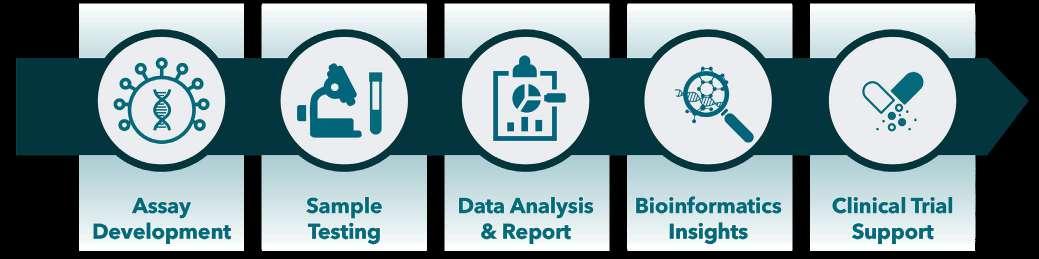
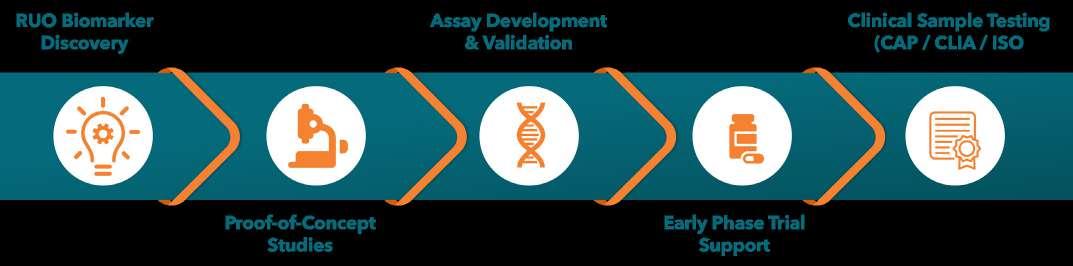
Partnering with experts provides not only the specialised knowledge required to navigate biomarker-driven trials but also the practical experience to implement them effectively. These partners bring established expertise in biospecimen management, data standardisation and bioinformatics, ensuring that every step from sample collection to data analysis adheres to the highest scientific and regulatory standards (Figure 3).
Biobanks serve as critical resources in biomarker research by providing high-quality biological samples. Representing real-world populations across genetics, geography and demographics strengthens the generalisability of findings and promotes equitable access to precision medicine. Diverse, ethically sourced biobanks improve the clinical and societal relevance of research.
Figure 3. Strategic partnerships between research organisations and translational service experts can streamline the process of turning scientific discoveries into clinical applications. Source: Crown Bioscience.
Working with experienced partners also provides access to validated preclinical models, standardised protocols and advanced platforms for multi-omics analysis. Collaboration helps research teams turn biomarker discoveries into actionable clinical results more efficiently, while lowering the operational and technical risks of complex data.
This type of relationship can speed innovation while improving the reliability, reproducibility and clinical relevance of biomarker research. With the right partnership, collaboration paves the way for more predictive and personalised medicine.
Conclusion
Reducing variability in clinical trials starts long before enrolling the first patient. It begins with careful research design that integrates high-quality biospecimens, clinically validated biomarkers and strong translational data frameworks connecting discovery to patient outcomes. These elements create consistent, reproducible datasets that make trial results more predictable, efficient and successful.
High-quality biospecimens are essential for reliable biomarker discovery and validation. Consistent collection, processing and storage prevent biological noise from hiding true therapeutic effects. Choosing biomarkers that are clinically relevant and well-supported by preclinical data further strengthens trial design, helping studies capture real patient responses and avoid costly setbacks.
In precision medicine, investing in a comprehensive biomarker strategy is both a scientific and strategic necessity. Translational science, advanced analytics and digital infrastructure turn raw data into actionable insights. Machine learning, spatial multi-omics and real-time data monitoring now allow trials to adapt dynamically as evidence emerges.
Smarter trial design reduces uncertainty, refines patient selection and speeds the path from discovery to approval.
By prioritising quality from biospecimen to bioinformatics, organisations can improve reproducibility, regulatory confidence, and deliver therapies more safely, efficiently and precisely.
REFERENCES
1. Sun, D., Gao, W., Hu, H., & Zhou, S. (2022). Why 90% of clinical drug development fails and how to improve it? Acta pharmaceutica Sinica. B, 12(7), 3049–3062. https://doi.org/10.1016/j.apsb.2022.02.002
2. Doshi, M. B., (2025) Bridging the Gap: Translating Preclinical Biomarkers to Clinical Success - Crown Bioscience. https://blog.crownbio.com/ bridging-the-gap-translating-preclinical-biomarkers-to-clinical-success
3. Doshi, M. B., (2025) Emerging Technologies in Biomarker Discovery You Should Know About - Crown Bioscience. https://blog.crownbio.com/ emerging-technologies-in-biomarker-discovery-you-should-knowabout
4. Han, Y., (2025) Transforming Cancer Therapy: Insights from 2025 H1 FDA Approvals and Preclinical Drug Discovery - Crown Bioscience. https://blog.crownbio.com/transforming-cancer-therapy-insightsfrom-2025-h1-fda-approvals-and-preclinical-drug-discovery
Julie Ann Mayer
Julie Ann Mayer, PhD, serves as Vice President, Global Biomarker Platform at Crown Bioscience, directing biomarker strategy and development across a diverse range of multi-omic and spatial biology platforms. Her career encompasses senior scientific leadership positions at NeoGenomics, Biocept and Navigate BioPharma, where she directed the development, analytical validation and clinical implementation of complex molecular assays. She additionally managed CLIA/CAP-certified laboratory operations supporting precision oncology research, biomarker discovery and translational medicine initiatives.
Email: julie.mayer@crownbio.com
Research / Innovation / Development
Overcoming the Challenges of Developing Cell and Gene Therapies for Autoimmune Disorders
Autoimmune diseases such as lupus, type 1 diabetes, inflammatory bowel disease (Crohn’s disease or ulcerative colitis) and rheumatoid arthritis are complex conditions involving multi-factorial mechanisms of action and patient heterogeneity. Treating them with CGT requires a comprehensive understanding of the specific disease biology and a reliable source of cellular starting materials.
CGT Challenges
As researchers look beyond using cell and gene therapy (CGT) for oncology indications and start to focus on autoimmune disorders, they need to adjust their approach. Autoimmune diseases are highly individualised, and patients have different pathophysiology. Therefore, researchers need to develop personalised therapies that are tailored to the specific immune profiles and needs of each patient. They can be autologous (using the patient’s own cells) or allogeneic (using cells from a donor).
A deep understanding of the underlying mechanisms of action is essential. Researchers need to identify specific targets within the immune pathways that can be modulated effectively to restore balance without compromising overall immune function.
Delivery of the CGT must also be optimised for autoimmune disorders. This may involve the use of advanced delivery systems, such as nanoparticles or viral vectors, which can enhance targeting and uptake of the therapies in specific tissues or organs affected by the disease.
Establishing the safety and effectiveness of an advanced therapy medicinal product (ATMP) through pre-clinical and
clinical trials is a complex and resource intensive process that requires rigorous planning and execution. As successful cell therapy projects often require interdisciplinary collaboration between immunologists, clinicians, biologists and regulatory experts, they can also be logistically challenging.
In addition, researchers should consider combination therapies that integrate CGT with existing treatments, for example, immunosuppressants or biologics, to enhance their efficacy and reduce relapses.
Gender Disparities
Females are disproportionately affected by autoimmune diseases and there is growing recognition of the need to conduct gender-specific research. Certain genes may be expressed differently in males and females, for example, thus influencing their disease susceptibility and response to therapies.
Researchers are investigating how X-linked genes and their expression might influence autoimmune responses. This could lead to targeted therapies that address specific genetic factors affecting females more than males.
Studying how hormonal fluctuations can affect disease progression and treatment response may also allow the development of therapies that recognise those differences.
In addition, females typically have stronger innate and adaptive immune responses than males, impacting their response to infections. It’s critically important that researchers utilise diverse patient cohorts within the early research phases to properly illuminate differences based on gender, race or other demographic aspects. These differences should also be used to inform the design of cell therapies, ensuring they are tailored to harness or modulate these responses effectively.
Balance of the sexes
Crohn’s disease
Crohn's disease
Type 1 diabetes
Type 1 diabetes
Celiac disease
Celiac disease
Multiple sclerosis
Multiple sclerosis
Rheumatoid arthritis
Rheumatoid arthritis
Systemic lupus erythmatosus
Systemic lupus erythematosus
Hashimoto's thyroditis
Hashimoto’s thyroiditis
Sjogren's syndrome
Sjogren’s syndrome
Research / Innovation / Development
Lupus Example
Approximately 90% of the diagnoses of lupus are in females aged 15 to 44.1 This dramatic female sex bias is thought to be due, at least in part, to estrogens.2 Research has identified several genes associated with lupus susceptibility, some of which may be more actively expressed in females, and environmental exposure to silica, cigarette smoking and oral contraceptives may also play a role.3
Further supporting the genetic link, the prevalence of systemic lupus erythematosus (SLE) is higher in patients with supernumerary X chromosome syndromes, such as Klinefelter (XXY) and Triple X syndrome (XXX), and lower with Turner syndrome (XO).4
Conducting mechanistic studies at the cellular and molecular levels to understand how sex differences impact immune cell function, cytokine production and overall pathophysiology can provide valuable insights into lupus and other autoimmune diseases.
Differences in drug metabolism, immune response and side effects can influence therapy outcomes. Therefore, tailoring therapies based on gender-specific responses may enhance their effectiveness.
Identifying biomarkers that reflect gender-specific disease mechanisms will also assist in the stratification of patients in clinical trials and the development of personalised therapies.
Diverse Patient Recruitment
Due to the different disease burden and therapeutic responses between males and females, it is imperative that both sexes are adequately represented in autoimmune cell therapy clinical trials. This will lead to a greater understanding of how new therapies will perform, resulting in more effective and safer treatments for all patients.
It is also important that clinical trial populations are diverse in terms of their racial, ethnic and cultural backgrounds to ensure that the findings are applicable to a broad population and represent a real-world scenario.
Researchers should collaborate with community organisations, patient advocacy groups and local healthcare providers to raise awareness of their clinical trials and encourage a representative patient population to enrol. Building trust within these communities is essential for increasing research participation.
To ensure that patients not only enrol in the clinical trial but continue to participate throughout, researchers must design studies that are culturally sensitive and consider the unique social, economic and health-related factors affecting different racial and ethnic groups. This includes considering language barriers, health beliefs and access to care.
Regulatory Hurdles
Navigating the regulatory landscape for ATMPs involves understanding and complying with stringent requirements from agencies such as the U.S. Food and Drug Administration
(FDA) and European Medicines Agency (EMA), which can be time-consuming and costly.
But early and ongoing engagement with those regulatory agencies can help researchers navigate the complexities of the approval processes for novel therapies and ensure that they meet safety and efficacy standards specific to autoimmune indications.
Furthermore, given the chronic nature of autoimmune diseases, long-term monitoring of treatment efficacy and safety is crucial. Researchers need to develop robust strategies to assess the durability of therapeutic responses and manage potential adverse effects.
Sourcing Starting Materials
Identifying suitable donors for an allogeneic autoimmune cell therapy program can be a major hurdle. Finding healthy donors that have specific cell characteristics and are human leukocyte antigen (HLA) matched, or patients with specific autoimmune conditions who are willing to donate cells, can be difficult. This scarcity can limit and delay project timelines and increase costs.
Having ready access to disease-state autoimmune cells is invaluable. These cells can be used to create accurate in vitro models of the condition, permitting further study of its mechanisms of action and disease progression and potentially revealing new therapeutic targets. They are also required for pre-clinical testing of potential new drug candidates.
Once a new cell therapy has demonstrated proof of concept and is ready for production, ensuring the quality and viability of the starting materials is critical. Variability in cell quality between donors and even between lots from the same donor can affect the consistency and reliability of the therapy. Stringent quality control measures must be implemented, which can complicate logistics and increase costs.
As the demand for cell therapies grows, ensuring high-quality, consistent cell production and developing reliable, scalable and compliant manufacturing processes is essential. Meeting all those needs becomes increasingly difficult and can hinder the ability to launch larger clinical trials or commercial therapies effectively.
Funding Challenges
Autoimmune diseases are complex, which may deter some investors who prefer clearer, more straightforward therapeutic targets. The path to demonstrating therapeutic efficacy for an autoimmune disease can also be long and complicated, potentially leading investors to perceive them as riskier funding options.
The regulatory landscape for CGTs can also be daunting and investors may be wary of the potential for delays and costs associated with navigating it.
As a result, securing funding for research and development in autoimmune diseases can be difficult, especially during the initial stages when proof of concept is being established.
Public awareness and patient advocacy can also impact funding. Health conditions that have strong patient advocacy
Research / Innovation / Development
groups, such as oncology and rare genetic disorders, frequently receive more attention and funding compared to autoimmune diseases, which typically do not have the same level of visibility.
While there may be a limited number of traditional funding sources for autoimmune disease research, there is growing interest in public-private partnerships and venture philanthropy, which may help to address funding gaps.
Autoimmune Research Breakthroughs
Despite all the challenges associated with research into autoimmune diseases, there have been some significant breakthroughs. For example, research on regulatory T cells (Tregs) has led to new therapeutic approaches for autoimmune diseases. Recent studies have shown that expanding and infusing Tregs can restore immune tolerance in patients with conditions such as type 1 diabetes and rheumatoid arthritis, potentially halting their disease progression.
Use of a novel modified Treg enabled patients in the UK who had had a liver transplant to come off immunosuppression (IS) medication because their body no longer viewed the transplanted liver as foreign tissue.5 This approach is also being considered for treating graft-versus-host disease, which occurs when donor stem cells attack the recipient patient’s healthy cells.
Innovative therapies targeting B cell depletion, such as obinutuzumab and rituximab, have also shown promise in treating lupus and multiple sclerosis. Recent trials have demonstrated their efficacy both in reducing disease activity and improving patient outcomes.
Furthermore, CRISPR technology is being applied to correct genetic defects associated with autoimmune diseases. Recent studies have demonstrated that it is possible to edit immune cells to enhance their tolerance and reduce autoimmunity.
Novel Approaches
A recent first-in-human stem cell transplant case involved a 25-year-old female patient who suffered from long-term, hard-to-control type 1 diabetes complicated by episodes of severe hypoglycemia.6 This patient received autologous chemically induced pluripotent stem cell–islet cells, which were generated from mesenchymal stromal cells isolated from her adipose tissue. The stem-cell-derived islets were transplanted into a site in her abdominal anterior rectus sheath. This procedure successfully restored insulin-independent glycemic control for the patient, which was maintained at one-year follow-up.6
A female patient has also become the first person with multiple sclerosis to be treated with an “off-the-shelf” CAR T-cell therapy called azercabtagene zapreleucel. 7 While traditional CAR T-cell therapies use the patient’s own T cells, which are genetically modified to carry a chimeric antigen receptor (CAR) and target a specific protein, this product uses donor-derived cells, allowing it to be produced faster and more consistently.
Conclusion
Developing CGTs presents significant challenges, but these
products also possess the potential to yield incredible medical advances. Some difficulties can be overcome by partnering with companies that have consistent and reliable access to high-quality, disease-state and normal cells from diverse donors that are both research and Current Good Manufacturing Practice grade. This step allows new products to transition more easily from the pre-clinical to the clinical pipeline and potentially help patients faster.
REFERENCES
1. https://womenshealth.gov/lupus/lupus-and-women
2. Graham JH, Yoachim SD, Gould KA. Estrogen Receptor Alpha Signaling Is Responsible for the Female Sex Bias in the Loss of Tolerance and Immune Cell Activation Induced by the Lupus Susceptibility Locus Sle1b. Front Immunol. 2020 Nov 10;11:582214. doi: 10.3389/ fimmu.2020.582214. PMID: 33240270; PMCID: PMC7683613.
3. Barbhaiya M, Costenbader KH. Environmental exposures and the development of systemic lupus erythematosus. Curr Opin Rheumatol. 2016 Sep;28(5):497-505. doi: 10.1097/ BOR.0000000000000318. PMID: 27428889; PMCID: PMC4965307.
4. Vieira AA, Almada-Correia I, Inácio J, Costa-Reis P, da Rocha ST. Female-bias in systemic lupus erythematosus: How much is the X chromosome to blame? Biol Sex Differ. 2024 Oct 7;15(1):76. doi: 10.1186/s13293-024-00650-y. PMID: 39375734; PMCID: PMC11460073.
5. Press Release: Quell Therapeutics Advances QEL-001, its Multi-modular Engineered CAR- Treg Cell Therapy, into Efficacy Cohort of LIBERATE Phase 1/2 Trial in Liver Transplant Patients. June 4, 2024.
6. Wang, Shusen et al. Transplantation of chemically induced pluripotent stem-cell-derived islets under abdominal anterior rectus sheath in a type 1 diabetes patient. Cell, Volume 187, Issue 22, 6152 - 6164.e18
7. Patricia Inacio. First person with MS gets ‘off-the-shelf’ CAR T-cell therapy. Multiple Sclerosis News Today. August 11, 2025.
Kevin King
Kevin King is Senior Scientific Advisor, Cell and Gene Therapy at BioIVT. He oversees BioIVT’s global network of donor centres and its CGT capabilities, including regulatorycompliant ATMP starting materials. Kevin has managed many commercial apheresis facilities, including PPA Research Group, which he founded in 2009 and was acquired by BioIVT in 2019.
High-throughput Imaging Assays to Streamline the Development of Anti-fibrotic Therapies for Lung Disease
Idiopathic pulmonary Fibrosis (IPF) is described clinically as a chronic and progressive interstitial lung disease. Patients are faced with limited treatment options and poor prognosis, with figures showing only a 31% survival rate at 5-years post-diagnosis.1 The recent FDA approval of Nerandomilast, a small molecule inhibitor of phosphodiesterase 4B (PDE4B), is the first novel therapy for IPF in over a decade.2 This now joins Nintedanib and Pirfenidone, which until recently were the only treatment options for patients living with IPF. However, treatment with Nintedanib and Pirfenidone is associated with tolerability issues and debilitating side effects. In addition, these drugs mainly function to slow the progression of the disease without offering a cure. This highlights the significant need to bridge the gap and accelerate the discovery process to progress more therapeutic candidates towards the clinic.
Molecular Mechanism of Fibrosis
Multiple factors have been implicated in the aetiology of Lung fibrosis. Owing to their physiological function as the body’s initial interface with the external environment to facilitate gas exchange, the lungs are continually exposed to a variety of environmental insults such as toxins, dust particles, smoke inhalation and microorganisms. Off-target therapeutic effects, autoinflammatory and genetic factors are also linked with disease. However, the causative insult leading to the development of IPF remains largely undefined.
The pathological phenotype of IPF includes unresolving scarring of the lung parenchyma, which is thought to arise following repetitive epithelial injury and dysregulated repair mechanisms. The physiological response to damage and the resultant release of pro-inflammatory and pro-fibrotic mediators drives cellular response pathways to promote wound healing. Prolonged and unresolved activation of these signalling pathways can result in the development of disease. Excessive extracellular matrix (ECM) deposition ultimately leads to stiffening of the lung tissue and distortion of normal architecture, which in turn significantly reduces lung compliance and leads to an irreversible loss of function.
The aberrant crosstalk between the epithelial cells and fibroblasts is associated with two central processes, fibroblastto-myofibroblast transition (FMT) and epithelial-mesenchymal transition (EMT). FMT defines the phenotypic transition of fibroblasts from a quiescent state to myofibroblasts, whereby the incorporation of α-smooth muscle actin (α-SMA) into actin stress fibres is a defining feature. In response to fibrotic cytokines, fibroblasts become activated and increase their production of ECM proteins, including collagen I. Accumulation of ECM increases mechanical stress and subsequently sustains the positive feedback loop to promote further fibroblast activation and FMT.
Injured epithelial cells contribute to the secreted pool of cytokines and growth factors, which sustain FMT and EMT, of which transforming growth factor beta (TGF-β1) is known to be a central mediator. EMT involves the transition of epithelial cells to acquire mesenchymal features. The loss of a polarised epithelial barrier can be measured by loss of epithelial markers such as E-cadherin and increased expression of cytoskeletal protein, vimentin and ECM proteins including fibronectin. The transition of epithelial basal cells reduces the regenerative capacity of the lung to respond to damage. Furthermore, the loss of functional cell types results in more dysfunctional tissue and widespread fibrotic modelling. Therefore, a clinical priority is to promote both the reduction and reversal of FMT and EMT. The development of therapies which break this cycle is a key therapeutic goal.
Human-relevant pre-clinical Lung Models
The failure rate of potential therapies for chronic lung disease remains high; less than 10% of drugs advance into phase I clinical trials and further reduction of candidates occurs during subsequent phases. In recent years, the changes in regulatory guidance towards human-relevant in vitro models demonstrate a major shift away from the reliance on animal models and recognition that these platforms are better able to predict human responses and clinical outcomes. The features and requirements of a pre-clinical model depend both on the purpose and the stage of drug discovery. The in vitro use of immortalised cell lines is advantageous to provide a high-throughput, easy-to-culture and low-cost tool for early stage testing. However, their physiological applicability is questioned due to a monoculture, lack of genetic variability and the immortalised nature may not accurately reflect the responses of primary cells. Whereas ex vivo precision cut-lung slices are the most applicable for physiology and contain relevant cell types, although the availability and access to donor tissue pose a major limitation. Primary cells derived from human donors offer a suitable early-stage tool for confirming efficacy prior to progressing to more complex assessments, such as using micro-physiological systems. Here, we explore how we are able to utilise this medium-high throughput screening platform to demonstrate core fibrotic processes in order to facilitate anti-fibrotic drug discovery.
A High-throughput in vitro Assay:
Fibroblast-to-myofibroblast Transition Assay
At Newcells Biotech, we have developed an FMT assay which uses disease-relevant stimuli to emulate fibrotic processes and assess the anti-fibrotic potential of drug candidates. The use of primary human lung fibroblasts provides a physiologically applicable cell system which models core principles of fibrosis to allow the quantitative measurement of fibrotic proteins. Fibroblasts are treated under optimised assay conditions designed to closely mimic the in vitro conditions whilst maximising the assay window. Additionally, the inclusion of different donors provides a varied genetic background to allow
1. Immunofluorescent images displaying a dose-dependent increase in the expression of the fibrotic markers following stimulation with TGF-β1 and reduction by SB525334 pre-treatment. Human lung fibroblasts were either stimulated with increasing concentrations of fibrotic cytokine TGF-β1 (A) or pre-treated with increasing concentrations of SB525334, then stimulated with TGF-β1 (B) for 72 hours. Stimulated fibroblasts were stained for a marker of fibroblast activation, alpha smooth muscle actin (α-SMA) and extracellular matrix protein, collagen I. Images were captured at 10x and analysed using the ImageXpress® HTai system. Scale bar = 100 µm a comparison of donor-specific responses. Our high-throughput (384-well) format assay permits the rapid screening of test items investigated over a range of concentrations for maximum data output.
An example of using this assay setup, primary human lung fibroblasts were seeded into assay plates and serum starved overnight. The following day, fibroblasts were treated with increasing concentrations of TGF-β1 to induce a fibrotic response. Cells were incubated for 72 hours, then fixed and using immunocytochemistry and high-content imaging techniques, we were able to demonstrate a TGF-β1-induced increase in the expression of α-SMA and collagen I (Figure 1A). In parallel, fibroblasts were pre-incubated with increasing concentrations of selective ALK5-inhibitor, SB525334 or one concentration of SB431542, then stimulated with TGF-β1. Both these compounds inhibit ALK5, which forms part of the TGF-β receptor complex and the small molecules therefore inhibit the transduction of TGF-β1 signalling. Pre-incubation with the inhibitors showed a decrease in the expression of α-SMA and collagen I with increasing concentrations (Figure 1B).
Quantification of the total integrated intensity reveals increasing levels of collagen I in the extracellular compartment with increasing concentrations of TGF-β1 (Figure 2A). The increase is observed for all donors and there is a subtle increase in the baseline detection of collagen I for fibroblasts cultured in the presence of a macromolecular crowder, signifying that inclusion promotes the deposition of mature collagen I fibrils. Similarly, the total integrated intensity of α-SMA shows that all donors display a dose responsive increase in expression, and the greatest expression is measured for donor 2 (Figure 2B).
Fibroblasts which were pre-exposed to one concentration of SB431542, express comparable levels of collagen I and α-SMA to the unstimulated controls. Similarly, a dose-dependent decrease in fibrotic markers is measured for fibroblasts exposed to SB525334, demonstrating that the assay can be used to show inhibition of FMT.
The images shown in Figure 1 display the characteristic strands of α-SMA. In addition to measuring staining intensity to verify expression of α-SMA, we used segmental image quantification
methods to measure the perimeter of the α-SMA strands, to provide a more detailed insight into the physical properties of the activated fibroblasts. As fibroblasts acquire a more contractile phenotype, they become elongated and incorporate α-SMA into actin stress fibres. Shown in Figure 2C, the α-SMA strand perimeter is increased in a dose-dependent manner by TGF-β1. As seen with expression, donor 2 displays the greatest increase; however, the extent of increase above baseline level for the other two donors is larger than the increase measured for total integrated intensity, providing further insight into the myofibroblast population.
We also confirmed that FMT could be measured at the gene level (Figure 2D). Using comparable culture and stimulation parameters, TGF-β1 induced a reduction in the expression of FSP1 (fibroblast-specific protein 1), which indicates fibroblast activation from a quiescent state. Taken with an increase in the mRNA levels of ACTA2 (α-SMA), extracellular matrix proteins COL1A1 and FN1 (fibronectin), this is a strong indication that fibroblasts have transitioned to a myofibroblast phenotype.
Translating Assay Principles to Demonstrate EMT
We then asked if these principles could be applied to basal small-airway epithelial cells to represent the fibrotic process of EMT. Primary human small airway epithelial basal cells (SAEC) were cultured in 384-well assay plates, serum starved overnight prior to stimulation with TGF-β1. A pre-incubation step with inhibitors was also included to demonstrate inhibition of EMT and were treated in a similar manner to that described for the FMT assay. Following 72-hour incubation, the expression of EMT markers was measured by immunocytochemistry. An increase in the expression of fibronectin and vimentin can be seen in Figure 3A. This TGF-β1-mediated increase with increasing concentration is quantified in Figure 3B, the expression of which is shown to be inhibited following pre-exposure to ALK5 inhibitors. The two tested donors demonstrate similar responses in the level of induction of fibronectin expression. Evaluation of gene expression by qPCR complemented the effects measured on protein expression to show an upregulation of both vimentin and fibronectin with increasing concentrations of TGF-β1. Overall, this demonstrates the ability of in vitro assays to model core disease processes in two cell types central to fibrotic lung disease.
Figure
Figure 2. TGF-β1-induced transition of fibroblasts to a myofibroblast phenotype. Quantification of the expression of fibrotic markers in response to stimulation with TGFβ1 or inhibitors. Human lung fibroblasts were stimulated with increasing doses of fibrotic cytokine TGF-β1 or pre-treated with SB525334, then stimulated with TGF-β1 for 72 hours. Cells from three donors were then fixed and immunostained to detect extracellular collagen I (A), α-SMA (B) and α-SMA strand perimeter (C). The expression of myofibroblast-associated genes (D): S100A4 (fibroblast-specific protein 1), COL1A1 (collagen I), ACTA2 (αSMA) and FN1 (fibronectin) in fibroblasts stimulated with TGF-β1 was measured by qPCR. Three individual human lung fibroblast donors. Data is shown as the expression change relative to fibroblast growth media. Shown is the mean value and error bars represent ±SEM (A-C) or ± SD(D).
Application of Assays to Test Different Drug Modalities
Although initially developed with the premise of testing small molecules, as the types of therapeutic offerings expand, pre-clinical screening approaches must remain applicable across different modalities. The FMT assay has been utilised to evaluate the anti-fibrotic effect of biologics. Assessment of fibroblast proliferation can be inferred based on changes in cell number or studied more thoroughly by detecting the incorporation of EdU into actively proliferating cells. Whereas FMT and EMT assays have been utilised as a platform using miRNA-based transfection to induce the expression of effector proteins to evaluate whether
this can alter the expression of characteristic FMT and EMT proteins, respectively. Such studies highlight the versatility of the assays to adapt and fit the needs of an expanding repertoire of therapeutic modalities.
Future Outlook
Overall, these findings demonstrate the utility of these two complementary assays to model fibrotic responses. Further questions which could be answered may involve the exploration of combinations of fibrotic stimuli or more complex co-culture systems for secondary evaluation of cellular crosstalk.
Figure 3. Epithelial-mesenchymal transition of small airway basal cells induced by TGF-β1, Small airway epithelial basal cells were stimulated with increasing doses of fibrotic cytokine TGF-β1 or pre-treated with inhibitors SB431542 or SB525334 then stimulated with TGF-β1 for 72 hours. Cells from 3 donors were then fixed and immunostained to detect vimentin and fibronectin. Representative immunofluorescent images (A) and quantification of protein expression displayed as the total integrated intensity of vimentin (left) and fibronectin (right) for two primary donors (B). Gene expression of VIM (vimentin) and FN1 (fibronectin) was analysed by qPCR (C). Data is expressed relative to untreated cells for two donors. Shown is the mean value and error bars represent SD.
Figure 3. Epithelial-mesenchymal transition of small airway basal cells induced by TGF-β1 Small airway epithelial basal cells were stimulated with i ncreasing doses of fibrotic cytokine TGF-β1 or pretreated with inhibitors SB431542 or SB525334 then stimulated with TGF-β1 for 72 hours. Cells from 3 donors were then fixed and immunostained to detect vimentin and fibronectin. Representative immunofluorescent images (A) and quantification of protein expression displayed as the total integrated intensity of vimentin (left) and fibronectin (right) for two primary donors (B) Gene expression of VIM (vimentin) and FN1 (fibronectin) was analysed by qPCR (C). Data is expressed relative to untreated cells for two donors. Shown is the mean value and error bars represent SD.
Figure 3. Epithelial-mesenchymal transition of small airway basal cells induced by TGF-β1 Small airway epithelial basal cells were stimulated with i ncreasing doses of fibrotic cytokine TGF-β1 or pretreated with inhibitors SB431542 or SB525334 then stimulated with TGF-β1 for 72 hours. Cells from 3 donors were then fixed and immunostained to detect vimentin and fibronectin. Representative immunofluorescent images (A) and quantification of protein expression displayed as the total integrated intensity of vimentin (left) and fibronectin (right) for two primary donors (B) Gene expression of VIM (vimentin) and FN1 (fibronectin) was analysed by qPCR (C). Data is expressed relative to untreated cells for two donors. Shown is the mean value and error bars represent SD.
Early pipeline testing using a controlled assay setup permits the detection of meaningful changes in cellular phenotypes and responses to perform an initial evaluation of the therapeutic mechanism. As target predictions from in silico-based data mining tools expand further, the necessity for relevant in vitro high-throughput systems to validate responses in earlier stages of drug discovery will become paramount.
REFERENCES
1. Khor YH, Ng Y, Barnes H, Goh NSL, McDonald CF, Holland AE. Prognosis of idiopathic pulmonary fibrosis without anti-fibrotic therapy: a systematic review. Eur Respir Rev. 2020 Aug 4;29(157):190158. doi: 10.1183/16000617.0158-2019. PMID: 32759374; PMCID: PMC9488716.
2. U.S Food and Drug Administration. FDA approves drug to treat idiopathic pulmonary fibrosis. Press release. October 7, 2025. Accessed November 7,2025. https://content.govdelivery.com/accounts/USFDA/ bulletins/3f61959
Dr. Fiona Leslie
Dr. Fiona Leslie currently works as Scientist II at Newcells Biotech, where she plays a key role in developing high-content in vitro assays for disease modelling and drug discovery. Fiona began her academic journey at Newcastle University before completing her PhD at the University of Leeds, investigating glucocorticoid signalling mechanisms in inflammatory disease and exploring how extracellular matrix and cell morphology influence cellular responses. Joining Newcells Biotech, Fiona has been instrumental in the launch and optimisation of the company's fibroblast-to-myofibroblast transition (FMT) assay, gaining hands-on experience in fluorescence microscopy, high-content imaging systems and assay development for models of lung fibrosis.
Peptide Libraries: Expanding Frontiers in Drug Discovery and Development
Protein Interaction and Functional Studies
Peptide libraries have emerged as a transformative technology in drug discovery and development. These diverse collections of peptides, now mainly synthetic but also biological, enable researchers to rapidly and efficiently screen large numbers of peptide sequences for desired biological activities. This article examines how crude peptide libraries have advanced from early research to become vital tools for target identification, epitope mapping, protein interaction studies, drug optimisation, functional analyses and screening campaigns. Furthermore, it explores how specialised libraries, such as stable isotope–labelled and T-cell–activating peptide libraries, are broadening the scope of peptide-based strategies for therapeutic discovery and mechanistic understanding.
Crude Peptide Libraries in Determining Druggable Targets
Crude peptide libraries are compositionally diverse collections of peptides used primarily for exploratory and high-throughput research applications. Despite their crude (less purified) nature, these libraries have significant value in several critical facets of drug discovery, starting with target identification and validation. As one of the foundational steps in drug discovery, target ID is the process of identifying biological targets linked to disease. Peptide libraries enable researchers to probe complex biological systems by testing thousands of peptides against potential target proteins or receptors. By identifying peptides that bind specifically to a target, researchers can validate whether that target is druggable and suitable for further development. This rapid, empirical approach helps accelerate early discovery phases by spotlighting new therapeutic candidates and mechanisms.
The combinatorial nature of peptide libraries enables high-throughput screening of vast sequences, significantly reducing the time and cost compared to traditional methods. Automated systems rapidly assay thousands of peptides for binding or functional activity, providing rich datasets for downstream development. This scalability makes crude peptide libraries essential tools in the discovery pipeline, from academic research centres to pharmaceutical companies.
Protein-protein interactions (PPIs) govern many cellular pathways and represent a rich source of potential drug targets. Peptide libraries facilitate dissecting PPIs by identifying peptide motifs that modulate or inhibit these interactions. Screening can reveal minimal peptide sequences capable of disrupting or enhancing PPIs, guiding the design of peptide mimetics or small molecules to alter disease-relevant pathways. Once initial hits are identified, further optimisation is necessary to improve binding affinity, specificity, stability and biological activity. Libraries can be tailored with focused diversity around lead sequences to explore structure-activity relationships (SAR). Functional screening can elucidate mechanisms of action and define critical residues for activity, driving thorough lead optimisation.1,2
Mapping and Understanding Key Epitopes
Understanding the precise binding sites (epitopes) on target molecules is essential for designing effective drugs, particularly biologics such as antibodies and vaccines. Mapping libraries containing overlapping or systematically varied peptide sequences allows detailed mapping of epitopes recognised by antibodies, immune cells or other interactors. This information supports the development of highly specific therapies and can inform vaccine antigen selection.
Epitope mapping is critical for protecting therapeutic antibody patents because it provides precise information about antibody binding sites on the target antigen, which can differentiate new antibodies from existing ones. This specificity helps meet patent requirements such as novelty and non-obviousness by showing that the antibody binds a unique epitope, thus avoiding overlap with prior art. For example, in notable cases like Biogen v. GSK, the patentability of an antibody depended on demonstrating that it targets a different epitope than the patented antibody. Furthermore, detailed epitope mapping supports the written description requirement for broad patent claims by defining a genus of antibodies sharing a specific epitope at the amino acid level.
Epitope mapping also plays a key role in establishing patenteligible subject matter. While natural epitopes themselves cannot be patented as products of nature, antibodies designed to bind these epitopes are man-made inventions and thus patentable. Additionally, second-generation antibodies can use epitope data to show differentiation from earlier patented antibodies, which aids freedom-to-operate and reduces infringement risks. The importance of epitope mapping is underscored by its central role in several legal disputes over therapeutic antibodies, highlighting how high-resolution epitope information strengthens the scope and enforceability of antibody patents. 3
Figure 1: Peptide Libraries for high-throughput screening
Research / Innovation / Development
libraries) represent a specialised class of peptide libraries where specific amino acids within peptides are substituted with non-radioactive heavy isotopes such as ^13C, ^15N, or deuterium (^2H). These modifications preserve the chemical and physical properties of peptides but provide distinct molecular weights, enabling precise analytics and applications across drug development.
• Quantitative Proteomics: SIL peptides are indispensable for absolute quantification of proteins and peptides in complex biological samples through mass spectrometrybased proteomics. This capability allows monitoring of drug targets, biomarkers and post-translational modifications with high precision and reproducibility.
• Pharmacokinetics and Metabolism: Tracking labelled peptides in biological systems enables detailed pharmacokinetic studies, revealing absorption, distribution, metabolism and excretion (ADME) profiles critical for drug development.
• Structural and Functional Analysis: SIL peptides facilitate advanced nuclear magnetic resonance (NMR) studies for solving peptide and protein structures, aiding rational drug design.
• Biomarker Discovery and Validation: By serving as reference materials in clinical biochemistry and metabolomics, SIL peptides support robust biomarker quantification to evaluate disease states and therapeutic responses.
Spotlight: T-Cell Activating Peptide Libraries
T-cell activating peptide libraries represent a significant advancement in peptide-based technologies, with critical applications in immunotherapy and vaccine development.
These libraries comprise peptides that are rationally designed or empirically screened for their ability to activate T-cells by mimicking antigenic epitopes presented by major histocompatibility complex (MHC) molecules. As key effectors of the adaptive immune system, T-cells require activation signals mediated primarily through the interaction of their T cell receptors (TCRs) with peptide-MHC complexes displayed on Antigen Presenting Cells (APCs). CD8+ cytotoxic T lymphocytes recognise peptides bound to MHC Class I molecules, while CD4+ helper T-cells engage peptides presented by MHC Class II molecules. Upon antigen recognition, combined with co-stimulatory signals, T-cells undergo clonal expansion and functional maturation. Cytotoxic T-cells subsequently mediate direct lysis of infected or aberrant cells, whereas helper T-cells facilitate the activation of additional immune effector cells.
In the context of autoimmune diseases such as psoriasis, asthma and inflammatory bowel disease, the dysregulated activation of autoreactive T-cells is a hallmark pathological feature. Utilisation of peptide libraries paired with high-throughput screening methodologies enables identification of antigenic peptides driving aberrant T-cell activation, thus providing valuable biomarkers for disease monitoring and facilitating the development of antigen-specific therapeutic interventions. Moreover, these approaches offer insights into immunological dysfunction in conditions characterised by impaired T-cell responses, including immunosenescence, HIV infection and disorders involving perturbations in effector or regulatory T-cell repertoires.
Exploiting the specificity of T-cell recognition, it is possible to stimulate or engineer T-cells to target neoantigens or tumourassociated antigens, thereby directing cytotoxic immune responses against neoplastic cells. This principle underpins
Figure 2: T-cell activation
Research / Innovation / Development
emerging cancer immunotherapies, such as personalised cancer vaccines and adoptive T-cell transfer. These modalities hold promise for enhanced target specificity, reduced systemic toxicity and improved clinical outcomes compared to conventional oncological treatments. Overall, systematic screening of T-cell activating neoantigen peptides is instrumental in identifying efficacious targets for T-cell-based immunotherapies, while in-depth characterisation of T-cell function provides critical insights into the immunopathogenesis of various diseases.4
Future Perspectives and Challenges
Peptide libraries are evolving rapidly in both complexity and application, driven by continual advancements in chemical synthesis, high-throughput screening methodologies and computational design algorithms. The synergistic integration of peptide libraries with complementary technologies such as multi-omics platforms, artificial intelligence and structural biology is poised to deliver transformative insights into disease
mechanisms and expand the therapeutic landscape. Despite these advancements, several critical challenges persist. These include enhancing peptide stability and bioavailability in vivo, developing efficient and targeted delivery systems and refining predictive models to accurately forecast peptide biological activity.1,2 Notably, the expanding utilisation of diverse peptide library formats, ranging from crude collections for exploratory research to stable isotope-labelled libraries for precise quantification and T-cell activating libraries for immuno-oncology applications, highlights their indispensable role in advancing next-generation drug discovery and development.
To fully realise this potential, strategic collaboration with a globally recognised partner possessing comprehensive expertise, state-of-the-art facilities and proven capabilities in peptide library design and production is essential. Such a partner should demonstrate a strong track record in delivering high-quality, scalable peptide libraries tailored to specific research objectives, thereby accelerating innovation and discovery. To further accelerate therapies, working with a partner who can provide both research-grade material and GMP peptides means that the move from bench to clinic is seamless.4
REFERENCES
1. Todaro, B., Ottalagana, E., Luin, S., & Santi, M. Targeting peptides: The new generation of targeted drug delivery systems. Pharmaceutics. 15(6), 1648 (2023).
2. Xiao, W., Jiang, W., Chen, Z., et al. Advance in peptide-based drug development: Delivery platforms, therapeutics, and vaccines. Signal Transduction and Targeted Therap. 10, 74 (2025).
3. Deng, X., Storz, U., & Doranz, B. J. Enhancing antibody patent protection using epitope mapping information. mAbs. 10(2), 204–209 (2018).
4. Joglekar, A. V., & Li, G. T cell antigen discovery. Nature Methods. 18(7), 873–880 (2021).
Dr. Aimee Cossins
Dr. Aimee Cossins has a PhD in biochemistry, with a focus on protein and antibody engineering. Having spent many years developing novel biotherapeutics and protein toxins for therapy, she is passionate about novel science and developing partnerships for drug discovery and development. Having worked alongside service providers for some time, Aimee moved to Biosynth, where she is Head of Marketing across their global offering of products and services from early R&D or preclinical phase support to GMP manufacturing.
Email: aimee.cossins@biosynth.com
Emily Toulson
Emily Toulson is a scientific content writer in the marketing department at Biosynth. She holds a degree in Biochemistry from Newcastle University and has a background in the diagnostics industry, where she researched and developed novel in vitro diagnostic kits for a leading diagnostic manufacturer.
Email: emily.toulson@biosynth.com
24/7 Secure Access
Shared facilities: glass washers, autoclaves, RO water
Non re-circulating air regimes, 8-12 air changes p/hour
Bookable meeting rooms & lecture theatre
Networking events & community support
Integrated Lab + Office Suites on flexible leases
On-site support team
Start-ups & established science & tech companies
Research / Innovation / Development
Innovative Solutions for Future Cell Culture
Development
The world is still confronting complex and urgent challenges. Populations continue to grow, while many societies are ageing, placing heavy burdens of chronic and degenerative diseases on people’s lives and healthcare systems. At the same time, pressure on the planet is intensifying, raising serious concerns about sustainability, equity and whether humanity can safely coexist on Earth. Yet, there is also hope. Breakthroughs in science, medicine and technology are already emerging, carrying the potential to transform our future.
Cell Therapy: Clinical Reality and Expanding Approvals
Cell therapy (CT) has progressed from experimental trials to a growing portfolio of clinically approved treatments. By expanding healthy cells in culture and delivering them into the body, CTs can replace or support diseased or damaged cells, modulate cellular functions through signalling molecules or direct interactions, or, in the case of engineered immune cells such as CAR-T, eliminate malignant or dysfunctional cells. CTs have already transformed oncology, particularly haematological cancers, and hold promise for conditions including diabetes, chronic kidney disease and liver failure.
The global cell therapy market is valued at approximately USD 17 billion in 2025 and is projected to approach USD 30 billion by 2029.1 The stem cell therapy segment alone is worth nearly USD 19 billion this year, with expectations that it will exceed USD 78 billion by 2032.2 Regulatory momentum is accelerating; as of 2025, the FDA has authorised 44 distinct cell therapies in the United States and seven CAR-T products, while globally more than 100 cell and gene therapy products are now commercially available.3,4 The accelerated approval of lifileucel (Amtagvi) in 2024, the first tumour-infiltrating lymphocyte (TIL) therapy for advanced melanoma, further demonstrates how CTs are expanding beyond blood cancers into solid tumour indications.
Regenerative Medicine: Beyond Repair Toward Organ Restoration
Regenerative medicine (RM) represents a broader paradigm: it aims not only to treat, but to restore or replace organs and tissues lost to injury or disease. RM encompasses tissue engineering, biomaterials and gene-based approaches that stimulate endogenous repair. Unlike CT, which primarily uses cellular products as direct therapeutic agents, RM strategies often combine cells with scaffolds, growth factors, or gene editing tools to regenerate functional tissue.
The regenerative medicine market reflects its breadth and ambition. Valued at over USD 32 billion in 2025, it is projected to exceed USD 200 billion by 2035,5 with some estimates suggesting USD 144 billion by 2030 at an annual growth rate above 24%.6 Advances in 3D bioprinting, organoids and CRISPRbased genome engineering are driving this growth, alongside
increasing demand for solutions to chronic organ shortages and degenerative diseases. RM is being applied to regenerate cartilage, myocardium, liver tissue and even complex organ structures, marking a shift from replacement medicine, such as transplants, dialysis and prosthetics, toward true biological restoration.
Future Directions
While CT and RM are distinct, their trajectories increasingly converge in practice. For example, stem cell-based constructs are used in regenerative scaffolds and engineered immune cells may one day be applied to regenerate damaged tissue in addition to fighting disease. At the same time, next-generation CT modalities, such as CAR-NK cells and in vivo CAR-T therapies, are redefining the boundaries of cellular medicine.7 In parallel, RM is moving toward large-scale clinical translation, with bioengineered tissues and organs gradually progressing into human trials.
Together, these two fields represent complementary but independent frontiers; CT offering near-term breakthroughs in oncology and immune disorders and RM driving long-term transformation in how we repair, replace and ultimately regenerate the human body.
Cellular
Agriculture in 2025: Growing Meat Without Animals
Cellular agriculture uses many of the same culture techniques as cell therapy, but applies them to a radically different purpose, producing animal products directly from cell cultures rather than raising livestock. By expanding muscle and fat cells harvested painlessly from animals, scientists can cultivate steaks, sausages and other meat products.
Market Growth and Commercialisation
Although still in its infancy, the cellular agriculture sector is expanding rapidly. The cultured meat market is valued at around USD 0.28 billion in 2025 and could reach USD 0.54 billion by 2029.8 More optimistic forecasts project growth from USD 568.8 million in 2024 to USD 36.6 billion by 2034, reflecting a remarkable CAGR of over 50%.9 Broader cellular agriculture, including dairy, leather and biomaterials, may surpass USD 6 billion by 2033.
Regulatory approvals are beginning to open doors. Singapore was the first to allow commercial sales of cultivated meat in 2020, and in 2023,10 the U.S. Department of Agriculture approved cultured chicken products from Good Meat and Upside Foods, enabling limited restaurant sales.11 Despite this progress, production costs and scale-up remain major obstacles to widespread adoption.12
Environmental and Social Impacts
The potential impact on sustainability is profound. According to the United Nations, conventional animal agriculture is one of the largest contributors to land degradation, biodiversity loss,
Research / Innovation / Development
greenhouse gas emissions and water pollution. By contrast, cellular agriculture requires far less land and water, eliminates the need for antibiotics and avoids manure-related pollution.13 In addition, lab-grown meat could play a role in addressing food insecurity, particularly in resource-limited regions, since production is faster and less dependent on traditional supply chains.
Looking Ahead
The coming decade will determine whether cultivated products move from novelty to mainstream. While high production costs and regulatory fragmentation present real challenges, the promise of cellular agriculture, reducing environmental impact while providing ethical and scalable protein sources, makes it one of the most closely watched innovations in food and biotechnology today.
The Culture Medium at a Crossroads
When considering the future of regenerative medicine, cell therapy and even cellular agriculture, one common foundation emerges: the culture medium. For decades, fetal bovine serum (FBS) has been the “gold standard” supplement for cell culture, providing a complex mix of growth factors, proteins, hormones and nutrients essential for cell proliferation and differentiation. Yet, its use is increasingly problematic. Aside from ethical concerns surrounding the harvesting of bovine fetuses, FBS carries risks of contamination with prions, viruses and endotoxins, and is plagued by high costs and lot-to-lot variability.
The search for alternatives has fueled growth in the serum-free media market, which was valued at USD 1.9 billion in 2024 and is projected to nearly double to USD 4.05 billion by 2030 at a CAGR of 13.7%.14 Recombinant protein growth factors have served as one solution, but they remain expensive, unstable and limited in scalability.15 Regulatory agencies are also encouraging a shift toward animal-free and chemically defined systems, which are considered safer and more reproducible for clinical applications.
Shaping the Future of Cell Culture: Beyond Fetal Bovine Serum
Beyond recombinant proteins, a variety of animal-origin–free strategies are being pursued to replace fetal bovine serum, including plant-expressed growth factors, chemically defined media and peptide-based receptor agonists. Synthetic peptides in particular have drawn attention, as they can mimic natural growth-factor activity while being chemically defined, stable and scalable. Several research groups and companies are advancing this approach; for example, in Japan it has reported that peptide analogues engage FGFR2b, HGF, BDNF, and VEGF pathways (Figure 1). Rather than positioning one solution as dominant, these developments illustrate the broader trend toward reproducible, animal-free systems for regenerative medicine, cell therapy and cellular agriculture.
Beyond the Lab:
Applications in Regenerative Medicine and Cultivated Meat
The implications extend far beyond academic research. In regenerative medicine and cell therapy, stable and reproducible culture systems are essential for clinical translation, where regulatory scrutiny is particularly high. Meanwhile, in cellular agriculture, cultivated meat producers require vast amounts of growth factors. Traditional recombinant proteins drive costs prohibitively high, but synthetic peptides could enable more affordable, scalable and ethically sound production. If successful, this innovation could transform not only laboratories but also the food supply chain, offering sustainable protein sources that align with environmental and animal welfare goals. Industry observers suggest that within the next decade, widespread adoption of synthetic peptides could reduce culture media costs by more than half, accelerating commercialisation and making animal-free systems the new norm across biotech and food industries.
Conclusion
As demand for serum-free and defined media grows across biotechnology, regenerative medicine and cellular agriculture, synthetic peptides are emerging as a credible successor to FBS. Their progress highlights how replacing a single component, long taken for granted, can open the door to safer therapies, sustainable food production, and a new era of biotechnology.
REFERENCES
1. Research and Markets. Cell Therapy Market Report 2024–2029. https://www.researchandmarkets.com/reports/5733853/
Figure 1. Neurite development induced by PG-003 (BDNF alternative peptides) Note: SH-SY5Y cells were treated with PG-003 and neurite formation was confirmed.
Figure 2. Comparison of growth factor alternative peptides with conventional growth factors.
Research / Innovation / Development
cell-therapy-market-report
2. Biospace / Coherent Market Insights. Stem Cell Therapy Market Size to Hit USD 78.39 Billion by 2032. https://www.biospace.com/ press-releases/stem-cell-therapy-market-size-to-hit-usd-78-39billion-by-2032-growing-at-a-cagr-of-22-8-from-2025-to-2032coherent-market-insights
3. Pharmacy Times. CAR-T and Beyond: The Expanding Pipeline and Promise of Cell Therapies (March 2025). https://www.pharmacytimes. com/view/car-t-and-beyond-the-expanding-pipeline-and-promiseof-cell-therapies
5. GlobeNewswire. Regenerative Medicine Market Forecast 2025–2035. https://www.globenewswire.com/news-release/2025/ 07/16/3116552/28124/en/Regenerative-Medicine-Market-GlobalMarket-Size-Regional-Overview-Leading-Company-Profiles-andMarket-Forecast-2025-2035.html
6. StartUs Insights. Regenerative Medicine Market Report 2025–2030. https://www.startus-insights.com/innovators-guide/regenerativemedicine-market-report/
7. The Guardian. AstraZeneca buys EsoBiotec for up to $1bn to develop in-vivo CAR-T therapies (March 2025). https://www.theguardian.com/ business/2025/mar/17/astrazeneca-biotech-cancer-cell-therapyesobiotec-imfinzi
8. The Business Research Company. Cultured Meat Global Market Report 2025. https://www.thebusinessresearchcompany.com/report/ cultured-meat-global-market-report
9. Precedence Research. Cultured Meat Market Size to Surpass USD 36.6 Billion by 2034. https://www.precedenceresearch.com/culturedmeat-market
13. United Nations FAO. Livestock’s Long Shadow: Environmental Issues and Options. https://www.fao.org/4/a0701e/a0701e00.htm
14. Grand View Research. Serum-Free Media Market Report 2024–2030. https://www.grandviewresearch.com/industry-analysis/serum-freemedia-market-report
15. Nature Food. Challenges in growth factor supply for cellular agriculture. (2024). https://www.nature.com/articles/s41538-02400352-0
Robert Brownlee
Robert Brownlee is Managing Director of Opes Diagnostics, a European distributor and consultancy company, focused on cell culture media components, as well as a consultant to PeptiGrowth. With a background in life sciences and proven commercial leadership, he works with leading organisations in cell therapy, regenerative medicine and biomanufacturing. Robert combines scientific insight with strategic expertise to support the adoption of innovative technologies that enhance efficiency, scalability and affordability in biologics production.
Advancing every day
Plasmid DNA Solutions for Advanced Therapeutics
Unlock scalable plasmid DNA solutions that you can rely on.
Why choose Aldevron?
• Scale with con dence: 15 commercial programs, 14 BLAs
• Regulatory assurance: EMA cGMP certi ed*
• Reliable timelines: 85% on-time cGMP delivery in 2024
• Technical expertise: 27+ year history and 180,000+ lots manufactured
Advance your program today. ald.bio/contact-us
Inflammasome Biology in Drug Discovery: Overcoming Selectivity and Safety Challenges
Since chronic inflammation is a key contributor to inflammatory, metabolic, neurodegenerative and autoimmune disorders, inflammasome inhibitors have a broad therapeutic potential, making them highly attractive to drug developers. Recent breakthroughs in inflammasome biology have led to a new generation of therapeutics designed to target the proteins that drive the release of inflammatory cytokines. A key milestone in successfully bringing this promising new class of therapeutics to market lies in ensuring that these drugs are effective in vitro and in vivo, on target at a suitable dose and display no off-target toxicity.
Selection of the most appropriate assays, reference controls and output measures is critical to ensure that the efficacy of candidate therapeutics is quantified accurately and the best leads are progressed into clinical trials.
Explore how a complete understanding of the inflammasome is necessary to support pre-clinical assay selection and overcome safety concerns, and learn more about our suite of inflammasome assays designed to interrogate the efficacy of your candidate therapeutics.
The Inflammasome is a Dynamic Target for Inflammatory Disease Therapy
Inflammatory responses are essential to prevent harmful infections from spreading within the human body while promoting repair. Although inflammation is usually protective, excessive responses lead to immune-mediated pathology, exacerbating existing conditions or driving new ones. A key mediator of inflammation is IL-1β
Since 2002, scientists have known that macrophages are a crucial source of IL-1β and that caspase-1 is the main catalyst for converting pro-IL-1β into active IL-1β, but the mechanism that drives IL-1β secretion remained elusive. That was until a caspase-activating complex, the inflammasome, was identified in the monocyte-like THP-1 cell line.1 Within the inflammasome, assembly of a sensor protein (such as NLRP1), an adaptor protein (such as ASC) and an effector protein (such as caspase-1) leads to catalytical activation of the effector protein and subsequent IL-1β secretion.
Since then, our understanding of the inflammasome has grown at a phenomenal rate (Figure 1). Inflammasomes are large intracellular protein complexes that assemble in response to danger signals and function as key components of the innate immune system. Caspase-1 converts pro-IL-1β and pro-IL-1β to their active forms and cleaves gasdermin D into fragments that assemble into membrane pores, initiating pyroptosis, an inflammatory form of programmed cell death.2 It is now understood that different pattern recognition receptors (PRR), including those from the NLR, TLR, CLR and RLR families, can drive
the formation of different inflammasomes. Furthermore, while the canonical inflammasome activation pathway is associated with caspase 1 activation, non-canonical activation via caspase-4 and caspase-5 can also mediate the release of IL-1β and IL-18 and cleavage of gasdermin D.3 With each of these findings came promising new targets for biologics or chemotherapy.
Overcoming Selectivity Challenges is Essential for Success
While inflammasomes are essential for host defence, their aberrant activation is a key contributor to the chronic inflammation that underlies metabolic, neurodegenerative and autoimmune disorders. Therefore, the broad applicability of therapeutics that target inflammasomes is an attractive treatment opportunity for pharmaceutical research.
The best characterised of all the inflammasomes is the one containing the sensor protein NLRP3. The NLRP3 inflammasome is associated with responses to various damage- and pathogenassociated molecular patterns and is proven to drive chronic inflammation in a broad range of human diseases. Therapeutics designed to target NLRP3, unlike approaches utilising anti-IL-1, have been shown to inhibit pyroptosis, the critical endpoint of inflammasome activation.4 Front-runners in early clinical trials were small molecules that directly inhibit NLRP3, such as MCC950, RRx-001 and Dapansutrile.5 Amongst these early drug candidates, RRx-001 produced encouraging results in a small cell lung cancer trial, while Dapansutrile reduced the symptoms of gout in over 80% of trial participants.6,7 More recently, Ofirnoflast, which prevents NLRP3 inflammasome formation indirectly by inhibiting the NEK7 modulator protein, has moved to Phase 2a clinical trials for myelodysplastic syndrome.8
While clinical trials have been largely limited to drugs that target NLRP3, alternative strategies that target different inflammasome components are in pre-clinical development. IC100 targets ASC and has shown promise in neurodegenerative diseases, such as multiple sclerosis and MM01, which interferes with ASC speck formation, has been shown to reduce peritoneal inflammation in an animal model of peritonitis.10
One of the challenges facing drug developers is to prove that their treatments are highly selective for their targets. MCC950 has been shown to reverse inflammation in over fifty models of inflammatory disease, including neurodegenerative disease.11 Targeting specialised brain macrophages, microglia with MCC950 has ameliorated disease progression in animal models of multiple sclerosis and Alzheimer’s disease.12,13 Despite this success, off-target effects such as inhibition of carbonic anhydrase-2 and associated toxicity in liver hepatocytes, alongside evidence of drug resistance to some NLRP3 variants, have led to delays in drug development.11,14 These challenges are not limited to MCC950; Glyburide inhibits the NLRP3 inflammasome, but the doses required have been shown to induce hypoglycemia;15 Parthenolide inhibits caspase-1 activation but has poor solubility and bioavailability;16 VX-740 and VX-765 both inhibit caspase-1
Figure 1. Inflammasome Structure: Inflammasomes assemble within cells in response to danger signals such as Pathogen-Associated Molecular Patterns (PAMPs) or Damage-Associated Molecular Patterns (DAMPs). Inflammasomes have three main components: a sensor protein, which recognises the danger signal, an adaptor protein that recruits and activates the effector protein, and the effector protein itself. Upon activation, via detection of danger signals, these components undergo structural changes and assemble to form the inflammasome. The outcome of this is the activation of the effector protein, of which caspase-1 is the most prominent example. In turn, caspase-1 acts by cleaving the inactive cytokine precursors IL-1β and IL-18, releasing their active forms in the extracellular environment. It also triggers an inflammatory type of cell death called pyroptosis.
but induce hepatic toxicity after long-term use.17 Aside from potential safety concerns, challenges caused by these issues can increase development timeframes, delay regulatory approvals and inflate costs.
As work progresses to refine these compounds and new therapeutics emerge, rigorous testing is essential to support each asset through to clinical trials. A carefully considered selection of appropriate preclinical studies can exclude poor candidates early and reduce attrition in Phase 1 and Phase 2 clinical trials. These include:
• Screening the effects of different compounds at different concentrations on a disease-relevant cell line
• Confirming on-target effects in primary human macrophages and microglia
• Performing a dose response analysis and identifying IC50 or EC50 values in comparison to competitor drugs
• Identifying reproducibility across human donors
• Determining any off-target toxicity
Effective Screening of Therapeutic Candidates that Target the Inflammasome: Selecting the Right Model is Key
While many cell types can induce the expression of inflammasome components following exposure to a priming stimulus, macrophages are commonly studied because they
are key mediators of the inflammatory response, readily form inflammasomes with appropriate activation and are an important source of IL-1β and IL-18. By selecting the appropriate PRR ligand, different inflammasomes can be activated and studied. Importantly, macrophages orchestrate the inflammatory response, making them a primary treatment target.
In vitro cell-based assays provide the optimal system with which to determine the efficacy of candidate compounds. Primary human macrophages closely resemble disease-associated cells but are difficult to obtain in large numbers. Therefore, cell lines, such as THP-1 monocytes, are the ideal choice for screening assays aimed at quickly and efficiently comparing the efficacy of many candidates.
While cell lines support large-scale studies, they do not allow the assessment of the effect of biological variability on the drugs’ efficacy, which can only be achieved with primary cell cultures. This is crucial to understanding whether a candidate therapeutic might fail during clinical trials. Once a lead candidate is identified, it is important to select the primary macrophage assay that most closely resembles the disease microenvironment. Ideally, macrophages from multiple donors should be tested to confirm biological reproducibility and efficacy, providing a good estimation of potency and effective dose by comparison to reference therapeutics.
Specialised Preclinical Models to Advance Neurodegeneration Therapeutic Discovery
Microglia, specialised tissue-resident macrophages within the central nervous system (CNS), are important targets for neurodegenerative disorders. While microglia share characteristics with macrophages, they are a different cell lineage. Therefore, to provide confidence in inflammasometargeting candidates designed for CNS indications, it is crucial to perform additional preclinical assays to confirm their efficacy in microglia.
Unlike primary human macrophages, primary human microglia are difficult to source and are affected by many confounding factors that are virtually impossible to control for, such as the variable nature of the underlying pathology that led to brain tissue resection. Due to these limitations, iPSC-derived microglia have become the cell model of choice to assess the efficacy of candidate drugs designed to modulate neuroinflammatory pathways, including inflammasome activation. These cells offer excellent reproducibility and scalability, coupled with the ability to model a range of genetic backgrounds (if sourced from different individuals) or to assess the impact of specific diseaseassociated mutations, which can be introduced by genetic manipulation of cells from healthy donors. Whilst extremely valuable to quickly evaluate candidates at scale, monocultures of iPSC-derived microglia may not accurately reproduce the complexity of cell-cell interactions that take place in the intact brain. Therefore, to derisk the transition to in vivo efficacy studies, it is important to confirm the efficacy of candidate inflammasome therapeutics in more complex 3D CNS models, such as organotypic brain slice cultures.
Selecting Appropriate Output Measures
A potential pitfall in preclinical testing of inflammasome
inhibitors is the absence of orthogonal approaches that confirm suppression of downstream effectors. In addition to standard caspase 1 output measures, Concept Life Sciences provides measurement of cell viability to demonstrate inhibition of pyroptosis, quantification of ASC speck formation to confirm mechanism of action and measurement of downstream IL-1β and IL-18 production.
Endpoint pyroptosis can be quantified by assays that measure cell death, such as LDH release. Importantly, by measuring LDH release in non-activated macrophage cultures, it is possible to assess off-target toxicity. Furthermore, we are validating this assay to assess toxicity in other cells such as hepatocytes.
Additionally, flow cytometry and genetic analysis to address further phenotypic questions can be performed after mechanical dissociation of cells from the culture plates or brain tissue.
Within all these assays, the primary effector output from cells following caspase-1 activation is an increase in secretion of IL-1β and IL-18, which can be measured in culture supernatants using ELISA, multiplex or MSD technologies. The approach is determined by the number of cytokines of interest, the culture model and the anticipated concentration of each cytokine.
Developing your Therapeutic with the Support of Concept Life Sciences
The problem facing scientists is finding an experimental approach that provides a complete understanding of inflammasome activity for efficient progress in a drug discovery programme. Concept Life Sciences offers a suite of immune-based assays to evaluate drug candidates that target the inflammasome. From the selection of the appropriate cell model, to optimising your study to provide the most informative outputs, experts at Concept
Figure 2. THP-1 Screening Assay: A THP-1 screening assay was performed to identify therapeutic leads from candidate compounds. Cells were polarized towards a macrophage phenotype with PMA, then stimulated with nigericin to promote inflammasome formation. Macrophages were treated with a reference control substance known to inhibit inflammasome formation (MCC950) or different candidate therapeutics at 10 concentrations of which five exemplar compounds are shown (Compounds 1–5). (A) Caspase-1 levels were determined and the percent inhibition of the untreated control response calculated. The figure shows the curve fit used to calculate the IC50 for each test substance. Compounds 1 and 2 were found to have higher potency than the reference control. (B) In a separate experiment, direct toxicity (off target effect) was determined by measuring LDH-release in THP-1 macrophage cultures treated with test or reference compounds in the absence of nigericin. The figure shows that compound 4 induced levels of toxicity similar to the levels of pyroptosis induced by nigericin. n=2 technical replicates
3. Primary Microglia Inflammasome Assay: Microglia were grown from cryopreserved stocks, primed with vehicle or LPS, and stimulated with either vehicle or nigericin to promote inflammasome formation. The figures show the mean of technical replicates and SD. (A) Upregulation of IL-1β production, increased expression of caspase-1 and LDH release confirm that the cells have activated the NLRP-3 inflammasome pathway, leading to inflammatory cytokine production and pyroptosis. n=4 technical replicates (B) Treating microglia with increasing concentrations of MCC950 inhibits IL-1β production, caspase-1 activation and LDH release.
Life Sciences will guide you through all our available options to support your therapeutic, through to clinical trials.
In our validated cell-based assays, we use NLRP3-selective triggers to induce inflammasome formation in a macrophage cell line (THP-1), primary human monocyte-derived macrophages, iPSC-derived microglia or mouse organotypic brain slices.
Our Suite of Assays:
THP-1 Cell Line Assay: Identifying lead candidates and concentrations for testing in primary cell assays: A ‘workhorse’ assay for screening a larger number of treatments and concentrations. The monocytic THP-1 cell line is driven by PMA to a macrophage-like phenotype that constitutively expresses inflammasome components. Nigericin, a potassium ionophore originally identified as an antibiotic from Streptomyces hygroscopicus, is used to initiate Signal 2 of inflammasome activation.18 Treating THP-1-derived macrophages with nigericin promotes caspase-1 activation and subsequent pyroptosis, which results in LDH release. The reference NLRP3 inhibitor MCC950 induces a concentration-dependent decrease in caspase-1 activation and LDH release (Figure 2A). To confirm cells have undergone pyroptosis, cell death is measured by LDH release in THP-1 macrophages activated with nigericin. Non-specific toxicity induced by treatments in the absence of inflammasome
activation can be investigated in parallel cultures that are not treated with nigericin (Figure 2B).
Primary Macrophage Assay: Confirming concentration-response kinetics and reproducibility across different human donors: This assay is used to confirm the lead therapeutics’ ability to inhibit inflammasome activation in a highly physiologically relevant and translational human model. Monocytes are isolated from the blood of healthy donors and matured in the presence of growth factors into macrophages over a period of several days. Macrophages can be further polarised to an M1, M2 or TAM-like phenotype to more closely resemble disease-associated macrophages. Once primed and activated, macrophages will upregulate inflammasome formation, which can be inhibited with MCC950.
iPSC-derived Microglia Assay: Confirming efficacy and concentration-response kinetics in the key cell type for CNS indications: To determine whether lead therapeutics designed for CNS indications inhibit the key drivers of inflammasome responses in the brain. Human iPSC-derived microglia are recovered from cryopreserved stocks and stabilised in culture before being exposed to specific inflammasome-activating stimuli, in the presence or absence of reference inflammasome inhibitors, such as MCC950 (Figure 3).
Figure
Figure 4. Organotypic Brain Slice Assay: (A) Coronal forebrain slices were generated from C57BL/6 mice and cultured for 14 days prior to the addition of LPS and ATP to activate inflammasome formation. Slices were also treated with MCC950 to inhibit inflammasome formation. After treatment, supernatants were collected and the concentration of IL-1β was determined by ELISA. (B) Brain slices were primed and activated with a combination of LPS and ATP. The figure shows the mean (+/- SEM) IL-1β concentration identified in culture supernatants (n=3). (C) Inflammasome activation was induced by LPS and ATP in the presence of increasing concentrations of the reference control MCC950. The figure shows the mean (+/- SEM) IL-1β concentration in culture supernatants (n=3). nd = not detected
Organotypic Brain Slice Assay: Supports testing lead therapeutics in a complex 3D ex vivo brain model: Coronal forebrain slices are cultured for 14 days prior to the addition of treatments, then the culture supernatant is analysed for changes in cytokine production. In the presence of LPS and either ATP or nigericin, there is a significant increase in IL-1β, gasdermin D and HMGB1 production, which can be inhibited in a concentration-dependent manner with MCC950 (Figure 4).
Working with Concept Life Sciences
The inflammasome has proven to be a promising and druggable target. At Concept Life Sciences, we understand that advancing a small molecule or biologic to Phase I clinical trials is a monumental task, and the stakes are high. But success is by no means out of reach. For your inflammasome therapeutics, we offer:
• A selection of in vitro assays that streamlines candidate selection.
• Early confirmation of selectivity and mechanism of action with a range of biologically relevant readouts, de-risking further development.
• Assays that provide mechanistic clarity, from screening to validation, with increasing complexity to avoid pitfalls often identified in later clinical testing.
• Experienced scientists who will guide you through a comprehensive selection of physiologically relevant assays.
• Extensive experience in assay development and the ability to provide tailored/bespoke/novel solutions to suit your goals and timeframe.
• Options for a fully integrated approach utilising medicinal chemistry, prior to biological profiling, to:
• Computer model candidate drugs
• Synthesise chemicals
• Analyse DMPK
REFERENCES
1. Martinon F, Burns K, Tschopp J. The inflammasome: a molecular platform triggering activation of inflammatory caspases and processing of proIL-beta. Mol Cell. 2002 Aug;10(2):417-26. doi: 10.1016/s1097-2765(02)00599-3. PMID: 12191486.
2. Dubey SR, Turnbull C, Pandey A, Zhao A, Kurera M, Al-Zidan R, Shen C, Gautam M, Mahajan S, Jadhav PS, Ghosh A, Ngo C, Man SM. Molecular mechanisms and regulation of inflammasome activation and signaling sensing of pathogens and damage molecular patterns. Cell Mol Immunol. 2025 Oct 9. doi: 10.1038/s41423-025-01354-y. Epub ahead of print. PMID: 41062723.
3. Downs KP, Nguyen H, Dorfleutner A, Stehlik C. An overview of the non-canonical inflammasome. Mol Aspects Med. 2020 Dec;76:100924. doi: 10.1016/j.mam.2020.100924. Epub 2020 Nov 11. PMID: 33187725; PMCID: PMC7808250.
4. Liu Y, Pan R, Ouyang Y, Gu W, Xiao T, Yang H, Tang L, Wang H, Xiang B, Chen P. Pyroptosis in health and disease: mechanisms, regulation and clinical perspective. Signal Transduct Target Ther. 2024 Sep 20;9(1):245. doi: 10.1038/s41392-024-01958-2. PMID: 39300122; PMCID: PMC11413206.
5. Tengesdal IW, Banks M, Dinarello CA, Marchetti C. Screening NLRP3 drug candidates in clinical development: lessons from existing and emerging technologies. Front Immunol. 2024 Jul 30;15:1422249. doi: 10.3389/fimmu.2024.1422249. PMID: 39188718; PMCID:
PMC11345644.
6. Chiappori A., et al. An explorary analysis of a COVID-truncated REPLATINUM phase 3 trial in SCLC. J Clin Oncol 39, e20594e20594(2021). DOI:10.1200/JCO.2021.39.15_suppl.e20594
7. Klück V, Jansen TLTA, Janssen M, Comarniceanu A, Efdé M, Tengesdal IW, Schraa K, Cleophas MCP, Scribner CL, Skouras DB, Marchetti C, Dinarello CA, Joosten LAB. Dapansutrile, an oral selective NLRP3 inflammasome inhibitor, for treatment of gout flares: an open-label, dose-adaptive, proof-of-concept, phase 2a trial. Lancet Rheumatol. 2020 May;2(5):e270-e280. doi: 10.1016/s2665-9913(20)30065-5. Epub 2020 Apr 8. Erratum in: Lancet Rheumatol. 2020 Jun;2(6):e321. doi: 10.1016/S2665-9913(20)30135-1. Erratum in: Lancet Rheumatol. 2020 Jul;2(7):e388. doi: 10.1016/S2665-9913(20)301661. PMID: 33005902; PMCID: PMC7523621.
8. Mollard A, Bursey D, Burnett W, Avei T, Bearss B, Subbiah R, Chaugule VK, Srinivas Tripuraneni N, Bijpuria S, Teichert R, Davis C, Janat-Amsbury M, Bearss J, Bearss D. Ofirnoflast: a first-in-class NEK7-targeted inhibitor of the NLRP3 inflammasome. J Drug Target. 2025 Aug 8:1-13. doi: 10.1080/1061186X.2025.2542856. Epub ahead of print. PMID: 40754685.
9. Desu HL, Plastini M, Illiano P, Bramlett HM, Dietrich WD, de Rivero Vaccari JP, Brambilla R, Keane RW. IC100: a novel anti-ASC monoclonal antibody improves functional outcomes in an animal model of multiple sclerosis. J Neuroinflammation. 2020 May 4;17(1):143. doi: 10.1186/s12974-020-01826-0. PMID: 32366256; PMCID: PMC7199312.
10. Soriano-Teruel, P.M., GarcíaLaínez, G., Marco-Salvador, M. et al. Identification of an ASC oligomerization inhibitor for the treatment of inflammatory diseases. Cell Death Dis 12, 1155 (2021). https:// doi.org/10.1038/s41419-021-04420-1
11. Kennedy CR, Goya Grocin A, Kovačič T, Singh R, Ward JA, Shenoy AR, Tate EW. A Probe for NLRP3 Inflammasome Inhibitor MCC950 Identifies Carbonic Anhydrase 2 as a Novel Target. ACS Chem Biol. 2021 Jun 18;16(6):982-990. doi: 10.1021/acschembio.1c00218. Epub 2021 May 18. PMID: 34003636; PMCID: PMC8218299.
12. Dempsey C, Rubio Araiz A, Bryson KJ, Finucane O, Larkin C, Mills EL, Robertson AAB, Cooper MA, O'Neill LAJ, Lynch MA. Inhibiting the NLRP3 inflammasome with MCC950 promotes non-phlogistic clearance of amyloid-β and cognitive function in APP/PS1 mice. Brain Behav Immun. 2017 Mar;61:306-316. doi: 10.1016/j.
bbi.2016.12.014. Epub 2016 Dec 18. PMID: 28003153.
13. Coll RC, Robertson AA, Chae JJ, Higgins SC, Muñoz-Planillo R, Inserra MC, Vetter I, Dungan LS, Monks BG, Stutz A, Croker DE, Butler MS, Haneklaus M, Sutton CE, Núñez G, Latz E, Kastner DL, Mills KH, Masters SL, Schroder K, Cooper MA, O'Neill LA. A small-molecule inhibitor of the NLRP3 inflammasome for the treatment of inflammatory diseases. Nat Med. 2015 Mar;21(3):248-55. doi: 10.1038/nm.3806. Epub 2015 Feb 16. PMID: 25686105; PMCID: PMC4392179.
14. Feng, S., Wierzbowski, M.C., Hrovat-Schaale, K. et al. Mechanisms of NLRP3 activation and inhibition elucidated by functional analysis of disease-associated variants. Nat Immunol 26, 511–523 (2025). https://doi.org/10.1038/s41590-025-02088-9
15. Clemens KK, McArthur E, Dixon SN, Fleet JL, Hramiak I, Garg AX. The hypoglycemic risk of glyburide (glibenclamide) compared with modified-release gliclazide. Can J Diabetes. 2015 Nov;39 Suppl 4:32-40. doi: 10.1016/j.jcjd.2015.09.087. PMID: 26541489.
16. Curry EA 3rd, Murry DJ, Yoder C, Fife K, Armstrong V, Nakshatri H, O'Connell M, Sweeney CJ. Phase I dose escalation trial of feverfew with standardized doses of parthenolide in patients with cancer. Invest New Drugs. 2004 Aug;22(3):299-305. doi: 10.1023/B:DRUG.0000026256.38560.be. PMID: 15122077.
17. Modi P, Shah BM, Patel S. Interleukin-1β converting enzyme (ICE): A comprehensive review on discovery and development of caspase-1 inhibitors. Eur J Med Chem. 2023 Dec 5;261:115861. doi: 10.1016/j. ejmech.2023.115861. Epub 2023 Oct 13. PMID: 37857145.
18. Mariathasan S, Weiss DS, Newton K, McBride J, O'Rourke K, Roose-Girma M, Lee WP, Weinrauch Y, Monack DM, Dixit VM. Cryopyrin activates the inflammasome in response to toxins and ATP. Nature. 2006 Mar 9;440(7081):228-32. doi: 10.1038/nature04515. Epub 2006 Jan 11. PMID: 16407890.
About Concept Life Sciences
Concept Life Sciences is a leading contract research organisation (CRO) serving the global life sciences industry. For over 25 years, the company and its heritage companies have provided consultative and collaborative drug discovery and development services. Our approach, supported by passionate scientists and world-leading capabilities, enables clients to overcome complex scientific challenges across a broad range of therapeutic areas, improving programme success rates. The company has successfully helped 29 candidates advance to the clinic.
The company offers sophisticated translational biology services coupled with exceptional end-to-end chemistry capabilities across all modalities, including small molecules, biologics, peptides and cell and gene therapies, with the ability to seamlessly integrate capabilities and provide bespoke solutions to address client needs.
Collectively, the company’s high-quality services and commitment to customer service across the drug development pathway enhance efficiency in drug discovery, helping clients advance their drugs to clinic in as little as 32 months, well ahead of the industry average of 60 months.
Driven by a passion for science, Concept Life Sciences has around 230 employees, with around 70% holding PhDs. The company operates from state-of-the-art UK facilities, headquartered near Manchester, with additional operations in Edinburgh, Dundee, and Sandwich. The headquarters is one of the UK’s largest medicinal chemistry CRO sites with key discovery services all under one roof.
Powering the Future of Cell Therapy: Building Scalable
Cell
Therapy Manufacturing Across the UK
Chimeric antigen receptor (CAR) T-cell therapy is one of the most transformative breakthroughs in modern medicine. The concept of reprogramming a patient’s own immune cells to recognise and destroy cancer cells was first demonstrated in the 1990s, when researchers successfully engineered T-cells to express synthetic receptors capable of targeting tumour antigens.
A New Era in Cancer Treatment
After years of refinement, the FDA approved tisagenlecleucel (Kymriah) in August 2017 for the treatment of children and young adults with R/R acute lymphoblastic leukaemia (ALL). Since then, these therapies have transformed outcomes for patients with blood cancers once considered untreatable, achieving remission where traditional chemotherapy or stem cell transplants had failed.
As of now, there are six FDA-approved CAR T-cell therapies and ten CAR T-cell therapies commercially available globally, with approved indications that include B-cell ALL, large B-cell lymphoma (LBCL), follicular lymphoma, mantle cell lymphoma, chronic lymphocytic leukaemia (CLL) and multiple myeloma. However, the potential use of cell therapies such as CAR T-cell therapy stretches far beyond oncology, with the potential to offer curative solutions where conventional treatments often fail.
The success of CAR T-cell therapies has inspired broader exploration into cell therapies for autoimmune and infectious diseases, with over a thousand active trials worldwide.1 This rapid expansion has placed unprecedented pressure on global manufacturing networks to deliver therapies at scale without compromising safety or efficacy.
Despite its promise, CAR T-cell therapy remains expensive and difficult to manufacture, with limited effectiveness against solid tumours. In addition, the path from research to the delivery of these therapies to the patients that need them most remains complex. Developing robust, flexible manufacturing capabilities in the UK is therefore critical to ensuring the nation remains at the forefront of this growing field.
Affordability and Access
The cost of CAR T-cell therapies has always been a major barrier to patient access. The initial treatment prices for Kymriah and axicabtagene ciloleucel (Yescarta) were roughly $475,000 and $373,000, respectively,2 costs driven by the complexity of cellular manufacturing in specialised GMP facilities and the intensive hospital care required post-infusion to manage risks to patients such as cytokine release syndrome.
Globally, access remains uneven. CAR T-cell therapies have been approved in Brazil, China, Australia, Singapore, the UK
and several European countries. Yet vast parts of the world, including much of Africa, Asia and South America, still lack access entirely, highlighting the urgent need to make these treatments more scalable and affordable worldwide, particularly given their curative potential.
This has prompted a global movement towards developing local, in-country CAR T-cell therapies, not just to improve access, but to lower costs by building domestic manufacturing capacity. Countries including China, Brazil and India are investing heavily in their own cell therapy development programmes, seeking to localise production for affordability, reduce reliance on imported therapies and expand patient eligibility.
This decentralised approach marks an important shift in the global CAR T-cell therapy landscape from a few large commercial manufacturers to a more diverse network of regional and academic developers. For the UK, this represents both a challenge and an opportunity to establish itself as a leader in cost-efficient, high-quality CAR T-cell manufacturing and to ensure equitable access for patients at home.
As such, strengthening our own domestic biomanufacturing capacity offers a pathway to reduce per-patient costs and make it easier for the NHS to deliver these treatments equitably and consistently. For a nation already known for its clinical and academic strength, improving access to these cell therapies must now become a national manufacturing priority.
Turning Discovery to Delivery
The UK’s academic excellence, clinical infrastructure and regulatory environment have helped establish it as a key player in cell therapy development. As such, the UK is poised to play a leading role in the development of the next generation of cell therapies, with forecasts that the UK immunotherapy drug market is expected to grow at a compound annual growth rate of 11.2% between 2025 and 2030.3 However, the UK faces a growing gap between innovation and capacity.
Investment in research alone is not enough to secure the UK’s position as a global leader in cell therapy development. Institutions such as the ABPI have emphasised that whilst the UK has made progress in getting cell therapies to patients, more must be done to get ready to provide future cell therapies to broader patient populations. 4 This shift will demand not just more funding, but more manufacturing power, process innovation and skilled workers.
Bridging this gap will also require closer alignment between researchers, the NHS and industry to ensure that discoveries made in the lab are designed with manufacturability, scalability and clinical deployment in mind. The UK’s research hubs provide a strong foundation for this integration, but a more connected national network is needed to move therapies efficiently from discovery to delivery.
Bridging the Manufacturing Gap
Research / Innovation / Development
CAR T-cell therapies have achieved remarkable success in treating blood cancers, yet scaling their use to wider patient populations demands a transformation in how these therapies are made. High production costs, scalability limitations and long vein-to-vein delivery times continue to restrict access. Compounding these challenges, the UK faces a shortage of skilled biomanufacturing workers, which the industry warns could become one of the most significant barriers to growth in the coming years.5
To meet rising global and domestic demand, cell therapy manufacturing must evolve to become faster, more automated and more cost-efficient. This requires more than infrastructure investment alone; it calls for a coordinated ecosystem that connects researchers, clinicians and manufacturers from the earliest stages of development through to commercial production.
Momentum in this direction is already building with the recent £11.5 million investment in UK biomanufacturing, 6 alongside the continued expansion of MHRA-licensed GMP facilities,7 reflecting growing national recognition of the need for stronger and more resilient advanced therapy manufacturing capacity.
Whilst existing facilities in southern and central England have established valuable expertise, they alone cannot support the volume of demand that the next decade will bring. Regional expansion is therefore essential, not only to improve capacity but to ensure equitable patient access across the country.
Creating a Northern Powerhouse for Biomanufacturing
The North of England, and Liverpool in particular, is uniquely positioned to become a biomanufacturing powerhouse for CAR T-cell therapies and future cell therapies. The region combines a rich industrial heritage, a skilled life sciences workforce and a strategic geographic location that connects the UK with international supply chains. In particular, Liverpool’s long-standing excellence in vaccine and gene therapy production offers an adaptable foundation for scaling cell therapy production.
By leveraging this infrastructure, the UK can bridge the current biomanufacturing capacity gap, expanding existing partnerships between innovation clusters to translational centres in the North. Such regional investment would not only drive growth and job creation but also shorten supply chains, reduce costs and enhance the sustainability of therapy delivery.
The Importance of a Skilled Workforce
Building a sustainable cell therapy industry will require developing a highly skilled and adaptable workforce. Some UK institutions have already begun tackling this challenge through specialist training programmes, apprenticeships and partnerships that integrate manufacturing experience into research.
Expanding these efforts nationwide could transform regional capacity and ensure a steady pipeline of trained professionals ready to support GMP manufacturing. Importantly, the UK must also focus on retaining talent by providing long-term career
opportunities in regional hubs so that expertise does not remain concentrated in the Southeast.
The Next Phase of CAR T-cell Therapies
As the field evolves, the next phase of CAR T-cell therapy development will focus on streamlining efficiencies between research, biomanufacturing and clinical use. Addressing affordability and access is essential to ensure these life-changing treatments reach all patients who could benefit.
The future of CAR T-cell therapy lies beyond cancer. Early clinical trials applying CD19-targeted CAR T-cell therapy to autoimmune diseases such as systemic lupus erythematosus and antisynthetase syndrome have shown promising results, hinting at a much broader therapeutic horizon. With this, the UK now stands at a strategic crossroad where we can emerge as a world leader in developing the next generation of cell therapies.
Conclusion
CAR T-cell therapies stand at a pivotal moment, clinically validated yet not universally accessible. The UK now has a strategic opportunity to lead the world in cell therapy biomanufacturing by investing in infrastructure, workforce development and regional capacity. Turning this potential into reality will require coordinated investment and long-term planning, but with the right approach, the UK can ensure these advanced therapies are made, scaled up and delivered here for the benefit of patients nationwide.
REFERENCES
1. https://www.rootsanalysis.com/reports/car-t-cell-therapymarket/269.html#:~:text=Answer:%20There%20are%20more%20 than,for%20CAR%20T%2Dcell%20therapies, accessed on 13 October 2025.
2. Hernandez I, Prasad V, Gellad WF. Total Costs of Chimeric Antigen Receptor T-Cell Immunotherapy. JAMA Oncol. 2018;4(7):994-996. doi:10.1001/jamaoncol.2018.0977
3. https://www.grandviewresearch.com/horizon/outlook/ immunotherapy-drugs-market/uk, accessed on 13 October 2025.
4. https://www.abpi.org.uk/media/news/2024/august/uk-must-getready-for-new-cell-and-gene-therapies-says-abpi/, accessed on 13 October 2025.
5. https://bioplanassociates.com/wp-content/uploads/2023/06/ BioPlan-Annual-Report-TOC-06052023.pdf, accessed on 13 October 2025.
6. https://www.ukri.org/news/11-5m-bioinnovation-boost-set-totransform-uk-manufacturing/, accessed on 13 October 2025.
7. https://www.bioindustry.org/resource/cell-and-gene-therapyindustry-continues-to-expand-manufacturing-infrastructure-inthe-uk.html, accessed on 13 October 2025.
Dr. Natalie Kenny
Dr. Natalie Kenny is the founder and CEO of BioGrad, a company transforming the landscape of science and healthcare across the UK. Since founding BioGrad 11 years ago, Dr. Kenny has led its expansion, creating jobs and providing opportunities for individuals from all backgrounds to thrive in the fields of scientific research, healthcare and education.
Is the PROTAC Party Just Getting Started?
A little over five years ago, the biotech world became intrigued with the promise of Antibody–Drug Conjugates (ADCs). Investors poured resources into CDMOs and production capabilities expanded. With the apparent success of ADCs, we now see the next ‘hot area’ for conjugates as part of the rapidly emerging modality targeting “undruggable” proteins for degradation. PROteolysis-TArgeting Chimaeras (PROTACs) are today to innovators and CDMOs what ADCs were a few years ago, as the next big modality innovation.
Most significantly, it’s the science that has advanced. The realisation of key milestones in discovery and development has inspired investors to reconsider their commercial assessments and we are currently entering a new chapter for targeted protein degradation.
For example, the significant technical hurdle of achieving PROTAC pharmacodynamic activity in the central nervous system through oral administration has now been reported. Beyond additional orally bioavailable PROTACs entering the clinic, we note the first positive pivotal Phase III trial and the first new drug applications being filed. What was once speculative is consolidating into an expanding area of opportunity and potentially sometime next year, we will see the first PROTAC FDA approval. In fact, there are now around 90 PROTACs in various phases of clinical trials, with Arvinas alone having six advanced programmes spanning oncology, neurology and beyond, and the field is rapidly expanding in therapeutic indications.
Just this September, Arvinas out-licensed its commercialisation rights for Vepdegestrant immediately post submission of its NDA to the FDA. This has the potential to prime the wider industry for far more late-stage assets and potential dealmaking.
We are further encouraged by reports of scientific innovations in linker chemistry/composition, ligase discovery/ applications, computational models forecasting ternary complex stability and proteomics-based selectivity profiling, all leading to enhanced PROTAC characteristics such as the aforementioned oral bioavailability and CNS penetration. These combine with refined clinical and regulatory strategies to augment commercial viability.
So, what are PROteolysis-TArgeting Chimaeras (PROTACs) and why might they be a transformative advancement in therapeutic development? At the core of this modality is a fundamental change in the nature of functional intervention. While traditional therapeutics modify the activity of a protein (e.g. enzyme inhibition, receptor agonism or antagonism), PROTACs selectively induce the degradation of the target protein through exploitation of the cell's own ubiquitin-proteasome system.
This approach requires the identification of a ligand with sufficient binding affinity for a suitable location on the protein surface; however, there is no strict requirement for binding in a specific location, such as the active site of an enzyme. By eliminating the functional activity of a protein, we open up significant new opportunities in the treatment of cancer, neurodegenerative disorders and other diseases involving dysregulated proteins.
PROTAC molecular structures comprise three parts: a targeting ligand that binds to the protein of interest, a second ligand that engages an E3 ubiquitin ligase and a linker connecting the two. When brought into close proximity by the PROTAC, the E3 ligase tags the target protein with ubiquitin, marking it for degradation by the proteasome. Among the many E3 ligases in human cells, Cereblon (CRBN) and Von HippelLindau (VHL) are most utilised due to their compatibility with small-molecule design and well-characterised interactions.
Despite their therapeutic potential, PROTACs introduce specific challenges in drug development. Notably, they often violate Lipinski’s Rule of Five, a heuristic used to predict oral bioavailability. Their relatively large molecular size and suboptimal physicochemical properties can also impede membrane permeability and solubility. To mitigate these issues, formulation techniques such as lipid-based carriers and nanoparticle systems are being explored to enhance pharmacokinetic profiles. Simultaneously, medicinal chemists are refining linker structures and optimising E3 ligase affinity to improve bioavailability.
While classical, small-molecule enzyme inhibitors directly block the active site, as noted above, PROTACs operate via a cascade that includes target binding, ternary complex formation with an E3 ligase, subsequent ubiquitination and eventual proteasomal degradation. Each of these sequential steps influences degradation efficiency and must be fine-tuned. Advanced screening tools such as NanoBRET and HiBiT, along with high-throughput methodologies, are essential for evaluating these interactions. Additionally proteomic approaches, particularly mass spectrometry, are employed to monitor degradation kinetics and assess cellular responses.
However, the potential for resistance remains an obstacle, as cells can develop mutations in either the target protein or the
Figure 1: Structural elements of a typical PROTAC molecule
Research / Innovation / Development
recruited ligase, or reduce the expression of E3 ligases such as CRBN. To address this, researchers are identifying alternative E3 ligases with broader expression profiles. Computational techniques and gene expression analysis aid in selecting appropriate ligase candidates. CRISPR-based functional genomics methods support the elucidation of resistance pathways and inform strategies to enhance PROTAC resilience. Moreover, combining PROTACs with complementary treatments, such as kinase inhibitors or immune checkpoint therapies, is being explored to counteract resistance and bolster clinical outcomes.
As with more traditional therapeutic modalities, PROTAC lead finding and optimisation requires a multi-disciplinary approach. This initiates with expression profiling, whereby researchers verify that both the target protein and chosen ligase are present at levels suitable for degradation. The focus then shifts to design, deploying computational modelling and molecular dynamics simulations to guide the creation of a linker that can bring all three components together in a stable ternary complex. Once a starting molecule is in hand, hit-to-lead optimisation gradually tunes the degrader, improving metabolic stability, pharmacokinetics and target specificity. Medicinal chemists then refine degrader activity while minimising off-target effects.
This process often demands iterative problem-solving. For example, in a recent collaboration, regioisomer formation rates were initially as high as 70% but were cut to below 30% through a careful determination of alternate reagents. Initially, low synthetic yields (≤ 35%) were improved using a combination of One-Factor-At-a-Time (OFAT) and Design-of-Experiment (DoE) approaches. The team also developed highly sensitive analytical methods to identify minute impurities in the linker region and used particle size optimisation, salt and polymorph engineering, and labile protection chemistry to boost solubility and bioavailability. The collective application of these optimisations exemplifies the type of precision problem-solving required to evolve a viable degrader concept into a manufacturable clinical candidate.
Chemical proteomics were also deployed to scan the entire proteome for potential selectivity issues, allowing researchers to address them early in the discovery phase.
To engineer a PROTAC aimed at a cancer-related protein, initial steps involved identifying suitable ligands using both computational simulations and screening platforms. Once promising leads were found, medicinal chemistry refinement improved degradation efficiency and linker design. The drug metabolism and pharmacokinetics (DMPK) team conducted in vitro and in vivo evaluations, assessing parameters such as solubility, permeability and absorption. These combined efforts culminated in the selection of a candidate for preclinical evaluation, showcasing the value of a coordinated development approach.
The broader field of targeted protein degradation is also rapidly expanding beyond PROTACs, such as molecular glues, antibody-based degraders (AbTACs) and autophagy-targeting chimaeras (AUTACs). While PROTACs are bifunctional conjugates, molecular glues are single molecules that stabilise the interaction between the target protein and the ligase. AbTACs are conjugates that leverage antibody selectivity to direct target proteins to degradation pathways and AUTACs use autophagy for protein clearance. Each approach offers unique advantages, with target choice depending on subcellular localisation, protein turnover and disease context.
So what comes next for PROTACs? Continued work remains to facilitate the optimisation of drug-like properties, broaden the spectrum of applicable E3 ligases and pre-emptively address resistance mechanisms. Parallel exploration of molecular glues, AbTACs and related sub-modalities promises further expansions of therapeutic scope. Through sustained research efforts including cross-disciplinary collaboration, PROTACs offer a powerful means of modulating disease-driving proteins with unprecedented precision.
Dr. Kenneth Barr holds a PhD in Synthetic Organic/Organometallic Chemistry from Massachusetts Institute of Technology and has pursued his Postdoctoral study in natural product synthesis from the University of Texas. He has over two decades of experience in the areas of drug discovery for both small molecules. Prior to joining Syngene, Kenneth was the Head of R&D Strategic Global Operations at FORMA Therapeutics, where he was responsible for driving research effectiveness through the optimisation of internal and external R&D research efforts, providing alliance management for key CRO relationships.
Dr. Kenneth Barr
Moving Batch Release into the Fast Lane Technology
Speeding products to market requires a precise balance between efficiency and compliance. By streamlining complex workflows, a centralised and automated approach to batch release will improve patient access to innovative treatments.
Novel therapies offer the exciting prospect of treatments for previously incurable diseases. Since many of these are greenfield, life sciences companies must grapple with new suppliers and processes for manufacturing and testing while ensuring continuous control and visibility.
Speed is critical for patients waiting for innovative treatments. However, complex supply chains challenge organisations to keep efficiency and compliance in constant equilibrium. Quality leaders are responsible for delivering products to market that meet the required standards, but typically make batch release decisions by pulling electronic records from several disconnected systems. This fragmented approach is counterproductive to revenue goals, introducing regulatory and data integrity risks that lengthen overall time to market.
Better outcomes are achievable when data aggregation and review are automated and centralised. Automation and data-driven technologies will support wider industry goals, such as BioPharma 4.0, to speed new therapies for patients.
Novel Sciences, New Challenges
Life sciences companies are broadening their remit to new modalities. Cell and gene therapies (CGT), for example, introduce complexities including variable materials, limited batches and shorter shelf lives, to name a few. Whereas traditional small-molecule programmes are likely to have 18 to 48 months until product expiry, the window between final manufacturing until dosing of the patient could be just 72 hours for CGT products.
These factors significantly increase regulatory scrutiny and operational challenges, making oversight critical to timely patient access. Whether key activities happen in-house or are undertaken by external partners, quality leaders are responsible for their outcomes. They must ensure that each batch of medicinal product is manufactured and tested in accordance with Good Manufacturing Practice (GMP). Even virtual companies that don’t own manufacturing facilities and heavily outsource are ultimately responsible for their products. As supplier processes vary significantly, comprehensive oversight is critical to the disposition owner’s decision on accepting the batch.
Aspiring to More Efficient Change Control
Although change control processes span quality and regulatory, the underlying systems are usually siloed. When a manufacturing process or specification changes, regulatory teams need visibility into affected countries and internal documents, while supply
chain teams require individual product information. Fragmented data and highly manual processes across production, quality and regulatory functions create bottlenecks while coordinating activities. This slows change control and delays batch release.
Typically, these functions overcome barriers by following manual processes to complete their work and communicate. This friction makes it more difficult to exchange documents and data, agree upon a single set of product information, manage variations or collaborate with external partners.
Managing change controls becomes increasingly complex for companies responsible for large product portfolios (such as CDMOs) and global biopharmas shipping to dozens of different markets. Companies developing CGT products also have limited breathing room, as any delay to release counts against a product’s shelf life.
The sooner products are shipped from warehouses to markets, the lower the cost is to the organisation. A more effective approach is to ensure that the disposition owner can collate and view all relevant content and data in one place. Reducing the number of steps in the batch release process would result in fewer errors and more batches being processed each month. By moving away from manual activities, quality leaders can increase batches going to the right markets at the right time and with fewer deviations.
An End to Batch Release Bottlenecks
Once a product is patented, the countdown begins on its exclusivity. Any delay in post-manufacturing batch release lengthens the time to market and could impact financial metrics.
Until recently, companies lacked an efficient in-house option to bring together quality control (QC) testing, batch documentation review, quality assurance (QA) assessment and regulatory compliance. Some relied on application programming interfaces (APIs) to overcome silos in their technology landscape. Larger biopharmas often customised their on-premises solutions with embedded digital forms that pulled data into their enterprise resource planning (ERP) system.
The risks of these fragmented batch release methods are now apparent. Disconnected systems introduce compliance risks due to human error, where teams complete batch dispositions in one system, manage deviations in another and then check against a digital report. Given unclear processes and obscure turnaround times, it’s difficult to identify who is responsible for fixing problems if something goes wrong. Relying on integrations for data aggregation and review undermines data integrity, as disposition owners cannot be sure they are reviewing the latest data.
An automated and centralised approach to data results in fewer errors and delays. For example, access to real-time data
from regulatory information management systems and other quality applications (such as document management and laboratory information management systems) means quality leaders can make faster batch release decisions.
With better visibility, quality leaders can scale their activities compliantly. First, a centralised system saves significant time when querying. Once manufacturing is complete, batches are pulled from the ERP into the system for disposition and then a plan is populated with checks for that specific batch.
In theory, there are hundreds of variations of checks, but because of the connections to other applications, the disposition owner will know exactly what to look for. They can automatically retrieve the right content and data, for example, from quality management systems for deviations and change control, document management for certificates and reports, LIMS for lab testing, and RIM systems for market approvals (as well as external systems through APIs).
Secondly, being able to trace decisions to source data removes a key driver of uncertainty and delay. Disposition owners used to monitor batch release status until regulatory and quality completed all their activities to license products in different markets (i.e., managing change controls in QMS and regulatory impact assessments in RIM that required reapproval in every country). Under this approach, the change control remained open and all batches were held at the figurative ‘stop’ sign until health authority (HA) approvals had been received from all countries.
With traceability to source data, companies can make shipping decisions efficiently and compliantly by following a ‘traffic light’ approach for each batch. They can implement change orders and release automatically once a batch meets the necessary criteria.
Quality as a Strategic Partner
Slower batch release undermines the return on investment (ROI); without visibility of the end-to-end batch release process, quality leaders won’t know which improvements to prioritise. It also weakens the position of quality as a strategic function within the organisation. One leader at a global biopharma points out: “Batch release has been ignored; it’s always been a quality-centric process. As a result, quality is often perceived as a cost to the business rather than a cost optimiser or generator of income.”
Once activities that previously added weeks to the end of the manufacturing process (such as batch record review and close out) are frontloaded or reviewed in stages, the organisation will save time. Additionally, these process improvements ensure quality by design. “Building quality into processes becomes more important the faster you have to release products,” according to the biotech leader. “You have to change your mindset and the way you’re executing quality overall so that final sign off can happen very quickly.”
A centralised batch process, capable of supporting different products and release timings, can also eliminate the delays and inefficiencies derived from inconsistent ways of working. A disposition owner’s activities are unlikely to vary much during batch release, for example: reviewing batch records, verifying
deviations and change controls are complete, etc. Designing a standardised process requires leaders to step back from their existing quality processes, identify workarounds and then review core quality systems holistically with a better outcome in mind.
Companies focused on novel therapy areas are finding that the benefits of faster batch release go beyond personalised medicine. Embedding the principle of rapid release into other modalities helps reduce the overall cost burden on the organisation. This frees up time for proactive quality management, for example, by using information to predict and prevent deviations or focusing on getting products into new markets.
A better batch review process is just one example of how quality can deliver strategic value to the organisation. “It’s not only speed, it’s the way we’re executing quality overall. We’ve moved away from the mindset of quality policing the organisation by handing out tickets (or deviations),” concludes the biotech leader. “We’re more of a partner to our manufacturing and development counterparts.”
Greater Control, Faster Delivery
Any delay to batch release impacts patient access by lengthening the time to market and undermining ROI.
Digital solutions reduce compliance and data risks, empowering quality leaders to make quick and correct decisions. Through real-time data and full visibility of the batch disposition process, they can ensure every batch goes to the right market at the right time.
Mike Edwards
Mike Edwards is the strategy lead for Veeva Batch Release, specialising in innovative solutions that automate and streamline batch release processes. He collaborates closely with customers to transform traditional paper-based systems into efficient digital workflows, significantly enhancing operational visibility and ensuring robust market shipment decisions. Mike joined Veeva with over 15 years of extensive experience in the life sciences quality domain.
B Cells and T Cells
Advanced Flow Cytometry Solutions for Drug Development: A Focus on
If you have trained in the field of immunology, it may not be uncommon to emerge with a self-characterisation as either a “B cell immunologist” or a “T cell immunologist.” Historically, this distinction arose from years of specialisation and the degrees of separation between B cell and T cell biology research. Approaches to therapeutic design have often mirrored that, with either a B cell or T cell-specific approach.
However, as a broader understanding of immune networks and coordinated immune responses has emerged, this line is increasingly blurred. Advanced technologies like flow cytometry enable deep interrogation of both B and T cell populations. As a result, for those working in drug development and clinical research, it is more important than ever to have a comprehensive understanding of both B and T cell biology and a knowledge of how to leverage advanced technology to distinguish and resolve these populations.
In this article, we consider how flow cytometry supports an advanced understanding of B and T cell phenotype and function.
B Cells, At The Forefront of Immunology
B cells have a diverse and multifunctional role in immune response. While traditionally associated with antibody production, multifunctional B cells are also important cytokine producers and serve as professional antigen-presenting cells.
In humans, B cell genesis begins in the bone marrow, where hematopoietic stem cells (HSC) differentiate first into immature naive B cells and then into transitional B cells. Exiting the bone marrow, transitional B cells move into the periphery and develop into mature naive B cells. Following recognition of a cognate antigen, the mature B cells are activated, proliferate and further differentiate into memory B cells, short-lived plasmablasts, or long-lived plasma cells. These cells can rapidly activate, proliferate and produce antibodies and cytokines. In healthy individuals, the activation is induced by foreign antigens from infection or protective vaccination. The subsequent production of antibodies protects against pathogens and are key for vaccinemediated immune protection.
B Cells In Autoimmunity
While B cells are essential for maintaining immunity, they can also be dysregulated and contribute to pathology and disease. In autoimmune diseases, autoreactive B cells are a critical driver in the complex immune environment found in rheumatoid arthritis (RA), multiple sclerosis (MS), systemic lupus erythematosus (SLE), inflammatory bowel disease (IBD), type 1 Diabetes and others. A dysregulated B cell response can be characterised by a break in tolerance or molecular mimicry response that results in an attack of “self.” Indeed, in a variety of autoimmune diseases, the pathological impact of tissuetargeting autoantibodies is well documented.
Our understanding of autoimmune diseases is rapidly expanding, yet effective therapies remain limited. Effective treatments for B cell-driven diseases have included B cell targeted immunotherapies. One such approach has been monoclonal antibody therapies, which are safe and well-tolerated. The production of monoclonal antibody therapies in large-scale manufacturing results in a low risk of product variability. However, the relatively short therapeutic half-life requires multiple administrations, and limited overall B cell depletion has driven the need to explore therapeutic alternatives (Li, 2024).
Another approach to target B cells is the use of cellular therapies. Cell-based immunotherapies like Chimeric Antigen Receptor (CAR)-T cell therapy have been transforming the treatment of hematologic malignancies for more than a decade. Several groundbreaking studies1 have led to a growing interest in applying these cell-based therapies to other T and B cell-mediated diseases. One emerging application of CARs is in the treatment of autoimmune disease. With recent successes in B cell malignancies, there is a growing interest in understanding how B cell targeted CAR-T cell therapy can be successfully applied to autoimmune disease. Early studies have shown promise in a variety of B cell-driven diseases such as SLE, Sjogren’s and myasthenia gravis, among others. The number of clinical studies evaluating cellular therapies in autoimmune disease reflects the increased interest within the industry. According to one publication, by mid-2024, there were more than 65 ongoing clinical trials evaluating anti-CD19 and anti-BCMA CAR-T therapies in autoimmune disease. Additional trials are ongoing to assess anti-CD7 CAR-Ts, CAR-Treg and novel Chimeric Autoantigen Receptor (CAAR) T cells. Collectively, these trials target more than 25 different autoimmune diseases (Abigail Cheever, 2024).
While CAR-T therapies also have unique challenges, there is a critical need to understand the impact of CAR-T therapy on the B cell subsets in this emerging space.
T Cells
Given the emerging interest in applying CAR-T-based therapies for treating autoimmune disease and the recognition that these diseases are driven by both T and B cells, there is a need for a deep understanding of T cell subsets. Let’s take a deeper look at T cells and highlight the importance of reliable cell phenotyping by high-dimensional spectral flow cytometry.
T Cells and Autoimmunity
T cells are critical mediators of adaptive immunity in a regulated immune system. Known for their central role in protection from pathogens, activated T cells have a wide array of activities, from cytokine production to cytolytic function. When properly engaged, T cells are responsible for resolving viral infections, providing effective memory against future infection, supporting B cell activation and antibody production, or, in the case of regulatory-T cells, maintaining immune tolerance.
Manufacturing & Processing
Conversely, dysregulated T cells have been shown to contribute to the development and progression of autoimmune diseases. Key subsets such as regulatory T cells (Tregs), T helper 1 (Th1), and T helper 17 (Th17) cells are pivotal in maintaining immune homeostasis or, conversely, driving autoimmune pathology. As just one example of T cell involvement in autoimmunity, activating Th2, Th17 and follicular helper T cells is known to support B cell activation and subsequent autoantibody production in Systemic lupus erythematosus. On a broader scale, mediators of disease can be widely attributed to the complex interactions of autoreactive T cells, autoreactive B cells and autoantibodies, which are inappropriately targeting “self” antigens. Self-targeting results in a difficult-to-break cycle of chronic inflammation and cell activation, leading to long-term tissue and organ damage.
Although each autoimmune indication is relatively rare, collectively this category impacts as many as 1 out of every 10 people in the US and more than 350 million people globally. Autoimmune diseases have a significant impact on individual quality of life and can have a social and economic burden for those seeking effective treatment. Given T cells’ complex role in autoimmune disease, understanding T cell dynamics is crucial for developing targeted therapies, including biologics, small molecules and advanced cell therapies.
Development of therapies targeting T cells requires characterisation of potentially rare and unique cell subsets. Technologies like spectral flow cytometry enable this type of complete characterisation. High-dimensional analysis yields deeper and more precise insights into T-cell phenotypes and functions that can finally shed light on complex mechanisms of action and fine-tuned immune responses. This capability enhances the understanding of T cell biology and can support the development of effective therapies for T cell-driven autoimmune diseases.
A Turnkey Solution: Accelerating Science with a Validated Flow Cytometry Solution
Given the need for high-dimensional T cell analysis, we recently completed validation of a 21-colour spectral flow cytometry method that is entirely focused on discrimination of T cell subpopulations in human PBMC samples. With a comprehensive phenotyping goal, this validated spectral flow cytometry method is designed to enable evaluation of T cell subpopulations, such as:
• T helper cells
• Cytotoxic T cells
• Naive and memory subsets, including central and effector memory T cells
• Activated T cells
• Follicular Helper T cells
• Regulatory T cells
• Th1, Th2 and Th17 cells
• Proliferating and PD-1+ exhausted cells
Off-the-shelf and custom methods should be rigorously validated based on the context of use. The comprehensive T cell panel is no exception. Repeatability, inter-assay, inter-analyst, inter-instrument precision and post-fixation sample stability were all evaluated in a fit-for-purpose
validation. More than 150 parameters can be determined from the validated and comprehensive T cell panel. This validated method offers an efficient and scalable approach to evaluating samples with reduced costs and timelines when used as an off-the-shelf offering. When used as a starting backbone, this method offers cost and time value to sponsors by allowing efficient customisation, enabling programmes to move quickly forward.
Comprehensive T and B Cell Phenotyping by Flow Cytometry
Given the dual role that T and B cells play in health and disease, advanced, scalable research tools like high-dimensional flow cytometry are essential. A well-developed flow cytometry phenotyping panel enables precise characterisation of T and B cell subsets and functional state in diverse disease contexts. Phenotyping panels by flow can help support the needs of researchers in the pharmaceutical and biotech industries working on innovative therapies in autoimmunity, inflammation and oncology.
Final Thoughts
Precision is a cornerstone of any reliable flow cytometry assay. Recognising the importance and prevalence of T and B cell involvement in disease, there is a pressing need for advanced and scalable research tools to properly interrogate cell phenotypes, modulation and function in both healthy and diseased individuals. Thoughtfully designed methods can transform our understanding of T and B cells in health and disease.
Understanding both B and T cells through specialised technologies enables the identification of novel biomarkers, better patient stratification and more precise evaluation of therapeutic efficacy. The evolution of technology like spectral flow cytometry opens new paths for understanding the complexities of the immune response. By leveraging technologies like high-dimensional spectral flow cytometry, scientists in all stages of research, whether in discovery, pre-clinical or clinical stage programmes, can gain deeper insights into the phenotype and function of immune cells.
REFERENCES
1. Li, Y.-R. e. (2024). Frontiers in CAR-T cell therapy for autoimmune diseases. Trends in Pharmacological Sciences, 839-524.
2. Abigail Cheever, C. C. (2024). Application of novel CAR technologies to improve treatment of autoimmune disease. Frontiers in Immunology, 01-19.
3. https://pubmed.ncbi.nlm.nih.gov/38381673/
Christy Bucks
Christy Bucks, Ph.D., is currently a Scientific Advisor at KCAS Bio, supporting Flow Cytometry Services. She has 15+ years of experience utilising Flow Cytometry techniques, inclusive of nearly 10 years in the CRO space. She previously worked at FlowMetric Life Sciences and prior to that worked at Centocor, part of the Johnson & Johnson family of companies. She received her Ph.D. in Immunology at Drexel University College of Medicine and works out of the Central Pennsylvania area.
Manufacturing & Processing
The Growing Potential of Monodisperse PEG 2000 and PEG 5000 Applications
Quality and defined chemical composition are essential for pharmaceutical formulations. Purity requirements dictated by regulatory agencies and pharmacopoeias ensure the safety and reproducibility of all ingredients in marketed formulations. Poly(ethylene glycol) (PEG) derivatives are one of the most widely used polymeric excipients, with over 50 years of applications in medicine. Initially employed to “hide” proteins from the immune system, its use has expanded to liposomal formulations, copolymers and drug conjugates. The rise of antibody drug-conjugates has demonstrated the benefit of single-length, also known as monodisperse, PEG derivatives. In this article, we summarise the current applications of monodisperse PEG derivatives in both academic and commercial settings. With the newly available monodisperse PEG 2000 and new research on PEG 5000, we also highlight potential areas where polydisperse PEG could be replaced with its monodisperse equivalent.
Uniformity and Defined Composition of Monodisperse PEG
Polymers are inherently polydisperse, consisting of a mixture of different molecule lengths, which is a consequence of the industrial polymerisation methods.1 PEG is typically obtained via anionic ring-opening polymerisation (ROP) of ethylene oxide (EO). This method yields a mixture of PEG molecules with a Gaussian distribution of chain lengths (Figure 1). Although modern polymerisation methods have been improved with new catalysts and post-synthetic treatments to narrow the distribution, heterogeneous materials are still generated. For instance, PEG 2000 with a narrow polydispersity index (PDI) of 1.02 still contains over 25 different PEG chain lengths.2
For most applications, PEG is further modified with reactive groups such as amines or thiols to enable covalent attachment to proteins or nanoparticle surfaces.3 These additional synthetic steps, when performed on polydisperse PEG, amplify its heterogeneity by generating side products and impurities that are difficult to remove efficiently.
One example of a modified polydisperse PEG is methoxyPEG 2000 amine (mPEG 2000 amine, Figure 2), widely used for PEGylation of nanoparticles or as a hydrophilic block in biodegradable copolymers.4,5,6 mPEG 2000 is first obtained via ROP of EO using ethylene glycol monomethyl ether as an initiator.1 Even at this step, impurities such as dimethoxy PEG or unprotected PEG diol can be formed. Subsequent derivatisation steps to the activated intermediate, like mPEG tosylate or mPEG bromide, and finally to mPEG amine,7 will lead to the generation of even more impurities like amine dimers or hydrolysed mPEG. Both impurities were identified in the sample of a commercial mPEG2000 amine.
Another example is 1,2-DiMyristoyl-sn-Glycero-3-methoxy PEG 2000 (DMG-PEG 2000), which is used as an ingredient in
lipid nanoparticles, widely known from the SARS-CoV-2 vaccine Spikevax8 from Moderna. A recent study of commercial DMG-PEG 2000 samples revealed minor presence of impurities, less than 1.5%, generated under synthesis and hydrolysis, and a PDI of 1.01–1.02, corresponding to roughly 30 different PEG lengths.9 Our analysis of the PEG component after cleavage of the lipid moiety (Figure 3A-C) confirms variations in the maximum PEG length across products from different suppliers. This batch-tobatch heterogeneity, even at low PDI, can be carried over into the final formulations, possibly hindering reproducibility and purity of the final product.
Monodisperse PEG, also referred to as single-length or discrete PEG, contains only one specific chain.10,11 Contrary to the polydisperse material, monodisperse PEG cannot be obtained by conventional polymerisation methods. Rather, it is synthesised by reiterations of Williamson's ether synthesis combined with chromatographic purification.10,11 This multi-step process allows precise control of chain length and efficient removal of
Figure 1. Cartoon of: A) polydisperse PEG and B) monodisperse PEG
Manufacturing & Processing
Analysis of polydisperse mPEG 2000 amine (blue) and monodisperse
amine (orange): A) HPLC chromatogram and B) MS spectra.
impurities formed during the process. The resulting high-purity PEG diol with minor impurities can then be easily derivatised into heterobifunctional species.
The synthesis of monodisperse PEG dates back to 1970, when the first PEG of n = 9 and 15 were synthesised by Bomer et al.12 The first attempts lacked control of chain elongation and led to the generation of side products.11 Later, improved methods were introduced with the use of orthogonal protecting groups and longer PEG could be generated. However, most of the described approaches to generate PEG with n = 45 were still limited to milligram quantities. Only recently, monodisperse PEG 2000 (corresponding to n = 45) has become commercially available on a multigram scale.13
Single-length, high-purity PEG oligomers provide an optimal starting point for further derivatisation and biomolecule attachment.14,15 Defined chemical composition is also valued in single molecule imaging and modelling, where known chain length simplifies calculation and simulations.16 In high-volume manufacturing, monodisperse PEG yields high reproducibility, precise control over the impurity profile and streamlined purification of the final formulation.
Heterobifunctional PEG
in Diagnostics and Imaging
Before monodisperse PEG made it to approved therapeutics, its first uses were focused on surface functionalisation,14,15 linker for imaging,16 and conjugation with peptides.17,18,19
Surface functionalisation with PEG is often employed when performing biotin-streptavidin-based immunoassays.14,15 These immunoassays are commonly used in clinical diagnostics to quantify levels of various proteins, e.g. hormones. In a typical assay, gold particles are functionalised with mPEG-thiol (typically n = 7) and biotin-PEG-thiol (typically n = 10) via the covalent thiol-gold bonds. The mPEG-thiol forms an antifouling monolayer that minimises nonspecific protein adsorption, while biotinPEG-thiol introduces biotin groups for high-affinity binding of streptavidin. The streptavidin molecules immobilised on the surface then capture biotinylated antibodies specific to the analyte, enabling selective binding and subsequent signal generation.
In atomic force microscopy (AFM), a longer heterobifunctional PEG is employed as a flexible spacer, namely maleimido-PEG-
Figure 2.
mPEG-44
Figure 3. HPLC analysis of hydrolysed polydisperse DMG-PEG 2000 samples from different suppliers with identified variations in the maximum length of the PEG chain (Max n).
Manufacturing & Processing
NHS ester, usually in length n = 27.16,20 The NHS ester attaches to the amino groups on the AFM cantilever, while the maleimide group binds to the free thiol group on a peptide or protein. The flexibility of the PEG linker enables the preservation and observation of biomolecular interactions, while the defined length is used for calculations and modelling.
Solid-phase peptide synthesis (SPPS) is the method of choice for the synthesis of many peptides.17,18,19 The synthesis of longer peptide sequences with this method can become challenging and inefficient, with impurities generated and lower yields.19 Some promising sequences in terms of therapeutic activity are greatly hydrophobic, thus suffering from low solubility in water, which in turn limits their bioavailability. Here, the use of PEG can streamline the synthesis by increasing yields and ease of purification,19 as well as in some cases improve pharmacokinetics.21 Most often employed derivatives are Fmoc-PEG-23-COOH19 or Fmoc-PEG-27-NHS.17
PEG Linkers in Approved Antibody Drug Conjugates
Monodisperse PEG has been used in approved medicines since 2014.22,23 The first example is PEGylated naloxone (naloxegol), used to treat opioid-induced constipation. Naloxone, a systemic opioid antagonist, is covalently linked to mPEG-7. The PEGylation decreases passive permeability of the drug, limiting blood brain barrier penetration, so naloxegol acts specifically on the digestive system without reversing pain relief.24
As mentioned earlier, many therapeutic peptides suffer from poor water solubility.19 For instance, a macrocyclic peptide in zilucoplan, used to treat myasthenia gravis, is highly hydrophobic, which limits its efficacy and leads to rapid clearance from the body, making it unsuitable for direct administration in its unmodified form. In the commercial formulation, the peptide is modified with a PEG-24 and a palmitic acid, which together improve its pharmacokinetic profile and enable once-a-day administration.22
Antibody drug conjugates (ADC) emerged as a new potent group of pharmaceuticals in the early 2000s.23 In ADCs, a cytotoxic drug is linked with a targeting antibody through a linker. Both Trodelvy and Zynlonta utilise cleavable PEG-8 linkers, yet with slightly different cleavage mechanisms. In Trodelvy, the benzyl carbonate part of the linker is acid-sensitive, while in Zynlonta, the valine-alanine linkage is cleaved enzymatically.22,23 In these applications, monodisperse PEG grants precise conjugation, improved solubility and stability of the final ADC.
PEGylated Therapeutics in the Clinic
More than 50 PEGylated drugs have been approved so far, with
Drug
(naloxegol)
(loncastuximab tesirine)
Trodelvy (sacituzumab govitecan)
(zilucoplan)
Figure 4: Examples of available monodisperse PEG 2000 derivatives over 100 PEGylated candidates still in clinical development.22,23 As shown in Table 1, only four of these formulations employ monodisperse PEG. Most approved drugs rely on polydisperse PEG with molecular weights ranging from 2000 to 20000 g/ mol. Table 2 presents examples of these drugs with the average molecular weight of the PEG component. PEG 2000, PEG 5000 and PEG 20,000 are predominantly used in the marketed medicines. While monodisperse PEG of more than 10,000 g/ mol might be challenging to obtain with the currently known methods, therapeutics with PEG up to 5000 g/mol represent a potential target for replacing polydisperse PEG with the monodisperse equivalent.
Medicines containing PEG 2000 are dominated by PEG-lipid formulations, with the most widespread use seen in the mRNA COVID-19 vaccines (Comirnaty and Spikevax). PEG-lipid formulations are also employed in anticancer therapeutics, like Doxil and Onivyde. Within this molecular weight range, there is also one example of a PEGylated enzyme, namely pegunigalsidase alfa, sold under the name Elfabrio, used for the treatment of Fabry disease.
With higher molecular weights of PEG, PEGylation of proteins and enzymes dominates. In this group is the first PEGylated drug approved by the FDA in 1990, namely Adagen, which involves PEGylation with multiple PEG5000 chains of an enzyme, adenosine deaminase. Going higher in molecular weight, up to 20000 g/mol, PEGylated proteins still dominate, although some examples of PEGylated RNA aptamers (Izervay and Macugen) are seen with PEG of 20,000 g/mol.
Table 1. FDA-approved medicines with monodisperse PEG.22,23
IPI
Media and Communications
Peer Reviewed, IPI looks into the best practice in outsourcing management for the Pharmaceutical and BioPharmaceutical industry.
www.international-pharma.com
JCS
Peer Reviewed, JCS provides you with the best practice guidelines for conducting global Clinical Trials. JCS is the specialist journal providing you with relevant articles which will help you to navigate emerging markets.
www.journalforclinicalstudies.com
IAHJ
Peer Reviewed, IAHJ looks into the entire outsourcing management of the Veterinary Drug, Veterinary Devices & Animal Food Development Industry.
www.international-animalhealth.com
IBI
Peer reviewed, IBI provides the biopharmaceutical industry with practical advice on managing bioprocessing and technology, upstream and downstream processing, manufacturing, regulations, formulation, scale-up/technology transfer, drug delivery, analytical testing and more.
www.international-biopharma.com
PNP
Pharma Nature Positive, is a platform for all stakeholders in this industry to influence decision making by regulators, governments, investors and other service providers to achieve Nature Net Positive Results. This journal will enable pharma the ability to choose the right services to attain this goal.
www.pharmanaturepositive.com
PHARMA POD
‘Putting science into conversation, and conversation into science.’Join some of the most esteemed and integral members of the Drug Discovery & Development world as they give insights & introspect into the latest movements, discoveries and innovations within the industry.
Table 2: Examples of FDA-approved medicines with polydisperse PEG22,23
The number of PEGylated therapeutics on the market continues to grow. The advantages of monodisperse PEG have already been demonstrated in commercialised ADCs. With monodisperse PEG 2000 derivatives available on the market, such as mPEG-44 amine and mPEG-44 thiol (Figure 4), there is a new potential area for applications in nanoparticle and liposomal formulations.13 However, there is still an unmet need for even longer monodisperse PEGs for protein PEGylation, particularly PEG 5000 corresponding to 114 repeating units.
The benefit of using single-length PEG 5000 for protein PEGylation was recently demonstrated by Burggraef et al.25 The group showed that proteins PEGylated with conventional polydisperse PEG produce multiple PEGylated peptide fragments when analysed by mass spectrometry. The multiple signals make the evaluation and quantification of the PEGylation efficiency challenging. Contrastingly, PEGylation with single-length PEG 5000 enabled straightforward and precise analysis due to the presence of a single PEG molecular weight. This clear advantage has pushed current industrial R&D efforts to develop heterobifunctional PEG 5000 on a multigram scale to make it readily available for the pharmaceutical sector.
There is little doubt that medicines based on PEGylated proteins and enzymes would benefit from the simplified analytical determination of PEGylation efficiency and improved yields granted by monodisperse PEG. With monodisperse PEG 2000 already available and the development of monodisperse PEG 5000 currently ongoing, the more consistent and well-characterised PEGylated therapeutics are well underway and might soon enter the clinic.
REFERENCES
1. J. Herzberger et al., "Polymerization of ethylene oxide, propylene oxide, and other alkylene oxides: Synthesis, novel polymer architectures, and bioconjugation", Chem Rev, vol. 116, no. 4, pp. 2170-2243, 2016, doi: 10.1021/acs.chemrev.5b00441.
2. M. E. Payne et al., "Mass spectrometry investigation into the oxidative degradation of poly(ethylene glycol)", Polym Degrad Stabil, vol. 183, pp. 109388-109401, 2021, doi: 10.1016/j.polymdegradstab.2020.
3. S. A. Ahmed and M. Tanaka, "Synthesis of oligo(ethylene glycol) toward 44-mer", J Org Chem, vol. 71, no. 26, pp. 9884-9886, 2006, doi: 10.1021/jo0617464.
4. J. L. Pasek-Allen et al. "NMR Characterization of Polyethylene Glycol Conjugates for Nanoparticle Functionalization", ACS Omega, vol. 8, no. 4, pp. 4331-4336, 2023, doi: 10.1021/acsomega. 2c07669.
5. Z. Du et al., "A highly efficient polydopamine encapsulated clinical ICG theranostic nanoplatform for enhanced photothermal therapy of cervical cancer", Nanoscale Adv, 10.1039/D2NA00341D vol. 4, no. 18, pp. 4016-4024, 2022, doi: 10.1039/D2NA00341D.
6. Z. A. Zhang et al., "Novel brain-targeted nanomicelles for anti-glioma therapy mediated by the ApoE-enriched protein corona in vivo", J Nanobiotechnol, vol. 19, no. 1, p. 453-477, 2021, doi: 10.1186/ s12951-021-01097-8.
7. J. Loccufier et al. "End-group modification of α -hydro- ωmethoxypoly(oxyethylene), 2†. Facile methods for the introduction of an α-amino end-group", Makromol Chem, Rapid Commun, vol. 12, no. 3, pp. 159-165, 1991, doi: 10.1002/marc.1991.030120303.
8. Spikevax (COVID-19 Vaccine, mRNA). Highlights of Prescribing Information. https://www.accessdata.fda.gov. Revised 2022. (accessed October 21, 2025).
9. B. Sperber et al., "Impurity profiling of PEGylated myristoyl diglyceride, DMG-PEG 2000, a functional excipient used in mRNA lipid nanoparticle formulations", Eur J Pharm Biopharm, vol. 214, p. 114762-114772, 2025, doi: 10.1016/j.ejpb.2025.114762.
10. B. van Genabeek et al., "Properties and applications of precision oligomer materials; where organic and polymer chemistry join forces", J Polym Sci, vol. 59, no. 5, pp. 373-403, 2021, doi: 10.1002/ pol.20200862.
11. C. Bento et al., "Striving for uniformity: A review on advances and challenges to achieve uniform polyethylene glycol", Org Process Res Dev, vol. 28, no. 4, pp. 860-890, 2024, doi: 10.1021/acs. oprd.3c00428.
12. B. Bömer et al., "Preparation of monodisperse polyethylene oxides by gel permeation chromatography of discontinuous polymerhomologous series", J Chrom A, vol. 53, no. 1, pp. 51-54, 1970, doi: 10.1016/S0021-9673(00)86702-3.
14. F. Sebastiani et al., "Screening of the binding affinity of serum proteins to lipid nanoparticles in a cell free environment”, J Colloid Interface Sci, vol. 610, pp. 766-774, 2022, doi: 10.1016/j. jcis.2021.11.117.
15. F. Bano et al., "Single-Molecule Unbinding Forces between the Polysaccharide Hyaluronan and Its Binding Proteins", Biophys J, vol. 114, no. 12, pp. 2910-2922, 2018, doi: 10.1016/j.bpj.2018.05.014.
16. S. Posch et al., "Mutual A domain interactions in the force sensing protein von Willebrand factor", J Struct Biol, vol. 197, no. 1, pp. 57-64, 2017, doi: 10.1016/j.jsb.2016.04.012.
17. A. Ranjit et al., "Bone-Targeted Delivery of Novokinin as an Alternative Treatment Option for Rheumatoid Arthritis", Pharmaceutics, vol. 14, no. 8, 2022, doi: 10.3390/pharmaceutics14081681.
18. T. Ganguly, et al., "Evaluation of Copper-64-Labeled α (v) β(6)-Targeting Peptides: Addition of an Albumin Binding Moiety
Manufacturing & Processing
to Improve Pharmacokinetics", Mol Pharm, vol. 18, no. 12, pp. 4437-4447, 2021, doi: 10.1021/acs.molpharmaceut.1c00632.
19. O. F. Luna et al., "Impact of N-Terminal PEGylation on Synthesis and Purification of Peptide-Based Cancer Epitopes for Pancreatic Ductal Adenocarcinoma (PDAC)”, ACS Omega, vol. 9, no. 32, pp. 34544-34554, 2024, doi: 10.1021/acsomega.4c02604.
20. N. Alvisi et al., "Self-Assembly of Elastin-like Polypeptide Brushes on Silica Surfaces and Nanoparticles", Biomacromolecules, vol. 22, no. 5, pp. 1966-1979, 2021, doi: 10.1021/acs.biomac.1c00067.
21. S. H. Hausner et al., "The Effect of Bi-Terminal PEGylation of an Integrin αvβ₆-Targeted ¹⁸F Peptide on Pharmacokinetics and Tumor Uptake", J Nucl Med, vol. 56, no. 5, pp. 784-90, 2015, doi: 10.2967/ jnumed.114.150680.
22. Y. Gao et al., "PEGylated therapeutics in the clinic", Bioeng Transl Med, vol. 9, no. 1, p. Article e10600, 2024, doi: 10.1002/ btm2.10600.
23. N. Joubert et al., "Antibody-Drug Conjugates: The Last Decade", Pharmaceuticals, vol. 13, no. 9, pp. 1-31, 2020, doi: 10.3390/ ph13090245.
24. W. Leppert and J. Woron, "The role of naloxegol in the management of opioid-induced bowel dysfunction", Therap Adv Gastroenterol, vol. 9, no. 5, pp. 736-746, 2016, doi: 10.1177/1756283x16648869.
25. M. J. Burggraef et al., "Exactly defined molecular weight poly(ethylene glycol) allows for facile identification of PEGylation sites on proteins", Nat Commun, vol. 15, no. 1, pp. 9814-9826, 2024, doi: 10.1038/s41467-024-54076-6.
Zuzanna Samol
Research Scientist at Polypure AS and a PhD candidate from the University of Stavanger. Her research specialises in monodisperse polypropylene glycol derivatives and self-assembling copolymers of polyethylene glycol and polypropylene glycol.
Email: zuzanna@polypure.no
Yomkippur Perez
Research Scientist at Polypure AS. Originally from Manila, Philippines, she recently earned her PhD in Chemistry and Biological Sciences from the University of Stavanger, Norway. Her research focuses on the development of monodisperse polyethylene glycol derivatives for advanced drug delivery applications.
Email: yomkippur@polypure.no
Erik Agner
CEO and founder of Polypure with an academic background in Chemistry from the University of Linköping in Sweden. Subsequently, he pursued his career by joining pharmaceutical companies in Sweden and Norway, where he engaged in peptide-related projects. Through early work experiences, Erik Agner realised the challenges in generating high-quality materials for advancing pharmaceuticals and biotechnology. With interest in purification technology, he initiated a startup and filed patents in displacement chromatography. From that novel technology, he founded Polypure in 1999.
Email: erik@polypure.no
Managing Demand Uncertainty in Biologics Production
Forecasting demand and planning capacity is a critical component for all biopharmaceutical companies preparing to launch a new product. To create this forecast, it must factor in its estimate of the size of future sales, the timing of the launch, the dosage of the product, its strategy for building its market and a host of other variables. Variations in any one of those factors can lead to drastically different demand scenarios. If a company overestimates demand, it may end up investing in too much capacity and therefore find itself paying more per unit of the product than it needs to, thus impacting its margins. If it underestimates demand, it risks not being able to satisfy demand, therefore losing revenue. This white paper provides best practices for building better forecasts, determining demand and mitigating risk.
Why Forecasting is so Difficult
Forecasting demand is a complex endeavour. For instance, it’s not unusual for the forecasted and actual dosage of a product to vary by a factor of as much as three. Obviously, that makes a big difference to a demand forecast. If a manufacturer has built capacity in anticipation of a new product and its clinical trial is delayed for any number of reasons, that manufacturer’s capital is tied up in a fallow facility. For a small company for which liquidity is critical, that can be catastrophic.
When planning for capacity, a manufacturer must consider both volume and scale. Both are important; the effect of scale is to make costs non-linear with volume. For example, say a manufacturer makes a 2,000-litre subculture batch at a cost
of about $1.5 million to $2 million, including raw materials. For a titre of 1 gram per litre, that’s about 1.6 kilos of active pharmaceutical ingredient (API) with yield losses at a cost of $1,250 a gram. A 20,000-litre batch, which would cost $4 million, would yield about 16 kilos of product at $250 a gram. That’s 80% less than the 2,000-litre batch, which is much more cost effective.
However, at the 20,000-litre batch size, the sponsor could end up with too much product, some of which may expire before it can be sold, making that a loss. Further, the commitment to large-scale capacity is very expensive, whether in-house or via a contract development and manufacturing organisation (CDMO). Large-scale plants cost hundreds of millions of dollars and many CDMOs require long-term commitments for large scale.
On the other hand, the manufacturer could run a batch only every few years on a large scale to guard against creating too much product. However, that might cause scheduling issues and degrade the effectiveness of the manufacturing organisation. Changeovers in large-scale plants can be very expensive.
The manufacturer also risks losing inventory, not just due to product expiration, but also due to latent defects, issues that may only become apparent after several years. Plus, one would still need three to five validation batches, which, being large, would be expensive. Of course, at a smaller scale of production, each unit costs more.
Large or small, the approach one chooses will have a ripple effect throughout the business, affecting hiring decisions, cash
flow, schedule duration, available capacity, cost of goods and on and on. Furthermore, the scarcity of outsourceable capacity at certain scales (for example, 20,000 litres) further complicates the process, all of which sometimes leads companies to choose a solution that is suboptimal.
An Rx for Navigating Complexity
It is possible, though, to mitigate forecasting risk so long as you start the process early in the product commercialisation lifecycle. Here is our approach:
1. Determine a Target Cost Per Gram for the API
Too often, this conversation does not happen until it is too late. Companies fearful of overproducing often launch without enough capacity. Then, post-launch, they must scale up and they get caught in a long pre-approval process. That precludes them from meeting demand and they lose revenue. Worse, it can lead to a permanent loss of market share to competitors whose products may not be covered by their patent. The cost per gram of your API is a good place to start planning your capacity, as it tends to be forecast-independent. It’s primarily dependent on the titre, which you will know early on. Armed with that, you can determine your cost per gram of the API and check that it fits the projected price. If it does, your next step is to choose the manufacturing scale.
2. Choose the Manufacturing Scale
If you are a large manufacturer, you’ll generally have the option to be in the $100 to $150 per gram band (Exhibit 1) and you can use the capacity you already have for large molecule production. This will enable you to maintain a low cost and manage your risk. For a large company with a broad product portfolio, dedicated capacity allows it to flex to accommodate demand variations across the portfolio and to build its expertise in large molecule production. For smaller production volumes, you will be on the left of the manufacturing scale chart and the cost will be about $350 per gram if you outsource two to three 2,000-litre bioreactors.
It’s in the middle, between small and large, where things get more complicated. For example, at 100 kilos per year, the
cost would be about $35 million for an outsourced 2,000-litre process versus about $17 million for a self-build.
Alternatively, the solution might be to develop the process to improve the yield. That might cost, say $20 million, with all the development work and regulatory refilling required. Improving the process often makes sense once the volume is in the range of 20-50 batches per year.
Then the lower API cost can often pay back the initial investment within a few years while releasing capacity for other products. Process development is often a lot less expensive than building a plant, although the outcome is less certain.
Or the right answer might be to outsource at first and then, if the volume meets or exceeds expectations, look at the cost-benefit of changing from outsourced to insourced or of improving the process, or both. You can always improve the process in parallel and implement the new one when it’s ready.
In Exhibit 2, the vertical gap between the lines is the financial driver for change. For instance, at 1,000 kilos per year, that’s
Exhibit 2: Total cost expended identifies driving force for change
Application Note
about a $300 million incentive to switch from a 2,000-litre outsource to a 15,000-litre outsource.
3. Determine Campaign Size and Frequency
Plan the campaign to meet the expected annual demand and make sure this will scale up at launch to meet peak projected sales. If the campaign volume is in the range, but your cost per unit is not, consider how you might improve the yield. Conversely, if the volume is too small, then consider a smaller scale for product launch and either how to scale up post-launch or how to improve the yield.
4. Build Flexibility into the Scale
One way to achieve flexibility is through multiplexing. For example, one company recently validated its process in 2,000-litre stainless steel. It intends to obtain full approval for a multiplexed arrangement of six times 2,000 litres via a license variation.
Another way to acquire flexibility is to combine solutions. For example, you could outsource to a CDMO while working on improving the process or combine outsourcing with production from your own large tanks.
In fact, in the early stages, it is sometimes a good idea to make capacity variable, for example, several 2,000-litre tanks and then consolidate as forecasts become more certain. Combining multiplexing with a future increase in downstream scale may simplify future technology transfers and regulatory strategies. By engaging in these discussions earlier in the commercialisation timeline, you can develop multiple scenarios and test them against financial, regulatory and commercial success factors.
You can also use this time to discuss your potential strategies with regulatory agencies during the clinical development process.
5. Improve the Yield
There are various new ways to improve API yield. One client asked Thermo Fisher Scientific to conduct a full perfusion development program on a complex recombinant protein to lower their cost of production. We went back to the cloning step and selected the best of five options. We then tested 20 media combinations and created an inexpensive custom medium.
Then we scaled up the process. The result was a 6-fold improvement in titre and a 10-fold improvement in volumetric
reactor productivity. You can see the improvement due to each step in Exhibit 3.
The Early Planner Contains the Uncertainty
Ask any planner and they will tell you that the only thing they know for sure about the forecast is that it will be wrong. The question is by how much. We recommend that you create a manufacturing strategy that can accommodate a forecast range and that you can adapt as better data becomes available.
Biologics manufacturers have many potential paths to accommodate demand forecast uncertainty, but once one is chosen, it can be difficult and expensive to switch. The earlier you start to plan, the more time you have to arrive at an option that’s best for your company. Outsourcing can also have lengthy lead times, even longer if the process is complex and the desired volumes are high.
There is no reason not to begin planning early. By the end of Phase I, a company will have a good idea of the dosing range and process yield. That means you can think about what cost band is optimal for each demand scenario and how best to maximise margins while reducing risks.
The best advice is to start early, build options into your process, understand the lead times to make the changes and continue to evaluate your strategy during the commercialisation process. In this way, you can reduce the uncertainty in your plans.
Thermo Fisher Scientific
Thermo Fisher Scientific provides industry-leading pharma services solutions for drug development, clinical trial logistics and commercial manufacturing to customers. With more than 55 locations around the world, we provide integrated, end-toend capabilities across all phases of development. We give pharma and biotech companies of all sizes instant access to a global network of facilities and technical experts across the Americas, Europe, Asia and Australia. Together with our customers, we're rapidly turning pharmaceutical possibilities into realities.
Exhibit 3: Total cost expended identifies driving force for change
CELEBRATING 2OYEARS
BioTrinity 2026, 14 & 15 April, London
Join us for our 20 th year!
2026 marks the 20 th edition of OBN’s flagship two-day conference for the life sciences industry, designed to catalyse growth for all who attend.
Taking place in London on 14-15 April, BioTrinity features:
• Over 100 scientific showcase presentations spanning all stages of development
• A full day of business & investment presentations
• Our new one-day ‘International Markets Showcase’
• A mentor match-making lunch for early stage Founders & CEOs
• Two days of pre-scheduled private partnering meetings
• Plenty of networking events & drop-in sessions
Great rates now available, scan the QR code below to join over 850 leaders from R&D, Investment, Big Pharma, Academia, Professional Services, Science Parks, Charities, Government and more.
Evolving Feasibility in Oncology: Continuous Assessment for Timely Enrollment
Sponsors and CROs are familiar with the definition of feasibility as the process of evaluating whether, and how, a clinical trial can be conducted successfully. This approach to feasibility typically looks backwards rather than forwards, drawing on historical data from internal and external sources.
However, sponsors should not expect the set of conditions present at the start of the trial to remain unchanged. In this article, we discuss why feasibility must be redefined as continuous feasibility, an ongoing assessment of a trial’s ability to be successfully executed at operational, regulatory, site and patient levels.
Redefining Feasibility as a Continuous and Evolving Process
In the changing oncology landscape, enrollment challenges can arise unexpectedly. A phase 3 study in multiple myeloma was initially enrolling smoothly across Europe. However, midway through the enrollment period, the participation curve flattened unexpectedly.
The reason behind this sudden change was the approval of daratumumab, a new monoclonal antibody with NHF reimbursement that was quickly adopted as the new standard of care (SoC) for this indication. Facing a 30% drop in interest among potential trial participants, the once-promising study was now at severe risk of missing its enrollment targets.
Fortunately, the research team had been proactively monitoring the approval status of emerging therapies. With a well-prepared contingency plan, they were able to quickly adapt by opening enrollment in countries and sites that had not yet adopted daratumumab as their standard treatment option.
From shifting standards of care and disparities in global drug access to the operational demands of emerging treatment modalities, such as multispecific antibodies, radiopharmaceuticals, cell therapies and antibody-drug conjugates (ADCs), today’s oncology research landscape is evolving. Our approach to feasibility must evolve as well, monitoring market competition and evolving SoCs closely and continuously, and developing robust contingency plans in advance.
5
Key Factors Influencing Oncology Feasibility
To make continuous feasibility assessments effective, it is essential to identify and evaluate the main factors likely to impact the success of future oncology trials. The following section discusses some evidence-based examples that illustrate these critical influences.
1. Rapid Evolution of Standard of Care
New approvals and updated treatment guidelines often
force mid-study protocol amendments in oncology trials, with a significantly higher prevalence (91.1% versus 72.1%) and number (4.0 versus 3.0) of amendments compared with non-oncology trials. 1 Oncology trials also typically take longer than those of other drugs, increasing the likelihood of significant changes during the trial duration. 2
Lutetium Lu 177 dotatate addressed a previously significant unmet need for patients with gastroenteropancreatic neuroendocrine tumours (GEP-NETs). Due to the immediate demand for this treatment, initial feasibility strategies had to be revisited while investigator interest in exploring different radiotherapy techniques for other cancers grew. In March 2023, an 800-patient study of a monoclonal antibody for the treatment of diffuse large B-cell lymphoma (DLBCL) enrolled its last subject. Towards the end of enrolment, polatuzumab vedotin-piiq was approved by the FDA, changing the standard of care. The feasibility of this study was due, in no small part, to its timing at this pivotal point in the evolution of the standard of care (SoC) for DLBCL, an opportunity that will not be repeated. If polatuzumab vedotin-piiq had been available, the 800-patient study wouldn’t have been feasible. Timing and landscape analysis were critical to ensuring the success of the enrollment, and as oncology pipelines grow more complex, this problem is becoming more apparent.
2. Global Variability in Drug Availability
Due to delays in regulatory approval (“drug lag”) and fragmented access to approved therapies, changing standards of care have differing impacts across regions. These delays have an obvious impact on trial design; even after approvals, variability in patient access can complicate the sourcing of trial control arms and comparators. Estimates of drug lag vary per country, per product and per indication, but can range from 128 days to 723 days in Europe (from market authorisation to availability and uptake by patients), to upwards of 2000 days in some countries in Asia.4,5,6
The impact of differential uptake of new SoCs is perceived by all stakeholders. PIs may be reluctant to participate in new clinical trials if the new therapy has been proven to be superior or more effective, especially if the trial includes a placebo comparator arm. Additionally, if the new SoC is required for a new clinical trial but is not yet available (for example, due to cost or logistical issues) at a particular site, the sponsor will be responsible for procurement and supply, which will add logistical challenges and costs. The sponsor will also need to carefully consider country selection for any new trial that requires enrolling patients who have been exposed to a new SoC.
3. Development of Newer Therapies
• Antibody-Drug Conjugates ADCs offer the potential for precision targeting of drugs.
Subsection: Oncology
However, this same precision can limit patient access, as many ADCs target the same antigens. For instance, nearly thirty HER2-targeted ADCs have been developed with positive results in twenty-three clinical trials, including two FDA approvals.7 As development continues, patients may face a dilemma regarding which treatment to pursue, especially with strict clinical trial eligibility criteria. This saturation not only complicates treatment decisions for oncologists but also poses challenges for clinical trial designs, as the competition for a limited pool of eligible patients intensifies.
• Radiopharmaceuticals
Cooperation and coordination are vital for the success of radiopharmaceutical trials, from the facilities and procedures that produce the nuclear material, to their handling and storage, to the transportation of the drug and dispensation.8 Common challenges include imaging capabilities at the site, approval delays due to country-specific requirements and licenses for radiopharmaceutical agents, and a lack of Gallium generator availability. Addressing these technical
and clinical challenges proactively requires specialists with backgrounds in nuclear medicine, oncology and dosimetry.
• Cell and Gene Therapy
Strict patient eligibility criteria and the logistics of cell therapy manufacturing and administration are two of the most pressing obstacles for cell and gene therapy (CGT) studies. Site selection for these studies can be as complex as the therapies themselves due to the need for top-tier institutions with cell therapy units; the possibility for ICU admission and 24/7 monitoring; experience with high-dose chemotherapy and (if applicable) Interleukin-2; and multidisciplinary teams that include cell therapists, surgeons, medical oncologists and nursing staff.
4. Changes in Evaluating Toxicity Profiles
The expansion of bispecific and multispecific antibodies presents novel challenges due to the unique toxicity profiles associated with their dual- or multi-targeted mechanisms of action, which may include cytokine release syndrome and neurotoxicity.9 These potential side effects necessitate robust
Pluvicto (Lu 177 vipivotide tetraxetan) availability in different settings
Subsection: Oncology
site protocols for early identification and management of these events, including experience with step-up dosing strategies, access to intensive monitoring capabilities and staff trained in managing immune-related toxicities. Finding these patients also requires extensive biomarker screening to limit potential off-target toxicities, which can be challenging for already over-extended sites.10
5. Changing Site Profiles
Sites can become saturated with trials, impacting the capacity and capability for effective recruitment. Matching a study with a site isn’t only an evaluation at a single time point; it is an ongoing process to ensure operational and logistical success. To ensure a trial is completed successfully, strategies such as developing relationships with sites new to a particular indication or new to a CRO should be considered. Furthermore, sites new to research may also be explored; however, understanding the level of support required by the site in setup and throughout a trial may require different approaches and additional training, depending on the new site’s prior experiences. Providing ongoing and flexible support is crucial for all sites throughout a trial, but even more so for research-naive sites.
This list is not exhaustive. Other factors, including differing NGS testing strategies for actionable and non-actionable targets, as well as bridging the gap between PI feedback and regulatory guidance, should also be considered. An experienced partner can provide more specific information on the most relevant influences for your trial.
Operationalising Continuous Feasibility for Oncology Trials
Each challenge is distinct; however, attempting to solve each individually leads to fragmented approaches and siloed processes without a clear direction. Instead, sponsors should seek to employ a unified, comprehensive strategy that can account for these varying factors over time. Early feasibility should be undertaken as soon as possible to identify challenges from all perspectives (patient, site, sponsor, CRO, SoC, regulatory and so on) and determine the best course of action to take to ensure the success of the trial. However, during the trial, the feasibility concerns change focus to study interest, site resources, capacity, capability and changing SoCs.
• Local Knowledge: KOL and Site Network Input, and Decentralised Feasibility
Early outreach to KOLs and sites helps ensure an accurate understanding of the protocol’s appeal to sites and potential benefits to patients.
These relationships with KOLs and sites often provide a perspective that could easily be missed until after the study starts. For instance, advisors on a recent cell therapy study in advanced endometrial cancer recommended expanding the inclusion and exclusion criteria to allow up to three lines of prior chemotherapy rather than one, as patients with recurrent disease after first-line treatment often receive either another line of platinum-based chemotherapy or a non-platinum regimen; thus, relaxing this restriction would broaden eligibility.
Even experienced clinical research sites face numerous new challenges, while the increasing need for specialised
expertise, such as in radiopharmaceutical trials, has heightened the importance of research-naive sites. These sites may, for instance, have experienced nuclear medicine teams but a limited understanding of the clinical research process. As a result, the industry must remain open to new possibilities while implementing strong processes to ensure quality and efficiency.
Localised feasibility teams are able to provide first-hand insights throughout the duration of a trial that could otherwise be missed – for example, their knowledge of the current standard of care situation in their locality provides active, non-theoretical information about current treatment trends that could be employed pre-emptively if needed.
• Site Selection in the Context of New Drug Availability
The wider availability of PD-1 inhibitors, such as pembrolizumab, and the more recent emergence of radioligand therapies, like lutetium Lu 177 vipivotide tetraxetan, are expected to have a significant impact on clinical trial feasibility in the coming years. To better understand sites’ capabilities in these areas, among others, early feasibility questionnaires with short and targeted questions can be valuable.
For example, a feasibility questionnaire for a radiopharmaceutical study might include:
• Does the centre have enough nuclear pharmacists on site?
• Does the nuclear medicine department have clinical research experience? If not, who will provide the training or on-site support?
• Does the site have active radioactive materials licenses?
• Which isotopes are listed? What amounts are permitted?
• What is the site’s approval process?
• Does the site have the appropriate equipment and capabilities?
Even with experienced sites, the right questions still need to be asked at the right time. Past data is a valuable resource, but it doesn’t necessarily give the information required on current site status. Based on this data, a readiness scoring model is used to support sponsors in selecting high-performing centres, which becomes part of a larger global data set for future studies.
• Data-Driven Feasibility Tools, Including GenAI and Machine Learning
Simply expanding the number of data sources and points alone is not sufficient; the insights within these data points may still remain obscured, and the greater volume of data increases the challenges for analysis by human effort alone. This is the area in which strategic application of new technologies, including generative artificial intelligence and machine learning, has the most potential to transform feasibility, not only at the start of the study, but throughout its duration.
For instance, AI search can help sponsors identify similar protocols in just a few minutes, allowing them to pinpoint
potential trial overlap. Instead of relying on high-level data and often unreliable industry benchmarks, the system can compare this data with established benchmarks and offer options and interpretations for both feasibility and operational teams. Importantly, humans in the loop must make the final, data-driven decisions.
A Call to Action:
Transforming Feasibility to Proactive Planning
We are seeing immense changes throughout the field of oncology research, presenting unique challenges and prompting new questions for sponsors. We should view this moment as an opportunity to accelerate the development of the most innovative next-generation therapies.
The immuno-oncology space is booming with innovative ideas; however, we often find ourselves waiting too long to learn what really works. Every delay in a clinical trial doesn’t just slow science; it means patients wait longer for potentially life-changing treatments. And with each delay, the cost of developing these therapies grows, adding to the financial hardship.
Therefore, the concept of continuous feasibility is not just a theoretical framework; it is a crucial operational strategy that must be embraced by sponsors and CROs alike. You cannot repeat the same strategies within the clinical trial environment and expect the same results. The majority of continuous feasibility requirements may take place at the beginning of the trial, as a means to set it up for success by identifying potential challenges it may face throughout the life cycle. However, as the oncology research landscape continues to evolve with rapid advancements and shifting standards of care, the ability to conduct ongoing assessments of trial viability at operational, regulatory, site and patient levels throughout time becomes paramount.
By committing to a continuous feasibility approach and investing in data, local insight, and adaptable planning, sponsors can streamline oncology drug development to reach the market faster and better meet the urgent needs of patients.
REFERENCES
1. Botto E, Smith Z, Getz K. New Benchmarks on Protocol Amendment Experience in Oncology Clinical Trials. Ther Innov Regul Sci. 2024;58(4):645-654
2. www.wcgclinical.com/insights/emerging-challenges-in-oncologytrials/, visited on 18 July 2025
3. https://www.onclive.com/view/lutathera-fills-unmet-need-in-netsrole-of-radiation-expands-across-gi-cancers, visited on 7 August 2025
4. Lara, J. (2023, August 15). Measuring time to market for new medicines in 7 Asian countries between 2016-21, following review by US FDA or EMA - Centre for Innovation in Regulatory Science: CIRS. Centre for Innovation in Regulatory Science: CIRS. https://www.cirsci.org/publications/posters/ measuring-time-to-market-for-new-medicines-in-7-asiancountries-between-2016-21-following-review-by-us-fda-or-ema/
5. Zhu, X., & Chen, Y. (2023). The reimbursement decision speed for oncology new drugs in China and its determinant factors. Frontiers in public health, 11, 1207739. https://doi.org/10.3389/ fpubh.2023.1207739
6. Newton, M., Scott, K., & Troein, P. (2025). EFPIA patients WAIT indicator 2024 survey. efpia-patients-wait-indicator-2024final-110425.pdf
Subsection: Oncology
7. Najjar MK, Manore SG, Regua AT, Lo HW. Antibody-Drug Conjugates for the Treatment of HER2-Positive Breast Cancer. Genes (Basel). 2022 Nov 8;13(11):2065.
8. www.murr.missouri.edu/pioneering-progress-in-cancer-treatments/, visited on 18 July 2025
9. Salvaris R, Ong J, Gregory GP. Bispecific Antibodies: A Review of Development, Clinical Efficacy and Toxicity in B-Cell Lymphomas. J Pers Med. 2021 Apr 29;11(5):355
10. Williams M, Spreafico A, Vashisht K, Hinrichs MJ. Patient selection strategies to maximize therapeutic index of antibody–drug conjugates: Prior approaches and Future Directions. Molecular Cancer Therapeutics. 2020;19(9):1770-1783
With 17 years of clinical research experience, Katarzyna Moscicka (Kasia) plays a key role in shaping clinical trial feasibility strategies at PSI. She has expertise across oncology, haematology, gastroenterology, infectious diseases, rare diseases and respiratory indications. Kasia drives country and site selection processes, aligning feasibility solutions with regulatory requirements, standards of care and market positioning. Kasia has an MPharm in pharmacy.
Jessica Phillips
Jessica Philips has over 16 years of clinical research experience with a focus on the role of sites in pivotal trials. Her expertise spans multiple therapeutic areas, including haematology, oncology, gastroenterology, rare diseases, infectious diseases and respiratory indications. At PSI, she supports the development of efficient and cost-sensitive strategies for oncology trials by conducting detailed assessments of the clinical trial and market landscape, and develops the narrative feasibility strategies in proposals. Jessica has a background in nursing and a Ph.D. in translational health sciences.
Jennifer Zalud
Jennifer Zalud’s 7 years of experience in clinical research traverses multiple aspects of feasibility. Her expertise in different therapeutic areas includes oncology, haematology, respiratory indications, rare diseases, infectious diseases and gastroenterology. At PSI, she works on strategic protocol feasibility and site-level feasibility, and has practical experience discussing protocols and trial feasibility with sites during site ID. Jennifer is an MD by training.
Kasia Moscicka
Page 5 A&M Stabtest GmbH
Page 37 Aldevron
BC Asymchem Laboratories
Page 61 Biotrinity 2026
Page 17 CDD Vault
IBC Crown Bioscience
Page 3 Richter Biologics GmbH & Co. Kg
Page 55 Senglobal Ltd
Page 11 Steribar Systems Ltd
Page 25 PCI Pharma Services
IFC Polypure
Page 33 Queen Mary Bioenterprises Innovation Centre
Subscribe today at www.international-biopharma.com or email info@senglobalcoms.com
I hope this journal guides you progressively, through the maze of activities and changes taking place in the biopharmaceutical industry IBI is also now active on social media. Follow us on:
Imagine if your scientific data provided the full picture -so you could make faster, actionable and more predictive decisions
Crown Bioscience is a global contract research organization (CRO) dedicated to accelerating drug discovery and development in oncology and immuno-oncology. Our innovative services offer biotech and pharmaceutical companies the opportunity to remove the guesswork from their research and development.
Preclinical and Translational Solutions
Explore Our Model Collection
3D patient-derived organoids, the world's largest PDX portfolio, plus robust CDX and ex vivo platforms
Tackle Drug Resistance
A unique four step approach for per sonalized strategies
Discover Translational Biomarkers
In silico, in vitro, ex vivo, and in vivo biomarker discovery and validation