All rights reserved. No part of this publication may be reproduced, duplicated, stored in any retrieval system or transmitted in any form by any means without prior written permission of the Publishers.
The next issue of IPI will be published in Spring 2024. ISSN No.International Pharmaceutical Industry ISSN 1755-4578.
The opinions and views expressed by the authors in this journal are not necessarily those of the Editor or the Publisher. Please note that although care is taken in the preparation of this publication, the Editor and the Publisher are not responsible for opinions, views, and inaccuracies in the articles. Great care is taken concerning artwork supplied, but the Publisher cannot be held responsible for any loss or damage incurred. This publication is protected by copyright.
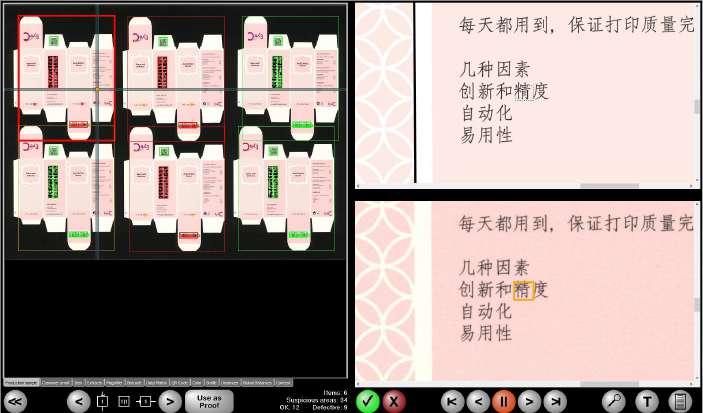
08 Print Quality Control Throughout the Production Process
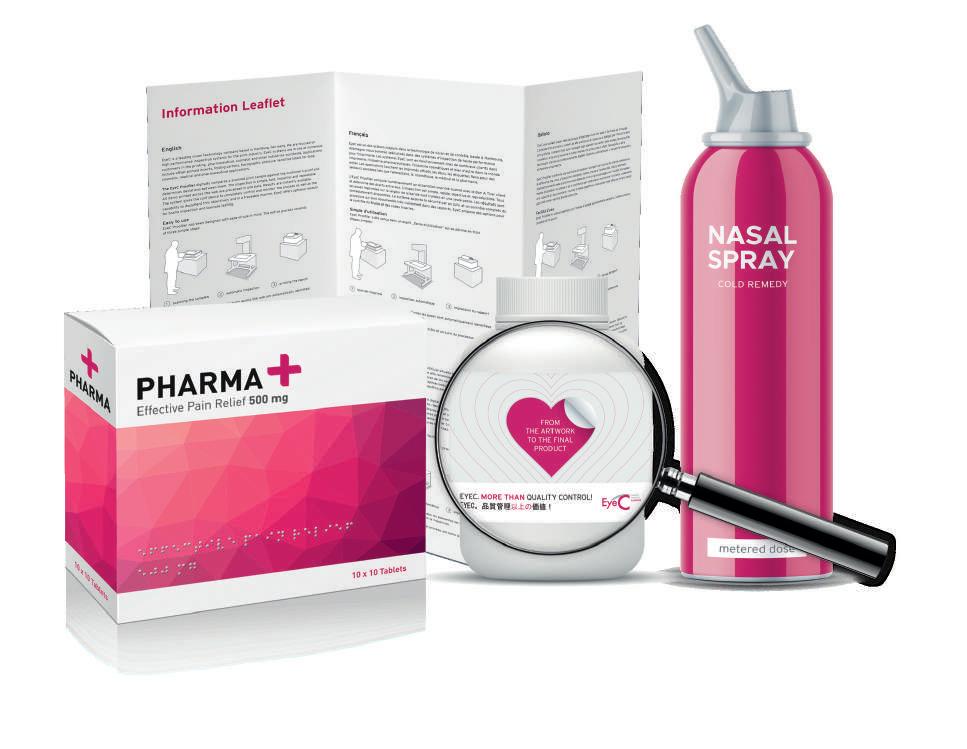
IPI speaks with Dr. André Schwarz of EyeC GmbH about how Pharmaceuticals and medical devices require flawless printing of essential information, utilises the automated visual inspection systems with state-of-the-art equipment designs and software algorithms enable a hundred percent evaluation of printed surfaces of all compositions and shapes and sizes.
10
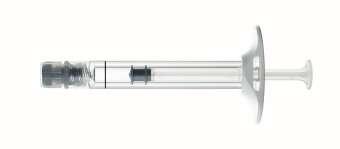
Ophthalmic Drug Delivery for Patients in Actual Clinical Scenes
IPI speaks with Mr. Katsuyuki Takeuchi, Global Product Manager, PLAJEX, on Terumo’s next milestones of customer’s drug product launch to the market with PLAJEX, which will enable their primary container solution to contribute to ophthalmic drug delivery for patients.
12 The Trial Master File (TMF)
The Trial Master File (TMF) is the key to being able to evaluate the conduct of a clinical trial. It documents that the trial was run in a way that met all necessary regulatory requirements and conformed with Good Clinical Practices (GCP). IPI speaks with Aaron Grant, VP of Solutions Consulting at Phlexglobal, (a PharmaLex Company) on how managing the TMF requires following best practice and taking advantage of digital innovation such as AI
REGULATORY & MARKETPLACE
16 A Look Back: The Life Sciences Industry in 2023, and a View for 2024
The breakneck pace of digital transformation spurred by COVID-19 has continued to reshape the life sciences landscape in 2023. Rather than being defined by a single watershed moment, this year marked a turning point as companies began to move from a reactionary adoption to the deliberate integration of advanced technologies across the value chain. Max Kelleher at Generis reflects on the key events that defined this transitional year and glance at the future digital strategies that will be leading the shift from surviving to thriving.
18 Affiliates Want a Substantially Increased Role in Transforming Global RIM, Finds a Major New Global Study
New research has confirmed that in-country Life Sciences company affiliates feel unrepresented in the pursuit of streamlined regulatory information management on a global scale. In light of this, central organisations must determine how to increase participation in efforts to improve global RIM design, maximise efficiency for everyone, and drive a tangible return from now-sizeable RIM investments. Steve Gens of Gens & Associates analyses the findings.
22 What is the Right Validation Model? Practical Considerations and Applications
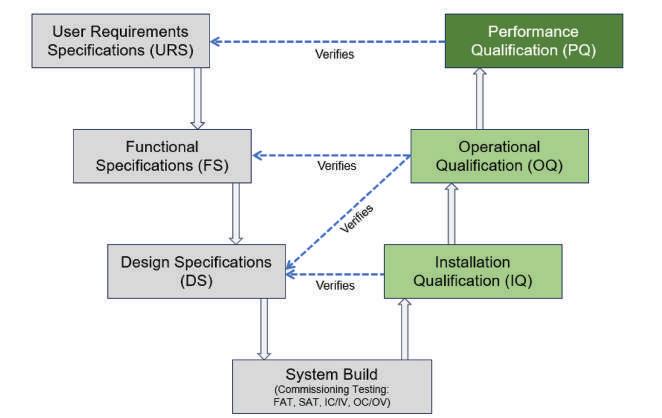
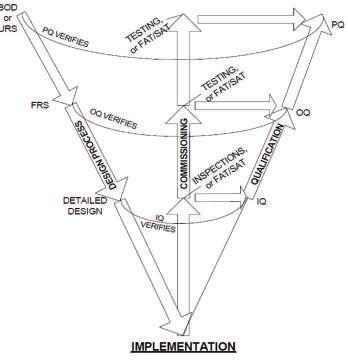
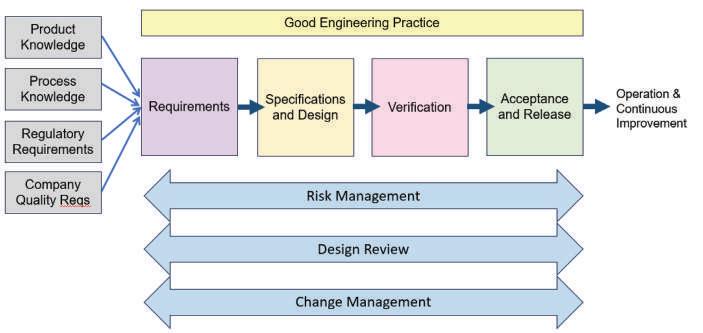
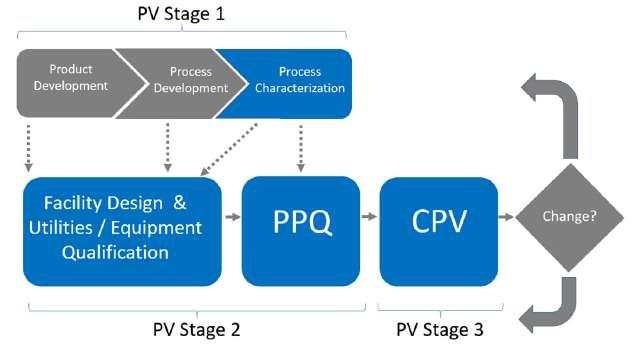
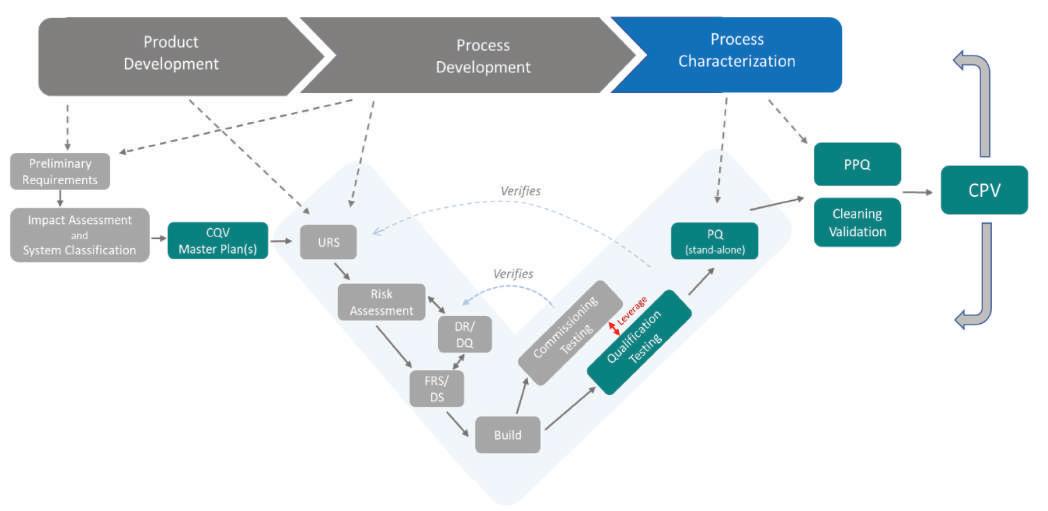
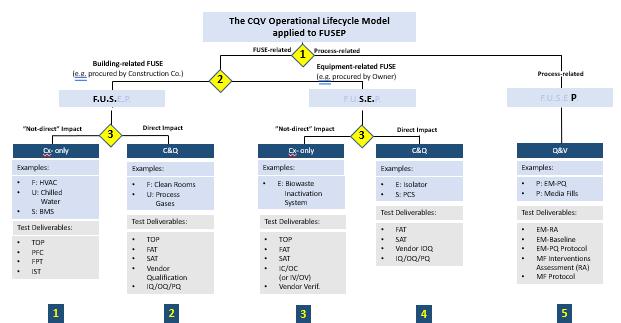
It is now widely accepted that validation in the life sciences industry follows a lifecycle model. What is not always clear is the specific model – or models – to follow and how to navigate through those models in the real world – in other words, the specific deliverables that make up that model and how those deliverables change during the various interactions along the validation journey. From his personal experience in the field of validation, Dr. Gerardo Gomez at PharmaLex proposes organisations follow a dynamic validation model that can support the efficient and optimal operation of their Commissioning, Qualification, and Validation (CQV) program.
DRUG DISCOVERY, DEVELOPMENT & DELIVERY
28 Reliable Real-world Data & Proactive Signal Detection
The Revolution Pharmacovigilance is Crying out for
Signal detection in real-world drug monitoring has barely changed in 70 years since the practice was first introduced in response to the thalidomide tragedy of the late 1950s/early 1960s. But now smart analytics, applied to robust real-world data from electronic medical records and healthcare claims, promises to make comprehensive, proactive signal detection a reliable reality. Going forward, Life Sciences R&D decision-makers, regulators, and other healthcare ecosystem stakeholders will be able to continuously track adverse effects without recourse to data scientists, and without the steer of an existing hypothesis. The breakthrough could also help identify new opportunities for drug repurposing so that Safety becomes a driver of commercial benefit as well as a protector of patients. Elizabeth Smalley at ArisGlobal explains further.
32 Ensuring a Robust Strategy to Navigate the Development of Challenging APIs
Small molecules as therapeutic agents have played a significant role in the improvement of human health and well-being since the discovery and commercialisation of molecules such as Aspirin and Salvarsan over a century ago. As the population ages, human behaviors shift and lifestyles change, and so do the demands for effective treatments. Julian Northen at Onyx Scientific discusses the significant role that small molecules play in treating a wide variety of indications.
36 Why Pharmaceutical Drug Research Needs to Switch Focus
At Safer Medicines Trust, we believe that using human biology-based research is the best way to develop safe and effective treatments for patients. Such research has advanced in leaps and bounds over the last couple of decades and generates findings that are directly relevant to humans, making medical research much more reliable by cutting out the ‘middle mouse’. When you think about it, it makes no sense to investigate diseases in animals and then try to apply the findings to humans. It is much more sensible to study humans directly. Dr. Pandora Pound, Fellow of the Oxford Centre for Animal Ethics, the benefits of modern medicine which is based on human biology.
38 Promising Platforms
How novel processing platforms incorporating new technologies can help to accelerate the development of cell and gene therapy processing…
Cell and gene therapies (CGTs) offer the potential of a one-and-done treatment for many common diseases, as well as those that have had limited treatment options to date. With the added benefits of enhanced targeting capabilities and reduced side effects, CGTs offer huge promise for patients globally. We have already witnessed therapies for spinal muscular atrophy, B-cell lymphoma, and ß-thalassemia reach the market, to name a few, and the market is continuing to grow Jim Sanford at Watson Marlow Fluid Technology Solutions discusses how novel processing platforms incorporating new technologies can help to accelerate the development
of cell and gene therapy processing, overcoming key industry challenges including protecting sterility and product integrity.
42
Mastering the Immune Response: Immunogenicity Management in Biologics
The advent of therapeutic proteins and gene therapies has been a beacon of hope for treating complex diseases. Yet, these innovative treatments often face the significant hurdle of immunogenicity – when the drug administered provokes an immune response in the body. This biological response occurs when the immune system identifies these therapies as foreign, potentially undermining their therapeutic intent. Campbell Bunce at Abzena explain that understanding and managing immunogenicity is a key factor in the development of biologics; it impacts not just the treatment's effectiveness but also its safety profile.
46 Auto-injectors: A Revolutionary Leap in Drug Delivery
In recent years the biopharmaceutical industry has experienced a paradigm shift with the increasing prominence of auto-injectors. This rapid growth is driven by the increasing adoption of self-administration devices across various therapeutic areas for allergies and lifestyle and chronic diseases such as psoriasis, diabetes, multiple sclerosis, and rheumatoid arthritis. Biopharmaceutical companies are actively incorporating autoinjector drug delivery technology into their product portfolios, recognising the competitive advantage these devices offer in terms of differentiation and patient satisfaction. Bill Welch at PCI discusses why the auto-injector market is witnessing a surge in innovation, with companies investing in research and development to enhance device features and compatibility with a diverse range of biological drug products.
CLINICAL & MEDICAL RESEARCH
48 IMI Mobilise-D: The Next Generation of Mobility Research
Mobility is an important marker of health, a slow walking speed is associated with a greater risk of disease, cognitive decline, risk of falls, and even earlier death. As the population ages, the number of people experiencing mobility issues is expected to rise. However, accurately assessing people’s mobility, especially in the real world is far from easy. The Innovative Medicines Initiative (IMI) funded Mobilise-D project aims to develop a comprehensive system to analyse people’s gait using digital technologies, including sensors worn on the body. Gerard Quinn at ICON explains more about IMI and its aim to speed up the development of better and safer medicines for patients.
TECHNOLOGY
50 Maintaining Total Compliance and Avoiding Costly Recalls: What Role Does Technology Play?
Like so many sectors, new technologies, software, and developments in artificial intelligence (AI) and machine learning (ML) are having a profound impact on the medical device and pharmaceutical industries. This was accelerated significantly by the COVID-19 pandemic and while there are many benefits, this pace of development can be hard to keep track of – especially for pharmaceutical giants operating in many countries, all with their own regulatory requirements. Bob Tilling at Kallik explains that this is also forcing regulatory bodies to constantly update guidance to ensure patient safety, which creates a raft of compliance challenges from a labelling and artwork perspective.
52 The Power of a Digital-first Lab Transformation: Enhancing Efficiency and Decision-making
The pressing need to respond to global health crises and provide timely access to treatments is driving demand for accelerated speed in bringing new medicines, vaccines and diagnostic testing services to market. In this article, Henal Shah, Head of Life Sciences Lab Practice GGM & M&A,
and John Dunne, Lab Centre of Excellence Consultant at Cognizant Life Sciences Manufacturing, delve into the driving forces propelling the digital lab concept. They examine the potential it holds for the pharmaceutical industry and the strategic considerations involved.
MANUFACTURING
56 Drug Delivery Systems Making Inhaled Therapies Fit for the Future Improving the Sustainability of Pressurised Metered Dose Inhalers
Since their introduction in 1956, pressurised metered dose inhalers (pMDIs) have become the dominant treatment choice for patients suffering from common respiratory diseases such as asthma and chronic obstructive pulmonary disease (COPD). However, unbeknown to most patients and many doctors, pMDIs account for 3.9% of NHS’s annual carbon emissions. Paul Hardman at Broughton will discuss how formulation changes might be the answer to the pMDI-related sustainability problem.
PACKAGING
60 Pharmaceutical Packaging and the Plastic Dilemma: Can PCR Materials Make a Difference?
Considering the growing fight against plastic waste, tightening environmental regulation, and changing public opinion, it is vital pharma finds new and more responsible ways to use plastic within its primary and secondary packaging. Steve Brownett-Gale at Origin explores the growing use of PCR in pharmaceutical packaging, its benefits, and challenges, as well as discusses the reasons why a demand-led, responsible, and pragmatic approach is necessary.
64 Understanding & Working Towards Container Closure Integrity
Primum non nocere. First, do no harm. This sentence, often considered as the official motto of healthcare providers, organisations, and associations around the world, sets the bar for the global pharmaceutical industry. Patient safety should always come first. However, this philosophy doesn’t just boil down to guiding the practices of medical professionals and drug
developers. It extends towards the healthcare sector’s expectations for every component, instrument, and process orbiting the development and manufacture of medicine – with an emphasis on parenteral drugs. Roman Ventura at Datwyler discusses further that injectable therapies are some of the most highly sensitive drugs that require the most rigorous protective measures to ensure no particles, microbes or oxidisation jeopardise formulation integrity.
HEALTH OUTCOMES
68 Making Solid Oral Dosage Forms a Reality for Cannabinoid-based Drug Development
In the rapidly growing and evolving cannabinoid space, crafting more patient-centric pharmaceuticals that meet therapeutic needs and convenience is at the forefront of drug developers’ minds. Yet manufacturers continue to face challenges in this realm due to the lipophilic nature of cannabinoid molecules and their limited solubility. Alexandru Zabara Ph.D., Innovation Manager at dsm-firmenich, shows how his team is breaking technical boundaries in a market dominated by liquid formulations to unlock cannabinoid-based solid oral dosage forms with superior pharmacokinetics.
LOGISTICS
& SUPPLY CHAIN MANAGEMENT
70 Ensuring the World’s Access to Vital Medicine: The Role of the Cargo Industry in Pharmaceutical Transport
During the global pandemic, there became a new focus and awareness of the importance of transporting vital vaccines and medicines. COVID-19 amplified just how important air cargo is and everyone’s dependence on it to transport food, medicines, PPE, and e-commerce – only air cargo makes it possible to transport vaccines at speed to destinations thousands of miles from its manufacturer. As the world changed, the air cargo industry swiftly adapted its offerings to accommodate the transportation of temperature-controlled goods. Jordan Kohlbeck at IAG Cargo reveals that some cargo companies even launched brand-new charter services to provide the capacity customers so desperately demanded.
Precision Revolution
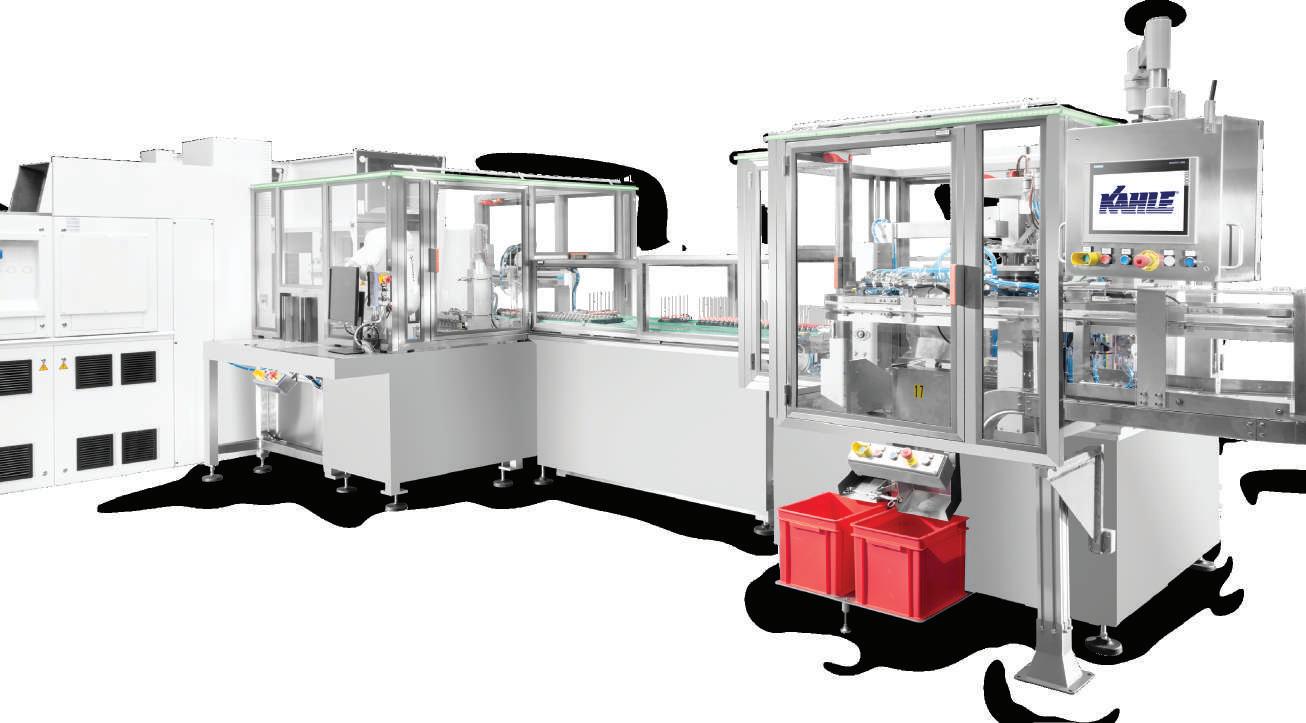
Your quest for perfection ends here. Let’s revolutionize your manufacturing process, redefine precision, and gear up for excellence together. When you partner with KAHLE perfection isn’t a destination—it’s the journey we craft, gear by gear.
Visit www.KahleAutomation.com Contact: Kahle@KahleAutomation.com U.S.A. | ITALY | CHINA
Kahle® is dedicated to providing custom automation machinery solutions for the Medical Device, Pharmaceutical, and Healthcare Industries around the world.
Editor's Letter
To maintain profitable and resilient operations, CEOs and COOs of pharma companies may need to make bold changes to their operations strategy as the industry navigates new challenges.
In the past, many pharmaceutical companies (pharmacos) deprioritised operations strategy in the face of competing business pressures. This is now changing. Factors such as the COVID-19 pandemic, inflation, geopolitics, new therapeutic modalities, and new ways of working make it vital for pharmacos to carefully reconsider their long-term choices in sourcing, manufacturing and supply chain.
Now is precisely the right time for this renewed emphasis on operations strategy as pharmacos emerge from two years of intense firefighting. Succeeding in pharma under these new and challenging conditions will require succeeding in operations.
The focus for operational leaders may need to shift from the prevailing emphasis on continuous improvement, including cost savings, quality assurance, and constant readiness to deliver, to longer-term external challenges. These include high inflation and an increase in complexity and risk, as well as the compounding effects these forces have on each other.
Pharma operations leaders now have an opportunity to deliver even greater value to their organisations by achieving this shift in focus, but they must act quickly to keep abreast of the challenges confronting the
Editorial Advisory Board
Bakhyt Sarymsakova, Head of Department of International Cooperation, National Research, Center of MCH, Astana, Kazakhstan
Catherine Lund, Vice Chairman, OnQ Consulting
Deborah A. Komlos, Principal Content Writer, Clarivate
Diana L. Anderson, Ph.D president and CEO of D. Anderson & Company
Franz Buchholzer, Director Regulatory Operations worldwide, PharmaNet development Group
Francis Crawley. Executive Director of the Good Clinical Practice Alliance – Europe (GCPA) and a World Health Organisation (WHO) Expert in ethics
Rick Turner, Senior Scientific Director, Quintiles Cardiac Safety Services & Affiliate Clinical Associate Professor, University of Florida College of Pharmacy
industry. The effort will require enormous mobilisation and thoughtful prioritisation. This task will fall to leadership; only the CEO and head of operations are in the right positions to make it happen.
This issue of IPI features many articles that explore the challenges facing pharma leaders and the steps they can take to develop a more strategic, long-term and integrated approach to operations strategy. It presents questions leaders can ask as they design the solutions needed to make sure operations can protect enterprise continuity while still delivering to patients. Dr. Gerardo Gomez at PharmaLex proposes organisations follow a dynamic validation model that can support the efficient and optimal operation of their Commissioning, Qualification, and Validation (CQV) program.
Julian Northen at Onyx Scientific discusses the significant role that small molecules play in treating a wide variety of indications. Cell and gene therapies (CGTs) offer the potential of a one-and-done treatment for many common diseases, as well as those that have had limited treatment options to date. Jim Sanford at Watson Marlow Fluid Technology Solutions discusses how novel processing platforms incorporating new technologies can help to accelerate the development of cell and gene therapy processing, overcoming key industry challenges including protecting sterility and product integrity. I will meet many of you at Pharmapack in Paris soon, so I sign off this year by wishing you all а very Merry Christmas and а very Happy 2024. Enjoy the festive cheers.
Georg Mathis Founder and Managing Director, Appletree AG
Jagdish Unni, Vice President – Beroe Risk and Industry Delivery Lead – Healthcare, Beroe Inc.
Jeffrey Litwin, M.D., F.A.C.C. Executive Vice President and Chief Medical Officer of ERT
Jeffrey W. Sherman, Chief Medical Officer and Senior Vice President, IDM Pharma
Jim James DeSantihas, Chief Executive Officer, PharmaVigilant
Mark Goldberg, Chief Operating Officer, PAREXEL International Corporation
Maha Al-Farhan, Chair of the GCC Chapter of the ACRP
Stanley Tam, General Manager, Eurofins MEDINET (Singapore, Shanghai)
Steve Heath, Head of EMEA – Medidata Solutions, Inc
Patrice Hugo, Chief Scientific Officer, Clearstone Central Laboratories
Heinrich Klech, Professor of Medicine, CEO and Executive Vice President, Vienna School of Clinical Research
Robert Reekie, Snr. Executive Vice President Operations, Europe, Asia-Pacific at PharmaNet Development Group
Stefan Astrom, Founder and CEO of Astrom Research International HB
T S Jaishankar, Managing Director, QUEST Life Sciences
Virginia Toteva, Editorial Manager – IPI
UniSafe® Platform
Delivering the future with safety and simplicity
Developed around UniSafe®, our platform meets the needs of you, our partner, and your varying patients’ needs both now and in the future.
A spring-free, passive safety device for 1mL pre-filled syringes, designed for simple assembly and use.
Proven, on market, in patient use
A spring-free, passive safety device for 2.25mL pre-filled syringes, designed for simple assembly and use.
Fully industrialised and ready to supply
A reusable companion auto-injector for UniSafe® 1mL.
A reusable connected companion auto-injector for UniSafe® 1mL.
Visit ompharmaservices.com/ipi-sept2023 or email pharmaservices@owenmumford.com
Talking Point
Print Quality Control Throughout the Production Process
IPI speaks with Dr. Andre Schwarz of EyeC GmbH about how Pharmaceuticals and medical devices require flawless printing of essential information
Q: EyeC is the only supplier on the market ensuring print quality throughout the production process, from the first artwork file to the finished product. Can you tell our readers how you started and where you are today as a company?
A: Established in 2002 by Dr. Ansgar Kaupp, Dirk Lütjens and Sören Springmann, EyeC still has its founding managing directors at the helm. Since our early beginnings to the present day, the pharmaceutical industry is still one of the main customers for our inspection systems. For example, 20 of the 25 largest pharmaceutical companies use EyeC systems in their quality control process and this is not only due to the precision of the devices, but also to the comprehensive service and expertise in dealing with regulated industries that we provide. GMP, CFR 21 part 11, FAT/SAT etc. are not alien concepts to us, but daily business, considering that we offer secured Workflows and an extended Validation Support. Over 3,000 systems are now in use by our customers, from artwork creation to sample tests, and EyeC offers a tailor-made solution for every need.
Q: Print Quality Control throughout the production process – what does it mean in terms of helping pharmaceutical companies gaining an upper hand?
A: We give pharmaceutical companies the right solution at every step of the print production process, starting from the creation of the artwork for a medicine box or a package insert, for example. This guarantees at an early stage that an errorfree and legally compliant artwork is created. When printing the boxes or package inserts, all printed items can then be checked against the approved artwork, so that the print shop can guarantee that hundred percent of its production matches the printed image and the content required. The batch delivered by the printers can then be inspected directly on the customer's premises using the random sampling method. In this way, a packaging hundred percent secure can be guaranteed at any point in the printing
process. Pharmaceutical customers use the random sample inspection in most cases, and our software checks artwork, Braille, 1D and 2D codes in a single pass, so that the goods can be quickly but safely transferred to the production process. The inspection is carried out using qualified devices, and we support our customers in validating their processes, so they can be carried out in an inspectionsafe manner and in accordance with all the relevant pharmaceutical standards.
Q: Pharmaceuticals and medical devices require flawless printing of essential information, including recipes, batch numbers, and codes, which must also accommodate a range of materials, frequent layout changes, and text in different languages and alphabets, as well as non-textual information, like barcodes and logos. How does the automated visual inspection systems with state-of-the-art equipment designs and software algorithms enable a hundred percent evaluation of printed surfaces of all compositions and shapes and sizes?
A: The manual proofreading and the checking of print products that used to be the norm is a tedious, error-prone, and very slow process. However, the automated checking, for example, performed with the scanner based EyeC Proofiler system, is fast and efficient. Not only the artwork is compared with the printed item with pixel accuracy in
a single inspection pass, but the content and quality of codes is also checked, Braille is read and the conformity of the tactile dots to standards is assessed. And all the above is done in minutes. This alone represents an added value that cannot be overestimated. Furthermore, this type of testing can always be carried out the same way, can be validated and is incorruptible and consistent; on request, with a defined workflow and reviewed by another person.
Q: In your opinion, what are the serious consequences that critical printing errors can have?
A: In the case of so-called "normal" print products, the errors are annoying and recalls cost money and can damage reputations. In the pharmaceutical sector, on the other hand, printing errors can be unforgivable and life-threatening. Whether the dosage on a package insert says 3.5 mg or 35 mg can make the difference between life and death, or at the very least, serious side effects. Accurate testing is therefore necessary under all circumstances. All the regulations in the pharmaceutical industry do not come from a vacuum but serve to protect the consumers. And we see it as our responsibility to ensure this protection. Therefore, as a pharmaceutical industry supplier we go to great lengths to make pharmaceutical products even safer, working together with manufacturers and distributors.
Q: On a given label, different areas of text have different levels of criticality. There are the regulatory guidelines, which may differ from region to region, and products going to multiple markets have to comply with multiple standards. How do your solutions help pharma companies navigate global standards?
A: Our systems offer the option of creating different parameter sets for different tasks; for example, one can also create areas with different test severities if one wishes. As the system carries out a pixel-precise check, the language is also irrelevant. Braille can also be checked in different alphabets. And thanks to our worldwide service network, one system can be used in all locations without any problems, no matter where in the world they are located. This greatly simplifies installation work and ensures that requirements are met in exactly the same way everywhere. Our customers appreciate this type of cooperation, as systems can be procured centrally and rolled out to all locations.
Q: I understand that besides pharma, EyeC is also supplying to other sectors. What other market sectors do you supply to and how do you apply lessons from other industries to the pharmaceutical sector?
A: Although the pharmaceutical industry is one of our largest customers, we also supply our systems to other regulated sectors such as the food and cosmetics industries. These have different requirements and needs, but also similarities, and this gives us a comprehensive picture of what is important and which developments are relevant across all industries. We can always learn from this in order to serve each individual customer in the best possible way. But we can also learn from working in non-regulated sectors. For example, if a supplier can solve quality problems with our systems, this is also relevant for the pharmaceutical industry. The
knowledge gained from all these industries means that we can continue to improve our product.
Q: Have you noticed any recent changes in the industry? What are customers looking for now? How are you addressing these changes?
A: Digital transformation goes beyond the pharmaceutical industry; things like cloud solutions, networked systems, artificial intelligence, etc. are also on everyone's lips in this sector and will become more important in the future. We are already in the midst of this transformation and are driving forward together with our customers and partners, whether this means error (pre-)assessment using AI or networking with LIMS systems to further automate processes, to name just two examples. It is for our customers that we need to be innovative and at the cutting edge, and this is the only way we can both benefit as much as possible from the automated inspection.
Q: The pharma industry faces challenges from global competition, shorter innovation cycles, legal regulations for safety and environment, and individualised product demand. How does your company help with ramping up production and accelerate faster products to market to combat new diseases?
A: As mentioned above, we can make the inspection a decisive factor faster and more efficient. But this speed and efficiency is not at the expense of safety - quite the opposite. By integrating the latest regulations, we are the interface towards greater safety. This starts with development. All our employees, from development to product management and sales, are trained in GMP regulations so that the regulatory requirements are already taken into account when creating the software. We do not build software that is subsequently
Talking Point
given GMP-relevant functions; instead, these are already integrated into the requirements for features yet to be developed. We take the requirements seriously – all URS are answered by a certified computer validation expert, for example and can therefore help to bring safe and error-free products to market quickly and right from the start.
Q: What is EyeC’s vision for the future? And which are the projects you’re most looking forward to?
A: In the future, we are going to have networked products and a comprehensive communication and documentation will be a matter of course. Our products can already be used every step of the way in the production process, but in the future these individual steps will be much more interlinked. The individual tests will be accessible anywhere on the cloud and be constantly available for review, for example, whether to the customers themselves or to the regulatory bodies. The automation of the inspections will progress, and artificial intelligence will help the user to find and evaluate all deviations to always receive a safe product. We are already working on these things - keyword Pharma 4.0 -, and it will be interesting to see how they can help us to deliver even more safety features to our customers and enable sustainable production. And this is something that should not be ignored either: with our products, not only do we help the detection of errors, but also help print shops to work as resourceefficiently and efficiently as possible. After all, if only error-free goods are printed, the waste volumes are substantially reduced, and expensive machine time is saved; and safety and sustainability go hand in hand here.
Dr. André Schwarz is Director of Marketing & Documentation at EyeC. He has been employed at the company since 2016. As a computer validation expert, with a doctorate in German studies and years working in research and editing, Dr. Schwarz has steadily expanded EyeC's Validation Support department over the past six years to offer high-quality support to pharmaceutical industry customers.
André Schwarz
Talking Point
Ophthalmic Drug Delivery for Patients
IPI speaks with Yuki Takeuchi on requirements and trends in ophthalmic drug delivery, and Terumo's solutions in the segment focusing on their primary container platform PLAJEXTM
Q: Can we start by telling our readers how long has Terumo been involved in the Ophthalmic Drug Delivery segment, and what are your biggest accomplishments in this area?
A: We became aware of the market needs for improved ophthalmic drug delivery solutions in 2015 through market survey and interaction with pharmaceutical customers. Since then, we kept working on understanding the challenges and requirements for patients, healthcare professionals, pharmaceutical companies, as well as regulatory authorities, and reflected these requirements into our product development program. As the result, we succeeded in developing a new ready-tofill syringe solution addressing the market challenges, and it triggered high interests from multiple pharmaceutical customers for their ophthalmic drug development activities.
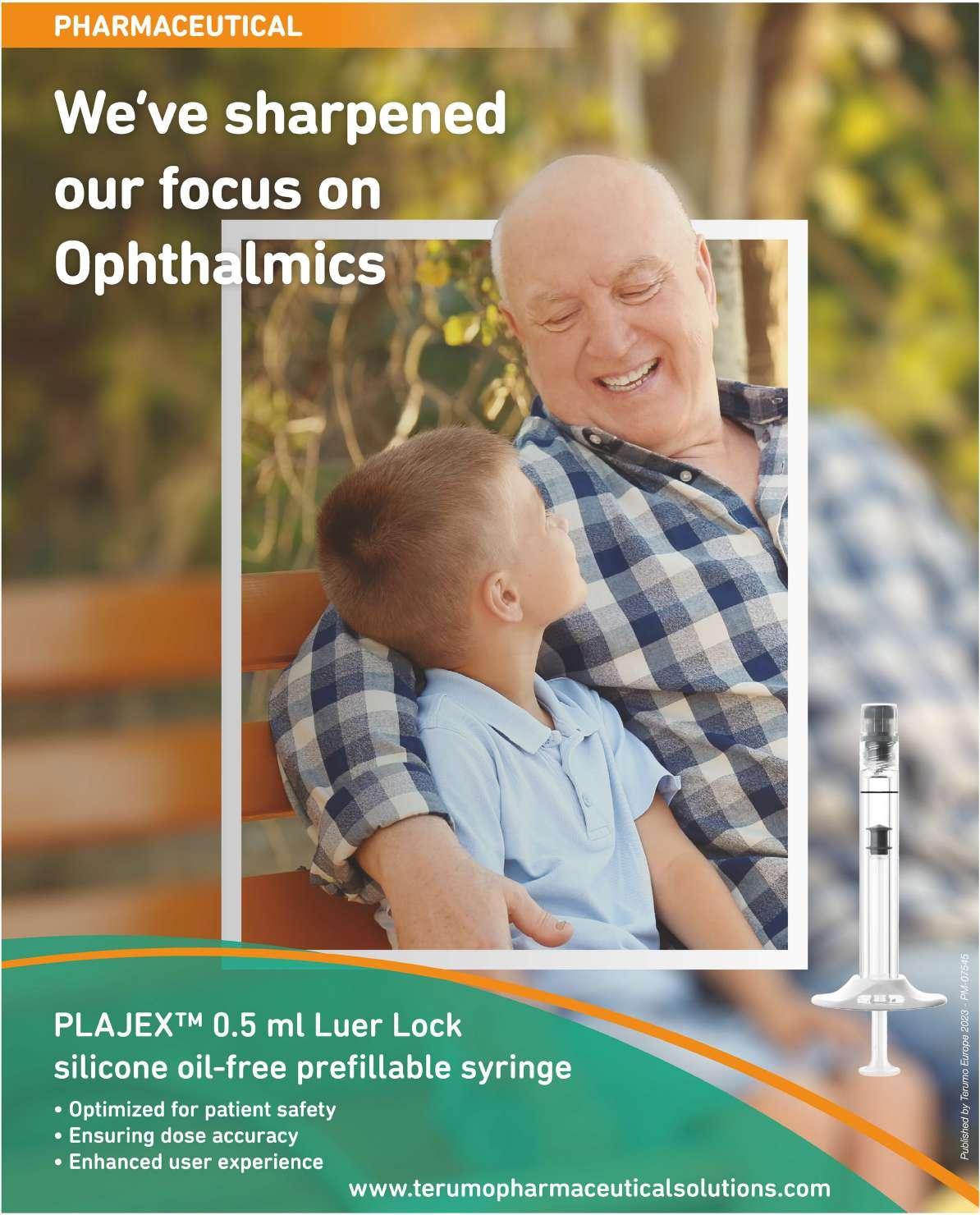
The biggest accomplishment so far is the product launch of our PLAJEX 0.5mL Luer Lock silicone oil-free syringe which addresses challenging low dose applications such as ophthalmic drugs. The product launch was achieved in May 2022 after successfully implementing product design improvements as well as process improvements on our early-phase solutions.
Our next milestones would be customer’s drug product launch to the market with PLAJEX, which will enable our primary container solution to contribute to ophthalmic drug delivery for patients in actual clinical scenes.
Q: You mentioned that you worked on capturing the market challenges and requirements in ophthalmic drug delivery. Can you explain what you learned from it?
A: One of the important challenges in the ophthalmic drug delivery we identified is silicone oil which is injected to patient’s eyes through intravitreal injection. Traditionally, silicone oil has been used as a lubricant for syringes to facilitate smooth movement of the plunger stopper within the syringe barrel. However, in case of ophthalmic drugs, it has
been shown that silicone oil can be deposited in the eye’s vitreous humour and accumulate after repeated injections. Silicone oil droplets that remain in the eye and are visible to the patient are commonly referred to as “floaters” and avoiding them is one of the key considerations for intravitreal injection treatments. For verifying the problem statement, we conducted several interviews with ophthalmologists in the US as a part of a formative human factor study. The interviews showed that most of them are concerned about silicone oil in the syringe which they use for intravitreal injections.
Related to that, ophthalmic drugs are required to follow stricter requirements compared with other parenteral drugs. For example, USP<789> “Particulate Matter in Ophthalmic Solutions” requires ophthalmic drug products to have no more than 50 particles sized ≥10μm per mL, and no more than five particles sized ≥25μm per mL. Silicone oil is also known to be detected as a particle in this context and to have the potential to induce protein aggregation, which further increases particle counts in drug products.
Another challenge we identified is accurate dosing of ophthalmic drugs. For most marketed intravitreal injection drug products, the typical administration volume is 50 μL but actual injected volume can vary significantly. This can be a significant issue when the therapeutic window is extremely narrow, such as with potent drugs or preterm neonates diagnosed with retinopathy of prematurity. There are several factors at play when attempting to achieve accurate dosing, such as tight tolerances of the internal diameter of the syringe, accurate printing of an external dose mark on the syringe, and user-related factors.
Q: Can you explain how did you translate the market needs to the requirements for PLAJEX 0.5mL Luer Lock silicone oil-free syringe, and what is the response from the industry?
A: Considering the market insights, we developed PLAJEX 0.5 mL Luer lock Silicone
oil-free syringe, making it suitable for highvalue drug applications such as intravitreal injection. In this way, PLAJEX enables pharmaceutical players to offer a safe, easyto-use and effective treatment option for patients with ophthalmic disorders. The key advantages of the PLAJEX 0.5 mL Luer lock syringe include:
• Silicone oil-free
• Low subvisible particle level
• Tight dimensional tolerance
• Clear dose mark for dose confirmation
Since we started offering the new primary container solution, we received clear interests from many of pharmaceutical customers who focus on ophthalmic drugs. While it confirmed that we correctly captured the market needs, we also realised that customers are requiring the highest possible product quality standard in terms of particles, endotoxins, container closure integrity, and so on to minimise clinical risks associated with intravitreal injection. We are in close and continuous discussion with pharmaceutical customers to understand how we can further improve product quality for better ophthalmic drug delivery.
Q: Recent advances in pharmacological agents have led to successful treatment of a variety of retinal diseases such as neovascular age-related macular degeneration (AMD), diabetic macular oedema (DMO), and retinal vascular occlusions (RVO). These treatments often require repeated drug injections for an extended period. To reduce these repeated treatment burdens, minimally invasive drug delivery systems are needed. What is Terumo’s take on this market trend?
A: To minimise patient discomfort associated with injection treatments, huge efforts have been made by pharmaceutical companies to extend the injection interval. This general trend in injection treatment also applies to intravitreal injection, and the latest intravitreal drug products have injection interval of 4 month instead of 1 month interval of early-phase products in this category. We
expect this trend will continue for better patient quality of life and it is our mission to contribute to such a healthcare improvement.
In that context, we see more and more drug development activities for higher dose compared with today’s typical administration volume which is 50 μL. This trend suggests that primary container suppliers like us need to be ready to customise the syringe design to assure accurate delivery of drug product at intended dose.
Q: Other than intravitreal injection, what are the different routes through which ocular drugs may be delivered?
A: To make the ophthalmic drug delivery more efficient, different administration routes are being investigated in the industry. One of the examples is suprachoroidal injection as a target delivery to the posterior segment of the eye. The suprachroidal space is the region between the sclera and the choroid and provides a potential route for minimally invasive medication delivery, and it is expected to provide advantages such as higher drug concentrations, increased bioavailability, and prolonged duration of action. Due to these expected advantages, there are increased number of drugs in pipeline in clinical trial today which are administered by suprachoroidal injection.
On the other hand, to achieve a targeted delivery to the suprachroidal space, new injection devices might be required. We are exploring how Terumo can contribute to this new drug delivery method with our technologies.
In addition to that, implant is another option for ophthalmic drug delivery. The advantage of implant is to significantly reduce the frequency of treatment and could potentially improve patient’s quality of life.
Q: As the world continues to diversify, a one-size-fits-all approach to medicine is becoming obsolete and more patients are leaning towards the innovation of personalised medicine. In the past, this demand could not be easily met, but with advancements in automation engineering, it’s become more possible to make personalised medicine commercially viable. What are your applications in this field?
A: We do see a market trend where more and more customers are applying flexible drug filling processes with smaller batch size compared with the traditional highthroughput processes. These flexible drug filling processes tend to require specific supply configuration for primary containers to satisfy unique requirements of the filling machines. To be ready for this shift in the industry, we are making efforts to develop new packaging configurations for our primary container components as well as optimising our manufacturing and supply chain processes to satisfy customer’s requirements in personalised medicine projects.
Terumo’s Pharmaceutical Solutions Division is a true global and diverse team who is active in various regions in the world. To offer relevant solutions for personalised medicine projects, we put importance on proximity and close communication with customers as we believe these are the keys offer best solutions to pharma customers and patients.
Q: What is Terumo’s vision for the future? What projects are you most looking forward to?
A: Terumo has always sought to create solutions to the challenges of our customers. Decades of expertise were applied to develop Terumo’s industry-leading polymer-based syringes that have since become the global industry standard.
One of the pillars of our long-term strategy is to accelerate “Deviceuticals”, which means creating solutions by combining devices and pharmaceuticals. Terumo’s capability and potential towards the ophthalmic industry is not limited to our primary container PLAJEX, but we are also looking into the possibility to maximise our contribution to the ophthalmic drug delivery through other platforms in our
portfolio, such as injection needle products as well as fill and finish contract manufacturing services.
Our aim is to become the best solution provider for pharmaceutical customers not only for ophthalmic drug delivery but also for high value injectable drug delivery with our experience and expertise.
Q: The pharma industry faces challenges from global competition, shorter innovation cycles, legal regulations for safety and environment, and individualised product demand. How will integrated engineering help ramp up production faster and accelerate clinical trials to combat new diseases?
A: Our capability and expertise in multiple aspects including design and manufacturing of syringes and injection devices, fill and finish contract manufacturing services, and development of drug delivery devices enable us to offer an integrated solution to pharmaceutical companies. The integrated solution can significantly de-risk a project, enabling accelerated timelines, regulatory compliance, and reduced cost of ownership.
Working with Terumo as one single source for drug delivery solution will simplify supply chain, from small clinical batches to commercial-scale production, which will result in faster time to market of drug products.
Yuki Takeuchi is Global Product Manager for the PLAJEX Ready-to-Fill syringe platform at Terumo Medical Care Solutions – Pharmaceutical Solutions Division. With extensive knowledge in pharmaceutical science, he has worked in research and development of injectable drug products, such as intravenous solution bags and prefilled syringes, and has contributed to the launch of various products into the market. Leveraging his experience in formulation engineering and industrialisation of injectable drug products, he currently has product management responsibilities for PLAJEX platform.
Yuki Takeuchi
The Trial Master File (TMF)
IPI speaks with Aaron Grant, VP of Solutions Consulting at Phlexglobal, (a PharmaLex Company) on how managing the TMF requires following best practice and taking advantage of digital innovation such as AI
The Trial Master File (TMF) is the key to being able to evaluate the conduct of a clinical trial. It documents that the trial was run in a way that met all necessary regulatory requirements and conformed with Good Clinical Practices (GCP). Managing it requires following best practice and taking advantage of digital innovation such as AI, as Aaron Grant of PharmaLex explains.
Q: Can we start with an overview of PharmaLex’s best practices approach to the TMF?
A: Having a high-quality TMF is a priority since poor documentation can result in critical inspection findings.1 A best-practice approach to the TMF means carrying out quality control of documents, conducting oversight of clinical research organisations, and doing TMF completeness checks. The challenge is these are resource-intensive activities and because few companies have the resources to QC 100% of TMF documents, the practice has been to take a risk-based approach in accordance with regulatory guidelines.2
Q: Recently artificial intelligence has become a more widely used tool in industry. How can it help to enhance the management of the TMF?
A: Primarily, AI is becoming more available and accepted as a potential solution for some of these problems. People in industry are getting more familiar with the terminology around AI, what it does and why. At a high level, what AI does is remove the challenge around resources and allows companies to
conduct a more thorough QC of the TMF. AI makes it possible to do complete review, and much quicker than a human can. You still need people to do those completeness and quality checks, but AI means you don’t have to rely on a risk-based approach and instead can carry out a thorough assessment without the need for additional human resources.
Q: There are obviously many ways in which AI can be leveraged to support the TMF. Can you take us through some of those key steps.
A: There are four key takeaways here –document classification, document quality checks, metadata extraction, and risk-based QC.
First, the TMF Reference Model established a common standard for classifying and organising documents.1 The challenge is that there are, on average, more than 400 sub-artifacts within the TMF, making it very difficult for document owners to know where to put the document in the classification. AI, in essence, acts like an expert looking over your shoulder and offering prompts on document classification.
During document quality checks, a lot of time is spent looking through the content for blank or missing pages, legibility issues, inconsistent rotation of the document pages and other such issues. AI can be used to scan the documents and find these issues, which is a huge time saver.
Metadata extraction is about turning unstructured information in your documents into structured data. This allows you to have a
searchable field in your database so you can filter your search. For example, the name of an investigator for a clinical trial will be on that person’s CV, but to be able to search for that person you need to extract that metadata. AI can do this quickly and seamlessly.
With risk-based QC, we know that it’s rarely possible to conduct 100% of QC checks manually due to resource constraints. But AI can step into that gap. For example, with the hundreds of sub-artifacts in the TMF reference model, some document types are easy to classify, so document owners are confident with placing those documents in the TMF. What we’ve done with our product is have an extra AI check of those types of documents, so you don’t need a human to do a QC on those. In the past, this would have been part of a risk-based approach, but it would be based more on subjective experience. What AI does is to put some metrics around that approach based on confidence scores and historical accuracy. Hence, it puts greater objectivity around the risk-based approach.
Q: Can you share one or two case studies where AI has helped to drive TMF process improvement?
A: One example is around document classification for a TMF that has never been organised before. We have a client who had a legacy study in paper only that they needed to get inspection ready. Essentially, we were given many boxes of documents that needed to be scanned and placed in a well organised, high quality TMF. Since it was a new TMF, there was no migration mapping or document metadata to help guide classification. However, we were able to utilise AI during
the document processing to suggest the document classification, which helped our processors to organise the documents far quicker than if we had had to review each document to determine how to classify it manually, with no suggestion to refer to. Another example is around QC automation, which we have in place with our operations team. As I mentioned earlier, since most companies don’t have the resources to do one hundred percent QC, they take a risk-based approach. But AI lets you check hundred percent of documents without increasing the team resource. How we have configured this in practice is that for a particular client, we analyse the accuracy of the AI classification with the client’s data and determine how likely the AI will be correct moving forward, dividing that out by different document types. Then when AI does its QC, the classification will be compared to what the user has specified. If the AI has been historically accurate with classifying this type of document and the two are in agreement, we can effectively “skip” the manual QC of this document having a high degree of confidence that the document is classified correctly based on the AI’s input in the process. Even in cases where the AI’s historical accuracy is lower, and we do not “skip” the QC, the person performing the manual QC has this information about what the AI thinks the classification is, which may help them in their review. This allows for greater efficiency, so you can have fewer resources focused on QC, but it also supports the overarching objective that is a highquality TMF without the additional resources that otherwise would be needed.
Q: To what extent is industry adopting AI solutions to support the TMF?
A: It is early days, and full adoption is likely to take several years. Some companies are very excited about the prospect of AI and others are more reticent. That’s true in all areas of the industry, not just the TMF. Even before AI came along, there was uncertainty or mistrust around using smart technology to improve the TMF quality. For example, taking metrics out of the TMF to create a TMF health score that would tell you whether your TMF was on track or not raised a lot of questions. People wanted to know exactly how that score was reached. They didn’t want a bad score because they were worried how it would look to their line manager. So, a cautious approach to something new is standard in the industry. But the more
companies that dabble with AI, the sooner it will become accepted as an integral tool to supporting the TMF.
The regulators, meanwhile, are increasingly recognising AI as being part of the overall process. While there aren’t yet regulations or guidelines specific to the use of AI within the TMF, both the FDA and EMA are discussing the role and the expectations of using AI and machine learning in the drug development process. In a discussion paper, FDA has said: “Use of AI/ML could... significantly enhance data integration efforts, by using supervised and unsupervised learning to help integrate data submitted in various formats and perform data quality assessments. Additionally, AI/ML can be used for data curation via masking and de-identification of personal identifiable information, metadata creation, and search and retrieval of stored data. These applications can potentially increase data accuracy and improve the speed at which data are prepared for analyses.”4
Q: What is unique about PharmaLex’s approach to the use of AI and the TMF?
A: The real trick with AI is making sure you have a dataset that is robust and representative enough to train an AI model to do what you want it to do. And the trouble in the life sciences is that the data is often behind firewalls – for good reason.
What we’ve been able to do with our technology is pool all of our clients’ data –taking away the context of the document so there is no risk of any kind of privacy breach – and send text to our AI engine. So, let’s say we have a small tier three client who is doing their first couple of clinical studies and doesn’t yet have much data. Because we're using this shared data model, they can go in and get suggestions on their documents for document classification because the model is built with global data from companies of all sizes. That's really what sets us apart from anybody else in this space.
Another huge differentiator is that nobody else is doing the QC automation, which I’ve touched on earlier.
A: This goes back to what I mentioned about having that dataset, which is the substrate that you will build your AI model on. How you build that model and tweak it to make sure it's giving you the output that you want, is still a very technically specialised field. And, while the AI developers need to be specialised, they also need to be directed into building the model in such a way that it can solve the business problem, which requires very in-depth knowledge.
For example, you need to be able to answer questions like “does this document have a standard template across the world or is it going to be different from country to country?” That means understanding the variances with the data – where it looks the same and where it differs. Because each of those things matter in terms of how the AI developer needs to weight the model. You need to be able to determine what’s a trend versus what’s an outlier with the data.
So, while you will have people with business knowledge within the field, they wouldn’t necessarily be able to answer or even consider whether a piece of data was an outlier or a trend, never mind explain that well enough to a developer, to have them weight the model within the AI.
It’s a very different way of developing software to the usual approach where you have input A, and it gets you output B. With a neural network AI model, you put input A in there, but you don't know what's happening in between, you don't know what the rules are, why it's making the decisions it makes. So, you have to give the model some inputs so it can pick up those trends versus outliers and come up with an answer. With AI, you're always tweaking the model to get the right output.
If we go back to our differentiator, we brand ourselves as the TMF experts. We’re not just a software organisation; we have people with in-depth knowledge of the TMF so we can provide specific services in that space. And we have the data to build robust models.
Q: What happens when there isn’t that level of expertise or depth of data?
Q: Why is it important to have experts in both the TMF and AI when implementing a solution?
A:This is a definite vulnerability for organisations that have implemented AI but do not have that depth of data. One of the pitfalls of AI is that you do need to have this representative data, and enough of it for the
model to be able to be built and give you the right output.
If you have a small subset of data, for example, 100,000 documents in the TMF, and you want to use that as training data, you might be able to get some good results out of that if all of your trials are similar to trials you have done in the past. But what if you want to branch out into a new geography, and you have only done US trials? Your documents are potentially going to look very different than they did in the US. But what you have trained your AI to do is basically look at those US documents and this won’t work in your new geography, which will leave you with gaps in the model.
You also need to have continual oversight of the training of the model. So, as your business model changes, as your documents change, you may need to reinforce or tweak how the model deals with that new input.
Q: What do you see as potential future uses of AI in TMF oversight?
A: I think in future AI will manage the quality review, completeness, or periodic QC. Currently what happens is that you upload your documents, you do QC checks on them, but you can’t be sure that your TMF is actually complete, because during the course of the trial you will probably have
had protocol amendments, and you will likely have documentation associated with those amendments.
The TMF only knows what the people who are running it tell it. A protocol amendment would be what is referred to as an event in the system, but that requires somebody to actually raise that event and say that that is happening. What we often see when conducting quality reviews for clients is gaps in the documentation. Let’s say there have been three protocol amendments. During a quality review check, we might see protocol amendment two and protocol amendment three, but not protocol amendment one. These documents have gone through QC, but nobody thought about the context – that documents for protocol amendment one was missing. This is what quality review or completeness QC checks look for: they identify gaps in your documentation.
Right now, that is a very manual process and very resource-driven, because it requires a QC of thousands of documents coming from different sources. With a small TMF team, it is impossible to do a quality review of all essential documents coming into the TMF at a great enough frequency.
The power of AI means that eventually it will be able to do this type of QC in real time, to provide you with warnings that there might be a problem or a gap in the TMF. AI isn’t there yet, but that’s where I see it heading.
It will revolutionise completeness checks for the industry.
REFERENCES
1. Recent Findings in GCP Inspections, ECA Academy, May 2022. https://www.gmp-compliance.org/ gmp-news/recent-findings-in-gcp-inspections
2. Guideline on the content, management and archiving of the clinical trial master file, EMA, Dec 2018. https://www.ema.europa.eu/en/ documents/scientific-guideline/guidelinecontent-management-archiving-clinical-trialmaster-file-paper/electronic_en.pdf
4. Using Artificial Intelligence and Machine Learning in the Drug Development of Drug & Biological Products, Discussion Paper and Request for Feedback, FDA. https://www.fda.gov/ media/167973/download Aaron
Grant
Aaron Grant is VP of Solutions Consulting at Phlexglobal, a PharmaLex company, where he is focused on the development of new solutions and helping clients to solve challenges through a mix of people, process and technology. Aaron has been innovating in the life science software for over 15 years and prior to joining Phlexglobal, he held various positions at PAREXEL/Liquent and Siemens Medical.
Advanced Drug Delivery
Driven by innovation and patient-centricity, our design and development expertise combined with our device assembly and advanced packaging capabilities offer flexible solutions for a diverse portfolio of conventional and specialty injectable drug delivery devices.
www.pci.com
END-TO-END DRUG DEVICE COMBINATION
PRODUCT SOLUTIONS:
• Sterile fill-finish of syringes and cartridges for auto-injectors
• Final assembly and labeling of:
▶ prefilled syringes
▶ auto-injectors
▶ pens
▶ on-body injectors
• Integrated top-load cartoning
• Serialization
• Cold chain storage
talkfuture@pci.com
A Look Back: The Life Sciences Industry in 2023, and a View for 2024
The breakneck pace of digital transformation spurred by COVID-19 has continued to reshape the life sciences landscape in 2023. Rather than being defined by a single watershed moment, this year marked a turning point, as companies begun to move from a reactionary adoption to the deliberate integration of advanced technologies across the value chain.
Over the year, the focus for life science companies once again remained on advancing R&D and on process efficiency and improving data quality, to become more data-driven, all whilst fighting to keep heads above water amidst increasingly diverse regulatory requirements and the need to drive greater productivity with fewer resources.
The overnight digital transformation sparked by the pandemic, now at the height of foundational disruption and optimisation, has cleared the path for the life sciences leaders to reach the next level in 2024, where data and technology amplify human potential rather than displace it.
Let's reflect on the key events that defined this transitional year, and glance at the future digital strategies that will be leading the shift from surviving to thriving.
Flirting with Data and Digital Transformation
Throughout 2023, the life sciences industry has been heavily focused on leveraging advanced technologies like Artificial Intelligence, Machine Learning, and Automation to drive innovation and accelerate research and development. Even though digital technologies present considerable opportunities for life sciences companies, most have yet to fully embrace and integrate these innovations in an ongoing, committed way that capitalises on their transformative potential.
Several organisations have been applying these tools and technologies to challenges
like R&D, drug discovery, personalised medicine, and enhancing clinical trials. However, the industry is grappling with lowquality, outdated, and incomplete data, that is hindering the progress towards newer systems that rely precisely on this data.
In response to a greater understanding of data’s critical role in innovation and the need for a reduced time to market for new products, a wave of data-centricity in life science R&D processes opened up many new challenges for organisations; and particularly in regard to master data management, data governance, and data interoperability.
The challenges have manifested not only in understanding who owns what data, but how the data items link together, how to track and trace this data, and how to perform impact analysis on changes to that data.
Some life science companies have made good strides this year in tapping into data's potential to accelerate discoveries and outcomes; organisations are becoming more aligned with common definitions (defining Single Consistent Dose Strength in organisations that are IDMP ready, for example), and there has been an increase in the adoption of cloud-based systems and platforms to consolidate, analyse, and share data. But these organisations are battling with data gaps, cross-business data ownership, and a standard of data quality that is, in some cases, terrifyingly inconsistent. Is there the will – or the financial backing – to address this?
Part of the problem is that large pharma companies have a significant amount of legacy data, and the clean-up or rationalisation of that data is far more arduous, or perhaps impossible, and may not bring a large return on investment for older products. On the other hand, small to medium pharma companies stand a better chance of getting their data organised and aligned going forward.
Similarly, regulatory requirements and initiatives like SPOR, IDMP, FHIR, and ePI, may drive companies to make changes in their master data in ways that meet the scope of
those initiatives and regulations, but this does not give them time to step back and look at the bigger picture, which could give rise to different and more efficient long-term solutions and master data design.
Pressures for Decreased Time-to-market
The pandemic has accelerated drug development timelines and heightened the expectations for a faster access to new therapies, and this urgency has certainly persisted post-pandemic. The intense competition and the high costs of drug development have motivated companies to try to recoup investments faster through quicker product launches. But startups and smaller biotech with leaner organisations and more agile processes are disrupting the market and setting new speed norms that large pharma is struggling to keep pace with.
However, patient safety remains paramount. While the pressures for speed have intensified, quality must be maintained. And striking this balance has been a key focus across the industry in 2023. One of the ways we’ve seen this come to fruition is through a greater focus on the collaboration between industry partners.
In their business partnerships and collaborations, many companies have moved from the art of the possible to kicking off those initiatives and making the investment. The increased squeeze of competition is making time-to-market an even bigger deal, and some of the 'great firewalls' of larger life sciences companies are beginning to modernise to allow more rapid collaboration with new partners (suppliers, manufacturers, CROs, CMOs, co-development partners, auditors).
While the level of collaboration seems to have increased, the traditional ways of doing so – through tools like SharePoint, Box, and email – are continuing to add to the pain of data and document duplication, lack of security, auditing, and versioning. In the coming years, life science organisations will need to begin the move to purposebuilt, cloud-native collaboration solutions to connect partners in a unified ecosystem, breaking down silos, while increasing security and compliance, and reducing
Regulatory & Marketplace
duplicative work. Ultimately, this will be essential to compressing development timelines and accelerating speed-to-market in today’s competitive climate.
The Impact of Budget Constraints on Efficiency and Innovation
So, have the budget constraints in key areas of the business slowed the progress and innovation in 2023? Or, have they instead forced the decision-maker’s hands into investing in more strategic and efficient fields?
Humanity's collective short-term memory means we're eternally and irrationally sceptical of the repeating patterns of both war and recession, especially following major global upheavals like the pandemic. But they're almost as sure as the sun rising. The smart money method would be investing in automation and efficient structures / processes to weather the continuing storm, and that's exactly what several organisations have been doing in 2023.
The most forward-looking companies have been pairing fiscal restraint with targeted investments to reshape operations for lasting efficiency. They have automated repetitive tasks to boost productivity beyond headcount, while cloud initiatives and digitisation have reduced IT infrastructure and security burdens.
There has certainly been some progress and advancements in innovation, yet our technical team has witnessed first-hand that the post-pandemic technological boom is being focused down to only strategic projects with the greatest ROI, which might not always be the most efficient long-term. This prioritisation risks neglecting the foundational enhancements that, while less glamorous, may be better at positioning
organisations for the future. Investments like automations, data management and governance may not directly drive revenue in the short-term but are crucial to compete in the coming years.
As we enter 2024, life science companies will need to strike the right balance between fiscal prudence and continued investment in growth. The impacts will still linger as the economy recovers.
Looking forward to 2024
Having already tested the waters, for life sciences leaders 2024 will be the time to fully embrace digital transformation, not just dip their toes. The life science companies have by now laid the groundwork needed to thrive in 2024 and beyond, and momentum is building towards a foundation of highquality data that enables and amplifies human-driven processes. In the coming year, efficiency and automation will take centre stage to maximise constrained resources, but balancing sensible financial management with strategic investments will remain key – long-term thinking must not be sacrificed for short-term savings.
Partnership ecosystems will continue their expansion, and high-quality and reusable data will be the essential thread setting apart the organisations capable to drive progress and innovation. The industry is poised to see rapid expansion in terms of data-driven automations. There is a general buzz in the air that structured data is the future, rather than documentdriven workflows, which means a lot of exciting opportunities are on the horizon to revolutionise business processes every step of the way, from trials to safety monitoring.
However, existing data is currently ‘trapped’ in documents within most
organisations,therefore, there is a pressing need for tools which can extract that trapped data and move it to a structured model. Once such a model is in place, there are many clear gains, from the ability to automate the generation of submissions to Health Authorities, to the huge increases in patterntracking for areas like Pharmacovigilance and Regulatory Intelligence.
For life sciences leaders, 2024 is the time to move beyond the cautious implementation of new processes and technologies, to confidently reshape operations for the new normal. Those companies that strategically harness datadriven, digital capabilities will be propelling the industry into a more innovative, resilient, and patient-centric future; ensuring that whilst serving patient health more effectively, they will as well be keeping their costs under control.
Max Kelleher is Chief Operating Officer at Generis. He is passionate about providing a viable, pragmatic path for modernising enterprise information management in regulated industries. His close work with both pharma companies and specialist solution partners has afforded him deep insight into the critical modern-day challenges that traditional approaches to business processes and information use in complex industries like Life Sciences do not fulfil.
Email: max.kelleher@generiscorp.com
Max Kelleher
Data Management and Connectivity will Continue to Dominate Digital Transformation Initiatives.
Affiliates Want a Substantially Increased Role in Transforming Global RIM, Finds a Major New Global Study
New research has confirmed that incountry Life Sciences company affiliates feel unrepresented in the pursuit of streamlined regulatory information management on a global scale. In the light of this, central organisations must determine how to increase participation in efforts to improve global RIM design, to maximise efficiency for everyone and to drive a tangible return from nowsizeable RIM investments. Steve Gens of Gens & Associates analyses the findings.
Regulatory excellence in Life Sciences companies depends on a combination of process optimisation, effective global systems, high data quality, and enhanced affiliate collaboration. One weak link in that chain could risk compromising all the other efforts and investment. Yet, in too many cases, highly manual processes, specific local market requirements, and inconsistent use of tools have left a gap in global information visibility for pharma organisations of all sizes.
This oversight is adding risk to key regulatory processes and undermining the potential return on investment in regulatory information management systems (RIM) –the subject of extensive spending over the last 15 years across the industry.
The role of affiliates, and their contribution to RIM success (or not), has been the subject of important new research we have just published at Gens & Associates. It is the most comprehensive available study performed to date, which explores the evolving role and importance of local affiliates, in efforts to make global regulatory processes more dynamic consistent and effective through optimised systems and tools. Such processes include submission forecasting and planning; product registration management; health authority interactions and commitment management; local label management; submission content management, and archiving; regulatory intelligence management; and promotional material management.
Progress is Evident, but More Work is Needed Our latest research includes detailed feedback from 320 local offices/affiliates
representing 94 countries. The affiliates represented 20 sponsor companies, most of which yielded between 10 to 25 affiliates of varying size and geographic location to participate in the research.
Although this is the first time, we have investigated the affiliate perspective in such detail, we have been charting various aspects of affiliate operations in managing regulatory information as part of our World Class RIM study program for around a decade.
This has enabled us to compare the current findings with a baseline, and we have determined that companies are now roughly halfway to achieving a strong level of operating performance from a local affiliate perspective. For example, many companies are striving to reduce the time from first market to last market regulatory submission by 50% (cutting 9–12 months from this critical cycle).
As things stand, 52% of the time spent by affiliates on managing their regulatory processes continues to involve use of local and regional tools, in addition to or instead of global, authoritative systems. The remaining 48% of time is now used in centrally designated platforms which is encouraging, and represents a significant improvement on the 13% reporting the same back in 2015. Clearly, there is still work to be done to further streamline operations.
As long as affiliates continue to default to manual processes, spreadsheets, and local file shares to manage their information and documents, there will be inefficiencies both locally and centrally. That’s as work is duplicated, and as manual verification steps are performed to locate definitive, authoritative content or insights. This timeconsuming work is not adding any value, and those resources could be used much more constructively if affiliates were better served by RIM systems and processes.
Breaks in the Chain
Even when new system capabilities have been extended to local affiliates, the benefits aren’t always being felt, the research reveals. In the current study, almost a third
of affiliates say recent system and process investments have failed to improve their situation. In other words, they continue to struggle with their ability to use global RIM systems and efficiently manage regulatory information for both local and global consumption. This confirms our suspicion that affiliates do not feel well served by the IT systems and processes dictated by central operations, because they were not the target user group when those facilities were being designed.
One of the most striking findings is that smaller affiliates feel most acutely overlooked when it comes to inclusion in terms of system and process optimisation being tailored to their needs. Most companies request local affiliate participation from the larger affiliates as they are more likely to have the resources to support global initiatives. This brings “bias” to the local affiliate needs as often the small offices have individual resources doing both regulatory, quality and safety activities. If such concerns were addressed, they would be able to comply with internal global RIM expectations set by the central organisation more easily and efficiently.
Closing the Circle to Achieve RIM’s ROI
Based on our estimates, Life Sciences companies have collectively spent some $1.9 billion over the last five years on global RIM modernisation at a system and process level. Yet up to now they have not achieved the desired 360° transformation. What’s needed is the next leap in delivering endto-end regulatory information management from a cross-functional standpoint. But this will require that more affiliate feedback is incorporated as part of new enhancements –both to vendors’ software and more critically, to internal processes.
The study asked “what one investment would affiliates like to see improved about regulatory information management”; they most commonly responded they wanted greater simplicity. This reflects the view that there are still too many steps to locate information or complete tasks, as the top three “simplification” themes were better integrated systems, improve system usability / training, and simplify processes / role
Multilayer thermal blanket for PMC-ULD - Euro and Block pallets
Stress-tested in summer (+46°C) and winter (-15°C) profiles
Airfield Tarmac tested on solar power and greenhouse effects
Tel. (Belgium): +32-11.26.24.20
E-mail: info@krautz.org Website: www.krautz.org Temperature protection of pharmaceutical and healthcare products in airfreight (+15°C + 25°C°) and (+2°C + 30°C) (+15°C + 25°C°) and (+2°C + 30°C)
Regulatory & Marketplace
clarity. The current complexity impacts common daily tasks but has a much greater impact in critical processes such as label compliance, tailoring core submission packages, and managing variations.
A Proposed Solution to the Affiliate Challenge
Formalising feedback loops to ensure affiliates have a way to voice ideas for solutions, or help identify affiliate specific inefficiencies, is an effective way to build up and support affiliate engagement. Meanwhile, when new system or process changes are introduced, affiliates share a common issue, that the training often isn’t specific enough to the affiliates circumstances or requirements, so this needs to be addressed too.
Also, a lot of time is being spent on data and content verification and it is here again that central organisations could step in and make a positive difference, to the benefit of all parties. This is because, without a definitive source, and without full transparency globally, there is a risk that the wrong information will be used. Striving for a single, and effective, authoritative source of truth remains a core goal for most regulatory
organisations, to maximise the ROI of global RIM investments.
Although, when we scored companies on their global RIM capability including affiliate contribution, only one company qualified as a ‘strong’ performer. What was interesting to the research team is that 16 of the 20 companies’ performance scores were very close, which implies most companies share the same challenges and opportunities. Progress is being made; however, we are not at a stage where a definitive ‘best practice’ is emerging for affiliate inclusion.
Communication is the Key in Making Affiliates Feels Heard
For software and service providers, as well as for central regulatory teams, the message is to be more proactively inclusive in bringing affiliates into feedback loops, and into future system development.
This should also involve discerning the differences in the needs of very small affiliate teams (e.g., with under 5 people), and larger in-country teams. Conducting a ‘day in the life of’ fact-finding activity would go a long way here. Optimised processes and solutions could then be adapted intelligently, so that
only the relevant fields are presented to the local affiliates.
Improving engagement with affiliates requires structured communication and transparency. Where affiliate requests cannot be accommodated, for instance, it is a good idea to communicate the reasons back to affected users to validate their input. This also enforces the feedback loop for all parties.
A white paper on the wider theme will be published next year.
Steve Gens is the managing partner of Gens & Associates, a global life sciences benchmarking and advisory consulting firm specialising in strategic planning, RIM program development, industry benchmarking, and organisational performance.
Email: sgens@gens-associates.com
Steve Gens
PenVario
Extensive
possibilities with a variable dose pen injector platform
What is the Right Validation Model? Practical
Considerations and Applications
It is now widely accepted that validation in the life sciences industry follows a lifecycle model.1,2 What is not always clear is the specific model – or models – to follow and how to navigate through those models in the real world; in other words, the specific deliverables that make up that model, and how those deliverables change during the various interactions along the validation journey.
Drawing on my experience in the field of validation, I propose organisations follow a dynamic validation model that can support the efficient and optimal operation of their Commissioning, Qualification, and Validation (CQV) program.
Other related terms such as building commissioning (Cx), C&Q, Q&V, and process validation suggest additional or sub-models within the larger proposed CQV operational model. However, my experience has found that they are often loosely defined and even used interchangeably.
The use, advantages, and drawbacks of these models and their applicability to each of the five elements subjected to validation – facilities, utilities, systems, equipment, and processes, need to be understood in order to determine the right validation model in any given situation. The wider proposed CQV Operational Lifecycle Model is best understood within the context of regulatory expectations and best industry practices.
The following analysis explores wellknown validation models and how they fit into a CQV program and observed best practices to support and enhance these models.
Validation Models
The most common validation models in the biopharmaceutical industry are:
• The V-model3
• The W-model4
• Risk-based models for C&Q:
• ASTM-E2500 (2007)5
• ISPE’s Science & Risk-based C&Q Model (2019)6
• FDA’s Process Validation Model (2011)1
The
V-Model
Since its appearance in 1994 as a model for system (software) development lifecycle (SDLC)3 [3] and its subsequent adaptation for equipment qualification in 2001,7 the V-model continues to be a constant reference in validation literature and across many CQV programs.
One side of the V sets the specifications while the other side refers to the testing conducted against those specifications to formally qualify the equipment or system. The bottom of the V is where the equipment or system is built.
Implicitly embedded in this model is the commissioning testing, which has traditionally been conducted in the form of Factory Acceptance Tests (FAT) and Site Acceptance Tests (SAT).3 Depending on the system and the involvement from the vendor, these standard tests may be supplemented, or even replaced, by additional on-site testing. These tests, which are from my own experience and industry best practices, include Installation Commissioning (IC) or Installation Verification (IV), followed by Operational Commissioning (OC) or Operational Verification (OV).
The largest criticism toward this model has been its lack of reference for science and risk-based elements.5,6 Specifically, the V-model is silent about product and process understanding, which constitutes the science that would feed into – and otherwise enhance – the specification side of the V. The options to potentially simplify the testing side of the V in the form of Risk Assessments are also not shown in this model. In other words, the links with ICH Q98 and ICH Q89 are not illustrated. Nonetheless, for a representation of the fundamental CQV requirements, it is my experience that the V-model remains valid.
The “W-Model”
Although not set up as a risk-based model, my analysis indicates that the “W-model”4 paved the way for subsequent models that use Quality Risk Management (QRM) to simplify the qualification efforts by bringing the commissioning elements outside of the “System Build” box in the V-Model, and explicitly representing the “C-elements” as a center portion within the original V-model.
In this analysis, the “W-Model” added more granularity to what was later identified as “verification testing”. Here I refer to both commissioning testing (e.g., FAT, SAT) and qualification testing (i.e., IQ, OQ, PQ).
Risk-based Models for C&Q
Between 2004 and 2009, the concept of Quality Risk Management (QRM) was
Figure 1. Visualisation of the Validation V-Model3
•BAG-ON-VALVE
•NASAL SPRAY PUMPS
•DERMAL SPRAY PUMPS
•SALINE/SEAWATER NASAL SPRAY
•EAR CLEANSING SPRAY
•WOUND WASH SPRAY
Regulatory & Marketplace
highly publicised and promoted by the Food and Drug Administration (FDA)10 and the International Council for Harmonisation of Technical Requirements for Pharmaceuticals for Human Use (ICH Q98). This, together with increased awareness about product and process understanding, also promoted by ICH (ICH Q89), led to the first official riskbased validation model. It was introduced as a standard in 2007 by the American Society for Testing and Materials5 and identified as “The Specification, Design, and Verification Process.”
I would argue, therefore, that this model supports leveraging vendor qualification packages and applying traditional commissioning testing, such as FAT and SAT tests, to the qualification phase.
In 2019, the International Society for Pharmaceutical Engineering (ISPE) published a revised version of its Baseline Guide for Commissioning and Qualification.6 The model discussed in this guideline replaces the V-model with an integrated commissioning and qualification (C&Q) model, that relies on having SMEs from the engineering and equipment side work alongside other experts from regulatory and quality to establish the user requirements.
Once the initial requirements are established, each facility, utility, system, and equipment is classified as having either a direct or non-direct impact on product quality. The model calls for an improved QRM process that feeds into a Design Review/ Design Qualification process iteratively.
More granularity is provided by the 2019 ISPE Baseline Guide as to the type and extent of the verification testing, while paving the way for full integration between
During discussions about this model, there have been some observations that it involves less granularity of testing; in other words, calling it “verification” and removing all references to both commissioning or qualification. In general, however, my experience with validations is that their benefits far outweigh any potential drawbacks, since it allows for more agile navigation through the validation journey by introducing risk management and by emphasizing the presence and involvement of subject matter experts with product and process knowledge, balanced with adherence to regulatory requirements and the company’s own quality procedures.5
commissioning deliverables like FAT and SAT with IQ and OQ.
The Process Validation Lifecycle
In 2011, the FDA published “Guidance for Industry: Process Validation: General Principles and Practice”. 1 In this guidance, the FDA adopted a lifecycle approach, moving from process qualification to validation in three stages:
• Stage 1 – Process Design:
In this stage the commercial manufacturing process is defined based on knowledge gained through development and scale-up activities.
• Stage 2 – Process Qualification:
In this stage the process design is evaluated to determine if the process is capable of reproducible commercial manufacturing. There are two “substages” or “elements”:
• Design of the facility and qualification of the equipment and utilities – This element refers to all C&Q activities applied to facilities, utilities, systems, and equipment.
• Process Performance Qualification (PPQ) – This element refers to the traditional “three successful/ successive batches for Process Validation.”
• Stage 3 – Continued Process Verification (CPV):
There is ongoing assurance that the process remains in a state of control during routine production. This includes routine monitoring of process parameters, trending of data, change control, retraining, and corrective and preventive actions (CAPA), in addition to the periodic review of maintenance and calibration records at pre-
Figure 2: Visualisation of the “W-Model”4
Figure 3: The Specification, Design, and Verification Process from ASTM E25005
Figure 4: FDA’s Process Validation Model1
established frequencies (e.g. Based on risk and system classification). For sterile product manufacturing operations, the annual requalification of critical systems (e.g. autoclaves, SIP) and semi-annual revalidation/ re-execution of aseptic process simulations (i.e. media fill program) is also part of this Stage 3 CPV.
Four years later, in 2015, “Annex 15: Qualification & Validation” was published as part of the EU Guidelines for Good Manufacturing Practice for Medicinal Products for Human and Veterinary Use.2 The following year, EMA published two process
validation guidelines.11,12 These guidelines used a similar lifecycle approach to the one used by the FDA.
The differences are mainly around terminology. For example:
• The early stage of product and process design are identified by the FDA as “Stage 1, Process Design,” whereas the EU refers to ICH Q89
• Stage 2 is called “Process Qualification (PQ)” by the FDA, whereas the EU document refers to this as “Qualification and Validation”. 1,2
• In Stage 2, commissioning is included as
part of the early activities (i.e. the “C” in “C&Q”). The term “commissioning” is not explicitly referenced in the EU document.1,2
• FDA uses the term “qualification” whereas the EU document talks in more granular terms by referring to IQ, OQ, and PQ.1,2
• What the FDA calls “PPQ” the EU documents still refer to as “Process Validation”.9,10
• Stage 3 is called “Continued Process Verification” (CPV) by the FDA, whereas the EU documents refer to this as “Ongoing Process Verification” (OPV).1,2
Figure 5. The CQV Operational Lifecycle Model
Figure 6: Application of The CQV Operational Lifecycle Model to Facilities, Utilities, Systems, Equipment, and Processes (FUSEP) (author’s graphic)
Regulatory & Marketplace
Combining them All: The CQV Operation Lifecycle Model
As proposed in the Figure 6, a fully integrated CQV Operational Lifecycle Model is applied to the validation of FUSEP.
This model, however, is not applied in the same way for every type of validation. From a CQV planning and project management perspective, the total number of deliverables in a CQV project for a new pharmaceutical/ biopharmaceutical facility housing DS and/ or DP operations should be divided into five main groups or workstreams (blue squares in Figure 6) .
The CQV Operational Lifecycle Model can be applied directly to a new biopharmaceutical facility housing both DS and DP operations. There are three distinct decision points based on the following criteria (yellow diamonds in Figure 6):
• Decision Point #1: Testing and Release of facilities, utilities, systems, and equipment (FUSE) vs. performance and PPQ testing.
• Decision Point #2: Testing and release of FUSE systems needed for the startup and mechanical completion of the facility, usually procured by the construction (building) company vs. equipment and systems procured by the Owner, where qualification may be completed after mechanical completion.
• Decision Point #3: Extent of testing (i.e., commissioning-only vs. commissioning and qualification) based on impact on product quality (Direct vs non-direct).
Guiding the CQV Program
An all-encompassing integrated CQV model can guide the CQV program in all possible scenarios – whether during the start-up of a new or modified facility or during the performance qualification and continued verification stages.
While my experience has found that choosing the right validation model can be a complex endeavor, every department within an organisation should work toward this objective. Once a static process, validation has evolved to become a more dynamic process as pharmaceutical companies seek to simplify the validation process.
Companies can conduct a risk assessment on their facilities, utilities, and equipment to identify whether they impact processes or products.
REFERENCES
1. Food and Drug Administration. Guidance for Industry Process Validation: General Principles and Practices. Food and Drug Administration; 2011. https://www.fda.gov/files/drugs/ published/Process-Validation-GeneralPrinciples-and-Practices.pdf
2. European Commission. EU Guidelines for Good Manufacturing Practice for Medicinal Products for Human and Veterinary Use Annex 15: Qualification and Validation; 2015. https://health.ec.europa.eu/system/ files/2016-11/2015-10_annex15_0.pdf
3. International Society for Pharmaceutical Engineering. GAMP Guide. International Society for Pharmaceutical Engineering; 1994.
4. Blackburn T. A Practical Approach to Commissioning and Qualification - A Symbiotic Relationship. Pharmaceutical Engineering. 2004;24(4). https://ispe.org/pharmaceuticalengineering/july-august-2004
5. ASTM International. ASTM E2500: Specification, Design, and Verification of Pharma/Biopharma Manufacturing Systems and Equipment. ASTM International; 2013.
6. International Society for Pharmaceutical Engineering. Baseline Guide Vol 5: Commissioning & Qualification 2nd Edition. International Society for Pharmaceutical Engineering; 2019.
7. International Society for Pharmaceutical Engineering. Baseline Guide Vol 5: Commissioning & Qualification 2nd Edition. International Society for Pharmaceutical Engineering; 2001.
8. International Conference on Harmonisation. Quality Risk Management Q9. International Conference on Harmonisation; 2005. https:// database.ich.org/sites/default/files/Q9_ Guideline.pdf
9. International Conference on Harmonisation. Pharmaceutical Development Q8(R2). International Conference on Harmonisation; 2009. https://database.ich.org/sites/default/ files/Q9_Guideline.pdf
10. Food and Drug Administration. Pharmaceutical CGMPS for the 21st Century—a Risk-Based Approach. Food and Drug Administration; 2004. https://www.fda.gov/media/77391/download
11. European Medicines Agency. Guideline on Process Validation for Finished Products - Information and Data to Be Provided in Regulatory Submissions. European Medicines Agency; 2016. https://www.ema.europa.eu/en/ documents/scientific-guideline/guidelineprocess-validation-finished-productsinformation-data-be-provided-regulatorysubmissions_en.pdf
12. European Medicines Agency. Guideline on Process Validation for the Manufacture of Biotechnology-Derived Active Substances and Data to Be Provided in the Regulatory Submission. European Medicines Agency; 2016. https://www.ema.europa.eu/en/documents/ scientific-guideline/guideline-processvalidation-manufacture-biotechnologyderived-active-substances-data-be-provided_ en.pdf
The contents of this article are solely the opinion of the author and do not represent the opinions of PharmaLex GmbH or its parent Cencora. PharmaLex and Cencora strongly encourage readers to review the references provided with this article and all available information related to the topics mentioned herein and to rely on their own experience and expertise in making decisions related thereto.
Dr. Gerardo Gomez
Dr. Gerardo Gomez has more than 25 years of experience in the Pharmaceutical and Biotechnology industries. He has held technical and leadership roles in the areas of validations, technical transfer, operations, and regulatory compliance in major biopharmaceutical companies. He has been part of the PharmaLex leadership team for the last 11 years, conducting both strategic and tactical (execution) projects, while playing key roles for PharmaLex clients – big and small –and for PharmaLex talent and business development initiatives. Gerardo earned his Ph.D. in Pharmaceutical Sciences from the University of Michigan, after graduating magna cum laude from the Chemical Engineering department at The University of Puerto Rico.
Email: gerardo.gomez@pharmalex.com
Tailor-made Commercial Manufac turing Solutions
Significant increase to supply and capability
Almac provides a trusted partner for your commercial manufacturing projects. State-of-the-art facilities equipped with cutting-edge technology, and a highly skilled team of experts, your pharmaceutical drug products are manufactured with precision and efficiency.
Find out more about our capabilities, including potent handling:
Reliable Real-world Data & Proactive Signal Detection –The Revolution Pharmacovigilance
is Crying Out for
Signal detection in real-world drug monitoring has barely changed in 70 years, since the practice was first introduced in response to the thalidomide tragedy of the late 1950s/ early 1960s. But now smart analytics, applied to robust real-world data from electronic medical records and healthcare claims, promises to make comprehensive, proactive signal detection a reliable reality. Going forward, Life Sciences R&D decisionmakers, regulators and other healthcare ecosystem stakeholders will be able to continuously track adverse effects without recourse to data scientists, and without the steer of an existing hypothesis. The breakthrough could also help identify new opportunities for drug repurposing, so that Safety becomes a driver of commercial benefit as well as a protector of patients. ArisGlobal’s Elizabeth Smalley explains.
In a 2022 life sciences industry report,1 70% of biopharmaceutical professionals indicated a maturity gap in the efficiency of safety signal analytics processing. Transforming signal detection, as well as signal validation, in ever smarter ways, promises to close that gap, boosting pharmacovigilance (PV).
And not before time. Safety signal monitoring has barely changed in 70 years, from when the practice was first introduced in response to the international thalidomide tragedy – after GPs began to observe an increase in babies being born with disabilities, including the shortening and absence of limbs, and a correlation was discovered with their mothers having taken thalidomide during pregnancy.2 Systematic monitoring of adverse drug reactions was one of the formal regulatory responses to the tragedy which affected more than 10,000 babies around the world.
Since then, other than adapting paperbased manual reporting with some form of electronic equivalent, very little has progressed in the discipline of signal detection and analysis. Outside of the clinical
environment, with its inherent limitations (as well as being highly controlled, trials’ safety monitoring cannot touch the vast variety of human genomes that a drug will encounter post-market), adverse event monitoring relies too heavily on patient and clinician reporting. And, still today, too many adverse events go unreported (up to 95% in the worst cases3).
The Case for Change
Even once submitted, Individual Case Study Reports (ICSRs) take time to process before they are used in signal detection. Analyses of medical literature, another PV channel, also inevitably involve a time delay, while scouring of online forums yields too much noise.
With smart, sophisticated analytics technology that can filter for causal and sensitivity to substantially reduce signal ‘noise’ (with 40%+ more accuracy than traditional signal detection methods, as demonstrated in extensive studies conducted by ArisGlobal4, professionals will be able to distil precise adverse event insights directly using robust real-world data from electronic medical records and healthcare claims, boosting drug safety and driving new efficiency for developers. Access to this data is being democratised, thanks to strategic partnerships designed to empower drug developers and their Safety teams with timely, reliable feeds combined with smart, intuitive analytics technology.
Moving signal detection closer to the patient will help address gaps and lag time in adverse event reporting, reducing marketing authorisation holder (MAH) risk. Indeed, the benefits will be widely felt right across the healthcare ecosystem – by patients, drug development companies, regulators, and clinicians.
Proactive, hypothesis-free signal detection along with improved signal strength is shown to reduce false positives and detection signals earlier. The incorporation of realworld data, meanwhile, means signals are detected even faster and with impressive precision – the equivalent of a thermometer quantifying the progression of an illness, or a financial credit score objectively assessing
an individual’s economic health/risk, enabling robust new protocols and better overall outcomes.
These developments couldn’t have come at a better time. Up to now, an element of industry inertia has curbed proactive innovation in safety signal detection; typically, compliance has been the primary driver of the measures implemented.
The recent pandemic prompted swifter and more continuous vigilance as advanced vaccines were rolled out with speed, and across huge swathes of the global population. Regulators meanwhile have led the way in breakthrough innovations for signal detection and validation. Examples include EMA’s adoption of DARWIN EU, a platform to generate real-world evidence (RWE) to support the decision making of EMA scientific committees and national competent authorities in EU Member States throughout regulatory processes. Meanwhile, Sentinel, FDA’s national electronic system, is transforming the way researchers monitor the safety of FDA regulated medical products (here real-world data is used for validating signals, though not for detection).
Advances in AI, and Real-world
Data Access
To keep pace with accelerating change and new waves of innovation in Life Sciences, drug developers have little choice but to ramp up their signal detection and analysis capabilities now. At a practical level, a combination of technology advances and more readily available real-world data is paving the way for much more robust and responsive safety vigilance.
At an artificial intelligence (AI) level, ‘large language models’ (next-generation neural networks) are transforming the precision with which Safety teams can distil insights from vast data sets, quickly learning and progressively honing their knowledge of what to look out for and what to discount.
The technology is so intuitive to use that Safety teams have less need for the intervention of epidemiologists or data retrieval experts, now being able to perform a deeper level of causal analysis themselves. Large language models (LLMs) are priming
D2F™ Pre-fillable Glass Syringes
SILICONE FREE
For Biotech & Ophthalmic drug products
• Excellent drug-container compatibility
• Smooth integration into auto-injection devices
• Optimized processability for minimal drug loss
• Extended data package for fast acceptance of goods
Drug Discovery, Development & Delivery
the pharma industry to easily embrace all kinds of AI, something that was not true even three years ago. As a result, we can expect to see extensive adoption of proactive signal detection in record time.
Provided there is an appropriate interface, and that the right data preparations have been made so that Safety teams cannot be misled by the findings, Safety professionals can perform their own investigations on the fly, in a highly repeatable way. This is ultimately much more efficient and responsive than requesting a one-off, hypothesis-based study which, as well as being labour-intensive, requires that the query parameters are known up front.
Broader Benefits
The benefits of proactive signal detection, via AI-sharpened analysis of extensive and robust real-world data, in conjunction with ICSRs, are broader than simply faster speed and greater accuracy.
Firstly, as correlations are detected earlier and with improved precision, drug developers will be in a position to spend more time on higher value activities including innovation in drug discovery, and on delivering safer drugs to patients, sooner.
Secondly, safety-based communications will become much more targeted. Instead of stating generically that a drug may increase the risk of heart attack, the advice can specify that this risk applies specifically to women between the ages of 30 and 60 who have a pre-existing heart condition, for instance, in the context of a very specific phenotype, in other words.
Increasing the specificity of any warnings promises to keep the higher risk patients safe by improving adherence, while removing false restrictions to the size of the market. This opportunity goes hand in hand with the growing focus on personalised medicine, potentially expanding the targetable market for Drug X compared to rival Drug Y (a rival without the same targeted advice), while minimising the actual risk of safety events.
Beyond safety and compliance applications, the same mathematical modelling used in adverse event monitoring also supports signal detection in drug repurposing, potentially presenting new commercial opportunities to drug developers as previously unknown and unexpected positive
correlations are discovered. (A signal is any previously unknown information about the causality of a drug and event; it needn’t be a negative outcome.) In the context of a benefit-risk profile, this is an opportunity to focus as much on the benefit as on the risk profile, and to grow the commercial potential of a drug.
In this context, Safety has an unprecedented opportunity to shine as a strategic partner to the business, rather than merely a cost centre that exists to contain risk.
Crucially, these are possibilities that leading pharma organisations are already exploring today, certainly in the context of adverse event signal detection. As a result, patient safety will go up, teams will be freed up to spend more time on drug discovery, and more time on drug repurposing, ultimately leading to more safe and effective medicines being put into the hands of patients earlier.
In an industry now so keen to innovate in all aspects of drug development and delivery, next-generation signal detection is emerging as an exciting field to watch.
REFERENCES
1. What if you could do more with less? Learn how AI and automation can drive business change. Current State of Automation and AI Adoption in Life Sciences: https://www.arisglobal.com/ industryreport/
2. How the thalidomide scandal led to safer drugs, Medical News Today, December 2020: https://www.medicalnewstoday.com/articles/ how-the-thalidomide-scandal-led-to-saferdrugs#Key-regulatory-reforms
3. Pharmacovigilance: reporting requirements throughout a product's lifecycle, NIH, September 2022: https://pubmed.ncbi.nlm. nih.gov/36187302/
4. ArisGlobal Proactive Signal Detection foundational study/webinar: https://goto. webcasts.com/starthere.jsp?ei=1632818&tp_ key=1a9c698bce
Elizabeth Smalley
Elizabeth Smalley is the Director of Product Management, Data & Analytics at ArisGlobal. With over 15 years of experience across data analytics, Elizabeth has a passion for exploring the intersection of data science and human reasoning, with experience bringing AI-powered software to market to drive safety and clinical outcomes for patients and clinicians. In her current role, she leads the teams managing the Data Platform, LifeSphere Clarity and LifeSphere Signals, and Risk Management product lines.
Email: esmalley@arisglobal.com
Drug Discovery, Development & Delivery
Ensuring a Robust Strategy to Navigate the Development of Challenging APIs
Small molecules as therapeutic agents have played a significant role in the improvement of human health and wellbeing since the discovery and commercialisation of molecules such as Aspirin and Salvarsan over a century ago.1 As the population ages, human behaviors shift and lifestyles change, and so do the demands for effective treatments.
These changes pose several challenges. As humans live longer, neurodegenerative conditions pose an increased burden, requiring effective treatment.2 The need for continued evolution within the field of cancer research is also well cited, given the rank diversity of the disease. Small molecules continue to play a significant role in treating a wide variety of indications.
Historically, it has been estimated that approximately 90% of all marketed drugs are represented by small molecules, demonstrating the value and opportunities that these drug candidates provide.3 The societal changes and advancements in technologies available to scientists have opened the door to the generation of new leads in the small molecule field. Drug developers and manufacturers are navigating this challenge using in silico screening tools in combination with artificial intelligence (AI) in the form of machine learning algorithms. These aim to significantly reduce the risk of failure and streamline the development process, to provide structures of stable, druggable target molecules that are sensible from both a synthetic and a toxicological perspective.4,5
Although this is an exciting advancement in the complex process of developing new medicines, there are an increasing number of small molecules entering the development pipeline that exhibit significant challenges to their progression. These most commonly manifest as sub-optimal physicochemical characteristics such as very low solubility, poor permeability, and unacceptable powder handling properties. As such, the need for the integration of more traditional medicinal chemistry and formulation expertise remains.
An Increase in Challenging Small Molecules in the Pipeline
The lead optimisation process while targeting increased potency often increases molecular weight, the number of hydrogen bond donors, acceptors, and lipophilicity (LogP). This in turn deteriorates the druglike properties of the molecule, reducing solubility and permeability. Whether the fragment-based “rule of three” or Lipinski’s rule of five is applied during the optimisation process, the fact remains that suboptimal properties are one of the biggest challenges facing development groups. It’s important to note that as with all rules druggable space does exist beyond the rule of five.7 This is why a close integration of the groups involved in the development process is strategically beneficial.
One of the benefits of integration is access to material. If the composition of the final product is brought to the
forefront of the initial interactions between the chemist and the solid-state scientist, early batches can be profiled with only a few mg cost in terms of spent active pharmaceutical ingredient (API). Additionally, the behavior of the API and its propensity to change as the process is optimised – be that solvation, polymorphic form, or amorphous characteristics –, can be readily communicated between groups. This can help to form the foundations of future development.
For challenging APIs, understanding the risks presented and defining the critical quality attributes (CQAs) that will enable efficacy and a viable drug substance (DS) and drug product (DP) is a critical part of the development pathway.
A succinct visual representation of the increasing trend for challenging development candidates was provided over a decade ago by Amidon, who presented a graphic of the
Figure 1. Percentage of immediate-release oral drugs by region vs solubility.
Figure 2. BSC schematic of solubility vs permeability relationships for classes I–IV.
Drug Discovery, Development & Delivery
immediate release of oral drugs by region as a percentage set against solubility (Figure 1).8 Most drugs for each region were those listed as practically insoluble. Another graphic depicting the landscape for new chemical entities (NCEs) utilised the BCS to better define the challenges being faced, with at least 70% of NCEs falling within BCS class II, having very poor solubility, but manageable permeability (Figure 2).9
Dipyridamole is a classic example of a well studied BCS class II category cardiovascular drug.10 It demonstrates extremely low solubility that is pHdependent with variable permeability. It has been the subject of optimisation against various therapeutic targets with medicinal chemists looking to increase potency, reduce serum plasma protein binding, and increase systemic exposure. Also, alongside analogues prodrugs have been designed for improved delivery to the site of action and a modified metabolism profile.11,12,13 Similar focus has been given to advancing formulation approaches aimed at improving solubility and bioavailability.
Planning for Success
From a pre-formulation perspective, challenging molecules require a suitable strategy to be in place early in the DS life cycle. Consideration of the approaches that may be taken to deliver the drug to its clinical target (route of administration) relies on an underlying pool of data that lists specifically those characteristics that require modification.14 A simplified graphic that describes this approach (a schematic relative to the BCS) is given below (Figure 3).
Thorough characterisation and performance evaluation of a molecule with a route of administration in mind should answer
the question: “What are the CQAs that the selected solid form should provide?”
This question should be continually challenged during development. For example, the acceptable and desirable attributes for a parenteral application may well differ significantly from those required for a respiratory indication where crystal morphology and the ability to micronise to a satisfactory size distribution often require greater consideration.
A review of the approaches used to manipulate BCS class II and IV candidates in Figure 3 illustrates that salt formation is a common route traditionally employed to improve many fundamental properties of a molecule. As such, this approach warrants closer attention.
The well cited reference – the Handbook of Pharmaceutical Salts – neatly defines that
the selection of an optimal salt form for a novel drug candidate is an opportunity to modulate its characteristics to improve dissolution rate, bioavailability, stability, manufacturability, and patient compliance.15 Such studies are commonplace and can be extended to consider the benefits relative to:
• Polymorphism footprint (variability of salt vs free API polymorphism)
• Morphology and powder flow (applicability to milling/size reduction/ capsule filling/blend uniformity)
• Crystallinity and thermal stability
• Excipient compatibility and stability
• Recrystallisation – further potential to control CQAs.
Better by Design
Although a large number of acidic and basic salt formers exist, not all are fit for pharmaceutical use and not all apply to different routes of formulation.15 Selection of counter-ions and the provision of a suitable screen is best accomplished by considering multiple factors:
• API structure and its behaviors (solubility, polymorphism, solvation/ hydration)
• Salt former molecular weight and structure
• The intended route of formulation
• The characteristics requiring optimisation in the DS and DP
• Relative acidity or basicity of molecule and salt former.
The frequency of use in marketed drugs is also listed as a rationale for selection. There are hurdles relating to safety, toxicological,
Figure 3. Example of early pre-formulation considerations to optimise APIs within the separate BCS classes.
Figure 4. Frequency of salt formers in marketed APIs with acidic salt formers.
Drug Discovery, Development & Delivery
and regulatory perspectives to progress a salt version not previously utilised in a given mode of formulation (e.g. parenteral) which can add significant time and cost burden to a development program.
The frequency of the most commonly occurring acidic and basic salt formers in marketed drugs pre 2007 is documented in the Handbook of Pharmaceutical Salts and has been reproduced in Figure 4 (acidic) and Figure 5 (basic).15 There is a clear dominance of inorganic counterions such as chloride and sodium for the basic and acidic API groups, respectively. This is not surprising; given the low molecular weight and acceptability of the salt formers, both occur naturally at varying concentrations in vivo
Another well cited literature source is that of Paulekuhn et al., who also looked
beyond frequency alone to the changes in frequency of using various counterions. They comment that between 1982 and 2007, the diversity of choice to be found in marketed drugs increased – for example, mesylates, phosphate, and bromides have been identified more frequently despite the remaining dominance of chloride and sodium salts.9 Experience suggests that similar trends are being retained in the development field in both Big Pharma and the CDMO sphere.
Defining a Suitable Strategy
As previously mentioned, a pragmatic approach to the development of challenging molecules should enable choices from an early stage and answer the question, “Will a salt be required or is size reduction the initial option ahead of more complex strategies?” These decisions are critical and
the integration of solid form with chemistry and early pre-formulation activities is of significant benefit to a risk-mitigating program.
Pre-formulation evaluations are significant and more so where a molecule has a pKa profile that makes salt formation likely but not without challenge, the main risk being that of facile disproportionation back to the parent. Having a well characterised batch, solubility data, and a pH solubility profile in aqueous, biorelevant, and common formulation solvent/excipients can make the choice of salt or parent less of a challenge, for very little material cost.
A very useful reference to consider is that of Butler and Dressman who derived a Developability Classification System (DCS, Figure 6), a similar schematic for oral immediate-release compounds. The DCS addresses the question of whether dose/ solubility ratio, dissolution rate, and/or permeability would limit the oral absorption of a drug. It also helps to derive strategies for formulation and, in turn, the identification of the CQAs of the DS that should feed into the formulation.
Having confirmed the choice of salt or parent, the choice of excipient is also critical, and ready access to a pool of stability and physicochemical characteristic data is paramount. Given the advances in formulation technology and in silico modeling, the choices available to cope with the behaviors of challenging APIs have broadened.18,19 There are now examples of most enhancing formulation approaches in marketed drugs that aim to promote solubility and retain a kinetic level of supersaturation within the intestinal tract, improve permeability, and aid in the specific
Figure 5. Frequency of salt formers in marketed APIs with basic salt formers.
Figure 6. Re-defining the BCS for developability, DCS put forth by Butler and Dressman.
Drug Discovery, Development & Delivery
distribution and release of the API in vivo, such as:
• Manipulation of the amorphous phase within a solid dispersion matrix20
• Modified cyclodextrin complexes
• Cocrystals
• Simple lipidic presentations
• SEDDS and SMEDDS approaches21
• Nanoparticle engineering.
Each is worthy of review and provides both pros and cons once elected as the preferred choice for development. It’s important to note that multiple choices often exist and it is only by adopting an iterative approach that the right choice or choices can be made, tested, and ranked. Cost is a factor, as is the complexity of a given approach, including drug delivery, once a suitable form and version has been chosen. Amorphous solid dispersions are at risk of recrystallisation, and cocrystal presentations are likely to provide a greater risk of disproportionation, in particular by interaction with moisture, and may require a more complex and costly clinical manufacturing process.
Final Comments
Small molecules continue to play a vital role in the supply of new drug candidates and also fulfill a function as tools to better understand the mechanism of interaction with their biological targets. Complexity in terms of structure and material behavior
makes development a continual challenge for those involved in deriving strategies that deliver an effective DP. Molecules that are classified or predicted to sit within BCS classes II and IV are of particular significance. For these molecules, a sound development strategy is required from chemical development into formulation.
The strategy for BCS class II and IV drugs should be founded upon a pool of physicochemical characterisation and biorelevant performance data that will identify the correct version of the molecule for development and the approach best suited for a given route of the formulation. Combined with the advances in in silico screening and AI plus, and perhaps more importantly, the integration of development teams, a streamlined and risk-mitigating journey from the early phase to the clinic can be delivered for those molecules considered to be challenging.
REFERENCES
1. Hartmut, B.; Harter, M.; Hab, B.; Schmeck, C.; Baerfacker, L.; Drug Discovery Today, v27, No6, 2022, 1560-1574.
2. Abbott, A.; Dementia: A problem for our age; Nature, 475, 2021, 52-54
Jules graduated from the University of Newcastle upon Tyne with a First-Class Honours degree and subsequently a PhD in Medicinal Chemistry and Anti-cancer Drug Design. This was followed by two post-doctoral positions, before a move from academia to Onyx. He has over 20 years of industrial experience in PR and D and is currently Solid-State Manager at Onyx and is responsible for all solid form development, crystallisation development and preformulation activities.
Julian Northen
Why Pharmaceutical Drug Research Needs to Switch Focus
My father had Alzheimer’s. As a journalist and editor, he’d worked with words all his life and had always been impeccably correct about his grammar. But soon after he retired, we noticed that he began to lose and jumble his words. After he died at the age of 77, we found notebooks in which he’d tried time and again to spell words correctly. On a scrap of paper, he’d practised my mother’s name and a birthday greeting. He must have been aware that the words were slipping away, at least in the beginning.
There was no cure for Alzheimer’s then, and there is no cure for Alzheimer’s now. Similarly, apart from surgery, there was nothing effective to offer my younger brother, who died with a brain tumour at the age of 33. Twenty years after his death, the same treatments are being offered to people with his type of tumour: surgery, radiation and chemotherapy, all of which may delay the inevitable, but at a cost. I’m not unusual; most people know or love someone who suffers from a common disease for which there is no cure. In fact, compared with most people, I’ve probably got off lightly so far.
What Makes a Drug a Success?
There was great fanfare recently for a new Alzheimer’s drug, lecanemab (brand name Leqembi), which was shown in a trial to reduce the rate of cognitive decline in people with mild impairment. The drug was hailed as ‘momentous’ and ‘historic’, but it is expensive, has to be administered via fortnightly intravenous infusions and requires multiple MRI scans, due to the risk of potentially fatal bleeding in the brain. Moreover, it’s not even clear whether patients and their families will notice any benefit from the treatment, and there are serious questions about its value for women (a problem, given that women are twice as likely as men to develop Alzheimer’s).1 Can this really be regarded as a success?
Set against the backdrop of the aweinspiring technological advances that we hear about on an almost daily basis, I can’t help feeling shocked that we have so little to offer people with strokes, dementia, most
cancers, brain injuries, multiple sclerosis, motor neurone disease, osteoarthritis, Crohn’s disease, Parkinson’s disease … the list goes on. Why has there been so little progress in medicine? After all, these failures come on top of decades and decades of research into these diseases. Why has it been so unproductive?
Animal Research
Unfortunately, most of the research into these diseases has been conducted on animals. In this sort of research, scientists try to reproduce the disease in animals and then test new drugs on these animals. Although we’re used to hearing about new medical breakthroughs as a result of animal research, the sorry fact is that when these apparent breakthroughs are followed up years later, most of them come to nothing.2
As I explain in my book Rat Trap, new scientific evidence shows that animal research doesn’t actually translate to humans as well as we thought, so we can’t extrapolate what is found in animals to humans with any degree of certainty.3 This uncertainty is due to species differences; even very small differences between animals and humans can lead to significant changes in outcome, which is obviously problematic when it comes to developing drugs.
When a pharmacologist, Dr. Bob Coleman, began his career with the pharmaceutical giant Glaxo, his arrival coincided with the discovery of some well known drugs such as the bronchodilator salbutamol (marketed as Ventolin) and beclomethasone (Becotide). Much of the research into these drugs was conducted on animals, yet Coleman describes these successes as ‘lucky’, because other research programmes underway at the same time within the company came to nothing. The reason for this, he writes, ‘is simply that experimental animals have always been unreliable in their predictive power for human efficacy and safety, providing useful information on some drug candidates, but not on others’.4 This goes some way to explaining why over 90% of drugs that have been tested for safety and efficacy in animals go on to fail when tested in humans.5
Reliability of Animal Testing
Even the few drugs that go on to be licensed for use in the general population can have unexpected and serious adverse effects once they are prescribed in large numbers. The arthritis drug rofecoxib (Vioxx) passed tests in several different animal species, yet it caused tens of thousands of excess cases of serious coronary heart disease in the US before it was removed from the market.6
Likewise, troglitazone (Rezulin), approved in the US in 1997 for the treatment of diabetes, was withdrawn in 2000 after reports of death and severe liver failure requiring transplantation. Animal studies had not predicted troglitazone’s potential to cause serious adverse effects in humans, yet tests on human cells and tissues strongly indicate its effect on the liver. Had they been used instead of the animal studies, these tests would have given clear warning signs.7
Human Biology-based Research
At Safer Medicines Trust, we believe that using human biology-based research is the best way to develop safe and effective treatments for patients. Such research has advanced in leaps and bounds over the last couple of decades and generates findings that are directly relevant to humans, making medical research much more reliable by cutting out the ‘middle mouse’. When you think about it, it makes no sense to investigate diseases in animals and then try to apply the findings to humans. It is much more sensible to study humans directly.
Scientists can now draw upon a range of innovative technologies that use human cells. Perhaps the most exciting of these is the ‘organ-on-a-chip’ –, a chip the size of a computer memory stick, which contains microscopic hollow channels that can be lined with living human cells taken from an organ and through which blood, air and nutrients can be pumped. Organ chips closely mimic the dynamic microenvironment that cells are exposed to within the human body and have been used to great effect.
In 2022, for example, a team led by Lorna Ewart from biotech company Emulate, used 870 liver-chips to test 27 drugs that had been judged safe for human use based on animal
Drug Discovery, Development & Delivery
study evidence, but which had gone on to cause serious adverse reactions in humans, including liver failure and death. The liver chips were able to detect toxicity in almost seven out of every eight drugs that were toxic to the human liver, far outperforming tests in animals.8 How much harm might be averted if organ chips were used more widely in drug development and testing?
Computer modelling and artificial intelligence are also beginning to transform drug testing. An in silico software programme, DILIsym®, predicted that two migraine drugs (telcagepant and MK3207) would be toxic to the human liver, a prediction that led to their development being terminated, even though animal studies had failed to raise any significant safety concerns. Had only animal studies been used, telcagepant and MK3207 may well have gone on to harm humans. Furthermore, DILIsym® predicted that a related drug, ubrogepant, would be relatively safe for the liver. This was confirmed in human trials and the drug was subsequently approved by the FDA.9 Such findings provide a glimpse of a much brighter future.
Studies of the Human Genome
As well as these awe inspiring new technologies, we are now also able to draw on insights generated by studies of the human genome and microbiome, as well as tried and tested ways of gaining human data such as clinical trials. These approaches generate information and insights about us, not animals; they can be used to directly understand and treat human disease and have the potential to reduce adverse drug reactions and bring medicines to market more quickly and cheaply. But transitioning away from a reliance on animal research also means that we can start to think differently and ask different questions. Most animal experiments try to ‘model’ human disease at its advanced stages. By then the disease has
already got its claws into us: most people die from cancer because the diagnosis comes too late, when the cancer is already too far advanced. But imagine if we could detect disease at its very earliest stages and intervene then, when treatment is likely to be considerably less invasive and much more successful.
The NHS is currently running a large, randomised screening trial in which people without a cancer diagnosis are given a blood test that aims to detect the very earliest signs of many different types of cancer. This blood test was developed on the basis of research on human tissues and cells and if successful, could be a complete game changer, especially for cancers that cannot usually be diagnosed until it is too late.10
Likewise, in America, some individuals at high risk of Alzheimer’s disease are being closely monitored with regular blood tests, wearable technologies, and investigations of their microbiome, in research that aims to allow scientists to detect the very first signs of a transition to Alzheimer’s disease. This creates the possibility of intervening early on with tailor-made programmes consisting of exercise, dietary changes, drugs, supplements, removal of toxins and lifestyle changes. Excitingly, evidence is beginning to emerge that such programmes can maintain and even improve cognitive functioning.11,12
These remarkable new approaches have come too late for my father and brother, but they might benefit you and me, and perhaps our friends and relatives. This is modern medicine, and it’s based on human biology.
REFERENCES
1. Rubin R. Who Should—and Can—Get Lecanemab, the New Alzheimer Disease Drug? JAMA. Published online September 27, 2023.
doi:10.1001/jama.2023.14443
2. Bailey J, Balls M. Clinical impact of high-profile animal-based research reported in the UK national press. BMJ Open Sci. 2020;4(1):e100039. doi:10.1136/bmjos-2019-100039
3. Pound P. Rat Trap: The Capture of Medicine by Animal Research - and How to Break Free. Troubador Publishing; 2023.
4. Coleman RA. Drug discovery and development tomorrow - Changing the mindset. ATLA Altern to Lab Anim. 2009;37(SUPPL. 1):1-4. doi:10.1177/026119290903701s02
5. Thomas D, Burns J, Audette J, Caroll A, DowHygelund C, Hay M. Clinical Development Success Rates 2006-2015.; 2016. https://www. bio.org/sites/default/files/legacy/bioorg/ docs/Clinical Development Success Rates 2006-2015 - BIO, Biomedtracker, Amplion 2016. pdf
6. Graham DJ, Campen D, Hui R, et al. Risk of acute myocardial infarction and sudden cardiac death in patients treated with cyclo-oxygenase 2 selective and non-selective non-steroidal antiinflammatory drugs: nested case-control study. Lancet. 2005;365(9458):475-481. doi:10.1016/ S0140-6736(05)17864-7
7. Dirven H, Vist GE, Bandhakavi S, et al. Performance of preclinical models in predicting drug-induced liver injury in humans: a systematic review. Sci Rep. 2021;11(1):6403. doi:10.1038/s41598-021-85708-2
8. Ewart L, Apostolou A, Briggs SA, et al. Performance assessment and economic analysis of a human Liver-Chip for predictive toxicology. Commun Med. 2022;2(154):1-16. doi:10.1038/s43856-022-00209-1
9. Watkins PB. DILIsym: Quantitative systems toxicology impacting drug development. Curr Opin Toxicol. 2020;23-24:67-73. doi:10.1016/j. cotox.2020.06.003
10. Raza A. The First Cell and the Human Costs of Pursuing Cancer to the Last. Basic Books; 2019.
11. Rosenberg A, Ngandu T, Rusanen M, et al. Multidomain lifestyle intervention benefits a large elderly population at risk for cognitive decline and dementia regardless of baseline characteristics: The FINGER trial. Alzheimer’s Dement. 2018;14(3):263-270. doi:10.1016/j. jalz.2017.09.006
12. Toups K, Hathaway A, Gordon D, et al. Precision Medicine Approach to Alzheimer’s Disease: Successful Pilot Project. J Alzheimer’s Dis. 2022;88(4):1411-1421. doi:10.3233/JAD-215707
is a Fellow of the Oxford Centre for Animal Ethics, an independent centre pioneering ethical perspectives on animals through academic research, teaching, and publication. The Centre comprises more than 100 academic Fellows worldwide.
Dr. Pandora Pound
Dr. Pandora Pound
Drug Discovery, Development & Delivery
Promising Platforms
How novel processing platforms incorporating new technologies can help to accelerate the development of cell and gene therapy processing, overcoming key industry challenges including protecting sterility and product integrity.
Cell and gene therapies (CGTs) offer the potential of a one-and-done treatment for many common diseases, as well as those which have had limited treatment options to date. With the added benefits of enhanced targeting capabilities and reduced side effects, CGTs offer huge promise for patients globally. We have already witnessed therapies for spinal muscular atrophy, B-cell lymphoma and ß-thalassemia reach the market, to name a few, and the market is continuing to grow, projected to reach US$ 62.5 billion by 2032 at a CAGR of 22.8%.1
However, this promise does not come without challenges. These therapies are fragile and have complex processing requirements in order to ensure quality and safety for patients. This brings additional costs, on top of the already expensive and time-consuming drug development process. The average cost to develop a new therapy stands at $1.3 billion,2 and takes over a decade. Gene therapies are already passing the $2 million per dose mark.3 With the goal of reaching patients in need, the accessibility of these therapies remains a challenge for the biopharma industry.
Despite thousands of advanced therapy medicinal products (ATMPs) in trial stages, only 32 are FDA-approved4 and 25 are EMAapproved.5 Many more ATMPs, such as CGTs, are now entering the commercialisation stage. New pressures emerge as developers embark on this next phase with the need to meet stringent compliance standards and ensure the very highest quality and safety levels, all while consistently driving down costs.
Following the rapid development and distribution of the BioNTech and Moderna Covid-19 mRNA vaccines, there was promise that learnings around production and manufacturing could be transferred to the advanced therapy industry. ATMP platform technologies are utilising these learnings to deliver efficient manufacturing solutions by incorporating flexible systems with modular designs while increasing automation and digitalisation. The industry is collaborating
to find solutions for some of the most challenging manufacturing challenges it has ever had to face, and it is an exciting time to be involved in CGT production.
Why so Challenging?
Small but Mighty
With traditional therapies that treat large groups of patients, the scale of production can be used to reduce costs, and cost is shared among a wider group. CGTs are often targeted to treat small patient populations, with small batch sizes. Small batches require single-use fermenters; for autologous treatments like CAR-T cell therapy, this might be one fermenter per patient with a complete upstream singleuse fluid pathway. This costly approach is necessary to prevent contamination and protect product integrity. With patient safety a priority, this robust approach is imperative, especially as every wasted millilitre could lose thousands of dollars.
Simply the Best
The biological nature of CGTs means they are fragile and must be treated gently throughout production to protect their functionality, as they rely on retaining their complex structure to function successfully. Efficient production relies on high performing systems including pump technologies, but some pumps can cause large pressure fluctuations that lead to damage to biologics. Low shear pumps are specifically designed to minimise this potential damage, but they also need to meet required delivery rates and offer precise control to be commercially viable.
Peristaltic pumps are a popular choice for CGTs as they are inherently low shear. As the fluid is completely contained in a tube, usually single-use, it never comes into contact with the pump itself and as such these pumps also offer sterility benefits.
The use of single-use tubing can remove the need for cleaning as they can be bought pre-sterilised, however it adds another consideration. The extractable and leachable profile of the tubing needs to be fully understood so that the tube itself does not become a source contamination.
Clean up Your Act
The very highest standard of aseptic processing is needed to mitigate the risk of contamination in CGT production. CGTs are often injected or delivered intravenously straight into extremely vulnerable patients, and sterility must be ensured. Due to their biological nature, post-production sterilisation methods could damage the therapy or leave residual contaminants that could be harmful for patients. Even one part per million residue of vaporised hydrogen peroxide (VHP) in a sterile container could destroy a sensitive therapy. For autologous therapies, each drug manufactured could be a patient’s only hope at a cure, therefore the chain of custody must be a failsafe.
Increased contamination control measures including barrier technologies and automation were introduced in the 2021 revision of GMP Annex 1, the European Union’s requirements for the manufacture
Drug Discovery, Development & Delivery
of sterile medicinal products. Requirements include the integration of pre-use post sterilisation integrity testing (PUPSIT) that requires sterile filter testing within single-use fluid paths. This increases the focus on each individual element of the manufacturing process to ensure it is designed to accommodate the nuances of CGT manufacturing.
Patient protection is the priority; however, the reverse is also true. Often these therapies use bio-hazardous materials such as genetically modified viral vectors during production, so operators must also be protected. GMP requirements work both ways and compliance with these must be clearly demonstrated.
The Perfect Platform?
After over 10 years in development, the small proportion of therapies that are approved
should progress into manufacturing as quickly as possible. A pre-designed process is therefore needed, one that is compliant, safe and cost-effective. ATMP manufacturing platforms, that integrate the latest developments in digital and process technologies guided by industry specific experience, are ideally placed to meet this need, but they must contain certain key attributes.
Flexible
CGTs are a diverse class of therapeutics, with different manufacturing needs. Processing platforms therefore need to be flexible, while retaining standardised components and ensuring regulatory compliance.
With production scales ranging from clinical production to small batch processes and on to scale-up to meet market demands, platforms need to accommodate different
batch sizes. By choosing systems in the research and development (R&D) stage that have manufacturing-scale counterparts, small batch production can be easily and predictably upsized for larger production. This helps with the regulatory process, as well as helping to ensure that late-stage production changes don’t impact product quality. Flexibility also needs to extend to container sizes and fill volumes, as required for different therapies.
Modular
One way to achieve this flexibility is through the employment of modular systems that are pre-validated, enclosed and automated. These systems are often fully configurable and can be arranged to process a range of different products, with or without containment. This helps to address many of the issues around regulatory compliance, safety, waste reduction and changeover
Drug Discovery, Development & Delivery
between products. Integrating barrier technologies also helps to ensure regulatory compliance by preventing contamination and promoting user safety.
Modular equipment often also brings intensification benefits by connecting previously separate functions into one platform. Different manufacturing steps from bioprocessing through to formulation, aseptic processing and fill/finish can be brought together in one integrated system in the same cleanroom. This can be transformative for products with a short shelf life and can better protect cells that need highly controlled conditions.
By integrating data management as well, even greater efficiencies, flexibilities and more robust quality control can be realised. This will help to further drive down the cost and time needed to produce these therapies.
Automated
Humans are a significant source of errors that can lead to contamination or product damage; however, this can be mitigated by automation. Automation is a key requirement in GMP Annex 1, in order to reduce human involvement as quality assurance can be constantly challenged if automation is not employed. Increasing automation has added benefits in reducing the specialist training needed to carry out processes, which will be vital given the current skills shortage within the industry.6,7
While automation is vital, robotics and automated systems should also allow a level of controlled accessibility, so that interventions can be made to resolve issues when they occur without compromising the aseptic, Grade A environment or ruining batches.
Digitalisation goes hand in hand with automation and brings additional benefits for both monitoring and process control. Human machine interfaces that are driven by standard operating procedures (SOP) are critical to maintaining a smooth connection between humans and machines, where manual and automated processes come together. Intensified systems should communicate seamlessly to enable double confirmed actions and ensure quality oversight with complete control over the chain of custody. Robust environmental and process monitoring should also be employed to measure the parameters of viable and non-viable contamination and include trend
data for longer term quality assurance and efficiency improvements.
Validated
Single-use technology is an obvious choice for CGT processing as it provides the option to remove the entire fluid pathway for each batch and replace it with a new pre-validated system. This removes the need for clean-inplace (CIP) or steam-in-place (SIP) systems and can therefore guarantee sterility in a way that meets the needs of small-batch and bespoke manufacturing needs. Single-use pathways often come pre-validated for regulatory compliance, and this is also true of some automated, modular equipment. Pre-validated systems that meet industry standards bypass the need for bespoke validation and design processes, providing a key part of a robust Contamination Control Strategy (CCS) and leading to faster regulatory approval.
When considering the design of these systems, the choice of partner can be an important decision. Working with suppliers with experience of the industry and global validation requirements will facilitate a smooth design process and ensure important considerations are not overlooked. It is also important to ensure that these components can be delivered in the quantities and locations required for future expansion, as redesigning a system to reach a new market is another hurdle best avoided. As the number of therapies increases, the pressure on all parts of the manufacturing supply chain likewise increases, so a robust supply chain is vital.
So, What’s Next for CGTs?
CGT manufacturing requires an evolution of existing methods, integrating new technologies with established, proven techniques to solve the many challenges. We already know how peristaltic pumps can be used to safely transfer cells in the biologics sector, with fast, non-shearing processes, and we already use reliable bioreactors and suspension-based culture systems in biologics manufacturing. Where this equipment works, it can easily be incorporated into new CGT workflows – we don’t need to reinvent the wheel. However, established technologies do not deliver the efficiency, sterility and safety required for our latest generation of medicines and it’s time for manufacturing to catch up.
Robust platforms offer promise and are already critical to regulatory compliance and efficient manufacturing to reduce costs
and accelerate time to market. As the CGT market evolves, modular, scalable, flexible and automated platforms, along with their single-use pathways and connected data management, will meet the novel challenges of this growing sector.
Safety, quality, and efficacy will continue to be at the heart of all decisions as more and more CGTs progress from R&D, and into clinical settings. The industry will only be able to achieve its goal of driving down the cost of treatment to give more patients access to these lifesaving therapies through close collaboration and sharing of best practice.
6. Cell and Gene Therapy Catapult. (2022). Cell and Gene Therapy GMP Manufacturing in the UK. Capability and Capacity Analysis. Available at: https://cgt.ams3.cdn.digitaloceanspaces.com/ Manufacturing-Report-Final.pdf. (Accessed: 1 November 2023).
7. Alliance for Regenerative Medicine (2023). Workforce Report Gap Analysis for the Cell and Gene Therapy Sector. Available at: https:// alliancerm.org/sector-report/workforce/. (Accessed: 1 November 2023).
Jim Sanford, Life Sciences Sector Strategy Manager, Watson-Marlow Fluid Technology Solutions, drives commercial vitality through strategic planning and execution of transformational initiatives in support of business objectives. He serves on BioPhroum Supply Partner Phorum leadership committees that collaborate with biomanufacturers and suppliers to ensure industry alignment of best practices for patient betterment.
Jim Sanford
YOUR SECURE SUPPLIER FOR TAMPER EVIDENT SEALING TO ACHIEVE SUSTAINABLE PACKAGING
The PAPER-based security seal with VOID technology is now available!
• Works on almost all cardboard surfaces
• Underlying text and printed codes remain legible
• Compliant with FMD safety requirement
• Serialisation of each individual product
• 'One package - one material' - this way you improve the recycling process and make a positive contribution to the recycling management
• Paper seals are produced from renewable raw materials
Our seals are easy to understand multifunctional security locks against tampering and counterfeiting. They are used and tested on pharmaceutical packaging worldwide.
Visit us at Pharmaceutical Manufacturing & Packaging Congress 2024 Amsterdam, The Netherlands April 22-23, 2024
Mastering the Immune Response: Immunogenicity Management in Biologics
The advent of therapeutic proteins and gene therapies has been a beacon of hope for treating complex diseases. Yet, these innovative treatments often face the significant hurdle of immunogenicity – when the drug administered provokes an immune response in the body. This biological response occurs when the immune system identifies these therapies as foreign, potentially undermining their therapeutic target. Understanding and managing immunogenicity is a key factor in the development of biologics; it impacts not just the treatment's effectiveness but also its safety profile.1 Starting from the early stages of drug development it is essential to predict and reduce the immune response, ensuring that the therapies can perform their intended functions without eliciting adverse reactions.
The presence of anti-drug antibodies (ADA) produced as a result of an immune response against biologic therapeutic agents can lead to clinical challenges, ranging from diminished efficacy to adverse immunological reactions. ADAs can neutralise the therapeutic activity of drugs, alter their pharmacokinetic profiles, and even trigger immune responses that mimic autoimmune disorders.2 These consequences make it critical for drug developers to anticipate the immunogenic potential of new therapies and incorporate strategies that minimise ADA development. Understanding the interaction between the drug and the immune system allows for the design of therapies that not only achieve their therapeutic goals but also maintain a favourable safety profile.3
Regulatory bodies across the globe, such as the Food and Drug Administration (FDA) and the European Medicines Agency (EMA), have emphasized the necessity of comprehensive immunogenicity risk assessment for the approval of biologic therapies.4 The goal is to ensure that potential immunogenicity issues are identified and mitigated before clinical trials and market entry. This is not merely a regulatory compliance issue but a core component of patient safety. A thorough
assessment can help drug developers make informed decisions that enhance the clinical success and patient acceptance of new biologic treatments. Ultimately, thorough immunogenicity testing shapes the path to innovative therapies that can be safely integrated into patient care.
The Rise of In Silico and In Vitro Tools
In silico tools – computational methods to simulate biological processes – are essential for predicting immunogenicity risk in drug development. These computational platforms facilitate the identification of peptide sequences that could potentially bind to Human Leukocyte Antigens (HLA) alleles – variants of genes that encode for cell surface proteins that are critical for the immune system's recognition of foreign proteins.5 By identifying such "hot spots'' within therapeutic protein sequences, these tools can predict regions likely to trigger immune responses. Various platforms, such as the Immune Epitope Database (IEDB) offer the capability to rapidly screen numerous variants for their potential to bind to a broad range of HLA alleles.6 This screening is pivotal for narrowing down candidates early in the drug discovery process, allowing researchers to focus on those with the lowest predicted immunogenicity risk
Despite continuous improvements, in silico tools have a tendency to overpredict which can result in unnecessary engineering, therefore in vitro assays are used to complement in silico predictions by validating the immune response to therapeutic proteins. Complementary assays such as peptide mapping and proteomics-based approaches can combine to map individual T-cell epitopes, which are regions of the protein that can be recognised by T-cells, potentially leading to an immune response. These assays can provide insight into understanding the immunogenic potential of regions and are invaluable during later stages of candidate optimisation. Further along the discovery process, assays such as the peripheral blood mononuclear (PBMC) cell time course assay measure T-cell proliferation in response to a whole molecule. Taken together, by identifying which variants exhibit the lowest immunogenicity risk, these in vitro studies
aid in the selection of the most promising drug candidates.7
Having a broad range of capabilities like the Abzena’s EpiScreen® platform allows the integration of in silico and in vitro methods and offers a robust strategy for immunogenicity risk assessment. In silico algorithms serve as a first pass, screening out drug candidates with high immunogenicity risk based on their primary amino acid sequence. Subsequently, in vitro assays provide empirical data on immune response, verifying the computational predictions.8 This combined approach not only streamlines the selection of drug candidates but also provides a comprehensive understanding of their immunogenicity profile. Such integrated methodologies are essential for developing safe and effective therapeutic proteins, as they allow for the de-risking of candidates early in the development process. Furthermore, the data from these assays can be included in Investigational New Drug (IND) applications, making them a critical component of the regulatory approval pathway.9
Applying Tools Across Protein Classes
There are some inspiring success stories that showcase the effective mitigation of immunogenicity in drug development. A remarkable example is the evolution of antibody technology from murine to fully human antibodies. Along the way, one significant breakthrough came in the mid '80s in the form of humanising murine antibodies, a meticulous process that involves redesigning the antibody to make it appear more human-like, thereby minimising its immunogenicity.10 Subsequently, through the use of epitope prediction algorithms, scientists are now able to identify and alter parts of the antibody that are likely to be recognised by the human immune system. This approach has led to the creation of antibodies with significantly lower immunogenic potential. The evidence lies in the substantial decrease in T-cell epitope scores following the computational redesign, a triumph further validated by in vitro testing. These humanised antibodies not only exhibit reduced immunogenicity but also retain their essential binding properties, striking a balance between safety and functionality.
Drug Discovery, Development & Delivery
The journey to reduce immunogenicity has imparted valuable lessons and best practices in the field of biologics. It has become clear that even antibodies that are fully human in sequence can sometimes evoke immune responses, highlighting the need for ongoing innovation in therapeutic candidate design.11 A critical best practice emerging from this challenge is the early adoption of a rational design strategy. By applying computational predictions at the outset, it's possible to preemptively identify and engineer out potential immunogenic epitopes. This proactive approach streamlines the development process, avoiding the need for later-stage revisions that can be both costly and timeconsuming.12
Early Design and Developability Technologies
Understanding immunogenicity forms part of a broader philosophy of 'designing for success'. Developability assessments are a critical component of this philosophy. In addition to safety, these assessments evaluate a drug candidate's function, the specificity and manufacturability, thus the overall suitability for development. By adopting this holistic view, developers can identify candidates that not only have the desired therapeutic effect and safety profile but are also viable for large-scale manufacturing.13 Such assessments are integral to the early stages of drug development, as they inform decisions on which candidates to progress through the development pipeline. This strategic evaluation ensures that resources are focused on the candidates with the highest likelihood of clinical and commercial success, ultimately contributing to a more efficient and targeted drug development process
The Evolving Landscape of Immunogenicity Assessment
The last decade has seen a surge in the creation of innovative tools and methodologies designed to address the complex challenge of immunogenicity in therapeutic protein development. Advances such as artificial lymph nodes using 3D organoid models and the development of synthetic skin and subcutaneous tissue
models, whilst in their infancy, mark a significant leap forward in our ability to understand an immune response.14,15 These tools are not mere scientific novelties; they are becoming part of an integrated approach to better predict how the human body might respond to new therapies. By simulating the human immune response more accurately, these technologies allow for more precise immunogenicity assessments.16
Ongoing research is dramatically shaping the landscape of immunogenicity assessment. As we delve deeper into the molecular and cellular mechanisms that underpin the immune responses to biologics, our capacity to forecast and circumvent adverse immunogenicity improves. Current research is honing in on the development of more sophisticated in silico tools that can scrutinise potential immunogenic regions with greater accuracy, and in vitro assays that can mimic the human immune environment with unprecedented fidelity. The aim is to refine these predictive models so that they can offer more definitive guidance on immunogenicity risks, thus facilitating the creation of safer and more effective therapeutic proteins.17
The potential for these technologies to transform therapeutic protein development is immense. With tools that can provide early warnings about immunogenicity risks, the path towards developing safe and effective biologics becomes more certain. These technologies not only help in fine-tuning the safety profiles of prospective therapies but also contribute to a more efficient design and optimisation process.16 By enabling the early identification and redesign of immunogenic elements within therapeutic proteins, these tools can significantly reduce the time and cost associated with bringing new therapies to market.18
A Unified Path Forward: Industry and Regulatory Harmonisation
Drug development has been reshaped by the evolving synergy between industry practices and regulatory frameworks. A pivotal aspect of this transformation is the harmonisation of the efforts to address immunogenicity.19 This collaboration is not merely a convergence of goals but a strategic alignment that enhances the efficacy and safety of biologic therapies.
Industry experts, using in silico and in vitro tools, have advanced the methodologies used to predict and mitigate immunogenic risks. Regulatory agencies have paralleled this progress by setting rigorous standards
for immunogenicity assessment, ensuring that only the most thoroughly evaluated drugs reach the market. This regulatory oversight acts as a catalyst for innovation, driving the industry to continually refine its assessment tools. The dynamic nature of these regulatory requirements reflects an ever-deepening understanding of the complex interplay between biologics and the immune system, emphasizing patient safety and treatment efficacy.20
The convergence of industry innovation and regulatory guidance has culminated in an unified path forward. This partnership aims to establish robust and scientifically sound practices that transcend individual corporate goals and address the collective need for safe and effective biologic therapies. Through harmonised efforts, the biopharmaceutical sector is better equipped to navigate the intricacies of immunogenicity, ultimately leading to more successful patient outcomes and a broader reliance on biologic treatments.21
Ultimately, however, the unified path forward is more than just a convergence of industry and regulatory bodies; it is a commitment to the shared vision of advancing healthcare. This collective effort is vital in ensuring that new treatments are both safe for patients and effective in combating diseases.
REFERENCES
1. Schellekens H. The immunogenicity of therapeutic proteins. Discov Med. 2010 Jun;9(49):560-4.
2. Pizano-Martinez O, Mendieta-Condado E, Vázquez-Del Mercado M, Martínez-García EA, Chavarria-Avila E, Ortuño-Sahagún D, MárquezAguirre AL. Anti-Drug Antibodies in the Biological Therapy of Autoimmune Rheumatic Diseases. J Clin Med. 2023 May 4;12(9):3271.
3. Sathish JG, Sethu S, Bielsky MC, de Haan L, French NS, Govindappa K, Green J, Griffiths CE, Holgate S, Jones D, Kimber I, Moggs J, Naisbitt DJ, Pirmohamed M, Reichmann G, Sims J, Subramanyam M, Todd MD, Van Der Laan JW, Weaver RJ, Park BK. Challenges and approaches for the development of safer immunomodulatory biologics. Nat Rev Drug Discov. 2013 Apr;12(4):306-24
4. Vandivort TC, Horton DB, Johnson SB. Regulatory and strategic considerations for addressing immunogenicity and related responses in biopharmaceutical development programs. J Clin Transl Sci. 2020 Jun 15;4(6):547-555.
5. Garcia KC, Adams EJ. How the T cell receptor sees antigen--a structural view. Cell. 2005 Aug 12;122(3):333-6.
6. Vita R, Overton JA, Greenbaum JA, Ponomarenko J, Clark JD, Cantrell JR, Wheeler DK, Gabbard JL, Hix D, Sette A, Peters B. The immune epitope database (IEDB) 3.0. Nucleic Acids Res. 2015 Jan;43.
Drug Discovery, Development & Delivery
7. Joubert MK, Deshpande M, Yang J, Reynolds H, Bryson C, Fogg M, Baker MP, Herskovitz J, Goletz TJ, Zhou L, Moxness M, Flynn GC, Narhi LO, Jawa V. Use of In Vitro Assays to Assess Immunogenicity Risk of Antibody-Based Biotherapeutics. PLoS One. 2016 Aug 5;11(8):e0159328.
8. Cohen S, Chung S, Spiess C, Lundin V, Stefanich E, Laing ST, Clark V, Brumm J, Zhou Y, Huang C, Guerrero J, Myneni S, Yadav R, Siradze K, Peng K. An integrated approach for characterizing immunogenic responses toward a bispecific antibody. MAbs. 2021 Jan-Dec;13(1):1944017.
9. U.S. Food and Drug Administration. Investigational New Drug (IND) Application. https://www.fda. gov/drugs/types-applications/investigationalnew-drug-ind-application
10. Gorman SD, Clark MR. Humanisation of monoclonal antibodies for therapy. Semin Immunol. 1990 Nov;2(6):457-66.
11. Zinsli LV, Stierlin N, Loessner MJ, Schmelcher M. Deimmunisation of protein therapeutics - Recent advances in experimental and computational epitope prediction and deletion. Comput Struct Biotechnol J. 2020 Dec 29;19:315-329.
12. Jawa V, Terry F, Gokemeijer J, Mitra-Kaushik S, Roberts BJ, Tourdot S, De Groot AS. T-Cell Dependent Immunogenicity of Protein Therapeutics Pre-clinical Assessment and Mitigation-Updated Consensus and Review 2020. Front Immunol. 2020 Jun 30;11:1301.
13. Zhang W, Wang H, Feng N, Li Y, Gu J, Wang Z. Developability assessment at early-stage discovery to enable development of antibody-
derived therapeutics. Antib Ther. 2022 Nov 11;6(1):13-29.
14. Yufeng Shou, Sarah C. Johnson, Ying Jie Quek, Xianlei Li, Andy Tay. Integrative lymph nodemimicking models created with biomaterials and computational tools to study the immune system. Materials Today Bio. Volume 14, 2022.
15. Bédard P, Gauvin S, Ferland K, Caneparo C, Pellerin È, Chabaud S, Bolduc S. Innovative Human ThreeDimensional Tissue-Engineered Models as an Alternative to Animal Testing. Bioengineering (Basel). 2020 Sep 17;7(3):115.
16. Sauna ZE, Jawa V, Balu-Iyer S, Chirmule N. Understanding preclinical and clinical immunogenicity risks in novel biotherapeutics development. Front Immunol. 2023 May 12;14:1151888.
17. Gokemeijer J, Jawa V, Mitra-Kaushik S. How Close Are We to Profiling Immunogenicity Risk Using In Silico Algorithms and In Vitro Methods?: an Industry Perspective. AAPS J. 2017 Nov;19(6):15871592.
18. Bauer J, Rajagopal N, Gupta P, Gupta P, Nixon AE, Kumar S. How can we discover developable antibody-based biotherapeutics? Front Mol Biosci. 2023 Aug 7;10:1221626.
19. Ducret A, Ackaert C, Bessa J, Bunce C, Hickling T, Jawa V, Kroenke MA, Lamberth K, Manin A, Penny HL, Smith N, Terszowski G, Tourdot S, Spindeldreher S. Assay format diversity in preclinical immunogenicity risk assessment: Toward a possible harmonisation of antigenicity assays. MAbs. 2022 Jan-Dec;14(1):1993522.
20. Chang RB, Beatty GL. The interplay between innate and adaptive immunity in cancer shapes the productivity of cancer immunosurveillance. J Leukoc Biol. 2020 Jul;108(1):363-376.
21. Wadhwa M, Thorpe R. Harmonisation and standardisation of immunogenicity assessment of biotherapeutic products. Bioanalysis. 2019 Sep;11(17):1593-1604.
Campbell
Bunce
Campbell Bunce is the Chief Scientific Officer (CSO) and Cambridge Site Head at Abzena. He leads a talented team of scientists across a diverse range of expertise and capabilities to support drug discovery, design, developability, and cell line development. With over 25 years of experience working in the biotech and diagnostics sectors, he ensures Abzena’s strong innovation focus and depth of scientific expertise are maintained through technological developments.
HIGH PURITY. HIGH DEMANDS.
Auto-injectors: A Revolutionary Leap in Drug Delivery
In recent years, the biopharmaceutical industry has experienced a paradigm shift with the increasing prominence of auto-injectors. In 2023 the global autoinjector market size is USD 9.34 billion and is expected to grow at a CAGR of 16.05% to USD 19.67 billion by 2028.1
This rapid growth is driven by the increasing adoption of self-administration devices across various therapeutic areas for allergies and lifestyle and chronic diseases such as psoriasis, diabetes, multiple sclerosis, and rheumatoid arthritis. Biopharmaceutical companies are actively incorporating auto-injector drug delivery technology into their product portfolios, recognising the competitive advantage these devices offer in terms of differentiation and patient satisfaction. As a result, the auto-injector market is witnessing a surge in innovation, with companies investing in research and development to enhance device features and compatibility with a diverse range of biologic drug products.
These user-friendly drug-device combination products have revolutionised drug delivery, offering patient’s greater convenience, accuracy, and control over their treatment regimens. As the demand for biologic therapies continues to grow, auto-injectors are emerging as a key drug delivery mechanism in enhancing patient adherence, reducing healthcare costs, and improving overall treatment outcomes.
Benefits of Auto-injectors
1. Precision in drug delivery: autoinjectors are designed to administer precise doses of biologic drug products, ensuring accurate and consistent delivery. By automating the injection process, auto-injectors minimise the risk of human error, providing a level of accuracy that is paramount in the treatment of complex conditions such as autoimmune disorders and chronic diseases.
2. Safety and reduced risk of contamination: auto-injectors are designed to minimise the risk of contamination and
infection associated with traditional methods of drug administration such as vials and syringes. The sealed, prefilled cartridges or syringes used in auto-injectors protect the medication from external contaminants, ensuring the integrity of the drug product. Additionally, the automated injection process reduces the likelihood of accidental needle stick injuries, enhancing safety for both patients and healthcare providers.
3. Patient-Centric Approach: The surge in auto-injector usage can be attributed to the growing emphasis on patientcentric healthcare. These devices empower patients to self-administer medications in the comfort of their homes, eliminating the need for frequent hospital visits. The userfriendly design of auto-injectors, often featuring intuitive interfaces and ergonomic grips, enhances patient compliance and reduces anxiety associated with traditional injection methods. This change towards athome administration not only improves patients' quality of life but also reduces the burden on healthcare infrastructure.
Market Expansion and Technological Advancements
The global auto-injector market has experienced remarkable growth, driven by continuous technological advancements and collaborations between pharmaceutical companies, device manufacturers and partnering Contract Development and Manufacturing Organisations (CDMOs). Companies are investing in research and development to enhance the capabilities of auto-injectors, including features such as connectivity for real-time monitoring and dose tracking. The expanding market is also witnessing the integration of smart devices and data-driven solutions, further optimising patient care and treatment outcomes.
Advanced Drug Delivery Solutions at PCI Pharma Services
With the pharmaceutical industry’s growing pipeline of biologics, the need for technically advanced sterile manufacturing and specialised advanced drug delivery assembly and packaging support has grown
considerably. Committed to being a market leader in the packaging of biologic drug products for our global clients, our goal is to support our customers in safely, and efficiently bringing their novel therapies to patients.
Driven by innovation and patientcentricity, our design and development expertise combined with our device assembly and advanced drug delivery packaging capabilities offer flexible solutions for a diverse portfolio of conventional and specialty injectable drug-device combination products. We have the scalability to handle the dynamic volumes of biopharmaceutical therapies, whether large or small, from niche personalised medicines to large-volume treatments.
Expert Advice from Device Strategy to Packaging Design
With a global network of experts with experience in advanced drug delivery, PCI can provide guidance at critical time points to assist you developing an optimum patientcentric drug-device combination product.
Our deep industry experience can help determine the best device strategy for your patient and drug product, from the use of established well-accepted platforms that have received regulatory approval as part of a drug-device combination product, which may be deemed lower risk for a new program, or alternatively, a more innovative device approach which may be deemed more attractive for specific patient populations compared to that of more traditional and readily available platforms.
PCI’s pharmaceutical packaging design department provides an innovative and value added service. Our dedicated team of in-house design specialists deliver insightful packaging design and practical knowledge to deliver differentiated and cost-effective packaging solutions. Working with our client partners as early as possible during their drug products clinical phases, our design department together with a crossfunctional network of experts in sterile drug product manufacturing, engineering, operations and approved vendors develop expert design processes focused on
Drug Discovery, Development & Delivery
human-factors engineering and technical functionality, and deliver optimised designs for manufacturability, scalability and automation. This seamless solution ensures that key considerations are addressed at the right time, leading to both cost and time efficiencies and ultimately ensuring speed to market.
Expanding Our Drug-device Combination Capabilities and Capacities
Complementing the continued growth and investment across our sterile manufacturing network, we continue to expand our European, North American and UK Centers of Excellence for clinical and commercial packaging. These state-of-the-art facilities are equipped with advanced drug delivery packaging technologies for the assembly and labeling of vials, cartridges, standard pre-filled syringes, advanced safety syringes, auto-injector and pen devices complete with integrated top-load cartoning and in-line serialisation.
Most recently we announced an investment of $150M in a new 200,000 sq ft facility at our Rockford, IL, site to meet the growing biologic market need of specialised assembly and packaging for injectable drugdevice combination products. With over 20 dedicated suites, the new facility will support the assembly and packaging of vials, pre-filled syringes, auto-injectors, on-body injectors and pen-cartridges such as those for glucagon-like peptide 1 agonists (GLP-1) for treatment of diabetes and obesity as well as those needed for oncology treatment and autoimmune diseases.
Flexible, Scalable Auto-injector Assembly
As a global leading CDMO, PCI provides highly flexible, reliable advanced drug delivery packaging solutions to meet the dynamic needs of our client’s. Meeting the exponential growth in the development and use of autoinjectors, PCI continues to invest in innovative scalable auto-injector assembly and labeling technologies.
Although many auto-injector devices have similar components, their design varies in terms of size, material and shape. With true customer focus and flexibility at the core of our injectable packaging service offering, our technologies can adapt to the unique requirements of each global market from concept to commercialisation.
For example our specialised clinical and low-volume commercial auto-injector assembly line provides a multi-platform
auto-injector solution including Ypsomed Ypsomate, SHL Molly, Becton Dickson (BD) Physioject alongside other platform devices. It also has the capability to assemble and label needle safety device platforms such as BD Ultrasfe/Plus and Nemera Safe & Sound making it the ideal technology for development studies, clinical trials and niche orphan drugs.
Providing an integrated scalable solution, our mid- to high-volume commercial assembly technologies are also able to accommodate various auto-injectors types from different manufacturers at a larger scale for product launch and commercial market supply. Supporting true customisation, the RDA can easily and cost-effectively be retooled for future new auto-injector types allowing us to respond quickly and efficiently to technological changes and future innovation.
Seamless Solutions
At PCI, ensuring life-changing medicines reach those who need it most is our highest priority. As a truly integrated global CDMO, we are manufacturing, packaging and supply chain experts, harnessing our experience and expertise to deliver seamless solutions with the ultimate aim of improving the lives of patients.
Providing expert sterile fill-finish and lyophilisation solutions from development to commercialisation together with integrated custom assembly and packaging solutions for sterile injectables allows for ultimate knowledge sharing and communication between teams to ensure the drug product packaging is optimised for the product, patient and production.
With in-house laboratories we provide a range of packaging and analytical services to support client’s development, clinical and commercial supply of medicines globally. From product ID testing, method transfer, release and stability testing to auto-injector system testing with ISO 11608 functional tests such as cap removal force, activation force, extended needle length, dose accuracy, injection time, and lockout force, we ensure your life-changing therapy meets regulatory guidelines and is safe for patient use.
Conclusion
The widespread adoption of auto-injectors represents a transformative leap in the biopharmaceutical industry's approach to drug delivery. These devices offer a compelling solution to the challenges of precise dosing, patient adherence, and safety, particularly
in the context of the rising prominence of biologics. As technology continues to advance and regulatory frameworks evolve, autoinjectors are poised to play an increasingly integral role in shaping the future of drug administration, offering patients a more accessible, convenient, and personalised healthcare experience.
As a leading global CDMO, as part of our strategy to support advanced drug delivery for novel molecules, PCI’s integrated sterile drug manufacturing and injectable packaging solutions supports our client partners in optimising dosing and providing convenient, easy to use, patient-centric therapies to patients. We not only want to meet growing demand for scalable sterile manufacturing and advanced drug delivery packaging, but through innovative value add solutions we aim to exceed our customer expectations, delivering flexibility and excellence in all that we do to accelerate the development and commercialisation of life-changing therapies.
Bill Welch is Executive Director of Services for PCI's advanced drug delivery segment, with focus on injectable drug-device combination products. Bill has over 30 years of contract development and manufacturing experience, with over 20 in drug delivery devices and combination products. Prior to joining PCI, Bill served as Chief Technology Officer at PhillipsMedisize, leading a 900 person global innovation, development and new product introduction services segment. Bill holds a B.S. in Industrial Engineering from the University of Minnesota, Duluth.
Clinical and Medical Research
IMI Mobilise-D: The Next Generation of Mobility Research
Mobility represents an important marker of health, and a slow walking speed is associated with a greater risk of disease, cognitive decline, risk of falls and even earlier death. As the population ages, the number of people experiencing mobility issues is expected to rise. However, accurately assessing people’s mobility, especially in the real world, is far from easy.
The Innovative Medicines Initiative (IMI) funded Mobilise-D project aims to develop a comprehensive system to analyse people’s gait using digital technologies, including sensors worn on the body. The IMI is a publicprivate partnership aiming to speed up the development of better and safer medicines for patients. The project focuses on conditions that often affect mobility, namely chronic obstructive pulmonary disease, Parkinson’s disease, multiple sclerosis, and hip fracture recovery. IMI Mobilise-D plans to work closely with regulators and other stakeholders to ensure that the solutions are accepted. Once validated, the IMI Mobilise-D results will help to improve the accurate assessment of mobility in clinical trials. They will also make it easier for clinicians to monitor patients’ mobility and thereby contribute to improved, more personalised care.
IMI Mobilise-D is a five year publicprivate partnership launched in April 2019 with 34 consortium members consisting of a collaboration between leading universities, hospitals, pharmaceutical and technical companies. ICON is a consortium member of the IMI Mobilise-D project and is a co-lead on the data management workstream and an active member on the communications workstream, Project Executive committee and the Exploitation, Impact and Sustainability Committee.
ICON is also co-lead for Work Package 3, which is responsible for the design and implementation of the end-to-end data storage and management platform, as the principal aim of Work Package 3 is to provide a facility for managing and storing the data generated during Work Packages 2 and 4, which consist of the Technical and Clinical
Validation Studies, respectively. ICON is also a significant contributor to Work Package 7, whose main goal is to drive public awareness of the project by disseminating, teaching, and spreading the outcomes and results of the project. To promote access and use of project results, Mobilise-D will create and implement procedures to make data, standards, and software openly accessible. To ensure sustainability after the life of the project, digital mobility assessment modules will be developed and released that will enable external researchers and industry to include real-world mobility assessment in future studies and trials.
Why is Mobility Important?
Walking is an important part of mobility, however almost a third of people over 75 have difficulties walking,1 with severe societal and personal consequences. Mobility is also an important indicator of health and functional integrity. Even small changes in how we walk, such as how fast or how far, signal underlying problems or worsening health, and provide important insights into multiple health conditions. Additionally, living with long-term diseases further contribute to the burden of mobility loss.
Traditionally, mobility has been assessed through patient reported outcome measures (PROMS) or by testing them in a lab or clinic. These methods have provided physicians with important information about their patient’s mobility; however, they have their limitations. PROMs are subjective and rely upon the patient’s memory and interpretation of their mobility and, therefore, they can be unreliable. While testing in a lab or clinic is detailed and objective, it is only a snapshot measurement of the patient’s mobility under specific circumstances and doesn’t give physicians the full picture. Lab and clinic testing also has the potential to be sensitive to the ‘white coat’ effect, where patients perform differently in healthcare settings because of increased motivation or anxiety associated with doctor’s visits.
To successfully assess a patient’s mobility, physicians need a way to measure mobility in daily life in an objective, continuous way with high granularity. The road to achieving this
level of measurement has been challenging due to real-world conditions being highly variable, with factors such as weather, time of the day, surface textures, and reasons for walking all impacting how people walk. Although the monitoring technology exists (e.g., wearable sensors), only one of the existing algorithms that estimate mobility parameters has been technically and clinically validated and brought to regulatory acceptance, the Stride Velocity 95th centile (SV95C) for Duchenne muscular dystrophy.
How will Mobilise-D improve mobility measurements?
The key goal of Mobilise-D is to provide a validated, robust set of sensor-algorithm solutions to measure multiple real-world digital mobility outcomes (DMOs) in four patient cohorts. These algorithms will inform therapeutic development, clinical practice, precision medicine, industrial development, and stakeholder approval, ultimately facilitating clinical trials and the development of drugs and novel therapies.
Patients involved in this project are given a small wearable device, data from this device coupled with newly developed state-of-the-art algorithms will be used to capture digital mobility outcomes continuously while the patient is at home. To ensure that these have the precision and accuracy required for use in drug development and health, Mobilise-D has conducted a world-first technical validation study on people with multiple health conditions and healthy people. This allowed us to verify device performance, determine the validity and reliability of algorithms in the lab and the real world, and evaluate patient and professional perspectives on the acceptability of the sensors.
To ensure the successful clinical application of digital mobility outcomes measures, Mobilise-D sensor-algorithm solutions should provide reliable, accurate measures of mobility, detect changes over time, relate the change to altered health (e.g., worsening of condition) or the effect of an intervention, and capture changes that are meaningful to patients. Through Mobilise-D, over 2,000 patients will be
monitored every six months for two years with an extensive clinical assessment and a seven-day digital mobility assessment. The results will provide the evidence for clinical validity that is required for regulatory endorsement, as well as unique legacy datasets for future work.
Conclusion
Mobility is undeniably a critical marker of health, and its assessment plays a pivotal role in understanding and improving the wellbeing of individuals. Assessing mobility has previously been reliant on subjective patient reports or controlled in-clinic tests, each with its limitations. However, the IMI Mobilise-D project is pioneering a transformative approach to mobility assessment through the integration of digital technology. By employing wearable sensors and cutting-edge algorithms, Mobilise-D aims to provide a comprehensive and objective evaluation of an individual's mobility in real-world settings, offering a level of granularity and accuracy that was previously unavailable. This ambitious fiveyear public-private partnership, consisting of a consortium of leading universities, hospitals, pharmaceutical, and technical
Clinical and Medical Research
companies, holds the promise of significantly improving the assessment of mobility across various health conditions.
The IMI Mobilise-D project offers a path to more accurate, continuous, and personalised mobility assessments. This endeavour not only promises to transform the way we understand and manage mobility but also holds the potential to improve the lives of countless individuals affected by mobility issues. As we move forward, we can look to a future where the assessment of mobility is more comprehensive, precise, and impactful than ever before. If you want to know more about Mobilise-D or are interested to become involved, please visit www.mobilise-d.eu.
The Mobilise-D project receives funding from the Innovative Medicines Initiative 2 Joint Undertaking (JU) under grant agreement No. 820820. This JU receives support from the European Union's Horizon 2020 research and innovation program and the European Federation of Pharmaceutical Industries and Associations (EFPIA). Content in this publication reflects the authors’ view and neither IMI nor the European Union, EFPIA, or
any Associated Partners are responsible for any use that may be made of the information contained herein.
Gerard Quinn, VP, IT Innovation & Informatics, has worked at ICON for over nine years and has over 25 years in the life science industry, with experience in innovation, strategy, process improvement and IT. Gerard leads his team's work on the innovative activities in technology and data science. They identify and build key partnerships to co-develop services by evaluating joint capabilities with the aim of driving efficient clinical trials for sponsors and patients.
STEAMING SOLUTIONS FOR ALL INDUSTRIES
Maintaining Total Compliance and Avoiding Costly Recalls: What Role Does Technology Play?
Like so many sectors, new technologies, software and developments in artificial intelligence (AI) and machine learning (ML), are having a profound impact on the medical device and pharmaceutical industries.
This was accelerated significantly by the COVID-19 pandemic and, while there are many benefits, this pace of development can be hard to keep track of – especially for pharmaceutical giants operating in many countries, all with their own regulatory requirements.
This is also forcing regulatory bodies to constantly update guidance to ensure patient safety, and this in itself creates a raft of compliance challenges from a labelling and artwork perspective.
Should a labelling or artwork error be identified and a recall triggered, there can be significant financial and reputational consequences. For those operating within the pharmaceutical industry, this can also irreparably damage patient trust.
The Scale of the Problem
According to the US Recall Index Report, the number of medical device recalls increased in the first half of 2023, up 10.3 percent on the 447 recalls recorded during the same period in 2022. Perhaps unsurprisingly, quality issues were the most common reason for recalls, accounting for 38 events. Parts issues were the second-most common concern, linked to 27 recalls. However, software, mislabelling, and safety were third and each cited in 20 separate recall incidents.
Looking at FDA drug recalls in 2022, 166 manufacturing sites generated 912 drug recalls. So far this year, the FDA has recalled one product per month relating to mislabelling – one of the most common reasons for recall, surpassed only by undeclared ingredients and contamination.
In the UK, printing, labelling, and packaging errors have also been cited in a number of safety alerts and recalls. The Medicines and Healthcare products
Regulatory Agency (MHRA) recorded seven safety messages in September of 2023, with four of these relating to missing or incorrect information, or labelling errors.
Should they encounter a recall, businesses need to take decisive and fast action to get their products back out to customers and clinicians, with the correct labelling and artwork in place.
To achieve this, they need intuitive technology that has been designed to quickly update labelling and artwork.
Acting Fact
Whatever the reason for a recall, should a company identify a label that needs amending, either due to an error or change in regulation, manual methods are often slow and unintuitive.
For those businesses who haven't faced any major issues, it can be easy to simply avoid the problem, adopting an 'if it ain't broke, don't fix it' mentality to labelling and artwork management (LAM).
But the complex nature of the industry, and need for full traceability and accountability, mean that businesses need to be prepared for all eventualities.
It's important to highlight that it's not just recall events that drive the need for labelling and artwork changes. As we have already discussed, the pace of development across the industry is fuelling regulatory updates and product reformulations, two factors that also increase the number of label and artwork updates required.
It can take 10 employees several weeks to manually change 1,000 labels. Multiply that over millions of units, sold across an array of different countries, each with their own regulatory requirements, and it's easy to see how businesses can incur huge costs. Not to mention the supply chain delays that might reduce the availability of critical medicine or even lead customers to engage with a competitor.
Reducing the Chance of Oversight and Error As well as being slow and resource intensive,
manual methods of labelling also create the added risk of oversight and error - and it's easy to see why. These manual methods tend to involve the creation of physical labels and a selection of templates. Templates are printed manually on the factory floor as and when needed, often using data from an enterprise resource planning (ERP) system.
Once the label has been created, other customer-facing information such as instructions-for-use (IFU) will be added, often by a different team or even an external design agency. Even simple design adjustments can throw out the layout, leave a barcode partially missing, or obscure critical wording – errors that would all trigger a recall if these products were found on the shelves.
To avoid this, businesses need to make the switch from an ad-hoc manual process to more reliable, streamlined and automated processes.
Investing in the Cloud to Ensure Consistency and Accuracy
Now is the time to invest in cloud-based technology, designed to eradicate these aforementioned disjointed processes, in order to significantly reduce the inevitable duplication of work, and enable far more agile ways of working.
When you think about the product output in the industry – with millions of units of products going to market every month –agility is especially important.
Cloud-based technology provides a 'single source of truth' of the entire artwork and labelling lifecycle, enabling greater control and coordination. Should an artwork and labelling error be identified, teams can instantly review where in the supply chain the error occurred and take the necessary action.
Similarly, with just one system responsible for the entire process, any risks associated with inconsistency are minimised. Critical market-facing information around materials is also saved on the system, ensuring that it remains consistent and reliable across every channel, market and geography.
Technology
Alongside this, cloud-based systems will also significantly reduce the resource required to manage the artwork and labelling process, again, driving overall operational efficiency.
Adopting New Technologies
It's not just cloud-based technology that can improve the accuracy and efficiency of LAM.
The benefits of AI and ML in life sciences are becoming increasingly well recognised.
LAM software might not be the first area that springs to mind when thinking about the processes that could be transformed by AI and ML. In 2022 however, we partnered with Aston University to enhance our offerings by integrating AI and ML into the delivery and
migration of our software – making it the first instance of AI being used in the labelling sector and helping to guarantee uniformity and compliance across the most recent legal, regulatory, marketing and manufacturing standards.
Breaking down the label creation process into five key stages, from organising preapproved assets, or the building blocks of a label, to the product's distribution, the impact of this solution will have in preventing artwork and labelling errors is clear to see.
Looking Ahead
As well as causing financial and reputational damage, there's also the potential deadly consequences of a labelling or artwork error.
While the overarching goal is to avoid recalls altogether, this is not necessarily realistic for pharmaceutical giants. Reformulations of drugs, new regulatory requirements and – unfortunately – recalls, are constant and rather than seeing these as an inconvenience, businesses need to evaluate if the processes they have in place are suitable.
Good labelling processes, that leverage proven AI and ML algorithms in a responsible way, can help prevent recalls due to labell ing issues, as well as creating a more standardised workflow that facilitates instant and accurate updates.
While this technology is yet to be deployed on a vast scale, the potential benefits are clear and will certainly give manufacturers a competitive advantage, should they find themselves facing a recall.
Bob Tilling
Bob Tilling is the VP of Global Sales at Kallik, an enterprise labelling and artwork management company. He has a wealth of knowledge when it comes to the life sciences industry, particularly regarding medical devices. Bob helps businesses in highly regulated industries begin their journey of transforming their labelling and artwork management.
Email: bob.tilling@kallik.com
The Power of a Digital-first Lab Transformation: Enhancing Efficiency and Decision-making
The pressing need to respond to global health crises and provide timely access to treatments is driving demand for accelerated speed in bringing new medicines, vaccines and diagnostic testing services to market. Yet, the slow adoption of new data management technologies, coupled with the continued use of legacy systems, and unconnected lab systems, risks hindering the production of potentially life-saving medicines. Companies need to carefully orchestrate the acquisition, storage and analysis of their lab data across disparate sources to extract its full value.
Adopting and implementing technological advances is vital to meeting this need, and the life sciences industry is transforming to accommodate these changes. At the heart of this revolution lies the concept of the “digital lab,” a paradigm shift that is poised to reshape how pharmaceutical companies conduct research, development and production.
In this article, Henal Shah, Head of Life Sciences Lab Practice GGM & M&A, and John Dunne, Lab Centre of Excellence Consultant at Cognizant Life Sciences Manufacturing, delve into the driving forces propelling the digital lab concept. They examine the potential it holds for the pharmaceutical industry and the strategic considerations involved.
The Need for Lab Transformation
The evolution of laboratories is not a matter of choice but one of necessity. The life sciences industry faces increasing pressures, from the need to discover new therapies for complex diseases, to launching quality products with an accelerated speed and the demand for greater efficiency and costeffectiveness.
In this context, the traditional laboratory model can no longer keep pace with the demands of the modern world. Digital labs are a response to these challenges, offering a dynamic, data-driven and collaborative approach that holds the potential to redefine
the way science is conducted, enabling faster and more impactful discoveries.
Based on key digital transformation concepts defined in Industry 4.0, the digital lab entails the creation of an interconnected lab ecosystem that:
• Harnesses the latest technological advancements
• Integrates sustainability practices
• Adapts to user needs
• Leverages business intelligence for informed decision-making.
These crucial elements form the foundation of a successful digital lab transformation, empowering organisations to innovate, optimise operations and drive scientific advancements.
It is also important to recognise that failure to take action now may result in significant costs for companies. Life science firms that lag behind in digital adoption encountered associated expenses that reached an astonishing $650 million in 2018, a stark contrast to the $103 million recorded in 2015.1 Timely and strategic adoption of digital lab innovations is crucial for gaining a competitive edge in the market of the future.
The Digital Lab Defined
In the digital lab, an interconnected, digitised ecosystem is created and integrated with manufacturing shop floor and enterprise systems. This ecosystem harnesses the latest technological advancements, incorporating enhanced sustainability, user adaptability and built-in cyber security.
These platform-based lab environments have interoperable systems and utilise cutting-edge technologies, such as:
• Artificial intelligence (AI)
• Machine learning (ML)
• Augmented reality (AR)
• Virtual reality (VR)
• Robotics
• 3D modelling
• Advanced data analytics.
The synergy of these systems works to simplify data access for visualisation, create
predictable behaviour in the lab, and improve business processes. This convergence leads to streamlined operations and amplified productivity while fuelling breakthrough discoveries.
There are multiple advantages derived from digital lab strategies, including:
• Accelerated Product Launches and Shorter Cycles
Digital labs facilitate seamless data sharing and real-time collaboration between researchers, manufacturing teams, quality and compliance and various functional domains. This connectivity accelerates the transfer of insights from the research phase to manufacturing, resulting in faster product launches without compromising quality. Efficient data management, automation and streamlined processes lead to shorter drug development processes and approval cycles, enabling pharmaceutical companies to respond swiftly to market demands and competitive pressures.
• Enhanced Collaboration
With digital lab technologies, laboratory staff can collaborate more efficiently, transcending traditional departmental silos and leading to a more holistic approach to product development. This synergy between research, manufacturing and quality control reduces delays and improves product quality. Additionally, enhanced collaboration between research and manufacturing teams, coupled with automation-enabled lab management systems, results in improved manufacturing efficiencies. This leads to cost savings, quicker production ramp-ups and better resource utilisation.
• Enhanced Performance
Automation-enabled lab management systems allow for the execution of large-scale parallel experiments with precision and speed. This not only expedites research and development but also enhances the quality and accuracy of experimental data, reducing the risk of errors and inefficiencies.
Technology
• Streamlined Operations
Digital labs allow organisations to identify bottlenecks and inefficiencies in their processes, leading to targeted improvements. Streamlined operations result in cost savings and more efficient resource allocation.
• Robust Lab Ecosystem Facilitated by the Cloud and Automation
The adoption of cloud-based solutions and automation tools not only enhances the robustness and scalability of the lab ecosystem but also introduces a new level of adaptability to meet everevolving research requirements. Cloud solutions provide a dynamic, datadriven environment that facilitates realtime collaboration, while automation streamlines processes, resulting in greater efficiency and precision.
• Enhanced Regulatory Compliance and Audit-ready Labs
Digital labs offer robust data tracking and documentation capabilities, facilitating regulatory compliance. Audit-ready labs minimise the risk of non-compliance issues and costly regulatory setbacks.
• Strengthened Connectivity and Seamless Digital Business Process Flow
Digital labs strengthen connectivity not only within the organisation but also with external partners and regulatory bodies. This seamless digital business process flow ensures smoother interactions and greater agility.
• Single Source of Data Truth for Data Integrity and Traceability
Digital labs provide a central repository for data, ensuring data integrity and end-to-end traceability. This single source of data truth enhances decisionmaking, reduces errors and supports compliance efforts.
Strategic Considerations for a Successful Digital Lab Transition
In an environment where the demand for innovative therapies and medicines is relentless, digital labs offer a pathway to accelerate drug discovery, enhance data management and analysis, improve collaboration, streamline clinical trials, and ultimately bring life-changing treatments to patients faster and more efficiently.
The journey to digital transformation in the life sciences sector is not without its
challenges. Adapting and implementing new technologies with interoperability requires substantial resources and investment, for example. It’s also difficult to ensure the security and compliance of sensitive data in the digital environment, while also properly allocating budget and talent resources. However, the rewards for those who successfully embrace the digital lab are substantial, potentially bringing not only scientific breakthroughs but also cost reduction, sustainability gains and a competitive edge in the global pharmaceutical landscape.
Organisations embarking on the journey toward digital transformation must be acutely aware of these challenges and then develop strategies to overcome them:
1. Evaluate Your Progress on the Digital Lab Maturity Journey
Before embarking on the transformative journey toward a digital lab, organisations must first assess their current position on the digital lab maturity roadmap. This assessment is a critical step, involving the evaluation of existing capabilities, processes and technologies in place, and covering the following aspects:
• Standardisation and Harmonisation: It’s essential to establish standardised and harmonised lab business processes, methodologies and technologies to enhance efficiency in laboratory operations.
• LabIinformatics Suites: Implementation of suites, including laboratory information management systems (LIMS), electronic lab notebooks (ELN) and laboratory execution systems (LES), Chromatography data systems is vital to streamlining laboratory operations, improving data management and ensuring compliance.
• Integration for Enhanced Collaboration: Integrating lab informatics platforms seamlessly connects laboratory functions and data sources, facilitating real-time data sharing, collaboration and crossfunctional teamwork.
• The Future of Digital Labs: Embracing the future of digital labs requires adopting cutting-edge technologies like automation, AI, robotics and cloud computing. The digital lab of the future redefines laboratory operations,
accelerating innovation and ensuring data accuracy and compliance, and prioritises sustainability and environmental considerations.
It is important to note that for companies to achieve digital lab transformation, these maturity steps do not require completion in a linear order. Each organisation can tailor its approach to align with its specific needs, priorities and existing infrastructure.
For example, some companies may begin by focusing on standardisation and harmonisation, ensuring that their laboratory processes are consistent and efficient. Others might opt to implement lab informatics suites to streamline data management and compliance. The key is flexibility in selecting the most appropriate starting point based on the strategic goals of the company.
Companies in the initial stage can transition from paper-based lab notebooks to cloud-based ELN without the need for a linear progression. Such sequential progression isn’t necessary as the flexibility and adaptability of modern digital technologies allow organisations to leverage the benefits of digital tools and technologies. This can be done at a pace that aligns with their specific needs, resources and objectives, rather than following a rigid, one-size-fits-all approach. The digital shift not only enhances data accessibility and collaboration but also avoids the costs associated with servers and maintenance.
2. Assess Capital Equipment Status
By evaluating the status of capital equipment within the lab in the initial planning stages, pharma companies can create a well-defined action plan for integrating new or upgrading existing equipment to align with digital lab initiatives. Some equipment may already possess digital capabilities but could necessitate reconfiguration to enable cloud access and control. A comprehensive assessment of the equipment’s digital capabilities and potential requirements for cloud access control is instrumental in making informed decisions.
3.
Select the Appropriate Cloud Service Model
The adoption of cloud technology offers laboratories a way to optimise capital expenditure and spread operational
costs over time. Selecting the right cloud service model is a pivotal decision, and several factors come into play. These include the organisation’s data security requirements, cost considerations and the availability of in-house infrastructure or regional cloud services. Making the right choice ensures that the cloud deployment aligns seamlessly with the lab’s needs, budget and compliance standards.
Navigating these challenges and considerations is critical for organisations seeking to harness the full potential of digital labs in the pharmaceutical industry. By proactively addressing these issues, companies can mitigate risks and position themselves to reap the rewards of enhanced efficiency, accelerated drug discovery and improved patient outcomes.
Navigate the Digital Lab Transition
Transitioning to a digital lab represents a significant step forward in the pharmaceutical industry’s pursuit of innovation and efficiency. Ensuring a successful and smooth transition requires an understanding of the data already held and of its purpose, as well as the identification of key areas where technology – combined with data –can optimise overall business performance.
By harnessing advanced technology in this manner, organisations can augment
the capabilities of their workforce. This allows employees to concentrate on critical decision-making while minimising manual tasks, thereby ensuring end-to-end data integrity. The incorporation of cuttingedge digital technologies also empowers organisations to analyse work patterns and resource utilisation. This offers valuable insights that can drive waste reduction and heightened efficiency in laboratory processes, ultimately reducing companies’ carbon footprint.
Furthermore, effective communication plays a pivotal role in this transition, including clearly articulating the impact of impending changes to the team. Providing personnel with opportunities to express their concerns and equipping them with the necessary training for new protocols fosters a sense of ownership and engagement in the transformation process. This collaborative approach ensures the entire organisation is well-prepared and actively involved in the journey towards the digital lab.
Embrace a Digital-first Laboratory Future
With a strong foundation firmly in place, organisations embarking on the digital lab journey are on the brink of transformative change. The adoption of the digital lab concept is not just a visionary dream but a tangible reality that promises to revolutionise laboratory processes,
amplify productivity and foster sustainable practices.
By actively embracing change management principles and empowering their workforce with cutting-edge techno-logies, forward-thinking companies are ensuring a seamless transition into the realm of the digital lab. This transition involves the convergence of robotics, AI/ML, AR/VR and advanced informatics, working hand-inhand with human talent. This collaborative synergy unlocks efficiency while enriching the decision-making capabilities of life science companies.
Equipped with the right technology and processes, these companies gain a distinct competitive advantage that fuels further innovation. These digital labs, in turn, contribute to enhancing the quality of patient outcomes and propelling the life science sector toward unprecedented progress.
REFERENCE
1. Cognizant Perspectives (2017). “The Work Ahead: How Data and Digital Mastery Will Usher In an Era of Innovation and Collaboration.”
John Patrick Dunne leads the Lab Centre of Excellence (CoE) Advisory Team within the Life Sciences Manufacturing group at Cognizant. He has been working in the Life Sciences industry for the last 19 years, working across a variety of laboratory related roles from R&D to QC for several large multinational pharmaceutical companies.
Henal Shah is the Head of the European Lab Centre of Excellence (CoE) Practice within the Life Sciences Manufacturing group at Cognizant. She has been working in the Life Sciences technologies industry for the last 17 years, working across the Life Sciences Quality Engineering and Assurance practice for more than a decade.
John Dunne
Henal Shah
Drug Delivery Systems Making Inhaled Therapies Fit for the Future: Improving the Sustainability of
Pressurised Metered Dose Inhalers
Since their introduction in 1956, pressurised metered dose inhalers (pMDIs) have become the dominant treatment choice for patients suffering from common respiratory diseases such as asthma and chronic obstructive pulmonary disease (COPD). However, unbeknown to most patients and many doctors, pMDIs account for 3.9% of NHS’s annual carbon emissions.1 Here we will discuss how formulation changes might be the answer to the pMDI-related sustainability problem.
The role of propellants in a pMDI system is to provide the required pressure to atomise the drug formulation into a micronscaled aerosol, allowing for effective delivery into the lungs. Due to their well-established toxicological profiles and ideal physical properties, when initially developed, pMDIs utilised chlorofluorocarbons (CFCs) as the propellants of choice. Fast-forward to 1987, however, and CFCs were soon to be replaced; the Montreal Protocol was signed, banning the use of CFCs due to their depletion of stratospheric ozone.2 Although pMDIs were technically exempt from the legislation as essential medicinal devices, the use of CFCs as propellants was halted just a few years later.
In place of CFCs came a group of compounds known as hydrofluorocarbons (HFCs) – molecules that make for similarly effective pMDI propellants but without the effects on the ozone layer. The cost to pharmaceutical companies of developing these new formulations, alongside accompanying hardware, manufacturing processes and clinical data, was hundreds of millions of dollars. Now, it seems, they will have to do it all over again.
The Problem with HFCS
The shift from CFCs to HFCs across all industries resulting from the Montreal Protocol was not just beneficial to the ozone layer; it also represented a seismic decrease in global carbon emissions of approximately 11 gigatonnes between 1985 and 2010.3 While leaving CFCs in the past was certainly an improvement, HFCs
are still potent greenhouse gases (GHGs), with global warming potentials (GWPs) of up to 3,350 times that of CO2 4 These gases can survive for long periods of time in the upper atmosphere, contributing to the rise in global temperatures.
HFCs are part of a basket of what’s known as fluorinated gases (F-gases), all known to be powerful GHGs. The EU began regulating their use back in 2006, setting out targets for a reduction. This was followed by an amendment to the Montreal Protocol in 2016, known as the Kigali Amendment, which sought to regulate the phase-out of HFCs altogether.
In reality, the majority of F-gas emissions come from other applications, such as refrigeration, not pMDIs – in fact, their use constitutes just 2.3% of global F-gas emissions.4
Nevertheless, the need to phase out the use of HFCs in pMDIs remains, especially as demand for inhaled therapeutic medicines grows with increasing population sizes and disease prevalence. This need has already been recognised in the UK, for example, where the NHS laid out plans to reduce the usage of high GWP pMDIs in its Delivering a ‘Net Zero’ National Health Service report.5
So, what can be done? How best can the pharmaceutical industry reduce the use of HFCs while maintaining the appropriate level of care for patients?
A Change in The Device
The first option is to change the device entirely; pMDIs are by far the most popular type of inhaler but by no means the only type. Another type of inhaler, already established on the market worldwide, is the dry powder inhaler, or DPI. As the name suggests, DPIs deliver medicine to the lungs in the form of a dry powder, with the formulation typically held in a capsule for manual loading or a proprietary form inside the inhaler. Delivery of the powder is breath-actuated, requiring a sharp, deep inhalation for delivery of the medication.
DPIs have the distinct environmental advantage of containing no propellants and,
therefore, no HFCs. Estimates performed by the Carbon Trust in conjunction with GSK have shown that the life cycle carbon footprint of DPIs can be as much as 24 times lower than that of their propellant-based counterparts.6 Meanwhile, an analysis of a Chiesi Farmaceutici pMDI and equivalent DPI put the figure at a 12-fold decrease – a significant reduction.7
So, if DPIs are the obvious choice from an environmental perspective, why not just switch patients over to them? If only it were that simple.
The first thing to recognise is that these are, of course, devices to help treat patients; therefore, patients must remain the priority. For an effective switch, an inhaler must be appropriate for the needs of the patient for whom it is prescribed. This will need to be done on a patient-by-patient basis, with no one rule for all. Many patients struggle to coordinate the hand actuation and inhalation required to receive an effective dosage from a pMDI, a problem negated by the use of a DPI. Meanwhile, some patients – typically the very ill, elderly or very young – will be unable to generate sufficient inspiratory flow to correctly actuate a DPI, in which case only a propellant-driven pMDI will suffice.
Cost is another important consideration; it is generally agreed that DPIs are the more
expensive option. This may change as the costs of high-GWP HFCs increase in the coming years or if production of DPIs ramps up and their price drops through economies of scale. Even then, for the reasons discussed above, a total shift away from pMDIs seems unlikely, and so another solution may be required.
Time to Reformulate?
Assuming pMDIs are here to stay, a lowGWP alternative to current propellants must be developed. So far, two potential options have been identified: HFC 152a (GWP = 138) and HFO 1234ze(E) (GWP = <1). 4Both of these represent a marked improvement when compared with current on-market propellants.
Of the two next-generation propellants, HFO 1234ze(E) would likely be the preferred candidate. This isn’t just because of its remarkably low GWP, but also because its physical properties, such as density, vapour pressure, moisture solubility and dipole moment, much more closely resemble those of HFCs 134a and 227ea, both of which are commonly used in pMDI inhalers today.4 Within a pMDI, maintaining seal integrity and achieving consistent aerosol delivery performance throughout the product’s shelf
life is essential. This is mostly achieved through the design of the valve, which is highly dependent on the physical properties of the formulation.
Having similar properties to current propellants will help expedite the development pathway somewhat, since it reduces the design burden on the valve required to ensure that the formulation will atomise and deliver the drug similarly to before.
However, regardless of physical similarities, using new propellants will require long-term human safety studies, extractables and leachables assessments, chemical stability and compatibility with existing formulation components (the API or excipients) before a market authorisation is granted. These are not particularly speedy endeavours, especially given that the new propellants lack comprehensive inhalation safety data and that pharmaceutical-grade material manufactured to GMP standards is still not widely available. HFC 152a, on the other hand, is a precursor used in the chemical synthesis of polymers and is already used commercially in some nonclinical propellant applications. This makes it cheaper than HFO 1234ze(E) and more comparable with currently available HFC
Manufacturing
propellants in price. Prototype formulations using HFC 152a are promising, with good pharmaceutical performance reported despite the significant differences in physical properties between it and the higher GWP propellants used today.8
When Might We See Novel PMDIS On The Market
The pharmaceutical industry has already begun working on next-generation propellants for pMDIs. In 2022, Koura opened the world’s first HFC 152a production facility in Runcorn, UK. The opening of this facility goes hand-in-hand with Chiesi Farmaceutici’s announcement of a commercial agreement to use the new low carbon footprint medical propellant for inhalation product development and clinical trials.9 Meanwhile, AstraZeneca has taken a different approach, developing an HFO 1234ze(E) pMDI, which has already passed through phase 1 clinical trials.10 The results in healthy adults were positive, demonstrating similar safety, tolerability and systemic exposure of the active ingredients when compared to current on-market formulations. Both companies have announced that they plan to launch their new pMDIs by 2025, an ambitious target considering the time pharmaceutical product development takes.
Manufacturing
For smaller pharmaceutical companies developing the next generation of inhalers, it's important to leverage expertise where they can, as often this might not be found internally within the firm. Working with inhalation specialist CROs who understand the regulatory environment and can support the product development process from start to finish, can help expedite the process and avoid mistakes along the way.
Whether we see the next generation of pMDIs in 2025 or later, their mere development by companies like Chiesi, AstraZeneca and GSK signal an end to the debate on how to reduce the environmental impact of inhalers.
Will we see more DPIs being prescribed? Almost certainly, but the development of lowGWP propellants suggests that pMDIs will continue to dominate treatment for years to come.
REFERENCES
1. Wilkinson AJK et al, (2019) ‘Costs of switching to low global warming potential inhalers. An economic and carbon footprint analysis of NHS prescription data in England.’ BMJ Open, 9: 28763.
7. Panigone S et al, (2020) ‘Environmental impact of inhalers for respiratory diseases: decreasing the 8. carbon footprint while preserving patient tailored treatment.’ BMJ Open Respir Res, 7: e000571. Corr S et al, (2002) ‘Medical Aerosol Propellants.’ J Fluorine Chem, 118: 35–45.
Paul Hardman has 10 years of experience in developing inhaled pharmaceuticals, across API particle engineering, formulation development and scale-up, and device design including interaction with the formulation to enable products to target either systemic absorption or local effect in the lung. Passionate about product quality and understanding a product chemistry, from product design to its intended function, how the chemistry changes over time, and assessing any special features. Leading the European Committee for Standardisation working group on extractable and leachable compounds in vaping products. Currently leading studies related to product chemistry across a wide range of consumer and medicinal products at Broughton.
Email: phardman@broughton-group.com
Paul Hardman
COP parenteral vials for biological solutions
Solving the challenges for CGT
Suitable for deep cold storage
High break resistance
— Treated to prevent delamination
— Available gamma irradiated
ISO based design
Pharmaceutical Packaging and The Plastic Dilemma: Can PCR Materials Make a Difference?
Modern pharmaceutical packaging relies heavily on plastic, owing to its wide variety of uses and benefits, including sterility and durability, whilst also being chemically inactive or inert.
However, considering the growing fight against plastic waste, tightening environmental regulation and changing public opinion, it is vital pharma finds new and more responsible ways to use plastic within its primary and secondary packaging.
Using either Post-consumer or Preconsumer Regrind (PCR) materials is one approach that can potentially make a positive difference. This involves using recycled plastic from end users and/or waste from the production process to create new packaging systems.
In this article, we explore the growing use of PCR in pharmaceutical packaging, its benefits and challenges, as well as discussing the reasons why a demandled, responsible and pragmatic approach is necessary.
PCR: A Win-win for Pharma and the Planet? Pre-consumer regrind or post-industrial recycled (PIR) material is manufacturer waste (such as off-cuts, trimmings and rejects), which is repurposed to create recycled packaging or products.
Post-consumer regrind is consumer waste diverted from landfills and used in the production of plastic packaging or products.
The PCR market is being driven by growing consumer awareness about environmental issues and the increasing rise in petroleum prices. This is driving a surge in demand for PCR globally, with many businesses eager to embrace this innovation.
The benefit of PCR makes it even more attractive, despite its sustainability benefits like reducing waste, lowering the carbon footprint of manufacturing, and promoting a circular economy. For example, PCR reduces manufacturer costs as fewer, more
expensive, virgin materials are needed in production.
There are financial benefits that come with the investment into sustainable packaging because businesses are likely to enjoy a higher ROI due to rising demand and lower costs of manufacturing.
Furthermore, manufacturing cost-cutting will trickle down and benefit healthcare services. For example, according to research conducted by The London School of Economics, the costs of expensive new drugs threaten the financial sustainability of the NHS with spending on branded medicines increasing by over five percent annually.
This, in conjunction with gaining traction with environmentally concerned customers, will benefit a business' brand, earning a good reputation by committing to building long term sustainability and prioritising customers' needs.
However, all the necessary and stringent regulations within pharma mean virgin plastic cannot be ruled out, owing to the need to safeguard patient safety and medicine integrity. But PCR provides a way for the pharmaceutical industry to reduce and address its contribution to the plastics crisis the world finds itself in.
As the adoption of PCR gains momentum, it is essential to acknowledge that sustainable practices go beyond raw materials alone. Holistic sustainability strategies encompass innovative design, responsible consumption and recycling programs.
At the same time, consumers and other stakeholders must understand that PCR is not a silver bullet for solving plastic pollution. Complexities unique to the pharmaceutical industry limit its scope...
Responsible Strategies in The Face of PCR Challenges
Unfortunately, the pharmaceutical industry is among the top global contributors to pollution and finds itself tiptoeing a delicate balance between striving to meet both stringent health and safety requirements set by regulatory bodies and the expectations
of environmentally concerned modern consumers.
Whilst other industries enjoy the freedom of prioritising design, aesthetics and sustainability in their packaging, the pharmaceutical industry must maintain health and safety standards as the utmost priority.
This presents a pervasive challenge for the pharmaceutical packaging industry. PCR-derived packaging has many limitations including compromised quality, process inconsistencies, application limitations and contamination, all inhibiting its viability as a universally suitable packaging solution.
When applied to pharmaceuticals, this potential lack of 'purity' in PCR means the background of the material is undetermined or traceable. This uncertainty limits use cases for the product, making it unsuitable for various pharmaceutical products such as those that are injected into the bloodstream.
Although PCR materials are a trending solution to the plastics crisis, evidenced by the growing demand for them across packaging industries, supply shortages are a thorn in the side of manufacturers.
The cause of this shortage might be attributed to the fact that many people are ignorant of how to properly recycle plastics in the first place, including pharmaceutical packaging. Every week, 1.85 billion pieces of plastic packaging are thrown away, not recycled, in the UK.
Not only does this lack of public awareness further contribute to the mounting global plastic crisis, but also creates a supply shortage for manufacturers of PCR. Addressing these knowledge gaps through comprehensive public awareness campaigns and educational initiatives is therefore paramount to bridging the gap between demand and supply for PCR.
Furthermore, contamination of recyclable plastics renders the waste useless as it cannot be used to create PCR. Contaminants come in the form of food scraps and oils which have not been adequately removed
before consumers recycle them. In the modern time-starved society, plagued by a culture of convenience and instant satisfaction, taking the time to wash out packaging waste before recycling is not a priority.
As with any seemingly ideal solution to a problem, due diligence and pragmatism must not be lost. The PCR supply shortage means that businesses too focused on riding the popular recycled materials trend do so while running the risk of adversely affecting the environment, which is counterproductive.
The use of PCR must be responsibly governed with sustainability in mind. Firstly, consideration of the waste hierarchy is essential and calls for the prioritisation of prevention of waste rather than having to deal with waste. The truth is that sustainability cannot be imposed on existing designs but rather designs need to be reimagined at the earliest stages of inception, incorporating reuse and recycle methods such as PCR.
To achieve this, recycled materials need to be "designed in" at a percentage equivalent to current market availability and capability. This mitigates any risks of responding to increasing demand for recycled plastic only to inadvertently result in more virgin plastic being created to fill shortfalls.
There is a compromise to be had. Packaging that is partly recycled, such as medicine bottles made of 30 percent recycled plastic, still positively contributes to the battle against plastic pollution and has its virtues over 100 percent recycled packaging products in some instances.
The responsible approach to sustainability in packaging is to consider the entire life cycle of the production of all materials to be sure that an 'apples-to-apples' comparison is held, henceforth deciding how sustainability can be upheld on a projectby-project basis.
A Holistic Approach to Sustainable Packaging
The use of PCR in pharmaceutical packaging offers stakeholders an opportunity to achieve their sustainability goals.
Taking a holistic approach to sustainability starts with materials being selected based on how much of an impact they have on the environment and how easily they can be reused or recycled into new products
Packaging
with as little waste as possible. This must be factored in from the very beginning.
The pharmaceutical industry has a role to play in addressing the shortage of PCR and supporting a pipeline for future use and production of PCR-derived packaging. Pharmaceutical packaging is recyclable in many instances, but communication on where and how to recycle medicine packaging remains limited.
Raising awareness in this area will promote the correct recycling of pharmaceutical packaging, bolstering the supply of PCR and, in turn, promoting the manufacture and use of PCR products across the industry.
Stakeholder investment and participation in recycling programs present a further commitment to sustainability, positively enhancing consumer sentiment towards the industry.
Lastly, the pharmaceutical industry can 'clean up' its act by following a cyclical design process which factors sustainability into design throughout, minimising material wastage and product weight. In turn, this reduces the carbon footprint of products, prioritising efficiency in production and continuously taking part in and supporting research and development.
Innovation has given way to a new age of packaging called bio-based packaging. In 2022, the bio-based packaging market was valued at USD 7.92 billion, but it has been forecast that between 2023 and 2032 the market is going to show a CAGR of 12.5 percent reaching USD 25.86 billion.
Bio-based packaging products are manufactured with plant-based materials known as polylactic acid (PLA), polyhydroxyalkanoates (PHA) and moulded biodegradable pulp such
as sugarcane pulp. However, on balance, it is important to realise that bio-based packaging is also not a silver bullet to the packaging pollution crisis of today.
Although bio-based packaging is derived from renewable biomass such as plants, not fossil raw materials, this does not guarantee their biodegradability or composability. Unless certified as home compostable, bio-based packaging requires very specific conditions within industrial composting plants in order to biodegrade and cannot be composted at home.
The resulting consumer mismanagement of bio-based packaging waste only serves to create another mountain to climb.
Although there is a long way to go with each solution coming with its own unique challenges, growing commitment and continued investment into sustainability research means the future of a cleaner pharmaceutical packaging industry is a hopeful one.
Steve Brownett-Gale is a marketing professional with a career spanning both communications and products in B2B and B2C markets across Manufacturing and Services sectors. At Origin, in his role as Marketing Lead, Steve is responsible for positioning the company as a worldleading supplier of innovative and groundbreaking pharmaceutical packaging devices, as well as offering a unique and disruptive supply chain model.
Steve Brownett-Gale
Advertorial
Connecting Pharma Packaging: Local Insight, Global Impact
In an era dominated by the rapid globalisation of the pharmaceutical market, the challenges faced by industry players are both vast and complex. As pharma supply chains become increasingly interconnected and products more customised, the need for standardised solutions is paramount.
Pharmaceutical packaging is at the forefront of the supply chain, responsible for ensuring the protection, safety and efficacy of medicinal products from the point of manufacturing to the end-user. With global logistics commonplace, pharmaceutical packaging must withstand diverse environmental conditions, protect against adulteration, and maintain product integrity through complex supply chains.
Add in changing regulatory needs as businesses expand to new geographies, and the challenges quickly mount. To address this evolving landscape and better support the needs of the market, at MM Packaging we have shaped our supply chain process around the ethos of “Our local roots, your global packaging solutions". We believe that in order to move the industry forward in a more meaningful way, the full supply chain – including ourselves in the role of secondary packaging supplier – must prioritise reliability.
The pharmaceutical industry is still growing at pace, with intelligence firm Skyquest
projecting a robust compound annual growth rate (CAGR) of 5.9%, representing a combined global value of $352.9bn, by 2030. Rapid expansion across borders has created a demand for packaging solutions that transcend geographical boundaries. Our team recognises the importance of understanding our local markets intimately, acknowledging the nuances of regulations from one locale to another, and staying abreast of emerging market trends.
At the core of our strategy to better support the pharma industry is a commitment to enhancing the supply chain by utilising a global network but treating every interaction and transaction with personal care and attention – the best of both worlds. With 28 plants exclusively dedicated to supporting the pharma & healthcare industries, our extensive footprint enables us to cultivate in-depth knowledge of each pharmaceutical market and its specific needs and regulations, thereby ensuring compliance and reliability in the delivery of packaging solutions tailored to specific geographical market needs.
We must move away from the idea that globalisation means a ‘one-sizefits-all’ solution in pharma packaging. It requires a more nuanced understanding of each market, and the agility to adapt quickly between changing dynamics. That’s why we’re so laser-focused on bridging the gap between global standards and local requirements. It’s also why we aim to be more than a supplier; we act as a strategic partner, providing insights into regional markets that go beyond packaging specifications. This approach not only fosters stronger customer relationships but also ensures our ability to respond swiftly to evolving market demands.
For example, our production facilities are strategically located around the world to ensure that no matter where our customers are located, or the markets they operate in, we have the reach and logistical strength to support their needs. With capabilities that
cover all corners of the world, we’re able to provide what our customers need, when they need it – on time, every time.
It’s a significant benefit to MM Packaging customers that we stay proactive and up to date on legislative matters, as it gives us even greater capabilities within local markets. A great example of this is our Piggyback® solution. This is our innovative leaflet technology that glues several individual leaflets back-to-back, expanding the print ‘real estate’ and enabling more information on-page. Local market pharma regulations mean that leaflets and in-pack literature are more common in the US, so we ensure ample production capacity for Piggyback® at our US mainland and Puerto Rico sites. A similar flexibility is seen in preserialisation. Some of our pharma customers are using serialisation technology but can’t print certain codes that are required for local market operations, so we add this to our capabilities.
Another important focus for our business is security features that enhance patient safety, particularly while anti-counterfeiting remains so high in the industry. We develop technologies that can be used worldwide but can also be tailored to the unique needs of a given customer, with a given application, in each local market. This ensures that the technologies we offer as part of our core product portfolio, such as the Crane Authentication range of micro-
optic solutions, are tailored to the specific needs of our individual customers.
Of course, another advantage to operating on a global scale is that we have unmatched expertise across sites, countries and regions, all constantly sharing feedback and knowledge. We’re an organisation that values insight and learning, and this means we can be more proactive with our customers based on what we know works, and where line performance gains can be made. Ultimately, we’re able to problemsolve at speed and efficiently tackle any pharmaceutical packaging challenge that may come our way.
As the pharma sector continues to expand and grow, packaging must play a more central role in protecting users and
Marga Romo
Romo is Head of Marketing for the Pharma & Healthcare BU at MM Packaging. Marga has more than 15 years' experience working in the pharmaceutical packaging sector, during which time she has held several high-profile roles in sales & marketing.
patients alike. With businesses like MM Packaging pushing the technology bar higher and higher, it’s vital that pharma businesses take advantage of the solutions that the market presents – particularly when operating across borders.
Though the regulatory and counterfeiting challenges mount, and different trends apply in different markets, pharma businesses that demand more from their packaging partners will find themselves at a big advantage, and MM Packaging is ready with global reach and a local touch.
MM Packaging
MM Packaging is a division of MM Group and is a leading global producer of secondary packaging for industries including pharmaceutical and healthcare. Operating 64 sites in 24 countries, with 28 sites dedicated to pharma and healthcare, the business serves more than 800 companies worldwide with high quality folding boxes, leaflets, labels and booklets. MM Packaging is committed to providing unique and practical solutions that fulfil the present and future needs of pharma and healthcare suppliers. Its innovative approach is focused on creating value added solutions that improve packaging for its customers.
www.mm-packaging.com
Marga
Understanding and Working Towards Container Closure Integrity
Primum non nocere. First, do no harm.
This sentence, often considered as the official motto of healthcare providers, organisations, and associations around the world, sets the bar for the global pharmaceutical industry. Patient safety should always come first. However, this philosophy doesn’t just boil down to guiding the practices of medical professionals and drug developers. It extends all the way towards the healthcare sector’s expectations for every component, instrument, and process orbiting the development and manufacture of medicine – with an emphasis on parenteral drugs. Injectable therapies are some of the most highly sensitive drugs that require the most rigorous protective measures to ensure no particles, microbes or oxidisation jeopardises formulation integrity.
These high standards aren’t reachable without serious commitment to Container Closure Integrity (CCI). CCI is the ability of a container closure system to maintain the sterility of final pharmaceutical, biological and vaccine products throughout their shelf life. It is also a regulatory requirement upon which to qualify closure designs. In the case of parenteral drugs, CCI aims to avoid adulteration of the drugs packaged in vials, syringes, and cartridges. Even though these types of packaging systems are sealed in a hermetic manner, there are still many risks to mitigate.
What Factors Threaten CCI?
CCI is subject to many threats from the ambient environment. Vials, cartridges, and syringes are often packaged one of two ways. The industry preference is with terminal sterilisation wherein the entire packaging system is sterilised. Alternatively, drug manufacturers can package drugs with components that have been sterilised individually, assembled, then filled aseptically by filtering the drug product through a 0.2-micron filter. However, drugs filled and packaged using either method are still subject to a few potential risks around leaks due to CCI failure:
1. Loss of aqueous solvent due to vaporisation
If the drug is in an aqueous medium, any hole in the vial can accelerate vaporisation. That can translate to a loss of solvent. Not only can that issue compromise the formulation and patient health, but the disappearance of a labeled ingredient can land drug manufacturers on the wrong side of the law and potentially find professionals close to the product manufacture in jail. This is because it is illegal to sell a mislabeled drug in most countries around the world.
2. Oxidisation
Oxygen is, obviously, a potent oxidizer that must be excluded from the packaging system of parenteral drugs. Otherwise, the presence of oxygen can lead to the breakdown of fats, lipids, proteins, and other ingredients, compromising the drug formulation and impact of the dosage. For example, in a 5mL vial, there are typically 3 mLs of liquid drug product and 2 mLs of gas that sits above it. Drug manufacturers blanket their product with either nitrogen or argon to exclude any oxygen from the package. A leak would cause equilibration between the contents of the container and the outside environment. The oxygen-rich environment outside the vial will try to seep into the vial interior and equilibrate so it’s 18% oxygen outside and inside the vial, achieving the same barometric pressure. This can lead to a loss in the active pharmaceutical ingredient and prevent the delivery of the therapeutic dose.
3. Inadvertent introduction of microbes
A leak in the vial of a parenteral drug package can let in more than just oxygen. There can still be the threat of microbe introductions, which can be highly dangerous depending on the microbe and the condition of the already compromised immune system of the patient. Even the pressure change of a storm could create the conditions to not just pull out, but also push in contents from the vial if there is a leak.
What Can Drug Manufacturers Do To Minimise These Risks?
First, we must remember that every small component, like the stoppers, plungers, and caps, have critical roles to play in preserving drug integrity as part of the parenteral drug
packaging system. Stoppers are placed at the top of syringes, vials, and cartridges to seal the barrels of these containers. Plungers glide through the barrel of syringes to deliver injectable drugs smoothly and effectively. Caps often top off vials and are comprised of both metal and rubber components. All must be designed with painstaking care to ensure compatibility with the drug product they interact with. Once that bar is cleared, there are many assessments, practices, and technologies available to help drug manufacturers enhance CCI:
1. It starts with a paper analysis. In this process, analysts compare drawings of components like stoppers and plungers to the drawings of the vials and syringe barrels, to ensure that there is enough compression and interference between the elastomer and the glass or plastic package to create a seal. In addition, they check to make sure there isn’t too much interference or compression, which can compromise machinability during insertion. For syringes, they must also check the activation of plunger movement for the same factors. The fit can’t be too tight or too loose. It must be just right. We typically aim for a couple percentage points of compression between the rubber and the walls of the package, but optimal results may vary. For a stopper, more compression is desirable. A plunger requires less to ensure mobility up and down the barrel of the vial. It’s also important at this stage to account for blowback tolerances.
Many vials are now made with blowback features: small, recessed rings inside the neck of the vial so the rubber can relax into that recess ensuring that a little bit of back pressure isn’t going to pop it off. A corollary feature can be added to the stopper – like a protuberance that can snag into the recess in the neck of the vial. However, problems can arise when the blowback feature is mismatched with the stopper design, exacerbating the issue. More recently, there was a movement to make blowback tolerances and dimensioning for these features clearer
Packaging
at the specification process, which enables drug manufacturers to better identify potential mismatches at the paper analysis stage.
2. Next comes dry lab (or exploratory developmental) work wherein a series of practical physical tests are conducted. The pop-up test is one example. In this test, a vial is filled with water and a stopper is placed loosely on top of the vial. The tester freezes the whole system overnight. The next morning, they bring it out and insert that stopper to observe whether it pops out as the system warms up due to positive pressure inside. That cold gas in the headspace, after it’s sealed and starts to warm up, goes to a higher pressure and can pop the stopper off. The test offers an effective way to assess for stopper and vial compatibility.
3. Following the practical tests, CCI testing is conducted with more advanced instrumentation and, typically, placebos (drug product without the active ingredient), to ensure the package is robust and shows no leakage over the temperature range that the drug product will experience through its lifecycle. This may include cold chain testing for cryogenic or cold storage, often a very challenging barrier to success. Some drugs must stay at liquid nitrogen temperatures –185 degrees Celsius to maintain viability. However, rubber and plastic materials
take on the attributes of glass at those temperatures, making it difficult to achieve an adequate seal, and requiring alternative approaches. Very careful scrutiny must be paid to CCI testing – especially with cryogenic and cold storage.
4. Residual Seal Force testing can help testers understand the residual spring left in the elastomeric closures flange. The flange compresses as vertical force is applied to it during capping. By locking the skirt in that metal furl during sealing, the energy in that rubber flange is captured and causes the rubber to be in a state of compression with the glass crown finish which ensures a great seal during the product lifespan. By measuring Residual Seal Force, testers can understand if the capping force is too great and liable to create a wrinkle and fold, and ultimately, a product leak. This testing can help drug manufacturers find their sweet spot for capping force as a preventative measure to maximise seal integrity.
5. Once the product is made, the shelf studies begin. These include repetitive CCI testing at frequent intervals throughout the proposed shelf life of the drug. Typically, the manufacturer will put up three lots of drug products in its field packaging and at periods of 0, 1, 2, 3, 6, 12 and 18 months, they’ll pull samples and test them for, among other things, container closure integrity. This
assessment gives drug manufacturers a good idea of how the drug will fare over time on the shelf.
Working toward CCI around the World!
No matter where drugs are manufactured, pharmaceutical companies are still subject to the CCI standards of the markets they serve. This can make the whole process complicated as pharmacopoeias vary with regions. For example, markets like Japan have had extremely strict regulations around sterility for closures compared to other markets that took significant R&D to develop elastomeric closures that met the standard. In the United States, the Food and Drug Administration (FDA) prefers the deterministic CCI testing versus the probabilistic CCI testing of the past. The FDA asks drug manufacturers to use deterministic CCI testing instrumentation and technology because probabilistic methods are more subjective and contain more qualitative methodology while deterministic methods are quantitative and nondestructive while giving actionable insights. There is greater certainty in the deterministic testing methodology.
It is critical that drug manufacturers comprehend the differences between the markets they serve and work closely with their suppliers who understand the nuances of different regional regulations, and of course work toward the highest standards to do no harm.
Originally from Los Angeles, CA, Roman has adapted to the Mid-Atlantic seasons having stayed in Philadelphia after attending Drexel University where he earned his Bachelor's in Chemical Engineering. Roman currently is Manager Material Applications Healthcare at Datwyler Pharma Packaging since 2018. He supports global customers and the two Healthcare sites in Pennsauken and Middletown as the regional support from the Material & Surface Technology. With laboratory expertise based in Datwyler's Technology & Innovation Lab in Middletown, DE, Roman focuses on primary parenteral packaging applications for drug delivery systems.
Roman
Ventura
Take
Register now
www.pharmapackeurope.com
SCAN ME
Health Outcomes
Making Solid Oral Dosage Forms a Reality for Cannabinoid-based Drug Development
In the rapidly growing and evolving cannabinoid space, crafting more patient-centric pharmaceuticals that meet therapeutic needs and convenience is at the forefront of drug developers’ minds. Yet, manufacturers continue to face challenges in this realm, due to the lipophilic nature of cannabinoid molecules and their limited solubility.
This is particularly relevant when formulating cannabinoids into solid oral medications, like tablets, capsules, or oral disintegrating tablets (ODTs) – the preferred administration route for most patients, but also the most complex in the cannabinoid field. With this in mind, there is a unique opportunity to spearhead innovation in this space and pioneer the creation of appealing solid oral dosage formats with optimal bioavailability and patient experience. Read on to dive deeper into the latest advancements in cannabinoid solid oral drug development – including groundbreaking insights from Alexandru Zabara PhD, Innovation Manager at dsm-firmenich.
Solid Oral Dosage formats:
The Cornerstone of Patient-centric Care in the Cannabinoid Arena
Improving a patient's experience of taking a medication starts with the drug format, and for many, tablets and capsules are the most convenient option. However, in the cannabinoid space, this can be rather complicated.
Currently cannabinoids, like cannabidiol (CBD) active pharmaceutical ingredient (API), require a dose above 300–400 mg per day to have any real therapeutic effect.1 As a result, patients must administer high volumes of cannabinoidbased medications – which are usually in liquid form – to achieve a beneficial outcome. This is an unpleasant experience for the individual and can increase the risk of unwanted adverse effects, fueling demand for more patientfocused solutions within the cannabinoid category, like solid oral dosage forms.
Not only are solid oral dosage forms more convenient for patients, but they
also offer superior safety (due to accurate dosing and ease of administration), good patient compliance and an overall superior experience compared to liquid drugs. Solid oral dosage formats are also better for the rapid treatment of acute conditions because liquid solutions require longer periods of time before the active ingredient can reach its maximum concentration within the systemic circulation.
Furthermore, solid oral forms remove the complications associated with the administration of some liquid (oil-based) products – which are usually delivered via a syringe or dropper, presenting multiple challenges for patients, including inaccurate dosing and sensory hurdles. So, why aren’t drug developers creating more solid dosage formats?
The Bioavailability Opportunity: Unlocking Cannabinoid Efficacy
Developing patient-centric cannabinoidbased drugs means making solid oral dosage forms a reality. However, to guarantee successful solid oral cannabinoid formulation, drug manufactures need to overcome one critical barrier – low and variable bioavailability of the active. Why? Because the bioavailability of cannabinoid molecules, like CBD, is linked to their efficacy and the dose required to achieve a positive therapeutic outcome.
The poor oral bioavailability of cannabinoid molecules is a result of several factors – namely incomplete absorption and substantial pre-systemic elimination in the liver. Cannabinoids, specifically CBD, have extremely low solubility in water and high lipophilicity, which means that a significant fraction of the orally ingested dose is not absorbed by the gut.
What’s more, orally administered drugs undergo first pass metabolism in the liver, whereby the concentration of the drug is reduced by enzymatic breakdown before it reaches the systemic circulation. Only when it enters systemic circulation can subsequently reach its intended site of action where it exerts its therapeutic effects. However, cannabinoids face also heightened risk of hepatic elimination and the concentration of the active ingredient is greatly diminished.
Indeed, estimates indicate that up to 75% of orally absorbed CBD is removed by hepatic metabolism alone.2 It is this combination of partial gastric absorption and pre-systemic elimination that equates to only 6–12% of orally consumed CBD making its way into the systemic circulation, where it can then reach its target sites.2
Variable bioavailability adds another layer of complexity for formulators, stemming from disparate absorption rates among individuals. Additionally, differences in diets and mealtimes can influence the pharmacokinetic performance of oral cannabinoid-based medications. This phenomenon has been observed in both healthy individuals and patients with refractory epilepsy, where a staggering four-fold surge in bioavailability was seen when CBD was administered alongside a high-fat diet, in contrast to fasting conditions.3,4,5
All things considered, it is evident that optimising the bioavailability of cannabinoids is the key to creating solid oral dosage forms and empowering patients to effortlessly administer compliant cannabinoid-based therapies, whilst mitigating the risks of unwanted side effects and enhancing their overall treatment experience.
Crafting
More Bioavailable Formulations: Technologies Under the Microscope
To overcome the low and variable bioavailability of cannabinoids, the pharmaceutical industry is actively exploring numerous innovative strategies to elevate the oral bioavailability of cannabinoid formulations.6
One technique being employed is tailored nanosystems, like self-emulsifying drug delivery systems. These are lipid-based nanosystems that can be formed by mixing drug, lipids and emulsifiers.7,8 Lipid-based systems – including liposomes or lipid nanoparticles – are a natural way to improve the bioavailability of molecules with low water solubility, by protecting the active ingredients until they reach their intended region(s) in the body.
For instance, one intriguing approach is the co-administration of cannabinoids with
dietary lipids. The benefits of this strategy have been demonstrated in one study, which highlighted a significant boost in bioavailability when cannabis was formulated alongside sesame oil.9
Novel strategies, such as Accordion Pill® co-crystallisation and transmucosal wafers, are also being investigated in the cannabinoid space. Accordion Pill® technology is an innovative oral drug delivery system that can improve the bioavailability of poorly soluble drugs, by encasing the active ingredient in a capsule designed to expand and contract in the stomach, bolstering drug absorption.6,10 The Accordion Pill®, for example, is aiming to address challenges associated with current cannabinoid therapies, like delayed onset and short duration of effect, drug exposure variability and patient compliance.
These novel solutions reflect the industry's commitment to overcoming bioavailability challenges and advancing cannabinoid therapies to better serve patients. However, considering the available array of techniques aimed at improving bioavailability, which approach is best for the creation of patientcentric solid oral dosage formats?
Solving the Insoluble: New Research
Alexandru Zabara PhD, Innovation Manager at dsm-firmenich and his team are breaking technical boundaries in a market dominated by liquid formulations, to unlock cannabinoidbased solid oral dosage forms with superior pharmacokinetics.
They are currently investigating and benchmarking a number of different drug delivery technologies – including liposomal and lipid nanoparticle-based delivery, amorphous solid dispersion technology and emulsification-based solid dosage forms –with the aim of identifying the best strategy for enhanced CBD bioavailability. So far, the team’s preliminary results stemmed from this innovative project have been encouraging.
Alexandru comments: “As part of our pre-clinical analysis, we have screened each technology using in vitro bioaccessibility assays and in vivo pharmacokinetic evaluations to decipher which technologies perform best. Once this is confirmed, the next step is to clinically evaluate the bioavailability of CBD in the best performing formulations and ensure our products provide a tried and tested benefit to our customers and most importantly, patients.” Notably, the team has achieved a stable formulation boasting four-fold higher drug loading to Epidiolex® – a renowned
Health Outcomes
cannabinoid-based treatment for epilepsy. It also supports twice the drug loading of the leading formulation in the entire cannabinoid landscape.
The ongoing work of dsm-firmenich holds the promise of guiding customers and innovators in the cannabinoid space towards the selection of excipients and formulation technologies poised for clinical validation and eventual product development. Their dedication fuels the evolution of cannabinoid therapies, ultimately benefiting patients worldwide.
Benefits of Enhancing Pharmacokinetics for Formulators
Optimising the bioavailability of cannabinoidbased formulations does not only bring advantages for the patient. It may also enable the development of effective therapies that are compliant with regulatory access pathways, which currently restrict the maximum daily dose of API that can be administered to a patient. An additional benefit is the cost of production, as enhancing the bioavailability of cannabinoids means a smaller portion of the drug is required to be effective, as well as improved taste-masking and flavour possibilities.
REFERENCES
1. Arnold et al. The safety and efficacy of low oral doses of cannabidiol: An evaluation of the evidence. Clin Transl Sci., 16(1):10-30, (2023).
2. Perucca and Bialer. Critical aspects affecting cannabidiol oral bioavailability and metabolic
elimination, and related clinical implications. Cannabinoids in Neurology and Psychiatry (2020).
3. Birnbaum et al. Food effect on pharmacokinetics of cannabidiol oral capsules in adult patients with refractory epilepsy. Epilepsia, 60:1586-1592, (2019).
4. Stott et al. A phase I study to assess the effect of food on the single dose bioavailability of the THC/CBD oromucosal spray. Eur J Clin Pharmacol, 69:825-834, (2013).
5. Taylor et al. A phase I, randomized, doubleblind, placebo-controlled, single ascending dose, multiple dose and food effect trial of the safety, tolerability, and pharmacokinetics of highly purified cannabidiol in healthy subjects. CNS Drugs, 32:1053-1067, (2018).
6. Stella B, Baratta F, Della Pepa C, Arpicco S, Gastaldi D, Dosio F. Cannabinoid Formulations and Delivery Systems: Current and Future Options to Treat Pain. Drugs. 81(13):1513-1557, (2021)
7. Onaivi ES, Singh Chauhan BP, Sharma V. Challenges of cannabinoid delivery: how can nanomedicine help? Nanomedicine, 15(21):2023–8 (2020).
8. Mishra V, Nayak P, Yadav N, Singh M, Tambuwala MM, Aljabali AAA. Orally administered selfemulsifying drug delivery system in disease management: advancement and patents. Expert Opin Drug Deliv. 18(3):315-332, (2021).
9. Sengupta A, Roychoudhury SK. Triglyceride composition of Sesamum indicum seed oil. J Sci Food Agric. 27(2):165–9 (1976).
10. Navon N. The accordion pill: unique oral delivery to enhance pharmacokinetics and therapeutic beneft of challenging drugs. Ther Delivery. 10(7):433–42 (2019).
Experienced innovator with an interdisciplinary academic background in soft material science and drug delivery, Molecular biology and protein biochemistry. Extensive academic background developed during research fellowships at ETH Zurich, Lund University and the Commonwealth Scientific and Industrial Research Organization and resulting in over 20 publications and 700 citations. Proven track record in product innovation, formulation development, product launch, project and portfolio management and leading high performing cross-functional teams. Currently working as a Global Innovation Manager for Pharma and Medical Nutrition & Innovation Lead for Cannabinoid API Innovation at dsmfirmenich in Switzerland.
Alexandru Zabara
Ensuring the World’s Access to Vital Medicine: The Role of the Cargo Industry in Pharmaceutical Transport
During the global pandemic, the importance of transporting vital vaccines and medicines was brought sharply into the spotlight. COVID-19 amplified just how important air cargo is, and everyone’s dependence on it to transport food, medicines, PPE, e-commerce –, only air cargo makes it possible to transport vaccines at speed, to destinations thousands of miles from its manufacturer.
As the world changed, the air cargo industry swiftly adapted its offerings to accommodate the transportation of temperature-controlled goods. The industry saw a rapid change of operations, as companies adapted quickly to shift from belly hold movements on passenger services to offering a comprehensive schedule of cargo-only flights. Some cargo companies even launched brand new charter services to provide the capacity customers so desperately demanded. These types of adjustments meant setting up new and dedicated charter teams.
Over 20,000 tonnes of PPE and large quantities of sanitiser, ventilators and COVID-19 testing kits were flown across our network. Towards the end of 2020 and into 2021, on an almost weekly basis we were transporting COVID-19 vaccines via a dedicated cold chain product, to many parts of the world.
Today, the air cargo industry transports a vast amount of pharmaceutical goods with 28% of the industry’s cargo being biopharmaceuticals and approximately 35% of all pharmaceuticals being transported by air.12
The air cargo industry is well versed in delivering temperature-sensitive pharmaceutical and bio-science products, to service multiple sectors of the global economy. In particular, pharmaceutical products are high in demand in countries such as the U.S. and UK, with supply mainly coming from locations such as India, Dublin and Puerto Rico, which are increasing their production of pharmaceutical products.
Behind every tablet, vial, and vaccine, there exists an intricate web of logistics and transportation that ensures these life-saving medicines reach their intended recipients safely and securely. The delivery of essential items such as pharmaceuticals comes with its own set of challenges, and relies on key players in the industry and innovative technology solutions, to provide an efficient and smooth service.
Global Pharmaceutical Trends
The pharmaceutical industry is a global endeavor, with medication traversing continents, borders, and oceans. Since Covid-19, a greater emphasis has been placed on vaccines. As the world continues to battle remnants of coronavirus, new booster shots and the flu, vaccines continue to be of vital importance.
In recent years, East Asia, particularly India and China, has emerged as a pharmaceutical powerhouse as over half of the pharmaceutical products imported to America are from India, China, and Mexico.3
These nations play a pivotal role in the manufacturing of generics and Active Pharmaceutical Ingredients (APIs). Their contributions underscore the global nature of pharmaceutical supply chains, which cross the planet in a complex format to meet the ever-growing demand for healthcare products. India continues to see growth because of a series of legislation, the economic environment, and timely actions. In fact, it has been marked as the ‘pharmacy of the world’, supplying over 200 countries with pharmaceutical products, and contributing to 60 percent of the world’s supply of vaccines.4
China, on the other hand, boasts the largest share of API production. These two global leaders have become integral to the pharmaceutical industry's global supply chain, and their continued growth further reinforces the importance of efficient transport and distribution systems.
Moreover, the pharmaceutical landscape is witnessing a seismic shift with the increased approval of cell and gene therapies. These innovative treatments hold tremendous
potential but require an entirely new level of precision and speed in transportation. This is often due to the lifecycle of these therapies, and the controlled environment they require to remain usable. The growth of transporting personalised medication originating from areas of the world such as Europe and America, is a key trend. The reason why is due mostly to the pharmaceutical manufacturing capabilities, and the demographic requirement locally for tailored therapeutics.
As we continue to see vaccine transport trending and the growth of pharmaceutical industries throughout the world, the air cargo industry is evolving to meet the stringent demands of the pharmaceutical sector.
Operational Considerations for Transporting Pharmaceuticals
The air cargo transport makes up 95% of cold chain pharmaceutical transport, but this method comes with unique operational challenges.5 There are important considerations when moving pharmaceutical goods , such as, speed, and temperature control, ensuring the shipment stays in the perfect condition every step of the way during its journey with us, delivering the highest level of care to maintain the purity, potency, and stability of the life-saving medicines we carry.
When it comes to the transport of pharmaceuticals and life-saving drugs, the race against time is pivotal. Our expert teams around the world are ready to activate our services to assist in the transportation of potential vaccine shipments, and our ‘Critical’ shipping capability is also always ready for those emergency commodities such as a life-saving drugs, that require additional speed and focus. Due to the limited ‘shelf life’ of certain medicines, it’s imperative to provide constant monitoring and prompt service recovery in the event of an aircraft delay, cancellation, or weather related issues.
Ensuring that delicate medications remain within their specified temperature ranges is an absolute necessity, as any deviation can render these medicines ineffective or
Logistics & Supply Chain Management
even harmful. Innovation is key within the transport of pharmaceutical products and technology-based solutions are becoming more present throughout the industry. Cold chain solutions are being developed to ensure temperature-sensitive pharmaceutical products stay in perfect condition at every step of the journey. In fact, this year we have recorded a 45 % rise in the number of medicines moved over our network through cold chain solutions, in the first half of 2023 compared to the previous year, showing that even in a post-pandemic world, there is a great demand for pharmaceutical transport, and that this service is instrumental in meeting those needs.
Impact of Technological Developments
In the quest for greater efficiency, the pharmaceutical transport industry has turned to technology and innovation. Cutting-edge facilities and IT systems play a pivotal role in ensuring that medication and vaccines reach their destinations promptly and securely.
Technology efficiencies have been notable in facilities such as New Premia, a major cargo handling facility that sits at London Heathrow, one of the key pharmaceutical hubs in the UK. The facility contains a dedicated Constant Climate Quality Centre, allowing the acceptance and storage of more temperature-sensitive cargo such as pharmaceutical and life-science products. It is facilities like New Premia that help the cargo industry keep clear and effective supply chains when it comes to pharmaceutical transport.
Innovations in packaging solutions have also played a significant role in enhancing
pharmaceutical transport. Advanced packaging ensures that product integrity is maintained, reducing the risk of spoilage or damage during transit.
Collaboration is key and we believe in the value of a transparent supply chain within the air cargo industry. A synchronized and well-coordinated supply chain, combined with a commitment to providing diverse and sustainable packaging options, ensures the integrity and safety of pharmaceutical cargo. This is further reinforced by rigorous training to ensure compliance with the stringent requirements governing pharmaceutical shipments.
Reflecting on Global Trends While Always Looking Ahead
Within the healthcare landscape, the role of pharmaceutical transport is often understated and overshadowed by the marvels of medicine discovery and development. The question of ‘how?’ is often an afterthought rather than a fully recognised issue.
However, without a robust and reliable transport system, medicine would remain at an impasse, behind the doors of laboratories and manufacturing facilities. It is an intricate balance of logistics, regulations, and technology that ensures the seamless delivery of life-saving treatments to patients in need.
As we reflect on the global pharmaceutical trends, operational considerations, and the impact of technological advancements in this critical industry, one thing is clear: the cargo industry plays an indispensable role.
Through use of innovative technologies and cold-chain products, the industry is working to ensure that medicines, vaccines, and all other products that need set temperatures throughout their lifecycle can be transported to wherever in the world they are needed. It is crucial that the industry continue to expand these efforts around the world.
As the demand for pharmaceuticals continues to increase, the cargo industry must evolve to ensure that products are delivered sustainably, efficiently, safely and at speed, and we look forward to seeing this journey unfold.
Jordan Kohlbeck is the Head of Pharmaceutical at IAG Cargo where he is responsible for overseeing IAG Cargo's temperature control pharmaceutical product. He sets the strategic direction of the pharmaceutical and life sciences division. Since joining IAG Cargo over four years ago, he has held roles relating to Constant Climate and Transformation, where he helped deliver and drive change within IAG Cargo's Operations and wider business. Jordan's expertise in developing innovative solutions, coupled with his customer centric approach, is instrumental in driving and delivering an exceptional offering for customers to meet the unique needs of the industry.
Jordan Kohlbeck
Advertisers Index
Page 27
Page 23
Almac Group
Aurena Laboratories
Page 65 Cambridge Design Partnership
IFC EyeC GmbH
Page 3
FUJIFILM Wako Chemicals U.S.A. Corporation
Page 59 Gerresheimer AG
Page 5 Kahle Automation
IBC Klinge Corporation
Page 19 Krautz Temax
Page 62 & 63 MM Packaging GmbH
BC Natoli Engineering Company
Page 21 Nemera
Page 29 Nipro
Page 7 Owen Mumford
Page 15 PCI Pharma Services
Page 67
Pharmapack 2024
Page 41 Securikett®
Page 55 Stoelzle Glass Group
Page 31 Terumo
Page 43 UPC Cambridge Ltd
Page 45 & 49
Valsteam ADCA
Subscribe today at www.international-pharma.com or email info@senglobalcoms.com
I hope this journal guides you progressively, through the maze of activities and changes taking place in the pharmaceutical industry
IPI is also now active on social media. Follow us on: