
CLINICAL STUDIES U
Your Resource for Multisite Studies & Emerging Markets

Overcoming Challenges of Drug Development in Behavioral Variant Frontotemporal Dementia
Achieving GCP Compliance in Oncology Trials: The Balance Between Obligation, Idealism and Realism
Children in Clinical Research: Parents and Children Share Their Needs, Challenges and Motivations for Participating in Clinical Trials
Striving for Cold Chain Sustainability




Dr. Lisa Chamberlain James, Senior Partner Master Skills — Laser focus, unwavering tenacity, infectious charm
JOURNAL FOR
CLINICAL STUDIES U
Your Resource for Multisite Studies & Emerging Markets
MANAGING DIRECTOR
Martin Wright
PUBLISHER
Mark A. Barker
BUSINESS DEVELOPMENT
Keith Martinez-Hoareaux keith@pharmapubs.com
EDITORIAL MANAGER
Beatriz Romao beatriz@pharmapubs.com
DESIGNER
Jana Sukenikova www.fanahshapeless.com
RESEARCH & CIRCULATION MANAGER
Virginia Toteva virginia@pharmapubs.com
ADMINISTRATOR
Barbara Lasco
FRONT COVER istockphoto
PUBLISHED BY
Pharma Publications
J101 Tower Bridge Business Complex London, SE16 4DG
Tel: +44 0207 237 2036
Fax: +0014802475316 Email: info@pharmapubs.com www.jforcs.com
Journal by Clinical Studies – ISSN 1758-5678 is published bi-monthly by PHARMAPUBS

The opinions and views expressed by the authors in this magazine are not neccessarily those of the Editor or the Publisher. Please note that athough care is taken in preparaion of this publication, the Editor and the Publisher are not responsible for opinions, views and inccuracies in the articles. Great care is taken with regards to artwork supplied the Publisher cannot be held responsible for any less or damaged incurred. This publication is protected by copyright.
Volume 13 Issue 1 February 2021 PHARMA
4 FOREWORD
WATCH PAGES
6 Addressing Personal Protection Shortages During COVID-19 Pandemic
Since the beginning of the COVID-19 public health emergency, the FDA has been working to facilitate the development and availability of medical products and equipment for use by patients, physicians, and healthcare systems as quickly and safely as possible. Deborah Komlos at Clarivate explains more about the availability of personal protective equipment designed to protect the wearer from injury or the spread of microorganisms.
8 Striving for Cold Chain Sustainability
Pharmaceutical companies, transportation providers, clinical customers and packaging vendors are increasingly focusing on the environmental impact associated with conducting clinical trials or the transportation or globalisation of pharma products. Lynaye Reynolds at Peli BioThermal will show how achieving sustainability within cold chain logistics is an increasing priority for organisations operating throughout the industry.
REGULATORY
10 Data Collection Strategy in a Post COVID-19 World
The fundamental responsibility of Data Management teams in clinical trials is to ensure the collection of accurate data needed as per study protocol requirements. Deepu Joseph at Quanticate shows the importance of data management expertise is indeed becoming key to the overall clinical trials process efficiency more than ever.
12 Achieving GCP Compliance in Oncology Trials: The Balance between Obligation, Idealism and Realism
Good Clinical Practice (GCP) provides an internationally accepted standard to ensure subject safety and data integrity in clinical trials incorporating ethical and scientific guidelines. Amer Alghabban, author of The Pharmaceutical Medicine Dictionary, The Dictionary of Pharmacovigilance explains the balance between obligation, idealism, and realism in oncology trials.

www.jforcs.com
16 Opioid Sparing: Prescribing Less is Insufficient
Chronic and post-surgical pain that opioids are intended to alleviate have been offset by a host of societal pains stemming from the prevalence of opioid use disorder and related overdose deaths. Christine Moore, Michael Murphy and Melissa Vadnais at Worldwide Clinical Trials show the positive and negative aspects of the utility of opioid-sparing.
18
Managing Human Challenge Trials: A Case Study
Volunteer infection studies or controlled human infection models (CHIMs) are an extremely effective way to gather early clinical evidence on a new drug or vaccine’s efficacy. Katrien Lemmens at SGS gives you an overview of the main operational challenges encountered by a case study during its preparation, and the strategies implemented to overcome them.
20 Ensuring Patient Safety and Cardiovascular Clinical Trial Integrity During a Global Pandemic
The susceptibility to and the outcomes of COVID-19 are strongly associated with presence of CV risk factors and with established CV disease. Clinical trials investigating new CV interventions often recruit participants in hospitals, emergency departments or during outpatient interventions or assessments. Jack Martin and Deirdre Albertson at ICON analyse how to ensure patient safety and cardiovascular clinical trial integrity during a global pandemic.
MARKET REPORT
24 Impact of COVID-19 on Clinical Research in Malaysia
The novel coronavirus disease (COVID-19) pandemic has impacted global economies. These disruptions, also experienced by the global industry-sponsored research (ISR) industry, required new guidelines and standard operating procedures to be put in place to protect both staff and patients involved in clinical research. Aina Farhana et al at Clinical Research Malaysia, highlight the impact of the COVID-19 pandemic and the actions put in place by CRM in managing ISRs in Malaysia.
28 Global Outsourcing and Vendor Management: Key Influence Factors and Strategies
In the pharmaceutical industry about one-third of all drugs in the pipeline of the top ten pharmaceutical companies were initially developed elsewhere. Sponsor companies have continued their push to lower their operating costs while leveraging expertise to help manage growth in drug development pipelines. Tahseen Khan, senior writer on Drug Development clarifies the key influence factors and strategies in global outsourcing and vendor management.
32 Three ways in which Mobile Research Nursing is transforming the Clinical Trial Experience
Following the emergence of the novel coronavirus, more than 1000 clinical trials for non-COVID-19 indications were delayed, put on hold, or even postponed outright. The remarkable recovery in clinical trial participation has been attributed, in part, to the use of technologies and other resources that promote flexibility in how study visits are conducted. Juliet Hulse at Illingworth Research shows three ways in which mobile research nursing is transforming the clinical trial experience.
34 Children in Clinical Research Parents and Children Share Their Needs, Challenges and Motivations for Participating in Clinical Trials
The pandemic has brought to the surface a host of long-standing challenges that the medical community at large is now seeking to address. Rosamund Round, Patient Innovation Center and Decentralized Trials at Parexel, explains the challenges and motivations of parents and children to participate in clinical trials.
THERAPEUTICS
38 Overcoming Challenges of Drug Development in Behavioural Variant Frontotemporal Dementia
Frontotemporal lobar degeneration (FTLD) encompasses a variety of clinical and genetic progressive neurodegenerative syndromes, which include the behavioural variant of frontotemporal dementia (bvFTD), primary progressive aphasia (PPA), corticobasal syndrome (CBS), and progressive supranuclear palsy (PSP). Tomislav Babic, Natalia E. Drosopoulou and Henry J. Riordan, at Worldwide Clinical Trials point out the challenges of drug development in behavioural variant frontotemporal dementia.
42 Hot Topics – Vaccine Solutions for Tropical Diseases
Licensing and decisions on public health use of a vaccine rely on a robust development program that permits a risk-benefit assessment of the product in the target population Tropical diseases are an emerging threat, not only in their original endemic regions, but also outside of those. Adrian Wildfire and Bruno Speder at hvivo analyse vaccine solutions for tropical disease.
TECHNOLOGY
46 Technology and Patients offer a New Clinical Trial Gold Standard
While each clinical trial currently re-invents the wheel, a carefully designed and regulatory compliant medicines app brings access to a ready-made, constantly updated, real-time research resource made up of hundreds of thousands, and potentially millions, of highly engaged patients — all of whom are willing to share their experiences. Claus Møldrup at DrugStars. Explains more about the new technologies that offer a new clinical trial gold standard.
50
Quality Management in Clinical Trials
Quality Management in clinical trials consists of strategic, efficient activities that are conducted to ensure that a trial is performed, and that trial data are generated, documented, and reported in compliance with the protocol, Good Clinical Practice (GCP) guidelines, and all other applicable regulatory requirements. Adhiti Kumar experienced researcher and consultant justifies the importance of quality management in clinical trials.
52 Clinical Data Standards in the era of AI, ML and Digital Transformation
COVID-19 has acted as something of a catalyst, encouraging increased Innovation, Technology adoption, and a willingness to embrace digital transformation. Shrishaila Patil at Navitas Data Sciences, highlights how Clinical Trial Data Standards have evolved so far, and how they are continuing to evolve in the era of Artificial Intelligence (AI), Machine Learning (ML) and Digital Transformation to meet future demands.


No direct mains water? No drain? No problem.
The AMB Ecofill range of benchtop autoclaves can re-use water from their self-contained water supply up to 15 times before it needs refilling.



Autoclave Everywhere.
The AMA Ecofill range of top-loading autoclaves are easily moved between rooms on their casters.
They also can re-use water from their selfcontained water supply up to 15 times before it needs refilling, so don’t need a direct water supply or fitted drainage.


The year 2020 was a year of an overwhelming challenge. Covid-19 created substantial negative impacts on all aspects of life. We have all been touched in one way or another by this virus. We have lamented the loss of friends and family, we have lost income, we have lost touch with those we love. 2020 was not the year that we had planned or expected for.
Yet 2021 has dawned, bringing with its new hope for a brighter tomorrow. There is optimism as the covid-19 vaccine becomes more widely available. This pandemic has meant that health and social care research has a higher profile now than ever before. The response of the research community has been impressively rapid and, in less than a year, we are already using an effective vaccine.
The first vaccines have been administered in the UK, hopefully spelling the beginning of the end for the pandemic. While it is expected that social distancing and other coronavirus-related regulations will continue well into 2021, there is optimism about an eventual return to normality.
The COVID-19 pandemic has altered the pharmaceutical business dramatically and the industry has proved what it is capable of. We have observed innumerable cases of companies shifting manufacturing capabilities to produce much-needed supplies, diagnostic laboratories expanding infrastructure to support the continued growth of testing, as well as pharmaceutical companies and publicly funded research teams pivoting to focus on potential therapy and vaccine programmes to combat this virus.
In this journal, you will find some articles that will evaluate the efforts which biopharmaceutical industries have developed to bring the safest and most effective vaccine in record time. Read a detailed analysis on how to ensure successful and faster vaccine research and development through vaccine testing.
Since the beginning of the COVID-19 public health emergency, the FDA has been working to facilitate the development and availability of medical products and equipment for use by patients,
JCS – Editorial Advisory Board
• Ashok K. Ghone, PhD, VP, Global Services MakroCare, USA
• Bakhyt Sarymsakova – Head of Department of International Cooperation, National Research Center of MCH, Astana, Kazakhstan
• Catherine Lund, Vice Chairman, OnQ Consulting
• Cellia K. Habita, President & CEO, Arianne Corporation
• Chris Tait, Life Science Account Manager, CHUBB Insurance Company of Europe
• Deborah A. Komlos, Senior Medical & Regulatory Writer, Clarivate Analytics
•
• Elizabeth Moench, President and CEO of Bioclinica – Patient Recruitment & Retention
• Francis Crawley, Executive Director of the Good Clinical Practice Alliance – Europe (GCPA) and a World Health Organization (WHO) Expert in ethics
• Georg Mathis, Founder and Managing Director, Appletree AG
• Hermann Schulz, MD, Founder, PresseKontext
physicians, and healthcare systems as quickly and safely as possible. Deborah Komlos at Clarivate explains more about the availability of personal protective equipment designed to protect the wearer from injury or the spread of microorganisms.
The world is responding with unprecedented efforts to accelerate the development and production and to guarantee equitable access to vaccines, diagnostics, and therapeutics for COVID- 19 disease. COVID-19 has acted as something of a catalyst, encouraging increased Innovation, Technology adoption, and a willingness to embrace digital transformation. Shrishaila Patil, at Navitas Data Sciences, highlights how Clinical Trial Data Standards have evolved so far, and how they are continuing to evolve in the era of Artificial Intelligence (AI), Machine Learning (ML) and Digital Transformation to meet future demands.
Pharmaceutical companies, transportation providers, clinical customers and packaging vendors are increasingly focusing on the environmental impact associated with conducting clinical trials or the transportation or globalisation of pharma products. Lynaye Reynolds at Peli BioThermal will show how achieving sustainability within cold chain logistics is an increasing priority for organisations operating throughout the industry.
We are living in unprecedented times! COVID-19 pandemic changed our personal and professional lives. Practising social detachment, staying at home, and wearing a mask in public become the new normal in our daily lives. While we are not at work, we must adapt our practice to the constantly changing environment. The use of personal protective equipment (PPE), such as mask, glasses, and face shield, is now routine. Take care and Stay Safe!
Beatriz Romao, Editorial Co-Ordinator Journal for Clinical Studies

• Jeffrey W. Sherman, Chief Medical Officer and Senior Vice President, IDM Pharma.
• Jim James DeSantihas, Chief Executive Officer, PharmaVigilant
• Mark Goldberg, Chief Operating Officer, PAREXEL International Corporation
• Maha Al-Farhan, Chair of the GCC Chapter of the ACRP
• Rick Turner, Senior Scientific Director, Quintiles Cardiac Safety Services & Affiliate Clinical Associate Professor, University of Florida College of Pharmacy
• Robert Reekie, Snr. Executive Vice President Operations, Europe, AsiaPacific at PharmaNet Development Group
• Stanley Tam, General Manager, Eurofins MEDINET (Singapore, Shanghai)
• Stefan Astrom, Founder and CEO of Astrom Research International HB
• Steve Heath, Head of EMEA – Medidata Solutions, Inc
• T S Jaishankar, Managing Director, QUEST Life Sciences

Over 55 years ’ experience in providing exper tise , global translation solutions and language consultancy in the following specialist areas:
n Regulator y Affairs
n Clinical Research
n Medical Devices
n Manufacturing
n Legal
n Medical Research
n Medical Publishing
n Marketing Communications

Addressing Personal Protection Shortages During COVID-19 Pandemic
The battle against COVID-19 has involved a battle to ‘gear up.’
As noted by William Maisel, MD, MPH, Chief Medical Officer and Director of the Office of Product Evaluation and Quality at the Center for Devices and Radiological Health (CDRH), US Food and Drug Administration (FDA), at a public meeting in June (see below), the current pandemic has presented “significant challenges” to the availability of personal protective equipment (PPE)—this refers to protective clothing, helmets, gloves, face shields, goggles, surgical masks, respirators, or other equipment designed to protect the wearer from injury or the spread of microorganisms.
Since the beginning of the COVID-19 public health emergency, the FDA has been working to facilitate the development and availability of medical products and equipment for use by patients, physicians, and healthcare systems as quickly and safely as possible.
Part of the FDA’s response has been to host a series of bi-weekly webinars, along with the National Institute for Occupational Safety and Health (NIOSH) of the Centers for Disease Control and Prevention (CDC) and the Occupational Safety and Health Administration (OSHA), to share information and answer questions about respirators and other PPE.
The series began in June 2020 with a focus on respirators and was broadened in scope to also cover masks, gowns and other apparel, and protective barrier enclosures (PBEs). The latest webinar, held on December 8, was the final one for 2020. The table to the right lists the 12 webinars held this year.
According to the FDA, certain sterilisers, disinfectant devices, and air purifiers may help reduce the risk of viral exposure to SARSCoV-2 during the pandemic. This was the basis of the latest webinar and the Guidance for Industry and Food and Drug Administration Staff: Enforcement Policy for Sterilizers, Disinfectant Devices, and Air Purifiers During the Coronavirus Disease 2019 (COVID-19) Public Health Emergency, which was issued in March 2020. The guidance provides a policy to help expand the availability and capability of sterilisers, disinfectant devices – including chemical/physical disinfectant devices and ultraviolet (UV) disinfecting devices – and air purifiers during this public health emergency.
As covered in the guidance and explained at the December 8 webinar, because sterilisation processes render devices free from viable microorganisms, including bacterial spores, and because disinfection kills most recognised pathogenic microorganisms, it can generally be inferred that sterilisation and disinfection should minimise the viability of SARS-CoV-2 – the virus that causes COVID-19—on surfaces and in the air in confined spaces.
Respirators and Other PPE Webinar Series in 2020
Respirators for Healthcare Personnel (HCP) Use – June 9
Importing Respirators for HCP Use – June 23
Decontaminating Respirators for HCP Use – July 7
Respirators for HCP Use – July 21
Regulation of Face Masks and Surgical Masks During the COVID-19 Pandemic – August 4
FDA’s Surgical Masks Emergency Use Authorization (EUA) Umbrella –August 18
CDC/NIOSH’s Surgical N95 Respirator Guidance – September 1
Gowns and Other Apparel for Use by HCP in COVID-19 Pandemic –September 15
Respirators and Other PPE for HCP Use – September 29
PBE EUAs – October 13
Recommendations for Surgical Mask Premarket Notifications, or 510(k)s –October 27
Sterilizers, Disinfectant Devices, and Air Purifiers for Use During the COVID-19 Pandemic – December 8
The FDA based the enforcement policy from March on the following schematic, which depicts a descending order of resistance to germicidal chemicals:
Most Resistant
Bacterial Spores
Mycobacteria
Nonlipid or Small Viruses
Fungi
Vegetative Bacteria
Least Resistant
Lipid or Medium-Size Viruses
SARS-CoV-2, an RNA virus that is enveloped by a lipid bilayer, is considered one of the least-resistant microorganisms. For this reason, the FDA does not intend to object to limited modifications to the indications or functionality of either FDA-cleared or -approved or non-FDA-cleared or -approved sterilisers, disinfectant devices, and air purifiers, when making claims of virucidal effectiveness against SARS-CoV-2.

The FDA noted during the latest webinar that the agency is providing flexibility on the regulatory requirements outlined in section 4 of the March 2020 guidance, provided the devices in question and/or modifications to those devices do not create an undue risk in light of the public health emergency. The requirements specified are:
• Prior submission of a premarket notification under section 510(k) of the Federal Food, Drug, and Cosmetic Act (FD&C Act) and 21 CFR 807.81, or submission of a premarket approval application (PMA) or PMA supplement under section 515 of the FD&C Act and 21 CFR 814.39.
• Registration and listing requirements under 21 CFR 807.
• Unique Device Identification (UDI) requirements in 21 CFR 830 and 21 CFR 801.20.
Throughout the respirator/PPE webinar series, the FDA encouraged participants to reach out to the agency with any product-
specific questions. For instance, the FDA can aid manufacturers regarding the appropriate regulatory pathway to pursue for a given device [e.g., submission of an EUA request or 510(k)] or if there is uncertainty about whether a device may cause undue risk. The first webinar in the PPE series for 2021 was held on January 26.

Deborah Komlos, MS, is the Senior Medical & Regulatory Writer for the Cortellis suite of life science intelligence solutions at Clarivate. In this role, her coverage centres on FDA advisory committee meetings, workshops, and product approvals. Her previous positions have included writing and editing for magazines, newspapers, online venues, and scientific journals, as well as publication layout and graphic design work.
Email: deborah.komlos@clarivate.com
Deborah Komlos
Striving for Cold Chain Sustainability
Achieving sustainability within cold chain logistics is an increasing priority for organisations operating throughout the industry.
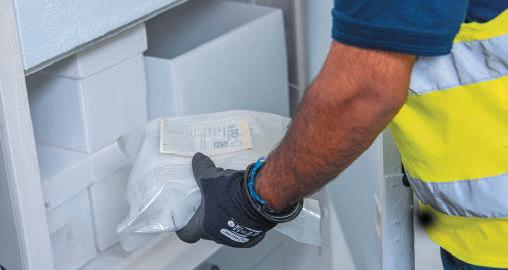
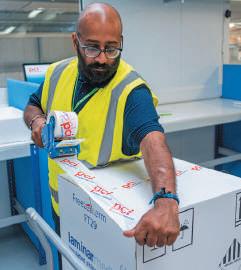
Pharmaceutical companies, transportation providers, clinical customers and packaging vendors are increasingly focusing on the environmental impact associated with conducting clinical trials or the transportation or globalisation of pharma products.
With sustainability so high on the agenda, emerging innovation in the cold chain industry is focused on developing future products that will be 100 per cent reusable and recyclable, with a drive towards achieving a zero waste stream.
The goal is to ensure packaging products, utilised for clinical trials transportation, can be returned directly to the original thermal packaging vendor, not to go back into the clinical space, but to be reused to make new products in a lower risk industry.
Alongside product innovation, organisations operating within the cold chain space are seeking ways they can streamline further and create processes which make it easier for the customer to get products into a zero waste opportunity.
In the longer term, within the industry and other sectors, there’s a focus on engineering products which will increasingly incorporate recycled materials, including recycled plastics from the ocean.
Achieving such sustainability goals requires engagement between global suppliers within the cold chain network, who collectively can support such emerging environmentally-friendly product innovation. This could enable the transition of such initiatives to become a clinical or temperature-controlled product for use in the pharmaceutical space, provided the raw materials utilised meet the necessary compliance requirements.
Clinical trials transportation products often require the use of virgin materials, which is a challenge for the industry. Sourcing such virgin products, which can be recycled or originate from recycled product, is a current challenge thermal packaging vendors are trying to overcome.
Another aspect also in the sustainability spotlight is transportation and how it’s utilised within the clinical space, given most clinical trial shipments are transported worldwide. Considerations include how often air freight is utilised, what type of sea freight is used, and a greater focus on transport suppliers within the entire cold chain logistics network.
The industry is also looking at ways of using innovative technology, such as software applications, which could be utilised to highlight the environmental impact of clinical trial shipments.
Such new technology could calculate the carbon footprint of a clinical trial which, for example, may require hundreds of shippers, providing specific thermal protection of a particular payload capacity.
Many pharmaceutical customers conducting clinical and commercial trials are more diligent when it comes to sustainability, and want a better understanding of what their environmental impact is.
Unless the industry is putting forward options to support pharmaceutical customers in their vision for improving their environmental impact we are going to struggle, and that’s where the cold chain packaging suppliers need to step up their game.
Beyond any profitable perspective, the industry needs to work on sustainability collaboratively, not only from a packaging perspective but components within the packaging.
For example, phase change materials (PCM) are used within cold chain operations as a reliable coolant and the PCM waste from that thermal packaging is being transformed into kiln fuel used to make cement, which is helping the industrial industry.
When collectively striving for a zero waste stream, organisations need to be exploring ways to engage locally and globally with environmental firms who can take cold chain waste products and transform them into something reusable within another sector. This can be achieved by enlisting environmentally-friendly suppliers who are looking to reuse clinical components in raw materials.
Increasingly, questions are being asked with greater focus on defining an organisation’s carbon footprint. There’s a growing emphasis on demonstrating ways to measure carbon footprint, which helps with decisions on what measures can be improved.
Whether it is a focus on water, energy usage or waste, by calculating and measuring its impact, businesses can better understand how much they can improve in the sustainability stakes.
Organisations need to be accountable when it comes to sustainability; it should not all be about cost saving. Beyond focusing on product development, it is important to build an infrastructure in supplier management and transportation management within the cold chain network, end to end.
The industry needs to be constantly challenged on its environmental impact. Overall, businesses are becoming more conscious and many do not want to be a part of supply chains which are environmentally unaware. Therefore, more questions are being asked about environmental impact implications.
Cold chain customers are increasingly asking their suppliers what their sustainability objectives are and how they are measuring their carbon footprint.
Ultimately, the industry needs a worldwide sustainability standard to work to in a collaborative way across the sector on a global scale; something that will hold everyone accountable.
Lynaye Reynolds

Lynaye Reynolds is the Worldwide Director of Quality at Peli BioThermal. Lynaye has been with the business for more than five years and has become a key contributor to the company’s ongoing success. Lynaye’s expertise and enthusiasm has made her a valuable member of the BioThermal senior management team and she plays a pivotal part in the company's global quality operations. Her role within the company’s worldwide quality processes includes leading the site certification to the latest ISO standards of the company’s Plymouth site in the US. Lynaye has also proved to be a primary customerfacing representative in the global rollout of the company’s Crēdo™ on Demand rental program.
Email: lynaye.reynolds@peli.com
PCI is a market leader in the provision of Cold Chain management, providing specialist expertise in the packaging, labeling, storage and distribution of temperature sensitive clinical supplies including biologically-derived and parenteral products.

OUR INTEGRATED COLD CHAIN SOLUTIONS INCLUDE:
• Cold Chain Packaging
• Specialized Product Handling
• Customs Warehousing
• GMP Temperature Controlled Storage
• Global Controlled Temperature Distribution
• QP Services
EXCELLENCE IN ALL GLOBAL CLINICAL SUPPLY CHAIN SOLUTIONS


Data Collection Strategy in a Post-COVID-19 World
The fundamental responsibility of data management teams in clinical trials is to ensure the collection of accurate data needed as per study protocol requirements. The last two decades have seen big shifts in data collection approaches, moving from paper-based methods to electronic data capture (EDC), electronic case report forms (eCRFs), eSource, electronic clinical outcome assessment (eCOA) and data integration with EDC from various streams.
Catalysed by the COVID-19 pandemic, during which patients have been hesitant, often unwilling, to visit hospitals, the sector has accelerated to a point where breakthrough patient-centric data collection innovations are more important than ever. Data management experts must understand the protocol thoroughly and should be able to suggest the best possible ways of data collection leveraging the technology options available.
This article discusses how the boundaries of data management are expanding beyond the traditional framework to include strategic involvement in driving digital data collection planning and implementation for clinical studies and development portfolios.
Understanding Study Data Flow
There is a practice in data management to develop a data flow diagram for a study as part of the data management plan (DMP). This used to be a powerful tool for teams to understand multiple non-integrated data streams flowing down to a central data repository, especially during the paper CRF era. It is important to have an expert data manager at the centre of the study set up to drive strategic discussions about understanding the need for collection streams for data, based on the study protocol. An expert data manager understands the technology options available to facilitate the required data flow to a central repository or to the EDC itself. The assessment of levels at which data integration are needed would be key considering the requirements from various stakeholders, be it patients, sites, safety team or clinical team; for example:
• Seamless integrated flow of data from eCOA/ePRO, electronic health/medical records (EHR/EMR) to EDC would help decrease burden at sites avoiding multiple data entry steps and paper documentation. It makes it more convenient for patients by using handheld devices or their own smartphones to provide relevant data without visiting sites.
• Integration of safety reporting as part of the data collection framework helps real-time access to data for safety, clinical and data management teams, which helps keeping data cleaning efforts up to date all the time.
• The integration of remote source data verification (rSDV) or targeted SDV options helps reduce or channelise e"orts for clinical teams towards e#ciencies.
Beyond the traditional data collection and management framework, data management teams now have additional responsibility to bring in efficiencies at all stakeholder levels by understanding and implementing the best technology options for the overall data collection strategy.
Patient-centricity
The current COVID-19 scenario has led patients to worry about potential uncontrolled exposure to the virus during hospital visits. The decentralised options of clinical trials are enabling patients to stay at home while participating in trials, and the technologies will also enable convenience in the long term where participation in trials would be more motivated than ever. Collection of data from patients on various fronts could be planned based on the needs of the study protocol while they stay in their homes.
eDiaries/ePROs: Patient-reported outcome data is collected usually in correlation with study visit structure, treatment administration schedules or adverse events. All responses to questions or data points need to be reported in such a way that data can be meaningfully read along with data collected from sites, labs or other sources. The role of a data manager here is to understand the need for an appropriate system which could enable seamless flow of data between ePRO tools and EDC or a central data repository. Technologies which are open to integrations with other tools or technologies which bring EDC and eCOAs together under the same infrastructure and would be evaluated based on the team’s and sponsor’s requirements. It is also important to understand the capability for tools to use patients’ own devices to access them. Bring your own device (BYOD) models help more compliance to data reporting versus provisioned devices which patients forget to carry when they travel, or miss charging regularly.
Tele-capabilities: Traditionally, all processes involving patients in clinical trials are done in person, starting from recruitment, screening and required study visits. Today, with the world moving towards a digital approach thanks to extraordinary advancement in telecommunications, clinical trials are also benefiting from patients having more convenience through the use of their smartphones, tablet computers or laptops to go through recruitment, consent, screening and visits over platforms that support virtual access to patients for sites and investigators. While all these interactions generate data, understanding the capabilities would help appropriate data flow to EDC or EHRs enhancing real-time data collection.
mHealth or Wearables: Interoperability between systems is key and inevitable as there is not yet a platform which can cater to all different streams of data collections. The compatibility of clinical data platforms to connect to streams of data from mHealth or wearables is through an application programming interface (API) which is a software intermediary that allows two applications to talk to each other. Experience of data managers involved in such integrations is

a great asset for planning studies, with such data being collected as part of primary or secondary objectives of the protocol.
Electronic Health Records (EHR)
The burden at sites on documentation needs real consideration in the digital era. There are practices where all the electronic data collected for trials from patients are converted to paper documents or re-entered to EHR, and vice versa where data entry happens to transcribe data from EHR to EDCs. From a regulatory standpoint, it is important to see that relevant information from eSource platforms is made available in medical records from a patient’s continued health management perspective. While the world is largely moving to electronic health records creation, technology helps us to have platforms connecting to each other, enabling flow of information. The future of data management activities would also cover planning the relevant information flow between eSources and EHRs. The technologies used would have to ensure no patient identifiable information (PII) or data irrelevant to study is provided to sponsors. The entire process brings in huge efficiencies at sites by not transcribing information to EHRs and for sponsors or CROs by skipping data acquisition steps, which requires data stream level mapping efforts and reconciliation of data to ensure completeness and quality.
Enhancing Risk-based Monitoring
The industry has been talking about patient-centricity for a long time and now with the pandemic, things have accelerated on this front with virtual or decentralised options considered now, more than ever. This environment is providing immense opportunity to implement the real-time data-driven risk-based monitoring plans. There is a requirement for an increased number of streams of data to be collected for clinical trials. Traditional data acquisition processes limit access to real-time data when non-CRF data is higher in percentage. The fact that technology is enabling us to facilitate seamless data flow between integrated data collection systems which give access to realtime data is key for an effective risk-based monitoring plan. The use of
technologies with e-recruitment, e-screening, tele/e-consenting, tele visit capabilities and eCOA enables researchers to collect relevant data which can now be integrated with EDCs. Interoperability expectations between systems from a regulatory standpoint (e.g.: 21 Century cure’s act in the US) also encourage integrations between EMR/EHRs or lab databases which could allow comprehensive real-time access to trial information. The effectiveness of Risk-based Monitoring could ‘reach the skies’ with such access to comprehensive real-time data and increase capabilities to improve patient safety management and generate quality data.
Conclusion
Data collection planning needs strong clinical data management expertise. The traditional framework of data collection indeed covers the various data streams; however, the difference for data management teams currently is that they need to understand the technology from all other stakeholder perspectives to ensure efficiency of the clinical trial process overall. This is key as the understanding of the protocol and the data collection tools available enables data management teams to help plan the unique data collection framework for specific protocols or portfolios. Today, we say data is at the centre of everything and as far as clinical trials are concerned, the importance of data management expertise is indeed becoming key to the overall clinical trials process efficiency, more than ever.
Deepu Joseph
Deepu Joseph is currently serving as Vice President and Global Head of Clinical Data Management with Quanticate and has over fifteen years of experience in managing and driving clinical data management operations delivery across major CROs.

Achieving GCP Compliance in Oncology Trials: The Balance between Obligation, Idealism and Realism
Compliance with GCP provides assurance that the data and reported results of clinical investigations are credible and accurate and that the rights, safety, and confidentiality of participants in clinical research are respected and protected. Hence, to protect public health, only sufficiently and verifiably GCP-compliant studies are accepted by regulatory authorities. Oncology trials, with their inherent complexity, length and number of amendments have a higher risk of protocol noncompliance. Many of these challenges can be mitigated through study-specific risk-based measures including; adaptive trial designs, risk-based monitoring, protocol-based GCP training, vigorous feasibility process (at programme, protocol, site and investigator level), correcting and preventing root causes, administrative tools and other measures.
Inherent GCP Compliance Challenges in Oncology Trials
Good Clinical Practice (GCP) provides an internationally accepted standard to ensure subject safety and data integrity in clinical trials incorporating ethical and scientific guidelines. GCP, which is incorporated into regulations, must be followed when generating clinical trial data that are intended to be submitted to regulatory authorities for marketing authorisation. Sufficiently and verifiably GCP-compliant studies can detect and mitigate against biases that may confound analysis of clinical trial outcomes. While each therapeutic area has its own unique intrinsic challenges when conducting clinical trials, oncology can be particularly testing with many inherent characteristics including:
A. Trial Design:
Cancer therapies can have highly variable modes of action which sometimes necessitates:
• Complicated inclusion and exclusion criteria; while some exclusion criteria are fact-based, others might be with no clear delineation (e.g. theoretical, precautionary) in the respective protocols, as to which exclusion criterion has been drawn from known fact/data (which means that non-compliance could impact patient safety) and which is theoretical. While investigators must comply strictly with all exclusion criteria, this has often led to non-compliance by many investigators.
• Frequent dose modifications caused by toxic effects.
• Numerous prohibited concomitant medications: In Phase I oncology trials, for example, where patients’ cancers have proved refractory to standard therapies, and where patients’ prognoses at trial entry are very poor, many investigators (in agreement with or upon request from the patients) try or add another (protocol-prohibited) therapy if they do not perceive the trial therapy to be successful after a few doses. Again, while the default setting is for investigators to strictly comply with the protocol, the final decision on a patient’s therapy belongs to the patient and her/his physician in such difficult circumstances. Being a study investigator is not, in all its dimensions, above the fact that the investigator is the patient’s physician.
• Tight schedules of clinical assessments for patients who may already be enduring disease-related and drug-related fatigue.

The potential negative impact of this issue can sometimes be mitigated by aligning study schedules with those of the clinical site to minimise the burden on site staff and patients, and can improve compliance.
• Numerous laboratory tests; this can obviously have a negative impact on the compliance/willingness of patients but can also be a burden for the investigators who could miss the review and/or its documentation of some of the numerous laboratory reports which, in turn, can be considered as a serious GCP noncompliance as it could mean lack of safety monitoring in general or, in particular, for dose escalation purposes. This challenge can be mitigated by avoiding excessive tests which are not required to substantiate safety or efficacy endpoints.
• Long trial duration: The length of oncology trials (and/or followup) can have a negative impact on the patients’ compliance and drop-out rates. The long duration of trials can also result in the need to deal with potential changes in trial personnel (sponsors, monitoring staff, investigators, site coordinators, suppliers, service providers, etc.) with associated potential impact on continuity, experience, familiarity with procedures, knowledge, training needs, etc.
B. Pharmacological Factors:
Since the pharmacological effects of some oncology investigational medicinal products (IMPs) generally influence cell proliferation or cell division, a large number of adverse events (AEs) are frequently reported. The high number of AEs together with, at times, the difficulty to discern AE causality (whether the AE is disease- or comorbidity- or concomitant drug-related or is an IMP-related AE), can result in either over- or under-reporting of AEs. The newness of some oncology therapies adds to this challenge as the knowledge of their pharmacology is more limited than that of those with known pharmacology or pharmacological class rendering the investigators’ AE causality assessment to be more speculative. Regardless of its cause, there should be no delay in reporting the event within the specified timeframe.
For immuno-oncology trials, implications of delayed onset of related adverse events are not always foreseen in study design and there is often a lack of clarity about “standard vs. study-specific” toxicity management. When study protocols do not mitigate these issues, indirect non-compliance can invariably occur. Treatmentrelated AEs also often contribute to patients’ non-compliance. Mental health and educational specialities could play a considerable role in mitigating cancer patient non-compliance.
The toxicity profile of many cancer drugs as well as the various schedules and routes of administration used pose additional design challenges to blinding.
C. Recruitment Challenges:
Patients recruited to the study frequently have constrained treatment choices.
• Patients’ disease already at advanced stage and refractory to existing therapies.
• Patients’ awareness that they may not derive benefit from participation per se or because optimal dose of the
investigational therapy is unknown at that stage (could be one of the trial objectives) so low (perhaps sub-therapeutic) doses are used which can cause patients’ reluctance to participate and/or to drop-out. The latter issue can sometimes be mitigated where multiple ascending dose (MAD) studies, to determine the maximum tolerated dose (MTD), can be designed, where possible, to use a starting dose which is considered to be potentially beneficial.
• Where standard therapies have failed, some patients are in such a desperate state to receive a “novel therapy” that they may resort to hiding certain medical history or data to be eligible for the trial. Some of these situations can be mitigated by the introduction, where possible, of expanded access so long as the patients do not meet any safety exclusion criteria.
• Oncology trials often face particularly high competition for patients and sites.
• Trial duration might not be clear at the beginning, which may dissuade some patients from participation and/or increase dropouts.
D. Requirements of Clinical Research versus Common Clinical Practice:
• Administrative/documentation requirements: By far, the additional and particularly detailed documentation, records and data required in oncology clinical trials pose a big challenge to investigator sites’ personnel. In clinical research, while all data are equal … some data are more equal than others!
• A major issue typically is encountered when source documentation, to support critical data entered into the CRF, is missing; for example, to confirm eligibility that a subject had received at least one first-line chemotherapy or if they had radiation regimens treatment prior to enrolment in the study.
• Also, a protocol may require that an anti-emetic be given along with study chemotherapy and this would need to be documented (drug, administration time, route, and amount given). However, the standard at some oncology clinics is not to document dosing times of such standard medications. Other administrative requirements may be perceived by the site team as challenging their integrity. For example, while obscuring erroneous data entry, destroying a wrong record or backdating information might only be considered as bad administrative management in normal clinical practice, it could be construed as a potential sign of “scientific misconduct” in clinical research. The most efficient means to tackle data quality issues is a preventive approach through planning prior to and at study site start-up. Effective Good Documentation Practice (GDP) training on “Attributable, Legible, Contemporaneous, Original, Accurate, Complete, Consistent, Enduring and Available” (ALCOACCEA) together with the provision of efficient templates and simple, clear procedures for entering sequential observations and making insertions or corrections that enable timely collection of important source data can pay dividends in mitigating several problematic compliance issues.
• Regulatory requirements such as having trial monitors, auditors and potentially regulatory authority inspectors monitor, audit and inspect clinical sites to ensure/verify compliance with GCP, patients’ safety and data integrity are invariably above and beyond the norms of standard clinical practice. The perception and, consequently, the interaction of some oncology investigators do not always align with the obligations of the sponsor and/or regulators. These issues are best mitigated with smart interactive pre-trial training that should aim to raise awareness of the rationales for the regulatory requirements and their applicability to all therapeutic areas regardless of disease severity, regimen complexity, and acute care requirements,
remove misunderstandings and align the common objectives. Unfortunately, very often the time allowed and quality of the GCP training provided during investigator meetings leave a lot to be desired: typically scheduled at the end of the agenda, confined to 25 minutes, and “clinically” tiresome in content and/ or delivery style. GCP training at investigator meetings and site initiations should, at a minimum, be: A. designed based on the protocol to highlight “what matters” and what could go wrong so that it can be avoided; B. Interactive, to engage the investigators and their team.
Common Audit/Inspection Findings, Possible Contributing Factors, and Mitigation Strategies:
• Lack of documentation of the consent process and/or not using the ‘current’ version of the informed consent document: No record describing how the consent was conducted. As oncology trials tend to be long, there could be a high number of protocol amendments and hence (where warranted, e.g. new safety information) several corresponding informed consent forms. In a busy oncology clinic, this may lead to forgetting to document the informed consent or some other oversight, or using the wrong (superseded) version of informed consent form.
• Possible remedies/prevention:
Include emphasis in the initial training and subsequent reminders (where needed) that consent is a process rather than an administrative task. This may impact how consenting and re-consenting is conducted and documented. The site can also incorporate a brief description of the consent process into the patients’ notes.
Use tracking methods/tools for ICF versions. An electronic method accessible to the research team can also help eliminate these issues.
• Missing source documents: This issue is usually particularly amplified in oncology trials where there could be substantial volume of medical records for each patient. If, for example, a biopsy report is missing, the monitor cannot verify important elements such as the diagnosis (e.g. if based on biopsy data).
• Possible remedies/prevention:
Plan and execute, in collaboration with site staff, a robust trialspecific documentation system prior to trial start.
• Incomplete medical history: For example, the medical history records available do not support protocol-required documentation of failure of at least two prior chemotherapy regimens; records of previous therapies are missing.
• Possible remedies/prevention:
The site can be encouraged to use a progress note template to capture protocol-required histories in addition to standard clinical data. Also, one can integrate the request for pathology reports, from referring oncologists at the preparatory/recruitment stage.
• Source documentation not appropriately signed and dated. Oncology trials have exceptionally large volumes of records. If, for example, laboratory reports have not been signed and dated, this could, in the first instance, mean that they were reviewed but the review was not documented/confirmed (by signature and date). However, unless proven otherwise, it could also mean that the omission was the result of failure to review these reports. The latter is a more serious type of non-compliance as it could have potential safety implications.
Other examples include situations where a patient is seen by a physician who has not been delegated by the principal investigator, or was delegated but the delegation was not documented on the site delegation log. Naturally, the former is problematic as it could imply that a physician, who is not assigned (and not trained on the trial protocol) may have conducted a trial procedure.
• Possible remedies/prevention:
Create forms with places for signatures and dates when possible to act as a reminder to sign and date. Strengthen the clarity in the patients’ notes that the patient is in a research project and the importance of data verification, etc.
• Repeated similar protocol non-compliance: Oncology trials, with their inherent complexity, length and number of amendments have a higher risk of protocol non-compliance. If a pattern is identified across sites in a trial, possible root causes could, in fact, reveal inadequate or improper protocol feasibility (impractical or hard to follow), too many amendments without corresponding re-training, as well as lack of initial involvement of some stakeholders (e.g. oncology site staff, etc.) who would be tasked with the practical implementation of the protocol.
• Possible remedies/prevention:
A vigorous feasibility process (at programme, protocol, site and investigator level) can afford a realistic of assessment of the capability to conduct the clinical trial through seeking a review from additional relevant stakeholders such as a site study coordinator and/or an experienced sub-investigator, i.e. triallists, not just opinion leaders. Likewise, ensuring assessment for the need for re-training, could also pay dividends.
• SAEs inadequately processed, not reported, or reported late to the sponsor:
The high volume of adverse events typically seen in oncology settings, together with the heavy workloads in oncology clinics, frequently impinge on the compliance with the required processing of adverse events. Other factors include inadequate awareness/ training of site personnel on the reporting requirements of adverse events in clinical research compared to non-research settings. Changes in personnel with no training given invariably compounds this deficiency. Other factors include lack of clarity in trial protocols on which adverse events need not be reported (e.g. because they are considered to be due to the cancer, etc.).
• Possible remedies/prevention:
Ensuring that the training given to investigator sites (at investigator meetings or site initiation visits, etc.) is “effective”, i.e. using certain smart training strategies such as the provision of examples or case studies which are created based on the trial protocol and therapeutic area, verification of understanding and evaluation of the training with tests at the end of the training. These strategies have been shown to be very effective as both motivational and as a deterrent against the endemic lack of attention during the training sessions and most importantly in mitigating the non-compliances under question. They are also well-appreciated by regulators.
• Lack of or late responses to data queries from sponsors: While the lack of or late response to data queries is noted in all trials, the prevalence in oncology trials is much higher and, regardless of the root causes, is considered to be a non-compliance by the site with their GCP and also contractual obligations which can, in severe cases, negatively impact the conduct of the trial
particularly when the resolution of the queries and resultant data, or data correction, have an impact on safety assessment and reporting. While this remains a clear non-compliance by the site, abnormally very high numbers of data queries across trial sites should warrant investigating whether, amongst other possible root causes, the CRF itself is badly designed or the respective part of the protocol is lacking clarity.
• Possible remedies/prevention:
Adequate dry runs of the CRF as well as seeking CRF reviews from, often missed, direct stakeholders such as a site study coordinator could well pay dividends to avoid such situations. Also, there could be unexpected benefits and useful feedback from the provision of interactive training workshops, which incorporates examples of potential wrong CRF entries to verify understanding to better identify deficiencies in the CRF design. Such trainings prove particularly productive if accompanied by a training effectiveness test at the end which provoke lateral thinking and identification of otherwise invisible problems.
• Ineffective monitoring: For example, the source data verification (SDV) is conducted well by the site monitor, but major or even critical non-compliance could be missed. For example, SDV is almost 100% healthy but, unlike most sites in the trial, neither serious adverse events (SAEs) nor AEs have been reported from the site – very unusual in oncology trials. Tick-box monitoring is often a contributing factor and/or lack of awareness of AE identification and/or reporting.
• Possible remedies/prevention:
Effective smart risk-based monitoring has been shown to mitigate this and similar issues as it focuses on the global picture rather than non-critical data or processes.
Major GCP compliance issues can be prevented by adapting a risk-based approach for all trial procedures taking into account key factors including, but not limited to; novelty of the therapy, complexity of procedures and respective schedules, eligibility peculiarities, consent, safety, primary end points, randomisation/ blinding, etc:
• Risk-based approach to GCP training which is created after an assessment of the potential risks related to the specific protocol.
• Outsourcing-related risks and required oversight.
• Smart fact- and data-driven risk-based oversight and quality assurance programme (including but not limited to audits).
Amer Alghabban

Amer Alghabban, pharmacologist, is a senior executive with over 30 years’ experience within pre-& clinical R&D, pharmacovigilance and GxP (GLP, GCP, GCLP, GVP) QA. Invited speaker at over 130 conferences, the author of The Pharmaceutical Medicine Dictionary, The Dictionary of Pharmacovigilance, and others. Previous positions; VP QA Compliance & Training at Karyopharm, Global Head QA at Merck Serono, Global Head GxP QA at Arpida, Clinical QA Manager at Novartis, and first Pharmacovigilance Compliance Officer of the MHRA, Assistant Editor for 11 medical journals and Course DirectorRQA Pharmacovigilance Auditing Course.
Email: amer@gxpcomplianceandtraining.com

Ramus Corporate Group is a union between Ramus Medical, Medical Diagnostic Laboratory Ramus and Medical Centre Ramus. All the companies are situated in Ramus building in Sofia, Bulgaria. They are certified in compliance with the requirements of the International Standard for Quality Management System ISO 9001:2015.
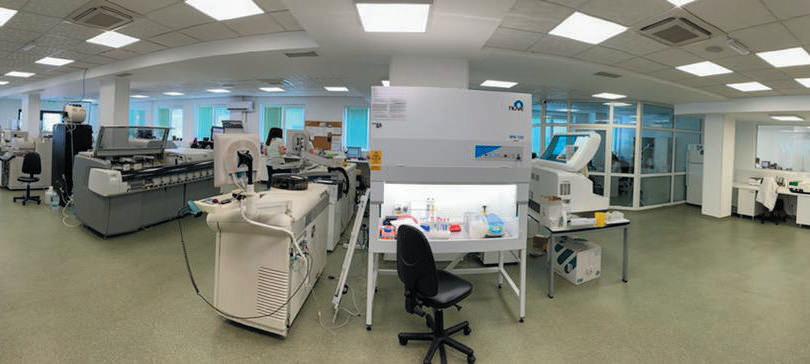
Ramus Medical is working CTs in a variety of therapeutic areas and medical device.
• Full service CRO
• Medical writing for drugs and devices
• Scientific review of documentation
• GxP trainings
• Ramus Phase I unit
• Ramus Analytical laboratory
• Clinical trial management
• Monitoring
• Data management
• Biostatistics
• Regulatory advising and services during clinical trial
Medical Diagnostic Laboratory Ramus (SMDL-Ramus)
• 20 clinical laboratories in Bulgaria and North Macedonia
• 300 affiliates for sampling in Bulgaria and North Macedonia
• 20 years experience in the CT flied as central and safety laboratory;


• Bioanalytical laboratory –ISO/IEC 17025:2017 accredited
Medical Centre Ramus with Phase I Unit
• PK/PD studies
• Medical devices investigations
• Phase I–IV
• Non-interventional studies
Others:
• Readability user testing
• Bridging report
• Archiving services
• DDD activities
• Transportation and storage of dangerous goods
Medical Diagnostic Laboratory Ramus Ltd 26 Kapitan Dimitar Spisarevski Street, 1592 Sofia, Bulgaria
Tel/Fax: +359 2 944 82 06 www.ramuslab.com email: info@ramuslab.com
Ramus Medical Ltd 26 Kapitan Dimitar Spisarevski Street, 1592 Sofia, Bulgaria
Tel./Fax: +359 2 841 23 69 www.ramusmedical.com email: office@ramusmedical.com
Dimitar Mihaylov Marketing Director
Opioid Sparing: Prescribing Less is Insufficient
Chronic and post-surgical pain that opioids are intended to alleviate have been offset by a host of societal pains stemming from the prevalence of opioid use disorder and related overdose deaths. In 2018, more than 9.9 million individuals misused prescription pain relievers, and the Centers for Disease Control and Prevention (CDC) estimates that more than 230,000 deaths have been attributed to prescription opioid overdoses since 19991
Long-term opioid use often begins with treatment of acute pain and pain after surgery. Among those prescribed at least one day of opioids, the probability of continued use at one year is 6% – and increases to 13.5% for persons whose first episode of use was for eight days or longer2. More than 2 million individuals may transition to persistent opioid use following elective surgery each year3. The Council of Economic Advisers (CEA) estimated that the cost of this crisis in 2018 alone – in terms of the value of lost lives, increases in healthcare and substance abuse treatment costs, increases in criminal justice costs, and reductions in economic productivity – exceeded $695 billion. Indeed, the CEA projected that the cost of the opioid crisis would top more than $2.5 trillion over the four years between 2015 and 20194
Yet chronic and acute physical pain often requires treatment with strong analgesics. A treatment with opioid-sparing benefits could help mitigate the risks associated with opioids in one or more ways:
• By decreasing the dose of an opioid
• By decreasing the total number of opioid doses
• By decreasing opioid-related side-effects
• By not requiring the use of an opioid at all
The one requirement linking all these options is this: the opioidsparing therapy must not diminish the level of analgesia obtained.
“Opioid-sparing” as an elusive claim
Given the range of criteria that might be suitable for an opioid-sparing claim of a potential new treatment, clinical development options at first blush appear to be plentiful. However, regulatory sentiments regarding opioid-sparing indicate an uncertain evidentiary bar. There is currently no agreed upon definition of what constitutes “opioid sparing” and members of the Anesthetic and FDA’s Analgesia Drug Products Advisory Committee (AADPAC) are largely in agreement that there is no evidence to support a broad label like “opioidsparing”5
Indeed, the FDA recently noted only two products – Cumberland Pharmaceuticals’ Caldolor® (IV ibuprofen) and Mallinckrodt PLC's Ofirmev® (IV acetaminophen)6 – whose labels include opioidsparing language, and that language is not standardised. Caldolor, approved in 2009, is indicated in part for the “management of mild to moderate pain as an adjunct to opioid analgesics.” Ofirmev, approved in 2010, has similar labelling although for moderate to severe pain. Interestingly, guidance from 2014 (now retired) never noted how to establish an opioid-sparing labelling claim, noting only that it could be a suitable outcome measure.
What became clear across AADPAC meetings held in 2018 was that merely showing that a non-opioid product results in reduced use of an opioid in a placebo-controlled trial is not enough to allow a sponsor to promote a drug for such a benefit6. This observation occurs in AADPAC’s review of Pacira BioScience’s injectable local anaesthetic Exparel® (bupivacaine liposome injectable suspension)6. The application under review was for an expanded label for Exparel with a new nerve block claim as well as a revision of its existing infiltration claim. Although the requested indication did not include opioidsparing language, the committee suggested the inclusion of long-term longitudinal data showing not only a “reduction in opioid use” but also “functional outcomes or other clinical benefits”6. The suggested range of options for demonstrating a beneficial functional outcome presents a mosaic of potentially informative development activities:
• Significant reductions in the amount of opioids required in the first 72 hours post-operatively
• Reduction in opioid-associated adverse events
• Complete elimination of the use of opioid drugs
• Decrease in the amount of opioids used over time
• Decreased rate of addiction
• Cessation of opioid usage sooner in pain management cases
• Decrease in pain intensity.
Thus, a claim that a product simply decreases the dose, frequency, or length of opioid use in a patient population does not by itself appear to support the inclusion of opioid-sparing language on a label – just that less opioid in and of itself is insufficient. Rather a product must demonstrate a significant reduction in dose, frequency, or length of opioid use. In addition, and most importantly, it must show functional outcomes or other clinical benefits, such as reduction in pain, reduction in opioid-related adverse events (e.g., sedation, constipation, nausea, vomiting), and reduction in the incidence of opioid dependency.
These ideas were amplified at an additional AADPAC meeting later in 20185. Part of an unresolved challenge in demonstrating an opioid-sparing effect arises from an inability to quantify how much of a reduction in opioid use is clinically meaningful. Furthermore, quantified reductions may be difficult to achieve in real-world practice due to individual patient factors that depend on clinical circumstances. For example, it has not been established that opioid sparing in a hospital setting translates into sustained benefit after discharge. Somewhat counterintuitively, members of the research community may express concern that broadly labelling a medication as “opioid sparing” could result in unintended consequences, including overuse of the medication, inappropriate prescribing, and lack of comparable efficacy in patients5
Given the incomplete patchwork of regulatory and subject matter expert sentiments, there is currently no guidance for drugs claiming opioid-sparing effects7,8, and the clinical target remains somewhat elusive vis-à-vis study methodology and programme design. As noted above, opioid-sparing benefits in the short term need to show not only equivalent reduction in pain, but also the absence of opioidrelated adverse events and improvement in functional outcomes9, which sets an ambitious threshold for programme success.
Creating a Research Standard
As a consensus develops on the utility of opioid-sparing claims in the future, developers and their study partners should proactively consider from an early date the development of hypotheses relating to the impact of an investigational product on severity and pattern of adverse events, opioid consumption, functional outcomes, and overall impact on healthcare utilisation both in the short and long term. The data generated by studies examining these questions may be useful in an opioid-sparing application later, and in some respects a successful application of the method will establish a standard by which opioid-sparing therapeutics could subsequently be evaluated.
REFERENCES
1. Centers for Disease Control and Prevention. Opioid Overdose 2020 [Available from: https://www.cdc.gov/drugoverdose/data/prescribing/ overview.html.
2. Shah A, Hayes C, Martin B. Characteristics of Initial Prescription Episodes and Likelihood of Long-Term Opioid Use — United States, 2006–2015. Morbidity and Mortality Weekly Report [Internet]. 2017 November, 2020; (66):[265-9 pp.]. Available from: https://www.cdc.gov/mmwr/volumes/66/ wr/mm6610a1.htm.
3. Brummett CM, Waljee JF, Goesling J, Moser S, Lin P, Englesbe MJ, et al. New Persistent Opioid Use After Minor and Major Surgical Procedures in US Adults. JAMA Surg. 2017;152(6):e170504.
4. Council of Economic Advisors. The Full Cost of the Opioid Crisis: $2.5 Trillion Over Four Years [updated October 28, 2019. Available from: https:// www.whitehouse.gov/articles/full-cost-opioid-crisis-2-5-trillion-fouryears/.
5. Administration FaD, Research CfDEa. Final Summary Minutes of the Anesthetic and Analgesic Drug Products Advisory Committee Meeting, November 15, 2018. fda.gov2018 [Available from: https://www.fda.gov/ media/121195/download.
6. Sutter S. Opioid-Sparing Claims Should Meet High Bar, US FDA Panel Says [updated February 19, 2018. Available from: https://pharmaintelligence. informa.com/resources/product-content/opioid-sparing-claims-should-

meet-high-bar.
7. US Department of Health and Human Services, Food and Drug Administration, Center for Drug Evaluation and Research. Abuse Deterrent Opioids – Evaluation and Labeling Guidance for Industry. 2015.
8. US Department of Health and Human Services, Food and Drug Administration, Center for Drug Evaluation and Research. Assessment of Abuse Potential of Drugs: Guidance for Industry. 2017.
9. Scranton R. Methodologies for Determining Opioid Sparing in Acute Pain Models [Presentation]. fda.gov [Available from: https://www.fda.gov/ media/121206/download.
Dr. Melissa Vadnais

Dr. Melissa Vadnais joined Worldwide in July 2019 as a Clinical Trial Methodology Fellow. She earned her PhD in Cell and Molecular Biology from the University of Minnesota. She received her Veterinary Medical Degree (VMD) from the University of Pennsylvania where she also specialized in internal medicine. Dr. Vadnais comes to Worldwide with over 15 years’ experience in basic science research and drug development. Her research centered around women’s health, infertility, and early foetal development. She also specialized in immunology focusing on infectious disease and working for several years on HIV vaccine development.
Email: missy.vadnais@worldwide.com
Christine K. Moore

Christine K. Moore, PhD is Vice President, Scientific Solutions: Neuroscience at Worldwide Clinical Trials. Dr. Moore has been involved in industry drug development and commercialisation of treatments for CNS indications for the past 20 years, with nearly 50 publications. She has been a part of several analgesic and addiction programmes, designing and writing clinical development plans and numerous protocols as well as commercialisation efforts for an atypical opioid for pain and addiction.
Email: christine.moore@worldwide.com
Dr. Michael F. Murphy

Dr. Michael F. Murphy is Chief Medical & Scientific Officer and an original founder of Worldwide Clinical Trials, a full-service clinical research organization active in over 60 countries / specializing in central and peripheral nervous system disorders, cardiovascular disease, immune mediated inflammatory disorders, and orphan products. He is a Founder and Research & Development Editor for American Health & Drug Benefits™, and for over two decades has been a lecturer within the Harvard-MIT Division of Health Sciences Technology on clinical trial methodology for board-certified/ board eligible Research Fellows. He is a recipient of the 2017 Clinical Research & Excellence (CARE) Lifetime Achievement Award. PharmaVoice selected him as one of 2017’s 100 Most Inspiring People in the life-sciences industry.
Email: michael.murphy@worldwide.com
Managing Human Challenge Trials: A Case Study
Volunteer infection studies, or controlled human infection models (CHIMs) are an extremely effective way to gather early clinical evidence on a new drug or vaccine’s efficacy. By minimising potential risks while maximising outcomes, progression onto critical clinical studies can be significantly reduced. However, the success of such studies is reliant upon their careful preparation, which should be undertaken by an experienced team that is capable of adequately managing the risks associated with them.
In 2019, SGS undertook a malaria volunteer infection study at its dedicated Clinical Pharmacology Unit in Belgium. This is an overview of the main operational challenges encountered by the study team during its preparation, and the strategies implemented to overcome them.
Getting Started
A human challenge trial involves healthy volunteers being inoculated with a challenge agent, and this can be done either after the volunteer has received a vaccine, or before the administration of an investigational medicinal product (IMP). In the example of the malaria study, the challenge agent was Plasmodium falciparum, the most relevant causative agent of malaria.
Experience from previous human challenge trials undertaken by SGS around the influenza virus allowed some of the key factors that can impact the preparation and conduct of such a trial to be identified. However, since the malaria study was the first such human challenge trial to be conducted in Belgium, and the disease not being prevalent in the country, several additional factors had to be considered, with specific topics requiring deliberation in advance of the study.
The key points can be categorised into four groups:
• Regulatory aspects
• Experts and experienced laboratories
• Selection and training of the study team
• Recruitment of volunteers
Regulatory Aspects
One of the main aspects that needs to be considered in every human challenge trial is the regulatory requirements linked to using the specific challenge agent. The team must understand what special conditions need to be enforced to handle, prepare, and store the challenge agent in order to mitigate all biological risks. Depending on the biological risks associated with the agent, specific containment guidelines may need to be followed.
Likewise, it should be confirmed in advance, in line with local regulations, whether specific licences and safety measures are required. At all times, staff, volunteers and the general population must be protected from the potential risks associated with the challenge agent.
An in-depth risk assessment should be undertaken involving all the main stakeholders to identify possible issues that could negatively
impact the conduct of the study. For the malaria challenge study, the medical and operational teams held active consultations with the internal regulatory affairs experts, an infectious diseases expert and the site’s pharmacy. Another key step in the regulatory procedures before trials were undertaken at the SGS CPU was to organise a scientific technical advice meeting with delegates from the relevant Belgian health authorities and, in the case where biological agents were to be used, the Belgian Biosafety Committee.
Seeking advice from regulatory and safety experts at an early stage allowed their feedback to be incorporated into the study protocol. This then guides the operational team on the logistical aspects required to safely conduct the study at the site. This includes guidance and advice on where and how to store the challenge agent, and any specific safety measures needed.
Experts and Experienced Laboratories
Since this study was the first time a malaria human challenge trial had been performed in Belgium, scientific experts were involved from an early stage in the planning and setting up of the study. These included a malaria expert and professor of infectious diseases from the local university hospital, the SGS infectious diseases expert, and a trial investigator.
The experts also supported the training of the study team, as well as with the protocol development, and during communication with the health authorities where necessary.
A determining factor in the site selection process for the study was the availability of qualified laboratories to perform the required safety assessments with short turnaround times. These assessments can be very specific, depending on the nature of the human challenge trial. For the malaria human challenge trial, a laboratory had to be selected that could measure on a daily basis, the number of malaria parasites in the blood using quantitative polymerase chain reaction (qPCR) methodology and confirm the presence of parasites in blood samples by microscopy.
When the required turnaround time for results is short (for instance when medical/safety decisions are reliant upon them), or when testing is needed outside normal working hours and at weekends, a detailed shipment plan for the delivery and receipt of samples, with clear and strict agreements, needs to be arranged between the trial site and laboratory to ensure expediency and correct handling of samples. In the case of the malaria study, a motorbike courier was hired to transport the samples between the site and testing laboratory to minimise travel times.
An additional step that can be implemented to improve data quality is the performance of a validation study. This will establish the sensitivity and specificity of the laboratory assay, as well as the methodology that will be used for reference and comparison during the validation.
Setting clear expectations on deliverables between the study team, site, and laboratory, prior to the commencement of the study, facilitates better communication between all parties. In turn,

this will streamline the flow of samples and results as the study progresses.
Study Team Selection and Training
Teams conducting clinical studies need to be motivated, engaged, and fully understand relevant aspects of the protocols. This is particularly true when there may be safety concerns following insufficient knowledge of the disease and its associated transmission risk. A proactive approach to disseminating information ensures all stakeholders are informed and are working in concordance.
Organising training sessions for all staff members prior to the start of the trial helps to solve this problem, and should include details of the study protocol, the specific procedures that will be used (for example, specific instructions for handling, preparation and inoculation of the challenge agent), as well as clear information about the risks associated with the trial, and the measures being implemented to guarantee staff and study participant safety.
Conducting sessions to provide training in this manner ensures that the team is fully aware of the study model and the specifics of the protocol. It has the additional benefit of being inclusive and clearly demonstrates that the safety and wellbeing of volunteers and staff is at the core of the study’s design.
Volunteer Recruitment
When defining a recruitment strategy, it is important to consider factors related to the disease and the volunteers’ familiarity with the procedures and safety measures of the study. In addition, for the malaria human challenge trial, it was essential that the volunteers understood that the study was being conducted using a controlled method of challenge inoculation, and that their safety was being monitored at all times. Similarly, they needed to understand the restrictions and instructions associated with participation in the study.
To facilitate this, a short film was prepared, in which the investigator conveyed a clear and easy-to-understand message
to the volunteers. Furthermore, a detailed but understandable informed consent form, was prepared containing information about the study model, the risks to volunteers, and the safety measures that were being implemented.
Any recruitment plan should also include a strategy to overcome unforeseen difficulties encountered during the recruitment process. The team should reflect on the potential barriers to recruitment at each stage of the process and create a plan that incorporates alternative actions if necessary. Good communication has to be maintained at all times, and between all involved parties such as the recruitment team, investigator and project manager.
Conclusion
Successful human challenge trials rely on good preparation, coordination and communication. An experienced project manager will encourage and enforce this from an early stage, well in advance of the study’s commencement. Brainstorming sessions and open discussions between stakeholders will not only provide insights into possible hurdles during the study, but will also create a motivated and highly-prepared team that is capable of responding to any difficulty that may arise during the trial.
Dr. Katrien Lemmens

Dr. Katrien Lemmens is medical director of the Clinical Pharmacology Unit at SGS, responsible for medical and scientific aspects of early phase projects. She started her career in cardiology combined with basic research leading to a PhD degree in 2006. After years at the University of Antwerp, Katrien's career took a turn to clinical pharmacology and early drug development via different roles at Janssen Pharmaceuticals, Ablynx/Sanofi and SGS.
Ensuring Patient Safety and Cardiovascular Clinical Trial Integrity during a Global Pandemic
The susceptibility to and the outcomes of COVID-19 are strongly associated with presence of CV risk factors and with established CV disease1,2,3. CV risk factors, including hypertension and diabetes, are associated with high mortality in patients with COVID-19. Further, COVID-19 has been reported to cause cardiovascular disorders, such as myocardial injury, arrhythmias, acute coronary syndrome and thromboembolism4. As a result, those conducting CV clinical trials have had to restructure those trials in response to the need for protecting vulnerable patient populations amid rapidly evolving pandemic-related restrictions.
Clinical trials investigating new CV interventions often recruit participants in hospitals and emergency departments, or during outpatient interventions or assessments. Populations with CV disease, or underlying conditions, may experience heightened anxiety and greater hesitancy to visit healthcare facilities and study centres due to higher risk of COVID-19 infection and complications. What’s more, COVID-19 social distancing and quarantine guidelines have only made patients even more reluctant to travel to clinics. Consequently, many healthcare systems and clinics have chosen to delay non-emergency procedures in an effort to protect vulnerable patients during the COVID-19 pandemic. These factors, combined, have posed increased challenges to recruitment, adherence and retention in CV trials.
Regulatory authorities around the globe have recognised these challenges and issued guidance to assist sponsors in assuring the safety of participants, while maintaining compliance with good clinical practice and trial integrity. To overcome operational challenges, sponsors should consider deploying an integrated solution that can be tailored to meet the needs of each individual study. Here we highlight strategies to implement in ongoing CV trials.
Links between Cardiovascular Disease and COVID-19
People with co-morbidities such as hypertension, coronary heart disease, diabetes and obesity have been shown to be more susceptible to infection with SARS-CoV-25. Further, this population also is more likely to have worse outcomes from COVID-19, according to reports from China, the USA and Italy4,3. This includes a high case-fatality rate from COVID-19. For example, hypertension was reported in 40 percent of patients who died in an analysis of more than 40,000 confirmed COVID-19 patients in China6. This study also showed that established CV disease was associated with a five-fold increase in risk of death from COVID-196
In addition to CV patients at high risk for SARS-CoV2, the virus has been shown to cause acute or delayed myocardial injury, arrhythmias and acute coronary syndromes. In fact, myocardial injury is found in more than 25 percent of critical cases of COVID-194
Reduced access to medical services due to the COVID-19 pandemic restriction can also increase the prevalence and severity of cardiovascular disease because of poorer recognition and control
of cardiovascular risk factors and established disease5. Increasing recognition of these links between cardiovascular risk, disease and severity of COVID-19 offer opportunities to improve outcomes of COVID-19 in patients participating in clinical research.
Routinely Conduct Country- and Site-level Risk Assessments
Routinely tracking the impact of COVID-19 on country and individual site levels in real time can provide invaluable data for use in mitigating delays in site activation and screening, and in redeploying study resources, where appropriate. These risk assessments are critical for studies actively enrolling patients to monitor the constantly evolving global situation and to ensure adequate follow-up for patients under study.
When restarting enrolment at sites where COVID-19 issues have caused a temporary suspension, sponsors must consider sitespecific solutions. For example, to assess site readiness, sponsors can utilise a questionnaire to assess principal investigator and staff availability for study visits, data entry and safety reporting requirements, as well as research pharmacy capabilities and internal review board (IRB) readiness to address protocol modifications.
Additionally, as patients in CV trials are at high risk for COVID-19, protocols should not cause delays in vaccine administration. The administration of vaccines for COVID-19 should be well documented in the case report form (CRF). Study site staff must also be aware of information on participant vaccines when assessing potential adverse events.
Utilise Home Health Services to Improve Study Adherence
Typically, study visits for CV trials are performed in outpatient private or academic clinics. And when involving a medical device, they often require hospitalisation or the use of hospital-based treatment facilities. However, local travel restrictions and limited access to hospitals and research sites due to shifting medical priorities caused by the pandemic – coupled with participant concerns for potential exposure to the virus in these settings – have increased the possibility of missed study visits and/or procedures, which could ultimately contribute to missing data and patient dropout.
To keep trials moving forward and prevent delays, sponsors should consider conducting a thorough review of the visit schedule to identify which visits must be conducted in person and which can be conducted using alternative means, including over the phone or via telemedicine.
In addition, many clinical trials have adopted home health services to ensure patient safety, compliance and retention. Using these services reduces or eliminates the need for subjects to travel to the research centre by having nurses or phlebotomists conduct visits at the patient’s location, decreasing the risk of contracting COVID-19. In several ongoing CV trials, home health services have been used to collect blood samples, record ECGs and measure vital signs. Concierge services also can be deployed to arrange transportation to sites or institutions where study procedures must be performed.
Implement Remote Monitoring
Ensuring that protocol compliance, in addition to accurate and timely data collection, is being performed, even during pandemic disruptions, is integral for clinical trial site management. Remote source data verification, remote source data review and remote/ central monitoring can be employed where on-site monitoring is no longer feasible. Moreover, investigator meetings and study-specific training can be conducted remotely to ensure sites are professionally trained, updated and engaged. They also can help sponsors stay connected with sites and minimise operational disruption.
Deploy Digital Health Technologies to Capture Data and Monitor Safety
Digital health solutions can help to minimise COVID-19-related
disruptions to CV clinical trials and will continue to have a more prominent role in future studies. If, for example, a patient is unable or unwilling to go to a centre for an ECG, sponsors can use emergency authorised portable ECG devices for safety surveillance during the pandemic. Additionally, there are existing and emerging digital health devices that can be used to remotely measure other parameters of interest, including blood pressure, pulse oximetry, activity levels and heart sounds.
Recently, there have been a number of “point of care” echocardiography platforms intended for expanded access to imaging services. Some are designed to allow remote guidance from experienced sonographers to non-sonographers to guide imaging acquisition. Despite these devices not having the image

resolution of high-end platforms, depending on the specific study requirements, they may provide an effective solution. When required, consideration can be given to having a trained sonographer perform studies with high-end echocardiographic platforms in the patient’s home or at another location closer to home.
Develop Effective Remote Drug Delivery Protocols
To proactively mitigate potential disruptions in dispensing investigational products (IPs), sponsors can track upcoming study visits which require medication dispensation. When sites are unable to directly dispense study medication to a participant, advanced arrangements should be made for secure direct-to-subject shipping using a dedicated vendor experienced in handling the IP. Other options include using home healthcare nurses and local clinics to ensure continued distributions of IP.
Maintain Regular Site Communications and Document Compliance
Lastly, maintaining regular contact with study sites and participants to communicate protocol changes and to facilitate compliance and study retention is key to managing CV clinical trials during disruption. When needed, operational changes in study conduct must be promptly communicated to research staff, participants and local IRBs before protocol amendments are implemented and before re-consenting trial participants.
For example, establishing a dedicated COVID-19 email address can facilitate communications between site personnel and the study operational team to coordinate timely and consistent responses to COVID-19 and to address specific patient management questions. Using a dedicated digital mailbox makes possible rapid proactive sharing of effective site-level solutions with other institutions destined to face similar challenges.
In addition to dedicated, transparent communications, COVID19-related protocol modifications and deviations must be well documented. Sponsors will need to implement ways to capture this information in ongoing CV trials. One solution to consider is adding a dropdown menu to the case report form for COVID-19related events, which captures missing visits or assessments and the specific causative circumstances, including reasons for failing to obtain efficacy endpoint data. Processes such as these have the potential to avoid many site questions related to appropriate documentation.
Conclusion
Sponsors who adopt the aforementioned strategies specifically designed to meet the needs of individual clinical studies will be well positioned to confront the operational challenges of the evolving COVID-19 pandemic, therefore ensuring patient safety, while reducing disruptions to trial timelines and maintaining protocol compliance.
REFERENCES
1. Wang D, Hu B, Hu C et al. Clinical characteristics of 138 hospitalized patients with 2019 novel coronavirus-infected pneumonia in Wuhan, China. JAMA. 2020. doi:10.1001/jama.2020.1585
2. Graselli G et al. Baseline Characteristics and Outcomes of 1591 Patients Infected With SARS-CoV-2 Admitted to ICUs of the Lombardy Region, Italy. JAMA. Published online April 6, 2020. doi:10.1001/jama.2020.5394
3. Richardson S et al. Presenting Characteristics, Comorbidities, and Outcomes Among 5700 Patients Hospitalized With COVID-19 in the New York City Area. JAMA online 22 April 2020. doi: 10.1001/ jama.2020.6775.
4. Nishiga M, Wang DW, Han Y et al. COVID-19 and cardiovascular disease: from basic mechanisms to clinical perspectives. Nat Rev Cardiol 17, 543–558 (2020). https://doi.org/10.1038/s41569-020-0413-9
5. Singer D. Health policy implications of the links between cardiovascular risk and COVID-19. Health Policy and Technology 9:3, 263-265 (2020). https://doi.org/10.1016/j.hlpt.2020.09.001.
6. Deng G, Yin M, Chen X et al. Clinical determinants for fatality of 44,672 patients with COVID-19. Crit Care 24, 179 (2020). https://doi. org/10.1186/s13054-020-02902-w
Jack Martin

Dr. Martin is board certified in Cardiovascular Diseases and Interventional Cardiology. He has over 35 years of clinical practice and investigational experience. Jack is an experienced consultant for pharmaceutical and medical device companies. This includes all phases of product development including device design, trial design, FDA pre-sub and panel meetings. Dr. Martin has served as study chairman or the coordinating investigator for multiple multicenter international pharmaceutical and device trials. His previous roles included Assistant Professor of Medicine, University of Pennsylvania School of Medicine, Philadelphia, Chief, Division of Cardiovascular Diseases and Chief of Interventional Cardiology, Main Line Health System. He has served as President and a Board Member of several research foundations and is a respected educator having served as an Interventional Cardiology Fellowship Program Director. He has numerous peer-reviewed publications, is an active journal reviewer and has been a frequent invited speaker at national and international professional conferences. While at ICON Jack has provided medical oversight for numerous cardiometabolic studies and has focused on cross functional team building to provide novel solutions for the effective delivery of drug and device trials.
Deirdre Albertson

Based in ICON’s Durham, NC office, Deirdre brings over 25 years of diverse pharmaceutical research and development experience including phase I-IV clinical research, US and global project management, alliance management, Real World Evidence and market research and marketing. Deirdre has implemented clinical research programs worldwide, including the management of resources, processes, and budgets while assuring regulatory compliance and high quality in the conduct of clinical trials. In her current role she functions to support client relationships, is part of Executive Committees, and provides executive oversight to the management of projects conducted within the Cardiovascular and Metabolic therapeutic area to ensure teams are meeting their predefined study metrics and providing deliverables of high quality. Deirdre understands the challenges faced by clients to accelerate the development of safe, effective medical treatments for patients with unmet medical needs and has extensive experience in cardiovascular and metabolic indications directing studies using innovative imaging technologies, stem cell treatments, and focusing on Cardiovascular Outcomes Trials (CVOT). She challenges teams to utilize critical thinking to find creative solutions and focus on improving the patient experience. Her therapeutic focus has been in dyslipidemia, acute coronary syndrome, heart failure, end-stage renal disease, and diabetes as well as experience with many rare disease populations.



Impact of COVID-19 on Clinical Research in Malaysia
Abstract
The novel coronavirus disease (COVID-19) pandemic has impacted global economies. These disruptions, also experienced by the global industry-sponsored research (ISR) industry, required new guidelines and standard operating procedures to be put in place to protect both staff and patients involved in clinical research. Clinical Research Malaysia (CRM), a site management organisation and a one-stop centre for ISR in the country quickly put in place various practices to navigate the conduct of clinical research during this pandemic. This narrative review details the impact of the COVID-19 pandemic and the actions put in place by CRM in managing ISRs in Malaysia.
Introduction
The catchphrases marking 2020 have been “Stay at home” and “Flatten the curve”. The novel coronavirus disease (COVID-19) caused by the severe acute respiratory syndrome coronavirus 2 (SARS-CoV-2), has resulted in an unprecedented upheaval for global citizens. Governments across the world have had to battle this surging infectious disease while contending with public health and economic repercussions.
On 25 January 2020, Malaysia recorded its first cases of the novel coronavirus disease (COVID-19).1,2 Up to 13 March, the numbers of COVID-19 infections within the country steadily increased until the day after, when there was a spike in numbers.2 Four days later, the Malaysian Government through its National Security Council and under advisement from the Ministry of Health announced the implementation of the Movement Control Order (MCO).2,3 The objective of the MCO was to curb the spread of COVID-19 as much as possible, preventing the country’s healthcare system from crashing under its burden. Enacted under the Prevention and Control of Infectious Disease Act (Act 342) the first phase of MCO only allowed essential services to stay open whilst effectively shutting the rest of the country down.
Impact of
COVID-19
on Global Industry-sponsored Research
Global economies and healthcare sectors are still being greatly impacted due to the COVID-19 pandemic. This tremendous strain has also extended to the clinical trial industry. Multiple reports4–9 agree that the current pandemic has negatively impacted planned and ongoing clinical trials (and research). The major impediments in conducting these studies stem from the challenges posed in managing and assuring the safety of investigators, staff and patients, and managing the sudden diversion of resources towards containment and treatment of the disease.4–8 Though the United States Food and Drug Administration (USFDA)10 and European Medicines Agency (EMA)11 developed guidance to support sponsors, investigators and clinical trial management entities during this global public
health crisis, various components of ISRs were impacted including poorer patient recruitments, protocol deviations and challenges with monitoring patients in these studies. Table 1 lists some of these challenges in greater detail.
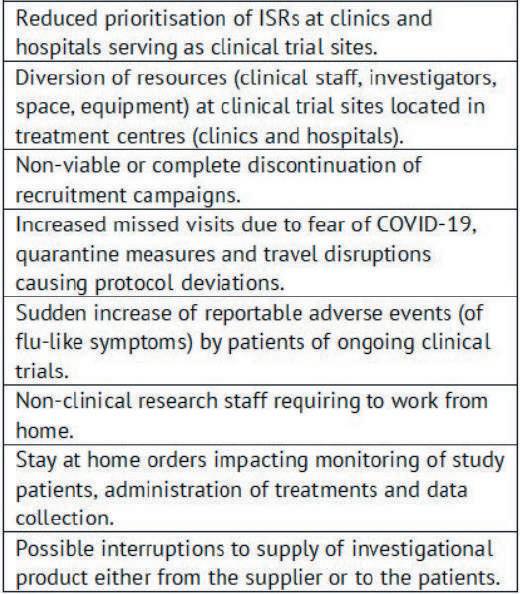
In a survey of 363 clinical trial sites across the globe (including the Asia-Pacific region), 36% were awaiting activation of studies due to the sponsor postponing initiation of recruitment whilst 48% actively enrolling patients faced issues with getting patients in for site visits. Due to this, 34% of these enrolling sites decided to stop seeing patients or moved to virtual visits.6 Of approximately 1000 clinical trial sites being tracked,5 even as some countries loosen their MCOs, there is still delay in initiation of studies and slow enrolment (up by 10% and 13.9% respectively over a three-week period from June 11 to July 9 2020). However, studies that suspended enrolment during the more intensive phases of MCO have shown improvement by a 10% increase. In a larger study by Medidata12 involving enrolment data from >4500 studies and >182,000 sites globally, in March 2020, there was a 65% decrease in new patient enrolment vs. the previous year. The United States of America had a reduction of 67% vs. Japan with a 43% reduction and India with an 84% reduction.
Malaysia’s Industry-sponsored Research Experience
During COVID-19
In recent years, owing to the multiple benefits of developing
Table 1: How COVID-19 impacts ISRs4,6,8,9
Malaysia into a clinical trial hub, the Malaysian Government has invested significantly in growing the country’s clinical trial capabilities and resources.13,14 One of its initiatives was the establishment of Clinical Research Malaysia (CRM). One of the many benefits that CRM affords to the robustness of the Malaysian clinical trial ecosystem13–15 is as an entity under the Ministry of Health. CRM therefore facilitates ISRs in the country by being a single point of contact between sponsors, CROs, various government agencies and, most importantly, the 36 major clinical research centres nationwide.
The COVID-19 pandemic significantly impacted the conduct of ISRs in Malaysia, akin to the impact experienced globally. With the implementation of MCO on 18 March and the rising number of cases, most principal investigators decided to withhold patient recruitment and non-essential patient visits. In addition, with the focus on safety of staff and patients in mind, most sponsors and contract research organisations (CROs) either withheld or converted to remote modalities for site start-up visits and monitoring activities which were in line with the USFDA10 and EMA guidance.11 Being the single point of contact, CRM greatly facilitated effective communications between all stakeholders, ensuring that all parties were up to date with the latest in the operational status of individual CRM-managed trials.
Feasibility Studies
One of CRM’s key core services is its complimentary feasibility studies.13 During the MCO period, the company decided to withhold outreach of feasibility studies requiring site approaches, except for studies specifically relating to COVID-19. This naturally resulted in a decline in the number of feasibility studies accepted in March 2020 by 46% vs. the previous month. Due to the cordon sanitaire, 14 ongoing feasibility studies recorded during the MCO were put on hold. Understandably, all other ongoing studies had timelines extended until the MCO eased into the Conditional MCO (CMCO) and Recovery MCO (RMCO) beginning June 2020. Table 1 shows the number of full feasibility studies from January to June 2020.
CRM’s decision to put on hold the feasibility assessments requiring site-level information was due to several reasons. Firstly, the Ministry of Health had started building surge capacity in hospitals and as such, some hospitals were specifically designated into COVID-19 treating hospitals, with non-COVID-19 cases being transferred to other nearby hospitals. Secondly, the temporary halt in CRM’s feasibility approach was to provide more capacity for clinicians to focus on treating COVID-19 cases that had seen a rise in its number during the MCO in March and April. Thirdly, some of the clinician investigators were deployed to COVID-19 centres to fill the insufficiency of manpower at these sites. Finally, with the restriction of movement being in place, most CRM study coordinators (SCs) worked from home and thus were not able to collect feasibility feedback from the investigators.
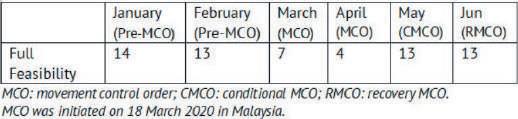
The Impact of COVID-19 on Patient Recruitment, Protocol Deviations, Patient Visits and Investigational Product Management
A survey conducted from 18 March to 23 April 2020 was carried out at all clinical trial sites supported by CRM’s SCs across 44 hospitals
and institutes to determine the impact of COVID-19 on patient recruitment, protocol deviations, patient visits and IP management. In total, there are 480 active clinical trial sites whereby each trial site may conduct similar study protocol.
Patient Recruitment
Medidata (2020) conducted an electronic survey in April 2020 at investigator sites in the United States and Asia. It was reported that 63% of them halted new patient recruitment for ongoing trials16. In a follow-up survey done in August 2020, there was a decrease in the number of trials in which patient recruitment was halted (39%)18. Another study conducted by the DIA China Digital Health Community (DIA China 2020) in February 2020 among 176 responders, 67% experienced suspension of subject recruitment17 Similarly, in Malaysia, most of the clinical trial sites located within the Ministry of Health hospitals were closed and research staff including SCs were required to work from home during the MCO. The impact on patient recruitment is seen in Figure 1. Of the trials managed by CRM, 66% put patient recruitment on hold while 21% maintained active recruitment and 13% had successfully achieved their targets. By June, with the MCO transitioning to CMCO and then to RMCO, patient recruitment resumed. Trials that withheld recruitment reduced by 13% (from 66% to 53%) and active recruitment increased by 14% (from 21% to 35%). As per another survey conducted from 1 July, the percentage of active recruitment increased to 74%, with only 16% of trials still withholding recruitment. These numbers are encouraging, and it shows the recovery in Malaysia is extremely fast. This could be associated with the decreasing numbers of COVID-19 cases in the country, the development and implementation of industry-specific standard operating procedures (SOPs) and a centralised agency such as CRM effectively bridging communications amongst various stakeholders.
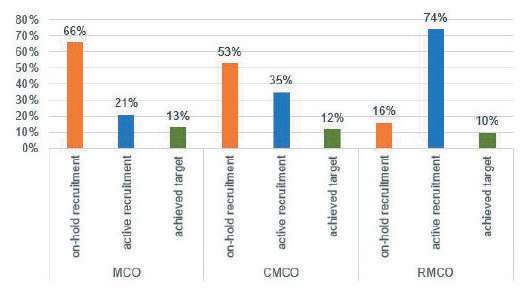
Protocol Deviations
As experienced with clinical studies globally, CRM-managed ISRs were faced with protocol deviations (14%). The reasons for protocol deviations are shown in Figure 2, while reasons for protocol deviations classified as “Others” are listed in Table 2. Of the nine protocol deviations classified as “Others”, five were related to the COVID-19 pandemic.
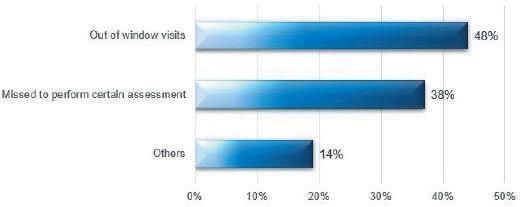
Table 1: Number of full feasibility studies from January–June 2020
Figure 1: Impact of Patient Recruitment
Figure 2: Reasons for protocol deviations in clinical studies during MCO
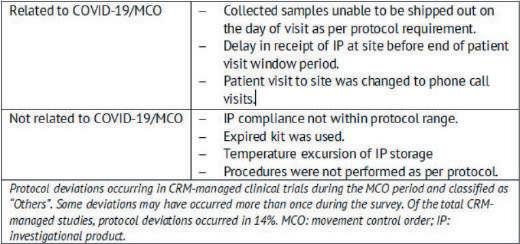
Patient Visits to Trial Sites
During the survey period between 18 March to 23 April 2020 involving 480 trail studies, 52% (n=247) continued patient visits as per schedule, 39% (n=188) had no active patient visits and 9% (n=45) postponed patient visits. Sixty per cent of the 188 trial sites had completed all patient visits before MCO, whilst 33% had no patient enrolled yet. Of the 45 trial sites that postponed patient visits, 42% were based on investigator discretion, 23% on sponsor/CRO discretion and 35% due to unwillingness of patient. Throughout the period of March to July, a total of 58 patient visits were reported as cancelled.
Eighty-seven per cent of patient visits were done on-site while the remaining 13% of follow-up visits were done through telephone/ video calls. As patient and staff safety were paramount, SOPs developed by the Ministry of Health were strictly adhered to during on-site patient visits. All patients who presented for on-site visits were screened for influenza-like illness symptoms and signs prior to entering the clinics. A specific COVID-19 declaration form was used, which also included travel history.
Investigational Product (IP) Management
Six per cent of trial sites had IP supply withheld from the sponsor. These involved studies in nephrology, cardiology, infectious disease, paediatrics, and rheumatology. As for sites that continued to dispense IPs to the patients during the MCO, 68% were dispensed at the sites and if patients couldn’t be present on site per the scheduled visit, the IP was either given in advance in bulk (8%) or was delivered directly to the patient’s home (7%). Three per cent of IPs were “put on hold” for various reasons including safety concerns based on the principal investigator’s discretion, IPs which required laboratory results prior to being dispensed and the patient could not be present for these tests, and patient refusing to receive the IP for one month due to suspicion of another disease. No concerns have been reported by site staff and there have not been any reports of adverse effects of withholding the IP in patients. The methods of dispensing the IP in studies are seen in Figure 3.
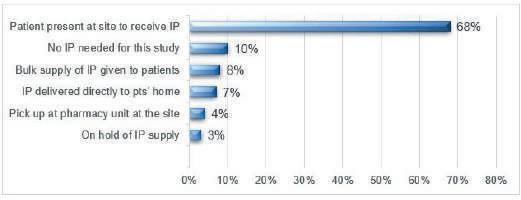
IP: investigational product; pt’s: patients. No IP needed = no IP involved in studies (e.g. observational or biomarker studies) or patients have already completed IP prior to MCO.

IPs delivered to the patients’ homes used locally available courier services. The clinical research associates (CRAs) arranged for courier pick-up at the site. Protocols were set in place for IPs requiring temperature control wherein the courier company prepared and sent reports to the SC. In cases of temperature excursions, these were reported to the CRA to confirm if the IP could still be used. The SC also confirmed directly with the patients if the IPs were received in good condition and at the right quantity.
Site Monitoring Visits
A survey was also done on arrangements of site monitoring visits by the sponsors/CROs. The findings showed that 54% had monitoring visits postponed, 44% had off-site or remote monitoring and the remaining 2% had no monitoring visits during the MCO period. The majority of sites on off-site or remote monitoring did so via sending scanned documents through email with redacted patient identifiers (80%) and 19% were monitored by tele/video conferencing methods.
Site Start-ups
Of 69 trials slotted to start-up, 17% were delayed and 83% continued as planned. Management of site start-ups was done remotely in 58% while 42% had on-site visits. CRM worked together with the hospitals, sponsors and CROs involved in these instances to disseminate correct information to stakeholders in a timely manner to ensure adherence to SOPs that had been developed with specific guidelines and arrangements by individual hospitals. These allowed for planned site selection visits and site initiation visits to be conducted smoothly.
Conclusion
Even with the impact of COVID-19 on ISRs, the Malaysian experience allowed many of the essential clinical studies to carry on with adaptation of processes and few protocol deviations. These
Table 2: Protocol deviations classified as “Others”
Figure 3: Methods of IP dispensing in studies during MCO
included, where possible, converting trial procedures and visits to be performed remotely or online. However, a large proportion of studies still followed the traditional route, but did so safely, ensuring that on-site visits were done under strict SOP guidelines with collaboration between the hospital administration, investigators, sponsors and CROs. Though patient recruitment was impacted, our experience showed a fast recovery post-MCO. There was also no major disruption of IP supply to patients and the majority were able to visit the site for the IP, largely due to implementation of SOPs.
REFERENCES
1. Malaysian Ministry of Health. Detection of new confirmed 2019 Novel Coronavirus (2019-nCoV) infections in Malaysia. Press release. 25 January 2020. (In local language).
2. Tang KHD. Movement control as an effective measure against Covid-19 spread in Malaysia: an overview. Z Gesundh Wiss. 2020:1-4.
3. National Secruity Council of Malaysia, Prime Minister’s Department. Press Release;18 March 2020. (In local language) Available at: https:// www.pmo.gov.my/2020/03/kenyatan-media-mkn-18-mac-2020/. .
4. Alsumidale M. Clinical trials feel the coronavirus crunch. Applied Clinical Trials 2020. Available at: http://www.appliedclinicaltrialsonline. com/clinical-trials-feel-coronavirus-crunch.
5. GlobalData Healthcare. Clinical trial disruption due to COVID-19 has begun to decline. Available at: https://www.clinicaltrialsarena.com/ comment/clinical-trial-disruptions-decline-covid-19/.
6. Kaplan GA, Weaver R, Cloud B. The effect of COVID-19 on clinical trials: insights from the inside. Applied Clinical Trials 2020. Available at: http:// www.appliedclinicaltrialsonline.com/effect-covid-19-clinical-trialsinsights-inside. .
7. Fleming TR, Labriola D, Wittes J. Conducting Clinical Research During the COVID-19 Pandemic: Protecting Scientific Integrity. JAMA. 2020;324(1):33-34.
8. Guo T, Chen C, Chiang C, Chen C-T, Hsiao C-F. Operational Experiences in China and Statistical Issues on the Conduct of Clinical Trials During the COVID-19 Pandemic. Statistics in Biopharmaceutical Research. 2020:1-5.
9. Perez T, Perez RL, Roman J. Conducting Clinical Research in the Era of Covid-19. Am J Med Sci. 2020;360(3):213-215.
10. United States Food and Drugs Administration. FDA guidance on conduct of clinical trials for medical products during COVID-19 public health emergency. Guidance for industry, investigators and institutional review boards. July 2020.
11. European Medicines Agency. Guidance on the management of clinical trials during the COVID-19 (Coronavirus) pandemic. April 2020; version 3.
12. Melhem F. The global impact of COVID-19 on clinical trials and the way forward. 2020. Available at: https://www.technologynetworks.com/drugdiscovery/go/lc/view-source-333653.
13. Ooi A, Khalid KF. A unique model to accelerate industry-sponsored research in Malaysia. Journal for Clinical Studies 2018;11(1):24-27.
14. Ooi AJA, Khalid KF. Malaysia’s clinical research ecosystem. Applied Clinical Trials. 2017. Available at: http://www.appliedclinicaltrialsonline. com/malaysia-s-clinical-research-ecosystem.
15. Ooi AJA, Khalid KF. Initiatives to establish capabilities in early phase clinical research in Malaysia. Applied Clinical Trials 2019. Available at: www.appliedclinicaltrialsonline.com/initiatives-establish-capabilitiesearly-phase-clinical-research-malaysia.
16. Medidata Solution, Inc. COVID 19 and Clinical Trials: The Medidata Perspective release 4.0. Available at: https://www.medidata.com/ wp-content/uploads/2020/05/COVID19-Response4.0_ClinicalTrials_2020504_v3.pdf
17. DIA China Digital Health Community (2020), The Impact of the Pandemic on Clinical Trials and the Results of a Survey of Digital Technology Needs, China: DIA Subscription. Available at: https://globalforum.diaglobal.org/ issue/june-2020/remote-clinical-trials-in-china-during-the-covid-19pandemic/
18. Medidata Solution, Inc. COVID 19 and Clinical Trials: The Medidata Perspective release 8.0. Available at: https://www.medidata.com/ wp-content/uploads/2020/08/COVID19-Response8.0_ClinicalTrials_2020824_v1.pdf
Aina Farhana Binti Zulkipli

Aina Farhana graduated from International Islamic University of Malaysia with a Bachelor of Biomedical Science and later went on to obtain a master’s degree in Medical Science from the University of Malaya. She currently works at Clinical Research Malaysia as a Patient Recruitment Specialist. She has more than 5 years’ experience in recruiting patients. She has been liaising with doctors, pharmaceutical companies, and Clinical Research Organization to strategize in patient recruitment.
Email: aina.farhana@clinicalresearch.my
Joanne Yeoh
Joanne Yeoh is currently the Head of Clinical Operations in CRM. She has vast experience in clinical research operation of 15 years and was supporting the clinical operations across Malaysia, Singapore, Taiwan and Hong Kong prior to joining CRM.
Email: joanne.yeoh@clinicalresearch.my
Intan Munirah binti Mohd Murad


Intan Munirah is currently a Clinical Operations Manager at Clinical Research Malaysia, overseeing 4 Line managers in ensuring smooth conduct of clinical trials at project sites. She has 9 years of experience in clinical research field and obtained her degree from Universiti Kebangsaan Malaysia in Biomedical Science.
Email: intan@clinicalresearch.my
Kalpana Devi A/P Balagangatharan

Kalpana Devi graduated from AIMST University with a Bachelor of Biotechnology. She currently works at Clinical Research Malaysia as a Clinical Operation Manager. She has more than 4 years’ experience in Supervision and Management. She has the role of oversee and ensure the smooth conduct of the operations at the project sites. She also needs to maintain strong networking with different stakeholders in the field.
Email: kalpana@clinicalresearch.my
Nur Ain binti Amir

Nur Ain graduated from Universiti Putra Malaysia with a Bachelor of Science Cell and Molecular Biology and currently on going to obtain a master’s degree in Neuroscience from the same institute. She currently works at Clinical Research Malaysia as a Feasibility Specialist. She has been liaising with doctors, pharmaceutical companies, and Clinical Research Organization to conduct feasibility study for clinical trial.
Email: nur.ain@clinicalresearch.my
Global Outsourcing and Vendor Management: Key Influence Factors and Strategies
Few would argue that global outsourcing is accelerating at an increasingly rapid pace. But what does outsourcing really mean to business, and what is it worth?
By far the fastest growing area of R&D spending is outsourcing. Exceeding $60 billion in 2016, sponsor company spending on contract R&D services is growing at six times the annual rate of spending on internal staff, infrastructure, and technology support. Clearly, pharmaceutical and biotechnology reliance on outsourcing is high and increasing. Sponsor companies have continued their push to lower their operating costs while leveraging expertise to help manage growth in drug development pipelines.
In the pharmaceutical industry, about one-third of all drugs in the pipeline of the top ten pharmaceutical companies were initially developed elsewhere. Astra Zeneca, for instance, has been in the process of moving its global headquarters to Cambridge to harness the university’s scientific knowledge. Pfizer has undertaken a similar strategy in the United Sates, having positioned many of its research and development facilities close to major bioscience hubs. Bristol-Myers-Squibb has collaborated with Allied Minds, a Boston-based group on commercialisation of academic research to scour American universities for innovative drug discovery ideas, and GlaxoSmithKline has recently teamed up with the University of Leicester to develop novel drugs against blood cancer, showing that the outsourcing trend is an international phenomenon.
Why do
companies outsource?
• Pharmaceutical companies are increasingly outsourcing different activities to vendors as a strategy to stay competitive and flexible in a world of exponentially growing knowledge, new technologies and an unstable economic environment. Globally, the pharmaceutical industry is facing strong pressure to contain costs and therefore the expense is largely being directed towards outsourcing.
• Because of frequent interaction between sponsor and vendors, the topic of vendor oversight is in the centre of attention. Because of the outsourcing strategies employed, the question arises if vendors are doing what they were hired to do and if they are adhering to the quality necessary. With the growing use of contract research organisations (CROs) and other vendors, leaders in the field raise their concerns about increasing speed on pharmaceutical matters, like the increasing complexity of clinical trials, rapid recruitment of patients, or finding the best vendors or investigators for one’s own trial, and quality, while trying to adapt the vendor oversight processes per International Council for Harmonisation (ICH) Good Clinical Practice (GCP) E6 (R2) guidelines.
• Companies use outsourcing to enter the market to avoid delays in hiring and infrastructure development, as well as to prevent internal resistance to new ideas. A pressing question

for pharmaceutical companies is how best to organise the R&D activities to improve productivity and flexibility: which activities to keep in-house and which to outsource to CROs? Processes that are usually outsourced include medical writing, submission planning and publishing, regulatory data and information management, local regulatory affairs, pharmaceutical-chemical writing, labelling, agency liaison, regulatory strategy, translation, administrative documents, dossier conversion, and literature searches, etc. The regulatory affairs functions most likely to be outsourced include labelling, electronic core technical document (eCTD) assembly, training and submission tracking, indexing, and archival.
• In practice, this means that a CRO can provide quick assistance in a task that is urgent and can be outsourced, or that would otherwise burden the company’s personnel. Anyway, getting ideas and expertise from external sources is a well-established practice.
There is always the possibility that the cooperation does not work. Even so, switching CROs is also expensive. The outsourcing policy may change in a way that the company back-sources the regulatory affairs tasks in-house. To obtain the most success out of the vendor management process, a strategic approach is required –to build and maintain the relationships with the best and preferred vendors. Good suppliers, with which a trustworthy and thriving collaboration is possible, are hard to get. Therefore, it is important to nurture the relationship between sponsor, and vendors the sponsor does not want to lose.
The following practices help maintain a strong sponsor-vendor relationship:
• Share information and priorities: To support the vendors to effectively meet the sponsor’s need, it is crucial to share the
sponsor’s information and priorities. This means providing the necessary information in a timely manner, including launch dates, changes in the trial design, forecast information, and other relevant information that might affect the quality or service of the outsourced activity.
• Allow strategy and innovation: The sponsor and vendor should work together on a strategy. By following this, the sponsor will receive the best value for the invested money, as this kind of collaboration is for sure the most effective one. The vendor is an expert in the outsourced area and can therefore provide valuable insight or innovative suggestions that could improve the service or would even provide cost savings, resulting in a competitive advantage. Hence, the vendor should be invited to meetings that involve the service the vendor is working for. It is a double-sided collaboration and not a oneway business relationship.
• Focus on the long-term plans: Short-term relationships with vendors are not recommended as they will only lead to shortterm gains and hence to minor cost savings. The real value will result from long-term partnership, which will enable trust and engagement from the contracted vendors. Consequently, this will result in discounts, preferable treatment and access to expert knowledge.
• Focus on win-win agreements: Appreciative and trustworthy business relationships cannot be established through overruling negotiation strategies. Quite the contrary, this will cause resentment that could lead to further problems, and unproductive discussions. Instead, negotiations of agreements should be focused, and allow both parties to experience a good feeling about the agreement.
Recent revisions outlined in ICH E6 (R2) have provided an impetus for sponsors to reevaluate their oversight and quality management processes throughout the clinical development process. Specifically, ICH recommends that a sponsor maintain oversight of “any trial-related duties and functions carried out on its behalf, including trial-related duties and functions that are subcontracted to another party by the sponsor’s contracted CRO(s).” Identifying, qualifying, and selecting clinical providers are early and critical steps in the clinical outsourcing process that require attention.
Among the different non-clinical activities, logistics and procurement are of great importance as they represent a large portion of healthcare organisations’ expenditure and are essential for their operational performance. Procurement and logistics outsourcing have been considered useful to simplify the procedures for finalising contracts, to encourage competition between supplying firms through transparent selection practices, and to improve the efficiency and effectiveness of the entire healthcare system by increasing economies of scale and scope.
Studying the clinical trials outsourced within each therapeutic area globally, oncology was the area that topped the list across all geographies. The other areas were ranked in order of their importance in those relevant regions. Other diseases such as ophthalmology, speciality disorders, orphan diseases and neurology also received substantial interest, but did not find their spot within the top five areas.
As the COVID-19 pandemic continues to unfold, the capabilities of supply chains are coming into sharp focus, not so much in terms of cost-efficiency, but on their ability to be resilient and effective in delivery. This is why understanding the potential implications of complex outsourcing in the healthcare sector is of paramount importance.

Additionally, pharmaceuticals face increasingly stringent regulatory scrutiny around third-party relationship management and seek to bolster their vendor management capabilities to ensure compliance with industry standards.
The outsourcing processes consist of a sequence of stages, summarised as follows:
• The early build-up stage, in which potential providers are selected to negotiate and develop a (formal or informal) contract for the provision of logistics and procurement services.
• The execution stage, in which the commitments and rules of action agreed upon by the parties in the previous stage are carried into effect; in this phase, operations are organised, executed, coordinated and monitored, entailing adaptations and increased experience between the companies of the respective activities.
• A long-term stage, in which routine approaches are institutionalised and several kinds of bonds between the parties arise or strengthen because of extensive formal and informal adaptations. These bonds have an important function in favouring the creation of longterm relationships and can relate to the technologies used and shared by the parties, personal knowledge and trust, administrative routines, procedures and legal contracts.
A Glance at the Preclinical Outsourcing Market:
Frost & Sullivan valued the global CRO market at $28.75 billion in 2014. Approximately 13.1% of the total share arises from the preclinical segment. Globally, in recent years, preclinical outsourcing had experienced a surge in growth rate, leading to capacity constraints. Companies have made large investments in expanding capacities. Capacity issues are likely to result in declining growth over the longterm forecast period. One of the leading areas within the preclinical outsourcing market is preclinical toxicology. Earlier, preclinical outsourcing was predominantly conducted inhouse by pharma companies, but it has been observed that sponsors are becoming more open to the idea of outsourcing more of these services to CROs to reduce the price burden. The majority of the revenues for this segment arise from North America, followed by Europe, Asia-Pacific, and the rest of the world.
Defining the Required Benefits
The first step to realising the desired benefits is a clear definition of end objectives and expectations. The main challenge is to operate efficiently while balancing priorities to innovate and stay relevant in the market. These challenges can be managed through proactive and transparent service level agreements (SLAs), performance metrics, and continuous operational improvements.
A quality vendor performance assesses how the vendor is performing against key performance indicators (KPIs) established in the vendor’s contract. Performance reviews aim to monitor compliance of contractually agreed upon KPIs, identify areas where the vendor is not performing to expectations, partner with the vendor to resolve low vendor performance, benchmark the vendor’s performance against similar vendors, and assess performance trends. Each performance review should have a scoring model that quantifies the performance level. Once the internal review is complete, the vendor management office (VMO – a business unit within the enterprise that is responsible for evaluating suppliers of goods and services, and overseeing regular interaction and longterm relationships with vendors) should work with the vendor to work through any low scores. The best way to resolve low scores is to have the vendor create an action plan and collaborate with the vendor to track the vendor's progress to resolution with SMART goals, to ensure both parties obtain the desired results. SMART goals are specific, measurable, attainable, relevant, and time-bound objectives.
Tracking the Realised Benefits:
Post-contract signature issues, along with lack of innovation and leading practices, are two of the top five challenges companies face with their outsourced vendors. With a lack of clear definition on how to track innovation benefits, it is challenging to differentiate the value derived due to innovation. The industry still struggles when it comes to measuring quality; therefore, it becomes increasingly more important to investigate how the performance of the contracted vendors can be measured. Effective clinical trial management and improvement can only happen if there are valid and reliable quality metrics. Metrics should have standard definitions of key terms and study milestones to ensure that the metrics are measuring the right factors in the right way. Driven by competitive and regulatory pressures, the purpose is to be proactive on understanding the level of risk, so that it is possible to measure and monitor risks over the course of the trial.
Motivating
the Vendor to Perform:
Motivation is key to forward momentum. The vendor’s employees play a key role in effective delivery and keeping them motivated is a decisive success factor of a well-functioning service delivery model.
Vendor Management Operating Model
To better harness and manage innovation, companies likely need flexible vendor management operating models that act as strategic enablers of innovation. This means that the processes, while welldefined, should be well-differentiated and able to change quickly to adapt to evolving business needs. It also means having the appropriate governance in place.
In some cases, it makes sense for a third party to perform select functions that are non-core to the organisation so that the sponsor can adapt a more flexible operating model.
Vendor Management Tools
Identifying tools that can help automate operations, especially while performing such repetitive tasks as performance reporting and contract analytics, is important. Tool adoption surely helps to streamline processes. Close collaboration with service providers to develop and customise tools is an effective way to meet the innovation needs of the organisation.
• Identifying competency sets from model and list, with development options.
• Strategic reviews of capabilities required and weighting of priorities.
• Tailored training workshops on vendor management to build individual competencies.
• Facilitated events to develop collective team capabilities.
• Webinars and videoconferences on selected competency areas.
Vendor Management Skill Sets
Not all projects are the same, not all companies are the same, and not all vendor relationships are the same. There is not one universal skill-set to be an effective vendor manager. Many factors determine what competencies (or capabilities) are needed. These are ten typical factors more influential in determining what competencies are needed, in what priority, and to what depth.
1. Lifecycle responsibility – whole process or one phase (mostly delivery).
2. Relationship with vendor – transactional or partnering (collaborative).
3. Project or programme – deliverables and milestones, or service levels and quality.
4. Extent of integration into client business.
5. Balance of expertise – client or vendor side.
6. New or ongoing project/programme – kick-off vs. maintain.
7. Project complexity, size, budget, depth.
8. Location of vendor.
9. Governance requirements, structure and process.
10. Level of responsibility, discretion and accountability of vendor manager.
Contractual Constructs:
Although cost savings and service quality improvement appear to be the overriding motivations for outsourcing from public to private sector, the success of outsourcing also depends on a number of different factors. In fact, hidden costs of outsourcing

occur in selection, managing the relationship between supplier and outsourcer, and making changes to the service contract, all of which can offset any cost savings and quality improvements identified at the start of the outsourcing contract.
The development of clear risk assessment guidelines and SLA review guidelines can minimise contract renegotiation and associated changes during contract execution. Custom, valuedriven, and gain-share pricing models are appropriate for select initiatives and service providers. A move toward these custom models can help facilitate innovation, but they also require an increased focus on financial management.
A Look Ahead
Through working with many different vendors, where different processes are outsourced, vendor management of third parties should not just be essential to gain an oversight over the contracted vendors but should also maintain a mutually beneficial relationship. Beyond the lowered cost, the main value added is the achievement of benefits provided by a vendor that would normally not be delivered by other customers.
A great challenge for vendor managers is to compete with other sponsors or companies to attract and maintain the best vendors and their performances. Today, vendors indeed still compete with other vendors, but sponsors do also have to compete with other sponsors for the best vendors in their fields. In these times, it is highly important for the sponsor to be aware that a positive sponsorvendor relationship and providing critical feedback is essential for the daily business with the contracted vendors. If there is a good relationship between the sponsor and the vendor, it is more likely for sponsors to rely on vendors, as the motivation to support one another in a good relationship.
Since the scale, complexity and costs of clinical trials have increased during the years, the requirement for risk-based quality systems have emerged. As risk management is essential to identify and avoid potential costs and performances or technical risks to a process or a system, it is mandatory to understand how to introduce, implement and apply risk management principles to clinical trials. For risk management in the GCP environment, no detailed guidelines or regulations are applicable that define how the processes of risk management should be incorporated. Here the risk process is divided into risk identification and assessment, risk treatment, review of risks and the risk communication and documentation which has to be performed for the whole process. About quality methods, it is necessary to define the key methods for proper quality management, as well as the risk management tools for maintaining a well-functioning quality system, which is needed for ongoing management of vendors. Finding ways to manage quality efficiently is one of the central issues faced by clinical development teams. The quality methods consist of quality control and quality assurance. Quality control is defined by monitoring the sites, which can be on-site monitoring or centralised monitoring. With recent regulatory guidance, risk-based monitoring with a mix of both types is becoming the industry’s actual approach to clinical monitoring. An audit belongs to the quality assurance activity and is a systematic and independent examination of trial-related activities. For risk management tools, the ICH Q9 guideline mentions many useful tools, but the base for the quality risk management tools is covered through the root cause analysis and the risk analysis, as these are the two easiest handling tools.
Early-stage clinical trial services such as bioanalytics will witness a major boost in coming years, due to their increasing role in eliminating unpromising drug candidates at an early stage,
thereby saving R&D cost. Demand for functional services, such as data management, consulting, logistics, translation, regulatory and consulting, is also experiencing strong growth. The co-drug development model will be the future of the drugdevelopment industry, wherein CRO companies will join hands with pharmaceutical companies to develop a drug. As personalised medicine emerges, the co-development of a drug and the diagnostic marker will go hand in hand. This will compel the CROs to collaborate with pharmaceutical and diagnostic companies in the future.
The eClinical trial solution is gaining popularity. It helps in reducing the time and cost of clinical trials, and in streamlining the regulatory process and audit trials for faster approval. Additionally, since there is also an immense need for real-time, evidence-based data, this has paved the way for eClinical technologies that will play a vital role in the way data is being managed in these CROs.
Market Watch
The current focus strategy has centred on the concept of bigger equals better; companies are gearing up to broaden the breadth of services offered. With personalised medicine becoming a focus, central laboratory testing will also add value to a CRO. One of the recent M&A deals is the acquisition of Covance by LabCorp for $5.6 billion. Covance is a CRO with annual revenue of $2.5 billion, with about 12500 employees in over 60 countries, and stands second after Quintiles, which had annual revenue of $3.8 billion in 2013. LabCorp is a diagnostic reference laboratory with annual revenue of $5.8 billion in 2013, with over 34,000 employees worldwide. The combined revenue of both LabCorp and Covance is aligned to make LabCorp a market leader and number one in the clinical laboratory market. Global expansion continues to remain the area of priority for many CROs today.
In terms of annual revenue and market share, this strategic longterm alliance is aligned to beat the market leaders. The combination of safety and efficacy data for drug approval from Covance and diagnostic data from 75 million patients from LabCorp will be an effective way to a more costeffective approach toward improving patient diagnostics and also advancing personalised medicine. Clients will be able to see more value for their products.
Covance generates more safety and efficacy data for the approval of innovative medicines than any other company in the world, and LabCorp has longitudinal diagnostic data from more than 75 million patients. This combination leads the way to more costeffective healthcare by improving the safety and efficacy of drug therapies, enabling accurate patient diagnostics and advancing evidence-based medicines, which will enable their clients to demonstrate the value of their products and services to patients and payers. As a result, there will be greater opportunities for both companies because they will now have a broader universe to compete.
Tahseen Khan

Tahseen is a senior regulatory writer at Covance in Mumbai. He did M.Sc. in Biotechnology, and has over 9 years’ experience in drug development. In his current role, Tahseen act as a lead writer authoring clinical study reports, investigator’s brochures, protocols, and other regulatory documents prepared for drug approval primarily for FDA submission.
Email: tahseen.khan@covance.com
Three Ways in which Mobile Research Nursing is Transforming the Clinical Trial Experience
Following the emergence of the novel coronavirus, more than 1000 clinical trials for non-COVID-19 indications were delayed, put on hold, or even postponed outright.1 In a Medidata survey conducted in April 2020, nearly 70% of investigative site personnel indicated that COVID-19 affected their ability to conduct ongoing studies and 78% believed that the pandemic impacted their ability to initiate new trials.2
And yet, according to a report released by Greenphire in October 2020, patient enrolment for global clinical trials has returned to pre-COVID-19 levels.3 The remarkable recovery in clinical trial participation has been attributed, in part, to the use of technologies and other resources that promote flexibility in how study visits are conducted.
In this shift toward decentralised or hybrid trials, mobile research nurses have been instrumental in keeping studies moving forward and minimising patient dropout.
Mobile Research Nursing Goes Beyond Simply Bringing the Trial to the Patient
As with so many aspects of our lives, COVID-19 has surfaced –and solidified – change in the conduct of clinical research. Within the clinical trial arena, the “new normal” is one which leverages technology to empower patients and offers them greater flexibility and a wider range of options when participating in clinical trials. While technology offers significant advantages, critical study activities remain that require human interaction. It’s not surprising then that, in this new normal, mobile research nursing has emerged as an effective, patient-focused solution for encouraging study engagement and enhancing the participant experience.
Here are three ways that mobile nursing is transforming clinical research:
1. Enabling research to continue, even in the most challenging circumstances.
At the start of the COVID-19 pandemic, everything stopped. Site closures and travel restrictions made it virtually impossible for patients to participate in clinical trials, even if they were willing to do so. Caught without a contingency plan in place, many clinical trials simply ground to a halt.
As sponsors frantically searched for solutions, they found mobile research nursing to be an invaluable resource that could rescue studies. Specialist start-up teams were leveraged to enable mobile research nursing to be incorporated into ongoing studies. This could be incredibly complex, resulting in protocol amendments, gaining site consent if they were new to the service and quickly moving resource to be able to meet the visit requirements of patients.
In turn, mobile research nursing providers had to quickly adjust to the need for heightened precautions and the influx of sponsors seeking assistance. That meant adapting existing processes and procedures – or creating new ones – to ensure the safety of both
nurses and patients. For example, placing additional telephone calls to perform pre- and post-visit assessments. This was solely designed to keep everyone safe with the additional calls giving patients and research nurses the opportunity to voice any COVIDbased concerns before or after a visit.
Having learned these lessons amid the pandemic, both sponsors and mobile research nursing providers are now better prepared for future waves or other unforeseen circumstances that result in site closures. Moreover, sponsors are now more aware of the need to proactively plan for unexpected events by building contingencies into study protocols from the outset.
2. Encouraging patient engagement to increase enrolment and retention.
Patients are more likely to enrol and remain in studies in which they feel valued and are offered solutions that fit with their lifestyle. Clinical trial participation can be a burden, even for the most motivated patients. Frequent travel and absence from work or school can put immense strain on study participants and their families. Replacing on-site visits with off-site visits performed by a mobile research nurse can help to relieve that strain.
A growing number of sponsors were already relying on mobile research nurses to ease the burden of clinical trial participation pre-COVID-19. As this year has unfolded, we have seen significant increases in the adoption of mobile research nursing and expect that this resource will become a staple of clinical trials even after we move beyond the pandemic.
A Quick Case Study
Problem: A paediatric rare disease study required weekly on-site visits spanning a period of several years and was experiencing a high rate of dropouts. If the dropout rate were to continue on the downward curve, the sponsor had identified that patient numbers would have been too low for the study to be sustainable.
Solution: The sponsor amended the protocol, which allowed them to offer the option of mobile research nursing. In this case the mobile research nurses would administer the investigational drug at the child’s home or school and perform data collection.
The win-win result: Mobile research nursing visits replaced 75% of the required on-site visits. This meant a reduction in visits from weekly to monthly. Over a two-year treatment period, no further dropouts occurred, and time lost from school and work was minimised. In addition, the children and their caregivers reported increased satisfaction due to the rapport established with their mobile research nurse.
3. Embracing technology while maintaining a human connection. The pandemic has highlighted a range of new applications for technology in clinical research and healthcare delivery at large. Technology has its limitations, however – from varying levels of tech confidence or literacy to preferences among patients to share sensitive health information with a real person rather than a computer.

More recently, the pandemic has also brought to the forefront the issue of “emotional compensation” for patients who are enrolled in largely video-focused research. Often, patients choose to enrol in a clinical trial for expanded access to treatment as well as personalised attention from the study team. There is some concern that patients may find it more difficult to form bonds or establish trust with their clinicians if all study interactions are virtual.
Mobile research nursing bridges this gap by maintaining, and even strengthening, the human connection in clinical trials. This is especially true as patients are visited regularly by the same nurse (wherever possible) throughout the course of a study. When it is not safe or convenient for a patient to go to a site, a GCP-trained mobile research nurse can perform the study visit at home, or anywhere the patient is comfortable, completing all of the necessary procedures and reporting data back to the site.
As advances in technology have broadened the spectrum of procedures that can be performed off-site or in the home, the number of clinical trials that can be conducted with a mobile research nursing option will continue to increase. Offering participants the flexibility of off-site visits with a mobile research nurse also expands the pool of patients available for recruitment by making studies accessible to those with limited mobility and those who live far away from a clinical research site. Moreover, mobile research nursing visits make it possible for site staff to check in and assess the safety of study participants at more frequent, predictable intervals, even if unforeseen circumstances arise.
Progress on the Path to Truly Patient-centric Clinical Trials
The adaptations required to keep studies moving forward during the
pandemic have set the stage for a future in which clinical trials can be truly patient-centric, with a hybrid of site visits, telehealth, and mobile research nursing. For all those engaged in clinical research, the opportunity lies in perfecting this new normal, where patients are put front and centre in the design and conduct of clinical trials.
REFERENCES
1. Clinical Trials. “U.S. Clinical Trial Sites are Most Affected Due to the Covid-19 Pandemic.” Available at https://www.clinicaltrialsarena.com/ comment/us-clinical-trials-covid-19/.
2. Medidata. “COVID-19 and Clinical Trials: The Medidata Perspective Release 4.0,” May 4, 2020.
3. Fierce Biotech. “Patient Enrollment for Trials Back to Pre-COVID-19 Levels: Report,” October 28, 2020.
Juliet Hulse

Juliet is an experienced Research Nurse with specialist knowledge in Cardiology, Neurology & Emergency Medical, with more than fifteen years’ experience of delivering effective care. Juliet was Director of Research Nursing at Illingworth for over 4 years before deciding to move into her current advocacy focused role. She now concentrates raising awareness of patient centric services and assisting sponsors in protocol design to improve the overall patient experience, a role which her unique background allows her to understand from the perspective of both the sponsor and the patient.
Children in Clinical Research: Parents and Children Share Their Needs, Challenges and Motivations for Participating in Clinical Trials
The pandemic has brought to the surface a host of long-standing challenges that the medical community at large is now seeking to address: Among them, how to increase clinical trial participation within our most vulnerable populations, whose representation in clinical trials is historically low?
Children comprise one of these key groups, and their lack of participation in trials has left gaps in our understanding of how medications affect children versus adults. Far from simply being small adults, children have unique developmental needs and physiologic responses that make it critical to evaluate drugs in the specific populations who will be using them. The risks, benefits and side-effects of drugs – as well as their impact on normal childhood growth and development – make it essential to expand paediatric participation in trials.
The Current State of Paediatric Research
The numbers of paediatric studies remain low around the world. Only 16.7 per cent of the total number of clinical trials registered on the World Health Organization’s (WHO) portal involve paediatric patients, and only 12 per cent of trials registered on clinicaltrials.gov are paediatric trials, even though children contributed to almost 60 per cent of the total disease burden of the conditions being studied.1
The reasons for these numbers are vast and varied. Parents may be unfamiliar with clinical research, worried about the potential risks of an investigative drug, or concerned that their child could receive placebo instead of active drug. Their paediatricians may not be aware of local research studies and thus not suggest them as an option. Logistical barriers of work, travel, cost of transportation, childcare and sibling schedules may simply be too onerous to participate. Above all, our industry at large has not communicated broadly enough, and in practical terms, about the vital role of clinical research in developing newer, safer and more effective therapies.
So, what can the pharmaceutical industry do to more consistently engage families in joining paediatric clinical trials? The first step is to listen to patients and caregivers, to better understand their motivations, barriers and perceptions of clinical research.
Every two years, the Center for Information and Study on Clinical Research Participation (CISCRP) conducts a global study on public and patient perceptions of clinical research to monitor trends and identify opportunities to better inform and engage all stakeholders in the clinical research enterprise. In April, CISCRP conducted an online survey of 500 parents and children in the US about their attitudes and experiences regarding clinical trials. Some of the respondents had participated in clinical studies while others had not.
Altruistic Motivations
The survey findings were instructive and provided a window into nuanced, but meaningful, elements that could enhance children’s participation in trials. Among them, altruism was a motivating factor for both parents and children. Sixty-three per cent of children

listed their primary motivation as the desire to help scientists learn more about their disease, and 42 per cent of parents listed altruism as their top motivation.
While altruism is often cited among adult trial participants, this selfless sentiment from children should provide renewed motivation to communicate the value of clinical research in recruitment and educational materials designed for kids.
In many respects, the pandemic has awakened the world to the importance of clinical research and, now that awareness is heightened, it is our duty to expand on that knowledge by changing how, how often, and to whom we communicate about clinical research.
The Child’s Perspective
Little comforts can often make a big difference in how kids relate to an activity or task in front of them. Sixty per cent of children surveyed said that having free wi-fi at the site was very important, and 59 per cent of children said the availability of meals or snacks at study sites was also very important. Perhaps less expected was the importance of hearing from other children who had participated in research. Fifty-eight per cent of children surveyed said that “getting to hear from other kids like me” who have taken part in a study was a priority.
As the industry works toward increasing the patient voice and forming patient advisory councils to communicate patient preferences, it is important to consider the inclusion of younger ambassadors who, with their parents’ permission, can share their experiences with other kids, either in person at a site, via videos, or through patient advocacy groups. Such a strategy could help alleviate one of the major barriers, that of fear, identified by children in the survey.
This is a key learning, because sixty-two per cent of children surveyed said their top barrier was that “something bad could happen or they would get more sick”, a sentiment that speaks to the importance of educating children and demystifying the study process through personal accounts from other children.
Both parents and children should be included in clinical trial discussions so that questions and concerns can be adequately
addressed for both parties, ensuring a truly informed consent. Encouragingly, 92% of children remembered receiving information about the trial before joining, with only 15% finding it hard to understand the details.
Moreover, for kids who had previously participated in a trial, 90% said they would want to participate again, suggesting that it is often fear of the unknown – rather than actual trial elements – that inhibits participation.
Disruption to Daily Life
Patients and investigators have shared in the past the enormous challenges of having a child with a serious or rare disease. Joining a trial means taking time out to attend additional appointments, complete more forms and questionnaires, perform additional tests and take additional or new medications. Juggling these added tasks with work, family and siblings – or potentially flying or driving long distances to a study site (with associated financial limitations) –may present undue hardships.
The CISCRP survey showed that thirty-one per cent of parents whose child had participated in a clinical trial reported that it was “very disruptive” to their daily general routine, and 28% said it was “somewhat disruptive”. Though specific study details were not included as part of the research, it would be useful to determine whether disease type or severity has any correlation to perceived study burden and exactly where those burdens are most severely felt.
The Role of the Paediatrician
Parents generally trust their paediatrician to be their first point of contact and to have their children’s best interests at heart. Survey results showed that paediatricians play a vital role in both the parents’ and children’s decision-making processes about participating in a clinical trial. While parents cited advertisements as a common vehicle for hearing about a clinical trial, parents were most likely to cite a doctor’s recommendation as the primary reason for enrolling their child.
With this insight in mind, it is critical that those conducting clinical trials provide comprehensive information and outreach to paediatricians. Paediatricians must be well-equipped to fully explain to families what they can expect from a trial, including all the potential risks and benefits, to fully inform parents and children about the process. Gaps in understanding can create undue stress and impede the ability to effectively manage their child’s health problems.
Providing short study videos – designed for children of different ages and comprehension levels – can make complex information


much more clear and accessible. Additionally, telemedicine visits can make for convenient and private communication between researchers and participants, which encourages continued engagement throughout the trial.
Patient Advocacy and Patient Advisory Councils
How can the industry work toward reducing study barriers noted in the survey? At a strategic level, building strong relationships with paediatric advocacy groups and creating patient advisory councils can lead to overarching solutions to better support patients and caregivers across paediatric trials.
On a study-specific level, engaging parents in disease-specific trial designs can identify both medical and practical barriers up front. For example, in an asthma study for children, requiring children or teens to go to a clinic for a peak flow measurement on a weekday morning could prevent them from participating, whereas sending a home-health nurse could alleviate that seemingly small burden and make all the difference for families who might otherwise decline to participate. By understanding these challenges up front, the pharmaceutical company can adjust the protocol design early in the process or put into place practical support measures, or both.
The Rise of Decentralised Clinical Trials
The pandemic has clearly shown that we can and should make effective use of digital tools to communicate with patients and conduct study visits remotely using sensors, smartphone apps with telehealth and other technologies to ease the patient burden. Additionally, home-health visits and direct-to-patient drug shipments can further reduce site visits and enhance access to trial participation. Trials involving adolescents may be especially wellsuited to using such tools, as teens are digital natives accustomed to communicating, learning and sharing data via devices. Decentralisation is particularly valuable in trials involving rare disease, since, by definition, patients are few and far between and thus will be spread over a wide geographical area where study sites are not easily accessible.
To be truly patient-centric, however, even a decentralised approach should allow for variations in families’ needs and preferences. In such instances, participants may have the option to go into the study site or meet study personnel in a nearby hotel or community centre. On a recent decentralised trial with adolescents that required visits starting at 7 am to obtain 12-hour pharmacokinetic sampling, home visits were deployed to fit into teenagers’ schedules rather than them requiring them to wake up exceptionally early for a clinic visit and potentially miss school.
Encouragingly, regulatory agencies around the world are increasingly accepting novel approaches to data collection and

remote monitoring in light of the pandemic due to the clear benefit to patients and the accuracy of data being collected.
Information is Key Parents and children surveyed affirmed that knowledge is power: The more information they have, the greater sense of control they feel about the trial. Before deciding on whether to enrol their child in a clinical trial, 79% of parents said it would be “very important” to know the potential risks and benefits of the trial. Seventy-eight per cent said it would be very important to know the types of medical procedures required, and 73% said it would be very important to know the purpose of the trial and if their and/or their child’s confidentiality would be protected.
A parent/patient advocate who participated in the survey stated that fear of the unknown was a key driver for her family in decisionmaking for her son Jack’s treatments. “Rather than it being a reason for us not to participate, we used fear as a motivator to engage in research, find out about trials and bring them to the table with the medical team when they had appointments,” said Rachel Daley, whose son has a rare disease called Langerhans Cell Histiocytosis.
“We always encouraged him to write everything down, and he'd take his journal into the doctor’s appointments. I'd get my notepad out, and he'd get his notepad out as well. And we'd always do simple things like putting him in the seat near the doctor and be quiet until he'd had his chance to speak. I think that builds trust and instils confidence in children. It’s really important to empower them to make those decisions and know that they're in control. I think Jack has felt informed and in charge of what's going on.”
Creating a Seamless Experience
An overarching goal throughout all paediatric clinical trials should be making the process as straightforward and transparent as possible to simplify the lives of patients and their caregivers. Many of the practical challenges identified in the survey can be ameliorated through careful, personalised attention. For example, a patient navigator programme that provides support to parents
or children can be hugely beneficial in assisting families with transportation challenges, insurance issues, educational materials, emotional support and more. In particular, patient navigators provide vital support to caregivers who might otherwise feel isolated or overwhelmed.
Drug developers, investigators and paediatricians must continually ask, how can we provide better information to families? How can we support them and improve their experience? How can we eliminate the trial barriers? How can we include patients in the discussion, as well as their parents, so that they also feel informed? As we emerge from the global pandemic, it is critical that we review, analyse and apply lessons learned to future clinical trials so the momentum we’ve gained is not lost. Most important of all, the greater awareness of clinical trials provides a critical opportunity for further educating the public about the vitally important role of clinical research.
REFERENCES
1. https://www.ncbi.nlm.nih.gov/pmc/articles/ PMC4345947/#:~:text=Despite%20about%2027%25%20of%20 the,Organization%20(WHO)%20portal%2034
2. https://pediatrics.aappublications.org/content/144/4/e20191571
Rosamund Round

Rosamund Round, Vice President, Patient Innovation Center and Decentralized Trials at Parexel, collaborates with patients and customers to implement strategies that simplify the patient journey throughout clinical trials. Focused on reducing practical, financial and geographical barriers to study participation, Rosamund is excited by the industry shift toward a truly patient centric approach that incorporates decentralized clinical trial approaches to reduce the patient burden and increase access to trial participation.
Disease knows no borders

A fast-moving pandemic requires a global perspective and new ways of monitoring the patient journey and treatment outcomes, live, across geographies.
Clinerion’s real-world data services support patient data enquiries for COVID-19 cases and conditions associated with SARS-CoV-2 infections. This enables a search of patient characteristics, and an analysis of treatment patterns to provide insights on disease incidence and transmittance, treatment success rates and patient outcomes. With our partners and hospital networks, we facilitate longitudinal epidemiological studies and enable patient outreach.
www.clinerion.com
COVID-19 highlights our need for reliable, timely, patient medical data which can provide Real World Evidence and Health Economics and Outcomes Research insights to develop a quick response.
Clinerion’s reports present real-time statistics derived from the deidentified electronic health records of the millions of patients in the global network of partner hospitals – in 15 countries worldwide, and counting – on the Patient Network Explorer platform.
Disease knows no borders, nor timezones ...and neither do we.
Overcoming Challenges of Drug Development in Behavioural Variant Frontotemporal Dementia
Background
Frontotemporal lobar degeneration (FTLD) encompasses a variety of clinical and genetic progressive neurodegenerative syndromes, which include the behavioural variant of frontotemporal dementia (bvFTD), primary progressive aphasia (PPA), corticobasal syndrome (CBS), and progressive supranuclear palsy (PSP). Although considered rare, FTLD represents the second most common type of early-onset dementia, predominantly affecting younger populations than Alzheimer’s disease (AD), and is thought to have an even greater deleterious effect on the lives of patients and their families.
FTLD is typically diagnosed in middle age, with age 56 being the median age of onset, although it has been reported in patients as early as their third decade,1 with 13% of cases occurring before age 50.2 A systematic review of 26 population-based studies on FTLD showed large variation in the estimates of incidence (up to 31 cases per 100,000 person years) and prevalence (up to 461 people per 100,000).3 Unlike AD which is preferentially seen in females, the overall rates of FTLD among men and women appear to be roughly equal.3 Importantly, in contrast to AD, an association with genetic mutations has been recognised in 15–20% of all FTLD patients representing a dominantly inherited familial disorder (f-FTLD). The most common mutations associated with FTLD occur in the microtubule-associated protein tau (MAPT),4 progranulin (GRN),5 and chromosome 9 open reading frame 72 (C9orf72 or C9ORF72)6–7 genes. Together, these mutations account for at least 50% of all f-FTLD.6–7
FTLD is categorised pathologically by the accumulation of three different protein aggregate inclusions within neurons and glia, which determine pathological subtypes of the disease. These aggregates include tau (FTLD-tau), transactive response DNA-binding protein 43 kDa (FTLD-TDP), and fused in sarcoma protein (FTLD-FUS).8
Behavioural Variant FTD (bvFTD)
The most common pheno type of FTLD is bvFTD, which represents over half of all FTLD cases. It is characterised clinically by early changes in behaviour, personality, emotion, and executive control. Episodic memory and visuospatial skills are widely considered to be relatively preserved at the onset of bvFTLD, but more recent evidence has suggested more subtle impairment of memory functions and subjective memory complaints even in early stages of bvFTD.9 Language impairment frequently emerges later in the course of bvFTD, expressed as anomia and semantic deficits.
These neurocognitive symptoms are thought to reflect dysfunction in the nondominant prefrontal cortex, anterior

temporal lobe, paralimbic structures (anterior cingulate, frontal insular, and lateral orbitofrontal cortices), hippocampus, and subcortical structures (ventral striatum and dorsomedial thalamus).10 Structural brain imaging has consistenly shown atrophy within the non-dominant frontal, anterior temporal, and anterior insular cortices, and atrophy in these brain structures is universally included in the diagnostic criteria of probable bvFTD.11 Of note, structural brain MRI in bvFTD can initially be inconclusive and serial longitudinal MRI assessments at yearly intervals may be needed to document progressive brain atrophy congruent with a clinical impression of deterioration. Functional neuroimaging (SPECT and FDG-PET) appears to have a limited role in diagnosis but may be useful in distinguishing FTD from AD and other neurodegenerative diseases based on patterns of regional hypometabolism, acknowledging that these functional imaging modalities may not reliably differentiate bvFTD from frontal variants of AD.
Differential Diagnosis of bvFTD
The differential diagnosis of bvFTD can be challenging, particularly in early stages where the predominantly psychopathological phenotype may mislead clinicians and triallists into falsely rendering a primary psychiatric diagnosis12 including schizophrenia, schizoaffective disorder, and bipolar disorder. Formal diagnostic criteria can distinguish possible bvFTD based on symptomatology alone, whereas probable bvFTD requires both imaging findings and documentation of functional decline. A definitive diagnosis of bvFTD with FTLD pathology requires a histopathological analysis or presence of a known genetic pathological mutation.11 A lack of specificity is a major disadvantage of the current diagnostic criteria while brain MRI results, provide only moderate sensitivity and specificity.13 Unfortunately, there are no validated cerebrospinal fluid (CSF) or blood/plasma biomarkers for diagnosis of bvFTD as yet, and there is an urgent need for such biomarkers for use in differential diagnostics, disease monitoring, and the assessment of the effects of potential therapeutic treatments in FTLD patients.
Sadly, early recognition of bvFTD can be especially challenging due to the variability of initial symptoms, which results in an average delay from the onset of symptoms to diagnosis of bvFTD of 3.6 years,14 which unfortuantely is roughly equivalent to the average survival time after diagnosis calculated to be between three and four years.15 FTLD is associated with a relatively rapid progression compared to AD with lethal outcome usually occurs within ten years from the onset.16 However progression with longer survival (ranging 20–30 years) has been infrequently described. The complexity, heterogeneity, large interplay of FTLD phenotypes and neuropathology, rapid progression of clinical course, and delay in accurate diagnosis create unique challenges for drug developers which include the appropriate selection and retention of study populations, as well as selection of optimal outcome measures sensitive to treatment effects.
Lessons Learned from Previous Clinical Trials in bvFTD
To date, there have been relatively few published placebo-controlled trials in bvFTD, recruiting less than approximately 450 patients in total. These have largely been proof-of-concept studies designed to provide early evidence of the likelihood of success in later trials, or were designed to explore initial safety and tolerability of investigational products in subjects with bvFTD. A few clinical trials have included both bvFTD and sematic dementia subjects. Together, this paucity of data and heterogeneity of outcomes measures makes a quantitative assessment of bvFTD via formal meta analytic techniques implausible at this point.
A systematic qualitative literature review of randomised controlled trials (RCT) of pharmacological therapies for bvFTD has suggested significant heterogeneity in design and methodology.17 Participants with different clinical phenotypes have been enrolled across studies using diverse eligibility criteria based on the clinical diagnosis, age at baseline, and the presence or absence of certain cognitive deficits. Various drugs with different pharmacodynamic and pharmacokinetic properties, as well as numerous tools and scales with different psychometric properties, have been investigated, and most studies reviewed were early-phase clinical trials that were small in size, relatively short in duration and frequently underpowered in terms of both, making it difficult to make comparisons across studies and render statistical inferences.
Nevertheless, the experience gained from the few clinical studies in this rare patient population remains vital in the planning of future clinical trials. It is essential to carefully consider all elements of design potentially affecting the execution, analysis, and interpretation of the potential new study. Domains to be carefully evaluated included the sites’ current practice and metrics in the treatment of patients with bvFTD, the impact of protocol-mandated restrictions, and protocol structural elements that might influence IRB/regulatory approval or study execution. In addition, as with other dementia studies, it is critical to apply a targeted and country-specific approach to mobilise these patient volunteers and their study partner/caregiver/informant to participate as randomisation should be thought of in terms of dyads.
As such, the requirement of caregiver participation is crucial to enrolment and retention of bvFTD patients. It is not necessary to demand a minimum number of hours per day or days per week that a caregiver has contact with the patient. Rather, it is important that the patient has a primary caregiver willing to accept responsibility for supervising the treatment and assessing the condition of the subject throughout the study in accordance with all protocol requirements. The accuracy and validity of the information obtained in several clinical assessment scales used in bvFTD trials is highly dependent on the caregiver, who must have access to and observe the patient regularly. The availability of a single caregiver informant throughout the duration of the clinical trial is essential.
Selection of Patients
As stated, one major challenge in bvFTD studies is that the disease is rare and patients often have symptoms that overlap with other neurological/psychiatric disorders, making the selection of appropriate patients problematic. Due to this, there has been a real lack of standardised and broadly used criteria used to enrol bvFTD patients. For example, barely 60% of bvFTD published trials required lower and upper age limits for inclusion purposes, with a minimum age ranging from 30 to 60 years and the maximum age 65 to 80 years. The presence of significant cognitive impairment was an important exclusion criterion in nearly 70% of bvFTD trials. Several trials have used neuropsychiatric inventory (NPI) sub scores (aggression and/
or disinhibition >4) as an inclusion criterion, whereas others selected patients based only on diagnostic criteria for possible bvFTD and mini-mental state examination (MMSE) or clinical dementia rating (CDR) scales.. Researchers have recently developed a new behavioural disturbance scale adapted from diagnostic criteria,11 which explores six domains: disinhibition, apathy, perseverations, hyperorality, personal neglect, and loss of empathy (DAPHNE),18 which has shown excellent reliability, reproducibility, and external validity and should be considered for use as a quick tool for both screening and diagnostic purposes in bvFTD.18 Several ongoing studies in subjects with bvFTD have also utilized a recently modified version of the clinical dementia rating (CDR-FTLD) scale for inclusion purposes recruiting subjects with global score "2" or lower. The CDR-FTLD is an extended version of the CDR, which includes two additional domains – language and behaviour – that reportedly has higher sensitivity in tracking bvFTDassociated decline over 12 months than the standard CDR score.19
The presence of brain imaging abnormalities, mainly frontotemporal atrophy, has been used as an entry criterion in approximately 60% of bvFTD trials, although the methodology to assess severity of brain atrophy was provided in only one trial20 (published as an abstract only), which enrolled participants with evidence of frontal and/or temporal lobe atrophy on brain MRI a Kipps level "2" or greater.21 Kipps et al devised a method for the systematic assessment of structural MR images in FTD that is very easy and applicable in a wide range of clinical and research settings. This frontotemporal atrophy scale is based on postmortem staging which has been shown to be both reliable and to correlate with disease duration and disease severity. This in vivo method involves the assessment of frontal and temporal lobe atrophy at two coronal levels on MRI which correspond to those utilised in postmortem ratings. Kipps devised a five-point scale (ranging from zero to four, with zero describing a normal MRI and four being the most severely abnormal) with specific criteria formulated for each level. For enrolment into research studies, it is best if subjects have a Kipps frontotemporal atrophy score of two or greater, irrespective of whether they have pre-existing structural or functional imaging evidence supporting a diagnosis of bvFTD; as ratings of two or greater have been shown to predict cognitive decline in bvFTD subjects. Thus, utilising simple imaging criteria such as this may help to enrol subjects who expected to decline sufficiently on the outcome measures such as the Addenbrooke’s Cognitive Examination-Revised (ACE-R).
Lastly, fluid biomarkers such as plasma and cerebrospinal fluid (CSF) have not been reliably utilised as an entry criterion in many bvFTD trials, mostly due to their insufficient sensitivity and/or specificity. Ideally, biomarkers should be able to differentiate FTLD patients with different underlying pathological processes or genetic underpinnings, leading to focused treatment strategies for a specific group or subgroup of patients. Although significant progress has been made, there is no single fluid biomarker that has shown utility in bvFTD trials to date. However, the combination of biomarkers including increased serum neurofilament level,22 reduced phosphotau/tau ratio in CSF,23 and increased cortical mean diffusivity using diffusion weighted MRI scans24 may potentially provide greater sensitivity and specificity in differentiating bvFTD from other neurodegenerative and psychiatric disorders and could help potentially define populations more likely to benefit from treatment.9
Clinical Outcome Measures
Previous clinical trials have demonstrated the feasibility and practicality of using behavioural questionnaires, cognitive scales, and functional activity ratings as possible outcome measures.17 Of note, nearly all clinical trials in bvFTD have focused on the treatment of neuropsychiatric symptoms using either neuropsychiatric
Therapeutics

inventory (NPI) or the frontal behavioural inventory (FBI). The largest randomised, placebo-controlled study in bvFTD (220 subjects)20 utilised the Addenbrooke’s Cognitive Examination-Revised (ACE-R) as a primary efficacy instrument. The ACE-R has been shown to be useful in the detection, differentiation, and monitoring of cognitive decline longitudinally in dementia syndromes, such as FTD and AD.25
The above-mentioned eight-item CDR-FTLD instrument, which is being used in several ongoing studies as the primary efficacy instrument, and a novel 12-item multidomain impairment rating (MIR)26 scale were both developed to encompass key manifestations of the FTLD spectrum disorders for use in natural history studies and clinical trials. Importantly, the MIR is designed to be more sensitive than standard scales to the earliest signs and symptoms of FTLD in genetic mutation carriers. The MIR encompasses elements of the FTLD-CDR plus a visuospatial domain, as well as domains associated with Parkinsonism, motor neuron disease (MND), and other non-cognitive/non-behavioural aspects of FTLD. The ratings,
similar to CDR for each domain, are based on three data sources –the subject, informant, and objective neuropsychological testing. Consensus summary ratings include the MIR neuropsychology score, the global (MIR), and summed score (MIR SS). Although lengthy, the MIR may provide added value to the FTLD-CDR and could be used in natural history studies and clinical trials to more optimally capture the wide spectrum of features in FTLD.26
Unfortunately, from an efficacy viewpoint many of these scales have not been able to detect treatment effects for a variety of reasons, as many of these outcome measures do not adequately address the clinical, etiological, and imaging heterogeneity between patients. Additionally, inadequate sample size, short duration of trials, and a mismatch between outcome measures and subjects selection with participants being too early or late in the course of the disease to demonstrate therapeutic benefit may all constitute reasons why changes in outcome measures have been relatively insensitive to treatment.17
Conclusion
In summary, despite the widely adopted current diagnostic criteria, timely and accurate diagnoses of the behavioural variant of frontotemporal dementia (bvFTD) have remained challenging for clinicians and triallists. The advent of a novel biomarker or some combination of specific and early sensitive biomarkers should be prioritised by funding agencies. The behavioural variant of frontotemporal dementia is characterised by expression of various cognitive and behavioural manifestations, which may require diverse and targeted pharmacological interventions, and consequently necessitate a variety of assessment tools to measure the effects of these interventions. Clinical tools specifically designed for bvFTD, like DAPHNE or FTLD-CDR, which take into consideration the various manifestations of the clinical phenotype, should be useful in future studies. Clearly, controlled clinical trials in bvFTD can be challenging, but optimising study design through the careful selection of appropriate sites, patients, and outcome measures as described above can dramatically increase the chances of success.
REFERENCES
1. Stone J et al. Non-Picks frontotemporal dementia imitating schizophrenia in a 22-year-old man. J Neurol. 2003;250:369–370.
2. Onyike CU et al. The epidemiology of frontotemporal dementia. Int Rev Psychiatry. 2013;25: 130–137.
3. Hogan DB et al. The prevalence and incidence of frontotemporal dementia: A systematic review. Can J Neurol Sci. 2016;43:S96–S109.
4. Hutton M et al. Association of missense and 5’-splice-site mutations in tau with the inherited dementia FTDP-17. Nature. 1998;393:702-705.
5. Baker M et al. Mutations in progranulin cause tau-negative frontotemporal dementia linked to chromosome 17. Nature. 2006;442:916919.
6. DeJesus-Hernandez M et al. Expanded GGGGCC hexanucleotide repeat in noncoding region of C9ORF72 causes chromosome 9p-linked FTD and ALS. Neuron. 2011;72:245- 256.
7. Renton AE et al. A hexanucleotide repeat expansion in C9ORF72 is the cause of chromosome 9p21-linked ALS-FTD. Neuron. 2011;72:257-268.
8. Sieben A et al. The genetics and neuropathology of frontotemporal lobar degeneration. Acta Neuropathol. 2012;124:353–372.
9. Katisko K et al. Prodromal and early bvFTD: Evaluating clinical features and current biomarkers. Front. Neurosci. 2019;13:658.
10. Erkkinen MG et al. Clinical neurology and epidemiology of the major neurodegenerative diseases. Cold Spring Harb Perspect Biol. 2018;10:a033118.
11. Rascovsky K et al. Sensitivity of revised diagnostic criteria for the behavioural variant of frontotemporal dementia. Brain. 2011;134:2456–2477.
12. Woolley JD et al. The diagnostic challenge of psychiatric symptoms in neurodegenerative disease: Rates of and risk factors for prior psychiatric diagnosis in patients with early neurodegenerative disease. J Clin Psychiatry. 2011;72:126–133.
13. Harper L et al. MRI visual rating scales in the diagnosis of dementia: Evaluation in 184 post-mortem confirmed cases. Brain. 2016;139:1211–1225.
14. Diehl J et al. Frontotemporal dementia: patient characteristics, cognition, and behaviour. Int J Geriatr Psychiatry. 2002;17:914-8.
15. Hodges JR et al. Survival in frontotemporal dementia. Neurology. 2003:61:349-54.
16. Knopman DS et al. Estimating the number of persons with frontotemporal lobar degeneration in the US population. J Mol Neurosci. 2011;45:330-5.
17. Desmarais P et al. Therapeutic trial design for frontotemporal dementia and related disorders. J Neurol Neurosurg Psychiatry, Epub ahead of print. doi:10.1136/jnnp-2018- 318603.
18. Boutoleau-Bretonnière C et al. DAPHNE: A new tool for the assessment of the behavioral variant of frontotemporal dementia. Dement Geriatr Cogn Disord Extra. 2015;5:503–516.
19. Knopman DS et al. Development of methodology for conducting clinical trials in frontotemporal lobar degeneration. Brain. 2008;131:2957–2968.
Therapeutics
20. Feldman H et al. A phase 3 trial of the tau and TDP-43 aggregation inhibitor, leuco-methylthioninium-bis (hydromethanesulfonate) (LMTM), for behavioural variant frontotemporal dementia (bvFTD). J. Neurochem. 2016;138:S255.
21. Kipps CM et al. Clinical significance of lobar atrophy in frontotemporal dementia: application of an MRI visual rating scale. Dement Geriatr Cogn Disord. 2007;23:334–42.
22. Vijverberg EGB et al. Cerebrospinal fluid biomarker examination as a tool to discriminate behavioral variant frontotemporal dementia from primary psychiatric disorders. Alzheimers Dement. Diagn. Assess. Dis. Monit. 2017;7:99–106. doi: 10.1016/j.dadm.2017.01.009.
23. Al Shweiki M et al. Neurofilament light chain as a blood biomarker to differentiate psychiatric disorders from behavioural variant frontotemporal dementia. J. Psychiatr. Res. 2019;113:137–140. doi: 10.1016/j.jpsychires.2019.03.019.
24. Illán-Gala I et al. Cortical microstructure in the behavioural variant of frontotemporal dementia: Looking beyond atrophy. Brain. 2019:142, 1121–1133.
25. Hsieh S et al. Validation of the Addenbrooke’s Cognitive Examination III in frontotemporal dementia and Alzheimer’s disease. Dement Geriatr Cogn Disord. 2013;36:242–250.
26. Boeve B et al. The Multidomain Impairment Rating (MIR) scale: Initial reliability data on a multidimensional scale for FTLD. Neurology. 2019:92 (15 Supplement).
Tomislav Babic

Dr. Babic is a board-certified neurologist and clinical pharmacologist, with particular interest in drug development of various neurodegenerative disorders. He is the author of more than 60 peer-reviewed articles and books and has been integral to the development of many approved drugs across a number of neurologic conditions. His expertise has been widely noted in clinical neuroscience in both industry and academia for the past 25 years.
Email: tomislav.babic@worldwide.com
Henry J. Riordan

Dr. Riordan is Chief Development Officer and co-founder of Worldwide Clinical Trials. He has been involved in the assessment, treatment and investigation of various neuroscience drugs and disorders in both industry and academia for the past 25 years. He has over 125 publications, including co-authoring two books focusing on innovative CNS clinical trials methodology.
Email: henry.riordan@worldwide.com
Natalia E. Drosopoulou

Dr. Drosopoulou is the Vice President and a Global Franchise Leader within Project Management, Neuroscience at Worldwide Clinical Trials. She received her Ph.D. in Biochemistry, specialized in Developmental Neurobiology from King’s College of London. With over 20 years in the clinical research industry, her experience spans from small intricate Phase I studies to large global Phase III programs.
Email: natalia.drosopoulou@worldwide.com
Hot Topics – Vaccine Solutions for Tropical Diseases
In 2017, Bill Gates warned that an emerging, airborne viral disease remained the biggest infectious disease threat to humankind: “Whether it occurs by a quirk of nature or at the hand of a terrorist, epidemiologists say a fast-moving airborne pathogen could kill more than 30 million people in less than a year. And they say there is a reasonable probability the world will experience such an outbreak in the next 10 to 15 years.”1
Since that time, COVID-19, caused by the betacoronavirus SARSCoV-2, has emerged from a bat reservoir in temperate China, causing a global pandemic that has resulted in over 1.5 million deaths and 68 million cases of infection within 11 months, giving us a portent of the impact an emerging, airborne virus with a higher R number and case-fatality ratio might have on mankind in a future pandemic. HIV, a less easily transmitted blood-borne pathogen, evolved from multiple animal-to-human simian immunodeficiency virus (SIV) transmission events, primarily in the Congo and South Eastern Cameroon, has resulted in the deaths of 32.7 million people from AIDS-related illnesses since the start of the HIV epidemic in 1981. These two examples offer contrasting epidemiological pathways for highly infectious diseases following pandemic initiation events.
Currently, the haemorrhagic arboviruses (Ebola and Marburg haemorrhagic fevers, Crimean-Congo haemorrhagic fever (CCHF), Rift Valley fever (RVF), Lassa fever, Hantavirus diseases, dengue and yellow fever) are primarily limited by climatic conditions and the geographic reach of their vectors (ticks and mosquitoes) and are unlikely to spread uncontrollably in the immediate future, even with the accelerative effects of global warming. However, to put the threat of emerging tropical diseases into perspective, the World Health Organization estimates that a staggering 2 billion people harbour parasitic worm infections. The majority of high-burden parasitic and novel, highly pathogenic emerging viral infections occur within the tropics and sub-tropics (-30 to +30o) where animal reservoirs occur in greater numbers and diversity and access to effective, long-acting prophylactics and curative treatments to such diseases is limited. A troubling truth regarding many zoonotic diseases is that advances in drug and vaccine development for such pathogens has frequently been driven by veterinary needs; the requirement to treat or protect large numbers of commercially reared animals for sale or slaughter. Drugs such as praziquantel and the benzimidazoles, staples in the treatment of cattle and latterly human helminthic infections, originated from research at the SmithKline Corporation into drugs for livestock. Albendazole was introduced in 1977 as an anthelmintic for sheep in Australia and was not registered for human use until 1982.2 However, as global economies have begun to ‘level up’ and centralised vaccination programmes have moderated or controlled the majority of childhood diseases, monies are being made available as ‘trickle-down’ to tackle the less frequent infectious disease threats. Rabies, one of the World Health Organization’s twenty neglected tropical diseases (NTDs), predominantly affects poor and vulnerable populations living in remote rural locations. Only very recently has rabies become subject to a (WHO) sponsored United Against Rabies eradication programme (2018). This campaign is largely dependent on vaccinating zoonotic reservoirs, mostly
wild dogs and other mammals, although every year, more than 29 million people worldwide receive post-bite vaccinations. The traditional developmental pathway for tropical diseases vaccines is both long (10–20 years) and expensive ($1–2B) although the current SARS-CoV-2 pandemic may have ushered in a new paradigm of accelerated development based upon markers of safety over efficacy.
Of the neglected tropical diseases prevalent in 149 countries (affecting more than 1.4 billion people including more than 500 million children), only six are identified as controllable by existing drugs or vaccines and were prioritised by WHO for elimination or eradication by 2020. However, in terms of Disability Adjusted Life Years (DALYs, or the sum of years of productive life lost due to premature mortality and/or disability), tuberculosis and malaria have a higher impact than all twenty NTDs combined. Indeed, despite a global focus on HIV, the pathogen that has proved the most intractable, both in terms of sheer numbers of annual infections and resistance to a wide-ranging spectrum of initiatives is Plasmodium spp., or malaria (Figure 1.).
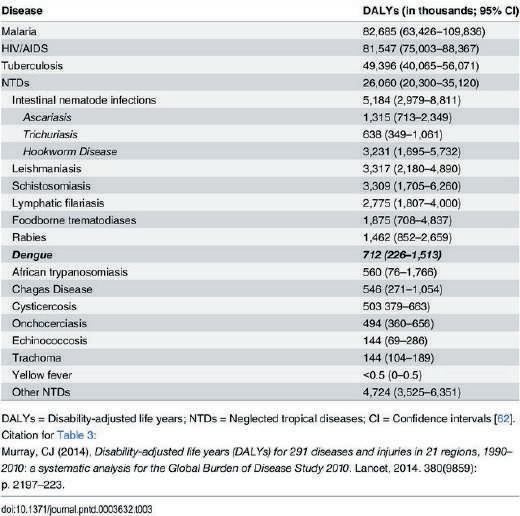
In 2019, there were an estimated 229 million cases of malaria worldwide with 409,000 deaths. Children aged under five years remain the most vulnerable group. In contrast, in the same period, 1.7 million people became newly infected with HIV, with 690,000 people dying from AIDS-related illnesses. Nineteen countries (in sub-Saharan Africa and India) carry almost 85% of the global malaria burden and more than 90% of the sub-Saharan Africa population live in malaria-endemic areas with little access to drug or vaccine prophylaxis.3 Whilst there is a relatively effective vaccine for preventing tuberculous diseases (BCG; 50–58% VE)4, both HIV and malaria have proved resistant to traditional vaccine development platforms and pathways. Barriers to development of
Figure 1: DALYs for NTDs versus the top three global infectious diseases
a malaria vaccine are many and varied, including market pricing in LMIC countries (poor return on investment), complexity of life cycle, multiplicity of antigen targets and short duration of protection. The current front-runner, GlaxoSmithKline’s RTS,S, completed initial Phase III clinical testing in 2015, but owing to a proportion of serious adverse events in the paediatric population (5–17m), RTS,S has not yet been authorised for use and, despite a positive review from the EMA, the WHO has recommended further trials in the target age group before granting pre-qualification. With vaccine effectiveness in malaria vaccines observed to be approximately 30% at best, there would still appear to be room for improvement regarding both safety and overall performance.
Augmenting the traditional vaccine development pathways, the use of challenge trial efficacy data has proved pivotal in the licensure of vaccines against specific pathogens including malaria, cholera and typhoid. Malaria drug development has been accelerated with the establishment of controlled human malaria infection models (CHMI) for transmission (mosquito bite challenge), blood stage (infected erythrocytes) and liver stage malaria (direct venous inoculation of sporozoites). It is to be hoped that new malarial vaccine candidates may be also be fast-tracked according to relative efficacy obtained from human challenge modelling. Indeed, where traditional pathways for vaccine development have proved wanting, e.g. rapid advancement of ‘best in class’ or dose ranging studies, such CHMI studies offer accelerated route to licensure with smaller cohorts for similar or higher statistical significance. CHMI models are now operational in Kenya, Tanzania, Mali, Columbia and Thailand amongst other LMIC sites and these offer vital data for estimating vaccine effectiveness in non-naïve populations.
As mankind encroaches further onto natural preserves and interactions with exotic species becomes ever more commonplace, the need for pandemic preparedness is enhanced. COVID-19 is a ‘shot-across-the-bows’. Next time we need to have better tools at our disposal and faster roll-out of stockpiled solutions if we are not to suffer a catastrophe similar to Spanish Influenza in 1918.
Developing a Vaccine for Tropical Diseases
Licensing and decisions on public health use of a vaccine rely on a robust development programme that permits a risk-benefit assessment of the product in the target population. Studies undertaken early in clinical development, as well as well-designed pivotal trials, allow for this robust characterisation.
The development of a vaccine from a tropical disease is no different in that regard, with the need for solid non-clinical, clinical and CMC development.
Non-clinical Development
The non-clinical safety assessment and design of non-clinical studies for vaccines for tropical diseases should follow the WHO Guidelines on non-clinical evaluation of vaccines.5
The design of preclinical safety studies should reflect route and frequency of administration, as proposed in the protocol to support clinical trials.
Immunogenicity and protective activity should be tested in an animal model. This study should demonstrate that the vaccine can protect from some aspect of infection and will be used to estimate dose range for humans. Toxicity and safety studies should also be performed in animals and should study if the product risks are appropriate for the anticipated use. They should focus on unexpected consequences of the effect of the vaccine dose and
direct effects due to vaccine virus replication and tissue tropisms. The evaluation includes scoring and statistical analysis for histopathogical lesions and clinical signs between treatment and control groups.
If there is a risk for neurovirulence, this should also be examined for in animal studies. This is particularly true for dengue vaccines.6 At this time, the most well-established model for vaccine neurovirulence is the non-human primate, which has historically been used to evaluate new seeds of yellow fever vaccines and live polio vaccines. Novel rodent (hamster and mouse) models for yellow fever vaccine virulence are currently under development. A rodent model could eventually be considered in place of non-human primate testing.
Clinical Development
The first part of the clinical development is a Phase I safety trial, in which the vaccine is administered to a group of healthy volunteers to test the safety profile of the vaccine.
In a second stage, usually an immunogenicity study is performed. The objectives of such an immunogenicity trial include selection vaccine formulations and posologies (including primary and booster doses), comparison of immune responses documented in a specific population.
Although not required as part of the critical path for vaccine licensure, controlled human infection model (CHIM) trials can provide initial proof-of-concept that a vaccine is likely to have clinical benefit, and this may de-risk decisions to evaluate candidates in large Phase III efficacy trials. There is also the potential for dengue CHIM to assist in the identification of an immune correlate of risk or protection and potentially expand the indication for a vaccine. There are several controlled infection models available for tropical diseases like malaria,7 typhus,8 dengue9 and cholera.10
Vaxchora, a cholera vaccine (although only for travellers to endemic regions), has been approved both by the Food and Drug Administration (FDA)11 and the European Medicines Agency (EMA),12 based on a CHIM efficacy study. This CHIM efficacy study was supported by large Phase III studies in different populations to build a sufficiently large safety database.
Pivotal trials for vaccines will need to be conducted based on a clinical endpoint, until a surrogate or correlate of protection is established. The pivotal efficacy trials should be designed and powered to provide statistically robust estimates of vaccine efficacy to support licensure. They may evaluate a single vaccination regimen, or more than one regimen, and may or may not include evaluations of efficacy before and after booster doses.13
In case the vaccine will be co-administered with another vaccine, comparative immunogenicity trials that are intended to support coadministration of a vaccine with one or more other vaccines are required. The trials should demonstrate non-inferiority for immune responses to each of the co-administered antigenic components in the group that receives co-administered vaccines, compared with the groups that receive each vaccine given alone.
CMC Considerations
At the time the step from animals to humans is made in drug development, the product should already be very well characterised.
The potency of bacterial or viral antigens in the vaccine should be given special attention as this is a crucial factor to mediate toxicity
Therapeutics
and other adverse reactions. Therefore, specifications for potency should ideally be set sufficiently narrow. Specifications being too wide might project into false dose estimations, thus leaving room for uncertainty regarding the validity of dosing assumptions defining the starting dose. Assays measuring impurities, sterility and inactivation of biological agents have to be available at this early point in development.
If possible, components (e.g., reagents, adjuvant and excipients) should be referenced to the relevant regulatory standards where monographs are available.
When developing a vaccine for tropical regions, it is important to follow the correct stability testing, to ensure the product is compliant with harsher climate conditions in the tropical regions. Following ICH stability guidelines,14 the world has been divided into five zones, with each country assigned to a certain zone. The different zones are highlighted in Table 1.
Zone
Zone
Zone
Zone
Zone
Zone
Zone
Interaction with Regulators
As with any development programme, it is strongly recommended to interact with the appropriate regulatory agencies, via a scientific advice meeting, at different timepoints in the development, to ensure that all aspects of the programme are in line with regulatory expectations and meet the requirements of the licensure dossier.
This is especially important in the following cases:
• The clinical programme proposes a novel approach to any aspect of development for which there is no precedent or guidance available.
• The proposed programme conflicts with existing guidance to which the NRAs involved would usually refer when considering programme suitability.
• Particular difficulties are foreseen in providing evidence to support an expectation of vaccine efficacy (i.e. there is no immunological correlate of protection and a vaccine efficacy study is not feasible).
• There are other special considerations for the total content of the pre-licensure programme (e.g. when different vaccine constructs are to be used for priming and boosting).
Several regulators have established incentives for manufacturers to develop vaccines for neglected tropical diseases.
The European Medicines Agency (EMA), in cooperation with the World Health Organization, can provide scientific opinions on vaccines that are intended exclusively for markets outside of the European Union (EU). This is the so-called article 58 procedure, introduced in 2004.15
The aim is to facilitate patient access to these vaccines in lowand middle-income countries, including new or improved therapies for unmet medical needs.
In this procedure, EMA's scientific review is combined with the local epidemiology and disease expertise of WHO and national regulators in the target countries. It is targeted both at new vaccines and for improved versions of already authorised medicines.
EMA's Committee for Medicinal Products for Human Use (CHMP) assesses medicines and vaccines under this procedure to the same rigorous standards as medicines intended for use in Europe.
Following the evaluation, EMA publishes its scientific opinion of the benefit-risk balance of the product, which aims to facilitate prequalification of the medicine by WHO and registration in the target countries.
The FDA has a programme in place called the `Neglected Tropical Disease Priority Review Voucher system`. [17] Under this system, a company that receives approval for a product to treat or prevent a neglected tropical disease receives a so-called `Priority Review Voucher`. With this voucher the company can, for a drug / vaccine of their choice, request a review under FDA's Priority Review Designation pathway.
This pathway allows FDA to review a drug in just six months instead of the standard 10.
For companies and patients alike, FDA's priority review process can be extremely beneficial. For patients with serious conditions, the expedited review means they have access to a potentially life-saving or -changing treatment. For companies, it means they can market their product more quickly and begin recouping their often considerable development costs. As the priority voucher can also be sold to a third party, this has created quite an extensive secondary market.
This system was first set up under the Food and Drug Administration Amendment Act (FDAAA) of 2007, which created the Neglected Tropical Disease Priority Review Voucher system. The aim was to stimulate the development of compounds for a number of neglected tropical diseases. In 2014, a number of diseases were added to the list by the US Congress.
The FDAAA also gave FDA the regulatory authority to add any other infectious disease for which there is no significant market in developed nations and that disproportionately affects poor and marginalised populations. The FDA used this prerogative to add a number of diseases on the list.
The current list with diseases is presented in Table 3.
Table 3: Eligible diseases under the Tropical Disease Priority Voucher
Malaria
Buruli ulcer
Eligible diseases under the Tropical Disease Priority Voucher
Dengue/Dengue haemorrhagic fever
Fascioliasis
Leishmaniasis
Lymphatic filariasis
Schistosomiasis
Yaws
Cueva virus
Marburg virus
Chagas
Chikungunya virus disease
Conclusion
Blinding trachoma
Cholera
Dracunculiasis (guinea-worm disease)
Human African trypanosomiasis
Leprosy
Onchocerciasis
Soil transmitted helminthiasis
Tuberculosis
Added by Congress
Ebola virus
Zika virus
Added by FDA order
Neurocysticercosis
Lassa fever
Conclusion Tropical diseases are an emerging threat, not only in their original endemic regions, but also outside of those. This threat is
Tropical diseases are an emerging threat, not only in their original endemic regions, but also outside of those. This threat is only expected to rise in the coming years. Developing a vaccine for tropical diseases broadly follows the same principles as the development of a regular vaccine, with some major attention points – like stability – that need to be kept in mind.
Table 1: ICH Stability Zones
Table 2: Long-term Stability Testing Conditions
Table 3: Eligible diseases under the Tropical Disease Priority Voucher

only expected to rise in the coming years. Developing a vaccine for tropical diseases broadly follows the same principles as the development of a regular vaccine, with some major attention points – like stability – that need to be kept in mind.
REFERENCES
1. Bill Gates, Munich Security Conference, Munich, Germany. February 17, 2017. https://www.gatesfoundation.org/Media-Center/ Speeches/2017/05/Bill-Gates-Munich-Security-Conference Accessed: 09-12-2020
2. Downloaded from https://www.cambridge.org/core. Stephen B. Thacker CDC Library, on 09-12-2020 at 15:50:52, subject to the Cambridge Core terms of use, available at: https://www.cambridge.org/core/terms
3. Jamison DT, Feachem RG, Makgoba MW, et al., editors. Disease and Mortality in Sub-Saharan Africa. 2nd edition. Washington (DC): The International Bank for Reconstruction and Development / The World Bank; 2006
4. Roy A, Eisenhut M, Harris RJ, Rodrigues LC, Sridhar S, Habermann S et al. Effect of BCG vaccination against Mycobacterium tuberculosis infection in children: systematic review and meta-analysis BMJ 2014; 349:g4643
5. WHO guidelines on non-clinical evaluation of vaccines
6. World Health Organization. Guidelines on the quality, safety and efficacy of dengue tetravalent vaccines (live, attenuated). <http://who.int/ biologicals/areas/vaccines/TRS_979_Annex_2.pdf>; 2012.
7. Danielle I, Stanisic JS, McCarthy MF. Good Controlled Human Malaria Infection: Applications, Advances, and Challenges. Infect Immun. 2018 Jan; 86(1): e00479-17.
8. Feasey NA, Levine MM. Typhoid vaccine development with a human challenge model. The Lancet 390 2017
9. Larsen CP, Whitehead SS, Durbin AP. Dengue human infection models to advance dengue vaccine development. Vaccine 2015 Dec 10;33(50):707582. doi: 10.1016/j.vaccine.2015.09.052
10. Cohen MB, Giannella RA, Bean J, Taylor DN, Parker S, Hoeper A, Wowk S, Hawkins J, Kochi SK, Schiff G, Killeen KP. Randomized, Controlled Human Challenge Study of the Safety, Immunogenicity, and Protective Efficacy of a Single Dose of Peru-15, a Live Attenuated Oral Cholera Vaccine. Microbial Immunity and Vaccines 1965-1970.2002
11. FDA. Vaxchora information. Available at: https://www.fda.gov/ vaccinesblood-biologics/vaccines/vaxchora
12. Vaxchora: EPAR EMA/82271/2020 Committee for Medicinal Products for Human Use (CHMP) assessment report. Vaxchora International non-
proprietary name: cholera vaccine, oral, live Procedure No. EMEA/ H/C/003876/0000, 30 January 2020. Available at: https://www.ema. europa.eu/en/medicines/human/EPAR/vaxchora (accessed 28 August 2020).
13. WHO. Guidelines on clinical evaluation of vaccines: regulatory expectations. Revision of WHO TRS 924, Annex 1. Available at: https:// www.who.int/biologicals/BS2287_Clinical_guidelines_final_LINE_ NOs_20_July_2016.pdf?ua=1
14. ICH Q1A(R2) STABILITY TESTING OF NEW DRUG SUBSTANCES AND PRODUCTS Q1A(R2)
15. Regulation (EC) No 726/2004 of the European Parliament and of the Council of 31 March 2004 laying down Community procedures for the authorisation and supervision of medicinal products for human and veterinary use and establishing a European Medicines Agency EUR-Lex - 32004R0726 - EN - EUR-Lex (europa.eu)
16. Food and Drug Administration Amendment Act (FDAAA) of 2007 Food and Drug Administration Amendments Act (FDAAA) of 2007 | FDA
Adrian Wildfire

Adrian Wildfire, Scientific Director is a Fellow, Master, DMS and accredited specialist in the fields of Virology, Medical Microbiology and Parasitology. He is a subject matter expert in controlled human infection modelling (CHIM) of drugs and vaccines primarily for diseases of the upper and lower respiratory tract.
Bruno Speder

Bruno Speder is currently VP, Regulatory Affairs & Consultancy Services at hVIVO, part of Open Orphan. He advises clients on the regulatory strategy of their vaccine development and supports them in their interactions with the Food and Drug Administration, European Medicines Agency and the national regulators in Europe. He holds a degree in Bioengineering from the University of Ghent, Belgium.
Technology – and Patients – Offer a New Clinical Trial Gold Standard


Phase IV randomised controlled trials sit at the zenith of the pyramid of clinical evidence. Emerging in the late 1940s, they are now established as the gold standard – the final arbiter – and used to discover the most efficient and effective interventions. They are a critical component of drug development where “important decisions are supported by the best available scientific evidence from rigorous trials as a complement to other knowledge and to input from patients and caregivers.”1
Used to justify acceptance and adoption of novel and often expensive drugs in health systems, these trials must offer the most comprehensive and effective evidence base. While the Phase IV clinical trial has remained largely unchanged and unchallenged since the 1990s, the past three decades have witnessed unprecedented technological and social change.
As challenges to the current Phase IV trial orthodoxy grow, there is an opportunity to harness progress. New technologies, the democratisation of data and growing patient power offer medical researchers the ability to set a new gold standard of evidence.
Challenges of Value
As new medications and treatments become increasingly expensive, payers (whether national health systems or insurance companies) become more focused on the value that they bring. There is a balance that must be struck: novel treatments are likely to be more effective but, needing to recoup development investment, are similarly likely to be significantly more expensive than their predecessors; while older treatments, which have recovered costs, are likely to be cheaper but less effective.
If we look at treatments for ADHD, for example: the price per month per brand for Ritalin® is around US$30; while this jumps to US$205 for the more modern Vyvanse®1. At close to seven times the cost of the older drug, the latter treatment really does have to prove its efficacy – and value for money.
Challenges of Experience
Claims of efficacy are, however, coming under greater scrutiny. The issue is that performance in Phase IV clinical trials can be very different to performance at scale once the drug is fully deployed in market.
A pertinent comparison might be the miles per gallon (MPG) figures cited by car manufacturers, which consumers fail to see reflected in real-world usage. Manufacturers’ claims aren’t fiction –but they are often recorded in labs under ‘ideal’ conditions. Recent research suggests that this lab vs. real world disparity sees just one car in 10 meet its officially quoted MPG figure2. It has, unsurprisingly, led to an erosion in trust between consumer and car companies.
With the best of intentions, Phase IV clinical trials repeat these errors. They are lab-based, ideal environments that singularly fail to recreate real-world, real-patient experience. Traditional approaches, constrained by contemporary technology, have seen researchers limited to relatively small sample sizes as they have attempted to understand the application of novel medications.
The trial environment is one where participants’ opinions are encouraged, valued and recorded. Their experience of taking a drug is one of constant support, advice and oversight. Problems are recognised, explored and remedied.
Compare and contrast the Phase IV clinical trial participant experience with that of a ‘normal’ patient. Support is largely provided in one-off or infrequent engagements with the healthcare provider. A significant amount of often complex information is passed on in a relatively short space of time. Regimens are one-size-fit-all arrangements that fail to understand an individual patient’s needs. There is little or no opportunity to provide feedback or ask for advice in real time. The patient information leaflet can be so generic that it becomes meaningless.
It’s hardly surprising that many patients feel powerless, confused and alone – nor that this lack of engagement results in a collapse of confidence in pharma companies and their new products. A 2020 survey of 3346 users of prescription and over-the-counter (OTC) medicines from the UK and the Nordics3 revealed that more than three-quarters of patients do not trust advice from pharmaceutical companies about their medication, with a similar percentage feeling ignored by the pharma industry.
Challenges of Efficacy
There are two obvious drawbacks here: firstly, patients are less likely to understand why they are taking their medications, have less confidence in their efficacy, are less likely to follow regimens – and ultimately reject the drug. Secondly, pharma companies effectively place the ideal trial experience of a tiny sample over the real-world evidence of potentially millions of people.
Research shows that there is a real risk that a neglect of real-world experience and evidence could lead to new treatments failing to realise their potential outside of a controlled trial.
A top-level observation based on more than 409,000 medicine reviews from patients across 37 different diseases shows that, from the patient perspective, older and less expensive medicines often outperform newer and more expensive ones.4 This perspective was observed using an attitudes survey that captured views on areas such as side-effects, ease of use, information, confidence, necessity and overall satisfaction.
If we return to the ADHD disease area, the survey shows that older methylphenidate products (e.g. Ritalin®) perform more strongly than
many modern alternatives, such Vyvanse®. We can see this reflected across other disease areas, including Crohn’s and anticoagulant medications.
While most patients aren’t qualified to make clinical judgements, and this is a broad-brush comparison, we know that confidence and necessity are crucial aspects in patients’ adherence to medical treatment according to guidelines. No matter how effective a novel medication performs in a trial, it will have zero effectiveness if patients don’t take it.
Clearly, payers will very quickly see the disconnect between financial investment and clinical outcomes. Why would a health system or an insurer pay close to seven times the cost of an existing treatment for a new one that delivers inferior clinical outcomes?
Challenges of Precision
Significant resource is committed to ensure that Phase IV trials are effective, but sample size will always be an issue. All things remaining equal, the bigger the sample size the lower the standard error and the greater the statistical precision.4
Until recently, sample size has been dictated by what is practicable: how many participants can be recruited, retained and effectively interrogated. Limits include the burden placed on patients themselves – for example, the onerous demands of travelling to and from study sites and the frequency of these visits.
Problems in recruiting patients to clinical trials is a longstanding issue: in 2007, a study of 114 multicentre trials in the UK found just a third kept up with their planned recruitment schedule.6 As Dr Toby Reynolds writes in the BMJ, “Recruitment problems don’t only mean more work and greater costs. Studies that don’t get enough volunteers might not record enough events to show a benefit, or detriment, while studies that miss “hard to recruit” patient groups generate results that are difficult to apply in real life.”6
It is a situation that has knock-on effects for areas that include randomisation. Many patients who volunteer for clinical trials, for example, are already ‘health aware’. Consequently they, their condition aside, are otherwise likely to be reasonably healthy. This, of course, isn’t something that can be assumed in the general population.
The Patient as a Solution – Not a Problem
While challenges to the existing gold standard are complex, they all come back to the patient: real value depends on demonstrating improved clinical outcomes; the highest form of evidence should call on their real-world (and not artificially controlled) experience; efficacy depends on their trust in, acceptance of and adherence to novel treatments; while precision depends on their engagement at scale.
While a patient is not a direct customer of a pharma company, they are the end user and ultimate ‘payer’. The increasing cost of healthcare, whether paid for through personal insurances or general taxation, means that patients want greater accountability and a greater say.
We shouldn’t underestimate the positive effects of patients who feel listened to. Opinions that are heard tend to bring feelings of empowerment and make it more likely that drug regimens will be followed. Patients feel that they have a level of control over their own care, and researchers have a vitally important source of evidence.
Commerce has already blazed a trail here, with the proliferation of online experience platforms. Millions of ordinary people across the
globe now feed back on their experiences – with the power to change everything from product development to strategic direction in some of the biggest companies in the world.
It was only going to be a matter of time before the democratisation of data made an impact in medical research and the emergence of a ‘Trustpilot for medicines’. This isn’t something that should be feared, but rather welcomed: it has the potential to provide the foundation for a new evidential gold standard.
Research shows that patient engagement works. A study that reviewed patients who had used an anonymised, regulatory compliant medicines feedback app for just two months reported that: threequarters experienced an improvement in taking their medications as prescribed; close to half felt they better understood their medications; 69% felt more motivated to take their medications; while more than a third felt the effect of their medication actually improved.8
These findings alone speak to so many ongoing challenges with Phase IV trials.
Experience, empowerment and value: the ability to share experiences with others taking the same medications – to feel control and to be listened to – appears to have a direct impact on efficacy. New-found patient confidence drives better adherence to drug regimens – to allow novel medications to demonstrate value.
Sample size, randomisation and evidence: This specific app alone has been signed up to by over 490,000 patients. Importantly, these are not just the ‘medically aware’, but rather people simply concerned about their medications and care – across demographics. Less than four years old, it has the potential to grow into an ever expanding and increasingly valuable evidence database – providing both real-time and longitudinal insights.
A New Gold Standard
As medical and medicines experience apps evolve, they will replace Phase IV clinical trials as the evidential gold standard. Growing in sophistication, there is the potential to combine these technologies with wearable tech, providing medical data alongside the experiential. Working with and listening to patients will be essential, designing apps that are ‘sticky’ and help them to reflect their experiences in meaningful ways.
Further, the significant costs of this phase of the trial lifecycle can be reduced. This is particularly attractive, given that a report submitted to the US Department of Health and Human Services estimates the average costs of a Phase IV trial range between US$6.8 million and US$72.9 million, depending on disease area. Indeed, the study also finds that Phase IV clinical trials represent the single largest cost in the entire clinical trials process across a range of therapeutic areas.9
While each clinical trial currently re-invents the wheel, a carefully designed and regulatory compliant medicines app brings access to a ready-made, constantly updated, real-time research resource made up of hundreds of thousands, and potentially millions, of highly engaged patients – all of whom are willing to share their experiences. Containing in-depth but anonymised information, the ability to interrogate this data source will be virtually limitless, alongside the capability to shape the apps themselves to specific clinical trial needs.
It is also appealing, as we continue to face the challenges of a global pandemic, that the data collected by this new generation of

medicines app is generated remotely. There will be no need for travel to and from study sites – either for patients or researchers.
The Phase IV clinical trial orthodoxy, limited by the technology available at the time of its design, makes patients a problem. Amongst other issues, trials bake in cost, lengthy timescales, recruitment barriers (of both trial participants and sufficiently qualified researchers) and sample size problems. Technologies, however, have evolved to make patients the solution. The democratisation of data gives patients a platform and, as the ultimate ‘payers’, this is feeding their demands to be heard.
Now is the time to harness technology and social change to create a new clinical trial gold standard – to better meet the needs of patients and researchers alike.
REFERENCES
1. https://academic.oup.com/ejo/article/37/5/457/2599978
2. https://www.ncbi.nlm.nih.gov/books/NBK99163/table/consadhd.tu3/
3. https://www.thisismoney.co.uk/money/cars/article-4368350/10-new-
cars-miss-quoted-MPG-claims.html
4. https://www.drugsdisclosed.com/mea-score
5. http://hosted.jalt.org/test/PDF/Brown26.pdf
6. https://www.ncbi.nlm.nih.gov/books/NBK274327/
7. https://www.bmj.com/bmj/section-pdf/187256?path=/bmj/342/7811/ Feature.full.pdf
8. https://www.drugstars.com/
9. https://aspe.hhs.gov/system/files/pdf/77166/rpt_erg.pdf
Claus Møldrup

Claus Møldrup is co-founder of DrugsDisclosed.com and CEO of DrugStars. A qualified pharmacist and former professor at the University of Copenhagen, Claus spent more than five years as an executive director for a large pharma company. He founded DrugStars in 2016, with the objective of using the power of patient voices to change the world of medicine for the better.


We have been involved in :
over 950 trials
75 countries since 1999 more than 1 500 000 ECGs analyzed
We also have gathered experience in phase I-IV studies in all therapeutic areas. onco-radiology cardiac imaging nuclear medicine
We have many years of experience in : in international clinical trials.
People service Science, Science serving People
Banook Group is one of the few established international providers capable of supplying Cardiac Safety, Central Imaging, Endpoint Adjudication and eCOA/ePRO solution services to pharmaceutical, medical device and biotech companies, CROs and nonprofit organizations.
OUR MISSION IS TO HELP OUR CLIENTS INVENT TOMORROW'S HEALTHCARE
By using qualitative, reliable and innovative solutions in early to late stage clinical trials, we bring new solutions to the market for the benefit of patients worldwide.
Our medical and regulatory expertise, quality-driven approach and team availability make Banook Group a key player for your clinical trial.
Founded in 1999 (under the former name of Cardiabase), we operates on an international scale, maintaining offices at its headquarters in France, Canada and China.
We are involved in the adjudication process since 2004.
We have been participating in a large number of endpoint adjudication protects for various therapeutic classes.

We have an unique e-health platform, flexible and adaptable with a large solution of Clinical Outcome Assessments in various therapeutics fields :
Patient-Reported - ePRO Performance - ePerfO
Clinician-Reported - eClinRO
Patient-Diary - eDIARY
Quality Management in Clinical Trials
Components for Quality
Quality management in clinical trials consists of strategic, efficient activities that are conducted to ensure that a trial is performed, and that trial data are generated, documented, and reported in compliance with the protocol, Good Clinical Practice (GCP) guidelines, and all other applicable regulatory requirements.
As of January 21, 2021, 364,793 studies have been registered worldwide. The result of these studies is data, massive amounts of data, which are only credible and reliable when the conduct of the clinical trials is compliant with stringent regulations.
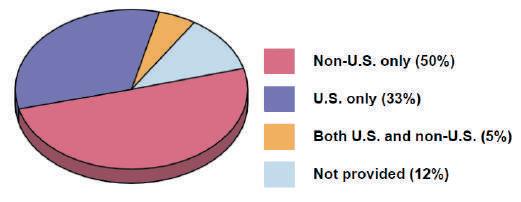
It is mandatory for sponsors of clinical trials and contract research organisations alike to establish, manage and monitor their quality control and quality assurance systems, their integral standard operating procedures and other quality documents to provide highquality products and services to fully satisfy customer needs and expectations. Quality control and quality assurance systems together constitute the key quality systems. Quality control and quality assurance are parts of quality management.
Why is it Important?
In clinical research, quality data are critical to ensure that the results of studies are interpreted correctly. Careful attention to standards of quality also ensures that studies are completed in a timely fashion. Timely completion of high-quality studies bridges the gap between research and practice by bringing effective new treatments to clients more quickly.

Clinical research quality is designed and embedded in the clinical trial processes and study protocol well in advance of enrolment of the first patient. Components of the quality process related to clinical trial sites include:
• Creating, implementing, and upholding standard operating procedures (SOPs) for trial execution
• A quality scientific and medical design of the protocol
• Clinical investigator and site pre-assessment and selection
• Regulatory agency and ethics committee approval
• Developing and providing appropriate informed consent (language, transparency of benefits and risks) and obtaining ethics committee approval of the informed consent process
• Investigator meetings and training
• Adequate recording and reporting of data
• Periodic monitoring
• Audits
Appropriate preparation before the trial, adequate oversight and monitoring during the trial, and proofing to ensure accurate reporting of results at the conclusion of the trial, create a framework for assuring quality in clinical studies.
This systematic approach recognises quality must be integrated into the entire clinical study process, not just through testing or oversight during the course of the trial, allowing proper management of the trial.
Quality System
A quality system is defined as the organisational structure, responsibilities, processes, procedures and resources for implementing quality management. Quality management includes those aspects of the overall management function that determine and implement the company quality policy and quality objectives. Both quality control and quality assurance are parts of quality management.
• Quality control (QC): The operational techniques and activities undertaken within the quality assurance system to verify that the requirements for quality of the trial-related activities have been fulfilled.
• Quality assurance (QA): All of those planned and systematic actions that are established to ensure that the trial is performed, and the data are generated, documented (recorded), and reported in compliance with GCP and applicable regulatory requirement(s).
In other words, QC includes many activities (operational techniques) to ensure that a protocol is being followed, such as with clinical site monitoring and the establishment of an institutional review board (IRB). QA includes the actions taken to ensure that the activity is conducted effectively and efficiently. It encompasses the use of established practices that include, but are not limited to, management commitment, written standard operating procedures (SOPs), audit reports, computer system validations, and training records.
Figure 1
At the core of the clinical trial process is the reliance on the conduct, ability and diligence of the individual investigators to carry out or oversee the trial. Investigators must ensure adherence to the study protocol, regulatory requirements, and GCP standards in conducting the trial. Sponsors of clinical research have a broad range of obligations including responsibly selecting, training, and supporting investigators and monitors. These obligations have a direct impact on thousands of patients enrolled in clinical trials globally. However, as levels of knowledge, local regulatory requirements and standards and access to care vary internationally, quality assurance can sometimes present challenges.
Approach to Quality Management
An effective quality assurance programme means a range of possible risks may be prevented. In other cases, monitoring studies uncovers risks that trigger the occurrence of an audit.
To ensure quality processes, a Plan-Do-Act-Check approach can be utilised. This straightforward approach calls for constant interaction and repetition among the steps to support continuous improvement. This dynamic and deliberate non-linear process can instil sustainable change.
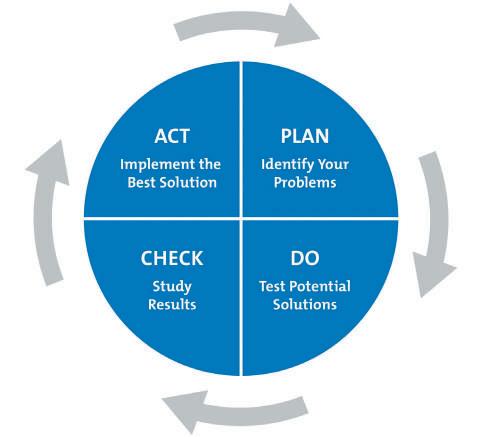
In today’s world and working environments, it is very important to have an easy process in place which allows for the work to be smooth and in place.
• Plan: Prepare checking tools, quality management procedures in place
• Do: Self-checking with relevant tools, confirm trial proceedings per site, implement risk management
• Check: Confirm process, confirm checking tools, confirm status and progress
• Act (Measure / improvement): Identify issues and cause, consider recurrence preventive measures, formulate improvement plans, review checking tools
The whole idea of a quality system is to make business decisions systematic, precise and standardised. The added value of having a system at a research site is also mainly based on handling different types of risk that incorporate the activities that are most closely aligned to your current or emerging business. The overall system must consider both risks and opportunities as part of core planning, and site managers must promote risk-based thinking.
The first type of risk is based on opportunity. This type of risk comes from basically taking one opportunity over potential others. Opportunity-based risks for a research business may also include:
• Choosing to conduct studies for specific indications;
• Using a certain recruitment method;
• Choosing to do certain studies;
• Agreeing to certain CTA terms;
• Choosing which CTMS to use;
• Joining a research network.
The second risk is based on uncertainty. This type of risk comes from uncertainty around unknown or unexpected events. It’s hard to predict these events and the damage they can cause. It’s also hard to control the damage once these events occur. For example:
• Damage by fire, flood or disasters;
• Unexpected financial loss due to a poorly performed study;
• Significant unpaid debtors from clients that owe you money;
• Loss of important suppliers or customers;
• Cancellation of studies;
• Decrease in trial opportunity share because competitors or products enter the market;
• Litigation;
• Equipment failure.
The last is hazard-based risk. These types of risks come from dangerous situations in the workplace and are largely related to issues of WHS.
Hence, risk-based thinking informs business quality system processes which ultimately turns decision making into a systematic process that is free from certain subjectivity.4
The specialised and accountable conduct of a clinical trial alone does not define a site-based quality management system. The responsible conduct of a clinical trial is only a by-product of welltrained staff, in a well-managed facility, within a sustainable company that has right strategic direction and is governed by well-written strategies, procedures and directions – a management system. A clinical trial is the result, not the beginning.
REFERENCES
1. https://clinicaltrials.gov/ct2/resources/trends
2. https://pfe-pfizercom-d8-prod.s3.amazonaws.com/research/research_ clinical_trials/QualityManagement_ClinicalTrials_03020.pdf
3. https://pfe-pfizercom-d8-prod.s3.amazonaws.com/research/research_ clinical_trials/QualityManagement_ClinicalTrials_03020.pdf
4. https://genesisresearchservices.com/opinion-exploring-the-concept-ofquality-management-for-clinical-research-sites/?doing_wp_cron=16115 78252.26481699943542480468
Adhiti Sharad Kumar

Adhiti Kumar is the regional key account manager for a multinational company serving the combined industries of health information technology and clinical research. She has a wealth of 10+ years of cross-industry experience in research and consulting. She previously worked for a market research company wherein she managed healthcare accounts, and prior to that at a clinical research organisation where she formulated clinical research regulatory practices and quality processes for the MENA region.
Figure 2
Clinical Data Standards in the Era of AI, ML and Digital Transformation
The need of the hour is to reach patients faster. By reducing both the drug development timeline and the overall cost of pharmaceutical research and development, we can achieve just that. COVID- 19 has been a good example of just what can be achieved. Vaccines were developed within a year; pre-COVID, this was unheard of, with vaccines typically taking many years to develop.
For biometrics teams, this means that we need to be quick and accurate in data collection, processing and analysis. In order to cut short the timeline and improve efficiency, we need to automate many steps involved in the clinical data life cycle (planning phase, data collection, tabulation, statistical analysis, and exchange/sharing of data) and, in order to automate, we must have consistent metadata, standards, and technology.
This article highlights how clinical trial data standards have evolved so far, and how they are continuing to evolve in the era of artificial intelligence (AI), machine learning (ML) and digital transformation to meet future demands.
COVID-19 and the Wave of Digital Transformation
We can all agree that COVID-19 has acted as something of a catalyst, encouraging increased innovation, technology adoption, and a willingness to embrace digital transformation. As a result, we are witnessing a “new normal” – including an increased number of virtual trials being successfully designed, a move away from the more conventional clinical trials, in order to manage the global pandemic situation and ensure the continuation of clinical trials for many other, potentially life-saving, drugs. Virtual trials have helped patient recruitment, retention, real-time access to data, and better quality.
Digital data collection methodologies (mobile technology, wearables, electronic patient-reported outcomes (ePRO), electronic clinical outcome assessment (eCOA) etc.) have been instrumental, acting as game-changers to enable robust data capture in the era of COVID-19.
Why Data Standards?
As clinical research becomes increasingly complex, the opportunity to bring clarity to the data is more important than ever. A true measure of the data is the impact it has.
Science comes to life through data. Data doesn’t mean anything if you have to struggle to understand where it is located, how it is organised, or how to analyse it. One cannot harmonise anything or combine without standards.
Standardisation helps in data aggregation, accessibility, interoperability, reusability and traceability. Ultimately, standardisation helps regulators to focus on their scientific review and make patientcentric decisions.
We need end-to-end data standardisation and integration strategy that considers all the dimensions of clinical data.
CDISC (Clinical Data Interchange Standards Consortium): There are many standards development organisations. When it comes to clinical trial data standards, CDISC has contributed significantly over the last two decades.
CDISC has played a significant role over the last two decades to achieve data quality (in order for us to trust the data to make credible and significant scientifically valid decisions) and also gain efficiency across clinical trial data life cycle processing.
Originally formed in 1997 as a volunteer organisation, CDISC has brought together experts in the industry to align on common data structures and data content spanning both nonclinical (animal) and clinical (human) studies.
CDISC standards are widely used across the biopharma industry and have become a requirement for data submissions to many health authorities. Some of the key CDISC standards are:
Foundational Standards – CDISC Foundational Standards are the basis of a complete suite of data standards, enhancing the quality, efficiency, and cost-effectiveness of clinical research processes from beginning to end, i.e. Protocol Representation Model (PRM), Standard for Exchange of Nonclinical Data (SEND), Clinical Data Acquisition Standards Harmonization (CDASH), Study Data Tabulation Model (SDTM), Analysis Data Model (ADaM) and Questionnaires, Ratings and Scales (QRS).
Data Exchange Standards facilitate the sharing of structured data across different information systems, i.e. Clinical Trial Registry (CTR)-XML, Operational Data Model (ODM)-XML, Study/Trial Design Model in XML (SDM-XML), Define-XML, Dataset-XML and Resource Description Framework (RDF, provides executable, machine-readable CDISC standards from CDISC Library).
CDISC Controlled Terminology (CT) is the set of CDISC-developed or CDISC-adopted standard expressions (values) used with data items within the Foundational Standards and Therapeutic Area User Guides. CDISC Terminology provides context, content, and meaning to clinical research data and provides a consistent semantic layer across all operational contexts, enabling interoperability of the CDISC Standards.
Therapeutic Area User Guides (TAUGs) extend the Foundational Standards to represent data that pertains to specific disease areas. TAUGs include disease-specific metadata, examples, and guidance on implementing CDISC standards for a variety of uses, including global regulatory submissions. Therapeutic Area (TA) expertise becomes more and more important for clinical data scientists working in the pharmaceutical industry as it is crucial for the understanding of patients’ needs and the interpretation of analysed data.
Originally focusing on common data domains in clinical trials (e.g. demographic information, adverse events, routine lab results, and subject status), CDISC has grown from PDFs to machine-readable standards, and from few safety domains to more Therapeutic Area specific standards (a great example is COVID-19 guidelines).
CDISC was designed to have built-in quality starting much early in the process. At this point, CDISC continues to evolve in evaluating a new source of data, referred to as “real-world data” (RWD), which includes data such as electronic medical records, insurance claims data, and wearable devices.
The Road Ahead:
Since the formation of CDISC, significant progress has been made in standardising the format of data collected, analysed and submitted to the health authorities. However, one of the challenges faced was that CDISC foundational standards were built in a two-dimensional model, with no significant CDISC support for the automation of foundational standards in the research enterprise.
One of the strategic goals for CDISC to address in the coming years is to “develop multidimensional standards in an open, transparent manner that allows community members to transition with as little disruption to their research as possible while unlocking greater benefits of standardisation. Engage in concrete steps to achieve endto-end standardisation.” Some of the initiatives in place to achieve this are:
• CDISC 360 (to demonstrate the feasibility of standards-based metadata-driven automation across the end-to-end clinical research data life cycle)
• Evolve the expression of foundational conformance rules to an electronic format to increase consistency and instantiate multidimensional model artifacts in the CDISC Library
• Initiate a process to build the model for machines first, people second
• Commit to develop only end-to-end TAUGs
Another key strategic goal of CDISC is to expand and identify adjacent research areas that can benefit from data standardisation, i.e. with the evolution of the model, selectively extend CDISC standards to support new data types and/or new technologies.
• Expertise in RWD / real-world evidence (RWE)
• Consumer wearables
• Medical devices
• Augment/replace patient-reported outcomes data from
consumer wearables and/or medical devices
• Device registry, likely via collaboration, that uniquely identifies devices and enables automated mappings to CDISC standards
• CDISC-compliant registry toolkit that is built on the CDISC Library API
• ‘Mapping registry’, which standardises the conversion of proprietary device data to CDISC standards
RWD has the potential to provide answers to important questions. RWD may come from multiple sources, including electronic health records (EHRs), medical claims and billing activities, product and disease registries, patient-generated data (including in home-use settings) as well as data gathered from sources that can inform on health status, such as mobile devices. RWE is the clinical evidence regarding the usage and potential benefits, or risks of a medical product derived from the analysis of RWD. To fully understand the patient experience, one needs to access the extended RWD/RWE (broader sources of data) in addition to EHR (electronic health record).
We must figure out how to align previously existing data into standards and how to make sure impending data is collected in a standardised way in order to future-proof. Standardisation helps with the integration of RWD into the drug development processes and patient safety monitoring.
Global regulators, such as the US Food and Drug Administration (FDA), Japan’s Pharmaceutical and Medical Devices Agency (PMDA), the European Medicines Agency (EMA), India’s Central Drugs Standard Control Organisation(CDSCO) and China’s National Medical Products Agency (NMPA) are increasingly interested in leveraging the potential of RWD to complement randomised controlled trials by providing insights into efficacy, safety and post-market surveillance as a means of supporting regulatory decision-making across the product life cycle. Indeed, the US FDA is accepting observational data to support efficacy determinations, and the EMA is assessing the use of registry data for rare diseases.
HL7 and CDISC – CDISC is focused on clinical trial data standardisation, whereas Health Level 7 (HL7) standards focus on standards utilised in real-life healthcare services. With the advent of RWE or the inclusion of electronic health records in clinical trials, these two worlds now merge together. With the publication
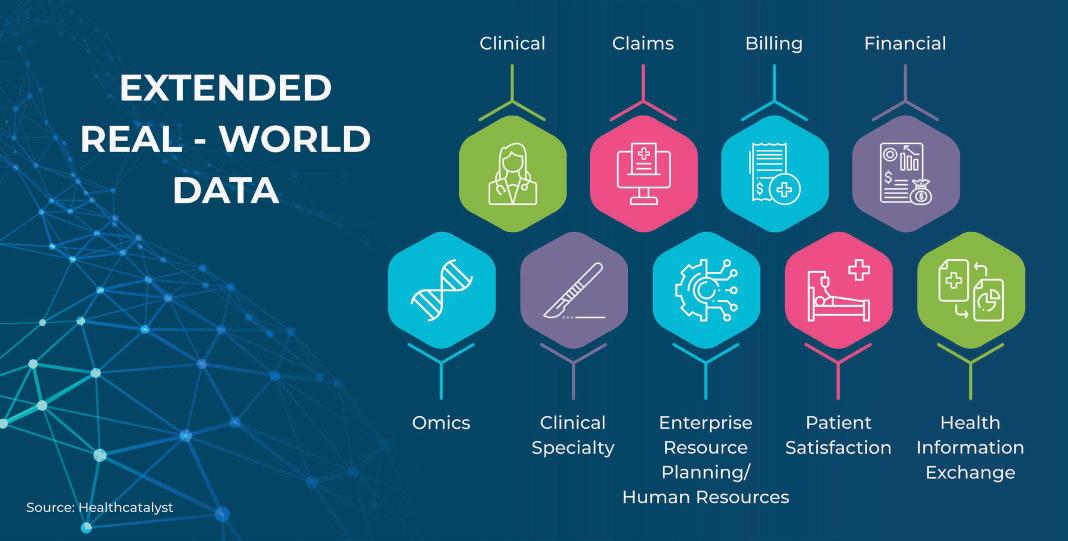

of the Fast Healthcare Interoperability Resources (FHIR) draft standard, a paradigm change was introduced. The alignment between terminologies is a known problem and groups such as the CDISC EHR to CDASH (E2C) are looking to come up with a shared semantic layer to bridge the gaps between the data standards.
Latest Developments:
CDISC and Microsoft come together to plan the next generation CDISC Library: “The next generation CDISC Library will provide machine-readable standards, standardized mapping to other data standards, and serve as a tool for community curation of standards that support data becoming accessible across geographies and disciplines, interoperable across systems and studies, and reusable for research today and tomorrow.”
CDISC Partners with Gevity to Facilitate Use of Electronic Health Record Data in Clinical Research: The FHIR to CDISC project will leverage Fast Healthcare Interoperability Resources (FHIR), HL7’s standard for exchanging healthcare information electronically and CDISC’s standards for data collection (CDASH) and data tabulation (SDTM) to streamline the flow of data from EHRs to CDISC submission-ready datasets. The mapping and Implementation Guide will be available via the CDISC Library API (source of CDISC standards metadata).
Conclusion
As previously discussed, CDISC has played a significant role over the last two decades in achieving data quality that ensures we can trust data and make credible and significant scientifically validated decisions while also gaining efficiencies across the clinical trial data life cycle process.
CDISC has grown from PDFs to machine-readable standards and from few safety domains to more therapeutic area specific standards. CDISC is helping the entire field of clinical research tap into and amplify its full value. Key benefits of standards are fostered efficiency,
complete traceability, enhanced innovation, improved data quality, facilitated data sharing, reduced costs, increased predictability, and streamlined processes.
Leveraging RWD CDISC, and other established and emerging standards (e.g., HL7-FHIR), have the potential to transform the healthcare industry and deliver a holistic, interoperable future state, which will foster greater efficiencies across systems and resources, and encourage end users to support higher-quality data exchange integrations both within and outside of research.
It is well known that because RWD is not collected with research as its primary purpose, there are significant challenges in using and representing the data. These challenges include bias, data variability and heterogeneity, which can make analysis of RWD difficult and resource-consuming. However, the benefits of connecting RWD to CDISC standards (i.e. improvements in data sharing, cross-study analysis and meta-analysis of data for all clinical researchers) may outweigh the challenges if efficiencies achieved expedite global regulatory reviews, contribute to the evaluation of new treatments for patients, and drive next generation discovery.
The next generation CDISC Library will provide machine-readable standards and support data becoming accessible across geographies and disciplines, interoperable across systems and studies, and reusable for research today and tomorrow. FHIR to CDISC project will streamline the flow of data from EHRs to CDISC submission-ready datasets.
We must think of developing innovations beyond our current boundaries. Innovation is driven by curiosity, often sparked by a curious question, and it’s about having a creative mindset. There may be a long way to go, and the journey is likely to be challenging, but it is equally exciting.
REFERENCES
1. PhUSE (https://phuse.global/Education)
2. CDISC
a. https://www.cdisc.org/
b. https://www.cdisc.org/sites/default/files/resource/CDISC_2019_2022_ Strategic_Plan.pdf
Shrishaila Patil

Shrishaila has done Masters in Biotechnology from Bangalore University & have more than 16 years of experience across Drug Development. He is currently working as Vice President at Navitas Data Sciences, the global Functional Service Provider of Navitas Life Sciences, heading the Statistical Programming Department, India. He is also working as "CDISC Volunteer" & “PhUSE India Membership” officer. He is also supporting “R Package Validation Framework” and “Open Source Technologies for Regulatory Submissions” Projects in PhUSE working group “Data Visualisation and Open Source Technology in Clinical Research (DVOST)”. He has authored an International book “FDA Clinical Outcome assessments and CDISC QRS supplements” under “Clinical disciplines” category with LAMBERT Academic Publishing group. He has exposure to various Analytical tools like SAS (Base and Advance Certified), R, PYTHON and CDMS Tools like Inform (EDC), Medidata Rave (EDC), Clintrial and Oracle Clinical LSH. He is a passionate Speaker & active in most of the conferences in the industry. His hobbies are Reading, playing Table tennis etc.
IPI
Peer Reviewed, IPI looks into the best practice in outsourcing management for the Pharmaceutical and Bio Pharmaceutical industry. www.ipimediaworld.com


JCS
Peer Reviewed, JCS provides you with the best practice guidelines for conducting global Clinical Trials. JCS is the specialist journal providing you with relevant articles which will help you to navigate emerging markets. www.jforcs.com


IAHJ
Peer Reviewed, IAHJ looks into the entire outsourcing management of the Veterinary Drug, Veterinary Devices & Animal Food Development Industry. www.animalhealthmedia.com
www.jforcs.com



PHARMA’S DNA
Listen to industry experts on the latest in drug discovery, development, research, industry regulations and much more at Pharma,s DNA, the podcast channel by Pharma Publications, available on Sound Cloud, Spotify, iTunes and YouTube.



IBI
Peer reviewed, IBI provides the biopharmaceutical industry with practical advice on managing bioprocessing and technology, upstream and downstream processing, manufacturing, regulations, formulation, scale-up/technology transfer, drug delivery, analytical testing and more. www.biopharmaceuticalmedia.com
Subscribe today at www.jforcs.com or email info@pharmapubs.com
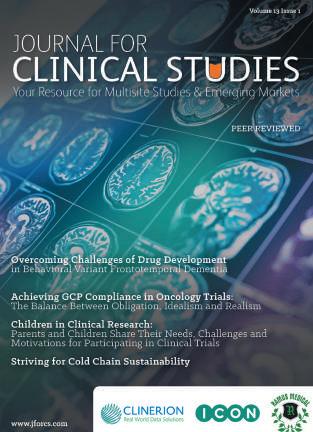
I hope this journal guides you progressively, through the maze of activities and changes taking place in the pharmaceutical industry
JCS is also now active on social media. Follow us on:
www.twitter.com/jforcsjournal www.facebook.com/Journal-for-Clinical-Studies www.plus.google.com/+Jforcsjournal www.jforcs.tumblr.com
Best practices to mitigate the impact of COVID-19 on cardiovascular and metabolic trials
During this pandemic, we are witnessing a transformative time across the entire pharmaceutical and healthcare industry. Participants in cardiovascular (CV) and metabolic trials are at higher risk of death from COVID-19, if they contract the virus. As a result, these individuals may have heightened concerns about participating in a clinical trial due to the potential exposure to COVID-19. In our recent whitepaper, we outline strategies to mitigate the challenges associated with COVID-19 in cardiovascular and metabolic trials including:
Conducting a study- and site-level risk assessment
Integrating cardiovascular mHealth and telehealth technologies
Reducing missed and out-of-window study visits and minimising trial disruption through home health and remote monitoring tools

Fortifying site communications





Discussing protocol modi cations with the appropriate regulatory agencies












LIFE INSPIRED, QUALITY DRIVEN
CLINICAL RESEARCH SOLUTIONS




SGS provides clinical research and bioanalytical testing, with a focus on early stage development and biometrics. Delivering solutions in Europe and North America, SGS offers clinical trial services. SGS has its own clinical unit in Belgium including a viral challenge testing facility and two phase I patient units based in Belgium and Hungary. SGS has a wealth of expertise in FIH studies, viral challenge testing, biosimilars and complex PK/PD studies with a high therapeutic focus in Infectious Diseases, Vaccines, and Respiratory. We offer a variety of tests that are bespoke, client-specific and support the full clinical development, from Phase I First-in-Human trials in our Clinical Pharmacology Units, to Phase II and Phase III studies in patients:
• Drug Development Consultancy
• Clinical Pharmacology Unit
• Clinical Trial Management In Europe and Americas
• Biometrics – Data Management, Statistics, PK/PD and Medical Writing
• PK/PD Modeling and Simulation
• Regulatory and Pharmacovigilance
www.sgs.com/CRO clinicalresearch@sgs.com www.sgs.com/Linkedin-life