

Consequences of Delayed Care
At the heart of expecting the unexpected
Leverage captive insurance to self-fund your healthcare.
As your business grows, so will your healthcare expenses. Customized captive insurance from QBE creates strength to self-fund your catastrophic employee healthcare coverage, allowing you to increase transparency and reduce the cost of risk. The QBE Captive Curve® solution model removes barriers to entry and allows you to move easily to new strategies.
Take advantage of QBE’s Captive Curve solutions:
• Fronted policy that is “AA-” rated by S&P for single-parent and group captive programs.
• Reinsurance placement covering direct writing captive insurers assuming medical stop loss (MSL) risk.
• Agora, an open MSL group captive that makes it more efficient to participate in a group program.
Together, we’ll find a solution so no matter what happens next, you can stay focused on your future.



Written By Laura Carabello
Written By Laura Carabello
Written By Bruce Shutan
Written By Bruce Shutan

The Self-Insurer (ISSN 10913815) is published monthly by Self-Insurers’ Publishing Corp. (SIPC). Postmaster: Send address changes to The Self-Insurer Editorial and Advertising Office, P.O. Box 1237, Simpsonville, SC 29681, (888) 394-5688
PUBLISHING
Consequences of Delayed Care

Written By Laura Carabello
TThink back to when we were in the throes of the COVID-19 pandemic, navigating the stay-at-home orders, mandatory masking and social distancing. By June 30, 2020, the Centers for Disease Control and Prevention (CDC) estimated that 41% of U.S. adults had delayed or avoided medical care because of concerns related to the coronavirus.
While the fear of widespread disease has dissipated, multiple surveys document that waiting to receive medical care is not only detrimental to a patient’s health but can also be extremely damaging financially. As conditions escalate, they can lead to more complicated surgeries, extended hospital stays, more medications, and higher costs for health plans.
There is a plethora of studies confirming this trend:
• A new survey commissioned by Imagine360 and conducted by Pollfish reveals 38% of insured Americans are still skipping care – even among the insured. They polled 2,500 adults between the ages of 18 and 64 who all had health coverage, 80% of them through an employer-sponsored plan. Researchers attribute the results to affordability concerns, including the high cost of medical care and prescription medications.
“As healthcare costs continue to rise at unaffordable rates, their impacts are far-reaching for American businesses and families,” says Jeff Bak, CEO and president of Imagine360. “Businesses across the country are faced with the daunting task of either passing increasing healthcare costs to their employees or making significant cuts to other business expenses. The survey indicates that rising costs lead to Americans not accessing the care they need or leaving their place of employment to find affordable health benefits.”
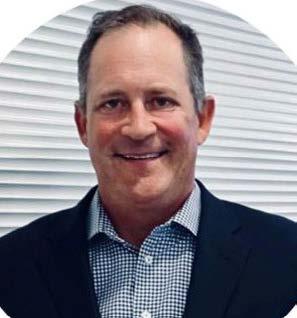
Jeff Bak
• A Harris Poll on behalf of the American Academy of Physician Associates (AAPA) reveals even more alarming issues: Adults in the US spend an average of 8 hours per month managing healthcare for themselves and their family/loved ones, with nearly half of those surveyed skipping or delaying care. On average, patients who cannot get an appointment in the same week wait 3.9 weeks for needed medical appointments.
• A joint study from Harvard T.H. Chan School of Public Health, the Robert Wood Johnson Foundation, and National Public Radio documented the challenges Americans faced in receiving healthcare over the past few years: 20% of U.S. adults postponed medical care or had no access to healthcare, and many said their doctor’s office was too busy to see them. Others reported they didn’t feel safe going to a doctor’s office, and not surprisingly, 40% said financial barriers prevented them from seeking care. Some respondents simply expressed that they couldn’t afford healthcare, while others struggled to find doctors who would accept their insurance.
A KFF Tracking Poll confirms all these findings: Skipping care due to costs can have notable health impacts.
• Nearly two in ten adults (18%) report that their health got worse because they skipped or delayed getting care.
• About four times as many adults under age 65 (23%) say their health got worse after skipping or postponing care.
These results further point to the cost of care as the leading reason that some adults skip or delay seeking services, with one-third (36%) of adults saying that they have skipped or postponed getting needed healthcare in the past 12 months because of the cost. Women are more likely than men to say they have skipped or postponed getting healthcare they needed because of the cost (38% vs. 32%).
And this just in from West Health–Gallup: their estimates show that nearly 70 million Americans delayed surgery or another medical treatment during the period studied. Forgoing care can allow health conditions to progress, with worsening ailments that may require more procedures, tests and medications. With increased demand for services, plan sponsors face higher premiums, and members encounter increased or out-of-pocket costs. These factors potentially lead some individuals to forgo coverage altogether and reinforce concerns that care will become less affordable without significant policy changes.


ROLE OF SELF-INSURED STAKEHOLDERS
Can employers, TPAs and brokers play a role in mitigating delayed healthcare? The answer is YES.
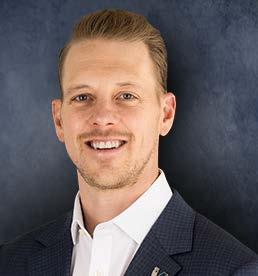
Chris Harber, chief operating officer, Vālenz Health®, affirms, “It starts with the first step: designing their benefits strategy. Health plan designs (as determined by self-insured employers, TPAs, and brokers) can incorporate member experience features that engage early and often to encourage members to receive timely, preventive care that mitigates delayed healthcare issues.”
For example, members can use cost and transparency tools to find lowcost, high-value care options — choices for which they can receive cash or digital rewards to incentivize necessary care.
“At the same time, data analysis can identify potential high-risk plan members for personalized outreach, at which point care navigation can be deployed to ensure treatment adherence for chronic disease management,” suggests Harber.
Underscoring this perspective, Ria Shah, co-founder and chief product officer, Handl Health, says, “The exorbitant cost of care is perhaps the biggest reason consumers delay going to the doctor. But when cost-wary consumers put off preventive care, waiting for dire circumstances before seeking medical attention, that leads to further costs.”

She says that in order to break out of this endless cycle of ballooning prices, it’s imperative to focus on the brokers, TPAs and other parties that design employer-sponsored healthcare.
“The only way to bend the healthcare cost curve is to support these primary points of influence and decision making,” says Shah. “This, in turn, encourages informed healthcare participation from consumers. And in order to make better healthcare decisions, TPAs and brokers need access to information that helps them maximize healthcare dollars.”
A PHYSICIAN’S POINT OF VIEW
“As a physician, I see firsthand how delayed care affects patients long before it shows up as a high-cost claim,” says Steven Hinitt, MD, MPH, national medical director, Premise Health. “Any perceived barriers to care, be they access to quality care or financial disincentives, can delay preventive care and early treatment.”
Self-insured employers and their partners are uniquely positioned to encourage their employees to keep up to date with their healthcare needs by making primary care easier to access and more engaging for employees.
“When people can see a primary care provider easily, they’re far more likely to keep up with preventive visits and screenings that, if put off, can have long-term effects,” he continues. “By making care easy
Chris Harber
Ria Shah
for their people, employers can combat the costs of emergency and urgent care, specialty referrals, and reduce overall healthcare costs for both their people and the organization.”
MISSED CARE HAS SERIOUS CONSEQUENCES
Delaying medical treatment, even for ostensibly minor ailments, can lead to immediate and serious health risks. An untreated infection, for example, can quickly spread and become systemic, potentially leading to sepsis, a life-threatening condition. Injuries such as fractures or concussions, if not promptly addressed, can worsen or lead to complications that may hinder recovery or cause permanent damage.
Physician specialists warn that time-sensitive conditions like heart attacks and strokes require rapid intervention to minimize damage to the heart or brain. Every minute is precious, and wasted time can translate into a greater extent of tissue death and a higher risk of long-term disability or fatality. The staggering toll of heart disease is palpable, not only in lives lost but also in hundreds of billions of dollars in lost productivity for U.S. workers and employers.
Survivors of heart attacks or stroke typically face mounting medical expenses that are not covered by traditional insurance, although a little-used workplace benefit — critical illness insurance — is positioned to close the financial gap. When an employee is diagnosed with serious conditions such as a heart attack, stroke, or certain cancers, this coverage provides a lump-sum payment that can be used for expenses, including living costs, lost income or travel for care. For those enrolled in high-deductible health plans, it helps offset out-of-

pocket costs that might otherwise create financial challenges.
The sheer magnitude of consequences of delayed medical care is not just physical but can also include missed opportunities for early detection and treatment of diseases such as cancer, where long-term prognosis often significantly improves with early intervention. Experts estimate the delays in cancer screenings could lead to 10,000 colorectal (CRC) and breast cancer deaths over the next decade. The American Cancer Society reports that disruptions in CRC screening alone are projected to result in 4000–7000 excess deaths by 2040, although there has been a rebound that is unique to CRC screening, driven by increased stool testing, which may mitigate this impact.
Yvonne Lavan, RN, CCM, MedWatch executive director of Case Management, attests, “Many of today’s most expensive claims share a common thread: a missed opportunity for early intervention. Delayed care allows silent conditions to progress, turning what could have been a simple, low-cost episode of care into a more severe, expensive event. Consequently, selfinsured employers, TPAs, and brokers must prioritize earlier identification and proactive outreach in an effort to prevent conditions from spiraling.”
She says that early identification becomes even more critical


Rethink what’s possible with your stop-loss partner
For over 40 years, Sun Life has been a trusted partner in risk management for self-funded employers. Now, we’re taking it further—combining proven cost savings with innovative health solutions that give your employees access to expert care when and where they need it most.
Clinical 360+: Optimizing care, maximizing value
Our enhanced program builds on the industry-leading Clinical 360 foundation, which achieved over $68 million in savings in 2025. Available for select clients, this advancement adds personalized care pathways and expert navigation with the goal to deliver even greater value. Through proactive outreach and dedicated support, your employees gain seamless access to specialized programs, digital health tools, and clinical guidance—all designed to improve health outcomes while managing costs effectively.
It’s time to reconsider what you expect from your stop-loss partner. Let Sun Life support your business with innovative health solutions that prioritize access to quality care.*
Ask your Sun Life Stop-Loss Specialist about Clinical 360+ today.
*Hinge Health will be provided to eligible members at Sun Life’s expense through the first policy year.
Sun Life is not responsible or liable for the care, services, or advice provided by Somatus, OptiMed Health Partners, or Hinge Health, and reserves the right to discontinue this service at any time.
Sun Life will collaborate with your TPA on eligibility and applicability of programs. Health Navigator is provided by PinnacleCare. PinnacleCare is a member of the Sun Life Financial Inc. (“Sun Life”) family of companies. PinnacleCare and its employees do not diagnose medical conditions, recommend treatment options or provide medical care, and any information or services provided should not be considered medical advice. Any medical decisions should be made only after consultation with and at the direction of the member’s medical provider. Any person or entity who provides health care services following a referral or other service provided does so independently and not as an agent or representative of PinnacleCare.
Group stop-loss insurance policies are underwritten by Sun Life Assurance Company of Canada (Wellesley Hills, MA) in all states, except New York, under Policy Form Series 07-SL REV 7-12 and 22-SL. In New York, Group stop-loss insurance policies are underwritten by Sun Life and Health Insurance Company (U.S.) (Lansing, MI) under Policy Form Series 07-NYSL REV 7-12 and 22-NYSL. Policy offerings may not be available in all states and may vary due to state laws and regulations. Not approved for use in New Mexico.
© 2026 Sun Life Assurance Company of Canada, Wellesley Hills, MA 02481. All rights reserved. The Sun Life name and logo are registered trademarks of Sun Life Assurance Company of Canada. Visit us at www.sunlife.com/us. BRAD-6503-ad

Yvonne Lavan
when managing chronic diseases, adding, “Conditions such as chronic kidney disease can progress gradually, often without significant symptoms in early stages, and when these conditions go undetected, employers often see increased absenteeism and reduced productivity long before a formal diagnosis is made. Early detection dramatically alters the course of care. For example, diagnosing chronic kidney disease at Stage 2 or Stage 3, instead of Stage 5, can mean the difference between manageable lifestyle adjustments and the need for lifelong dialysis or a transplant.”
Lavan maintains that organizations that proactively analyze claims data can identify newly diagnosed conditions earlier and intervene before complications develop. At MedWatch, claims analysis is utilized to identify emerging diagnoses and patterns that may indicate a need for outreach.
“Early engagement allows care teams to educate members, encourage appropriate follow-up care, and help patients better understand their treatment options,” she continues. “When individuals seek guidance during the early stages of their condition, they are often more likely to seek timely care and follow recommended treatment plans.”
When patients are identified early and provided with education and support, Lavan says there may be opportunities to slow disease progression through lifestyle changes, dietary guidance and appropriate medical care. For product information, contact: marketing@amalgamatedbene ts.com
Amalgamated Life Insurance Company Medical Stop Loss Insurance—
The Essential, Excess Insurance
As a direct writer of Stop Loss Insurance, we have the Expertise, Resources and Contract Flexibility to meet your Organization’s Stop Loss needs. Amalgamated Life offers:
Specialty Rx Savings Programs and Discounts
• “A” (Excellent) Rating from A.M. Best Company for 48 Consecutive Years
• Licensed in all 50 States and the District of Columbia
• Flexible Contract Terms
• Excellent Claims Management Performance
• Specific and Aggregate Stop Loss Options
• Participating, Rate Cap and NNL Contract Terms Available


“These types of early interventions not only improve quality of life for the patient but also help potentially avoid or delay more complex and costly treatments,” she concludes.
DANGERS OF SKIPPING MEDICATIONS
A recent poll from KFF reveals that about one in five adults (21%) say they have not filled a prescription because of the cost, while a similar share (23%) say they have instead opted for over-the-counter alternatives. About one in seven adults says they have cut pills in half or skipped doses of medicine in the last year because of the cost. A third of all adults say they have taken at least one of these cost-saving measures in the past year, including larger shares of women and those with lower incomes.
Surescripts confirms this trend, reporting that more than half of patients experience challenges when filling prescriptions and are uncertain about who to trust for prescription medication information or costs. Their new survey found that one in four patients has abandoned a prescription because it was too expensive.
Their leadership team points to price transparency and affordability as the major pain points as patients struggle to navigate prescription pricing. They maintain that getting clearer cost information before picking up a prescription would make managing medications easier for 36% of patients. However, only 26% discuss medication costs with their provider at half or more of their visits, and just more than half believe their needs are fully met in these conversations.
As with other access issues to medical care, prior authorization (PA) also plays a significant role in obtaining medications. The Surescripts survey showed 29% of patients who have filled a prescription in the past 12 months have experienced delays because of prior authorization. This number rises to 36% when patients take two or more prescription medications a day. The impact of these delays extends beyond inconvenience, with 13% of patients reporting that their health actually worsened because of delays caused by prior authorization processes.
Throughout the marketplace, there is consensus on this issue. Gary Becker, CEO, ScriptSourcing, says, “After four decades in employee benefits, I’ve seen how well-intended plan design can create unintended harm. When employers raise copays for higher-cost medications, the goal is to manage spend—but too often the result is delayed care: skipped doses, delayed refills, or prescriptions never started. That’s medication non-adherence, and it drives worse outcomes, lower productivity and avoidable hospitalizations.”
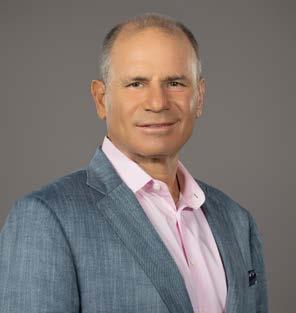
Becker says delayed care often starts at the pharmacy counter as high copays turn ‘take as prescribed’ into ‘make it last.’
“When copays rise on highercost meds, the plan may save on paper—but the member pays in health,” he adds. “The best benefits strategy is one that protects the balance sheet and the person at the same time. Nonadherence isn’t a character flaw— it’s frequently a budget issue.”
He says what’s been most gratifying is how consistently this resonates across the organization: “HR leaders value the employee experience, CFOs appreciate the financial discipline, and benefit consultants recognize the clinical logic. Employers don’t just care about dollars -- they care about people—and adherence sits right at that intersection.”
Maris Becker, strategic initiatives and former member advocate, ScriptSourcing, expands, “Before I moved into strategic initiatives, I spent my first year at ScriptSourcing as a member advocate, talking every day
Gary Becker

with plan members on high-cost brand and specialty medications. Those conversations made “delayed care” feel very real. I heard people describe stretching doses, postponing refills, or trying to make a prescription last longer—not because they didn’t believe in treatment, but because they were anxious about the next copay.”
Maris says ScriptSourcing was built to solve that tension, helping employers reduce medication cost—often saving the health plan meaningfully—while giving members access at a zero copay voluntarily.
“I also heard the relief in their voices when they learned there was a path to zero-copay access for the medication their provider prescribed,” she notes. “For many, removing the financial barrier didn’t just improve adherence— it reduced stress and gave them confidence they could stay on therapy consistently. That’s the consequence side of delayed care: it starts quietly at the pharmacy counter, and it can spiral into bigger health events that were preventable.”
CONSEQUENCES BEYOND HEALTH
Glen Becker, national sales executive, ScriptSourcing, explains, “In my role, I speak daily with benefit consultants and employers—and while prescription cost control is always on the agenda, what stands out is how deeply leaders care about their people. HR executives, in particular, understand the real-world challenge of medication adherence when employees face high out-of-pocket costs. When a plan design unintentionally pushes members to delay refills or ration therapy, it doesn’t just affect claims—it affects attendance, performance, and morale.”
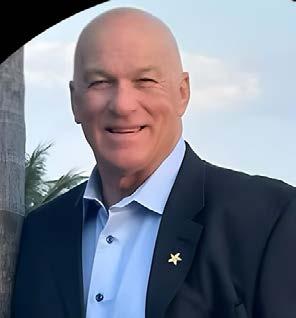
Robert McCollins, chief community organizer, Employers Healthcare Alliance, emphasizes, “Delayed care is not just a healthcare issue, it is also a wage growth issue, a recruit and retain issue, a work comp issue and a culture issue,” “The case is for more attention on PREVENTION than disease management -- prevention should be the focus and supported through data and the right programs for your work families.”

The downside of diminished focus on preventive care or early diagnosis can have alarming results: “Stage 1 cancer becomes stage 3 or 4, prediabetes becomes diabetes, hypertension becomes a stroke or a heart attack, and minor orthopedic issues advance from physical therapy to invasive surgical cases,” he explains.
McCollins stresses that early treatment translates into lower cost and more predictable spend, adding, “Delayed treatment equals catastrophic cost and claims volatility. Here’s an example: Early diagnosis through colon screening costs about $1,500 - $2,500 vs. a delayed diagnosis of $250,000 - $1,000,000 expenditures. Also, stop-loss increases, lasers and declines to quote due to high-claims activity lead to increased premiums and higher frequency and severity of claims.”
Glen Becker
Maris Becker
He points to the importance of strategic plan design to help address many of these issues:
• Prevention focus, not disease management focus.
• Direct Primary Care, On-site or near-site clinics.
• Patient advocacy and care support.
• Centers of Excellence or Providers of Excellence programs.
There is widespread agreement on these conclusions, as Chris Harber at Vālenz Health® observes, “We’ve seen the results in our claims data. In the last three years, Vālenz has seen a significant uptick in the volume of high-dollar claims that exceed $100,000. At the same time, we’ve seen an increase in distribution of those high-dollar claims across accounts, a trend that’s accelerating rapidly and contributing significantly to the high costs borne by plans and the healthcare system today.
PRIORITIZING PREVENTION
Moving from deferment to engagement should be a strategic priority for 2026, as Vanessa Guzman, MS, ME, CPCHE, CEO & president, SmartRise Health, says, “Delayed care is the primary driver of the 9% healthcare cost increase projected for 2026. We advise viewing 'inaction' as a clinical risk. When members defer care due to cost or fragmented infrastructure, they trade low-cost prevention for catastrophic claims. Through a performancebased learning framework, we help employers identify risks early, avoiding the expensive interventions associated with advanced disease.”
Guzman offers a strategic framework that includes:

• Cross-Sector Collaboration: We must leverage shared resources and competencies across healthcare, social, and private sectors. By convening these groups, we create a safety net that identifies at-risk members early.
• Empower Health Activism: Culturally resonant programs—like specialized women’s health initiatives—transform passive members into proactive participants.
• Remove Barriers: We integrate precision nutrition via the Cena Health platform to treat food as a clinical intervention, improving adherence before a crisis occurs.
Dr. Hinitt fully endorses this approach, adding, “Simply put, preventive care helps people stay healthy and productive. It is critical to early detection and when people delay routine screenings or physical exams, conditions like hypertension, diabetes or cancer can progress unnoticed for years. When individuals don’t receive the timely care they need, their health can worsen, increasing the risk of severe illness and leading to more complex, intensive and costly interventions later on.”
Robert McCollins
Vanessa Guzman
He reaffirms the dedication of his organization to helping people get, stay and be well, noting, “This starts by improving access to high-quality primary care and avoiding delayed care. Through our advanced primary model that combines both in-person and virtual care, we reduce barriers caused by cost and convenience, build trusted provider relationships, and keep members engaged in their health.”
Chris Harber at Vālenz Health® calls attention to the value of a comprehensive suite of Utilization Management, Case Management, and Disease Management solutions, engaging clients early and often to identify and guide high-risk members through their care journeys.
“Through personalized, intuitive care navigation support, our clinical teams empower members to make smarter decisions, which reduce unnecessary expenses and improve healthcare outcomes, especially for those with chronic conditions,” he states. “With this proactive preventive support, Vālenz delivers a significant return on investment for our clients, minimizing the high costs associated with advanced disease and chronic conditions while protecting member access to high-quality care options.”
THE AFFORDABILITY CRISIS
It appears that Americans are more worried about healthcare costs than gas or groceries, as the newest polling data from health policy research firm KFF raises the red flag even higher on the affordability crisis.
The report shows that more than four in 10 voters intend to cast their ballots with their health insurance bills top-of-mind this November, as financial strains caused by the tax credits’ expiration are compounded by the rising price of insurance. Premiums for private insurance, like those offered by employers, have also been on the rise, increasing 6% or more for families during the last three years.
Further confirmation from KFF polling on the public’s experiences with healthcare costs shows that just under half of U.S. adults say it is difficult to afford healthcare costs, and about three in ten say they or a family member in their household had problems paying for healthcare in the past 12 months. Additional findings include:
• Healthcare debt is a burden for a large share of Americans. In 2022, about four in ten adults (41%) reported having debt due to medical or dental bills, including debts owed to credit cards, collections agencies, family and friends, banks, and other lenders to pay for their healthcare costs.
• Those who are covered by health insurance are not immune to the burden of healthcare costs. Almost four in ten insured adults under the age of 65 (38%) worry about affording their monthly health insurance premium, and large shares of adults with employer-sponsored insurance (ESI) and those with Marketplace coverage rate their insurance as “fair” or “poor” when it comes to their monthly premium and to out-of-pocket costs to see a doctor.
The cost of care is clearly a primary driver of delayed care, but there are also other factors, as Chris Harber explains, “It’s not just concerns over high costs that are driving delayed care; it’s also member access to affordable care options in the first place. To remove these obstacles preventing many members from seeking timely, necessary care, Vālenz offers several proactive solutions that engage members early and often in their care journeys.”
For example, he points to the launch of a Variable Copay solution that combines the comprehensive price transparency of the Vālenz Bluebook platform with easy-to-understand variable copay pricing. This guides
members toward lower-cost providers and facilities that have been proven to deliver higher-quality care — securing lower out-of-pocket costs for initial care and minimizing future costs caused by traditional feefor-service-based care models.
Dr. Hinitt concurs, adding, “Cost concerns are an increasing barrier to timely care, including out-of-pocket expenses such as deductibles and copays, and financial personal costs associated with lab and imaging fees. When people are uncertain of the costs they will incur, they are more likely to put it off, even when symptoms are present.”
Employers can remove financial obstacles by offering primary care that is low- or no-cost and designed around prevention and routine health maintenance services.
“When care is affordable and easy to access, members are more likely to seek it earlier, leading to better health outcomes and preventing avoidable high-cost events down the road,” he emphasizes. “At Premise, we work with large employers and unions to deliver advanced primary care that removes barriers to access and cost concerns and encourages preventive services to help members seek care before it necessitates an emergency room visit or hospital admission.”
He also explains the value of direct contracting in providing more affordable care: “What we see is that aligning the incentives between self-insured organizations and their healthcare partners leads to more affordable care for both the self-insured payor and the members seeking services.”
Dr. Hinitt clarifies that many healthcare providers in the community are paid based on the number of patients they see, not the quality of care they provide, which negatively impacts patient experiences and outcomes.
“Because Premise Health partners directly with employers, our providers can spend more time with members and build relationships, which means our members are more likely to seek care at an appropriate time, leading to fewer complications down the line and a decrease in potential ER visits and hospital admissions,” he stresses.
In 2024, Premise Health completed a study of claims data for more than 207,000 members attributed to Premise, using methodology validated by Milliman. Those members saw less overall out-of-pocket spend as a result of better health, putting an average of $290 back in their pockets each year. They also spent 17% less time in the ER and 52% less time in the hospital, contributing to a lower total cost of care and improved productivity for employers.
ELIMINATING PRICE FRICTION
“In the United States, healthcare spending is projected to reach $5.6 trillion in 2026, yet 36% of adults report delaying essential care due to costs,” reports Leonardo Pires Seib Corso, MBA, BSIE, CSM, SSGB, Operations Manager, BeniComp Health Solutions. “This 'prevention and care gap' is catastrophic for self-insured plans. Research indicates that 20% of those who delay care see conditions worsen, driving the 8.5% medical cost trend currently squeezing employer budgets.”

Leonardo Pires Seib Corso
If you didn’t see it, you didn’t price it.
The most consequential stop-loss risks rarely announce themselves. Only Curv blends clinical insight with actuarial rigor to surface the catastrophic claims lurking beneath group health data—so you can underwrite with confidence.
rxhistories.com/curv/group-health

Corso confirms that BeniComp IncentiCare disrupts this downward trajectory by eliminating the primary barrier to early intervention: financial friction.
“While traditional wellness programs struggle with 20-30% engagement, IncentiCare achieves an industryleading 96% average participation rate through annual health screenings,” he explains. “We accomplish this through high-value, outcome-based deductible incentives that empower members to lower their personal out-of-pocket costs by thousands of dollars.
He indicates that BeniComp is unique in the nation for the depth of data captured in a single population, integrating real-time biometric data with comprehensive claims (CPT, IC, etc.) and utilization review, allowing a full picture of the member's health journey.
“This enables our prevention health management teams to identify silent risks like hypertension early and intervene at the root cause,” he continues. “This proactive approach protects both the member’s long-term health and the plan sponsor’s bottom line from the avoidable, high-cost consequences of delayed care.”
PSYCHOLOGICAL IMPACT OF NOT SEEKING TIMELY MEDICAL HELP
The decision to delay medical care can also take a toll on mental health. The stress and anxiety of living with an untreated or worsening condition can lead to depression, anxiety and a sense of helplessness. This can create a vicious cycle where the psychological burden intensifies the physical health issue, further
Stay Ahead of the Game
NSA disputes are strategic. So are we.
Benchmarked offers grounded in data
Multidisciplinary dispute team
IDR deadlines, tracked with discipline
Documented, defensible submissions

Phia Unwrapped
Where precision meets protection.

Accelerating Progress



We study risk, research it, speak on it, share insights on it and pioneer new ways to manage it. With underwriters who have many years of experience as well as deep specialty and technical expertise, we’re proud to be known as experts in understanding risk. We continually search for fresh approaches, respond proactively to market changes, and bring new flexibility to our products. Our clients have been benefiting from our expertise for over 50 years. To be prepared for what tomorrow brings, contact us for all your medical stop loss and organ transplant insurance needs.
Tokio Marine HCC – A&H Group
HCC Life Insurance Company operating as Tokio Marine HCC – A&H Group
deterring the individual from seeking care.
Moreover, the regret of not acting sooner when symptoms first appeared can be a source of significant emotional distress. People may struggle with feelings of guilt or self-blame, which can impede their recovery and overall well-being.
Speaking from the perspective of a Managed Behavioral Healthcare Organization (MBHO) that operates alongside a TPA, often sharing or interacting with a shared technology platform, Myron Unruh, LPC, chief operating officer, MINES and Associates, Inc., says, “Our network access and supportive care navigation team work to schedule behavioral health appointments quickly by monitoring provider availability and closely connecting members with services. By focusing on these connection points, we often prevent the need for higher levels of care and ensure members see the right network provider. This is a central focal point of our care navigation team and reduces the dependence on acute care services in behavioral health.”
Regarding affordability, he attests, “We advocate for low copayments and discourage high-deductible plans, acknowledging that healthcare can be unaffordable for many. Without accessible outpatient behavioral health services, clients are at risk for costly acute care or emergency room visits due to behavioral health needs. There is a strong correlation between behavioral and medical-surgical services, with costs escalating when behavioral health treatment is not affordable. Health insurance must be financially accessible for individuals to bring true value.”
Unruh maintains that direct contracting results in more affordable care -- especially for behavioral health: “Direct contracting and MBHO carveouts can significantly reduce delays in access to care. Certain preventive services, such as employee assistance programs (EAPs), already provide low-cost, confidential access to mental health support without requiring employees to use their medical plan. This model shows how direct-to-provider contracting outside the health plan can remove financial and administrative barriers that often delay treatment.”
Likewise, he believes that a carved-out MBHO operating within the health plan structure can further mitigate access delays by
offering a dedicated behavioral health network, more focused care management, and faster appointment availability.
“Because MBHOs are solely concentrated on behavioral health, they typically maintain broader provider panels, shorter wait times, and more proactive outreach, all of which reduce the likelihood of delayed or unmet care,” he says.
Unruh’s team is focusing on preventive health measures that can help identify issues early, avoiding the high costs associated with advanced conditions.
“As a carveout MBHO, our work centers on prevention and early intervention, and that focus shapes every interaction we have with members,” he explains. “Each contact becomes a meaningful moment in time, a chance to identify concerns early and guide individuals toward the right support before issues grow more complex or disruptive. When we are involved at the earliest stages of a member’s behavioral health journey, the impact is clear: care becomes less expensive, outcomes improve, and people experience a higher quality of life.”
This improvement extends into the workplace as well, where employees who receive timely behavioral health support are more present, more engaged, and better able to perform at their full potential.
Myron Unruh
“By concentrating exclusively on behavioral health and removing the barriers that often slow access, a carveout MBHO makes it easier for members to get the help they need at the moment they need it, benefiting both the individual and the employer,” concludes Unruh.
DANGEROUS SLOPE FOR CHRONIC CONDITIONS
Even people with chronic conditions experience delays in receiving care. Almost six in 10 commercially insured patients in the US had at least one chronic condition in 2024, according to a new report from FAIR Health.
Experts advise that allowing conditions like diabetes, hypertension and cholesterol to go unchecked for a year is extremely dangerous. They estimate the delays in screenings could lead to 10,000 colorectal and breast cancer deaths over the next decade.
It is now becoming even more evident that missed physicals, routine checkups to major surgeries, the impact of delaying care is now coming to light.
Another national poll, U.S. Employee Perspectives on Managing Chronic Conditions in the Workplace, found that three-fourths (76%) of those with chronic conditions—such as hypertension, heart disease, diabetes, and asthma—need to manage their conditions during work hours, and most have not formally disclosed their conditions to their employers.
• More than one-third of employees with chronic conditions (36%) say they have skipped medical appointments or delayed getting care to avoid interfering with work in the past year.
• About half of those with chronic conditions say, in the past year, they felt they could not take time off work (49%) or take a break while at work (49%), even though they needed to because of their conditions.
WOMEN ON SPECIAL ALERT FOR HEART DISEASE
Experts at the Centers for Disease Control and Prevention (CDC) warn that only 56% of women are aware of the risks of heart disease, a top healthcare threat that supersedes cancer, leading to one in five female deaths.
Media commentators decry, “Women never see it coming,” emphasizing that it is the leading killer of women at all ages and starting at the age of 18, more women will die of heart disease than


While most people expect a heart attack to come on suddenly, research suggests that women experience symptoms for several weeks before a heart attack. Physicians advise it's important to encourage women to seek medical care when they have symptoms. Heart problems -- even a heart attack -- can occur without chest pain, a situation that is particularly common among women.
A study in the Journal of the American Heart Association stated that despite women having more symptomatic chest pain than men, they are less likely to have timely and appropriate care. On average, researchers affirmed that women have an 11-minute longer wait time when seeking emergency care for a heart attack, a delay that has a direct impact on heart attack outcomes.
DON’T DELAY!
The popular saying, "Don't put off until tomorrow what you can do today," is widely attributed to Benjamin Franklin. But this advice has special meaning in today’s delayed care environment.
The upshot of delayed care is multi-dimensional -- whether because of cost, access barriers, insurance issues, long wait times or administrative hurdles. Delaying medical care has significant impacts on health outcomes, costs and mortality.
Beyond identification, hands-on support from nurse case managers plays a vital role in helping members navigate the healthcare system and access appropriate care. Through a comprehensive assessment, nurse case managers can identify barriers that may contribute to delayed treatment.
Lavan emphasizes, “These barriers often include social determinants of health such as transportation challenges, financial concerns, limited understanding of treatment plans, or lack of access to local resources. However, clinical collaboration is only one piece of the puzzle. A multidisciplinary approach can strengthen these efforts.”
At MedWatch, Lavan substantiates that collaboration with professions such as social workers and dieticians allows care teams to address both medical and nonmedical factors that influence health access and outcomes.
“When care teams work together to support the whole patient, they are better positioned to help members stay engaged in their care and follow through with recommended treatment,” she confirms. “In addition to improving access to care, opportunities may arise to manage access and costs through strategic provider arrangements. For example, single case agreements or direct contracting with high-quality providers and facilities can help ensure members receive timely care while managing the plan’s financial impact.”
She stresses that as healthcare costs continue to rise, proactive strategies that focus on early identification, coordinated case management, and thoughtful provider collaboration are essential to ensuring members receive the right care at the right time.
Lavan underlines the need for supporting timely intervention and addressing barriers that prevent patients from accessing treatment, noting, “Organizations like MedWatch can help improve health outcomes and reduce the frequency of complex, high-cost claims.”
Clearly, timely access to care is critical for individual health and healthcare system stability, as April Gill, CCO, Smart Data Solutions, says, “Delayed care is often driven by operational friction, not clinical
intent. Fragmented data and workflows across eligibility, prior authorization, medical records and claims processing slow decisions and delay access to care.”
She suggests that self-insured employers, TPAs, and brokers can help mitigate these barriers when supported by intelligent automation and real-time data orchestration.
“Without it, manual processes, disconnected systems and cost pressure compound delays, often leading to worsening conditions and higher-cost claims,” she continues. “Our approach consistently sees better outcomes when healthcare organizations accelerate intake, normalize data, and streamline decision workflows, enabling earlier intervention, improved member experiences, and more efficient care delivery. Reducing administrative friction is a critical step towards improving affordability, access, and long-term health outcomes.”
Laura Carabello holds a degree in Journalism from the Newhouse School of Communications at Syracuse University, is a recognized expert in medical travel and is a widely published writer on healthcare issues. She is a Principal at CPR Strategic Marketing Communications. www.cpronline.com
a Leading National TPA

Clarity, consistency and confidence —built into every plan.
Our specialized teams provide guidance and service in:
• Plan performance analysis and consultation
• Regulatory requirements and compliance
• Scalable plans and network options
• Proactive and engaging member advocacy solutions
Not just a TPA, a trusted advisor.
hpiTPA.com

From Coverage to Consequence: Captives Raise the Stakes
Building in the right incentives seen as way to encourage shared accountability, stabilize renewals and seed dividends in a hardening market
InIWritten By Bruce Shutan
sifting through a multitude of captive insurance options, an emerging model can be found that promotes accountable member behavior. These progressive captives reward accountable behavior from employer captive members by building in incentives to secure favorable contractual terms, lower renewal rates and distribute underwriting surpluses.
The problem seen with most captive program managers is that they’re typically paid per employee per month or a percentage of premium. “They’re not incentivized to say no to members joining; they’re incentivized to get more lives,” explains Jeb Dunkelberger, CEO of ClearPoint Health.
The danger of this compensation scheme is adverse risk retention that encourages bad risk to stay and good risk to leave. Noting that each employer member of the captive must be given adequate information to self-govern, he questions whether everyone being guaranteed a no new laser rate cap arrangement at the same amounts will actually incentivize any of the members to take action.
A captive’s board of directors typically creates incentives to encourage better risk management and results, while members who don’t implement them are politely excused, according to Harry Tipper, cofounder and chief underwriting officer for Alliance Captive Management. If a member’s loss ratio or claims experience exceeds the group’s average percentage, for example, they may receive a one-year warning and
surcharge on their pricing. And if there’s no improvement, then they aren’t renewed.
Responsibility for holding captives, as well as consortiums, more accountable for member behavior to help manage claims falls on the program manager, notes John W. Sbrocco, founder and CEO of Virtue Health. The task at hand is complicated by a more than 100% increase in million-dollar medical claims over the past four years, according to a Sun Life analysis. It also doesn’t help that a hardened stop-loss insurance market is expected to spill into 2027, with carriers projecting a 30% rate increase.
At a time when new solutions are pouring into the self-insurance market, Dunkelberger believes a captive can be particularly valuable because it can act like a group purchasing organization that secures discounts based on volume and also serve as an innovation hub that allows likeminded employers to share great ideas for improving outcomes and saving money.
RED-FLAGGING RISK
The concept of shared accountability must be baked into plan design and communication, observes Scott Byrne, president of Blackwell Captive Solutions (BCS). He says that means all captive members “rowing the boat in the same direction” in their use of claims data to mitigate risk but also helping employees make more educated decisions around their healthcare.
“The role of a good captive program manager is to be the conductor in this whole process and make sure that everybody is aligned,” he adds.
Several key categories of red-flag risk in every self-funded plan that captive members must be more mindful of include oncology, chronic kidney disease (CKD) and prescription drugs. Focusing on those three areas offers the best chance of success in terms of keeping plans running within or below expectations, Byrne believes.
He recalls how a recent client with 250 employees struggled with some ongoing claims in each of these three areas. The company was staring down an ugly, fully insured premium renewal at about 35%, and BCS’s underwriting partners were initially skeptical about becoming involved and allowing the client to join a heterogeneous captive, suggesting some of the liability be transferred back to the plan in terms of lasers in the stop-loss contract.
The prevailing attitude was that since these large claims weren’t incurred on their watch, it wasn’t their responsibility. But after closer examination of diagnoses and drugs, the underwriting team realized it could actually take on the risk from a first-dollar perspective rather than carve it out and laser certain claims.
As long as an employer and its consultant are willing to address any ongoing challenges in a meaningful way, Byrne thinks it would be a good potential captive candidate. “It all comes down to whether they are willing to take their medicine, so to speak,” he adds, which would substantially improve their underwriting outlook.
Jeb Dunkelberger
Scott Byrne

Tipper has seen the push for captive accountability done more in the singleparent model vs. group setting, whose membership may be in flux and tempted to “move for a nickel on the rate.”
One such example involves a client earmarking dividend underwriting profit back to a business unit that posted better-than-average results.
“They literally took what was an advantage to the company and moved it down to the manager level to encourage them to enter into those risk management and business practices that overall improved the larger company’s results,” he explains.
Dunkelberger, however, sees this trend predominantly in the group captive space, where multiple parties pool their risk inside one insurance vehicle to act on addressable and avoidable costs.
One common practice for how group captives can hold their members more accountable involves choosing the right site of care. For example, he says an infusion drug will cost half the price in an outpatient vs. inpatient setting where such facilities are available.
EYEING UTILIZATION OR UNIT COST
Whatever solution is put in place has to manage utilization or unit cost, according to Dunkelberger. He says bundled payments, direct contracts, concierge specialty medicine, case rates and even cash-pay options allow captive members to stem the massive jump in unit cost. He credits wider adoption of narrow performance network solutions with driving much of those savings.
As many smaller businesses move into self-funding via captives with lower attachment points, it increases the number of claims or claimant types that are affecting the captive. And with attachment points for these groups being in the $100,000 range, he says there will be many more claimants that are addressable and controllable.
In helping pave the way to greater accountability, Dunkelberger says it’s critically important to make all claims data within the captive “super transparent” so that each employer captive member is able to clearly decipher what is addressable and avoidable.
ClearPoint Health builds a proprietary report for each employer captive member that shows how many of their enrolled employees are eligible for the addressable and avoidable claims category, which creates an accountability mindset.
“What’s interesting is the employers now are having conversations about why they believe certain captive members should be taking more accountability because they’re not going to get the same renewal rate or underwriting surplus dividend,” he reports.
What makes this so significant is that many captive members adopt an all-for-one-one-for-all approach. Under this scenario, however, greater accountability is built into the captive from positive peer pressure among more informed employers that are more motivated for success.
While the midmarket’s average stop-loss premium real increase was 22% to 25% last year, Virtue Health renewed its employers at just 5.9% on a no new laser rate cap product. That result is tied to an approach that resists the urge to cross-subsidize groups whose unfettered growth without minimum standards or proper parameters in place may water down the risk pool but produces unintended consequences.
Harry Tipper

“I’ve seen many programs begin to fail while running a playbook of only growth over being aligned with the members of the program,” Sbrocco says, referencing large captives that in some cases are backed by private equity firms. “It’s a balancing act of growth and the program’s loss ratios. And you see all the carriers that are leaving the market right now because they’ve been burned too much and can’t figure out this medical stop-loss market.”
Self-insured employers that form the right partnerships will achieve built-in accountability.
Loss ratios on groups managed by administrative-services-only carriers that are owned by BUCAs and steer customers to their Big Three pharmacy benefit manager partners are going to be significantly higher than independent third-party administrators, transparent PBMs, direct contracting and full specialty carve-out arrangements, he explains. Noting that his firm’s top independent TPAs typically record an 80% loss ratio compared to some carrier-owned TPAs hitting a 160% loss, he says it puts the variance in the loss ratios of these parties in perspective.
“If you want to cook a five-star meal, you need a five-star chef,” Sbrocco quips, noting the aforementioned suggestions as key ingredients for such success.
TECHNOLOGY’S IMPACT
The trick is for groups to measure their partners’ loss ratios each year, execution on cost containment and service offerings, as well as vet any change in leadership. In short: closely monitor or certify their performance, which will hold them more accountable and dramatically influence the renewals.
“Some AI platforms are just so open-ended, and they’re pulling data from everywhere to the point where they’ll fictionalize results or just come up with results that really aren’t applicable to a particular project,” he cautions.
ClearPoint Health uses AI to predict the clinical pathways that prospective members will be on, which ultimately helps all the captive members be more accountable to one another. If a patient has stage 3b or 4 CDC, clinical modeling and AI clinical predictions are deployed to determine the likelihood of having the condition matriculate into end-stage renal disease. If that happens, then the patient will receive dialysis three to four times a week, which will be much more costly than them having stage 3b or 4 CDC.
“The problem with a lot of the algorithmic underwriting is it requires data,” Tipper says, citing high-cost drugs as a good example. While those claims are infrequently incurred, the weight of their severity is palpable.
Given that the AI movement is finding its way into self-funded health plan management, Byrne believes the key to successfully implementing the technology is to train it properly to learn the ins and outs of a client’s business to help underwrite risk. It also needs to be paired with a solid retrospective claims data analytics tool to uncover coverage gaps and over-utilization trends that can be addressed from a plan design standpoint.
“Those kinds of situations are almost the opposite of the algorithmic underwriting,” he says. “I have seen the algorithms and bottling work better on the claim side, provided that the input data is very detailed and discrete as opposed to the usual check-off-the box coding because the computer model can’t tell upcoding from a real code.”
John Sbrocco
ALL SYSTEMS GO


October 11-13, 2026
JW Marriott Desert Ridge
Phoenix, AZ
He saw that scenario play out in early computer-based underwriting, well before the modern AI era, wherein the company that was sponsoring the program had anticipated that they were only going to have to audit 5% of claims when it turned out to be 35%. That “blew the expense ratio out the window,” he says, noting that the trouble with computer programming is that it’s hard to program in the notion that someone might lie on a claim file.
In favoring a carrot vs. stick approach, Byrne believes it’s best to suggest rather than mandate that certain parameters or guardrails be in place to hold captive members more accountable for their behavior.
“We achieve that through regular quarterly calls with our membership, and we’ve also got our annual member meeting coming up in July,” he reports. “Positive peer pressure is probably one of the most impactful ways to get this kind of stuff accomplished. It’s a little bit like a group workout class where everybody is pushing each other a little bit harder.”
Bruce Shutan is a Portland, Oregon-based freelance writer who has closely covered the employee benefits industry for nearly 40 years.


Complex Healthcare Doesn’t Have to Be Complicated
Mayo Clinic Complex Care Program

Your clients are navigating rising healthcare costs and clinical uncertainty. The Mayo Clinic Complex Care Program is a customizable center of excellence solution for high-risk, high-cost members. We work with employers, brokers, consultants, TPAs, and navigation services to deliver the right diagnosis and right treatment plan. All without added fees.
Let’s collaborate to reduce spend and elevate care.
Learn more: mayoclinic.org/complex-care-program
55% of patients experience a change in diagnosis
82% see a change in treatment plan
SOLVING FRAGMENTED, FLAWED HEALTHCARE DATA

Written By Laura Carabello
WhenWpatient care goes sideways with adverse events resulting in less-than-optimal member outcomes, plan sponsors can often lay the blame on scattered, inaccurate, or incomplete data. Something as simple as duplicate medical charts has increased the odds of adverse patient outcomes, including 30day readmission and intensive care unit level of care, as well as prolonged hospitalization, according to a study published in BMJ Quality & Safety.
While accurate data can be a great ally in generating better health outcomes, flawed healthcare data severely compromise patient safety and operational efficiency. Yet the deeper issue is not merely data quality or availability — it is the lack of a unified, clinically informed intelligence layer capable of interpreting what fragmented data actually means for care decisions, risk exposure and downstream cost.
Without this interpretive layer, unreliable or incomplete data lead to misdiagnoses, medication errors, poor care coordination, and rising administrative costs—ultimately eroding both member outcomes and financial performance.
It is documented that accurate diagnoses lead to better patient outcomes. The Agency for Healthcare Research and Quality (AHRQ) reported that “failures in diagnoses plague the general patient population across all settings of care.” The report also calls out that “knowledge of the harms associated with missed, delayed, or inaccurate diagnoses is emerging.” Diagnosis failures cost healthcare $100 billion annually, according to AHRQ.
CLASSIFYING ISSUES WITH DATA QUALITY
Data quality is the degree to which the accuracy, completeness, consistency, and timeliness of the data satisfy the expected needs of specific users, explains researchers at the Interactive Journal of Medical Research. Issues with data quality can be categorized as:
Pattern-layer or instance-layer, depending on the level at which the issues are observed.
Single-source or multi-source, depending on the data source.
Classification of Data Quality Issues
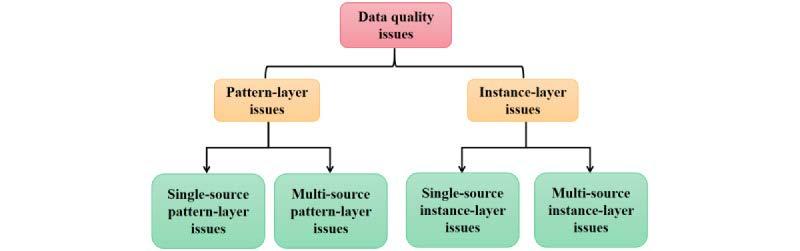
Source: Interact J Med Res. 2023 Sep 21;12:e44310. doi: 10.2196/44310
Data quality is no longer a postscript as EHRs have become a common feature in modern healthcare, offering improved access to data and the ability to provide better patient care. The National Electronic Health Records Survey shows that 95.0% of U.S. office-based physicians have adopted electronic health record (EHR) systems, with 83.6% using a certified EHR system. (NEHRS operates within The Centers for Disease Control and Prevention/National Center for Health Statistics.)
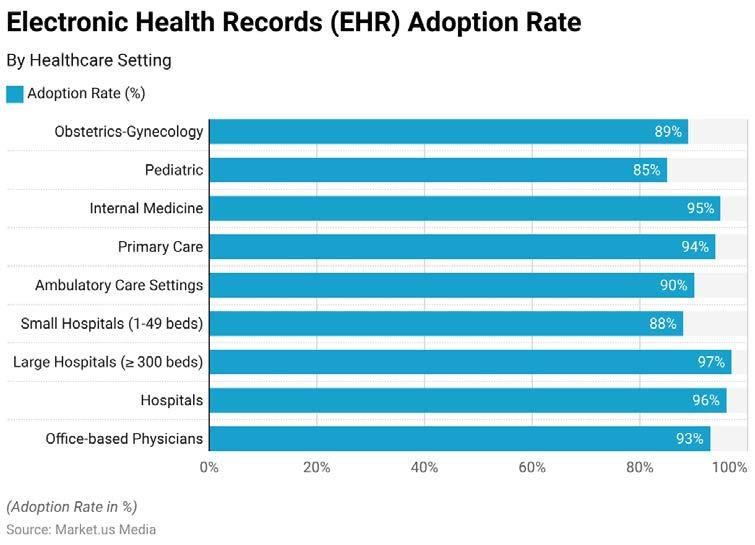
Given this rate of EHR adoption, there is a proliferation of unreliable, “dirty data”: a term that describes inconsistent, confusing records, signifying duplicates, outdated information and even corrupted data. It is data that is no longer relevant -- essentially, unusable. Unfortunately, it can lead to misdiagnoses and medication errors, poor care coordination and increased administrative costs, all key contributors to diminished member health and well-being.
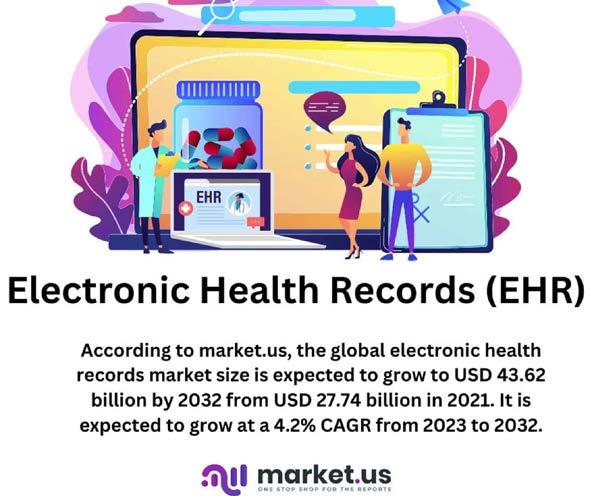
When data is assigned to the wrong health record, clinicians and patients bear the brunt of incomplete, disconnected data that pose safety risks. What’s more, staff members are forced to spend significant time fixing data errors, consuming precious resources that deplete time spent with patients.
Frequently, deficient data is the result of human error attributed to inaccurate inputting, spelling errors and missing information that is tied to inconsistent patient registration. Compounding these issues, selfinsured plans depend on multiple vendors across services such as medical, pharmacy, vision, and behavioral health, each providing data feeds from their own systems and reporting standards.
The consequence is not only fragmented data feeds, but fragmented insight. Consolidation becomes a technical exercise rather than an analytical one, resulting in coding errors, delayed strategic planning, and limited clinical or financial foresight. This fragmentation inhibits plan-wide analysis, obscures emerging care gaps, and prevents organizations from making confident, forward-looking decisions about risk and intervention.
Finally, there’s the challenges of regulatory compliance and legal requirements. Care coordination specialists at Ursamin fault data fragmentation for raising valid privacy and security concerns as patient information becomes vulnerable to breaches and unauthorized access when it’s dispersed among different systems. They warn that disjointed data may jeopardize patient confidence and trust in the healthcare system and underscore the importance of addressing the issue as vital for collaboration and effectively safeguarding patient privacy.
High-quality data management, aligned with regulatory standards like HIPAA, ensures consistent security protocols across departments. This is particularly important if a healthcare organization suffers a data breach due to inconsistent security practices which carry significant consequences, including fines and reputational damage.
Collectively, these issues impede clinical and financial forecasting that impact plan performance and risk mitigation.
A Better Benefits Experience



WHAT’S THE DIFFERENCE?
In the concept of health or medical records, there is a slight difference between EHR, EMR, and PHR which could be confusing.
Electronic Medical Record (EMR) is all the records a single healthcare provider provides.
Personal Health Record (PHR) is the records patients provide.
Therefore, if a patient has a personal copy of their records from a healthcare provider, the records would be PHR and EMR, respectively.
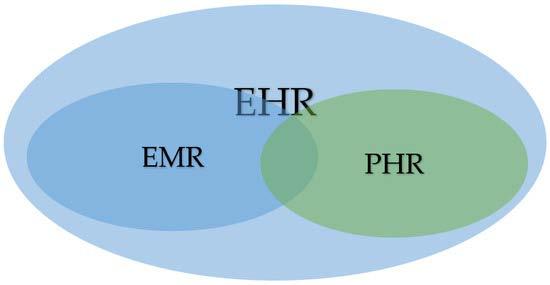
Conversely, all electronic health records are called EHR, a more general term.
Source: Information 2025, 16(2), 106; https://doi.org/10.3390/info16020106
FLAWED DATA IMPACTS REINSURANCE AND STOP-LOSS
While the untapped growth potential of the industry as captured in a 2021 AON report is now materializing, reinsurance and stop-loss providers must play a more preemptive role—shifting from passive risk transfer toward active risk insight that enables earlier identification of emerging medical risk and more informed intervention strategies.
This dictum is even truer today, as explained by Wian Stipp, Lead ML Research Engineer at Evidium, a computational medical knowledge platform that fills a market gap for risk-bearing and other organizations to manage both clinical and financial risk.

“While reinsurers are not strangers to data, having used it for 100+ years to run their businesses, risk has gotten meaningfully more complex in the healthcare domain,” says Stipp. “As reinsurers struggle to move beyond basic risk exposures and make meaningful improvements for innovation, partnership or collaboration, they are tasked to better address the plethora of key data sources that are even richer now vs. five years ago.”
Wian Stipp
He stresses that data is often overwhelming, bringing complexity to healthcare delivery and challenging stakeholders with fragmented, unusable information: “The challenge is no longer access to data, but the ability to synthesize diverse clinical, financial, and evidence-based sources into coherent insight that explains risk, forecasts outcomes, and informs action. Few technology solutions truly capture both the scope of available data and its clinical meaning.”
Healthcare data sources and types are extensive, reflecting the growing importance of evidence-informed policymaking and evidence-based medicine. However, the true challenge lies not in the volume or diversity of data, but in transforming these disparate inputs into a longitudinal, clinically grounded understanding of disease progression, care pathways and financial exposure.
EHRs and Clinical Data: Every visit, note, and medication must be recorded and accessible in real-time. This spans patient histories, symptoms, lab and test results, imaging, medications and outcomes. Doctor visits and hospital admissions and pharmacy records are vital. These data points are critical for diagnostics and chronic condition tracking.
Financial and Administrative Data: Insurance claims, billing records, costs and reimbursements.
Biomedical and genetic data: this pertains to inherited or acquired characteristics (DNA/RNA) analyzed from biological samples. Biomedical data also includes clinical, lifestyle and socioeconomic environmental factors influencing health.
Physician notes: Unstructured narrative notes hold key insights but are often difficult to search or use.
Secure messaging: More engaged patients translate into more inbound messages, tasks and questions to track.
Remote monitoring tools: Wearables and sensors now feed continuous streams of data into care environments.
Patient-reported outcomes: Subjective feedback and surveys add depth but require structure to be usable.
Research & Literature: Clinical trials including data from research studies on new treatments. Scientific literature with evidence-based data from peer-reviewed journals and reports.
Government & Organizational Portals: CDC (NCHS): National Center for Health Statistics; NIH (NLM): National Institutes of Health, National Library of Medicine; AHRQ: Agency for Healthcare Research and Quality (HCUP, MEPS); HHS HealthData.gov: Central hub for US health data; WHO: World Health Organization.
Source: National Library of Medicine https://www.nlm.nih.gov/oet/ed/stats/01-000.html
HIGH STAKES FOR RISK MANAGEMENT
For a variety of reasons, Stipp says many insurers and reinsurers continue to have a risk-averse mindset. However, cohesive organizational strategies surrounding the analysis and use of different kinds of data still leave buyers wanting.
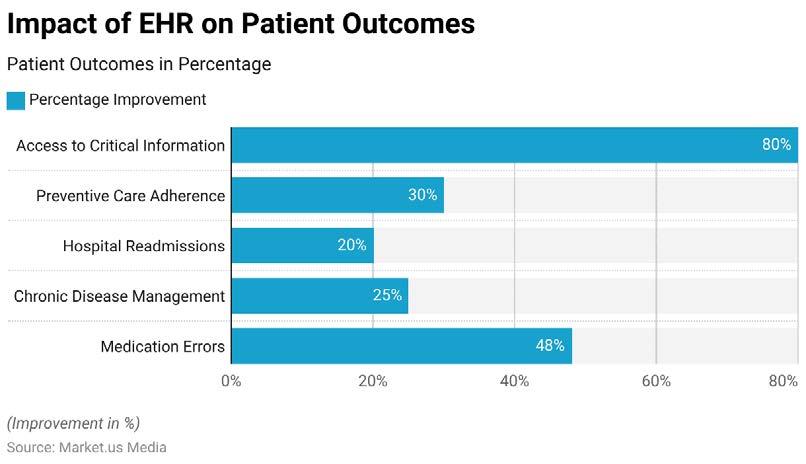
Stipp asserts that for decades, risk management on behalf of self-insured health plans has relied upon lagging indicators, manual analysis and backwardlooking assessments.
“This is changing rapidly, primarily due to advances in artificial intelligence (AI), including generative and agentic AI,” he continues. “These technologies are enabling a shift away from retrospective analysis toward predictive, clinically informed models that identify risk earlier and connect medical decisions to future cost and outcomes.”
He explains that this is precisely where accurate data and the use of advanced data analytics and AI allow for proactive risk management and targeted interventions to mitigate high-cost claims which impact financial performance and stop-loss premiums.
“By applying advanced machine learning to claims and clinical data and implementing the use of AI to deliver actionable insights at both the population and member level, stakeholders in risk management will gain a foundation for sound decision-making. The adoption of innovative technology that makes medical knowledge accessible, usable and extrapolative enables better risk analysis for the many conditions that are growing in occurrence and cost.”
He projects that the future risk assessor and underwriter will look a little different than has traditionally been the case, adding, “They will better represent a combination of someone who operates in a much more strategic way, better understanding strategy, technology, operations, and pricing. These are all tied to structured, evidence-based data that result in measurable clinical and financial performance improvements.”
Clinically explainable intelligence does more than identify high-cost members—it clarifies why risk is emerging, which clinical decisions matter most, and how alternative care pathways may change both outcomes and financial exposure.
“This level of insight enables precision targeting and drives more stable, predictable financial performance,” emphasizes Stipp. “By forecasting the health status, care needs, and cost trajectories of high-risk members—and by optimizing treatment pathways before costs escalate. Organizations can move from reactive protection to proactive strategy. The future of healthcare risk management will belong to those who can transform complex medical data into actionable, predictive, and clinically grounded insight— while decisions still matter.”

Lachelle Brown Senior Member Advocate
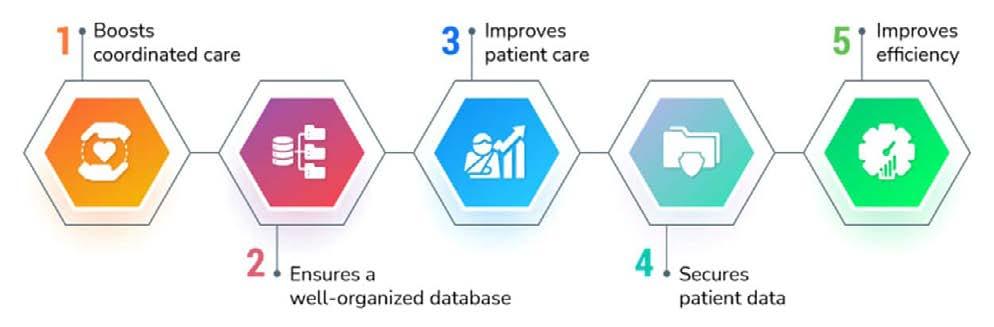
Sources: The Journal of Healthcare Information Management, American Journal of Managed Care, Journal of Medical Internet Research, Health Affairs, ONC Health IT Quick-Stat, Capterra, Agency for Healthcare Research and Quality
Data integrity emerges as a clinical mandate for closing the loop on plan risk. Vanessa Guzman, MS, ME, President, SmartRise Health, LLC cautions, “Data fragmentation is a clinical risk leading to misdiagnosis and unmanaged spend. We believe plan sponsors must shift toward leading indicators that connect clinical, social and risk data.”
She suggests three pillars to advance data management:
• Unified Ecosystem: We recommend a model that integrates social resource navigation with clinical oversight to ensure data flows between providers and the community.
• National QE Networks: We advise collaborating with National Qualified Entity (QE) networks to leverage multi-payer data, benchmarking provider quality with unprecedented accuracy.
• AI and Continuous Learning: Our organization utilizes AI within a learning framework to convert fragmented data into insights—essential for managing the 11–12% spike in pharmacy spend driven by GLP-1s.
AVOIDING REVENUE LOSS
Inaccurate data can equate to missed profitability. A study by Black Book Market Research found that healthcare providers lose over $3.1 trillion annually in the U.S. due to poor data management, much of it from rejected claims or billing mistakes caused by dirty data. Withum Advisory attests that for self-insured employers, these rising medical claim denials are no longer a back-office nuisance, they represent a direct fiduciary risk under the Employee Retirement Income Security Act of 1974 (ERISA) and can expose plan sponsors to financial volatility, regulatory scrutiny, and litigation.
They point out that self-insured plans bear the full cost of approved claims and challenges arise when denials increase due to avoidable issues such as coding errors, documentation gaps, or inconsistent application of plan rules. In these situations, employers may face:

Group health solutions from a carrier you can trust
Why work with Nationwide?
• More than 20 years of trusted stop-loss solutions
• Comprehensive and innovative Self-Funded Program and stand-alone stop-loss solutions
• Flexible plan designs to meet employer and agent needs
• Access to national networks or reference-based pricing
• Supporting employer groups from 2 to 5,000+ members
Nationwide® is a strong and stable FORTUNE 100 company with resources to help employers manage their self-insured plans. Our specialists are ready to help your customers stay ahead of rising health care costs. Visit nationwide.com/grouphealth to learn more.
• Increased overhead from managing appeals and resolving coverage disputes.
• Delayed or abandoned patient care, which can lead to higher long-term costs and additional financial risk.
• Budget unpredictability and administrative burdens, particularly when overturned denials result in retroactive liabilities.

Shawn Evans, CEO, Integrated Payor Solutions, a DC Risk Solutions company, observes, “As a multifaceted claims adjudication and network management platform, data integrity is the most important issue we face with clients and prospects. This is also critical for the tertiary providers who are working various forms of cost containment as they quickly realize the inability to receive the data they need in real time severely hinders their ability to deliver the results their clients expect.”
Evans emphasizes that his company has many clients who are being asked to run their TPA as an integrated system rather than as a jumble of point solutions, adding, “For this to work at maximum efficiency the data needs to be standardized and clean. If we take the industry’s first pain point, the enrollment file is an example. There is everything from home grown custom built to industry standard solutions. However, they are all different in subtle ways and require custom mapping and integrations for every instance. This is very costly and inefficient especially when we already have an industry standard (834) file format we should be using at a minimum.”
He further explains that to understand in the real world why this is critical, “Follow the claims path at a TPA. The provider sends a claim that needs to be matched with a member. When the member matching fails the claim cannot process at the TPA. We then send this to the network for repricing. Again, the network has a different file format for enrollment files which necessitated another file mapping. If they cannot identify the member then the repricing likely fails as the particular network to be used cannot be identified. This process repeats itself for the PBM, card printing, case management and all other vendors.”
For this reason, he stresses that getting the employer/ plan sponsors to adopt a standard ingestion file format would reduce errors as well as speed up implementation and increase interoperability across the ecosystem.
Bottom line: data disorder is a financial drain. Poor data quality invites significant costs across industries, with healthcare facing magnified challenges due to high-volume, fragmented, and often legacy data systems. Gartner estimates the average annual cost of poor data quality for organizations is $12.9 million, with recommendations to treat data as a product and invest in governance can reduce these costs.
Austin Scott, EVP, Data & Insights, Premise Health supports this finding and reports, “Having navigated data fragmentation across multiple healthcare organizations, I've seen firsthand how destructive it can be — not just operationally, but strategically. Data silos don't just slow things down; they obscure the full picture of a person's care, leaving clinical and operational leaders without the insights they need to act decisively.”
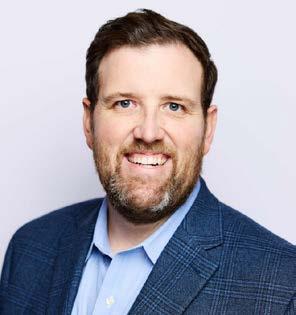
Shawn Evans
Austin Scott


The antidote is a deliberate, well-architected data integration strategy, as he explains, “At Premise Health, that's not an afterthought. It's foundational to how we deliver whole-person care. When data flows seamlessly across our ecosystem, the employers we work with gain a clearer view of their populations, our care teams can coordinate more effectively, and members receive better outcomes at a lower cost.”
For example, he says many of their employer clients share claims data, noting that integration allows for the construction of a comprehensive picture of how care is delivered at Premise compared to what members receive in the broader community.
“Without a structured data strategy to harmonize that complex, varied data, we simply couldn't measure our own performance or demonstrate the value we create,” he closes.
IMPACT ON BEHAVIORAL HEALTH
Fragmented data issues extend to behavioral health clinicians.
Myron Unruh, LPC, Chief Operating Officer, MINES and Associates, Inc. contends that although data fragmentation is a concern, “Our main priority as an MBHO is supporting individuals to achieve their highest level of functioning and engage with services essential for mental wellbeing. Employers need to use data extensively to understand employee needs and determine which services will best support them, while also prioritizing high-quality, cost-effective services that can be negotiated or better managed.”
To effectively address stakeholder needs, he maintains that every participant – including TPAs, brokers and benefits consultants -- should possess experience in data analytics and how it drives decisions for their plan.
RESOLVING DATA PAIN POINTS
Recent statistics based upon figures from the US Attorney show that dirty data costs the US healthcare industry around $300 billion each year. Data problems arise from the sheer number of pressure points as the strategy team at data platform aggregator Eularis estimates that there are more than 1,300 different medical databases in the US, not including data.gov medical repositories, which are more likely to number about 85,000.
Evans attests, “Plan sponsors, TPAs, brokers and benefits consultants play a foremost role to promote data integrity and educate the people who are creating the data of the importance of accuracy. Most times, the most junior staff member is given the data entry and maintenance projects almost as a punishment because no one else wants to do it. This to me is setting up for failure from the beginning. From there the bad data seems to get disseminated without anyone reviewing the accuracy until something fails much further down the line and then we are doing a full root cause analysis through the system when it was just bad data or lack of required fields in the file.”
Depending upon what your organization is asking AI and Machine Learning to do will impact their capability to generate quality data.




Evans continues, “There are engines that can review large data models and identify problems -- so in these cases it is helpful. On the other hand, we have been approached by others who have built Agents only to find the agents don't really work without real time inputs that are not available from most of the claims adjudication systems on the market currently. In this case, they are rendered useless due to lack of data. “
KMS Technology confirms that inaccurate patient billing information, coding errors or incomplete documentation can lead to significant financial losses for healthcare organizations. The fall-out from these issues disrupts revenue cycles and leads to claim denials or delayed reimbursements which strain financial sustainability. Conversely, high-quality data ensures accurate billing and coding, minimizing revenue leakage and optimizing financial performance.
Clinicians that implement automated data validation tools and conduct regular audits can identify and correct errors before they impact revenue. By aligning data quality initiatives with financial goals, organizations can enhance operational performance, boost efficiency, reduce costs and free-up the resources needed to deliver exceptional care.
Here’s some tips to assess the data integrity of your organization:
Accuracy
• Cross-verification: Compare data across systems (e.g., EHR vs. lab reports) to identify discrepancies.
• Chart audits: Periodically review a sample of patient records to verify the accuracy of key fields.
• Validation rules: Implement real-time checks at the point of data entry to catch anomalies before data is saved.
Validity
• Content validity: Ensure the data captures all necessary elements.
• Construct validity: Verify whether the data accurately measures what it should (e.g., a depression score reflecting actual mental health status).
• Criterion-related validity: Compare values against external standards or benchmarks, such as lab result ranges or regulatory guidelines.
Reliability
• Temporal stability: Monitor if the same values persist over time when they should remain unchanged (e.g., birthdate).
• Inter-rater reliability: Evaluate whether different staff members’ input or interpretation of data is consistent.
• Test-retest reliability: Check whether repeated assessments under the same conditions produce the same results.
STOP LOSS INSURANCE WE’LL HELP MANAGE THE RISK. YOU’LL KEEP YOUR PROMISES.

Prudential’s Stop Loss insurance helps reduce unpredictable risks from self-funded medical plans. This way you can focus on giving your employees the coverage they deserve, while helping to reduce your worries about the increased frequency of catastrophic claims.
Get Stop Loss insurance from a carrier you can rely on:
•A highly rated, experienced carrier recognized for over 150 years for strength, stability, and innovation
• Efficient, responsive service with streamlined processes across quoting, onboarding, and reimbursements
•A dedicated distribution team that works hand-in-hand with your existing relationships
•Flexible policy options so we can build a coverage plan that meets the unique needs of your organization
For more information, visit our website: w www prudential com/stoploss

Employers are well-advised to utilize structured data for plan design, benefit planning and risk mitigation, as Chris Harber, Chief Operating Officer, Vālenz Health® explains, “Strong structured data is the key to creating benefits strategies that work in today’s high-cost healthcare environment. When plan designers have comprehensive data at hand — about a covered population’s risk potential, previous plan performance, overarching industry trends — they can proactively create a strategy that addresses those needs in a tailored manner.”
There will always be some degree of unpredictability in health insurance, but he advises that the more data that is deployed during the plan design stage, the more effectively teams can deploy riskmanagement and cost-containment solutions, while simultaneously supporting the members covered with high-quality, low-cost care options.
Harber maintains that all stakeholders in the self-insurance community have a responsibility to work together to support better data management and, more importantly, a collaborative interchange of that data.
“We've seen that traditional, siloed approaches to data management and interchange haven’t worked, which is why the federal government has stepped in with data transparency regulations and mandates over the last decade,” he continues. “But there’s still
a disconnect for plan members, who are not using that data to make smarter, more informed healthcare decisions. Therefore, everyone involved in the plan design process must advocate for solutions that not only deploy a higher level of data-driven strategy but also empower members with that data as we embrace a more member-led, cost-sharing healthcare model.”
Austin Scott at Premise Health confirms the absolute value of data structure, advising, “Employers that aren’t yet doing this are leaving significant value on the table. Structured data transforms benefit planning from an exercise in intuition and benchmarking into a precision discipline. When employers can see actual utilization patterns, care gaps, and cost drivers within their own population, they stop designing for a hypothetical and start designing for the real people they employ.”
He describes the importance of working alongside with clients to make sure that the data generated -- from clinical encounters to health risk assessments -- feeds directly into their broader benefit strategy. Clients that share their claims data further benefit from a relationship with Premise and enhance capabilities to provide on-site healthcare feasibility studies that provide employers with an analysis of their existing claims-based cost drivers in the community.






What’s more, he says that every stakeholder in the benefits ecosystem has both an opportunity and a responsibility in this regard.
“Fundamentally, all parties are responsible for ensuring there’s transparency in the relationship,” he instructs. “Data management is complex, and plan sponsors have the opportunity to set the tone. When an employer treats data as a strategic asset rather than a compliance obligation, it cascades through every relationship with their partners.”
Data must be utilized in a way that reduces partnership silos and flows across the ecosystem in a way that benefits members.
“Advancing better data management requires these stakeholders to align on shared standards, data sharing agreements, and a common commitment to using data in a service of the member,” he counsels. “At Premise, we actively cultivate those partnerships because we know the value of our data multiplies when it's connected to the broader picture of our clients and their other partners.”
THE IMPORTANCE OF DATA CLEANING
Creating a culture around quality data-driven healthcare decision-making begins with data cleansing and data scrubbing. Tableau, a division of Sales Force, defines this as “the process of fixing or removing incorrect, corrupted, incorrectly formatted, duplicate, or incomplete data within a dataset. There is no one absolute way to prescribe the exact steps in the data cleaning process because the processes will vary from dataset to dataset. But it is crucial to establish a template for your data cleaning process, so you know you are doing it the right way every time.”
They suggest following these basic steps to map out a framework for your organization:
Step 1: Remove duplicate or irrelevant observations.
Step 2: Fix structural errors may occur when you measure or transfer data and notice strange naming conventions, typos, or incorrect capitalization. These inconsistencies can cause mislabeled categories or classes. For example, you may find “N/A” and “Not Applicable” both appear, but they should be analyzed as the same category.
Step 3: Filter unwanted outliers Often, there will be one-off observations where, at a glance, they do not appear to fit within the data you are analyzing. If you have a legitimate reason to remove an outlier, like improper data-entry, doing so will help the performance of the data with which you are working.
Step 4: Handle missing data You can’t ignore missing data because many algorithms will not accept missing values.
Step 5: Validate and QA At the end of the data cleaning process, you should be able to answer these questions as a part of basic validation:
• Does the data make sense?
• Does the data follow the appropriate rules for its field?
• Does it prove or disprove your working theory, or bring any insight to light?
• Can you find trends in the data to help you form your next theory?
• If not, is that because of a data quality issue?
Human Relationships > Corporate Processes

Welcome to long-term relationships built on trust, continuity, and results.
At Pinnacle, we put a face to a name and nurture long-term relationships you can depend on today, tomorrow, next week and next year. That’s why self-funded employers like you can rely on an account team with an average tenure of at least a decade. That’s 10+ years of providing proactive service that identifies challenges before they become problems. And that’s why your employees typically never have to wait more than 12 seconds before a friendly, human voice answers their call. To find out why we’ve earned a 98% client retention rate, talk to us today.
Are you ready for benefits planning time? Let’s talk. pinnacletpa.com/excellence
For plan sponsors, ensuring the cleansing process of “dirty” data is critical since incorrect data can inform poor business strategy and compromised healthcare decision-making. It could also lead to false conclusions regarding plan design or coverage which can impact clinical and financial performance.
NO SURPRISE -- GROWING ROLE OF AI
Looking ahead, it appears that AI is firmly moving into live healthcare workflows. Innovaccer Inc., a leading healthcare AI company, recently released its State of Revenue Lifecycle in Healthcare 2026 report confirming this trend, based upon a survey of 150 US healthcare professionals across 103 organizations.
The peer-reviewed report, validated by Frost & Sullivan, finds that healthcare organizations are moving from AI experimentation to real-world deployment, while highlighting how fragmented data environments are increasingly limiting consistent, enterprise-scale impact across documentation, access and revenue cycle operations.
Employers can either stay the course by accumulating disconnected tools that limit scale, increase complexity, add governance burden and variability or consolidate around platform-based AI that unifies data, governance and workflow execution.
Leaders throughout the self-insured community now recognize that data fragmentation is acknowledged as the top barrier to enterprisescale impact across documentation, access and revenue cycle operations. AI is clearly in their future.
Chris Harber at Vālenz Health® believes that AI and machine learning can be helpful tools for analyzing quality data, with this caveat: “They cannot act independently without expert human overview. We use a certain phrase to describe our approach: “responsible urgency.” As just one example, we’ve installed some automation and AI into the utilization process, not for decision-making, but to take a 200-page itemized bill and synthesize it down in 15 minutes versus taking two days or 15 hours to get through it — supporting our promise of smarter, better, faster healthcare decision making.”

At Premise, Austin Scott also supports this trend, but with a big asterisk: While AI and machine learning are predictive models that have taken the world by storm over the last several years, they generally lack your custom business context. They promise massive productivity increases and efficiencies, but in the data world, context is key.
“We are establishing our business rules and giving our data context using industry leading semantic layer and business intelligence platforms,” he shares. “These tools will allow our business to be well documented and allow the data to have context. This context is useful for enhancing the capabilities of both humans and our AI counterparts.”
Scott and colleagues refer to their AI team as “Applied AI” because “We want to apply the latest in generative AI to enable success. We are investing in a platform to extend the reach of AI into our business workflows to create value for our customers and clients. During the development of our AI platform, our analytics teams will be the first users of these capabilities to help us complete tasks that increase the quality of our data. For example, we can develop agents that normalize our data based on rules or check our code supporting our data platform for inconsistencies.”
He recommends that before AI and machine learning are used to transform your business, it’s important to have core principles defined that ensure privacy, transparency, reliability and safety, accountability, and data protection.
“These are fundamentals that cannot be ignored by any enterprise when developing AI at scale,” he states.


IT ALL COMES DOWN TO DATA
Fragmented and flawed healthcare data continues to drive unnecessary cost, risk and operational inefficiency in healthcare.
April Gill, CCO, Smart Data Solutions, shares, “Disconnected clinical, administrative and benefits data contribute to misdiagnosis, duplicate services, medication errors, compliance challenges and avoidable high-cost claims. The issue isn’t data availability; it’s data quality, structure, and flow.”
She attests that while interoperability has improved connectivity, simply moving data between endpoints alone does not solve the problem.
“Without structure, validation, and context, fragmented data simply moves faster,” adds Gill.
“Employers, plan sponsors, TPAs, brokers, and consultants must prioritize platforms that embed intelligence into upstream and downstream data flows; structuring, validating, and normalizing information before decisions are made. When AI and automation are applied to trusted, decision-ready data, organizations can enhance plan design, mitigate risk, reduce cost and drive better outcomes across the healthcare ecosystem.”
Laura Carabello holds a degree in Journalism from the Newhouse School of Communications at Syracuse University, is a recognized expert in medical travel and is a widely published writer on healthcare issues. She is a Principal at CPR Strategic Marketing Communications. www.cpronline.com

May 20 - 21, 2026
Minneapolis, MN
JW Marriott Mall of America


®
THIS is where the business of self-insurance gets done.
IT’S A FAMILY AFFAIR
SIIA members navigate the challenges of working alongside a family member

Written By Bruce Shutan
SSpecialty
Care Management CEO, Craig Clemente will never forget the first work email he sent his father, which displayed on his smartphone as ‘dad.’
“He was like, ‘dude, you've got to change my name in your phone!’ And I was like, ‘Oh yeah, right.’ So, he’s been Bob Clemente in my phone for longer than he hasn’t,” Craig quips.
The elder Clemente is the founder and chairman of Specialty Care Management, a leader in costcontainment and risk-mitigation solutions for high-cost dialysis claims since 2005. Craig describes this name sensitivity as a “code switch,” noting the importance of addressing him in a professional manner at work for someone like himself who has been trying hard to carve his own career path.
There’s a complexity to the evolution of that family dynamic, which involves both a father-son and employee-boss interaction. For example, Craig would prefer that his father not drop a question on him on a Saturday, three bottles of wine in that he wouldn’t ask everyone else in the same scenario. “You've got to figure that part of it out,” he says.
The Clementes are part of a handful of SIIA members who work alongside family members. Others include Dave Wilson, who founded the healthcare actuarial and strategy firm Windsor Strategy Partners in 2004, and his son Ted, an underwriting analyst, with whom they have collaborated. In fact, Craig and Ted were instrumental in establishing SIIA Future Leaders.
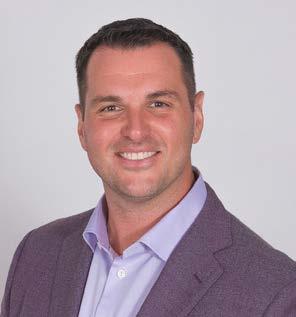
Craig learned there are essentially three different ways members from that group who are younger than 40 enter the industry. One is the legacy route, like him, which involves following in the footsteps of a family member. Another is that they did so purposely, which few choose, and the third is that it’s completely accidental, which he says also applied to his professional journey.
For Tom and Tommy Belding of PREMS Inc., healthcare is a family affair that extends beyond the office. Both married nurses, while Tommy’s son is trying to become a doctor, and his daughter has one year left in nursing school.
Then there are folks like Gary Becker, a risk manager and benefits consultant for 40 years and CEO of ScriptSourcing since 2013, who works alongside both his son Glen and daughter Maris, helping self-insured health plan members save on brand-name prescription drugs.
Realizing the importance of being professional with clients, Maris and Glen Becker address their father by his initials, “GB,” from
9-5, then slip into the “dad” description after work hours.
SIBLING SYNERGY
Gary is gratified to see how well his children work together, noting their complementary skill sets. “They bounce ideas off one another,” he says. “This relationship of theirs makes me so proud as a parent. They’ve been through a lot, and it’s really rewarding to see how they’ve developed.”
Their mother passed away when she was just 31 years old. “When that occurred, I had a 3-year-old and a 6-year-old – just trying to navigate things as a single parent,” Gary recalls. “They grew up together so unusually close, best-friends close, which is not typical for a brother and sister.”
Maris started as a member advocate for ScriptSourcing in 2024, following four years in financial services at EY, calling that stint “the best way to learn the business.” She’s now the company’s strategic initiatives lead. From the member's perspective, she says most working Americans can’t afford an unexpected medical bill of $1,000. So, it was deeply satisfying for her to tell members that there would be no copay for their high-cost medicine.

“It was just unbelievable to have that experience and talk to these people and first-hand see the difference that we can make,” she says.
Having such passion and purpose behind their work helps strengthen family ties, according to Maris. “We all care and have an owner’s mentality, and it really does help that our mission helps many parties,” she notes. “Everyone is benefiting from these types of solutions.”
Glen, a national sales executive with ScriptSourcing for more than four years who previously worked in sales at Georgia-Pacific and Echo Global Logistics, says, “There’s purpose behind the people we’re serving and the people that we work with day-to-day.”
CARVING CAREER PATHS
Early on, Craig Clemente shied away from his family connection to the business. “I felt like I needed to make sure everybody understood that I was carving my own path as time went on,” he says. Eventually, he became increasingly at ease about carving out his first name –
Craig Clemente
Bob Clemente
not his last name. Under his father’s tutelage, Craig was able to walk through industry hallways and have insightful conversations, comfortable in his own skin.
He started out as a financial analyst for Hennion and Walsh, Inc., then pivoted to director of front office operations with Omni Hotels. Noting that he also worked for his father in various capacities, Craig was unsure whether it was where he wanted to spend the rest of his career.
“What I found when I got here was that I did have sort of the base knowledge and understanding, but also a real passion for the risk-management side,” he recalls. “A lot of that absolutely had to do with my upbringing and just kind of the interest that I had in assessment and management of risk. So that was for me the common denominator and something that I leaned on my dad really heavily for to understand the mechanics and how that worked.”
When Craig joined the family business, Specialty Care Management acquired a Houston-based company called Hopewell Risk Strategies, which was sold years later. “He would go down there and spend a week at a time just overseeing that operation,” his father recalls. “My goal was to bring him to a level where I felt comfortable that he had a broad enough understanding of how the business operated, but more importantly, how it operated within the confines of the selffunded industry.”
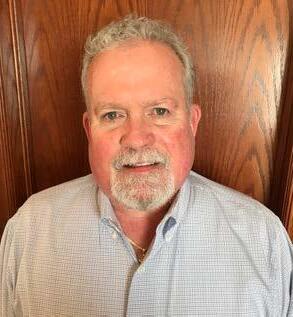
Tom Belding, who began working in the self-insurance space for a third-party administrator more than 45 years ago, helped his son Tommy land a job with one of his producers for about six months before being able to hire him full-time once his fledgling business began to take off, and the two have been working together ever since.
“In the beginning, it was amazing. I got to work with my dad,” Tommy says. “He taught me a skill that I never thought I’d have, and just trying to be in his shadow was good enough for me. Everywhere we went, everybody knew and loved him. There wasn’t a person who didn’t want to stop and talk to him at conferences. So, I knew I had some pretty big shoes to fill. Having him as my mentor meant a lot to me. He’s someone I’ve always looked up to. Growing up, he was my hero. So, getting to follow something that he was just so passionate about meant the world to me.”
It took 25 years of working together with his son before Tom decided to relax a bit, play some golf and enjoy what he had built. Tommy has been running the company for the most part for the past 15 years, always asking his dad for advice when challenging times arise.
“After he kind of gave me the reins, I was able to take it to another level,” Tommy says. “Now that I have owned the company for the past two years, it’s very hard to know if I’m filling his shoes well, but I’m doing the best that I can, and the good thing is that I always have him to lean on, and he’s very much a part of our company. He’s in every meeting that we have, so he’s still a big factor in what we’re doing.”

Tom Belding
Tommy Belding

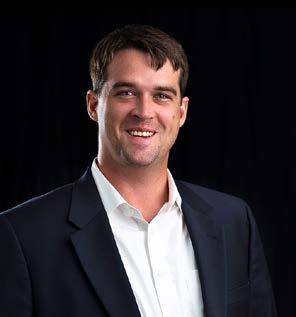
One significant difference between father and son was how they weighed the need for business travel against precious family time. When Tommy was raising his kids, for instance, he did not attend any conference with his dad, preferring to be home every night with the family rather than being a road warrior.
“I was fine with that,” Tom says. “I afforded him that knowing, ‘okay, you’re an 8-5 guy.’ And so, he could grow up with his kids and spend time with them. I really appreciated that fact, even though there were some times when it was like, ‘you need to be here.’”
TRAINING AND DEVELOPMENT
Dave Wilson says it has been terrific working with his son Ted, which has been encouraged elsewhere in the company. One of his partners, Gary Miller, also worked for a number of years with his son, who left last year, and Ted’s cousin runs a software company that the firm started.
“Having family in the business is not something we have shied away from; they have become known quantities, but you can’t play favorites because of that family connection,” he explains. “Ted had to earn his stripes through his work rather than as the boss’s son.”
Prior to joining his father’s firm 12 years ago, Ted had just gotten married and was struggling to get a landscaping company off the ground. One of Dave’s friends suggested giving his son an opportunity. “When he approached me, I don’t think I even hesitated,” Ted says. “I think the guarantee I made him was that I would do whatever you say from this point forward.”

Dave Wilson
Ted Wilson
At first, Dave thought his son needed more background on the stop-loss underwriting side. So, he was assigned to work in the underwriting department at a stop-loss MGU client for a few months to whet his appetite.
Ted proved to possess a good analytical head and sharp skills at observing people’s dynamics, according to his father. He remembers seeing him in action at a meeting with several union reps who held all the cards but said almost nothing. “Ted is a pretty good poker player, so reading the table was a real skill, which is uncommon in the healthcare actuarial world,” he says. “Having somebody pick up on those social cues and have that kind of emotional intelligence to read the room was really important from a technical perspective.”
The elder Belding recalls that when he started selling health insurance in the early 1980s, there were only two deductible plans: $100 and $250, later followed by $500. “Premiums for a single individual were about $45 a month and for a family $167, which is ridiculous,” he says.
“If you told me back then that there would be a time that people’s insurance for their family would cost more than their mortgage payments, I would have said you’re nuts, but here we are, and they are,” he continues. “What this journey has taught me is that we have to mitigate claims losses, but we have to give them the best healthcare that’s available, and that’s what we try to do. We have to protect the future of the health insurance industry, and so we’re very sensitive to the fact that there is a huge difference between medical care and insurance.”
Bruce Shutan is a Portland, Oregon-based freelance writer who has closely covered the employee benefits industry for nearly 40 years.



NEWS FROM SIIA MEMBERS
MAY 2026 MEMBER NEWS
SIIA boasts a very active and dynamic membership. Here are some of the latest developments from member companies and individuals powering the self-insurance industry.
Intellivo Names New AI and Technology Executive
Intellivo announced the appointment of Dhiraj Sankala as Chief AI and Technology Officer (CAITO). Sankala brings more than 20 years of experience leading digital transformation and AI strategy across healthcare and financial services organizations. In this newly created role, he will lead the continued advancement of Intellivo’s technology platform designed to identify third-party liability opportunities with greater speed, accuracy, and scale.
“Health plans should not have to choose between strong financial outcomes and a positive member experience,” said Laura Hescock, CEO of Intellivo. “Our goal is simple: increase recoveries back to health plans without member abrasion of any kind. To ensure this, we continue to grow our executive team and invest in technology. Dhiraj brings deep expertise in AI, data platforms, and healthcare claims intelligence that will help us accelerate the next phase of our technology strategy and further strengthen our ability to uncover recovery opportunities others miss.”
As CAITO, Sankala will lead Intellivo’s AI and technology platform strategy, with a focus on scaling the company’s advanced detection capabilities through machine learning, intelligent data ingestion, and a cloud-native infrastructure. His work will expand the platform’s ability to analyze large volumes of property and casualty (P&C) insurance data, legal suit filings, and other liability intelligence signals to maximize reimbursement opportunities.
“Intellivo has built a powerful foundation by combining sophisticated data capabilities with deep expertise in subrogation and liability recovery,” said Sankala. “By applying AI and advanced analytics to large volumes of P&C insurance data and legal filings, we can uncover liability coverage connections that are often invisible to traditional processes. This approach allows us to identify more recovery opportunities while protecting the experience of the members our clients serve.”
Ryan O’Deen Promoted to President at Auxiant
Auxiant, a leading independent Third-Party Administrator (TPA)
of self-funded health plans, announced today the promotion of Ryan O’Deen to President.
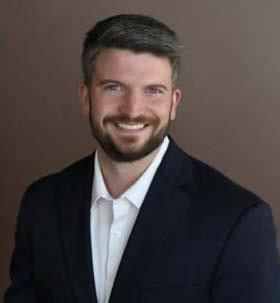
Ryan brings nearly a decade of experience at Auxiant, having held leadership roles across operations, compliance, client services and business development. His deep understanding of the organization and the self-funded market has helped drive sustained organic growth, strengthened client partnerships, and expanded Auxiant’s national footprint – while reinforcing the company’s family-owned foundation. Ryan is a graduate of North Central College and is a Certified Employee Benefit Specialist and Certified Self-Funding Specialist.
Following the passing of President and Owner, Mike O’Deen, in 2021, Ryan assumed expanded leadership responsibilities, helping guide the organization through a period of transition while maintaining the O’Deen family’s long-term vision and commitment to independence.
“As we look ahead, our focus remains clear: continue to scale responsibly, invest in our people and innovative technology, and
Modern Renewals
Require Modern Solutions
Groups are busy reevaluating performance, partnerships, and long-term plan sustainability. The question isn’t whether or not changes are coming. It’s “Are you prepared?”

BRMS supports brokers and their clients with innovative technology to provide:
• Plan evaluation through data-driven insights
• Proactive cost containment strategies
• Ongoing enrollment and member support
• Trusted and valued relationships backed by 30+ years of industry expertise BRMS is Your Partner in Every Season.
Let’s talk at brmsonline.com
Ryan O’Deen Auxiant
deliver transparent, independent solutions that create measurable results for our clients,” said Ryan O’Deen. “Auxiant’s independence is a strategic advantage in the marketplace, promoting aligned objectives with self-funded employers who are aiming to more effectively manage claims expenses and provide valuable benefits to their employees.”
Ryan will serve in a dual role as President and Director of Business Development, ensuring continuity for clients, partners, and employees.
Frederick Karutz to Help Advise Zakipoint Health
Zakipoint Health (ZPH), a leader in data-driven healthcare engagement and analytics solutions for selffunded employers, TPAs, and healthcare organizations, today announced that healthcare executive and former President of Carelon Advocacy, Frederick Karutz, has joined the company as Strategic Advisor. In this role, Karutz will support ZPH’s strategy and expansion into the health plan market.
Karutz brings more than two decades of leadership experience across health plans, digital health, and healthcare analytics, with a proven track record of building solutions that improve member engagement, optimize care navigation, and reduce total cost of care.
Over the course of his career, Karutz has held senior leadership roles across the healthcare ecosystem, including President of Carelon Advocacy, as well as executive positions at AIM Specialty Health, ConnectedHealth, Health Care Service Corporation, Silverlink Communications, GoHealth, and Valenz Health. His work has consistently focused on leveraging analytics and consumer engagement strategies
When you add Anthem Stop Loss to an Anthem ASO medical plan, you can manage claims expectations and protect against catastrophic losses. There’s no need to coordinate with multiple vendors — everything is integrated into your Anthem plan. This helps make doing business simpler and reduces risk.
To learn more, contact your Anthem Sales Representative.

to help health plans and employers identify risk earlier, guide members to high-value care, and drive measurable improvements in outcomes and cost efficiency.
In his role as Strategic Advisor to Zakipoint Health, Karutz will work closely with the executive leadership team to help shape the company’s health plan market strategy, expand strategic partnerships, and accelerate adoption of ZPH’s AI-driven engagement and analytics platform across the payer ecosystem.
Holowka to Lead Complete Captive Management Services
Phillip Holowka has been promoted to chief executive officer at Complete Captive Management Services.
Holowka takes up the CEO role after serving at the firm for more than eight years at the firm as chief operating officer.
In this role he leads a team of captive insurance professionals to grow a medical stop-loss captive risk pool that has been in existence since 2010.
Holowka has held a variety of roles in his career connected to medical stop-loss, and according to his LinkedIn profile he remains assistant corporate secretary at medTRANS insurance, having been part of the founding team who funded, built, and grew the medical stop-loss captive insurance company.
Health in Tech Announces Final Results
Health In Tech, Inc. (Nasdaq: HIT), an AI-enabled InsurTech platform company, announced its financial results for the fourth quarter and full year ended December 31, 2025.
• Full year 2025 revenues were $33.3 million, up 71% year over year ("YoY").
• Full year 2025 Adjusted EBITDA was $4.1 million, up 81% YoY.
• The number of billed enrolled employees (EEs) was 22,515 as of December 31, 2025, up 23% YoY.
• The number of Brokers, Third-party Administrator ("TPAs") and Agencies expanded to 858 partners as of December 31, 2025, up 34% YoY.
According to a company statement, Health In Tech expects full-year 2026 revenue to be in the range of $45 million to $50 million, representing year-over-year growth of approximately 35% to 50%.
This outlook is based on management's current expectations and assumptions, including continued strong demand for the Company's AI-enabled underwriting marketplace across the self-funded health insurance segment and successful deployment of new features. Actual results may differ materially due to risks and uncertainties described in Health In Tech's filings with the SEC.
"This financing strengthens our ability to accelerate the next phase of our platform development," said Tim Johnson, Chief Executive Officer of Health In Tech. "The additional capital will support key technology initiatives and help us bring new product capabilities to market that our clients have been actively requesting. As we continue expanding the functionality of our platform, we believe it will deepen customer engagement and support sustained, scalable revenue growth."
Frederick Karutz Zakipoint Health
Phillip Holowka Complete Captive Management Services
D.W. Van Dyke & Co Stop-Loss Survey Results Released
D.W. Van Dyke & Co, announced that results for the recently completed January 2026 Employer Medical Stop Loss Persistency and New Business Survey have been distributed to the 33 companies (MGUs and Direct Carriers) that participated. The survey represented annualized premiums of over $18.4 billion, the highest premium volume in the history of this survey.
Stop-Loss Carriers and MGUs are all welcome and invited to participate in future DWVD surveys. Those interested should contact Joe Sabol at jsabol@dwvd.com, or Miller Thompson at mthompson@dwvd.com.
Highmark Health Reports Financial Results
Highmark Health announced consolidated financial results for the twelve months ended Dec. 31, 2025, with $32.4 billion in revenue, a $674 million operating loss, and a $175 million net loss.
Top-line revenue growth of more than $3 billion represents an 11% increase, reflecting continued demand for the organization's products and services, even as shifting economic forces reshape how care is delivered and financed.
"Highmark Health's diverse business portfolio and growth strategy are critical to navigating the significant challenges of this industry and ensuring our long-term success," said David Holmberg, Highmark Health CEO. "That organizational strength has enabled us to be transformative in addressing opportunities to make healthcare more accessible, effective and affordable through our Living Health model and for the millions of people we serve across the country."


For the year, strong 2025 performances...were offset by continued pressure on health-plan and stop-loss businesses due to higher-than-expected utilization. HM Insurance Group reported $1.3 billion in operating revenue and a $107 million operating loss, due to an increase in frequency and severity of high-dollar claims. "Though we expect challenges to persist, we have strategically repositioned our stop-loss businesses to improve the financial performance going forward," said Carl Daley, chief financial officer and treasurer of Highmark Health.
New Hires and Promotions
Announced at Captive Resources
Captive Resources, LLC, a leading consultant to group captive insurance companies headquartered in Itasca, IL, has named Joe Parrilli has as Chief Business Officer, Health Solutions.
In this role, Parrilli maintains executive responsibility for captive budgets, including growth and renewals, while ensuring alignment across the Health Solutions business. He provides leadership to the Managing Director group, oversees alignment with carrier partners, and leads key human resource functions, including performance management, compensation, and team operations.
Kevin Hallen has been named Managing Director, Health Solutions.
Hallen leads the Health Solutions Captive Executive team, overseeing performance management, training, and resource allocation.
Kevin is responsible for captive performance and key metrics, working closely with underwriting and fronting partners. He also serves as a primary escalation point for member, broker, and carrier matters and represents Captive Resources at the board level across assigned captives.

Dave Gillis has been named Managing Director, Medical StopLoss. Gillis leads the Business Development teams, overseeing performance, training, and production standards.
Dave manages business development budgets and reporting, drives broker engagement and coverage strategy, and maintains senior broker relationships, along with HR responsibilities across his team.
“These leadership updates underscore both the commitment of our Health Solutions leaders and the meaningful impact they are already driving across the business,” said Steve Gransbury, President of Health Solutions. “This structure brings greater clarity to roles and responsibilities and positions us to execute more effectively while continuing to deliver strong results for our partners and clients.”

Joe Parrilli Captive Services
Kevin Hallen Captive Resources
Dave Gillis Captive Resources
GLP-1s AND BIOLOGICS SHOULDN’T BREAK THE PL AN
High-Cost Specialty Sourcing. Zero Workow Disruption.

Stop managing specialty spend and start containing it. Cold RX Meds specializes in Tier-1 international sourcing for high-cost, cold-chain medications. We provide the same therapies your members need, at a fraction of domestic acquisition cost.

30-70% SAVINGS:
Realized on Day 1 for high-cost specialty meds.
TIER-1 INTEGRITY:
Sourced exclusively from Canada and regulated Tier-1 markets.
COLD -CHAIN MASTERY:
End-to-end, temperature-controlled logistics for sensitive biologics.

Review

2026 SELF-INSURANCE INSTITUTE OF AMERICA
BOARD OF DIRECTORS
CHAIRWOMAN OF THE BOARD*
Amy Gasbarro President
ELMCRx Solutions
CHAIRPERSON ELECT, TREASURER AND CORPORATE SECRETARY*
Mark Lawrence President
HM Insurance Group
BOARD MEMBER
Blake Allison Chief Executive Officer
Employers Health Network
BOARD MEMBER
Christine Cooper
CEO
aequum, LLC
BOARD MEMBER
Orlo “Spike” Dietrich Operating Partner
Ansley Capital Group
BOARD MEMBER
Jeffrey Fitzgerald
Managing Director, SRS Benefit Partners
Strategic Risk Solutions, Inc.
BOARD MEMBER
John Fries
Head Accident & Health NA
Swiss Re Corporate Solutions
BOARD MEMBER
Matthew Smith
Managing Director
Risk Strategies
BOARD MEMBER
Beth Turbitt
Managing Director
Aon Re, Inc.
VOLUNTEER COMMITTEE CHAIRS
Captive Insurance Committee
George M. Belokas, FCAS, MAAA President
Beyond Risk
Future Leaders Committee
Morgan Sandell
Operations Lead, Underwriting Operations
QBE North America
Price Transparency Committee
Christine Cooper CEO
aequum LLC
Cell and Gene Task Force
Ashley Hume President
Emerging Therapy Solutions®
* Also serves as Director
SIIA NEW MEMBERS
CORPORATE MEMBERS:
Christian Allard Co-Founder & COO Verq Jacksonville, FL
Andrew Antczak CEO + Co-Founder Benefit Cloud Temecula, CA
Colin Jex VP Sales Nexillo Health Coppell, TX
Brad Kabb Director, Employer Solutions Onsera Health New York, NY
Paul O’Connor The49 London, UK
Kristopher Powell CEO HRPro/BenePro Royal Oak, MI
R’Kes D. Starling Chief Executive Officer Bowtie Therapeutic Benefits Southlake, TX

2026 BOARD OF DIRECTORS
Dani Kimlinger CEO & Partner MINES & Associates
Les Boughner Chairman Advantage Insurance
Louise Tanski COO Amera Newark, DE
SILVER MEMBERS:
Alan W. Wilson President & CLO Detego Health, a VerraCare Company Omaha, NE
Liz Midtlien Head of Large Claims Solutions BCS Financial Corporation
Matt Hayward Office President Ryan Specialty
Jonathan Socko President East Coast Underwriters, LLC
Nigel Wallbank SIEF Chairman Emeritus
Stand out with the digital edge employers expect
Zelis Mobile Member Connect™ empowers TPAs to deliver clarity, convenience and real value — helping you strengthen employer relationships and drive member satisfaction.
Ready to launch, easy to integrate and built for today’s self-insured market.


Scan to see how leading TPAs are transforming member engagement.

Managing claims uncertainty through reliable, precise payment execution.
When it comes to paying high-dollar Stop Loss claims, predictability is everything. It’s confidence, security, and peace of mind. At HM Insurance Group, we’ve transformed a source of uncertainty into dependable performance. The result: payments made quickly with more than 99% technical and financial accuracy.
Experience predictable claims management. Visit hmig.com/predictability.