THE INSIDER


UPDATES FROM COMMITEE CHAIRS TRADE HAS CHANGED OVER 100 YEARS. HOW HAVE CREDIT AND SURETY REMAINED RELEVANT?

UPDATES FROM COMMITEE CHAIRS TRADE HAS CHANGED OVER 100 YEARS. HOW HAVE CREDIT AND SURETY REMAINED RELEVANT?
EDITOR-IN-CHIEF
RALUCA EZARU
OUR CONTRIBUTORS
JORGE RODRÍGUEZ ELORDUY
Director, Sofimex
ROQUIYA SAYEQ
Co-founder, Victory Afghanistan
DANIEL DE BURCA
Head of Public Affairs, ICISA
RICHARD WULFF
Executive Director, ICISA
NESLIHAN NECIBOGLU
CEO, Neova
JERRY SAN
Head of Surety Asia & Australia, Swiss Re Corporate Solutions
FRANCISCO PIÑA PEÑA
Senior Reinsurance Underwriter, Allianz Trade
ISIDRA VÁSQUEZ
Senior Risk Underwriter, Munich Re
JORRIT BAKKEN
Head of Surety Liberty Mutual
PIERRE LAMOURELLE
Deputy Global Head of Specialty Credit, Allianz Trade
HOW TO GET A FREE SUBSCRIPTION?
If you would like to be added to the distribution list of The ICISA Insider, please send a message to secretariat@icisa org
Disclaimer
All articles in the ICISA Insider represent solely the opinions of the individual authors, not ICISA, unless otherwise stated. Original articles appearing in the Insider may not be reprinted without the express permission of the author and ICISA. When citing articles, please refer to the title of the article, the author, and the relevant edition of the Insider, including a full url to the magazine page
Dear Reader,
Welcome to the July edition of The Insider As I write this, the memories of our 100 Years Celebration in Vienna are still very much alive It is difficult to capture in words what an extraordinary occasion it was Bringing together members, partners, and friends from across the globe to celebrate a century of ICISA made for an event that truly honoured our past while embracing our future From the inspiring speakers and discussions to the spectacular gala dinner and the wonderful atmosphere throughout the week, Vienna delivered a celebration worthy of this remarkable milestone. I have a feeling that, even when ICISA celebrates its bicentenary, people will still be talking about what we experienced together in Vienna.
The success of the celebration was made possible by everyone who attended and contributed to it Thank you for making this centenary such a memorable occasion It was a powerful reminder that the strength of ICISA has always come from its members and the relationships that unite our community
While we continue to reflect on this historic milestone, our attention is already turning to the busy months ahead Preparations are well underway for another edition of Credit & Surety Week, followed by our Autumn Meetings We are also looking forward to an important first for ICISA: our inaugural in-person North American Committee meeting. These events will continue the conversations started in Vienna and provide valuable opportunities to exchange ideas, strengthen cooperation, and address the challenges and opportunities facing our industry
In this edition of The Insider, you will find updates from our Committee Chairs on the work being carried out across our association, a warm welcome to our new member, Neova Insurance, who also becomes the first Turkish representative to join ICISA, and an article looking back at the evolution of trade credit insurance over the past century while exploring what the next hundred years may bring
Together, these contributions reflect an association that is proud of its heritage while remaining firmly focused on the future
Our centenary celebrations may now be behind us, but the work of shaping ICISA's next chapter is already well underway. I look forward to seeing many of you again during our upcoming events and to continuing this journey together.
Thank you for reading, and thank you for being part of the ICISA community
Richard Wulff

Author: Jorge Rodríguez Elorduy, Sofimex
Once joining the Board of Directors of Sofimex in 2001, I have had the privilege of meeting entrepreneurs, public officials, executives, and surety specialists from around the world. Over the years, I have noticed a common profile among successful surety professionals: they are observant, analytical, meticulous; they tend to be careful reviewing documentation, and are usually deeply interested trying to know the people and the motives behind every transaction they underwrite
This profile differs from that of the equally distinguished insurance professional While insurers primarily assess probabilities of risk to occur, surety underwriters perform a different function; their role is not to absorb risk, but to evaluate responsibility
This distinction lies at the heart of Mexico's corporate surety system Unlike insurance, which relies on actuarial probabilities and the law of large numbers, corporate surety bonds are issued only after obligations have been carefully evaluated and supported by legally enforceable recovery guarantees The objective is not simply to compensate for losses, but to discourage defaults before they occur At the center of this model is the Solvency File (Expediente de Solvencia) More than an administrative requirement, it is the cornerstone of the underwriting process, allowing the surety institution to verify the financial capacity, legal standing, and reliability of the principal before issuing a bond
Mexico's legal framework is built on a simple principle: those who fail to fulfill their contractual obligations must bear the consequences This deterrent effect is what gives the surety system much of its value A rigorous underwriting process sends a clear message to every bonded principal that contractual commitments are expected to be honored.
For this reason, the surety underwriter must be more than a reviewer of financial statements. Underwriters must understand businesses, evaluate contractual obligations, and assess the integrity and capabilities of those responsible for performing them. Each Solvency File must reflect a thorough and case-specific analysis.
From the client's perspective, the surety process begins with the issuance of a bond and ends when it is cancelled after the obligation has been fulfilled Within the issuing institution, however, the process is far more rigorous The underwriter must analyze the obligation, evaluate the parties involved, establish appropriate issuance conditions, and verify that those conditions have been met before the guarantee can be issued

IN MEXICO, APPROXIMATELY 98 5% OF BONDED CONTRACTS ARE COMPLETED SUCCESSFULLY ACCORDING TO THEIR AGREED TERMS
Mexico's regulatory framework reinforces this discipline by requiring every bonded principal to maintain a properly documented Solvency File This ensures that the issuing institution has both the legal rights and the financial backing necessary to recover any amounts paid under a valid claim
Article 168 of the Insurance and Surety Institutions Law (LISF) requiressurety institutions to obtain adequate recovery guarantees, including pledges, mortgages, trusts, joint and several obligations, counter-guarantees, or other legally recognized forms of collateral. Complementing this requirement, the regulatory provisions known as the Anexo Único deny tax deductibility for claims paid under bonds issued without complying with these underwriting requirements, creating a strong incentive for disciplined underwriting.
The result is a system designed so that, when institutions comply with the law and conduct sound underwriting, they should not incur underwriting losses. Unlike insurers, surety companies do not assume risk in the traditional sense; they support contractual obligations through careful evaluation and enforceable recovery mechanisms.
This is why corporate surety is more than a financial guarantee it is an important instrument of economic policy By reinforcing contractual discipline, it facilitates the efficient execution of both public and private projects The greatest value of a surety bond is not the claims it pays, but the obligations it helps ensure are fulfilled
The effectiveness of this model is reflected in the results Thanks to the strength of Mexico's underwriting framework, approximately 98 5% of bonded contracts are completed successfully according to their agreed terms
JERRY SAN, CHAIR, SWISS RE
CREDIT INSURANCE COMITTEE
FRANCISCO PIÑA PEÑA, CHAIR, ALLIANZ TRADE
SURETY COMMITTEE COMMITTEE OF UNDERWRITERS
ISIDRA VÁSQUEZ FERMIN, CHAIR, MUNICH RE
JORRIT BAKEN, ACTING CHAIR, LIBERTY MUTUAL
CREDIT AND POLITICAL RISK COMMITTEE
PIERRE LAMOURELLE, CHAIR, ALLIANZ TRADE
It was truly a pleasure to reconnect with many familiar faces once again These meetings continue to be much more than just a regular industry gathering they provide a valuable opportunity to strengthen professional relationships, exchange ideas openly, and collectively deepen our understanding of the evolving trade credit and surety landscape across Asia and beyond
One of the most anticipated sessions each year is always the tour de table discussion, and this year was no exception Listening to fellow members share updates and perspectives on their respective markets remains one of the most insightful parts of the meeting The diversity of experiences across different jurisdictions provides a unique opportunity to compare trends, challenges, and opportunities from both regional and global perspectives It was particularly encouraging to hear that the market continues to operate within a relatively benign loss environment Amid ongoing geopolitical and economic uncertainties, this provided a reassuring indication of the resilience and stability currently observed across many markets
The meeting agenda this year covered a broad range of timely and highly relevant topics. One particularly interesting session focused on the development of takaful insurance in Malaysia.The discussion offered valuable insights into the continued growth and importance of Islamic insurance solutions within the region, as well as the opportunities and considerations for market participants operating in this space Another highly engaging discussion centred on the impact of conflicts in the Middle East and how geopolitical developments continue to influence our day-to-day business activities The sharing from members highlighted the interconnected nature of today’s global economy and reinforced how developments far beyond our immediate markets can have meaningful implications for trade flows, risk assessment, claims trends, and overall market sentiment
We also benefited from insightful discussions surrounding recovery trends across Southeast Asia It was encouraging to hear positive developments emerging from various markets, particularly in sectors that have
Jerry San, Swiss Re Corporate Solutions
demonstrated resilience and recovery momentum over the past year The exchange of views helped provide a clearer understanding of the region’s evolving credit environment and highlighted both the opportunities and risks that continue to shape the business landscap0e
In addition, the committee exchanged perspectives on several emerging themes that are becoming increasingly important for our industry Discussions around Buy Now Pay Later (BNPL) solutions offered useful insights into changing consumer and financing behaviours, while conversations on ESG reinforced the growing importance of sustainability considerations in underwriting, risk management, and broader business strategies The sharing on AI adoption was equally thought-provoking, with members exchanging ideas on how technology is being incorporated into operations, analytics, and decision-making processes to enhance efficiency and competitiveness.
One of the new initiatives introduced during this year’s meeting was the dedicated floor discussion sessions. I was very pleased to see how positively the format was received.The sessions encouraged open dialogue, active participation, and meaningful exchanges among members, creating a more interactive and engaging environment throughout the meeting Given the strong response and quality of discussions generated, we certainly look forward to continuing this format in future committee meetings
Last but not least, I would like to extend my sincere appreciation to all members for their active participation, candid sharing, and continued support The success of the ICISA Asia Committee Meeting lies in the collective willingness of members to contribute, learn from one another, and openly exchange experiences This year’s meeting once again demonstrated the strength of our network and the value of collaboration within our industry
The Credit Insurance Committee met in Barcelona on 21 April 2026, bringing together around 30 delegates from across the global trade credit insurance market Discussions took place amid heightened geopolitical tensions following the escalation of the Iran conflict, reinforcing an already uncertain economic outlook. The meeting opened with a one-word market outlook exercise. Unsurprisingly, uncertainty dominated, alongside words such as instability, challenging, and nervous. At the same time, delegates from markets including Kazakhstan, sub-Saharan Africa, and parts of Latin America highlighted continued growth and opportunity
While the industry has successfully navigated successive crises, delegates agreed that today's geopolitical fragmentation presents risks that are more difficult to assess and price than previous events such as COVID-19
Rising insolvencies remained a key concern Germany reported its highest insolvency levels in over a decade, while Spain has experienced a sharp increase in claims since late 2025, particularly in Catalonia The UK continued to report strong underwriting results despite increasing insolvencies, reflecting disciplined underwriting rather than favourable market conditions Israel's hightech and financial sectors have so far remained resilient despite the regional conflict
The Iran conflict emerged as the principal macroeconomic concern due to its potential impact on energy prices, inflation, interest rates, and sovereign finances. By contrast, tariffs and ESG, both major topics in previous meetings, attracted limited discussion.
Francisco Piña Peña, Allianz Trade
Jesús Urdangaray López, Chair of the PASA Credit Committee, presented an overview of the Latin American credit insurance market Although still relatively small at around USD 520 million in premium volume, the region offers significant growth potential, particularly in Colombia, Brazil, and Mexico.
The session strengthened cooperation between ICISA and PASA, with both organisations committing to closer collaboration on market development, regulation, and product innovation. A joint survey highlighted that banking requirements for unconditional 100% coverage remain a significant obstacle to wider adoption of credit insurance
Andrea Ferrer Pesudo of Solunion presented an overview of the Spanish market Spain's economy is expected to outperform the Eurozone in 2026, supported by resilient domestic demand
However, the credit insurance market is experiencing rising claims and insolvencies, while increasing competition and changing customer expectations continue to reshape the market
The Secretariat updated members on Basel 3 1 and the treatment of credit insurance under Loss Given Default (LGD) rules Given the importance of credit insurance for bank capital relief, ICISA will continue engaging with regulators to ensure the product remains appropriately recognised within evolving prudential frameworks.
A case study on the collapse of First Brands Group highlighted how approximately USD 12 billion of debt was partly concealed through off-balance-sheet financing structures, drawing comparisons with Parmalat Key underwriting lessons included treating off-balancesheet financing as debt, recognising persistent late payments as an early warning sign, and considering poor management transparency as a significant credit risk The discussion also highlighted the challenges created by fragmented lending structures that obscure total indebtedness
Representatives from the UK Financial Conduct Authority outlined emerging regulation for stablecoins and digital assets While informative, delegates generally considered blockchain applications to be a longer-term priority, with parametric insurance identified as the most realistic nearterm use case
Artificial intelligence generated lively discussion, reflecting the industry's transition from experimentation to practical implementation Many companies are already using AI to support underwriting tasks such as data extraction, document review, and counterparty analysis while maintaining human oversight. Delegates agreed that AI will enhance, rather than replace, underwriters, although concerns remain around data quality, governance, and reliability.
After four years serving on the Committee's leadership two as Vice Chair and two as Chair it has been a privilege to contribute to discussions shaping the future of our industry
I am deeply grateful to all delegates for their expertise, engagement, and willingness to share ideas, as well as to the ICISA Secretariat and Allianz Trade for their continuous support and valuable market insights Together, we have fostered an open, collaborative forum that has strengthened both the committee and the wider credit insurance community
While I step down as Chair with a sense of nostalgia, I do so with great confidence in the committee's future and look forward to contributing in a new capacity as a delegate
Following the ICISA Spring Meeting in Barcelona, the Surety Committee held a productive session focused on the key developments shaping the global surety market
A recurring theme throughout the discussions was uncertainty While this has been a feature of recent meetings, delegates agreed that today's environment is increasingly complex, driven by geopolitical tensions, regulatory change, inflation, technological innovation, and evolving market dynamics. Artificial intelligence, ESG, long-tenor exposures, co-surety practices, risk sharing, talent retention, and the growing role of non-traditional capacity providers all featured prominently on the agenda. The Committee's "world tour" confirmed that market conditions vary considerably, yet many challenges are shared. Europe remains highly active, with Germany and Italy continuing to lead the market and cross-border activity increasing, particularly between Italy, Spain, and Romania India continues to expand alongside major infrastructure investment, while the US primary surety market remains profitable despite greater volatility in reinsurance Australia has recovered, although conditions remain challenging, particularly for on-demand bonds Emerging opportunities were also highlighted in parts of Africa, Saudi Arabia, and Venezuela
Across sectors, demand is being driven by infrastructure, renewable energy, data centres, defence, and housing projects At the same time, maintaining underwriting discipline and profitability remains a priority amid signs of weakening credit quality
Regulatory developments continue to require close attention.The Committee discussed the implications of evolving international and local frameworks, including GDPR, KYC, and sanctions compliance, all of which continue to influence underwriting and operational practices.
Innovation was another central theme Members shared perspectives on the growing use of automation and artificial intelligence, while recognising the need to strengthen portfolio resilience and establish common standards that support sustainable growth without compromising the core principles of the surety product
The Committee will continue advancing these priorities through its working groups, including further work on cosurety practices and ongoing collaboration with PASA Members were also encouraged to make use of the white papers available through the ICISA Communities platform Continued support was reaffirmed for major ICISA initiatives, including the Women Surety Network, the LGD project for surety, and the ICISA Learning Hub
It was a pleasure to chair the meeting alongside ViceChair Nadia Havard My sincere thanks go to all delegates, the working groups, and the ICISA Secretariat for their active participation and continued support
As I have said before, one thing is certain: we have an ambitious agenda ahead, and the Committee is well positioned to address it. I look forward to continuing these discussions at the Autumn Meeting.
As my final meeting as Chair of the CPRI Committee, I am pleased to reflect on the key discussions from our session in Barcelona. It has been a privilege to serve during a period marked by both significant challenges and new opportunities for the CPRI market.
The Committee's market roundtable highlighted a rapidly evolving environment Members noted changes in commodity trade, with companies moving away from justin-time supply chains towards more diversified sourcing and longer-term planning Elevated energy prices continue to drive demand for liquidity, while the claims environment remains generally stable despite isolated losses and regional challenges in markets such as Ghana and Senegal
Data centres and private credit emerged as important areas of growth, although they also raise questions around accumulation risk and underwriting capacity By contrast, investment in green energy appears to be slowing in some markets, particularly the United States
Asset-Based Lending (ABL) remains an active area of business, with strong demand across sectors including aviation, shipping, and equipment leasing. Members discussed the distinction between transactions secured by underlying assets and structures based primarily on the monetisation of rental income.
Recovery strategies also featured prominently Discussions covered confiscation risk, Ministry of Finance guarantees, preferred creditor status, and the balance between negotiated settlements and judicial recovery, highlighting the value of recovery expertise in underwriting decisions
Aircraft finance continues to demonstrate resilience despite recent geopolitical and economic disruptions
Pierre Lamourelle, Allianz Trade
Members noted strong recoveries, ongoing government support for strategically important airlines, and the continued shift towards leasing models. Platforms such as Balthazar and AFIC continue to support market development.
Data centres remained a recurring theme throughout the meeting Delegates discussed growing exposure concentrations, funding requirements for increasingly large projects, and whether location-based aggregation should be viewed primarily as a property or credit risk The topic will remain on the Committee's agenda for further work
Members also received updates on regulatory developments and the macroeconomic outlook, including rising country and political risks, sectoral pressures, and shorter economic cycles
The meeting concluded with the election of Uwe Haug as Chair and Marius Aeschimann as Vice-Chair I congratulate both and wish them every success as they lead the Committee forward
As I step down, I would like to thank the ICISA Secretariat and all Committee members for their commitment, collaboration, and expertise over the past two years. I will look back with particular pride on the Committee's rebranding as the CPRI Committee, the publication of our 2025 White Paper, and the many insightful discussions that have strengthened our market The CPRI product has consistently demonstrated its resilience in an increasingly complex world, and I am confident the Committee will continue to build on that strong foundation under its new leadership
I had the privilege of serving as Acting Chair of the Committee of Underwriters (CoU) during the ICISA Spring Meetings. I would like to thank the Chair and Vice Chair for their confidence in entrusting me with this role, which proved to be both an honour and a valuable learning experience
The discussions reflected the increasingly complex environment in which underwriters operate today A recurring theme throughout the meeting was uncertainty, driven by geopolitical tensions, inflationary pressures, and structural changes across global markets
Inflation remains a key concern, particularly as instability in the Middle East continues to influence energy prices and global supply chains While some resilience has emerged following recent global disruptions, delegates agreed that the inflation outlook remains closely tied to geopolitical developments
Artificial intelligence and the rapid expansion of data centres were another major focus These projects offer significant business opportunities but also introduce new underwriting challenges, including concentration risk, private financing structures, skilled labour shortages, and infrastructure constraints Members also discussed the broader economic and social implications of AI, including its potential impact on labour markets and corporate business models.
Jorrit Baken, Liberty Mutual
The Committee also noted a gradual increase in corporate insolvencies, particularly in the construction sector, where margin pressure, refinancing needs, and project complexity continue to weigh on performance More broadly, changing financing structures are creating stronger links between banks, private credit providers, and insurers, increasing demand for insurance solutions covering more complex and often unsecured risks
Beyond market developments, members highlighted the growing influence of broader social and political trends, including housing affordability, labour market shifts, and political fragmentation across Europe Together, these factors reinforce the need for disciplined underwriting, strong risk selection, and greater focus on companyspecific fundamentals and early warning indicators The Committee of Underwriters continues to play an important role as a technical forum for ICISA members, facilitating the exchange of expertise and best practices while helping members navigate an increasingly volatile risk environment.
Finally, I would like to thank all participants for their active engagement and for making the session both insightful and highly collaborative.
The Secretariat is pleased to announce the election of Natalie Coverly (QBE) as Chair and Fernanda Walker (Sompo Re) as Vice-Chair of the Committee of Underwriters I congratulate them both and wish them every success in their new roles
Author: Daniel de Búrca, Head of Policy and Regulatory Affairs, ICISA
The world in 1926, when the first meeting of credit insurers in London set ICISA in motion, was a very different place Europe was still rebuilding after the First World War, Britain had returned to the gold standard the year before, and much of the industrial world was riding the optimism of the Roaring Twenties That optimism proved short-lived, as the Wall Street crash was three years away, and the Great Depression and the protectionism it unleashed, including the Smoot-Hawley tariffs, would soon tear through global trade Trade then moved by sea over weeks, settled largely on reputation and trust
A century later, almost everything about how trade and commerce work has changed: the routes, the rules, the speed, the technology and the mix of who trades what with whom would all be unrecognisable to the first underwriters. Credit and surety have held to their core proposition of protection against non-payment and nonperformance, but they too have evolved, adapting to the changing needs of their users
The recent ICISA100 Report – 100 years of helping global trade flow – demonstrated this strong value proposition from the perspective of users of the product Policyholders regardless of sector or segment reported the value of operational flexibility, financing support, growth enablement, and trusted partnership that credit and surety offer As ICISA looks ahead to its next hundred years, amid considerable uncertainty, it is worth asking what a changing world means for the underlying purpose of these products
Trade architecture has always been moving
For most of the past hundred years the broad direction of trade was towards greater openness and shared rules, though rarely in a straight line The Depression and a second world war left a system still largely organised around blocs, from the Soviet sphere to the early European communities Yet it was in the middle of that uncertainty that the General Agreement on Tariffs and Trade was signed in 1947, a first attempt to formalise and roll back trade barriers across borders The GATT in turn gave way to the World Trade Organization in 1995, as multilateral trade widened following the collapse of the Soviet Union
At the centre of the WTO system sat a simple but powerful idea: Most Favoured Nation treatment, under which members extend the same terms rather than discriminating between partners. MFN remains the core principle of multilateral trade within the WTO framework, and a 2025 WTO analysis found that more than 80 per cent of global merchandise trade is still conducted on MFN terms, despite decades of preferential deals and more recent pushback on multilateralism generally. It remains the default that makes a predictable trading system possible
Alongside that core, the way trade is organised has grown steadily more layered Free trade agreements multiplied through the 1990s and 2000s, and a meaningful share of trade, around 17 per cent of global imports by 2022, now
moves through preferential deals, while the bulk remains on MFN terms Each of these developments brought new corridors, new counterparties and new legal environments Through all of it, credit and surety continued to play a fundamental role in trade, commerce and investment even as the world changed around them
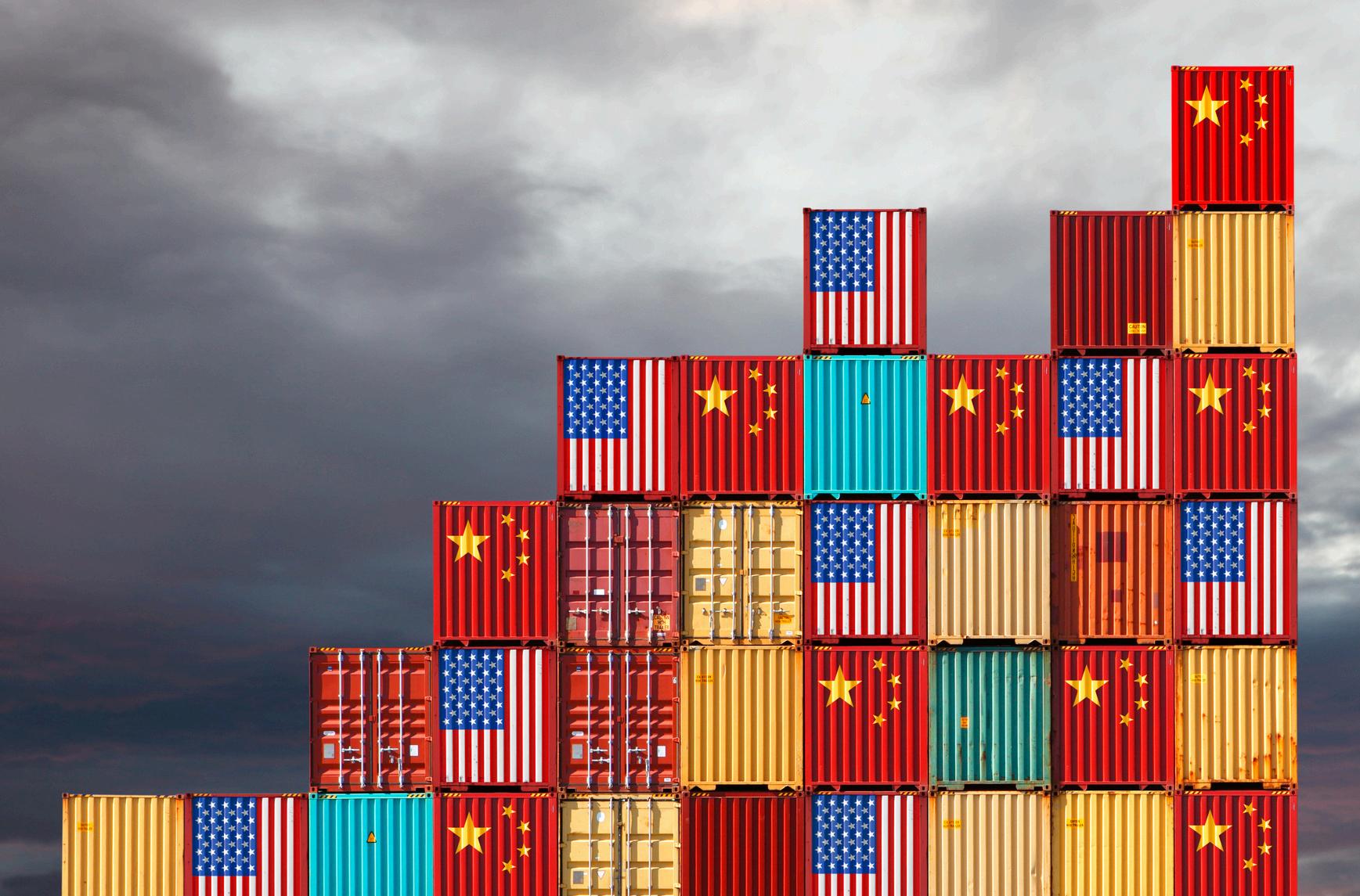
Trade has always carried a tension between preserving or prioritising national interest and benefiting from open and free trade, and the system has weathered considerable strain before What feels different now is that the principle of multilateralism itself, and nondiscrimination within it, is being questioned directly rather than worked around at the edges Much of that pressure comes from a marked shift in United States trade policy, where sweeping and selective tariffs cut against the idea that members should be treated alike. It was against this backdrop that a WTO Ministerial Conference, the 14th, met inYaoundé in March 2026. Billed as a reform ministerial and an essential opportunity to reform the multilateral system, it was meant to show that members could at least agree on what was wrong and ho the event, it was unable broke down over digital moratorium on customs transmissions lapsed, a modest joint statement for The failure mattered what it revealed: there is WTO needs reform, but be
With broad multilateral s reach, progress is shiftin willing, as when 66 coun interim e-commerce arr adoption had been bloc sets the foundation for d unlock cross-border tran digital environment for t also points to the risk m bifurcation of trade into standards and narrower
ICISA members see this reflected in their clients, and in its Q1 2026 Business Sentiment Survey trade disruption and geopolitical conflict were the dominant concerns across every segment, cited by around 90 per cent of trade credit respondents
Distance still matters, and so does reach
The gravity model of trade has always pointed to a quieter truth, that most trade happens locally and with near neighbours Economies trade most heavily with their largest and nearest neighbours This is in part why Brexit has been such a drag on UK economic performance in the ten years since the referendum there Raising barriers with the country's largest and nearest trading partners was always going to be a challenge to overcome. Even so, global trade networks and the ability to source goods and services widely has been decisive for development. No economy is selfsufficient, since the need for minerals, energy, semiconductors, technology and labour itself ties the most powerful economies into long supply chains they cannot fully control

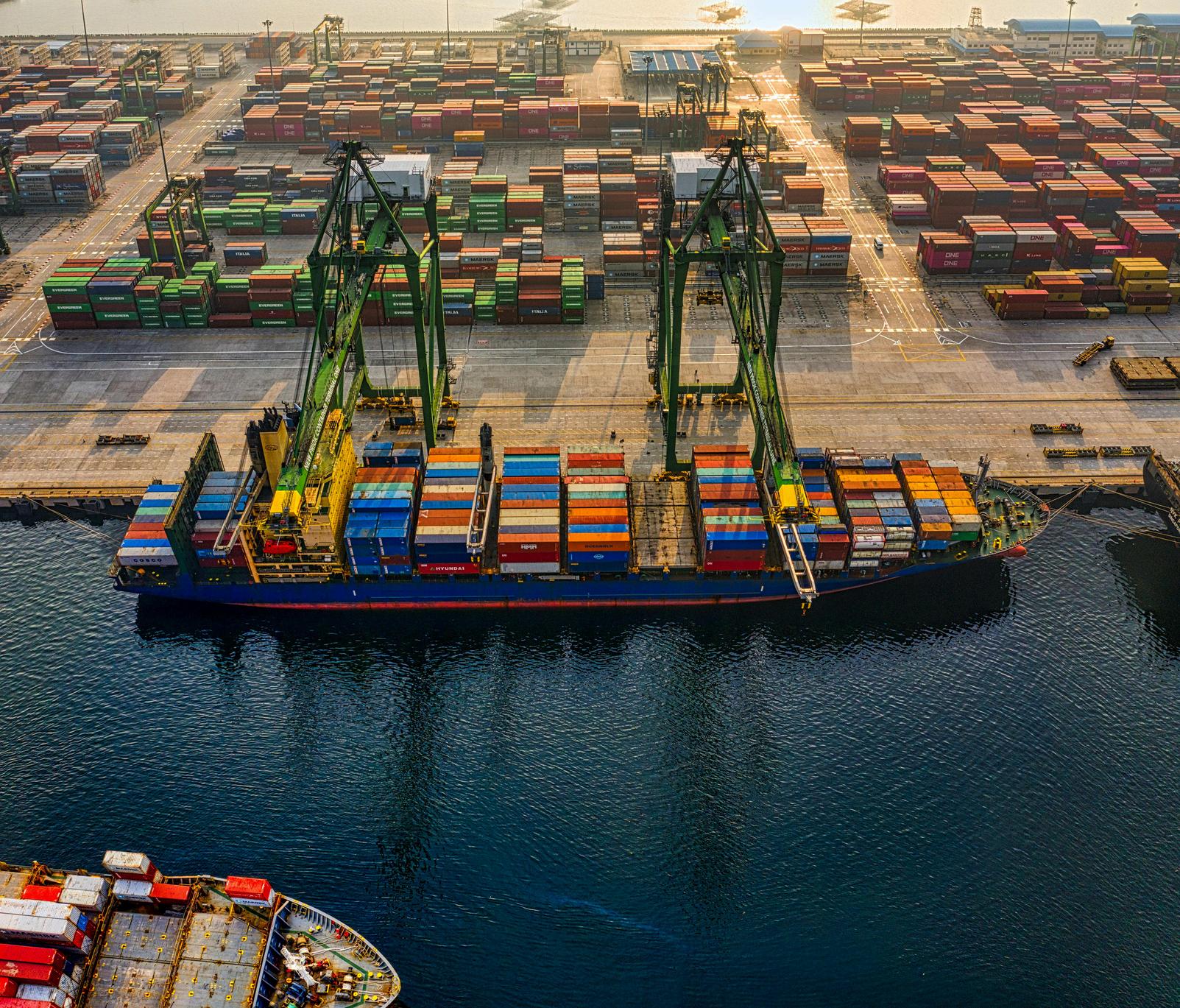
framework fragments, the need to trade across distance does not diminish, even as the longer corridors become harder to navigate The sentiment survey shows where activity is moving, with members reporting shifts towards Africa, India, Southern and South-East Asia, Central Asia and the Middle East, alongside new demand from data centres and defence and longer tenors in construction and infrastructure New economic centres are emerging in new regions, bringing counterparties and risks that are often unfamiliar This is where credit and surety play an important role in providing the trust and certainty necessary for commerce to take place
How credit and surety make sense of a changing world Through all these changes, the underlying function has held remarkably steady Trade credit insurance protects receivables against non-payment, surety guarantees performance, and credit and political risk cover extends that protection into longer and more exposed transactions, where ordinary credit assessment is not enough.The instruments have grown more sophisticated, yet the purpose they serve is essentially the one set out in 1926.
A more uncertain world makes that purpose more visible, not less. Demand for these products has historically risen as conditions deteriorate Members saw this during the financial crisis of 2008 and again through the pandemic, and the current data points the same way, with demand growing in surety and in credit and political risk When firms cannot rely on a stable framework to tell them which counterparties are safe to trade with, a specialist's willingness to carry that risk is part of what keeps trade flowing into harder markets
The value of credit and surety runs well beyond simply paying claims
As the ICISA100 Report – 100Years of Helping Global Trade Flow showed, the value of credit and surety runs well beyond simply paying claims Whether it’s giving businesses an enhanced view on buyers and an early warning as a counterparty weakens, or guiding a project to completion the industry delivers key support in a way that other similar products simply can’t Just as importantly, they support the longer-term relationships that let firms extend terms and enter markets, or invest in new projects they would otherwise approach with caution As the trade order frays and the framework itself loses standing, the harder question becomes knowing who to trade with and on what terms, and that is precisely what these products are designed to answer.
The next evolution
Technology is the other great force reshaping this work. ICISA members also report how the world around them is changing, with rising demand for cover on data centres and AI infrastructure, alternative energy sources, battery storage and beyond, all pointing to a world dramatically different from 1926. Digitalisation has compressed credit decisions that once took weeks, and members now embed AI into underwriting and risk selection at pace The Q1 2026 Business Sentiment Survey shows AI moving from intention to everyday use across the industry, and over time this will change how risk is assessed and priced, much as new trade routes and new rules reshaped it in earlier eras
The architecture of trade will keep moving, as it has from the gold standard to the GATT and from the WTO to the coalitions forming afterYaoundé, and the product will keep adapting to developments in trade policy, geopolitical tension, the possible bifurcation of trade and the advance of technology What remains constant is the need these products answer: to underwrite obligations so that trade can happen at all That need was present in 1926, and a world flexing once more into uncertainty does little to diminish it

Author: Roquiya Sayeq, co-founder of Victory Afghanistan*
Victory Afghanistan was founded in July 2023 by four Afghan women. Like many Afghans, they watched the political changes of late 2021 with sadness and concern. Since then, girls have been banned from secondary school and university and excluded from most forms of employment As a result, 20 million women and girls have effectively been forced into domestic isolation; a situation the United Nations has described as gender apartheid
Having all benefited from education themselves, the founders could not bear the thought of an entire generation of Afghan girls losing the opportunity to fulfil their potential Rather than concentrating on politics, they chose to focus on practical solutions, building systems that could create opportunities for women and girls
What began as a conversation between four friends has since grown into a registered 501(c)(3) nonprofit headquartered in Chicago Today, Victory Afghanistan provides free online English education, mentoring, and professional development Its youngest student is 11
years old and its oldest is 46, with mothers and daughters often studying together Students come from 20 provinces across Afghanistan, and this semester the academy supported more than 1,200 girls and women with the help of 150 volunteers based in 24 countries
The English programme consists of six levels, beginning with the alphabet and progressing through to advanced English Once students reach the required level, they enter the mentoring programme, where the focus shifts from education to creating pathways and opportunities The first pathway supports access to online higher education The second helps students pursue scholarships and opportunities abroad The third focuses on remote internships and online employment Victory Afghanistan has also partnered with an accredited online high school in California, enabling students who were unable to complete high school in Afghanistan to earn an American high school diploma
*Victory Afghanistan is the official charity of ICISA AGM 2026.
The organisation's vision is simple: to build a pipeline of opportunity so that no girl is left behind Its next semester begins in July and runs for 16 weeks, supported behind the scenes by 25 different teams working together to deliver the programme.
Perhaps the achievement Victory Afghanistan is most proud of is not measured by numbers, but by its philosophy. Over the past year, the organisation began selecting students from within the academy and inviting them to join its core team These young women now help manage many areas of the organisation, volunteering between 20 and 40 hours each week and becoming the driving force behind much of its growth Today, 27 project coordinators, ranging in age from 15 to 30, volunteer their time to support fellow students They lead meetings, generate ideas, manage projects, interview volunteers, identify guest speakers, promote online events, maintain student and volunteer databases, and support the organisation's IT systems
One example is the Guest Speaker Team, which has successfully organised TED Talk-style events featuring remarkable people from around the world, including former astronaut Chris Hadfield. These sessions give students the opportunity to hear directly from people who have achieved extraordinary things and to engage with them through live questions and discussions.
This month, 38 students are beginning remote internships with international companies, while eight students are already working in paid online roles In September, 18 students will begin part-time master's degrees with British universities Looking ahead to September 2027, one of the organisation's priorities is to build partnerships with universities around the world that may eventually provide opportunities for students to study abroad
When asked about its impact, Victory Afghanistan explains that although it provides education and mentoring,
Hope means having something to look forward to It means believing that the future is not over and that their potential still matters For many students who have spent the past four and a half years largely confined to their homes, that hope is transformative.
The organisation's long-term ambition is to be led by the very students who are currently studying with it. One day, when circumstances in Afghanistan change, Victory Afghanistan hopes these same young women will become directors, teachers, and mentors themselves The vision is to eventually establish physical academies in Kabul, Herat, and Mazar-e-Sharif, enabling today's students to become tomorrow's leaders
One of the biggest barriers students continue to face is access to technology Approximately 90% rely on smartphones to attend lessons Writing essays, participating in meetings, preparing CVs, and completing university assignments on h i ifi


Victory Afghanistan is therefore deeply grateful to ICISA and its members for supporting the purchase of laptops for three students who will begin online master's degrees this September One of those students, Sara, has been studying with the academy for two years Until recently, she relied on her brother's old laptop whenever it was available Thanks to this support, she has now purchased her own laptop and is preparing to begin an online Master's degree in Business Management at the University of Sunderland.
The organisation is also helping to provide Wi-Fi internet access and a backup power bank to ensure Sara can continue studying during electricity outages. Sara shared that every evening, after using her laptop, she carefully cleans it and places it back in its original packaging before going to sleep, keeping it beside her bed Victory Afghanistan hopes the laptop will support her studies for many years and ultimately help her secure meaningful remote employment
The organisation's online appeal continues as it works to purchase laptops for additional students embarking on master's degrees and internships Its goal is to ensure that the quality of the technology provided matches the quality of the academic opportunities and professional placements that have been generously made available to its students
Looking ahead, Victory Afghanistan's priorities remain expanding access to education, creating more remote work opportunities, developing university partnerships, and strengthening its student leadership model
At the same time, the organisation hopes that the international community does not forget Afghanistan While much of the world's attention has shifted elsewhere, 20 million women and girls continue to live under severe restrictions Victory Afghanistan asks ICISA members simply to remain aware of the situation and to continue talking about Afghanistan within their own professional and personal networks
Author: Raluca Ezaru, External Relations & Information Officer, ICISA
What will trade credit insurance and reinsurance look like ten years from now? That question was at the center of two leadership panels during ICISA's 100th anniversary celebrations in Vienna, where senior executives from the industry's leading insurers and reinsurers discussed the changes already taking place and what still lies ahead.
Moderated by TTP Treasury Editor Eleanor Hill and TTP Editor-in-Chief Deepesh Patel, the sessions brought together leaders from Allianz Trade, Atradius, Coface, Hannover Re, AXA XL and Swiss Re While each speaker offered a different perspective, there was broad agreement on three themes: technology, people and geopolitics
AI will change the way industry works Artificial intelligence featured in both discussions, but not as something for the distant future Speakers agreed that it is already changing the way insurers analyse information, assess risks and interact with clients
Aylin Somersan Coqui, Group CEO of Allianz Trade, spoke about how AI is improving different parts of the insurance value chain and helping companies become more efficient
For Andreas Tesch, Chief Risk Officer of Atradius and former President of ICISA, the industry is well placed to make the most of these new technologies because datadriven decision-making has long been part of its DNA. "Credit insurers are, in many ways, better prepared for this technological shift than many other industries," he said. "Risk assessment at scale has always been at the core of what we do We are not starting from scratch; we are building on decades of experience "
For Xavier Durand, AI's greatest impact isn't just the technology itself, but the speed of change and the need for organizations to adapt: "This is another revolution What's striking is how fast it's going and how powerful the tool is It will require organizations to change "
But technology alone is not enough Unlike traditional systems, AI does not always produce the same result for the same input, making oversight and governance even more important
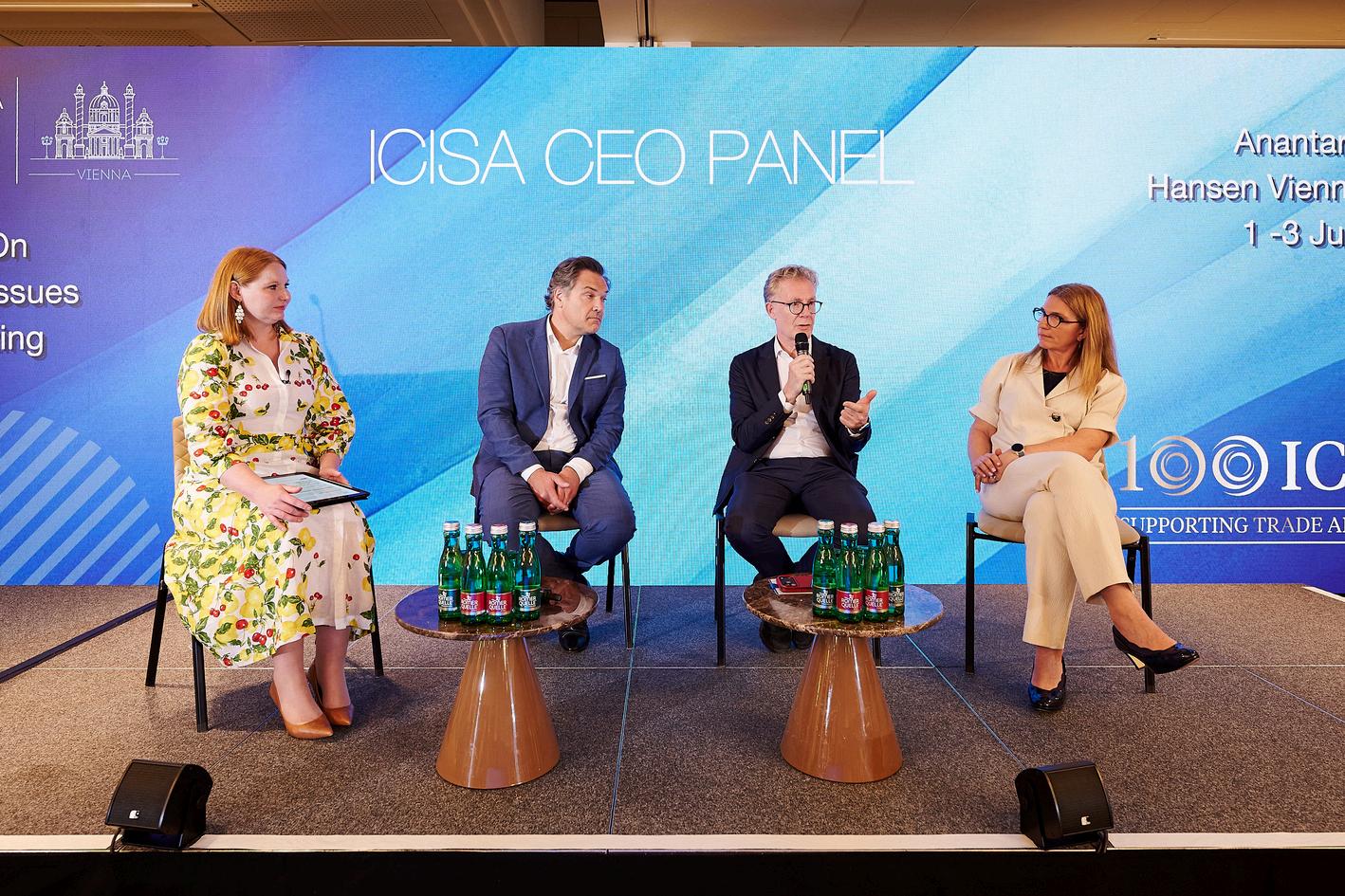

“While AI can process vast amounts of information, it is less effective when markets change suddenly or when risks cannot easily be measured.”
If there was one point that came up repeatedly, it was that technology will not replace people While AI can process vast amounts of information, it is less effective when markets change suddenly or when risks cannot easily be measured Those are the moments when experience makes the difference
Tesch pointed to the financial crisis of 2008-09 as an example Many analysts at the time had only worked in stable market conditions, making the knowledge of colleagues who had lived through previous downturns particularly valuable
As markets continue to face geopolitical tensions, economic uncertainty and supply chain disruption, speakers agreed that combining technology with human judgement will remain one of the industry's greatest strengths
Making credit insurance easier to use
The discussion also turned to one of the industry's biggest opportunities: making credit insurance simpler for clients Although underwriting has become increasingly sophisticated, many processes still require manual work. Better connectivity between insurers and clients' own systems could automate much of this, making products easier to access and easier to manage. According to panelists, this could help bring credit insurance to a much broader market by reducing administrative complexity and integrating it more naturally into companies' day-to-day operations.

Geopolitics is changing the conversation International trade has become more difficult to navigate over the past few years Conflicts, shifting trade relationships and supply chain changes have all added uncertainty for businesses.
For insurers, that has reinforced their role in helping companies continue trading despite these challenges. Xavier Durand, Group CEO of Coface, explored whether a more uncertain world makes the case for trade credit insurance stronger, while also increasing the complexity of underwriting those risks.
Tesch noted that recent geopolitical events have led to higher demand for credit insurance, reflecting the growing importance of risk management for businesses operating internationally
Reinsurance faces many of the same questions
The second leadership panel looked at the future of reinsurance and found many of the same themes emerging
Clemens Jungsthöfel, CEO of Hannover Re, discussed the industry's role in narrowing the global protection gap, while stressing the importance of maintaining underwriting discipline
Bertrand Romagne, CEO International Reinsurance at AXA XL, focused on attracting the next generation of talent As technology changes the industry, companies
will also need to invest in developing new skills and creating careers that appeal to younger professionals. Ivan Gonzalez, CEO Corporate Solutions at Swiss Re, examined how the insurance value chain is evolving. The rise of managing general agents, captives, fronting carriers, parametric solutions and AI-driven underwriting is changing how insurance is distributed and raising new questions about customer relationships
Although the conversations covered different parts of the market, they arrived at similar conclusions Artificial intelligence will continue to change how insurers and reinsurers work Digital connectivity will make products easier to deliver and easier for clients to use Geopolitical uncertainty is unlikely to disappear anytime soon, placing even greater importance on effective risk management
At the same time, the industry's future will continue to depend on something that has always mattered: experienced people making informed decisions, supported by strong data, sound judgement and close collaboration across the market.
As ICISA celebrated 100 years of supporting the trade credit insurance and surety industry, the discussions in Vienna were a reminder that while the tools may change, the industry's role remains the same: helping businesses trade with confidence, whatever the market conditions


The ICISA Learning Hub is an innovative educational platform created by the International Credit Insurance & Surety Association (ICISA) to empower professionals in the credit insurance and surety industries.
The Introduction to Credit Insurance course aims to provide a solid understanding of the principles, products, and risk mitigation strategies of trade credit insurance.
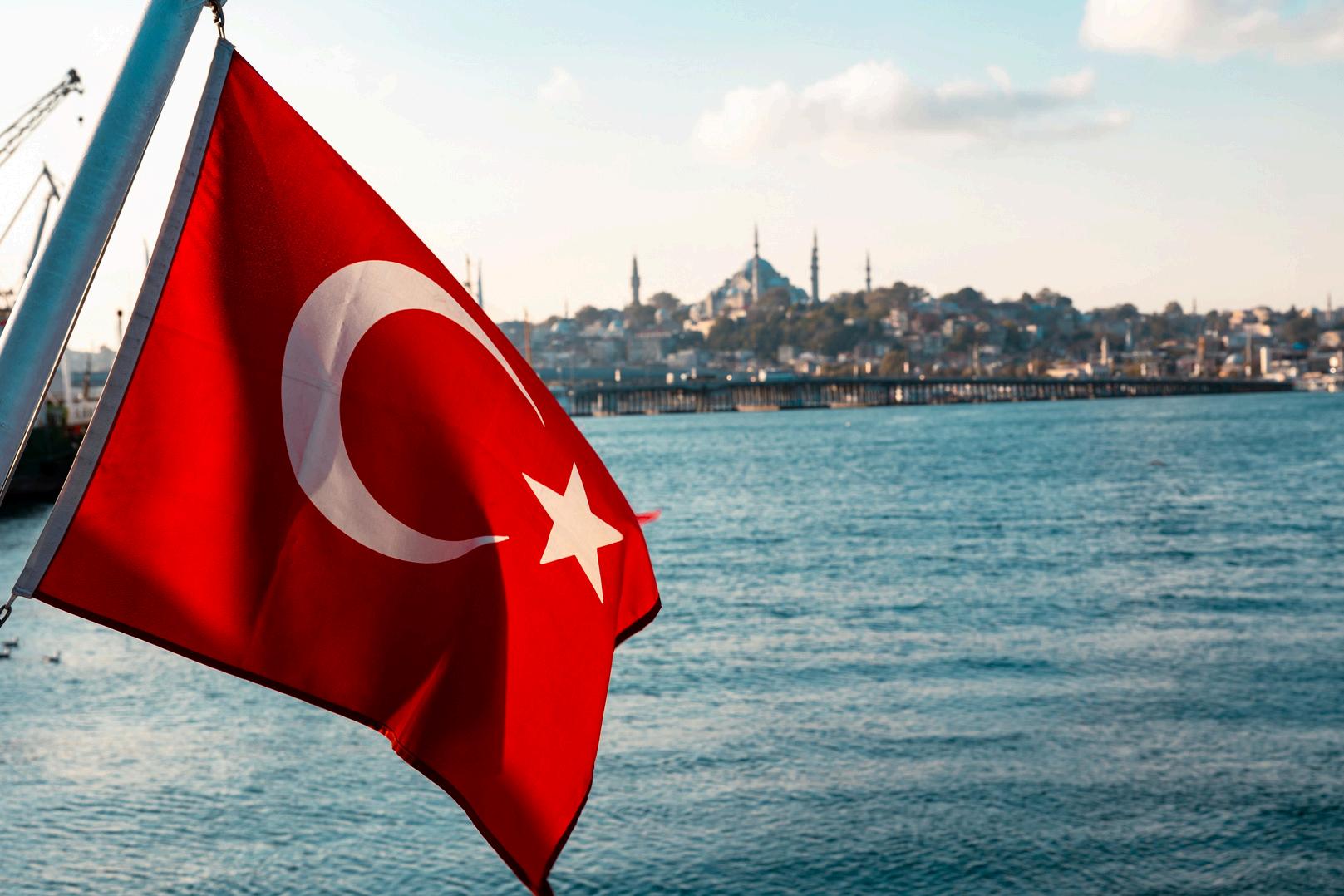
An interview with Neslihan Neciboglu, CEO
As ICISA celebrates its centenary, the association welcomes Neova Sigorta as its first member from Türkiye. With a rapidly growing surety portfolio, strong banking roots and increasing international ambitions, Neova sees ICISA membership as an opportunity to deepen technical expertise, build partnerships and contribute to the development of the global surety market
We spoke with Neova about its growth story, its ambitions for the Turkish market and what it hopes to bring to the ICISA community
A fast-growing insurer with international ambitions
Headquartered in the Istanbul Financial Center, Neova Sigorta is a non-life insurer with more than 600 employees and operations across almost all non-life insurance lines, including surety insurance Founded in 2009, the company is wholly owned by Kuveyt Türk Participation Bank, one of Türkiye's largest banks, whose main shareholder is Kuwait Finance House
The company has grown rapidly in recent years, reaching approximately USD 775 million in gross written premium in 2025 and targeting USD 1 billion in 2026 Surety has become one of Neova's strategic growth areas, with the company increasing its share of the Turkish surety market from around 21% at the end of 2025 to approximately 35% by the end of the first quarter of 2026 Since early 2025, Neova has also expanded its international footprint by supporting several Lloyd's syndicates as a capital provider
"Our commitment to surety is the main reason we joined ICISA"
For Neova, joining ICISA was a natural next step in its development "The key reason for joining ICISA is our strong commitment to the surety business "
Although the company only launched its surety line three years ago, it has already built a complete operation covering underwriting, risk assessment, operations and claims management, while establishing a leading position in the Turkish market
The company believes Türkiye offers significant long-term potential for surety insurance, driven by infrastructure investment, international contracting activity and increasing demand for alternatives to traditional bank guarantees.
"We believe ICISA membership provides a highly valuable platform to learn from some of the most experienced credit insurance and surety players in the world, exchange best practices and contribute to the development of the surety market in our region "
Becoming ICISA's gateway to Türkiye
As the first and currently only Turkish member of ICISA, Neova hopes to become a bridge between the Turkish market and the international surety community
"We believe Neova can serve as a reliable gateway to the Turkish surety market "
In the short term, the company aims to establish close relationships with fellow members while strengthening its own capabilities through exposure to international best practices
Looking further ahead, Neova wants to help expand the use of insurancebased collateral solutions in Türkiye and develop regional partnerships with other ICISA members
"We see significant opportunities for collaboration with ICISA members in areas such as joint growth, knowledge sharing and capacity building "
Unlocking the potential of the Turkish market
While Türkiye has one of the world's largest economies and a bank guarantee market worth approximately USD 165 billion, insurance-based surety remains at an early stage of development
For Neova, this presents both challenges and opportunities
"The banking sector is a very strong competitor, but the size of the market also makes it a highly attractive target for the insurance industry."
High inflation and rising project costs have increased companies' demand for collateral, while available banking limits have not always kept pace. This has created growing interest in alternative sources of capacity, including surety insurance
Neova believes combining international expertise with local market knowledge will be key to accelerating market development
Collaboration in an increasingly uncertain world
Looking ahead, Neova sees global cooperation becoming ever more important
"Insurance is a global, multi-layered and collaboration-driven industry "
The company believes increasing geopolitical and economic uncertainty, together with growing demand for non-bank collateral solutions, digitalisation and artificial intelligence, will reshape both credit insurance and surety
AI and advanced analytics, in particular, have the potential to transform underwriting and risk assessment by improving the speed, consistency and quality of decisionmaking
Against this backdrop, Neova sees ICISA as an essential platform for helping members prepare for change through technical working groups, market analysis and the exchange of international experience.
Sharing knowledge and building partnerships
Neova intends to take an active role across ICISA's activities, particularly in areas such as surety insurance, alternative collateral solutions, underwriting practices, reinsurance capacity and emerging markets
The company also sees significant commercial opportunities arising from closer cooperation with fellow members
"We believe networking and collaboration with ICISA members will go beyond knowledge sharing."
As Neova expands its international insurance, reinsurance and retrocession activities, it expects to explore opportunities in areas including reinsurance partnerships, joint risk sharing, technical know-how transfer and regional business development
At the same time, Neova hopes to become a valuable resource for members seeking to understand or enter the Turkish market
"Existing ICISA members now have a trusted partner they can consult when assessing opportunities in Türkiye "
Joining ICISA comes at a particularly significant moment as the association marks its 100th anniversary For Neova, membership represents much more than joining an international association it marks the beginning of a long-term partnership
"We are excited and pleased to be part of such a major organisation alongside global companies We believe this membership will create opportunities for mutual learning, trust-based cooperation and shared growth for both Neova and ICISA members "
In this section, we highlight the latest updates and milestones from ICISA members. From leadership changes and new partnerships to product launches and rebranding initiatives, these announcements reflect the ongoing innovation and evolution within our industry Stay connected with what’s happening across the network!

Daniil Bulat has joined Navigators, a brand of The Hartford, in April 2026 as a Credit & Surety Underwriter, based in Zurich. He previously worked at Swiss Re, where he gained experience in credit risk analytics and portfolio management across the Credit & Surety segment Daniil combines a strong analytical background with practical industry experience and is currently finalising his Swiss actuarial qualification, which he is expected to complete later this year His move reflects a transition into underwriting, further strengthening Navigators’ capabilities across credit and surety

Earlier in the month, on 2 April 2026, Philip Hough assumed the role of Chief Underwriting Officer. In this key role, Philip leads Peak Re’s P&C underwriting strategy and business processes, with responsibility for disciplined risk selection, portfolio optimisation, and product innovation to support the company's next phase of profitable growth
With over three decades of reinsurance experience, Philip has held senior leadership roles at Aspen Re and Transatlantic Re, bringing a strong track record of leading high-performing teams through multiple market cycles His strategic clarity, technical depth, and collaborative leadership style will help sharpen Peak Re’s underwriting edge and strengthen how the company partners with clients across global markets
Victor Kuk assumed the role of Chief Executive Director at Peak Re on 20 April 2026 In this capacity, he provides strategic leadership to drive sustainable growth and profitability for the organisation He is responsible for setting the company’s overall strategic direction, ensuring its financial resilience, and fostering a culture of excellence aligned with Peak Re’s long-term vision He also plays a central role in cultivating key relationships with clients, regulators, shareholders, and other stakeholders, steering the organisation through an increasingly dynamic and complex global reinsurance market
Victor brings over 30 years of global insurance and reinsurance experience to the role, having previously held senior executive positions at leading multinational firms. His extensive background spans Risk Management, Property & Casualty, and facultative business across the Asia-Pacific region. This breadth of expertise enables him to bring a holistic, enterprise-wide perspective to Peak Re’s underwriting, portfolio management, and risk governance.
BY
This compact volume is a practical guide for anyone interested in Trade Credit Insurance
The International Credit Insurance & Surety Association (ICISA) presents an approachable but detailed guide written collaboratively by carefully selected industry experts The guide describes the lifecycle of the credit insurance product, from the initial application stage to the expiration phase of the policy, including practical use aspects for credit managers.The volume offers compact information on the history of trade, the need for protection against trade credit risks, and solutions offered by credit insurance providers.The focus is on short term credit, including whole turnover policies and single risk policies.
Readership
Suitable for anyone interested in Trade Credit Insurance, from credit managers to policymakers. Importance
• Collaboration of a diverse group of experts from top organisations around the world
• Written in an approachable style, accessible to the non-specialist
• Includes extended glossary of key terminology
• Includes a list of relevant resources for further reading

Foreword; Introduction; Disclaimer; 1 What is trade?; 2 What is trade credit insurance?; 3 Product types; 4 Risk types; 5 Typical set-up of a trade credit insurance contract; 6 Premium, the price for cover; 7 Day-to-day policy management; 8 Buyer risk underwriting in trade credit insurance; 9. Debt collection; 10. Imminent loss and indemnification; 11. Renewal, expiry, termination of a policy; 12. Single risk business; 13. The single risk insurance market: Private and public players; 14. Reinsurance of Trade Credit Insurance; Trade Credit Insurance resources; Glossary of trade credit terminology
About the Author(s) / Editor(s)
The International Credit Insurance & Surety Association (ICISA) brings together the world’s leading companies providing trade credit insurance and surety bonds and their reinsurers ICISA promotes technical excellence, industry innovation and product integrity, as well as addressing business challenges generated by new legislation
Where to order my copy?
The book can be ordered from Barnes&Noble, Amazon and Bol com