THE INSIDER

April 2026
April 2026
EDITOR-IN-CHIEF
RALUCA EZARU
OUR CONTRIBUTORS
MARIO J. CARRILLO LÓPEZ
Director, Sofimex
DANIELA PALACIOS
General Counsel, IA Group
DANIEL DE BURCA
Head of Public Affairs, ICISA
RICHARD WULFF
Executive Director, ICISA
JORGE OROZCO LAINÉ
Board Member, Fianzas Atlas
RITESH SAMPAT
Director - Specialty Underwriting, Saudi Re
If you would like to be added to the distribution list of The ICISA Insider, please send a message to secretariat@icisa.org
Disclaimer
All articles in the ICISA Insider represent solely the opinions of the individual authors, not ICISA, unless otherwise stated. Original articles appearing in the Insider may not be reprinted without the express permission of the author and ICISA. When citing articles, please refer to the title of the article, the author, and the relevant edition of the Insider, including a full url to the magazine page
Dear Reader,
It is my pleasure to welcome you to the April edition of The Insider, a particularly meaningful one as we find ourselves in a truly special year. 2026 marks the 100th anniversary of ICISA, a milestone that invites both celebration and reflection
A century of ICISA is, above all, a century of its members It brings to mind the many Annual General Meetings held over the decades; gatherings filled with discussion, debate, laughter, and lasting friendships These moments have shaped not only our association, but also the spirit of collaboration that defines it To all our members, past and present: thank you Your commitment, engagement, and trust have carried ICISA through generations, and continue to guide us forward
This centennial year will of course be celebrated in style for what promises to be an unforgettable anniversary event. It will be a moment to honour our shared history, celebrate our achievements, and look ahead to the future together.
The year has already started with great energy March saw the successful evolution of our Trade & Surety Week, now reimagined as a single, combined event This new format proved to be a great success, fostering even stronger connections across our sectors and highlighting the value of working ever more closely together In couple of weeks, our Spring Meetings will bring together the ICISA community once again, reinforcing the strength of our network and the relevance of our discussions.
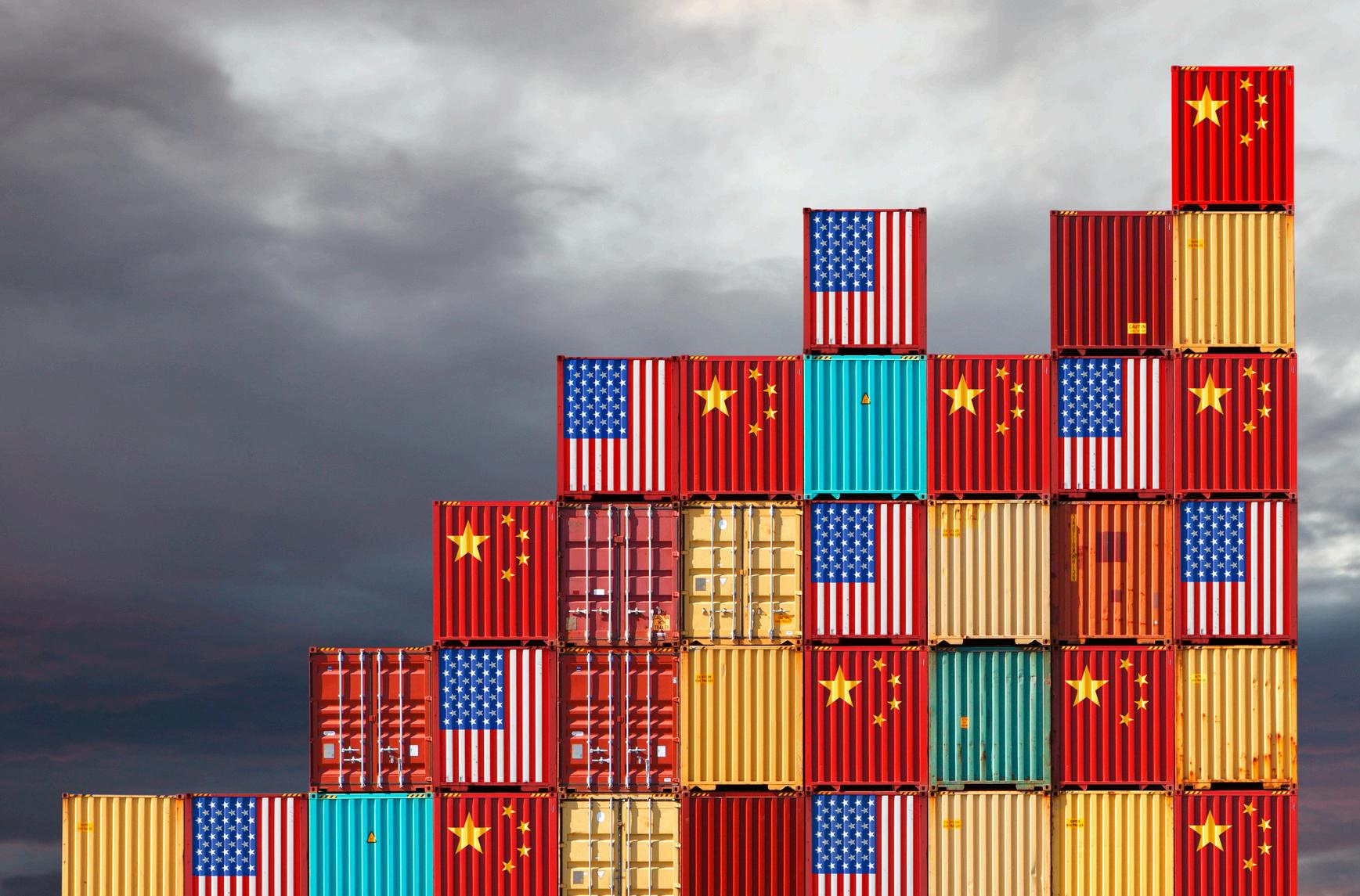
Nobody has missed that the start of the year has brought significant global upheaval. From the "Liberation Day tariffs" to the conflict in Iran, the long-standing stability of international trade is facing a rigorous test one that will inevitably impact our community, corporate partners, and (re)insurers Yet, this volatility offers the credit insurance and surety sector a unique opportunity to prove its worth By maintaining vital coverage during these shifts, our members have reaffirmed their role as the foundation of global commerce
This resilience is no accident; it is the product of robust capital reserves and years of investment in sophisticated underwriting systems and use of data Because we can accurately identify and support viable risks, we avoid the trap of knee-jerk reactions In doing so, we provide the steady hand and professional expertise that justifies the continued trust of our clients
At the same time, this period has reminded us that while we celebrate milestones, we must also pause to reflect.We were deeply saddened by the passing of our former Executive Director, Rob Nijhout. Rob was an integral part of ICISA’s journey, and his dedication, leadership, and character have left a lasting imprint on our community We will cherish his memory and his contributions endlessly
As we move further into this landmark year, let us continue to build on the strong foundations laid over the past 100 years, together, as a community
Thank you for reading, and for being part of ICISA’s story
Richard Wulff

Author: Mario J. Carrillo López, Director, Sofimex
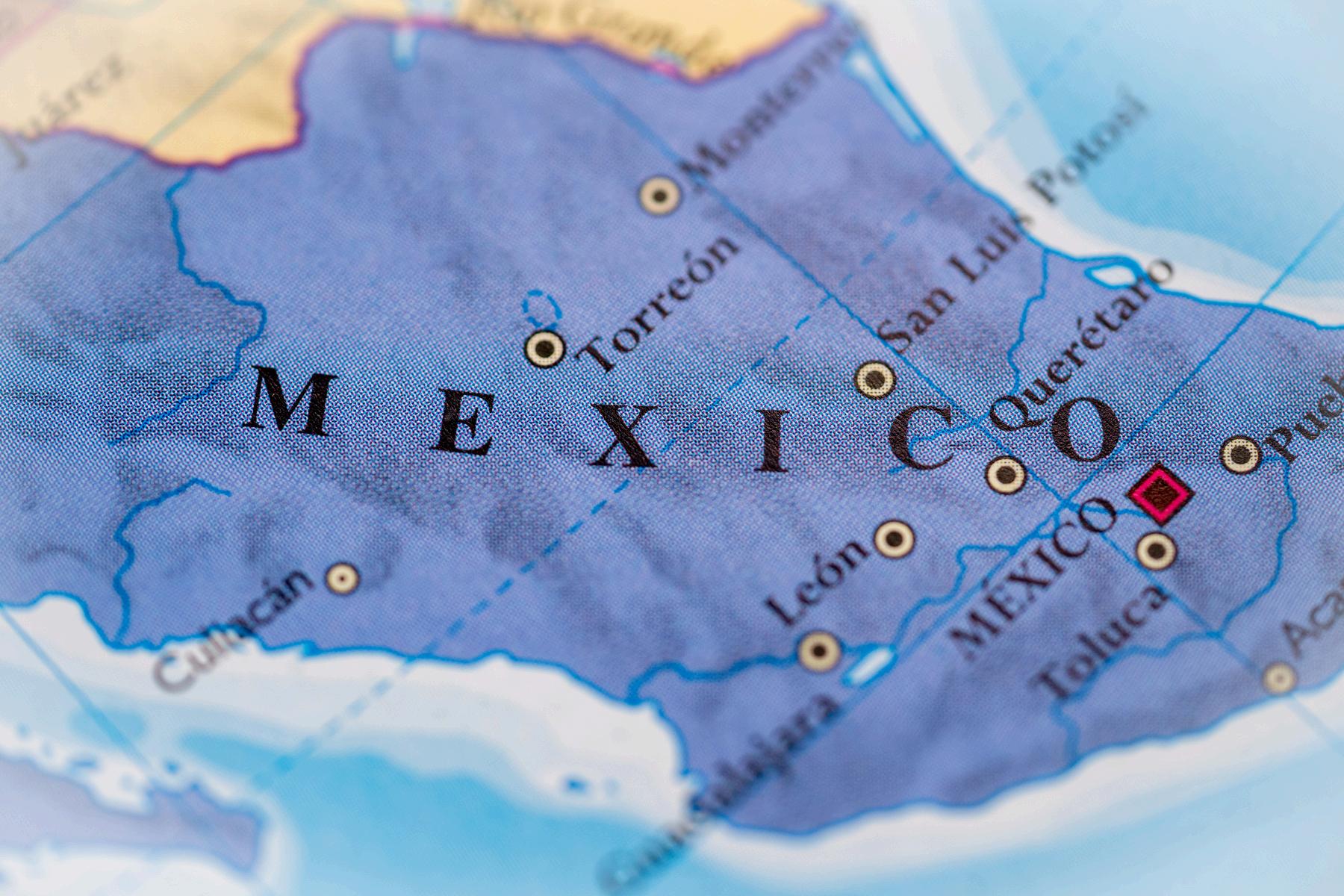
This year, 2026, the Mexican surety bond turns 131 years old, counted from the first publication of legal provisions to which its operation would be subject.
In Mexico, the surety bond figure emerged as a response to a need of the Federal Government for the management of public resources in a clear and efficient way, a duty that still remains In this regard, the authority considered that every government official with the responsibility for managing public resources should present a bond guaranteeing their proper conduct Thus, in its origins, the State determined that it would grant concessions to private sector companies to provide surety or guarantees for said officials
Throughout its legislative history, and having evolved from a concession to an authorization system, the Mexican bonding market has been consolidated both nationally and internationally Bonding issuance is divided into four lines, based on the applicable Mexican law These lines are 1) Fidelity, 2) Judicial, 3) Administrative and 4) Credit In 2025 the percentages of the gross written premiums were 16 7%; 2 1%; 76 7% and 4 5%, respectively
Depending on the context under consideration, there are various ways of assessing the Mexican surety sector, whether in terms of capital, reserves, solvency, premiums, responsibilities assumed, or its involvement in public and private contracts In this regard, to understand the importance of surety bonds in the country’s economy, we consider that aspects relating to responsibilities assumed and the scale and scope of the contracts whose performance is guaranteed are the key elements
In the Mexican economy, total responsibilities of the bonding market represent 7% of the Gross Domestic Product (GDP). But if we speak in terms of public and private agreements in construction or supply, it represents 15% of GDP. At the close of the 2025 fiscal year, the amount of the GDP was MX$ 36.3 trillion (USD 2 trillion).
According to the World Bank, in 2025 the Mexican economy occupied the 13th position globally.We can see the great importance of the role that surety plays in the social and economic development of the country, although it is only a part of the large and complex contractual machinery, the function inherent to it, with its benefits and challenges, is fundamental to the success of the desired objectives
IN
Currently in Mexico, the bonding sector is experiencing a special moment with high expectations In addition to the growth it has experienced in recent years, a promising future lies ahead in terms of investment
Specifically for this year, 2026, the Government has budgeted fiscal investment with an increase of 15% compared to the previous year In that direction, great efforts are being made to encourage private sector investment, including mixed investment plans In this regard, projects and programs have been announced with the purpose of developing different sectors, such as energy, infrastructure, roads, ports, airports, communication, highways, trains, housing, among others
All of the above represents a significant opportunity for the surety industry Let us seize this moment not merely to grow for growth’s sake, but to act with the responsibility that the times demand We must not succumb to the temptation of complacency, which invites fleeting success while causing us to lose sight of what truly matters; rather, we must keep firmly in mind the principles that underpin the surety industry’s reputation, with a long-term vision: proper underwriting, deep analysis of our clients and their capabilities, a clear understanding of the obligations to be guaranteed, and the guarantees of recovery, thereby honouring the surety obligation.
The surety industry has an inherent commitment: to be the effective support that can be relied upon to guarantee the country’s economic and social growth and development.

IN A GLOBALIZED WORLD WHICH THRIVES WITH INTERNATIONAL TRADE AND ADVANCED TECHNOLOGY FRAUDSTERS HAVE FOUND WAYS TO USE AND WEAPONIZE THE TOOLS MODERN TRADE HAS TO OFFER
Author: Daniela Palacios, General Counsel, IA Group
Commercial fraud is an old practice which has been addressed in trade laws since ancient times False representations and dishonest merchants were matters addressed in Mesopotamia, Rome, included in the Code of Hammurabi and even in earlier codes In a world without immediate means of communication, these regulations were included to dissuade such fraudulent practices and to hold those accountable
In modern times things are slightly different and more complicated As society has evolved, fraud has also done so In a globalized world which thrives with international trade and advanced technology fraudsters have found ways to use and weaponize the tools modern trade has to offer
The very mechanisms that allow business to move fast and globally are the tools that are used to deceit
Millions of daily transactions take place mostly (if not solely) online The parties hardly know each other (if at all) A simple email can be sent to purchase anything we can imagine Just take a minute to look around Everything on your desk traveled long and far to get to you Now, these goods represent the millions of transactions that were successful Where trusting the international trade system has paid off. However, there is an increasing number of transactions that go south. Companies worldwide are facing a growing frequency of fraudulent activity, with impacts that extend beyond financial losses to substantial reputational harm.
How is this even happening?[1]
For Mr Seasoned Pro, a seller at GoGreen-Agro Inc, this transaction started like any other: an email sent in March 2024 with a request for a quote The goods: grow lights to be used in a greenhouse in the Republic of Agritania The goal: efficiency; using lighting in the most efficient way to generate more crop-growth The email was sent by Mr Tramp Oso, acting as CEO of Sombra y Luz S A
Mr Tramp Oso received the proposal, the price: USD 3,500,000 (three point five million USD) to be delivered within 90 days after payment
Mr Tramp Oso contacted Mr Seasoned Pro and explained that Sombra y Luz S A had applied for a governmental subsidy As per the information shared by Mr.Tramp Oso, the Agritanian government was investing on several projects aiming to support the agricultural sector.The aim was to assist local co more efficient in crop growth to increa competitiveness of Agritanian produc international market.
Mr.Tramp Oso requested Mr. Season payment terms: a 10% downpayment 90% to be paid after the goods are re installed Mr Tamp Oso argued that it 45 to 60 days to get the subsidy Mr T information from the Ministry of Agricu Republic of Agritania, Sombra y Luz S form and corporate information
Mr Seasoned Pro received the inform Sombra y Luz S A The company info out The website included substantial Sombra y Luz S A ’s greenhouses and dealings since 2008 There was subs in Sombra y Luz S A ’s social media a 2020 Including pictures tagging pers Ministry of Agriculture of the Republic
After several phone calls with Mr Tramp Oso and having investigated Sombra y Luz S.A., Mr.Tramp Oso’s story checked out.
Mr.Tramp Oso provided all the information requested, including the audited financial statements and a warranty letter issued by a company incorporated in a free zone in the Republic of Rimalat,YourBack Holdings Ltd. Contracts were drafted, USD 350,000 were paid and the goods were delivered Mr Tramp Oso told Mr Seasoned Pro that he will revert with more information about the installation in a few days At the time, Mr Season Pro didn’t think about this twice
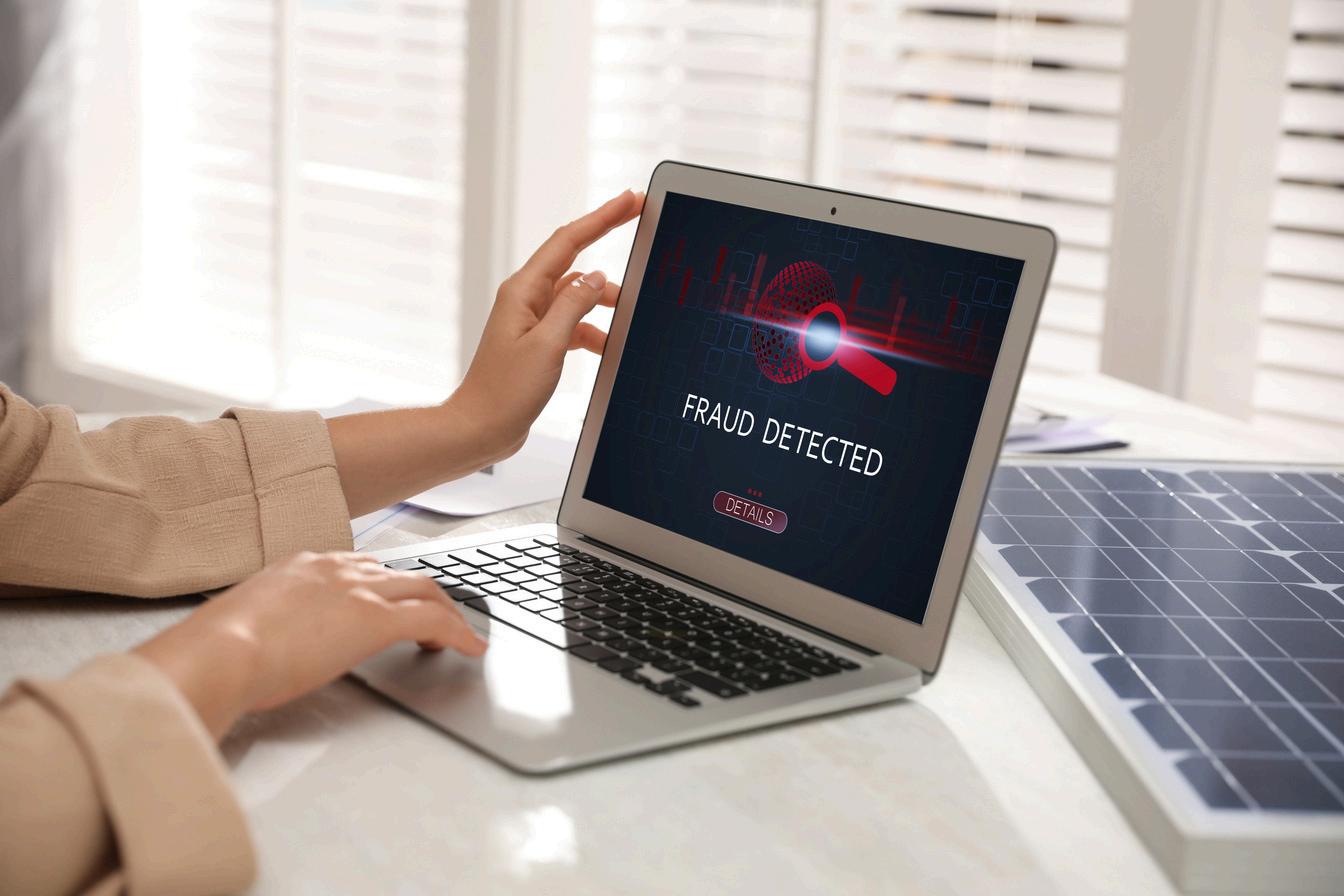

4 weeks had gone by since Mr Tramp Oso’s last email and 2 weeks since the last call, which was cut short as Mr Tramp Oso argued that the call was disconnected due to poor connection There was no payment and something didn’t add up anymore Mr Seasoned Pro attempted to contact Sombra y Luz S A but the phone numbers on the website were disconnected Sent an email to Mr Tramp Oso to the address used during the negotiations, called Mr Tramp Oso’s phone number, sent text messages, chat messages, but nothing. Mr.Tramp Oso was not responding.
Mr. Seasoned Pro realized something was wrong, contacted Guardian Trade Credit and retraced all steps taken in the transaction. Guardian Trade Credit did the same. But nothing seemed to be wrong, the transaction ticked all the boxes, there is even a guarantor.Why should we worry? Mr Seasoned Pro thought Little he knew
15 days went by No payment or communication Mr Seasoned Pro couldn’t take the uncertainty anymore, this is not how Mr Seasoned Pro was used to doing business Enough was enough Mr Seasoned Pro sent an email to Mr Tramp Oso demanding a reaction within 48 hours Nothing Mr Seasoned Pro contacted Guardian Trade Credit and decided on a course of action
Through an in-depth investigation in the Republic of Agritania Mr Seasoned Pro learned the following: (i) Sombra y Luz S A although incorporated in 2008 had not complied with its corporate obligations since 2020; (ii) Sombra y Luz S A had pending obligations with the local
Millions of daily transactions take place mostly (if not solely) online.
tax authorities and had been involved in several litigations; (iii) The shares in Sombra y Luz had been transferred several times between 2020 and 2024; (iv) Sombra y Luz S.A.’s website was down; (v) When visiting the address where the greenhouse was allegedly located, there was only a plot of land. Land that was used for agricultural purposes but there was no greenhouse. Moreover, the land belonged to Mrs Mia Nosuyo and had been in her family for several decades A certificate from the Real Estate Registry evidenced that the land didn’t have Sombra y Luz S A or Mr Tramp Oso as owners or tenants; (vi) At the Ministry of Agriculture, public servants confirmed that the government had a project to support the agricultural sector in the Republic of Agritania
Particularly for greenhouses and energy efficiency during COVID The competent authorities confirmed that there was no record of Sombra y Luz S A or Mr Tramp Oso filling for any request, especially considering that the project ran between 2020 until 2022; (vii) The competent authorities also confirmed that the names of the people tagged social media in the pictures as employees of the Ministry of Agriculture had never been employees; (viii) The auditors that audited the financial statements were nowhere to be found In hindsight, a blurry stamp saying “contador certificado” (certified accountant) and a signature were not enough; (ix) Mr Tramp Oso’s phone number has been disconnected
In the Republic of Rimalat the investigation showed that: (i)YourBack Holdings Ltd had not renewed its license since 2024; (ii) The address was just a PO Box; (iii) At the official address (as per the trade registry) there was no sign ofYourBack Holdings Ltd The receptionist was not familiar with the name; (iv) The warranty letter didn’t offer much additional information.The phone numbers didn’t work, emails returned undelivered and no physical address; (v) The signatory, Mr. Noreal Nadares, was nowhere to be found and there was no contact information available.
What about legal actions?
Well… the contract included arbitration, and the warranty was subject to the local laws of the Republic of Agritania. The arbitration clause and the contract were nicely written. No objection there However, based on the results of the investigation, who would be the respondent if no one could be found?You might, and rightfully so, argue that the company is responsible But where is it? There is only an oldish piece of paper stating that Sombra y Luz S A was once upon a time incorporated and active, but no address, no trace who are we going to sue? While legally there might be grounds, in practice it is a fruitless venture Mr Tramp Oso knew this all along
Looking back… What to keep in mind?
Yesterday’s decisions would look different in the light of today’s knowledge Most of the time, in-depth investigations are only performed after something has gone wrong Fraudsters get more skilled, with AI on the tip of their fingers and in a fast-paced commercial world it is difficult to tell a truth from a lie Fraudster don’t make it easy They take time to build trust and to come across as trustworthy businesses partners In many cases they have been testing boundaries by approaching several companies and acquire the necessary business acumen that portrays them as a reliable counterparty
While it turns out Mr.Tramp Oso’s story had a lot of holes, during the negotiations nothing in Mr.Tramp Oso’s behavior raised many flags.That was by design, this is how Mr.Tramp Oso planned his heist. However, when looking into a transaction one must also pay attention to: (i) who the directors are; (ii) is there circular ownership? (iii) date of registration and activity; (iv) was the company dormant? (v) business plan; (vi) who is the guarantor? (vii) ownership of the guarantor; (viii) site visit; (ix) asset/ property registration certificate (for the land in this case); (x) contact 3rd parties: the guarantor, the ministry of Agriculture, the accountants, etc If Mr Tramp Oso would have had nothing to hide, providing this information would not be burdensome Time consuming? yes, but worth it when mitigating the risk
If you would have been in Mr Seasoned Pro’s shoes, what would you have done differently? As difficult as it may be, in a world where if I don’t take the risk my competitors might, therefore shrinking my piece of an already small pie, one must remember that information is power An investigation must not be the last step, only taken when nothing else is working There are many tools available to support and assist those acting in good faith Asking for additional information and verifying the information provided must not be an exception but must be a part of the transaction.While we understand that not every transaction must be scrutinized, setting a base line aligning with your risk appetite is the way forward.

Author: Jorge Orozco Lainé, Board Member, Fianzas Atlas
In September 1961, I accepted an invitation that would define my professional life: to join a surety company. From that moment, I entered what I often describe as the “small yet vast world of the accessory contract” one of the oldest legal instruments still in use: the surety bond.
Over six decades later, this field has remained my principal endeavor My early years were spent in managerial roles, and in March 1967 I assumed the position of General Director at Fianzas Atlas, a company founded in 1936 coincidentally, the year of my birth As the company approaches its 90th anniversary and I reflect on my own 91st year, this moment invites a return to the formative stages of my career Rather than offering a comprehensive history, I will highlight key developments in the evolution of surety operations in Mexico, a country with a unique place in the global industry
Mexico was the first to formally legislate the surety contract and to establish specialized institutions under the supervision of the Ministry of Finance and Public Credit as auxiliary credit organizations The commercial operation of surety bonds dates back to May 22, 1895, when the first legal framework governing the activity was enacted
A century later, in 1995, the Mexican Association of Surety Companies commemorated this milestone by convening industry leaders from across the globe. They addressed themes that remain highly relevant today, including international integration, risk accumulation, the commercial nature of the accessory contract, the evolution of first-demand bonds, transparency in financial reporting, and the growing importance of performance bonds. While progress has been made in these areas, the need for continuous adaptation remains evident.
In Mexico, the regulatory framework has also evolved Following successive reforms and changes in supervisory oversight, authority was consolidated under the National Insurance and Surety Commission The enactment of the Insurance and Surety Law in 2013 marked a significant step toward modernizing the sector and continues to define the legal environment in which we operate.
Throughout my career, I have witnessed and at times participated in these transformations One
The policy must accurately reflect the scope and origin of the guarantee, ensuring alignment between the principal contract and the surety instrument
Equally important is the assessment of recovery. Guarantees provided by the obligor must not only correspond to the obligation but also offer a high degree of liquidity. Sound underwriting demands disciplined evaluation of these elements.
Operational considerations further shape the work of the surety
Taken together, these responsibilities illustrate the demanding nature of surety practice. It is a discipline that requires technical knowledge, sound judgment, and continuous learning.
When asked what I have learned over the course of my professional life, my answer is simple: surety is, above all, an exercise in observation and reflection Each submission must be understood in its entirety its legal, financial, and operational dimensions both at the point of underwriting and in terms of recovery Past experience with a client must be f ll i d i l di ll

interview with Ritesh
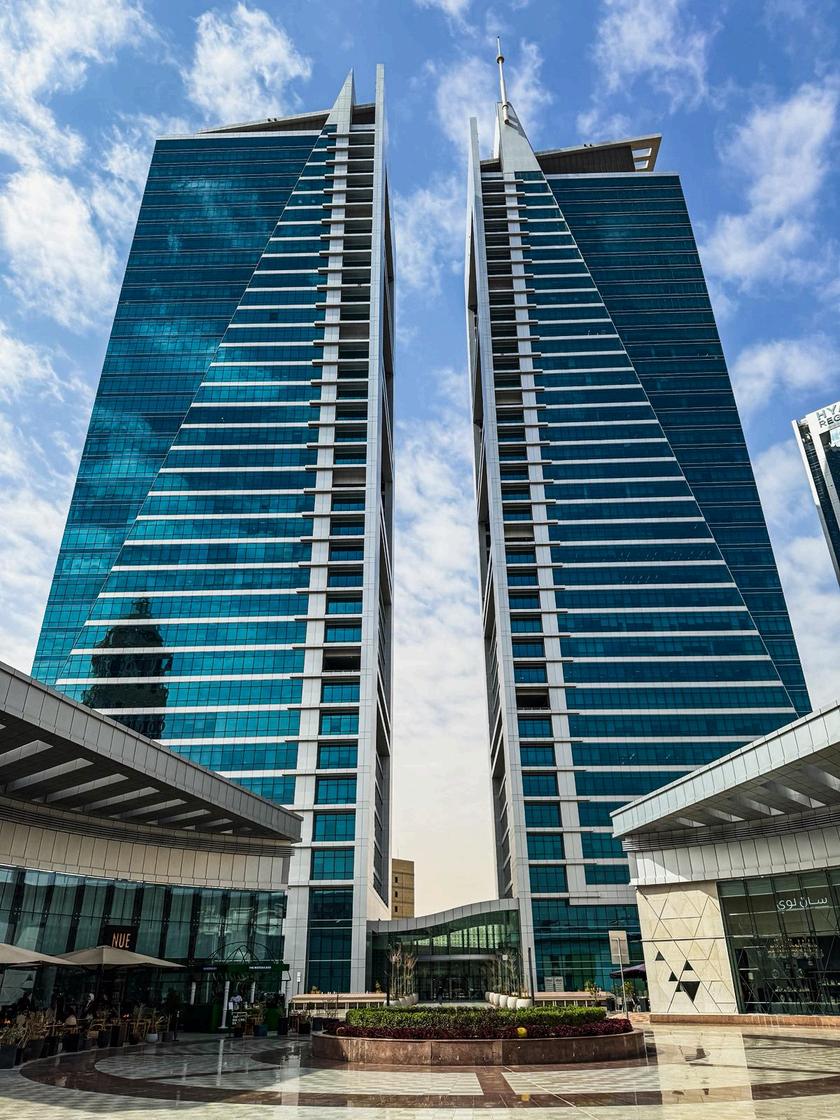
The International Credit Insurance & Surety Association (ICISA) is pleased to welcome Saudi Re as one of the newest members. As the leading reinsurer in the Middle East and North Africa (MENA) region, Saudi Re brings valuable expertise from one of the world’s fastest-growing insurance markets and a strategic gateway to emerging opportunities across the Middle East and beyond.

Founded in 2008 in Saudi Arabia, Saudi Re has rapidly developed into a prominent regional reinsurer with an expanding global footprint As the company explains, “Saudi Re was founded in 2008 in Saudi Arabia and has grown into the leading reinsurer in the MENA region, with a growing footprint across Asia and other emerging markets”
Today, the company operates in more than 40 markets and provides comprehensive reinsurance solutions across multiple lines of business.With a paid-up capital of SAR 1.698 (EUR 390) billion and strong international financial strength ratings, A- from S&P Global Ratings and A2 with a positive outlook from Moody’s, the company combines local market expertise with global reach to support insurers and clients across diverse sectors
Strengthening global engagement
Saudi Re’s decision to join ICISA reflects its ambition to further develop its capabilities in credit insurance and surety while deepening its engagement with the global market.
According to Ritesh, “our motivation to join ICISA stems from our commitment to strengthening our credit insurance and surety capabilities while aligning with global best practices.” He adds that “ICISA represents a respected platform for dialogue, collaboration, and technical excellence in our sector”
As the company continues to expand its international presence, membership also supports deeper integration with the international credit and surety community. As Ritesh notes, “membership enhances our integration within the global credit and surety community.”
Contributing insights from a dynamic market
In the short term, Saudi Re plans to engage actively with ICISA’s activities. Ritesh explains that “in the short term, we aim to actively engage with ICISA working groups, exchange market intelligence, and benchmark our practices against international standards”
Over the longer term, he hopes to share insights from high-growth markets while contributing to the development of the sector globally As Ritesh notes, “long term, we aspire to contribute insights from high-growth and emerging markets like the Kingdom of Saudi Arabia, while supporting thought leadership, innovation, and sustainable development within the association ”
Like many sectors within the global financial system, credit insurance and surety are evolving rapidly Ritesh highlights that “the sector is navigating economic volatility, geopolitical risk, regulatory evolution, and increasing demand for structured risk solutions ”
At the same time, the company points to emerging opportunities: “there are significant opportunities in infrastructure development, trade expansion, supply chain diversification, and digitalization ”
Saudi Re believes that collaboration within ICISA can help members address these developments Ritesh emphasises that “collaboration enables members to share insights on risk trends, claims developments, regulatory shifts, and emerging opportunities.”
For new members such as Saudi Re, ICISA offers an opportunity to accelerate integration into global industry practices, while existing members benefit from new perspectives As Saudi Re explains, “for new members like Saudi Re, it accelerates integration into global standards For established members, it brings fresh perspectives from dynamic markets such as Saudi Arabia and the broader MENA region ”
Looking ahead, Saudi Re plans to participate actively in ICISA’s events and technical discussions. Ritesh notes that Saudi Re intends to contribute particularly to areas such as surety development, regulatory dialogue, and structured trade credit solutions He adds that “we are especially interested in contributing to discussions on capital relief and liquidity optimization through credit insurance and surety instruments ”
The team also sees significant growth potential driven by economic transformation in Saudi Arabia


“For established members, it brings fresh perspectives from dynamic markets such as Saudi Arabia and the broader MENA region.”
This development is creating strong demand for risk mitigation solutions:“this is driving significant demand for surety, structured credit solutions, and sophisticated risk mitigation tools”
For Saudi Re, ICISA will play an important role in helping the industry adapt to these changes As Ritesh concludes, “ICISA will play a vital role in helping members prepare for these shifts by facilitating knowledge exchange, promoting best practices, and providing a platform for collaboration on emerging risks and market developments”
Through networking and collaboration, they hope to build strong relationships with fellow members Ritesh notes that it values “strategic networking, deeper technical exchange, market intelligence, and long-term partnerships that enhance our underwriting and risk management capabilities”
With its regional leadership, growing international reach, and insights from one of the fastest-growing insurance markets globally, Saudi Re’s membership brings an important new perspective to the ICISA community
Author: Daniel de Búrca, Head of Policy and Regulatory Affairs, ICISA
Over the past decade, the relationship between banks and credit insurers has deepened significantly Banks have come to rely on credit insurance not merely as a risk transfer tool but as something which adds value to their own proposition Insurers in this space maintain strong, highly rated balance sheets, operate under robust regulatory frameworks, and bring specialised knowledge of credit risk that complements bank underwriting This is what is frequently referred to as the insurer offering a "second pair of eyes", beyond the basic financial strength
In practical terms, credit insurance and surety bonds serve two distinct but related purposes for banks: they reduce exposure to allow greater lending capacity, and they provide capital relief by acting as credit risk mitigation under the prudential framework.These two benefits tend to work hand-in-hand in making up the commercial case.The latter function has been an ongoing source of frustration for the industry as regulation diminishes that pillar of the relationship.
The Basel gap
The Basel III standards, variously referred to as Basel 3.1 or Basel IV depending on jurisdiction, and known in the United States as the Basel Endgame, have been in development and iterative refinement for well over a decade They represent the culmination of post-financial crisis efforts to put bank capital requirements on a more robust and risk-sensitive footing
However, for all the granularity of the Basel framework, it contains a conspicuous silence on one subject: how credit insurance and surety should be treated when used as Unfunded Credit Protection (UFCP) in the context of credit risk mitigation This is not a trivial omission When a bank uses credit insurance to mitigate credit risk, it is not in the same position as a lender to the insurer It is a policyholder with contractual protections, subject to policy terms and the insurer's claims-paying obligations The risk profile is materially different Basel, however, does not acknowledge this distinction As a result, banks using the Foundation Internal Ratings Based (F-IRB) approach must apply a Loss Given Default (LGD) of 45 per cent.This is the same level applied to senior unsecured exposures to corporates, including insurers. In other words, the rules treat being protected by a policy as equivalent to lending to the insurer unsecured.This is clearly not the same thing.
The EU experience: Early adoption, unintended consequences
The European Union moved first, incorporating changes to the Basel rules through the revision of the Capital Requirements Regulation (CRR), which entered into force in 2025.The revised framework applied the default LGD for unsecured exposures to financial institutions when credit insurance is used as UFCP That figure is 45 per cent This number is the heart of the problem Research conducted jointly by ITFA, IACPM, ICISA and other industry bodies demonstrates clearly that a 45 per cent LGD is not supported by the historical performance of credit insurance Nor does it reflect the genuine risk
that banks bear as policyholders In some cases, the calibration is so damaging that banks using credit insurance in a standard configuration face higher capital requirements than they would without it at all.This is the opposite of what a functioning credit risk mitigation framework should produce.
The consequences have been measurable.The trade credit insurance market supported an estimated EUR 400 billion or more of bank activity annually in the EU, and that figure was growing The most recent joint ITFA and IACPM survey data shows that this has now plateaued In the roughly fifteen months since implementation, the economic rationale for larger banks to use credit insurance for capital purposes has been substantially damaged
Banks using the Standardised Approach (SA) have to some extent increased their use of the product Under SA, banks can substitute the risk weight of the obligor with the risk weight of the insurer, which is determined by the insurer's external credit rating Despite this, the overall market shows a clear levelling-off from previous growth in financing supported by insurance, as banks await a clear signal from regulators This outcome runs directly counter to stated EU policy objectives Two recent landmark reports –the Draghi report on European competitiveness and the Letta report on the future of the Single Market, both commissioned by the European Commission and published in 2024 – identified the mobilisation of private financing for the real economy as essential to European competitiveness.


of mechanism those frameworks were designed to encourage The current LGD treatment discourages this connection What cuts deeper is that this is an error of omission, not of commission
The United States and United Kingdom have taken a different path, shaped in part by domestic political dynamics and sequencing choices that have little to do with credit insurance specifically In the United States, the Basel Endgame implementation has been contentious. Industry resistance was significant, and the process has moved slowly. As recently as 19 March 2026, the Federal Reserve, FDIC and OCC published three new proposed rulemakings to modernise the US regulatory capital framework The proposals are open for comment until June 2026 Notably, the US agencies have not introduced specific provisions for credit insurance as a credit risk mitigation tool Historical exclusions in the US framework on the use of insurance for this purpose have not been resolved
is an opportunity that industry will certainly use
In the United Kingdom, the Prudential Regulation Authority has indicated it is unlikely to depart significantly from the default Basel treatment, but has reserved the right to reconsider that position
Implementation has also been deferred, in part pending clarity on what the United States will do Both jurisdictions therefore remain in play, albeit at a distance. Beyond the US, EU and UK, important markets such as Canada, Australia and others in Asia are at different stages of implementation. In some cases, these jurisdictions have already implemented Basel and operate under the new framework ahead of their larger peers
There is an important dimension to the EU situation that distinguishes it from others Trade credit insurance is, at its core, a European product The market has deep roots here, shaped by decades of commercial practice, strong domestic insurers, and until
l has therefore developed the most sophisticated and extensive use of credit insurance as UFCP of any jurisdiction That is now under threat precisely because of the EU's own regulatory choices For much of the post-Basel III period, the dominant instinct among EU regulators and supervisors has been to avoid any visible deviation from the Basel baseline Fidelity to the international standard was treated as both a point of principle and a form of credibility.That instinct is understandable, but it is increasingly difficult to sustain.The United States has made clear it will calibrate implementation to its own market conditions.The United Kingdom has reserved flexibility.
Neither has shown the same deference to the Basel text that the EU has applied to itself The EU now faces a straightforward question: is it willing to act more pragmatically, as others demonstrably are, or will it continue to apply a standard that its peers have declined to follow in the same way?

The ICISA Learning Hub is an innovative educational platform created by the International Credit Insurance & Surety Association (ICISA) to empower professionals in the credit insurance and surety industries.
The Introduction to Credit Insurance course aims to provide a solid understanding of the principles, products, and risk mitigation strategies of trade credit insurance.
Within the EU, several concurrent processes offer avenues to address the LGD issue The most immediate is the securitisation package currently progressing through the EU institutions Italian MEPs have tabled amendments within the European Parliament's work on that file that would reduce the applicable LGD from 45 per cent to 22 5 per cent This figure draws on the industry's own analytical work and is grounded in data gathered from banks, modelled in a manner consistent with regulatory methodology While this credit insurance treatment is not directly related to the securitisation framework, it shares the overall objective of improving financing mechanisms in the EU, providing a basis for its inclusion in that legislative vehicle If accepted in the Parliament's draft report and subsequently carried through trilogue negotiations between Parliament, Council and Commission, the amendment could take effect by mid-2027 or thereabouts.
Separately, DG FISMA is consulting on measures to improve the competitiveness of the EU banking framework.This could provide an alternative or complementary route to the same outcome, though it would likely add a further year to any timeline The European Banking Authority is also consulting on revisions to its credit risk framework Industry bodies are considering how best to engage with that process to make the case that the use of credit insurance is safe, beneficial, and deserving of appropriate recognition
It is worth noting that the tone of private discussions in Brussels, Frankfurt and elsewhere has shifted on the topic of credit insurance use by banks There is now greater acceptance among key stakeholders that 45 per cent lacks prudential justification
More broadly, there seems to be new awareness that credit insurance provides an important risk mitigation tool that makes financing safer and more available That is meaningful progress, even if it has not yet translated into formal regulatory change
The industry is at a pivotal moment The framework is broken in a specific and demonstrable way The evidence assembled by ICISA and its partners is robust The policy arguments are aligned with the broader direction of EU economic strategy And the jurisdictions that have not yet implemented – principally the US and UK – have a genuine opportunity to get this right first time
There will be setbacks Not every legislative vehicle will succeed Not every consultation will produce the right result on the first attempt But the direction of travel has changed The understanding that a 45 per cent LGD is overly conservative now appears to be recognised by many of the people who have the ability to correct this error
The stakes are real Large banks have already pulled back The market is waiting For regulators in the EU, UK and US, there is both a policy case and, increasingly, a competitive incentive to act.The jurisdiction that first provides a calibrated, evidence-based LGD treatment for credit insurance and surety will not only serve its own banking sector better. It will set the standard that others follow.
ICISA will continue to press that case in every available
In this section, we highlight the latest updates and milestones from ICISA members. From leadership changes and new partnerships to product launches and rebranding initiatives, these announcements reflect the ongoing innovation and evolution within our industry Stay connected with what’s happening across the network!
Munich Re announces a leadership transition within its global Credit, Surety and Political Risks Reinsurance unit: As of 1 April 2026, Christian Eichenberg will assume the role of Senior Executive Advisor, supporting a smooth transition ahead of his retirement later in 2026 Christian joined Munich Re 15 years ago and under his leadership, the business was successfully expanded and diversified In his advisory capacity, he will remain actively engaged during the transition phase, ensuring stability and continuity in our relationships with clients, partners and associations
At the same time, Andreas Moser will take over as Global Head of Credit, Surety and Political Risk Reinsurance Andreas brings extensive international leadership experience across non-life underwriting, market development and client management Prior to joining the Global Financial Risks division to advance its digital and AI based capabilities, he served as CEO of Munich Re Italy and Non-Life Client Executive in the LatAm region
Munich Re sincerely thanks Christian Eichenberg for his personal dedication and shaping leadership over many years, and looks forward to continuing our long-term partnerships with clients and partners under Andreas’ leadership
Christophe White has been appointed Head of Political Risk and Credit, bringing extensive experience from Allianz Trade, where he previously served as Global Head of Specialty Credit and Mid Term.
The team is further strengthened by recent and upcoming senior hires. David Watson joined in December from AXA as Senior Underwriter, and Andrew Summers, formerly Head of CPRI at Talbot, is set to join on 30 March.

Jessica Dear has been appointed Divisional Chief Underwriting Officer for Trade Credit, Surety & CPRI at R+V Re, effective 1 February 2026
She has been with the R+V Group since 2007, holding a range of underwriting roles across primary insurance and reinsurance, most recently as Underwriting Officer for the same segment She succeeds Kay Scholz, who departed the company at the end of 2025
Under her leadership, the team will continue to support clients and partners while building on established relationships across these lines of business

Fatemeh Teymourirad joined PartnerRe in January 2026 as an Underwriter in the Financial Risk team, based in Zurich
She brings experience from Swiss Re CorSo in Munich, where she worked in reinsurance accounting, as well as prior underwriting roles at Allianz Trade and Hiscox. She holds a Bachelor’s degree in Economics from the University of Konstanz.

Afianzadora Latinoamericana has announced a new edition of its Escuela de Caución, a training initiative aimed at strengthening technical expertise and promoting professional development within Argentina’s surety market. The program offers a free, practical learning platform for brokers, public officials, and other industry professionals, covering key topics such as underwriting, claims, commercialization, and judicial bonds.
With this initiative, Afianzadora Latinoamericana reaffirms its commitment to education as a driver of market development.
Atradius has launched Atradius Syndicate 1864 at Lloyd’s of London, effective 1 January 2026, becoming one of the first whole turnover credit insurers to establish a dedicated syndicate in the market
The move enables Atradius to combine its credit insurance expertise with Lloyd’s global platform and strong financial backing, enhancing security, capacity, and international reach for clients. Policies benefit from Lloyd’s extensive licences across nearly 80 countries and its well-established capital framework.
Syndicate 1864 also strengthens Atradius’ ability to support financial institutions and complex risks, while maintaining continuity in underwriting and client service through its existing teams
Following a rigorous approval process throughout 2025, the syndicate began underwriting as scheduled in early 2026, marking a strategic step in Atradius’ longterm growth and innovation in credit and political risk insurance

Phil Amlot has been promoted to Head of Trade Credit – International at Markel Insurance, effective February 2026
In his new role, he will lead the division’s global strategy, drive profitable growth, and support broker relationships across key markets including London, the US, and Asia He reports to Carl Titterton, Divisional Managing Director for Trade Credit, Political Risk and Surety
Phil has been with Markel since 2010, holding a series of senior underwriting and leadership roles, most recently Head of Underwriting, Trade Credit His appointment comes at a time of continued global expansion for Markel’s trade credit business
BY THE
This compact volume is a practical guide for anyone interested in Trade Credit Insurance
The International Credit Insurance & Surety Association (ICISA) presents an approachable but detailed guide written collaboratively by carefully selected industry experts The guide describes the lifecycle of the credit insurance product, from the initial application stage to the expiration phase of the policy, including practical use aspects for credit managers.The volume offers compact information on the history of trade, the need for protection against trade credit risks, and solutions offered by credit insurance providers.The focus is on short term credit, including whole turnover policies and single risk policies.
Readership
Suitable for anyone interested in Trade Credit Insurance, from credit managers to policymakers. Importance
• Collaboration of a diverse group of experts from top organisations around the world
• Written in an approachable style, accessible to the non-specialist
• Includes extended glossary of key terminology
• Includes a list of relevant resources for further reading
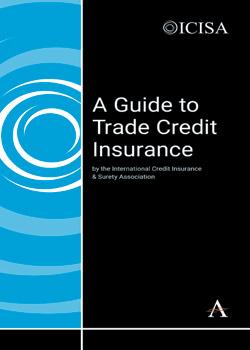
Foreword; Introduction; Disclaimer; 1.What is trade?; 2. What is trade credit insurance?; 3. Product types; 4. Risk types; 5. Typical set-up of a trade credit insurance contract; 6. Premium, the price for cover; 7 Day-to-day policy management; 8 Buyer risk underwriting in trade credit insurance; 9 Debt collection; 10 Imminent loss and indemnification; 11 Renewal, expiry, termination of a policy; 12 Single risk business; 13 The single risk insurance market: Private and public players; 14 Reinsurance of Trade Credit Insurance; Trade Credit Insurance resources; Glossary of trade credit terminology
About the Author(s) / Editor(s)
The International Credit Insurance & Surety Association (ICISA) brings together the world’s leading companies providing trade credit insurance and surety bonds and their reinsurers ICISA promotes technical excellence, industry innovation and product integrity, as well as addressing business challenges generated by new legislation
Where to order my copy?
The book can be ordered from Barnes&Noble, Amazon and Bol com