Sebastian Bee Portfolio
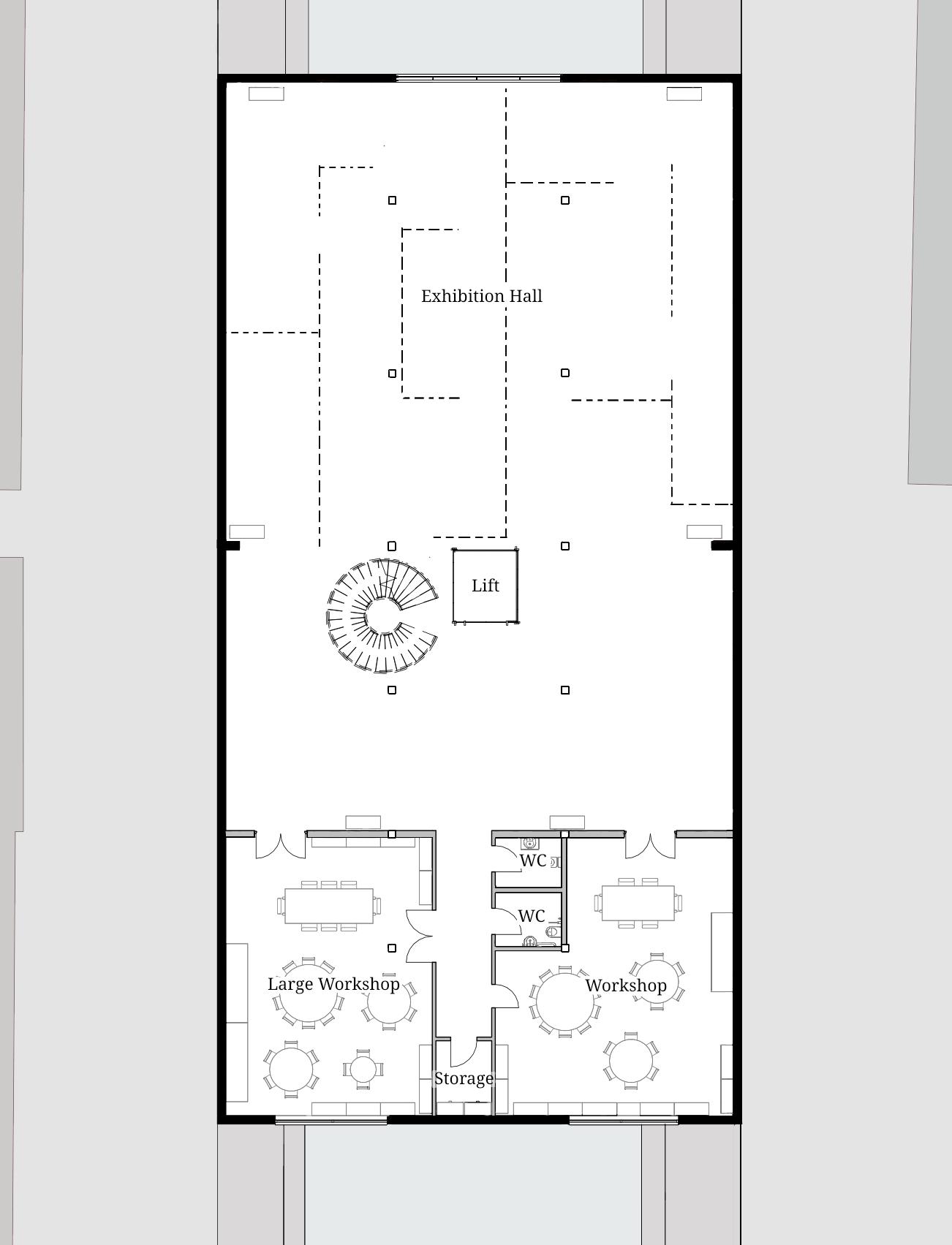
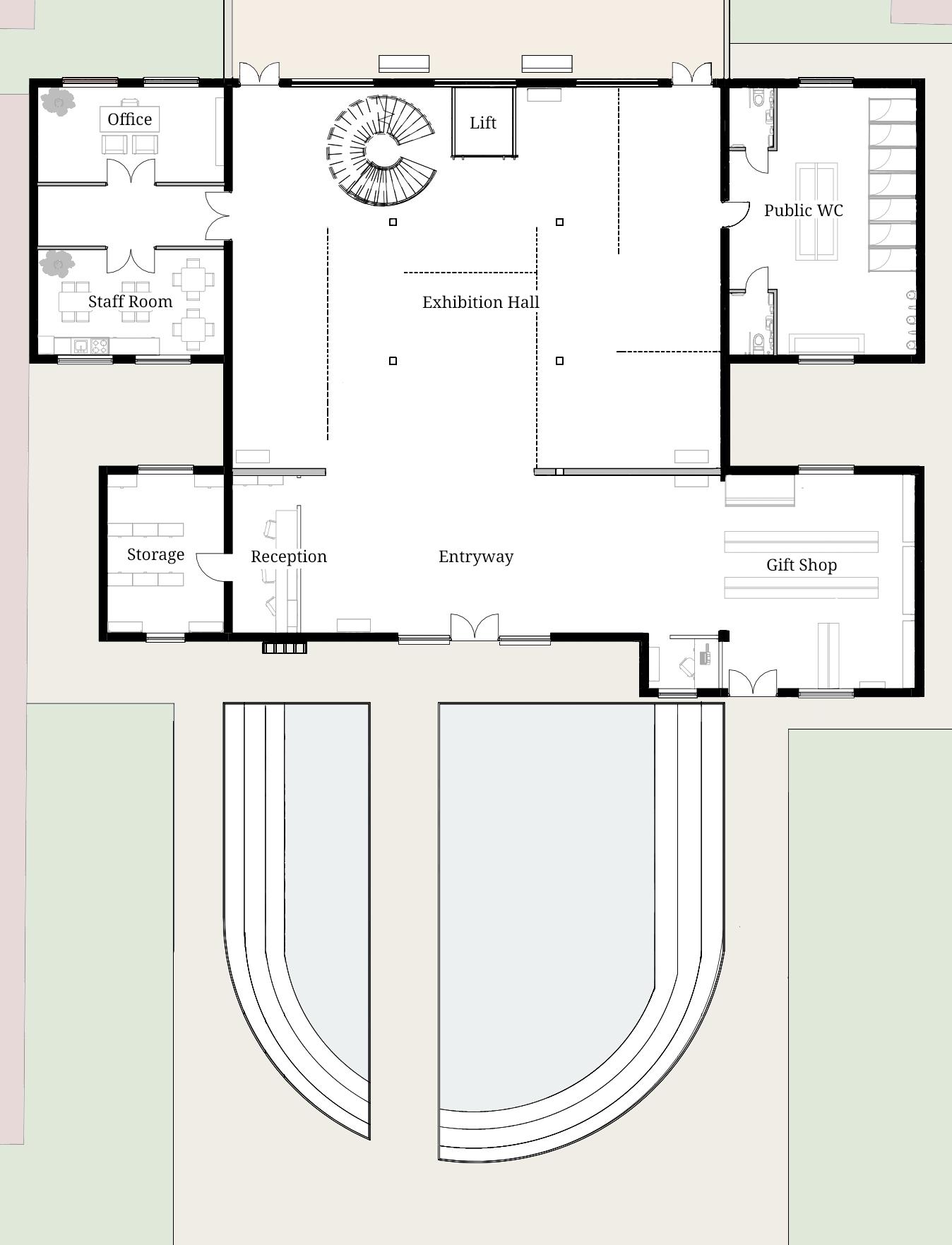
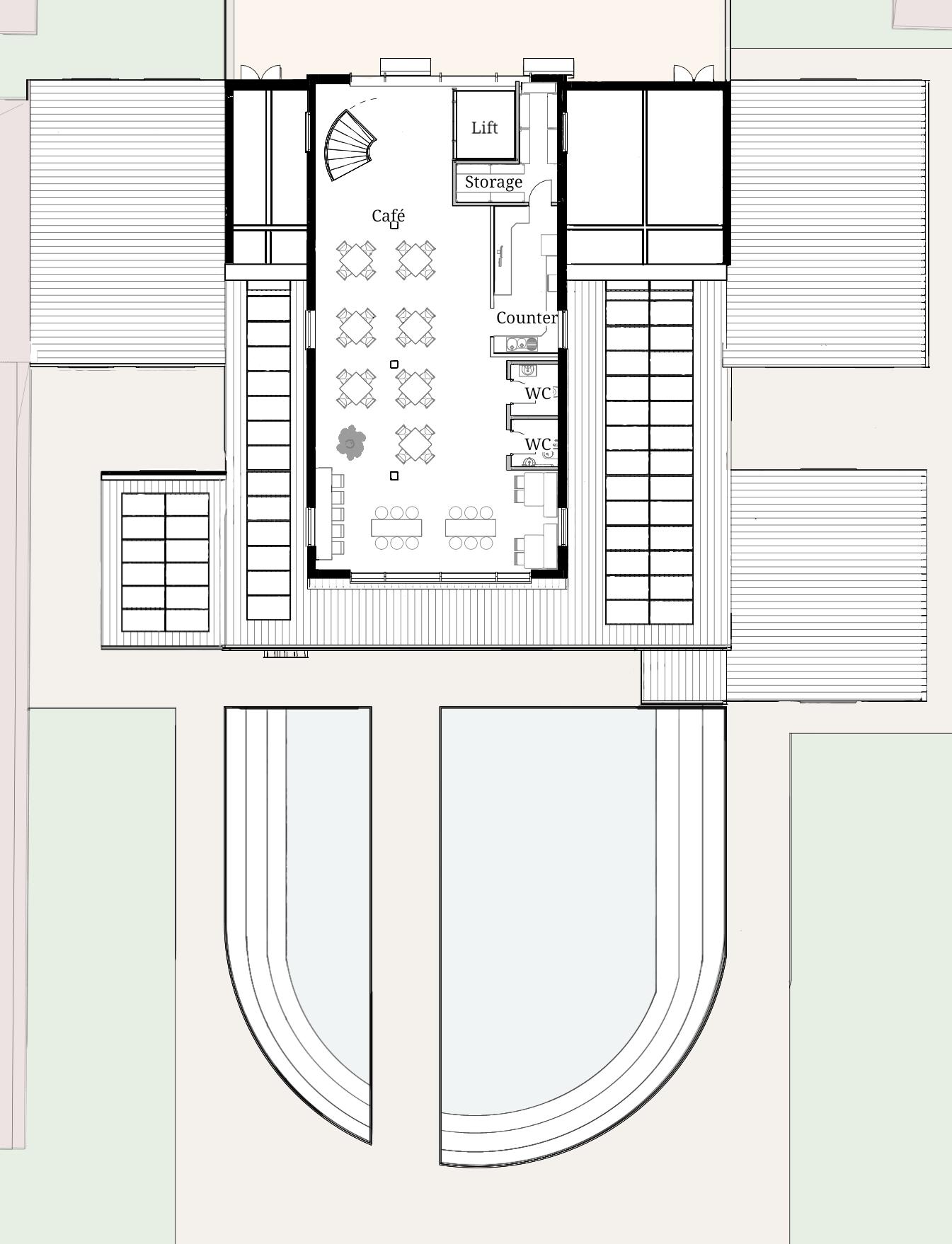
Spatial awareness and clear plan organisation are vital for architectural design, and over the last few years, it has become a focal point in designing, being a key driver for many projects. Collating categories of space, colour-coding external spaces for easier clarity and furnishing spaces in accordance to lighting and spatial requirements have become second nature for myself.
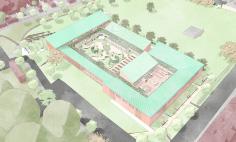
On this page and the next are only a couple projects that highlight this design element, one being my final project (next page, a Therapy Clinic) and the above being an Art Gallery proposed in the Bristol Harbour, designed a year earlier. Designing around a variety of sites and sizes is something I pride myself on being able to do.
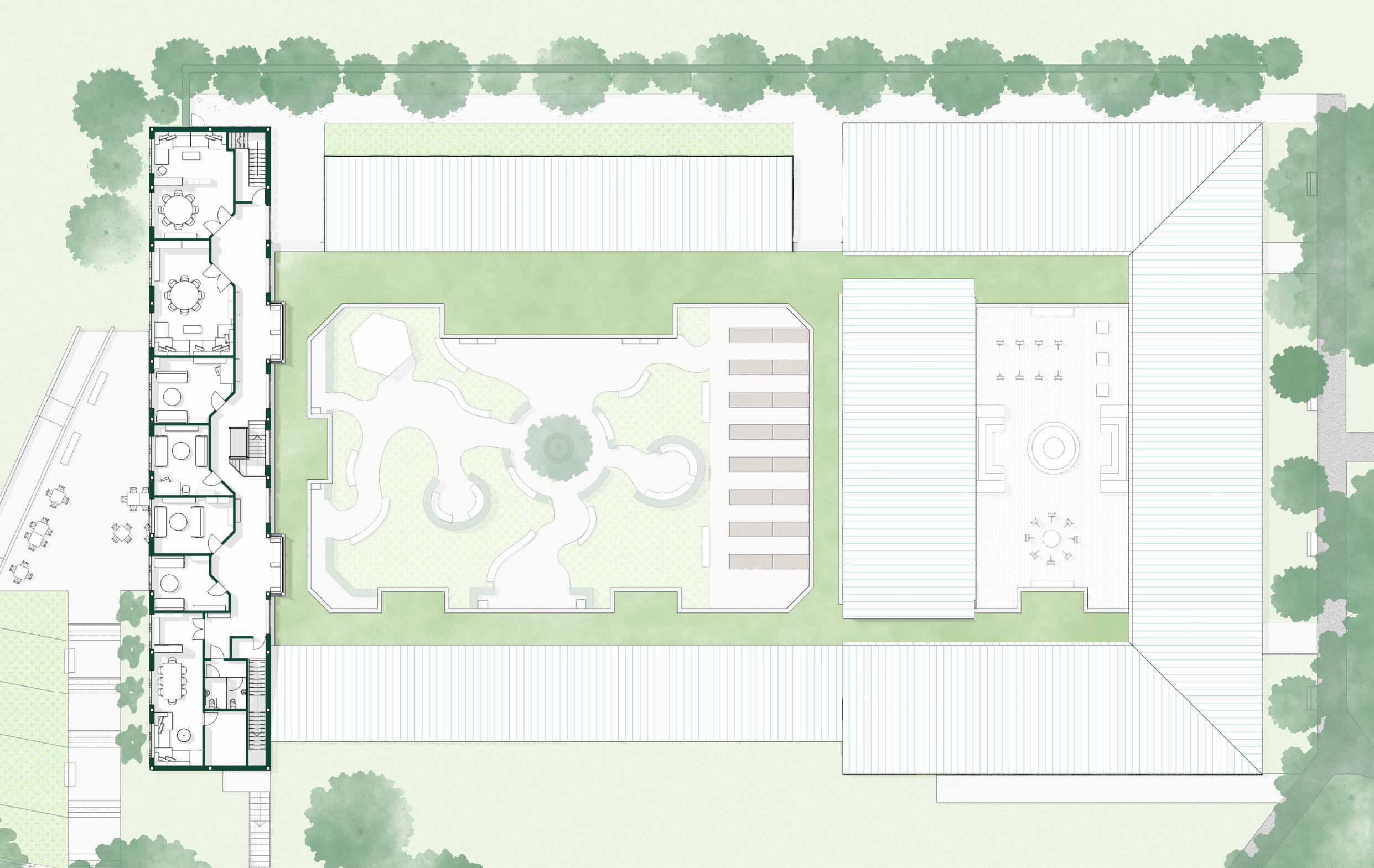
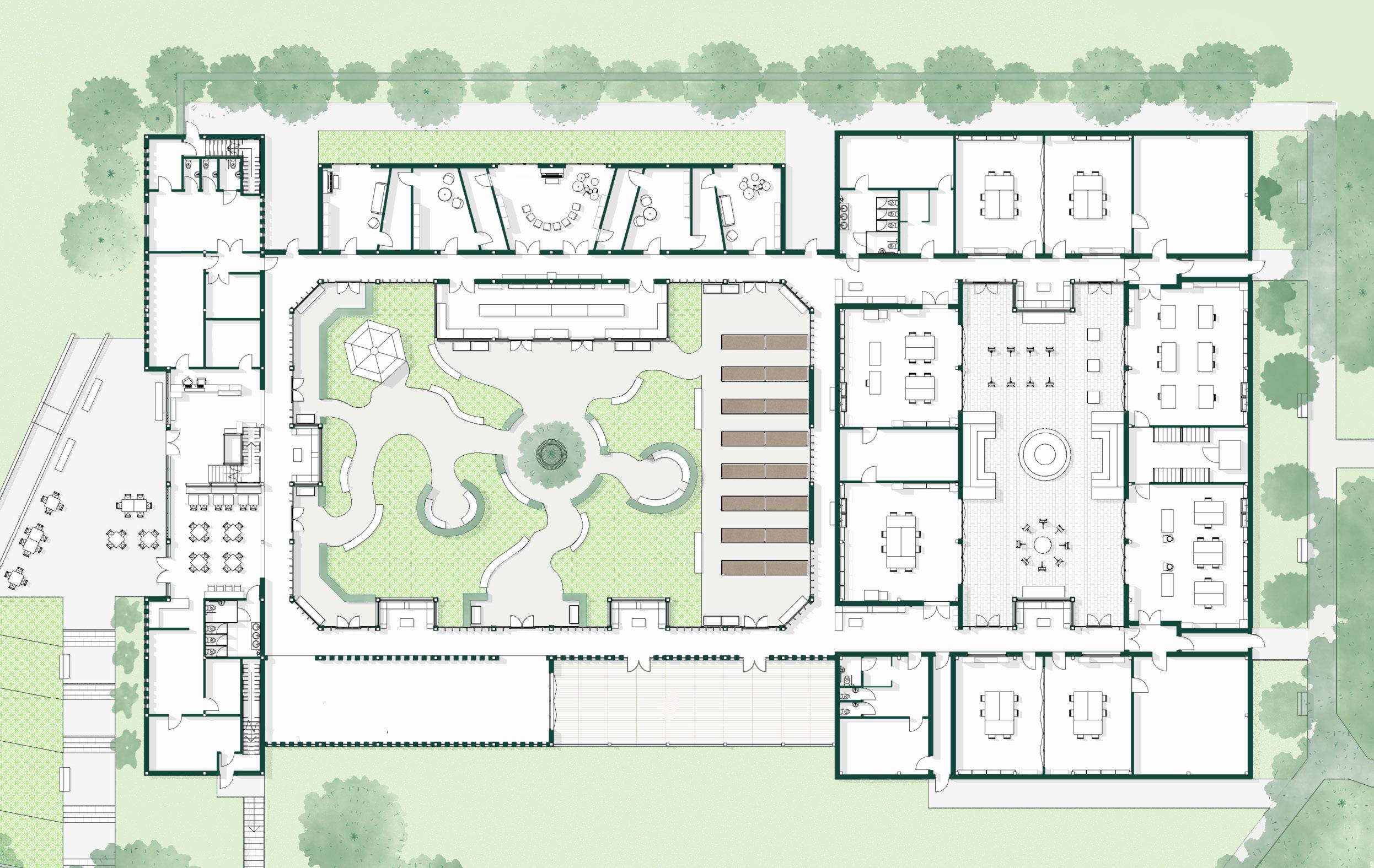
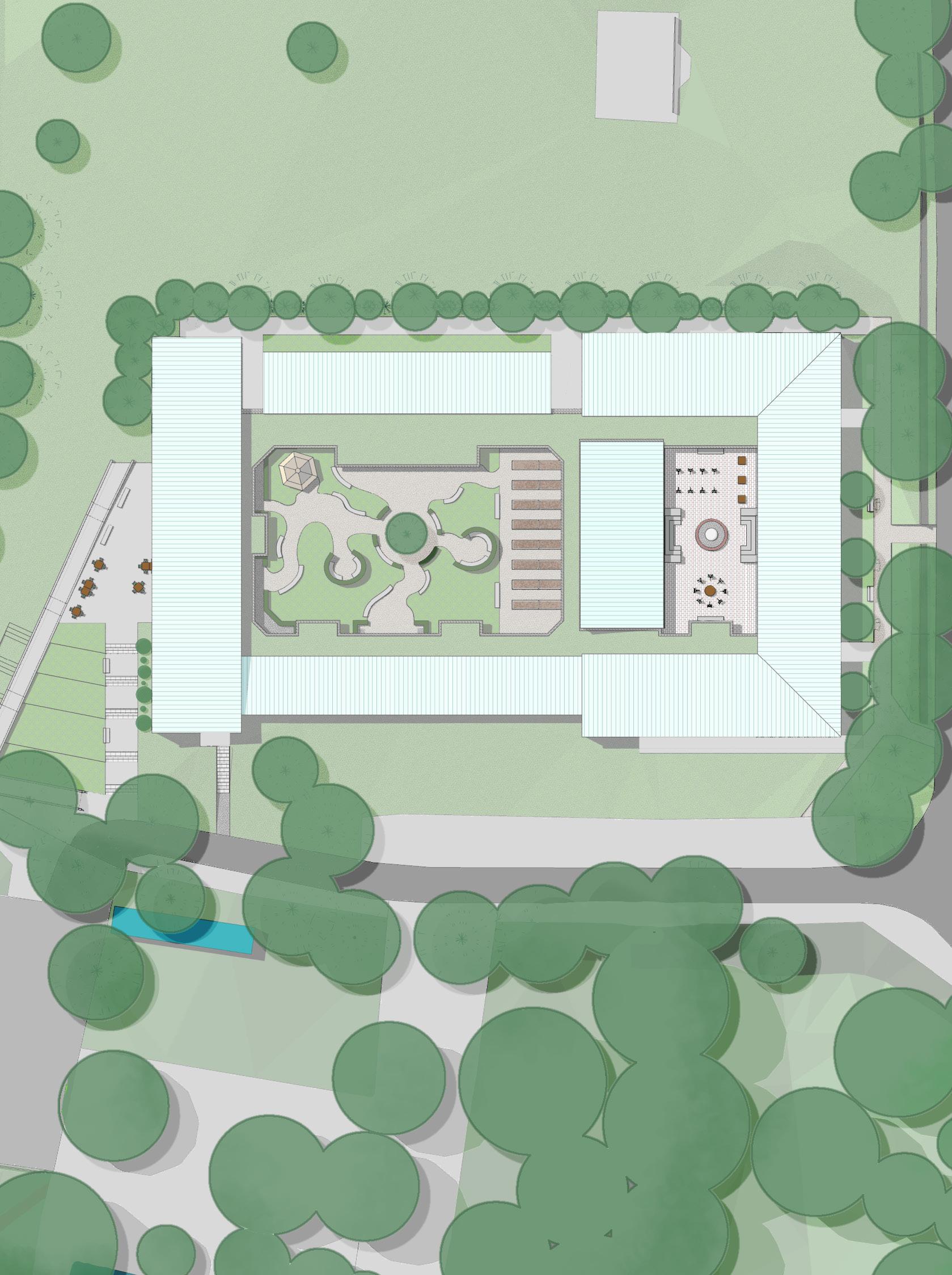
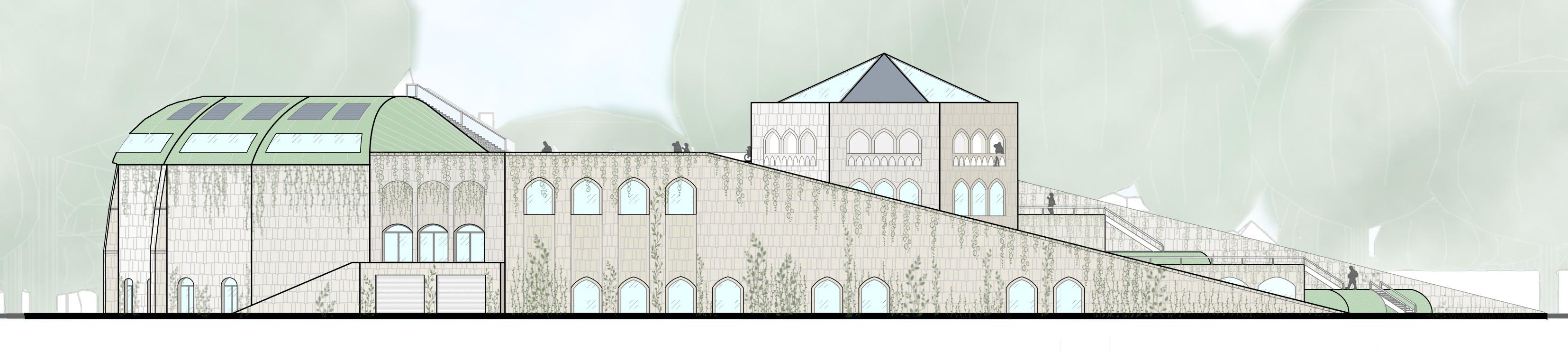
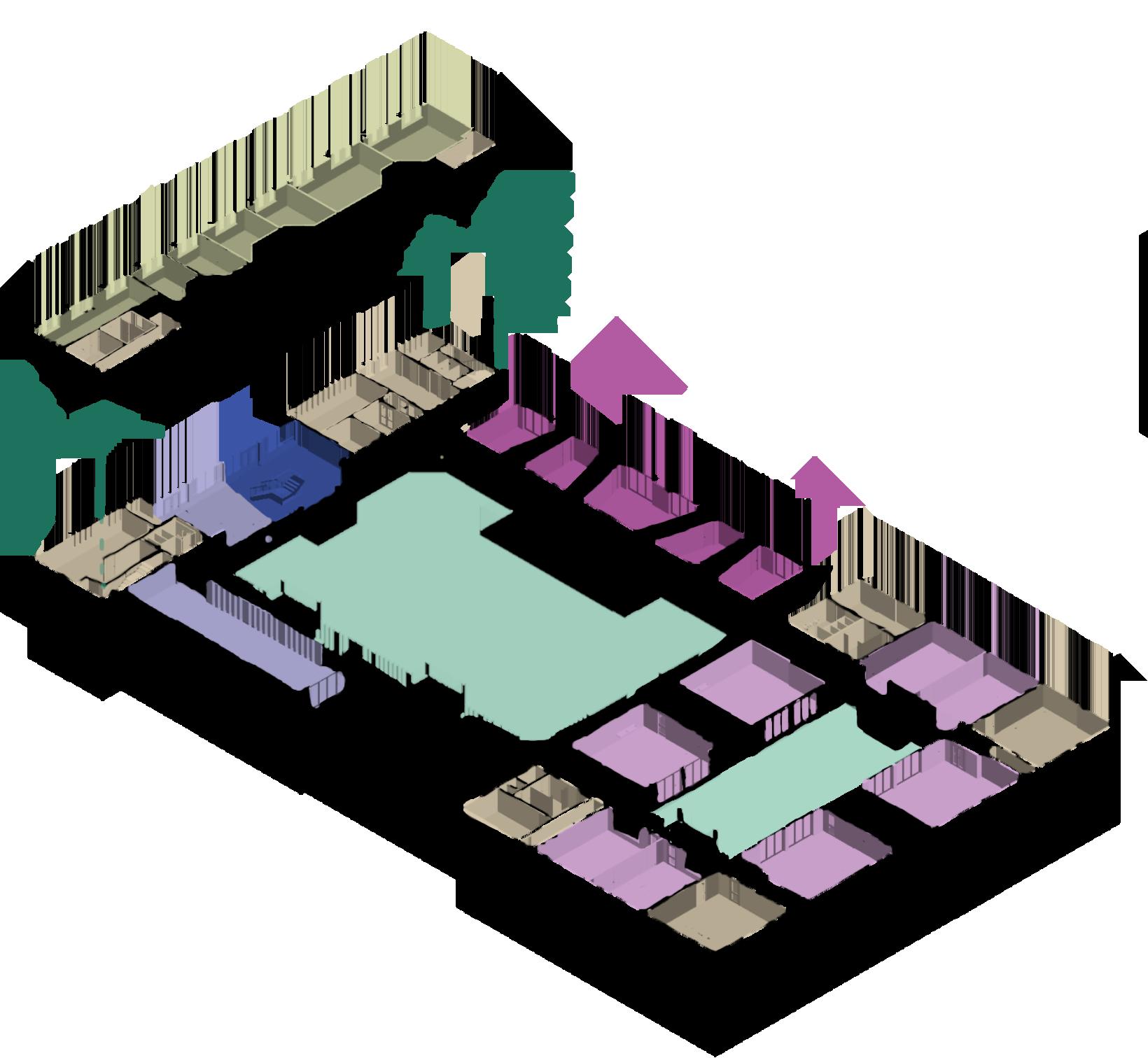
I have trained in a variety of 3D and 2D modelling programs, the most prominent being Revit and AutoCAD. These softwares have been vital in creating various drawings for a variety of non-verbal communication.
The TED drawings (apart of a group design as opposed to solo) were created using AutoCAD, with only digital drawing used to add the background colours (due to a request for a watercolour styled background) and add vines along the side of the building (a last minute request by a team member).
Aside is a 3D section created entirely in Revit, a key program I utilise, used to annotate the different zones across my therapy clinic designed as a Final Project.
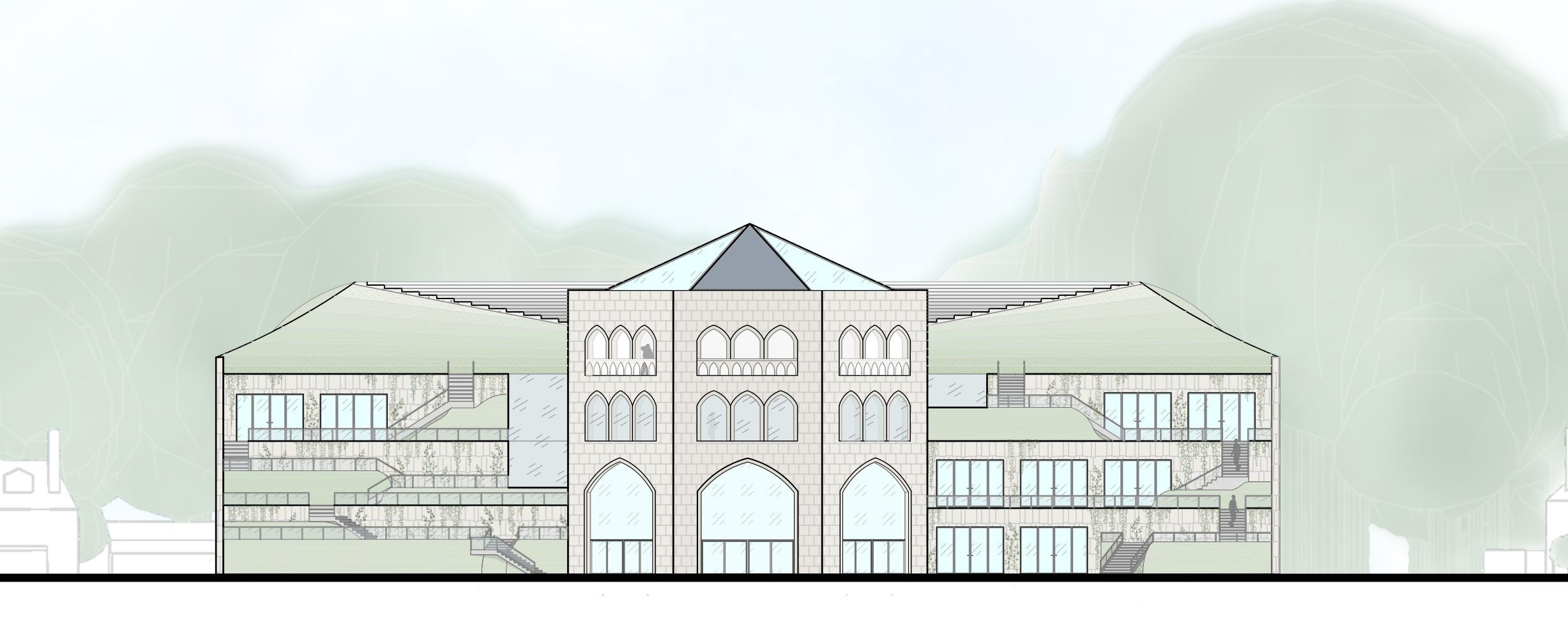

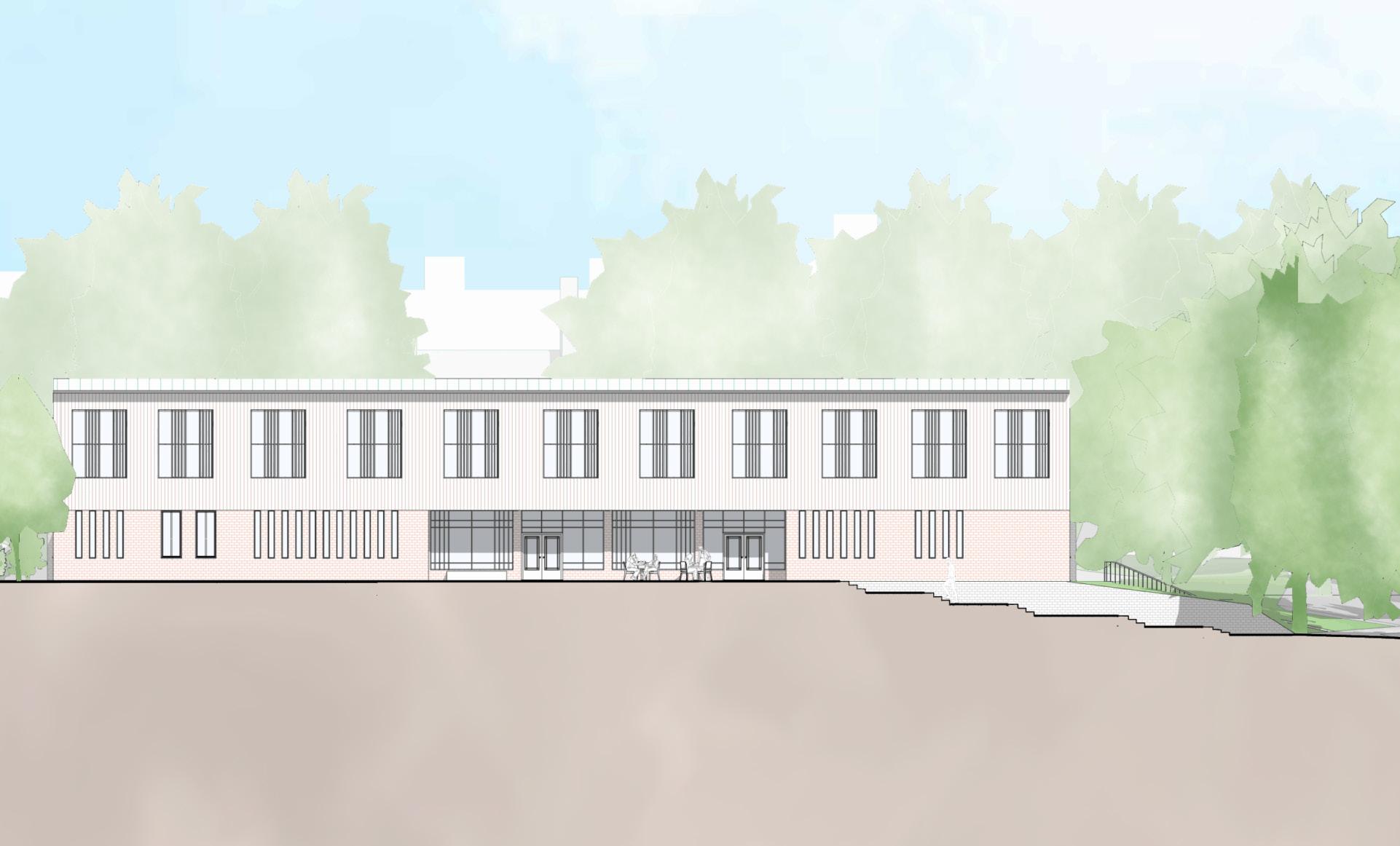
While plans are important, I find that utilising sections and elevations help to bring designs into the next level. Using Revit, AutoCAD, as well as mixing in my own editing to enhance context, I pride myself on being able to demonstrate the aesthetic of my designs, as well as utilise various data banks and programs to assess how the environment interacts with said designs.
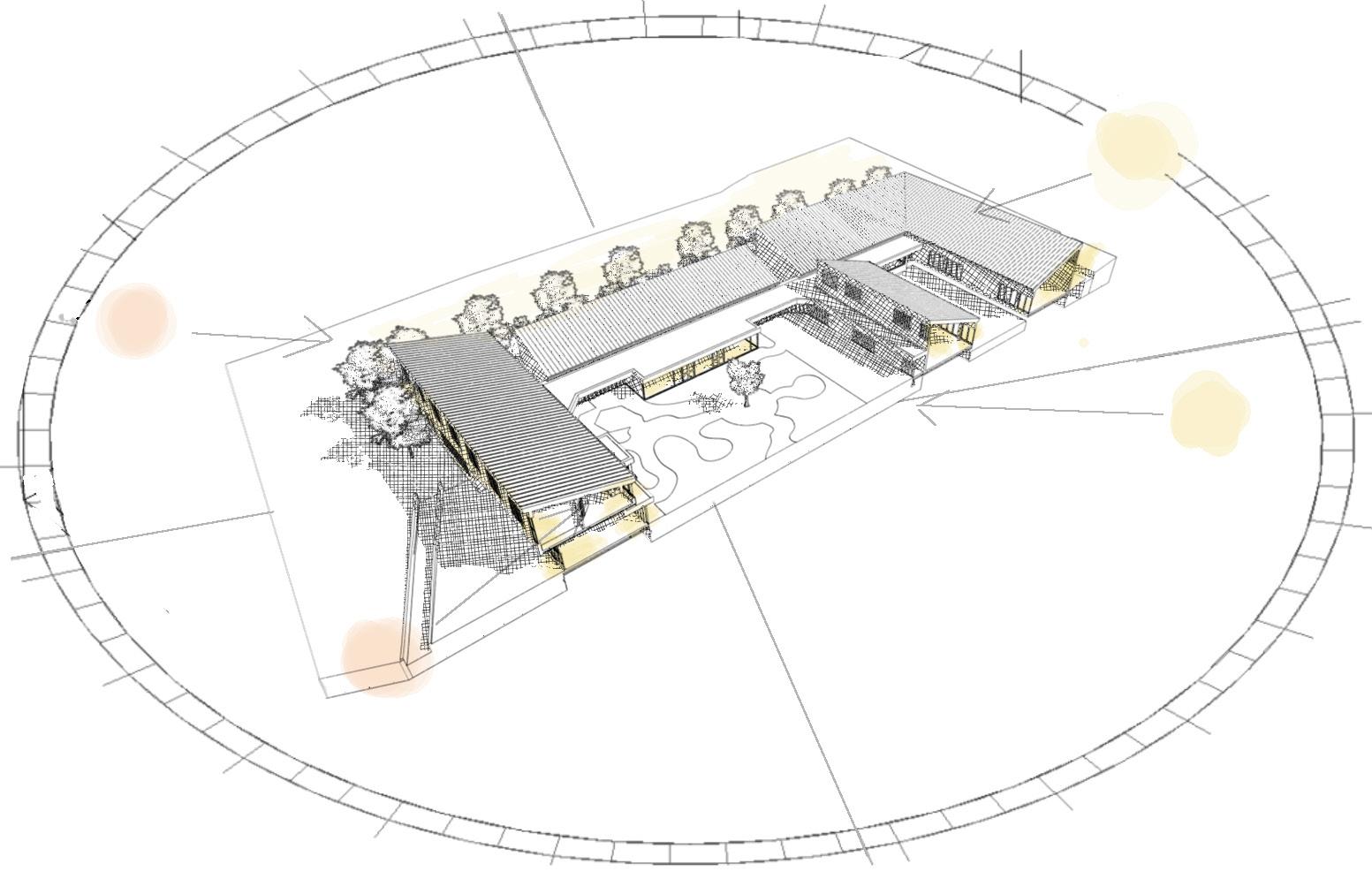
Sun Locations in Reference to Clinic Design
The University of Bath pushes a focus on understanding how a building would come together, from the structure (see the next page) to the layers and joints of the building. Timber frames, steel frames and masonry are all structural materials the university has introduced me to, and I have researched different makeups, as well as approaches for different requirements, including the idea of designing “fabric first” to limit energy use. As few buildings have the same build-up, I strive to create clear, easy-to-read details that allow for understanding regardless of who may be required to work with them.
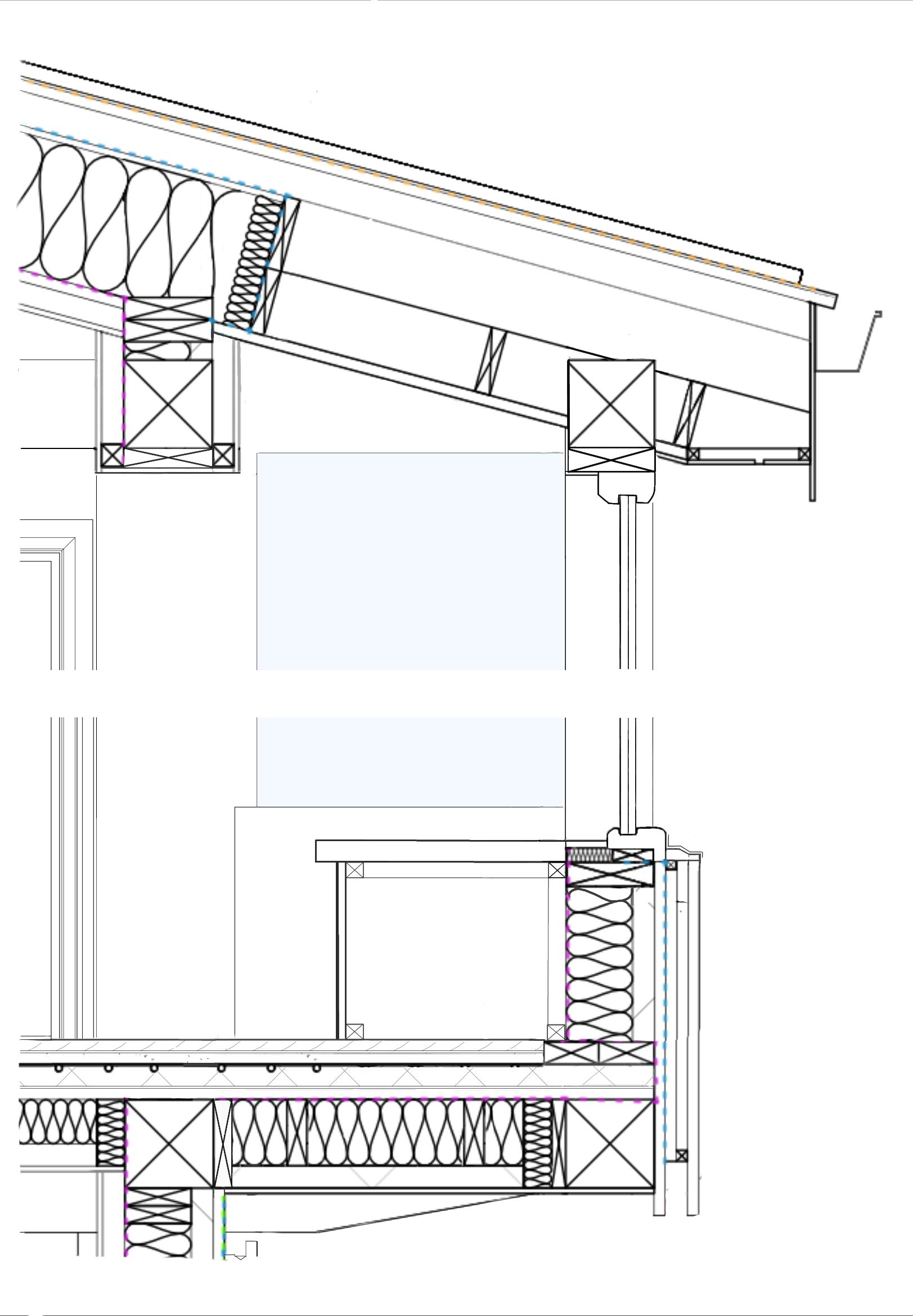
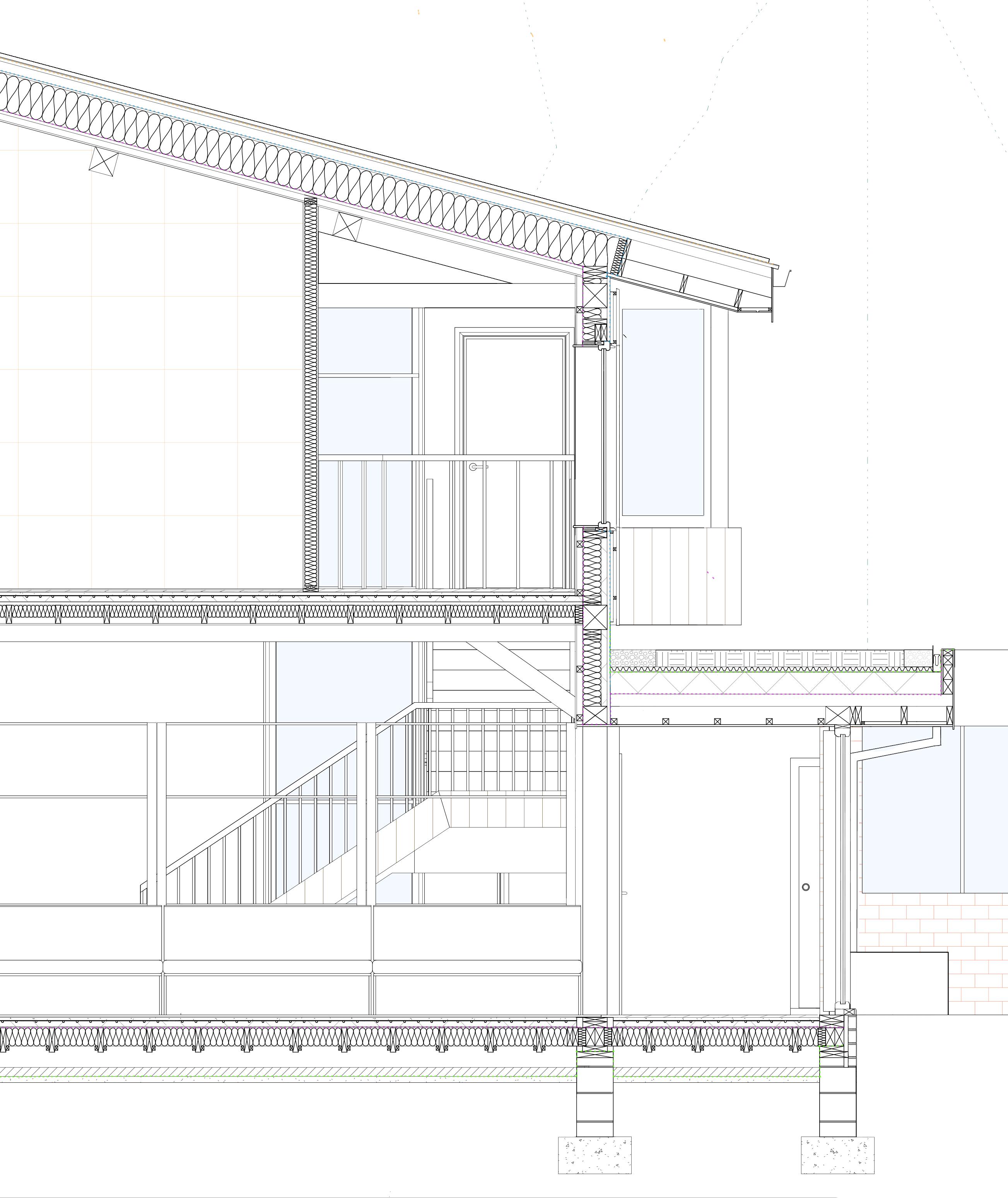
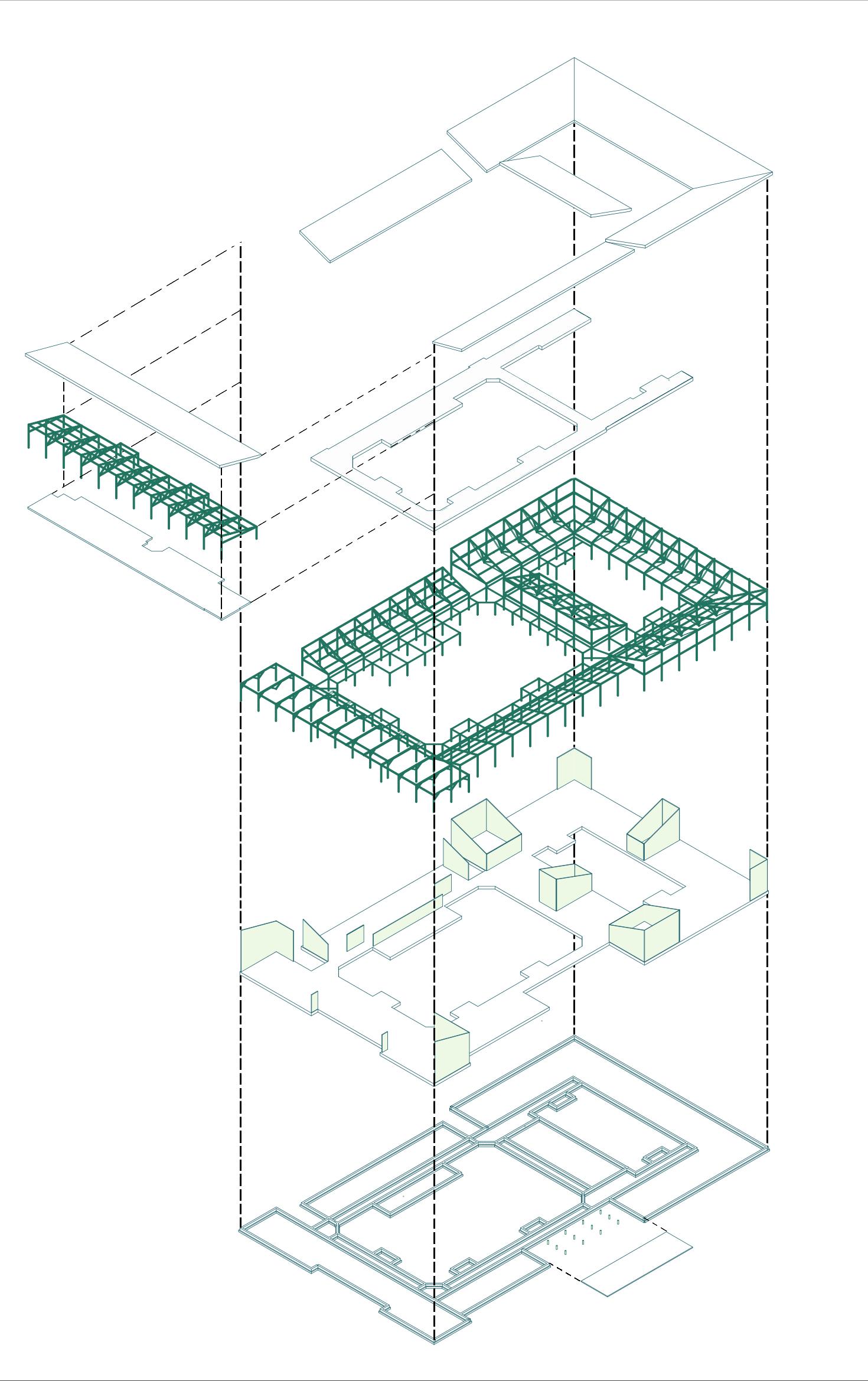
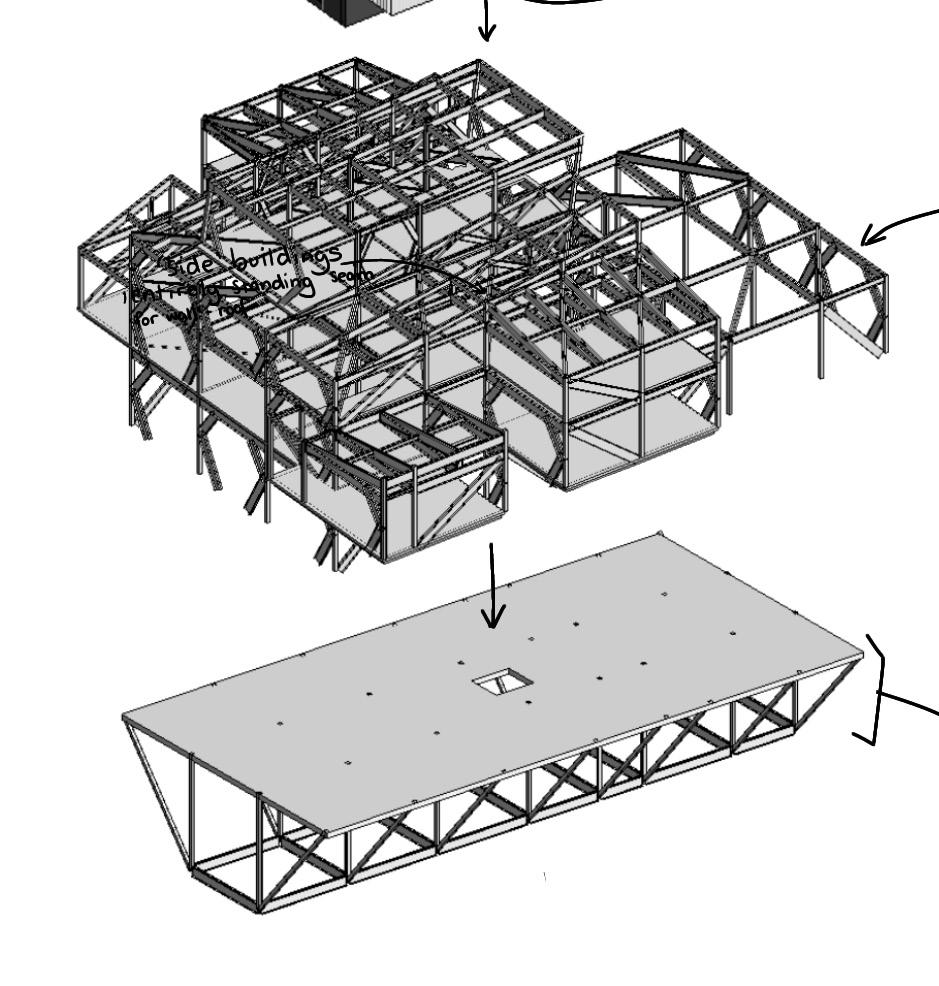
As mentioned, structural design is soemthing I pride myself in. Not only the fundamentals of it, but how to represent it in design and efficiently communicate it. Utilising digital models and building off of my plans and sections’ design, I’ve developed a deep understanding of structural elements such as braces, foundations and shear walls.
On the left is a timber framed structure, using shear walls and strip foundations (as the site’s soil allowed for it). Below, on the other hand, is a steel framed building which utilises bracing to avoid window obstructions, stituated on a deck as it was proposed to be built in an open dockyard and required elevation.
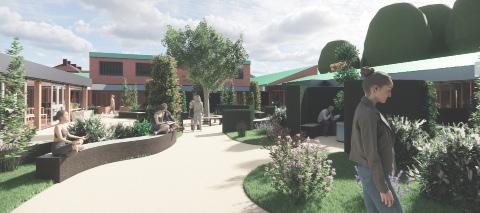
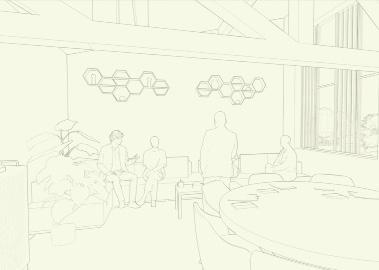
Perspective and models bring designs into reality. I aim to be able to represent my designs in a variety of styles to suit what is needed for a client or team, utilising rendering programs such as Enscape to achieve this. I find this also represents teh natural design more efficiently, something I find imperative due to an interest in Biophilic Design.
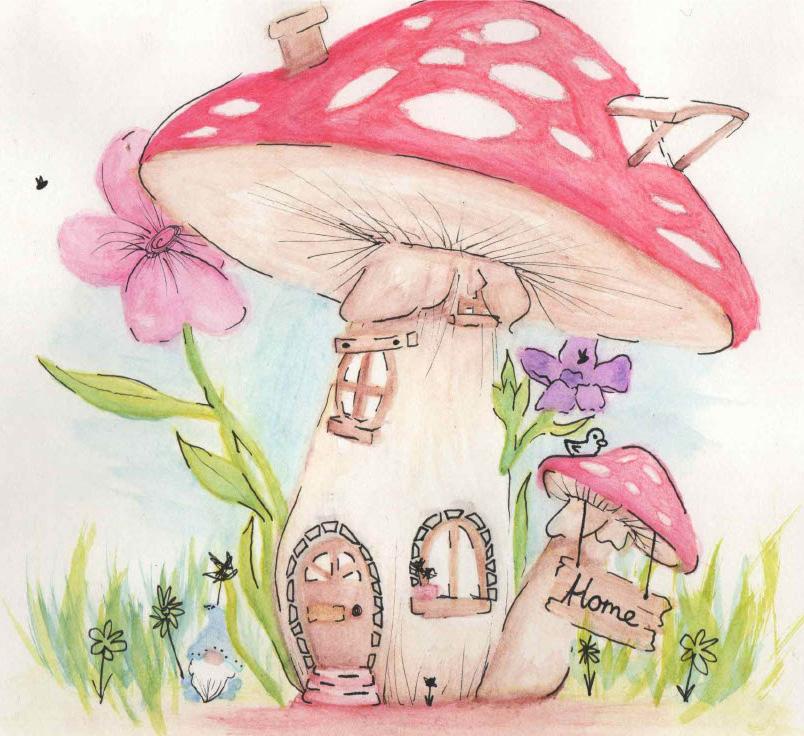
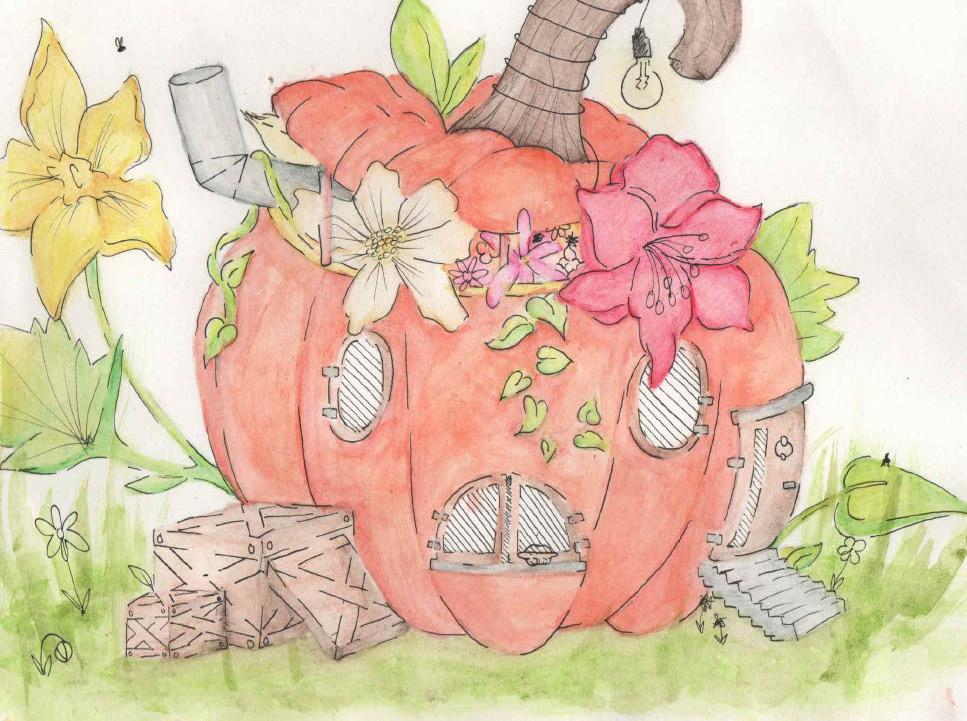
In my personal life, illustration and design are key past-times, with a variety of mediums that I enjoy experimenting in. Above are two illustrations that were made as part of a personal project, wanting to create more “fantasy” housing designs that could fit in a children’s book or the like. Art is a way that I interact with the whole, and so the pieces on this page show not only experimentation, but a glimpse into my own perceptions.
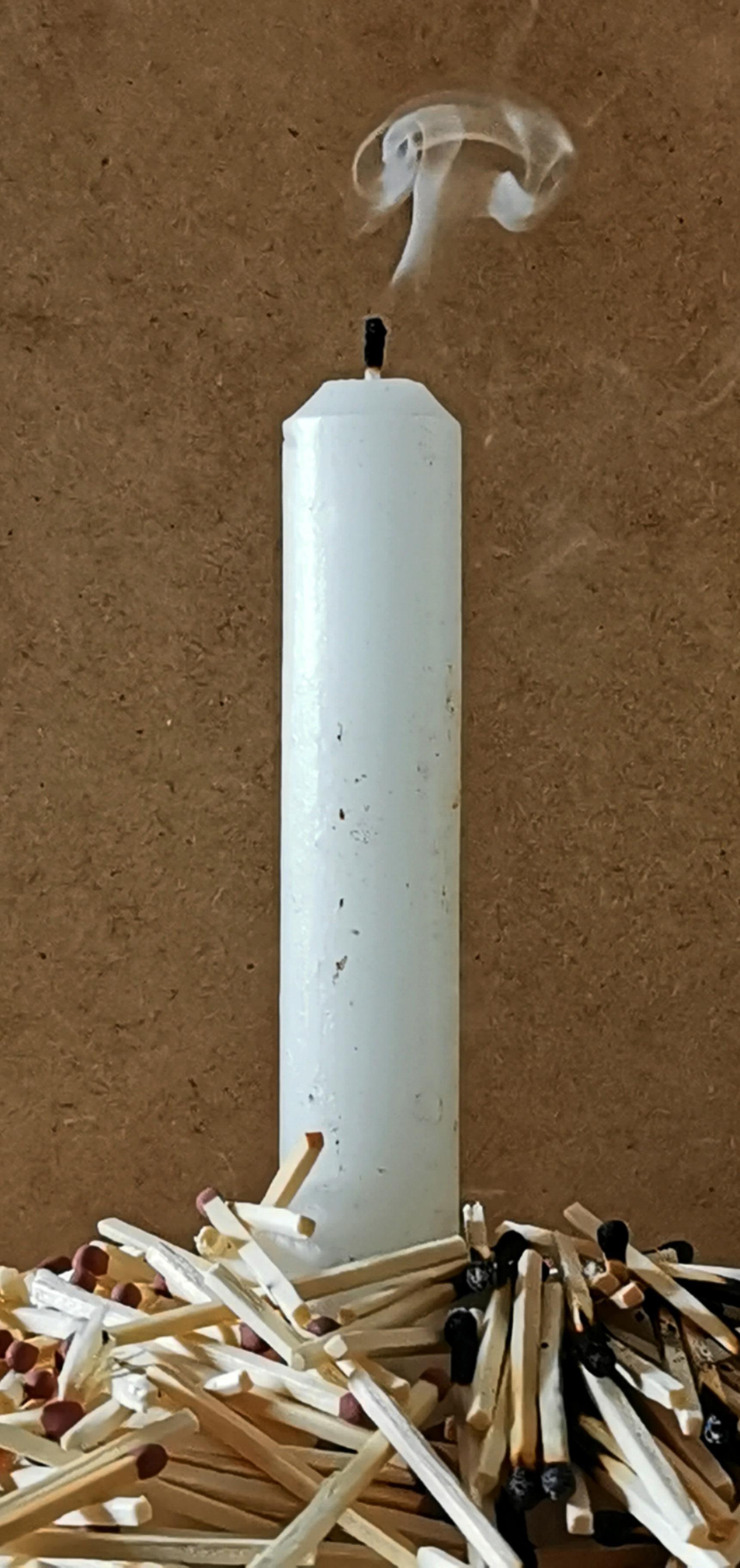
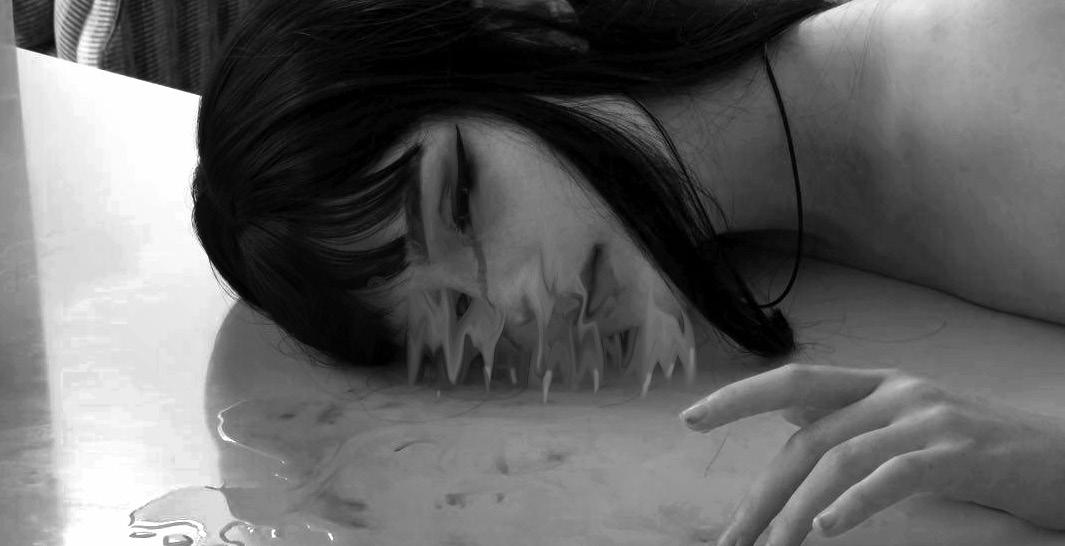
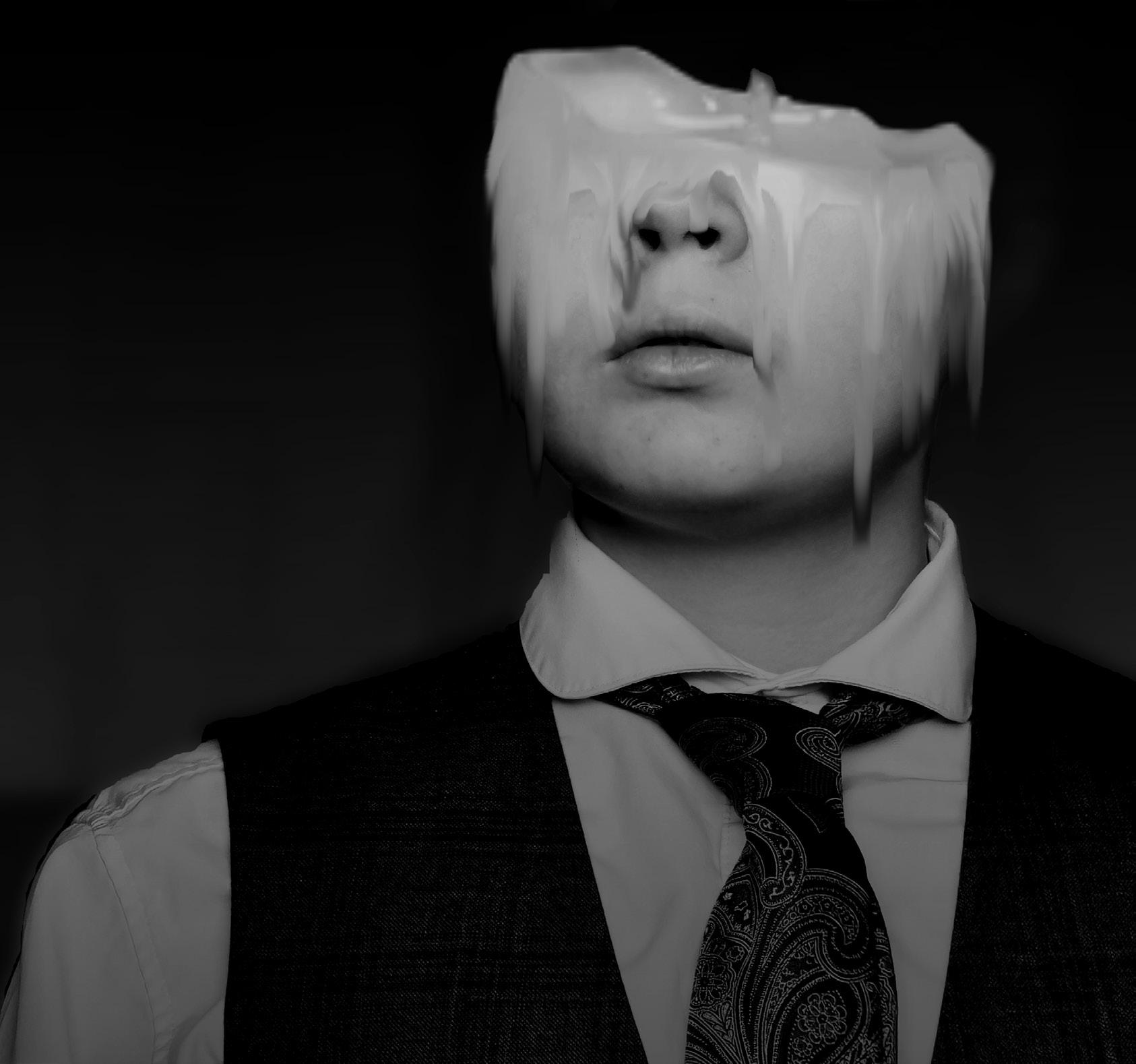
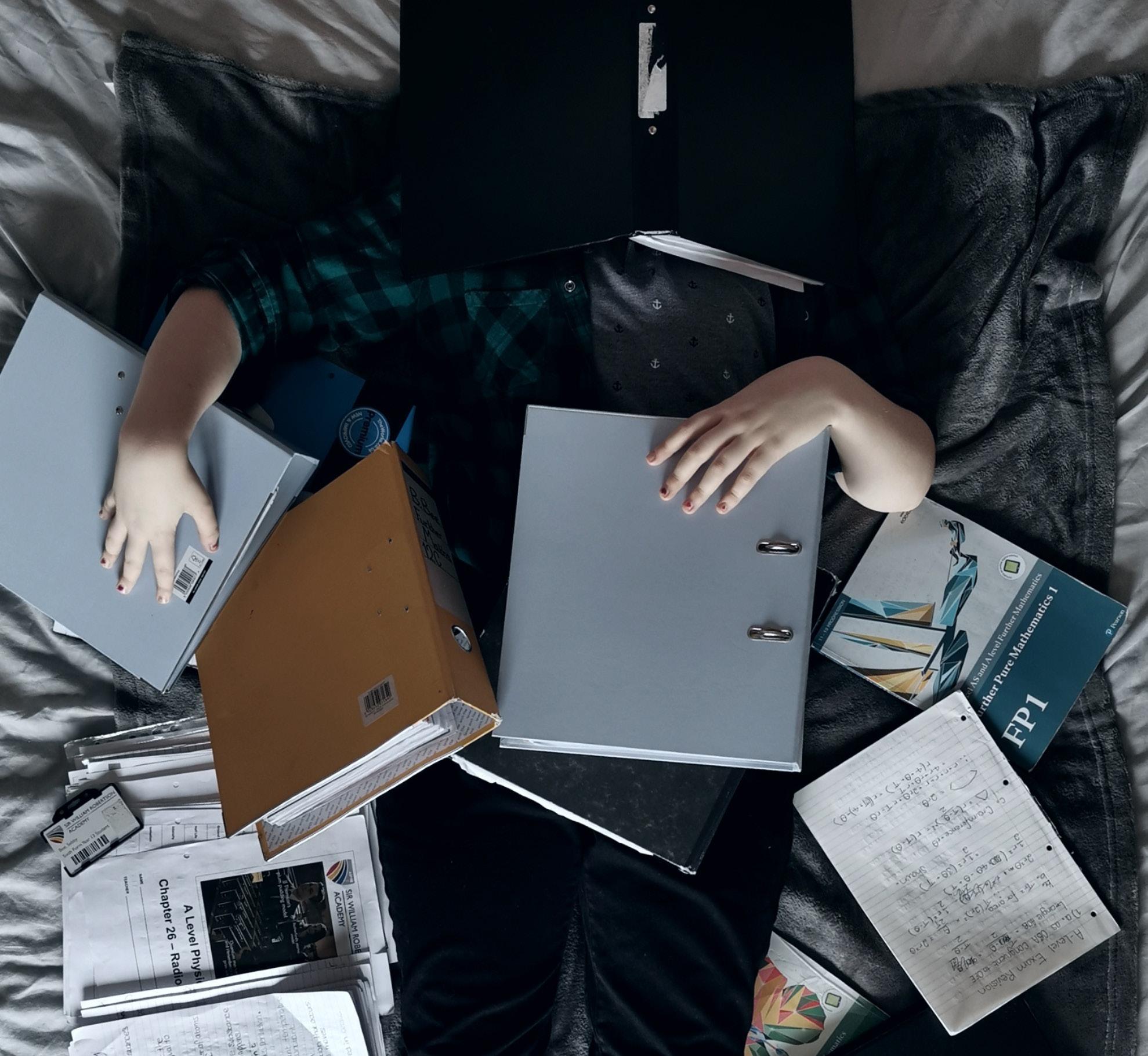
Photography is a skill I have dabbled in during my freetime. John William Keedy and Edward Honoker are key inspirations, exploring how to communicate mental illness in still images. This hobby let me train myself in Photoshop and strengthens my non-verbal communication and creative approaches to the world and the people who live within it.