




































Discover delicate yet playful, personalized support for you or your family with Chessie Snider Counseling. Chessie offers specialized care for trauma, Autism, ADHD, estrangement, highconflict divorce, and child-parent relationships, with particular expertise in Trans Autistic Child, Parent and Family Therapy. Reconnect, grow, and find your better selves together in a safe, quirky, affirming space.
Schedule your free 25-minute mental health consultation today!

chessie-snider.com
info@chessie-snider.com (206) 408-2449



4501 15th Ave S., Suite 103 Seattle, WA 98108
1728 E Madison St., Seattle, WA 98122





welcome.




January/February 2026 // Issue 515
“Seattle is my town. I know this city inside and out… or so I thought until I had kids.”
Seattle’s Child is your guide to getting to know your city all over again. Finding things to do, places to eat, and how to get around — it’s a whole new ballgame with kids in tow. We’re interested in how parents make homes in a space-challenged urban environment, how families create community, and what parents are really talking about. Seattle’s Child reflects real Washington families and their broad range of parenting experiences.
ANN BERGMAN Publisher, Founder abergman@seattleschild.com
JASMIN THANKACHEN Associate Publisher jasmin@seattleschild.com
KATHRYN HOLLOWAY Art Director
CHERYL MURFIN Managing Editor, Print cheryl@seattleschild.com
BRITT THORSON Managing Editor, Digital britt@seattleschild.com
JOSHUA HUSTON Photographer ROSE WILLIAMSON Proofreader
JEFF LEE, MD Columnist
NILS DAHLGREN BRETT HAMIL ELIZABETH HUNTER MELODY IP
CHERYL MURFIN ALLISON PETERSON AMBER WALLIN
Contributors
ADVERTISING
NOAH DRETSKE Account Executive noah@seattleschild.com
YULIA FIALA Account Executive yulia@seattleschild.com
AMBER ELBON Ad Production Manager amber@seattleschild.com
Seattle’s Child has provided useful information to parents since 1979. In addition to our magazine, look for our special themed publications — Family Guide, School, Explore, Get Moving!, SummerTime and Early Years — distributed free throughout the Puget Sound area. Seattle’s Child is published every other month. ONLINE seattleschild.com Facebook facebook.com/seattleschild Twitter @SeaChildMag Instagram @seattleschildmag MAIL c/o Postal Plus 1211 E. Denny Way, Seattle, WA 98112
VOICE 206-441-0191 TO ADVERTISE advertise@seattleschild.com
STORY IDEAS editor@seattleschild.com
CALENDAR SUBMISSIONS calendar@seattleschild.com
Include date, time, cost, appropriate ages, address, contact information and description.


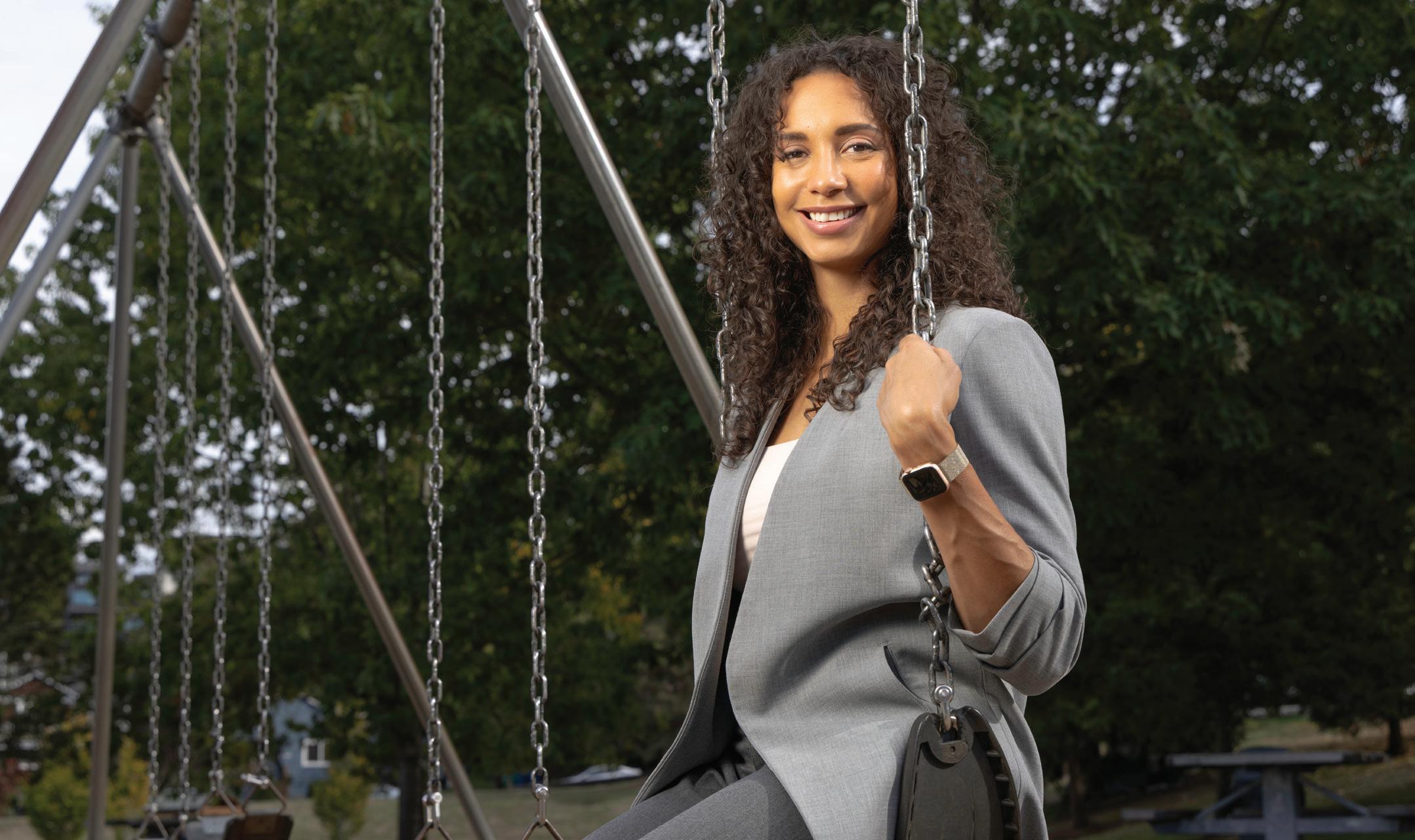
gressive revenue for the state,” Boyd said in a recent interview.
by CHERYL MURFIN / photograph by JOSHUA HUSTON
The state’s leading children’s advocacy organization, Children’s Alliance, welcomed Dr. Soleil Boyd as its new executive director in the fall, just in time for the ramp-up to the 2026 legislative session. A 20year veteran of child and family advocacy, Boyd says she plans
to advance the organization’s legacy of moving lawmakers to protect and expand vital programs for Washington’s children.
“My goal is to build on our momentum — expanding access to early learning, advancing behavioral health supports, and securing more equitable and pro-
We asked Boyd what’s at stake in the upcoming session. Following is our edited conversation.
Seattle’s Child: What’s the most pressing concern for kids today?
Dr. Boyd: Right now, I’d say basic needs. With the rollout of H.R. 1 [President Donald Trump’s government spending law], we are going to see many people
disenrolled from Medicaid, and many families not having enough resources for nutritious food for their children. It is really stark. At this moment, we must preserve access to health care. We thought we had done that. And yet we have to do it again, and in the context of a state budget deficit.
SC: How can parents help protect health care for kids and families?
Find support, connection, and resources for your family!
PEPS offers peer-support programs for expectant parents, parents of newborns, infants, or adolescents and teens, plus affinity groups. Families can connect on weekdays and weeknights in virtual and in-person groups.
Join a PEPS Group today!
Flexible Pricing program fees and financial assistance are available for all groups.





Scan to read now
Discover places to keep your kids active indoors around Puget Sound.

«What Parents Are Talking About
Dr. Boyd: We have to continue to draw attention and demand lawmakers protect health care access for young children and families. Changes from the federal government have left us all in a daze. We need to anticipate these cuts, to create contingency plans that keep programs going without throwing everyone into crisis or emergency mode. Right now, we need to urge the state to focus on making sure that families who do qualify for health care benefits continue to get those benefits, because the way this is rolling out is aimed at stressing people, so they don't even ask for coverage they’re entitled to or re-enroll. I hate this situation. Our state must help people truly maximize what is still available.
SC: Lawmakers haven’t yet delivered on universal child care. Does Children's Alliance have a role there?
Dr. Boyd: Ensuring families have access to child care and early learning is part of our ongoing commitment to economic justice. With the Fair Start for Kids Act and other policy improvements that came before and since, we have most of the policies in place to realize high quality and guaranteed access for everyone who needs and wants child care. What we need is to fund it right. That means we also need to continue to advance policies that ensure good working conditions for the child care workforce and family-sustaining wages.
SC: What bills will Children’s Alliance push for in 2026?
Dr. Boyd: The primary bill we are backing at the moment, Senate Bill 5708, is about the addictive nature of online platforms and their impact on kids. Since last year, Children's Alliance has worked with many stakeholders, including families who've lost children to platforms with addictive online
feeds. It has been very powerful in shaping this year’s legislation. I'm very hopeful.
We’ll also be working to ensure a good bill is in place to implement the recent gift from the (nonprofit) Ballmer Group, which could open 10,000 slots in the state’s Early Childhood Education and Assistance Program (ECEAP) over the next 10 years. We want to ensure that the money goes to the right communities and places.
SC: Kids and families faced many challenges in 2025. How do you maintain the hope needed to lead in 2026?
Dr. Boyd: These are my kids. Everything we're advocating for would affect my kids. Every harm that's coming or being experienced either impacts my family or families that I'm very close to within my own community. I see the impact of Head Start being rolled back. I see the impact of immigration hitting child care. I feel it personally, and it can be kind of disorienting at times. It's emotionally activating to see these things.
This is not dispassionate policy work and I don’t always stay grounded, which is why I have to continually reground with my family and with our partners in the work. For many communities, many communities of color, the government not coming through for you is not a new experience. But, parents are designed to love their children. A lot of things make realizing that love harder in some ways, but it’s what we're set up for.
So I spend time focusing on loving my kids. I also spend time focusing on how other people love their kids, even in really difficult circumstances — the ways they show up for their kids, creatively, meaningfully, and how much their kids feel that love, even when they don't have a lot of other things.
To learn more about what Children’s Alliance will be working on during the 2026 legislative session, go to 3childrensalliance.org
by JEFF LEE, MD

In October, the Mariners’ quest for their first-ever appearance in the World Series came up a couple of runs short. As I watched, I was transported back through time to my little attic bedroom in Amherst, Massachusetts: October 12, 1967.
That was the “Impossible Dream” season for the Red Sox. The year before, they had finished last, and no one had expected them to do much better the following season. But against all odds, they stayed in it ‘til the end, then stormed from behind to win the last two games of the season and clinch the American League title. They headed to the World Series for the first time in 21 years.
Carl “Yaz” Yastrzemski was their big star. He led the league in batting average, home runs and RBIs that year, and was named the American League MVP — but their ace starting pitcher, Jim Lonborg, was my hero. His poster was taped to the ceiling above my bed, where I could look at him as I fell asleep and imagine myself in his place on the mound.
In the World Series, the Sox dropped three of the first four games to the St. Louis Cardinals. But just when it looked like it might be over, they came back to win the next two and even the series at three games apiece. It all came down to game seven at Fenway Park — winner take all.
It was a day game, but I went up to my room and shut the door so no one could break my concentration – which was essential if the Sox were going to win. I lay in bed with my little transistor radio pressed against my ear, clutching my Rico Petricelli autographed mitt. I had half a package of M&Ms and a plastic army canteen full of water in case I got hungry or thirsty. I was ready.
My idol Jim Lonborg was going up against the Cardinals’ ace, fireballer Bob Gibson. Lonborg was pitching on just two days’ rest, and Gibson had three, but I wasn’t worried. The Sox were the Impossible Dream team — a team of destiny. There was no way they could lose.
The game started out tense and close. Both teams put up zeros in the first two innings. By then, my M&Ms were eaten, more out of nerves than hunger. In the top of the third, the Cardinals broke
through with two runs, and then two more in the fifth. The Sox got one back in the bottom of the fifth, though, and I wasn’t about to give up hope. The game was still within reach.
By the sixth inning, Lonborg was gassed, but they left him in. He hung a slider up in the zone, and Julian Javier hit a three-run homer over the Green Monster. They pulled him after that, but it was too late.
Since that fateful day, I’ve watched my favorite teams lose many times. I’ve also watched the Seahawks win the Superbowl, and I was in Key Arena with my daughter when the Storm won their first WNBA title. Win or lose, I always come back for more.
Some of my friends make fun of spectator sports. I can’t really blame them. Overweight dudes sprawled on sofas, watching pumped-up kids in silly uniforms give each other traumatic brain injuries. It’s pretty pointless. But to me, that’s kind of the point.
The fact that these players train and practice and push themselves to the very limits of what human beings can do, for no practical reason whatsoever, is a strangely beautiful thing. They strive for greatness for its own sake, as only we crazy, unreasonable, irrepressible humans do.
You may have a little person in your home right now who’s feeling lost since their team of destiny stumbled at the finish line. They’ve tossed their J-Rod autograph glove in the closet, and their lucky Big Dumper jersey has finally made its way to the laundry basket. Disappointment hangs in the air like a thick, dark cloud. But a few months from now, when the crocuses are just barely peeking up from the sodden Seattle ground, a bunch of young men will stroll out onto a field in Peoria, Arizona, with crisp new chalk lines and freshly mown grass, and set out in search of greatness one more time.
Spring will always bring spring training — and with it, a new season of hope.
Just wait 'til spring.
ABOUT OUR COLUMNIST
Jeff Lee never washes his lucky jersey, even in the off season, in Seattle, WA.































by DR. SUSANNA BLOCK
Being active and playing sports can do our kids so much good: fun, fresh air, exercise, and teamwork. But we can overdo it, too. There is pressure from peers, parents, and coaches to play every sport, attend every practice, or push beyond their comfort level.
There are things parents (and coaches) can do to help children get out there, be active, and enjoy the benefits without the burnout, potential injury, or stress.

I’m a big fan of the benefits of team sports. However, the pressure of succeeding or rushing around to attend every game and practice can take the fun and sense of achievement out of it. In its worst forms, the pressure around performance and sports can lead to low self-esteem, anxiety, and children quitting sports altogether. Parents can help their child find a balance by encouraging physical activity in a way that works best for their child and their family.
Help protect kids from sports injuries
The best thing we can do is protect our kids from getting hurt in the first place. The highest risk is when a child starts a new sport, so make sure kids understand the rules of the sport, have good protective gear and equipment, warm up adequately, and take breaks. You can also teach them about:
• Paying attention to pain and fatigue. Teach your child that pain and tiredness are the body’s way of saying “slow down, recover, and heal.” Sore muscles are common after starting a new activity, but pain can also be a sign of an injury.
• Being willing to sit one out. Kids want to stay in the game, and coaches sometimes rely on the child’s own assessment of a minor injury to decide if they can continue. Talk to your child about the long-term risks of injury and teach them that admitting they are injured or tired and sitting one game out can mean they can play the whole rest of the season.
• Varying their activity. Encourage your child to participate in a variety of sports instead of focusing on just one. This cuts down on repetitive actions and overtraining. Help them understand that repetitive activities like pitching or a golf swing can lead to injury and that adults may need to

set limits on their participation in a particular activity in order to keep them healthy. Avoid burnout and keep sports fun Sports and activity are clearly part of good physical and mental health. But the American Academy of Pediatrics found that 70% of kids drop out of organized youth sports by age 13, and nearly 1 in 10 youth athletes experience burnout. When your child no longer feels a sense of fun and accomplishment, they are less likely to stay active. Help your child find ways to stay active that fit into your life, school commitments, social time, and sleep schedules by:
• Letting your child choose their sports or activities. Children are more likely to develop a lifelong habit of physical activity if they enjoy it! Let them choose their sport or activity, and let them change sports or activities if they want to.
• Finding more flexible schedules. If it doesn’t feel like there’s time for school sports or competitive sports schedules are too hard to fit in, your child could ride a bike with friends or take a hike. There are also organized activities with less demanding schedules, like drop-in pickleball or basketball games at the YMCA, martial arts classes, or my family’s favorite: ultimate frisbee.
• Doing something fun: Jump rope, dance, or toss a ball with your child. Running
amok in the backyard can be as good a physical activity as team soccer. What the activity is doesn’t matter as much as your child enjoying it, doing it regularly, and wanting to do it again.
• Choosing appropriate activities. This goes for both burnout and injury. Participating in sports that match a child’s development helps keep them in the game. A child younger than 10 can’t do as much aerobic activity as a teen can, and children make gains in muscle strength and coordination in stages, so help them choose accordingly.
Being active lowers the risk for serious health problems, keeps bones and joints strong, and helps children focus in school. But I don’t know many 10-year-olds who care much about that! They want to do sports or activities to have fun, make friends, and give them a sense of accomplishment, and make them feel great. Focusing on those benefits can help them stay healthy, stay motivated, and stay in the game.
Dr. Susanna Block, MD, MPH, is a pediatrician with Kaiser Permanente in Seattle and lives with her family in Queen Anne.
SPONSORED BY

5 things to do
ranked by water tolerance
Seattle winter rule of thumb: Don’t wait for dry — pick the right outing for the rain you’ve got.

Improv. For some, the word evokes a very specific image: adult-oriented, funny, unscripted, no-holdsbarred live comedy skits, peppered with sexual innuendo and other adult themes.
In other words: Not. For. Kids.
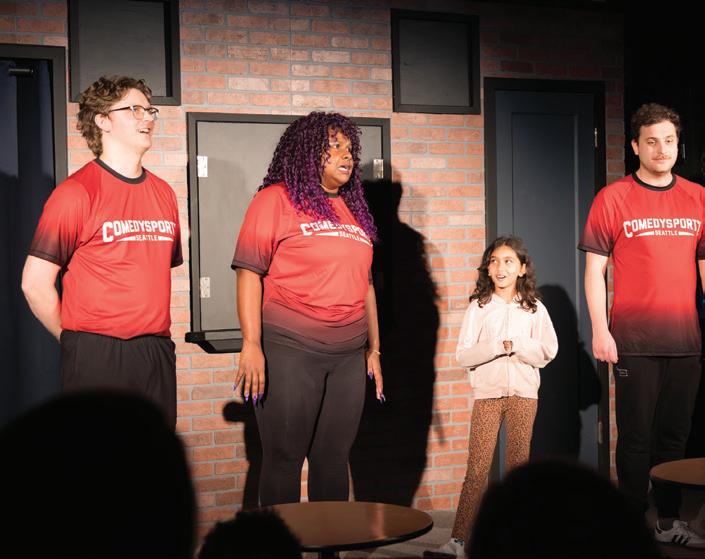
A recent visit to the all-ages ComedySportz show at CSz Seattle offered a different image: an evening of fast-paced, fast-thinking, family-friendly fun — still noholds-barred, but without cursing,
adult innuendo, or shaming.
As the actor-referee stressed: “We are all about keepin’ it clean.” It is “all ages,” but really best for grades 3 and up
Parents in the audience weren’t too worried that things would go awry on stage or that adult content would somehow sneak into the program.
“We’ve been coming to these shows for a few years now,” said Jenn, a Seattle mom, before the
show. She and her husband, Dave, had their sons along, ages 12, 14, and 16. The family requested their last names not be used.
“I think they all get what’s going on and we have a great time together,” Jenn added.
Seattle dad Adam Feld, who attended the show with kids ages 11 and 15, felt confident about the show’s all-ages designation: “We had been to an all-ages performance before we had brought the kids and the performers did a good job keeping things PG and making sure kids were included in the CONTINUED ON
Low rain tolerance Union Bay Natural Area (UW) Boardwalks and open skies make this an easy “yes” on misty days. Winter brings migratory birds, flooded grasses, and quiet wandering without mud drama. Best for binoculars and slow exploring.
Medium rain tolerance
Seahurst Park Storm Watching (Burien)
Protected forest trails above the water, wide beaches below. January and February storms turn Puget Sound into live theater — thrilling, but not overwhelming.
Medium–high rain tolerance Carkeek Park Creek Roll Winter rains awaken the creeks. Expect rushing water, mossy logs, and muddy boots — perfect for kids who learn best by getting messy.
High rain tolerance Hamlin Park twilight walks (Shoreline)
Early sunsets make walks at dusk possible without late bedtimes. Owls, deep quiet, and headlamps turn a gray afternoon into a real adventure.
3 2 1 4 5
Snow dependent Gold Creek Pond Snowshoe Sampler (Snoqualmie Pass)
Flat, short, and forgiving — ideal for first-time snowshoers. Try it in January or February when snow is fresh and crowds are thin.
—Cheryl Murfin
process,” Feld said.
University Place mom Tiffany Nance’s family almost filled the front row of the theater for their first improv theater experience.
“We brought our kids, ages 14 and 9, because at that age we knew they would understand the context of the show,” Nance said. “[But] I believe that as young as 7, they could attend and understand if they have the attention span to sit for a two-hour show. The intermission helped.”
What happened at the improv show?
As the lights dimmed, the referee ran onstage like a cheerleader, spelled out the “clean show” rules and primed the audience for their role in the interactive improv environment: clapping and cheering. The strength of audience response determines which team of actors “wins.” Throughout the performance, audience members provide input: naming objects, situations, animals, and other elements that the actors integrate into their improvisations.
At this performance, the audience howled during the “Spotify” game, in which a mom was pulled onto the stage and actors tried to woo her with their ballads. And they thundered after each player demonstrated “Whatchu got?” in a
“Because improv is built on audience suggestions, no two nights are ever the same. The unpredictable nature of the art form means that the tone can shift depending on what the audience tosses out,” says Kent Whipple, development director at Seattle’s Unexpected Productions (UP). “If you are planning a family outing, it helps to choose performances listed as family-friendly or all-ages, and earlier showtimes often provide a gentler tone.”
Whipple and CSz Seattle founder Erika Lowe both advise parents to read show descriptions and, when in doubt, contact a theater to ask about a show.
Bandit Theater (Seattle)
All ages shows are usually the early shows; check the show description. Offers classes for adults, teens, and kids in grades K-3 and 4-6. 3bandittheater.org/shows
CSz Seattle
“All ComedySportz shows and Puppy Prov are suitable for 12 and under.” Offers summer camps for kids ages 6-8 and teens. 3cszseattle.com
dance competition based on audience themes.
In the “human prop” game, the audience was asked for ideas for scene props. The players then improvised scenes, with one brave actor contorting their body into the named object. Imagine a human lawnmower here.
All this silliness, parents say, is not only entertaining, but may also be a growth opportunity for kids. On stage, the actors showed the spontaneity, risk-taking, and goofiness that great improv theater — and much of life — is

Eastside Improv (Redmond)
Shows good for kids are listed as family-friendly. Offers classes for adults, teens, and kids. 3eastsideimprov.org
Jet City Improv (Seattle)
All 7:30 p.m. shows are appropriate for preteens. 3jetcityimprov.org
Unexpected Productions (Seattle)
Unless otherwise noted, shows are family-friendly. Offers teen improv classes. 3unexpectedproductions.org
built upon. They demonstrated three important lessons for the kids in the audience: Trust is key to collaboration. Mistakes have value. There are no bad ideas.
In improv, coming up with on-thespot responses and going with your fumbles is what keeps the audience in stitches.
“I think the kids can learn from the commitment, bravery, and resilience that these talented amateur improv actors bring to every performance,” said Dave. “They are willing to get out in front of an audience and take chances, knowing that . . . they aren’t always going to get the reaction from the audience that they want.”


Nance agreed, adding “learning to go with the flow” and “accepting imperfection” to her list of gold nuggets to be extracted from watching improv as a family.
Yes, and ….
What did the kids in the audience think of their improv experience?
They all said they would “highly recommend” it. But next time they’d like to bring their friends. Most said they had little difficulty understanding the ideas and antics onstage. Most, but not all.
“For example, in one of the games, called “four things,” the audience suggests an emotion for the actors to try to convey using only miming and gibberish,” Feld said. “We’ve seen emotions like ennui and existential dread come up. These required some explanation.”
As Nance said about explaining some humor to kids or addressing uncomfortable content if it shows up onstage, “Isn’t this being a parent every day? People say and do things daily that require conversation. Talk about it. Always. That’s how we handle it. What did that mean to you? Did you understand what was being said? How do you feel about it?”

'Reading with Rover' grows readers and connection by ALLISON PETERSON
When my son was in first grade, his assigned “homework” was to read for 20 minutes each day.
As a former first-grade teacher and a self-proclaimed bookworm, I knew that frequent reading would help my 7-year-old
develop a solid foundation in literacy. What a surprise it was, then, to discover that my own son wouldn’t do his homework. It wasn’t that he couldn’t read; he refused to read. I tried every ploy in my (extensive) bag of make-a-reader tricks, but nothing stuck. Enter Reading with Rover, a partnership between therapy dogs and public resources that brings highly-trained furry reading companions and young readers — kids like my son — together. The first time
my reluctant reader attended a Reading with Rover event, he was immediately drawn to the fluffy Golden Retriever lying in the corner of a local library meeting room. He sat on the floor and nestled into the dog’s soft fur. Then he pulled out his book and, miracle of miracles, he began to read.
His story is one of many about the powerful impact of Reading with Rover on young readers.
CONTINUED
“I want to inspire children to discover the joy of reading and developing literacy while reading with dogs,” says Reading with Rover founder Becky Bishop. “I’m using my therapy dogs as a conduit to help people and kids so they can go into the world and do good things.”
Dogs trained for the program offer constant comfort and non-judgmental approval as they sit with kids. All “Rover” dogs and their handlers, go through a specialized 6-8 week training program to hone skills like impulse control, how to accept petting in crowded spaces, how to maneuver around medical and mobility equipment, and how to sit quietly on a rug.
Most Rover trainees start their education at between age one and two. They take a skills test with their handler. Today there are over 150 Rover graduates that regularly work with

the program. While any dog can train to be a rover, the best-suited dogs have a natural tendency toward calmness, obedience, and good manners.
After thorough training and testing, these special dogs graduate to become perfect listeners as youngsters sound out words and test their emerging reading skills. All those trained dog skills show up in a Reading with Rover session: patience, impulse control, and obedience to handler.
Reading with Rover has expanded from a summer program in a single library to a full-fledged nonprofit organization with dozens of events each year, typically held in libraries, schools, hospitals, military bases, and other public venues.
“I’m using my therapy dogs as a conduit to help people and kids so they can go into the world and do good things.”
—BECKY BISHOP
Reading with Rover founder
Keeping their dogs welltrained also allows handlers to take them on public outings outside of their Reading With Rover duties. In this way both children and the dogs in the program reap plentiful benefits while genuinely enjoying their time together.
Since its inception in 1999,
so
Each event gives children like my son the chance to discover the joy of reading. With a gentle dog by their side, that lesson becomes more deeply ingrained. A significant part of the work Reading with Rover accomplishes today is in elementary schools, where the dogs often teach more than patience in reading. At one elementary school, a dog named Boomer was a regular visitor to the school’s special education resource room. Over time, students got to know Boomer and to open up to him, both in their reading

A portion of the proceeds from each birth certificate benefits the Children’s Trust Fund of Washington, administered by the Washington State Department of Children, Youth & Families Strengthening Families Program.
• This official birth certificate is personally signed by the Governor and State Registrar.


and in other areas.
Late one spring, a shy student who read regularly with Boomer was able to bring the dog into his general education classroom. The boy introduced Boomer to his classmates and answered their excited questions. Boomer’s handler noticed that the classroom teacher was in tears.
After nine months of school, it was the first time the student had spoken in class, his shyness evaporated by the warmth of his furry companion. With Boomer’s support, the boy was given the priceless gift of confidence and a connection to his peers. Boomer was not only the student’s reading companion, but also a social skills bridge and an empathy-builder for an entire classroom.
“We’re building memories,” says Becky Bishop, the Rover maestro.
To learn more about Reading with Rover, visit their website at 3Readingwithrover.org or email them at 3Info@reading withrover.org



• Frameable keepsake.
• For each $45 purchase of an Heirloom Birth Certificate, $20 is tax deductible.

To find out more information on Children’s Trust and child abuse prevention in Washington State visit: www.dcyf.wa.gov/about/governmentcommunity/community-engagement or visit the Department of Health to order your own Heirloom Birth Certificate.
DCYF FS_0010 (09-19)




• Certificate is 8 1/2 x 11 and includes the name, date and place of birth, as well as the name and birthplace of the parent(s).






The evidence is mounting that social media and other online platforms pose a danger to kids. Research shows excessive use can increase the risk of behavioral health issues. That’s why state lawmakers plan to reintroduce two bills during the 2026 legislative session to stop companies from peddling addictive online platforms to kids. Senate Bill 5708 and House Bill 1834 would require companies to change their designs, change the way they gather data on users, and encourage kids to engage in healthier platform use. The measure failed in 2025, but advocates are confident they’ll succeed in 2026.
—Cheryl Murfin
Take action in 2026! Read "Now is the time to speak up for kids" at 3seattleschild.com to learn how.
Don’t miss these stories on 3seattleschild.com
1
The search for disabilities summer care starts way before summer
2
The ASL Dilemma: Districts struggle to find enough interpreters
3
Paras: The unsung heroes of public schools

Approaching the gym at Bellevue’s Highland Community Center, the familiar sounds of bouncing balls and kids calling out to each other echo down the halls. Inside the doors, more than a dozen young athletes, from grade school through high school, are rolling across the floor in specialized sports chairs — a typical practice session for the Seattle Adaptive
Sports (SAS) wheelchair basketball teams. Sports have been adapted to meet the special needs of student athletes in Greater Seattle for decades, providing opportunities for countless athletes to compete on teams and producing several current and former Paralympians. Seattle Adaptive Sports has been part of the community since the early 90’s, organizing teams that compete in sled hockey (players sit on specialized sleds low to the ice), soccer for athletes in motorized wheelchairs, goalball for visually impaired athletes, and wheelchair basketball (players propel themselves across the court and older age groups shoot on regulation hoops).
SAS teams regularly compete against programs from Tacoma, Spokane, and Portland, and travel to compete nationally. Back at the community center, the younger athletes are wrapping up their practice session while older players are gearing up for more intensive drills. SAS runs three youth teams: varsity for ages 14 to 18, prep for kids ages eight to 13, and the Micro Sonics for players ages four to seven. Their overlapping practice times create mentoring opportunities between age groups, and many of the older players have passed down sport chairs they’ve outgrown
to younger athletes.
SAS designs all its programs to be as accessible as possible and to lower or eliminate the many barriers to participation, including the significant cost of equipment, facility rental, and travel. They use grants and fundraisers — including their annual gala, coming up on March 7 — to fund scholarships for athletes and purchase and maintain equipment that can be loaned out to new members. All of this is with the goal of increasing the number of participants and growing adaptive sports locally.
Current SAS families come from as far north as Bellingham and as far south as Auburn.
Brennan Henderson, 16, attends Auburn Riverside High School and began playing wheelchair basketball just before turning seven. He is now one of the most experienced players in the program.
“I started with power soccer. I’ve tried sled hockey before, but my main sport with SAS is wheelchair basketball,” Henderson says.
The sophomore doesn’t remember being nervous their first time on the court.
“My mom showed me videos of wheelchair basketball, so that probably helped me know what to expect,” Henderson says. “I kept turn-





ing in circles because I didn’t know how to use the chair and my arms were really impacted by cerebral palsy. Over time, I became stronger and my arms became stronger and I learned how to adapt myself to use the chair.” Henderson has not only adapted but excelled, earning “most valuable player” honors at the West





Coast Championships in 2024.
Jess Thomson has watched a lot of kids like Henderson develop and find success through SAS programs. A member of the board and parent of an SAS athlete, she first introduced her son to playing sled hockey with the adult team at the Kraken Community Iceplex before becoming a founding member of SAS’s new youth team. Her son now participates in multiple sports with SAS and Thomson has seen him compete in ways that a lot of kids with disabilities aren’t able to access.
“I think one of the things that able-bodied people take for granted is the luxury of being able to compete,” explains Thomson. “Every kid in this organization has been through surgeries and procedures. These kids have grit, they are really tough.
But it’s a very different kind of toughness to learn how to compete athletically. And every person in Seattle Adaptive Sports has that opportunity,” Thomson says. “Once kids come out and try it, they wind up sticking with it because they are drawn to sports the same as anyone else.”
SAS works with new members to help orient them to the sports they are interested in. For some, like Thomson’s son, who uses forearm crutches off the court, it may be their first time in a sports chair. And with sled hockey, where able-bodied siblings are encouraged to join practices, it may be their first chance to play a sport with a family member.
Interested in becoming involved with Seattle Adaptive Sports? Contact 3info@seattleadaptivesports.org for more information.

It’s wintertime, but not too soon to start thinking about summer.
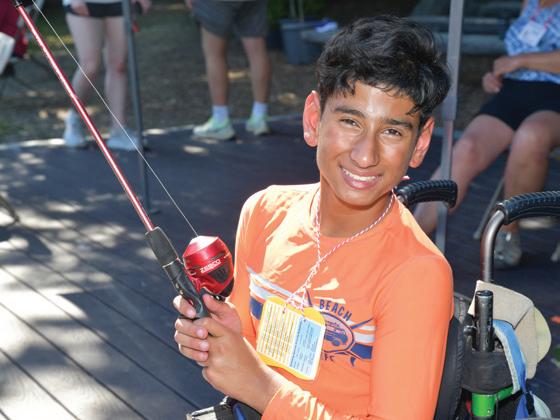
If you have a child with a chronic medical condition, Seattle Children’s Stanley Stamm Summer Camp offers the chance to enjoy many of the summertime pleasures healthy kids enjoy, but in a medically safe setting that includes trained volunteers and a fully equipped infirmary.
Whether it’s going fishing, riding a horse, or just the experience of a traditional sleep-over camp, it’s a program that has made dreams come true for nearly 100 children every summer for almost 60 years. Medical and non-medical volunteers are always needed to help create the magic.
The 2026 program camp runs August 10 to 15. This year’s theme will be Super Mario Bros. Find out how to volunteer or refer a child at 3seattlechildrens.org/clinics/ stanley-stamm-summer-camp


















What will it take?
Most Seattle parents agonize over how to afford child care and for good reason: One year of care for two kids can cost as much as a college education. A year without it can result in financial instability and disparate academic and health outcomes for kids.
No surprise, then, that the question of how to create universally affordable child care systems at the city, state, and federal levels is a critical issue for families in our community. And the momentum to finding solutions is building.
New Mexico made headlines when it proved that it can be done, launching its “no-cost” child care system last November. New York City’s Mayor Zohran Mamdani has promised to bring such a system to America’s largest city. And in Seattle, Mayor Katie Wilson — who made no bones about relying on her mother during her campaign due to the high costs of child care — has affordable, accessible child care on her high-priority list.
In this issue, we pose two questions: Where is Seattle on the road to universal, affordable child care? What will it take to get there?
The answers will come from local families, providers, the City of Seattle’s director of child care, and Washington lawmakers who need to find a stable funding source.
However, we begin with the example: How did New Mexico achieve its goal?
by AMBER WALLIN
Editor's Note: Amber Wallin is the executive director of the State Revenue Alliance and former executive director of New Mexico Voices for Children where she was one of the architects of the state’s Universal Child Care system, which launched statewide in November 2025. Wallin was one of the first in New Mexico to propose using state revenue (including oil and gas-derived funds) to build a stable financing stream for universal early childhood care and education. She played a visible role in educating the public, working with policymakers and forming and sustaining a coalition of nonprofits and grassroots groups that helped pass a New Mexico constitutional amendment guaranteeing funding for early childhood services. We asked Wallin what it will take to build and sustain a universally affordable child care system in Seattle.
Child care has become a defining financial stress for families across Washington and the country. According to recent reporting, the annual cost of child care is more than the student tuition at the University of Washington.

But there is hope on the horizon for Seattle’s parents and caregivers. My home state — New Mexico — recently made history by committing to universal, no-cost child care for all families, regardless of income. But New Mexico’s breakthrough isn’t just about child care. It’s about political courage, long-term coalition organizing, comprehensive approaches to improve child well-being, revenue, and the decision to tax the wealthy so every child gets a fair start.
That reality puts many middle-income and working families in a painful bind: choose between paying sky-high daycare rates or giving up work hours (or even careers) to provide care for their children.

I am proud to be part of a group of parents, policymakers, activists, and other leaders in New Mexico who helped win universal child care for all. And here’s what I would say to families, lawmakers and advocates in Seattle — and to readers of Seattle’s Child — who dream of a day when child care is not a financial burden, but a universal support:
THINK LONG-TERM
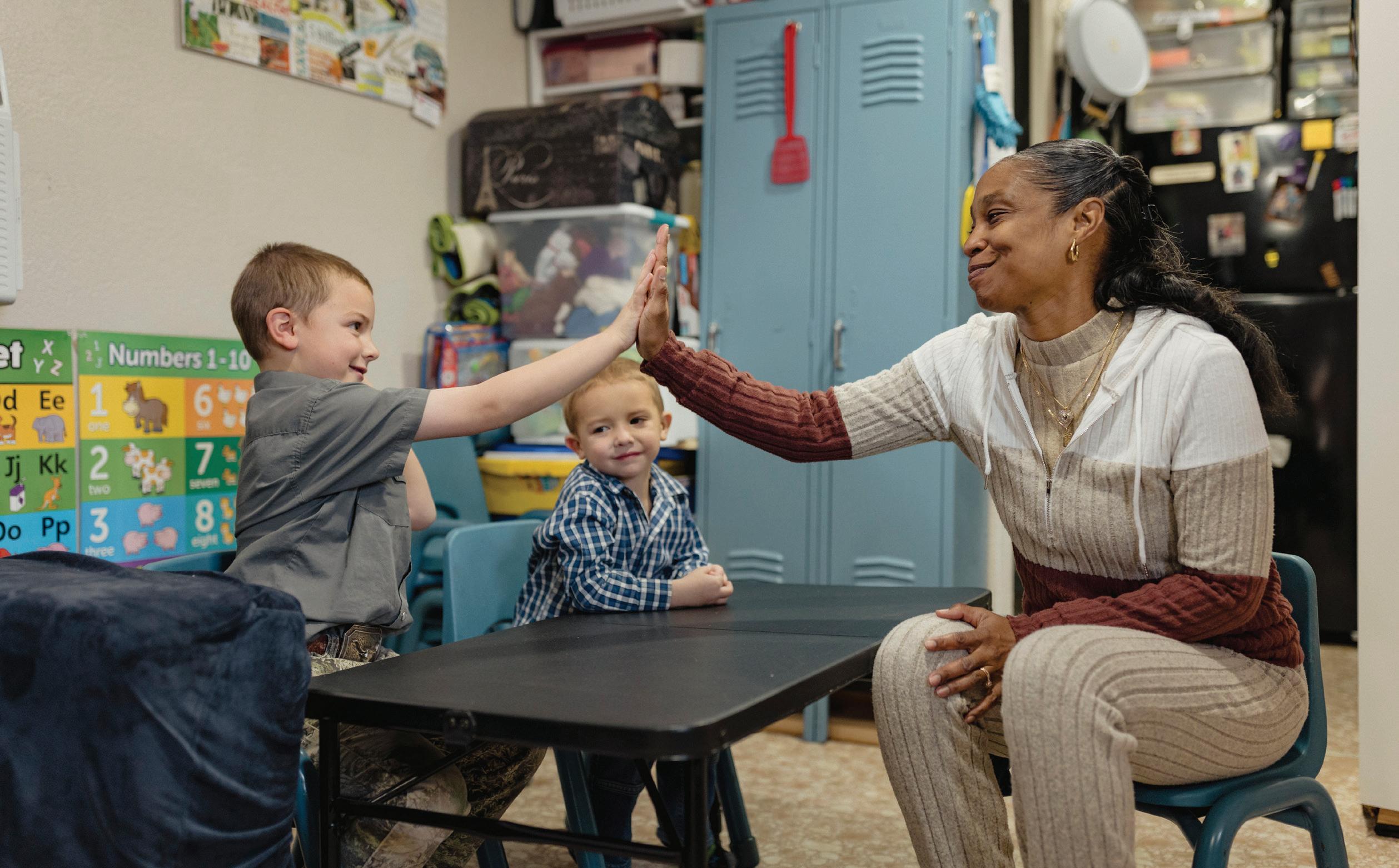
For more than 25 years, Jacqueline ToledoMagdalena has taught at the Walatowa Head Start on Jemez Pueblo. Her program was among the first early childhood programs in the nation to teach entirely in the Pueblo’s traditional Towa language, sometimes called Jemez or Hemish.
Universal child care didn’t spring up overnight in New Mexico. It was the product of many years of persistent advocacy, thoughtful policymaking, and a willingness to rebuild public finance priorities. Child care advocates must think long-term, statewide, and collaboratively. Our victory was possible because grassroots advocates, parents, and tribal leaders — people too often ignored in politics — refused to give up. For more than a decade, they knocked on doors, testified in hearings, and fought for a share of the state’s wealth to be used for its youngest citizens. They found a set of new lawmakers who listened and put our communities first. That kind of buy-in is critical. A universal system will only succeed if it includes the voices not just of parents, but also of child care workers, educators, community organizations, employers who rely on workers with children, and local elected officials.
Without a broad base of support, reforms risk being watered down, ignored, or so underfunded that quality suffers. While big cities like Seattle may be able to enact a program that meets immediate needs, only a well-funded statewide initiative will create lasting change.
The good news is that there are existing coalitions and campaigns focused on delivering on a broad agenda for families, workers, and
communities. Join advocacy groups like Child Care Aware of Washington, Child Care for Washington, Children’s Alliance and Child Care Action Council.
In 2018, New Mexico voters replaced longtime state legislators with a new set of lawmakers who saw the need to connect affordability issues, including child care, with our state’s economic and fiscal future. The new class of leaders included women of color like Governor Michelle Lujan Grisham and then Congresswoman (and later U.S. Interior Secretary) Deb Haaland, as well as multiple state representatives with deep ties to their communities — immigrants, teachers, and tribal members who understand the struggles families face.
Almost immediately, New Mexico raised revenue by asking the wealthiest people and corporations to pay a bit more. When child care is reliably available and affordable, families can make choices without being constantly squeezed. Parents (often mothers) can stay employed and build careers rather than being forced to scale back or leave the workforce because daycare costs consume their paychecks. Robust, accessible, affordable child care isn’t just good for families; it’s good for the broader economy.
One recurring concern with universal care is staffing: having enough qualified, fairly compensated caregivers and retaining them over time. Suppose Seattle were to try something akin to New Mexico’s model. In that case, decision makers need to ensure caregivers are paid
competitive, living wages — not kept at poverty wages under the guise of “affordable care.” As early-care workers are often women of color, and parents themselves, this also becomes an issue of racial and gender equity and family well-being.
Investing in workforce compensation, training, and respect will not only attract more providers — it will improve care quality and stability, which benefits children and families. (Read about Seattle’s investments in these areas on pg. 24)
This child care expansion — and the revenue to support it — went hand-in-hand with a full suite of policies that prioritize children in public policies in a way that has rarely been seen.
Families and communities need more than child care. In New Mexico and Minnesota, advocates included other tax justice policies such as more than doubling the state’s Earned Income Tax Credit and expanding it to immigrant families, and creating and then increasing one of the country’s first state Child Tax Credits (also immigrant inclusive) — all funded by revenue from corporate profits or paid by higher-income households.
This combination of tax changes has led to a fundamental improvement in New Mexico’s tax equity, more than any other state over the last few years.
New Mexico also included other family-support measures to improve economic security for families with kids: minimum wage increase, passage of paid sick leave, major increases in K-12 education funding with a specific focus on
Native American children, low-income kids, and immigrant children. And major initiatives to increase funding for college affordability (and expand eligibility for immigrant students).
START WITH WHAT ALREADY EXISTS
Seattle already has a program aimed at helping many families: Child Care Assistance Program (CCAP), which helps income-eligible families pay for child care, saving many families thousands of dollars per year.
The biggest problem with needs-based programs is that they leave out middle-income families who also need support. Toward that end, when it comes to child care, guaranteeing universal access will reap universal results.
Seattle can build on what it’s started — expanding eligibility, increasing funding, and gradually working toward a truly universal system.
If you are reading this — and know firsthand how expensive and precarious child care can be — I encourage you to take action. Talk to your neighbors. Bring the topic up with your kids’ providers. Engage with local advocacy groups. Share your story. As more voices speak up, pressure will build for systemic change.
Parents and policymakers across the country are starting to imagine living where every child has access to high-quality early care, and no family has to pick between a paycheck and their child’s future.
Universal child care isn’t easy. New Mexico’s story can serve as a guide as Seattle blazes its own path, because if we’re honest with ourselves — as parents, as voters, as communities — it can be the kind of bold investment that defines our future.
by CHERYL MURFIN / photograph by JOSHUA HUSTON
The cost of licensed child care for an infant “can easily reach $30,000 a year” in our region, according to Seattle’s 2023 report, “Understanding the true cost of child care in the City of Seattle and King County.” For those with an infant and toddler in care, annual child care expenses can top $50,000. On average, Washington parents annually spend $34,656 on that care according to Childcare Aware of America.
Not all children ages 12 and under in Seattle need licensed child care. However, currently, licensed child care slots available within city boundaries cover only about one-third of those who do. And that leaves many families reliant on informal care, waitlists, or multiple providers to meet child care needs.
Or not. When child care consumes a large chunk of income, parents — especially women — tend to scale back work hours, or leave the work-
by the
force altogether, exacerbating the gap between higher-income and lower-income families and communities.
It also increases disparity: According to reports by the Washington State Institute for Public Policy and others, quality child care and early childhood education programs for children from birth to age 4 are associated with better kindergarten readiness, better overall educa-
The U.S. Census Bureau’s American Community Survey defines “need” for child care as “children with all available parents in the labor force.” By that definition, the need in Seattle and surrounding King County is great.
There are upwards of 70,000 children aged
70,000+
Number of Seattle kids aged 0-12 extrapolated from the census U.S. CENSUS
36,000
Number of Seattle children aged 0-5
U.S. CENSUS
tional outcomes, better health outcomes, higher rates of high school graduation and college attendance, and higher employment rates.
The question of creating city, state and/or federal universally affordable child care systems has been in the news a lot in the last year, as New Mexico launched its new universal program in November and New York City’s new Mayor Zohran Mamdani promises to do the same in America’s largest city.
So how close are we to that goal here? The City of Seattle and King County are working hard, and have made real strides, toward making quality care accessible to more families. However, if universal child care is defined as licensed, quality care that is affordable at any family income level, we still have a ways to go.
12 and under in Seattle. According to the Census, about 65% of Seattle’s kids aged 12 and under live in homes where both parents work, while about 25% of kids live in homes with a single working parent. Currently, there are 27,000 licensed child slots within the City of Seattle.
26,400
Number of Seattle children ages 0-5 with all parents in the workforce or school U.S. CENSUS
27,000
Number of licensed child care seats in Seattle for all kids ages 0-12
CITY OF SEATTLE

321,000
Number of children in King County age 12 and under extrapolated from 421,238 kids ages 0-17 NEILSBERG.COM
125,000
Number of children in King County under age 5
CHILD CARE OF WASHINGTON
the FAMILIES
by ELIZABETH HUNTER
“
People joke when you’re going to have a baby how you’d better start saving for college. But you don’t expect to be paying for college six months into being a parent.”
Kate LaBeau is a working mom who lives with her husband, Ryan Wigly, and their daughter, Sloane, 2, near Kirke Park in Ballard. She’s also pregnant, which means she and Ryan are on the verge of an enormous expense: two children in full-time child care.
They’re not the only ones. On Kate’s block, there are five families with children under five years old. Altogether, they will spend about $200,000 on child care in 2026.
WELCOME TO THE WAITLIST
Each family on this block of 9th Avenue NW has its own (costly) arrangement. Down the street, Dr. Kate Vogeli and her husband Mitch Martinez rely on a nanny share for their infant, Charlie. In 2026, they estimate they’ll spend $42,000 on child care.
Kate LaBeau and Ryan Wigley with their daughter, Sloane, and pregnant with their second are on the verge of an enormous expense: two children in full-time child care.
“We were on a bunch of waitlists in January, Charlie was born in June, and we had to go back to work in November,” she said. But in November they were still waitlisted. “Our new goal is to have him in a daycare when he turns one. It seems like the cost will be better and we might finally get in!”
Likewise, Kate and Ryan were on so many waitlists
CONTINUED ON NEXT PAGE >
88,900
Number of licensed child care seats in King County CHILD CARE OF WASHINGTON
$50,000+
Potential annual cost for families with both an infant and a toddler in full-time child care CHILDCAREAWARE.ORG
by ELIZABETH HUNTER
Lidia Tadlla has always loved kids.
“I stopped working when my kids were born because child care was so expensive, but soon I was taking care of other kids, and I loved doing it.” Her friends urged her to start a daycare of her own, so she founded Faith Child Care, a home daycare in Federal Way, in June of 2021.
“We love our families,” said Tadlla but ever since she opened, costs have risen dramatically.
“One hundred percent of our families are subsidy-paid,” said Tadlla. “Parents have a co-payment, but even the co-payment can be a struggle. We get grants to cover tuition. But lately we’re not getting any help at all.”
Tadlla shares her unique perspective on the region’s child care crisis in a working group for nonprofit ChildCare Aware of Washington. “We are constantly writing to our lawmakers about what it takes to support the system and
solve problems,” she said.
While Tadlla has found a place to raise her voice, here in Washington, as across the country, many immigrant providers say they have been left out of the conversation despite research that shows they make up about 20%
“IT FELT LIKE I WAS LAUNCHED INTO THIS WHOLE WORLD — DO THIS, DON’T DO THIS — IT’S LIKE A FULL-TIME JOB.”
-KATE LaBEAU
they used an app, Kinside, to manage them.
“Early in my pregnancy I casually posted on Facebook that I was looking into child care,” said Kate. She had no idea what she was getting into. “It felt like I was launched into this whole world — do this, don’t do this — it’s like a full-time job.”
A few houses down from Kate, Sadie Mackay and Jen Robertson put their son Callum on a waitlist for the Woodland Hall preschool when he was born. He’ll be able to enroll when he turns two. Right now, Sadie and Jen are paying $38,000 per year for care.
“We’re paying more for Callum’s daycare than what my senior year cost at Lakeside,” said Sadie.
of the national early childhood education and care workforce. (In big cities like Seattle, the percentage is likely higher.)
According to Genevieve Stokes, director of governmental relations at Child Care Aware Washington, “the child care crisis has its roots
THE HIDDEN COSTS
The child care crisis isn’t just about money. Long waitlists and exorbitant tuition often force parents to stitch together 40 hours of care through a mix of family, friends, nannies, and daycares, all of whom have their own set of rules and their own schedules.
“There are no rolling admissions at many of the daycares,” explained Kate, “how can I do a ‘September entry’ for a baby that will be born around Christmas?”
When their daycare is closed (25 days a year), Sadie and Jen “play hot potato baby,” handing Callum off throughout the day, or they call in Sadie’s mom, Susan.
“It’s a mess,” said Sadie.
Even the award-winning, sliding-scale Seattle Preschool Program (SPP), which recently

“ONE HUNDRED PERCENT OF OUR FAMILIES ARE SUBSIDY-PAID. PARENTS HAVE A CO-PAYMENT, BUT EVEN THE CO-PAYMENT CAN BE A STRUGGLE.”
-LIDIA TADLLA FOUNDER OF FAITH CHILD CARE
requires requesting their input, respecting their expertise and compensating them fairly.
Toward that end, there have been gains in minimum wage and domestic workers’ rights in Seattle and in Washington. (See The Director, pg. 24 and The Lawmakers, pg. 28)
Still, immigrant providers say their voices are marginalized when it comes to industry decisions that impact their work. In response, the Seattle-based, East African-focused Voices of Tomorrow, launched its Provider Advisory Council in 2025 to raise concerns about equity, cultural relevance, and inclusion within the Seattle child care system and to advocate for funding and immigrant representation at policymaking tables.
Several city-, county- and state-funded programs provide some financial assistance for licensed child care and early childhood education:
• Seattle’s Child Care Assistance Program (CCAP) helps parents cover the cost of licensed child care for children from 1 month to age 12. Enrollment is always open; check eligibility at 3seattle.gov/ccap
• Seattle Preschool Program (SPP) is the City’s preschool. Tuition is on a sliding scale. SPP enrollment for 2025-26 school year is still open on a rolling basis for 3- and 4-year-olds. To apply for the 2026-27 school year in March, visit 3seattle.gov/ preschool
in a nation that [has] relied on low-income women and women of color for too long.”
Reaching the goal of universal child care, Stokes stresses, requires recognizing the critical role child care providers, especially those of color, play in child development and the American economy. It
expanded to 151 locations, isn’t convenient. Most of the SPP schools follow the typical public school day: 8 a.m. to 3 p.m. So even though the sliding scale saves parents money, it leaves them with at least two hours of care to cover each day — and that’s if they even know about SPP. Most of the 9th Ave parents had never heard of the program.
None of the 9th Avenue parents qualify for city or state assistance, which cuts off around $150,000 for a household of four. They are frustrated but mostly resigned to their fate.
“Last year was really bad,” said 9th Avenue parent Jared Luther, “because Rosie was an infant. This year was a little better.” A little better amounts to $3,200 a month.
Savvier the second time around, Kate and Ryan
“There are hundreds of licensed immigrant-and refugee-led child cares and the numbers are growing,” the organization posted last May. “But unless their experiences shape the conversation, early learning policies will continue to reflect a narrow, inequitable vision of care.”
decided to switch to a daycare that cost less and was closer to home.
“In the end,” said Ryan, “we just decided that that money was better off with us.”
He’s probably right. Erica Snyder, a certified financial planner, offered this scenario:
“There are a few ways to look at this,” she explained. “Let’s say parents invested $3,000 a month for the first five years, stopped contributing but kept the money invested through high school. By that time, they’ll have saved about $180,000.
“With a 10% compound return, by the end of 17 years it would be approximately $725,000.”
In other words, if just one family on 9th Avenue invested the cost of early child care and early education, they’d have enough money to put every child on the block through college.
• King County’s Best Starts for Kids Initiative offers a child care subsidy and is actively enrolling new children. Families who earn below 85% of the state’s median income (about $118,000 annually for a family of four) are eligible to apply: 3bskchildcare.org
• Early Childhood Education and Assistance Program (ECEAP) is a state-funded preschool and wraparound service program. Eligibility is fairly strict — family income must be at or below 36% of the state median. Check out options at 3seattle.gov/ eceap
• Washington state’s Working Connections Child Care program (WCCC) helps eligible parents pay for child care for work, school or job training, or approved “work-related activities.” Apply at 3washington connection.org

by MELODY IP / photograph by JOSHUA HUSTON
Voters’ recent renewal of the Families, Education, Preschool, and Promise (FEPP) Levy will significantly increase the number of City-subsidized child care and preschool seats in Seattle, but Dr. Dwane Chappelle knows the City has a ways to go before it can claim to offer universal child care — that is, by Chappelle’s definition, a comprehensive system of affordable, quality, and culturally responsive child care to all kids who need it.
Chappelle is director of Seattle’s Department of Education and Early Learning (DEEL), the City team charged with helping local families access licensed child care, preschool and after-school enrichment programs. DEEL coordinates with state federal programs and state pro-
grams like Working Connections Child Care (WCCC) as well as King County’s Best Starts for Kids to stabilize providers, share data, assess gaps, and ensure that Seattle investments complement — rather than duplicate — other public funding.
Chappelle acknowledges that stay-athome parents, family members, nannies, and friends are part of any comprehensive system, but a key component is ample licensed care that pays providers a respectable, livable wage and costs less than the 20% of a family’s budget many Seattle families currently pay.
We spoke with Chappelle, who has four kids of his own, about what is needed to achieve the universal child care system dream.
“I truly believe that every family should
have access to child care and preschool education, because it’s going to open up doors for them to thrive,” Chappelle said. Below are edited excerpts from the conversation.
Seattle’s Child (SC): Where is Seattle in terms of achieving affordable child care? Dwane Chappelle: Universal child care means families can access care [for both day and night parent work or school schedules] for their children when they need it, in an environment that is safe and supportive, without cost being a barrier. Universal child care also must mean that providers can offer that care with stability for their businesses and adequate pay that recognizes their valued role in our society and our region’s economic growth.
We’ve made major progress, thanks in part to [FEPP]. We’re now serving 3,300 children annually through the Child Care Assistance Program and the Seattle Preschool Program, and we will grow that number to 4,500 children a year by 2032.
SC: What will it take for Seattle to reach the universal goal?
Chappelle: The national benchmark is a family spending no more than 7% of their household income on child care. Reaching that level would really require sustained, long-term investment across multiple systems. About 70% of the families [in the Seattle Preschool Program] meet the income level where they pay no tuition at all. To continue to make this happen would [take] continued public investment at all levels, not just from us at the City, but from the county, the state, the federal level. And we definitely would need more licensed providers, more facilities, and stronger workforce support.
SC: Where will sustainable funding be found?
Chappelle: Strategically blending funding between federal, state, and local dollars is a best practice to fund universal access, and we stand by it. In Seattle we’ve had this multilayered approach because no single stream funding can build a sustainable system. This reflects high operating costs to providers, a wide range of family needs in terms of service hours, and the need to recruit and retain a qualified workforce. Rarely is a single funding source designed to cover all of those variables.
SC: What about employers and donors?
Chappelle: Philanthropy and employers can and should play an important role in supporting universal child care systems. The Ballmer Group’s support of the state Early Childhood Education and Assistance Program (ECEAP) is certainly special. Other philanthropic investments have focused on growing and sustaining the child care workforce.
SC: You’ve said securing strong relationships with child care providers is a challenge, but crucial to universal care. Why?
Chappelle: There’s nothing more important than having peace of mind when you drop your child off with whomever the child care provider is. And that’s what I ask the team to do — to make sure we really know who our providers are and provide them with the necessary support to make sure [theirs is] the safest space where young people can thrive.
Early childhood educators, which includes child care workers and preschool teachers, are really some of the most important people in our young people’s lives, right? However, compensation doesn’t reflect the value of the work that they’re doing so retaining and attracting the talent is a major challenge.
In 2025, Seattle invested in retention payments for licensed child care workers, while the state worked to increase some types of WCCC provider reimbursement rates. Seattle and King County also spent $2.9 million in a one-time payout to help early-learning staff stay in their jobs. Among other things, Seattle’s FEPP renewal funds six more years of child care worker training and pay support. King County’s Best Starts for Kids levy, approved by voters in 2021, continues to focus on increasing worker wages outside the City.
There are many barriers to the goal of universally affordable child care in Seattle, even as the City of Seattle and King County continue to find ways to open up new child care and early childhood education slots and child care facilities, and increase provider pay. Challenges include:
1. Neither Seattle nor the state of Washington have a single, stable, long-term funding source: A single dedicated funding source underlies New Mexico’s new universal child care system.
2. Shortage of available slots: There are consistently fewer licensed child care spaces than families need, resulting in long waitlists and limited availability, especially for infants and toddlers.
3. High cost of care: Child care in Seattle is among the most expensive in Washington, with families paying significantly above national averages.
4. Low workforce pay and turnover: Educators earn wages that struggle to match Seattle’s high cost of living, causing high turnover and difficulty
retaining staff.
5. Staffing shortages limiting expansion: Providers often cannot hire enough qualified staff, leaving licensed spots unfilled.
6. Regulatory and facility hurdles: Licensing requirements, high startup costs, and difficulty securing suitable space make opening or expanding child care centers challenging.
7. Subsidy and affordability gaps: State and city programs often do not cover the full cost of care, leaving families with substantial outof-pocket expenses.
8. Income eligibility limitations: Many middle-income families earn too much to qualify for subsidies but still struggle to afford market-rate child care.
Seattle has made real inroads toward more universally affordable child care, including:
1. Investing in training and access: In 2024, the City of Seattle made a $5 million one-time local investment in the development of the Rainier Valley Early Learning Campus (RVELC) which will combine high-quality, affordable care for young children with training, support, and professional development for early learning educators. It opens in 2027.
2. Land-use reforms to encourage new child care facilities: Seattle’s Childcare Near You ordinance updated zoning rules to make it easier to open new child care centers in neighborhoods across the city.
3. Expansion of subsidized slots in Seattle’s Child Care Assistance Program (CCAP) was made possible by the 2025 voter-approved renewal of the Families, Education, Preschool, and Promise (FEPP) Levy. The funds will more than double affordable child care slots citywide. The city has adjusted
eligibility requirements in 2025 for child care subsidies, making them available to 2,000 more Seattle families.
4. Growth of the Seattle Preschool Program (SPP): The November FEPP renewal will also fund significant expansion of the city’s award-winning preschool program for 3- and 4-year-olds.
5. Workforce support investments: The city provided child care staff retention payments and other support to help retain the early childhood workforce, which is critical to sustaining affordable, high-quality care.
6. Port of Seattle airport worker help: The Port is looking into building new child care centers near the airport so workers have options close to their jobs as well as providing “navigator” staff or services to help families to find care that fits their needs and budget.
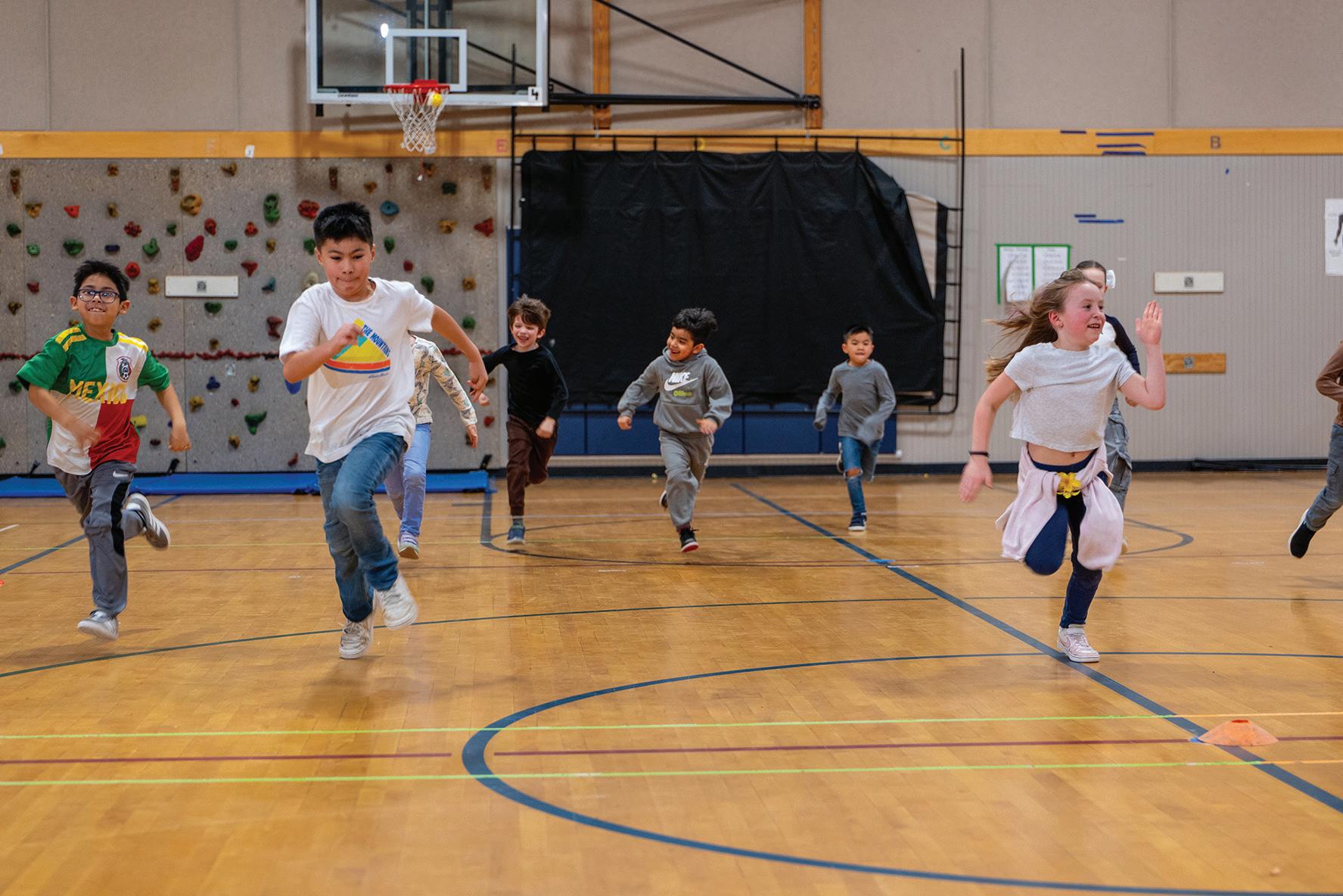
by ELIZABETH HUNTER
In Seattle’s competitive workforce, benefits can make or break employment decisions.
The “big three” in Seattle — Amazon, Microsoft, and Boeing — offer long lists of family-related benefits, which may include support for health-plan dependent IVF treatments, adoption financial assistance or leave, and, increasingly, paid parental leave.
Conspicuously absent from that list? Subsidized child care.
“Child care is one of the biggest gaps in employee benefits because it’s treated as a personal issue, not an economic imperative,” said Reshma Saujani, founder and CEO of Moms First, a national organization dedicated to improving the cost of child care. “Nearly half of today’s workforce are caregivers. Without child care, they can’t work — period.”
According to research from University of Kansas, 2025 saw the steepest decline of women in the workforce in 40 years, with 400,000 women stepping out in the first part of the year alone. Researchers note that child care problems were a major reason moms reported for their departure.
In Seattle, public institutions and nonprofits
are more likely than comparably-sized private companies to offer direct child care support.
The U.S. Department of Veterans Affairs, for example, subsidizes child care for eligible employees with a family income cap of about $149,000. Separately, the City of Seattle offers income-based assistance to eligible employees who live in the city, but it’s a municipal subsidy, not an employee benefit.
The University of Washington provides priority access and tuition support at multiple on-site child care centers to income-eligible faculty, staff, and students. The university “helps keep tuition below market median by covering the space, facilities, and maintenance costs for its on-site centers,” said Victor Balta, UW’s assistant vice president for communications. But while the UW Children’s Center at Laurel Village is expected to double capacity by 2028, Balta acknowledges that waitlists are long at all centers.
At YMCA of Greater Seattle, a champion in the arena of child care benefits, full-time staff receive a 50% subsidy at Y Early Education Centers (infant though preschool), before and after-school programs, and summer day camps. All employees also receive a free Y membership,
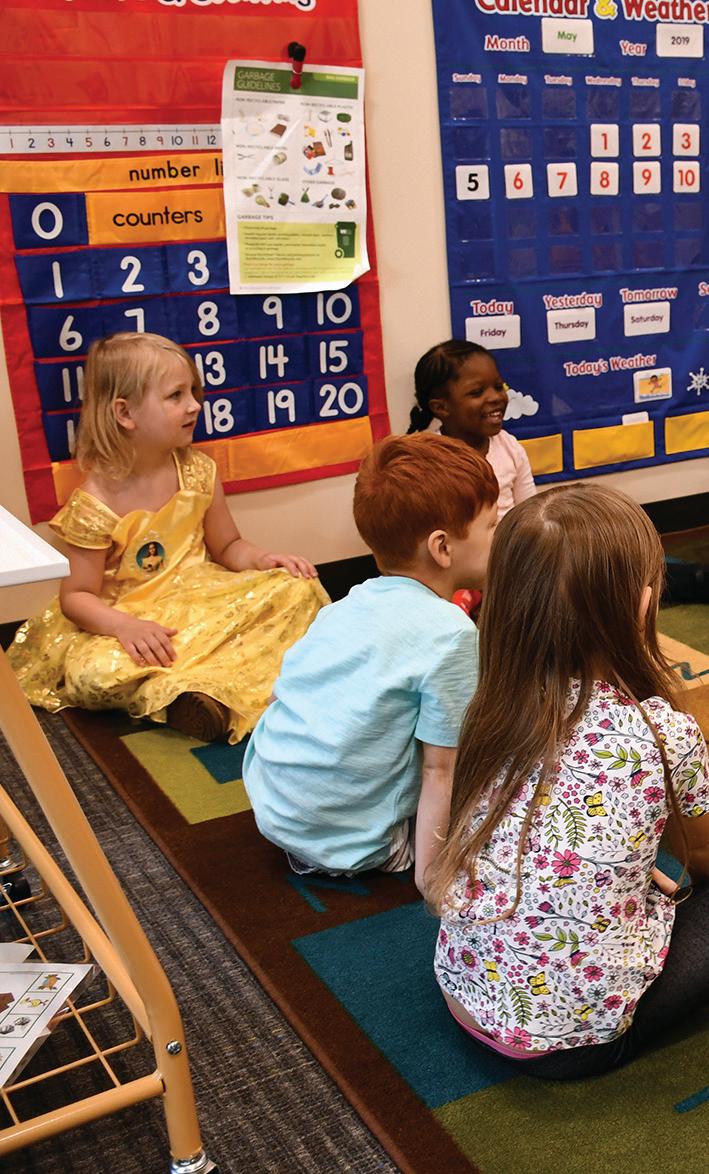
which entitles them to two hours of free onsite care at YMCA Kids Zones — every day.
Loria Yeadon, president and CEO of the YMCA of Greater Seattle, explained those decisions: “Child care benefits for Y staff are meaningful — and can also be combined with financial assistance — because employees are also parents, neighbors, and members of the very communities the Y exists to serve. At the Y, we consider child care not a perk, but a foundation for equity and opportunity for all.’
In stark contrast to the YMCA, benefits lag at Seattle’s large private sector employers. Many companies that list “child care benefits” offer Dependent Care Flexible Spending Accounts (DCFSA), allowing employees to set aside a maximum of $7,500 per year per household of their own pre-tax income to cover child care.
According to the DCFSA website, depending on their tax bracket, employees can save up to
“CHILD CARE IS ONE OF THE BIGGEST GAPS IN EMPLOYEE BENEFITS BECAUSE IT’S TREATED AS A PERSONAL ISSUE, NOT AN ECONOMIC IMPERATIVE.”
-RESHMA SAUJANI
FOUNDER AND CEO OF MOMS FIRST
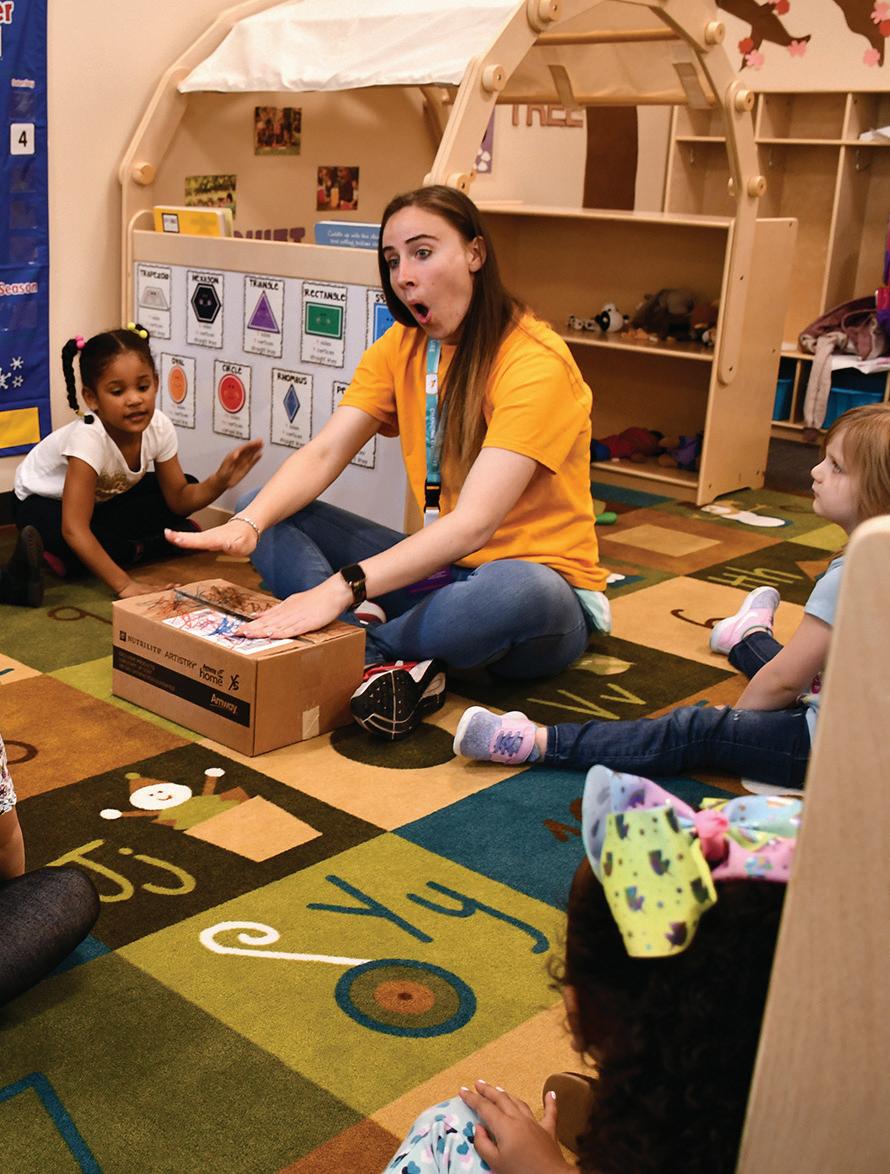
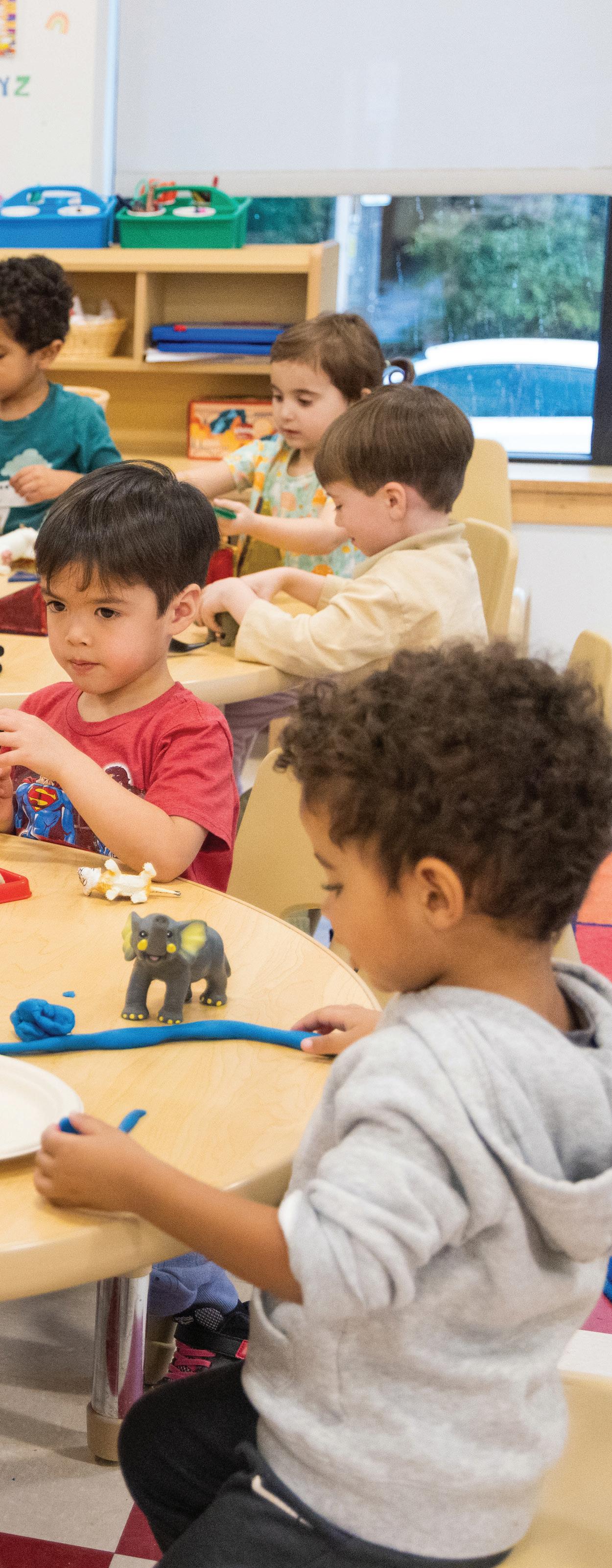
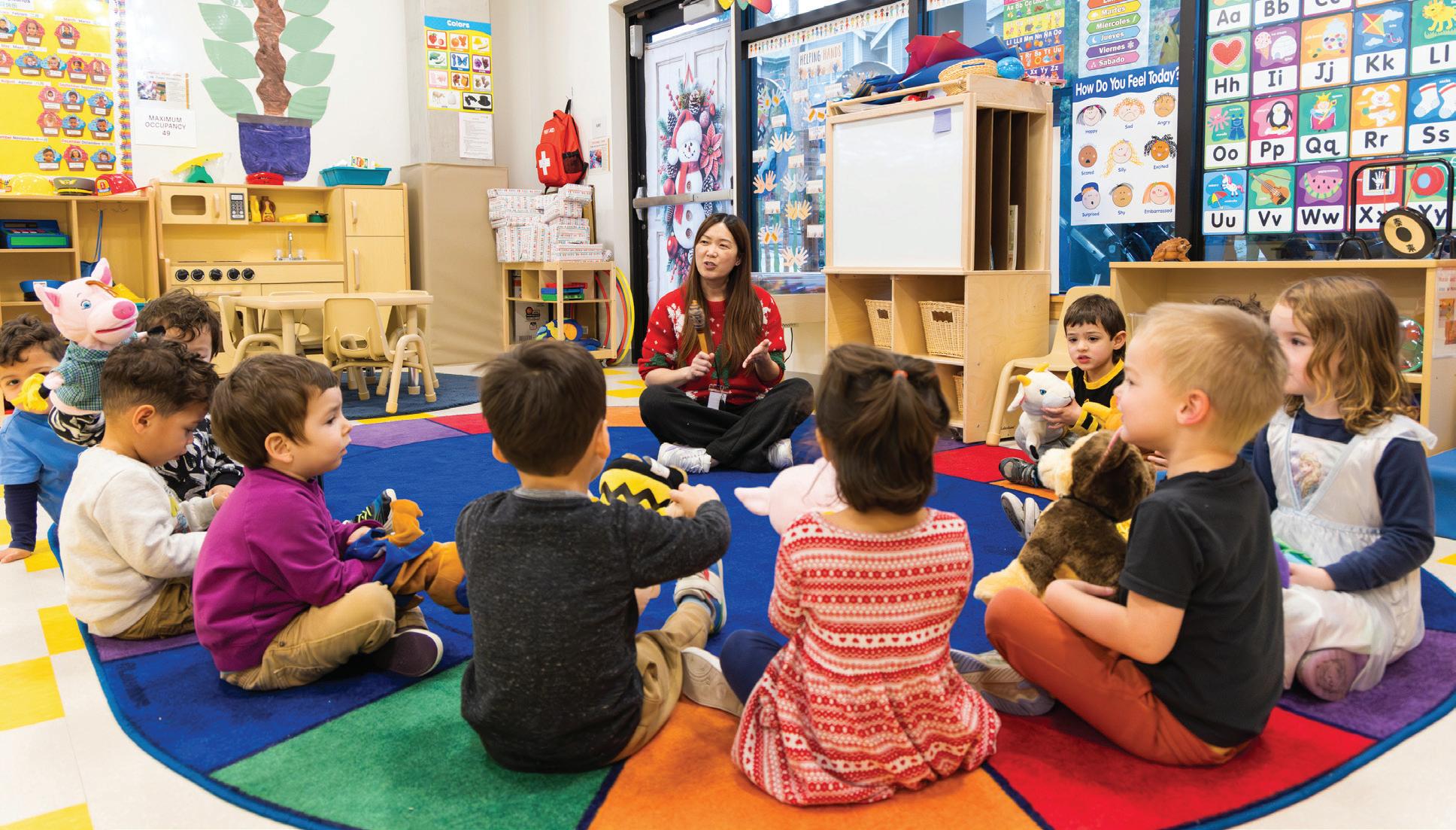
Young learners at a YMCA Early Education Center explore sensory play and guided activities that support early development and curiosity.
$900 per year — less than half of one month of infant care.
In 2018, Starbucks enthusiastically announced a new benefit: ten days of subsidized “backup care” for parents who need it. Other companies, like Amazon and Boeing, quickly followed suit. However, using Seattle’s average infant care cost of $1,000 per week, if an employee with a sick infant were to use all 10 days of subsidized backup care, this benefit saves a mere 5% on total annual child care expenses for that infant.
Microsoft does offer some help for the day-today. A “Family Concierge” service helps employees coordinate child care, and full-time employees can register for infant (20%) and toddler (10%) subsidies at several large daycares like Bright Horizons, a provider of employer-sponsored child care. Priya Krishnan, Bright Horizons’ chief digital and transformation officer, wishes companies offered more.
“We see employers as an important source of financial support for working parents when it comes to child care. Organizations have the opportunity — and responsibility — to ease the burden for working parents,” Krishnan said.
Despite recent studies showing a return on investment for employers who subsidize child care, just 12% of U.S. workers receive child care benefits. Mothers, above all, are paying the price for this. A 2021 report by the Congressional Budget Office found that moms “are more likely to be the primary caretakers of children; having access to low-cost or free child care would allow them to work more.”
‘We
by MELODY IP AND CHERYL MURFIN
Last month, Washington Gov. Bob Ferguson presented a supplemental budget proposal for the 2025-27 biennium that balances a projected state budget deficit of several hundred million dollars without adding new revenue. The proposal includes reductions to state-funded child care and early learning programs — including a cap on the Working Connections Child Care (WCCC) caseload, cuts to provider subsidies and professional development funding, and other early learning budget reductions within the Department of Children, Youth, and Families.
At the same time, Ferguson pushed lawmakers to impose a “millionaire’s tax” on those who earn more than $1 million a year. Doing so, according to the governor’s office, could bring in up to $3 billion a year for state programs and services, potentially moving the needle significantly toward universally affordable child care for all if coupled with funds from the state’s capital gains tax already dedicated to that cause. According to Amber Wallin, one of the architects of New Mexico’s new universal child care system, such dedicated, secure funding sources are key. (See The Example, pg. 18)
“Washington doesn’t currently have a single dedicated revenue source for universal child care the way New Mexico uses permanent fund revenues,” said Rep. Steve Bergquist (D-Renton), chair of the Early Learning & Human Services Committee in the state House of Representatives. “However, we do already spend far more on early learning and child care subsidies than New Mexico does . . . Ultimately, universal access will require significant stable and progressive state revenue, and a clear decision that
early learning is a core responsibility of the government.”
In other words, making it a right for every family.
“Washington has made meaningful progress over the last few years,” Sen. T’wina Nobles (D-Fircrest), vicechair of K-12 on the state Senate’s Early Learning & K-12 Education Committee, concurred with Bergquist. “Universal child care represents a major shift in how services are delivered statewide. To make that shift responsibly, we need longterm, dependable funding and not short-term fixes. Without sustainable revenue, we risk overpromising and underdelivering to families who are already stretched thin.”
Just before leaving office, former Seattle Mayor Bruce Harrell said he believes Washington’s wealthiest residents need to step up and pay their fair share to make child care affordable to all.
“Without a state income tax, we’re always doing smaller things around the edges,” Harrell said. “From a progressive tax standpoint, we as a city have very limited options. This can’t be solved alone by the City of Seattle.”
While state lawmakers can’t set child care prices, both Nobles and Sen. Claire Wilson (D-Auburn), vice-chair of early learning on the Senate’s Early Learning & K-12 Education Committee, agree they must help stabilize the market by increasing supply, removing unnecessary costs and procedural barriers, creating efficiencies in the child care system, and supporting providers.
“Low wages and burnout drive talented providers out of the field, which shrinks availability and pushes prices higher,” said Nobles. She added that child care must be viewed as essential infrastructure.
hile Seattle and the state of Washington try to move the ball forward on universally affordable child care, President Donald Trump and his administration have made a string of decisions in the past year to roll it back.
On New Year’s Eve, the Trump administration announced that due to allegations of fraud by Somali child care providers in Minnesota, it would freeze federal funds to help low-income families pay for child care in all states, alarming parents, workers and child care advocates here and across the nation. Then on Jan. 6, the administration reversed itself, announcing it would withhold $10 billion from five Democrat-led states — Minnesota, New York, California, Illinois, and Colorado. The funds will be held until states complete a review process to verify the absence of fraud.
Since Trump’s inauguration almost one year ago, federal administrative and budget decisions under the Trump administration have further strained Washington’s already fragile child care system and stressed both parents
CONTINUED FROM PREVIOUS PAGE >
Wilson and Nobles support companion legislation (House Bill 1128/Senate Bill 5062) introduced during the 2025 legislative session. If approved in the upcoming 2026 session, the bills would establish a statewide board to set employment standards, streamline regulations for establishing child care programs, and protect funding for child care. House Bill 1350, which would update to “true cost” the reimbursement rates for the Working Connections Child Care, may also return to the legislature in 2026.
Bergquist says he’s planning to introduce legislation to provide scholarships for people working to become early learning instructors. And, he’ll sponsor a bill that will lead to a significant increase in early childhood education access: That bill would allow the state to accept an annual investment of $170 million from Ballmer Group for Washington’s Early Childhood Education and Assistance Program (ECEAP).
“That funding could support up to 10,000 additional preschool
by CHERYL MURFIN
and workers, according to national reporting and state advocates. There have been delays in grant approvals and reimbursements for early learning programs, including Head Start and child care assistance, and disrupted cash flow for providers across the state, many of whom operate on thin margins and rely on predictable federal payments to meet payroll and licensing requirements.
According to the National Women’s Law Center, staffing reductions and regional office consolidations within the federal Administration for Children and Families have further limited technical assistance available to Washington agencies and providers, reducing oversight and support during a period marked by workforce shortages, rising costs, and persistent child care access gaps.
Federal budget decisions during this period have compounded child care pressures for Washington families. Proposals to hold the federal Child Care and Development Fund flat failed to keep pace with inflation and rising labor costs, effectively shrinking the level of
slots over the next decade,” Bergquist said.
While lawmakers try to balance budget cuts and family needs in Washington, Sen. Patty Murray (D-Bothell) is pushing for approval of the Child Care for Working Families Act in the other Washington. The legislation would ensure and increase access to affordable child care and high-quality preschool to all American families and could otherwise help push Washington over the universally accessible line.
“I am going to keep pushing to get this legislation signed into law and deliver the relief that families in Seattle and all across the country are counting on,” Murray, who’s fought for the act since 2017, said.
“Universal child care is about more than access; it’s about opportunity, stability, and dignity for families and for the people who care for our kids,” said Nobles.
assistance available to help families afford care, according to child care policy analysts at The Century Foundation.
Other targeted programs — such as grants that help Washington’s student parents remain enrolled in college and federal initiatives that support early childhood system-building — have faced repeated uncertainty or proposed elimination, despite U.S. Department Health and Human Service finding that “Higher child care subsidy expenditures significantly increase labor force participation and employment rates of low-income mothers in the United States.” Economists and policy researchers at Brookings Institution warn that continued instability in child care funding has consequences not only for individual families, but for the broader economy and labor force in Washington and across the U.S.
The message to families, particularly those with low incomes or nontraditional work schedules, is unmistakable: child care should remain a private struggle rather than a public priority, even as its breakdown continues to drag on the broader economy.
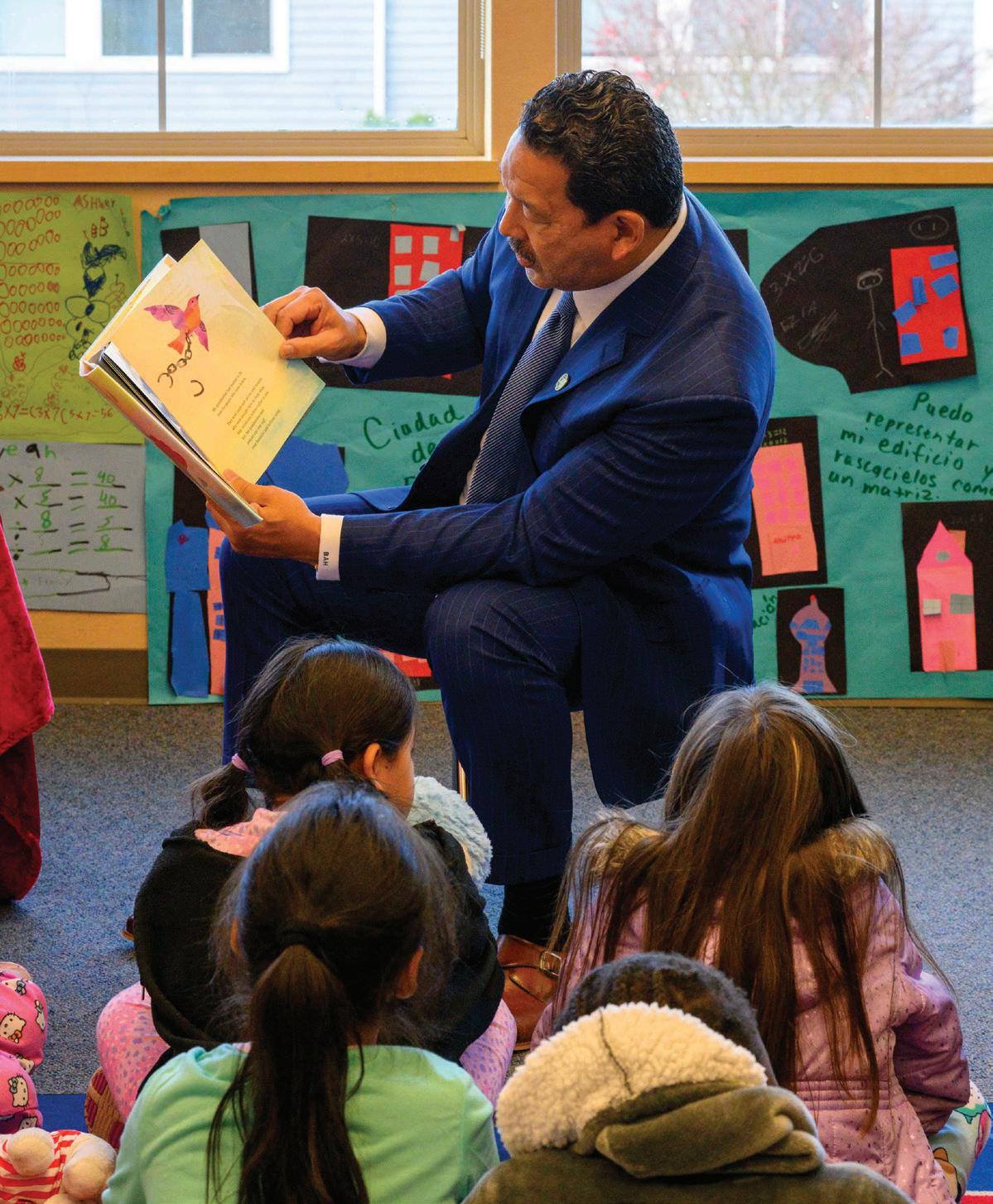
PLAN YOUR SUMMER: Visit our online directory to
camps and classes added daily.








place students by skill level rather than by age or grade. Enroll full year or summer school.
RSM
Grades K-12
Locations in Bellevue, Factoria, and Redmond bellevue@mathschool.com factoria@mathschool.com redmond@mathschool.com mathschool.com




















































The Russian School of Mathematics is an award-winning, after-school math program for K-12 students. Recently named “among the top schools in the world” by the Johns Hopkins CTY, we help children of all levels excel in mathematics. At RSM, we believe all children can develop a solid foundation in math if taught correctly.




Morningside Academy
Legacy Horsemanship Camp


Ages 7 & up
19802 NE 148th St., Woodinville 98077 legacyhuntersjumpers.com
Give your child an unforgettable summer at Legacy Horsemanship Camp in Woodinville! For horse-loving campers ages 7+, this immersive camp features daily riding lessons and hands-on horsemanship in a safe and supportive environment. Sessions run Tuesday through Friday, 9:30 a.m.–3 p.m., with experienced instructors and well-trained horses, building confidence and skills together every day.
Pacific NW Riding Academy
Summer Horse Camp Series
Ages 6-15
Wildwood Farm: 2326 Happy Valley Rd., Oak Harbor 98277 360-679-3474 hcarder@comcast.net pnwriding.com/summer-campinformation-1
Summer School at Morningside Academy Grades 2-9 1605 17th Ave., Seattle 98122 206-709-9500 info@morningsideacademy.org morningsideacademy.org
Morningside Academy’s internationally acclaimed program allows students to catch up, build up, and get ahead. Our research-based curriculum and highly trained teachers lead to exceptional student success. We offer a 1:12 teacher/ student ratio with daily support cards. We
Pacific NW Riding Academy is located at Wildwood Farm in Oak Harbor, Whidbey Island. We offer 4-hour introduction to horsemanship summer camps that run every Tuesday and Thursday from June 23 to August 27, as well as 5-day camps in August. Campers learn riding, grooming, hands-on care, and play games.
Red Gate Farm Day Camp
Ages 6-11
23836 SE 24th St., Sammamish 98075 425-466-3800 redgatefarmtraining@gmail.com redgatefarmdaycamp.com
Campers build self-confidence while













experiencing the special bond between horse and rider, learning everything about horse care including basic grooming, saddling, and arena etiquette. Other activities include arts, crafts, and games. On the last day, campers share their new riding skills with a horse show for friends and family.
Tilth Alliance
Ages 3-15
4649 Sunnyside Ave. N, #100, Seattle 98103 5513 S Cloverdale St., Seattle 98118 206-633-0451 youthprograms@tilthalliance.org tilthalliance.org/our-work/ youth-families
At Tilth Alliance's Summer Farm & Garden Camps, kids ages 1 to 15 spend summer days outdoors being urban farmers and gardeners. Kids discover where food comes from and learn about the natural world. Summer camp is also a time to have fun adventures, explore our gardens and farm, engage in science investigations, make art, sing songs, and cook up delicious dishes.
Charles Wright Academy Grades 1-9
7723 Chambers Creek Road West, Tacoma 98467 253-620-8388 summercamp@charleswright.org charleswright.org/community/camps










Summer camp at Charles Wright Academy offers hands-on experiences that spark curiosity and build confidence. Through play, creativity, and collaboration, campers grow as capable and caring individuals. In our state-of-the-art athletics, STEM, and art facilities, students entering grades 1-9 explore a wide range of engaging day camp activities.
Gage Academy of Art
Ages 6-18























2107 Westlake Ave., Seattle 98121 206-323-4243 info@gageacademy.org gageacademy.org/summer-camps
At Gage Academy of Art, summer is a chance to explore, imagine, and grow. Our Youth Summer Camps offer a fun, safe, and inspiring space where kids and teens learn new skills, build confidence, and create with guidance from experienced teaching artists. Families can choose between in-person and online options to fit their schedules.
Girls Rock Math
Grades 1-8
Locations in Bellevue, Seattle, and Shoreline 206-408-8078
girlsrockmath.org
Girls Rock Math is an empowering,
arts-based math camp. Our camps offer engaging themes that capture a girl's interest and imagination, and we use that as a catalyst for math growth through real-life, hands-on math projects. Creative and fun experiences with math help develop confidence, excitement, and joy around learning.
Northwest Culinary Prep Camp
Ages 13-17
Seattle Central College 425-461-454 inquiries@plateandpalatecatering.com nwculinaryprepcamp.com
Curious about life in a professional kitchen? This teen culinary summer program offers hands-on experience for kids ages 13-17, teaching essential culinary skills under the guidance of working chefs. Students cook daily, build confidence, and finish the week with an exciting cooking show-style challenge. Seattle: July 27-31 or August 3-7, 2026.
Pratt Fine Arts Center
Ages 6-18
1902 S Main St., Seattle 98144 206-328-2200 bzahniser@pratt.org pratt.org/youthteensummer
Join us for Pratt's Summer Camps and Classes, where Youth and Teen artists take over our campus for 8 weeks. Experience creative community as students work in our specially equipped studios, develop social-emotional learning skills, challenge themselves to think creatively, and define success on their own terms.
Soundview Summer Camps
Grades Preschool-8 6515 196th St. SW, Lynnwood 98036 425-778-8572 ctaylor@soundview.org soundview.org/summer-camps
Soundview School offers engaging, inquiry- and adventure-based summer camps for Preschool–Kindergarten and grades 6–8, led by dedicated staff who keep kids active, curious, and happy. Camps also help new students become familiar with the campus and its teachers. Soundview partners with Steve & Kate’s Camp to offer diverse camps for ages 4-12. Learn more at www.steveand katescamp.com/lynnwood.
Splashing Cat Studio
Ages 6-18
6256 NE 159th Street, Kenmore 98028 425-366-7688 info@splashingcatstudio.com splashingcatstudio.com
Splashing Cat Studio offers engaging art camps, after-school classes, and weekend workshops for kids and teens. With school break camps, parent date nights, and optional after-care, our creative programs are perfect for busy families. Receive
a 5% sibling discount with code “SIBLING26”. Register for summer camps by March 31 for a 10% discount.
Tilth Alliance
Ages 3-15
4649 Sunnyside Ave. N, #100, Seattle 98103 5513 S Cloverdale St., Seattle 98118 206-633-0451 youthprograms@tilthalliance.org tilthalliance.org/our-work/youth-families
At Tilth Alliance's Summer Farm & Garden Camps, kids ages 1 to 15 spend summer days outdoors being urban farmers and gardeners. Kids discover where food comes from and learn about the natural world. Summer camp is also a time to have fun adventures, explore our gardens and farm, engage in science investigations, make art, sing songs, and cook up delicious dishes
Charles Wright Academy Grades 1-9
7723 Chambers Creek Road West, Tacoma 98467 253-620-8388 summercamp@charleswright.org charleswright.org/community/camps
Summer camp at Charles Wright Academy offers hands-on experiences that spark curiosity and build confidence. Through play, creativity, and collaboration, campers grow as capable and caring individuals. In our state-of-the-art athletics, STEM, and art facilities, students entering grades 1-9 explore a wide range of engaging day camp activities.
Primrose School of West Bellevue
Summer Adventure Club
Ages 5-7
1150 114th Ave. SE, Bellevue 98004 425-315-7305 admin@primrosewestbellevue.com primrosewestbellevue.com
Your child becomes an engineer, athlete, artist, and more as they explore fun and innovative ways to learn, like design thinking. They’ll take on engineering design challenges, experiments, and themed activities that help develop Active Minds, Healthy Bodies, and Happy Hearts®.
Red Gate Farm Day Camp
Ages 6-11
23836 SE 24th St., Sammamish 98075 425-466-3800 redgatefarmtraining@gmail.com redgatefarmdaycamp.com
Campers build self-confidence while experiencing the special bond between horse and rider, learning everything about horse care including basic grooming, saddling, and arena etiquette. Other activities include arts, crafts, and games. On the last day, campers share their new riding skills with a horse show for friends and family.
SAMBICA
Grades 2-9
4114 W Lake Sammamish Pkwy SE, Bellevue 98008 425-746-9110 camp@sambica.com sambica.com
A Light on Lake Sammamish! SAMBICA offers 10 weeks of the best summer ever! Campers come alive through fun adventures like tubing, high ropes course, field games, and more. SAMBICA staff are committed to cultivating meaningful friendships and lasting memories for campers through play in a life-giving environment!
Seattle Children's Museum Camps
Ages 5-12
305 Harrison St., Seattle 98109 206-441-1768 education@seattlechildrensmuseum.org seattlechildrensmuseum.org/camp
This summer, Seattle Children’s Museum offers 10 uniquely themed S.T.E.A.M camps led by professional Museum Educators and grounded in hands-on exploration and creative play. Children build friendships, strengthen their problem-solving and social-cognitive skills, and grow through immersive, project-based learning in a joyful and supportive environment.
Soundview Summer Camps
Grades Preschool-8
6515 196th St. SW, Lynnwood 98036 425-778-8572 ctaylor@soundview.org soundview.org/summer-camps
Soundview School offers engaging, inquiry- and adventure-based summer camps for Preschool–Kindergarten and grades 6–8, led by dedicated staff who keep kids active, curious, and happy. Camps also help new students become familiar with the campus and its teachers. Soundview

partners with Steve & Kate’s Camp to offer diverse camps for ages 4-12. Learn more at www.steveandkatescamp.com/ lynnwood.
Tilth Alliance Ages 3-15
4649 Sunnyside Ave. N, #100, Seattle 98103 5513 S Cloverdale St., Seattle 98118 206-633-0451 youthprograms@tilthalliance.org tilthalliance.org/our-work/youth-families
At Tilth Alliance's Summer Farm & Garden Camps, kids ages 1 to 15 spend summer days outdoors being urban farmers and gardeners. Kids discover where food comes from and learn about the natural world. Summer camp is also a time to have fun adventures, explore our gardens and farm, engage in science investigations, make art, sing songs, and cook up delicious dishes.
Villa Ventures:
The Ultimate Summer Adventure
Ages 4-17
5001 NE 50th St., Seattle 98105 206-524-8885 summer@thevilla.org thevilla.org/summer
Villa Ventures provides the largest and most robust summer camp experience in Seattle. Located on Villa Academy’s campus, Villa Ventures Summer Camps feature high-quality, engaging outdoor and indoor experiences designed for curious and creative minds ages 4 to 17. There are activities for everyone, including sports, coding, outdoor education, and more. Registration opens on February 14, 2026, at 8 a.m.
YMCA of Greater Seattle Ages 6-18
909 Fourth Ave., Seattle 98104 206-382-5022 campinfo@seattleinfo.com seattleymca.org
YMCA Camp Colman, Camp Orkila, and BOLD & GOLD trips offer innovative youth development experiences that help kids and young people become their best selves. Through overnight camps and adventure trips, youth explore nature and make friends while building confidence, community, and social-emotional skills through modern, adventure-based learning for all youth.
F.I.S.H. Ages 4-11
Issaquah Salmon Hatchery, 125 W Sunset Way, Issaquah 98927 425-392-1118 execdir@issaquahfish.org issaquahfish.org
Fishing for Fun campers will explore the hatchery to investigate questions like, “How do different animals make a home?” and “What does the journey of a salmon look like?” This camp will foster
the joy of discovery and cultivate a sense of wonder in both the outdoor environment and the world of salmon.
Seattle Children's Museum Camps
Ages 5-12
305 Harrison St., Seattle 98109 206-441-1768 education@seattlechildrensmuseum.org seattlechildrensmuseum.org/camp
This summer, Seattle Children’s Museum offers 10 uniquely themed S.T.E.A.M camps led by professional Museum Educators and grounded in hands-on exploration and creative play. Children build friendships, strengthen their problem-solving and social-cognitive skills, and grow through immersive, project-based learning in a joyful and supportive environment.
Tilth Alliance
Ages 3-15
4649 Sunnyside Ave. N, #100, Seattle 98103 5513 S Cloverdale St., Seattle 98118 206-633-0451 youthprograms@tilthalliance.org tilthalliance.org/our-work/ youth-families
At Tilth Alliance's Summer Farm & Garden Camps, kids ages 1 to 15 spend summer days outdoors being urban farmers and gardeners. Kids discover where food comes from and learn about the natural world. Summer camp is also a time to have fun adventures, explore our gardens and farm, engage in science investigations, make art, sing songs, and cook up delicious dishes.
Vashon Wilderness Program
Ages 4-15
PO Box 712, Vashon 98070 206-651-5715 info@vashonwilderness.org vashonwilderness.org
Summer day camps at VWP invite children to form meaningful connections with nature while having fun exploring the mystery and magic of local ecology. Skilled nature-connection mentors spark curiosity as kids learn to track mammals, forage safely, build shelters, stay oriented outdoors, interpret bird language, and grow through hands-on adventures that include songs, games, and storytelling.
YMCA of Greater Seattle
Ages 6-18
909 Fourth Ave., Seattle 98104 206-382-5022 campinfo@seattleinfo.com seattleymca.org
YMCA Camp Colman, Camp Orkila, and BOLD & GOLD trips offer innovative youth development experiences that help kids and young people become their best selves. Through overnight camps and adventure trips, youth explore nature and make friends while building confidence, community, and social-emotional skills through modern, adventure-based learning for all youth.












YMCA of Greater Seattle Ages 6-18
909 Fourth Ave., Seattle 98104 206-382-5022 campinfo@seattleinfo.com seattleymca.org
YMCA Camp Colman, Camp Orkila, and BOLD & GOLD trips offer innovative youth development experiences that help kids and young people become their best selves. Through overnight camps and adventure trips, youth explore nature and make friends while building confidence, community, and social-emotional skills through modern, adventure-based learning for all youth.
All That Dance
All ages
3012 NE Blakeley St., Seattle 98105 206-524-8944 info@all-that-dance.com allthatdanceseattle.com
Dance, play, and explore at All That Dance. Our inclusive, creative environment is the perfect place for your child to have their first dance experience, build skills, and grow as a dancer and human. We offer ballet, tap, modern, jazz, pop styles, and lyrical classes for all ages.
Bach To Rock Redmond Ages 4-14
8451 164th Ave. NE, Suite 120, Redmond 98052 425-522-4085 redmond@bachtorock.com bachtorock.com/redmond/ music-camps



Led by professional musicians, we offer one-day & week-long camps with half-day & full-day options. We offer three unique music programs for all aspiring artists, regardless of experience. Take a look at our upcoming Rock Band, Glee Club, and Rock City World Tour Camps.
Seattle Girls Choir Summer Day Camps
Grades K-6
1300 E Aloha St., Seattle 98102 206-526-1900 info@seattlegirlschoir.org seattlegirlschoir.org/programs/ day-camp-registration
Curious about choir? Sign up for a fun-filled week of singing at Seattle Girls Choir this summer! At our weeklong day camps, your child will build singing skills, explore sound with instruments, and find new reasons to love making music — all while meeting new friends. We offer half-day Musical Mornings for rising K-1st graders, and full-day for rising 2nd-6th graders. No prior experience necessary to sign up.
Studio East Summer Camps
Ages 4-19
10718 NE 68th St., Kirkland 98033 425-820-1800 info@studio-east.org studio-east.org/summer-camps
Studio East Summer Camps: Learn, Grow, And Play All Summer. Students aged 4-19 develop storytelling, acting, and backstage skills for both life and the stage. Jump into theater with a movie-themed class, or deepen skills to get real-world ready with an Intensive led by experts. Make the world your stage!
Charles Wright Academy Grades 1-9
7723 Chambers Creek Road West, Tacoma 98467 253-620-8388 summercamp@charleswright.org charleswright.org/community/camps
Summer camp at Charles Wright Academy offers hands-on experiences that spark curiosity and build confidence. Through play, creativity, and collaboration, campers grow as capable and caring individuals. In our state-of-the-art athletics, STEM, and art facilities, students entering grades 1-9 explore a wide range of engaging day camp activities.
Club SciKidz Seattle
Ages 4-15

Multiple locations 425-623-4452 leena@clubscikidz.com seattlenorth.clubscikidz.com
Get ready for a summer of excitement, discovery, and hands-on learning at Club SciKidz Seattle! Our STEM summer camps offer engaging experiences in science, technology, engineering, and math. From robotics and coding to space exploration and mini medical camps, there's a camp for every curious mind.


F.I.S.H.
Ages 4-11
Issaquah Salmon Hatchery, 125 W Sunset Way, Issaquah 98927 425-392-1118 execdir@issaquahfish.org issaquahfish.org
Fishing for Fun campers will explore the hatchery to investigate questions like, “How do different animals make a home?” and “What does the journey of a salmon look like?” This camp will foster the joy of discovery and cultivate a sense of wonder in both the outdoor environment and the world of salmon.

Girls Rock Math
Grades 1-8
Locations in Bellevue, Seattle, and Shoreline 206-408-8078
girlsrockmath.org
Girls Rock Math is an empowering,












Take a closer l k at these camps!

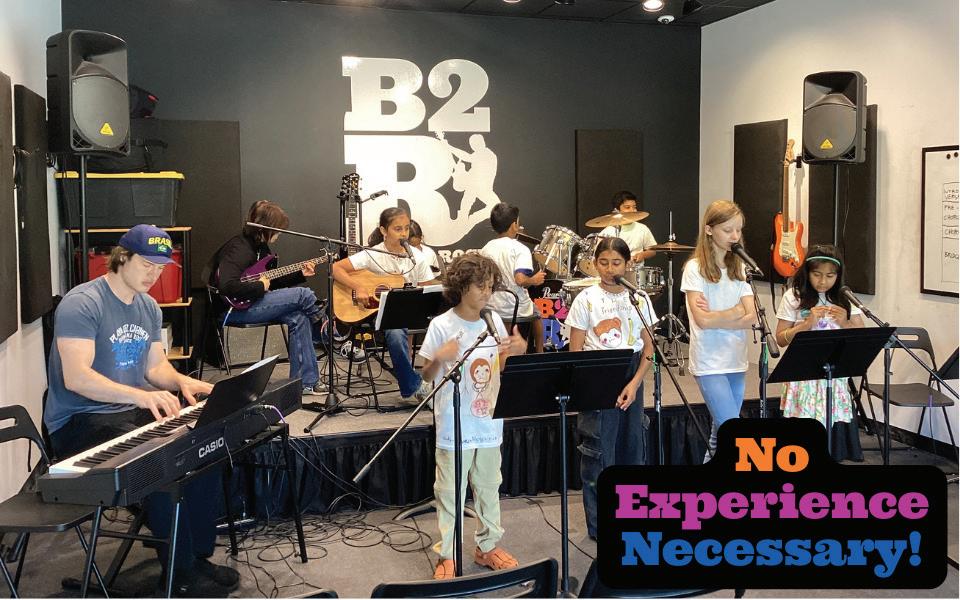
Ages 4–14 8451 164th Ave. NE, Suite 120, Redmond 98052 redmond@bachtorock.com (425) 522-4085 bachtorock.com/redmond/music-camps
Bach to Rock music camps give kids the chance to unleash their inner rock star—even if they’ve never played an instrument before! Rock Band Camp (ages 7–14) gives kids the chance to practice and perform hit songs with coaching from pro musicians as part of a real rock band. Our Rock City World Tour music camp introduces kids (ages 4–6) to the joy of music through a mix of story-time, musical instruments, and group play.
Rising Grades 1–10, with teen leadership opportunities 7723 Chambers Creek Road W, Tacoma 98467 (253) 620-8388 summercamp@charleswright.org charleswright.org/summer
Give your child a summer experience they’ll remember forever at Charles Wright Academy. Our campus spans 107 acres and features forest trails, an outdoor classroom, playgrounds, and fields for nonstop fun in the sun. Students play, learn, and explore in our state-of-the-art athletics, STEM, and art facilities. CWA offers a wide range of academic, athletic, and exploratory day camps for students entering grades 1 through 10, as well as teen leadership programming.

Grades 1–6 3201 E Republican St., Seattle 98112 (206) 408-8078 camp@girlsrockmath.org girlsrockmath.org
Girls Rock Math is an arts-based math camp focused on empowering girls in STEAM subjects. Our hands-on themes capture the imagination, ignite deeper mathematical thinking, and help campers feel confident in their abilities. As part of a community where “Girl Power” rules, our campers develop leadership skills, make friends, take on challenges, and learn together in a meaningful way. With so many curricular themes to choose, there is truly something for everyone!


Ages 13–17
Seattle Central College (425) 461-4545
inquiries@plateandpalatecatering.com nwculinaryprepcamp.com
This hands-on culinary summer program is designed for kids ages 13–17 who want real kitchen skills, not just recipes. Students learn professional techniques, kitchen confidence, teamwork, and creativity while cooking in a professional kitchen. The week ends with a fun, cooking show–style challenge that lets teens put their skills to the test.
Camp held at Seattle Central College July 27–31 or August 3–7.

Ages 6–18
1902 South Main St., Seattle 98144 (206) 328-2200 info@pratt.org pratt.org/youthteensummer
Take over Pratt Fine Arts Center and unleash your creativity in our weekly art camps and classes. Sessions begin June 22 through August 14. Students ages 6 through 18 can explore a variety of mediums across 14 studios, expand critical thinking skills, build creative community, and define success on their own terms. Tuition assistance is available.
Registration for Pratt’s Summer Art Camps & Classes opens on February 9.
Learn more at pratt.org/youthteensummer.



Ages 6–15
Wildwood Farm, 2326 Happy Valley Rd., Oak Harbor 98277 (360) 679-3474 hcarder@comcast.net pnwriding.com
Introduce your child to horsemanship with a summer camp where the love for horses is foundational. Lessons are taught by experienced and friendly instructors. Located on an 80-acre horse ranch in Oak Harbor on Whidbey Island, these camps teach students the basics of horse riding, grooming, and hands-on care with lessons in games throughout each 4-hour session. Summer camps run every Tuesday and Thursday from June 23 through August 27, and 5-day camps are available in August. Contact the academy if you’re interested in an overnight stay at the on-site B&B coordinated with your camper’s session.

Ages 6–12
6256 NE 159th St., Kenmore 98028 (425) 366-7688
info@splashingcatstudio.com splashingcatstudio.com
Splashing Cat Studio offers engaging, educational summer art camps where kids develop confidence, hone their fine motor skills, and expand their imaginations in a fun, supportive environment. Different art media and themes each week! Optional after-care available for working families.
Five-percent sibling discount with code SIBLING26.
Register by March 31st for a 10% discount!



Ages 3–15
4649 Sunnyside Ave. N, Seattle 98103 5513 S Cloverdale St., Seattle 98118 (206) 633-0451 youthprograms@tilthalliance.org tilthalliance.org/camps
Farm & garden adventures await at Tilth Alliance! Young explorers discover where food comes from through hands-on garden fun at our Mid-Winter, Spring Break, and Summer Camps. Kids learn, play, and cook with experienced instructors. We also offer weekend camps for 1- and 2-year-olds with caregivers. Vacation camp registration is open now. Summer camp registration opens February 2 at Wallingford and Rainier Beach— sliding-scale pricing and scholarships available!
arts-based math camp. Our camps offer engaging themes that capture a girl's interest and imagination, and we use that as a catalyst for math growth through real-life, hands-on math projects. Creative and fun experiences with math help develop confidence, excitement, and joy around learning.
Primrose School of West Bellevue
Summer Adventure Club
Ages 5-7
1150 114th Ave. SE, Bellevue 98004 425-315-7305 admin@primrosewestbellevue.com primrosewestbellevue.com
Your child becomes an engineer, athlete, artist, and more as they explore fun and innovative ways to learn, like design thinking. They’ll take on engineering design challenges, experiments, and themed activities that help develop Active Minds, Healthy Bodies, and Happy Hearts®.
RSM
Grades K-12
Locations in Bellevue, Factoria, and Redmond bellevue@mathschool.com factoria@mathschool.com redmond@mathschool.com mathschool.com
The Russian School of Mathematics is an
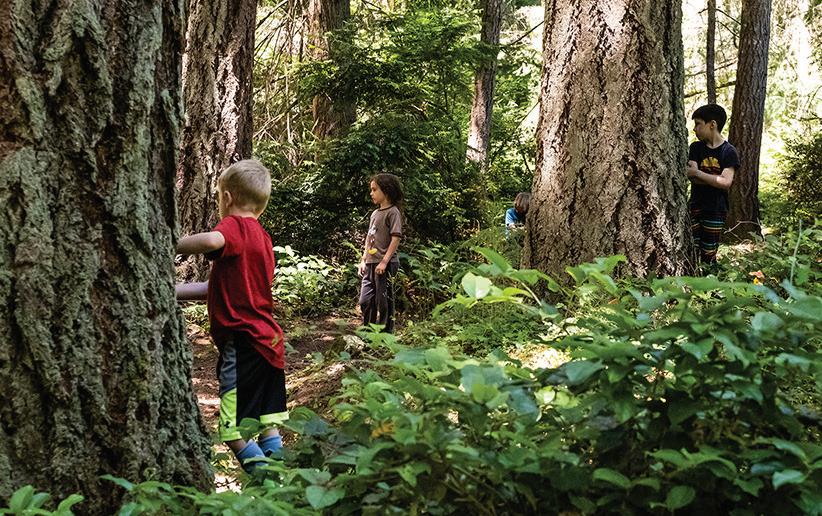
Ages 4-15 P.O. Box 712, Vashon 98070 (206) 651-5715 info@vashonwildernessprogram.org vashonwilderness.org
Vashon Wilderness Program’s summer camps offer children joyful, screen-free days exploring the magic of our local ecology through play, storytelling, and hands-on nature skills. Guided by skilled, caring nature-connection mentors, kids track animals, forage safely, build shelters, navigate unfamiliar terrain, craft, decode bird language and more. In small, supportive groups, children build confidence, curiosity, and a deep sense of belonging. Come learn, grow, and have a blast with VWP this summer!
award-winning, after-school math program for K-12 students. Recently named “among the top schools in the world” by the Johns Hopkins CTY, we help children of all levels excel in mathematics. At RSM, we believe all children can develop a solid foundation in math if taught correctly.
Seattle Children's Museum Camps
Ages 5-12
305 Harrison St., Seattle 98109 206-441-1768 education@seattlechildrensmuseum.org seattlechildrensmuseum.org/camp
This summer, Seattle Children’s Museum offers 10 uniquely themed S.T.E.A.M camps led by professional Museum Educators and grounded in hands-on exploration and creative play. Children build friendships, strengthen their problem-solving and social-cognitive skills, and grow through immersive, project-based learning in a joyful and supportive environment.
Soundview Summer Camps
Grades Preschool-8
6515 196th St. SW, Lynnwood 98036 425-778-8572 ctaylor@soundview.org soundview.org/summer-camps
Soundview School offers engaging, inquiry-
and adventure-based summer camps for Preschool–Kindergarten and grades 6–8, led by dedicated staff who keep kids active, curious, and happy. Camps also help new students become familiar with the campus and its teachers. Soundview partners with Steve & Kate’s Camp to offer diverse camps for ages 4-12. Learn more at www.steveandkates camp.com/lynnwood.
Villa Ventures:
LOOK FOR THE FULL SUMMERTIME GUIDE IN FEBRUARY
The Ultimate Summer Adventure
Ages 4-17
5001 NE 50th St., Seattle 98105 206-524-8885 summer@thevilla.org thevilla.org/summer
Villa Ventures provides the largest and most robust summer camp experience in Seattle. Located on Villa Academy’s campus, Villa Ventures Summer Camps feature high-quality, engaging outdoor and indoor experiences designed for curious and creative minds ages 4 to 17. There are activities for everyone, including sports, coding, outdoor education, and more. Registration opens on February 14, 2026, at 8 a.m.
Charles Wright Academy
Grades 1-9
7723 Chambers Creek Road West, Tacoma 98467
253-620-8388
summercamp@charleswright.org charleswright.org/community/camps
Summer camp at Charles Wright Academy offers hands-on experiences that spark curiosity and build confidence. Through play, creativity, and collaboration, campers grow as capable and caring individuals. In our state-of-the-art athletics, STEM, and art facilities, students entering grades 1-9 explore a wide range of engaging day camp activities.
Seattle Bouldering Project
SBP Summer Camps
Ages 6-15
3535 Interlake Ave. N 900 Poplar Pl. S 4502 University Way NE 206-430-7757
sbp.programs@boulderingproject.com boulderingproject.com/ seattle-summer-camp
SBP Summer Camps are a great way to spend summer days! We delve into a sport whose physical and mental benefits are both tangible and diverse. Our staff is dependable and caring, whose focus is youth development. Campers will spend time working on their climbing skills, connecting with new friends, and gaining confidence, both on and off the wall.

Soundview Summer Camps
Grades Preschool-8 6515 196th St. SW, Lynnwood 98036 425-778-8572
ctaylor@soundview.org soundview.org/summer-camps
Soundview School offers engaging, inquiry- and adventure-based summer camps for Preschool–Kindergarten and grades 6–8, led by dedicated staff who keep kids active, curious, and happy. Camps also help new students become familiar with the campus and its teachers. Soundview partners with Steve & Kate’s Camp to offer diverse camps for ages 4-12. Learn more at www.steveandkates camp.com/lynnwood.
Villa Ventures: The Ultimate Summer Adventure
Ages 4-17
5001 NE 50th St., Seattle 98105 206-524-8885 summer@thevilla.org thevilla.org/summer
Villa Ventures provides the largest and most robust summer camp experience in Seattle. Located on Villa Academy’s campus, Villa Ventures Summer Camps feature high-quality, engaging outdoor and indoor experiences designed for curious and creative minds ages 4 to 17. There are activities for everyone, including sports, coding, outdoor education, and more. Registration opens on February 14, 2026, at 8 a.m.