PICKS FROM: SUMMER FROM:

AUTHORS & ILLUSTRATORS
LIBRARIANS & BOOKSELLERS KID TO KID
Malaika recommends “Pig the Pug”





Don’t miss these stories on 3
This Hits Home: News that impacts Seattlearea families. Posted every Sunday at 7:30 p.m. 3

PICKS FROM: SUMMER FROM:
AUTHORS & ILLUSTRATORS
LIBRARIANS & BOOKSELLERS KID TO KID
Malaika recommends “Pig the Pug”
Don’t miss these stories on 3
This Hits Home: News that impacts Seattlearea families. Posted every Sunday at 7:30 p.m. 3

BRETT HAMIL
Here in Seattle, our public libraries offer a whole lot to kids and families.
Last year they provided over 1,300 story times and other early literacy programs, 1,400 hours of free drop-in tutoring and homework help for school-age kids, 5,800 programs at community branches with 130,000 attending, and access to 2.9 million books, and 7,000
digital newspapers and magazines. Not to mention, Seattle Public Library (SPL) is among the top ten library systems worldwide for digital book checkouts.
At the same time, SPL has become a load-bearing institution under the second Trump administration. Amid a national wave of anti-diversity, anti-LGBTQIA+ censorship and the homogenizing effects of AI on human expression and search engine results, libraries nationwide have become a flashpoint in the fight for information
freedom as well as a de facto frontline in the social safety net offering free access to resources and a safe, welcoming “third space” for all.
This August, Seattle voters will decide whether a new Library Levy will fund a third of the Seattle Public Library’s total operating expenses for the next seven years. At $480 million, the proposed levy would maintain current open hours and programming across the system, fund deferred
July/August 2026 // Issue 518
“Seattle is my town. I know this city inside and out… or so I thought until I had kids.”
Seattle’s Child is your guide to getting to know your city all over again. Finding things to do, places to eat, and how to get around — it’s a whole new ballgame with kids in tow. We’re interested in how parents make homes in a space-challenged urban environment, how families create community, and what parents are really talking about. Seattle’s Child reflects real Washington families and their broad range of parenting experiences.
ANN BERGMAN Publisher, Founder abergman@seattleschild.com
JASMIN THANKACHEN Associate Publisher jasmin@seattleschild.com
KATHRYN HOLLOWAY Art Director
CHERYL MURFIN Managing Editor, Print cheryl@seattleschild.com
BRITT THORSON Managing Editor, Digital britt@seattleschild.com
JOSHUA HUSTON Photographer
ROSE WILLIAMSON Proofreader
JEFF LEE, MD Columnist
CASEY FUNKE
CAROLINE JIAYING GRYGIEL BRETT HAMIL
MELODY IP HOLLY MYERS
CHERYL MURFIN
LAUREN PAIGE
ALLISON PETERSON Contributors
ADVERTISING
NOAH DRETSKE Account Executive noah@seattleschild.com
YULIA FIALA Account Executive yulia@seattleschild.com
FABIOLA LOPEZ Ad Production Coordinator fabiola@seattleschild.com
Seattle’s Child has provided useful information to parents since 1979. In addition to our magazine, look for our special themed publications — Family Guide, School, Explore, Get Moving!, and SummerTime — distributed free throughout the Puget Sound area. Seattle’s Child is published every other month. ONLINE seattleschild.com Facebook facebook.com/seattleschild Twitter @SeaChildMag Instagram @seattleschildmag
MAIL c/o Postal Plus 1211 E. Denny Way, Seattle, WA 98112
VOICE 206-441-0191
TO ADVERTISE advertise@seattleschild.com
STORY IDEAS editor@seattleschild.com
CALENDAR SUBMISSIONS calendar@seattleschild.com Include date, time, cost, appropriate ages, address, contact information and description.


maintenance of older branches, expand book collections, and upgrade technology and accessibility.
What? Another levy?
The ideal scenario for paying for all this would be Seattle's general fund. In Washington, however, local governments are capped at a 1% annual increase in property tax. This hard limit on taxing doesn’t even cover the rate of inflation and has starved local governments of the revenue needed to support basic services — like libraries. Spending beyond that cap must be approved by voters. Thus the endless parade of levies we see on the ballot — for transit, affordable housing, schools, child care, and now, once again, libraries.
Some Seattleites question the price tag of the 2026 Library Levy, which is twice the ask of the last library levy, approved by voters in 2019. This year’s re-up would cost the median homeowner $191 a year, or about $16 a month ($0.23 per $1,000 of assessed home value). But as rising gas and grocery prices continue to break records, critics of the levy balk at the added tax burden. In April, Seattle City Councilmember Maritza Rivera spoke out against 11 amendments to Mayor Katie Wilson’s original $410M proposal. Nevertheless, all 11 passed, adding $69.7 million to the pot, and the council voted to send that final version to voters on the August ballot.
Yazmin Mehdi, board president of the Seattle Public Library, says of the requested sum: “The biggest challenge we have right now is that the cost of ebooks and audiobooks is three to five times the cost of a print book. What that means is that our collection budget no longer goes as far as it used to.”
A levy that reaches beyond libraries Mehdi points out that funding for Seattle Public Libraries extends beyond its own programs.
“We’re a multiplier,” Mehdi said. “If the Library has funds, that means the nonprofit community that works to support education of all sorts is also going to be supported. We bring in partners to do that work rather than reinvent the wheel.”
Mehdi adds that popular programs like the multilingual Kaleidoscope Play & Learn, Homework Help, Toddler Play Group, and Story Time would be directly impacted if SPL lost a third of its budget.
“The argument that we need to invest less in libraries because the economy sucks is so absolutely counter to how I think about it,” Mehdi said. “Libraries are necessary at all times, but in times of economic struggle, where else are you gonna go to get access to the internet if you can’t afford it at home? I would think that at a time when people are struggling you’d want to support the library being able to offer these things for free.”
Now more than ever
Councilmember Alexis Mercedes Rinck sponsored three amendments to the final levy, including one for a seismic retrofit of the historic Carnegie-designed West Seattle Branch. She outlines the broader contours of the vote this way:
“In a moment like the one we’re in right now, one of fascism and all-out attacks on education and research, protecting and investing in spaces for knowledge is critical and essential,” she says.
“This is also a place where we direct people quite literally to stay warm or stay cool during severe weather events,” Rinck stresses. “The library is a critical part of our social safety net and also critical infrastructure for keeping people safe. Its original purpose was centered on knowledge but it’s become so much more.”
by JEFF LEE, MD

My father grew up fishing with bamboo poles and bent-pin hooks, in the irrigation canals of Macao. His uncle taught him how to fish (and also how to gamble), because my grandfather was 8,000 miles away in a land they called “Gold Mountain.” More precisely, in a Chinese laundry in Rochester, New York.
Fishing was one of the few things from my father’s boyhood that followed him through his long journey to America, his stint in the U.S. Navy, his college and dental school on the G.I. Bill, and all the way to our home in Amherst, Massachusetts. It was a reminder of his mostly happy childhood, before all the displacement, and struggles of his new life in the New World. It was one thing he hadn’t lost or left behind.
He tried to teach me and my brothers how to fish, but I was the one who really took to it, and I became his regular fishing buddy. It’s hard to say which came first — my love of fishing or my love of those precious moments when I had my father all to myself — but over time the two merged into one.
The night before, we’d rig up our rods and place them by the door so we could sneak out of the house without waking the rest of the family. In the morning, he would creep into my room while it was still pitch dark and squeeze my shoulder.
“Are you awake?” he’d whisper, and I’d sit up immediately, as if some part of my sleeping brain had been waiting for that moment all night long.
The drive to our favorite fishing spot was about 25 minutes. I got to ride shotgun without battling my brothers for the honor. By the time we arrived, there’d be just enough light so we could pick our way down the trail from the unmarked turnout to the edge of the lake.
As we approached the shore, we stopped talking. Supposedly, this was to avoid spooking the fish, but for me it was more like walking into a church. A faint, swirling mist hung low over the lake, and the splash of feeding fish sent rings across the glassy surface — tantalizing signs that our devotion and sacrifice
might yet be rewarded. We baited our hooks, cast our lines and waited, mostly in silence. I never got bored. I never lost faith. I never wished I hadn’t come.
By the time we got home, the rest of the family was barely starting their day. We, on the other hand, had spent hours in the presence of still water, wild creatures, and new light. It was our little secret. If we had no fish to show for our lack of sleep, the others would look at us with a mixture of smugness and pity, but we knew better. We knew what they couldn’t know.
These days, I often go to sleep early and wake before dawn. I slip out of bed and get dressed with as little noise as possible, and set out on a long, leisurely walk. This morning, I saw a scraggly coyote weaving right down the middle of the road, like he was stumbling home from some all-night coyote rave, secure in the knowledge that no bothersome cars or respectable, collar-wearing dogs would bother him at that hour. I saw a skunk tiptoe daintily across my path and duck under a fence. And I saw a young barred owl swoop silently into a cedar tree and come to rest on a low branch, eyeing me as I walked by below.
I think of these early hours as a gift from my father. He wrapped them up for me in the mist and quiet of a hundred summer mornings, and secured them with all those yards of fishing line he patiently untangled when I’d somehow twisted them into a hopeless knot.
The next time you consider the legacy you want to leave for your kids, don’t forget that there are some things you can’t put in your will. You won’t pass them on for free — they require some planning, and maybe a few hours of lost sleep. On the other hand, they won’t get stuck in probate, or gobbled up by lawyers and taxes.
Besides, the return on investment can’t be beat.
ABOUT OUR COLUMNIST
Jeff Lee sleeps lightly and dreams of still water in Seattle, WA.


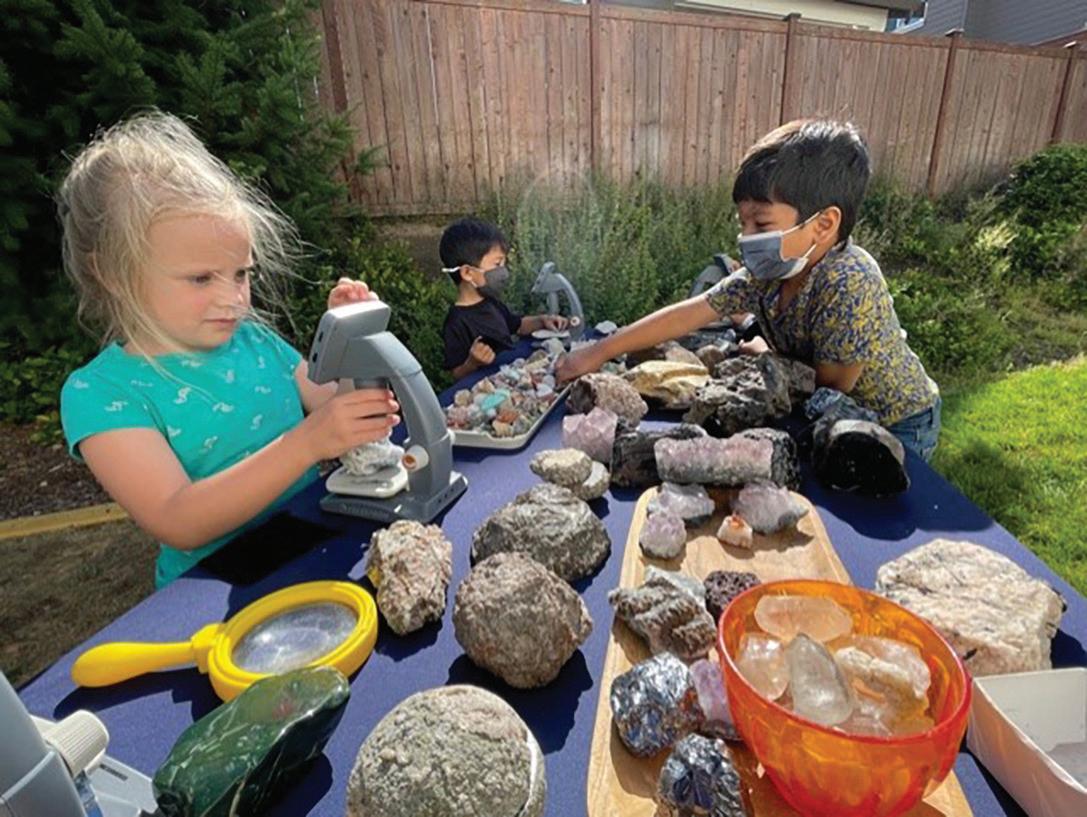
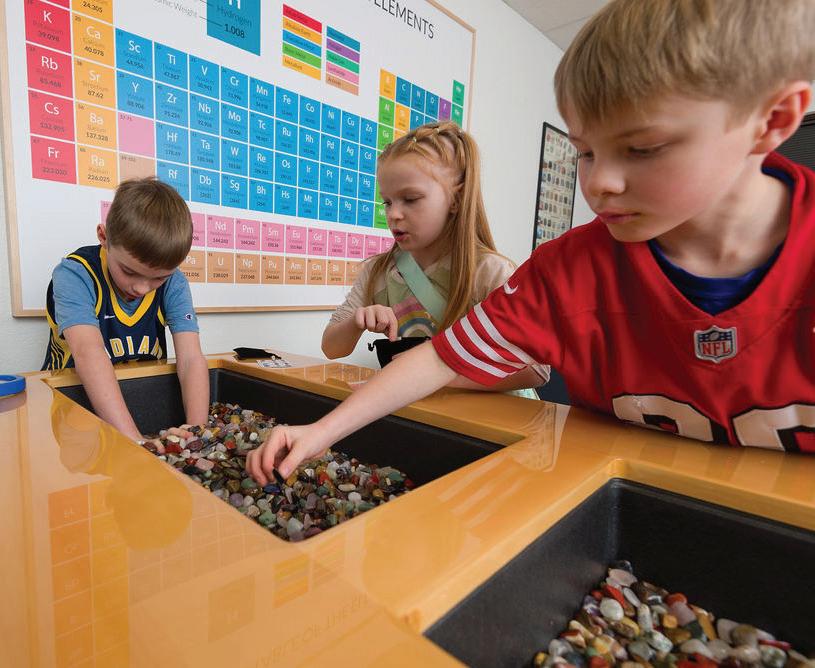
Offering fun, hands-on geology programs for kids of all ages. Come play, explore, and get curious.
Offering fun, hands on geology programs for kids of all ages. The lab experience comes to you!
ROCKS • MINERALS • FOSSILS CURATED ROCK BOXES
ROCKS • MINERALS • FOSSILS STEM ENRICHMENT
by KAISER PERMANENTE
The rise of technology has long offered both promise and peril for young minds. While parents in the 1980s worried about video games, today's youth are turning to AI-powered chatbots, smartwatches and voice assistants.
Interactive and digital content can boost some skills, but evidence is mounting that much of the digital ecosystem — from online games to short-form videos to AI chats — can affect language, sleep, social skills, self-esteem, and school performance.
Dr. Ashok Shimoji-Krishnan, a child and adolescent psychiatrist at Kaiser Permanente Capitol Hill Medical Center, offers some tips for managing screen time.
Age guidelines
In general, Shimoji-Krishnan supports the idea that children under two shouldn't have any screen time. “There's no benefit, and it's detrimental for emotional regulation for children under age two,” Shimoji-Krishnan says.
Screen use during these sensitive ages can lead to reduced language development and behavioral issues, according to the American Academy of Pediatrics.
At age two, some screen time with limits is possible, ideally less than an hour per day, with a parent or caregiver watching alongside the child to discuss themes or ideas presented.
However, he differentiates between passive screen time — where children sit and absorb a program or show or respond to prompts in a game — and active screen time, such as video calls with grandparents. “There's an active communication piece happening there,” Shimoji-Krishnan says, building

future social skills through tone of voice or social cues.
For ages five and older, he recommends two or fewer hours of screen time daily. “It's tricky because screens are used heavily during school hours as well, and some of that may be more active where kids are reading, learning and absorbing information,” Shimoji-Krishnan says.
Social media struggles
New research shows that social media for kids under 14 is particularly harmful, says the doctor. Short-form video, colorful interactions and explicit or inappropriate material can lead to less-than-optimal behaviors, such as following dangerous social media trends.
“Children under 14 can have a hard time differentiating what's real and what's not,” Shimoji-Krishnan says. If they see a photo of an attractive person with lots of filters applied, they may not understand that
the photo has been altered. When someone posts about an idealized romantic relationship, a brain under 14 has trouble understanding that what they are looking at is unrealistic. Start these conversations now
Ground rules for media use: For example, younger children might use only websites, games or shows you've discussed in advance, and on shared tech tools (such as a family tablet) in public areas of the house.
Model good behavior: “As parents, we have to model behaviors of what's appropriate, including maintaining our own two-hour limits and charging a phone in the kitchen, out of the bedroom,” Shimoji-Krishnan says. “If we can't demonstrate the rule, why should they follow it?”
Show curiosity: Ask what interests your child, what they enjoy watching or playing and
what topics they enjoy exploring online. “Kids love showing off their video games to parents,” Shimoji-Krishnan says, which allows them to demonstrate their expertise.
Have fun: Whether you're an old-school gamer or new to tech, many games can be played as a family. “Who knows, you may even enjoy battling zombies,” he says, and you'll build familiarity with your child's pastimes and today's online world.
ABOUT THE DOCTOR
Dr. Ashok Shimoji-Krishnan is a child and adolescent psychiatrist at Kaiser Permanente Capitol Hill Medical Center. When he's not at work, he enjoys spending time with his wife and kids and playing music.

SPONSORED BY

Ultimate 2026 Guide to Spray Parks
Sun’s Out, Fun’s Out: Seattle festivals & fairs to hit in 2026
Blueberry Picking Near Seattle: 2026 U-Pick Farm Guide 3
by LAUREN PAIGE
Taking children to a Renaissance faire is a lot of work, but with the right preparation it can create beautiful, lifelong memories. As a mom of two who’s also a cast member at several faires, I’ve learned quite a lot about how to help kids enjoy and engage with historical reenactment.
As you plan the perfect Renfaire adventure for your family, there’s much to consider. These strategies have helped ensure my family’s outings are fun, educational, and, as it bears repeating, fun, for all of us.
Planning
First, do your homework to decide what type of experience will be the most fun for you and your kids. What’s most appealing: an immersive, historical atmosphere, a variety of shopping options, well-known performers, combat demonstrations, the joust, or on-site camping? Once you narrow that down, you’ll be able to find your perfect event to attend and (important!) get tickets in advance. HINT: Read through the faire’s website to learn whether outside food is allowed (it usually is) and what their container policy is.
Garb
“What should I wear?” This is the question I hear most from firsttime faire goers. No, you don’t have
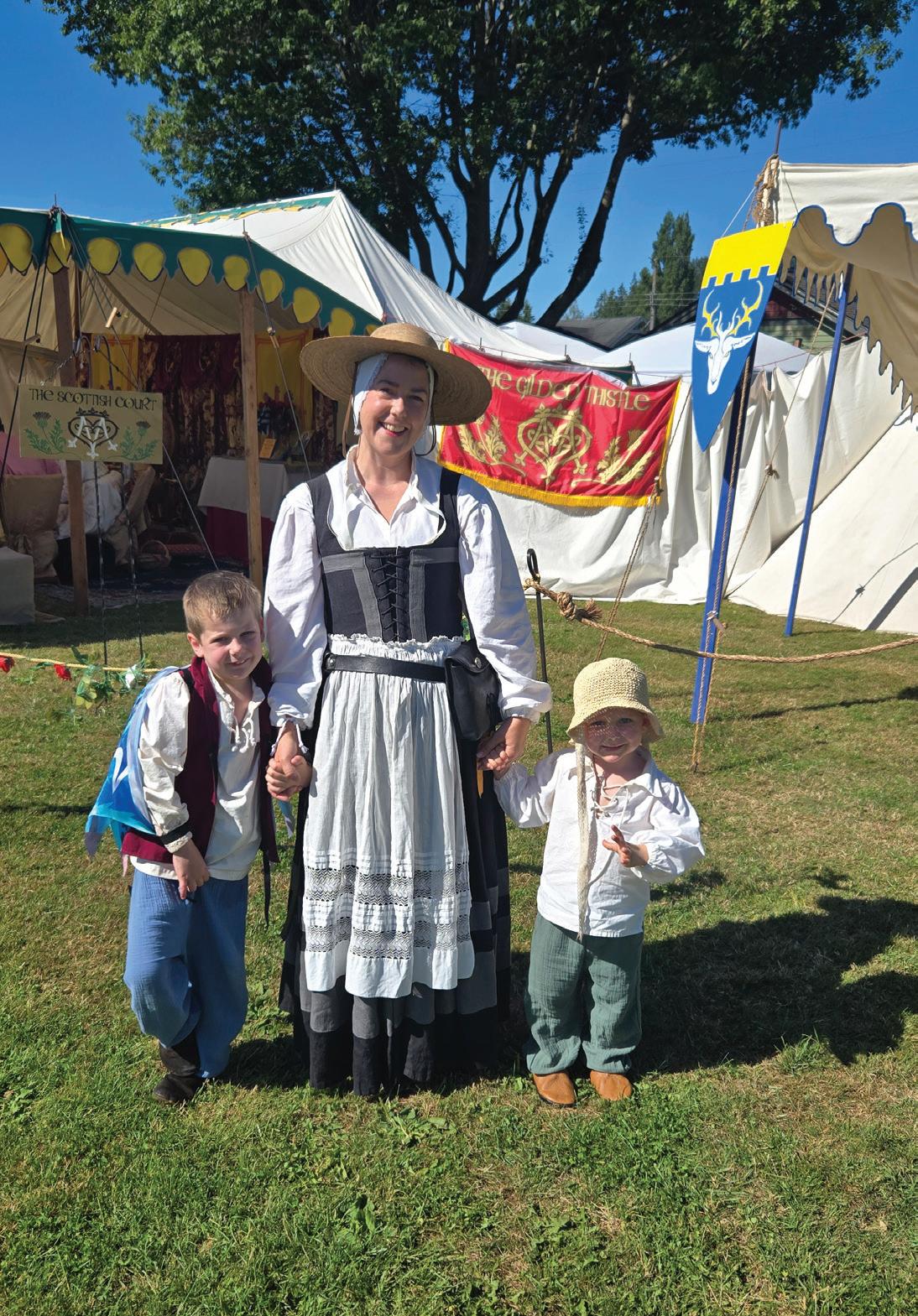
to dress up, but you might want to. Whether you thrift your garb, buy or rent it online, get it at the faire, or make it yourself, dressing up is half the fun. Some faires
have specific themes, or themed weekends, but you aren’t required to match them. Since most faires happen during warm weather, do CONTINUED ON NEXT PAGE >
How to Train Your Dragon in Concert with Seattle Symphony
The animated How To Train Your Dragon comes to Benaroya Hall July 10-12. The symphony will perform the Oscar®nominated score live as the film plays. Tickets: $58.90 and up. Call to inquire about youth discounts. (206) 215-4747. 3seattlesymphony.org
Summer Concerts at the Locks
Rolling hills, a moving water bridge, salmon, a lush park, and music. What more could a family want from a summer day? Head to Hiram M. Chittenden Locks in Fremont on Saturdays and Sundays at 2 p.m., through Sept. 7. FREE. 3ballardlocks.org/freesummer-concerts.html
Kirkland Summer Kids Concerts
No guessing at grow-up themes here. All this music is just for kids and perfect for singing along and dancing. Tuesdays, July 14-21 and Aug. 4-11 from 10 to 11 a.m. at Kirkland’s Juanita Park. FREE. 3explorekirkland.com/ events/kids-concert-series
Kent Picnic Performances (Especially for Kids)
Kent offers great performances, water games, carnival-style activities, snow cones, and sports at familyoriented concerts each Wednesday, July 8-August 5, noon to 1 p.m. at West Fenwick Park. FREE.
3tinyurl.com/af9w9d5d
3 2 1 4 5
Volunteer Park Summer Concert Series
This uber familyoriented series stages popular bands like The Paperboys, Dance Church, ABBAgraphs, and more. Every Thursday, July 9 to August 13, 6 to 8:30 p.m. at Volunteer Park Amphitheater — it’s the place to be! FREE. 3volunteerparktrust.org/ summer-series-2026 —Cheryl Murfin
what the performers do: focus on natural fibers, wear sturdy and comfortable shoes, and plan for sun protection.
Safety
Study the map and have a safety chat with your family before you arrive. Discuss what to do if you get separated: stay put and know who to ask for help. Take photos of your group at the beginning of the day so helpers know who to look for. Some faires have security, others have crew members, and some have both. Hydrate early and often to avoid the most common issue at a faire — heat exhaustion. Look for water stations and first aid stations to refill reusable containers. Plan your schedule ahead of time so you’re not wandering aimlessly.
Characters
I might be biased, but my
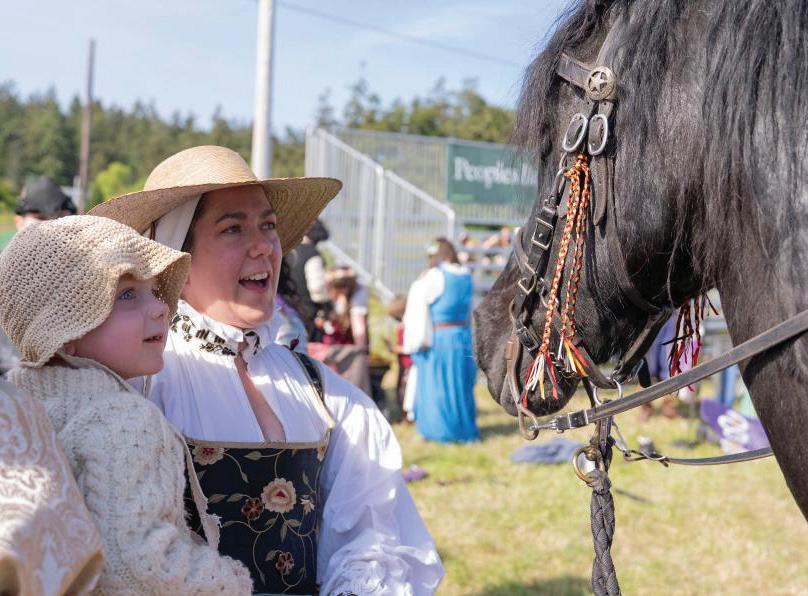
favorite part of Renfaire is interacting with the characters. My family attends as part of a guild: performers who portray a specific historical or fictional group (the royal court, military units, fairies, dance troupes, and so on). If you want to immerse yourselves in history or fantasy and enjoy a little shade too, visiting guilds is a must. You might also encounter roving
performers and characters out and about. Say hello and ask for a photo!
Entertainment
Most faires have stages with performances throughout the day, as well as an arena for equestrian events like jousting. From aerialists to singers, whip crackers to comedy shows, it can be hard to choose. We like to get food

• Washington Midsummer Renaissance Faire: July 18August 16, Snohomish, WA
• Canterbury Renaissance Faire: July 18-26, Silverton, OR
• Camlann Medieval Village: A variety of feast weekends, including Saint James Faire (July 25-26) and Harvest Festival (August 22-23), Carnation, WA
• Cascadia Renaissance Faire: September 5-6, Randle, WA
• Realms Unknown: September 18-20, Woodland, WA
• Spokane Renaissance Faire: October 3-4, Spokane, WA
Others throughout the year:
• Two Rivers Medieval Faire: Mother’s Day Weekend, Cashmere, WA
• Whidbey Island Ren Faire: Whidbey Island, WA
• Faire Du Well: Mt. Vernon, WA
• Sandpoint Renaissance Faire: Sandpoint, ID
Source: therenlist.com
early and arrive at the stage a few minutes before an act finishes in order to get good seats for the next act. And whether you do it via e-payment or bring cash, please tip your performers.
My children’s favorite part of faire is trinket trading. This tradition started with cast members giving favors to their friends and guests. Patrons thought it looked fun, started doing it themselves, and now it has spread like wildfire. At many faires, you can spot trinket traders with orange ribbons. Trinkets should be small and inexpensive. Handmade items, like friendship bracelets or painted rocks, are the best! Some faires across the country have started banning trading, since it can be distracting and problematic for vendors trying to sell similar items, so please trinket trade responsibly.
At the end of the day, Renfaires are about community, shared joy, and making memories. It’s very difficult to do them the “wrong” way, even if you might feel like you did. Take a deep breath and remember the point is to have fun.
Lauren Paige is the mom of two boys and lives in Seattle. She performs at several Renaissance Faires. Follow her on Instagram at @renfairbaby and @sauntermama.
BY STEPH GREGERSON
Rolling a ball back and forth with a very young child might seem like a simple task, but it’s building the foundational block of communication and back-andforth conversations they’ll need when they get older. That’s just one example of playtime acting as a young child’s classroom. It’s how they learn to interact with the world and use their own skills and bodies to navigate. Thankfully, parents have so many incredible resources and dedicated spaces, like the KidsQuest Children’s Museum, to help incorporate all types of play.
During the first few years of life, the brain develops rapidly. Playing is how children interact with the world, and it’s their only job. By having enough time and freedom to play, kids build essential life skills during the critical window of brain development. Playtime builds cognitive, social, physical, emotional, and creative skills. Each game or activity works unique parts of the brain while allowing the child to form bonds and engage in joyful discovery.
Parents have a critical role in child development, but it’s also fun. Providing children with the time and space to explore and play allows them to build confidence and practice their skills. Whether it’s reading books together, doing art projects, or just letting their imaginations run wild, kids learn so many life skills during playtime. Be willing participants and enjoy that bonding time.
There are two main categories of playtime: structured and unstructured (free play). Structured play is organized by adults and requires the child to follow some rules or directions. This can
include sports, board games, or other instructional activities.
Unstructured play is led by the child and uses more of their imagination. Boredom often turns into unstructured play when kids are given space to get creative. Balancing unstructured and structured activities will allow children to spend bonding time with the adults in their lives and be exposed to new activities, while free play helps them build self-esteem and independence and develop their own ideas.
During free play, kids will engage in a variety of activities. When they are playing pretend and using their imaginations, they are practicing social roles and developing empathy and emotional skills. By pulling out the Magna-Tiles, Legos, or blocks, kids are refining their fine motor skills and learning the basics of engineering. There are plenty of opportunities for physical play where children develop risk assessment and spatial awareness. And whenever other kids are involved, they get to work on cooperation, sharing, and communication.
Even with a fully stocked play space at home, there are some limitations. Kids learn by watching other kids play. Having access to purpose-built spaces designed for play and sensory development is important. That’s where playgrounds and children’s museums come into play. They are designed by experts to encourage sensory development and introduce learning opportunities based on math, science, and more.
A trip to the children’s museum breaks the routine and lets kids explore a space designed for them. Exhibits are designed with different development phases in mind. Experts can incorporate more math, science, art, and technology, allowing children to experiment and learn things they may not be able to do at home. Variety helps to stimulate curiosity and build adaptability to changes in routines. These new discoveries can follow them home.
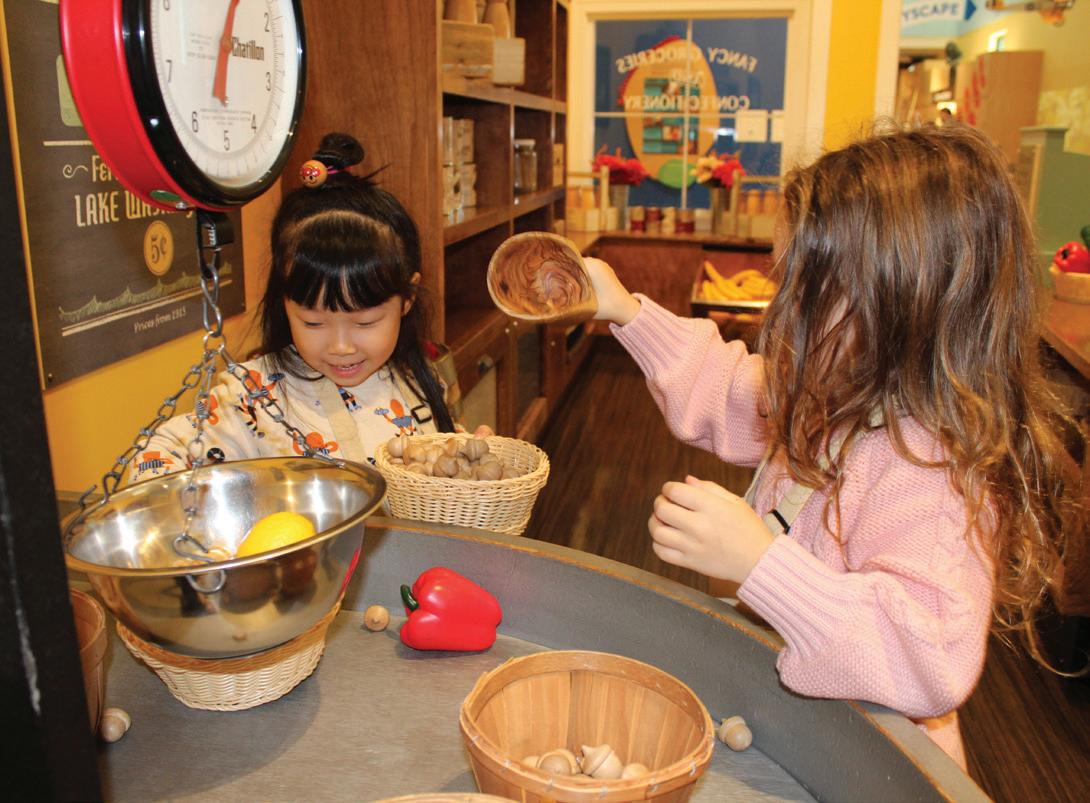
KidsQuest Children’s Museum in Bellevue was designed and built to encourage all kinds of play for children ages 0-10. With exhibits like the water gallery,
the atrium climber, and the story tree, kids can experiment and get creative in a safe and educational space. McKenna Murphy is a museum educator, and her favorite space is the Mercantile. “It’s my favorite exhibit to see intergenerational play and learning. It’s so easy for caregivers to jump in as customers in their child’s grocery store and engage with them in an everyday interaction, but reversed.”
In addition to the exhibits, KidsQuest has a calendar packed with events and programs for families to enjoy. McKenna also shared one of her favorite programs. “During the school year, we have a program on Saturday mornings called Play with Paint where we use paint to create in new and different ways. While we always have the classic primary-color painting out, we may also use salad spinners to mix colors or do giant paintings with brooms. It’s a great program for getting messy without worrying about cleaning up. The Play with Paint is a great introduction to KidsQuest’s educational philosophy: play is for everyone, handson, and can be messy.” Don’t miss out on their upcoming specialized events, like Mud Week, Bubble Week, and Water Week, to see just how they turn ordinary materials into playful experiences.
Take a trip to the museum this summer and give your kids the chance to experience its unique exhibits and programs. Adults also benefit by learning to be more open-minded and free-thinking. KidsQuest promotes the joy of learning and the importance of play. Watch your kids flourish and learn as they experience all the joy of a special family outing.






Don’t miss these stories on seattleschild.com
Do some good together in July (and August)
Seattle Community Fridge: Give or take what you need
Beacon Food Forest: Seattle’s free, edible garden for all
by CASEY FUNKE
My love for the outdoors began on long summer days in Seattle. Whether picking raspberries, biking down to the shores of Lake Washington to swim, or staying out until dusk, my caring for the environment started by spending time in it as a child — and it has stuck with me to this day.
It’s never too early or too late to encourage environmental stewardship. Use this list, with tips from local environmental organizations, to get started: Water conservation: it all starts with us
Washington is expecting a significant drought this summer. Families can help conserve water by taking short showers, turning off water when washing hands or brushing teeth, fixing leaks, and using greywater for plants. These actions stretch limited water supplies, help maintain vital ecosystems, reduce energy consumption for water treatment, and reduce pollutants entering natural water bodies. To learn more, visit 3ecology.wa.gov
Reduce food waste by using parts of plants you wouldn’t usually use Bela Sanchez, Solid Ground’s bilingual youth education coordinator, suggested some tasty options:
• Save leftover vegetable scraps in the freezer until there are enough to boil into vegetable broth (or with chicken bones for chicken broth).
• Don’t toss broccoli stems — peel and slice them for roasting or steaming.
• Blend carrot top greens with garlic, toasted nuts, parmesan, and olive oil to make a carrot top pesto.
Walk, bike, or use public transit this summer
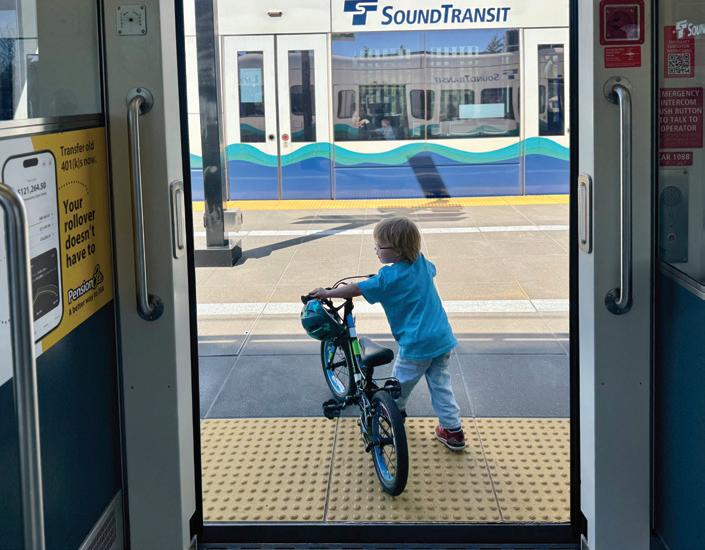
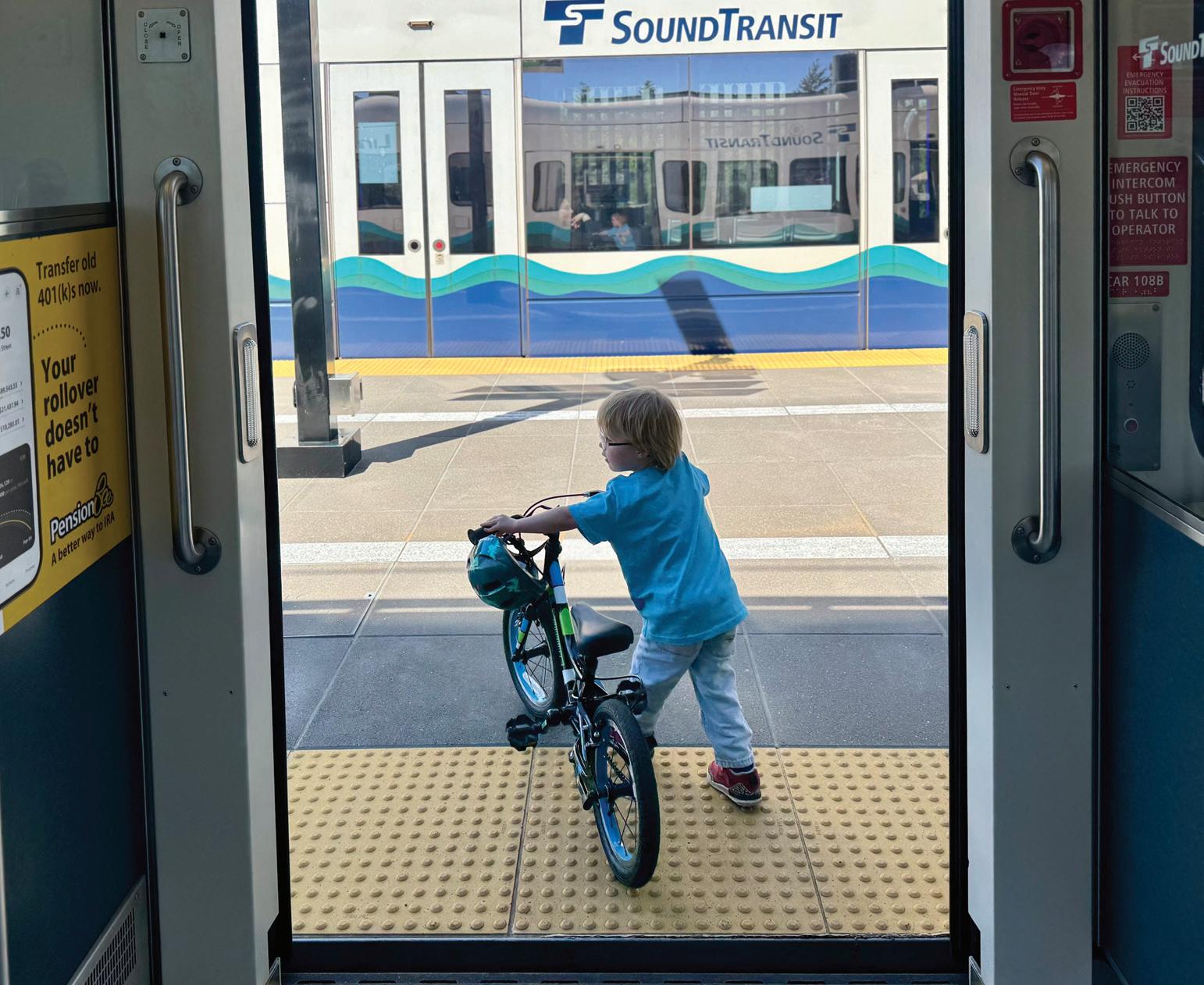
Bussing, railing, biking or walking reduces carbon emissions. Alex Ko, systems delivery engagement director at Sound Transit, notes: “In 2024, Sound Transit riders helped avoid emitting over 255,000 tons of greenhouse gas emissions when taking transit instead of driving.”
King County Metro oper-
ates Trailhead Direct service, taking families to popular trailheads near Seattle, reducing congestion, and lowering emissions. View the full schedule at 3trailheaddirect.org
Participate in beach and park cleanups to help protect our waterways
Allison Holmes, community partnership manager at Puget
Soundkeeper, told me about the hundreds of events the organization puts on every year to help keep the habitats in and around Puget Sound clean. “The future of Puget Sound begins with children turning over rocks at low tide, watching salmon return, and discovering that these waters are essential and alive,” Holmes said, inviting kids to:
• Join a Summer Cleanup Series event at 3puget soundkeeper.org/events
• Take part in kayak cleanups, open to anyone ages 12 and up with no prior experience required.
• Host your own salmon creek cleanup to protect fish.
Start an Upcycle Bin
Create a space in your home to store items that can’t be recycled but can easily be repurposed. Encourage children to use their imaginations, turning
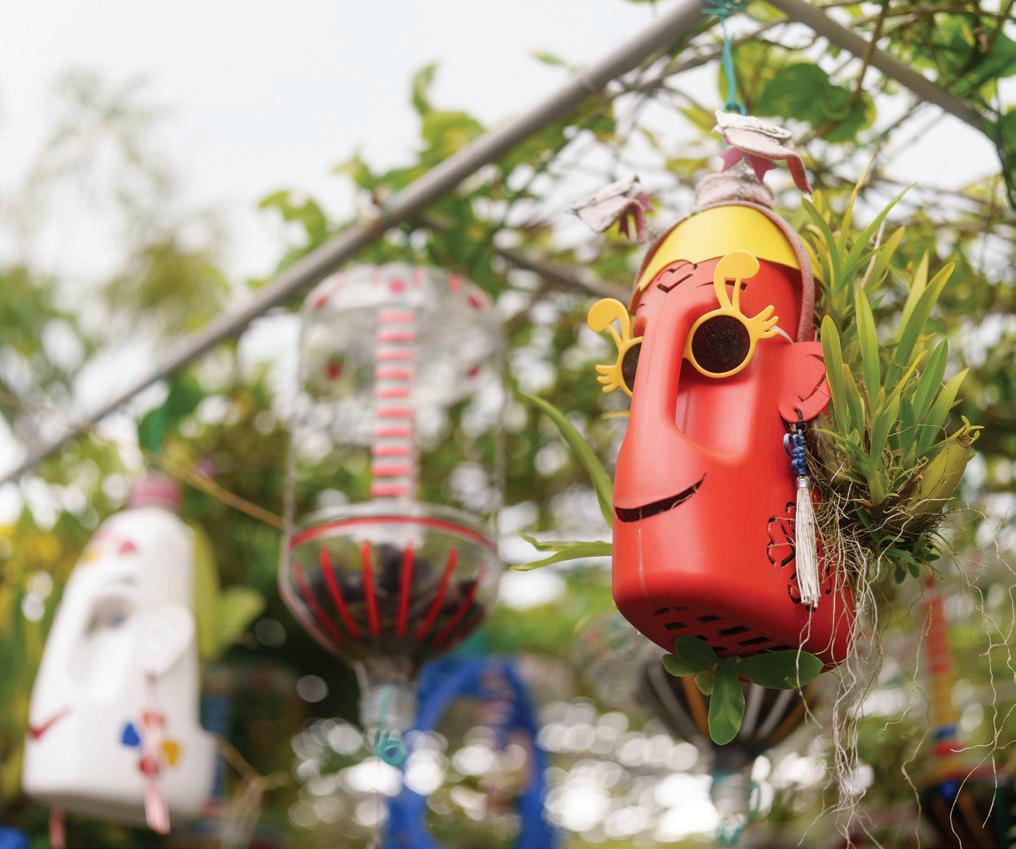
would-be-waste into something new. In our home, we repurpose the occasional 2-liter bottle into mini greenhouses by cutting off the bottom and setting the bottles over newly transplanted vegetable starts. National nonprofit Doing Good Together (DGT) has great resources to
start your own Upcycle Bin at home.
Help protect our urban forests and green space
I’ve volunteered in my local urban forest, the East Duwamish Greenbelt, through Green Seattle Partnership. For a few hours on a Saturday, we pulled

blackberry and other invasive species, transplanted native plants, and spread mulch. I brought my one-year-old and he slept in the backpack as I worked. Now, when we walk the trail, we check on the Western trees we planted a few years ago. Visit 3greenseattle.org Take up plogging or plalking (plogwalking)
Plogging is gaining popularity in Seattle and around the world — it’s the simple act of taking a walk (plalk) or jog (plog) while picking up trash along the way. Tie trash bags to your waists and take family plogs in your neighborhood or park.
Do it with purpose
DGT espouses the “Parent with Purpose” approach: be intentional with a routine, set a time, introduce new ideas through reading together, reflect on what you learn with your children, and take action together as a family.
Something as simple as new toothbrushes can make the day for people and families struggling to make ends meet. Consider helping them by creating hygiene kits with your kids. Many Greater Seattle nonprofits are happy to receive them, including Seattle's Union Gospel Mission, Compass Housing Alliance and Mary's Place. Call organizations for specifics, but common items fitted in a quart-size Ziploc bag include travel-size:
• Dental Care: Toothbrush, paste, floss and mouthwash
• Body & Hair: Deodorant, bar soap, shampoo/conditioner, quick-dry towels, comb/brush, nail clippers, SPF 30+ sunscreen
• Sanitation: 60%+ alcohol hand sanitizer, antibacterial towelettes,

Don’t miss these stories on seattleschild.com
1
When traditional high school wasn't the right fit for my son
2
Why are families of kids with disabilities suing Washington?
3
Governor signs law against restraint and isolation in schools
Supporting families with disabilities
Little Bit Therapeutic Riding Center by ALLISON PETERSON
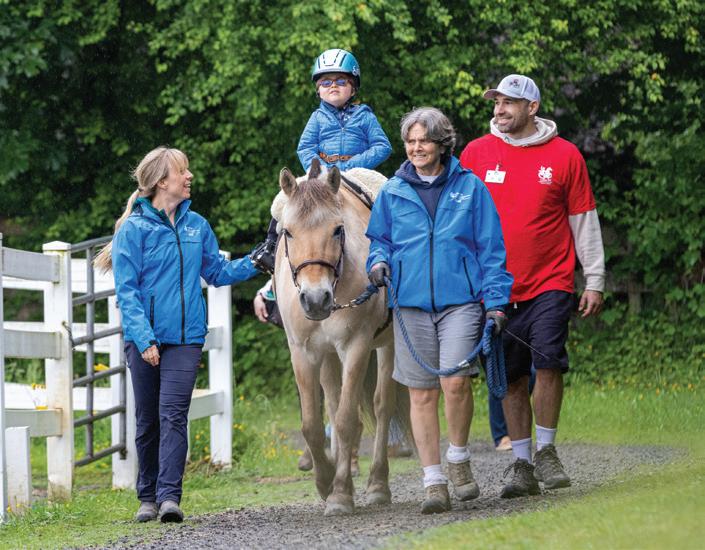
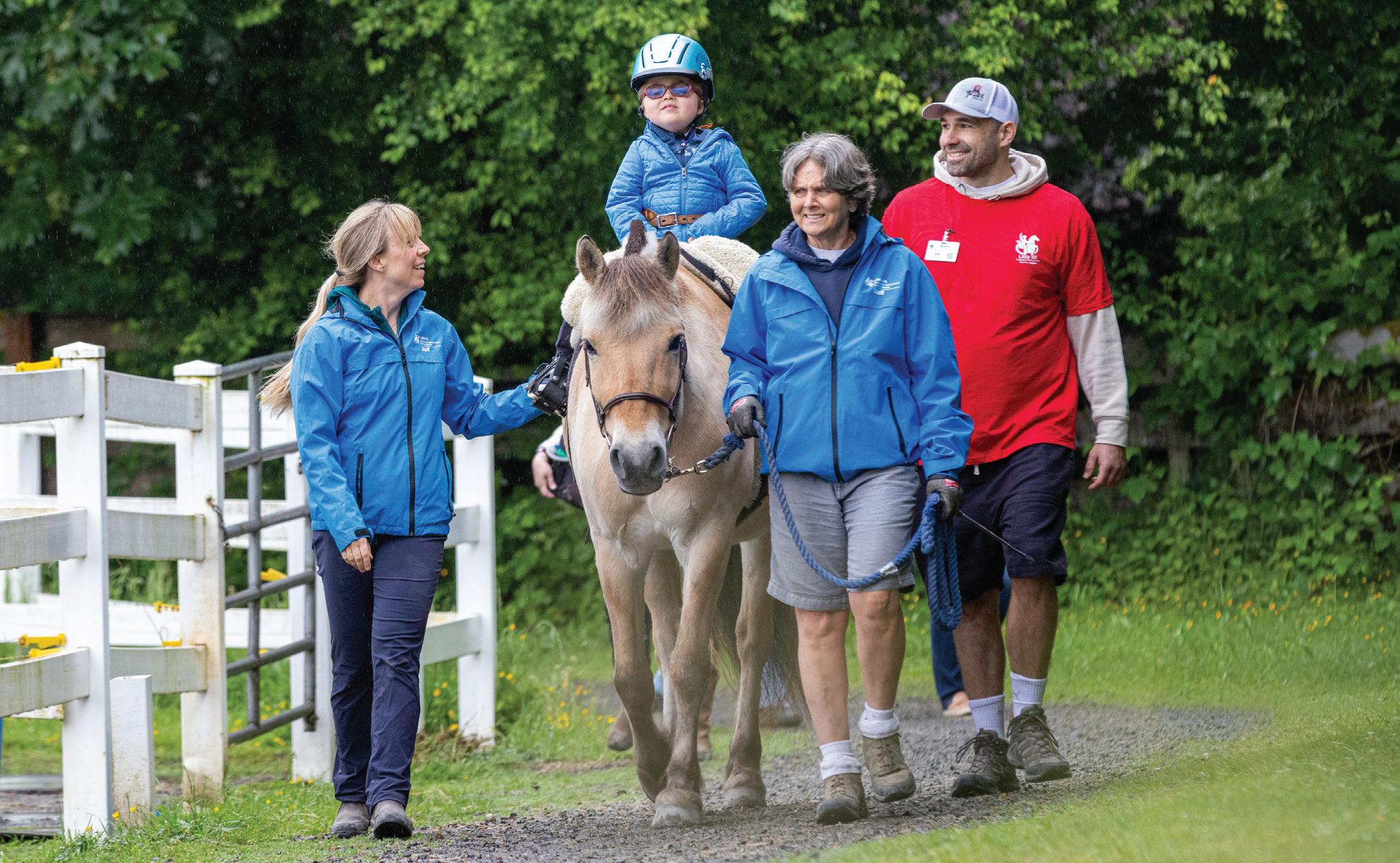
Drive 25 minutes east from Seattle to Redmond, continue down a small country lane, cross over a bridge, and you will find magic in the form of Little Bit Therapeutic Riding Center. Part horse farm, part therapy center, Little Bit truly has been positively transforming the lives of individuals with disabilities, one ride at a time, for half a century.
Since its humble beginnings, the program has helped thousands of people, kids and adults alike, with a unique therapeutic approach called Hippotherapy. Simplified, it’s a medical treatment that uses the natural movement of a horse to strengthen bodies and minds. Currently, there are more than 100 different diagnosed disabilities among Little Bit participants, including cerebral palsy, chromosomal disorders, multiple sclerosis, and autism. Anyone with a medically recognized disability is eligible for Little Bit’s therapy services.
Participants can begin therapy as young as age 2, and some riders continue participating in therapy programs for decades.
No previous experience with horses is necessary, but be warned: After getting to know these specially trained horses, most participants become lifelong horse enthusiasts!
On a recent visit to Little Bit’s 14-acre property, therapy was underway. Most people on site, whether staff, volunteer, or participant, agreed: This is a special place. AnnDee CONTINUED ON NEXT PAGE >
CONTINUED
Mayers has been riding at Little Bit for 20 years. She summed up her experience: “I always feel like coming to Little Bit is like receiving a big hug.”
A typical individual therapy session includes a weekly 30-minute ride with the assistance of a team of professionals. Some services may be covered by insurance, but financial aid is also available. Licensed therapists, including physical therapists, occupational therapists, and speech therapists, guide participants through each therapy session based on their medical needs.
A horse handler and at least two volunteers also assist with each session to help balance the rider, lead the horse, and move equipment. Members of each therapy team — which include the disabled rider — stay consistent over time, so they can build a relationship and work toward achieving each rider’s medical
goals.
Emma, a 13-year-old with Autism and ADHD diagnoses, came to Little Bit about a year ago. She has always loved horses and hippotherapy and adaptive riding have complemented Emma’s other therapies. Emma’s interaction with staff and horses has raised her sensory tolerance and strengthened her body, her mother notes, while also amplifying her love for horses.
heightened view of the world, staff explain, and this perspective can boost mental health and self-assurance.
“I always feel like coming to Little Bit is like receiving a big hug.”
—ANNDEE MAYERS Riding at Little Bit for 20 years
The range of benefits from hippotherapy are all-encompassing. Key among them are improved core strength and balance, better body control, increased spatial awareness, strengthened bones and joints, and improved spinal alignment.
Beyond those physical improvements, hippotherapy helps develop human-animal connections and helps participants build confidence. Riding a horse gives individuals a literal
While the riders are the key focus of Little Bit’s mission, the horses are a driving force behind each rider’s physical and emotional growth. With 33 therapy horses, that’s a lot of positive force for kids with disabilities. Horses are carefully selected for their temperament, ability to train and follow directions, and non-reactiveness. About one-third of Little Bit’s horses are Norwegian Fjords, a sturdy yet not-too-tall breed that lends itself to comfortable rides and easy assistance from therapy teams on the ground. All horses receive top-notch medical care and training as well as infinite love from the people they work with each day.
In addition to the horses and paid staff, an army of volunteers
helps keep Little Bit’s programs running. With more than 1,300 volunteers on the roster, volunteers are the heart of Little Bit Therapeutic Riding Center sessions, helping with barn and other tasks to keep the program running. More volunteers are always welcome. Anyone age 14 or older can step up. Training is provided.
The staff, volunteers, and horses all work toward a single purpose: To help people with disabilities, like 7-year-old Oakley, lead richer lives. Oakley had a stroke shortly after birth that greatly affected his mobility and vision. He began riding at Little Bit three years ago.
“Since coming here he’s gained so much confidence and core strength,” his dad, Robbin Harris, said. “When Oakley is happy he gets so excited. He shakes his hands and his head and he laughs out loud.”
Harris added: “Getting to see him that happy with the horses and everything he gets to do here, it’s pretty special.”

Is your child with a disability eager to ride? Outdoors for All Foundation is ready to make it happen. The foundation offers free adaptive bike rentals — handcycles, trikes, tandems, and more — at Magnuson Park Adaptive Cycling Center, the Adaptive Cycling Center at Lake Sammamish State Park and a brand-new Gig Harbor location. Rentals are open seven days a week through October 18 this year. No registration required — just show up, grab a helmet, and ride. Outdoors for All also helps kids ages 7 and up enjoy winter sports, paddling, rock climbing, and more. Go to 3outdoorsforall. org/programs/recreationprograms
—Cheryl Murfin

hen a child needs critical medical attention, families in the Puget Sound area and beyond can get the most sophisticated care in a setting that combines the best of science and technology with caring professionals in a beautiful new facility.
MultiCare opened its brand new, stateof-the-art Mary Bridge Children’s Hospital in Tacoma on May 16 and welcomed its first 57 patients.
Built from the ground up just for kids, the five-story, $479 million facility can serve 82 patients in private rooms (where their families can also stay). The 24-hour pediatric-only emergency department has 29 exam rooms.
The hospital also has eight operating rooms, a helipad, and a mental health crisis stabilization unit. It is Western Washington’s only Level II pediatric trauma center and has a Level IV neonatal intensive care unit.
The hospital will serve newborns through adolescents from across the state, as well as Oregon and Idaho, with a full spectrum of care.
Beyond the facts, figures, and technical terminology, Mary Bridge Children’s is also a beautiful and welcoming place, home to hundreds of specially trained, driven, and committed professionals who provide child-focused care, healing, and hope.
“Children are not small adults,” explains Jeff Poltawsky, president of Mary Bridge Children’s. “Everything has to be specific to them.” They also have different emotional needs and require different types of support.
Special spaces throughout the facility are designed with kids and families in mind, recognizing that play and movement are essential to children’s healing.

There are two playrooms plus an additional space designed just for teenagers. There’s a special therapy gym to help children build strength and confidence before returning home. A garden patio on the top floor is a place to play, relax, and get some fresh air.
There’s also an on-site bistro and coffee shop.
“By having unique spaces for all age groups, we make it as familiar and comfortable as possible for kids,” Poltawsky says.
There are even mobile Nintendo gaming stations, powered by Starlight Children’s Foundation, designed to bring joy to children in the hospital. Additionally, Mary Bridge Children’s has a gaming and technology specialist trained to tailor gaming experiences to children in a medical setting.
The decor was thoughtfully designed to reflect the Northwest and the patient population. Poltawsky describes the hospital interior as “beautiful and also playful.”
“Every child will see themself in the spirit of the building somewhere,” he said. Local artists were involved in designing spaces that reflect our area: the sea, mountains, forests, and rivers. They added special touches and fun details to be discovered upon close examination.
All in all, Poltawsky said, the design creates a safe, pleasant, comforting environment that also sends a message: You’re in good hands here.
The specially trained staff definitely reinforces that message.
Child Life Specialists aim to reduce kids’ anxiety by involving them in their care and explaining things in ways they can understand.
The rooms, all private, have beds and bathrooms for families.
At 305 South L Street, the new Mary Bridge Children’s Hospital is across the street from the building it previously shared with MultiCare Tacoma General Hospital and stands on the site of the original 1955 children’s hospital at the corner of Division Avenue and Martin Luther King Jr. Way.
It has dedicated parking, a single, easy-tofind entrance, accessible outdoor green spaces, and wide sidewalks. The hospital is also easily accessed via the Tacoma Link Light Rail.
Five years in the making, Mary Bridge Children’s Hospital might be Tacoma’s “best-kept secret,” Poltawsky says.
BY JULIE HANSON

There’s also a special Tacoma story that unites the current and future Mary Bridge Children’s hospitals.
Of the $479 million cost to build the new facility – much of which was spent locally – $106 million came from local donations, including $10 million from the Mary Bridge Brigade, which had been the driving force behind the original, 1955 hospital. That facility became possible when local physician Dr. Albert Bridge bequeathed his estate to build a children’s hospital, which was named for his mother, Mary.
“Their legacy continues,” Poltawsky said, “and will position Mary Bridge to be a dominant force in pediatrics.
“It’s a new era of world-class health care here in everyone’s backyard.”
IN PARTNERSHIP WITH



With its long days and slower rhythms, summertime is a wonderful time to encourage kids to pick up books of their own choosing. Why? Because just about everyone we interviewed — from book authors to librarians to kids themselves — agreed picking books yourself is the best way to spark a love of reading. Most advised making library or bookstore browsing a regular summer activity. But start with these pages. They’re chock full of recommendations for all ages and grades. Read on!

by ELIZABETH HUNTER
For our summer issue, we asked local book authors how and why they write for kids, what books they love today, and what books inspired them as kids. Here’s what we learned:
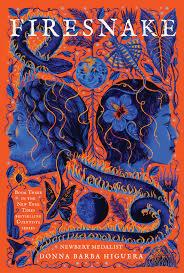
“Firesnake” 2026, Levine Querido, ages 10-14
Why do you write for kids?
I simply have the most fun writing for children. Kids have a way of being able to wonder and imagine in a way most adults no longer do. I laugh the most when writing for kids. I cry the most. I imagine the most.
Photo by Joshua Huston


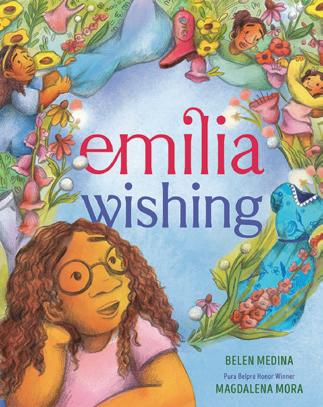
Belen Medina
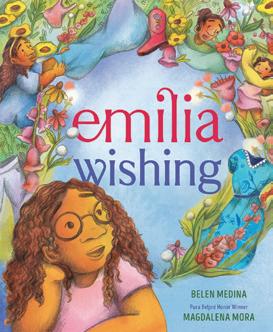
“Emilia Wishing” 2026, illustrated by Magdalena Mora, Random House Studio, ages 4-8
Why do you write for kids?
I love picture books. I loved reading them to my kids when they were young,
and being able to tell a story with my words and someone else’s pictures is a magical collaboration.
How did you feel when your first book was published?
I couldn’t believe it was real. It felt like a dream that happens to someone else. Growing up, I hadn’t known anyone who had ever published a book, so it was incredible.
Recommended summer reads:
• “Ramona the Pest” by Beverly Cleary and all the Judy Blume books
• Raina Telgemeier graphic novels
Writing for children involves a voice and style that children can connect with. I’m not here to teach children a lesson with my writing. My hope is that my books will let them escape to another world for just a little while.
How do you appeal to a child’s understanding of the world?
I don’t think I ever left that way of thinking. Kids have this ability to wonder that we often lose when we transition to adulthood. I use this wandering-mind way of thinking in my story and world-building. I let my imagination go wherever it wants. It turns out, the weirder and stranger, the better.
What advice do you have for the reluctant reader?
Not every book is for every reader. Finding the right book for a child has to start with a question specific to that child. “What things are you interested in? What kinds of topics are exciting to you?” We are often tempted to hand kids the books that we hope they will love, or the ones we loved ourselves. But, to entice a reluctant reader and allow them to get lost in a book involves putting ourselves aside. Only the child can discover what those magical books will be.
Recommended summer reads:
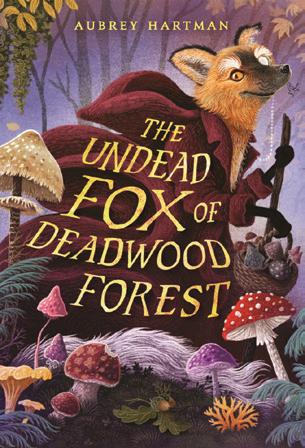
• “The Undead Fox of Deadwood Forest” by Aubrey Hartman
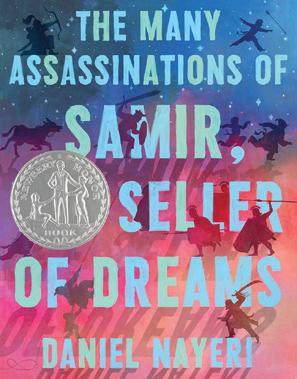
• “The Many Assassinations of Samir, the Seller of Dreams” by Daniel Nayeri
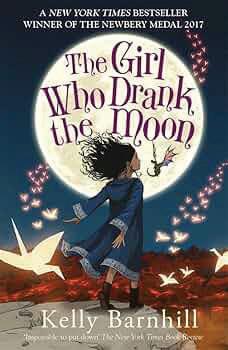
• “The Girl Who Drank the Moon” by Kelly Barnhill
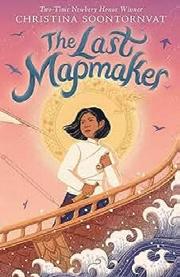
• “The Last Mapmaker” by Christina Soontornvat
• “Last Day on Mars” by Kevin Emerson
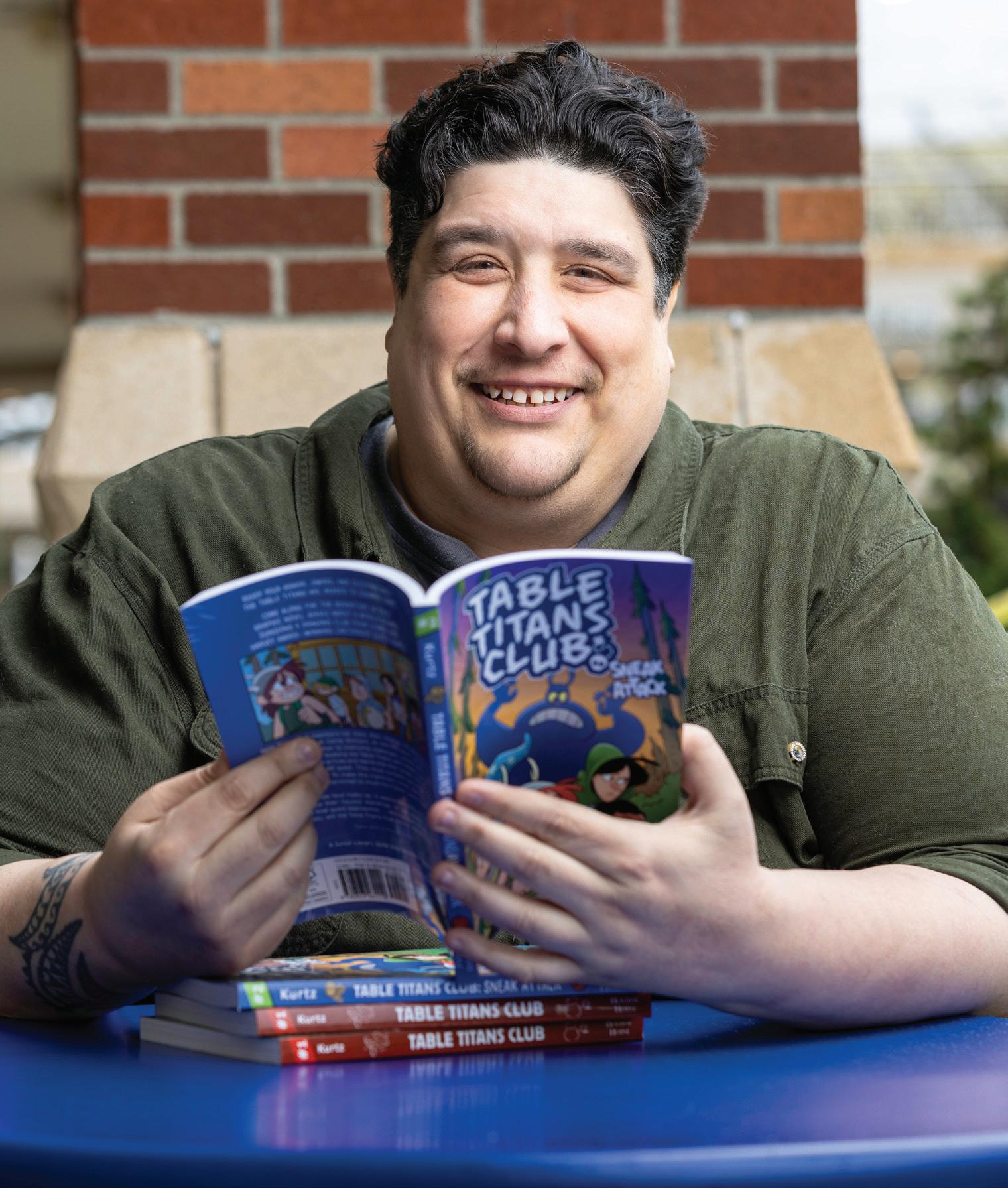
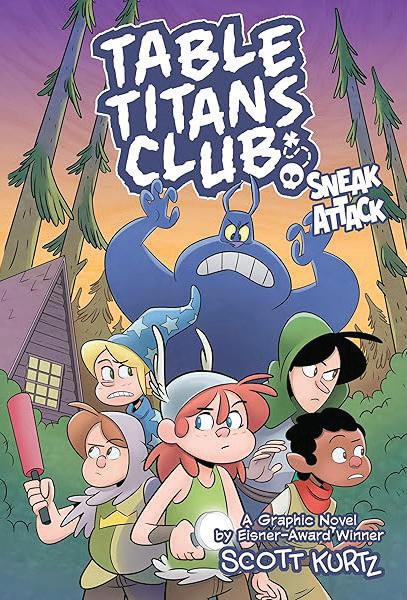
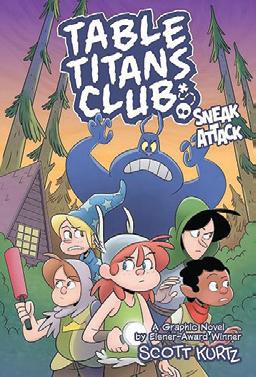
“Table Titans Club Sneak Attack” 2026, Holiday House, ages 8-12
When did you begin to love to read?
My love of reading started with comic books. I stood up and declared publicly in front of my fourth-grade class that I had decided to become a cartoonist.
My dad was really into James Bond and gave me the first Ian Fleming book to read, “Dr. No.” I was hooked. It was easy to read and exciting and I loved the character named Quarrel, who was a young guy helping Bond. “Dr. No.” was the first book to really affect me emotionally.
How do you get into the psyche of a child?
This one is easy. I never grew up. That’s been problematic in other areas of my life, but incredibly helpful when it comes to writing for kids. I remember when my editor first read my script for “Table Titans Club: Book One,” she said, “You have a great voice for middle grade,” and I laughed. I didn’t try to write for middle grade. I just wrote like I normally wrote.
You also illustrate your own books. Which came first?
If I had to choose, I would say the art, but I never drew just to draw. I always wanted to make up characters and tell jokes or stories, and comics are a combination of words and pictures.
I only recently decided I wanted to try to write a prose book. I’m already finding it limiting that I don’t have pictures to help me with the story. It might end up being a combination of both in the end.
Any advice for encouraging reluctant summer readers?
Reading comics is reading. Listening to audiobooks is reading. Telling stories with your friends over a table with dice and character sheets is reading. Find a book that means something to YOU.
Recommended summer reads:
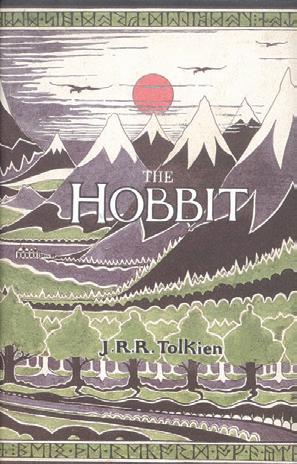
• “The Hobbit,” by J.R.R. Tolkien. Then move on to The Lord of the Rings and the Narnia series.
• Dungeons & Dragons game play for young readers and writers

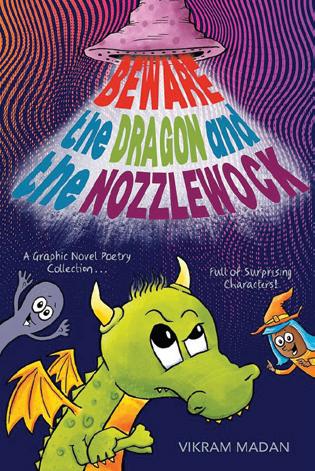
“Beware the Dragon and the Nozzlewock” 2024, Wordsong, ages 8-12
Tell us about your early reading experiences?
By age 8 I was reading everything I could get my hands on. I grew up in India and the most commonly available kids’ books were by British author Enid Blyton, who wrote over 900 books in her lifetime.
I also loved reading comics like “Tintin” and “Asterix.”
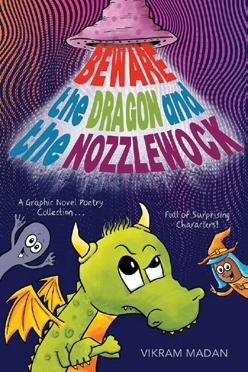
Why do you write for children?
I believe reading books opens doorways and helps kids develop skills for navigating the world, processing information, analyzing situations, and solving problems.
What advice do you have to help reluctant readers?
Spend time at the library and let them browse and borrow anything they want.
Recommended summer reads:
• Any books by Kaz Windness, Corey Tabor, Douglas Florian or Karla Kuskin
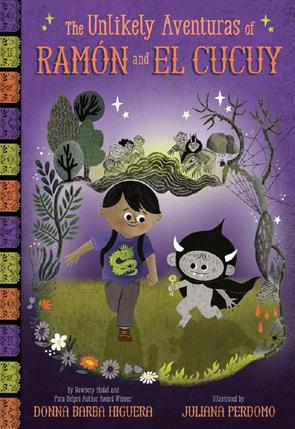
• “The Unlikely Aventuras of Ramón and El Cucuy” series by Donna Barba Higuera
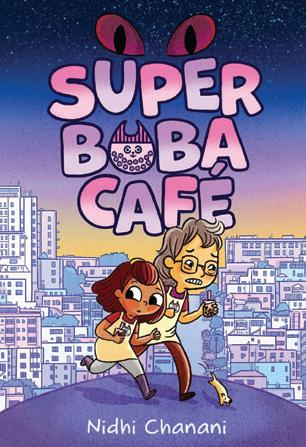
• “Super Boba Café” series by Nidhi Chanani

by

“Will’s Race for Home” 2025, Little, Brown Books for Young Readers, ages 8-12
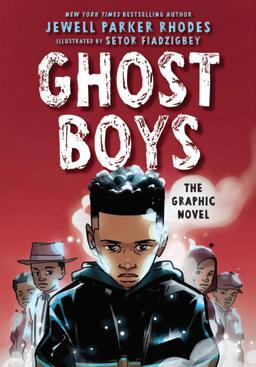
“Ghost Boys: The Graphic Novel” 2025, Little Brown Ink, ages 7 and up
How did you feel when your first book was published?
When my first children’s book, “Ninth Ward,” was published, I felt energized and deeply

Deb Caletti
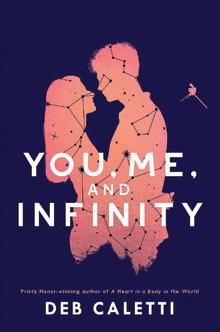
“You, Me, and Infinity” 2026, Labyrinth Road, ages 14+
honored. Growing up, I didn’t see myself reflected in books. Knowing that young readers can now pick up a story and feel seen, valued, and connected means everything to me.
How do you create a world kids relate to so successfully?
I never underestimate children. They don’t need stories that talk down to them; they need stories that honor their intelligence and strength. I write character-driven stories that inspire children
When did you begin to love to read?
Around the age of five. Instantly, books were magic, escape, and a clear, uncomplicated joy. I’m a writer, but I’ll always be a reader first.
How did you feel when your first book was published?
I had a sense of astonished surprise. Awe. And utter gratitude to be in print. My books were in the library. I still can hardly believe it. What is your advice for reluctant readers?
Share your own love of reading. Marvel over the wonder of the library and the world in general.
to see the world through someone else’s eyes. What advice do you have for the reluctant reader?
Offer a variety of books that might speak to them. Sometimes a child simply needs to find the right story to find the joy of reading.
Recommended summer reads:
• “Hatchet” by Gary Paulsen
Spill curiosity. Be rightly awestruck. Tell them that the most real and powerful magic is quietly waiting for them, right on those shelves.
Recommended summer reads:

“Singing Justice, Singing Peace: The Story of Joan Baez” 2026, illustrated by Molly Mendoza, Beach Lane Books, ages 4-8
How did you feel when your first book was published?

It was a joyful dream realized and shared with my family and community! My first published picture book was “My Name is Celia: The Life of Celia Cruz/ Me Llamo Celia: La Vida de Celia Cruz,” illustrated by Rafael Lopez. When it won the Américas Award, Rafa and I brought our mothers and young children.
How do you appeal to a child’s understanding of the world?
• “The Fight of Our Lives: AIDS in America,” by David Levithan with Gabriel Duckels
• “Girl Reflected in Knife,” by Anica Mrose Rissi
• “This One Summer,” by Mariko Tamaki and illustrated by Jillian Tamaki
• “I Wish I Didn’t Have to Tell You This: A Graphic Memoir,” by Eugene Yelchin
Their imagination is as big as the sky. They have access to wonder, and we don’t need to talk or write down to them. They are drawn to the musicality of language, the magic of a good story, and fun. Our children deserve books that respect their hearts and minds.
Recommended summer reads:
• The “Junie B. Jones” series by Barbara Park. I can still hear my children’s laughter at the indomitable Junie’s antics.
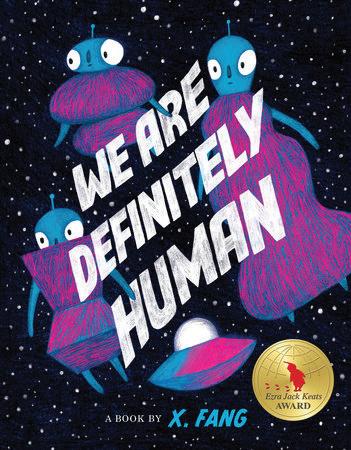
• “We are Definitely Human,” written and illustrated by X. Fang
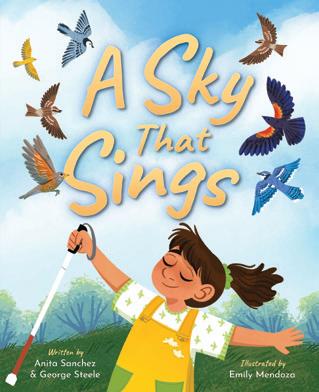
• “A Sky That Sings,” written by Anita Sanchez and George Steele, illustrated by Emily Mendoza

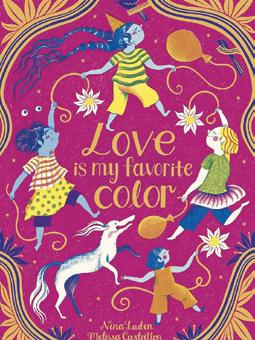
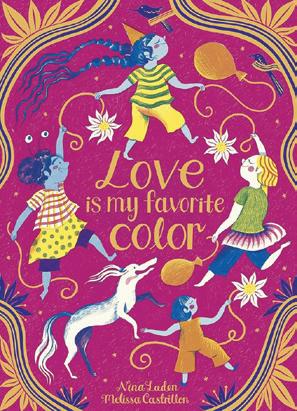
“Love Is My Favorite Color” 2024, illustrated by Melissa Castrillon, A Paula Wiseman Book/ Beach Lane Books, ages 4-8
How do you discover a child’s understanding of the world?
I see the world with a huge sense of curiosity and wonder. I believe in the question, “what if?” I live in my imagination. All of this keeps me inspired.
You are an author and illustrator; which was your first love?
Story matters the most. I’ve always seen drawing and writing as connected. When I start my books, sometimes they start with a character that I’ve named and drawn. Sometimes they start with an idea or a title.
Recommended summer reads:
• “The Camping Trip” by Jennifer Mann
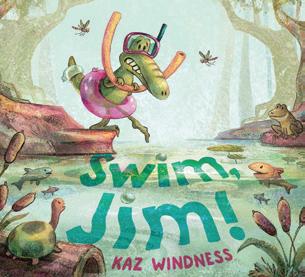
• “Swim, Jim!” by Kaz Windness
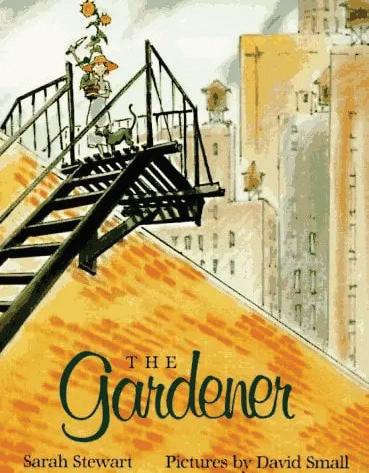
• “The Gardener” by Sarah Stewart, illustrated by David Small

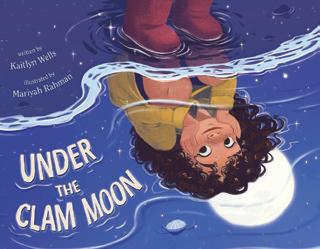
“Under the Clam Moon” 2026, Roaring Brook Press, ages 2-6
How do you come to understand your audience of young readers?
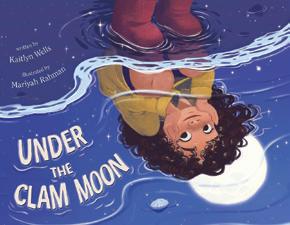
I believe the best way to understand young readers is to talk to them, play with them, be with them. Too often, adults feel they know kids better than the kids know themselves because society has conditioned us to believe there’s a right way to do something — and adults decide what that means. But children are incredibly complex, just like anyone else.
Recommended summer reads (for parents):
• “The Brown Bookshelf”
• KidLit in Color
• Kweli Journal
• STEAMTeam Books
• We Need Diverse Books
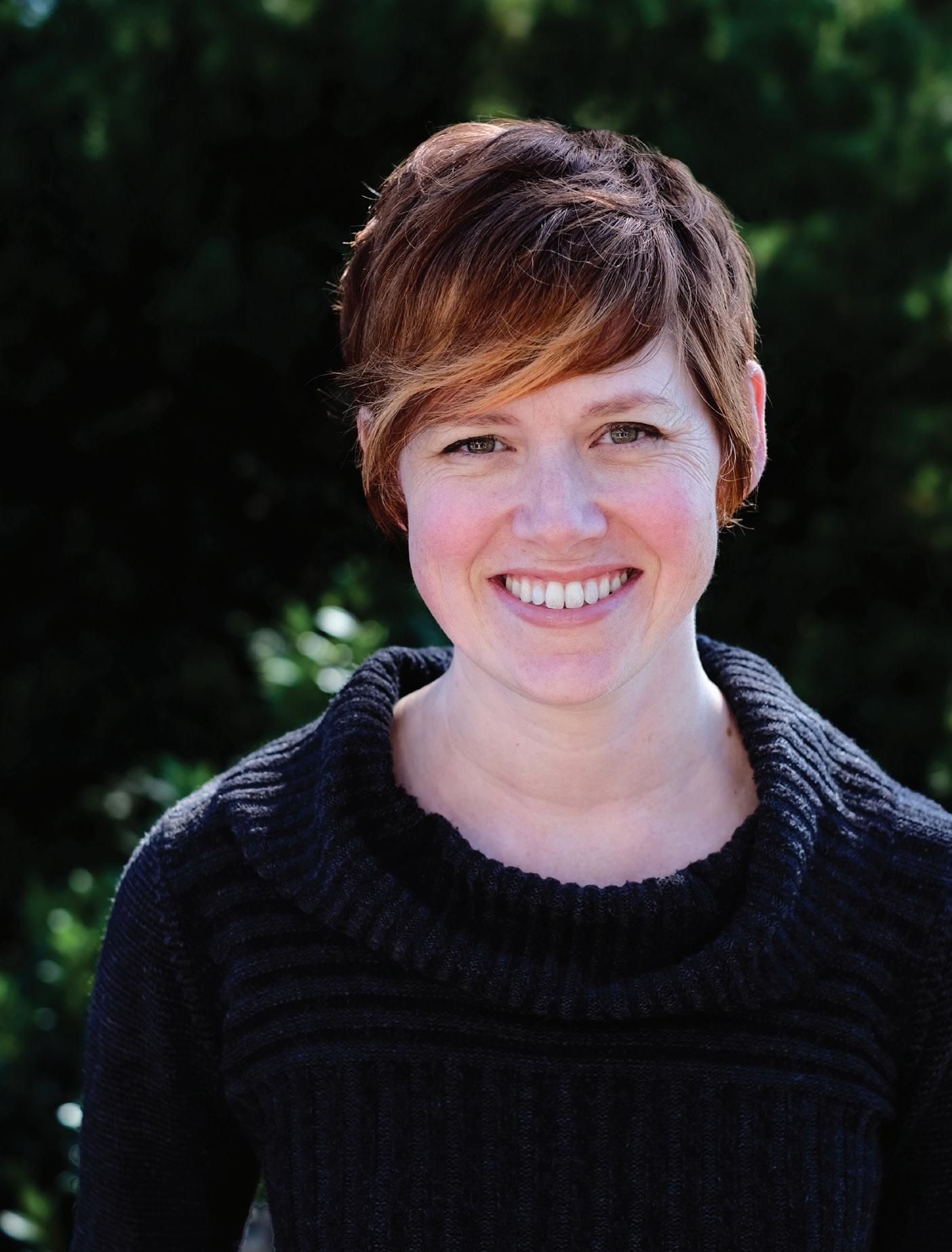
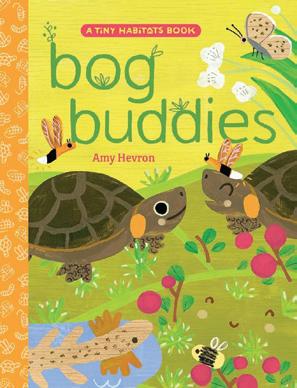
“Bog Buddies”
2026, Beach Lane Books, ages 4-8
Why do you write for children?
I love picture books as an art form. To me, it’s the perfect combination of art, storytelling and design all packaged into one.
How do you get into the psyche of a child?
I was highly imaginative as a child and still am as an adult. So I can easily take myself back to my childhood world, growing up with my brother and my cousins. Playing in the woods or the backyard. Always imagining and adventuring. With my books, I focus on the kinds of things we were fascinated by as children.
What book or series made you into a reader, and what is your advice for the reluctant reader?
I was one of those reluctant readers. I
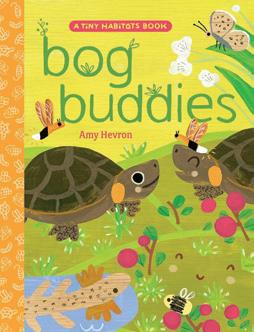
was in about the 5th or 6th grade when I found the “Sweet Valley High” books. I was obsessed. I also loved reading my brother’s “Garfield” and “Calvin and Hobbes” comic books.
But as a younger kid, I did love looking at the illustrations in picture books. I started by “reading” the pictures. And now with all of the wonderful graphic novels being published for kids of all ages, there are so many choices for kids who are visual learners and readers.
What was your first love, writing or illustrating?
I initially got into picture books as a fine artist.
Recommended summer reads:
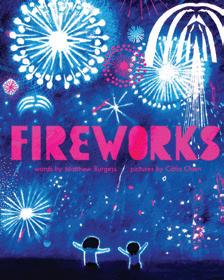
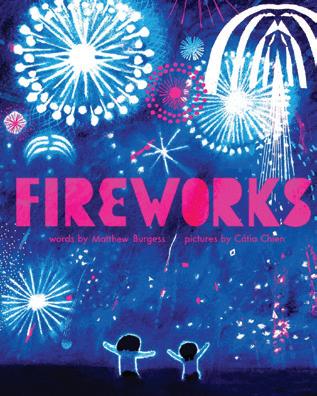
• “Fireworks” by Matthew Burgess, illustrated by Cátia Chien
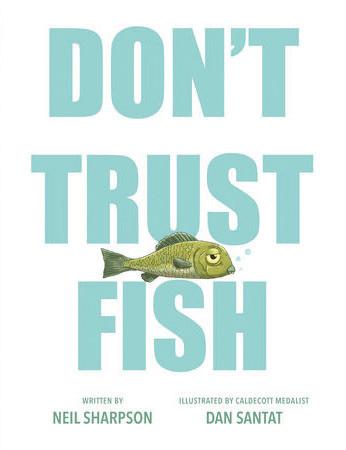
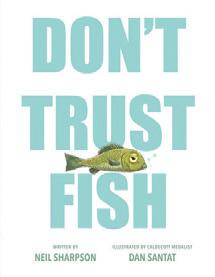
• “Don’t Trust Fish” by Neil Sharpson, illustrated by Dan Santat
• “Grand Canyon” by Jason Chin
• “Little Witch Hazel” by Phoebe Wahl
by MELODY IP
During summer break, parents often struggle to maintain their kids’ academic progress, including reading. But how many kids naturally reach for books when it’s not assigned homework?
We interviewed 15 parents to find out what worked (or didn’t work) to encourage summer reading. The most common response was “no reading, no screen time,” but if you’re looking to expand your toolbox of tactics, read on:
Set a timer
“If we are doing a challenge read — something [my son] isn’t excited about — we set a timer,” said Sheena Keiser, parent of a 2nd grader. Sheena also offers tip number two.
Reciprocate
After timed reading, say that she agrees to stretch herself as well: “I do something that is nonpreferred (usually playing goalie) for 10 minutes. My son knows I am doing an activity I don’t normally do, just like he is trying something he wouldn’t normally read.”
Read aloud with your child
Kaëla Yuen's sixth-grade daughter is a social learner and reader, so to entice her to read, Yuen’s partner will read aloud with her. “She’ll be an audiobook girl for sure! My son is more of an independent reader and more visual. He can be read to, but he needs to look at the book, and he’s someone who’s more likely to read on his own.”
“We do lots of audio books,” Deborah Kim, parent to third, fourth and eighth graders, concurs.
Make them think it’s their idea
“I follow a middle school English teacher on Instagram who gives me ideas for [my son], and I act cool, like ‘Hey, have you checked out this book?’ in a very casual way. He doesn’t know that I have a list of books in my head for him; it must be his idea,” says Nelsy Bradford, parent of an eighth grader.






May 22, 2026– September 7, 2026
by MELODY IP
As much as we’re told not to judge a book by its cover, it’s hard not to — especially for young children. A book’s cover and pictures often are what first capture a child’s attention. Beyond engagement, illustrations also play an important role in developing emerging readers.
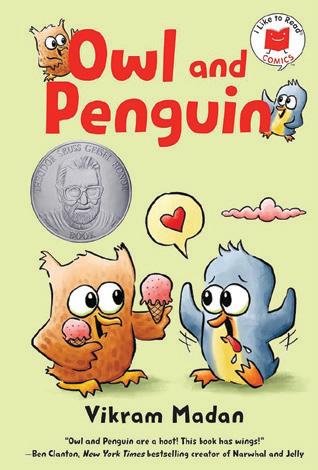
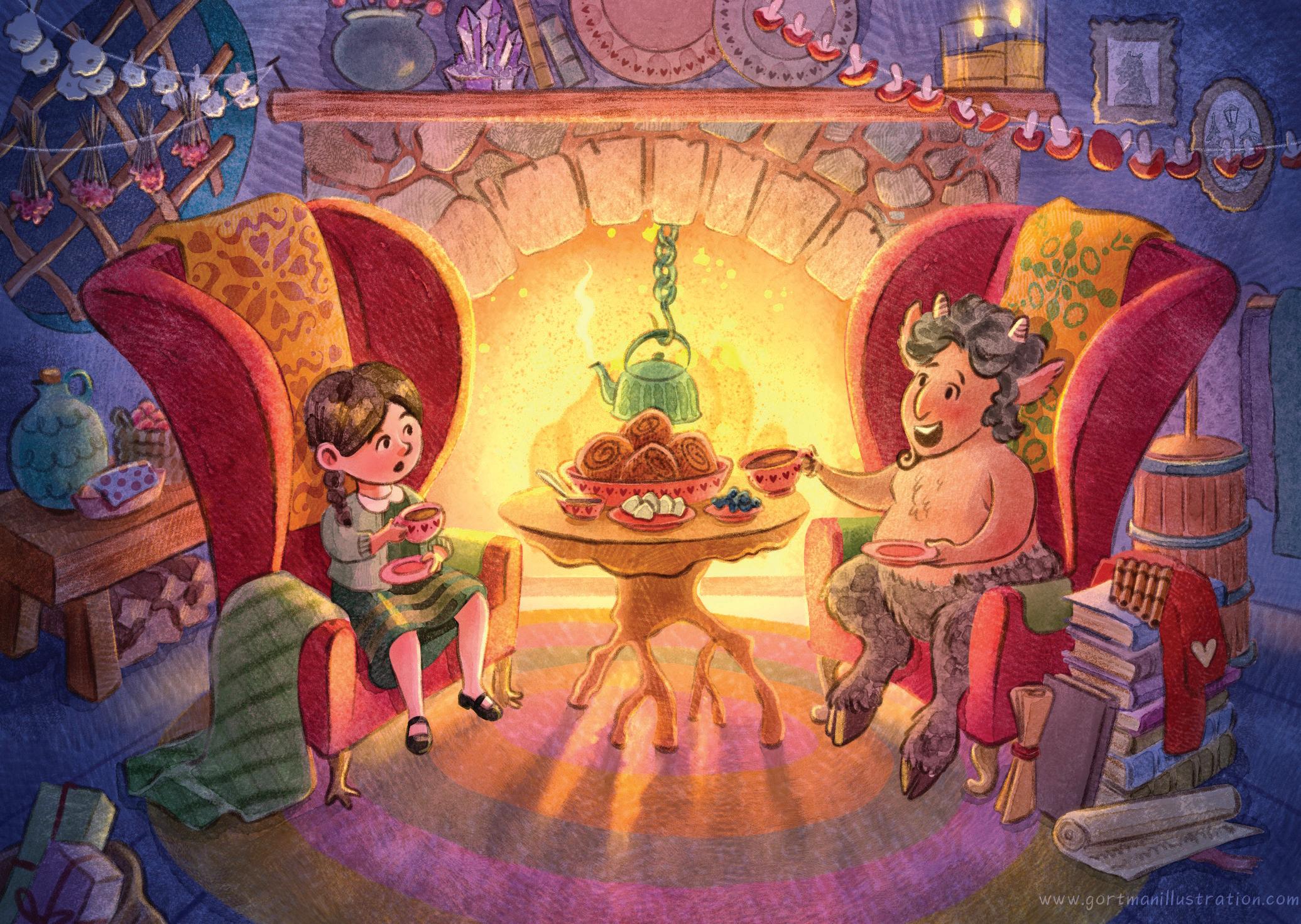
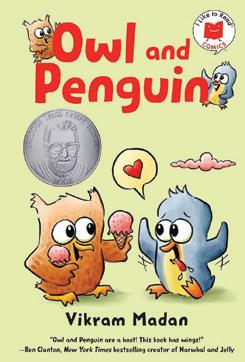
In conversations with local illustrators Vikram Madan, Polina Gortman, and Ben Clanton, all three emphasized that an illustrator’s creative process centers first on the reader’s experience rather than educational goals.
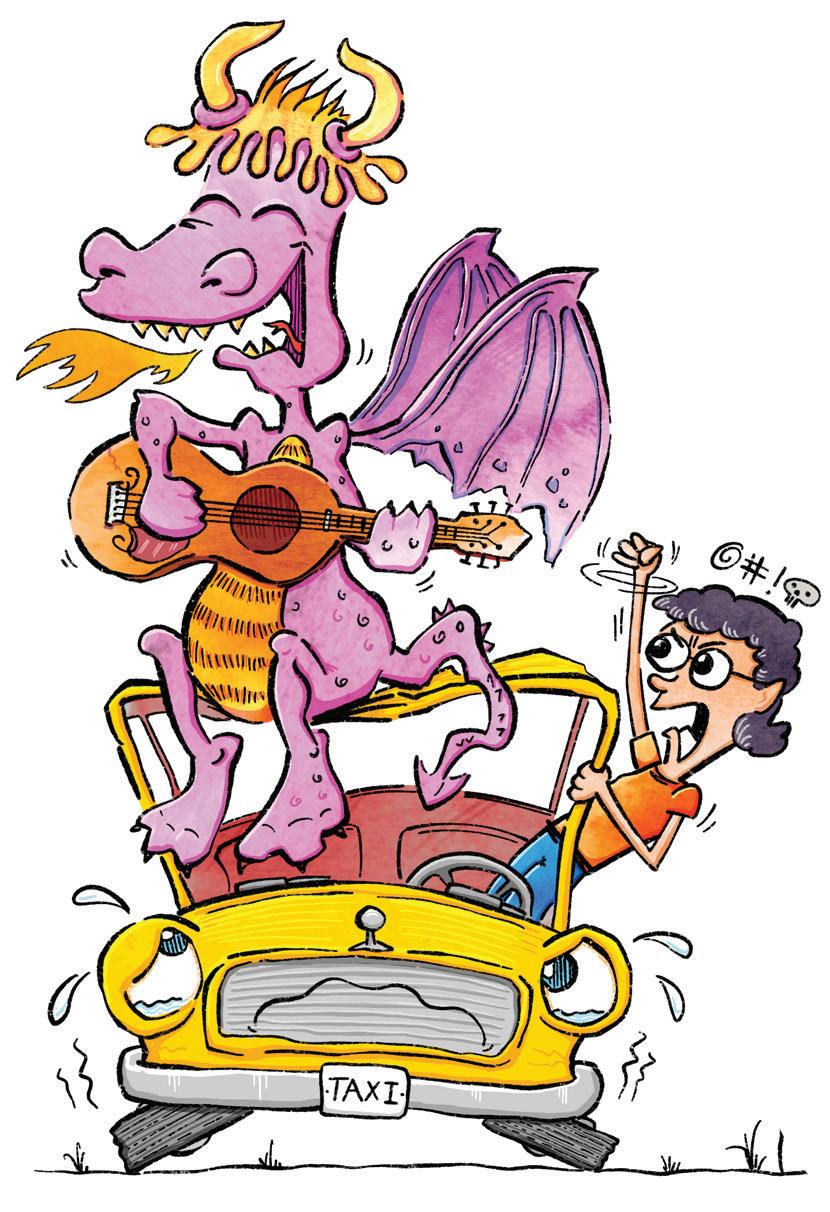
A lot of children’s book authors and illustrators “really focus on social issues or serious issues; I’m not one of them,” says Madan, who is both the writer and artist for his award-winning books, among them the “Owl & Penguin” series (winner of the American Library Association’s Theodore Geisel Honor), and the poetry book “A Hatful of Dragon,” a Kirkus Review best book.
“I just try to make books that are fun to read for kids, because if that experience was fun, then you’re going
to reach for the next book and the next book,” said Madan. “I’m thinking more in terms of the story I want to tell. Will it be interesting? Will it be fun?”
Still, the mechanics of illustrating a book influence Madan’s decisions: choosing age-appropriate vocabulary, guiding the narrative across page turns and spreads, and including visual surprises.
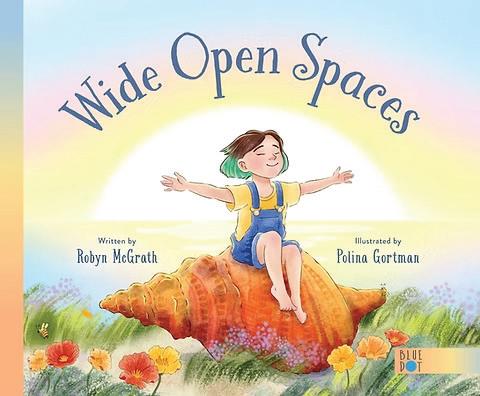

Polina Gortman
“Finn the Floaty,” by Leanne Hatch
“Swimming Season,” by Jaimie MacGibbon
“Tiny Hiker,” written by Natasha Zimmers, illustrated by Jaimie MacGibbon
“Sandcastles Are Forever,” by Ellie Peterson
“Ring Ring,” written by Susan Straub, illustrated by Anait Semirdzhyan
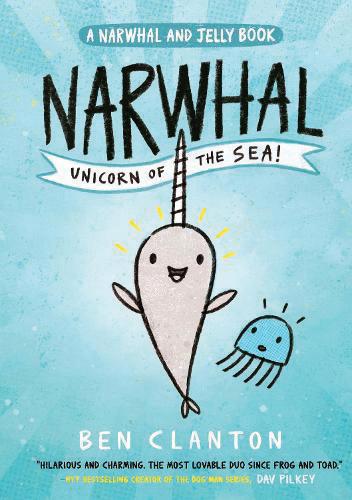
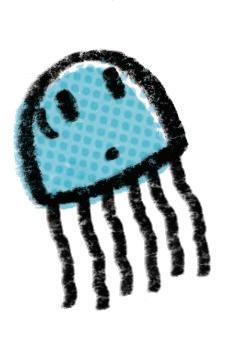
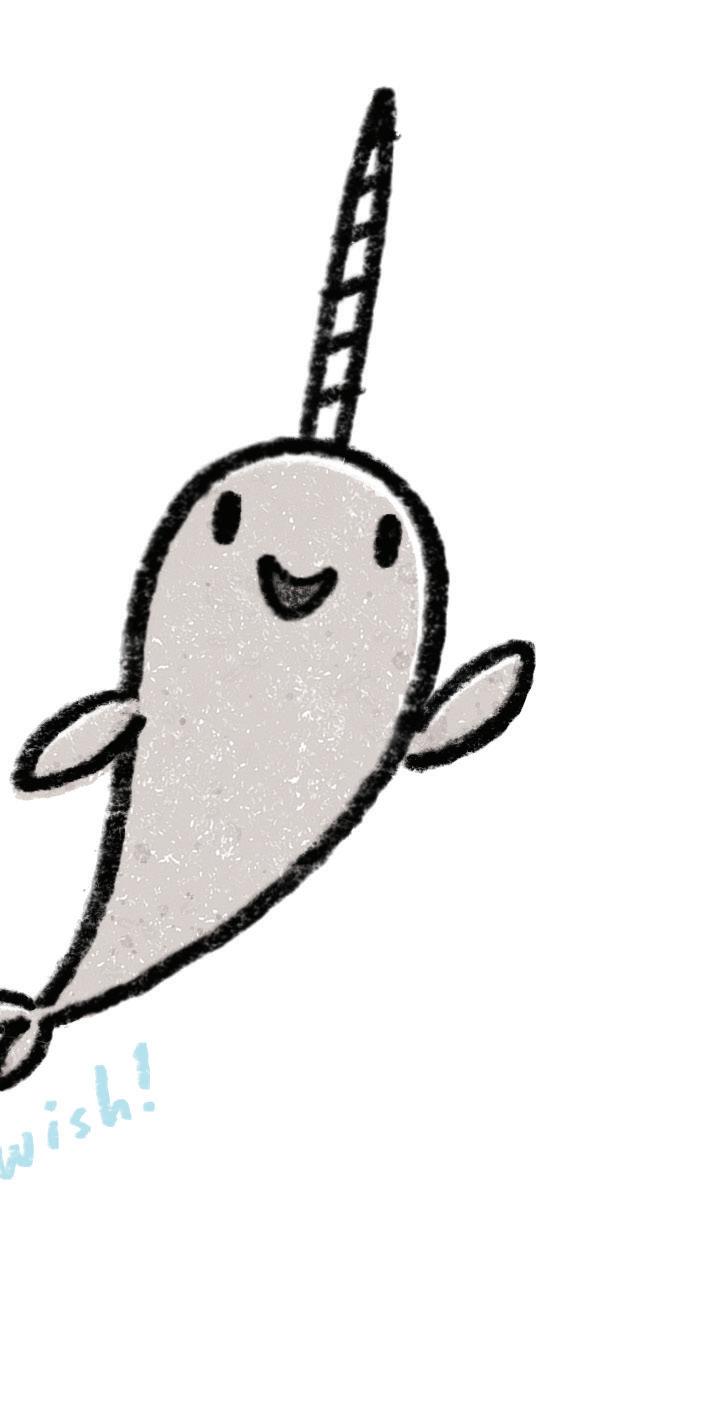
Clanton’s illustrations, including those in his “Narwhal & Jelly” series, are similarly guided.
“I tend to be very focused on what’s fun, friendly, and character-centered when it comes to illustration,” he said. “Kids are often drawn to humor. Humor is one of those things that gets devalued by many adults — along with fun, joy, and other elements common within kid-centered graphic novels.”
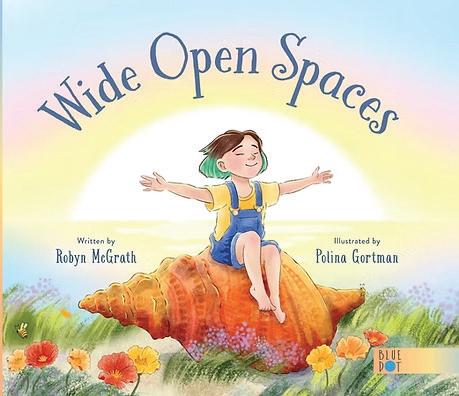
Gortman, whose latest book, “Wide Open Spaces” (written by Robyn McGrath), came out on May 12, aims to depict the world honestly and expansively by featuring people of diverse ages, body shapes, abilities, and backgrounds.

“Sometimes a book is the first place where a child learns about something and puts a name to it,” she said.
Gortman said she also enjoys leaving “space for the reader to figure out something on their own,” whether by spotting the punchline of a joke in an illustration or following a secondary visual narrative woven through the book — an element she enjoyed as a child.
While illustrations create en joyment, they also support litera cy development in ways that may be overlooked. Madan, Gortman, and Clanton all emphasized that images help children interpret stories before they can fully read themselves. Research also shows that pictures add depth to the story, introduce and reinforce vocabulary, and nurture lifelong readers.
Images help younger kids “learn how to process information, especially when they have to interpret the story, understand the sequence of events or how time is passing, how characters’ reactions are changing from frame to frame,” said Madan. He added that these skills support brain development, critical thinking, and problem-solving.
Madan noted that speech therapists have used his Owl & Penguin series because of their limited but intentional vocabulary paired with illustrations. Even before children can read independently, visually decoding a story can help build confidence.
“You feel very important when you grab a book you can’t read — and maybe you don’t even realize that— but you’re able to turn the pages and tell a story on your own and feel that role of a storyteller,” Gortman said. “It’s a huge motivation boost for a kid.”
For experienced readers, illustrations still hold value. Clanton pointed out that graphic novels typically contain more unfamiliar vocabulary than chapter books, building a reader’s word bank. Parents might want to think twice about disparaging graphic novels as not “real” books. Creating lifelong readers sometimes means prioritizing what kids want to read, Clanton
(See “Say ‘Yes!’ to graphic novels” on page 25.)
This summer, Madan recommends parents encourage kids to revisit favorite books and look more deeply at illustrations to see what may have been overlooked the first time around.
“I tell kids, it’s summer, slow down, look at all the details, and maybe even try to draw things from the books,” Madan said, encouraging parents to join kids. “It would be a great shared experience for them both.”
Switch readers during read-alouds
“My daughter values time with us parents, so we take turns reading a few pages and switching readers,” says Laurie Chow, who is a parent to a kindergartener and a third grader.
“We have a book that’s a little more challenging that we designated as a book we read together.”
Vikram Madan
“Super Boba Cafe” series by Nidhi Chanani
“Norma and Belly” series by Mika Song
“Namaste Is a Greeting,” by Suma Subramaniam
“Every Monday Mabel,” by Jashar Awan

“Sashimi,” by Dan
“Search
Leave books where kids can see them
And be enticed by them.
“I check out books and set them up in front of our fireplace. The kids always pick them up and read them,” Chow says.
Choose books by their interests
A lot of parents have caught on to this one. Kids are more likely to read if the book’s topic connects to their interests. Don’t disparage books about sports!
Connect reading and activities
“Summer-specific, we do field trips related to books or get books on topics our field trips might be related to,” Keiser adds. “We even do reading dates [on Facetime] with faraway family and friends. The support of family and friends, honoring reading, and his being a reader is a big deal.”
BRETT HAMIL
When Alec Longstreth approached his sister Galen about doing a children’s book together, she jumped at the chance.
“Alec is very cool and smart,” Galen explains, “If Alec approaches you about doing a project the response is, ‘Yes, are you kidding?’ It wasn’t just, ‘Hey, we’re siblings and it’d be cute if we made a book together’ — it was a real opportunity.”
popular James Patterson and Julia Bergen book “Middle School: Ultimate Showdown”
As an award-winning cartoonist and illustrator — you might’ve seen his work in the
— Alec was ready to dive deeper into the world of children’s literature. Galen, three years his senior, just happens to be a fount of kid-lit expertise, having worked as a teacher, a librarian, a children’s book specialist, and a children’s bookseller at Powell’s. She debuted her own children’s book with illustrator Maris Wicks, “Yes, Let’s,” in 2013.
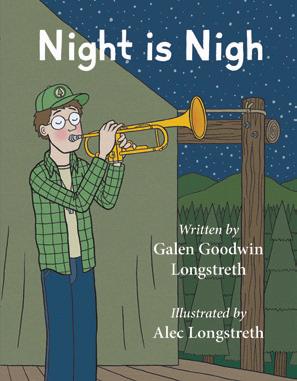
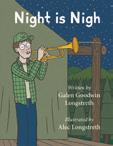
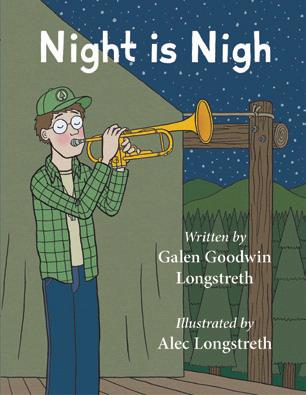
The manuscript for their co-created book “Night is Nigh”
(written by Galen, illustrated by Alec) was a rhyming picture book about the sleepaway camp the Longstreth kids attended each summer, Hidden Valley Camp in the foothills of the Cascade Mountains north of Seattle.
“I said sure, I would like to mentally spend time in that space!” Alec recalls, “For a lot of this I didn’t even need a reference, I just drew what I remembered from spending so many summers there.”
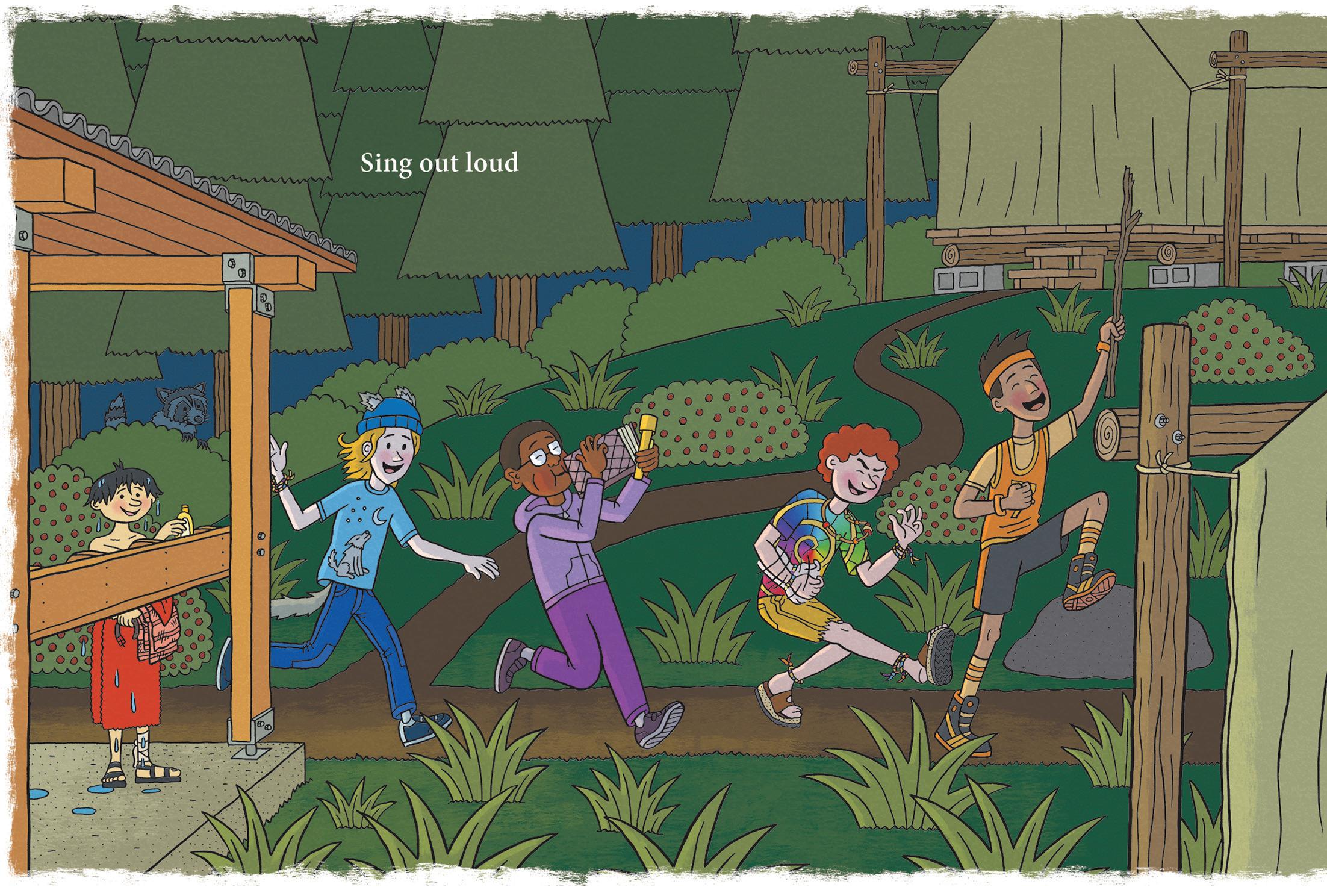
The result is a picture book filled with vivid and engrossing full-page pictures conjuring woodsy campfires and cabin pillow fights. The simple, evocative text is adapted to the tune and cadence of “Taps,” which
they sang each night at camp before going to bed, sometimes led by young Alec on the bugle (the original words and music are included at the end of the book). It’s a classic “bedtime book,” a genre all parents need in their please-go-to-sleep-now repertoire.
The reception for the book was warm. They held a release party at Island Books in Mercer Island and a crowd of Hidden Valley alumni showed up to relive their camping glory days. Galen’s daughter is now a camper there, too. When they threw another book release in Santa Fe, where Alec lives, a woman who just happened to be at that bookshop in the middle of the desert that day had a surprising revelation: “My great-uncle is the guy who founded that camp!” Another impromptu Hidden Valley reunion.
“It was a magical thing,” Alec says, “It’s been a great joy having it out in the world.”
As kids, the siblings’ reading habits foreshadowed their eventual careers. Alec loved comics and books full of illustrations like the work of William Steig and Roald Dahl,
while Galen read text-heavy books voraciously — Judy Blume, “The Babysitters Club” — all the chapter books I could get my hands on.” As adults, these proclivities took them on parallel paths leading to their eventual team-up. And they’re not done yet.
“In book publishing, the highest compliment you can give is working with someone again,” Alec says, “And we’re working on another one!”

Alec Longstreth
“Our Pool,” by Lucy Ruth Cummins
“An awesome book that gets into all the small details of going to the public pool in Brooklyn. It feels so summery.”
“Fireworks,” by Matthew Burgess
“A book about the 4th of July and what it’s like to be a kid and watch the fireworks. It uses some cool printing techniques with neon ink, it’s a full sensory experience.”

“Hot Dog,” by Doug Salati
“We’re a neurodivergent family in my house, and this is about a dog who has a complete meltdown and its owner exhibits the most beautiful, loving care.”
“The Sleeper Train,” by Mick Jackson
“As an appreciator of picture books as art I love this book, and as a teacher it’s got so many entry points for things you could do with kids in school.”
by CHERYL MURFIN
Walk into the graphic novel section of any library or bookstore and you’ll be hit with a riot of color, art forms, and fascinating tales. It makes sense that so many kids and teens are drawn to these shelves, which include the uber-popular manga genre that originated in Japan.
But do graphic novels really count as reading? We asked Erika Miller, manager for Seattle Public Library’s Youth and Family Services department, that question and others. Here’s Miller’s take on why graphic novels are a great reading choice.
Comic vs. graphic novel
Length is the primary difference. While both comics and graphic novels employ graphic art and words, comics are typically shorter single-issue serial stories (think “Superman No. 1, No. 2, No. 3”). Multiple comic issues are often published together to create a volume, but graphic novels are standalone full books with the entire arc of their characters and storylines — the setup, the action, reaction, character growth, conclusion — between two covers.
“It’s not that there’s no depth in comic books,” Miller stressed. “It’s just that because they’re longer, graphic novels may have more depth in one volume.” Both encourage kids to read, she added.
Do graphic novels really help kids build reading skills? The answer is an emphatic yes. Graphic novels engage multiple literacies. They build vocabulary — and not just simple words — while also developing visual literacy, the ability to understand the meaning of images. Readers have to interpret both words and art to understand characters and plot.
“That’s really cool about graphic novels — they offer literacies that you would not be able to get from a typical book,” Miller says.
Even fonts add to skill-building. With graphic novels, young readers must learn to parse out what different fonts mean.
“What does it mean when they’re using cursive as opposed to a scribble or typed out words? They could all have different meanings,” Miller says. “What does it mean when words are in a box, or when they’re in a circle, or in a voice bubble, or they’re scattered all over the page?
“These are all the things that kids and teens have to think about when they’re reading a graphic novel. Are those words matching what’s on the page with the illustrations? Are they telling the same story? Are they telling two different stories? What does it mean? Those are things that you cannot get from reading a traditional novel.”
Why are graphic novels appealing?
“They’re really fast-paced, exciting, with lots of different pictures, illustrations, often lots of different

“Mr.
“The Witch Boy,” by Molly Knox Ostertag (Ages 9-13)
“March,” by John Lewis, Andrew Aydin, and Nate Powell (Ages 13 and older)
“Brownstone,” by Samuel Teer, illustrated by Mar Julia (Ages 13 and older)
colors,” Miller says. “The artwork in different books can be vastly different. They often catch kids’ eyes.” Not to mention, graphic novels can be a bridge for reluctant readers who may look at traditional books and novels and feel overwhelmed.
Miller says of graphic novels, comics and manga: “When pictures and the words come together, they’re less intimidating, not just for kids, but new readers, and also people who might be learning English.”
There are books that blend the traditional and graphic novel genres. “I am thinking of a book called ‘Wonderstruck,’” by Brian Selznick, Miller says. “It’s not a graphic novel, but half the book is written in words, and then the other half is written in illustrations and pencil drawings. It is one of the most beautiful books I’ve ever read. One main character’s story is told in words, and then the other main character’s story is told through the drawings, so they tell two different stories and eventually the stories do come together.”
Miller always asks about the last book a child really liked and what interests them. “If a child likes Minecraft, there are Minecraft books out there. If they really like sports, there are sports books out there. I base recommendations on what they want to read. I think to foster a love of reading, you go where they are, right?” She highly recommends reading graphic novels together with a child or teen.
Pick up a chapter book and read it aloud to your child this summer (and all year round).
It sounds simple, even old-fashioned — but decades of research back it up as one of the most powerful things adults can do to raise a reader. Studies consistently show that reading aloud to children builds vocabulary, comprehension, and a love of books that lasts well into adulthood.
What may be surprising is that the benefits don’t stop when kids learn to read on their own. A child’s listening comprehension outpaces their independent reading ability until sometime in middle school, so when you read a complex, story-rich book aloud, you’re feeding their brain ideas and language they simply couldn’t access yet on their own. The longer and richer the book, the better. Oh, yeah, and one more benefit, quality time together.
I got my first library card at age 5 and as an adult, that love of reading has turned into years filling the children and youth shelves at Elliott Bay Book Company. Below are my picks for some great summer read-alouds — and what they offer kids and adults.

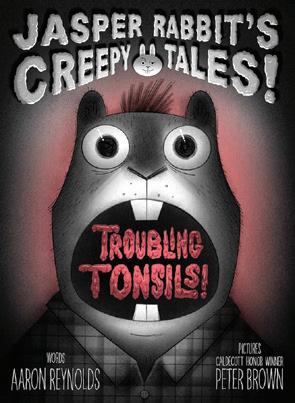
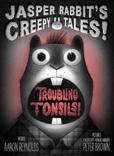
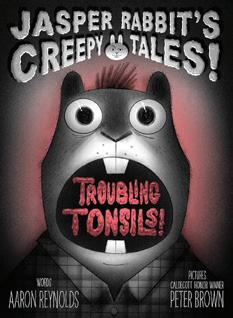
“Jasper Rabbit’s Creepy Tales! Troubling Tonsils!” by Aaron Reynolds and illustrated by Peter Brown, Simon & Schuster Books for Young Readers
Before Charlie Marmot’s tonsillectomy, he asks the doctor if he can keep his tonsils and take them to show and tell. But what if Charlie’s tonsils have another idea? It’s quite possible this series is written for grown-ups as the humor is painfully good — think Twilight Zone with fuzzy mammals. A third “Jasper Rabbit’s Creepy Tales” is soon to be released.
by MELODY IP
Kids often turn to their peers for advice. And avid kid readers and book critic wannabes often share their recommendations. Check out these “must reads” from 11 real Seattle kid readers. (Clearly series are all the rage!)
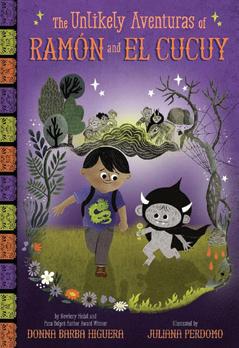
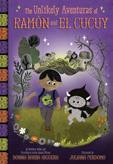
“The Unlikely Aventuras of Ramón & El Cucuy,” by Donna Barba Higuera and illustrated by Juliana Perdomo, Amulet Books
The only task for a cucuy is to torment children, but when Ramón meets El Cucuy, he’s not at all afraid. Ramón is too worried about the first day of school! The first book in this series by the award-winning author is a lightly spooky tale with a dose of Spanish phrasing that, in the end, is a lovely story of unlikely friendships.
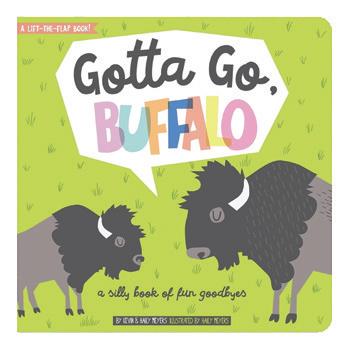
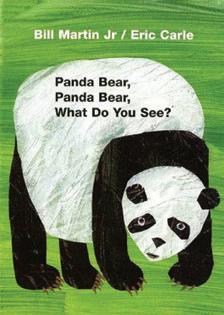
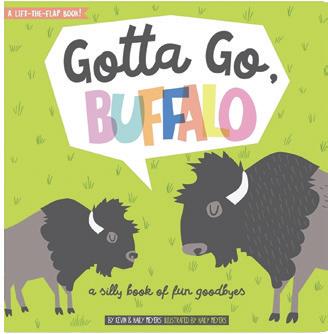
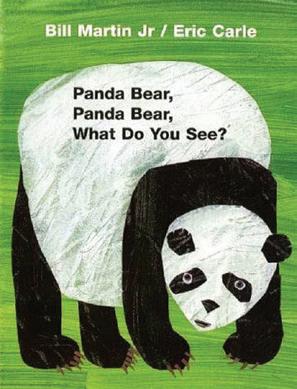
“Gotta Go, Buffalo” by Kevin Meyers (author) and Haily Meyers (author and illustrator), “Panda Bear, Panda Bear, What Do You See?” by Bill Martin Jr. (author) and Eric Carle (illustrator) — Max, preschool
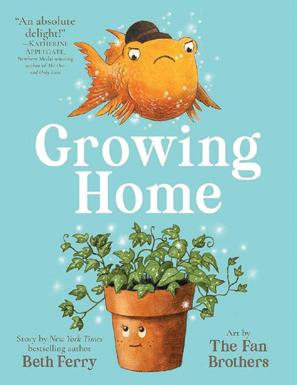
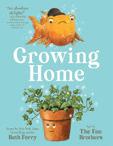
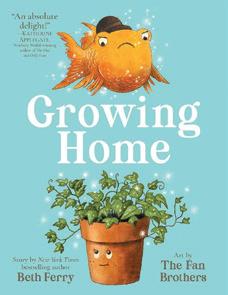
“Growing Home” by Beth Ferry and illustrated by The Fan Brothers, Simon & Schuster Books for Young Readers
Ivy the houseplant and her friend Toasty the goldfish live with the Tuppers, but with the arrival of some unexpected guests and some magical abilities all their lives are upended. The vocabulary in this book is a terrific invitation to explore language, and along with all the endearing characters (perfectly illustrated by the Fans), makes this perfect to share aloud.
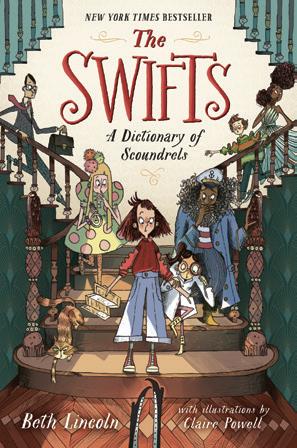
“The Swifts: A Dictionary of Scoundrels,” by Beth Lincoln, Putnam/Penguin Young Readers
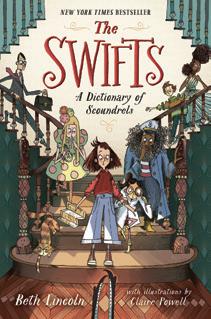
Shenanigan Swift is aptly named; she’s impetuous and mischievous. Shenanigan plans to use the cover of the Swift family reunion to search for Grand Uncle Vile’s long-lost treasure. That is, until nefarious activities cast a grave shadow on the gathering. The writing is so smart, and the Snicket-esque language is a pure pleasure to read! The first two in the series are available, and a third is slated for September 2026.
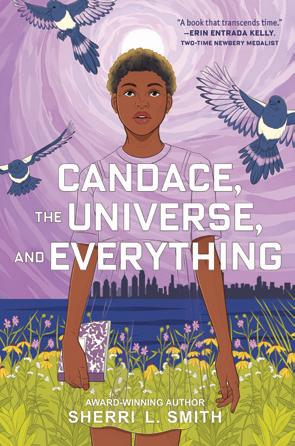
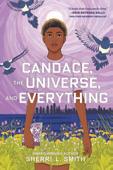
“Candace, the Universe, and Everything,” by Sherri L. Smith, G.P. Putnam's Sons Books for Young Readers
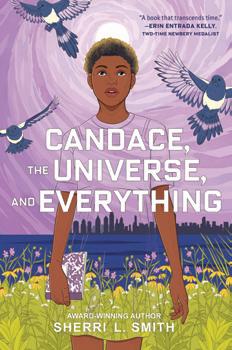
Turning 13 is never easy, no matter what decade, but when Candace is surprised by a strange bird flying from her school locker, she is even more shocked to also discover a notebook from 1988. Candace must bring together three generations of women to solve the mystery of the curious phenomenon that connects them. This book would be ideal for three generations to read, alternating chapters from different eras, building friendships with the women in the book!
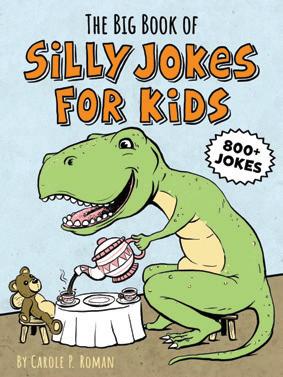
“The
— Porter, kindergarten
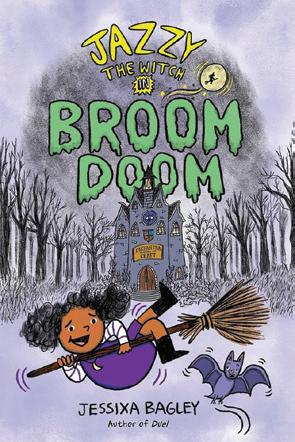
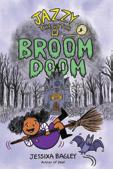
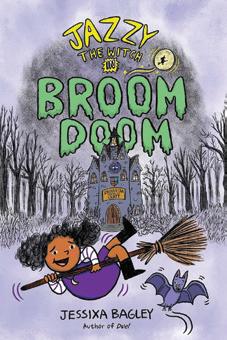
“Jazzy the Witch in Broom Doom,” by Jessixa Bagley, Simon & Schuster Books for Young Readers
In this first installment by local graphic novelist Jessixa Bagley, we meet Jazzy and the town full of witches she lives in. Jazzy’s not interested in magic, and while her parents own the town broom shop, Jazzy doesn’t want to fly. There is a ton of fantastically corny humor to enjoy, along with a great story about what it takes to find your own path.
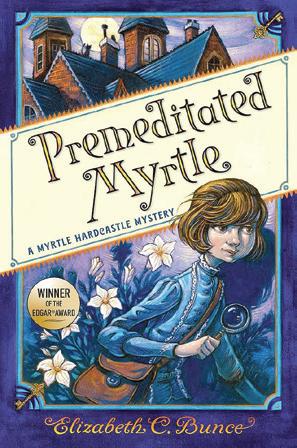
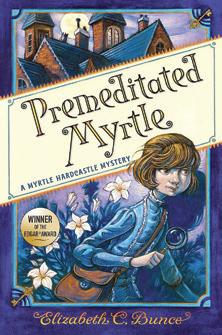
“Premeditated Myrtle,” by Elizabeth C. Bunce, Little, Brown for Young Readers
This Victorian-era mystery series is cozy but never stuffy. Twelve-year-old Myrtle Hardcastle is smart and sassy, with an interest in science and an aversion to social functions, but is a whiz at solving crimes. Think Nancy Drew with a petticoat and a lot of sass. The suspense is just the right degree of tension, and the banter between Myrtle and her long-suffering governess Miss Judson is positively deft. There are currently five books in the series.
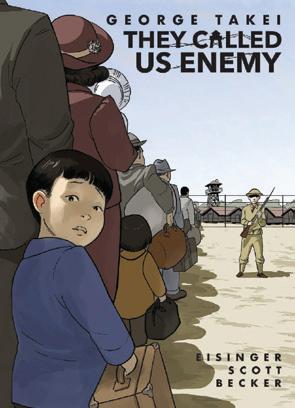
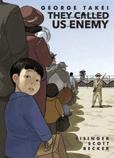
“They Called Us Enemy,” by George Takei, Justin Eisinger, and Steven Scott, and illustrated by Harmony Becker, Top Shelf Productions
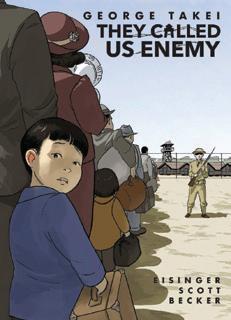
This graphic memoir by “Star Trek” actor George Takei gives his firsthand account as a small child of being imprisoned along with his family in a concentration camp during World War II. A frequently banned book, this is a tremendous starting point for discussion on a subject that is so often overlooked in this dark and disgraceful period of our history.
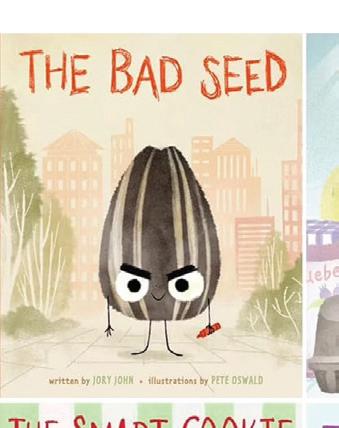
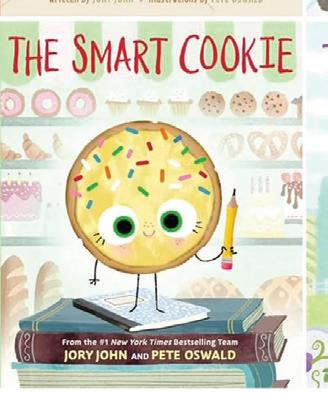
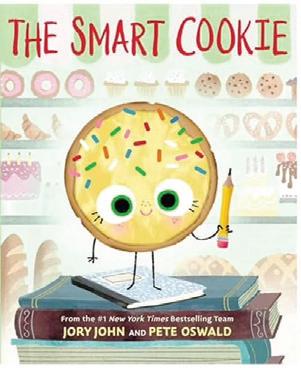
“Food Group” series by Jory John — Nick, second grade
CONTINUED ON PAGE 28 >
HOW DO YOU GET THEM TO READ IN SUMMER?
Put the library on your calendar
“I still go to the library every week to pick up books, to keep trying to put out high-interest reading material or just fresh material regularly,” explains Deborah Kim, who also suggests:
Ask for book lists
Librarians and booksellers know kid readers. Ask for lists and then let kids pick.
Ask their friends
“My kids are products of summer slumps. I guess reading has always felt like a chore, so a ‘love for books’ is already out the door. Now it’s less about [making it] a passion, and more about skill building,” says Dee Kim, who has fourth, sixth, and eighth graders at home. Finding books for her sixth grader is tough, but she’s learned he’s more open to peer suggestions.
Money for reading? Maybe not
“I wish the kids did way more reading in the summer than they do,” says Jayme Porteus, who has a fifth and a seventh grader. “One year, I gave them chore money for reading books. My kids haven’t really read that much as of late, so unfortunately, I am not losing my money to reading.”
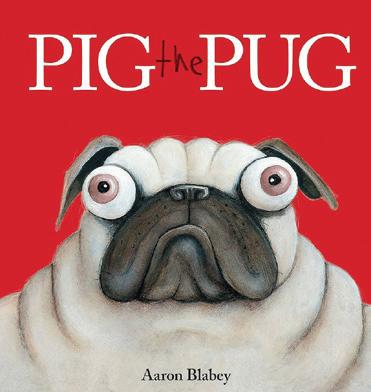
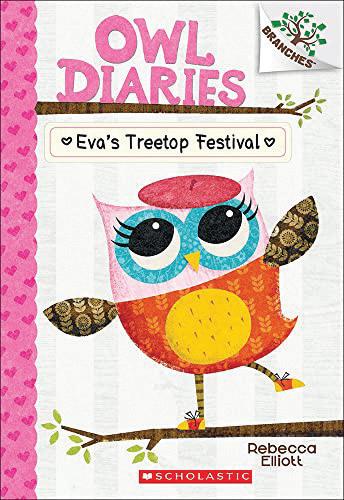
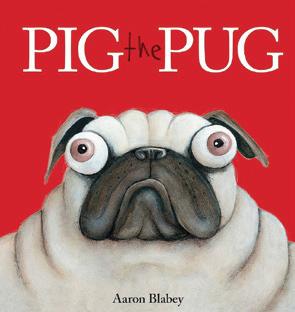
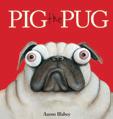
“Owl Diaries” series by Rebecca Elliott, “Pig the Pug” series by Aaron Blabey — Malaika, first grade
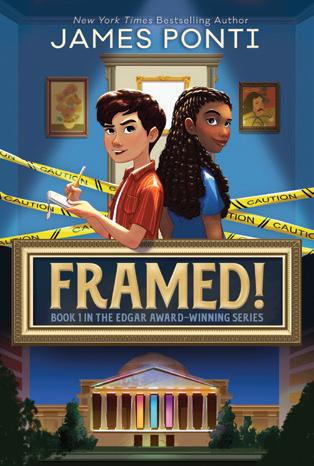
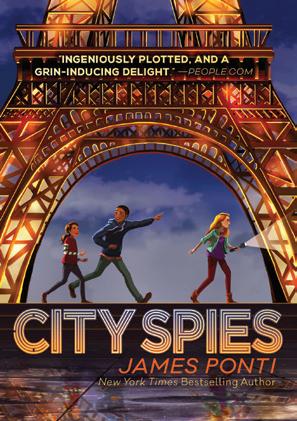
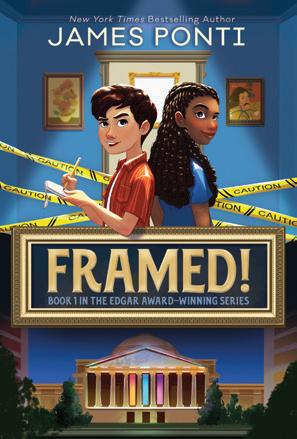
“Framed!” series by James Ponti — Kyrie, third grade
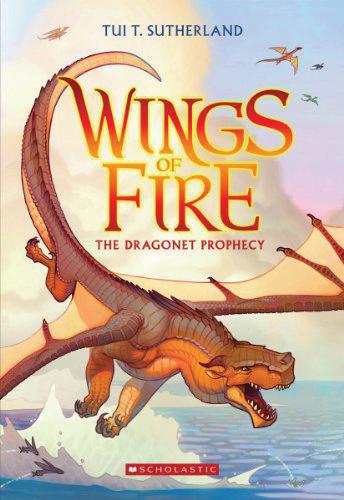
“Wings of Fire” series by Tui T. Sutherland — Kira, third grade

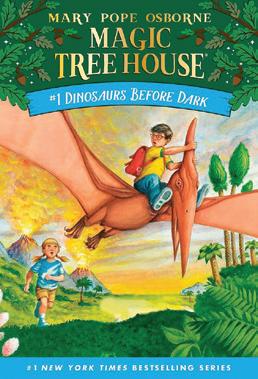
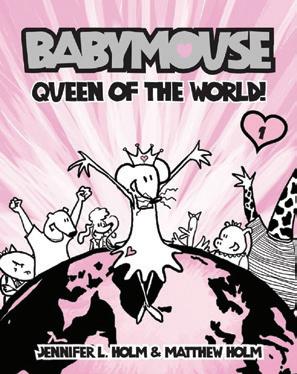
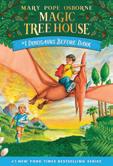
“Magic Tree House” series by Mary Pope Osborne, “Babymouse” series by Jennifer L. Holm & Matthew Holm — Charlie, third grade
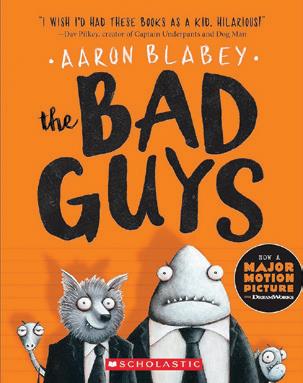
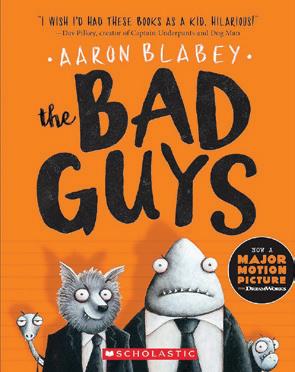
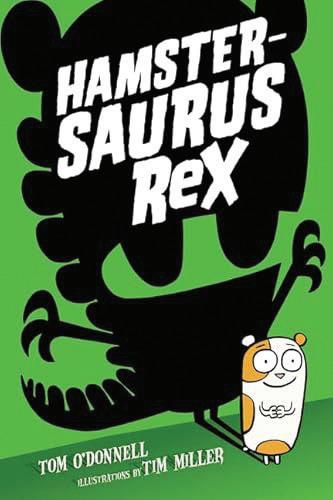
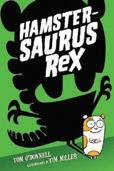
“Hamstersaurus Rex” series by Tom O’Donnell (author) and Tim Miller (illustrator), “The Bad Guys” series by Aaron Blabey — Aaisic, fourth grade
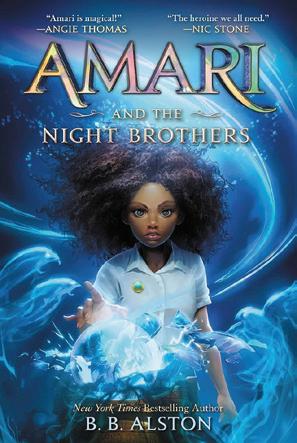
“City Spies” series by James Ponti, “Amari” series by B.B. Alston — Amerie, sixth grade
“Hatchet” by Gary Paulsen, “The 48 Laws of Power” by Robert Greene — Kai, eighth grade
by CAROLINE JIAYING GRYGIEL
Aby
—
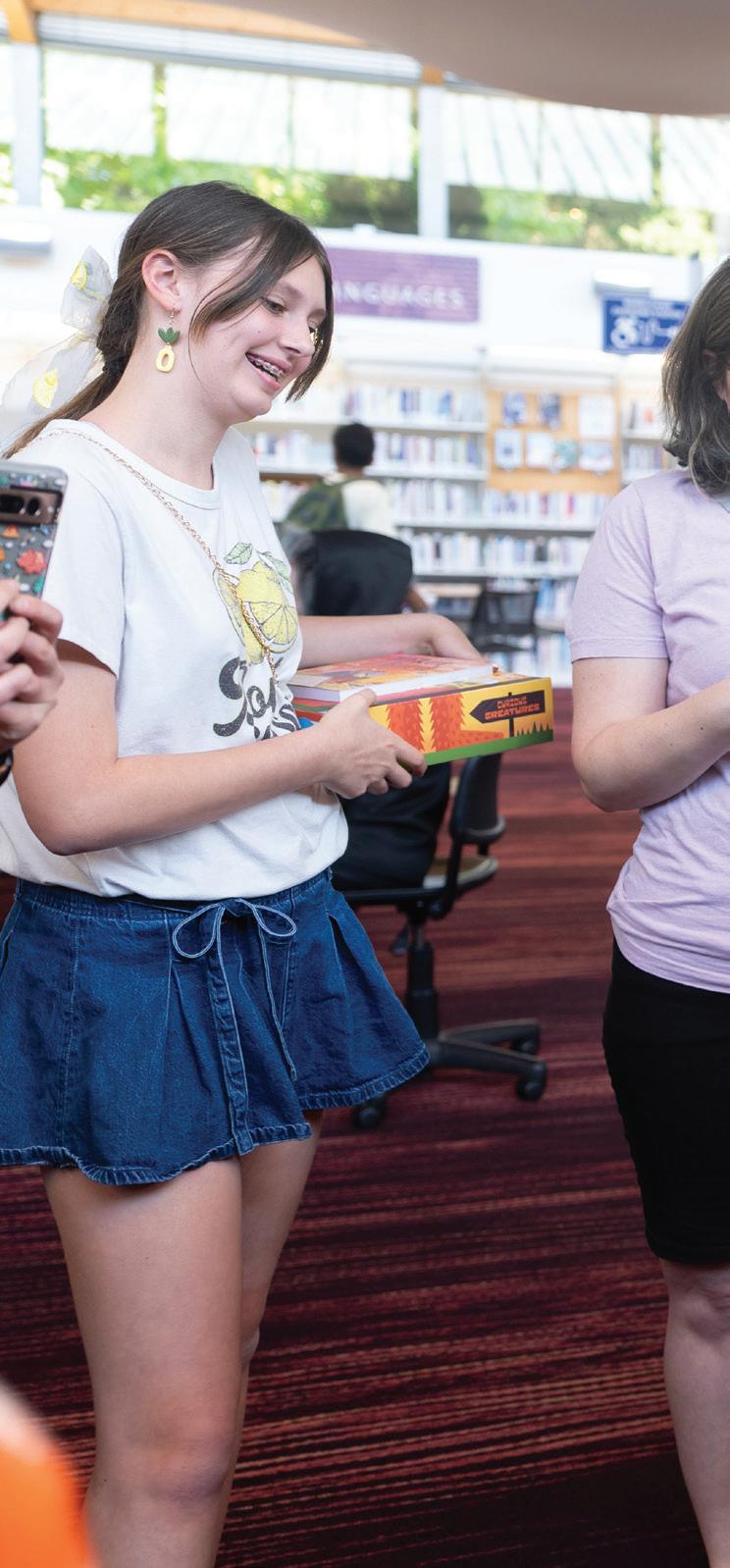
s a kid, I cherished the long, lazy days of summer when I could lie around reading anything I wanted. My kids, not so much. Somehow, the bookworm gene skipped them — but they are motivated by prizes. If your kids, like mine, need some encouragement to pick up a book this summer, here are the summer reading programs with the best incentives.
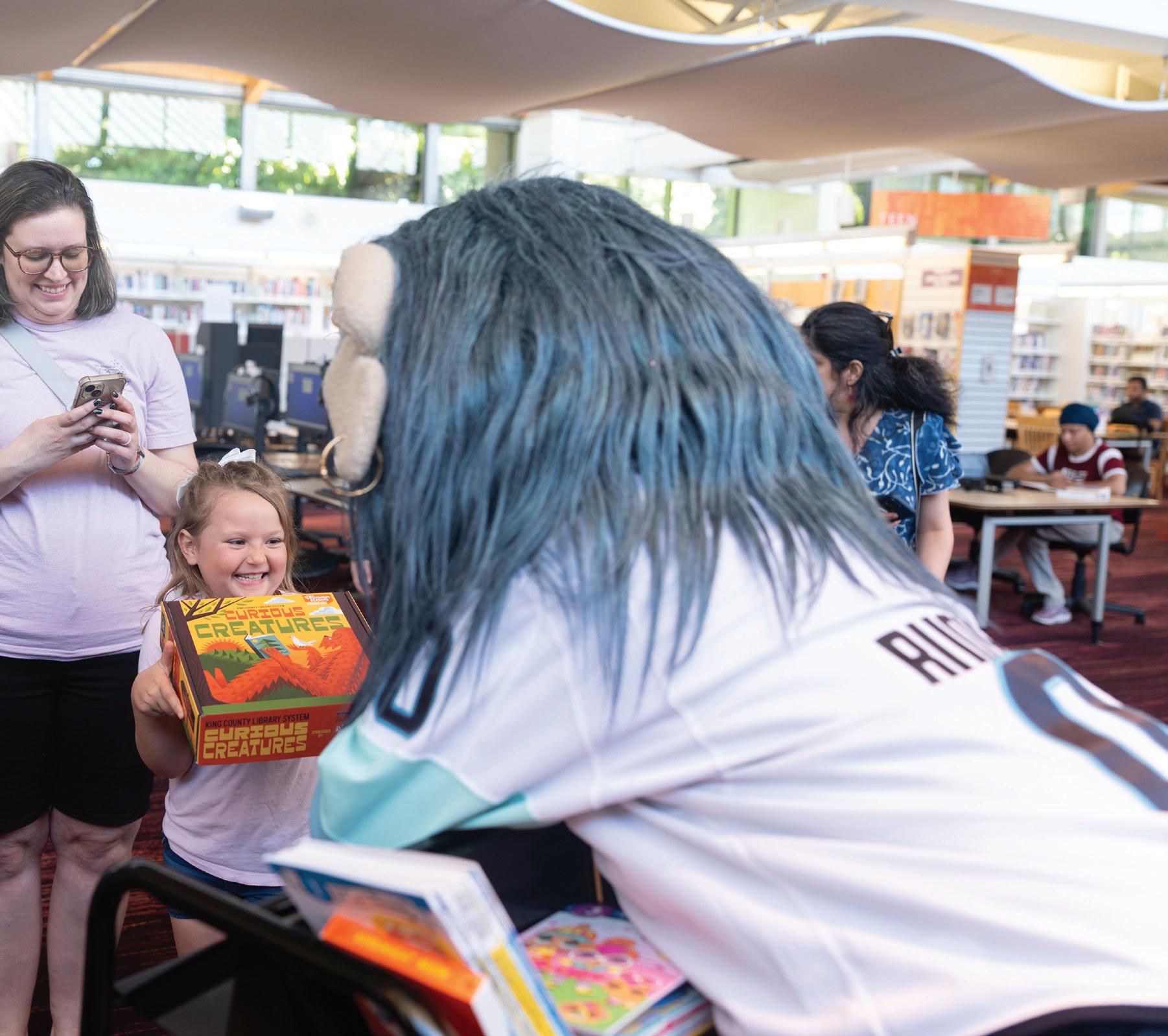
Curious Creatures Summer Reading Program Started June 6, runs through Aug. 31
KCLS wins the best summer reading program hands down. This year, they’re stepping it up further with a new program aimed at teens.
You can sign up at any KCLS branch. We walked into a launch party in June where a beaming children’s librarian welcomed us, handed each kid a gift box, invited them to pick out a new free book, and then segued into a live show with a professional magician, Wowza.
After completing your reading tracker, redeem it for a prize. (We got Seattle Storm tickets!) Check the KCLS site for a truly impressive lineup of fun, free library activities for kids all summer long. You can filter by date, age, and branch. We’ve done everything from improv class to breakdancing to building Lego robots.
Note: KCLS is for everyone in King County. You can absolutely have a Seattle Public Library account and a KCLS account.
3kcls.org/summer
Seattle Public Library expanded its longtime summer reading tradition this year by launching Summer Quest, an all-ages program that encourages kids, teens, and adults to read, explore, and try new activities throughout the summer.
Simply pick up an activity tracker at any SPL branch or download one online. The goal: Complete 30 days of “Read, Do, and Go” activities by September 4. Prizes differ by age group, but kids who meet the goal receive a free book and the chance to win a PlayDate SEA pizza party for 10. As part of the program, branches will host free Summer Quest events, including magic shows, storytelling, music and dance performances, art workshops, mindfulness programs, and more.
3spl.org/programs-andservices/fun-and-games/ summer-quest
P.S. Reluctant reader? Graphic novels count! (See page 25)
Get Caught Reading with Cal Started March 26, runs through Sept. 27
If anyone can get your kids reading, it’s Cal Raleigh.
The Mariners’ All-Star catcher is partnering with PEMCO Insurance this summer to encourage kids K-12 to “get caught reading.” It’s so easy. All you have to do is take a photo of your kid reading anywhere and submit the photo online for a chance to win prizes. If you prefer not to show your child’s face, photos from the back are totally fine.
The challenge runs through the Mariners’ regular season, and there’s no limit on the number of entries you can submit. Five winners will be chosen to win a baseball autographed by Raleigh. 3go.pemco.com/caughtreading Seahawks
12 Pages Summer Reading Program Through July 31
Attention Junior 12s: our Super Bowl champions are offering readers ages 5 to 15 a chance to win some cool Seahawks gear. Register for the summer reading challenge online, print out the reading log, and keep track of the
time you spend reading. Submit the total number of minutes by July 31.
Entries are sorted into tiered buckets based on how many minutes you read. Prizes include a Seahawks water bottle, an autographed football, and an autographed jersey. The grand prize is a personal visit from Blitz!
3seahawks.com/community/ youth-empowerment/12-pages
Barnes & Noble
Summer Reading
Free Book Giveaway
July 1 to August 31
How about a summer reading program with a guaranteed prize? No purchase necessary, no strings attached. Kids in grades 1 to 6 can read any eight books to earn a free book at Barnes & Noble.
For every two books you read, bring your reading log into the store and get a sticker. Read eight books — and visit Barnes & Noble four times over the summer — to complete the reading challenge. Your reward is to pick out a brandnew book from the summer reading display, which includes titles at varying levels.
Psst, a new Barnes & Noble opened in downtown Seattle in May. The children’s section is downstairs, and it’s well-stocked.
3barnesandnoble.com/shop/ summer-reading-free-bookgiveaway
Pizza Hut
BOOK IT! Through August 31
If you grew up in the ‘80s, you might remember the free Book It personal pan pizza at Pizza Hut. It’s still a thing! The program is now available as an app, and it’s open to kids in pre-K through 6th grade. Set a daily reading goal, from 20 to 60 minutes, and remember to log your kid’s reading each day in the Book It app. Reach your goal at least 15 days in the month to earn a free pizza. Max one pizza per kid, per month, from June to August.
3bookitprogram.com
Panda Express
Read with Me
Summer and all year round
Teachers and homeschoolers, this is for you. If you work with students pre-K to 5th grade, you’re eligible to sign up for the Panda Express reading program. Students read five books to earn a free kids’ meal coupon.
3community.pandaexpress.com/ read-with-me
July 2
No admission, no limits — you could hop museums all day today without paying a dime! See details at “Free museum admission in Seattle on First Thursdays” at 3seattleschild.com FREE
ALONG LAKE WASHINGTON BOULEVARD
July 3 to Sept. 7
Take the family for a ride along three miles of flat, car-free lakefront road. Kids on scooters, families on bikes, all are welcome without worrying about traffic. All ages. 3seattleschild.com/ events/bicycle-weekend-on-lakewashington-boulevard-is-back-21/ FREE
July 3-5 and Aug. 25

Volcanoes, old-growth forests, wild coastlines — this is the weekend to get kids into some of the most awe-inspiring terrain on the planet, free of charge. Check pet policies before heading out. All ages. seattleschild.com/washingtonstate-parks-free-days/ FREE
July 4
Stake out a curb, and let the spectacle come to you. From bands, floats and classic cars to the sweet hope of candy landing at your feet. All ages. Find a parade in your corner of greater Seattle at 3seattleschild.com/fourthof-july-fun-around-seattle/ FREE
GAS WORKS PARK AND SOUTH LAKE UNION PARK
July 4
A full afternoon of games, music, and a kids’ zone builds to the main event:
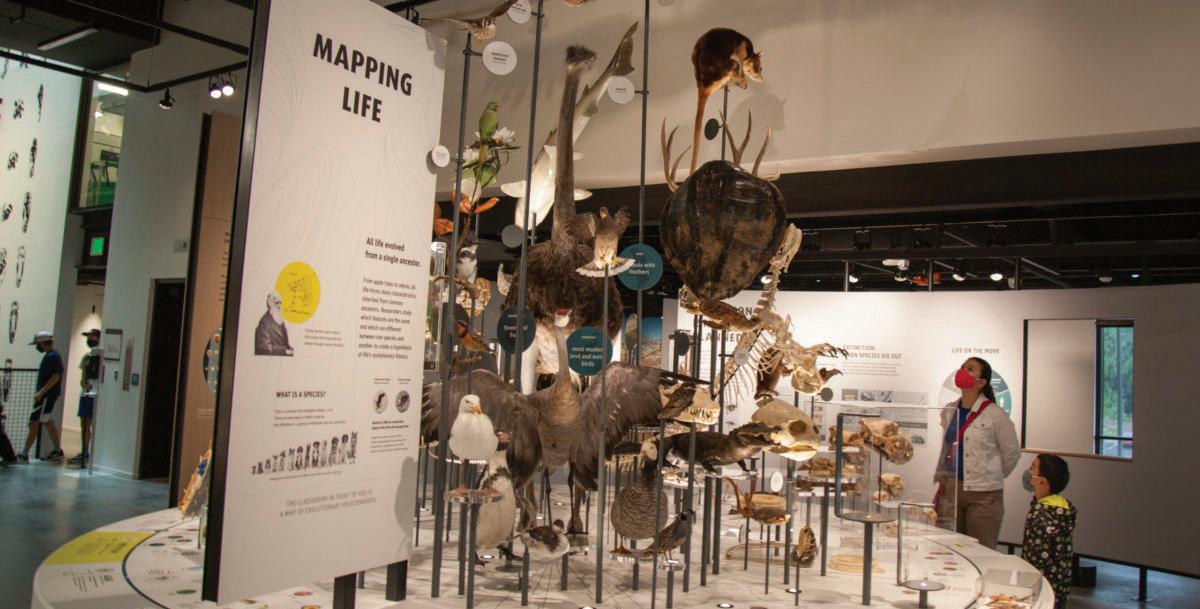
a massive fireworks show reflected across Lake Union. All ages. FREE, but register for tickets at 3seafair. org/4th-of-july
SEATTLE, BELLEVUE, NORTH BEND
July 4 - Aug. 30
Skip the parking scramble and help save on emissions — the Trailhead Direct bus drops families right at the trailhead in either the Issaquah Alps or at Mount Si on Saturdays, Sundays, and select holidays. Adults $2.75 each way, kids ride FREE. 3trailheaddirect.org
PARKS THROUGHOUT SEATTLE
July 8 - Aug. 28
Center City Cinema turns city parks into open-air theaters. Bring blankets, chairs, and snacks for a 7:30 p.m. screening. May be canceled if it rains. Mostly PG. See the line-up: “Your guide to outdoor movies in the greater Seattle area” at 3seattleschild.com. FREE
July 10 - 26
Your little engineer will enjoy a train ride with Thomas and more at North-
west Railway Museum, Snoqualmie Depot. Ages: Toddler to age 8. Tickets starting $33.85. 3trainmuseum.org
GREEN LAKE PARK
July 11
Watch World Cup Quarterfinals with Seattle Parks & Recreation’s “The Beautiful Game” Series at Green Lake Park. Part of Seattle’s citywide World Cup parks program. Select events require registration. All ages. Check out “Free family-friendly FIFA World Cup watch parties and events in Seattle” at 3seattleschild.com FREE
VARIOUS BEACHES IN AND AROUND SEATTLE
July 12, 13, 14, and 15

During this stretch of low-tide days, you’ll find Seattle Aquarium naturalists at several beaches. All ages. Check times and locations at “Explore low tides with Seattle Aquarium’s Beach Naturalists” at 3seattleschild.com FREE
DISCOVERY PARK AT DAYBREAK STAR INDIAN CULTURAL CENTER
July 17 - 19
RAINIER BEACH
July 11
Kids listen to a story, then grab a hammer. Tataki zome is a Japanese art technique where children pound fresh leaves and flowers directly onto fabric to transfer their natural colors and shapes. Ages 5–12. 3seattleschild. com/events/stories-and-art-atkubota-garden-tataki-zome/ FREE
Introduce your littles to the regalia, the drumming, the precision and power of competitive dancing at a traditional Indian powwow. All ages. 3unitedindians.org/seafair powwow/ FREE
July 17 - 19
Meet the art of the good time: a famously quirky Saturday parade at 10 a.m., carnival rides, live music,


a Sunday car show, and vendors. The main stage is in Ober Park. All ages. 3thisisvashon.com/strawberryfestival FREE
TOLT RIVER–JOHN MACDONALD PARK, CARNATION
July 23 - 25
Music, camping, nature walks, bike rides, painting, yoga, a 5K, and stargazing — all in a riverside forest setting. Adults $104.54/day; Kids age 12 and younger are FREE. Parking fee. 3timbermusicfest.com
BELLEVUE SQUARE WEST
PARKING GARAGE AT NE 6TH ST.
July 24 - 26
Kids can get hands-on at free art-making activities while the grown-ups browse. Hundreds of artists, 20 food vendors, and a lively stage at Compass Plaza. All ages. 3seattleschild.com/ events/bellevue-arts-fair-weekend/ FREE
10530 AIRPORT WAY, SNOHOMISH
July 25
At night, balloons ignite from within to color the dark sky. Food trucks, vendors, music, and a kids’ zone. All ages. Adults $18; Kids 17 & under are FREE. 3klahayadays. com/balloon-glow

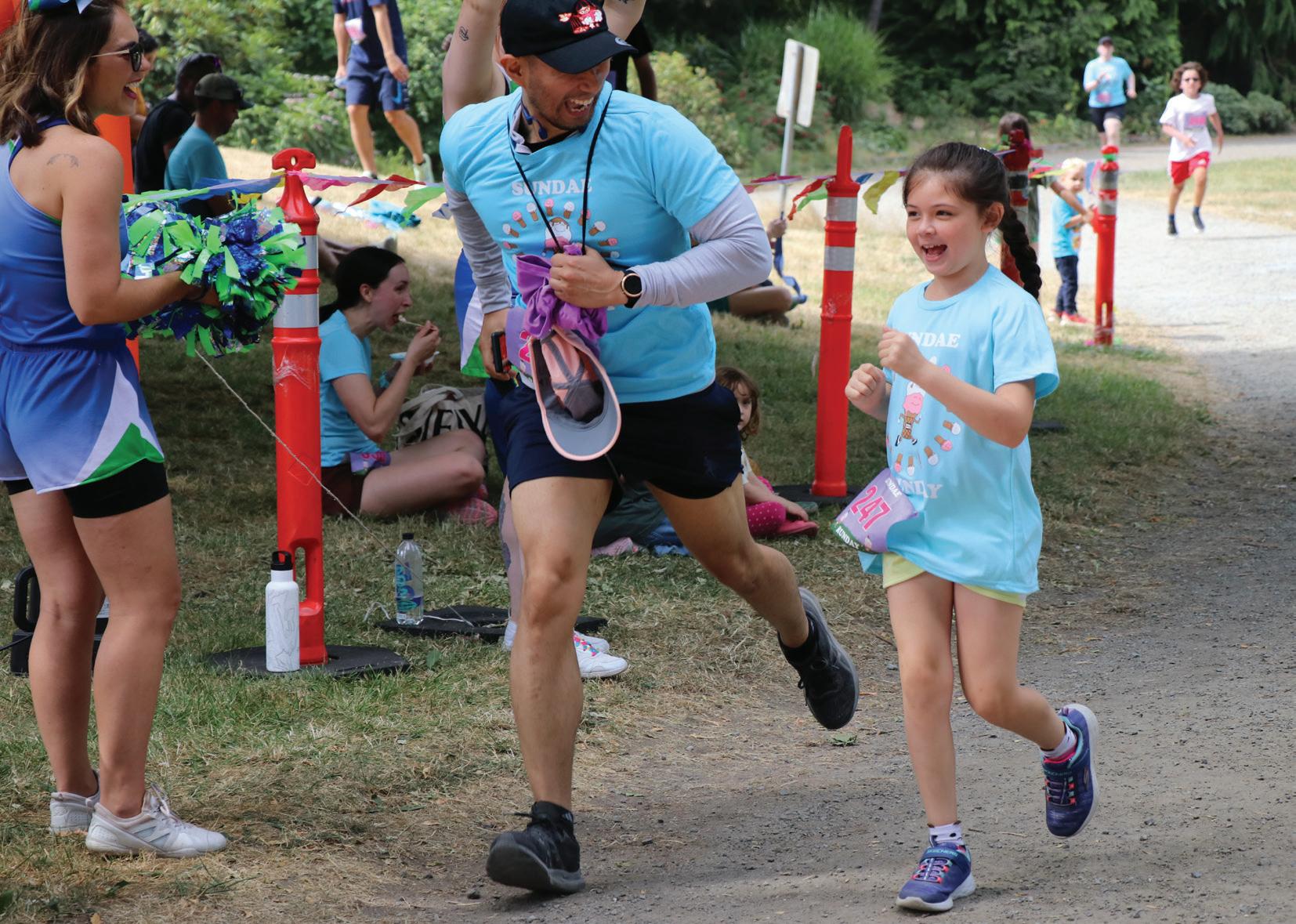
August 6
Float paper lanterns across Green Lake in remembrance of atomic bomb victims. Gathering at 6 p.m., lanterns float at 8 p.m. near Seattle Public Theater (Bathhouse Theater). All ages. 3fromhiroshimatohope.org FREE
SEATTLE CENTER MURAL AMPHITHEATER
July 31
A beloved classic blending comedy, adventure, fantasy and the pursuit of true love. Bring blankets and snacks. Movies run through August. PG (ages 9 and up). 3seattlecenter.com/events/ featured-events/movies-at-themural FREE
CHAMBERS CREEK REGIONAL PARK, UNIVERSITY PLACE
August 1

Watch the pro-kite flyers, then try it yourselves in a wide-open meadow. Food trucks. Bring a kite. All ages. $5 parking. 3piercecountywa.gov/1268/ Kite-Festival FREE
JUDKINS PARK AND PLAYFIELD
August 1 - 2
Two days of music, dancing, food, and joyful community energy at Umoja Fest. The parade rolls at 1 p.m. — grab a spot early. All ages. 3umojafestnw.com FREE
ALL STATE PARKS
August 9 (Smokey Bear Birthday)
On Discover Pass Free Days, all 145 state parks are free to visit. Most, but not all, allow leashed dogs. All ages. 3parks.wa.gov FREE
UW’S CENTER FOR URBAN HORTICULTURE / UNION BAY NATURAL AREA
Any day
The grounds are prime birding territory — shorebirds, willows, ospreys, red-winged blackbirds, and blue herons. Print out the “Com mon Birds of Seattle Field Guide for Youth” from Seattle Audubon before you go. All ages.
CROMWELL PARK, SHORELINE
August 15
Pony rides, a children’s theater, hands-on activities, and two music stages — Celebrate Shoreline packs a genuinely full day. All ages. 3tinyurl. com/2pt3s47j FREE
SEWARD PARK
August 16
Every kid can get behind a finish line that ends in an ice cream sundae. Sundae Runday opens with a costume contest, a kids’ dash, then a 10K ($50), 5K ($45), and 2.3-mile ($45) walk along Lake Washington. Ages: 0-12 ($10). sundaerunday.com
FOSSILERA, MONROE
August 14 - 16
Kids dig into real fossils, handle minerals and crystals, and try preparing an actual ancient fish — a hands-on treasure hunt that would impress any young scientist or rock collector. All ages. 3fossilera.com FREE
BELLEVUE HILTON
August 21 - 23
If you are looking for a massive game library, tournaments, and hundreds of hosted sessions, “Seattle’s longest running tabletop gaming convention” is a kid gamer’s dream weekend. $35 and up day/ $80 and up full convention; ages 12 and under free with paying adult. dfgamecon.org
1116 108TH AVE NE, BELLEVUE
August 24–28
Five days of pure bubble obsession — kids can make bubbles the size of themselves, run experiments at the science table, and chase giant floating spheres outdoors. All ages. $16.75 /
Babies under 1 and members FREE. 3kidsquestmuseum.org/event
EVERGREEN STATE FAIRGROUNDS, PUYALLUP
August 27 - Sept. 7
Baby animals, pig races, monster trucks, carnival rides, and food on a stick — the Evergreen State Fair delivers the full summer fair experi ence. Closed Wednesdays. Ages 1364 $16, Seniors and youth ages 6-12, $10, 5 and under FREE. See website for hours: 3evergreenfair.org

JERRY BAKER MEMORIAL VELODROME, REDMOND
Aug. 28
Kids get to race on a real oval track — banked curves, grandstands, the whole thing — on whatever bike, trike, or wheeled contraption they’ve got. Helmet required. Registration opens around 6:30 p.m. behind the grandstands. Check weather changes. Up to age 12. 3velodrome.org FREE
Find details on all these and many more events at 3seattleschild.com/calendar
From infancy through the early years, your child develops rapidly in their communication, movement, learning, behavior, and social-emotional skills. Their first steps and little sounds are magic to you and memories you will treasure forever. Your child, like all children, grows at their own unique pace, and developmental screenings help you identify whether they may benefit from any additional support, services, or evaluation.
Early identification matters. Research consistently shows that when parents can recognize developmental concerns early, they can access resources and support sooner, leading to better long-term outcomes for children.
Parents may worry that screenings will “label” their child. But missing developmental screenings could also mean missing early support when your child needs it most.
That is why developmental screenings are recommended through your child’s first 5 years. Screenings give you reassurance when your child’s development is on track and even point to where they excel. They can create opportunities for meaningful, holistic conversations between you and your child’s provider.
But despite the importance of getting those screenings done and getting support early, the process can sometimes feel fragmented. Having to repeat your child’s sensitive health information multiple times can feel very overwhelming. Health care providers and early care and education professionals haven’t always had streamlined ways to share updates or coordinate care with each other...
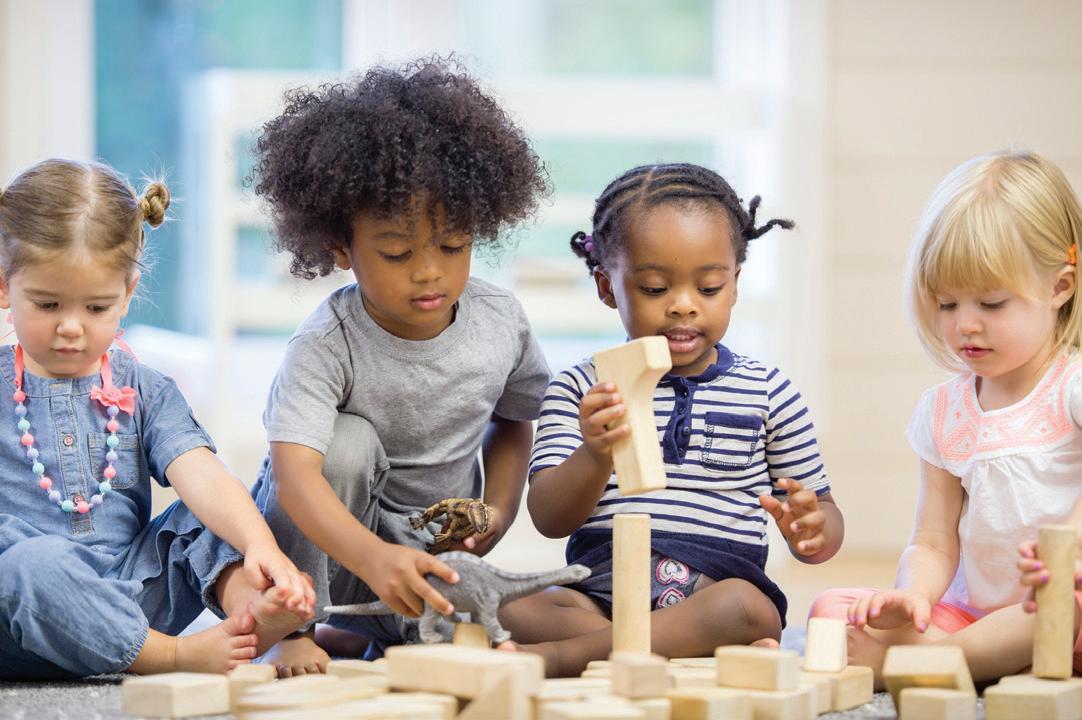
That is where Strong Start comes in!
Strong Start is a digital platform designed to support parents, caregivers, health care providers, and early care and education professionals. It makes developmental screening follow-up easier, faster, and more connected.
Users can:
• Store and track completed developmental screenings
• Share results with your child’s providers
• Reduce reliance on paper copies
At its core, Strong Start keeps everyone involved in your child’s development on the same page.
Instead of keeping paper copies or trying to remember which screening was completed (was it an ASQ-3? ASQ-SE? SWYC? M-CHAT?), you can securely save screening results and access them online at any time. Strong Start has layers of security that protect your information, which gives you peace of mind when you upload your child’s health information. You control who views your child’s information.
For families navigating developmental concerns, having clear communication and organized information can make a mean-
ingful difference. The early years can already feel busy and overwhelming. If your child is seeing multiple providers or transitioning between programs, having all information in Strong Start makes it easier to share relevant details and improve continuity of care.
Parents and caregivers know their children best. Early care and education providers also play an essential role in identifying developmental concerns and supporting children’s growth. Preschool teachers and child care providers often spend many hours observing children in social and learning environments, giving them valuable insight into developmental milestones and behaviors. Strong Start offers a connected ecosystem where screening-related information can move more efficiently between all the trusted participants involved in a child’s care and development. It gives you more time to focus on your child’s needs.
Washington State Department of Health (DOH) is proud to say that Strong Start is the first platform of its kind. The platform was created in response to advocacy from families, health care providers, and early care and education (ECE) providers who wanted a record system that all could access, and with funding authorized by the Washington State Legislature. While the
use of Strong Start is growing among providers, participation is voluntary. Parents and caregivers are encouraged to check in with their child’s provider to see whether it could be a helpful resource to coordinate screening information and important updates about their child’s development.
Wondering who can access the Strong Start system? It’s for:
• Parents and guardians
• Licensed health care providers
• Early care and education providers
Note: licensed health care providers include specialists like speech therapists, physical therapists, occupational therapists, child psychologists, and early child care providers.
Developmental screenings are one of the most important tools we have for supporting children early in life. But screenings are only effective when they lead to early action, communication, and collaboration. Strong Start can offer that next step so families and professionals can work together. DOH wishes you and every family in Washington the joy of celebrating milestones as your child grows, learns, and thrives.
Scan the QR Code or visit doh.wa.gov/strongstart to get started.

SPONSORED BY

How do things work? Who shares the earth with me? What does art say to me? Who do I want to become?

Museums tackle the big questions that young minds ask
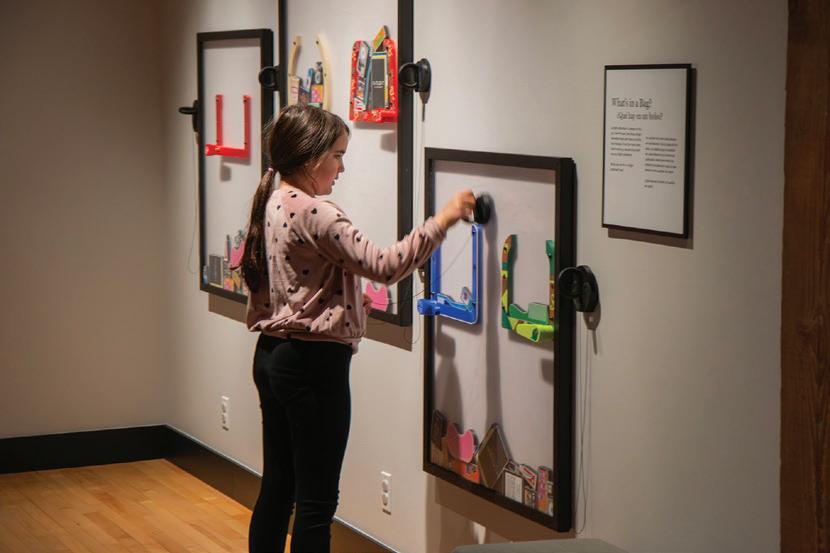
A new temporary exhibit featuring 100 artifacts ranging from classic suits and skirts to capes and go-go boots. Fun interactives include touchable fabrics and learning the proper way to tie a scarf. Open Now through January 2027.

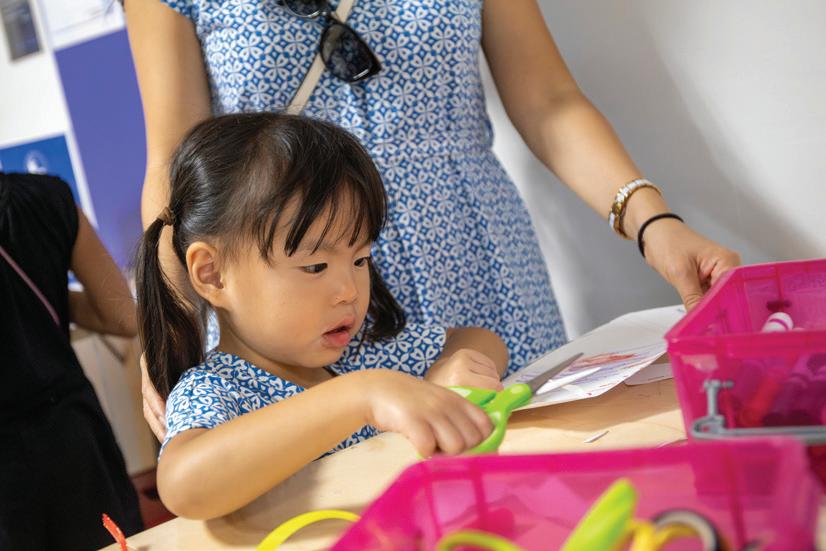
Every Saturday and Sunday families can learn together through crafts and hands-on experiences while exploring the worlds of aviation and space.
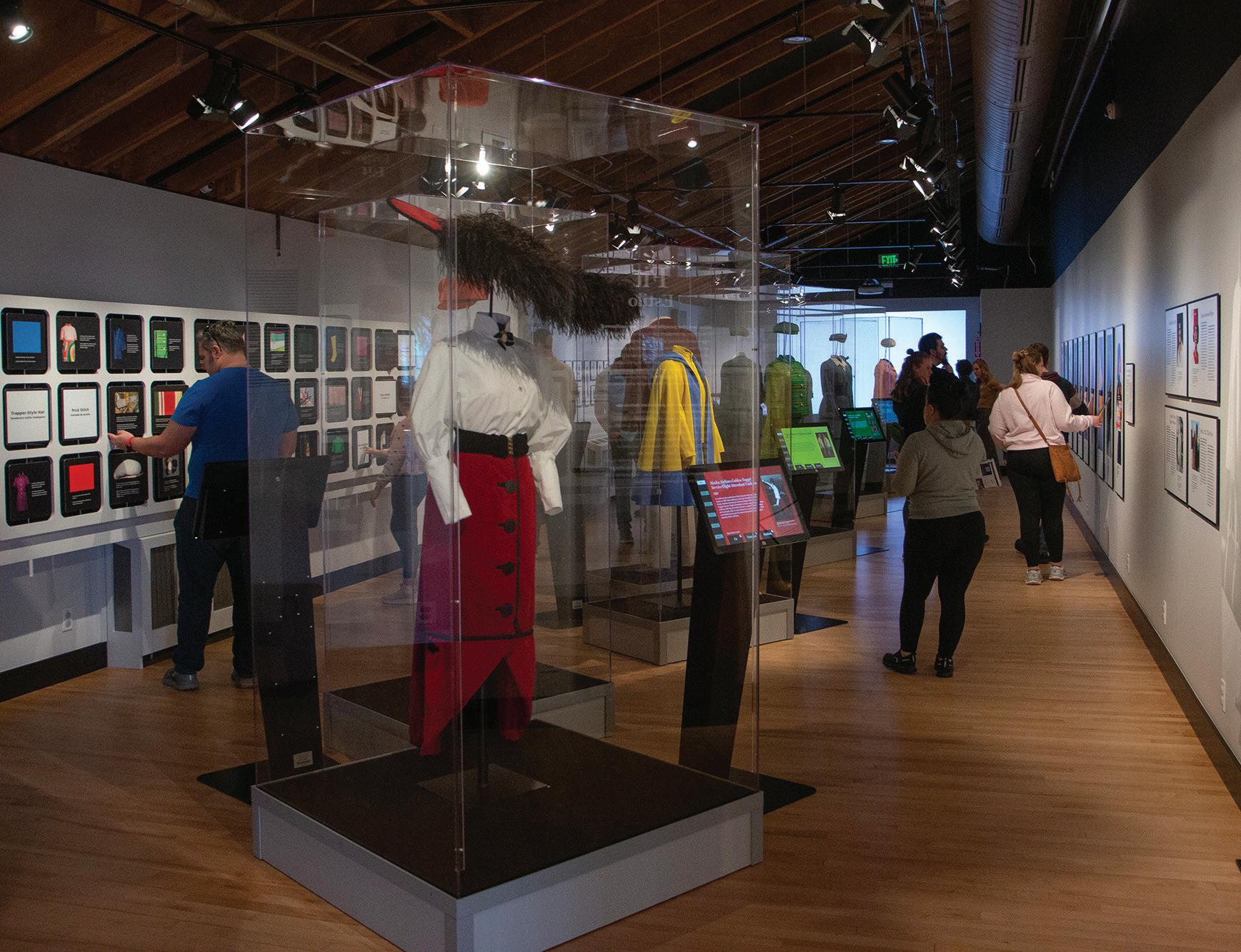
Kids will love the hands-on interactives in the Runway to Runway exhibit, walking through large aircraft in the Aviation Pavilion, and sitting in cockpits of real aircraft. Don’t forget about the Kids Flight Zone!
The Details
Website: museumofflight.org
Parents will love the free parking and expansive indoor spaces. They will also enjoy being part of their children’s excitement as they discover the magical, mysterious, and huge world of aviation and space. And most of all, they will love making memories that last forever.
Address: 9404 East Marginal Way S, Seattle, WA 98108
Hours: 10 a.m. to 5 p.m.; 7 days a week
Cost: $21-$29 (Kids 4 and under are FREE!)
Free/Discounted Days: First Thursday of each month is free 5 p.m. to 9 p.m.; Check website for special offers and low cost admission.
Special Events: Jet Blast Bash (Aug. 1-2), Seattle FlyDogs (Aug. 22)
Summer Camps: Yes; summer 2026 is full
After-School/Weekend Classes: Family Workshops
Programs for schools/homeschoolers: Yes; museumofflight.org/Education
Family-Friendly Features: Runway to Runway Exhibit, Flight Zone kid play area, Weekend Family Workshops, Education programs
Museum Café: Yes
Don’t miss these five exciting treasures at the Seattle Children’s Museum Free Programming
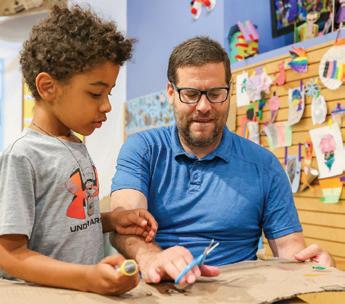
Experiment, create, and hear stories during our free daily programs: Silly Science, Creative Corner, and Story Time; themed around our monthly educational focus.
Beyond the Box
From July 15th through September 7th, our rotating exhibit, Beyond the Box, opens. Kiddos will use cardboard and recyclables to build a miniature city.
Create Your Way
What will you craft with mixed media, paint, and sustainable materials?
Children and families will discover their inner artist at our Corner Workshop.
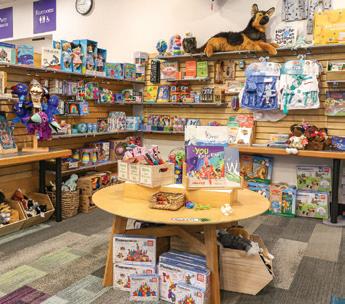
Museum Gift Shop
Finish off your visit with a stop at our Museum Gift Shop. Find toys seen in exhibits and other curated items perfect for all ages.
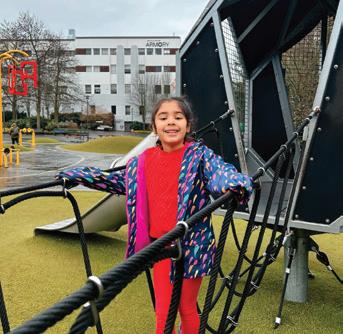
Maximize Sunny Days
Enjoy the sunshine around Seattle Center by adding stops at the International Fountain and Artists at Play Playground after your next Museum playdate.
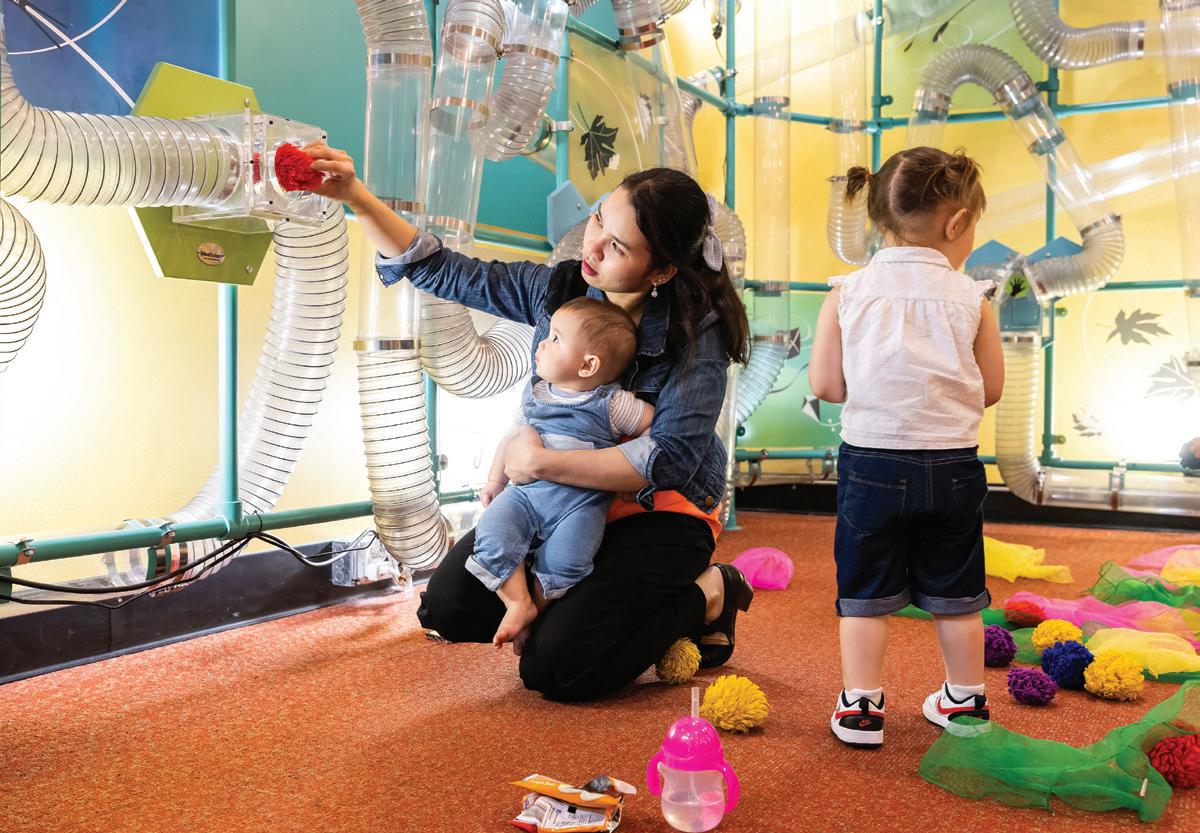
Kids will explore STEAM-based exhibits, experiment and create in our free daily Silly Science, Creative Corner, and Story Time programs, discover seasonal exhibit enhancements that make each visit unique, and learn through play alongside their caregivers.
Website: seattlechildrensmuseum.org
Museum admission includes re-entry for the day, allowing you to explore nearby attractions, including the free neighboring Artists at Play Playground, and return to the Museum for more fun. We offer sensory kits, a nursing room, birthday party rooms for booking, and a Museum Gift Shop to make your visit comfortable and engaging.
Address: 305 Harrison St. Seattle Center Armory Building, Seattle, WA 98119
Hours: Open Wednesday - Monday 10 a.m. - 5 p.m. with 9:30 a.m. Member Early Access. Hours increase seasonally and may vary on holidays.
Cost: $18 general admission, $16 Washington State residents, Infants under 1 are free. Various discounts available
Free/Discounted Days: Vary annually
Special Events: Check out our website for upcoming programs and special events. Some annual events include Fall Fest, Noon Year’s Eve, Birthday Bash, and more.
Summer Camps: Yes
After-School/Weekend Classes: Weekend classes may be available in fall/spring. No afterschool classes available.
Programs for schools/homeschoolers: seattlechildrensmuseum.org/education/
Family-Friendly Features: 18,000 sq ft. of open-ended, immersive exhibit space inviting visitors to embark on a play-based journey from mountain to sound.
Museum Café: Some pre-packaged snacks and beverages are sold in our Museum Gift Shop. Upstairs from the museum is the Armory Building’s food court with plenty of family-friendly food and beverage options.
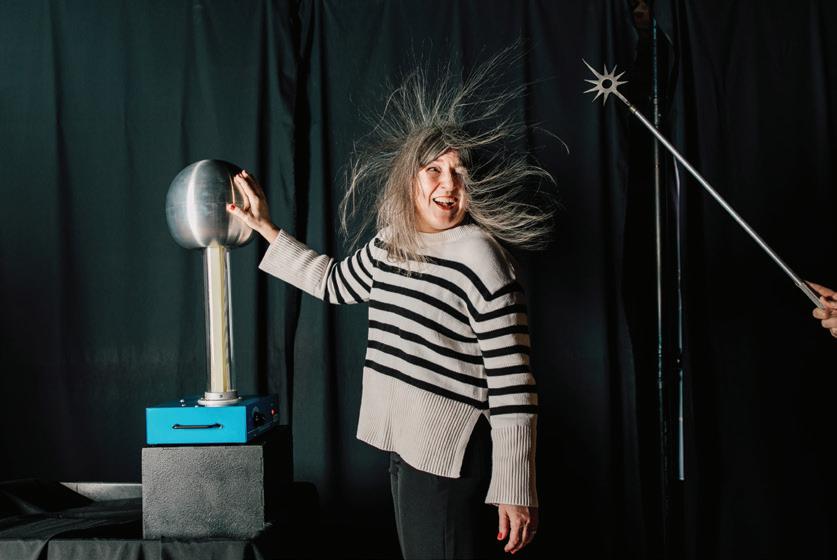
Get electrified!
Explore static electricity with thrilling live demonstrations that make science unforgettable — and hilarious. This is science you can feel (and
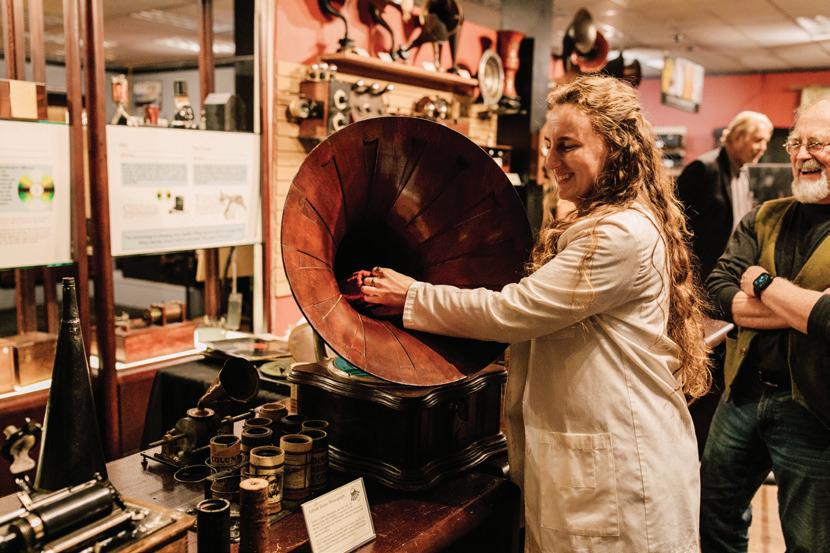
Docents bring vintage inventions to life with hands-on demos that fascinate kids and parents alike — learning truly becomes an experience here.
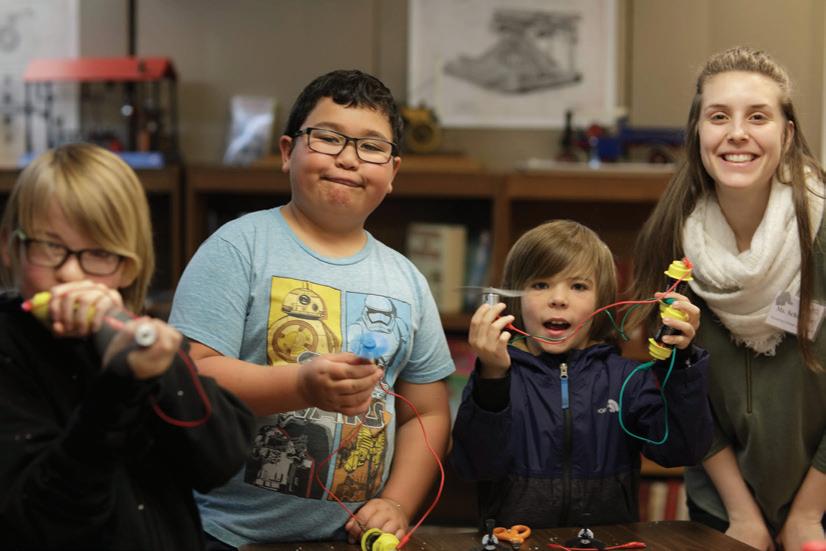
Become an inventor!
Curious kids become confident creators as they explore hands-on experiments. At SPARK, imagination meets real science in a fun, supportive environment.
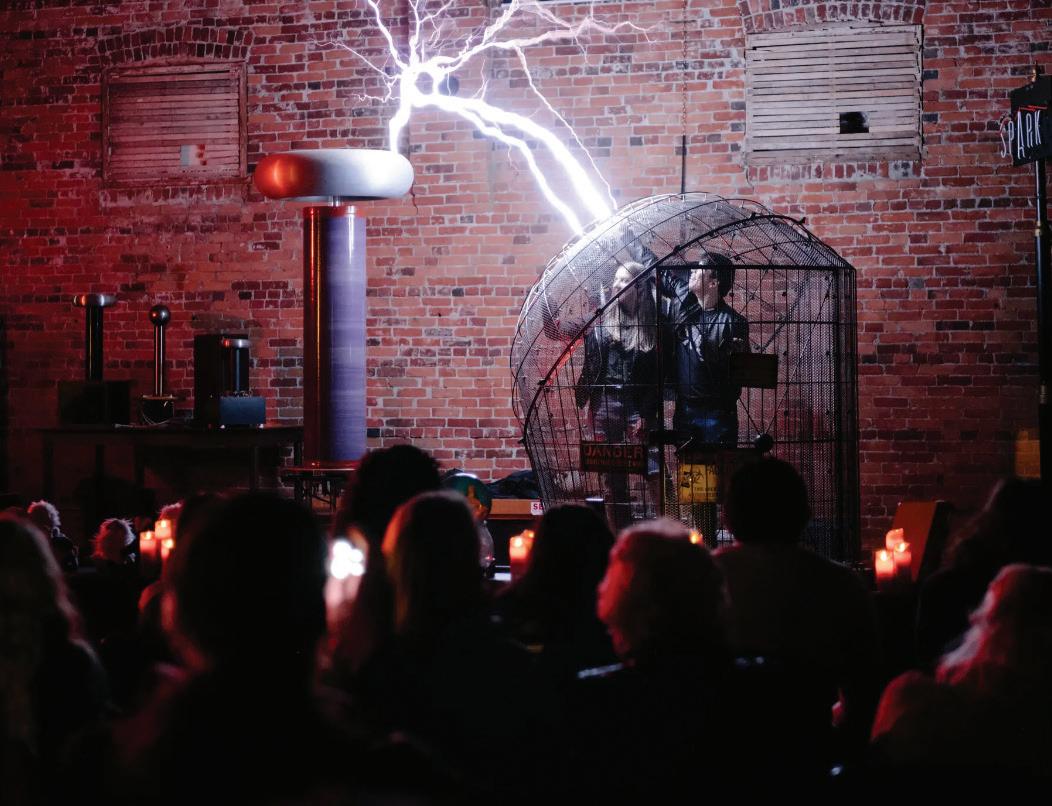
Older kids will love SPARK Museum’s immersive, handson exhibits that dive deep into science, invention, and electricity. With engaging docents who bring history and technology to life, the experience sparks real curiosity and excitement — perfect for curious minds ready to go beyond basic play and explore how the world works.
Website: sparkmuseum.org
Parents will love that SPARK Museum isn’t just for kids — it’s designed to ignite curiosity in everyone. Hands-on exhibits educate, entertain, and inspire visitors of all ages. Whether you’re exploring electricity, sound, or inventions, parents often find themselves just as engaged (if not more!) than their children. Come play together!
Address: 1312 Bay St., Bellingham, WA 98225
Hours: 11:00 am-5:00 pm Wednesday-Sunday; MegaZapper Show, Saturdays and Sundays at 2:30
Cost: General Admission: $6 for children (12 and under); $10 for adults; $5 additional for MegaZapper show
Free/Discounted Days: No, but passes are available from the local library
Special Events: Yes! Keep an eye on the website and sign up for our monthly newsletter!
Summer Camps: Yes
After-School/Weekend Classes: No
Programs for schools/homeschoolers: sparkmuseum.org/education/field-trips
Family-Friendly Features: Interactive science and history exhibits for all ages
Museum Café: No
Website: burkemuseum.org
Address: 4303 Memorial Way Northeast, Seattle, WA 98195
Hours: 10 a.m. - 5 p.m. (closed Monday)
Cost: $0-$24
Free/Discounted Days: First Thursday of every month
Special Events: Please visit our website for the most up-to-date event schedule.
Summer Camps: Please visit our website for the most up-to-date educational opportunities.
Family-Friendly Features: Interactive exhibits, visible workrooms, birthday parties, play spaces, arts and crafts, public programs, and educational opportunities.
Museum Café: Off the Rez, Native Indigenous food made from scratch, by hand.
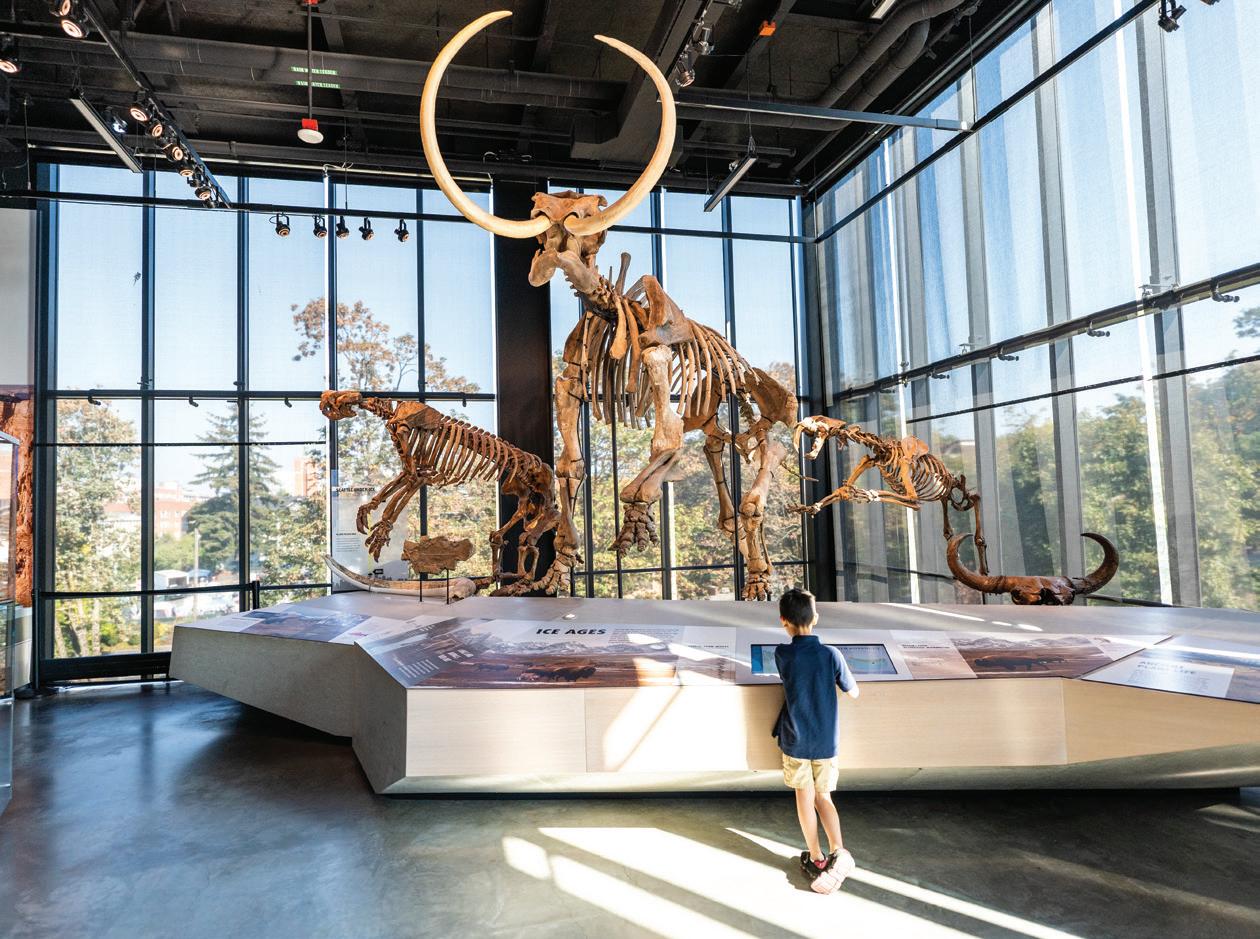
What kids will love:
Dinosaurs, animals, microscopes, scientists at work, crafts, fossil digs, and play spaces.
Website: SkagitChildrensMuseum.org
Address: 432 Fashion Way, Burlington, WA 98233
Hours: Check our website for current information!
Cost: Infants under 12 months: Free; Children 12 months or older and adults: $10.75/person; Military/Seniors (65 years old): $9.75/person; Museums for All $3.00/person, up to 4 people (EBT, WIC, CHIP, Provider One, Apple Health, or Foster Parent cards. Proof of eligibility will be required.)
Free/Discounted Days: Community Access Day, 2nd Tuesday of the month, Pay As You Can admission.
Special Events: See our website and social media pages! Summer Camps: SkagitChildrensMuseum.org/education/camps
After-school/Weekend Classes: Yes, see our website.
Programs for schools/homeschoolers: skagitchildrensmuseum.org/education/field-trips/
Family-Friendly Features: Interactive exhibits and activities for kids of all ages to learn through hands-on play. Celebrations and events throughout the year. Museum Explorers Preschool. Museum store. Memberships available.
What parents will love:
Exhibits, visible workrooms, public programs, behind-the-scenes opportunities, educational offerings.
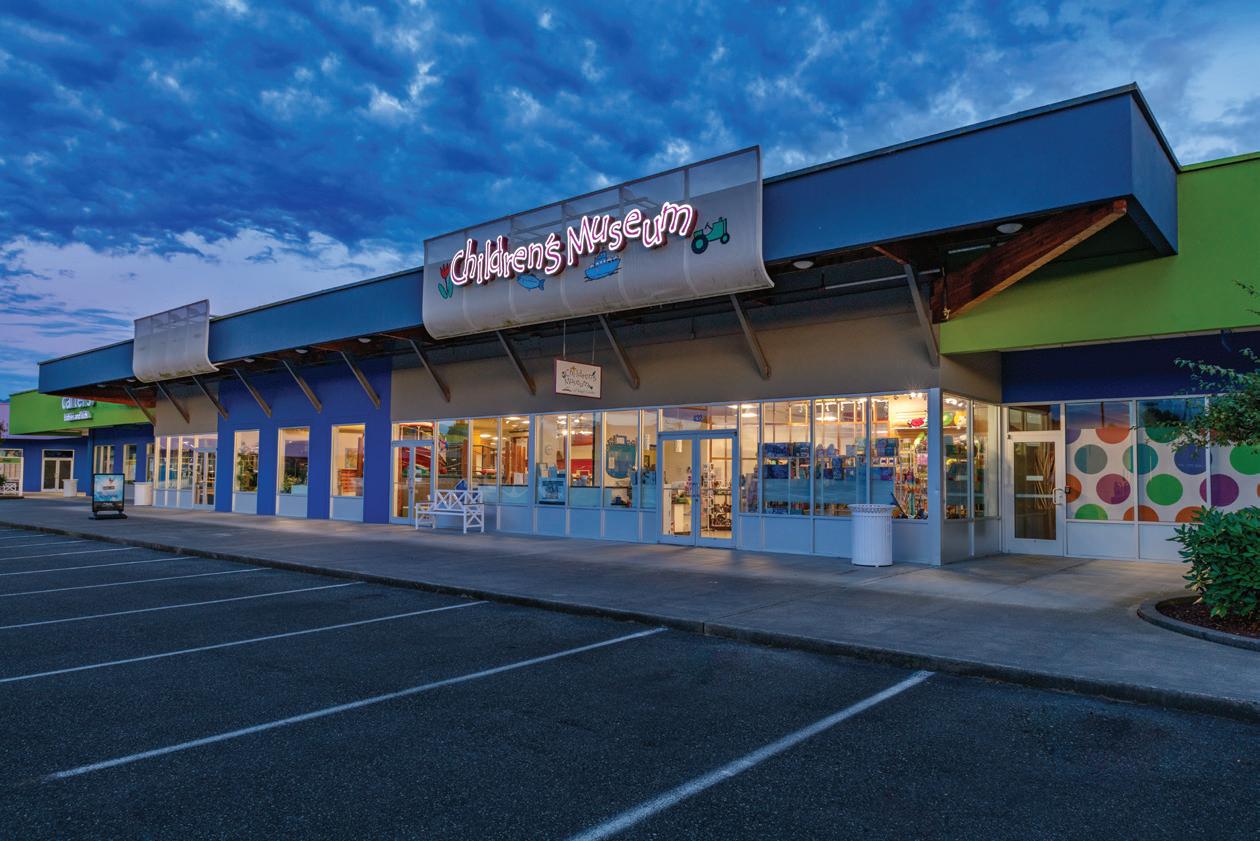
A real tug boat, semi-truck, crane and so much more to explore in the Main Street exhibits-Café, Dental Office, Doctor’s Office, Bank, Design Studio, Grocery Store and Construction Site. Create in the Art Studio, discover the Reading Room, Toddler Farmyard, Barn, STEAM Lane, Theatre Stage, Music Studio, and Train exhibits.
The exhibits are as much fun for adults as they are for children! The museum offers opportunities and resources for parents to engage with their children, learn more about the community, in an atmosphere that feels welcoming and relaxed. Exhibits are filled with components that inspire curiosity, exploration and fun!
The Details
Website: hocm.org/
Address: 414 Jefferson St. NE Olympia, WA 98501
Hours: Monday-Saturday: 9 a.m.-5 p.m.; Sunday: 10 a.m.-5 p.m.
Cost: General (18 mo.-64 years): $19.95; Seniors (65+): $18.95; Military (w/valid ID): $17.95
Free/Discounted Days: On the First Friday of the month, 4–8 p.m., admission is just $3. Access Admission is available every day. $3 each with EBT/SNAP, Apple Health, WIC, Free/ Reduced School Lunch Program, or a Foster Family license for guests who qualify, sponsored by WSECU.
Special Events: Summer Splash: June–Aug.; Boo Bash: Oct.; Noon Years: Dec. 31; Arctic Adventures: Jan.; Spring Break: April Summer Camps: hocm.org/summercamps
After-School/Weekend Classes: Check website
Programs for schools/homeschoolers: Field Trips Available
Family-Friendly Features: Preschool, Sensory Friendly Hour Sundays, Sensory Friendly Room Saturdays and Sundays Museum Café: Yes
Details
Website: harborhistorymuseum.org
Address: 4121 Harborview Drive, Gig Harbor, WA 98332
Hours: Wed-Sat 11-4 p.m.; Summer Saturdays 10 a.m.-5 p.m.
Cost: $5 kids 5 and up, $10 Adults/Seniors
Free/Discounted Days: 2nd Saturday of the Month
Special Events: New Maritime Gallery with step-aboard 65-foot fishing boat.
Summer Camps: Check our website for updates
After-School/Weekend Classes: No
Programs for schools/homeschoolers: Yes, check our website for details
Family-Friendly Features: Family friendly exhibits and local interpretive trail
Museum Café: Nearby cafes and parks
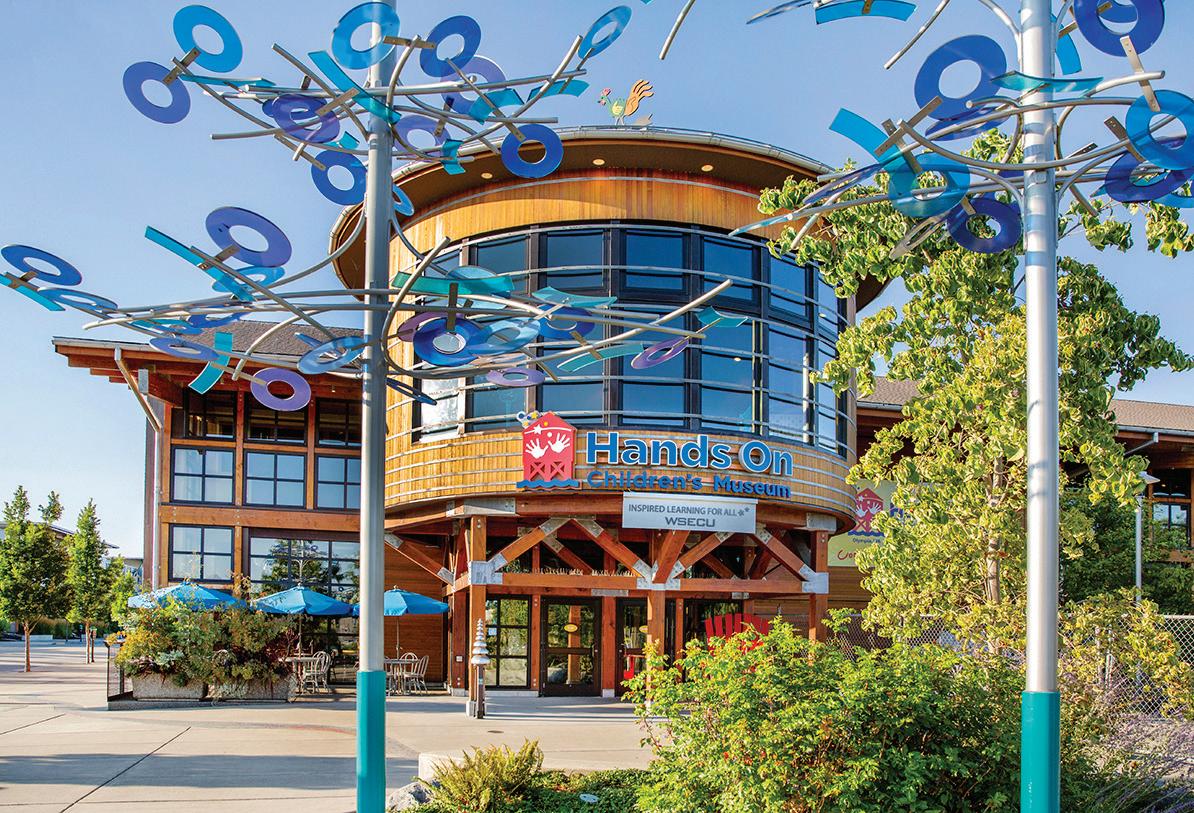
Over 150 exciting exhibits in 10 beautiful galleries. Half-acre outdoor play area. Year-round activities, guests, and special events. Don’t miss Summer Splash! Festival of Fun with animal encounters, visiting artist, and special activities June – Aug.
What parents will love:
Washington’s award-winning museum on Olympia’s waterfront. East Bay Plaza with 250’ interactive stream. Near downtown, Farmers Market, and Percival Landing. Clean and beautiful. Fresh foods, in the Play Day Café. Featured in several Blippi videos.
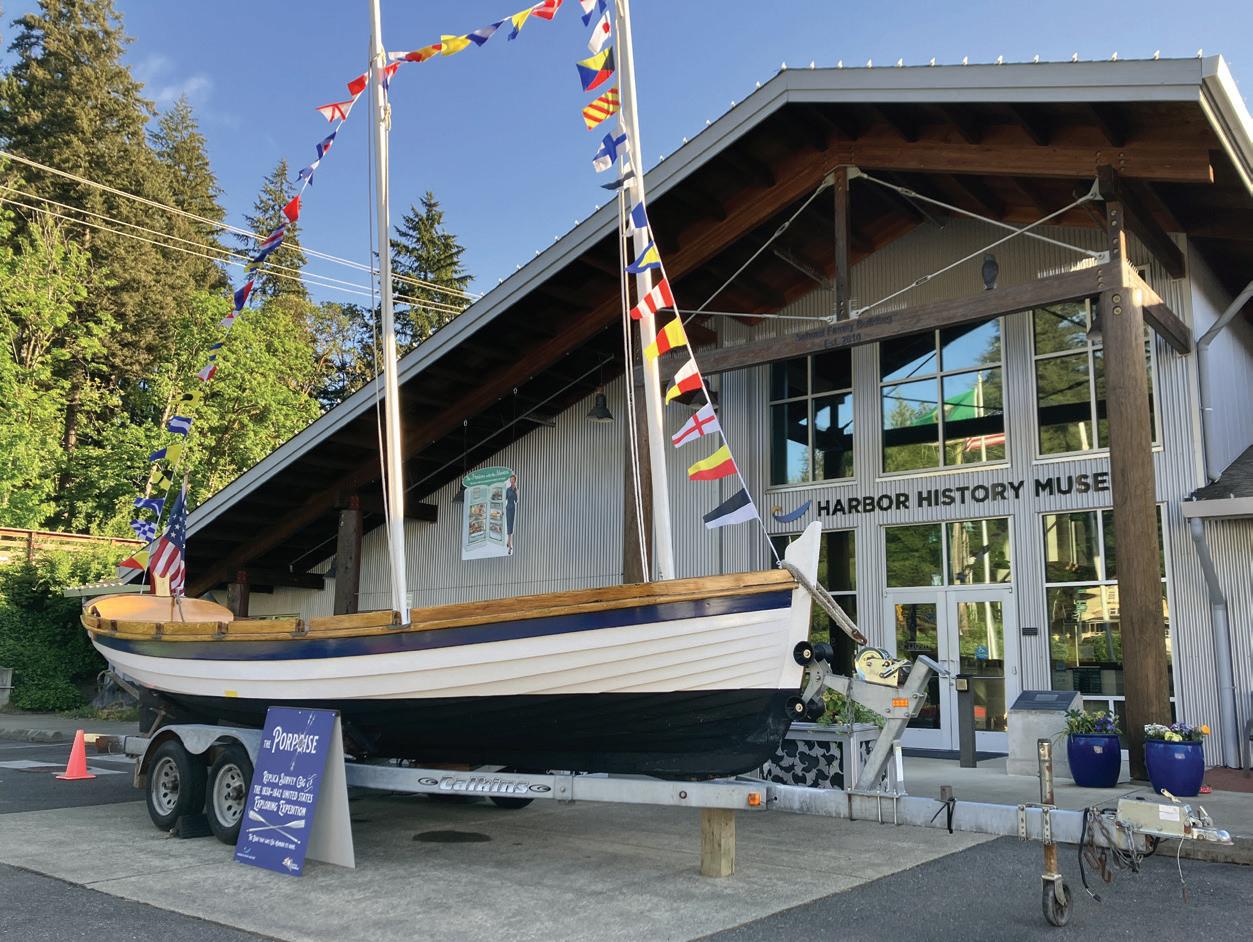
The one-room Midway Schoolhouse, Shenandoah fishing boat, and annual round rock contest.
What parents will love:
Kid-friendly exhibits and activities; parent-intriguing local history mysteries.
Website: pacificbonsaimuseum.org
Address: 2515 S 336th St., Federal Way, WA 98001
Hours: Tuesday through Sunday, 10 a.m. - 4 p.m. (plus extended special event hours; see website for details)
Cost: Free thanks to support from 4Culture.
Free/Discounted Days: Every day
Special Events: Make-Your-Own Bonsai class for Kids
Summer Camps: No
After-School/Weekend Classes: Yes, occasionally; see website for details
Programs for schools/homeschoolers: pacificbonsaimuseum.org/learn/field_trips
Family-Friendly Features: Free “I Spy Bonsai” audio tour for kids, peaceful outdoor paths, stroller and wheelchair accessible, free admission for all.
Museum Café: No


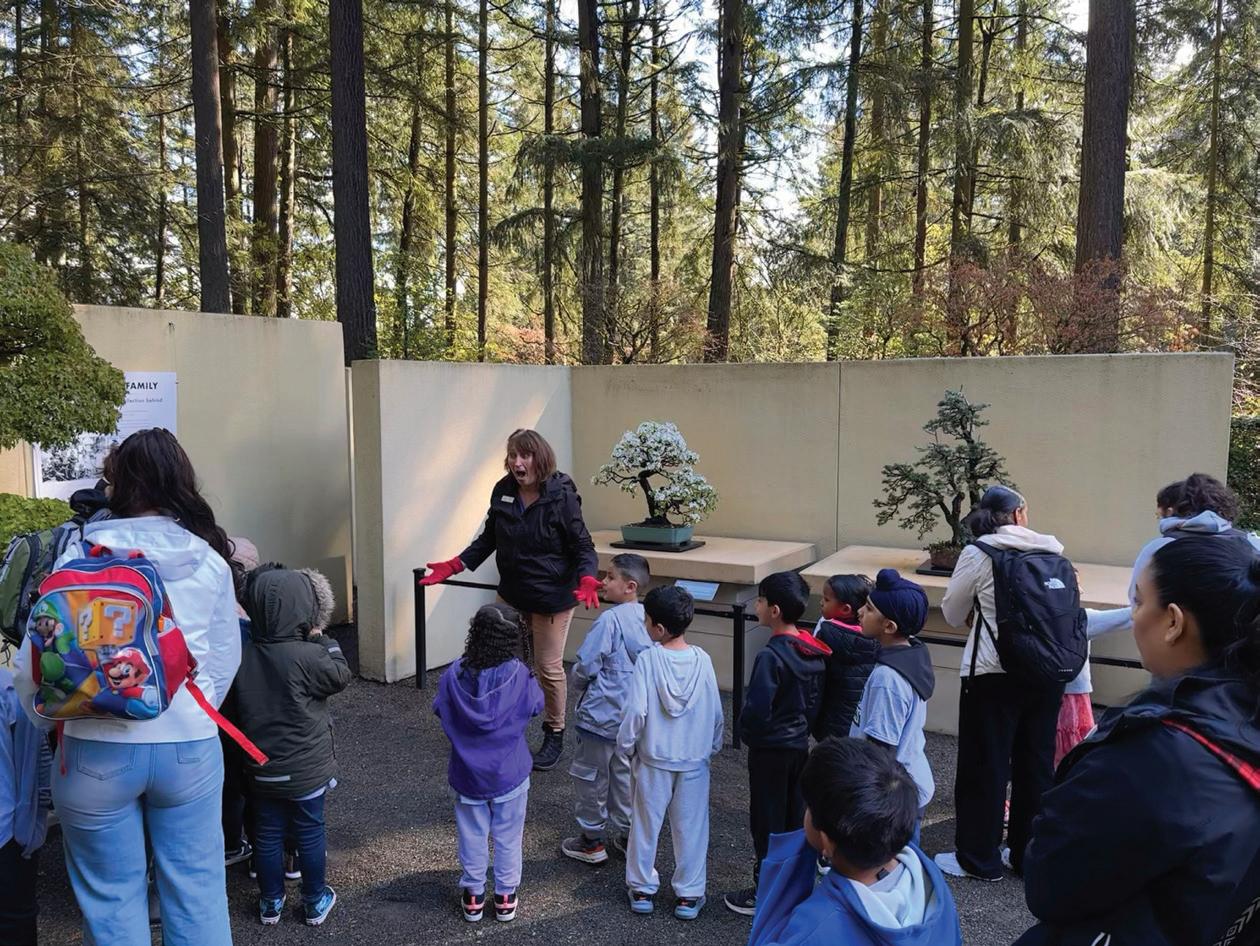
Go on a tree treasure hunt with our free “I Spy Bonsai” audio tour, full of seek-and-find fun and surprising tree science. Then meet the friends around the world who shape miniature trees in our exhibition, Bonsai United.
Screen-free time outdoors that sneaks in real learning. Kids absorb botany, patience, and world cultures while exploring at their own pace. The peaceful, strollerfriendly setting makes for an easy family outing.