
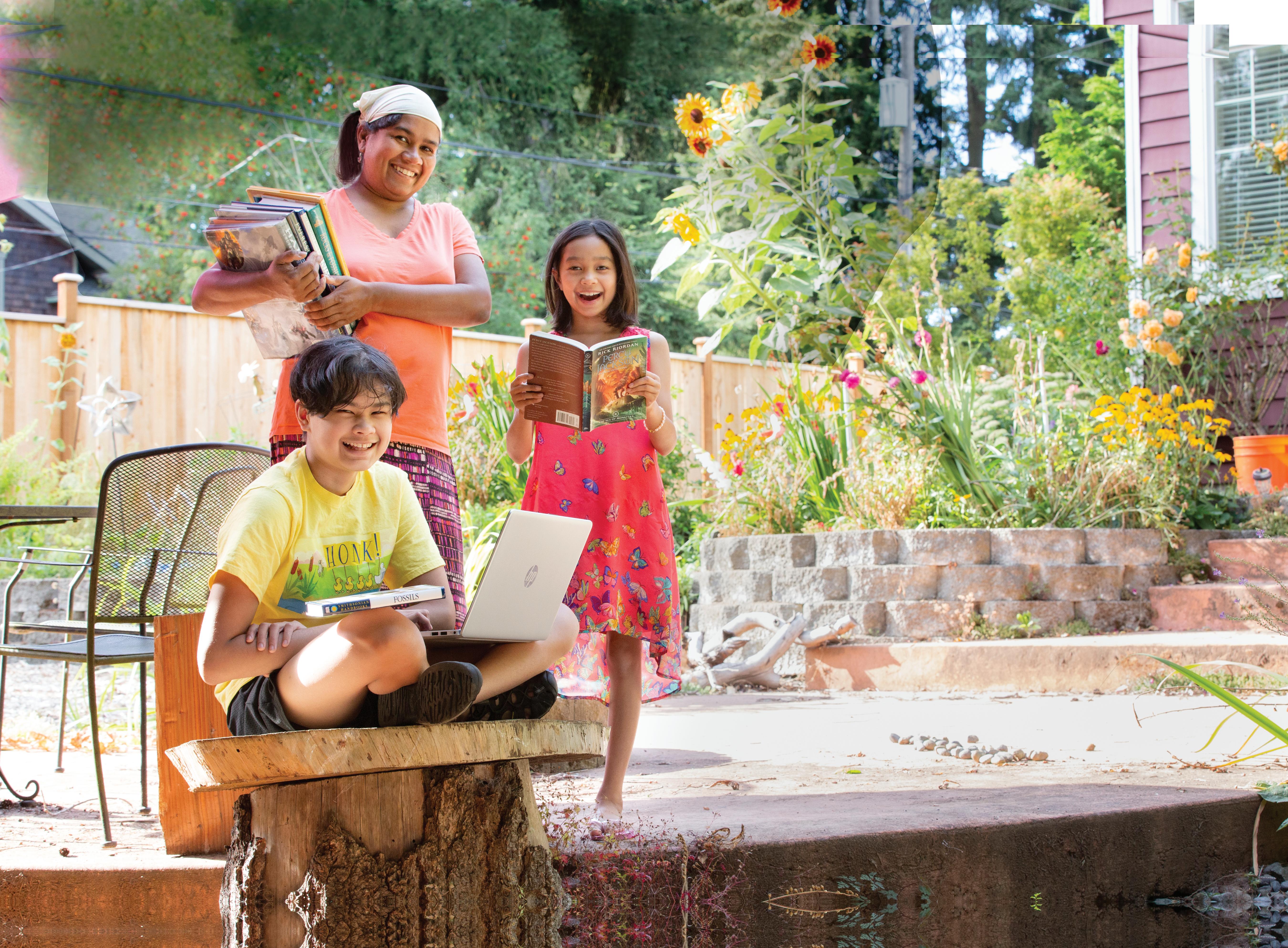


How to keep little kids engaged online

How to keep little kids engaged online
Independent Schools
promotes the value of local independent school education, and works collaboratively to make the admission process more accessible for all prospective families.
Annie Wright Schools
Bertschi School
Billings School
Bright Water Waldorf School
The Bush School
The Downtown School
Eastside Preparatory School
Epiphany School
The Evergreen School
Explorer West Middle School
French American School of Puget Sound
French Immersion School of Washington
Giddens School
Hamlin Robinson School
The Harbor School
Jewish Day School
The Lake & Park School
Lake Washington Girls Middle School
Lakeside School
Leadership Preparatory Academy
The Little School
The Meridian School

The Northwest School
Open Window School
The Overlake School
The Perkins School
Seattle Academy SAAS
Seattle Country Day School
Seattle Girls’ School
Seattle Jewish Community School
Seattle School for Boys
Seattle Waldorf School
Soundview School
Spruce Street School
St. Thomas School
University Child Development School
University Prep
The Valley School
Villa Academy
Westside School



















At the heart of our region’s progress on clean energy is reliable, affordable natural gas, and renewable natural gas. It’s here for you when you need it most—helping you cook for your family, heat your home, reduce emissions, and provide the foundation to expand wind, solar, and tomorrow’s new solutions.
Farmers, workers, and businesses—across the Pacific Northwest—are working together to support you and your family.


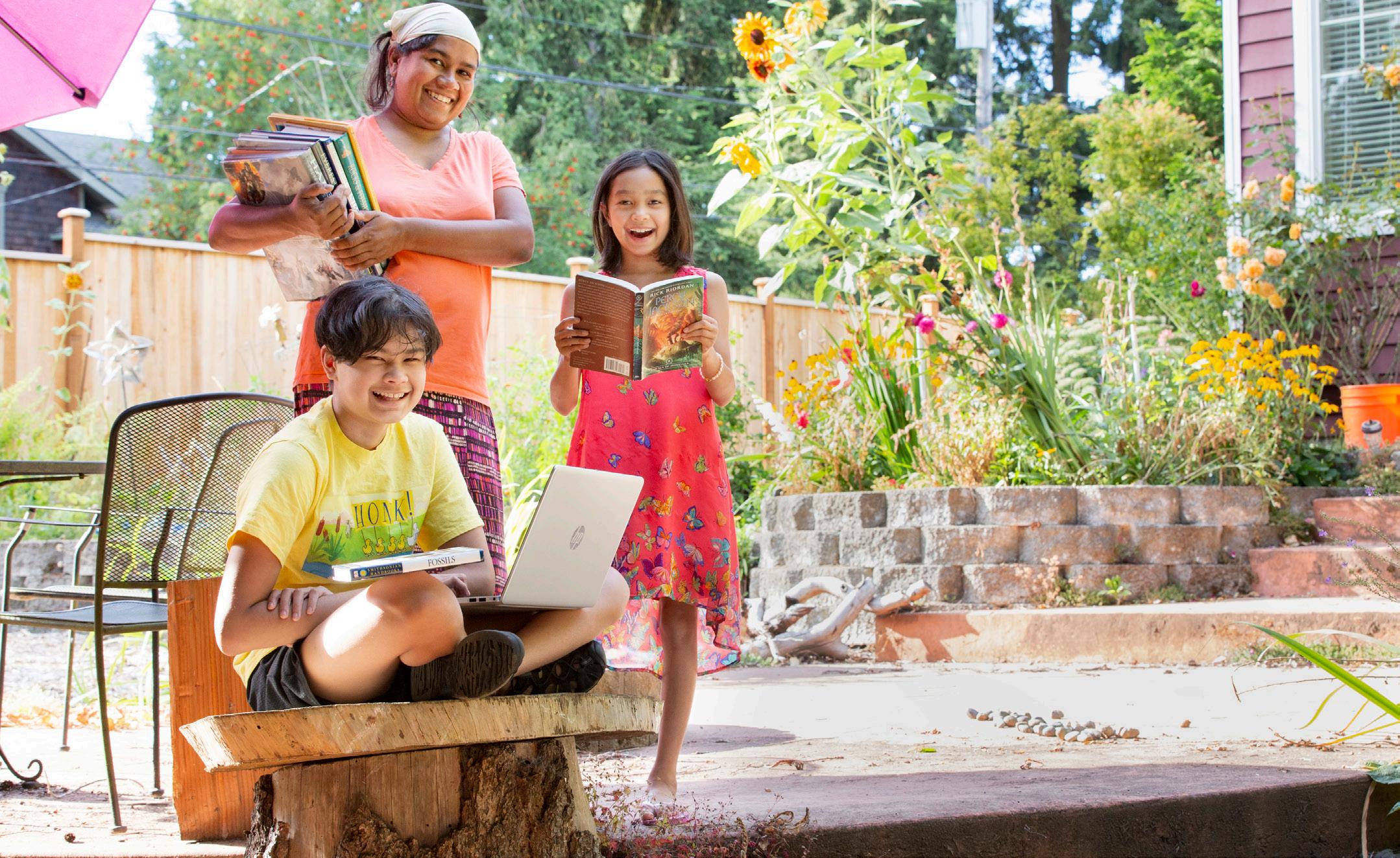
by MEG BUTTERWORTH / photo by JOSHUA HUSTON
It’s fair to say that many of our region’s families feel like they’re suffering from post-traumatic stress disorder. Three months of very little school, followed by two months of summer vacation, and last-minute negotiations between districts and teachers unions to hammer out remote learning for fall, have left many parents exhausted and angry.
Families feel they are being tasked with the impossible this school year and are coping in a variety of ways.
Particularly exasperated are parents of children who have learning and behavioral differences that require an Individualized
Education Plan (IEP) or 504 plan with their school districts.
“It’s so much harder to be a parent of kids with differences,” says Trip O’Dell, a father of three children in the Shoreline School District, all of whom have either an IEP or 504 plan. His 8-year-old has broken three TVs in three years. Staying still is challenging for him, and he is in constant motion. He does not read yet, and along with his dyslexia, he is on the autism spectrum. O’Dell describes him as very bright, but says he requires a lot of support and gets frustrated very easily.
O’Dell, who struggles with dyslexia
Sept./Oct. 2020 // Issue 484
“Seattle is my town. I know this city inside and out… or so I thought until I had kids.”
Seattle’s Child is your guide to getting to know your city all over again. Finding things to do, places to eat, and how to get around — it’s a whole new ballgame with kids in tow. We’re interested in how parents make homes in a space-challenged urban environment, how families create community, and what parents are really talking about. Seattle’s Child reflects real Washington families and their broad range of parenting experiences.
ANN BERGMAN Publisher, Founder abergman@seattleschild.com
BOO BILLSTEIN Art Director boo@seattleschild.com
JILLIAN O’CONNOR Managing Editor joconnor@seattleschild.com
JULIE HANSON Website Editor jhanson@seattleschild.com
FIONA COHEN Things To Do Editor fcohen@seattleschild.com
LEAH WINTERS Calendar Editor calendar@seattleschild.com
MIKE MAHONEY Copy Editor
JOSHUA HUSTON Photographer
JEFF LEE, MD Columnist
MEG BUTTERWORTH, HALLIE GOLDEN, JIAYING GRYGIEL, BRETT HAMIL, DANIELLE HAYDEN, KATRINA OTUONYE, JASMIN THANKACHEN Contributors
JASMIN THANKACHEN Admin Coordinator/Project Manager
ADVERTISING
KIM LOVE Ad Production Manager klove@seattleschild.com
JULANN HILL Senior Account Manager julann@seattleschild.com 206-724-2453
Seattle’sChild
Seattle’s Child has provided
information to parents since 1979. In addition to our magazine, look for our
themed publications — FamilyPages, School and SummerTime — distributed free throughout the Puget Sound area. Seattle’s Child is published every other month ONLINE seattleschild.com Facebook facebook.com/seattleschild Twitter @SeaChildMag Instagram @seattleschildmag
MAIL c/o Postal Plus 1211 E. Denny Way, Seattle, WA 98112
VOICE 206-441-0191 TO ADVERTISE advertise@seattleschild.com
MAGAZINE DISTRIBUTION distribution@seattleschild.com
STORY IDEAS editor@seattleschild.com
CALENDAR SUBMISSIONS calendar@seattleschild.com
Deadline is first of the month, one month prior to publication (Oct. 1 for November/December publication). Include date, time, cost, appropriate ages, address, contact information and description.

«What
himself, is a former teacher and is a consultant in education technology.
“What we’re not doing well right now is effective distance learning,” he says. “This isn’t it … in particular for kids who have learning differences.”
His school provided class social checkins, videos and worksheet packets for students. Remote check-in office hours were provided to special-education families, but there was no instruction to accompany it.
O’Dell feels the school district failed his kids by not providing any services online or in person, and not paying for outside help for children who need it. “They’ve refused to offer the support that they are required to by law,” he says, referring to Section 504 of the Rehabilitation Act of 1973, a civil rights law applying to public elementary and secondary schools that prohibits discrimination on the basis of disability.
O’Dell was moved to action after attending an online Shoreline Special Needs PTSA meeting in August, where, he says, the advice to parents to keep kids engaged over the summer was to take your child on a scavenger hunt. Beyond frustrated, he filed a complaint with the American Civil Liberties Union, only to be redirected to OSPI, the Washington Office of Superintendent of Public Instruction. O’Dell is not alone in his activism: a group of Shoreline parents have created a petition, “Equity in Remote Learning,” proposing how to improve equitable practices for the most
marginalized students.
One of several proposals it lays out is to offer home visits and small-group instruction at schools, to “bring highquality education TO students who are furthest removed from educational justice safely and with intentionality.”
Erin, a mother of three whose oldest son is enrolled in Seattle Public Schools and has an IEP, says that his middleschool study skills class “completely went by the wayside” last spring.
“The teacher was supposed to meet with kids once a week, but it sometimes didn’t occur,” she says. She’s frustrated that the district and teachers union have been slow to finalize distance learning plans for the fall. “They should have been doing this back in May,” she says.
O’Dell points out that the pandemic didn’t create these problems. “The system was broken,” he says, acknowledging that the kids receiving direct services were already behind. “It just made it hard enough so now everyone is feeling the pain.”
Emily Cherkin, a former educator who is the founder of The Screentime Consultant, echoes this message.
“You might have to think of school happening at 4 pm and not 9 am,” especially if you’re working, she says. She says that although remote learning has worked for some kids, it hasn’t for the majority — and especially not for kids with IEPs.
“Kids with IEPs are often more prone to other challenges,” Cherkin says. A child with dyslexia may also have ADHD, attention-deficit/hyperactivity disorder, which can make them susceptible to screen addiction and hyperstimulation. She recommends parents be more intentional with technology, and says that if remote learning just isn’t working, don’t do it.

by JEFF LEE, MD
When your kid starts saying it’s time for a phone, it’s OK to put them on hold
When I was a kid, I was afraid of the telephone. It unnerved me to talk to someone I couldn’t see, and I avoided it whenever possible. Luckily, my family wasn’t particularly sociable, so the phone didn’t ring very often. When it did, I usually disappeared and let someone else deal with it.
One day, the phone rang while my parents were out, so I picked up, thinking it might be them. It was one of my father’s patients. In those days, people just called their dentist at home if they had an emergency. He gave me his name and number, but it never occurred to me to write it down. When my parents got home, I couldn’t remember any of it. To this day, I imagine that poor guy sitting by his phone with a pack of ice on his jaw, cursing me under his breath.
A few months ago (in the “Beforetimes,” as we now call them), I was on a crowded light-rail car surrounded by middle-school kids who had just gotten out of school. I looked around, and every one of them had their phones out. Of course, by the end of the ride, my phone was out too. God forbid I should go more than 15 minutes without checking my email.
In this brave new plugged-in world, parents have a decision to make: When will their kids cross the smartphone Rubicon? As of 2017, the average child acquired a first phone at age 10; by now it’s probably earlier. Clearly,
phones are finding their way into a lot of little hands, but not without some parental angst.
All of us have heard stories about porn and video game addiction, online bullying and Instagram-inspired suicides. But if you dig a little deeper, beneath all the histrionic headlines, the actual research studies are small and poorly designed. They’re worrisome, but it’s hard to know what to make of them.
On the other hand, we’ve also heard the arguments in favor of phones – or we will, as soon as our kid’s best friend gets one: They need it for emergencies. They need it so you can reach them. It’s how kids stay in touch with each other. It’s how they get information. If they don’t have one, they’ll be social pariahs.
I’m not going to tell you whether or not to get your kid a phone. You can sift through the inconclusive, ambiguous, contradictory pseudo-evidence as well as I can. But if and when you do decide to get them a phone, here are a few things to think about.
If safety and peace of mind are your primary considerations, you can still buy a flip phone. Many of them are specifically designed for kids. They come in all kinds of snazzy colors and patterns. What’s more, they don’t give unlimited access to 4chan, Pornhub and pedophiles’ chat rooms.
You can also load a phone with all kinds of firewalls and monitoring software, but you should know that eventually your kid is going to figure














out how to hack their way around it. Insulating them from internet nastiness is like trying to stop a tsunami with duct tape and sandbags. Good luck.
One thing you should remember is that you’re the one paying for the phone, not to mention the cell service and the data plan. Just because your kid has it in their pocket doesn’t make it theirs. You have the right to place any limits you like around phone use. That may mean restricting phone time to certain hours, or requiring them to share their access code and passwords. They don’t own it unless they’re paying for it. Until then, it’s a privilege, not a right.
Of course, I’d recommend negotiating the terms of that privilege up front, when your leverage is at a maximum. You should renegotiate from time to time, taking into account how responsible and healthy your kid’s phone use has been in the interim.


INFANT-TODDLER EDUCATION
Student-centered Highly Experiential CONTINUED
Individualized Instruction
Thematic Curriculum Multi-age Classrooms
UCDS COLLEGE FOR SCHOOL CULTURE
MASTER OF EDUCATION PROGRAM
Immersive Practicum Small, Professional Cohort Action Research
And finally, here’s a word from your friendly neighborhood OK Boomer columnist: It’s OK if you don’t get them a phone at all. Really. No matter how loudly they beg, whine or protest, their lives won’t be ruined if they can’t have the latest iPhone 17 or Android Galactica. The dangers of smartphones are unproven, but their benefits are less certain still. In fact, it’s worth asking ourselves: Who really does benefit from all these phones?
Besides, I need to go check my email. PRESCHOOL-5TH GRADE 8:1 Student/Teacher Ratio
Right now, thousands of software engineers are earning gazillions of dollars designing smartphone apps, most of which have one main purpose: to keep all of us staring at screens for as long as possible. If this pandemic has taught us anything, it’s that a life lived only on screens is not sufficient. Our kids will fall down that pixelated rabbit hole soon enough. It won’t hurt them to stay up here in the real world a little while longer.
OK, it’s time for me to get off this soapbox before I turn into some crazy old guy muttering about “kids these days.”


ABOUT OUR COLUMNIST
Jeff Lee remembers when a “Smart phone” was Don Adams talking into his shoe, in Seattle.
5
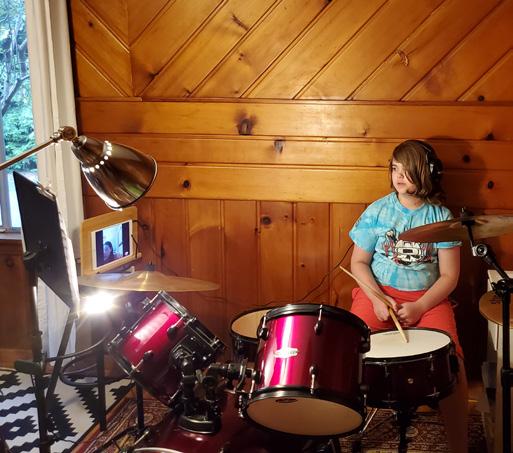
When the coronavirus lockdown hit, Seattle Drum School didn’t miss a beat. Private lessons were quickly moved online and happy kids around the area have been able to continue learning drums, guitar, trumpet, piano and more — it’s “more than ‘just drums,’ ” as its website proclaims.
Two Seattle locations: 1010 S. Bailey St. in Georgetown and 12729 Lake City Way NE in Lake City. seattledrumschool.com
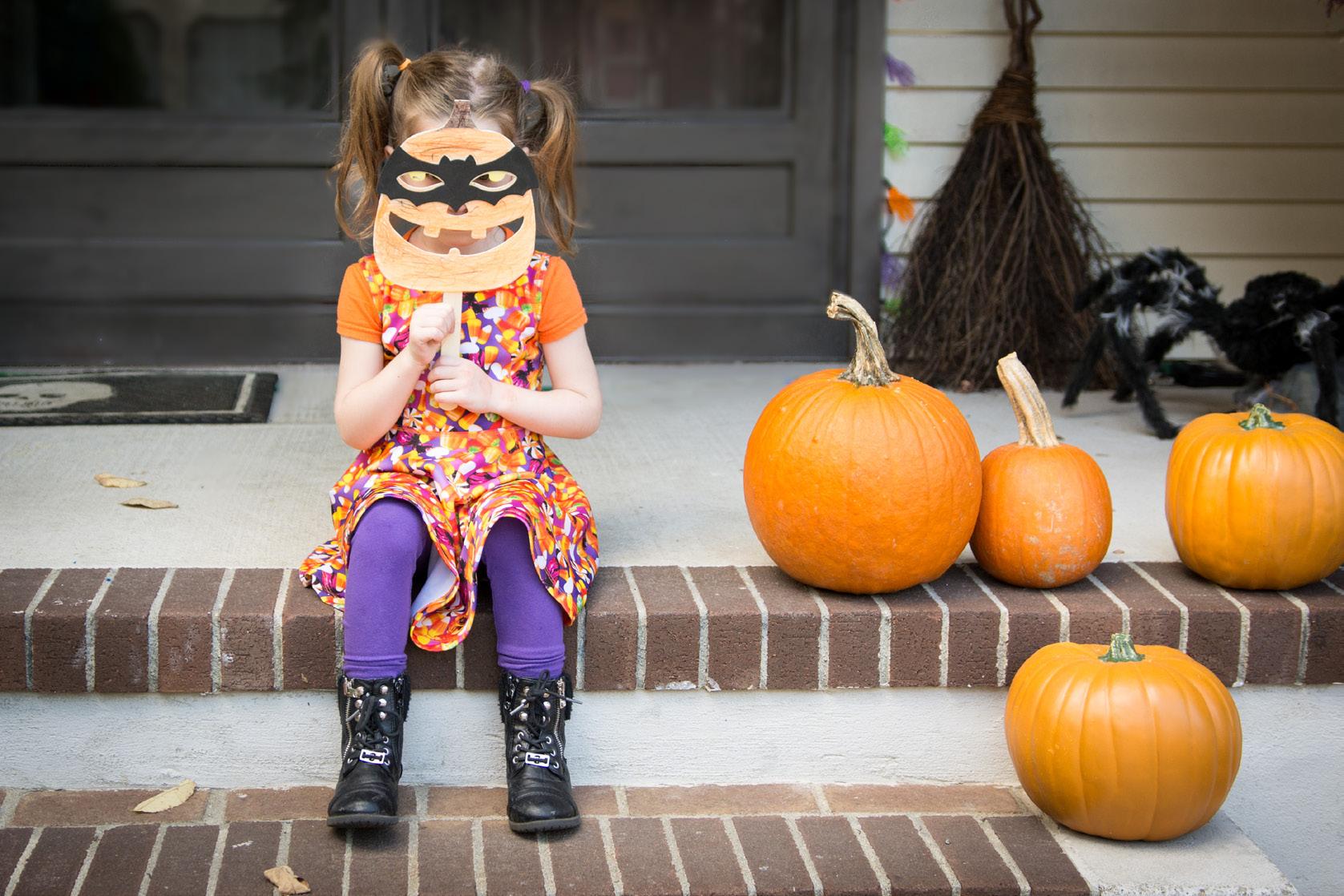
This year, masks aren’t just for Halloween as farms invite families in to celebrate the season safely
Autumn not only rings in the start of a new school year, it’s also a time to celebrate the harvest!
Seattle-area families have made it a tradition to explore local farms each fall for fun activities, U-pick events and celebrations. In this unique year with COVID-19 looming, the farming community hopes to bring patrons back safely to enjoy fall festivities with a few new rules in place.
Be prepared to wear a mask, social-distance and wash hands or use hand sanitizer — often. Farm staff will clean high-touch areas and equipment in between uses and throughout the day. Employees will be checked for coronavirus symptoms daily. Families are encouraged to stay home if any member is feeling sick, has a fever or is in contact CONTINUED ON NEXT PAGE >
Have a distanced costume parade on your block Blast Halloween tunes on portable speakers as kids parade and neighbors cheer.
1 2
Decorate your front yard
Make pom-pom spiders to dangle from trees. Stage a pair of old garden gloves reaching out of a flower bed. Stuff some old clothes and add a pointy hat to make a witch to watch over your front porch.
Create a spooky candy hunt
Stash candy around the yard, like a fall version of an Easter egg hunt, or come up with a backstory with, say, a “ghost” leaving a map or a set of clues to the “treasure.” Kids will enjoy finding and accumulating sugary treats.
3 4
Go all-out with pumpkin carving
Encourage your kids to sketch out their ideas in great detail before you start cutting into pumpkin flesh. Bake! Start by roasting pumpkin seeds from your jack-o’-lanterns, then make cookies or cupcakes that your kids can decorate, perhaps with candy. Gummy worms add a certain creepiness factor, and you can make a fine eyeball from a peppermint hard candy if you draw an iris and pupil in the middle with frosting.
5
— Fiona Cohen
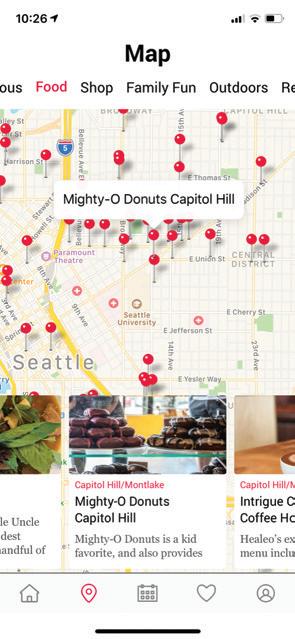
with others who have tested positive for the virus. Check out these places for the new farm experience, focusing on education, safety and family fun.
Bailey Family Farm: This year, Bailey Family Farm is focusing on the U-pick experience. Apples, pumpkins and vegetables will be available to pluck right off the tree or from the ground, while the farm will be adorned with seasonal decorations for fun family photo ops. With more than 350 acres, there’s plenty of space to explore. 12706 Springhetti Rd., Snohomish; baileyveg.com
Bob’s Corn & Pumpkin Farm: No farm experience is complete without a hayride (socially distanced, of course) and pumpkin-picking. Bob’s Corn & Pumpkin Farm begins U-pick at its pumpkin patch in mid-September. Find your way through the corn maze or make it a special day by renting a fire pit to roast marshmallows at one of the many sites in the maze. Timed tickets available online for admission and activities. 10917 Elliott Rd., Snohomish; bobscorn.com
Craven Farm: Celebrating 38 years of the pumpkin patch, Craven Farm offers a unique experience with a mini golf course, crafts, human foosball, apple-slinging and fun farm foods – think funnel cake, pumpkin cider doughnuts, cheese curds and hand-dipped corn dogs. Your dogs are welcome too: Bring your pet to explore the farm in September and October at the Pooches in the Patch events (check website for schedule). Activities will be open all week to reduce crowds. 13817 Short School Rd., Snohomish; cravenfarm.com
a tour of the farm, play in the magical living playground and participate in the farm’s habitat restoration project. Tickets must be purchased online for guaranteed entry. 10819 Carnation-Duvall Rd. NE, Carnation; oxbow.org
The Farm at Swan’s Trail: Look for live pig and duck races, a petting farm and cow trains, and it’s the only farm to offer cider-making demos on a World War II-era cider press! Don’t forget to pick your pumpkins and apples too. Honeycrisp and Jonagold apples are available for U-pick in the month of September. Your taste buds will delight in these sweet fall treats. Timed entry tickets available online. 7301 Rivershore Rd., Snohomish; thefarm1.com

Stocker Farms: Roasted corn right from the farm! Pillow jumping, U-pick sunflowers, pumpkins and a butterfly release are all included in the farm experience. With more than 30 activities to share with family and friends, you’re bound to find something exciting. Tickets to events and activities sold online. 8705 Marsh Rd., Snohomish; stockerfarms.com


Oxbow Farm & Conservation Center: Oxbow opens its Oxtober Fall Festival with a U-pick pumpkin patch, organic farm stand, hayrides and even a pumpkin slingshot! Take
q At the time of publication, farm staff were finalizing plans for their fall openings. We encourage readers to check websites for updates to plan their farm adventures.

If you’re looking for a change of pace and scenery, Winthrop couldn’t be more different from Seattle. Depending on which of two scenic routes you choose, the drive should take around four hours — and it won’t be boring. In tiny Winthrop, kids and families (wearing masks, of course) are sure to get a kick out of the Old West-theme town, the new Homestream Park, the National Fish Hatchery and Pearrygin Lake State Park, which has a roped-off swim area and, this being Eastern Washington, a decent likelihood of swimming weather, even in fall.
— Julie Hanson








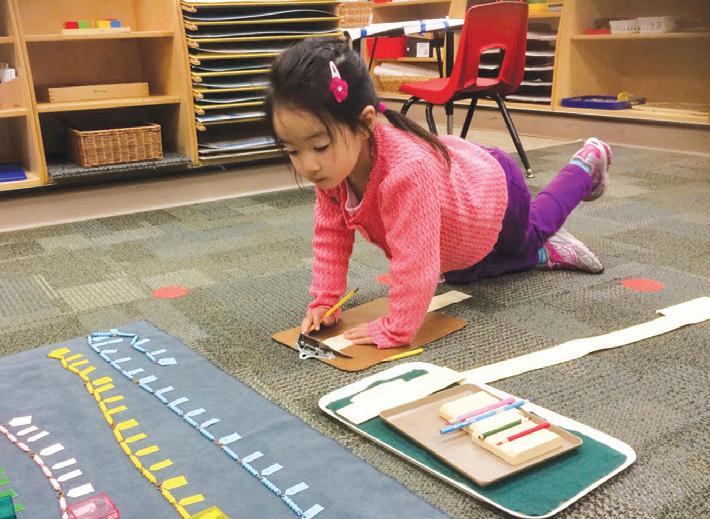


Rubinstein Bagels has gained a following for great texture, innovative yet classic accompaniments (shallots, anyone? Fried onion and chive cream cheese?) and a trendy twist — sourdough starter. Available throughout the Seattle area by delivery only, for now. (You can get Olympia Coffee, beans or ground, too.) rubinsteinbagels.com

by DANIELLE HAYDEN / photo by JOSHUA HUSTON
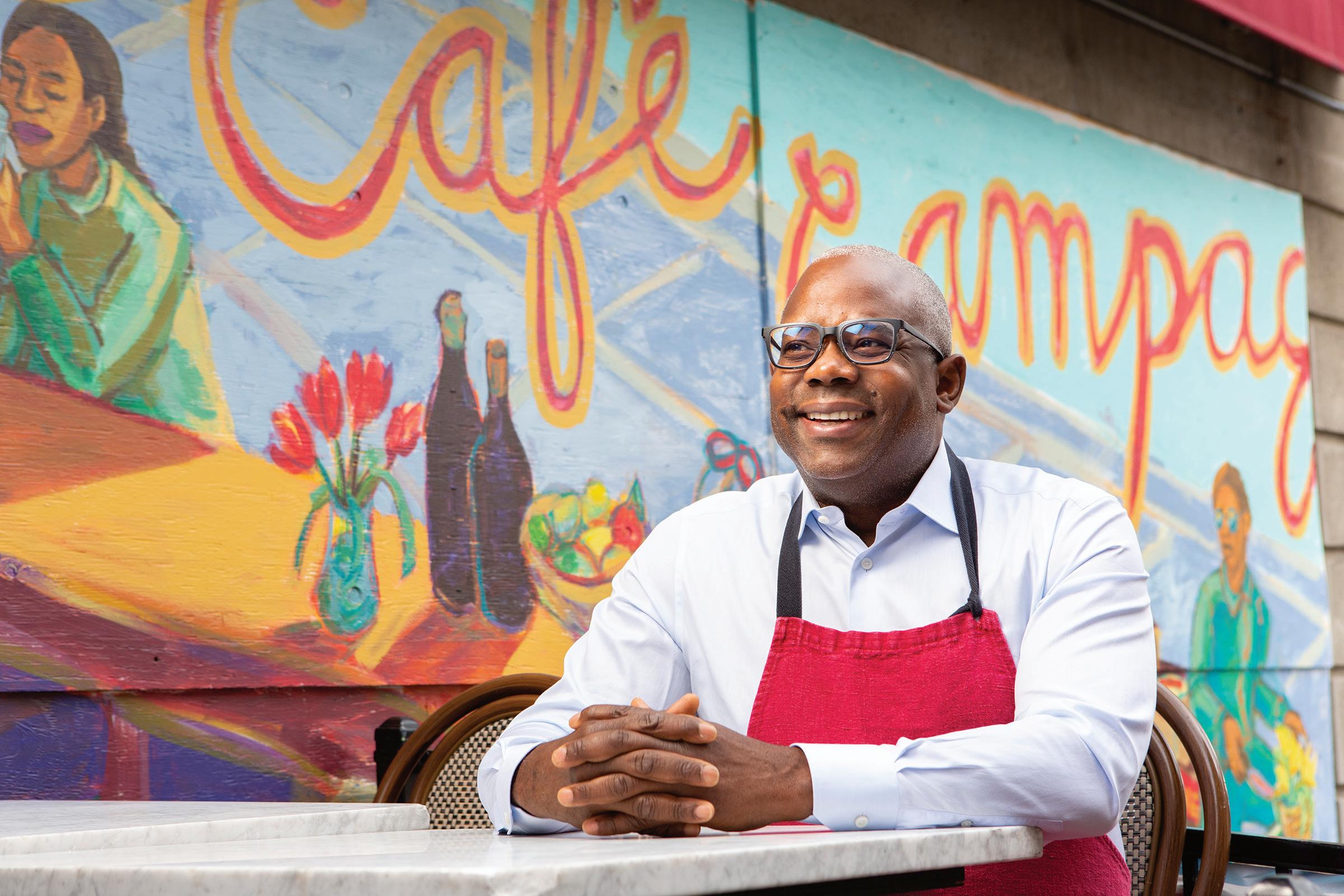
Café Campagne, a celebrated French restaurant in Pike Place Market, has been serving traditional cuisine for more than 25 years — most of that time under the leadership of Chef Daisley Gordon.
Chef Gordon was born in Jamaica and moved to the United States as a child. After a stint in corporate life didn’t quite pan out, he began to question what it was he truly wanted to do. Soon after, Gordon attended the
Culinary Institute of America then set his sights on the Pacific Northwest. He had been trained in the French tradition and the then newly opened Café Campagne was a natural fit. In the span of only five years, he became executive chef and owner, an accelerated ascension that he had not predicted. Since then, he has continued to make a name


If you’re hungry for carbs this fall, you can’t go wrong with Momo & Pizza Ghar in Redmond. Kids and parents alike will love the piping-hot momos, dumplings just like they make in Nepal. Get them filled with chicken or veggies, available steamed or fried, with chili sauce or paneer (cheese) options, as well as jhol (served with a bowl of hot chutney).
There’s a pizza menu, featuring popular pie selections including tandoori chicken, paneer and butter chicken toppings. (Fussy kids can opt for standard cheese pizza and plain momos, too.) Standout appetizers include chicken and goat sekuwa.
Delivery and takeout available.
2560 152nd Ave. NE, Redmond; meromomo.com
A

December 5, 2020 10:00am
January 9, 2021 10:00am
REGISTER
Although the coronavirus pandemic has made a lot of family fun inaccessible, baking together at home is something you can still enjoy. Check out Chef Gordon’s simplified recipe for gougères (cheese puffs), written especially for Seattle’s Child.
Makes approximately 25 pieces; conversions from metric shown in brackets
80 grams butter [slightly more than 5½ tablespoons]
1 cup water
5 grams salt
[1 teaspoon plus 1 pinch]
15 grams sugar [1 tablespoon plus ½ teaspoon]
1 teaspoon thyme, chopped
1 teaspoon parsley
150 grams all-purpose flour [1 cup plus 2½ tablespoons]
5 eggs
165 grams grated Comté cheese [about 1½ cups]

Melt butter in 2-quart saucepan; add water, salt, sugar, thyme and parsley, then bring entire mixture to a boil.
Add all the flour at once and stir constantly with a wooden spoon until all flour is incorporated and the mixture pulls away from the side of the saucepan.
Off the heat, add the eggs one at a time and beat in with the wooden paddle. Make sure each egg is completely incorporated before adding the next.
Add the grated Comté cheese. You may also use a stand mixer to combine the batter, eggs and cheese.
Spoon mixture into a pastry bag fitted with a large star tip.
Pipe 1¼-inch-diameter discs onto a parchment-lined baking sheet. You may also
CONTINUED
for himself, even competing on the Food Network’s Iron Chef.
use spoons, scooping a little of the batter on one spoon, and using the second spoon to scoop it off. (At this point, you may place the gougères in the freezer, if desired. Once they are firm, freeze them in a plastic freezer bag and they will keep for several months. They can then be baked in this frozen state. Simply follow the baking procedure and allow a little extra time.)
Place in a 400-degree Fahrenheit oven for 10 to 15 minutes. Watch the gougères as they puff up like a balloon and turn light golden brown. Reduce heat to 325° and continue to bake until the exterior is deep golden and the inside is cooked through. You will have to sample a couple to check their doneness. Check closely, as the inside may be soft from cheese, and not just undercooked dough.
food being consumed.
From croques monsieurs to quiche to croissants, Chef Gordon aims to make rustic-inspired, delectable foods. French cuisine’s robust ingredients and the various cultural influences of its diverse regions, bordering countries and former colonies offer what Chef Gordon calls a “huge palette of flavors and ideas to play with.” French natives who visit remark that the restaurant reminds them of home, a high compliment and surely a testament to the authenticity in both the aesthetic and handcrafted fare.
Chef Gordon feels that introducing kids to other cultures’ foods is a net positive. With French dining in particular, the cultural practice is generally slower as people take time to savor the taste, smell and texture and to think more about what they eat. Exposure to this cuisine can also offer health benefits, such as less junk
In the past, he has offered a cooking class for kids with fun activities like making ratatouille and preparing sausages. For any young people who may have aspirations of chefdom, he advises that kids try a lot of different foods and find what cooking they connect with, and then perhaps seek a job or a stage (apprenticeship) in an establishment. Beyond that, get a mentor if possible: “Don’t duplicate them; absorb them,” Chef Gordon advises. If you are willing to work hard and learn, he offers, “People will unlock their secrets.”
From annual trips to the South of France to hosting an event with author and mogul Mireille Guiliano, Chef Gordon’s life may sound like one of enviable glamor, but being a small business owner — especially during these times — is also hard work.
He views cooking not as an art, but as a craft — and one that requires effort and dedication, and doing things time and time again before achieving mastery.
“Nothing beats repetition,” he says. “It hones your skills.”

My family’s favorite source for reasonably priced lychees and Korean-pop fan supplies is H Mart in the University District. You head up the stairs to find my girls’ BTS fan heaven: the K Pop and Beauty Secret Shop. And at K Banana University Village, we love the waffle-scented face masks and macaron-shaped lip balm.
by KATRINA OTUONYE / photo by JOSHUA HUSTON
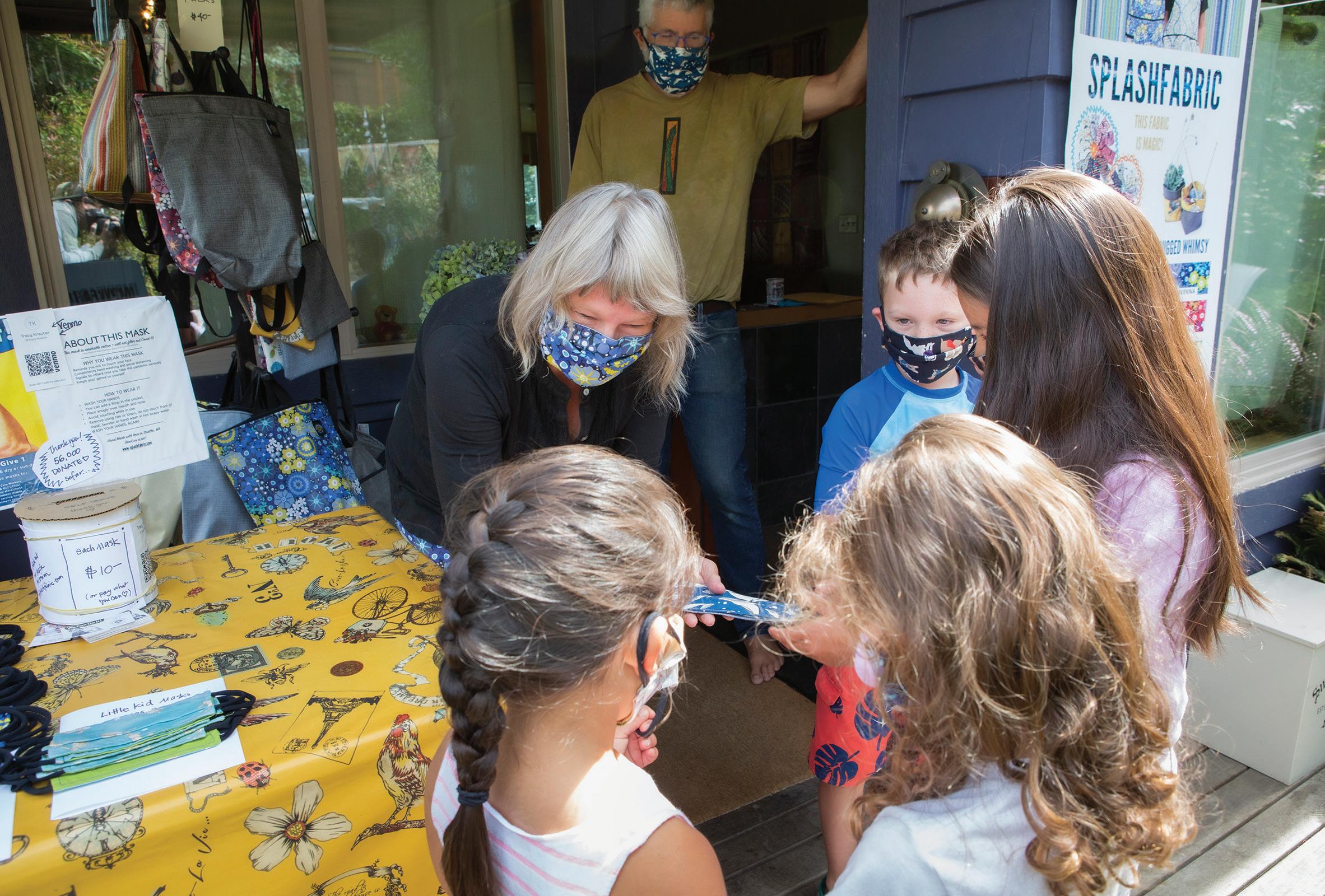
When the coronavirus pandemic hit and face masks were in short supply, Tracy Krauter, the founder of Seattle-based Splash Fabric (formerly IMPWEARhome) knew it was time to get to work.
Splash Fabric quickly went
from receiving six orders a day to more than 50, selling and donating as many masks as possible. She designs her own fabrics, featuring whimsical designs for kids with sharks, whales and various canines.
“The dogs are definitely my

favorite,” Krauter says.
With all the work furloughs and school closings this past spring, Krauter soon found herself with a few extra hands to assist with exponentially growing orders — her friends, neighbors and husband, alongside their three sons, ages 29, 26 and 20.
“That was the most fun of the whole thing, spending the time
Need a great craft project for your child to piece. Bring the painted art back to the University Village store for glazing and firing. Kits include paint and pottery. Order ahead online or at the store; curbside pickup available. 4611 Village Ct. NE, Seattle 3 paintthetown.studio
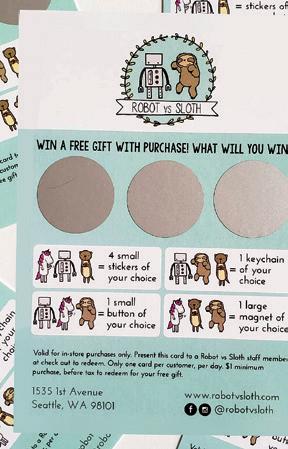
This Pike Place Market gift shop has an adorable way to keep young, masked shoppers in line (and enthralled) as they wait to enter the store. Robot vs Sloth offers scratch cards featuring artist La Ru’s cartoon otters and unicorns, and of course robots and sloths. Every player wins a gift with purchase, which eases the short wait to get to the robots and sloths. 1535 1st Ave., Seattle 3 robotvsloth.com

1.2 miles of family fun at your Seattle waterfront



Short lines at your Seattle waterfront
50¢ an hour parking at your Seattle waterfront


EXPLORE YOUR WATERFRONT

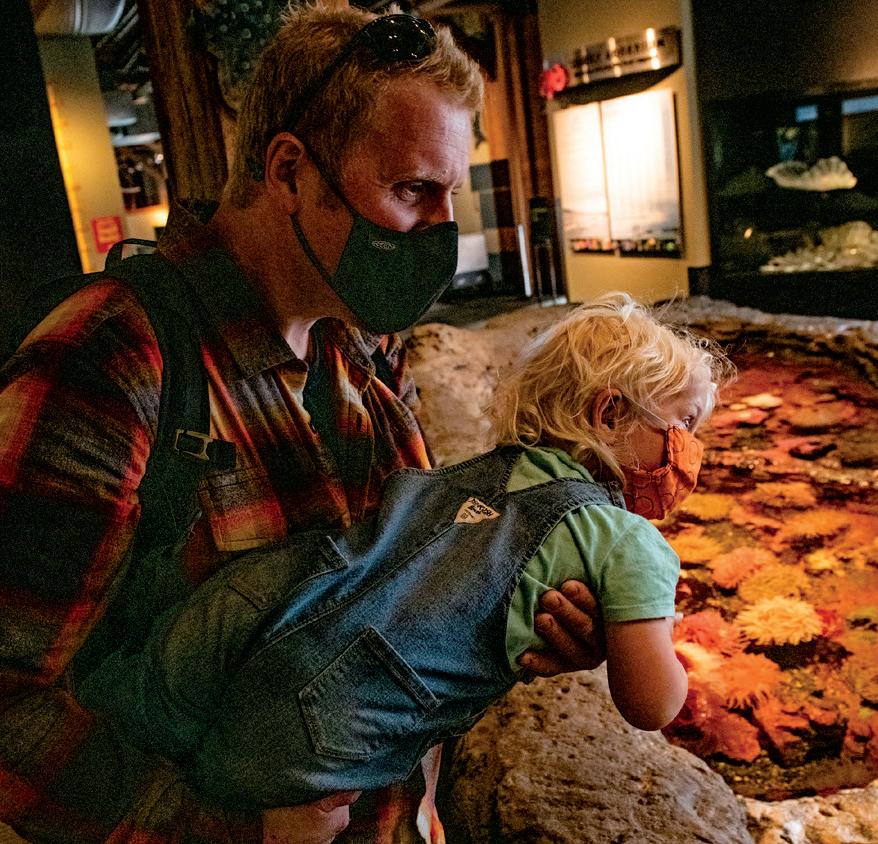
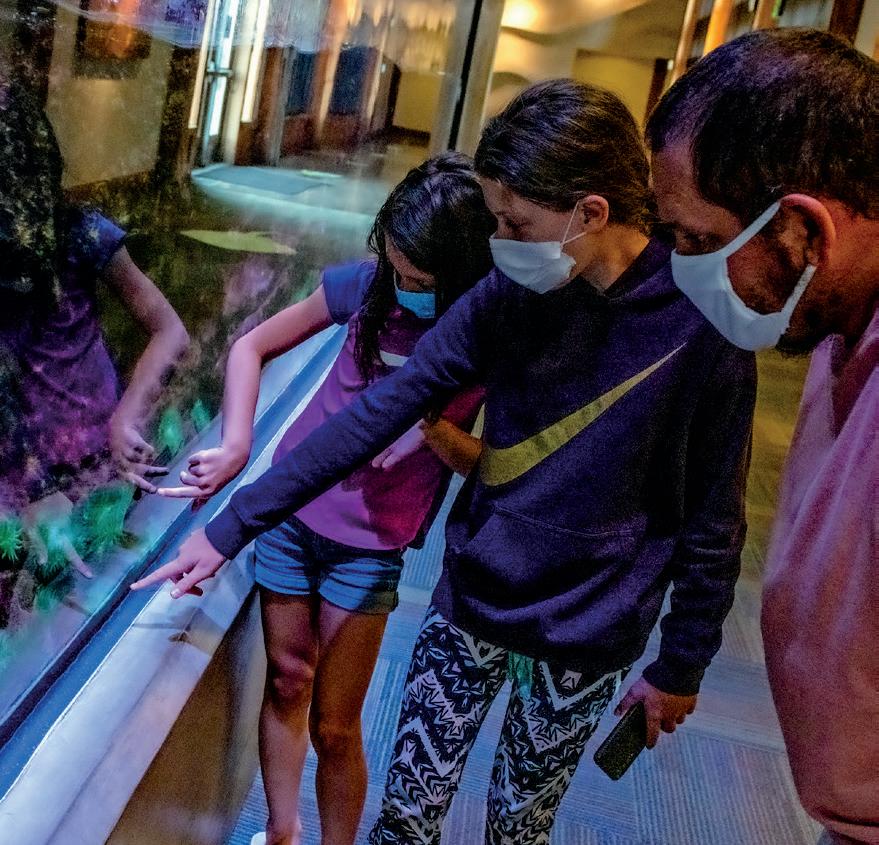






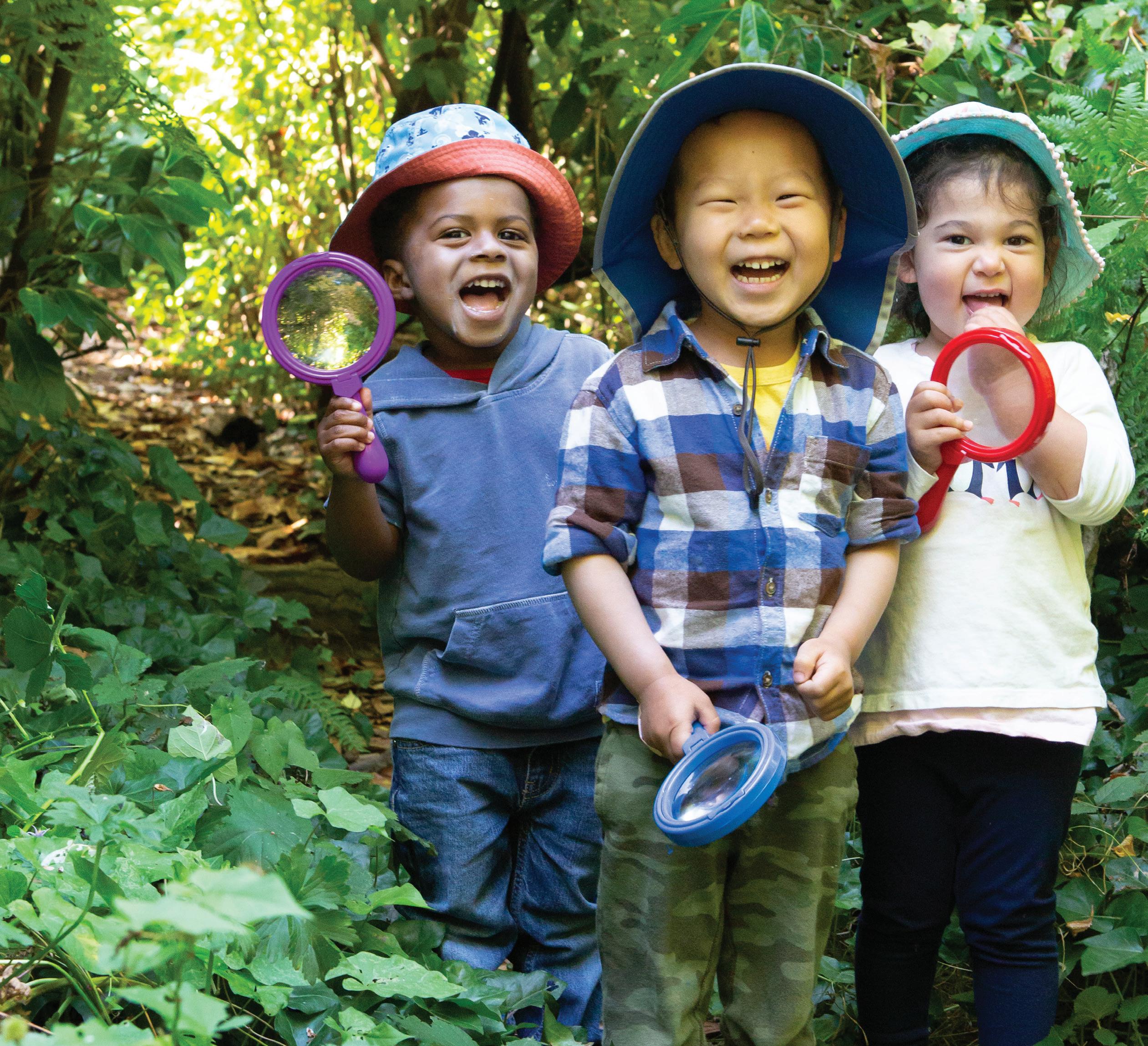

We’re reimagining every aspect of how kids receive information, right down to whether they interact with other humans — or spend most of their time talking to a screen. From private pods to all-remote learning, here’s what we’ve found about how families are getting back to school.
Coronavirus chaos draws attention to the tiny but growing microschool movement
by JILLIAN O’CONNOR / photos by JOSHUA HUSTON
Twenty-twenty is not just the year of coronavirus, but also the year the term “microschool” became all the rage. Little known to most parents before this spring, microschools existed before the current pandemic, and the attentive, deeply personal style of education they can offer seems likely to thrive beyond the crisis.
(In addition, because they’re so small, classes will likely meet in person for schooling, even during this pandemic.)
Microschool leaders pride themselves on a smaller, more focused learning environment, and especially on the individualized attention students receive as teachers are able to
forge a stronger relationship with every kid — often just five or six — in the class.
However, the microschool concept has become controversial since the pandemic started because of fears that the newest incarnation — small, homebased, private microschool groups inspired by socialdistancing needs — will heighten racial and socioeconomic inequities in education.
Critics say that home-based neighborhood microschool models may take kids out of the public school system, depriving school districts of needed funding and educating only children from families with greater financial means in mostly white neighborhoods, while kids
without access will fall farther behind academically. While each school leader I spoke to was motivated about working towards racial equity and inclusion, and offers scholarships for families who don’t have the money to pay, the question of racial and economic equity is an ongoing issue and ethical quandary for parents who want to make sure all kids have adequate access to schooling and child care during this crisis.
Here’s a sampling of microschool organizations in our area, the first two of which were started before coronavirus was a headline word around the world.
CONTINUED ON NEXT PAGE >
In 2019, Jerome Hunter founded the Seattle School for Boys, a Capitol Hill middle school with a strong focus on social and emotional learning for children who identify as male.
The interim head of school, Patti Hearn, explains that Hunter has “thought a lot about adolescent development and brain development, and did quite a bit of research into thinking about how schools serve and don’t serve adolescent boys, and adolescent boys of color in particular.”
“We’re really thinking about adolescence and middle school as its own thing to really attend to and be excited about and be joyful about,” says Hearn, citing identity development and values formation as key processes for middle-schoolers.
The small school, which has enrolled just under 40 kids in three grades for this fall, was able to transition quickly to all-online learning back in March, and plans to open up outdoors a couple of days a week this fall.
As part of its model to ensure equity, the Seattle School for Boys offers four tiered levels in which families pay what they can.
The curriculum emphasizes outdoor time and movement, which are important for boys this age, and the kids learn ethnic studies and martial arts, as well as frequently participating in projects in the community. Last year, the students helped build a tiny house and donated it to a group assisting the homeless.
“I think the school has an opportunity and a responsibility to help grow really responsible boys who make space for everyone – and who are good listeners and who believe in equality and equity,” says Hearn.
“Raising people who believe that everybody should have a place at the table.”
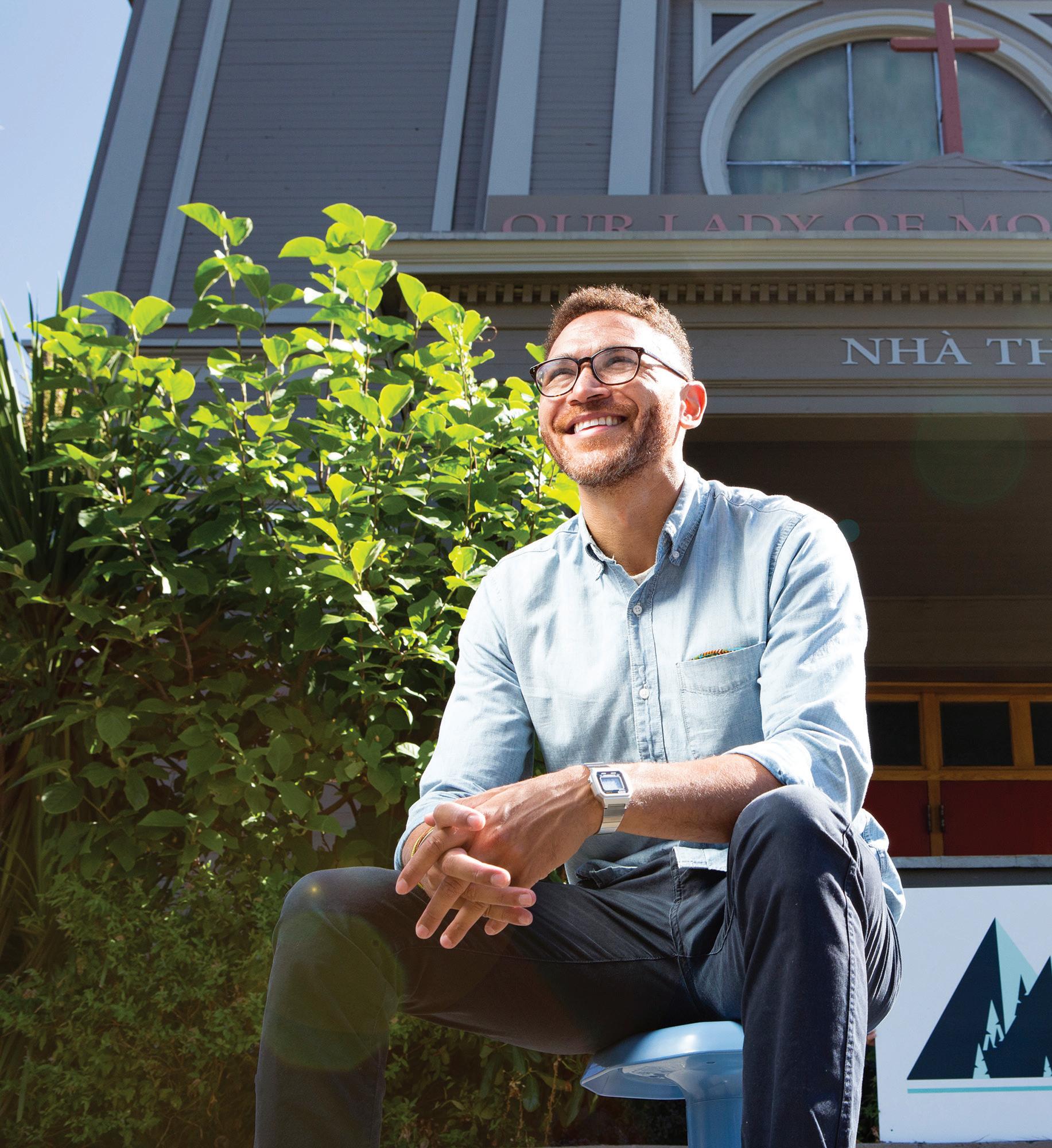
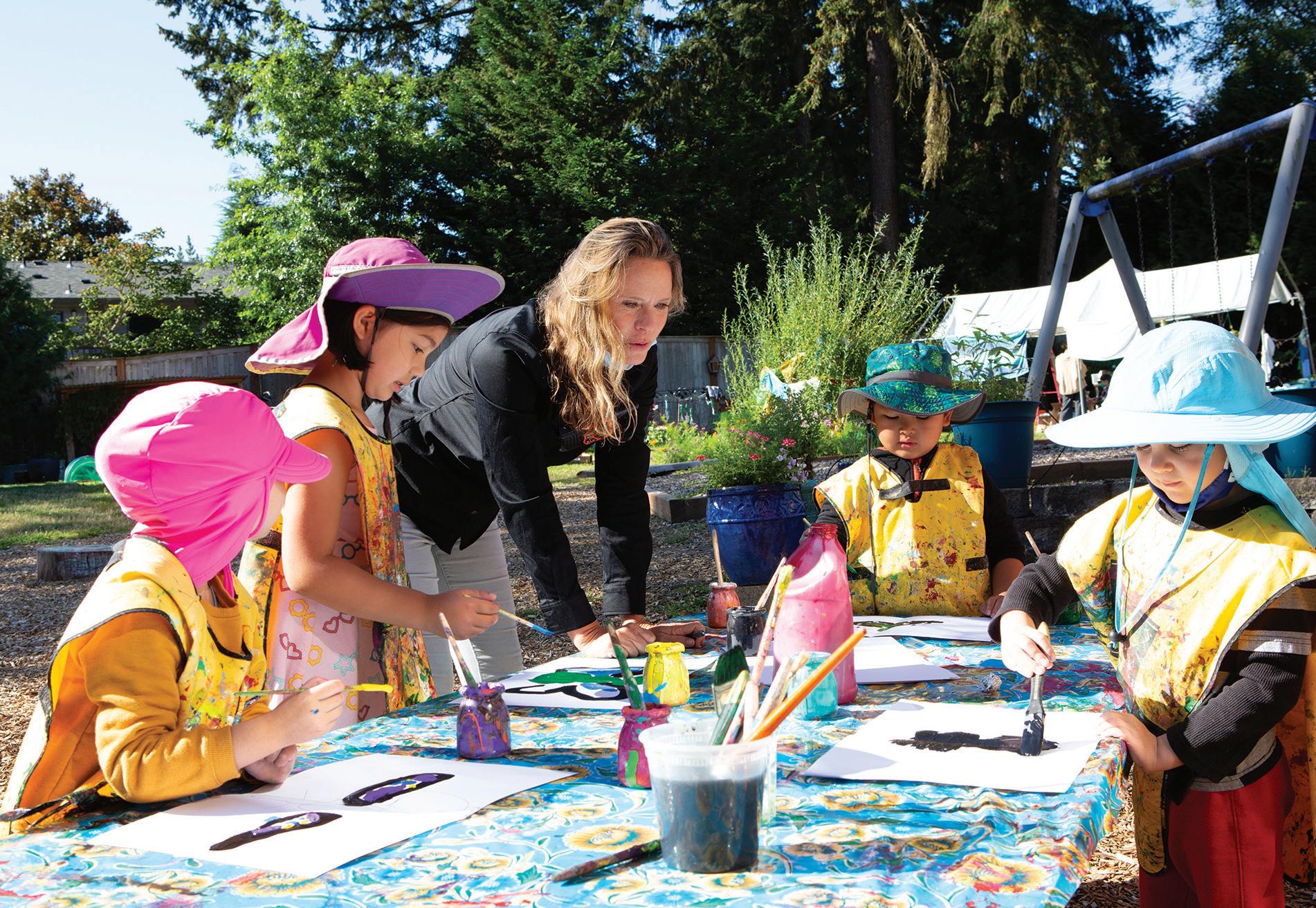
Sue Brooks is a passionate advocate for multilingual education. After years living in Asia and running a school in Shanghai, she co-founded a small language-immersion school here in the United States in 2018.
“We’ve been lucky that this program in the microschool model was resonating with parents because they want their children to be world citizens,” says Brooks. “They want them to be able to communicate across diverse audiences in a critical world language.”
The school strives to balance heritage and non-heritage learners of Mandarin as it puts together a class. The kids learn math and science in English, and are taught Spanish twice a week as well.
In Brooks’ view, the U.S. needs to recognize the growing importance of the ability to do international work, and therefore speak various languages — and to give kids rigorous academic training. This school offers its nonreligious education in the Quaker tradition, like the education presidential daughters

Sasha and Malia Obama and Chelsea Clinton received at Sidwell Friends in Washington, D.C. The Quaker Friends school model emphasizes community building and service to others, without giving religious instruction. One of the co-founder’s goals is to pay attention to international benchmarks for academics. The current model offers all-day education to children in preschool, pre-K and kindergarten, and that will be expanded gradually each year up until eighth grade. No cluster of kids in a class is larger than six, and the school plans to be open on site this fall, largely outdoors.
Parents, guardians, and teachers of Seattle area nano schools
When he was straining to find a social outlet for his 5-year-old son last spring, Ivan Kerbel of Mount Baker stumbled into being one of the first people to propose at-home coronavirus microschools.

He formed a Facebook group, proposing parents use it to find families near them to form what he now calls nanoschools — groups of four or five kids getting together safely at a family’s house, either with a paid instructor or parent volunteer. The idea really took off, leading to him being interviewed by National Public Radio and the New York Times as one of the apparent figureheads of a new COVID-influenced movement.
After realizing what a huge amount of interest the COVID nanoschool idea was attracting, and quickly amassing more than 6,000 followers, Kerbel kept the Facebook group active for the Seattle area. Now he’s building an online tool for interested parents from the rest of the country so that they can find local families with the same interests — and in some cases, teachers or child care professionals. Any school group with four kids is being encouraged to extend a scholarship to a fifth child with financial need.
To him, the movement is less about worrying about academic achievement, and more about keeping elementary school kids engaged with other kids with activities like cooking, gardening and music, also a big source of learning.
“This very big task of matching everyone, and having it organized, has been the bulk of the project to date, and probably will be the bulk of the project into the fall,” says Kerbel.
As he sums up the current state of education: “It’s a pandemic. And we need all hands on deck.”
Some resources for finding a microschool, or even just like-minded parents in your neighborhood who would like to take turns with kid supervision, board games or fun projects for kids:
q Ivan Kerbel’s private Facebook group, Parents, guardians, and teachers of Seattle area nano schools, a Seattle-based group where parents can find other families and instructors to form neighborhood nanoschools: facebook.com/groups/ seattle.micro.schools
q Weekdays.com, a parent and teacher microschool matching site. Available in multiple U.S. cities: joinweekdays.com
The startup’s founder and CEO, Shauna Causey, is also connected to Seattle/Western WA Pandemic Pod and Micro-School Parent Connection (a public Facebook group), which connects parents to microschools and teachers: facebook.com/groups/ SeattleMicroschoolConnection — Jillian O’Connor

Kevin Gallagher
by JIAYING GRYGIEL /
photo by JOSHUA HUSTON
Kevin G. Gallagher has been teaching kindergarten for 35 years. Over those years, he’s taught more than 1,000 kindergartners — that’s the size of a small town.
His physical classroom is at Bryant Elementary School in Seattle’s Ravenna neighborhood, and since March, he’s been broadcasting mini lessons on YouTube, as written about recently in the Seattle Times. He’s put together hundreds of short videos in which he reads stories, talks to kids about taking charge of themselves and has honest conversations with parents. (A playlist of highlights: tinyurl.com/KGGallagher).
Last spring, every teacher, every parent, every kid was operating in survival mode. We asked Mr. Gallagher, who receives rave reviews from alumni and their families for his teaching in person and online, how he’s approaching this upcoming school year, and what families should do to prep for distance learning.
In your 40-plus years of teaching, is this the craziest start of a school year?
I would say there have been lots of moments over the years that have been nutty. But they’ve been moments. This one takes the cake — or takes the mask.
What do students need to know coming into this school year?
Screen practice is important. Do they know how to use a keyboard? Have they swiped? Do they know the icons of the microphone and video? Scrolling and the back button and the erase button? I’ll be ready to teach that, but any skills that kids can come in with will be really critical. The quicker the kids can manage this, the quicker Mom and Dad can get out of the room and take care of life.
I’m asking about screen stamina, screen duration. How long can your kid sit comfortably? Fifteen to 20 minutes a day, if we’re able to, for kindergarten feels right and reasonable. (But not in a row. Five-to-seven-minute videos.) Other grade levels will have increasing amounts.
What do you want from parents?
Number one, I want to hear from families.
This year, I’m adding a question: “What’s the experience been like overall?” Are they working from home? How have kids responded to their reduction to the outside world?
Some parents are opting out — and opting in to more preschool
by JASMIN THANKACHEN
The kindergarten experience is not only about the academics, but also the chance for a child to flex their independence and test their social and emotional skills with their peers. This year, with most elementary schools moving to remote learning, many parents are making the difficult decision to hold their children back from kindergarten, enrolling them in pre-K programs that offer in-classroom learning.
“Learning online is completely ridiculous! Kindergarten is about being social, playing, learning how to sit at a desk and not sitting in front of a screen,” says Snoqualmie mom Kit Bekken. Her 5-yearold son, Ari, will be attending a Montessori preschool program instead of kindergarten, which will help him receive the full attention he needs in a school environment. That’s something Bekken admits that she and her spouse cannot provide, while both work from home and help their oldest child with virtual learning.
Washington state law doesn’t require students to enroll in elementary school until age 8, and many preschools and daycares are now preparing to accommodate an older age group than usual.
“[Our] daycare is exploring ‘learning pods’ for a three-tofour-hour block of the day, where school-age kids will get more traditional academics,” says Bothell mom Angella Coker.
And with many kindergartenage children switching to preschool programs this year, families do worry about future kindergarten classes swelling, as well as inadequate school funding due to low enrollment this year.
”We’re planning to keep our daughter enrolled [in public school], so the school gets credit for her, but have no intention of participating in virtual school,” says Coker.
by FIONA COHEN
To be a kid in 2020 is to spend too much time in front of a screen.
School requires about three hours at a computer per day. Kids rely on social media and gaming platforms to keep in touch with friends they never see. And working parents need to keep their kids occupied. The hours add up.
The American Academy of Pediatrics recommendation for a a 5-year-old child’s daily screen time? One hour of high-quality programming. And for older kids, parents are strongly encouraged to minimize and monitor screen time.
Given that reducing screen time to the previously recommended levels is becoming impossible during remote schooling, what can we do to keep kids healthy in the months before physical classrooms reopen?
Our best chance comes from something many of us didn’t do back in the stressed-out days of early spring: establish a healthy routine, says Dr. Susanna Block, a pediatrician with Kaiser Permanente Capitol Hill.
3 Sleep
For Block, the first priority is sleep.
“Lack of sleep can really affect our kids’ ability to learn, through lack of concentration and memory and also control of our emotions,” says Block.
And the more hours online, the more likely sleep is to be disrupted. Exposure to light radiating from screens gets in the way of the body’s ability to nod off.
It’s a good idea to have a set bedtime, and establish a “no screens” rule in the hour before that bedtime, Block says.
3 Exercise
The next essential element is exercise.
With younger kids, schedule “move breaks.” A 15-minute move break for every 45 minutes of screen time is a good idea, Block says. For all kids, try and make exercise a social happening. Maybe they could kick a


soccer ball with the few friends from their “bubble,” or go on a socially distanced bike ride with friends outside that bubble.
3 A place to work
One thing Block has noticed in her clinic is an increase in kids coming in with headaches, eye strain and neck and back pains.
“Kids are now developing some of the overuse injuries that we attribute to adults,” Block says.
One thing parents can do to prevent this? Make sure that kids have a dedicated, comfortable place to work that makes ergonomic sense, and doesn’t sit them too close to the screen. No more sprawling on the bed, or reaching up to a computer on a too-high kitchen table. Pay attention to your child’s posture when working, and how well lit the space is.
“It’s time to critically think about what is going to work,” Block says.
3 Take breaks
Remote learning is a lot to ask of young CONTINUED ON NEXT PAGE >




$25 off your first order
$50 minimum order for new customers discount code: SEATTLESCHILD


< New routines CONTINUED
kids. Some days, your kids might not be able to focus through a whole day of video chatting, and that’s fine, Block says:
“It is OK to step away from the computer and take a break. If we need to take a break, have an extra-long lunch and go for a walk, it’s OK.”
3 Stop doomscrolling
It’s hard to look away from the parade of calamities that constitute life in America in 2020, but adults should try and limit kids’ exposure to the news, and they
should put limits on themselves too — to, say, three or four news checks a day.
3 Don’t hesitate to ask for help
Parents should be aware of signs that their kids are struggling with depression or anxiety, Block says.
“If you feel like your child is excessively sad or withdrawn, or if they are no longer interested in activities they used to enjoy, and they’re not reaching out, or they’re sleeping more, or don’t want to eat, it’s definitely time to have them come in and be evaluated by a primary care provider,” she says. Younger kids may act



out more often, and throw more tantrums. If you’re not sure whether your child needs help, you can schedule a phone call or a video chat with your child’s provider.
3 Be ready to change course
Though we know a lot more now than we did in the spring about how kids adjust to remote learning, we’re still in unknown territory.
Block says parents should be ready to adjust routines as we find out more:
“I think we just have to keep evaluating what we’re doing, and find out what’s working.”
< Kevin Gallagher CONTINUED FROM PAGE 20
What about illness? And death? It was at arm’s distance for a lot of us, until it wasn’t. Have families suddenly been quarantined for 14 days? So that we as teachers can understand and turn on the empathy jets for families that have experienced loss.
Especially at the younger grade levels, a lot of the student management is going to fall to the parents.
The reason schools were successful was because we had the students with us for six months. We knew them. They knew us. They knew school. We’re in a different framework.
The relationship with the teacher is paramount. In the classroom, we definitely see who is looking out the window and who is looking at a friend. We will realistically only be at 70% understanding who their child is. We need to hear from parents, lots of communication that tells us kids are bored with this lesson or my kid couldn’t get enough of that one.
Let’s talk about what happened back in March.
Within a day of closure, I felt the absence from my side. What we needed to do is see each other. I thought, “I’ll make a video and I’ll put it on YouTube.” (I’d never done so before). I had one video on Monday that just let them know I was here and I was going to figure out how to do this. Within a week, I had 12 to 17 videos.
Within three or four days, a mom contacted me. It was all she needed for her child who was wound up: “Oh, there’s Mr. Gallagher.” And literally all the angst went away.
That was the turning point.
Your parents just went from your mom and dad, to your mom and dad and your teacher and someone’s employee. These people are scrambling at home and suddenly you’re teaching and your boss is sending you emails. I figured the best I could offer was to provide as much as possible to your 6-year-old. The kids need to have some sense of familiarity and safety and routine.
You’re working on adding coronavirus to your kindergarten curriculum.
It feels important to me that kids have factual knowledge about world experience.
What’s your plan for this school year?
Just put our armor on and head into battle. With no swords, just laptops.
q kevinggallagher.com
LOOKING FOR CLASSES? Visit our online Directory to find new enrichment opportunities added daily. It’s searchable by organization, activity, age of child and location. » seattleschild.com/directories

„ For our mobile-friendly, totally searchable, frequently updated calendar go to seattleschild.com
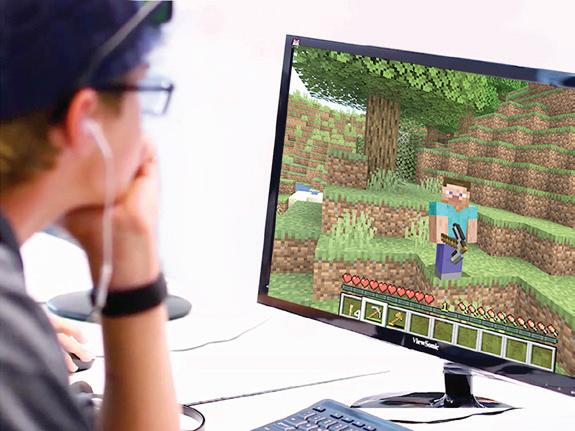
Give your child the opportunity to learn essential skills while having fun! Our chess curriculum teaches critical thinking, patience, and focus while building confidence on and off the board! Join in on live, interactive online chess classes, clubs and tournaments. Our experienced coaches welcome beginners through advanced players. Choose between weekly or daily classes to bring fun into your child’s online learning routine! Take advantage of the proven cognitive benefits of learning chess today!

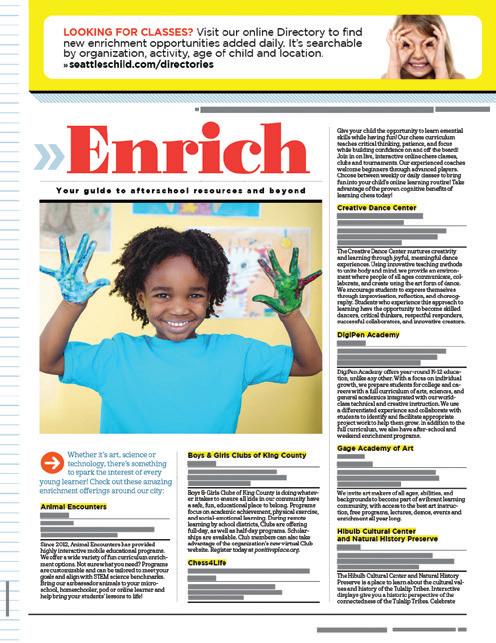
Whether it’s art, science or technology, there’s something to spark the interest of every young learner! Check out these amazing enrichment offerings around our city:
Ages K-12
100% Mobile 425-647-6499, info@animalencounters.com www.animalencounters.com
Since 2012, Animal Encounters has provided highly interactive mobile educational programs. We offer a wide variety of fun curriculum enrichment options. Not sure what you need? Programs are customizable and can be tailored to meet your goals and align with STEM science benchmarks. Bring our ambassador animals to your microschool, homeschooler, pod or online learner and help bring your students’ lessons to life!
Boys & Girls Clubs of King County
Ages 6-12
603 Stewart St Seattle, WA 98104 206-436-1825, info@positiveplace.org www.positiveplace.org
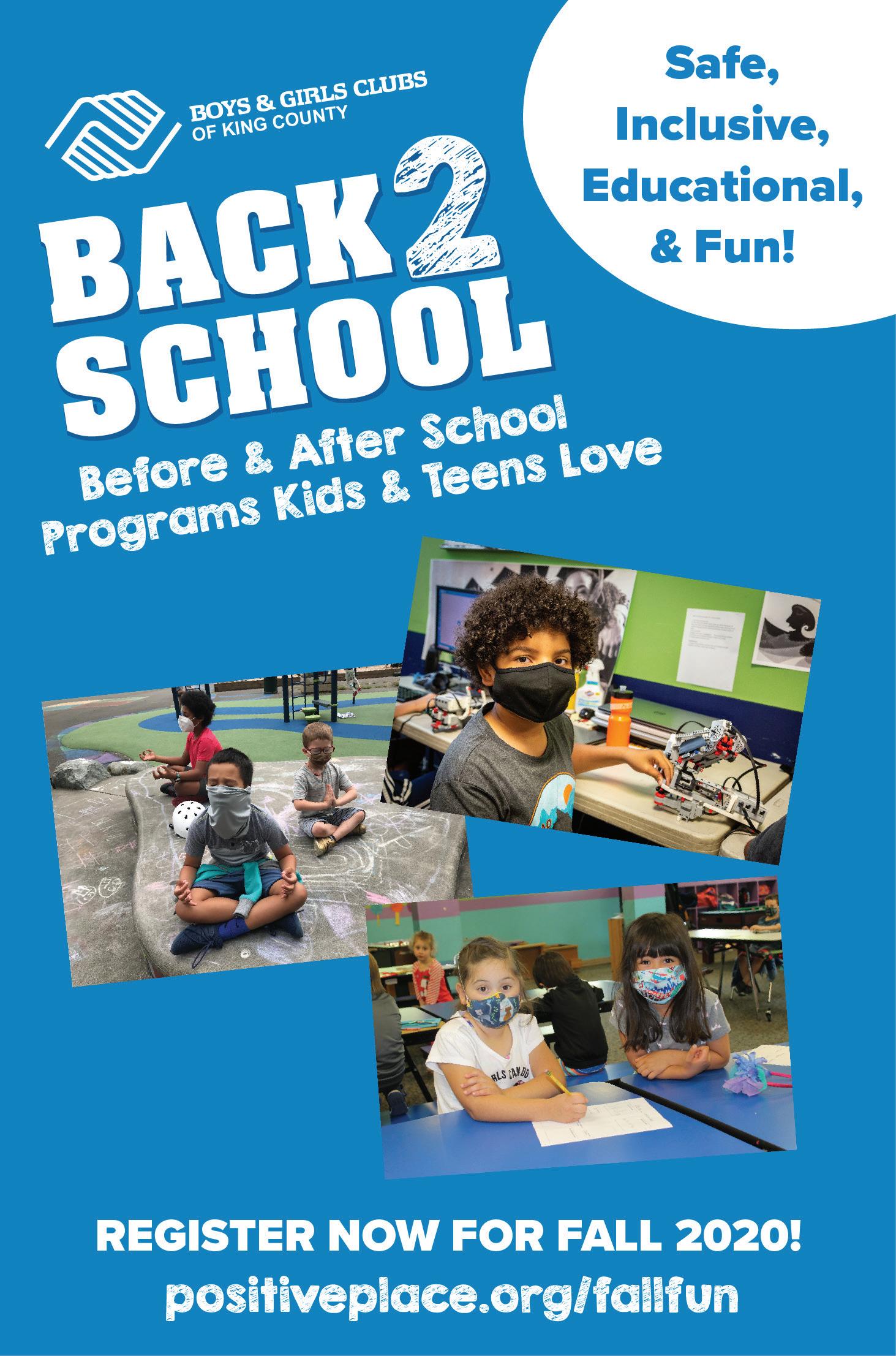
Boys & Girls Clubs of King County is doing whatever it takes to ensure all kids in our community have a safe, fun, educational place to belong. Programs focus on academic achievement, physical exercise, and social-emotional learning. During remote learning by school districts, Clubs are offering full-day, as well as half-day programs. Scholarships are available. Club members can also take advantage of the organization’s new virtual Club website. Register today at positiveplace.org.
Chess4Life
Live Online Chess Classes, Clubs & Camps Ages 5-17
Operating fully online at this time 425-283-0549, kids@chess4life.com www.chess4life.com
Ages Infants/Toddlers, Pre-K, Children, Teens, Adults 12577 Densmore Ave N Seattle, WA 98133 206-363-7281, info@creativedance.org www.creativedance.org
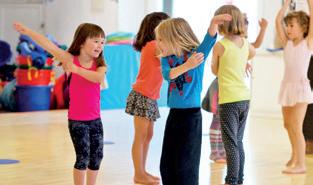
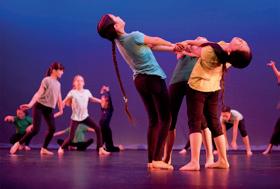
The Creative Dance Center nurtures creativity and learning through joyful, meaningful dance experiences. Using innovative teaching methods to unite body and mind, we provide an environment where people of all ages communicate, collaborate, and create using the art form of dance. We encourage students to express themselves through improvisation, reflection, and choreography. Students who experience this approach to learning have the opportunity to become skilled dancers, critical thinkers, respectful responders, successful collaborators, and innovative creators.
DigiPen Academy
Ages 6-18
9931 Willows Road, Redmond, WA 98052 425-629-5007, academy@digipen.edu https://academy.digipen.edu/
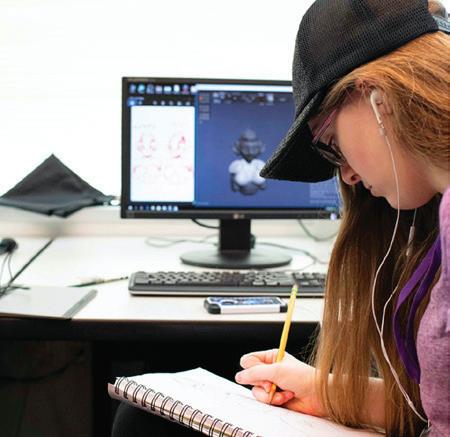
DigiPen Academy offers year-round K-12 education, unlike any other. With a focus on individual growth, we prepare students for college and careers with a full curriculum of arts, sciences, and general academics integrated with our worldclass technical and creative instruction. We use a differentiated experience and collaborate with students to identify and facilitate appropriate project work to help them grow. In addition to the full curriculum, we also have after-school and weekend enrichment programs.
Gage Academy of Art
Fall 2020
Ages 6 to 18
1501 10th Ave. East, Seattle WA 98102 206-323-4243, info@gageacademy.org www.gageacademy.org
We invite art makers of all ages, abilities, and backgrounds to become part of a vibrant learning community, with access to the best art instruction, free programs, lectures, demos, events and enrichment all year long.
Hibulb Cultural Center and Natural History Preserve
All ages
6410 23rd AVE NE Tulalip, WA 98271 360-716-2600, info@hibulbculturalcenter.org www.hibulbculturlacenter.org
The Hibulb Cultural Center and Natural History Preserve is a place to learn about the cultural values and history of the Tulalip Tribes. Interactive displays give you a historic perspective of the connectedness of the Tulalip Tribes. Celebrate

































































Our interactive displays introduce you to the legacy of the Tulalip people by giving you a historic perspective of the bands that make up the Tulalip Tribes. For everyone’s protection, we are enforcing COVID-19 safety measures including:



















Face mask or covering is required Adhere to social distancing guidelines 6 ft.




Reschedule your visit if you or a household member has been sick










Reschedule your visit if you’ve recently traveled outside the country






the traditional, usual and accustomed territories of Tulalip that serve as a constant reminder of the Tribe’s historic connection to the land. Check our website for COVID-19 Safety Measures and Precautions and other information.
Oxbow Farm and Conservation Center

Family Farm and Virtual Farm Adventures 425-788-1134 education@oxbow.org www.oxbow.org
Dig into food, farming, and nature with Oxbow! New for Fall 2020: Choose from a Virtual Farm Adventure for classes/ groups of all kinds; or an on-site Family Farm Adventure field trip for individual households. Whether it’s an interactive digital tour of our kid-friendly vegetable farm or a hands-on visit with your immediate family unit, Oxbow brings science topics to life and connects learners of all ages to the natural world.
Pioneer Farm Museum and Ohop Indian Village Ages 4+
7716 Ohop Valley Rd E Eatonville, WA 98328 360-832-6300 pioneer@rainierconnect.com www.pioneerfarmmuseum.org
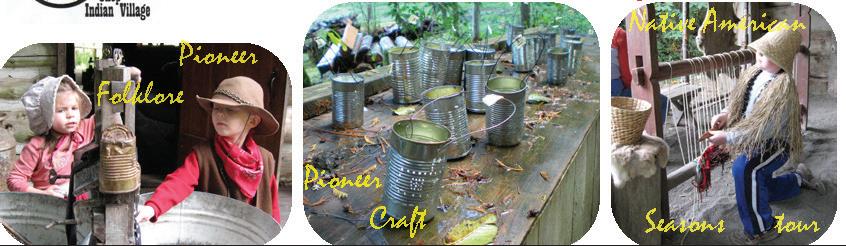
Escape to another century with our hands-on family tours! On the Native American Seasons tour you visit the seasonal homes of the Coastal Salish tribes who lived in the Northwest before pioneer settlers and learn how they lived in harmony with nature. Test your hunting and fishing skills, learn about gathering and food preparation, and try some crafts as you learn about their culture. Add pioneer folklore and craft to learn about early settler life.
Rain City Fencing Center
Ages 8 to adult 1776 136th Place NE Bellevue, WA 98005 425-767-6300
info@raincityfencing.com www.raincityfencing.com
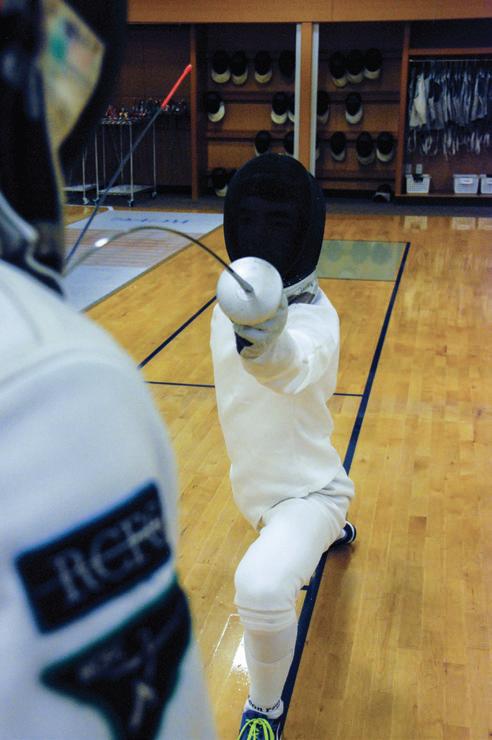
Learn to fence at Rain City Fencing Center! Learn to fence at the Northwest’s premier fencing center. We teach the Olympic sport of fencing to kids (ages 8-11), juniors (ages 11 to 16) and adults in a safe, socially distanced, positive environment. Beginning classes start every month. All equipment is provided. Think. Fast. Fencing!
Rock Solid Science
Geology Rocks! Ages K-5th
Mobile programs based in Edmonds WA 206-715-2556 info@rocksolidscience.com www.rocksolidscience.com
STEM enrichment, rocks, minerals, fossils, field trips, virtual classes, and after school resources available for grades K-5th. The field trip comes to you! *Gift cards available







SANCA - School of Acrobatics & New Circus Arts
After School Circus Club
Ages 6+
674 South Orcas St. Seattle, WA 981018 206-652-4433, info@sancaseattle.org www.sancaseattle.org
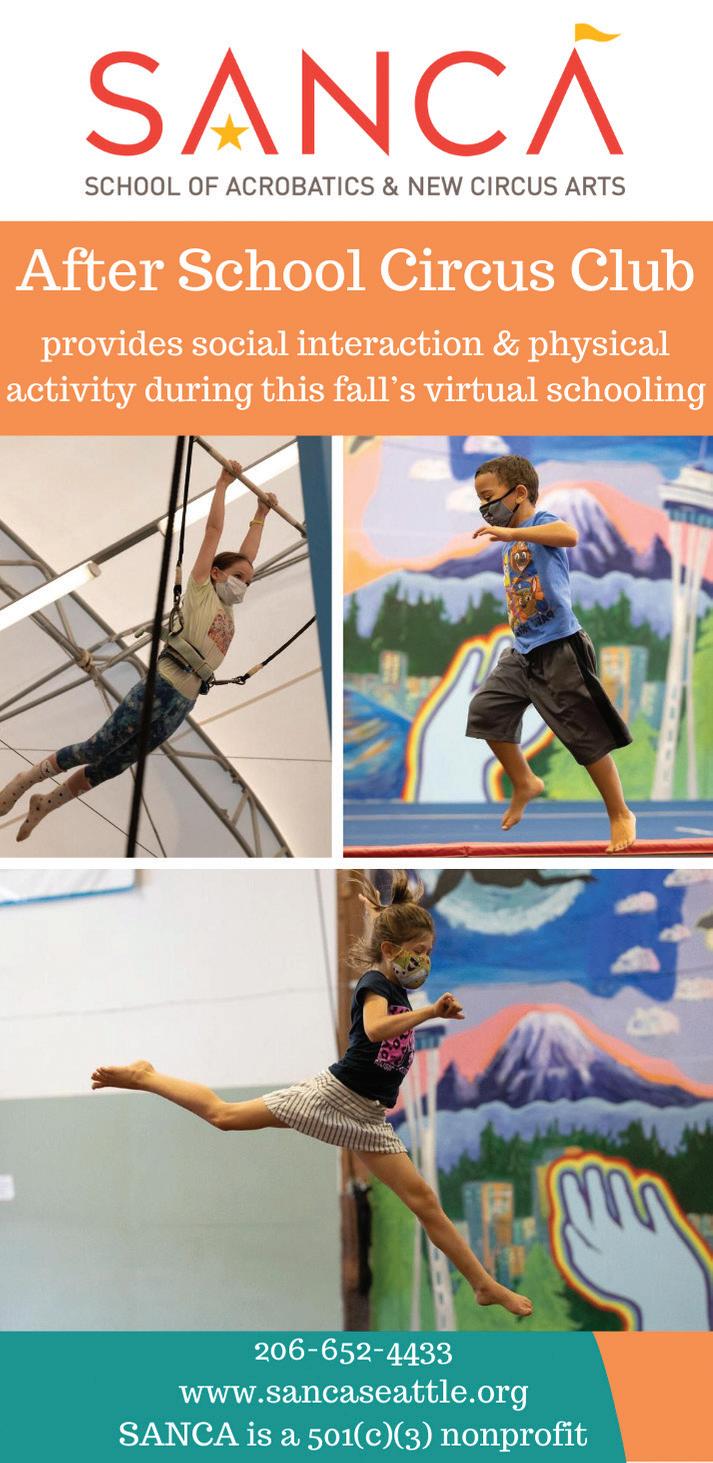
After School Circus Club is a fantastic opportunity for children aged 6 to 12 to get their social interaction & physical activity during this fall’s virtual schooling. Every weekday afternoon starts with some group games and activities. Students will then explore a rotation of different circus activities, including tumbling, trampoline, aerial arts, juggling, tightwire, and more! Students can be signed up for either section each day, or both!
Seattle Drum School
Ages 5-adult
12729 Lake City Way NE Seattle, WA 98125
1010 S Bailey St. Seattle WA, 98108 206-364-8815 info@seattledrumschool.com www.seattledrumschool.com
From beginners to professionals, we offer private (now virtual!) instruction for all ages and walks of life. Our music programs provide students with the necessary tools, confidence, and inspiration for becoming professional musicians, college music majors, pursuing music as a fulfilling hobby. You’ll be learning with some of the most distinguished musicians and teachers in the area. We offer lessons for guitar, bass, piano, horns, voice, and of course...DRUMS!
Seattle Girls Choir
Ages 5 to 18
1300 E Aloha St Seattle, WA 98102 206-526-1900, info@seattlegirlschoir.org seattlegirlschoir.org
Choir may be a little different in the 20/21 season, but our commitment to providing a robust education in the choral arts from K-12th grade remains the same! For those girls going into Kindergarten and 1st grade we have a prep choir called Piccolini. This non-auditioned choir provides a foundation for choral singing including vocal tone, breathing, and an introduction to pitch, rhythm, and movement.
Stone Soup Theatre
Ages 5 to 14
Wallingford Playfield, 4219 Wallingford Avenue N., Seattle, WA 98103 1414 N. 42nd St. Seattle, WA 98103 206-388-9212 education@stonesouptheatre.org www.stonesouptheatre.org
24 years of enlightening kids with theater speaks for itself. Following our success with our safe model outdoor SummerStage camps in 2020 we will run in-person outdoor performance programs for 2020-21. Fall includes “Greek Myths” and “Charlie Brown”. Or Choose virtual classes with “Hamilton” and “Frozen”. Winter brings “A Midsummer Night’s Dream” and “The Day the Crayons quit.” Stay with us for winter and spring break camps and join us outside again for Summerstage 2021.








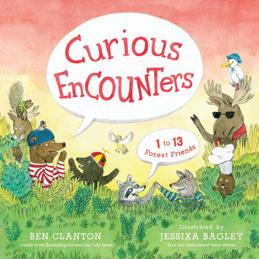
These four titles are some of my favorites to recommend to young listeners. Find a cozy place and prepare to be entertained! — Rene Holderman, Third Place Books
By Ben Clanton;
illustrated by
Jessixa Bagley
The Seattle-based author and illustrator team up to present a silly, pun-filled adventure: counting 13 forest animals. The colorful pictures bring to life the creatures’ outrageous antics, and there’s so much for young eyes to see and find.
I Am a Cat by Galia Bernstein

Simon, a young cat, is excited to announce to the lion, tiger, cheetah, puma and panther that he is a cat, just like them. The larger cats are shocked and quick to point out their differences. As children see the expressive drawings showcasing Simon’s interactions with each cat, they’ll be delighted to follow along.
The Squirrels Who Squabbled
By Rachel
Bright;
illustrated by Jim Field


Told in clever rhyme, both Cyril and Bruce compete for the very last seed-filled pine cone before winter sets in. As they race against each other through the forest as autumn approaches, they soon learn it’s not too late to learn to share.
By Nikki Grimes;
illustrated by
Elizabeth Zunon
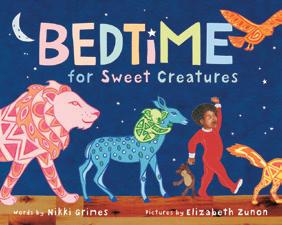
Made to be read out loud, with vibrant art and words ready to jump off the pages. As a mom encourages her little one to get ready for bed, she is met with a vehement “NO.” Mom cleverly assigns animals to the bedtime routine: The teddy bear becomes a fierce bear, and the coiled snake is a blanket. She’s able to persuade her little one — well, almost!

Unlock more from our magazine at seattleschild.com
Get us delivered to your inbox! Sign up for our eNewsletters
Find local resources for busy parents Visit our family-friendly directory of businesses
Don’t miss an issue! Subscribe and get Seattle’s Child mailed to your home
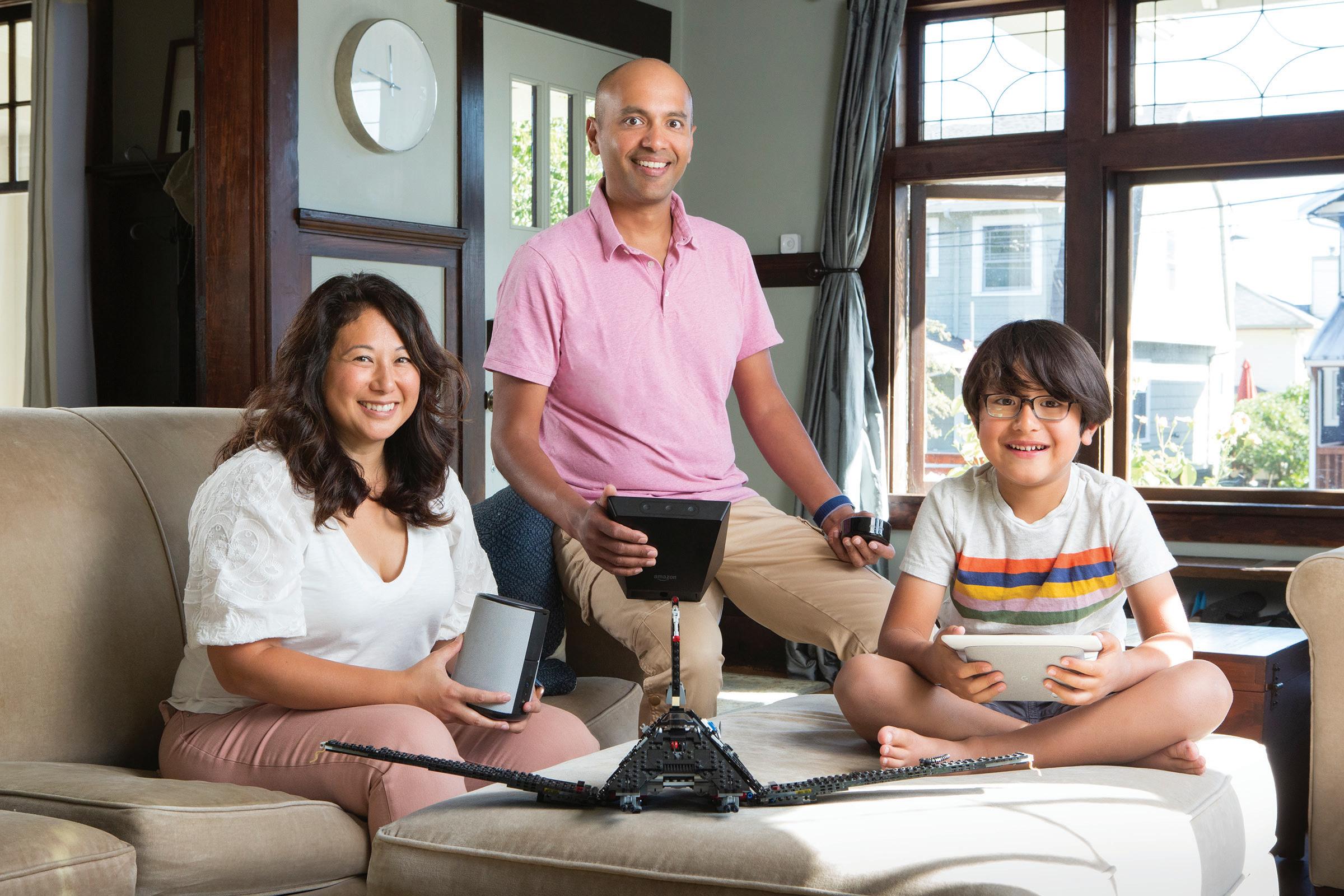
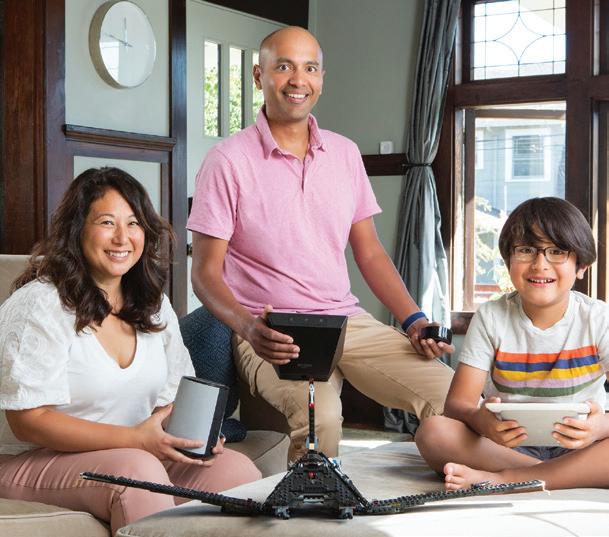
In these Seattle families, Alexa plays a supporting role, many times over by
HALLIE GOLDEN / photos by JOSHUA HUSTON
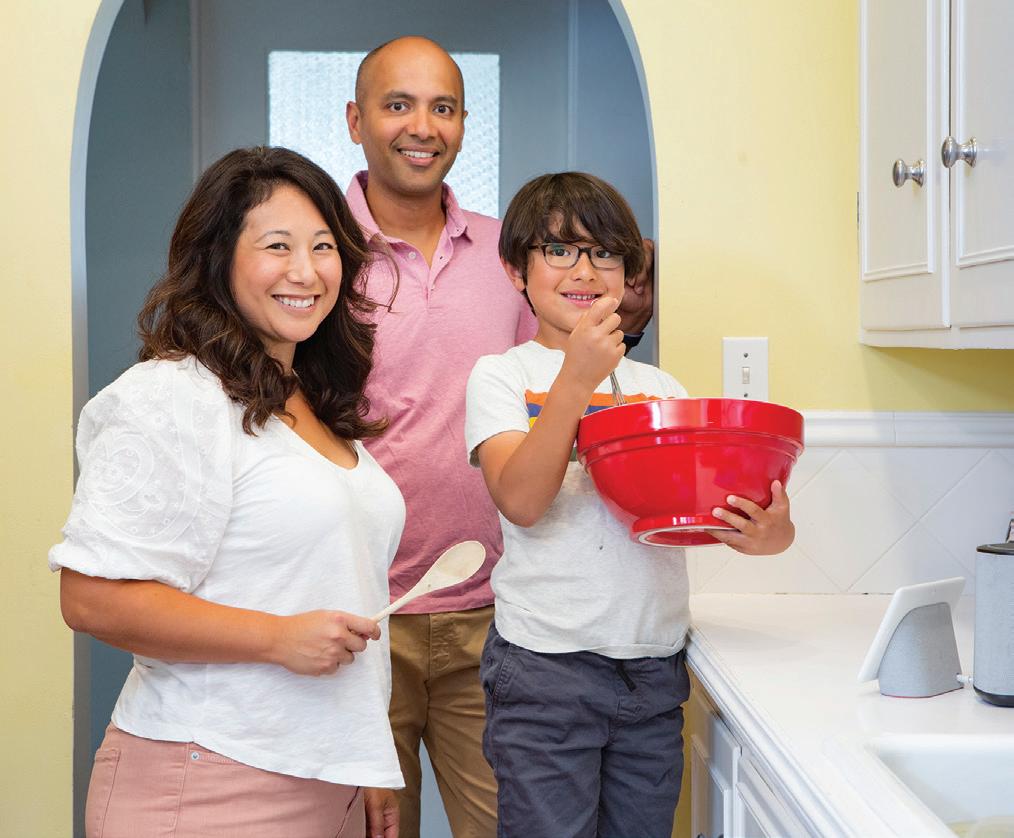
There is one name that Sharad Agarwal, Jackie Martinez and their 7-year-old son, Finley, call when they have
a question. Or when they’re trying to talk with a family member in a separate area of their home. Or when they’re simply to try to set up a backyard playdate. “Alexa!”
Over the past three years, the family has accumulated nine Amazon Echos as well as a few Google Homes, and placed them strategically throughout their house in Seattle’s Queen Anne neighborhood, including in
their kitchen, dining room, play room and bathroom.
Agarwal, who works in tech, says they may use the smart speakers for such daily activities as adjusting the temperature, turning lights on and off and as an alert system when someone is at the front door.
But recently the devices have proved especially valuable when it comes to Finley’s
education. Due to the COVID-19 lockdown, he had to switch to remote learning in the spring, and he will continue on with it in the fall, when he starts second grade. Agarwal said while Finley does his schoolwork in the dining room, he might ask Alexa such questions as “How do you spell broccoli?” or “How do you say butterfly in Spanish?”
“Just having the device, we found it very valuable as far as trying to teach our son some independence, and being able to use it as a reference tool while we’re busy,” explains Martinez, who is a teacher.
In this Pacific Northwest tech hub, their family is certainly not alone. In the years since such companies as Amazon, Google, Apple, Alibaba and Baidu launched voice-activated speakers, some Seattle families
have not only introduced them into their households, but truly incorporated them into their day-to-day life.
Donna Cochener says she got an Echo in 2015, soon after they were released in the U.S. Today, she and her two sons,
ages 12 and 7, have seven of the devices spread out between their house in Seattle and a vacation condo.
Cochener, an attorney, says the devices sometimes feel like her own personal assistants, as they help her keep track of her
It’s not just what you learn but how. The Northwest School offers a vibrant, intellectual home, a warm inclusive community, and a dynamic liberal arts education for grades 6-12 that prepares students to think critically, act compassionately, and believe they can have a positive impact on the world.
visit us virtually! Upper School Virtual Open House Sunday, Nov 8, 2020, 1-3pm Middle School Virtual Open House Sunday, Nov 15, 2020, 1-3pm
busy schedule and track down information quickly.
“It sort of takes away a big chunk of my time that I would be sitting at my desk, typing things in or writing things down or organizing things,” she says. “It’s just seamless in that way.”
In order to make sure the devices are safe for the family, she’s put in parental controls so her children can’t order anything without her knowledge, and she has a secure Wi-Fi system set up.
Cochener has found the devices especially helpful for her older son, Liam, who is on the autism spectrum. He tends to have a lot of difficulty falling asleep, so the two of them set up a nighttime playlist that he can ask Alexa to play for him each night. He also loves baseball, and enjoys asking Alexa for scores and standings in the evening.
“It gives him the ability to really feed that deep, deep curiosity that he has that’s part of that gift of being a neuroatypical child,” she says.



CONTINUED FROM PAGE 6
“We’re not creative thinkers when it comes to public education,” says Cherkin. ”I wish that parents would trust that letting their kids play is learning. Cooking is math. Taking a bath is science.”
One strategy Shoreline parent Elena Kuo and her husband used last spring was to supplement their 10- and 14-year-old children’s curriculum with home economics: The kids took on everything from learning how to sew a button, to planning and cooking meals, to helping manage the household budget.
Kuo acknowledges that their lifestyle allows them to be more flexible and creative. She works full time while her husband homeschools their 10-year-old, making him available to support their older child with schoolwork as needed.
Erin says that being a stay-athome mother has allowed her to fill in the learning gaps for her son when needed. “I literally was full time doing something related to school from 8 in the morning to 4 or 5 in the afternoon,” she says. She ultimately became the study skills teacher for her oldest.
As Cherkin describes, for some families remote learning has been an inconvenience. But for many it has been devastating. “It’s the same storm, different boat,” she says.
CONTINUED FROM PAGE 13
with my family,” Krauter says. Every washable and reusable mask is made of 100% cotton and features comfortable, soft Lycra around the ears to hold it on, which is especially important since it can be more comfortable than elastic for long-term use.
In addition to selling masks, Splash Fabric stands by its stated Mask Mission: For every mask purchased, it donates a mask. To date, Splash Fabric has donated more than 55,000 masks to kids, low-income families, community organizations, health-care workers, people experiencing homelessness, refugees and the elderly.
“We all want to do something for other people, and it all adds up. That’s what it takes,” Krauter says. “I’m so lucky, so fortunate I can do something for others. I can give masks away.”
q splashfabric.com



















Your birth plan is designed by you and delivered by us.


At the new Virginia Mason Birth Center, we’ll listen to your needs and collaborate with you on an extensive range of birth plan options. We are now open and determined to create the most personalized experience anywhere, keeping you at the center of everything we do. Our highest priority is the health of our patients, and we continue to follow recommended COVID-19 guidelines to keep every mother and baby safe. To learn more, or to schedule a tour, call 206-287-6300, or visit virginiamason.chifranciscan.org/birth-center.