SAVE SEABIRDS RESTORE SEAS INSPIRE CHANGE
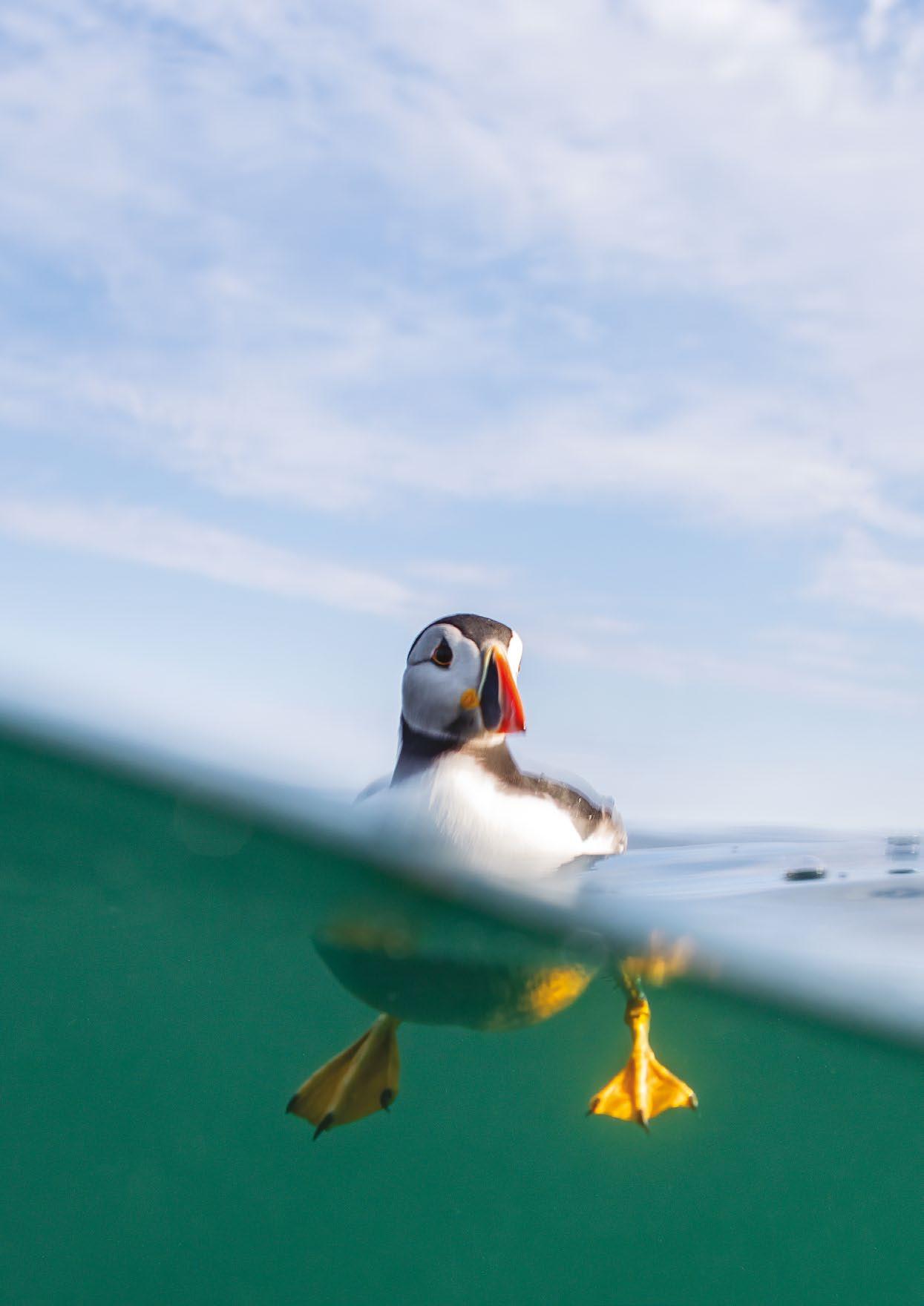
Scottish Seabird Centre
Strategy 2026 - 2031
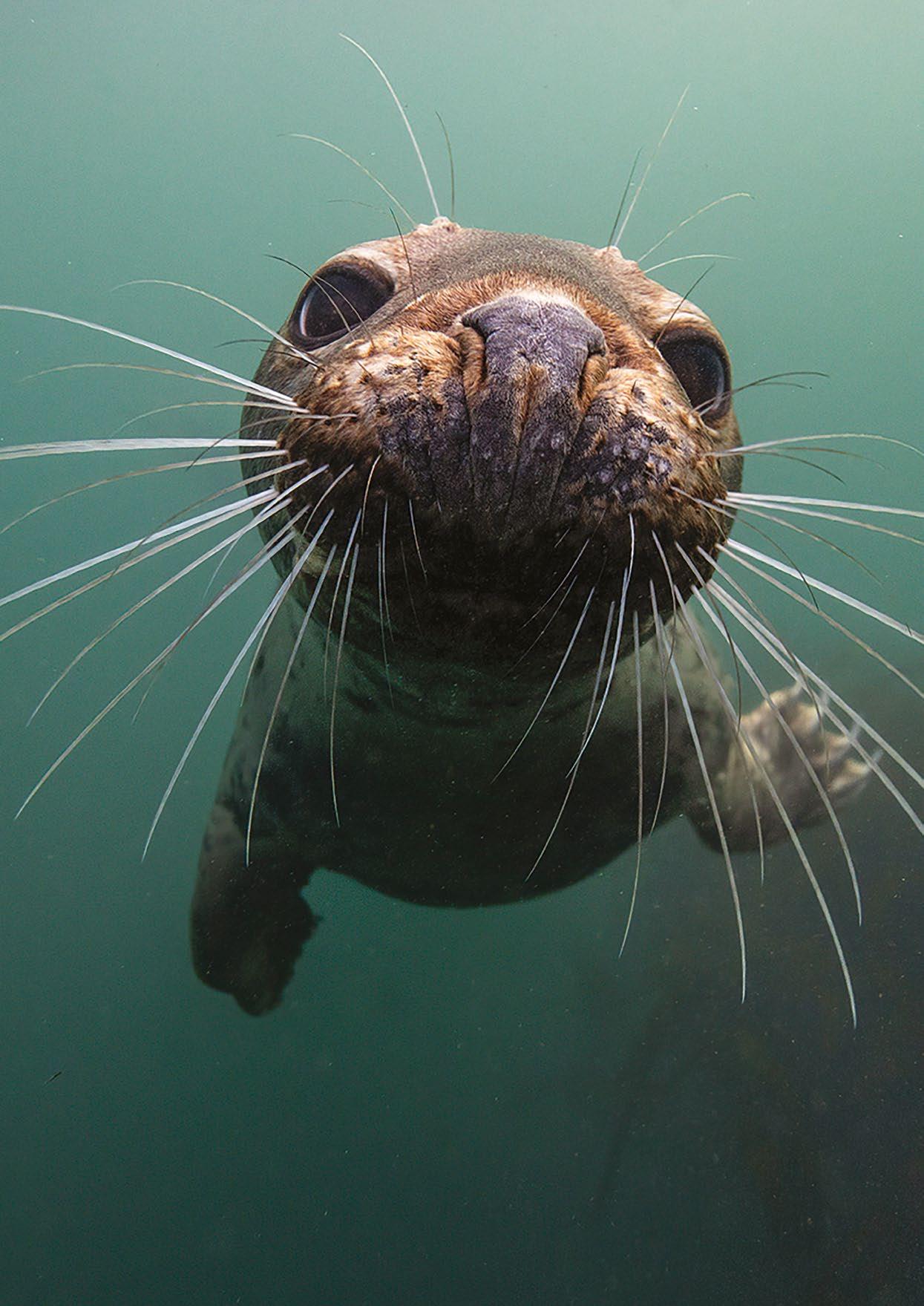

Scottish Seabird Centre
Strategy 2026 - 2031
Stuart Housden, Chair
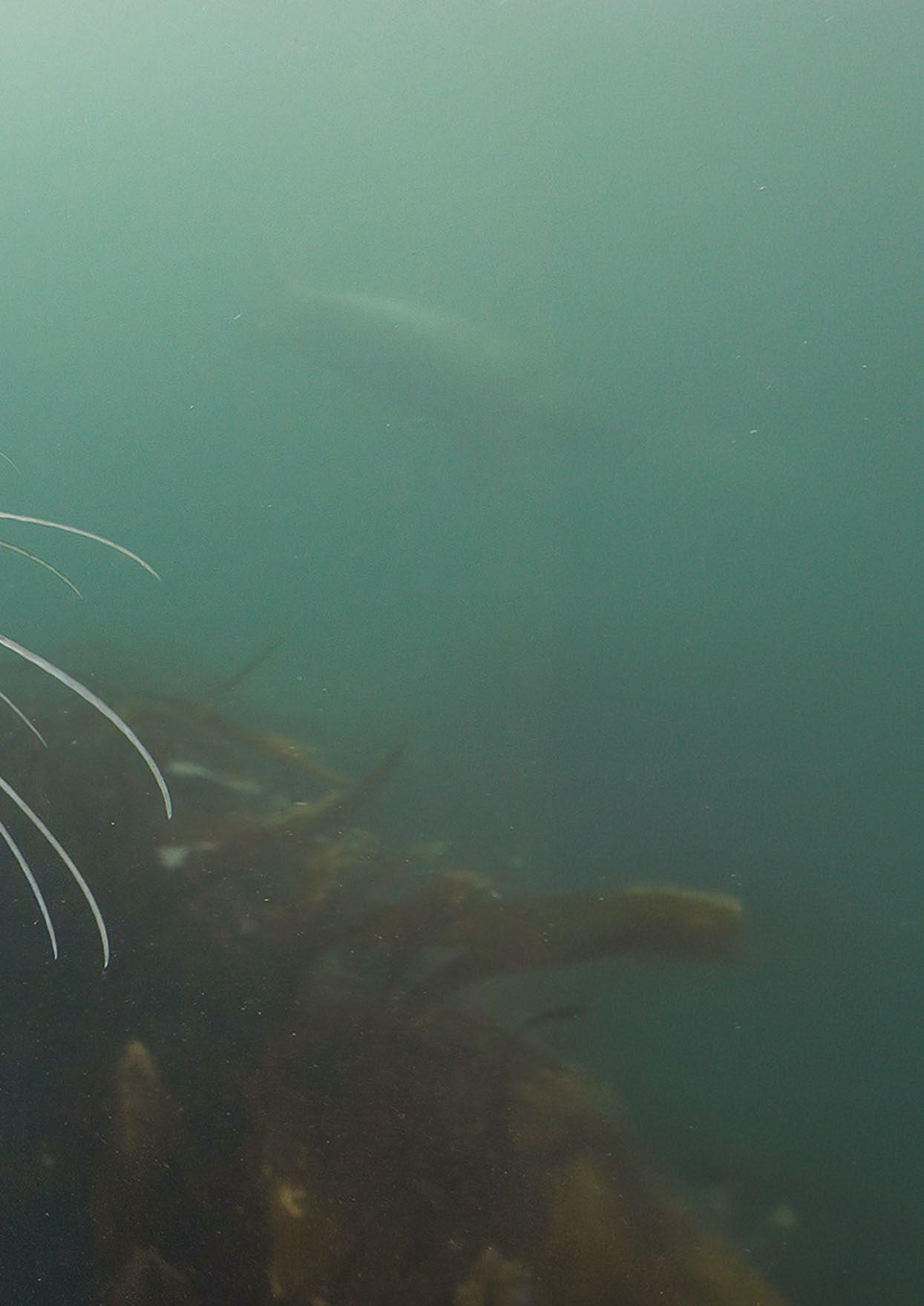
Located in North Berwick and overlooking the Firth of Forth, the Scottish Seabird Centre is a nationally distinctive conservation and education charity. It is a place where world-class wildlife meets large and diverse audiences, and where a much-loved visitor attraction directly powers action for nature. Each year, tens of thousands of people connect with our live island cameras, join us on island boat trips, experience our immersive Discovery Experience, and engage through our education programmes and community work. This rare combination of scientific credibility, hands-on conservation, deep community roots and a high-footfall visitor centre gives us a powerful platform to save seabirds, restore seas and inspire change.
Over the next five years, we will build on this strength to grow our impact. We will engage more people, more deeply — in our centre and far beyond it — inspiring them to care for and act on behalf of the marine environment. We will expand our role as a leader in seabird conservation and marine and coastal restoration, using our voice, partnerships and expertise to influence decisions, mobilise communities and help secure a healthier marine environment for generations to come.
Scotland’s extensive coastline, islands and seas — and the extraordinary wildlife they support — are central to our national identity. Seabirds are a vital part of this story. Many of the species that breed here are of European and global importance, and they are powerful indicators of the health of our seas. When seabirds thrive, marine ecosystems are functioning well. Yet today many seabird populations are in serious decline, with some species facing an uncertain future.
This Strategic Plan sets out how the Scottish Seabird Centre will rise to this challenge and play its part in the collective effort required to halt and reverse nature loss. We are looking forward to working with staff, volunteers, members, funders and partners to turn this ambition into action, and to ensure that the Scottish Seabird Centre continues to be a force for positive change for seabirds, seas and people.
Connecting people with Scotland’s spectacular seabird colonies and diverse marine wildlife and habitats has been at the heart of our charity for over 25 years.
The vision for the Scottish Seabird Centre came from the businessman and community councillor Mr Bill Gardner MBE in the late 1980s. A keen ornithologist, he spotted the opportunity to use technology to bring the wildlife of the Firth of Forth closer to people, whilst minimising disturbance to it. It took a further 10 years of hard work by a dedicated team of volunteers and the support of Sir Hew Dalrymple, the owner of the Bass Rock, to bring the vision to reality. The charity was formally registered on the 12 February 1997, established to conserve the marine natural environment and educate the public. The Scottish Seabird Centre itself was opened by the then Duke of Rothesay, Prince Charles, in May 2000. Funding came from a range of sources, including the local community and the Millenium Commission, which used National Lottery funds to support communities in celebrating the turn of the Millenium.
Our centre has since become one of the premier nature tourism sites in the UK, introducing over 170,000 visitors each year to the natural wonders in the Firth of Forth. At the same time, the charity has developed pioneering conservation and education programmes. Over 60,000 children and young people have benefited from our education programme while our flagship conservation project Puffin SOS, for example, has been supported by over 1,400 volunteers and has successfully quadrupled the breeding puffin population on the island of Craigleith.
“Over 170,000 visitors each year are introduced to the natural wonders of the Firth of Forth.”
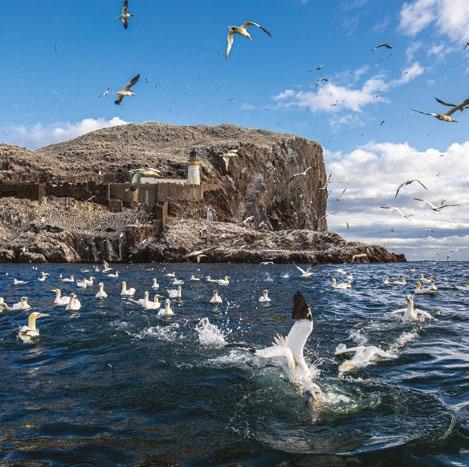
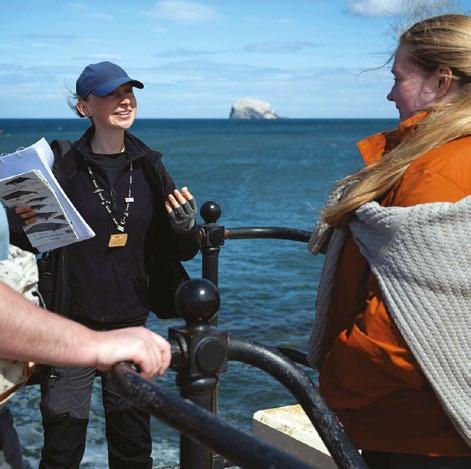
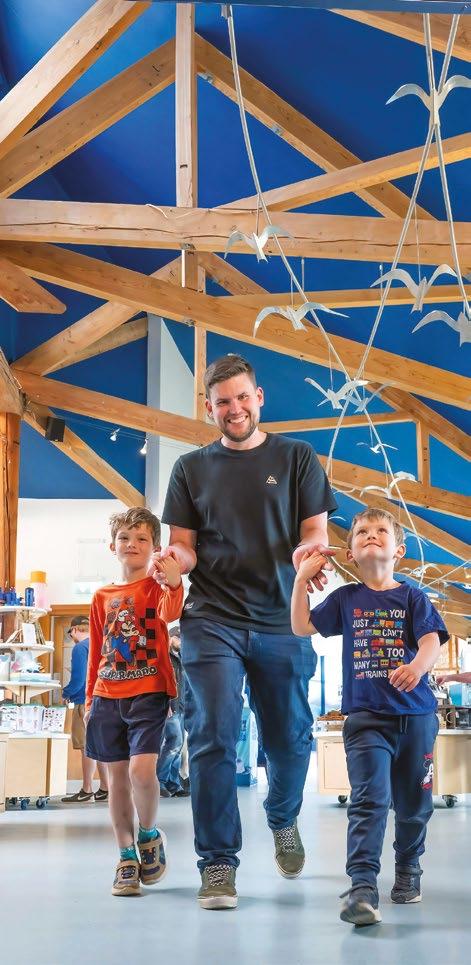
Scotland’s seas and coasts are among the most biologically rich in Europe. With over 900 islands and 18,000km of coastline, we are fortunate to be surrounded by a diversity of marine habitats and more than 6,500 species that call them home.
“Among all of the UK’s natural heritage, our seabird colonies stand out as having international significance.”
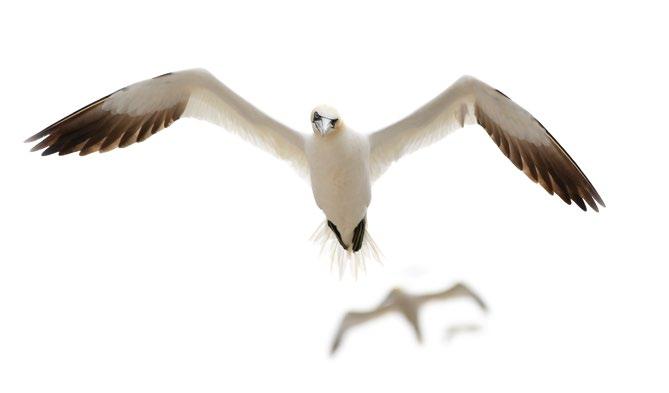
This extensive and diverse coastal and marine environment means that Scotland is critically important at a European and global level for seabird conservation. Scotland has 24 species of breeding seabird, including around 60% of the world’s great skuas and around half of the world’s northern gannets. Among all of the UK’s natural heritage, our seabird colonies stand out as having international significance. They, along with the tens of thousands of shorebirds and sea ducks that winter along our coasts, contribute to making Scotland’s marine environment unique.
With this comes a great responsibility. Yet the picture across the last decade of our seas and seabirds in growing peril has become increasingly stark. Most of Scotland’s iconic seabird species - long regarded as indicators of the health of our marine environment - are now facing sustained and precipitous declines.
These declines are being driven by a broad range of pressures. Puffins and kittiwakes, for example, have experienced marked reductions linked to climate change, unsustainable fishing practices, invasive species, pollution and increasing pressures from human activity like coastal development and marine renewables. This has been compounded in recent years by the devastating outbreak of avian influenza. The situation in the Firth of Forth, where our conservation programme has traditionally focused, reflects this wider national challenge: while colonies like Bass Rock remain globally significant, avian influenza reduced the Northern Gannet population by around a third, and the projected impacts of climate change and indeed offshore wind developments in the Firth of Forth could prevent recovery and lead to further decline.
“Most of Scotland’s iconic seabird species – long regarded as indicators of the health of our marine environment – are now facing sustained and precipitous declines.”
At the same time, Scotland’s marine environment continues to underpin community identity, wellbeing, and the economy. From tourism and the energy sector, to education, recreation and scientific discovery, our seas support communities, create opportunity and shape daily life. Ensuring the long-term health of our marine and coastal environment is therefore both important in its own right, and critical for coastal communities and to our society and economy as a whole.
“With bold action, collaboration and sustained investment, Scotland’s seas can recover—and remain alive with wildlife for generations to come.”
In spite of the declines, there is cause for optimism. The Scottish Government’s Biodiversity Strategy to 2045 and Seabird Conservation Action Plan, launched at the Scottish Seabird Centre in 2025, signal strong political intent. Meanwhile public interest in ocean health is rising. This can be seen in the growing momentum and enthusiasm behind marine restoration and rewilding projects across the country, as well as support for campaigns against inappropriate developments, plastic pollution and other pressures on the marine environment. The next strategic period offers an opportunity to build on this momentum: to champion effective, well-managed protected areas; to scale community-led restoration; to deepen people’s connection with wildlife; and to position the Scottish Seabird Centre as a leader in marine conservation, engagement and innovation. With bold action, collaboration and sustained investment, Scotland’s seas can recover - and remain alive with wildlife for generations to come.
UK CONSERVATION STATUS: RED
Atlantic Puffin
Great Skua
Arctic Skua
Common Gull
Leach’s Storm Petrel
Great Black-Backed Gull
Razorbill
Arctic Tern
Herring Gull
Black-Legged Kittiwake
Note: these trends pre-date the impact of HPAI, which was devastating for many seabird species around Scotland, including Great Skua and Northern Gannet.
UK CONSERVATION STATUS: AMBER
Northern Fulmar
European Storm Petrel
Northern Gannet
Common Guillemot
European Shag
Common Tern
Manx Shearwater
Lesser Black-Backed Gull
Little Tern
Black-Headed Gull
Sandwich Tern
UK CONSERVATION STATUS: GREEN
Black Guillemot
Great Cormorant
Little Gull
100% of Britain’s Arctic Skuas
100% of Britain’s Great Skuas
100% of Britain’s Leach’s Storm Petrels
98% of Britain’s Fulmars
97% of Britain’s Common Gulls
89% of Britain’s European Storm Petrels
84% of Britain’s Northern Gannets
84% of Britain’s Shags
78% of Britain’s Puffins
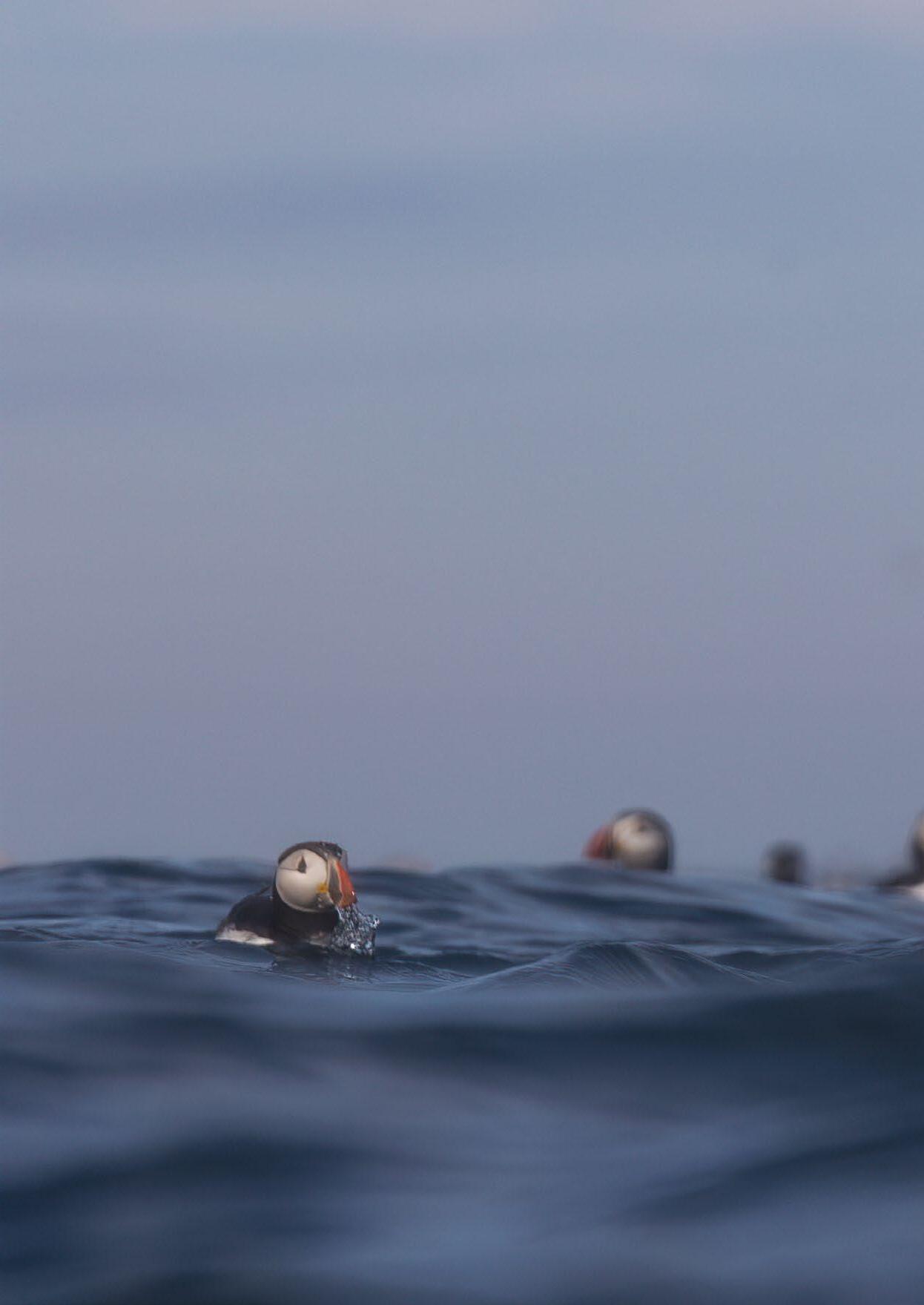
Scotland’s seas and coasts are alive with wildlife, celebrated and protected by all.
We act to save seabirds and restore Scotland’s seas through conservation, learning, and unforgettable wildlife experiences.
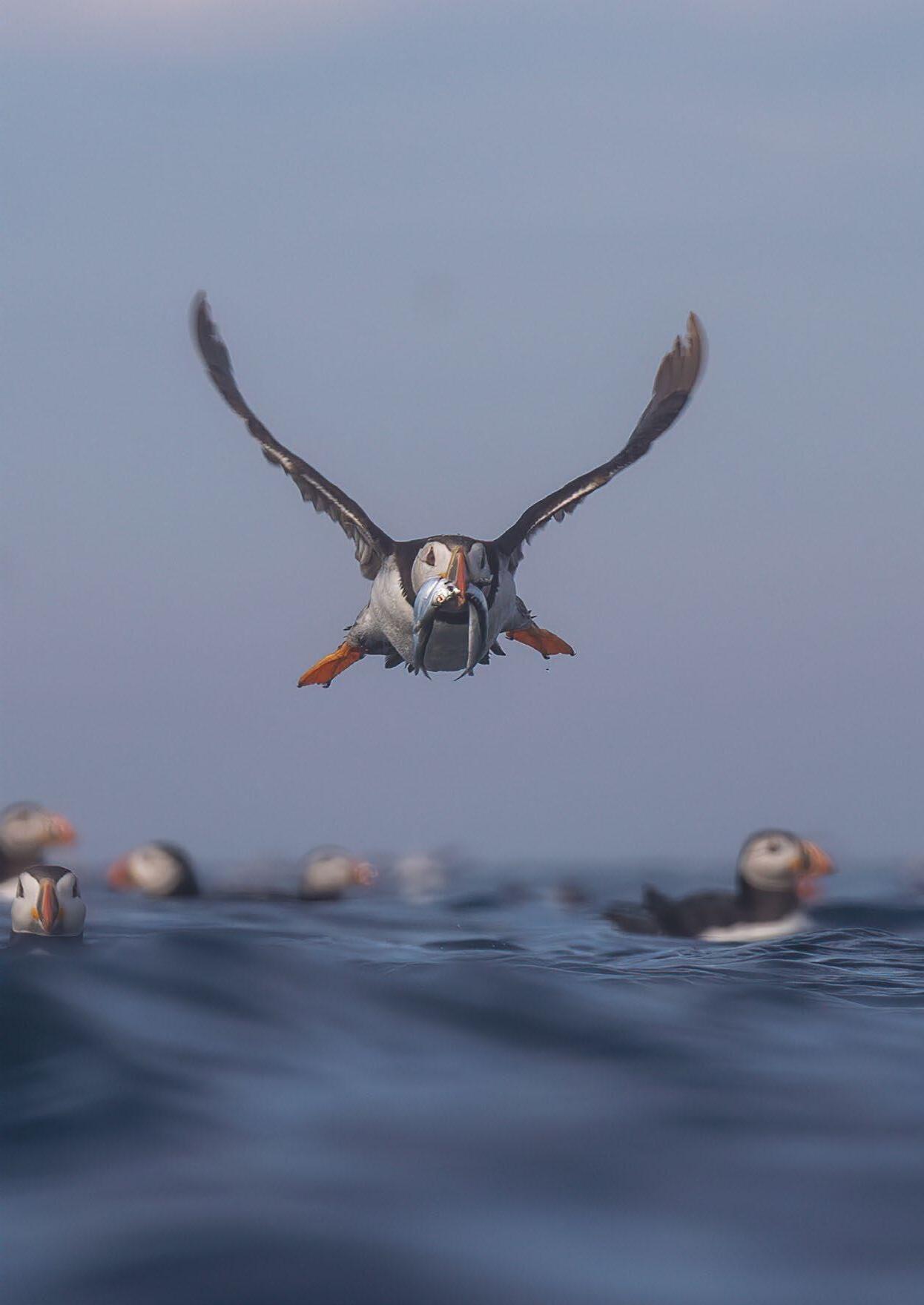
Scotland’s natural environment is one of the most degraded in the world, and, although we are home to globally important seabird populations, many seabird species are in steep decline. Unsustainable fishing practices, invasive species, pollution, climate change and other pressures are driving these declines, and poorly planned developments, including marine renewables, threatens to accelerate them further.
Urgent action is needed to save seabirds. But it’s not enough to merely protect what’s left, we must restore our marine habitats and give nature space to thrive. To do this we need to build public support for nature. That’s why the Scottish Seabird Centre is committed to working with communities locally and across Scotland to restore and protect our natural environment.
We have a track record of delivering successful, community-centred conservation in the Firth of Forth, including our SOS Puffin project, which quadrupled the number of breeding puffins on the island of Craigleith. We have also inspired many people - young and old - to take action for the marine environment. The urgency and scale of the nature and climate crises mean we need to do more, and we need to do it quickly. To achieve this, over the next five years we aim to grow our conservation delivery capacity.
Work collaboratively to reverse the decline of seabirds, build resilient and thriving colonies, and restore and protect our seas and coastal habitats.
N Manage local islands for wildlife and ensure that pressures on seabird colonies in the Firth of Forth are identified, understood and addressed.
N Lead and support impactful marine and coastal restoration and conservation projects, working with partners to deliver local and national action.
N Embed community action and stewardship throughout our conservation programme.
The Scottish Seabird Centre is a national charity that is rooted in our local community in North Berwick and East Lothian. We have a strong track record in delivering community-led conservation and learning programmes, and believe that empowering and working with communities is critical to tackling the climate and nature crises. That’s why engaging with the communities we are part of, responding to their needs, and working with them to build a better future for people and nature is a key priority and is embedded across all three pillars of our work.
Establish the Scottish Seabird Centre as a hub for seabird research and conservation in the Firth of Forth and beyond.
N Lead and support research and monitoring projects that grow our understanding of seabirds and the wider marine environment.
N Bring together scientists and stakeholders to strengthen collective conservation action and knowledge exchange.
N Empower communities with skills and experience to understand and contribute environmental data, strengthening national datasets and bolstering marine engagement.
Be an influential voice for seabirds and our seas, mobilising people to act for nature and delivering policy change.
N Marine renewables are developed in harmony with nature, minimising impacts on seabirds and contributing positively to seabird conservation.
N Marine Protected Areas in Scottish waters are improved, and key foraging and breeding sites for seabirds are properly protected.
N Through supporting national partnerships and campaigns, deliver progress on key national and global pressures including tackling the climate crisis and supporting sustainable fishery management.

Environmental education is central to our mission. By connecting people directly with Scotland’s seabirds, coasts and seas, we spark curiosity, build understanding, and inspire action.
In a time of ecological crisis, education is not just about knowledge—it is about fostering deep emotional connections to nature and equipping people with the skills, confidence and motivation to protect it. From early years to adulthood, our programmes combine hands-on, outdoor and digital learning to make the marine environment accessible to all. By blending science with experience, and local stories with global challenges, we empower people of every age to see themselves as part of nature and to take action for its recovery.
We are proud that over 60,000 children and young people have benefited from our education programmes since 2000. We will build on this success over the next five years, scaling up our learning offering, working in communities across Scotland, and developing innovative partnerships to give more people the opportunity to engage with, learn about, and be inspired by Scotland’s seas.
Provide children and young people across Scotland with opportunities to learn about seabirds and our seas, and empower them to take action for nature.
N Grow the number of children and young people that benefit from our learning programme year on year.
N Evolve and enhance our established education and learning programmes to support the delivery of the Curriculum for Excellence and Learning for Sustainability.
N Deliver informal learning through initiatives like our Wildlife club and Junior Marine Scientist club to enrich connections with the natural world through engaging, hands-on outdoor experiences.
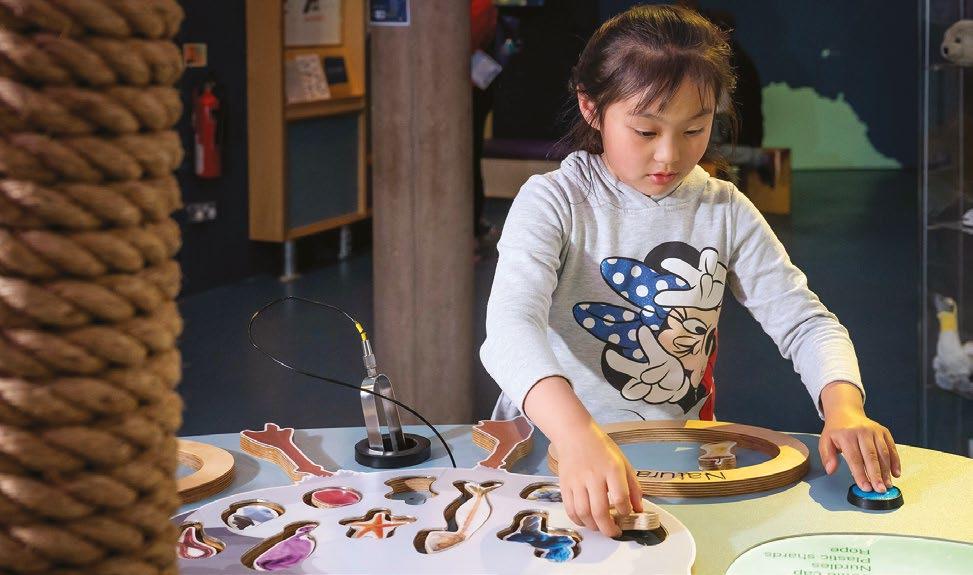
Engage diverse audiences and empower all to connect with nature and our marine environment.
N Remove barriers to participation by working with partners and funders to enable access for all.
N Provide the skills, resources and confidence for people of all ages and social groups to be able to take action for nature.
N Build and grow partnerships to reach diverse audiences in the local community and beyond.
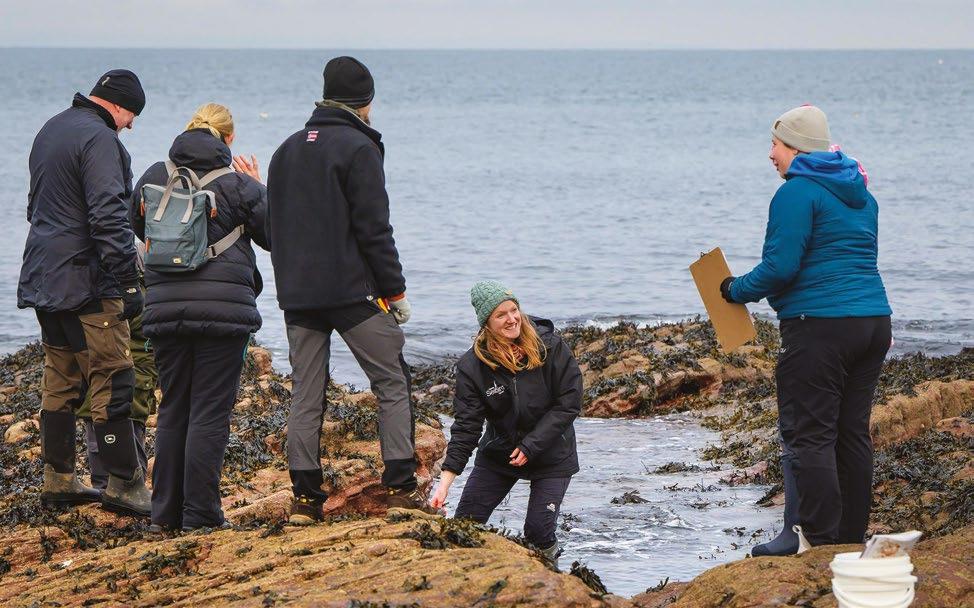
Be a centre for excellence and advocate for environmental education and outdoor learning.
N Provide outdoor learning experiences at our hub in North Berwick and at other coastal locations across the Lothians.
N Advocate for environmental and outdoor learning in formal education.
.
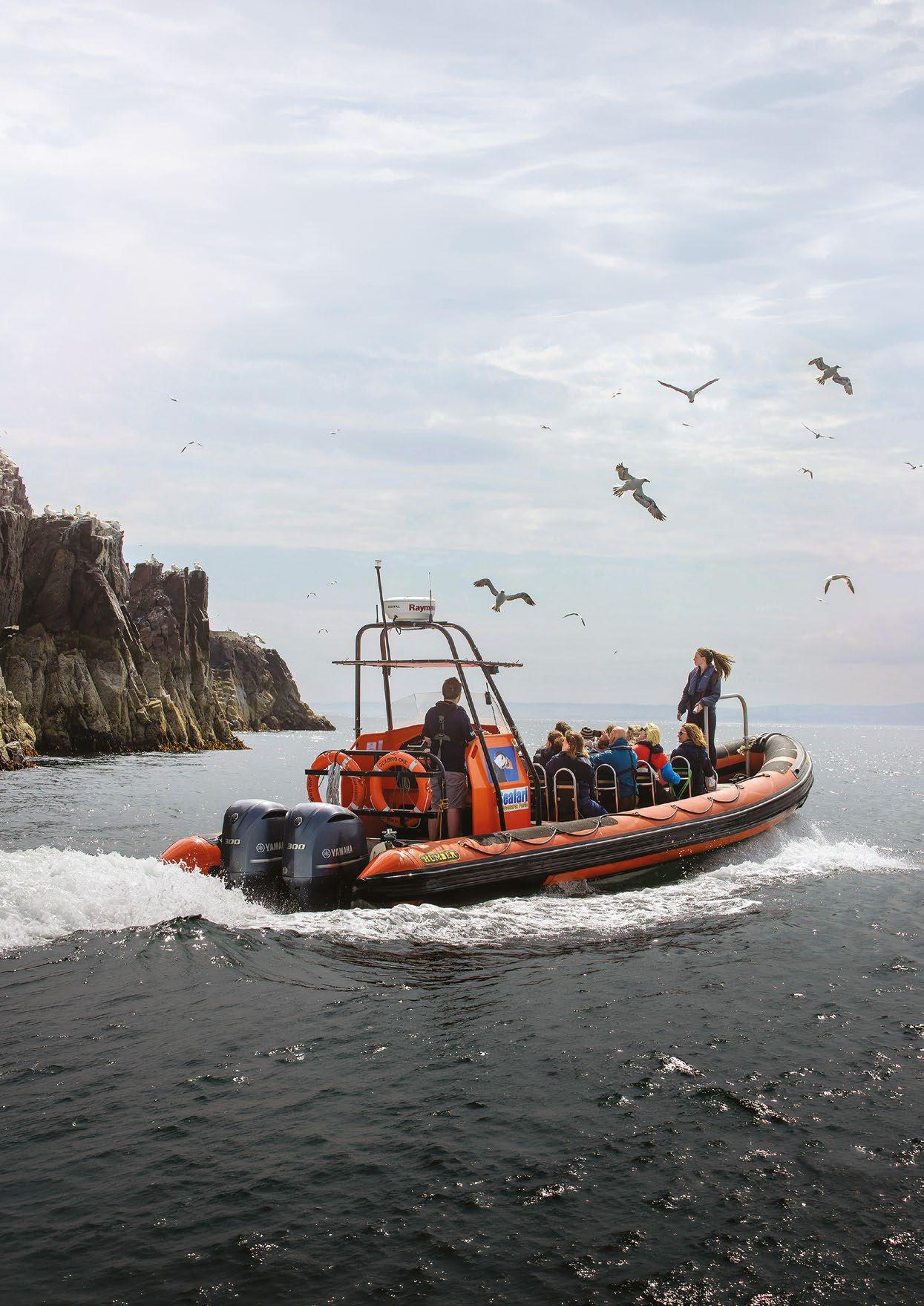
We provide a gold standard visitor experience at our Visitor Centre and Discovery Experience in East Lothian, acting as a gateway to the marine environment and inspiring over 170,000 people every year.
As the operators of one of the largest marine wildlife tourism projects in the country we are leaders in connecting people to nature at scale. We aim to build on this, growing the overall number of visitors who benefit from the experiences we provide and taking an “engage->inspire->act” approach.
Provide inspiring experiences to more people in our Visitor Centre.
N Annual visitors to our Visitor Centre increase by 20% by 2030.
N Over 90% of visitors to the Discovery Experience and boat passengers report that they are inspired to take action for the marine environment.
Give the public opportunities to connect with nature across Scotland.
N Our digital and online resources engage audiences across Scotland, inspiring more people to take action for nature.
N Mobile exhibits and outreach programmes expand our geographical reach to other parts of Scotland.
At the Scottish Seabird Centre in North Berwick we aim to provide experiences that are designed to do more than entertain — they create a journey. First, we engage people with the wonder of Scotland’s seas and seabirds, using cutting-edge technology, immersive storytelling, and hands-on encounters that spark curiosity. From there, we inspire by revealing the beauty, fragility, and importance of Scotland’s seas, helping people to feel a powerful emotional connection to nature. Finally, we empower people to act — giving them the tools, knowledge, and opportunities to make a difference, whether that’s small changes in daily life, volunteering, or supporting wider campaigns for ocean recovery. This simple but powerful approach ensures that every engagement with us can become the start of a lasting commitment to protect and restore Scotland’s seas.
Society needs to change rapidly and urgently if we want to effectively tackle the climate and nature crises.
As a charity and the operator of a major nature tourism operation, we have both a responsibility to reduce our own impact and the opportunity to inspire others to follow suit and demonstrate innovation and best practice.
We are proud of our track record in this field to date. We pioneered renewable energy at our visitor centre and off-grid systems on the islands, and have developed many longterm relationships with local suppliers. But we know we need to do more. In addition to continuing to roll out energy efficiency and other improvements, over the next five years we will develop a route-map to fully decarbonise our buildings and boat operations, and embed the nature positive principle across our business. This, and our progress towards delivering our sustainability strategic goals, will be reported on annually as part of our regular impact reporting.
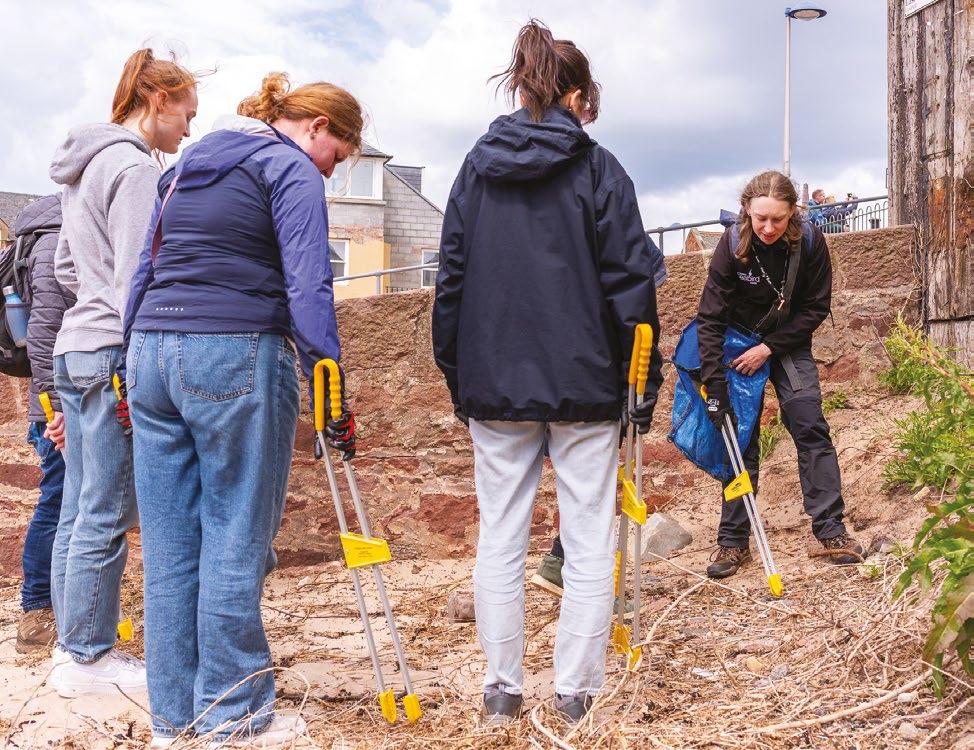
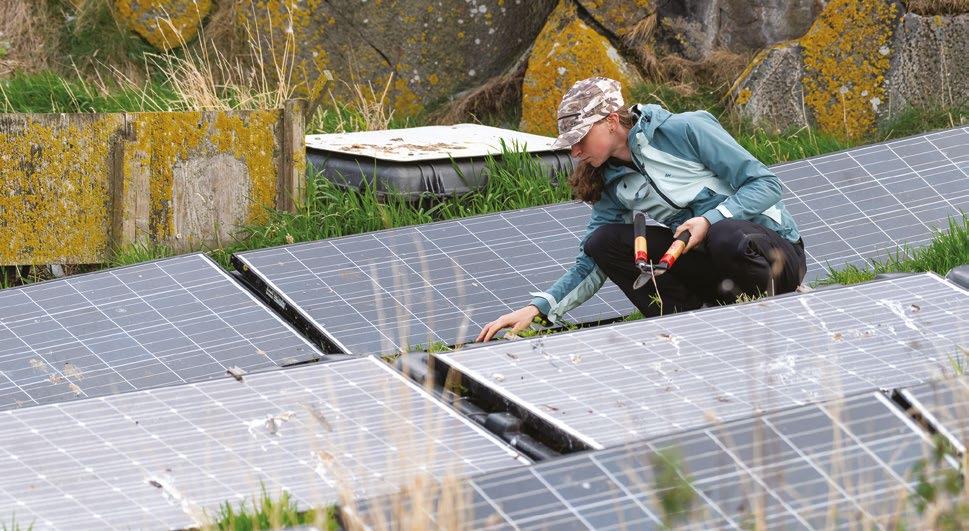
A nature positive approach is about ensuring that the actions we take - from product sourcing to site management - actively enhance biodiversity and ecosystem health. It’s based on an understanding that it’s no longer enough to simply “do no harm”; we need to deliver measurable benefits for wildlife and habitats too. Beyond being the right thing to do, embracing a nature positive ethos makes strong business sense. It fosters resilient, long-term partnerships with suppliers and offers our visitors unique, empowering experiences and products that connect them with nature in meaningful ways.
Successfully delivering sustainability leadership requires all parts of our charity and trading operation - and all staff - to continuously appraise and improve what we buy and do. The following strategic goals and objectives are cross-cutting, underpinning all three pillars of our work.
Reduce direct and indirect greenhouse gas emissions across our business in line with a target of net-zero by 2040.
Follow a nature positive and ethical approach to product sourcing and management of our sites.
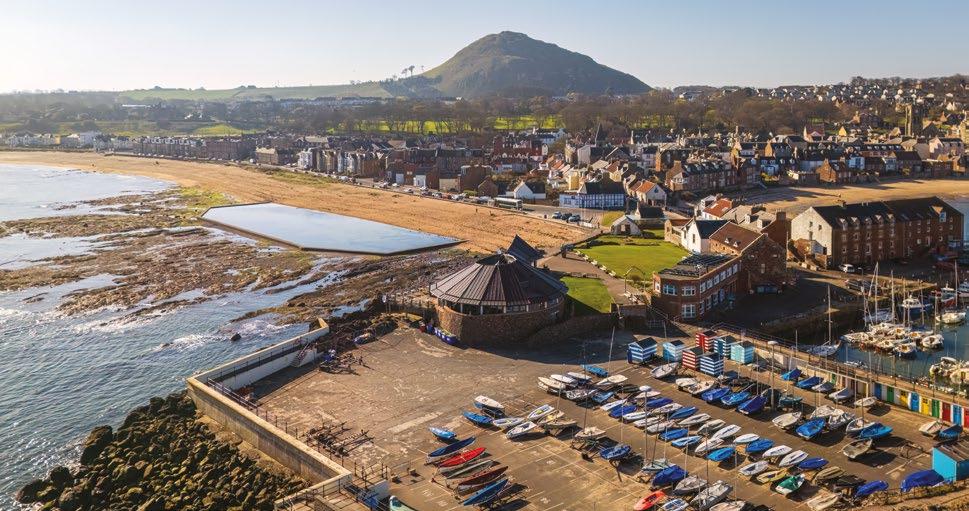
The Scottish Seabird Centre benefits from a strong network of supporters in our local community and across Scotland.
We are grateful to everyone who invests their time and resources into our charity, and are committed to continuing to work in partnership with all as we seek to grow our impact on seabirds and our seas. Our achievements are the achievements of everyone in the Scottish Seabird Centre team; our staff team, trustees, volunteers, members and partners make what we do possible.
“Our achievements are the achievements of everyone in the Scottish Seabird Centre team.”
The Scottish Seabird Centre benefits from a skilled, passionate and expert staff team who have been fundamental to our success to date. We want every member of staff to be empowered and supported to thrive in their role, and to feel like a valued member of the team - whoever they are and whatever their role. We are committed to investing in our staff, providing the training and development opportunities they will need to deliver this strategy, and creating a workplace that prioritises involvement and wellbeing.
We want to make the Scottish Seabird Centre a welcoming place for all. In 2025 we adopted a new equity, diversity and inclusion plan to cultivate a culture where everyone can reach their potential; this has been supported by investing in training and in facilities to open up our Visitor Centre to all. We also recognise that the environment sector in particular is one of the least ethnically diverse in the country, and are committed to working with others in the sector to promote diversity and create a more inclusive culture.
“We want every member of staff to feel empowered, supported, and valued, whoever they are and whatever their role.”
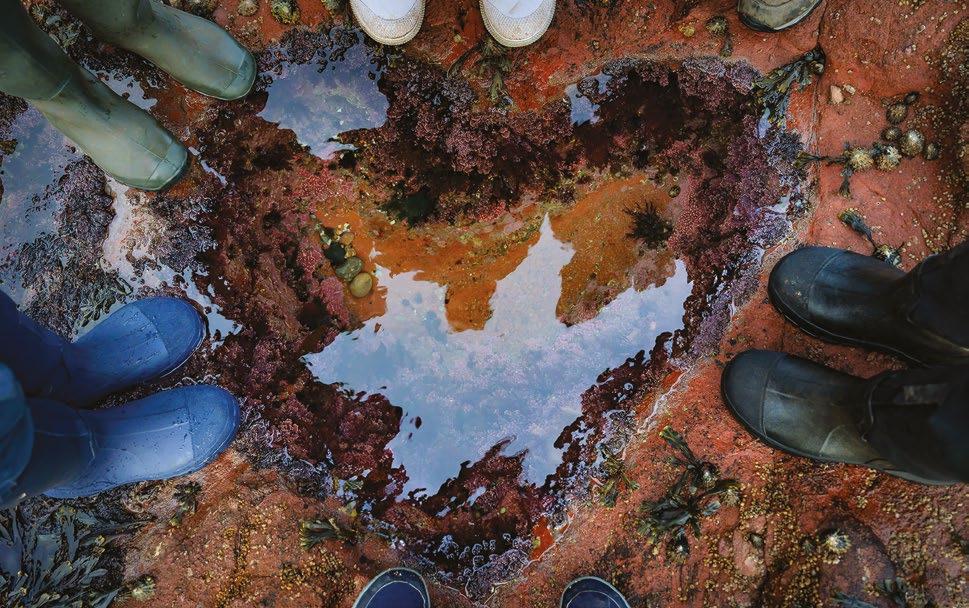
Scottish Seabird Centre members make an essential contribution to our success. They strengthen our voice and influence with decision-makers, are ambassadors for our charity and the work we do, and, through donations, provide a vital source of regular, dependable income. To step up and grow our impact over this strategy period we aim to double our membership.
“Our volunteers are at the heart of our charity.”
Our volunteers are at the heart of our charity. The Scottish Seabird Centre was founded on the passion and energy of our volunteers and, since then, they have been involved in everything we do in the centre, in the community, and on the islands and our coasts. As we grow our conservation and learning programmes we will seek to build on this success, creating new opportunities for volunteering and investing in training.
Over the 2020-25 strategy period we built a range of innovative partnerships that have allowed us to increase our impact. Our partners have enabled us to reach audiences who would otherwise have limited opportunities to visit us and learn about our marine environment, and who often stand to benefit from the experience the most. This has included refugees, those struggling with mental health conditions and carers. We value our partners who have helped make this happen and are committed to continuing to deepen these relationships and forge new partnerships to grow our impact on people and nature.
“Our aim is to build deep, long-term relationships that grow our impact on people and nature.”
We are deeply grateful to the many individuals, trusts and corporate organisations who have funded the Scottish Seabird Centre and our work over the last twenty-five years. Without them we would have struggled to survive the challenges posed by the Covid pandemic. As a small charity that has a big impact, we are proud of the close and effective relationships we are able to have with our funders, and of the impressive programme this funding supports for the marine environment and those who participate in our learning programmes. Our aim is to continue to build deep, longterm relationships with funders and to grow unrestricted core income for the charity where possible.
“As a small charity with a big impact, we are proud of the close and effective relationships we have with our funders.”
Over this strategic period we want to grow our impact and invest in our staff and assets. In addition to broadening and deepening our relationships with funders and growing our membership, we know that to achieve this we need to generate more income from our own trading operations. Our trading arm contributes directly to our charitable objectives both by engaging
“Our partners help us reach people who would otherwise have limited opportunities to connect with our marine environment.”
visitors and customers with the marine environment and supporting nature-positive businesses, and by generating unrestricted income for our learning and conservation activities. We aim to grow this contribution over the next five years by investing in our visitor centre and working with partners to deliver an increase in footfall. We will publish a business plan in 2026 that sets out how we will achieve these goals.
The Scottish Seabird Centre is supported by a board of up to 15 trustees, who bring a wealth of experience from the private, public and charity sector. Trustees provide strategic oversight and ensure the necessary policies and procedures are in place, including ensuring compliance with the relevant legislation and best practice guidance issued by the Office of the Scottish Charity Regulator. A Finance and Audit Committee of trustees also provide financial oversight and management, and our trading operations are overseen by a Trading Board of directors.
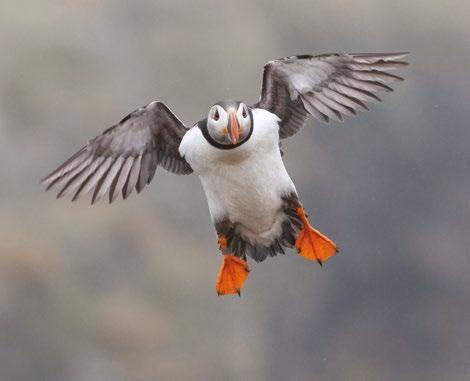
Our mission is urgent and important, so we aim high and always seek to grow our impact.
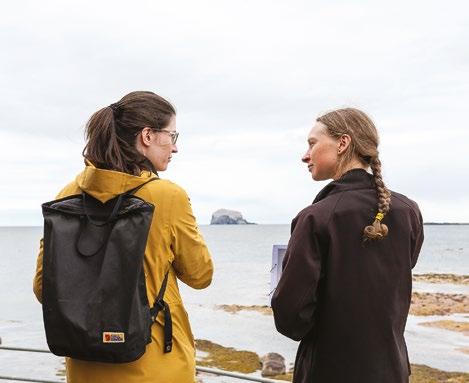
We are a trusted, evidence-led voice for Scotland’s seabirds, ensuring our work is grounded in science.
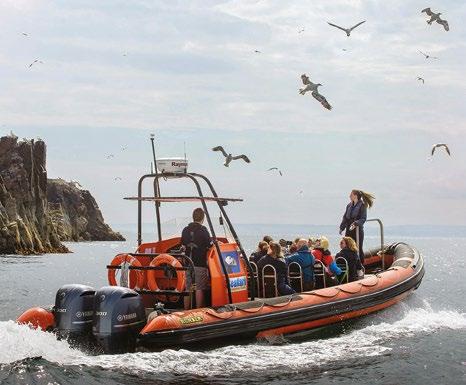
We spark wonder, motivating and empowering people to care and act for our seas.
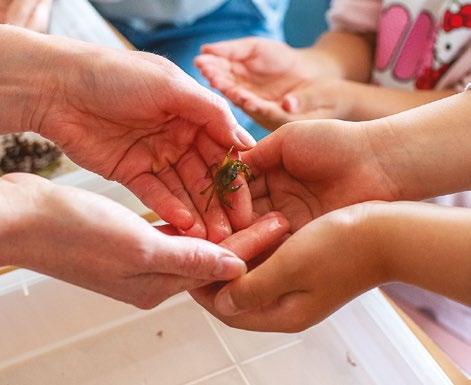
We work with communities and partners across Scotland and beyond to achieve more.
Image Credits
Cover: Brian Matthews
Pages 2-3: Brian Matthews
Page 5: Clockwise from top - James Glossop, Helen Pugh, Helen Pugh
Pages 6-7: Clockwise from top - James Glossop, Kellie Churchman
Pages 10-11: Brian Matthews
Page 13: Jamie McDermaid
Page 14: Thomas Vimare
Page 15: Helen Pugh, Helen Pugh
Page 17: Helen Pugh
Page 18: Jamie McDermaid
Page 19: Jamie McDermaid, Andy Smith
Page 21: Helen Pugh
Page 23: Clockwise from top - Jamie McDermaid, Helen Pugh, Jamie McDermaid, Jamie McDermaid
www.seabird.org
Registered Charity No. SC025837