
ZOONOOZ
SAN DIEGO ZOO GLOBAL
ALBERT’S RESTAURANT AT THE ZOO
Opens at 10 a.m.
Treat Dad to a fantastic meal from Albert’s Restaurant’s menu, or enjoy “Happy Happens” from 3 to 5 p.m. June 18 through September 4, offering specialty cocktails, select wines or beers, and appetizers from our $6 and $7 menu. Reservations are not required, but are recommended during the busy summer hours.
To reserve your table, call 619-685-3200 or book online at zoo.sandiegozoo.org/alberts.
SAFARI PARK HUNTE NAIROBI PAVILION 11:30 a.m.

Celebrate Father’s Day at Safari Park with a bountiful barbecue buffet, while enjoying live music. Guests will be seated at their own reserved table, set according to their guest count.
Cost is $46.95 for adults and $18.95 for children, plus tax and parking. Nonmembers add Safari Park admission.
For reservations, call 619-718-3000, or book online.
The Stars of Africa Rocks
Here’s the “who’s who” of Conrad Prebys Africa Rocks—and where you can find them. Each habitat is home to amazing animals you won’t want to miss!
BY WENDY PERKINS
10
From Savanna to Sea
A wealth of biodiversity can be found in the African region, and some extraordinary species await in the Zoo’s largest building project to date: Conrad Prebys Africa Rocks. BY
KAREN E. WORLEY
12, 16, 18, 20, 22, 24
The Habitats of Africa Rocks
Browse through each of the six habitats that make up Africa Rocks. Discover the features and highlights of each area, and get to know the unique species.
More
2 Nooz Notes 26 Support 28 In the Field 29 Member Specials
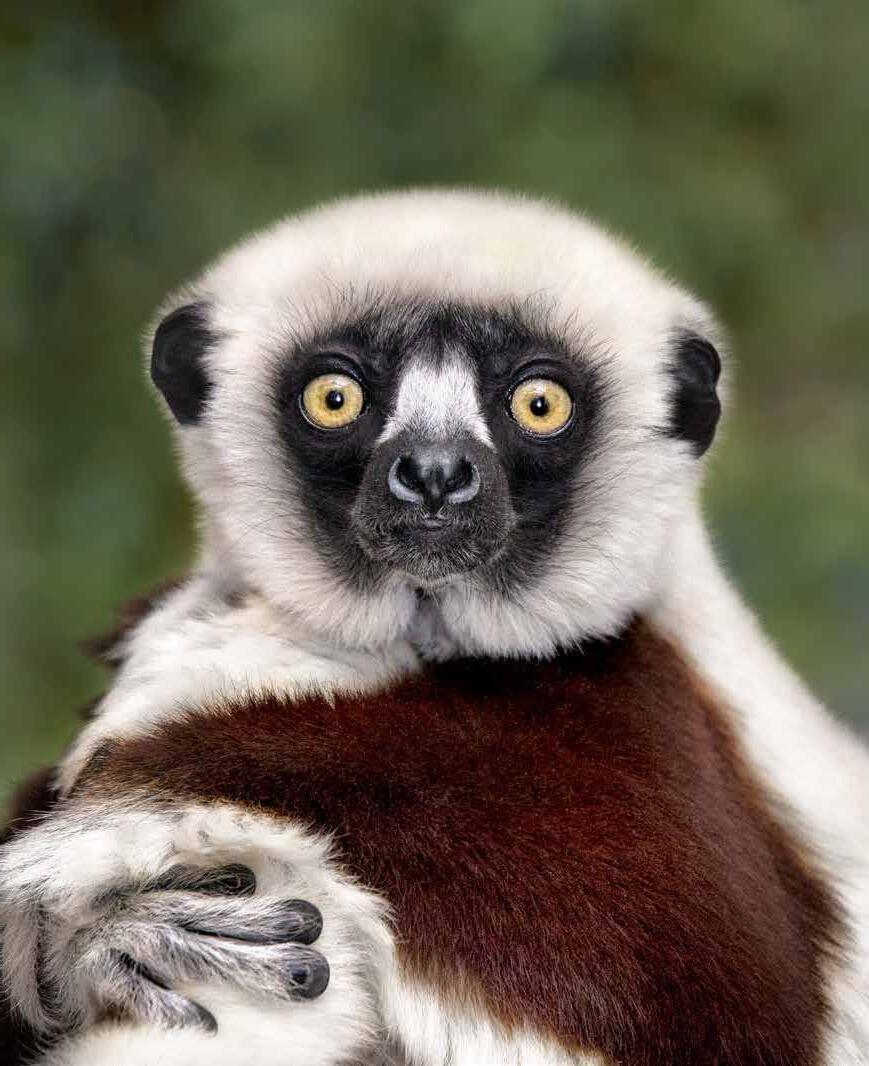
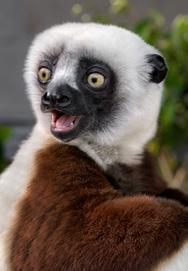
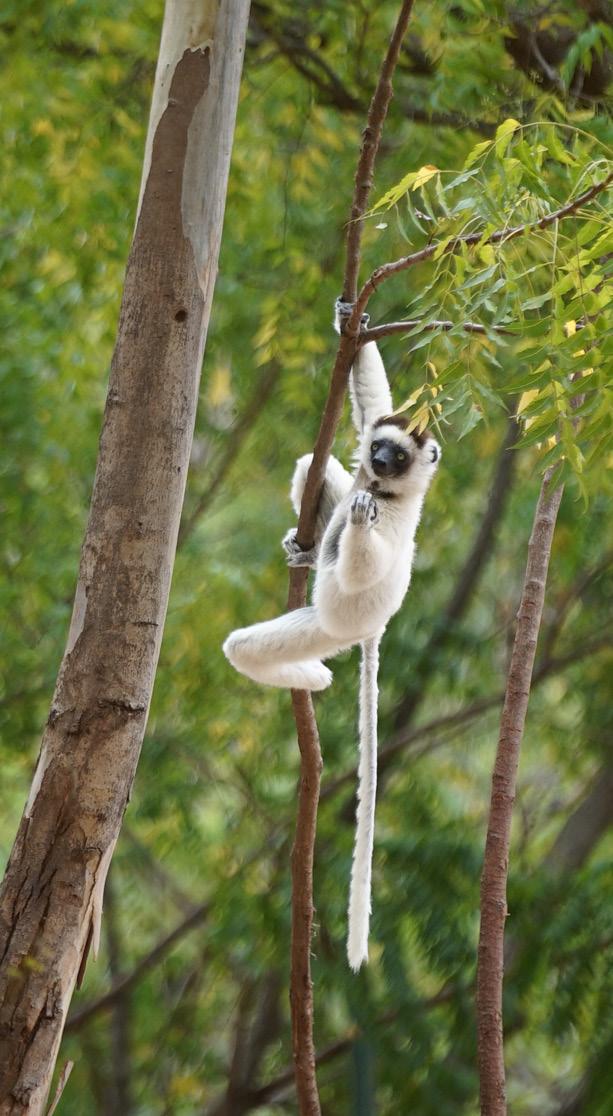
ON THE COVER: Coquerel’s sifaka Propithecus coquereli
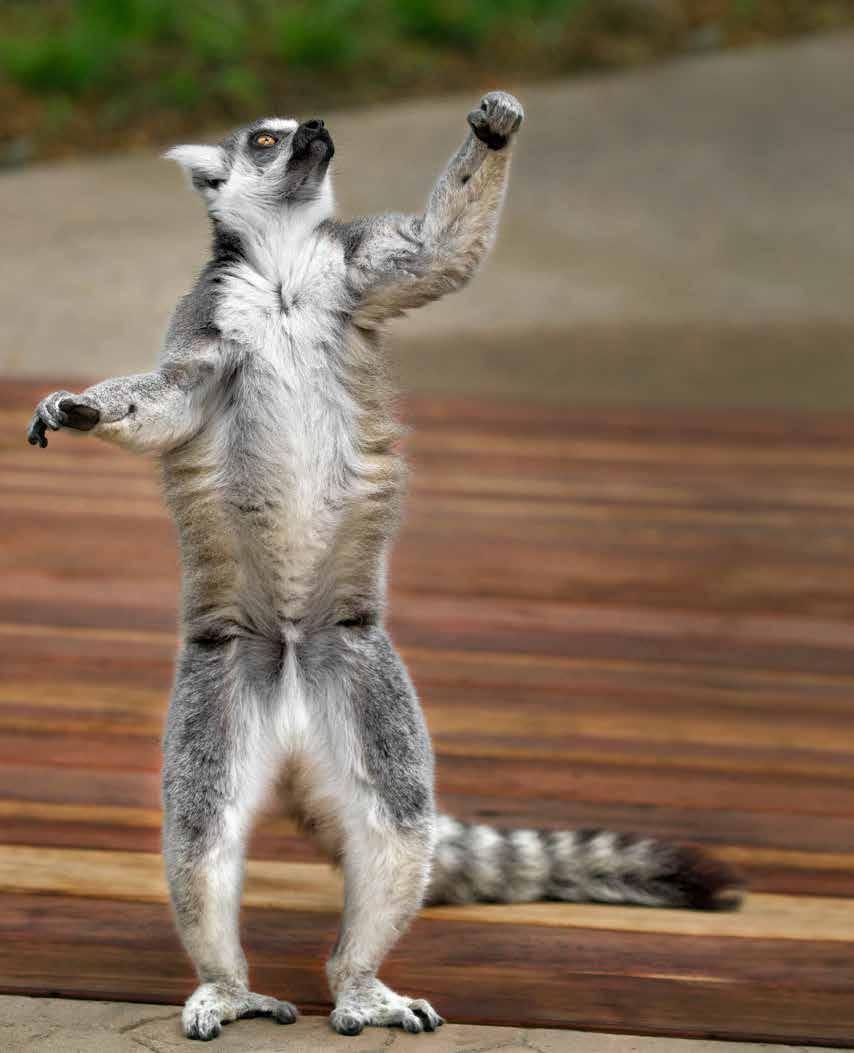
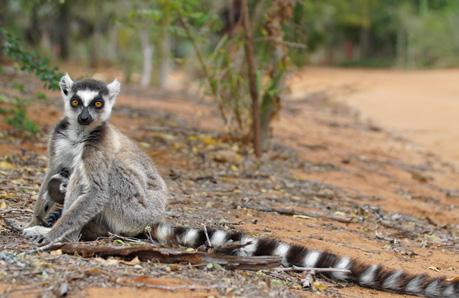
THIS PAGE: Ring-tailed lemur Lemur catta
PHOTOS BY: Ken Bohn, SDZG Photographer
Welcome to Conrad Prebys Africa Rocks!
JCHAIRMAN’S NOTE
ROBERT B. HORSMAN
une is a big month at the Zoo, as we celebrate the grand opening of Conrad Prebys Africa Rocks. Several years in the making, Africa Rocks includes six unique habitats that represent the animals, plants, and biodiversity found in the African region. This is the largest exhibit project in the Zoo’s history, and it completely replaces the old 1930s-era exhibits of Cat Canyon. It’s a remarkable transformation, one that wouldn’t have been possible without the generous support of many donors and contributors.
First and foremost, we are grateful to the exhibit’s naming donor, Conrad Prebys, who provided major funding to make Africa Rocks a reality. Conrad was such a dedicated and enthusiastic friend to San Diego Zoo Global, and his legacy lives on in the many ways he helped to build today’s San Diego Zoo. Our sincere thanks also to Ernest Rady, challenge gift donor for Africa Rocks, who additionally provided the naming gift for Rady Falls in the West African Forest habitat and funding for the Madagascar Forest habitat. A big thank you goes to the McKinney Family, as well, for their support in funding Penguin Beach in the Cape Fynbos habitat of Africa Rocks. Of course, the creation of an exhibit like Africa Rocks is always a collaborative community effort, requiring thousands of gifts, of all sizes, to make it come to life. My thanks and the thanks of our organization go out to the 4,787 individual donors—128 of whom were estate donors—who have helped to create this amazing new experience for the San Diego Zoo. It’s friends like you who make a difference as we continue to roar forward and lead the fight to end extinction. We are pleased and proud to open Conrad Prebys Africa Rocks on June 9, 2017, and we look forward to sharing it with all of you.


WHAT’S IN STORE?
Get Ready to Rock!
Meet the stars of six new habitats at Conrad Prebys Africa Rocks. Whether you’re shopping at the Zoo and Safari Park gift shops or online at shopzoo.com, you’ll find amazing ideas and unique gifts that are sure to please the wildlife lovers in your life—including our exclusive Africa Rocks items!
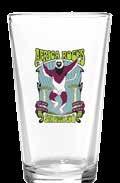
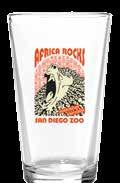

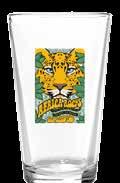
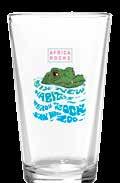
African penguin sweatshirt, $49.95 each; adult sizes XS–3XL.
African penguin T-shirt, $24.95 each; adult sizes XS–3XL.
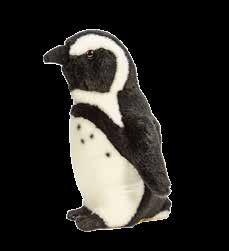
African penguin 8-inch plush, $12.99.
Africa Rocks pint glasses, $9.95 each.
SAN DIEGO ZOO ANIMAL AMBASSADOR DINNER
Saturday, June 3, 2017
6 p.m. Reception with animal ambassadors in the Treetops Banquet Room
6:30 p.m. Dinner to follow in Albert’s Restaurant
Join us at the Zoo for an evening of fascinating animals and fantastic food! Visit up close with some of our famous animal ambassadors while you enjoy appetizers from 6 to 6:30 p.m. Then, relax over a three-course meal prepared by our top chefs, as the animal encounters continue throughout the evening. $82 per person, plus tax and gratuity.
Event ticket must be presented to gain access into the San Diego Zoo. Guests will be seated at tables of eight. Must be 21 years old to attend. Choice of Wild or Tame Jungle Juice will be available at reception, and a no-host bar is available during dinner. Menu substitutions are not available for this event.
To make reservations for the Animal Ambassador Dinner at the Zoo or the Brewmaster Dinner at the Safari Park, please call 619-718-3000 or book online.
SAFARI PARK BREWMASTER DINNER FEATURING PORT BREWING CO.
Saturday June 24, 2017
5:30 p.m. Mombasa Pavilion
Enjoy a fun visit with our animal ambassadors, then join us for a delicious, four-course gourmet meal, specially prepared by Chef Joshua Mireles to accompany beers from Port Brewing Co.
A representative from Port Brewing Co. will be on hand to present the selected beers with each course. $92 per person, plus tax and parking.
Must be 21 years of age or older to attend.
Save the Date
What’s happening at the Zoo and Park this month and next (Z) Zoo events (P) Park events
MAY 6 AND 7
Epiphyllum
Show and Sale
Prepare to be impressed as this tropical “orchid cactus” bursts into glorious bloom. (P)
MAY 12, 13, 20, 27; JUNE 3, 10, 16, 17, 24
All Ages Roar & Snore Safari
Spend the night at the Safari Park with the whole family! Select a camping sleepover that has something for everyone. Call 619-718-3000. (P)
MAY 6, 7, 27; JUNE 3, 4, 24
Sunrise Surprise Strolls Stroll the grounds with experienced Zoo educators, learn the “inside secrets,” and hear stories about special animals. Call 619-718-3000 or visit sandiegozoo.org. (Z)
MAY 13
Nativescapes Garden Tour
See 1,500 plants
representing 500 native Southern California species during this free guided tour of the Park’s Nativescapes Garden— starting at 10 a.m. (P)
MAY 14
Mother’s Day Brunch
Celebrate Mother’s Day with a festive spring brunch, at the Zoo or the Safari Park. For reservation information, see page 5. (P)(Z)
MAY 12, 13, 19, 20; JUNE 2, 9, 10
KinderNights
Animal interaction and fun for children ages 3 to 6, with an adult. Book online at sandiegozoo.org or call 619-557-3962. (Z)
MAY 13, 20, 27; JUNE 3, 10 KinderTots
Children ages 18 months to 3 years, with an adult companion, discover animals— and meet some up close. Book online at sandiegozoo.org or call 619-557-3962. (Z)
JUNE 3
Albert’s Animal Ambassador Dinner
Meet some of the Zoo’s charismatic animal ambassadors, while enjoying a delicious gourmet meal. Make reservations at 619-718-3000 or book online. (Z)
JUNE 17
R•I•T•Z Gala “Zoomin’ On” is the theme for this year’s Rendezvous in the Zoo black-tie fund-raiser, to benefit the new Walkabout Australia at the San Diego Zoo Safari Park. Visit sandiegozoo.org/ritz,
Exciting Summer Ahead
Temail SDZOORITZ@ gmail.com, or call Marilyn Neumann, reservation chair, at 619-287-5435. (Z)
JUNE 18 THROUGH SEPTEMBER 4
“Happy Happens” at Albert’s Restaurant
From 3 to 5 p.m., enjoy specialty cocktails, select wine and beers, and appetizers from our $6 and $7 menu. Make reservations at 619-557-3964. (Z)
JUNE 18
Father’s Day Buffet Treat Dad to a special
PRESIDENT/CEO’S NOTE
DOUGLAS G. MYERS
his summer promises to be one of our best yet—there is so much fun to look forward to this year! The biggest excitement surrounds the Zoo’s newest and most ambitious exhibit project to date: Conrad Prebys Africa Rocks, opening on June 9, 2017. After many months of extensive work, what was Cat Canyon has been turned into an accessible, gently winding adventure through six unique African habitats. Africa Rocks adds a whole new dimension to the Zoo, and we are very pleased to share it with you! Then the summer enjoyment continues with the start of Nighttime Zoo on June 18 and the Park’s Summer Safari on June 24. Nighttime Zoo will be “rocking and rolling” with Africa Rocks themed entertainment and the return of the largerthan-life puppets from “The Journey.” Summer Safari invites you to “Explore the World” with music, dance, acrobatics, and food selections from Africa, Indonesia, India, Australia, Korea, Mexico, and more. Plus, our annual gala event, R•I•T•Z, makes a splash to start the summer season on June 17 at the Zoo. It’s all a great way to kick off a wonderful summer in San Diego!
MAY 27
Breakfast with Tigers
See our tigers start their day, and then enjoy a buffet breakfast at Tiger Trail’s Sambutan Longhouse. Book online or call 619-718-3000. (P)
dining event on his special day. Book online at sdzsafaripark.org/ dining or call 619-718-3000. (P)
JUNE 18 THROUGH SEPTEMBER 4
Nighttime Zoo
Enjoy a summer full of fun activities and entertainment at the Zoo. (Z)
JUNE 24 THROUGH AUGUST 13
Summer Safari
Discover a full schedule of special activities at the Safari Park. (P)
Let’s Talk

Follow @sandiegozoo & @sdzsafaripark.
Share your #SanDiegoZoo & #SDZSafariPark memories on Twitter & Instagram.

s CelebrationDay at the Zoo & Safari Park
SUNDAY, MAY 14, 2017
Treetops Banquet Room
CONTINUOUS SEATING BEGINS AT 11 A.M.
casual elegance of our rain forest-themed Treetops room. Enjoy our omelet bar, or choose from many generous entrée options.
Cost is $46.95 for adults and $18.95 for children (ages 3 to 11), plus tax and gratuity. Nonmembers add Zoo admission.
For reservations, please call 619-557-3964 between 10 a.m. and 4 p.m. daily. Secure your reservation with a credit card.
Safari Park Hunte Nairobi Pavilion
SEATINGS AT 10 A.M. AND 1 P.M.
Add a little wild fun to Mother’s Day with a delicious spring-themed brunch at the Safari Park. Guests will be seated at their own reserved table, set according to their guest count.
Cost is $46.95 for adults and $18.95 for children, plus tax and parking. Nonmembers add Safari Park admission.
For reservations, call 619-718-3000,


65
Number of feet the Rady Falls waterfall in Conrad Prebys Africa Rocks cascades.
It’s only a number
It’s quite a “site.” As Conrad Prebys Africa Rocks rolls toward completion, here are a few stats about its construction. As we approach the grand opening in June, excitement is building!
28
Number of concrete trucks needed to build the exhibit’s marine pool.
ZOONOOZ ®
PUBLISHED SINCE 1926
MAY 2017 | VOL. XC–NO. 03
MANAGING EDITOR
KAREN E. WORLEY
ASSOCIATE EDITOR
PEGGY SCOTT
STAFF WRITERS
WENDY PERKINS
KARYL CARMIGNANI
DONNA PARHAM
COPY EDITOR
ESTON ELLIS
DESIGNER
KERRI ABRAMS
SAN DIEGO ZOO GLOBAL
PHOTOGRAPHERS
KEN BOHN
TAMMY SPRATT
DIGITAL IMAGING TECHNICIAN
TAMMY SPRATT
DESIGN AND PRODUCTION
KAMBIZ MEHRAFSHANI
KIM TURNER
AMY BLANDFORD
HEIDI SCHMID-ROMERO
LISA BISSI
JENNIFER MACEWEN
PREPRESS AND PRINTING
QUAD GRAPHICS
150
Number of workers on the site on any given day.
2,500
Length, in feet, of the Zoo’s new Africa Rocks walkway.
The Zoological Society of San Diego was founded in October 1916 by Harry M. Wegeforth, M.D., as a private, nonprofit corporation that now does business as San Diego Zoo Global.
The printed ZOONOOZ® magazine (ISSN 0044-5282) is currently published bimonthly, in January, March, May, July, September, and November. Publisher is San Diego Zoo Global, at 2920 Zoo Drive, San Diego, CA 92103, 619-231-1515. Periodicals postage paid at San Diego, California, USA, and at additional mailing offices.
ADDRESS CHANGES: Please send to Membership Department, P.O. Box 120271, San Diego, CA 92112.
Copyright© 2017 San Diego Zoo Global. All rights reserved. “ZOONOOZ” Reg. U.S. Pat. Office. All column and program titles are trademarks of San Diego Zoo Global.
Annual Memberships: Two adults in same household
$166.50, new; $135, renewal. One adult $111, new; $101, renewal. Each membership includes unlimited entrance to the San Diego Zoo and the San Diego Zoo Safari Park.
Subscription to ZOONOOZ magazine: $25 per year, $65 for 3 years. Foreign, including Canada and Mexico, $30 per year, $81 for 3 years. Contact Membership Department, P.O. Box 120271, San Diego, CA 92112, for subscription information.
As part of San Diego Zoo Global’s commitment to conservation, ZOONOOZ is printed on recycled paper that is at least 10% post-consumer waste, chlorine free, and is Forest Stewardship Council ® (FSC®) certified.
SAN DIEGO ZOO GLOBAL
OFFICERS
Robert B. Horsman, Chairman
Steven G. Tappan, Vice Chairman
Judith A. Wheatley, Secretary
Richard B. Gulley, Treasurer
BOARD OF TRUSTEES
Rolf Benirschke
Sandra A. Brue
Javade Chaudhri
Clifford W. Hague
Linda Lowenstine, DVM, Ph.D.
Patricia L. Roscoe
Steven S. Simpson
TRUSTEES EMERITI
Frank C. Alexander
Kurt Benirschke, M.D.
Berit N. Durler
Thompson Fetter
Bill L. Fox
Frederick A. Frye, M.D.
George L. Gildred
Yvonne W. Larsen
John M. Thornton
A. Eugene Trepte
Betty Jo F. Williams
James Lauth, General Counsel
Douglas G. Myers, President/CEO
4,787
Number of donors who have contributed to the construction of Conrad Prebys Africa Rocks.
SAN DIEGO ZOO HOURS
May 1–June 16: 9 a.m. to 6 p.m.
June 17: 9 a.m. to 5 p.m.
June 18–30: 9 a.m. to 8 p.m.
SAFARI PARK HOURS
May 1–26: 9 a.m. to 5 p.m.
May 27–28: 9 a.m. to 6 p.m.
May 29–June 23: 9 a.m. to 5 p.m.
June 24–30: 9 a.m. to 7 p.m.
WEBSITE sandiegozoo.org
PHONE
619-231-1515
ZOONOOZ® Online web publication zoonooz.sandiegozoo.org
FSC® is not responsible for any calculations on saving resources by choosing this paper.
Charles L. Bieler, Executive Director Emeritus
THE FOUNDATION OF SAN DIEGO ZOO GLOBAL
OFFICERS
Richard M. Hills, Chair
Judith C. Harris, Vice Chair
Susan B. Major, Secretary
Susan N. McClellan, Treasurer
Mark A. Stuart, President
Amy B. Parrott, Vice President
Robert B. Horsman, Ex officio
Douglas G. Myers, Ex officio
BOARD OF DIRECTORS
Christine L. Andrews
Joye D. Blount
Rick Bregman
Douglas Dawson
Berit N. Durler, Ex officio
Chris L. Eddy
Arthur E. Engel
Valerie A. Ewell, DVM
Susan Guinn
Michael N. Hammes
Murray H. Hutchison
Nikita Kahn
Joshua A. Pack
Philip C. Seeger
Elizabeth W. Shoemaker
Ryan Sullivan
Ed Wilson

JUNE 24 – AUGUST 13, 2017
This year’s Summer Safari at the Safari Park will “explore the world” with exciting entertainment from locales around the globe, including Africa, Thailand, India, the Pacific Islands, and Mexico.
Enjoy acrobatic feats, rhythmic drumming, colorful music and dance, a flag-filled, world-themed show, and much more!
Tempt your taste buds with a world of flavors and international selections at our restaurants—plus, enjoy our outstanding craft beer choices. Meet our animal ambassadors and experience an adventure on one of our many safaris, and make it a summer to remember!
GRAPHICALLY SPEAKING
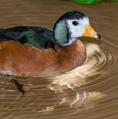
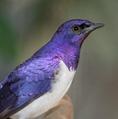
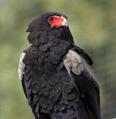
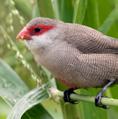
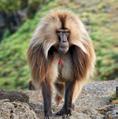
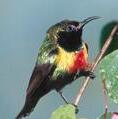
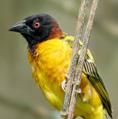
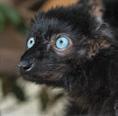
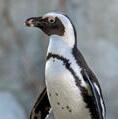
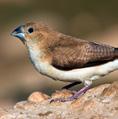
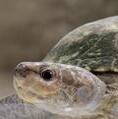
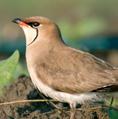
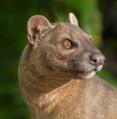
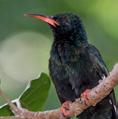
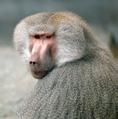
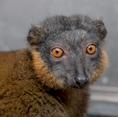
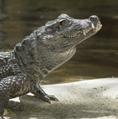
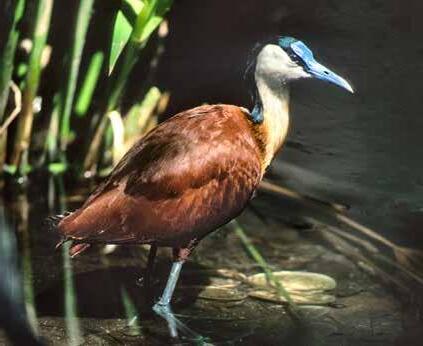
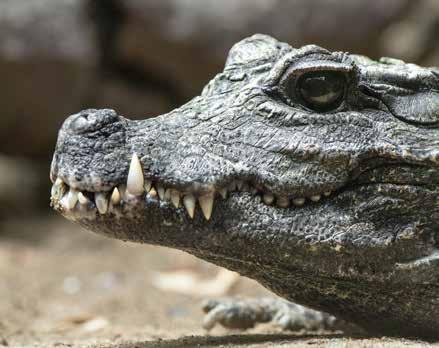
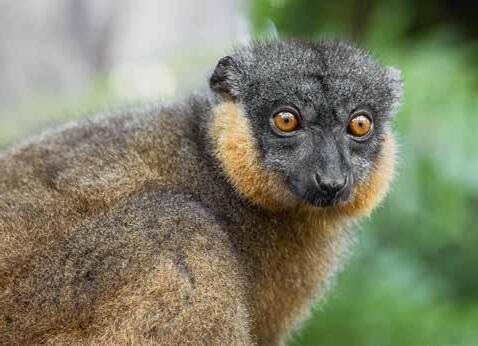
When most people think of African animals, it’s usually the “big guys”: giraffes, elephants, lions, zebras. Yet, the continent’s plethora of habitats houses an astonishing variety of life forms from great to small—furred, feathered, leafed, scaled, and more. San Diego Zoo’s Conrad Prebys Africa Rocks gives guests a chance to marvel at this sampling of Africa’s rich biodiversity. Here’s a sneak peek at the faces to watch for; the color of each picture’s outline tells you which habitat is home for that creature. We’re excited to welcome everyone to this extraordinary experience— our lineup of amazing animals will have you startstruck!
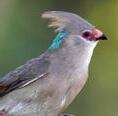
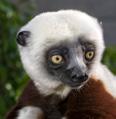
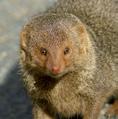
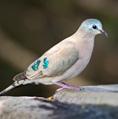
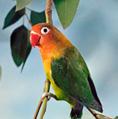
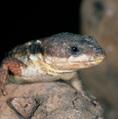
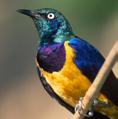
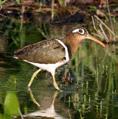
AFRICAN
BY WENDY PERKINS | STAFF WRITER
PHOTOS BY KEN BOHN | SDZG PHOTOGRAPHER
GABOON FOREST TURTLE
KOPJE
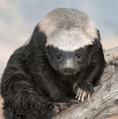
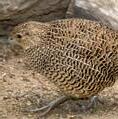
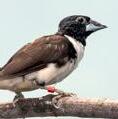
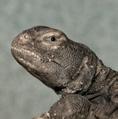
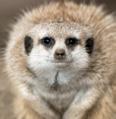
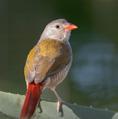
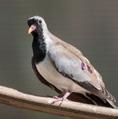
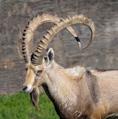
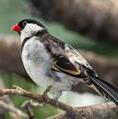
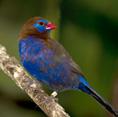
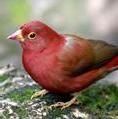
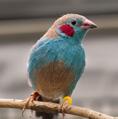
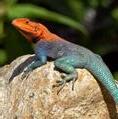
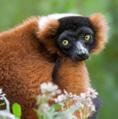
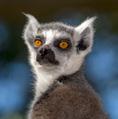
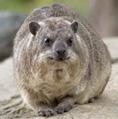
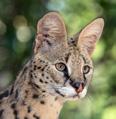
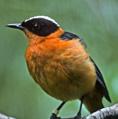
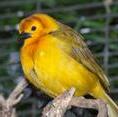
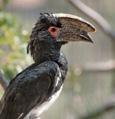
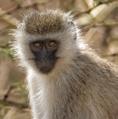
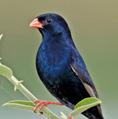
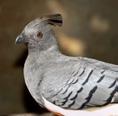
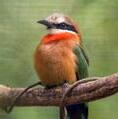
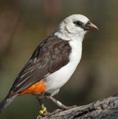
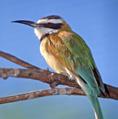
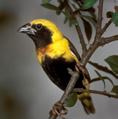
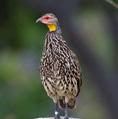
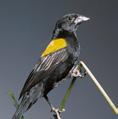
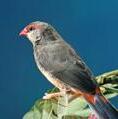
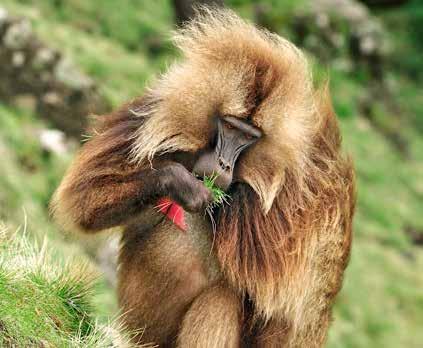
■ ETHIOPIAN HIGHLANDS Gelada
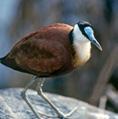
■ ACACIA WOODLAND African Jacana
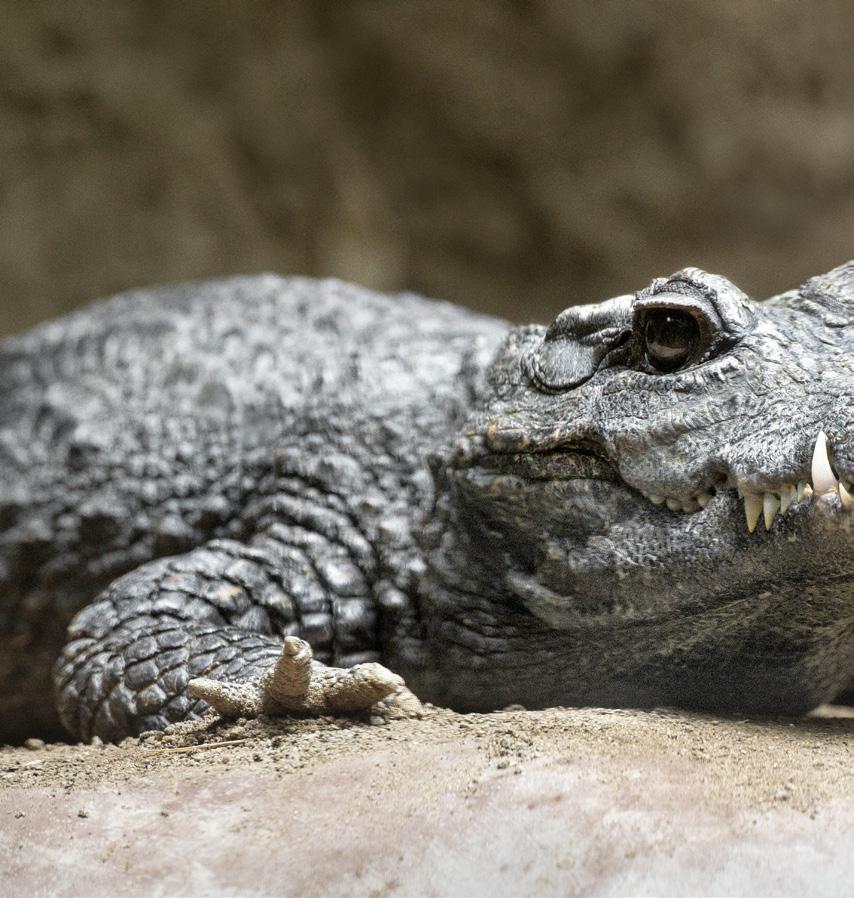
■ WEST AFRICAN FOREST Dwarf Crocodile
■ CAPE FYNBOS African Penguin
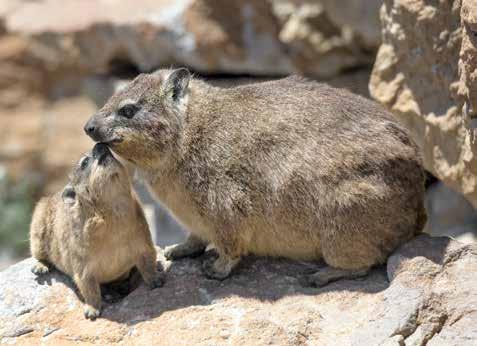
KOPJE Rock Hyrax
■ MADAGASCAR FOREST Red-collared Lemur
FROM SAVANNA TO SEA
BY KAREN E. WORLEY
frica is awe-inspiring. It is a continent of many habitats, from sandy shorelines, wetlands, and forests to rocky highlands, savannas, and kopjes. It covers 20 percent of the Earth’s land surface, and contains unique geology and a wealth of biodiversity—including 8 of the world’s 34 biodiversity hotspots. The San Diego Zoo’s new Conrad Prebys Africa Rocks, opening in June, highlights some of Africa’s most extraordinary species as you explore six different habitats from savanna to seashore.
A NEW ZOO DIMENSION
Africa Rocks is the Zoo’s most ambitious exhibit project to date. This expansive, multispecies tribute to African wildlife has transformed what was the steep grade and 1930sera exhibits of Cat Canyon into an easily accessible, gently winding pathway with state-of-the-art homes for animals and garden spaces for plants. You can enter Africa Rocks one of three ways: through the Kopje at the eastern end; the Ethiopian Highlands in the central section; or Penguin Beach in the Cape Fynbos, at the western end. Wherever you arrive, you’ll embark on a journey to discover African species that have unique characteristics, behaviors, and adaptations.
EXPECT THE UNEXPECTED
Africa isn't just home to elephants, giraffes, gorillas, buffalo, and lions. These "stars" are surrounded by
smaller species, those that dwell on the fringes and in the understory, and animals and plants that thrive in unlikely conditions. The Zoo’s Africa Rocks shines the spotlight on them. From furry mammals that spend their entire lives on a bunch of boulders, to striking-looking primates that clamber up and down sheer cliffs or navigate spiny forests, to mini crocodiles that can climb into trees, to a bevy of colorful birds with elaborate nests and complex social lives—you’ll see many sides of the African region here.
MORE TO EXPLORE
Throughout Africa Rocks, there are elements to guide, inform, and surprise. Ushering you into each new habitat is a dramatic rock formation, which represents geology in that region—from the craggy granite outcroppings of the kopje, to the jagged, layered rocks known as
a tsingy formation in Madagascar; to the smooth, wave-worn boulders of the South Africa coastline. These provide a description of the habitat, plus sculptures of a key animal and plant found there. The African Garden, near the Ethiopian Highlands area, presents strange, startling, and beautiful plants—many that you may never have seen before. Look for a large, beautifully illustrated art panel that depicts the biodiversity of Africa, as well as interpretive panels at the exhibits to tell you more about the species and how they live. A plaza located outside the West African Forest area invites you to rest and enjoy the atmosphere; and upon venturing into the Cape Fynbos, look for the penguin sculptures waddling among the boulders.
INTO AFRICA
This summer, immerse yourself in the wonders of the African region— and you can find out more about each habitat in the subsequent articles of this issue. From South African beaches, to the island of Madagascar, to lush jungles, to granite cliffs, to sweeping grasslands, the San Diego Zoo’s Conrad Prebys Africa Rocks is a journey you won’t soon forget!
BY THE NUMBERS
54 countries on the continent of Africa (currently)
8 out of 11 of Earth’s main habitat types in Africa
4,700 mammal species in Africa-25 percent of the world’s mammal diversity
1 longest river in the world, the Nile
| MANAGING EDITOR PHOTOS BY KEN BOHN | SDZG PHOTOGRAPHER
KOPJE ACACIA WOODLAND WEST AFRICAN FOREST MADAGASCAR FOREST CAPE FYNBOS ETHIOPIAN HIGHLANDS
Kopje Woodland
PMS 471
Kopje Woodland
PMS 4655
Ethiopian Highland
PMS 4655
Ethiopian Highland
PMS 9 (warm gray)
Acacia Woodland
PMS 9 (warm gray)
Acacia Woodland
PMS 452
Madagascar Forest
PMS 452
Madagascar Forest
PMS 5555
West African Forest
PMS 5555
West African Forest
KOPJE ACACIA WOODLAND
WEST AFRICAN FOREST MADAGASCAR FOREST CAPE FYNBOS
ETHIOPIAN HIGHLANDS
ne glance across the sweeping vista of an African savanna reveals an element that stands head and shoulders above the rest—kopjes. These astonishing microhabitats are home to unique flora and fauna. The word kopje (pronounced “ko-pea”) is Dutch for “small head,” and describes perfectly how the rocky formations seem to pop up from the landscape and survey all that surrounds them. At the Kopje habitat in Conrad Prebys Africa Rocks, Zoo visitors will be busy turning their heads this way and that to take in all the sights—and it’s likely the residents will have already spotted them!
ROCKIN’ ROOMMATES
The nooks, crannies, and burrows within the rock formations are home to rock hyraxes Procavia capensis, furry, brownish, little football-shaped mammals with feet made for life among the boulders. Their bare, padded, sweaty footpads act like suction cups to help them get—and keep—a grip on rocks and cliffs. Their rounded toes, hoof-like nails, and tiny tusks are little clues as to this creature’s unlikely next of kin—the elephant!
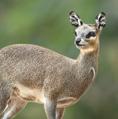
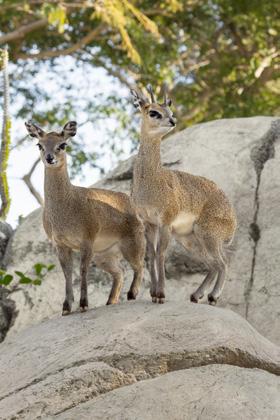
The hyraxes’ “rockmates” include agile antelopes called klipspringers Oreotragus oreotragus, which certainly live up to their name: in Afrikaans, klipspringer means “rock jumper,” and that’s what these fleet-footed animals do! Standing less than 2 feet tall at the shoulder, klipspringers can jump 25 feet without breaking a sweat. And their clingy little hooves ensure they can scamper among the rocks without breaking anything else.
CAN YOU DIG IT?
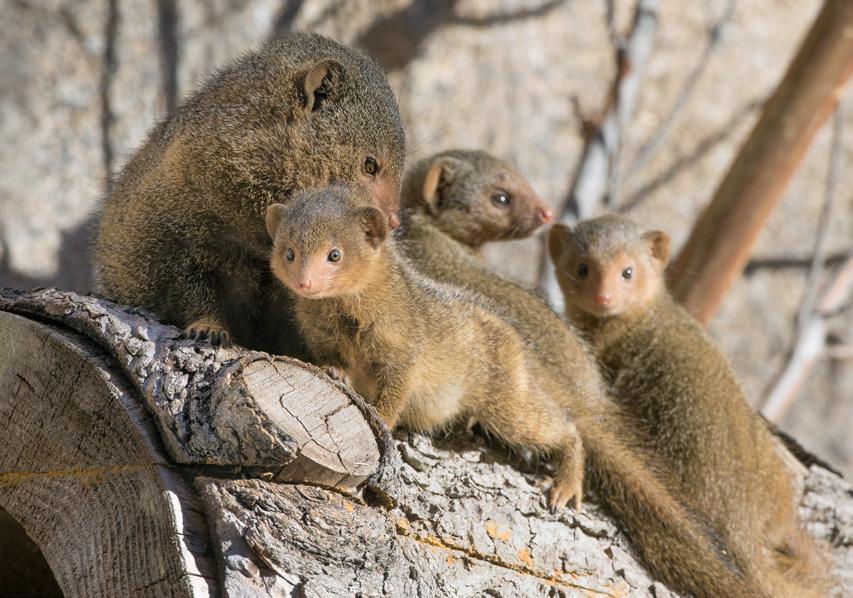
While the dwarf mongoose Helogate parvula may be the smallest carnivore in Africa, these busy, pint-sized animals have big personalities. Curious and sociable, dwarf mongooses measure less than a foot in length, making them snack-sized morsels for large birds of prey. For this reason, the alpha male in the group is
FEATURED PLANT
Go Fig or Go Home
always on the lookout for danger. This “all-for-one-and-one-forall” approach to thwarting predators also works well for the Kopje’s colony of meerkats Suricata suricatta, which are master diggers, constantly improving complex burrows that include numerous entrances and exits, as well as sleeping chambers and tunnels. Their digging also helps aerate the soil and spread plant seeds. As the home improvement project progresses, a sentry stands guard on a high spot, keeping a keen eye open for threats such as the bateleur eagle Terathopius ecaudatus. The Zoo’s Kopje is home to this colorful, medium-sized winged wonder too, but don’t worry—they have separate accommodations from the furry residents.
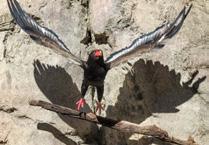
Despite their challenging features, kopjes are perfect examples of biodiversity, and support many plant species as well. For their inhabitants—and their representatives in the Zoo’s Kopje at Africa Rocks—it’s out of this world!
BY
18 species of small mammals that live among the kopjes of the Serengeti
THE NUMBERS
65
the number of feet a kopje habitat can reach above the savanna
Clockwise from left page: The dwarf mongoose is the smallest carnivore in Africa; specially adapted hooves keep klipspringers perfectly in step on rocky surfaces; bateleur eagles are the most famous of the snake eagles.
550m
Given the challenging terrain, it takes a unique tree to thrive literally between a rock and a hard place. The redleaved rock fig Ficus ingens is anything but a hothouse flower, managing to grow wherever its seeds are distributed via animal dung. This hardy, semi-deciduous tree is known as a “rock splitter,” growing sideways and on rock faces and outcrops, sending out its branching roots to seek water and nutrients.
how many years old the rocks of Africa’s kopjes are
SOAR

FLIGHTLINE SAFARI AND JUNGLE ROPES
SAFARI AT THE SAN DIEGO ZOO
AND SWING LIKE A MONKEY!
HERE’S YOUR
TO
OR CLIMB. CALL 619-718-3000 TO BOOK YOUR ADVENTURE.
SAFARI PARK ARE TRULY AMAZING EXPERIENCES FOR THOSE LOOKING FOR EXCITEMENT AND ADVENTURE. Soar as high as 160 feet above the ground with rhinos, antelope, buffalo, deer, and more in the fields below you on your Flightline experience, which also includes gear, an orientation, and a practice session. Or, try your hand (and arms, and legs) at fun— primate style—as you test your “jungle” skills like climbing, balancing, and swinging. Why let the animals have all the fun?

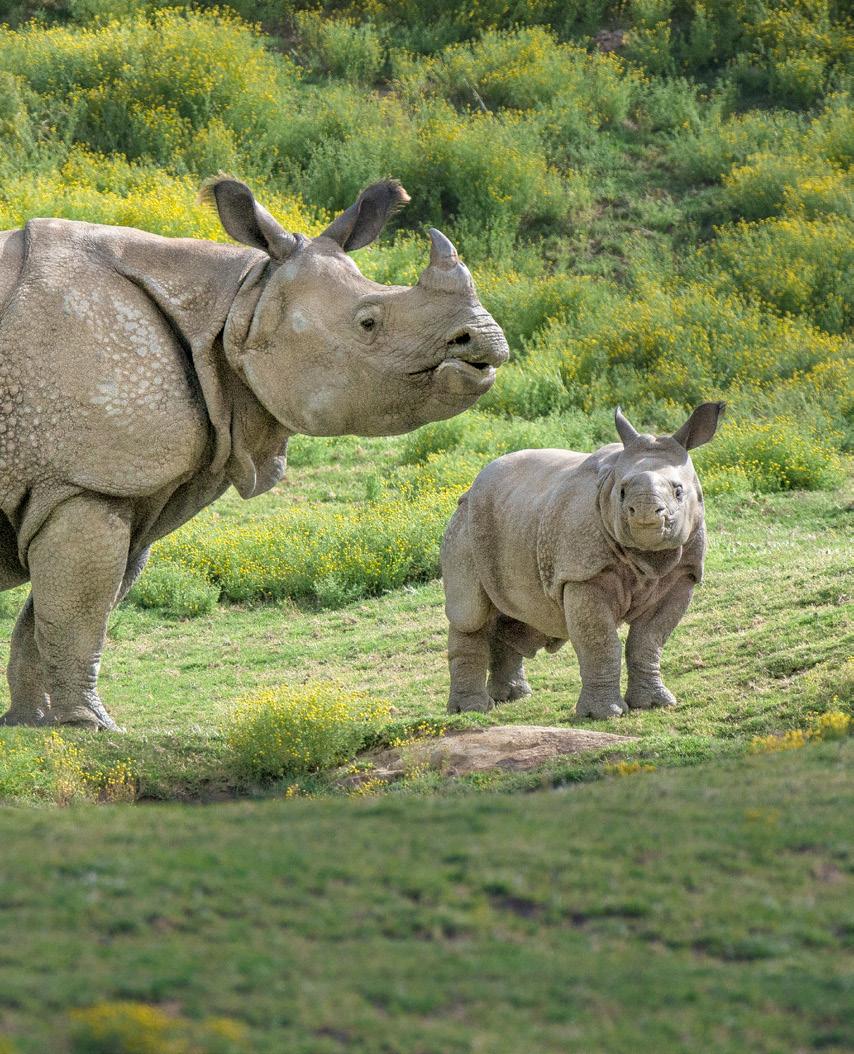
MUCH MORE THAN A ZOO SAN DIEGO ZOO GLOBAL
In the San Diego Zoo’s 100-year history, it has been constantly evolving. During the Zoo’s early years, we quickly earned the distinction of being called “world famous” because of our animal collection and innovative habitats. What distinguishes us today are our efforts and successes that reach far beyond what our guests see and experience when they visit the San Diego Zoo and Safari Park. As a global organization, we are dedicated to bringing animals back from the brink of extinction, like the giant panda and California condor. With more than 140 projects here and around the globe, San Diego Zoo Global is leading the fight to end extinction.

What has not changed in the 42 years since the Institute for Conservation Research was founded, in 1975, is the depth of passion we bring to species conservation. Our team has a shared sense of purpose infused with hope that compels us to continue leading the fight against extinction.
ALLISON ALBERTS, PH.D., CHIEF CONSERVATION AND RESEARCH OFFICER
From the beginning, we have remained true to our mission, using innovative science to serve species conservation. Partnering with local communities is also helping us make a real difference for wildlife and habitats worldwide.
What Sets Us Apart “ ”

ALLISON ALBERTS, PH.D., CHIEF CONSERVATION AND RESEARCH OFFICER
Our two parks breed some of the world’s rarest animals and reintroduce them back to the wild. We propagate and save endangered plants. Our teams at the Institute for Conservation Research use the latest technologies to solve problems in reproduction and disease and habitat restoration for endangered species. The Zoo began with one man’s dream, determination, and a small group of animals. Now San Diego Zoo Global strives to protect and save wildlife worldwide as well as foster lifelong relationships for people with wild animals and wild places. We believe the future of our planet depends on it.


How will we Do it?
Your gifts support Roaring Forward’s three priority areas:
IGNITE a passion for wildlife in every child.
GROW the Zoo’s worldwide leadership in animal and plant care as well as exhibits.
SAVE critically endangered species for future generations while working with local and global partners.


With almost 500,000 members the largest of any zoo in the world our generous donor club supporters, and thousands of Wildlife Conservancy monthly contributors, we know we can win the fight against extinction. We are so grateful to this valuable group of partners who help us make a difference for so many species, reminding us of what can be accomplished when we work together on behalf of wildlife.

of you...
GLOBAL
Our scientific teams are protecting wildlife and ecosystems with 140+ conservation programs on 6 continents.
REACH
Every day, people of all ages connect meaningfully with wildlife through our education programs, digital media, and visits to the Zoo and Safari Park.
PASSION
San Diego Zoo Global has assembled the largest team of men and women at any zoo in the world who are devoted to leading the fight against extinction.



Become a Wildlife Hero!
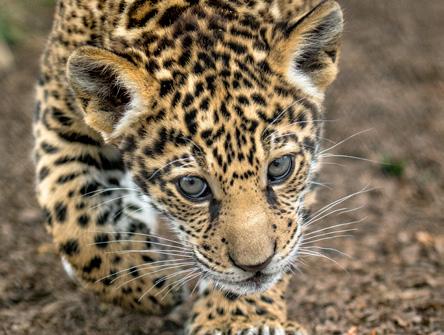
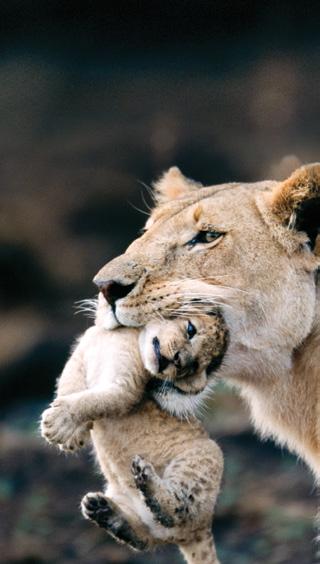
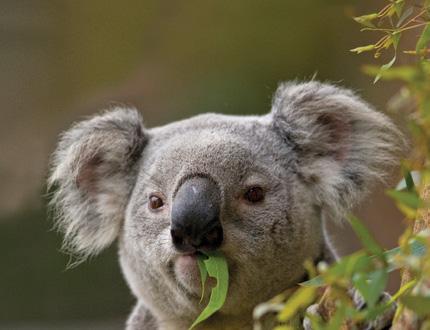
Animals all over the world are in crisis, threatened by poaching, habitat loss, and disease but there is hope to save them. With more than 140 conservation projects stretching across 6 continents, San Diego Zoo Global is leading the fight to end extinction. And thanks to generous friends like you, we are working on the front lines to ensure that critically endangered species from rhinos to jaguars, elephants to gorillas, and koalas to pandas make a comeback.
Fighting extinction is a big job, and we need your help to do it. Your monthly donations to the San Diego Zoo Global Wildlife Conservancy help us where we need it most. You provide antipoaching patrols, care and protection for injured animals, and make it possible to reintroduce species once extinct in the wild back into their native habitat.
Your monthly gift goes directly to save endangered species, like the giant panda which is now listed as vulnerable and is no longer endangered. This milestone would not be possible without the support of friends like you!
Become a Wildlife Hero together, we can save animals worldwide. Visit us at endextinction.org/wildlife and join us in the fight to end extinction!





Save
to 55% vs. buying tickets individually. Includes admission to 35 attractions, cruises, museums, & tours:
• San Diego Zoo
• San Diego Zoo Safari Park
• LEGOLAND® California
• USS Midway Museum
• Balboa Park Museums
• Birch Aquarium
• Whale Watching & Harbor Cruises
• Bike, Kayak, Paddle Board rentals & more!

the lush, vibrant West African Forest.
BY ESTON ELLIS | STAFF WRITER
PHOTOS BY KEN BOHN | SDZG PHOTOGRAPHER Explore
KOPJE ACACIA WOODLAND
WEST AFRICAN FOREST MADAGASCAR FOREST CAPE FYNBOS
ETHIOPIAN HIGHLANDS
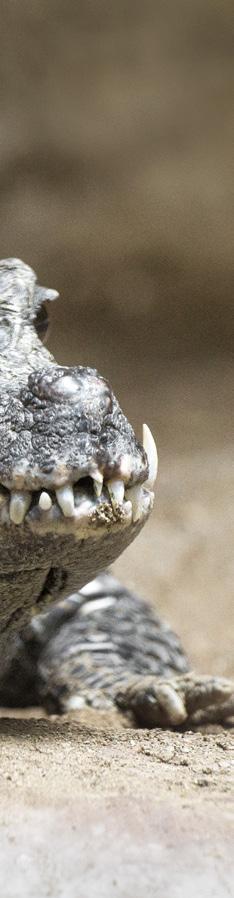
rom the top of the 65-foot-high Rady Falls—the largest human-made waterfall in San Diego—to the bottom of a pool with West African dwarf crocodiles—among the smallest crocodilian species in the world—the West African Forest habitat in Conrad Prebys Africa Rocks covers a lot of territory. This unique place is home to wildlife and plants from lush rain forests, dense lowland forests, coastal mangroves, rivers, swamps, and wetlands of West Africa.
In fact, more than 11,000 plant and animal species live in this region of western Africa. It gets an average of 80 inches of rain each year, supporting large populations of reptiles, amphibians, and water-loving mammals. The animals and plants that live here thrive in moist heat. And that’s a good thing, because temperatures hover between 80 and 90 degrees Fahrenheit most of the year, and there is extremely high humidity (up to 90 percent). The region is streaked with slow-moving rivers and dotted with vibrant wetlands.
CROC OF THE ROCKS
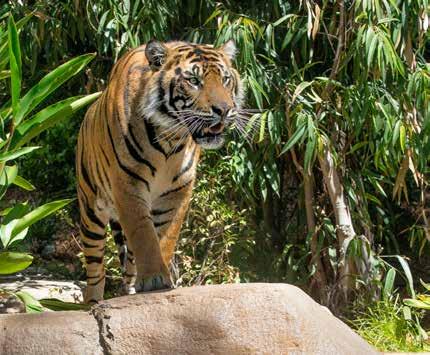
An iconic denizen of the West African Forest habitat is the West African dwarf crocodile Osteolaemus tetraspis tetraspis. It may be one of the smallest crocodilian species, but it can still reach a length of about five feet. This timid crocodile’s mottled brown-toblack coloration helps it blend in with its surroundings, whether it is partially submerged in a log-filled swamp or stretching out on a low tree limb—using its surprising climbing ability.
While West African dwarf crocodiles spend their
FEATURED PLANT
Rockin’ Fig
The floating fig tree Ficus cyathistipula can be found growing on rocky outcroppings, near swamps, and along riverbanks. The figs have spongy walls that allow them to float on the water’s surface. Pollinated by its own unique species of fig wasp, the tree bears fruit several times a year, providing food for many animal species.
BY THE NUMBERS
12 countries that contain sections of West African forest
80 inches of rain per year
11,048 plant and animal species native to the area
days in the water or basking in the sun, they look for food at night and feed on crabs, frogs, fish, snails, and other small animals. Females are devoted moms, covering their eggs in warm leaf litter, guarding them until they hatch, and then protecting the tiny hatchlings from numerous predators, including birds, fish, mongooses, and even other crocodiles. African dwarf crocodiles are listed as Vulnerable on the International Union for Conservation of Nature (IUCN) Red List of Threatened Species.
MAKING A SPLASH
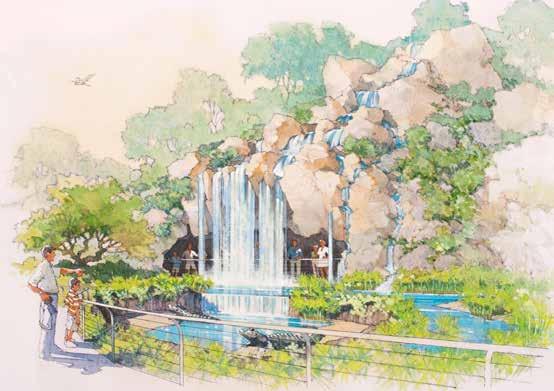
While there is much to see in the West African Forest, its dramatic focal point is Rady Falls, a splashy, showering cascade that is nearly seven stories high. The falls rush down a rocky outcropping, and will be seen—and heard—from several places in the Zoo. Water used in Rady Falls is recycled and recirculated, making it an environmentally friendly, water-wise feature. Guests can even walk behind the falls into a cavernlike grotto, to get a one-of-akind view through a wall of tumbling water.
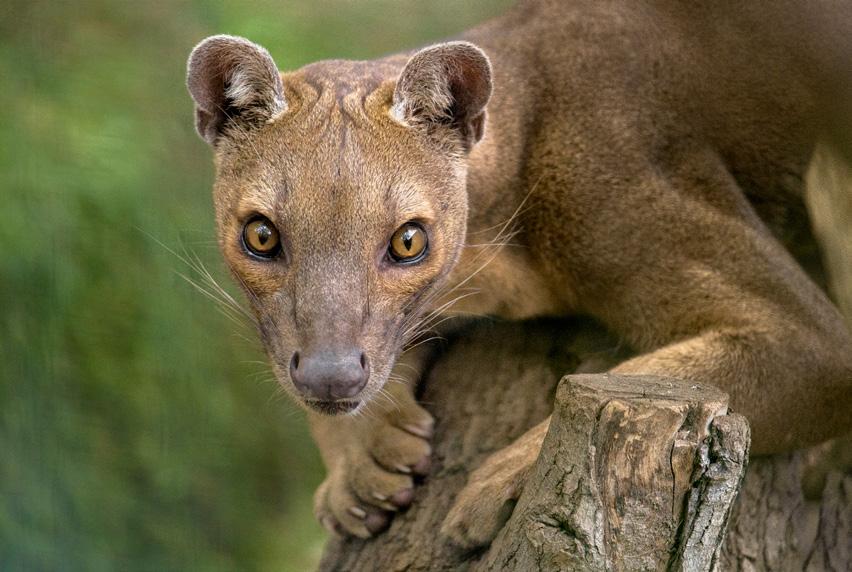
This page: The fossa is a stealthy apex predator.
Facing page: Coquerel’s sifakas and ring-tailed lemurs will be part of Africa Rocks.
Separated from the main continent, this island is full of wonders.
BY KARYL CARMIGNANI | STAFF WRITER PHOTOS BY KEN BOHN | SDZG PHOTOGRAPHER
adagascar has been referred to as the eighth continent for good reason. This magical land in the Indian Ocean, roughly twice the size of Arizona, has been isolated from the African continent for millions of years, leading to a high proportion of endemic plant and animal species. In addition to over 3,000 miles of coastline, this island nation is tropical, temperate, and arid, running the ecosystem gamut from lush rain forests to tropical dry forests and deserts. The Madagascar Forest habitat in Conrad Prebys Africa Rocks represents elements from two types of forest: dense rain forest and dry spiny forest.
KOPJE ACACIA WOODLAND
WEST AFRICAN FOREST MADAGASCAR FOREST CAPE FYNBOS
ETHIOPIAN HIGHLANDS
AT HOME ON THE ROCK(S)
Home to a kaleidoscope of plants and animals, Africa Rocks will treat visitors to a “swinging” group of primates called lemurs. These prosimians (which means “pre-monkey”) of Madagascar are related to monkeys and apes and evolved in a highly seasonal climate with few predators. They radiated out into various niches across the island. Africa Rocks will bring guests nose-to-nose with red ruffed, red-collared, ringtailed, and blue-eyed black lemurs, as well as the stunning Coquerel’s sifaka (si-FAHK).
Lemur diets vary among species, loosely according to size: smaller species feed on fruit and insects, while the larger types feast mostly on plant material including fruits, leaves, flowers, nectar, shoots, sap, and bark. They rely on their sense of smell to communicate with one another, as they lack intricate facial muscles, which other primates use to communicate in a more nuanced fashion. Lemurs have a broad range of vocal “songs” that echo through the forest. Male ring-tailed lemurs even have “stink fights” with others, by rubbing their forearm scent glands along their long tail and waving it in their opponent’s face. All these natural habits bode well for experiencing the action at Africa Rocks!
LEMUR LOVE
For island dwellers, environmental hazards on Madagascar are exacerbated—there’s nowhere for them to run—and slash-and-burn agriculture, mining, expansion of human settlements, and hunting all pose grave threats to the wildlife. San Diego Zoo Global is a founding member of the Madagascar Flora and Fauna Group and is working with the Malagasy government to help mitigate habitat destruction, provide alternative economies, and teach youngsters about
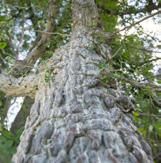
FEATURED PLANT
Pack Your Trunk ...with Water
the wondrous creatures in their own backyard. The new lemur exhibits in Africa Rocks will provide the space for the Zoo to participate in breeding programs to help provide robust populations of these unique primates in North America.
CHOOSE A FOSSA
It’s a dog! It’s a cat! It’s a…fossa (FOO-sa) Cryptoprocta ferox
This stealthy carnivore is actually more closely related to the mongoose. This apex predator of Madagascar hunts by day and by night. Consuming wild pigs, reptiles, rodents, birds, and lots of lemurs, these animals help to keep ecosystems in balance and other animals on their toes. They are difficult to study in the wild due to their secretive nature, but visitors can see them up close in Africa Rocks.
BY THE NUMBERS
19 inches of rain per year in the southern spiny forest
700 species of animals native to the Madagascar rain forest
One of the top 200 most ecologically significant regions on the planet is the spiny forest of southern Madagascar. This parched, hot, diverse landscape is home to the elephant tree, called the jabily by the locals. The tree’s trunk swells with moisture from sporadic rainfall to live on during the dry periods. Its grooved bark helps to funnel water straight to the roots. Growing 30 feet in height, the elephant tree is refuge for birds, lemurs, and other mammals.
10,200 species of flowering plants found only on Madagascar
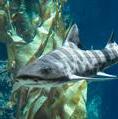
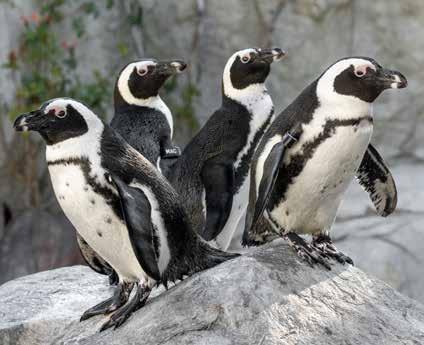
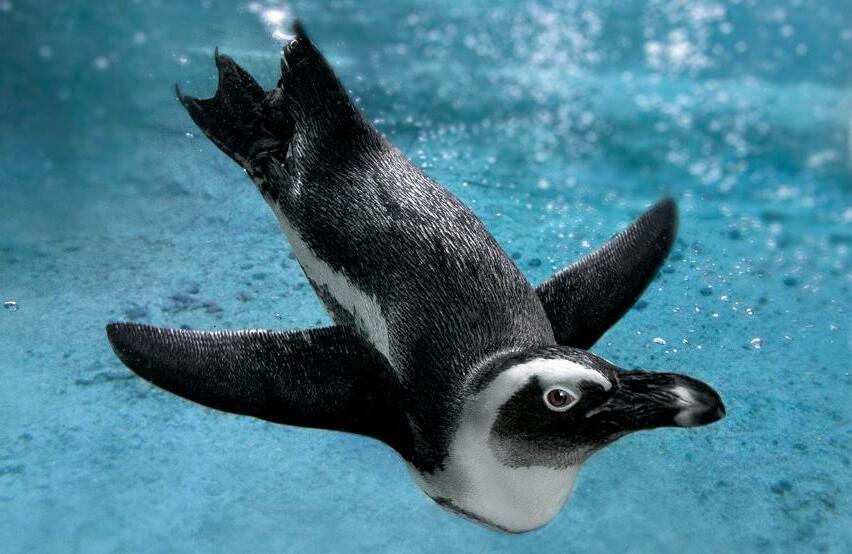
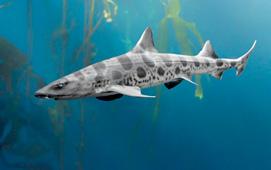
Clockwise from this page: An African penguin can stay underwater for up to four minutes. African penguins nest in burrows. In the wild, African penguins live among striped catsharks, leopard catsharks, and sharptooth houndsharks, but the sharks at Africa Rocks are leopard sharks that are local to Southern California.
BY DONNA PARHAM | STAFF WRITER
PHOTOS BY KEN BOHN | SDZG PHOTOGRAPHER
KOPJE ACACIA WOODLAND
WEST AFRICAN FOREST MADAGASCAR FOREST CAPE FYNBOS
ETHIOPIAN HIGHLANDS
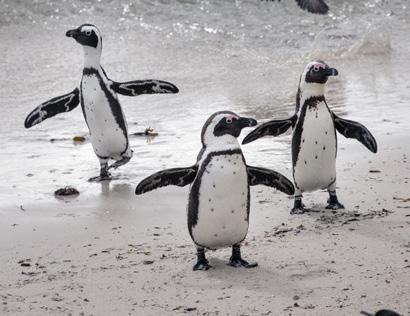
unique region of coastal southern Africa is known as the fynbos (FINE-bose)— an Afrikaans word meaning “fine bush” due to its diminutive plant life. In this habitat, which is considered a global biodiversity hotspot, the hardy, evergreen shrubs grow low to the ground in sandy and limestone soil. They include a variety of African protea species, and provide a beautiful backdrop to sunny beaches that are home to African penguins Spheniscus demersus
BY THE SEA
You might picture penguins on an iceberg, but they are a diverse bunch of birds that live in coastal habitats throughout the Southern Hemi sphere. Some species are found in the icy Antarctic, some on tropi cal islands, and still others in mild climates like the sandy beaches of Africa’s southernmost coast.
At Conrad Prebys Africa Rocks’ Cape Fynbos, not only will you be able to view penguins on the beach—you’ll be able to watch them underwater, too. Though they have wings, penguins don’t take to the sky like other birds. Instead, they are adapted to “fly” underwater. Flapping its short, flat, stiff wings, an African penguin can quickly zigzag in pursuit of fleeing fish.
SAFE SWIMMING
Something else you might see in the water with the penguins? Sharks! But don’t worry—the bottom-dwelling leopard sharks that share this habitat are not a danger to penguins. In fact, in the shallow waters near the South African shore, penguins and similar African shark species may find themselves nose to beak. Both species hunt for small fish, squid, and crustaceans.
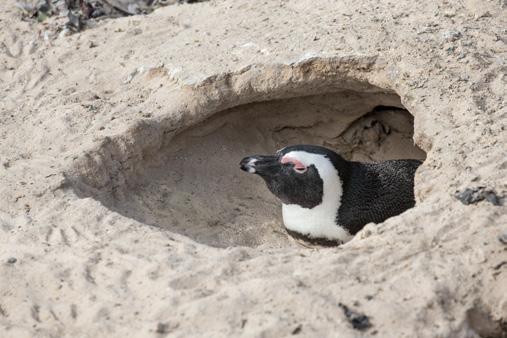
BEST NEST
types of artificial nests for African penguins that aren’t able to find a safe place to burrow— which explains the presence of miniature “igloos” you’ll spot in the penguin habitat!
DOING OUR PART
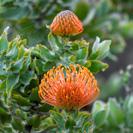
Africa’s Cape fynbos is dominated by proteas, like this giant nodding pincushion protea. Protea blossoms poke up from among the other low-growing plants to burst into colorful bloom in the spring, and they provide food and shelter for many animals.
BY THE NUMBERS
African penguins prefer to nest in burrows they dig into sandy soil or guano (penguin poop), but habitat loss in many places makes that impossible. Some penguin parents have no choice but to nest in a shallow scrape on open ground. That makes their eggs and chicks vulnerable to heat stress, flooding, parasites, and predators—a big problem for an endangered spe-
San Diego Zoo Global is helping with African penguin conservation projects in the wild, too. We are supporting a project that uses passive integrated transponders (PIT tags) to monitor resident, introduced, reintroduced, and translocated African penguins, and another project that monitors penguins’ travel or activity patterns at sea, using GPS technology. Last fall, some of our bird keepers traveled to South Africa to assist in chick rehabilitation.
With the construction of the new Penguin Beach exhibit in Africa Rocks’ Cape Fynbos, the Zoo is increasing the space available for breeding African penguins in North America. Zoo visitors will have front-row seats as our penguin colony grows into a large, noisy, and adorable flock!
24 islands where African penguins live along the South African coast
109 reptile species native to this region
6,000 plant species found only in the Cape fynbos habitat
PHOTO BY: BARBARAAAA/ISTOCK/GETTY IMAGES PLUS
EndingExtinction DayEvery
You can help save species around the globe.
BY JUSTIN WEBER | COMMUNICATIONS SUPERVISOR, DEVELOPMENT
PHOTO BY KEN BOHN | SDZG PHOTOGRAPHER
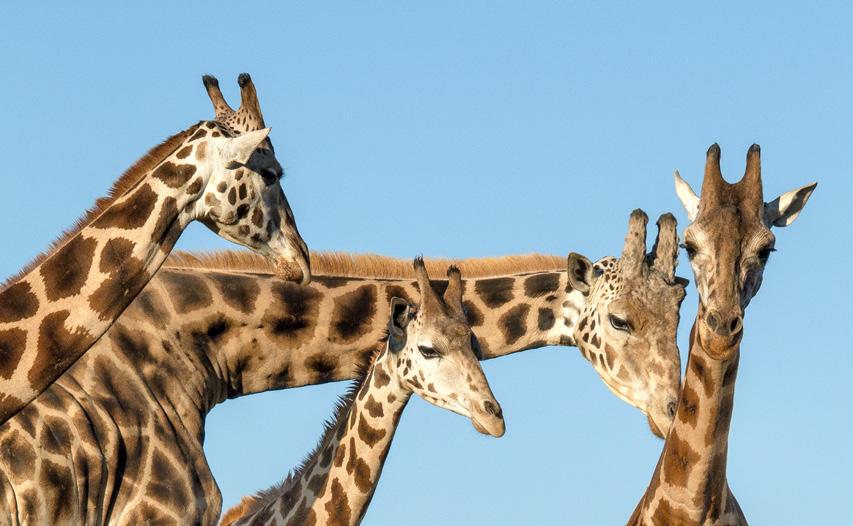
Wildlife around the world is in trouble. Elephants, rhinos, and tigers are being poached at alarming rates. Pandas, polar bears, and even penguins are losing their homes to habitat destruction. And iconic animals like giraffes are silently disappearing—11 of these gentle giants are killed every day—and if we don’t do something now, entire populations will be extinct in 4 years.
San Diego Zoo Global is leading the fight to end extinction. From China’s bamboo forests to Norway’s glaciers, through the Amazon jungles and across the grassy savannas to the sandy shorelines of Africa—the San Diego Zoo Global Wildlife Conservancy supports more than 140 critical conservation projects to save species worldwide from extinction.
In fact, we have been dedicated to saving wildlife for more than 100 years, and our collaborative partnerships are critical to conservation. But without a doubt, our most important partner in the fight to save species is you—our loyal friends and donors. Without your vital support, we could not make any of these lifesaving efforts possible. No gift is too small! A donation of just $25 to the Wildlife Conservancy changes the future for wildlife.
HOPE FOR A ROCKY FUTURE
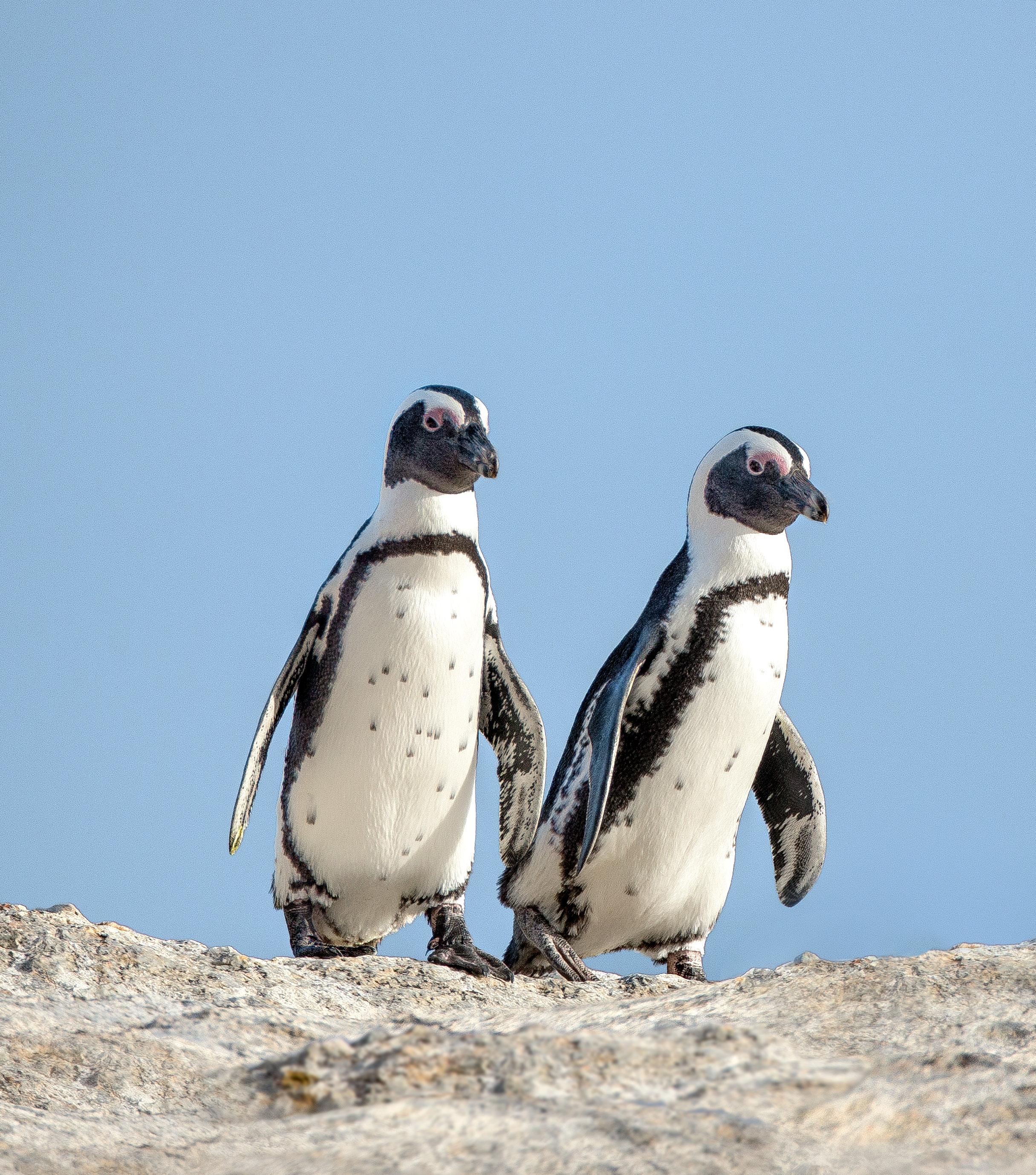
African penguins live on the sunny beaches of South Africa, but their food and homes are disappearing. For decades, their beachside nests were destroyed—crushed by machinery and then sold as fertilizer. Along with a housing shortage, these struggling animals face a vanishing food supply and the catastrophic effects of oil spills. As a result, entire colonies of endangered penguins are left without food, shelter, and a safe place to lay their eggs and raise their family.
But you can help them! Just $25 can:
• Provide an artificial nest box for a penguin family to safely raise their young.
• Offer around-the-clock care to hand raise penguin chicks from egg to release.
• Support critical response teams that rescue, rehabilitate, and release injured and oiled penguins from the deadly effects of oil spills.
PROTECTING FAMILIES
Elephants, rhinos, and giraffes are under attack, as illegal poaching and wildlife trafficking continue to surge at an astonishing rate. Militant-style tactics are taking their toll on these unsuspecting animals. After the animals’ herds and families have been ripped apart by warfare, orphaned calves are often left behind without a chance to survive, helpless and alone.
But with your support, our conservation efforts are there to help them. Calves can be rescued, hand raised, and placed back safely with new herds under the watchful eye of their caretakers and teams of antipoaching patrols. A $25 donation can:
• Feed a rescued elephant calf five bottles of milk.
• Provide five days of critical care to hand raised orphaned giraffes and elephants.
• Protect their future with five days of anti poaching patrols.
• Secure 25 days of aerial drone patrols to protect wild herds from poachers. Through generous support from friends like you, we have successfully reintroduced more than 14,000 animals from 43 species back into the wild. Together, our efforts protect wildlife populations, conserve critical habitats, and continue to save species like the giant panda and California condor from extinction.
MONTHLY GIFTS
With a gift of less than 50 cents a day, our Wildlife Heroes are the heartbeat of our conservation efforts. Their continuous support ensures that endangered species—like rhinos, jaguars, gorillas, elephants, and pandas— make a comeback.
ONE-TIME DONATIONS
Your donation to the San Diego Zoo Global Wildlife Conservancy helps to ensure that penguins have the homes they need to raise their families, that orphaned elephants and giraffes receive aroundthe-clock care, and that antipoaching patrols keep rhinos safe from harm.
ADOPT AN ANIMAL
A symbolic adoption through the Wildlife Conservancy helps save pandas in China, koalas in Australia, and snow leopards found in the Himalayas. Take home an adorable adoption package today and purchase a gift that gives back.
CARS FOR CONSERVATION
Has your car, truck, or boat stopped roaring? Looking to offload your used golf cart or trailer? Donating your used vehicle in any condition couldn’t be easier, and your tax-deductible donation will directly support our conservation efforts around the globe.
To learn more, visit endextinction.org.
San Diego Zoo Global’s mission to end extinction takes place not just at the Zoo, Safari Park, and Institute, but also through field projects benefiting more than 125 species around the world. Each issue, we will share an update on one of these projects.
PICTURE THIS CONSERVATION
BY KARYL CARMIGNANI | STAFF WRITER
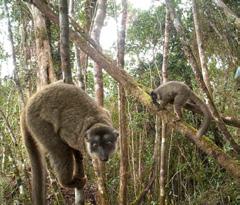
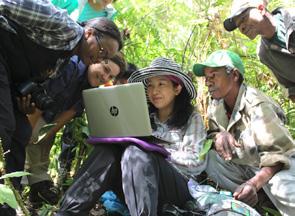
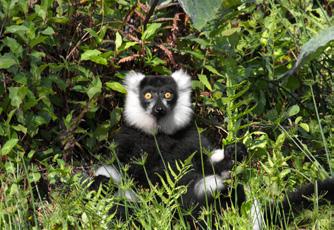
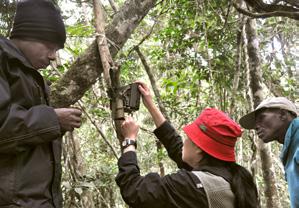
Nothing reveals the candor and habits of wildlife like images from strategically positioned camera traps. For a biodiversity hotspot like Madagascar, which is losing its endemic plants and animals at an unprecedented pace, the cameras go a long way in elucidating the ecology of local species. Maromizaha is a critical habitat that connects northern and southern rain forests in Madagascar, and it is home to an astonishing 13 lemur species. Chia Tan, senior scientist, Institute for Conservation Research, San Diego Zoo Global, incorporates camera trap technology into her fieldwork to better understand spatial and temporal patterns in wildlife and human activities. There are 32 cameras
installed throughout the forest, which are monitored regularly. She and conservation partners are working to conserve the primates of Madagascar, including the mysterious aye-aye, on various fronts. Her talent for nurturing partnerships and building capacity in-country strengthens San Diego Zoo Global projects, from the Little Green Guards program geared toward children to the Training in Primatology Series for adults. The vivid camera trap images not only showcase to researchers what’s going on in the forest, but the photos also inspire people to care about these unusual creatures, which is the most powerful conservation tool of all.
Get a new hat for the summer! Valid at all San Diego Zoo and Safari Park stores.
Valid June 1-30, 2017.
Must provide valid membership card at time of purchase to receive discount. Supporting ID may be required. Coupon not required. For online purchases, enter promotion code MEMBER10 at checkout. Cannot be combined with any other offer, promotion, or discount. No limit while supplies last.
It’s pizza time! Valid at the Safari Park’s Barking Deer Pizza and Beer.
Valid July 1-31, 2017.
Must provide valid membership card at time of purchase to receive discount. Supporting ID may be required. Not valid with any other offer, promotion, or discount. Coupon not required.
When you purchase one soft serve ice cream cone at the Zoo, get one free! Valid at any Zoo location where soft serve ice cream is sold.
Valid August 1-31, 2017.
Must provide valid membership card at time of purchase to receive discount. Supporting ID may be required. Not valid with any other offer, promotion, or discount. Coupon not required.
Members can enjoy this discount on any online adoption package! Visit sandiegozoo.org/adopt to choose from a snow leopard, giraffe, cheetah, penguin, and many more species. All adoptions include a personalized adoption certificate.
Valid May 1-August 31, 2017.
Call 619-557-3914 for more information, or to purchase your adoption by phone. To purchase online, enter promotion code ASZW0517 upon checkout. No limit. Not valid with any other offer, promotion, discount, or at on-grounds adoption booth.
SAN DIEGO ZOO GLOBAL
Box 120551, San Diego, CA 92112
AFRICA ROCKS OPENS
AT THE ZOO IN JUNE!
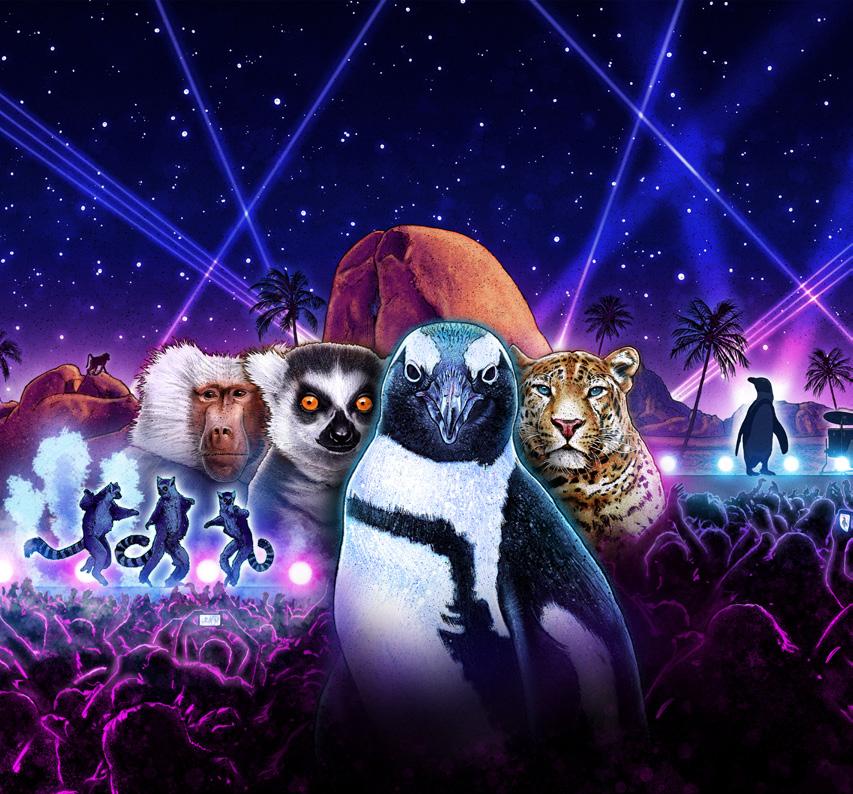
June 18–September 4, 2017
Stay after dark and help us celebrate the opening of the Zoo’s newest experience, Conrad Prebys Africa Rocks! Come “rock and roar” every day this summer, with live music, a variety of surprise encounters, and African-themed entertainment for the whole family, which will add a chorus of excitement to your summertime plans. An amazing trampoline act, Dr. Zoolittle, and more are ready to “wow,” plus a procession of larger-than-life animal puppets headline an end-of-the-evening performance. Be sure to stop by Albert’s Restaurant for Happy Happens cocktail and appetizer specials. Rock — and roar— on!