Download the ZOONOOZ app today to view photos, videos, and interactive content available exclusively for tablets.
Download the ZOONOOZ App FREE for a limited time Looking for

Download the ZOONOOZ app today to view photos, videos, and interactive content available exclusively for tablets.
Download the ZOONOOZ App FREE for a limited time Looking for


Mom is sure to appreciate the lovely setting and relaxing atmosphere for her celebration!
Continuous seating from 11 a.m. to 3 p.m. Cost is $39.95 for adults and $18.95 for children ages 3 to 11, plus tax and gratuity. Nonmembers add Zoo admission.
Please call 619-557-3964 between 10 a.m. and 4 p.m. daily for reservations.
Visit sandiegozoo.org/zoo/alberts for the complete menu and more information.

Festive dishes and beautiful surroundings for Mom, and kids will enjoy their own buffet!
$39.95 for adults and $18.95 for children ages 3 to 11, plus tax and gratuity.
Two seatings, 10 a.m. and 1 p.m., each limited to two hours. Reserved seating.
Please call 619-718-3000 for reservations.
Parking not included; nonmembers add Park admission. Visit sdzsafaripark.org/dining for the menu and more information.
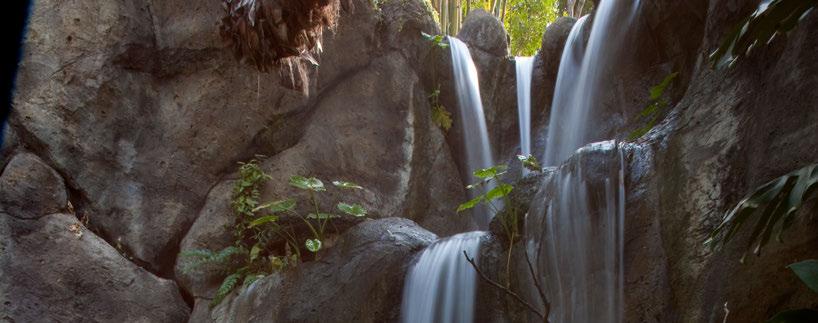
Enjoy specialty cocktails, glasses of featured wines or beers, and appetizers from our $6 and $7 menus, from 3 to 5 p.m. daily during Nighttime Zoo, June 22 through September 2, 2013.
Stay for dinner and make it a special occasion! Seating is available until 8:30 every night, allowing you to dine and unwind at your leisure before departing the Zoo.
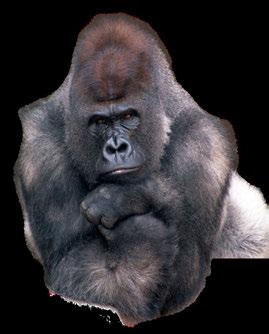
8 Welcome to the Outback
The Zoo’s new Conrad Prebys Australian Outback exhibit opens this month. Get a sneak peek at all the wonders from Down Under that await!
BY KAREN E. WORLE Y
18 Sowing the Seeds of Success: Birds and Botany in Australian Outback
The plants in these aviaries are far more than just a pretty setting. Find out what we’ve planted to make the birds feel right at home.
BY PEGGY SCO TT
16 Koala Conservation: The Buzz Around St. Bees Koala conservation projects on Australia’s St. Bees Island are gaining momentum.
BY K ARYL CARMIGNANI
explore
20 WorldWild Tours Join us for some amazing and exotic adventures with a focus on wildlife.
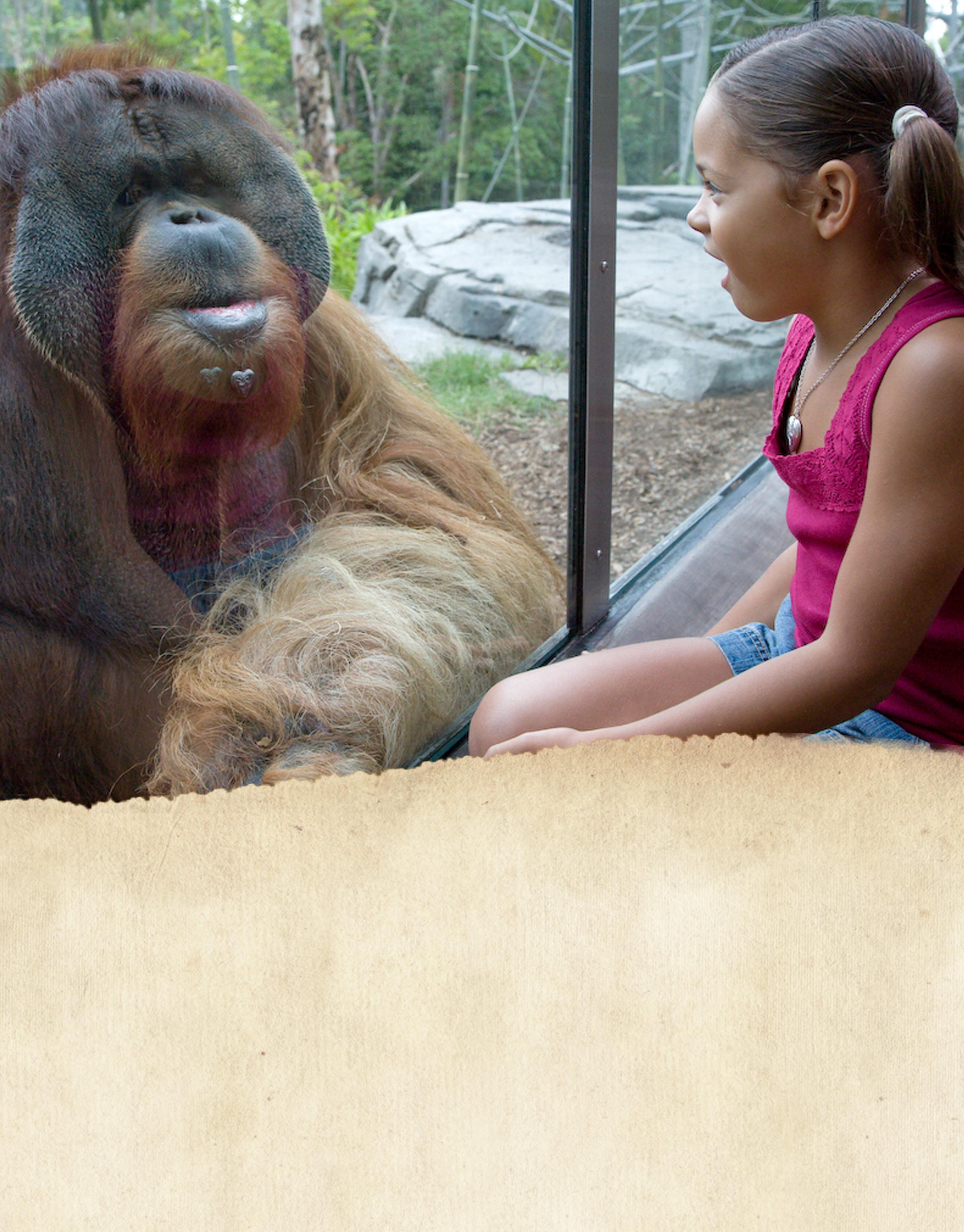

t’s a big month at the Zoo—our new Conrad Prebys Australian Outback opens on May 24. Several years in the making, this exhibit provides a new habitat that is large enough for our whole colony of Queensland koalas, as well as new homes for several other Australian mammals and a wide variety of Australian bird and plant species. Of course, it wouldn’t have been possible without the generous support of donors and the collaborative e orts of Australian and US agencies, and I’d like to thank them for their contributions in bringing this new exhibit to fruition.
First and foremost is a heartfelt thank you to the exhibit’s lead benefactor, Conrad Prebys, who provided the major funding to make Australian Outback a reality. Conrad continues to be a dedicated and enthusiastic friend to San Diego Zoo Global, and his support means so much to us. You can read a bit more about him in this issue, as well, in the pro le on page 26. We’d also like to thank three other remarkable exhibit donors: the Menard Family Foundation for providing funds for the exhibit’s ADA-accessible walkway; Peter and Olivia Farrell, for funding the education classroom in the Queenslander House; and Brooke Koehler, for providing the funds to bring four new echidnas to the Zoo for Australian Outback.
We are also grateful to our partners in Australia for their expertise and support in providing three new koalas to increase the genetic diversity in our koala colony. e koalas were generously donated by Dreamworld, with the assistance and agreement of the Australian Wildlife Authority and the Queensland Wildlife Authority. anks as well to the U.S. Fish and Wildlife Service, for their work with us on the agreements and permits. In addition, we will be collaborating with the Dreamworld Wildlife Foundation on projects to help koalas in their native habitat, including an arti cial insemination and genome project and the Koalaland community collaboration and education program. Both of these initiatives will help improve survival of the species in Australia.
An exhibit like Conrad Prebys Australian Outback is always a collaborative e ort with the community, valued donors, and conservation partners. My thanks and the thanks of our organization go out to everyone who helped create this new experience for the San Diego Zoo. We are pleased and proud to open the new exhibit this month, and we look forward to sharing it with all of you.

Rick Gulley Chairman
OFFICER S
Richard B. Gulley, Chairman
William H. May, Vice Chairman
Sandra A. Brue, Secretary
Robert B. Horsman, Treasurer
BOARD OF TRUSTEE S M. Javade Chaudhri
Berit N. Durler
Clifford W. Hague
Nan C. Katona
Patricia L. Roscoe
Steven G. Tappan
Judith A. Wheatley
David S. Woodruff, Ph.D., D.Sc.
TRUSTEE S E MERITI
Frank C. Alexander
Kurt Benirschke, M.D.
Weldon Donaldson
Thompson Fetter
Bill L. Fox
Frederick A. Frye, M.D.
George L. Gildred
Yvonne W. Larsen
John M. Thornton
Albert Eugene Trepte
Betty Jo F. Williams
William E. Beamer, General Counsel
Douglas G. Myers, President/CEO
Charles L. Bieler, Executive Director Emeritus
OFFICER S
John E. Gartman, Chair
Murray H. Hutchison, Vice Chair
Margie Warner, Secretary
Maryanne C. Pfister, Treasurer
Mark A. Stuart, President
Richard B. Gulley, Ex officio
Douglas G. Myers, Ex officio
BOARD OF DIRECTOR S
Christine L. Andrews
Richard A. Baldwin
Joye D. Blount
Rick Bregman
Lisa S. Casey
Douglas Dawson
Berit N. Durler, Ex officio
U. Bertram Ellis, Jr.
Arthur E. Engel
Fran Golden
Craig L. Grosvenor
Judith C. Harris
Richard M. Hills
Craig A. Irving
Susan B. Major
Susan N. McClellan
Michael D. McKinnon
George A. Ramirez
Joyce Summers
Thomas Tull
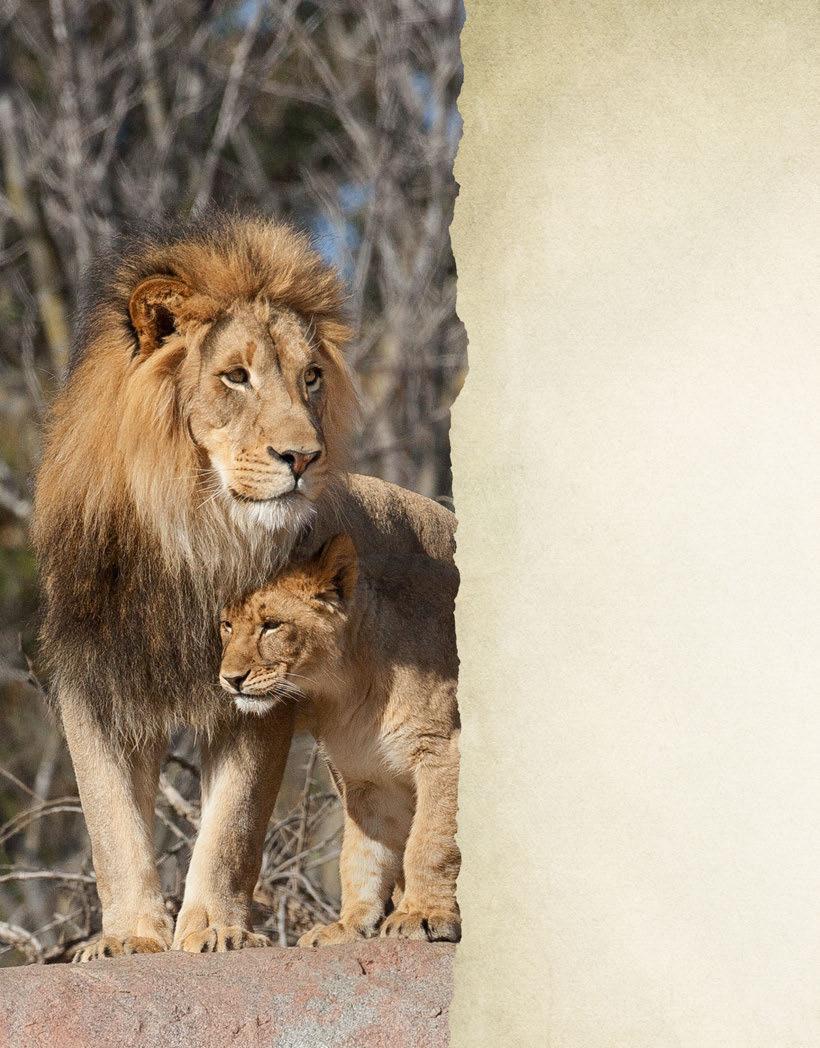
Sunday, June 16, 2013
11:30 a.m.–1:30 p.m.
Enjoy a live jazz band and spend a relaxing day at the Safari Park to celebrate the king of your pride! No-host bar - Dads get one complimentary drink ticket included with their meal.
PUBLISHED SINCE 1926
MAY 2013
VOL.LXXXVI NO.5
MANAGING EDITOR
KAREN E . WORLEY
ASSOCIATE EDITORS
PEGGY SCOTT
DEBBIE ANDREEN STAFF WRITERS
W ENDY PER K INS
K ARYL CARMIGNANI
SAN DIEGO ZOO GLOBAL PHOTOGRAPHER
K EN BOHN
D IGITAL IM AGING TECHNICIAN
TAMMY SPRATT
DESIGN AND PRODUCTION
DAMIEN LASATER
C HRIS M ARTIN
H EIDI S CHMID
PREPRESS AND PRINTING TRANSCONTINENTAL/PRINTED IN CANADA
e Zoological Society of San Diego was founded in October 1916 by Harry M. Wegeforth, M.D., as a private, nonprofit corporation. e Zoological Society of San Diego does business as San Diego Zoo Global.
ZOONOOZ (ISSN 0044-5282) is currently published bimonthly. Publisher is San Diego Zoo Global, at 2920 Zoo Drive, San Diego, CA 92103, 619-231-1515. Periodicals postage paid at San Diego, California, U.S.A., and at additional mailing offices.
POSTMASTER: Send address changes to Membership Department, P.O. Box 120271, San Diego, CA 92112. Copyright 2013 San Diego Zoo Global. All rights reserved. “ZOONOOZ” Reg. U.S. Pat. Office. All column and program titles are trademarks of San Diego Zoo Global.
Annual Memberships: Dual $114, new; $99, renewal. Single $94, new; $82, renewal. Each membership includes unlimited entrance to the San Diego Zoo and the San Diego Zoo Safari Park.
ZOONOOZ subscription: $25 per year, $65 for 3 years. Foreign, including Canada and Mexico, $30 per year, $81 for 3 years. Contact Membership Department, P.O. Box 120271, San Diego, CA 92112.
As part of San Diego Zoo Global’s commitment to conservation, ZOONOOZ is printed on recycled paper that is 30% post-consumer waste, chlorine free, and is Forest Stewardship Council (FSC ) certified.
Using this paper for a year will save approximately 200 tons of wood, or 1,400 trees; 965 million BTUs of energy, enough to run 10 homes for a year; 155,000 pounds of CO2 equivalent, the amount produced by 14 cars during a year; and 84,000 pounds of solid waste (estimates made using the Environmental Defense Fund Paper Calculator).
FSC is not responsible for any calculations on saving resources by choosing this paper.
THIS IS AN EXCITING TIME FOR US AT THE ZOO: the Conrad Prebys Australian Outback exhibit opens on May 24! is new home for our koala colony and other Australian animals has been in development for several years, and we are happy to unveil it to the public. I hope you’ll enjoy the eye-catching design, and sculptural and sign elements throughout the exhibit—including the spectacular aboriginal-inspired totem poles at the entrance—in addition to the aviaries filled with colorful birds, homes for wombats, wallabies, echidnas, ring-tailed possums, and, of course, the eucalyptus woodland for our 25 koalas. You can find out more about the exhibit in this issue of ZOONOOZ. May has even more to offer, with our Discovery Days: Garden Celebration at the Zoo presented by Sparkletts from May 9 to 12 and wonderful Mother’s Day brunches at both the Safari Park and the Zoo. And that’s just the beginning of our summer adventures: Nighttime Zoo begins on June 22 and the Park’s Summer Safari begins on June 29, with new entertainment, shows, and activities to enjoy. As usual, we have lots to choose from for fun with family and friends—I hope you can join us!
SAN DIEGO ZOO HOURS
May 1–31: 9 a.m. to 6 p.m.
June 1–14 and 16–20: 9 a.m. to 6 p.m.
June 15: 9 a.m. to 5 p.m.
June 21–30: 9 a.m. to 9 p.m.
SAN DIEGO ZOO SAFARI PARK HOURS
May 1–24: 9 a.m. to 5 p.m.
May 25–27: 9 a.m. to 6 p.m.
May 28–31: 9 a.m. to 5 p.m.
June 1–28: 9 a.m. to 5 p.m.
June 29–30 9 a.m. to 7 p.m.
WEBSITE sandiegozoo.org
SAN DIEGO ZOO PHONE
619-231-1515
ZOONOOZ®
Douglas G. Myers President/CEO
MAY
May 3, 31 Roar & Snore: Amazing Animals, at the Safari Park
May 4, 11, 18 KinderTots: Learning to Balance Like a Jaguar, at the Zoo
May 5 Safari Park Half Marathon presented by Health Net
May 9–12 San Diego Zoo Discovery Days: Garden Celebration presented by Sparkletts
May 10, 17, 24 KinderNights: Fascinating Feet, at the Zoo
May 11 Mother’s Day Sleepover, at the Zoo
May 11 Roar & Snore: Mother’s Day, at the Safari Park
May 12 Mother’s Day Brunch, at the Safari Park and the Zoo
May 17 Plant Day and Orchid Odyssey, at the Zoo
May 17 Roar & Snore Junior: Alphabet Safari, at the Safari Park
May 24 Grand opening of Conrad Prebys Australian Outback, at the Zoo
June 1, 8 KinderTots: Learning about Colors with Polar Bears, at the Zoo
June 2 Orchid Odyssey, at the Zoo
June 7, 8 KinderNights: Giraffes at the Zoo
June 8, 14 Father’s Day Classic Campout, at the Zoo
June 15 Rendezvous in the Zoo gala (R*I*T*Z)
June 15 Roar & Snore: Father’s Day, at the Safari Park
June 16 Father’s Day BBQ, at the Safari Park
June 21 Members-only preview of Nighttime Zoo
June 22 Nighttime Zoo begins (through September 7)
June 22 Happy Happens at Albert’s Restaurant begins (through September 7)
June 24 Safari Park Summer Camps begin (various dates through August)
June 24 Zoo Summer Camps begin (various dates through August)
June 29 Summer Safari begins, at the Safari Park (through September 7)
you said it
Dear [panda cub] Xiao Liwu: My wife has been going through some di cult times recently. You have been her savior. She feels better when watching you on your webcam…. One of the highlights of her life was going to see you in person today. Whether you realize it or not, you have made a huge difference to our family.

Panda Hubby
I simply want to say that I so much enjoy reading the comments of those folks who are lucky enough to closely interact and provide loving care to these magni cent elephants.

Steve
I must say my favorite part about Facebook is seeing the amazing photos posted by the San Diego Zoo. ey always put a smile on my face!

Liz Rincon
The @sandiegozoo Twitter is the greatest thing to happen to me. ank you for making my day! #iamobsessed @raychulpfief

Squee! Your critters are so cute! I love it! I love this whole Tumblr. thedoomkitten

I’m so thankful that [panda Gao Gao] is at the zoo, where they take such good care of his special needs. On a di erent, more personal note, I was disturbed to discover that I weigh more than Gao Gao! Time to get moving!! Haha!
Nancy Little
These are the incredible moments that make Facebook worthwhile! You color my world with beautiful animals.
Melissa Christina


Head over to the Zoo’s shiny new exhibit (opening May 24), document your visit on Instagram, and tag your photos with #sandiegozoo and #AustralianOutback to automatically enter to win a behind-the-scenes adventure.
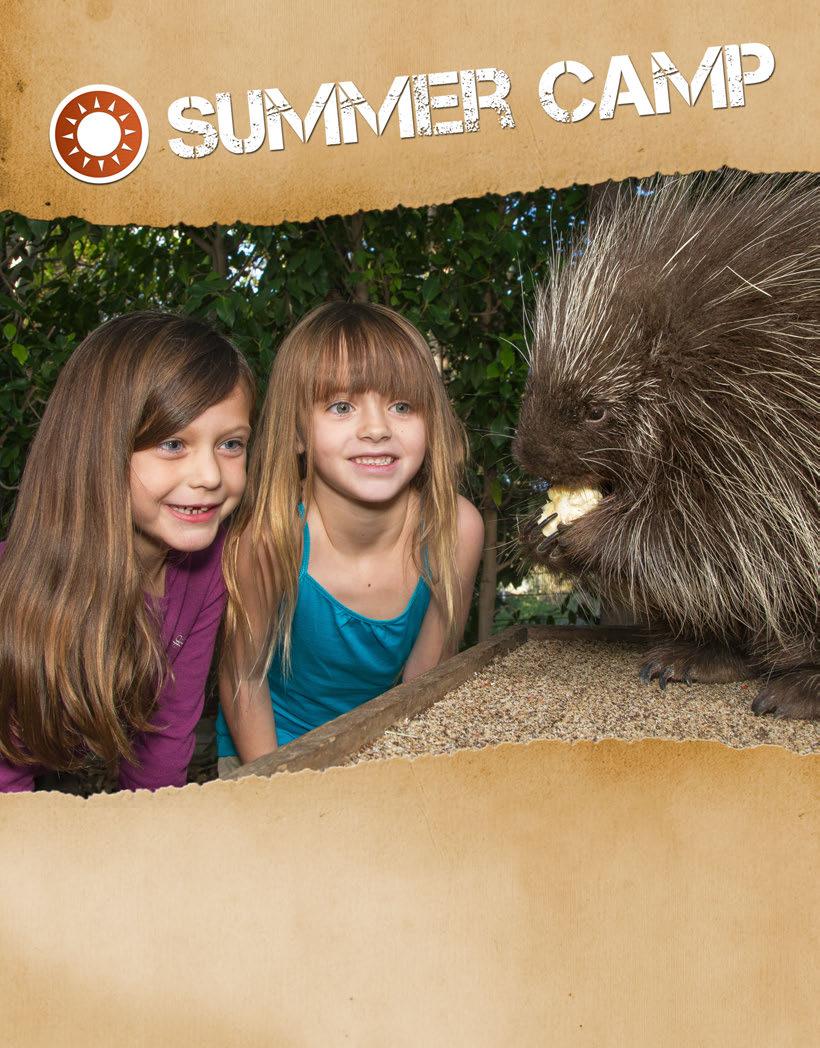
Discover adventure like no other during Summer Camp at the Zoo and the Safari Park! There may be many summer camps out there, but ours have campers interacting with rhinos and giraffes, meeting meerkats, getting up close to cheetahs, and having a ton of fun along the way. With camp options for kids ages 2 through 17, these hands-on, be-a-part-of-it experiences will have your kids saying proudly, “I had an amazing time on my summer vacation!”

By Karen E. Worley MANAGING EDITOR
by Ken Bohn
From Aussie animal totems to a bevy of colorful and talented birds to pouched wonders from Down Under, the time has come for a walkabout among fragrant gum trees to explore Australia’s wildlife! e Conrad Prebys Australian Outback exhibit at the San Diego Zoo opens on May 24, 2013, with a brand-new world for visitors to discover.
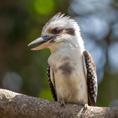
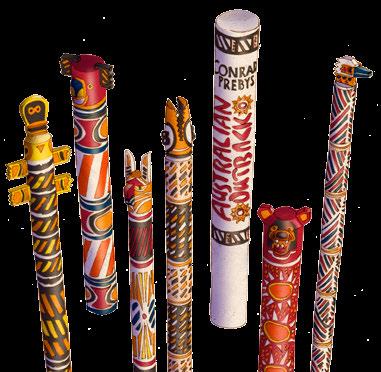
It all begins with beckoning 8- to 15-foottall totems, each one topped with an iconic Australian species: koala, platypus, crocodile, kangaroo, Tasmanian devil, and kookaburra. Which one “speaks” to you? It may be your guide, representing characteristics and powers you can learn to embody. As you head out along the path (which is ADA accessible and made possible by the Menard Family Foundation), urries of color, activity, and song surround you as birds of Australia go about courting, nesting, and calling to their neighbors in the open-air aviaries. Look for budgies, nches, bowerbirds, doves, starlings, lapwings, and more, all using the plants around them in natural behaviors. You’ll also nd kookaburras here, those cheeky Australian king shers whose call sounds like raucous laughter. Just remember, they’re laughing with you, not at you. We think. Across from the aviaries, you’ll have your rst encounter with the Aussie mammals. Welcome to where wombats waddle—and busily dig burrows for snug sleeping places. Common


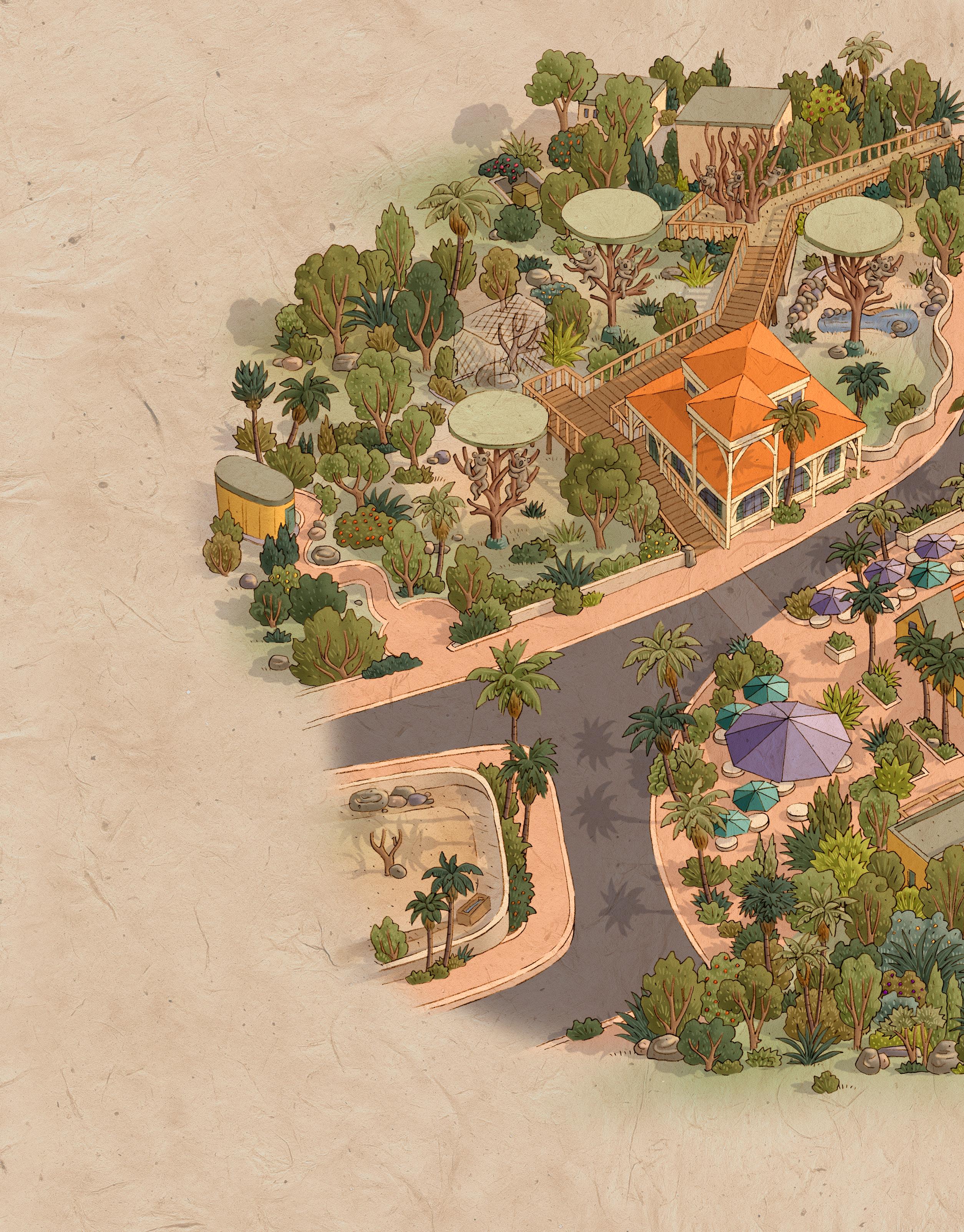
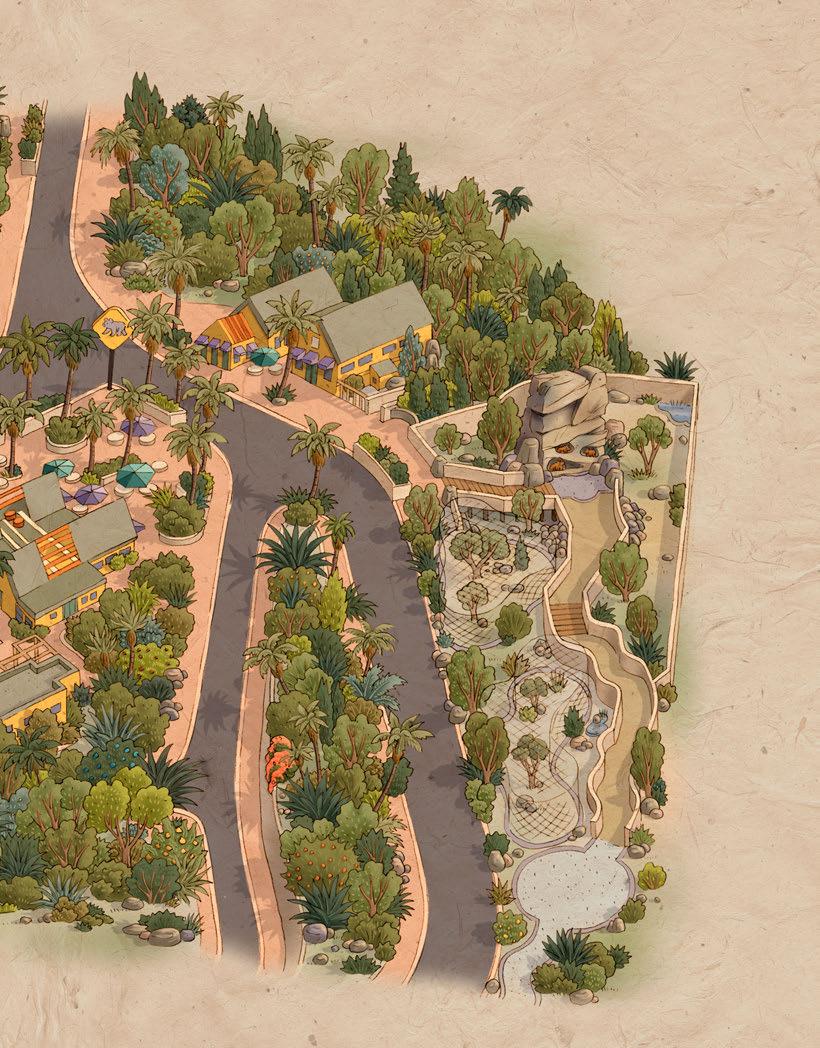
The Conrad Prebys Australian Outback is a brand-new experience opening on May 24, 2013. You can encounter species from the Land Down Under, explore their world in the eucalyptus forests, and see our colony of koalas at eye level as they nap, eat, and climb. There will be 7 different marsupials and 25 colorful bird species in this new exhibit area—take a look at this map for a preview, and start planning your visit!
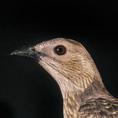
Fawn-breasted Bowerbird
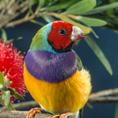
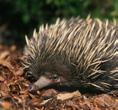
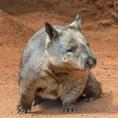
Aboriginal-inspired Totems

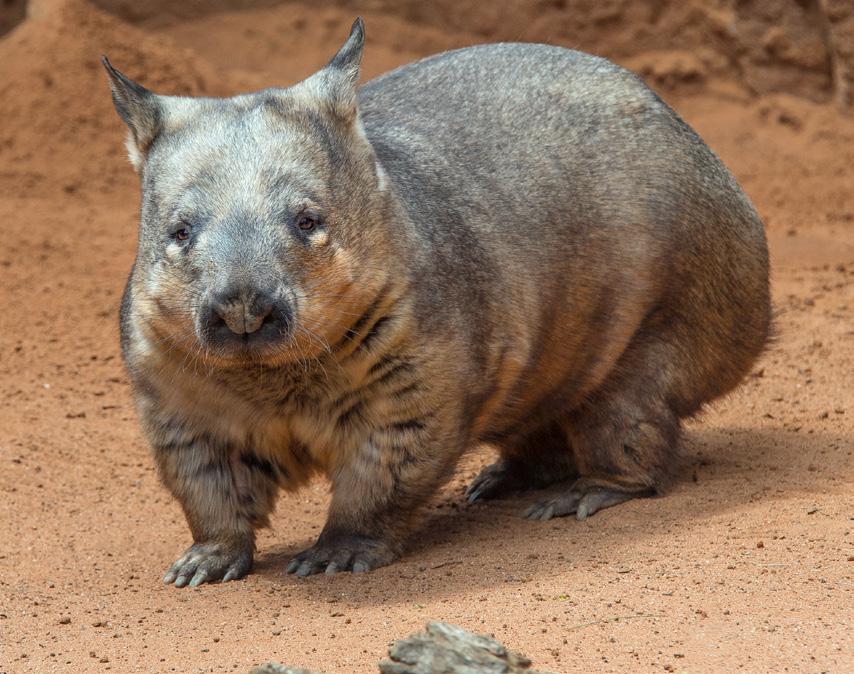



or hairy-nosed, these sturdy marsupials are most closely related to koalas. ere is a bit of a resemblance, but wombats are adapted for solid ground instead of perching in the trees. In Australian Outback, their neighbors are the weird and wonderful short-beaked echidnas,
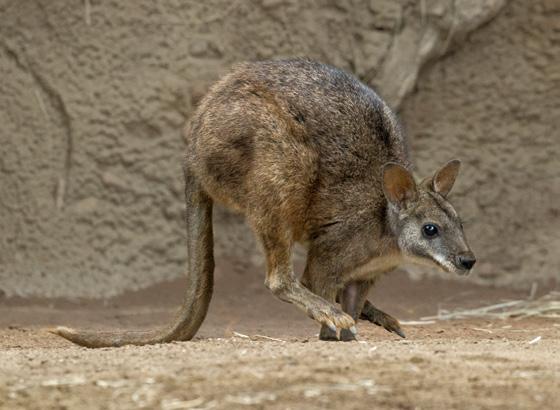
As recently as the early 1960s, these wallabies were thought to be extinct, but a small population was discovered in 1965 on Kawau Island in New Zealand.
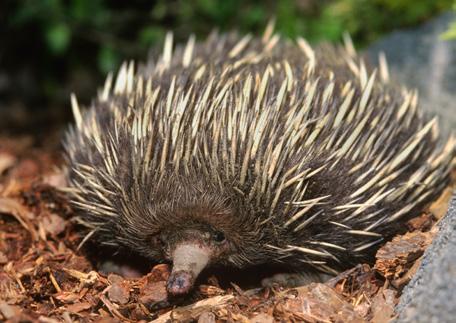
one of only three mammal species on Earth that lays eggs. Echidnas are also expert diggers, and if threatened, they can dig into the dirt quickly, leaving only intimidating and unappetizing spines poking up.
Ahead is an intriguing-looking rock wall with animals sculpted into it. Which animals are they—can you tell? Test your marsupial identi cation skills, then check the sign to see if you were right. e nearby exhibit will soon be home to another, di erent type of marsupial, perhaps the most fearsome of all: the Tasmanian devil. While they won’t be present for the grand opening, we are working with experts in Australia to bring the little devils to San Diego in the near future. en they can show visitors what being a carnivorous marsupial is all about.
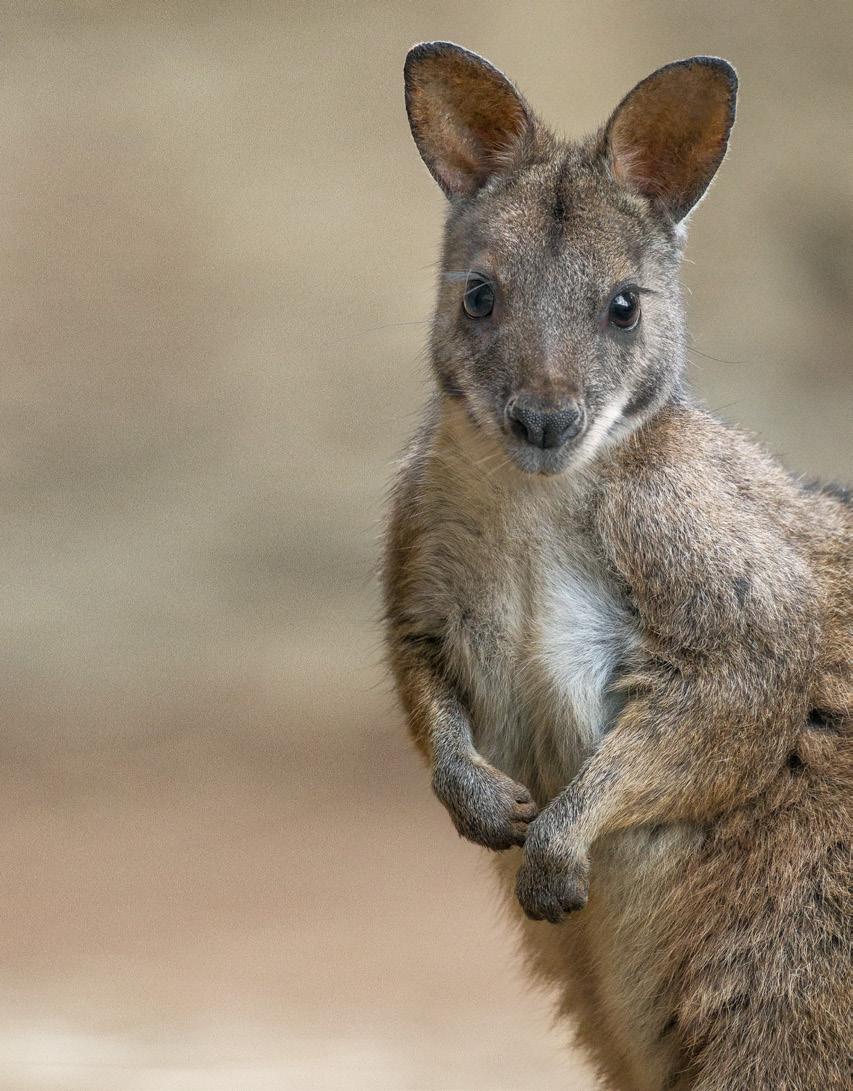
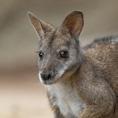
One species that is sometimes overlooked but is important in our Australian Outback exhibit is the rare Parma wallaby, the smallest species in the kangaroo family. As recently as the early 1960s, these wallabies were thought to be extinct, but a small population was discovered in 1965 on Kawau Island in New Zealand. e group was sent to zoos in Australia in hopes of breeding them and increasing the species’ numbers. Even more remarkably, another population was found in 1967 in the
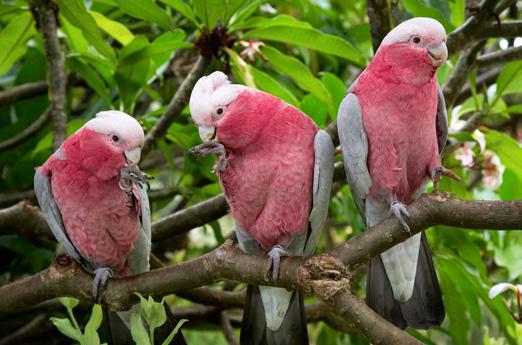
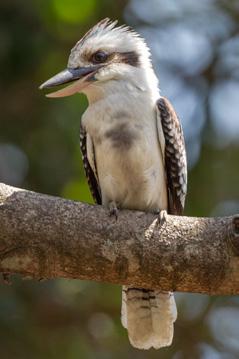
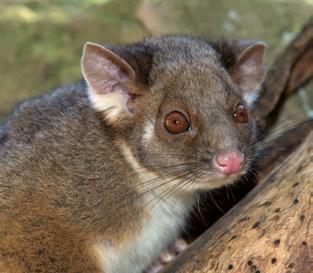
Clockwise from top: Look for the beautiful and boisterous rose galahs, the well-known laughing kookaburra, the elusive ring-tailed possum, and the weird and wonderful shortbeaked echidna.





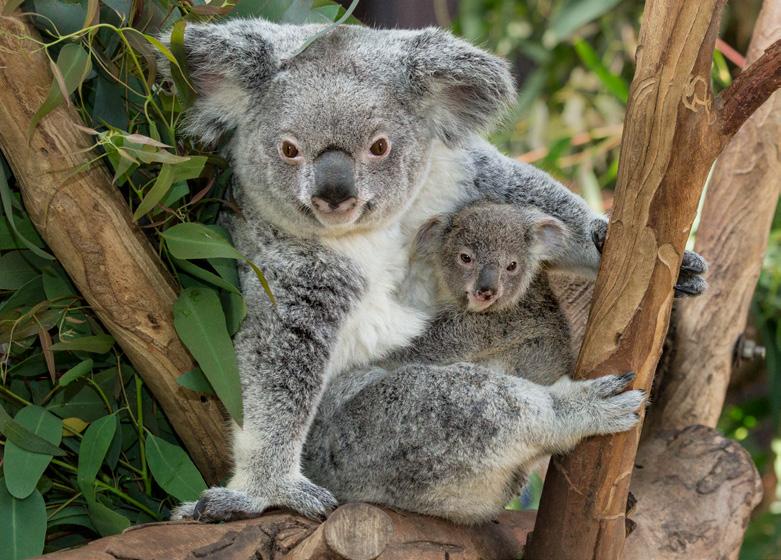


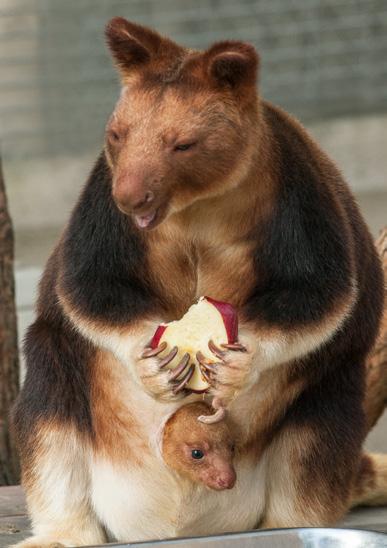

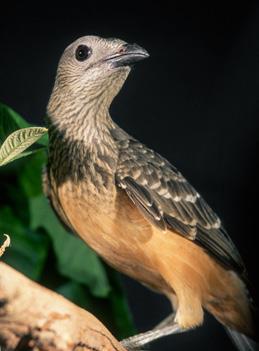

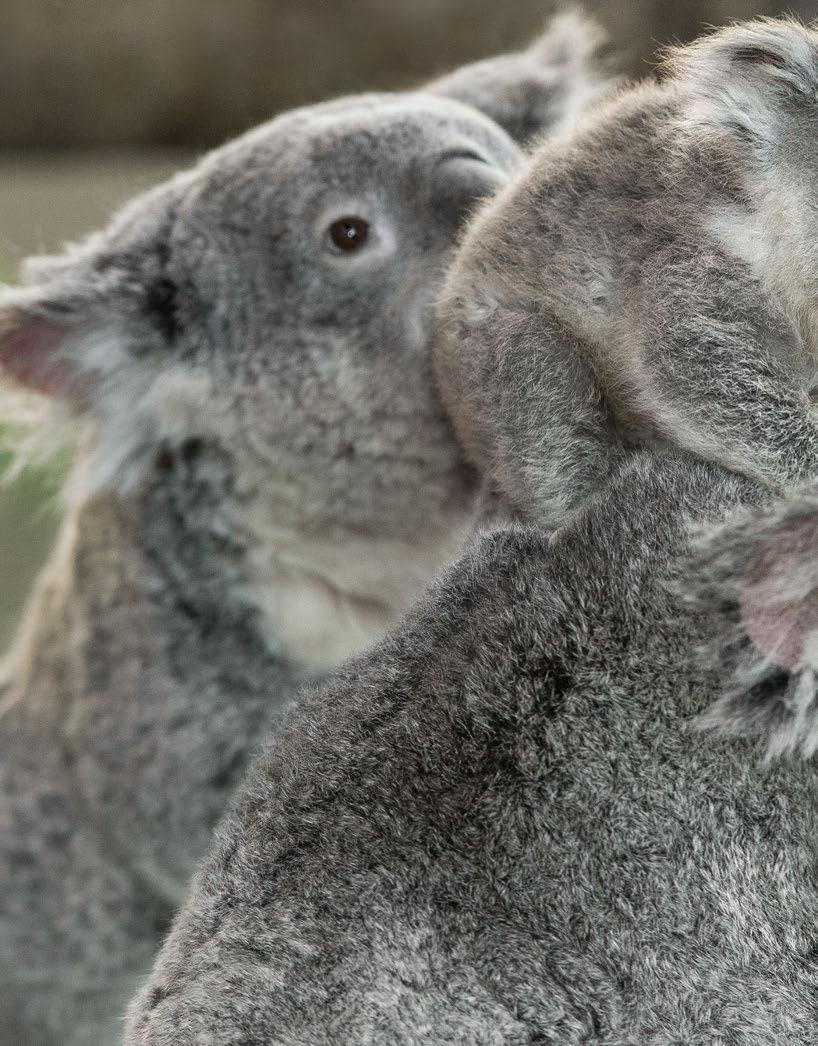
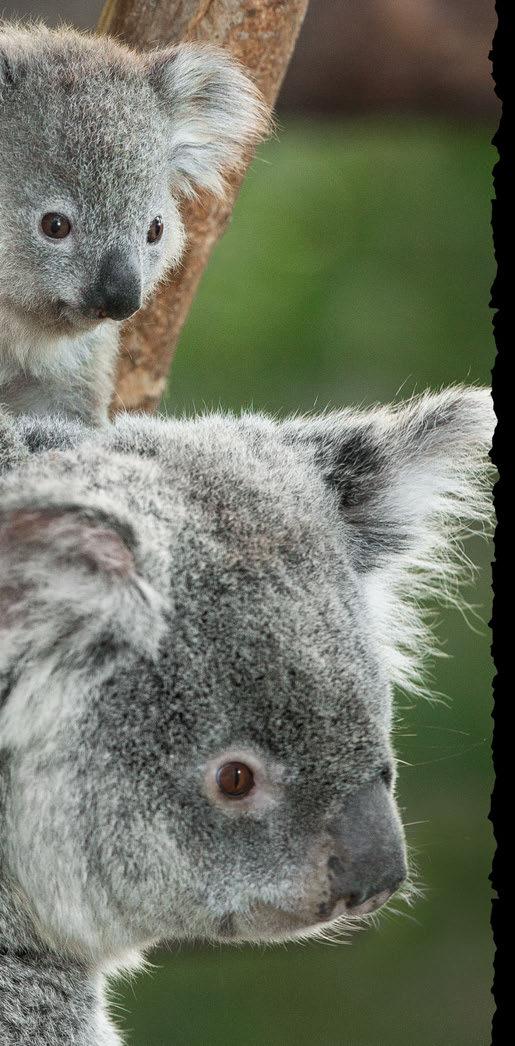
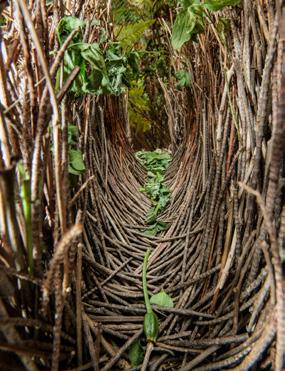
Clockwise from top: For the first time, you’ll be able to see all of our koalas together in their eucalyptus forest. Look for the architectural avenue bower that male fawn-breasted bowerbirds create. We’re hoping for more tree kangaroo joeys in our future.
forests of New South Wales, Australia, which turned out to stretch in pockets almost as far north as Queensland. While these dainty ’roos may not command the attention of the Tasmanian devil, they are an unusual species worth a second look.
One of the dangers that Australian mammals face, especially koalas, is crossing roads and running the risk of being hit by vehicles. A common sight in Australia is the “Koala Crossing” sign (or wombat or kangaroo), and you’ll nd one in the Zoo’s Australian Outback as well, guiding you to cross the street carefully as you move to the next section of exhibits. As you do, you’ll see Sydney’s Gi Shop and Sydney’s Grill—perhaps an Aussieinspired lunch and a memento of your visit are in order?
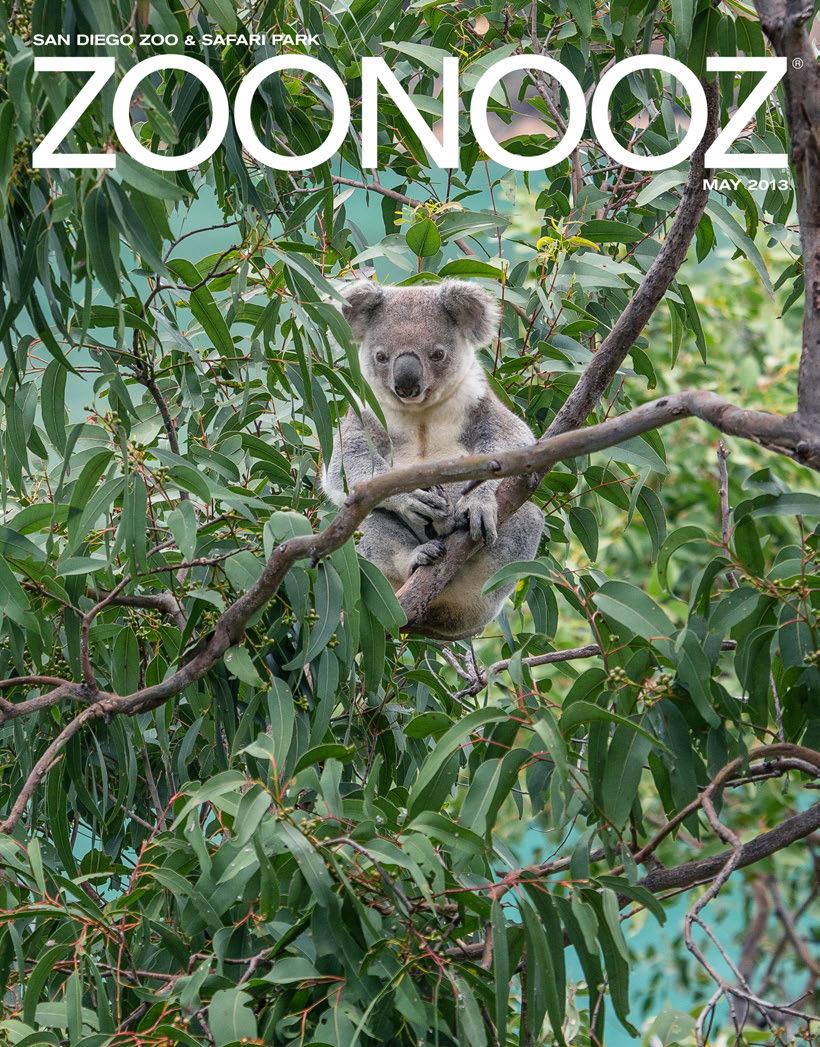
Across the way, the Queenslander House greets you, with its wooden walkways and spacious veranda, and you’ll nd yourself surrounded by our Queensland koala colony, the largest breeding colony outside of Australia. Because the males can be territorial, they have their own perches in one area, while the more social females and their joeys share another area. e best part is that the elevated walkways bring you to eye level with the koalas as they perch in their forest of eucalyptus.
Koalas are well known for sleeping during the day to digest their leafy meals, but if you watch, you’ll see more activity than you might think as they move from branch to branch and select the most tender sprays of their favorite eucalyptus—much as they would in the wild. You can also peek into the Queenslander House window to see the koala food prep area, and if one of our Education Department programs isn’t in session in the classroom (funded by Peter and Olivia Farrell), you can come inside the house to nd out more about our conservation work with koalas on Australia’s St. Bees Island.
Once you’ve had your ll of watching the koalas (if that’s possible!), there’s an opportunity to put yourself in the trees with them—well, with koala sculptures, anyway. Choose a seat in the crook of the Koala Klimber’s branches and have your photo taken to remember your walkabout through Australian Outback. As you head out to other adventures in the Zoo, you may just nd yourself saying, “Crikey, that was fun!” It all begins May 24!


We asked you to vote for your favorite shot of Cooladdi hanging out in your Koalafornia Dream. Below are the three Koalafornia dreamers who you deemed worthy of a trip to San Diego for the opening of our new Conrad Prebys Australian Outback exhibit!

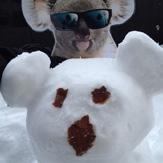


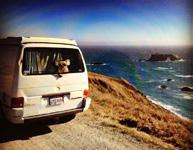

By Karyl Carmignani STAFF WRITER
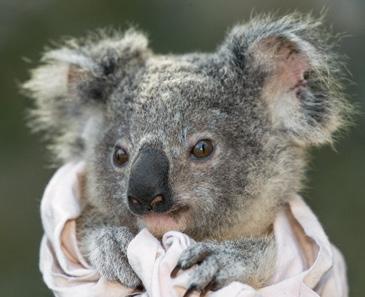
If good looks could save a species, the koala would be sitting pretty. But despite its fuzzy coat and sleepy demeanor, this iconic marsupial is facing unprecedented pressures in much of its homeland Down Under. Koalas were recently listed as vulnerable in three of the ve Australian states they live in: Queensland, New South Wales, and Australia Capital Territory. To help reverse this downward trend, researchers from San Diego Zoo Global are collaborating with other scientists to learn about the ecology of this herbivore, as well as its reproduction, health, and genetic variability.
“ ere is a wonderful give and take of data gathered from zoo colonies and data gathered in the eld,” said Jennifer Tobey, research coordinator at the San Diego Zoo Institute for Conservation Research, who has worked with the Zoo’s koalas for over 10 years and traveled to Australia to work on eld projects. “ e more we learn and share about the koalas, the better we will be at conserving them and the habitat they need.”
As the world’s largest island (and the sixth-largest country), Australia is recognized as being megadiverse, giving rise to habitats from parched desert to alpine heaths to tropical rain forests. Koalas require woodlands of eucalyptus trees, which they use for food and shelter. Queensland koalas face two key issues: con ict with human development destroying their beachfront habitat and being displaced from their inland habitat due to coal mining and associated roads. As in Southern California, Australian coastal cities are popular with both
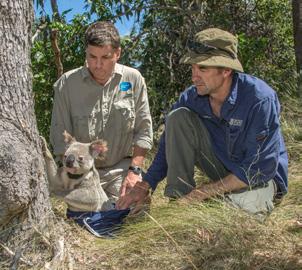
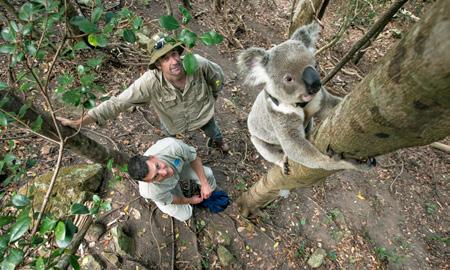
Researchers from San Diego Zoo Global collaborate with others to learn more about the koala’s ecology. Wild koalas are carefully caught and measured, and some receive radio collars so researchers can learn more about their habits.
residents and tourists. Some developers try to make their projects “koala friendly” by prohibiting pet dogs (which can kill koalas) and building fences o the ground so koalas can travel through residential areas. However, to expedite building plans, the life-giving stands of trees are o en removed, leaving koala populations at risk.
Inland, there are land concessions that follow seams of coal. While many coal mines decimate the land, coal contracts require companies to repair the habitat when they are nished mining. A research partnership called Koala Venture between the University of Queensland’s
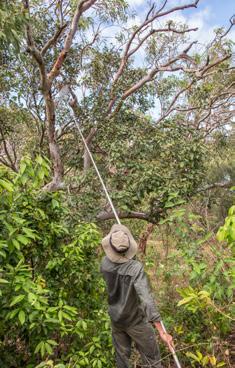
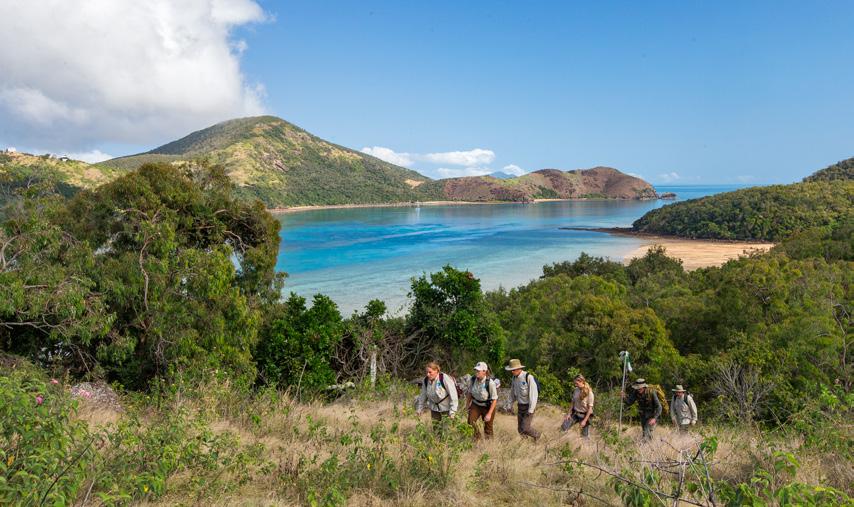
A volcanic island located about 18 miles o the coast of Queensland, St. Bees is as picturesque as it is remote. It is also home to a robust colony of koalas, which are largely undisturbed by humans, since 90 percent of the island is a national park. Researchers are studying these animals to determine a baseline of behavior and health for other koala populations in zoos and throughout Australia. Former San Diego Zoo Global postdoctoral fellow and current research collaborator Bill Ellis, Ph.D., is passionate about the work, noting that koalas to the south in Brisbane are in serious decline, su ering from disease, injuries, and death resulting from pets, vehicles, and habitat fragmentation. “In the future, groups like the St. Bees Island koalas might be the only
Centre for Mined Land Rehabilitation and Rio Tinto Coal Australia has been working to study, track, and translocate displaced koalas. e research began in 1989 at Blair Athol Coal Mine and now includes the nearby Clermont Coal Mine. Koala monitoring shows that koalas are repopulating the rehabilitated Blair Athol land. Although humans cannot immediately restore natural biotic communities a er a mining event, reclamation and rehabilitation of land can bene t koalas and other wildlife.
on St. Bees,” said Jennifer. One interesting aspect of this island population is that they have exceedingly healthy teeth as compared to their mainland counterparts. Rick Schwartz, San Diego Zoo Global Ambassador, explained the situation in a blog post he wrote about his time on St. Bees: “Typically, a koala’s life ends at around 12 to 15 years of age because their teeth have worn down from grinding eucalyptus leaves. For some reason, the St. Bees koalas’ teeth show much less wear and tear, perhaps due to their genetics.” Could they be living longer? Stay tuned.
Radio and satellite collars do much to illuminate what animals are “really” up to, particularly mostly nocturnal creatures like koalas. Data collected from these technologies will
populations from which we can learn about koala reproduction, physiology, and general ecology, so they are vital to the future of the species,” he said.
San Diego Zoo Veterinarian Dr. Geo Pye works with the St. Bees team to gather samples and assess the overall health of the koalas. “Dr. Pye has a great deal of knowledge about and experience with our koalas at the Zoo, and that information bene ts the work
lead to a clearer understanding of social and mating behavior and how koalas manage their range. Proximity collars were recently placed on 21 koalas, which will record who has been near whom on St. Bees. During the mating season, this could prove fascinating! Through cooperation and collaboration, it is hoped that the mysteries of these mighty marsupials will come to light. We will continue to support and participate in the conservation of this furry icon from Down Under.
By Peggy Scott ASSOCIATE EDITOR
Photos by Ken Bohn SDZG PHOTOGRAPHER
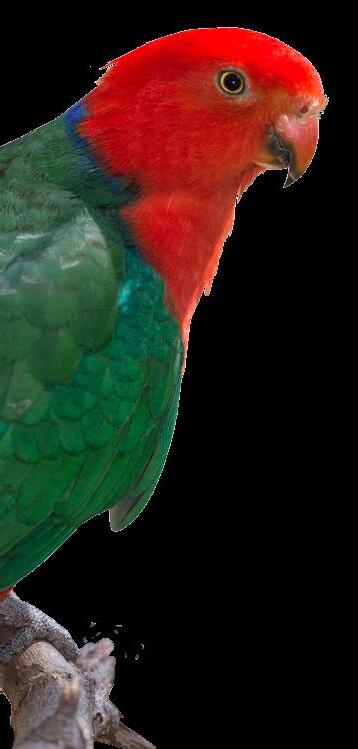
Left: Australian king parrots can live 80 years.
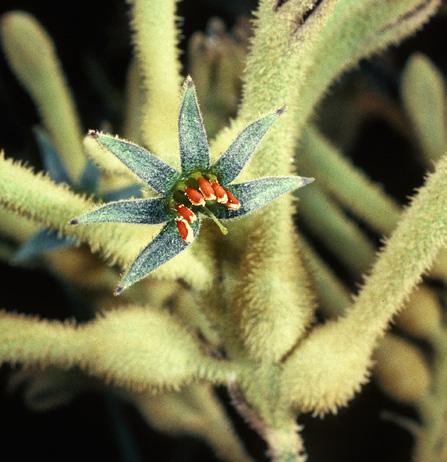
Upper left: Kangaroo paw plants produce fuzzy flowers.
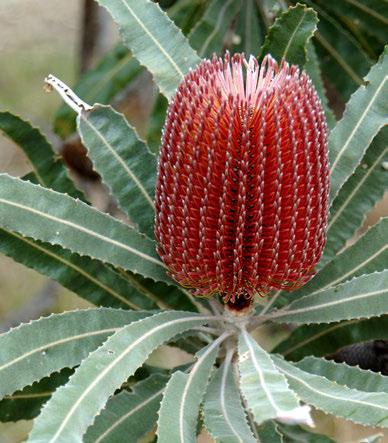
Upper right: Banksia flower heads are made up of hundreds to thousands of individual flowers.
“If you plant it, they will…destroy it.”
Not as poetic, perhaps, as the famous movie line, but for horticulturists in a zoological setting, this admittedly fatalistic outlook is a fact of life. When a habitat is being planned for certain mammals, those in charge of the greenery know the days in the life of the landscape are numbered. “Our hyenas and bears are brutal on the plants,” says Mike Letzring, horticulture collections manager at the Zoo. “If they’re not tearing them up, they’re sitting on them. But we know that and plan accordingly. Anything we want to stay nice, we plant outside the exhibit.”
In the case of planning a habitat for birds, however, it’s a di erent ballgame. Birds are closely tied to their environment, and for our feathered friends, shelter and sustenance are particularly entwined. “Birds rely on the trees and plant life for their existence,” explains Dave Rimlinger, curator of birds for the Zoo. “ ey bene t from eating what the plants produce, the cover provided for shelter, the nesting sites and materials to build those nests, and the safety for the eggs and o spring.”
Getting to the Root
e relationship between birds and horticulture will be a highlight in the Zoo’s new Conrad Prebys Australian Outback. Within the aviaries,
guests will be able to observe a wide range of Australian bird species, from rose galahs to plum-headed finches, in habitats containing native plant life. It’s a project that has been in the planning stages for a few years. As Seth Menser, senior horticulturist at the Zoo, explains, one element of the process involved collecting and sourcing seeds in Australia. Seed-collecting trips have taken place in Western Australia, New South Wales, and Queensland.
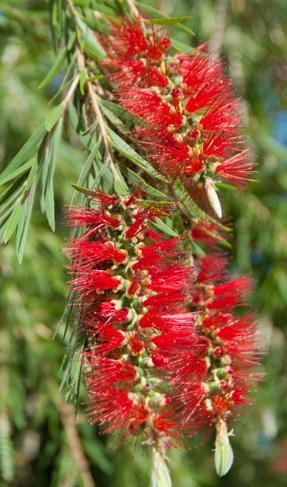
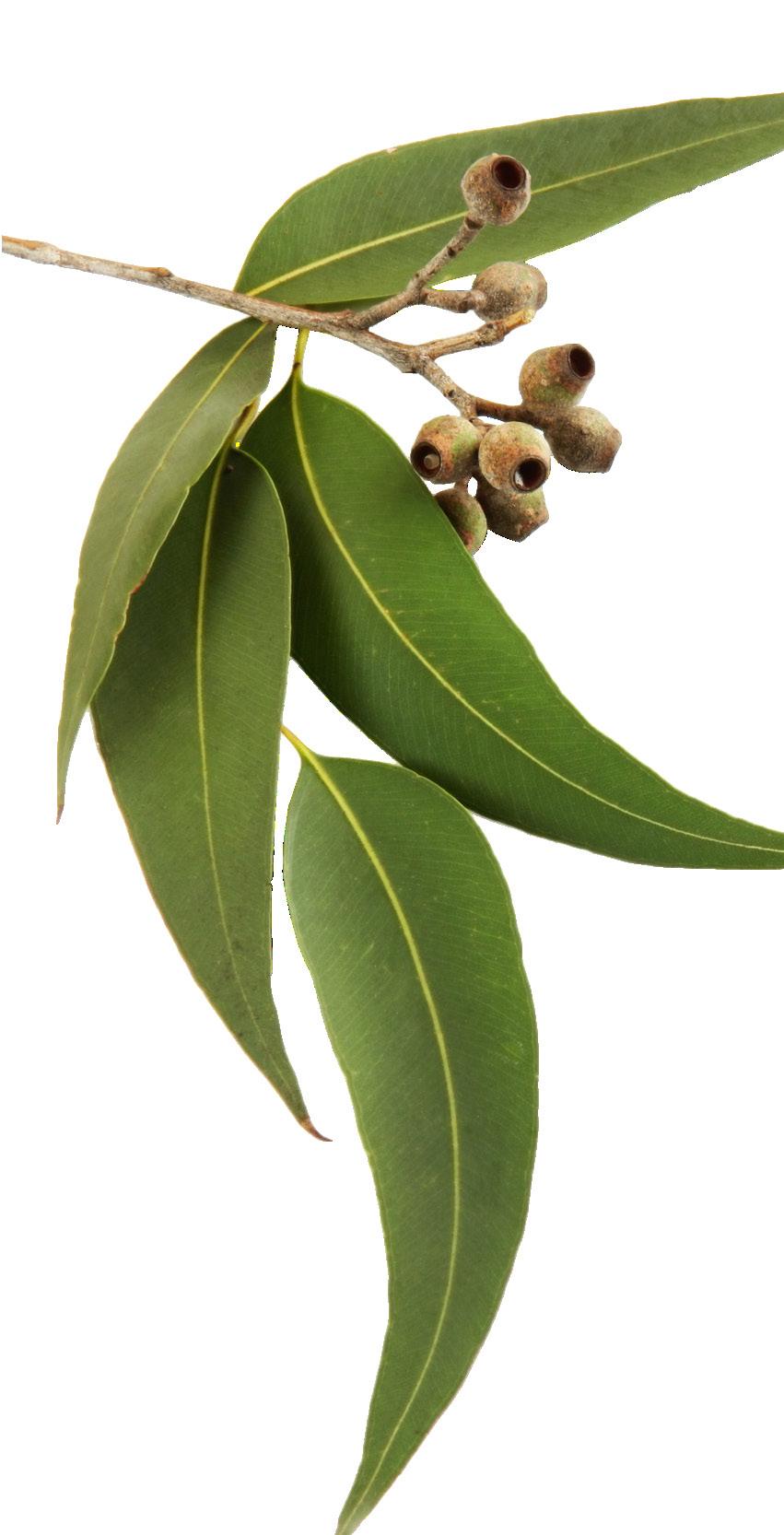
Seth notes that our goal is to have Australian native plants to match the animal companions in the new exhibits. So, along with fauna from Down Under such as lorikeets, kookaburras, and star finches, guests can experience Australian ora, including cus, acacia, banksia, eucalyptus, melaleuca, gre-
villea, hakea, syzygium, cycad, boab, bottlebrush, orchid, tree fern, and kangaroo paw.
“With these plants, many of which are not usually grown outside Australia,” Seth explains, “visitors to the Zoo’s Australian Outback will get a true, immersive Aussie experience!”
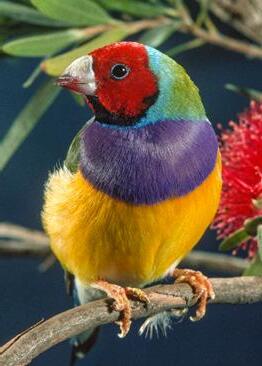
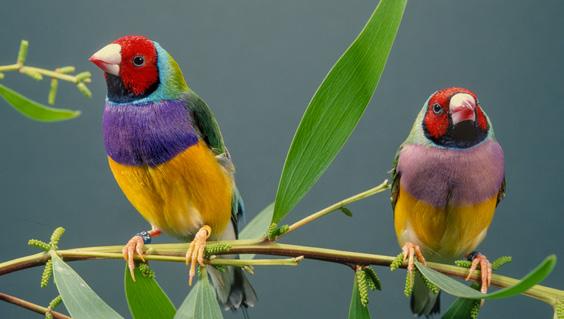
Of course, different birds have different plant needs and uses. Dave notes that many Australian nches are so closely associated with grasses that the group is referred to as “grass nches.” “ ese birds feed on grass seeds and build their nests out of grasses such as ax lily Dianella tasmanica and Mairei’s fescue Festuca mairei . An exception is the Gouldian nch, which nests in a hollow tree,” Dave says. The Gouldian nch’s food of choice is the seed of the annual spear grass sorghum, but it will make do with other grass species if its favorite is unavailable.
For nectar-feeding birds such as honeyeaters, the selection will be just as sweet. “ e blue-faced honeyeaters, rainbow lorikeets, and other nectar-feeding parrots will gravitate to the protea, banksia, dwarf bottlebrush, and grevillea,” Dave says. “ ey will also build their nests in them. Australia is rich in nectar-producing plants.”
Plant Architects
e bowerbird has a unique use for plants, Dave points out. e males build an elaborate bower to attract females. This avian overachiever uses plant materials to construct avenue-style walls with a carefully lined path, and then he gathers special trinkets to meticulously decorate his masterpiece. If a female likes what she sees, mating takes place in the bower. “If we didn’t provide the right plants and sticks for the building project, the life cycle wouldn’t continue,” Dave points out, noting that some male bowerbirds are pickier than others. “Fawn-breasted bowerbirds tend to use green decorations, while the satin bowerbird only decorates his bower with blue items—feathers, berries. ey can be very particular.”
Mike calls the horticulture collection in Australian Outback “a general idea of the plants in Australia.” e continent is vast, as is the animal and plant life that inhabits it. “We’ve taken into account maintenance and water-usage concerns, and I think we’ve put together as close a representation as possible.” When you visit Australian Outback this summer, keep an eye out for the horticultural wonders—they’re sure to grow on you!
If you love animals and exploring faraway places, travel with the San Diego Zoo’s WorldWild Tours™ to some of the wildest places on Earth in 2013 and 2014. Our itineraries highlight the wildlife at each destination and include expert naturalists and a San Diego Zoo escort, plus a group of like-minded travelers.

China & Pandas with Yangtze River Cruise
June 30 through July 11, 2014 with Tibet and Hong Kong extensions
$5,195 plus airfare
A Treasure Trove of Wildlife & Culture
March 1 through 12, 2014 with Rwanda extension
$5,995 plus airfare

An Orangutan Odyssey
July 7 through 20, 2013
$6,880 plus airfare (per person, double occupancy*)
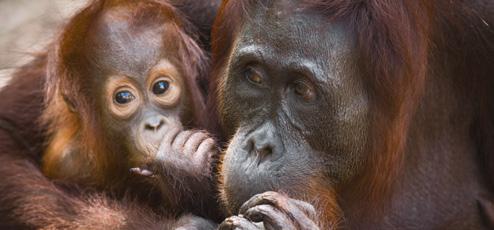
Experience spectacular wildlife in the rain forests of both Malaysian and Indonesian Borneo. Animal highlights include orangutans, pygmy elephants, proboscis monkeys—only found on this island!—along with crocodiles and hundreds of bird species.
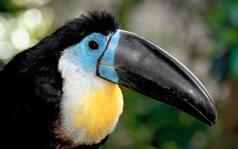
Explore the Amazing Amazon
September 13 through 22, 2013 with post-tour extension to Machu Picchu and Cusco
$4,198 to $4,398 plus airfare (per person, double occupancy*)
Immerse yourself in the wildlife of the Amazon jungle as you cruise through the vast PacayaSamiria National Reserve aboard a spacious new riverboat. Highlights include 15 primate species, 450 bird species, and the rare but delightful pink river dolphins.

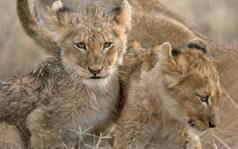
Where Adventure Awaits! August 17 through 29, 2013 with post-tour extension to Cape Town
$7,995 plus airfare (per person, double occupancy*)
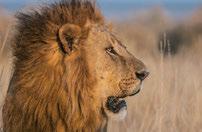
Nothing compares with the excitement of seeing African wildlife on a safari through South Africa—whether this is your first trip or your tenth! Come prepared to see elephants, lions, cheetahs, rhinos, and wild dogs, just some of the spectacular animals that roam in the reserves there.

“Shades of Green” is the theme for this year’s San Diego Zoo Discovery Days: Garden Festival, presented by Sparkletts, May 9 to 12, 2013. It offers a bouquet of activities to help you discover the fascinating connections between plants and animals—and people. Your discoveries may motivate you to do some gardening at home, and the Garden Festival is just the place to get the dirt on how to sprout a green thumb. Enjoy special presentations, chat with our gardening pros, join in a scavenger hunt and fun crafts for kids, and take the Plant Lovers VIP Tour. Garden Festival is just blooming with fun opportunities for the whole family!


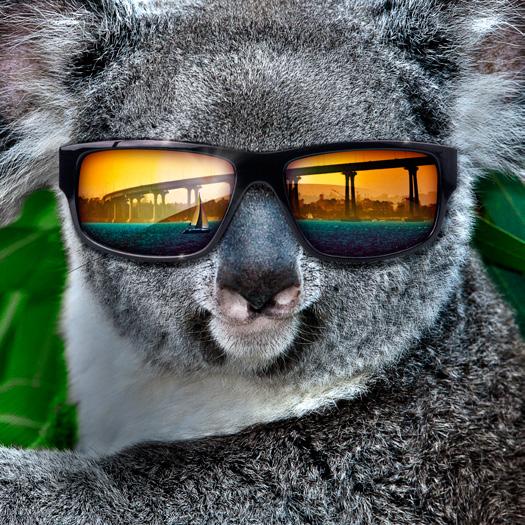

Nighttime Zoo returns for summer fun on June 22, and this year’s event will include Australian entertainment in celebration of the opening of the Zoo’s Conrad Prebys Australian Outback. Music, food, shows, and more will pay tribute to the Land Down Under as we enjoy the length of summer days and cool summer evenings. Bring family and friends for a grand good time! The Zoo will be open from 9 a.m. to 9 p.m. from June 22 through September 2, 2013. See you there, mate!
with Joan Embery Nighttime Zoo
Friday, June 21, 2013

Join conservation ambassador Joan Embery in Hunte Amphitheater at 6:30 p.m. for a special performance of our new Aussie acrobat show. A lucky guest will win the opportunity to have his or her photo taken with Joan. In addition, from 4 to 9 p.m. on June 21 only, enjoy a 20-percent discount on food entrées purchased with a beverage, including Albert’s Restaurant (excluding food carts and alcoholic beverages) and a 10-percent discount for merchandise in the gift shops (excluding gift carts). This preview is a one-night, members-only event—don’t miss the fun!


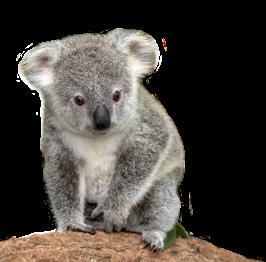
Pick a panda, polar bear, cheetah, koala, or many more critters, and enjoy this discount on any online animal adoption package.
Offer valid May 1–August 31, 2013. Visit sandiegozoo.org/adopt or call 619-557-3914. To redeem online, enter coupon code ASZW0513 at checkout. No limit. Not valid with any other offers or at on-grounds adoption booths.
Get yourself a new look for less! Valid at all gift shops at the Zoo and Safari Park. No limit while supplies last.
Offer valid June 1–30, 2013.

Please show your valid San Diego Zoo Global membership card at time of purchase. Not valid with any other offer or discount.


Spend the night at the Zoo during one of our overnight adventures, with family activities, private bus tour, animal presentation, scavenger hunt, and more! Call 619-718-3000 to confirm space.
Offer valid May 1–August 31, 2013.
Offer valid only through advance phone reservations. Provide membership number and promotion code 225007 at time of booking. Limit 4 per membership number. Space is limited. Age restrictions apply. Price, hours, and schedules subject to change. San Diego Zoo admission not included. Not valid for prior reservations or in conjunction with any other offers or discounts. Offer not valid for same-day purchase. Other restrictions may apply.
During Discovery Days: Garden Celebration at the Zoo, purchase two solar butterflies for only $30 (regularly $19.95 each). Available at our ZooStore and Mercado (also available at the Plant Trader at the
Offer valid May 9–12, 2013.
Please show your valid San Diego Zoo Global membership card at time of purchase. Not valid with any other offer or discount.
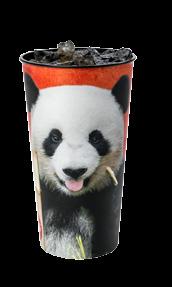
Take a break and relax at Hua Mei Café, located next to the Zoo’s Panda Trek.
Offer valid June 1–30, 2013.
No coupon necessary; please show your valid San Diego Zoo Global membership card to redeem offer. Cannot be combined with any other offer or discount.

Receive a free 32-ounce beverage when you purchase any entrée at Treehouse Café in the Zoo’s Lost Forest.
Offer valid August 1–31, 2013. Excludes Kids Meals and alcoholic beverages.
Please show your valid San Diego Zoo Global membership card at time of purchase. Not valid with any other offer or discount. JUNE 2013 M EM BER

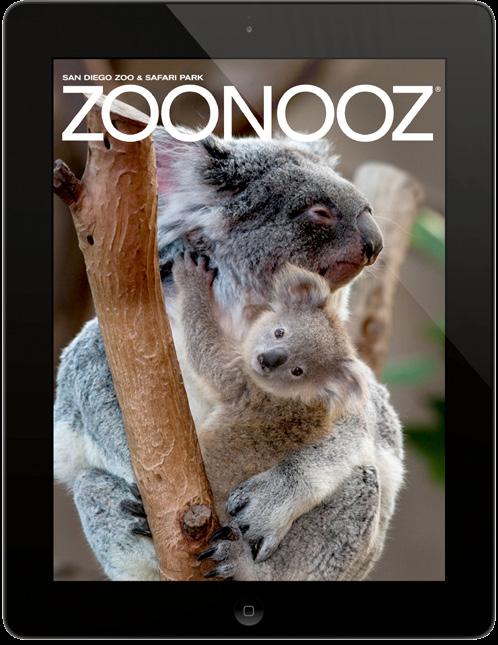
Launching this June, experience photos, video, and interactive features exploring our work with koalas over the years.
ZOONOOZ for iPad is free!

By Mary Sekulovich Senior editor, developMent departMent
photos by Ken Bohn
SdZG photoGrapher
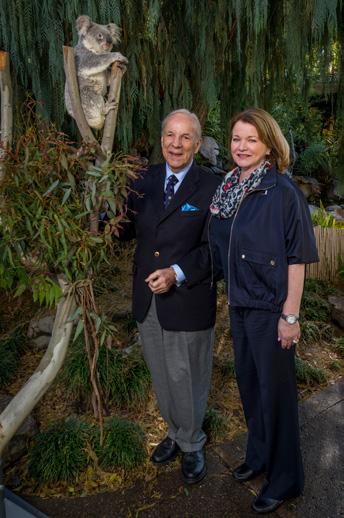
Everyone who meets Conrad Prebys is quickly caught up in his enthusiasm for wildlife, and no one knows that better than San Diego Zoo Global’s staff. From Conrad’s support of our elephant care center to his love of our bear trio in Polar Bear Plunge to his anticipation of Australian Outback’s opening day this month, we always know he loves the animals and wants us to build the best possible new homes for them. His name graces each one of these exhibits, and it is well deserved!
There are many amazing aspects to Conrad’s career and meteoric climb to become one of San Diego’s foremost businessmen and philanthropists. Yet he is also honest about and proud of his humble beginnings. He will be the first to tell you that he grew up in a family that wasn’t affluent but was big on love and integrity: “I had a very lov-
ing mother—whatever success I’ve enjoyed, I attribute to my mother, who raised five roughhouse boys, and we always knew she was there for us.” Conrad grew up in South Bend, Indiana, during the tail end of the Great Depression, although what he remembers best is his happy childhood. In the mid-1960s, he came to San Diego to visit one of his brothers and came to work for a builder. Later, with a friend as a partner, he formed Progress Construction Company. Conrad has gone from building houses to apartments and other projects. His interest in construction carries through to new homes for elephants, polar bears, and now koalas, wombats, and Tasmanian devils.
Koalas have been synonymous with the San Diego Zoo’s history for close to a century. In the 1920s, we received our first pair of koalas, Snugglepot and Cuddlepie. Over the years, our colony has
grown, and we now have more than 25 of the beloved marsupials. When Conrad learned that the Zoo was looking for a lead gift to build a new complex for Australian animals, he was intrigued. As he reminds us, “You know that quote, ‘I’ve never met an animal I didn’t like’? I’ve always had that feeling. There’s just something about bonding with animals.”
On May 22, Conrad and his partner, Debbie Turner, will attend the first of several exhibit openings. A portal flanked with Aboriginal-inspired pillars will welcome Zoo guests and members to the Conrad Prebys Australian Outback. Then animal sculptures, graphics, and artifacts will lead you to the heart of the complex, where a Queenslander-style koala care center sits amid a eucalyptus grove the koalas will call home.
While Conrad is proud to have his name associated with the San Diego Zoo, he sees some wonderful things coming with his gifts to renovate older exhibits, especially guests enjoying the new areas and other donors joining his philanthropic example. “I can’t think of a more fun thing to do than helping those in your community: it’s so rewarding, and it’s therapeutic.” With a life philosophy like this, it’s no wonder that Conrad’s humble beginnings have led to incredible personal and professional success, making him the standard bearer for generosity and philanthropic spirit in the zoo world. n
CIRCLE OF FRIENDS
These individuals represent the past, present, and future of the Zoological Society of San Diego. Their spirit of generosity has and will sustain our mission. Because of this exceptional support, we are honored to include them in our Circle of Friends.
FOUNDER’S CIRCLE DIAMOND
Thomas and Alba Tull
FOUNDER’S CIRCLE GOLD
Harry and Judith Collins
Tom and Berit Durler
Don and Dragon Sherman
FOUNDER’S CIRCLE SILVER
Mary Jane and Robert G. Engman
COLLEAGUE’S CIRCLE
Jerry M. Harrington
Dick and Pam Jackson
Richard and Carol Sullivan
TRUSTEE’S CIRCLE
Nan C. and Gery S. Katona
Joseph and Suzanne Oliver
Brian and Joy Place
Charles and Beverly Rikel
BENEFACTOR’S CIRCLE
Marian Frank
John and Jill Gartman
Saturday, June 15, 2013
6:30 p.m. until midnight
Honorary Chairs:
Audrey S. Geisel and Dragon & Don Sherman
Co-Chairs: Jane Fetter, JJ Fetter, and Margi Fetter Graham
Tickets: $450 per guest
$900 per guest for R•I•T•Z Circle seating
For tickets, please contact Marilyn Neumann, R•I•T•Z reservation chair, at 619-287-5435 or sdzooritz@gmail.com.


For every dollar donated, our honorary chairs will match it 3 for 1, up to $1.5 million to benefit lemurs and the Zoo’s new Madagascar exhibit.
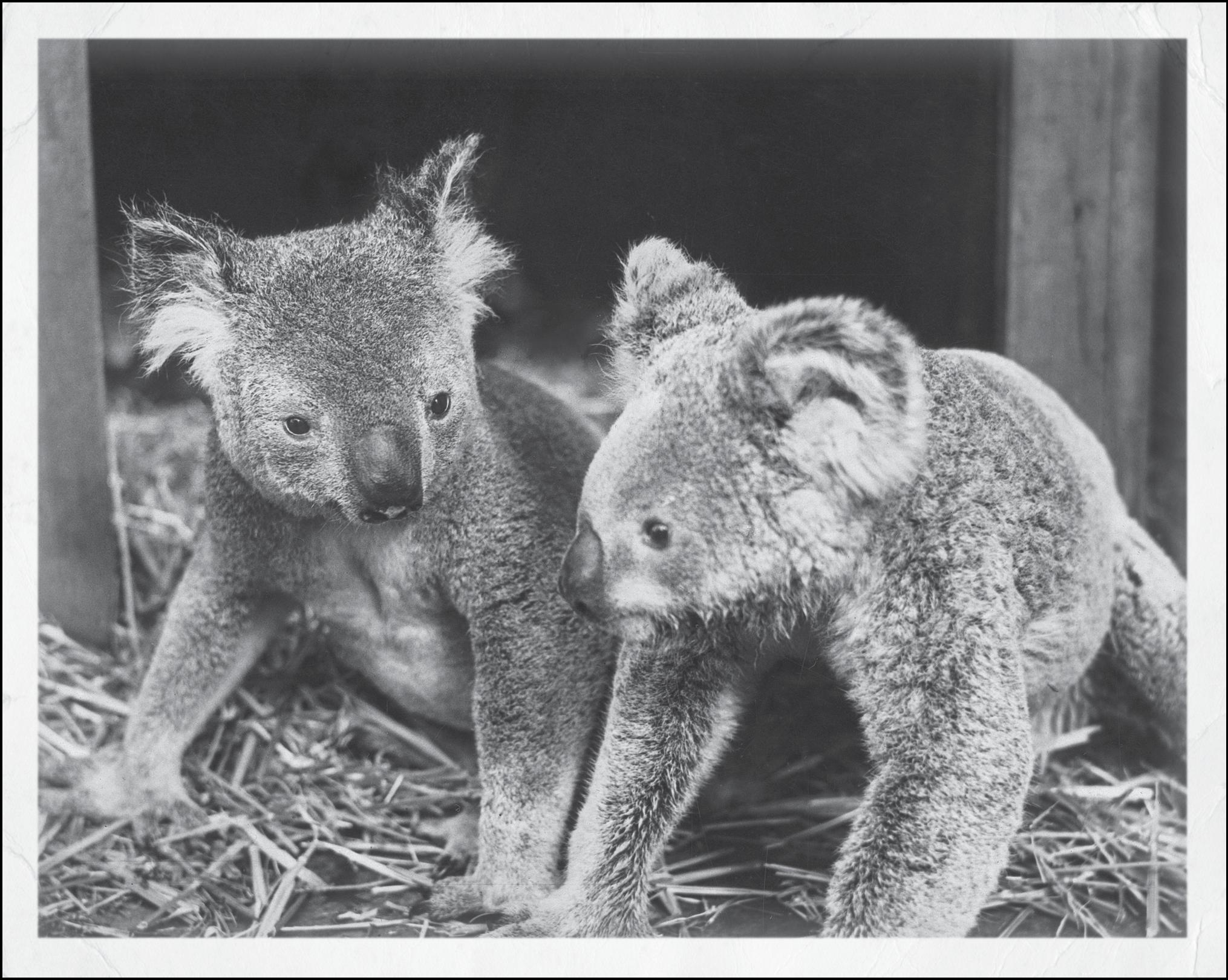
It had long been a dream of San Diego Zoo founder Dr. Harry Wegeforth to have the first koalas in North America. In 1924, then Zoo director Tom Faulconer arranged an animal exchange with zoos in Sydney and Melbourne for koalas, as well as other Australian species. Mr. Faulconer set sail on a voyage that was complicated by storms, seasickness, and even an alligator that took a stroll on deck after a squall. But the ship made it to Sydney Harbour, and he was delighted with the rare and valuable Aussie animals that were ready for him, set to come to the San Diego Zoo.
But unfortunately, that didn’t include the koalas. The Australian government hadn’t lifted the ban on their exportation, and Mr. Faulconer said later, “I made up my mind to swallow my disappointment.” Everything was ready for the journey home, and they were set to embark. But then, just before the “all ashore whistle” blasted, a small delivery truck pulled up to the gangplank with two large crates bearing a sign that said “Koala Bears for the Children of San Diego, U.S.A, from the Children of Sydney.” They were Snugglepot and Cuddlepie, named after characters in an Australian children’s book. To Mr. Faulconer’s elation, the Taronga Zoo director got the permits at the last minute, and the marsupials could come to San Diego.
On the trip home, the koalas even shared Mr. Faulconer’s cabin, being VIPs, and made him quite popular with the passengers. He found himself “competing with a British Lord and an East Indian Maharaja for the most popular man on the ship.” Of course, Snuggles and Cuddles, as they came to be nicknamed, were immediate celebrities at the San Diego Zoo, and they set the stage for San Diego’s ongoing love of koalas. n



Empowering you to make better-informed health decisions
Health Net is pleased to sponsor the Safari Park Half Marathon and to help our communities stay healthy.