
WinterBrewmaster Dinner Featuring


Saturday, January 19, 2013
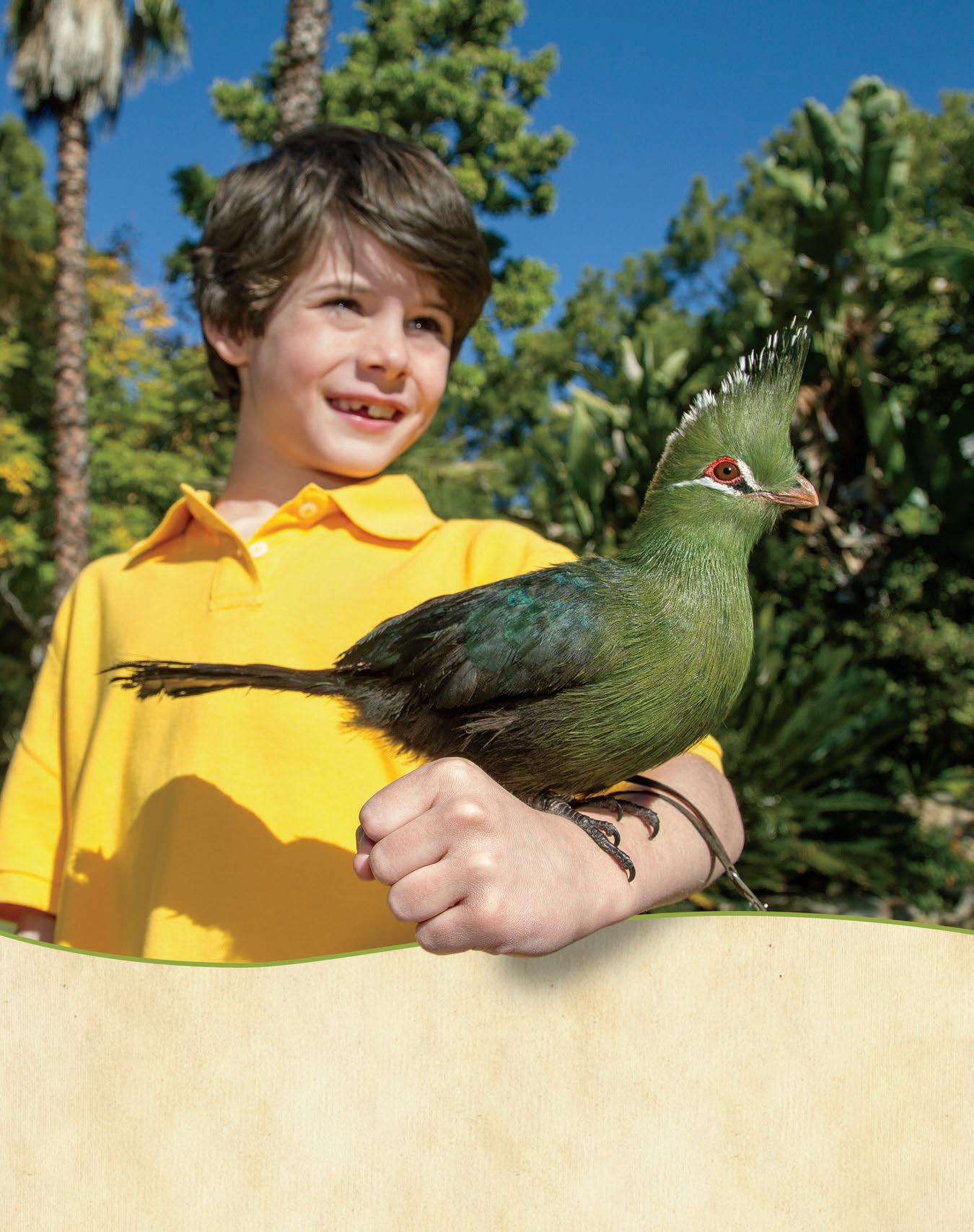
Reception with animal ambassadors in the Treetops Banquet Room: 6 to 6:45 p.m. Dinner at Albert’s Restaurant immediately following the reception.
Join Brewmaster Brandon Sieminski of Iron Fist Brewing Company and enjoy his selection of beers paired with four courses of gourmet dishes specially prepared by Executive Chef Chris Mirguet and Albert’s Chef Charles Boukas. Winter even comes to San Diego—raise a glass and chase away the chill with warm company and good food!
$69 per person, plus tax and gratuity. Maximum party size is 8 people. Must be at least 21 years old to attend. For reservations, call 619-557-3964 from 10 a.m. to 4 p.m. For the complete menu, visit sandiegozoo.org/zoo/alberts.



8 “Pawsitively Purrfect”: Sizing Up Small Cats
What small cats may lack in size, they make up for in amazing adaptations.
BY PEGGY SCOTT
18 Digging into the World of Wombats
These mesmerizing marsupials are called “the bulldozers of the bush” for good reason. BY
PEGGY SCOTT
20 Romance Is In the Air...and On the Ground
Courtship in the Animal Kingdom is more complicated than dinner and a movie.
BY KARYL CARMIGNANI
explore
22 Your Backstage Pass to Surprises
This is your ticket to up-close experiences of the wildest kind!
BY MAUREEN O. DURYEE
conservation
16 Conservation Medalists: Frog Heroes in Panama
Edgardo and Heidi Griffith have hopped into action to save the endangered Panamanian golden frog.
BY KARYL CARMIGNANI
Beginning a New Year chairman’s

The beginning of a new year is an exciting time, full of promise and plans. We have a lot to look forward to in 2013 at San Diego Zoo Global, including the opening of a brand-new, major exhibit at the Zoo, Conrad Prebys Australian Outback. is exhibit will share the wonders—and the importance—of Australia’s forests, highlighting species such as wombats, wallabies, palm cockatoos, and kookaburras. But the centerpiece of the exhibit will be our Queensland koala colony, the largest anywhere outside of Australia.
e San Diego Zoo was fortunate to develop ties with Australian zoos and government o cials in the mid-1920s, and then strengthen those ties in the 1940s and 1960s to build the animal care and education program for koalas that we have today. At Australian Outback, you will be able to see both the individual areas for the territorial male koalas and the large exhibit shared by the females and their joeys. Australian Outback opens May 25, and I hope you can join us to enjoy the beautiful new exhibit this summer.
Other exciting projects taking place this year are the construction of the Safari Park’s Tiger Trails for our Sumatran tigers, with the opening planned for 2014, and the planning and concept designs for Africa Rocks at the Zoo, which will open for our centennial in 2016. Both of these exhibits will transform older areas at our facilities, and I’m looking forward to seeing them take shape. is year we’ll also continue with further enhancements to the Zoo and Park, including the new Treetops learning center at the Zoo with new classrooms for education programs and additional interactive experiences at the Park’s Nairobi Station.
An ongoing goal for San Diego Zoo Global is to maintain sustainable, healthy, and thriving animal and plant collections, and our sta members have plans in the works to further those e orts with innovative programs in 2013. We are famous for our animals, but fewer people are aware that the San Diego Zoo is an accredited botanical garden, and we will continue this year to raise the pro le of our extraordinary plant species, gardens, and horticultural expertise. Ecological sustainability is also an important initiative for San Diego Zoo Global, and you may have seen coverage of our new solar-powered electric vehicle charging station in the news recently. Under the direction of our Institute for Conservation Research, our Internal Conservation Committee continues to champion recycling, energy saving, waste reduction, and other conservation measures in all that we do.
2013 promises to be a wonderful year for San Diego Zoo Global. I hope your New Year is o to a great start, and I look forward to sharing more about our progress with you during the months ahead.

Rick Gulley Chairman
PUBLISHED SINCE 1926
JANUARY–FEBRUARY 2013
VOL.LXXXVI–NO.1
MANAGING EDITOR
KAREN E. WORLEY
ASSOCIATE EDITORS
PEGGY SCOTT
DEBBIE ANDREEN
STAFF WRITERS
W ENDY PERK INS
K ARYL CARMIGNANI
SAN DIEGO ZOO GLOBAL™
PHOTOGRAPHER KEN BOHN
DIGITAL IMAGING TECHNICIAN
TAMMY SPRATT
DESIGN AND PRODUCTION
DAMIEN LASATER
CHRIS M ARTIN
HEIDI SCHMID
PREPRESS AND PRINTING TRANSCONTINENTAL/PRINTED IN CANADA
The Zoological Society of San Diego was founded in October 1916 by Harry M. Wegeforth, M.D., as a private nonprofit corporation. The Zoological Society of San Diego does business as San Diego Zoo Global.
ZOONOOZ® (ISSN 0044-5282) is currently published bimonthly. Publisher is San Diego Zoo Global, at 2920 Zoo Drive, San Diego, CA 92103, 619-231-1515. Periodicals postage paid at San Diego, California, U.S.A., and at additional mailing offices. POSTMASTER: Send address changes to Membership Department, P.O Box 120271, San Diego, CA 92112.
Copyright® 2013 San Diego Zoo Global. All rights reserved. “ZOONOOZ” Reg. U.S Pat. Office. All column and program titles are trademarks of San Diego Zoo Global. Annual Memberships: Dual $109, new; $94, renewal. Single $88, new; $76, renewal. Each membership includes unlimited entrance to the San Diego Zoo and the San Diego Zoo Safari Park.
ZOONOOZ subscription: $25 per year, $65 for 3 years. Foreign, including Canada and Mexico, $30 per year, $81 for 3 years. Contact Membership Department, P.O Box 120271, San Diego, CA 92112.
As part of San Diego Zoo Global’s commitment to conservation, ZOONOOZ is printed on recycled paper that is 30% post-consumer waste, chlorine free, and is Forest Stewardship Council® (FSC®) certified.
Using this paper for a year will save approximately 200 tons of wood, or 1,400 trees; 965 million BTUs of energy, enough to run 10 homes for a year; 155,000 pounds of CO2 equivalent, the amount produced by 14 cars during a year; and 84,000 pounds of solid waste (estimates made using the Environmental Defense Fund Paper Calculator).
FSC is not responsible for any calculations on saving resources by choosing this paper.
SAN DIEGO ZOO HOURS
January 1–6: 9 a.m. to 8 p.m.
January 7–31: 9 a.m to 5 p.m.
SAN DIEGO ZOO SAFARI PARK HOURS
January 1–31: 9 a.m. to 5 p.m.
WEBSITE sandiegozoo.org
SAN DIEGO ZOO PHONE 619-231-1515


A Season of Love
Treat Your Valentine to a Wildly Romantic Evening!
is Valentine’s Day, celebrate love with a gourmet meal in the beautiful surroundings of the San Diego Zoo or Safari Park. Our chefs have elegant menus planned for a lovely dinner with your loved one. We’ll provide the setting—you bring the romance!
Safari Park’s
Hunte Nairobi Pavilion
ursday, February 14, 2013
$99 per couple, plus tax and gratuity. Includes a bottle of house wine. Reception with animal presentation and nohost bar begins at 6 p.m., four-course dinner served at 6:30. For reservations, call 619-718-3000 between 10 a.m. and 4 p.m. For the complete menu, visit sdzsafaripark.org and click on Plan Your Trip/Dining.
Albert’s Restaurant at the Zoo
ursday, February 14, 2013
$99 per couple, plus tax and gratuity. Includes a bottle of house wine. Seating begins at 5 p.m., maximum party size of 8 people. For reservations, call 619-557-3964 between 10 a.m. and 4 p.m.
For complete menu, visit sandiegozoo.org/zoo/alberts.




through the lens
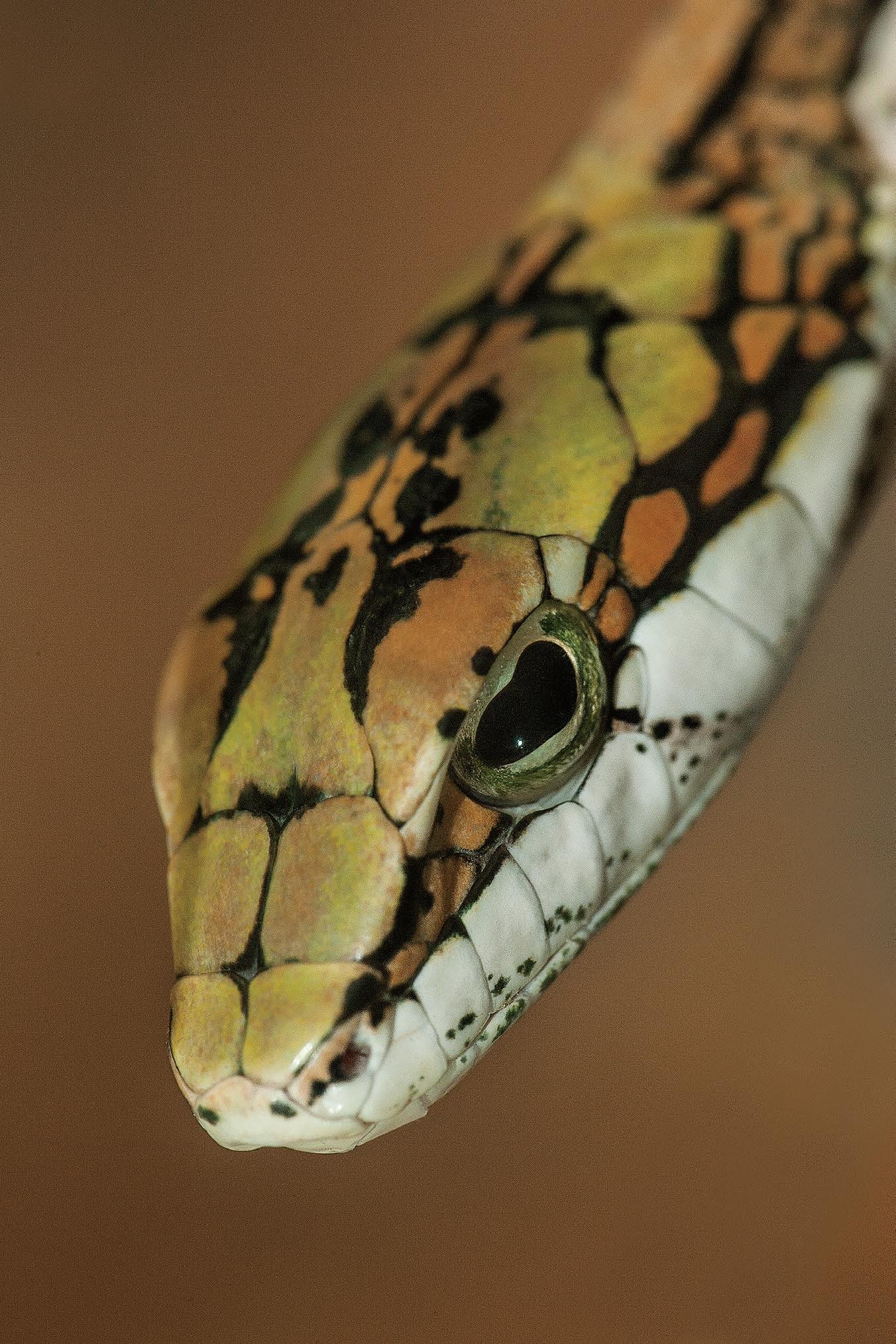
Twig Snake Thelotornis capensis oatesi

Happy New Year!
AS ANOTHER YEAR BEGINS, San Diego Zoo Global is off to a roaring start. Construction of the Conrad Prebys Australian Outback exhibit at the Zoo is moving along, and we’re looking forward to the grand opening in May. At the Safari Park, thanks to many generous donors we have the funds to break ground on the new tiger exhibit, which is scheduled to open in 2014. Xiao Liwu, our adorable panda cub, is walking and continuing to grow, and he will soon be out on exhibit with his mom, Bai Yun. Satu, the Zoo’s adult male orangutan, is settling into his role as troop leader—and is growing impressive cheek pads to prove it. Jungle Bells continues through January 6 this year, so if you’d like to extend the holiday cheer, the Zoo is the place to be. ere is more cheer to be shared at Albert’s Winter Brewmaster Dinner on January 19. e animals at the Safari Park and the Zoo enjoy the cool weather, so I hope you’ll come visit—and I hope your New Year is off to a great start!
Douglas G. Myers President/CEO
JANUARY 1 THROUGH 6: Jungle Bells at the Zoo
JANUARY 2 THROUGH 4: Winter Art and Winter Camp programs at the Zoo
JANUARY 18: Plant Day and Orchid Odyssey at the Zoo
JANUARY 19: Albert’s Winter Brewmaster Dinner at the Zoo
FEBRUARY 14: Valentine’s Day Dinners at the Zoo and Safari Park
FEBRUARY 15 THROUGH 18: San Diego Zoo Discovery Days: Cool Cats
you said it
Hi. My name is Julie and !"#$"%&'&"()'"*%&"+#,-#"#--./*"$&&*.,01"2)3"

Julie Ortiz
Today was my daughter’s fi rst day at the zoo—she loved it! She didn’t even remember she has to nap. We had a great day, and everyone working there was very nice, thank you. :)

Ana Mora
!"#$%&$$'%(%)$)&$*%+,'-$%!%.(+%','$ and then I nd you on here [Tumblr] and it’s like boom—just made my day.

Niv-nk
ank you so much for sharing the joy of Baby Boy Panda with us! We are the front o ce sta of a Minor League ball team here in Pensacola, Florida, and he and Bai Yun have captured our hearts. We watch them on a daily basis, and cannot wait for the progress reports as he grows. ank you for taking such great care of these magni cent creatures, and for sharing them with us. GO SD ZOO!

Blue Wahoos Staff
!"#$%&&&&$'()*&+%$&,$-.($/(0%&1$21$-.($324(&% who gets to pet the panda cub!! I’m in the wrong profession!

Rachael Green
@sandiegozoo is the best zoo I’ve ever seen. Stood still in awe & observed the gorillas for 2 hours!

@WondHerful
Wouldn’t it be nice if they could paint [non toxic] a large initial on all the elephants so we could tell them apart? Or….this is even better. When you hover your mouse over an elephant, its name appears on the [Elephant Cam] screen. Yeah..lets do that!! Web team, how ‘bout it?
Jan in Richmond, VA


DISCOVERY
DAYS: COOL CATS CATSTAGRAM CHALLENGE
Big or small, we all love our cats. Snap photos of your cat at home or head to the Zoo to photograph our beautiful felines and tag them on Instagram with #sandiegozoo and #coolcats to enter. One grand-prize winner will receive a Discovery Tour for four, where a personal guide will take you and your friends behind the scenes and show you the Zoo from a new perspective.
“Pawsitively Purrfect”
SIZING UP SMALL CAT S
By Peggy Scott ASSOCIATE EDITOR
There’s just something about cats. eir allure, their digni ed aloofness, their power—cats have a de nite mystique. e big cats in particular amaze us: the lion is the king of beasts, and the jaguar inspired a lux ury automobile. ey are muscular, mighty, and magni ey are Panthera , hear them roar. But don’t sell the smaller cats short. What these fascinating felids may lack in mass, they more than make up for in impressive skills that help them sur vive in challenging habitats. ey hang tough, just like the big guys—and some of them are almost the size of the big boys. How does that work? It’s all about “cat”-egorizing.
As it turns out, in determining whether a cat is “small” or “big,” size actually doesn’t matter. “Mountain lions, or pumas, can be 200 pounds, and they are classi ed as small cats,” ex plains Janet Rose-Hinostroza, an animal training supervisor at the Safari Park. e terms “big cat” and “small cat” are gen eral categories, separated by a variety of physical characteris tics rather than just body weight. e “little” guys also have strength in numbers: while there are 4 main species that are considered big cats, there are more than 30 species of small cats in the Animal Kingdom.
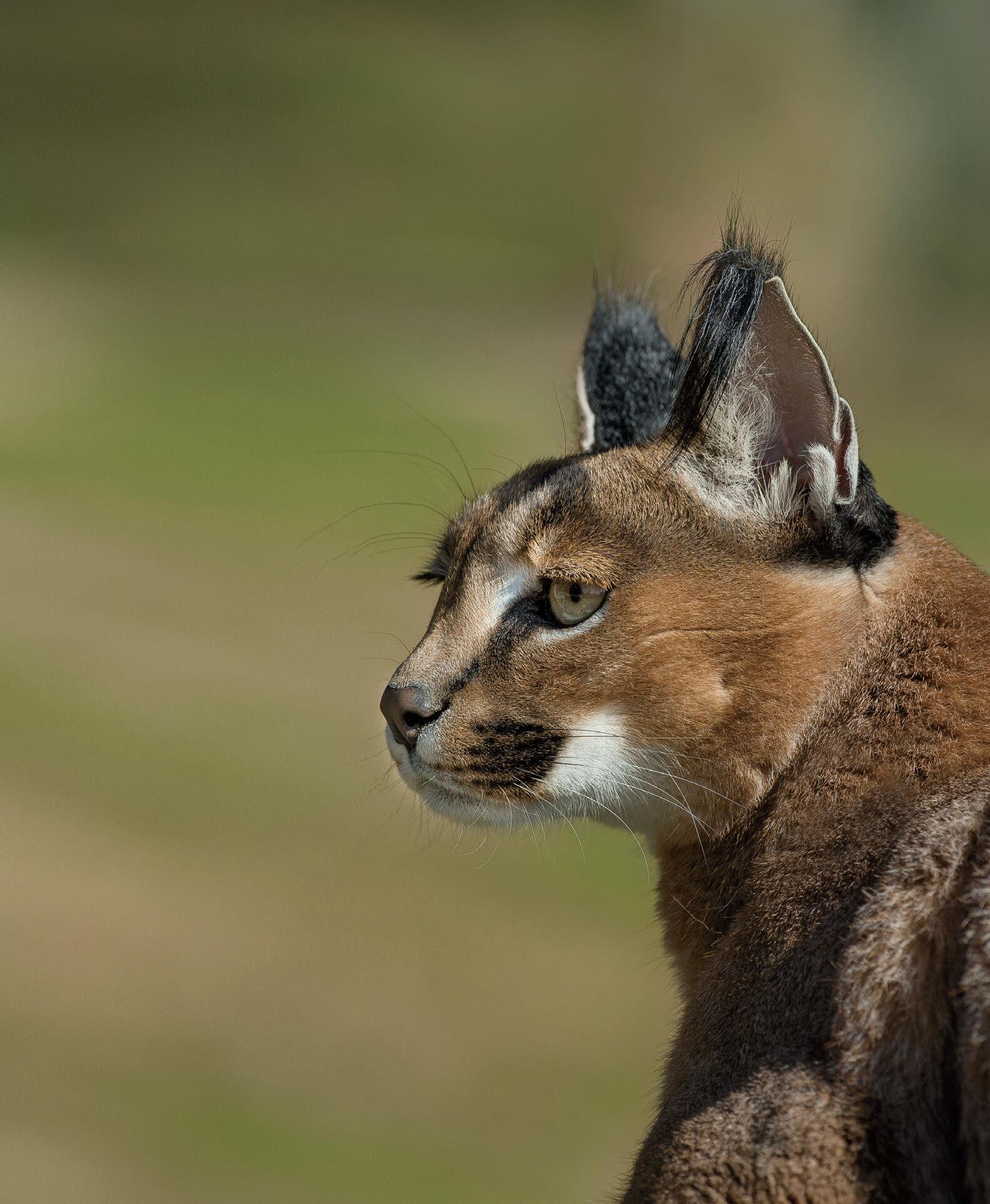
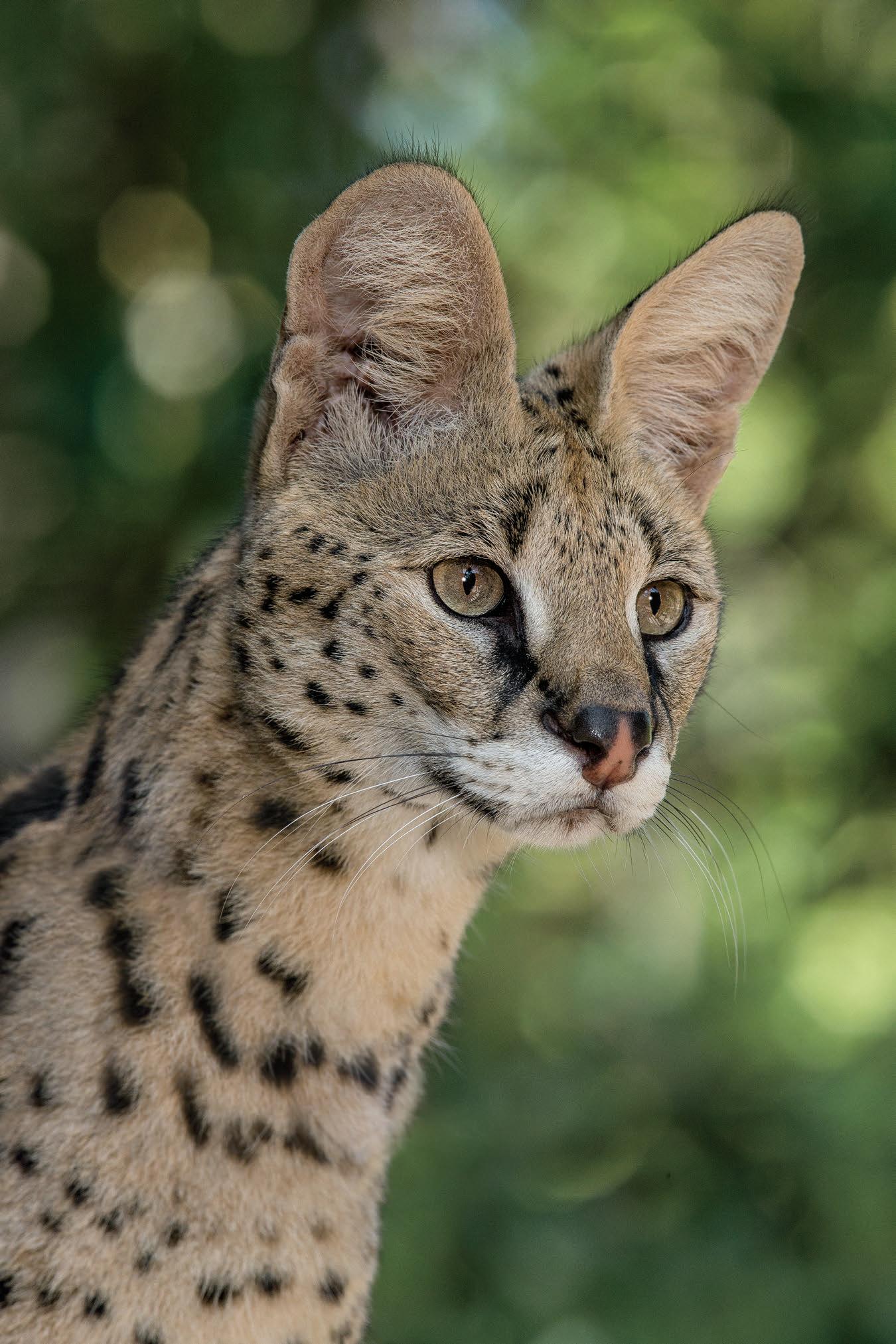
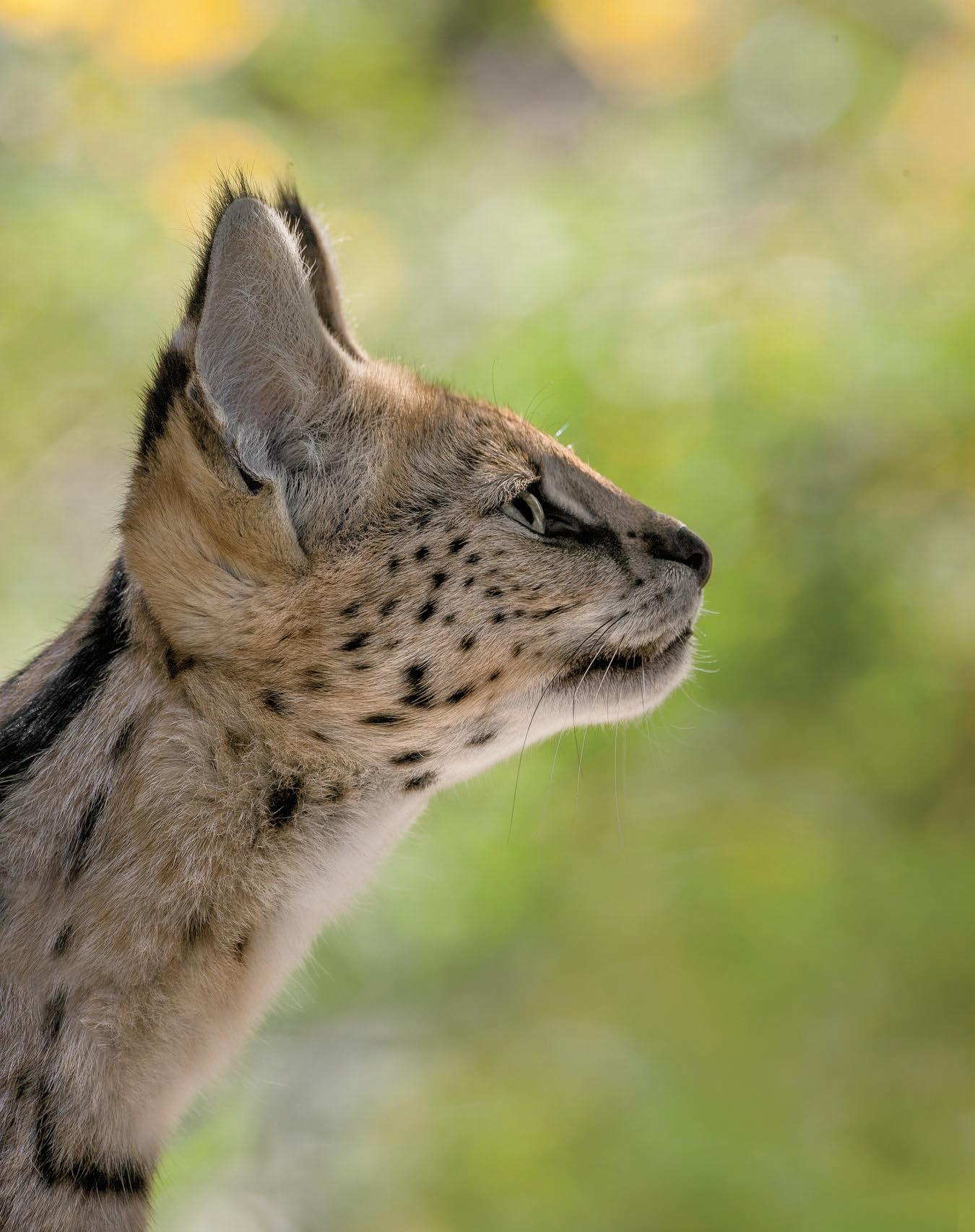
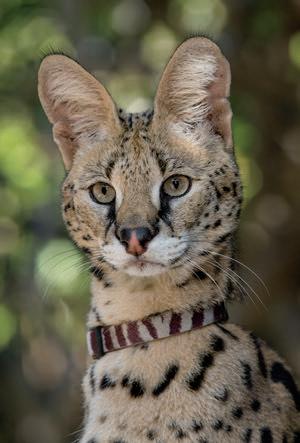
Left: The better to hear you with, my dear! The serval has the largest ears, proportionally, of any cat.
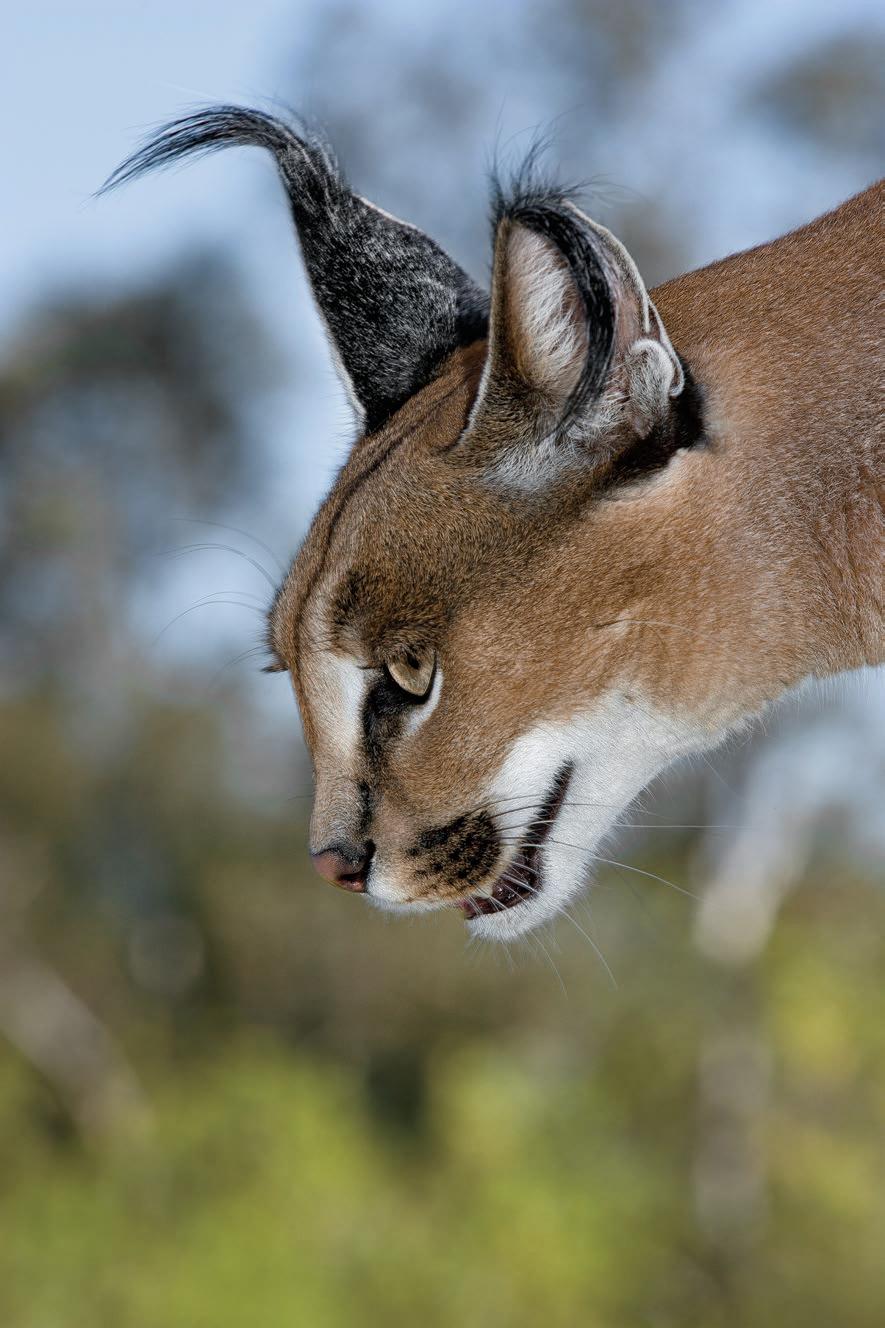
Right: The captivating caracal’s attention-grabbing ear tufts are thought to serve a variety of purposes, from indicating social status to attracting insects, which then attract birds, a favorite prey item.
Photos by Ken Bohn
Here’s Looking At You, Cat
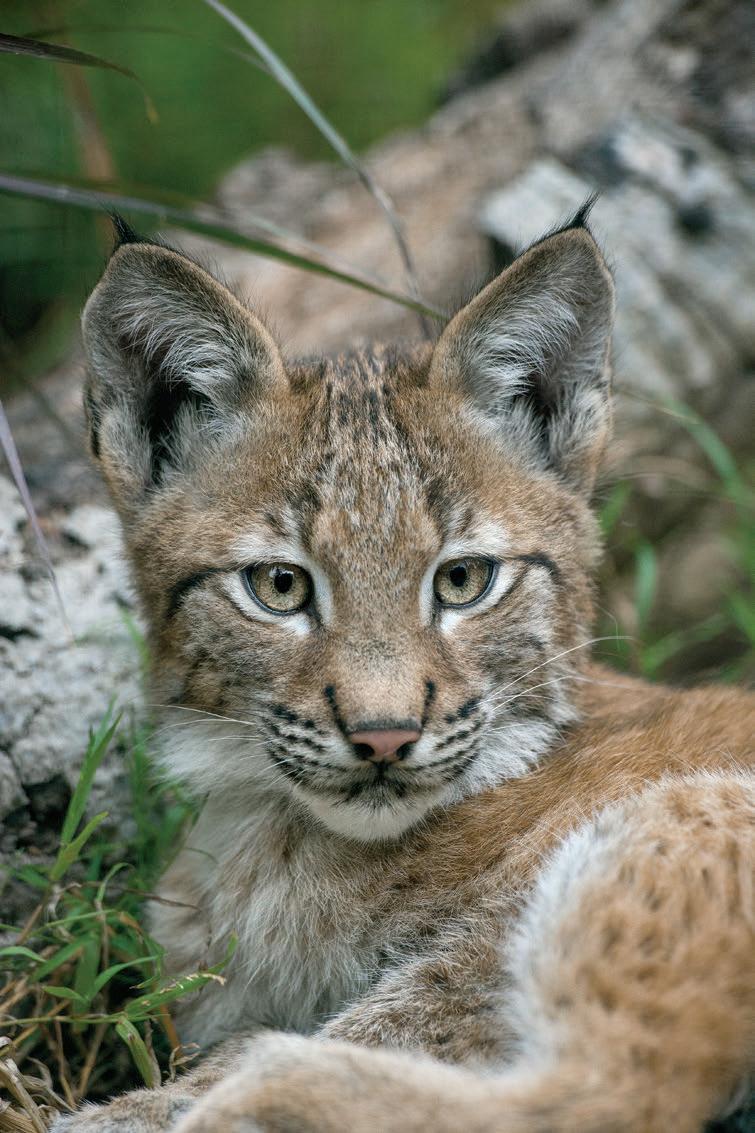
e eye isn’t only the window to the soul—it’s also a clue to the clas si cation of the cat! A small cat’s pupil constricts to a vertical slit, while a big cat’s pupil remains round like ours. And even the nose knows—small cats have a strip of leathery skin across the top of the nose, directly above the nostrils. On a big cat, this area is usually covered with fur.
Another di erence is in the sounds they make. “ e ability to purr or roar is a factor in de ning a cat as small or big,” Janet says. e throat structure of small cats prevents them from roaring. e bones in their throat are hardened and close together and can only produce smaller vibrations—the familiar purr. e sounds they emit range from growls and mews to screams. Big cats can’t purr continuously—only when they are breathing out. e purr gets interrupted when the big cat inhales, and some, like tigers, end up with a sound like the “chu e.”
Small Cat Standouts
Species of small cats can be found all around the globe, except in Australia and Antarctica, and their habitats are as varied as they are.
e serval lives near thickly planted streams and rivers in the savan nas of central and southern Africa. is small cat tops out at around 40 pounds, and its meals include small mammals like rodents, insects, and birds, which it catches with athletic leaps of up to 9 feet.
e serval has special characteristics that work in its favor while hunting. It has the largest ears of any cat, which allows the serval to hear well and help it nd prey. Just how big are those ears? As Janet explains, “If we had ears in the same proportion to our head as the serval does, we would have dinner plates for ears!”
ose enormous ears help the serval nd one of its favorite foods, the naked mole-rat, which the serval can hear scurrying and digging underground. e rest of the serval’s body gets into the act, too. “ ose long legs and tiny paws let it reach down into burrows and nd prey,” Janet says. “ ey are rodent-hunting specialists.”
With their beautiful spotted and striped coats and long, sleek
limbs, servals are sometimes mistaken for young cheetahs by zoo visitors. Animal ambassadors at the Zoo and the Safari Park are helping make these furry faces a little more familiar, as the Zoo’s Shani and the Park’s Zuri (with their trainers, of course) spread the word about servals in the wild. Zuri’s family members, including her parents, Bella and Jabari, and sister, Tani, are on exhibit at the
bassador caracal, for an example of this species’ jumping prowess as he leaps for lures tossed for him by the trainers.
Stealthy and Sharp-eyed
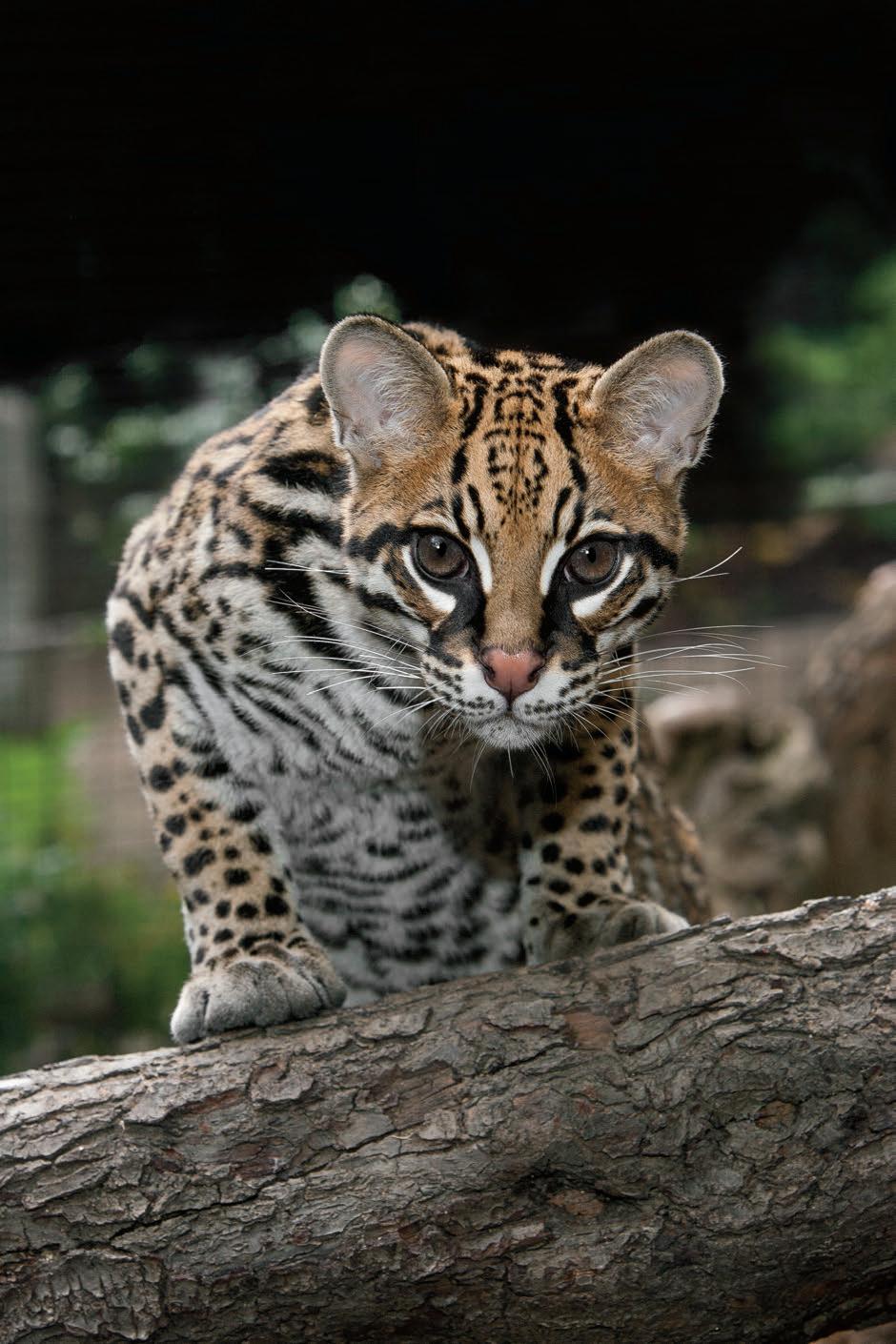
e secretive, nocturnal ocelot tends to keep a low pro le. Inhabiting rain forests, chaparral, and scrubland from southern Texas through Central America to northern Argentina, this spotted cat
Boyd, behavior husbandry manager at the Zoo. “ tends to make them a more con
Air Strike Specialists
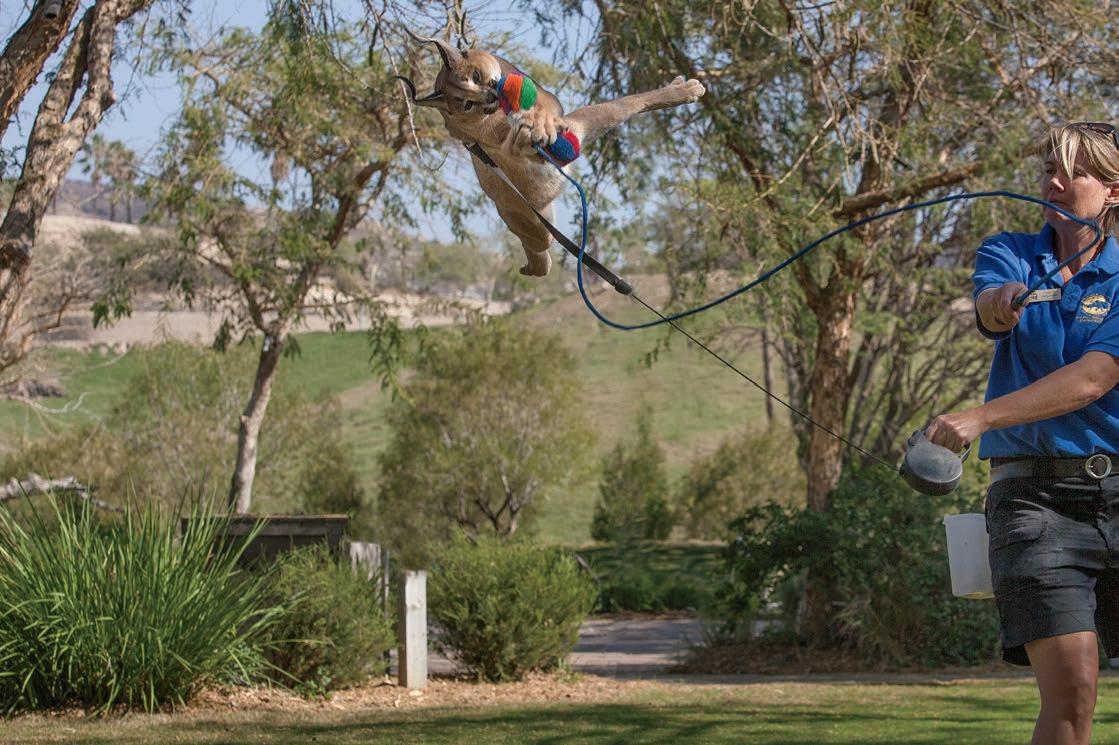
If the serval is a rodent’s worst nightmare, then the caracal causes sleepless nights for birds. “Caracals are easily the best birder anywhere,” Janet says. “ e caracal hunting record is nabbing 12 birds in one attack.” She also points out that the caracal’s smaller size is deceiving. “ ey are aggressive hunters,” she explains. “ ey can be a bigger threat to livestock than lions or cheetahs, and they can even take down a full-grown ostrich.”
Caracals make their home in savannas, semideserts, and dry woodlands in parts of Africa, the Middle East, and India. ey prey on birds, rodents, hyraxes, dik-diks, and even monkeys. But avian appetizers are this cat’s specialty. “Caracals can jump 10 feet straight in the air to bring down birds. ey have huge paws that help with that,” Janet says. She adds that the cat’s characteristic black ear tu s, or tassels, may also play a role in its hunting prowess. “Some people think the tu s might express social status and accentuate communication,” Janet explains. “Others think they might attract bugs, which in turn attract birds.” Look for Kasten, the Safari Park’s animal am-
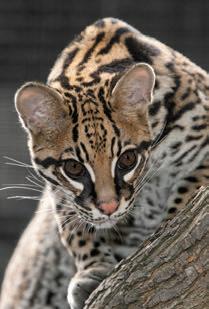
only weighs up to 35 pounds and uses its large, padded paws to sneak up on prey, ambush style. Like all small cats, ocelots have very good ects and enhances light, so ocelots can see much better in the dark than we can. Long whiskers also help the ocelot feel its way around as it pursues rodents, birds, snakes, lizards, baby peccaries, young deer, rabbits, and even sh. Diego, the Zoo’s eight-year-old ocelot animal ambassador, is a living, breathing conservation message, helping educate the public on the key role of small cats in the ecosystem as they keep rodent populations under control.
Small Cats’ Tale
Like their bigger brethren, small cats’ perceived threat to domestic animal stock, as well as habitat fragmentation and the fur trade, pose a threat to their population stability. At the Zoo and Safari Park, our ambassador caracal, ocelot, and servals are ready to “tell” their story, and there are also more small cats to discover. At the Safari Park, you can see one of the smallest species—the black-footed cat. At the Zoo, you can nd the largest species, the puma, as well as the water-loving shing cat and the Eurasian lynx. ese cats may be considered “small,” but they are all sure to leave a large—and lasting—impression.
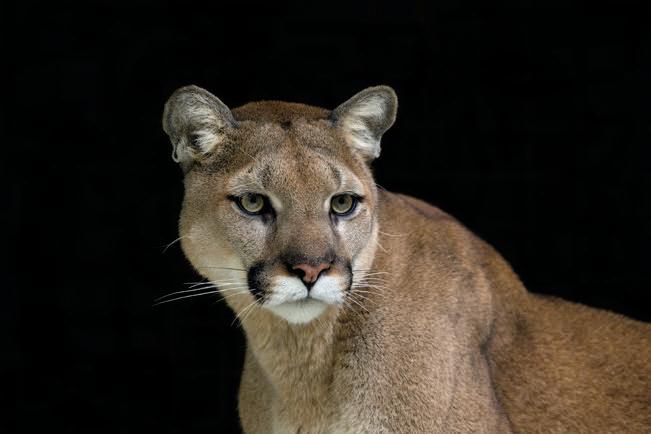
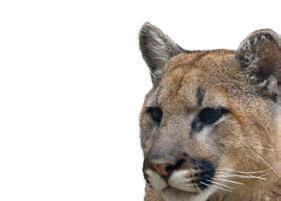
Above: Because of its physical charactertistics, the mountain lion, or puma, is classified as a small cat, even though it may weigh 200 pounds.
Right: A caracal can leap as high as 10 feet in the air to grab birds in flight.





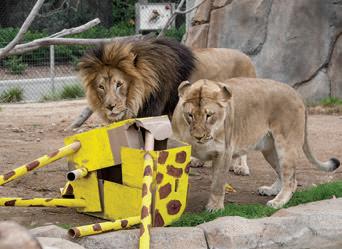

IT’S GOING TO BE THE CAT’S MEOW and a roaring good time—at the San Diego Zoo when Discovery Days: Cool Cats pounces, February 15 to 18. Come prowl the event to discover lots of “cat-tastic” facts, join in the fun and games, meet our cat ambassadors in person, and take a special VIP tour. Starting January 28, check the website at sandiegozoo.org/coolcats for a complete list of all the activities. Whiskers are twitching and tails are swishing in anticipation!



Cinco de Rhino is $75 per person, which includes Dr. Ellis’ keynote address, a taco buffet, and 2 complimentary drink tickets. Because of the exclusive nature of this event, attendance is limited to 80 guests. Join San Diego Zoo Global’s rhino keepers for Cinco de Rhino! is event will be part of e International Rhino Keeper Association’s Rhino Keeper Workshop, which SDZG is hosting at the Town and Country Resort Hotel, 500 Hotel Circle North, in San Diego’s Mission Valley. Cinco de Rhino is a unique opportunity to learn about the rhino poaching crisis in Africa and what you can do to help rhino conservation. For more information and to purchase tickets, contact Jonnie Capiro at jcapiro@sandiegozoo.org.
is exciting evening will include:
Meeting Susie Ellis, Ph.D., executive director of the International Rhino Foundation and keynote speaker for the event
A silent auction to raise money for the Foundation’s Rhino Protection Units.



ONE-TIME FREE PARKING AT THE SAFARI PARK
Surrender this coupon to the parking attendant to receive ONE-TIME FREE PARKING for one vehicle at the Safari Park. (Preferred parking not included.)
Offer valid January 1–February 28, 2013. One coupon per membership. Not valid with any other offer or discount. Show valid San Diego Zoo Global membership card. Supporting ID may be required. Members of Diamond, Keeper’s, Curator’s, Director’s, President’s, and Circle clubs receive free parking all year long as part of their membership benefits.
15% OFF ANY BREAKFAST ENTRÉE
Join us in the San Diego Zoo’s Sandwich Company, 8:30 to 11 a.m., or the Safari Park’s Thorntree Terrace, 9 to 11 a.m., during the month of January and enjoy 15% off any breakfast entrée.
10% OFF ENTIRE ORDER AT TREEHOUSE CAFÉ
Enjoy our Italian-inspired menu and save 10% on your order at Treehouse Café in the Zoo’s Lost Forest zone. Offer valid February 1–28, 2013.

Not valid with any other offer or discount. Excludes alcoholic beverages. Show valid San Diego Zoo Global membership card at time of purchase.


FREE GIFT WITH PURCHASE!
Members receive a FREE panda plush with any purchase of $25 or more (before tax). Valid only at the San Diego Zoo’s Panda Shop. No limit while supplies last. Offer valid January 1–31, 2013.

Offer valid January 1–31, 2013. Not valid with any other offer or discount. Show valid San Diego Zoo Global membership card at time of purchase.



$10 OFF ALL ANIMAL ADOPTIONS!
Pick a panda, polar bear, cheetah, koala, and many others with this discount on any online animal adoption package. Package includes an animal fact sheet, photo, and personalized adoption certificate.





Not valid with any other offer or discount. Show valid San Diego Zoo Global membership card at time of purchase.


SAN DIEGO ZOO INSIDE LOOK TOUR
Promotion Code #212401
Get a special peek behind the scenes, meet keepers, and learn how we care for our animals at the Zoo.
SAFARI PARK BEHIND-THE-SCENES TOUR
Promotion Code #212553
Choose from a variety of behind-the-scenes adventures and find out about the Park’s animals. Available for tours only on Tuesdays, Wednesdays, or Thursdays.
SAFARI PARK FLIGHTLINE TOUR
Promotion Code #212102
Offer valid January 1–February 28, 2013. Visit sandiegozoo.org/adopt or call 619-557-3914. To redeem online, enter code ASZW0113 at checkout. No limit. Not valid with other offers or at on-grounds booths. SAVE $10 PER PERSON ON SELECT TOURS JANUARY 2–MARCH 15, 2013!
















Soar from a ridgetop along a zip-line cable, gliding about 2/3 of a mile over field exhibits on a Flightline Safari at the Safari Park. CALL


AND CONFIRM SPACE NOW! Offer valid through advance reservations only.
Space is limited. Prices, hours, and schedules are subject to change without notice. San Diego Zoo admission and San Diego Zoo Safari Park admission and parking not included. Not valid for prior reservations. Not valid in conjunction with any other offers or discounts. Customer must provide membership number and applicable Promotion Code at time of booking. Limit 4 per membership number.
Age and weight restrictions apply. Other restrictions may apply.
$1 OFF SAFARI PARK SOUVENIR SIPPERS
Members save $5 off our NEW Safari Park Guidebook. Valid in all gift shops at the Zoo and Safari Park.
Offer valid February 1–28, 2013.
Not valid with any other offer or discount. Show valid San Diego Zoo Global membership card at time of purchase.

Redeem this coupon at any Safari Park food location where sippers are sold and receive $1 off a 32-oz. unibottle sipper with handle, filled with a soft drink or iced tea. Free refills on day of purchase with receipt.

Offer valid February 1–28, 2013.
Not valid with any other offer or discount.
In Appreciation...
As the new year begins, we would like to thank the following outstanding companies, whose annual financial and marketing support contribute to the success of our worldwide conservation efforts to save endangered species and their habitats. We appreciate their continued partnership.
FROG HEROES IN PANAMA CONSERVATION MEDALISTS:
By Karyl Carmignani STAFF WRITER
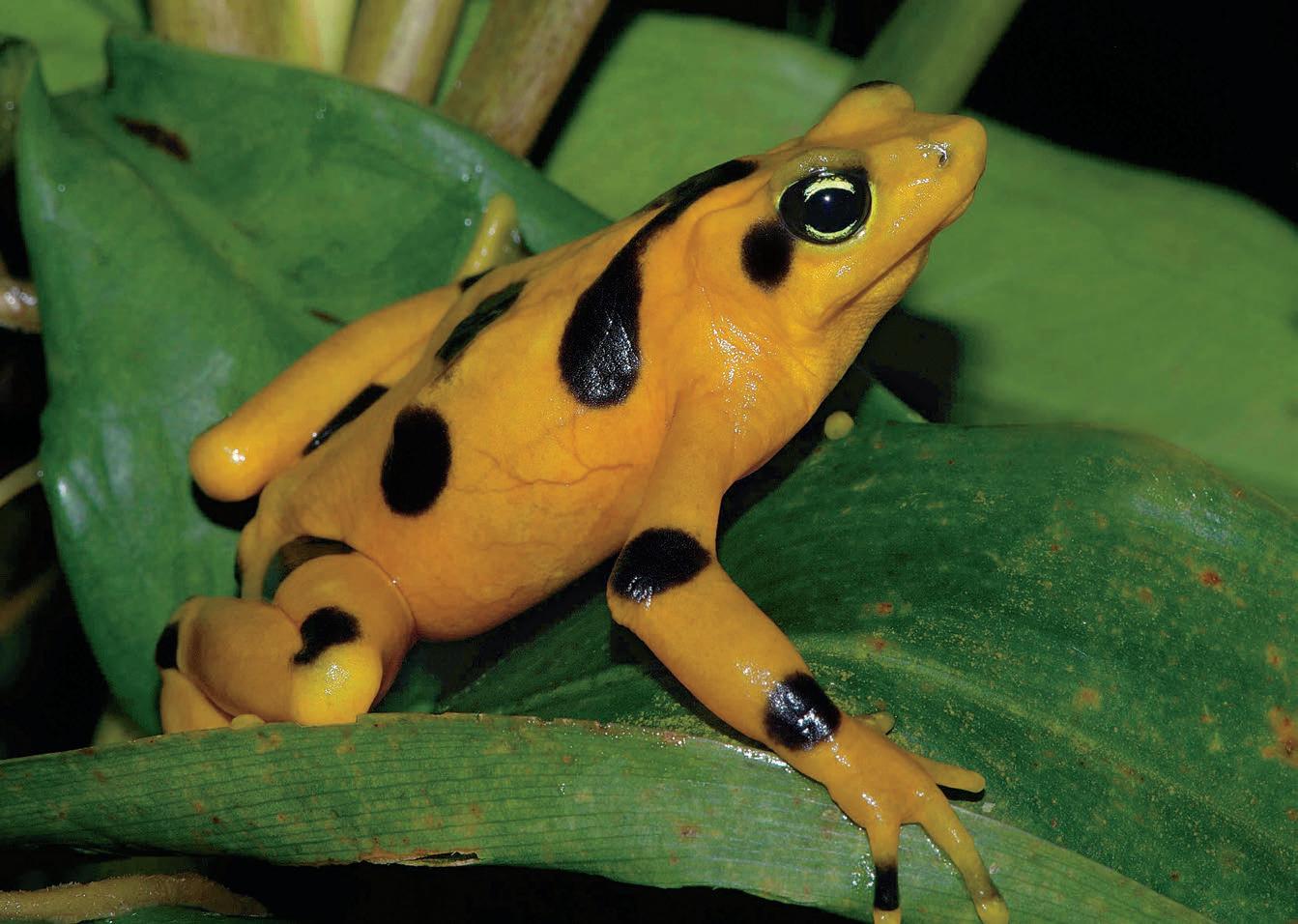
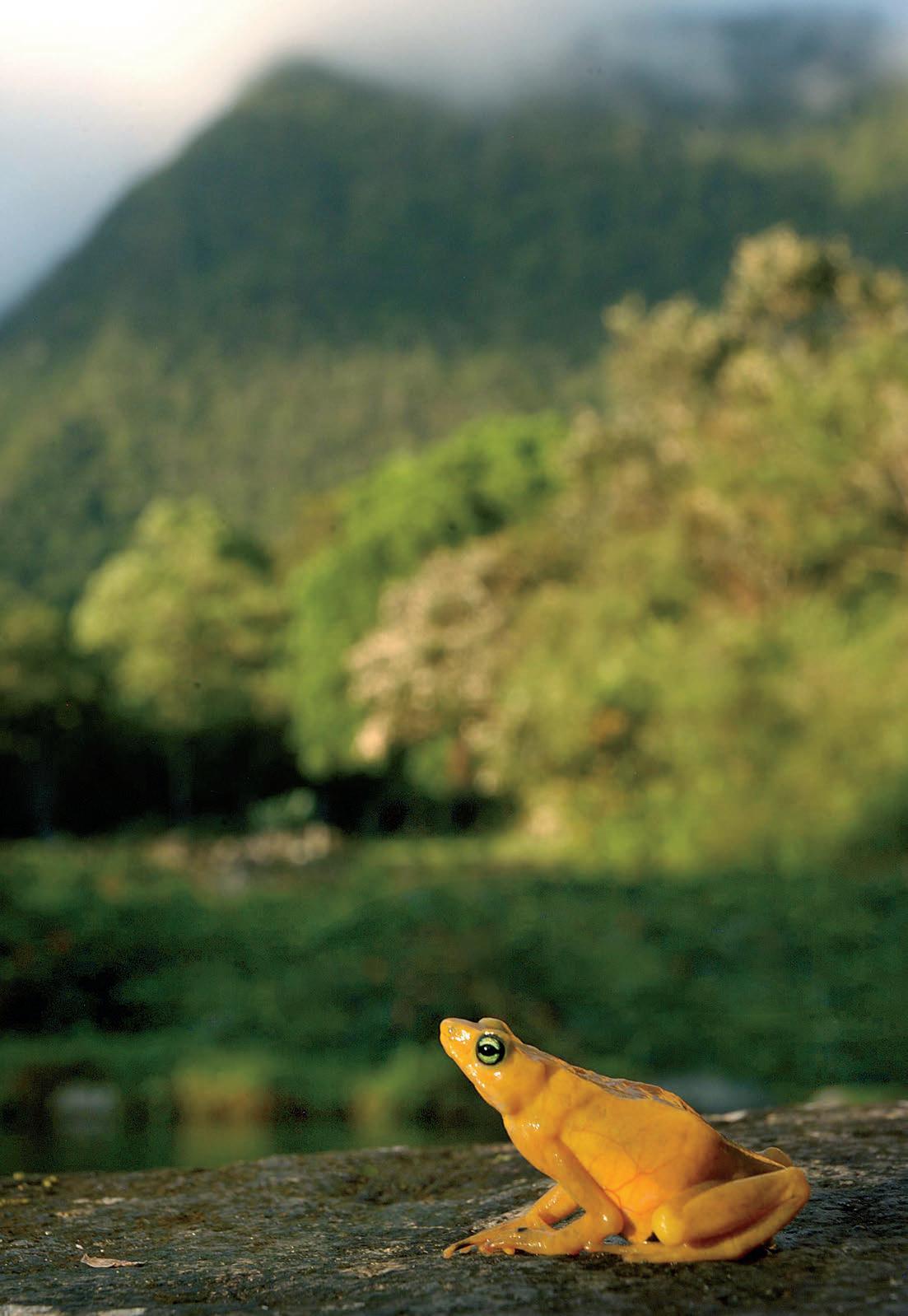
THE PANAMANIAN GOLDEN FROG is a treasured national symbol throughout Panama, yet it has died out in the wild along with many other amphibian species. A plague of chytrid fungus has swept through forests of Central and South America, silencing once robust amphibian populations. For Edgardo Gri th and his wife, Heidi Ross Gri th, this disturbing turn of events in the forest was unacceptable, so they took action.
Teaming up with amphibian conservation colleagues, including the Wildlife Disease Laboratories of the San Diego Zoo Institute for Conservation Research, they mobilized a global amphibian rescue e ort to salvage vulnerable frog populations, test and treat them for the deadly chytrid infection, and establish captive colonies to assure their survival. e work is a lot more challenging than just
“dangling a cricket in their tank,” said Heidi. Each tank has to be carefully monitored for water temperature and pH balance, and everything, including the plants, must be squeaky clean. “Ultimately, we’re not breeding frogs; frogs are breeding frogs. We’re just trying to provide conditions where they feel comfortable doing what they need to do,” she added. “Taking care of amphibians is an art,” explained Edgardo. “You have to treat each animal as an individual and use special care, especially when you know that this animal may be the last of its kind.”
For the Gri ths’ dedication to amphibian conservation, they received the prestigious Conservation Medal, which has been awarded annually by San Diego Zoo Global since 1966. e award was in the Conservation in Action category, which honors “individuals who
The Panamanian golden frog is endemic to the forests of Panama. This iconic species is critically endangered.

are currently making an active and important contribution to the conservation and recovery of endangered species, habitats, or ecosystems in the eld through applied research, breeding and reintroduction programs, community education, or the establishment of protected areas.” eir award included a $10,000 prize for their commitment to the El Valle Amphibian Conservation Center (EVACC), where they and their partners work to create survival colonies of endangered frogs in Panama.
“ e impact of Edgardo and Heidi’s work goes well beyond a simple rescue of a few hundred frogs,” said Allan Pessier, D.V.M., senior scientist at the Wildlife Disease Laboratories, who nominated them for the award. “ e goal of survival assurance colonies is to keep and breed imperiled amphibian species in captivity until a time—maybe many years in the future—that they can be safely returned to the wild.” e scope of this project is largely unprecedented for amphibians. Not only do Edgardo and Heidi have to keep the creatures alive right now, but they must manage healthy and genetically diverse populations over the long-term, hopefully for eventual reintroduction to a wild, chytrid-free environment.
A LEA P OF FAITH
As a young man, Edgardo relished exploring the forests of his homeland and observing animals. Heidi, from Wisconsin, came to Panama in 2000 with the Peace Corps and began volunteering on weekends doing frog surveys, which is where their paths crossed.
ough romance blossomed, it became clear that the frogs that rst brought them together were in serious decline.
“I’ve been dealing with amphibian declines since 1999,” said Edgardo. “You go into the eld and see the amphibian population during the summer, then you go the next year and see nothing…it’s very upsetting.” As the wave of chytrid fungus killed o scores of amphibians across Panama in 2006, the Gri ths rallied the troops and gathered up as many imperiled frogs as possible. Fortunately,
a local hotelier o ered up a couple of rooms for the amphibians, and they received VIP treatment from the moment they “checked in,” complete with daily baths and 24-hour room service! Nestled in the shadow of a dormant volcano, Hotel Campestre became the last bastion for 300 frogs. e frog rescuers worked by day cleaning the tanks and monitoring the delicate amphibians; by night they entered the forests to capture grasshoppers, crickets, and other insects to feed their hungry charges.
With funding from the Houston Zoo and the Panama Amphibian Rescue and Conservation Project, a state-of-the-art center was built to house and care for more than 50 species of threatened Panamanian amphibians. It is supported by many zoos and conservation organizations, but “the success of the EVACC facility is due entirely to the intense dedication and persistence of Edgardo and Heidi in preserving Panama’s natural heritage,” said Allan in his conservation medalist nomination letter. “ ey are the hardest working and most sel ess people I know in amphibian conservation. With only a small sta of two local people to help with cleaning and maintenance of insect colonies, Edgardo and Heidi juggle caring for hundreds of irreplaceable frogs, coordinating volunteers, educating the public, and raising money to keep the facility going.”
Although not out of the woods by any means, the Gri ths’ hard work is paying o for Panama’s amphibians. In 2009, the rst Panamanian golden frogs hatched at the center, which is a huge accomplishment for the team as well as a milestone for frog conservation. Other successful captive-bred species include the banded horned tree frog and the marsupial frog. Just as important as the new froglets are the vital lessons learned—and shared—in husbandry, nutrition, and disease control, which will bene t other amphibian survival assurance populations in their own countries. rough this urgent, collaborative conservation work, it is hoped the ancient songs of amphibians will one day bring harmony and balance back to the forest.
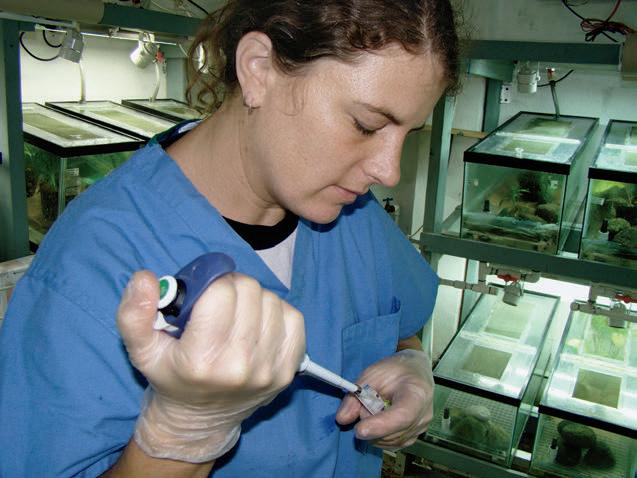
Photos (left to right): Heidi Ross Griffith working at the El Valle Amphibian Conservation Center (EVACC); Edgardo Griffith monitoring amphibian populations; the Panamanian golden frog, a national treasure, is receiving much-needed international conservation help.
(Frog photos by Bill Konstant, photos of Heidi and Edgardo courtesy of EVACC.)
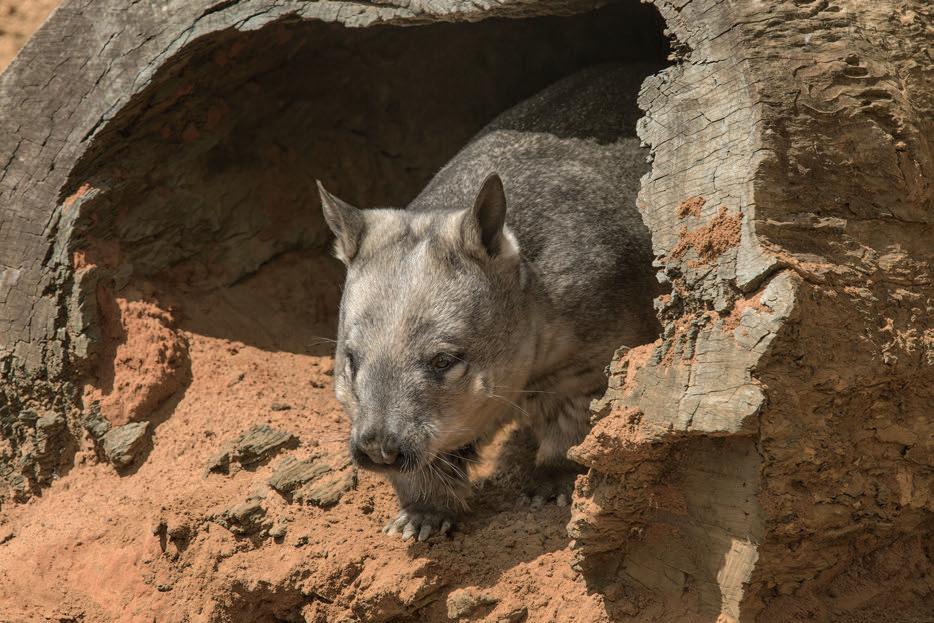
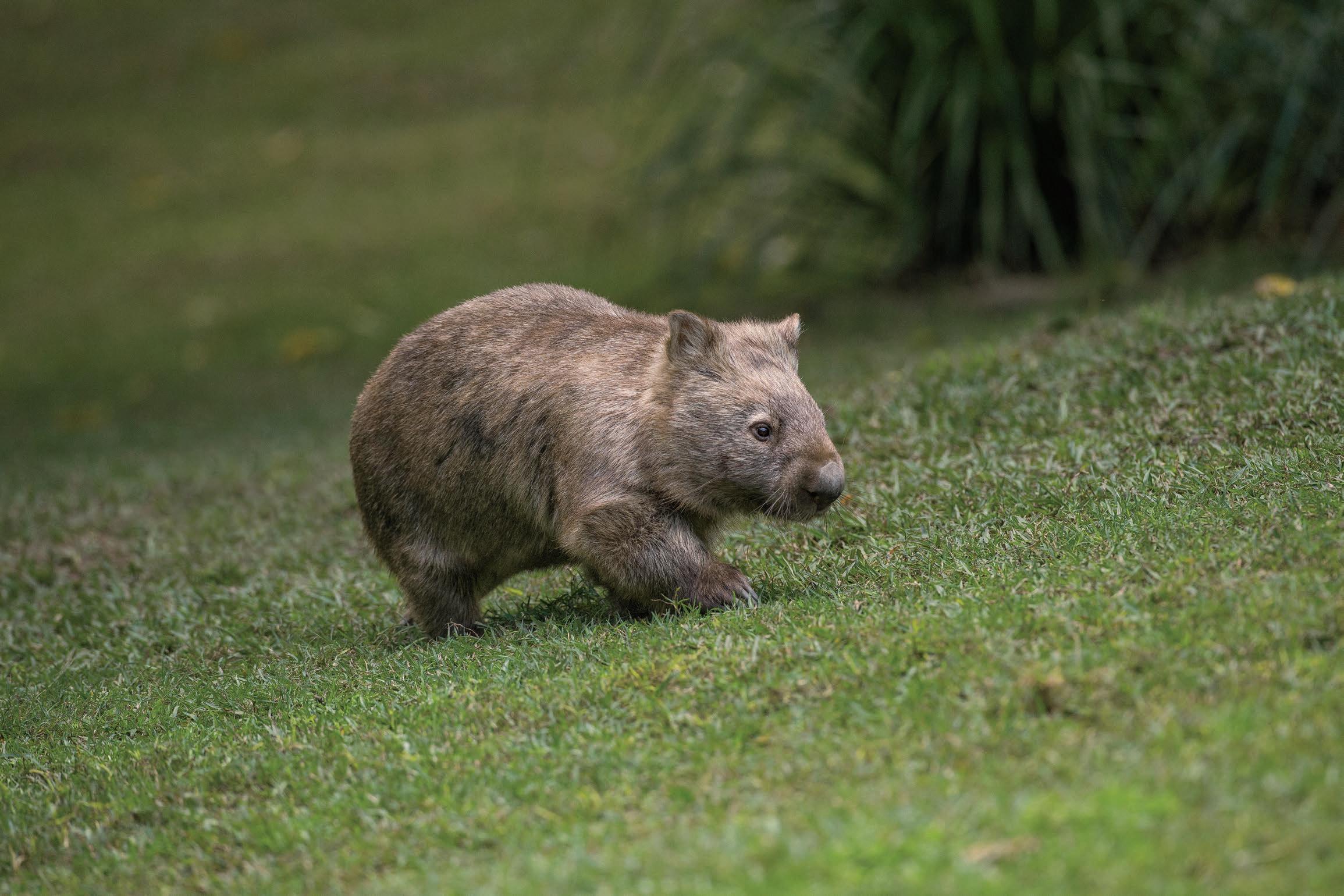
The wombat’s wide, strong feet and long claws help make it a natural digger. This Australian marsupial is known as the “bulldozer of the bush.”
DIGGING INTO THE WORLD OF THE WOMBAT
Iyou may have stumbled onto a wombat’s turf. While these comically stocky creatures look like they would be more at home lounging on the ground than burrowing into it, they aren’t known as the “bulldozers of the bush” for nothing. Wombats really dig digging.
Dedicated Diggers from Down Under
Even though it may look like an escapee from the plush animal display at a toy store, the southern hairy-nosed wombat Lasiorhinus latifrons resides in pockets of semi-arid scrubland and grassy plains in southern South Australia. When compared to its common wombat kin, the southern hairy-nosed wombat has a broader nose that, yes, is covered in ne hair. It is also smaller overall (ranging in size from 42 to 71 pounds, compared to the common wombat Vombatus ursinus at 55 to 88 pounds), but it has larger, pointier ears. Sandy-brown or grayish-black fur helps the wombat blend in with the landscape and avoid detection by predators.
Related to koalas and kangaroos, wombats come equipped with
plains animal care manager Chris Hamlin. “ is keeps dirt from getting into the pouch while the mom digs.”
And dig is what wombats do best. eir wide, strong feet and large claws aid in construction of impressive underground burrows that lead to their sleeping chambers. When digging, a wombat is so enthusiastic that it can move up to three feet of dirt in a single night (these animals are most active in the morning and early evening). “ ey really give their all to their digging,” says senior keeper Bill Austin. “For a wombat, digging a burrow is the physical equivalent, exertion-wise, of running 60 miles.” at would be quite a sight, given the wombat’s characteristic waddle, probably the result of slightly bowed legs. But it doesn’t seem to slow them down much, as they can run up to 25 miles per hour if they have to.
eir main defense mechanism, however, deserves a standing, or perhaps sitting, ovation. Wombats have a tough, thick-skinned rump that they aren’t afraid to use. When pursued by a predator such as a dingo, fox, or Tasmanian devil, wombats dive head rst

into their tunnel, leaving only that leathery rear end for the predator to bite. Wombats have even been known to crush intruding animals against the hard walls and low ceilings of their burrows. “ ey are
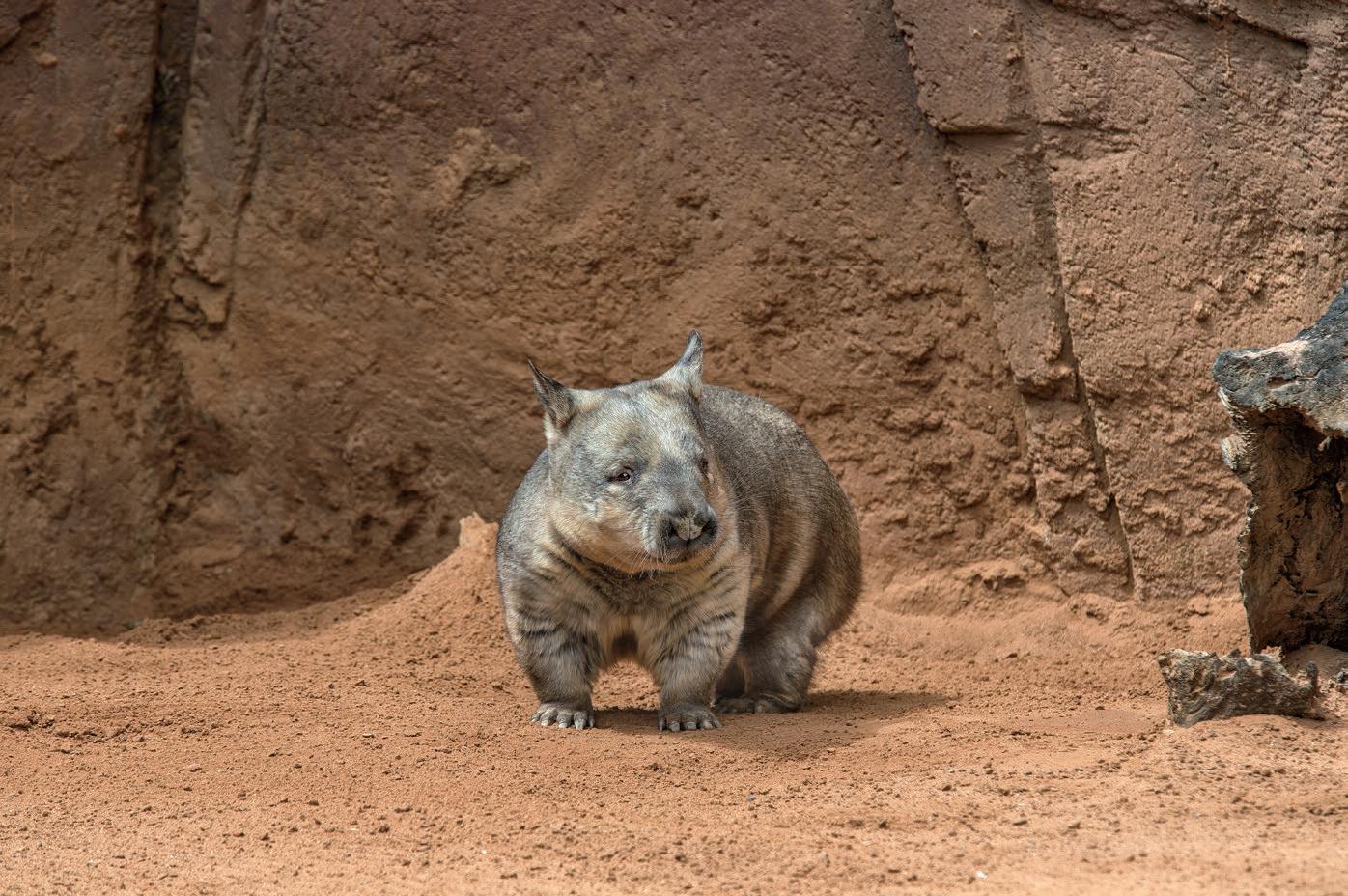
The wombat’s closest relative is the koala. They share the characteristic of having a pouch that opens toward the rear.
Rotund Little Rototillers
At the San Diego Zoo, southern hairy-nosed wombats are represented by 18-year-old Kindyerra and her 19-year-old mate, Dick. e pair has lived at the Zoo since the mid-1990s, and, as Chris can en referred to as anything but wombats. “Most ey’re not. ey’re
The common wombat makes its home in the forest-covered, mountainous areas of southeastern Australia, where it looks for a temperate climate and suitable burrowing conditions. In South Australia and Tasmania, it also lives at lower altitudes and in more open e Zoo’s new Conrad Prebys Australian Outback will be home to two female common ferences between their species and their hairy-nosed relatives.
Grazers by nature, wombats use their rodent-like teeth and strong jaws to grip and tear food such as grasses, roots, shoots, mosses, tubers, and even tree bark. A cle upper lip allows them to graze close to the ground, which is important in times of drought—they can reach very short shoots. “ ey play an important role in their habitat because they help cultivate the soil,” Bill explains.
At the Zoo, the wombats enjoy a diet of alfalfa pellets, greens, root vegetables, and Bermuda hay for bedding or munching. Despite the occasional moody moment—“ ey can be temperamental during breeding season,” Bill notes—Kindyerra and Dick are, for the most part, agreeable. “We like to say they’re sassy but friendly at times, and friendly more o en than not,” Bill says.
Come to the Zoo soon and visit our eager little earth movers. ey aren’t afraid to get down and dirty. In fact, they love it!



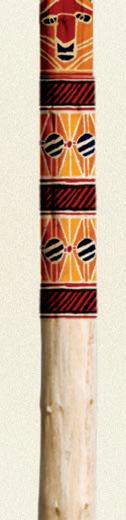




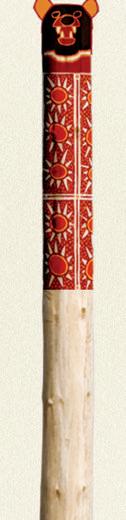

WELCOMING TOTEMS


Your first steps into the Conrad Prebys Australian Outback—the Zoo’s new exhibit opening in May 2013—will take you through a “welcoming committee” of towering totem structures ranging from 8 to 15 feet tall. Traditionally in aboriginal cultures, both in Australia and North America, totems are symbols of a clan, family, or individual. In Australia, each totem is an animal representing a human characteristic. Each person goes on a journey into the land of their totem to learn how to survive with their totem’s supernatural powers. In Native American tradition, each individual is connected with nine different animals that will accompany them through life, acting as guides.
We took the best of both Australian aboriginal and Native American traditions to develop the unique, inspiring totems of the Zoo’s Australian Outback. They feature iconic animals of Australia: koala, platypus, crocodile, kangaroo, Tasmanian devil, and kookaburra. When you visit the new exhibit, see which of these totem animals “calls” to you.


By Maureen O. Duryee
YOUR BACKSTAGE PASS TO SURPRI SES
SENIOR ANIMAL TRAINER, SAN DIEGO ZOO
Photos by Ken Bohn
SDZG PHOTOGRAPHER
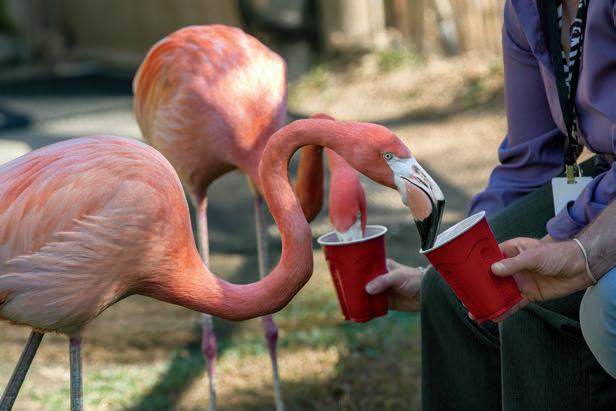
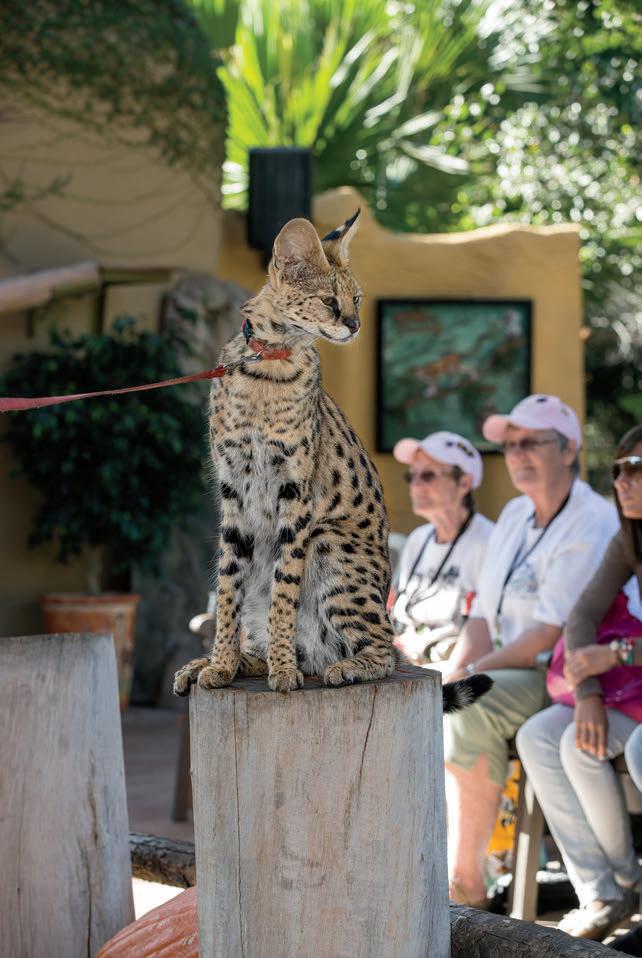
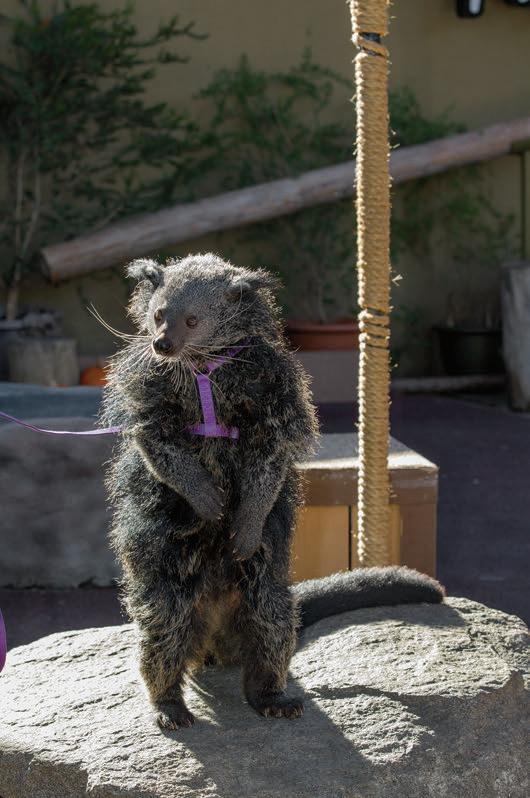
re you ready for a rendezvous with clouded leopards, a Canadian gray wolf, or a southern ground hornbill? Do you smile at the thought of petting a kangaroo, an owl, or a cuscus? (A what? Keep reading!) Does your heart hunger for the chance to feed amingos, a rhinoceros, or a binturong? Are you ready to strike a pose for a photograph next to a zebra, cheetah, porcupine, or serval? If your answers were “Yes, yes, yes,” and “YES,” I have good news: these are just a few of the unique experiences Backstage Pass participants enjoy on a daily basis at the San e Backstage Pass program is a 90-minute, in-depth animal experience. It begins in an intimate outdoor theater in the Zoo’s Urban Jungle, where a few of the animal trainers introduce you to some of our superstar animal ambassadors.
T he Truth About Dogs and Cats
If “must love dogs” rings true for you, then you have come to the right place. Just imagine Kenai, our Canadian gray wolf Canis lupus arctos, walking only a few feet away from you as he makes his entrance onto the stage. Guests are o en moved by his stage presence—and how close he is to them! e fun doesn’t end with merely his company, however. Kenai has a set of singing pipes that will send shivers down your spine (and possibly into your very soul). He loves to howl, with or without a full moon.
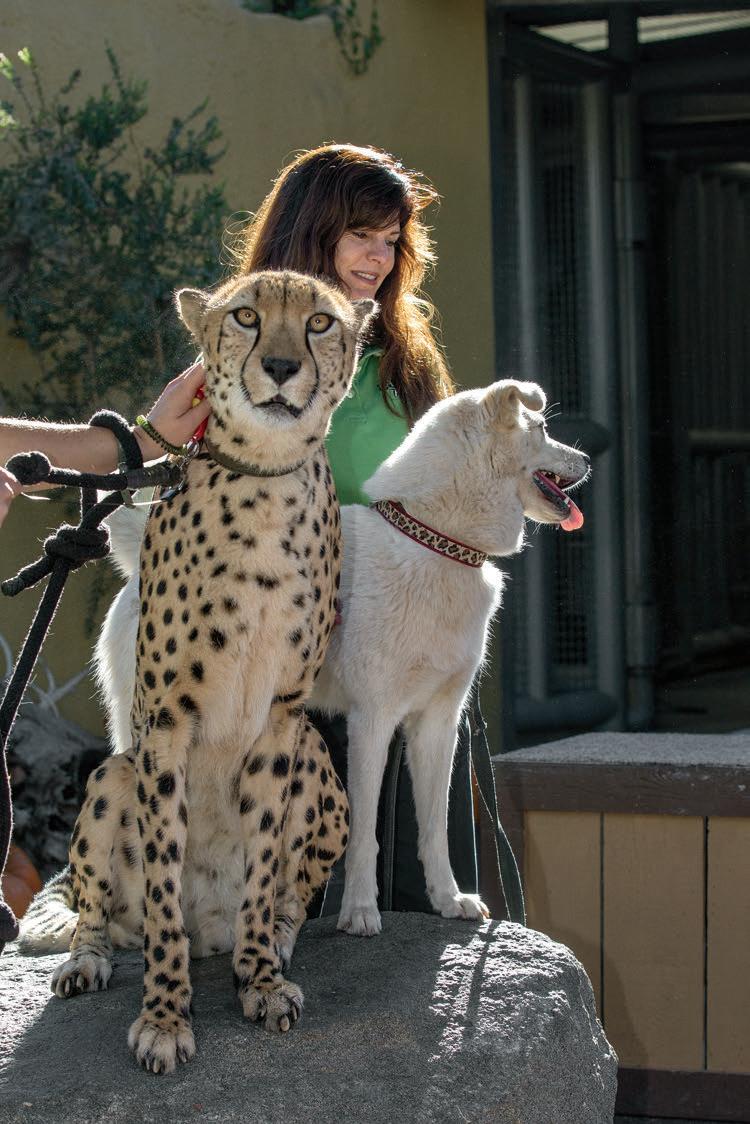
Whoever said “dogs and cats don’t get along” has never met the animal pairings at Backstage Pass. We have found a way to unite the two—Bakari, our male South African cheetah, has a best friend named Miley, who happens to be a domestic dog. ese two BFFs (best friends forever) spend all day and night together. is odd relationship has its bene ts. Male cheetahs in the wild form coalitions, which help increase their hunting success. While Miley isn’t a male cheetah, Bakari doesn’t seem to mind—he enjoys her company all the same. Miley, on the other hand, loves a good game of chase, and who could make a more fun, challenging “opponent” than the fastest land mammal? Backstage Pass guests can expect to meet either Bakari or another cheetah, named Karroo.
Rare Cats, Rare Chance
Exotic and beautiful cats come in all shapes and sizes here at Backstage Pass. Our guests are always impressed by their unforgettable encounter when they meet the clouded leopards. With only 277 clouded leopards in zoos, this species is not only rare but in danger of extinction in its native jungles of Southeast Asia. e San Diego Zoo has the only three clouded leopards in shows in the world, so to say this experience is unique would be an understatement.
Clouded leopards sport the largest canine teeth relative to their body size in the cat family. eir canines measure 1¼ inches long, which give our clouded leopards Kya, Kilat, and Norman an impressive “smile” when they are perched on a tree stump only a few feet from our guests. At 12 and 14 years of age, these charismatic cats bring a whole new meaning to the phrase “long in the tooth”!
Rhino Reality
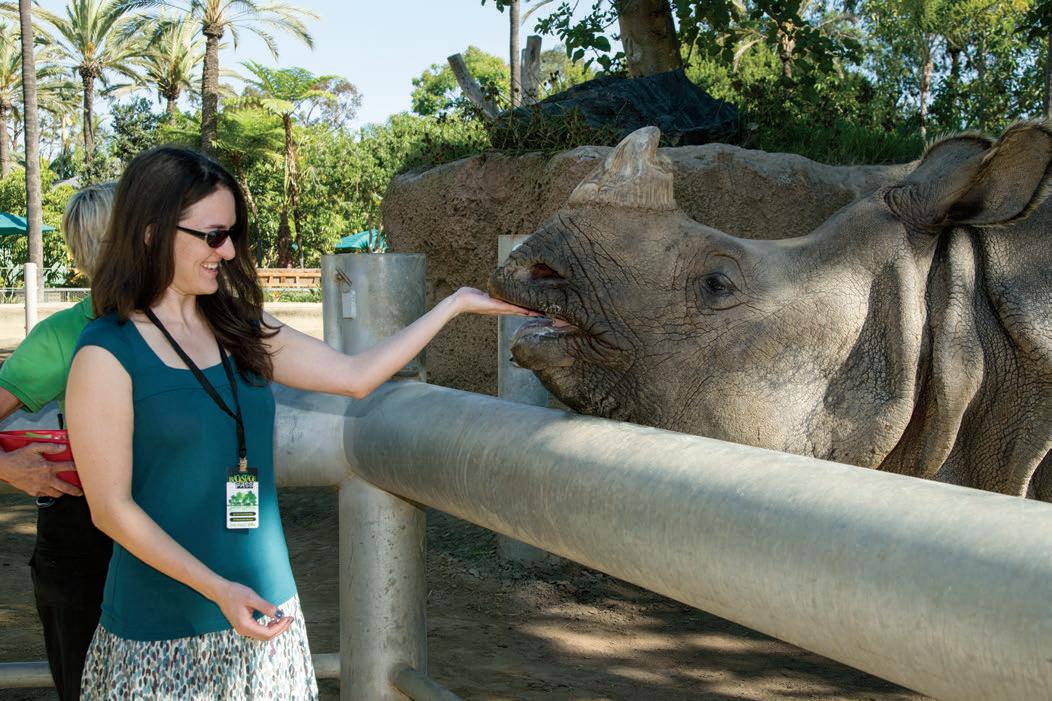
Another dental disovery awaits just a few steps away: Backstage Pass guests are surprised to nd out that Surat, our greater one-horned rhino, has only gums in the front of his mouth with large molars located farther back. is makes feeding the two-and-a-half-ton fellow a little less intimidating. You read that right, Backstage Pass participants have the opportunity to feed and touch a rhino! e thick folds of skin covering a rhino’s body give the appearance of armor plating. However, the skin is
sensitive enough for them to feel the bite of a mosquito, and the skin within its deep folds is surprisingly so .
lose and Personal
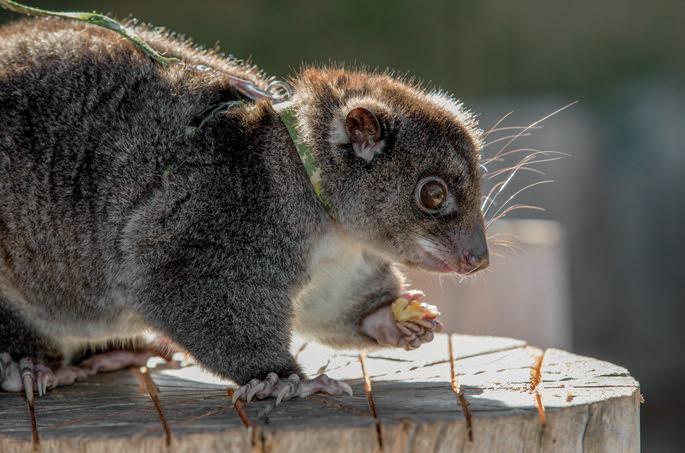
Petting a nearly three-ton animal is an absolutely amazing moment, but feeling the dense coat worn by a ground cuscus is equally exis marsupial is native to the forests of New Guinea, and there are only a handful of this cuscus species in zoos in the US. Our little female, named Kali, celebrated her rst birthday during a Backstage Pass program. Kali’s birthday cake was made of bananas, with peanuts as the birthday “candle.” She not only ate the entire cake herself, but she even licked the plate!
roughout the day we o en hear Zoo patrons say, “You have the perfect job.” And it’s true! We love what we do, and our furry and feathered friends seem to enjoy it as well. e all-star cast and crew of Backstage Pass includes 21 di erent animal species and 11 trainers. Come meet some of these animal stars and feel the passion we have for wildlife and conservation.
BOOK A
ROMANCE IS IN THE AIR...
By Karyl Carmignani STAFF WRITER
Whether social, solitary, or somewhere in between, ani mals need to nd mates to keep their kind on the planet. Males (mostly) go to great lengths to woo females, us ing courtship rituals as varied and bizarre as any romance novel. In some species, females are only receptive a few hours each year, so males need to bring their best game to win the “girl.” Courtship can be a simple “song” of visual, chemical, or auditory stimuli, or it can be a dramatic, death-defying e ort that entices the female to give him a chance.
Ardent courtship practices include the hardy little dung beetle rolling his chosen one into the sunset atop a nuptial manure ball, or the breathtaking “cartwheeling” of bald eagles locking talons midair and plunging toward the ground. en there are the squirming, churning “mating balls” of garter snakes, snails hurling mucus- lled “love darts” at each other, and the ever-attractive dung- inging by male hippos. ere seems to be no limit to what acts animals com mit in the name of love (or at least reproduction). Of course, female choice is the driving force behind I’m-the-perfect-male courtship rituals, spurring on the cumbersome but colorful train of a prancing peacock, the languid “spawning bed” dance of the squid, and every thing in between. And males keep serving up romance the best way they know how!
Just about every species has its own strategy to nd the best mate, but birds in particular seem to have taken amour to new heights and in unexpected directions. Lacking an opposable thumb, access to chocolates, or a Marvin Gaye music collection, birds have developed ways to entice the opposite sex using their beak, feet, feathers, song, and good old-fashioned charm.
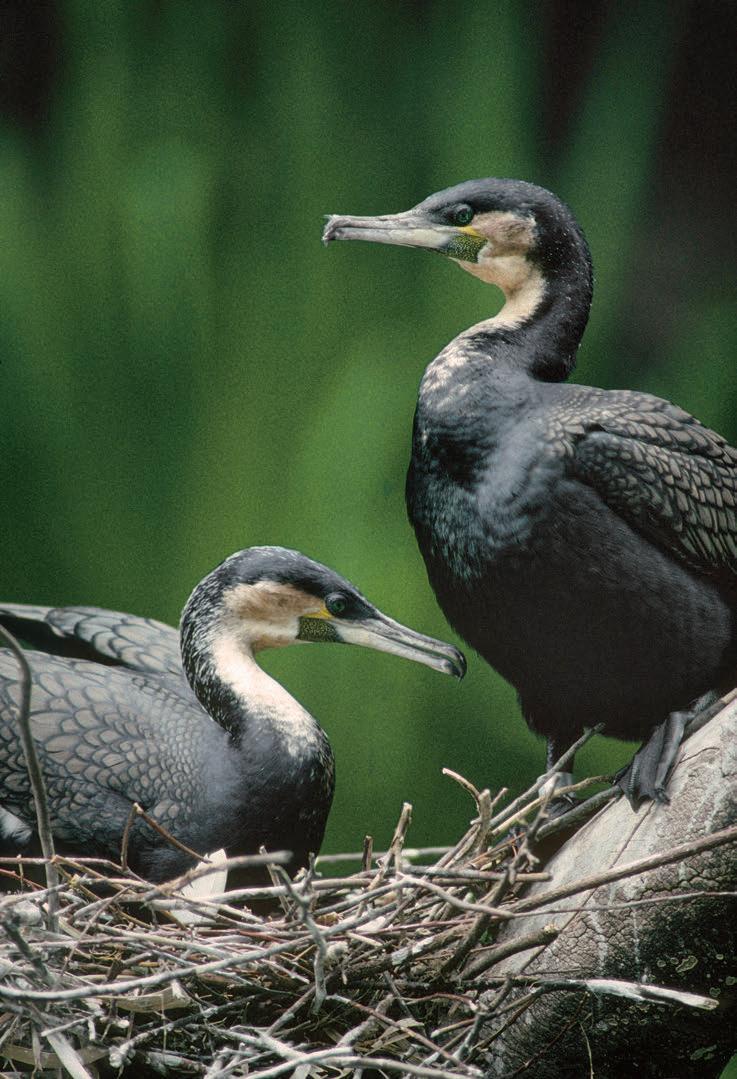
Above: Both sexes of whitebreasted cormorants look alike—it is the male’s stick gathering talents that clinch the deal with the female.
AND ON THE GROUND
Photos by Ken Bohn SDZG PHOTOGRAPHER
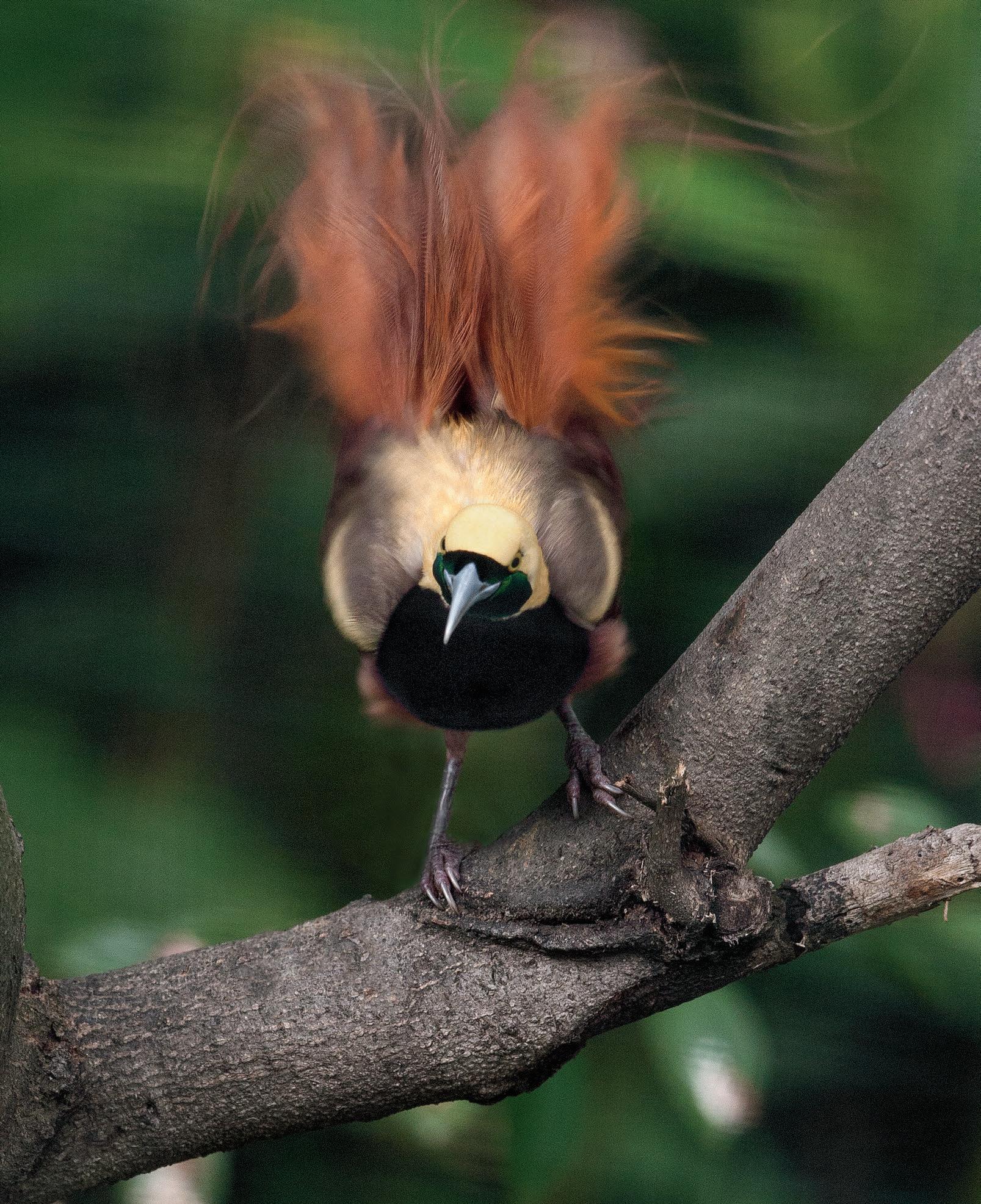
Left: A male Raggiana bird of paradise dazzles females with his colorful plummage and gyrations.
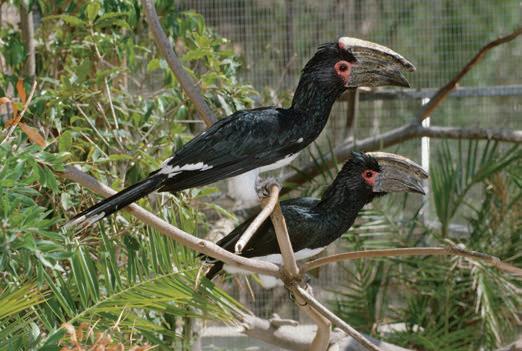
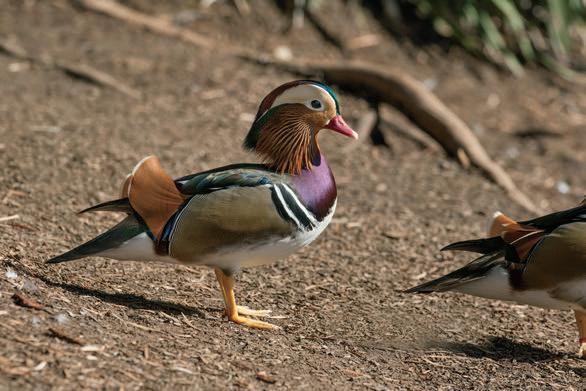
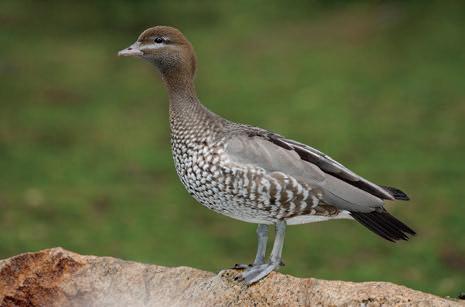
Sexually monomorphic birds, like trumpeter hornbills (left), form strong pair bonds. Mandarin ducks are sexually dimorphic; the flashylooking male (center) woos females with his “sail” feathers. Right: A female Australian wood duck shows the more muted coloration typical of female ducks, which helps camouflage them when they are nesting.
LOVE BIRDS
e evolutionary essential of nding the best—strongest, smartest, handsomest—avian mate has led to a dazzling array of clever courtship rituals that can leave you shaking your head—and cheering them on. e adage about birds, “If they look alike, they mate for life” holds true for many species. For those types in which males and females do not look alike, San Diego Zoo senior bird keeper Mike Grue added, “ e sex that invests less in the eggs tends to be ashier looking,” which is usually—but not always—the males.
Mandarin ducks are sexually dimorphic, meaning the males and females look wildly di erent. e colorful male sports a pair of ashy “sail” feathers that protrude from his back. He preens these feathers relentlessly, even dipping his beak in the water and touching it to his “sail” for added glistening drama—anything to get the females to notice. Sometimes his obsession gets in the way, and “the female chooses to mate with him, presents herself, but he is too busy preening those feathers to pay attention to her,” said Mike. If mating does occur, the female will tend to the eggs and raise the young while the amboyant male swims o to his next conquest. e black-and-white trumpeter hornbills have a completely different courtship game plan. e male must build trust with the female, so he demonstrates his Mr. Rightness by bringing her food all year long—his bug-hunting prowess is key. More than gaudy plumage, his loyalty is important, as she will be sealed up in a tree cavity with the eggs and chicks for a few months. Her “man” will deliver food to her through a narrow, defendable opening in the tree; the female is completely reliant upon him for sustenance. She raises their youngsters walled o in the nest, with the male dutifully bringing home the “bacon.”
Finally, when the young are ready to y, they all emerge. e “kids” stick around to help raise the next clutch of eggs and take notes on how to be good hornbill parents when they (may) leave the nest at around four years old. “It’s such a di erent strategy than ducks, where males never even meet their o spring, and the female does all the work,” said Mike. “With these hornbills, the females can’t do it alone, and the males are totally devoted to their family.” It’s not all “until death do us part,” though, as hornbill “divorces” can happen if a pair is not successful in rearing young together.
SONG AND DANCE
ey grace the ag and postal stamps of Papua New Guinea for good reason: the male Raggiana bird of paradise is a rainbow of color and a lesson in “if you’ve got it, aunt it.” With the con dence of an actor, the dexterity of a gymnast, and the optimism of Buddha, the male joins several other males to form a lek in a foliage opening of a tree, energetically dancing and calling as females check out their style—and perch. Hanging by his toenails, a male’s blazing-orange, hair-like tail feathers arch and spread wide, contrasting nicely with his blue beak, yellow head, and green facial accents. With his ery feathers draped over his upside-down body, he looks impish yet regal, and a female takes notice. Other males jam and jig on branches nearby, but for some reason this guy has what it takes. A er they mate, the female heads o to build her nest, lay a couple of eggs, and raise the next generation of dancers and judges. “When the males gather in these leks, they rarely ght among themselves, as that seems to really turn o the females,” explained Mike. “At the Zoo, we can keep males together, and they get along ne, but put the females together, and it’s a di erent story.”
THIS IS A ST ICK UP
Female white-breasted cormorants don’t judge a potential mate by his looks but rather by his stellar stick collection. To successfully raise a family, this colonial nester builds a sturdy nest of sticks and grass, so upon pairing up, the male proudly displays his gathered twigs, even swimming around with one in his mouth. “ ese guys impress females with their hunting and stick-getting skills,” said Mike, “which are both important to cormorant family life.” Once the chicks arrive, the family unit thrives as one parent heads out to sh, bringing food back in a gular pouch in its throat (they are related to pelicans). e parent tending the chicks elegantly bends its head back to welcome its mate back to the nest. e chicks take turns thrusting their head into the parent’s mouth to retrieve the sh. Fledging occurs at about 50 days a er hatching, but the young return to the nest to “beg” for food for another several weeks. Both parents supply food to the young and welcome each other back to the nest. Sound familiar?
what’s in store



























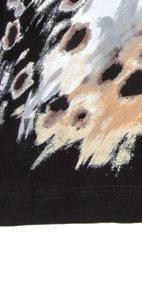


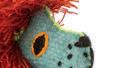






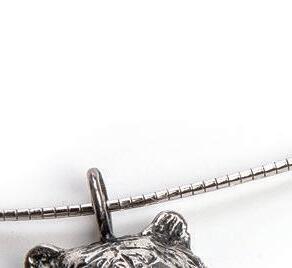
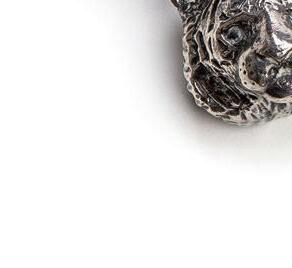


































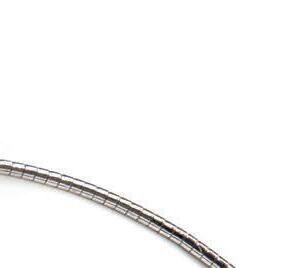
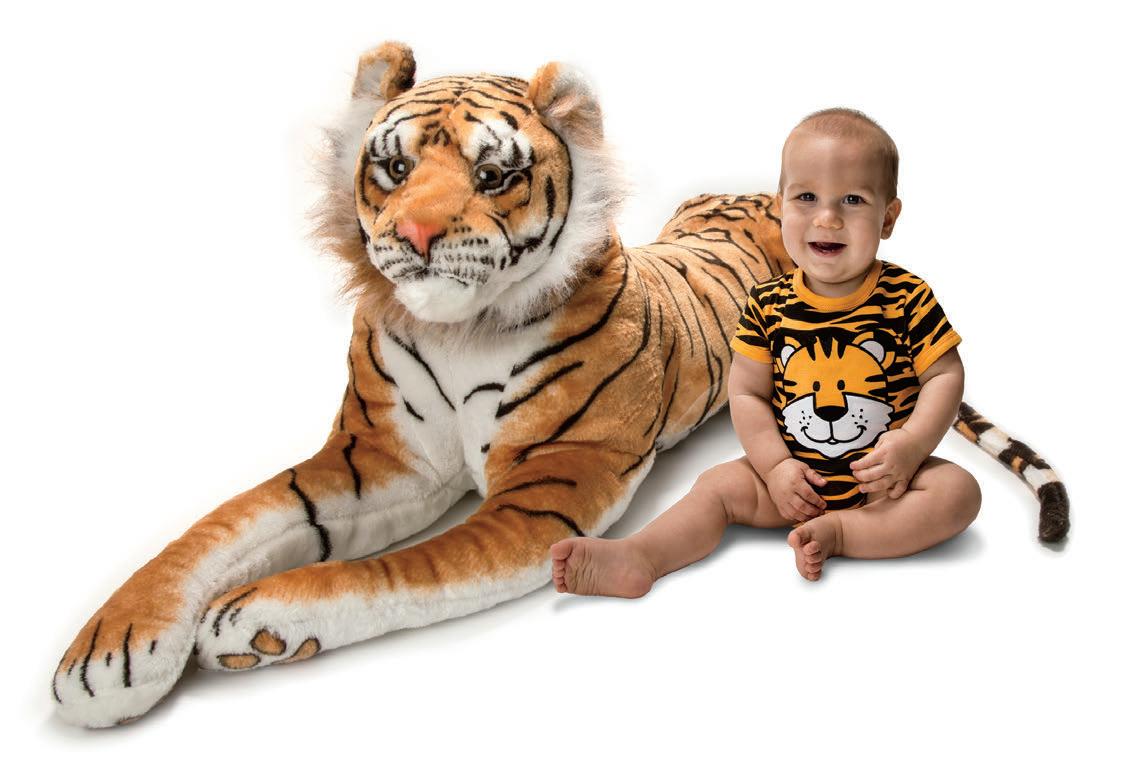












Visit our shops at the Zoo and Safari Park to purchase these featured items.




1. One-of-a-kind sterling silver tiger pendant created by Duane Pillsbury (necklace not included) $150
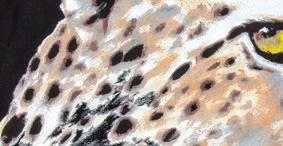
2. Exclusive San Diego Zoo silkscreened shirt by Animal Fashions by Jordan $48
3. Handmade wool lion figurine from Oaxaca, Mexico (sizes may vary) $21.95
4. Large tiger plush $99.99
5. Tiger onesie $19.95
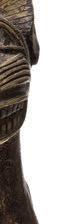
6. Benin lost-wax bronze leopard sculpture from Nigeria $795
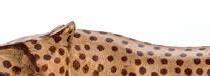
7. Hand-carved wood cheetah from Kenya $22.95
President’s Clubs: Friends, Philanthropy, and Photos!
When people become members of our President’s Clubs, they enjoy greater involvement with the San Diego Zoo and Safari Park. “Inspirational,” “rewarding,” and “fun” are words we often hear from these members when describing what President’s Clubs means to them.
rough four levels of annual giving—Ambassadors, Patrons, Partners, and Associates—President’s Clubs members are philanthropic friends who share our commitment to conservation and wildlife. ey are provided with many benefits, including an insider’s perspective
2012
President’s Clubs Photo Contest
First-Place Winners
To join one of the President’s Clubs or to receive more information, please contact Nancy Howard at 619-685-3219 or nhoward@sandiegozoo.org or visit www.sandiegozoo.org/ presidentsclubs.
of the work we do, special events, unique animal encounters, and activities that feature engaging speakers such as keepers, veterinarians, curators, and researchers.
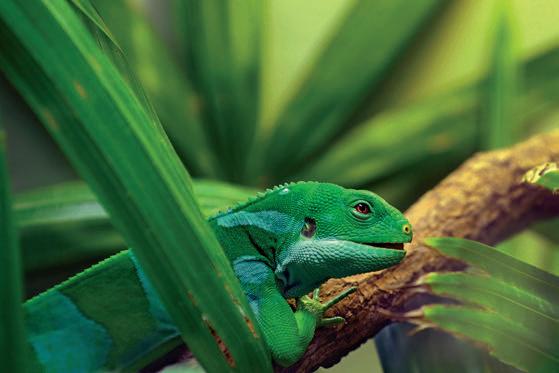
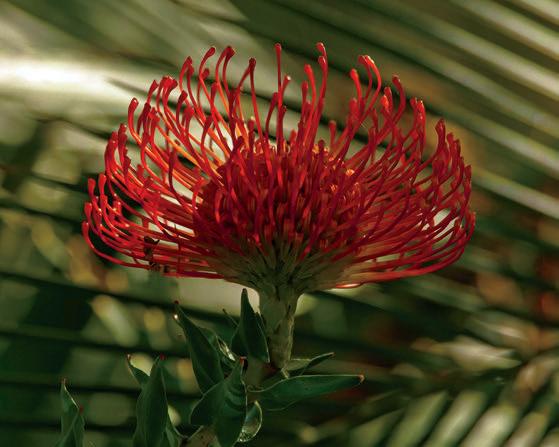
One of our recent activities was the Wildlife Wonders Photo Contest, which included publishing the first-place photos in ZOONOOZ Please enjoy these winning photos and consider joining one of the President’s Clubs so you can experience a deeper relationship with the Zoo and perhaps even enter the photo contest in 2013!
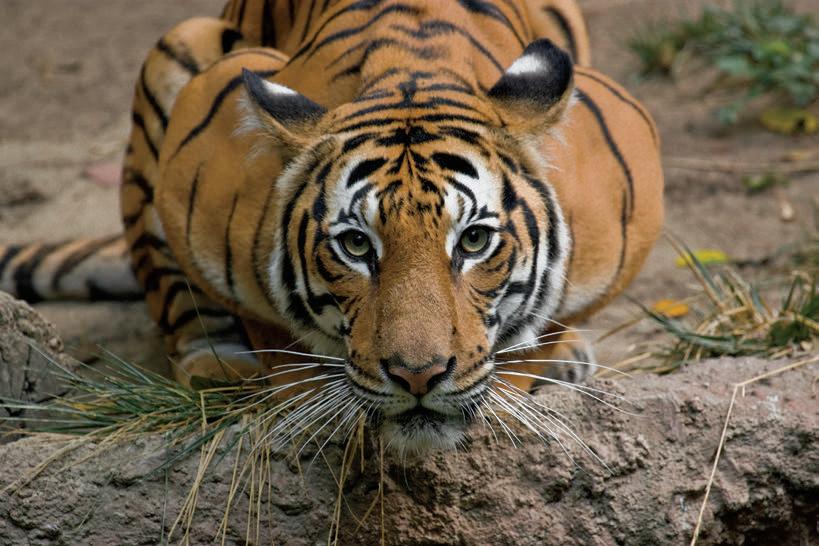
Mammals at a zoo or wildlife park by Rob MacKenzie
Reptiles or amphibians at a zoo or wildlife park by Bill KlippPlants at a zoo or botanical garden by Karen Sharpe
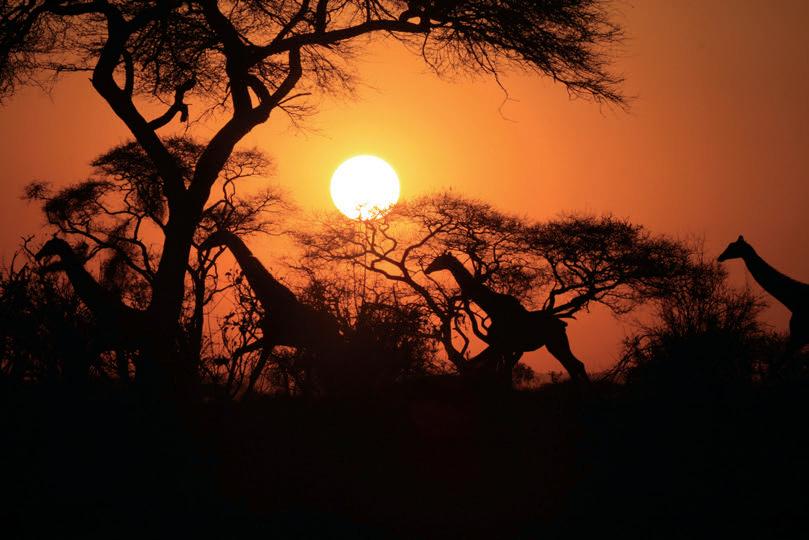
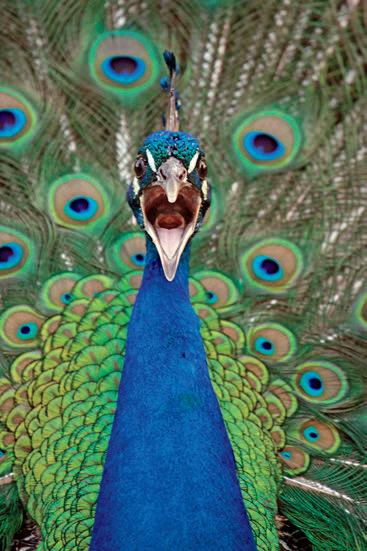
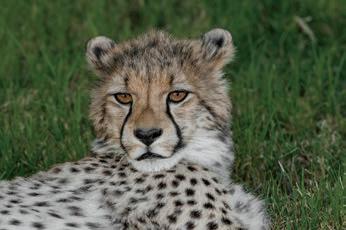
SAN DIEGO ZOO GLOBAL
OFFICERS
Richard B. Gulley, Chairman
William H. May, Vice Chairman
Sandra A. Brue, Secretary
Robert B. Horsman, Treasurer
BOARD OF TRUSTEES
M. Javade Chaudhri
Berit N. Durler
Clifford W. Hague
Nan C. Katona
Patricia L. Roscoe
Steven G. Tappan
Judith A. Wheatley
David S. Woodruff, Ph.D., D.Sc.
TRUSTEES EMERITI
Frank C. Alexander
Kurt Benirschke, M.D.
Weldon Donaldson
Thompson Fetter
Bill L. Fox
Frederick A. Frye, M.D.
George L. Gildred
Yvonne W. Larsen
John M. Thornton
Albert Eugene Trepte
A “Purr-fect” Gift for Your Valentine
Let your Valentine know that he or she is the “cat’s meow” with our special Valentine’s Day Adopt an Animal offer. Regularly $100, this sweet deal is $50 and includes:

Betty Jo F. Williams
William E. Beamer, General Counsel
Douglas G. Myers, President/CEO
Charles L. Bieler, Executive Director Emeritus
The Foundation of the Zoological Society of San Diego
OFFICERS
John E. Gartman, Chair
Murray H. Hutchison, Vice Chair
Margie Warner, Secretary
Maryanne C. Pfister, Treasurer
Mark A. Stuart, President
Richard B. Gulley, Ex officio
Douglas G. Myers, Ex officio
BOARD OF DIRECTORS
Christine L. Andrews
Richard A. Baldwin
Joye D. Blount
Your tax-deductible adoption benefits our global wildlife conservation efforts as well as providing toys and treats for our animals. To order, visit sandiegozoo.org/adoptcheetah or call 619-557-3914.
Where there’s a WILL there’s a WAY.

To request a complimentary brochure about including the Zoological Society of San Diego in your will or trust, please call 619-744-3352 or visit www.zoolegacy.org.

Richard Bregman
Lisa S. Casey
Douglas Dawson
Berit N. Durler, Ex officio
U. Bertram Ellis, Jr.
Arthur E. Engel
Fran Golden
Craig L. Grosvenor
Judith Harris
Richard M. Hills
Craig A. Irving
Susan B. Major
Susan N. McClellan
Michael D. McKinnon
George A. Ramirez
Joyce Summers
Thomas Tull
Animals in their native habitat by Stanley Komatsu
Birds at a zoo or wildlife park by Rob MacKenzie
from the archives






Spot On
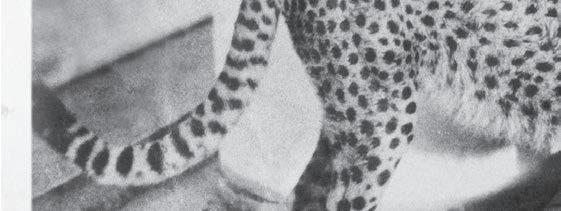
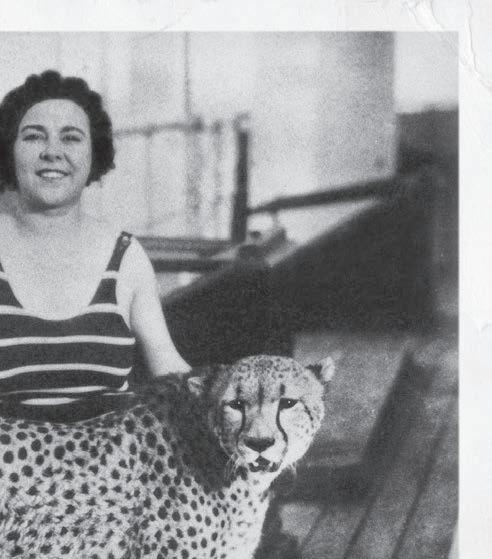
The San Diego Zoo’s first cheetah arrived in 1933, a gi from adventurers and Zoo friends Martin and Osa Johnson. He was a handsome and friendly cat named Bong, a er the Bong’om tribe of Kenya. Osa Johnson acquired him from a Kenyan farmer, who had hand raised him. She and Martin brought Bong back to New York with them (Osa is seen here with Bong, traveling aboard ship) and took care of him at their home—even taking him for short walks in Central Park, which must have been quite a sight. Friendly as he was, though, the Johnsons knew Bong wasn’t suited to being a housecat, so they brought him to the San Diego Zoo during one of their visits. He lived at the Zoo for 11 years, and he o en accompanied Zoo director Belle Benchley on speaking engagements at local luncheons and education events. e Zoo’s rst cheetah was also its rst community animal ambassador!
Look for our special digital issue devoted exclusively to giant pandas, free to download for the iPad!

Featuring: Panda cub blog updates Live Panda Cam Exclusive panda photos and video
Download the ZOONOOZ app for your iPad today!

!"#$%&'#()*)'*&'#()%+',-$.%/#00%1#2.%3',%$+.(#+%2#./$%'4%/#(.%+',()-35%"'-$.%-6(+".$5%1'04%+',-$.$%6(7% .8+0,$#2.%2#./$%#($#7.%)".%9646-#%:6-;%'(03%$..(%<3%"604%=6-6)"'(%-,((.-$>%% -.*/%"%0./#&1(*&2344, ?6#$.%@ABB%4'-%-"#('$%6(7%-.+.#2.%4-..%-.1#$)-6)#'(%4'-%)".%9646-#%:6-;%C604%D6-6)"'(%E$..%-6+.%F.<%$#).%4'-%7.)6#0$G> 2*##&+5)//6#&+#*7%"#,& 2*##&.89%++%($&($&*."#&8.:,& -(+/;*."#&<*#.=1.+/&1(*&>)+/&?@A, 2(*&9(*#&%$1(*9./%($B&06#.+#&".66&C@D;AAE;FD@A GGGH+.1.*%0.*=5.61H"(9 !"#$%&'&('$%)"#*"+,%-$'%.+,./'0
!"#$%&'( )*+%,-.+/%0112110'( $3456+*%'789'8'7


!"#$%"&'()*+#,











CARAVAN SAFARIS





Journey into the Park’s open field exhibits in a safari truck! Tours are 2 or 3.5 hours in length and each tour includes an opportunity to feed giraffes or rhinos while enjoying wildlife in a natural setting.
Caravan Adventure2 hours
Ages 8–adult (ages 17 and younger must be accompanied by paid adult).
Offered daily at various times. $95 per person, plus Park admission for nonmembers.
Caravan Adventure
Deluxe - 3.5 hours
Ages 8–adult (ages 17 and younger must be accompanied by paid adult).
Offered daily at various times. $150 per person, plus Park admission for nonmembers.
Kids’ Caravan Adventure2 hours
Ages 6–adult (ages 17 and younger must be accompanied by paid adult).
Designed especially for families with younger children.
Offered select weekends & holidays. $95 per person, plus Park admission for nonmembers.
Reserve a Caravan Safari online or by calling 619-718-3000. Also, same-day purchase on site, subject to availability.
SUMMER CAMP
Ages 2–17
Have a summer adventure you’ll always remember! Discover fascinating facts about amazing animals, meet animals up close, and find out what goes on behind the scenes at the Safari Park. With both day-only and overnight options, campers will have awesome stories to tell about what they did on their summer vacation. Book online or call 619-718-3000. Extended-day options available. Limited availability.
Day Camp
Ages 2 & 3
(Along with a favorite adult.)
1, 2, 3…Count with Me!
June 24-28; July 15-19; August 5-9
5 days: 9–11 a.m.
$165 for member adult/child pair, $195 for nonmember adult/child pair
$95 for a second child
Preschool–Kindergarten
(Must be at least 4 years old by first day of camp.)
The Skin They’re In July 8-12; July 22-26; July 29-August 2; August 12-16
5 days: 9 a.m.–noon
$165 for members, $195 for nonmembers
Grades 1–2
Storytime Safari
July 8-12; July 22-26; August 12-16
It’s All Relative
July 15-19; July 29-August 2
5 days: 9 a.m.–4 p.m.
$285 for members, $315 for nonmembers
Extended Day:
Grades 3–5
Animal Extremes
June 24-28; July 22-26; August 5-9
Safari Park Stars
July 8-12; July 29-August 2; August 12-16
5 days: 9 a.m.–4 p.m.
$285 for members, $315 for nonmembers
Grades 6–8
Green Scene
July 8-12; July 29-August 2
5 days: 9 a.m.–4 p.m.
$285 for members, $315 for nonmembers
Grades 9–12
Work on the Wild Side
July 8-12; July 22-26; July 29-August 2; August 12-16
5 days: 9 a.m.–4 p.m.
$295 for members, $325 for nonmembers
Grades 1–6
World of Wildlife
July 1-3
3 days: 9 a.m.–4 p.m.
$185 for members, $215 for nonmembers
or afternoon (4–6 p.m.) or $80 for
$40 for morning (7:30–9 a.m.) or afternoon (4–6 p.m.) or $80 for both. Price is for the week and reservations must be made ahead of time; there is no member discount on Extended Day.

Overnight Camp
Grades 3–6
Critter Caper Campout
July 1-3
3 days, including 2 overnight stays: 9 a.m. Monday to 4 p.m. Wednesday
$479 for members, $509 for nonmembers
Grades 6–8
Animal Care Boot Camp
June 24-28; July 15-19; August 5-9
5 days, including 4 overnight stays: 9 a.m. Monday to 4 p.m. Friday
$879 for members, $909 for nonmembers

For information on dates, pricing, and tent options, please visit online or call 619-718-3000.
*Premium tents include queen-sized beds
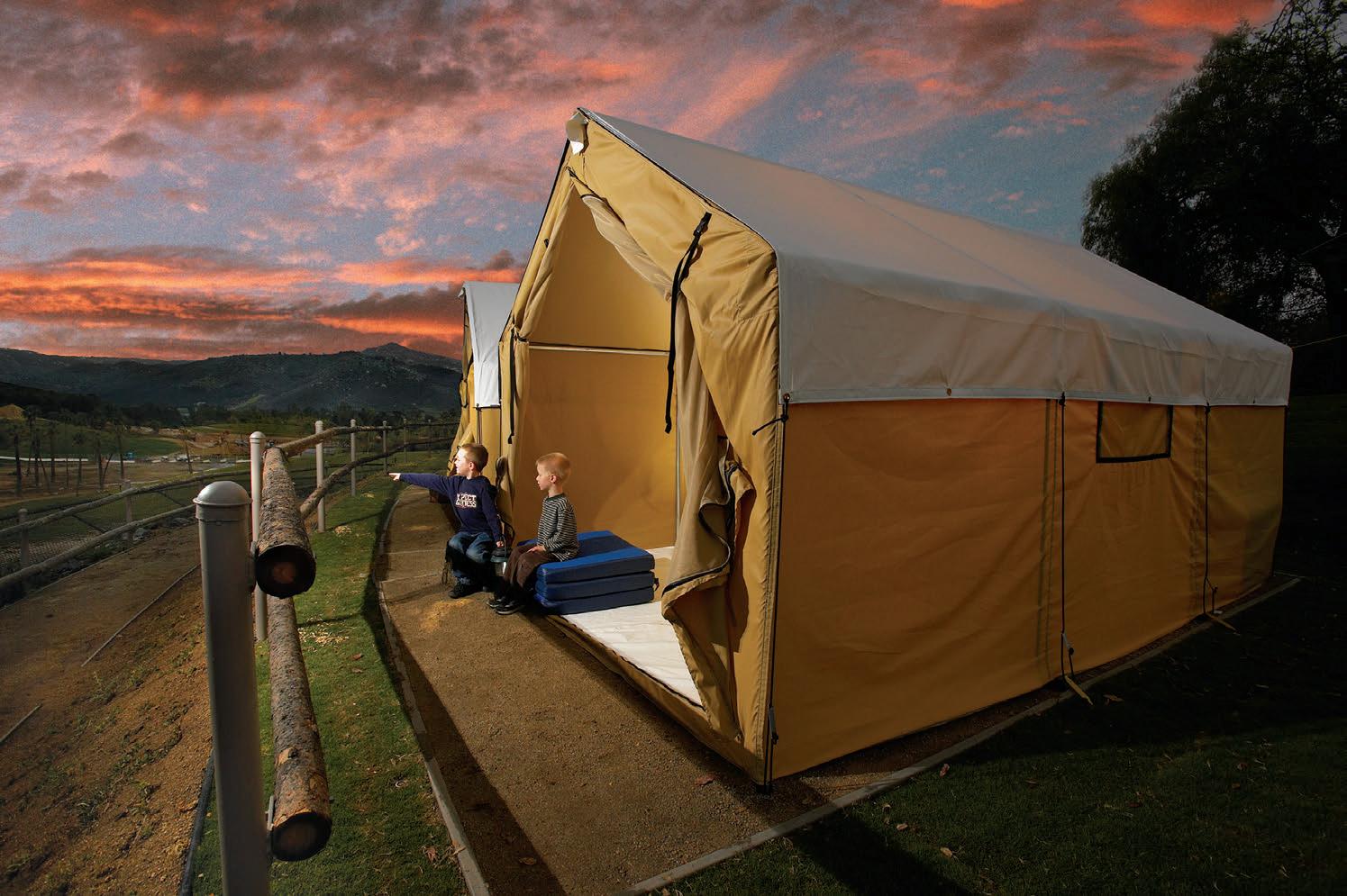
games, and a special tour.
around the campfire.
more about the Park’s animals.
February 16 activities and a bedtime story around the campfire.
March 15, April 6 (these two dates include a visit to Butterfly Jungle); April 27; May 3, 31; June 22, 29
Roar & Snore: The Park after Dark
Have you always wanted to know why male lions have manes or why white rhinos need girlfriends? Find out with behind-the-scenes visits and upclose animal encounters.
- Adults-only version (ages 21 and older): March 22 (includes a visit to Butterfly Jungle), April 20, May 10, May 25, June 8
- Family version (families with children ages 10 and older): March 23 (includes a visit to Butterfly Jungle), April 13, June 21
Roar & Snore Schools: Sundown Safari
School groups, grades 3-12, and their adult chaperones
Students solve mysteries after dark during guided tours, interactive challenges, and upclose animal encounters.
Grades 3-5
March 21*, 29*; April 19, 25; May 2, 16, 23; June 6,13
Grades 6-8
April 12
* These dates include a visit to Butterfly Jungle.
April 5 (includes a visit to Butterfly Jungle)

Roar & Snore Girl Scouts: Conservation Mystery
Girl Scouts, ages 8 and older, and their adult chaperones.
Girl Scouts work together to follow clues that lead to each animal on our tour, then after snooping around the Safari Park, enjoy s’mores and songs around the campfire.
March 30
Butterfly Jungle),
(includes a visit to May 17, June 28

Saturdays, April 26; May 18, 24; June 1, 7, 14




SPRING CAMP PROGRAMS
Spring Camp

Grades K–5, 9 a.m.–4 p.m.

Find out how wildlife comes “alive” in spring. Each day’s programs includes animal encounters and behind the scenes visits. Choose one or more days of fun!
April 1: Animals with Stripes
April 2: Animals with Bold Colors
April 3: Animals with Spots
Animals with Camouflage
Animals with Attitude
$48 per day for members, $51 for nonmembers.
To register, book online or call 619-718-3000. Limited availability.

KINDERNIGHTS
Ages 3–6 with an adult. Fridays and Saturdays, 6–7:30 p.m.
Meet animals and learn about these fascinating adaptations:
Animal Ears—the Better to Hear January 18, 25, 26
Tall Tails
February 8, 9, 23
Better Beaks
March 8, 15, 16
$12 per person for members, $15 for nonmembers.
Spring Art Camp
Grades 4–adult, 9 a.m.–4 p.m.
Explore wildlife art with 1 to 5 days of fun to bring out your inner artist. The sessions are taught by profession art teachers and include animal encounters, art materials (except sketchbooks), and individual instruction. The theme for each day is different. *For more information and daily themes visit sandiegozoo.org/zoo/special/ programs.
March 25, 26, 27, 28, 29
April 1, 2, 3, 4, 5
$48 per day for members, $51 for nonmembers.
To register, book online or call 619-718-3000. Limited availability.
BOOK ONLINENOW SANDIEGOZOO.ORG
KINDERTOTS
Ages 18 months–3 years with an adult. Saturdays, 10–11 a.m.
Meet animals and explore shapes, textures and classification.
Shaping Up with Reptiles
January 12, 19, 26
Touching Textures in the Petting Paddock
February 2, 9, 23
The Insectivore Club
March 9, 16, 23






$12 per person, plus admission for nonmembers.


Book online or call 619-557-3962.

MORE ADVENTURES at the ZOO



Summer Camp Adventures
Grades Pre-K—12, 9 a.m.—3 p.m.
Extended-day options: 7:30 a.m.—5:30 p.m.
It’s not too early to start planning for summer. Explore the wonderful world of animals through these five-day adventures, including animal encounters, behind-the-scenes visits, bus rides, games, and “snafts”—edible food crafts! Choose one or more weeks of fun. *For more information and themes for each week and grade level, visit sandiegozoo.org/ zoo/special/programs.
June 24-28; July 8-12, 15-19, 22-26; July 29-August 2; August 5-9, 12-16
$212 per week for members. $242 for nonmembers. Extended-day option: Add $91 per week or $19 per day.
Book online or call 619-718-3000. Limited availability.
Twilight Trek
Ages 12–adult
(Younger than 18 must be accompanied by paid adult) Fridays, 6:30-8 p.m.
In this after-hours program, participants will have the Zoo all to themselves and see animals that are most active at night. Includes dessert and coffee.
January 18, 25; February 15, 22; March 22, 29; April 19, 26
$16 per person for members, $19 for nonmembers.
To register, book online or call 619-557-3962 or 557-3963
Exclusive VIP Experience
This is an exclusive excursion to behindthe-scenes areas, up-close animal encounters, talks with keepers and trainers, plus much more. This tour is tailored to your interests and includes a meal.
Offered daily, year round, as requested.
$599 per person for the half-day (5-hour program) $950 per person for the full-day (8-hour) program. Call 619-719-3000 to talk to our professional planners.
Summer Art Camp


Grades 4-adult, 9 a.m.-3 p.m.
Extended-day option; 7:30 a.m.-5:30 p.m. (Extended day not available on some weeks.)
Our professional artists and art teachers can help inspire your creativity—beginners welcome. Five-day sessions include group and individual instruction and amazing animal models. *For more information and themes for each week, visit sandiegozoo. org/zoo/special/programs.
June 10-14, 17-21, 26-28; July 8-12, 15-19, 22-26; July 29-August 2; August 5-9, 1216, 19-23
$212 per week for members. $242 for nonmembers. Extended-day option: Add $91 per week or $19 per day.
Book online or call 619-718-3000. Limited availability.
Sunrise Surprise Strolls
Ages 12-adult (Younger than 18 must be accompanied by paid adult) Saturdays and Sundays, 7:30-9 a.m.
Explore the Zoo before it opens, find out the latest insider updates, and visit behind-thescenes. Each month is different—you don’t know where you’ll go until you get here!
January 19, 26, 27; February 2, 3, 23; March 10, 16, 17; April 20, 21, 27
$16 per person for members, plus Zoo admission for nonmembers.
To register, book online or call 619-557-3962 or 557-3963
Zoo Photography—The Art of Seeing Wild
Adults only
If you are a photographer with your own equipment and interested in “Bird Photography Made Perfect,” this is the program for you.
This program includes 3 classes on the following dates: January 12, 19, & 26, from 6:30-9 a.m.
$135 per member, $144 per nonmember
To register, book online or call 619-718-3000.
NEW! Crazy About Cats Tour
Whether they’re small or large, striped or spotted, or purr and growl, wild cats are fascinating and mysterious. Explore behind the scenes with a small group at a cat bedroom to learn how we take care of our cat collection during this two-hour tour on a private cart.
Offered at various times on February 15, 16, 17, 18
$69 per person, plus Zoo admission for nonmembers.
To register, book online or call 619-718-3000. Same-day purchase on site, subject to availability.
Inside Look Tour
All ages welcome.
Go behind the scenes with a small group to learn how we take care of our animal and plant collections during this two-hour tour on a private cart.
Offered daily.
$69 per person, plus Zoo admission for nonmembers.
To register, book online or call 619-718-3000. Same-day purchase on site, subject to availability. To book a private tour for your group, call for times and availability.
Mother’s Day Sleepover
Women only, ages 21 and older
Our Mother’s Day sleepover is filled with animal encounters, a private bus tour and keeper chats, buffet dinner with wine or beer, a fun activity led by Dr. Zoolittle, moonlight stroll, hot breakfast overlooking Elephant Odyssey, and early morning animal viewings.
May 11-12. Sleepover begins at 4 p.m. and concludes at 9 a.m. the next day.
$149 per camper, plus Zoo admission for nonmembers.
To register, call 619-718-3000.
*For information on other themed family and adult sleepovers at the Zoo, visit sandiegozoo.org/zoo/ special/sleepovers.