San Diego

San Diego

By Dr. John E. Warren
This Eighth Annual Minority Health Special issue updates and expands upon what we have presented, during the past seven years, on those ethnic groups that are our Minority Health communities. This issue is a compilation of information gathered from a number

of sources such as the Office of Minority Health within the U.S. Department of Health and Human Services, the Centers for Disease Control and Prevention, the San Diego County Department of Health and Human Services and other data in the public domain.
Because of the importance of the information contained in this issue, we have published this year’s report in a pullout magazine format to increase its shelf life to indefinite use of the materials provided. This will also increase awareness of the groups identified in this issue: Black/ African American, Asian American,
American Indian, Alaska Native, Native Hawaiian and Pacific Islanders, all of whom have members here in San Diego County. This year we have allowed links to electronic ads that sponsors will run on our website connected to their ads in the magazine.
We extend our deep appreciation to those members of the healthcare industry who have made this issue possible with their generous support. The Eighth Annual Minority Health Special Issue will be available through the Voice & Viewpoint as long as copies last following this publication date.

Funding Cuts to
TO ADVERTISE Print and Online:
Phone: (619) 266-2233 • Fax: (619) 266-0533 Email: ads@sdvoice.info
SEND PRESS RELEASES TO: Email: news@sdvoice.info
AD DEADLINES Announcements, Classifieds, Obituaries, and Display Ads are due: Tuesday by 12:00 Noon, preceeding date of publication





The share of the population who identified as people of color has been growing over time, with the largest growth occurring among those who identify as Hispanic or Asian. The racial diversity of the population is expected to continue to increase, with people of color projected to account for over half of the population by 2050.
Demographic Overview: The Black population has grown by nearly 33% since 2000, with the increase in foreign-born Black people playing a significant role in this growth. As the population has grown, it has become more diverse, with an increase in the share of Black people who identify as multiracial and/or Hispanic. Black/African Americans are the second largest minority population in the United States, following the Hispanic/Latino population.
Demographics/health Overview: This population includes people having origins in any of the original peoples of North, South, and Central America, who maintain tribal affiliation or community attachment. Studies on urban American Indian and Alaska Native populations have documented a frequency of poor health and limited health care options. Leading diseases and causes of death among AI/AN are heart disease, cancer, unintentional injuries (accidents), diabetes, and lower respiratory disease. Reports from Indian Health Services show AI/ANs also have disproportionately higher rates of mental health problems such as suicide, posttraumatic stress disorder, violence, and substance use disorders.
Demographics/health Overview: This racial group is defined as people having origins in any of the original peoples of East Asia, Southeast Asia, or the Indian subcontinent. Some negative factors influencing Asian American health include infrequent medical visits, language and cultural barriers, and lack of health insurance. Asian Americans are most at risk for: cancer, heart disease, stroke, unintentional injuries (accidents), and diabetes, with a high prevalence and risk factors for
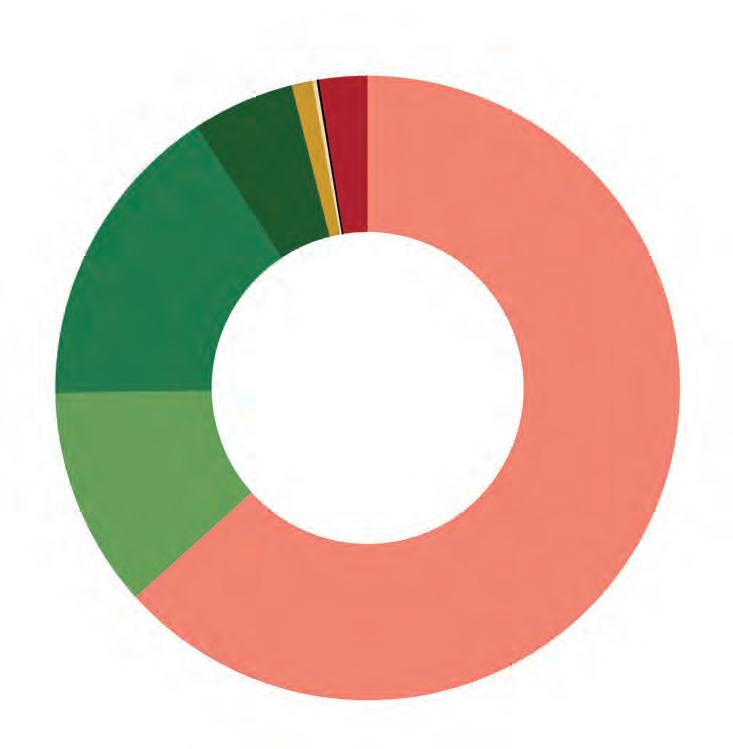
SOURCE: US CENSUS BUREAU Population Estimates, July 2025 (V2025)
chronic obstructive pulmonary disease, hepatitis B, HIV/AIDS, smoking, tuberculosis, and liver disease.
Demographics/health Overview: This racial group refers to people having origins in any of the original peoples of Hawaii, Guam, Samoa, or other Pacific Islands. Significantly, in comparison to other ethnic groups, Native Hawaiians/ Pacific Islanders have higher rates of smoking, alcohol consumption, and obesity. They also have less access to cancer prevention and control
programs. Leading causes of death include: cancer, heart disease, unintentional injuries (accidents), stroke, and diabetes.
Demographics/health Overview: This ethnic group includes any person of Cuban, Mexican, Puerto Rican, South or Central American, or other Spanish culture or origin, regardless of race. Some negative health factors include language/cultural barriers, lack of access to preventive care, and lack of health insurance. Significant causes of mortality for Hispanics include chronic lower respiratory diseases (including asthma and chronic obstructive pulmonary disease), liver disease, influenza and pneumonia, suicide, and kidney disease.
Demographics/health Overview: 2020 marked the first time U.S. Census respondents could report MENA heritage. Between 2010 and 2019, around 342,000 individuals immigrated to the U.S from MENA countries, with Lebanese, Iranian, and Egyptian populations representing nearly half of the 3.5 million who reported MENA descent in the 2020 Census. Notably, health data for MENA Americans remains significantly understudied—largely because the U.S. Census and federal health surveys historically classify them as "White," obscuring disparities in chronic disease, mental health, and access to care.
SOURCES: Martinez and Passel, Pew Research Center, “Facts About the U.S. Black Population”, January 23, 2025; Marrow and Batalova, Migration Policy Institute, “Middle Eastern and North African Immigrants in the United States”, June 12, 2024; Guzman, US Census Bureau, “Median Household Income Increased in 2023 for First Time Since 2019”; Hill, Artiga, and Damico, “Health Coverage by Race and Ethnicity, 2010-2023, Published: Feb 13, 2025
2025-2026 data not available for updates.
Social determinants of health (SDOH) are the conditions in the environments where people are born, live, learn, work, play, worship, and age that affect a wide range of health, functioning, and quality-of-life outcomes and risks. SDOH can be grouped into five domains.
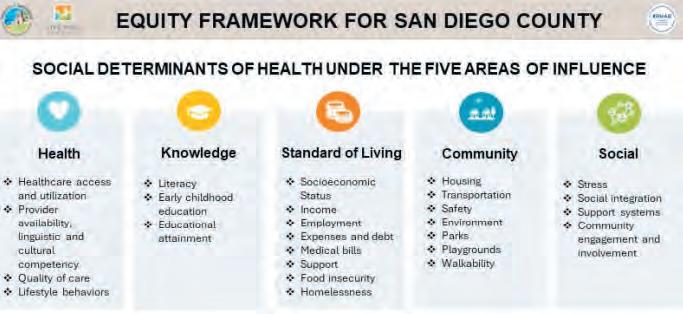
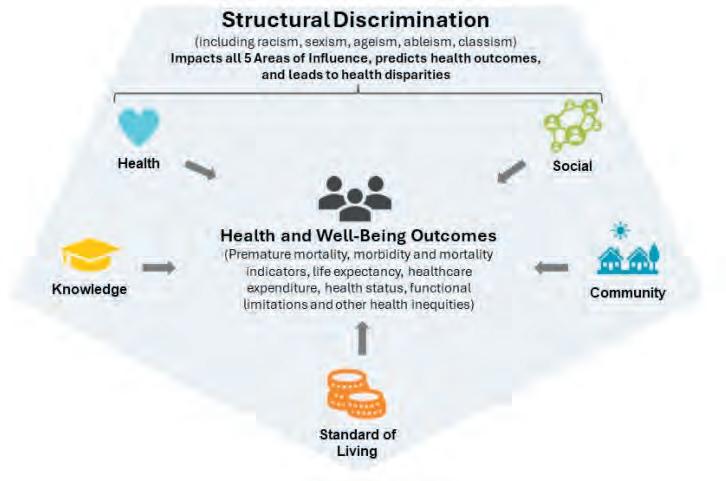
SDOH have a major impact on people’s health, well-being, and quality of life.
SDOH accounts for as much as 50% of county-level health outcomes, and within SDOH, socioeconomic factors contribute to wide health disparities and inequities. For example, people who don't have access to grocery stores with healthy foods are less likely to have good nutrition. That raises their risk of health conditions like heart disease, diabetes, and obesity — and even lowers life expectancy relative to people who do have access to healthy foods.
Just promoting healthy choices won't eliminate these and other health disparities. Instead, public health organizations and their partners in sectors like education, transportation, and housing need to take action to improve the conditions in people's environments.
SOURCES:County of San Diego Health and Human ServicesAgency Public Health Services Community Health Statistics Unit report,“Racial Equity:Framework & Outcomes Brief County of San Diego”,September 2024; Domestic Policy Council Office of Science andTechnology Policy,“Social Determinants of Health”; Healthy People 2030,U.S.Department of Health and Human Services,Office of Disease Prevention and Health Promotion. Retrieved [May 14,2025],from https://health.gov/healthypeople/objectives-and-data/social-determinants-health

Heart disease is the leading cause of death in the U.S., with coronary artery disease (CAD) being the most common type. Risk can be reduced through lifestyle changes and, sometimes, medication.
• Nearly 60% of Black adults in the U.S. have some form of cardiovascular disease.
• About 58% of Black adults in the United States have high blood pressure.
• In 2024, Black/African American adults were 26% more likely to have diagnosed high blood pressure than U.S. adults overall.
• 2022 data shows that in Central San Diego, Black residents were 65% more likely to be hospitalized for heart disease than white residents (267 vs. 162 per 100,000 people).
• Black residents in the Central Region had the highest rates of death, hospitalization, and ED discharge from hypertensive diseases compared to those in other regions.
• Eat a healthy diet (more fresh fruits and vegetables, lower salt intake)
• Maintain a healthy weight
• B e physically active (seek advice from your doctor)
• D o not smoke
• L imit alcohol intake

According to the CDC, mental health includes our emotional, psychological, and social well-being, influencing how we think, feel, act, handle stress, relate to others, and make choices throughout life. Behavioral health focuses on the actions people take in response to situations and is often shaped by their mental health.
Black residents in San Diego County faced the highest rates of various mental health conditions, including ADD, anxiety, mood and personality disorders, PTSD, schizophrenia, and substance-related issues.
• In 2022, they had the highest inpatient treatment rate for mood disorders (280 per 100,000) and the highest hospitalization rate for suicide among all racial and ethnic groups.
Obesity poses serious health risks. Adults with a BMI of 30 or higher are considered obese. For children, overweight is defined as a BMI between the 85th and 95th percentiles, and obesity as at or above the 95th percentile. BMI is calculated from weight and height. Obesity is linked to major causes of death, including diabetes, heart disease, stroke, and certain cancers.
• Black adults have the highest obesity prevalence nationwide.
• African American women have the highest rates of overweight and obesity in the U.S., with about 4 in 5 affected.
A stroke, or brain attack, happens when blood flow to the brain is blocked or a vessel bursts, damaging brain cells. It can lead to lasting brain damage, disability, or death.
• In 2022, Black San Diegans in the central region were the highest ethnicity to be hospitalized for a stroke
• Black men are 70 percent more likely to die from a stroke.
• African American women are twice as likely to have a stroke.
Diabetes is a chronic condition that affects how your body turns the food you eat into energy. It involves problems with insulin, a hormone that helps sugar (glucose) enter your cells. Without proper insulin function, blood sugar levels rise. Over time, diabetes can lead to serious issues like heart disease, vision loss, and kidney damage. There is currently no cure.
Does
• In recent years (2020 - 2023), African American adults were 1.4 times more likely to be diagnosed with diabetes, 40% more likely to die from it, and four times more likely to be hospitalized than non-Hispanic white adults.
How Does It Affect Black San Diegans?
• In 2022, Black residents died from diabetes at a rate 64% higher than that of white residents (47.4 vs. 28.9 per 100,000).
• L osing weight
• E ating healthy food
• B eing active
Cancer is a disease where cells in your body grow out of control and spread to nearby tissue or other parts of your body. There are many types of cancer and each has its own causes, treatments, and outcomes.
• C ancer is the second-leading cause of death in Black men and women.
• Black women have a 38% higher likelihood of dying from breast cancer compared to White women, despite a 5% lower likelihood of being diagnosed.
• Black Americans have lower survival rates than White Americans for nearly every major cancer type.
• In 2019, Black residents in San Diego County had the highest cancer death rate—171 per 100,000—compared to 151.4 for white residents.
• Black San Diegans also faced higher mortality rates from breast, lung, prostate, and liver cancers.
• Making healthy choices, keeping a healthy weight
• Avoiding tobacco
• L imiting alcohol intake
• Protecting your skin. Screening tests can find some cancers early, when treatment works best.
• Vaccines (shots) can help prevent or reduce your cancer risk (example: HPV, hepatitis)
• Taking medication as prescribed, receiving diabetes self-management education and support; and being consistent with your medical appointments SAN DIEGO COUNTY STATS BY RACE/ETHNICITY
2024 Apr 17. [Accessed 10/16/2024]
California, home to the most culturally diverse population in the country and the fifth-largest Black population of any state, has a major opportunity to be a leader in health equity. But, again and again, research has shown that racism and structural barriers in the health care system prevent Black Californians from achieving the health they actively seek.

SOURCE: Listening to Black Californians: How the Healthcare System Undermines Their Pursuit of Good Health by Linda Cummings, PhD, California Care Foundation, October 4, 2022
The study involved hour-long interviews with 49 Black men, four focus groups with 26 participants, and surveys from 1,235 Black men across California, representing a diverse and large sample.
Create community forums for Black men to discuss health issues.
Build trusting relationships between providers and Black men.
Expand access to Black health advocates and chaperones. Involve Black men in training health care providers and staff.
Source: Listening to Black Men in California, Rodrego Byerly, CEO of EVITARUS, April 23, 2024
Courtesy of San Ysidro Health
At just nine years old, Davida Morrow understands something many adults overlook: when children worry about going to the doctor, it is often about more than being sick. It is about feeling safe, welcome, and cared for. When San Ysidro Health invited residents to share their vision for a new healthcare facility at the Joe and Vi Jacobs Center, Davida raised her hand. She asked thoughtful questions that reflected the concerns of many local families: Would children feel comfortable there? Would the space be welcoming?
Could getting care feel less scary?
Her voice was a powerful reminder that healthcare is not just about treating illness—it is about caring for people.
Those conversations helped inspire San Ysidro Health’s Extended Hours Urgent Care, opening at the Joe and Vi Jacobs Center this fall. Designed to bring convenient, high-quality care closer to home, the new Urgent Care will provide treatment for non-life-threatening illnesses and injuries, giving families a trusted place to turn when they need care most.
For Davida, this urgent care center represents more than a new healthcare resource.


It reflects what is possible when community members and healthcare teams come together as partners. It is a place shaped by listening, compassion, and a shared commitment to community well-being. Because sometimes the voices that help shape the future are the ones we least expect—and the most important to hear.

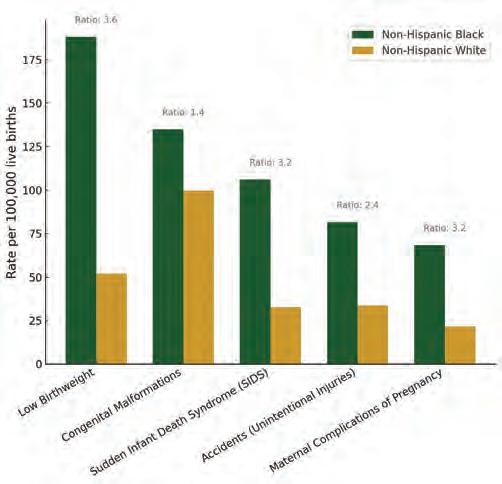
Infant mortality, defined by the CDC as the death of an infant before their first birthday, is measured by the number of infant deaths per 1,000 live births. This rate not only reflects maternal and infant health but also serves as a key indicator of a society’s overall well-being.
• In 2023, the mortality rate for Black/African American infants was 95% higher than infants nationwide.
• In 2023, Black/African American infants were about 2.5 times more likely to die from problems related to being born too early or with low birth weight compared with infants in the U.S. overall.
• In 2023, Black/African American mothers were 49% more likely than mothers nationwide to receive late or no prenatal care.
10.9 4.4

Did you know that compared to San Diego County infants overall, African-American infants are:
• Nearly six times more likely to die during their first year of life
• Nearly 60% more likely to be born premature
• Nearly two times more likely to be born with low birth weight
Black mothers are over 3 TIMES MORE LIKELY TO DIE from
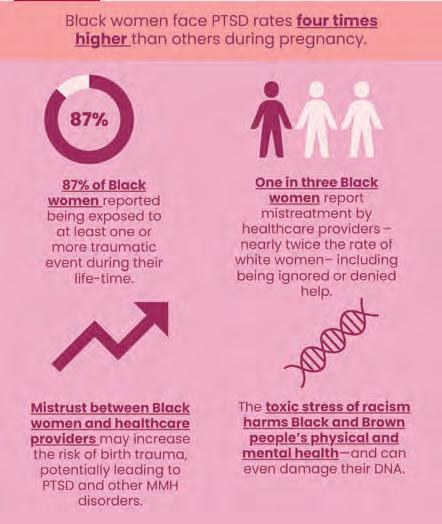
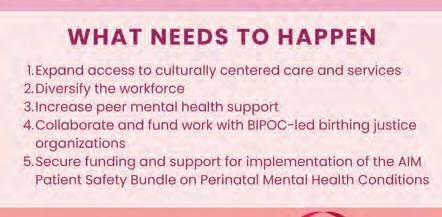
Women who give birth find it difficult to access treatment for perinatal mood and anxiety disorders. Lack of time for screenings due to work or childcare, transportation limitations, language barriers, unaffordable mental healthcare, and other societal and structural barriers prevent women from receiving the quality healthcare they need.
Mental health conditions are a leading cause of maternal mortality. Black women not only face a higher chance of developing perinatal mood disorders than white women, but they are also less likely to receive treatment due to factors such as fear of stigma, involvement of child welfare services and financial barriers.
The mental health of Black moms is in crisis. Weathered by a lifetime of systemic racism, discrimination, and structural inequities, black women experience high levels of trauma exposure that deteriorate their physical and mental health. This increases the risk of mental health disorders among Black birthing people.

“They treated me like I ... had no feelings, no mind of my own because I was young and black. They had no concerns for my health, safety or wellbeing or my child’s.” — NATIONAL PARTNERSHIP FOR WOMEN & FAMILIES
BLACK WOMEN ARE MORE LIKELY TO DIE FROM PREGNANCY-RELATED DEATHS COMPARED TO WHITE WOMEN
3-5x 50% 40%
SOURCES: Black Mamas Matter Alliance: FACT
MATERNAL MENTAL HEALTH /www.blackmamasmatter.org; 2026 National Partnership for Women & Families; Maternal Mental Health Leadership Alliance: Black Maternal Mental Health: the Data, the Barriers, and Organizations to Support.

By Tihut Tamrat VOICE & VIEWPOINT STAFF WRITER
For nearly two decades, Dr. Carolle Jean-Murat stood as a singular force in San Diego County’s medical landscape—the only Black female OB/GYN in the region for 17 years. A native of Haiti and descendant of a long line of healers, shamans, herbalists, and midwives, Dr. Jean-Murat brought more than medical expertise to the exam room. “Healing is not just about medication or surgery,” she says. “It’s about connection—between doctor and patient, between mother and child, and most importantly, within yourself.”
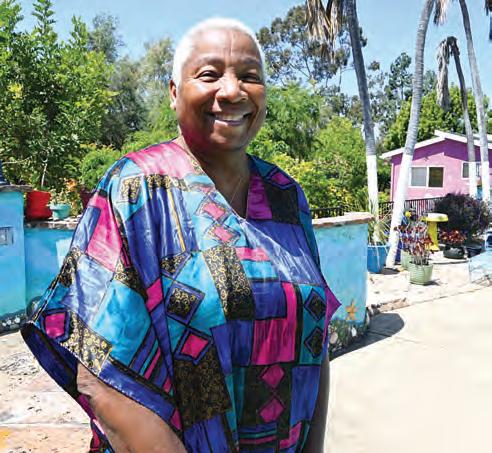
Dr. Jean-Murat educates in her published books, ( Strengthening Your Spiritual Foundation for Optimum Health: 18 Ways to Unleash Your Innate Powers and Mind, Body, Soul & Money: Putting Your Life in Balance) that the body is not just a vessel for medical intervention but a spiritual structure, which she likens to a “primitive house” model. In her model, the mind forms the windows, doors, and walls of the house; the body is the roof—but it all depends on a strong spiritual foundation. Without it, emotional wounds, especially unhealed trauma, can manifest physically.
Dr. Jean-Murat left conventional practice to pursue a more expansive vision of healing. One that she wholeheartedly believes in. “I’m an intuitive healer,” she explains, “I connect with my patients in order to calm them.”
Embracing her intuitive and spiritual gifts as an energy and trauma release healer, her approach weaves together intuitive knowledge, energetic alignment, and active listening—elements often ignored in modern healthcare.
Dr. Jean-Murat says this systemic disregard and overexposure to trauma not only affects health outcomes but also the experience of motherhood itself. “Pregnancy is one of the most sensitive times,” she notes, “but too often, the mother is isolated and she finds herself by herself and vulnerable because she is going into a sys-
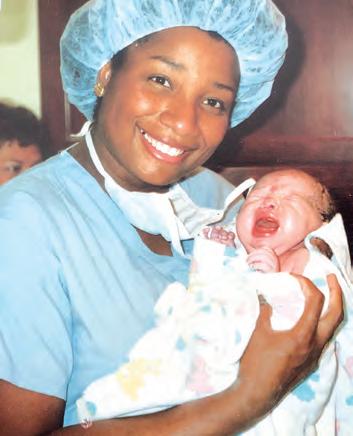
tem where she doesn’t feel heard, instead of being in a beautiful moment.”
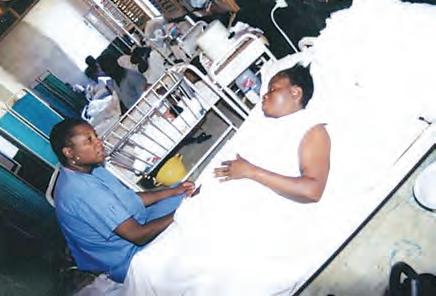
Dr. Jean-Murat also strongly advocates for Black doulas, midwives, and birth advocates who provide culturally affirming support. These caregivers, she says, are key to creating safe spaces where expectant mothers can be seen, heard, and honored.
“By the time you’re in the hospital, it’s often too late to reclaim control. We have to prepare our women ahead of time—to remedy and empower themselves.”
— DR. CAROLLE JEAN-MURAT
“Pregnancy is a natural thing,” she reminds us. “We need to leave the negative emotions behind. Birth is sacred.”
Though she no longer practices in a hospital setting in the U.S., Dr. Jean-Murat’s legacy reverberates throughout the lives she’s touched.
“My work focuses on identifying and addressing the root cause of trauma, offering sustainable, culturally responsive care that avoids unnecessary testing and treatment, reduces suffering, and enhances quality of life. I’ve learned that healing often begins when we stop fighting and start listening to our bodies, pain, and voice within,” says Dr. Jean Murat, “My mission is to help you reconnect with your inner power and allow your body to heal naturally, gently, and profoundly.”
Not sure if you or someone you know is living with mental health problems? The following feelings or behaviors can be an early warning sign of a problem:
EXCESSIVE WORRYING OR FEAR
CONFUSED THINKING OR PROBLEMS CONCENTRATING AND LEARNING
EXTREME MOOD CHANGES, INCLUDING UNCONTROLLABLE “HIGHS” OR FEELINGS OF EUPHORIA
PROLONGED OR STRONG FEELINGS OF IRRITABILITY OR ANGER
AVOIDING FRIENDS AND SOCIAL ACTIVITIES
DIFFICULTIES UNDERSTANDING OR RELATING TO OTHER PEOPLE
CHANGES IN SLEEPING HABITS OR FEELING TIRED AND LOW ENERGY
CHANGES IN EATING HABITS, LIKE INCREASED HUNGER OR LACK OF APPETITE
SOURCE: NAMI
CHANGES IN SEX DRIVE
DIFFICULTY PERCEIVING REALITY (DELUSIONS OR HALLUCINATIONS)
LACK OF INSIGHT INTO CHANGES IN ONE’S OWN FEELINGS, BEHAVIOR OR PERSONALITY
OVERUSE OF SUBSTANCES LIKE ALCOHOL OR DRUGS
MULTIPLE PHYSICAL AILMENTS WITHOUT OBVIOUS CAUSES (HEADACHES, STOMACH ACHES, VAGUE “ACHES AND PAINS”)
THINKING ABOUT SUICIDE
INABILITY TO CARRY OUT DAILY ACTIVITIES OR HANDLE DAILY PROBLEMS AND STRESS
AN INTENSE FEAR OF WEIGHT GAIN OR CONCERN WITH APPEARANCE
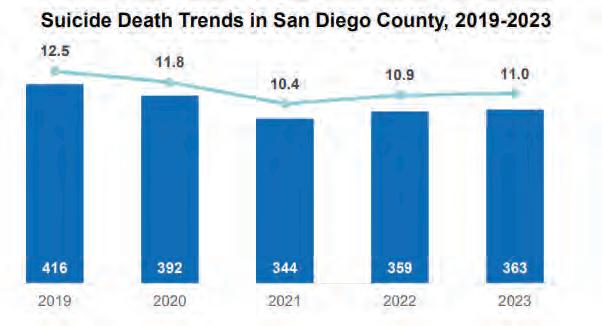
The San Diego County Suicide Prevention Council’s Annual Report to the Community 2024 revealed a shocking statistic: Suicide is a leading cause of death in the United States and in San Diego County. It is a complex public health issue that requires a multi-faceted approach to prevention and intervention. Although data can be a powerful tool in addressing suicide, we can never forget that this data represents real people – our family, friends, neighbors, and community members.
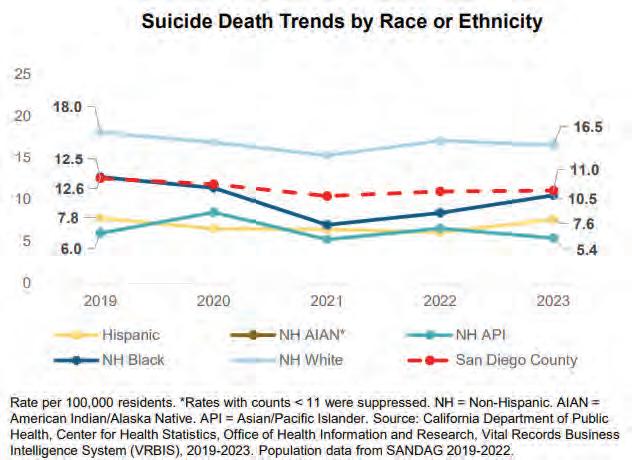
• From 2021 to 2023, the suicide rate for Black residents in San Diego County increased by 51%
• I n 2022, suicide attempt /emergency department encounter rates were highest among residents who were female, aged 10-24, Black, or living in the Central Region.
• The most common method of suicide death for Non-Hispanic Black and White residents is reported as firearm.
• Dial 1-888-724-7240 to connect to the San Diego Access and Crisis Line for free and confidential behavioral health resources & referrals, available 24/7 in over 200 languages. Find more resources at the It’s Up to Us website www.up2sd. org.
2025-2026 data not available for
By Fernanda Lopez
Group Communications Officer at the County of SD HHSA
Recognizing that chronic and infectious diseases can affect communities differently, the County of San Diego Public Health Services is committed to promoting health, preventing disease, and protecting the public’s health throughout the region.
The department’s commitment includes focusing on numerous health issues that disproportionately impact those most at risk.
San Diego County has some of the highest rates of Tuberculosis in California and the nation. Last year, the rate was 7.5 cases per 100,000 people.
The highest numbers of TB diagnoses are found in the southern and central parts of the county. Hispanics make up the highest proportion of people diagnosed with TB at 58% followed by Asian/Pacific Islanders at 28%.
The TB rate among people born outside the U.S. was more than seven times higher than the rate of U.S.-born people and varied by birth country.
To address these disproportionately high rates of TB among diverse local communities, County Public Health offers training to organizations, healthcare providers, schools and others about identifying risks for TB risks and providing testing.
Congenital syphilis is passed to a baby during pregnancy or at birth. In 2024, San Diego County reported 31 cases, a 13.9 percent decrease from the previous year.
Unfortunately, among those, three cases were syphilitic stillbirths. Since 2013, the rate of congenital syphilis has increased by over 1,100 percent. Over a 5-year period (2020-2024 combined), 71% of congenital syphilis cases occurred in Hispanic and Black/African American families.
County public health officials recommend that those who are pregnant or planning pregnancy consult their provider about testing to avoid passing syphilis on to their baby. Syphilis in babies causes bone abnormalities, severe anemia, enlarged livers or spleens, and brain and nerve problems like loss of vision or hearing. Resources for syphilis are available at County Public Health centers.
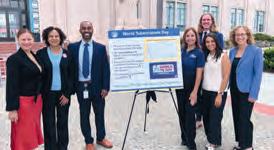
The County also operates a TB Clinic at the North Central Public Health Center, 5055 Ruffin Road for people who do not have health insurance. Public Health Services also offers testing at regional public health centers throughout the County.
Hypertension (high blood pressure) and diabetes in pregnancy are important conditions to diagnose and control. Unfortunately, they are common in pregnancy, one in four pregnant people having hypertension and one in nine having diabetes.
Despite great progress in lowering the rate of babies who die before their first birthday in San Diego County and across the nation, a large disparity still exists. African-American infants in San Diego County are six times more likely to die than White babies. Gaps in access to health care and racism contribute to this problem.
The County’s Black Infant Health program offers resources and individual and group support services at no cost to African-American mothers who are 16 years or older, pregnant, or up to six months postpartum at the time of enrollment.
Additionally, Perinatal Equity Initiative funds awarded to the County from the California Department of Public Health have been used to facilitate implicit bias trainings for healthcare professionals caring for expecting African-American mothers and for a fatherhood program to support participation of fathers in their partner’s pregnancy and during their first year of parenthood.
All interventions related to these efforts have been developed and offered with the significant involvement of the Black Infant Health-Perinatal Equity Initiative Community Advisory Board.

What is not as commonly known is that both conditions, whether developing during pregnancy or the person having one or both before becoming pregnant, are associated with a long-term increased risk of heart disease. The risk is still there after delivery.
That is why it is important for pregnant people after delivery to have contact with their obstetric care provider within the first three weeks after birth and then have a more extensive visit no later than 12 weeks after birth. During these visits, the pregnant person and her obstetric care provider should identity the healthcare provider who will serve as her “primary care medical home”. This important focus during the “fourth trimester” will make sure that continuity of care occurs and the risk for heart disease longer term is addressed.
Heart disease and stroke are among the top five leading causes of death in San Diego County, with high blood pressure a leading risk factor. Historically, AfricanAmerican adults have been burdened with higher rates of high blood pressure, heart disease and stroke.
Smoking, poor diet and lack of exercise play a negative role in heart health and
smoking is a big contributor. Chemicals in cigarette smoke cause the cells that line blood vessels to become swollen and inflamed. This can narrow the blood vessels and lead to many heart conditions as well as stroke and blockages in the arms, legs, hands, and feet.
Smokers who quit, lower their risk of heart attack and stroke dramatically. Over time,
In San Diego County, Hispanics/Latinos represent 36 percent of the population and made-up 54 percent of newly identified HIV cases between 2020 and 2025. Blacks/African Americans, who make up 4 percent of the County population, accounted for 14 percent of the cases during that same time period.
The County leads several efforts to reduce the number of new HIV diagnosis and support people living with HIV in the region, in addition to providing training to ensure contracted providers are making services accessible, stigma-free and welcoming.
County Public Health Services (PHS) does outreach in vulnerable communities to provide education about safer practices, use of pre-exposure prophylaxis (PrEP) and postexposure prophylaxis (PEP), and links to other resources like substance use, mental health and housing support.
Additional help is available for people recently diagnosed
the risk for these conditions can drop to that of a nonsmoker.
Community members can make heart health a priority by visiting Kick It California, a free counseling service that has helped more than 100,000 Californians quit smoking successfully. Services are offered over the phone, online, through text, and the Kick It mobile app.
with HIV to link them to treatment as quickly as possible. The goal is to connect at least half of newly diagnosed people to care within three days.
For those living with HIV, PHS follows–up to ensure they are connected care regardless of insurance coverage or ability to pay.
Over the past few years, substantial progress has been made in closing gaps of viral suppression seen among Black residents living with HIV and part of the Ryan White program, which is safety net system for HIV care and treatment. Over eight years as of 2024, the percentage of enrolled Black residents who achieved viral suppression was 90.3 percent, compared to 84% in 2017.
Information about testing and other resources is available on the County’s Getting to Zero app, available for download in the App Store or Google Play.
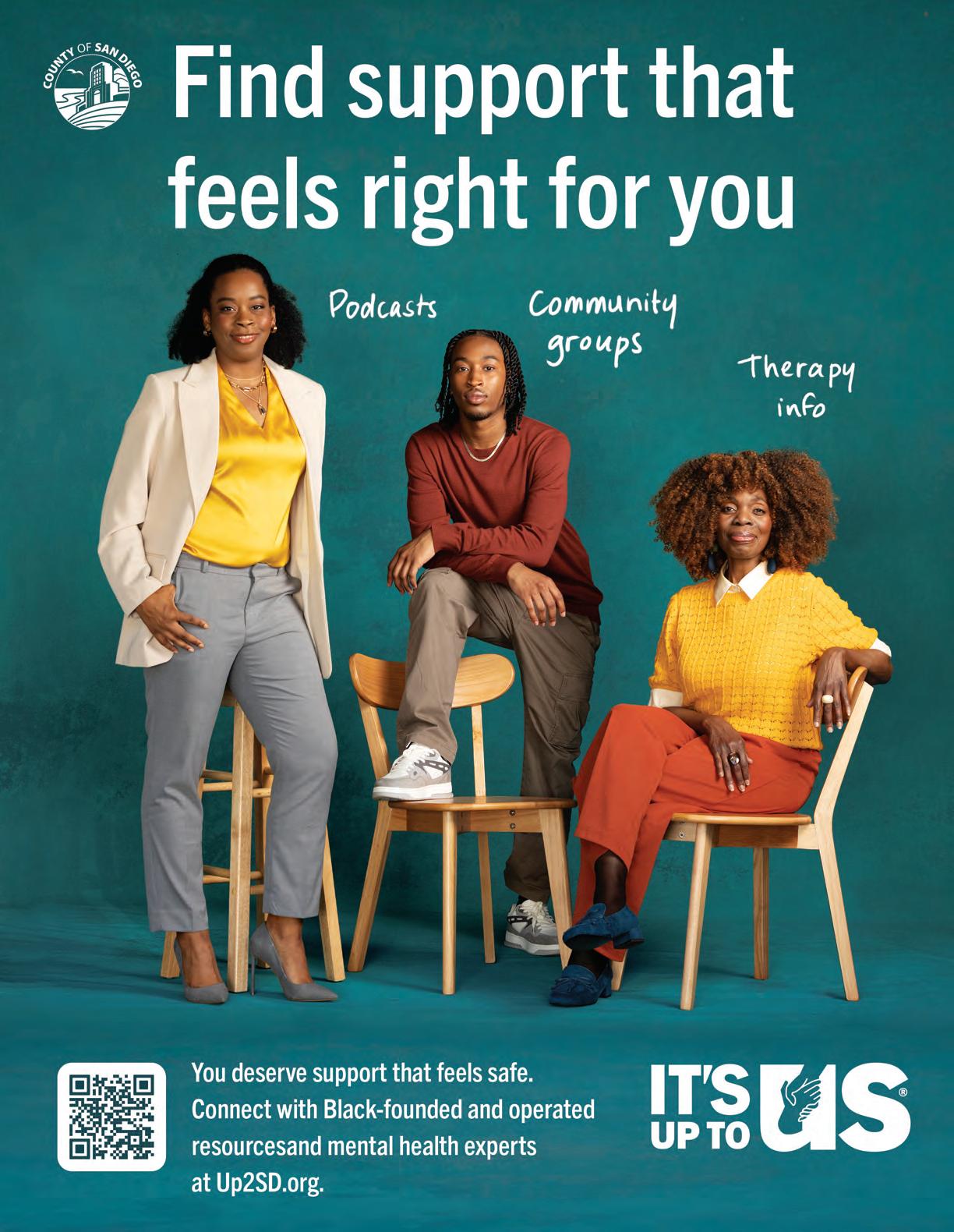
People of color in San Diego face disproportionate mental and behavioral health challenges. Within these communities, Black residents experience some of the most severe impacts. Suicide deaths among Non-Hispanic Black/African Americans rose by 118% from 2021 to 2025, the second highest rate among all racial and ethnic groups. In 2024, this population experienced the highest rates of overdose deaths. San Diego emergency department data from 2024 also reveal that NonHispanic Black/African American individuals have the highest rates of non-fatal suicide attempts, self-harm, suicidal ideation, visits for serious mental illness, and opioid-related emergencies. County of San Diego Behavioral Health Services (BHS) provides a continuum of specialty mental health and substance use care to support safety and wellness for residents. To promote connections to available mental health resources, this summer BHS will launch a mental health messaging campaign specifically designed for the Black community. Community and stakeholder input informed campaign materials to reflect the lived experience of Black San Diegans. The initiative highlights Black-led mental health support and resources made by and for the com-
munity. More information can be found on Up2SD.org.

The County also offers ongoing engagement opportunities for various community groups to connect and find support for mental and behavioral health needs. Recent and upcoming engagement events are highlighted below.
• The 38th Annual Balboa Park Pow Wow on May 9 and 10 this year celebrated Native American heritage and tradition. The yearly pow wow provides a space for the community to come together and share in the richness of Native culture. BHS connected with attendees to provide resources for mental health and well-being.
• BHS joined California Department of Veterans Affairs’ Tribal Veterans Mental Health Summit. This two-day gathering on May 13 and 14 honored Native American veterans and promoted culturally grounded suicide-prevention efforts.
• O n May 20, 2026, BHS hosted a resource booth at the AANHPI Heritage & Military Appreciation Month Celebration to promote mental health and wellness.
• B HS will once again be attending the Cooper Family Foundation’s Juneteenth Celebration. This year’s event, “Healing the Community Festival”, will be held on June 20, 2026. BHS staff will be there to connect with community members and share information about mental and behavioral health resources and support.

Contamination from raw sewage continues to impact South Bay communities, in particular those bordering the Tijuana River Valley.
The County is engaging in ongoing collaboration with regional leaders, local, regional and federal agencies, healthcare providers, researchers, schools, community members and environmental justice coalitions on efforts surrounding the Tijuana River Valley sewage crisis in order to meet community needs.
This partnership includes the San Diego County Air Pollution Control District (SDAPCD), which monitors air quality
emissions from hydrogen sulfide, caused by sewage in the river. The SDAPCD provided eligible South Bay households a free air purifier and replacement filter specially designed to filter hydrogen sulfide odors.
The SDAPCD monitors air quality including hydrogen sulfide emissions around the Tijuana River Valley. These emissions, often recognized by the strong rotten egg smell are produced by untreated wastewater flows.
Residents can stay up to date on H2S emissions by signing up to receive email and/or text alerts when emissions surpass 30 parts per billion.
W hen the sewage odors are strong, people can take these steps to reduce their exposure:
• Limit outdoor activities if you notice strong odors.
• K eep doors and windows closed to prevent odors from entering your home.
Tooth decay (also called cavities) is the most common long - term disease in both kids and adults in the U.S., and some racial and ethnic groups still have much higher rates.
The California Third Grade Smile Survey in 2018–2019 found that:
• About 72% of Latinx children had at least one cavity, compared with 40% of white children.
• African American children had the highest rate of untreated cavities (about 26%), compared with about 14% in white children.
California African American adults are more likely than any other group to need a tooth pulled because of decay or gum disease.
Why does this matter? Poor oral health is linked to heart disease, diabetes, and health complications during pregnancy. For kids, untreated cavities can make it harder to do well in school, affect nutrition and even lower self-confidence.
The County of San Diego Oral Health Program provides helpful community resources. Visit SmileCalifornia.org for more information.
Fernanda Lopez, County of San Diego HHSA.
• V entilate your home when the odor subsides.
• I ndividuals with respiratory conditions should have their rescue medications readily available.
• S eek medical care if odor-related symptoms persist or worsen.
Current emission levels and other Tijuana River Valley pollution data including beach and bay water conditions are available on the County’s Tijuana River Valley dashboard at sandiegocounty.gov/southregionhealth.
Mental health resources are available for anyone feeling emotionally affected by the Tijuana River Valley sewage crisis through the San Diego Access Crisis Line by calling 1-888-724-7240 or 988.
Most recently the County opened up a survey to measure the economic impact of the chronic pollution and to better understand how the pollution is affecting people living and working in nearby communities.
Wellness:
• S an Diego Family Care: sdfamilycare.org/
• Better Cuts Mental Health Alliance: Barberishop network www.bettercuts.org/
• It’s Up 2 Us San Diego: up2sd.org/information/bipoc/
Mental Health Training:
• The San Diego Mental Health First Aid program: 619-543-0412, mhasd.org.
• The San Diego Suicide Prevention Council: Free, 858-609-7960.
Need Immediate Help?
• San Diego Access and Crisis Line: a 24/7 resource helpline. (888) 724-7240
• 211 S an Diego: A free 24/7 hotline: (800) 523-5933, 211sandiego.org
Services for Older Adults:
• (EMASS) program: upacSD.com
Services for Veterans:
• The Courage to Call Program: 24/7 helpline. 1-877-698-7838 or 2-1-1 Option 4.
Services for First Responders
• Fire Captain Ryan J. Mitchell's First Responders Behavioral Health Support Program: (1-833-983-4778), www.sdfirstrespondersprogram.org/
By Emily Kim Jenkins CONTRIBUTING WRITER
From research to volunteer clinics to event planning and organization, there’s no question that Afflalo loves the San Diego community. Whether it’s her work in research, volunteer clinics, decades of family medical care or community event planning, there is no questioning her dedication to the care of those around her— especially the Black and Brown families of southeastern San Diego.
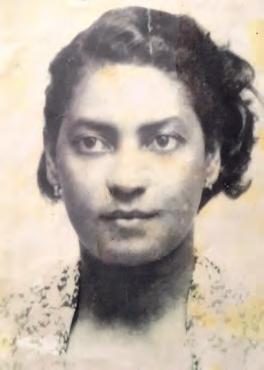
Afflalo was born in Jamaica as the fourthborn of five children. Her mother immigrated with Afflalo and two of her siblings when Afflalo was six years old. Her mother took up several jobs to support the young children, and Afflalo credits this work ethic modeled in her mother as the reason she’s so dedicated to her own work.
”I never saw her yelling, screaming, crying, she didn’t beat us. She didn’t curse. She didn’t drink, she didn’t smoke. She was just a wonderful role model,” Afflalo said. “Hardworking, dedicated, loving—so our household was loving.”
When they arrived in the United States, the family settled in Los Angeles, w here Afflalo graduated from St. Mary’s Academy for high school. She knew she wanted to be a doctor at age ten, when her mother went back to school to become a nurse.
seemed like a very natural fit for me. I do feel like my personality probably is suited for it, meaning, the patience, the compassion, the empathy, the willingness to be selfless.”
After graduating, she returned to Jamaica for a brief period, initially applying to the University of the West Indies. The waitlist
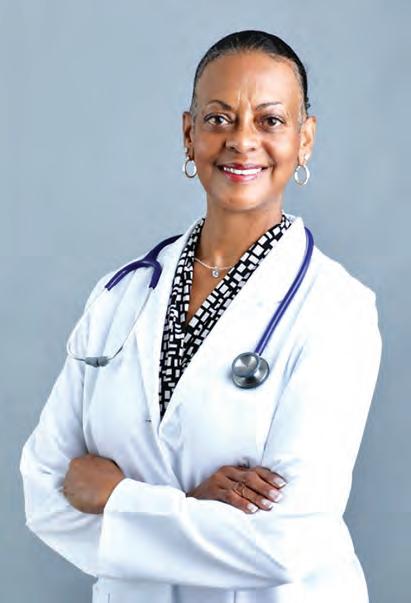
“Going into medicine seemed like a very natural fit for me. I do feel like my personality probably is suited for it, meaning, the patience, the compassion, the empathy, the willingness to be selfless.”
— DR. SUZANNE
AFFLALO
was several years long, so Afflalo returned to Los Angeles and attended Loyola Marymount University before going to George Washington University for medical school. Her residency was completed at Kaiser Permanente in Los Angeles, which began a decades-long career at Kaiser as a primary care physician.
Afflalo knows the responsibility of the role she plays. “If I’m in a space, I’m going to represent the community that I serve and speak honestly,” she added.
venting chronic diseases,” especially those which African-Americans are at higher risk for.
“[Of] all the patients I had at Kaiser, the Black and Brown folks are always at the top of the list for blood pressure, diabetes, heart disease, heart attack, strokes, dialysis, all that stuff. And it’s like, we [the healthcare industry] gotta do better,” Afflalo said.
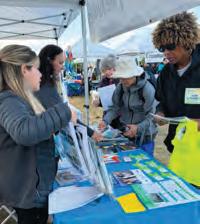
She also started the Community Health & Resource Fair, which takes place at the Jackie Robinson YMCA on the first Wednesday of every month. Attendees can get free screenings from Afflalo and her team for common chronic diseases, such as diabetes, high blood pressure, breast cancer and more.
“My only mentor in life was my mother,” she explained. “Going into medicine
In 2014, Afflalo founded A Healthier Me, an organization with a mission to “improve the overall health of underserved communities in San Diego by controlling or pre-
Speaking about her mother, Afflalo said, “I tell myself, if I was one-tenth of the woman she was, I’ve done my job.”
Read the full article online at www.sdvoice.info.
1. Use Trusted Sources for Medical Information:
• C heck the author, source, and date of online content.
• A sk your doctor for trusted patient educational resources.
2. Prep for Appointments:
• Read reliable material beforehand to make visits more effective.
• B e cautious of internet bias or misinformation.
3. Use Patient Portals Wisely:
• A ccess test results, notes, and history through secure portals.
• W ait to discuss results in follow-up visits rather than reacting right away.
4. Understand Provider Workload and Timelines:
• Give doctors time to review test results before following up.
• Understand that medical urgency, not speed, guides their responses.
5. Communicate Effectively:
• Use your doctor’s preferred method (email, phone, video, etc.).
• For complex concerns, schedule an appointment instead of sending multiple messages.
6. Be Thoughtful with Telehealth:
• Use video or phone visits for convenience.
• Send online messages sparingly, knowing doctors manage high volumes.
7. Build Strong Relationships:
• Match your communication style to your provider’s to improve understanding and rapport.
• Foster trust, respect, and openness for better care in the digital era.
Solutions for Black Patients Seeking Culturally Competent Care
Ask for Patient Recommendations
• S eek referrals from other Black patients rather than relying solely on institutional listings or doctors.
Leverage Black Networks
• U se trusted community resources like:
•T he National Medical Association
• Local churches, fraternities/ sororities, and NAACP chapters
Use Specialized Platforms
• MyBlackTeleHealth.com – to access Black physicians virtually.
• AskTia.com – specifically for Black women’s health and wellness.
• Use online platforms, such as social media groups focused on Black wellness in your region, for recommendations and reviews.
“At the end of the day, your physician has to be a professional that meets your needs. Somebody that's willing to listen to you. Somebody that's going to be available to see you. Somebody who works with you -- whatever your situation is.”
–Dr. Glenda Newell-Harris
Oakland-based internal physician and medical advocate
Be Prepared to Travel or Dig Deeper
• In underserved areas with few Black doctors, finding culturally competent care may require:
• Traveling to nearby cities.
• D oing additional online research.
• Keeping and following up with personal contacts and referrals.
Consider Telehealth (Strategically)
• Use for consultations with distant Black specialists.
• B ut it is not a substitute for in-person primary care— important diagnoses should be handled face-to-face.
Build Long-Term Physician Relationships Look for doctors who:
• Understand health disparities.
• Prioritize listening and trust-building.
• Make you feel safe and culturally understood.
SOURCES: Joe W. Bowers Jr., “AI Is Reshaping Black Healthcare: Promise, Peril, and the Push for Improved Results in California,” California Black Media; Census.gov/quickfacts/fact/table/ US#; AAMC at aamc.org; Association of American Medical Colleges, “Medical School Enrollment Reaches A New High in 2024”; The California Black Health Network (CBHN); Edward Henderson,“Finding the Right Doctor: Black Californians Weigh the Burden and Benefits” California Black Media’s California Black Health Journalism Project
1

WE HAVE THE RIGHT TO A CULTURE OF HEALTH THAT VALUES OUR WHOLE WELLBEING AND ALLOWS US TO ACHIEVE OPTIMAL HEALTH.
This article calls attention to the concept of a “culture of health”—a term coined and widely disseminated by the Robert Wood Johnson Foundation—as a broad vision to characterize requirements for a society that enables and supports health and health equity.
2
we have the right to receive respectful and dignified HEALTHCARE.
Being a ‘patient’ is, by definition, a subordinate role. The rules of engagement are determined by policies in medical practices, hospitals, and large health care systems. However, these systems are also obliged to respect individual value as human beings, honor their basic rights, and deliver care that preserves dignity and does not discriminate based on personal or group characteristics.
3
3
WE HAVE THE RIGHT TO HEALTHCARE THAT IS CULTURALLY SENSITIVE AND THAT INCORPORATES CULTURAL HUMILITY AND STRUCTURAL EQUITY.
These terms reflect three important dimensions of the delivery of medical care and other health services.
Culturally sensitive health care.
Cultural humility raises the bar for health care provider behavior.
Stuctural equity calls for fairness in all aspects of health care systems—awareness of and removal of barriers that impinge on equity in health care.
4
WE HAVE THE RIGHT TO APPROACH SOLUTIONS TO BLACK HEALTH FROM A STRENGHTHS-BASED APPROACH THAT INCORPORATES A DECOLONIZED AND INTERSECTIONAL LENS TO HEALTH EQUITY.
Effects of slavery did not end with emancipation. These effects are “intersectional” in their differential impacts on gender-age groups in Black communities. For Black Americans “decolonized” approaches means countering these longstanding effects.
5
WE HAVE THE RIGHT TO TRANSFORM OUR HEALTH BY RECLAIMING OUR POWER AND AUTOMONY.
We must have opportunities to do more than remove health threats left over from slavery. In the spirit of selfdetermination, we must have the power, resources, and autonomy to create opportunities for optimal health and well-being.
6
WE HAVE THE RIGHT TO HONOR AND INCORPORATE LESSONS FROM OUR PAST, PRESENT, AND FUTURE AS A PATHWAY TO RESTORING OUR HEALTH.
Black Americans have shown historic resilience in the face of incredible challenges. This history should be acknowledged and applauded but not viewed as an excuse for perpetuating such challenges.
7
WE HAVE THE RIGHT TO HAVE OUR FULL HUMANITY HONORED AND VALUED.
The principle that health is a human right is fundamental. The principle that all people are valued equally and that, therefore, Black people have full human rights.
scan code to Read full version of the Black Health Bill of Rights
SOURCE: