SEAN DEVLIN
ARCHITECTURE PORTFOLIO
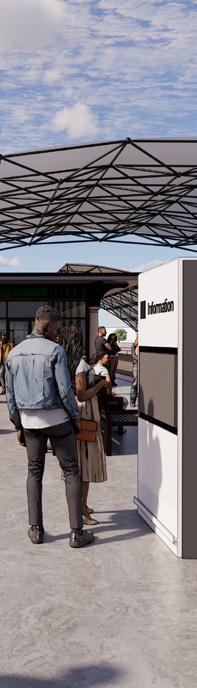

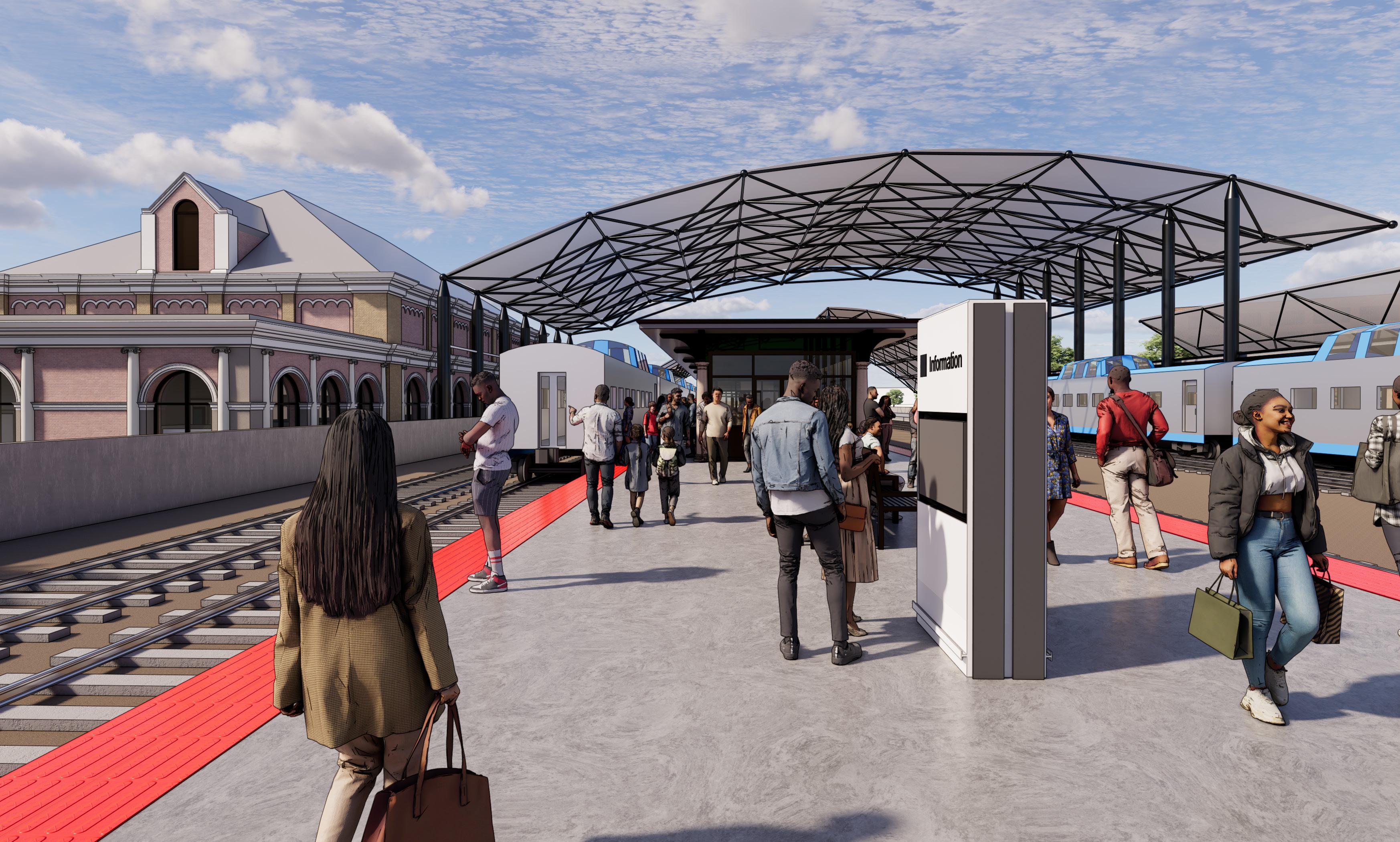
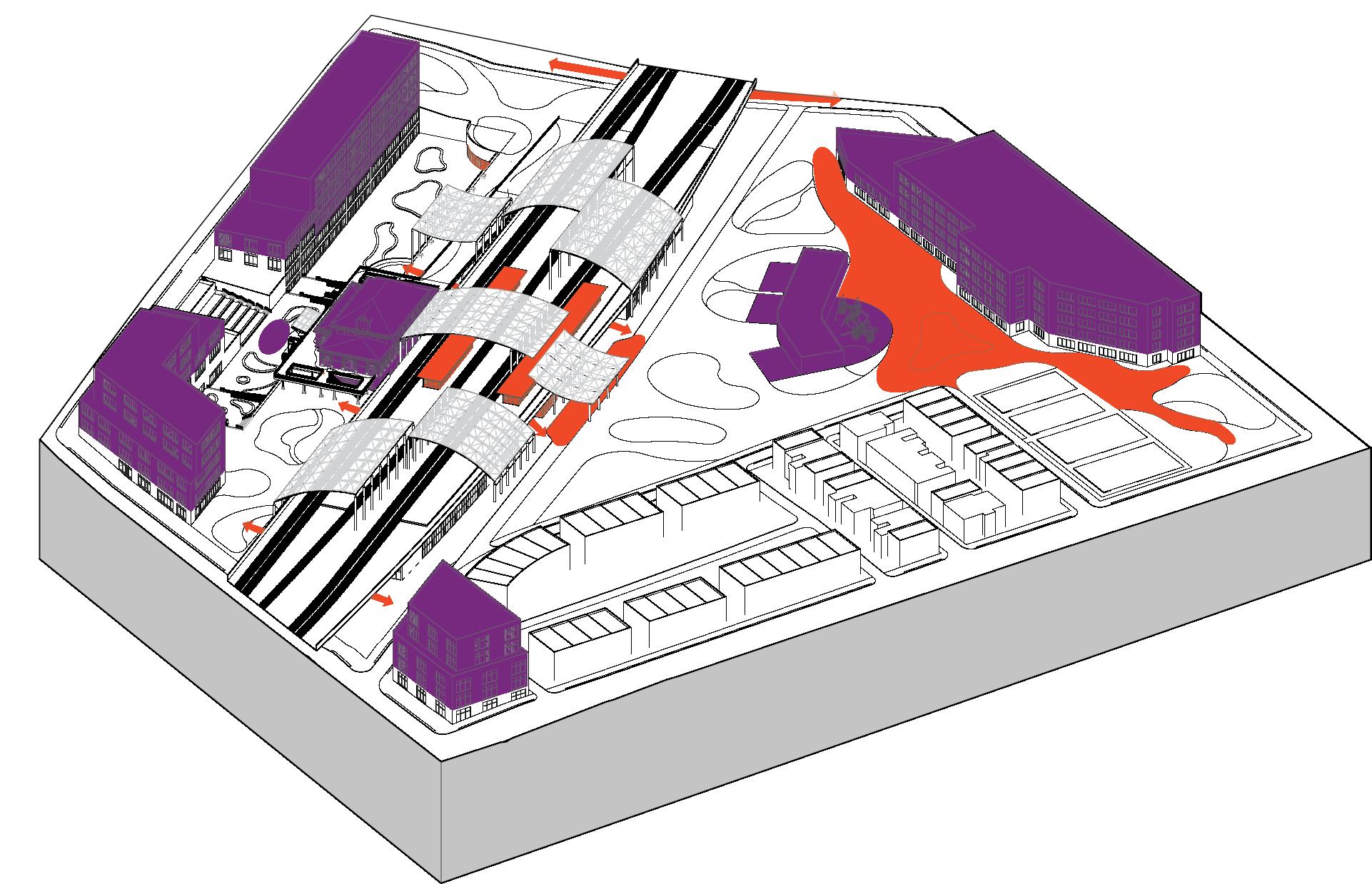
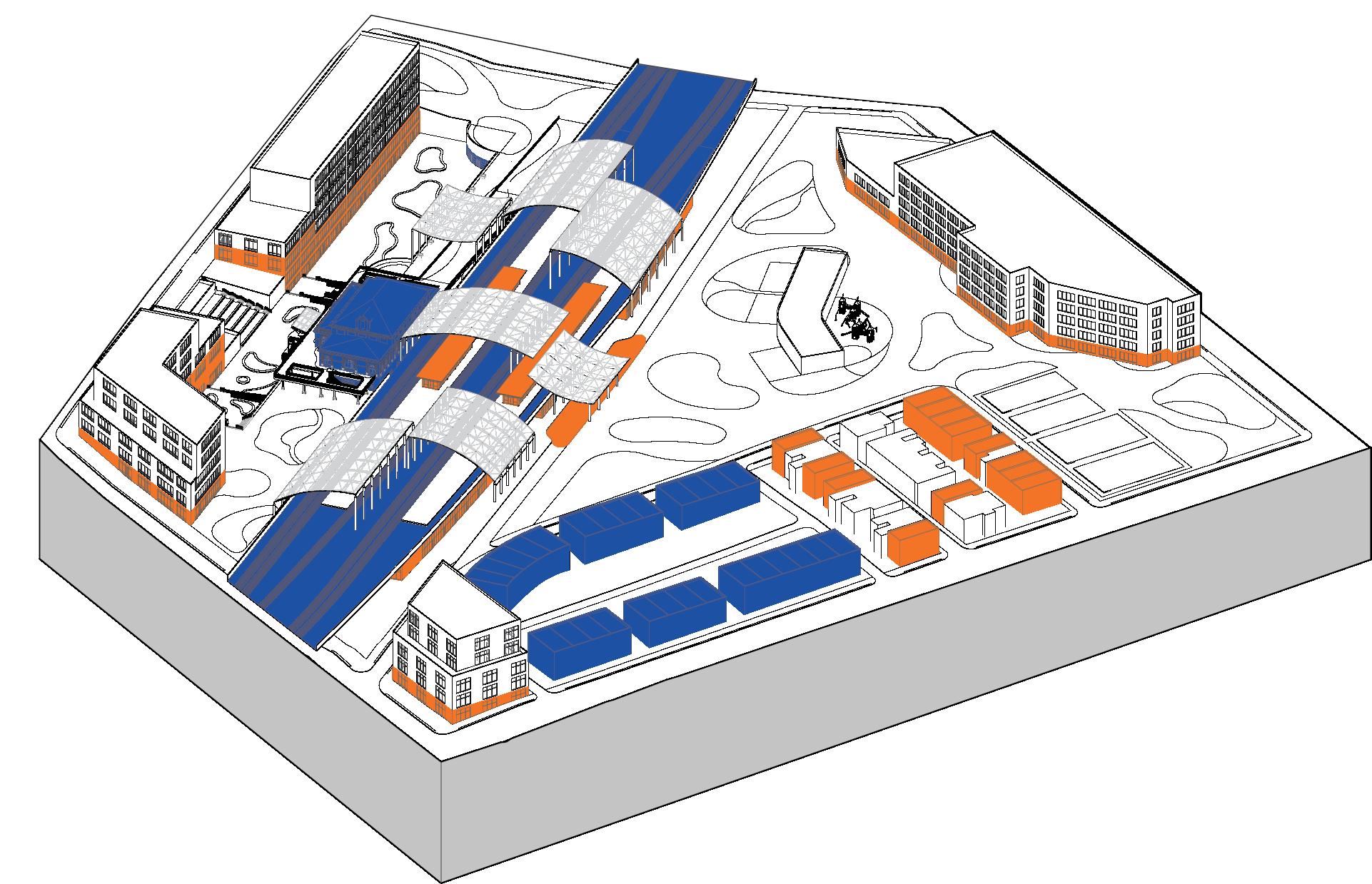
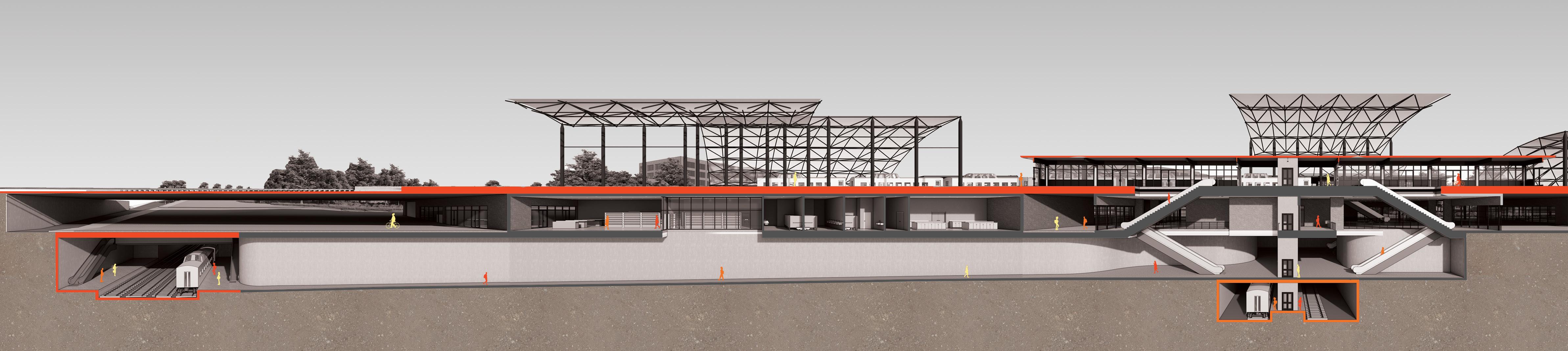
Public transportation, a tool created for connection, has often been used as a tool for division throughout the history of the United States. In Philadelphia, the division created by public transportation is on full display in the city’s mass transit network, SEPTA, particularly the SEPTA Regional Rail. Physical, social, economic, and political barriers throughout the SEPTA system and Philadelphia’s history have resulted in division throughout the city. This division separates the city from its surrounding suburbs and neighborhoods from one another, while enforcing arbritrary divisions based on race and income during the mid-20th century.
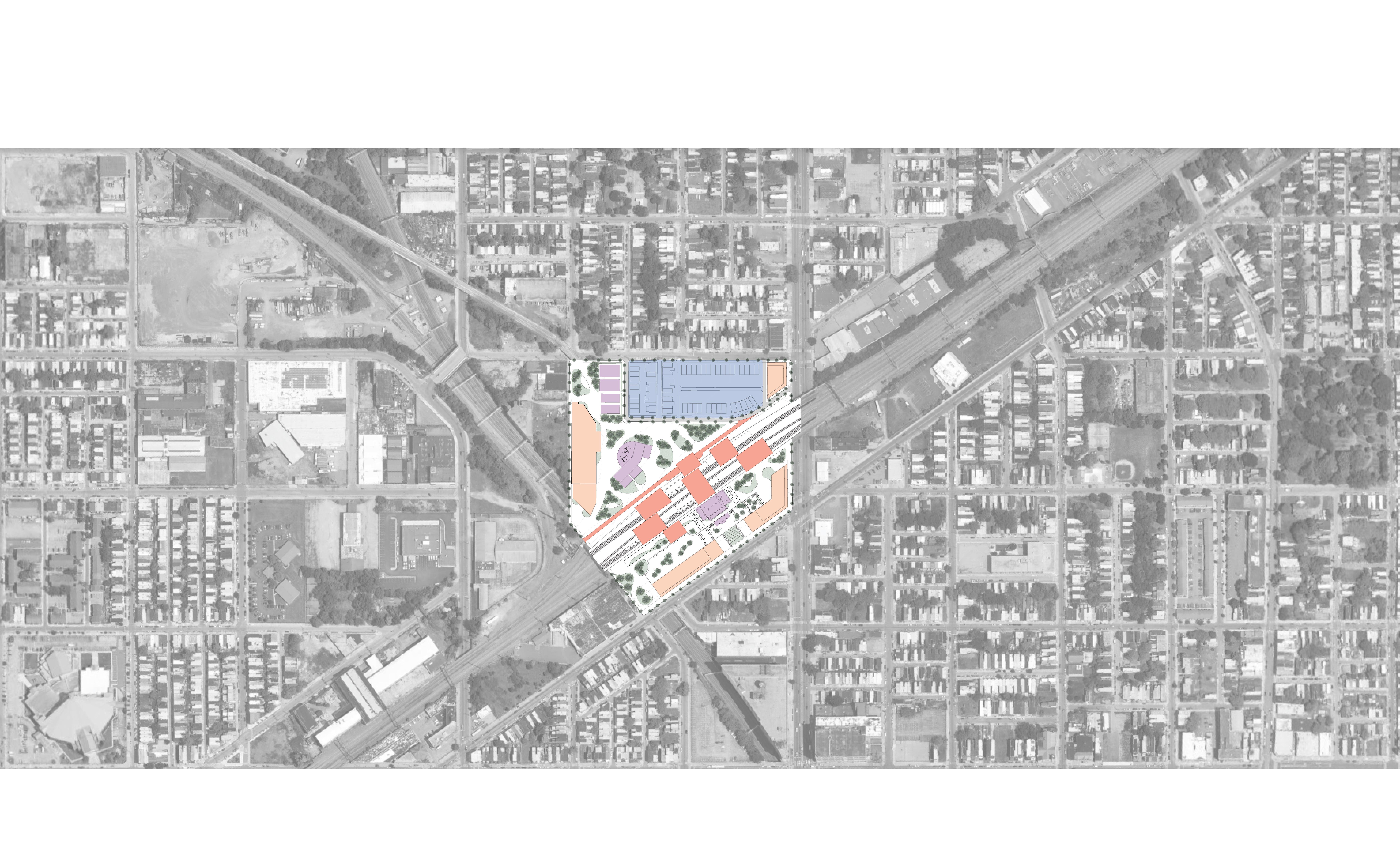
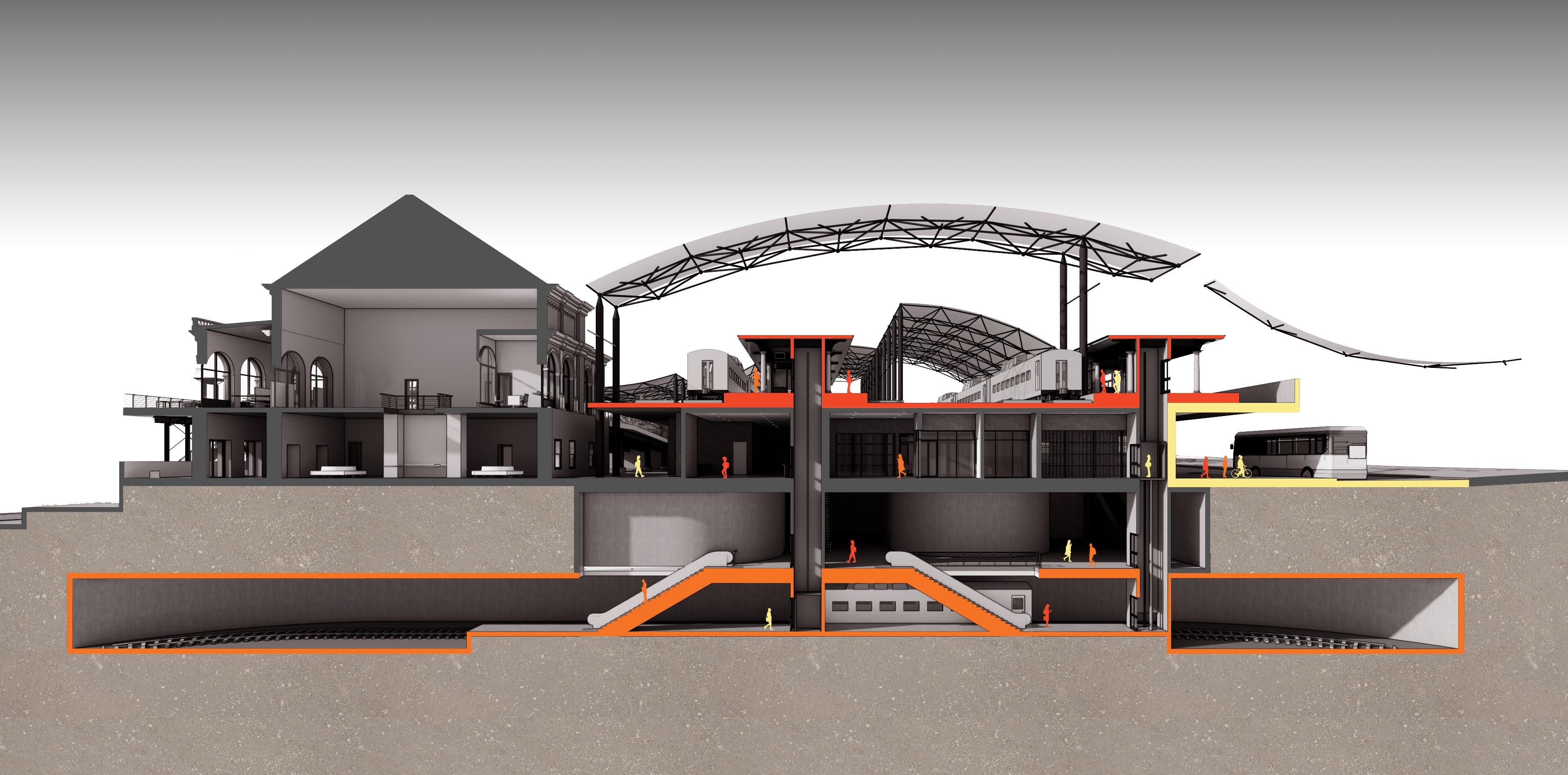
More than half of all SEPTA rail transit lines intersect in the heart of North Philadelphia, a historically black, low income area of the city, with residents who are highly dependent on public transportation. These rail lines pass through three stations in a three block radius, and none of them connect to allow convenient transfer between them. Furthermore, SEPTA Regional Rail, originally designed to be the system’s commuter rail, can be 2x-5x more expensive to ride than the other SEPTA systems. The result is an inequitable, outdated system in which the people who are most dependent on public transportation are those with the least access to it.
My thesis challenges the way we approach transit oriented development, which has often been criticized for resulting in gentrification and displacement of local residents. By taking an equitable approach that focuses on increasing access to transportation for existing Philadelphia residents, particularly those who need it the most rather than hypothetical new ones, a truly convenient, intermodal, lifestyle network can be achieved to create a better connected city.
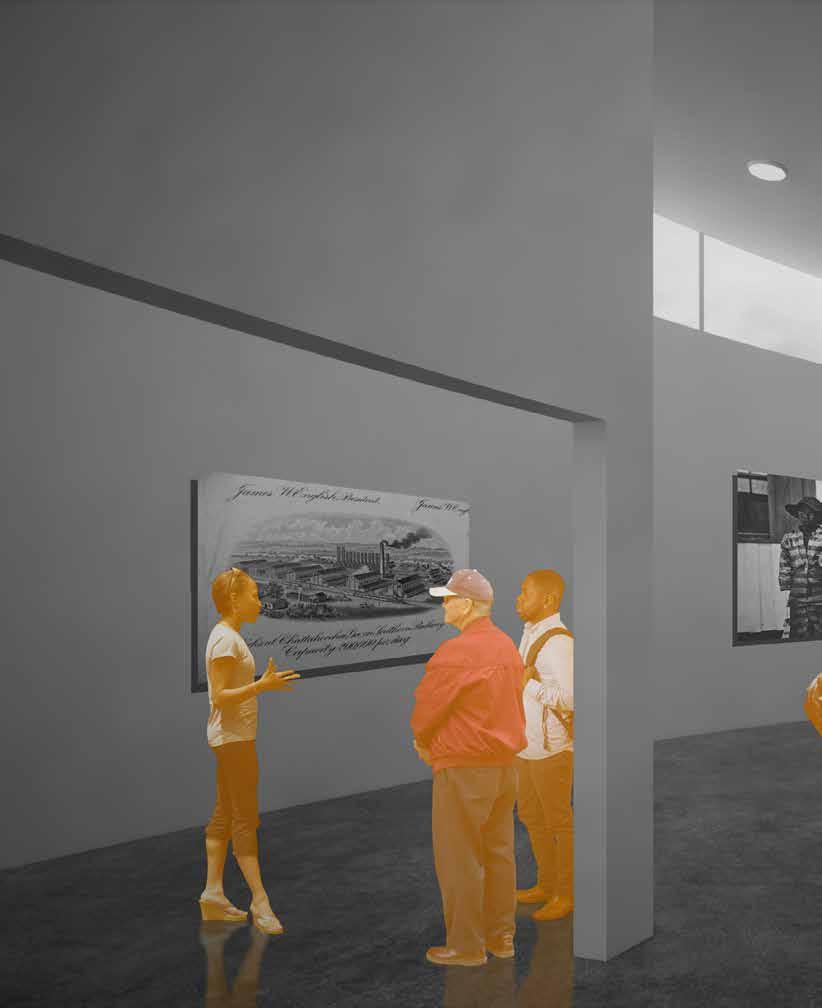
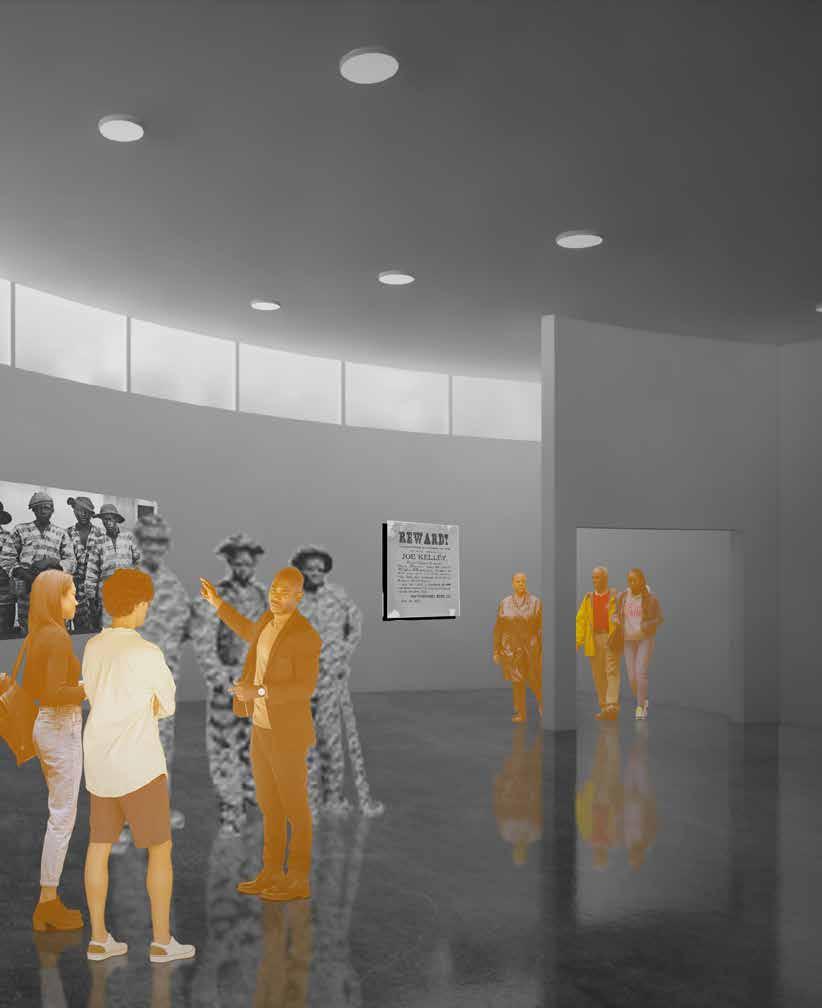
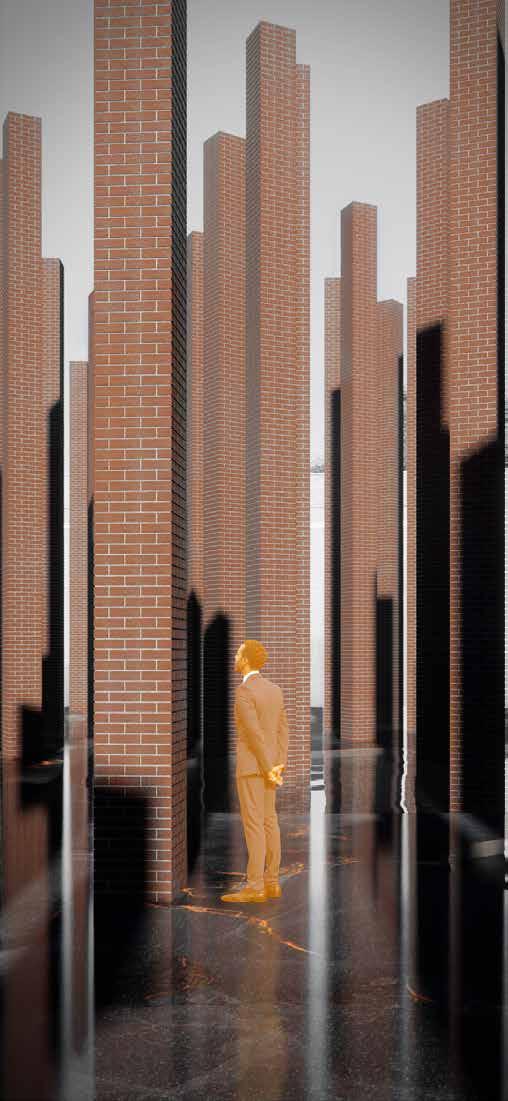
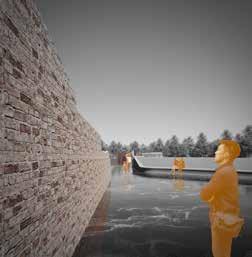
The Chattahoochee Brick Company in Atlanta, GA has a controversial history that has been buried physically and metaphorically. Chattahoochee Brick Company was a large participant, contributor, and enabler of the convict lease system in Georgia following the end of the Civil War.
The convict-lease system was a “re-enslavement” of Black Americans following Emancipation. Despite its widespread use in the American South and the lasting impacts it has had on black people, most Americans are unaware of the practice and the true horrors endured by those victimized by it.
The convict-lease system is just one example of how civil rights for Black Americans have been cyclical in nature. Black people in America have endured oppression in various forms, have overcome those opressions through protests and have had to earn their emancipation to achieve a level of “equality,” only to become oppressed again by the same oppressive systems and people, starting the cycle anew.
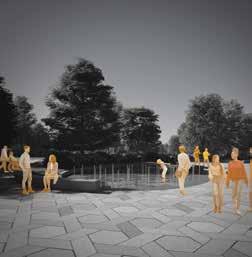
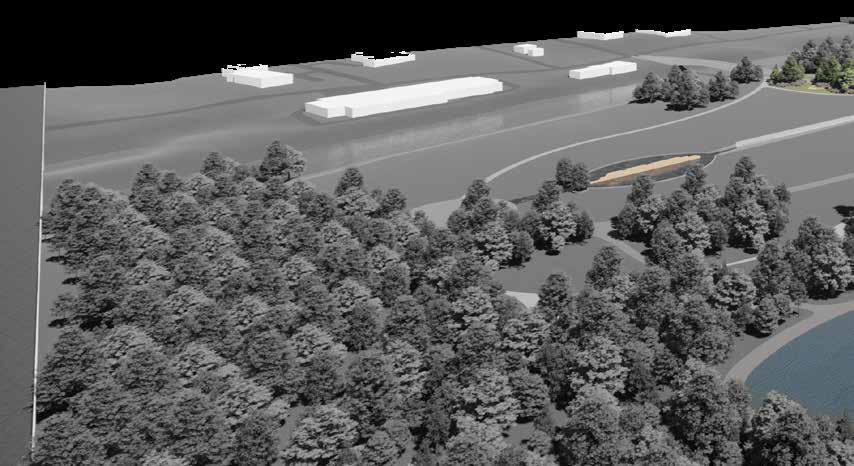
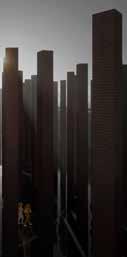
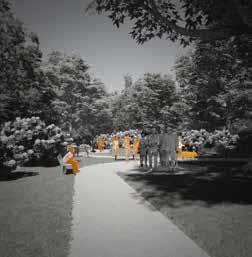
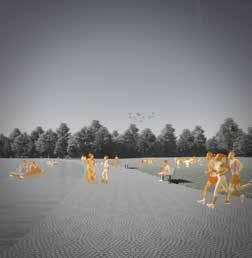
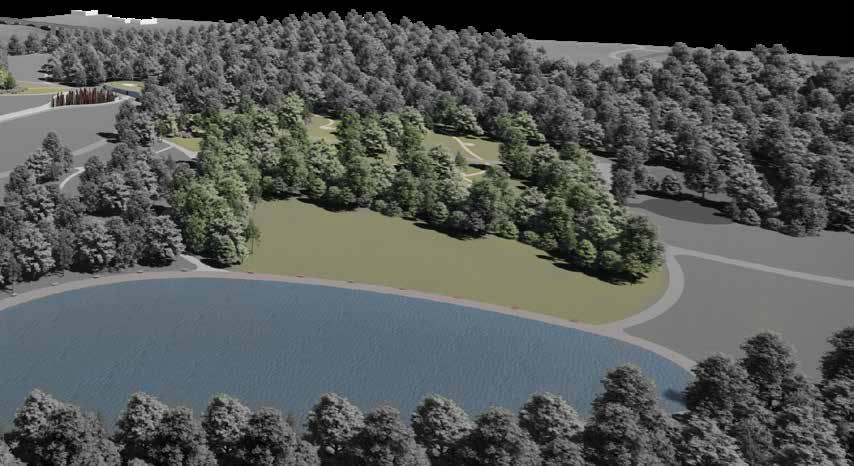
Cycle aims to educate people through the construction of a new memorial and museum on the grounds of the old Chattahoochee Brick Company about the oppressive systems integral to America’s development that have been buried. Cycle will be a part of the City of Atlanta’s larger redevelopment of the Chattahoochee River for a new Greenway The goal is combat the ignorance people have about these systems that have been watered down or relatively ignored in typical educational settings. Through education, the cycle may finally break.
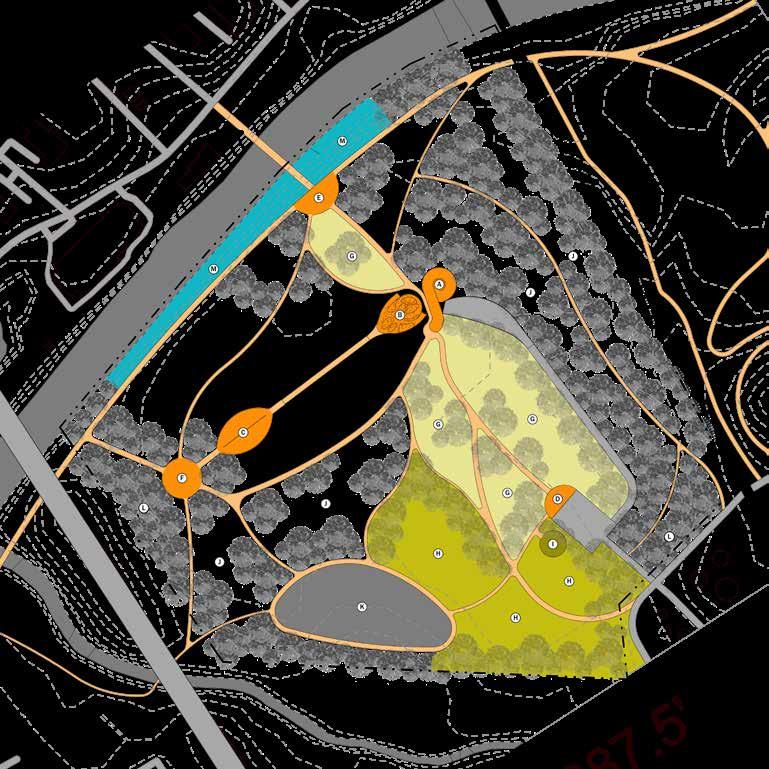
G. SCULPTURE GARDEN
H. RECREATION FIELDS
I. PLAYGROUND
J. WALKING TRAIL AREA
K. RETENTION POND
L. VEGETATED NOISE BUFFER
M. WATERFRONT ACCESS