Exploring Irish Nature Habitats
Better World Programme


It is important to state that in Scouting we are not overly concerned with the learning of the names of plants and animals; this knowledge will come in time. We want you, at this stage, to explore and discover and open yourself to experience the world around you. Use all of your senses in this discovery, listen to the hum of the bees and the different songs of the birds. Taste the fruits and nuts of the forest from the sweet to the sour be careful however and make sure you know what you are eating..stay away from mushrooms as they are particularly difficult to identify the edible ones from the poisonous. Feel the wind and rain in your face and the mud at the bottom of the stream you are crossing, ooze between your toes, or the smoothness and grittiness of different rocks. See the wonder of the landscape and smell the freshness of the air and the fragrance of the heather and wild flowers. Once you understand the beauty of our planet and the interaction of each of its elements, it will be easier for you to conclude why we must conserve, why we must protect, and, most importantly of all, why we must live in harmony and not exploit the world around us.
Woodcraft is not only a knowledge of the names of plants and animals, but a deeper and more meaningful relationship with our surroundings. It is the experience of nature through all the senses that provides the mind with a more intensified picture of the interrelationship between all things on the planet and enable us to harmonise with them.
Through the use of all of our senses we become aware, and begin the learning process. Seeing, hearing, feeling, smelling and tasting; each sense provides unique information to the brain. The combination of sensory information greatly increases the experience.
Using all the senses allows a fuller picture to be developed in the mind. A tree, for example, can be seen and recognised. The leaves have their own shape. Are they shiny or furry as you feel them? Do they have a smell and a taste? The bark can be smooth or rough. Could you identify it blindfolded by touch alone? By using as many of the senses as possible more information is channelled into our memories. To experience nature you have to get out and explore it fully. Here are some simple exercises that will help you explore and improve your sensory skills.
Sit under an oak tree and compare the lines on your hand with the branch structure and roots of the tree. Before long you will find comparisons between the lines on your hand and your chosen tree - a personal connection.
Mirror walk
Walk along a forest track holding a mirror at your waist, facing up. You will notice many things - tree patterns, birds, stars, cloud formations.
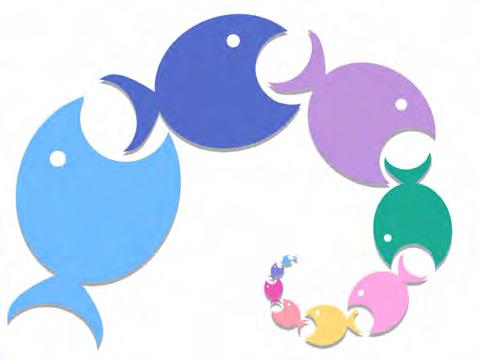
Nature is a living and dangerous place for all living things. Bigger animals and species feeding on smaller prey within the food chain
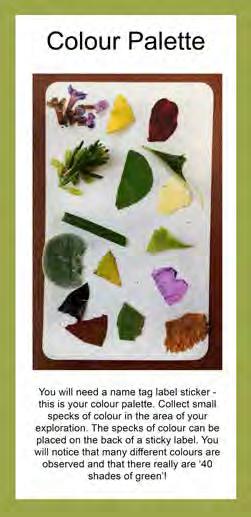
Collect small specks of colour in the area of your exploration. The specks of colour can be placed on the back of a sticky label. You will notice that many difference colours are present and that there really are 40 shades of green!
Stand silently and alone for 10 minutes in a forest and listen. How many sounds can you hear. Try and become aware of the noise you make as you travel through the forest, if you can hear the noise so can every animal.
Smell the air around you and smell every plant you can find.
Lie in the high grass
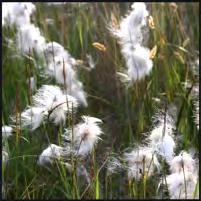
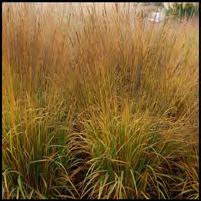
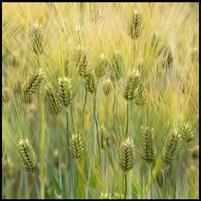
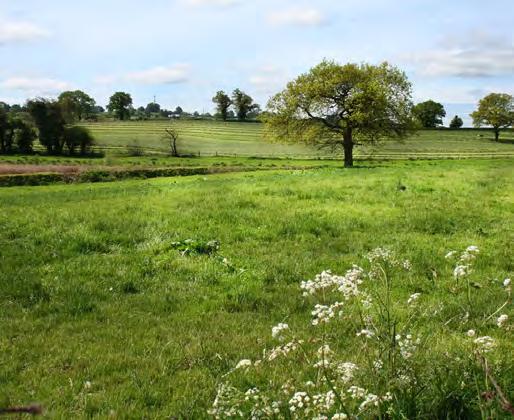
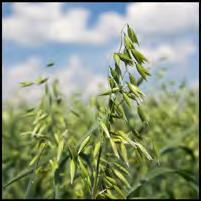
Lie on your back in long grass and look to the sky. Feel the wind around you and see the waves of wind drifting over the grass.






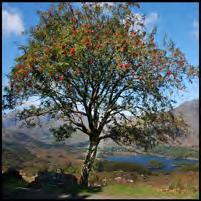
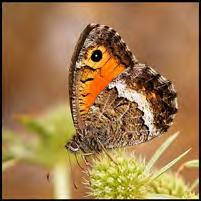
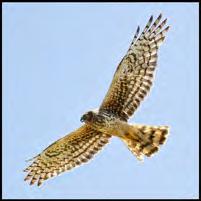
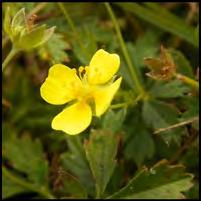
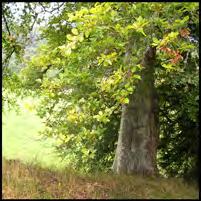
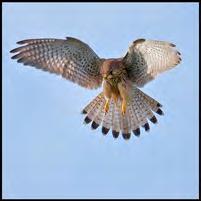
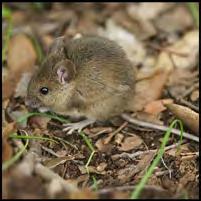
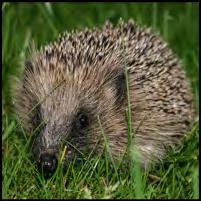


The Mission
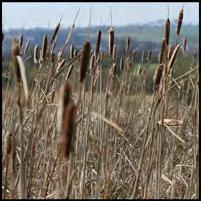
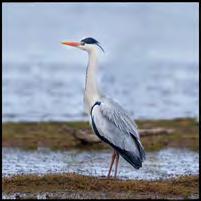
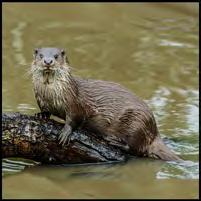
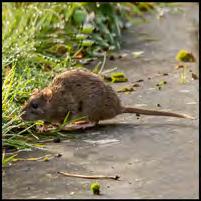
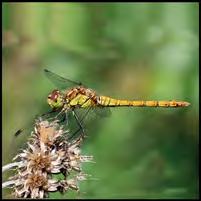
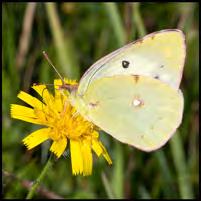
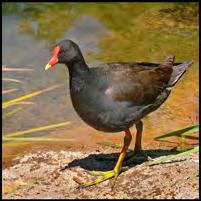
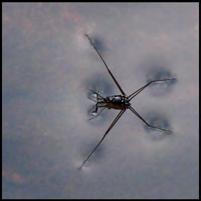
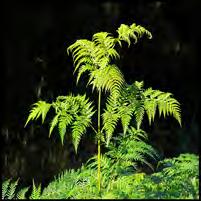
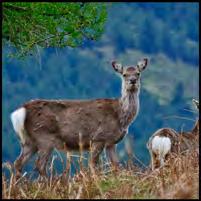
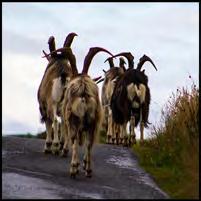
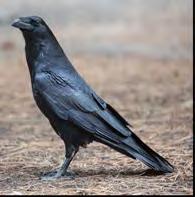
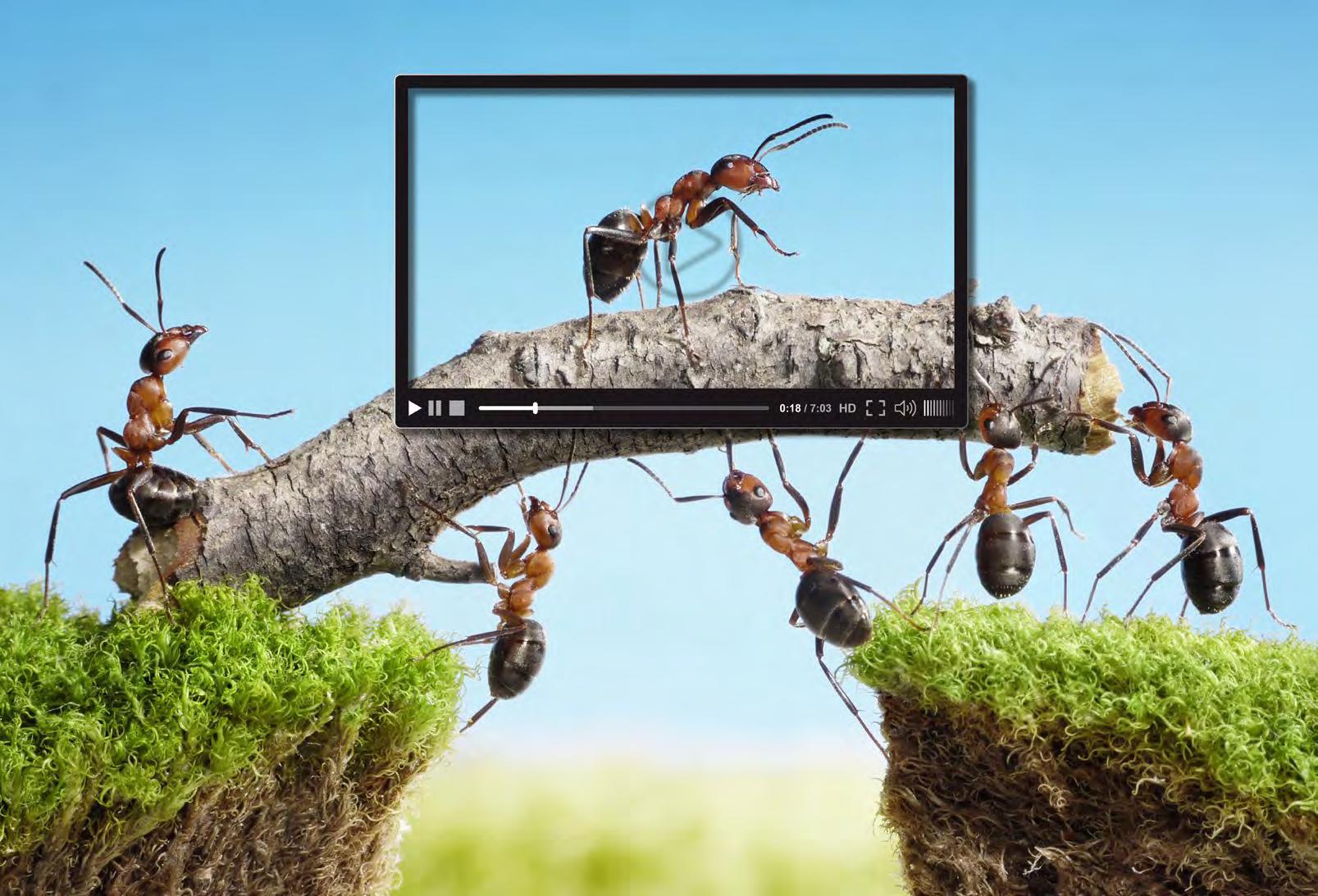
You and your team are to produce a series of nature movies - like a BBC David Attenborough documentaryexploring and showing the diversity of nature in your community or campsite



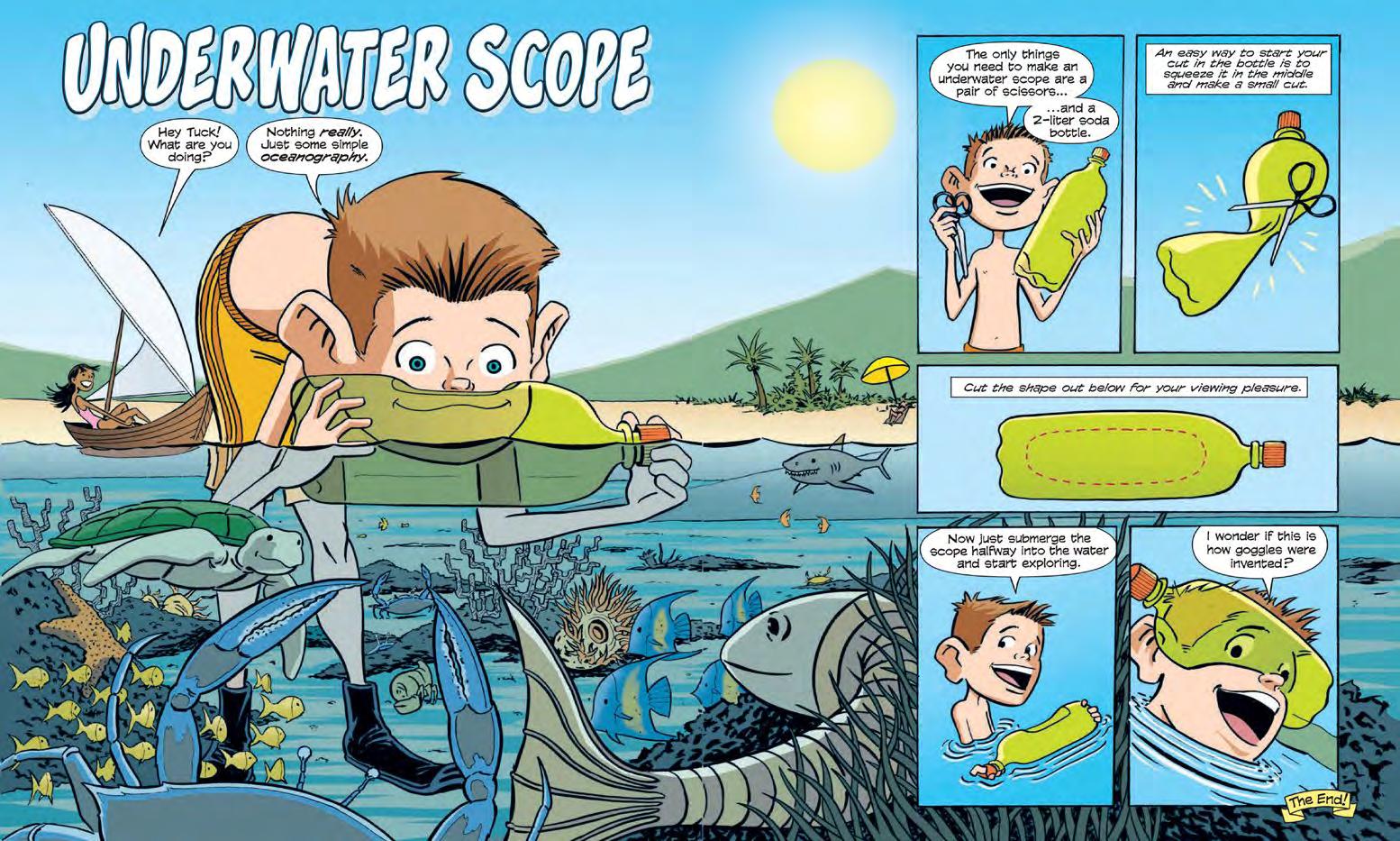
Howtoon collection
Visit howtoons.com for a full library of interesting activities you can try and explore.

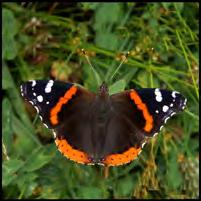
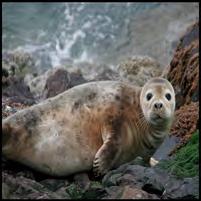
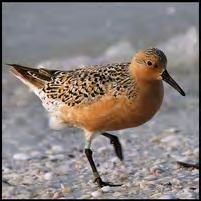
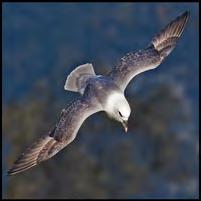
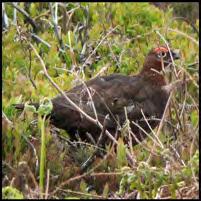
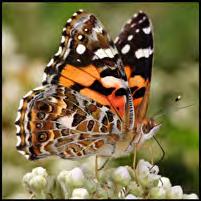
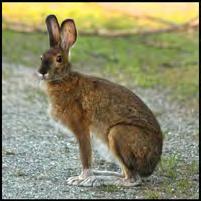
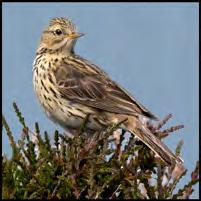
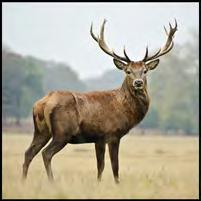
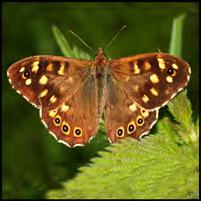
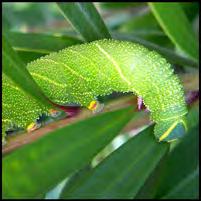
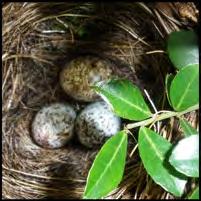
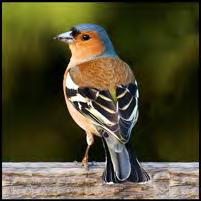
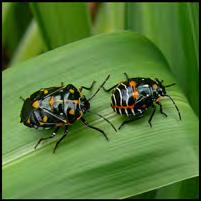
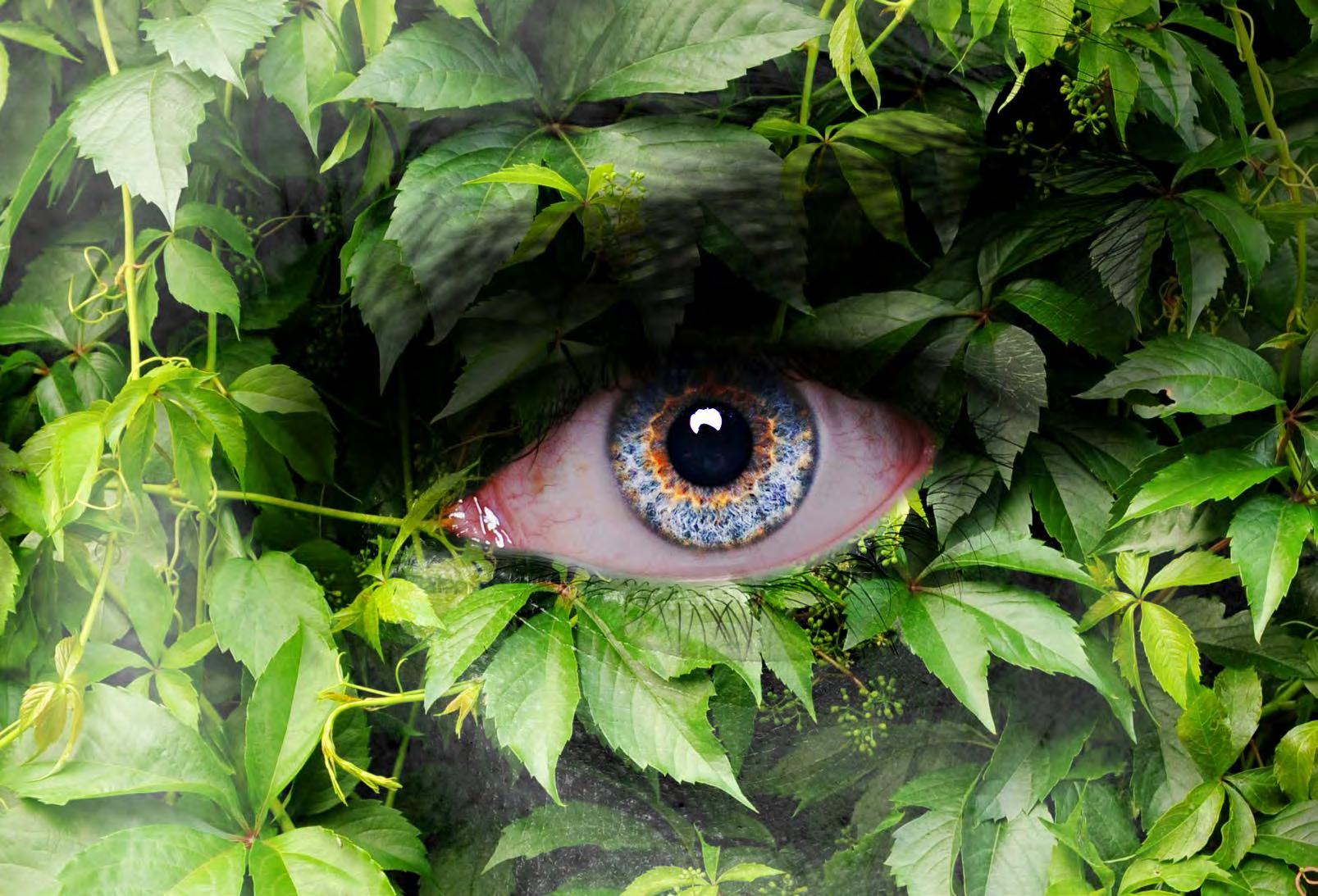
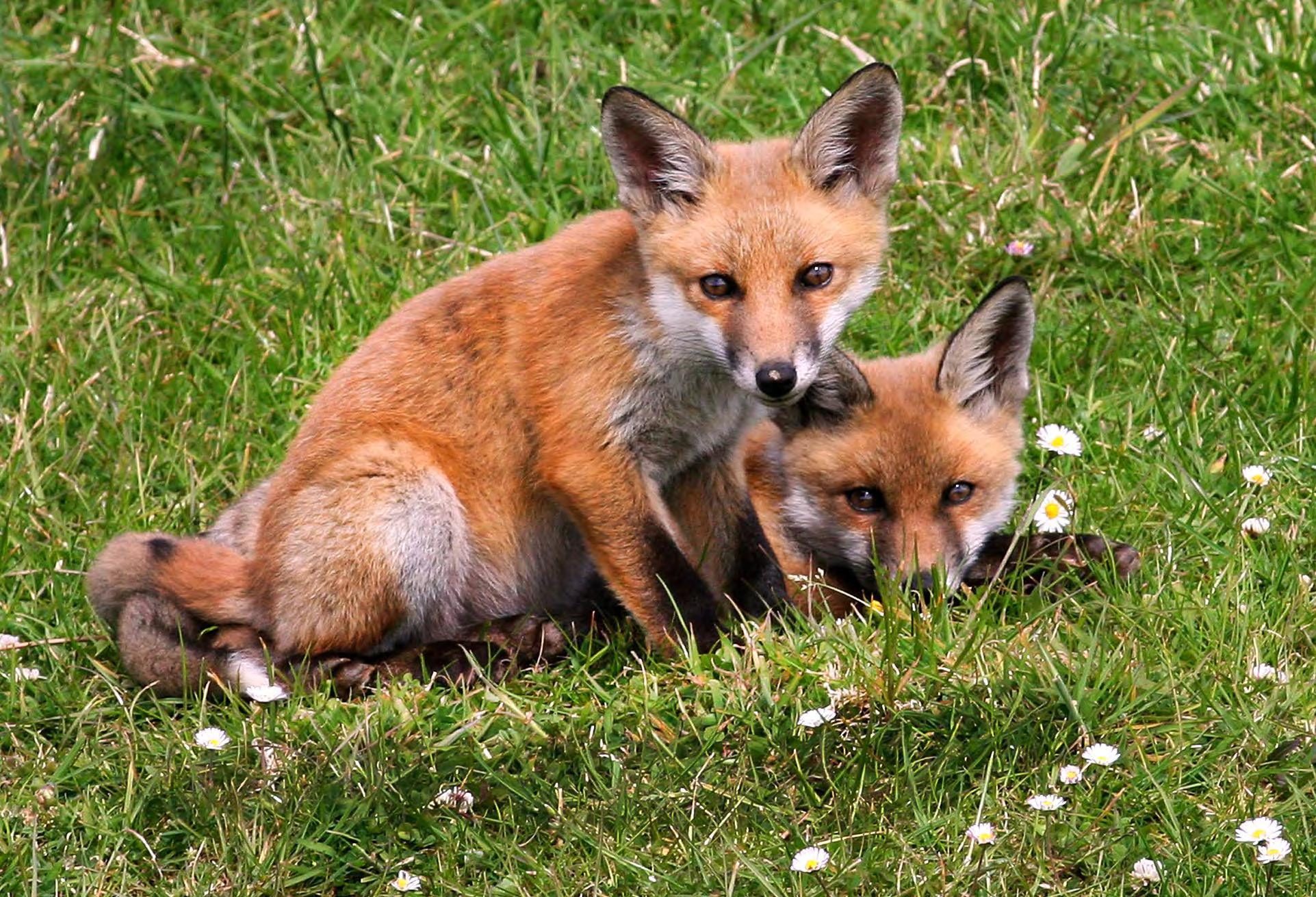
Survival is essential to all living thingsit increased its chances of reproducing. In the food chain - there is always a predator and this simple fact has caused insect and animal species to evolve a number of adaptations that help them find food and keep them from becoming food. Some animals’ colours and patterns resemble a particular natural background. This is an important component of camouflage in all environments. For instance, treedwelling animals are mainly brown/ green; birds of the forest floor are brown and speckled; in each case the animal’s coloration matches the hues of its habitat. Similarly, desert animals are almost all desert coloured. This is taken by zoologists as evidence that camouflage is influenced by natural selection, as well as demonstrating that it changes where necessary to resemble the local background. Military uniforms, too, generally resemble their backgrounds; for example khaki uniforms are a muddy or dusty colour,




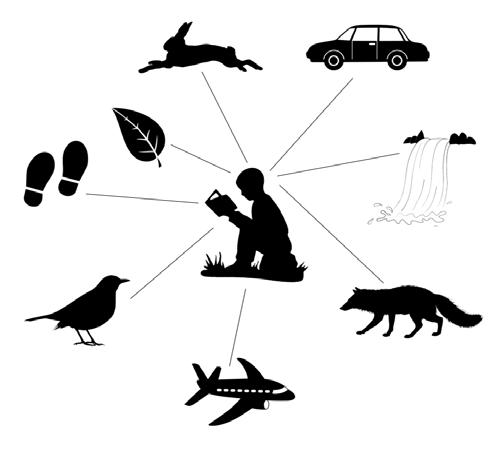
Place participants in different place so there is a bit of distance between them and they can sit down in silence without hearing each other.
Participants are give a sheet of paper and a pencil or pen
When settled in their spot they place an X in the middle of the paper. X marks their location.
Participants stay still for a short while (try 5 minutes) and start to listen to what is making sounds around them.
Participants mark on the paper the sounds they can hear and where they are coming from, for example there may be a stream behind them, sheep in a field in front of them, birds singing above and to their side. They should be still and quiet and really focus on sounds they can hear.
You can draw, or write the sounds you can hear around you.
The sound mapping exercise helps participants to slow down and pay attention to the detail around them, it also helps give them a better sense of the wider space.
When the exercise is completed it should be possible to compare sound maps. So a sound to the right of one person will be to the left of another.