Scouting Ireland is dedicated to enabling and empowering young people to realise their potential, through its core values based on the Scout Promise and Law, fostering active citizenship and helping create a better community, society and world.
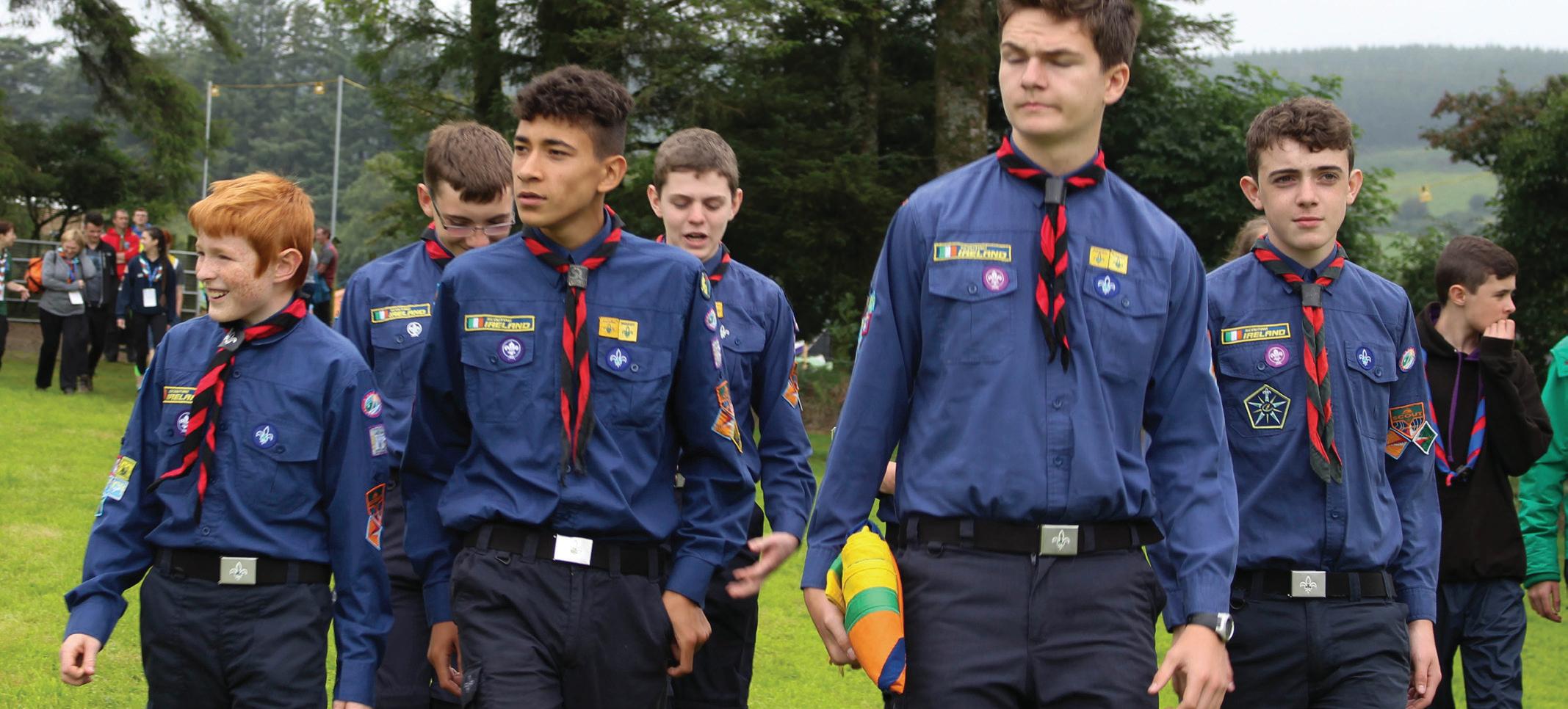
Scouting is open to all young people between the ages of 6 and 25 who are supported in their of personal progression and development by adult volunteers.
The Aim of Scouting Ireland is to encourage the social, physical, intellectual, character, emotional and spiritual development of young people so that they may achieve their full potential and, as responsible citizens, improve society.
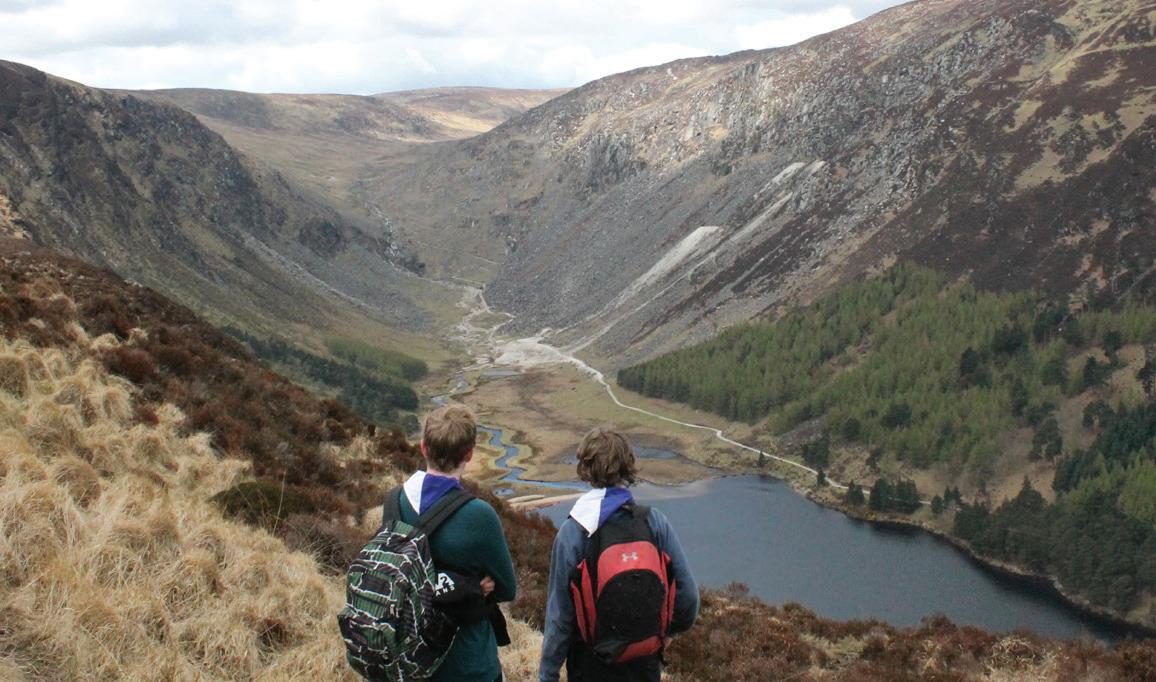
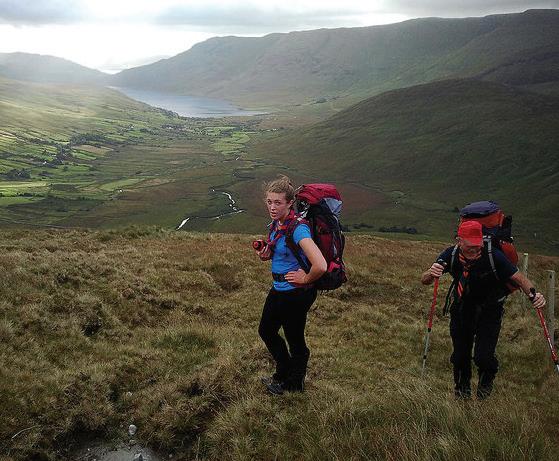
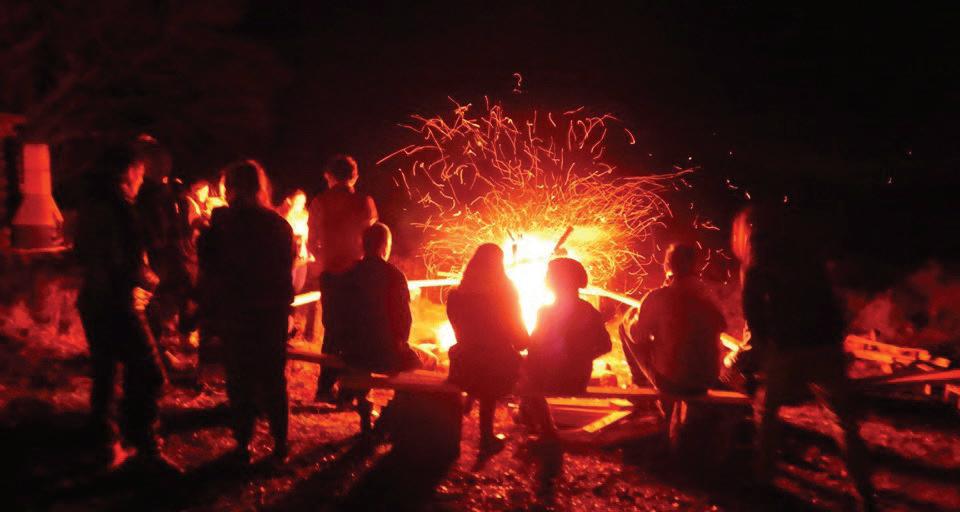
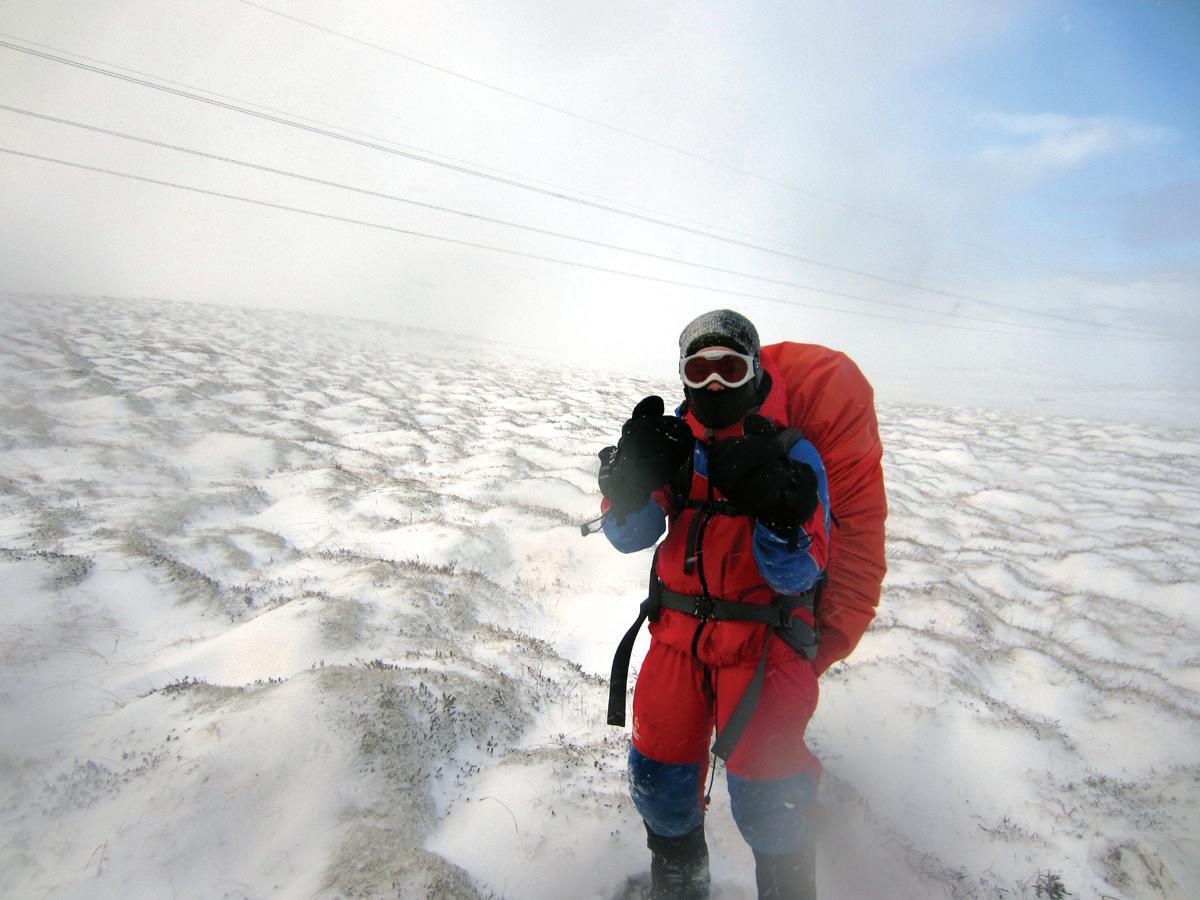
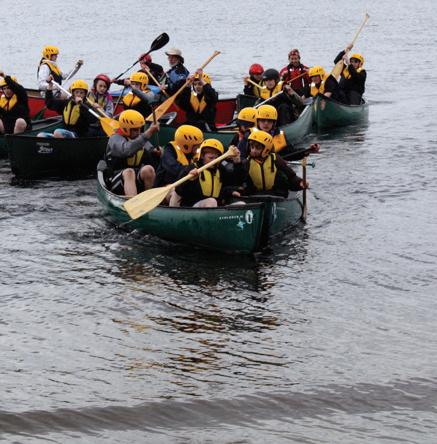
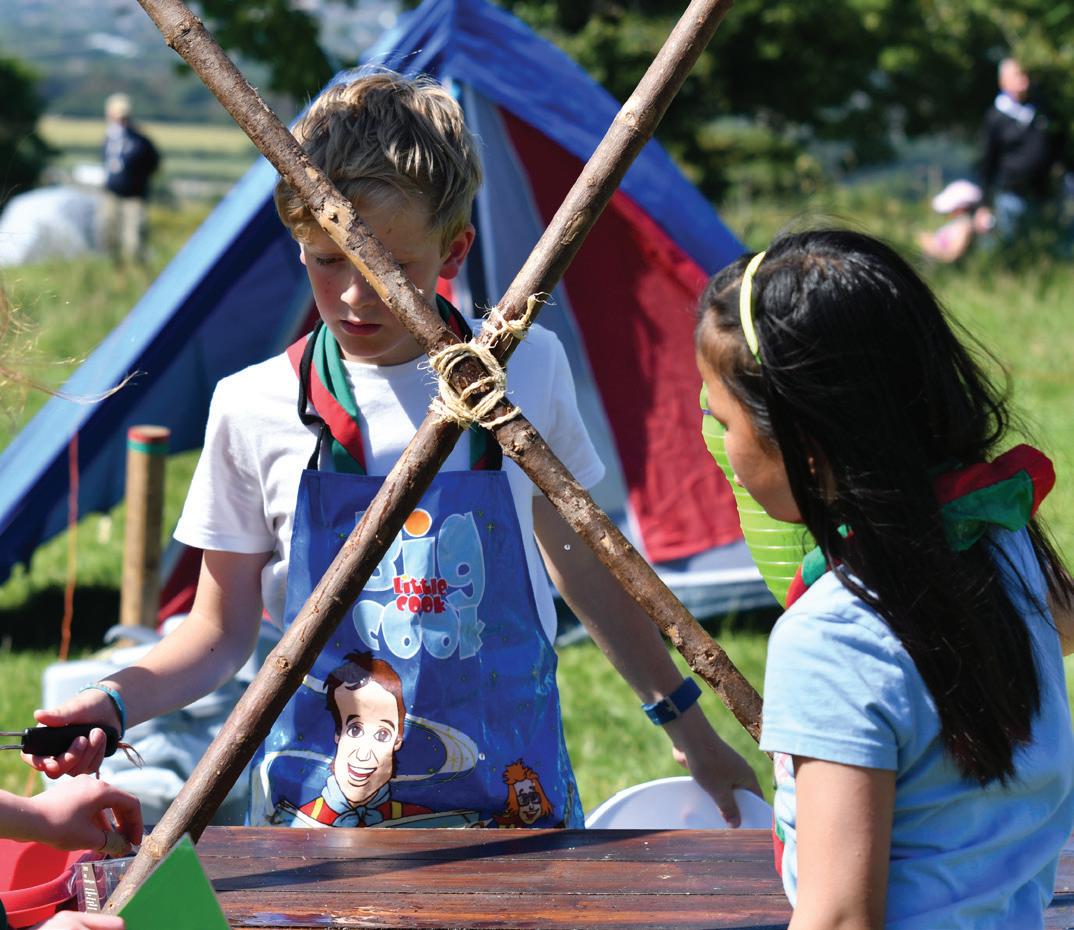
Getting young people and children involved in outdoor adventures and challenges helps them to achieve these aims and have fun. While enjoying themselves outdoors, they make strong friendships, volunteer in their community, learn adventure skills, travel, become leaders and team-members, and appreciate the importance of our outdoor environment.
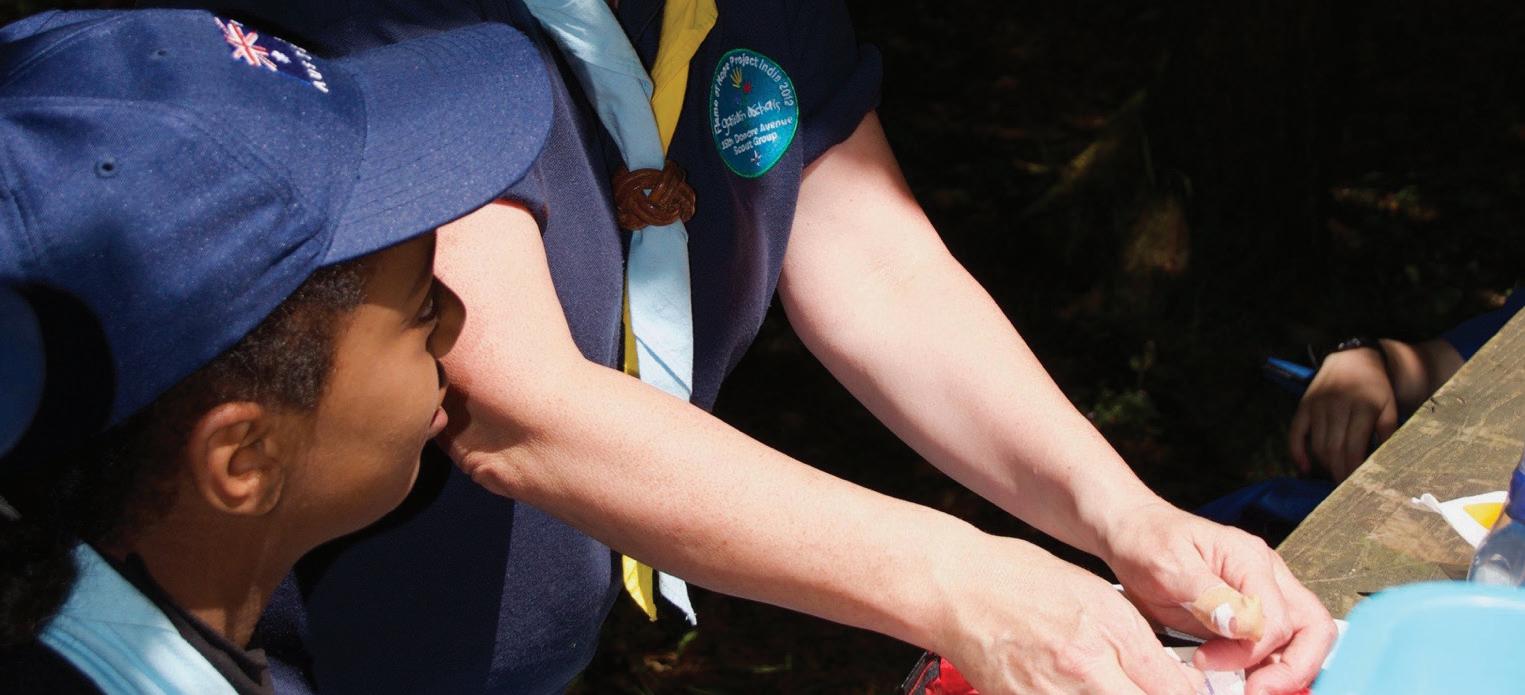
The skills, experiences and friendships made in Scouting will stay with our young people all through their lives. Skills like leading a group, teamwork, planning, project management, dealing with difficulties & weather, packing, budgeting, first aid, cooking, navigation, building structures, volunteerism, and making a shelter will always be useful and underpin future careers and life choices.
The Scout Method
Our Scout Method is how we Scout, how we facilitate Scouting for our young people in partnership with them.
This is our guide to ensuring our aim is achieved for each and every young person in Scouting. The Scout Method, has 8 interconnected components, to guide us in achieving our aim:
1. Scouting fosters a value system based on the Scout Promise & Law. This value system becomes the method by which a Scout lives and works with others.
2. Through learning by doing and reviewing our experience, we gain knowledge about the task completed and about ourselves.
3. Scouting happens outdoors whenever possible. Challenge, adventure, and a sense of freedom are all present in close contact with nature and away from everyday home life.
4. The success of the Scout’s task or adventure is not important. The dynamics of the team, and the growth of the individual within that team, is of real importance. Each Scout will progress at their own speed through Scouting challenges individually and within their small team.
5. In Scouting we work in small teams so Scouts learn individually and in teams. Every Section is a collection of small teams, not a collection of individual Scouts.
6. We use names, themes, stories, and traditions to spark the imagination and to aid learning. In so far as possible this is created by the Scouts themselves.
7. Scouting is a movement for young people and supported by adults. In the younger Sections the adult’s support is greater, whereas in older Sections the adult’s role lessens and it becomes more of a partnership.
8. Scouts interact with their local community. Service to others is the element of the Scout Method dealing with this commitment. We support young people to become active citizens and to work to create a better world.
Rovers
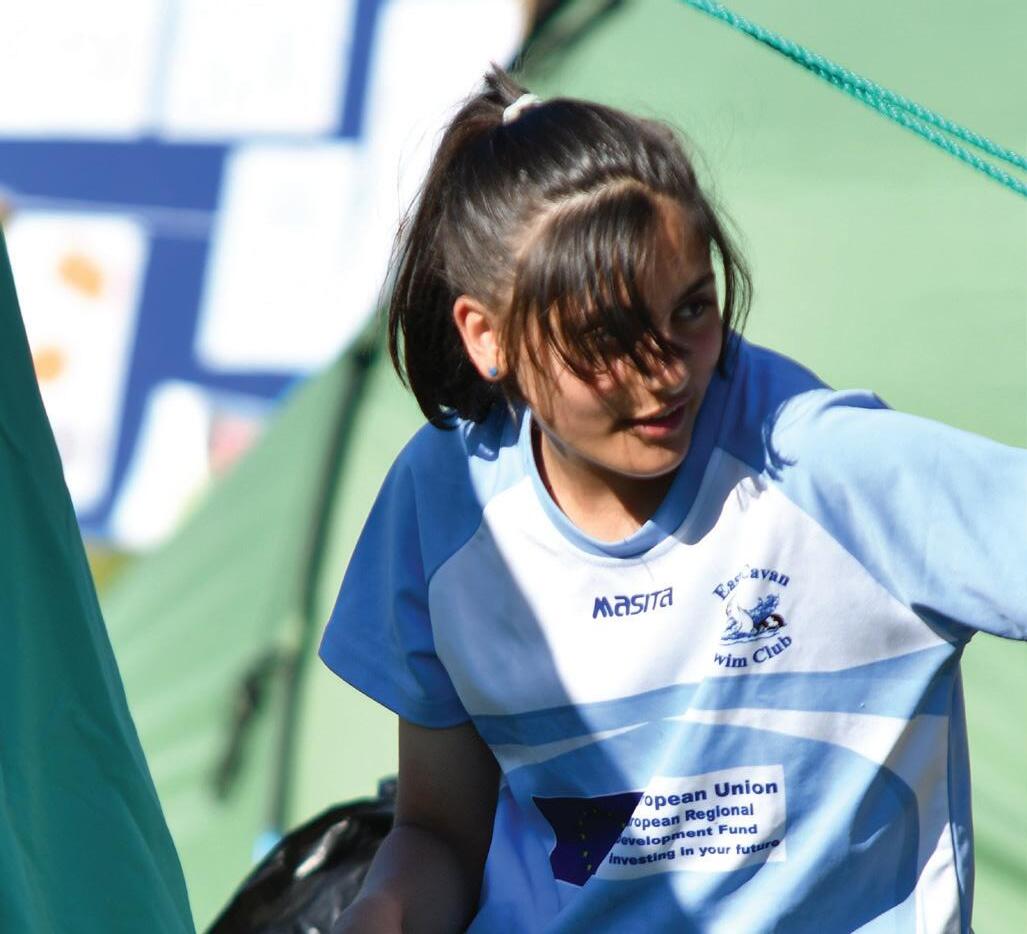
As always, the year starts off with great excitement and energy with Rover Scouts working at Electric Picnic to help pitch tents for a charity fund – RAW Fund. This year was no different with the high number of Rovers volunteering to take part. It was also complimented by the NUIG Rovers who helped salvage 200 sleeping bags for charity
Rover Chill – Rover Revolution was also a key moment in the calendar. This event was about Rovers coming together to participate in trails and workshops. It also included Ceiliúradh, which celebrates the achievements of Rover Scouts and their projects. This demonstrates how Plan, Do, Review can happen in Rover Scouting. It was a very successful weekend and a special thanks to all involved in organising events and leading workshops.
From Global to Local was an event that ran this year. It was held in Belfast and was attended by nearly 50 people. It was a joint event with the British Red Cross building on from “Time to be Welcome” project and looked at how to design local projects based on that
knowledge and experience. The success of the work of the Rover Scout team can be seen in the fact that Irish Rovers got a chance to speak at European Commission on World Humanitarian Day on our experiences.
The Explorer Belt ran in Scandinavia with twelve teams participating. Base camp was in Denmark with teams being challenged every step on their way. It is also worth adding that while we brought the Explorer Belt to Scandinavia, in return Denmark (Det Danske Spejderkorps) brought their first ever Explorer Belt to Ireland!
Lastly, the Rover team put in significant time and effort into the review and design of Rover Scout Programme. It is based on the information provided by Rovers for Rovers. More information can be found on our Rover Scout Biog (rovers.scoutblogs.ie) and our other social media platforms.
Adventure Skills15 years+
Adventure skills remained a very active element in scouting. Numerous events were held across the various skills that kept the standard in the quality of the skills high. There was also a very active uptake in the Adventure Skills Facilitator (ASF) module in the Training scheme. The team also developed a clearer way of tracking the individual achievements of members on the my.scouts.ie platform. Groundwork has been laid for the new skills but needs an investment of money for the development of the resources and support for these new skills. As our company structure moves forward, we hope to be able to take these to the next level.
A huge thanks to the team leads and their teams for all the work and effort they have put in throughout the year. They were not only there to support the events and activity development but also for direct support to individual queries.
It was a very active year for hillwalking. The Mountain Moot was held in the Knockree Youth hostel in Wicklow in 2018 . The new mountain badges were also extremely popular and difficult to keep in stock! Air activities ran a very successful IOLAR event with big interest from external organisations. The Camping team designed a new training module which will be delivered in the coming year. Pioneering began recruiting new members to the team and are always looking for budding engineers. Sailing and Rowing have been delivering training from its base in Ringsend. Paddling saw a big uptake in the number applying for the higher levels and were extremely active in meeting all the needs for individual assessments. Courses were also run in advanced levels for Backwoods. Emergencies saw a renewed energy in assessments because of the ASF module in training and addressed the confusion over the requirements which is now on the website
Year of Change
Governance Changes
On the 6th of October 2018 Scouting Ireland’s membership voted to move to a company only structure. During this time, Scouting Ireland was working toward the implementation of the recommendations set out by Ms Jillian Van Turnhout in her Review of Scouting Ireland 2018.
As part of a response to governance challenges the proposal to vote on moving to a company-only structure for Scouting Ireland was brought forward by six months to October 2018 meaning an EGM was required so our membership could vote on the proposal presented by our Governance Review Group.
In addition, the board of Scouting Ireland was restructured. The new board of directors consisted of ten elected board members. These are from the membership of Scouting Ireland. The new board were voted in and commenced as directors on the 6th of October 2018. They were selected based on competencies and were focussed on providing the separation between executive (operations) and non-executive (oversight) required for good governance.
The previous board of directors of Scouting Ireland / the National Management Committee (NMC) resigned, with six members of the NMC continuing to stay in place to continue the work of winding down the Association. On the 6th October 2018 Scouting Ireland elected a new board of directors to act as a Board in oversight.
Scouting Ireland’s EGM, with over 850 delegates present, passed motions by over 90% of those voting to approve governance changes to the operational processes and systems of Scouting Ireland which brought Scouting Ireland significantly along the path to best practice in governance for the voluntary sector.
Immediately, the Board of Scouting set about moving toward improving Governance and Safeguarding consistent with the Code of Governance for the Community and Voluntary Sector and the Charities Governance Code from the Charities Regulatory Authority, through developing and implementing appropriate robust policies, procedures and practices, throughout the organisation. Scouting Ireland has and continues to be committed to making the necessary changes that strengthen our organisation for our youth members, adult volunteers and professional staff. In doing so, there are a number of areas that have required improvement, restructuring and augmenting. We must acknowledge the significant structural and governance changes that have been made to and by Scouting Ireland during this period.
The report into Scouting Ireland’s Governance by Jillian Van Turnhout, ‘Review of Scouting Ireland’ was published by Minister Zappone in June 2018. Scouting Ireland took the recommendations from the report and addressed them comprehensively.
During this time, we finalised our plans regarding the oversight and executive function of the organisation. The current Board of Directors is now fully disentangled from the operational function of Scouting Ireland, it is now well-established and regarded as a Board which works on oversight. The CEO reports monthly to the Board on operational matters as delegated by the Board. The following are the significant changes made to improve governance within Scouting Ireland during this year:
• Significant progress was made in becoming compliant with the Code of Governance for the Community and Voluntary Sector and the Charities Governance Code of the Charities Regulatory Authority.
• The Code of Governance for the Community and Voluntary Sector was stood down in July 2019 and the Charities Governance Code of the Charities Regulatory Authority became the standard for all Irish Charities to become compliant with by the end of 2020.Safeguarding is a separate department, with its own dedicated space and facilities which is professionally directed by qualified, experienced staff and the manager reports directly to the board of directors.
• Governance expert and respected author on nonexecutive boards, Mr David Duffy was retained by
Scouting Ireland to guide and advise the transitions required to ensure compliance with the Code and best practice. This further ensured Scouting Ireland has improved accountability, transparency and functionality.
• The new structure for Scouting Ireland, shaped during this time, reflects best practice in governance in the voluntary sector. Our voluntary Board who sit in oversight, delegates authority to an executive and a set of departments through the Chief Executive Officer. These clear lines of accountability and authority were established.
• Our new departments of Scouting Ireland have defined roles. These departments are under the operational and executive control of the Chief Executive Officer who will report to the board for their performance.
• The vast majority of our Scout Groups became chartered members of Scouting Ireland.
Year of Transparency
Historical Child Sex Abuse
In November 2018 it became clear to Scouting Ireland, as a result of engaging with Mr Ian Elliott, that Scouting has had a dark history, which needed to be exposed to the light. Scouting Ireland chose to face the difficult problems of our past. Further, we chose to bring this to the public’s attention through the announcement of the number of child sexual abuse survivors and persons subject to abuse allegations in scouting. This information came to light through the review conducted by Mr Elliott into child protection within Scouting. During this review, evidence began to emerge which lead us to believe that there were unreported cases of child sexual abuse in our legacy organisations. We chose to deal with this in an open and transparent manner as possible. This was first announced during the Joint Oireachtas Committee on Children and Youth Affairs on the 21st November 2018. Following this, Scouting Ireland began to receive victim disclosures which we responded to by setting up Scouting Ireland’s dedicated Helpline. This Helpline provided an avenue to those who had never come forward to tell their story before, to do so. All who chose to contact us were listened to, offered an apology for what had happen to them, offered counselling services and every reportable disclosure was reported to the appropriate authority.
Interagency Cooperation
As a result of this, Scouting Ireland, Tusla and An Garda Síochana and separately Gateway and the PSNI began engaging in frequent meetings. These were a coordination group at a senior level. The purpose of these meetings is to create a shared forum for current practice to be examined and for any issues or concerns to be discussed. Most importantly, it is to agree the means by which to share and coordinate the reporting of all historical child sexual abuse reported. Further, it is to ensure that all agencies are satisfied with the reporting and to ensure the provision of additional information as required. These meetings were proposed by and have been hosted by Scouting Ireland. Scouting Ireland is committed to working in partnership with all statutory bodies to ensure the safeguarding of children.
Helpline
Scouting Ireland’s Helpline, dealing specifically with historical child sexual abuse in Scouting Ireland’s legacy organisations, was set up on the 23rd of November 2018 and continues to remain active. This is a helpline answered by members of Scouting Ireland’s Safeguarding Team. This helpline is not a reporting line, however; it was delivered alongside Tusla’s Helpline and the Child Sexual Abuse reporting line run by An Garda Síochana. The aim of the helpline is to provide the caller with the opportunity to engage in healing through allowing the caller to tell their story. Those listening to their stories, by virtue of being an employee of Scouting Ireland’s Safeguarding Team, have a greater understanding of Scouting’s unique language, structures and activities thus permitting a greater understanding of the survivor’s story. Further, the helpline provides the opportunity for the survivor to avail of free, independent counselling services. This is a vital step in the process of healing for many survivors.
Victim Support Policy and Programme
Scouting Ireland has aimed for an open, supportive and empathetic approach to all victims, culminating in our Victim Support Policy being adopted in November 2018. Scouting Ireland is driven by a strong desire to help and support those that have been abused through contact with Scouting. It seeks to go beyond a situation where its actions are compelled by legal necessity. Rather, it is a non-prejudicial programme guided by the values upon which the organisation is based. With regard to this, Scouting Ireland has developed a Victim Support Programme. In meeting the development of this programme, Scouting Ireland have chosen to withdraw its Den Grant for Scout Groups and further ring-fenced the County Rebates for 2019 to aid in meet this programme. It is understood that this has had a significant impact on our local Scout Groups and Counties however it was seen as a matter of priority that these resources were made available to the survivors.
Safeguarding
Scouting Ireland is a child and youth-centred organisation. The safety of each and every one of our youth members is paramount to Scouting Ireland. In ensuring this is to the forefront of every adult in Scouting Ireland, all adults complete Scouting Ireland’s recruitment process including an interview, reference checks, vetting and training and must adhere to training and policies.
As a result of Mr Ian Elliott’s report ‘A New Approach to Safeguarding’ a Safeguarding Implementation Action Plan was prepared and actioned by Scouting Ireland to meet the proposed recommendations. On the publication of Ms. Jillian Van Turnhout’s ‘Review of Scouting Ireland’ the Safeguarding Implementation Action Plan was amended to include the recommendations set out in Ms. Jillian Van Turnhout’s Review.
Scouting Ireland faced by another serious matter in February of 2019 with concern regarding our relationship with Tusla and our safety being discussed by the public. Scouting Ireland has a track-record of working with Tusla since its inception and with the HSE prior to that. We value the close relationship we have with Tusla and continued to work closely with them. Our relationship with Tusla is a professional one and we are constantly engaged with them on all aspects of safeguarding. Scouting Ireland embarked on a greater journey of positively working with Tusla to further understand their concerns and as a result we collaboratively developed our Scouting Ireland –Tusla Action Plan. This covered 7 areas which would be developed or further improved to ensure the continued safety of our young people. Scouting Ireland continued, through this year, reviewing and improving all aspects of Scouting to ensure the safest of Scouting experiences could be provided to our young people.
Operations World Scout Moot 2021
The Operations Department continued to support and improve the processes and functions that transcend all departments ensuring the effective running of the organisation. The department supported the NMC throughout the year and new board from October 2018. The department delivered one EGM in October 2018 and one AGM April 2019 and supported the technical transition to an entire new board of Directors and new board subcommittees. The department in conjunction with other departments progressed work towards achieving compliance with the CRA code. Improvement of the Scouting Ireland systems and processes including improvements to the membership management system were implemented. Continued administration and project management support was provided to all Scouting Ireland National Activities and WSJ 2019 with reduced resources. The department ensured the effective administration and implementation of the complaint process in line with the policy in place. Improvements to the management
procedures and tools to process training bookings, administration, and payments were implemented resulting in improved support and more accurate information available to trainers. The department managed all procedures and tools to process adult applications, Garda Vetting, annual membership fee collection and ensured all other elements of the membership management and reporting were in place. The team managed procedures and tools to ensure that applications from Scout Groups for International camps are processed efficiently and the recording, processing and issuing of adult awards was undertaken accurately. The department continued to provide insurance support, advice and arrange travel insurance procurement for groups. Management of the annual National Fundraiser the ’12 Days of Christmas Draw’ project from licence application to the completion of the draw was completed successfully.
The 16th World Scout Moot will take place in Ireland in the summer of 2022*. The event is open to Rover Scouts and it is the biggest jamboree event organised by WOSM for this age group (18 - 25). Scouting Ireland won the bidding process to host this event on behalf of WOSM. We are hoping that attendance to this event will be over 6,000 national and international Rover Scouts.
Fingal County Council have been very generous in providing the basecamp for the World Scout Moot basecamp - Malahide Castle Demesne, in North Dublin. In addition, the pavilion building at Malahide Castle has been kindly made available to us by Fingal County Council as a coordination hub.
The programme for the event will consist of two elements. Firstly, participants will discover Ireland through a series of local Trails and interactions throughout the country. Secondly, all participants will return to Malahide for the Basecamp element of the programme.
Our marketing and promotional team have been busy representing the Moot 2022 at the Regional Conferences –Africa, Inter-America, Asia Pacific. Our aim at these events was to make direct contact with NSO’s, International Commissioners and key influencers to ignite interest in sending a contingent to the World Scout Moot in 2022. In all cases, the response has been very positive. Visibility at other international events include: CNE Portugal, International Peace Camp and World Scout Environment Conference in Riyadh, Saudi Arabia. A number of European associations issued invites to promote the Moot at national events. We have had strong
interest from NSO’s from our direct contact with them, and the Expressions of Interest received so far reflect the commitments given face-to-face and online. The Core Team embarked on a recruitment drive to fill the main Heads of Departments positions. These positions were advertised via Open Calls (internal and external to Scouting Ireland). All candidates went through appropriate safeguarding and reference/clearance checks with their NSO and WOSM before being offered any position within the team.
The World Scout Moot could become a galvanising feature of our association in the coming years – a positive beacon. The high-profile world event is a great opportunity to engage with local groups – scouts, ventures and rovers in creating Trails, trying them out and making every trail special with local community engagement and focus.
Having the early support from Fingal County Council in providing the event venue, plus the support of our own Scout Shop, the World Scout Shop, our national campsite network and Scouting Ireland, has strengthened the mission of the World Scout Moot and allows us to move forward with confidence.
We wish to acknowledge the support received from the Department of Children and Youth Affairs to enable the development of the event.
*The Moot was due to take place in July 2021 but due to the coronavirus pandemic has been postponed to take place in July 2022.
Value of Investment
Scouting Ireland
Scouting Ireland is one of the largest youth movements on the island of Ireland, a voluntary, educational movement for young people with approximately 40,000 youth members in 2019. Scouting Ireland provides a programme that develops the emotional, social and practical skills of all of its youth members, developing them into active citizens. This results in increased employability, better mental health later in life, better social networks, an increased propensity to contribute to the community and society, and young people that are more confident, resilient and independent.
The Value of Scouting to Young People
Through research conducted by Scouting Ireland in 2015, four main areas of measurable positive impact were identified by Scouting Ireland’s youth members:
- Emotional development - increased confidence, positivity, maturity and patience.
- Personal development - teamwork, leadership, time management, independence, responsibility, respect and teaching.
- Social skills - increased friendships, improved sociability and people skills.
- Practical skills - such as first aid, cooking, navigation, budgeting, problem-solving and critical thinking.
Birdwell and Wybron (2014) finding’s suggest that Scouting provides young people with the skills and attitudes that employers increasingly desire. This research conducted in the UK in 2014 has found that engaging in Scouting can assist the development of a wide range of ‘soft skills’; team-working, leadership, resilience and problem-solving, as well as demonstrate commitment and resolve. In addition, Scouting provides members with access to networks and social opportunities that are valuable for future employability.
Research published in 2016, identified that those who engage in Scouting are more likely to report better mental health later in life. The results are based on a lifelong study of 10,000 people born in the UK in 1959. Scottish researchers found that those who had been active members of Scouts tended to have better mental health by the age of 50. In addition, it was noted that engaging in scouting activities seemed to remove the higher risk of mental illness in those from poorer socioeconomic backgrounds.
What
Scouting contributes to Society Scouting aligns with the national framework, Better Outcomes Brighter Futures, and the national implementation plan, the National Youth Strategy 2015 –2020 of the Department of Children and Youth Affairs. Engaging in Scouting provides a package of interrelated positive impacts for all participants, youth and adult volunteers. For those involved the key benefits are fun, friendship, exciting activities, contributing to the community and improving life chances in terms of education, mental health and employability. The Scout Association (Scouts & PACEC, 2012) found that employers agree that the skills gained through engaging in Scouting are important to their organisations with 41 per cent reporting that an applicant’s involvement in Scouting is viewed as a positive influence on the decision to employ them.
Research, published in 2012 by the UK (PACEC, 2011), demonstrates a substantially higher proportion of those who have engaged in Scouts are more likely to engage in voluntary activities than children and young people not engaged in Scouting. This effect was identified as being long-lasting with 36 percent of former youth members volunteering regularly (at least two hours per week) as opposed to 26 percent of the general population volunteering regularly. Of the former youth members that do volunteer, 66 percent said that Scouting positively influenced their decision to get involved.
Scouting Ireland has approximately 12,000 volunteers which equates to 30% of the total youth volunteers in Ireland.
Each Scouting Ireland volunteer commits an average minimum of 200 hours a year. This equates to 2.4 million volunteer hours annually to society from our 12,000 volunteers.
As a result, each youth member receives 200 hours of youth work annually. This total adds up to 7.5 million programme hours annually to our 40,000 young people.
If all our volunteers (12,000) were to be paid for their 200 hours volunteer youth work at the minimum wage of €10.10 this would cost €76.2 million
Scouting Ireland received in 2019 funding worth €1,100,000. However, Scouting Ireland has contributed €76.2 million worth of youth work This means that for every €1 of government funding to Scouting Ireland our volunteers have given €69.27 worth of volunteer youth work.
€1 of Government Funding = €69.27 of volunteer youth work deliveded by Scouting Ireland
Scouting Ireland Professional Staff
Scouting Ireland currently has a team of 35 full-time employees’ who support this volunteer led organisation. These are placed across our departments: Finance & Compliance ,Programme, Corporate Services, Information and Communication, Volunteer Management and Support and Safeguarding.
They support our youth members, adult volunteers and parents to provide safe, positive quality scouting to our young people. Currently Scouting has a ratio of 1 employee for every 1,072 youth members and 1 employee to 357 volunteers.
Scouting Ireland requires additional funding: In order to provide the services delivered by Scouting Ireland there is a need to recruit additional staff. This will allow Scouting Ireland to bring about the changes to our governance structures, increasing compliance and reporting requirements and to widen the opportunity of Scouting to those marginalised and discriminated against in our society.
Scouting Ireland appreciates the support given to us by the Department of Children and Youth Affairs. In order to support the development and growth of our current Scout Groups there is a requirement for increased funding as identified by Ms Brigid McManus in her report: Governance Review of Scouting Ireland
Scouting Ireland requires additional funding:
- To continue to deliver the level of service provided currently
- To cater to the increasing youth population – we serve 40,000 young people who are located across every county, we have the potential to cater to more.
- To continue to support and develop training for 12,000 Adult Volunteers
- To increase our integration into communities
- To ensure children and adults are being adequately protected and served
- To expand our existing groups and open new ones
- To provide county, provincial and national support to all groups
- To cope with the increasing costs of insurance
- To ensure the increasingly strict governance and regulatory guidelines are adhered to
- To be able to implement a “no one left behind” policy where Scouting Ireland helps eliminate barriers to entry for young people such as financial, immigration status, transport, etc.
- To implement our new strategy 2020-2023
Funders and Partners
Scouting Ireland wishes to acknowledge the support and assistance received from the Office of the Minister for Children and Youth Affairs through the Youth Services Grant Scheme. We also wish to recognise the help and support of the Dept of Education Northern Ireland and the Youth Council Northern Ireland
Scouting Ireland would like to acknowledge funding received from