OLIVER COOK SOFT DIVIDE
SOFT DIVIDE
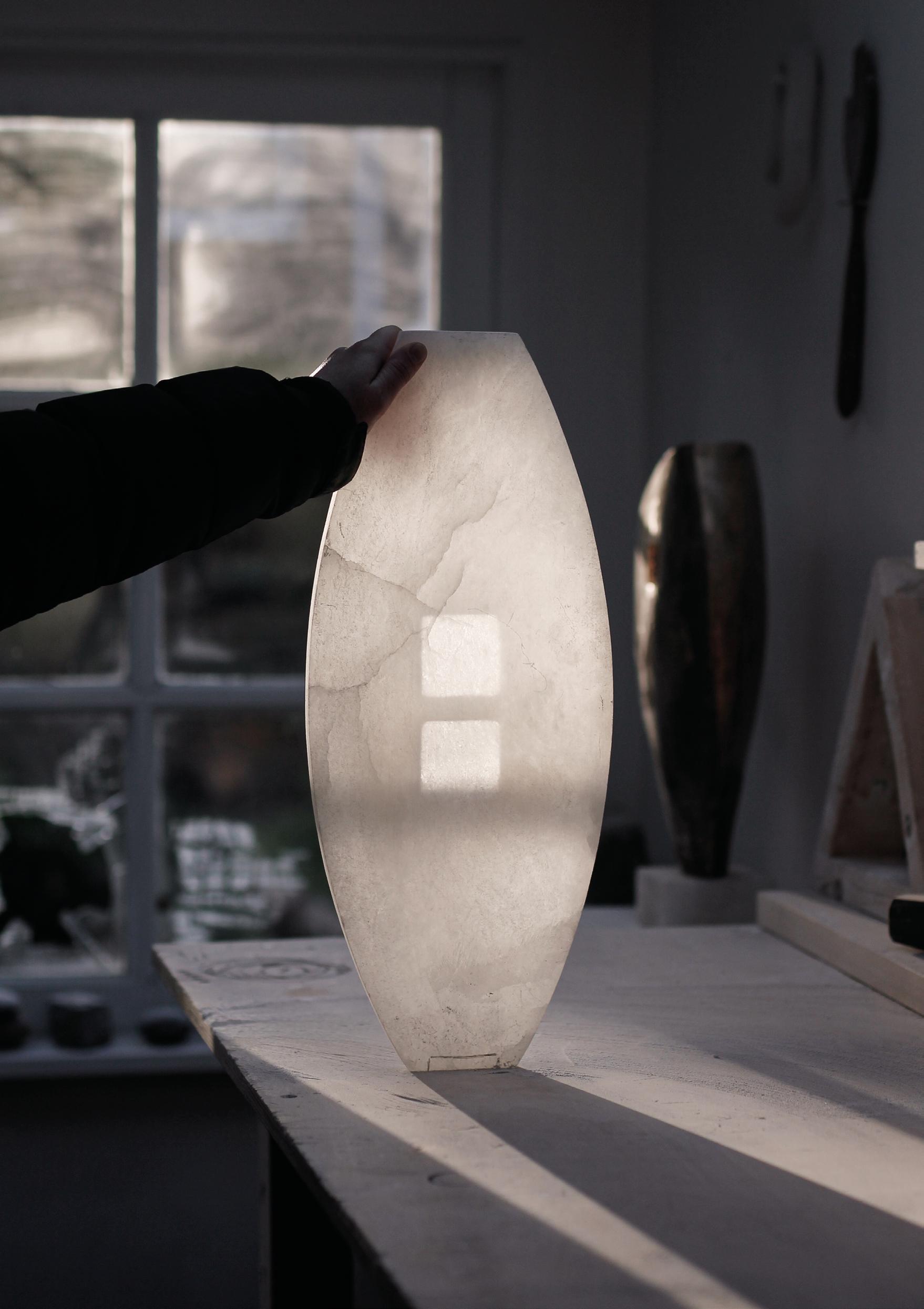
Oliver Cook is an artist creating abstract sculptures and vessels, working primarily in alabaster, a material prized for its delicate translucency and capacity to hold and diffuse light. Self-taught, his practice has developed organically through sustained making, evolving from early work in wood, ceramics and metal into a focused engagement with stone. Across these materials, there has been a consistent interest in tactility and form, but it is in alabaster that Cook has found a material capable of holding both structure and atmosphere. His work explores the interplay between geometric and organic form, solidity and void, and the shifting relationship between material and light.
Light is not simply an effect within the work, but a condition of it. Cook often conceives of a piece with a particular moment in mind, a time of day, a position in a room, or the way light might fall across a surface. The objects are therefore not fixed, but responsive, changing subtly according to their environment. The translucent quality of alabaster allows light to enter and disperse within the form, revealing veining and internal structure in ways that shift throughout the day.
Movement remains an underlying principle within the work. Earlier pieces explored balance and instability, forms
that appear poised or in motion, while more recent works suggest a quieter, internal movement. Surfaces undulate, edges soften, and volumes expand and contract, recalling patterns of erosion, water flow or the gradual shaping of landscape over time.
Cook works from his studio outside Stockport, drawing influence from both the natural environment and the language of historical objects. The landscape of the Peak District informs the weight and contour of his forms, while visits to museums and encounters with ancient vessels reveal a continuity of making across centuries. These references are not literal, but embedded within the work as a sense of familiarity and timelessness.
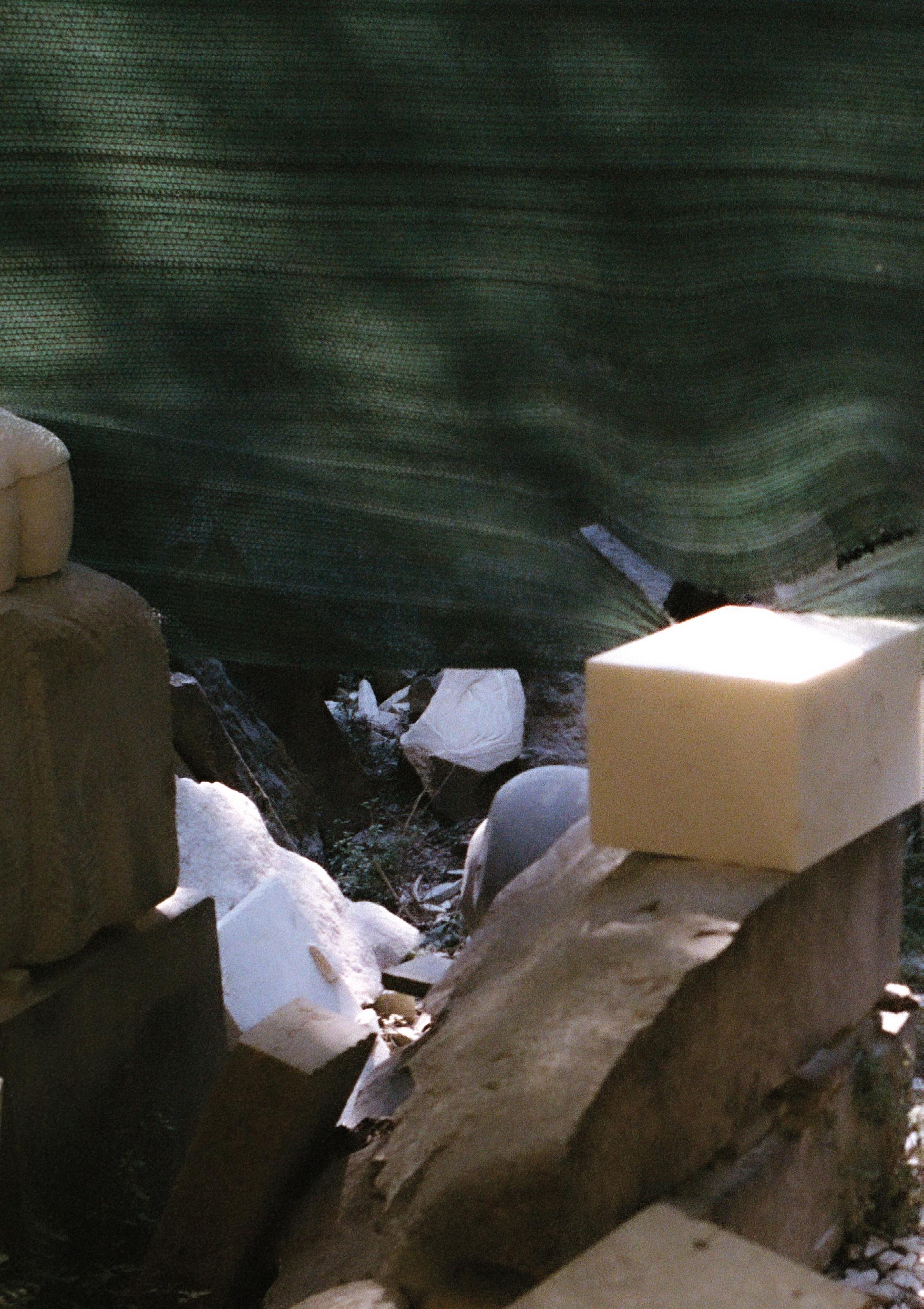
His process balances intention with responsiveness. Sketches establish proportion and direction, but the act of carving remains guided by the material itself. Stone is selected in person from yards in the UK, an experience Cook has likened to a painter choosing colours, where each block presents its own possibilities.
Forms are cut, roughed out and gradually refined using a combination of traditional tools and contemporary methods. The final surface is integral, as the degree of polish determines not only the tactile quality of the object but
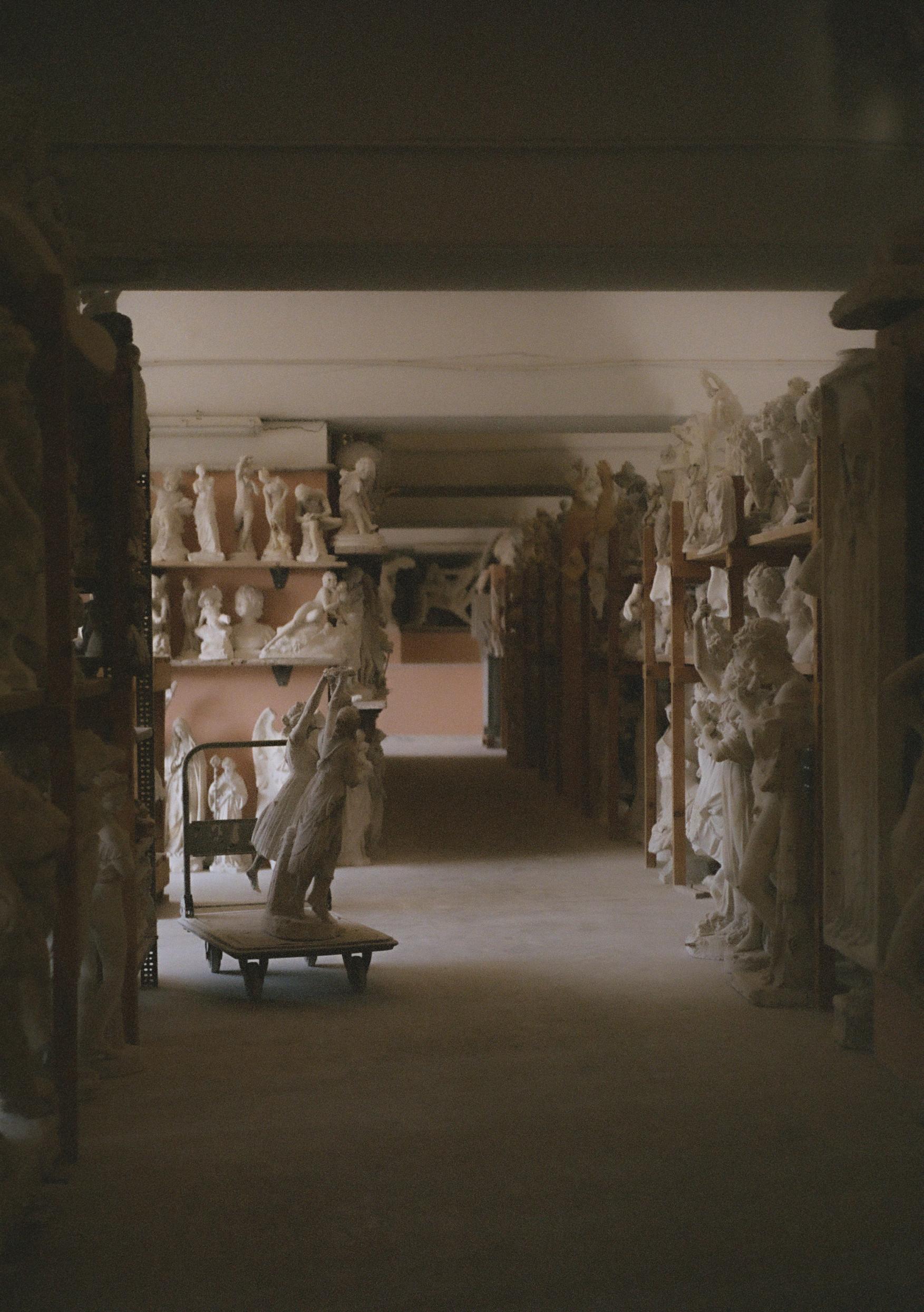
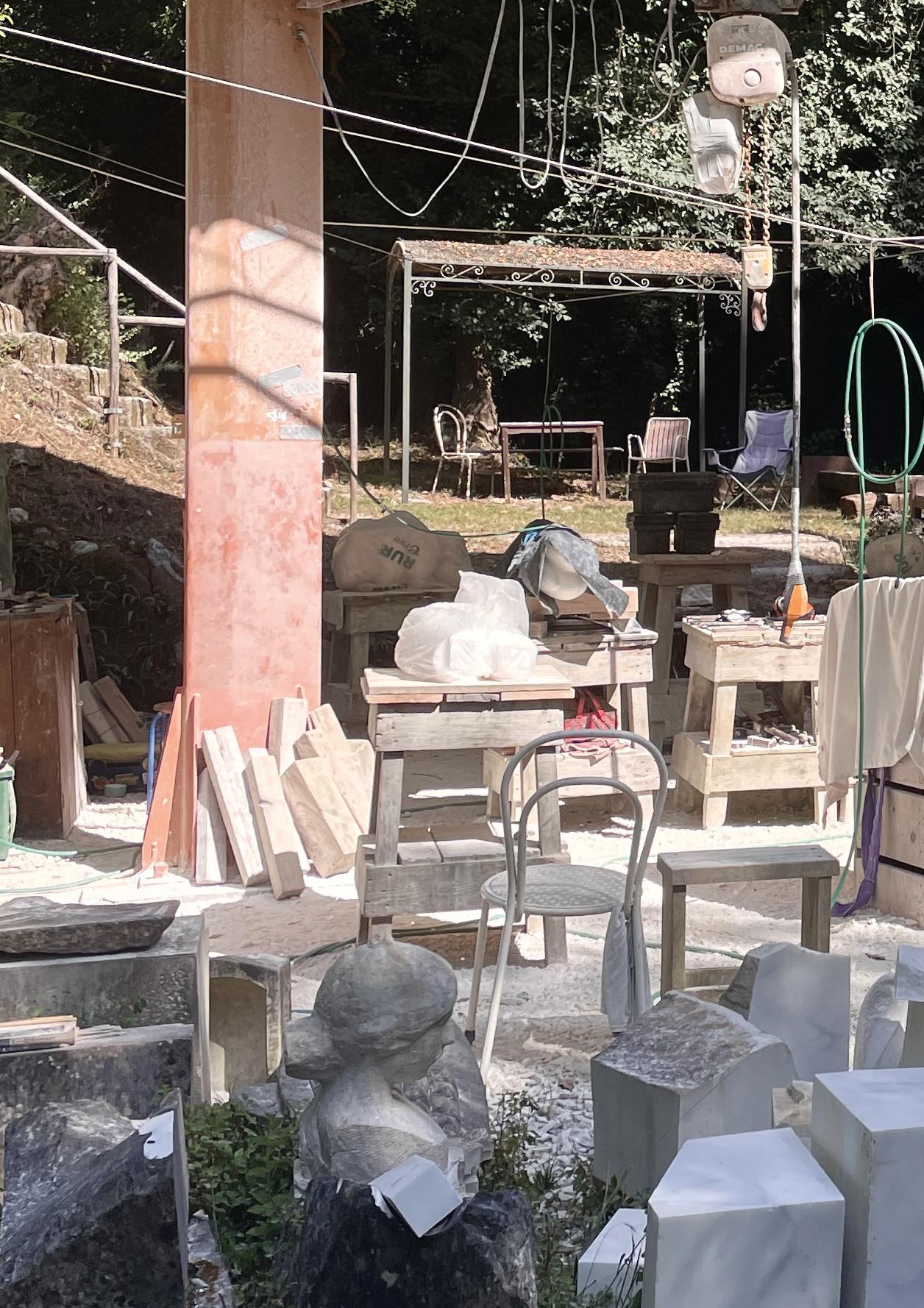
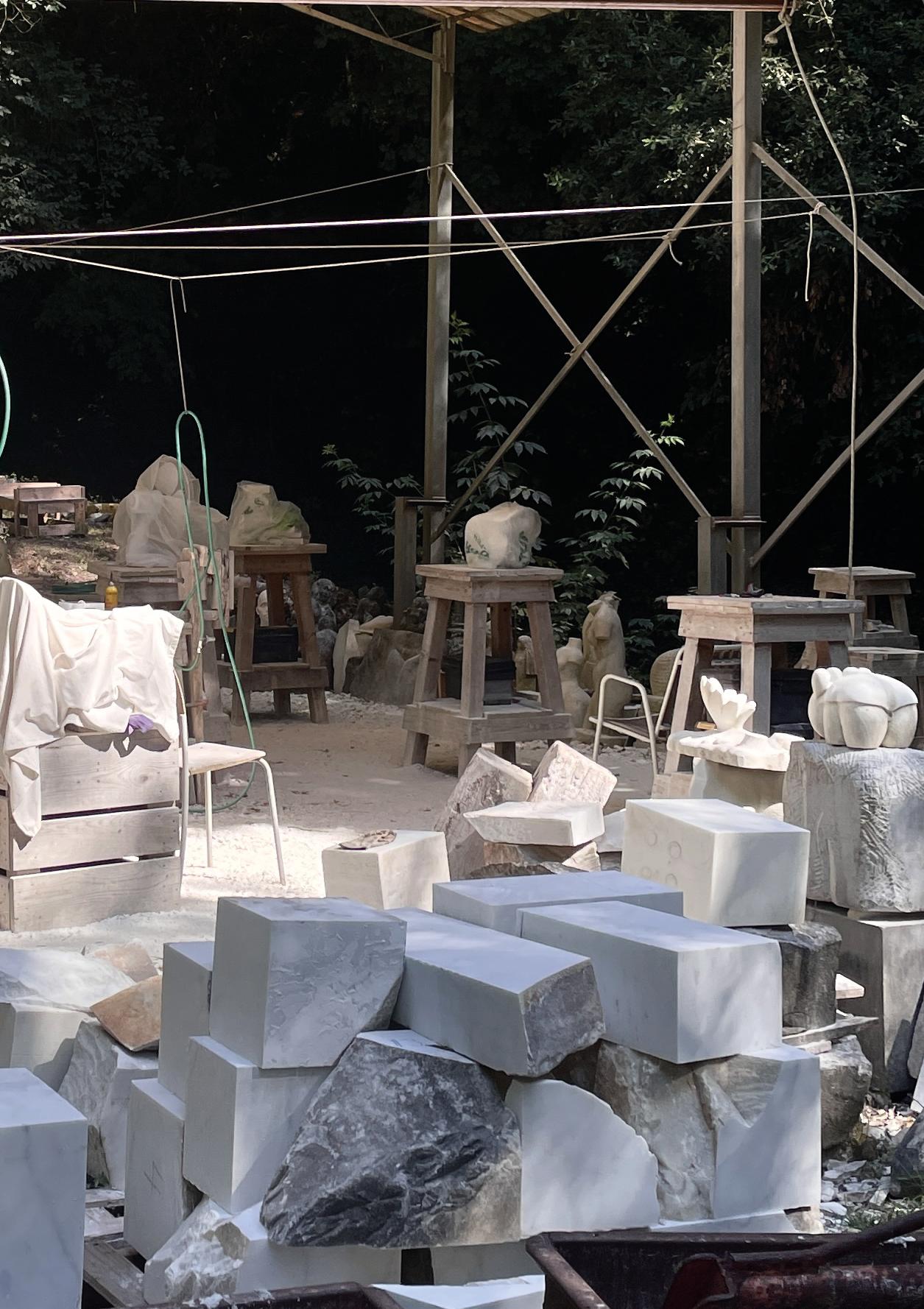
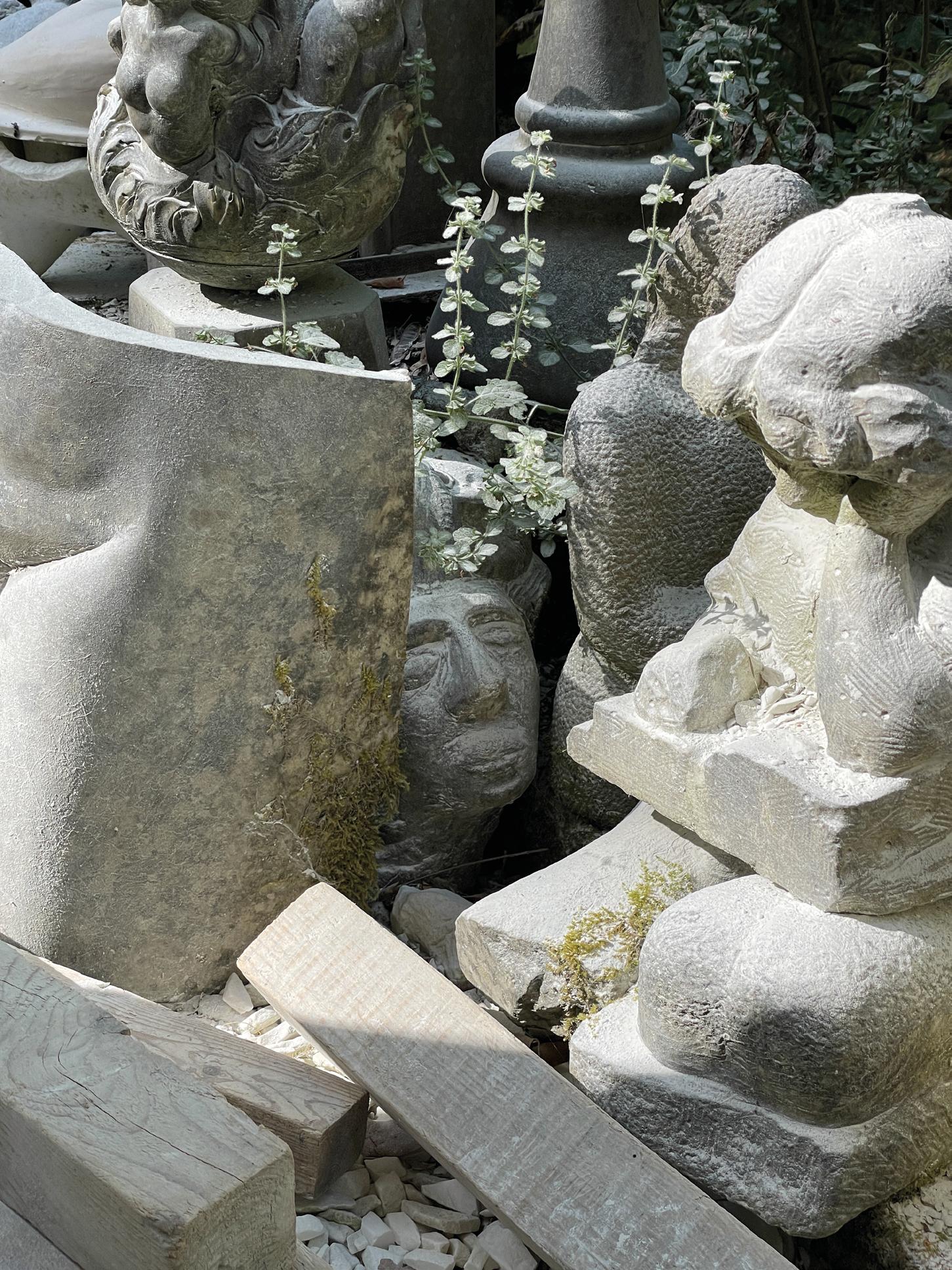
Marble Workshop, Pietrasanta, Italy
also the clarity with which light travels through it.
In 2024, Cook was awarded a QEST Scholarship, enabling him to undertake further training in Italy, Spain and the UK. This period marks a significant point in his development, introducing new techniques for working with harder stones such as marble and expanding his technical understanding of carving. The introduction of Carrara and Egyptian marble in earlier work signalled a move towards opacity and density, creating a contrast with the lightness of alabaster.
More recently, this dialogue has extended into bronze. In contrast to the luminous, permeable quality of stone, bronze introduces weight, solidity and resistance. These works are not translations, but parallel explorations, allowing Cook to test forms that cannot exist in alabaster. Together, the materials establish a tension between light and weight, presence and absence.
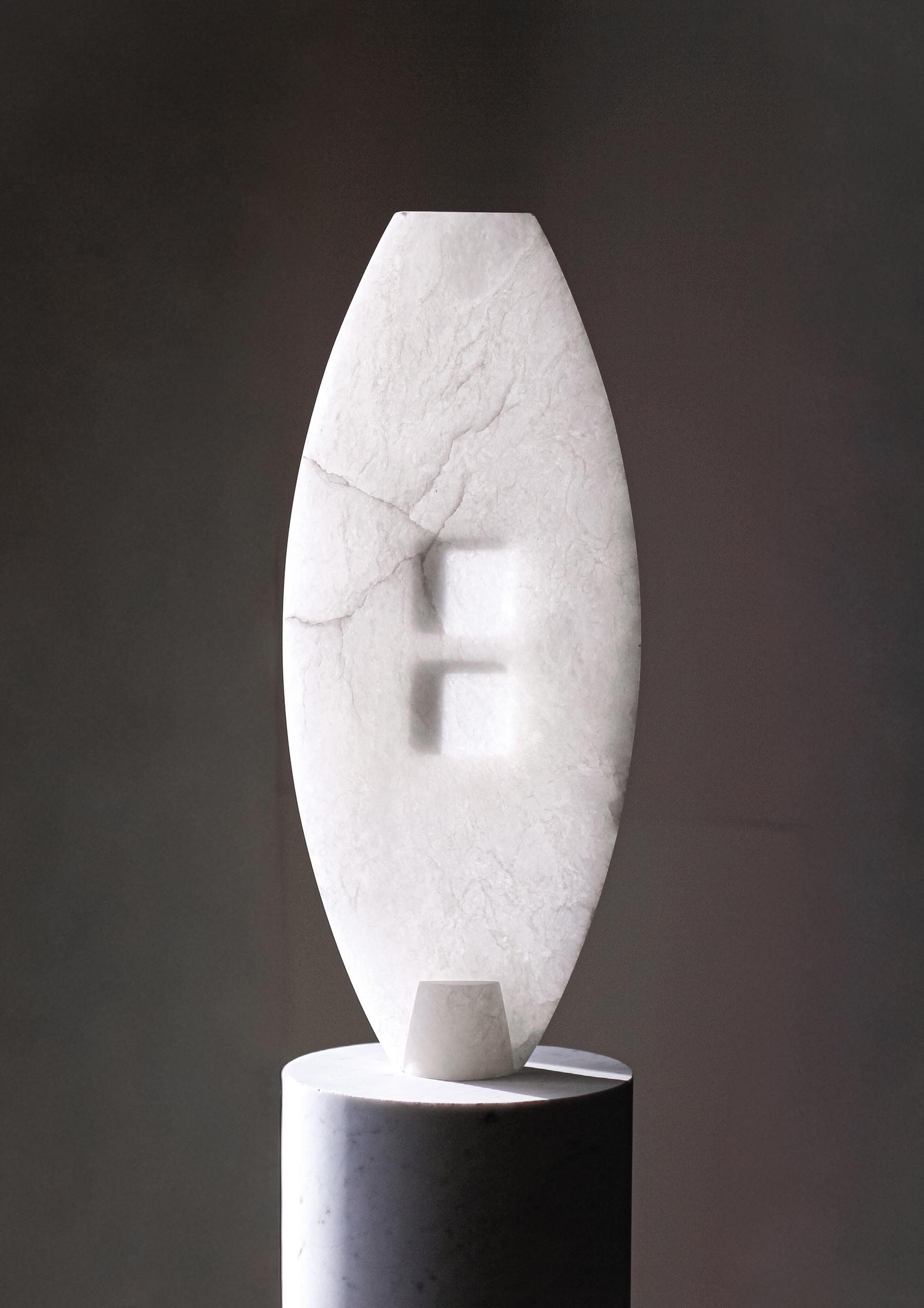
Works such as Two Panes (2026) mark a further development, introducing a
more architectural language. Inspired by ancient alabaster windows found in Roman, Spanish, Italian and Yemeni contexts, the work explores the idea of stone as a conduit for light. Here, the material is reduced to thin planes, maximising translucency and shifting the object closer to an experience of light itself.
Across the exhibition, the works form a considered grouping, not as individual objects but as a body of related ideas. Light, movement and material remain central, but are now approached with greater control and clarity. Each piece holds a moment, yet remains open to change, shaped by its surroundings and the passage of time.
At its core, Cook’s practice is concerned with revealing what is already present within the material. Through careful observation and restraint, the work invites a slower way of looking, where light, form and surface are allowed to unfold gradually.
CHRISTINA JANSEN
PIETRASANTA
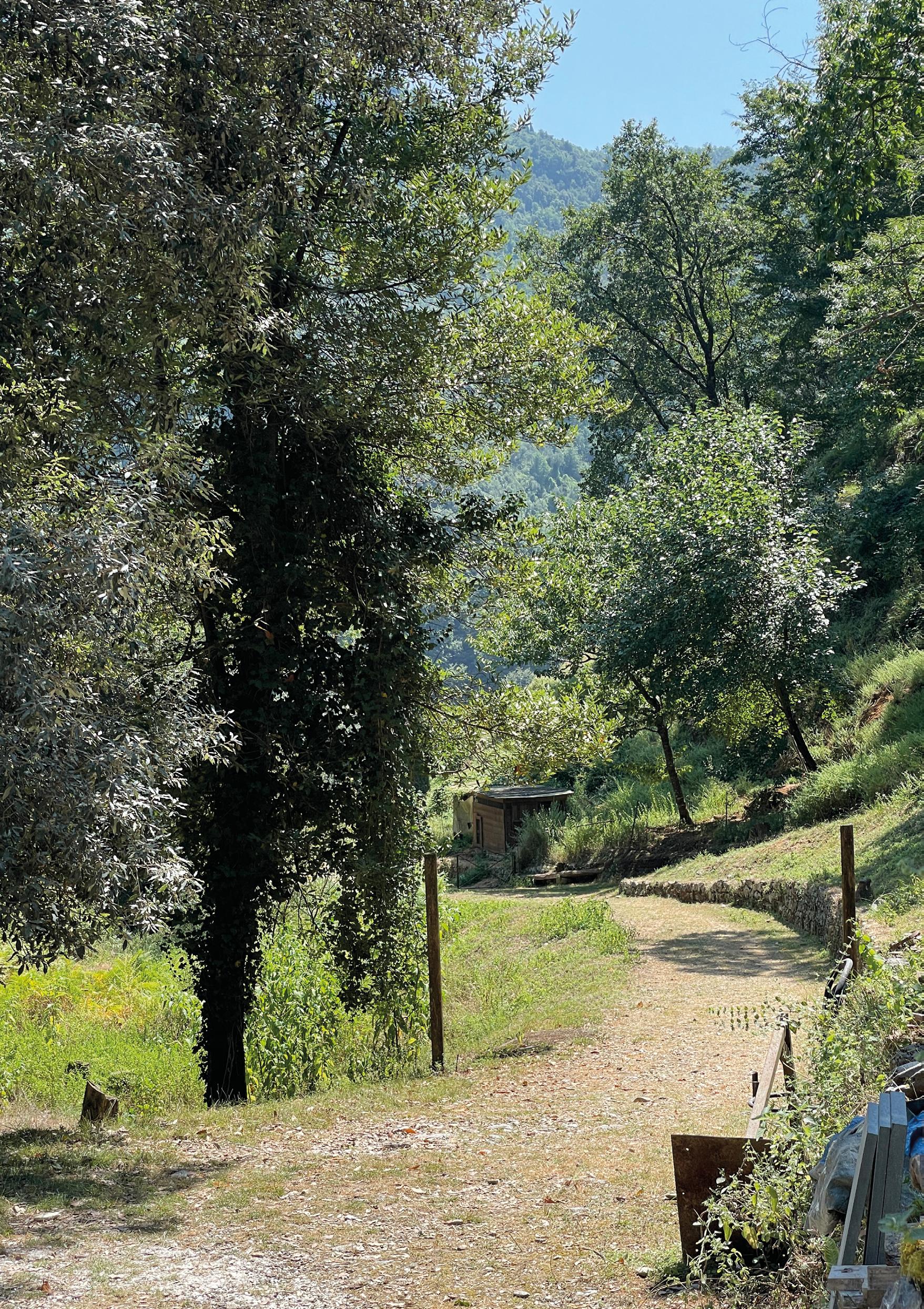
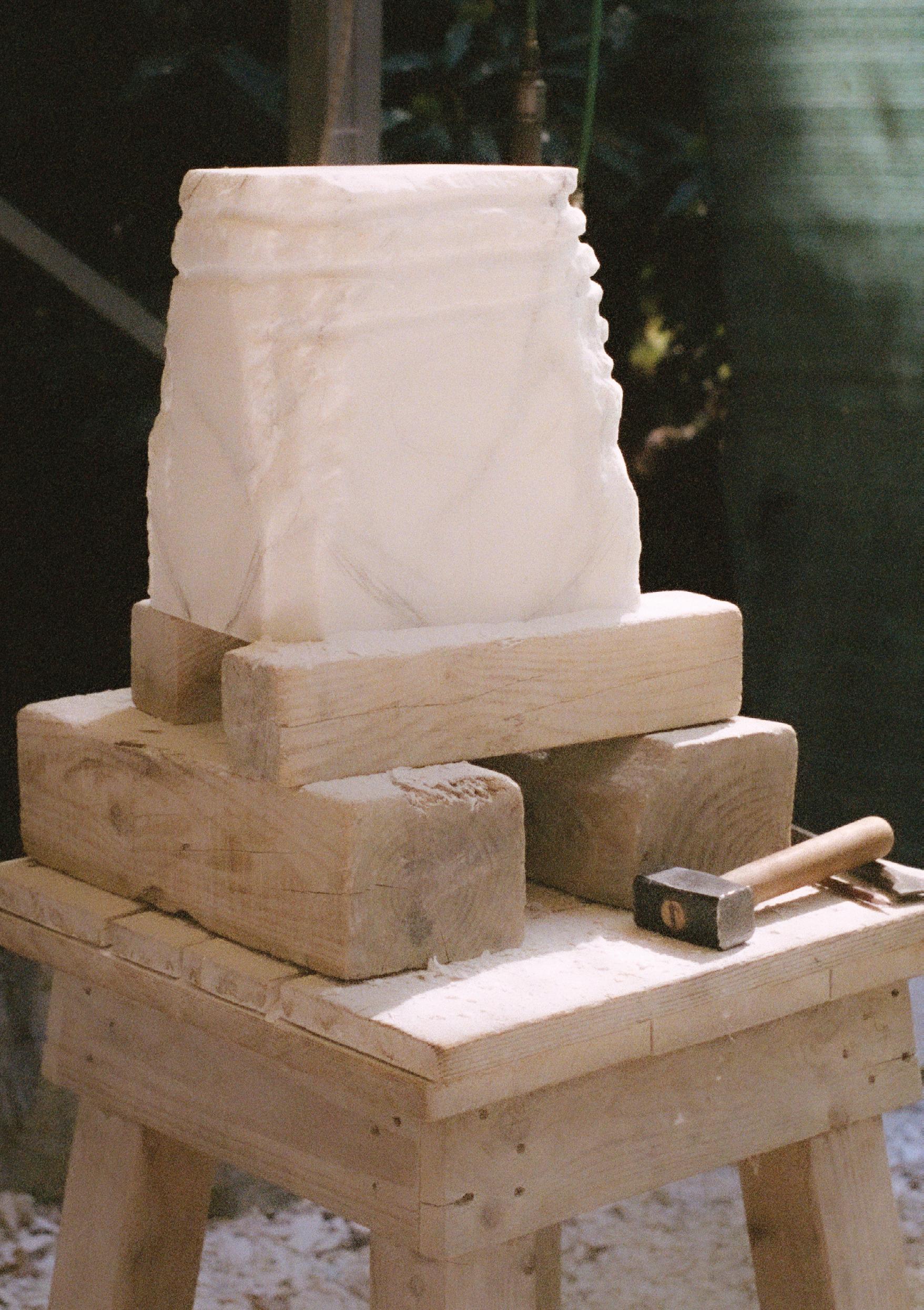
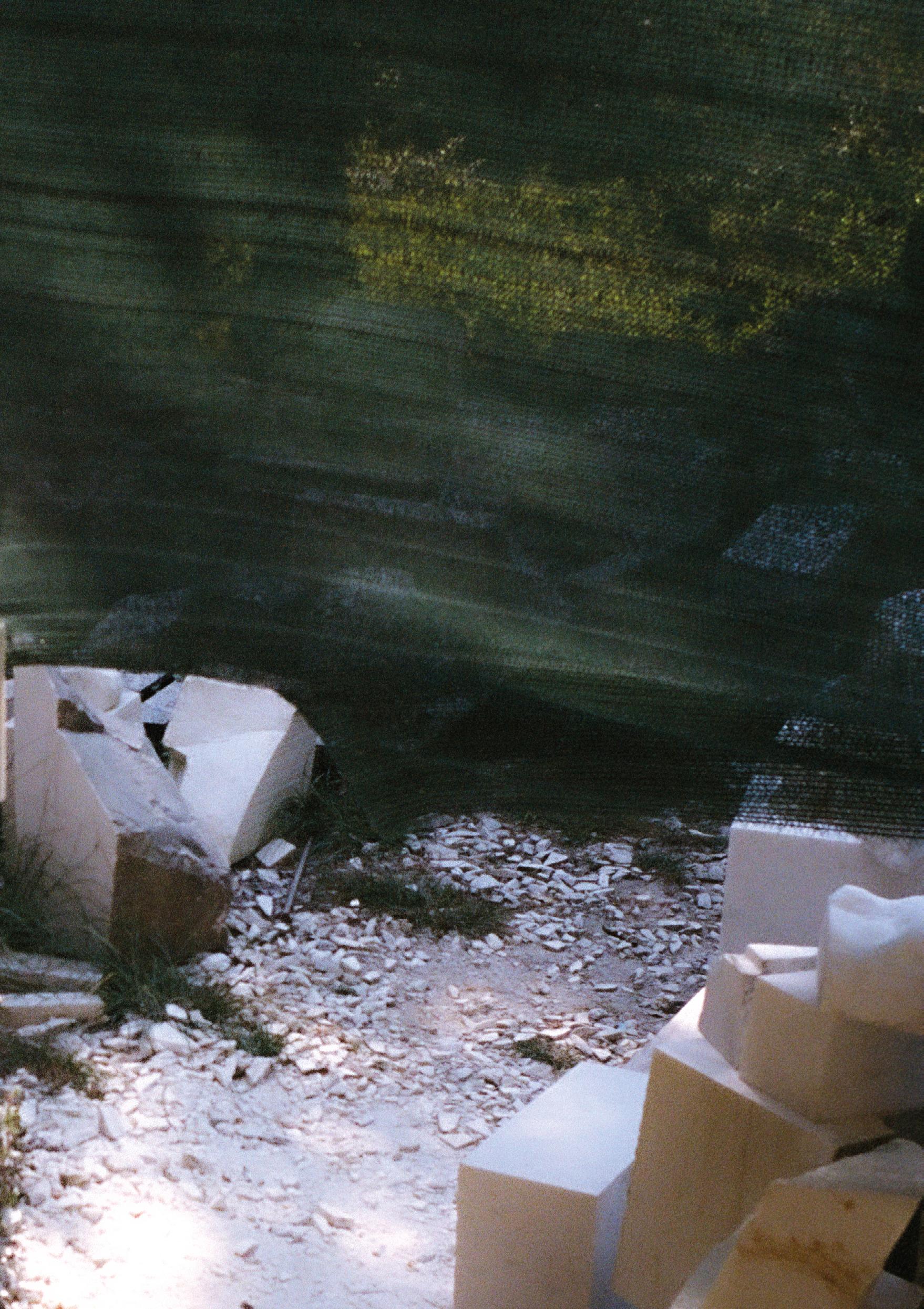
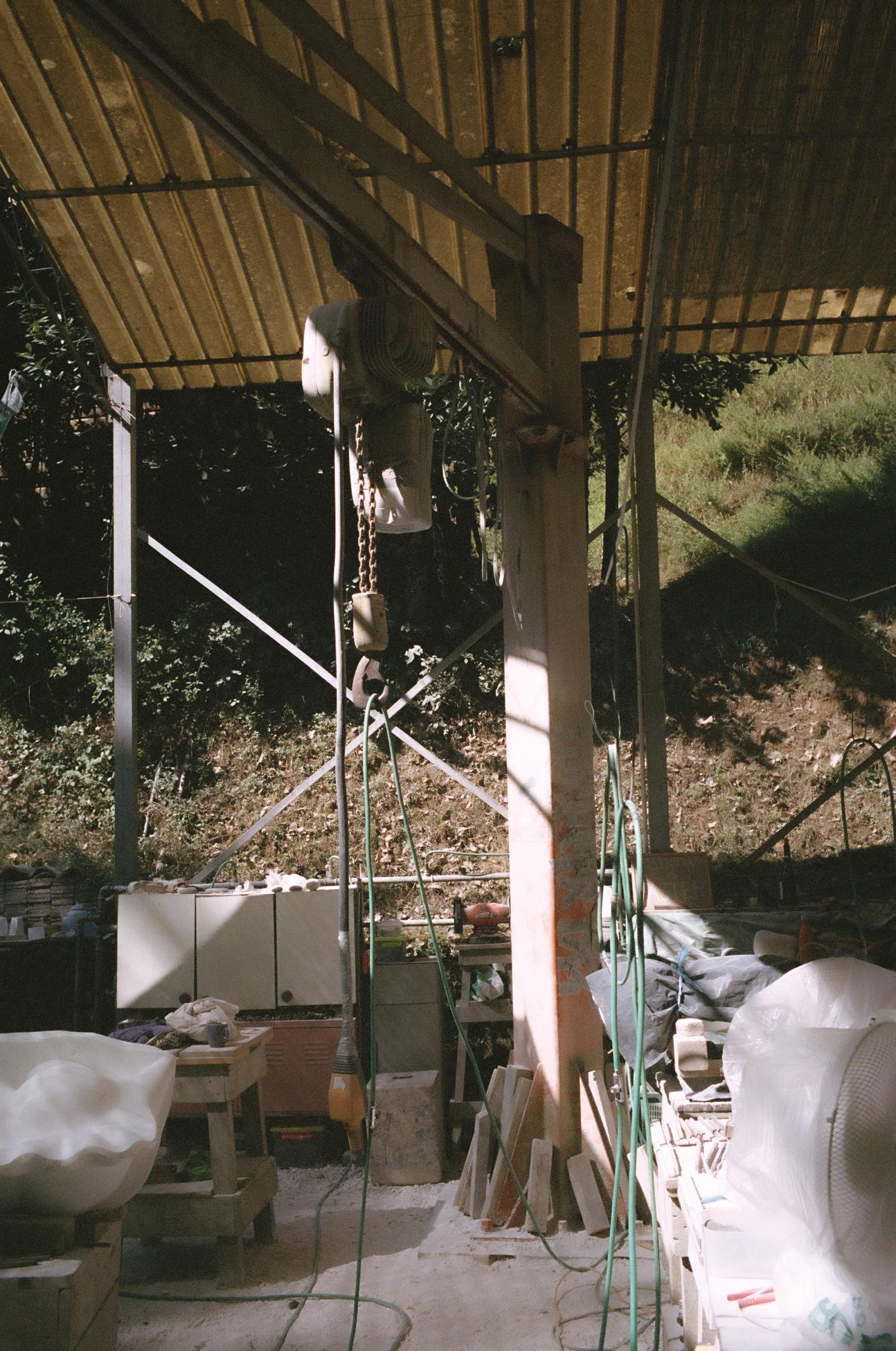
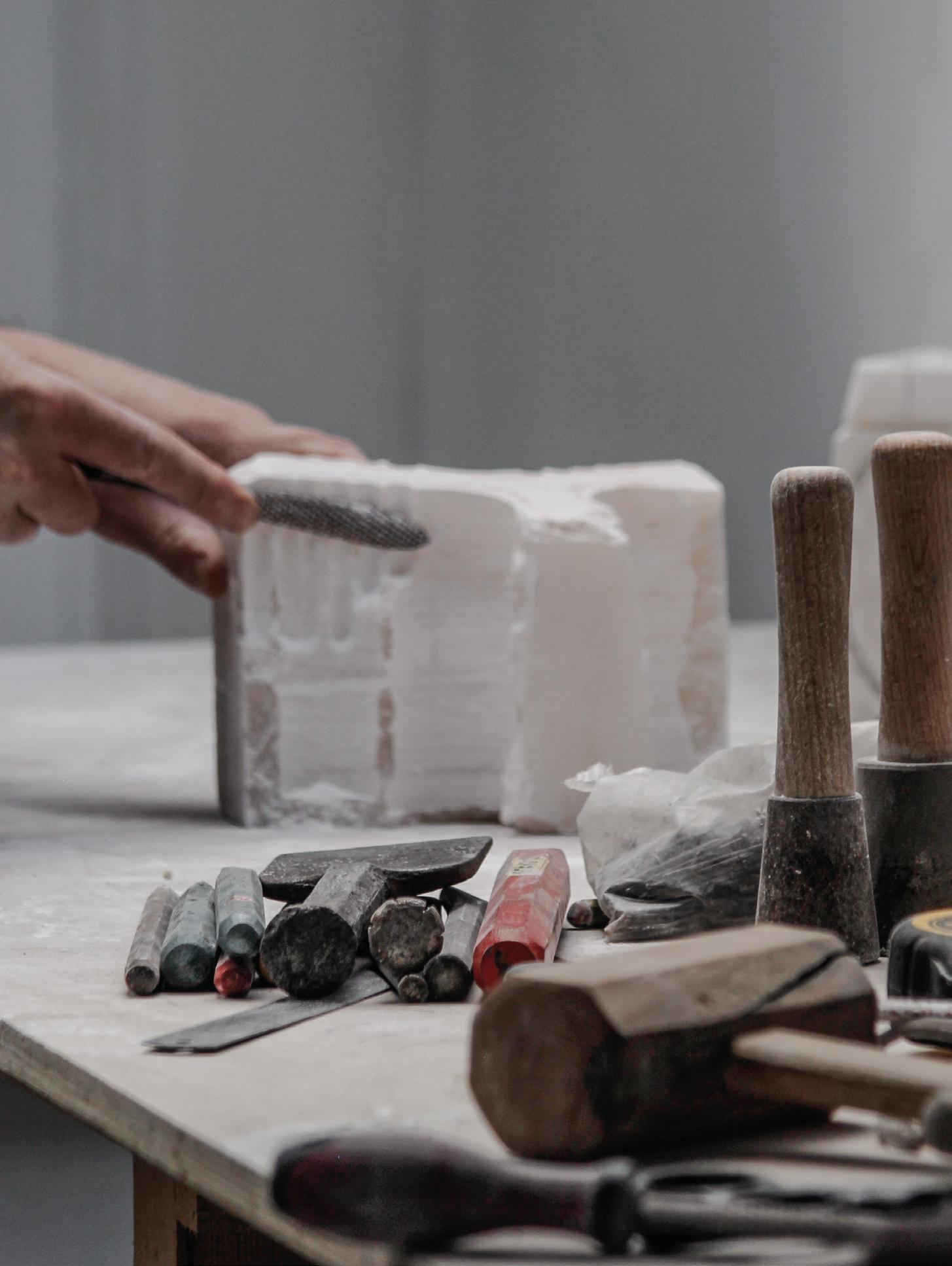
During my time in Pietrasanta, Tuscany, I focused on learning traditional stone carving techniques, working with both hand tools and more contemporary equipment. Using hammers and chisels to shape the stone gave me a much stronger understanding of how form develops from the very beginning of the process, particularly when working with harder materials such as marble.
One of the most valuable aspects of the workshop was learning to establish clear guide lines within the block. This allowed me to better understand where material needed to be removed and brought greater accuracy and confidence to the carving process. I learned to rough out and shape harder stones in a way that follows the intended form from the earliest stages of carving, rather than forcing the material later.
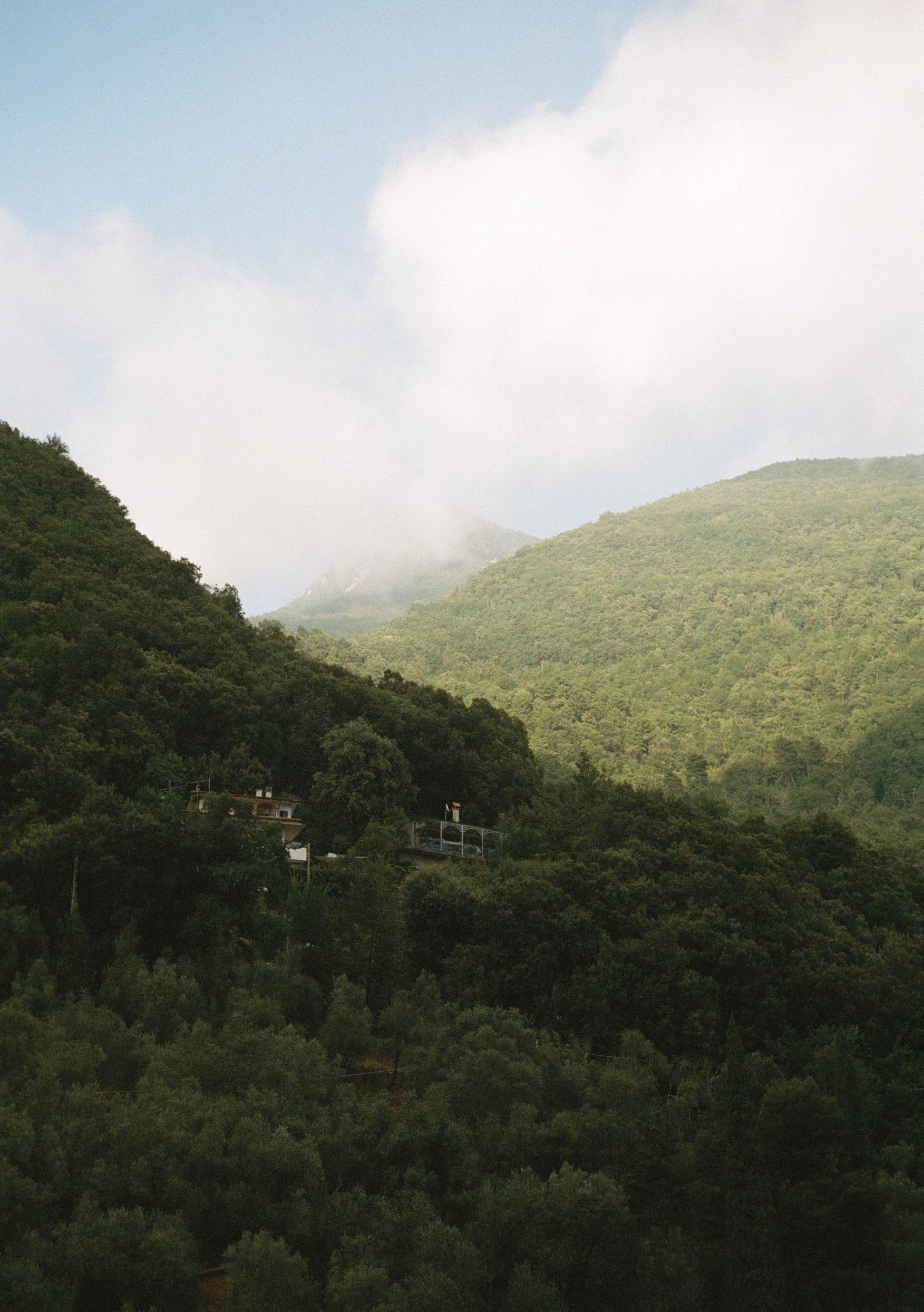
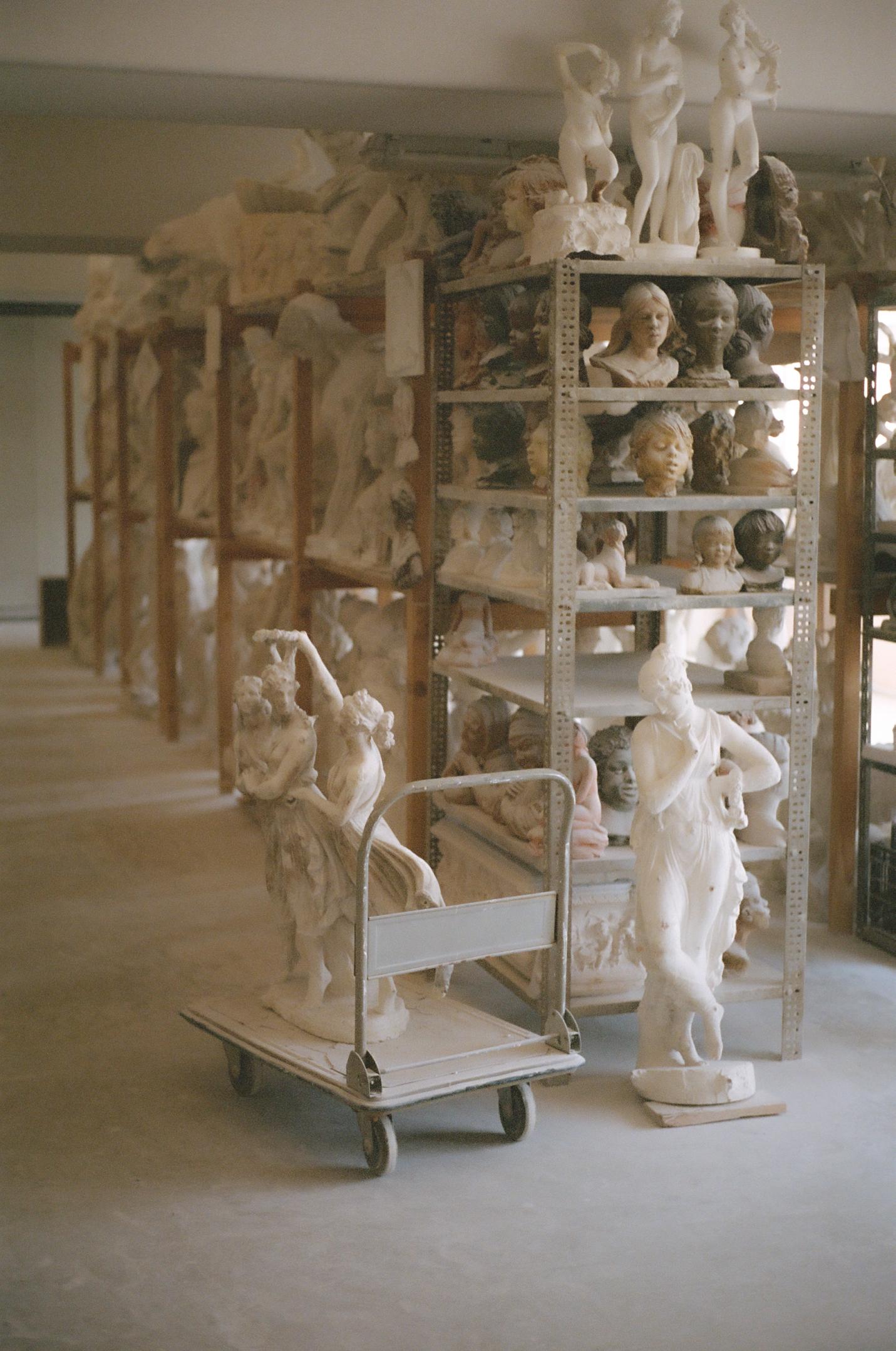
Alongside the technical learning, the experience of working within a long tradition of stone carving was equally important. Pietrasanta has such a deep connection to sculpture and there was a strong sense of continuity in being surrounded by workshops that have operated for generations. Spending time with master carvers, visiting local artisans and seeing historic works in the area reinforced a slower and more considered approach to making.
The rhythm of daily life there also became part of the experience. We would all sit together for breakfast, lunch and dinner at the Tuscan manor a short walk from the studio, with conversations continuing late into the evening about sculpture, materials and process. It created an environment where learning extended beyond the workshop itself and became part of everyday life.
Working in Pietrasanta ultimately strengthened both my technical understanding and my relationship to the material. It encouraged greater patience within the process and a deeper awareness of how light, structure and surface can evolve together through carving.
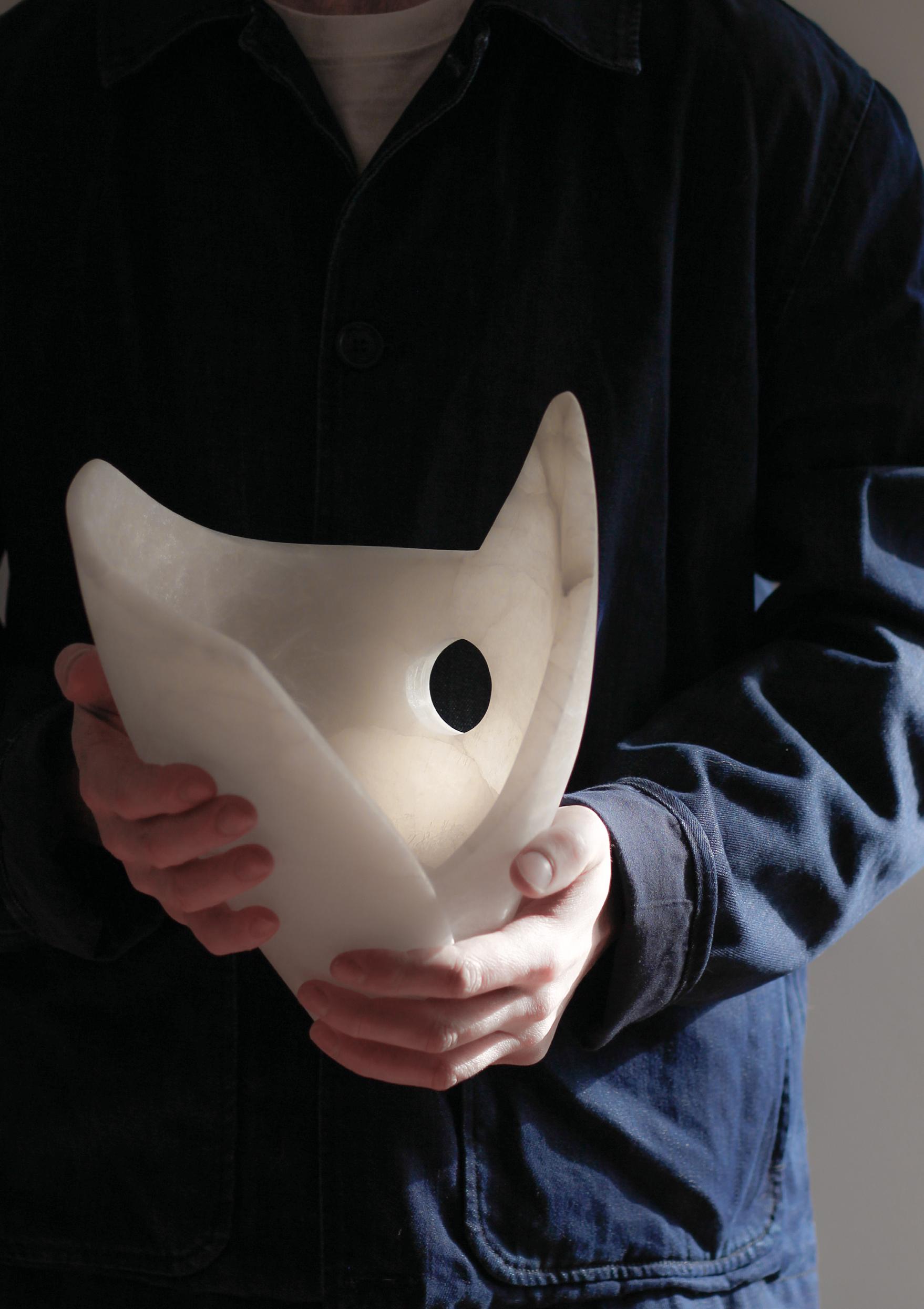
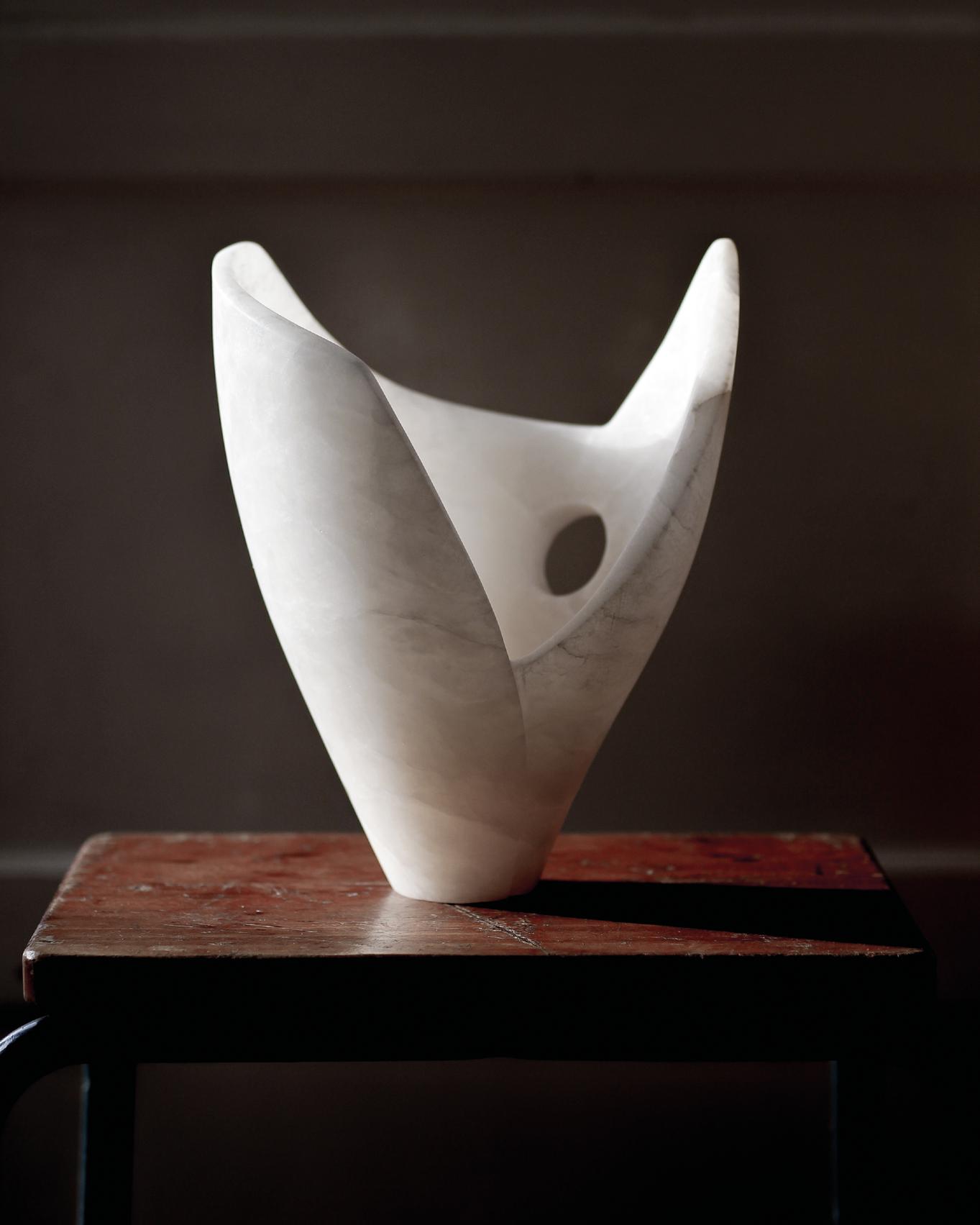
1 Aperture Vase # 3, 2026
Spanish white translucent alabaster
H26 x D22 cm
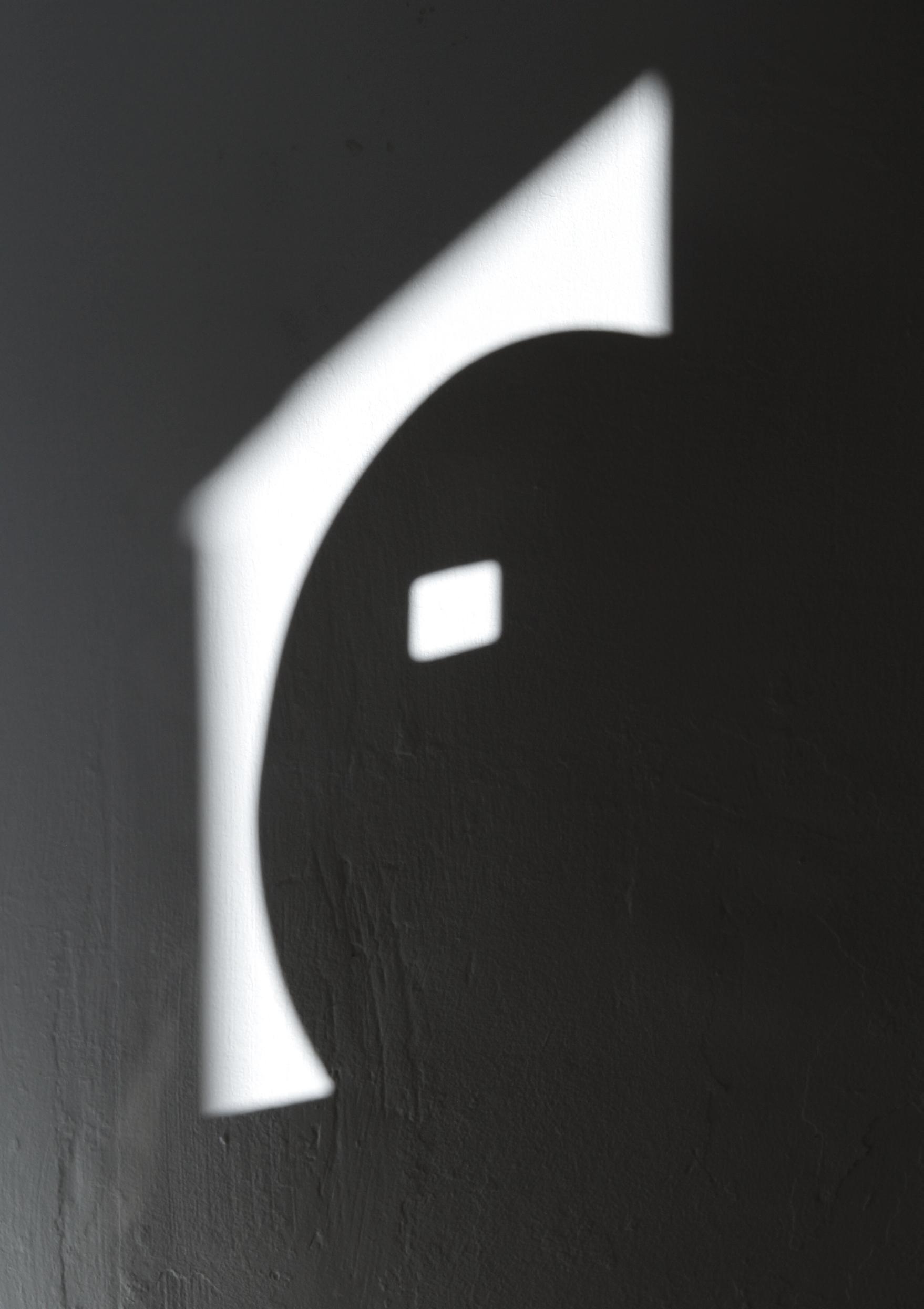
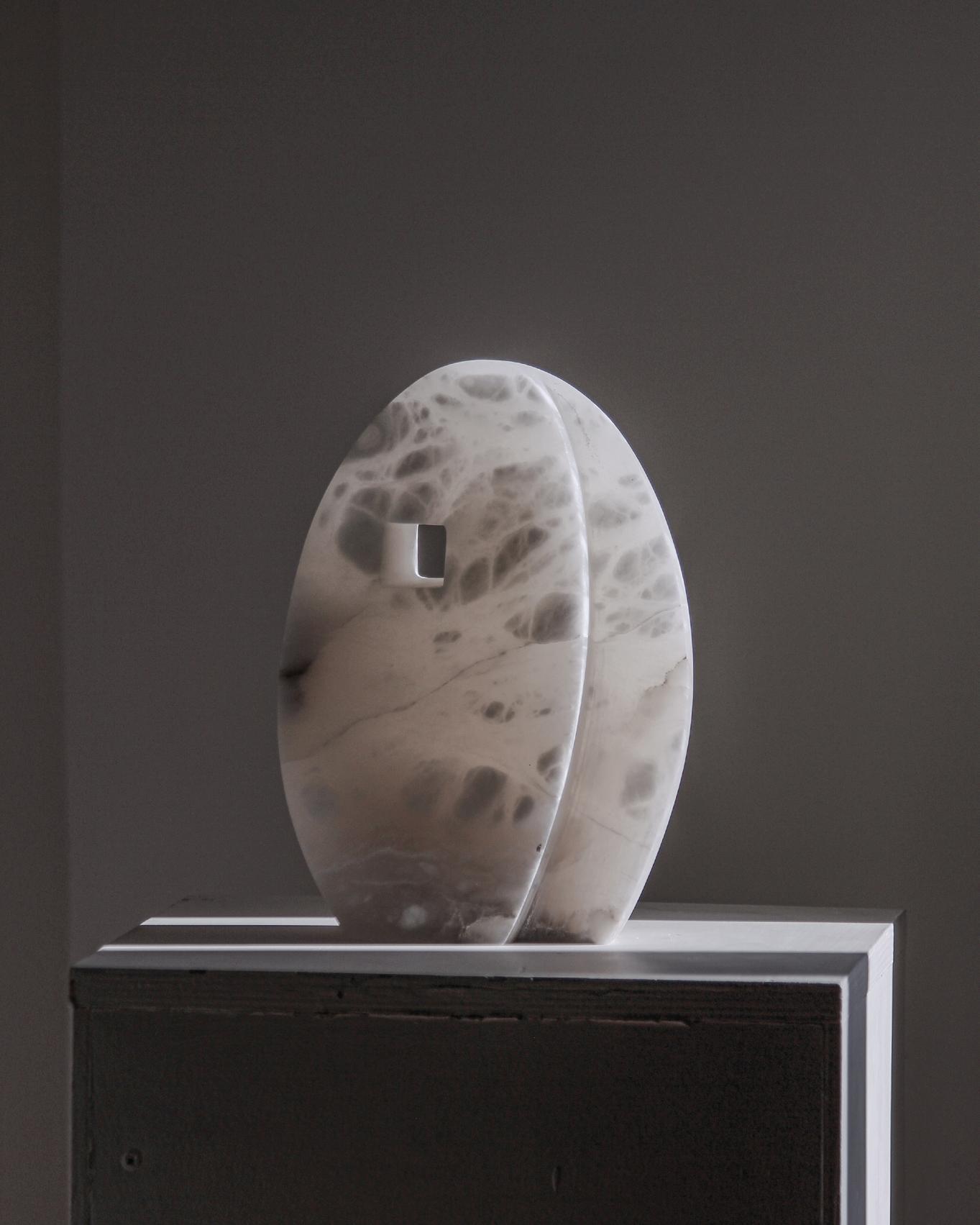
2 Oval Form, 2024
Spanish white translucent alabaster
H26 x W19 x D7 cm
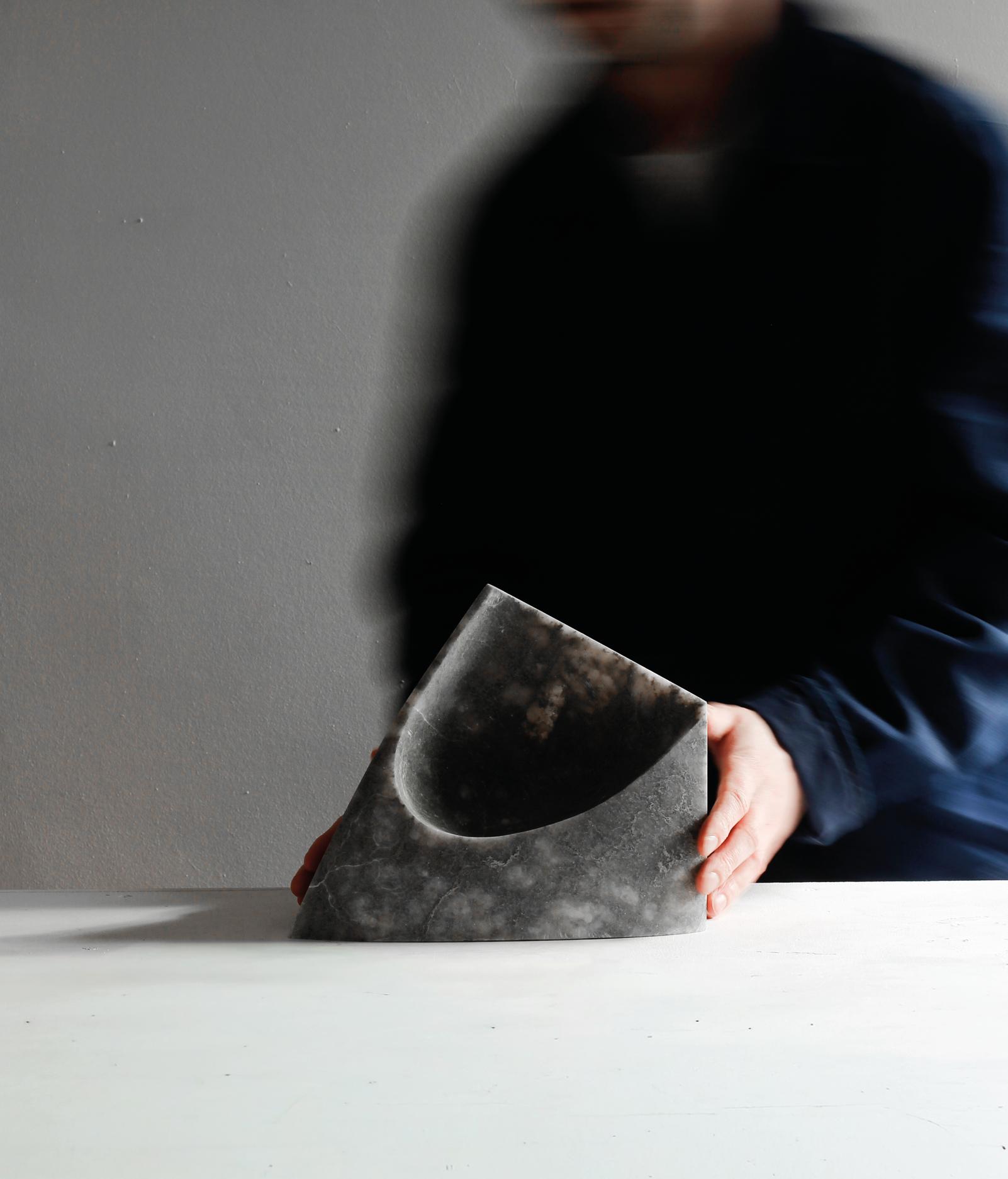
3 Terrain Element, 2026
Italian grey alabaster
H23 x W28 x D13 cm
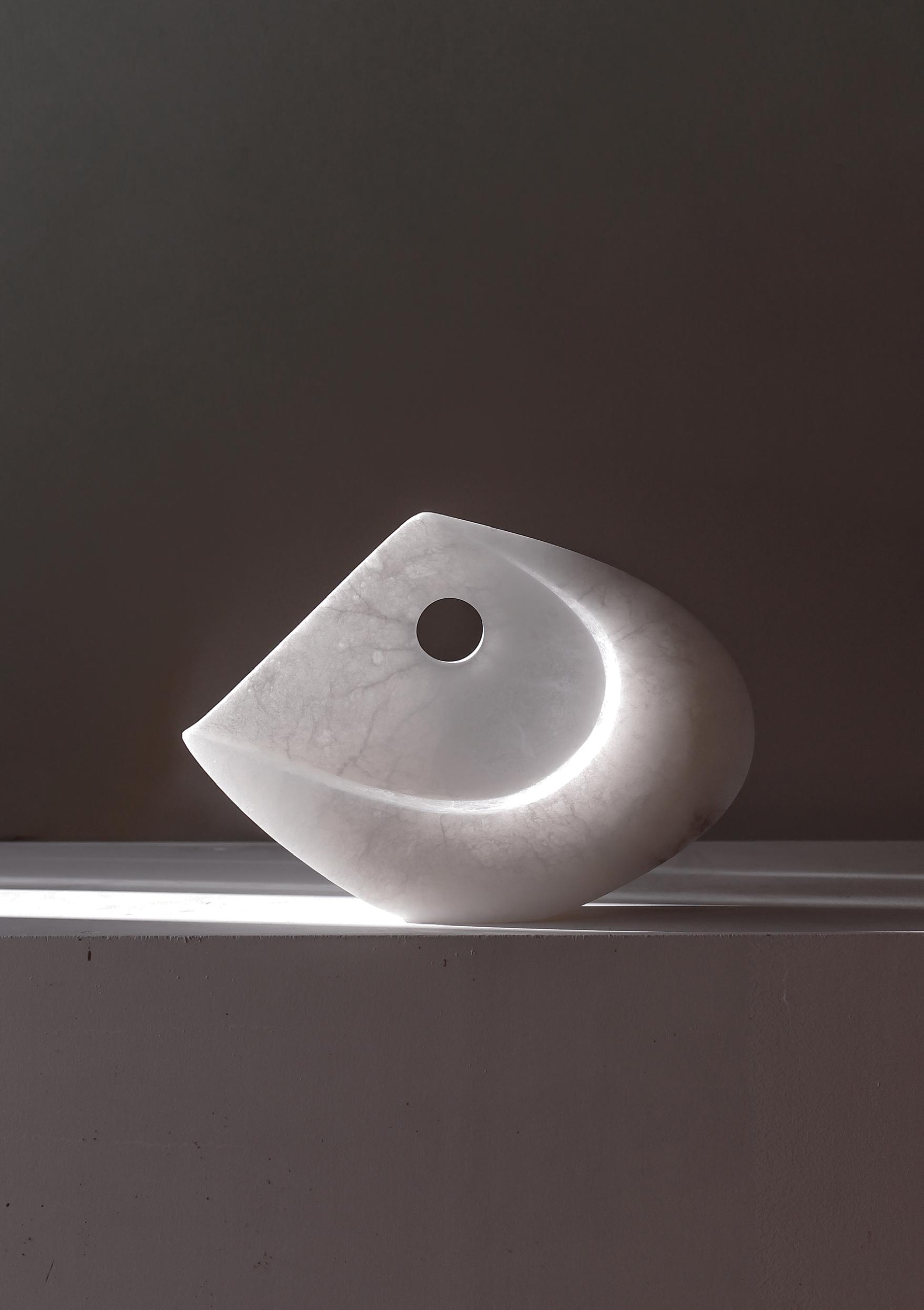
4 Pierced Landscape, 2026
Spanish white translucent alabaster
H23 x W32 x D8 cm
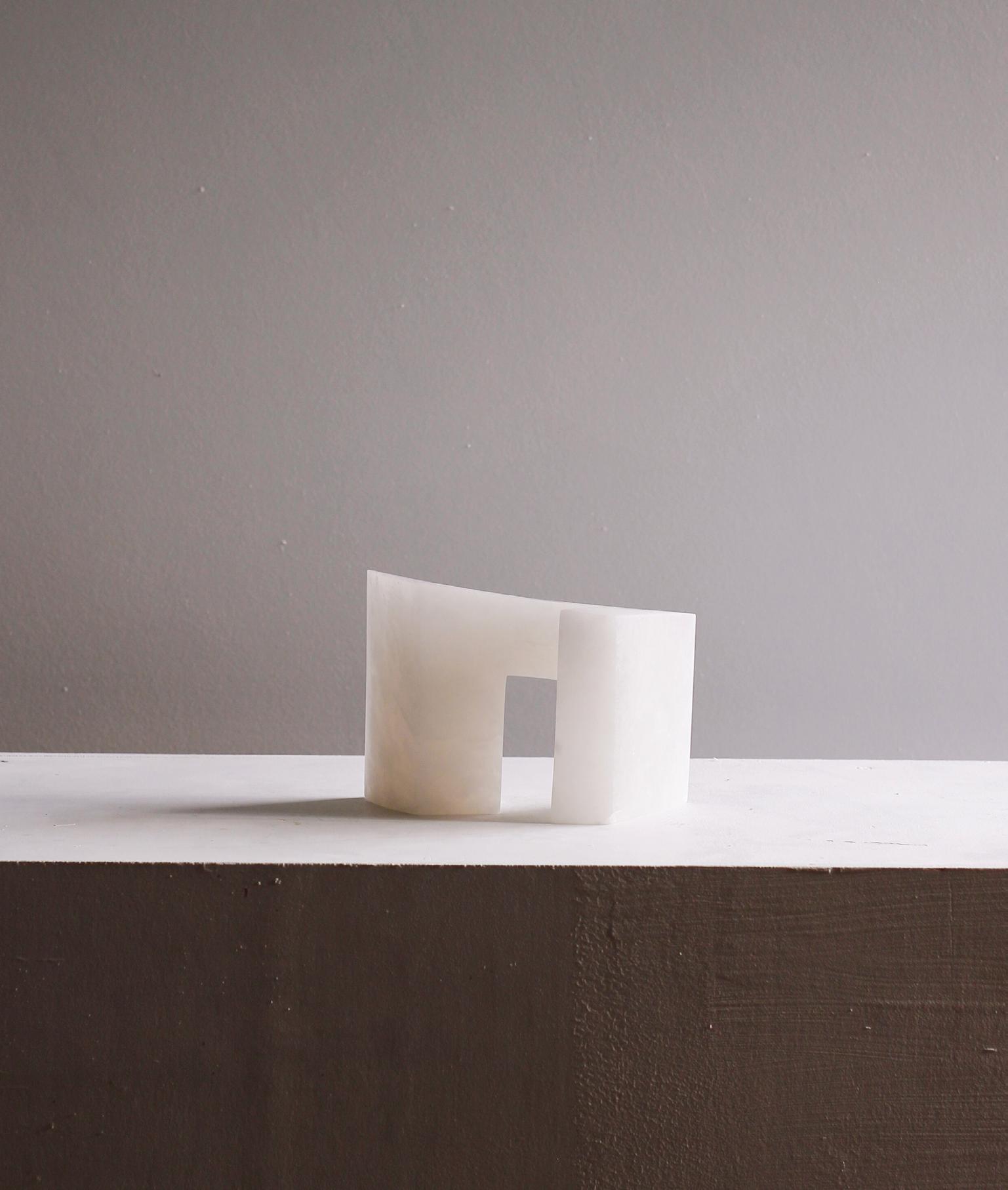
5 Untitled Object #2, 2023
Italian white translucent alabaster
H21 x W17.5 x D7 cm
6 Two Panes, 2026
Spanish white translucent alabaster, Carrara marble base, H79 x D21 cm
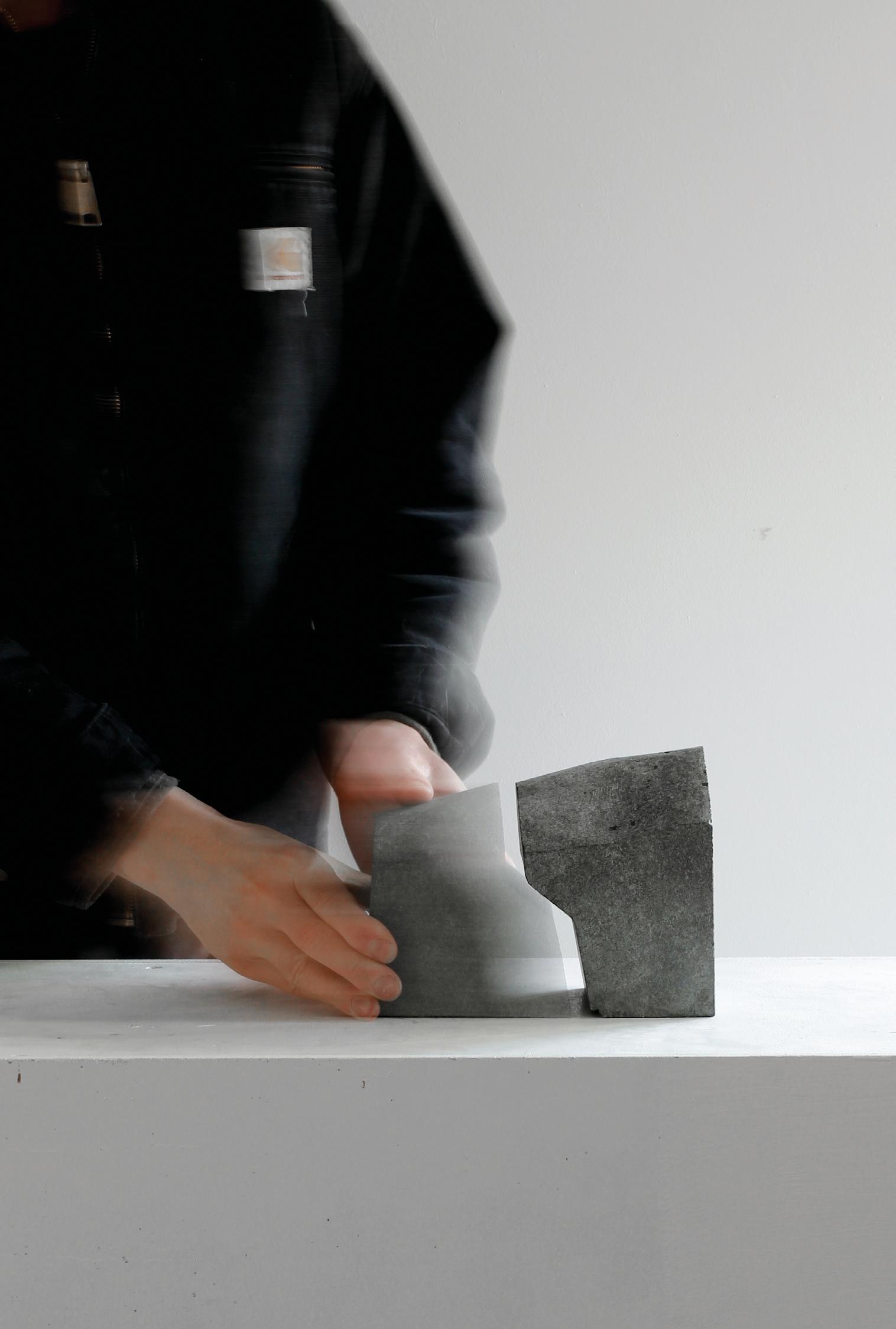
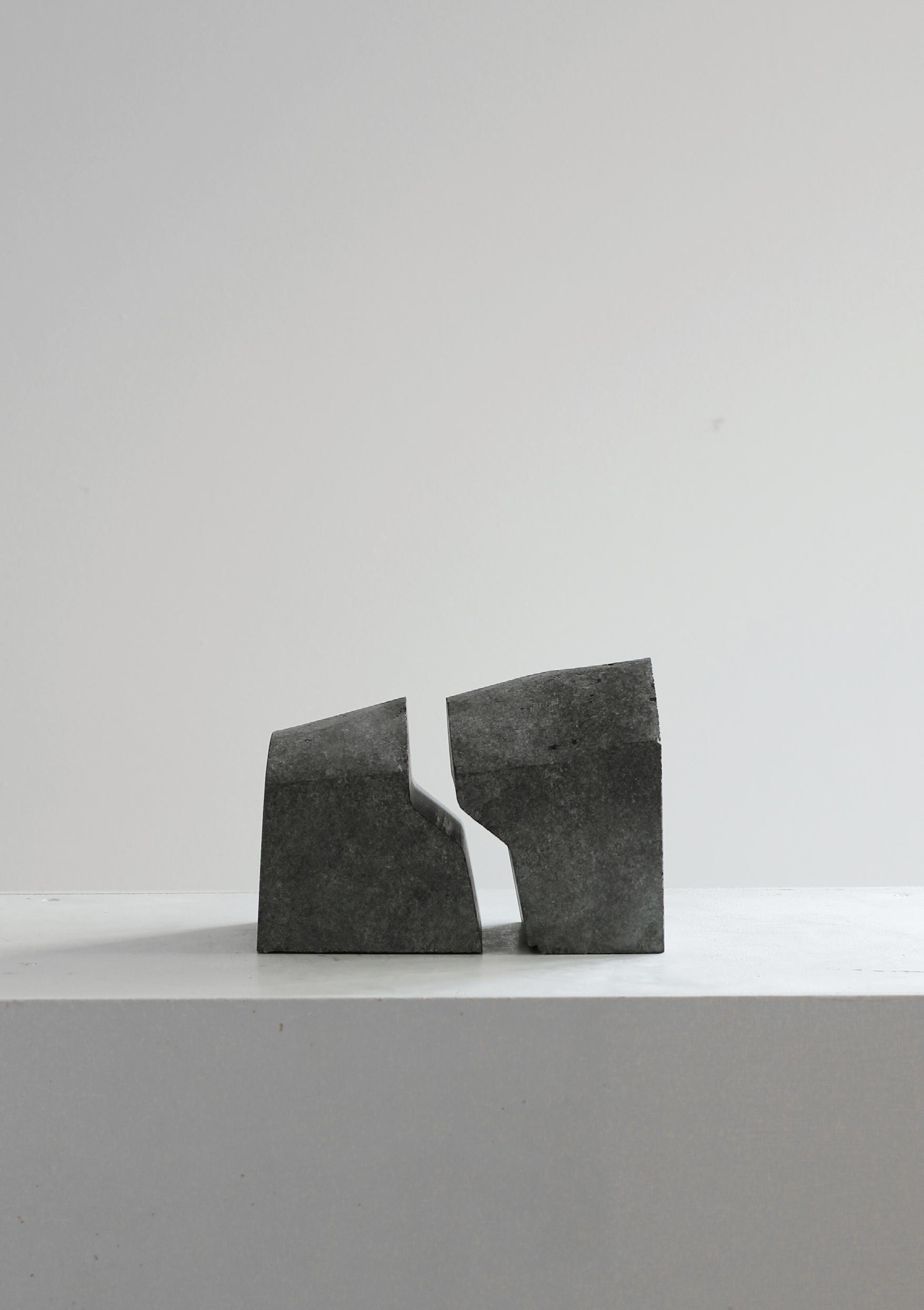
7 Placed Forms, 2024 black granite H15 x W10 x L19.5 cm
CASTING
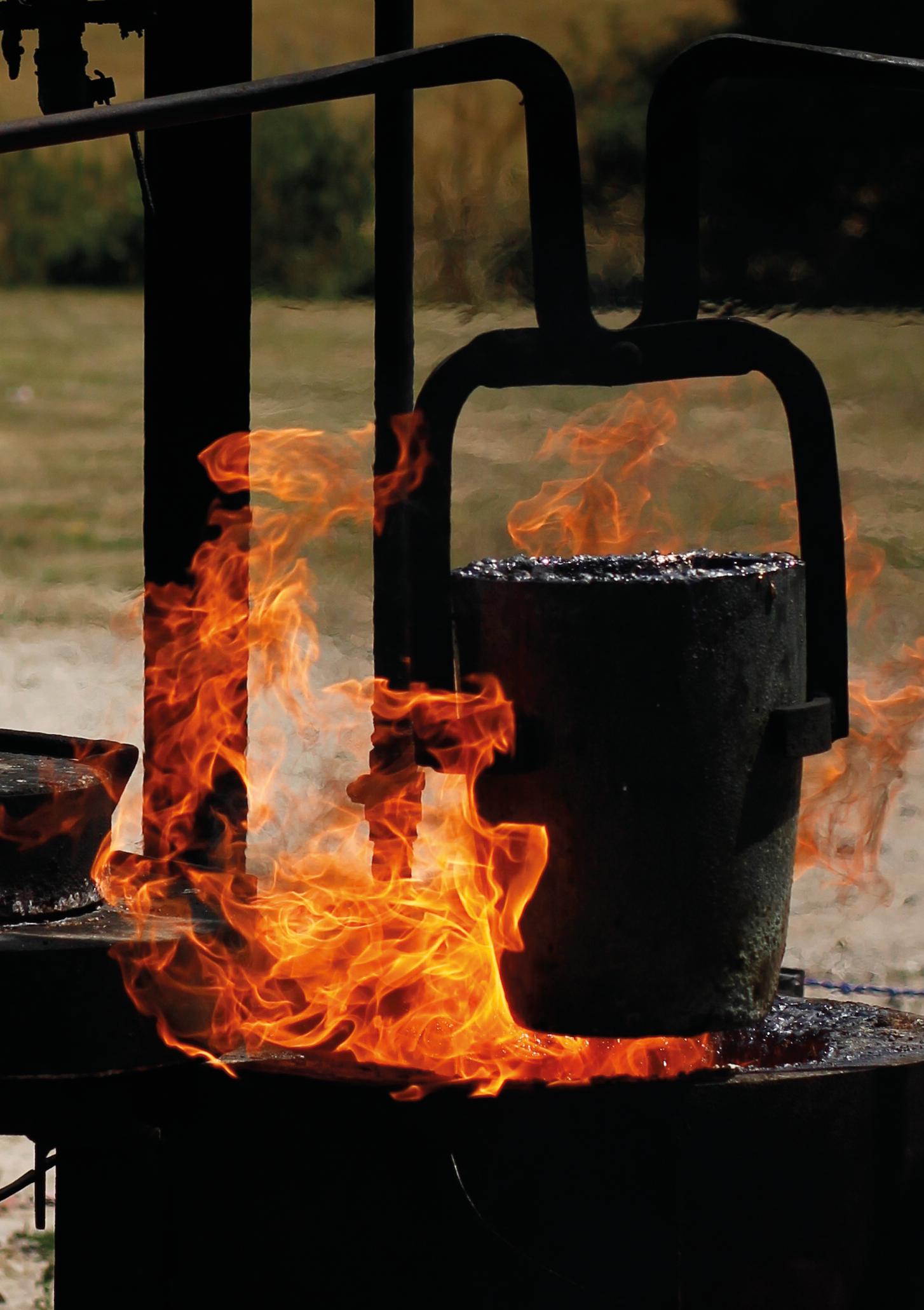
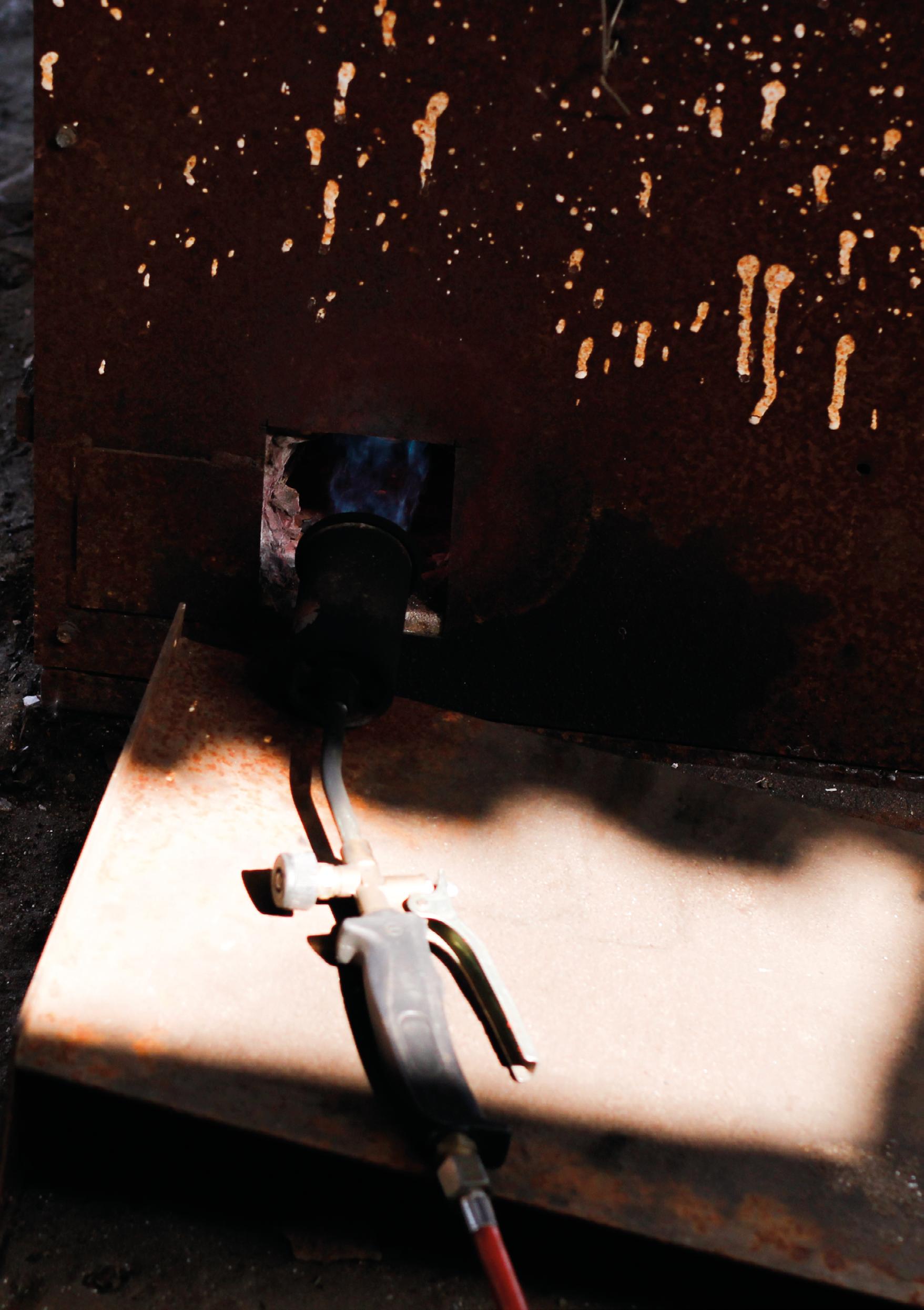
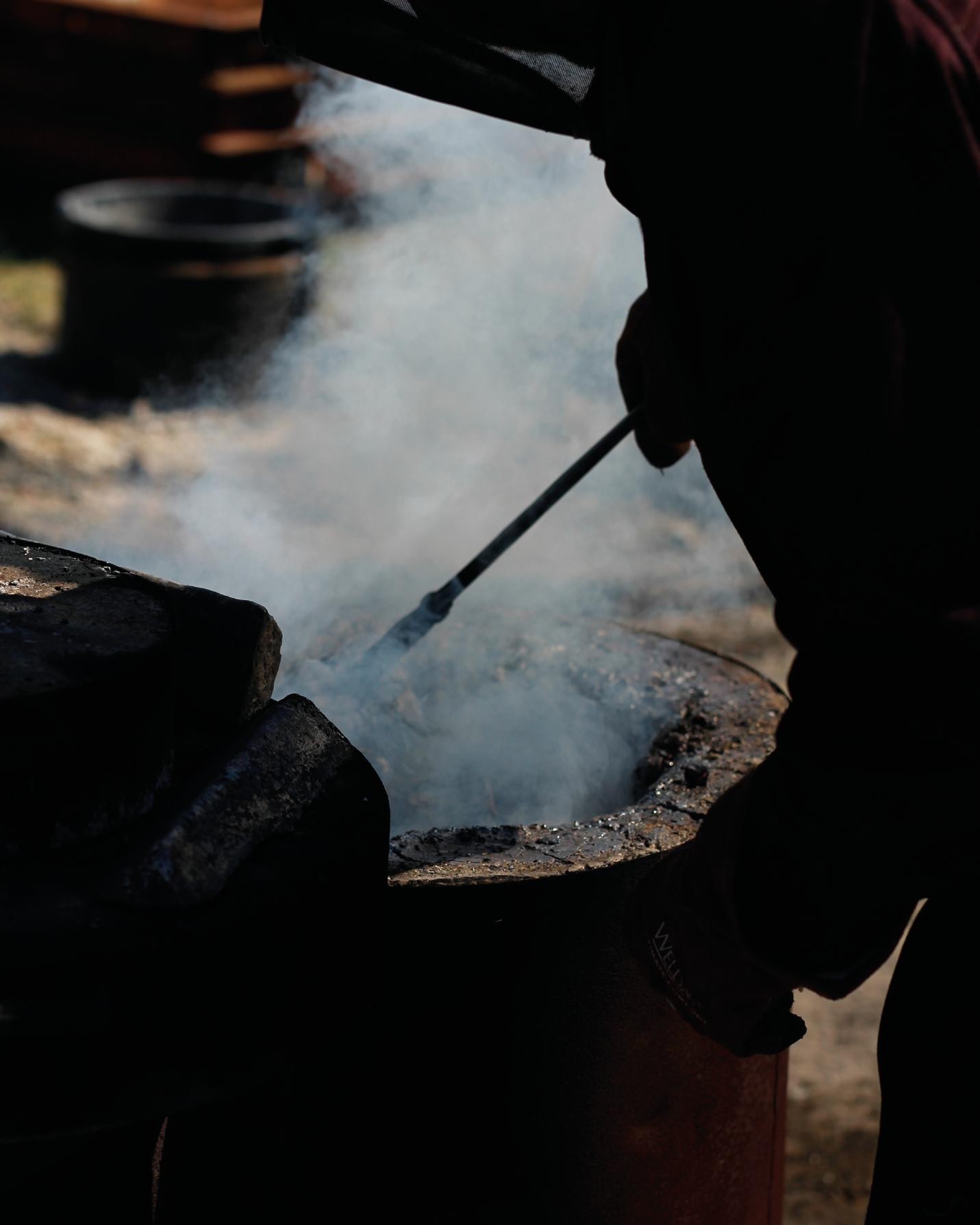
During my time in Italy we visited a bronze foundry and I was immediately drawn to the material. I had always wanted to explore bronze at some point, but seeing the process firsthand completely changed my understanding of what was possible. Through my QEST Scholarship I was then able to spend time with Steve and Necole at Coles Castings in Dorset, learning a range of different casting techniques and processes.
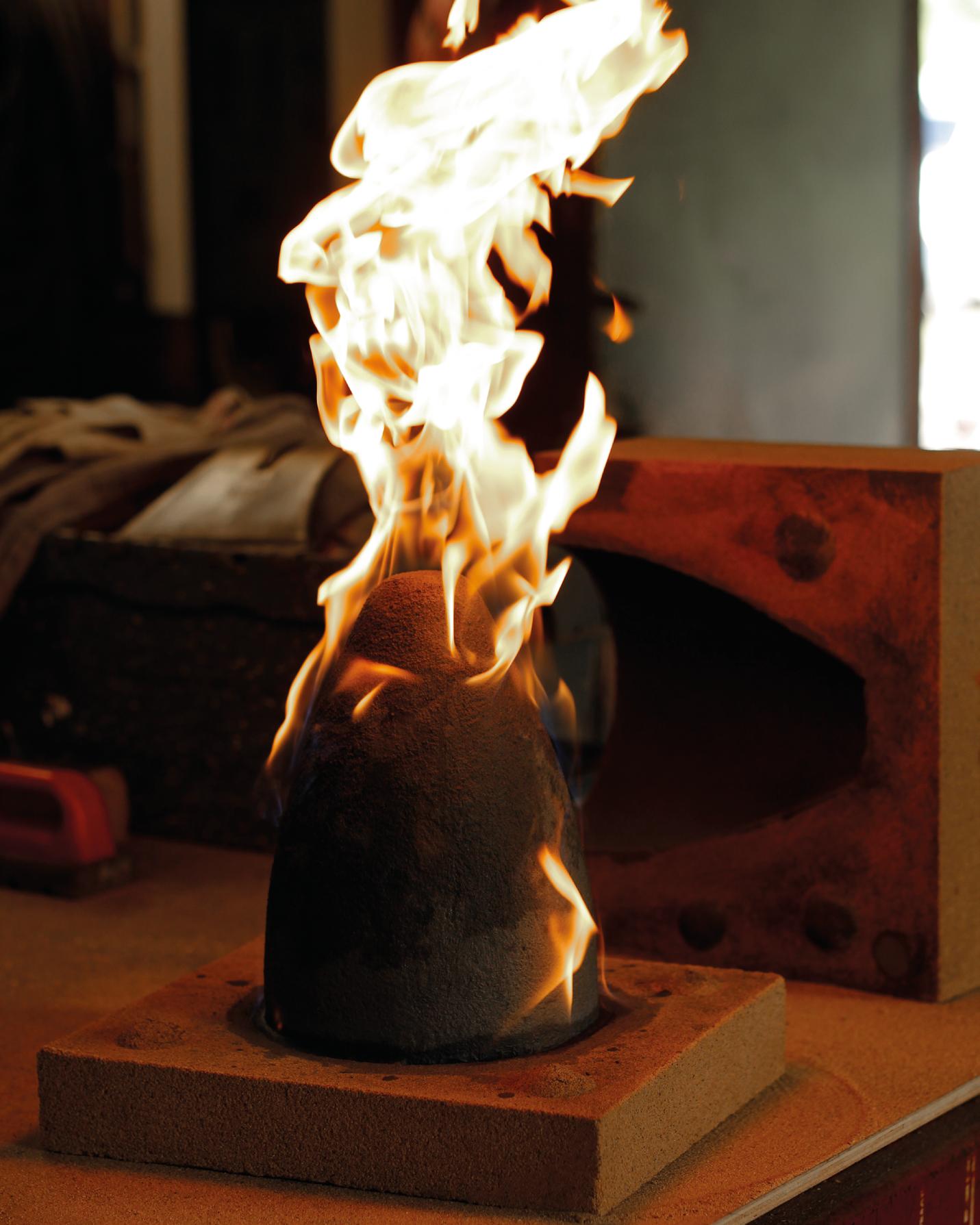
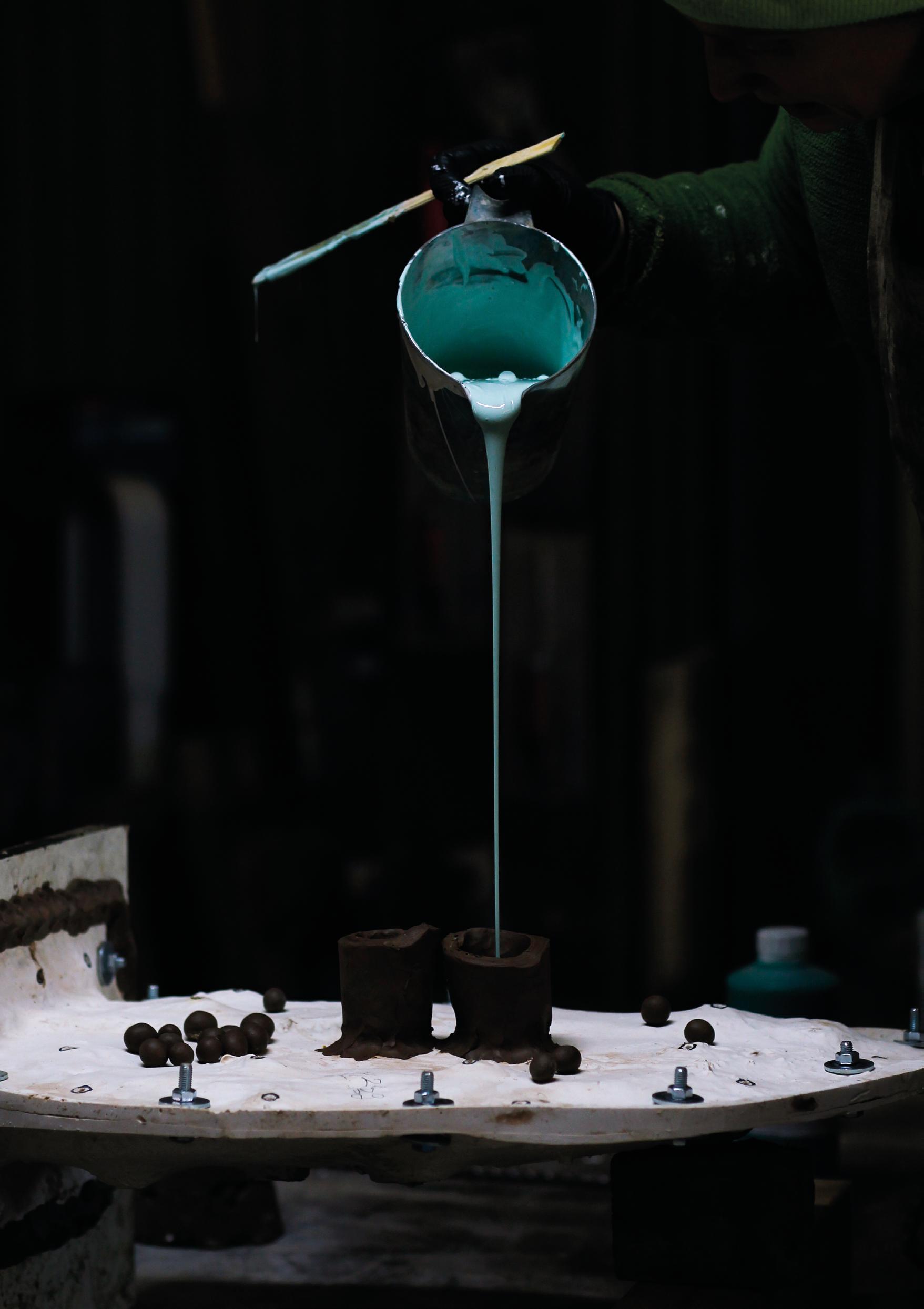
Over the past year I have worked with everything from green sand casting to silicone mould making, each method offering different possibilities depending on the complexity of the form. Simpler forms, such as some of the vessels, were produced using resin sand casting, while more intricate works required silicone moulds capable of capturing a much greater level of detail.
Working with bronze feels completely opposite to the way I work with stone. Stone carving is a deductive process, gradually removing material to reveal form, whereas bronze is additive, built through modelling, mould making and casting. Because of this, my focus has shifted away from translucency and wall thickness towards silhouette, surface and weight.
The casting process has also changed the way I think about texture. In works such as Aperture Vase , I became interested in preserving traces left behind by the mould itself. The subtle texture created by fine casting sand on the interior surface contrasts with the polished outer form, allowing the process to remain visible within the finished work.
A particularly significant moment was seeing Aperture Vase 4 cast at the Henry Moore Studio & Gardens during a live bronze casting demonstration with Steve and artist Jasmine Bradbury. When I first began sculpting six years ago, I never imagined I would one day see my work cast alongside some of Henry Moore’s sculptures. It was a surreal and deeply encouraging experience.
Coles Castings, Dorset, England
This collection feels like a bridge between where my practice began and where I hope it will continue to develop. Earlier works were almost entirely focused on alabaster and translucency, whereas these newer pieces begin to explore greater scale, weight and permanence through marble and bronze.
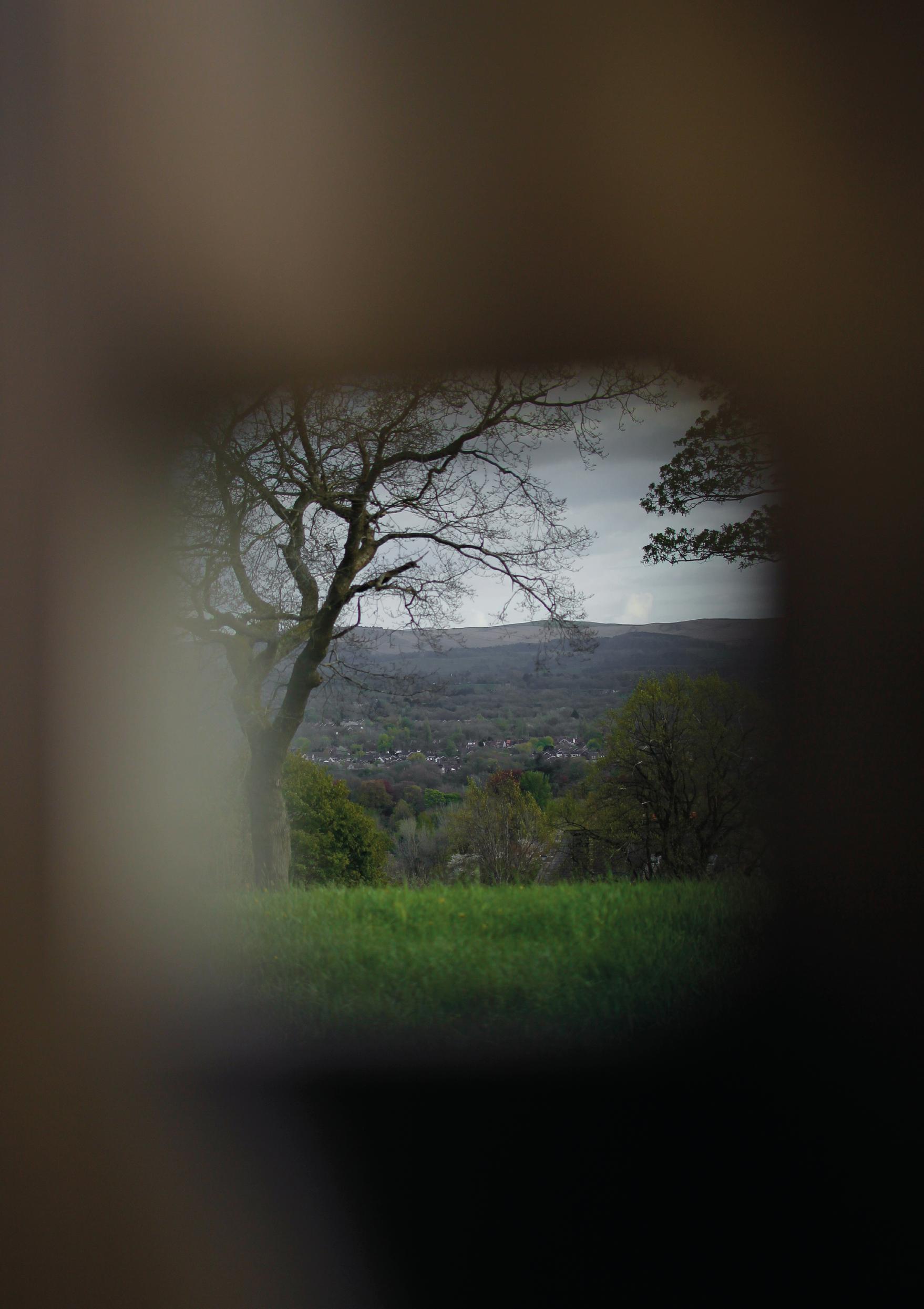
What continues to connect the work is an ongoing interest in how light moves through and around form. Whether light is diffused within alabaster or blocked entirely by bronze, I think of it as an active part of the sculpture. Windows, voids and openings allow light to pass in controlled ways, while surfaces and edges shape shadow and reflection.
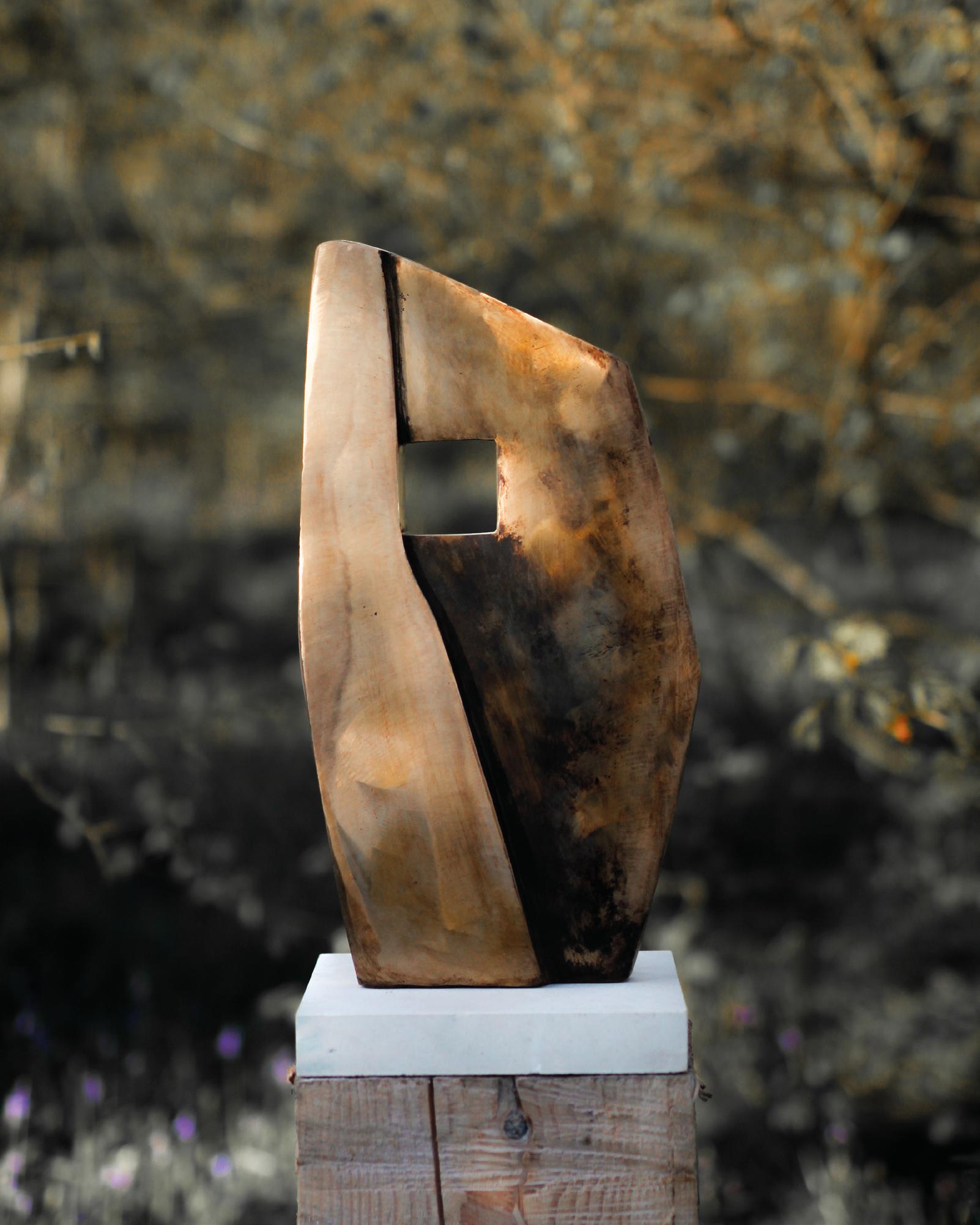
Increasing the scale of the work has also changed how I think about sculpture in relation to landscape and space. When a piece becomes large enough to walk around, look through or experience from different distances, the relationship between object, light and environment becomes much more physical. I would love for future works to exist outdoors amongst changing weather, seasons and shifting light, where they can continue to change over time.
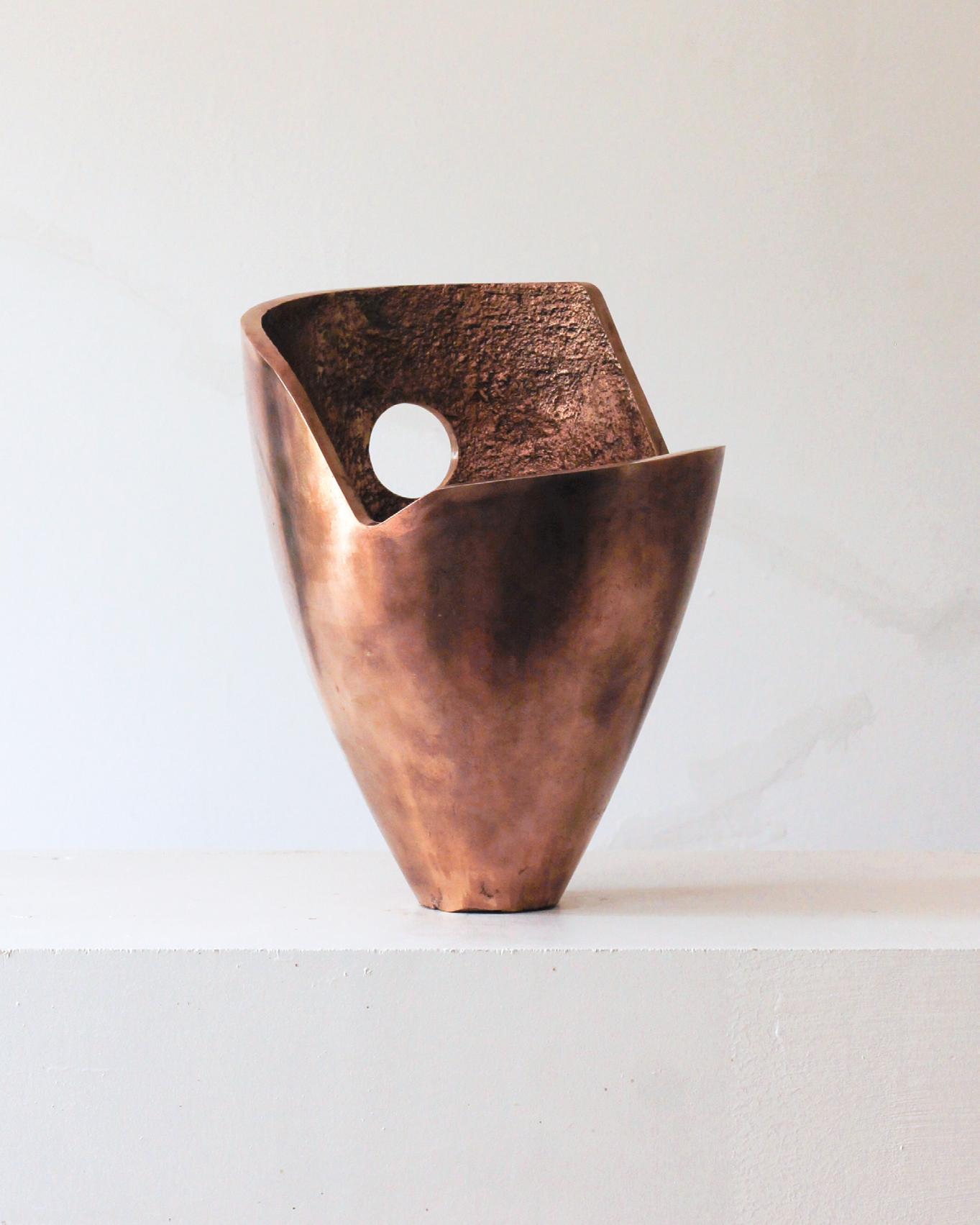
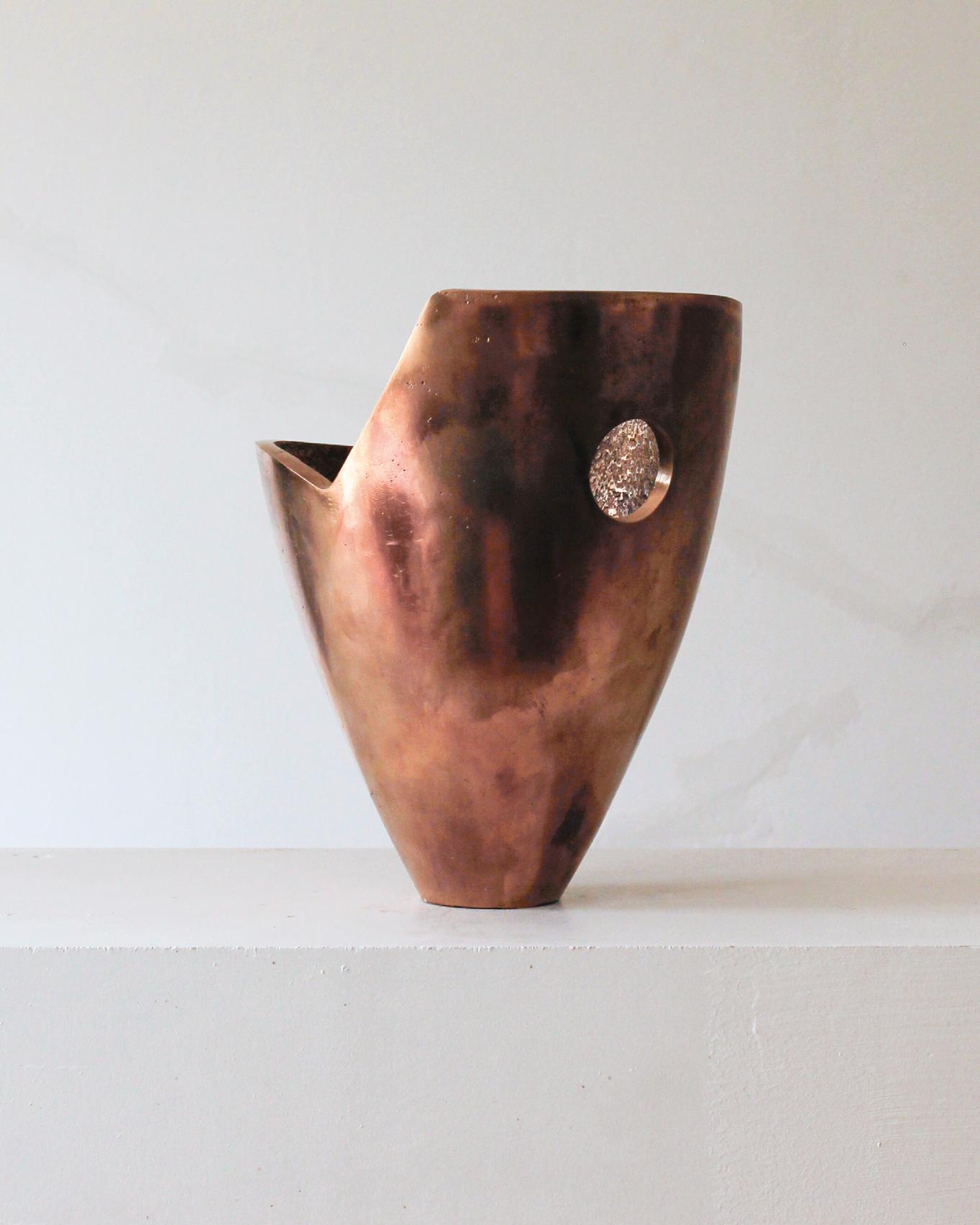
8 Aperture Vase # 2, 2025 bronze, Edition 1 of 1 H26.5 x D21 cm
9 Landscape Artefact, 2026 bronze, Edition 1 of 1
H50.5 x W27 x D21 cm
Henry Moore Studios & Gardens, Hertfordshire, England
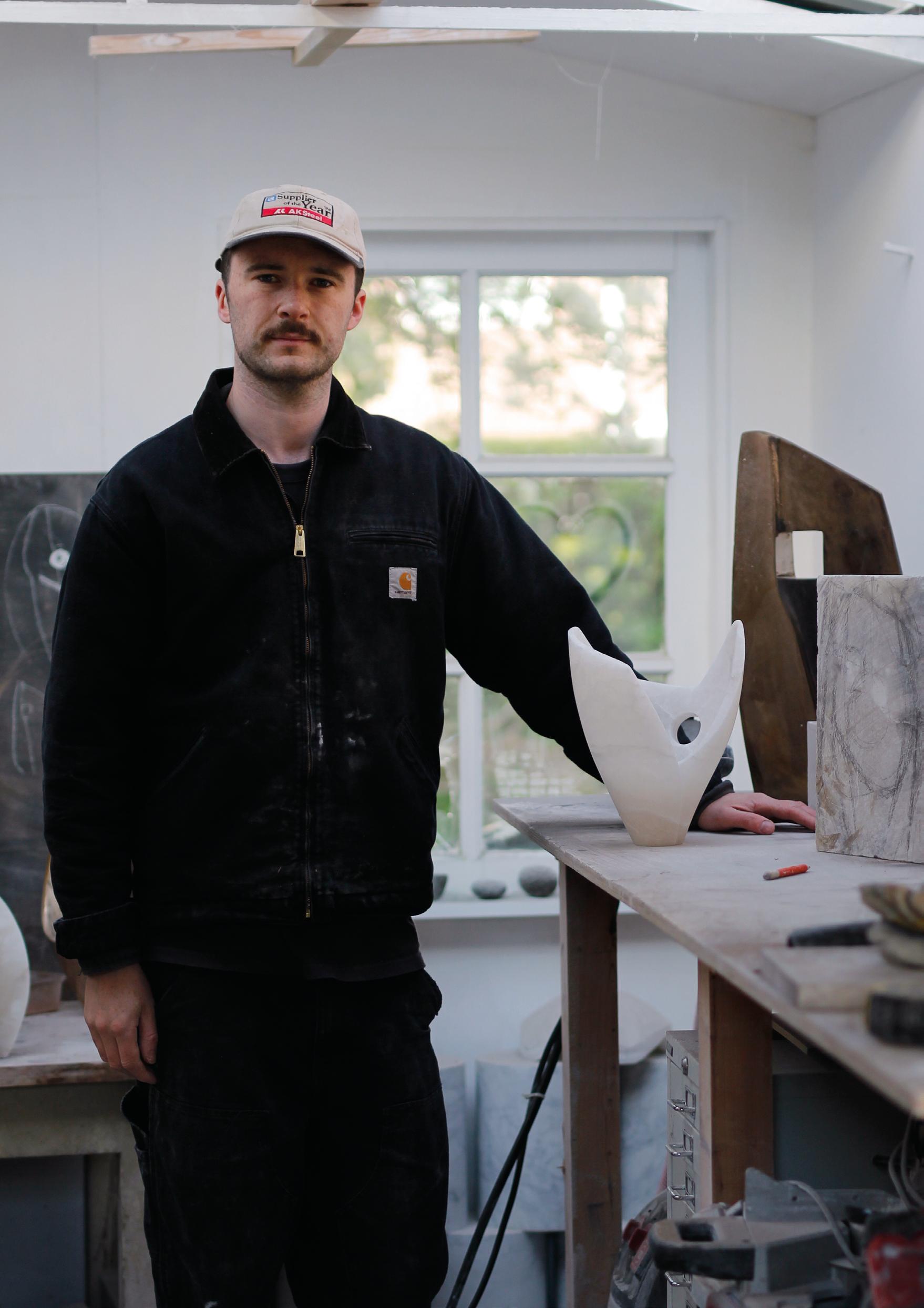
OLIVER COOK (b.1992)
Oliver Cook is an artist creating abstract sculptures and vessels primarily using alabaster, a material known for its delicate translucency.
Self-taught, his practice has evolved naturally, exploring the interplay between stone and light, geometric and organic, solid and void.
His methods draw on traditional carving methods and skills learned in ceramics and woodwork. Cook’s work is a quiet dialogue between material and luminosity, inviting viewers to engage with the subtle, shifting qualities of alabaster as light subtly diffuses within the stone.
In 2024, he became a QEST scholar (Queen Elizabeth Scholarship Trust) to start a series of workshops in Italy, Spain and the UK to hone his skills working with stone under the tuition of master craftsmen and to begin scaling up and casting works in bronze.
He works from his studio outside Stockport.
Selected Exhibitions
2026 Soft Divide, The Scottish Gallery, Edinburgh
2024 Homo Faber, Michelangelo Foundation, Venice Winsome, Square Gallery, Taiwan
2023 Momentary Flow, The Scottish Gallery, Edinburgh Solo Exhibition, Flow, London
Upon Reflection, Wondering People, London
2022 Modern Pioneers, The Modern House x TOAST 2021 Form & Light, The Scottish Gallery, Edinburgh No.43, Atelier LK, London
Published by The Scottish Gallery to coincide with the exhibition:
Oliver Cook Soft Divide 4 - 27 June 2026
Exhibition can be viewed online at: scottish-gallery.co.uk/olivercook
ISBN: 978-1-917803-24-3
Designed and Produced by The Scottish Gallery Photography by Oliver Cook
All rights reserved. No part of this catalogue may be reproduced in any form by print, photocopy or by any other means, without the permission of the copyright holders and of the publishers.