
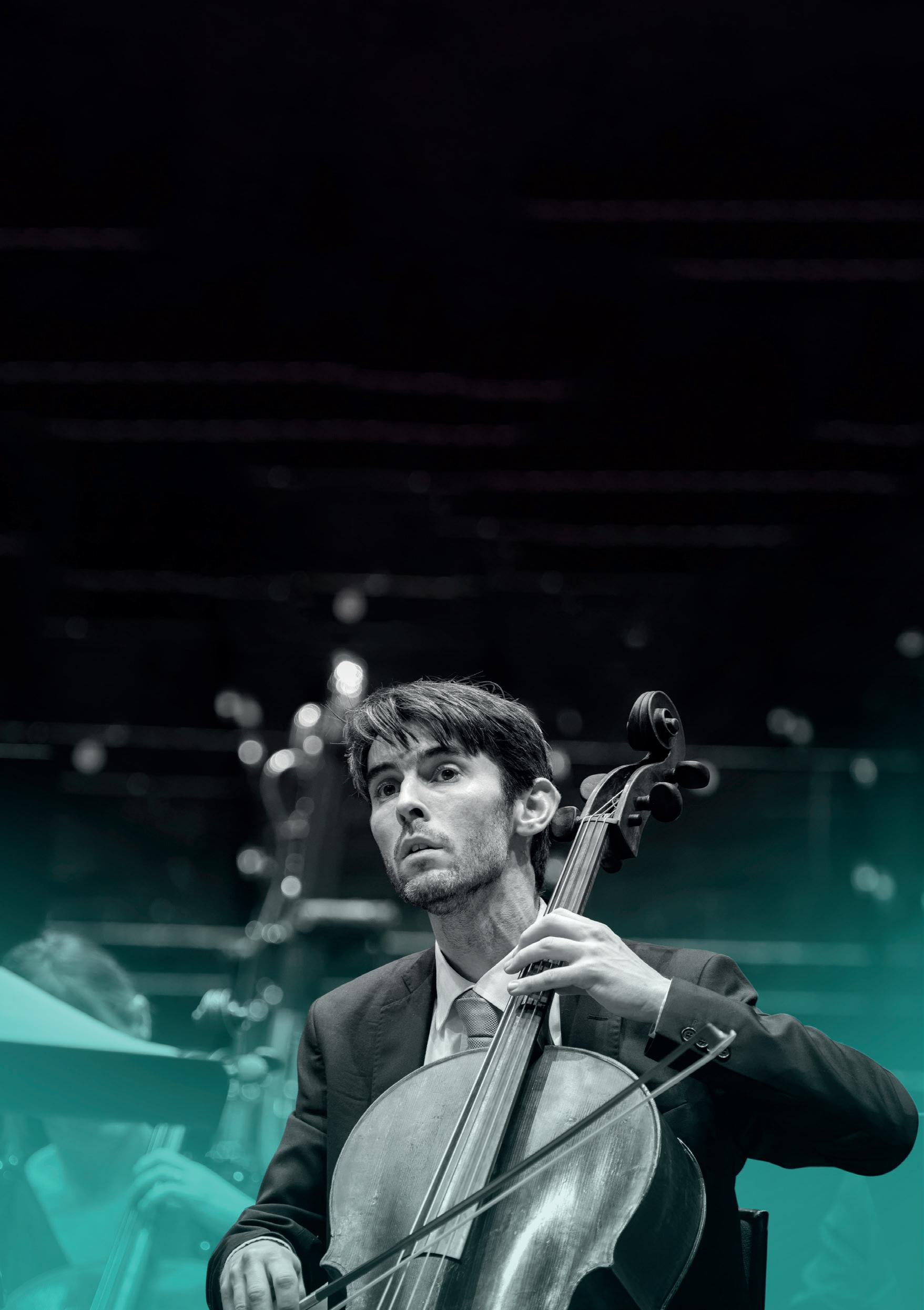
Schumann Cello Concerto
7-9 May 2026

Schumann Cello Concerto
Thursday 7 May, 7.30pm The Queen's Hall, Edinburgh
Friday 8 May, 7.30pm City Halls, Glasgow
Saturday 9 May, 7.30pm Aberdeen Music Hall
MENDELSSOHN Calm Sea and Prosperous Voyage
SCHUMANN Cello Concerto*
Interval of 20 minutes
JÖRG WIDMANN 5 Albumblätter (UK Premiere)*
DEBUSSY Petite Suite
Maxim Emelyanychev conductor Philip Higham cello*
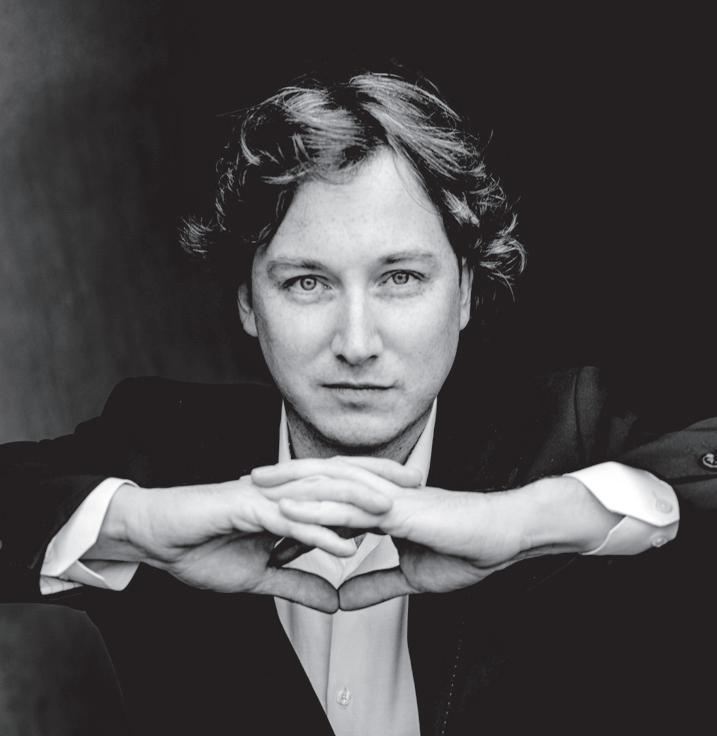
Emelyanychev
4 Royal Terrace, Edinburgh EH7 5AB
+44 (0)131 557 6800 | info@sco.org.uk | sco.org.uk
The Scottish Chamber Orchestra is a charity registered in Scotland No. SC015039. Company registration No. SC075079.
Maxim
© Andrej Grilc
Philip Higham
© Ryan Buchanan
THANK YOU
Principal Conductor's Circle
Our Principal Conductor’s Circle are a special part of our musical family. Their commitment and generosity benefit us all – musicians, audiences and creative learning participants alike.
Annual Fund
James and Patricia Cook
Visiting Artists Fund
Harry and Carol Nimmo
Anne and Matthew Richards
International Touring Fund
Gavin and Kate Gemmell
Learning and Participation Fund
Jo and Alison Elliot
Sabine and Brian Thomson
American Development Fund
Erik Lars Hansen and Vanessa C L Chang
Productions Fund
Geoff and Mary Ball
Bill and Celia Carman
Anne, Tom and Natalie Usher
Scottish Touring Fund
Eriadne and George Mackintosh
Claire and Anthony Tait
New Music Fund
Ken Barker and Martha Vail Barker
Colin and Sue Buchan
David Caldwell
The Thomas Family
CHAIR SPONSORS
Conductor Emeritus Joseph Swensen
Donald and Louise MacDonald
Chorus Director Gregory Batsleer
Anne McFarlane
Second Violin Rachel Smith in Memory of J Douglas Home
Principal Viola Max Mandel
Ken Barker and Martha Vail Barker
Viola Brian Schiele
Christine Lessels
Viola Steve King
Sir Ewan and Lady Brown
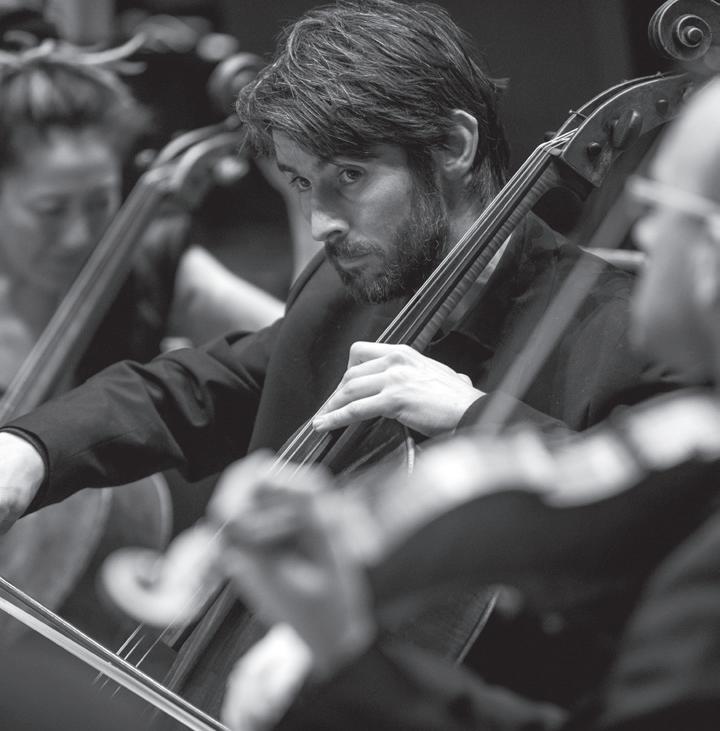
Principal Cello Philip Higham
The Thomas Family
Sub-Principal Cello Su-a Lee
Ronald and Stella Bowie
Cello Donald Gillan
Professor Sue Lightman
Cello Eric de Wit
Jasmine Macquaker Charitable Fund
Principal Flute André Cebrián
Claire and Mark Urquhart
Sub-Principal Flute Marta Gómez
Judith and David Halkerston
Principal Oboe
The Hedley Gordon Wright Charitable Trust
Sub-Principal Oboe Katherine Bryer
Ulrike and Mark Wilson
Principal Clarinet Maximiliano Martín
Stuart and Alison Paul
Principal Bassoon Cerys Ambrose-Evans
Claire and Anthony Tait
Sub-Principal Bassoon Alison Green
George Rubienski
Principal Horn Kenneth Henderson
Caroline Hahn and Richard Neville-Towle
Funding Partners






THANK YOU
SCO Donors
Diamond
The Cockaigne Fund
Malcolm and Avril Gourlay
John and Jane Griffiths
James and Felicity Ivory
George Ritchie
Tom and Natalie Usher
Platinum
E.C. Benton
Michael and Simone Bird
John and Maggie Bolton
Silvia and Andrew Brown
Dr Peter Williamson and Ms Margaret Duffy
David and Elizabeth Hudson
Helen B Jackson
Dr and Mrs Peter Jackson
Dr Daniel Lamont
Graham and Elma Leisk
Professor and Mrs Ludlam
Chris and Gill Masters
Paul Maxwell, in loving memory of Ruth Maxwell
Duncan and Una McGhie
Anne-Marie McQueen
James F Muirhead
Robin and Catherine Parbrook
Jane Peacock in memory of Douglas Peacock
Charles Platt and Jennifer Bidwell
Patrick and Susan Prenter
Mr and Mrs J Reid
The Walter and Janet Reid Charitable Trust
Martin and Mairi Ritchie
Hilary E Ross
Elaine Ross
Sir Muir and Lady Russell
Jill and Brian Sandford
Michael and Elizabeth Sudlow
Robert and Elizabeth Turcan
Alan and Sue Warner
Bill Welsh
Anny and Bobby White
Robert Mackay and Philip Whitley
Finlay and Lynn Williamson
Ruth Woodburn
Gold
Peter Armit
Adam Gaines and Joanna Baker
Elizabeth Brittin
Kate Calder
James Wastle and Glenn Craig
Jo and Christine Danbolt
James and Caroline Denison-Pender
Andrew and Kirsty Desson
David and Sheila Ferrier
Chris and Claire Fletcher
James Friend
Iain Gow
Margaret Green
Christopher and Kathleen Haddow
Catherine Johnstone
Julie and Julian Keanie
Gordon Kirk
Janey and Barrie Lambie
Mike and Karen Mair
Roy and Svend McEwan-Brown
John and Liz Murphy
Tom Pate
Maggie Peatfield
Sarah and Spiro Phanos
Alison and Stephen Rawles
Andrew Robinson
Olivia Robinson
Anne McAlister and Philip Sawyer
Irene Smith
Dr Jonathan Smithers
Ian S Swanson
Ian and Janet Szymanski
John-Paul and Joanna Temperley
Douglas and Sandra Tweddle
Catherine Wilson
Neil and Philippa Woodcock
Georgina Wright
Silver
John Anderson
Roy Alexander
Fiona and Neil Ballantyne
The Batsleer Family
Jack Bogle
Jane Borland
Alan Borthwick
Dinah Bourne
Michael and Jane Boyle
Mary Brady
Paula and Colin Brown
John Brownlie
Laura Buist
Robert Burns
Mr A Campbell
Sheila Colvin
Lorn and Camilla Cowie
Adam and Lesley Cumming
Dr Wilma Dickson
Seona Reid and Cordelia Ditton
Sylvia Dow
Colin Duncan in memory of Norma Duncan
Richard and Cath Dyer
Raymond Ellis
Dr and Mrs Alan Falconer
Sheila Ferguson
Dr William Irvine Fortescue
Dr David Grant
Anne Grindley
Andrew Hadden
J Martin Haldane
Ronnie and Ann Hanna
Roderick Hart
Norman Hazelton
Alistair Hector
Ron and Evelynne Hill
Philip Holman
Clephane Hume
Tim and Anna Ingold
David and Pamela Jenkins
Margaret Mortimer and Ken Jobling
Ross D. Johnstone
James Kelly, in memory of Mairi Kelly
Professor Christopher and Mrs Alison Kelnar
Dr Ian Laing
Geoff Lewis
Dorothy A Lunt
Vincent Macaulay
James McClure in memory of Robert Duncan
Ben McCorkell
Lucy McCorkell
Gavin McCrone
Michael McGarvie
Brian Miller
Alistair Montgomerie
Norma Moore
Andrew Murchison
Pamela Andrews and Alan Norton
Gilly Ogilvy-Wedderburn
Mairi & Ken Paterson
John Peutherer in memory of Audrey Peutherer
James S Potter
Timothy Barnes and Janet Sidaway
Catherine Steel
John and Angela Swales
Takashi and Mikako Taji
C S Weir
Susannah Johnston and Jamie Weir
David and Lucy Wren
Roderick Wylie
We are indebted to everyone acknowledged here who gives philanthropic gifts to the SCO of £300 or greater each year, as well as those who prefer to remain anonymous.
We are also incredibly thankful to the many individuals not listed who are kind enough to support the Orchestra financially on a regular or ad hoc basis. Every single donation makes a difference.
Become a regular donor, from as little as £5 a month, by contacting Hannah Wilkinson on 0131 478 8364 or hannah.wilkinson@sco.org.uk.
“…an orchestral sound that seemed to gleam from within.”
THE SCOTSMAN
HM The King Patron
Donald MacDonald CBE
Life President
Joanna Baker CBE Chair
Gavin Reid LVO
Chief Executive
Maxim Emelyanychev
Principal Conductor
Andrew Manze
Principal Guest Conductor
Joseph Swensen
Conductor Emeritus
Gregory Batsleer
Chorus Director
Jay Capperauld
Associate Composer
© Chris Christodoulou
Information correct at the time of going to print Our Musicians
Your Orchestra Tonight
This concert will be played on natural brass/timpani throughout.
First Violin
Bogdan Božović
Afonso Fesch
Emma Baird
Amira Bedrush-McDonald
Aisling O’Dea
Fiona Alexander
Kristin Deeken
Wen Wang
Second Violin
Emma Gibout
Gordon Bragg
Michelle Dierx
Joana Rodrigues
Abigail Young
Catherine James
Viola
Max Mandel
Francesca Gilbert
Elaine Koene
Steve King
Cello
Sarah McMahon
Su-a Lee
Donald Gillan
Eric de Wit
Bass
Jamie Kenny
James Trowbridge
Harp
Sharron Griffiths
Celeste
Michael Bawtree
Flute
André Cebrián
Marta Gómez
Carolina Patricio
Piccolo
Marta Gómez
Oboe
Yann Thenet
Katherine Bryer
Cor Anglais
Katherine Bryer
Clarinet
Maximiliano Martín
Calum Robertson
Bass Clarinet
Calum Robertson
Bassoon
Cerys Ambrose-Evans
Alison Green
Martin Field
Alison Green
Sub-Principal Bassoon
Contra Bassoon
Martin Field
Horn
Kenneth Henderson
Daniel Löffler
Gavin Edwards
Trumpet
Peter Franks
Shaun Harrold
Euan Scott
Trombone
Duncan Wilson
Nigel Cox
Bass Trombone
Nigel Cox
Timpani
Louise Lewis Goodwin
Percussion
Alasdair Kelly
Kate Openshaw
Robbie Bremner © Ryan Buchanan
What You Are About To Hear
MENDELSSOHN (1809-1847)
Calm Sea and Prosperous Voyage, Op.27 (1828, rev. 1833)
SCHUMANN (1810-1856)
Cello Concerto, Op.129 (1850)
Nicht zu schnell
Langsam Sehr lebhaft
JÖRG WIDMANN (b. 1973)
5 Albumblätter (2022) (UK Premiere)
I Adagio ohne Allegro
II Liebelei
III Lied im Volkston
IV Bossa nova für Clara und Robert
V Mit Humor
DEBUSSY (1862-1918)
Petite Suite, L65 (1886-89)
En bateau (Sailing): Andantino
Cortège (Retinue): Moderato
Menuet: Moderato
Ballet: Allegro giusto
We begin and end tonight’s concert by the sea – only briefly, admittedly, in Claude Debussy’s Petite Suite, though we embark on a far more ambitious voyage in this evening’s opening piece. If Debussy’s maritime evocation is all gently lapping waves and serene calm, however, the quiet that opens Felix Mendelssohn’s Overture is more about torpid stillness and frustration –as the two poems by revered German writer Johann Wolfgang von Goethe on which the piece is based make abundantly clear.
Indeed, despite a 60-year age difference, the elderly Goethe and the youthful Mendelssohn were firm friends. Mendelssohn grew up amid some of the 19th century’s most privileged and culturally stimulating circumstances, the son of wealthy banker Abraham Mendelssohn, who’d made a fortune during the Napoleonic Wars, and grandson of prominent writer and philosopher Moses Mendelssohn. Their house – let’s be honest, it was virtually a palace – on Berlin’s Leipzigerstrasse served as a meeting place for the Prussian capital’s political and cultural elite, and both Felix and his sister Fanny were immersed in the latest thinking across politics, literature, music, philosophy and plenty more.
Mendelssohn first met Goethe in 1821 as a precocious 12-year-old (by which age he was already an accomplished pianist and violinist, and an experienced composer). The boy’s composition teacher, Carl Zelter, took him on a trip to Weimar specially to visit the legendary writer. Goethe was astonished by the youngster’s talents, and for his part, young Felix seems to have adored the attention he received. ‘Every afternoon Goethe opens the piano saying, “I haven’t heard you at all today, give me a
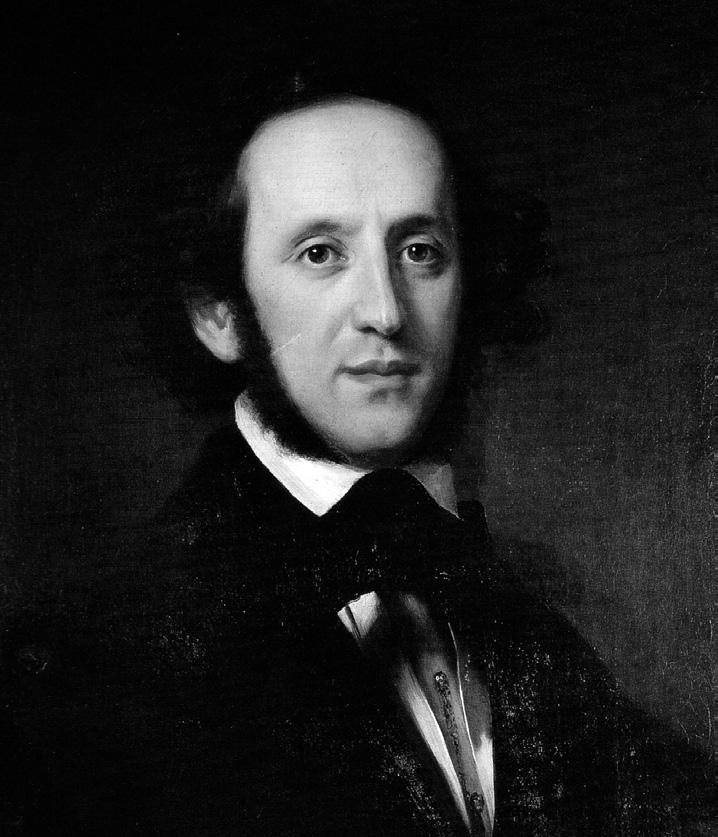
Goethe was delighted with his young friend’s musical response to his poetic creations, writing to him: ‘sail well in your music – may the voyage always be as prosperous as this!
little noise”,’ he wrote back to his family in Berlin. ‘And then he will sit down beside me and when I am finished I ask for a kiss or take one. You cannot imagine his kindness and friendliness.’
It was just seven years after their first meeting that the 19-year-old Mendelssohn set about producing tonight’s opening piece. Perhaps inspired by his own first experience of the sea – on an 1824 family holiday in Bad Doberan on the north German coast – he looked to a pair of short poems by Goethe for direct inspiration. And it’s here that our contemporary interpretation of the piece’s title might jar somewhat with Goethe and Mendelssohn’s original intentions. With propeller-powered ships in the 21st century, a ‘calm sea and prosperous voyage’ might seem like a single, attractive idea. With wind-blown vessels in the early 19th century, however,
a calm sea was no use to anybody: ships would remain stuck in port, and trade would come to a halt.
Accordingly, Mendelssohn’s overture falls into two distinct halves. First comes the ‘calm sea’ in a somewhat sombre, slow section, richly scored but rather directionless (intentionally so) all the same. It’s only when a solo flute heralds a gentle breeze picking up that things start to move. Excitement mounts in the horns and woodwind, and suddenly there’s no holding back the music’s propulsive rhythms and boundless energy. After dashing across the waves, however, the piece ends with a grand entrance into port, welcomed with trumpet fanfares. After all the excitement and celebration, however, Mendelssohn closes in gentle calmness, his ship safely moored. Goethe was delighted with his young friend’s musical response to his
Felix Mendelssohn
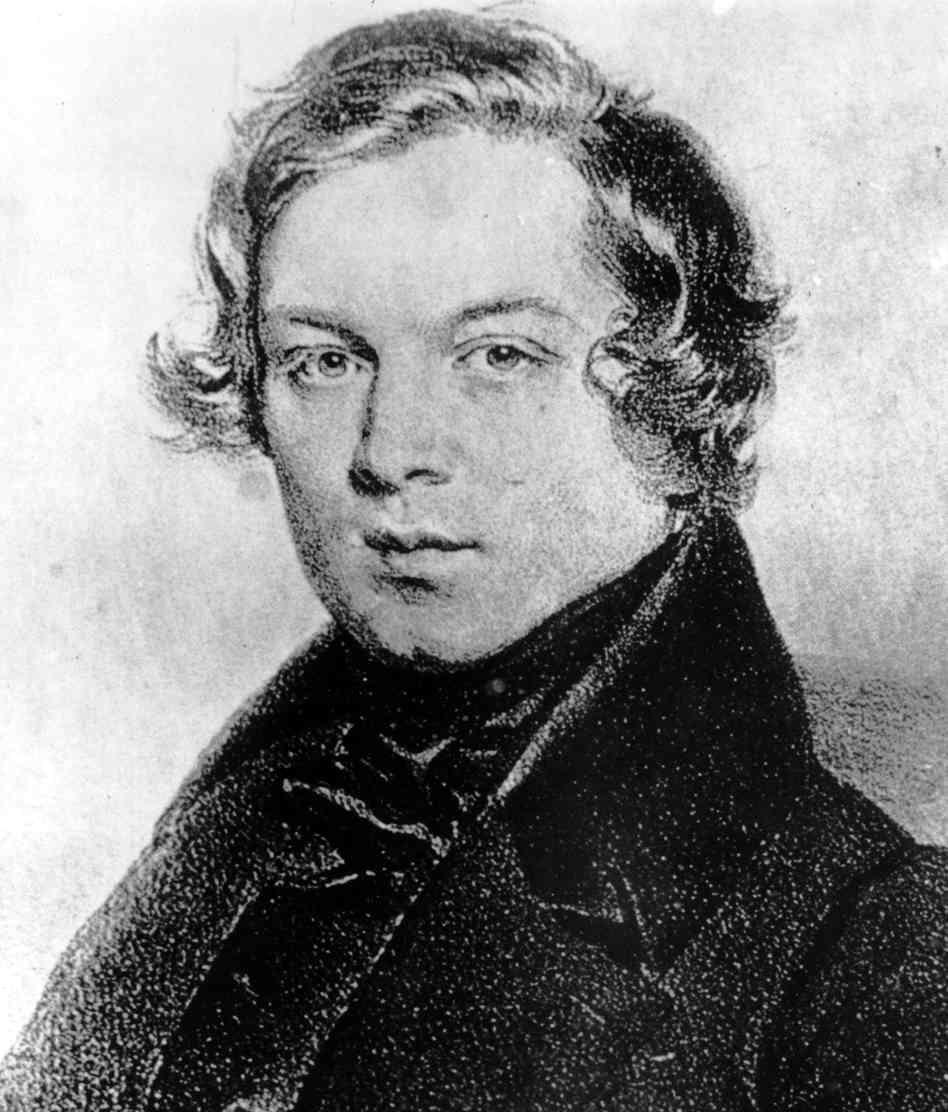
Schumann makes extensive technical demands on his cello soloist, even if the music they’re playing might not sound immediately showy.
poetic creations, writing to him: ‘sail well in your music – may the voyage always be as prosperous as this!’
From Mendelssohn’s maritime evocations, we move inland for tonight’s next piece – to Düsseldorf, in fact, where Robert Schumann moved with his wife Clara and their five children in 1850. Schumann and Mendelssohn had been friends and mutually admiring colleagues in Leipzig in the 1830s and 1840s, and both Robert and Clara were shocked by the early deaths of both Felix Mendelssohn and his beloved sister Fanny in 1847 (at the ages of just 38 and 41, respectively), as well as by the loss of their own infant son Emil, born in 1846. It seems fairly clear that the whole family saw a move to Düsseldorf as a fresh start, a chance for Robert to make his mark in the prestigious role of the city’s Music Director, and also to focus his energies on
conducting and composing. Tragically, it didn’t last: within just a couple of years, his new responsibilities began to overwhelm him, and his worsening mental health grew impossible to ignore.
If Schumann’s Düsseldorf years follow a downward trajectory from hope and optimism to despair, then the Cello Concerto that he composed in a burst of creativity in just two weeks in October 1850 – only six months after arriving in Düsseldorf – sits firmly within the hopeful, optimistic period, even if its mood is somewhat inward-looking. Schumann had begun to learn the cello himself in the 1830s, after abandoning hopes of a career as a professional pianist following a self-inflicted finger injury. So it’s perhaps understandable that he should create a rather melancholy concerto for the instrument he came to view so fondly, and
Robert Schumann
a work that places poetic expression above virtuosic display.
He wrote to a publisher that one of his motivations in writing the Concerto was simply that ‘there are so few works for this lovely instrument’. He originally called it a Konzertstück (‘Concert Piece’), rather than a full-blooded concerto, reflecting the piece’s rather modest scale and length, and also to indicate his decision to run all three of its movements together in a unified whole (as his friend Mendelssohn had done with his Violin Concerto in 1844).
‘Since there is a great dearth of such works,’ Schumann continued in his letter, ‘the Cello Concerto is something that will perhaps be welcomed by many.’ In more recent times, the Concerto certainly has been welcomed, but it was never performed publicly in Schumann’s own lifetime, and only found a secure place in the cello repertoire in the 20th century, after being championed by cello luminaries including Pablo Casals.
It is indeed a somewhat unconventional piece, one that delves into inner worlds rather than simply dazzling with virtuoso brilliance. That’s not to imply it’s an easy piece, though: ironically, Schumann makes extensive technical demands on his cello soloist, even if the music they’re playing might not sound immediately showy.
The solo cello kicks off the dramatic first movement with a long, yearning melody. The drama winds down into the dreamy, lyrical slow movement, in which the solo cello sings a touching duet with one of its orchestral colleagues, against guitar-like strummings from the rest of the strings. Schumann closes with a forceful return from the full orchestra in a dark, spiky
finale, which suddenly swerves towards the light just before its conclusion.
We remain with Robert Schumann – in a manner of speaking – for tonight’s next piece. Munich-born composer, clarinettist and conductor Jörg Widmann is one of today’s most in-demand musicians, and he’s created a large and very varied output of pieces across many different styles – sometimes focusing purely on sounds rather than conventional musical notes, sometimes going even further into gesture and movement. He’s also written a substantial collection of works that represent a kind of dialogue with earlier composers, including Mozart, Beethoven, Mendelssohn, Schubert, Brahms and –in the case of tonight’s 5 Albumblätter – Schumann. Indeed, Widmann has expressed a particularly deep love and admiration for Schumann’s works, calling the earlier composer ‘the poet in the world of music’. Widmann’s title is also a reference to Schumann, specifically to the earlier composer’s wide-ranging collection of short piano pieces Albumblätter (or ‘Album Leaves’) published in 1853.
Widmann wrote his 5 Albumblätter for the 2022 Queen Elisabeth Competition in Brussels, as the compulsory contemporary piece to be performed by all cello finalists (which might give some indication as to its technical challenges). He writes about the piece:
My 5 Albumblätter are, as the title of each piece indicates, in homage to Robert Schumann. The most obvious reference is probably in the opening piece ‘Adagio ohne Allegro’, which alludes to a Schumann composition that is particularly close to my heart, the Adagio und Allegro for cello
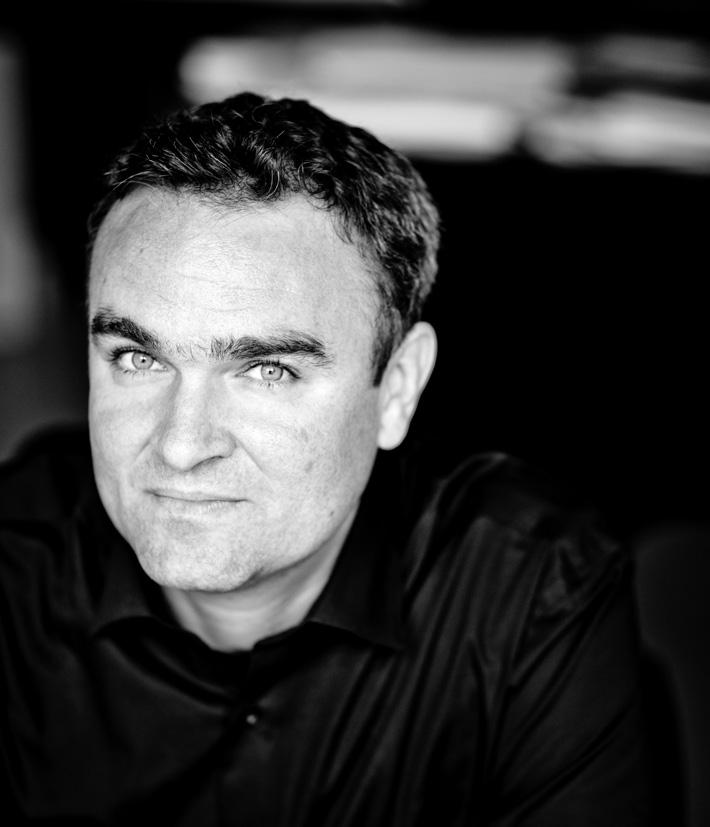
Widmann has expressed a particularly deep love and admiration for Schumann’s works, calling the earlier composer ‘the poet in the world of music’.
and piano. The same is true of the last work of the album, which is entitled ‘Mit Humor’ (‘With humour’), just like the first of Schumann’s Fünf Stücke im Volkston.
The second piece, ‘Liebelei’, is characterised by an obsessive staccato rhythm. The piece becomes freer and freer until it resembles a folk song, before returning playfully to the rapid staccato beat. Like a sloweddown melancholic yodel, the short central movement ‘Lied im Volkston’ is based on a recurring descending minor third motive. In the fourth piece, a bossa nova, Clara and Robert dance on an imaginary dance floor.
Aside from its dreamlike lyrical quality, what particularly fascinates me about Schumann’s music is its exaltation, incandescence and youthfulness, especially in the music he wrote for cello. It was a joy to transpose that enthusiasm to the present, in
my own musical language, in the knowledge that the music would be performed by young musicians, and that the pages would come to life through their fingers and in their hearts.
We bid farewell to Robert Schumann (and Jörg Widmann) for tonight’s final piece, and move back towards the water again – at least for the opening movement in Debussy’s Petite Suite. The Suite began life as a work for piano duet (and remains popular among pianists in that form) bringing together four short pieces that Debussy wrote between 1886 and 1889, when he was in his mid20s. As such, it’s a relatively early work in his output, and far simpler and more direct in its music than the more sensual, perfumed sounds of some of his later music. It’s also been speculated, however, that his publisher Auguste Durand may have specifically requested a piece that could be played by
Jörg Widmann
© Marco Borggreve
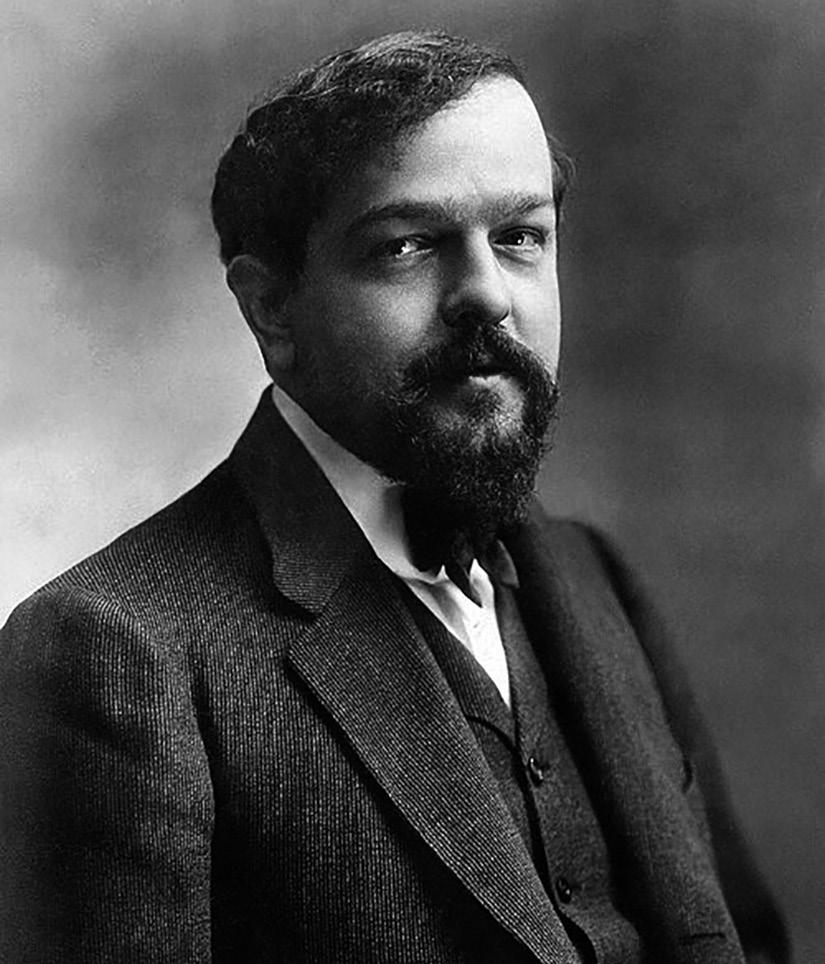
Auguste Durand may have specifically requested a piece that could be played by talented amateurs, to stand apart from the more complex music that Debussy was moving towards at the time.
talented amateurs, to stand apart from the more complex music that Debussy was moving towards at the time.
The Petite Suite was premiered – in its original piano duet version – by Debussy and Durand at a Parisian salon on 2 February 1889, just a few months before the composer’s encounter with Javanese gamelan at the city’s Exposition Universelle that would prove such a profound influence on his later music. The Suite’s immediacy and its glowing lyricism made it immediately popular, and Durand sensed another opportunity. He asked Debussy for an orchestral version, but the composer was already occupied with music in a new style of suggestiveness and sensuality. Debussy handed the task on to younger French composer Henri Büsser, whose sensitive but colourful orchestration from 1907 has become well established.
The Suite’s first two movements draw on poems by Paul Verlaine, one of Debussy’s most beloved writers, that conjure lavish images of artistocratic parties, country estates, costumed balls and suggestive liaisons. That said, the moonlit boat ride of ‘En bateau’ is one of exquisite calm, with a floating flute melody spun above an accompaniment of rippling harmonies. There’s nothing funereal about the second movement ‘Cortège’, which instead depicts a marching band on a day of festivities, building to a surprisingly grandiose close. Debussy closes with two dances: the gentle, dreamy ‘Menuet’ is followed by the far more energetic ‘Ballet’, perhaps a tribute to Emmanuel Chabrier (whose music Debussy greatly admired), which builds to a whirling, exuberant close.
© David Kettle
Claude Debussy
Conductor Maxim
Emelyanychev
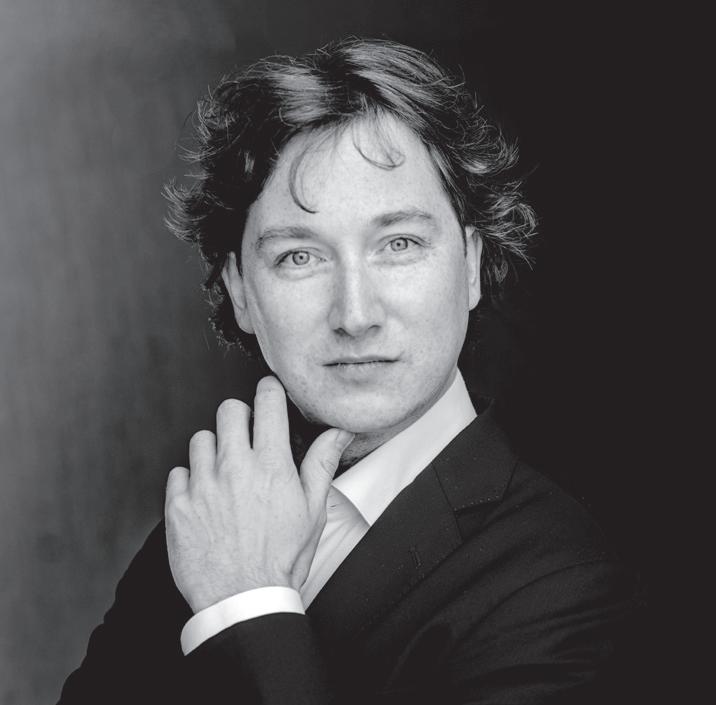
Maxim Emelyanychev has been Principal Conductor of the Scottish Chamber Orchestra since 2019. He is also Chief Conductor of period-instrument orchestra Il Pomo d’Oro, and became Principal Guest Conductor of the Swedish Radio Symphony Orchestra from the 2025/26 Season.
Born in Nizhny Novgorod, Emelyanychev made his conducting debut at the age of 12, and later joined the class of eminent conductor Gennady Rozhdestvensky at the Moscow Conservatoire.
Emelyanychev was initially appointed as the SCO’s Principal Conductor until 2022, and the relationship was later extended until 2025 and then until 2028. He has conducted the SCO at the Edinburgh International Festival and the BBC Proms, as well as on several European tours and in concerts right across Scotland. He has also made three recordings with the SCO, of symphonies by Schubert and Mendelssohn (Linn Records).
Emelyanychev has also conducted many international ensembles including the Berlin Philharmonic, Royal Concertgebouw Orchestra, Orchestra dell'Accademia Nazionale di Santa Cecilia, Deutsches Symphonie-Orchester Berlin, Rotterdam Philharmonic Orchestra, Finnish Radio Symphony Orchestra, Seattle Symphony and Orchestra of the Age of Enlightenment. In the opera house, Emelyanychev has conducted Handel’s Rinaldo at Glyndebourne, the same composer’s Agrippina as well as Mozart’s The Magic Flute at the Royal Opera House, Covent Garden, and Mozart’s Die Entführing aus dem Serail at the Opernhaus Zürich. He has also conducted Mozart’s Die Zauberflöte, Così fan tutte and La clemenza di Tito with the SCO at the Edinburgh International Festival. He has collaborated closely with US soprano Joyce DiDonato, including international touring and several recordings.
Among his other recordings are keyboard sonatas by Mozart, and violin sonatas by Brahms with violinist Aylen Pritchin. He has also launched a project to record Mozart’s complete symphonies with Il Pomo d’Oro. In 2019, he won the Critics’ Circle Young Talent Award and an International Opera Award in the newcomer category. He received the 2025 Herbert von Karajan Award at the Salzburg Easter Festival.
For full biography please visit sco.org.uk
©
Andrej
Grilc
Philip Higham
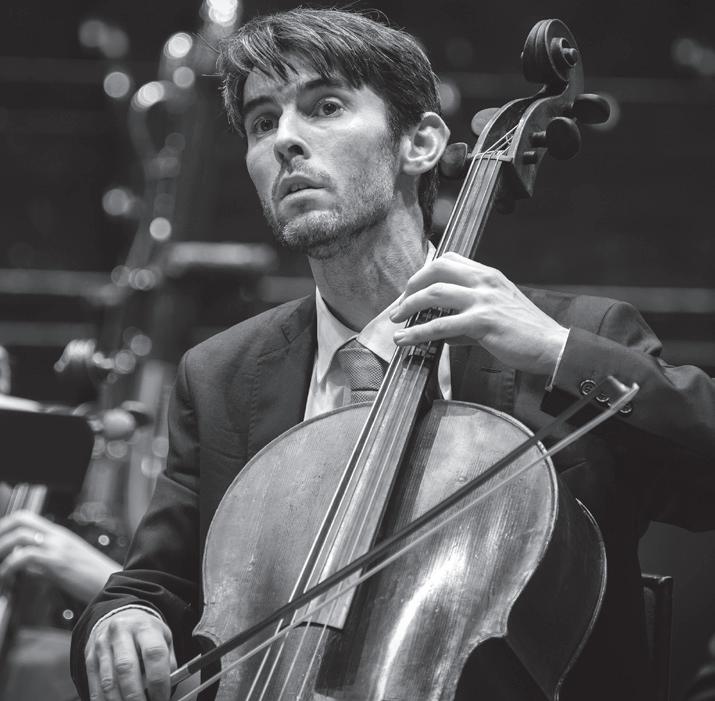
Born in Edinburgh, Philip studied with Ruth Beauchamp at St Mary's Music School and subsequently at the RNCM with Emma Ferrand and Ralph Kirshbaum. He also enjoyed mentoring from Steven Isserlis. In 2008 he became the first UK cellist to win 1st Prize in the Bach Leipzig competition, and followed it with major prizes in 2009 Lutoslawski Competition, and the 2010 Grand Prix Emmanuel Feuermann in Berlin. He was selected for representation by Young Classical Artist Trust between 2009 and 2014.
He has appeared as soloist with the Philharmonia Orchestra, the Hallé Orchestra (broadcast by BBC Radio 3), the Royal Northern Sinfonia and Bournemouth Symphony Orchestra. He has given recitals at the Wigmore Hall, Brighton Festival and Lichfield Festival, and further afield in Germany, Istanbul and Washington DC. In 2014 he performed the complete Bach Suites in Tokyo at the Musashino Cultural Foundation, and again at Wigmore Hall in 2017.
Philip has been described as ‘possessing that rare combination of refined technique with subtle and expressive musicianship… all the qualities of a world-class artist’ (The Strad), and has been praised for his ‘expansive but tender playing’ (Gramophone). His debut recording of the Britten Solo Suites (Delphian, 2013) was named instrumental disc of the month in both Gramophone and BBC Music magazines. He has also released the complete Bach Suites, to critical acclaim.
Philip was appointed Principal Cello of the Scottish Chamber Orchestra in 2016. He plays a fine Milanese cello by Carlo Giuseppe Testore, made in 1697, and is grateful for continued support from Harriet's Trust.
Philip's Chair is kindly supported by The Thomas Family
For full biography please visit sco.org.uk
© Christopher Bowen
Scottish Chamber Orchestra
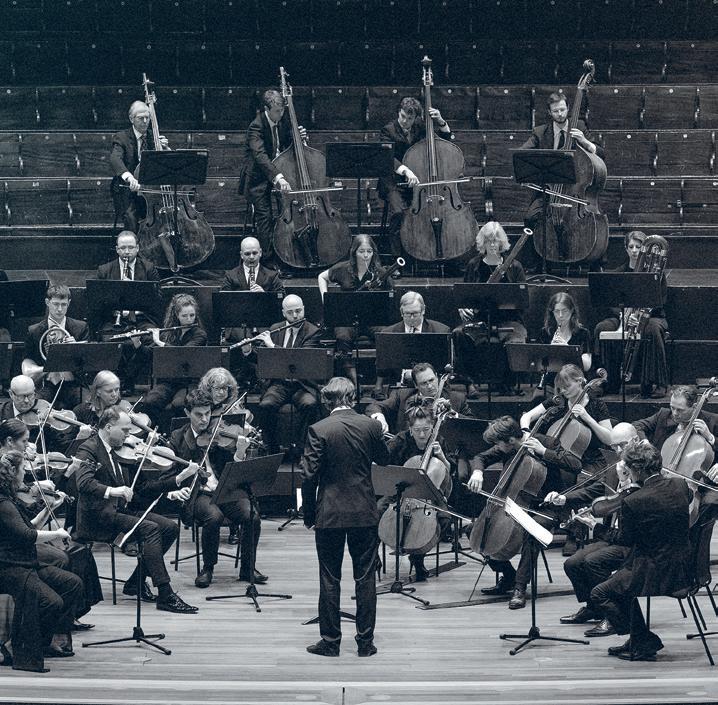
The Scottish Chamber Orchestra (SCO) is one of Scotland’s five National Performing Companies and has been a galvanizing force in Scotland’s music scene since its inception in 1974. The SCO believes that access to world-class music is not a luxury but something that everyone should have the opportunity to participate in, helping individuals and communities everywhere to thrive. Funded by the Scottish Government, City of Edinburgh Council and a community of philanthropic supporters, the SCO has an international reputation for exceptional, idiomatic performances: from mainstream classical music to newly commissioned works, each year its wide-ranging programme of work is presented across the length and breadth of Scotland, overseas and increasingly online.
Equally at home on and off the concert stage, each one of the SCO’s highly talented and creative musicians and staff is passionate about transforming and enhancing lives through the power of music. The SCO’s Creative Learning programme engages people of all ages and backgrounds with a diverse range of projects, concerts, participatory workshops and resources. The SCO’s current five-year Residency in Edinburgh’s Craigmillar builds on the area’s extraordinary history of Community Arts, connecting the local community with a national cultural resource.
An exciting new chapter for the SCO began in September 2019 with the arrival of dynamic young conductor Maxim Emelyanychev as the Orchestra’s Principal Conductor. His tenure has recently been extended until 2028. The SCO and Emelyanychev released their first album together (Linn Records) in 2019 to widespread critical acclaim. Their second recording together, of Mendelssohn symphonies, was released in 2023, with Schubert Symphonies Nos 5 and 8 following in 2024.
The SCO also has long-standing associations with many eminent guest conductors and directors including Principal Guest Conductor Andrew Manze, Pekka Kuusisto, François Leleux, Nicola Benedetti, Isabelle van Keulen, Anthony Marwood, Richard Egarr, Mark Wigglesworth, Lorenza Borrani and Conductor Emeritus Joseph Swensen.
The Orchestra’s current Associate Composer is Jay Capperauld. The SCO enjoys close relationships with numerous leading composers and has commissioned around 200 new works, including pieces by Sir James MacMillan, Anna Clyne, Sally Beamish, Martin Suckling, Einojuhani Rautavaara, Karin Rehnqvist, Mark-Anthony Turnage, Nico Muhly and the late Peter Maxwell Davies.
© Christopher Bowen

Support Us
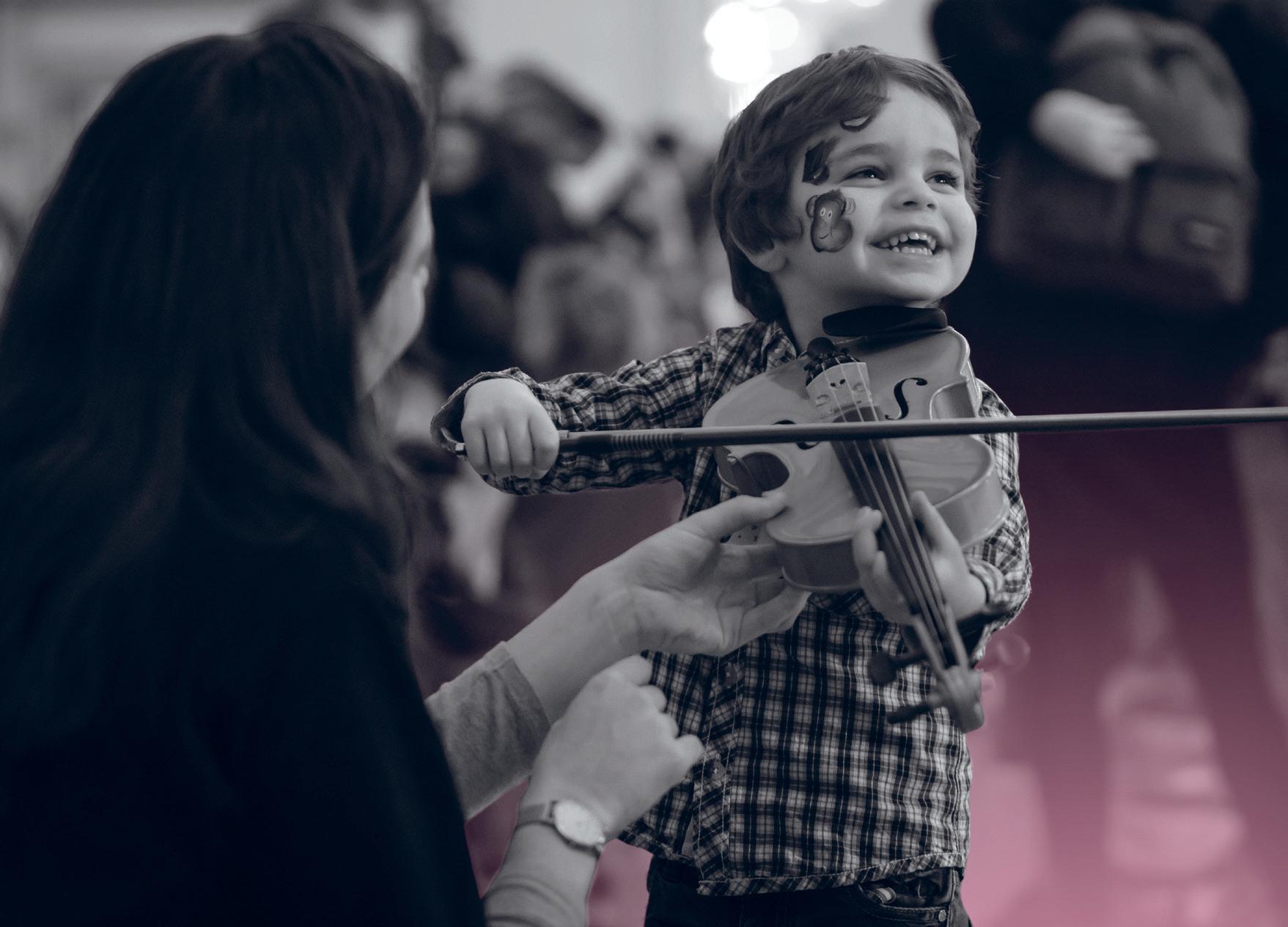
Each year, the SCO must fundraise around £1.2 million to bring extraordinary musical performances to the stage and support groundbreaking education and community initiatives beyond it.
If you share our passion for transforming lives through the power of music and want to be part of our ongoing success, we invite you to join our community of regular donors. Your support, no matter the size, has a profound impact on our work – and as a donor, you’ll enjoy an even closer connection to the Orchestra.
To learn more and support the SCO from as little as £5 per month, please contact Hannah at hannah.wilkinson@sco.org.uk or call 0131 478 8364.
The SCO is a charity registered in Scotland No SC015039.
Photo: Stuart Armitt