30 April-1 May 2026

30 April-1 May 2026
Thursday 30 April, 7.30pm Usher Hall, Edinburgh*
Friday 1 May, 7.30pm City Halls, Glasgow
HAYDN Paukenmesse (Mass in Time of War)
Interval of 20 minutes
MOZART Requiem
Riccardo Minasi conductor
Louise Alder soprano
Hanna Hipp mezzo soprano
Julien Henric tenor
Daniel Okulitch bass baritone
SCO Chorus
Gregory Batsleer chorus director
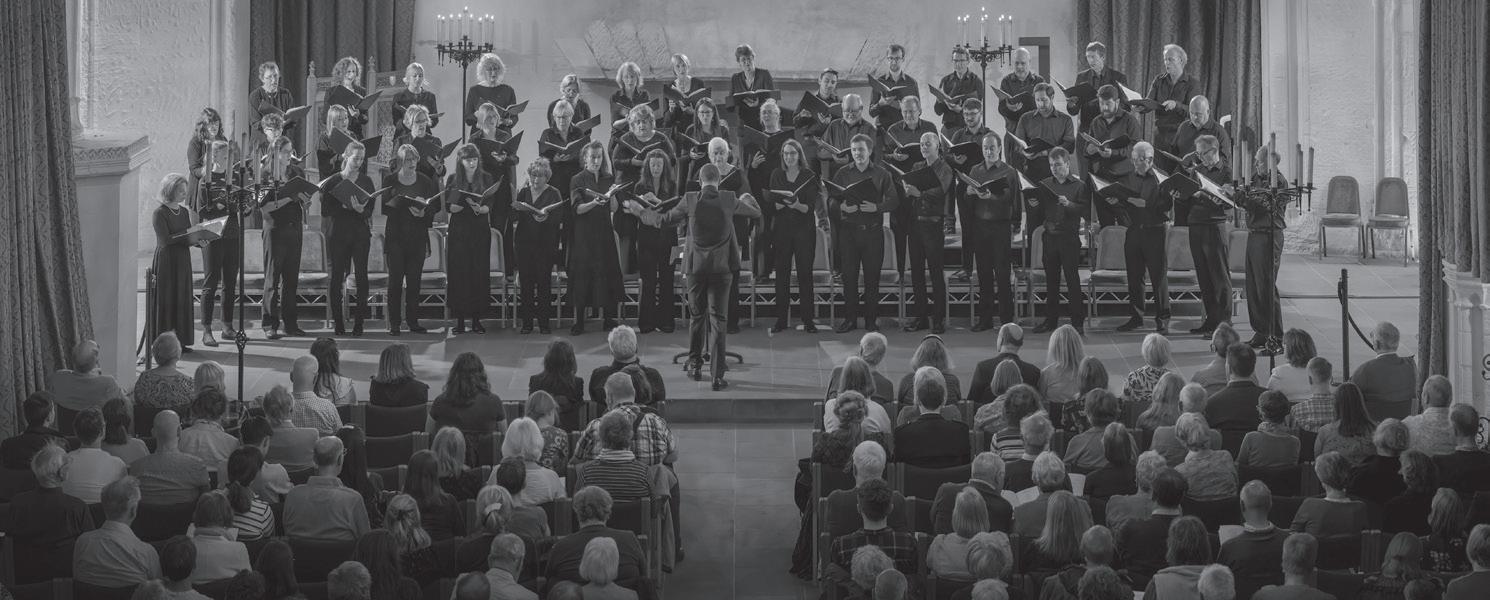
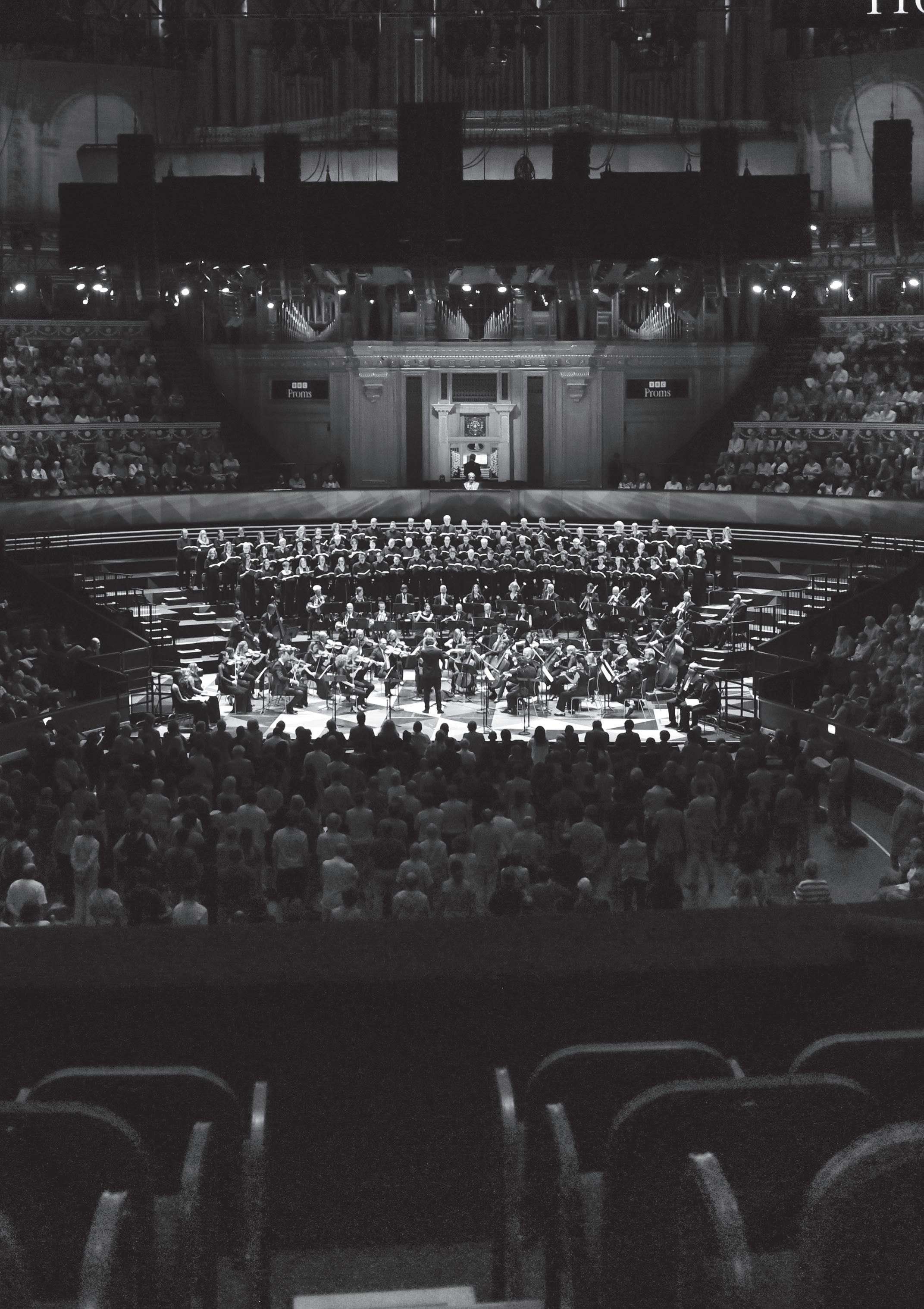
SCO Chorus with Gregory Batsleer

* This performance will be recorded for the BBC ‘Radio 3 In Concert’ series, due for broadcast on 6 May 2026.
4 Royal Terrace, Edinburgh EH7 5AB
+44 (0)131 557 6800 | info@sco.org.uk | sco.org.uk
The Scottish Chamber Orchestra is a charity registered in Scotland No. SC015039. Company registration No. SC075079.
THANK YOU
Our Principal Conductor’s Circle are a special part of our musical family. Their commitment and generosity benefit us all – musicians, audiences and creative learning participants alike.
Annual Fund
James and Patricia Cook
Visiting Artists Fund
Harry and Carol Nimmo
Anne and Matthew Richards
International Touring Fund
Gavin and Kate Gemmell
Learning and Participation Fund
Jo and Alison Elliot
Sabine and Brian Thomson
American Development Fund
Erik Lars Hansen and Vanessa C L Chang
Productions Fund
Geoff and Mary Ball
Bill and Celia Carman
Anne, Tom and Natalie Usher
Scottish Touring Fund
Eriadne and George Mackintosh
Claire and Anthony Tait
New Music Fund
Ken Barker and Martha Vail Barker
Colin and Sue Buchan
David Caldwell
The Thomas Family
CHAIR SPONSORS
Conductor Emeritus Joseph Swensen
Donald and Louise MacDonald
Chorus Director Gregory Batsleer
Anne McFarlane
Second Violin Rachel Smith in Memory of J Douglas Home
Principal Viola Max Mandel
Ken Barker and Martha Vail Barker
Viola Brian Schiele
Christine Lessels
Viola Steve King
Sir Ewan and Lady Brown
Principal Cello Philip Higham
The Thomas Family
Sub-Principal Cello Su-a Lee
Ronald and Stella Bowie
Cello Donald Gillan
Professor Sue Lightman
Cello Eric de Wit
Jasmine Macquaker Charitable Fund
Principal Flute André Cebrián
Claire and Mark Urquhart
Sub-Principal Flute Marta Gómez
Judith and David Halkerston
Principal Oboe
The Hedley Gordon Wright Charitable Trust
Sub-Principal Oboe Katherine Bryer
Ulrike and Mark Wilson
Principal Clarinet Maximiliano Martín
Stuart and Alison Paul
Principal Bassoon Cerys Ambrose-Evans
Claire and Anthony Tait
Sub-Principal Bassoon Alison Green
George Rubienski
Principal Horn Kenneth Henderson
Caroline Hahn and Richard Neville-Towle






Diamond
The Cockaigne Fund
Malcolm and Avril Gourlay
John and Jane Griffiths
James and Felicity Ivory
George Ritchie
Tom and Natalie Usher
Platinum
E.C. Benton
Michael and Simone Bird
John and Maggie Bolton
Silvia and Andrew Brown
Dr Peter Williamson and Ms Margaret Duffy
David and Elizabeth Hudson
Helen B Jackson
Dr and Mrs Peter Jackson
Dr Daniel Lamont
Graham and Elma Leisk
Professor and Mrs Ludlam
Chris and Gill Masters
Paul Maxwell, in loving memory of Ruth Maxwell
Duncan and Una McGhie
Anne-Marie McQueen
James F Muirhead
Robin and Catherine Parbrook
Jane Peacock in memory of Douglas Peacock
Charles Platt and Jennifer Bidwell
Patrick and Susan Prenter
Mr and Mrs J Reid
The Walter and Janet Reid Charitable Trust
Martin and Mairi Ritchie
Hilary E Ross
Elaine Ross
Sir Muir and Lady Russell
Jill and Brian Sandford
Michael and Elizabeth Sudlow
Robert and Elizabeth Turcan
Alan and Sue Warner
Bill Welsh
Anny and Bobby White
Robert Mackay and Philip Whitley
Finlay and Lynn Williamson
Ruth Woodburn
Gold
Peter Armit
Adam Gaines and Joanna Baker
Elizabeth Brittin
Kate Calder
James Wastle and Glenn Craig
Jo and Christine Danbolt
James and Caroline Denison-Pender
Andrew and Kirsty Desson
David and Sheila Ferrier
Chris and Claire Fletcher
James Friend
Iain Gow
Margaret Green
Christopher and Kathleen Haddow
Catherine Johnstone
Julie and Julian Keanie
Gordon Kirk
Janey and Barrie Lambie
Mike and Karen Mair
Roy and Svend McEwan-Brown
John and Liz Murphy
Tom Pate
Maggie Peatfield
Sarah and Spiro Phanos
Alison and Stephen Rawles
Andrew Robinson
Olivia Robinson
Anne McAlister and Philip Sawyer
Irene Smith
Dr Jonathan Smithers
Ian S Swanson
Ian and Janet Szymanski
John-Paul and Joanna Temperley
Douglas and Sandra Tweddle
Catherine Wilson
Neil and Philippa Woodcock
Georgina Wright
Silver
Roy Alexander
Fiona and Neil Ballantyne
The Batsleer Family
Jack Bogle
Jane Borland
Alan Borthwick
Dinah Bourne
Michael and Jane Boyle
Mary Brady
Paula and Colin Brown
John Brownlie
Laura Buist
Robert Burns
Sheila Colvin
Lorn and Camilla Cowie
Adam and Lesley Cumming
Dr Wilma Dickson
Seona Reid and Cordelia Ditton
Sylvia Dow
Colin Duncan in memory of Norma Duncan
Richard and Cath Dyer
Raymond Ellis
Dr and Mrs Alan Falconer
Sheila Ferguson
Dr William Irvine Fortescue
Dr David Grant
Anne Grindley
Andrew Hadden
J Martin Haldane
Ronnie and Ann Hanna
Roderick Hart
Norman Hazelton
Alistair Hector
Ron and Evelynne Hill
Philip Holman
Clephane Hume
Tim and Anna Ingold
David and Pamela Jenkins
Margaret Mortimer and Ken Jobling
Ross D. Johnstone
James Kelly, in memory of Mairi Kelly
Professor Christopher and Mrs Alison Kelnar
Dr Ian Laing
Geoff Lewis
Dorothy A Lunt
Vincent Macaulay
James McClure in memory of Robert Duncan
Ben McCorkell
Lucy McCorkell
Gavin McCrone
Michael McGarvie
Brian Miller
Alistair Montgomerie
Norma Moore
Andrew Murchison
Pamela Andrews and Alan Norton
Gilly Ogilvy-Wedderburn
Mairi & Ken Paterson
John Peutherer in memory of Audrey Peutherer
James S Potter
Timothy Barnes and Janet Sidaway
Catherine Steel
John and Angela Swales
Takashi and Mikako Taji
C S Weir
Susannah Johnston and Jamie Weir
David and Lucy Wren
Roderick Wylie
We are indebted to everyone acknowledged here who gives philanthropic gifts to the SCO of £300 or greater each year, as well as those who prefer to remain anonymous.
We are also incredibly thankful to the many individuals not listed who are kind enough to support the Orchestra financially on a regular or ad hoc basis. Every single donation makes a difference.
Become a regular donor, from as little as £5 a month, by contacting Hannah Wilkinson on 0131 478 8364 or hannah.wilkinson@sco.org.uk.
“…an orchestral sound that seemed to gleam from within.”
HM The King Patron
Donald MacDonald CBE
Life President
Joanna Baker CBE Chair
Gavin Reid LVO
Chief Executive
Maxim Emelyanychev
Principal Conductor
Andrew Manze
Principal Guest Conductor
Joseph Swensen
Conductor Emeritus
Gregory Batsleer
Chorus Director
Jay Capperauld
Associate Composer
Information correct at the time of going to print Our Musicians
This concert will be played on natural brass/timpani throughout.
First Violin
Stephanie Gonley
Afonso Fesch
Irina Simon Renes
Amira Bedrush-McDonald
Fiona Alexander
Sarah Bevan Baker
Jess Hall
Amy Cardigan
Second Violin
Michael Gurevich
Michelle Dierx
IIhem Ben Khalfa
Rachel Smith
Kristin Deeken
Catherine James
Cheryl Crockett
Amelia Harding
Viola
Max Mandel
Francesca Gilbert
Katie Heller
Steve King
Kathryn Jourdan
Marsailidh Groat
Cello
Robin Michael
Donald Gillan
Eric de Wit
Kim Vaughan
Niamh Molloy
Bass
Jamie Kenny
Margarida Castro
Alice Durrant
Flute
Marta Gómez
Oboe
Sasha Calin
Fraser Kelman
Clarinet/Basset Horn
Maximiliano Martín
Calum Robertson
Bassoon
Cerys Ambrose-Evans
Alison Green Horn
Kenneth Henderson
Martin Lawrence
Max Mandel
Principal Viola
Trumpet
Peter Franks
Shaun Harrold
Trombone
Duncan Wilson
Cillian Ó Ceallacháin
Alan Adams
Timpani
Louise Lewis Goodwin
Chamber Organ
Michael Bawtree
HAYDN (1732-1809)
Paukenmesse (Mass in Time of War) (1796)
Kyrie
Gloria Credo
Sanctus
Benedictus
Agnus Dei
MOZART (1756-1791)
Requiem in D minor, K.626 (1791)
Introitus
Kyrie
Sequentia
Offertorium
Sanctus
Benedictus
Agnus Dei
Communio
Christian choral music forms a large and important strand running through many composers’ creations, partly because of their own personal religious convictions, and partly because of the support they received from the church itself, or from wealthy patrons keen to demonstrate their devotion. Both are true of the two iconic but very different works in tonight’s concert, though their composers’ personal beliefs informed these public expressions of faith in rather different ways. Joseph Haydn was a deeply religious man, and (arguably) managed to smuggle urgent real-world references into the choral splendours he created for his wealthy employer. Wolfgang Amadeus Mozart, on the other hand, had more of an arm’s-length relationship with conventional Christianity, melding traditional piety with the Enlightenment values of reason, rationality, humanism and fraternity to which he probably felt more naturally drawn. Nonetheless, when it came to contemplating the biggest question of them all, Mozart rose to the task with some of his most spiritually powerful music – even if he wouldn’t live long enough to complete it.
But let’s go back to Haydn. He began working for the fabulously wealthy Esterházy family as a 29-year-old in 1761, and would ultimately maintain a musical relationship with the clan lasting almost three decades. During that time, he essentially ran the musical life at the Esterházy court: his duties stretched from composing to rehearsing and directing, managing the court’s musicians, even part-copying and instrument repair. When the music-loving Prince Nikolaus I died in 1790, Haydn found his responsibilities much reduced under the less artistically inclined Prince Anton, and took the opportunity to travel and spread his musical wings –
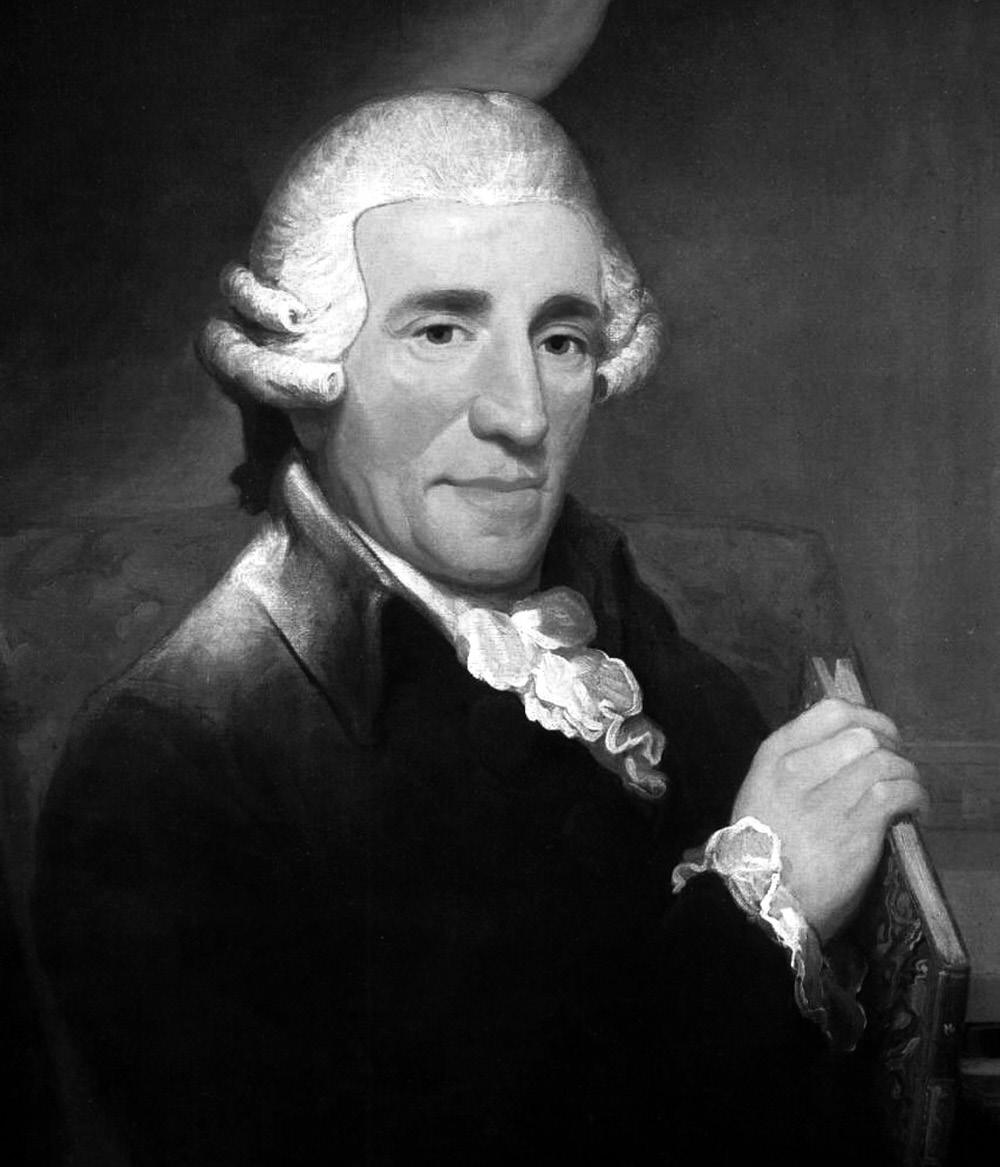
Joseph Haydn was a deeply religious man, and (arguably) managed to smuggle urgent real-world references into the choral splendours he created for his wealthy employer.
including two wildly successful residencies in London in the early 1790s. When Prince Anton was himself succeeded by Prince Nikolaus II, Haydn found himself back in higher demand, though with lighter duties, one of which was to celebrate the name-day of Nikolaus II’s wife, Princess Maria Josepha Hermengilde Esterházy, with new settings of the Mass. The work we’ll hear this evening is the second of six that Haydn composed for that annual occasion, and was first heard at a private performance for the Esterházy family in their Bergkirche, Eisenstadt, on 29 September 1796.
The final years of the 18th century were, however, a time of war, worry and great instability across Europe. The violent overthrow of the French monarchy precipitated by the 1789 Revolution sent shockwaves across the continent, as well as fears that its radical ideas might
catch light in other countries. Established European monarchies – notably Prussia and Austria – hoped that the old order would be re-established in France. The new French revolutionary powers, however, wanted to nurture and consolidate their young republic, and even spread its founding ideas. Tension turned to conflict in the French Revolutionary Wars, and in 1796, a 26-year-old general by the name of Napoleon Bonaparte secured astonishing military victories in northern Italy, at that time essentially ruled by the Austrian Habsburgs. It came as a shock to Austrians, who suddenly felt their own lands – even Vienna itself – may be vulnerable. Napoleon stopped short of threatening Austria’s glorious capital that time, but French forces under his command would indeed enter the city in 1805, when it’s said that one of the General’s first orders was that a special guard should be stationed outside the house
of the 73-year-old Haydn, to protect the ageing musician from harm.
But we’re getting ahead of ourselves: back to 1796, and tonight’s Mass. The role that the threat of war played in its creation has been long debated, and Haydn never explicitly stated any connections between his music and contemporary events. Apart from the small matter of describing the work as ‘Missa in tempore belli’ (or ‘Mass in a time of war’) on his autograph manuscript. While trumpet fanfares and prominent timpani solos (which, incidentally, give the Mass its other nickname, ‘Paukenmesse’ or ‘Timpani Mass’) may have served as an uncomfortable reminder to Viennese listeners of the realities of conflict, it’s also been suggested that Haydn’s overall tone of vitality and optimism in the piece serves as a reminder of the opportunities and benefits of peace – at a time when the Viennese government strongly discouraged any discussion of peace with the enemy until French forces had been driven back.
It is, indeed, a generally bright-toned work, one whose military reminders may appear more as passing clouds momentarily obscuring a sunny outlook. After a slow, gentle introduction – which serves to build a sense of expectation, or maybe apprehension – the soprano soloist kicks off the opening ‘Kyrie’ before a more elaborate choral section. The multi-sectioned ‘Gloria’ opens in overt celebration, but moves into quieter, gently rocking music with ‘Et in terra pax hominibus’, before the bass soloist and a solo cello come together in the elegant ‘Qui tollis peccata mundi’.
Haydn assigns different lines to different choral voices at the opening of the ‘Credo’, leading to a complex musical and verbal
texture, but it’s followed by a far more sombre ‘Et incarnatus est’ from the vocal soloists that sinks almost to nothingness, only to burst back into vivid life in the choral ‘Et resurrexit’. The quiet, reverential opening of the ‘Sanctus’ quickly blooms into choral splendour, while the four soloists’ lines become increasingly florid in the more serious ‘Benedictus’.
It’s in the closing ‘Agnus Dei’, however, that the Mass’s wartime context comes most strongly into focus. After a hushed, hymnlike opening, quiet drums provide a quietly threatening counterpoint – ‘as if one heard the enemy approaching in the distance’ was the verdict of one of Haydn’s friends – to the otherwise gentle music. That’s until the movement shifts into the darker minor, and trumpet fanfares make the threat seem frighteningly closer. Timpani and trumpets maintain their prominence in the closing ‘Dona nobis pacem’, which seems perpetually to veer between glorious splendour and (perhaps) menace.
There’s more myth, mystery and misunderstanding surrounding Mozart’s Requiem than perhaps any other piece of music. It is notorious for having been commissioned by a mysterious messenger – Mozart later called him a ‘grey stranger’ –who refused to reveal his identity or that of his patron; and Mozart, who was already gravely ill when he accepted the commission, came to view the piece as his own funeral music, leaving it unfinished at his death.
Miloš Forman’s 1984 film Amadeus, based on Peter Schaffer’s 1979 play (which was itself based on Pushkin’s 1830 drama Mozart and Salieri, incidentally made into an opera by Rimsky-Korsakov in 1897), certainly didn’t set things straight,
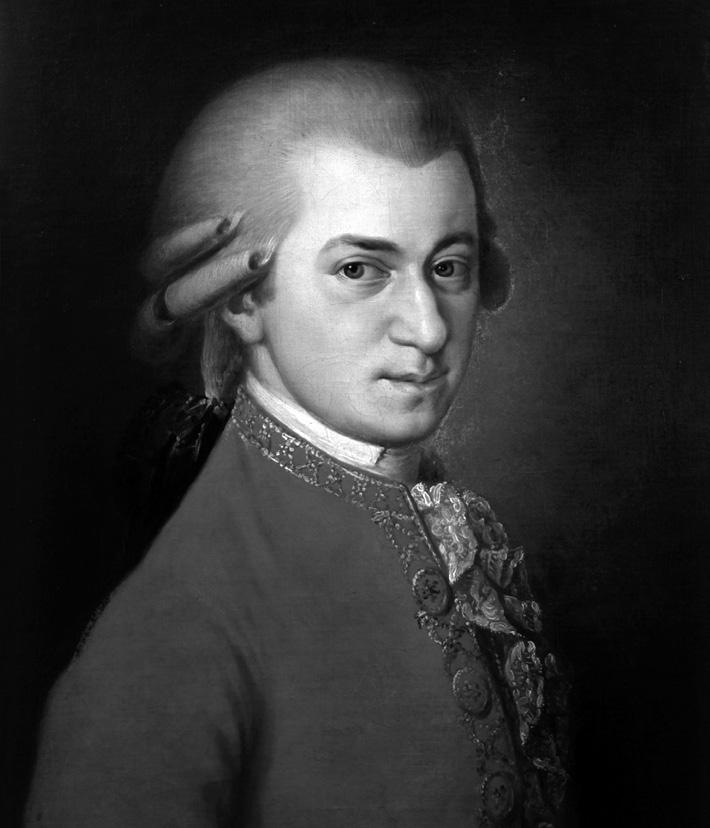
There’s more myth, mystery and misunderstanding surrounding Mozart’s Requiem than perhaps any other piece of music.
complicating matters still further by bringing in the supposed poisoning of Mozart by his supposed arch-rival Salieri. But rumours and supernatural suggestions had been around since 1798, just seven years after Mozart’s death, when the first biography of the composer suggested he knew he was writing his own funeral music.
The truth of the matter, although less otherworldly, is no less bizarre in its own way. The Requiem’s patron was Austrian aristocrat and musical dilettante Count Franz Walsegg-Stuppach, who had sent his valet to negotiate with Mozart. Walsegg’s wife had died in February 1791, and in planning a commemorative event for her, he also saw the opportunity to further his own musical ambitions, for Walsegg had a habit of commissioning music from notable composers and passing it off as his own. He did exactly that with Mozart’s Requiem: it
received its first performance, as Walsegg had intended, on 14 December 1793 at a commemorative service on his estate, with the words ‘Composed by Count Walsegg’ inscribed boldly on the manuscript.
Hence the secrecy: the conditions of the commission were that Mozart should attempt to find out neither the identity of the commissioner nor the details of the first performance. The composer was in a precarious financial situation in 1791, so he was delighted to receive this major commission, despite its strange conditions. He was superstitious, though, as well as seriously ill, and the incessant visits he received from Walsegg’s emissary – often unannounced – unavoidably set him off thinking about matters supernatural. He’s later reported to have said: ‘I cannot remove from my mind the image of the stranger. I see him continually. He begs me, exhorts
For many years it was believed to be entirely the work of Mozart, although rumours persisted about its authenticity, fuelled by acquaintances who knew that the composer had died before he completed it.
me, and then commands me to work. I continue, because composition fatigues me less than rest. Moreover, I have nothing more to fear. I know from what I feel that the hour is striking; I am on the point of death; I have finished before I could enjoy my talent. I thus must finish my own funeral song, which I must not leave incomplete.’
Mozart failed to do this, however. He was seriously ill even when he began work on the Requiem, and composed sections of it on his death-bed. He managed to write the opening ‘Kyrie’ in its entirety, and left vocal lines and indications of basslines and harmony for most of the other movements. He postponed writing the ‘Lacrimosa’ until after he had written the ‘Domine Jesu’ and ‘Hostias’, and in the event only managed to write the opening eight bars of it before he died. He also left several other fragments, including the trombone solo that opens the ‘Tuba mirum’.
So at his death, Mozart’s Requiem was left in a chaotic state, some parts complete, others half-finished, others missing entirely. His widow Constanze was concerned that, since the fee had been paid in advance, she would have to return it if she submitted an incomplete work. So she set about finding a composer who might be able to complete the Requiem from what Mozart had left. Two notable names of the times – Joseph Eybler and Maximilian Stadler – refused, and in the end Constanze approached Franz Süssmayr, who had studied composition with Mozart during his final year, and had discussed and played through sections of the Requiem with him. Süssmayr agreed and completed the work, incorporating Mozart’s existing sketches, composing later movements from scratch since Mozart had not even begun work on them, and concluding with a return of the Requiem’s opening music in its closing
sections, something that Constanze told him Mozart had intended.
Süssmayr wrote out the entire manuscript again by hand, so that it would appear in a single person’s handwriting, and Constanze handed it over to Walsegg’s envoy with no mention of Süssmayr’s involvement. At its first performance it was credited to Walsegg himself, but Constanze later begged the Count to reveal the work’s true composer so that she could have her late husband’s music published. He agreed, and it was first published in 1802 as a work by Mozart.
For many years it was believed to be entirely the work of Mozart, although rumours persisted about its authenticity, fuelled by acquaintances who knew that the composer had died before he completed it. It was only much later that Süssmayr’s involvement was acknowledged – and although the work as Mozart left it has since been completed by numerous other musicians, it’s Süssmayr’s version that is most often performed and has generally been accepted by the listening public.
A final note about Walsegg’s motivations: there may possibly have been a hint of altruism in his actions. One of Mozart’s close Masonic friends was Michael Puchberg, who had given the composer considerable financial support, and Puchberg’s business address was the same as the Count’s Viennese city home, so the two men clearly knew each other. It may have been on Puchberg’s recommendation that Walsegg offered Mozart such a generous commission at a time of particular need – or he may simply have seen an opportunity to take advantage of Mozart’s situation for his own self-aggrandising ends.
The famously sombre music that launches the opening ‘Requiem aeternam’ is Mozart’s own, as is the contrapuntal complexity of the subsequent ‘Kyrie’, which brings together a slow-moving ‘Kyrie eleison’ line with a faster-moving answer of ‘Christe eleison’. Mozart left complete vocal lines and bassline for the dramatic, rushing ‘Dies irae’, which vividly conveys the stormy destruction of the Day of Wrath, and likewise, the sonorous trombone solo that launches the ‘Tuba mirum’ is authentic Mozart too. That section is followed by an appropriately grandiose ‘Rex tremendae’ and a far gentler ‘Recordare’, whose flowing introduction sets the scene for the four vocal soloists’ slowmoving, intertwining lines. More stormy aggression is interrupted by angelic calm in the ‘Confutatis’, which prepares the way for the ‘Lacrimosa’, which Süssmayr picked up from the eight opening bars that Mozart completed before his death.
As previously, Mozart himself left complete vocal parts and bassline for the surging ‘Domine Jesu’ and the gently flowing ‘Hostias’ that follows, while the grand, imposing ‘Sanctus’ and gently consoling ‘Benedictus’ are all Süssmayr’s work, as is the foreboding of the ‘Agnus Dei’ that follows, shot through with ominous timpani strokes. Following the advice of Mozart’s widow, however, Süssmayr returned to material from earlier in the Requiem for his final two sections. The ‘Lux aeterna’ looks back to the opening ‘Requiem aeternam’, while ‘Cum sanctis tuis’ reuses music from the ‘Kyrie’, bringing a sense of inevitability and closure to the overall work, as though we’re returning to where we began, but experiencing it afresh in the light of all we’ve heard and experienced.
© David Kettle
HAYDN (1732-1809)
Paukenmesse (Mass in Time of War) (1796)
Kyrie Kyrie eleison. Christe eleison. Kyrie eleison.
Gloria
Gloria in excelsis Deo et in terra pax hominibus bonae voluntatis. Laudamus te, benedicimus te, adoramus te, glorificamus te, gratias agimus tibi propter magnam gloriam tuam, Domine Deus, Rex caelestis, Deus Pater omnipotens. Domine Fili Unigenite, Iesu Christe, Domine Deus, Agnus Dei, Filius Patris.
Qui tollis peccata mundi, miserere nobis; qui tollis peccata mundi, suscipe deprecationem nostram. Qui sedes ad dexteram Patris, miserere nobis.
Quoniam tu solus Sanctus, tu solus Dominus, tu solus Altissimus, Iesu Christe.
Kyrie
Lord, have mercy on us. Christ, have mercy on us. Lord, have mercy on us.
Gloria
Glory to God in the highest, And peace on earth to men of good will. We praise you, we bless you, We worship you, we glorify you. We give you thanks for Your great glory. Lord God, King of Heaven, God the Father Almighty. Lord only-begotten Son, Jesus Christ.Lord God, Lamb of God, Son of the Father.
You who take away the sin of the world, Have mercy on us.
You who take away the sin of the world, Hear our prayer. You who sit at the right hand of the Father, have mercy on us.
For you alone are holy, you alone are Lord, you alone are the Most High, Jesus Christ.
Cum Sancto Spiritu: in gloria Dei Patris. Amen Credo
Credo in unum Deum, Patrem omnipotentem, factorem coeli et terrae, visibilium omnium et invisibilium.
Et in unum Dominum Jesum Christum, Filium Dei unigenitum, et ex patre natum ante omnia saecula, Deum de Deo, lumen de lumine, Deum verum de Deo vero. Genitum non factum, consubstantialem Patri; per quem omnia facta sunt. Qui propter nos homines et propter nostram salutem descendit de coelis.
Et incarnatus est de Spiritu Sancto, ex Maria virgine; et homo factus est. Crucifixus etiam pro nobis sub Pontio Pilato, passus et sepultus est.
With the Holy Spirit in the glory of God the Father, Amen Credo
I believe in one God, the Father, the Almighty, maker of heaven and earth, of all that is, seen and unseen. And in one Lord Jesus Christ, the only Son of God, eternally begotten of the Father, before all things.
God from God, light from light, true God from true God, begotten, not made, of one being with the Father; through him all things were made. For us and for our salvation he came down from heaven.
He became incarnate of the Virgin Mary by the power of the Holy Spirit, and was made man.
For our sake he was crucified under Pontius Pilate; he suffered death and was buried.
Et resurrexit tertia die secundum Scripturas, et ascendit in coelum, sedet ad dexteram Patris, et iterum venturus est cum gloria, judicare vivos et mortuos, cujus regni non erit finis. Et in Spiritum Sanctum Dominum, et vivificantem, qui ex Patre Filioque procedit, qui cum Patre et Filio simul adoratur, et conglorificatur, qui locutus est per Prophetas. Et unam sanctam catholicam et apostolicam Eccelsiam. Confiteor unum baptisma in remissionem peccatorum, et expecto resurrectionem mortuorum, et vitam venturi saeculi. Amen.
Sanctus
Sanctus, sanctus, sanctus Dominus Deus Sabaoth!
Pleni sunt coeli et terra gloria tua Hosanna in excelsis!
Benedictus
Benedictus qui venit in nomine Domini. Hosanna in excelsis!
Agnus Dei
Agnus Dei qui tollis peccata mundi, miserere nobis.
Agnus Dei qui tollis peccata mundi, miserere nobis.
Agnus Dei qui tollis peccata mundi, dona nobis pacem.
He rose again on the third day in accordance with the Scriptures; he ascended into heaven, and is seated at the right hand of the Father; he will come again in glory to judge the living and the dead, and his kingdom will have no end. And I believe in the Holy Spirit, the Lord, the giver of Life, who proceeds from the Father and the Son; who with the Father and the Son is worshipped and glorified. He has spoken through the prophets. I believe in one holy catholic and apostolic Church; I acknowledge one baptism for the forgiveness of sins; I look for the resurrection of the dead, and the life of the world to come. Amen.
Sanctus
Holy, holy, holy, Lord God of Hosts.
Heaven and earth are full of Thy glory. Hosanna in the highest.
Benedictus
Blessed is He who cometh in the name of the Lord. Hosanna in the highest.
Agnus Dei
Lamb of God, who takes away the sins of the world, have mercy on us.
Lamb of God, who takes away the sins of the world, have mercy on us.
Lamb of God, who takes away the sins of the world, grant us peace.
MOZART (1756-1791)
Requiem in D minor, K.626 (1791)
Introitus
Requiem aeternam dona eis, Domine, et lux perpetua luceat eis.
Te decet hymnus, Deus, in Sion, et tibi reddetur votum in Jerusalem.
Exaudi orationem meam, ad te omnis caro veniet.
Requiem aeternam dona eis, Domine, et lux perpetua luceat eis.
Kyrie
Kyrie eleison.
Christe eleison.
Kyrie eleison.
Introitus
Eternal rest give unto them, O Lord, and let perpetual light shine upon them. A hymn, O God, becometh Thee in Zion; and a vow shall be paid to Thee in Jerusalem; hear my prayer; all flesh shall come to Thee. Eternal rest give unto them, O Lord, and let perpetual light shine upon them.
Kyrie
Lord, have mercy on us. Christ, have mercy on us. Lord, have mercy on us.
Sequence
Dies irae, dies illa
Solvet saeclum in favilla, teste David cum Sibylla. Quantus tremor est futurus, quando judex est venturus, cuncta stricte discussurus!
Tuba mirum spargens sonum per sepulcra regionum, coget omnes ante thronum. Mors stupebit et natura, cum resurget creatura, judicanti responsura. Liber scriptus proferetur, in quo totum continetur, unde mundus judicetur. Judex ergo cum sedebit, quidquid latet, apparebit, nil inultum remanebit.
Quid sum miser tunc dicturus? quem patronum rogaturus, cum vix justus sit securus?
Rex tremendae majestatis, qui salvandos salvas gratis, salve me, fons pietatis.
Recordare, Jesu pie, quod sum causa tuae viae; ne me perdas illa die. Quaerens me, sedisti lassus, redemisti crucem passus; tantus labor non sit cassus. Juste judex ultionis, bonum fac remissionis ante diem rationis. Ingemisco, tamquam reus: culpa rubet vultus meus; supplicanti parce, Deus.
Qui Mariam absolvisti, et latronem exaudisti, mihi quoque spem dedisti. Preces meae non sunt dignae,
Day of wrath, day of anger will dissolve the world in ashes, as foretold by David and the Sibyl. Great trembling there will be when the Judge descends from heaven to examine all things closely!
The trumpet will send its wondrous sound throughout earth's sepulchres and gather all before the throne. Death and nature will be astounded, when all creation rises again, to answer the judgement. A book will be brought forth, in which all will be written, by which the world will be judged. When the judge takes his place, what is hidden will be revealed, nothing will remain unavenged. What shall a wretch like me say? Who shall intercede for me, when the just ones need mercy?
King of tremendous majesty, who freely saves those worthy ones, save me, source of mercy.
Remember, kind Jesus, my salvation caused your suffering; do not forsake me on that day. Faint and weary you have sought me, redeemed me, suffering on the cross; may such great effort not be in vain. Righteous judge of vengeance, grant me the gift of absolution before the day of retribution. I moan as one who is guilty: owning my shame with a red face; suppliant before you, Lord. You, who absolved Mary, and listened to the thief, give me hope also. My prayers are unworthy,
sed tu, bonus, fac benigne, ne perenni cremer igne.
Inter oves locum praesta, Et ab haedis me sequestra, Statuens in parte dextra.
Confutatis maledictis, flammis acribus addictis, voca me cum benedictis. Oro supplex et acclinis, cor contritum quasi cinis, gere curam mei finis.
Lacrimosa dies illa, qua resurget ex favilla judicandus homo reus.
Huic ergo parce, Deus, pie Jesu Domine, dona eis requiem.
Amen.
Offertorium
Domine Jesu Christe, Rex gloriae, libera animas omnium fidelium defunctorum de poenis inferni et de profundo lacu. Libera eas de ore leonis, ne absorbeat eas Tartarus, ne cadant in obscurum. Sed signifer Sanctus Michael, repraesentet eas in lucem sanctam. Quam olim Abrahae promisisti et semini ejus.
Hostias et preces tibi, Domine, laudis offerimus.
Tu suscipe pro animabus illis, quarum hodie memoriam facimus. Fac eas, Domine, de morte transire ad vitam, Quam olim Abrahae promisisti et semini ejus.
but, good Lord, have mercy, and rescue me from eternal fire. Provide me a place among the sheep, and separate me from the goats, guiding me to Your right hand.
When the accused are confounded, and doomed to flames of woe, call me among the blessed. I kneel with submissive heart, my contrition is like ashes, help me in my final condition.
That day of tears and mourning, when from the ashes shall arise, all humanity to be judged.
Spare us by your mercy, Lord, gentle Lord Jesus, grant them eternal rest. Amen.
Offertorium
Lord Jesus Christ, King of glory, Liberate the souls of the faithful departed from the pains of hell and from the bottomless pit. Deliver them from the lion's mouth, lest hell swallow them up lest they fall into darkness. Let the standard-bearer, holy Michael, bring them into holy light. Which was promised to Abraham and his descendants.
Sacrifices and prayers of praise, Lord, we offer to You.
Receive them in behalf of those souls we commemorate today. And let them, Lord, pass from death to life, which was promised to Abraham and his descendants.
Sanctus
Sanctus, sanctus, sanctus
Dominus Deus Sabaoth!
Pleni sunt coeli et terra gloria tua
Hosanna in excelsis!
Benedictus
Benedictus qui venit in nomine Domini. Hosanna in excelsis!
Agnus Dei
Agnus Dei qui tollis peccata mundi, dona eis requiem.
Agnus Dei qui tollis peccata mundi, dona eis requiem.
Agnus Dei qui tollis peccata mundi, dona eis requiem sempiternam.
Communio
Lux aeterna luceat eis, Domine, cum sanctis tuis in aeternum, quia pius es.
Requiem aeternam dona eis, Domine, et Lux perpetua luceat eis, cum sanctis tuis in aeternum, quia pius es.
Sanctus
Holy, holy, holy, Lord God of Hosts.
Heaven and earth are full of Thy glory. Hosanna in the highest.
Benedictus
Blessed is He who cometh in the name of the Lord. Hosanna in the highest.
Agnus Dei
Lamb of God, who takes away the sins of the world, grant them rest.
Lamb of God, who takes away the sins of the world, grant them rest.
Lamb of God, who takes away the sins of the world grant them everlasting rest.
Communio
Let eternal light shine on them, Lord, as with Your saints in eternity, because You are merciful.
Grant them eternal rest, Lord, and let perpetual light shine on them, as with Your saints in eternity, because You are merciful.
13-15 May, 7.30pm
Perth | Edinburgh | Glasgow sco.org.uk
Maxim Emelyanychev conductor
Steven Osborne piano
Aaron Azunda Akugbo trumpet

Including music by Shostakovich
Kindly supported by Claire and Mark Urquhart
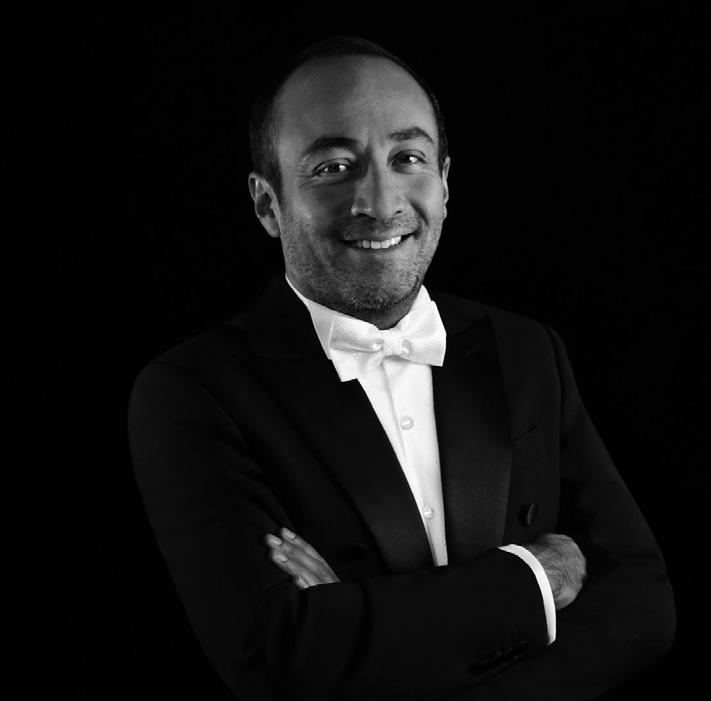
Italian conductor Riccardo Minasi currently serves as Principal Guest Conductor of Ensemble Resonanz who are resident at Hamburg’s Elbphilharmonie, and Artistic Director of Orchestra La Scintilla at the Zurich Opera House, positions he has held since 2022. His previous appointments include co-founder and conductor of Il Pomo d’Oro from 2011 to 2016, Chief Conductor of the Salzburg Mozarteum Orchestra from 2017 to 2022, and Music Director of Teatro Carlo Felice in Genoa from 2022 to 2025.
In the 2025/26 season, Minasi is Artist in Residence at Hamburg’s Elbphilharmonie where he conducts four programmes with Ensemble Resonanz, including a concertante performance of Bellini’s I Capuleti e i Montecchi and Haydn’s The Seven Last Words of Christ. He also performs in Hamburg with Die Deutsche Kammerphilharmonie Bremen as part of his European tour with Beatrice Rana, followed by concerts in South America alongside James Ehnes.
Other highlights of the season include his first appearances with the Munich Philharmonic Orchestra, Orchestre Philharmonique de Radio France, Luxembourg Philharmonic Orchestra, SWR Symphonieorchester, Scottish Chamber Orchestra and Dresdner Philharmonie with Martin Fröst. He also leads Mahler Chamber Orchestra in Mahler’s Symphony No.3 with Marianne Crebassa in Essen, Dortmund and Köln and two symphonic programmes with the Western Australian Symphony Orchestra and Queensland Symphony Orchestra.
For full biography please visit sco.org.uk
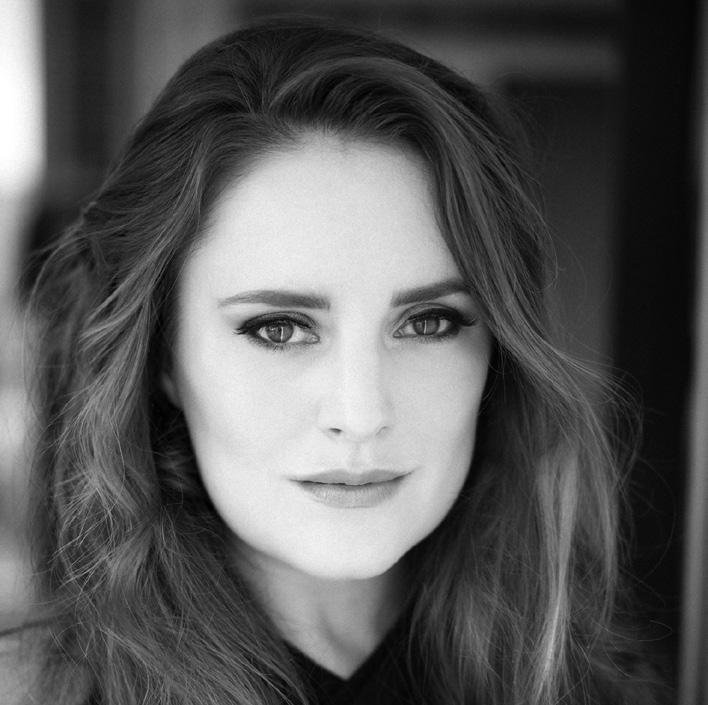
Louise Alder studied at the Royal College of Music’s International Opera School where she was the inaugural Kiri Te Kanawa Scholar. She won the Young Singer Award at the 2017 International Opera Awards and the Dame Joan Sutherland Audience Prize at the 2017 Cardiff Singer of the World Competition. She also won the 2015 inaugural Young British Soloists’ Competition, and is the recipient of Glyndebourne's 2014 John Christie Award.
This season Louise makes her US operatic debut as Micaela in Carmen at San Francisco Opera and role debuts as Donna Anna (Don Giovanni) at the Vienna State Opera and Contessa (Le Nozze di Figaro) at Glyndebourne Festival Opera.
Louise returns to Bayerische Staatsoper for Susanna (Le Nozze di Figaro) and to Wiener Staatsoper for Fiordiligi (Così fan Tutte) and tours Wolf’s Italienisches Liederbuch with Mauro Peter and Joseph Middleton at Bliss International Song Series Cambridge, Leeds Lieder at Opera North, Wigmore Hall, Vienna’s Musikverein, Oper Frankfurt and Life Victoria Barcelona.
Louise will also perform Strauss Songs in Helsinki, Haydn’s Creation in Lisbon, Mahler’s 2nd Symphony in Venice and Cleopatra (Giulio Cesare) at the Barbican and Carnegie Hall with English Concert.
Other future engagements include returns to Bayerische Staatsoper, Royal Opera House, Wiener Staatsoper, Glyndebourne Festival Opera and debuts at The Metropolitan Opera, Berlin Staatsoper and Dutch National Opera.
For full biography please visit sco.org.uk
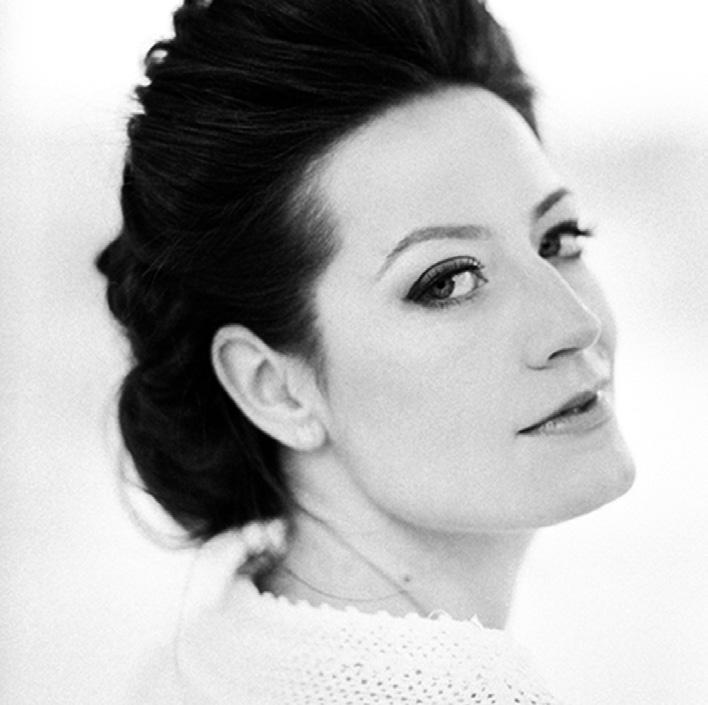
Hanna Hipp’s ardent and impassioned singing make her a favourite for the leading lyric mezzo repertoire around the world with her recent roles including a critically acclaimed portrayal of Offred in The Handmaid’s Tale at Royal Danish Theatre (Jessica Cottis), Der Komponist in Ariadne auf Naxos at Glyndebourne Festival Opera (Cornelius Meister) and Opera North (Antony Hermus), Dorabella in Così fan tutte at Seattle Opera (Paul Daniel), English National Opera (Kerem Hasan) and New Zealand Opera (Natalie Murray Beale), Cherubino in Le nozze di Figaro with Royal Ballet & Opera, Covent Garden (Antonio Pappano) and English National Opera (Kevin John Edusei and Ainārs Rubikis).
Increasingly in demand on the concert platform, Hanna Hipp performed most recently with Nil Venditti and Norwegian Arctic Philharmonic Orchestra (Berio’s Folk Songs), Delyana Lazarova and the Hallé (Boulanger’s Psalm 130), Patrick Hahn and Royal Scottish National Orchestra (Mozart’s Requiem), and was reunited with Vladimir Jurowski and the London Philharmonic Orchestra for Haydn’s Missa in tempore belli as well as with Sir Simon Rattle and the London Symphony Orchestra for concert performances of The Excursions of Mr Brouček after her recent appearance in Jenůfa and performance of Szymanowski’s Stabat Mater at the Barbican. In previous seasons Hanna Hipp joined Halldis Rønning and Malmö Symphony Orchestra for Viva España featuring De Falla’s El amor brujo, and Thomas Zehetmair with Royal Northern Sinfonia for Bruckner’s Mass No.3 at The Glasshouse International Centre for Music with further recent concert highlights including Ein Page in Salome for both Bergen and Edinburgh International Festivals under Edward Gardner, Der Trommler in Ullmann’s Der Kaiser von Atlantis with BBC Symphony Orchestra under Josep Pons, the title role in Mascagni’s Zanetto with the orchestra of Scottish Opera under David Parry, and Rossweise in Die Walküre with London Philharmonic Orchestra under Vladimir Jurowski. Recent notable operatic appearances include Frederico Garcia Lorca in two productions of Osvaldo Golijov’s Ainadamar at Welsh National Opera and Pacific Opera Victoria as well as a return to the Royal Ballet & Opera, Covent Garden for Hänsel und Gretel under Mark Wigglesworth.
Hanna is the winner of the Ministry of Culture and National Heritage Republic of Poland creative scholarship for the year 2026.
For full biography please visit sco.org.uk
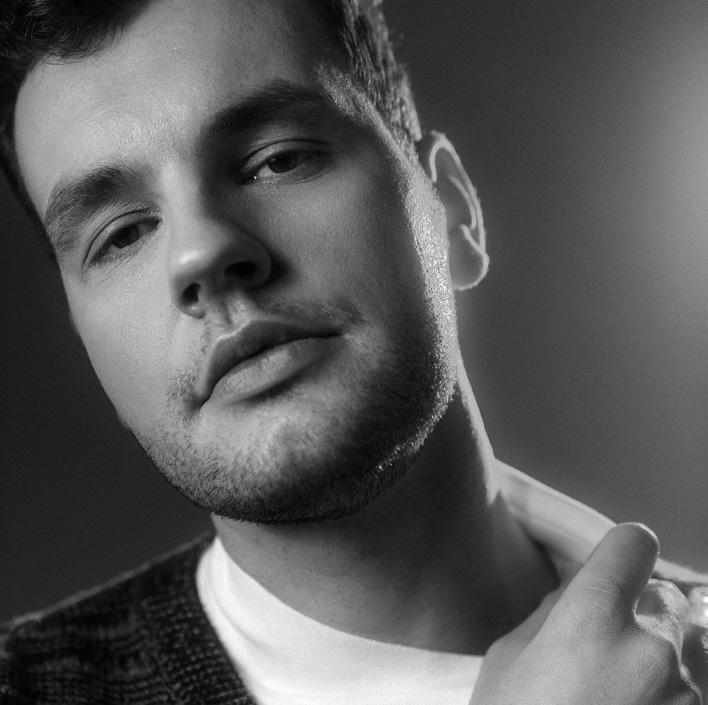
Born in Lyon, Julien Henric studied theater and opera singing in his hometown. In 2018, he was named révélation lyrique by ADAMI and won three prizes at the Concours Jeunes Espoirs Raymond Duffaut. Continuing in this vein, he won 2nd prize and the melody prize at the Concours International des Symphonies d'Automne de Mâcon the following year. He graduated from the CNSMDL in 2020 and immediately joined the Jeune Ensemble of the Grand Théâtre de Genève for the 20-21 and 21-22 seasons, two first seasons marked by great artistic encounters. In 2022, he also won the 1st French Melody Prize and 3rd Opera Prize at the Concours International de Marmande.
Julien Henric has appeared at the Festival International d'Art Lyrique d'Aix-en-Provence and the Cologne and Hamburg Philharmonic Orchestras; at the Salzburger Festspiele ; at Teatro Regio di Torino ; at the Opéra National de Paris; at the Bergamo Donizetti Festival; at the Opera Grand Avignon; at the Opera National du Rhin; at the Athens City Music Theater Olympia; at the Opera de Tours ; at the Opera de Toulon ; at the Opéra de Saint-Etienne ; at the National Music Auditorium of Madrid; at the Théâtre des Champs-Élysées ; at the Opéra de Rouen; at the Festival d'Été des Nuits Lyriques de Marmande; and at Barcelona's Gran Teatre del Liceu, the Opéra National de Bordeaux, the Opéra Royal de Versailles and the Ravenna Festival
Over the years, he has worked with renowned directors such as Calixto Bieito, Jacopo Spirei, Mariame Clément, Ulrich Rasche, Daniel Kramer and Krzysztof Warlikowski. He also collaborates with great conductors such as John Nelson, Bertand de Billy, Marc Minkowski, Stefano Montanari, Thomas Adès, Riccardo Minasi and Pierre Dumoussaud.
Julien Henric's 2025-2026 season is marked by numerous debuts: he will sing the tenor solo part in Mozart’s Requiem at the Mozarteum of Salzburg as well as in Edinburgh and Glasgow with the Scottish Chamber Orchestra ; the Salle Gaveau will welcome him for a concert around Carmen; he will give a grand recital honoring the French romantic operatic repertoire with the Concerto Budapest ; he also will do his firsts steps into the Maison de la Radio singing the tenor solo part in the Stabat Mater of Grandval and the Messe Solennelle of Berlioz.
For full biography please visit sco.org.uk
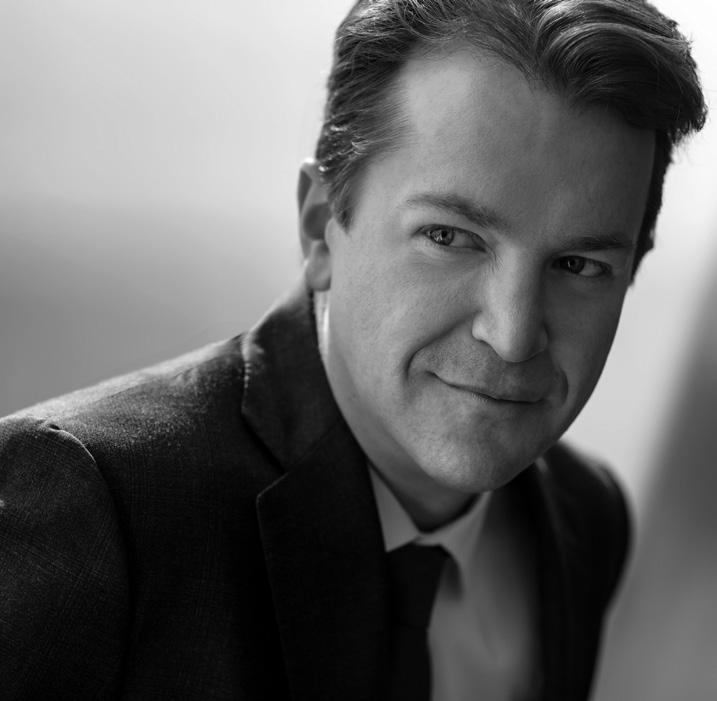
Renowned Canadian bass-baritone Daniel Okulitch is known for his commanding stage presence and impressive vocal versatility. He has performed with major opera companies and orchestras worldwide, taking on a diverse range of roles showcasing his musical intelligence and strong sense of artistry.
Okulitch is especially sought after for contemporary repertoire, and world premieres include the role of Ennis del Mar in Charles Wuorinen’s Brokeback Mountain at Teatro Real, Lyndon B. Johnson in David T Little and Royce Vavrek’s JFK at Fort Worth Opera, performed General Groves in John Adams’ Dr. Atomic at Santa Fe Opera, and made his British debut as Mark Rutland in Nico Muhly’s Marnie at English National Opera. Okulitch reprised the role of Beck in Joby Talbot and Gene Scheer’s Everest with BBC Symphony Orchestra, and made a notable role debut as The Protector in George Benjamin’s Written on Skin at Opéra de Montréal, followed by Katie Mitchell’s production of Lessons in Love and Violence at Gran Teatre del Liceu. Daniel appeared in the original cast of Omar, the 2023 Pulitzer Prize winning opera by Rhiannon Giddens and composer Michael Abels, presented by LA Opera, San Francisco Opera and Oberlin Conservatory of Music in the 2023/24 season. Okulitch also recently returned to Opéra de Montréal to debut the role of Axel Oxenstierna in the world premiere of Julien Bilodeau and Michel Marc Bouchard’s La Reine-garçon which he reprised in the 2024/25 season at the Canadian Opera Company marking his debut. Elsewhere he returned to the role of Johan in Paola Prestini’s Silent Light at National Sawdust in New York, in a production by Thaddeus Strassberger led by Christopher Rountree. Most recently, Okulitch made his debut as Shaklovity in Simon McBurney’s new production of Khovanshchina at Salzburg Osterfestspiele, under Esa-Pekka Salonen, and returned to The Protector in Written on Skin with which he recently made his house debut at Deutsche Oper Berlin. Upcoming he makes his debut as The Captain in Luca Guadagnino’s new production of The Death of Klinghoffer at the 88° Festival del Maggio Musicale Fiorentino, led by Lawrence Renes.
For full biography please visit sco.org.uk
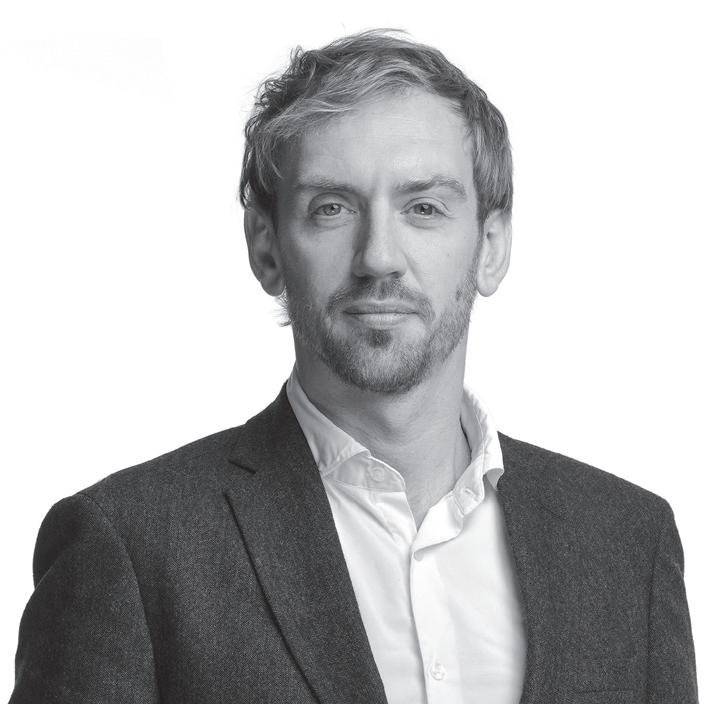
Gregory Batsleer is acknowledged as one of the leading choral conductors of his generation, winning widespread recognition for his creativity and vision. Since taking on the role of SCO Chorus Director in 2009, he has led the development of the Chorus, overseeing vocal coaching, the SCO Young Singers’ Programme and the emergence of regular a capella concerts. As well as preparing the Chorus for regular performances with the Orchestra, he has directed their successful appearances at Edinburgh Jazz, East Neuk, Glasgow Cathedral and St Andrews Voices Festivals, at Greyfriars Kirk at Christmas and Easter, and on the SCO Summer Tour.
In 2021 Gregory took up the position of Festival Director for the London Handel Festival. He leads the programming and development of the Festival, fulfilling its mission to bring Handel’s music to the widest possible audiences.
As guest conductor, Gregory has worked with many of the UK’s leading orchestras and ensembles. Recent highlights include performances with the Royal Northern Sinfonia, RSNO, Hallé Orchestra, Black Dyke Band, National Youth Choir of Great Britain, Orchestra of Opera North, Manchester Camerata, SCO and Royal Liverpool Philharmonic.
From 2012 to 2017, he was Artistic Director of the National Portrait Gallery’s Choir in Residence programme, the first ever in-house music programme of any gallery or museum in the world. He has been Artistic Director of Huddersfield Choral Society since 2017 and was Chorus Director with the Royal Scottish National Orchestra from 2015 - 2021. Gregory has curated and devised performances for the Southbank Centre, Wilderness Festival and Latitude and collaborated with leading cultural figures across a variety of different art forms. He is the co-founder and conductor of Festival Voices, a versatile ensemble dedicated to cross-art collaboration.
Gregory sits on the board of Manchester Camerata as a non-executive director. His outstanding work as a choral director was recognised with the 2015 Arts Foundation’s first-ever Fellowship in Choral Conducting. His contract with the SCO Chorus was recently extended until summer 2028.
Gregory’s Chair is kindly supported by Anne McFarlane
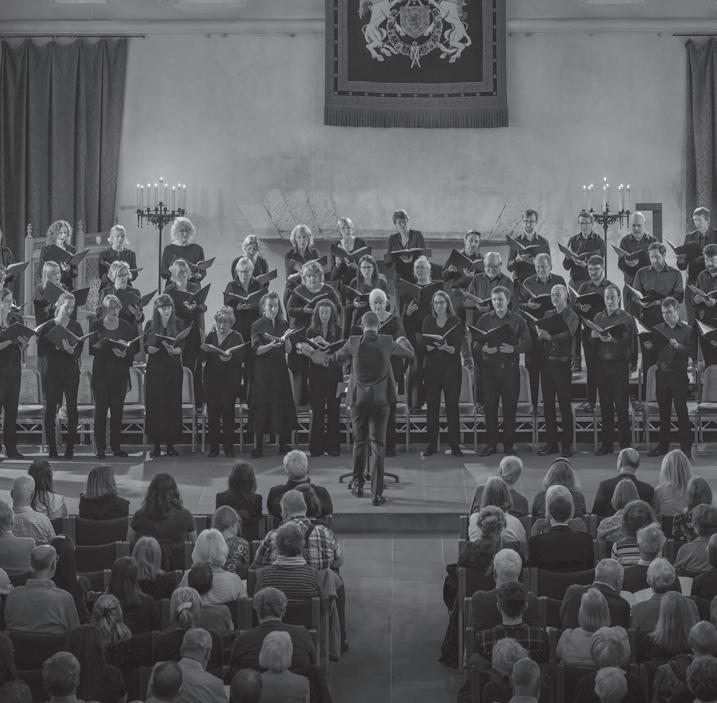
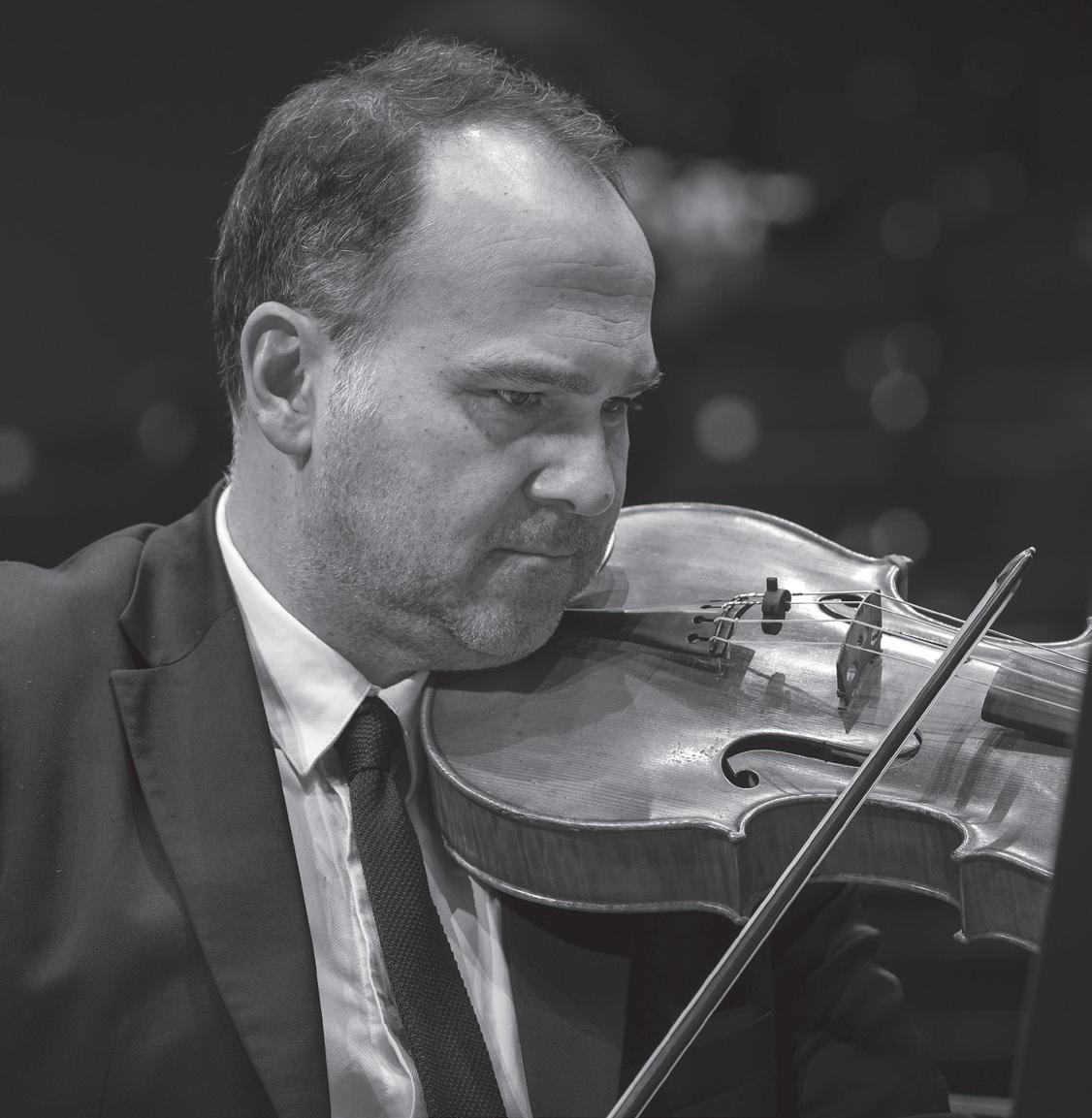
The Scottish Chamber Orchestra Chorus, under the direction of Gregory Batsleer since 2009, has built a reputation as one of Scotland’s most vibrant and versatile choirs. Widely regarded as one of the finest orchestral choruses in the UK, it celebrates its 35th anniversary in 2026.
Members enjoy the unique opportunity of performing with one of the world’s leading chamber orchestras, working with international conductors including Maxim Emelyanychev, Andrew Manze, Riccardo Minasi, Richard Egarr, Václav Luks and Sir James MacMillan.
The Chorus appears regularly with the Orchestra in Scotland’s major cities. Recent concerts have covered a wide range of music including Bach Mass in B minor and Christmas Oratorio, Berlioz L’Enfance du Christ, Brahms Requiem, Haydn Creation, MacMillan Seven Last Words, Poulenc Gloria, a rare performance of Vaughan Williams Flos Campi and premiere performances of works by Anna Clyne, Sir James MacMillan and SCO Associate Composer Jay Capperauld..
The SCO Chorus also performs a capella, both digital and live, in music ranging from Thomas Tallis to newly-composed work. Its annual Christmas concerts have established themselves as a Season highlight; the Chorus also enjoys appearing on the SCO’s Summer Tour.
Other notable out-of-Season appearances have included critically-acclaimed performances with the SCO at the BBC Proms in Handel’s Jephtha in 2019 and in Mendelssohn's Elijah in 2023, and at the 2023, 2024 and 2025 Edinburgh International Festivals in semi-staged performances of Mozart’s Die Zauberflöte, Così fan Tutte and La Clemenza di Tito
Our Young Singers' Programme was established in 2015 to nurture and develop aspiring young singers. It is designed for young people with a high level of choral experience and ambitions to further their singing with a world-class ensemble.
Further information at sco.org.uk
The SCO Chorus Young Singers' Programme is kindly supported by the Baird Educational Trust.
Information correct at the time of going to print
Kirstin Anderson
Naomi Black
Sally Carr
Liberty Emeny
Emily Gifford
Florence Kaiser*
Emily Kemp*
Elizabeth McColl
Matthew Andrews
Magnus Bushby*
Ben Evans*
Colin French
Peter Hanman
Keith Main
Michael Scanlon
Paul Vaughan
Gregory Batsleer
Chorus Director
Stuart Hope
Associate Chorusmaster
Emma Morwood
Voice Coach
Susan White
Chorus Manager
* Young Singers' Programme
Katie McGlew
Ann Morris*
Jenny Nex
Alison Williams
Shona Banks
Dinah Bourne
Sarah Campbell
Gill Cloke
Judith Colman
Anne Gallacher
Jennie Gardner
Claire Goodenough
Anne Grindley
Caroline Hahn
Lorna Htet-Khin
Melissa Humphreys
Hilde McKenna
Charlotte Perkins
Linda Ruxton
Olivia Smith*
Rory Wilson
BASS
Mathew Brown
Gavin Easton
Orlando Griffiths*
Hugh Hillyard-Parker
Richard Hyder
Taliesin Liston-Smith*
Donald MacLeod
Sandy Matheson
Richard Murphy
Kenneth Murray
Douglas Nicholson
Jason Orringe
Fraser Riddell
Peter Silver
Stephen Todd
Roderick Wylie
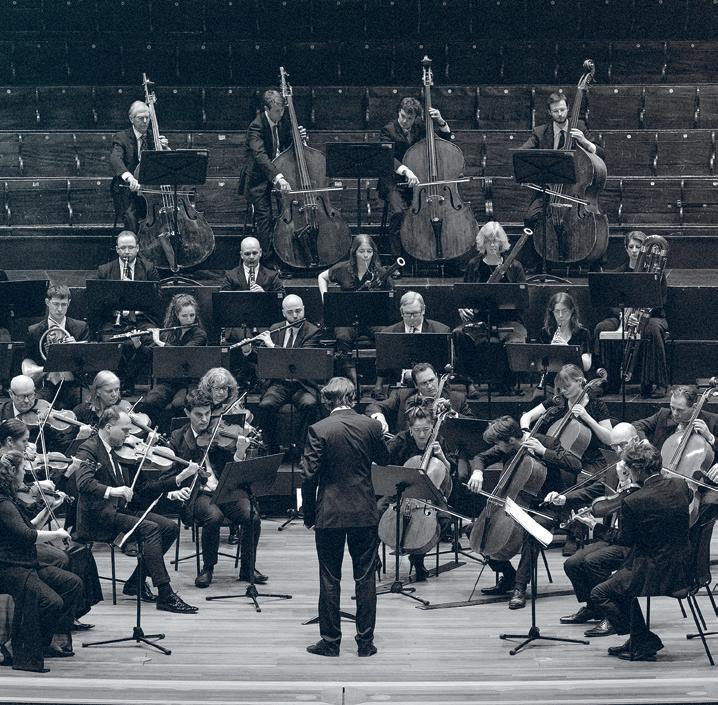
The Scottish Chamber Orchestra (SCO) is one of Scotland’s five National Performing Companies and has been a galvanizing force in Scotland’s music scene since its inception in 1974. The SCO believes that access to world-class music is not a luxury but something that everyone should have the opportunity to participate in, helping individuals and communities everywhere to thrive. Funded by the Scottish Government, City of Edinburgh Council and a community of philanthropic supporters, the SCO has an international reputation for exceptional, idiomatic performances: from mainstream classical music to newly commissioned works, each year its wide-ranging programme of work is presented across the length and breadth of Scotland, overseas and increasingly online.
Equally at home on and off the concert stage, each one of the SCO’s highly talented and creative musicians and staff is passionate about transforming and enhancing lives through the power of music. The SCO’s Creative Learning programme engages people of all ages and backgrounds with a diverse range of projects, concerts, participatory workshops and resources. The SCO’s current five-year Residency in Edinburgh’s Craigmillar builds on the area’s extraordinary history of Community Arts, connecting the local community with a national cultural resource.
An exciting new chapter for the SCO began in September 2019 with the arrival of dynamic young conductor Maxim Emelyanychev as the Orchestra’s Principal Conductor. His tenure has recently been extended until 2028. The SCO and Emelyanychev released their first album together (Linn Records) in 2019 to widespread critical acclaim. Their second recording together, of Mendelssohn symphonies, was released in 2023, with Schubert Symphonies Nos 5 and 8 following in 2024.
The SCO also has long-standing associations with many eminent guest conductors and directors including Principal Guest Conductor Andrew Manze, Pekka Kuusisto, François Leleux, Nicola Benedetti, Isabelle van Keulen, Anthony Marwood, Richard Egarr, Mark Wigglesworth, Lorenza Borrani and Conductor Emeritus Joseph Swensen.
The Orchestra’s current Associate Composer is Jay Capperauld. The SCO enjoys close relationships with numerous leading composers and has commissioned around 200 new works, including pieces by Sir James MacMillan, Anna Clyne, Sally Beamish, Martin Suckling, Einojuhani Rautavaara, Karin Rehnqvist, Mark-Anthony Turnage, Nico Muhly and the late Peter Maxwell Davies.
Sunday 31 May, 4pm
Edinburgh New Town Church sco.org.uk
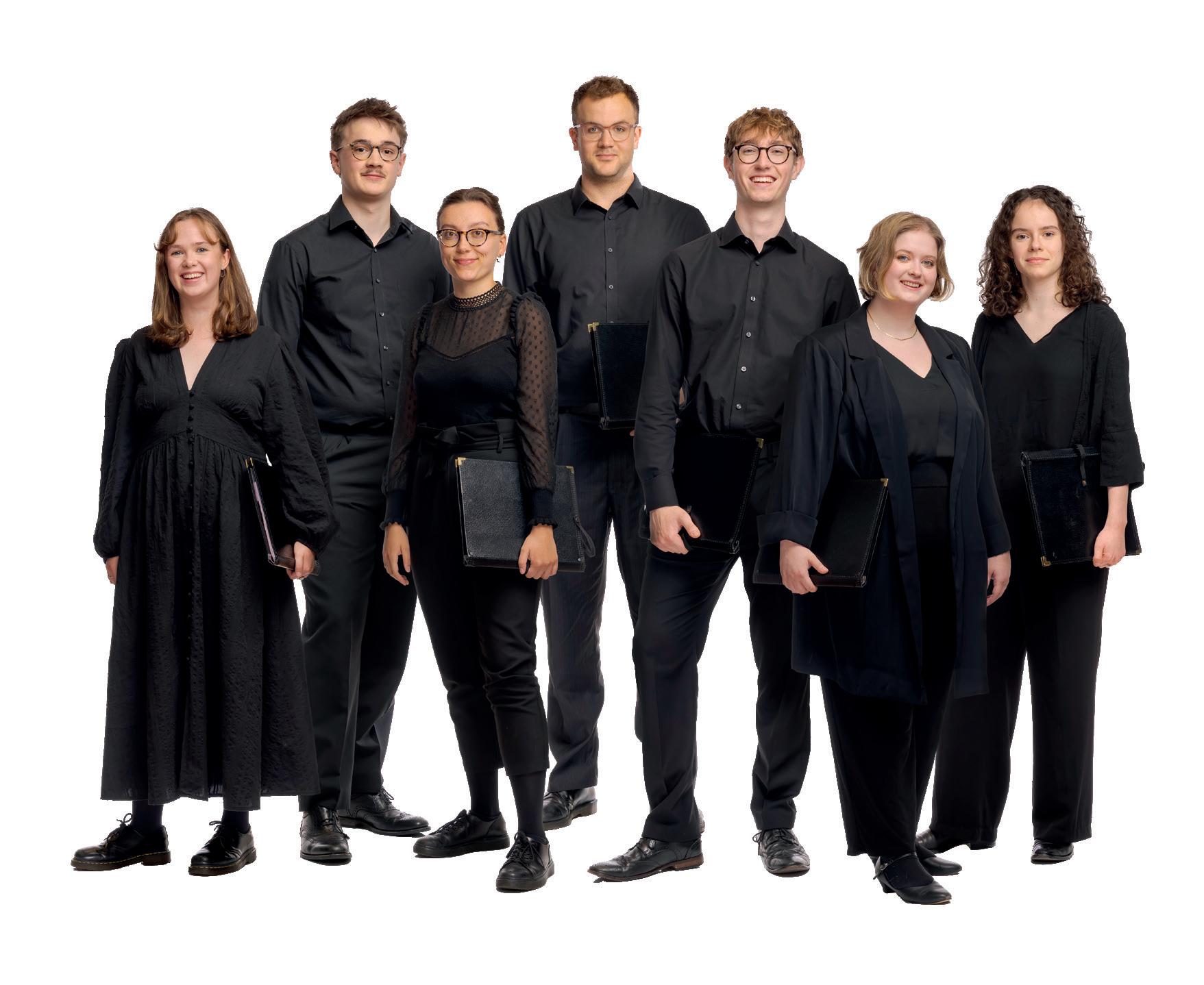
Gregory Batsleer SCO Chorus Director
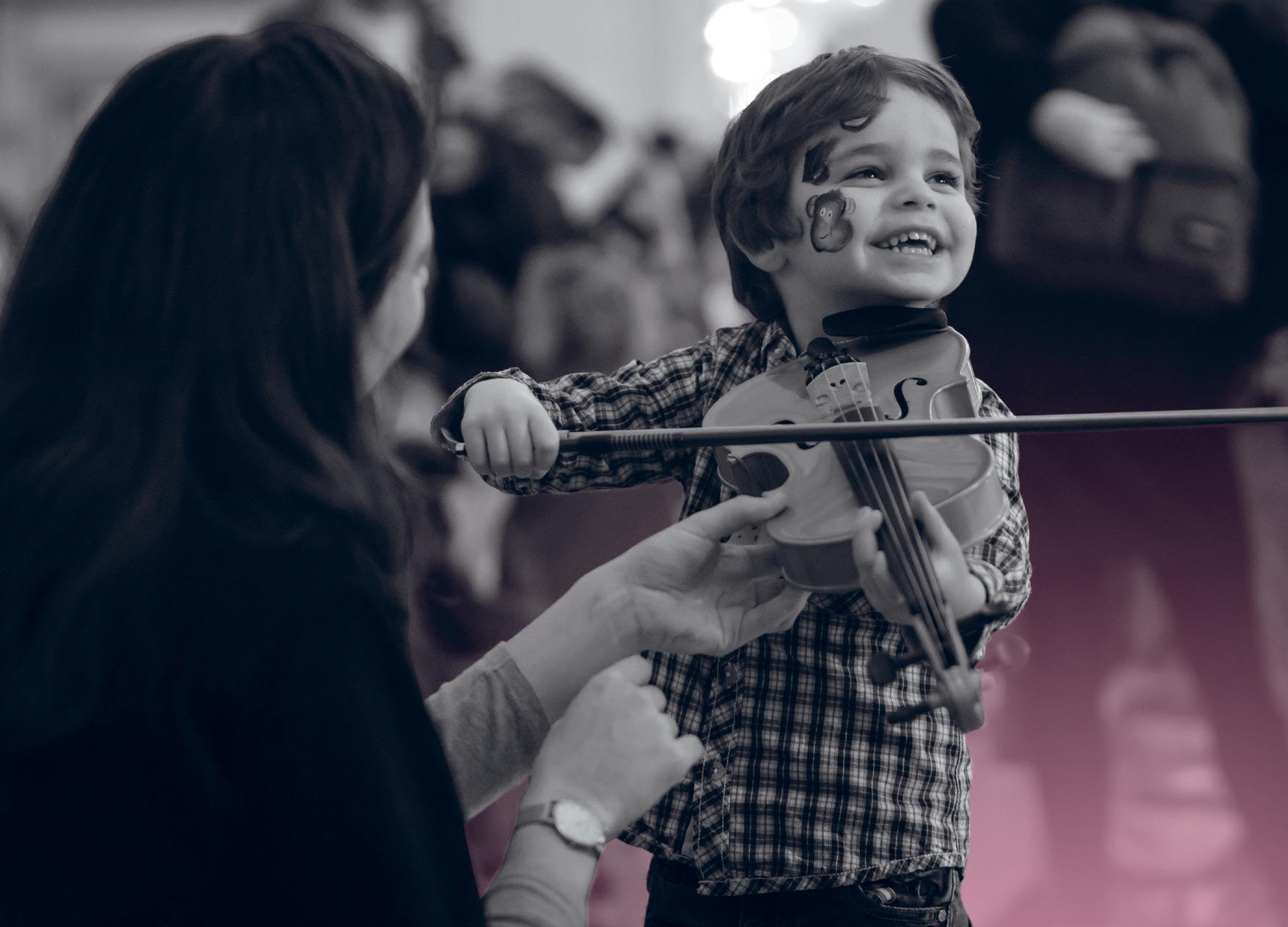

Each year, the SCO must fundraise around £1.2 million to bring extraordinary musical performances to the stage and support groundbreaking education and community initiatives beyond it.
If you share our passion for transforming lives through the power of music and want to be part of our ongoing success, we invite you to join our community of regular donors. Your support, no matter the size, has a profound impact on our work – and as a donor, you’ll enjoy an even closer connection to the Orchestra.
To learn more and support the SCO from as little as £5 per month, please contact Hannah at hannah.wilkinson@sco.org.uk or call 0131 478 8364.
The SCO is a charity registered in Scotland No SC015039.