
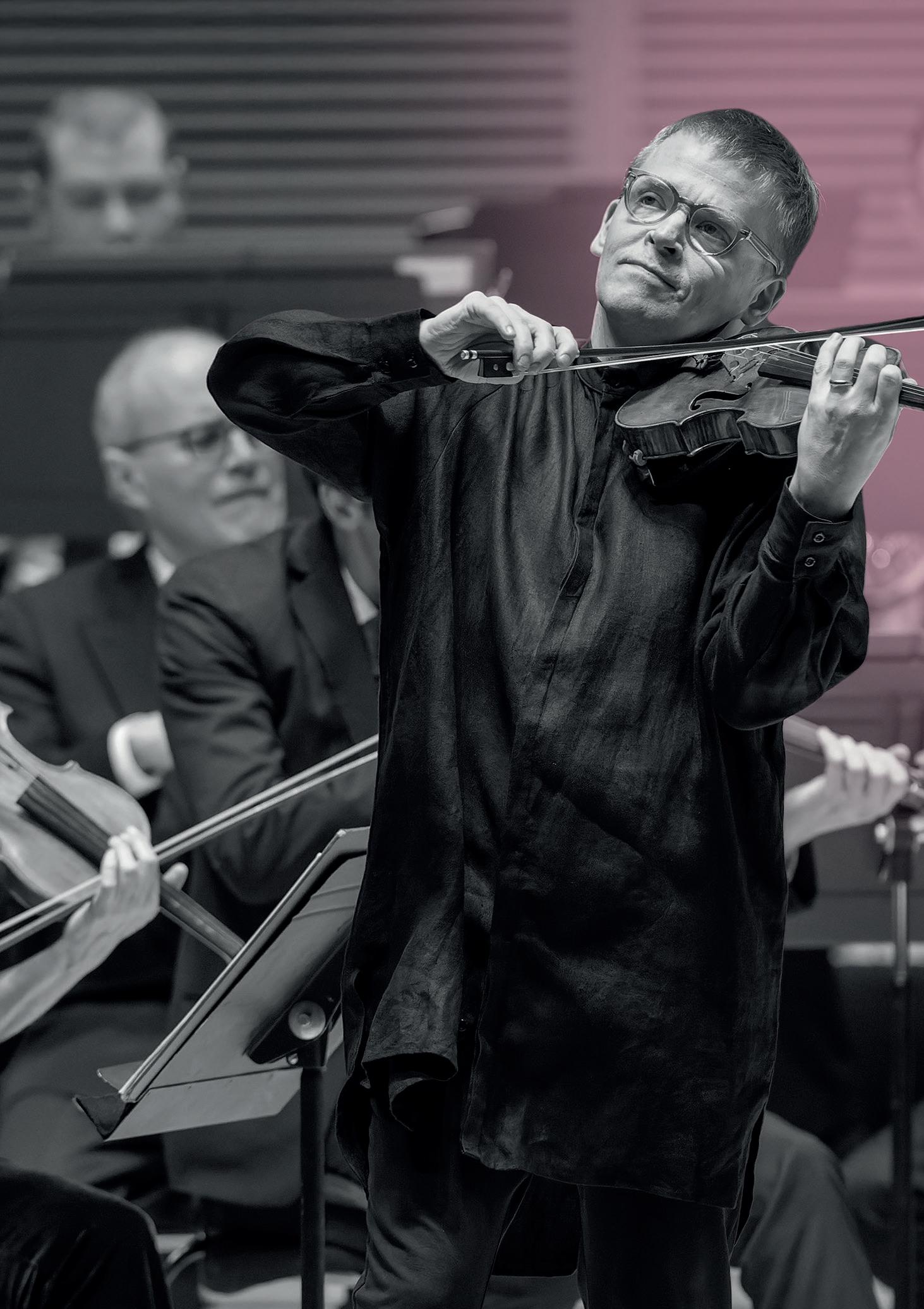
Beethoven, Pekka & Dreamers’ Circus

Beethoven, Pekka & Dreamers’ Circus
Thursday 19 March, 7.30pm The Queen's Hall, Edinburgh
Friday 20 March, 7.30pm City Halls, Glasgow
Saturday 21 March, 7.30pm Aberdeen Music Hall
BEETHOVEN Symphony No.7
Kindly supported by
(Interspersed with folk tunes played by Dreamers’ Circus and Pekka Kuusisto)
Interval of 20 minutes after 2nd movement
Pekka Kuusisto director/violin
Dreamers’ Circus:
Ale Carr cittern
Nikolaj Busk piano/accordion
Rune Tonsgaard Sørensen violin
4 Royal Terrace, Edinburgh EH7 5AB
+44 (0)131 557 6800 | info@sco.org.uk | sco.org.uk
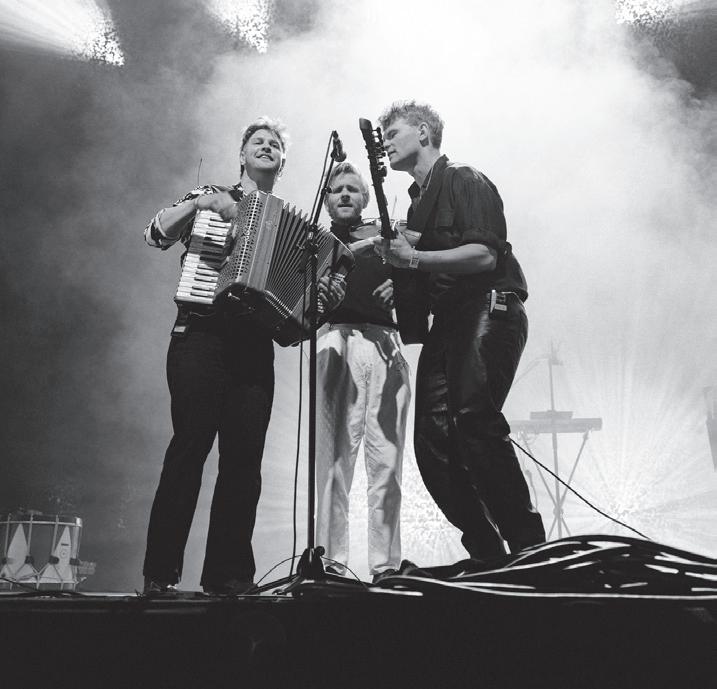
Dreamers’ Circus
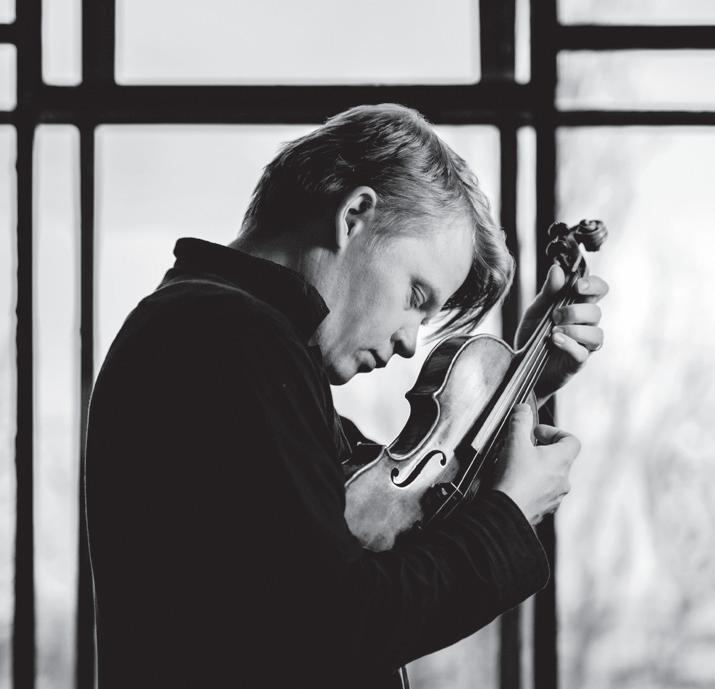
Pekka Kuusisto
© Jesper Van
© Felix Broede
THANK YOU
Principal Conductor's Circle
Our Principal Conductor’s Circle are a special part of our musical family. Their commitment and generosity benefit us all – musicians, audiences and creative learning participants alike.
Annual Fund
James and Patricia Cook
Visiting Artists Fund
Harry and Carol Nimmo
Anne and Matthew Richards
International Touring Fund
Gavin and Kate Gemmell
Learning and Participation Fund
Jo and Alison Elliot
Sabine and Brian Thomson
American Development Fund
Erik Lars Hansen and Vanessa C L Chang
Productions Fund
Geoff and Mary Ball
Bill and Celia Carman
Anne, Tom and Natalie Usher
Scottish Touring Fund
Eriadne and George Mackintosh
Claire and Anthony Tait
New Music Fund
Ken Barker and Martha Vail Barker
Colin and Sue Buchan
The Thomas Family
CHAIR SPONSORS
Conductor Emeritus Joseph Swensen
Donald and Louise MacDonald
Chorus Director Gregory Batsleer
Anne McFarlane
Second Violin Rachel Smith
J Douglas Home
Principal Viola Max Mandel
Ken Barker and Martha Vail Barker
Viola Brian Schiele
Christine Lessels
Viola Steve King
Sir Ewan and Lady Brown
Principal Cello Philip Higham
The Thomas Family
Sub-Principal Cello Su-a Lee
Ronald and Stella Bowie
Cello Donald Gillan
Professor Sue Lightman
Cello Eric de Wit
Jasmine Macquaker Charitable Fund
Principal Flute André Cebrián
Claire and Mark Urquhart
Sub-Principal Flute Marta Gómez
Judith and David Halkerston
Principal Oboe
The Hedley Gordon Wright Charitable Trust
Sub-Principal Oboe Katherine Bryer
Ulrike and Mark Wilson
Principal Clarinet Maximiliano Martín
Stuart and Alison Paul
Principal Bassoon Cerys Ambrose-Evans
Claire and Anthony Tait
Sub-Principal Bassoon Alison Green
George Rubienski
Principal Horn Kenneth Henderson
Caroline Hahn and Richard Neville-Towle
Funding Partners






SCO Donors
Diamond
The Cockaigne Fund
Malcolm and Avril Gourlay
John and Jane Griffiths
James and Felicity Ivory
George Ritchie
Tom and Natalie Usher
Platinum
E.C. Benton
Michael and Simone Bird
Silvia and Andrew Brown
David Caldwell in memory of Ann
Dr Peter Williamson and Ms Margaret Duffy
David and Elizabeth Hudson
Helen B Jackson
Dr and Mrs Peter Jackson
Dr Daniel Lamont
Graham and Elma Leisk
Professor and Mrs Ludlam
Chris and Gill Masters
Duncan and Una McGhie
Anne-Marie McQueen
James F Muirhead
Robin and Catherine Parbrook
Jane Peacock in memory of Douglas Peacock
Charles Platt and Jennifer Bidwell
Patrick and Susan Prenter
Mr and Mrs J Reid
The Walter and Janet Reid Charitable Trust
Martin and Mairi Ritchie
Hilary E Ross
Elaine Ross
Sir Muir and Lady Russell
Jill and Brian Sandford
Michael and Elizabeth Sudlow
Robert and Elizabeth Turcan
Alan and Sue Warner
Bill Welsh
Anny and Bobby White
Robert Mackay and Philip Whitley
Finlay and Lynn Williamson
Ruth Woodburn
Gold
Peter Armit
Adam Gaines and Joanna Baker
John and Maggie Bolton
Elizabeth Brittin
Kate Calder
James Wastle and Glenn Craig
Jo and Christine Danbolt
James and Caroline Denison-Pender
Andrew and Kirsty Desson
David and Sheila Ferrier
Chris and Claire Fletcher
James Friend
Iain Gow
Margaret Green
Christopher and Kathleen Haddow
Catherine Johnstone
Julie and Julian Keanie
Gordon Kirk
Janey and Barrie Lambie
Mike and Karen Mair
Roy and Svend McEwan-Brown
John and Liz Murphy
Tom Pate
Maggie Peatfield
Sarah and Spiro Phanos
Alison and Stephen Rawles
Andrew Robinson
Olivia Robinson
Anne McAlister and Philip Sawyer
Irene Smith
Dr Jonathan Smithers
Ian S Swanson
Ian and Janet Szymanski
John-Paul and Joanna Temperley
Douglas and Sandra Tweddle
Catherine Wilson
Neil and Philippa Woodcock
Georgina Wright
Silver
Roy Alexander
Fiona and Neil Ballantyne
The Batsleer Family
Jack Bogle
Jane Borland
Alan Borthwick
Dinah Bourne
Michael and Jane Boyle
Mary Brady
Paula and Colin Brown
John Brownlie
Laura Buist
Robert Burns
Sheila Colvin
Lorn and Camilla Cowie
Adam and Lesley Cumming
Dr Wilma Dickson
Seona Reid and Cordelia Ditton
Sylvia Dow
Colin Duncan in memory of Norma Duncan
Richard and Cath Dyer
Raymond Ellis
Dr and Mrs Alan Falconer
Sheila Ferguson
Dr William Irvine Fortescue
Dr David Grant
Anne Grindley
Andrew Hadden
J Martin Haldane
Ronnie and Ann Hanna
Roderick Hart
Norman Hazelton
Ron and Evelynne Hill
Philip Holman
Clephane Hume
Tim and Anna Ingold
David and Pamela Jenkins
Margaret Mortimer and Ken Jobling
Ross D. Johnstone
James Kelly
Professor Christopher and Mrs Alison Kelnar
Dr Ian Laing
Geoff Lewis
Dorothy A Lunt
Vincent Macaulay
James McClure in memory of Robert Duncan
Ben McCorkell
Lucy McCorkell
Gavin McCrone
Michael McGarvie
Brian Miller
Alistair Montgomerie
Norma Moore
Andrew Murchison
Pamela Andrews and Alan Norton
Gilly Ogilvy-Wedderburn
Mairi & Ken Paterson
John Peutherer in memory of Audrey Peutherer
James S Potter
Timothy Barnes and Janet Sidaway
Catherine Steel
John and Angela Swales
Takashi and Mikako Taji
C S Weir
Susannah Johnston and Jamie Weir
David and Lucy Wren
Roderick Wylie
We are indebted to everyone acknowledged here who gives philanthropic gifts to the SCO of £300 or greater each year, as well as those who prefer to remain anonymous.
We are also incredibly thankful to the many individuals not listed who are kind enough to support the Orchestra financially on a regular or ad hoc basis. Every single donation makes a difference.
Become a regular donor, from as little as £5 a month, by contacting Hannah Wilkinson on 0131 478 8364 or hannah.wilkinson@sco.org.uk.
“…an orchestral sound that seemed to gleam from within.”
THE SCOTSMAN
HM The King Patron
Donald MacDonald CBE
Life President
Joanna Baker CBE Chair
Gavin Reid LVO
Chief Executive
Maxim Emelyanychev
Principal Conductor
Andrew Manze
Principal Guest Conductor
Joseph Swensen
Conductor Emeritus
Gregory Batsleer
Chorus Director
Jay Capperauld
Associate Composer
© Chris Christodoulou
Information correct at the time of going to print Our Musicians
Your Orchestra Tonight
This concert will be performed on modern instruments with natural trumpets and horns.
First Violin
Stephanie Gonley
Clare Duckworth
Kyra Humphreys
Aisling O’Dea
Amira Bedrush-McDonald
Kristin Deeken
Amy Cardigan
Catherine James
Second Violin
Gordon Bragg
Hatty Haynes
Michelle Dierx
Jess Hall
Rachel Smith
Kirsty Main
Viola
Max Mandel
Asher Zaccardelli
Elaine Koene
Steve King
Cello
Amy Norrington
Su-a Lee
Donald Gillan
Niamh Molloy
Bass
Jamie Kenny
Toby Hughes
Flute
André Cebrián
Alba Vinti Lopéz
Oboe
Yann Thenet
Katherine Bryer
Clarinet
Maximiliano Martín
William Stafford
Bassoon
Paul Boyes
Alison Green
Horn
Kenneth Henderson
Nivanthi Karunaratne
Trumpet
Peter Franks
Shaun Harrold
Timpani
Simon Archer
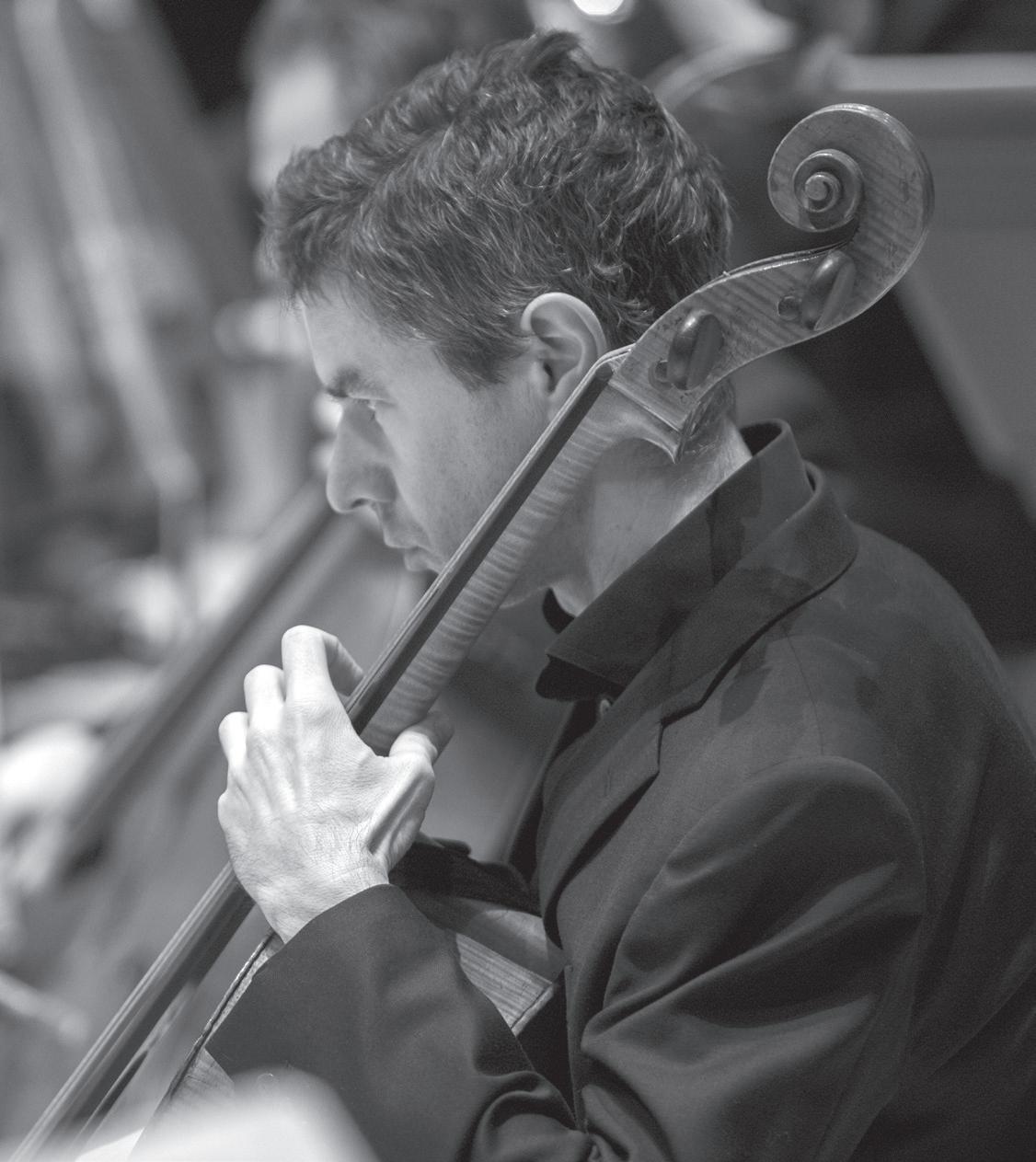
Donald Gillan Cello
What You Are About To Hear
BEETHOVEN (1770-1827)
Symphony No.7 in A major, Op.92 (1811–1812)
Poco sostenuto – Vivace
Allegretto
Interval of 20 minutes
Presto – Assai meno presto
Allegro con brio
Interspersed between the four movements of Beethoven’s Symphony No.7 are Nordic folk tunes played by Finnish violinist Pekka Kuusisto and his friends and colleagues in Danish/Swedish trio Dreamers’ Circus.
‘Dance is music made visible,’ said legendary 20th-century choreographer George Balanchine. There’s no denying that the two distinctive forms are intimately connected, in almost any musical genre you care to imagine – from centuries-old traditional dance tunes to elegant Classical minuets to euphoric nightclub anthems.
One of the bridges between them – the most crucial one, in fact – is rhythm, and it’s rhythm that brings together the contrasting musical styles and players in tonight’s concert too. Beethoven’s Symphony No.7 provides the concert’s backbone, and it’s a work that seems to focus on rhythm as pure energy, an unstoppable force, something from which all else flows. Later composer Richard Wagner famously described the Symphony as ‘the apotheosis of the dance itself: it is dance in its highest aspect, the loftiest deed of bodily motion, incorporated into an ideal mould of tone’.
Interspersed around and between the four movements of Beethoven’s Symphony, however, are Nordic folk tunes played by Finnish violinist Pekka Kuusisto and his friends and colleagues in Danish/Swedish trio Dreamers’ Circus: Ale Carr (cittern), Nikolaj Busk (piano/accordion), and Rune Tonsgaard Sørensen (violin). Expect surprising similarities, clashes and contrasts, as well as a few diversions along the way too, as tonight’s performers immerse you in dance, rhythm and more from the worlds of classical and folk.
Some early listeners, in fact, heard distinctively folksy elements in Beethoven’s Seventh Symphony. A few saw it as a sequel to the bucolic Sixth, the ‘Pastoral’ Symphony, imagining happy harvesters making merry. Fellow composer Robert Schumann heard
It’s one of Beethoven’s most abstract and story-less symphonies – unless that ‘story’ is about the inner workings of music itself.
a peasant wedding, and Berlioz thought of peasants dancing. Others imagined it depicted a tale from Moorish legend, or a political revolution. In fact, it’s one of Beethoven’s most abstract and story-less symphonies – unless that ‘story’ is about the inner workings of music itself. And it’s in those terms that Beethoven focuses so clearly on rhythm, deriving from that core musical element a work that feels like a celebration of energy and positivity.
It’s ironic, then, that Beethoven wrote it during one of the most difficult periods in his life. His deafness was growing steadily worse, and in 1811 he’d come down with a serious fever, as a cure for which his doctor sent him to the Bohemian spa town of Teplice for several periods in 1811 and 1812. It was during these visits that he worked seriously on his new Symphony.
Beethoven himself conducted its first performance, on 8 December 1813 in Vienna, at a benefit concert for Austrian and Bavarian troops wounded in the Battle of Hanau, an encounter that forced Napoleon’s retreat. The concert was one of the high points of the composer’s career, proving so popular, in fact, that it was repeated the following January, and again in February. The Seventh Symphony went down well – the audience demanded that Beethoven immediately repeat the second movement – but the concert’s wild acclaim really came for another piece. The anti-Napoleon Wellington’s Victory clearly captured the mood of the moment, but its popularity hasn’t survived changes in taste. Even Beethoven seemed aware that the greater work had perhaps been overshadowed by the lesser one: he was furious that the Weiner Zeitung newspaper
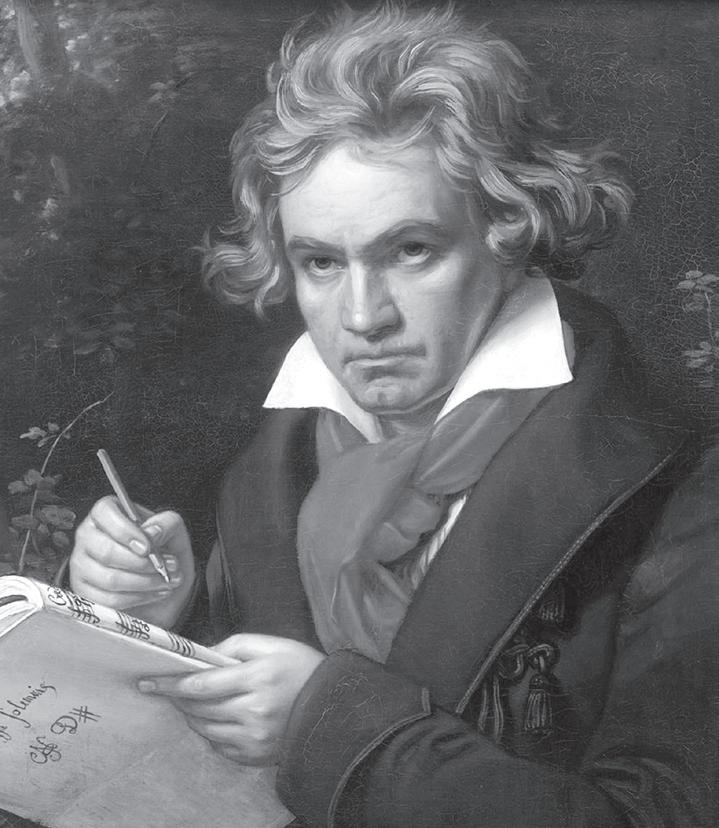
Ludwig van Beethoven
referred to the Seventh Symphony as a ‘companion piece’ to Wellington’s Victory.
Nonetheless, the Symphony’s energy and positivity must have matched the celebratory mood, too. As must the propulsive rhythmic drive that pushes its music ever onward, even in its not-very-slow ‘slow’ movement. The Symphony’s slowest music, in fact, comes right at the start, in the introduction to its first movement, although the loud chords that interrupt that opening hint at the energy about to be unleashed. The repeated long-short-long rhythm that leads into the movement’s main, faster section quickly comes to dominate, as Beethoven plays inventive games with its perky main theme.
The second movement is serious but not slow, its persistent long-short-short rhythm providing an implacable tread that’s too
quick to be a funeral march or dirge, even if it has something of that character. This is the movement that the audience demanded to be repeated at the Symphony’s premiere, and it’s maintained a remarkable life ever since, cropping up in movies as diverse as X Men: Apocalypse, The King’s Speech and John Boorman’s eccentric Zardoz, often to symbolise a strange mix of nobility and dread, an inescapable unfolding of events.
The third movement is a bright and bouncing scherzo whose unstoppable rhythm is simply a barrage of notes in three time. And if you felt there was any restraint holding back the Symphony’s first three movements, Beethoven lets rip entirely in the blazing energy and wild, whirling motion of his finale, which truly seems to race towards its conclusion.
© David Kettle
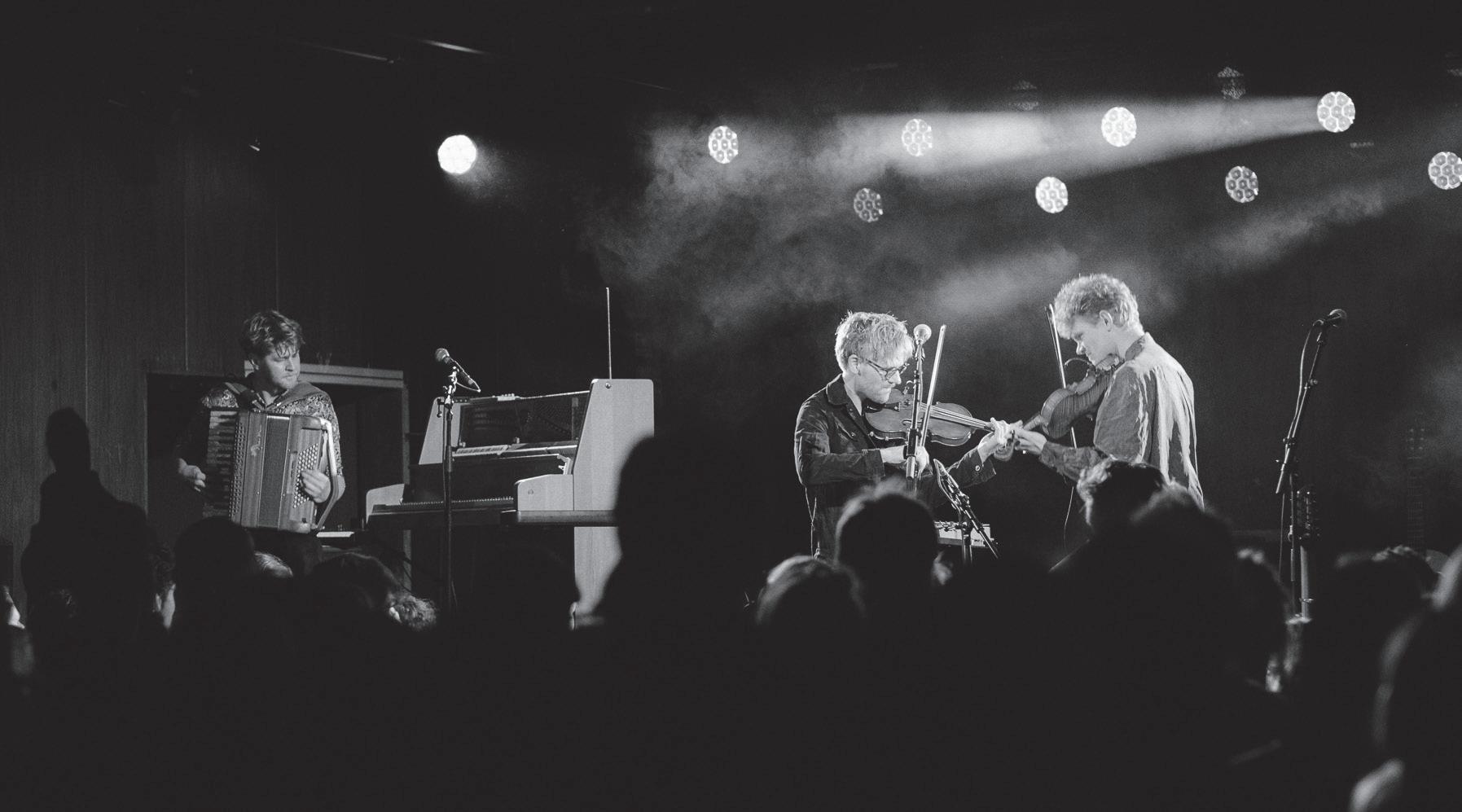
Danish/Swedish trio Dreamers’ Circus: Ale Carr, Nikolaj Busk and Rune Tonsgaard Sørensen.
©Jesper Van
Sun 29 Mar, 3pm The Queen’s Hall, Edinburgh
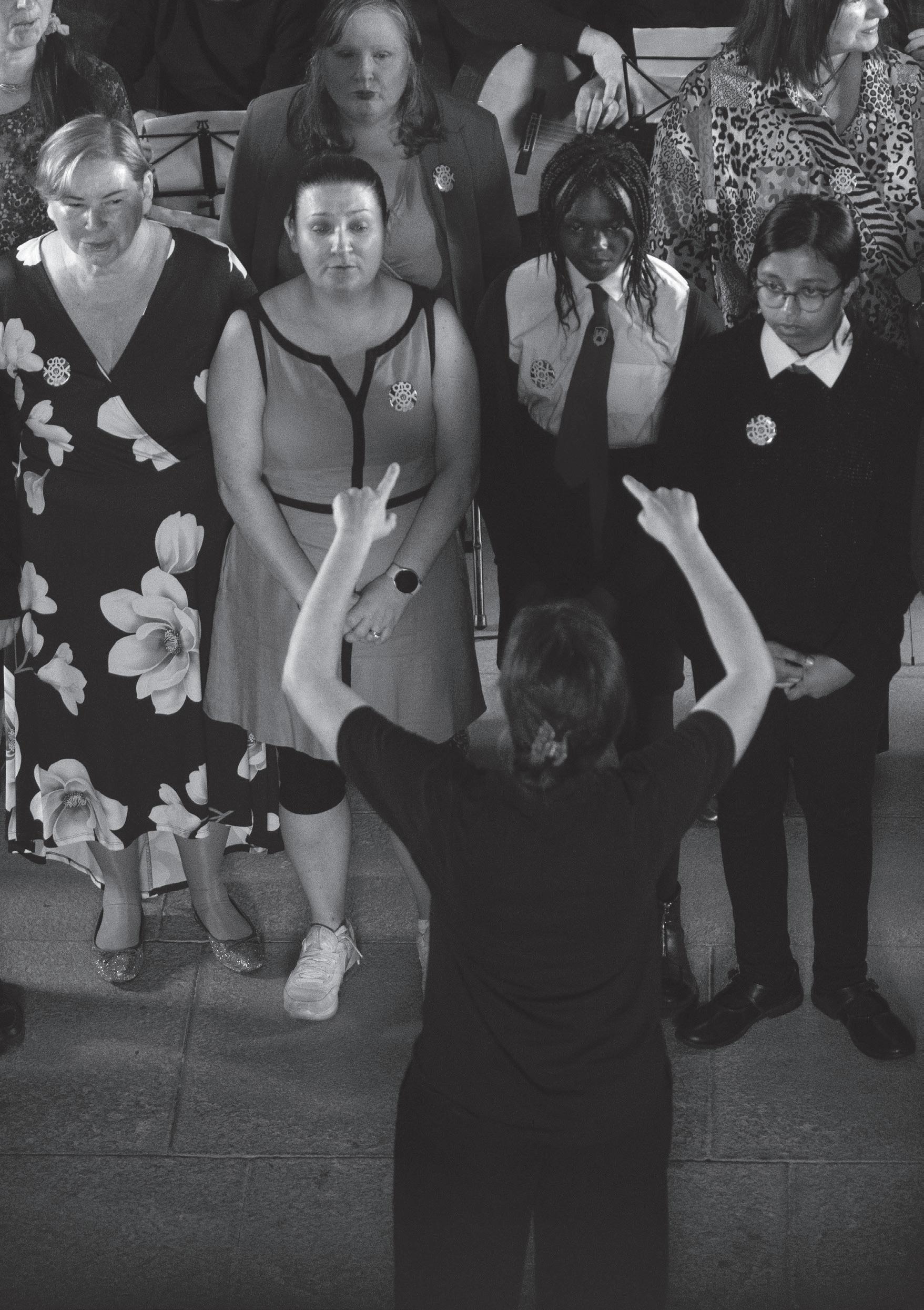
Tapestry
Kindly supported by the Cockaigne Fund, Cruden Foundation, Daphne Hamiton Charitable Trust, Garfield Weston Foundation, HR Creswick Charitable Trust, Plum Trust, and Mrs Rowena Goffin’s Charitable Trust.
Pekka Kuusisto
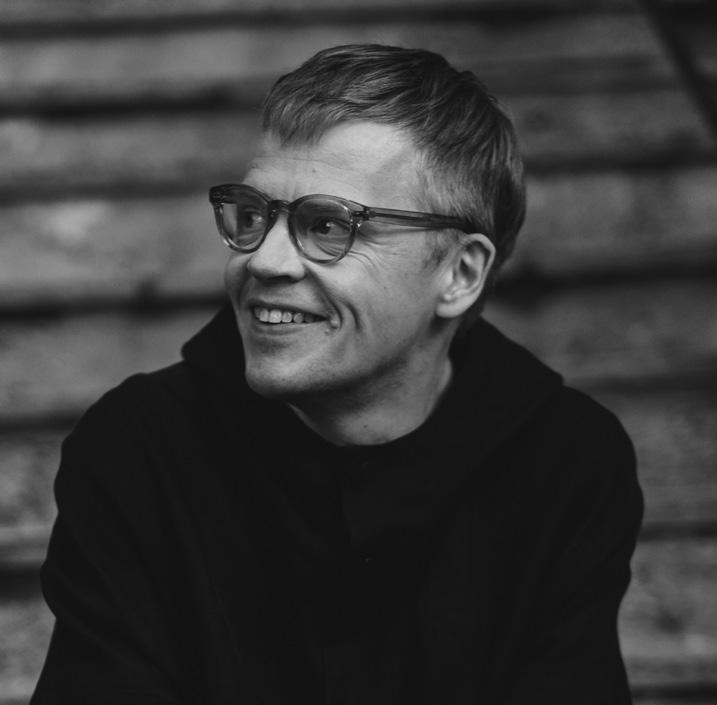
Violinist, conductor, and composer Pekka Kuusisto is internationally recognised for his visionary artistry and creative freedom, establishing him as one of today’s most compelling artists. He is Artistic Director of Norwegian Chamber Orchestra, Principal Guest Conductor & Artistic Co-Director of Helsinki Philharmonic Orchestra and Principal Guest Conductor of the Gothenburg Symphony, and Chief Conductor designate of Tokyo Metropolitan Symphony Orchestra from April 2028. He joins the TMSO as Artist in Residence for a two-year term from April 2026, appearing both as conductor and violinist.
This season, Kuusisto continues his work with the Norwegian Chamber Orchestra presenting the renowned DSCH project to Oslo and Copenhagen, while also directing a diverse array of programmes. He takes the stage as both conductor and soloist with the Helsinki Philharmonic, including a tour across Germany and Austria. He also leads three distinctive programmes with the Gothenburg Symphony Orchestra with soloists such as Anne Sofie von Otter, Ava Bahari, Andreas Brantelid and Katarina Barruk. Kuusisto guest conducts Oslo Philharmonic, Basel Symphony Orchestra, Scottish Chamber Orchestra and Tokyo Metropolitan Symphony Orchestra. He also performs with New Zealand and Tasmanian symphony orchestras, and with the Taipei Symphony Orchestra, where he conducts Nico Muhly’s Concerto Grosso. As soloist, he appears with the Royal Stockholm Symphony Orchestra and joins the Konzerthausorchester Berlin performing Dessner’s Violin Concerto in a New Year’s programme with Joana Mallwitz.
For full biography please visit sco.org.uk
Pekka Kuusisto's Visiting Artist Chair is kindly supported by the Honorary Consulate of Finland, Edinburgh and Glasgow.
© Bård Gundersen
Dreamers’ Circus
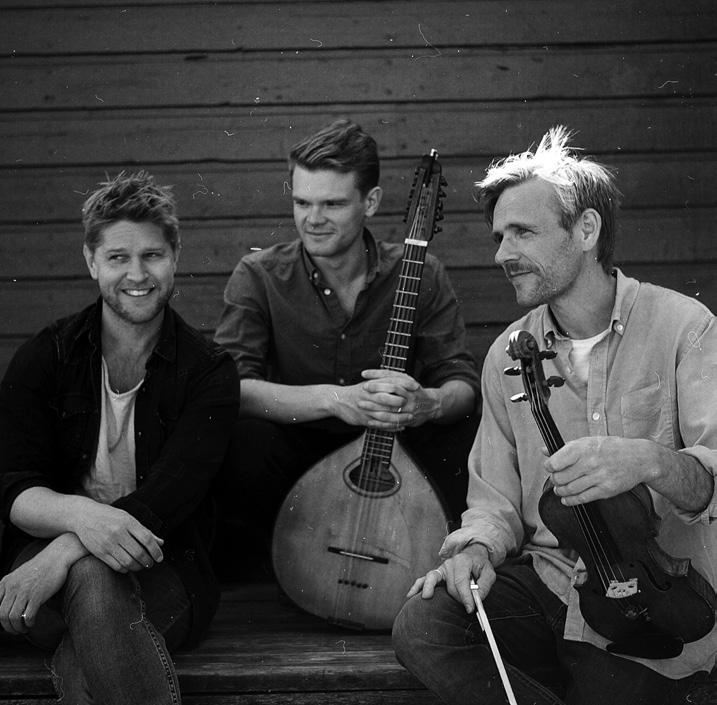
Dreamers’ Circus is one of the most acclaimed and adventurous acoustic bands in the Nordic region. Blending Nordic folk with classical lyricism, jazz improvisation, and pop energy, the trio creates a sound that is both rooted and forward-looking.
Since forming in Copenhagen, the group – Nikolaj Busk (piano, accordion), Rune Tonsgaard Sørensen (violin), and Ale Carr (cittern) – has released seven albums, toured internationally, and earned major awards including recognition as a “Special Ensemble” by the Danish Arts Foundation.
With backgrounds spanning folk, classical, and jazz, they bring virtuosity and imagination to every performance. Their latest album Handed On reflects on their musical heritage, while their dynamic live shows showcase the playful joy and precision that define their unique sound.
“They’re world class. Now the world needs to hear them.” – Sing Out
dreamerscircus.com
© Søren Lynggaard
Scottish Chamber Orchestra
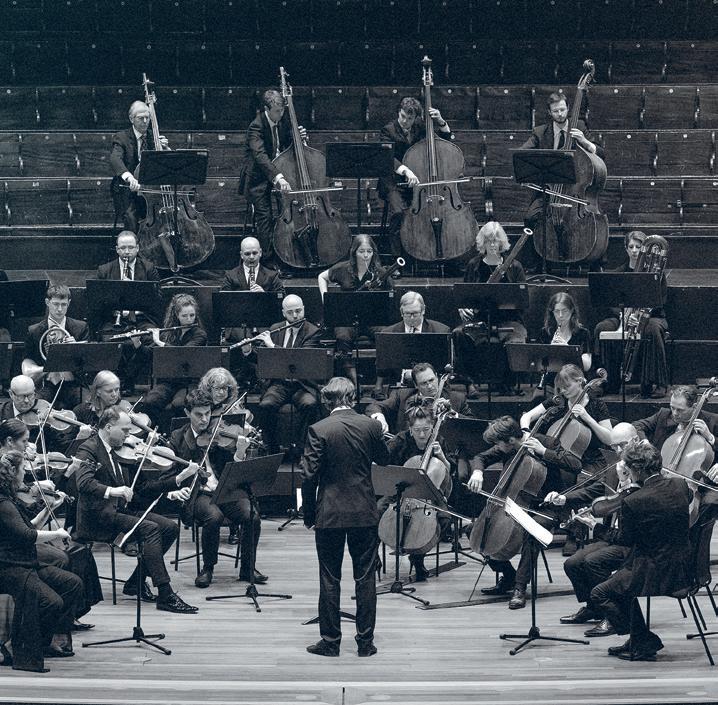
The Scottish Chamber Orchestra (SCO) is one of Scotland’s five National Performing Companies and has been a galvanizing force in Scotland’s music scene since its inception in 1974. The SCO believes that access to world-class music is not a luxury but something that everyone should have the opportunity to participate in, helping individuals and communities everywhere to thrive. Funded by the Scottish Government, City of Edinburgh Council and a community of philanthropic supporters, the SCO has an international reputation for exceptional, idiomatic performances: from mainstream classical music to newly commissioned works, each year its wide-ranging programme of work is presented across the length and breadth of Scotland, overseas and increasingly online.
Equally at home on and off the concert stage, each one of the SCO’s highly talented and creative musicians and staff is passionate about transforming and enhancing lives through the power of music. The SCO’s Creative Learning programme engages people of all ages and backgrounds with a diverse range of projects, concerts, participatory workshops and resources. The SCO’s current five-year Residency in Edinburgh’s Craigmillar builds on the area’s extraordinary history of Community Arts, connecting the local community with a national cultural resource.
An exciting new chapter for the SCO began in September 2019 with the arrival of dynamic young conductor Maxim Emelyanychev as the Orchestra’s Principal Conductor. His tenure has recently been extended until 2028. The SCO and Emelyanychev released their first album together (Linn Records) in 2019 to widespread critical acclaim. Their second recording together, of Mendelssohn symphonies, was released in 2023, with Schubert Symphonies Nos 5 and 8 following in 2024.
The SCO also has long-standing associations with many eminent guest conductors and directors including Principal Guest Conductor Andrew Manze, Pekka Kuusisto, François Leleux, Nicola Benedetti, Isabelle van Keulen, Anthony Marwood, Richard Egarr, Mark Wigglesworth, Lorenza Borrani and Conductor Emeritus Joseph Swensen.
The Orchestra’s current Associate Composer is Jay Capperauld. The SCO enjoys close relationships with numerous leading composers and has commissioned around 200 new works, including pieces by Sir James MacMillan, Anna Clyne, Sally Beamish, Martin Suckling, Einojuhani Rautavaara, Karin Rehnqvist, Mark-Anthony Turnage, Nico Muhly and the late Peter Maxwell Davies.
© Christopher Bowen
7-9 May, 7.30pm
Edinburgh | Glasgow | Aberdeen
Schumann Cello Concerto
Maxim Emelyanychev conductor
Philip Higham cello
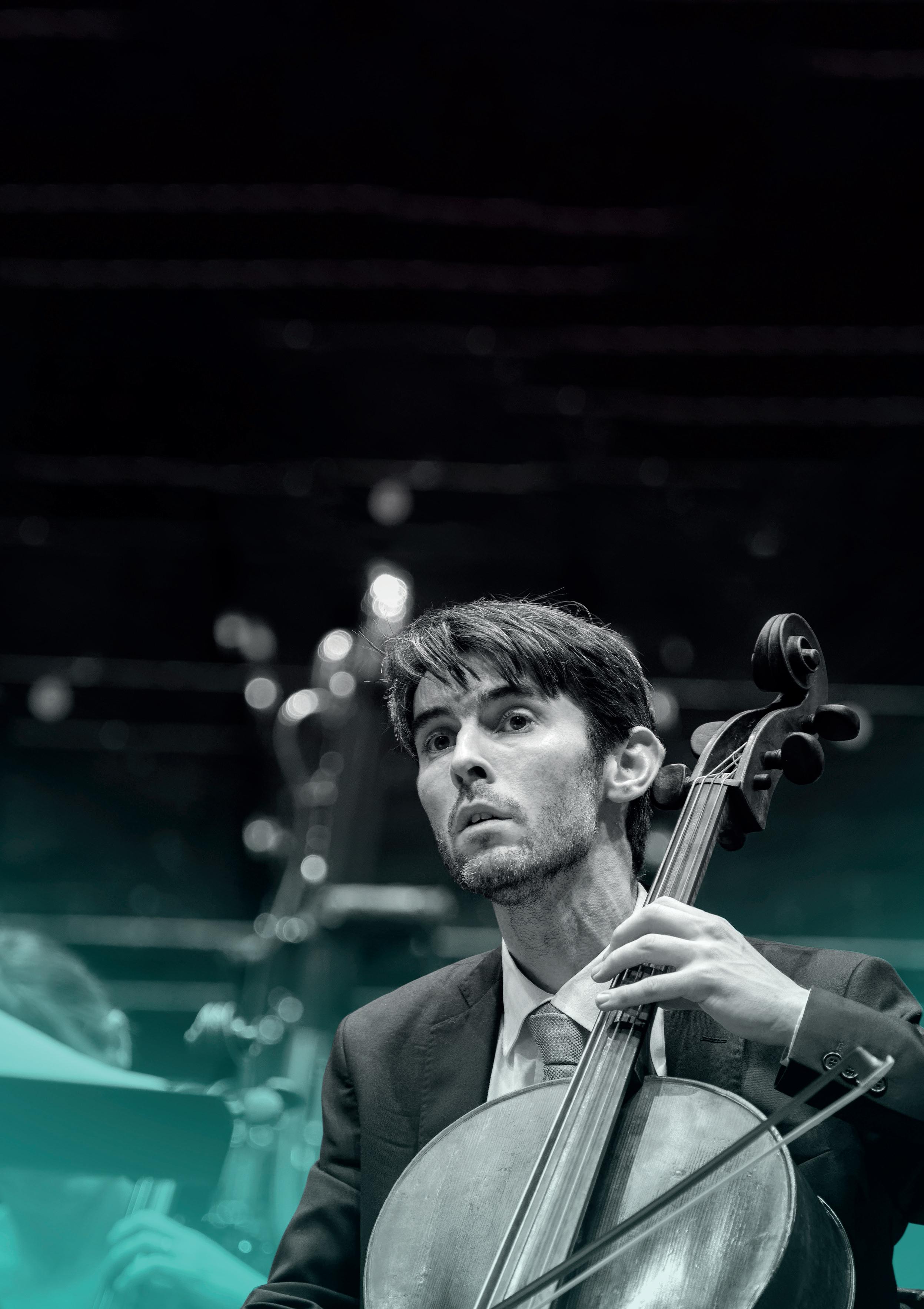
Including music by Mendelssohn, Widmann and Debussy
SCO NEW MUSIC FUND
Shape the Sound of the Future
Make a donation between 12 February and 30 March and double the impact of your gift.
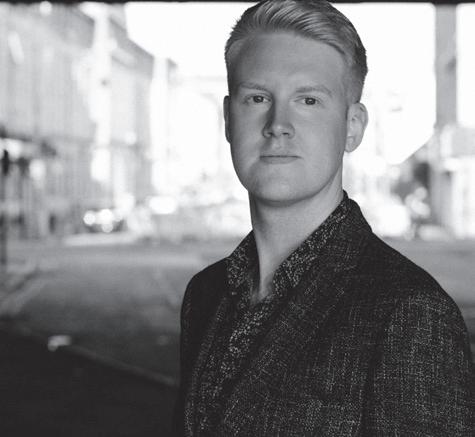
SCO Associate Composer Jay Capperauld
We've launched the SCO New Music Fund to support new commissions and talented composers.
Every £1 will be doubled but only until Monday 30 March. Donations will be matched up to £30,000, meaning your gift goes twice as far. Together, we can help shape the sound of the future.
Thank you for your support! SCAN ME To donate and find out more.
Top photo ©Stuart Armit | Photo of Jay ©Euan Robertson