BACK ONE
2026 – Building momentum together
ByLesleyMcGinty,ChiefExecutive
Welcome to this latest edition of Backbone.
As always, I’d like to begin with the most important message of all: thank you.
To every fundraiser, every donor, every volunteer, every supporter, and every member of our community who continues to stand alongside us, you make everything we do possible. Your support, in all its forms, continues to drive us forward, and we are incredibly grateful.
I would also like to extend my sincere thanks to our dedicated staff team, whose passion and commitment continue to inspire, and to our Board of Trustees for their ongoing guidance and support. This year, we are delighted to welcome Rebecca Weil as our new Chair. Rebecca brings with her a wealth of experience, and a shared passion for our mission, and we look forward to this next chapter under her leadership.
As we reflect on the start of this year, it’s clear that we are building on strong foundations, and continuing to grow in both reach and impact. One of the most exciting developments has been the launch of our Join the Curve volunteer programme. We are thrilled to have welcomed 30 incredible volunteers, who are already helping us to spread awareness, share important messages, and strengthen our community across the country. This marks an important step in expanding our voice, and ensuring more people feel supported and informed.
We’ve also been delighted to introduce Walk Together, a new initiative designed to bring people in our community closer, creating space for connection, conversation, and shared experience. There’s more to come on this later in the magazine, but it’s already shaping up to be a meaningful Scoliosis Awareness Month event.
Supporting those affected by scoliosis remains at the heart of everything we do, and we are proud to have started the year with new patient events, including our London Q&A, and our Leeds event. These moments of connection, where people can come together, ask questions, and hear from experts and each other, are so important in helping individuals feel informed, reassured, and less alone.
Alongside this, we have continued to expand our support services, with a particular focus on our Talking Therapy Service. We recognise that scoliosis can affect not only physical health, but
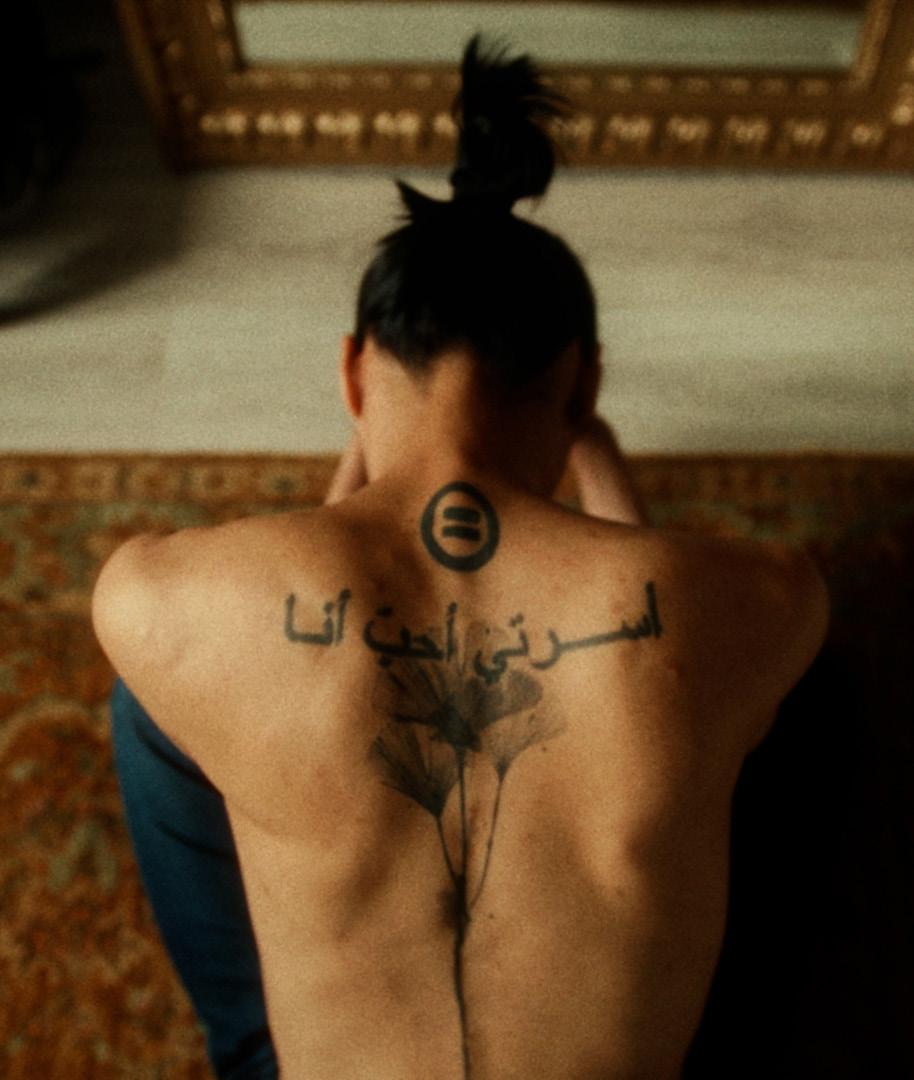
also emotional wellbeing, and we are committed to ensuring that those who need support have access to it. The growth of this service reflects our ongoing dedication to supporting the whole person, not just the condition.
We also continue to fund innovative research, and are exploring ways to broaden the areas we can support, particularly around patient involvement. We have seen a reduction in traditional applications, which reflects the financial and time constraints faced by consultants, and early-career clinicians. In response, we are looking at opportunities to help alleviate these challenges, while also encouraging the next generation of professionals to continue their work in scoliosis.
As we look ahead, our mission remains unchanged, to support, to inform, and to build a community where everyone affected by scoliosis feels seen, heard, and understood, while continuing to champion, and fund vital research.
So, as you read through this edition of Backbone, I hope you feel proud of what we are achieving together. Thank you for being part of our journey, we couldn’t do it without you.
Celebrating our fundraisers & donors
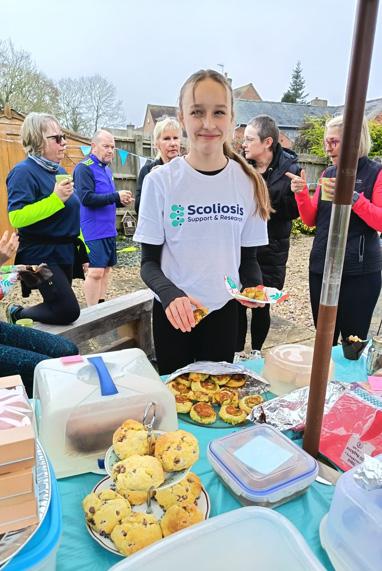
Every year, we are blown away by the creativity, generosity, and determination of the SSR community, and 2026 has been no exception. From mountain climbs to quiz nights, coffee mornings, raffles, and social fundraising events, you’ve all found brilliant ways to raise awareness and support for scoliosis.
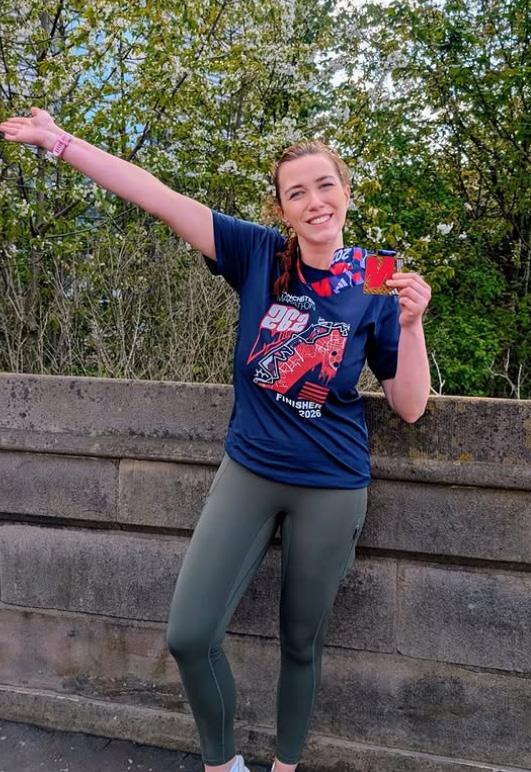
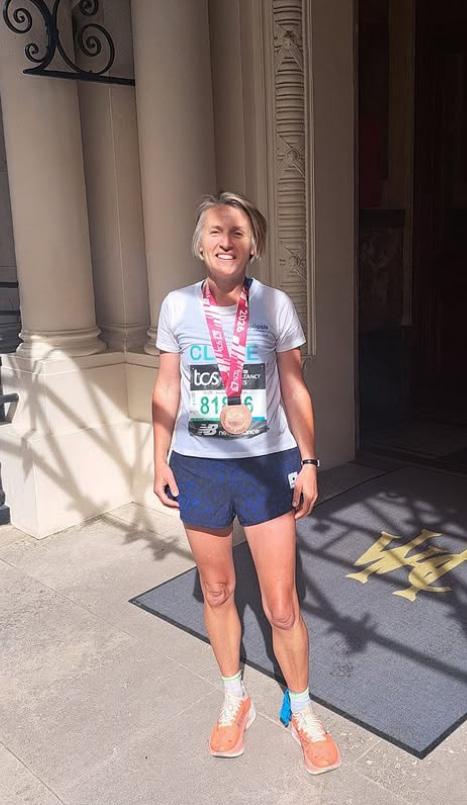
We would love to give a special shout out to our marathon runners. Across the London, Brighton, Manchester, and Edinburgh marathons in April and May, we have 21 incredible runners taking on these challenges for SSR. It has been inspiring to see so many of you dedicate your time, energy, and training to support our cause. A huge thank you to each of you, and good luck to those with events still to come or recently completed.
While the big events often grab the headlines, it’s just as important to celebrate the quieter heroes. The individuals and families who organise local fundraisers, set up monthly donations, or give up birthday presents in exchange for gifts to SSR. Every act of kindness and commitment has an enormous effect on our work and on the people we support. From school students and sports teams to families and friends, everyone involved moves us closer to making life better for people with scoliosis. To all our fundraisers and donors: thank you. Your generosity, creativity, and passion are at the heart of everything we do.
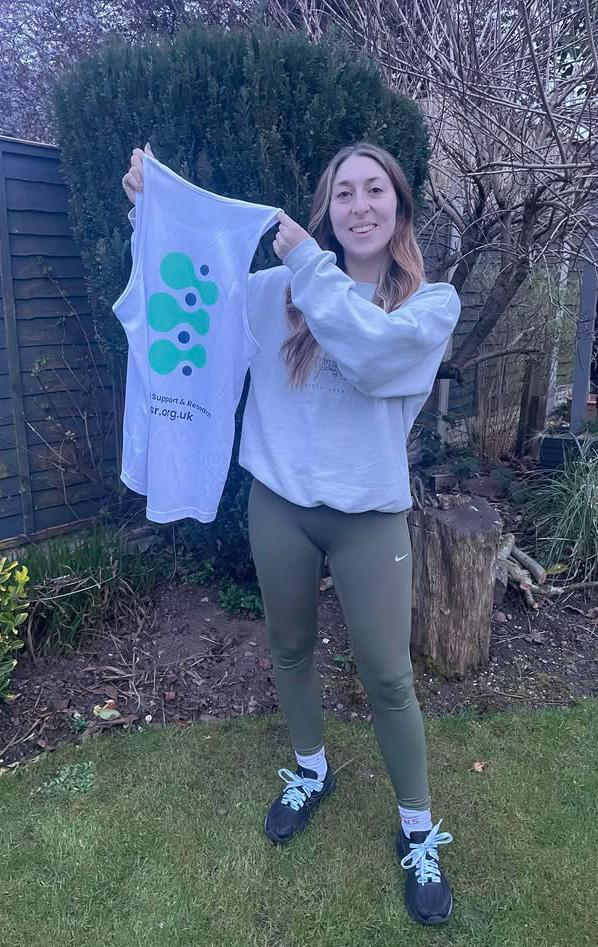
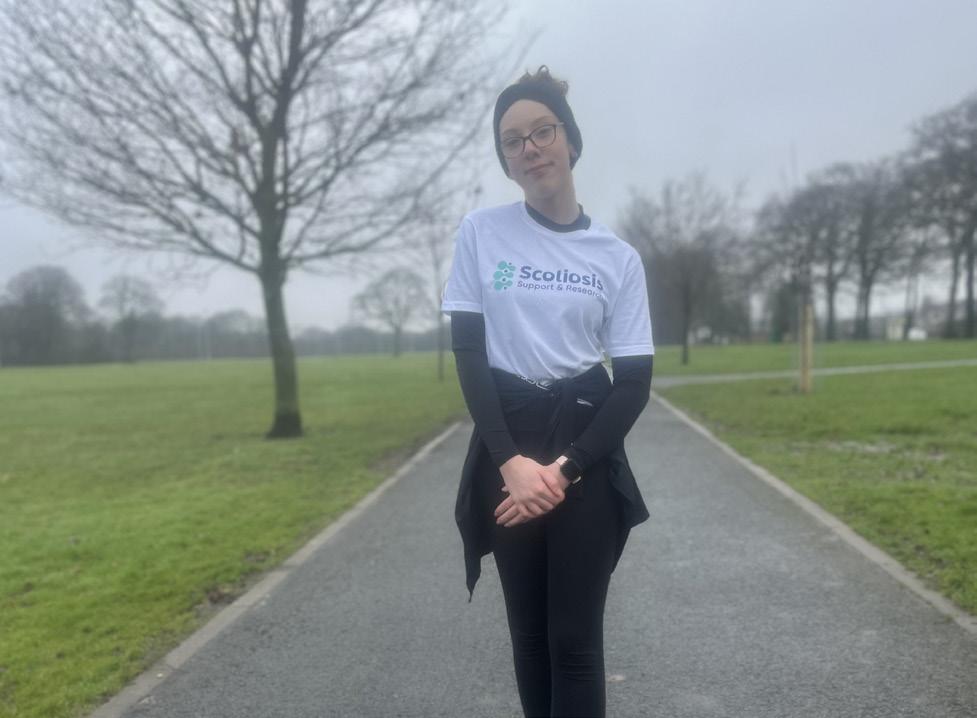
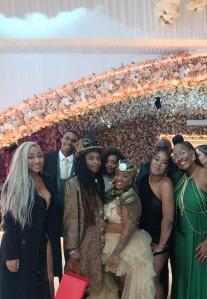
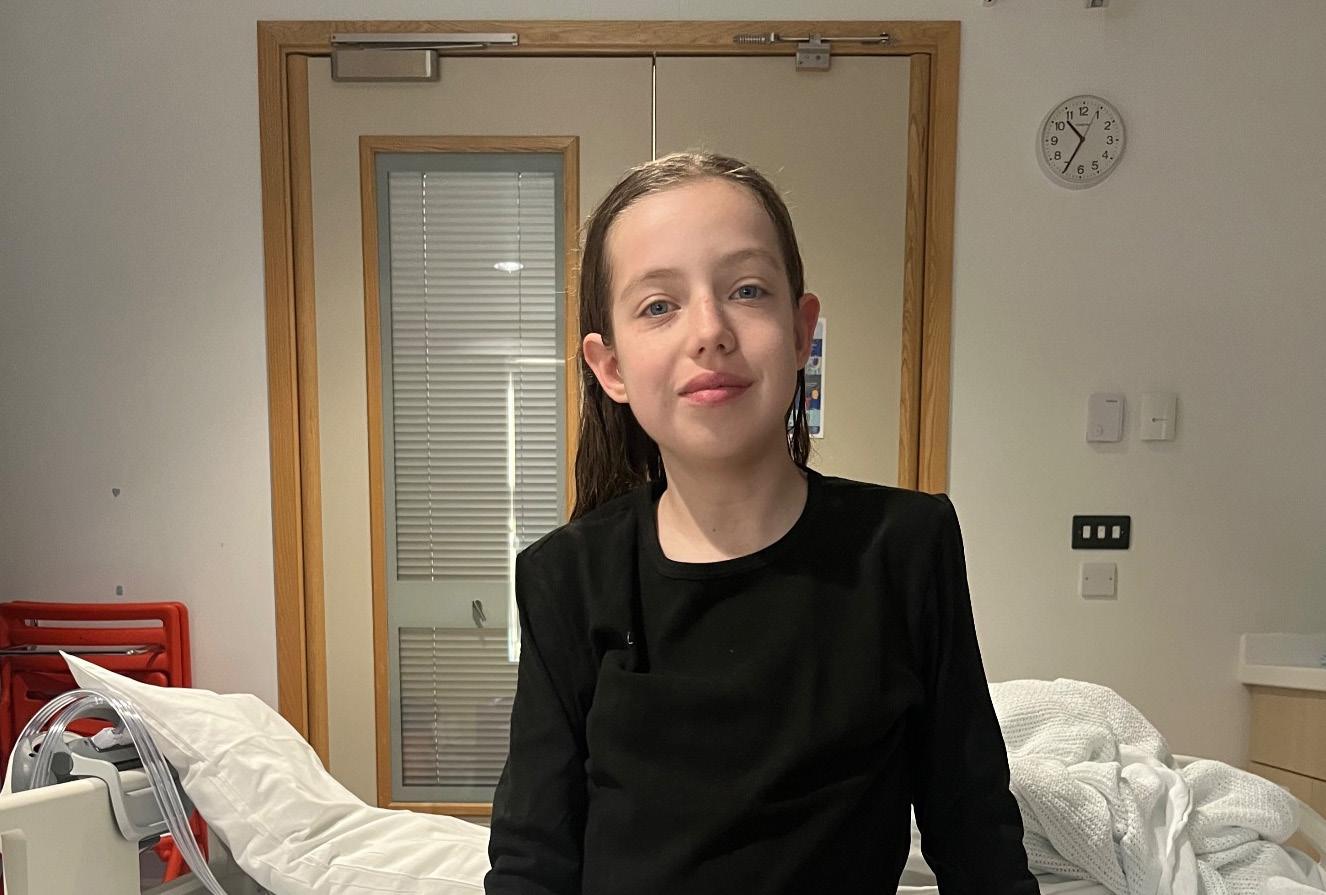
Culture Deluxe Charity Gala
Megan Butler30 day marathon
Ella Grace Ross - Step for Scoliosis
Lillia Cuthbertson - Parker 100
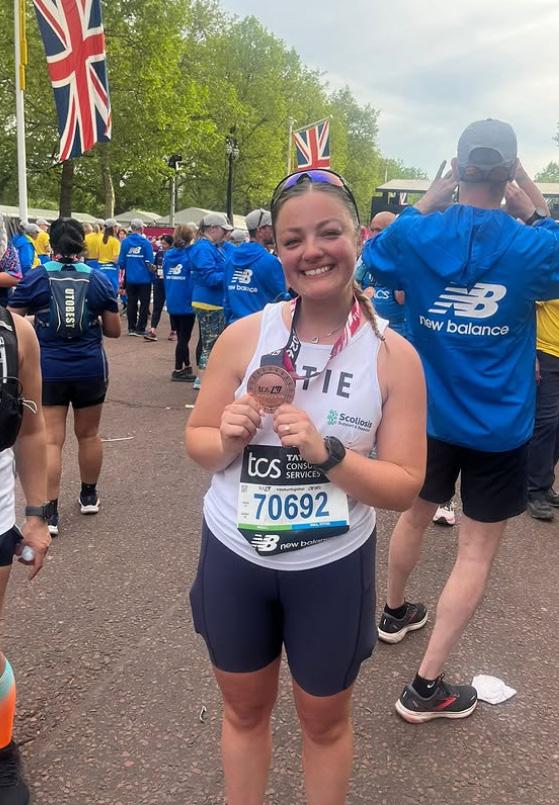
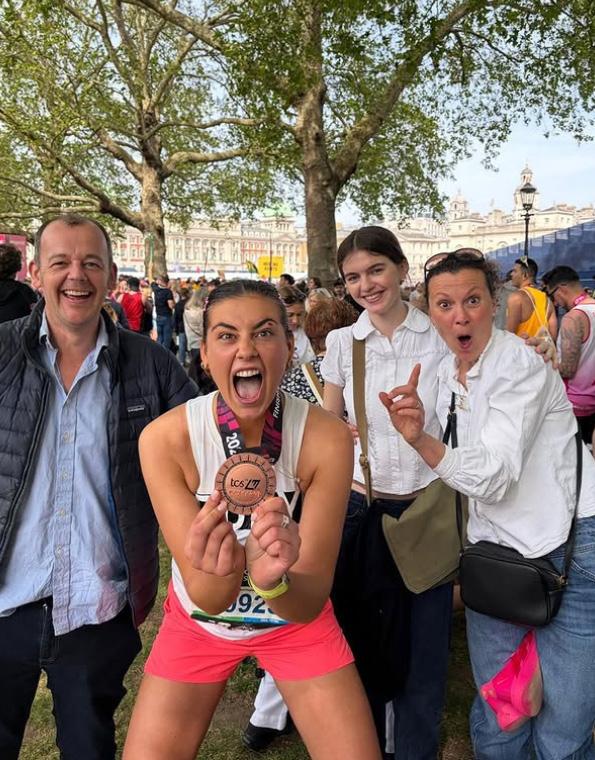
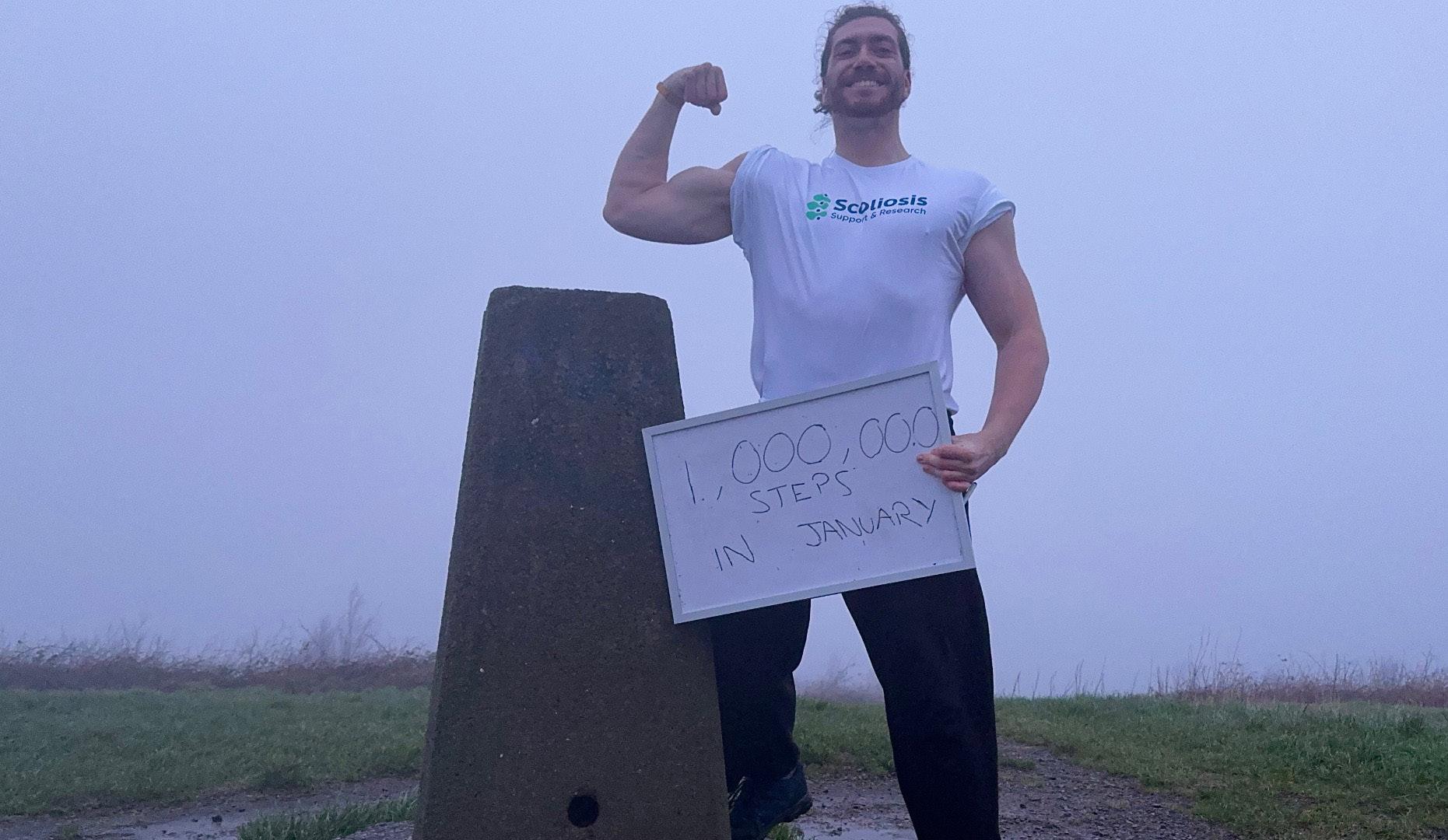
Ruby AdamsLondon Marathon
Rouse FamilyFun’draiser Trail Run
Clare Downes - London Marathon
Curtis Newman-Jones - Step for Scoliosis
Katie FarrallLondon Marathon
Jennifer AyreManchester marathon
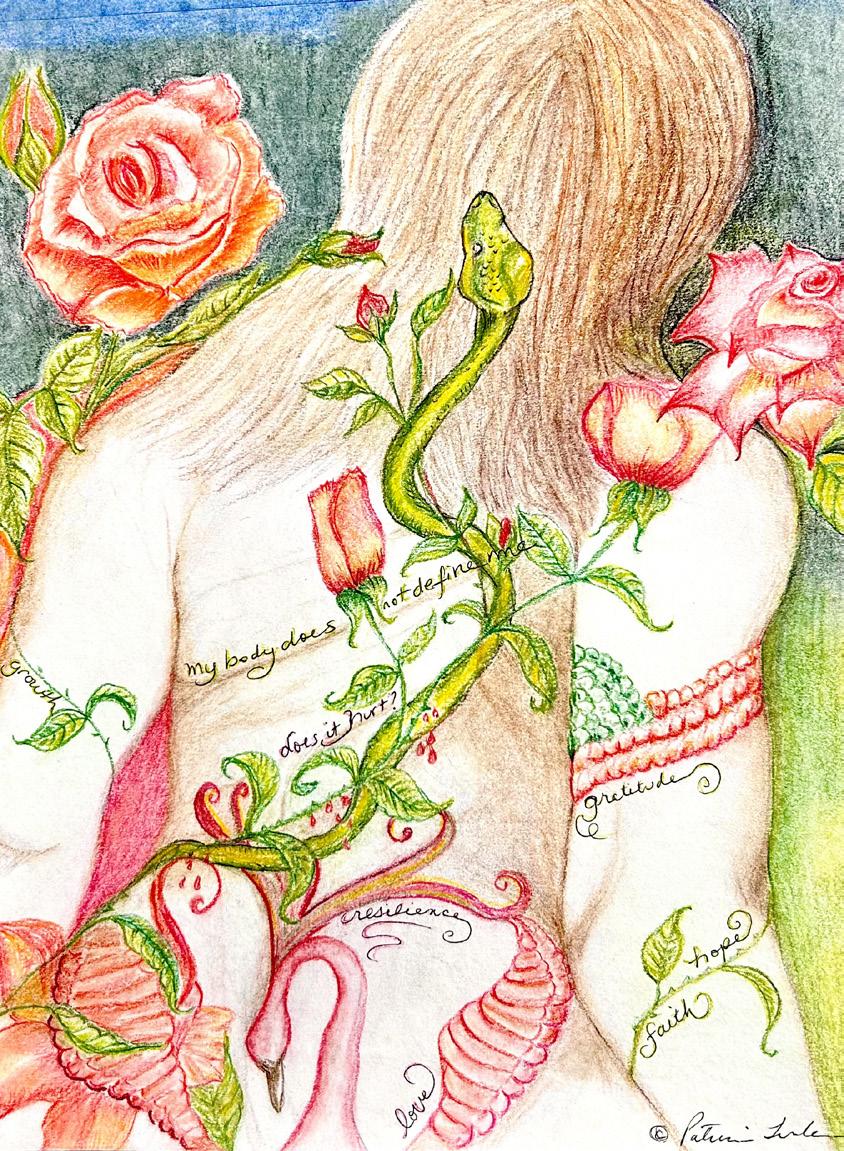
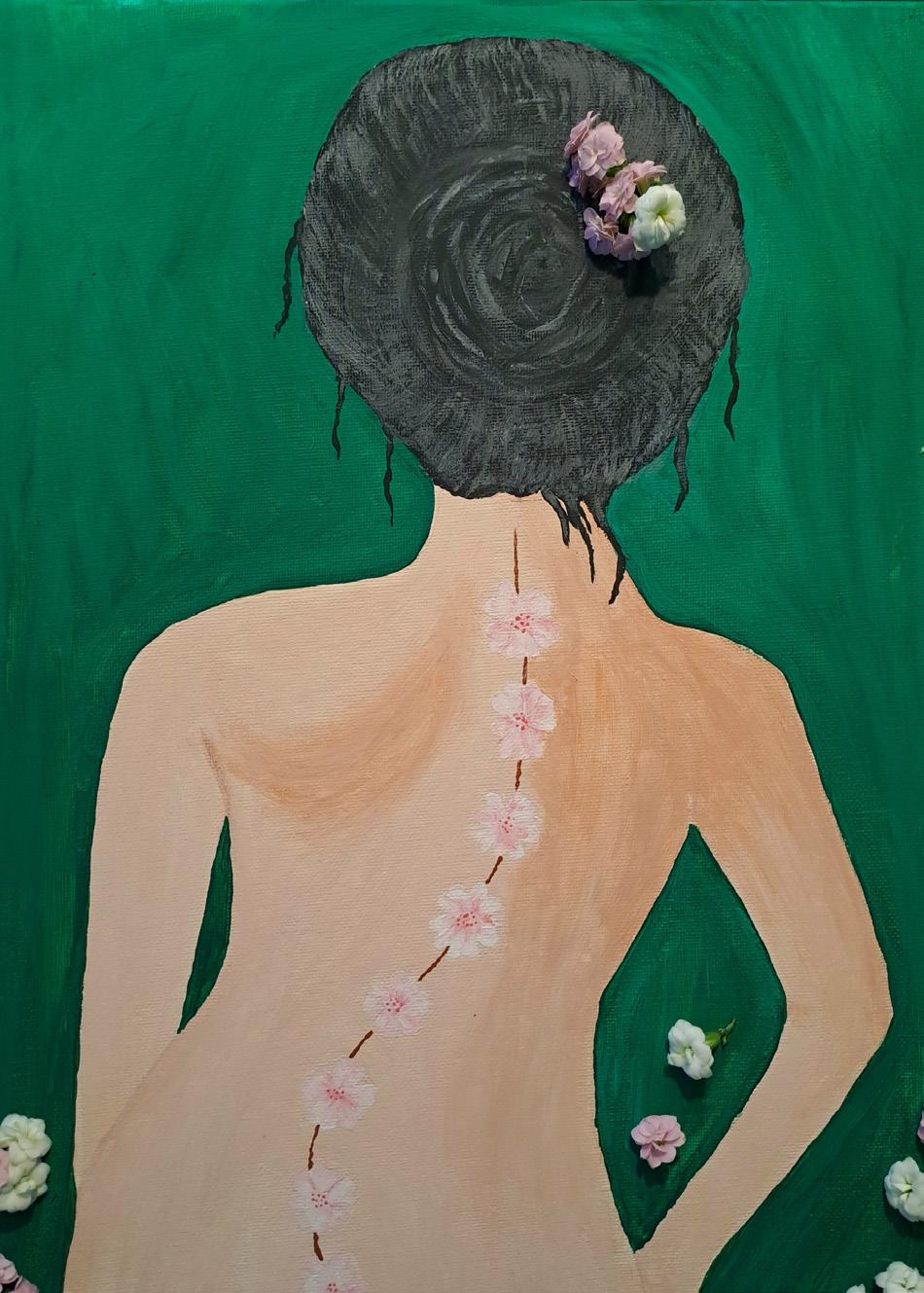
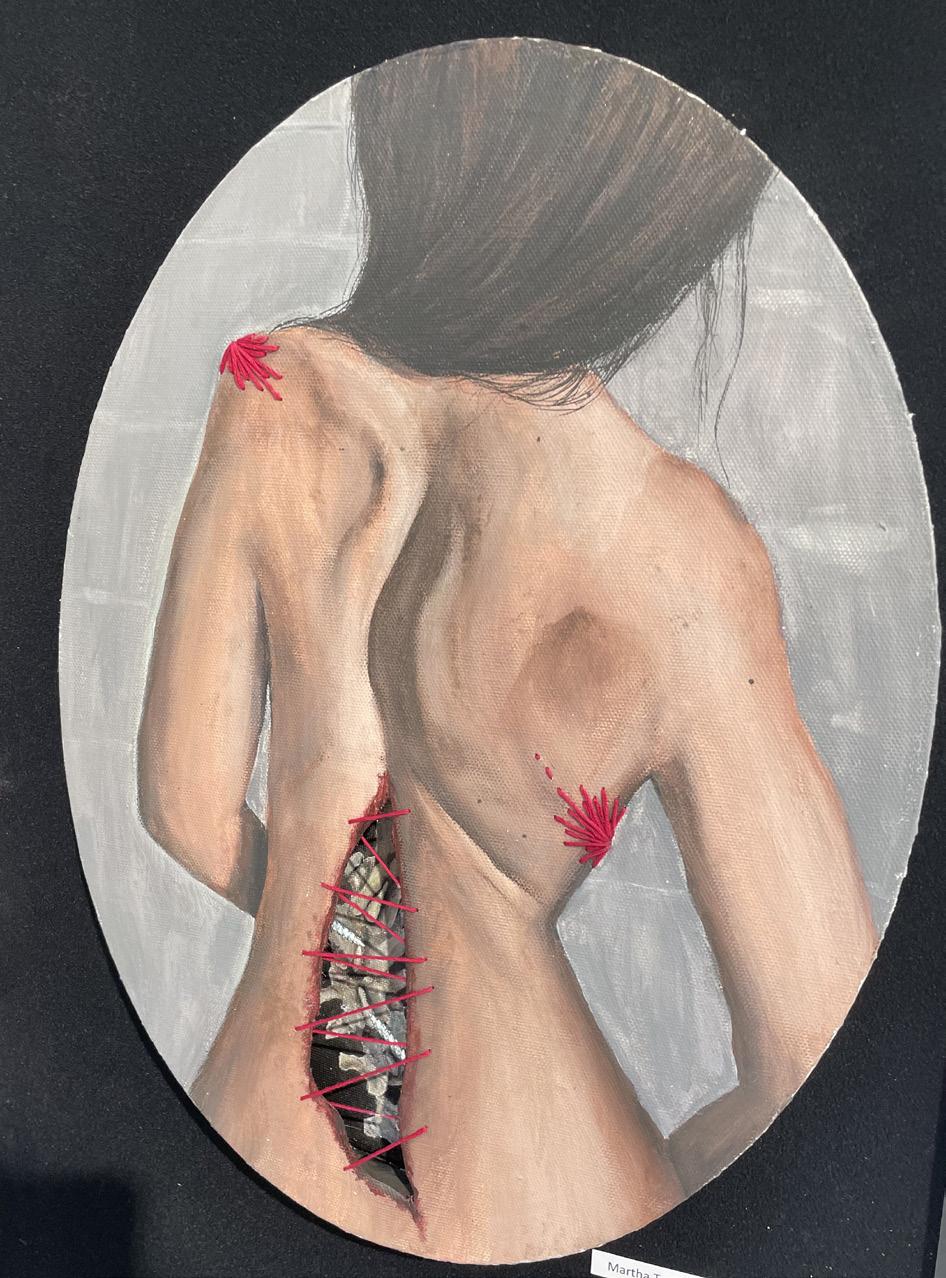
Ailie Harrison art competition
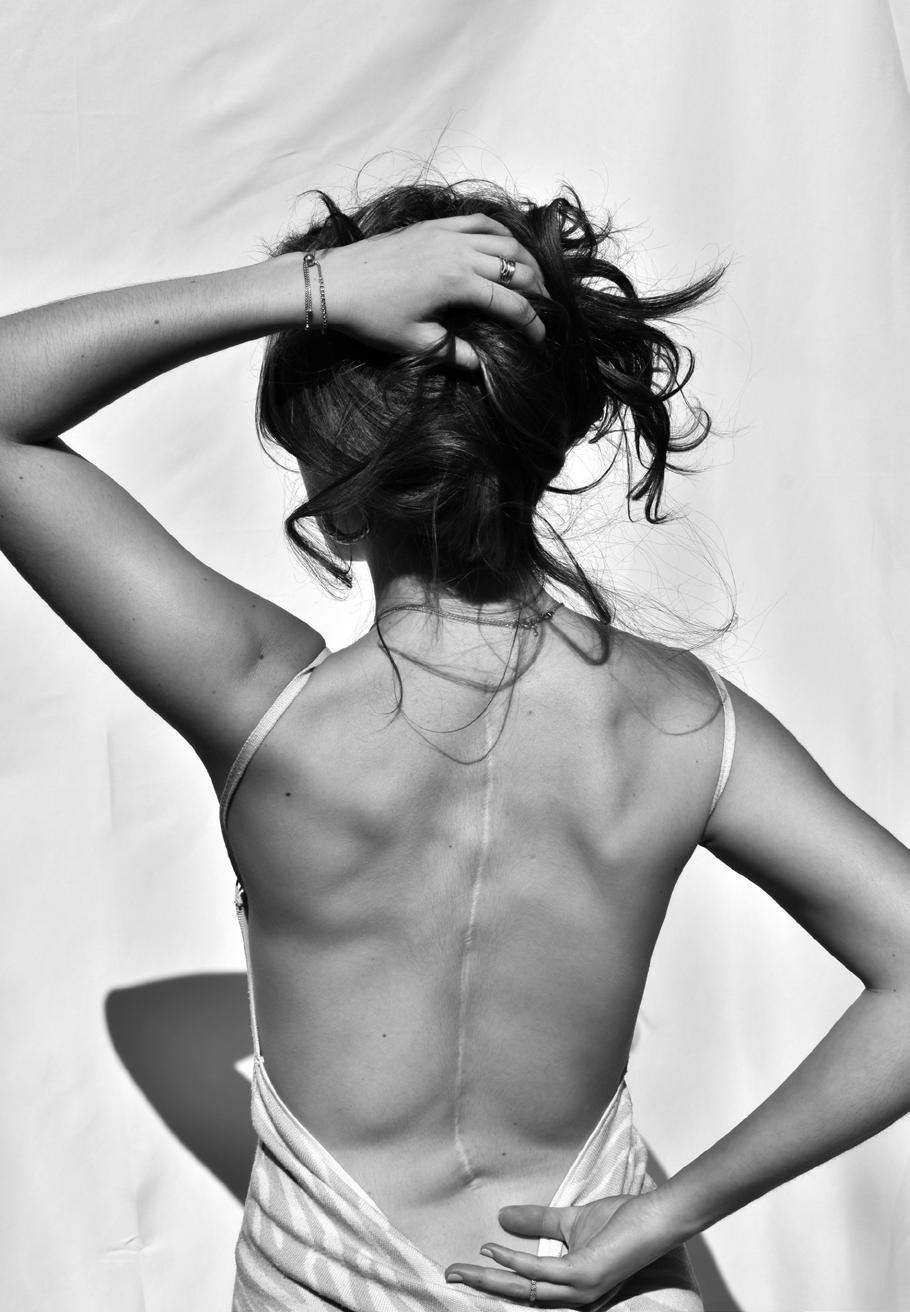
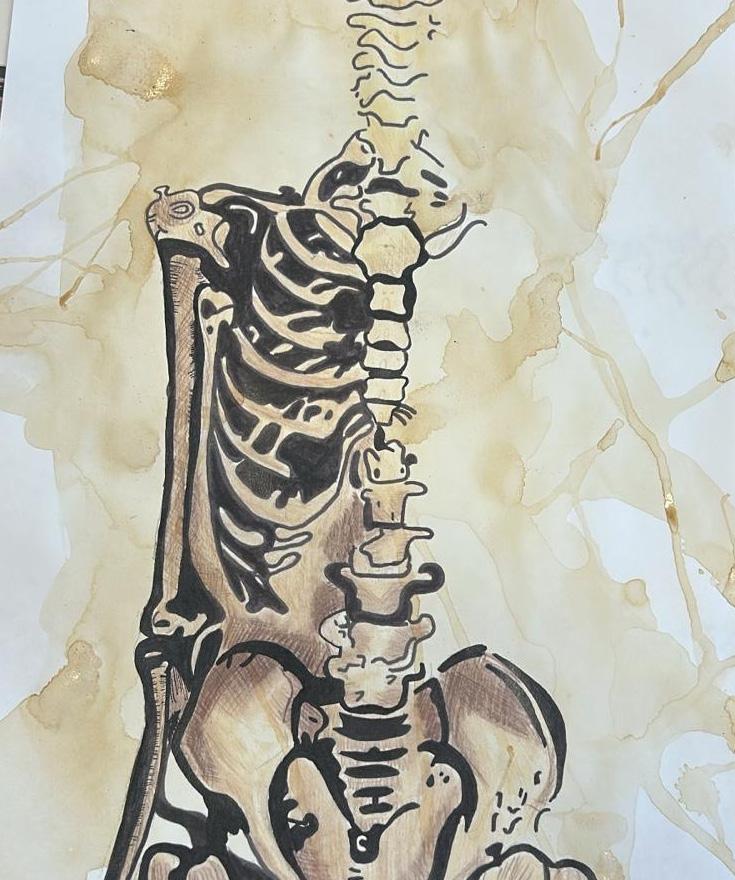
Thank you so much to everybody who submitted an entry to the Ailie Harrison Art Competition. We have had some incredibly unique, creative, and personal entries and picking a winner was extremely difficult.
Please see our 3 winners below:
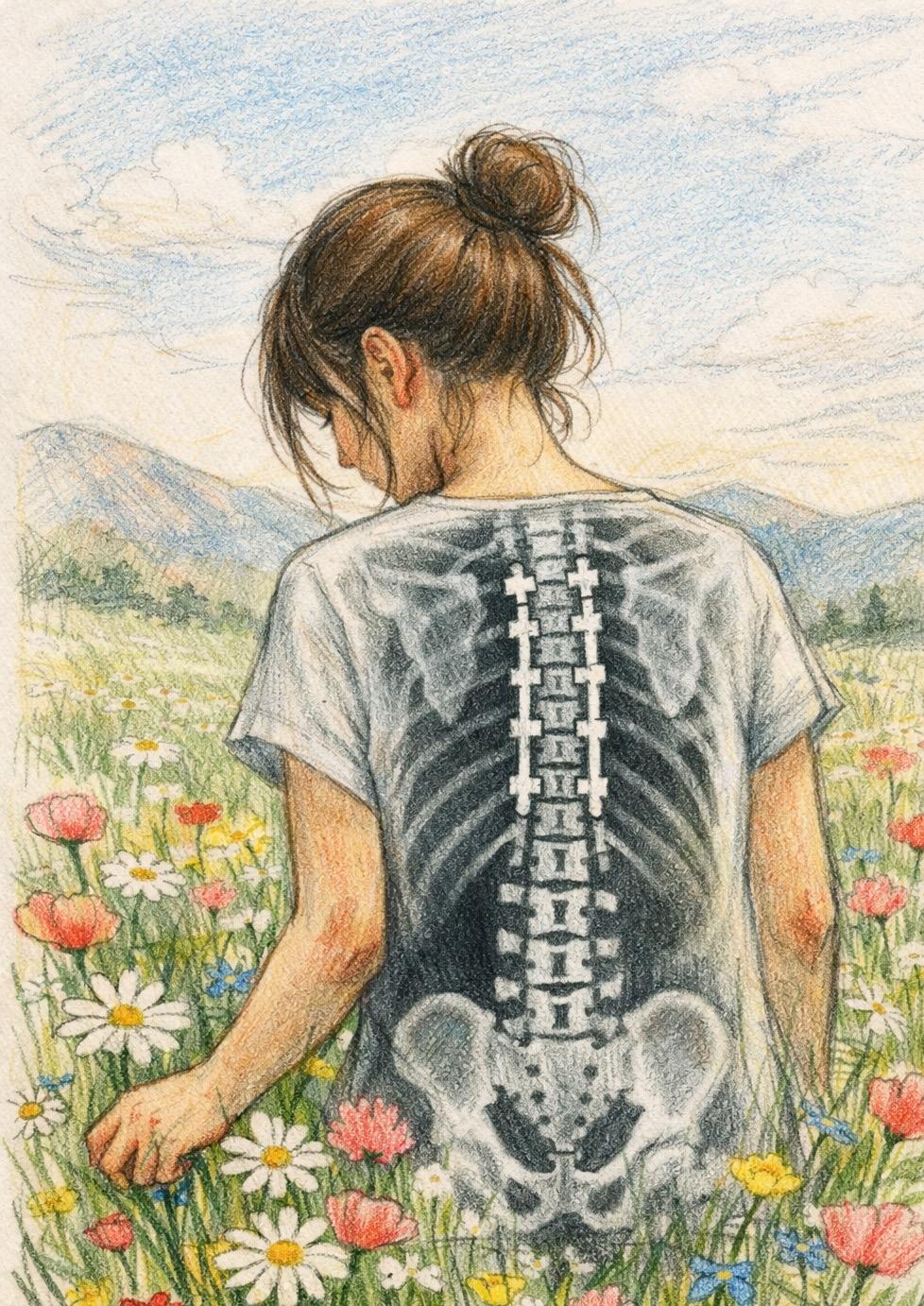
2nd Place - Esther Platts - Age 21
1st Place - Hannah Lee - Age 16
3rd Place - Scarlet Saberton - Age 14
And our runners up / honourable mentions:
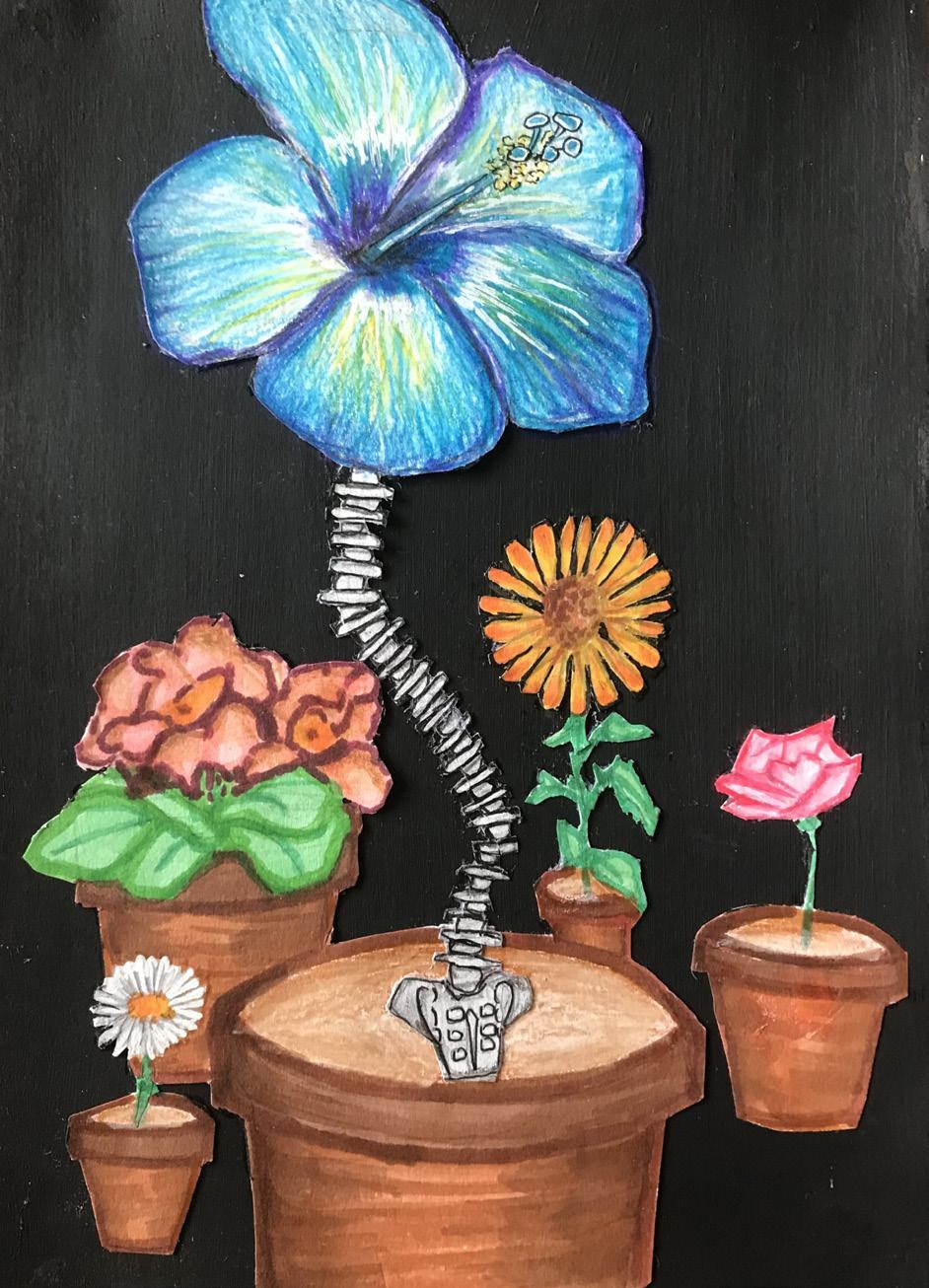
Runner Up - Norah Ballantine Drake - Age 13
Runner Up - Anika Spira - Age 22
Runner Up - Patricia Turken - Age 65
Runner Up - Martha Topping - Age 16
Living with scoliosis A special feature from Pain UK
This three-part feature, contributed by Pain UK, explores scoliosis pain, NHS care, and self-management strategies to support people living with scoliosis.
ContributedbyAmandaTonks,HCPC-registeredphysiotherapist,onbehalfofPainUK
Understanding your pain and your care options
Imagine waking up each day unsure whether you’ll manage routine tasks without pain, such as standing at the kitchen counter, climbing stairs, or simply bending down to tie your shoelaces. For thousands of adults across the UK living with scoliosis, this scenario is all too familiar. While many associate scoliosis with adolescents, specifically youngsters undergoing rapid growth spurts, adult scoliosis represents a hidden and challenging condition, often marked by chronic pain and reduced mobility.
Pain beyond the curve
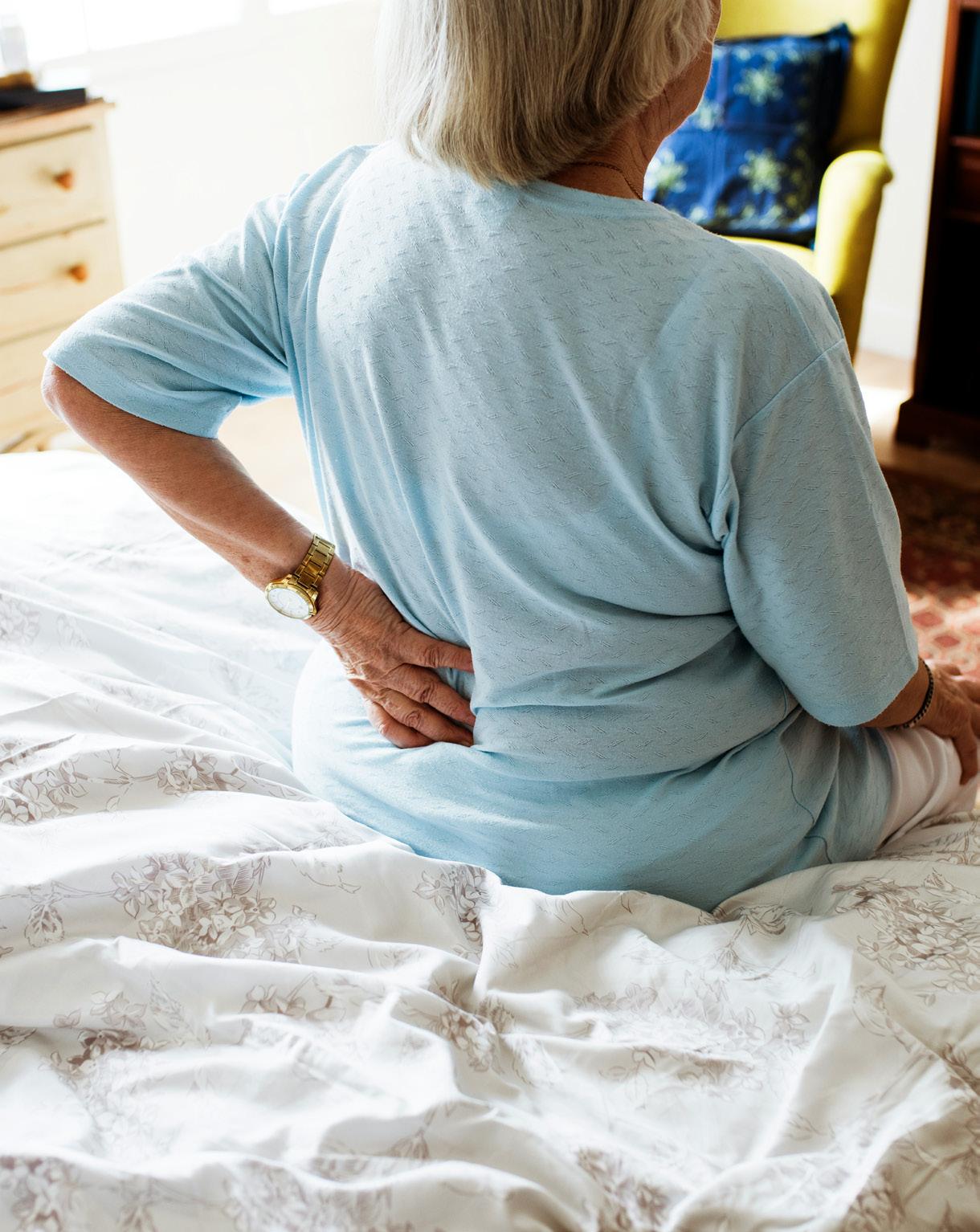
When we talk about scoliosis, the first image that usually comes to mind is the curve of the spine itself, the bend that shows up on an X-ray or in the mirror. But for those who live with the condition, the experience is not only something to see, it is something to feel. Pain is often part of that reality, though it does not take just one form. It shifts in tone and intensity, sometimes dull and heavy, sometimes sharp and electric, sometimes fleeting, sometimes constant (1,2).
Muscle pain: the uneven tug
One of the most common sensations begins in the muscles. Because the spine curves, the muscles on either side of it never share the work equally. Some are stretched too far, left to strain all day, while others tighten and knot as they pull harder to keep balance. This uneven tug can feel like a dragging fatigue in the shoulders or lower back, or like a stubborn knot that refuses to let go. For some, especially teenagers growing quickly, the feeling appears suddenly; for others, it builds gradually, an ache that grows more insistent as the day goes on (1–4).
Mechanical pain: the weight of imbalance
Beyond the muscles lies a heavier kind of
discomfort, the product of the curve’s imbalance itself. A straight spine spreads weight evenly; a curved one does not. The result is a deep, weary soreness in the joints and ligaments that hold everything in place. Unlike the sting of nerves or the cramp of muscle, this pain feels slower, as though the spine itself is tired from carrying the body unevenly. People often notice it after hours of standing or sitting, when gravity seems to press more on one side than the other (2,4).
Nerve pain: sparks that travel
At times, the curve does more than tire the back; it presses on the nerves that branch away from the spinal cord. When this happens, the pain changes character entirely. It is no longer confined to the back, but shoots outward, down a leg, across the hip, or into an arm. People describe it as burning, stabbing, or electric, a sudden shock that can strike even at rest. Nerve pain is unpredictable, and
its intensity often stands out as one of the most startling experiences associated with scoliosis (1,2).
Joint pain: the slow grind
Over years, the curve also leaves its mark on the small joints and discs that give the spine flexibility. Because one side bears more weight, wear and tear gather unevenly. The discomfort that follows is quieter but more persistent: stiffness in the morning, a grinding sensation when bending, and the sense that the back no longer moves as easily as it once did. This slow, creeping pain grows more familiar with age, a reminder of how the spine’s asymmetry reshapes not just appearance, but function (3).
Referred pain: when the source is hidden
Sometimes scoliosis pain hides its origin. A curve in the mid-back may register as pressure in the chest or along the ribs; one lower down may echo as pain in the hips or pelvis. This referred pain can confuse both patient and clinician, because the ache does not appear where the curve sits. It blurs the body’s map, complicating the story the pain is trying to tell (1,4).
Post-surgical pain: a different chapter
For those who undergo surgery, pain takes on yet another form. At first, it is raw and tender, the body reacting to a major intervention. Later, it may settle into stiffness around the surgical site, or an ache where the spine has been reshaped and stabilised. This is not the same as the pain of the untreated curve; it belongs to healing, and to the body’s adjustment to its new form after surgery (5). A significant subset of patients reports persistent pain at 1 year.
Acute and chronic pain: the question of time
Finally, scoliosis pain varies not only in type, but in time. Some of it is acute, appearing suddenly with a spasm or a long day of exertion, then fading once the trigger has passed. Some of it is chronic, stretching across months and years, becoming a constant presence that shapes daily life. The acute pain may grab attention with its suddenness, but the chronic kind is often more difficult, not because it is always strongest, but because it rarely lets go (2,5).
Emotional and psychogenic pain: the inner weight
There is also a dimension of pain that does not come from tissue or bone at all. Living with scoliosis means carrying an emotional weight, worry about how the body looks, frustration with what it cannot do, and unease about what the future might hold. These feelings do not create pain out of nothing,
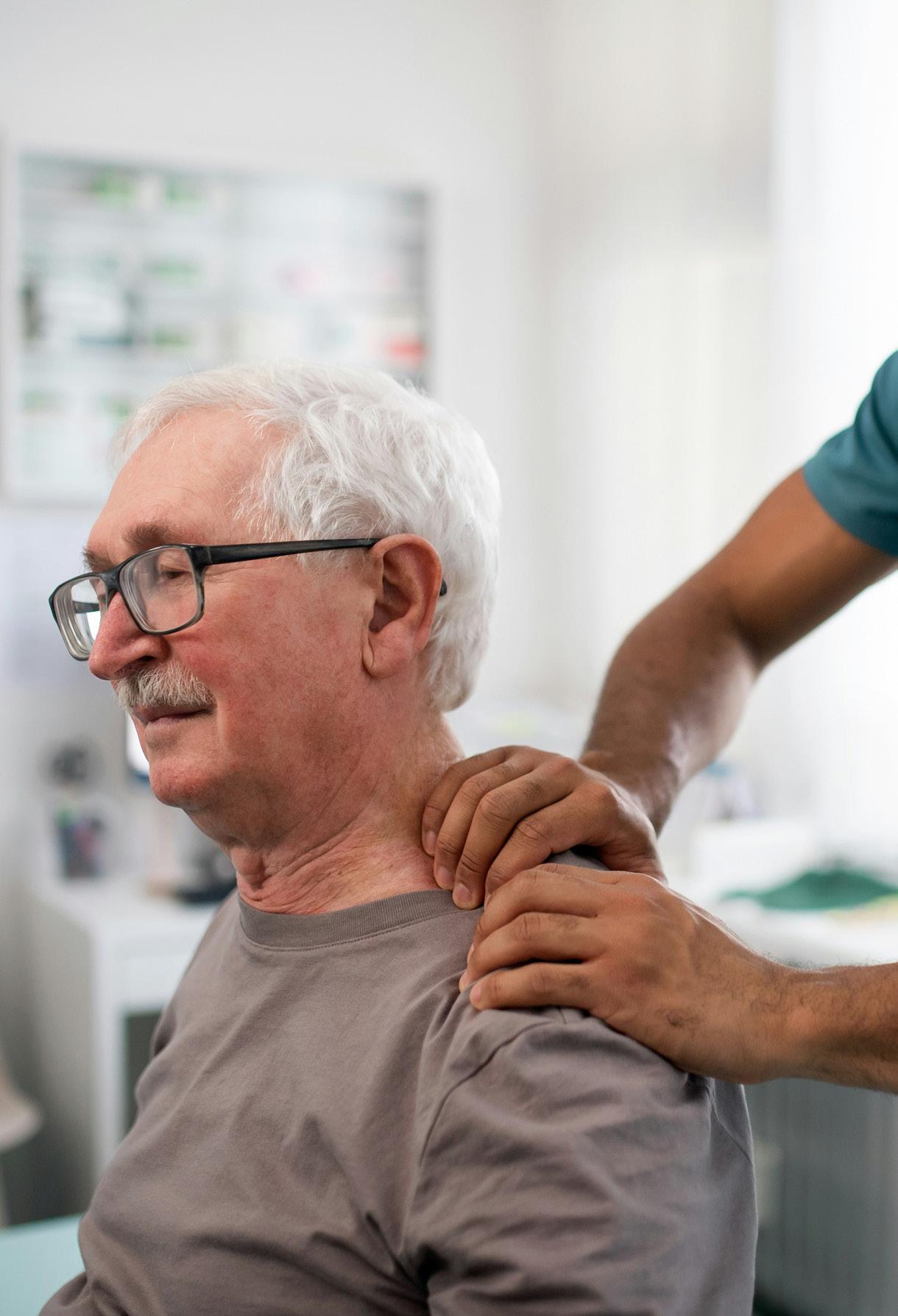
but they do shape how it is felt. Stress and anxiety make the nervous system more sensitive, turning small aches into sharper discomforts, while calmer moments make the same sensations fade into the background. This emotional, or psychogenic, layer does not replace the physical; it intertwines with it, reminding us that pain is never just in the spine, but in the whole experience of the person (3,4).
References
1. Zaina F, Negrini S, Donzelli S, et al. Current knowledge on the different characteristics of back pain in adults with and without scoliosis: A systematic review. J Clin Med. 2023;12(16):5182. doi:10.3390/jcm12165182.
2. Ilharreborde B, Bernard JC, Mazda K. Is scoliosis a source of pain? Eur Spine J. 2023;32:1259–1266. doi:10.1007/s00586-02307879-2.
3. Silva FE, Lenke LG. Adult degenerative scoliosis: Evaluation and management. Neurosurg Focus. 2010;28(3):E1. doi:10.3171/2010.1.FOCUS09271.
4. Yetiş M, Dilek B, Özkaya G, et al. Determination of predictors associated with pain in non-surgically treated adults with idiopathic scoliosis. J Orthop Surg Res. 2024;19: Article 4912. doi:10.1186/s13018-024-04912-8.
5. de Leeuw TG, Boerlage AA, van West HV, et al. Pain during the first year after scoliosis surgery in adolescents: An exploratory prospective cohort study. Front Pediatr. 2024;12:1293588. doi:10.3389/fped.2024.1293588.

Caring for your spine: adult scoliosis and the NHS approach
Adult scoliosis can feel overwhelming, especially when it begins to interfere with daily life. Care is designed to be flexible, supportive, and tailored to each individual. From mild cases needing reassurance to severe cases requiring surgery, treatment is not one-size-fits-all. Instead, it is a journey shaped around each patient’s needs, combining medical, physical, and emotional support.
Two types of adult scoliosis
Adult scoliosis typically falls into two categories: those who have lived with the condition since adolescence, and others experiencing degenerative scoliosis, a new onset linked to ageing and wear-and-tear changes in the spine (1). As we age, natural degeneration affects everyone, but for some, it results in a noticeable curve, bringing persistent back pain, nerve discomfort, and challenges with daily activities (2).
A personalised approach
The management of adult scoliosis is not a onesize-fits-all approach, but rather a personalised journey. For mild cases, simple reassurance and periodic monitoring might suffice, with a focus on maintaining an active lifestyle. However, for those facing significant discomfort or worsening symptoms, a comprehensive plan involving pain management, physiotherapy, and even surgery becomes essential.
Medication for pain relief
Medication is often the first line of defence against chronic pain. Initially, doctors typically recommend over-the-counter anti-inflammatory drugs such as
ibuprofen to tackle inflammation and discomfort. But when these are not enough, stronger prescription medications, or nerve-specific drugs, such as gabapentin, may be needed(3). The key is not merely masking the pain but effectively managing it to allow patients to regain a sense of normality in their daily lives.
The role of physiotherapy and exercise
Yet medication alone rarely offers a complete solution. The NHS strongly promotes physiotherapy, encouraging tailored exercise programmes to strengthen back muscles, improve posture, and reduce strain. Contrary to outdated beliefs, staying active does not worsen scoliosis; in fact, it can greatly ease pain and enhance overall well-being (4). Activities such as swimming, yoga, and pilates are not just encouraged; they are notable as powerful allies against the debilitating effects of scoliosis. Recent studies even show targeted exercises can greatly reduce pain and improve spinal alignment in adults, a hopeful message for those weary of chronic discomfort (5).
Bracing in adults
Despite what might seem intuitive, bracing, a common treatment in adolescent scoliosis, is seldom recommended for adults. This is because adult spines typically do not respond to braces in the same way that younger, more flexible spines do. However, occasionally, a brace might provide temporary relief by stabilising the spine and alleviating pressure during particularly painful periods (6).
Spinal injections
Another valuable treatment is spinal injections, specifically designed to target pain from compressed nerve roots and inflamed joints directly. Though the relief might be temporary, often lasting weeks to months, the respite can be life-changing, allowing patients valuable
pain-free periods to engage more fully in physical therapy and daily activities (3,6).
Multidisciplinary pain management teams
The NHS uses multidisciplinary pain management teams to make decisions about how to proceed in individual cases. Chronic pain, especially in scoliosis, is not just physical, it also deeply affects mental and emotional health. Pain management teams, including specialists in pain medicine, psychology, and rehabilitation, collaborate closely with patients. Techniques such as cognitive behavioural therapy (CBT) help patients develop coping mechanisms, breaking the cycle of chronic pain and emotional distress, and enabling them to reclaim control over their lives (7).
Complementary therapies
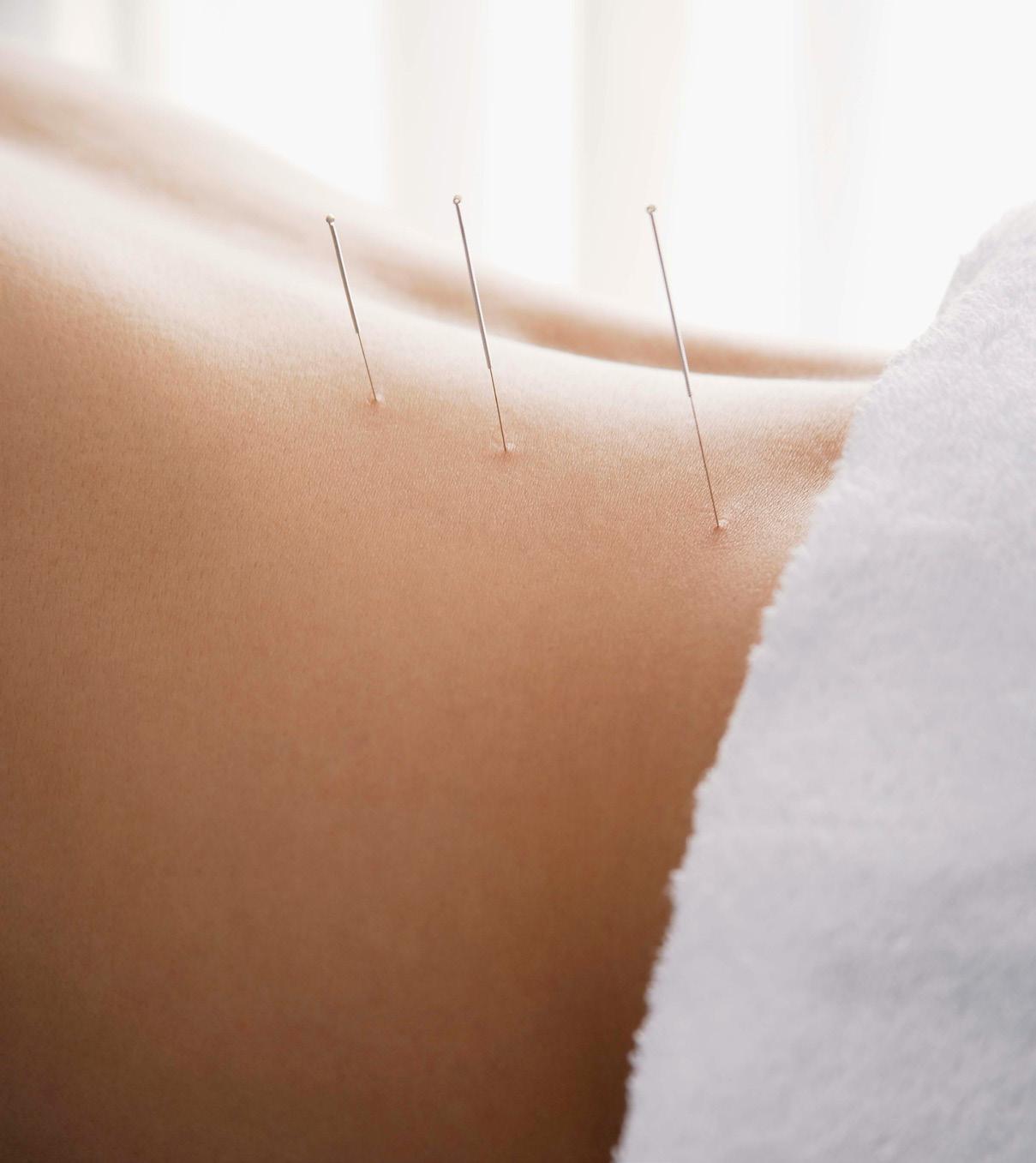
Increasingly, pain management teams are embracing complementary therapies alongside conventional methods. Techniques such as mindfulness meditation and acupuncture are gaining recognition for their ability to ease chronic pain and improve emotional resilience. For instance, mindfulness-based stress reduction (MBSR) programmes, now more commonly integrated within hospital services, have demonstrated impressive results, empowering patients to manage pain through greater awareness and emotional balance. Similarly, acupuncture sessions, available in select pain clinics, offer many patients meaningful relief, complementing their traditional treatments. These innovative approaches underline the an ongoing commitment to holistic care, ensuring patients receive support tailored to their individual physical and emotional needs.
When surgery becomes necessary
But what about those whose spinal curvatures are severe, progressing, or causing debilitating symptoms despite conservative treatments? For these patients, surgery emerges as a potentially transformative, though challenging, option. Spinal surgery for adults typically involves procedures such as decompression to relieve nerve pressure, and spinal fusion to correct and stabilise severe curves. Advances in surgical techniques mean that today, surgery is safer than ever, and outcomes are more predictable than before, with many patients experiencing substantial improvements in pain and function (8).
Recovery and risks of surgery
That said, surgery is demanding, and recovery can be challenging, requiring a lot of rehabilitation and patience. Potential risks, from infections to nerve damage, are openly discussed and carefully weighed against the expected benefits. Patients are fully informed and supported throughout the process, from initial consideration to postoperative care.
A note on adolescent scoliosis
A brief note on adolescent scoliosis: early intervention often prevents the serious issues seen in adulthood. Young patients generally do not experience much pain, but the condition can progress rapidly if left untreated. Observation, bracing, or surgery depending on the curve severity and stage of growth is recommended. Successful management of scoliosis during adolescence often means a lifetime without major issues, underscoring the importance of early diagnosis and treatment (9).
References:
1. Diebo BG, Shah NV, Boachie-Adjei O, et al. Adult spinal deformity. Lancet. 2019;394(10193):160–172.
2. Silva FE, Lenke LG. Adult degenerative scoliosis: evaluation and management. Neurosurg Clin N Am. 2018;29(3):331–341.
3. NHS Choices. Scoliosis treatment in adults (Internet). NHS; 2023 (cited 2023 Jul 28). Available from: https://www.nhs.uk/ conditions/scoliosis/
4. Romano M, Minozzi S, Bettany-Saltikov J, et al. Exercises for adolescent idiopathic scoliosis. Cochrane Database Syst Rev. 2022;1(1):CD007837.
5. Day JM, Fletcher J, Coghlan M, et al. Exercise and selfmanagement for adult spinal deformity: systematic review and meta-analysis. Spine J. 2020;20(1):68–79.
6. Schwab FJ, Blondel B, Bess S, et al. Radiographical spinopelvic parameters and disability in the setting of adult spinal deformity. Spine. 2013;38(13):E803–E812.
7. Katz J, Rosenbloom BN, Fashler S. Chronic pain, psychopathology, and DSM-5 somatic symptom disorder. Can J Psychiatry. 2015;60(4):160–167.
8. Youssef JA, Orndorff DO, Patty CA, et al. Current status of adult spinal deformity. Global Spine J. 2020;10(5):669–678.
9. Hresko MT. Clinical practice: Idiopathic scoliosis in adolescents. N Engl J Med. 2013;368(9):834–841.
Scoliosis self-care: building strength and balance at home
Scoliosis, a sideways curve of the spine that is often accompanied by some rotation of the vertebrae, brings with it a range of physical and emotional challenges. These challenges look different depending on age, severity, and personal circumstances. While surgery or medical treatments are necessary for the more severe cases, many people live with mild to moderate scoliosis and manage their condition day to day. Even after medical intervention, ongoing selfcare plays a big role. In these situations, selfmanagement becomes a cornerstone: it is not about replacing medical advice but about giving people the means to care for themselves in their own space, on their own time.
Home exercise and pacing are two of the most important self-care strategies for people living with scoliosis. They matter not only for those with mild or moderate curves but also for anyone recovering after surgery. These everyday practices support the spine, ease discomfort, and make it easier to stay active. Just as importantly, they give patients a sense of involvement in their own care, showing that there are practical steps they can take at home to support their health and quality of life.
Home exercise approaches
Exercise is one of the simplest and most effective ways to support a curved spine. The goal is not to “fix” scoliosis but to strengthen, stretch, and
day. Different types of exercises serve different purposes, and together they create a routine that improves stability and comfort.
Spinal stretches help create space and relieve pressure. Hanging from a pull-up bar, for example, allows the spine to gently lengthen. Yoga poses like Downward Dog stretch the back while engaging the whole body. Even lying on the floor and reaching the arms overhead can give a sense of length and release.
Core-strengthening exercises build the foundation that holds the spine upright. Planks, bridges, and side planks all challenge the abdominal and back muscles. The Bird Dog exercise—extending opposite arms and legs while on all fours—adds balance training and coordination. A stronger core means less strain on the spine and better support during daily activities.
Postural exercises help retrain the body to sit, stand, and move with more awareness. Small movements like chin tucks bring the head back into alignment. Doorway stretches open up tight chest muscles, while scapular pinches and resistance band pulls strengthen the upper back. These exercises counteract the rounded shoulders and forward head posture that scoliosis often encourages.
Flexibility is the final piece. Stretching hamstrings and hip flexors eases tension in the lower body, which directly affects how the spine sits. Gentle stretches for the mid-back keep the thoracic spine mobile and reduce stiffness.
What matters most is not how complicated
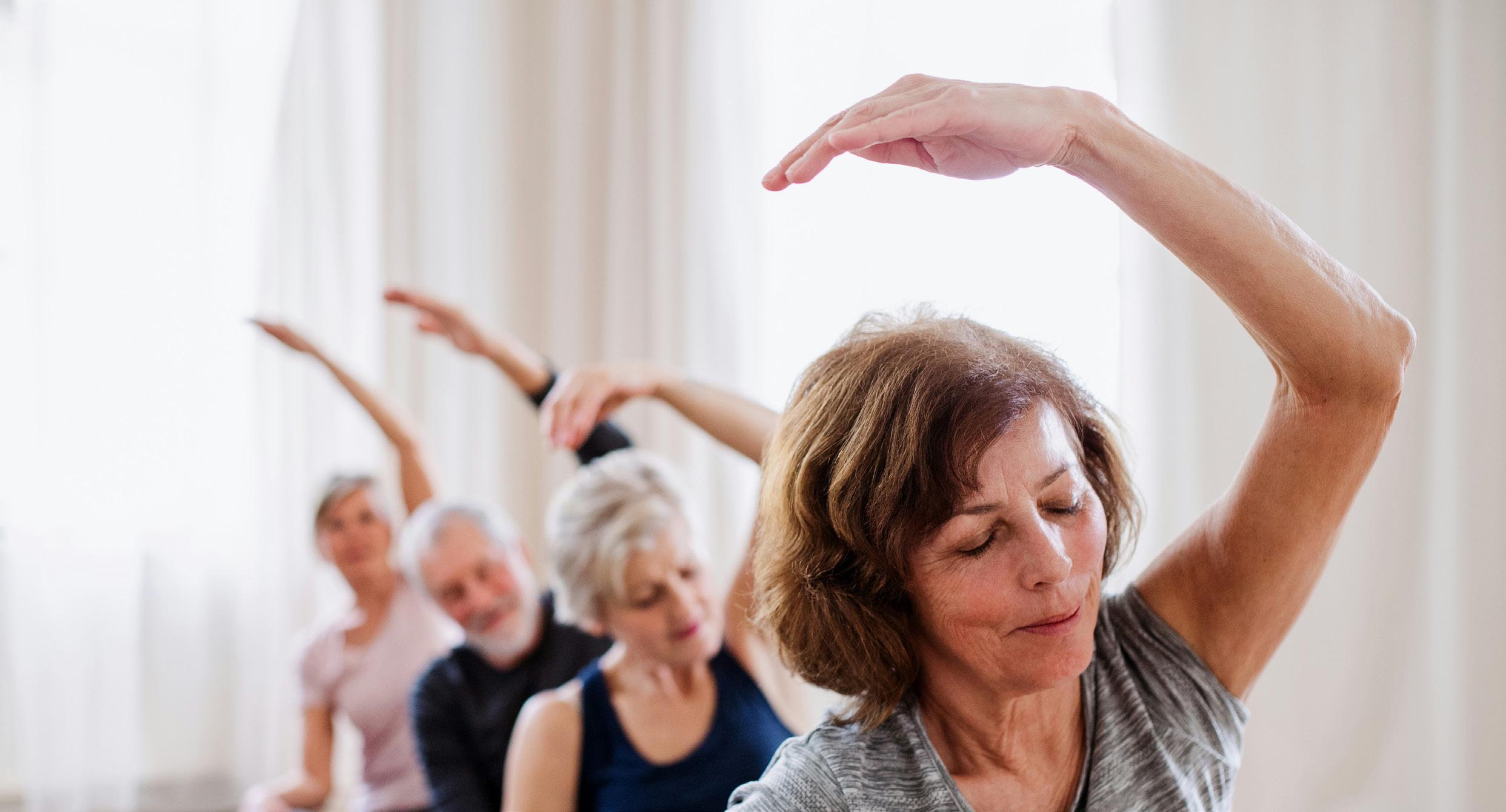
are practised. Short daily sessions are far more effective than long, irregular workouts. 10-15 minutes each day is often enough to make a difference. Keeping a simple exercise diary or checklist can help with motivation and provide a sense of progress over time.
Pacing and activity management
While exercise builds strength and flexibility, pacing helps people use that strength wisely. Pacing is about finding a balance between activity and rest, so the body does not swing between overexertion and exhaustion.
Breaking tasks into smaller parts is one simple but powerful pacing device. Instead of tackling a long chore all at once, it can be divided into shorter bursts with rests in between. This keeps muscles from becoming overly fatigued and prevents pain flare-ups later.
Gradually increasing activity is another pacing strategy. This means starting with what feels manageable and slowly building up. By adding time or intensity bit by bit, the body adapts more comfortably, and setbacks are less likely.
Rest is also part of pacing. Short breaks during the day, especially after sitting or standing for long periods, give the spine and muscles the chance to recover. Far from being a sign of weakness these breaks make it possible to stay active for longer overall. Energy conservation ties all these ideas together. By alternating heavier tasks with lighter ones, or by spreading out demanding activities, it becomes easier to maintain energy across the whole day. A walk can be balanced with time seated in a supportive chair, or household chores can be mixed with lighter activities such as reading or cooking.
Pacing does not mean doing less. It means doing things in a way that respects the body’s needs and makes everyday life more sustainable. For many people, learning to pace well is just as important as learning the right exercises.
Building confidence through self-management
When people commit to home exercises and pacing, the benefits are not only physical. Many notice an increase in confidence and independence. There is something empowering about realising that you can take steps on your own to ease discomfort and support your spine.
Studies have shown that self-management does more than reduce pain or stiffness. It can also lessen the anxiety people feel about their posture, their appearance, or how their condition might progress. While professional supervision is vital
at the start, the real change comes when individuals bring those lessons into daily life. That transition—from being guided in a clinic to managing independently at home—makes the difference in long-term outcomes.
Living well with scoliosis
Living with scoliosis does not have to define or limit life. Although the curve of the spine is part of the journey, it is only one aspect of the whole person. Through the hospitals, individuals have access to personalised care pathways that include medication, physiotherapy, psychological support, and surgery. These options provide hope, relief, and practical ways to manage symptoms. Alongside professional care, self-management also plays a vital role. Living well with scoliosis is not about chasing perfection or trying to erase the curve. It is about creating habits that strengthen the body, support the spine, and make everyday activities more comfortable and achievable.
Home exercise and pacing are two simple yet powerful strategies that allow people to take an active role in their own health. These practices create a foundation of resilience, helping before surgery, aiding recovery afterwards, and supporting longterm well-being throughout life. When combined with medical treatment, selfcare builds balance and confidence. It allows individuals to regain control, ease discomfort, and continue enjoying the activities and connections that bring joy. Living well with scoliosis is not only possible; with the right blend of support and self-care, it can become a realistic and inspiring goal for anyone on this path.
A mother’s story Charlene’s journey with her daughter’s scoliosis
At SSR, we are constantly inspired by the strength and resilience of our scoliosis community. Charlene, a devoted mother, has been navigating her daughter’s scoliosis journey with unwavering dedication. In this heartfelt piece, she shares her family’s experience, the challenges they’ve faced, and the hope they continue to hold onto. Her story highlights the need for greater accessibility to treatment options, and the power of community support.
Charlene writes: From finding out my daughter had scoliosis at 11 years of age, we’re now nearly 2 years into her scoliosis journey. As a mum navigating a young lady at such a vulnerable time in her life, I’d like to share a little of my experience with you as a parent.
We strive for absolute health and happiness for our children, so our daughter’s diagnosis was a heartwrenching one. Her scoliosis was labelled severe from the start, and her most recent X-ray showed a curve in the mid-60 degrees, so we have had to endure the words, “It needs to be surgery.”
However, our daughter has clearly told us this is not what she wants, and we are determined to do what we can to follow that choice. J is currently, and reluctantly, bracing as much as she can endure. We encourage exercise, stretching, and ‘hanging around’ as much as possible to promote elongation. J can cartwheel, handstand, and bounce around full of energy, and we hold onto hope and a belief that there are more holistic approaches in life that do not just look at a Cobb angle, but take into consideration a person with scoliosis as a whole, mind and body.
From the moment J was referred through the NHS, our first point of contact was with a neurosurgeon. They did not offer any form of bracing, as her Cobb angle already exceeded the threshold that they advise. Our only hope has been to give bracing a go through a private clinic. They have been so supportive in understanding J as a whole, and in offering us, as parents, guidance too. Their bracing profiles show hopeful results; however, this is a cost that has not been easy for us to manage. It truly saddens me that for some families, this option is ultimately unreachable and inaccessible. My hope is that future children will have more affordable access to these treatments.
A huge support for me has been the incredible community on social media. While I am always cautious about online information, it has opened my mind to what is available for scoliosis worldwide. I’ve learned about ASC (anterior scoliosis correction) surgery, which is not yet available in the UK, and more holistic
and therapeutic approaches, such as yoga and Pilates. Again, it saddens me that access to these therapies is limited, and often unaffordable, for many families here.
One of my biggest positives through social media has been meeting and sharing knowledge with scoliosis warriors. My Italian friend, Martina, whom I connected with online, has truly given me strength and inspiration for my daughter’s future.
I admire all children who are on a scoliosis journey, whether they choose surgery, bracing, or alternative methods, and I have deep respect for the parents supporting and navigating it all alongside them.
Coping with scoliosis while pregnant
ReviewedbyAnnaHaestier(ConsultantObstetricianandGynaecologist)
Idiopathic scoliosis is fairly common in young girls, many of whom plan to have children at some point in their lives. The effects of scoliosis on the back, the pelvis, and in some cases the respiratory system, frequently prompt the question from a prospective parent: “What are the risks for women who have scoliosis in pregnancy?”
What risks will my idiopathic scoliosis present in pregnancy?
Most women will enjoy a straightforward pregnancy without any problems. However, mothers-to-be who have idiopathic scoliosis will have a lot of questions about how their condition might affect pregnancy and the unborn child.
These concerns can be about the course of pregnancy and their baby’s birth due to their spinal curvature. Many prospective mothers are anxious that they could pass scoliosis on to their children, and whether the condition could pose a risk to carrying the child to term, or cause difficulties with delivery. Equally, expectant mothers can have anxieties about the effect the pregnancy could have on their body, in particular, worsening of the spinal curve.
Breathing during pregnancy
As the most common type of scoliosis is the idiopathic form, which develops around the age of 10–14 years, the growth of lungs and heart is complete. Apart from a mild degree of restricted lung capacity, young mothers will rarely encounter severe breathing problems during pregnancy or as they get older.
Some degree of breathlessness is common from the early months of pregnancy in all women. This shortness of breath is partly caused by the rise in progesterone, which stimulates breathing by increasing the depth of each breath. Blood volume also increases. These normal physiological changes are well tolerated and only likely to be a problem if the ‘vital capacity’ is low or heart
function is compromised.
In some people who are born with congenital scoliosis, or in whom the scoliosis is associated with a neuromuscular condition (e.g. muscular dystrophy or poliomyelitis), lung size may be more severely restricted because the lungs haven’t had room to grow. Breathing will also be affected if the muscles that expand the rib cage are weak. A useful way to assess lung size is to measure ‘vital capacity’ with a simple blowing test. This measures the total amount of air that can be actively expelled from the lungs after taking in maximum breath. If this ‘vital capacity’ is less than 60% of what is predicted, a full review by a respiratory specialist is advisable, after which the oxygen levels to both mother and baby will be monitored carefully. The tests that the respiratory specialist might advise include an overnight sleep study.
Evidence suggests that as long as vital capacity exceeds about 1 litre the outcome will probably be good. Recent successful pregnancies have been achieved in individuals with a vital capacity of about 600 millilitres (0.6 litre), if they received respiratory support. Below this lung size, problems with a reduction in oxygen level (hypoxaemia) can occur. Low oxygen levels characteristically worsen on exertion and during sleep and may be accompanied by a rise in the concentration of waste gas (carbon dioxide).
A low oxygen level is harmful to the growing baby and can sometimes lead to heart strain in the mother. Fortunately, this situation is rare, and monitoring of oxygen levels can be easily done during exercise and at night. In very few mothers with severe scoliosis, respiratory support at night can be provided by a small breathing machine.
This is called non-invasive ventilation. Non-invasive ventilation is needed in only a few patients, usually those with a vital capacity of less than 1 litre and/ or weak muscles. Provided that this breathing support is used and carefully monitored, successful outcomes for mother and baby can be achieved.
Sometimes early-onset scoliosis is associated with a congenital heart defect (e.g. a hole in the heart). Heart problems will nearly always be detected in childhood and corrected where necessary. To ensure that there are no heart problems, an ECG (electrocardiogram) and echocardiogram (an ultrasound scan) of the heart can be performed to check the heart for this complication, helping to gather more information needed to support mothers with a successful pregnancy and birth.
Provided that the oxygen level of the mother is fine and heart function is good, there should be no threat to the growth of the baby, allowing the enlarging uterus to easily adapt to the shape of the mother.
It is important to remember that most people with adolescent onset scoliosis will not have a low vital capacity or heart problems. Simple breathing tests can check on lung function and if there is any query about this your GP can refer you to a respiratory specialist.
Will my baby also have scoliosis?
Although idiopathic scoliosis sometimes runs in families, it is uncommon, so parents can be reasonably reassured that the risk of the baby developing scoliosis is low. New parents will be naturally concerned about this possibility.
There is exciting new research in genetics that in the future might provide an antenatal screening test for scoliosis.
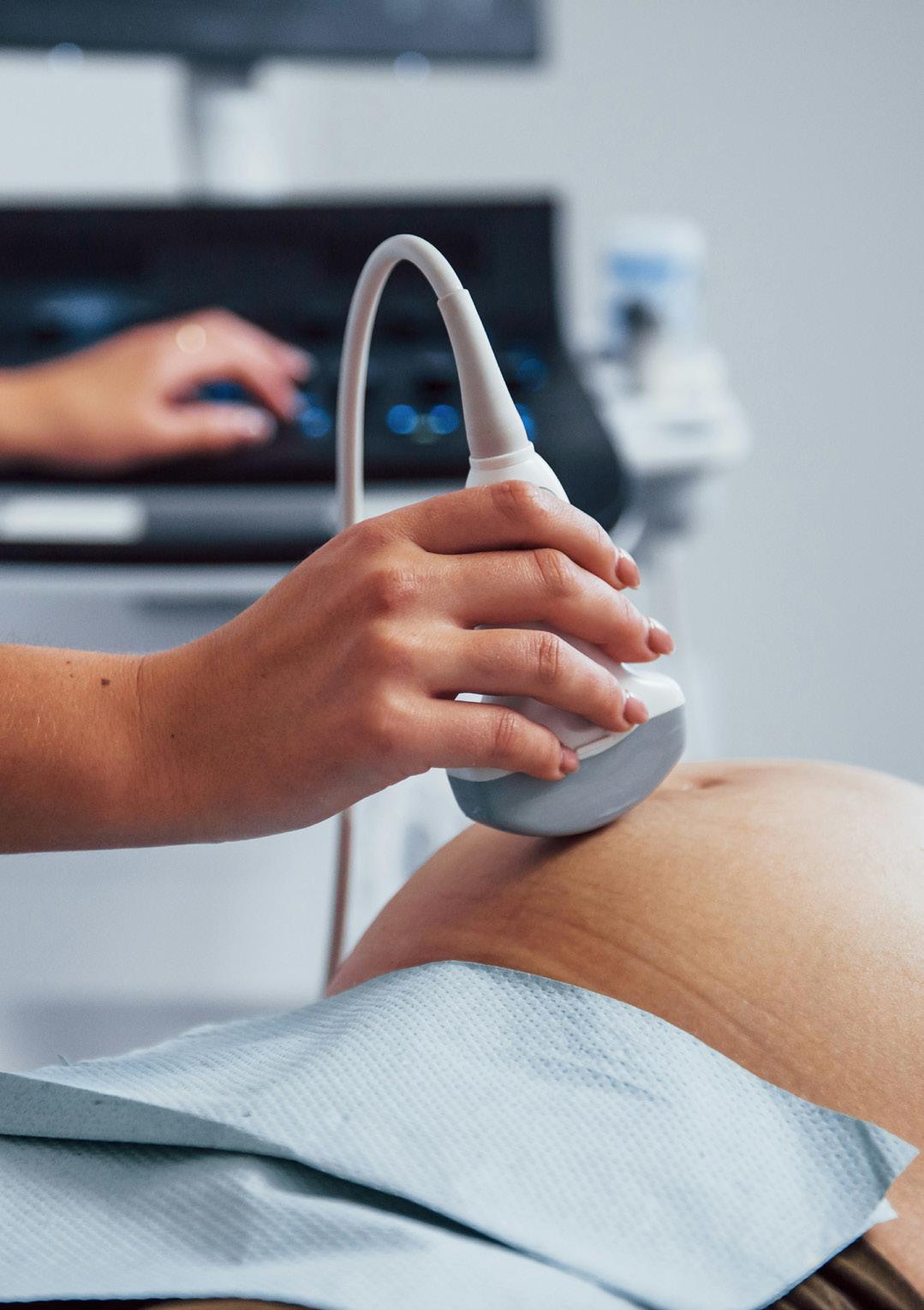
The fetal anomaly scan undertaken at around 20 weeks will check the development of the baby’s spine. If you are advised that you need scans after this time, they assess baby’s overall growth and are not able determine if there are any changes to the spine. Genetically inherited conditions such as neurofibromatosis, some types of myopathy, and muscular dystrophy cannot be detected on routine antenatal screening and ultrasound scans. Some of these conditions can be detected in other ways, before the baby is born. If you are in a high-risk group for one of the above, you will be referred for genetic counselling.
Will the curve of my spine worsen during pregnancy?
Hormonal changes that occur during pregnancy increase the levels of oestrogen and progesterone. These hormones help loosen and relax the ligaments of the pelvis and lower spine to ease the birth of the baby. Although concerns have been raised that hormonal fluctuations could lead to progression of a spinal curvature, most studies are reassuring, suggesting that changes in the degree of the spinal curve are slight provided that the curvature is stable at the outset of pregnancy.
Will my back pain worsen during pregnancy?
Around 80% of people will have some sort of back pain in their life, therefore it is no surprise that many pregnant women experience discomfort due to the strain put on their back by their pregnancy.
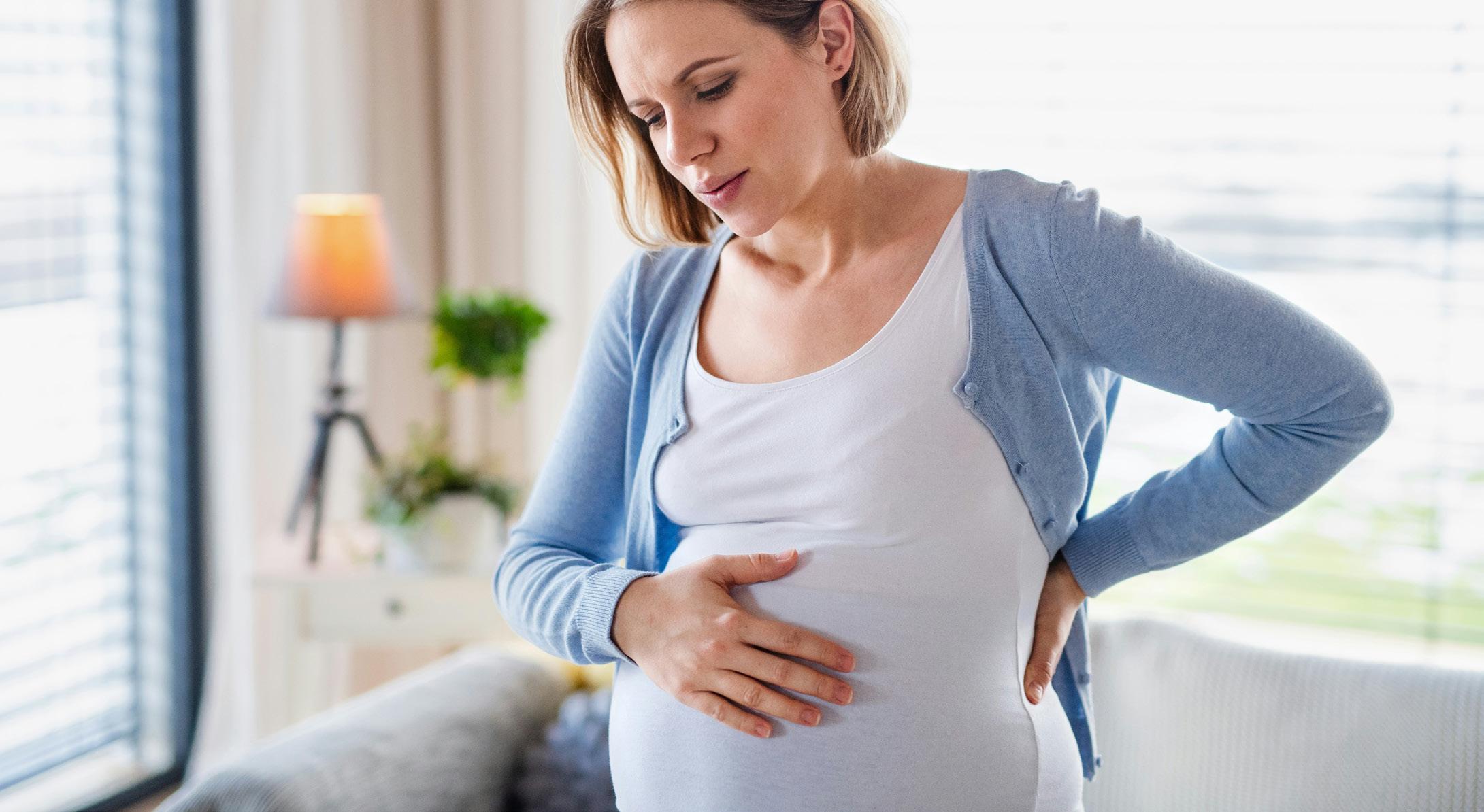
As the baby grows, the additional burden affects the mother’s posture. As abdominal muscles stretch as the baby grows, the workload of the core muscles increases to maintain a neutral posture. This leads to additional strain placed on the muscles that run parallel to the spine. Keeping the core strong and maintaining a reasonable level of fitness will help to alleviate back pain in pregnancy for mothers with or without scoliosis.
Mothers with more severe scoliosis may need to have their babies early. This means having the baby at less than 37 weeks’ gestation. This might be necessary because the growing baby and extended womb puts an added strain on the mother’s breathing.
Will I have complications in labour or during the birth of my baby?
If you have scoliosis, it is sensible to discuss the management of labour in advance with the midwife, obstetrician, and anaesthetist. This will help you and your healthcare team plan for a successful labour and birth.
The position of a mother’s body during labour and delivery is crucial for the comfort of her spine, and being in one position or being still for long periods of time is unhelpful and often uncomfortable. You will be encouraged to move around and if your baby requires continuous monitoring, this can be facilitated so that your movement is not restricted.
All pregnant women with scoliosis are referred for review by an obstetric anaesthetist before their baby is due so that individualised pain relief can be planned. Epidural pain relief can be used during labour for all women with uncorrected scoliosis. However, epidural insertion can be challenging, particularly in women with severe scoliosis. Your anaesthetist might choose to do an ultrasound scan of your back to aid the insertion of the epidural. For those who have had corrective surgery with metal rods, the anaesthetist will need to review the imaging of your spine to look at the location of the rods and screws. For low lumbar metal work, the anaesthetist will offer alternative forms of pain relief in labour. This is to avoid complications such as failure to site an epidural, risk of headache due to scarring, and risk of infection around the metal work.
Will I need to have a caesarean birth?
For some women with scoliosis, there might be an obstetric reason for a caesarean birth (e.g. a breech or transverse lying baby). Some women opt to have a caesarean birth because it is their preferred choice of delivery. All women with scoliosis who are having a caesarean birth will meet with the obstetric anaesthetist before their delivery to be informed about the most
appropriate type of anaesthetic. Your anaesthetist might suggest a spinal or general anaesthetic.
How many women with scoliosis have successful pregnancies and births?
The good news is that it has been known for many years that the outcome of pregnancy in scoliosis is generally good. A vaginal birth is usually achieved in women, with just a small proportion requiring a caesarean birth for obstetric reasons.
Will there be any problems after my baby is born?
About 40% of mothers develop low back pain during pregnancy, but this usually resolves by 3 months after birth.
What advice could I get?
Pre-pregnancy counselling is an excellent idea for all people contemplating pregnancy and is especially relevant to those with scoliosis. Maternal medicine networks throughout the UK offer this service, therefore you can ask your GP for referral when contemplating pregnancy. During this appointment, the individual’s scoliosis and the possible complications can be discussed in detail, and advice given about sensible health measures, vitamin, and folate supplementation, posture, and exercise.
Lorraine’s story
Breaking free from a lifetime of back pain
Living with scoliosis can be a lifelong challenge, but with the right support and knowledge, it’s possible to find relief and strength. At Scoliosis Support & Research, we’ve seen firsthand how people can transform their lives when given the right information to manage their condition. Lorraine, a member of our community, has spent decades navigating the ups and downs of scoliosis without the guidance she needed, until now. Here, she shares her journey of discovery and how she’s finally finding a path to a stronger, healthier back.
I’m Lorraine, and this year, I’m finally taking control of my back health. At 44 years old, I’ve lived with scoliosis for decades. So why has it taken me so long to address it?
“Sit up straight!” my parents would remind me at the dinner table or while I was studying. A gentle tap on my back in public was a silent cue to pull my shoulders back and stop slouching. At just 5’2”, I wished I could stand a little taller. In ballet class, the instructions were relentless. “Bottoms in, ribs in, stand tall!” my teacher would call out as we practised the barre. From the age of 6, I did my best to comply, but no matter how hard I tried, I was still being told to straighten up. I adored dancing, yet maintaining proper posture felt exhausting. My body felt like a sunken cake, soft in the middle, stiff at the top, and wobbly at the bottom.
Despite years of dance and PE (physical education), I remained an untoned, “floppy” child. My posture didn’t improve, and by 14, my knee pain became so severe that I was sent to physiotherapy. Strengthening exercises helped, but my back issues were mentioned enough times to warrant a specialist visit when I was 15.
The doctor had me roll down and up before delivering his verdict: “We can operate, but only if you want to be a professional dancer.” Since a dance career wasn’t in my plans, surgery was never considered. “There’s nothing else to be done,” they told me. “Just go and live your life.” And so I did, but in constant pain. My right shoulder rotated forward, my scapula winged out, and my right hip hitched up like I was permanently striking a “whatever” pose. My knees, ankles, neck, and shoulders all suffered, leading to migraines, headaches, back pain, and muscle tension.
Despite these struggles, I found solace in dance, Pilates, and walking. Movement helped, though I focused on general fitness rather than spinespecific work. Then, in 2023, a severe lower back issue left me with unbearable pain and numbness in my legs and feet. By then, I had been diagnosed
with hypermobile Ehlers-Danlos Syndrome (hEDS), a connective tissue disorder often linked to scoliosis. I knew my spine was curved, but only now did I grasp how much it was truly affecting me.
Still, the words from my teenage years echoed in my mind: “Nothing can be done.” In the 1990s, scoliosis resources were scarce, no internet searches, no social media communities, just the occasional story about someone in a back brace after surgery. A childhood friend who became a professional dancer once showed me her postsurgery “turtle case” brace. At a wedding, a bride proudly displayed her back scars while her father recounted her scoliosis journey in his speech. But I was always reassured that my curve wasn’t extreme enough to worry about, so I learned to ignore the pain.
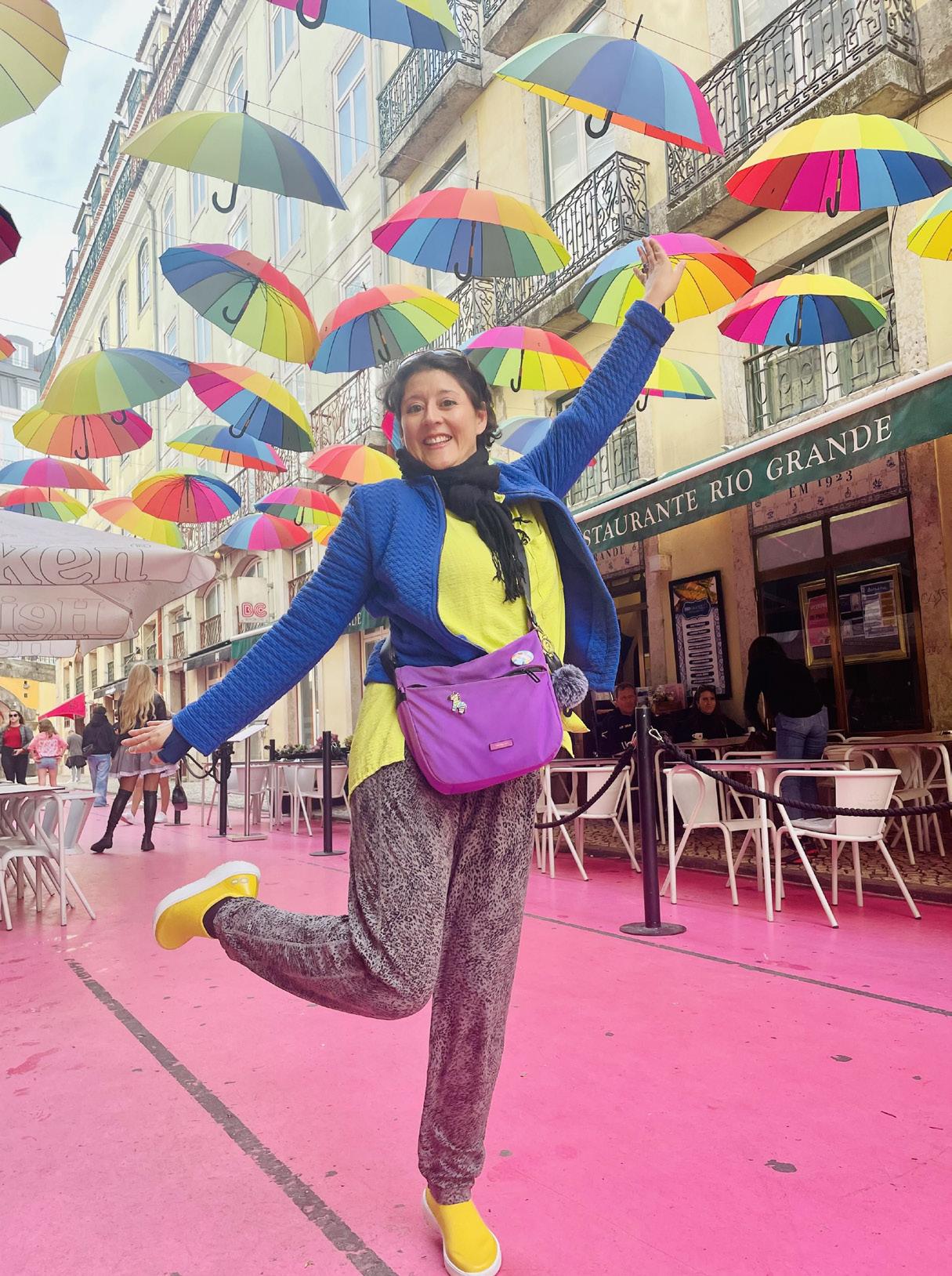
After my hEDS diagnosis, I realised that even socalled “mild” scoliosis could cause major structural imbalances. I started following spinal health experts on social media, absorbing every bit of information I could. That’s when I finally decided to take action.
I found a scoliosis coach who immediately understood my pain, even describing sensations I hadn’t fully articulated myself. Looking at my X-ray and posture, she explained exactly what was happening in my body. Over the years, medical professionals had often told me to “relax and avoid stress.” But during my first coaching session, I had a revelation, my back was permanently stressed, constantly tight, and overwhelmed. My coach showed me how to sleep in a way that supported my spine rather than working against it. For the first time, I woke up feeling refreshed instead of battle worn. My back finally felt some relief.
Now, a third of the way through my scoliosis coaching programme, I’m experiencing real change. That sinking, unsupported feeling is fading. The constant lumbar clunk and hip ping? Gone. My left side feels engaged, my right side less burdened. It’s challenging, some days my body feels more worked than after a full day of dancing, but my back pain has dramatically decreased, and I look forward to my exercises.
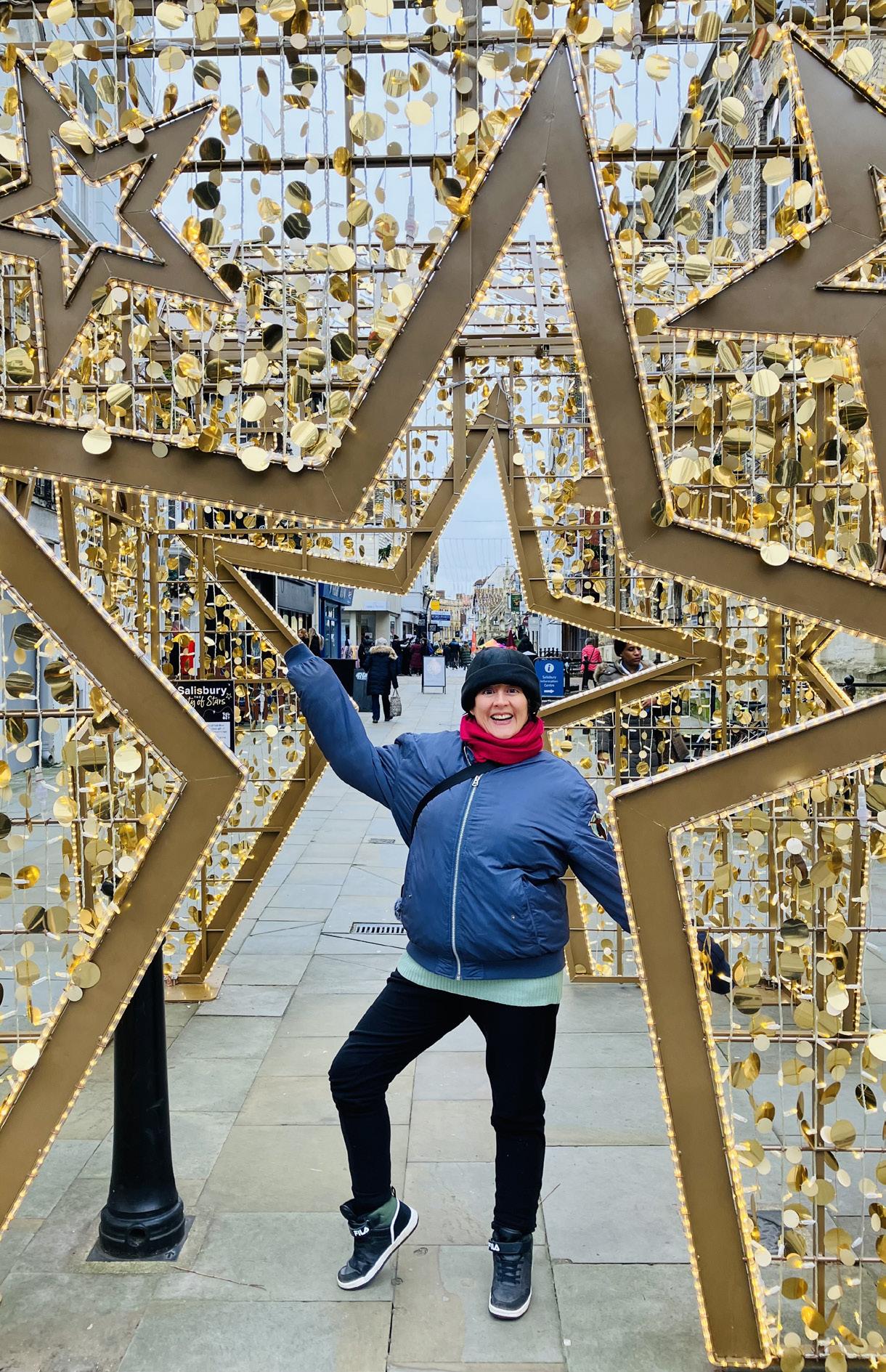
In fact, after finishing this, I’m off to do some back breathing, because for the first time in decades, I can see a future without constant pain.
Nutrition in recovery from spinal fusion surgery
ByLauraAllenRD,MNutr,MSc
Nutrition is the name given to the components of the food and drink we consume every day. These nutrients are used by the body to support life, and our nutritional needs change over the course of our lifetime. We will need more, or less, of different nutrients in health, in preventing disease, and in recovering from ill-health.
In the context of spinal fusion surgery, certain nutrients can give our bodies the building blocks to recover from surgery, and achieving good nutrition has been scientifically proven to improve health outcomes. These outcomes include quicker recovery, maintenance of muscle mass and therefore mobility, and fewer readmissions to hospital. But this can be easier said than done, and people face lots of challenges when it comes to eating well in hospital, especially after major surgery.
As a dietitian who spent 3 years working with children who had had spinal surgery, I came across many different challenges with eating. For the majority, their journeys are similar, and so in this article I will share my knowledge and experience on what to expect eating to be like after spinal fusion surgery, outline some important nutrients for surgical recovery, and suggest some practical ways to include them in the diet. Hopefully this can help those of you preparing for surgery yourself or support a loved one in their surgical journey.
The surgery
Spinal fusion operations vary in complexity and duration, but most take several hours and involve opening the back to expose multiple levels of the spine, with surgeons inserting screws into the vertebrae to anchor rods in place. This straightens, stabilises, and strengthens the affected spine. Bone graft is added to encourage new bone to grow and fuse the vertebrae together, so the spine holds its new position. Spinal fusion surgery can be offered to teenagers who are no longer growing, and to adults. Because of the size of the wound, the body needs more energy and protein after surgery to help it heal.
Everyone experiences surgery differently, but generally people do not feel like eating on the first day after surgery. Many experience pain, and side-effects from pain relief can cause nausea, constipation, and drowsiness, all of which make

eating difficult. Focusing on hydration, with small regular sips, can be helpful until you feel ready to eat and drink more. Usually, appetite returns between days 2 and 4 after surgery, depending on how eventful the recovery journey is. People with pre-existing conditions, extremes of body weight (high and low), and surgical complications may take longer to return to usual eating and drinking.
During this time, because people eat less, focusing on adapting how we eat and prioritising a few key nutrients can help meet the increased nutritional needs after surgery. These changes are intended to be short-term, with normal eating and drinking resuming once someone has recovered.
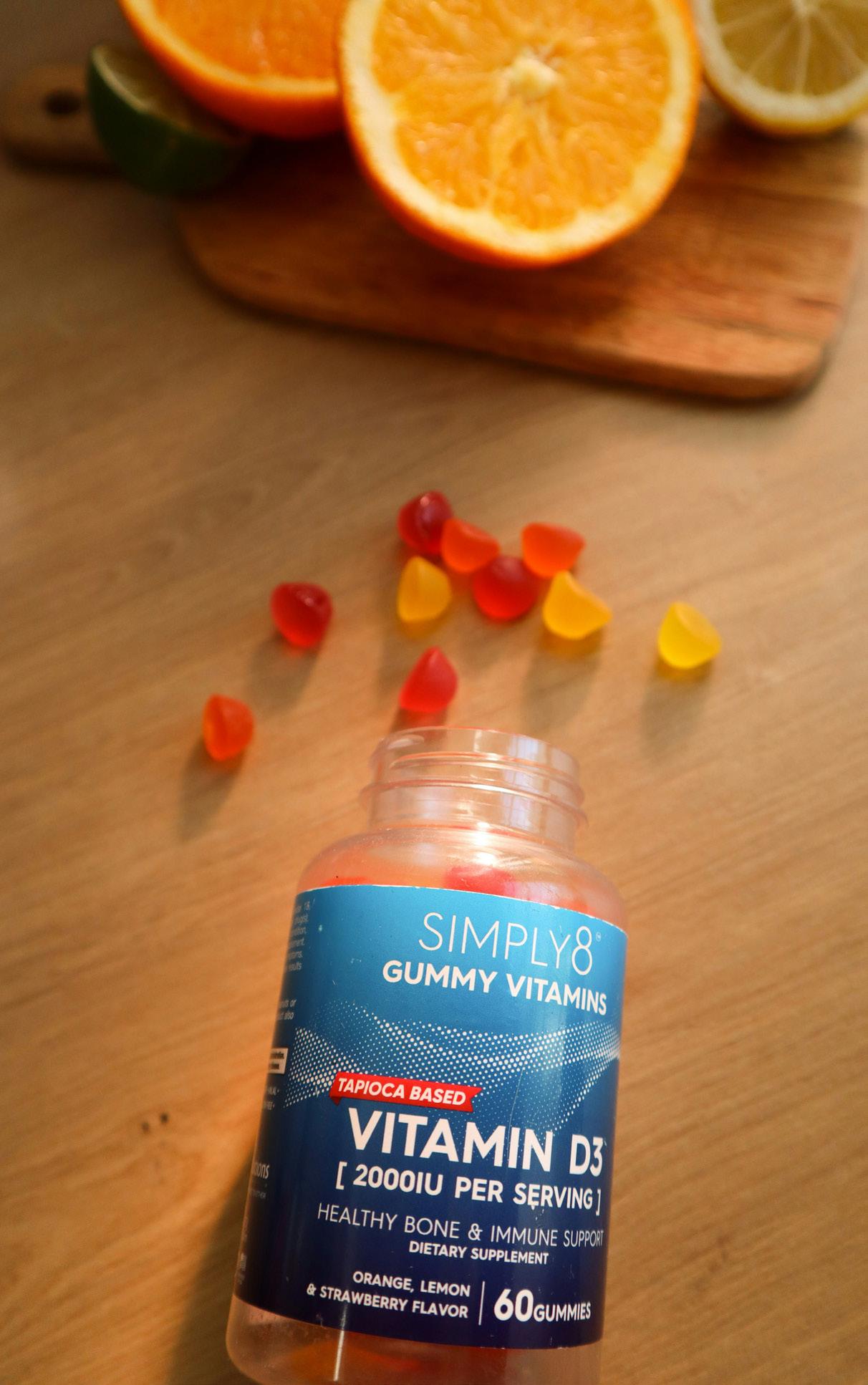
Vitamin D
Part of recovering well from surgery is actually what we do before the operation takes place. Vitamin D is a vital nutrient for bone health that is made in our skin from sunlight. We get small amounts from foods such as oily fish, eggs, and certain mushrooms, but the quantity is usually insufficient.
Vitamin D is important to help the bones fuse after surgery and to keep the skeleton strong into later life, as it works with calcium to lay down new bone. This can help to prevent conditions such as osteoporosis (brittle bones) in later life. Research has shown that many of those having spinal surgery have a vitamin D deficiency, along with much of the UK population. This is due to the lack of sunlight we experience, especially over the winter, so it is recommended that we all take 10 micrograms (µg), or 400 international units (IU), per day during autumn and winter. Many people having spinal surgery will be prescribed higher doses to replace low levels.
Energy
Energy, otherwise known as calories, fuels our body. We often think of energy as something needed for activity, but our body also uses energy when we are not active, for example to breathe and digest food. Additionally, after surgery, the body will be using lots of energy to heal the surgical wound, so even when we are not moving much, it still needs plenty of energy to recover.
When the body is using more energy than we are consuming, it turns to its own resources, using energy from both fat stores and muscles. In this situation, we cannot control whether the body uses fat or muscle for energy, so the result can include muscle loss. This makes muscles weaker, which can make recovery harder. This is because our muscles help us move, sit up, breathe, and cough effectively, all of which are important for recovery.
Protein
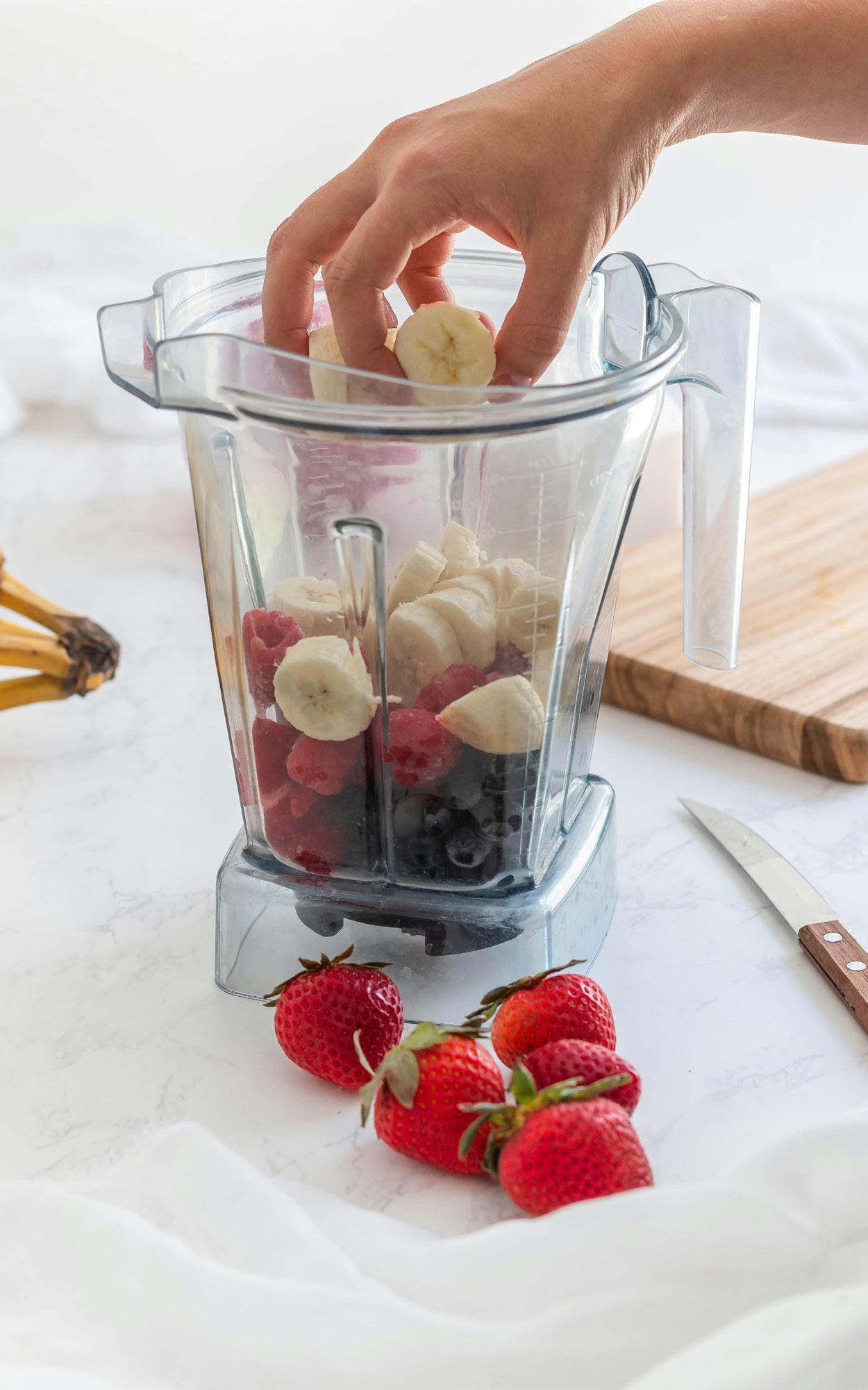
Protein is used in the body to repair cells and tissues, for example in bone, skin, and muscle. After surgery, your body will be using a lot of protein to heal your surgical site and to support bone fusion, which continues for many months after leaving hospital. When the body does not get enough protein in the diet, it breaks down muscle, which, as above, makes recovery more difficult.
Most people will need a diet high in energy and protein after surgery, as this will help wound healing, improve the ability to engage with physiotherapy, and ultimately support a quicker return home.
Tips for eating well after surgery
• Eating little and often
- Eating small amounts more regularly can be easier than having large meals, and people often end up eating better overall when doing so

• Choosing high-energy and high-protein snacks
- For example: cheese and crackers, yoghurts, boiled eggs, sausage rolls or other meat snacks, hummus, and nuts (although these may not be allowed in hospital)
- Hospitals usually have snacks available
• Try nourishing drinks
- Drinking your energy and protein can be easier than eating it, especially in the early days
- For example: hot chocolate, milky tea or coffee, milkshakes (for dairy-free options, opt for soya-based alternatives for good protein content)
- Wards often have build-up shakes available, without prescription, for those who need them
• Check the hospital’s food policy and menus
- They may allow foods to be brought in from home, which are more familiar to you
- Usually, you can order from any menu, not just the menu of the day
- If you cannot manage a main meal, you can usually order cereal or just a pudding, these both provide good energy and protein and are better than not eating at all.
A poem by Ann Liebeck
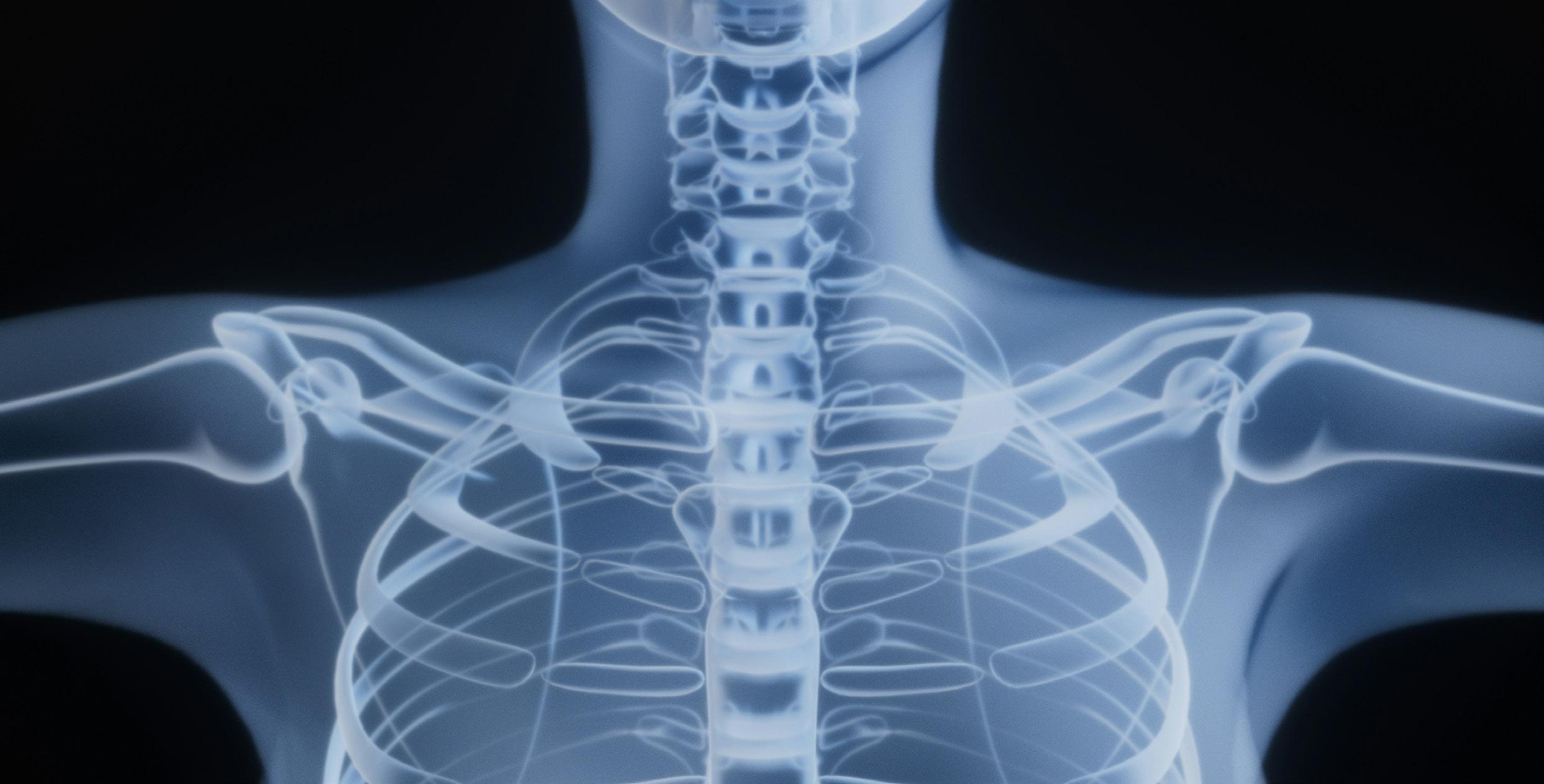
A drum of ribcage stretched with skin so white, Newborn’s tiny back, mesh of chicken bones. A schoolchild’s cage, with stronger structure, tight, Yet supple, backpack’s heavy books have loaned, Cast off for music, dancing, youth’s pursuits. Matisse paints violinist’s practice honed, While Degas’ ballerinas soothe their fruits Of practice long; bent over barre they sway, Like supple trees that could snap with pressure strong, And technique can all dangers stark withstand Despite the hours of effort all day long. Old backs bent double carry shopping’s load, A lifetime long of struggle now so hard, For brittle bones on scoliosis’ road, Becoming worse despite being on one’s guard.
Backs reveal what faces will never show, The mask of life’s resilience we can’t know.
Towards quantifying intervertebral disc mechanics in vivo
A new concept in adolescent idiopathic scoliosis research
ByDrPanagiotisChatzistergos(SeniorLecturerinBiomedicalEngineeringatthe UniversityofDundee)
At Scoliosis Support & Research, we are proud to fund cutting-edge research that helps us better understand scoliosis and improve outcomes for those affected. One of our current projects, led by Dr Panagiotis Chatzistergos, Senior Lecturer in Biomedical Engineering at the University of Dundee, is exploring the mechanics of the intervertebral disc and its role in adolescent idiopathic scoliosis (AIS). This exciting work has the potential to change the way we predict scoliosis progression and support clinical decision-making.
Adolescent idiopathic scoliosis (AIS) is one of the most studied, yet still poorly understood, musculoskeletal disorders. A major challenge in managing AIS is the lack of reliable ways to predict how the condition will progress. Clinicians often rely on repeated X-rays and general thresholds to decide on treatment, which can sometimes result in over-treatment or undertreatment. Increasingly, attention is turning to the intervertebral disc, the cushion between the bones of the spine, and its role in scoliosis development.
Recent research suggests that a mismatch between the stiffness of the disc and the extra mechanical loading during the growth spurt in adolescence may contribute to the development of scoliosis. Thus, the disc is not just a passive structure but an active player in spinal stability. If a disc becomes unusually stiff, it could make the spine more likely to bend unevenly under normal loads.
This idea raises the possibility of using disc biomechanics as a biomarker for scoliosis risk. Early studies using ultrasound shear wave elastography have shown promising results. This technique uses sound waves to measure how quickly shear waves travel through tissue, which gives an indication of tissue stiffness, with faster wave speeds generally indicating stiffer tissue.
Interestingly, higher sheer wave speeds have been found in people with AIS, and these speeds often decrease after surgical correction. Some regions of the spine without visible curvature also show higher speeds, suggesting that changes in disc mechanics may happen before the spine visibly changes.
However, there is an important limitation. Sheer wave speed is not a direct measure of stiffness in complex tissues such as the intervertebral disc. It is very sensitive to how much the tissue is loaded. Since the discs in our spine are always under some
load, even when we are resting, it is difficult to tell whether differences in wave speed are due to the tissue itself or simply the way it is being loaded. Addressing this is crucial if we want to use disc measurements to predict deterioration of scoliotic curvatures reliably.
This SSR-funded project tackles the challenge with an innovative approach based on the principle of acoustoelasticity. Instead of trying to remove the effect of loading, the method uses it to create a more complete picture of disc biomechanics.
The approach involves measuring shear wave speed alongside how the tissue distorts under different controlled positions, such as upright or lying down. By analysing how wave speed changes in relation to tissue deformation, researchers can separate the effects of loading from the inherent stiffness of the disc. This allows simultaneous estimation of internal loading and loadindependent stiffness.
So far, this method has been tested and validated on superficial soft tissues, and the next steps include ex vivo validation in the laboratory with animal spinal units before applying it to people with scoliosis.
If successful, this project could produce the first non-invasive method to quantify intervertebral disc stiffness and loading in vivo. This would have major implications. In research, it could provide new insights into the causes of AIS and help resolve long-standing questions about its development. Clinically, it could form the basis for predictive models of scoliosis progression, supporting earlier and more targeted treatment. Beyond scoliosis, the techniques developed may also benefit other areas where understanding tissue mechanics under load is important but difficult to measure.
Grant title: Non-invasive assessment of the in vivo intervertebral disc stiffness and loading: a proofof-concept study
Scoliosis Awareness Month 2026:
Connect, support, and take part
As we look ahead to Scoliosis Awareness Month this June, we are excited to once again shine a spotlight on a condition that affects so many, yet awareness remains incredibly low. This important month gives us an opportunity to raise awareness, share knowledge, and bring our community together.
This year, we are particularly looking forward to sharing a new series of videos featuring specialist spinal consultants. These conversations will offer valuable insight, expert advice, and guidance for those navigating scoliosis, whether newly diagnosed or further along in their journey. We hope these resources will help answer questions, provide reassurance, and empower individuals with trusted information.
Be sure to keep an eye on our channels throughout June as these are released.
Alongside this, we are continuing our mission to create meaningful ways for our community to connect, both online and in person.
Walk Together
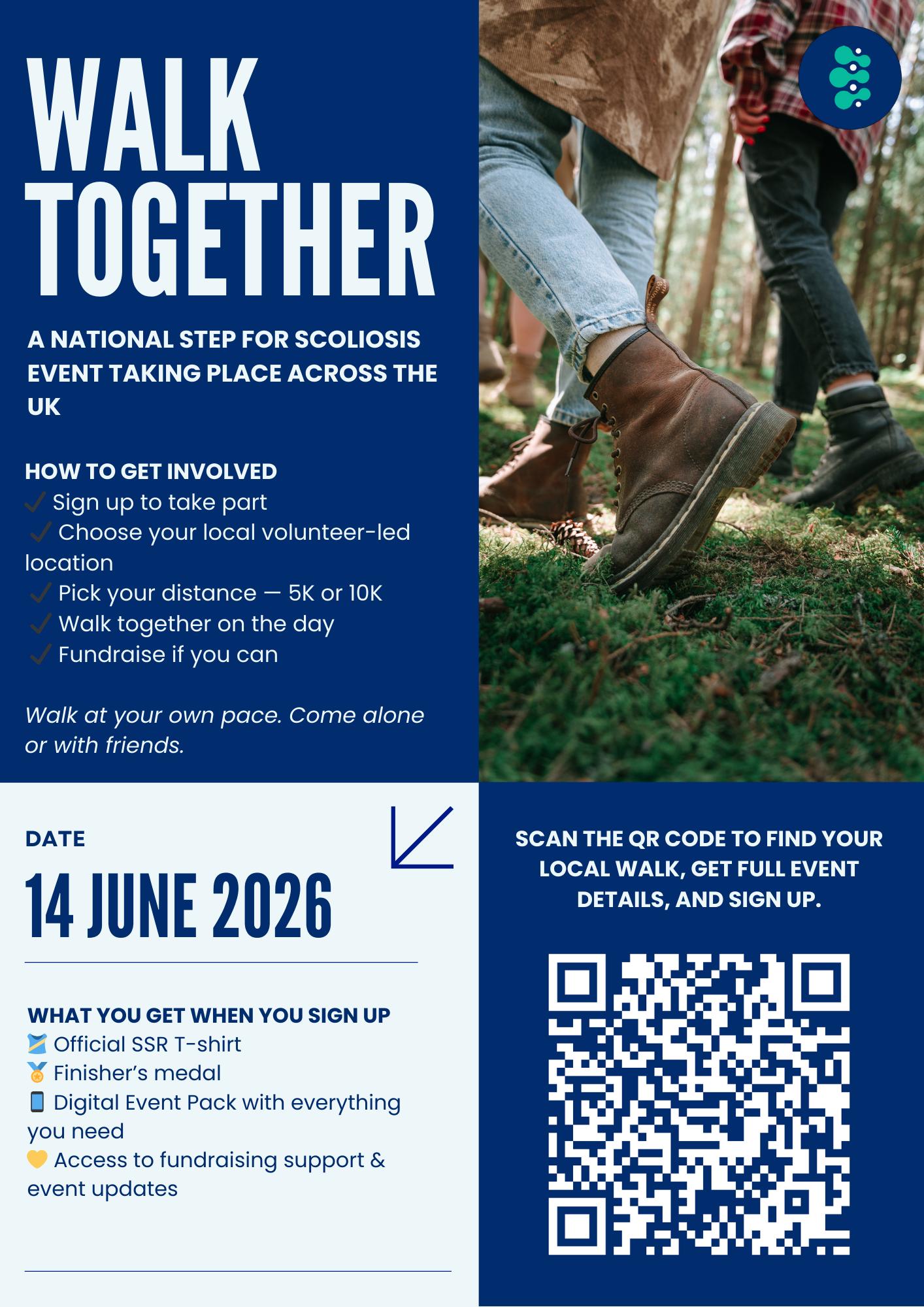
Step for Scoliosis – Walk Together is our biggest national community event yet.
On 14 June 2026, towns and cities across the UK will come together for volunteer-led walks to raise awareness, celebrate community, and support people living with scoliosis.
This is not a race or challenge event. It is an opportunity to meet people in your area, walk at your own pace, or simply come along to cheer and connect. Whether you choose the 5K or 10K route, or just enjoy the coffee hub with friends, you will be helping to create a visible, united community during Scoliosis Awareness Month.
Event highlights include:
• Looped routes based in local parks and coffee shop hubs
• Volunteer-led walks in every participating location
• Walkers of all ages and abilities welcome
• Option to fundraise for a cause that matters
Come together, walk together, celebrate together. It is a chance to be part of something truly special, connecting with others, showing support, and raising awareness for scoliosis across the UK.
Supporting you beyond awareness
While awareness is vital, we also recognise that living with scoliosis can bring emotional as well as physical challenges. That is why continuing to expand our support services remains a key priority for SSR.
Supporting your mental health
SSR is expanding our services so more people can access mental health support. We now run additional online peer support groups and provide online counselling for adults with scoliosis and their carers.
These services are designed to offer a safe, supportive space to talk, share experiences, and feel understood by others who truly relate to the challenges of living with scoliosis.
In addition, we host patient events a few times a year, where scoliosis experts discuss treatment options and spine health. These events provide an opportunity to learn more, ask questions, and connect with others in the community.
Whether you are looking for guidance, reassurance, or simply someone to talk to, support is available.
To access any of these services, please email: info@ssr.org.uk

W: www.ssr.org.uk
E: info@ssr.org.uk
T: 020 8964 1166
Editors: Will Thommes & Stephanie Clark
All images are royalty free stock images, or author's own.
Printed in Great Britain by The Lavenham Press on Pure White Silk, a silk coated, high quality paper made from 100% recycled fibre and fully FSC certified. Produced using 100% recycled waste at a mill that has been awarded the ISO14001 certificate for environmental management. The pulp is bleached with a totally chlorine free (TCF) process. The Lavenham Press holds the FSC Chain of Custody certificate. SSR can accept no responsibility for the accuracy of the notices, letters, or articles in the magazine received from individuals, outside bodies, or organisations, nor does SSR necessarily endorse such views or material published in Backbone. SSR reserves the right to edit all letters and other material contained therein. © Scoliosis Support & Research UK, 2026. Registered Charity No: 1181463. Please contact us if you require Backbone in a different format. T: 02089645343