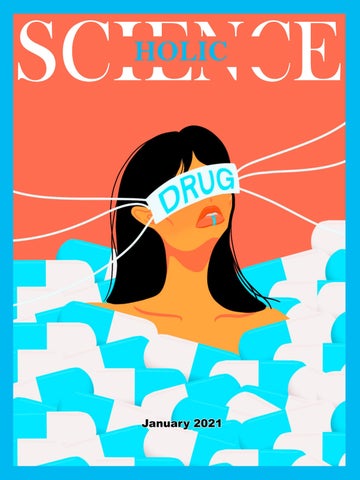
SCIENCE HOLIC
January 2021 SCIENCEHOLIC WINTER SEASONAL
1
2
SCIENCEHOLIC WINTER SEASONAL
SCIENCEHOLIC WINTER SEASONAL
3
MEET THE TEAM
Editing Team
LEADERSHIP
Co-founder and Executive Director
Katelyn Ma
Editor in Chief
Joyce Hai
Molly Zhao
Content Co-Director
Leon Zhou
Tharindi Jayatilake
Ethan Liu
Lydia Ren
Anand Soma
Shannon Tan
Kira Tian
Liane Xu
Tyler Vazquez
Suhani Patel
Senior Writer
Video Team
Natalia Khalatyan
Belinda Lin
Patrick Lin
Karen Liu
Ellie Livitsanou
Ioannes Salamanes
Dalin Try
Ellie Wang
Jiahao Wu
Jenny Yao
Edgar Zhu
Writer
4 SCIENCEHOLIC SCIENCEHOLIC WINTER WINTER SEASONAL SEASONAL
Writer
Writer
Writer
Writer
Writer
Writer
Writer
Editor
Editor
Senior Writer
Brianna Hang
Writer
Editor
Editor
Hanah Gomberg
Silvia DiPaola
Writer
Editor
Content Co-Director
Jiayi Chen Writer
Senior Editor
Editor
Editor
Renee Cao Writer
Cynthia Zhang
Galiba Anjum
Editor
Editor
Statistical Analyst
Senior Editor
Shamsia Ahmed
Content Team
Branden Chen
Simran Gohel
Winnie Li
Video Team Co-Director
Writer
Writer
Writer
Rain Cheng
Video Producer
William Tsay
Video Producer
Jennifer Hu
Angela Wu
Video Team Co-Director
Kitty Liu
Megan Liu
Video Producer
Video Producer
Video Producer
Danial Xiao
Matthew Chen
Matthew Zhao
Video Producer
Video Editor
Video Editor
Zehra Naqvi
Video Producer
Angela Zhu
Video Editor SCIENCEHOLIC SCIENCEHOLICWINTER WINTERSEASONAL SEASONAL 5 5
Art Team
Tiffany Chen
Artistic Director
Aurora Chen
Assistant Artistic Director
Nicole Tseng
Senior Artist
Outreach Team
Jiaqi Fan
Senior Artist
Demi Leng
Media Director
Serena Tai
Media Assistant Director
Stephanie Hu
Uzouf Baagil Artist
Dora Gao Artist
Tiffany Gao
Outreach Manager
Kevin Chen
Artist
Christie Peng Artist
Sophia Xu
Outreach Manager
Lillian Hou
Outreach Member
Doris Tan
Nicole Wang
Susan Wu
Cici Zhang
Daisy Zheng
Artist
Artist
6 SCIENCEHOLIC SCIENCEHOLIC WINTER WINTER SEASONAL SEASONAL
Artist
Artist
Artist
Kevin Bu
Outreach Member
Chad Cai
Outreach Member
Jeff Jiang
Outreach Member
Karen Li
Outreach Member
Artist
Brandon Ma
Artist
Angel Tseng
Finance Director
Kaitlyn Stanton
Outreach Member
Denise Suarez
Jacob Liu
Outreach Director
Artist
Outreach Member
Jenny Li
Scarlett Chu
Communications Director
Abhinaya Vijayanand Artist
Tanya Chaphekar
Artist
Artist
Lambert Zheng
Outreach Member
Website Team
Austin Xu
Selena Zheng
Amily Xia
Outreach Member
Valerie Tai
Website Co-Director Website Co-Director
James Dong
Website Member
Michelle Qu
Website Member
Eric Zhang
Website Member
Tommy Zhang
Website Member
Charles Zhao
Website Member
SCIENCEHOLIC SCIENCEHOLICWINTER WINTERSEASONAL SEASONAL 77
Canada
United States
China
Greece
Saudi Arabia India
Taiwan
Hongkong Cambodia
Singapore
Australia
WHERE WE ARE FROM 8
SCIENCEHOLIC WINTER SEASONAL
We really mean it when we say that we have a global team. In fact, we have active team members from almost every continent, except for South America, Africa, and Antarctica. If you have any friends from there who are as passionate about STEM, encourage them to join us so we can further our international community!
SCIENCEHOLIC WINTER SEASONAL
9
ASTRONOMY
The Heavy Consequences of Weightlessness Author: Brianna Hang
Editors: Katelyn Ma and Liane Xu
Isaac Newton once mentioned, “What goes up, must come down.” But, what if it never comes down? Without gravity, life on Earth would be unrecognizable, and everything would be floating into the void of space. In such an impossible scenario, researchers created facilities for astronauts to experience what it would be like to float in space. Microgravity, otherwise known as zero gravity, is a condition of weightlessness that a person or object experiences in space due to small amounts of gravity. However, there are issues concerning the health implications that could affect the living body from the use of zero gravity facilities as a way to train the body for the space environment. In this article, we will discuss the technology behind zero gravity and the physical and mental responses of the body towards an environment in space.
provides a simulation of microgravity for 5.18 seconds. Although it may not seem like it, objects that appear to be floating mid-air are free falling. According to NASA, “the free fall is conducted inside of a 467 foot (142m) long steel vacuum chamber. The chamber is 20 ft (6.1m) in diameter and resides inside of a 28.5 ft (8.7m) diameter concretelined shaft, which extends 510 feet (155m) below ground level.” In a vacuum chamber, air resistance and pressure are eliminated as factors so that gravity makes objects fall at the same rate.To put that into context, if a feather is dropped at the same time as a bowling ball, the bowling ball would hit
Researchers study weightlessness to experiment and develop hardware technology that can be used for space shuttles and satellites. An example would be NASA’s Zero Gravity Facility, located in Brook Park, Ohio, which 10
SCIENCEHOLIC WINTER SEASONAL
Artist: Nicole Tseng
the ground first due to the air resistance pushing upward against the feather. However, without the resistance, the speed at which they fall down would have the same acceleration. This applies to spacecraft as everything inside it—such as the astronauts and objects—is falling toward the Earth, but also orbiting at the same time. As a result, the astronauts and the spacecraft appear to be floating, and paradoxically free falling at the same time. Moreover, there are reduced-gravity aircraft made for training astronauts, teaching students, conducting research, and providing a background set for movies. The airplane is like a rollercoaster that moves in a
parabola formation, giving the people and objects on board the weightless feeling for 25 seconds—much longer than that provided by the Zero Gravity Facility. Astronauts are required to participate in the flight and go through a similar experience in space so they could get used to it. After that, they go through the anti-gravity treadmill that helps strengthen the muscles by strapping themselves in a
suitable to launch. On the other hand, there are health risks that need to be taken into consideration. People in microgravity can experience these symptoms: ● Nausea ● Disorientation ● Headache ● Loss of appetite ● Congestion ● Loss of muscle ● Brittle bones
ear, an organ that detects head motion and position relative to gravity. Fortunately, the brain relies on the visual area more, and the body will get used to the position and direction in zero gravity after getting used to flying in zero gravity. Consequently, from overexposure to zero gravity, fluids in the body would be redistributed to the upper half of the body. Normally, most fluids in the body are gathered
harness and mimicking gravity by changing the air pressure of the inflatable machine. Overall, microgravity will continue to be studied extensively as a way to provide a safe environment for astronauts and advance the development of spacecraft
The nausea and disorientation can also be known as Space Adaptation Syndrome (SAS), or “space motion sickness,” which happens when the visual area of the brain receives information that does not match with the vestibular organs in the inner
in the lower half of the body due to gravity and the blood circulation from the heart. However, without gravity, there is no need to provide any fluids to the lower half, and the system continues its normal functions near the head. As a result, astronauts SCIENCEHOLIC WINTER SEASONAL
11
ASTRONOMY could develop puffy faces, blurry vision, loss of balance, and even loss of taste and smell. The most dangerous consequence of zero gravity would be “orthostatic intolerance,” with which the astronaut cannot stand for more than ten minutes without assistance and may pass out.
12
SCIENCEHOLIC WINTER SEASONAL
near the pelvis and hip joints due to the lack of mechanical movement and pressure of gravity enacting on the bones. Fortunately, astronauts can regain their normal bone density after spending about three to four years back on Earth.
Another major effect of microgravity is muscle atrophy (loss of muscle) and osteoporosis (brittle bones). Since there is no weight on the muscles, astronauts begin to lose about 20% of their muscle mass within 5-11 days, so they have to regularly exercise using
resistance training or the antigravity treadmill. According to the Davidson Institute of Science Education, “studies on mice have shown that after 16 days in zero gravity, there is an increase in the number of bone destroyer cells and a decrease in the number of bone-building cells, as well as a decrease in the concentration of growth factors known for their ability to help create new bone.”On Earth, there is an equal balance of bone destroyer cells and bone-building cells to create new bones in humans. In space, however, the brittle bones mostly center
decide whether humans could survive up in space. The majority of the animals or insects used as test subjects would be invertebrates, butterflies, snails, or fish because some of them require special considerations such as what they will eat, where they would sleep, and how they would stay in one place. Researchers also observed fishes and tadpoles’ swimming patterns in pressurized water containers compared to those on Earth: instead of swimming in a straight line, they loop around in circles without any force tying them down, as well as responding to light as a guide.
Baby mammals have a difficult time adjusting to the new environment, where they are constantly floating and drifting apart, since they depend on the warmth and touch of each other. The United States Department of Agriculture Animal Welfare Act and the Public Health Services Policy Welfare Act have policies that ensure the well-being of the animals and set ethical standards for them throughout testing. Compared to humans, animals cannot give participation consent to experiments, which reinforces the need for stricter regulations for animals’ safety and health.
In summary, as technology continues to advance more rapidly than ever, researchers are discovering ways to provide safer zero-gravity environments for both astronauts and animals. Through experimenting with zero gravity, there is much more we can learn about other planets based on gravitational forces.Although we may never experience zero gravity naturally on Earth, we can assume that disaster would be the only possible outcome. Water, air, and land would escape into the endless void, and life would never survive that catastrophe scenario.
Not only do scientists experiment using objects and astronauts, but they also use animals and insects to test the safety of zero gravity. When space exploration was still fairly new, Russian scientists sent a dog, named Laika, into orbit around the Earth to observe the effects of gravitational forces and
SCIENCEHOLIC WINTER SEASONAL
13
ASTRONOMY
Aurora Borealis: A Curtain of Color
Author: Suhani Patel
Editors: Tharindi Jayatilake and Cynthia Zhang
You gaze up and see the most beautiful colored lights shimmering across the Alaskan night sky. It is a dancing array of neon beauty on a dark moonless night. What are these mysterious beauties?
forms are also known as discrete auroras, which are the brightest forms. The shapes of the brighter parts of the atmosphere and the position from which you view the lights determine the appearances of arcs, rays,
Artist: Doris Tan
and curtains. The northern lights offer an entrancing, dramatic, and magical display that fascinates all who see it. So, what causes this dazzling natural phenomenon? At the center of our solar
The Aurora Borealis, which means “dawn of the north” and is also referred to as the Northern Lights, is a natural light phenomenon mainly seen in the high-latitude regions around the Arctic and Antarctic. Four main forms of Aurora Borealis can be seen with the naked eye. The first is a mild glow near the horizon. Although this form is visible, it can be hard to distinguish from moonlit clouds because stars can be seen through the glow. The second form shows up as mere surfaces that resemble the shape of a cloud. The third form, arcs and curves across the sky. The fourth form appears as rays, which are light and dark stripes across arcs. Other types include curtains, which are often caused by folds within the arcs. On some rare occasions, an arc may break up into several rays that occupy the whole sky. These 14
SCIENCEHOLIC WINTER SEASONAL
system lies the sun, a sphere of hot plasma that is the most crucial energy source for life on Earth. The sun's many magnetic fields twist and change position as it rotates on its axis. When these fields knot together, they explode and create so-called sunspots, a temporary phenomena on the sun's photosphere that appear as spots darker than the surrounding areas. At the center of the sun, the temperature is 27 million degrees Fahrenheit (15 million degrees Celsius), and as the heat on its surface rises and falls, the sun boils and bubbles. Particles can escape from the sun from the sunspot regions on its surface, hurdling particles of plasma, known as solar wind, into space. They travel 93 million miles (around 150 million kilometers) toward Earth, taking around 40 hours to reach our planet before they are drawn irresistibly toward the magnetic north and south poles. As the particles pass through the Earth's magnetic shield, they mingle with atoms and molecules of oxygen, nitrogen, and other elements that result in the dazzling display of lights in the sky— the Aurora Borealis. Fun Fact: Auroras occur not only on Earth but also on the gas giants in our solar system— Jupiter, Saturn, Uranus, and Neptune! However, auroras formed on them are different, given that they form under thicker atmospheres and stronger magnetic fields. Venus has an aurora generated by
occur roughly every 11 years. The solar cycle peaked in 2013, but it was the weakest solar maximum in a century.
its stretched-out magnetic field, known as a magnetotail. Mars, which has too thin an atmosphere for global auroras, experiences local auroras due to magnetic fields in the crust. NASA's Mars Atmosphere and Volatile Evolution spacecraft also found widespread northern hemisphere auroras generated by energetic particles striking the Martian atmosphere. The sunspots and solar storms that cause the most magnificent displays of the northern lights
There have been 22 full cycles of the ebb and flow beginning in 1749. Researchers monitor space weather events because they can affect spacecraft in orbit, knock out power grids and communication infrastructure on Earth, and amp up typical displays of the northern and southern lights. Scientists are also investigating how fluctuations in the sun's activity affect weather on our planet. Debris, radiation, and other magnetic waves from space that threaten the future of living beings continuously bombard Earth. Most of the time, the planet's magnetic field does an excellent job of deflecting these potentially harmful rays and particles, including those from the sun. Aurora Borealis can appear in a variety of different colors. Most are green in color, but sometimes you’ll see a hint of pink, and strong displays might also have red, violet, and white colors. The lights typically are seen in the far north in the nations bordering the Arctic Ocean (Canada and Alaska, Scandinavian countries, Iceland, Greenland, and Russia). But strong displays of the lights can extend down into more southerly latitudes in the United States. And, of course, the lights have a counterpart at Earth’s south polar regions. SCIENCEHOLIC WINTER SEASONAL
15
ASTRONOMY
The colors in the aurora have always been a source of mystery throughout human history, but science says that different gases in Earth’s atmosphere give off different colors when they are energized. Typically, when the particles collide with oxygen, yellow and green are produced. Interactions with nitrogen produce the colors red, violet, and occasionally blue. The type of collision also impacts the colors that appear in the sky. Atomic nitrogen causes blue displays, while molecular nitrogen results in purple. Altitude also plays a factor. The green lights typically in areas appear below 16
SCIENCEHOLIC WINTER SEASONAL
150 miles high; red lights appear above 150 miles; blue lights appear below 60 miles;
and purple and violet above 60 miles. These lights may manifest as a static band of light or, when the solar flares are particularly strong, as a dancing curtain of ever-changing color. Humans have always been fascinated by the waxing and waning of auroral lights, even in prehistoric times, the closest and most dramatic manifestation of space phenomena. Spectacular auroral eruptions have given rise to mythological creatures, driven folklore, and influence the course of history, religion, and art. There have been—and still are—many different beliefs about the Aurora Borealis
and its association with the spirit world. Stories from the Northern reaches of Alaska, Canada, and Greenland describe how people's whistling could bring down the aurora and cut off the whistler's head, and personify auroras as spirit ancestors helping hunters find their prey. Many cultural groups also have legends about the lights. In Roman myths, Aurora was the goddess of the dawn, and in medieval times, the occurrences of auroral displays signaled harbingers of war or famine. The Maori of New Zealand shared a belief with many northern people of Europe and North America that the lights were reflections from torches or campfires. The Menominee Indians of Wisconsin believed that the lights indicated the location of manabadi wok (giants), the spirits of great hunters and fishermen. The Inuit of Alaska believed that the lights were the spirits of the animals they hunted: the seals, salmon, deer, and beluga whales. Other aboriginal peoples thought that the lights were the spirits of their people. SCIENCEHOLIC WINTER SEASONAL
17
BIOLOGY AND CHEMISTRY So, how do MRCA’s work? Every organism that lived within the last 3.5 billion years shares a common ancestor, known as our Last Universal Common Ancestor. This organism was likely an anaerobic and autotrophic microbe living in the ocean 3.53.8 billion years ago, gathering energy from the iron-and-sulfur-rich hydrothermal vents around it. It is important to note that this is not the first organism, but the last one that every organism after it shares a lineage with genetically.
The Mother of Humanity: Mitochondrial Eve Author: Tyler Vazquez
Editor: Kira Tian and Cynthia Zhang
It is common knowledge that the first humans evolved from primates in Africa in the history of the world. This is largely agreed upon by all people, regardless of their religious beliefs or their hypotheses on biogenesis. However, something that isn’t widely discussed is a woman called Mitochondrial Eve. Gathering her namesake from the Biblical Eve, this 18
SCIENCEHOLIC WINTER SEASONAL
Artist: Jiaqi Fan
woman likely roamed the Makgadidaki wetland in the modern-day Kalahari. This extinct wetland is now roamed by the San people, a nomadic group. W e l l , w h o w a s Mitochondrial Eve? The truth is that we don’t really know. Archeologists have found no evidence of Eve’s remains or life story. All we know
about her is when she lived: around 200,000 years ago. She was humanity’s most recent common ancestor (MRCA), meaning that every person who lived after her is related to her. It should, however, be noted that she was not the first human, but instead the last human that all humans share lineage with. We don’t know what she looked like, sounded like, or even her real name.
As humans, we share very similar mitochondrial genetic material because the mitochondria and its genetic material are only passed down matrilineally (from mother to offspring). This is due to the process of fertilization, where the mitochondria of the father’s sperm (located in the “tail”) break off to fit into the egg. Therefore, with only one copy of all our mitochondrial genes compared to two per nucleic gene, there would n o t b e m u c h v a r i a t i o n or diversity within the gene pool. This makes those subtle variations that stem from mitochondrial mutations easy to track within a population. For example, if there is a slight gene mutation in a mother’s mitochondrial
genes in an egg, then this can be tracked generations later in her offspring and descendants as a direct lineage. When genes such as the L0 gene were traced in southern African nomadic people from today to over 200,000 years ago, we can conclude that someone from this region bore children that would be our ancestors. This analysis of mitochondrial DNA was conducted by Vanessa Hayes of the Garvan Institute of Medical Research, with 1200 African nomadic subjects. This pinpoints, or at least approximates, that the woman who shares
a lineage with humans was in Southern Africa. Nevertheless, this raises questions about Chromosomal Adam, or the male, the ancestor to whom all males have a common lineage. He likely had lived in West Africa, not South Africa. Though fascinating, it raises the question of who he was and whether Mitochondrial Eve was his ancestor. Regardless, our quest for discovering the origins of life, especially as it pertains to humanity, is only just beginning. Through advancements in genetics, discovering our lineage will likely stretch onward for decades. SCIENCEHOLIC WINTER SEASONAL
19
BIOLOGY AND CHEMISTRY
You’re More Addicted To Coffee Than You Think Author: Emily Antoney Jeromeous
When one considers the stigmatic subject of addiction, our mind tends to revert to thoughts of drugs, alcoholism, and related issues. However, a primary issue that often goes undiscussed revolves around the topic of caffeine addiction. To some degree, a caffeine reliance is acceptable with consideration to different personal circumstances, but this makes it more difficult to answer the pressing question: At what point does caffeine usage become an issue? Let’s analyze the possible reasons why caffeine addictions are so appealing. There are varying factors that contribute to what causes people to identify as those who are “unable to function without coffee.” Caffeine can have harmful effects on a person’s mental and physical health. If one can identify the discernable negative differences in t h e m s e l v e s a f t er excessive caffeine consumption but continue to ingest the substance, there is inevitably an issue at hand pertaining to dependence. 20
SCIENCEHOLIC WINTER SEASONAL
Editors: Shamsia Ahmed and Tharindi Jayatilake
Artist: Aurora Chen
Withdrawal symptoms can include but are not limited to: headaches, feelings of tiredness, and troubled sleep such as insomnia. Caffeine uses dopamine in the brain as a stimulant to boost alertness and have sustained control over one’s movements and activity. While increasing dopamine, the drug simultaneously blocks adenosine, which is a chemical in the brain which controls sleep. In this way, the drug
works to inhibit feelings of drowsiness. A person can develop a tolerance to caffeine, much like how alcohol or alternative drug users develop a tolerance to certain substances. As a result, one would need to increase their caffeine intake to feel the same perceived effects that it had on their state as they did before their tolerance increased. Contrary to popular
belief, too much caffeine can also have adverse effects on one’s body, thereby making its consumption redundant. Although caffeine is typically associated with coffees, teas, and soft drinks, it can also be found in caffeinated foods, such as chocolate or select baked goods. Caffeine addictions mainly prevail due to the high accessibility of the drug itself. Statistics from the Centre for Addiction and Mental Health show that over 80% of adults in North America consume caffeine on a regular basis, further proving that caffeine dependence is a common issue that should be addressed. Though caffeine is generally considered safe, it is better to err on the side of caution and take preventive measures to ensure that a caffeine reliance is not being developed. Habitual caffeine intake can become common, so it is important to be mindful of the amount that one is consuming every day. Limiting is a great way to be more proactive about addictions. SCIENCEHOLIC WINTER SEASONAL
21
BIOLOGY AND CHEMISTRY
Why It’s Best to Rest Author: Tommy Zhang
Editors: Galiba Anjum and Cynthia Zhang
By getting the proper amount of sleep, humans ensure that we can function at our best throughout the day. Sleep is essential to us in many ways. For example, at night, we usually sleep to rest well to feel energetic the next day. During the day, we occasionally take short naps to improve our performance and alertness. On the other hand, for children, sleep is linked with brain development. However, research now indicates that in the world we currently live in, people are not getting enough sleep for various reasons. Examples include 22
SCIENCEHOLIC WINTER SEASONAL
Artists: Uzouf Baagil and Dora Gao
meeting deadlines for work or school, shifting working, using electronics before sleeping, caring for children, or medical conditions impeding sleep. As this problem becomes more significant in our daily lives, a question also arises: what happens when we don’t get enough sleep? Before we can answer that question, there are a few things about sleep that need to be addressed. The first two are what happens when we sleep and why it is essential that we sleep. When we close our eyes, we start at phase one, with the
Non-Rapid Eye Movement (Non-REM) sleep, which constitutes three-quarters of the night. The first stage of NonREM sleep is N1, the very short and light type of sleep, representing the line between barely awake and asleep. In this stage, the body prepares to enter the deeper stages of sleep. When our sleep reaches N2, the second stage of NonREM sleep, we are beginning to sleep, instead of being stuck midway between asleep and awake. This phase tends to be the longest compared to N1 and N3. At this point, the body has become disengaged from
our surroundings, breathing and heart rate become normal, our body temperature drops, muscles become more relaxed, and the body prepares for deep sleep. N3, the third stage of the NonREM sleep, is the deepest stage in the entirety of a full sleep cycle, where sleep demonstrates its importance. At N3, the body lowers breathing rate, drops blood pressure, fully relaxes muscles, and starts repairing the blood vessels and muscle tissues. The body also increases blood supply to muscles and releases hormones such as tissue growth hormones. By the time N3 ends, the body finishes repairing itself, releasing hormones, restoring energy for the next day, and completing the Non-REM sleep phase. Nextly, we begin the shorter REM sleep phase, taking up about a quarter of our sleep time. REM sleep gets its name because of how the eyes underneath
the eyelids rapidly dart back and forth during this stage. It is also where brain activity is higher than during NonREM sleep and resembles brain activity during the day. Dreams occur in REM, so scientists believe this is where the brain consolidates procedural memories, a type of long-term memory involved with remembering motor skills. A complete sleep cycle ends with REM sleep. This cycle repeats about 3 or 4 more times during the night
before waking up feeling energetic and well-rested for a productive new day. It is also important to know the ideal times and length of sleep. Ideally, our biological tendencies gravitate towards accommodating the sunset and sunrise, which involves sleeping early and waking early; this explains why people tend to feel more tired after sundown. However, we all know that the truth is far from that. Instead of letting SCIENCEHOLIC WINTER SEASONAL
23
BIOLOGY AND CHEMISTRY the biological tendencies take over, the brain uses something called the circadian rhythm. Functioning much like a clock, the circadian rhythm is the natural sleep-wake schedule that tells us when we should be most tired and most“awake.” The circadian rhythm is also in charge of setting our natural bedtime and waking time. The best time to sleep varies from person to person, and we usually consider two different things when deciding our bedtime —when we should wake up and the amount of sleep needed. Although there isn’t a recommended wake time, since every person’s wake time is influenced by factors unique to them, there is a recommended amount of sleep for each age group by the CDC shown in the graph below. Age 4 to 12 months 1 to 2 years 3 to 5 years 6 to 12 years 13 to 18 years 18 to 60 years
teeth at night). Furthermore, since the brain releases more stress hormones when a person is sleep-deprived, they have a higher risk of mental illnesses like depression, anxiety, and psychosis. In summary, in our fastpaced society, the issue of sleep deprivation is so prevalent but
often overlooked. Sticking to a consistent sleep schedule, limiting daytime naps, and refraining from using electronics right before bedtime are all practical steps we can take to ensure a good night of sleep and a healthier body.
Recommended Amount of Sleep 12 to 16 hours in total 11 to 14 hours in total 10 to 13 hours in total 9 to 12 hours in total 8 to 10 hours in total at least 7 hours per night
Using the chart above, we can take the information and apply it to our daily lives to ensure that we get the proper amount of sleep. Take a 15 years old student who usually wakes up around 7:00 AM as an example. To get the recommended 8 to 10 hours of sleep, they would have to sleep 24
diseases, diabetes, high stress, and obesity. A sleep-deprived person is also much more likely to get sleep-related medical conditions such as sleep apnea (which interrupts breathing at night), narcolepsy (sudden sleep attacks at random times throughout the day), and sleep bruxism (excessive grinding of
SCIENCEHOLIC WINTER SEASONAL
between 9:00 and 11:00 PM. Well, what happens if we don’t get enough sleep? Some symptoms of sleepness include drowsiness during the day, the inability to focus on a given task, moodiness, and poor decision making. Longterm sleep deprivation can
deprive our body’s natural abilities to repair itself during injury or disease, which may result in releasing too little or too many hormones or producing ludicrous antibodies. Sleep-deprived people are more prone to cardiovascular SCIENCEHOLIC WINTER SEASONAL
25
BIOLOGY AND CHEMISTRY
26
SCIENCEHOLIC WINTER SEASONAL
SCIENCEHOLIC WINTER SEASONAL
27
ENVIRONMENT
Spoil Your Appetite, Not Your Food Author: Ellie Livitsanou
Editors: Lydia Ren and Anand Soma
Artist: Karen Liu
We waste 40% of this item. About 120 to 180 billion pounds of this is lost or wasted. What is it, you may ask? Food! The US alone wastes 40% of all the food that is produced, leaving a massive impact on the country’s economy as well as the environment. But first things first: what is wasted food? Food waste is a type of food loss classified by the United States Department of Agriculture as food thrown away by stores and retailers because of its appearance (color, shape, etc) as well as food wasted by consumers (food scraps, sour milk, etc). It is split into two main categories; food waste and food loss. There
28
SCIENCEHOLIC WINTER SEASONAL
are many kinds of food loss, including that from stores and homes, food that goes bad in transportation, food left on the farming fields, and all the other food that doesn’t make it to the stores. Yikes. That's a lot of wasted food. Food loss happens at every single stage of the food’s life cycle: on farms, fishing boats, retailing, production processes, and even in homes and restaurants. Food loss on farms is a huge problem. The United States uses nearly 16% of its total energy budget, 50% of all land, and 80% of all freshwater on food production processes. It’s an enormous waste too,
Fun Fact : If food waste was reduced by just 15%, we could provide sustenance for 25 million people every year. Crazy right!
since around 20 billion pounds of produce is lost on farms annually. This occurs on farms for various reasons: farmers often plant more than needed to ensure that no amount of pests and bad weather would deplete the supply, which is usually more than the consumers’ demand. Market conditions can also cause farms to throw away perfectly edible food. This is not only wasteful but also incredibly bad for the environment.
What can we do about it? Well, food waste in households is usually caused by these five reasons: Over preparing, Food Spoilage, Overbuying, Confusion between labeling (e.g. “Use by” vs “Best Before”), and Poor Planning. Most of these are preventable with better planning and would help lessen the tremendous impact food waste has on the environment. The environmental impacts of food waste are huge; only 5% of food is composted and food
waste is the largest component of solid waste. Therefore, most of it goes to the landfills, where it breaks down and produces methane, a greenhouse gas found to be 86 times stronger than CO2. If we removed all food waste from landfills in the UK, it would be the equivalent of removing 1/3th of the cars and their emission in the country. Furthermore, food waste is responsible for 25% of freshwater consumption and is also the leading cause of freshwater pollution. So next time when you want to leave behind some food scraps on your plate, think about the huge impact that this small act has on the environment. If all of us make a small change, this problem will cease to be one in the long run.
SCIENCEHOLIC WINTER SEASONAL
29
ENVIRONMENT
Coral Reefs Are Dying: Here's How You Can Help Author: Jenny Yao
Coral reefs, with their bright, vivid colors, brighten up the otherwise gloomy seabed. Tourists from all over the world flock to destinations with
Editors: Shamsia Ahmed and Simran Gohel
huge coral reefs to take in these beautiful natural decorations. However, news from recent decades have revealed that corals reefs are succumbing to
Artist: Jiaqi Fan
decay and degradation at an alarming rate. What are these natural beauties, and what can we do to save them? Despite their still movements and their rock-like appearance, coral are living creatures made up of tiny biological polyps! They prey by filtering at night in order to reproduce.
30
SCIENCEHOLIC WINTER SEASONAL
SCIENCEHOLIC WINTER SEASONAL
31
ENVIRONMENT There is a species of seaweed living in the ocean which acts as food for coral insects through photosynthesis. Corals and this seaweed are symbiotic organisms and have a relationship in which one provides shelter and the other provides food.
Coral reefs themselves also act as a source of life in the ocean, which is the basis of the food chain. They not only provide humans with seafood but also are crucial to us in many other important aspects. Fish living in coral reefs provide highquality protein for millions of people around the world, and the organisms in coral reefs secrete chemical components that are not found on land. These chemical ingredients can be used as medicine or to make some other supplements. 32
SCIENCEHOLIC WINTER SEASONAL
FORENSICS, MEDICINE AND PSYCHOLOGY
However, coral reefs have been incredibly vulnerable to decay and ruin. Why is this? The global large-scale coral degradation is caused by climate change—global warming, ocean acidification, storm surges, and human activities like coastal development, overfishing,
s i g h t s e e i n g c r u i s e s in the coral reef area, anchoring during fishing, diving activities, and touching the coral directly. Moreover, biological erosions, such as the eruption of long thorn starfish and the eruption of red tides, and deterioration of seawater quality due to human activities also contribute to the rapidly quickening of coral degradation. Among all, global warming is a major cause of this phenomenon in low-latitude seas. For high-
latitude corals, even though the summer warming in extreme years makes corals vulnerable to bleaching, global warming can alleviate cold bleaching in winter and promote coral reef-building. Hence, it has little effect on high-latitude corals. However, coral reefs are mainly distributed in low-latitude sea areas, that is, tropical regions. Scientists predict that corals will disappear from the ocean by the end of this century because the global carbon dioxide emissions have caused the sea to absorb a large amount of carbon dioxide and acidify the sea. Coral bones are calcium carbonate, which dissolves in acid. When the pH of the seawater drops to a certain level, the rate of coral reef-building will become lower than the rate of calcium carbonate dissolution, leading to the gradual disappearance of our beautiful coral reefs. The ecology and environment are interconnected with everything on earth, and one reason for the large-scale death of corals is global warming and rising sea temperatures. Though it might be tempting to catch the next flight to a tourist destination and catch a last glimpse at our decaying coral reefs, there are things we can do as individuals to help prevent the degradation of these colorful organisms from the safety of our own homes. The simplest way is to pay attention to environmental protection in daily life, protect the environment, reduce carbon emissions, sort garbage, and save water and energy.
Unlocking the Biological Secrets Behind Drug Addiction Author: Branden Chen
Editors: Kira Tian and Cynthia Zhang
Addiction, defined as “a complex condition, a brain disease that is manifested by compulsive substance use despite harmful consequences,” is a commonly misunderstood yet prevalent topic in society today. Many individuals do not understand why and how others develop drug addictions and instead perceive these addicts as psychopathic or lacking morals; however, this is not always the case. In 2017, about 741,000, or 3% of the adolescent population (ages 12-17) and 38% of adults in the United
Artist: Tiffany Chen
States, suffered from an illicit drug use disorder. With drug abuse being a prominent issue, it is crucial to understand why some people become addicted and why others do not. First, we must understand how addiction develops. The initial choice to take drugs is usually voluntary, such as out of curiosity or peer pressure. However, as people use them repetitively, the brain begins to change, challenging the users’ self-control and ultimately interfering with their ability to refrain from using them.
Another critical point is to understand that drug addiction is a “relapsing disease,” meaning that those who recover from drug addiction through rehabilitation or other means are likely to return to drug use even after extended periods away from drugs. Treatment is essential towards helping others in their journey of battling drug addiction, but it is still likely that the addiction will return because of the brain changes that occurred during their usage. Neurologically, drugs
SCIENCEHOLIC WINTER SEASONAL
33
FORENSICS, MEDICINE AND PSYCHOLOGY
affect the brain’s “reward circuit,” filling up users with hormones such as dopamine and euphoria after drug use. This rush of dopamine will increase users’ dependence on the substances, motivating them to continue these behaviors to indulge themselves, though these habits that are unhealthy. As one continues to use drugs, the brain slowly develops tolerance, meaning that it is better equipped to handle highs, and thus the user might choose to consume more of the drug to achieve the same level of euphoria. Drug addiction tends to lead one to be more focused on drugs, straying away from other daily activities that are pleasurable, such as sexual and social activities. Long-term use of drugs can cause further 34
SCIENCEHOLIC WINTER SEASONAL
damages to learning, judgment, stress, memory, and behavior. So why do some people get addicted to these drugs while others do not? One factor is biological composition. Individuals can be born with genes that account for half of their risk of addiction. Other biological factors, such as gender, ethnicity, and mental disorders, also affect the risk of addiction. Another factor that plays a determining role in the environment, specifically, the background and surroundings of an individual. Family and friends, economic status, and general quality of life all affect their risk of addiction. Other factors such as peer pressure, physical and sexual abuse, early exposure to drugs, stress,
and parental guidance can also increase the likelihood of developing an addiction. Lastly, age also plays a role. The earlier a person begins to use drugs, the more likely they are to develop a longlasting addiction since the brain develops at a young age, therefore causing adolescents to be more prone to risky behaviors. Although drug use is a widespread issue, it is entirely preventable and treatable. It is essential to educate young people about the severity of the problem to decrease the chances of addiction in future generations. SCIENCEHOLIC WINTER SEASONAL
35
FORENSICS, MEDICINE AND PSYCHOLOGY
cells makes HeLa cells unique, allowing them to achieve immortality. Furthermore, normal human cells have builtin control mechanisms, enabling them to divide about 50 times before they self-destruct in apoptosis, which prevents the propagation of genetic errors. However, HeLa cells ignore this process, allowing them to continually divide without stopping without causing genetic errors along the way. This discovery of HeLa cells finally allowed scientists to have reliable human grown lab cells that continuously
The Immortal Life of Henrietta Lacks Author: Dalin Try
Editors: Lydia Ren and Cynthia Zhang
Artist: Daisy Zheng
In 1951, Henrietta Lacks, a young mother, went to John Hopkins Hospital in Baltimore, Maryland. At the time, John Hopkins was one of the few hospitals that treated African-Americans. Dr. Howard Jones discovered 36
SCIENCEHOLIC WINTER SEASONAL
a large, malignant tumor on Lacks’ cervix. However, as she began undergoing radium treatments for her cervical cancer, her malignant tumor cells were collected without her knowledge or consent. The collected cells were then sent
divide themselves, allowing scientists to perform multiple trials of the experiment and compare it with different tests. According to a statement made by Henrietta Lacks’ immediate family to The Washington Post in an article titled “Can the ‘immortal cells’ of Henrietta Lacks sue for their own rights?” written by DeNeen L. Brown, she states that “there are 17,000 U.S patents that involve HeLa cells, which are theoretically continuing to make money.” This statement alone supports the crucial contributions that HeLa cells have made to the
world, starting from HeLa cells being used to test the polio vaccine to discover that cervical cancer can be caused by a virus called HPV and many more. HeLa cells itself are a phenomenal discovery with the crucial contributions it has made to the world, saving millions of lives. Nevertheless, the way the cells were obtained without the consent nor knowledge of Henrietta Lacks herself and her family should not go unnoticed, and the contributions that Henrietta made to the world should be immortalized and acknowledged.
to Dr. George Gey, credited with propagating the HeLa. The HeLa was named after the first two letters of her first and last name—cell line. Before discovering the HeLa cells, scientists worked on constructing an immortalized cell line to test vaccines and advance future medical research. However, previous attempts failed. The cells would only live for a few days before dying. Thus, the discovery of HeLa cells became quite remarkable, enabling research to go forward. Enduring ongoing constant division of its SCIENCEHOLIC WINTER SEASONAL
37
FORENSICS, MEDICINE AND PSYCHOLOGY
38
SCIENCEHOLIC WINTER SEASONAL
What Does it Take to
Eradicate Disease?
Author: Natalia Khalatyan
Artist: Tiffany Gao
Editors: Shamsia Ahmed and Shannon Tan
SCIENCEHOLIC WINTER SEASONAL
39
FORENSICS, MEDICINE AND PSYCHOLOGY As the COVID-19 virus runs rampant worldwide during the most significant pandemic of our time, scientists work tirelessly to test and develop vaccines against it. The vaccine will prevent the further spread of the virus by creating lasting immunity or resistance in vaccinated individuals. Vaccines also aid in disease eradication efforts, first being in the mid20th century in the fight against smallpox, a highly contagious disease characterized by its distinct violent skin rash that left the majority of infected scarred or even blind. There’s no effective treatment against smallpox, and about a third of sick patients died from an infection, with an estimate of up to 500 million deaths in
it is unable to jump species and remain hidden in the animal population. Previously infected individuals also develop lifelong immunity, similar to that ideal effect of a vaccine, and therefore cannot get reinfected with smallpox again. This method of tracing and vaccinating at-risk individuals who have been in contact with an infected person is known as “ring vaccination.” It is a global effort that is only as effective as the disease and people allow it to be. For example, recent efforts with polio eradication have posed some challenges. Unlike smallpox with its rash, this disabling and life-threatening illness has indistinguishable the 20th century alone. Yet by 1980, the World Health Assembly declared smallpox the first disease to be eradicated, or eliminated from the human population, through intensive vaccination efforts and surveillance. A few reasons made smallpox a great candidate for eradication, unlike any disease before it. First, the vaccine was readily available, contrary to the case of other diseases such as AIDS. Smallpox is also highly visible with rapid symptom onset, allowing for quick detection and tracing of at-risk individuals who may have been exposed to the virus. Humans are also the only ones who can catch and transmit smallpox, so
40
SCIENCEHOLIC WINTER SEASONAL
poses a problem. The success of disease eradication, as with any public health program, greatly depends on the public's cooperation, commitment, and feasibility. Civil disturbances and poor infrastructures will disrupt any eradication efforts. They should also not disrupt the integrity of the healthcare system set in place and have consensus within the scientific community about the plan of action. Possible consequences of failure, financial costs, and divergence of attention from other health issues must also be carefully considered. Currently, there are efforts to eradicate the first parasitic disease, dracunculiasis, or Guinea-worm disease early symptoms, often spreading undetected. Malaria eradication efforts also failed due to a lack of highly skilled medical professionals who can properly diagnose patients from blood smears. Malaria vaccines also do not provide lifelong immunity thus further complicating the efforts. In the case of COVID-19, contact tracing becomes an issue. Since the virus infects bats, elimination from the human population is not sufficient since the disease can re-emerge into the human population. In theory, any disease caused by a virus can be eradicated yet the growing mistrust in science and the anti-vaccination movement
contracted from the consumption of unfiltered and contaminated drinking water. Parasites are tiny organisms that are generally much larger than viruses and if waterborne can be eliminated through water filtration systems, making parasitic diseases great candidates for eradication campaigns. The control strategy is also relatively simple and cost-effective and countries that do not report any cases within a year are certified dracunculiasis free. Although not every disease makes for a great eradication candidate it gives hope that devastating diseases that used to pose a serious threat to the public can now be permanently rem oved f r o m th e h u ma n population. SCIENCEHOLIC WINTER SEASONAL
41
FORENSICS, MEDICINE AND PSYCHOLOGY usually not the case. People must cut off stains on the wall or any immovable surface. Yet, they have to be extremely careful handling the evidence. For example, if people improperly bleach scissors or tweezers when handling evidence beforehand, it might contaminate the sample and make it harder to retrieve information from the DNA.
Fighting Crime With DNA Author: Hanah Gomberg
Editors: Galiba Anjum and Cynthia Zhang
Artist: Nicole Wang
Although they are arguably co r r u p t , l a w e n f o r c e m e n t and the justice system play a crucial role in our current lives. One of the most common pieces of evidence used by forensics scientists to identify suspects is DNA. Since law enforcement is vital, it is essential to know which components help police and lawyers determine who may have committed a
particular crime. DNA and biological evidence help convict rapists, robbers, and murderers, ultimately providing citizens a safer place to live. Some common questions surrounding this topic are: what are biological evidence and DNA testing? 42
SCIENCEHOLIC WINTER SEASONAL
How do forensic scientists collect it, and how do they use it to solve crimes? Why is it relevant to the world we live in today? Although the answers are nowhere near as simple as to be answered in one sentence, this article will provide the information needed to answer these questions. Every person is different when it comes to their biological makeup. All cells in the human body, except for red blood cells, have DNA sequencing. This sequence differs from person to person; no two people can ever have identical sequences. In forensics, biological evidence is anything that the perpetrator or victim leaves behind of their natural makeup. Usually, the first thing that comes to mind is fingerprints—anyone who has ever watched a crime show such as Criminal Minds would know its importance. Gathering fingerprints is commonly known as dusting, and since forensic scientists have spent many years perfecting the technique
to collect them, they are the easiest crime scene evidence to trace back. They are created out of the sweat in your body and are often left behind if not intentionally destroyed, which is why it makes it relatively easy to acquire while making for very reliable evidence because all fingerprints are different. However, they are not the only type of biological evidence. Hairs, semen, and blood can all be checked through a DNA database to confirm or deny a suspect’s testimony.
The drawbacks of biological evidence do not stem from its unreliability, but many outside factors such as human error, controversial issues surrounding investigations, and the ‘CSI effect.’ Thus, its reliability is
compromised since it has come in contact with other biological material, and proper DNA profiling cannot be made. Additionally, DNA profiling is generally more useful when excluding suspects that are not guilty. M a n y co n tr o v er si a l i ssu es have been raised where biological evidence is concerned, such as DNA dragnets, which occur when the police ask for DNA evidence from people from a geographic area that may fit a description. A wellknown example of this comes from a famous Louisiana lawsuit where they conducted a DNA dragnet, forcing 1200 men to partake in it to assist the police in locating a
When collecting biological samples, scientists consider various factors. For example, they have to make sure they are getting as many cells as possible in the sample. Scientists also must minimize degradation and ensure that there is no contaminated evidence. The best way to collect evidence is never to remove the stain, whether it be blood, semen, or a fingerprint, from the object since you are at risk of damaging the evidence. Ideally, the stains would be on a shiny non-porous surface that can move; however, that is SCIENCEHOLIC WINTER SEASONAL
43
FORENSICS, MEDICINE AND PSYCHOLOGY about seven and a half billion people on the planet, the chances are null. Additionally, the likelihood of two people selected randomly having identical DNA is 1 in 5 trillion; therefore, also void. Biological evidence can also be harvested from minute quantities that may seem invisible to the naked eye but will prove very useful in the laboratory. The only major component that could make match to the genetic profile. the evidence go from probable While the investigation was to unreliable is mishandling not successful, the men’s and contaminating; however, profiles were still entered the chances of that happening on the database even though are extremely low as forensic they had not been previously s c i e n t i s t s h a v e d e v e l o p e d a c c u s e d o f a n y c r i m e s . many techniques to keep that Thus, this case raised many from happening. Forensic quandaries about ethical issues scientists have gotten so good around taking DNA dragnets. with creating DNA profiles Finally, the ‘CSI effect’ t h a t y o u n o l o n g e r n e e d is the popularization of the blood or semen to complete often unrealistic notion that one. Nowadays, scientists can biological evidence is the simply use a few skin cells to only acceptable or reliable generate profiles; therefore, w a y t o s o l v e t h e c r i m e . it has become much easier to This phenomenon occurred catch perpetrators. However, through the popularization of robbers have become much forensics through TV shows s a v v i e r w h e n c o m m i t t i n g crimes. For example, they like CSI. have started to wear gloves to Biological evidence is an keep their fingerprints from extremely accurate way to being identified and hairnets prove the culprit and confirm to prevent hair from falling or deny any testimonies and off. Still, now with the new the person’s part in the case. skin cell identification, it has The odds also work in favor become nearly impossible of law enforcement as out not to leave traceable DNA of the thirteen markers, the behind. chance that any two people Overall, forensic scientists have identical DNA and were both at the crime scene and are a fundamental part of the left proof behind is one in ten world we live in today. The billion. Since there are only development of biological 44
SCIENCEHOLIC WINTER SEASONAL
evidence, DNA profiling, and fingerprint identification is crucial to not only scientific evolution but our safety. DNA sequencing is critical when proving the culprit, thus aiding scientists and the police when solving high-profile crimes where there are many variables and witnesses involved. Despite that the methods of collecting biological evidence are overall very accurate, there are several ethical issues in gathering the evidence. Having many DNA profiles in the system may seem beneficial to the people involved; however, dragnets can violate privacy and fundamental human rights.
The Truth (and Lies) in Lie Detectors Author: Brianna Hang
Editors: Tharindi Jayatilake and Anand Soma
Do you solemnly swear to tell the truth, the whole truth, and nothing but the truth? In almost every crime show, the suspect would be sweating profusely in the interrogation room as the
detectives hook him up with a polygraph to determine if he is guilty or innocent. A lie detector, otherwise known as a polygraph test, is a device that measures several physiological indicators such as blood
Artist: Austin Xu
pressure, heart rate, respiration, and skin conductivity. The earliest version of the lie detector test was created in 1921 by John Larson. As technology continues to grow, the new computerized model
SCIENCEHOLIC WINTER SEASONAL
45
FORENSICS, MEDICINE AND PSYCHOLOGY polygraph research has not separated placebo-like effects (the subject’s belief in the efficacy of the procedure) from the actual relationship between deception and their physiological responses." Subjects who believe the lie detector test works tend to confess more quickly or become more anxious, thus providing a lower accuracy rate for determining lies. There are also possible countermeasures that can help block certain physiological responses, such as using drugs that alter arousal, psychological manipulation, and small physical movements. Overall, the polygraph test is mostly used to detect the anxiety levels connected to the physiological responses, giving clues of deception; however, it continues to monitor the same measures in the past. However, there has been some debate regarding whether lie detectors are reliable as there are no specific physiological reactions associated with lying. Polygraphs are constantly being used by law enforcement, and it is mostly employed to measure fear and nervousness based on major physiological indicators. Investigators created a technique that is still widely used today called the “Control Question Technique.” The interrogator would mix control questions from nonthreatening and random questions that aren't related to the case to relevant questions on the case. Using this technique 46
SCIENCEHOLIC WINTER SEASONAL
would create some anxiety for the suspect because they would have to tell the truth with vague questions. The results revealed that even innocent people could have greater levels of nervous activity due to the circumstances they are in, especially if they were accused of a crime. According to the Psychological Set Theory, a tested person anticipates negative consequences if they lie, so their body produces a certain measure of physiological reactions that could signal deception. Another procedure investigators use is the “Guilty Knowledge Test,” a multiple-choice test that has the information only the guilty person would know. However, this procedure is rarely used
is not always accurate for every person. There has also been a new study involving the updated version of the lie detector test through brain scans and imaging. The near-infrared brain scan is a headband that emits near-infrared light into the subject's prefrontal cortex, where most of the decisionmaking occurs. The sensors can detect the changes in blood flow once the subject decides to lie even before they get to say it. The device is currently under development because researchers are still gathering data from subjects who answer the control questions truthfully or not. In addition, functional magnetic resonance imaging (fMRI) has
already been used to detect brain abnormalities; however, studies based on the fMRI show that the anterior cingulate cortex and the superior frontal gyrus light up more when a person tells a lie than telling the truth. These regions of the brain are associated with emotional processing, decision-making, and conflict resolution. Lying can impact these regions through higher levels of anxiety because they have to quickly think of a response to the question and try to process their emotional state. The fMRI can be improved with the transcranial magnetic stimulation that enhances or blocks out certain activities in the brain to enhance the accuracy of the lie detector. Another new
because the investigators don’t always have enough information to create the test. Another flaw could be in the other factors that might have occurred without law enforcement knowing about it. This was created based on the Oriental Response Theory, or the oriental response, which is the organism’s response to a change in its environment that makes an adaptive response to the stimulus. The oriental response is subject to habituation, where the subject can familiarize and prepare themselves with the questions that could lead to invalid results. According to the American Psychological Association, “A particular problem is that SCIENCEHOLIC WINTER SEASONAL
47
FORENSICS, MEDICINE AND PSYCHOLOGY
procedure used was brainf i n g e r printing through an electroencephalogram (EGG), a helmet with electrodes attached to the head to record changes in electrical activity in the brain. A P300 pattern, a specific brain wave, is elicited when the subject knows the information but chooses to lie about it. This happens when the brain believes the information is essential or surprising to the subject. However, similar to the
flaws of the polygraph, drugs, or medications, it can affect the brain waves and can only be used once the investigators have enough information about the case. Overall, rather than trying to detect the physiological responses, looking for certain brain wave patterns could be more useful because other factors such as anxiety and the 48
SCIENCEHOLIC WINTER SEASONAL
placebo effect can create false negatives for the subjects. As a result, some court cases hesitate to accept lie detection tests as admissible evidence due to its uncertainty of testing for deception.
Overall, the lie detector test has high reliability considering it is widely used in law enforcement; however, there are still concerns about its validity and accuracy of the test. Not only are innocent people subjected to psychological and physiological turmoil, but the guilty are free to roam the Earth. Researchers are still trying to develop new devices to detect lying, but it might not happen until the far future as we continue to use the same methods from the past. In the words of Benjamin Franklin, “half a truth is often a great lie.” SCIENCEHOLIC WINTER SEASONAL
49
STEM AND SOCIETY
Fetal Surgery: Past, Present, Future
Author: Hanah Gomberg
Editors: Tharindi Jayatilake and Anand Soma
Artist: Doris Tan
Fetal surgery is arguably one of the newest surgical specialties in the world today, only developed in its most primitive form in 1965. Although it has been around for 55 years, there are still many misconceptions about what it is and if it is even worth it. Fetal surgery is a prenatal procedure done in utero, meaning that surgeons perform surgery on a baby while it is still in the mother’s uterus. This can all be very daunting or surreal to most people, and the process begs several questions. How can fetal surgery better a child’s life? Are there any differences in neonatal outcomes to pediatric outcomes? Why is fetal surgery so life-changing to parents and children? What types of prenatal surgery are available at the moment, and how do we do it? What do we hope to be able to do in the future? Often, when parents are told that an unborn baby needs surgery, and it needs to be done without delivering the child, it can sound like science fiction. However, there is a reason why 50
SCIENCEHOLIC WINTER SEASONAL
fetal surgery has continued to develop throughout the years, because without it, there may be degenerative defects that only worsen as the child grows. Spina bifida is a great example of highly successful prenatal surgery. Often, when the child undergoes fetal surgery to repair spina bifida, it can be less invasive (through the use of a fetoscope), and the child has a higher chance of eventually being able to walk and live to their full potential. A study funded by the Eunice Kennedy Shriver National Institute of Child Health and Human Development (NICHD) in 2011 found that surgical intervention for spine malformation done before birth can improve mobility and reduce the risks for more serious complications later on in their lives. Contrastingly, when surgery is performed by a pediatrician, the surgeon has to put in a shunt at the child’s spine to help drain the fluid and protect it from too much brain pressure. However, this shunt will have to be changed many times throughout their life, and they are dramatically less likely to ever walk or lead a normal life. To date, surgeons can treat over fourteen diseases that ten years ago would have either translated to a death sentence or a very poor quality of life. As for the methods that are used to cure these diseases, they need to be very precise because the children are very small, and any mishaps can be detrimental SCIENCEHOLIC WINTER SEASONAL
51
STEM AND SOCIETY to their quality of life and can hinder their development. For advanced cases of Congenital Diaphragmatic Hernia, Fetoscopic endoluminal tracheal occlusion is used as it is a highly non-invasive procedure that is catered especially for fetuses. In more severe cases of the aforementioned spina bifida, there needs to be a more radical approach that requires open repair of the myelomeningocele, in which the spine is exposed. Physicians nowadays can even treat tumors on fetuses through radiofrequency ablation, and they manage to do this in a way that neither hinders fetal development nor does harm to the mother. Fetal surgery is undoubtedly the future of modern medicine and it will change the way surgery is done. Great scientific developments include gene therapy for people that were born blind, cochlear implants for those born deaf, pace-makers for people with heart-damaging conditions, and even the insulin shot for diabetics. Today, clinicians are finding ways to not only diagnose genetic diseases in an intrauterine manner but also treat them in utero. With the progress thus far physicians can confirm that fetal application is showing promise in improving life quality for those with debilitating genetic disorders and prevention for early-onset genetic diseases such as cystic fibrosis and Duchenne muscular dystrophy. An outstanding example of great use of fetal neurosurgery to ensure the 52
SCIENCEHOLIC WINTER SEASONAL
child would not be debilitated was a case in which physicians had to manage an: Intracranial Hemorrhage and Skull Fracture After Blunt Intrauterine Trauma. Even though this surgery was performed neonatally, physicians were only able to identify the trauma due to prenatal surgeons and machines that have been
developed to aid in fetal surgery. As we put into consideration that a blunt trauma of this nature on a fetus could have caused a great number of intracranial pathologies such as hypoxicischemic injury, skull fractures, and intracranial hemorrhages, these types of equipment saved the child’s life. Today, the child is alive and in line with the
developments of a child their age. Science is ever-evolving and fetal surgery, like any branch of science, will develop insurmountably in the coming decades. For cardiothoracic fetal surgeries, there are a few studies involving how to treat right and
left side regions in the fetus and how they differ. Infants with congenital heart diseases can be treated in utero in the coming decade as physicians have started research to understand fetal hemodynamics better since there is little to no literature about it and how cardiac diseases evolve in fetuses. Once the literature is developed and
we have more knowledge surrounding the physiology of prenatal children, fetal surgeons will be able to perform balloon aortic procedures and pulmonary valvuloplasties to prevent postnatal ventricular malformations and to relieve valvar stenosis in fetuses. For fetuses with pulmonary
abnormalities, procedures are being developed that would allow for better atrial septal communication. Furthermore, the fetal field is not only based around surgery, nowadays bio-mechanics have been developing different tests to ensure that the fetus will be born healthy. The alphafetoprotein test, followed by
diagnostic testing (chorionic villus sampling or karyotyping by amniocentesis) can now be done to ensure that fetuses do not have chromosome disorders such as Down's syndrome, Edward's syndrome, or Patau's syndrome. Beyond diagnosing the infant, fetal therapy has been evolving to provide
intrapartum interventions for prenatal anomalies. Lastly, recent discoveries into how genetic diseases work, how to design a vector that the body won’t reject, and minimally invasive techniques have allowed for fetal gene therapy to become a choice for parents in the future. To lots of families nowadays abortions or having a child that
is infected with Down syndrome or autism are the only choices. However, gene therapy for fetuses will allow for parents to have another (arguably easier) choice. How could this be possible? Well, recent research has proved that when fetuses are transferring genes that aid in their formation, STEM cells that grow very quickly are targeted by these genes, and this is something that we cannot access after birth as the child has already developed enough. This implied that integrating vector systems into fetuses could be the answer to treating incurable genetic diseases. Throughout the animal testing, it was found that the fetal immune system does not respond to the inducted gene, therefore, allowing for us to induct tolerance to said diseases. Thus, this treatment can be repeated neonatally to correct the disease. Overall, fetal surgery is the future of modern medicine because it can be insurmountably beneficial to a child’s life. The outcomes of fetal surgeries for many genetic abnormalities and degenerative diseases are dramatically better when they are done prenatally than when it is done neonatally. Although we have already made much progress, there is still a long and promising road ahead, in which we could potentially cure diseases before the children even suffered from them through the induction of immune tolerance. SCIENCEHOLIC WINTER SEASONAL
53
STEM AND SOCIETY This response paid off, allowing them to control the pandemic due to mass testing the population, even creating the drive-in testing to encourage testing for the citizens.
How Asia Beat COVID-19 Author: Dalin Try
Editors: Ethan Liu and Liane Xu
Artist: Doris Tan
COVID-19 was first reported in Wuhan, China, and it spread worldwide within the first few months of its discovery. Daily life came to a halt; travel became suspended, and work became remote. Demand for hand sanitizers, Lysol sprays, and toilet paper surged. Initially, people expected developed countries, which have advanced medical equipment and leading experts, to have a better response towards the pandemic than developing countries. However, some developed countries, such as the U.S, had a more challenging time containing the virus due to factors like a lack of enforcement for mask policies. On the other hand, South Korea, which experienced a sudden spike of virus cases in February, responded with strict mask requirements, lockdown, and suspension of most of the country's flights. 54
SCIENCEHOLIC WINTER SEASONAL
Places such as Taiwan were able to control the pandemic before it started by strictly monitoring flights between China and Taiwan to track for any potential cases. They drew on their experience from the SARS outbreak in 2008 to control the pandemic. Southeast Asian countries have also experienced some success in developing countries. Cambodia, Laos, and Timor Leste have reported no deaths from COVID-19 due to constant testing and conducting extensive contact tracing. More developed countries such as South Korea, Taiwan, and Hong Kong have also developed apps for COVID-19 contact tracing. What seems to be a common trend in Asia is the population’s willingness to comply with newly placed measurements, saving lives.
Overall, Asia’s success with fighting the pandemic involves the government’s response towards the pandemic. However, it could not have been successful without frontline workers working around the clock to treat patients and sacrificing their
well-being for others. Citizens have also contributed towards their success by complying with the measurements placed rather than protesting against it. If more countries can take this pandemic more seriously and understand its impact, more lives can be saved.
SCIENCEHOLIC WINTER SEASONAL
55
TECHNOLOGY AND ENGINEERING
“Goodbye Dolly?” The Ethics of Cloning
Author: Karen Liu
Editors: Tharindi Jayatilake and Anand Soma
Cloning—the process of producing organisms with identical DNA—seems very futuristic, but it has been happening in nature for a long time. Asexual reproduction in certain plants and animals, binary fission in bacteria, and identical twins are just a few examples. The world’s most famous clone, Dolly the sheep, was the first mammal to be cloned by an adult cell. Dolly isn’t the first-ever clone to be produced in the lab though, as several non-mammal animals were cloned as early as the late 1900s, including salamanders and frogs. According to the National Human Genome Research Institute (NHGRI), there are three types of cloning: gene cloning, reproductive cloning, and therapeutic cloning. Gene cloning, or DNA cl o n in g , is the proc es s of creating copies of specific genes. During this process, a genetic engineer first extracts DNA from an organism and uses enzymes to break the bonds between the nucleotides. Plasmids are then combined 56
SCIENCEHOLIC WINTER SEASONAL
with these genes and inserted into bacteria and prompted to multiply many times. Reproductive cloning allows us to make duplicates of whole animals, which is the same process that created Dolly the sheep. It starts with a mature somatic cell, which is extracted from an organism. The DNA of this cell is transferred into
an egg cell that has its DNA already removed. This egg cell is then cultured to start the reproductive process and then finally implanted into the
Artist: Karen Liu
uterus of a female of the same species. Reproductive cloning and creating Dolly was crucial because it was the first animal to be cloned using a somatic cell rather than an embryonic cell. This advanced science, as many scientists started developing stem cells from somatic cells. Therapeutic cloning creates
identical embryonic stem cells, used to create tissues that can repair or replace damaged tissues. Most embryonic stem cells are taken from the SCIENCEHOLIC WINTER SEASONAL
57
TECHNOLOGY AND ENGINEERING b l a s t o c y s t . A n e m b r y o o f mammal. In human eggs, the around 100 cells is formed spindle fibers—two essential around the first five days an egg p r o t e i n s i n v o l v e d i n c e l l divides. Embryonic stem cells division—are closer together can develop into any type of than those of other mammals. cell in an organism, which is Thus, removing the egg’s useful in growing healthy nucleus and replacing it with tissues, testing new drugs, and another nucleus requires the learning about diseases. spindle fibers to be removed, interfering with cell division. With all of this information A d d i t i o n a l l y , u l t r a v i o l e t a b o u t c l o n i n g , a c e n t r a l rays and certain dyes used question arises: Have humans to remove the nucleus can b e e n c l o n e d ? T h e a n s w e r sometimes destroy the cell and is no. Despite the various prevent it from growing. claims that arose about human cloning, this idea is completely Although gene cloning is fictional. Most of the claims widely used in labs today, failed to provide evidence and both reproductive cloning were eventually disregarded. and therapeutic cloning raise Part of the reason why humans many important ethical issues haven’t been cloned yet and are highly debated. For is that it's much harder to instance, reproductive cloning clone humans than any other can offer opportunities for
58
SCIENCEHOLIC WINTER SEASONAL
infertile couples to fulfill their dreams of parenthood. Others may use it to prevent passing on any harmful genes to their children. On the other hand, potentially creating a genetically identical human can “conflict with long-standing religious and societal values about human dignity, possibly infringing upon principles of individual freedom, identity, and autonomy,” according to the NHGRI. Likewise, therapeutic cloning offers treatment for human disease at the expense of another life. Still, in the process of therapeutic cloning, an embryonic cell is destroyed in the test tube. Is it ethical to collect embryonic cells even if it benefits those suffering from pain and disease?
A Guide to Community Solar: The Renewable Future Author: Tyler Vazquez
You’ve heard of it: climate change. You’ve likely seen the statistics as well; 80 percent of our world's energy needs are met through fossil fuel. This seems scary, right? Well, yes. But does it have to be?
Editors: Simran Gohel and Anand Soma
Not necessarily. There are a few options left. Some may include the installation of wind turbines, hydroelectric dams, nuclear power plants, or even solar panels. The latter option is quite common, especially in upper-class neighborhoods
Artist: Athena Mo
installed by environmentallyconscious citizens. If the other above practices are unavailable due to geographic location, financial inaccessibility, or lack of interest, solar panel inst al l ation shoul d b e the exception, right?
SCIENCEHOLIC WINTER SEASONAL
59
TECHNOLOGY AND ENGINEERING Unfortunately, not necessarily. Solar power is extremely costly at an average of $11,144 to install solar panels. It also has other issues. For example, if someone is moving soon, the size of their roof and any shady areas on their roof can prevent them from utilizing the benefits of solar energy. But there is a way to use solar energy without installing solar panels for a home or apartment and save money while doing it. It's called community solar, and it works with a couple of steps. First, a contractor develops a solar fa r m , w h i c h i s es s ent i al l y a large area of solar panels installed on a rooftop or field. Then, a utility company will take the energy produced from this solar farm and transmit it to every house using said energy that pays for their energy bills through said utility. Complicated? It can be a bit confusing. Several sources have been attached, including some I’ve used for my internship with Common Energy, a company focused specifically on subscribing homeowners and renters to solar projects. Community solar eliminates the installation price of solar panels. In certain states, you can save money by taking advantage of community solar. Certain companies, such as Common Energy, provide “credits” to the subscribers of these panels, allowing them to save money on their energy 60
SCIENCEHOLIC WINTER SEASONAL
bills while also catalyzing the mitigation of climate change. This prevents the huge number of carbon dioxide emissions that would have otherwise entered the atmosphere, thus limiting the effects of climate change (such as the greenhouse effect). So, you may be asking, why haven't I heard about this? Well, because many of these programs are not funded by the state or country in question. The United States, for example, isn't widely invested in. This is because fossil fuel generation is much more profitable. If there is a lack of investment and advertisement, then there is a lack of knowledge about the projects. Therefore, many of these solar farms are wasted, and the developers back out of further projects. So, what is the solution? If you haven't heard about community solar before, now is your time to do your research. Even after a solar farm is full of eager subscribers looking to make a difference, more can and will be developed should interest grow. So, spread the word! Investors are more likely to put their own money into these projects if they know it will benefit families in their community. Until then, look into some of the resources in the citations. I promise they are quite interesting. Look into helping your environment, because if we can all come together and do a little bit, we can all make a significant difference. SCIENCEHOLIC WINTER SEASONAL
61
TECHNOLOGY AND ENGINEERING
End-to-End Encryption What You Didn’t Know You Needed Author: Patrick Lin
In an era when personal data is both vulnerable and valuable, people are more concerned about their private information than ever before. Nowadays, almost every piece of information sent through the internet is encrypted automatically. Some messaging service providers take security even one step further so that the service providers cannot decrypt the messages between their users. This is done using a system called end-to-end encryption. When Alice and Bob, common placeholder names used in cryptology, share
62
SCIENCEHOLIC WINTER SEASONAL
Editors: Shannon Tan and Kira Tian
any information through the internet, the data has to travel through a series of network devices to reach the other person. Since the data does not go to the other person directly, there is a chance of the data being compromised by an unwanted party. To avoid this situation, the data needs to be encrypted, such that even if the unwanted party takes it, they would not be able to decrypt and understand the message. The two cryptographic systems used to encrypt and decrypt messages are called symmetric cryptography and asymmetric cryptography.
Artist: Christie Peng
Symmetric cryptography includes techniques such as Advanced Encryption Standard and Twofish, while asymmetric cryptography includes techniques such as RivestShamir-Adleman and EllipticCurve Cryptography. The difference between symmetric and asymmetric cryptography is that symmetric cryptography uses the same key to encrypt and decrypt the data, while asymmetric cryptography uses different pairs of keys to encrypt and decrypt data.
cryptography with symmetric cryptography using a preshared secret and asymmetric cryptography creating a shared secret at the start of the communications session. In symmetric cryptography, the shared secret or key to encrypt and decrypt data must be known by both Alice and Bob beforehand. If Alice and Bob did not share a key, they would have to exchange keys through a secure channel so that the key does not become compromised. This method becomes very messy when more participants start trying to share a key and when participants exchange keys frequently. In asymmetric cryptography, the shared secret does not need to be known by Alice and Bob beforehand.
Instead, Alice and Bob each have their public and private key. The public key can be shared with the public and is used to encrypt data. The private key cannot be shared with the public and is used to decrypt the data the publickey encrypted. In a basic asymmetric key encryption scheme, Alice can share her public key so that Bob can encrypt his messages when he sends them to Alice. When the message is sent, Alice can use her private key so that she can decrypt the message she receives from Bob. This simplifies encrypting and decrypting communication when there are more than two participants and allows for a different key to be used in
every single message to make the communication even more secure. End-to-end encryption is important because it allows communication to only be seen by both ends. That means, even if Alice and Bob use a third-party messaging service, the service provider or the middleman would not be able to read any of the messages sent between Alice and Bob. The middleman would simply act as an unknowing messenger, such that even if the middleman was compromised, the communication would still be secure. The only entry point into the communication would be the ones at the end of the encryption.
End-to-end encryption can be achieved using both symmetric and asymmetric
SCIENCEHOLIC WINTER SEASONAL
63
TECHNOLOGY AND ENGINEERING
How Scientists Toy With Life: Genetic Engineering Author: Patrick Lin
Gene editing is a technology that allows humans to make changes in an organism’s DNA. This gives humans the ability to add, remove, or alter genetic material in the genome of an organism. The most well-known tools used for gene editing are Clustered Regularly Interspaced Short Palindromic Repeats and 64
SCIENCEHOLIC WINTER SEASONAL
Editors: Simran Gohel and Katelyn Ma
CRISPR-Associated Protein 9 (CRISPR-Cas9). This has been brought up recently and has been one of the biggest scientific breakthroughs of the century. CRISPR-Cas9 technology has many potential applications but its ability to make gene editing faster, cheaper, and easier raises ethical concerns. Though many people do not know of
Artist: Tiffany Chen
CRISPR right now, it can be helpful to learn the future of biotechnology and genetics for the later breakthroughs it will make. CRISPR is a distinctive feature of the genomes of most bacteria and archaea (singlecelled microorganisms). If a virus attacks the bacteria, it will integrate new “spacers”
(non-coding regions of DNA) derived from parts of the virus genome into the CRISPR region. This allows the bacteria to “remember” the virus, therefore, if the same virus ever attacks again, a part of the CRISPR region can be copied and processed into RNA segments called crRNA (CRISPR RNA). CrRNA and trans-activating crRNA (tracrRNA) form a complex and binds with the protein Cas9 to “cut” the complementary virus DNA. To make sure the Cas9 does not cut the bacterial genome, the protein only cuts the target DNA sequence if there is a Protospacer Adjacent Motif Sequence next to it. This process using CRISPR and Cas9 gives bacteria adaptive immunity against viruses that can be borrowed and modified by humans for genetic engineering. Humans can create the CRISPR-Cas9 system into a tool that can remove, add, or replace any gene of their choice. Cas9 proteins act like scissors that are directed by crRNA. Simply changing the nucleotide sequence of the crRNA will allow the crRNA and Cas9 to cut a target gene of a cell. Once the gene is removed from the genome, the cell will naturally repair the broken genome by inserting and removing nucleotides to repair the cut in the genome. This can lead to mutations that may silence or make an unwanted gene useless. SCIENCEHOLIC WINTER SEASONAL
65
TECHNOLOGY AND ENGINEERING The desired gene can also be supplied as a template for the cell to replace an unwanted gene for a desired one. CRISPR-Cas9 has gained a lot of attention and popularity due to its speed, efficiency, accuracy, and cost. With this technology, large scale genetic engineering projects can be done at a fraction of the time and cost compared to other tools. The original functions of CRISPR are useful for industrial processes that employ cultures of bacteria to manufacture certain goods. These include food, drugs, vaccines, and fuels. CRISPR can be used to make the cultures more resistant to an attack from specific viruses. Beyond the natural use of CRISPR in bacterial defenses, the technology can be used to modify traits of certain plants to increase crop yield, improve drought resistance, and make the plant more nutritious. CRISPR can also be used to control or eradicate certain diseases through human and animal cells. Disease vectors can be eliminated through the use of gene drives, genetic systems that increase the chances of a particular trait to be passed down. Gene drives can control diseases such as by enhancing sterility within mosquitoes that are vectors for the disease so that non-vectors have a higher chance of passing their traits. Editing human genes can get rid of diseases such as 66
SCIENCEHOLIC WINTER SEASONAL
cystic fibrosis, sickle cell, and Huntington's. Though CRISPR-Cas9 can be beneficial to the world, the numerous potential applications of CRISPR raises concerns about the ethics and unintended consequences of gene editing. The biggest concern about gene editing can be considered safe. CRISPR is easier to use and more accurate than other methods, but it is not perfect. There is always a risk of off-target edits and mosaicism (the presence of two or more populations of cells with different genotypes in one individual). Another ethical concern is that the human patients affected by gene editing would be embryos and therefore cannot consent to such operations. Knowledge of human genes is very limited, so there is a possibility of unintended consequences for future generations of genetically engineered humans. Research to improve gene editing for humans is also limited due to moral objections to the use of human embryos in research. CRISPR-CAS9 is a relatively new technology that has been used by humans for less than 20 years. Like any new technology, it takes time and research to perfect. Its potential has garnered a lot of excitement. However, caution must be advised when dealing with tools that can alter life and the future itself. SCIENCEHOLIC WINTER SEASONAL
67
CITATION Astronomy
The Heavy Consequences of Weightlessness:
Bliumentalis, Doris. “Zero Gravity Research Facility”. National Aeronautics and Space Administration. 21 Jan. 2020:https://www1.grc.nasa.gov/facilities/zero-g/ 19 August 2020 Bryan, William. “Anti-Gravity Treadmill”. National Aeronautics and Space Administration. 7 Aug. 2017: https://www.nasa.gov/offices/oct/40-years-of-nasa-spinoff/anti-gravity-treadmill 19 August 2020 Canright, Shelley. “Animals in Space”. NASA explores. 10 Aug. 2009: https://www.nasa.gov/audience/forstudents/9-12/features/F_Animals_in_Space_9-12.html 19 August 2020 Craig Freudenrich, Ph.D. "How Weightlessness Works" 20 March 2001:HowStuffWorks.com. <https://science.howstuffworks.com/weightlessness.htm> 19 August 2020 Maggen, Iddo. “The Dangers of Zero Gravity”. Davidson Institute of Science Education. 27 Feb. 2017:https://davidson.weizmann.ac.il/en/online/sciencepanorama/dangers-zero-gravity 19 August 2020 May, Sandra. “What is Microgravity?”. National Aeronautics and Space Administration. 7 Aug. 2017:https://www.nasa.gov/audience/forstudents/5-8/features/nasa-knows/what-is-microgravity-58.html 19 August 2020 Petty Ira, John. “Zero-Gravity Plane on Final Flight”. National Aeronautics and Space Administration. 30 Nov. 2007: https://www.nasa.gov/vision/space/preparingtravel/kc135onfinal.html 19 August 2020
Aurora Borealis: A Curtain of Color:
Anders. “Aurora Borealis Colors Explained.” Aurora Borealis Observatory, 20 May 2019, auroraborealisobservatory.com/news/aurora-borealis-colors-explained/. Audley. “Seeing the Northern Lights in Iceland: Travel Guide.” Audley Travel, 19 June 2020, www.audleytravel.com/ca/iceland/country-guides/seeing-the-northern-lights-in-iceland. Dunbar, Brian. “The History of Auroras.” NASA, NASA, 7 June 2013, www.nasa.gov/mission_pages/themis/auroras/aurora_history.html. Garner, Rob. “Aurora.” NASA, NASA, 7 Apr. 2015, www.nasa.gov/mission_pages/sunearth/aurora-news-stories/index.html. Imster, Eleanor. “What Causes the Aurora Borealis?” EarthSky, 15 Feb. 2017, earthsky.org/earth/what-causes-the-aurora-borealis-or-northern-lights. National Geographic. “7 Magical Places to View Auroras.” The 7 Best Places to See the Northern Lights and Southern Lights, 20 Nov. 2017, www.nationalgeographic.com/travel/top-10/7-aurora-destinations/. Northern Lights Centre. “Northern Lights.” Northern Lights or Aurora Borealis Explained, 2020, www.northernlightscentre.ca/northernlights.html. SpaceWeather. SpaceWeather.com -- News and Information about Meteor Showers, Solar Flares, Auroras, and near-Earth Asteroids, 2019, www.spaceweather.com/. User, Super. “The Northern Lights Colours.” The Aurora Zone, The Aurora Zone, 20 Apr. 2015, www.theaurorazone.com/about-the-aurora/the-science-of-the-northern-lights/the-northern-lights-colours.
Biology and Chemistry
The Mother of Humanity: Mitochondrial Eve:
Cooper, K. (2018, December 18). Looking for LUCA, the last universal common ancestor. Retrieved September 21, 2020, from https://phys.org/news/2018-12-luca-universal-common-ancestor.html. Gahl, W., MD. (n.d.). Mitochondrial DNA. Retrieved September 21, 2020, from https://www.genome.gov/genetics-glossary/Mitochondrial-DNA. Mitochondrial DNA - Genetics Home Reference - NIH. (2020, August). Retrieved September 21, 2020, from https://ghr.nlm.nih.gov/mitochondrial-dna. Specktor, B. (2019, October 28). Scientists Think They've Found 'Mitochondrial Eve's' First Homeland. Retrieved September 21, 2020, from https://www.livescience.com/mitochondrial-eve-first-human-homeland.html.
You’re More Addicted To Coffee Than You Think:
Abuse, National Institute on Drug Abuse. “Is Caffeine Really Addictive?” NIDA for Teens, 3 Aug. 2020, teens.drugabuse.gov/blog/post/caffeine-really-addictive. Budney, A.J. and Emond, J.A. (2014), Editorial. Addiction, 109: 1771-1772. doi:10.1111/add.12594 “Caffeine Addiction and Abuse.” Addiction Center, 17 Sept. 2020, www.addictioncenter.com/ stimulants/caffeine/. “Caffeine.” CAMH, www.camh.ca/en/health-info/mental-illness-and-addiction-index/caffeine. Caffeine: America's Most Popular Drug, www.kuakini.org/wps/portal/public/Health-Wellness/ Health-Info-Tips/Miscellaneous/Caffeine--America-s-Most-Popular-Drug. “Is Caffeine Bad for You? How to Safely Get Your Fix.” Is Caffeine Bad for You: The Effect of Caffeine - UnityPoint Health, www.unitypoint.org/livewell/article.aspx?id=e3fb9e25-fc 1e-4390-a6a7-6114dd83ea55. “Sources of Caffeine.” Coffee and Health, 4 Oct. 2019, www.coffeeandhealth.org/topicoverview/sources-of-caffeine/. 68
SCIENCEHOLIC WINTER SEASONAL
Why It’s Best to Rest:
Watson, Stephanie. “11 Effects of Sleep Deprivation on Your Body.” Healthline, Healthline Media, 15 May 2020, www.healthline.com/health/sleep-deprivation/effects-on-body. Cherney, Kristeen. “Best Time to Sleep for Different Age Groups: Benefits and Side Effects.” Healthline, Healthline Media, 14 Nov. 2019, www.healthline.com/health/best-time-to-sleep. Davis, Kathleen. “Sleep Deprivation: Causes, Symptoms, and Treatment.” Medical News Today, MediLexicon International, 23 July 2020, www.medicalnewstoday.com/articles/307334. Encyclopedia Britannica. “Circadian Rhythm.” Encyclopædia Britannica, Encyclopædia Britannica, Inc., 19 Nov. 2019, www.britannica.com/science/circadian-rhythm. Johns Hopkins“The Effects of Sleep Deprivation.” The Effects of Sleep Deprivation | Johns Hopkins Medicine, www.hopkinsmedicine.org/health/wellness-and-prevention/the-effects-of-sleep-deprivation. Johnson, Jon. “Best Time to Sleep and Wake up: Sleep Patterns.” Medical News Today, MediLexicon International, 5 May 2020, www.medicalnewstoday.com/articles/best-time-to-sleep-and-wake-up. NIH “Sleep Deprivation and Deficiency.” National Heart Lung and Blood Institute, U.S. Department of Health and Human Services, www.nhlbi.nih.gov/health-topics/sleep-deprivation-and-deficiency.
Environment
Spoil Your Appetite, Not Your Food: “Food Waste Is a Massive Problem-Here's Why.” FoodPrint, -, 15 Apr. 2020, foodprint.org/issues/the-problem-of-food-waste/.
Coral Reefs Are Dying: Here's How You Can Help:
Zoe Cormier, Zoe. “ 珊瑚礁的大灾难 .” BBC, 11 Apr. 2019, www.bbc.com/ukchina/trad/vert-earth-47890492. “ 拯救珊瑚 .” 人民网 , scitech.people.com.cn/n/2013/0330/c1057-20972741.html. Accessed 30 Mar. 2013.
Medicine, Psychology, and Forensics
Unlocking the Biological Secrets Behind Drug Addiction:
National Institute on Drug Abuse. “Understanding Drug Use and Addiction DrugFacts | National Institute on Drug Abuse.” National Institute on Drug Abuse, 6 June 2018 “Addiction Statistics | Drug & Substance Abuse Statistics.” American Addiction Centers, 2020, americanaddictioncenters.org/rehab-guide/addiction-statistics. Accessed 20 Sept. 2020. “What Is Addiction?” Psychiatry.Org, 2017
The Immortal Life of Henrietta Lacks:
Brown, DeNeen L. "Can the 'immortal cells' of Henrietta Lacks sue for their own rights?" The Washington Post, 5 June 2018, www.washingtonpost.com/news/retropolis/wp/2018/06/25/can-the-immortal-cells-of-henrietta-lacks-sue-for-t heir-own-rights/.Accessed 20 Sept. 2020. "The immortal cells of Henrietta Lacks - Robin Bulleri." Youtube, uploaded by TED-Ed, 8 Feb. 2016, www.youtube.com/watch?v=22lGbAVWhro. Accessed 20 Sept.2020. "The Legacy of Henrietta Lacks." John Hopkins Medicine, John Hopkins University,www.hopkinsmedicine.org/henrietta lacks/importance-of-hela-cells.html.Accessed 20 Sept. 2020.
What Does it Take to Eradicate Disease?:
Corona, Angel. “Disease Eradication: What Does It Take to Wipe out a Disease?” ASM.org, 6 Mar. 2020, asm.org/Articles/2020/March/Disease-Eradication-What-Does-It-Take-to-Wipe-out. Dowdle, Walter. “The Principles of Disease Elimination and Eradication.” Centers for Disease Control and Prevention, Centers for Disease Control and Prevention, 31 Dec. 1999, www.cdc.gov/mmwr/preview/mmwrhtml/su48a7.htm. “The Global Eradication Campaign.” World Health Organization, World Health Organization, 9 May 2018, www.who.int/dracunculiasis/eradication/en/. “History of Anti-Vaccination Movements.” History of Vaccines, 2018, www.historyofvaccines.org/index.php/content/articles/history-anti-vaccination-movements. “Smallpox.” Centers for Disease Control and Prevention, Centers for Disease Control and Prevention, 12 July 2017, www.cdc.gov/smallpox/index.html.
Fighting Crime With DNA:
Brennan, John. “What Are Some Advantages and Disadvantages of Using DNA Analysis to Aid Law Enforcement in Crime?” Sciencing, 2 Mar. 2019, sciencing.com/advantages-aid-law-enforcement-crime-6776368.html. Fredrick, Hans. “What Kind of Equipment Do Forensic Scientists Use?” Career Trend, 2020, careertrend.com/info-8362087-kind-do-forensic-scientists-use.html. NIJ. “DNA Evidence: Basics of Identifying, Gathering, and Transporting.” National Institute of Justice, 8 Aug. 2012, nij.ojp.gov/topics/articles/dna-evidence-basics-identifying-gathering-and-transporting. NIJ. “Understanding DNA Evidence: A Guide for Victim Service Providers .” Department of Justice, www.ncjrs.gov/pdffiles1/nij/bc000657.pdf. NIST. “DNA & Biological Evidence.” NIST, 12 May 2020, www.nist. SCIENCEHOLIC WINTER SEASONAL
69
CITATION gov/topics/dna-biological-evidence. Prescod-Weinstein, Chanda. “Elements from the Universe's Earliest Stars Gave Birth to Our Sun.” New Scientist, 15 July 2020, www.newscientist.com/article/mg24732910-700-elements-from-the-universes-earliest-stars-gave-birth-to-our-su n/. Spear, Theresa F. Sample Handling Considerations for Biological Evidence and DNA Extracts, 3 Feb. 2015, www.crime-scene-investigator.net/sample-handling-considerations-for-biological-evidence-and-DNA-extracts.ht ml. Swenson. “NIST to Assess the Reliability of Forensic Methods for Analyzing DNA Mixtures.” NIST, 8 Jan. 2018, www.nist.gov/news-events/news/2017/10/nist-assess-reliability-forensic-methods-analyzing-dna-mixtures. Vicenti, Reynold. “Biological Evidence In Forensic.” MyHEALTH, 23 Aug. 2019, www.myhealth.gov.my/en/biological-evidence-in-forensic/.
The Truth (and Lies) in Lie Detectors:
Gonzalez, Nora. “Do Lie Detectors Actually Work?”. Britannica. https://www.britannica.com/story/do-lie-detectors-actually-work 21 September 2020 Tancredi, R. Laurence. “The New Lie Detectors”. Scientific American. 15 April 2005: https://www.scientificamerican.com/article/the-new-lie-detectors/#:~:text=The%20traditional%20lie%20detect or%2C%20the,caught%20and%20is%20therefore%20lying. 21 September 2020 Hart, L. Christian (Ph.D.). “Do Lie Detector Tests Really Work?”. Psychology Today. 14 January 2020: https://www.psychologytoday.com/us/blog/the-nature-deception/202001/do-lie-detector-tests-really-work. 21 September 2020 Cino, G. Jessica. “Is a polygraph a reliable lie detector?”. Phys Org. 1 October 2018: https://phys.org/news/2018-10-polygraph-reliable-detector.html. 21 September 2020 Baran, Madeleine and Vogal, Jennifer. “Inconclusive: The truth about lie detector tests”. American Public Media. 20 September 2016: https://www.apmreports.org/story/2016/09/20/inconclusive-lie-detector-tests. 21 September 2020. The Truth ABout Lie Detectors (aka Polygraph Tests). American Psychological Association. 5 August 2004: https://www.apa.org/research/action/polygraph. 21 September 2020
STEM and Society
Fetal Surgery: Past, Present, Future:
Cavalheiro, Sergio, et al. “Antenatal Management of Fetal Neurosurgical Diseases.” Child’s Nervous System, vol. 33, no. 7, 29 May 2017, pp. 1125–1141, www.ncbi.nlm.nih.gov/pmc/articles/PMC5496971/, 10.1007/s00381-017-3442-x. Accessed 19 Sept. 2020. CDC. “Living With Spina Bifida (Infants).” Centers for Disease Control and Prevention, 1 Sept. 2020, www.cdc.gov/ncbddd/spinabifida/infant.html#:~:text=If%20a%20baby%20with%20spina,it%20becomes%20clo gged%20or%20infected. Accessed 19 Sept. 2020. David, Anna L., and Donald Peebles. “Gene Therapy for the Fetus: Is There a Future?” Best Practice & Research Clinical Obstetrics & Gynaecology, vol. 22, no. 1, Feb. 2008, pp. 203–218, www.sciencedirect.com/science/article/abs/pii/S1521693407001411#:~:text=Fetal%20gene%20therapy%20offer s%20the,fibrosis%20and%20Duchenne%20muscular%20dystrophy., 10.1016/j.bpobgyn.2007.08.008. Accessed 19 Sept. 2020. ---. “Gene Therapy for the Fetus: Is There a Future?” Best Practice & Research Clinical Obstetrics & Gynaecology, vol. 22, no. 1, Feb. 2008, pp. 203–218, www.sciencedirect.com/science/article/abs/pii/S1521693407001411#:~:text=Fetal%20gene%20therapy%20offer s%20the,fibrosis%20and%20Duchenne%20muscular%20dystrophy., 10.1016/j.bpobgyn.2007.08.008. Accessed 19 Sept. 2020. Ernst Mechner, Otte Wallisch (1903 - 1977. “A Nation Reborn.” The Palestine Poster Project Archives, 23 May 2011, www.palestineposterproject.org/poster/a-nation-reborn. Accessed 22 Aug. 2020. “Fetal Surgery - Mayo Clinic.” Mayoclinic.Org, , 2019, www.mayoclinic.org/tests-procedures/fetal-surgery/about/pac-20384571. Accessed 19 Sept. 2020. “Fetal Surgery Mayo Clinic”---. Mayoclinic.Org, , 2019, www.mayoclinic.org/tests-procedures/fetal-surgery/about/pac-20384571#:~:text=Before%20a%20baby%20is%2 0born,invasive%20procedure%20using%20a%20fetoscope. Accessed 19 Sept. 2020. “Gene Therapy.” Cambridge Core, 2020, pp. 540–540, www.cambridge.org/core/books/fetal-therapy/gene-therapy/4993F81D81B389100D3DCD4D28684F9C#:~:te xt=The%20fetal%20lung%20is%20an,damage%20also%20reduces%20gene%20transfer. Accessed 19 Sept. 2020. Recker, Matthew J., et al. “Management of Intracranial Hemorrhage and Skull Fracture After Blunt Intrauterine Trauma.” World Neurosurgery, vol. 138, June 2020, pp. 352–354, www.sciencedirect.com/science/article/abs/pii/S187887502030560X, 10.1016/j.wneu.2020.03.089. Accessed 19 Sept. 2020. “Surgery Before Birth Improves Spina Bifida Outcomes.” National Institutes of Health (NIH), 22 May 2015, www.nih.gov/news-events/nih-research-matters/surgery-birth-improves-spina-bifida-outcomes#:~:text=Surgical %20repair%20of%20a%20spinal,clinical%20trial%20was%20stopped%20early. Accessed 19 Sept. 2020. “Surgery Before Birth Improves Spina Bifida Outcomes”---. National Institutes of Health (NIH), 22 May 2015, www.nih.gov/news-events/nih-research-matters/surgery-birth-improves-spina-bifida-outcomes. Accessed 19 Sept. 2020. The Lancet. “Fetal Medicine: Past, Present, and Future.” The Lancet, vol. 393, no. 10173, Feb. 2019, p. 717, 70
SCIENCEHOLIC WINTER SEASONAL
www.thelancet.com/journals/lancet/article/PIIS0140-6736(19)30404-0/fulltext, 10.1016/s0140-6736(19)30404-0. Accessed 19 Sept. 2020.
How Asia Beat COVID-19:
Heng, Kimkong. "What lies behind Cambodia's surprise coronavirus success?" Nikkei Asia, Nikkei, 2 June 2020, asia.nikkei.com/Opinion/What-lies-behind-Cambodia-s-surprise-coronavirus-success. Accessed 20 Oct. 2020. Hui, Mary. "Hong Kong is using tracker wristbands to geofence people under coronavirus quarantine." Quartz, Uzabase, 20 Mar. 2020, Heng, Kimkong. "What lies behind Cambodia's surprise coronavirus success?" Nikkei Asia, Nikkei, 2 June 2020, asia.nikkei.com/Opinion/What-lies-behind-Cambodia-s-surprise-coronavirus-success. Accessed 20 Oct. 2020. Accessed 20 Oct. 2020. " Public Health Strategies for Responding to Pandemics: A Perspective from Asia Pacific." Accenture, 20 Apr. 2020, www.accenture.com/_acnmedia/PDF-123/ Accenture-Public-Health-Strategies-for-Responding-to-the-COVID-19-Pandemic-in-Asia-Pacific-April-23.pdf. Accessed 20 Oct. 2020. "Southeast Asia Covid-19 Tracker." Center for Strategic International Studies, CSIS, www.csis.org/programs/southeast-asia-program/ southeast-asia-covid-19-tracker-0. Accessed 20 Oct. 2020.
Technology and Engineering
“Goodbye Dolly?” The Ethics of Cloning:
Bradford, Alina. “Facts About Cloning.” LiveScience, Purch, 2 Mar. 2017, www.livescience.com/58079-cloning-facts.html. “Cloning Fact Sheet.” Genome.gov, www.genome.gov/about-genomics/fact-sheets/Cloning-Fact-Sheet. “The Life of Dolly.” Dolly the Sheep, dolly.roslin.ed.ac.uk/facts/the-life-of-dolly/index.html. National Geographic Society. “Cloning.” National Geographic Society, 8 July 2019, www.nationalgeographic.org/encyclopedia/cloning/. The Roslin Institute. “Cloning Dolly the Sheep.” Ari.info, www.animalresearch.info/en/medical-advances/timeline/cloning-dolly-the-sheep/.
A Guide to Community Solar: The Renewable Future:
“About – Illinois Shines Program.” Illinois Shines, illinoisshines.com/about. Accessed 20 Aug. 2020. “Common Energy | Clean Energy For Everyone.” Common Energy, www.commonenergy.us. Accessed 20 Aug. 2020. “Community Solar for Your Home.” NYSERDA, www.nyserda.ny.gov/All-Programs/Programs/NY-Sun/Solar-for-Your-Home/Community-Solar#:%7E:text=What%20 Is %20Community%20Solar,credits%20toward%20their%20electricity%20bills. Accessed 20 Aug. 2020. Crees, Alex. “Best, Worst Ranked States for Solar Growth | Choose Energy.” Choose Energy, 2017, www.chooseenergy.com/news/article/best-and-worst-ranked-states-for-solar-industry-growth. Denchak, Melissa. “Fossil Fuels: The Dirty Facts.” NRDC, www.nrdc.org/stories/fossil-fuels-dirty-facts. Accessed 20 Aug. 2020. Freethink Team. “Three Reasons We Don’t Have More Nuclear Power in the U.S.” Freethink, 7 Apr. 2020, www.freethink.com/articles/three-reasons-dont-nuclear-power-u-s#:%7E:text=2)%20Fossil%20fuels%20are%20c heap,it%20also%20takes%20a%20while. “How Much Do Solar Panels Cost in the U.S. in 2020?” EnergySage, news.energysage.com/how-much-does-the-average-solar-panel-installation-cost-in-the-u-s/#:~:text=What%20ran ge%20of%20costs%20should,ranges%20from%20%242.51%20to%20%243.31. Accessed 20 Aug. 2020. “Should I Get Solar Power? Here’s 10 Reasons Why People Don’t Install Solar Panels.” Solaray Energy, solaray.com.au/10-reasons-why-you-shouldnt-buy-solar-power/#:%7E:text=The%20primary%20benefit%20of%2 0solar,you%20around%20%24100%20per%20quarter. Accessed 20 Aug. 2020. “Solar in the Community – Citizens Utility Board.” Citizens Utility Board, www.citizensutilityboard.org/solar-in-the-community/#1587673577145-670b6001-4a22. Accessed 20 Aug. 2020.
End-to-End Encryption: What You Didn’t Know You Needed:
Allan, Michelle. “6 Types of Encryption That You Must Know About!” GoodCore Blog, GoodCore, 30 Oct. 2019, www.goodcore.co.uk/blog/types-of-encryption/. Greenberg, Andy. “Hacker Lexicon: What Is End-to-End Encryption?” Wired, Conde Nast, 25 Nov. 2014, www.wired.com/2014/11/hacker-lexicon-end-to-end-encryption/. Rouse, Margaret. “What Is Asymmetric Cryptography and How Does It Work?” SearchSecurity, TechTarget, 20 Mar. 2020, searchsecurity.techtarget.com/definition/asymmetric-cryptography.
How Scientists Toy With Life: Genetic Engineering:
Pak, Ekaterina. “CRISPR: A Game-Changing Genetic Engineering Technique.” Science In The News, Harvard University, 31 July 2014, sitn.hms.harvard.edu/flash/2014/crispr-a-game-changing-genetic-engineering-technique/ Vidyasagar, Aparna. “What Is CRISPR?” LiveScience, Purch, 21 Apr. 2018, www.livescience.com/58790-crispr-explained.html NIH. What Are Genome Editing and CRISPR-Cas9? - Genetics Home Reference - NIH. 17 Aug. 2020, ghr.nlm.nih.gov/primer/genomicresearch/genomeediting. NIH. “What Are the Ethical Concerns of Genome Editing?” Genome.gov, 3 Aug. 2017, www.genome.gov/about-genomics/policy-issues/Genome-Editing/ethical-concerns. SCIENCEHOLIC WINTER SEASONAL
71
72
SCIENCEHOLIC WINTER SEASONAL
SCIENCEHOLIC WINTER SEASONAL
73
Front and Back Cover: Aurora Chen Formatting: Fengtao Ren 74
SCIENCEHOLIC WINTER SEASONAL