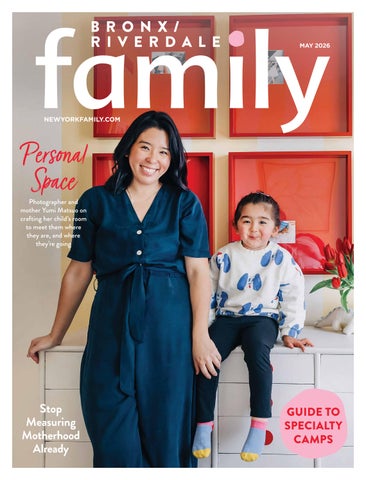
Personal Space
Photographer and mother Yumi Matsuo on crafting her child’s room to meet them where they are, and where they’re going


STORIES & COLUMNS
May in Motion, NY Style
May always feels like a turning point. The days are now warmer (Yay!). We’re leaning more into summer planning, and some of us have big questions about how our kids are growing and what they need next.
This month, we’re looking closely at spaces and finding what works for our family.
We step into a bright story with our May cover with photographer and mother Yumi Matsuo (page 26), who, along with design firm Knock Twice, crafted a room for her daughter that is not fixed in one moment but built to evolve. It is a space that meets her child where she is today and where she is heading next.
If you have a highly sensitive child, turn to page 14 for supportive strategies to better understand them and practical tips
GET IN TOUCH
for handling the tougher moments. We also chatted with an expert about what many parents quietly carry: measuring motherhood against an impossible standard (page 24)?
Summer is SO near, and we share some fun specialty camps and summer programs (page 16) as well as top preschools and Montessori schools (page 22).
For families staying close to the city, we also round up the best zoos near NYC (page 14) and, as always, our calendar of familyfriendly events happening this month. And in honor of American 250, we bring history into the present with a walking tour (page 30) that brings the Revolution to life for families today.
Happy May, and to all who celebrate, Happy Mother’s Day!
Share your feedback and ideas about family life in New York! Email us at editorial@newyorkfamily.com and tag us at #newyorkfamily
PUBLISHER: Clifford Luster
EDITORIAL DIRECTOR: Donna Duarte-Ladd
ASSOCIATE PUBLISHER: Erin Brof
ADVERTISING DIRECTOR: Stacie Goldberg
EDITORIAL LEAD: Jeannine Cintron
DEPUTY EDITOR: Danielle Ramos
EVENTS EDITOR: Shara Levine
ASSOCIATE DIGITAL EDITOR: Soe Kabbabe
EDITORIAL ASSISTANT: Alexa Lutter
PARTNERSHIP MANAGERS: Lauren Alperin, Lauren Anchin, Joan Bergman, Mary Cassidy, Suzanne Cirigliano, Chris Cunnington, Lori Falco, Shelli Goldberg-Peck, LynnMarie Hanley, Lisa Herlihy, Janine Mulé, Nina Spiegelman, Gwen Tomaselli
MARKETING & STRATEGY DIRECTOR: Rosalia Bobé
MARKETING & EVENTS
COORDINATOR: Ashley Rivera
MARKETING ASSISTANT: Lorens Morris
MEDIA SALES ASSISTANT: Ruston Ropac
ART DIRECTOR: Leah Mitch
WEB DEVELOPER: Sylvan Migdal
GRAPHIC DESIGNERS: Arthur Arutyunov, Connie Sulsenti
EDITORIAL CONTRIBUTORS: Jeannine Cintron, Mia Salas
CONTACT INFORMATION
ADVERTISING: (718) 260-4554 Advertising@NewYorkFamily.com
CIRCULATION: (718) 260-8336 Tina@NewYorkFamily.com
ADDRESS: New York Family Media/Schneps Media 15 MetroTech Center, Seventh Floor Brooklyn, NY 11201
PRESIDENT: Victoria Schneps-Yunis
CEO: Joshua Schneps
COO: Clifford Luster
New York Family is the recipient of 7 Parenting Media Awards for 2025, including Gold awards for both Design and Editorial for our monthly print publication.


AWESOME STARTS HERE!


Summer Camp at the Y
Registration is now open for the YMCA Summer Camps at both the Castle Hill YMCA (2 Castle Hill Avenue) and La Central YMCA (434 Westchester Avenue) in the Bronx. At the Y, kids grow bolder, braver, brighter – ready for what’s next. Friends cheer them on, and counselors bring out their best. Adventures spark confidence, and kids discover just how far they can go.
AWESOME STARTS HERE AT Y SUMMER CAMP:
• Every kid finds a summer designed for them.
• Where friends & memories are made every day.
• The Y is a playground for imagination, adventure, and learning new things.
• Our expert counselors help unlock the awesome inside every kid.
The Castle Hill & La Central YMCA branches are hosting open houses from 10 AM – 12 PM on MAY 16.
SIBLING DISCOUNTS AVAILABLE. SESSIONS FILLING UP FAST!


















Tips for Setting Boundaries as Moms
How to say no without guilt
BY SOE KABBABE
Most moms don’t struggle with boundaries because they don’t care enough. They struggle because they care too much. We’re taught, explicitly or subtly, that good mothers are endlessly available. That putting ourselves last is just part of the job— the sweetest yet hardest job, as I like to call it. That saying yes equals love. But love shouldn’t mean losing yourself, right? Right.
Over time, those yeses pile up, and when they’re not aligned with what you actually have the capacity for, they turn into burnout. Setting boundaries as a mom means recognizing that your limits matter, even when they’re inconvenient.
The truth is, mothers aren’t just tired. We are bone tired. The kind of tired that sleep
doesn’t fix. Tired of making every decision, of anticipating everyone’s needs; of being the default: default parent, default planner, default problem-solver. And most of all, we’re tired of how invisible our own needs have become.
What Boundaries Really Are (and Aren’t) & the Power of Saying No
Let’s clear something up.
Boundaries Are:
A way to honor your needs
A form of emotional honesty
A model of self-respect for your kids
A path to more sustainable motherhood
Boundaries Are Not: Punishment Rejection
Lack of love
Failure as a mom
Boundaries don’t make you cold. They make it clear. One of the hardest parts of
boundaries for moms is saying no—especially when you could technically say yes. But “I can” doesn’t always mean “I should.” This is where, if we were to put it in more psychological terms, we need to “reparent” ourselves to practice simple, loving no’s. You don’t need a long explanation. You don’t need to justify your exhaustion. Just be clear on your wants and needs, and be gentle to yourself and to others. When you stop over-explaining, you teach everyone, and yourself, that your needs are valid.
The trick (albeit a tricky one if we’re not used to saying no) is to check in with yourself before you commit. Ask yourself, “Do I actually want to do this”? “Do I have the energy for this today”? “Will saying yes lead to resentment later”? Before you say yes, pause. This moment of mindfulness can change everything. It isn’t selfishness. It’s self-awareness.
Mindfulness for moms doesn’t have to mean meditation or silence. Sometimes it’s
just noticing the tight feeling in your chest when you agree to something you don’t want. Just as in dating or business, that feeling is information.
Setting Boundaries with Your Kids
Many moms worry that boundaries will hurt their children. In reality, boundaries make kids feel safer. They show kids what’s okay and what’s not; how to respect others’ limits, and that adults have needs too. I made the mistake of prioritizing my kids’ wants and requests over mine on an everyday basis, and it’s precisely in those mundane chores where gentle boundaries matter the most!
A calm but firm “I can help you after I finish my coffee” or “I’m not available for play right now, but I will be later,” is a life lesson that both mothers and children need to learn. You’re not ignoring your child’s feelings—you’re holding space for them without abandoning yourself.
Boundaries for moms aren’t walls— they’re bridges. They connect you back to your needs, your body, and your sense of self. In fact, limits make you a better mom! When
you protect your energy, you become more patient and less reactive, and when you feel grounded, your whole family benefits. In a nutshell, it’s self-care that goes beyond bubble baths or quiet mornings. For many moms, it starts with boundaries. You can’t rest if you’re constantly on call. You can’t recharge or, yeah, reassess your thoughts, feelings, and goals, if you’re always available.
The Guilt Will Show Up. Let It Pass Anyway
Guilt often appears when you start setting boundaries. That doesn’t mean you’re doing it wrong. It means you’re doing something new. As moms, what helps is simply reminding yourself that boundaries are healthy (just as you tell your kids broccoli is a magical little tree that makes them grow). Fake it until you make it!
Don’t let that feeling of guilt take you down the burnout route once again. Remember, your kids are watching how you treat yourself—they learn how to set boundaries by watching you set yours.
Small Steps to Start Setting Boundaries Today
You don’t have to overhaul your life overnight, fellow mom. Start small. When you set boundaries, you’re choosing longterm well-being over short-term approval. Make the promise to be true to yourself and your needs and say no to one thing you don’t want to do.
Today, try saying this out loud:
“That doesn’t work for me.”
“I’m going to pass this time.”
“I need rest right now.”
“Can you please unload the dishwasher tonight”?
“Mommy needs ‘alone time’ to recharge.”
“Not right now.”
If these statements still feel too foreign to you, take a five-minute pause before responding to a request. Ask for help instead of pushing through (ask exactly for what YOU need, even if it feels uncomfortable). Take a pause, stay quiet, breathe. Boundaries are built through repetition, not perfection, as with any other good habit you’re trying to build into your routine. You got this!

HUDSON COUNTRY
SUMMER DAY CAMP


7 of the Best Dating Apps for Single Parents
and where to connect IRL, too
BY SOE KABBABE
Dating as a single parent can feel like navigating two full-time jobs at once. Between school pickups, work schedules, and bedtime routines, finding time—and the right people—to date isn’t always easy.
That’s where niche dating apps and platforms come in. Many single moms and dads prefer apps designed specifically for people raising kids. These communities prioritize meaningful relationships, flexible schedules, and people who understand the realities of parenting.
Today there are more dating apps for single parents than ever, including platforms that focus on serious relationships, parenting lifestyles, and even building community among solo parents.
Here’s a guide to the best dating apps for single parents, including platforms built just for parents and niche options that align with different lifestyles, plus where to meet people in real life if swiping isn’t your thing—because it’s never too late to give love another chance!
Dating Apps for Single Parents: Built Specifically with Parents in Mind Stir (stir.com)
Launched by Match Group, Stir is one of the fastest-growing dating apps built specifically for single parents. Because everyone on the app is either a parent or open to dating one— and filters and profile prompts are based on parenting status, family goals, and parenting life—conversations often start from a place of shared understanding.
PlayDate (goplaydate.com)
Created by a single mom, PlayDate focuses on helping parents find meaningful relationships while balancing real-life logistics, like integration with childcare planning tools. The app’s biggest strength is how it reflects real parenting life—schedules, babysitting, and all.

Even (avail Google apps)
Even is a newer dating platform designed specifically for single parents looking for relationships with others in similar life stages. The app emphasizes on compatibility and shared values; thoughtful matching, and a slower, more intentional dating experience
Dating Apps for Single Parents with Specific Lifestyles
Some single parents want to date within a specific lifestyle—whether that’s family goals, career alignment, or parenting philosophy.
Frolo (frolo.com)
Frolo blends single parent community, parenting styles, and dating into one platform. It’s especially helpful for parents who want to build connections before jumping into dating.
heybaby (avail Apple apps)
Heybaby is designed for people who want kids or already have them. Family life isn’t an afterthought—it’s central to the app. Which is why matches are done based on desire for children while featuring prompts about parenting approaches and values.
EliteSingles (elitesingles.com)
EliteSingles caters to professionals, including many single parents balancing jobs and family. Ideal for those parents who are looking for a full-committed, long-term relationship—users are typically over 30 and the algorithm matches based on personality
and career or family goals.
Dating Apps for Single Parents of Special Needs Kids
Special Hearts (facebook.com/ special.hearts)
Special Hearts is one of the only dating apps specifically designed for people with disabilities and parents of children with special needs. It’s inclusive of caregivers and special needs families, while focusing on empathy and understanding. It’s a very niche app, but the highly aligned user base makes it worth it!
Frolo (frolo.com)
Frolo also works well for parents of children with special needs because of its strong community features. For families with special needs kiddos, it builds support systems first while connecting with other parents—this allows them to go slow and transition into dating without rushing.
Skip the Apps: In-Person Meetups for Single Parents in NYC
Not every single parent wants to swipe. In New York City, many moms and dads are skipping dating apps altogether and choosing something that feels more natural: meeting in real life.
From stroller walks in Central Park to casual coffee meetups in Brooklyn, NYC offers a strong network of low-pressure spaces where single parents connect organically— often starting as friendships that move into something more.
Local Parenting Communities That Host Real-Life Meetups
Single Parent Resource CenterMidtown East, (singleparentusa.com) 228 E 45th St, 5th Floor
This long-standing NYC organization offers support services, workshops, and community-building opportunities for single parents. You can find parenting workshops and support groups; occasional in-person gatherings and networking events, and even resources for navigating single parent life in NYC.
Meetup Groups for Single Parents (meetup.com/singleparent)
Meetup is the ultimate place to find local gatherings near you. Regardless of what you’re looking for, there’s always a group waiting for you! Some events for single parents may include Central Park walks; Brooklyn Bridge Park outings; 80s or 90s Dance Nights, weekend brunch groups, and even coffee or tea over Zoom. These options help create repeat interactions— and that’s often where connection builds naturally. It focuses on real conversation and chemistry without the pressure of apps.
FA Qs: Dating apps for single parents
Are dating apps safe for single parents?
They can be as long as you follow these recommendations: don’t share your child’s personal information; keep routines and locations private; use reputable platforms with verified ID profiles, if possible. And take your time before meeting! Never rush a connection, especially if it seems too good to be true.
When should you introduce a partner to your kids?
Wait until the relationship is stable and serious. There’s no need to make it a priority until you fully know someone’s intentions.
If Apps and Meetups Aren’t Your Thing, NYC Is Your Playground… Literally!
Here’s the truth: in New York City, you don’t actually need an app—or even a formal meetup—to meet someone. Between parks, schools, classes, and neighborhood routines, you’re already surrounded by people living
How can single parents protect themselves and their kids while on dating apps?
Meet in public the first few times and make sure to tell a friend about your plans. Be upfront about having children, but never reveal more than necessary (this includes your kiddos’ names, ages, schools, routines, where do you live, etc. Many single parents also prefer to wait to exchange phone numbers or social media channels, too.). And lastly, look for partners who respect your priorities, boundaries, and listen to your instincts—you can never be too careful!
lives that look like yours.
For single parents, that means seeing the same faces regularly; building familiarity over time; forming friendships or connections that can evolve naturally. Sometimes, the best relationships start with something simple—like a conversation at the playground you go to every week.

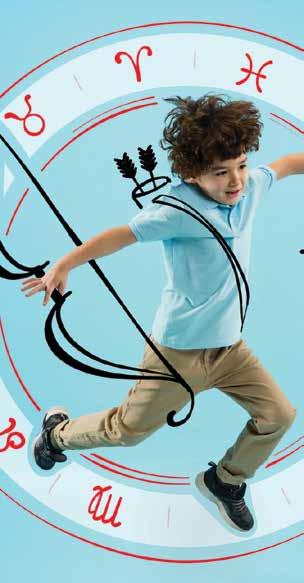
Baby Names Inspired by Astrology
BY SOE KABBABE
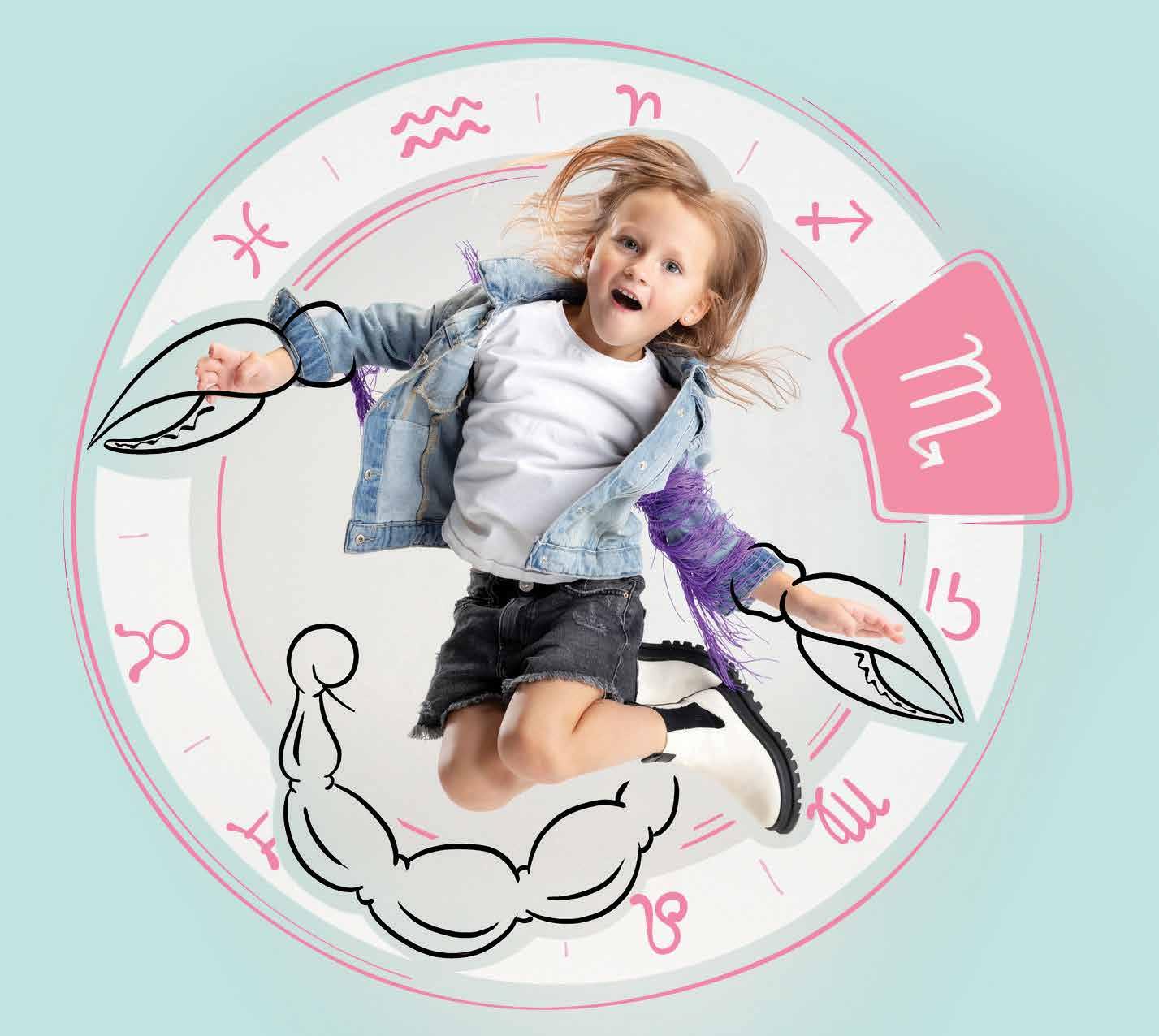
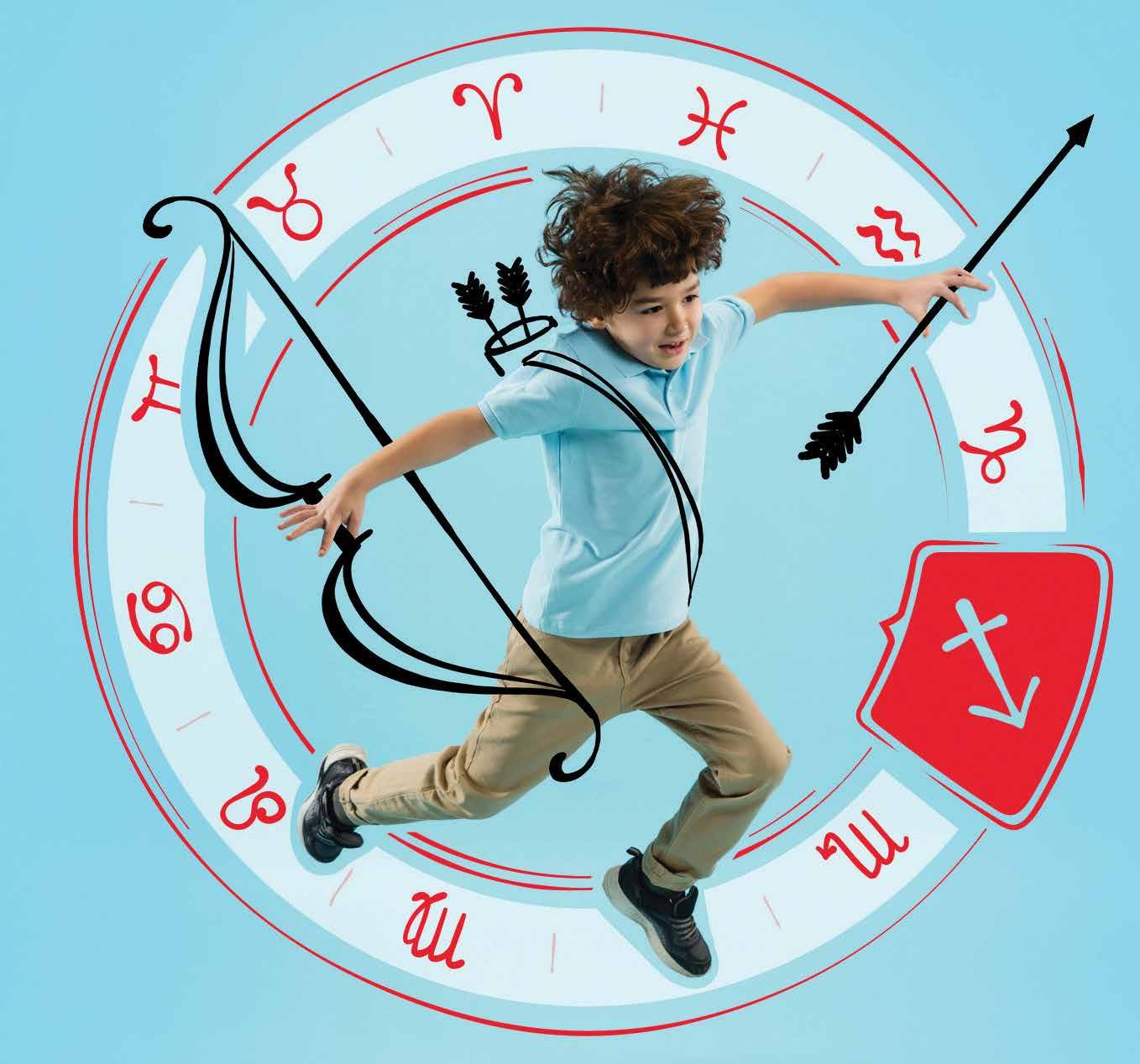
Whether you’re a devoted horoscope reader or simply love the personality clues astrology offers, choosing a zodiac baby name adds a little cosmic magic to your child’s story. From fiery Aries leaders to dreamy Pisces creatives, every sun sign carries distinct traits—and we’ve paired each with names that reflect its energy, symbolism, and celestial roots.
Aries-Inspired Baby Names
People under the sign of Aries are bold, fearless, energetic, and natural leaders. Aries babies are known for their confidence, courage, and trailblazing spirit. They tend to be independent, passionate, and never afraid to take the lead.
• Blaze
• Scarlett
• Phoenix
• Leo
• Ember
Taurus-Inspired Baby Names
Rounded, loyal, sensory-loving, and strong-
willed people. Taurus babies often crave comfort and stability. They’re dependable, affectionate, and deeply connected to beauty, nature, and the senses.
• Flora
• Jasper
• Ivy
• Rowan
• Rose
Gemini-Inspired Baby Names
Curious, social, expressive, and quickwitted—Gemini babies are chatterboxes in the making. They’re bright, adaptable, and naturally communicative, often showing early signs of creativity and curiosity.
• Aria
• Felix
• Luna
• Milo
• Nova
Cancer-Inspired Baby Names
They’re nurturing, intuitive, protective, and emotional. Cancer babies are sensitive souls with big hearts. Deeply attached to family, they often show strong empathy and
imagination from a young age.
• Pearl
• River
• Julian
• Marina
• Noah
Leo-Inspired Baby Names
Confident, creative, magnetic, and warm—
Leo people love the spotlight, and they tend to shine naturally. They’re expressive, dramatic (in the best way), and often command attention with their charm and bold personalities.
• Aurora
• Atlas
• Soleil
• Zara
• Maximus
Virgo-Inspired Baby Names
Virgo babies tend to be observant and quietly intelligent. They often show early independence and a love for routines, as a result, they’re very detail-oriented, analytical, and organized.
• Clara
• Theo
• Eliza
• Felix
• Wren
Libra-Inspired Baby Names
Libra babies thrive on harmony. They’re social, graceful, and often drawn to beauty, art, and fairness. Their personalities are often balanced—very charming, yet diplomatic and tactful.
• Valentina
• Juliet
• Adrian
• Celeste
• Roman
Scorpio-Inspired Baby Names
One of the most determined, passionate, and intense people. Scorpio babies may be quiet observers at first, but they feel everything deeply. They’re strong-willed, magnetic, and fiercely loyal.
• Raven
• Sebastian
• Lilith
• Orion
• Seraphina
Sagittarius-Inspired Baby Names
Adventurous, optimistic, independent, and philosophical—that’s Saggy in a nutshell! Sagittarius babies are explorers at heart. Curious and spirited, they often grow into big thinkers and free spirits.
• Atlas
• Skye
• Sage
• Archer
• Juno
Capricorn-Inspired Baby Names
Capricorn babies can seem wise beyond their years. They’re determined, practical, and quietly driven. Ambitious, responsible, mature, and steady, Cappy kiddos are the epitome of old souls in a kid’s body!
• August
• Eleanor
• Everett
• Margot
• Holden
Aquarius-Inspired Baby Names
Aquarius babies are original thinkers and tend to be innovative, independent, visionary, and unique in their ideas and way of living. They often grow into creative, humanitarianminded individuals who march to their own beat.
• Indigo
• Jasper
• Lyra
• Atlas
• Winter
Pisces-Inspired Baby Names
Pisces babies are imaginative and emotionally aware. They’re often creative spirits with strong empathy and gentle personalities. A mix of compassionate, artistic, and intuitive traits—unlike Cancer, who’s very emotional; Pisces is more about the inner mind, the potential or idea of, and dreams.
• Ocean
• Iris
• Caspian
• Willow
• Aurora
High Quality Subsidized Child Care
www.marcafc.org
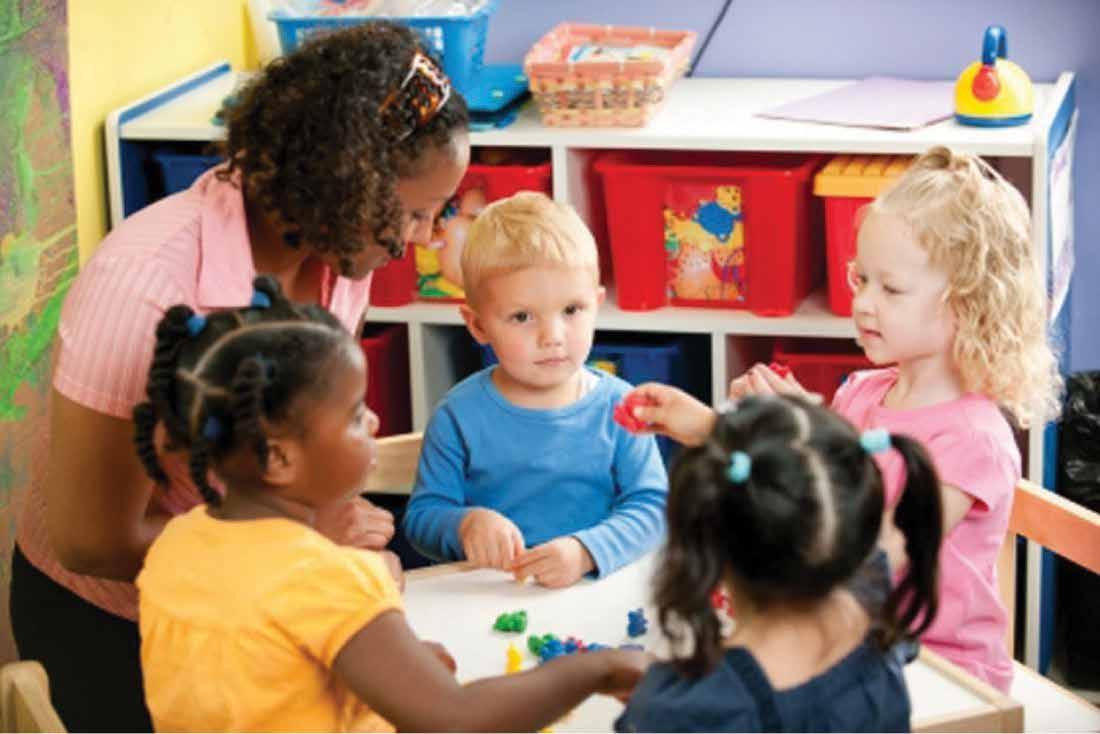
2 Months to 4 Years of Age
Child Care Services (2 months – 4 years old) Developmental Assessments
Qualified Teachers
Research-Based Curriculum
3K + Pre-K for All
Child and Family Support Services
Nutritious Meals
Open from 8 am to 6 pm
Locations for Center Based Services for 3 and 4 year olds: Main
Address: 55 E 175th St, 1st Floor, Bronx, New York 10453
Telephone: 718-562-3410
Other location: 2863 Webster Avenue, 2nd Floor, Bronx, NY 10458
Telephone: 718-562-6080
Family Child Care Network Provider services for children 2 months to 3 years: Approved, qualified and well-experienced
Think You’re Too Young for Menopause?
BY DANIELLE RAMOS
Afew years ago, I went with a friend to the pharmacy after we dropped off our middle schoolers. Staring at the pregnancy tests, I could feel her nerves. At age 42, she hadn’t been pregnant in more than a decade and thought her days of raising babies were over for good, but not having had a period in eight weeks could only mean one thing. The test was negative, so she bought another a few days later, which was also negative. Then a trip to her doctor brought her news she simply was not ready to hear.
“ ‘You may be menopausal.’ That’s what my doctor told me, and I thought she was surely joking,” she told me later that week. “I’m young. My period has always been like clockwork, and I feel fine.”
My friend’s doctor was right, and her period never returned. To make things more confusing, one of the moms in our circle was unexpectedly pregnant at 46. We all spent a lot of time outside the school that year talking about how entirely strange fertility can be, and how just when you think you know what to expect from your body, you can easily get a surprise in more ways than one.
Average Age of Menopause
According to the American College of Obstetricians and Gynecologists (ACOG), the average age in the United States is 51, but menopause can occur between 40 and 60. It happens when your ovaries stop making estrogen, your periods stop, and your body moves out of its reproductive years. When this happens between 40 and 45, it’s considered early menopause, and before age 40, it’s known as premature menopause.
According to Yale Medicine, approxiamtely 5% of women experience early menopause, and about 1% of women go through premature menopause, which can happen in their 30s and in some rare cases, even earlier.
“There are certain genetic reasons and autoimmune conditions that can lead to early or premature menopause, but sometimes we never really quite know why it happens,” says









Causes of Early and Premature Menopause
Possible causes include
• Autoimmune disease
• Chemotherapy treatment
• Hysterectomy (which sends a woman into instant menopause)
• Smoking
• Genetic component
• History in the family
There isn’t a single test that definitively diagnoses menopause. Instead, doctors officially diagnose it after you’ve gone 12 straight months without a period. The stretch of time leading up to that point, when symptoms start popping up and cycles become unpredictable, is called perimenopause. It can last a few months or stretch out for years, with most people spending about four years in this transition.
Still, it’s a good idea to have certain hormones tested at your annual visit. The Mayo Clinic recommends that women test folliclestimulating hormone, estrogen, and thyroidstimulating hormone. Follicle-stimulating hormone levels increase and estradiol levels decrease as menopause occurs, while an underactive thyroid (hypothyroidism) can cause similar symptoms.
Signs and Symptoms
Signs and symptoms that you may be headed





toward menopause include:
• Irregular periods (very heavy, longer, or shorter than usual)
• Vaginal dryness
• Hot flashes
• Night sweats
• Sleep problems
• Mood changes
• Stubborn weight gain
The vast majority of women report symptoms, and up to 70 percent of women experience hot flashes for years, but there are those who do not. Some women experience no symptoms other than the absence of a monthly period. Others can have unusual symptoms like urgent and painful urination, brain fog, shoulder pain, bone and muscle aches, and dry skin.
“I felt fine throughout,” my friend recently told me. She has not had a period in three years and is considered post-menopausal now. “Once I knew I wasn’t pregnant and got over the shock of what was happening, I was actually relieved. I didn’t have any debilitating symptoms, and I honestly don’t miss my period at all!”
If your periods are changing or you’re noticing symptoms that could point to menopause, look for a gynecologist who specializes in hormone testing and menopause care, bring a list of questions, and get clear answers. You’ll feel so much better knowing what’s actually going on instead of wondering.
Hugh Taylor, MD, chair of Yale Medicine Obstetrics, Gynecology & Reproductive Sciences.

















ALL LEARNERS WHERE THEY ARE
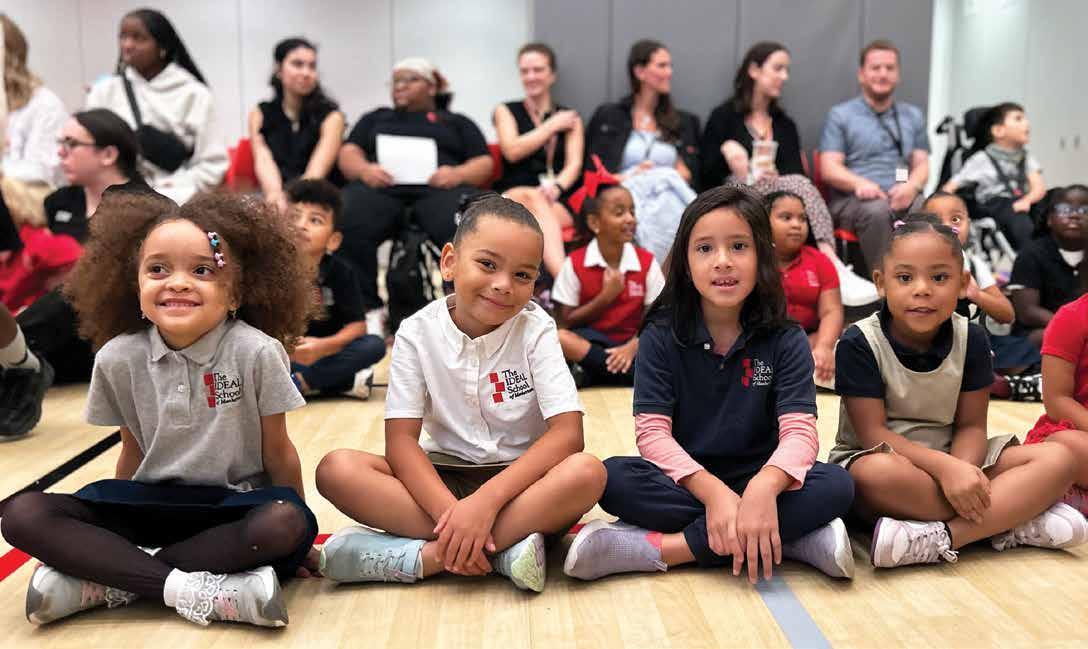
Join The IDEAL School of Manhattan for a monthly virtual open house, our October 2026 in-person open house, or schedule a personal tour to learn about our inclusive mission, diverse and nurturing environment, and generous financial assistance packages. IDEAL’s mission is built on inclusion, diversity, and acceptance, and our student body reflects the diversity of New York City in all ways, including ability and socioeconomic status.

Parenting Strategies for Highly Sensitive Children
BY SOE KABBABE
If your child cries at loud birthday parties, melts down after school, notices every subtle shift in your mood, or asks big questions that seem far beyond their years, you may be parenting a highly sensitive child. If you are, you’ve likely heard that “they’ll toughen up” at some point. But here’s what many parents quietly discover: highly sensitive children don’t need to toughen up. They need to be understood.
In general, children are thought to have a more sensitive nervous system. That sensitivity isn’t a flaw; it’s a temperament trait. These kids often feel deeply, think deeply, and process the world in a richly layered way. The challenge is that their nervous systems can become overwhelmed more easily.
Parenting highly sensitive children requires patience. It’s less about fixing behavior and more about building regulation skills— gently, consistently, and with respect for how their brains are wired.
Before diving into strategies, it helps to clarify what high sensitivity is and what it isn’t. A highly sensitive child may:
• Be deeply empathetic and emotionally intuitive
• React strongly to loud sounds, scratchy clothing, or crowded spaces like airports or public events
• Need extra time to warm up in new environments
• Feel hurt by criticism more intensely than peers
• Struggle after long school days due to sensory overload
• Notice subtle details others miss, especially when it comes to emotional reactions or mannerisms
This isn’t the same as anxiety, though the two can overlap. Highly sensitive children have nervous systems that process things and feelings more thoroughly. That depth is often a gift, but it requires skillful support. The goal, as parents, isn’t to eliminate sensitivity from their personality. It’s to teach your child how to live comfortably inside it.
Strategies to Help Highly Sensitive Children Build Resilience
Validate First, Problem-Solve Second . When your child is overwhelmed, your instinct may be to reason with them. But logic doesn’t land when the nervous system is overwhelmed. So, start with validation: “That was really loud in there;” “It makes sense that your feelings got
hurt”; “You had a big day. Your body looks tired.” Perhaps my personal favorite, and one that I use often with my daughter: “It’s okay; you are just tired and overstimulated”.
Validation doesn’t mean you agree with every reaction. It means you acknowledge the experience. Once your child feels understood, their nervous system begins to settle, and then problem-solving becomes possible.
Create Predictable Transitions for Highly Sensitive Children . Highly sensitive children struggle most with sudden shifts like leaving the house, ending screen time, walking into a new classroom, or meeting new people. Transitions may be hard for them, so the best approach would be to build some predictability: give 10-minute and 5-minute warnings; use visual schedules for younger kids (we have a fridge calendar and a household chore list, so my kids are aware of what needs to be done), or rely on small rituals, like a goodbye hug routine or quick breathwork when you wait for the school bus.
Build a “Decompression Ritual” After School
Many sensitive children appear “fine” all day and then unravel at home. This isn’t manipulation, it’s a nervous system release in their safest space. Instead of jumping straight into homework or questions, offer decompression—quiet time alone in their room; a snack in silence; a bath or shower; reading under a blanket or time with headphones and calming music.
Think of it as an emotional pressure
release. The more regulated they feel at home, the more resilient they become outside it.
Teach Emotional Vocabulary Early. Highly sensitive children feel deeply but may not yet have the language to describe what’s happening internally. Help them build it!
“That sounds like disappointment;” “is that frustration or embarrassment?”; “does your body feel buzzy or heavy right now?.”
When children can name feelings, they are less controlled by them. Emotional literacy is one of the most protective skills you can offer. This can also apply to parents, but that’s a topic for another time!
Model Regulation Yourself. This may be the hardest one. Highly sensitive children are exquisitely attuned to parental tone, facial expression, and stress levels. They often absorb your emotional state before you speak. As a parent, I can assure you it’s been one of the hardest lessons motherhood has taught me, and perhaps one I haven’t mastered yet, but as with everything kids-related, we learn as we go.
When you say, “I’m feeling frustrated, so I’m going to take a few breaths,” you normalize regulation. When you apologize for snapping, you teach repair. Cliche but leading by example is the way to start!
Body-Based Regulation Tools . Coping skills should be practiced when your child is calm, not only during meltdowns. Just as moms need sensory techniques to calm their nervous system, kiddos do so as well. Teach them to slow breath—my daughter and I have this “game” that helps her regulate her emotions: “smell the flowers” and “blow the birthday candle” (as in, inhale and exhale for several times). You can also give them a small sensory object (smooth stone, fidget, soft fabric). Anything to help them stop and focus.
When to Seek Expert Support for Highly Sensitive Children
High sensitivity is not a diagnosis. However, there are times when additional support is important. Sometimes a few sessions focused on coping skills can make an enormous difference. Consider consulting a pediatrician,
Clowns • Characters Face Painting • Balloon Art • Magic Games • Cotton Candy • Popcorn
Paint Nites for Adults & Kids too!
Party Room available for Birthday & Baby Shower Celebrations! Call (917) 579-0867 to book your party today! /ConfettiPartyPlace /ConfettiPartyPlace 3190 Westchester Avenue, Bronx, New York 10461

child psychologist, or therapist if your child:
• Avoids school consistently due to distress
• Experiences panic attacks or severe anxiety
• Has persistent sleep disturbances
• Struggles to maintain friendships
• Shows signs of depression (withdrawal, hopelessness, loss of interest)
• Has frequent meltdowns that interfere significantly with daily life
Parenting a highly sensitive child can feel intense in the early years. You may worry whether the world will be too harsh, too loud, too fast. But many sensitive children grow into deeply compassionate adults. They become thoughtful leaders, creative thinkers, loyal friends, and intuitive partners.
Your role is not to toughen them. It’s to help them understand their wiring and build tools to navigate it. That means patience on hard days or boundaries when needed. Remember, you’re not raising a fragile child, but a perceptive one, and with the right support, that perception can become one of their greatest gifts!




SPECIALTY CAMPS & SUMMER PROGRAMS
Summer is near, and you may still be figuring out camp, which is why a speciality camp is a great consideration. How these camps work is they are crafted around what your kid is into, such as sports, STEM, arts, creativity, movement, and everything in between. Specialty camps give them space to build confidence, and connect with kids who are on their wavelength. Campers get all the summer essentials like structure and new friendships, but with way more purpose. Less one-size-fits-all, more “this feels like me.”
We’ve rounded up a list of these camps and standout summer programs that are worth a look. Because the best summers are about being meaningful and fun!

Camp Level Up
48 Pocono Springs Way, East Stroudsburg, PA 18302 570-218-8166, gamer@camplevelup.com camplevelup.com
Camp Level Up is a 1-week sleepaway camp experience for campers entering 4th to 12th grade who want to improve on their gaming skills, all while enjoying the traditional camp activities that a sleepaway camp facility can offer. Located and powered by the team at Pocono Springs - a premiere private sleepaway camp in the Poconos (75 miles from NYC), Camp Level Up offers a hybrid program of esports gameplay and traditional camp activities. Campers spend 70% of their day participating in competitive gaming and the other 30% immersed in an assortment of traditional camp activities including adventure ropes course, arts and aquatics/ lakefront. Campers of all gaming skill levels are welcome!
The Artful Attic
3100 Wilkinson Avenue, Bronx, NY 10461
718-822-0216
TheArtfulAttic.com
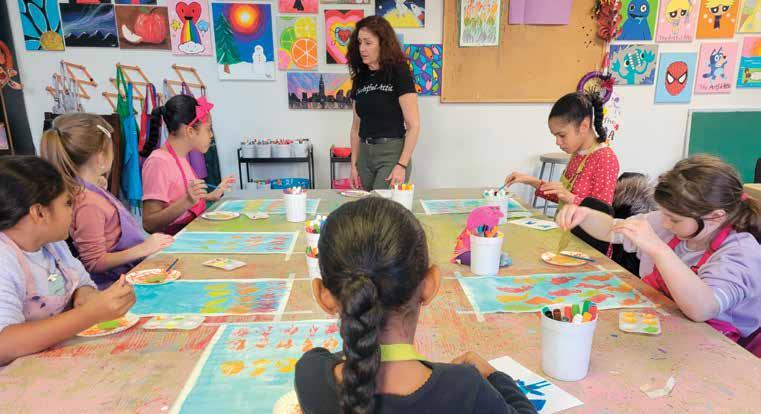
Summer Art Classes run weekly the entire summer long at The Artful Attic! Join Mrs. Ryan and her team for Arts & Crafts, Drawing and Art-Themed Fun. Attend weekly classes, specialized paint events, tie-dye days or slime days: the fun starts here! Experience a warm, welcoming space where creativity thrives for all young artists. They also host the greatest birthday parties at their Bronx location or at your venue. They do everything from the setup and décor to the food, drinks and cleanup, all the partygoers, including mom & dad, attend the party instead of doing all the work! Come for a single drop-in class, register for the entire summer session, special gathering or private event. The Artful Attic celebrates creativity. Facebook: Facebook.com/theartfulattic Instagram: Instagram.com/the.artful.attic TikTok: TikTok.com/@the.artful.attic
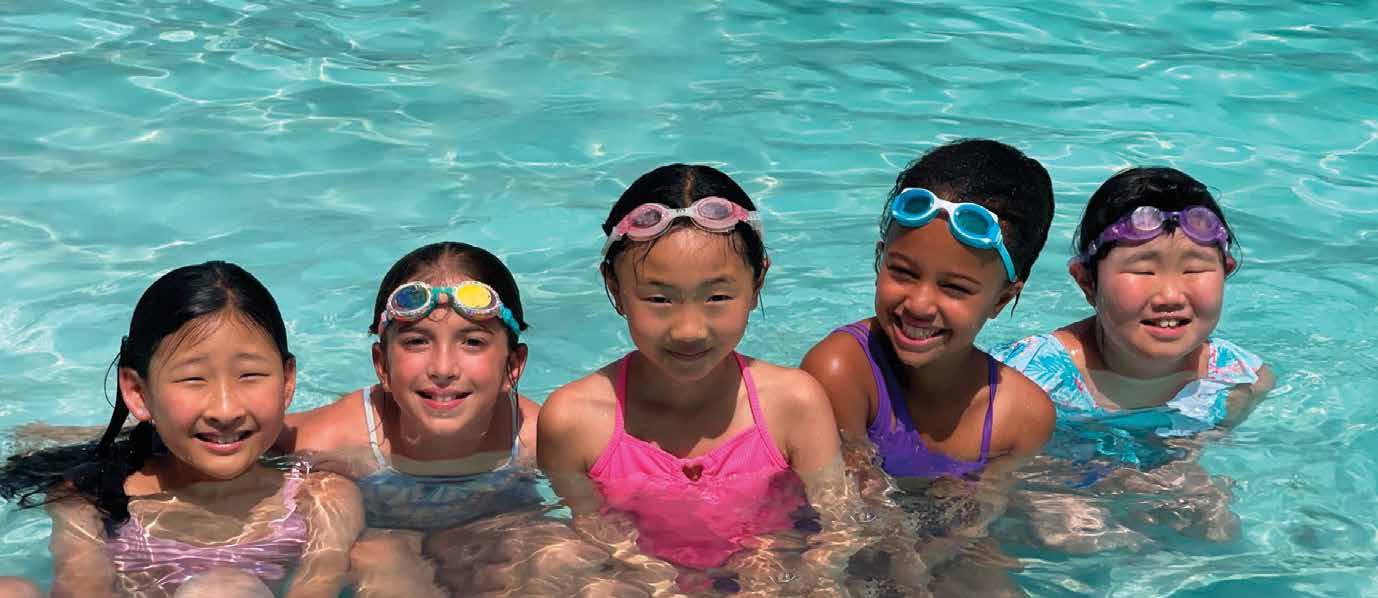
YMCA of Greater New York Summer Day Camps 20+ Locations Across All 5 Boroughs in NYC 212-630-9720, rho@ymcanyc.org ymcanyc.org/camp
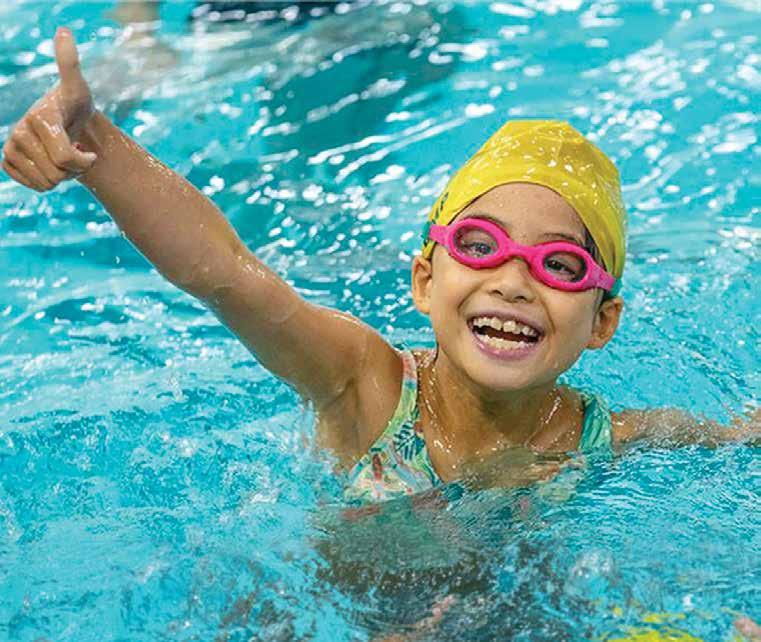
Awesome starts here at Y Summer Camp! Every kid finds a summer designed for them, and friends and memories are made every day. The Y is a playground for imagination, adventure, and learning new things. The Y’s expert counselors help unlock the awesome inside every kid. Sessions are filling up fast! Register today!



















Best Zoos Near NYC for Families
BY DANIELLE RAMOS
Spend a day with your family discovering zoos throughout New York City, Long Island, Westchester, Orange County, and Fairfield. These destinations offer a chance to see a wide range of exotic and native animals, and are perfect for little (and big) animal lovers. There is nothing quite like being close to animals and watching them in person. Many locations also offer interactive experiences like animal feedings, touch tanks, and children’s areas, perfect for a fun, hands-on day with the kids.
Whether you’re staying local or turning it into a mini day trip, these zoos make for the kind of outing everyone can get excited about!
Best Zoos in Manhattan Central Park Zoo
64th Street and Fifth Avenue, Central Park (212) 439-6500
Closest subway stops: N, R, W at 5th Avenue59th Street station
Stop by the iconic Central Park Zoo to see its famous sea lions, visit the grizzly bears or the snow leopards, and be amazed by several types of penguins. The zoo also hosts community events, has a Children’s Zoo perfect for little ones, and offers programming that is sure to get kids excited about animals, nature, and protecting both.
Best Zoos in the Bronx Bronx Zoo
2300 Southern Blvd, Bronx (718) 220-5100
Closest subway stops: 2 and 5 – Bronx Park East station
Recommended ages: All ages
The Bronx Zoo is the Wildlife Conservation Society’s flagship zoo. Explore more than 265 acres and meet more than 8,000 animals, including gorillas in the Congo Gorilla Forest exhibit, lions and tigers, giraffes, the animals of North America, and so many more. The Bug Carousel, nature trek, and up-close-and-personal Wild
Encounters are open, too, which will help you and the kids maximize your day at this famous zoo.
Best Zoos in Brooklyn
Prospect Park Zoo
450 Flatbush Ave., Prospect Heights (718) 399-7339
Closest subway stops: B, Q, S – Prospect Park station
Recommended ages: All ages
Some of Prospect Park Zoo’s coolest animal inhabitants include sea lions, dingoes, emus, and the fluffy Pallas Cat. Take a winding walk along the Discovery Trail to visit red pandas and tufted deer, or visit the zoo’s smallest species in the Hall of Animals. The zoo’s barn and garden are the perfect places for little ones to explore, too!
Best Zoos in Queens
Alley Pond Environmental Center
229-10 Northern Blvd, Queens (718) 229-4000
Closest bus stop: Q 12: Northern Blvd/Morgan St; Douglaston Station on the Long Island Rail Road (LIRR)
Alley Pond is dedicated to educating kids (and parents!) about animals, open spaces, and waterbodies, and to protecting and preserving nature. Some of the Animal Ambassadors you can visit include rabbits, chinchillas, turtles, snakes, and birds. APEC hosts a variety of programming for kids, including the Summer SENSES science exploration program and other summer camp sessions, holiday-themed weekend programming, and the Vet Tech 101 program. And, you can always explore the center’s beautiful trails, too.
Queens Zoo
53-51 111th St, Corona (718) 271-1500
Closest subway stops: 7: 111th St
If you’re looking for a family-friendly zoo in New York, the Queens Zoo is such a lovely place to spend the day because it’s full of friendly animals, walking trails, and peaceful spots to explore at your own pace. Besides being home to a wide variety of wildlife— from alligators, to mountain lions, to Andean bears—that visitors can view at their leisure, the zoo also offers a walk-through aviary, an animal trail, and several very cool domestic animals such as Flemish great rabbits and Texas longhorns! Several educational programs are available for kids, including wildlife school, professional development programs, and school break programs. Visit the zoo’s website to learn more.
Best Zoos in Staten Island Staten Island Zoo
614 Broadway, Staten Island (718) 442-3101
The Staten Island Zoo has everything kids could want in a zoo, including a children’s center, horse barn, the Honey Bee Apiary, an exhibit that showcases cuddly otters, a reptile wing, and several dinosaur sculptures!
Best Zoos in Long Island Suffolk County Farm and Education Center
350 Yaphank Ave, Yaphank (631) 852-4600
Suffolk County Farm is open every day, weather permitting. The kids can meet countless farm animals, including horses, sheep, and cows, and can participate in programming such as winter wildlife clinics and winter adventures. Follow the farm’s Facebook and Instagram pages for updates on the animals.
Long Island Game Farm Wildlife and Children’s Zoo
489 Chapman Blvd, Manorville (631) 878-6644
The Long Island Game Farm is home to zebras, giraffes, alpacas, donkeys, wild mustangs, African serval cats, emus, wallabies, lemurs, alligators, foxes, and more!
Best Zoos in Westchester County Muscoot Farm
51 Route 100, Katonah (914) 864-7286
Muscoot has more than 50 animals to visit, including donkeys, cows, horses, goats,
chickens, and turkeys, and several historic buildings that make it a quaint and familyfriendly place to explore. There are more than six miles of trails to hike with the kids, several programs for kids in the summer and winter, and awesome maple sugaring events happening safely and soon.
The Wolf Conservation Center 7 Buck Run, South Salem (914) 763-2373
The Wolf Conservation Center is committed to protecting, celebrating, and educating people about wolves. Ambassador Wolves Silas and Nikai teach people not to fear wolves; beyond the Ambassadors, guests can visit red wolves and Mexican gray wolves. Special programming includes a summer wolf camp for kids, the Sleeping with Wolves overnight program, and several virtual opportunities to meet the wolves.
Best Zoos in Orange County
Hudson Highlands Nature Museum
Outdoor Discovery Center: 120 Muser Drive (across from 174 Angola Road), Cornwall (845) 534-5506
Wildlife Education Center: 25 Boulevard, Cornwall-on-Hudson (845) 534-7781
The Hudson Highlands Nature Museum’s mission is to help kids become responsible caretakers of the natural world through educational programming, several places to play, and miles of hiking trails. Visit the Grasshopper Grove in the spring, summer, and fall, explore the expansive grounds, or download a trail map and hike one of the two stroller-
accessible trails or into Black Rock Forest. Maple sugaring events are also happening this spring—visit the website for details.
Best Zoos in Fairfield County, CT Connecticut’s Beardsley Zoo 1875 Noble Ave, Bridgeport (203) 394-6565
Located just outside NYC, Beardsley Zoo is the perfect choice for a short zoo visit, full of rare animals and easy to reach. Many exotic and fantastic animals call the Beardsley Zoo home. From rare Amur leopards and tigers to maned and Mexican wolves, your kids are sure to find an animal they’ll fall in love with.
The zoo also offers Zoo Patrol programming for kids, plenty of virtual educational events, birthday parties, and scavenger hunts. Keep an eye out for the peacocks who roam freely around the zoo grounds!
Zoo Live Streams
Bring the zoo to you with these experiences!
Wildlife Conservation Society
The Bronx Zoo, New York Aquarium, Central Park Zoo, Queens Zoo, and Prospect Park Zoo are sharing animal content like videos, virtual learning, and Instagram stories, featuring animals to bring the zoo to you. Visit this page to stay updated.
Utica Zoo
Uti-kaZoo: Utica Zoo Kid’s Academy—Learn about alligators, crocodiles, Waylon, and more through videos and activities.
Zoo New England
The Kids’ Corner offers videos and fun printouts, games, quizzes, and more
Creativity and Connection in Young Children
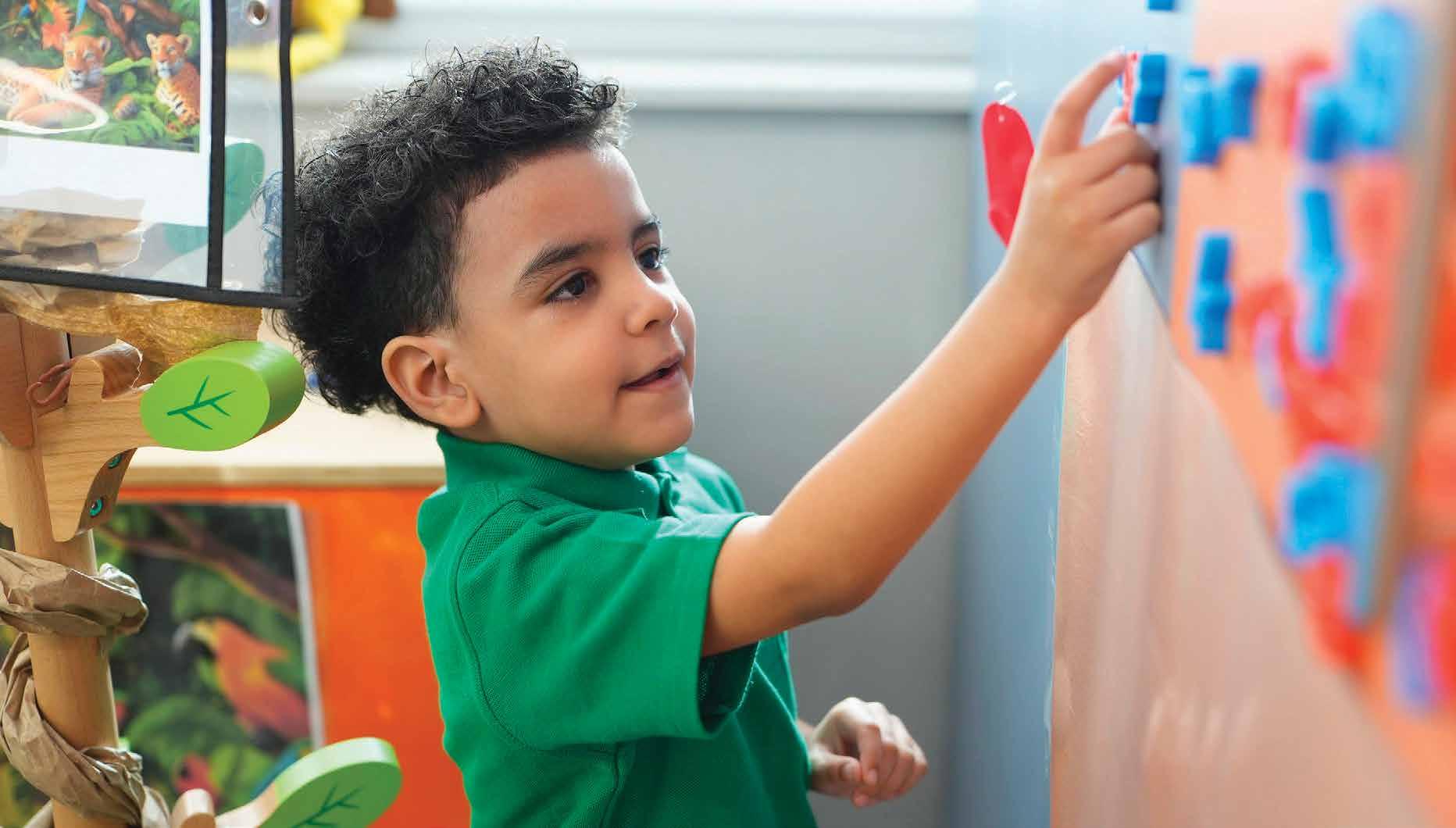
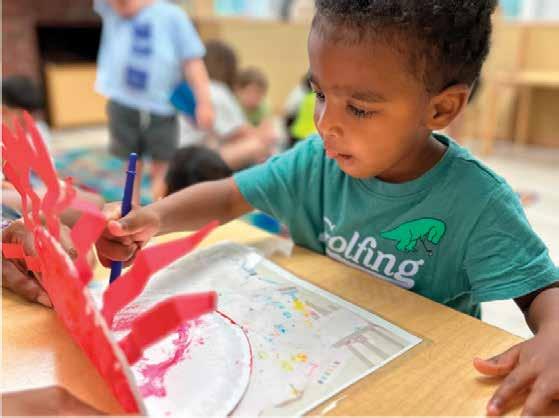
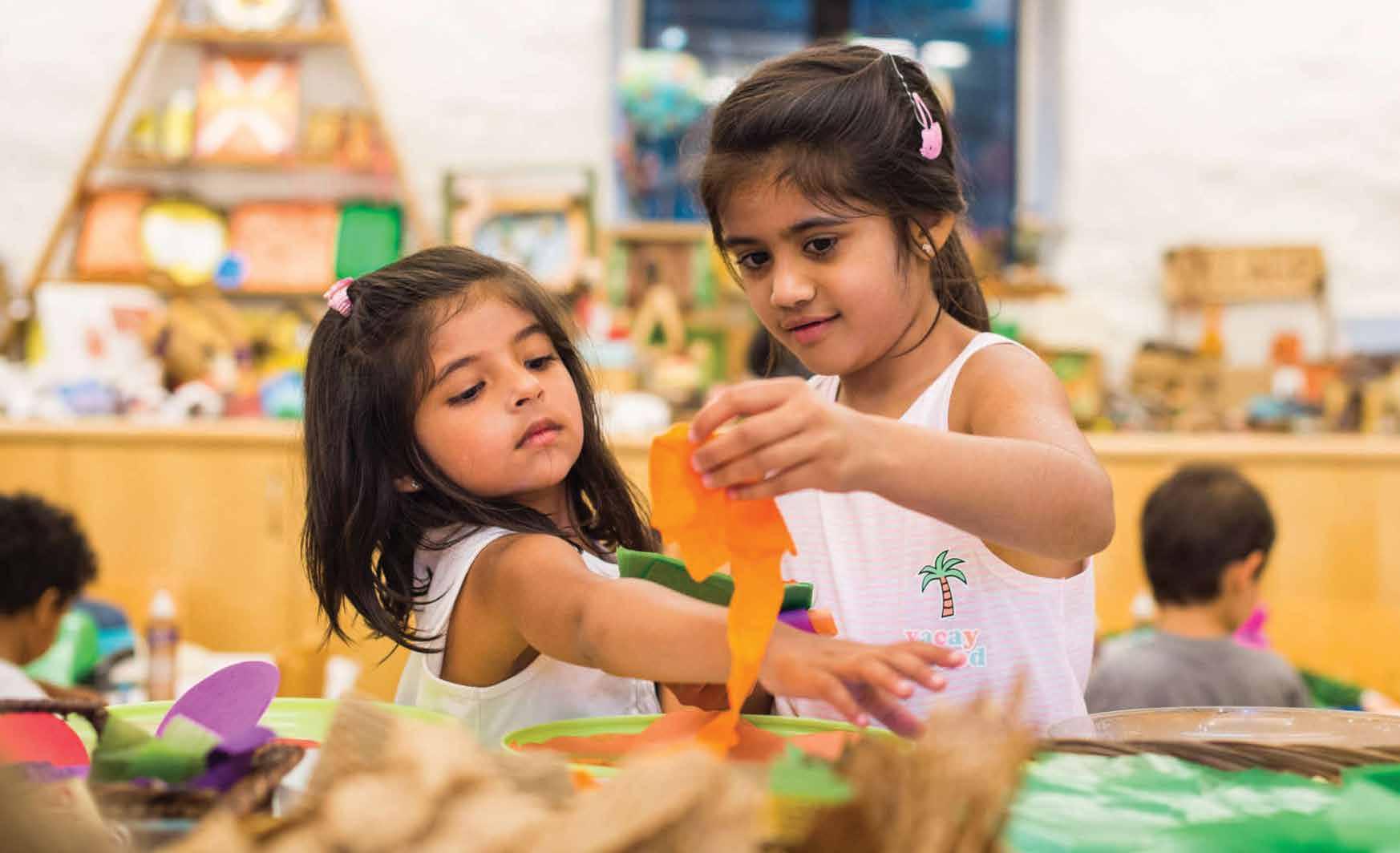
Preschool-aged children love to discover, explore, and play. Preschoolers are also natural artists, so just open a set of markers, crayons, or put some paint on a piece of paper, and they will dive right into the color. At this age, art is not about creating perfection – it is about FUN, CREATIVITY, and CONNECTION.
Creating art with preschool-aged children is one of the most powerful ways to support early development. Parents, teachers, and caregivers can turn everyday moments into meaningful, creative experiences using art. A playful environment, plus simple supplies and materials, fuels positive imagination and confidence.
Art affords preschoolers an open-ended, sensory-rich way to discover and explore the world. Hands-on experiences are how we learn best. Dipping a brush into paint or pressing shapes into clay or play-dough is far more than just drawing a picture or making a sculpture.
Through art children sevelop:
• Fine Motor Skills through grasping, squeezing, tearing, and brushing motions
• Problem-Solving Abilities as they experiment with different supplies and materials
• Emotional Expression by choosing colors and creating their unique artwork
• Language Skills through describing colors and shapes, and telling stories about their art.
• Confidence from making their own choices and seeing THEIR ideas come to life.
As parents and caregivers, you will see how these small creative moments will build big developmental opportunities. Your preschooler will thrive when they are encouraged to explore without pressure or expectations.
You also do not need fancy or expensive supplies to spark your preschooler’s creativity. Simple, tactile materials and supplies help children explore freely. Washable paints, chunky crayons, dot markers, construction paper, glue sticks, kid-safe scissors, play-dough, and large, easy-grip brushes and pencils are just some of the art materials that will spark curiosity and

joy. The key here is accessibility to safe, colorful, easy-to-handle materials. Preschoolers will dive right in and begin!
Celebrate the process over product Celebrate the process of creating the art over the final artwork. Preschool-aged children want to mix colors, explore clay, experiment with the textures of crafts, or just try different layers of art media. Let them do that. Let them go outside the lines. Give them the freedom to explore.
Ask them questions like, “Tell me about what you are making”, “How did you choose that color?” “What happens if you try this?” The conversation will build language skills and will help children feel proud of their creative decisions.
You also do not need a large space to create art. A small, inviting area where your child can create freely is more than enough real estate. A comfortable table with a washable tablecloth, a bin of simple supplies, and an oversized t-shirt or smock can transform any corner into an art room.
Embrace The Mess
Art can be messy. Art can be a little chaotic. Embrace it. Creativity should be a fun process for the preschooler as well as Mom, Dad, or a Caregiver. Participate in the process.
Display the child’s artwork on the fridge, in their room, or even in a family room. Showing their artwork will build their confidence and reinforce their creative juices, helping ensure they continue to flow well past
their preschool years.
Keep your child’s art supplies within reach so they can create art independently when they are feeling creative. You should also rotate your art supplies and materials to keep your options open and your supplies fresh.
Join the Creative Community
Preschoolers don’t just make art - they make memories and connections with fun and creativity. With a little guidance and a lot of encouragement, parents and caretakers can help those early sparks of creativity grow into a lifelong love of the arts.
Ultimately, you can join a creative community to foster a child’s imagination. Attend a preschool art class or even start your own creative community. Ask your local art studio for some advice. At the Bronx, New Yorkbased art studio The Artful Attic, we embrace toddlers’, preschoolers’, and school-aged children’s love of Art. We are constantly giving advice to parents of preschoolers to support their artistic journey. Our art instructors have a knack for breaking down techniques into simple steps while allowing the child to explore their own art.
You can also bounce artsy ideas off other parents – create your own community! Bring some art to the park or coordinate a meet-up with some of your child’s friends at your home or the library. Explore the artsy options!
For more information on preschool art supplies and materials or for some preschool project ideas, visit TheArtfulAttic.com/preschool.php.

















TOP
Preschools & Montessori Schools
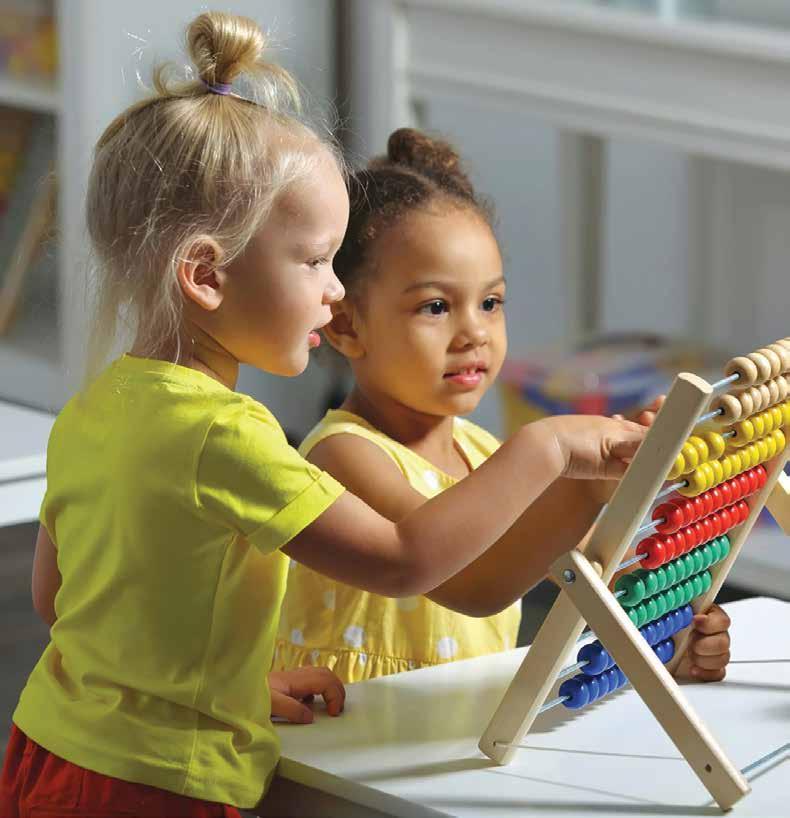
Thinking about preschool? It’s a big move, and a really good one. For your little one, it’s the start of something exciting. For you… it’s maybe your first hot coffee in peace. From play-based programs to Montessori classrooms, New York preschools are full of energy, curiosity, and those magical “firsts.” These early years are about more than the ABCs, they also learn to socialize, share more while building confidence, strengthen their motor skills, and get comfortable in a structured, joyful environment. Think of it as their launchpad: one small, proud moment at a time. We’ve rounded up some of the top preschools and Montessori programs to help you find the right fit, for them and for you.
MARC Academy & Family Center
South Campus: 55 East 175th St., Mount Hope 718-562-3410
North Campus: 2863 Webster Ave., Bedford Park 718-562-6080
marcafc.org
“Only the educated are free” embodies what MARC Academy’s mission is: to provide underserved children and their families with the opportunity to develop their social, creative, and academic skills to become lifelong learners, free to make informed decisions in their lives. This is promoted through purposeful experiences; children make sense of their world through observation and experimentation. Serving children 2 months to 4 years old, MARC offers developmental assessments, qualified teachers, researchbased curriculum, 3K and 4K programs, a social worker, and family support services, and nutritious meals every day.

Schools
Serving Pre-K, elementary, and middle school students in Tremont Park, Mount Eden, the South Bronx, and Inwood 716-226-0192
zetaschools.org
Zeta Charter Schools offers a free, world-class education centered on the whole child. Its play-based Pre-K program inspires learning, sparks creativity, and builds social skills, while music, art, yoga, and theater classes nurture children’s passions. Each classroom is led by two dedicated teachers, students benefit from personalized learning that helps them grow. As the largest Pre-K provider in NYC, Zeta’s program lays a strong foundation in reading, thinking, and executive functioning through fun and engaging lessons tailored to young learners. Apply for the 2026–27 school year today.
Zeta Charter









How to Stop MEASURING Your MOTHERHOOD
In achievement-driven communities, parenting can feel like a performance. An expert explains the cost of constant comparison
BY DONNA DUARTE-LADD
There’s this pressure that many moms, at least the moms I know, feel the moment they start spending time in the outside world, especially in high-achievement cities like New York. It’s that subtle but constant question humming in the background: Am I a good mother?
It shows up early. The baby who cries more than the others. The feeling that your child is that baby on the plane. Or your little one is having their third meltdown, while it seems like every other child is chilling and sharing snacks and taking turns, as if no other kid has ever had a tantrum before. There is nothing wrong with any of this, but there can be a pull that comes with it. Then the pressure grows legs. Schedules fill up. Playdates become social currency. There are activities and milestones to meet, and the list starts to feel endless, and all this is being shared on WhatsApp after you have finished your long day.
If you are spiraling under that “Good Mother” pressure and invisible standards, you are not alone. I have been there and still have to catch myself when I am focusing on not being organized enough, not calm enough, or on how well my child behavesand adjusts. Because somewhere along the way, motherhood may quietly shift from being a relationship to being something that feels evaluated, and that is something we need to just say “I’m going to pass” on this pressure. So, how can we get back to not measuring ourselves and giving ourselves grace? We spoke with psychologist and executive coach Dr. Anne Welsh, author of the upcoming book Ambitious Mother, who says this quiet sense of being constantly measured is something she hears from mothers all the time.
-We, moms, raise our kids in a great city bit it is also a pretty high-achievement, at the park, education, how does this environment shape moms’ expectations of themselves?
It often leads mothers to believe they have to do and be everything, all at once. High-achievement environments tend to amplify perfectionism, not because moms are unrealistic or ungrateful, but because the bar feels impossibly high and constantly moving.
I see this show up with clients who are doing an extraordinary amount, deeply engaged, thoughtful parents, yet who feel like they’re failing because someone else’s version of motherhood looks more polished, more resourced, or more impressive. When other families appear to be doing more, spending more, or optimizing every aspect of their child’s life, it can quietly erode a mother’s confidence, even when she’s doing the most important things well.
What’s painful is that what looks like “not enough” from the inside is often more than enough in reality. But it’s very hard to hold onto that perspective when you’re immersed in a culture that equates good parenting with relentless investment and visible achievement.
-Why do so many of us moms feel that sinking feeling that we are failing when we are exhausted and are doing our best?
Because modern motherhood has become a no-win situation. Expectations have escalated dramatically, and they’re often contradictory. Mothers are expected to be endlessly present, emotionally regulated, and attuned, while also being ambitious, productive, and self-actualized, often with very little support.
Parenting is also one of the most judgment-filled spaces many women will ever inhabit. No matter what choices you make,
how you feed your baby, how your child sleeps, whether you work, how much you work, what school your child attends, there’s almost always criticism waiting on the other side. You’re told to push your child, but not too much. To protect them from stress, but also prepare them for a competitive world.
I often say to clients: You’re not failing. You’re navigating an impossible set of expectations. When you’re constantly trying to thread an impossibly thin needle, feeling like you’re failing isn’t a personal flaw, it’s a predictable outcome.
-How can one know when their parenting has turned into unhealthy perfectionism or burnout?
One of the clearest signals is when a child’s behavior or success starts to feel like a verdict on a mother’s worth. When a parent’s happiness feels contingent on how well a child is doing, or when kids start to feel like a project to manage rather than a person to know, that’s a heavy burden for both sides.
Healthy involvement is responsive and attuned. Unhealthy perfectionism often shows up as rigid thinking: It has to be this way or everything falls apart. It’s driven by fear, fear of making mistakes, fear of being judged, fear of failing your child. I see this when moms feel intense shame over very normal parenting moments, like losing their patience, which then makes it harder to repair and reconnect.
Burnout can be quieter but just as important to notice. Chronic exhaustion, cynicism, emotional numbness, or a sense that nothing you do really matters anymore are all red flags. Many mothers tell me they think they should be enjoying their kids more, but can’t access that feeling. That’s not a parenting problem, it’s a depletion problem.
-What does “good enough parenting” realistically look like, especially for New York moms?
At its core, good enough parenting looks the same everywhere: being responsive, attuned, and willing to see the child in front of you for who they are. It’s about helping children get their needs met, not shaping
them into who you think they should be, or who the environment seems to reward most.
What’s harder in high-achievement cultures is holding onto that clarity when the noise is loud. I work with parents who make very intentional choices that run counter to the dominant culture, whether that’s changing schools, pulling back on
activities, or prioritizing mental health over prestige. Often, those decisions are hard precisely because they require trusting your own knowing in a culture that rewards comparison.
Good enough parenting also means keeping yourself in the equation. A mother’s mental health matters deeply to her children. Kids benefit from having a parent who is present and regulated, not one who is constantly depleted or stretched beyond capacity. Caring for yourself isn’t separate from good parenting; it’s part of it.
-What’s one shift that can help moms move from comparing themselves to others and circumstances to feeling confident in their parenting choices?
Letting go of the idea that parenting, or motherhood itself, is one-size-fits-all.
Each child has unique needs, and each mother has her own values, limits, and desires. When we focus too much on what everyone else is doing, we slowly disconnect from our own intuition, and that’s where confidence erodes.
I often think about it like wearing clothes that don’t fit. You can spend all day adjusting and second-guessing yourself, or you can choose something that actually fits your body and your life. Motherhood works the same way. You are at your best in a version of motherhood that fits you and your family, not one borrowed from someone else.
This is also why I love running groups for ambitious mothers. When women come together and see, in real time, that there are many valid ways to be both ambitious and loving, something softens. The mother who loves her work and could never stay home. The mother who chooses daycare, a nanny, or flexible work. The mother working sixty hours a week and the mother working two. All of those paths can be thoughtful, intentional, and deeply loving. Comparison loses its grip when we see that fit, not uniformity, is the goal.
Dr. Anne Welsh is a clinical psychologist and executive coach who works with ambitious mothers navigating parenting, identity, and high-pressure environments. She is the founder of the Ambitious Mother’s Mastermind and the author of the upcoming book, Ambitious Mother: From Surviving to Thriving in Your Career and at Home (Bloomsbury, 8/6/26). , where women come together to move from burnout and perfectionism toward more sustainable, aligned ways of living and leading.
A Room of Her Own
This mother was determined to design a space that meets her child where she is, and where she’s going
BY DONNA DUARTE-LADD
There’s a nesting urgency that comes with having kids. First, there is the nursery room or, in some New York living cases, a large nook. Of course, once you have that space and it becomes everything, as your child grows, you also realize that the things they love now will not always be the things they reach for later.
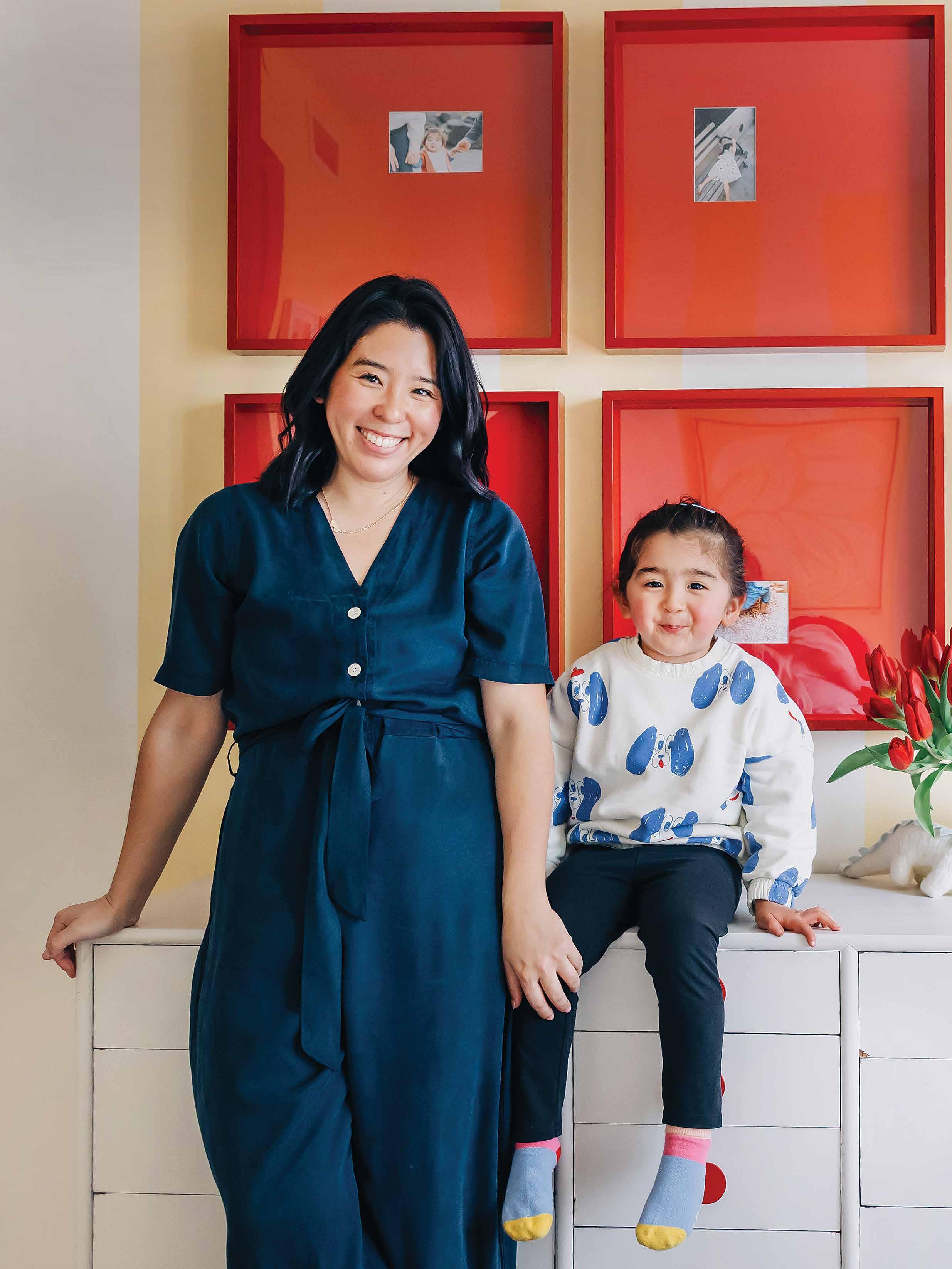
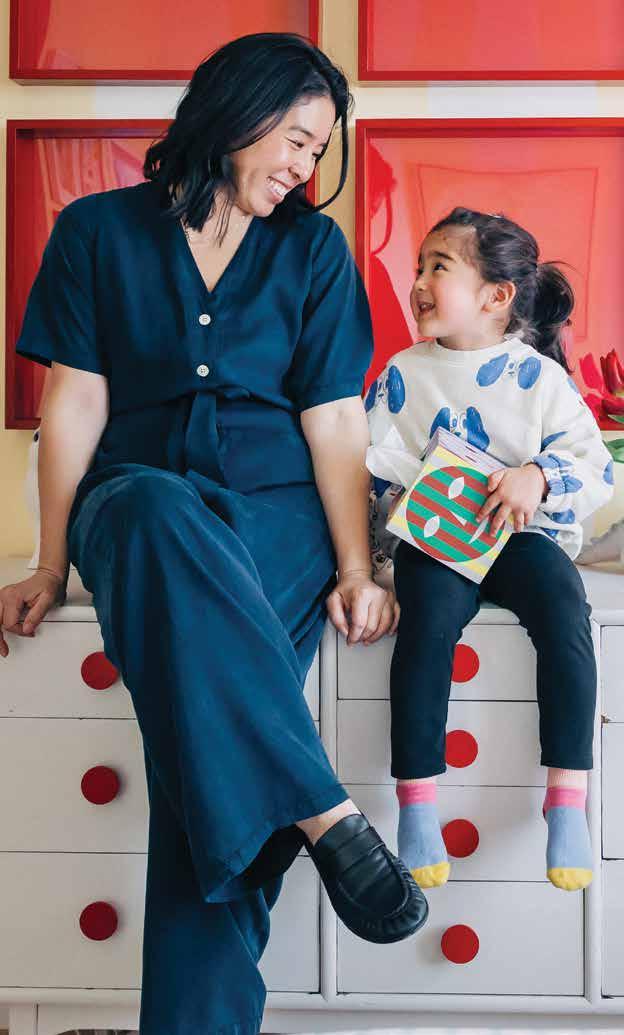
For Brooklyn-based photographer Yumi Matsuo, looking at her three-year-old daughter Saya’s room, she knew she needed to update it. She did not just see a space that needed reimagining. She saw an opportunity to hold onto what she loved while also shaping it with more intention.
So she turned to friends.
Rodrigo Miguel and Matt Little of Knock Twice had long been the people their friend circle relied on for the kind of design questions that do not come with clear answers. How do you make a small space feel considered? How do you adapt a home as a child grows into it? How do you create something functional without losing beauty? They had been talking about formalizing their studio when Yumi mentioned the room and her timeline. Eight weeks, start to finish.
It would be their first children’s space. They said yes.
Yumi’s work as a photographer has shaped how she sees space, from light to composition to what feels natural versus what feels placed. Her images have appeared in campaigns for Baby Björn and UPPAbaby, but at home, her focus is closer in.
Saya, at three, is in that fully expressive, deeply specific stage of childhood. She knows what she likes. She moves through a room with intention, even if she does not yet have the language for it. Yumi wanted the room to meet her there. Not overstimulating, not overly precious, but responsive. A space where textures, colors, and objects feel
approachable, where she could engage at her own pace.
During installation, she explored everything. What stayed with her were the smallest, most tactile things. A bright orange measuring tape that felt endlessly fascinating, and the soft, sculptural pretzel knot pillows made just for her.
Rodrigo’s background in industrial design shapes the way he approaches interiors. Function comes first, how something works and how it is used, followed closely by feeling. Aesthetics are what hold those two things together.
In a child’s room, that balance matters even more, especially when the goal is to create something sensory-friendly without losing visual warmth.
The palette draws from Saya’s world: butter yellow, strawberry red, and sky blue. Colors that could easily feel overly bright are softened and slightly muted, paired with grounding neutrals that give the room a sense of ease.
Materials were chosen with the same care. Soft where they need to be, durable where they should be, and inviting to touch. The room encourages interaction, but never demands it.
The goal was not to create a kid’s room. It was to create Saya’s room.
What defines the space most is not what was found, but what was made.
An IKEA bench that only fit half the window nook became the starting point. Instead of replacing it, a second was sourced, both were painted, and custom cushions were sewn, transforming an in-between space into something whole. A place that works now for play, and later, for quiet.
There is a subtle kind of restraint in every decision. Nothing overly loud. Nothing unnecessary.
Yumi’s photographs are framed in a way that lets them belong to the room, not just
NOTES ON DESIGNING FOR CHILDREN
On stripes: Before painting stripes, seal the tape with your base wall color. It keeps lines clean and sharp.
On color : Slightly muting tones allows color to exist without overwhelming the senses.
On pattern : Balance is key. Larger patterns draw attention, while smaller ones soften the overall feel.
On shape: Soft geometry introduces a sense of ease and breaks up the rigidity of a room.
On mixing : Consistency, whether in tone, scale, or color, creates cohesion, even in a layered space.
hang within it. A metal utility door, once something to work around, became a magnetic wall, giving Saya a place to see her own work reflected back to her.
The room holds space for both expression and calm. For movement, and for pause. It is not designed for a fixed version of childhood. It is designed to shift alongside it.
Some pieces arrived already holding that same philosophy, such as Oeuf, a Brooklynbased brand that has long approached children’s furniture with longevity in mind. Design that feels at home in a space, not temporary within it. Their pieces, including the small bunny nightlight, bring a simplicity that complements the room’s quieter tone.
Gooselings added another layer of softness. Their bedding, made in Europe from natural materials, leans into comfort in a way that feels understated but essential. It is the kind of bedding that becomes part of a child’s rhythm, familiar, calming, and constant.
Everything else was found slowly or made by hand.
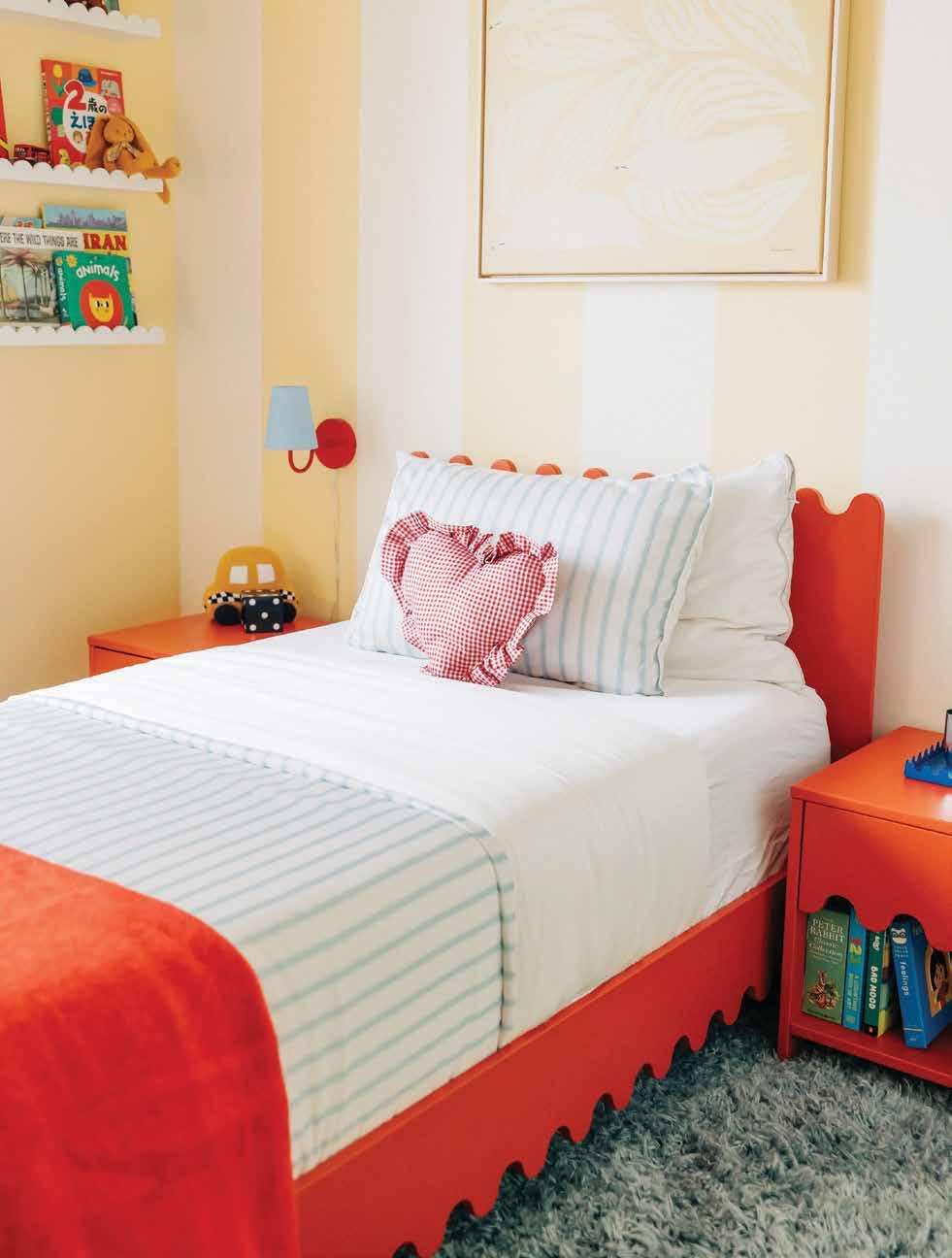
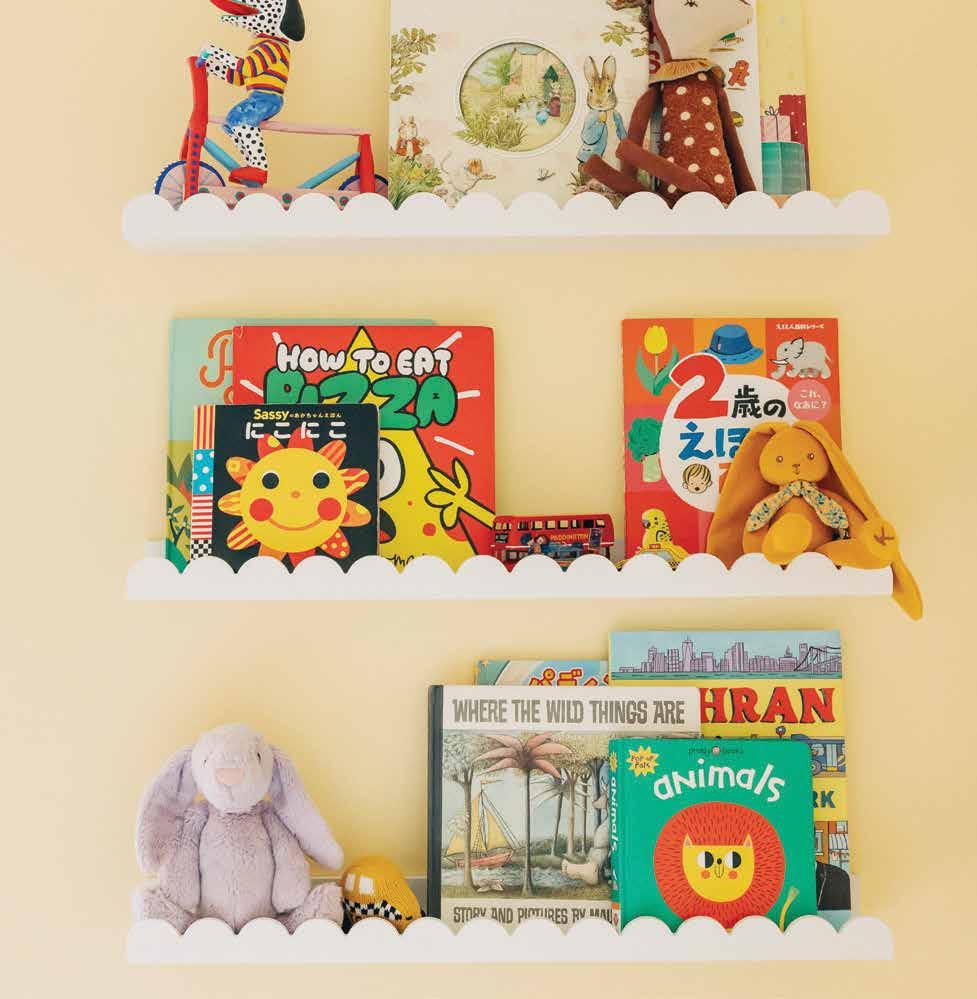
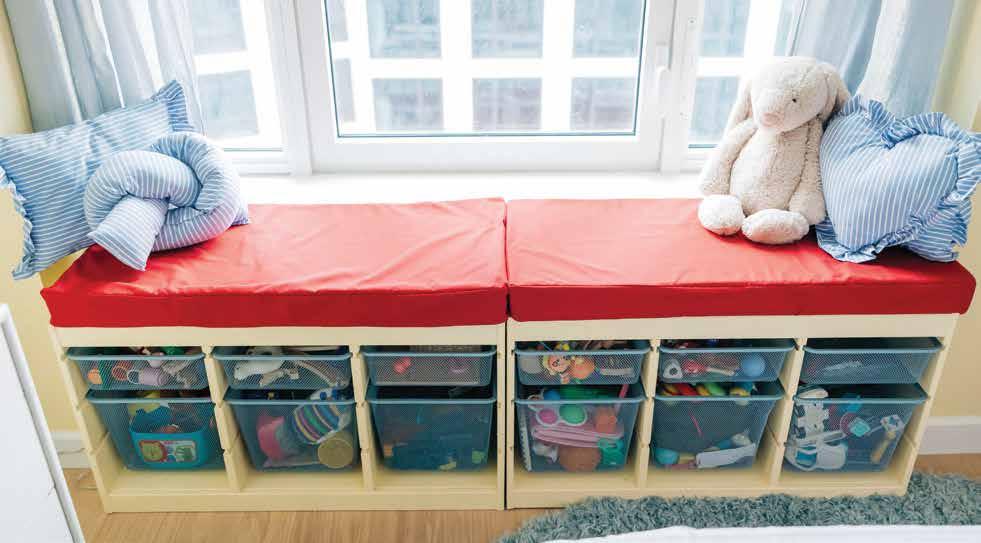
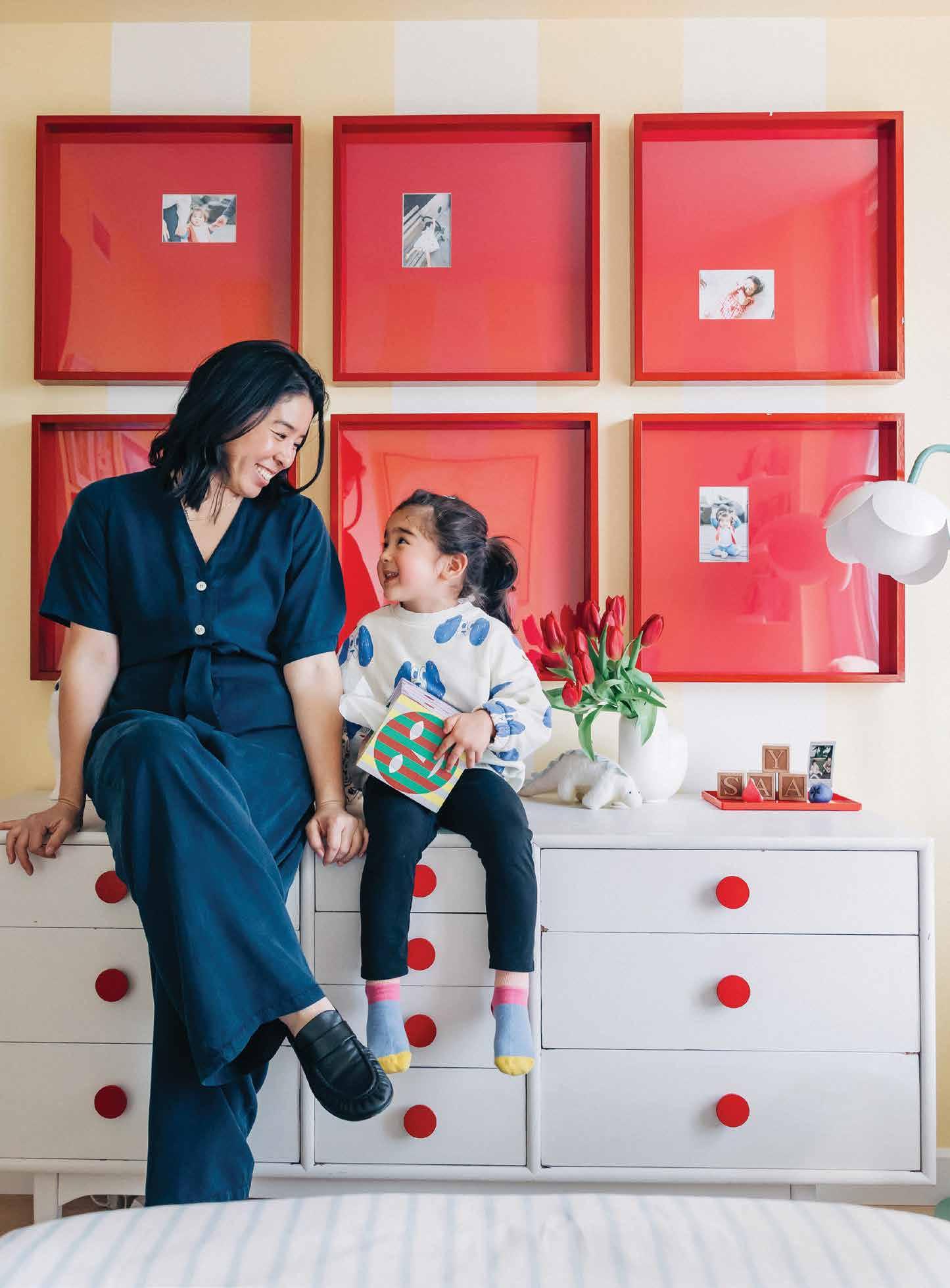
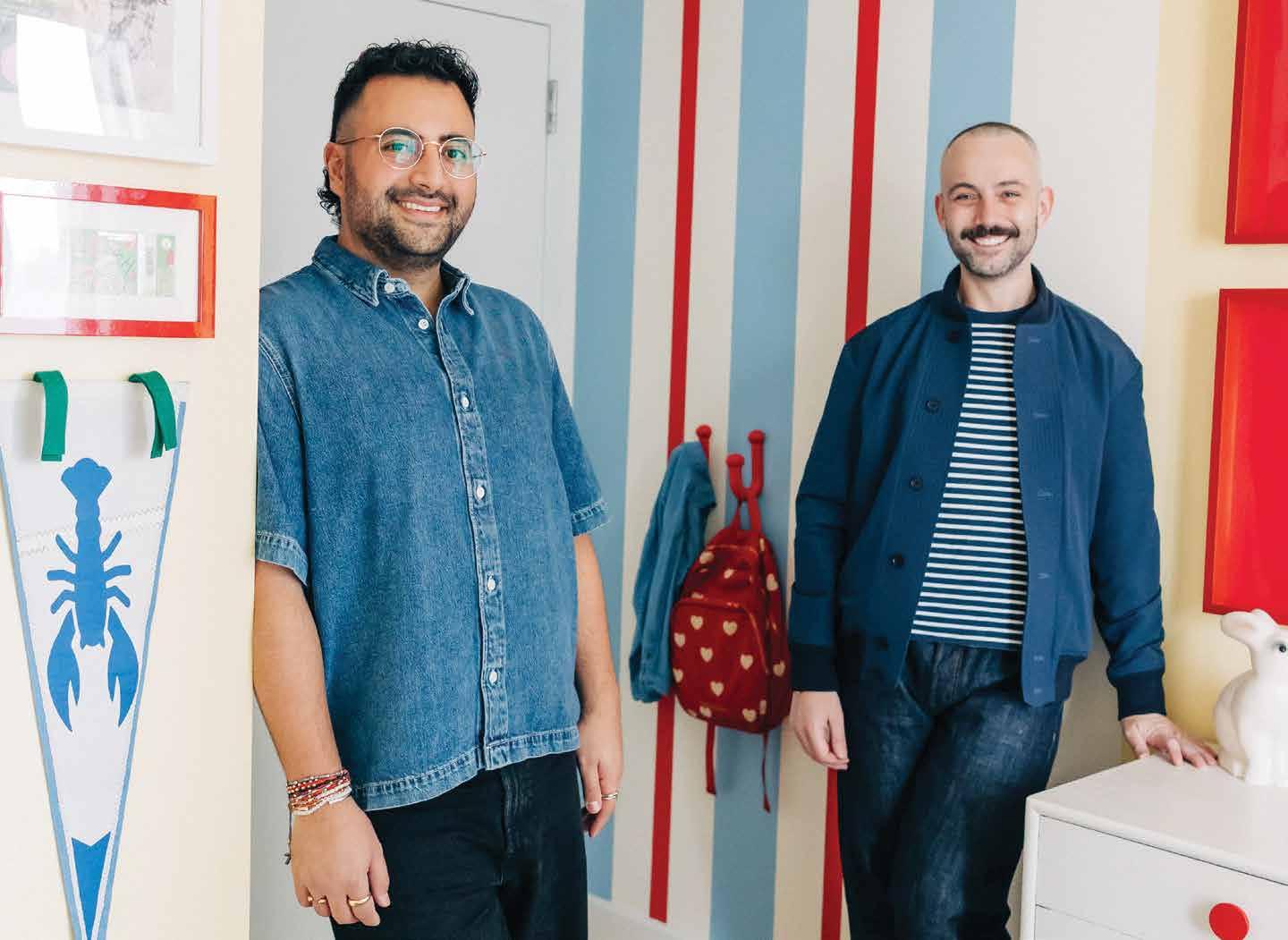
Rodrigo and Matt of Knock Twice helped Yumi transform Saya's small room into the perfect space, where function and feeling meet aesthetics.
Photos by Sidney Scheinberg Photography
calendar
BY SHARA LEVINE
BRONX
Pinkster Festival
WHEN: Saturday, May 2, noon – 4 pm
WHERE: Van Cortlandt House Museum, 6036 Broadway, Riverdale
AGES: All
WHAT: Celebrate the rich cultural heritage of Pinkster with a day filled with vibrant festivities, live music, engaging performances, and immersive experiences.
WANT TO GO?: Free. (718) 543–3344, vancortlandt.org
5th Annual Gjergj Kastrioti Skenderbeu Street Fair
WHEN: Sunday, May 3, noon – 6 pm
WHERE: Corner of Crescent. Ave and Arthur Ave., Belmont
AGES: All
WHAT: Celebrate the neighborhood’s long-standing Albanian-Italian relationship with traditional foods, music, dancing, performances, children’s activities, and more.
WANT TO GO?: Free admission. (347) 398–6161, bronxlittleitaly.com
Mother’s Day Kids’ Event
WHEN: Saturday, May 9, 1 – 5 pm
WHERE: The Mall at Bay Plaza, 200 Baychester Ave., Co-op City
AGES: All
WHAT: Little ones can create heartfelt, handmade treasures for Mom and dance to the sounds of DJ Omar, along with games, prizes, and nonstop fun!
WANT TO GO?: Free. (718) 208–2750, mallatbayplaza.com
Science Show at Throg’s Neck
WHEN: Tuesday, May 12, 2:30 –3:30 pm
WHERE: Throg’s Neck Library, 3025 Cross Bronx Expressway, Throggs Neck
AGES: 6 – 12
WHAT: This interactive science show features exciting demonstrations and experiments that show children how fun and interesting science can be!
WANT TO GO?: Free. (718) 792–2612, nypl.org
NYC Parks Presents: Skate and Celebrate at Bufano Park
WHEN: Friday, May 15, 3 – 6 pm
WHERE: Hockey Rink in Bufano Park, Bradford Ave. & La Salle Ave., Schuylerville
AGES: All
WHAT: Roll into an afternoon of music, dancing, and skating.
WANT TO GO?: Free. nycgovparks.org
The Fifth Annual Riverdale Block Party Festival
WHEN: Sunday, May 17, noon – 4 pm
WHERE: Riverdale Ave. & West 259th St., Riverdale
AGES: All
WHAT: This annual event returns with music, food trucks, liver performances, community groups, vintage car display, doggie parade, and more.
WANT TO GO?: Free admission. rmsabx.org
Dance Theater of Harlem: Harlem Mouse/Country Mouse
WHEN: Sunday, May 17, 3 pm
WHERE: Lehman Center for the Performing Arts, 250 Bedford Park Blvd. West, Kingsbridge
AGES: All
WHAT: This joyful storyballet celebrates the unique expressions of dance, music, and poetry that arise when cultures meet.
WANT TO GO?: Tickets start at $16. (718) 960–8833, lehmancenter.org
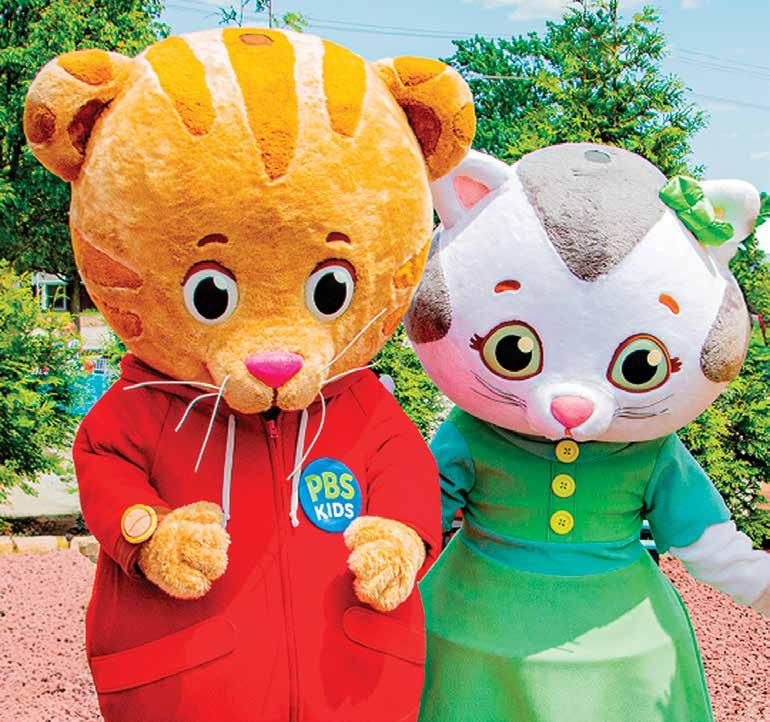
Daniel Tiger’s Neighborhood at the Bronx Zoo
WHEN: May 22–Sept. 7, Weekdays, 10 am – 5 pm, Saturdays and Sundays, 10 am – 5:30 pm
WHERE: Bronx Zoo, 2300 Southern Blvd., Bronx Park
AGES: All
WHAT: Daniel Tiger’s Neighborhood comes to the Bronx Zoo with the world premiere of this all-new experience where your family can spend a day with your favorite characters!
WANT TO GO?: Tickets start at $28.70. bronxzoo.com
Family Art Project: Blooming Tie Dyes
WHEN: May 30–31, Saturday and Sunday, 10 am – 1 pm
WHERE: Wave Hill, 675 W 252nd St., Riverdale
AGES: All
WHAT: Transform a plain piece of fabric using vibrant dyes inspired by spring flowers.
WANT TO GO?: Free with admission to the grounds: $4–$10. (718) 549–3200, wavehill.org
Flower Power Nights
WHEN: Saturday, May 30, 7:30 – 10 pm
WHERE: New York Botanical Garden, 2900 Southern Blvd., Bronx Park
AGES: All
WHAT: Celebrate peace and love during a night filled with a mesmerizing liquid light show, music, art, and flowers!
WANT TO GO?: $45. (718) 817–8700, nybg.org
MANHATTAN
Japan Parade and Street Fair
WHEN: Saturday, May 9, 11 am – 5 pm
WHERE: Parade begins at W
Daniel Tiger’s Neighborhood at the Bronx Zoo
81st St. and Central Park West, Upper West Side
AGES: All
WHAT: Celebrate the friendship between the United States and Japan with floats, live performances, community organizations, local leaders, and special guests!
WANT TO GO?: Free. japanparadenyc.org
New Owner
WHEN: May 9–17, see website for schedule
WHERE: The New Victory Theater, 209 W 42nd St., Midtown
AGES: 7 and older
WHAT: Go on a wistful, wordless journey from a dog’s point of view that melds tender puppetry with animation.
WANT TO GO?: $25. (646) 223–3010, newvictory.org
20th Annual New York Dance Parade and Festival
WHEN: Saturday, May 16, noon – 6 pm
WHERE: Parade begins at 17th St. and Avenue of the Americas, Chelsea
AGES: All
WHAT: See over 10,000 dancers take to the streets at the largest dance parade in the world. Plus, an interactive Festival follows featuring performances, free dance lessons, and more.
WANT TO GO?: Free. danceparade.org
Memorial Day Weekend Celebration
WHEN: May 22–25; see website for schedule
WHERE: Intrepid Museum, West 46th St., Hell’s Kitchen
AGES: All
WHAT: Celebrate our men and women in uniform with a variety of special programming. Plus, explore displays, activities and more all weekend long!
WANT TO GO?: Included with admission: $28-$38; free for children 4 and younger. intrepidmuseum.org
BROOKLYN
7th Annual Haitian Culture Day Parade and Festival
WHEN: Saturday, May 9, 10 am
– 6 pm
WHERE: Parade begins at Nostrand Ave. and Church Ave., Flatbush
AGES: All
WHAT: This dynamic event honors the culture, history, and traditions of Haiti through music, art, and community pride.
WANT TO GO?: Free. eventbrite.com
Kite Festival
WHEN: Saturday, May 16, 11 am – 3 pm
WHERE: Brooklyn Bridge Park, 334 Furman St., DUMBO
AGES: All
WHAT: Bring your own kite to fly during the one day of the year when kite flying is open to the public in the Park! Plus, enjoy live music, crafts, games, and activities.
WANT TO GO?: Free. brooklynbridgepark.org
17th of May Parade
WHEN: Sunday, May 17, 1 pm
WHERE: Parade begins at 3rd Ave. and 85 St., Bay Ridge
AGES: All
WHAT: Celebrate the independence and freedom of May 17, Norway’s Constitution Day, with floats, performances, community groups, local leaders, first responders, and more.
WANT TO GO?: Free.
17thofmayparadecommitteebrooklyn.org
Brooklyn Cyclones Star Trek Night
WHEN: Friday, May 29, 6:30 pm
WHERE: Maimonides Park, 1904 Surf Avenue, Brooklyn
AGES: All
WHAT: Dress as your favorite Star Trek characters when the ballpark is transformed for a night of themed music and in-game entertainment!
WANT TO GO?: mlb.com
QUEENS
Viva El Cinco De Mayo 2026
WHEN: Sunday, May 3, 3 pm
WHERE: Kupferberg Center for the Arts at Queens College, 153-49 Reeves Ave., Flushing
AGES: All
WHAT: Experience the vibrant traditions of Mexican music and dance with lively rhythms, colorful costumes, and the rich cultural heritage of Mexico.
WANT TO GO?: $22. (718) 793–8080, kupferbergcenter.org
Art for Tots: Gardens
WHEN: Wednesday, May 6, 10:30 – 11:30 am
WHERE: The Noguchi Museum, 9-01 33rd Road, Long Island City
AGES: 1–2
WHAT: Designed for young children and their caregivers, greet the spring season in the Museum’s sculpture garden and look at Noguchi’s artworks and their natural elements.
WANT TO GO?: $16. (718) 204–7088, noguchi.org
Sheep Shearing Festival
WHEN: Saturday, May 16, 10 am – 5 pm
WHERE: Queens County Farm Museum, 73-50 Little Neck Parkway, Floral Park
AGES: All
WHAT: This annual festival offers farmer-led tours and sheep shearing demos, a scavenger hunt, hands-on kids crafts, local food vendors, and more.
WANT TO GO?: $17. queensfarm.org
Queens International Children’s Festival 2026
WHEN: Saturday, May 16, noon – 5 pm
WHERE: Rufus King Park, 15029 Jamaica Ave., Queens
AGES: All
WHAT: This fun-filled event inspires young people and families to enjoy the arts through live music, dance performances, games, a bouncy house, arts and crafts, and more!
WANT TO GO?: Free
Family Art Project: Blooming Tie Dyes at Wave Hill

Walking Tour Brings Revolution to Life
BY DANIELLE RAMOS
If you’ve ever done the Freedom Trail in Boston or walked around Philly hitting the big Revolutionary sites, you know how much easier it is for kids to feel like they’re part of history when they follow a simple route. Now, New York is getting its own version. The NYC Revolutionary Trail, a new 90-minute, 3-mile downtown Manhattan tour, uses augmented reality and Assassin’s Creed visuals to bring Revolutionary-era New York to life—just in time for America’s 250th anniversary.
Launching next month, the NYC Revolutionary Trail: Echoes of Revolution is a free, 90-minute, 3-mile walking tour through Lower Manhattan that uses augmented reality (AR) and geolocation to recreate Revolutionary-era New York right in today’s city streets.
The part kids are most likely to care about is that it uses visuals and characters from Ubisoft’s Assassin’s Creed world. It’s meant to feel like stepping into the story, keeping it interesting and fun for kids who so easily tune out when adults start talking about historical significance.
America’s 250th anniversary is coming in 2026, and cities all over the country are gearing up for commemorations. Find out all that is going on in New York and beyond in America’s 250th Birthday: An NYC Family Guide.
New York Played a Big Role in the Revolution
Boston and Philadelphia usually get top billing when we talk about the American Revolution. But according to the team behind the project, that leaves out something major: New York City was central to the war.
The creators point out that New York saw both the war’s first big battle and the British evacuation, events that bookend the conflict in a way most people don’t realize. The trail is meant to set that record straight and show New York as a central part of the country’s founding story.
What the Walking Tour Will Look Like
Echoes of Revolution begins at The Battery and finishes at Federal Hall, winding through
Lower Manhattan with stops that include Bowling Green, Wall Street, and other key sites where important Revolutionary-era events took place
Over the course of the walk, there will be:
• Audio narration that tells the story of each site
• Character profiles that make history feel like a story
• Videos and links for those who want to learn more
• A digital overlay showing colonial New York on top of today’s streets
The tour is mobile and uses geolocation, so content appears as you reach each spot, designed to feel like you’re walking through the story. Echoes of Revolution will also connect with the Museum of the City of New York’s upcoming exhibit “The Occupied City.”
If you’ve got kids who are even slightly into history, tech, gaming, or New York itself, this trail can be a fun and educational weekend event, and since it’s free, you can go as many times as you like!
Learn more at nycrevolutionarytrail.org.