SPAN NEWS
APRIL 2026
APRIL 2026
Welcome to our first issue of SPAN News for 2026. We are delighted to share with you the exciting career journeys of five members of the SCEGGS community who have demonstrated career excellence over a sustained period of time. From senior leadership roles reached through progression to international representation earned through years of discipline, each of these women have found their passion and pursued it with intentionality, purpose and conviction. We hope you find their journeys inspiring!
This year, SCEGGS will host the biennial Old Girls’ Career Evening on Wednesday 20 May. This is a special opportunity for our students to connect with women who once walked the same corridors and are now forging exciting and diverse career paths. Hearing Old Girls speak candidly about their journeys, whether it be about changing study directions or working overseas or landing internships and discovering unexpected opportunities, provides students with practical insights and powerful inspiration. If you are an Old Girl and keen to share your experiences, Andrea Pinnock, our Careers Adviser, would love to hear from you!
A key pillar of SPAN, the SCEGGS Professional Alumni Network, is to bring together current students, Old Girls, parents and friends of SCEGGS for career-focused networking. We love hearing from others in the SCEGGS community who are keen to share their career story or learn more about SPAN.
Please contact Tina Mavritsakis at span@sceggs.nsw.edu.au or on 02 93321133
EDITOR
Tina Mavritsakis
COVER PHOTO
Chris Gleisner
FEATURE WRITER
Julia Hasche
ACKNOWLEDGEMENT OF COUNTRY
SCEGGS Darlinghurst is built on the land of the Gadigal People of the Eora Nation. As we share knowledge, teaching and learning practices within this school, we pay respect to the longstanding and continuing histories, cultures and knowledges of Aboriginal and Torres Strait Islander Peoples.
SOPHIE ASHTON (2001)
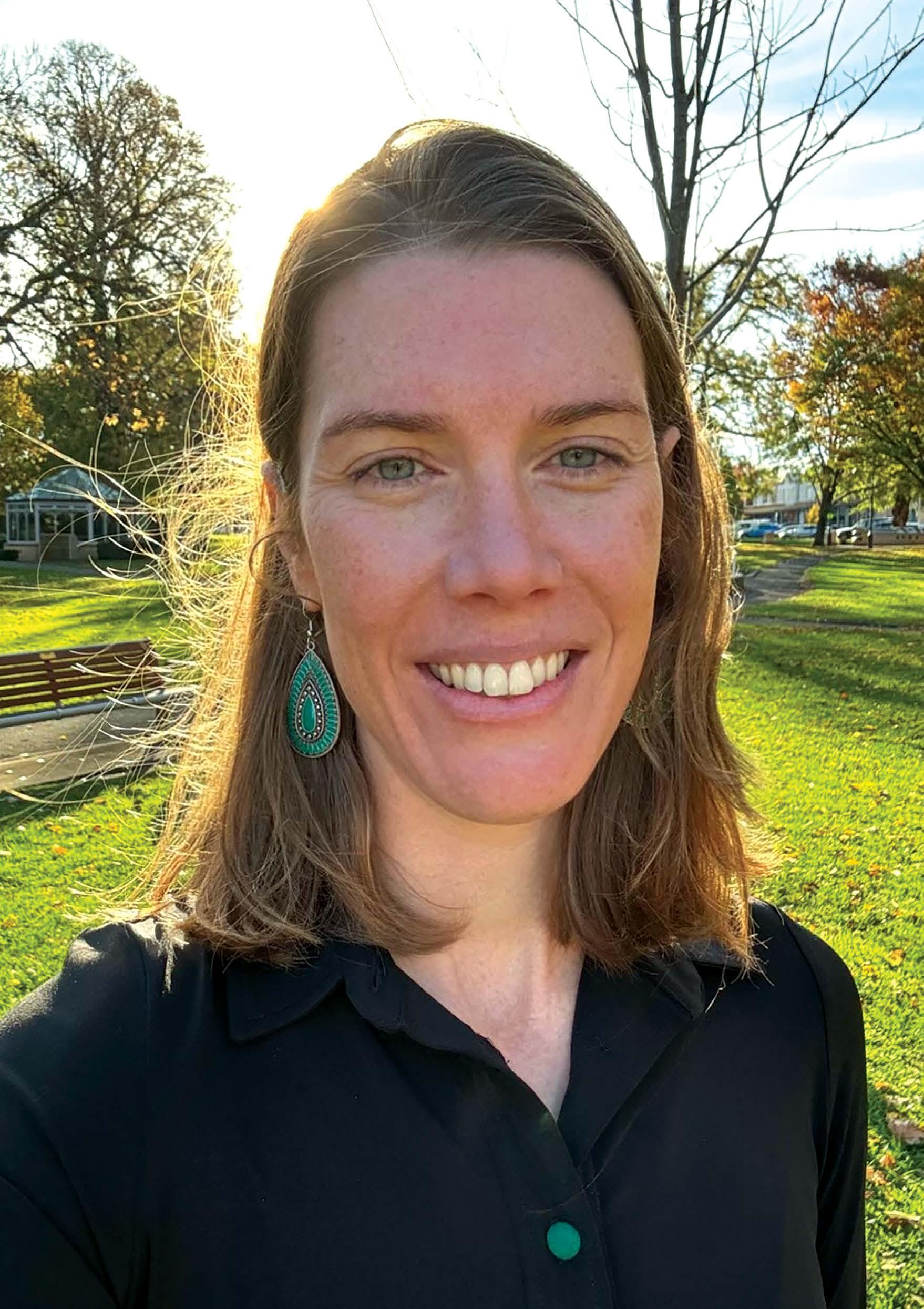
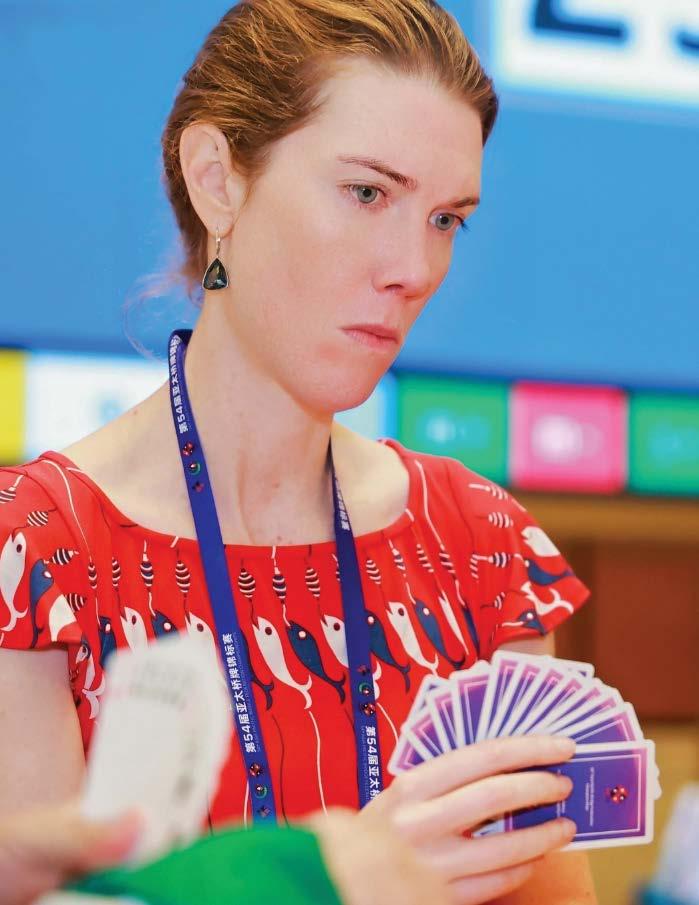
From investment banking in Tokyo and London to co-founding a thriving regional Health Hub, Sophie ASHTON (2001) has built a career defined by analytical thinking and entrepreneurship. However, it was at the bridge table that she has recently captured international attention, representing Australia at the 2025 World Bridge Championships. Sophie shares with SPAN News how strategy, mental resilience and partnership underpin success in this elite mind sport, and why embracing your “nerdy” passions can lead to extraordinary opportunities.
Your career has spanned mathematics, finance, entrepreneurship, and now elite competitive bridge. What drew you to bridge, and what does it take to compete at an international level? Firstly, as my old schoolmates would attest, I am a very, almost overly, competitive person. When I left school and university, there weren’t many socially acceptable outlets for that competitive streak, and bridge filled that void. I’ve always loved problem-solving, and I don’t think there is a game better suited to it. You’re constantly asking: What does my partner have? What is the opponent thinking? How can I squeeze every possible trick out of this contract?
I left investment banking about 12 years ago, which is when I properly took up the game of bridge. It is a time-consuming pursuit; there certainly wasn’t room for it while I was at Barclays Capital. I missed using my mind in that mathematical way, so bridge became a great way to keep my brain ticking while providing a social outlet. People are often surprised by how many ‘young’ players there are; the community is incredibly tight-knit. I actually met my husband through bridge, and many of my closest friends are players. We’re all like-minded people - a bit nerdy, with a quirky sense of humour and a shared love for the game.
To make the Australian team, you have to win the Australian Playoff. Teams of four to six players enter, having earned ‘playoff points’ through national events during the year.
“Mental toughness is everything. I’ve certainly had moments where my face turns tomato red, my heart races, and I feel like I’m ‘losing the plot’, but with time I’ve managed to mostly get on top of this.”
At the end of 2024, I formed a team with three other strong players. We won our quarter-final comfortably and then beat my husband’s team in the semis which was a big upset! Winning the final earned us the chance to represent Australia in the ‘Open’ field in 2025 at both the Asia Pacific Bridge Championship and the Bermuda Bowl (the World Championships).
Our team did very well in China, leading the eight-day event right up until the final day. We came away with the bronze, which was slightly bittersweet after leading for so long. On the world stage, we unfortunately fizzled out and finished far from the podium, but for me, it was an incredible experience. There is such a thrill in playing against the world’s best; they make every decision difficult and never let the pressure off. It certainly gave me a taste for the elite level.
How do skills such as strategy, partnership, and decision-making under pressure play out in high-level bridge?
There are three main pillars to bridge: bidding, declarer play, and defence. While strategy certainly helps, technical accuracy and clear agreements are the real aspects that lead to winning ‘imps’, also known as points in the game.
Bridge is a partnership game; being a strong individual isn’t enough. My biggest edge is probably the effort my partner and I invest in our ‘system’. We do immense amounts of bidding practice and maintain detailed notes. I’d estimate we’ve played more than 5,000 hands together and ‘bid’ over 10,000 hands.
You also have to be bold. I’m known as an aggressive bidder; I believe ‘under-bidding’ is the downfall of many players. The world stage is still heavily dominated by men, so I have to ensure their intimidation tactics don’t rattle me. Thankfully, my career has made me pretty thick-skinned, and I’ve learned how to maintain a confident demeanour under fire.
Mental toughness is everything. I’ve certainly had moments where my face turns tomato red, my heart races, and I feel like I’m ‘losing the plot’, but with time I’ve managed to mostly get on top of this. In bridge, a shift in mental state leads to an immediate slump in results. Moving on from a bad hand is critical. You can handle one bad hand, but two or three can be crippling. Our team worked with a sports psychologist, and the takeaways are relevant to any high-pressure situation, including exams. If you map these out beforehand and observe yourself in this type of situation, you can break the cycle at the table, reset, and just place your feet on the ground and breathe. I also find meditating before each match gets me in the right frame of mind.
What did representing Australia at the World Bridge Championships mean to you personally?
As I mentioned, our team was certainly the underdog and were not expected to win. Representing Australia at the Open level is something I’ve only dared to aspire to for a few years. Having it happen sooner than expected was a massive boost to my confidence, something I do lack at times. It was also a milestone for representation; a woman hadn’t represented Australia in the Open field since Pauline Gumby in 2007.
Most top international bridge players are professionals sponsored by the likes of Warren Buffett and Bill Gates. There is significant money at that level. My husband has actually broken into that circuit and plays in the US three times a year for a sponsored team. However, between managing the Health Hub full-time and raising our two daughters, my hands are full. I’ve played professionally only once or twice and it’s not something I prefer to do, but not competing constantly against the best makes it very hard to stay sharp on the world stage.
Now that I’ve had a taste of that international atmosphere, though, it’s addictive. If I could always play overseas, I would. But between the business and the kids, I’ll likely limit overseas tournaments to once or twice a year for now. I know now that I am capable and that is half the battle.
What parallels do you see between competitive mind sports and professional or leadership environments?
At the Health Hub, I manage over 60 doctors and 30 staff. The daily stressors there mean that when a ‘big moment’ arrives at the bridge table, I’m well-prepared to take a breath and think clearly. In both arenas, you need to be sharp and strategic, but also humble and empathetic.
Bridge is incredibly humbling. It is almost impossible to be perfect; no matter how good you are, the game will bring you back down to earth eventually. I love that - it prevents arrogance. Also, if you are too harsh on yourself or your partner for making errors, you stop progressing and lose that vital trust. As a leader, I find empathy and humility just as important. You need to constantly question your own assumptions and listen to the suggestions of others. Business and bridge are really just two different versions of the same exercise: problem-solving.
Excellence in competitive mind sports requires years of discipline and focus. What has enabled you to sustain high performance and continue striving for excellence over time?
I have been incredibly lucky to receive an immense amount of mentorship from very experienced players over the years. It would be remiss of me not to mention my husband, Sartaj; he is an incredible teacher and has allowed me to progress rapidly by distilling years of his own study and hard-earned wisdom into ‘nuggets’ for me. Without his time and advice, and that of many others, I wouldn’t be the player I am today.
“If what you enjoy is a little unusual, embrace it; the rewards are often much more personal and enduring.”
I’ve always enjoyed studying, especially when I have a clear goal, so sitting down to work on my game has been a genuine joy. Leading up to international tournaments, I was putting in several hours of work each day; reading books, using software to practise declarer play and defence, or bidding hands with my partner. Ultimately, though, my success is built on the support of our family. My mum was incredibly helpful before she became unwell, and my father is a pillar of our daily life now. We live on a farm in Goulburn with him, and he is endlessly supportive, whether it’s driving the kids to school or doing the shopping during a normal week. When a tournament comes up, he’s always the first to put his hand up to look after the girls. It’s reassuring to know that Sasha and Rosie can stay in their own home and be surrounded by love while I’m away for a week or so.
In the bridge world, there’s an expression that you can only have two out of three: bridge results, family, or a career. Last year, my focus was so heavily on bridge that work definitely took a back seat and suffered because of it. This year is an ‘off’ year for the bridge world with no World Championships, so my focus is shifting back to my business and my family. My daughters are thrilled; they certainly find the constant bridge talk in our house quite dull and boring!
What advice would you give to students who want to pursue excellence in less traditional or niche fields?
At school, I was lucky that I never really cared about being ‘cool’ - that would have been a fruitless exercise anyway! I’ve always embraced my ‘nerdy tilt’. My advice is simple: being yourself is liberating and far less exhausting than pretending to be someone you think others might like.
Niche fields are incredibly welcoming. Because the communities are smaller, you are far more likely to find high-level mentorship than you would in a mainstream sport. Beyond the competition, these fields open you up to a tribe of like-minded people who often become lifelong friends, or in my case, even a life partner. If what you enjoy is a little unusual, embrace it; the rewards are often much more personal and enduring.
Years 9–12 students and their parents/ carers are warmly invited to attend the Old Girls’ Career Evening on Wednesday 20 May 2026, 6.00pm–7.45pm.
This informative and inspiring evening welcomes back Old Girls from a wide range of professions who will share their career journeys, practical advice, and insights with current students. It’s a valuable opportunity for students to explore possible pathways, ask questions, and gain real-world perspectives on life beyond school.
You’ll hear from Old Girls working across diverse fields including art and architecture, medicine and health, law, banking and financial analysis, climate change and sustainability, animal health, property, technology, engineering, media and communications, science and more.
We look forward to seeing you there.
Andrea Pinnock Careers Adviser
andreapinnock@sceggs.nsw.edu.au
Can you support a student with work experience? We’d love to hear from you. Students in Years 10–12 are encouraged to undertake work experience during the holiday periods of their senior years. Our Old Girl community has long played a generous and vital role in this program, offering students meaningful opportunities to learn in real workplace settings. If you can provide a placement or would like more information, your support would be greatly appreciated.
Lunchtime Career Conversations
From Anthropology to Zoology, and everything in between, we’d love you to join us.
Our Lunchtime Career Conversations (held at 1.00pm) offer an informal and engaging way for senior students to connect with Old Girls and hear firsthand about different career paths. These sessions provide valuable insights into specific industries, tips for navigating competitive fields, advice on internships, and lessons learned along the way.
No matter your background or profession, your story matters, and our girls would love to hear it.
ZOE BELL
(2004)
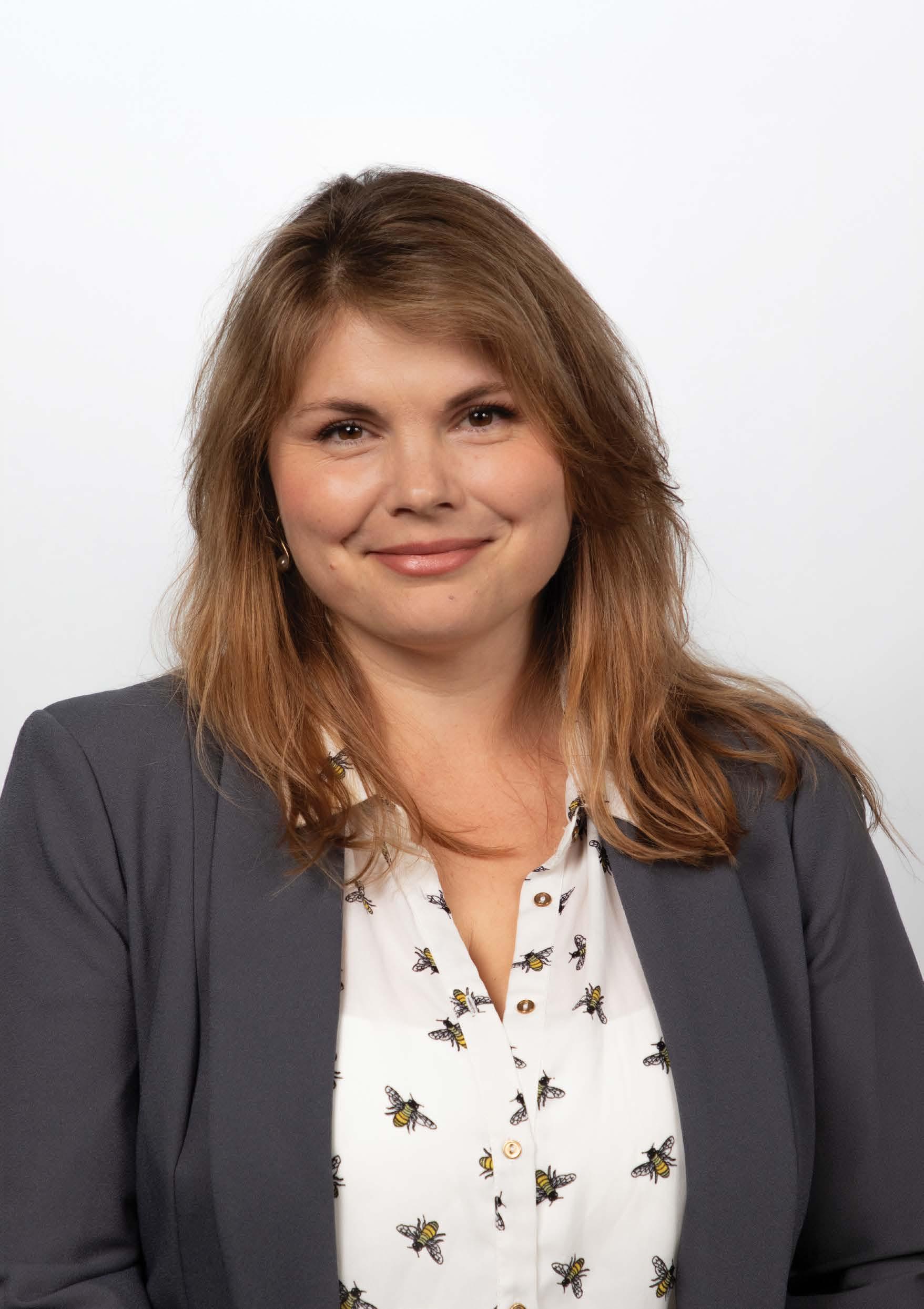
Social worker and researcher Zoe BELL (2004) focuses on the intersection of statelessness, forced migration and gender-based violence as a Research Fellow with the Australian Research Council (ARC) Centre of Excellence for the Elimination of Violence Against Women (CEVAW).
Drawing on more than 15 years’ experience across child protection, refugee health and community advocacy, Zoe shares insights from her work with displaced communities and reflects on the importance of community -led initiatives and research grounded in lived experience.
What drew you to social work, and how did your career evolve into research and advocacy in the areas of statelessness and refugeehood?
So many influential people, issues and ideals drew me to social work but fundamentally, I think it was a combination of environmental factors and the values that I was brought up on. The streets around SCEGGS in the late ‘90s / early ‘00s were still in the process of gentrification, and while on the way to school in the mornings it was common to see people in trouble, sleeping rough and the impacts of drugs and alcohol misuse. This was such a contrast to the safe and privileged environment beyond the Green Gate. The underlying Christian values held by the School also encouraged empathy, giving and reflection, while providing a focal point for a healthy dose of teen rebellion, if you call refusing to bring my hymn book rebellion...
Fast forward through a gap year in South Africa working at a school for children with cerebral palsy, and the completion of a social work degree. My career choices took advantage of the versatility of the social work profession, and over the next 10 years, I developed my
skills across child protection, domestic and family violence, asylum seeker settlement and paediatric refugee health.
With mixed migrant/settler heritage, I have always been interested in migration and the associated push and pull factors. This interest led me to working with people seeking asylum who travel by boat to Australia, which in turn led me to complete a Master’s and PhD at UNSW and drew my focus to the lived experiences of statelessness. Currently, I am a research fellow at the Australian National University with the ARC Centre of Excellence for the Elimination of Violence Against Women and I am researching on the intersection of statelessness, displacement and the contextual vulnerabilities and risk of violence for women and girls.
Your research uses participatory and arts-based methods. Can you tell us more about that?
I am at the beginning of my journey as a researcher, having finished my PhD in 2023. This is a great time because I still feel connected to the practitioner world
while starting to find my way in the academic research world. The practical social work skills are adaptable to research, particularly when researching with vulnerable groups. Participatory research engages with communities and is about creating an inclusive and meaningful project rather than extracting data. This method is all about trust, relationship building, autonomy and self-determination, and arts-based methods marry well with this methodological approach because art allows for self-expression, skill building, community building, and is often associated with advocacy and awareness raising.
Can you tell us about your work with the not-for-profit-charity Australian Rohingya Women’s Development Organisation and why community-led initiatives matter?
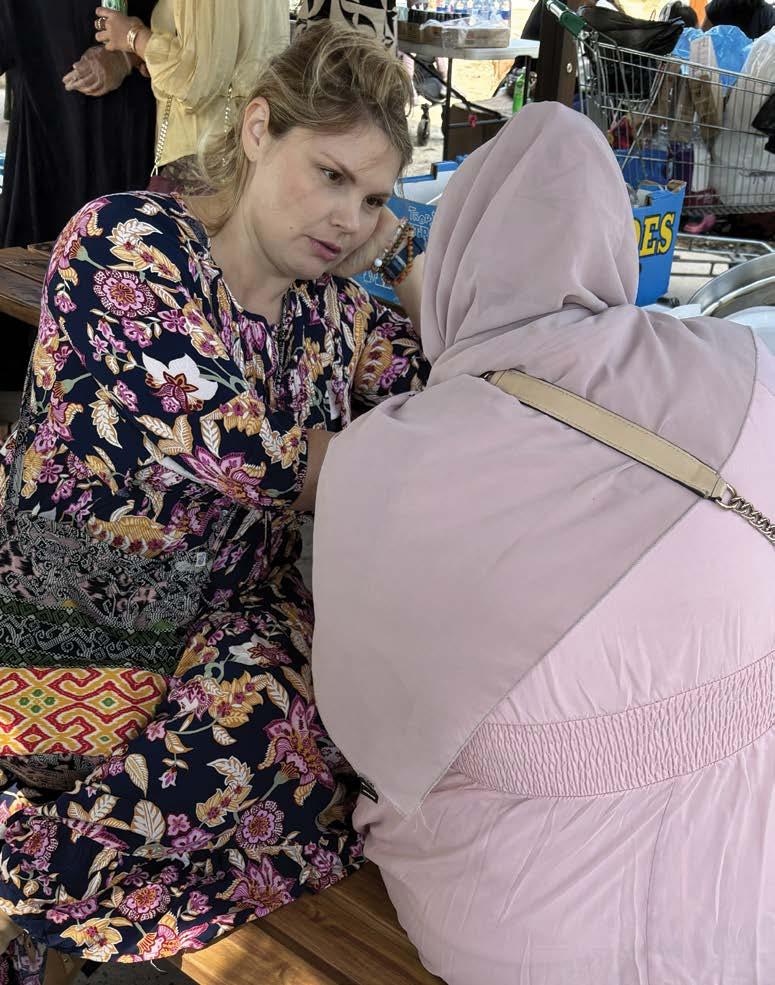
The Australian Rohingya Women’s Development Organisation (ARWDO) is the first Rohingya women-led organisation in Australia. At the time it was established, in 2021, it was the second in the world. This organisation is committed to empowering women through community building and education. The women of ARWDO are passionate about addressing systemic inequalities, poverty and discrimination. ARWDO is working for a united, peaceful and respectful Rohingya community in Australia and world-wide. I had the good fortune of meeting these women during my time working in asylum seeker settlement. I support ARWDO’s efforts by using my social work skills and doing the backroom compliance and grant writing work. This frees the women up to doing the valuable community building work in a gendered and culturally safe way that brings most benefit. They are the experts and know best how to support their community.
How do you navigate the emotional demands of working in trauma-informed and justice-focused fields? What has sustained you over time and enabled you to continue contributing meaningfully to this work?
Social work is demanding work that is underpaid and undervalued. You must have an internal driver that keeps you engaged in the work, whether that be love, dedication or a sense of purpose. And you need to develop sustainable coping strategies that work for you. Such strategies include self-care (exercise, getting outdoors, socialising, getting sleep), developing and maintaining a work-life balance, and knowing your signs of overwhelm or burnout - for me, it’s when my self-care strategies take effort.
Another important strategy is remembering your role, why you are there, what you can and cannot do, and what you can control and influence. Keeping that in mind helps you focus your efforts and enables clarity for the people you are working with.
And let’s face it, often it isn’t the emotional demands of the person-facing work that wears you down, it is the failings of the system and/ or the frustrations and constraints of the workplace that can impact overtime.
What advice would you give to students considering careers grounded in advocacy, care and social justice?
If you want to work internationally - for example with organisations like the United Nations - learning a second language is essential. However, you don’t have to go abroad to make a difference, there are meaningful opportunities in advocacy, care and social justice close to home.
Be open to opportunities and new perspectives. Follow the issues that resonate with you, be interested in learning as much as you can, and allow your path to unfold. A commitment to social justice and equality isn’t limited to a specific role like social work – it can shape any career and create positive impact. Where you ultimately end up may surprise you.
“Be open to opportunities and new perspectives. Follow the issues that resonate with you, be interested in learning as much as you can, and allow your path to unfold.”
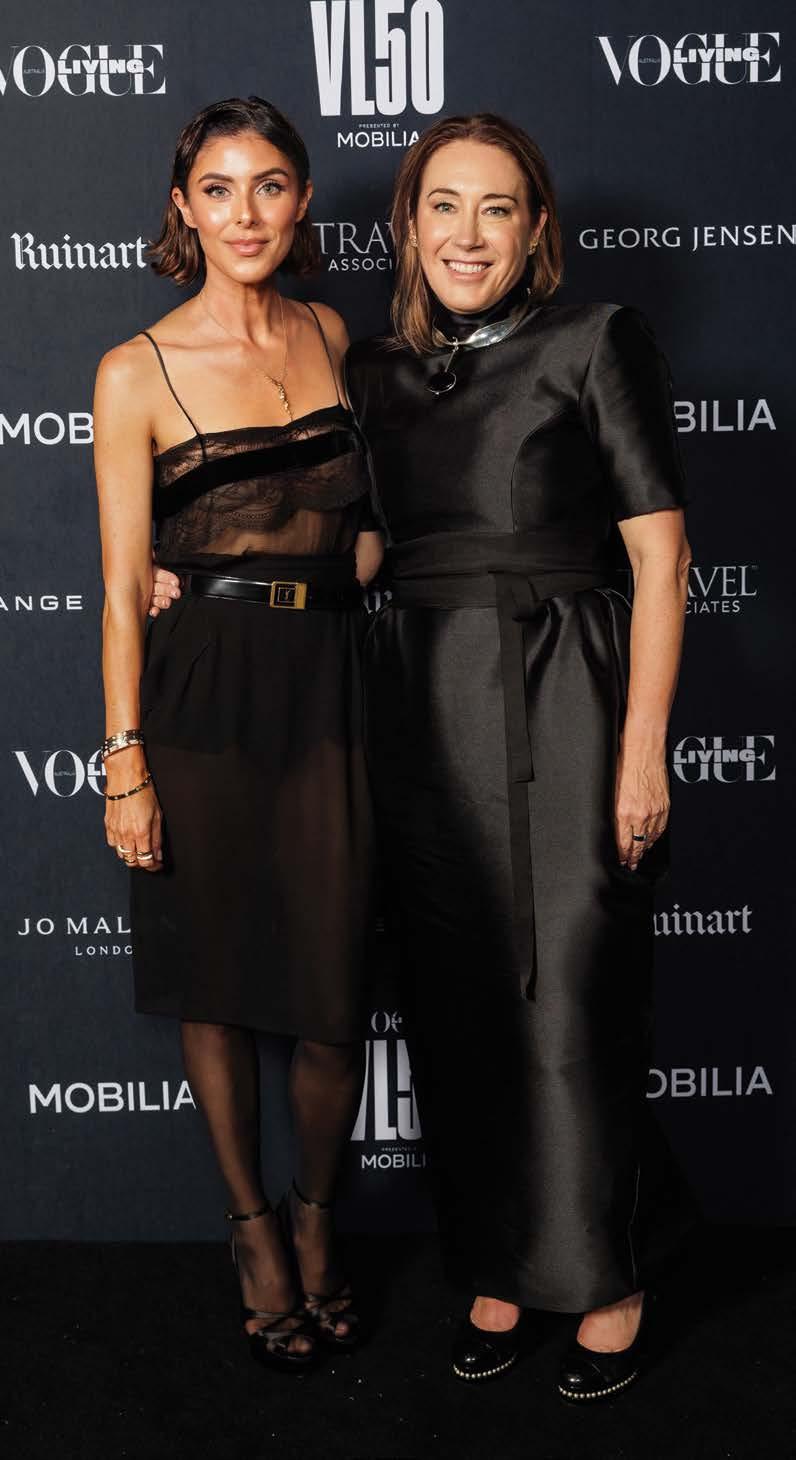
REBECCA
CARATTI
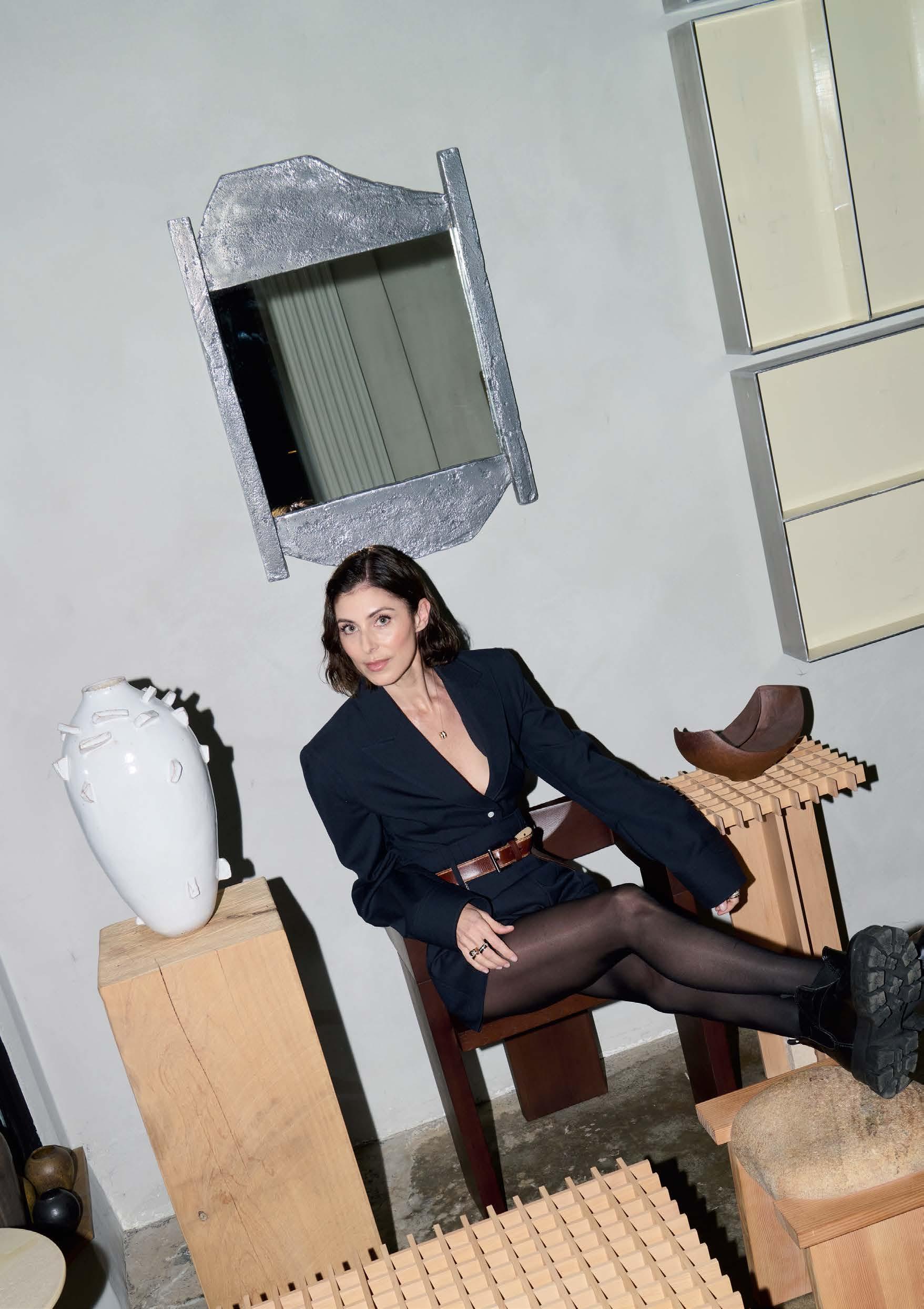
As Editor-in-Chief of Vogue Living, current parent, Rebecca Caratti leads the editorial vision of one of Australia’s most influential design and lifestyle publications. With a career spanning international fashion capitals and major media brands, Rebecca reflects on the power of storytelling, the responsibility of shaping cultural conversations, and how creative leaders balance artistic vision with the commercial realities of modern media.
What first drew you to a career in editorial and media, and how has your role evolved since those early days?
What first drew me to media was a fascination with storytelling from a very young age. I remember being eight years old and deciding with absolute certainty that I wanted to be a journalist. I was captivated by Jana Wendt on 60 Minutes, her authority, composure and intellectual clarity. She had a way of commanding attention while allowing the story itself to remain the focus. It was my first understanding that journalism could illuminate, challenge and shape public understanding. Even then, I was drawn to the power of narrative, the ability of a well-told story to influence how we see the world, and in turn, how we live within it.
As I moved through high school, that early interest in journalism expanded into a deep love of fashion and photography. I became quietly obsessed with magazines - Vogue, Harper’s Bazaar, The Face, i-D, Interview, not simply for their beauty, but for the worlds they constructed. They were cultural documents as much as style bibles, curating ideas, championing talent and framing the aesthetic conversations of their time. Editorial, I realised, could be both a lens and a mirror, reflecting the moment while subtly directing it.
After university, I moved from Perth to Sydney with a singular focus: to find a way in. I interned at every newspaper and magazine that would have me, determined simply to get my foot in the door. My ambition at the time was to become a fashion journalist, but my first role was in the fashion cupboard, assisting on shoots. It was hardly glamorous, but it was formative. From there, I began building a career as a fashion editor and director across multiple publications, learning the craft from the ground up. Those early years were tactile and immediate. They taught me that excellence in media is the product of rigour, collaboration and an unwavering commitment to standards.
Over time, my role evolved as my experience in the media grew. I worked in Paris and London and came back to Sydney ready for a new challenge. I moved into the digital space and launched a contemporary culture online platform called Buro 24/7 licensed by News Corp. From there I moved onto my current position as Editor-in-Chief of Vogue Living. My responsibility extends beyond content to stewardship of a legacy brand, creative community and of the cultural relevance of design itself. The position requires not only editorial discernment, but strategic clarity, leadership and a sophisticated understanding of how audiences engage across platforms in a rapidly shifting media landscape.
While the scale of the role has changed, the essence remains the same: a belief in thoughtful storytelling and in championing ideas that endure. Editorial is ultimately about influence, and I see that influence not as power, but as responsibility.
As Editor-in-Chief of Vogue Living, how do you balance creative vision with the commercial realities of leading a major media brand?
Balancing creative vision with commercial responsibility is, in truth, not a tension but a discipline. At the helm of Vogue Living, I see the role not as choosing between artistry and commerce, but as ensuring they operate in dialogue.
A strong creative vision must lead; it is the compass. Without clarity of perspective, a media brand becomes reactive rather than authoritative. My responsibility is to safeguard the integrity of that vision: to ensure our editorial decisions are rigorous, culturally relevant and aligned with the standards our audience expects of us.
“Editorial is ultimately about influence, and I see that influence not as power, but as responsibility.”
At the same time, we operate within a dynamic commercial landscape. Partnerships, advertisers and brand collaborations are essential to sustaining the platform and
expanding its reach. The key is alignment. We work with partners who share our values, an appreciation for design excellence, craftsmanship and innovation, so that commercial integration feels authentic rather than imposed.
It requires transparency, discernment and a long-term view. Short-term gain should never compromise credibility. A brand like Vogue Living has earned trust over decades; protecting that trust is paramount.
Ultimately, the balance lies in understanding that commercial success follows cultural authority. When the creative vision is strong and the standards uncompromising, commercial opportunity becomes a natural extension of relevance rather than a departure from it.
What skills do you think are most essential for young people considering careers in media, publishing or creative industries today?
For young people considering careers in media, publishing or the broader creative industries, I would suggest that curiosity is the most essential skill and I use the word deliberately. A genuine, disciplined curiosity about the world, about culture, about people and ideas, is what sustains relevance over time. Trends shift, platforms evolve, but intellectual curiosity remains foundational.
Equally important is rigour. The creative industries can appear glamorous from the outside, yet they are built on detail, resilience and a willingness to do the unglamorous work exceptionally well. Precision in writing, clarity of thought, respect for deadlines and an understanding of process are what differentiate potential from professionalism.
Adaptability is also critical. Media today is multi-platform and fast-moving; one must be comfortable operating across print, digital, social and experiential spaces while maintaining a consistent voice. This requires both creative agility and strategic thinking.
Finally, I would emphasise integrity. Your reputation becomes your currency. The ability to collaborate graciously, to credit others, to listen, and to lead with generosity will carry you further than talent alone. In an industry built on ideas, character remains one of the most powerful assets you can cultivate.
What advice would you offer to women aspiring to senior leadership roles in competitive or highly visible industries?
For women aspiring to senior leadership roles, particularly in competitive or highly visible industries, my advice is to develop both depth and clarity.
Master your craft. Take the time to truly understand your industry, not only the creative dimension, but the commercial and strategic realities that underpin it. Competence builds confidence, and confidence allows you to lead with authority.
Just as important is conviction. Leadership requires a clear point of view and the confidence to stand behind it. Know what you stand for and speak with purpose.
Resilience is equally critical. Leadership brings visibility, and visibility inevitably brings scrutiny. Learning to accept constructive feedback, while not being derailed by opinion or noise, is part of growing into the role. Over time, you develop a steadiness and an ability to remain anchored in your values regardless of external pressure.
“When women support one another and lead with both strength and humanity, we not only advance individually but reshape the culture of leadership itself.”
I also feel strongly about modelling a more honest narrative around motherhood and leadership. Women should never feel they need to conceal or minimise the fact that they have children to be taken seriously. Ambition and motherhood are not opposing forces. In my own team, flexibility is fundamental. If someone needs to attend a school assembly or collect their child, that is entirely understood. What matters is trust, accountability and mutual respect. When people feel supported, they bring a greater level of focus, loyalty and excellence to their work. Ultimately, leadership is not about control; it is about stewardship. It is about creating an environment where people can do their best work while remaining fully themselves. When women support one another and lead with both strength and humanity, we not only advance individually but reshape the culture of leadership itself.
Creative industries are fast-moving and highly competitive. What has allowed you to sustain excellence and relevance over time while continuing to grow as a leader?
Creative industries are fast-moving and highly competitive, but longevity is not built on speed; it is built on clarity, consistency and perspective.
Having worked across fashion, design and culture for more than two decades, what has sustained me is a genuine love of beautiful things - of craftsmanship, creativity and the considered detail that elevates the everyday. Curiosity remains my greatest asset. To endure in any creative field, you must remain deeply interested in the world around you, in how culture shifts, how taste evolves and how new generations interpret design.
I have also never been afraid to step away. Travel has been essential to my growth, immersing myself in different cultures, observing how design responds to geography, history and social context. For anyone in a creative role, that broader cultural perspective is invaluable.
Equally important is understanding the brand you represent and its core values, its legacy and what it stands for at its essence. Growth in a changing media landscape is not about abandoning identity to chase relevance; it is about evolving intelligently while protecting the integrity of the brand. That requires strategic thinking and understanding of new platforms, new audiences and new commercial models while ensuring the core voice remains clear and authoritative.
Relationships are also foundational. In media and design, your reputation is everything. Trust with clients, collaborators and the wider industry is built through consistency, transparency and delivery. When people understand your standards and know you will honour them, partnerships deepen and opportunities expand.

BEC NYST
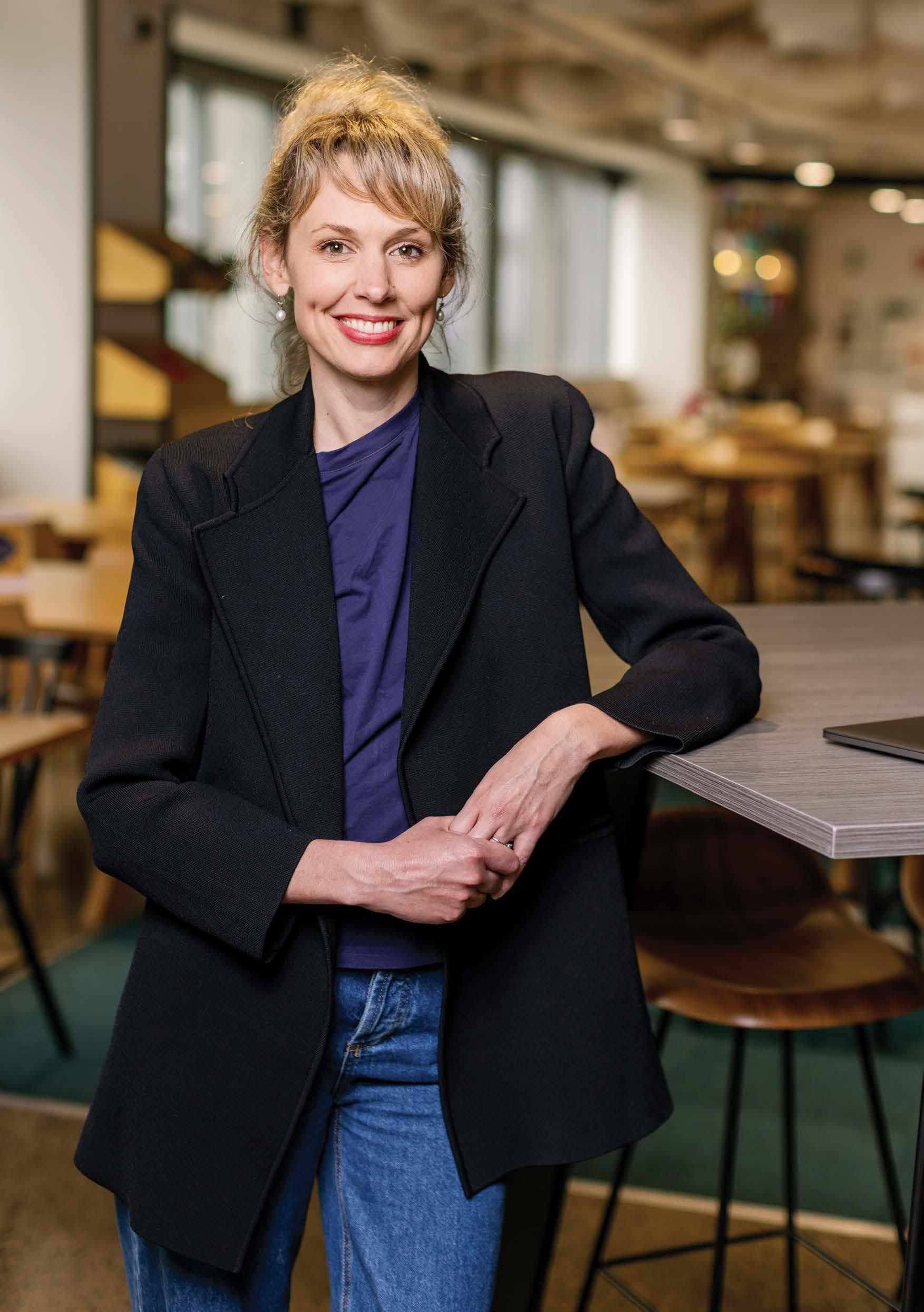
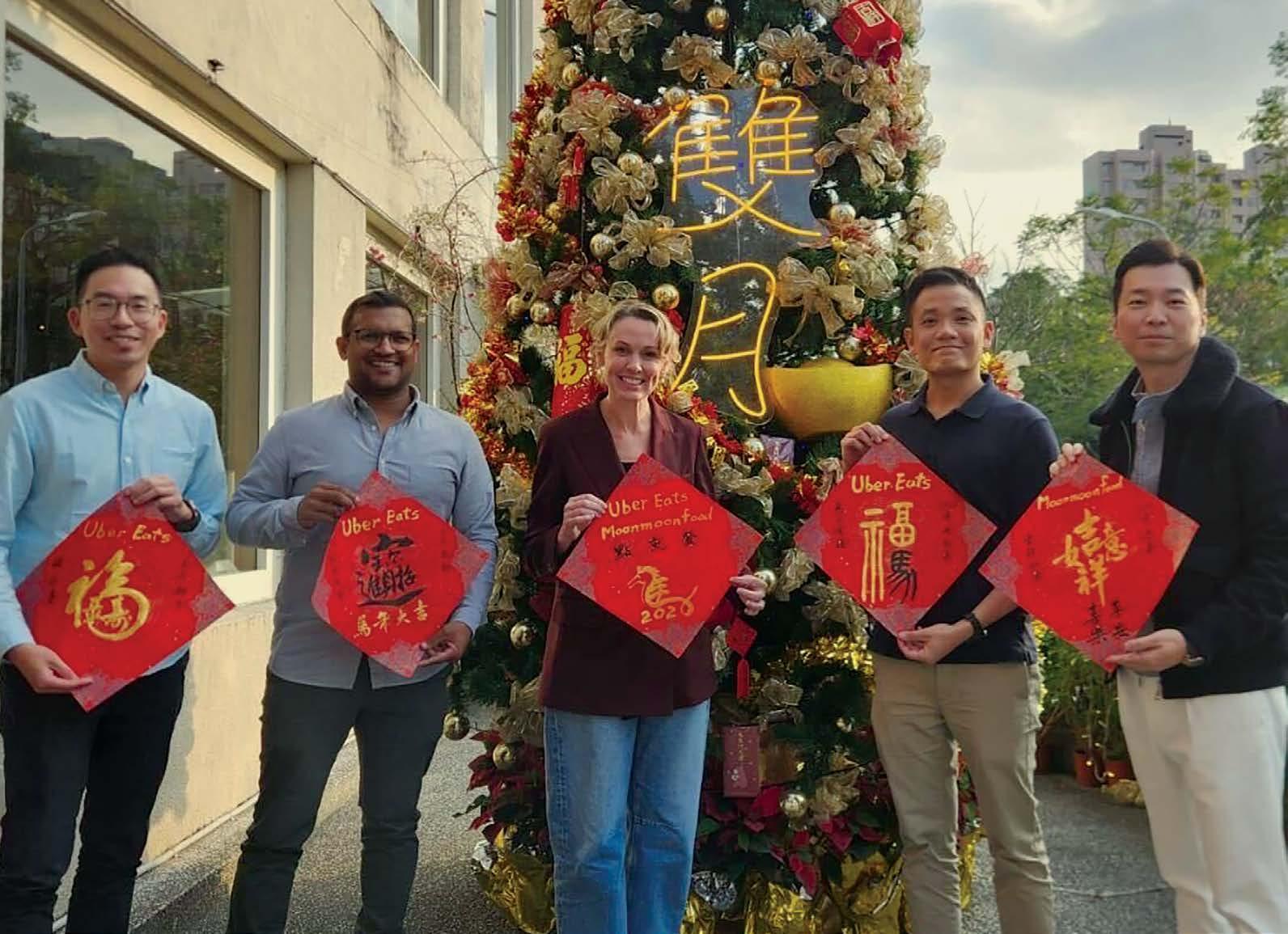
Current parent Bec Nyst leads one of the world’s most recognisable digital platforms as Regional General Manager for the Asia-Pacific (APAC) Region for Uber Eats. Working at the intersection of technology, strategy and consumer behaviour, Bec shares insights from her global career – from building high-performing teams to navigating leadership in fast-moving, data-driven organisations – and shares with SPAN News about what it takes to lead with resilience and long-term vision in the tech sector.
What does a working day in the life of Bec Nyst look like?
As Regional General Manager of the APAC Region for Uber Eats, I lead a team of general managers and executives spread across Asia and Oceania. I am based here in our Sydney office, but I spend a lot of my time each day speaking with leaders and their teams across the region: from Tokyo to Taipei to Colombo to Sydney.
I also work closely with colleagues across the US and Canada; Europe, Middle East, and Africa (EMEA); and Latin America, partner closely with product leaders in San Francisco who develop the technology that powers the Uber Eats delivery experience around the world.
My focus areas are wide-ranging on any given day, from strategy development, to talent, to meeting with merchant partners and improving customer experience. I travel a lot to different markets in the region. It is always a fantastic experience to meet our customers, partners and teams in different markets, and hear their feedback, visions and ideas.
Can you describe your pathway into senior leadership within a global technology platform like Uber Eats?
I started my career at McKinsey in Melbourne, before moving to the US where I studied an MBA at Harvard Business School and worked at eBay and Google leading sales and account management businesses for a number of years.
Looking to move home to Australia, I joined Uber Eats in Sydney in 2017 at what was a very early time for Uber Eats. My first role was to build out and lead the sales and account management organisation that works with our Restaurant Partners in Australia and New Zealand. After a few years I then stepped into the General Manager role for ANZ and now Regional General Manager for APAC.
I’ve now held three different roles at Uber Eats, all quite different, and I’ve loved each of them for different reasons. My first role at Uber leading our sales organisation gave me the chance to build something from the ground up. I saw the restaurant industry move from initial scepticism of online delivery platforms to welcoming them as an important lever for growth. I also had the chance to lead through the challenges of the COVID period, where Uber Eats was vitally important to restaurant partners’ consumers, thanks to the efforts of tens of thousands delivery partners delivering food throughout the pandemic.
As General Manager for ANZ, I was able to get much closer to Uber’s marketplace technology and delivery operations. I also had the chance to sponsor our industrial relations reform strategy, advocate for fit-for-purpose gig economy reform, forge our first partnership with the Transport Workers Union, and make important innovations and investments in safety.
Now as Regional General Manager for APAC, I am enjoying deepening my expertise in Asia’s dynamic markets and economies; developing exceptional cross-market and cross-cultural executive teams; and growing a dynamic portfolio of markets over time.
What skills have been most critical to your success?
Building great teams has been an important skill. That’s about being able to identify great talent but also about building diverse teams where people from wide ranging backgrounds bring different ways of thinking and see different opportunities. It’s these diverse views in a leadership team that together produce the best business outcomes.
“The most defining part of any experience is the people you work with, so surround yourself with people who embody the values you stand for.”
Problem solving has also been very important throughout my career. I’ve come to appreciate that every organisation has its own distinct problem-solving culture and philosophy. I’ve been fortunate to see world-class problemsolving taking many different forms in different companies, and I’ve shaped my own approach by learning from each of those environments.
What advice would you offer to young women aspiring to leadership roles in technology or business?
Prioritise your career choices around people and values. Early on, choose roles that allow you to work with people who you can learn a lot from and who will provide great coaching and mentorship. This isn’t always the most exciting role or glamourous project.
Take the chance to work for a manager who is excellent, who believes in you, and who will challenge you. The most defining part of any experience is the people you work with, so surround yourself with people who embody the values you stand for and build mentors and sponsors who can guide you along the way in your career.
What has helped you continue to perform, adapt and lead over the long term?
Effective long-term leadership requires two things: a determined mindset and a commitment to long-term impact over temporary gains.
In any leadership role, you will inevitably face times where the wind is at your back and others where you’re fighting a storm. I’ve found that your impact is most careerdefining during those difficult stretches. That is when a leader’s role is most critical - not just to manage things as they are, but to provide the determination, resilience and confidence necessary to help a team defy the odds.
Supporting this mindset is a specific decision-making posture: always solving for long-term customer outcomes rather than just short-term gains. Most things worth building require sustained effort; by consciously investing in the future, you create a foundation that can weather any temporary storm.
ANNIE WHYBOURNE (1973)
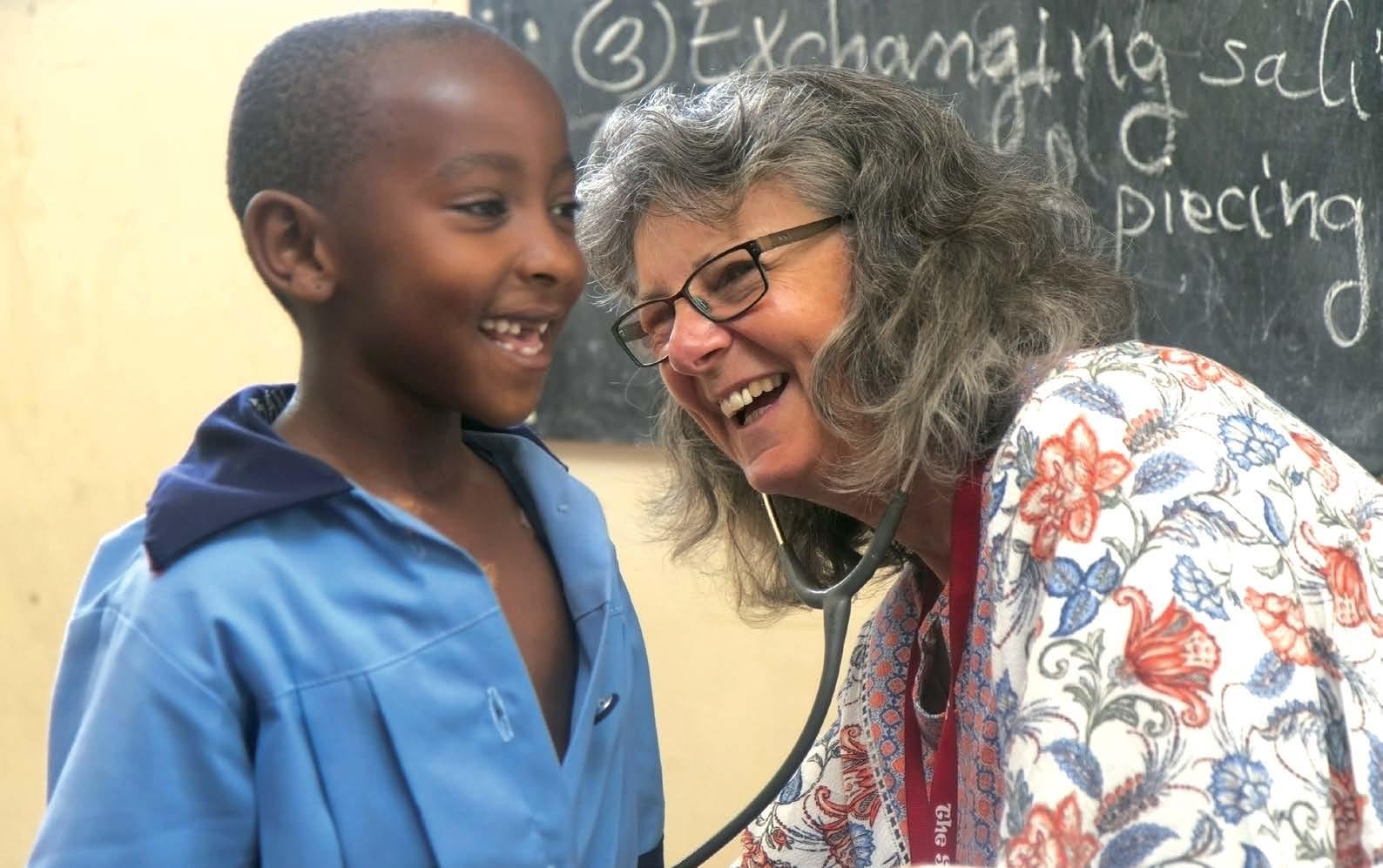
Paediatrician Dr Annie WHYBOURNE (1973) has spent her career caring for children in some of the world’s most challenging environments – from remote Australian communities to humanitarian and conflict settings overseas. As Medical Coordinator of Darwin’s Sexual Assault Referral Centre and a member of the Australian Medical Assistance Team, Annie reflects on the resilience she has witnessed in crisis zones, the lessons of humanitarian medicine, and the values that continue to guide her work supporting vulnerable children and families.
Looking back, what first sparked your desire to work in medicine?
I was always very interested in all Science subjects, especially Biology, and was fascinated by the functioning of the human body. I also very much enjoyed interacting with and caring for people. Hence, medicine seemed like an excellent profession to pursue. However, I struggled to gain entry to medical school, so I completed a year of general nursing, a science degree and worked in breast cancer research prior to starting a medical degree aged 25 years old! Never be discouraged; pursue your dreams!
Your career has taken you from remote Australian communities to humanitarian and conflict settings overseas. What have these experiences taught you about resilience both in others and in yourself?
I have embraced wonderful opportunities and enjoyed the enormous privilege of providing medical care to many populations in remote Australia and overseas trying to survive in challenging conditions associated with poverty, disease outbreaks, civil war and natural disasters. The resilience that people show in these circumstances is very humbling and encourages self-reflection and the practice of gratitude.
Can you share a moment from your work that has stayed with you and helped shape how you practise medicine today?
Specialising in Paediatrics, I have experienced many wonderful moments of realisation that a very sick child will recover after receiving the care that the “team” has provided. These experiences reinforce the importance of using the knowledge I have and the power of modern medical practice.
You work in environments that are emotionally demanding and complex. How do you sustain yourself professionally and personally over the long term?
I work with a tremendous group of colleagues who are professionally and personally very supportive. My own health is extremely important to me - I eat a very healthy, mostly plant-based diet, as organic as possible; I exercise every day with a mixture of cycling, walking, Pilates, swimming, bushwalking, orienteering and rogaining; and I always take my holidays, usually participating in a long distance walk up to 21 days somewhere in the world, which allows time for contemplation, renewal, precious sharing time with friends, fun and fitness!
What leadership lessons have you learned through your work with the Australian Medical Assistance Team (AUSMAT) and Médecins Sans Frontières?
That the most successful and impressive leaders ‘lead from behind’. Every individual has untapped skills and abilities. A good leader will encourage every member of the team to participate, feel a part of the team, step up and shine!
What advice would you give to students or Old Girls who feel drawn to serviceoriented or humanitarian careers?
Working with people in a service-oriented profession can be an extremely enriching, satisfying and humbling experience. Humanitarian opportunities require a higher level of experience and commitment. I advise seeking out opportunities after you have gained some skills in the area of humanitarian need, as you will often be teaching in these positions as well as delivering care, and need experience behind you.