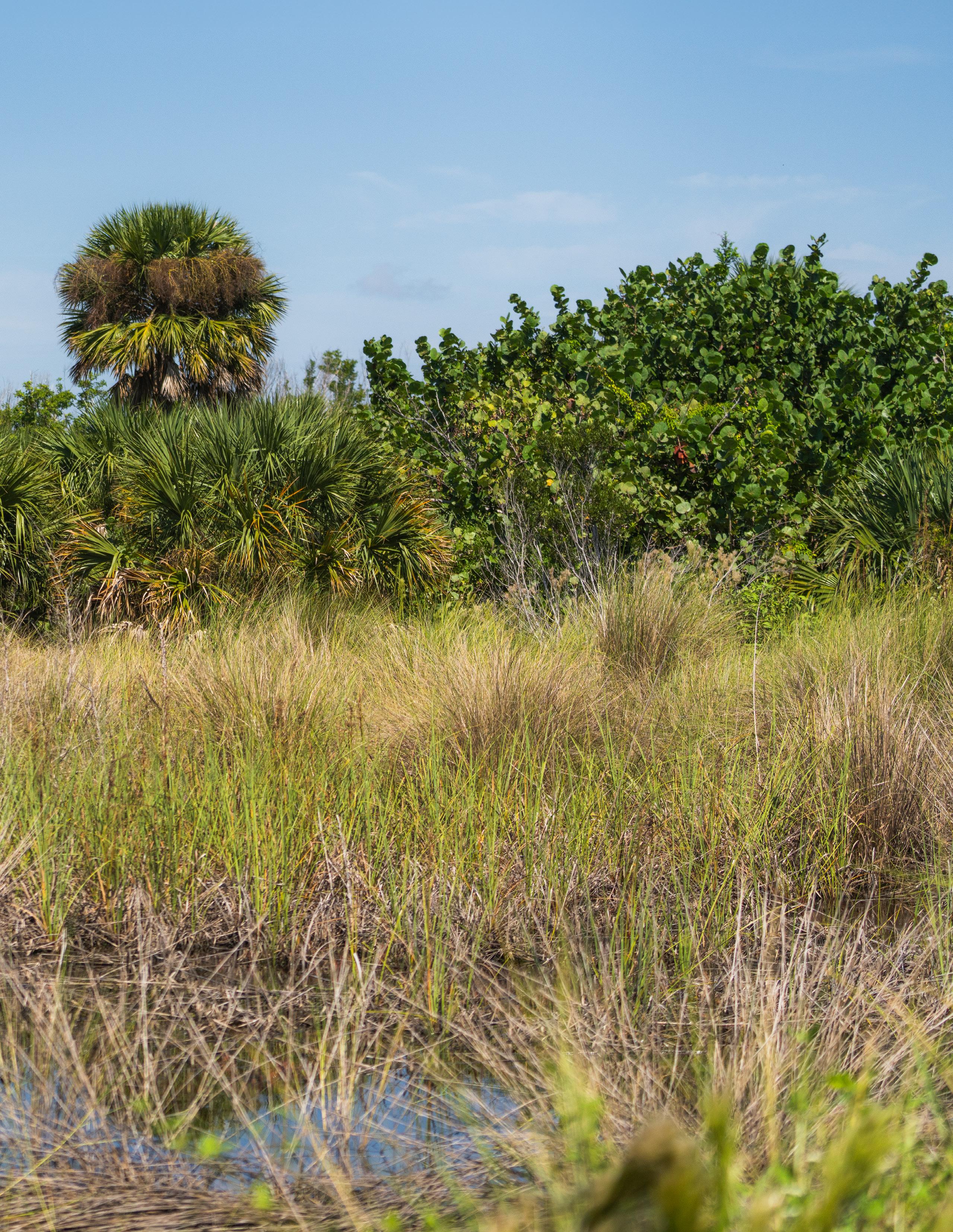
Our 7 preserves with public trails — open for exploration every day, from sunrise to sunset.
Our 7 preserves with public trails — open for exploration every day, from sunrise to sunset.
BY
Thanks to our community’s long-standing and generous support, SCCF’s trusted scientists, educators, and policy advocates are reporting these quantifiable ways that we are protecting and caring for Southwest Florida’s coastal ecosystems in FY 25-26. Please look for final numbers in our Annual Report.
MARINE HABITATS
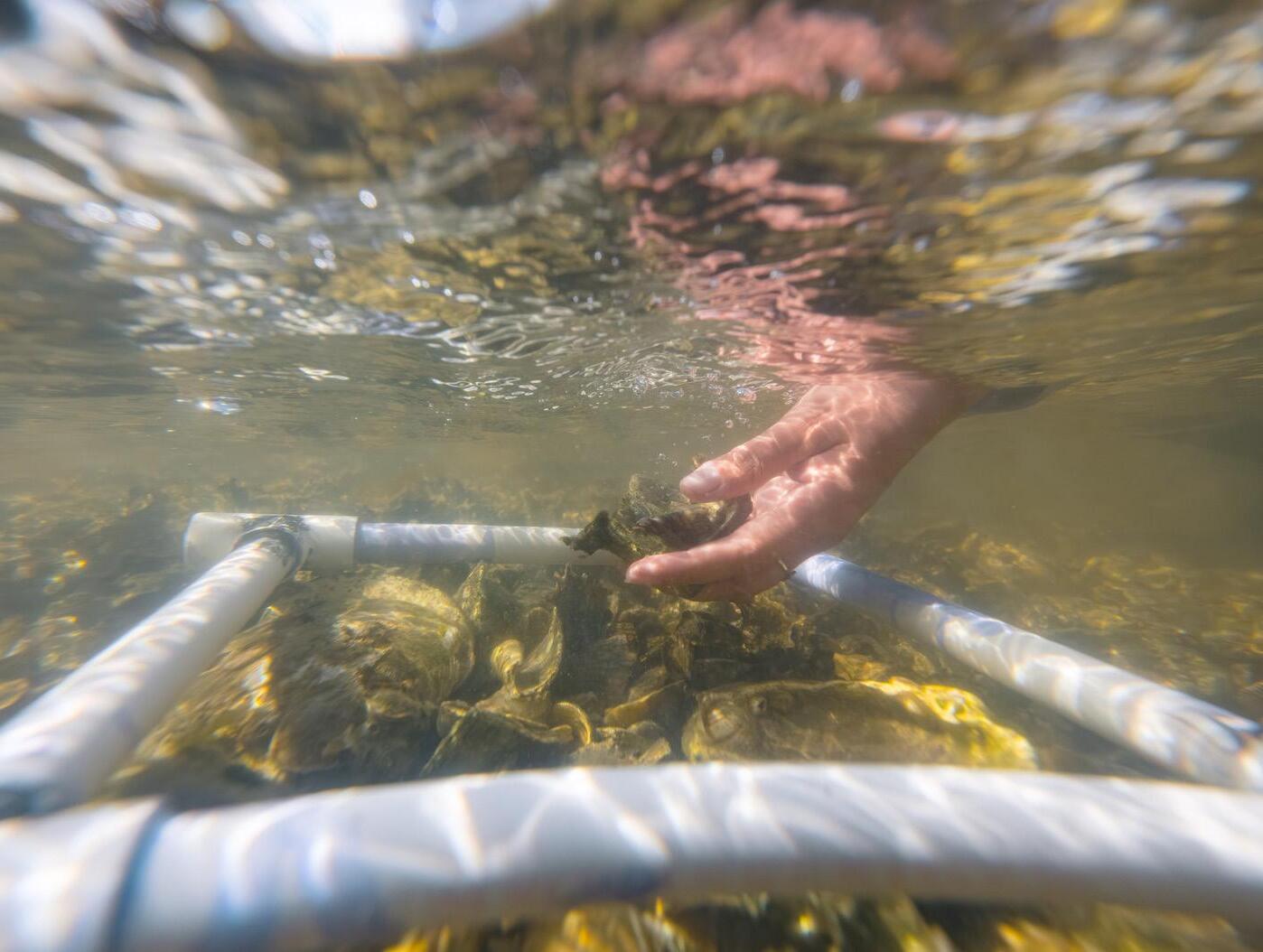
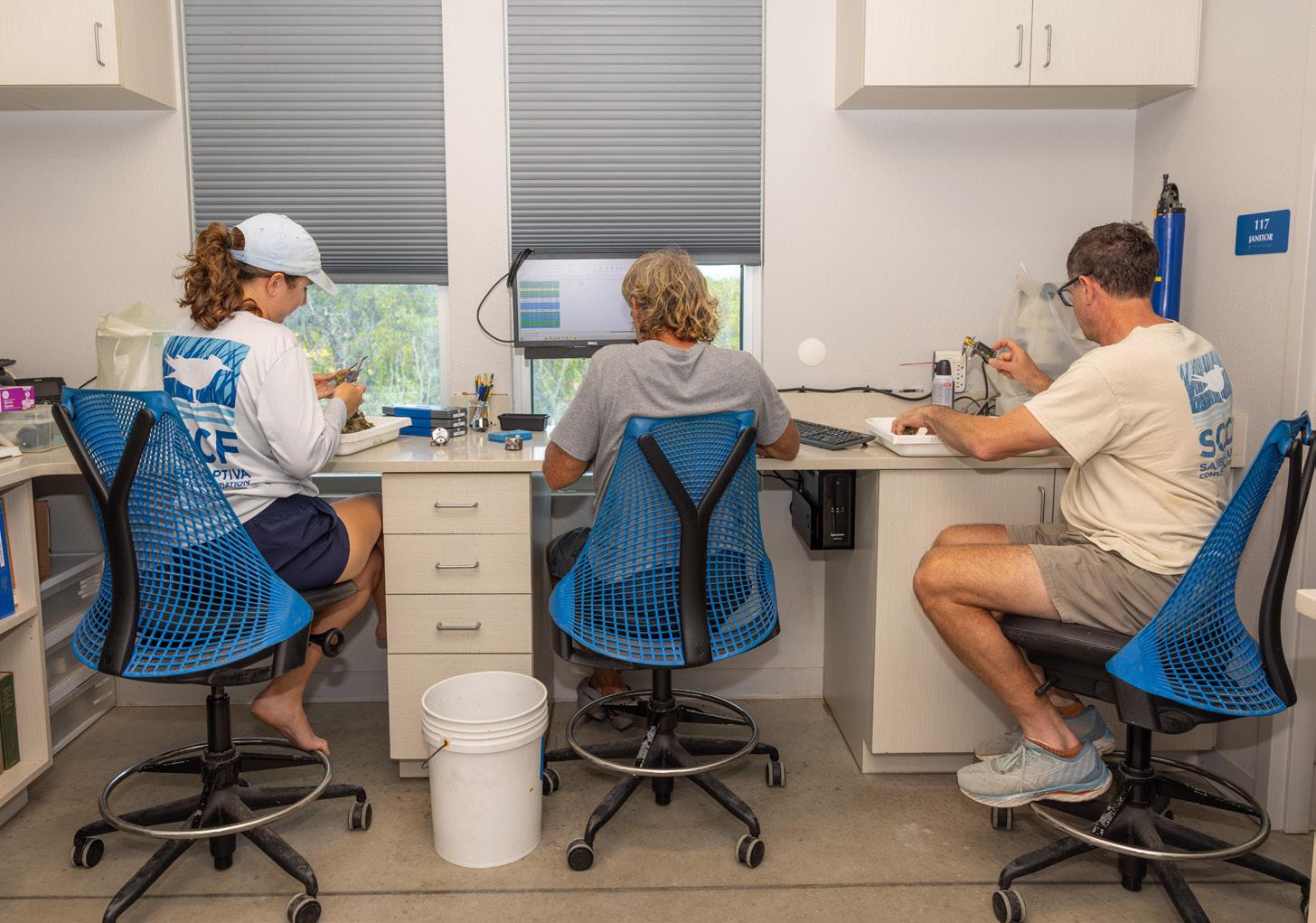
5,371 oysters collected, measured, and returned to reefs
23
pounds of macroalgae (seaweed) collected from 62 sites for EPA study
CONSERVATION LANDS
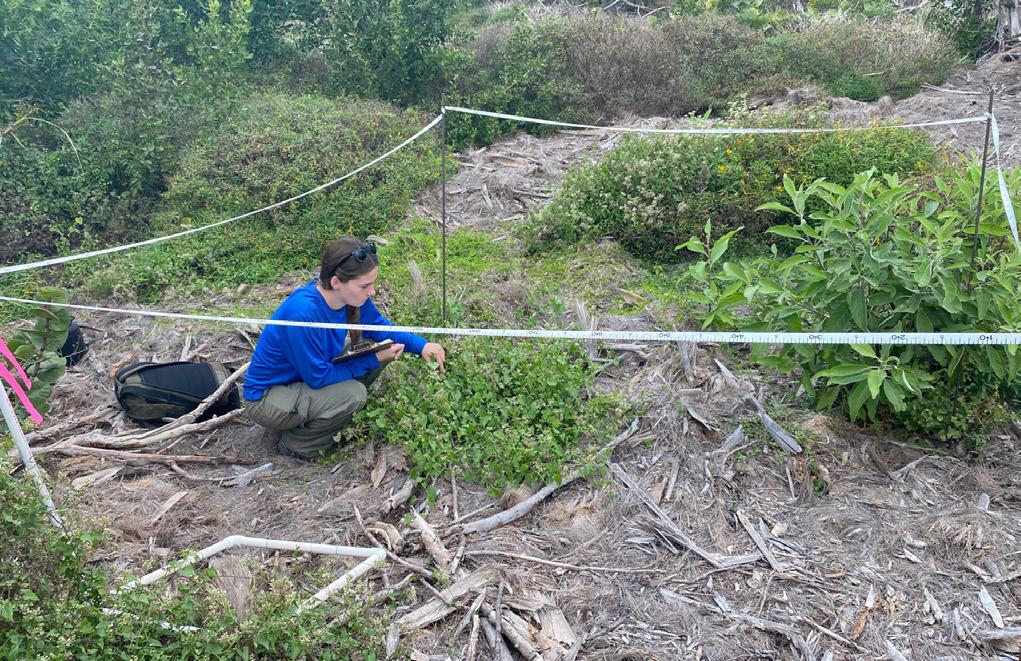
95 plant species identified on preserve lands
116 vegetation quadrats surveyed
205,021
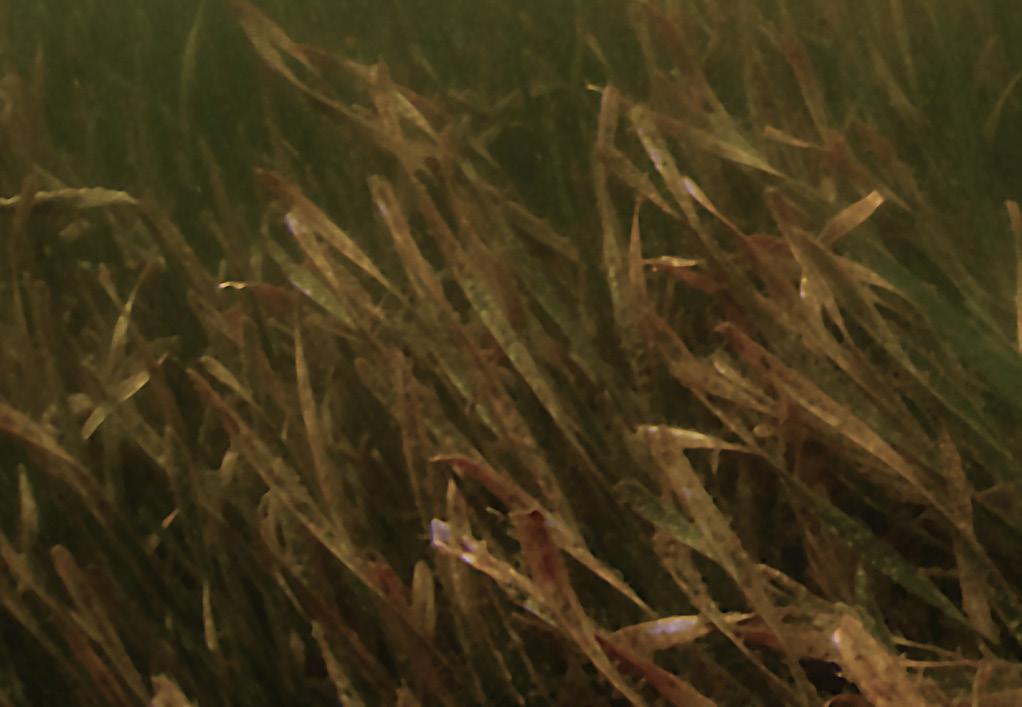
seagrass shoots counted in shallow waters around Sanibel and Captiva
WILDLIFE RESEARCH & MONITORING
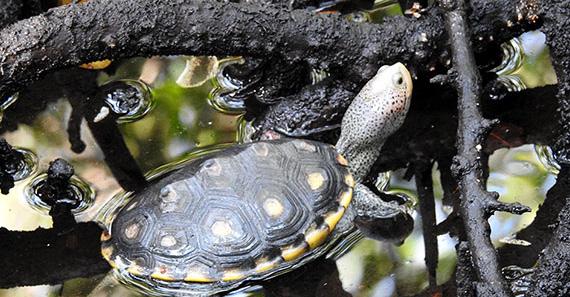
105 traps set for terrestrial and aquatic turtle monitoring
868
loggerhead nests monitored
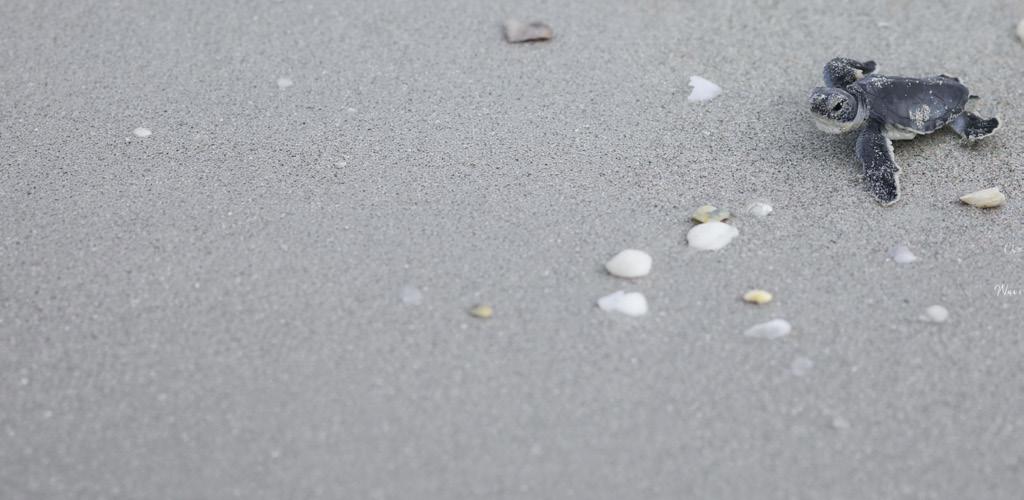
21 green turtle nests monitored
86 loggerhead hatchlings collected for research
9 loggerhead nests monitored for temperature for hatchling fitness/brevetoxin study
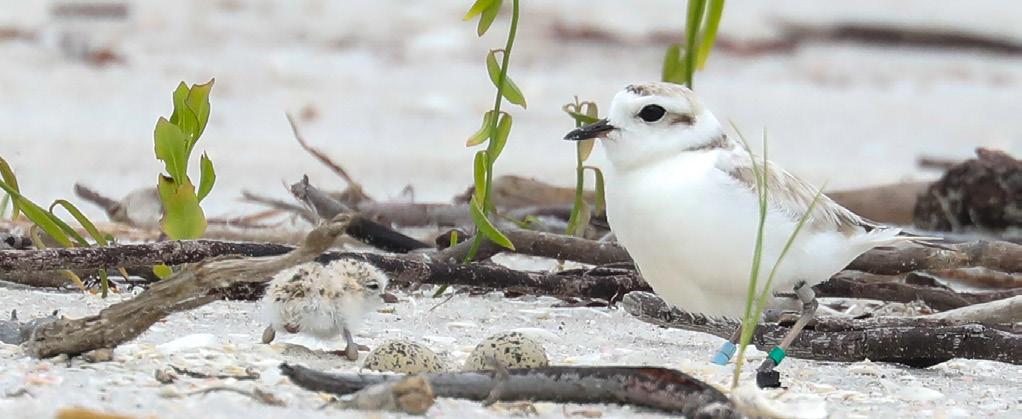
7
snowy plover nests fledged 7 chicks
244
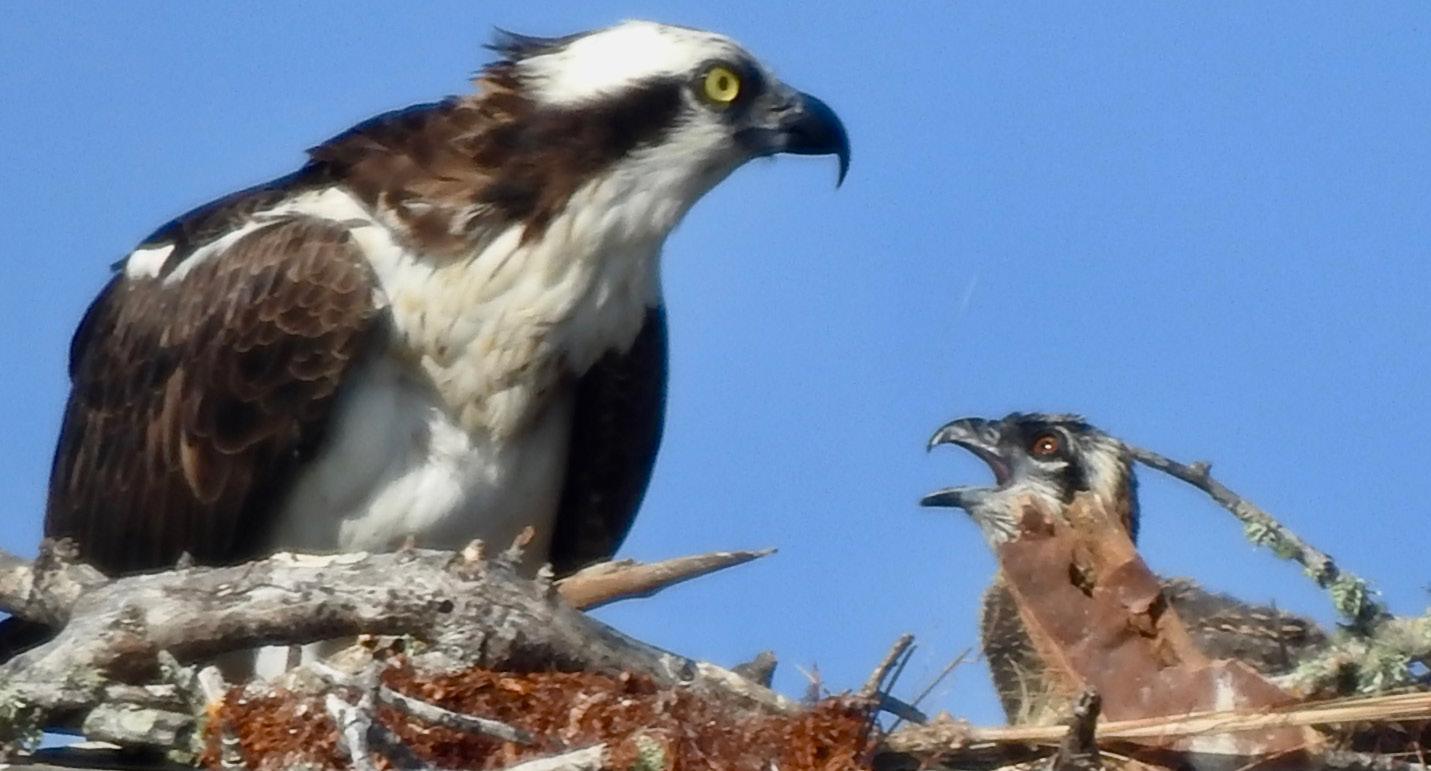
osprey nests new to monitoring programs
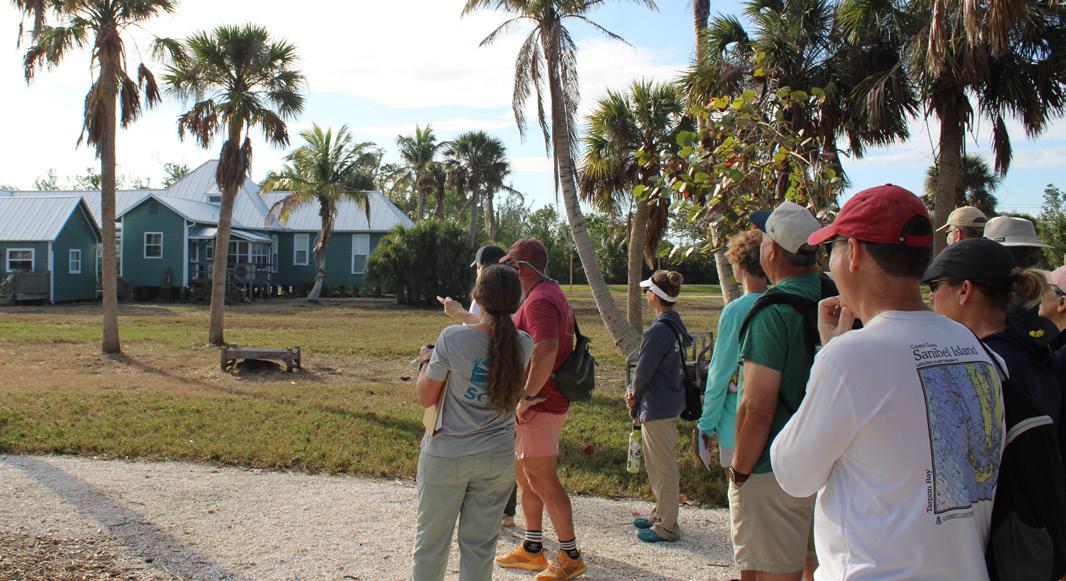
64 new residents attended day-long environmental orientation
192 varieties of native plants sold at Native Landscapes & Garden Center
SANIBEL SEA SCHOOL
97 scholarships for day programs
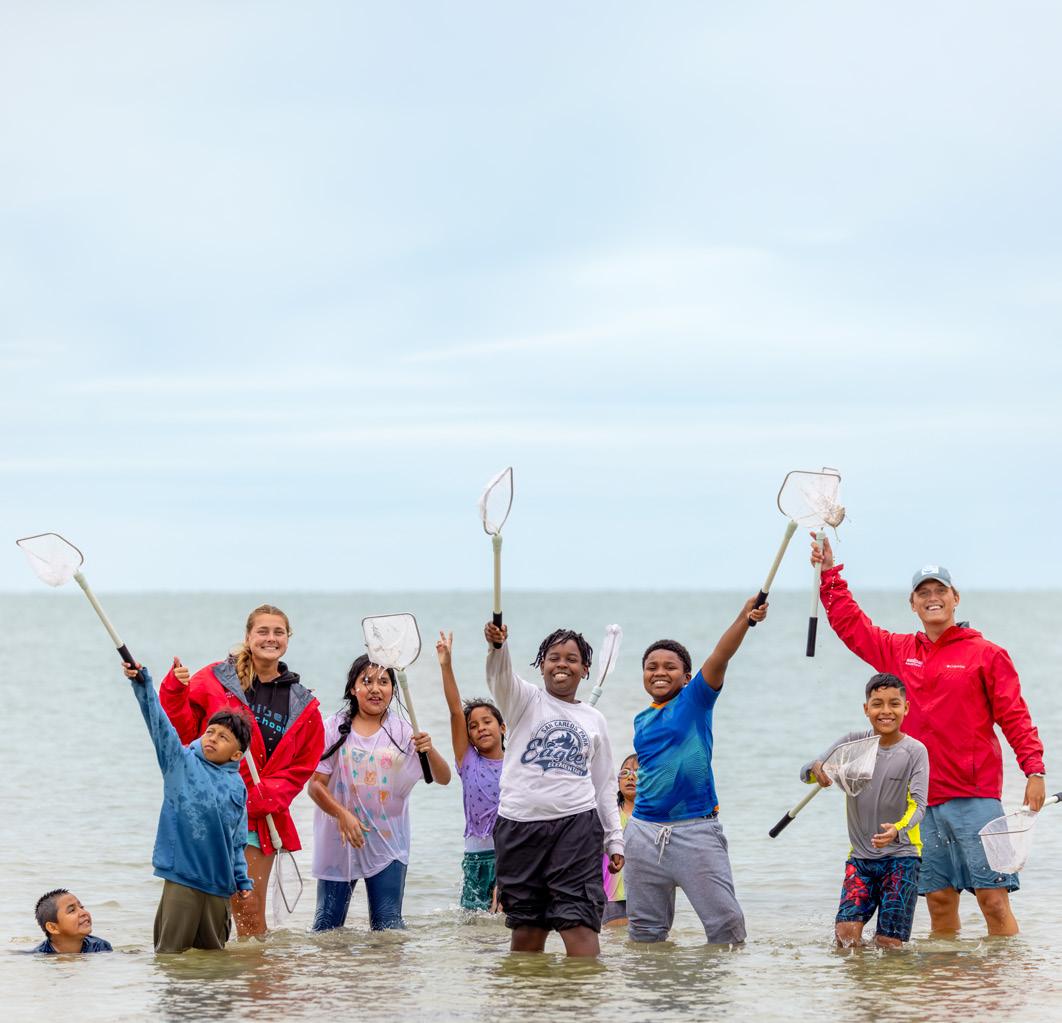
107 children attended free Community Camps
COASTAL WATCH
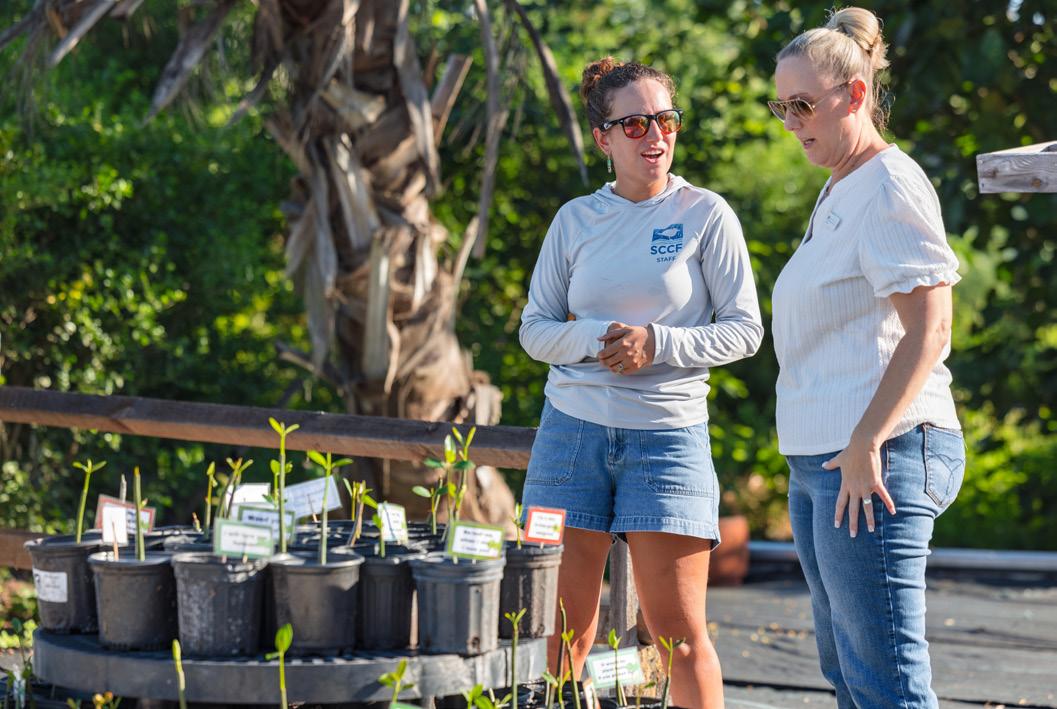
1,800 Adopt-a-Mangrove seedlings adopted
1,001 public school students on field trips
9,800 students of all ages, across all programs
$46,462 in financial support for noncamp tuition assistance
18 volunteer events to enhance gopher tortoise habitat
54,000 pounds of shell moved by volunteers to restore oyster reefs
2,239 hours logged by volunteers
131 volunteer opportunities
POLICY
1,304 Advocates took action
14,362 messages sent to decision makers
33,760 Action Alerts opened by advocates
SUPPORT OUR IMPACT
Thanks for being part of our SCCF Family by using the enclosed envelope or donating at sccf.org.
Connecting You to Nature is published by SCCF, a nonprofit 501 (c)(3) founded in 1967 on Sanibel Island, Florida. Through stories about how we fulfill our mission to protect and care for Southwest Florida’s coastal ecosystems, we hope to deepen your understanding of how our land, water, and wildlife depend on our stewardship.
James Evans, CEO Barbara Linstrom, Editor
CONTRIBUTING WRITERS
Matt DePaolis, Jenny Evans, Chris Lechowicz, Eric Milbrandt, Ph.D., Kealy Pfau, Shannon Rivard, Kelly Sloan
CONTRIBUTING PHOTOGRAPHERS
Shane Antalick, Doug Cook, Cheri Hollis, Rob Hoovis, Mia McPherson, Milissa Sprecher
OPEN TO THE PUBLIC
Native Landscapes & Garden Center at Bailey Homestead Preserve 1300 Periwinkle Way (239) 472-1932
Sanibel Sea School 455 Periwinkle Way info@sanibelseaschool.org (239) 472-8585
Main Office (239) 472-2329
SCCF Sea Turtle Hotline (978) 728-3663
Shorebird Inquiries shorebirds@sccf.org
www.sccf.org | info@sccf.org P.O. Box 839, Sanibel, FL 33957
We are sharing a great deal of important mission-driven work in this issue. Hopefully, we have made that review easier by highlighting our three top priorities in each of SCCF’s program areas.
There is something else we need to highlight and celebrate that also comes in a set of three: Time, Talent, and Treasure.
Thank you for giving your Time and Talent through committee service and fieldwork. Your engagement is essential.
Equally vital, especially now, is your contribution of Treasure. To balance our operating budget, we are asking again for your tax-deductible gifts before the fiscal year ends on June 30.
We hope you will give joyously, without reservation, and in the knowledge that we run a tight and fiscally prudent organization. Your philanthropic investment goes a long way at SCCF.
Please help us balance the FY 2025-26 operating budget by using the enclosed reply to make your most generous contribution. You can also give through the Donate button at sccf.org.
Please call Development Director Cheryl Giattini at 239-822-6121 with any questions you may have about SCCF’s needs or how you can help.
Thank you in advance for your consideration of this sincere request for your support.
Dear Friends and Neighbors,
Welcome to the Spring issue of Connecting You to Nature magazine, where our passionate program area leaders share their top priorities this year.
We are proud to be part of a community that believes so deeply in protecting and caring for our land, water, and wildlife — the attributes that make our islands so special.
Our vision is a “Southwest Florida where wildlife and natural habitats flourish in harmony with people and are protected by science-based policies.”
To achieve that, we are continually developing new ways to immerse residents and visitors in our ecosystems to deepen their understanding and strengthen their relationships with our natural systems.
Through our Sanibel Sea School’s unforgettable ocean visits for landlocked children and “A Chance to Sea” program, to educational sea turtle hatchling releases for small groups, we are sharing the power of meaningful coastal experiences.
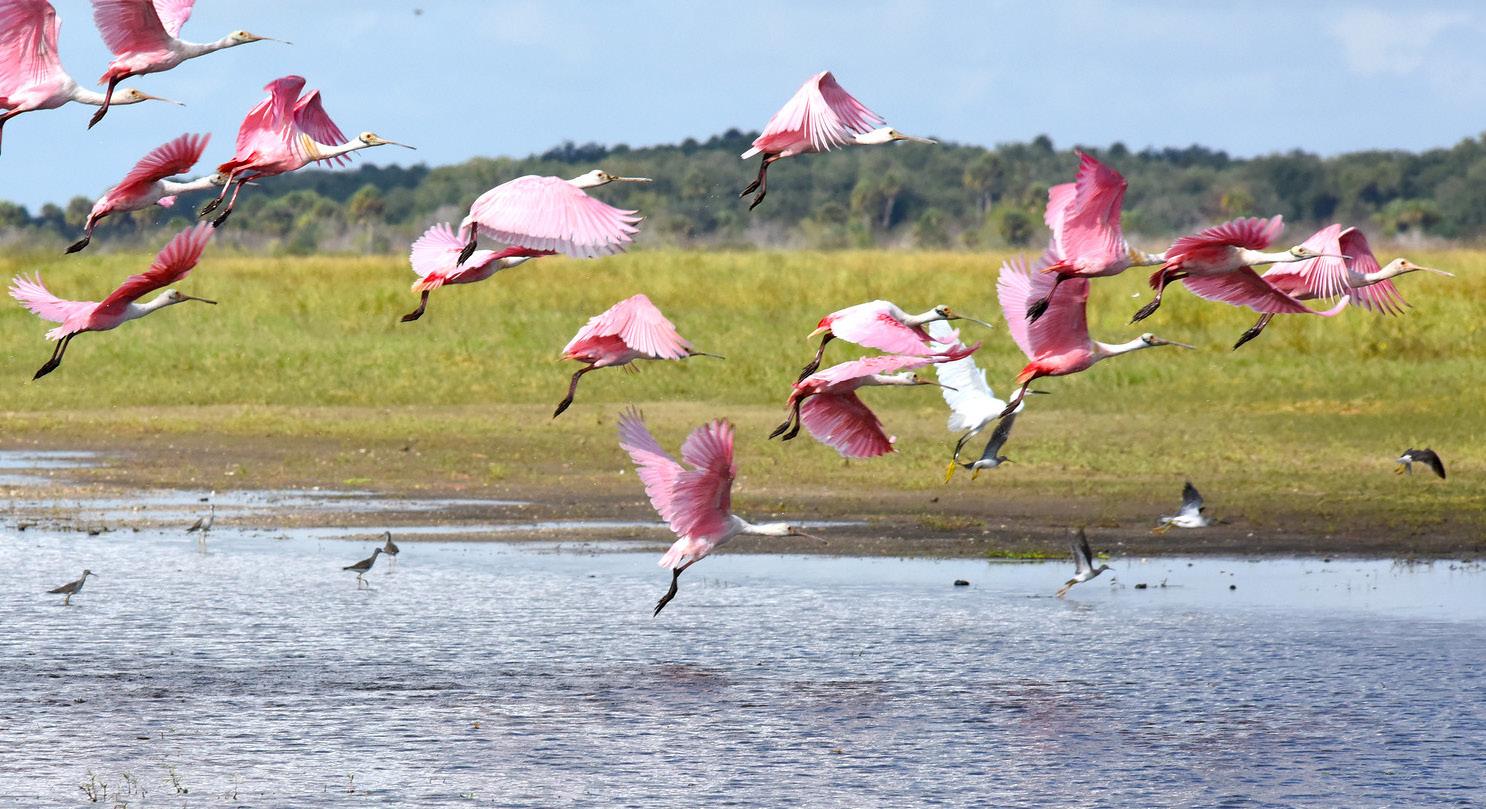
Our Marine Lab continues to innovate and partner to pursue critical research as a regional leader in water quality science. Our Coastal Wildlife team has expanded its focus beyond sea turtles, shorebirds, and eagles, to include osprey and wading bird monitoring and habitat protection.
On the land, our Wildlife & Habitat Management program is focused on the re-opening of hurricane damaged trails so you can enjoy the wilds that you help protect, restoring critical habitat in our wildlife corridors, and gauging the ongoing adaptation of our freshwater systems.
Our Policy team is engaging with our legislators and advocating for policies that will protect and preserve our natural resources, our local economy, and our quality of life.
Through Coastal Watch, resident and visiting volunteers are being transformed into lifelong stewards through deeply immersive, hands-on opportunities to restore our trails and preserves, waters, and shorelines.
By strengthening community partnerships, our Adult Education program is also propelling our vision forward through new and creative ways of expanding our reach. At our Native Landscapes & Garden Center, our newly rebuilt Ruth Brooks Propagation Facility is literally seeding the future of native habitats that support our wildlife.
We are grateful to our amazing supporters, hard-working and dedicated staff and volunteers, and talented Board of Trustees who make our work possible. We look forward to working with you as stewards and active participants in conserving this extraordinary place.
Sincerely,
James Evans Chief Executive Officer
In these posthurricane times, our islands are returning to their beloved vibrance. As our vision states, that is because of people like you who believe that we can do more than exist in harmony with our wildlife and natural habitats — we can help them flourish.
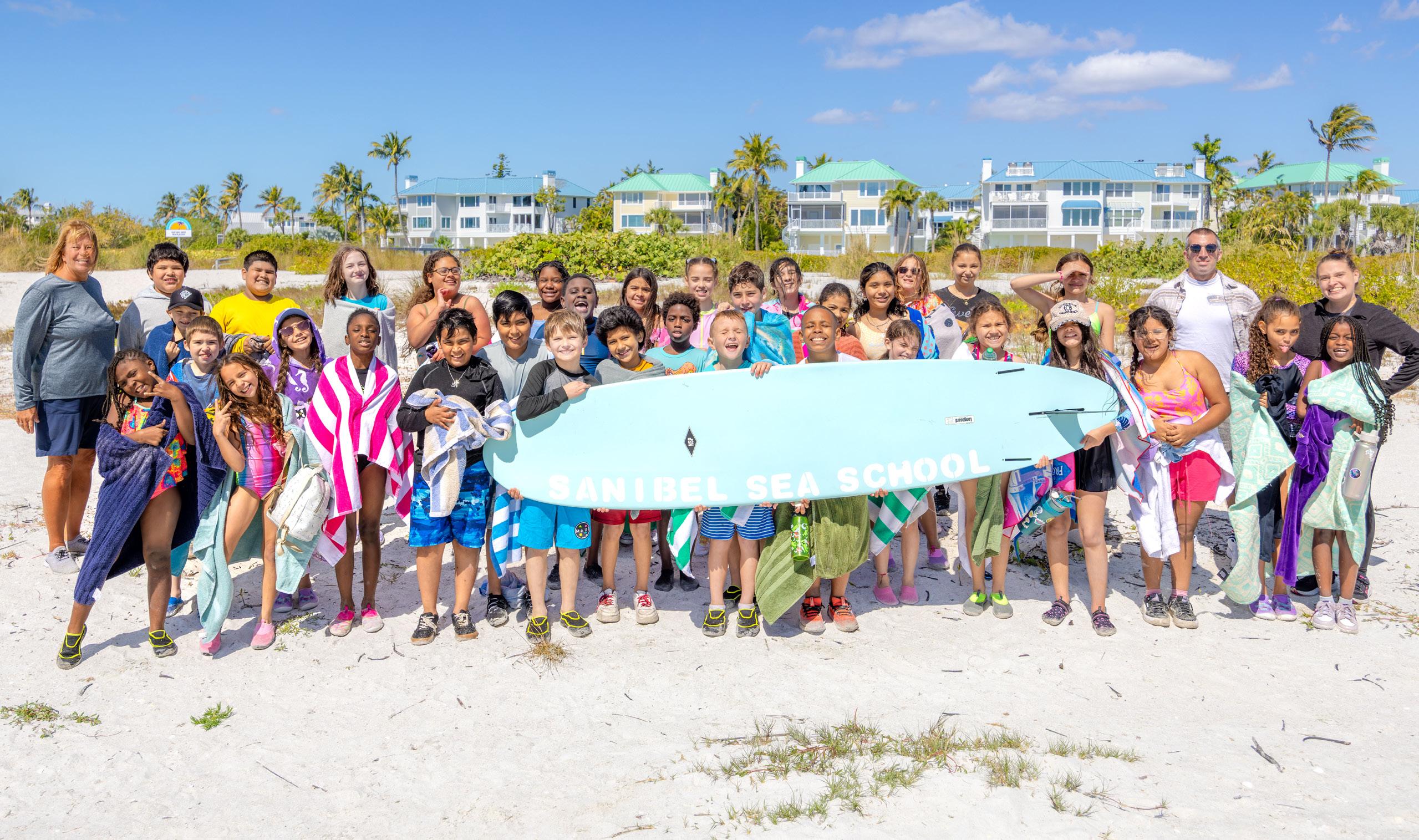
At Sanibel Sea School, everything we do begins with a belief in the power of meaningful coastal experiences. Today, three key priorities are guiding our work: strengthening collaboration, expanding equitable access, and building a resilient, inspiring campus.
One of our most exciting priorities is deepening collaboration across SCCF program areas to bring the magic of our work to local families and visitors. By combining SCCF’s world-class science with Sanibel Sea School’s creative, immersive education, we create experiences
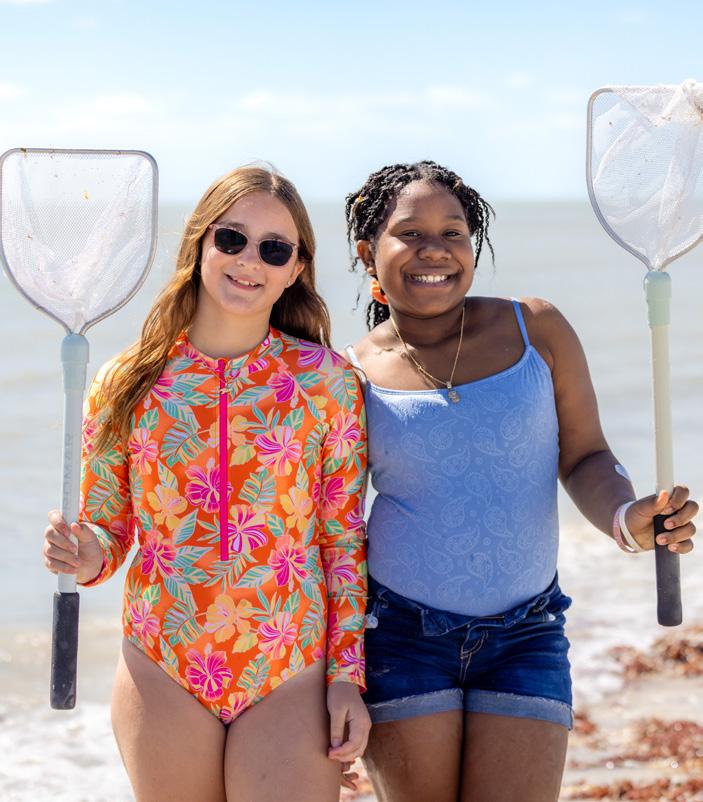
that are engaging and impactful.
A standout example is our public sea turtle hatchling releases, launched last summer with SCCF’s Coastal Wildlife team. Participants begin with a program on sea turtle biology, research, and conservation at Sanibel Sea School before heading to the beach to witness
hatchlings begin their journey to the Gulf. Serving 40 participants, the four-week program offered rare access to a remarkable moment in nature. We are excited to bring it back in summer 2026 and to continue building similar collaborative experiences with other program areas.
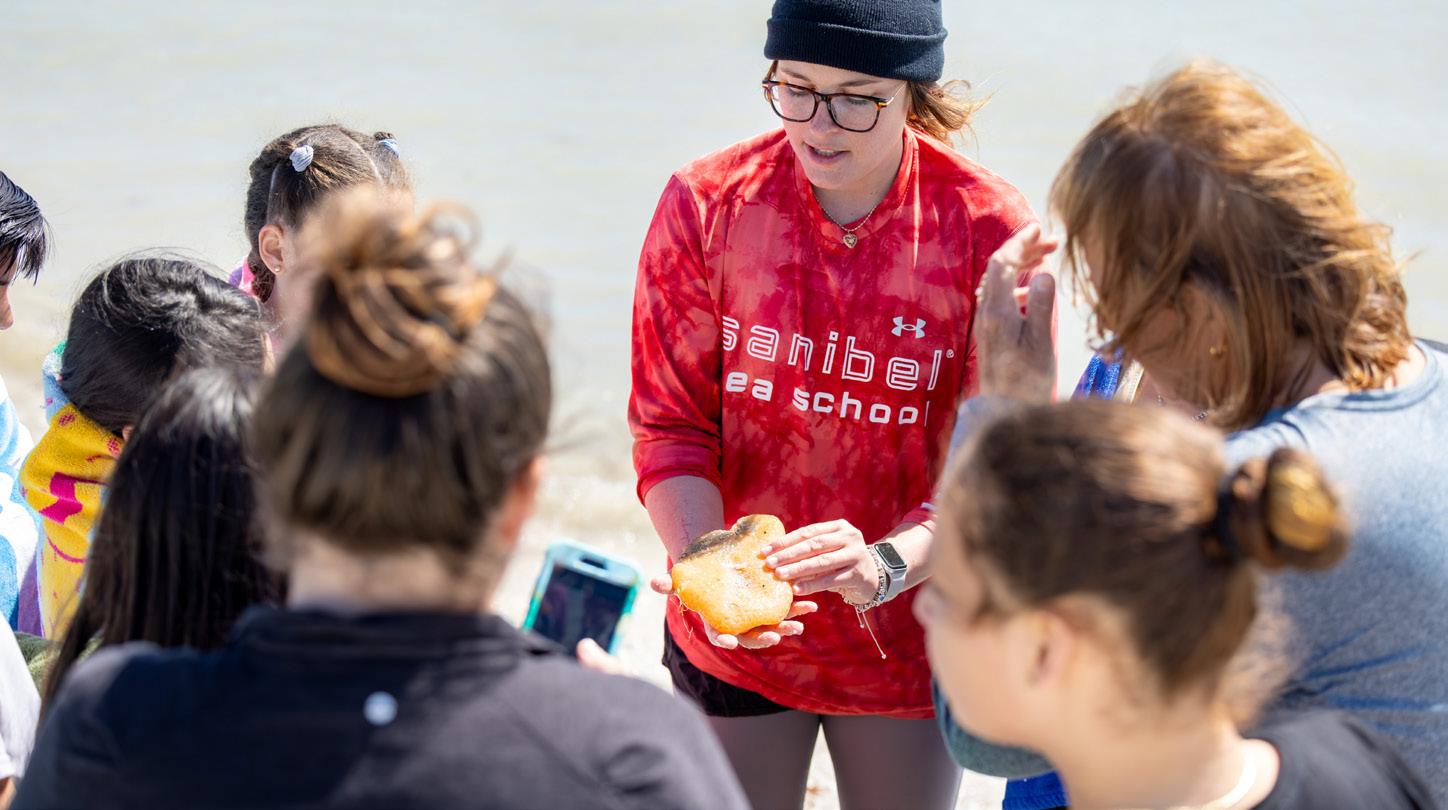
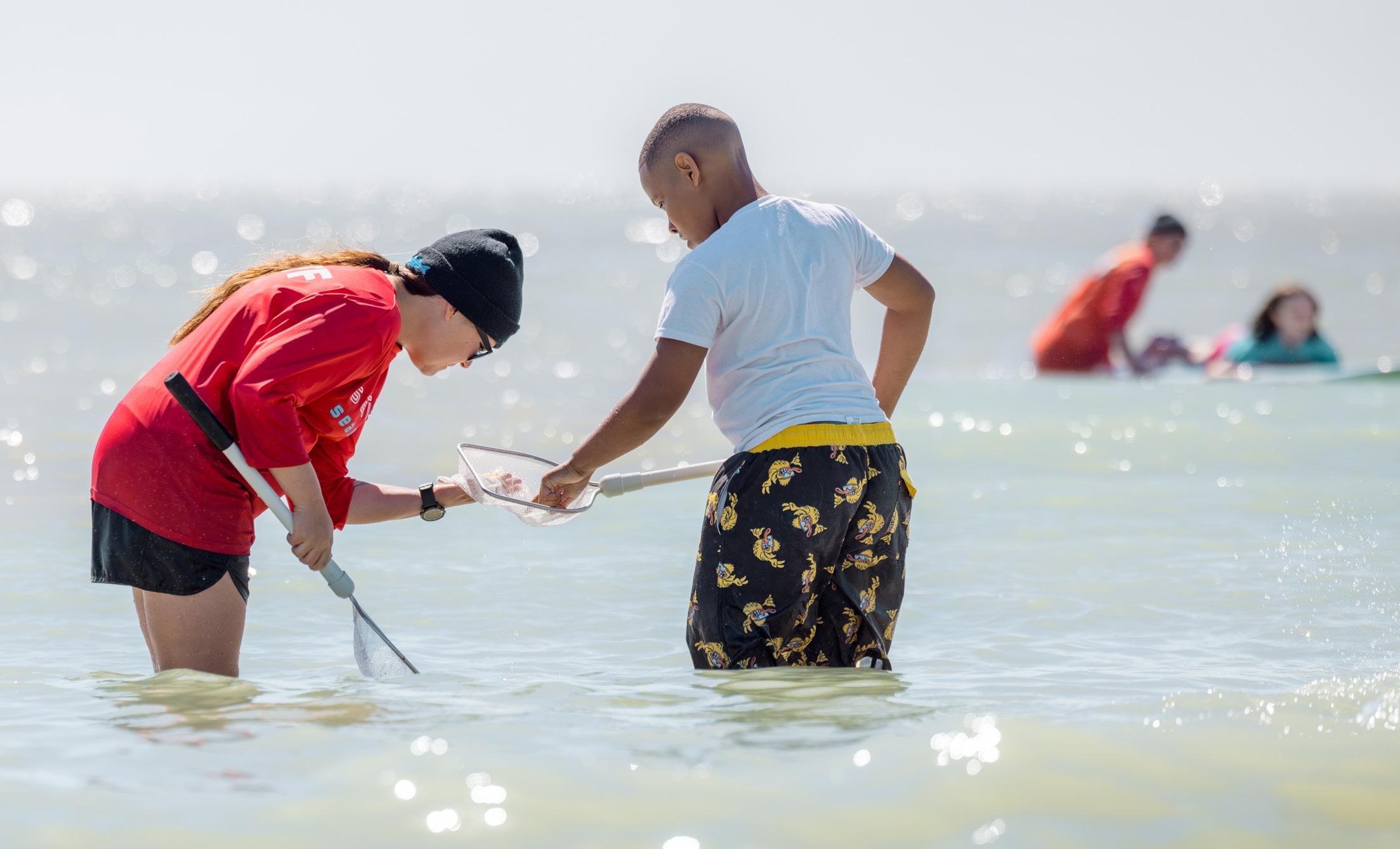
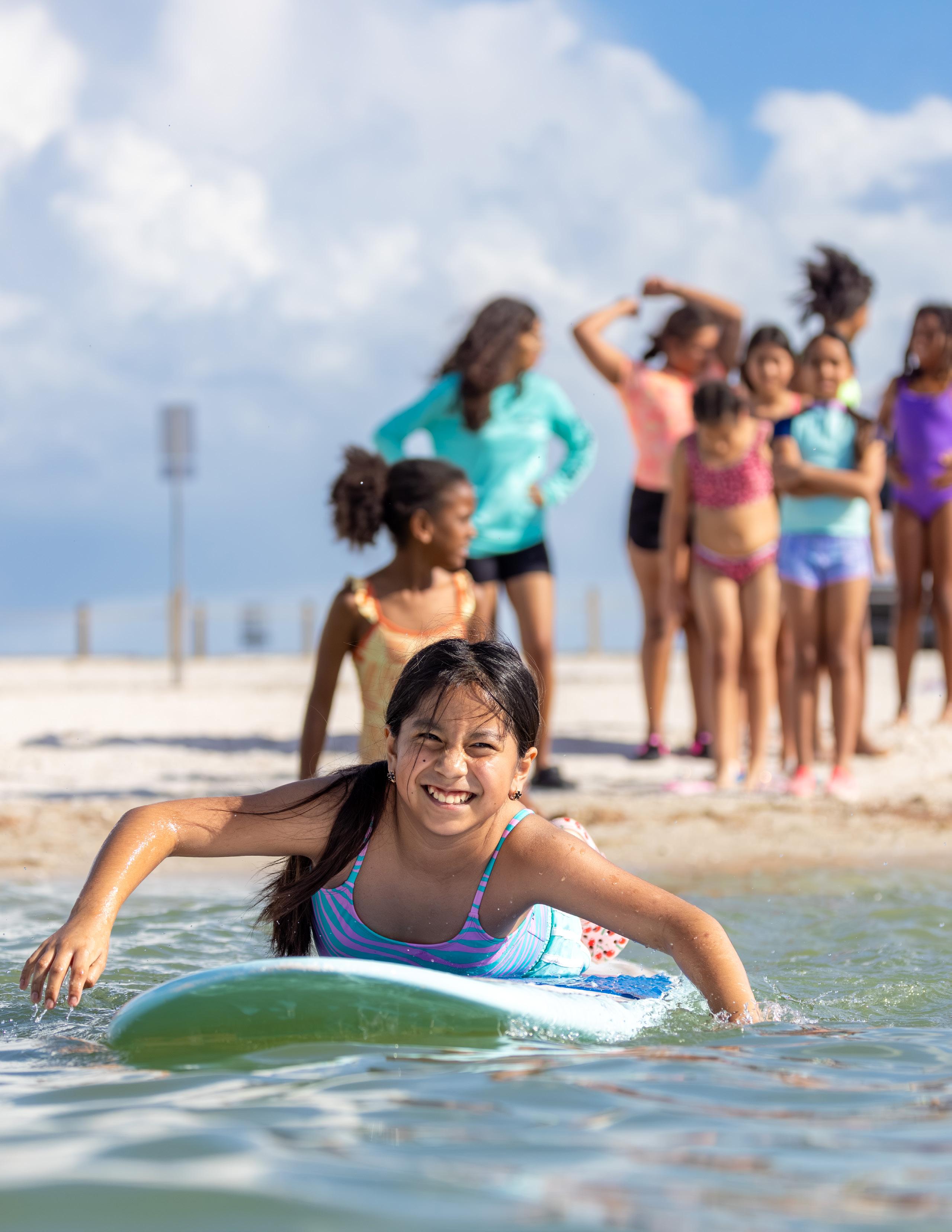
Everyone Deserves A Chance to Sea Equity and access remain at the heart of our mission. Through our A Chance to Sea initiative, we work to remove barriers that may prevent children from experiencing the coastal world around them. This program is more than an opportunity — it is a promise that everyone deserves the chance to be changed by the ocean.
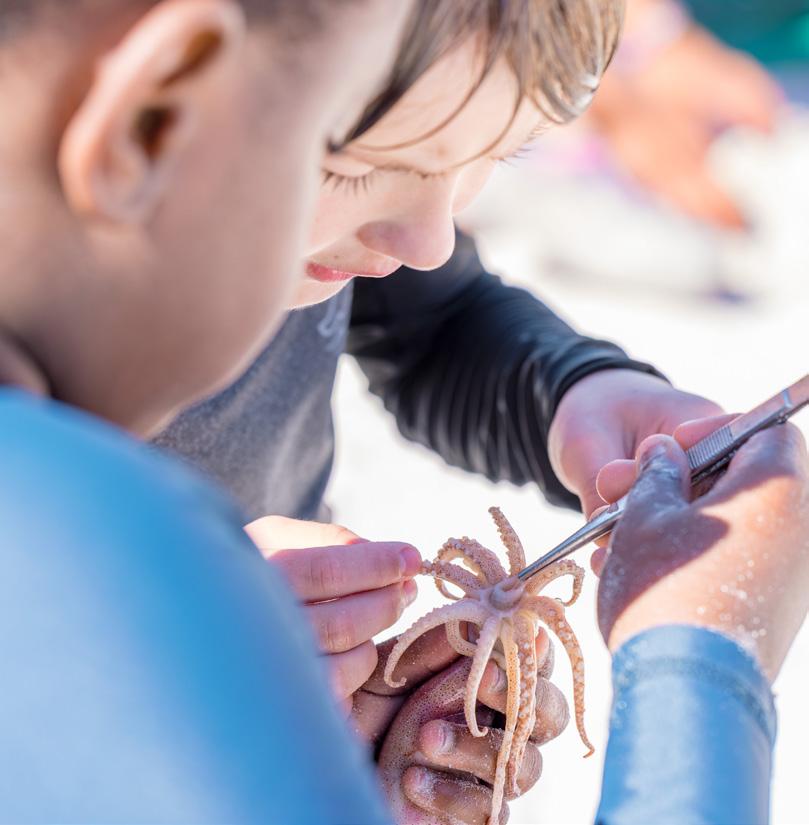
For 20 years, we have built lasting community partnerships with organizations such as The Heights Foundation, Pine Manor Improvement Association, Joseph H. Messina Children’s Center, and UptheGrove Elementary. We have also customized programs for groups with unique needs, including the STARability Foundation, Lighthouse of SWFL, and English as a second language students.
We’re adding new partnerships with the Boys & Girls Club of Lee County, A.N.A.’s Friends serving abused, neglected, and abandoned kids in Southwest Florida, and Trailways Camp serving special needs adults. We are also launching our reimagined SEA Lab — a mobile marine science classroom that will bring hands-on learning directly to community centers and schools, extending our reach beyond Sanibel.
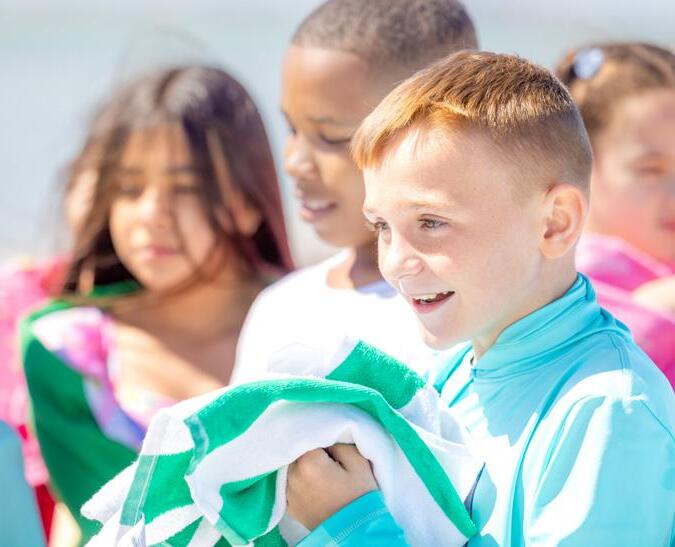
While our buildings have been beautifully rebuilt after Hurricane Ian, we are focused on enhancing the outdoor spaces, including new decks for outdoor classrooms, shaded gathering areas, and creative storage. We’ll also be expanding native plantings to teach visitors and provide opportunities for direct interaction with the environment on campus. Together, these priorities reflect our commitment to connection, inclusion, and growth. By working collaboratively, expanding access, and investing in our campus, Sanibel Sea School continues to create meaningful pathways for people of all ages to fall in love with the ocean and to protect it for generations to come.
— Shannon Rivard, Sanibel Sea School Director
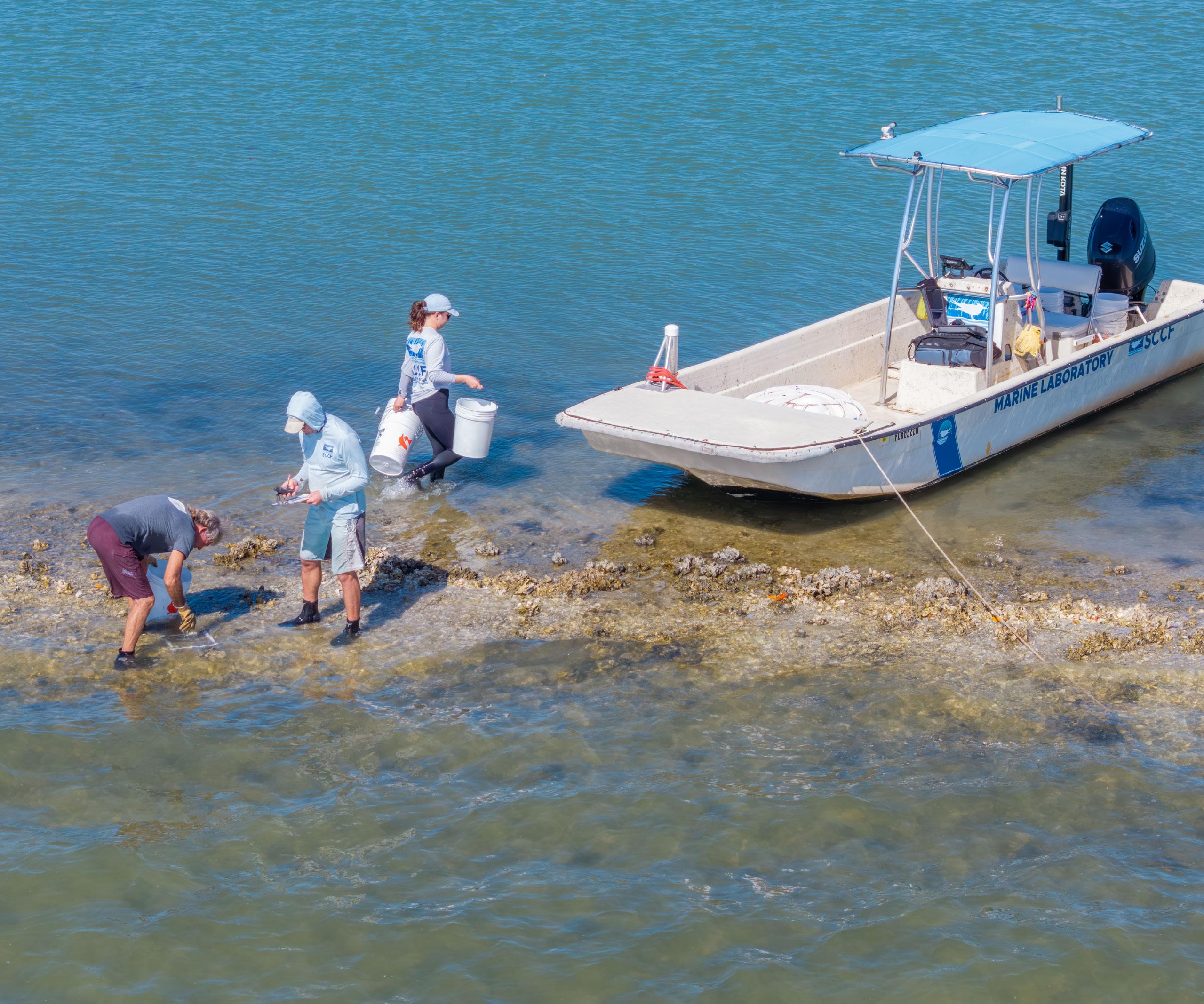
The SCCF Marine Lab has been at the forefront of water science in Southwest Florida for decades, with a focus on understanding, monitoring, and enhancing regional water quality. The lab is proud to share up-to-the-minute water conditions with local boaters, scientists, and policymakers to improve management decisions. The priorities guiding the Marine Lab’s work: monitoring for today and restoring for tomorrow.
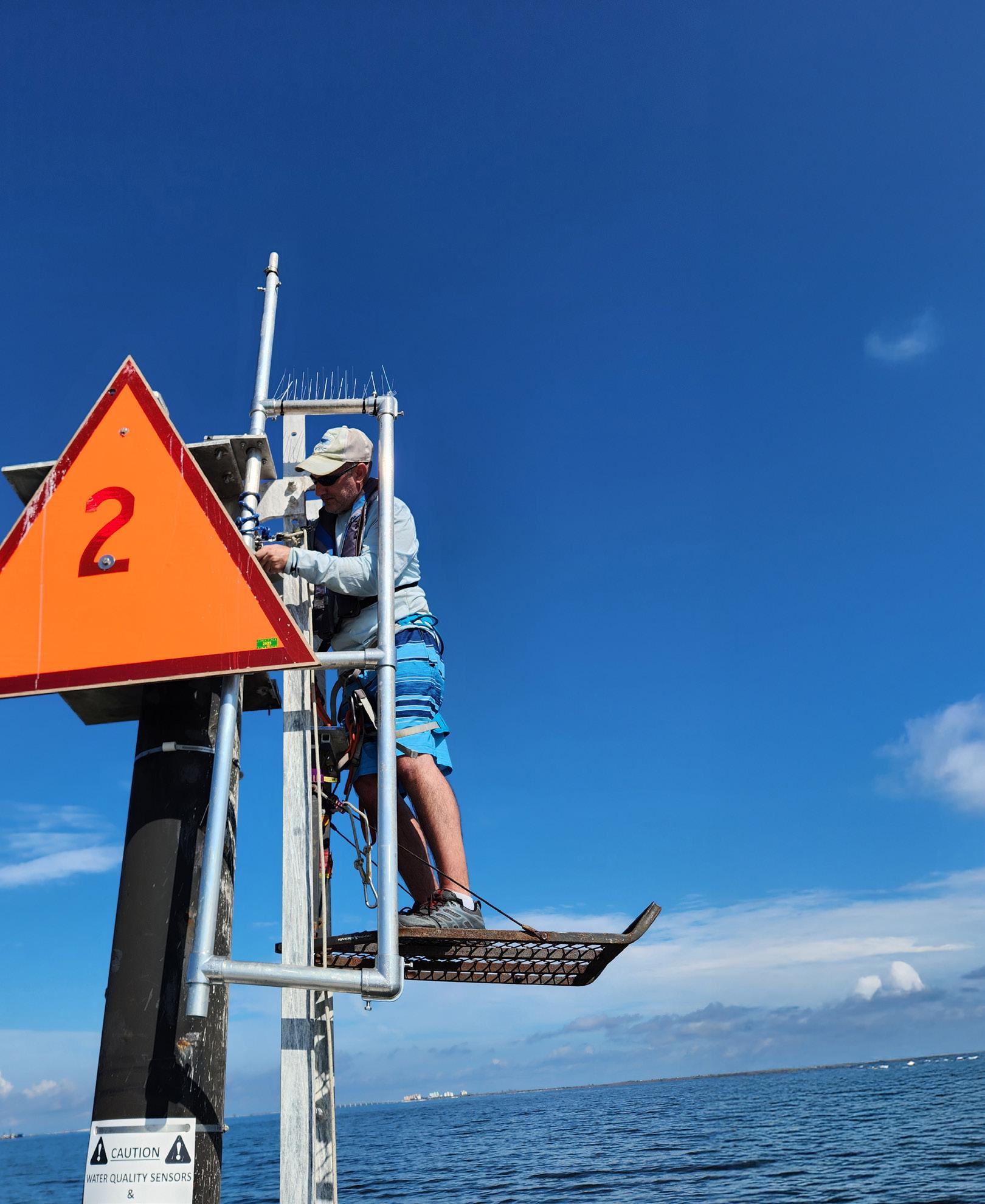
The Marine Lab continues to be the local leader in informing the public about the real-time status and condition of water quality around the region through the ongoing operation and maintenance of the River Estuary and Coastal Observing Network (RECON). RECON measures key water-quality parameters: temperature, salinity, dissolved oxygen, depth, colored dissolved organic matter, chlorophyll a, and turbidity. Several RECON sites are equipped with meteorological sensors which measure wind speed
and direction, air temperature, humidity, barometric pressure, and photosynthetically active radiation.
The Marine Lab continues to pursue grant opportunities to support our activities, which include monitoring nutrients, identifying harmful algal blooms in the Caloosahatchee and estuary, collaborating with modeling scientists, and regularly collecting and analyzing water samples. For example, the lab connects oyster larval abundance with phytoplankton community composition.
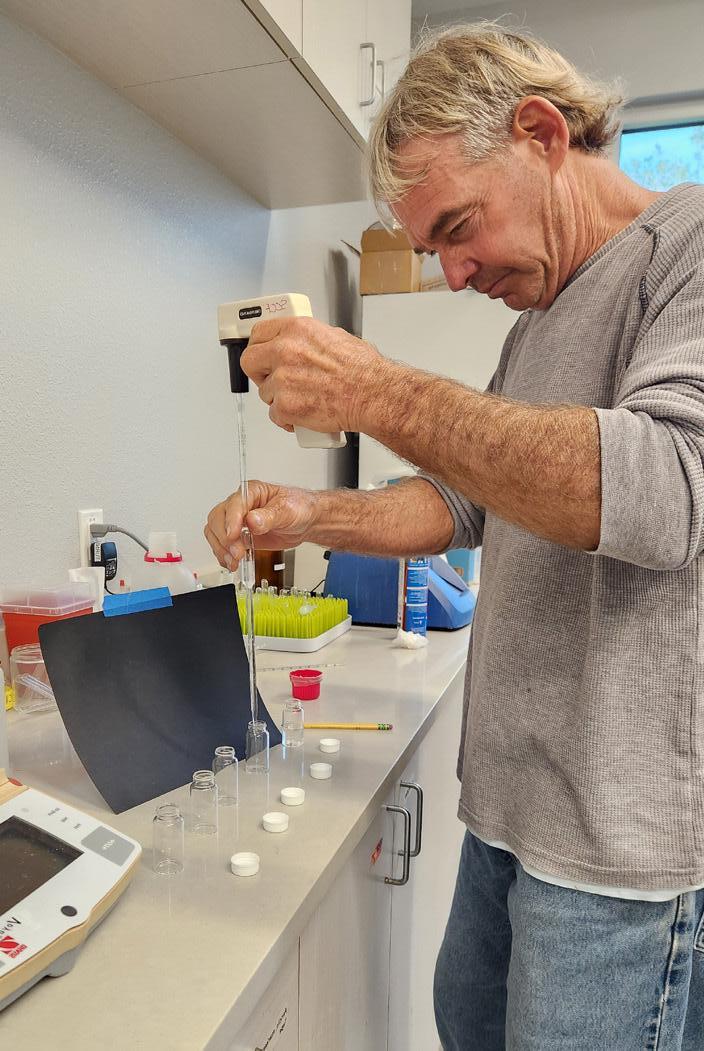
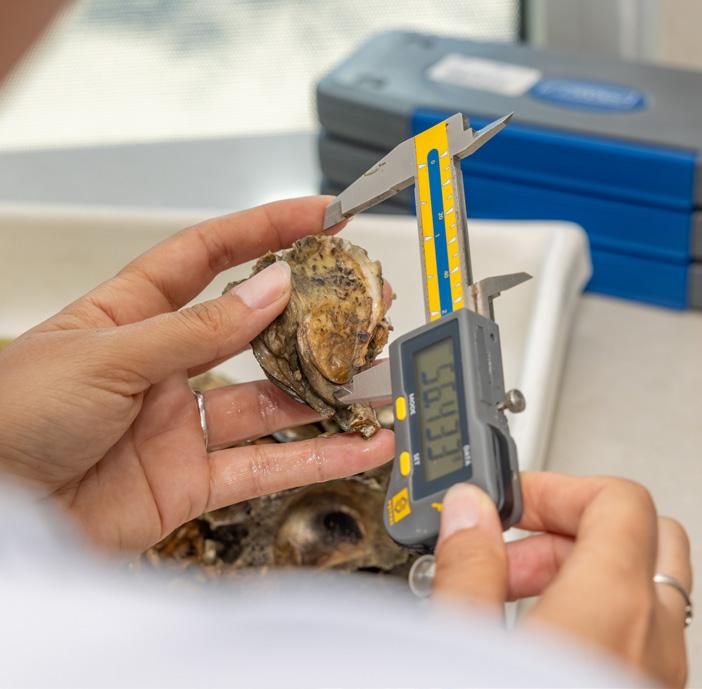
The Marine Lab will continue to innovate and further develop SCCF’s water-quality expertise and influence through research. One project is focused on the distribution and abundance of macroalgae and its possible role in recent losses of seagrasses in Matlacha Pass and the J.N. “Ding” Darling National Wildlife Refuge. The lab team also is conducting field-based evaluations of hard clam abundances in Pine Island Sound and Gasparilla Sound in collaboration with Florida Gulf Coast University and the Gulf Shellfish Institute. We also are evaluating oyster size and densities at reefs that have been restored and comparing them with nearby reference sites.
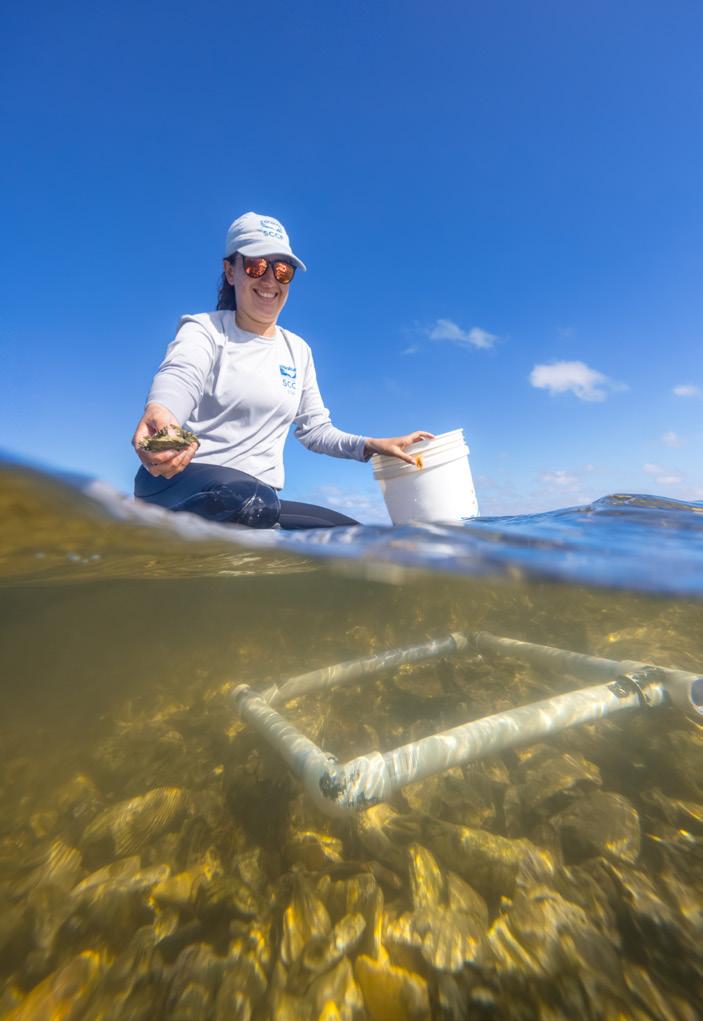
The Marine Lab collaborates with our volunteer program in conducting oyster and mangrove restoration projects. We are working together to continue to build oyster reef habitat in the region, in addition to planting and monitoring mangroves along the living shoreline on Woodring Road and on area islands with nesting bird colonies.
— Eric Milbrandt, Ph.D., Marine Laboratory Director
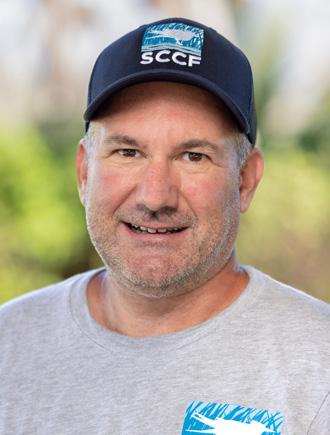
“I relocated to Florida to join the Marine Lab on a threeyear, grant-funded position, never anticipating that I would still be here more than 20 years later. I believe I would not have remained in Florida this long had I been working for any other organization. The opportunity to design, build, and implement the River, Estuary, and Coastal Observing Network (RECON) has been both challenging and deeply rewarding. I am proud to be part of a small organization that has made such a significant impact in protecting our local waters.”
— A.J. Martignette, Marine Lab Manager
The natural world is interconnected, and the Coastal Wildlife team is focusing on monitoring programs and critical research to protect the health of local wildlife and the ecosystems on which they depend.
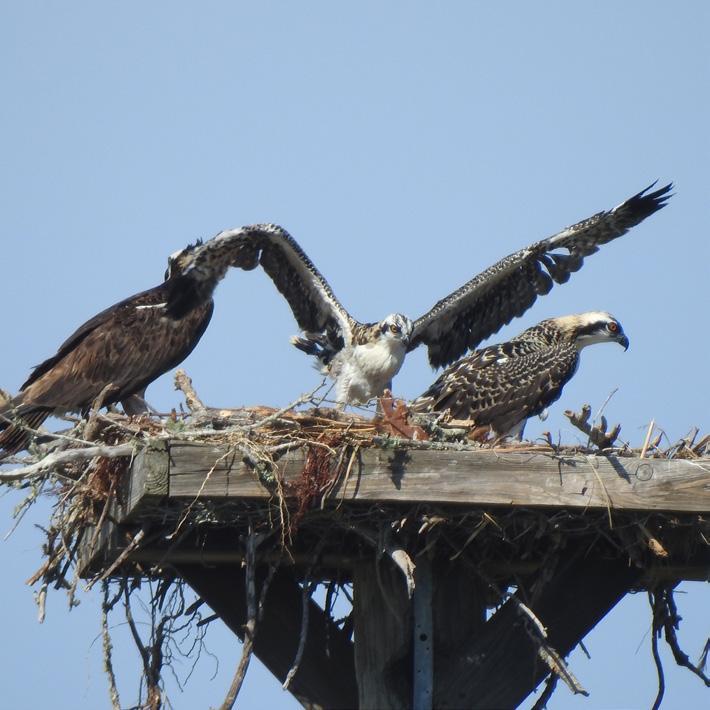
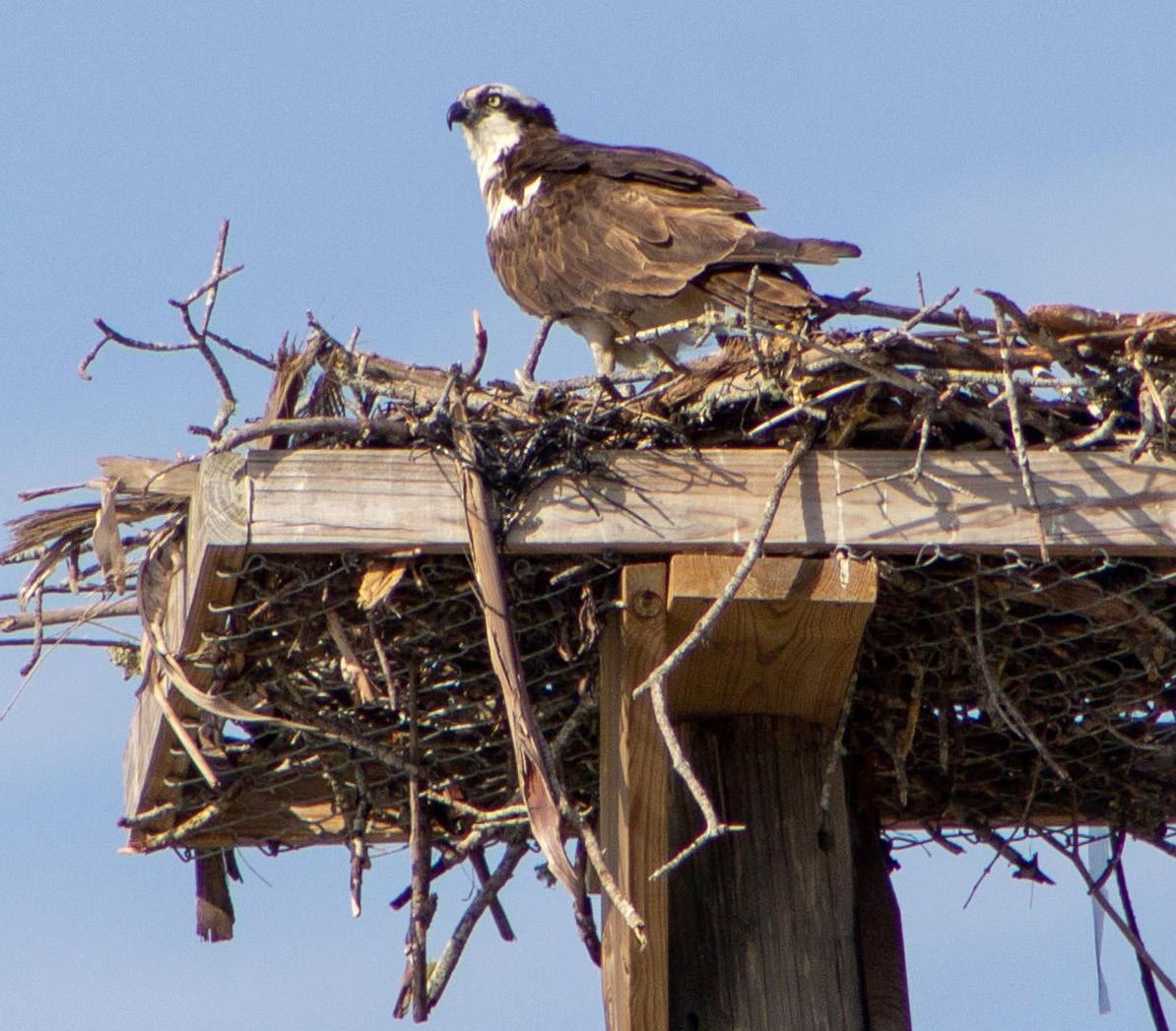
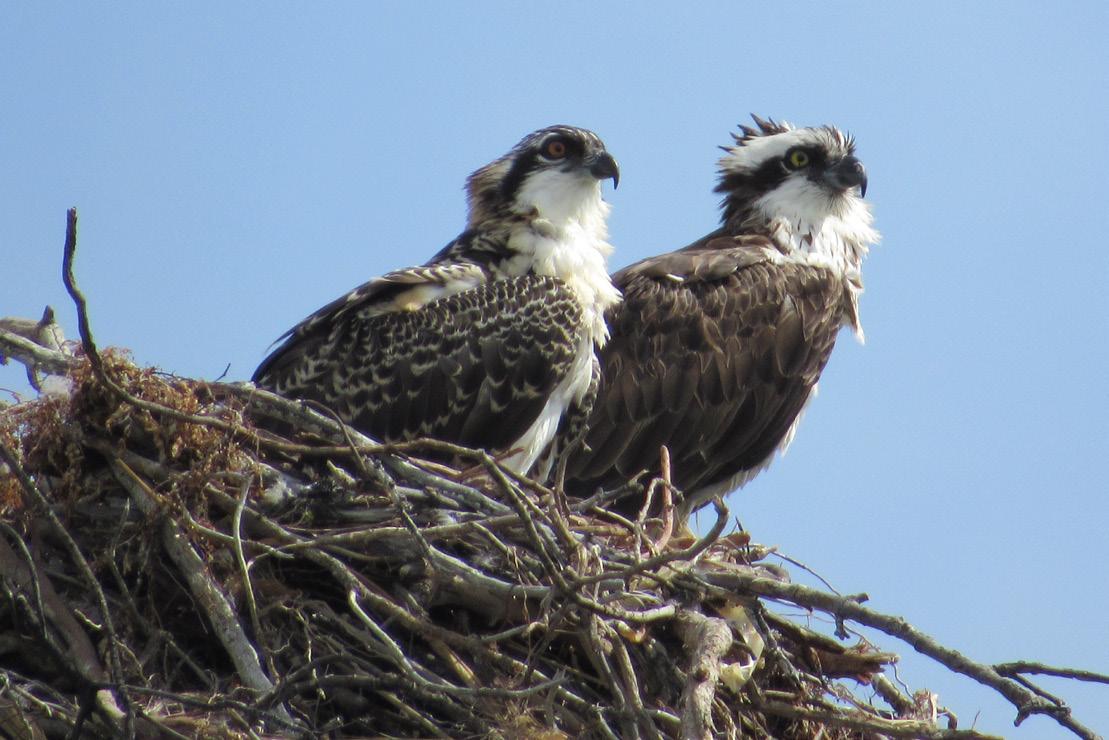
In January, the Coastal Wildlife team welcomed the inclusion of The International Osprey Foundation’s mission into SCCF. This transition ensures that the decades-long osprey monitoring effort on Sanibel will continue uninterrupted, supported by the same dedicated volunteers and new community members who are eager to contribute to this important work.
By taking on osprey monitoring, we are furthering our mission to protect and care for Southwest Florida’s ecosystems through the study of this powerful sentinel species. Ospreys are closely tied to water quality and fish availability, making them excellent indicators of change in the coastal and aquatic environments. Tracking population trends provides valuable insight into the health of these systems and guides conservation and management decisions.
Our goal is to increase monitoring capacity, refine data-collection techniques, and grow the program geographically to include North Captiva and Iona. New research goals will be developed to respond to emerging challenges. With the support of volunteers and donors, this next chapter of osprey monitoring will ensure these iconic birds remain a thriving part of our coastal landscape.
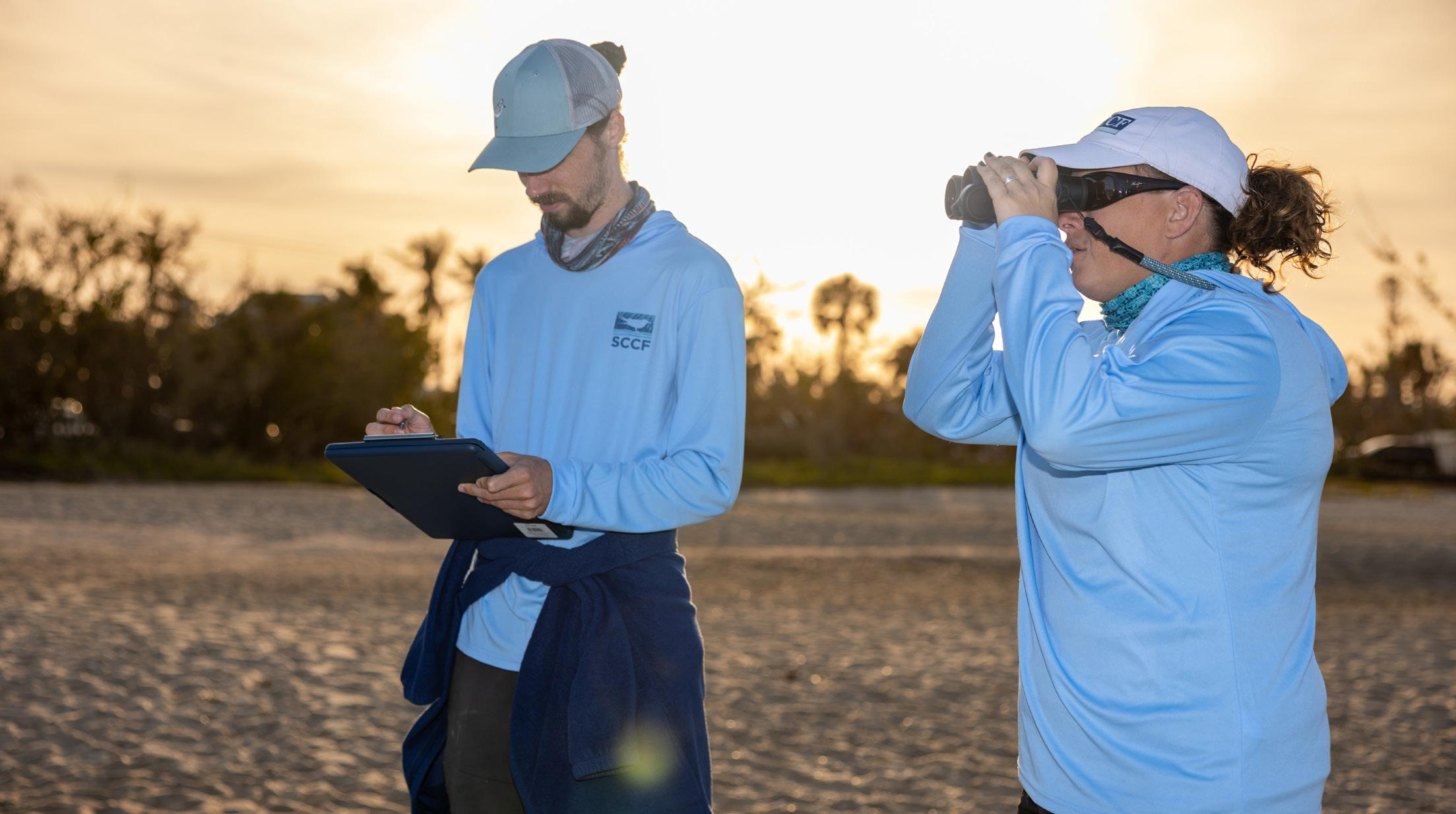
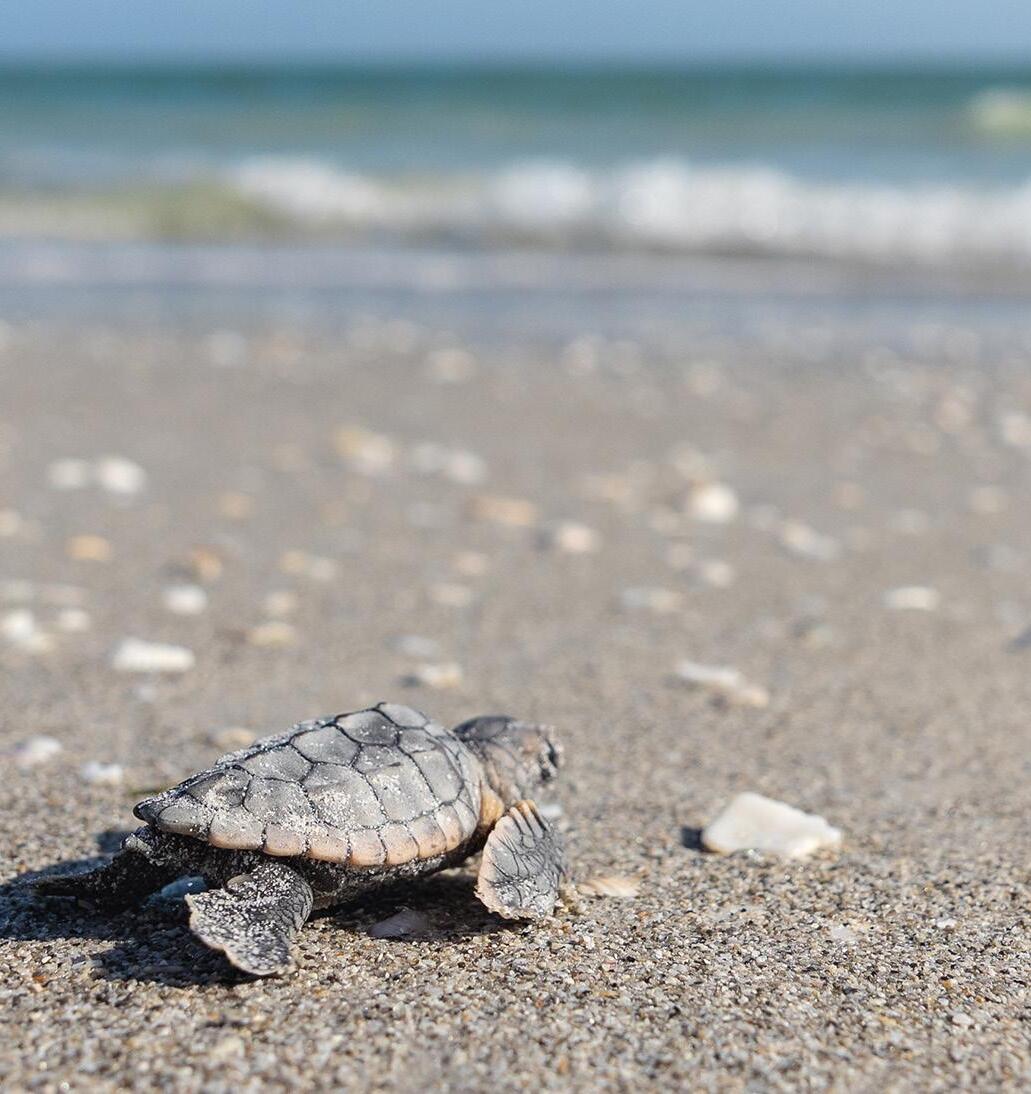
Protecting endangered species starts with protecting the habitats where they live and breed. Our shorebird and sea turtle monitoring programs are focusing on an ambitious but essential goal: helping more chicks hatch and hatchlings reach the water by safeguarding nesting habitat and giving managers the data they need to make informed, effective decisions. Beach-nesting birds are especially vulnerable during the day, when disturbance from humans and off-leash dogs can
flush adults off nests, exposing eggs to dangerous temperatures or predators.
Sea turtles face a different set of challenges: obstacles left on the beach overnight, artificial lighting, and increased nest predation by coyotes. Add rising temperatures, stronger storms, renourishment, and other environmental changes, and the pressure on these species quickly adds up. By studying how these factors affect nesting success, our work turns science into action, supporting beach stewardship and directly contributing to imperiled species recovery.
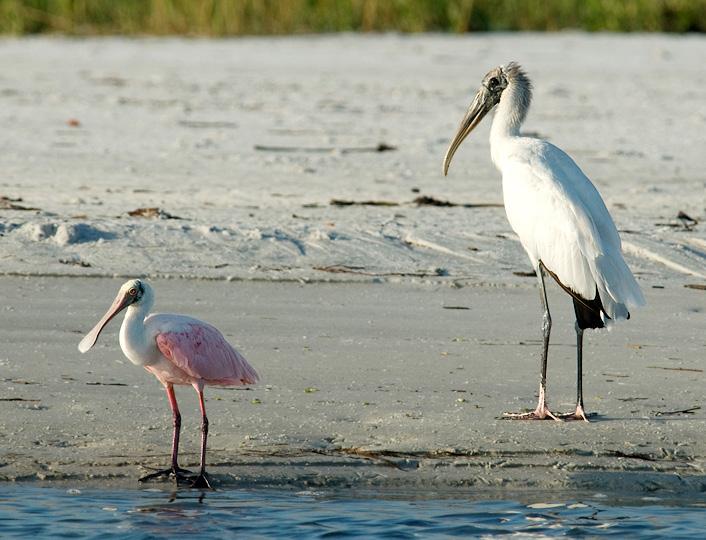
As island water management practices shift in response to flooding, storms, and sea-level rise, Sanibel’s interior wetlands may be changing in ways that directly affect wildlife. Our Coastal Wildlife team is initiating a new project that will establish a science-
based monitoring program using wading birds — including roseate spoonbills (Platalea ajaja) and wood storks (Mycteria americana) — as indicators of wetland health. By combining drone imagery with on-the-ground data, this project will track bird abundance, foraging behavior, and habitat use, linking wildlife responses to water levels and wetland conditions. The result will provide clear data to protect sensitive bird species, guide management decisions, and ensure conservation efforts on Sanibel are grounded in science.
— Kelly Sloan, Coastal Wildlife Director
The Wildlife & Habitat Management team is working on re-opening trails, restoring native habitat, and support the recovery of terrestrial wildlife.
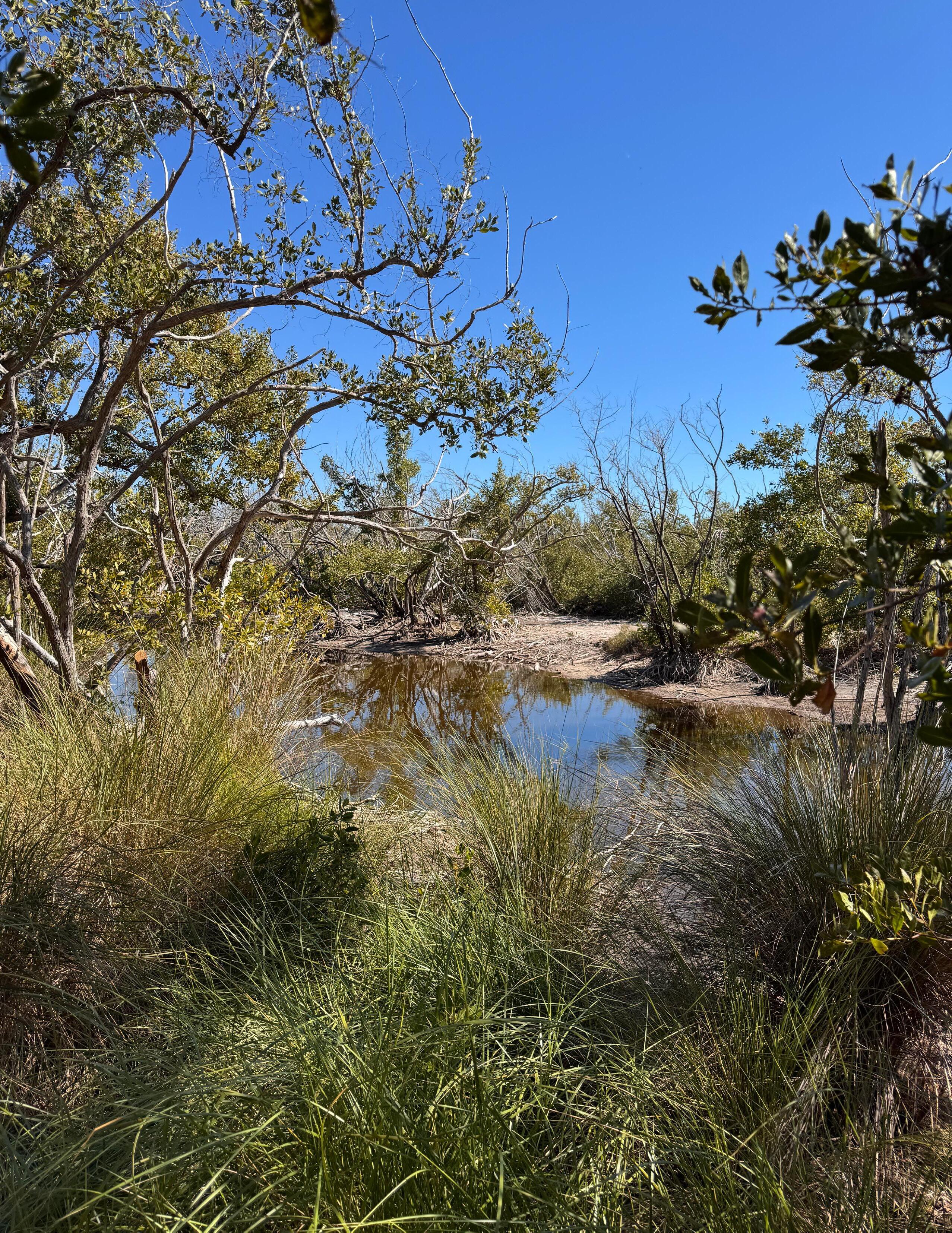
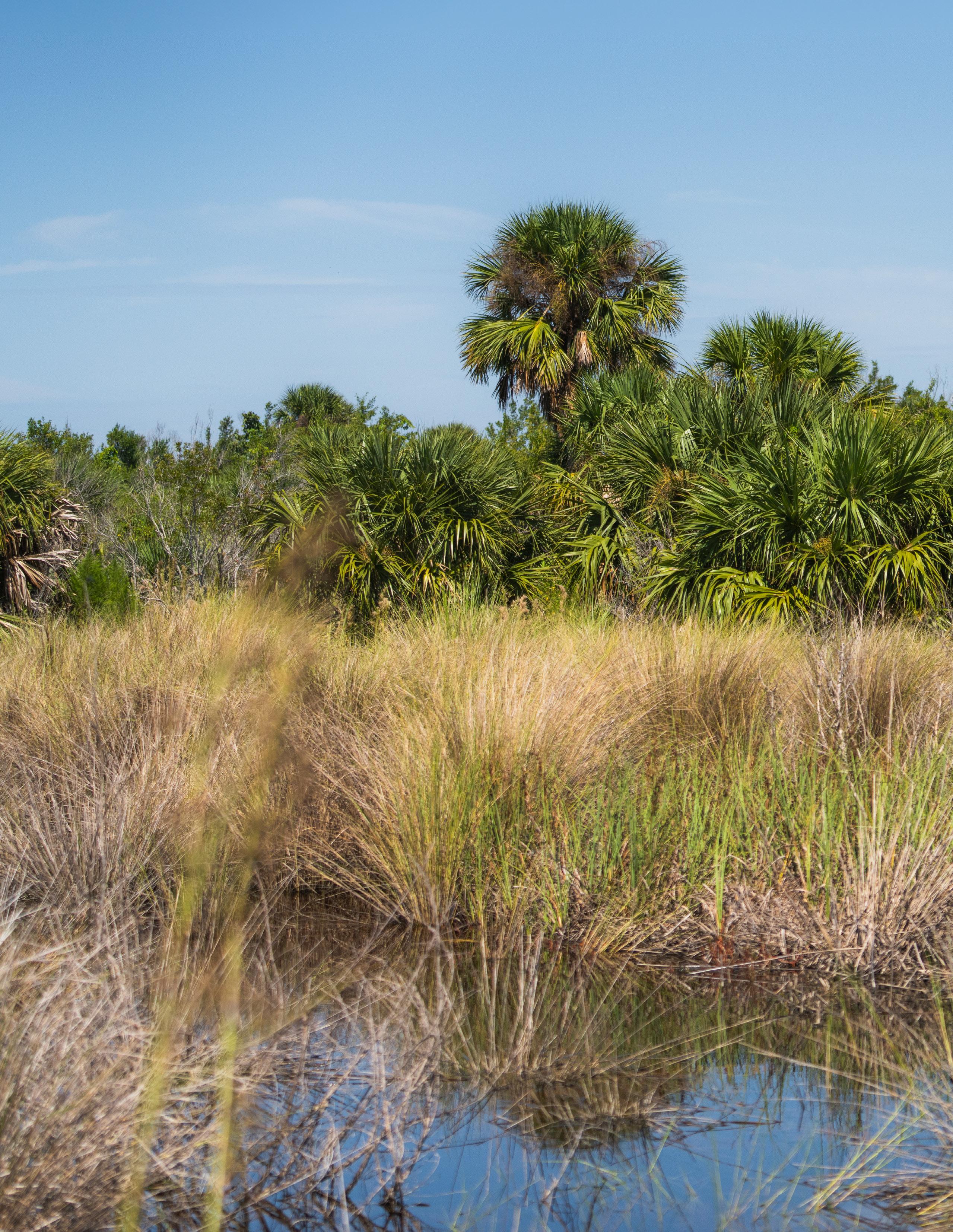
Re-opening the three loops of the William and Ruth Brooks Nature Trails at the SCCF Headquarters for public use is the top priority for SCCF Wildlife & Habitat Management staff. Prior to Hurricane Ian, these were our premier hiking trails due to the variety of habitats they traverse, the observation tower (lost to the hurricane), and the location’s peaceful seclusion. These trails offer scenic opportunities along the Sanibel Slough, through the interior wetlands (Spartina marshes), buttonwood (Conocarpus erectus) forests, and tropical hammocks with gumbo limbo (Bursera simaruba), seagrape (Coccoloba uvifera), and cabbage palms (Sabal palmetto). New signage is being installed, as well as new boardwalks and a new entrance to the trail system. Once that work is completed, we will announce the reopening of all three loops.
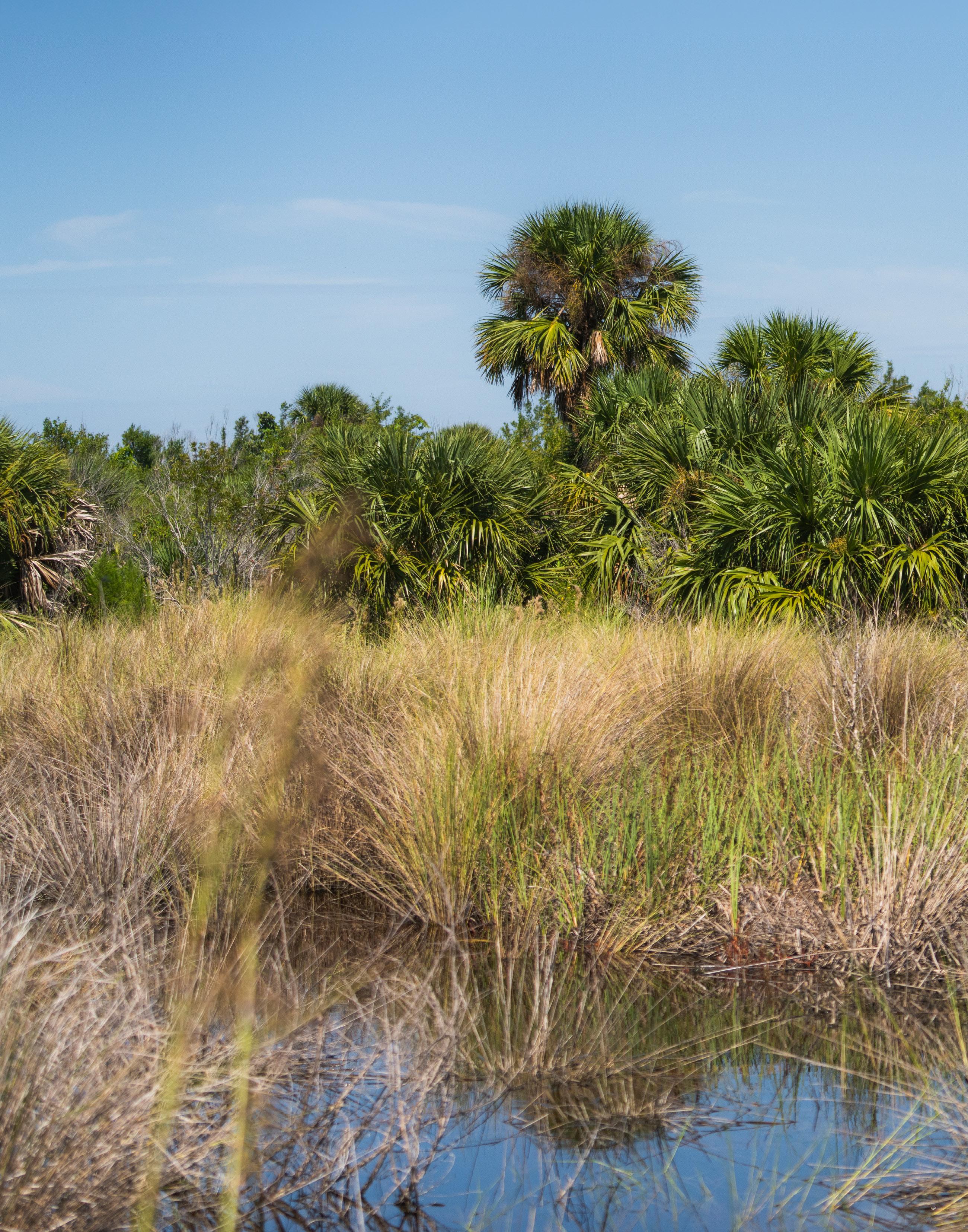
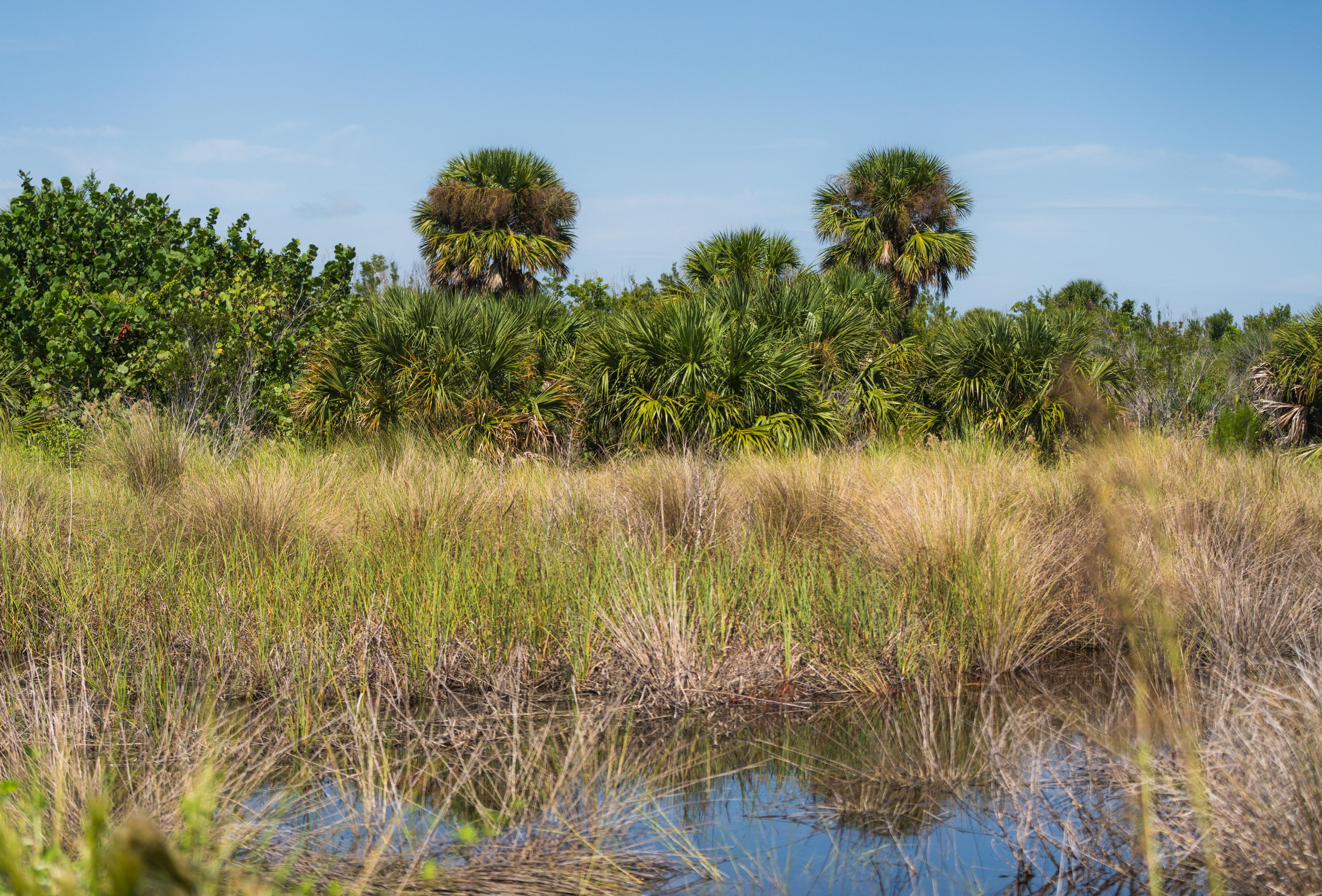
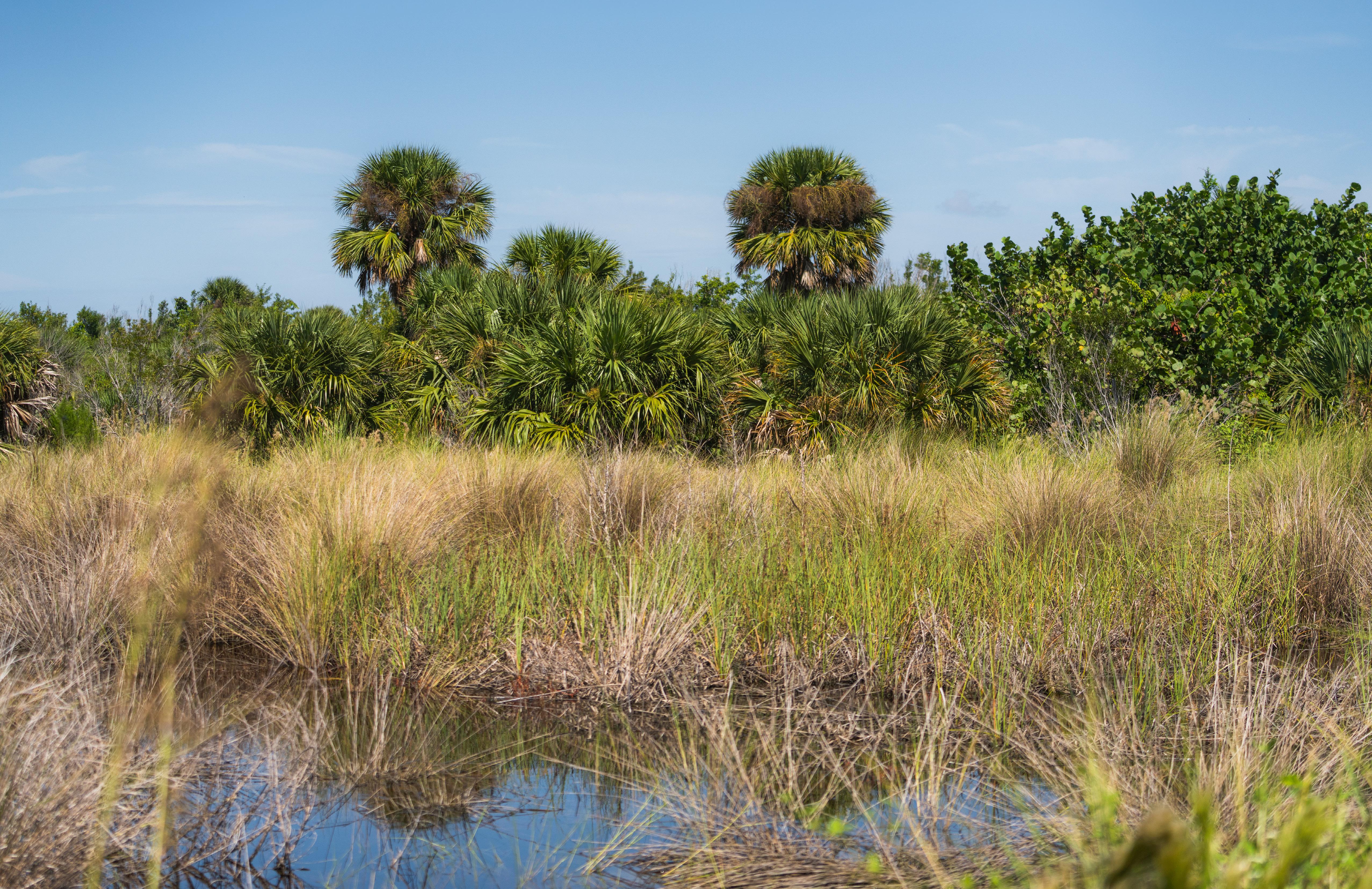
This section of the Brooks Nature Trails running along the Sanibel
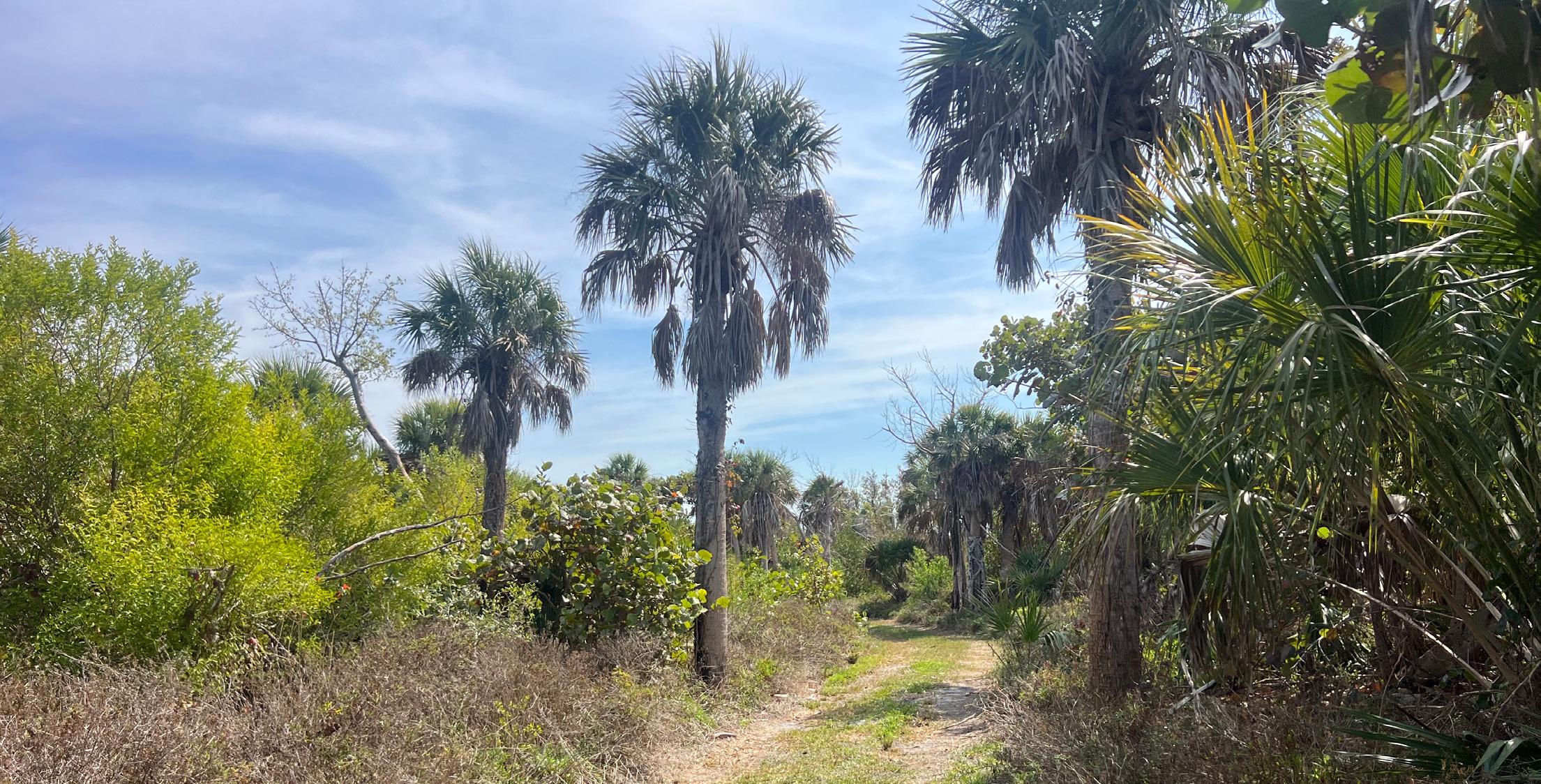
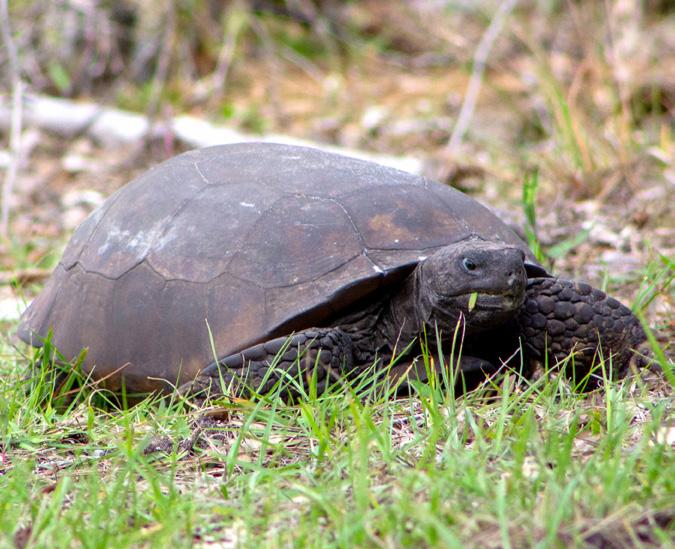
One of the biggest challenges has been to restore upland gopher tortoise (Gopherus polyphemus) habitat, such as ridges and hammocks, back to a functional state on some of our properties. Gopher tortoises need opencanopy uplands with grasses and other groundcover vegetation to forage. A large effort has been invested into the Walker Preserve and C.R. Johnston Preserve, but there is more work to be done. Gopher tortoises are a keystone species, which means that many other wildlife species depend upon their burrows for habitat. The absence of gopher tortoises usually results in lower biodiversity in uplands because they have become too overgrown and shady. The reduction of aggressive natives such as ragweed (Ambrosia artemisiifolia) and saltbush (Baccharis halimifolia) and/or the cutting back of seagrape (Coccoloba uvifera) branches in these uplands allows sunlight to penetrate to the ground, giving groundcover plants a chance to thrive. Tortoises will move into areas where the habitat is best suited for them.
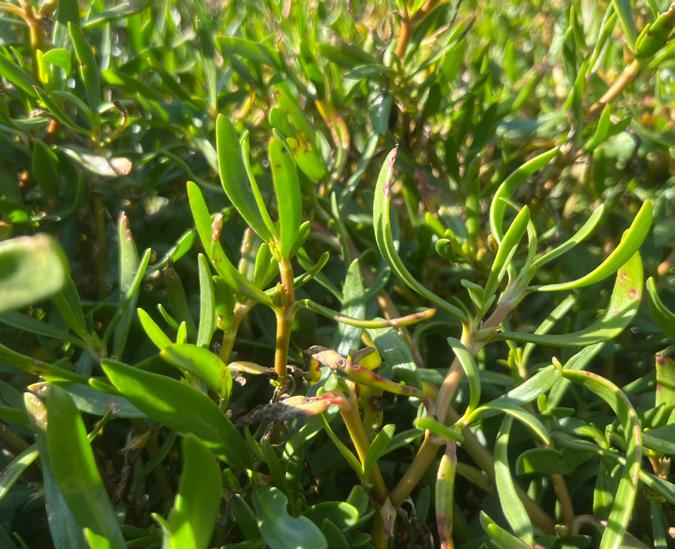
The recovery of native terrestrial wildlife also is a top concern. As dynamic land masses, barrier islands are subject to both positive and negative change. Natural occurrences such as hurricanes, storm surges, and stormwater flooding can alter the flora and fauna on a barrier island. For example, plants such as sea purslane (Sesuvium portulacastrum) that occur in areas with a brackish water source have moved into areas that were predominantly freshwater before Hurricane Ian. SCCF’s Wildlife & Habitat Management Program has been assessing the effects from storm surge on native species since 2022, documenting the shifts in habitat and the increase and decrease in abundance of multiple species.
Staff began annual vegetation transects and wildlife surveys in several areas to show the change in habitat and species richness on SCCF lands. These monitoring protocols will also document habitat and species abundance changes due to city weir decisions that affect water levels over the dry season.
— Chris Lechowicz, Wildlife & Habitat Management Director
Southwest Florida is on the front lines of environmental battles that are playing out across the state, nation, and planet, and SCCF strives to ensure that we are the leaders in these issues. With the scale and complexity of these efforts, it can be difficult to keep track of everything that is going on and understand underlying issues. That is why SCCF’s priorities focus on building advocates that are informed and engaged, regardless of what is happening today. There is a tendency to become engaged in environmental issues during or after a disaster, but our coastal ecosystems need everybody’s support when the water looks clear, the beaches clean, and the wildlife appears abundant. In order to help strengthen our advocacy efforts we are focusing on three core areas this year.
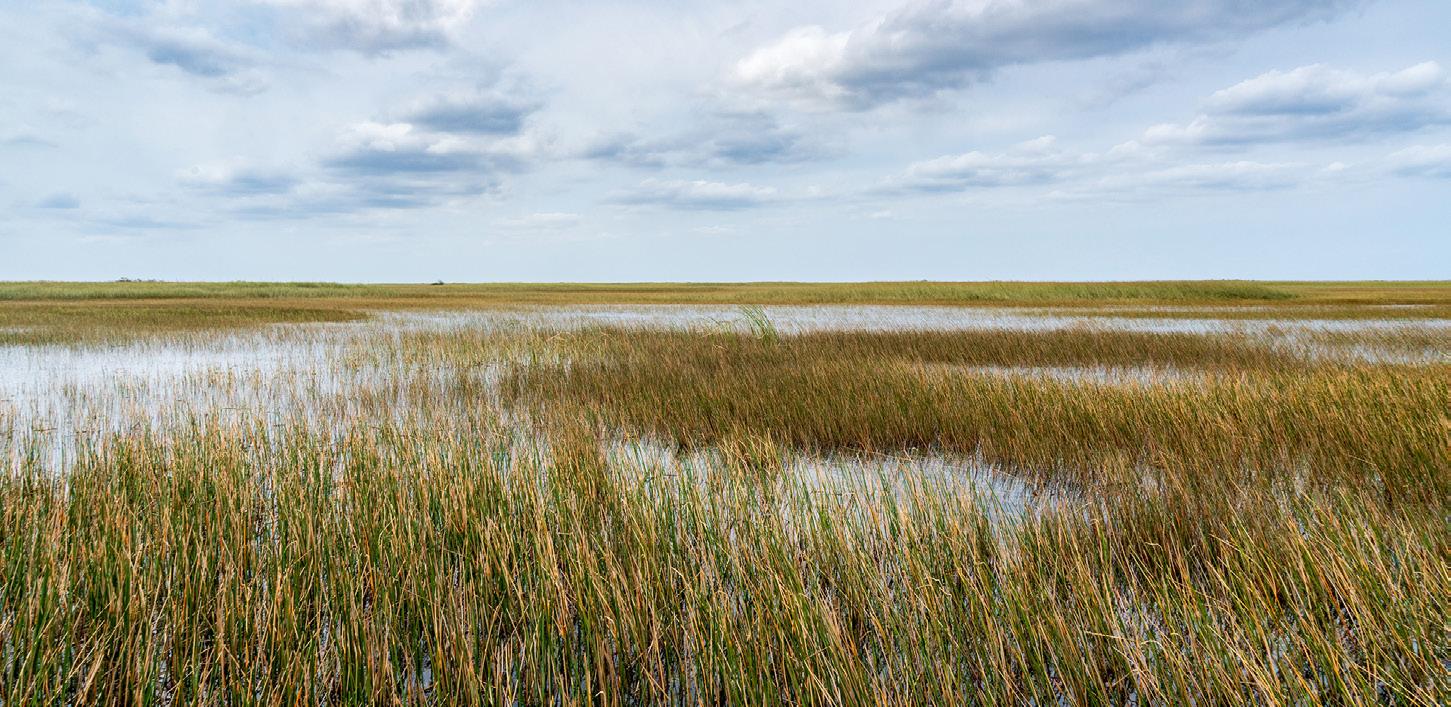
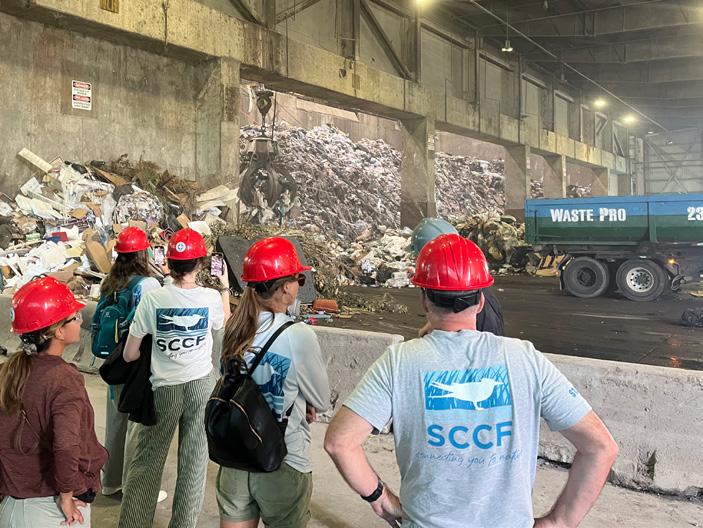
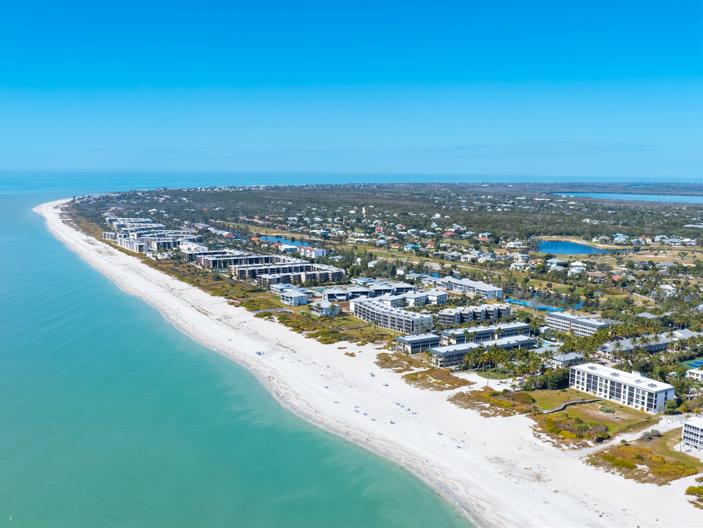
We have long been proponents of land preservation, appropriate for an organization that started as a land trust. It is more important now than ever that we continue to set aside lands for conservation across the islands, county, and state. Investing in land conservation is one of the best ways to protect the future of Florida. We are at a crossroads where people are flooding into Florida and land is becoming more scarce. Instead of easing restrictions on conservation lands, we should instead be acquiring parcels that will retain their value to the larger environment and the surrounding communities. By preserving land through Conservation 20/20, Florida Forever, and other programs, we can focus on smart development while protecting the resources that make Florida great for future generations.
Clean water is a unique issue. It is a concept that most people wholeheartledly support, yet it can be difficult to feel empowered to impact, or even to know where to begin. When there is red tide or blue-green algae, everyone wants to discuss solutions, but when there is no outwardly visible or tangible distress, it can be easy to forget that our water needs our help. By working to engage potential water advocates in novel ways, SCCF will build a network of clean water supporters who will be knowledgeable about the issues and ready to jump into action when necessary.
Sanibel and Captiva are at the forefront of impacts from climate change. Addressing the scale of this issue is difficult and will take dedicated effort across our community. By helping to identify short-term adaptation and long-term mitigation strategies for the island, we can ensure that SCCF’s expertise will help the island rise to the challenges we are facing.
— Matt DePaolis, Environmental Policy Director
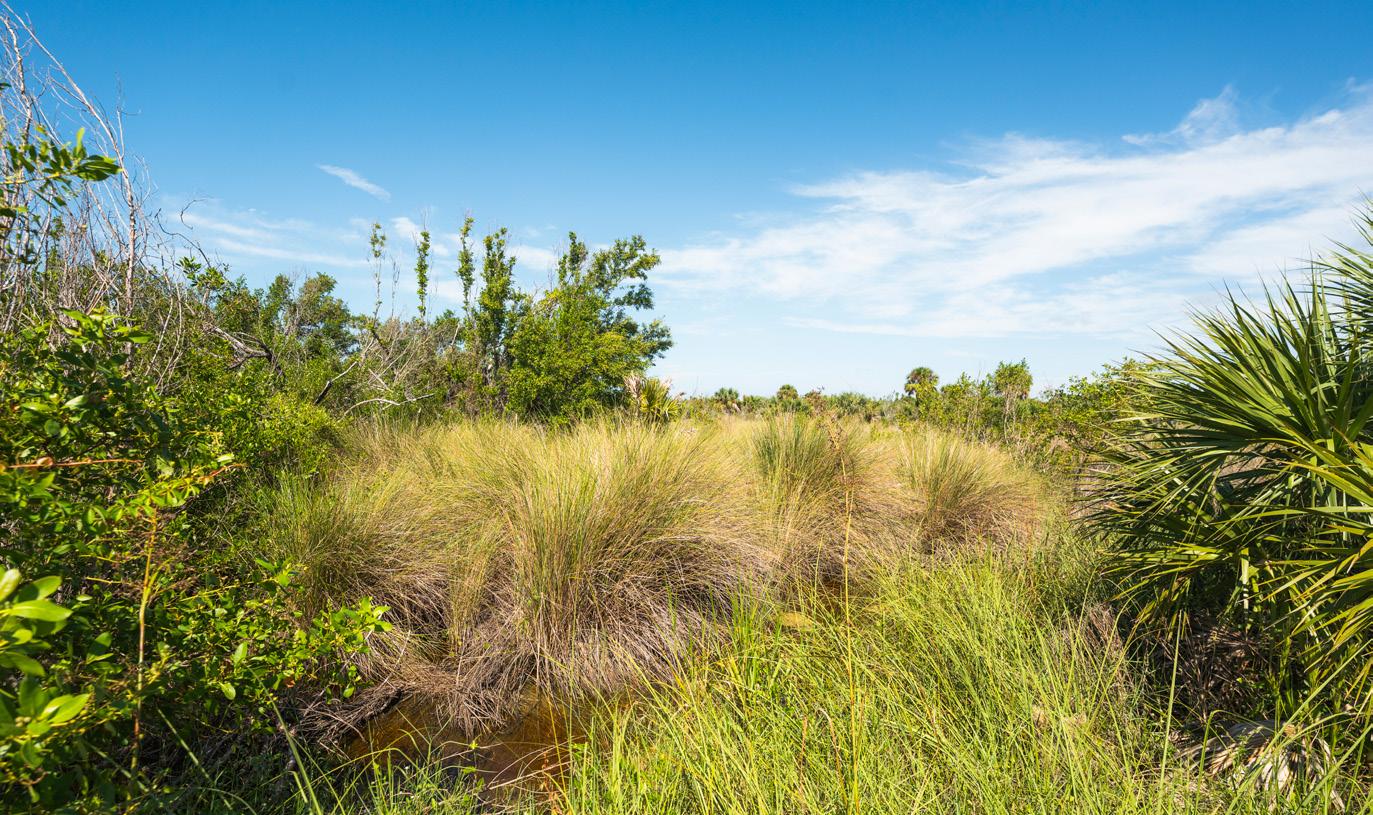
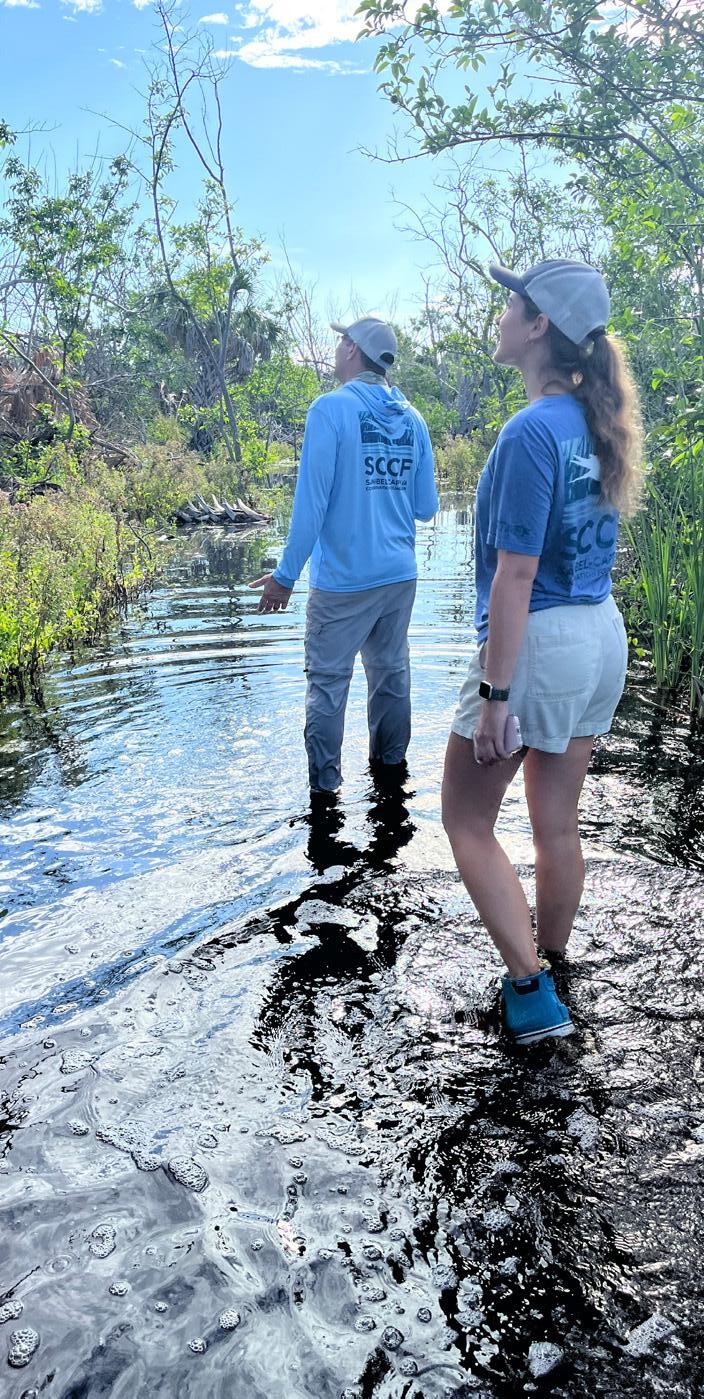
With SCCF, conservation isn’t something you simply observe; it’s something you can experience. Through hands-on programming, Coastal Watch prioritizes connecting people to nature in ways that are immersive, meaningful, and lasting — transforming curiosity into action and volunteers into lifelong stewards.
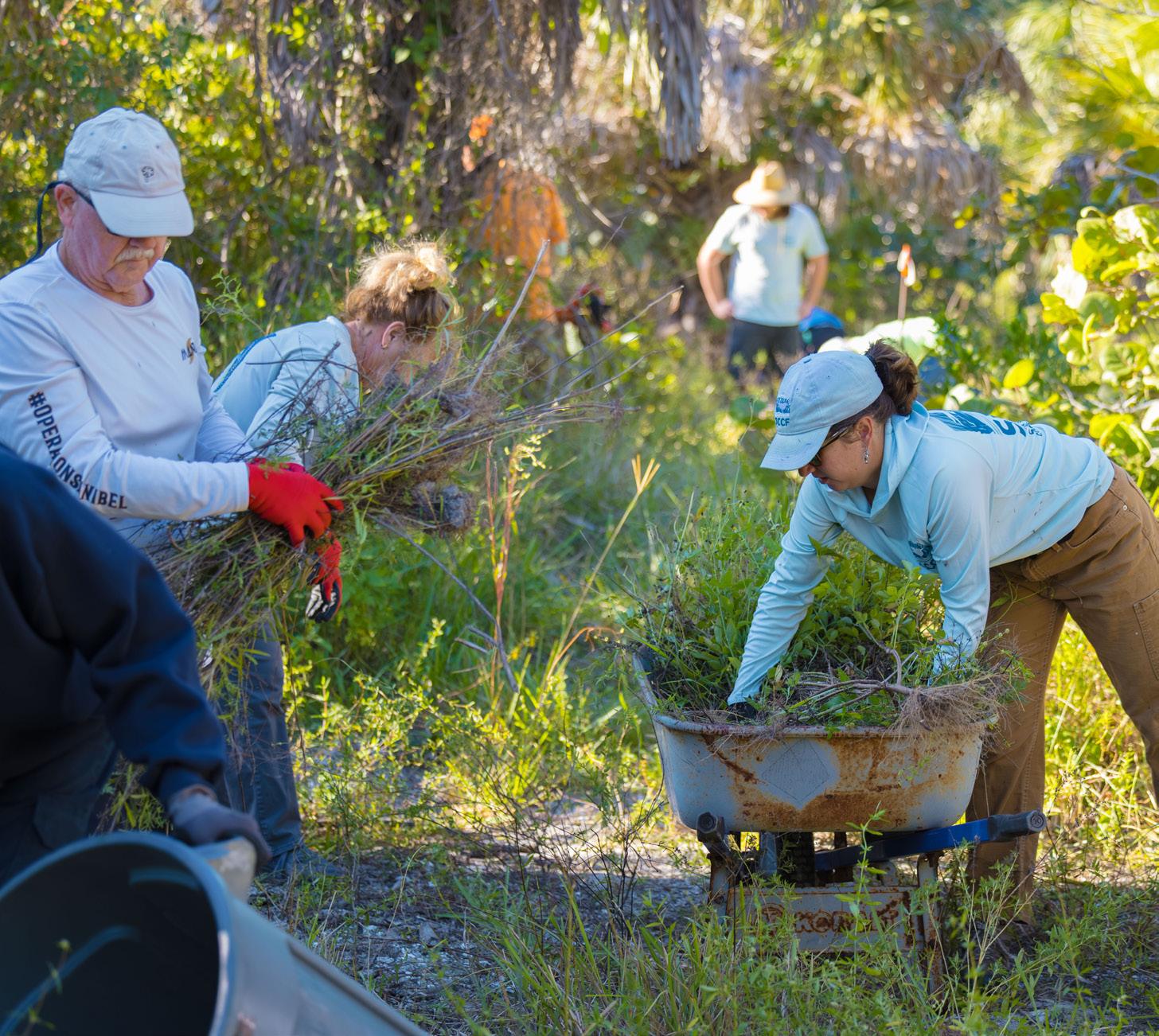
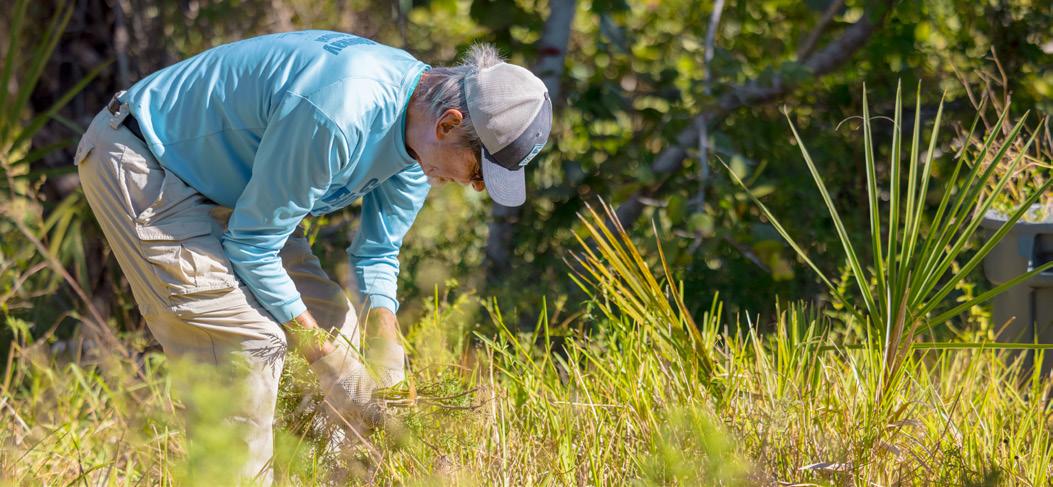
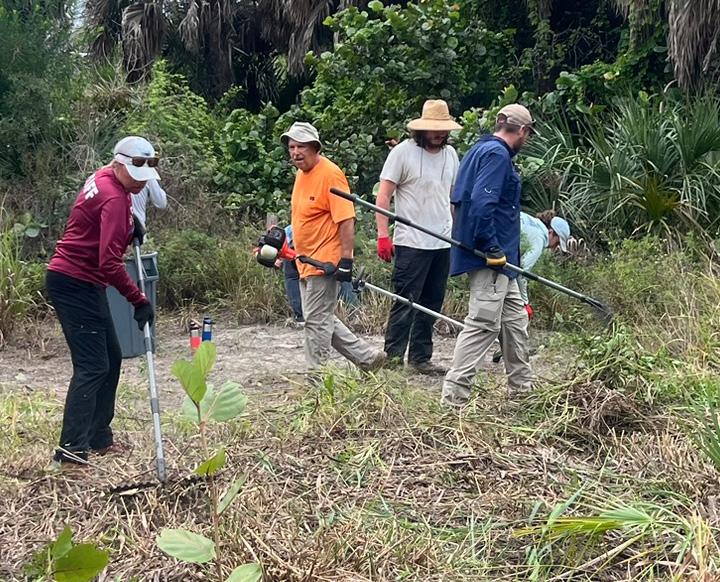
Through active stewardship, Coastal Watch programs build meaningful relationships between people and the lands SCCF manages. Our longstanding Trailblazers program offers a weekly opportunity for community members to work alongside staff to maintain trails, so they remain safe, accessible, and enjoyable for residents and visitors alike. By clearing paths, trimming back growth, and caring for the preserves step by step, Trailblazers experience the landscape up close, spotting wildlife and developing a personal connection to the places they help protect.
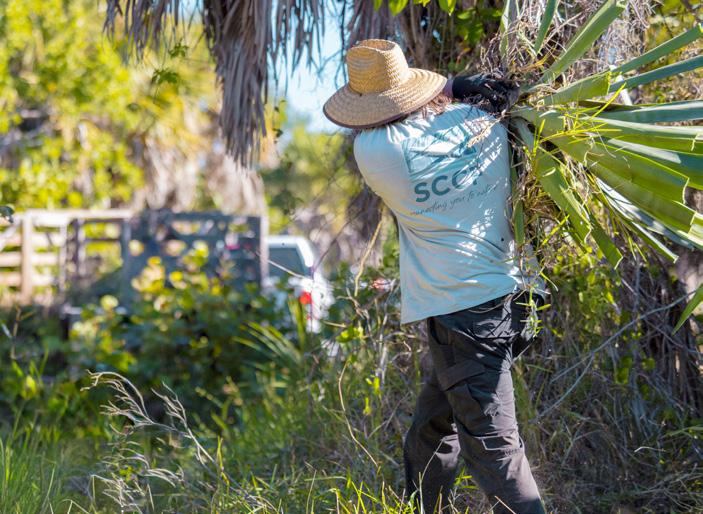
Meanwhile, our new Gopher Tortoise Habitat Enhancement Project engages volunteers in hands-on restoration at the C.R. Johnston Preserve. Like most of SCCF’s 1,800 acres across Sanibel, the preserve is closed to the public as protected, ecologically sensitive lands. By clearing invasive and overgrown vegetation from a habitat once thriving with gopher tortoises (Gopherus
polyphemus), participants help restore balance to a critical upland ecosystem. Through this work, volunteers gain insight into the interconnectedness of species and habitats, seeing firsthand how their efforts create space for native wildlife, such as the gopher tortoise to return and thrive for generations to come.
Connecting to our Waters
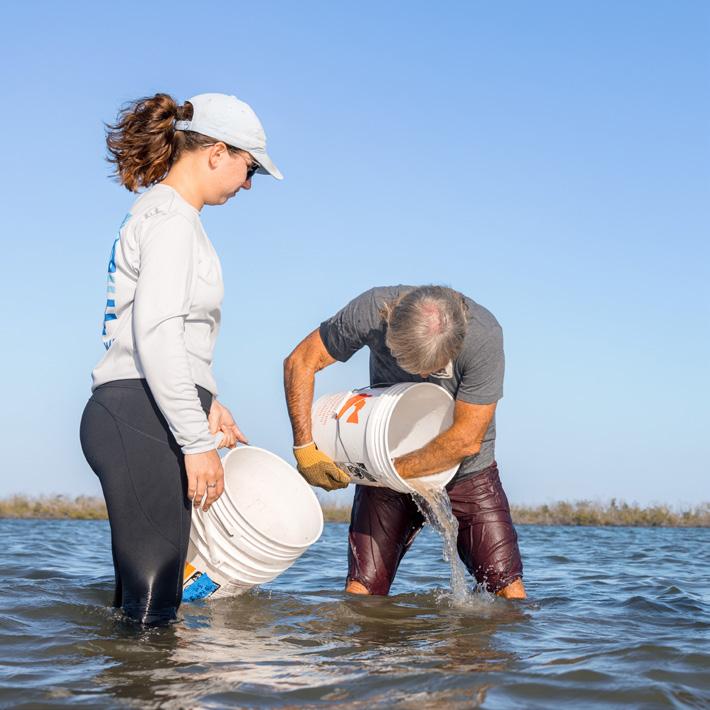
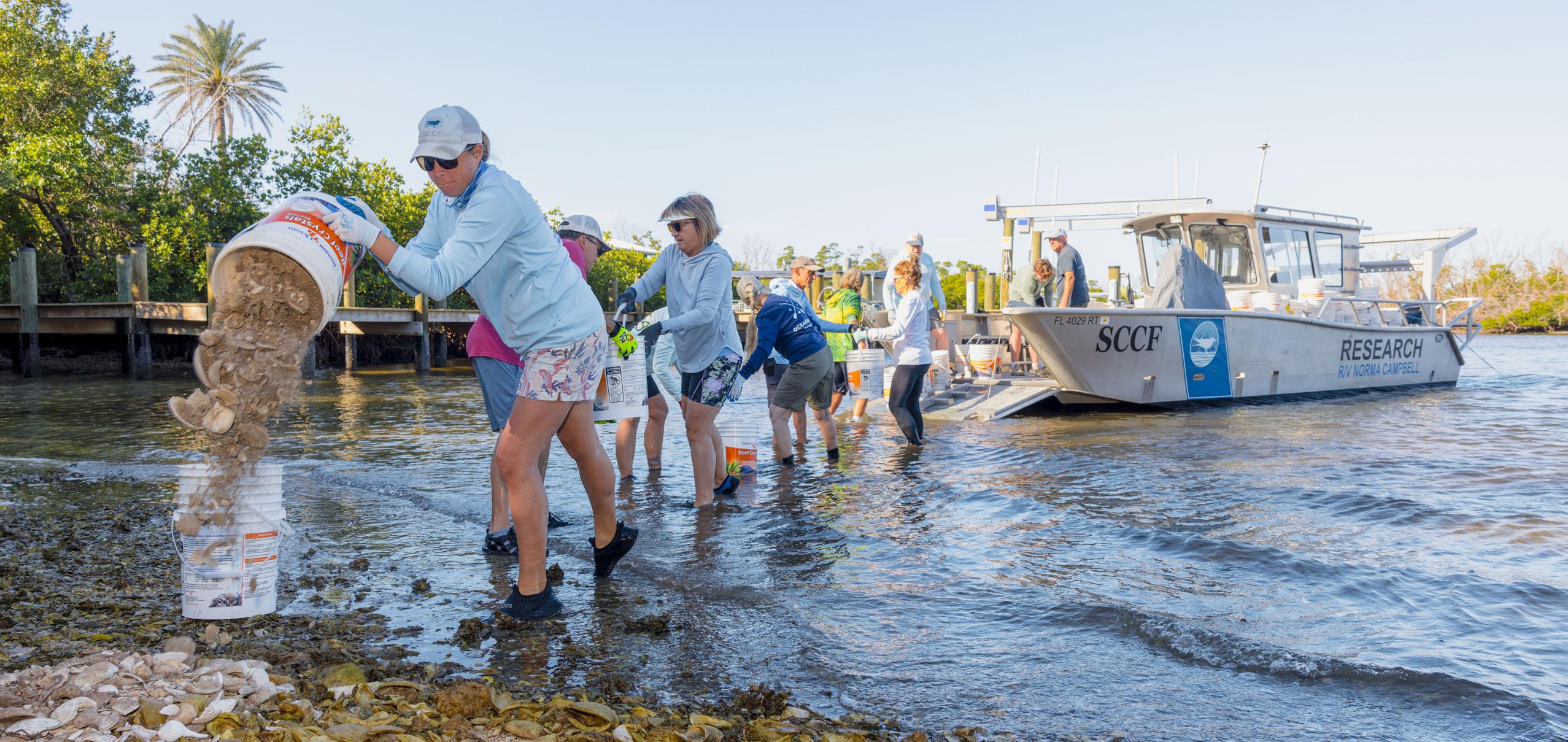
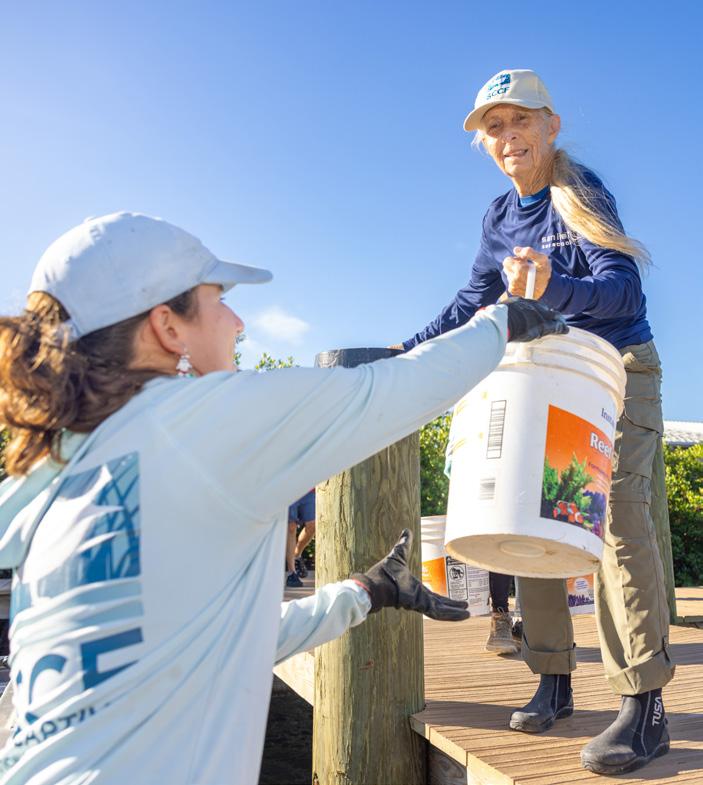
SCCF’s ongoing oyster restoration program strengthens the community’s connection to our local estuaries by inviting participants to step directly into the water and become part of their recovery. Through reef building and shell deployment, volunteers not only get a rewarding workout, but also gain a deeper understanding of how oysters filter water, reduce wave energy, and create habitat for countless marine species. What begins as a restoration activity becomes a tangible lesson in resilience and water quality.
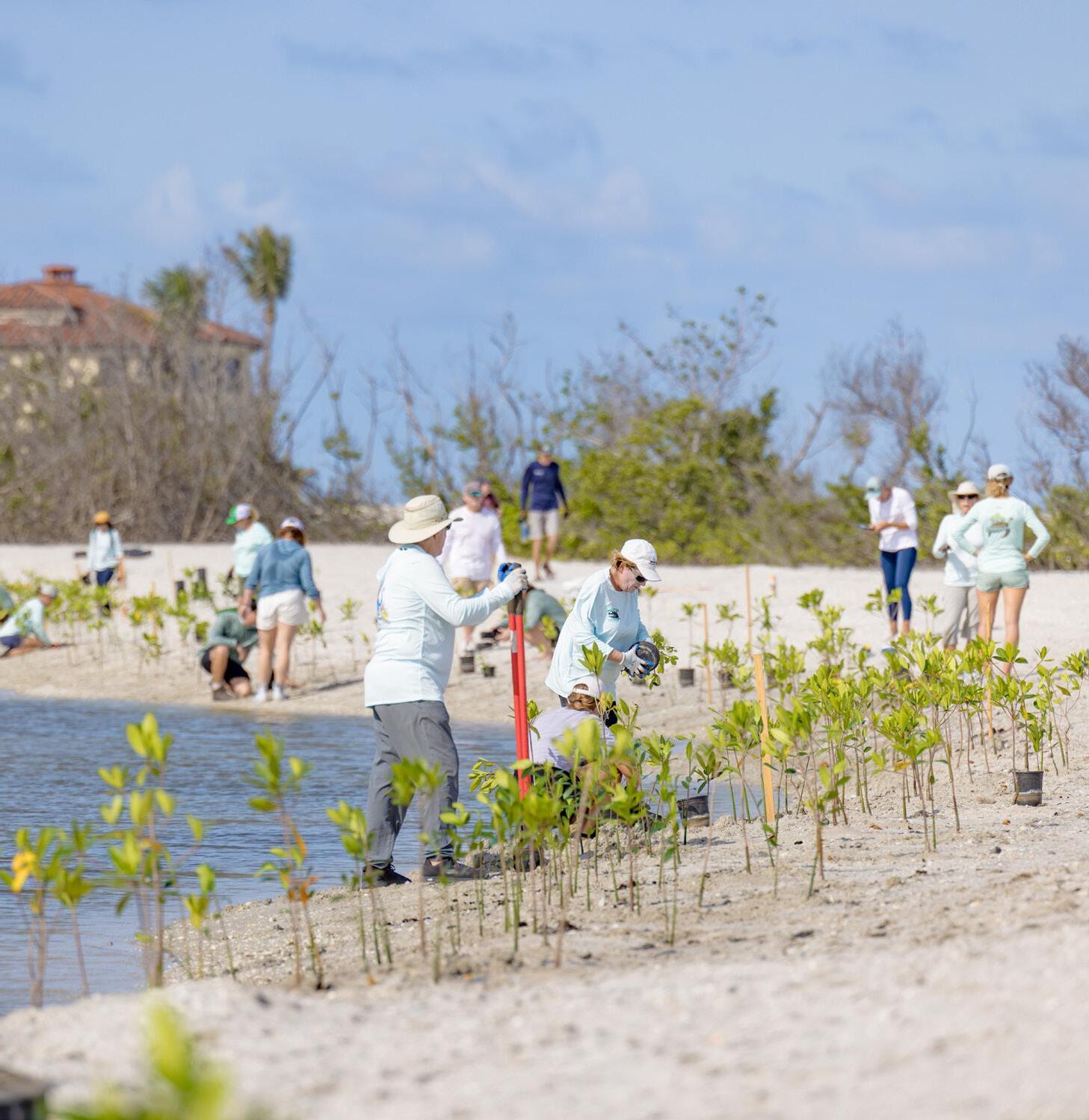
SCCF’s mangrove restoration program connects residents and visitors alike to the shorelines that protect and define the islands. Working along the water’s edge, volunteers plant mangroves that stabilize sediment, buffer storm surge, and support wildlife, gaining firsthand insight into how living shorelines function. Even from home, community members can participate through the AdoptA-Mangrove program, nurturing seedlings before they are planted at restoration sites. The experience transforms the coastline from a relaxing spot admired at a distance into a special, personally cared for place, which is fostering stewardship that extends far beyond a single planting day.
In a place where the land and sea are constantly shaping one another, Coastal Watch ensures
that people are part of the story — not as bystanders, but as active stewards of the landscapes and waters that make this area remarkable.
— Kealy Pfau, Coastal Watch Director
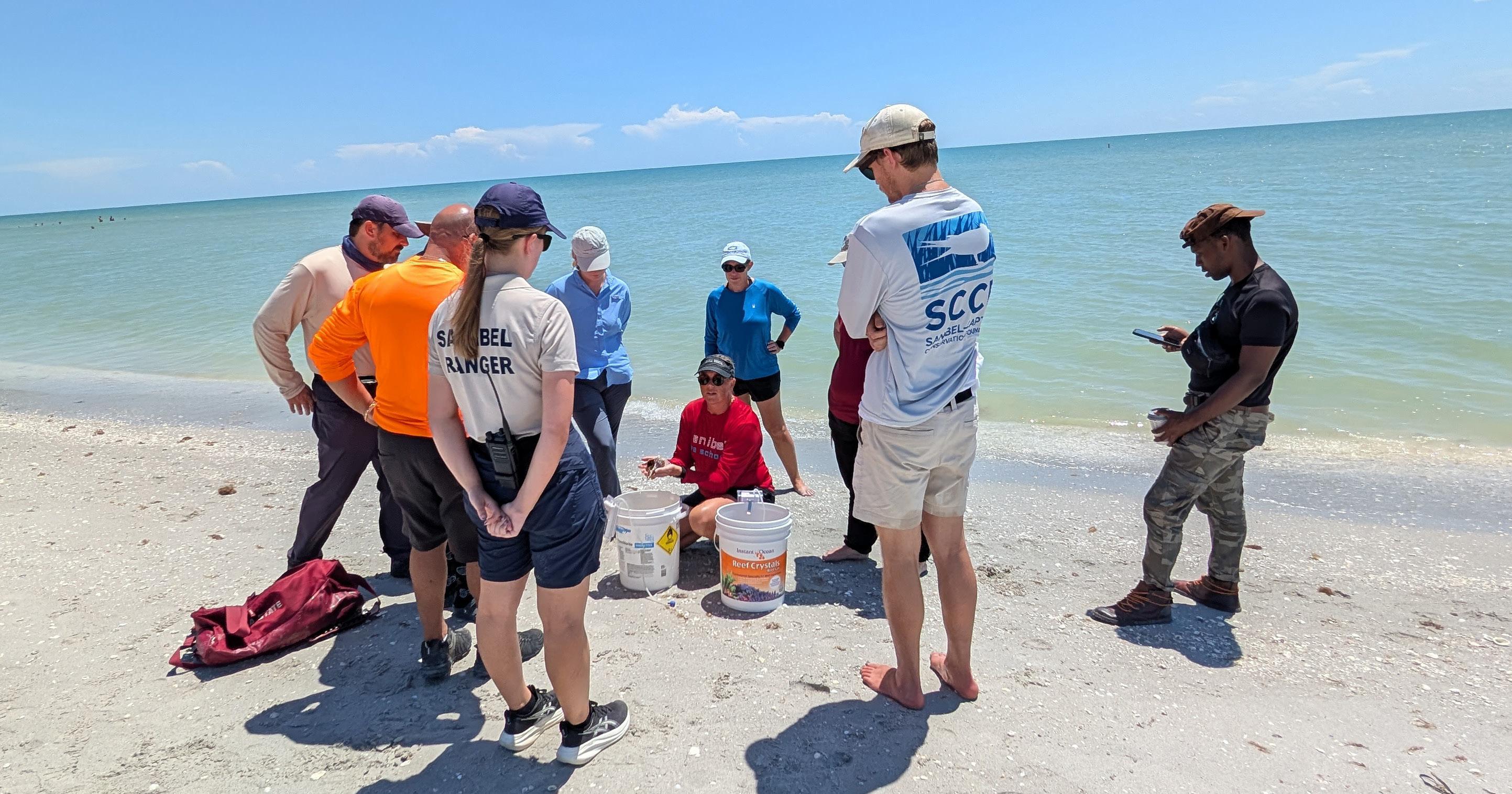
SCCF is thrilled that regularly scheduled educational programming is back in force for the first time since 2020, featuring a full calendar of guided walks, workshops, lectures, and evening programs. Dedicated volunteer docents work alongside us to showcase the islands’ remarkable ecology and reconnect people with the natural world. Strengthening Partnerships
Strengthening community partnerships has always been a priority, and this year brought rewarding opportunities to collaborate. By providing conservation-training programs for The Sanibel School teachers and City of Sanibel staff — including the new Sanibel Rangers — we're building a community that understands and champions the natural world on its doorstep.
We also partnered with Shell Point to launch a docent-training program for the retirement community’s new Green Trail. SCCF staff contributed to the creation of trail, which winds through the Shell Point campus and features 13 signs exploring the biology and natural history of the landscape. In addition, SCCF lectures through the Shell Point
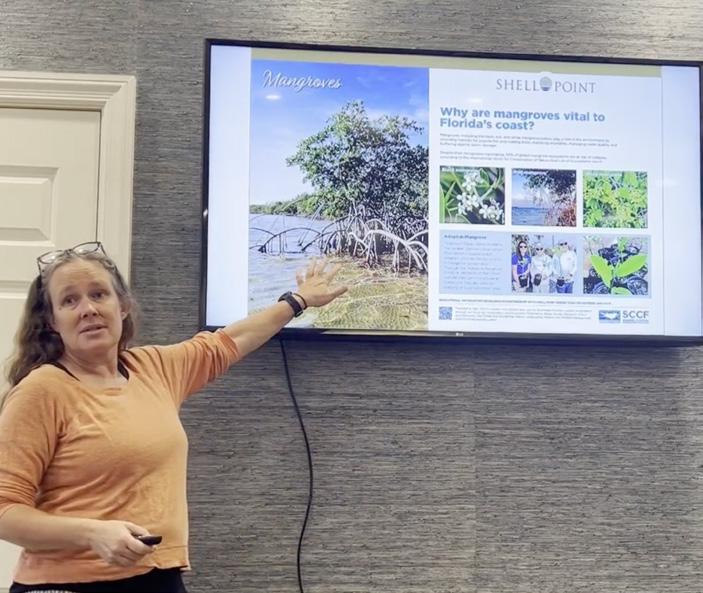
Lifelong Learning Academy help us reach audiences who share a passion for protecting our natural resources.
Our long-standing collaboration with the Sanibel-Captiva Art League continues to flourish, with art shows at the Bailey Homestead drawing growing numbers of participants. We also partnered for the second time with Players
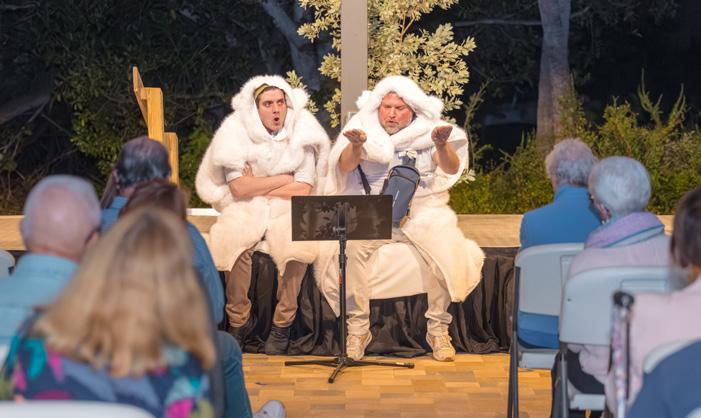
Circle Theater to participate in the Climate Change Theatre Action festival.
In-step with ongoing efforts to rehabilitate hurricane-damaged preserves, interpretive signage is being refreshed. Visitors may notice new signs along the Puschel Preserve Birmingham Family Trail and the William and Ruth Brooks Trails at the Erick Lindblad Preserve. Updates are coming soon to the Bailey Homestead Preserve and Periwinkle Preserve.
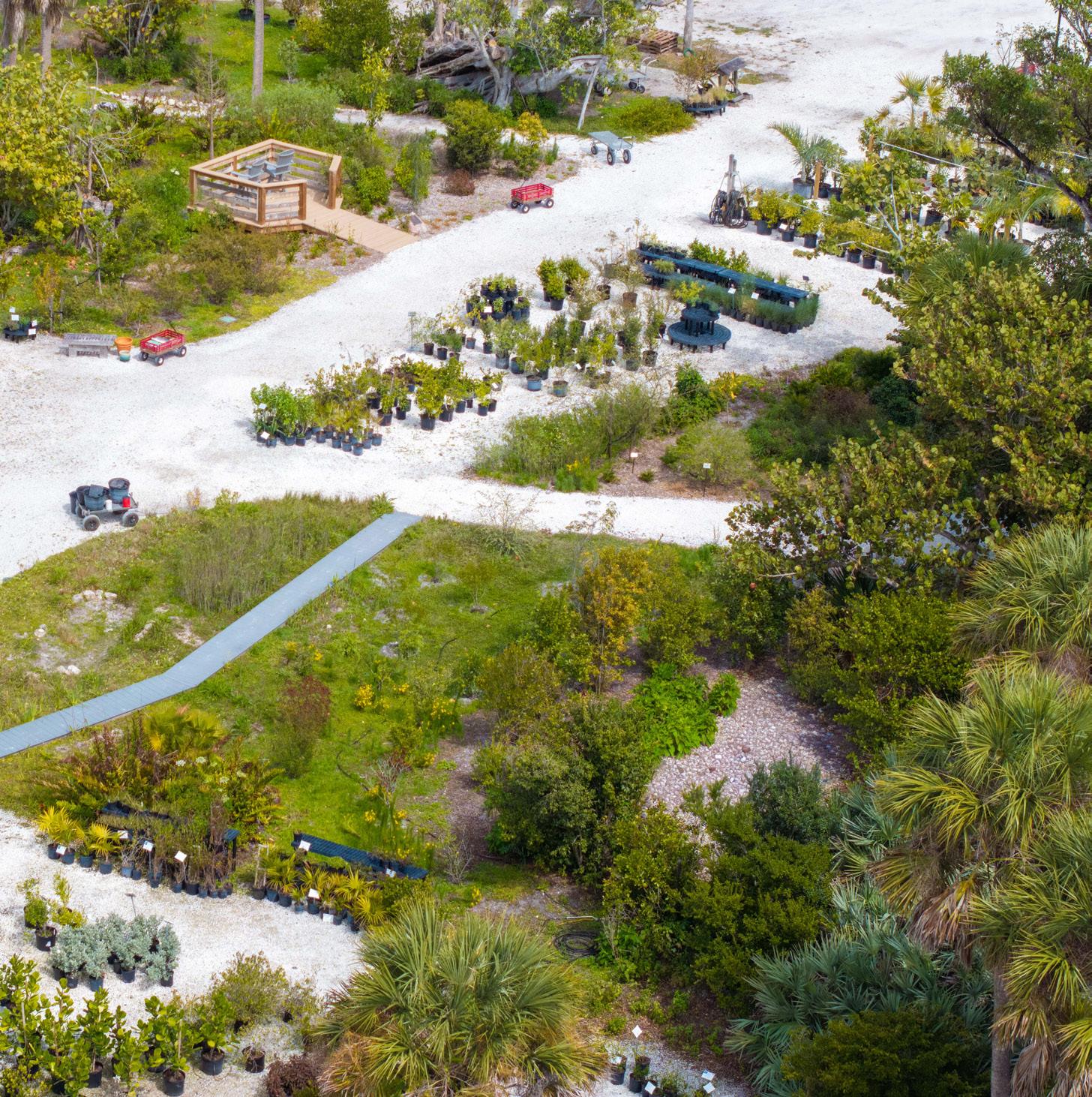
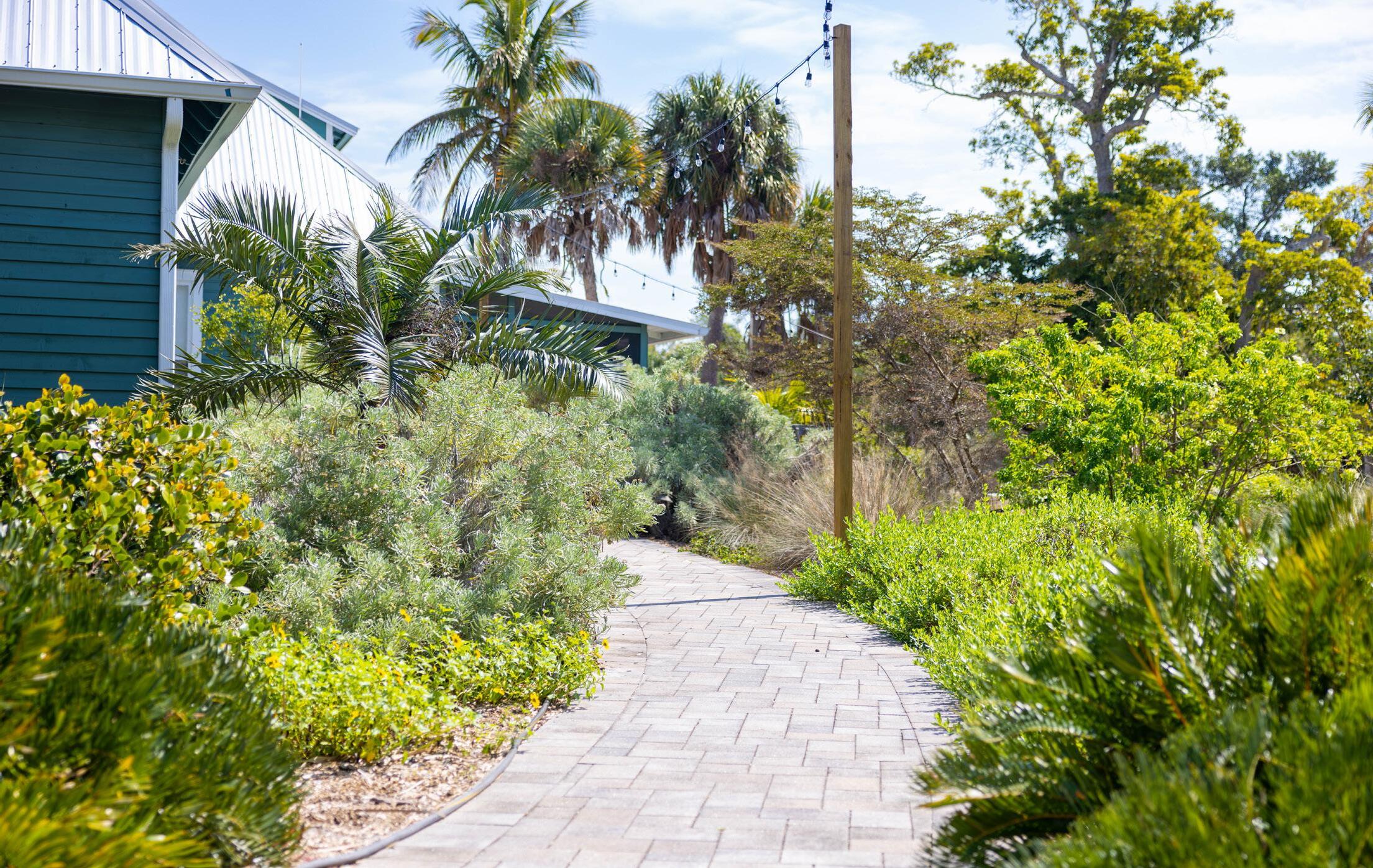
The Native Landscapes & Garden Center is experiencing a “grow-in” phase. A few areas still await replanting following recent hurricanes, but most of the gardens are recovering. Now it’s time to watch them flourish. A similar shift has been evident in conversations with visitors and customers. Many have

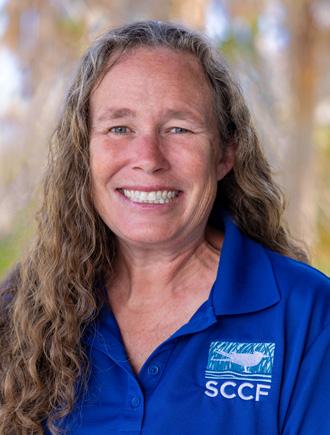
“Before moving to Sanibel and joining SCCF, I had lived in about 10 places over eight years, never getting to know any of them deeply. SCCF and the island community changed that, as this became home, both professionally and personally. My work here has allowed me to immerse myself in our local environment, developing an intimate knowledge of our flora and fauna while growing professionally, and getting to know the wonderful staff, volunteers, and members who make up SCCF.
I’m most proud of our work at the Bailey Homestead. Watching the property transform into a gathering place where we can educate the community about SCCF's mission, Florida native plants, and our local environment has been deeply rewarding.”
— Jenny Evans, Adult Education Director
replanted their yards with native plants and are watching wildlife return. Our focus has moved from storm recovery toward the bigger picture: how to incorporate groundcovers and wildflowers, attract birds and pollinators, and build landscapes that can weather whatever comes next. Long-term resilience is top-of-mind, and understanding the salt tolerance of native vegetation has become essential.
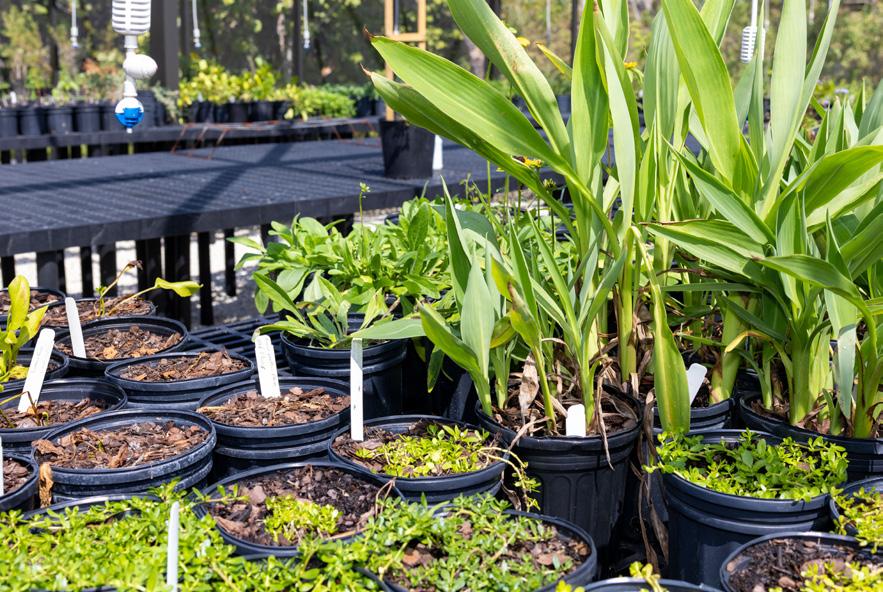
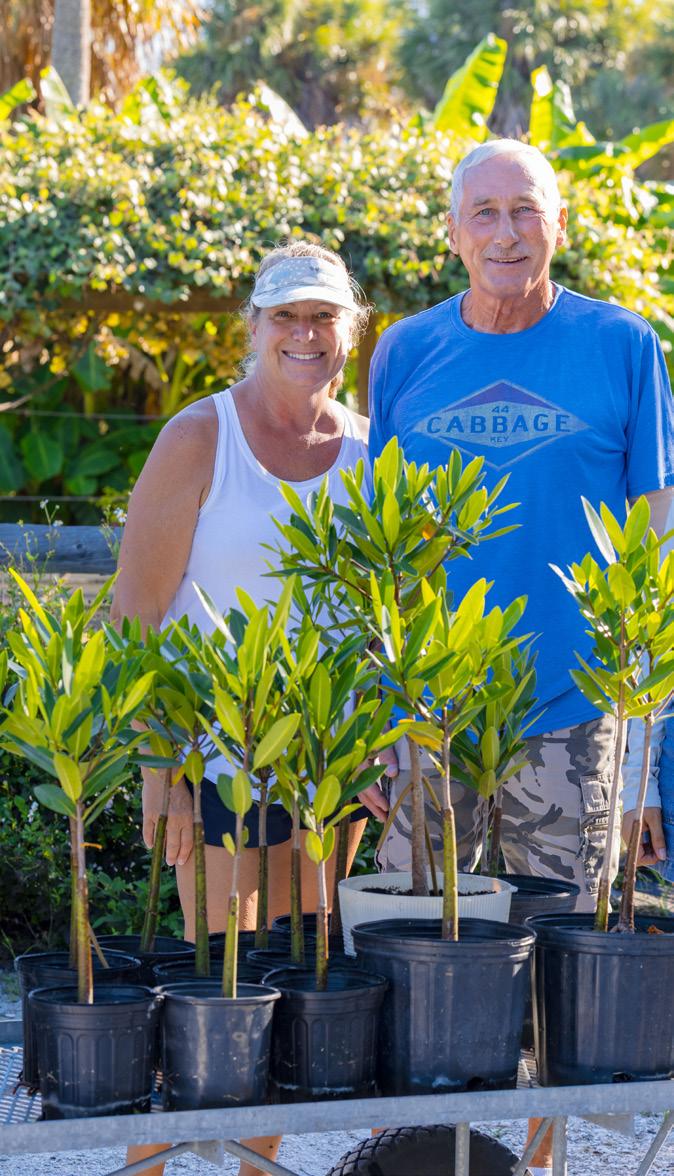
At the Ruth Brooks Propagation Facility at the Bailey Homestead, the Native Landscapes & Garden Center team is rebuilding our seed collection, reestablishing irrigation protocols for seedlings, and experimenting with native species that are rarely found in cultivation. Growing underutilized plants that support local wildlife is both a challenge and a passion, and we’re eager to see where this work leads.
— Jenny Evans, Adult Education Director