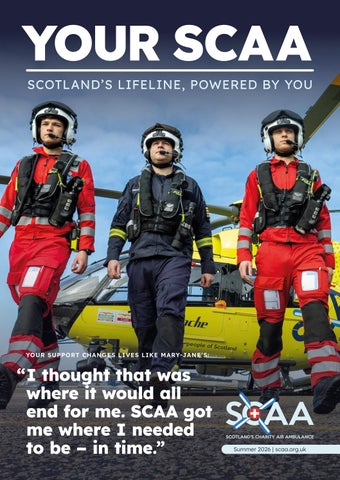
“ I thought that was where it would all end for me. SCAA got me where I needed to be – in time.”
‘This charity is why I am here today’
“I lay still, pretending to be dead. I could feel one of the animals snuffling at my head. A second was licking my bleeding wounds while a third kept pawing at my foot. The danger was far from over.”
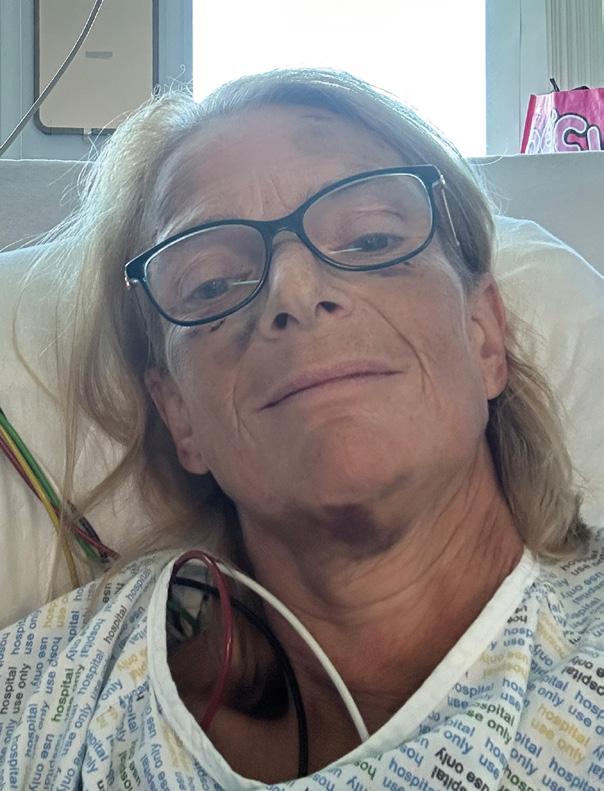
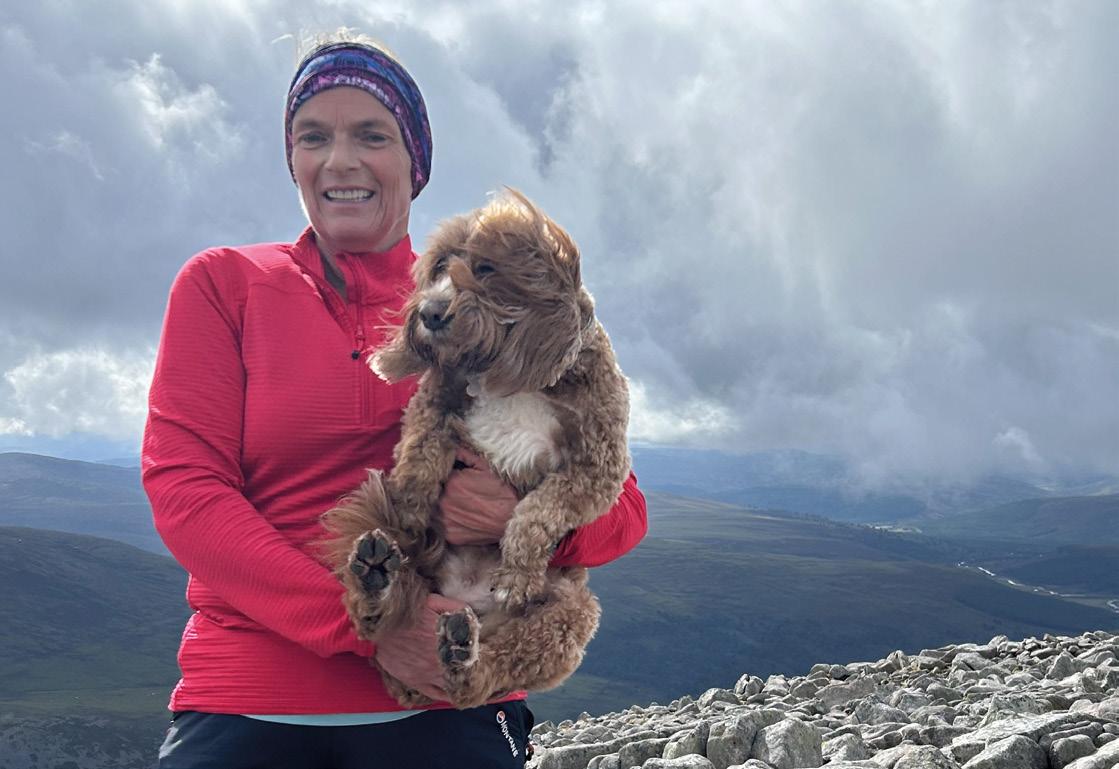
Experienced hillwalker Mary-Jane Parker (61) planned to bag three Munros near Newtonmore when she set out early that morning in August.
But within minutes she was in a world of pain, terror and despair as she was crushed, dragged, tossed and trampled by a herd of cattle on the approach footpath to her first ascent.
“I’m always very wary and respectful of cows on open ground,” she explained, “and usually stay well clear of them. Unfortunately, this gang was hidden behind a bank of high ground and I didn’t see them until I skirted the mound and found myself just feet away from them.”
Within seconds, the cattle surrounded MaryJane and started to close in on her.
“My little dog Lola panicked, broke out of her collar and bolted just as the cows attacked.
“I was crushed between two of the cows, swept off my feet and carried between them as they charged off along the track.”
“I was thrown to the ground but my rucksack strap was round one of the cows legs and it dragged me along the ground. Next thing I knew I was tossed up in the air, then crashed back to earth.”
Mary-Jane’s horrific attack lasted just a few minutes but her injuries were extensive.
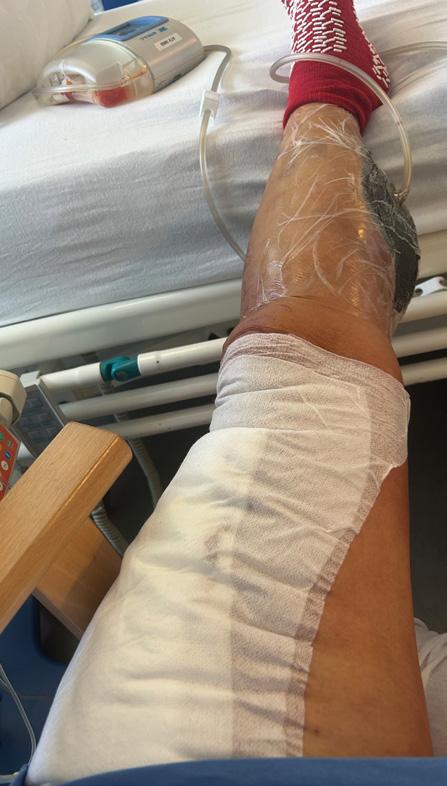
“I saw a massive wound on my left leg – my calf was ripped open from knee to ankle, and the muscle was hanging out. The cows didn’t move off – I was terrified they would trample me or attack me again.”
Mary-Jane lay for 45 minutes playing possum while her tormentors mulled around menacingly.
Luckily, Mary-Jane had been able to activate her emergency alert device on her rucksack beside her head, triggering the SOS call.
The first voices Mary-Jane heard were some fellow hillwalkers who chased off the cattle and rushed to her aid, reassuring her that her little dog was safe and well.
Minutes later, police and then paramedics arrived and transported Mary-Jane off the hill to a waiting ambulance.
“A doctor and advanced nurse practitioner then arrived and judged that my injuries were so extensive that a road ambulance wouldn’t make it to hospital in time. The pain was crippling – I’ve never experienced anything like it.”
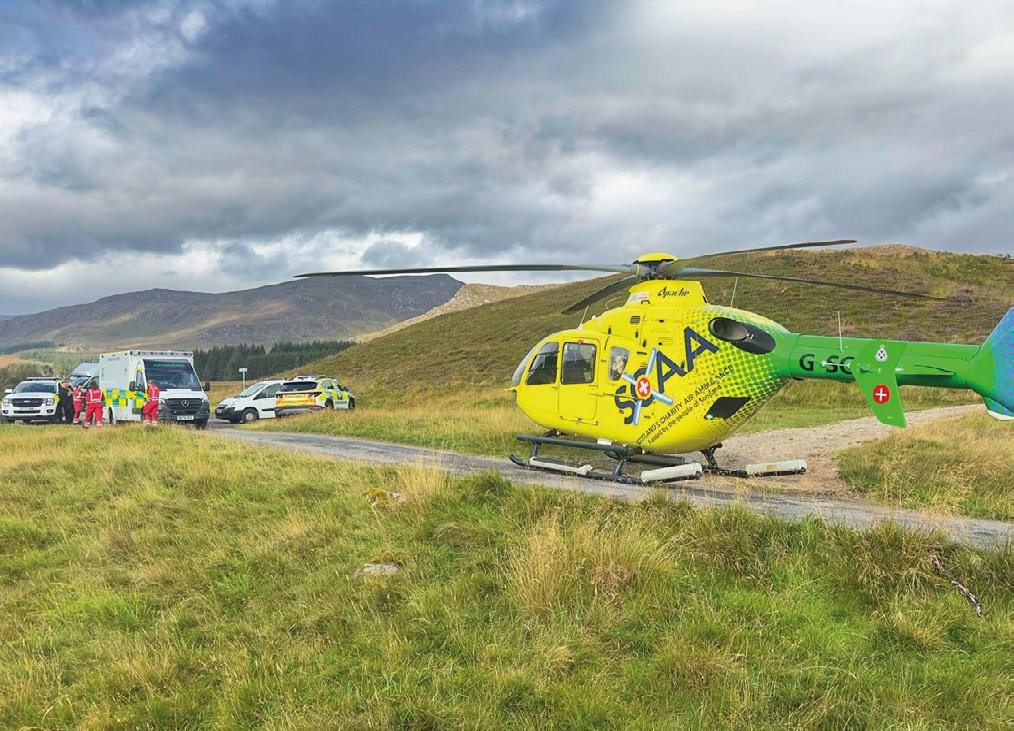
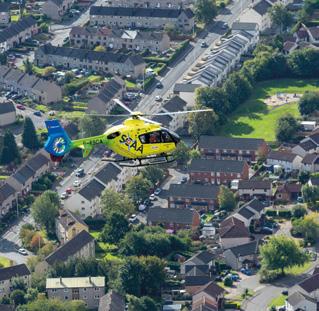
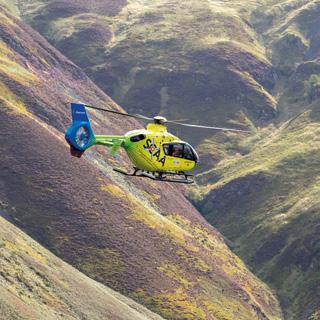
Medics knew an air ambulance was MaryJane’s best hope of survival and prompt surgical intervention and Scotland’s Charity Air Ambulance (SCAA) was scrambled to help beat the race against time.
“I heard SCAA’s helicopter coming in and landing beside the ambulance. I started to feel hope again.
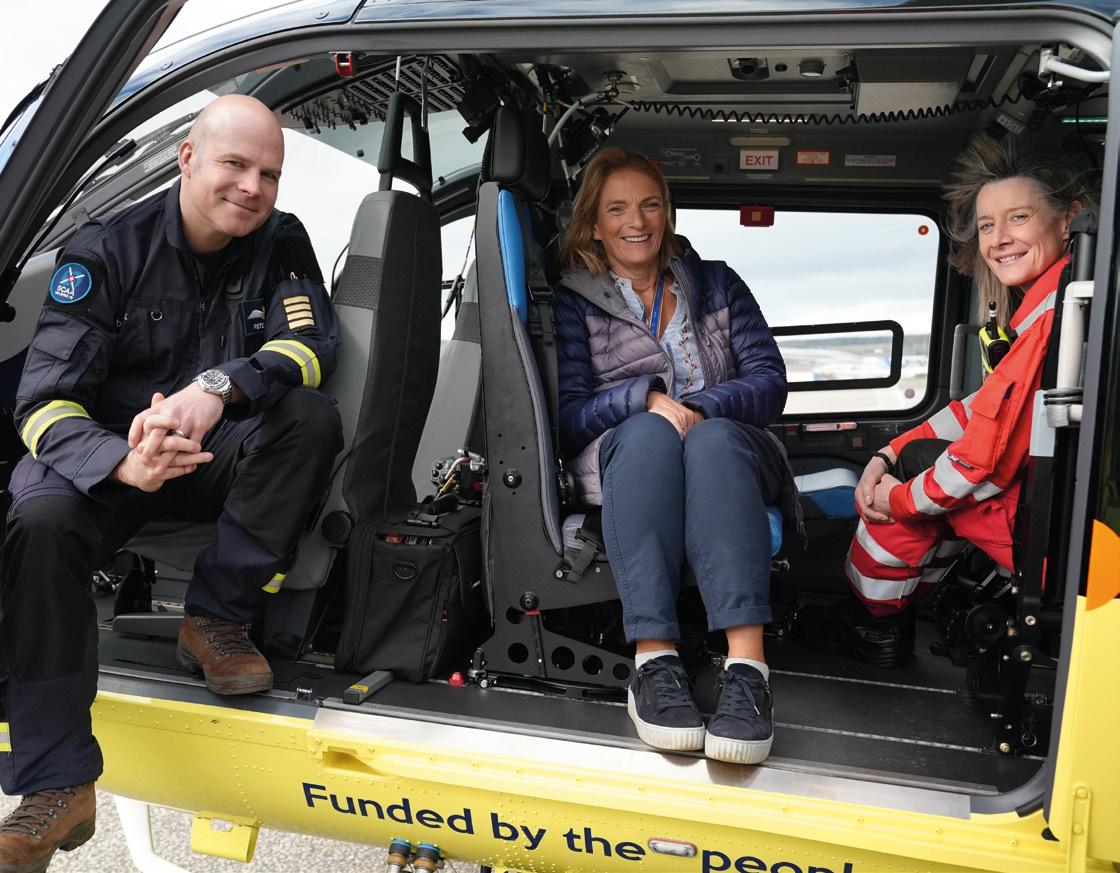
“A lovely SCAA paramedic called Claire kept a comforting hand on my arm at all times.
“ I felt so safe – so reassured. SCAA was the best blend of professionalism, caring and kindness all wrapped into one.”
“I felt my leg was going to explode – it was agony. They gave me a painkilling drug that sent me reeling but I knew Claire was with me at all times. I was safe.”
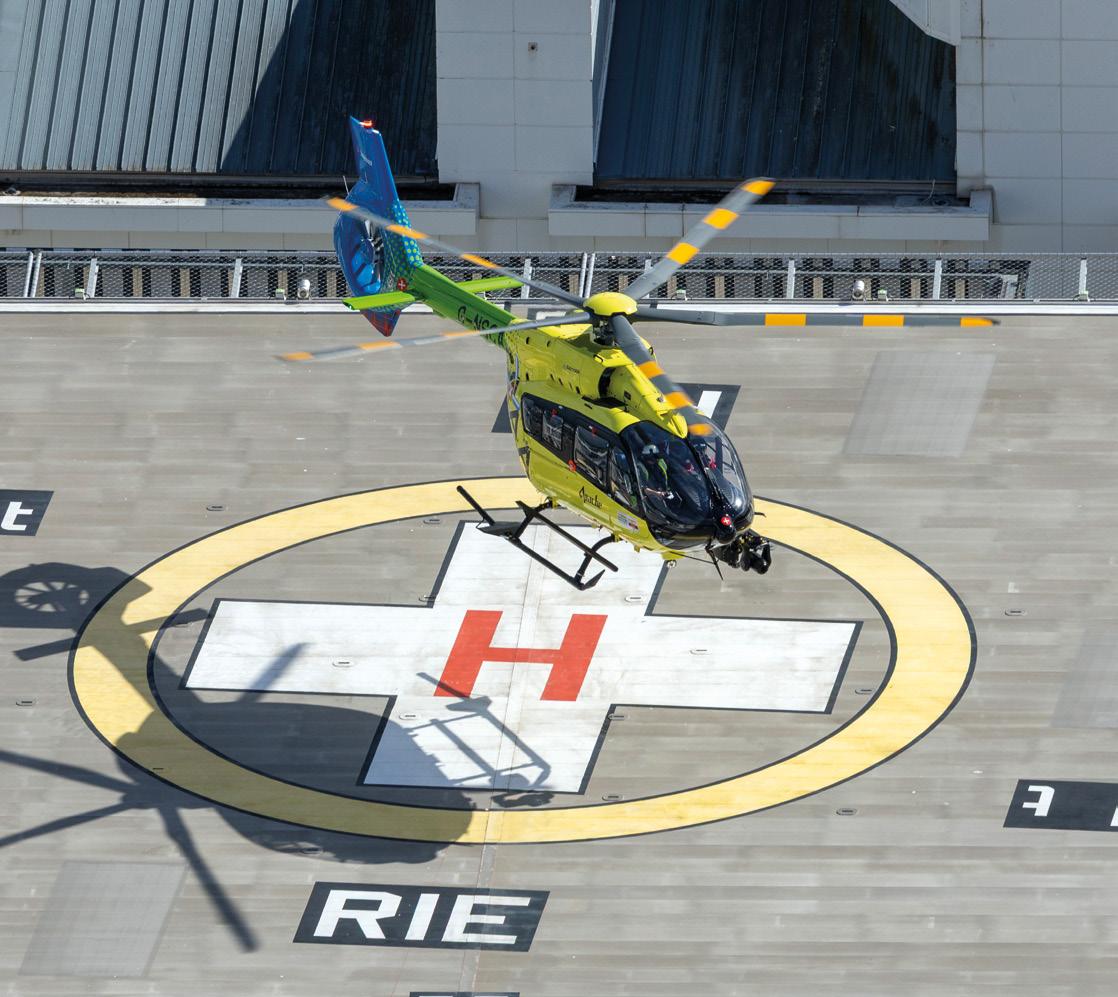
Landing at Aberdeen Royal Infirmary just 30 minutes later, Mary-Jane was rushed through X-ray and into theatre.
She had suffered 10 broken ribs, a broken sternum, a broken right hand, pooling of blood in the chest wall, bruised lungs, major leg trauma and multiple bruises to the head, face and body.
Ten days later, following various surgeries –including skin grafts – Mary-Jane was allowed to return home to Peebles where her recovery continues.
“I thought I was done for out there on that track. I thought that was where it would all end for me. SCAA turned that on its head and got me where I needed to be – in time – to keep fighting and survive. This charity is why I am here today.”
Uninterrupted life-saving flights – fuelled by you
Scotland’s Charity Air Ambulance (SCAA) believes that no one in Scotland should die because help can’t get there in time.
That ambition has taken our air ambulance helicopters to every corner of the country – and beyond – flying as quickly as possible to the aid of those most seriously ill or injured.
As fuel costs rise, your support continues to sustain our service
and ensure that paramedic and doctor-led teams deliver life-saving care as quickly as possible, wherever and whenever we’re needed.
In the wake of unrest in the Middle East, the risk of disruption to our service due to fuel issues remains low. But, like every other aircraft operator, SCAA is experiencing a significant increase in aviation fuel costs.
SCAA has already proven that it can fly help and hope to all four corners of the country, having flown missions to – and airlifted patients from – locations as widespread as Shetland and The Borders, and Stornoway and Eyemouth. Even south into England.
And, thanks to the generosity of people like you, SCAA can ensure the safe and sustainable delivery of our life-saving service.
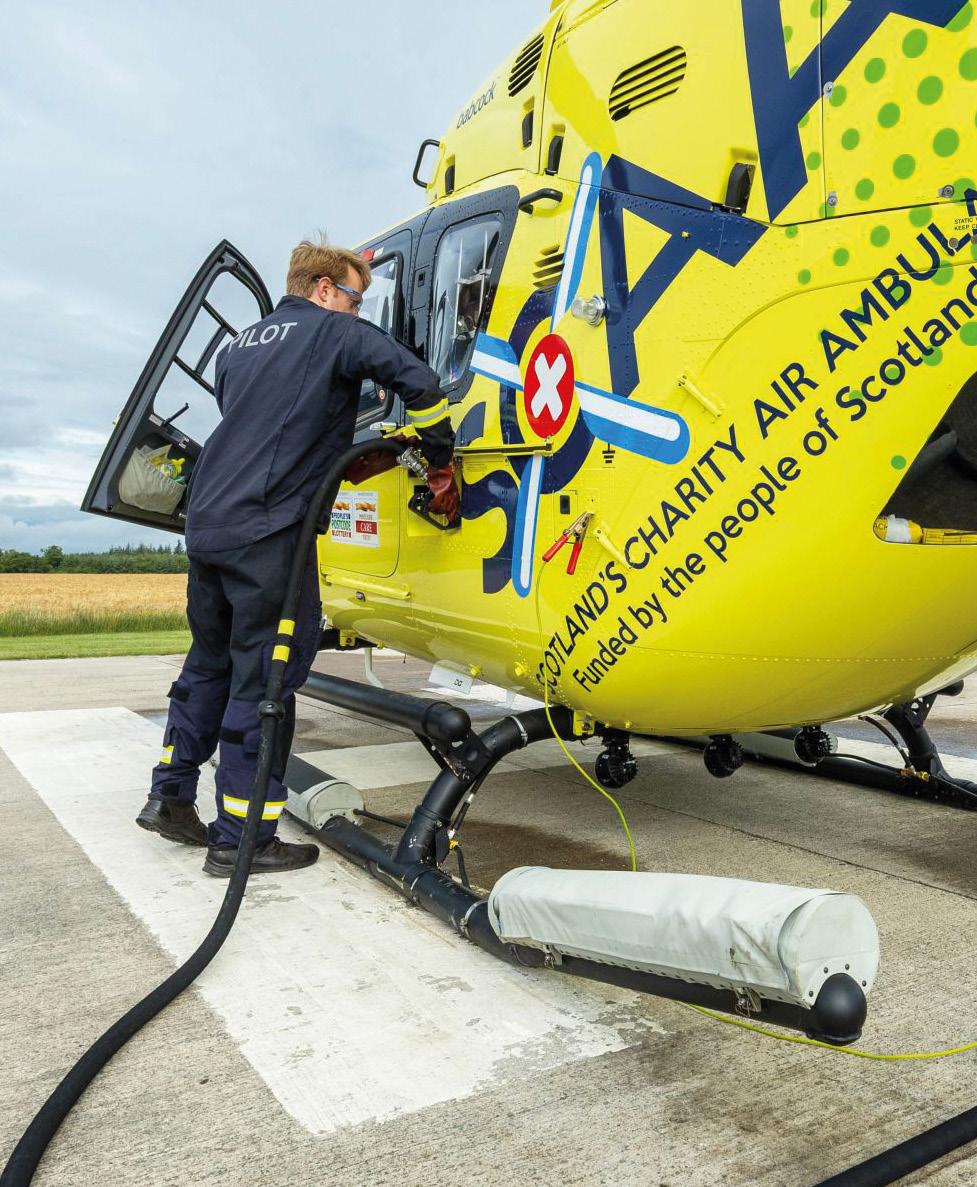
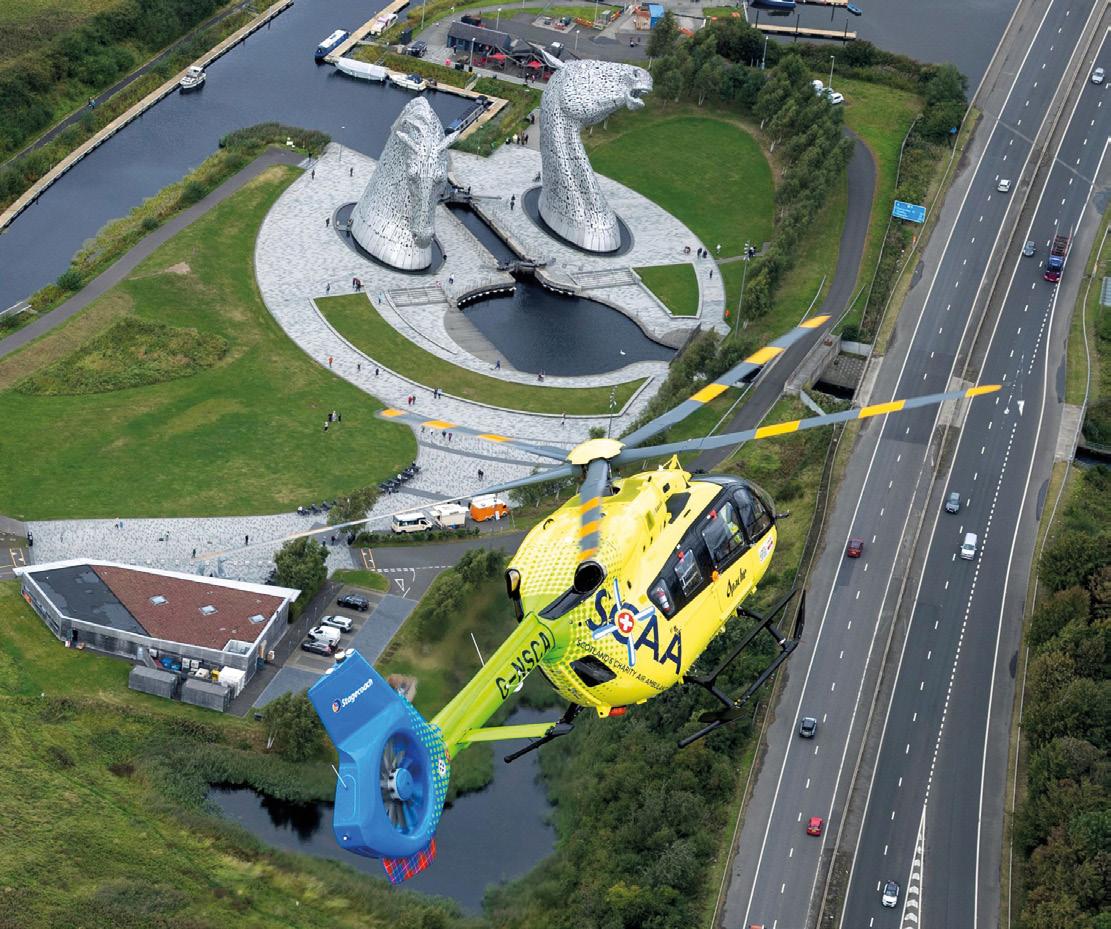
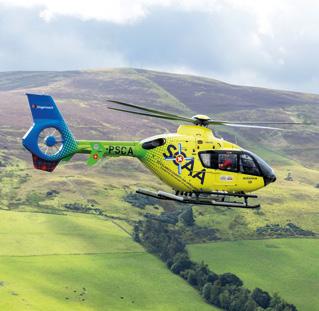
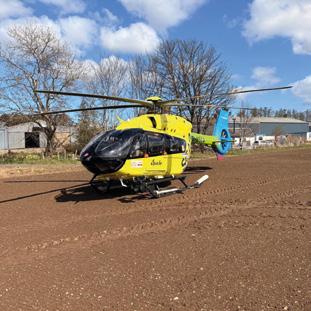
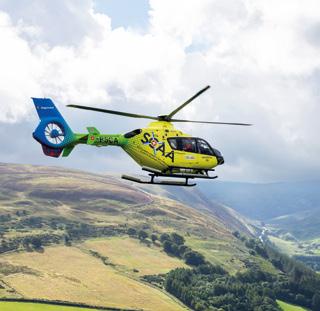
The introduction of our new H145 helicopter last autumn provides our crews with an average of 160 minutes flying between refuels. This has allowed us to reach patients in remote communities even faster and airlift them to specialist hospital care without having to delay through refuelling on route.
SCAA’s Aberdeen-based senior pilot Captain Pete Winn explained that even a flight to Shetland can be carried out on one tank, with refuelling options at Lerwick, Kirkwall or Wick if required on the return journey.
“Weather can play a big part in our flying,” he said. “Strong headwinds can halve our speed and double our flight time and the vagaries of Scotland’s landscape and its many weather pockets may force us to adopt detours as we fly round, over or under difficult conditions. All this impacts on our fuel consumption.”
SCAA has the assets to cover the whole of Scotland – 30,000 square miles and around 100 islands. Thanks to your continued support, we also have the funding to get us there.
SCAA’s capabilities mean there is no place we shouldn’t be able to reach and get paramedic and critical care teams to a patient.
Start of shift planning ensures that our aircraft are set to go immediately in response to an emergency. Capacity, fuel and range are all known, and plans can be adapted as required when patient needs and receiving hospital are determined.
A less time critical air ambulance mission allows the pilot and crew to carefully plan flying time, route, diversion options, fuel capacity and any necessary refuelling stops before take-off.
“We have refuelling options across Scotland,” explained Pete. “Airports at Lerwick, Kirkwall, Wick, Inverness, Stornoway, RAF Lossiemouth, Dundee and sites at Glasgow and Edinburgh are all options for us, as well as fuel bowsers at sites like Oban and Plockton and barrel fuel at Tiree.
“These refuelling sites allow us to continue operating away from our home bases of Perth and Aberdeen, often going straight from
delivering one patient to hospital to attending a subsequent emergency elsewhere.”
Our ability to deliver life-saving care to the patient at scene and airlift them rapidly to definitive hospital care also allows road ambulances to remain in their district and be available for other calls in that area.
SCAA’s crews have carried out a maximum of 12 emergency responses in one 12-hour shift, fuelled by your donations, as they deployed both aircraft and Rapid Response Vehicles to emergencies across Scotland. Pilots and paramedics have now responded to over 7,500 call outs, saving and improving the lives of thousands of people in every corner of the country.
This summer, your donations will support our crews through their busiest time of year, ensuring we can fill our tanks ready for each and every emergency. Thank you.
The vital lifeline you created for Roy
“I vaguely remember lying in the road, trying to sit up and take my helmet off – before everything went black. I can’t imagine what would have happened if SCAA hadn’t been there.”
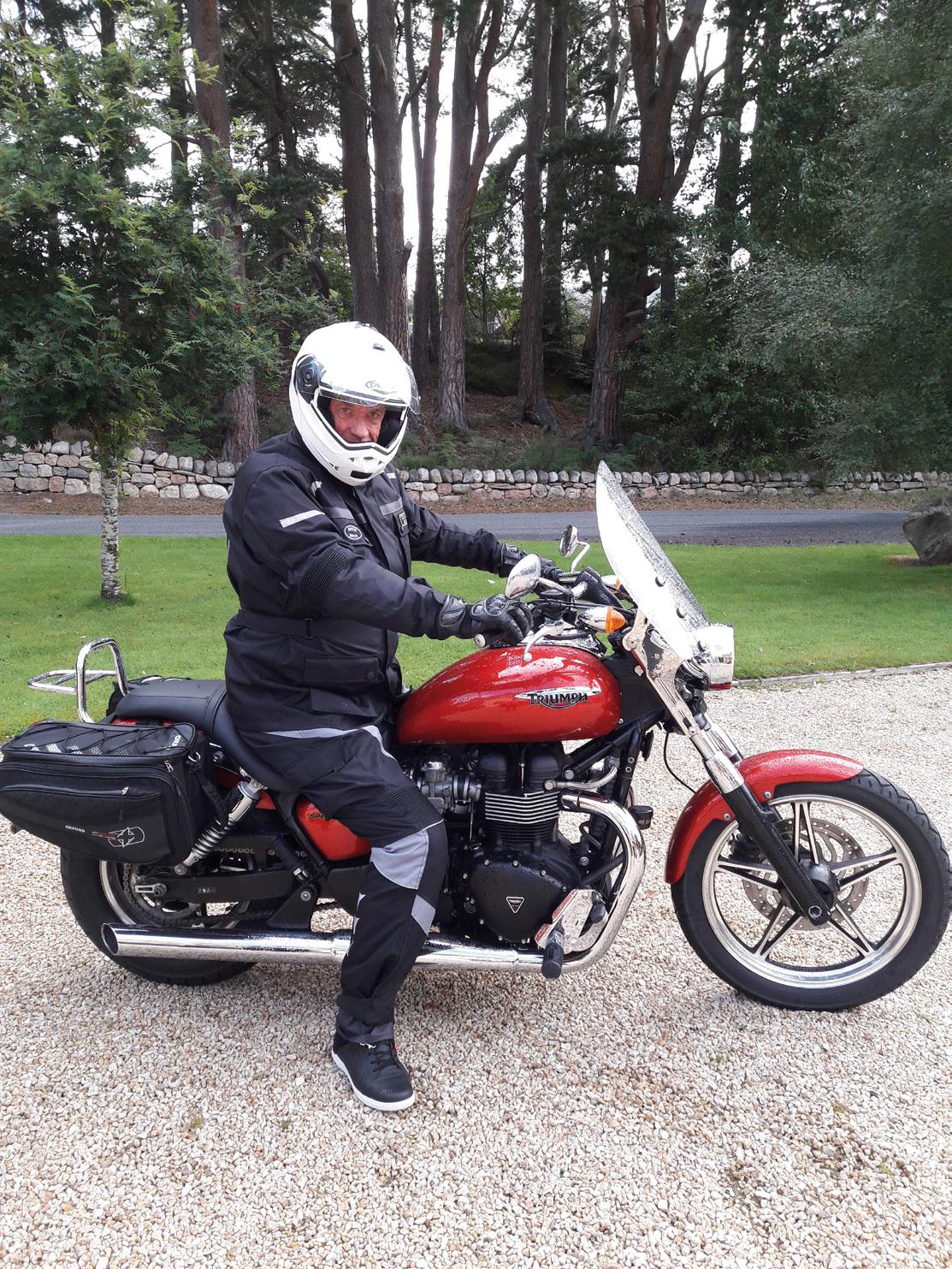
Aged 72, Roy Rodger still loved his motorbike ride outs with his brother. What should have been a relaxing summer excursion in the Highlands, however, turned to terror as Roy’s front wheel caught in a pothole while navigating a bend and sent him spiralling into an oncoming car.
Roy’s body smashed into the headlight, front bumper, wheel and mudguard of the vehicle, throwing him back across the road broken and semi-conscious.
“I vaguely remember lying in the road, trying to sit up and take my helmet off – before everything went black,” he recalled. “As I drifted in and out of consciousness, I felt myself being carried on a stretcher – and then nothing more.”
Roy’s wife Jan and his brother William have filled in the blanks for Roy as the fight for his life unfolded at the roadside near Tomintoul.
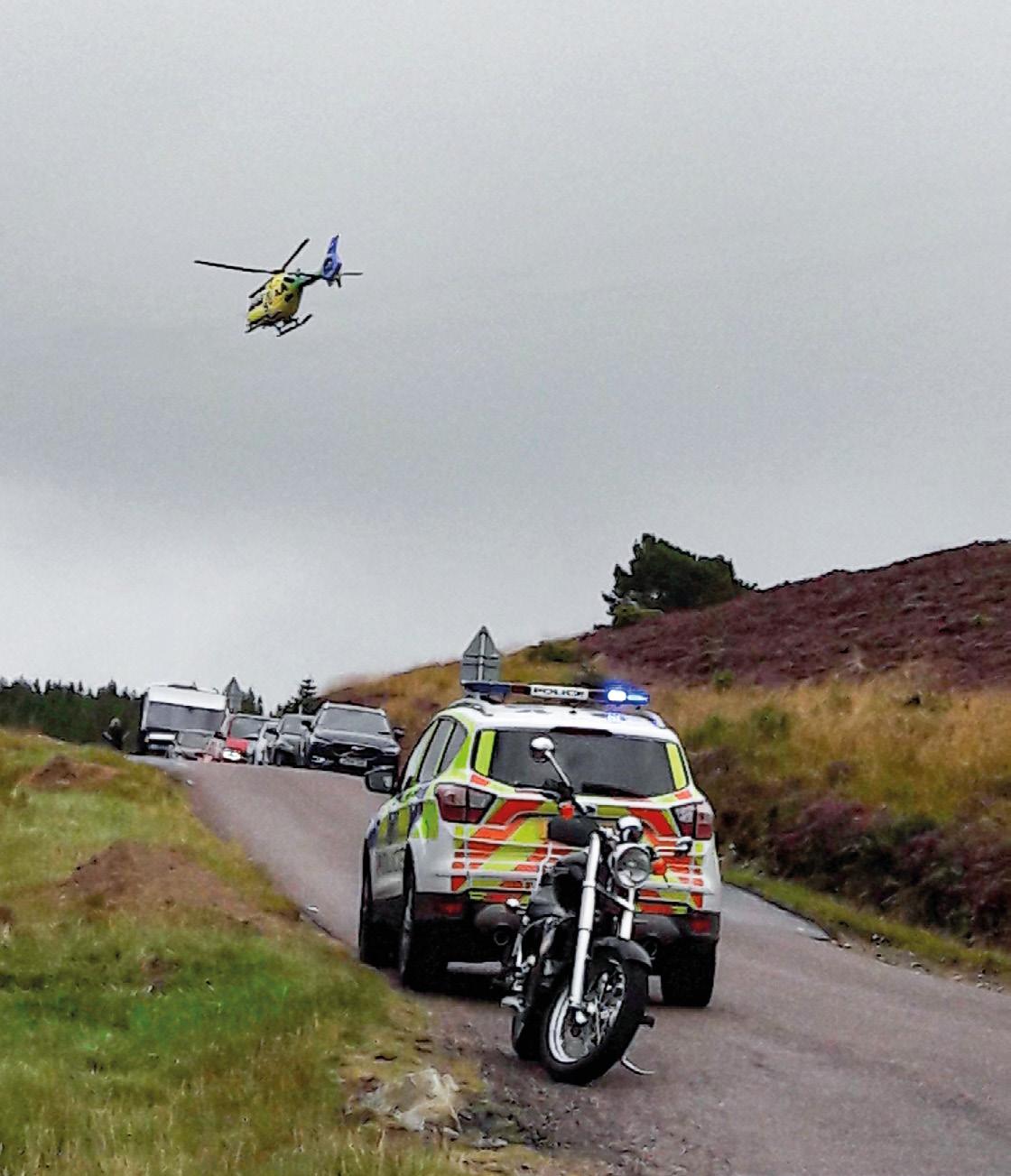
“My brother phoned Jan to tell her what had happened but as she arrived at the accident scene, SCAA had already been and was lifting off again,” said Roy.
“SCAA moved so fast – I believe that speed helped save my life.”
SCAA had airlifted from its Aberdeen base with a specialist doctor-led team, effectively bringing the Accident and Emergency department to the roadside accident scene. Roy was then airlifted to the Major Trauma Centre at Aberdeen Royal Infirmary in around
40 minutes – less than half the time it would take by road.
Roy’s catalogue of injuries included: internal bleeding; a double break in his lower leg; a broken pelvis and ripped tendons resulting in a floating kneecap – injuries that resulted in lengthy operations to insert pins and plates.
Now almost fully recovered, albeit nursing a permanent limp, Roy reflected on the vital role SCAA played in his chain of survival.
“The way I am able to get about and the life I lead now is undoubtedly due to SCAA,” he said.
“I was bleeding and broken – obviously seriously injured – and I dread to think what would have happened if SCAA hadn’t been there so quickly.”
“They were more than life-saving – they gave me a quality of life that I wouldn’t have had without their speedy arrival at scene and rapid airlift to hospital care.
“I never, ever imagined I would need the help of an air ambulance – no one does. You never consider the men and women who crew these helicopters or the thousands of supporters who keep their life-saving service in the air – until it happens to you.
“SCAA is a vital lifeline for those ill or injured in remote locations – such as motorcyclists out for a day’s ride – and I’ll be grateful to them for the rest of my life. They lessened the horror of a day that could have been my last.”
Mission Snapshots
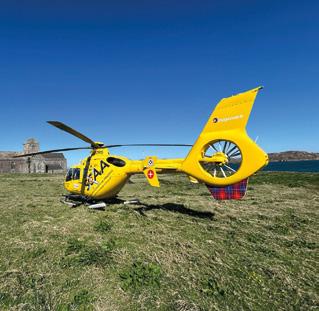
1 - Iona
A woman injured in a fall while walking on the island of Iona was airlifted to Lorn and Islands Hospital in Oban in just 10 minutes.
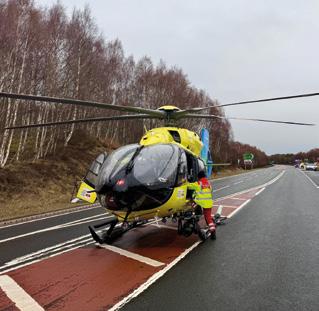
2 - Aviemore
SCAA was part of a multi-service emergency response to a coach crash on the A9 near Aviemore, with patients then airlifted to hospital.
3 - Denny
Our crew flew to a road traffic collision near Denny where an injured motorcyclist required speedy transfer to hospital care. Our crew airlifted the patient to hospital in Glasgow in 25 minutes.
4 - Peebles
SCAA flew to the scene of a mountain bike accident near Peebles, bringing the injured man from an inaccessible location to our helicopter, before he was airlifted to hospital in Edinburgh.
5 - Turriff
SCAA flew to Turriff to help a man injured when he fell from a ladder onto farm machinery. Our air ambulance airlifted the patient to hospital in Aberdeen – just over 10 minutes away by air.
6 - Gigha
A medical emergency on the Isle of Gigha saw SCAA fly a specialist doctor-led team to the patient. Our helicopter delivered the medics and then airlifted the patient to hospital in Paisley in under half an hour.
7 - Fort William
SCAA was called in to airlift a woman from Fort William to advanced care in Glasgow. Our helicopter made the patient transfer in just over half an hour – a journey that would’ve taken three hours by road.