
Barbara Foundation ISSUES AND IMPACT SNAPSHOT
BOARD OF TRUSTEES
Angel Iscovich, MD Chair
Alexandra Allen Vice Chair
Michael Pfau Secretary
Danna McGrew
Treasurer
George Adam
Richard Beswick, PhD, MBA
Rafael Gonzalez
Randal Hernandez
Kiah Jordan
Pamela Macal
Lois Mitchell
Ernesto Paredes
Matt Rowe
Lynn Scarlett
James H. Selbert
Alexander F. Simas
Jason Stilwell, PhD
Tracy Stouffer
Felicita A. Torres
Zohar Ziv
President & CEO
Jacqueline M. Carrera
SOUTH COUNTY HEADQUARTERS
1111 Chapala Street, Suite 200
Santa Barbara, CA 93101
Phone: (805) 963-1873
Fax: (805) 966-2345
NORTH COUNTY HEADQUARTERS
2625 South Miller Street, Suite 101 Santa Maria, CA 93455
Phone: (805) 963-1873
Fax: (805) 346-6125
INFO@SBFOUNDATION.ORG


Santa-Barbara-Foundation
SBFoundation
SantaBarbaraFoundation SBFoundation
Dear Friends and Neighbors,
March 6, 2026
As your community foundation, the Santa Barbara Foundation actively connects donors, nonprofits, businesses, government, and the people of our county to take on the challenges that affect us all.
We know that together we can do more. Working together, we create meaningful impact on the issues you care about in the communities we all love.
In 2025, federal funding reductions, policy shifts, rising costs of living, and an extreme housing affordability crisis intensified demand for basic needs and essential services across Santa Barbara County. Local nonprofits have served growing numbers of households experiencing challenges to meet essential needs, including nearly one in five children living in poverty.
In short, our nonprofits have been required to do more with less.
In response, the Santa Barbara Foundation continued our basic needs grant program focused on food security, shelter, safety, and healthcare — providing multi-year general operating support to nonprofit partners across Santa Barbara County.
We also launched the Critical Needs Response Fund to provide flexible support that helps organizations maintain essential services and adapt during unanticipated funding disruptions.
This report summarizes the heightened needs of our local residents and the nonprofits who improve life for all of us.
Together, we are strengthening a resilient social sector and ensuring that neighbors across Santa Barbara County have access to the resources they need to thrive — today and for generations to come.
With gratitude,
Jackie Carrera President & CEO Santa Barbara Foundation
Community Grant Trends
Across Santa Barbara County, demand for essential services continues to rise. Through our multi-year Community Grants Program, the Santa Barbara Foundation supports organizations that strengthen community infrastructure, expand access to quality health care, address food insecurity, and serve residents most impacted by economic hardship and systemic barriers.
In 2025, Foundation staff met with nonprofit partners throughout the county to better understand emerging challenges and shifts across the social sector. These conversations, combined with grant application trends, reveal sustained and growing need — particularly
2022 & 23 vs 2024 & 25 Grant Funding Comparison in behavioral health, health care access, food security, and housing stabilization.
Over the past two funding cycles (2022-2023 and 2024-2025), both the number of applications and the total funding requested have increased significantly. This trend underscores the mounting pressure on frontline organizations and the importance of sustained, flexible support to sustain essential services in our community.
The data below reflects both the scale of community demand and the Foundation’s continued commitment to investing where need is greatest.
Demand for funding continues to outpace available resources, reflecting increased strain across the nonprofit sector.
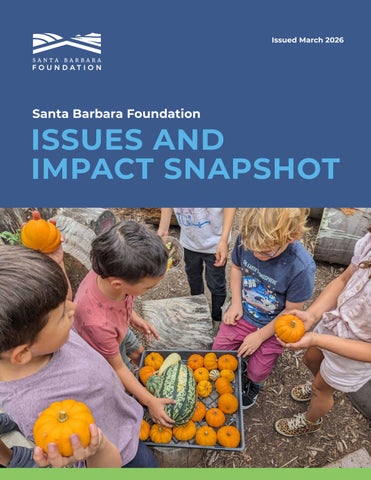
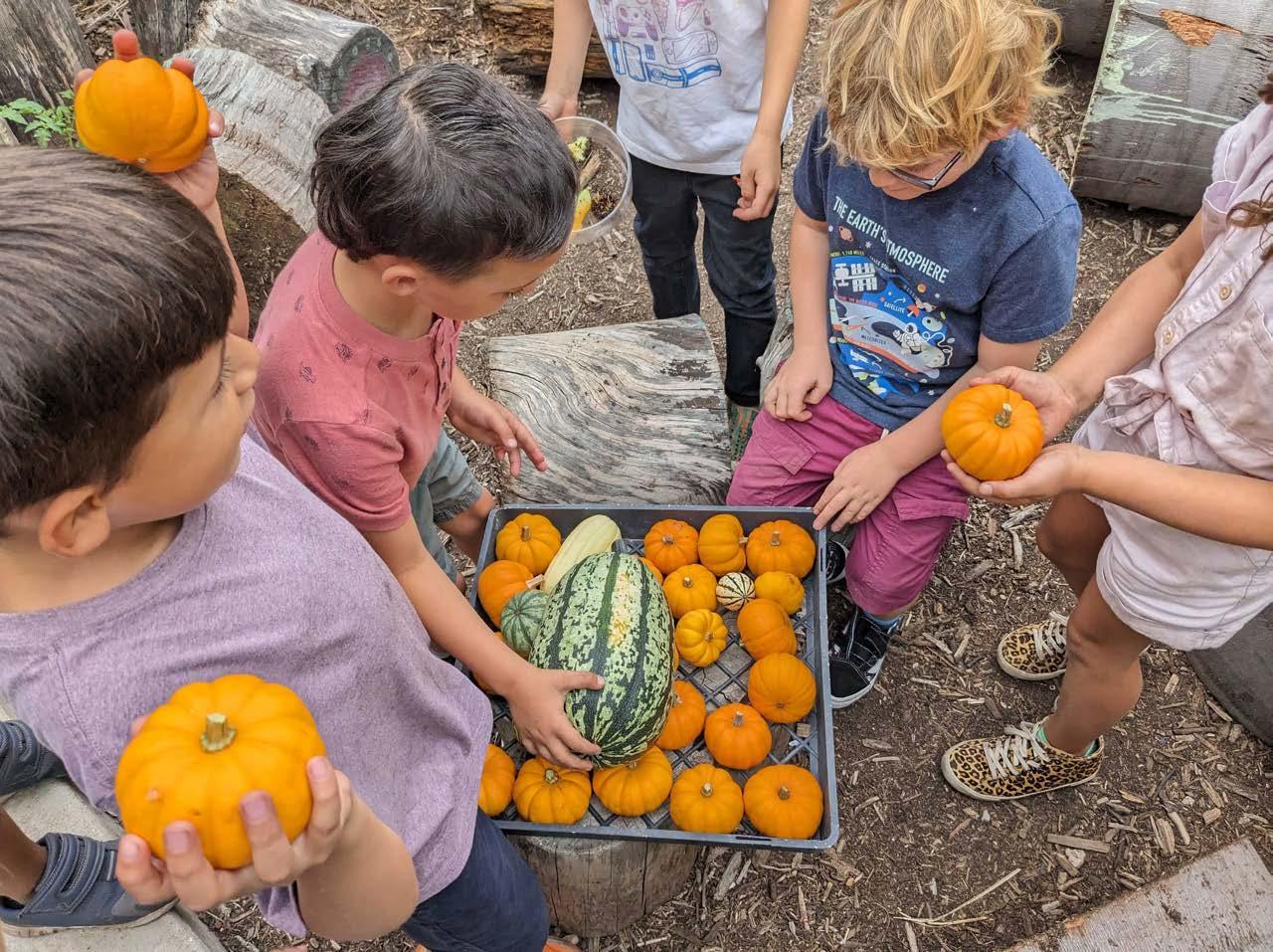
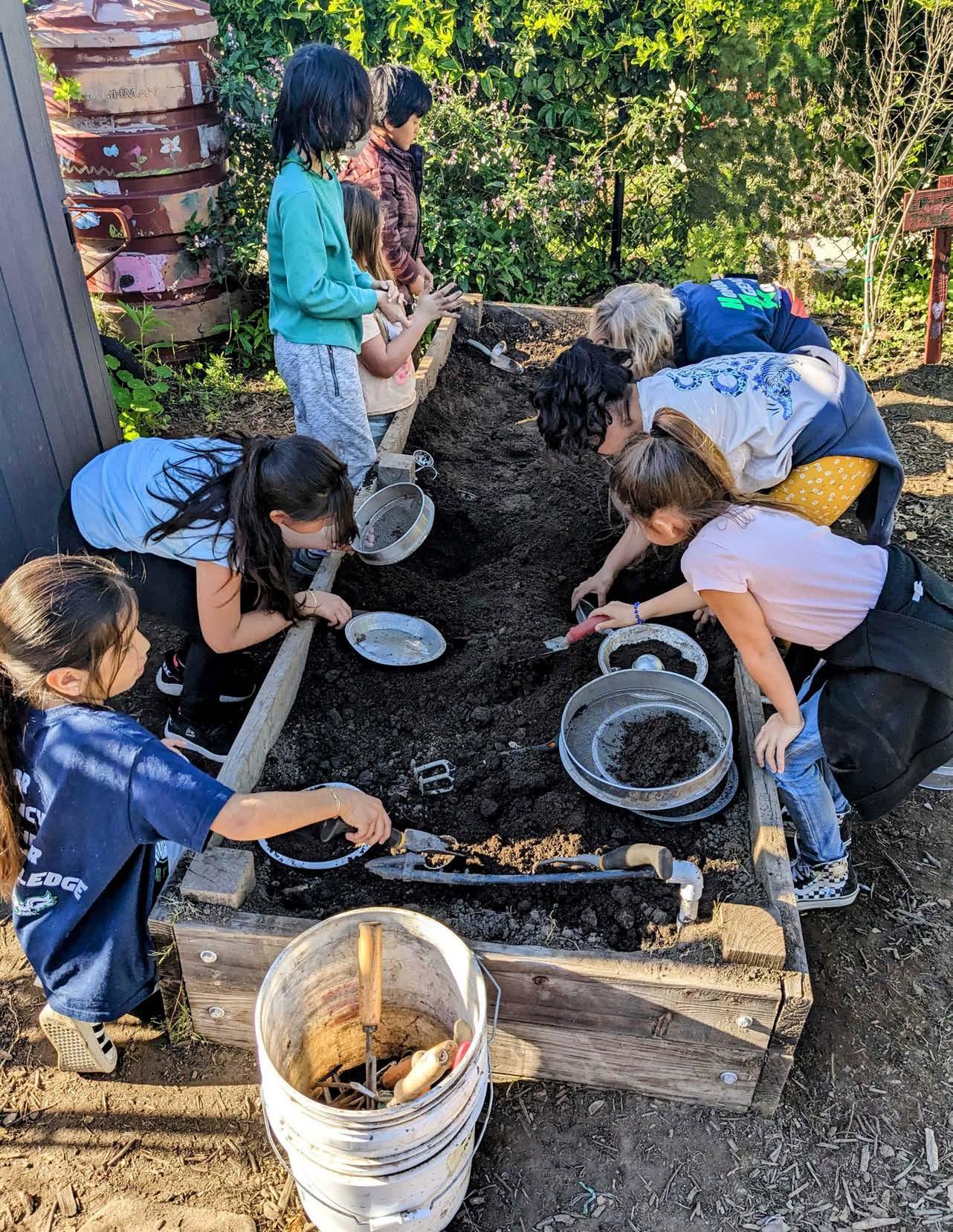
Cover: Explore Ecology used a Conservation, Environment and Public Trails grant to cultivate children’s understanding about where food comes from. Photo: Luz Diaz. Inside front cover: Students learn about soil at Explore Ecology’s garden at Harding University Partnership School. Photo: Luz Diaz.
Trends by Strategic Priority Area
Behavioral Health and Health Care
Across the nonprofit and social services sector, organizations are contending with unreliable funding streams, federal budget cuts, and delays that threaten program continuity. Staff burnout and secondary trauma remain major concerns, while client fear tied to national policy changes adds another layer of difficulty for residents accessing services.
Behavioral Health Billing Challenges
• Santa Barbara County’s shift from a costreimbursement to a fee-for-service billing model aims to reduce administrative burden. However, it has likewise created widespread challenges among behavioral health providers, many of whom are still learning the new system and are unable to bill at full contract rates, thereby reducing annual reimbursements.
• Delays in reimbursement and subsequent cash flow issues, compounded by the lack of productivity data, have left organizations uncertain about what services are eligible for compensation.
• In 2026, the Santa Barbara Foundation will support a Behavioral Health Community Learning Initiative in partnership with the local Community Based Organization Coalition to identify near-term, collaborative opportunities to strengthen behavioral health across Santa Barbara County amid shifting state and federal funding.
Health Care Workforce Shortage
• Santa Barbara County is part of a federally designated Health Professional Shortage Area for primary care, dental, and mental health providers. Providers share that demand continues to rise particularly for bilingual professionals, at a time when one in five residents regularly experiences
anxiety, depression, or another behavioral health disorder.
Even those with private insurance (68% of affected individuals) struggle to find in-network behavioral health care, as insurance reimbursement rates are roughly 60% lower than private pay, discouraging provider participation.
• The health care workforce shortage extends into skilled nursing, where limited training capacity, low reimbursement rates, and high housing costs have made recruitment nearly impossible — particularly in home health care, which faces the lowest commercial reimbursement rates.

Supported by a Behavioral Health and Health Care Grant, Hillside in Santa Barbara offers residents the opportunity to gain strength and skills, with assistance from direct support professionals.
Photo: Lure Digital.
Aging Population and Caregiver Needs
• By 2030, one in four county residents is expected to be over 60. This aging population, combined with increasing medical conditions and financial pressures, continues to intensify the demand for health care services and burden on family caregivers. Also, the county lacks the facilities to meet the needs of this growing population.
• Expanded caregiver support, particularly for dementia care, is needed as resources like the Alzheimer’s Association’s local consultation program are no longer available.
• Hospice and grief counseling services are also in higher demand.
• Looking into 2026, anticipated changes in federal funding may result in some older adults losing eligibility for Medi-Cal coverage or reduced access to in-home services or long-term supports, increasing the strain on local health and safety-net services. This may result in greater financial and health insecurity for older low-income residents.
Youth and General Behavioral Health Concerns
• Youth behavioral health is a persistent crisis, with children facing early trauma from housing and food insecurity, family challenges like unemployment, substance abuse, and medical issues, and increased immigration enforcement threats. Reports of sadness, hopelessness, and suicidal thoughts among students are on the rise, often accompanied by more severe symptoms.
• While awareness of behavioral health issues is increasing, stigma remains a barrier, and the severity of behavioral health symptoms among those seeking help has grown.
• Challenges include finding providers that take insurance, accessing bilingual/bicultural providers, and navigation to providers.
• Undocumented individuals and those from mixed-status households are also experiencing heightened behavioral health stress due to increased immigration enforcement threats.
Victims of Crime Act (VOCA) Budget Cuts
• Federal and state cuts to VOCA funding continue to impact victim services, including rape crisis centers, centers addressing commercial sexual exploitation, domestic violence shelters, and child abuse programs.
• Organizations have reported an increased acuity and intersection of client needs, with more staff time and navigation support provided to each case than previously, and emergency shelters often at full capacity.
• For Santa Barbara County’s victim services programs, such as the North County Rape Crisis Center and Standing Together to End Sexual Assault (STESA), funding losses amount to hundreds of thousands of dollars.
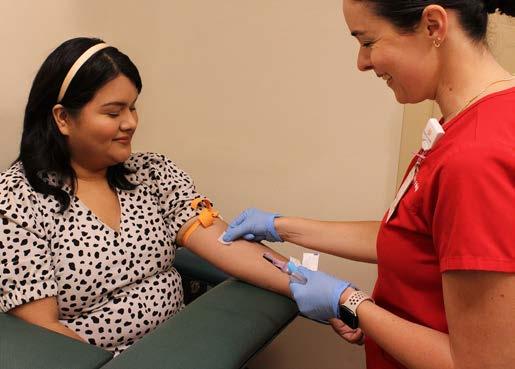
A Tri-Counties Blood Bank Grant supported free blood care at Marian Regional Medical Center for uninsured patients across North and Mid-County communities, including Buellton, Lompoc, Vandenberg Village, Santa Maria, and Guadalupe. Photo: Marian Regional Medical Center Foundation.
Shelter and Safety
Rising Homelessness
• The Point-in-Time Count data from 2025 found that 2,455 people in Santa Barbara County were experiencing homelessness. This is an increase of 336 people (15.9%) from 2024 and a 24% increase since 2022. Likewise, there has been a significant rise in vehicular homelessness which is often associated with first-time and/or newly unhoused residents.
• Family homelessness continued to rise, with 146 family households with children counted in 2025, representing a 17% increase since 2024 and a 27% increase since 2019. Many of these families live in vehicles. Of the 146 family households, more than half have children under 18 years old. This number is undercounted as families with minors experiencing homelessness often avoid entering the homelessness system.
• In 2025, the number of Transitional Age Youth (18-24) experiencing homelessness nearly doubled to 127. Most of this growth is in the vehicular homelessness category. Additionally, 114 unaccompanied youth under 25 were counted, a 46.2% increase since 2024. 14.9% of those unaccompanied youth were under 18.
• Older adults are over-represented in our homeless population, with 37% of our homeless population over the age of 55. This is up from 34% in 2024. Our nonprofit partners report a significant increase in clients that are 55 years or older, many of whom are living in vehicles.

• The key concern for many shelter/housing organizations is the loss of housing vouchers following federal policy and funding changes. This includes emergency housing vouchers (EHV) and Section 8 vouchers. This has made it harder to move people from shelter into housing, and households using EHV in the county are at risk of homelessness when the EHVs expire in 2026. This would affect at least 223 households, 349 household members, 91 disabled community members, 65 seniors, and 104 children. Additionally, behavioral health treatment services cannot meet client needs due to insufficient funding and staffing challenges.
• Skyrocketing housing costs lead to overcrowding and prolonged shelter stays, averaging 133 days (about four and a half months), which is a 37% increase, or an additional 36 days, from 2024 data.
SBF proudly facilitated our donor Steve Lyons’ purchase of My Home at the Lyons House to help transitional age youth succeed in adulthood after foster care, with services provided by Channel Islands YMCA. Photo: Harper Point Photography.
Homelessness Prevention Challenges
• Housing affordability in Santa Barbara County is inextricably linked to a severe shortage of available housing and is widely recognized as one of the county’s most urgent and complex challenges. Additionally, over the past 20 years, rents in Santa Barbara County have increased by an average of 4.8% annually, while housing choice voucher values have not kept pace, significantly eroding their effectiveness in the rental market.
• Looking forward to 2026, federal funding and policy changes may further destabilize the housing system, as reduced voucher availability and administrative capacity will weaken vouchers as a homelessness prevention tool in Santa Barbara County’s high-cost housing market. Proposed HUD rules that eliminate prorated assistance would effectively bar mixed-status households from vouchers and public housing, placing hundreds of Santa Barbara County families — many with US-citizen children — at heightened risk of displacement, overcrowding, and homelessness. Fear and confusion around eligibility would further suppress participation among otherwise eligible households.
• Housing loss prevention, preservation, and protection is an evidence-based, costeffective strategy to reduce homelessness and has become an increasing priority for local governments and service providers. This is especially critical with the loss of housing vouchers and uncertainty surrounding HUD funding.
Food Insecurity Countywide
• Significant federal food program cuts are underway that reduce USDA commodity food support and other federal food resources. These reductions have forced the Foodbank of Santa Barbara County to take major losses in food supply, including food that typically makes up 30% of its distributed inventory. Programs like the Local Food Purchase Assistance Cooperative (LFPA) have been eliminated, resulting in hundreds of loads of anticipated USDA-distributed food being delayed or withheld, and reducing the Foodbank’s ability to source fresh, local produce from small farmers. These cuts are tied to broader federal budget rollbacks that include SNAP and other nutrition programs.
• These cuts significantly impacted the Foodbank as the county’s primary distribution hub and sharply limited food availability for smaller providers such as pantries, soup kitchens, and food delivery programs. With reduced federal food supplies, smaller food access organizations are increasingly purchasing food at market rates while also absorbing higher operational costs related to staffing, transportation, fuel, and coordination.
• Food prices have risen an estimated 25% over the past five years, driving sustained increases in demand for food assistance and placing growing strain on food access organizations across Santa Barbara County.
• The county is experiencing some of the highest hunger rates in nearly a decade, and the Foodbank warns that fewer federal resources will put thousands of families — including children, seniors, and other vulnerable households — at greater risk of food insecurity. In some school districts, up to 93% of students are eligible for free or reduced-price meals, and providers report growing need for infant formula amid limited access to subsidized supplies.
• Changes to CenCal Health’s reimbursement policies for medically tailored meals have eliminated coverage for several conditions, forcing nonprofit providers to choose between discontinuing services or absorbing the full cost of meals with little or no subsidy.
• In order to help fill the gap created by federal funding cuts and policy shifts, and against the backdrop of rising food costs, there is a two-pronged need: (1) to support nonprofit expansion of food assistance so organizations are able to serve households that are increasingly facing food insecurity; and (2) to invest in our county’s food system so that we can support our community by harnessing the resources we have available to us, including our agricultural sector.
• In 2026, the Santa Barbara Foundation will conduct a food system landscape analysis to improve understanding of the county’s food ecosystem to guide resource allocation, strengthen collaboration, and implement targeted interventions.
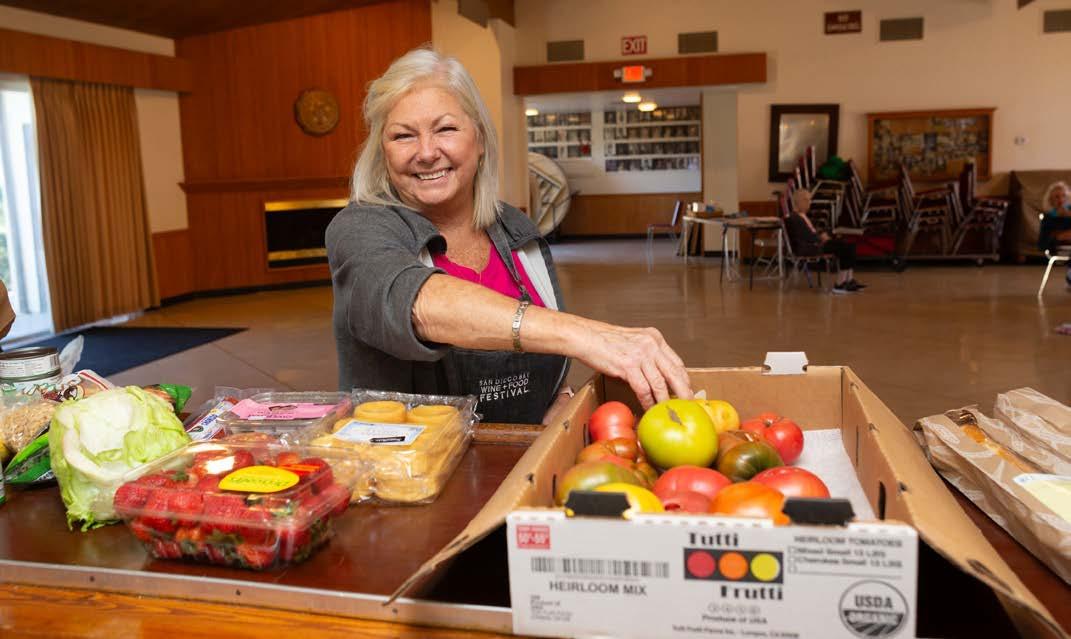
A staff member at the Solvang Senior Center prepares for community members to receive fresh produce delivered by Veggie Rescue, which received a Santa Barbara Foundation Food Grant. Photo: Veronica Slavin.
Trends Reported Across the Nonprofit Sector
• Post-pandemic federal funding cuts — compounded by additional cuts throughout 2025 and planned reductions in 2026 and beyond — have reduced resources for social services, education, and environmental programs while policy changes have increased costs or further limited access to assistance. As federal support contracts, demand for services has shifted to state and local governments and nonprofit organizations, intensifying pressure on already strained systems.
• Nonprofits continue to face significant challenges of recruiting and retaining staff due to Santa Barbara County’s high cost of living and severe housing affordability crisis, undermining organizational stability and service delivery.
• The county’s cost of living places many working individuals and families at the economic margin: more than half of residents spend at least 30% of their income on rent, and nearly one-third spend 50% or more. Many earn too much to qualify for federal assistance, yet too little to meet basic needs.
• Recent federal funding cuts and policy changes have triggered sharp increases in demand for nonprofit services, contributing to staff burnout and heightened exposure to direct and secondary trauma across the sector.
• General operating support remains critical for nonprofits, providing the flexibility needed to respond to rising demand, stabilize operations, and adapt to rapidly changing funding and policy environments.
• Nonprofit leaders are increasingly exploring the use of technology and artificial intelligence to improve efficiency, fundraising, marketing, and community engagement, though capacity and resources for implementation vary.
• Collaboration continues to be central to effective nonprofit work, as organizations form partnerships to share resources, coordinate services, reduce duplication, and develop more comprehensive responses to complex social challenges facing Santa Barbara County.
Demand for Services Continues to Outpace Available Resources
The bar graphs at right depict the successful applications and grant amounts against the total amount of funds requested and the number of applications approved and denied within the three Community Grant Program areas.
$1,612,500 $690,000
2024 & 2025 Community Grants
Requested vs Approved Funding
Behavioral Health and Health Care
2024 & 2025 Community Grants
Number of Applications Received vs Number Approved/Funded (Grants Awarded)
Partnerships and Strategic Initiatives
Health Equity Pathways: Community Health Worker/ Promotores Workforce Infrastructure
The Santa Barbara Foundation’s investment in the Community Health Worker/Promotores (CHW/P) workforce addresses a critical gap in local health and social service systems by strengthening the role of trusted cultural messengers who connect residents with limited resources — particularly Spanish- and Mixteco-speaking residents — to health care and social supports. Building on the Central Coast Tri-County CHW/P Capacity Building Collaborative launched in 2022, Foundation support through 2025 has focused on professionalizing, expanding, and retaining this workforce across Santa Barbara, Ventura, and San Luis Obispo Counties. The Collaborative now includes more than 20 cross-sector partners, reflecting unprecedented regional alignment, and was nationally recognized with an honorable mention for the 2025 Association for Community Affiliated Plans Supporting the Safety Net Award.
This year’s work centered on building the foundational infrastructure required for a sustainable CHW/P workforce. Through regional governance and coordination, partners established shared definitions, competencies, and goals to reduce fragmentation and guide workforce development. Investments supported standardized training, state-aligned certification pathways, continuing education, and career advancement structures that promote retention and professional growth. Technical assistance and capacity-building grants enabled organizations to strengthen internal training systems and create clearer pathways from entry-level roles to leadership positions.
To move beyond reliance on short-term grants, the Foundation prioritized financing and employer infrastructure. We worked directly with CenCal Health and Gold Coast Health Plan to address barriers to CalAIM participation (the California Department of Health Care Services Medi-Cal program), helping community-based organizations navigate enrollment and billing processes.
These efforts secured over $350,000 in managed care funding to build billing infrastructure and workforce capacity. Concurrently, technical assistance supported employers in developing trauma-informed supervision models, standardized workflows and referral systems, data tracking tools, and job descriptions aligned with state competencies — ensuring CHW/Ps are fully integrated into care teams and supported in their roles.
Looking ahead, our priorities include strengthening regional coordinating structures that can operate independently, expanding Medi-Cal reimbursement and diversified funding

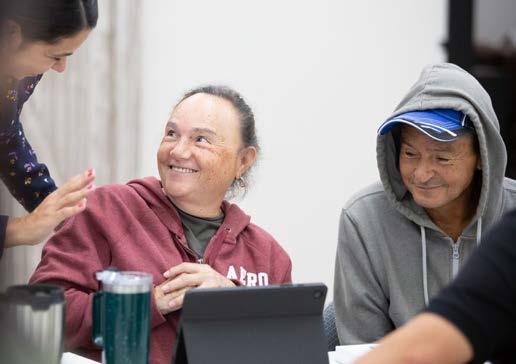
A member of the Central Coast Tri-County CHW/P Capacity Building Collaborative listens to a live bilingual translation at a Santa Barbara Foundation-sponsored Learning Exchange event. Photo: Veronica Slavin.
streams, enhancing data and evaluation systems to demonstrate impact, and ensuring competitive wages, benefits, and leadership pathways for CHW/Ps. Continued investment is essential to solidify these systems, maintain regional coordination, and ensure the CHW/P workforce remains a durable driver of health equity across the Central Coast.
Housing Affordability
Following the publication of our Housing Affordability Report in 2023, the Santa Barbara Foundation formally launched its Housing Affordability Program in early 2024. This strategic initiative is a key priority for the Foundation and as such uses the full range of available tools including impact investing, coalition building, influence, and grantmaking.
In September 2025, the Foundation supported the launch of The Home Team, an advocacy organization which works toward affordable housing in the region. SBF continues to explore the feasibility of a fund to accelerate the production and/or preservation of affordable housing in Santa Barbara County. A business plan will be completed by the end of the year with the plan to launch a fund in 2026.
In October 2025, a $1.5 million loan from the Foundation to the Housing Authority of the City of Santa Barbara (HACSB) was repaid ahead of schedule. The loan enabled the purchase of the Quality Inn motel at 3055 De La Vina Street and conversion to very low-income housing.
The loan was originally approved in February 2024 and included the participation of several Santa Barbara Foundation donor advised fundholders. HACSB expects to have 33 households calling this property home in the rehabilitated complex in the spring of 2026.
Looking ahead to 2026, the Santa Barbara Foundation approved a $2.5 million predevelopment loan to People’s Self-Help
Housing (PSHHC), a nonprofit with over 40 years of experience in affordable housing across California’s Central Coast. The financing will support three projects: Heritage View Senior (40 units) and Family (79 units) developments in Santa Maria, and a 298-unit development just outside Goleta.
The Foundation has continued to participate in housing conversations and stakeholder groups throughout Santa Barbara County. These have included meetings with government, including several with the City of Santa Barbara, participation in the county-run elected leaders forum, and briefing California state legislative staff.
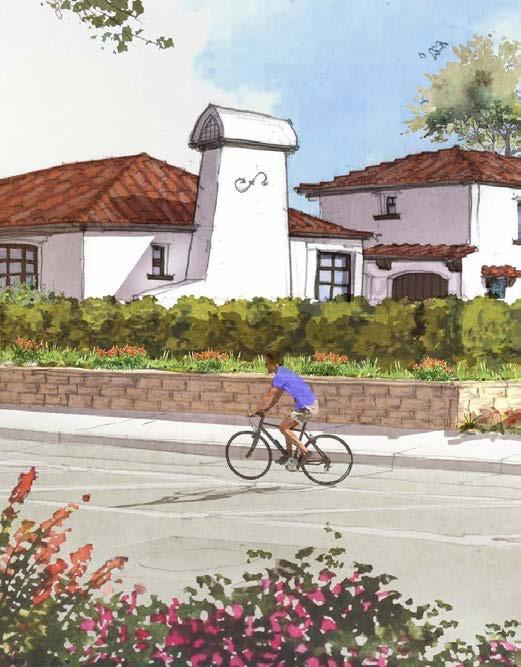
A loan from the Santa Barbara Foundation’s Funders’ Collaborative for Housing Affordability supported the purchase of Quality Inn in Santa Barbara for conversion to permanent supportive housing in partnership with the Housing Authority of the City of Santa Barbara. Illustration: Housing Authority of the City of Santa Barbara.
Digital Equity
In 2025, the Santa Barbara Foundation strengthened its role as the administrative backbone for the Santa Barbara County Digital Equity Coalition (DEC), aligning partners around the DEC charter’s four pillars: accessible connectivity, digital adoption, digital literacy, and ubiquity of service. The Coalition rebuilt and expanded its steering committee to better represent the entire county and continued coordinating crosssector strategies to advance California’s Broadband for All goals. This structure allowed partners to share data, identify priority populations, and align efforts with statewide digital equity standards more effectively.
Throughout 2025, DEC partners advanced foundational work for the county’s first Digital Equity Plan by conducting listening sessions, mapping high-need geographies, consolidating adoption and affordability data, and coordinating device access and digital skills programming. The Coalition strengthened collaboration with trusted community-based organizations who serve low-income, multilingual, rural, and indigenous-language–speaking residents, reflecting the charter’s commitment to equitycentered outreach and support delivered through “trusted community navigators.”
Conservation, Environment and Public Trails
The Conservation, Environment and Public Trails Grant Program supports environmental sustainability, land conservation, habitat restoration, public trails, and ecosystem health across Santa Barbara County. In 2025, federal budget cuts and policy shifts increased uncertainty for conservation, environmental protection, and public trails projects across Santa Barbara County, even when community need continues to grow. Reduced staffing at federal land and coastal agencies has slowed permitting, maintenance, and restoration work, while interruptions to climate resilience and environmental monitoring programs create gaps that local nonprofits must now fill.
Philanthropic support through the Santa Barbara Foundation helps stabilize this work at a critical moment — allowing trusted local organizations to keep trails open and safe, protect sensitive habitats, and advance climateready solutions that will sustain the region’s natural landscapes and public access for generations to come. In 2025, the Foundation awarded $564,000 to 26 organizations serving communities across the county.
CommUnify provided residents in Guadalupe with devices and training to build skills and online access. Photo: Veronica Slavin.
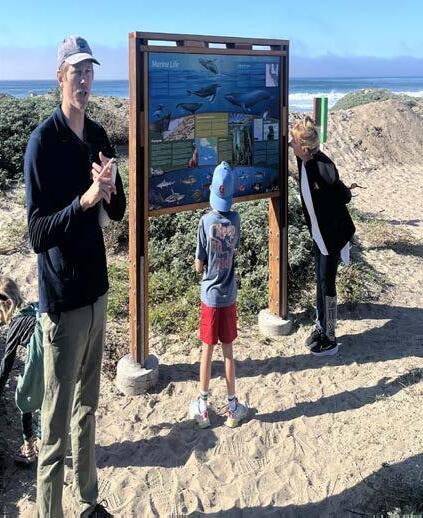
Local young artists designed new bilingual trail signs to educate visitors about the unique and sensitive habitat at Jalama Beach.
Photo: Santa Barbara Foundation Team.

A young Quail Springs resident cuddles one of the new chicks funded by the Santa Barbara Foundation's Disaster Relief Grant following the Apache fire in Cuyama Valley. Photo: Ayala Celosia.
Child Care
In 2025, the Santa Barbara Foundation advanced a data-driven, countywide strategy to strengthen Santa Barbara County’s child care system through targeted grantmaking, workforce development, and systems-level infrastructure investments. Families continue to face significant affordability and access challenges. Child care now consumes 28% of a family’s monthly budget according to The Self-Sufficiency Standard for California 2024, exceeding housing costs in many communities, while shortages of infant/ toddler spaces and qualified educators persist across the county.
Building on the American Rescue Plan Act (ARPA) Child Care Recovery Stabilization Initiative (2023-2025), the Foundation expanded its impact by strengthening provider networks, investing in sustainable workforce pipelines, and leveraging countywide planning tools. ARPA investments resulted in 1,599 new infant and toddler spaces — a 540% increase over the original goal — licensed 98 new home-based family child care providers, and supported 240 educators with professional development.
These gains were concentrated in high-need areas, including 1,107 new spaces in Santa Maria/Orcutt and 218 in Lompoc.
As a result of this achievement, the Foundation received new funding for the Uplift Child Care Workforce Expansion Project to support the creation of an additional 572 new licensed childcare spaces.
In 2025, the Foundation’s child care grantmaking — including the William & Lottie Daniel Scholarship Fund, the Child Care Workforce Development Grant, and the Goleta Child Care Grant — continued to stabilize and expand early childhood programs serving low- and middleincome families. The Daniel Scholarship Fund awarded 15 organizations a total of $390,000 to support 63 child care spaces. The Child Care Workforce Grants awarded 19 organizations a total of $195,000, focused on strengthening the early childhood workforce countywide by supporting professional development, trauma-informed coaching, infant/toddler capacity expansion, leadership development, and retention strategies.
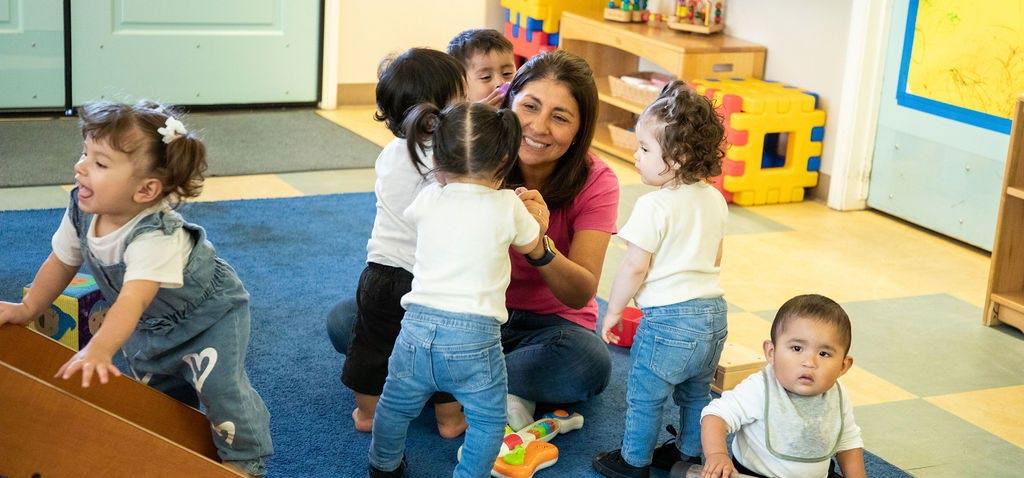
A child care teacher shares a joyful moment with toddlers at Storyteller in Santa Barbara. Photo: Valeria Sanchez.
The Foundation also convened funded partners to gather real-time field insights, identify system-level priorities for 2026, and strengthen cross-sector collaboration through the Child Care Funded Partners Gathering.
A major milestone was the release of the Santa Barbara County Child Care Facilities Master Plan and Toolkit, the county’s first comprehensive roadmap for facilities development and long-term infrastructure planning. The toolkit — featuring readiness assessments, zoning and land-use analyses, site feasibility frameworks, and financing strategies — now provides local governments, developers, and community organizations with a shared guide to expand child care facilities and increase long-term access countywide.
Despite meaningful progress, the county continues to face significant unmet need,
including a persistent shortage of infant and toddler spaces, limited affordable facilities, and major barriers to expansion due to land-use constraints and capital gaps. Providers — especially small and home-based programs — operate on thin margins and require sustained support to strengthen business stability, improve job quality, and expand capacity. Continued investment in workforce pipelines, facilities development, and long-term funding strategies is essential to ensure all families in Santa Barbara County can reliably access affordable, high-quality child care.
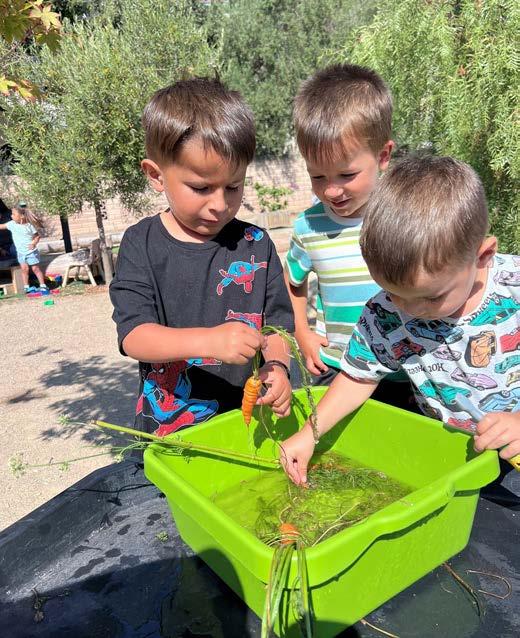
Preschoolers washing carrots from the garden at Children’s Resource & Referral’s WINGS preschool in Santa Maria. Photo: WINGS.
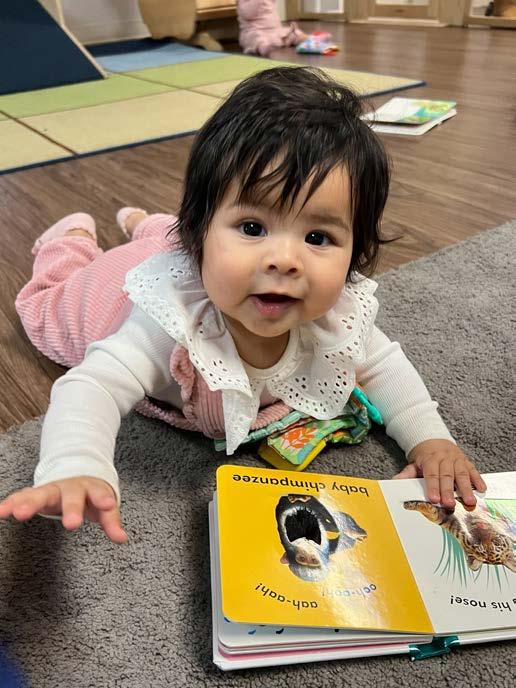
Baby booktime fosters literacy skills and lays the groundwork for future success and enjoyment of reading at LEAP’s Phelps Children’s Center Campus in Goleta. Photo: ©LEAP.
Nonprofit Sector Support
The Santa Barbara Foundation believes the key to strengthening the social sector is to ensure its leaders and organizations have the knowledge, skills, and resources to fulfill their mission. Strong nonprofits lead to a strong community. Through the Foundation’s Collaboration for Social Impact (CSI), we elevate our commitment to advancing the strength and capacity of Santa Barbara County nonprofits.
In 2025, we provided $550,000 in capacity building grants to over 100 nonprofits, which supported organizational development and capacity building projects, including campaign feasibility studies, strategic planning, succession planning, program evaluation, exploratory strategic alliances/ collaborations, and emergency/business continuity planning.
Responsive to uncertainties in the nonprofit sector, CSI also coordinated peer learning workshops and training opportunities to strengthen the nonprofit sector at this critical moment. In 2025, 242 nonprofit organizations (and 354 leaders) received high quality training and support, with a focus on resilience. Training included board leadership, crisis management, diversifying revenue and funding streams, nonprofit contingency planning, and effective storytelling.
Additionally, we conducted a survey for the upcoming State of the Nonprofit Report that will offer a comprehensive overview of the nonprofit industry in Santa Barbara County.
Critical Needs Response Fund
Since January 2025, the Santa Barbara Foundation has monitored the impact of federal funding cuts and policy changes and validated that local nonprofits collectively experienced a minimum of $30 million in federal funding cuts. These organizations
cannot afford to pause their work, and our communities must continue to have access to these vital services. At a time when public need is growing — not shrinking — many nonprofits are being asked to do more with less.
In September 2025, the Santa Barbara Foundation launched the Critical Needs Response Fund to provide a rapid response to nonprofits facing federal or public funding cuts and those addressing the increase in demand to meet basic needs. These unrestricted funds provide breathing room for organizations impacted by unexpected federal funding losses, prioritizing those providing essential services. This flexibility enables organizations to remain responsive, innovative, and mission driven particularly during periods of financial uncertainty or external disruption, allowing them to adapt strategically to emerging community challenges and ensure that critical services remain accessible throughout Santa Barbara County.
As of December 2025, the Foundation has awarded 10 grants totaling $360,000 to 14 nonprofits and reached its internal goal of raising over $1M for the Critical Needs Response Fund. We will continue to accept grant applications on a rolling basis until the fund is depleted. While this fund is an important mechanism for nonprofits being impacted by federal or public funding cuts, it in no way can fill the gap being left by federal funding cuts. Nonprofits will need to find other significant funding sources or implement innovative solutions to maintain their programs and services.

Participants enjoyed activities for teens at Youth Fest, hosted by Fighting Back Santa Maria Valley, with support from a Behavioral Health and Health Care Grant. Photo: Veronica Slavin.
American

White Buffalo Land Trust repairs soil with regenerative practices in Lompoc.

Playdough develops fine motor skills and imaginations at the new child care center opened in Lompoc by LEAP: Learn · Engage · Advocate · Partner, with support from a Child Care grant and expertise from SBF. Photo: ©Jeremy Ball/Bottle Branding and First 5 Santa Barbara County.
Photo: White Buffalo Land Trust.
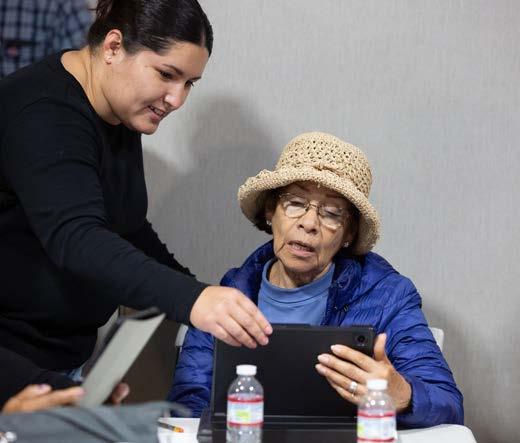
GI Forum-trained Digital Navigators support community members with coaching on how to make the most of internet access. Photo: Veronica Slavin.
2026 STAFF
Jackie Carrera, President & CEO
Tammy Sims Johnson, Vice President, Philanthropic Services
Liz Thasiah, Vice President, Programs
Bonnie Forssell, Vice President, Finance and Administration
Daniel Aguilar, Accounting Manager
Rue Barrios Mansour, PhD, Project Manager
Anna Boren, Development Manager
Aniston Breslin, Executive Assistant & Board Liaison
Bridgette Bugay, Senior Programs Officer
Nathan Calilung, UCSB Capps Intern
Maria Caudillo, Community Engagement Coordinator
Celine Delpoux, Director of Accounting
Stacie Furia, PhD, Senior Director of Evaluation & Learning
Beatriz García, Director of Strategic Initiatives & Partnerships
Shelby Goodwin, Donor Services Manager
Tamar Grosskopf, Marketing & Communications Assistant (temp)
Peter Hay, Donor Services Associate
Julia Kelly, Business Development Manager
Kelly Lazarus, Senior Programs Assistant
Elaine Lew, Operations Manager
Andrea Light, Senior Investment & Accounting Analyst
Jeannie Low, Marketing & Communications Content Officer
Victoria Martinez, UCSB Capps Intern


Janet Mocker, Senior Director of Finance
Kristopher Morrison, Senior Investment Officer
Nick Munday, Senior Solutions Developer
Hazel Naftzger, Data & Evaluation Coordinator
Mia Ogebee, UCSB Capps Intern
CiCi Parsons, Operations Assistant (temp)
Katie Pearson, Donor Relations Officer
Jamie Perez, Program Officer
Yeni Salinas, Human Resources Manager
Jessica Sanchez, Senior Director of Donor Relations
Katherine Sanders, Senior Marketing & Communications Manager
Erika Schultz, Marketing & Communications Content Officer
Judith Smith-Meyer, Director of Marketing & Communications
Eric Stein, PhD, Evaluation & Learning Officer
Caleb Stumberg, Data Administrator
Deanna Vallejo, Senior Programs Officer
Joan Vaughn, Senior Accountant
Tatyana Venegas Swanson, Director of Grantmaking
Anne Whatley, Director of the Collaboration for Social Impact
Natassia Wilder, Accounting Specialist
Susie Willett, Director of Development
Lani Wollschlager, Receptionist
Regina Zeinali, Data & Administrative Associate
Emily Zietlow, Director of Compliance & Data Management