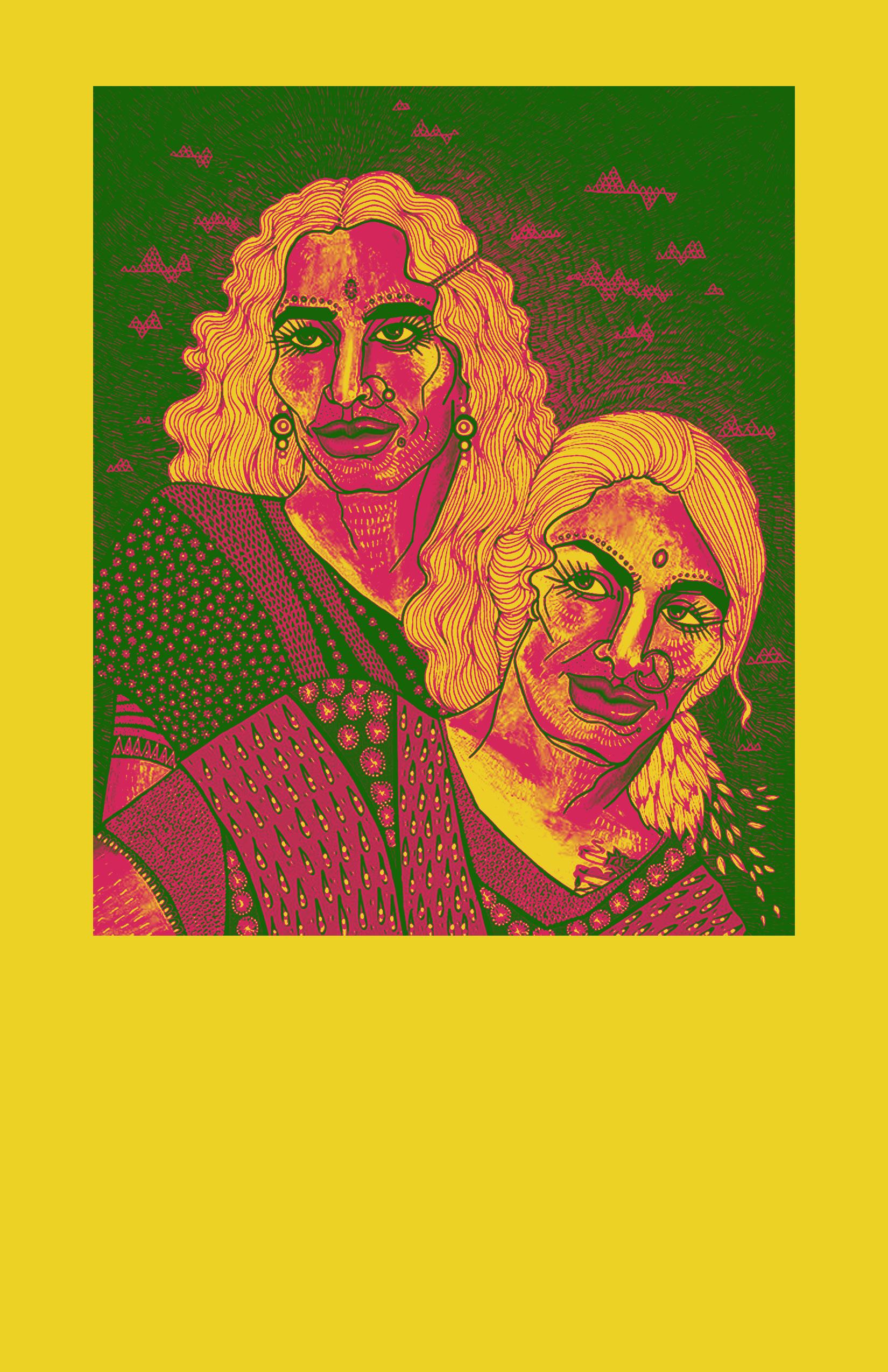
HIJRAS The Kinnars Daughters

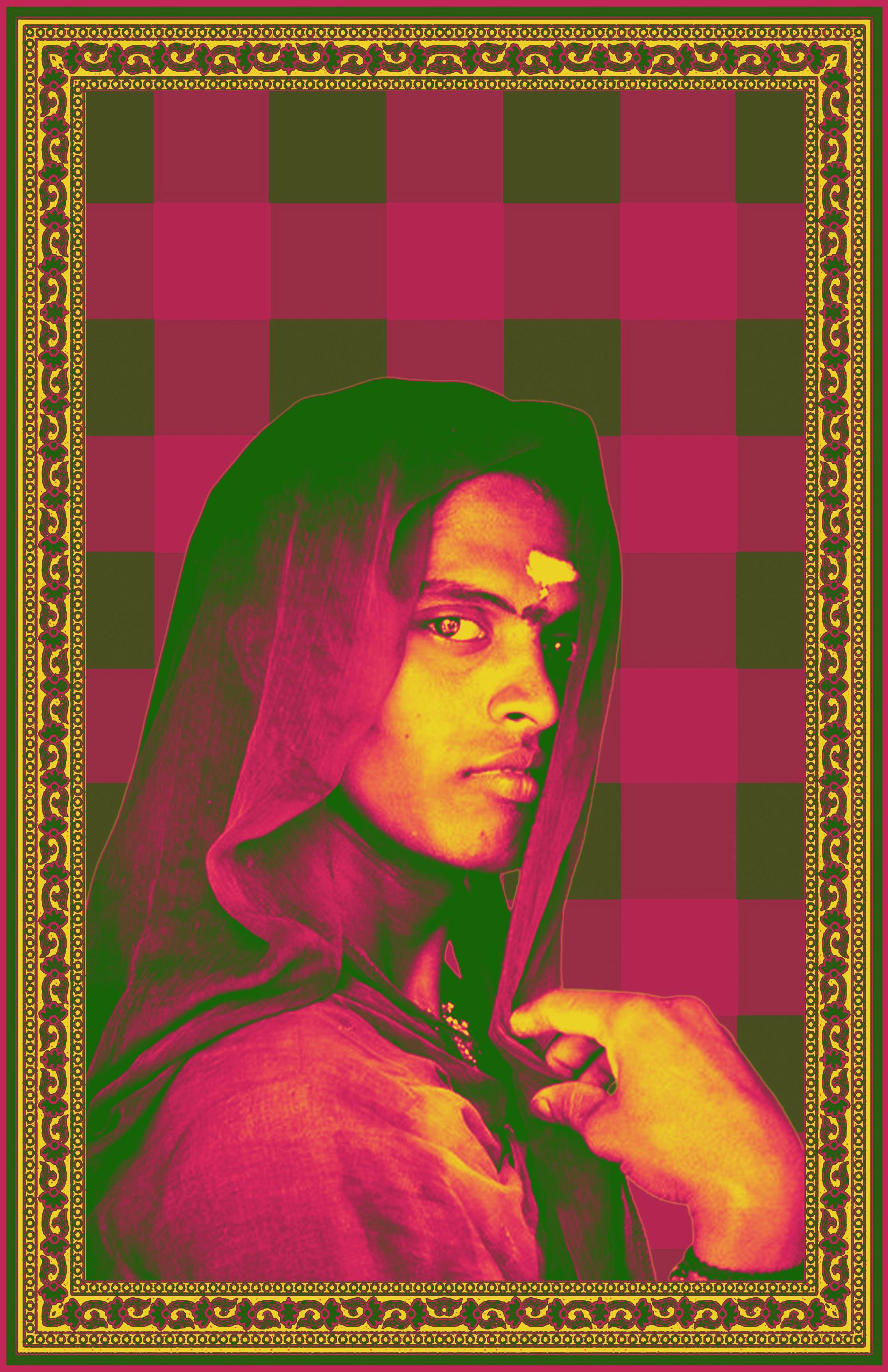
अर्धनारीश्वर
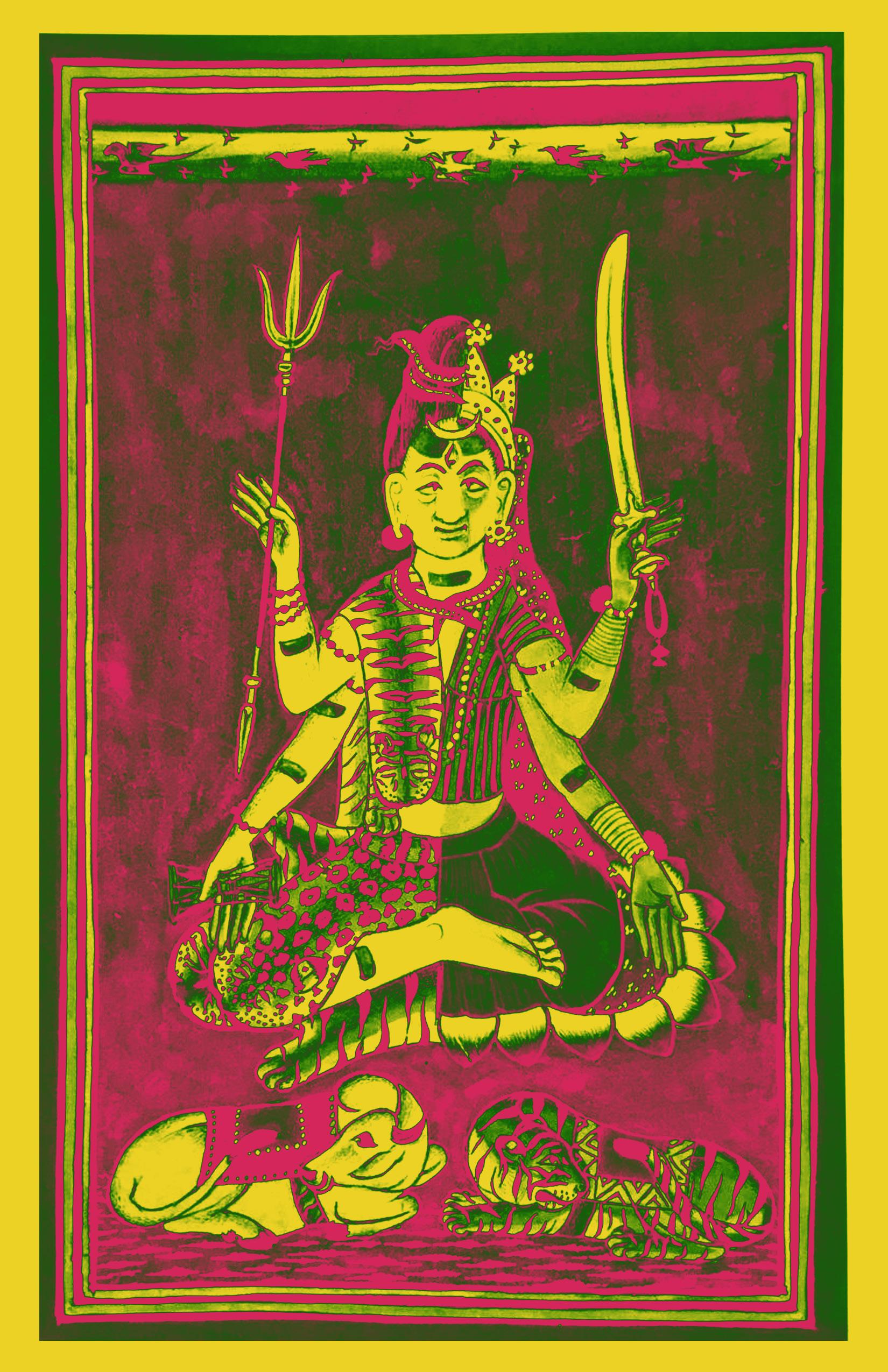 Ardhanarishvara
If they see breasts and long hair coming, they call it woman, If beard and whiskers, They call it man: But, look, the self that hovers in between Is neither man nor woman
O Ramanatha
Society tends to circumscribe our identity in the way it defines relationships, work or sexual identity. If it is a necessary need to guarantee social organization, it becomes inadequate on the personal and intimate plane, because the being in its deep and creative nature can never be circumscribed.

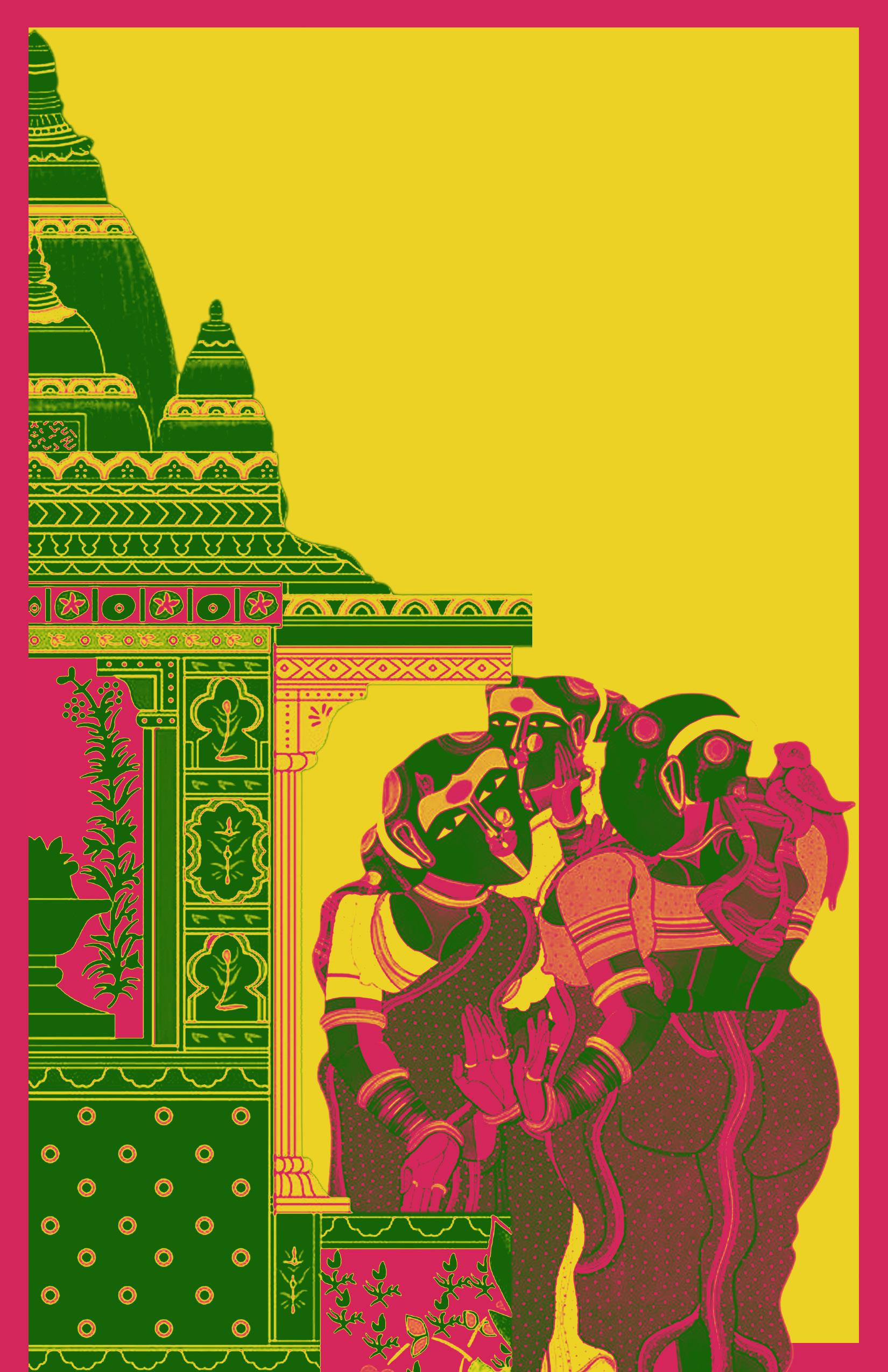
Hijras, often referred to as the third gender (Tritîyâ Prakriti) in India, were historically esteemed before British colonization. The Arabic root “hjr” implies renouncing or leaving one’s tribe, reflecting their unique identity. With British influence, hijras faced marginalization and stigma, leading to discrimination. Despite their ancient significance, the community now contends with challenges, and activists work towards validating their rights in contemporary India.

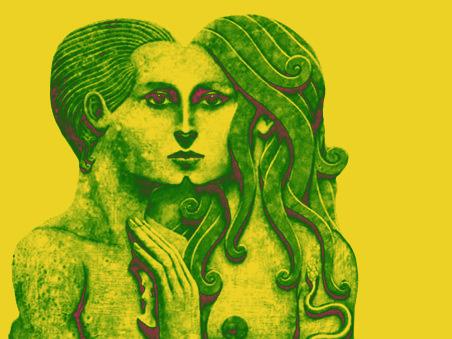

To become hijras, individuals seek a guru for guidance, adopting feminine attire and behaviors. After rigorous preparation, a ritual known as nirvan involves cutting the penis, testicles, and scrotum with a metal ring, akin to a form of female childbirth. This act symbolizes a rebirth, connecting the hijra with the divine and renouncing their social form, forging cosmic alliances with revered deities.
Hijras live from begging or from their dancing and singing when they participate in weddings or baptisms. It is said that, because they are castrated, hijras are endowed with the power of fertility, hence their presence around young couples or newborns. They possess within society an ambiguous place where they are as stigmatized as they are admired and venerated.
न
स्त्री पुमान्वा षण्डो वा जीवः सर्वगतोऽव्ययः | एक एवाद्वित्योयं
आकाशवद् लेपकाः | नित्यो ज्ञानमयः शुद्धः स कथं शोकं अरहति ||
The jiva is allpervading and endless. It is neither masculine, feminine or nonbinary.It is one without a second, unaffected by anything, like the sky. It is eternal, pure and of the nature of consciousness.
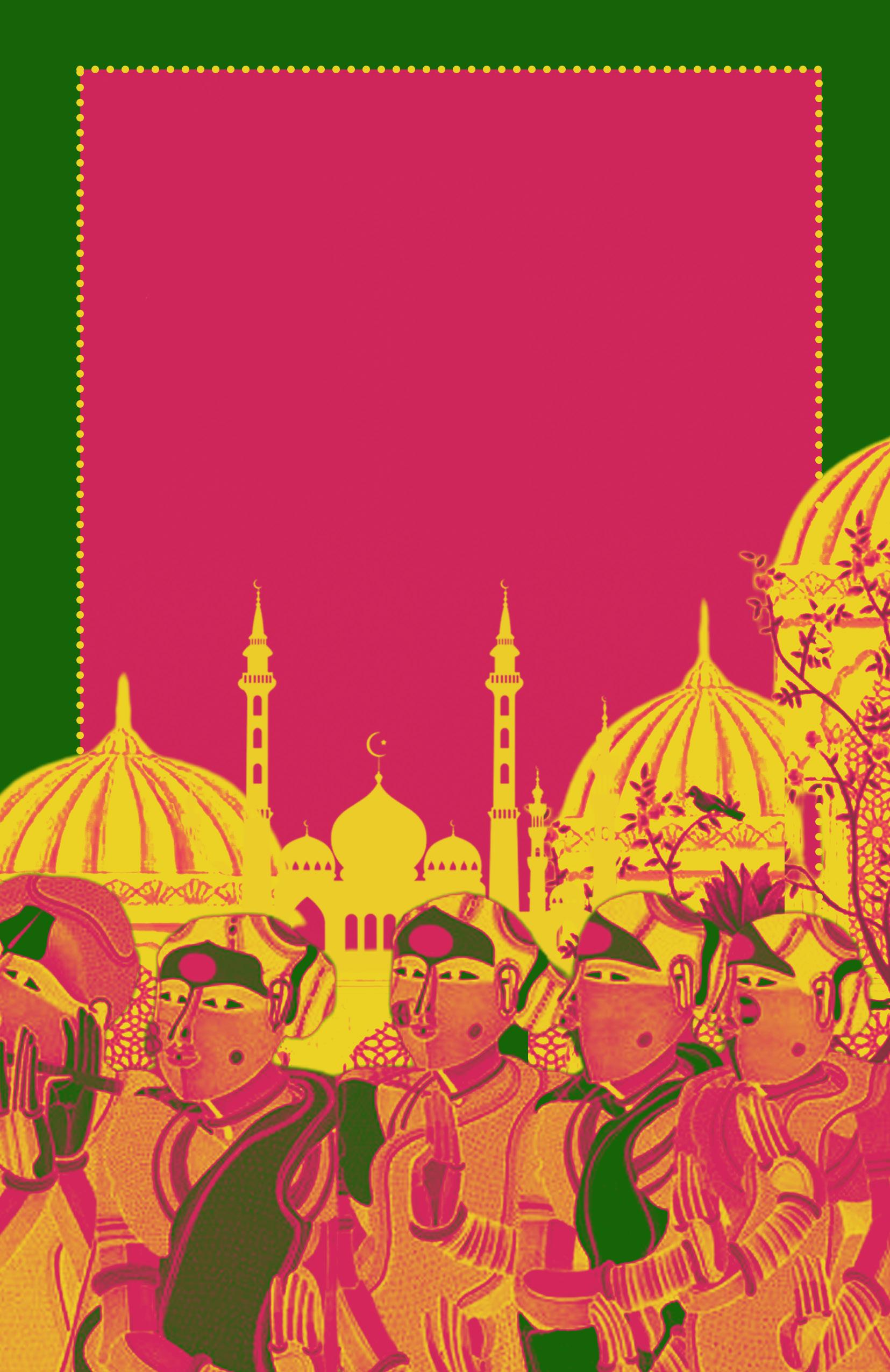
Most deprivations in the lives of Hijra are grounded in nonrecognition of a Hijra identity as a separate gendered human being beyond the societal male-female dichotomy. Hijras do not disclose their gender identity. Their identity is shrouded in myths and false portrayal.This has prevented them from positioning themselves in the greater society with human potential and gender dignity. The findings revealed no safe sociopolitical space where a Hijra can lead a life of a human being with satisfactory manner. Some Hijra reported suicidal attempts in a situation described as nowhere to go. Because of constrained participation in family, social, and public spheres and because of their extremely limited access to information, economic, and health-care services, they delay seeking care for their health.
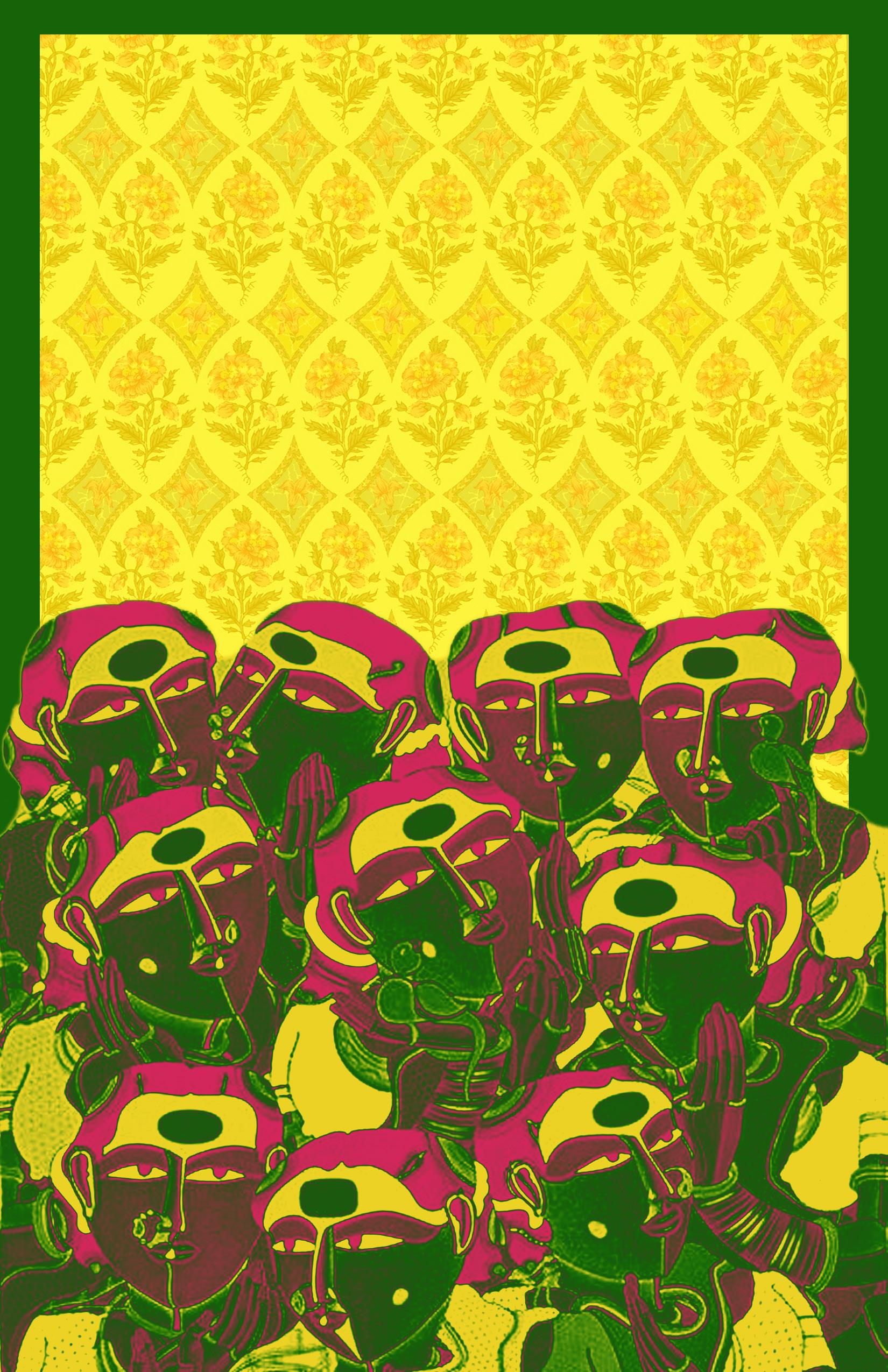
To break free from the shackles of societal exclusion, it is imperative that the Indian government takes proactive measures to integrate hijras into mainstream society. This includes dismantling discriminatory practices, ensuring equal access to education and employment, and addressing the unique challenges faced by the transgender community. The ongoing social movement advocating for the rights of the transgender community should serve as a catalyst for the nation’s central and state governments to uphold the principles of justice, equality, and inclusion. It is crucial that the groundwork laid by legislatures and courts translates into tangible improvements in the lives of hijras, ending the cycle of marginalization and empowering them to participate fully as valued members of society.
एकचित्तस्ततो भूत्वा भूमिे केन्द्रिय-निगृहात् |
मम योगेष्ठा संन्यासं यदिच्छेत् परमं गतिम् ||
एवं कुर्वन्ति ये नित्यं स्त्रीः पुंसो नापुंसकः |
ज्ञानेन सत्यपयोगानां मम कर्मसु कर्मिणाम् ||