Boards & Commissions
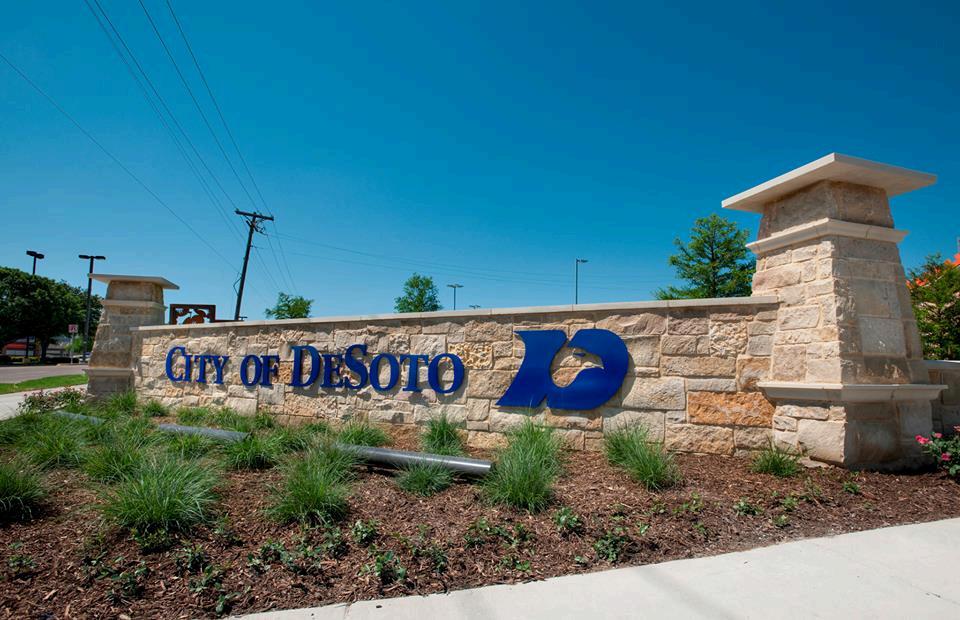


This Handbook provides a practical reference for members of the City of DeSoto’s advisory and regulatory Boards and Commissions. These bodies support the City Council by providing subject matter expertise, regulatory decisions where authorized, and recommendations to advance the City’s Strategic Plan Board and Commissions structures, authorities and duties are established by the City Charter, Code of Ordinances, bylaws, or state law, as applicable
The work performed by the citizens serving on Boards and Commissions is vital to the City of DeSoto government. DeSoto has two types of boards and commissions: ADVISORY and DECISION-MAKING
"Volunteering is the ultimate exercise in democracy." It's a way to influence the kind of community you want to live in. ”
BOARD means a board or commission:
• which is established by city ordinance, city charter, interlocal contract, or state law;
• serves as a group of persons appointed by City Council that acts as an instrumentality of the city; and
• any part of whose membership is appointed by the City Council but does not include a board or commission which is the governing body of a separate political subdivision of the state
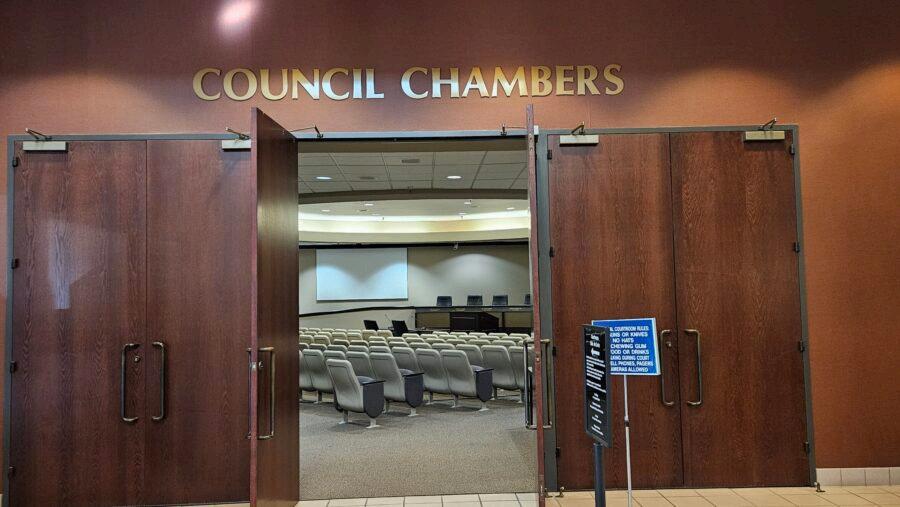
CITY COUNCIL means the legislative and governing body of the City of DeSoto consisting of seven members who are elected by the citizens of DeSoto for threeyear terms
"Never doubt that a small group of thoughtful, committed citizens can change the world; indeed, it ' s the only thing that ever has." - Margaret Mead
CITY means the City of DeSoto, Texas
DELIBERATION means a verbal exchange during a meeting between a quorum of a governmental body, or between a quorum of a governmental body and another person, concerning an issue within the jurisdiction of the governmental body or any public business.
MEETING means a deliberation between a quorum of a governmental body, or between a quorum of a governmental body and another person, during which public business or public policy over which the governmental body has supervision or control is discussed or considered or during which the governmental body takes formal action A social or informal event where council members attend is not considered a meeting
MINUTES of every called meeting are required to be prepared, approved, and signed by the Chairman and attested to by the Secretary. The minutes become part of the City's permanent records
OFFICER means the legislative and governing body of the City of DeSoto consisting of the seven Council Members including the Mayor and Mayor Pro Tem
PUBLIC OFFICIAL means any person who is appointed to a board or commission by the City Council.
LEGAL LIABILITY: It is important to understand that the actions of members of the various City boards can subject the City to liability and subject the board members to personal liability Therefore, board members are strongly encouraged to consult with the City Attorney anytime they feel their actions, while serving on such board, may have some legal consequences The law in this area is quite complex and requires a thorough analysis of the law and facts pertaining to each particular situation.
As a general rule, quasi-judicial public officials cannot be held personally liable for erroneous acts while honestly exercising the judicial or quasijudicial functions of their office The board members who render decisions are considered quasi-judicial public officials The problem with stating such a general rule as a proposition of law is that there will always be exceptions to the general rule For example, if a court finds that a quasijudicial public official performs certain functions in excess of his/her authority and such functions were not performed under a good faith assumption that the officer had the authority to act, then the public official will subject himself/herself to personal civil liability If a person is damaged by the excessive acts of a quasi-judicial public official, then that public official will have to pay damages to the person harmed The aggrieved person can also seek other remedies such as an injunction compelling the public official to perform or refrain from performing a particular act
Officers of the city can also subject themselves, as well as the City, to liability if they perform their functions in a manner that denies an individual any right that is secured to that individual by the constitution or a statute An example of how this type of liability could arise is if an officer illegally discriminates against an individual. A city and its officers, as a governmental entity, must treat all individuals or groups equally. Therefore, officers of the City should treat all individuals and groups in the same manner If an officer illegally discriminates against an individual or group, that individual or group can seek monetary damages from the City and the individual officer for a violation of his rights under the state and federal civil rights statutes.
When members of boards are acting in good faith and within the bounds allowed by the City ordinances and procedures and the state and federal law, the City will provide a defense for such members to the greatest extent permissible. However, if a board or commission member violates a criminal law while serving in his/her official capacity, the City generally will not provide that member with a defense The reason for this is that if a criminal law was violated, the board member was probably acting outside the bounds of his authority
The above discussion is by no means intended to be a comprehensive and complete discussion of legal liabilities to which the City or the board member may be subjected You are reminded that the City Attorney is available to the city boards and should be consulted on such questions
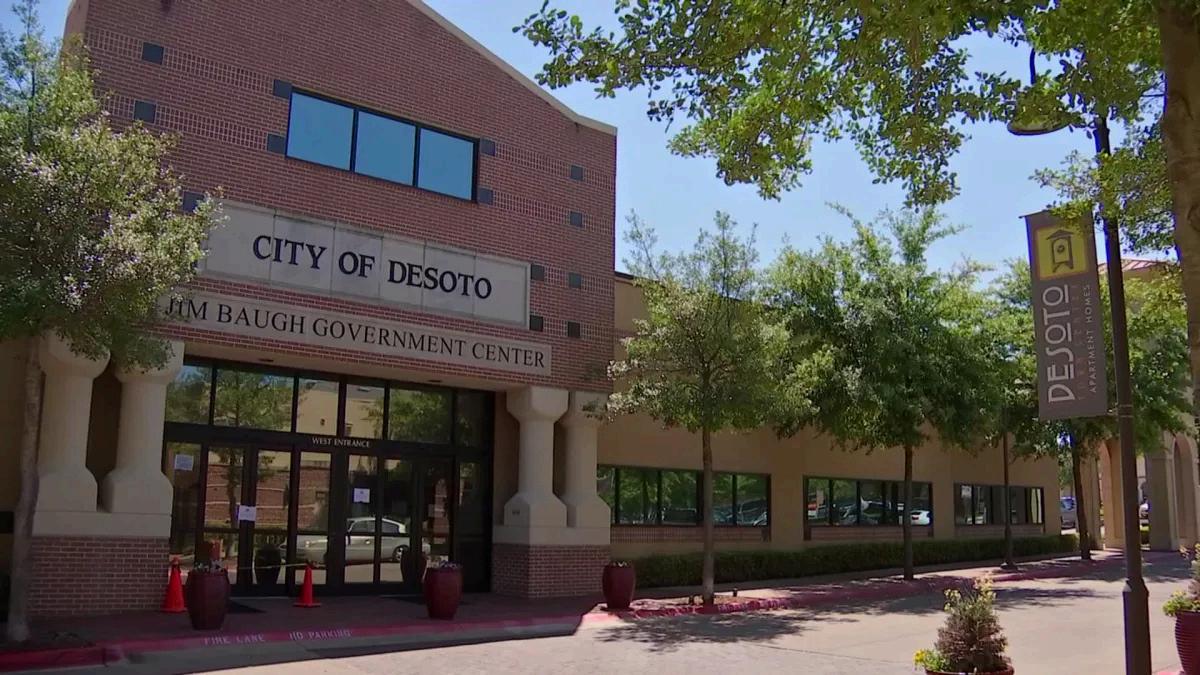
The City of DeSoto boards and commissions consist of concerned citizens who volunteer their time and knowledge to make a difference in their community. Some of these groups serve as advisory boards, examining issues in depth, such as park development or planning and zoning, and making recommendations to the City Council Other groups hear requests from citizens on variances to City ordinances and make decisions as to whether the variances should be allowed
Advisory boards and commissions advise the City Council on public policy and play a very important role in city government by providing the Council with creative ideas, feedback from the community, and by serving as a sounding board for proposed public policy. It is important to remember that the role of advisory boards is not to set public policy but to advise the City Council Member serving on Advisory Boards and Commission should take an oath of office and are subject to the Texas Open Meetings Act and the Texas Public Information Act.
Decision-making boards and commissions are "quasi-judicial" and are governed by state law. Decision making boards set or enforce public policy and are potentially subject to review by the courts. Members serving on decision-making boards should take an oath of office and are subject to the Texas Open Meetings Act and the Texas Public Information Act
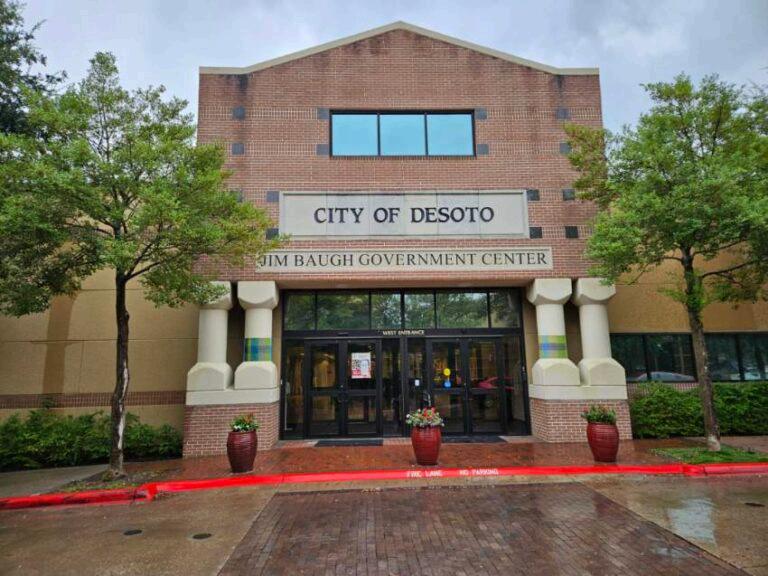
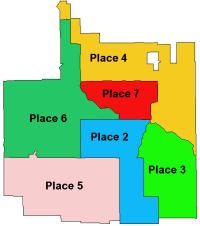
The City Council (and/or Mayor) is responsible for appointments to all of the City of DeSoto's boards All efforts will be made to ensure that each Place is represented on each board Citizens interested in being appointed are urged to fill out an application online.
The City Council strives to appoint the most qualified citizens to serve on boards. Appointments, in most cases, will be made from applications on file with the City Secretary’s Office. The qualifications required to serve on a particular board are determined by the City of DeSoto’s Code of Ordinances. Many of the boards do not have specific eligibility requirements beyond voting residency, leaving the membership qualifications to the discretion of the City Council Appointments to boards having eligibility requirements must be made in accordance with the governing City ordinance Board members must continue to meet the eligibility requirements during the entire time they serve on the board
• Residency: Appointees must generally have resided in DeSoto for at least one year prior to appointment and maintain residency during their term.
• Appointment Process: The City Council appoints members through an interview process as vacancies arise or terms expire Certain place specific appointments (e g , CPAC, DVAC, Keep DeSoto Beautiful, Veterans Affairs) are interviewed by the individual Councilmember
• Terms & Limits: Terms and term limits vary by body
"Service is what life is all about."
Members of a governmental body subject to the Open Meetings Act (OMA) are required to participate in education training sessions pursuant to section 551 005 of the Texas Government Code The training requirement applies to all elected or appointed officials who participate in meetings subject to the OMA
Members prepare for meetings, attend regularly, participate constructively, observe decorum, and disclose conflicts of interest Chairs preside and coordinate agendas with staff. Each body elects officers as set forth in its bylaws or enabling ordinance.

Participating in an Ethics Training class or viewing it on-line is required on an annual basis for all City Councilmembers and City Board or Commission members
The role of the board chairman is to provide leadership to the group He/She has certain duties and responsibilities which must be performed:
1. Ensure that the meeting is conducted in accordance with established rules; and 2. Maintain order and bring the group to a conclusion on the matters before it.
The Mayor and City Council are excited about your interest in serving as a member of a City of DeSoto Board or Commission. As a resident and community leader, you can provide invaluable service to the City of DeSoto through your participation. Board and Commission members volunteer many hours annually sharing their time, talents, and expertise and enjoy learning more about the City through their membership.
The Texas Open Meetings Act is codified in the Texas Government Code Section 551 001 This article generally requires that meetings of a governmental body be open to the public and enumerates some exceptions to the requirement The Act also requires that the public be given notice of the time, place, and subject matter of meetings of governmental bodies The Texas Open Meetings Act prohibits the use of secret ballots in meetings of governmental bodies
A fine of not less than $100 00 nor more than $500 00 or imprisonment in the county jail for not less than one (1) month nor more than six (6) months, or both fine and imprisonment, can be imposed for violating the provisions of the Texas Open Meetings Act or conspiring to circumvent the provisions of the Texas Open Meetings Act by meeting in numbers less than a quorum for the purposes of secret deliberations
Meetings are generally conducted under standard parliamentary rules as outlined in Robert's Rules of Order
City boards and commissions are expected to abide by the Texas Open Meetings Act and their agendas are properly posted on the City hall bulletin board at least 3 business days preceding the scheduled time of the meeting. Only those matters posted on an agenda can be discussed and acted upon by the governmental body.
At the time of posting, copies of the agenda must be given to all members of the boards or commissions pertaining to the meeting being posted. If non-members attend the meeting, they should also be provided with an agenda. The agenda should be prepared (under the direction of the board chairman) by the board secretary, who is usually the staff person to the board
Generally, the order of business on the agenda is: declaring a quorum, the reading, correcting, and passing of the minutes from the last meeting, and specific information listed for each agenda item to inform the public of the item being discussed. A general listing such as "Committee Reports" is not allowed Items to be discussed must be specific
A fine of not less than twenty-five ($25 00) dollars or more than four thousand ($4,000) dollars or confinement in the county jail for not less than three (3) days or more than three (3) months, or both fine and confinement, can be imposed for violating the provisions of the Texas Public Information Act
The City of DeSoto City Council is the only City board authorized under law to conduct closed meetings The Texas Open Meetings Act does allow for closed meetings on a few limited subjects Closed meetings are only allowed for discussion of items that include pending litigation, certain personnel matters, receiving a gift or donation, to discuss deployment or implementation of security personnel or devices, and the lease or acquisition of real estate.
Before a closed meeting can be held, notice of the meeting identifying the sections of the Texas Open Meetings Act authorizing the closed meeting must be posted 72-hours in advance of the meeting. A quorum of the governmental body must convene in an open meeting and the presiding officer publicly announcesthat a closedmeeting will be held and identifiesthe sections ofthe TexasOpen Meetings Act authorizing the closed meeting No final action, decision, or vote can be made in a closed meeting All final actions, decisions and votes must be made in an open meeting
Further, the governmental body is required to keep a certified agenda of the matters discussed in the closed meeting and a record of any further action taken The presiding officer must include an announcement at the beginning and end of the closed meeting indicating the time and place that the meeting started and ended and must certify by his/her signature that the agenda is a true and correct record of the proceedings. It is a misdemeanor offense for any individual to make public such certified agenda unless directed by a court order. The certified agenda must be preserved in a safe and secure place for a minimum of two (2) years. The City Secretary or City Attorney are available to answer questions pertaining to agendas, minutes, or any other questions that may arise regarding the Texas Open Meetings Act
The city of Desoto's ethics policy for boards and commissions is outlined in the Code of Conduct Ordinance and the Guide for DeSoto Public Officials, which was approved in 2013 This policy applies to all appointed and elected officials and is reinforced by a guide that provides definitions, clarifications, and examples
At the beginning of each year, officials receive an overview of the ordinance and guide at the first meeting of their respective council, board, or commission. The city is also developing a more formal onboarding process for board and commission members to ensure a better understanding of these ethical standards
A quorum is the minimum number of members needed to officially conduct business The quorum is generally established by the ordinance, resolution, or other document which establishes the board. Where no statement on the quorum number exists, the quorum is the majority of the members If no quorum exists, the meeting should be canceled and rescheduled
Members must follow the Texas Open Meetings Act (TOMA), Texas Public Information Act (TPIA), City ethics policies, and conflict of interest laws Avoid serial or “walking” quorums, ex parte communications on quasi judicial matters, and the appearance of impropriety
Public hearings are open forums that allow the public an opportunity to express their opinion on a specific issue related to the City of DeSoto Public hearings are generally conducted in the following manner:
1 The chairman of the board formally opens the public hearing.
2 After hearing all citizens who wish to comment on the issue, the chairman formally closes the public hearing
3. Members of the board may ask questions directed at the citizen speaking during the public hearing After the public hearing is closed, members of the public may speak ONLY in answer to a question directed to them by a member of the board

4 If a public hearing draws a large number of interested citizens, a time limit for individual speakers may be set by the chairman before the public hearing opens, typically 3 or 4 minutes
5 The chairman may use his/her judgment about how strictly this format is followed
A fine of not less than twenty-five ($25 00) dollars or more than four thousand ($4 000) dollars or confinement in the county jail for not less than three (3) days or more than three (3) months, or both fine and confinement, can be imposed for violating the provisions of the Texas Public Information Act
Records: Approved minutes, agendas, and recordings (where applicable) are maintained as public records
Members may resign by written notice to the City Secretary.
Vacancies are filled for the unexpired term
Members are expected to follow attendance policies; repeated absences may result in removal consistent with City policy.
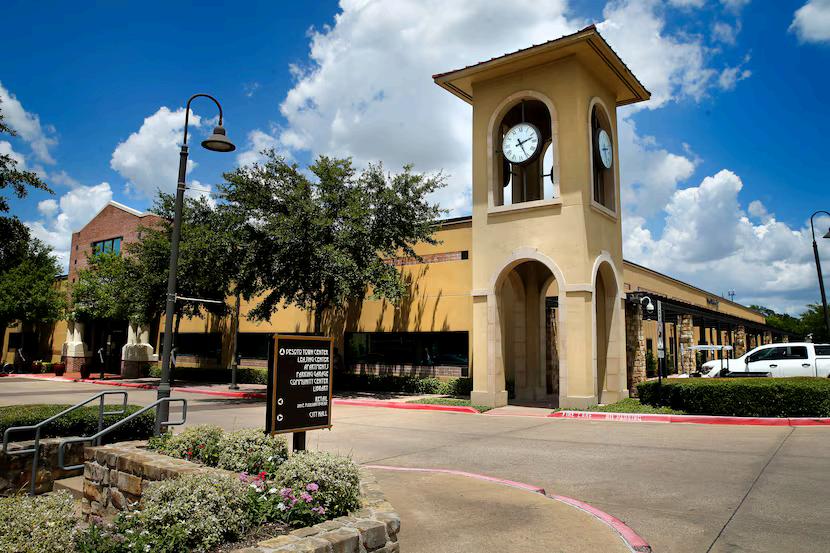

Each board has an assigned Staff Liaison to provide technical support and a Council Liaison to ensure two way communication with the City Council Liaisons are non voting unless otherwise specified by ordinance or bylaws
Each public official is encouraged to communicate openly with the City management staff Suggestions, opportunities, and constructive criticism are necessary for a proper relationship with management However, each public official is strongly encouraged to communicate with the appropriate department head assigned to that board. Contact with operational type people or individuals below the department head level is discouraged. The community development director working with the planning and zoning members is an example of appropriate relationships.
The City Council is highly dependent on each board member to make recommendations and offer possible solutions to City projects and opportunities. All members are encouraged to communicate the position of the total or majority of the group Such communication or recommendations should be in formal or written form from the entire board Of course, each public official may from time-to-time want to visit informally with a member of the City Council This one-on-one informal communication is necessary, but to protect the integrity of the organization, the complete City Council should be addressed in terms of the majority of the members of the board
Be specific about your interest and relevant experience
Review the board’s webpage, bylaws, and recent agendas.
Disclose any potential conflicts early
Understand the time commitment and meeting cadence.


Building and Standards Commission
Citizens Police Academy Committee (CPAC)
Civil Service Commission
Community Organizations Active in Disaster
Cultural Arts Foundation
DeSoto Development Corporation
Domestic Violence Advisory
Keep DeSoto Beautiful Corporation
Library Board
Park Board
Planning and Zoning Commission
Tri-City Animal Shelter Board
Veterans Affairs Committee
Zoning Board of Adjustment