
Where Water, Wellness & Communities Meet

IN THIS ISSUE:
Planting for the future, eco-buffer shelterbelts are protecting soil, supporting biodiversity, and strengthening landscapes across Saskatchewan.
As invasive zebra and quagga mussels edge closer to Saskatchewan waters, SAW and regional partners are working together to stop the spread before it starts.

JUNE 2026
June 11 - Livestock Watering Workshop, Old Wives Lake
June 11 - Lake Winnipegosis Watershed Planning Meeting, Hudson Bay
June 11 - Southeast District Advisory Committee Meeting, Emerald Park, SK
June 16 - Northeast District Advisory Committee Meeting, St. Brieux, SK
June 18 - Southwest District Advisory Committee Meeting, Swift Current
AUGUST 2026
Aug. 19 - SAW Annual General Meeting, Moose Jaw

SASKATCHEWAN WATERSHEDS ENVIRONMENTAL AGRICULTURE PROGRAM – BMP HIGHLIGHT
INTERCROPPING
Intercropping may be a viable solution to improve soil health and increase plant yield, while minimizing annual inputs. Intercropping works by sowing two or more different crops in the field alongside each other to benefit both the soil and crops thanks to the synergy of natural nutrients and beneficial chemicals.
When thinking of intercrop rotations, it is also handy to think about how the roots will intertwine with each other strengthening the soil preventing erosion and runoff. Intercropping enhances soil health by helping to aid the growth and stability of the organic matter and humus. The increased canopy coverage in the field reduces competition from weeds and volunteer crops In creased canopy of cover in intercropping system additionally mitigates soil moisture loss and moderates soil temperatures. The canopy cover also benefits insects that will help with the pests that naturally come with the crop variety grown.
When intercropping two very different crop varieties such as a legume with a cereal crop, disease and pest cycles that occur throughout the growing season can be disrupted. Seeding a legume with a cereal or oilseed crop allows the grower to take advantage of the nitrogen fixing ability to the legumes to reduce fertilizer requirements.
Producers who use intercrop rotations will likely see more resilience from external factors such as dry or wet seasons, reducing the effects of year-to-year weather variability we see on the Canadian prairies.
It is important to research prior to introducing intercropping to your farm to learn about which species work best together, potential herbicide interactions, seeding rates and harvesting multiple crops, but there are many benefits to this practice. Intercropping can be beneficial for all types of producers, both farmers and cattle producers, in terms of soil health, plant health and yield, and pest control.
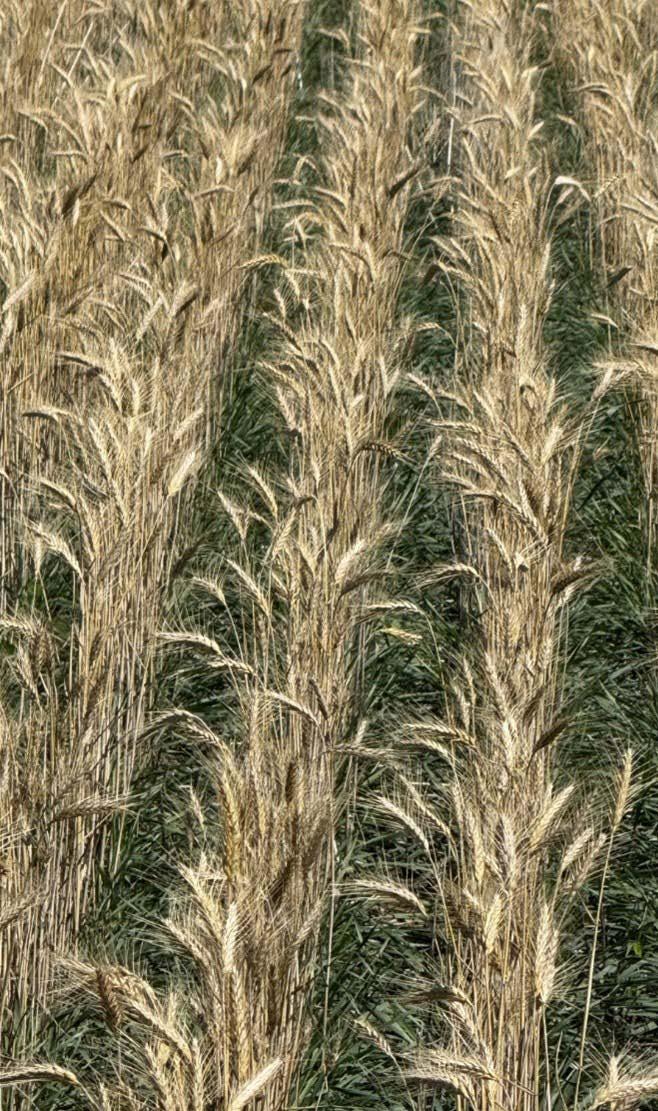
Intercropping is an eligible project through SAW’s SWEAP (Saskatchewan Watersheds Environmental Agriculture Program) Cover Cropping category. Funding for SWEAP is provided by Agriculture and Agri-Food Canada through the Agriculture Climate Solutions - On-Farm Climate Action Fund (OFCAF).

USING ECO-BUFFER SHELTERBELTS AS A NATURE-BASED SOLUTION
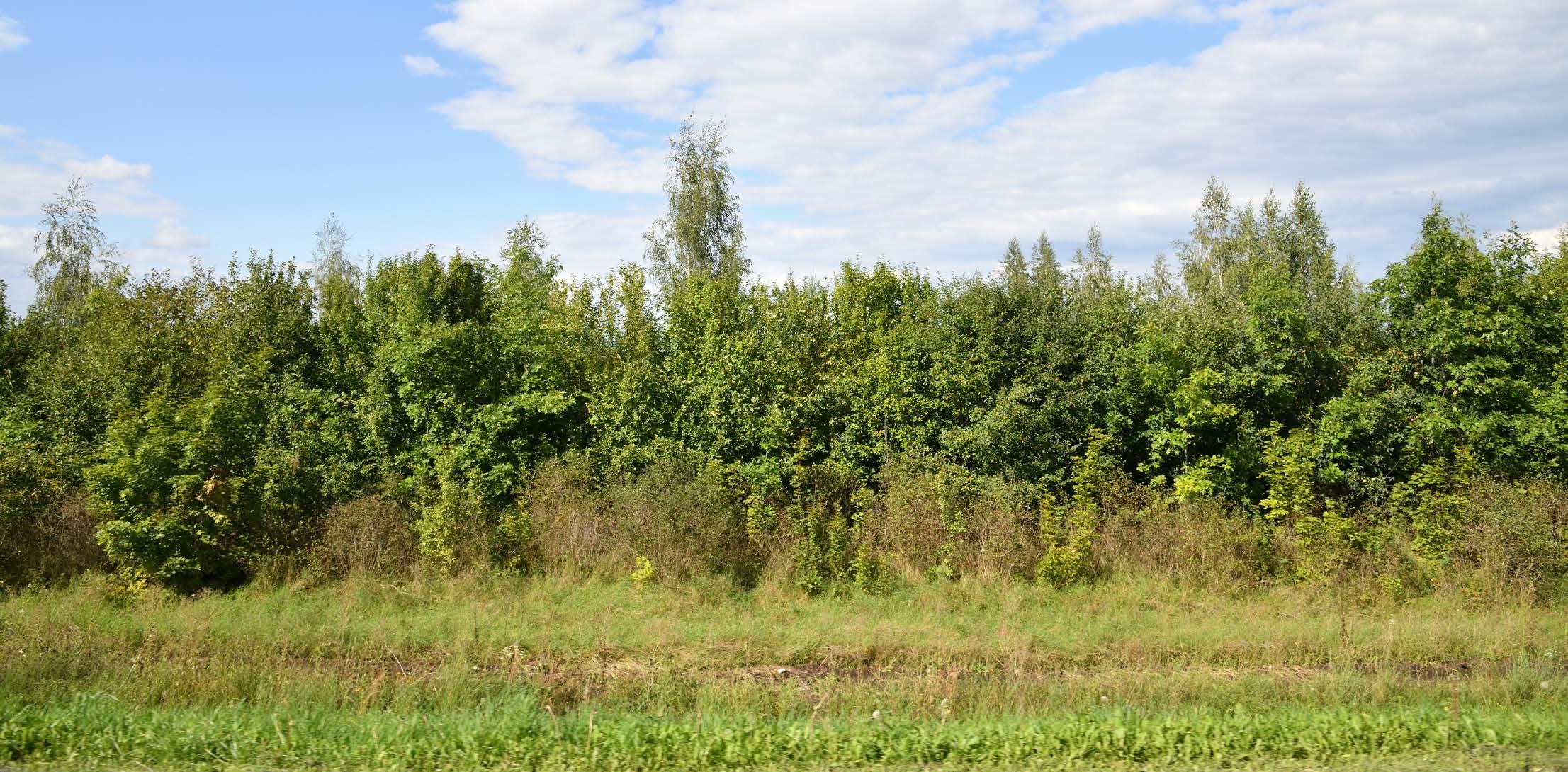
Eco-buffer shelterbelts are a practical, nature-based solution for landowners and communities looking to balance productivity with environmental stewardship. These strategically planted rows of trees and shrubs are designed with ecological function. Eco-buffer shelterbelts help stabilize soils, reduce wind erosion, and protect valuable topsoil.
Beyond their protective role, eco-buffer shelterbelts deliver meaningful ecological benefits. Diverse plantings that include native species adapted to local soil and moisture conditions create habitat corridors for pollinators, birds, small mammals, and beneficial insects. For example, flowering shrubs can provide early-season nectar for pollinators, while berry-producing species offer food for birds later in the year.
Eco-buffer shelterbelts also improve water management by slowing surface runoff, enhancing infiltration, and filtering nutrients before they reach nearby waterways, helping reduce issues like algal blooms. These shelterbelts can act as a frontline adaptation tool: moderating microclimates, sequestering carbon, and increasing landscape resilience to drought and extreme weather events. Varied root structures work together to improve soil stability, enhance water infiltration, and increase nutrient cycling. This diversity below ground complements the benefits above ground, leading to healthier soils and more efficient moisture use.
As interest grows in regenerative practices and nature-based solutions, eco-buffer shelterbelts stand out as a proven approach that aligns environmental responsibility with practical land management. In the face of increasing climate variability across regions like Saskatchewan, planting diverse eco-buffer shelterbelts is an effective way to build long-term resilience into landscapes.
In October 2025, SAW implemented an eco-buffer shelterbelt site at Borden, Saskatchewan in the North Saskatchewan River Watershed. More than 110 students and staff from Borden School and local community members learned about and planted an eco-buffer shelterbelt site in the Village of Borden. To learn more about the Applying a Landscape Approach to Improve Biodiversity and view the Borden project, click the link below.
For more information please visit: A Landscape Approach to Improve Biodiversity - Saskatchewan Association of Watersheds, email info@saskwatersheds.ca or call: 306-541-9902.

A TEAM EFFORT: AQUATIC INVASIVE SPECIES PREVENTION AND MONITORING
With spring officially here, SAW and our partners are focused on defending our waters from an elusive threat: aquatic invasives species (AIS). SAW biologists attended this year’s Pacific Northwest Economic Region (PNWER) AIS Summit in Saskatoon to learn from our regional partners working to prevent a nightmare scenario: the arrival of invasive zebra or quagga mussels. Already established in Manitoba and North Dakota, Saskatchewan is now the front line of preventing them from infiltrating the region. These species are firmly established in the Midwest, where many anglers come from to fish Saskatchewan’s waters. This creates a high risk of introduction via visiting boats and gear.
PNWER is a public-private partnership made up of Saskatchewan, Alberta, B.C., Yukon, the Northwest Territories, Montana, Idaho, Oregon, Washington State, and Alaska. This year’s summit focused on watercraft inspection and decontamination, a key strategy for preventing mussel establishment. Recognizing the hundreds of millions of dollars in damage that an invasion would cause PNWER’s economy annually, the day highlighted the need for better coordination between regions – and with a single female mussel able to lay one million eggs per year, cooperation is in everyone’s best interest.
Invasive mussels are so small that they can easily slip into tanks and water intakes – making every boat, canoe, and kayak entering Saskatchewan a potential vector for invasion. At the summit, AIS team leads described the “layered defense system” that they are piecing together across the region to address the threat. SAW’s contribution to this system is monitoring, and our staff will be fanning out across the province this summer to monitor hightraffic waterbodies by collecting samples that screen for mussel larvae, which are called veligers. Should veligers be detected, a province-led response would be activated immediately to find and contain any mussels.
These response plans are crucial, because even though invasive mussels haven’t yet been detected in Saskatchewan, the threat is imminent. After all, water doesn’t always respect borders, and what can seem like someone else’s problem in Manitoba or North Dakota can quickly become Saskatchewan’s if not contained – putting all of our water at risk. Lessons learned by other jurisdictions highlight the need for constant vigilance. For example, despite diligent inspection and decontamination efforts spanning several years, zebra mussels have recently become established in Manitoba’s Clear Lake, a popular lake for fishing and recreation that, ultimately, drains downstream into two major river systems.
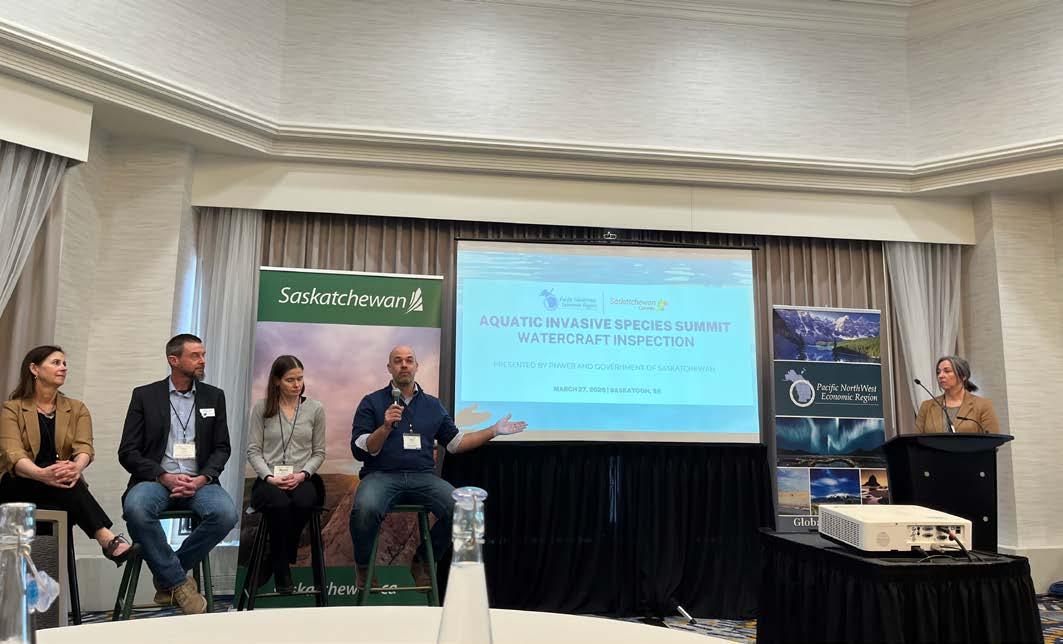
AIS prevention programs often have limited resources, and it’s important that these are targeted to where they will be most effective. Saskatchewan’s watercraft inspection stations, for example, are typically concentrated along the eastern and southern borders of the province, since mussels are most likely to come from those two directions. Simultaneously, watercraft moving out of Saskatchewan are often inspected by one (or more) of our provincial neighbors, reducing the risk that mussels transiting through our province evade detection. In recent years, PNWER jurisdictions are often also sharing information in real time with each other about high-risk boats travelling through the region, allowing multiple agencies to target inspections and decontaminations where they are most needed. Paired with monitoring efforts, this “layered defense” maximizes limited resources on a regional scale to reduce the likelihood that mussels establish in our waters. Further cooperation and integration of AIS strategies across the region will only improve these defense systems.
The most important part of this layered defense, however, is the public. The health of our water relies on all of us making sure that plugs are pulled, water is drained, and aquatic plants are removed from watercraft to reduce mussel transmission risk. Anyone can help with early detection, too, by reporting suspected mussel sightings to the Ministry of Environment’s TIPP line. As we travel during the summer to spend time at the beautiful lakes Saskatchewan has to offer, we can all do our part to ensure that our water remains healthy and mussel-free for generations to come. SAW is proud to be able to contribute to this important mission – we’ll see you out there!
For more information about watercraft inspections and invasive species, visit saskatchewan.ca.

WELCOME TO THE TEAM

MALAYNA GRAMLICH , ENVIRONMENTAL TECHNICIAN
Hello! My name is Malayna Gramlich and I will be returning to SAW as an Environmental Technician. Last year I was a summer student here! I have just recently completed the Environmental Engineering course at Saskatchewan Polytechnic, and I am excited to utilize my new skills within the workforce. I grew up in Moose Jaw and I am glad to be working in my own community. To be able to make a difference in my own community is a rewarding experience. I am grateful to be returning to work with such an amazing team!
In my spare time I enjoy being outdoors. I enjoy camping, swimming, fishing, gardening, boating, hiking, skiing, and skating. I also enjoy traveling and exploring new places. I am so excited to spend my summer doing field work outside!
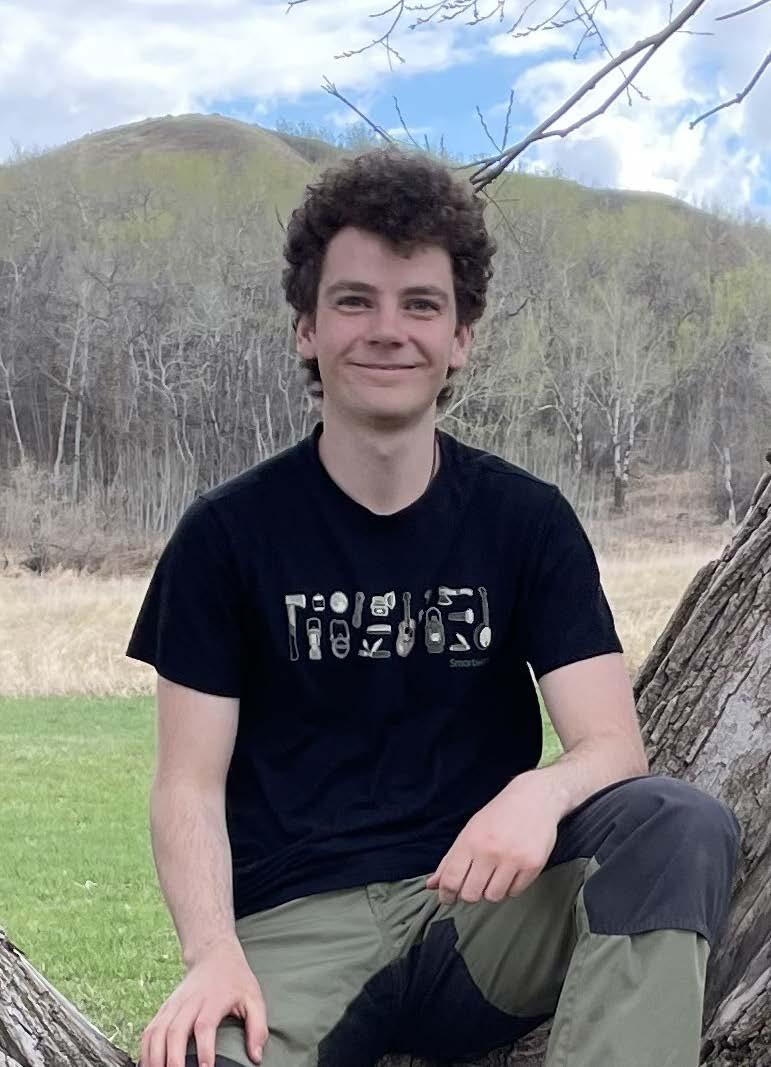
MAREK TURGEON, ENVIRONMENTAL TECHNICIAN
My name is Marek Turgeon, and I am from Regina. I am excited to join SAW as an Environmental Technician Summer Student. I am an environmental engineering student at the University of Saskatchewan going into my third year of school in the fall. I have a particular interest in water treatment and water management. I am looking forward to exploring this interest in water resources through my 4-month term at SAW, while doing rural well water testing.
In my free time I love to be outside as much as possible. I like going outside to do backpacking, canoeing, skiing, and mountain biking. I also enjoy some more creative hobbies like woodworking, cooking, and 3D printing. I find it very rewarding to build things myself through these hobbies that I can use every day or give to my family as gifts.
I am excited to contribute to SAW’s important work in any way I can this summer and gain real world skills in water well sampling, Aquatic Invasive Species monitoring and more.
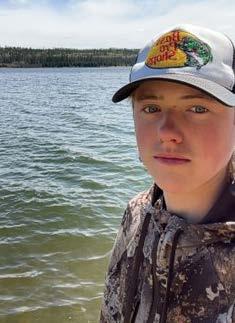
My name is Gavin Hicke and I’m very excited to be joining the team as one of the Environmental Technician Summer Students.
I grew up in Regina my whole life and graduated from Campbell Collegiate in 2025. After high school, I moved to Prince Albert where I began the Integrated Resource Management program at Saskatchewan Polytechnic. After I graduate in 2027, I am going to move back to Regina and go to the University of Regina to better strengthen my knowledge. Some things I like to do are hunting, fishing, snowboarding, swimming, hiking, and camping.
I am very excited to work alongside this amazing team in the upcoming months!