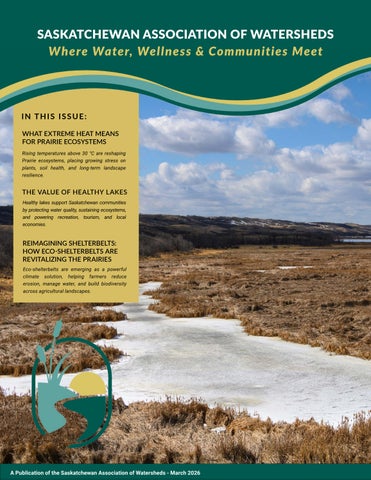

Where Water, Wellness & Communities Meet

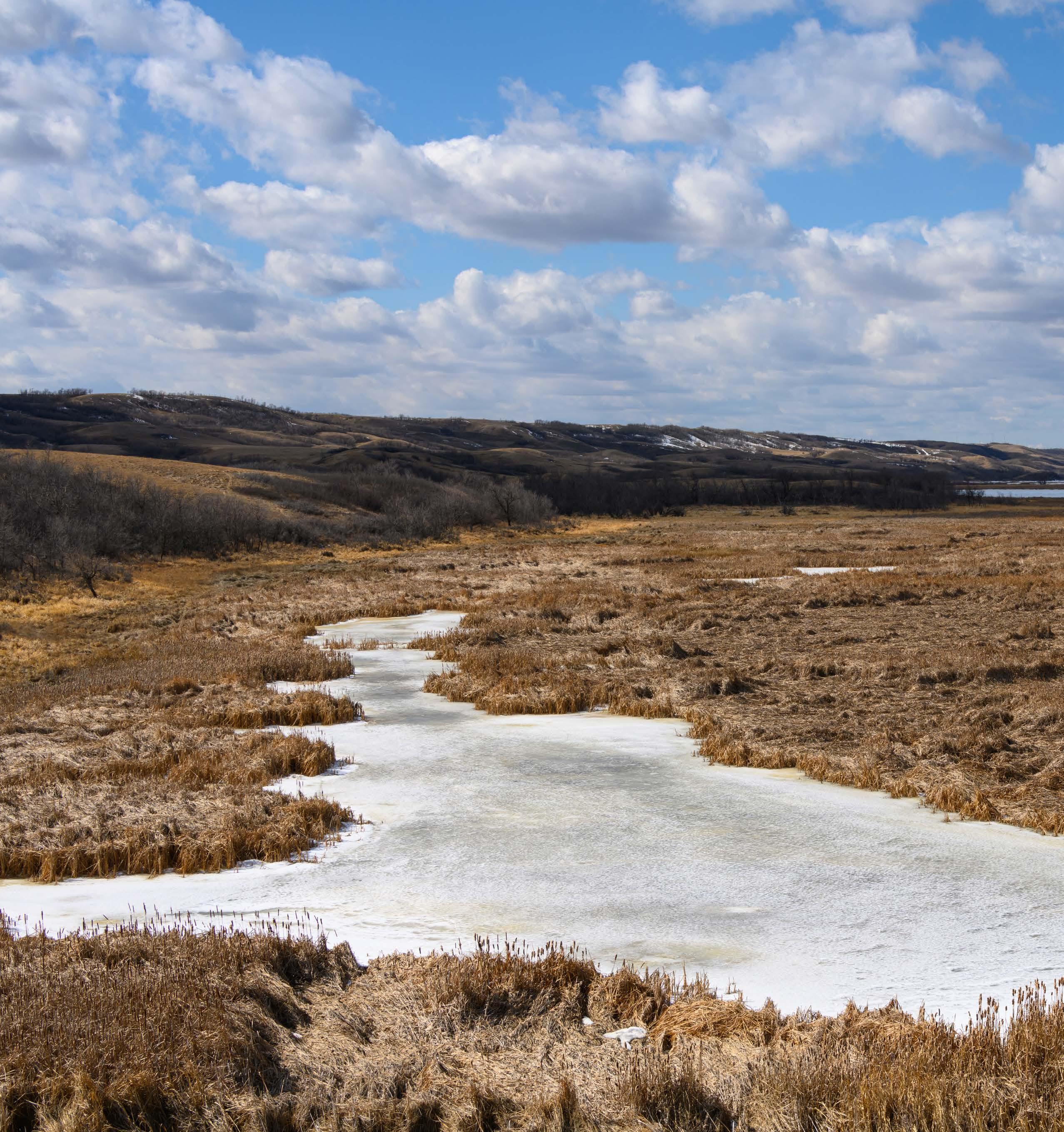
Healthy lakes support Saskatchewan communities by protecting water quality, sustaining ecosystems, and powering recreation, tourism, and local economies.
Eco-shelterbelts are emerging as a powerful climate solution, helping farmers reduce erosion, manage water, and build biodiversity across agricultural landscapes. IN THIS ISSUE:

APRIL 2026
April 12-15 - SUMA, Bunge International Trade Centre, Regina
April 15 - SWEAP Update for Agriculture Professionals Webinar, Online
MAY 2026
May 2 - Caring for Our Watersheds Finalist Competition, Saskatoon
May 18 - Tree for Life Sales End
JUNE 2026
June 11 - Livestock Watering Workshop, Old Wives Lake
June 18 - Southwest District Advisory Committee Meeting, Swift Current
SASKATCHEWAN
AGRICULTURE PROGRAM – BMP HIGHLIGHT UPGRADING SEEDING EQUIPMENT
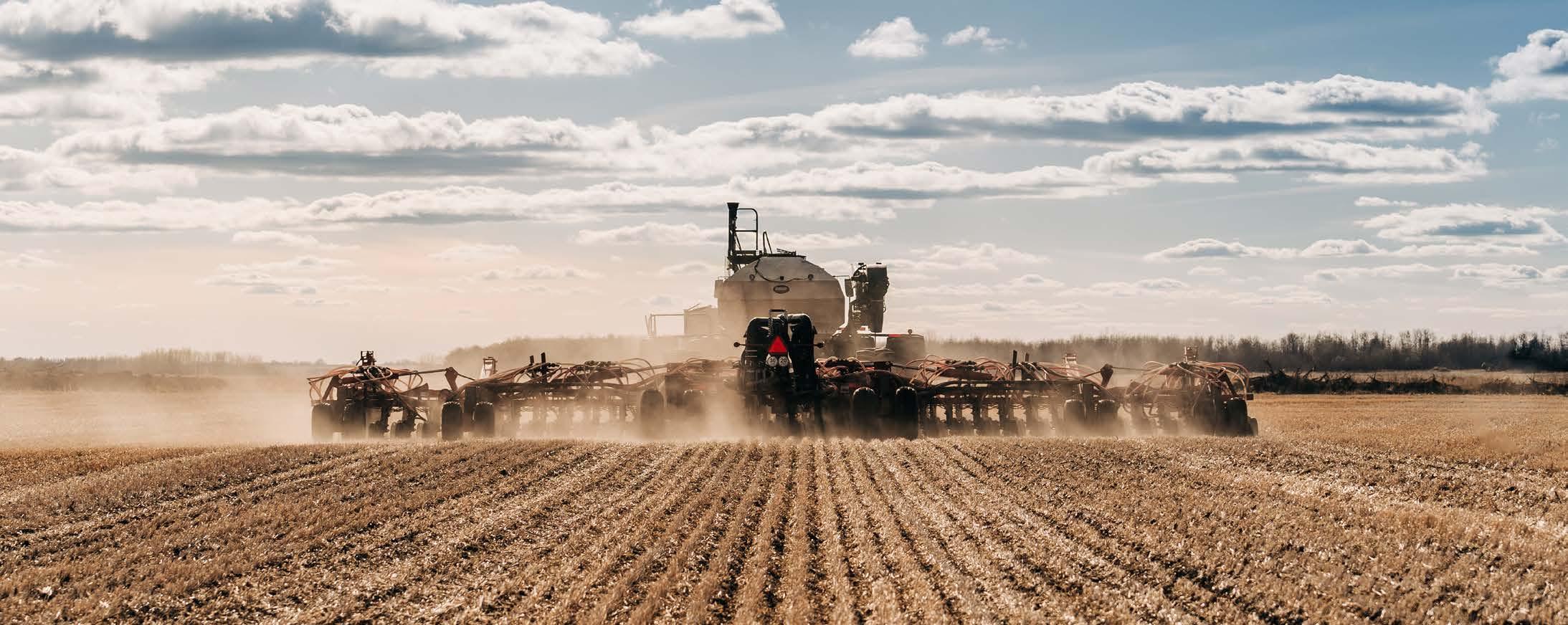
Upgrading seeding equipment to allow for banding or injection of fertilizer has many benefits for both the farmers as well as the fields they manage. Some of these benefits include:
1. Reduced Environmental Impact – Shallow banding and injection of nitrogen fertilizer reduce losses to the environment as compared to broadcasting. Proper placement of fertilizer based on environmental and soil conditions helps decrease the in-soil movement of nutrients in the ground and surface water through volatilization and leaching.
2. Reduced Seeding Damage – Placing fertilizer further from the seed instead of in the same row can reduce seedling damage from salt and ammonia toxicity. This toxicity can lead to reduced yields, lower response to nitrogen fertilizer and reduced nitrogen use efficiency. Nitrogen injection systems can reduce chemical stress on the plant by waiting until it is more mature and resilient, while providing the nutrients when they need it the most.
3. Increased Productivity – Changing to banding or injection can allow optimal nitrogen rates to be applied to increase crop growth and yield without the risk on ammonia toxicity. Banding fertilizer can improve nutrient intake leading to improved plant health, vigor and yield. Banding fertilizer can also improve soil health

and promote beneficial microbial activity by creating localized nutrient zones. This can lead to increased productivity for the current and subsequent crops.
4. Improved Nitrogen Use Efficiency (NUE) – Applying required nutrients exactly when and where they are needed helps to improve NUE by reducing potential runoff and increasing fertilizer absorption. The primary benefit of injection is to provide precise delivery of nutrients to the root zone resulting in reduced losses, while ensuring the crop gets the exact nutrients they need at the right time.
Upgrading seeding equipment may result in reduced input costs, increased cost savings in terms of time and labor, and increased yields while reducing impacts to the environment.
Upgrading seeding equipment to allow for banding, sidedressing or injection is an eligible project through SAW’s SWEAP (Saskatchewan Watersheds Environmental Agriculture Program) Nitrogen Management category. Funding for SWEAP is provided by Agriculture and Agri-Food Canada through the Agriculture Climate Solutions - On-Farm Climate Action Fund (OFCAF).
Upgrading seeding equipment to allow for banding or injection of fertilizer has many benefits for both the farmers.
WHAT EXTREME HEAT MEANS FOR PRAIRIE ECOSYSTEMS
- CLIMATE ADAPTATION PLANNING IN SASKATCHEWAN’S WATERSHED DISTRICTS
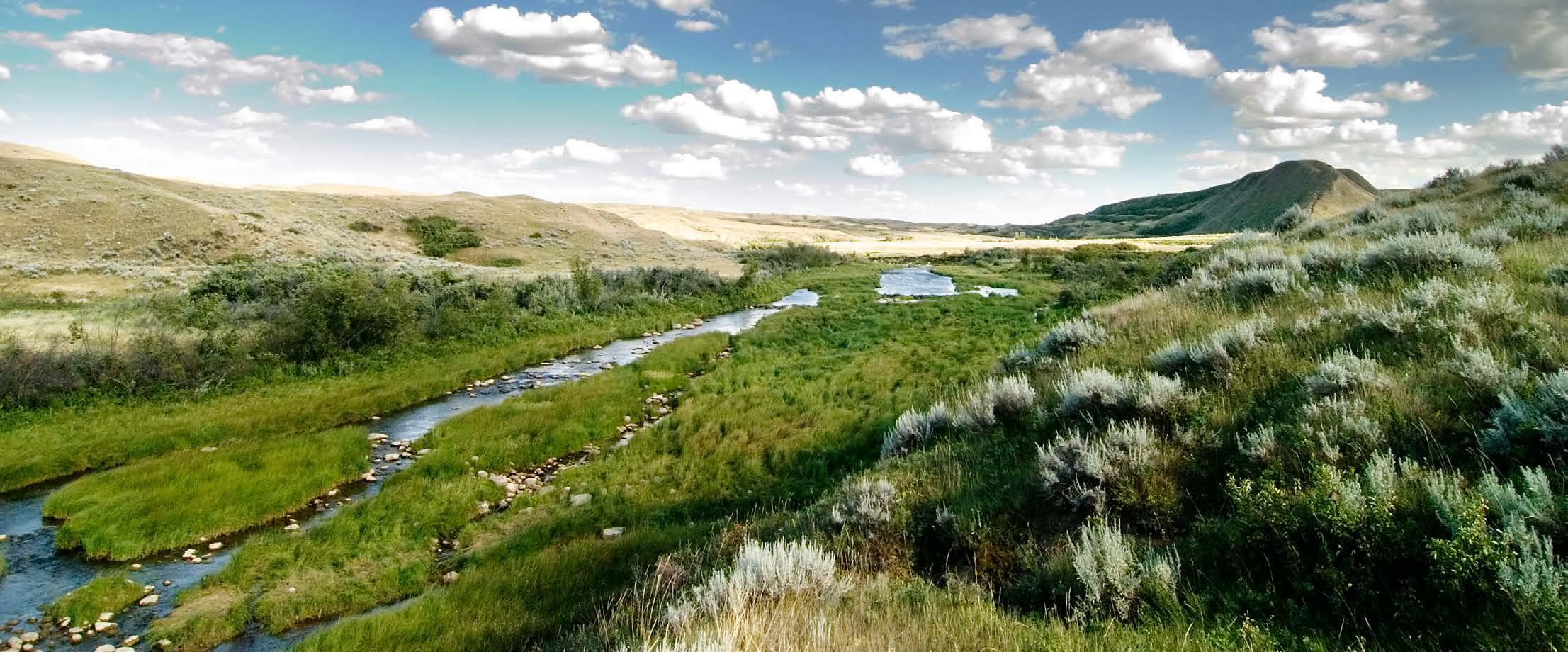
Across the Canadian Prairies, summer heat is nothing new. But the growing number of days exceeding 30 °C is reshaping ecosystems. These ‘very hot days’ are becoming more frequent, arriving earlier in the season, and lingering longer –placing stress on grasslands, wetlands, forests, wildlife, and agricultural landscapes.
On very hot days, plants face intense evapotranspiration – losing moisture through both soil evaporation and leaf transpiration. When temperatures exceed 30 °C, especially during extended dry periods, photosynthesis slows and plant growth is reduced. Repeated heat events can impact the growing season, favour drought-tolerant species, reduce forage quality for grazing wildlife and livestock, and increase susceptibility to pests and diseases.
During hot, dry periods soil health and carbon dynamics are also impacted, as high temperatures can increase microbial activity and increase soil respiration rates. Combined with reduced plant growth, this weakens the Prairies’ role as a carbon sink.
The Aspen Parkland, a transitional zone between boreal forest and prairie, also faces heightened risks during extreme heat. High temperatures increase tree water stress and make forests more susceptible to insect outbreaks and wildfire. For example, extended periods above 30 °C can weaken
trembling aspen, reducing growth and increasing mortality, promote beetle and defoliator activity, and dry surface fire fuels - raising wildfire risk. These disturbances may gradually shift the Parkland boundary north over time.
Climate projections consistently show an increase in both the frequency and severity of extreme heat events across the Prairie landscape, with heat waves becoming part of the seasonal baseline. Ecological consequences are cumulative, including gradual shifts in species ranges, increased wildfire and pest disturbance, changes to hydrological cycles, and declines in biodiversity in already fragmented systems.
Despite these challenges, pathways to resilience include protecting and restoring native grasslands to maintain biodiversity and carbon storage, enhancing wetland conservation to buffer drought impacts, diversifying agricultural systems to improve landscape resilience, and maintaining habitat connectivity to allow species to shift ranges. As the number of 30 °C days climb, so too does the urgency to adapt, conserve, and steward prairie ecosystems.
SAW has completed climate adaptation plans for the Northwest, Northeast, Southeast, and Southwest Watershed Districts. The Northern Watershed District and Provincial Plans will be released in Spring of 2026. For any inquiries, please contact: ccap@saskwatersheds.ca for more information.

THE VALUE OF HEALTHY LAKES
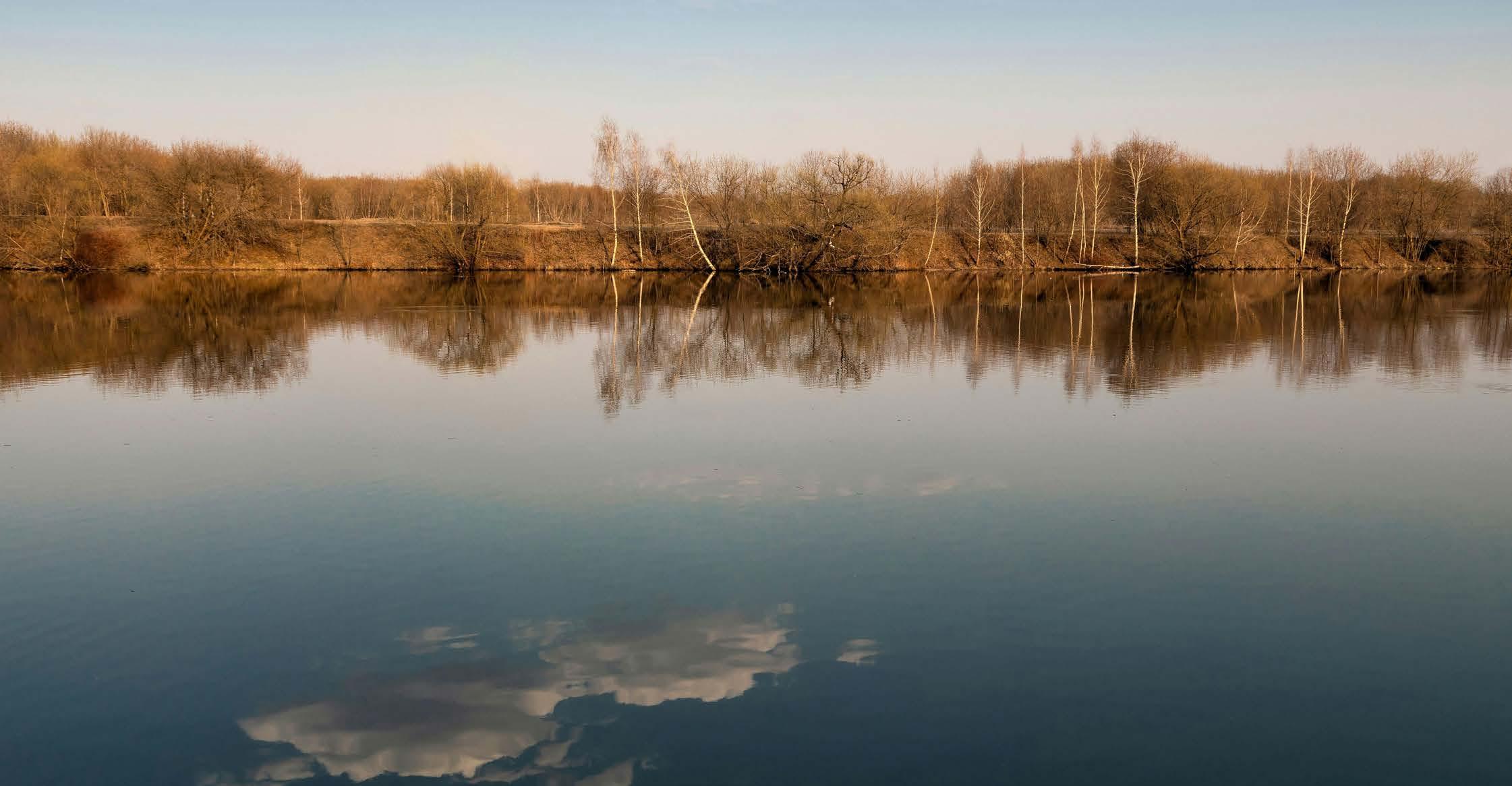
Healthy lakes in Saskatchewan are essential to the province’s environmental health, public safety, and overall quality of life. With more than 100,000 lakes and rivers across the province, these waters form one of the most abundant freshwater networks in North America, supporting diverse ecosystems and sustaining communities that rely on clean, accessible water. Healthy lakes help maintain strong aquatic habitats, protect plant and animal life, and ensure that water used for drinking, recreation, and agriculture remains safe and dependable.
Saskatchewan lakes play a major role in public health and recreation. Saskatchewan’s Healthy Beaches Program monitors water quality at popular swimming areas throughout the summer, testing for risks such as E. coli and toxins from blue

green algae. This monitoring helps keep residents and visitors safe by identifying potential hazards early and ensuring that beaches remain enjoyable places for families to gather. Regular testing at lakes like Christopher, Candle, and Emma Lake provides the public with timely information so they can make informed decisions about where to swim.
Beyond environmental and health benefits, healthy lakes contribute significantly to community well being and local economies. Clean, vibrant shorelines support tourism, cottage life, fishing, and outdoor recreation—activities that are central to Saskatchewan’s cultural identity and rural livelihoods. Stewardship practices that protect water quality help prevent pollution, safeguard drinking water sources, and ensure that lakes remain resilient in the face of climate pressures. By caring for these waters, Saskatchewan communities protect not only their natural heritage but also the social and economic vitality that healthy lakes make possible.
To learn more about lake stewardship beneficial management practices, please click the link below.
REIMAGINING SHELTERBELTS: HOW ECO-SHELTERBELTS ARE REVITALIZING THE PRAIRIE LANDSCAPE
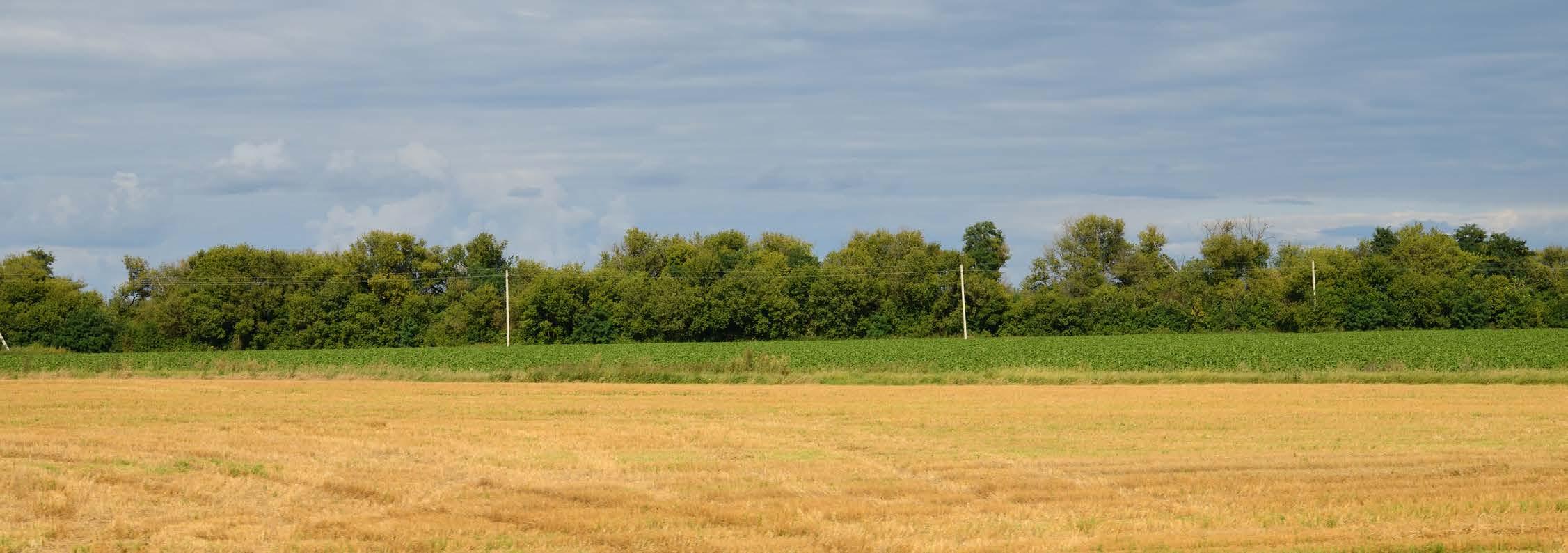
Long rows of trees have helped shape Saskatchewan’s agricultural landscape for more than a century. Originally planted to reduce wind erosion and protect farmsteads, shelterbelts remain one of the most practical climate adaptation tools available to landowners. Today, as climate change brings more intense heat, stronger winds, and variable precipitation, eco-shelterbelts are being utilized for resilience building for multifunctional infrastructure.
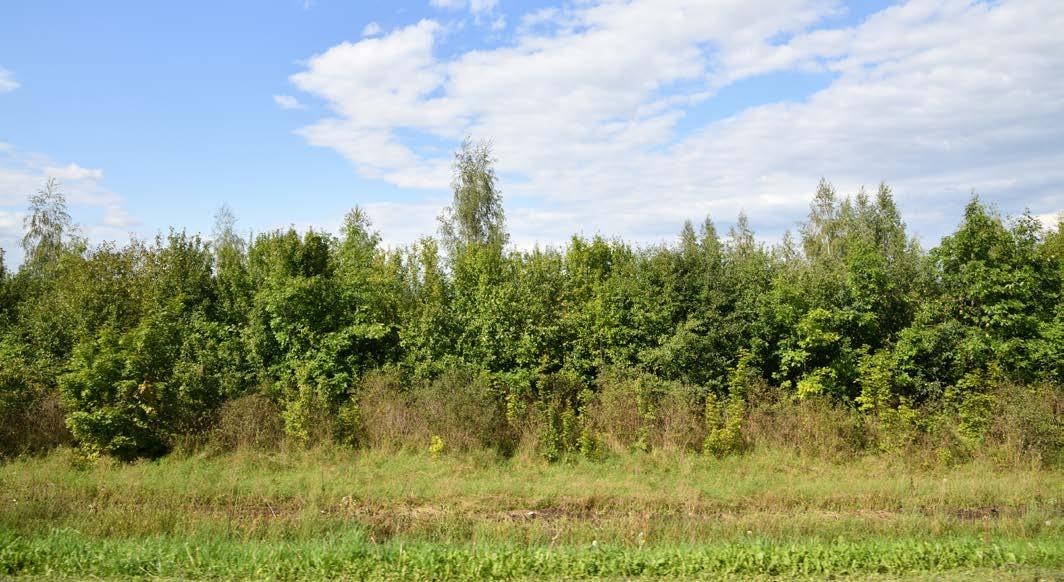
While traditional shelterbelts were often single or double rows of fast-growing species such as caragana or Manitoba Maple, eco-shelterbelts build on this foundation by increasing species diversity (native trees, shrubs and understory plants), are designed for wildlife habitat and pollinator support, enhancing soil health and water management, and integrating long-term carbon storage goals.
With climate projections indicating stronger spring wind speeds and more frequent drought conditions, maintaining soil stability is increasingly critical. Eco-shelterbelts reduce wind speed, protect topsoil from erosion and prevent crop damage. By reducing wind speed, soil moisture is conserved,
seedlings establish more successfully, and snow is trapped more evenly across fields.
Future climate projections also indicate increased variability in timing and amount of precipitation. Eco-shelterbelts designed with deep rooted trees will help improve infiltration and reduce surface runoff. Eco-shelterbelts can help to restabilize riparian areas, reduce nutrient runoff into wetlands, improve groundwater recharge, and decrease the risk of localized flooding.
By incorporating native species such as trembling aspen, chokecherry, saskatoon, willow, and buffaloberry, eco-shelterbelts provide nesting habitat for songbirds, shelter for small mammals, pollen resources for pollinator species, and overwintering sites for beneficial insects. These habitats provide connection between wetlands, riparian zones, and grasslands. Diverse eco-shelterbelts that include flowering shrubs and staggering bloom time can provide continuous forage, supporting native bee populations, beneficial predatory insects, and improve crop pollination to increase ecological function.
SAW’s Applying a Landscape Approach to Improve Biodiversity project is funded through Environment and Climate Change Canada’s (ECCC) Environmental Damages Fund (EDF). SAW has funding available for landowners who would like to install eco-buffer shelterbelts within the North Saskatchewan River Watershed! If you are interested in the program, please contact info@saskwatersheds.ca or 306-541-9902 for more information about the program and eligibility requirements.

THE BIGMOUTH BUFFALO: A LONG-LIVED FRESHWATER FISH
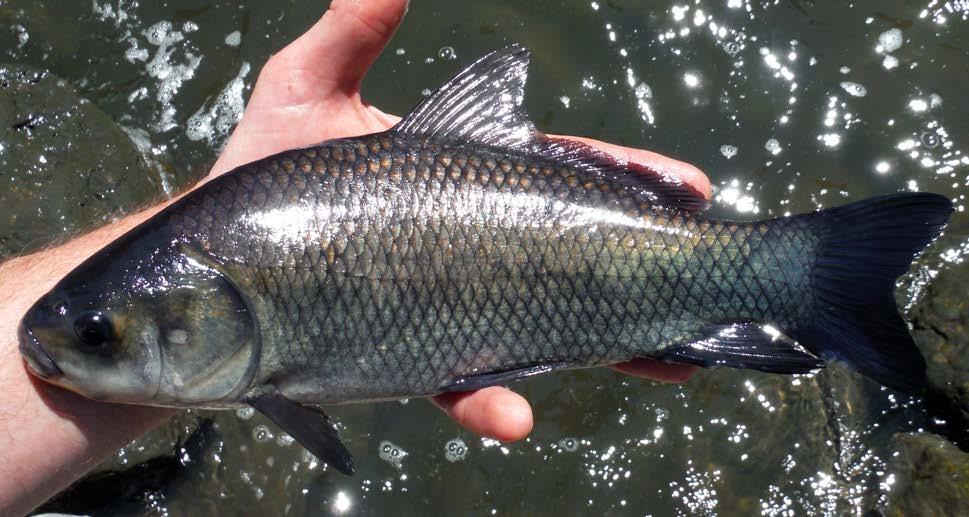
Gary Swaresty (www.roughfish.com)
Imagine a fish older than Canada itself: the Bigmouth Buffalo (Ictiobus cyprinellus). This freshwater fish is found in Saskatchewan’s Qu’Appelle River system and is one of the longest living fish species in the world, as some individuals have been documented at an astounding 127 years old! These ancient giants can grow up to 4 feet long and weigh up to 80 pounds. As filter feeders, they use their unique forwardfacing mouths to consume plankton, playing a crucial role in maintaining water quality.
Despite their extraordinary longevity and adaptability, bigmouth buffalo populations have declined in Saskatchewan since the mid-20th century. Habitat changes such as dams disrupting migration to spawning grounds and competition from invasive species like Common Carp have contributed to their decline. Recognizing their vulnerability, the species has been listed as “special concern” under the Species at Risk Act.
Conservation efforts are underway to protect these incredible fish. With funding provided by Fisheries and Oceans Canada, SAW will deliver projects focused on assessing current population abundance and restoring and enhancing habitat to support Bigmouth Buffalo survival. These projects can protect this native fish species for generations to come.
For more information on SAW’s Fish Species at Risk Program, please visit click the link below.

TO THE TEAM

TUCKER
BEATTIE, DATA & PROGRAM ADMINISTRATOR
Hello! My name is Tucker Beattie, and I’m excited to be joining the team as the new Data & Program Administrator.
I grew up in Moose Jaw, SK, and after graduating high school I moved to Calgary, where I completed my Business Diploma at SAIT. I eventually returned to Moose Jaw to be closer to family. Most of my career has been spent working with one of Western Canada’s largest supply chains, focusing on data collection and accounting. I’m looking forward to bringing that experience into this role, collaborating with everyone, and contributing to the great work happening here.
In my spare time, you’ll find me pursuing an ever - growing list of hobbies - racing karts with the South Sask Kart Club, sim racing, mountain biking at Buffalo Pound, playing lacrosse, or wrenching on a car in the garage!
I’m very eager to be working as part of the SAW team and can’t wait to see where this journey takes me!