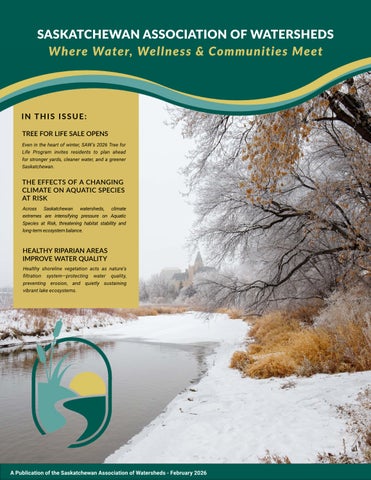

Where Water, Wellness & Communities Meet

IN THIS ISSUE:
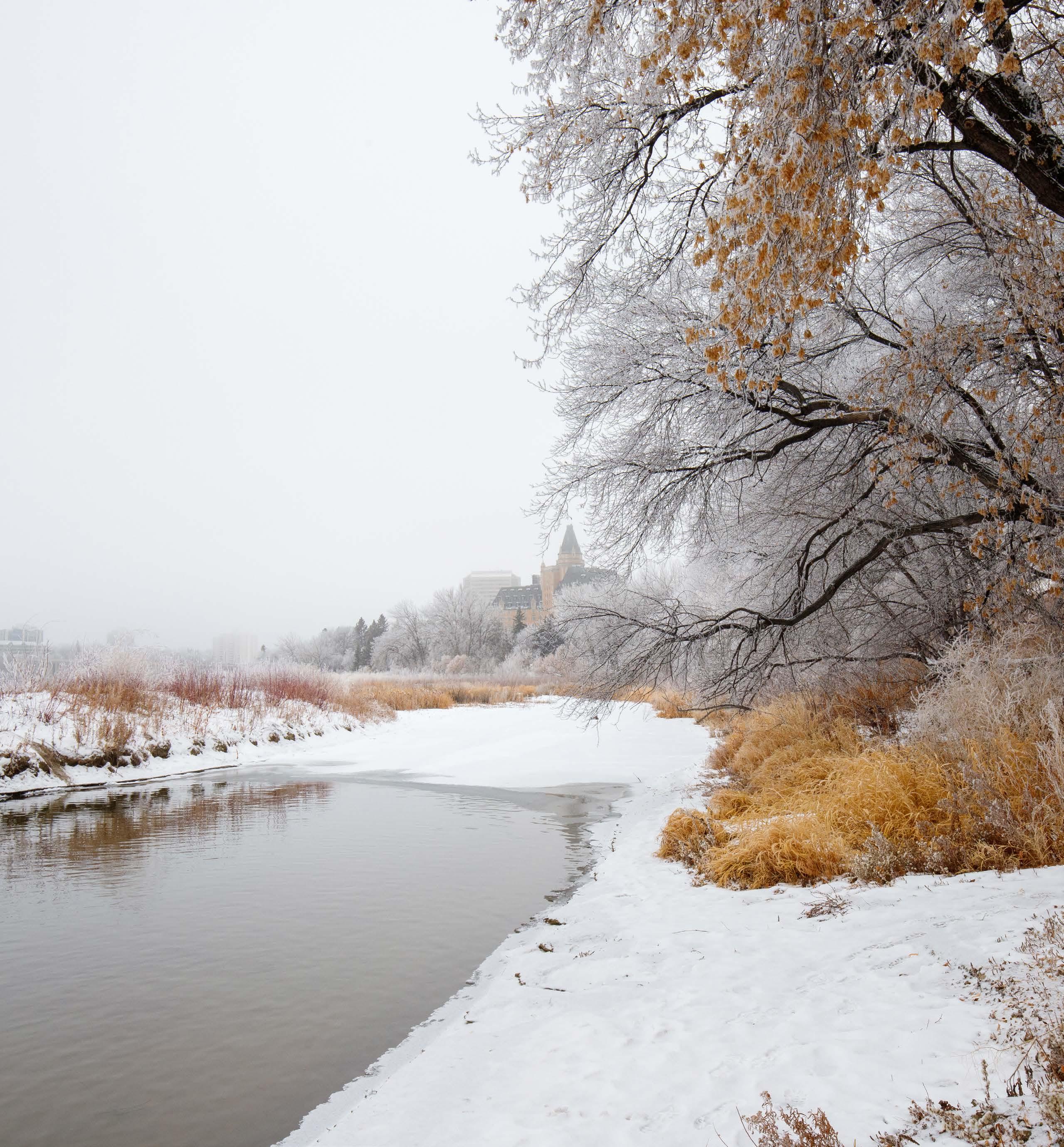
Across Saskatchewan watersheds, climate extremes are intensifying pressure on Aquatic Species at Risk, threatening habitat stability and long-term ecosystem balance.
Healthy shoreline vegetation acts as nature’s filtration system—protecting water quality, preventing erosion, and quietly sustaining vibrant lake ecosystems.


MARCH 2026
March 5 - ALUS-SAW Shelterbelt Workshop, Balgonie Senior Centre, Balgonie
March 10-11 - SARM Annual Convention and Tradeshow, Bunge International Trade Centre, Regina
APRIL 2026
April 12-15 - SUMA, Bunge International Trade Centre, Regina
ENVIRONMENTAL AGRICULTURE PROGRAM – BMP HIGHLIGHT
INTERCROPPING
Intercropping may be a viable solution to improve soil health and increase plant yield, while minimizing annual inputs. Intercropping works by sowing two or more different crops in the field alongside each other to benefit both the soil and crops thanks to the synergy of natural nutrients and beneficial chemicals.
When thinking of intercrop rotations, it is also handy to think about how the roots will intertwine with each other strengthening the soil preventing erosion and runoff. Intercropping enhances soil health by helping to aid the growth and stability of the organic matter and humus. The increased canopy coverage in the field reduces competition from weeds and volunteer crops In creased canopy of cover in intercropping system additionally mitigates soil moisture loss and moderates soil temperatures. The canopy cover also benefits insects that will help with the pests that naturally come with the crop variety grown.
When intercropping two very different crop varieties such as a legume with a cereal crop, disease and pest cycles that occur throughout the growing season can be disrupted. Seeding a legume with a cereal or oilseed crop allows the grower to take advantage of the nitrogen fixing ability to the legumes to reduce fertilizer requirements.
Producers who use intercrop rotations will likely see more resilience from external factors such as dry or wet seasons, reducing the effects of year-to-year weather variability we see on the Canadian prairies.
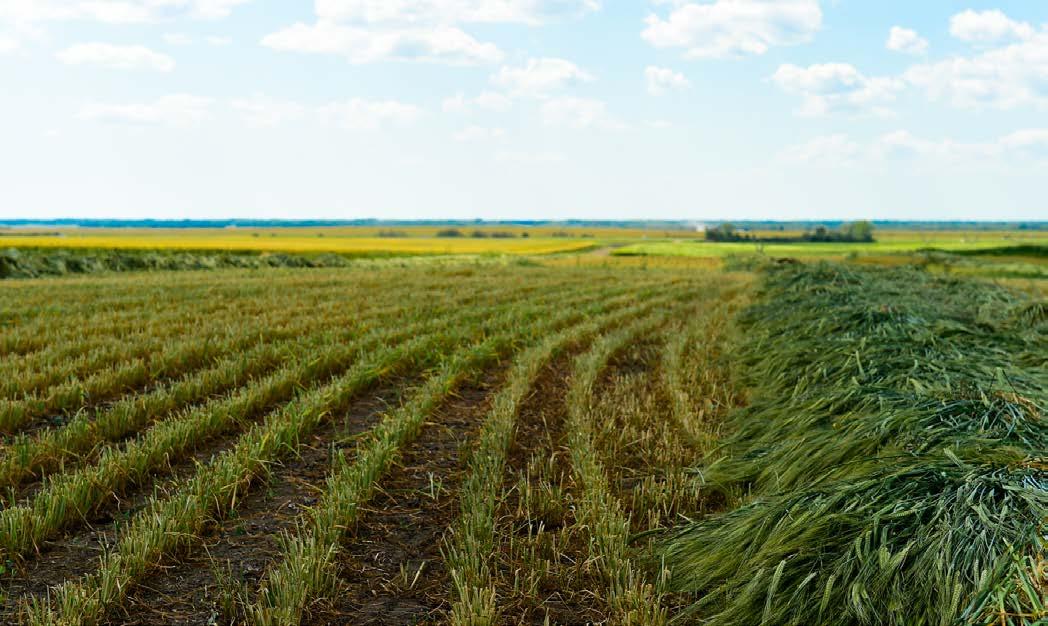

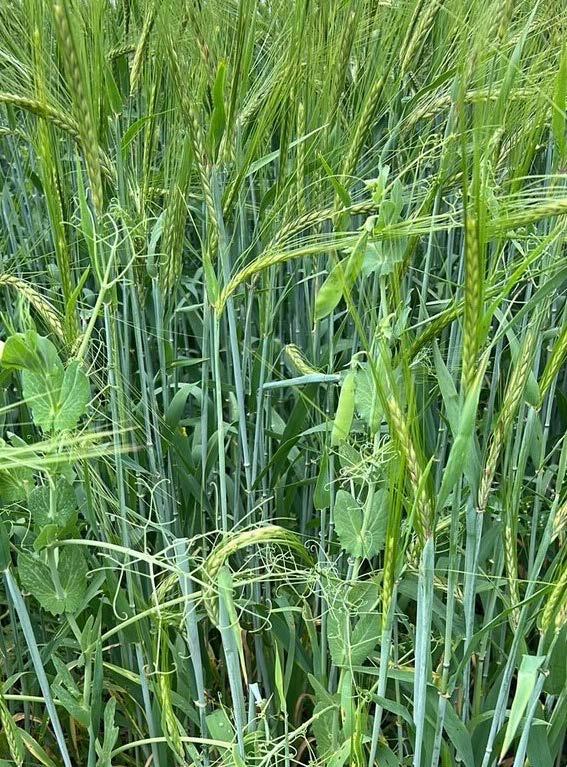
It is important to research prior to introducing intercropping to your farm to learn about which species work best together, potential herbicide interactions, seeding rates and harvesting multiple crops, but there are many benefits to this practice. Intercropping can be beneficial for all types of producers, both farmers and cattle producers, in terms of soil health, plant health and yield, and pest control.
Intercropping is an eligible project through SAW’s SWEAP (Saskatchewan Watersheds Environmental Agriculture Program) Cover Cropping category. Funding for SWEAP is provided by Agriculture and Agri-Food Canada through the Agriculture Climate Solutions - On-Farm Climate Action Fund (OFCAF).
TREE FOR LIFE SALE OPENS
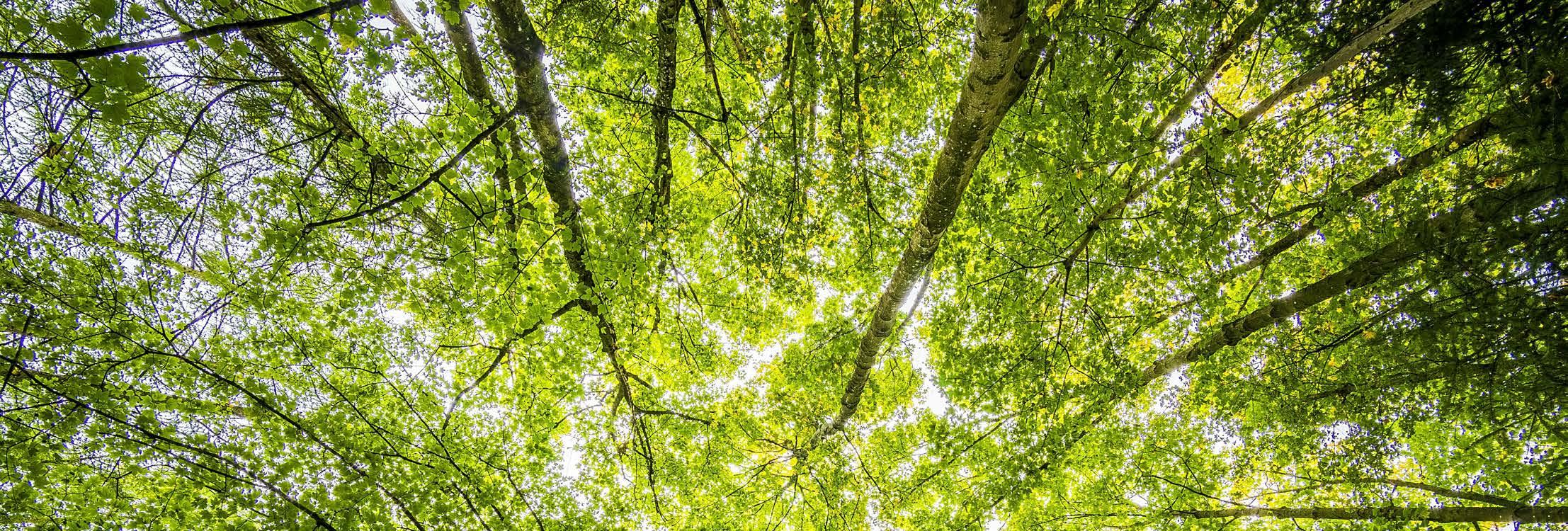
As we bundle up against the snow and the biting cold, it can be hard to remember what a green leaf looks like. But while our gardens are currently sleeping under a blanket of white, the promise of spring is just around the corner. At the Saskatchewan Association of Watersheds (SAW), we are already looking forward to the thaw with the launch of the 2026 Tree for Life Program. Now is the perfect time to look past the frost and start planning for a vibrant, healthy yard. Whether you want to add a splash of color, create a windbreak, or simply enjoy more shade during those hot July afternoons, our program offers a way to improve your property while doing something wonderful for the province we call home.
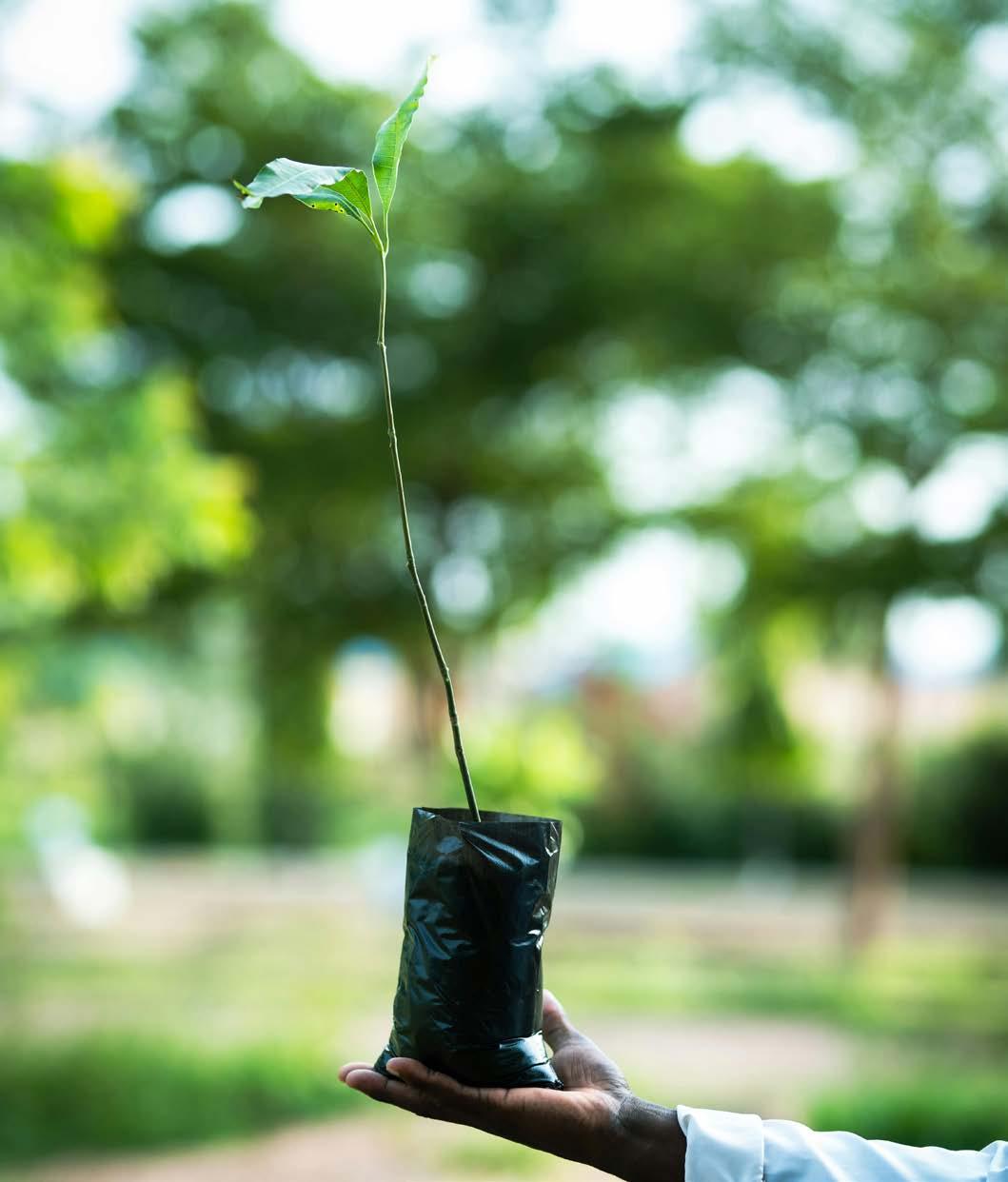
Planting a tree is one of the most effective and rewarding ways to improve your local environment. Think of them as nature’s air purifiers; as they grow, they breathe in what we breathe out, cleaning the air and storing carbon to help keep our climate stable. Their work happens underground, too, as the trees available in this year’s program act like giant sponges. Species like the Acute Willow and Balsam Poplar have deep roots that drink up excess water, helping to dry out soggy low spots in your yard. They also act as filters, catching runoff before it reaches our creeks and lakes to ensure our water stays clean for everyone.
We know that Saskatchewan weather can be tough, which is why we only offer native species that are built to survive here. You can choose from tough survivors like the Manitoba Maple and Green Ash that can handle wind and dry spells, or protectors like the White Spruce that stay green all year to block winter winds and give birds a warm place to hide. We even offer providers like the fruit-bearing Smoky Saskatoon shrub, which gives you delicious berries for pies and jams in just a few years.
While it feels like winter will last forever, the planting season is actually quite short. To make sure your new trees have the best start possible, we need to get them to you while they are still dormant and ready to grow. The deadline to place your order is May 18, 2026. By purchasing a bundle of trees today, you are supporting source water protection projects right here in Saskatchewan. Visit the Saskatchewan Association of Watersheds website to pick out your trees today so that together, we can make sure that when the snow finally melts, a greener future takes root.

THE EFFECT OF A CHANGING CLIMATE ON AQUATIC SPECIES AT RISK
Climate change in Saskatchewan is reshaping patterns of precipitation, runoff, glacial meltwater, and evaporation. These shifts are intensifying climate based extremes across watersheds that support critical habitat for Aquatic Species at Risk. Increased flooding and rising lake levels damage essential habitats by displacing sediments, eggs, and juvenile fish from spawning beds. Altered flow regimes can also displace populations, increasing the risk of genetic isolation and higher mortality rates. Excess groundwater and surface runoff transport pollutants into aquatic ecosystems, elevating contamination, disease prevalence, and toxicity. Collectively, these pressures disrupt ecosystem processes and compromise the physiological health of Aquatic Species at Risk and native fish communities.
At the opposite extreme, more frequent droughts reduce habitat availability and lower water levels, causing significant portions of watersheds to dry up. Species at Risk are forced to congregate in isolated pools to access food and shelter, where they face heightened predation and disease. Rising air temperatures and reduced groundwater inputs limit a watershed’s ability to absorb and dissipate heat, contributing to elevated water temperatures. Warmer waters reduce dissolved oxygen levels and disrupt nutrient cycles in lakes, leading to increased toxicity, reduced reproductive success, and shorter lifespans in Aquatic Species at Risk. Drought also increase soil erosion and reduce soil moisture, eliminating critical habitat.
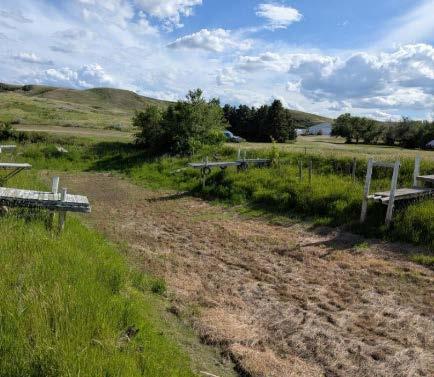
Aquatic Species at Risk—such as the Bigmouth Buffalo (Ictiobus cyprinellus) and Plains Minnow (Hybognathus placitus)—are highly sensitive to climate change and lack the adaptive capacity of more resilient species and will migrate during significant flooding events in search of prey and suitable spawning habitat. However, their movement is frequently restricted by physical barriers such as habitat fragmentation, dams, and altered flow regimes. Repeated attempts to pass these barriers can deplete energy and ATP reserves, increasing mortality. Additional stress occurs as fish are forced into deeper waters to find suitable habitat, temperatures, food, and coverultimately destabilizing food webs and contributing to population declines among Aquatic Species at Risk.


WELCOME TO THE TEAM

TYLER BRYAN , HABITAT STEWARDSHIP DIRECTOR
The Saskatchewan Association of Watersheds (SAW) is pleased to announce the appointment of Tyler Bryan, M.Sc., P.Biol., as our new Habitat Stewardship Director. Tyler’s arrival in this role marks the fulfillment of a lifelong ambition to protect the Province’s natural heritage—a journey that began in Minnesota, where he grew up with a boyhood dream of living in Saskatchewan to experience its world-class outdoor opportunities. Since making that dream a reality over eight years ago, Tyler has transitioned from an admirer of our landscapes to a dedicated steward of the Province’s diverse ecological systems.
Tyler’s professional expertise is grounded in a strong academic foundation, beginning with a Bachelor of Science in Wildlife Biology and a minor in Wetland Ecology from Bemidji State University. This journey culminated in a Master of Science in Biology from the University of Saskatchewan, where he specialized in the ecological health and wetland indicators of the Prairie Pothole Region. This comprehensive background, combined with over a decade of experience overseeing major environmental projects across Western Canada and the United States, ensures that SAW’s Habitat Initiatives are guided by both scientific integrity and the strategic understanding necessary to successfully execute complex environmental projects. Throughout his career, Tyler has remained committed
to harmonizing technical precision with a traditional respect for long-term land stewardship—a perspective enriched by his North American Indigenous heritage.
At SAW, we value Tyler’s leadership and his commitment to maintaining professional relationships. He operates on the firm belief that fostering a friendly and inclusive environment— both within our team and with our community partners—is a vital prerequisite for achieving ambitious conservation goals. By prioritizing the growth of our staff and cultivating trust with diverse stakeholders, he ensures that SAW projects are accomplished with both efficiency and a shared sense of purpose.
Tyler’s passion for the environment extends far beyond his professional duties and spans the entire Province, from the Northern Forests to the Southern Plains. As a former Arctic Fishing and Wilderness Guide and an avid outdoorsman, he has traveled extensively throughout Saskatchewan, gaining a deep personal connection to its varied habitats. Through his frequent excursions to perform Traditional Practices such as hunting and fishing, he maintains a direct, hands-on relationship with the landscapes he works to protect, ensuring his vision for Habitat Stewardship is personally inspired and technically sound for all Saskatchewan residents.

CLIMATE VARIABILITY AND EXTREME EVENTS: CLIMATE ADAPTATION PLANNING IN SASKATCHEWAN’S WATERSHED DISTRICTS
Rain on snow events occur when rain falls onto existing snowpack. These events are significant during transitional seasons (e.g. late fall and early spring), but also during the winter months. In the Canadian Prairies, a region which is defined by its cold winters, semi-arid climate, and reliance on snowmelt for water availability, these events can have impacts on hydrology, ecosystems, and communities. Rain on snow events can accelerate snowmelt, increase runoff (when the ground is still frozen and unable to absorb water efficiently), and change the structure of the snowpack.
Agriculturally, altered snowpack and runoff timing can affect soil moisture and spring planting conditions. Ecologically, rapid melt events can disrupt habitats — for example by creating ice layers that make it harder for wildlife to access forage beneath the snow. Rain on snow events impact urban and rural drainage and stormwater systems, as well as water and wastewater infrastructure.
Climate variability and extreme events are transforming Saskatchewan watersheds. Increases in minimum winter temperatures, shifting precipitation patterns and variability, and more frequent and intense extreme events are projected in near and far future scenarios. Rain on snow events are projected to become more and intense in a warming climate. Climate adaptation planning, including infrastructure planning for flood resilience, and water resource management, will be increasingly important.
SAW has completed climate adaptation plans for the Northwest, Northeast, Southeast, and Southwest Watershed Districts. The Northern Watershed District and Provincial Plans will be released in Spring of 2026. For any inquiries, please contact: ccap@saskwatersheds.ca for more information.

HEALTHY RIPARIAN AREAS IMPROVE LAKE WATER QUALITY
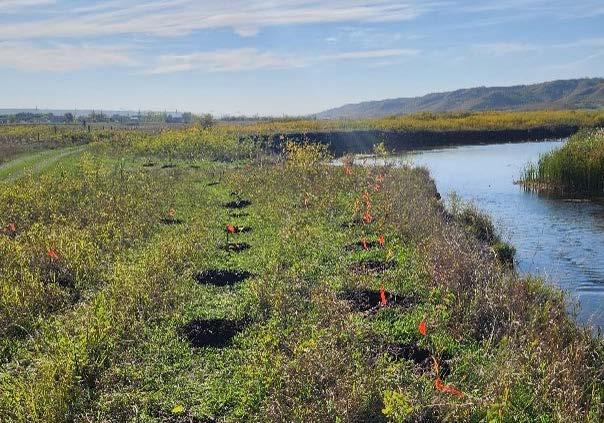
Shoreline vegetation is one of the most powerful natural tools for improving lake water quality, largely because it acts as a living buffer between land and water. When rain falls or snow melts, the resulting runoff often carries nutrients, sediments, and pollutants toward the lake. A healthy band of native plants slows this flow, allowing water to filter through soil where roots and microbes trap or break down contaminants. This simple process dramatically reduces the amount of phosphorus, nitrogen, and other pollutants that would otherwise fuel algal blooms and degrade water clarity.
Beyond filtration, shoreline vegetation plays a crucial role in stabilizing the land itself. Deep, interwoven root systems hold soil in place, preventing erosion caused by waves, wind, and fluctuating water levels. Without this natural reinforcement, sediment washes into the lake, clouding the water and smothering fish habitat. Vegetation also shades the shoreline, helping regulate water temperature in the shallows. Cooler water supports healthier fish populations and slows the growth of nuisance algae, creating a more balanced and resilient ecosystem.
The ecological benefits extend even further, as vegetated shorelines support diverse communities of insects, birds, amphibians, and aquatic species. These organisms contribute to a self-sustaining system that naturally maintains water quality. By restoring or preserving shoreline vegetation, communities and property owners create a protective barrier that works continuously and quietly, improving lake health without the need for costly infrastructure. In essence, a thriving shoreline is both a guardian and a sign of a thriving lake.
THE BENEFITS OF LIVESTOCK OFF-SITE WATERING SYSTEMS
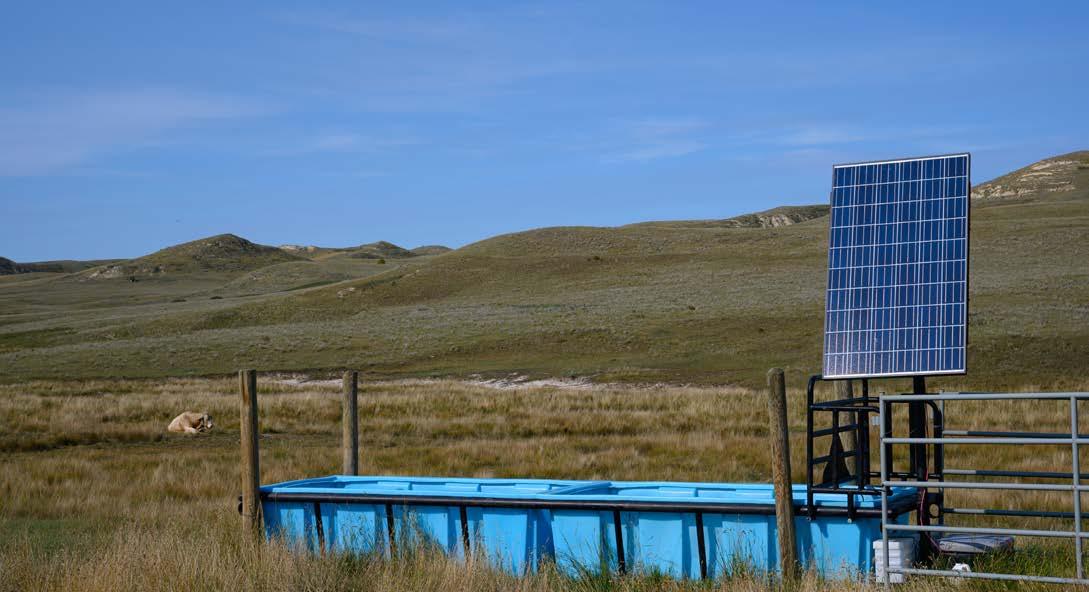
Livestock off site watering systems play a crucial role in protecting and improving water quality on agricultural landscapes. When cattle drink directly from streams, wetlands, or dugouts, they can disturb sediment, damage banks, and introduce manure and urine into the water. These impacts increase nutrient loading and turbidity, which can degrade aquatic ecosystems and reduce the quality of water available for downstream users. By providing clean, accessible water away from natural sources, off site watering systems significantly reduce these pressures and help maintain healthier, clearer waterways.
Beyond protecting water bodies, off site watering systems support the recovery of riparian zones—those sensitive, vegetated areas along streams and wetlands that act as natural filters. When livestock are kept out of these zones, vegetation can regrow, stabilizing soil, reducing erosion, and capturing nutrients before they enter the water. This restored plant cover improves habitat for wildlife, strengthens biodiversity, and enhances the overall resilience of the watershed. The benefits extend beyond the farm, contributing to cleaner water for communities, recreation, and ecological health.
These systems also offer advantages for livestock performance and farm sustainability. Animals provided with clean, fresh water tend to drink more, eat more, and maintain better overall health compared to those relying on contaminated or stagnant natural sources. Improved hydration supports weight gain, milk production, and disease resistance, creating economic benefits for producers. When combined, the environmental and livestock health advantages make off site watering systems a practical, cost effective strategy for safeguarding water quality while strengthening the long term sustainability of agricultural operations.
Our office locations are open Monday to Friday from 9 AM to 4 PM (closed 12 PM - 1 PM).
HEAD OFFICE
300B - 99 Diefenbaker Dr., Moose Jaw, SK
MAILING ADDRESS
Box 1177, Moose Jaw, SK, S6H 4P9