

Where Water, Wellness & Communities Meet

IN THIS ISSUE:
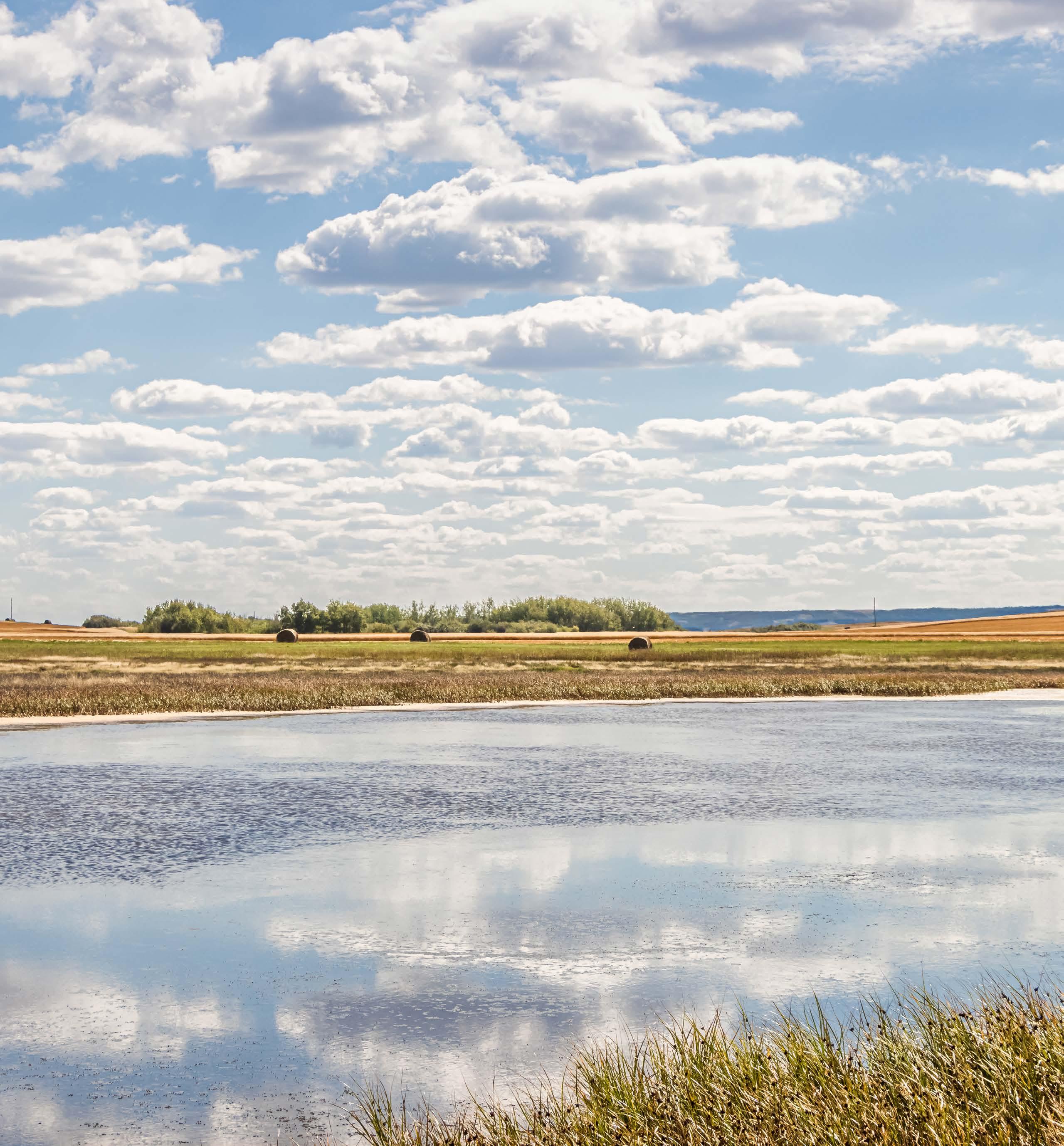
During a behind-the-scenes tour in Yorkton, watershed leaders explored aging wastewater infrastructure and ambitious plans to safeguard the city’s aquifer-based water supply for the future.
Emerging as a nature-based solution, floating treatment wetlands are helping communities improve water quality, boost biodiversity, and build resilience against climate extremes.

MAY 2026
May 2 - Caring for Our Watersheds Finalist Competition, Saskatoon May 18 - Tree for Life Sales End
JUNE 2026
June 11 - Livestock Watering Workshop, Old Wives Lake
June 11 - Lake Winnipegosis Watershed Planning Meeting, Hudson Bay
June 11 - Southeast District Advisory Committee Meeting, Emerald Park, SK
June 16 - Northeast District Advisory Committee Meeting, St. Brieux, SK
June 18 - Southwest District Advisory Committee Meeting, Swift Current
AUGUST 2026
Aug. 19 - SAW Annual General Meeting, Moose Jaw
SWEAP 2026-2027 OVERVIEW
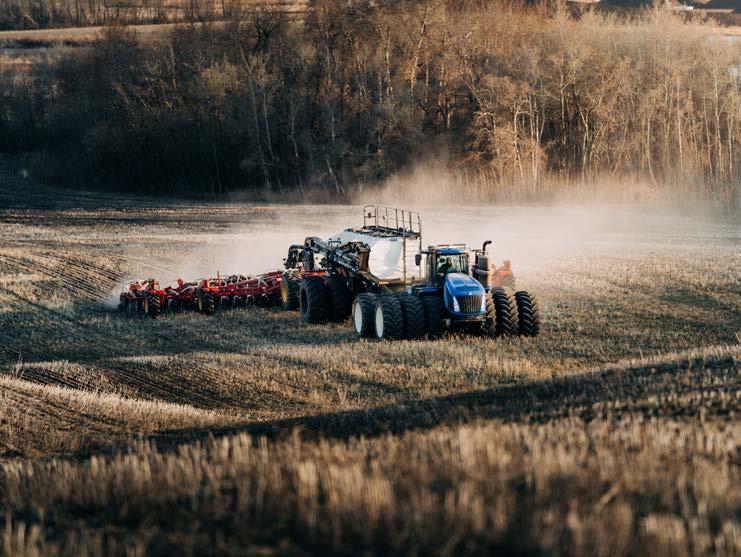
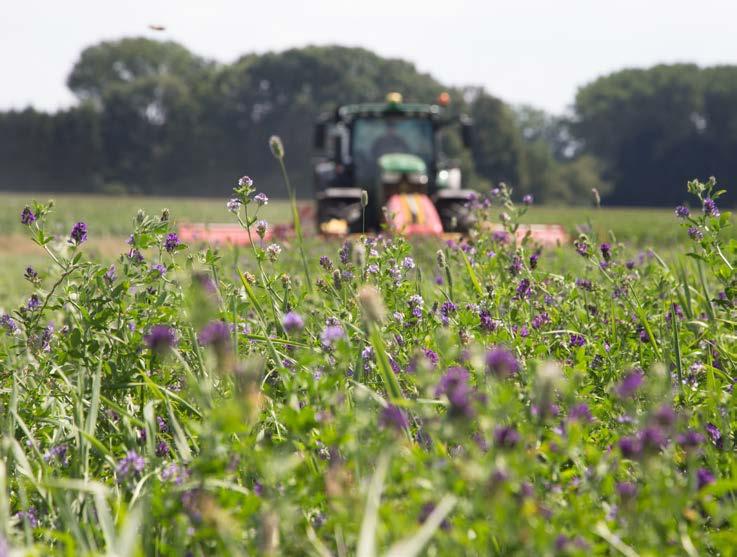
With spring upon us and SAW’s 2025-26 fiscal year in the rear-view mirror, we are celebrating the completion of the first full year of operations for the Saskatchewan Watersheds Environmental Agriculture Program (SWEAP). Last year, SAW disbursed over $12.6 million to producers across Saskatchewan, totaling more than 1,100 on-farm projects impacting over 1.1 Million acres. SWEAP is funded through Agriculture and Agri-Food Canada’s On-Farm Climate Action Fund (OFCAF), helping remove obstacles to the broader adoption of beneficial management practices in areas of:
• Nitrogen Management
• Cover Cropping
• Rotational Grazing
SAW is proud to be offering the SWEAP program until March 31, 2028, with our 2026 intake list now open to producers. To be eligible for any of our Rotational Grazing, Cover Cropping, or Nitrogen Management BMPs, projects must be a new practice for the producer or implemented on acres where that BMP was not implemented prior to 2022. Additionally, projects funded by SWEAP may not be funded by any other program funded through the On-Farm Climate Action Fund (OFCAF). Applicants may receive a maximum of $100,000 in rebates from all OFCAF-funded programs from April 1, 2022 to March 31, 2028.
Verifications
Requirements:
GPS-stamped photo verification of project completion is required for all Cover Cropping, Rotational Grazing, Legumes in Rotation, and Equipment Upgrade applications. Additionally, all projects must be recommended to the applicant by a licensed agronomic professional.
New to SWEAP’s Rotational Grazing: Virtual Fencing
New for this year, SWEAP is introducing funding for virtual fencing, an emerging technology gaining traction across the Prairies.
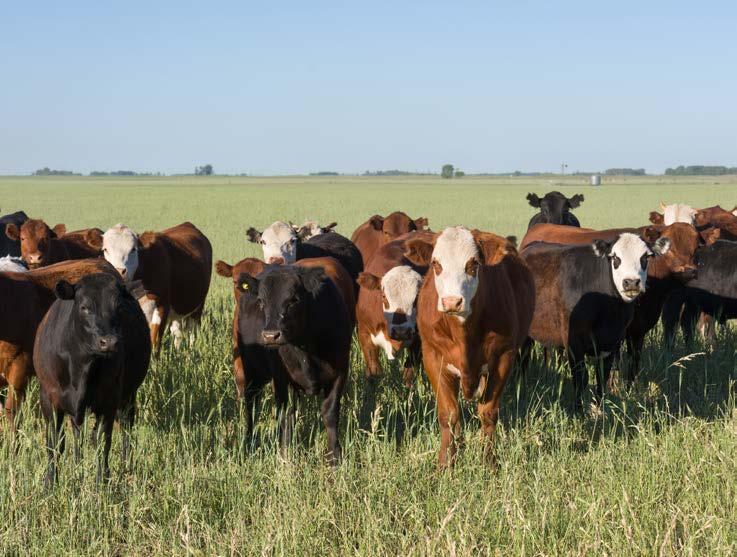
Virtual fences are ‘built’ through battery-operated collars that are worn by cattle and are connected either to a nearby base station, or to a smartphone via GPS and cellular connections. Funding of up to $10 per impacted acre will be considered for operations where:
• Conventional grazing is impractical due to remote or forested areas, or difficult terrain;
• Projects with significant riparian, wildlife, and/or silvopasture considerations; and/or
• The rotational grazing plan requires flexible, adoptive management.
• Grazing plans – a requirement for all Rotational Grazing Infrastructure, Virtual Fencing, and Remote Watering System applications – are provided to applicants free of charge by SAW. Additionally, we are pleased to share that grazing associations are now eligible for funding through SWEAP.
Updates to Nitrogen Management Funding
Due to strong demand, funding caps have been introduced for some Nitrogen Management BMPs:
• Legumes in Rotation: maximum of 1,000 acres per year, per applicant
• Split fertilizer, Urease & Nitrification Inhibitors, and Polymer - Coated Urea (PCU): capped at $25,000 per year, per applicant
If you have any questions, or would like to be added to our 2026 intake list, please contact SAW at 306-541-9902, or email info@saskwatersheds.ca. Funding for SWEAP is provided by Agriculture and Agri-Food Canada through the Agriculture Climate Solutions – On-Farm Climate Action Fund (OFCAF). We look forward to working with you!
WATERSHED STEWARDSHIP FOR A CHANGING CLIMATE: SUPPORTING RESILIENT WATERSHEDS IN SASKATCHEWAN
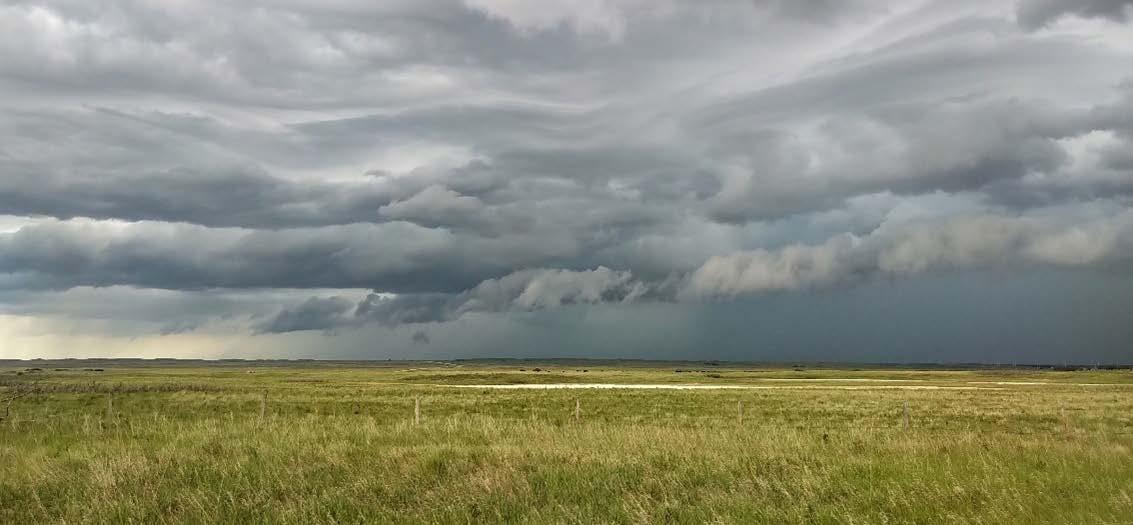
Across Saskatchewan, communities are experiencing the impacts and effects of a changing climate through increased climate variability, including more frequent droughts, intense rainfall events, and shifting seasonal temperature extremes and patterns. These changes place pressure on watersheds, affecting water supply, ecosystem health, agriculture, and community infrastructure. By strengthening watershed stewardship today, Saskatchewan communities can prepare for future climate conditions while protecting the ecological and economic value of healthy watersheds.
To help address these challenges, SAW, through the Watershed Stewardship for a Changing Climate project, supported the development of five watershed-district based climate adaptation plans and a provincial-wide plan – to better understand climate impacts, effects, and risks, and identify practical actions that improve watershed resilience. The project focused on assessing how climate change may affect watershed systems across Saskatchewan, including impacts to water quantity, water quality, ecosystem services, agriculture, engineered infrastructure, traditional resources and cultural practices, human health and well-being, recreation and tourism, forestry, and grasslands. By integrating climate projections with watershed data and local and traditional knowledge, the project helped to identify priority vulnerabilities
and opportunities for adaptation across Saskatchewan’s watershed districts.
Key components of the project were knowledge sharing and collaboration. SAW worked with conservation groups, industry, academia, municipalities, Indigenous communities, agricultural producers, and other stakeholders to ensure that local experience and priorities were reflected in adaptation planning. Through engagement and knowledge sharing, the project supported practical, locally relevant solutions.
The outcomes of the project include an improved understanding of climate-related risks to Saskatchewan’s watersheds and the development of tools and guidance to support climateinformed watershed management. These resources will help communities and decision-makers incorporate climate considerations into watershed planning, stewardship initiatives, and land and water management practices.
SAW has completed climate adaptation plans for SAW’s Watershed Districts and a Provincial-wide Plan, which will be released this spring. For any inquiries, please contact: ccap@saskwatersheds.ca or visit www.saskwatersheds.ca for more information.

CITY OF YORKTON WASTEWATER TREATMENT PLANT
On March 12, 2026, the Northeast Watershed District Advisory Committee (NE DAC) toured the City of Yorkton’s H.M. Bailey Wastewater Treatment Plant to learn about the current facility and the City’s plans for a new treatment plant. The Wastewater Treatment Plant is owned and operated by the City of Yorkton. The initial plant was built in the 1970s to replace the aerated lagoon. As the City continued to grow, the H.M. Bailey plant was officially opened in 1991 as an addition to existing infrastructure. The current facility treats an average of 11 million litres of water per day, with portions of the facility having been in operation for 70 years.
The current plant has surpassed the end of its functional life and requires upgrades to meet regulatory requirements on nutrients. The DAC toured through each step of the plant, learning how grit and sediments are removed, and how anaerobic digesters treat the wastewater. The upgraded plant would include bioreactors to remove nutrients from the effluent that is released into Yorkton Creek, a tributary of the Assiniboine River.
The proposed plan for the new plant is also exploring using treated wastewater (effluent) to recharge Yorkton’s aquifers. The City of Yorkton is the largest community in Saskatchewan to solely rely on aquifers for its municipal drinking water supply.
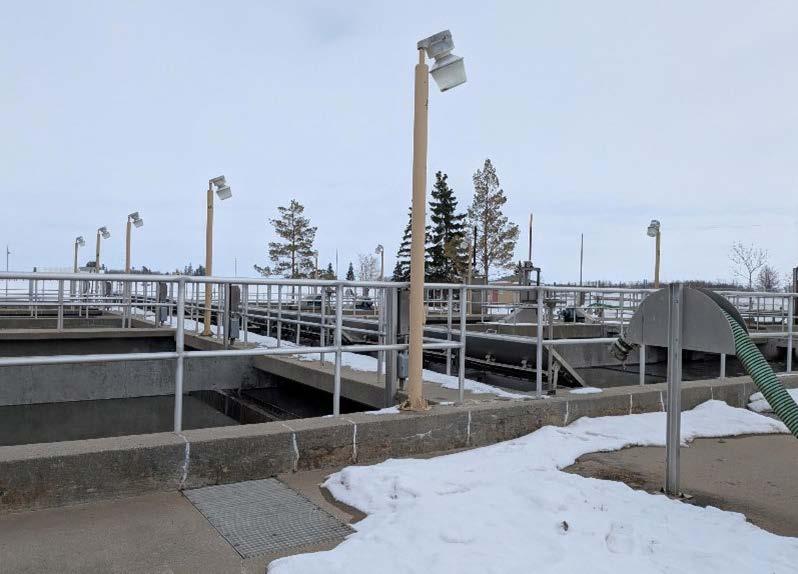
With the design of the new plant, instead of discharging treated effluent into Yorkton Creek, that water would be reused to recharge the aquifer by filtering the water through wetlands. This measure would allow Yorkton to mitigate the risk of future droughts impacting their water supply.
The tour allowed the DAC members to see the current and future water wastewater treatment plans for the City of Yorkton and wastewater’s relationship with our watersheds. The Northeast DAC thanks Connor Hunt, Director of Environmental Services for the City of Yorkton, for providing the tour.
FLOATING TREATMENT WETLANDS: A NATURE-BASED SOLUTION
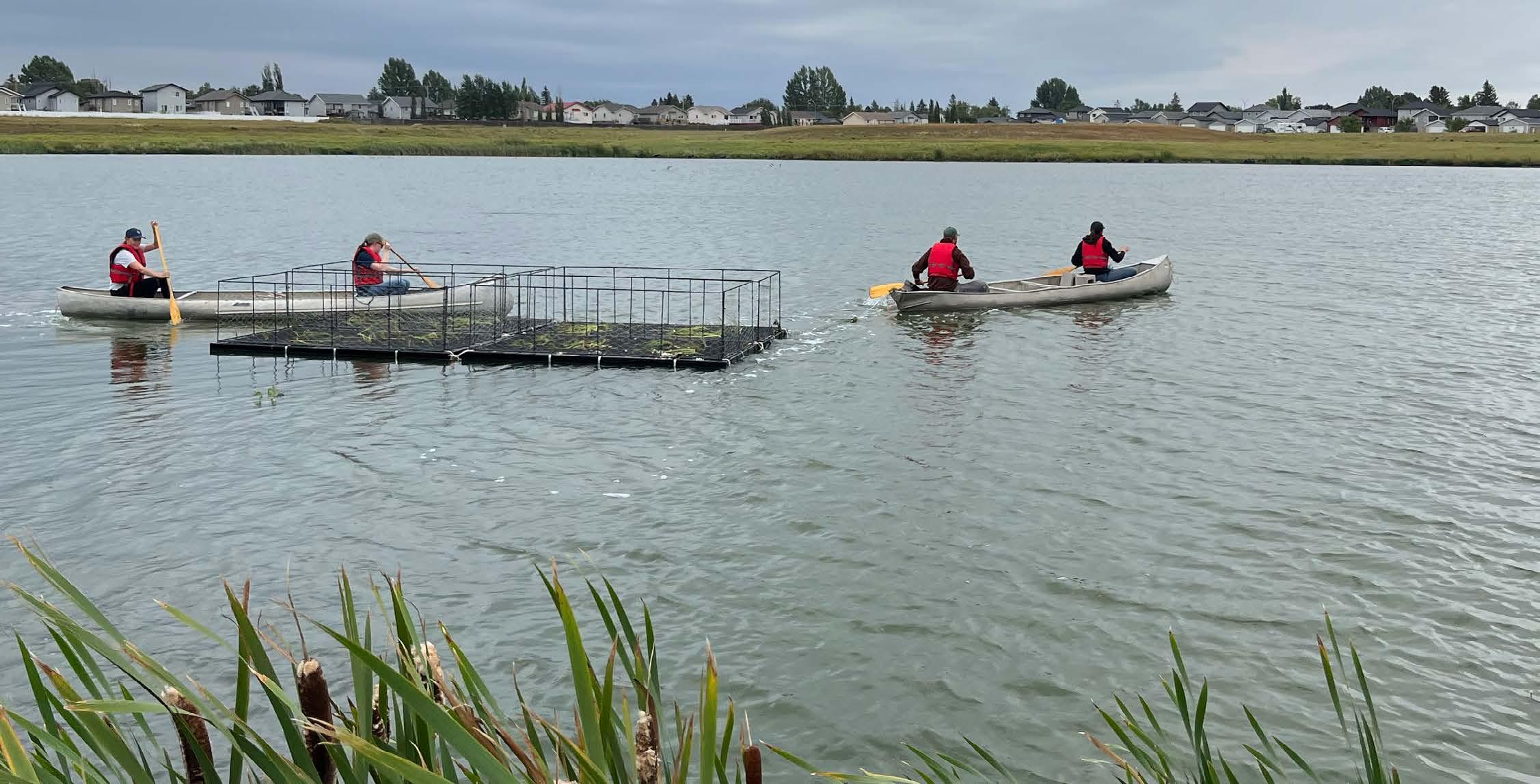
As communities face growing water quality challenges and the impacts of climate change, variability and extreme events, floating treatment wetlands (FTWs) are emerging as a practical and nature-based solution. FTWs consist of buoyant platforms planted with native wetland vegetation that float on the surface of ponds, stormwater basins, reservoirs, or lakes. Beneath the floating mats, plant roots extend into the water column, forming dense biological networks that naturally filter contaminants and pollutants.
FTWs improve water quality through several key processes. Plant roots and microbial biofilms capture and break down nutrients such as nitrogen and phosphorus, which are common drivers of harmful algal blooms. The root systems also trap suspended sediments and absorb certain metals and contaminants. Over time, these processes help reduce turbidity, limit algae growth, and improve overall aquatic ecosystem health of the watershed.
FTWs also provide important climate resilience benefits. With more intense rainfall events linked to climate change, urban stormwater systems are under increasing pressure. Floating wetlands can be installed in existing stormwater ponds and retention basins, enhancing their treatment capacity. They also contribute to climate mitigation by supporting plant growth
that captures carbon and by providing habitat for pollinators, birds, and aquatic organisms.
Because FTWs float, they can adjust to changing water levels— an important feature as climate variability leads to more frequent flooding and drought cycles. Their design also allows communities to scale installations based on site conditions and water quality goals.
As municipalities and watershed managers look for costeffective, sustainable approaches to water management, FTWs represent a promising tool. FTWs demonstrate how nature-based infrastructure can improve water quality, enhance biodiversity, and strengthen our ability to adapt to a climate variability and extreme events.
SAW’s Applying a Landscape Approach to Improve Biodiversity project is funded through Environment and Climate Change Canada’s (ECCC) Environmental Damages Fund (EDF). SAW will implement a Floating Treatment Wetland within the North Saskatchewan River Watershed! For more information about the program, please contact info@saskwatersheds.ca or 306-541-9902.
BENEFICIAL MANAGEMENT
PRACTICES FOR BIG MOUTH BUFFALO
Beneficial management practices for Bigmouth Buffalo in Saskatchewan focus on maintaining healthy watersheds, protecting spawning areas, and reducing human-driven pressures on the species. The overarching goal, as outlined in federal management planning, is to maintain existing population levels and habitat quality across the Saskatchewan–Nelson River basins. This includes ensuring that the species’ preferred slow-moving, warm, and productive waters remain intact and capable of supporting all life stages.
A central component of effective management is habitat conservation, particularly in riparian and wetland zones. These areas act as natural filters, reducing sediment and nutrient runoff from agricultural lands before it reaches fish habitat. Riparian vegetation also stabilizes banks, prevents erosion, and contributes organic material that supports aquatic food webs. Projects that restore or enhance riparian buffers help maintain cleaner water, improve spawning conditions, and support broader biodiversity within the watershed.
Another key practice involves mitigating threats identified in management planning, including habitat degradation, altered water flow, and barriers to movement. Maintaining sufficient water quantity and quality is essential, as Bigmouth Buffalo rely on stable hydrological conditions for feeding and reproduction. Conservation strategies emphasize protecting known habitats, preventing further fragmentation, and ensuring that land-use activities do not compromise the ecological integrity of the rivers and lakes where the species persists.
Finally, long-term stewardship depends on collaboration among landowners, governments, and conservation groups. The federal management plan highlights the importance of coordinated efforts to monitor populations, measure progress, and adapt strategies as conditions change. Engaging farmers, ranchers, and local communities in habitat projects not only supports Bigmouth Buffalo but also enhances ecosystem services such as flood mitigation, drought resilience, and water storage. These shared benefits make beneficial management practices both ecologically and economically valuable across Saskatchewan’s prairie landscapes.
Our office locations are open Monday to Friday from 9 AM to 4 PM (closed 12 PM - 1 PM).
300B - 99 Diefenbaker Dr., Moose Jaw, SK
ADDRESS Box 1177, Moose Jaw, SK, S6H 4P9