Rooftop Urban Farm
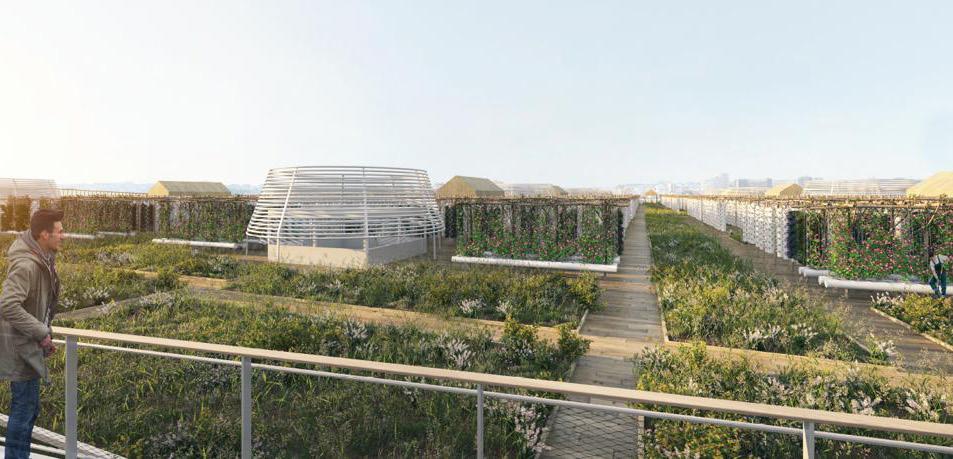
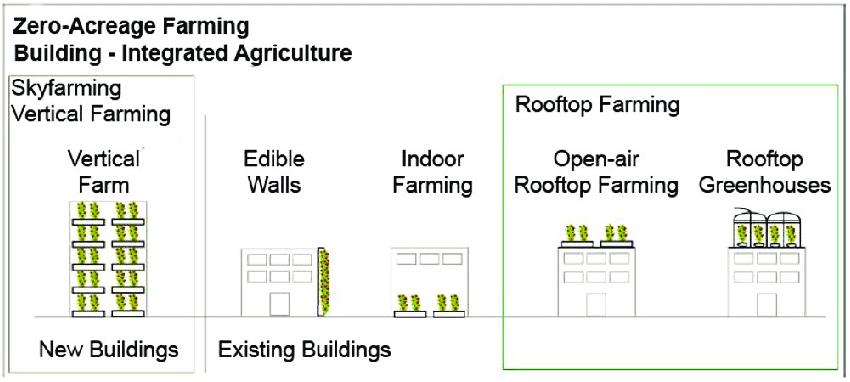
A growing number of people living in cities, many who don’t have easy access to fresh food. To solve this problem, it is necessary to develop a new kind of agriculture that provides city residents with food security while also protecting the environment. Rooftop agriculture could be a solution. Rooftop agriculture is a type of urban agriculture, in which food is grown on the tops of buildings. Rooftop agriculture can have many benefits. For example, it can reduce the extreme heat in the city during summer, it can help to decrease urban poverty, and it can help people to socialize more. In addition, rooftop agriculture can even benefit the buildings themselves. Rooftop agriculture is becoming more popular across the world, thanks to these benefits. We hope it will become an important part of the sustainable cities of the future.
Benefits:
- Increased acoustic and thermal insulation
- Sustainable drainage
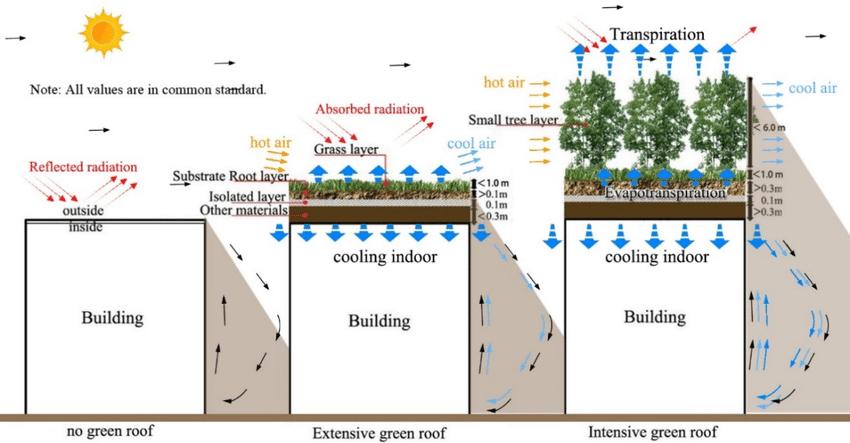
- Increased life span of the roof
- Boosting thermal performance
- Helps with global warming
- Supports wildlife habitats
- Aids in air quality
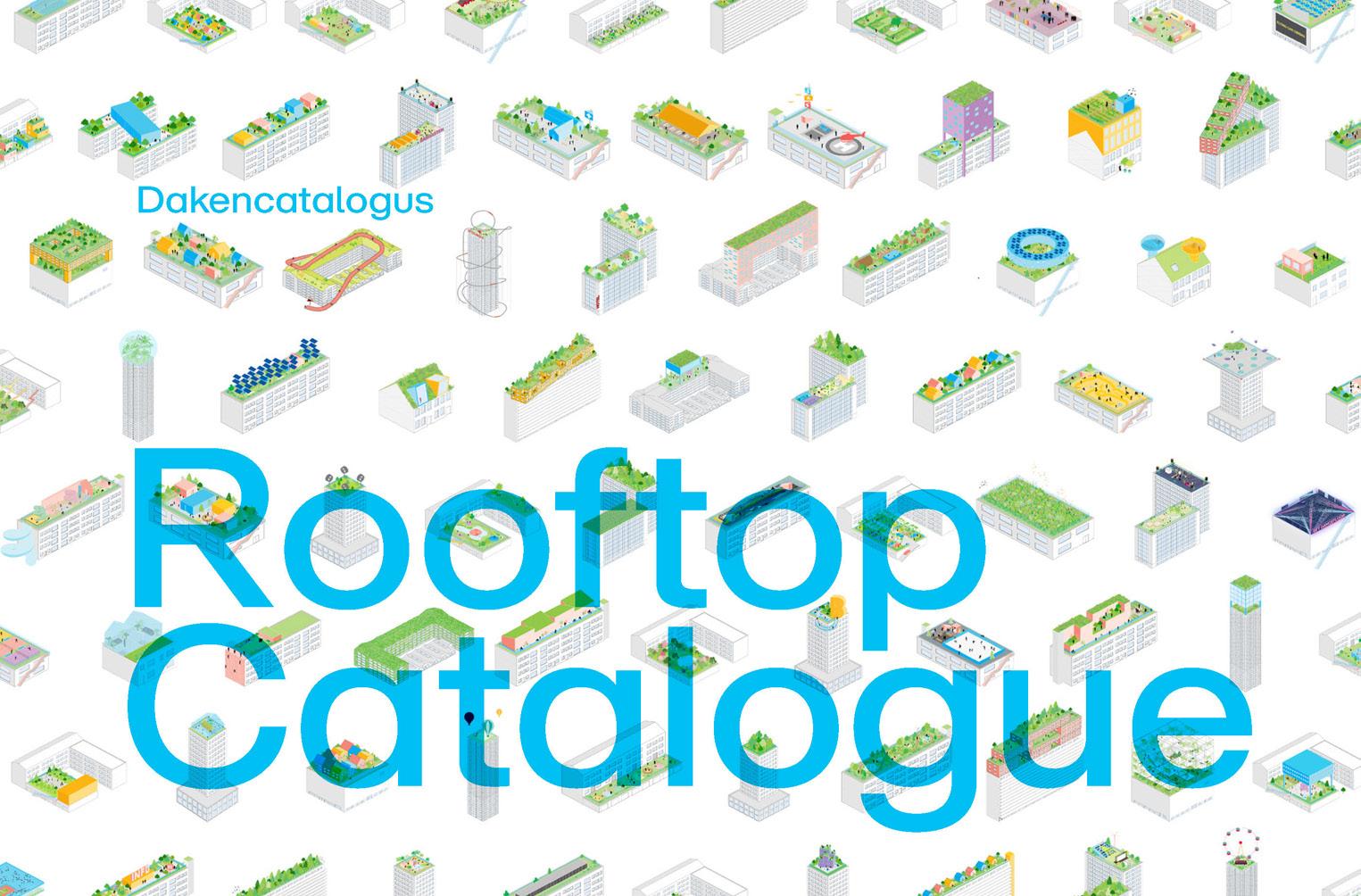
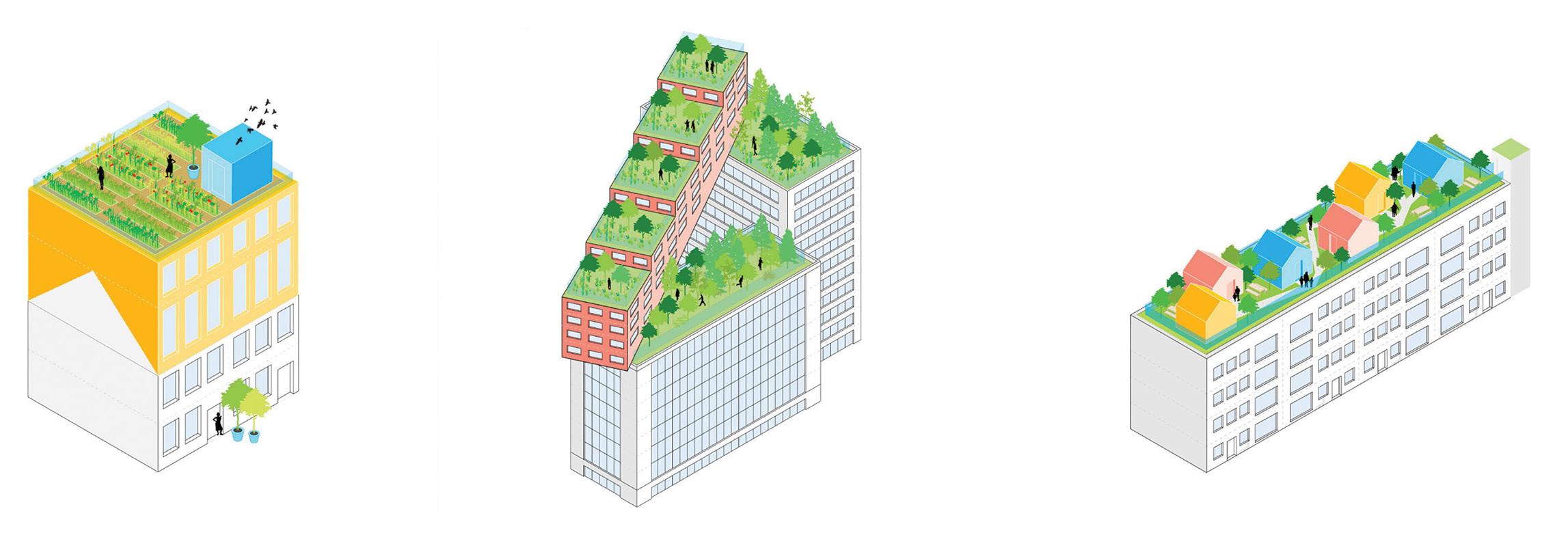
MVRDV published a book called, rooftop catalogue stating that in Rotterdam, 18.5km2 of flat rooftop space is just waiting for us to use. The Netherlands has about 600 sqkm of flat roof space and in theory, we could build three new cities right on the rooftops, although not every rooftop is suitable for an urban farm due to various reasons. These rooftop farms would allow us to grow fresh crops in cities. These can be then sold locally, boosting the local economy as well as reducing the carbon footprint needed for transport. This infrastructure would make cities resilient and less dependent on outside resource input.
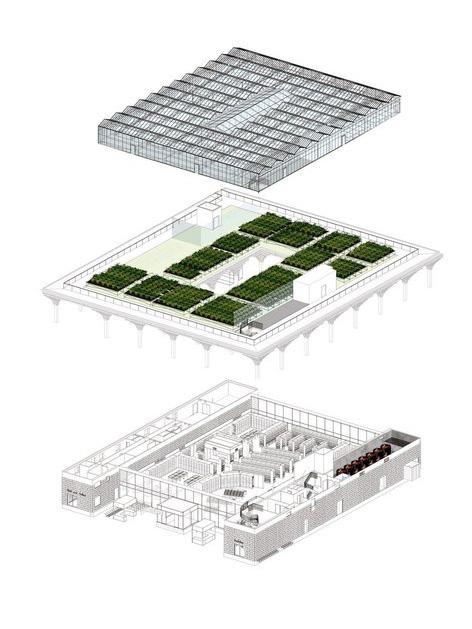
REWE Supermarket-Germany
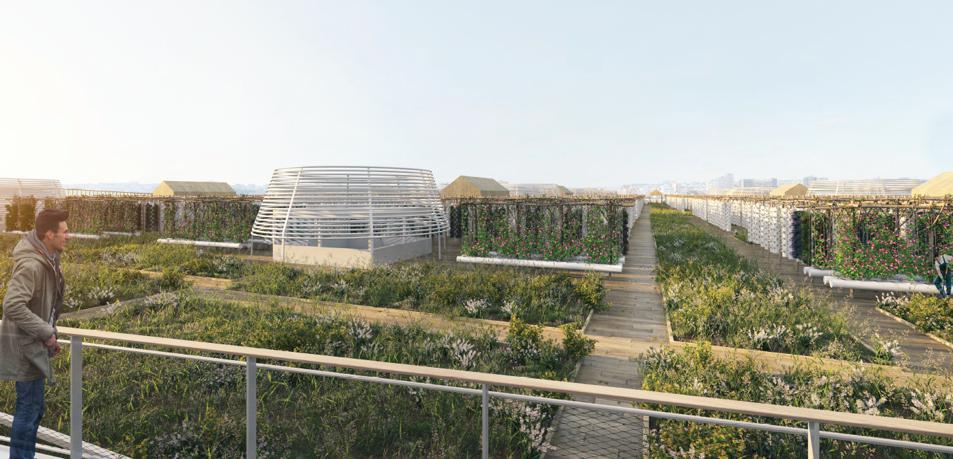
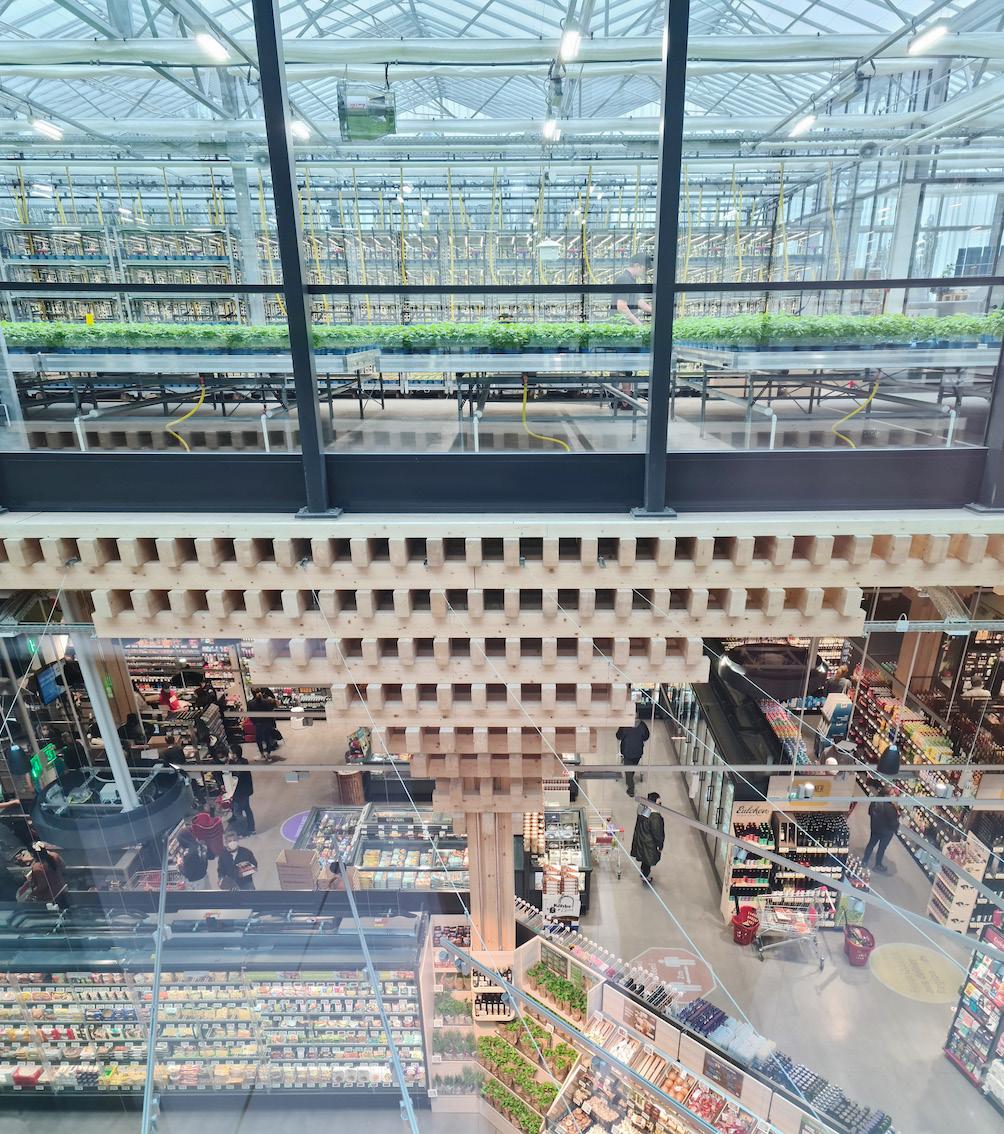
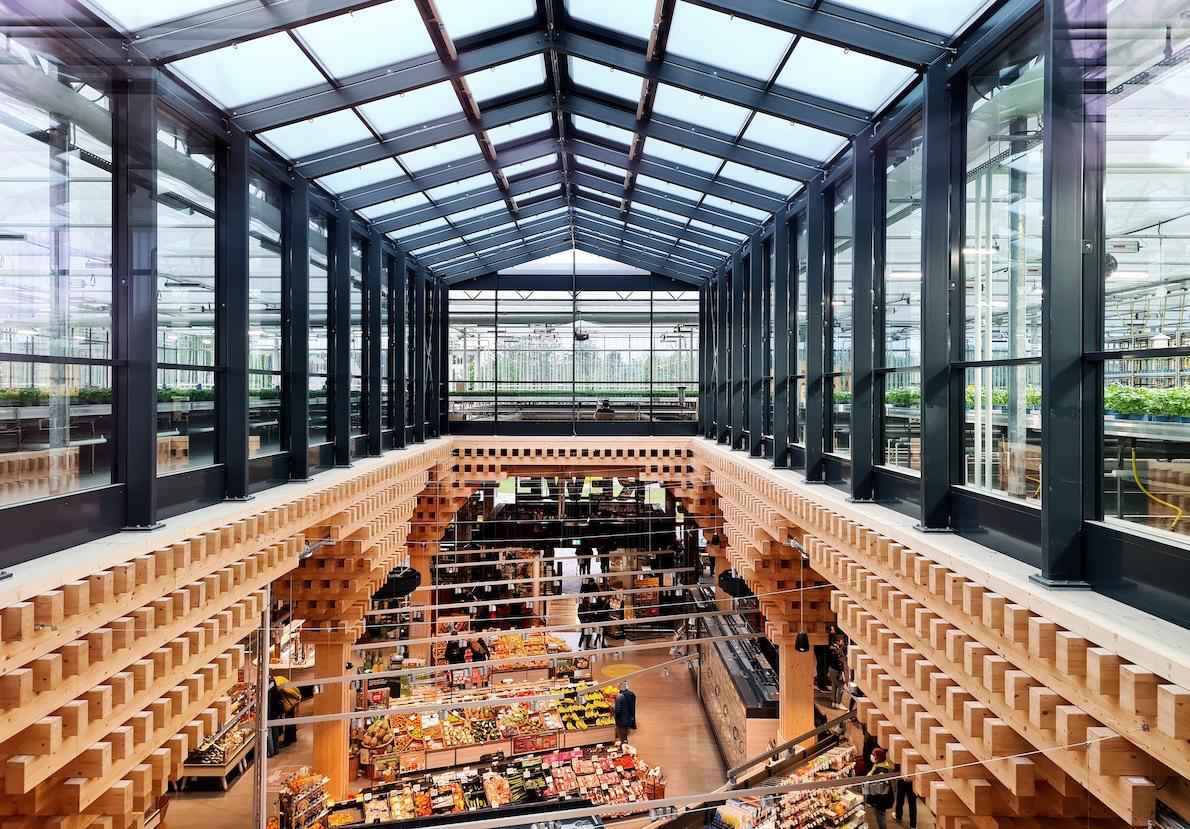
It was designed by a berlin and London based practice ACME. The market floor is topped by a rooftop farm which grows food to be sold downstairs. Their concept was to reduce carbon emissions in growing, transportation, storage and distribution while latterly bringing customers closer to the production of the groceries they purchase. It is considered as a sustainable, adaptable, and repeatable prototype. On average in Europe fresh food travels 1000km before being stocked on shelves, here this reduces it to mere meters creating a closer connection between growers and consumers also supported by the internal design. I feel this prototype should be looked at by every major supermarket brand, just think of the number of carbon emissions that this cut by having a rooftop farm right on top of that supermarket.
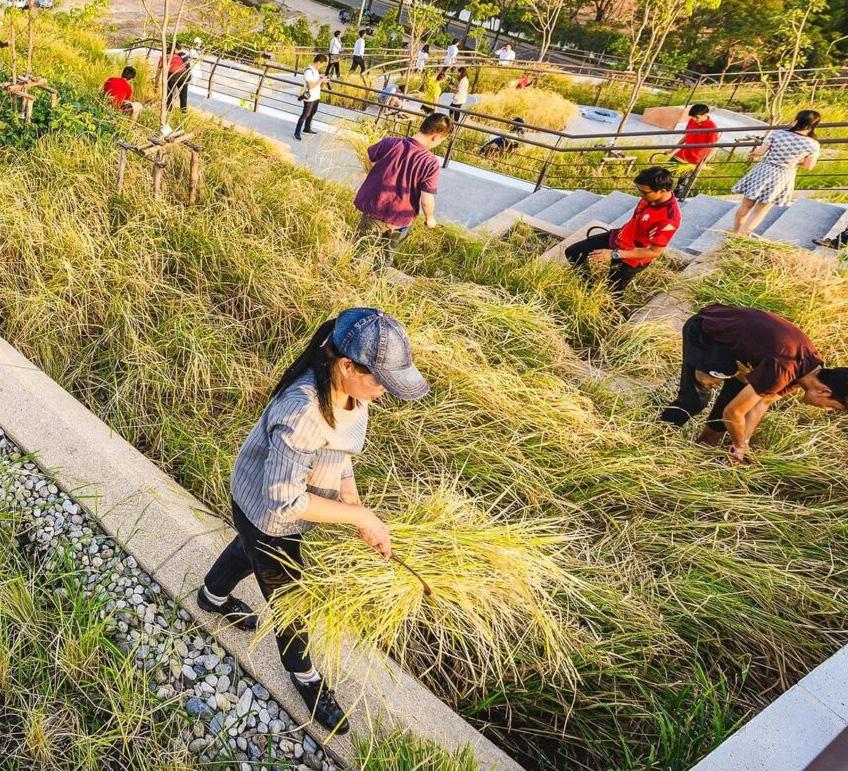
Thammasat University -
Bancock, Asia
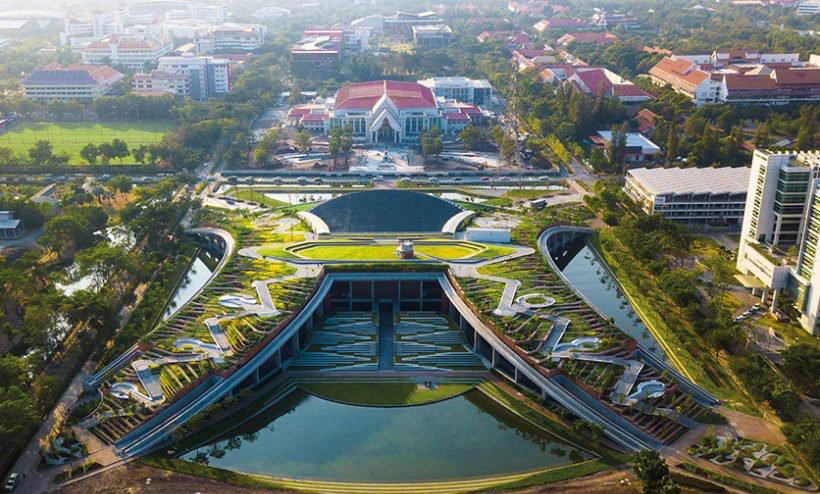
It is a 31-million-dollar project with a 1.7-acre rooftop farm and designed by Landprocess. This is exactly what we need in cities as they grow. Not only does it help deal with climate change, it provides unlimited access to high-quality fresh food. It originally was just meant to be a normal building, but a park was to be designed in front of it, then it was discussed to repurpose the wasted roof space and continue the park up over the building and have a rooftop green space. This building shows architects what can be possible through an integrated design approach.
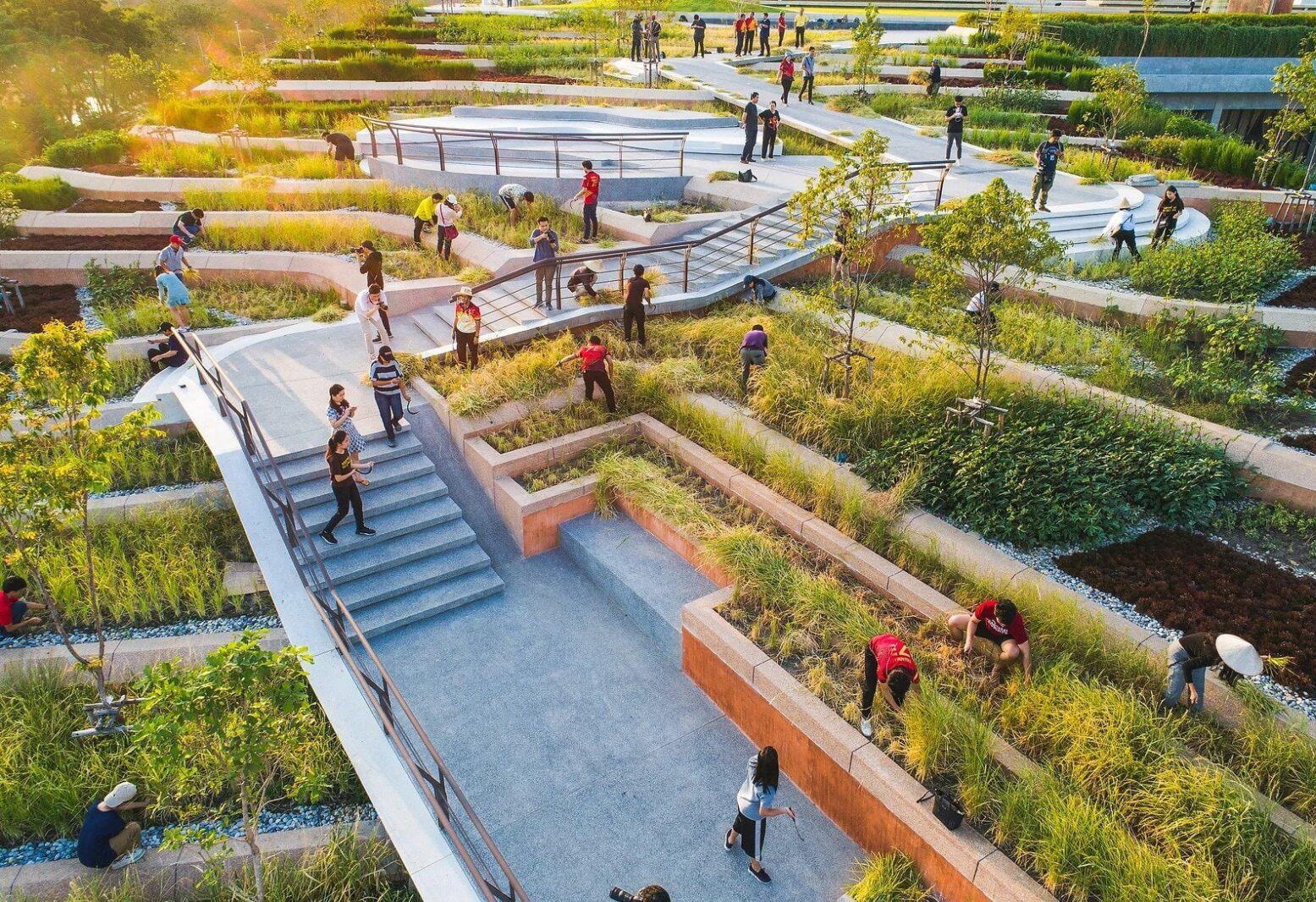
Due to Bangkok having destructive floods, the farm was inspired by traditional terraced farming in the mountains across Asia, it uses gravity to bring the free water down to each
As the rainwater flows down the slopes each step absorbs the runoff from the previous slowing water runoff more than 20 times than a normal roof. The runoff is then captured in four pounds at the feet of the building. It has 50 kinds of edible species including rice, herbs, and fruit trees. The farm can grow 20 tons of organic food annually, enough for 80,000 meals in the university’s canteen. The food scrapes are composted and returned to the farm creating a sustainable food cycle. The green roof further insulates the building, reducing its cooling needs and the air passing over the ponds is cooled before it reaches the building creating natural air conditioning.
The rate of Obesity in Detroit is 38%, that means that more than 1 in 3 Detroiters are Obese. The rate of Obesity in the State of Michigan is high as well, and it leads to early heart attacks and strokes, as well as an increase in the risk of diabetes.
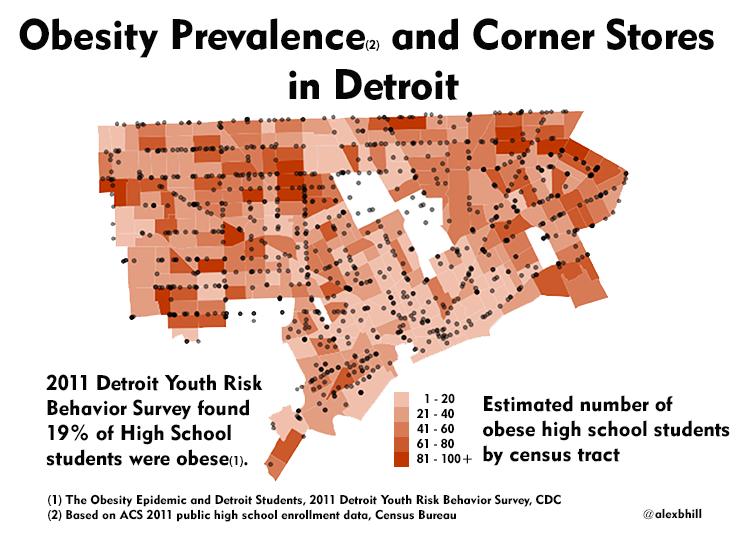
- Michigan had the 8th highest prevalence rate of obesity in the United States in 2008.
- In 2008, 65.3% of Michigan adults were either overweight or obese; 35.2% were overweight and an additional 30.1% were obese.
This is why it’s so important to take an evidence-based approach to weight loss via healthy eating and healthy exercising. If we continue to grow heavier as a society and as a community, the weight-related comorbidities will cause big problems for our overall health - physical, psychological, and emotional.
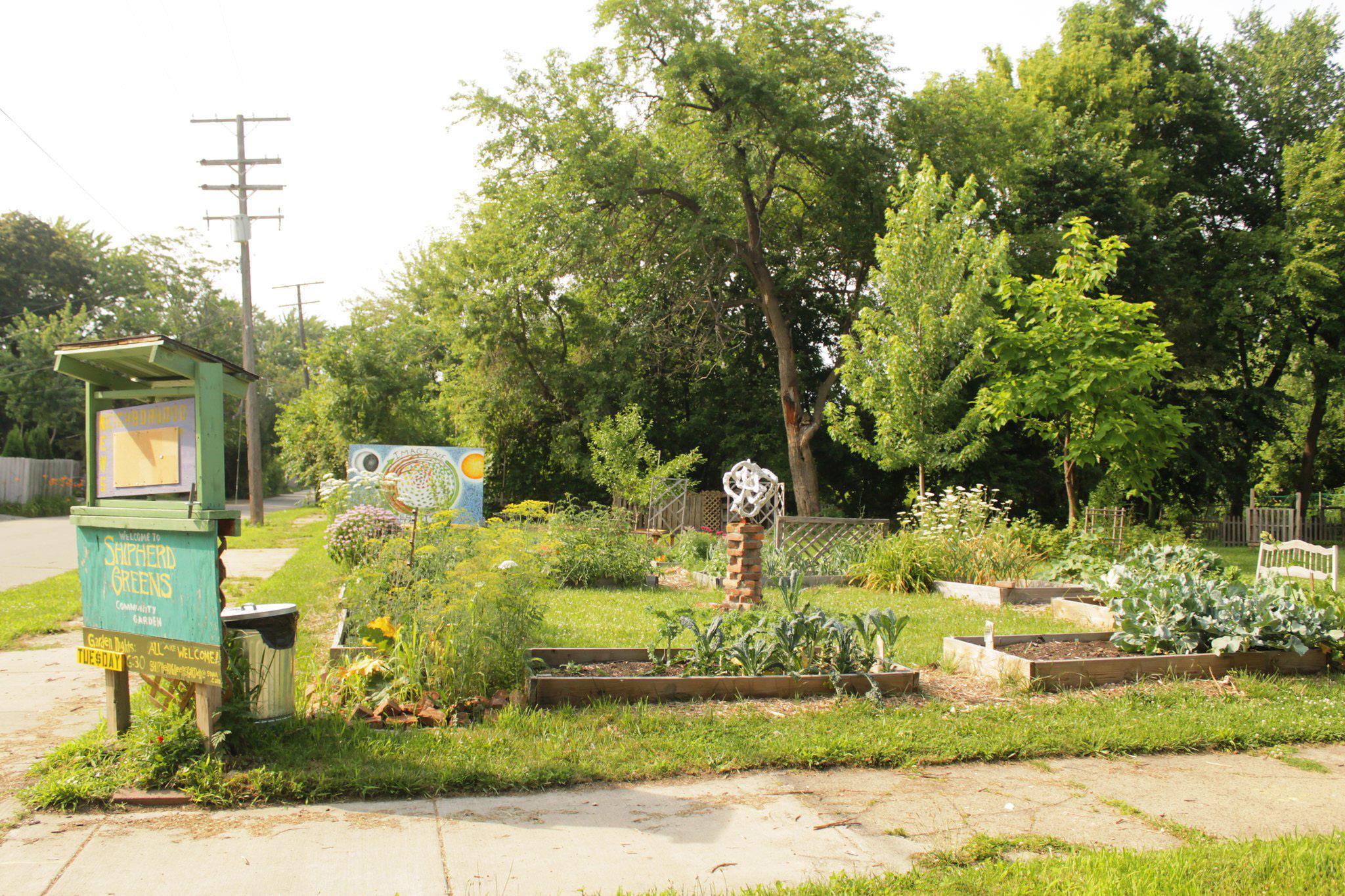
Urban Farming in Detroit
Within the city of Detroit, home to nearly 1,400 community gardens and farms, there is one officially designated agrihood, Michigan Urban Farming Initiative. The nonprofit in the North End neighborhood, just north of the recently gentrified Midtown area, calls itself America’s First Sustainable Urban Agrihood.
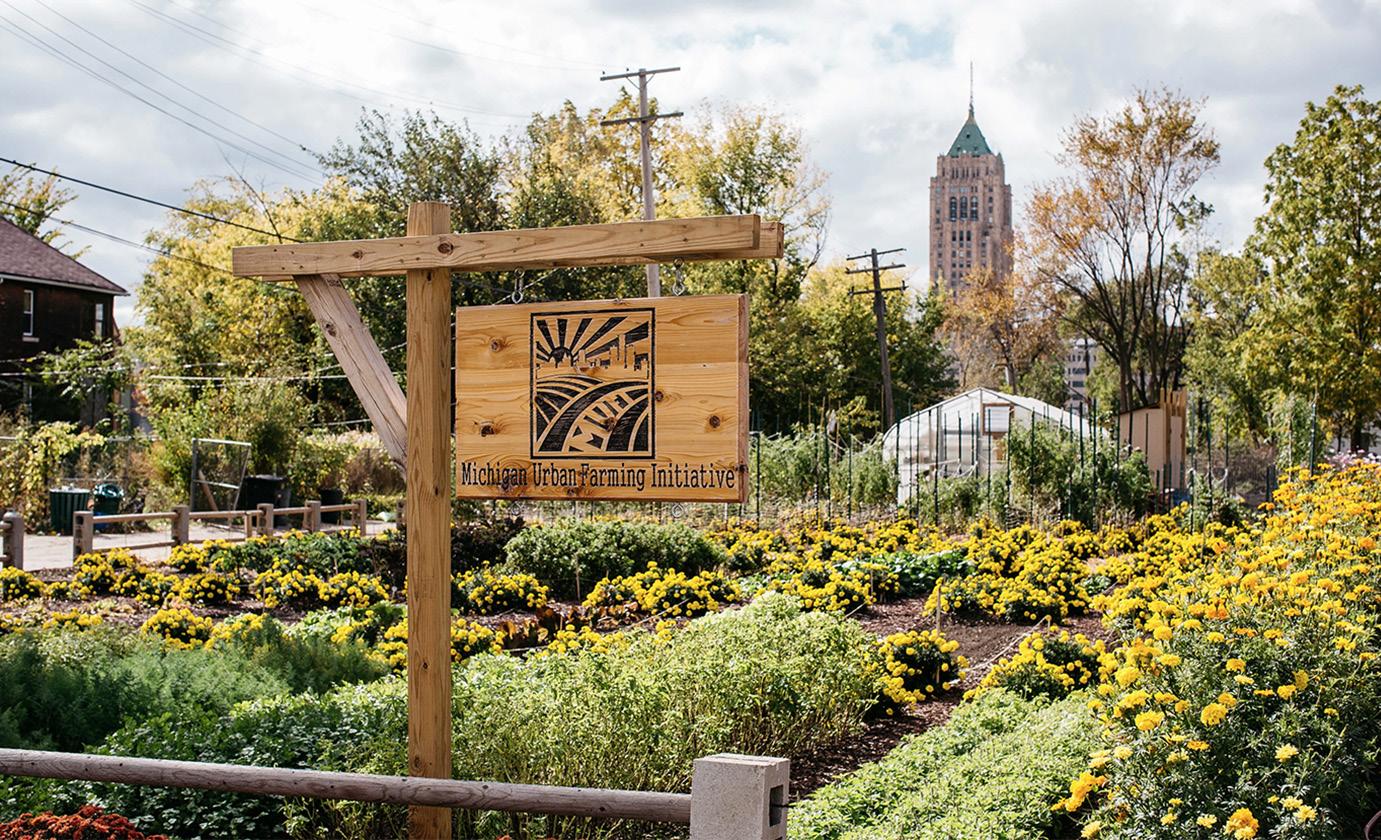
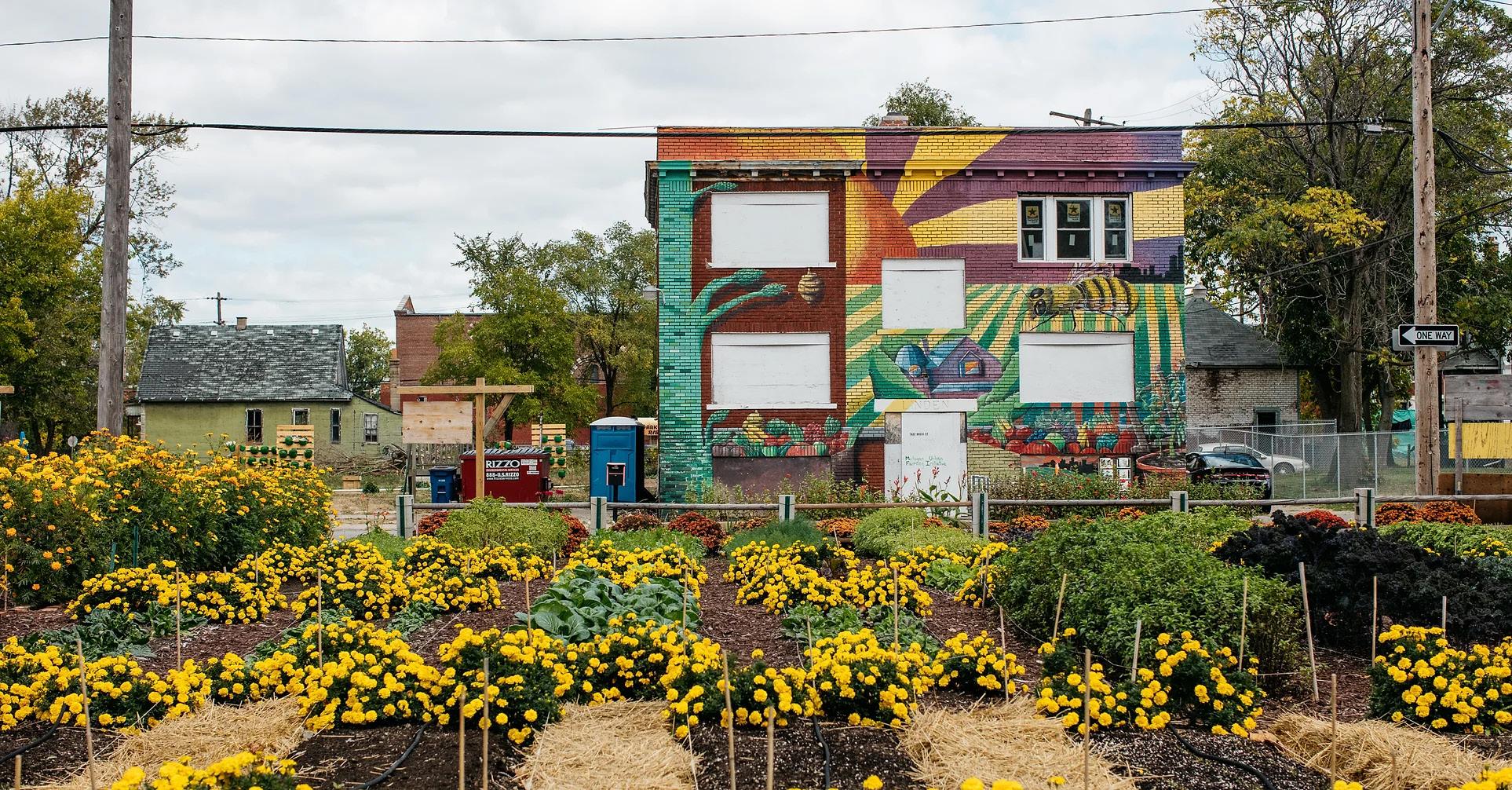
Detroit is home to nearly 1,400 community gardens and farms, which have helped provide fresh produce for residents in one of the most impoverished cities in the nation. But are they all planted in the right places? As a new study shows, there’s still plenty of untapped potential for urban agriculture in the city.
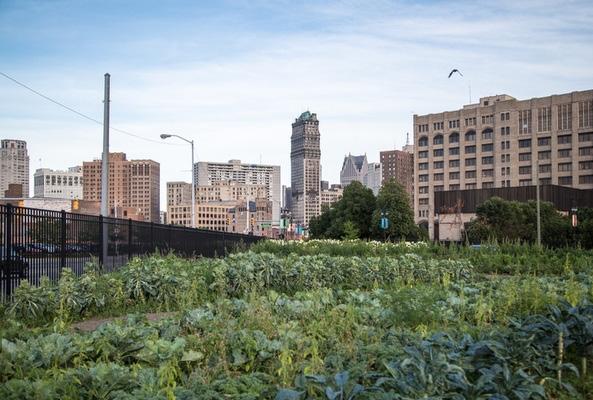
Increased access to fresh food is an obvious plus, as other studies have shown that yields on urban farms are comparable to those of conventional small-scale farms. Urban gardens also assist in reducing stormwater runoff, improve community cohesion and play an important role in reducing neighborhood blight.
The logistics of the study included collecting land-use data between 2010 and 2016, and recording the changes over the years. In 2010, the Lower Eastside was home to 53 gardens, about 4.8 acres in total. By 2016, the number had increased to 89 gardens totaling 6.2 acres—less than one percent of the vacant land. The researchers are still analyzing the region’s urban gardens, and in a 2019 study that has not yet been published, they found the new number of gardens increased by only 13, amounting to a total 102 urban gardens for that year.