Food For The Future
CSR Report 2019




Kellogg’s Annual Report 6
Message From The CEO
Our founder, W.K. Kellogg, was a man far ahead of his time. Long before sustainability and corporate purpose were part of the mainstream, he cared about leaving the world a better place than he found it. Health and wellbeing mattered to him; so did caring for communities. Because of our visionary founder, these are the values we continue to demonstrate every day. We call it our Heart and Soul, and it’s never been more apparent as our company and employees support each other and our neighbors during the coronavirus ( covid -19) pandemic as well as the broader climate of racial discrimination and intolerance.
The health and safety of our employees is always our top priority and we are pulling out all the stops to ensure they are supported during these challenging times. In addressing the covid -19 pandemic, people who can work from home are doing so. For those on the front-lines in stores or producing foods to help meet the unprecedented needs around the world, we’ve significantly enhanced our already robust sanitation protocols, and implemented strict social distancing and wellness checks. We also have enhanced benefits for front-line employees including extended ill time, “thank-you” bonuses and child-care alternatives, so they can care for themselves and their families.
We’ve expanded our workforce in some places due to increased demand and to ensure our hardworking employees have time to rest and recharge. Of course, these steps are above and beyond what we do every day to put our people first.
New research from the United Nations University1 predicts that the fallout from the covid -19 could push half a billion people into poverty in developing countries, which would significantly increase their risk of food insecurity. As of June 2020, Kellogg Company and its charitable funds have donated more than $13 million in food and funds to global covid -19 hunger relief efforts, to ensure families and children continue to receive critical nourishment. Kellogg is providing additional support to our food bank partners in every region, helping those who may not know where their next meal is coming from.
As a company, we continue to strive to create an environment where individuals of all races, genders, backgrounds, sexual orientation, religions, capabilities and beliefs are treated with dignity and respect; there is no tolerance for discrimination; and we courageously speak up when we observe actions and behaviors that are not consistent with our values. We are taking actions internally including but not limited to increased training, hosting conversations and promoting connectedness among our employees and communities to help build a more just world. In addition, Kellogg Company and our Kellogg Company Fund are committing an additional $1 million to the National Association for the Advancement of Colored People ( naacp ) to support the important work they are doing to create a society in which individuals have equal rights without racial discrimination. Kellogg is a long-standing partner and funder of the naacp

All year long, our Heart & Soul strategy comes to life through Kellogg’s® Better Days, which has four tenets: nourishing people with our foods, feeding people in need, nurturing our planet and living our founder’s values. These priorities matter to us today and every day. They also matter to our investors, customers, the people who enjoy our foods and others. They especially matter to our employees. That’s why our Heart & Soul is foundational to our Deploy for Growth business strategy.
As a leading plant-based foods company, Kellogg and our people are helping to address issues facing society today. In addition to focusing on covid19 and racial discrimination, we’re also developing foods to deliver holistic wellbeing to people everywhere, in an accessible way. We’re providing food for people, especially children, facing hunger. We’re supporting farmers and responsibly growing our ingredients. We’re minimizing the impact of our operations on the environment. We’re reducing waste and creating packaging that’s reusable, recyclable or compostable. And we’re protecting human rights all along our value chain.
Since 2015, Kellogg has created Better Days for nearly 600 million people worldwide. We’ve done so by donating 2.4 billion servings of food to people facing hunger, reaching 3.2 million children through feeding programs, supporting more than 433,000 farmers with climate-smart agriculture programs that support biodiversity, and by reducing greenhouse gas emissions to the equivalent of taking nearly 2.5 billion vehicle miles off the road3,4.
As a company, we continue to strive to create an environment where individuals of all races, genders, backgrounds, sexual orientation, religions, capabilities and beliefs are treated with dignity and respect.
We’re humbled that, as a result of these and other efforts, Kellogg has been recognized with some of the highest honors including from the Dow Jones Sustainability Index, ftse 4Good, the Corporate Human Rights Benchmark, Ethisphere’s World’s Most Ethical Companies, the msci esg Leaders and ecpi Group indices of companies with highly regarded environmental, social and governance commitments. We live at a time when there’s a lot of anxiety, especially among those poised to inherit our world. They’re understandably concerned about where we’re going. And they wonder if we are doing enough. We at Kellogg share that concern and are committed to continuing our founder’s legacy by doing everything we can to leave the world a better place than we found it.
Steve Cahillane Chairman and Chief Executive Officer
Message From The SVP, Global Corporate Affairs
For years, we have been working diligently toward our Breakfasts for Better Days™ commitments to help feed people in need, responsibly source our ingredients and conserve natural resources. As we announced last year, these commitments sunset at the end of 2019. In their place, we launched next-generation, more ambitious Kellogg’s® Better Days commitments to help the more than 820 million people facing a future of food insecurity5 by focusing on the interconnected issues of wellbeing, hunger and climate resiliency. In doing so, we intend to drive positive change by creating Better Days for 3 billion people by the end of 2030.
Creating Better Days
For People Around the World
In some ways, preparing this year’s Corporate Responsibility Report is like finishing a good book. In it, we summarize our significant progress toward our long-standing Breakfasts for Better Days™ commitments. But it’s also the beginning of an exciting new chapter as we work toward our new, next-generation Kellogg’s® Better Days goals to: Nourish 1 billion people by fostering wellbeing with our foods by delivering nutrients of need and addressing hidden hunger.
In 2019, we increased important nutrients across our portfolio, including Vitamins A and D, fiber, iron and others. We also reduced nutrients people need less of – such as sugar, sodium and saturated fat. All our cereals now include at least one nutrient of need, whether that be fiber, protein or micronutrients. Specifically, 83% contain a source of fiber, 59% are fortified with micronutrients and 40% contain vitamin D. Additionally, 56% of our wholesome snacks contain a source of fiber6, as do 97% of our frozen breakfast, 92% of our savory snacks and 80% of our veggie offerings.
Feed 375 million people in need through food donations and expanding child-feeding programs. Kellogg donated more than 446 million servings of food and expanded feeding and nutrition education programs in 2019 so more than 1 million children can reach their full potential. We also donated more than $13 million in food and funds to global (covid-19) hunger relief efforts.
Nurture people and our planet by supporting 1 million farmers and workers while conserving natural resources across our value chain by meeting our science-based targets, responsibly sourcing our ingredients, reducing organic waste and providing sustainable packaging. Kellogg has helped more than 433,000 farmers adopt sustainable agriculture practices that support biodiversity and improve climate resiliency. Our company, which already has one of the smallest plastic packaging footprints among peer food companies, achieved 76% packaging recyclability globally in 2019. We also reduced greenhouse gas emissions in our manufacturing sites by more than 20% – exceeding our 15% reduction goal one year ahead of schedule.
At Kellogg, we are passionate about making a difference through our food.
Live our founder’s values by engaging 1.5 billion people in the issue of global food security by advocating on behalf of children facing hunger, encouraging employee volunteerism, ensuring an ethical supply chain, and supporting diversity and inclusion. In 2019, Kellogg engaged more than 145 million people, including contributing 8,689 employee volunteer days, in communities around the world. We also donated an additional $1 million to our long-time partner, the naacp, to support the important work they are doing for racial justice.
Integrating Our Commitments
For More Comprehensive Outcomes
Helping to address food security has long been our priority. So, while our efforts in the areas of wellbeing, hunger relief and climate resiliency are not new, our Kellogg’s® Better Days commitments are the first time we have fully integrated this work to further embed purpose into our company in alignment with the United Nations Sustainable Development Goals’ (sdg) 2030 target. We’re passionate about working with others during the next 10 years to help achieve the United Nations’ vision of “peace and prosperity for people and the planet.”
This Executive Summary of our 2019/2020 Corporate Responsibility progress provides many examples of the Kellogg’s® Better Days work already underway. We’ll provide first-year progress against our metrics in our 2020/2021 Executive Summary. Finally, we are grateful to our employees, shareowners, customers, people who enjoy our foods, suppliers, government leaders, nongovernmental organizations and partners for their support as we work together to drive positive change for 3 billion people worldwide.
Kris Bahner Senior Vice President Global Corporate Affairs
We consider our facilities, taken as a whole, to be suitable, adequate, and of sufficient capacity for our current operations.



About The W.K. Kellogg Foundation
Our Vision: To enrich and delight the world through foods and brands that matter.
Our Purpose: Nourishing families so they can flourish and thrive.
We are a company of promise and possibilities. Each day represents a fresh opportunity to share Our Vision, live Our Purpose. By being mindful and committed to these ideals, we uphold our founder’s dedication to people and their well-being. And we promote an environment where we can push beyond boundaries and across borders to create foods and brands that help to fuel the best in everyone everywhere. It is this belief that brings us together and sets us apart.
Global Operations Across 4 Regions
Europe (including Russia)
Latin America (including Mexico, Central America & South America)
North America (including Canada & United States)
Amea (including Asia, Middle East, Africa and Turkey)


Ethical Performance Culture
W.K. Kellogg has given us a rich legacy of integrity, and honoring that legacy has been a significant part of Kellogg Company’s success story. Our Global Code of Ethics and K Values™ preserve our enduring commitment to integrity by shaping our ethical performance culture and by providing clear guidance so that our employees and stakeholders know where we stand and how we conduct business globally to ensure consistency. Both demonstrate our unwavering commitment to doing business the right way – the Kellogg way.
Our Global Code of Ethics provides balanced, practical and relevant business advice to help us exhibit courage and drive engagement and results in a way that is legal, ethical and responsible.
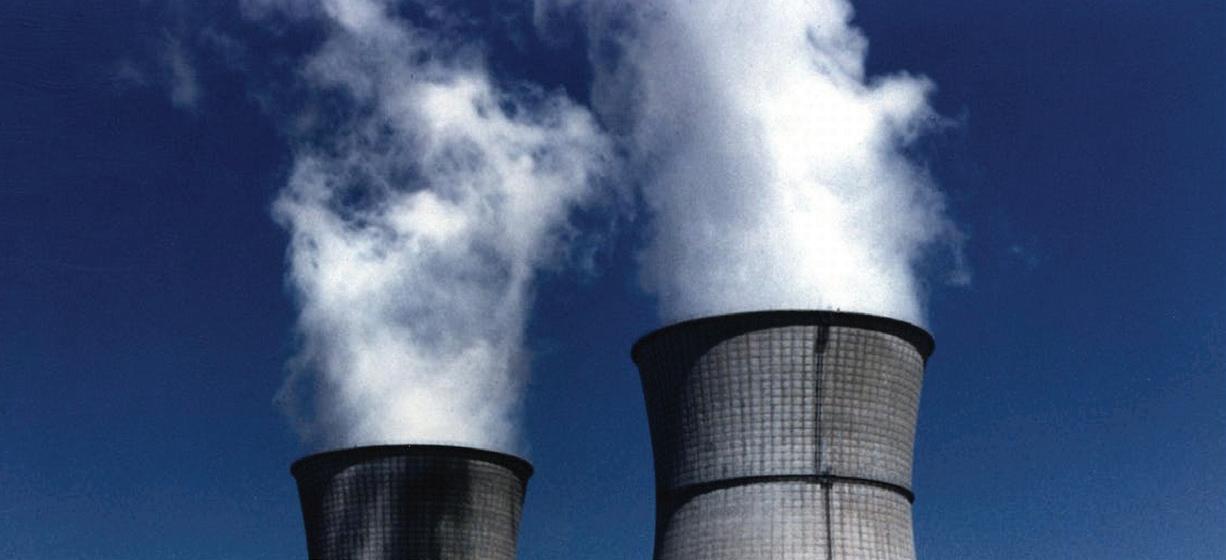



Our success depends in part on our ability to be an efficient producer in a highly competitive industry.
As a global food company, Kellogg is committed to addressing the critical issues of climate and food security, and we’re committed to address food loss and waste.
Food Loss and Waste
As a global food company, Kellogg is committed to addressing the critical issues of climate and food security, and we’re committed to address food loss and waste. Kellogg supports the United Nations Sustainable Development Goal (sdg) 12.3, to halve per capita global food waste at the retail and consumer levels and reduce food losses along production and supply chains, including post-harvest losses, by 2030. Kellogg has joined Champions 12.3, a coalition of executives from governments, businesses, international organizations, research institutions, farmer groups, and civil society dedicated to inspiring ambition, mobilizing action, and accelerating progress toward achieving sdg Target 12.3 by 2030. These goals are aligned with Kellogg commitments to reduce waste, with a focus on food waste across our end-to-end supply chain. And through our global signature cause platform, Better Days™ we’re donating food for hunger relief that may otherwise go to waste.
Better Days
In 2016, this global social purpose platform expanded with the intent to contribute to food security aligned to United Nations Sustainable Development Goal #2 (sdg 2): End hunger, achieve food security and improved nutrition, and promote sustainable agriculture. The goal of the program is to create 3 billion Better Days by 2025 to address food security risks that can impact the Company as well as create opportunity to engage consumers.
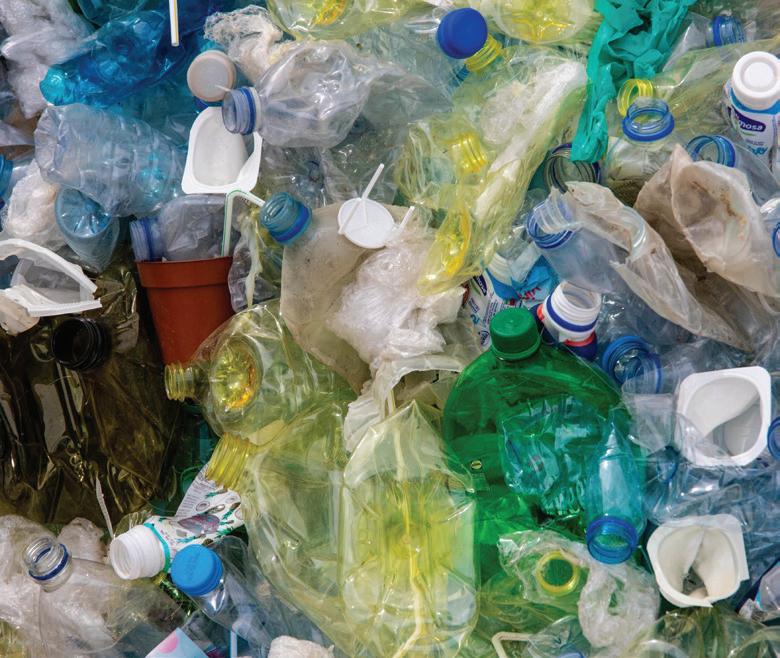
The Company’s five key commitments include food donations, expansion of breakfast clubs, supporting 500,000 farmers, committing to 45,000 employee volunteer days, and engaging 300 million people to join Kellogg in its hunger relief efforts. Through Better Days, Kellogg has helped make billions of days better for people in need, providing more than 3 billion servings of food since 2013. As a grain-based food company, the success of Kellogg Company is dependent on having timely access to high quality, low cost ingredients, water and energy for manufacturing globally. Risks are identified annually through annual reporting and evaluated in the short (<3 years), medium (3-6 years) and long terms (>6 years). The Company has incorporated the risks and opportunities of climate change and food security as part of the Global 2020 Growth Strategy and global Heart and Soul Strategy by continuing to identify risk, incorporate sustainability indicators into strategic priorities, and report regularly to leadership, the Board, and publicly. While these risks are not currently impacting business growth, they must be monitored, evaluated, and mitigated.

Raw Materials
Agricultural commodities, including corn, wheat, rice, potato flakes, vegetable oils, sugar and cocoa, are the principal raw materials used in our products. Cartonboard, corrugate, and plastic are the principal packaging materials used by us. We continually monitor world supplies and prices of such commodities (which include such packaging materials), as well as government trade policies. The cost of such commodities may fluctuate widely due to government policy and regulation, weather conditions, climate change or other unforeseen circumstances. Continuous efforts are made to maintain and improve the quality and supply of such commodities for purposes of our short-term and long-term requirements.The principal ingredients in the products produced by us in the United States include corn grits, wheat and wheat derivatives, potato flakes, oats, rice, cocoa and chocolate, soybeans and soybean derivatives, various fruits, sweeteners, vegetable oils, dairy products, eggs, and other ingredients, which are obtained from various sources. While most of these ingredients are purchased from sources in the United States, some materials are imported due to regional availability and specification requirements.
We enter into long-term contracts for the materials described in this section and purchase these items on the open market, depending on our view of possible price fluctuations, supply levels, and our relative negotiating power. While the cost of some of these materials has, and may continue to increase over time, we believe that we will be able to purchase an adequate supply of these items as
needed. As further discussed herein under Part II, Item 7A, we also use commodity futures and options to hedge some of our costs. Raw materials and packaging needed for internationally based operations are available in adequate supply and are sourced both locally and imported from countries other than those where used in manufacturing. Natural gas and propane are the primary sources of energy used to power processing equipment at major domestic and international facilities, although certain locations may use electricity, oil, propane or solar cells on a back-up or alternative basis. In addition, considerable amounts of diesel fuel are used in connection with the distribution of our products.
Risk Factors
Item 1A
In addition to the factors discussed elsewhere in this Report, the following risks and uncertainties could materially adversely affect our business, financial condition and results of operations. Additional risks and uncertainties not presently known to us or that we currently deem immaterial also may impair our business operations.
If we pursue strategic acquisitions, alliances, divestitures or joint ventures, we may not be able to successfully consummate favorable transactions or successfully integrate acquired businesses. From time to time, we may evaluate potential acquisitions, alliances, divestitures or joint ventures that would further our strategic objectives. With respect to acquisitions, we may not be able to identify suitable candidates, consummate a transaction on terms that are favorable to us, or achieve expected returns, expected synergies and other benefits as a result of integration challenges, or may not achieve those objectives on a timely basis. Future acquisitions of foreign companies or new foreign ventures would subject us to local laws and regulations and could potentially lead to risks related to, among other things, increased exposure to foreign exchange rate changes, government price control, repatriation of profits and liabilities relating to the U.S. Foreign Corrupt Practices Act. With respect to proposed divestitures of assets or businesses, we may encounter difficulty in finding acquirers or alternative exit strategies on terms that are favorable to us, which could delay the accomplishment of
our strategic objectives, or our divestiture activities may require us to recognize impairment charges. Companies or operations acquired or joint ventures created may not be profitable or may not achieve sales levels and profitability that justify the investments made. Our corporate development activities may present financial and operational risks, including diversion of management attention from existing core businesses, integrating or separating personnel and financial and other systems, and adverse effects on existing business relationships with suppliers and customers. Future acquisitions could also result in potentially dilutive issuances of equity securities, the incurrence of debt, contingent liabilities and/or amortization expenses related to certain intangible assets and increased operating expenses, which could adversely affect our results of operations and financial condition. The divestiture (the “Divestiture”) of selected cookie, fruit and fruit-flavored snacks, pie crusts, and ice cream cone businesses, consummated on July 28, 2019 (the “Divested Business”) may not achieve some or all of the anticipated benefits, the Divestiture may adversely affect our business, and there are execution risks associated with our continued provision of transition services to the Divested Business.


We may not realize the benefits we expect from revenue growth management.
We are utilizing formal revenue growth management practices to help us realize price in a more effective way. This approach addresses price strategy, price-pack architecture, promotion strategy, mix management, and trade strategies. Revenue growth management involves changes to the way we do business and may not always be accepted by our customers, consumers or third party providers causing us not to realize the anticipated benefits. In addition, the complexity of the execution requires a substantial amount of management and operational resources. These and related demands on our resources may divert the organization’s attention from other business issues and have adverse effects on existing business relationships with suppliers and customers. Any failure to execute revenue growth management in accordance with our plans could adversely affect our financial condition.
Our results may be materially and adversely impacted as a result of increases in the price of raw materials, including agricultural commodities, fuel and labor.
Agricultural commodities, including corn, wheat, rice, potato flakes, vegetable oils, sugar and cocoa, are the principal raw materials used in our products. Cartonboard, corrugated, and plastic are the principal packaging materials used by us. The cost of such commodities may fluctuate widely due to government policy, regulation, and/ or shutdown, import and export requirements (including tariffs), global geopolitical conditions, drought and other weather conditions (including the potential effects of climate change) or other unforeseen circumstances. To the extent that any of the foregoing factors affect the prices of such commodities and we are unable to increase our prices or adequately hedge against such changes in prices in a manner that offsets such changes, the results of our operations could be materially and adversely affected. In addition, we use derivatives to hedge price risk
associated with forecasted purchases of raw materials. Our hedged price could exceed the spot price on the date of purchase, resulting in an unfavorable impact on both gross margin and net earnings. Also, sustained price increases may lead to declines in volume as competitors may not adjust their prices or consumers may decide not to pay the higher prices, which could lead to sales declines and loss of market share.
Cereal processing equipment at major domestic and international facilities are regularly fueled by electricity, natural gas or propane, which are obtained from local utilities or other local suppliers. Short-term stand-by propane storage exists at several plants for use in case of interruption in natural gas supplies. Oil may also be used to fuel certain operations at various plants. In addition, considerable amounts of diesel fuel are used in connection with the distribution of our products. The cost of fuel may fluctuate widely due to economic and political conditions, government policy, regulation and/or shutdown, war, or other unforeseen circumstances which could have a material adverse effect on our consolidated operating results.
Risk Factors Continued
Our results may be adversely affected by increases in transportation costs and reduced availability of or increases in the price of oil or other fuels. We rely on trucking and railroad operators to deliver incoming ingredients to our manufacturing locations and to deliver finished products to our customers. Shortages of truck drivers and railroad workers have contributed to increased freight costs, which has had a material and adverse effect on our business, financial condition and results of operations. In particular, compliance with the electronic device logging mandate has increased the cost of transportation for us and many other companies. Transportation costs are further increasing as a result of high levels of long-haul driver turnover and increased railroad traffic and service issues. Additionally, energy and fuel costs can fluctuate dramatically and, at times, have resulted in significant cost increases, particularly for the price of oil and gasoline. An increase in the price of oil increases our transportation costs for distribution and costs to purchase our products from suppliers. Increases in transportation and energy and fuel costs has, and may continue to affect our profitability and may increase the cost of our products, which may reduce consumer demand.
A shortage in the labor pool, failure to successfully negotiate collectively bargained agreements, or other general inflationary pressures or changes in applicable laws and regulations could increase labor cost, which could have a material adverse effect on our consolidated operating results or financial condition.
Our labor costs include the cost of providing benefits for employees. We sponsor a number of benefit plans for employees in the United States and various foreign locations, including pension, retiree health and welfare, active health care, severance and other post-employment benefits. We also participate in multi-employer pension plans for certain of our manufacturing locations. Our major pension plans and U.S. collectively bargained retiree health and welfare plans are funded with trust assets invested in a globally diversified portfolio of equity securities with smaller holdings of bonds, real estate and other investments. The annual cost of benefits can vary significantly from year to year and is materially affected by such factors as changes in the assumed or actual rate of return on major plan assets, a change in the weighted-average discount rate used to measure obligations, the rate or trend of health care cost inflation, and the outcome of collectively-bargained wage and benefit agreements. Many of our employees are covered by collectively-bargained agreements and other employees may seek to be covered by collectively bargained agreements. Strikes or work stoppages and interruptions could occur if we are unable to renew these agreements on satisfactory terms or enter into new agreements on satisfactory terms, which could adversely impact our operating results.

The terms and conditions of existing, renegotiated or new agreements could also increase our costs or otherwise affect our ability to fully implement future operational changes to enhance our efficiency and productivity.
Our performance is affected by economic, political and social conditions and taxation policies. Customer and consumer demand for our products may be impacted by recession, financial and credit market disruptions, or other economic downturns in the United States or other nations. Our results in the past have been, and in the future may continue to be, materially affected by changes in general economic, political and social conditions in the United States and other countries, including the interest rate environment in which we conduct business, the financial markets through which we access capital and currency, trade policy, political and social unrest and terrorist acts in the United States or other countries in which we carry on business. The economic, political and social conditions resulting from Brexit, among other events, may adversely impact our overall performance.
Current economic conditions globally may delay or reduce purchases by our customers and consumers. This could result in reductions in sales of our products, reduced acceptance of innovations, and increased price competition. Deterioration in economic conditions in any of the countries in which we do business could also cause slower collections on accounts receivable which may adversely impact our liquidity and financial condition. Financial institutions may be negatively impacted by economic conditions and may consolidate or cease to do business which could result in a tightening in the credit markets, a low level of liquidity in many financial markets, and increased volatility in fixed income, credit, currency and equity markets. There could be a number of effects from a financial institution credit crisis on our business, which could include impaired credit availability and financial
stability of our customers, including our suppliers, co-manufacturers and distributors. A disruption in financial markets may also have an effect on our derivative counterparties and could also impair our banking partners on which we rely for operating cash management. Any of these events would likely harm our business, results of operations and financial condition.
We may not be able to attract, develop and retain the highly skilled people we need in order to support our business.
We depend on the skills and continued service of key personnel, including our experienced management team. In addition, our ability to achieve our strategic and operating goals depends on our ability to identify, recruit, hire, train and retain qualified individuals. We compete with other companies both within and outside of our industry for talented personnel, and we may lose key personnel or fail to attract, recruit, train, develop and retain other talented personnel. Any such loss, failure or negative perception with respect to these individuals may adversely affect our business or financial results. In addition, activities related to identifying, recruiting, hiring and integrating qualified individuals may require significant time and expense. We may not be able to locate suitable replacements for any key employees who leave, or offer employment to potential replacements on reasonable terms, each of which may adversely affect our business and financial results. Additionally, changes in immigration laws and policies could also make it more difficult for us to recruit or relocate skilled employees.
Properties
Item 2
Our corporate headquarters and principal research and development facilities are located in Battle Creek, Michigan. We operated, as of February 24, 2020, offices, manufacturing plants and distribution and warehousing facilities totaling more than 39 million square feet of building area in the United States and other countries. Our plants have been designed and constructed to meet our specific production requirements, and we periodically invest money for capital and technological improvements. At the time of its selection, each location was considered to be favorable, based on the location of markets, sources of raw materials, availability of suitable labor, transportation facilities, location of our other plants producing similar products, and other factors. Our manufacturing facilities in the United States include four cereal plants and warehouses located in Battle Creek, Michigan; Lancaster, Pennsylvania; Memphis, Tennessee; and Omaha, Nebraska and other plants or facilities in San Jose, California; Rome, Georgia; Kansas City, Kansas; Pikeville, Kentucky; Grand Rapids and Wyoming, Michigan; Blue Anchor, New Jersey; Cary, North Carolina; Cincinnati and Zanesville, Ohio; Muncy, Pennsylvania; and Jackson Tennessee.
Outside the United States, we had, as of February 24, 2020, additional manufacturing locations, some with warehousing facilities, in Australia, Austria, Belgium, Brazil, Canada, Colombia, Ecuador, Egypt, Great Britain, India, Japan, Malaysia, Mexico, Poland, Russia, South Africa, South Korea, Spain, Thailand, and Turkey. We also have joint ventures in China, Nigeria, and Ghana which own or operate manufacturing or warehouse facilities. We generally own our principal properties, including our major office facilities in the United States, although some manufacturing facilities are leased, and no owned property is subject to any major lien or other encumbrance. Distribution facilities (including related warehousing facilities) and offices of non-plant locations typically are leased. In general, we consider our facilities, taken as a whole, to be suitable, adequate, and of sufficient capacity for our current operations.


Legal Proceedings
Item 3
We are subject to various legal proceedings, claims, and governmental inspections, audits or investigations arising out of our business which cover matters such as general commercial, governmental regulations, antitrust and trade regulations, product liability, environmental, intellectual property, employment and other actions. In the opinion of management, the ultimate resolution of these matters will not have a material adverse effect on our financial position or results of operations.
PART II
Item 4
Market For the Registrant’s Common Equity, Related Stockholder Matters and Issuer purchases of Equity Securities Information on the market for our common stock, number of share owners and dividends is located in Note 16 within Notes to Consolidated Financial Statements. In December 2017, the board of directors approved an authorization to repurchase up to $1.5 billion of our common stock beginning in January 2018 through December 2019. In February 2020, the board of directors approved a new authorization to repurchase up to $1.5 billion of the Company’s common stock through December 2022.
These authorizations are intended to allow us to repurchase shares for general corporate purposes and to offset issuances for employee benefit programs. The following table provides information with respect to purchases of common shares under programs authorized by our board of directors during the quarter ended December 28, 2019.



Our success is dependent on anticipating changes in consumer preferences and on successful new product and process development and product relaunches in response to such changes.

Selected Financial Data
Results of Operations
Business Overview
The following Management’s Discussion and Analysis of Financial Condition and Results of Operations ( md&a ) is intended to help the reader understand Kellogg Company, our operations and our present business environment. md&a is provided as a supplement to, and should be read in conjunction with, our Consolidated Financial Statements and the accompanying notes thereto contained in Item 8 of this report, as well as Part II, ‘Item 7. Management’s Discussion and Analysis of Financial Condition and Results of Operations” of our Form 10-K for the year ended December 29, 2018, which provides additional information on comparisons of years 2018 and 2017.
For more than 110 years, consumers have counted on Kellogg for great-tasting, high-quality and nutritious foods. These foods include snacks, such as crackers, savory snacks, toaster pastries, cereal bars and bites; and convenience foods, such as, ready-to-eat cereals, frozen waffles, veggie foods and noodles. Kellogg products are manufactured and marketed globally. Consumption and share data noted within is based on Nielsen x- aoc or other comparable source, for the applicable period. Unless otherwise noted, consumption and shipment trends are materially consistent.
Segments
On December 30, 2018 we reorganized our North American business. The reorganization eliminated the legacy business unit structure and internal reporting. In addition, we changed the internal reporting provided to the chief operating decision maker ( codm ) and segment manager. As a result, we reevaluated our operating segments. In conjunction with the reorganization, certain global research and development resources and related activities were transferred from the North America business to Corporate. Prior period segment results were not restated for the transfer as the impacts were not considered material. In addition, we transferred our
effective December 30, 2018. This consolidated all of the Company’s Africa business under a single regional management team. All comparable prior periods have been restated to reflect the change. For the years ended December 29, 2018 and December 30, 2017, the change resulted in $273 million and $241 million, respectively, of reported net sales and $46 million and $56 million, respectively, of reported operating profit transferring from Europe to amea. On July 28, 2019, we completed the sale of selected cookies, fruit and fruit-flavored snacks, pie crusts, and ice cream cones businesses to Ferrero International S.A. (“Ferrero”) for $1.3 billion in cash, on a cash-free, debt-free basis and subject to a working capital adjustment mechanism. The operating results for these businesses were included primarily in our North America reporting segment prior to the sale. We manage our operations through four operating segments that are based primarily on geographic location - North America which includes the U.S. businesses and Canada; Europe which consists principally of European countries; Latin America which consists of Central and South America and includes Mexico; and amea (Asia Middle East Africa) which consists of Africa, Middle East, Australia and other Asian and Pacific markets. These operating segments also represent our reportable segments.
Non-GAAP Financial Measures
This filing includes non- gaap financial measures that we provide to management and investors that exclude certain items that we do not consider part of on-going operations. Items excluded from our non- gaap financial measures are discussed in the “Significant items impacting comparability” section of this filing. Our management team consistently utilizes a combination of gaap and non- gaap financial measures to evaluate business results, to make decisions regarding the future direction of our business, and for resource allocation decisions, including incentive compensation. As a result, we believe the presentation of both gaap and non- gaap financial measures provides investors with increased transparency into financial measures used by our management team and improves investors’ understanding of our underlying operating performance and in their analysis of ongoing operating trends. All historic non- gaap financial measures have been reconciled with the most directly comparable gaap financial measures. Non- gaap Financial Measures Non- gaap financial measures used for evaluation of performance include currency-neutral and organic net sales, adjusted and currency-neutral adjusted operating profit, adjusted and currency-neutral adjusted diluted earnings per share ( eps ), currency-neutral adjusted gross profit, currency neutral adjusted gross margin, adjusted other income (expense), and cash flow. We determine currency-neutral results by dividing or multiplying, as appropriate, the current-period local currency operating results by the currency exchange rates used to translate our financial statements in the comparable prior-year period to determine what the current period U.S. dollar operating results would have been if the currency exchange rate had not changed from the comparable prior-year period. These non- gaap financial measures may not be comparable to similar measures used by other companies.
Currency-neutral sales and organic net sales
We adjust the gaap financial measure to exclude the impact of foreign currency, resulting in currency-neutral net sales. In addition, we exclude the impact of acquisitions, divestitures, foreign currency, and differences in shipping days resulting in organic net sales. We excluded the items which we believe may obscure trends in our underlying net sales performance. By providing these non- gaap net sales measures, management intends to provide investors with a meaningful, consistent comparison of net sales performance for the Company and each of our reportable segments for the periods presented. Management uses these non-gaap measures to evaluate the effectiveness of initiatives behind net sales growth, pricing realization, and the impact of mix on our business results. These non-gaap measures are also used to make


For the full year 2019, our reported net sales increased by 0.2% as a full year of Multipro results and organic net sales growth were largely offset by unfavorable foreign currency and the absence of results from the businesses divested in July. Organic net sales increased 1.9% after excluding the impact of acquisitions, divestitures, and foreign currency, with growth in all four regions.
Financial Results
compared to 2018
Net Sales and Operating Profit
2019 compared to 2018
The following tables provide an analysis of net sales and operating profit performance for 2019 versus 2018:
2018 compared to 2017
The following tables provide an analysis of net sales and operating profit performance for 2018 versus 2017:
Operating Activities
The principal source of our operating cash flows is net earnings, primarily cash receipts from the sale of our products, net of costs to manufacture and market our products.
Our net cash provided by operating activities for 2019 totaled $1,176 million, a decrease of $360 million as compared to 2018. The decrease was due primarily to the current year impact of the divestiture, including related taxes paid and restructuring costs, and the year-over-year impact of accounts receivable partially offset by lower pension contributions. Our cash conversion cycle (defined as days of inventory and trade receivables outstanding less days of trade payables outstanding, based on a trailing 12 month average), is approximately negative 5 and negative 6 days for 2019 and 2018, respectively. Core working capital in 2019 averaged 1.7% of net sales compared to 2.4% in 2018.
Our total pension and postretirement benefit plan funding amounted to $28 million and $287 million for the years ended December 28, 2019 and December 29, 2018, respectively. The 2018 contributions included $250 million of pre-tax discretionary contributions to U.S. plans designated for the 2017 tax year. The Pension Protection Act ( ppa ), and subsequent regulations, determines defined benefit plan minimum funding requirements in the United States. We believe that we will not be required to make any contributions under ppa requirements until 2022 or beyond. Our projections concerning timing of ppa funding requirements are subject to change primarily based on general market conditions affecting trust asset performance, future

discount rates based on average yields of high quality corporate bonds and our decisions regarding certain elective provisions of the ppa
We currently project that we will make total U.S. and foreign benefit plan contributions in 2020 of approximately $26 million. Actual 2020 contributions could be different from our current projections, as influenced by our decision to undertake discretionary funding of our benefit trusts versus other competing investment priorities, future changes in government requirements, trust asset performance, renewals of union contracts, or higher-than-expected health care claims cost experience.
Quantitative and Qualitative Disclosures
Our company is exposed to certain market risks, which exist as a part of our ongoing business operations. We use derivative financial and commodity instruments, where appropriate, to manage these risks. As a matter of policy, we do not engage in trading or speculative transactions. Refer to Note 14 within Notes to Consolidated Financial Statements for further information on our derivative financial and commodity instruments.
Foreign exchange risk
Our company is exposed to fluctuations in foreign currency cash flows related primarily to third-party purchases, intercompany transactions, and when applicable, nonfunctional currency denominated third-party debt. Our company is also exposed to fluctuations in the value of foreign currency investments in subsidiaries and cash flows related to repatriation of these investments. Additionally, our company is exposed to volatility in the translation of foreign currency denominated earnings to U.S. dollars. Primary exposures include the U.S. dollar versus the euro, British pound, Australian dollar, Canadian dollar, Mexican peso, Brazilian real, Nigerian naira, Russian ruble and Egyptian pound, and in the case of inter-subsidiary transactions, the British pound versus the euro. The impact of possible currency devaluations in countries experiencing high inflation rates or significant exchange fluctuations, including Argentina, can impact our results and financial guidance. Effective July 1, 2018, we have accounted for Argentina as a highly inflationary economy, as the projected three-year cumulative inflation rate exceeds 100%. Accordingly, our Argentina subsidiary will use the U.S. dollar as its functional currency. Accordingly, changes in the value of the Argentine Peso versus the U.S. dollar applied to our peso-denominated net monetary asset position is recorded in income at the time of the change. Net monetary assets denominated in Argentine Pesos were not material as of December 28, 2019.There have also been periods of increased market volatility and currency

exchange rate fluctuations specifically within the United Kingdom and Europe, as a result of the UK’s exit from the European Union. We expect this uncertainty to continue over 2020 as negotiations evolve regarding the future trading relationship. We recognize that there are still significant uncertainties surrounding the negotiation of a trade deal with the European Union, and we will continue to monitor any changes that may arise and assess their potential impact on our business. We assess foreign currency risk based on transactional cash flows and translational volatility and may enter into forward contracts, options, and currency swaps to reduce fluctuations in long or short currency positions. Forward contracts and options are generally less than 18 months duration. Currency swap agreements may be established in conjunction with the term of underlying debt issuances. The total notional amount of foreign currency derivative instruments, including cross currency swaps, at year-end 2019 was $4.2 billion, representing a settlement receivable of $79 million. The total notional amount of foreign currency derivative instruments at year-end 2018 was $3.1 billion, representing a settlement receivable of $78 million. All of these derivatives were hedges of anticipated transactions, translational exposure, or existing assets or liabilities. Foreign currency contracts generally mature
Our company is exposed to price fluctuations primarily as a result of anticipated purchases of raw and packaging materials, fuel, and energy.
within 18 months and cross currency contracts mature with the related debt. Assuming an unfavorable 10% change in year-end exchange rates, the settlement receivable would have decreased by $245 million, resulting in a net settlement obligation of $166 million at year-end 2019 and the settlement obligation would have increased by $199 million at year-end 2018. These unfavorable changes would generally have been offset by favorable changes in the values of the underlying exposures.
Interest rate risk
Our company is exposed to interest rate volatility with regard to future issuances of fixed rate debt and existing and future issuances of variable rate debt. Primary exposures include movements in U.S. Treasury rates, London Interbank Offered Rates ( libor ), and commercial paper rates. We periodically use interest rate swaps and forward interest rate contracts to reduce interest rate volatility and funding costs associated with certain debt issues, and to achieve a desired proportion of variable versus fixed rate debt, based on current and projected market conditions. During 2019 and 2018, we entered into interest rate swaps, and in some instances terminated interest rate swaps,in connection with certain U.S. Dollar and Euro Notes. Refer to Note 8 within Notes to Consolidated
Financial Statements. The total notional amount of interest rate swaps at year-end 2019 was $1.9 billion, representing a settlement obligation of $6 million. The total notional amount of interest rate swaps at year-end 2018 was $1.6 billion, representing a settlement obligation of $5 million. Assuming average variable rate debt levels during the year, a one percentage point increase in interest rates would have increased interest expense by approximately $13 million and $22 million at year-end 2019 and 2018, respectively.
Price risk
Our company is exposed to price fluctuations primarily as a result of anticipated purchases of raw and packaging materials, fuel, and energy. Primary exposures include corn, wheat, potato flakes, soybean oil, sugar, cocoa, carton-board, natural gas, and diesel fuel. We have historically used the combination of long-term contracts with suppliers, and exchange-traded futures and option contracts to reduce price fluctuations in a desired percentage of forecasted raw material purchases over a duration of generally less than 18 months. The total notional amount of commodity derivative instruments at year-end 2019 was $524 million, representing a settlement receivable of approximately $8 million. The total notional amount of commodity derivative instruments at year-end 2018 was $417 million, representing a settlement obligation of approximately $6 million. Assuming a 10% decrease in year-end commodity prices, the settlement obligation would have increased by $40 million at year-end 2019, and the settlement obligation would have increased by approximately $34 million at year-end 2018, generally offset by a reduction in the cost of the underlying commodity purchases.
Postemployment
Under certain conditions, the Company provides benefits to former or inactive employees, including salary continuance, severance, and long-term disability, in the United States and several foreign locations. The Company’s post employment benefit plans are unfunded. Actuarial assumptions used are generally consistent with those presented for pension benefits in Note 10. During 2019, the Company updated its incidence rate assumption based on a review of historical experience, resulting in an actuarial loss of approximately $7 million.
Benefit Payments
Pension benefits
The Company’s participation in multiemployer pension plans for the year ended December 28, 2019, is outlined in the table below. The “ ein/pn” column provides the Employer Identification Number ( ein ) and the three-digit plan number ( pn ). The most recent Pension Protection Act ( ppa ) zone status available for 2019 and 2018 is for the plan year-ends as indicated below. The zone status is based on information that the Company received from the plan and is certified by the plan’s actuary. Among other factors, plans in the red zone are generally less than 65 percent funded, plans in the
yellow zone are between 65 percent and 80 percent funded, and plans in the green zone are at least 80 percent funded. The “ fip / rp Status” column indicates plans for which a financial improvement plan (fip) or a rehabilitation plan (rp) is either pending or has been implemented. In addition to regular plan contributions, the Company may be subject to a surcharge if the plan is in the red zone. The “Surcharge Imposed” column indicates whether a surcharge has been imposed on contributions to the plan. The last column lists the expiration date(s) of the collective-bargaining agreement(s) ( cba ) to which the plans are subject. The Company was not listed in the available Forms 5500 of the three plans listed below as providing more than 5 percent of total contributions. Forms 5500 were not available for the plan years ending in 2019.
Report of Independent Registered Public Accounting Firm
Opinions on the Financial Statements and Internal Control over Financial Reporting
We have audited the consolidated financial statements, including the related notes, as listed in the index appearing under Item 15(a)(1), of Kellogg Company and its subsidiaries (the Company) (collectively referred to as the consolidated financial statements). We also have audited the Company’s internal control over financial reporting as of December 28, 2019, based on criteria established in Internal Control - Integrated Framework (2013) issued by the Committee of Sponsoring Organizations of the Treadway Commission ( coso ). In our opinion, the consolidated financial statements referred to above present fairly, in all material respects, the financial position of the Company as of December 28, 2019 and December 29, 2018, and the results of its operations and its cash flows for each of the three years in the period ended December 28, 2019 in conformity with accounting principles generally accepted in the United States of America. Also in our opinion, the Company maintained, in all material respects, effective internal control over financial reporting as of December 28, 2019, based on criteria established in Internal Control - Integrated Framework (2013) issued by the coso. Change in Accounting Principle As discussed in Note 1 to the consolidated financial statements, the Company changed the manner in which it accounts for leases in 2019.
Basis for Opinions
The Company’s management is responsible for these consolidated financial statements, for maintaining effective internal control over financial reporting, and for its assessment of the effectiveness of internal control over financial reporting, included in the accompanying Management’s Report on Internal Control over Financial Reporting. Our responsibility is to express opinions on the Company’s consolidated financial statements and on the Company’s internal control over financial reporting based on our audits. We are
a public accounting firm registered with the Public Company Accounting Oversight Board (United States) ( pcaob ) and are required to be independent with respect to the Company in accordance with the U.S. federal securities laws and the applicable rules and regulations of the Securities and Exchange Commission and the pcaob
We conducted our audits in accordance with the standards of the pcaob. Those standards require that we plan and perform the audits to obtain reasonable assurance about whether the consolidated financial statements are free of material misstatement, whether due to error or fraud, and whether effective internal control over financial reporting was maintained in all material respects.
Our audits of the consolidated financial statements included performing procedures to assess the risks of material misstatement of the consolidated financial statements, whether due to error or fraud, and performing procedures that respond to those risks. Such procedures included examining, on a test basis, evidence regarding the amounts and disclosures in the consolidated financial statements. Our audits also included evaluating the accounting principles used and significant estimates made by management, as well as evaluating the overall presentation of the consolidated financial statements. Our audit of internal control over financial reporting included obtaining an understanding of internal control over financial reporting, assessing the risk that a material weakness exists, and testing and evaluating the design and operating effectiveness of internal control based on the assessed risk.
For more than 110 years, consumers have counted on Kellogg for great-tasting, high-quality and nutritious foods. These foods include snacks, such as crackers, savory snacks, toaster pastries, cereal bars and bites; and convenience foods, such as, ready-to-eat cereals, frozen waffles, veggie foods and noodles.
Our audits also included performing such other procedures as we considered necessary in the circumstances. We believe that our audits provide a reasonable basis for our opinions.
Definition and Limitations of Internal Control over Financial Reporting
A company’s internal control over financial reporting is a process designed to provide reasonable assurance regarding the reliability of financial reporting and the preparation of financial statements for external purposes in accordance with generally accepted accounting principles. A company’s internal control over financial reporting includes those policies and procedures that (i) pertain to the maintenance of records that, in reasonable detail, accurately and fairly reflect the transactions and dispositions of the assets of the company; (ii) provide reasonable assurance that transactions are recorded as necessary to permit preparation of financial statements in accordance with generally accepted accounting principles, and that receipts and expenditures of the company are being made only in accordance with authorizations of management and directors of the company; and (iii) provide reasonable assurance regarding prevention or timely detection of unauthorized acquisition, use, or disposition of the company’s
assets that could have a material effect on the financial statements. projections of any evaluation of effectiveness to future periods are subject to the risk that controls may become inadequate because of changes in conditions, or that the degree of compliance with the policies or procedures may deteriorate over time.
Critical Audit Matters
The critical audit matter communicated below is a matter arising from the current period audit of the consolidated financial statements that was communicated or required to be communicated to the audit committee and that (i) relates to accounts or disclosures that are material to the consolidated financial statements and (ii) involved our especially challenging, subjective, or complex judgments. The communication of critical audit matters does not alter in any way our opinion on the consolidated financial statements, taken as a whole, and we are not, by communicating the critical audit matter below, providing a separate opinion on the critical audit matter or on the accounts or disclosures to which it relates.