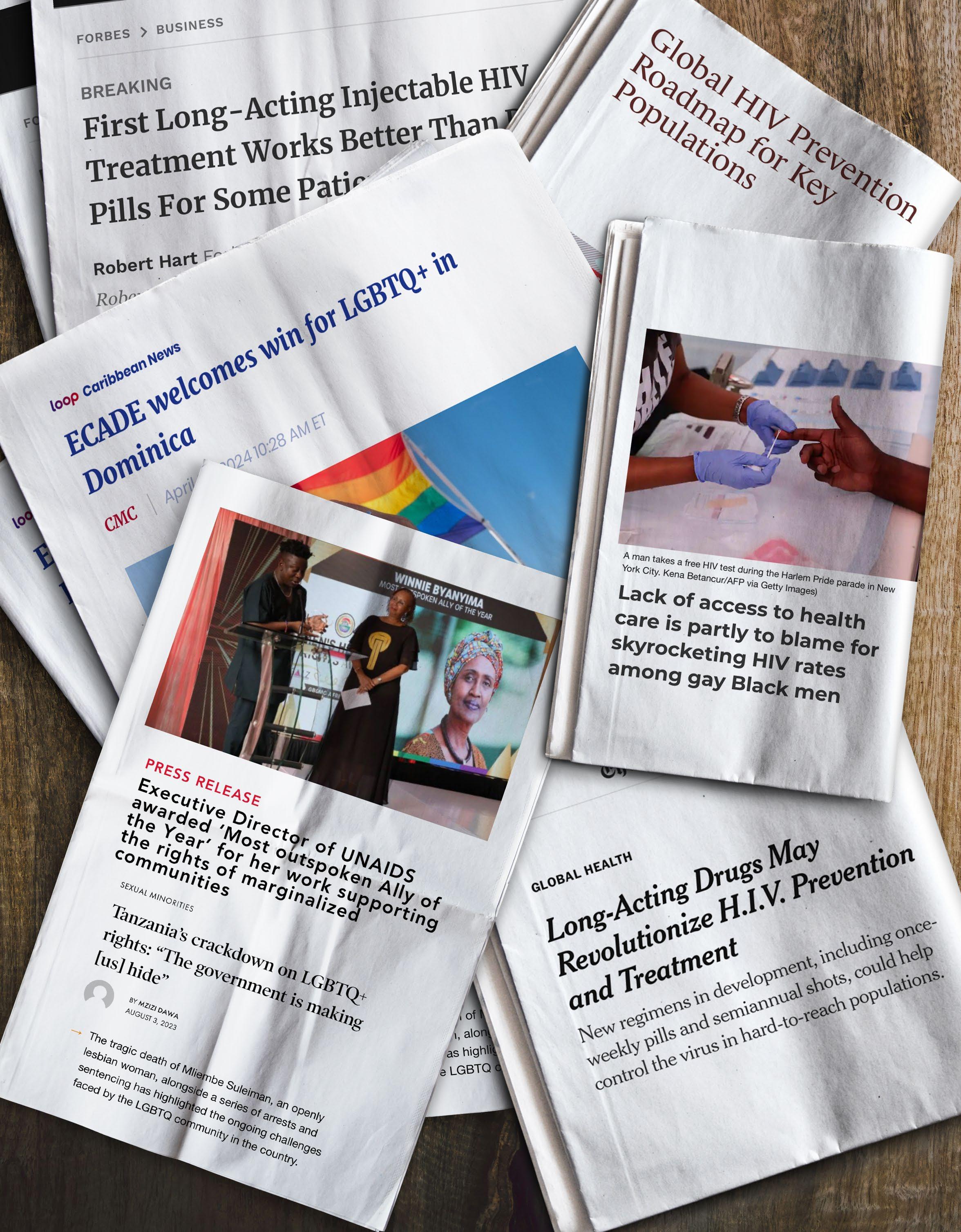
MAKING RIGHTS A REALITY
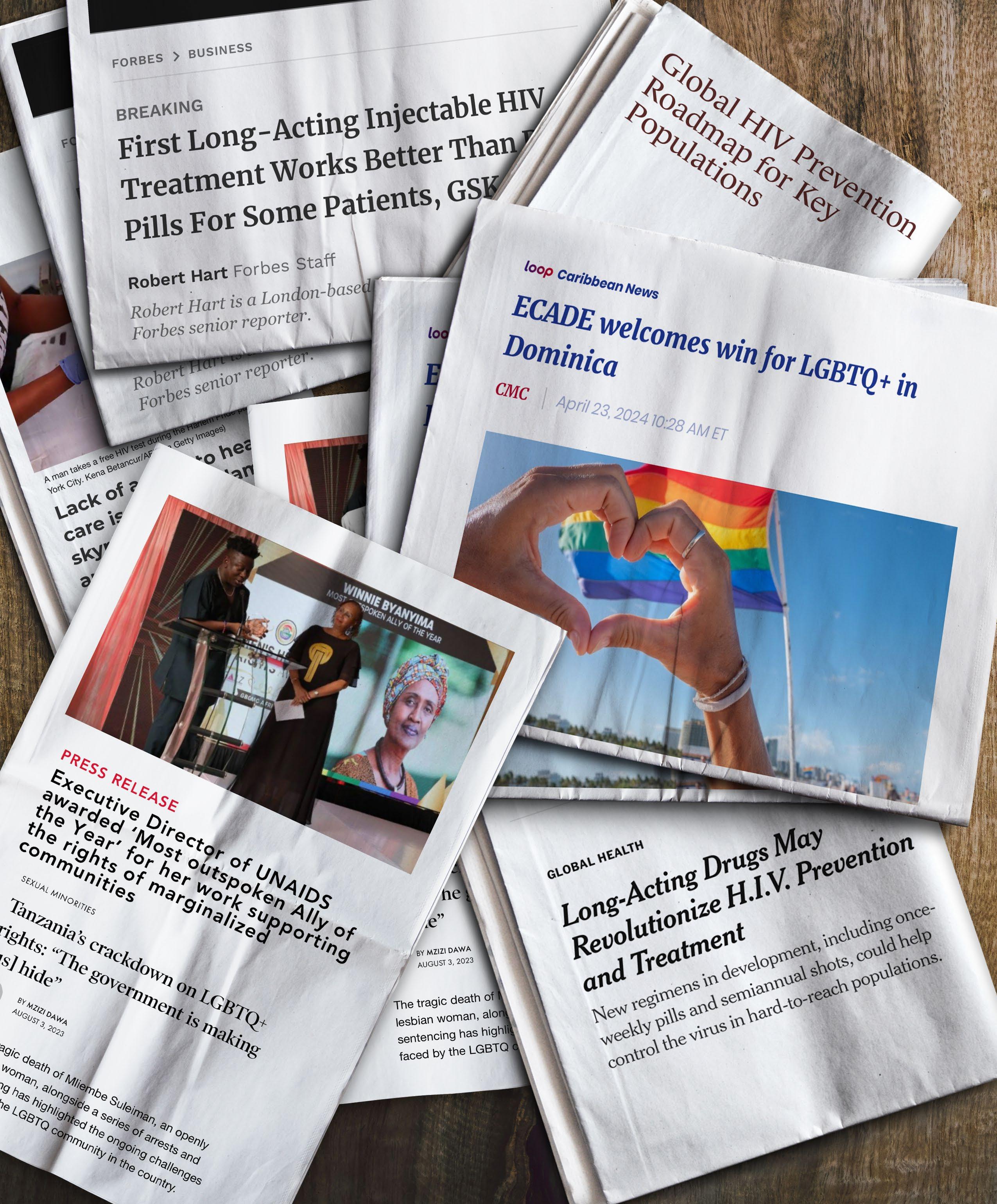








Executive Director Letter: A note from Micheal
Executive Summary
Reality Check #1: No sustainability without survival. HIV is still an emergency for African gay men, Men Who Have Sex with Men, and all other key populations.
Roadmap to Rights
Reality Check #2: Key populations are helping HIV prevention product developers more than they’re helping us.
Roadmap to Rights
Reality Check #3: No Rights for Key Populations, No Health Security for Anyone
Roadmap to Rights
Conclusion: Let’s Make Rights a Reality Together
A few months ago, I faced a significant decision. After years of supporting Global Black Gay Men Connect (GBGMC) as a co-founder and volunteer, I chose to become the full-time executive director.
The choice wasn’t easy — I was considering roles at the State Department and another global organizations. However, my commitment to our cause and the people we serve guided my decision. I chose to lead our organization because my life — and all of our lives — depend on the work that we do every day.
At GBGMC, we work at the intersection of HIV and human rights, focusing on the people left out. As a Black gay man leading an organization that largely comprises African and Black gay men, I am aware of how unique our perspective is in this field. According to the data, there should be many of us. There are not.
At GBGMC, we are dedicated to advocating for Key Populations — women and girls, people who inject drugs, LGBTQI+ people, and MSM, we believe in the power of choices, in the science behind PrEP, and in the truth of U=U (Undetectable = Untransmittable).
We are also committed to working with African governments to take charge of the HIV response. This is tough but necessary. As members of Key Populations, we must ensure we have the resources to protect and lead our own health responses. We believe in building African-led leadership and insisting on our space to lead.
In this report, our first annual roadmap to making rights a reality, we speak the truths that our members live every day. We call them “reality checks,” and we’re checking the misinformation and complacency that assume the world can achieve HIV sustainability, biomedical HIV prevention progress and global health security without Key Populations’ leadership and insight.
The fact is, we are essential, not expendable. Our health is societal health, and our rights are human rights. We hope our reality checks awaken action, excitement, and engagement in our members, allies and collaborators. We look forward to making our vision a reality.
In love and solidarity,
- Micheal


Global Black Gay Men Connect’s mission is to secure health and human rights of Black Gay Men and other Key Populations around the world. We work across areas that are often siloed. Leaders of the global HIV response acknowledge human rights barriers — yet harmful policies remain year after year. Human rights defenders often lack the resources to take on disease-specific issues. This work is hard and essential.
Our first annual roadmap is a wake-up call and a way forward for funders, governments, advocates and public and private sector stakeholders.
The data are crystal clear. Even in countries at or approaching the 95-95-95 targets for the HIV treatment cascade in the general population, key populations are far behind. There are major gaps in the data but we do know is that marginalized groups are less likely to know their status, be on HIV treatment and be virologically suppressed. Prevention cascades and funding are urgently needed. There is no end to HIV without action led by and for key populations.
Quantify, Clarify, and resource Key Population engagement in sustainability planning processes.
Define specific sustainability criteria for Key Populations and programs, and plan accordingly.
Prioritize decriminalization and changing social norms as core components of sustainability and pandemic preparedness.
#2: Key populations are helping HIV prevention product developers more than they’re helping us.
Key populations need choice in HIV prevention, including access to gamechanging long-acting pre-exposure prophylaxis (PrEP) products.
GBGMC has valued partnerships with product developers and implementation coalitions in the public and private sector. We welcome the chance to share our perspectives and priorities. Unfortunately, we’re often asked to weigh in on these key questions without the resources to provide real answers. Product developers must invest in long-term community-led work on prevention.
To advance Key Population access to HIV prevention, fund movement-building, not committee membership.
Resource and recognize human rights concerns as central to the success of biomedical HIV prevention.
Reverse The United States President’s Emergency Plan For AIDS Relief (PEPDAR), government, and other funders’ cuts to funding that supports Key Populations
At the moment, key populations, as defined by the HIV field, aren’t recognized as crucial contributors to global health security. Sex workers, people who use drugs, prisoners, migrants and internally displaced people, LGBTQI+ and MSM are disproportionately impacted by outbreaks of HIV, as well as mpox (a viral disease), long COVID and countless other diseases.
There’s clear evidence than anti-vaxxers and other proponents of misinformation are already allied with Human Rights opposition groups (anti-rights groups). Safeguarding human rights for Key Populations is crucial for health security —but isn’t prioritized.
Develop evidence and arguments that connect Key Populations’ human rights and programs with health security and social resilience.
Ensure that HIV and key populations are included in all pandemic preparedness planning and strategy platforms.
Consider Key Population health outcomes as an indicator of pandemic preparedness.


“What is there to sustain? There isn’t a system to sustain. We dont have data on trans people.”
— Participant, EpiC and GBGMC-led Key Populations consultation on sustainability
No sustainability without survival. HIV is still an emergency for African gay men, Men who Have Sex With Men and all other key populations.





Sustainability is the latest buzzword in the HIV response.
As Box 1 shows, PEPFAR and UNAIDS have similar definitions that emphasize the need for an “enabling environment,” and the importance of equity. However, neither mention key populations as a group that cannot be left behind.
We all know that who gets mentioned is who matters. That’s why GBGMC is issuing this reality check: there can be no sustainability without survival. For African gay men, MSM, and all other key populations, HIV is still an emergency.
Sustainability language, progress, and processes overlook key populations’ lived realities. In 2023,
GBGMC collaborated with the USAID-funded EpiC project to hold a series of virtual consultations on PEPFAR’s sustainability agenda. As Table 1 shows (see Page 19), three-quarters of the participants who took part in pre-consultation surveys identified punitive laws policies, and dependence on external funding as major barriers to sustainability.
For this report, GBGMC paired our community’s insights and perspectives with recent data on epidemiology, financing, and structural policies.
As shown on pages 14 - 21, in each area, the situation for key populations is unsustainable. The ongoing planning and expectations of these sustainability processes (see page 20 for schematic) must be radically revised to reflect the real world in which key populations live and fight for our lives every day.
UNAIDS defines HIV response sustainability as:
“A country’s ability to have and use, in an enabling environment, people-centered systems for health and equity, empowered and capable institutions, and community-led organizations, and adequate, equitably distributed resources to reach and sustain the end of AIDS as a public health threat by 2030 and beyond, upholding the right to health for all.” 1
PEPFAR defines sustainability as:
“A country having and using its enabling environment, capable institutions, functional systems, domestic resources, and diverse capacities within the national system (including the government, community, and FBOs [faith-based organizations], as well as for-profit and nonprofit private sectors) to sustain achievement of 95-95-95 goals; to ensure equity in its HIV response; and to protect against other public health threats.”
(1) PEPFAR DREAMS: NextGen Guidance, December 2023 (Washington DC: President’s Emergency Plan for AIDS Relief.) https://www.state.gov/wp-content/ uploads/2024/01/DREAMS-NextGen-Guidance-1.pdf (Accessed June 30 2024)
(2) HIV Response Sustainability Primer. (Geneva: UNAIDS, 2024) https://www.unaids.org/sites/default/files/media_asset/HIV%20response%20 sustainability%20response%20primer_web.pdf (Accessed June 30, 2024).
Epidemic control is out of reach for African gay men, men who have sex with men (MSM) and all other key populations.
UNAIDS states that, “The goal of sustainability is not to perpetuate the HIV response in its current form. Rather, it is to ensure the durability of the impact of the HIV response.” 3 The HIV treatment cascade is one of the most widely-used measures of this response.
While measurements and definitions vary somewhat, most cascades report the proportion of people living with HIV in a given population who know their status, the proportion of those people who know their status and are on antiretroviral therapy, and the proportion of those people who are virologically suppressed.
In many parts of the HIV response, progress toward epidemic control or the 2030 goal of ending HIV as a public health threat is benchmarked against achievement of the “95-95-95” across the cascade. It is challenging to gather reliable data on key populations. Many governments do not want to carry out population surveys to develop reliable size estimates of key population groups. The community-based groups led by and for these groups often have to fight to be included in the
(3) See refrence 2
design and implementation of the surveys— which means communities may not trust the surveys.
Estimates of the treatment cascade for key populations face similar challenges. Stigma, discrimination, and criminalization prevent people in key population groups from seeking HIV testing and may deter them from disclosing that they know their status. Nevertheless, most cascades in African key populations are nowhere near the “9595-95” thresholds that should be the starting point for sustainability plans. Figure 1 shows a pair of cascades that drive this home.
“What is there to sustain? There isn’t a system to sustain. We dont have data on trans people.”
— Participant, EpiC and GBGMC-led Key Populations consultation on sustainability
Even the studies we’ve included have limitations. The MSM cascade analysis did not involve any Key Population groups that GBGMC is aware of, and its findings could be an overestimate. The sex worker cascade doesn’t provide information on knowledge of status--which can be difficult to collect. Even so the data that are available show how the needs of key populations living with HIV are not met.4
The treatment cascade among gay men and other MSM in Africa: Data from a systematic review and meta analysis
(4)Adapted from: Stannah J., Soni N., Lam JKS, et al. Trends in HIV testing, the treatment cascade, and HIV incidence among men who have sex with men in Africa: a systematic review and meta-analysis. The Lancet: 10(8):E528-E542, August 2023. https://doi.org/10.1016/S2352-3018(23)00111-X (accessed June 2024) who know their status
South African Cisgender Women Sex Workers
Living With HIV: Experience With antiretroviral therapy
Adapted from: Comins, C., Baral S., Mcingana M., et al. ART coverage and viral suppression among female sex workers living with HIV in eThekwini, South Africa: Baseline findings from the Siyaphambili study. PLoS Global Health: May 22, 2024. https://doi.org/10.1371/journal.pgph.0002783 (accessed June 2024)
A recent KFF analysis found that countries with strong policy environments for HIV care, treatment and testing lag behind in structural policies that protect human rights for key populations
Adapted from: Kates J., Moss K., Oum S., et al. “Sustainabiluty Readiness in PEPFAR Countries.” Kaiser Family Foundation:July 21 2023. https://www.kff.org/ global-health-policy/issue-brief/sustainability-readiness-in-pepfar-countries/ (accessed June 2024)
Only 16 percent of PEPFAR countries have the structural policies in place for “sustainability readiness.”
In 2023, the US-based KFF conducted an analysis of “sustainability readiness” among PEPFAR countries.5 The authors assigned sustainability scores to countries based on their performance against fourteen indicators. They found that countries were most likely to meet or exceed the threshold for sustainability readiness in the “commitment to HIV” category, which assesses the adoption of internationally recommended HIV policies.
But these high scores hid a huge problem for key populations. While many countries had adopted policies related to care, treatment, and prevention, 84 percent failed the readiness test for alignment with best practice policies on the political and social drivers of HIV, including criminalization, gender, and human rights issues (see Figure 2).
“No matter how much capacity is built, high levels of bias and prejudice still exist. It is difficult to say the government will respect the social contract.”
— Participant, EpiC and GBGMC-led Key Population consultation on sustainability
In other words, the KFF analysis proves that countries can appear ready for sustainability even while continuing to force key popilations to fight for survival.
(5) Kates J., Moss K., Oum S., Rouw A., and Nandakumar A. “Sustainability Readiness in PEPFAR Countries.” (Washington DC: KFF, July 21 2023). https://www.kff.org/global-health-policy/issue-brief/sustainability-readiness-in-pepfar-countries/ (Accessed June 30 2024).
In this report, GBGMC surveyed its members regarding their participation in sustainability planning discussions, including those convened by GBGMC and EpiC. Less than half of the respondents (42%) had been invited to a meeting focused on sustainability (see Figure 3). Among those invited, over three-quarters were asked to present, and of these, 60% reported having resources to consult with their communities. Additionally, 50% of members who attended said they were invited to national planning meetings, while the other 50% participated in regional, global, or CSO-convened meetings, such as the consultations by EpiC and GBGMC.
In a follow-up survey, we will examine the level of engagement for individuals attending meetings with government, CSOs, and other conveners. Our initial “engagement cascade” reveals that more than one-third of our members lack the resources to engage their communities before participating in sustainability meetings.
To address this, we propose the following 90-90-90 targets:
90% Presentation: Ensure that 90% of GBGMC members invited to sustainability meetings are given the opportunity to present.
90% Resource Support: Guarantee that 90% of those presenting have the necessary resources to consult with and engage their communities effectively.
90% Meaningful Engagement: Achieve a level where 90% of key population groups report meaningful engagement in sustainability meetings by the end of 2024.
We challenge all stakeholders involved in sustainability meetings to help us reach these targets, thereby enhancing community engagement and ensuring more inclusive and effective sustainability planning.

HIV financing is at risk — especially for key populations.
Support for the global HIV response from funders other than PEPFAR and the Global Fund has declined 60 percent since 2010.6 Key populations disproportionately impacted by HIV also disproportionately bear the burden of these funding shortfalls. A recent report from AIDSFonds and its partners calculated an 80 percent shortfall in funding for HIV programmes for key populations.7
Following the mid-term review of PEPFAR’s first two-year country planning cycle, key population programs in 10 countries saw cuts ranging from three to 29 percent of total budgets compared with the previous fiscal year.8
(6) See reference 2
As Table 2 shows, participants in GBGMC’s and EpiC’s survey on sustainability emphasized that services should center and be led by key populations.
However, as external financing decreases and programmatic leadership on HIV shifts to governments, most countries are focusing on integration of HIV into primary health services as an efficient and cost-saving measure. Integration is crucial, but key population groups’ needs will not always be met in a ‘basic care package’ delivered via primary health care facilities. Funding is still needed for person-centered, community-based treatment and prevention. Yet external funders are already scaling back their contributions — without protecting resources for the groups who need them the most.
(7) Fast-Track or Off Track?: How insufficient funding for key populations jeopardises ending AIDS by 2030. (Amsterdam: AIDSFonds, 2024) https://aidsfonds. org/wp-content/uploads/2024/02/AF%20off-track%20report_A4_V2_I%20(9).pdf (Accessed June 30 2024).
(8) PEPFAR: Stop HIV Funding Cuts to LGBTQ+ People, Sex Workers, & People Who Use Drugs. PEPFARWatch Infographic, 2024. (https://drive.google.com/ drive/folders/1bWXhY5AkT3snWhw8zEqhaE_rbFcWeG6u, Accessed June 30 2024).
In 2023, the EpiC Project and GBGMC conducted a series of virtual consultations with leaders of key population civil society organizations, those engaged in HIV service delivery to Key Population communities, and other thought leaders to discuss sustaining the key population HIV response in various country contexts. Key populations engaged included sex workers, LGBTQI+ and MSM, and people who inject drugs.
In a preconference survey, participants identified the following concerns:
Challenges in the enabling environment: stigma and discrimination
High dependency on external financing, low level of domestic public financing
Challenges in integrating key population services in primary health care (org, service, or site level)
Challenges in raising additional revenue for essential Key Population services, whether through social contracting or social enterprise models
Challenges with utilizing digital tools and virtual services
Challenges with decentralizing & differentiating service delivery
Challenges in the enabling enviornment: issues establishing needs, size estimates and coverage.
High out-of-pocket costs for services
Survey respondents: 56 individuals from southern, eastern, western and central Africa, Asia, the Pacific, and globally. 27 participants self-identified as cigender men, 12 as cisgender female, 9 as transgender females, and two as transgender males, with one participant opting not to disclose. These individuals LGBTQI+ and MSM, sex workers, and people who inject drugs.
Specific Enablers of Sustainability
Engagement of Key Populations in government strategy design, implementation, monitoring, and evaluation.
Accessible spaces for routine cross-sectoral discussion and coordination between Key Populationss, CBOs, and government.
Social contracting for implementation, monitoring, and evaluation of programs.
Capacity-strengthening of Key Populations-led organizations, particularly for program management.
Community-based services and monitoring, inclusing accessible peer support services.
National government budget allocation for HIV/AIDS response, specifically towards Key Populations programming.
Reliable domestic funding for ART provision.
Advocacy as a tool to promote Key Populations programming as a priority and enable sustainability.
Decriminalization and human rights protections for key populations.
Development of normative national documents to protect vulnerable groups and to create responsive structures which include and serve them.
Capacity-strengthening for healthcare providers on the specific needs of different Key Populations groups, rights-based care, non-discrimination and de-stigmatization.
Integration of other healthcare services.
Differentiated service provision, including community-based, de-medicalized, and virtual services
Survey respondents: 56 indiviiduals from southern, eastern, western and central Africa, Asia, the Pacific, and globally. 27 participants self-identified as cisgender men, 12 as cisgender female, 9 as transgender females, and two as transgender males, with one participant opting not to disclose. These individuals represented LGBTQI+ and MSM, sex workers, and people who inject drugs.
Key population leadership is suggested, not required, in UNAIDS sustainability roadmaps and primer to support country processes.9
While key population groups are mentioned in both documents, the language around inclusion lacks clarity. For example the primer states that:
“To begin implementation of the new sustainability approach, a core team should be convened, drawing on representatives from the national AIDS council or commission, senior officials from the ministry of health, networks of people living with HIV and key populations, UNAIDS, and other development partners (such as the Global Fund and PEPFAR, where available).”
Based on this text, countries may or may not feel obligated to include or focus on the Key Population groups most impacted by the epidemic. Similar language simply lists Key Population groups among constituencies, instead of specifying that these groups must be front and center in the planning processes.
(9) See reference 2 and HIV Response Sustainabilty Roadmap Part A Companion Guide. (Geneva: UNAIDS, 2024) https://www.unaids.org/sites/default/files/ media_asset/hiv-response-sustainability-roadmap-part-a-companion-guide_en.pdf (Accessed June 30 2024).



Quantify: Ensure that there is adequate, meaningful representation of individuals with a diversity of lived experiences as key populations on relevant technical working groups and advisory bodies. The “right” number of people depends on the situation, but a single Key Populations representative is never enough.
Clarify: In our consultations, participants emphasized the need to defines “meaningful engagement” and “collaboration” with Key Populations communities. Meaningful engagement includes the means for communities to consult and learn together, which requires resources.
Resource: Fund participation in sustainability work as though the future depends on it — because it does.
As discussed in Section 3, anti-LGBTQI+ campaigns are closely tied to anti-vaccination, anti-equity mis-and disinformation campaigns about global and national pandemic preparedness. UNAIDS and PEPFAR should prioritize the establishment of an independent, cross-disciplinary working group which includes Key Populationss to define and advance this agenda as a crucial part of health security.
Every sustainability roadmap should be required to include:
• Treatment and prevention cascades for different Key Population groups
• A legal and policy analysis of sustainability readiness in structural policies
• An audit of Key Population-led services and programmes including communityled monitoring that specifically addresses how each component will be sustained and strengthened.

REALITY CHECK #2: Key populations are helping HIV prevention product developers more than they’re helping us.

GBGMC is proud to convene with support from AVAC. The Key Population Advisory Group (KPAG) provides strategic guidance and recommendations for HIV prevention initiatives, policies, and programs to stakeholders including multilateral and bilateral funders, researchers, government, civil society and the private sector.10
We are also grateful for the support of ViiV (see page 39 for a full list of our funders and partners). This support is unrestricted, and our collaborators welcome honest points of view.
In this section, we offer an honest assessment and know that our donors and partners will work with us to take action. In our broader work, we will share a progress report on a comprehensive Key Populations prevention roadmap. For this report, we will call attention to a major issue impacting equitable access to current and future HIV prevention, including long-acting injectable PrEP.
When it comes to planning for and implementing PrEP programs, including those with long-acting injectable PrEP, key populations are helping product developers and related stakeholders more than they are helping us.
(10) Global HIV Prevention Roadmap for Key Populations. (Global KP HIV Prevention Working Group, December 2023) https://avac.org/wpcontent/uploads/2023/12/KeyPopsRoadmap-Dec2023.pdf, (accessed June 30 2024).


Over the past 18 months, members of the KPAG and the broader GBGMC community have been invited to numerous meetings with pharmaceutical companies, the manufacturer of CAB-LA, and have been consulted on introduction plans for long-acting PrEP.
We have been told that the difficulty of determining demand for long-acting PrEP limits the amount of product that a company is willing to manufacture. We have been asked to help mobilize and fine-tune estimates of demand, and to share views and priorities of current, former, and potential PrEP users.
We are seldom, if ever, asked what our communities need in order to supply this information. This includes dedicated funding for developing appropriate literacy materials, convening the most at-risk members of our communities, supporting them with transport, airtime, and data bundles as needed and organizing follow-up activities including evidence-gathering and community validation.
We are particularly concerned about the imbalance between the information that product developers and introduction experts get from key population groups versus the progress that we receive in return when we look at the current global uptake of long-acting cabotegravir. According to PrEPWatch, as of Quarter 1 2024, 11,000 of the 12,075 CAB-LA
initiations were in the United States, while just 1,055 were in sub-Saharan Africa (Malawi, Zambia, and South Africa), and 20 in Latin America (Brazil).
Two years ago, UNAIDS, called on the world to prevent inequities in access to the “game changer” of injectable PrEP, writing,
“Young women living with their parents, gay people or sex workers worried about criminalization, those with insecure housing—particularly people in the global South could benefit”
regarding CAB-LA.12 The game is still rigged against people who live in poverty and are at risk of human rights violations because of who they are, what they do, and who they love.
GBGMC and the KPWG will continue to fight for access. But we will also continue to call out the truth: we’re giving more than we’re getting back from HIV prevention funders, product developers, and implementers.
(11) The Global PrEP Tracker. Cumulative Number of PrEP Initiations: Inectable PrEP. https://data.prepwatch.org. (Accessed June 30 2024).
(12) Byanyima W, Kavanagh MM. Equalizing the response to AIDS and other pandemics. PLOS Glob Public Health. 2022 Dec 1;2(12):e0001370. doi: 10.1371/journal.pgph.0001370. PMID: 36962851; PMCID: PMC10021569.



1.
Prior to meetings, Key Population representatives invited to participate in working groups, committees and consultations should be asked whether they have funding to safely and securely gather information from their communities. If they do not, these resources should be made available where possible. If there are no resources, the information on members’ ability to meaningfully engage should be transparently shared wherever the work of the group and its members appears.
2.
Discuss safety and security concerns in every collaboration with a Key Population group. Assess how different tools will address peoples’ safety and security concerns. In places where Key Population clinics are closing, long-acting injectable PrEP may be a more appealing option. But people may have concerns about sustaining access if they decide to cross borders, leaving a country with a pilot program and going to one with limited access. For these people, oral PrEP could be preferable. Without the resources to protect our communities while gathering data, we cannot implement solutions to these changes.
3.
When core funding shrinks and existing programs disappear, new interventions become impossible. All partners must invest in preserving and expanding funding for Key Population treatment, prevention, care and advocacy programs.
With HIV funding shrinking and anti-rights movements on the rise, our movement works at full capacity every single day. Sometimes it feels like the struggle is to stay in one place — to stop rollbacks of rights protections and programming. This is the moment to do more. When human rights and health care are preserved for key populations, they are preserved for everyone. When there are no rights, there is no health security for anyone.



Human rights defenders and health justice activists must make this connection now–because our opponents already have. Earlier this year, purveyors of vaccination mis- and disinformation had prominent speaking roles at the second African Inter-Parliamentary Conference on Family Values and Sovereignty. 13 The conference was hosted by Uganda, whose Anti-Homosexuality Act has driven down rates of clinic visits by key populations, slowed down research and “endanger[ed]” community health. 14
Opponents of the Pandemic Accord, which was not finalized at the time of publication, claimed that it would fund a transgender health agenda, linking this misinformation to support for equitable access to vaccines.
Expanding human rights for key populations will improve national and global health security. When
communities fear health services, outbreaks of new and established pathogens go undetected and under-reported. The window for mobilizing an early, effective community response closes before it can even begin. If communities trust health services, robust information channels are already in place by the time it becomes necessary to address rumors, implement public health measures, and mobilize mutual aid
Communities and countries that include, accept and support the rights of Key Populations often follow and trust evidence. They find ways to be cohesive–even across differences. These are crucial strengths for responses to any crisis-health, climate or conflict-related.
Rights protections also strengthen resilience. The World Economic Forum found that LGBTQI+ inclusion strongly correlated with post-pandemic
(13) Cullinan, K. “African anti-rights groups and anti-vaxxers unite in global conspiracy against WHO.” Health Policy Watch, May 21 2024. https://healthpolicywatch.news/african-anti-rights-groups-and-anti-vaxxers-unite-in-global-conspiracy-against-who/ (Accessed June 30 2024). (14) Nakweya, G. “Anti-LGBTQ+ laws in Africa harming health and research.” The Lancet, April 6 2024. https://www.thelancet.com/journals/lancet/article/ PIIS0140-6736(24)00681-0/fulltext (Accessed June 30 2024).
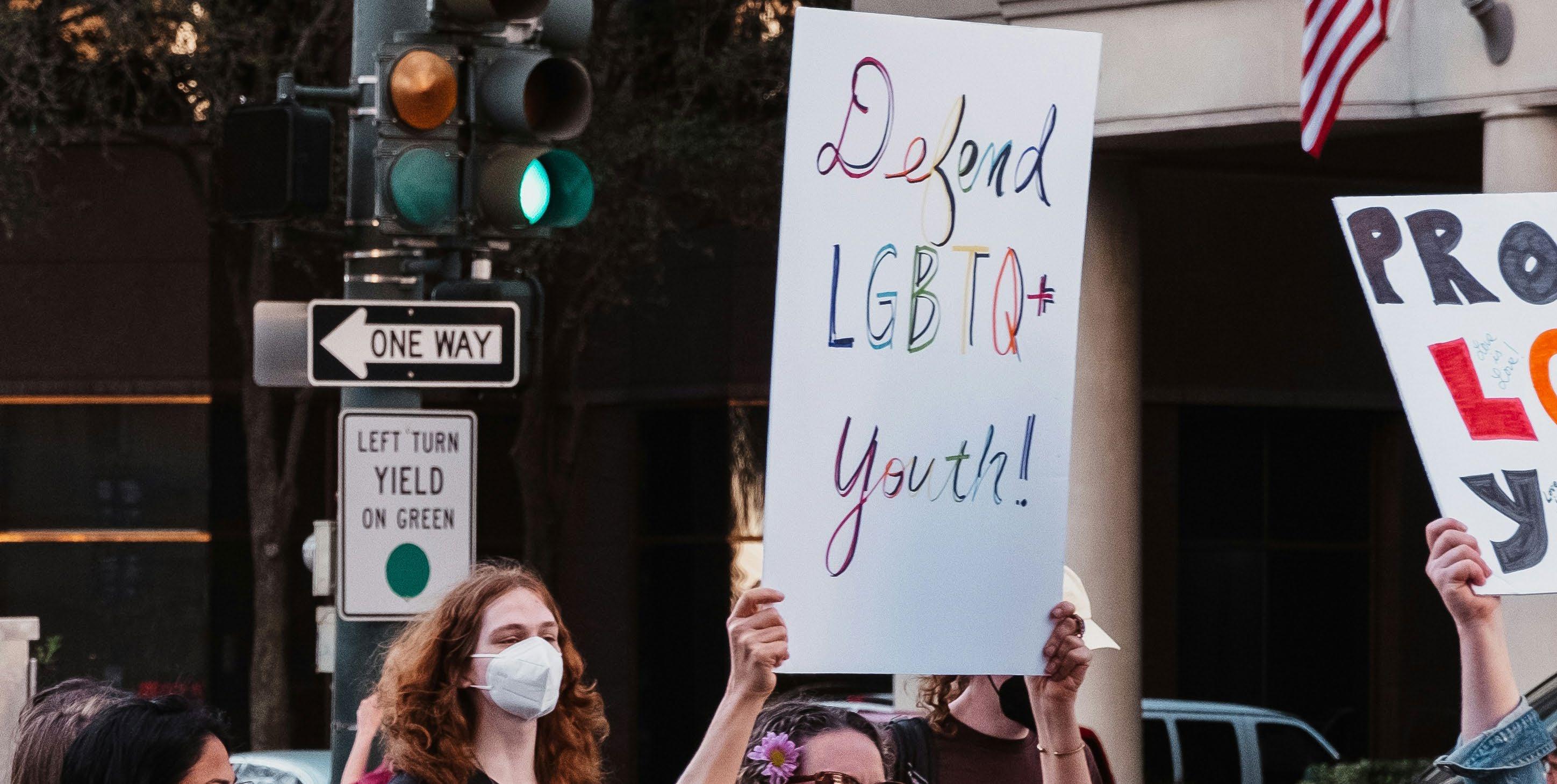
economic resilience, noting that cities that were safe, secure and welcoming of LGBTQI+ individuals reaped an “inclusion dividend.” 15
At the moment, key populations, as defined by the HIV field, aren’t recognized as crucial contributors to global health security. Sex workers, people who use drugs, prisoners, migrants and internally displaced people, gay men and other men who have sex with men, transgender people are all likely to be disproportionately impacted by any new outbreak, just as they are by HIV, mpox, long COVID and so many other diseases
Yet there is an ongoing conversation about who the key population groups are for pandemic preparedness. In some ways, this makes sense. There are communities including agricultural workers and frontline health care workers who
are impacted by outbreaks and yet are not considered key populations within HIV.
However, it is a dangerous mistake for health security experts– and HIV-focused Key Population activists– to ignore the link between our human rights and global health security. Understanding these connections means taking action, including the steps on the following page:
(15) Miller, Jon. The Great Reset: Why LGBT+ inclusion is the secret to cities’ post-pandemic success. World Economic Forum: June 3 2024. https://www. weforum.org/agenda/2020/06/lgbt-inclusion-cities-post-covid-reset-recovery/ (Accessed June 30 2024).


1.
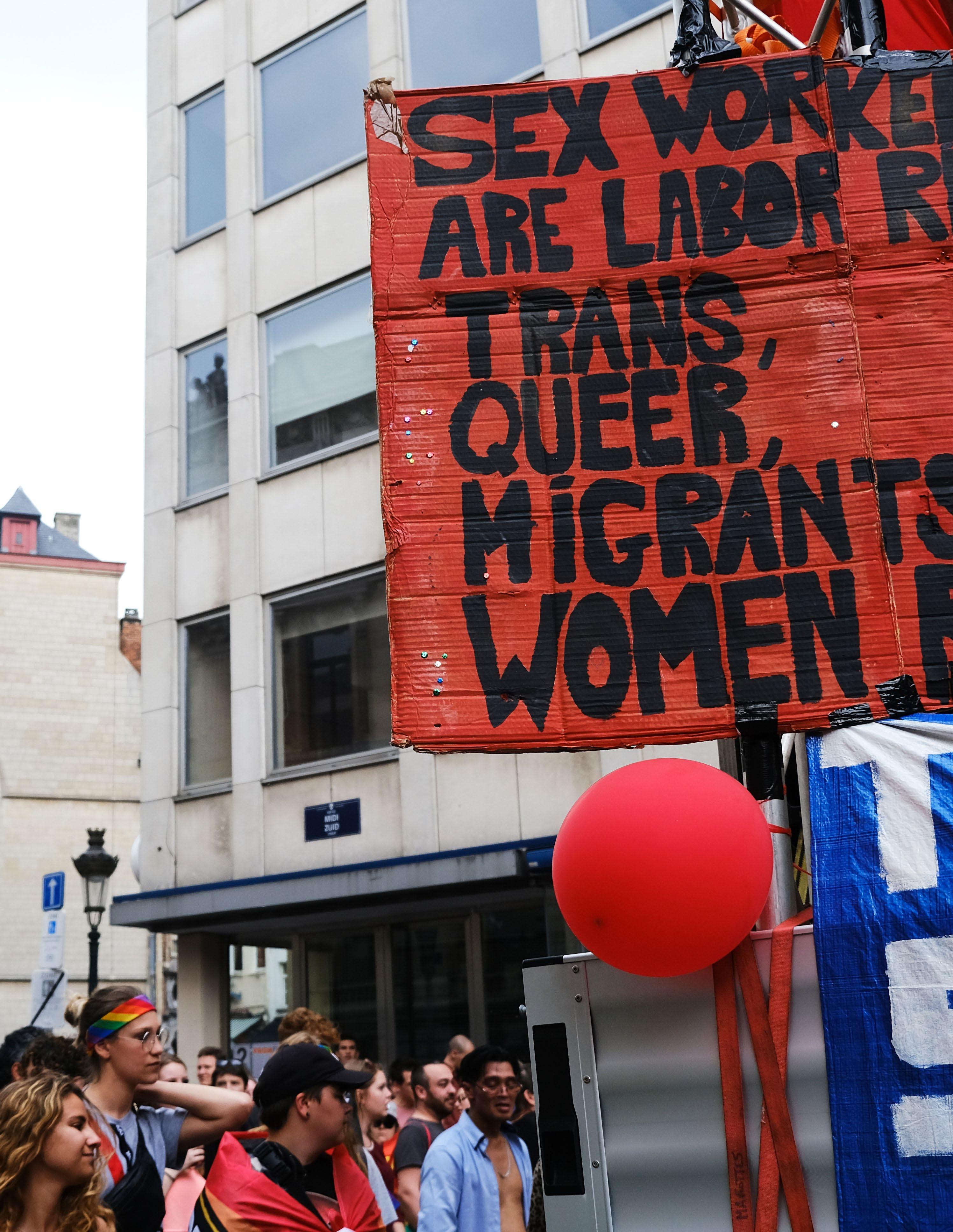
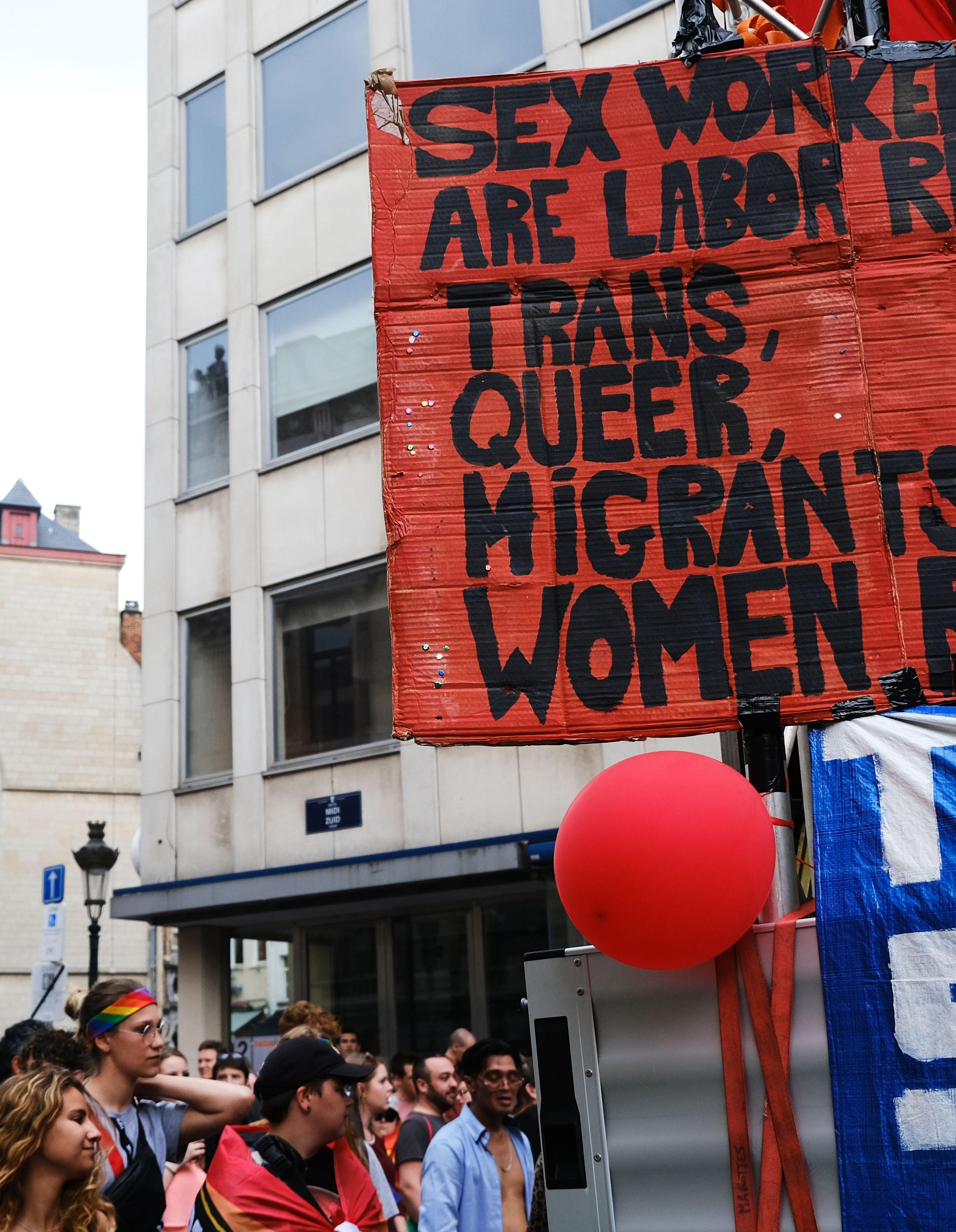
We need to counter the anti-rights movements move to link LGBTQI+ affirming policies and practices with pandemic preparedness. We must present potential allies with clear evidence, and engage with the people who are susceptible to rumors in order to understand
2.
While continuing to expand definitions of impacted populations, the Pandemic Fund, country and regional working groups on health security should all ensure meaningful participation of HIV and LGBTQI+ Key Population groups. We are not the only groups who should be engaged, but we also cannot be left out.
3.
Key Population groups are fighting for survival. Our HIV outcomes and rates of testing lag behind the general population. Countries that don’t meet the needs of those most impacted by HIV will likely struggle with other pandemic responses, especially when it comes to early detection and community mobilization. The United States, supports more than fifty countries through its Global Health Security investments, and could readily compare Key Population health outcomes and progress against PPR indicators in those countries that receive pandemic preparedness, response and global health security
This report reflects the views, insights and experiences of GBGMC’s global network of fearless activists.
We’re so proud of who we are and what we’ve done. And we know that we still need to grow. Every day there are new threats and new examples of resilience and ingenuity.
Our collective work is to channel our power to counter the dangers and change reality so that it is better for us all.
We hope you will join us.





Executive Director
Micheal Ighodaro
Director of Finance & Administration
Clinton Alsip
Board Co-Chair
Richard Lusimbo
Brian Kanyemba Senior Advisor
Kingford Khanyiso Program Manager
Board Co-Chair
Richard Gregorio Millett
Board Secretary Governance Committee Chair
Uganda Dr. Cedric Pulliam USA
Development & Strategy Committee Chair
Mutisya Leonard (Son of Rosemary) Kenya
Tyler Boyce Canada
Humphrey Ndondo Zimbabwe
George Owino Kenya
Axel Ulrich Salamba Côte d’Ivoire
Frankie Edozien Nigeria
Yao Dassi Chrys Gabon
Kenyon Farrow USA



We extend our deepest gratitude to our board members, especially Richard Lusimbo, Cedric Pulliam and Wakefield for their continued support. Our partners AVAC, amfAR, and Health GAP have been instrumental in our journey. GBGMC would not be here today without the invaluable contributions of our founders: Kali Lindsey, Greg Millett and Kenyon Farrow.
We also wish to thank Rachel Baggaley, Kent Klindera, Hally Mahler, Jirair Ratevosian, Brian White, Brian Honermann, Maureen Milanga, Chris Akolo, Trista Bingham. and GBGMC Senior Advisor Brian Kanyemba. This publication, along with GBGMC’s ongoing policy, advocacy, and outreach work is made possible through the dedicated efforts of GBGMC community activists and the generous support from ViiV, Gilead, Merck, EJAF, Palladium, the EpiC Project led by FHI 360 and funded by PEPFAR through USAID.
We are immensely grateful for the ongoing partnership and collaboration with Ambassador Dr. John N. Nkengasong and Winnie Byanyima, the Executive Director of UNAIDS. Special thanks go to the members of the Key Populations Advisory Group, the members of the Key Population Sustainability Caucus and Erika Castellanos for their unwavering support.
This report was written by Emily Bass and designed by VividDesignsMaine.com, with additional reviews from Amita Mehrotra, Amanda Cary in collaboration with GBGMC staff and partners.