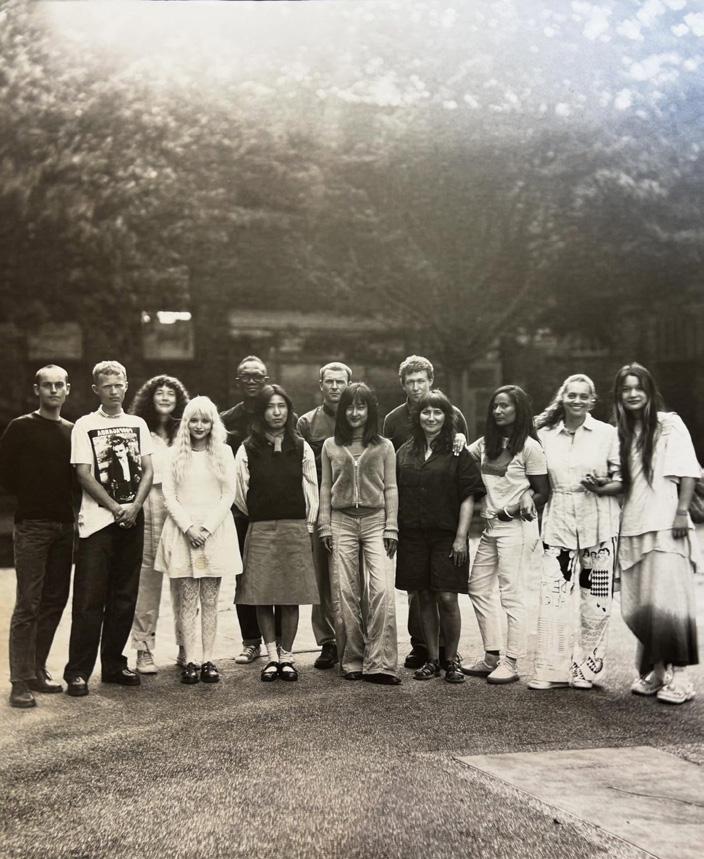
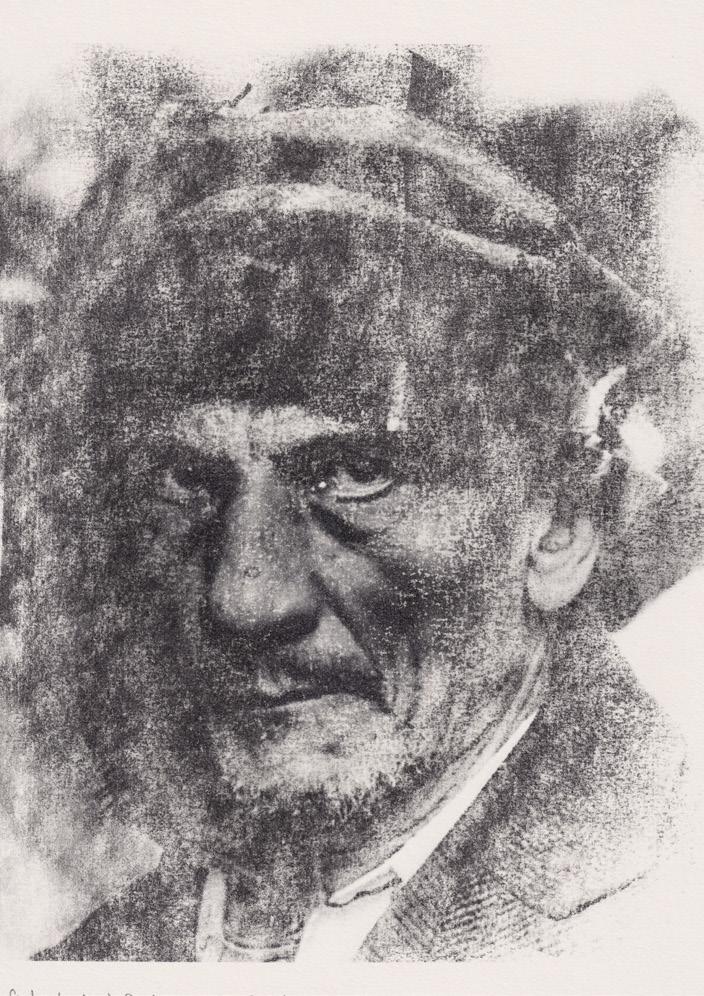
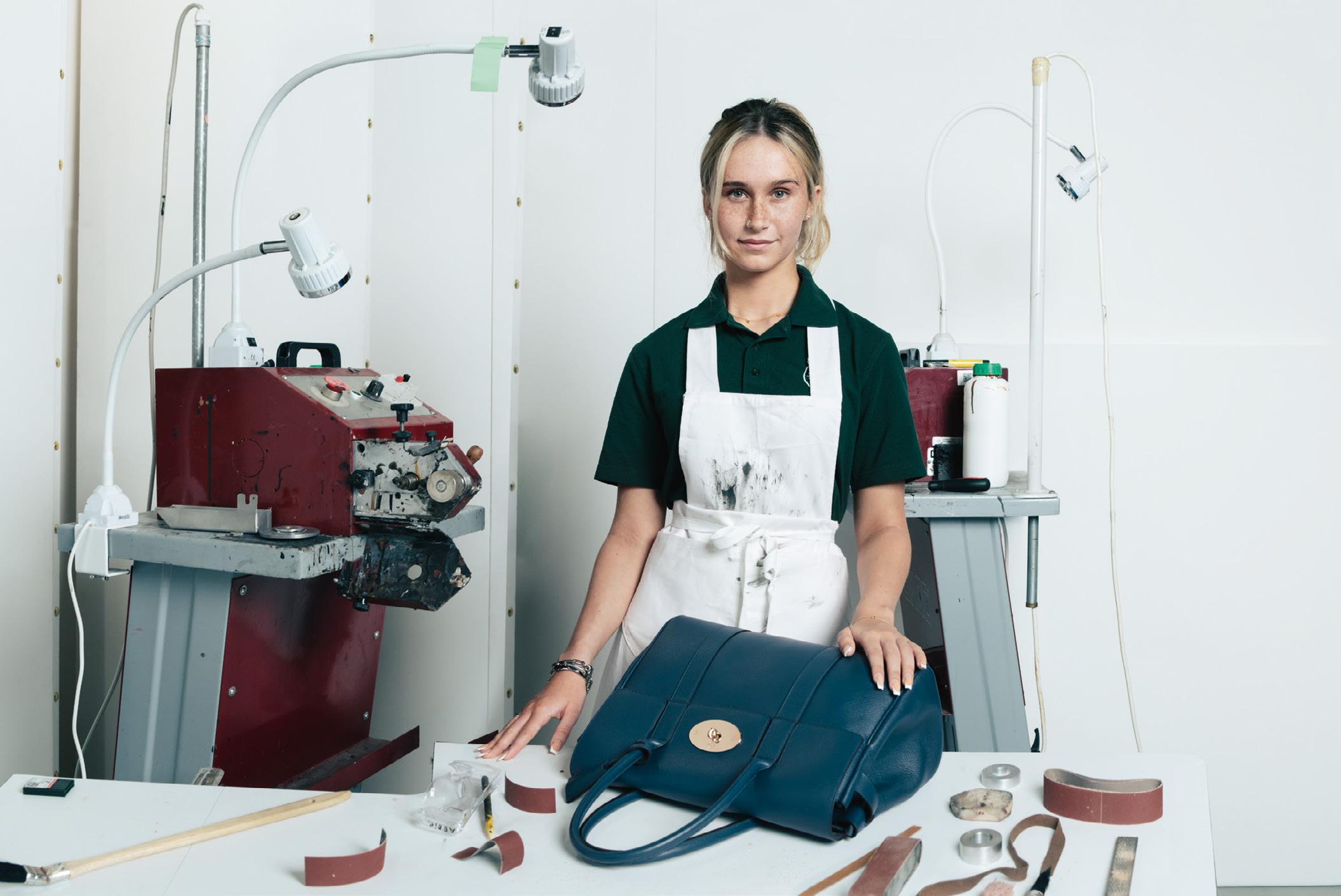
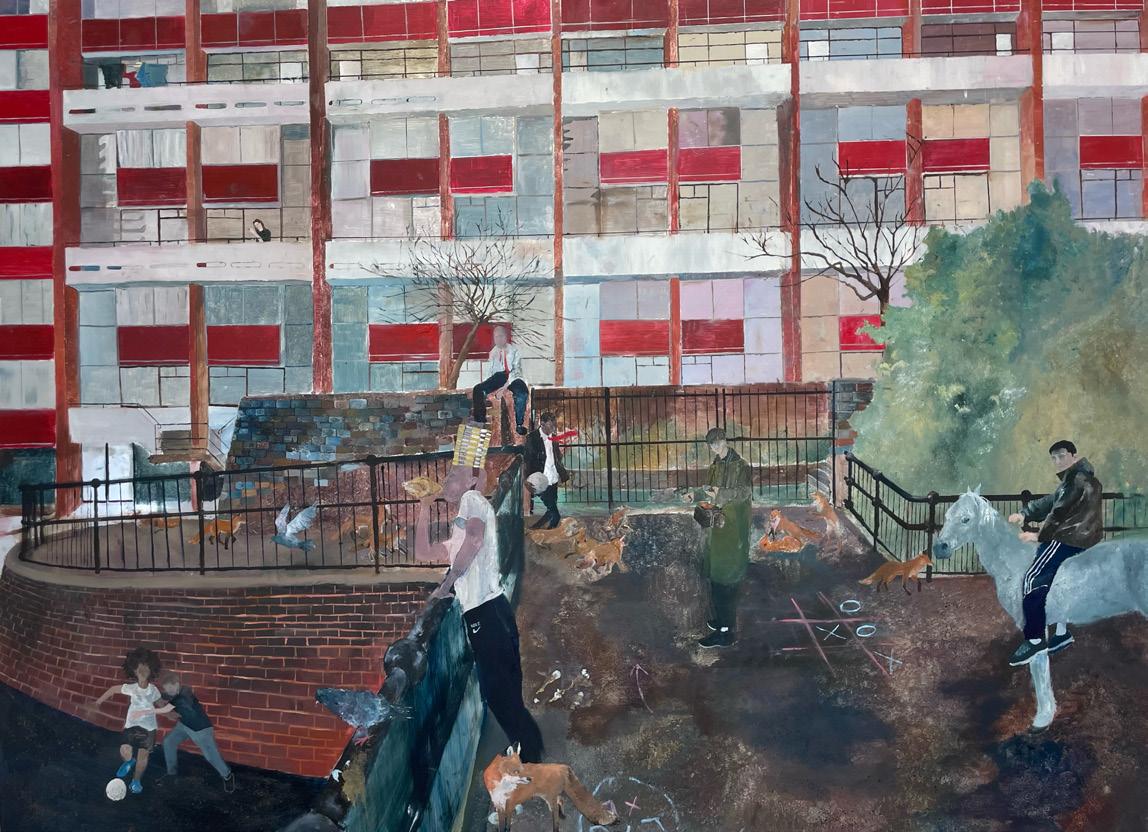
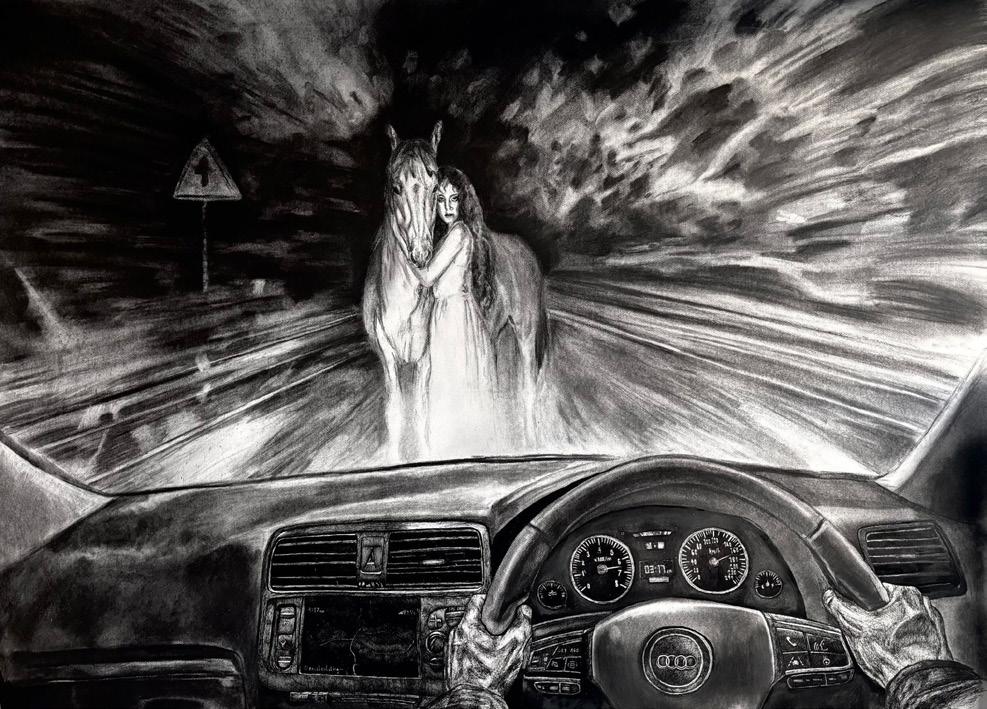
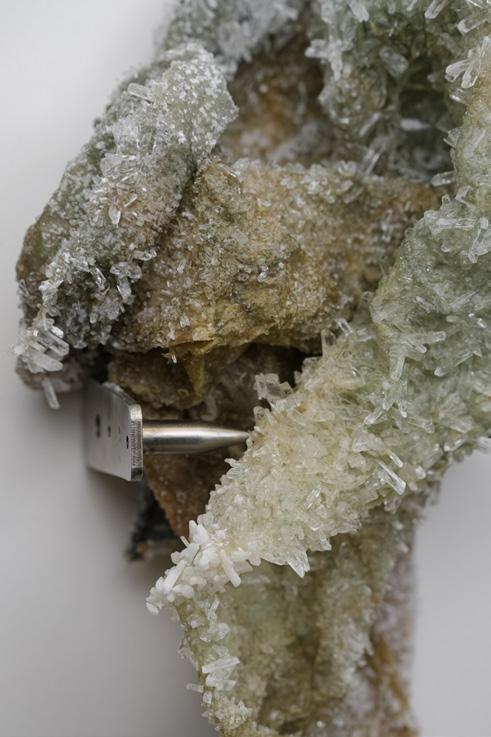
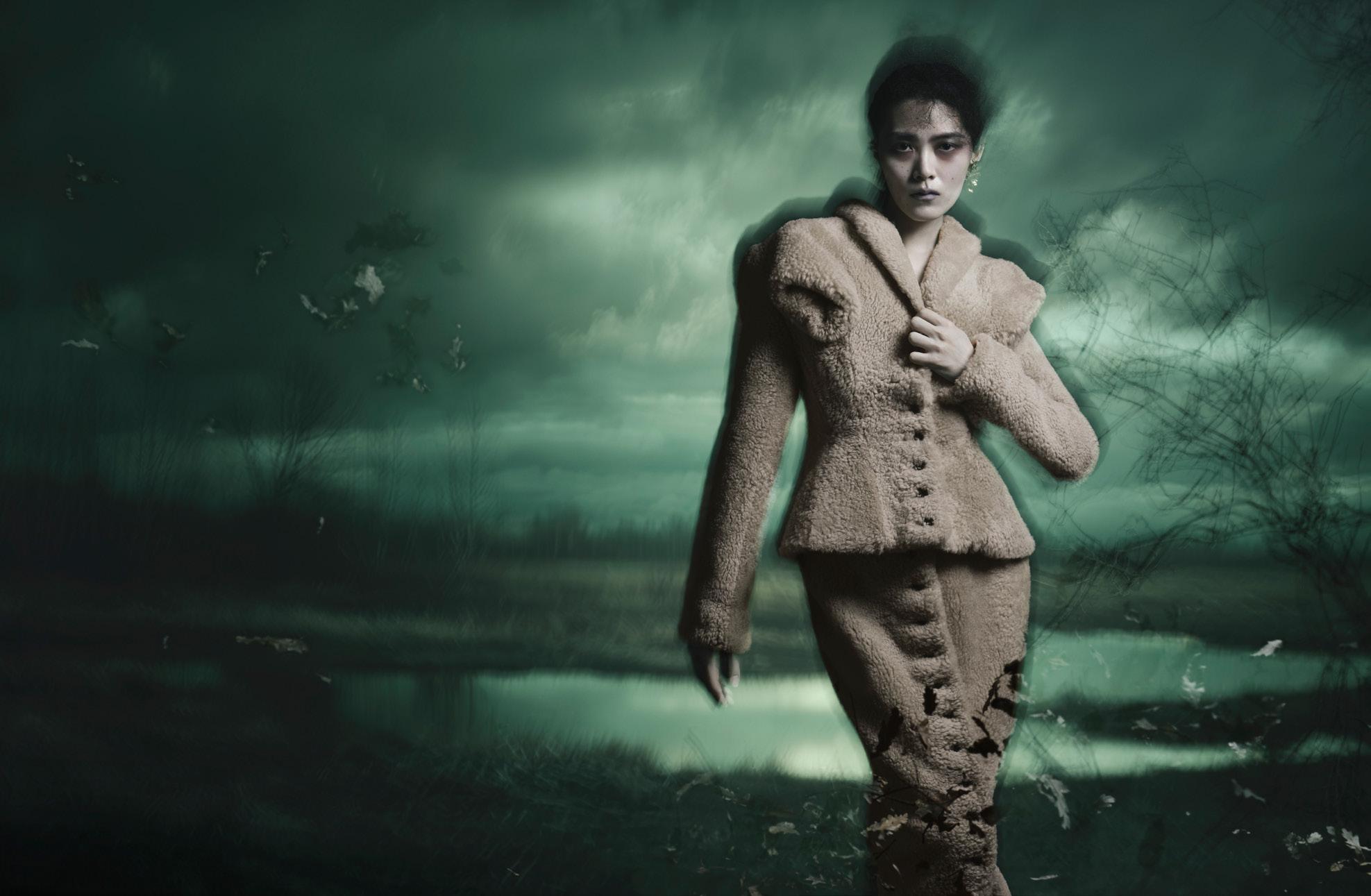
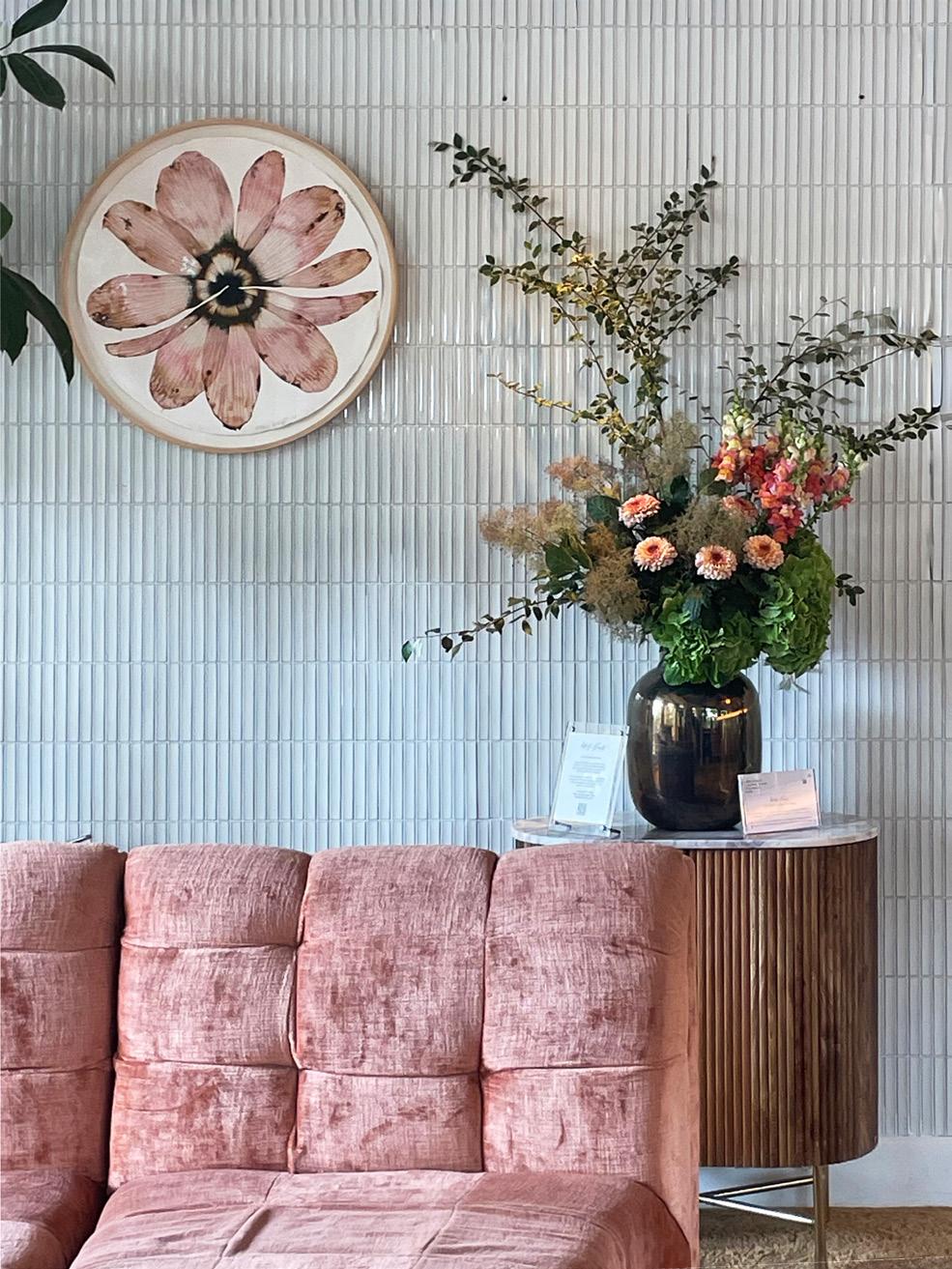
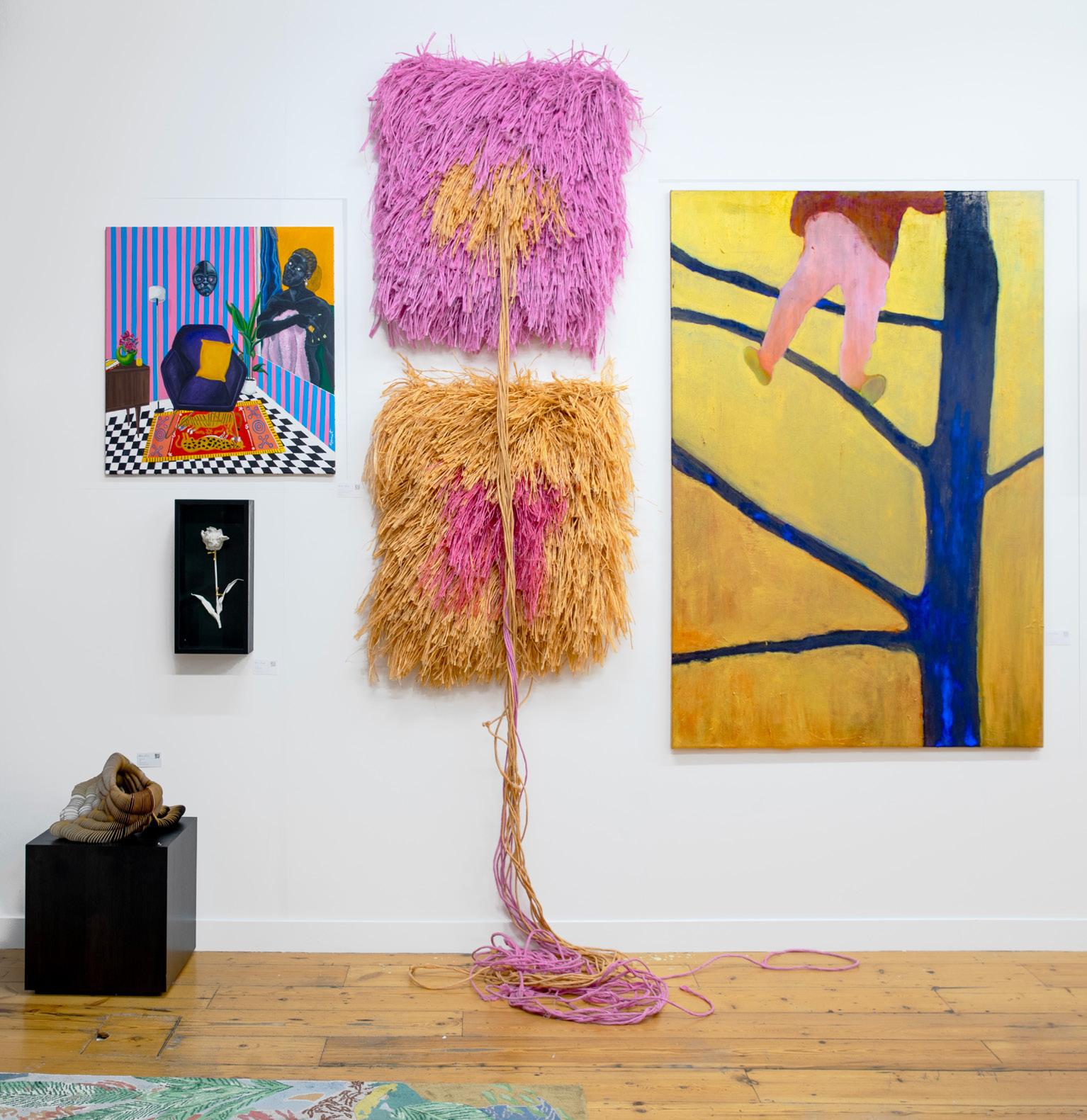
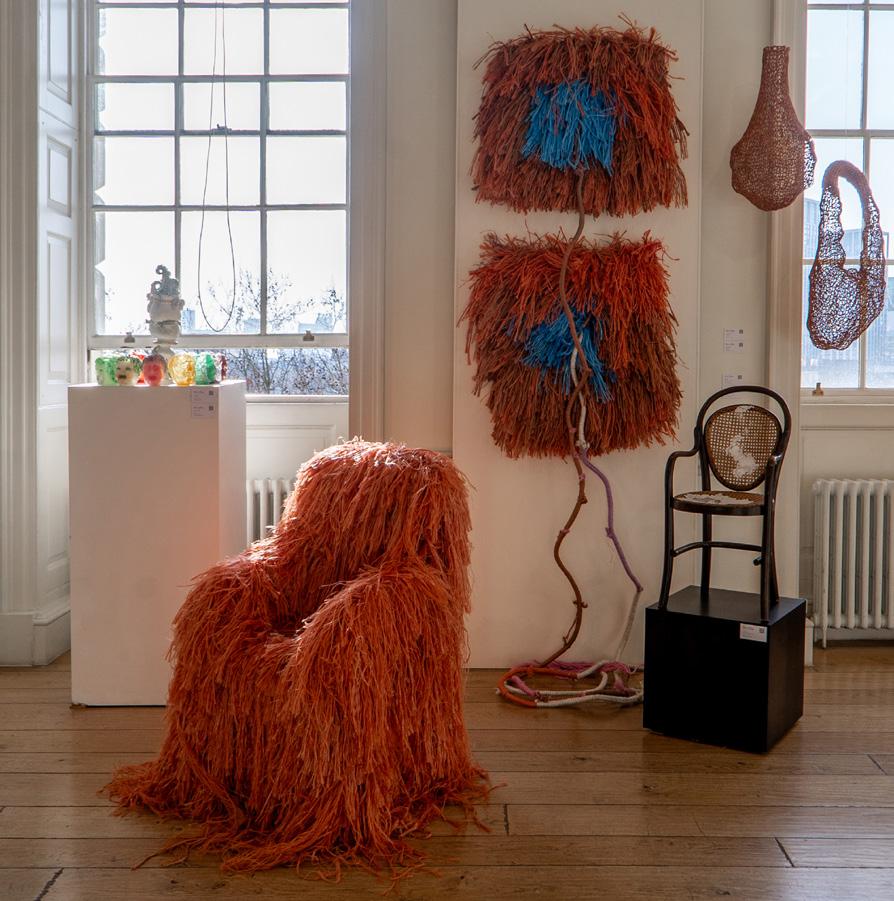
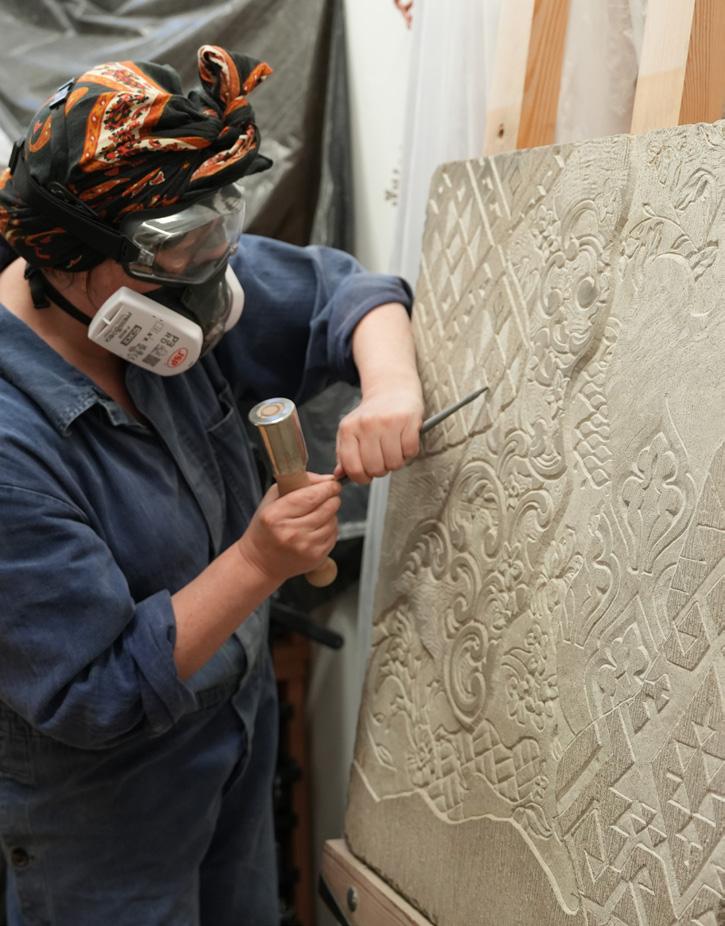
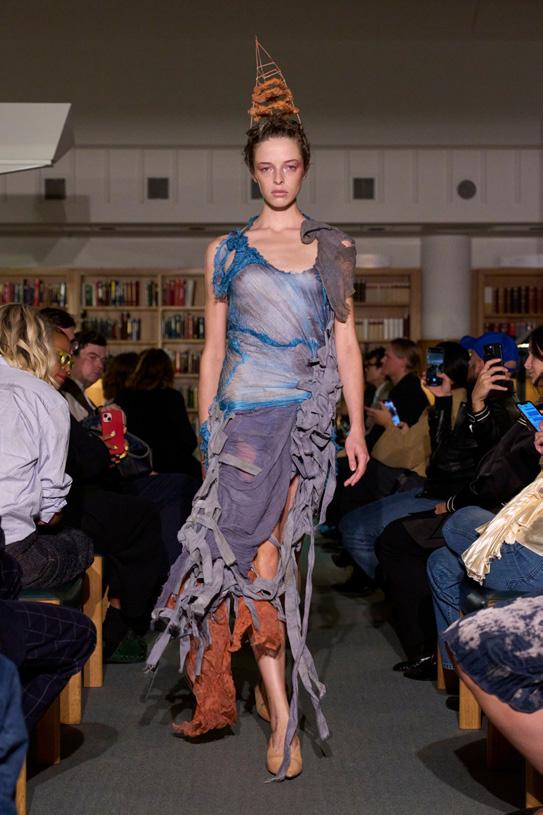
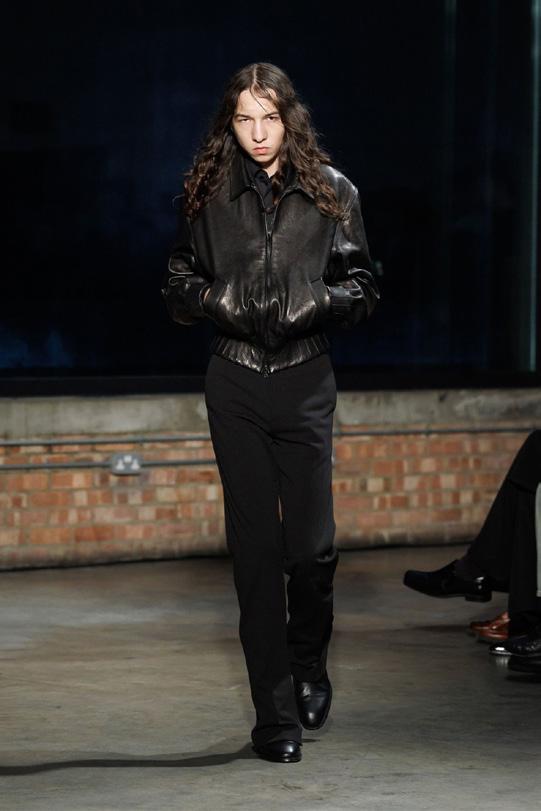
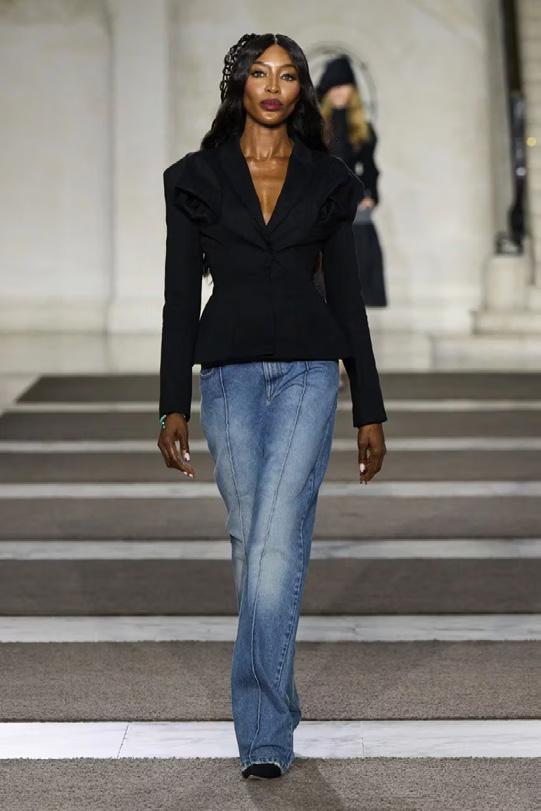
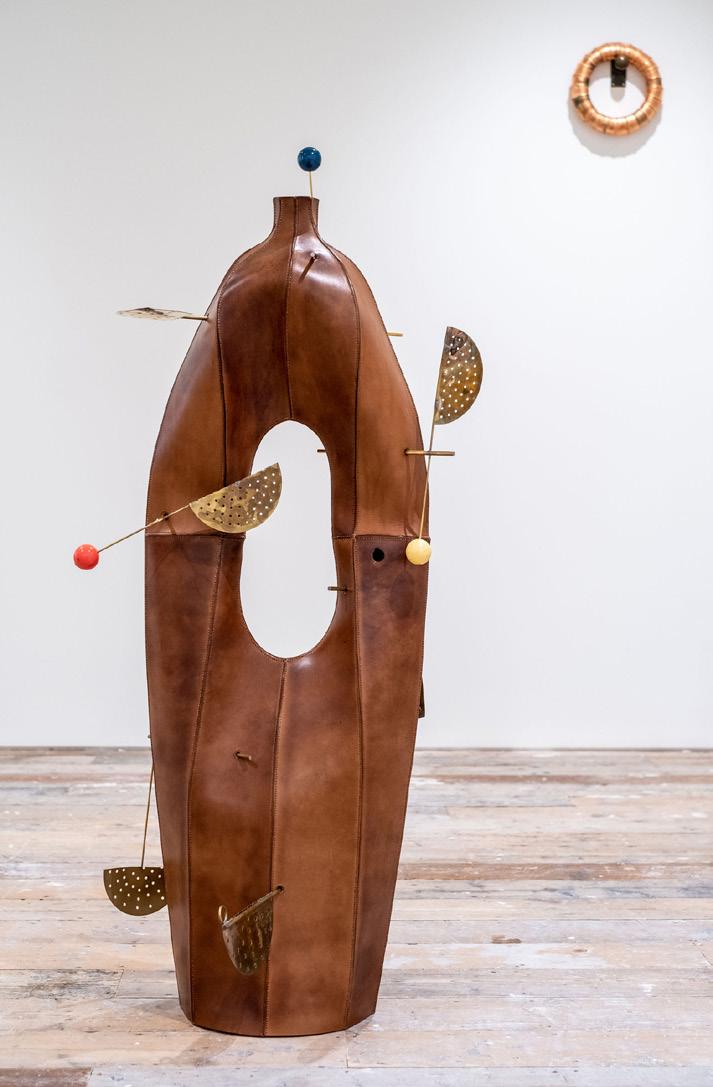
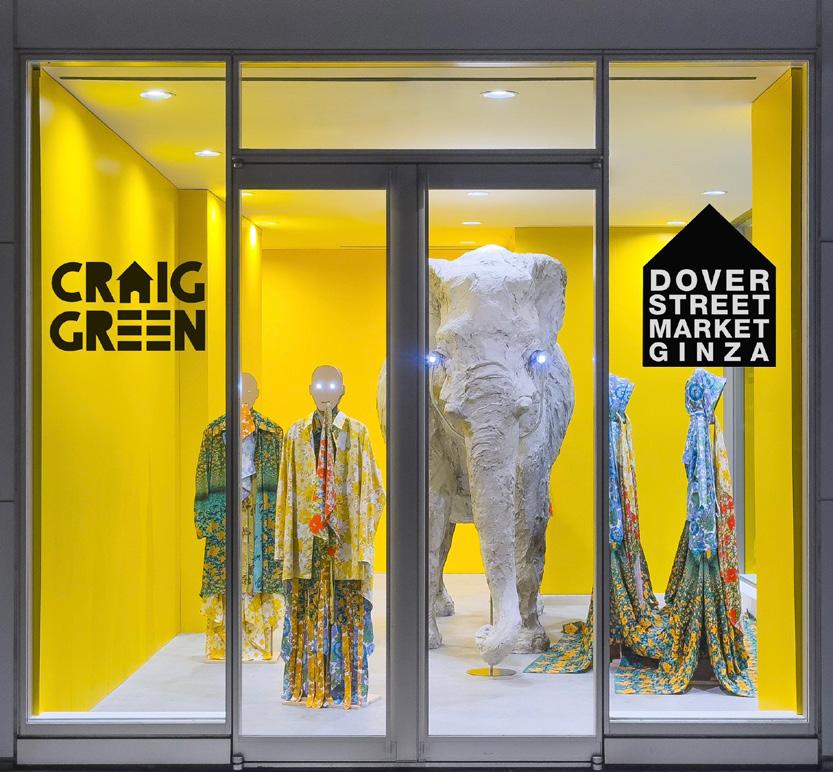
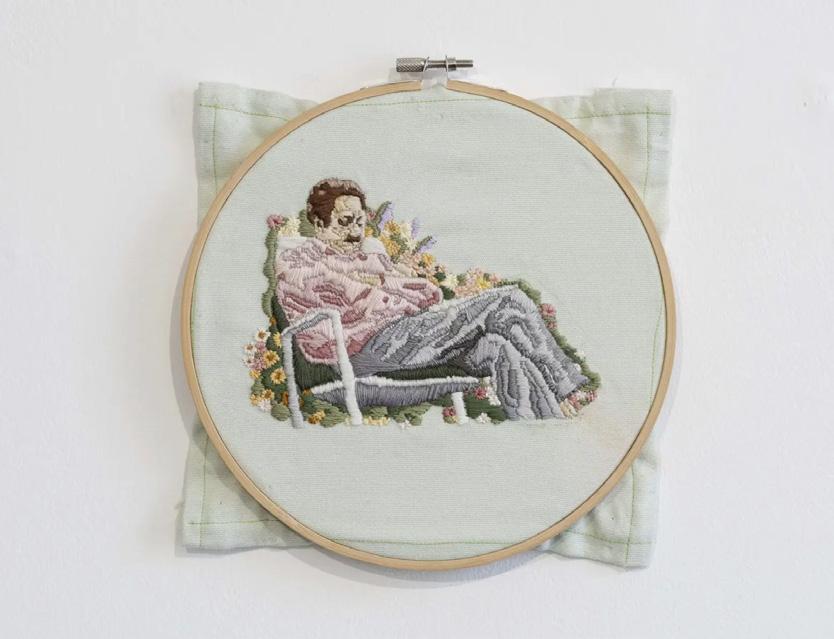
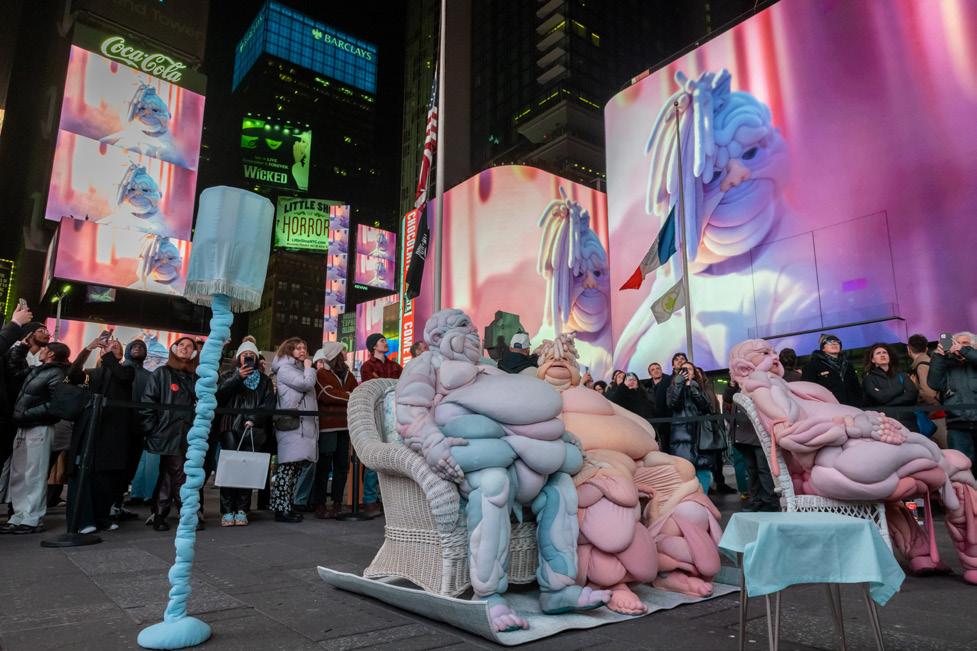
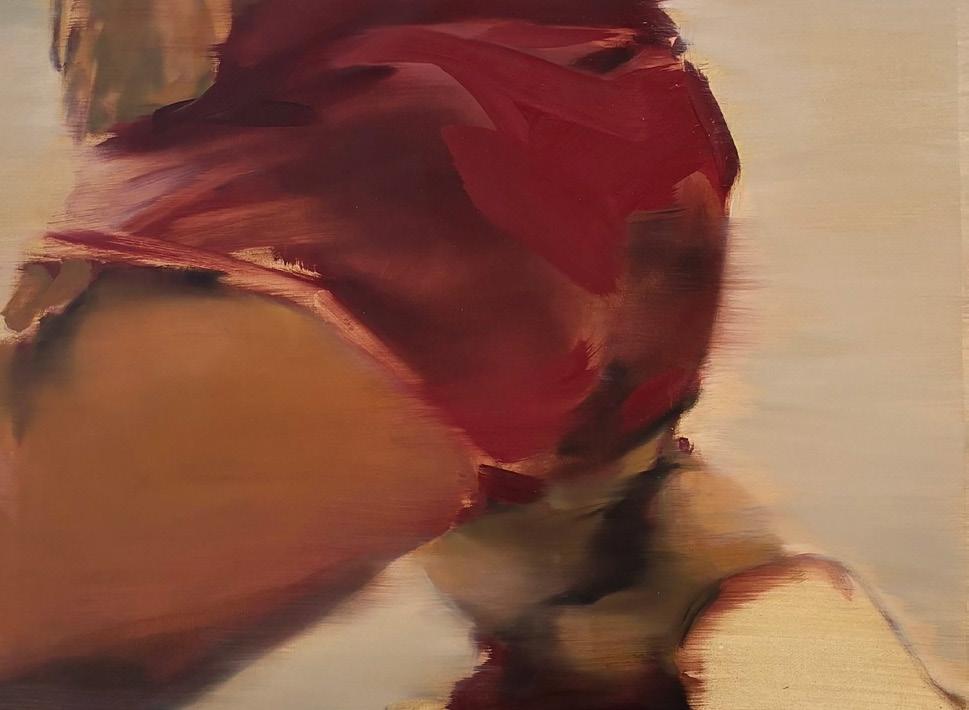
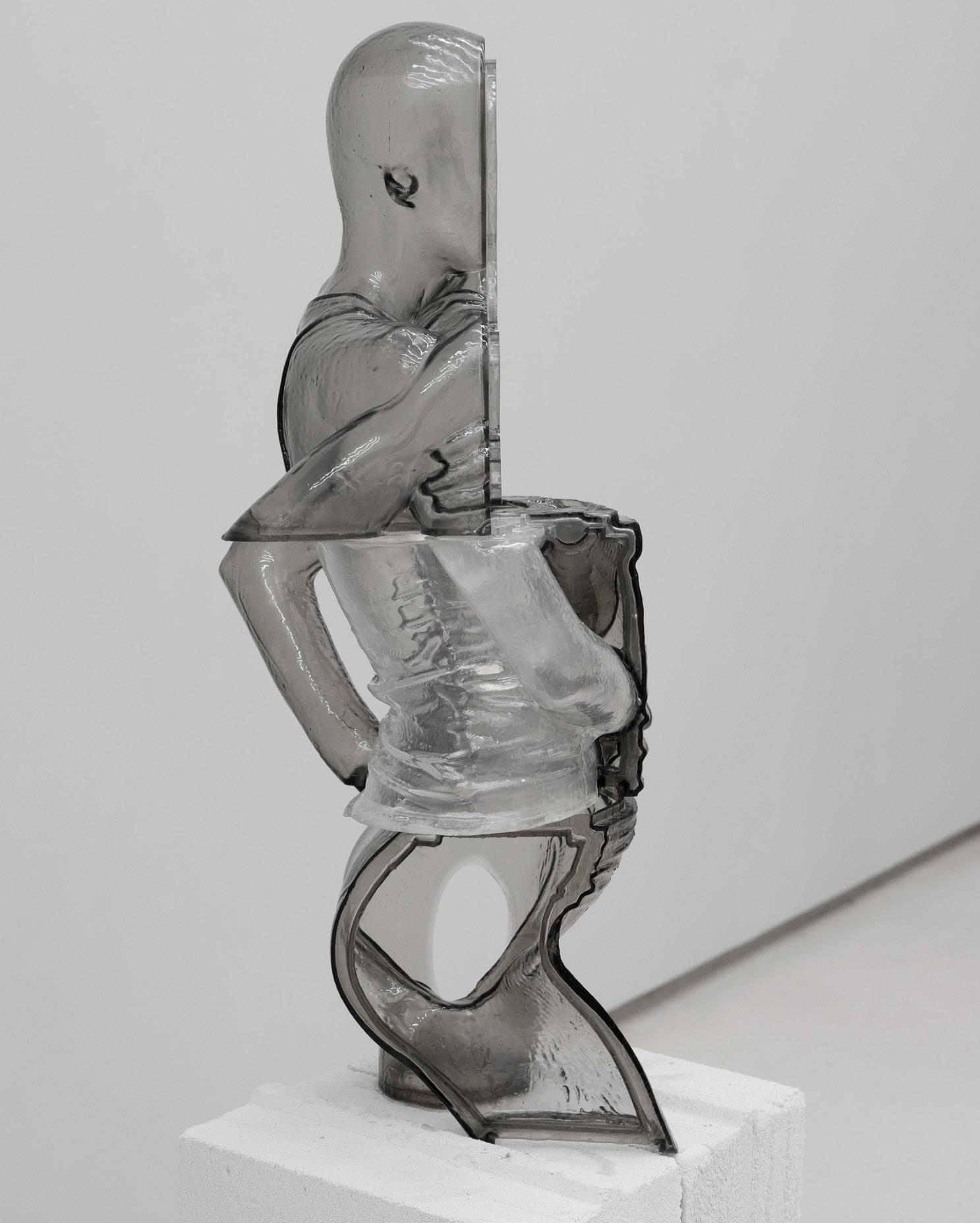
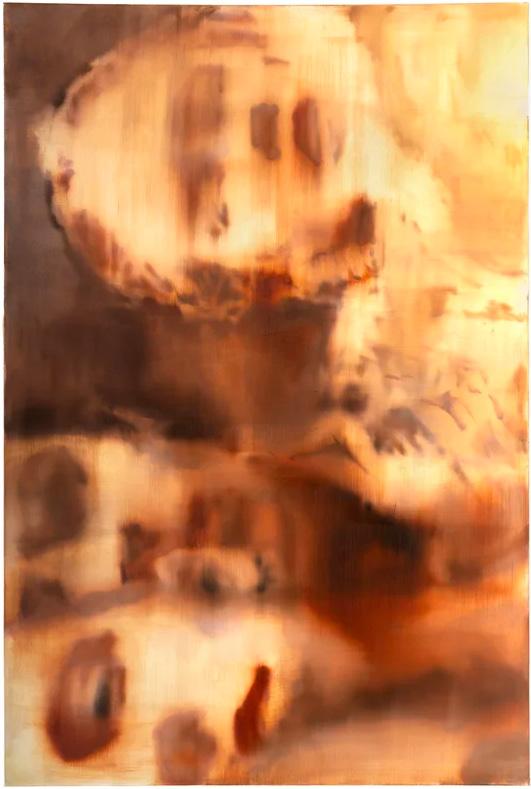
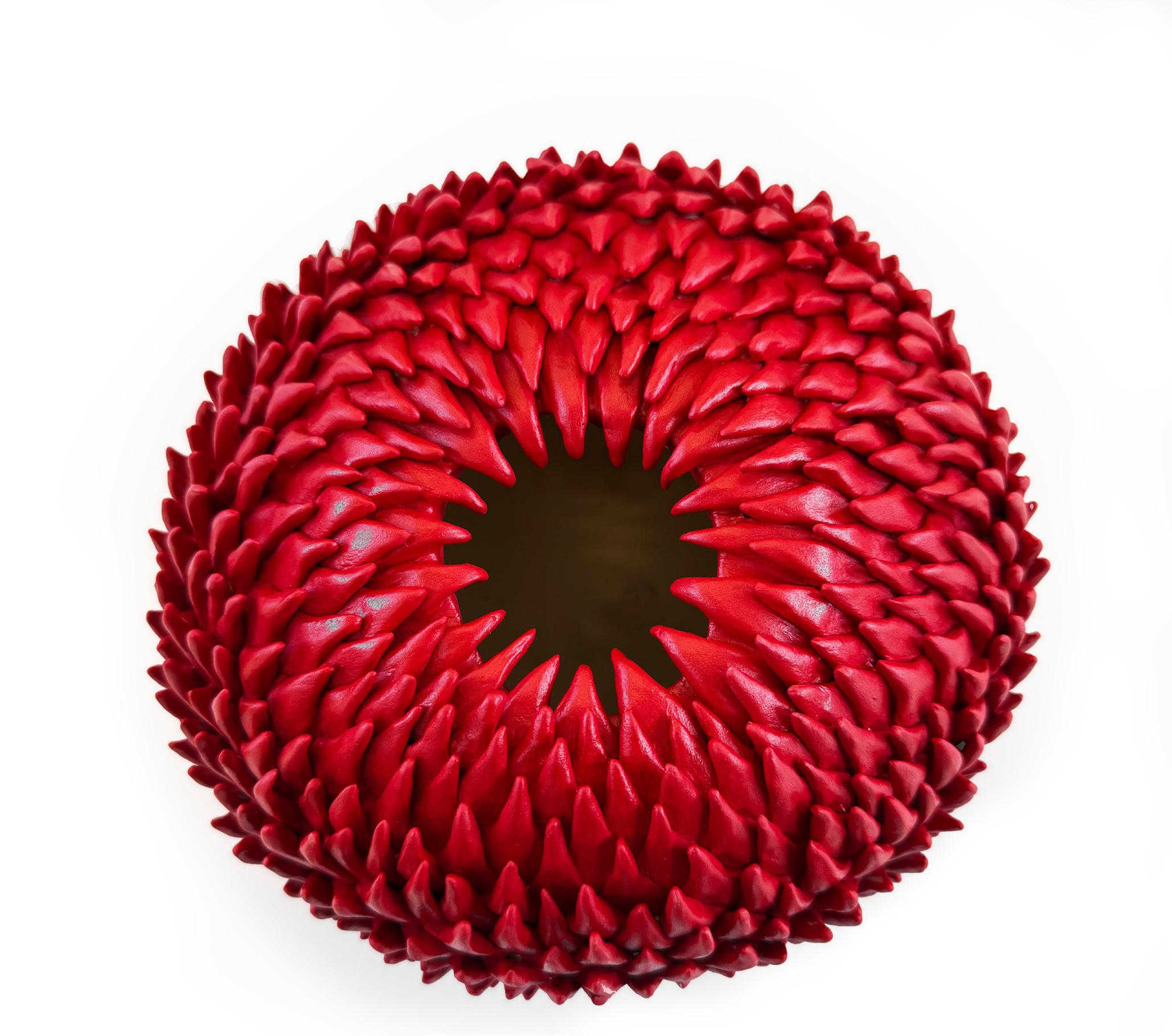
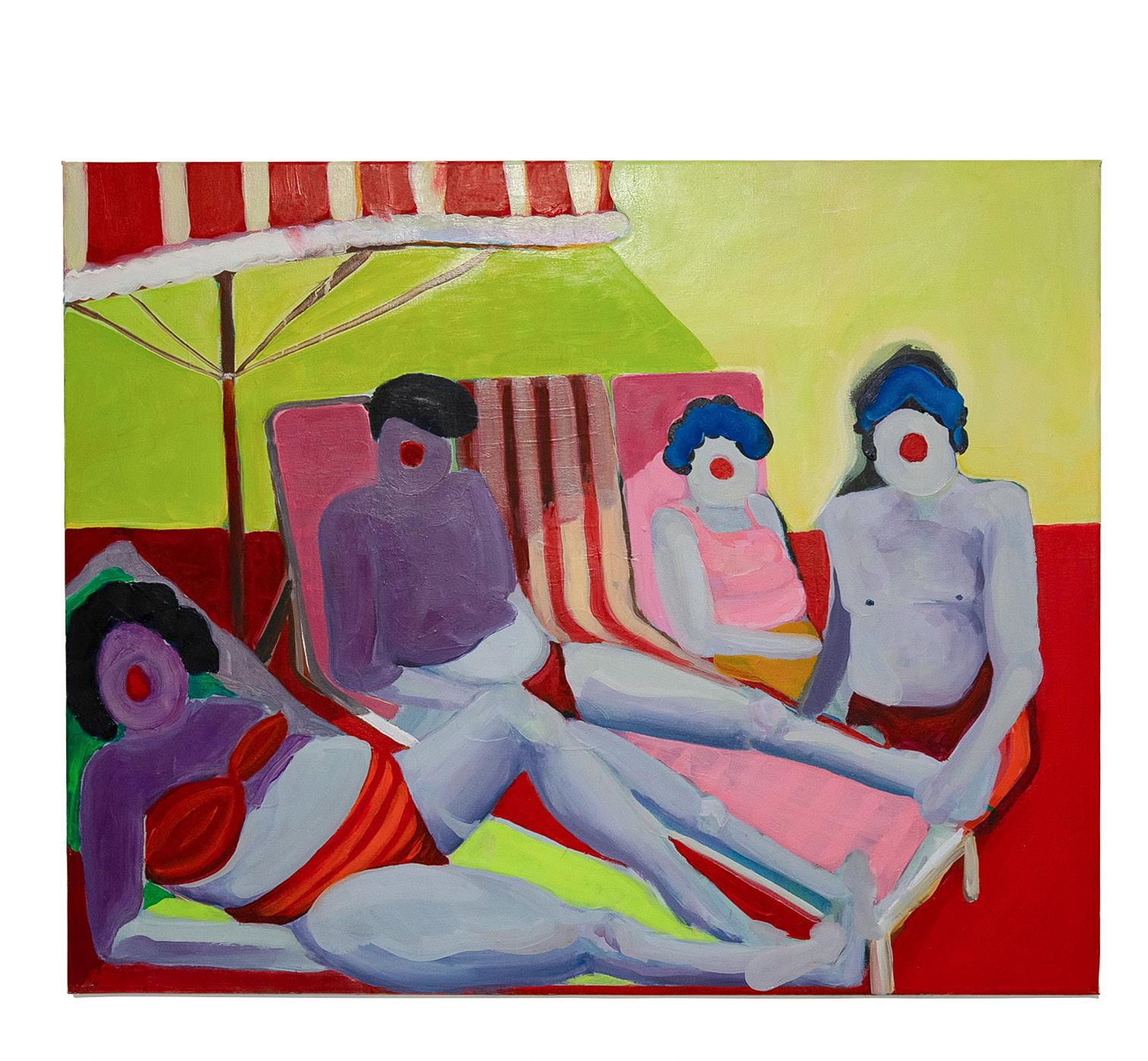
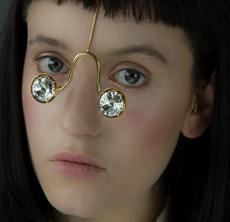
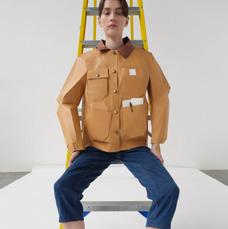
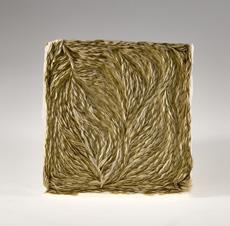
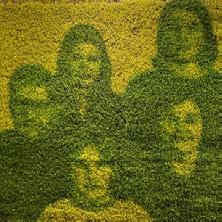
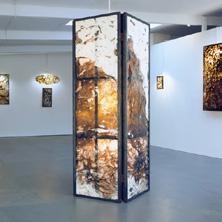
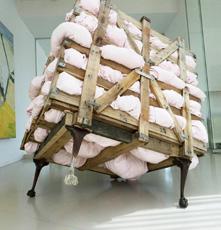
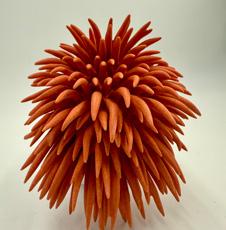
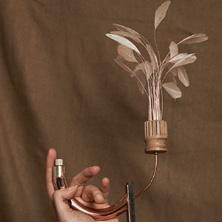
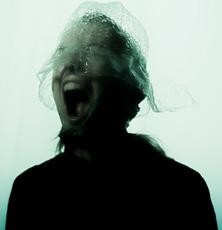
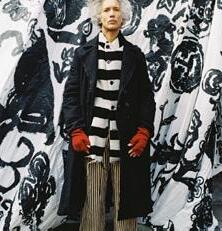
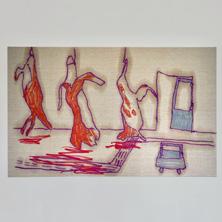
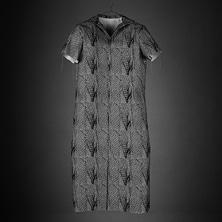
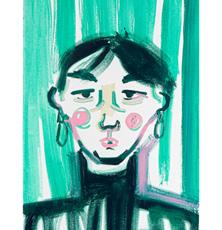
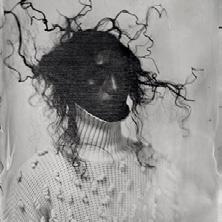
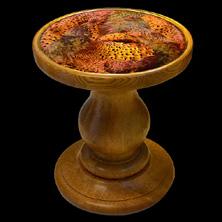
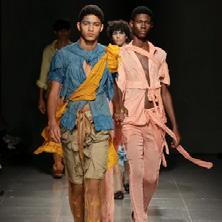
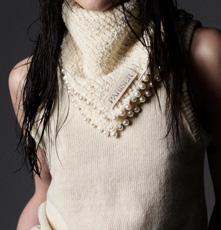
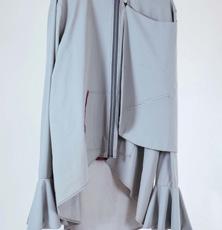
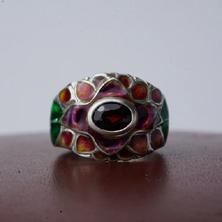
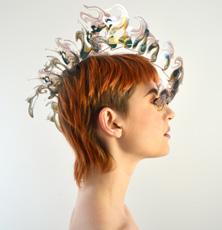
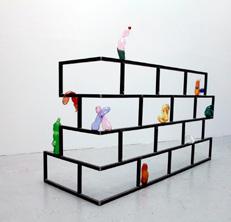
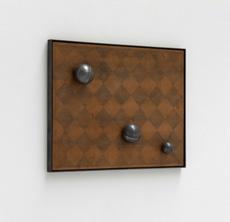
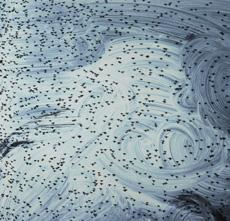
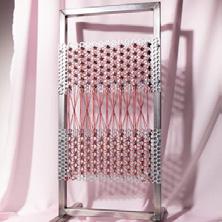
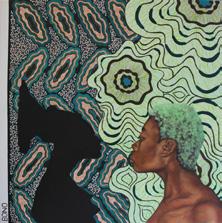
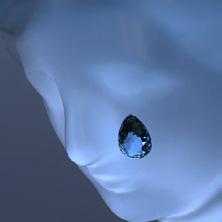
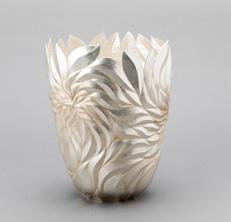
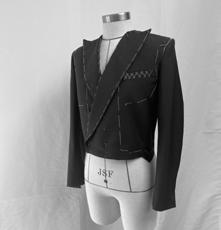
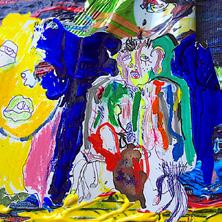
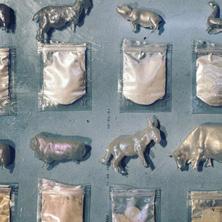
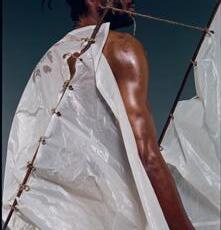
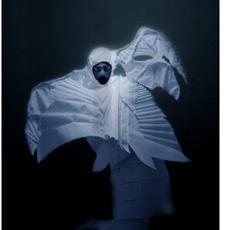
Sarabande supports the creatively fearless minds of the future; our aim is to nourish emerging artists on all fronts to ensure they have the means to realise their distinctive visions. Sarabande offers scholarships at leading arts universities, houses the best value artist studios in London, and runs a pioneering public programme of events. Once a Sarabande artist, always a Sarabande artist. We continue to mentor our alumni to help build a successful and sustainable business that is true to them and their practice. We believe that artists work better in a creatively enriching environment – our peer-to-peer community ensures that our artists get just that. Our creatives’ work is also multifarious. We welcome a range of disciplines from jewellers and designers to animators and performers – all of whom have a unique vision and dedication to their craft.
Our Ethos
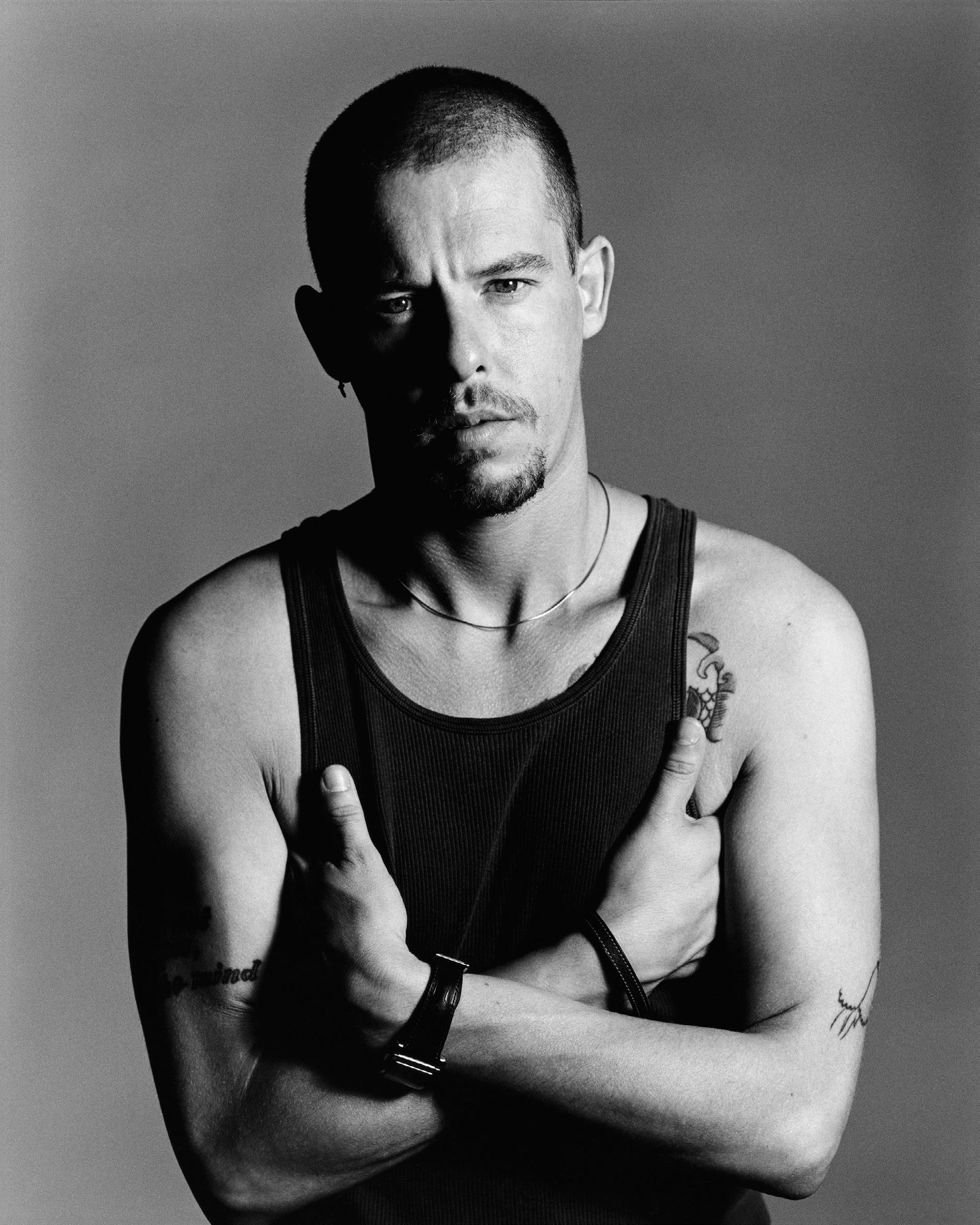
Lee Alexander McQueen established Sarabande in 2006; named after his Spring/ Summer 2007 show. Knowing that access to the arts isn’t always plain sailing, Sarabande was established to support those with enormous talent and artistic vision by giving them the means to push boundaries, overturn prevailing orthodoxies and fulfil their potential. Put simply, Sarabande’s mission is to inclusively nurture the intrepid creatives of our future.
In 1994, two years after showing his final MA collection at Central Saint Martins, Lee founded the Alexander McQueen label, which has grown to become one of the foremost creatively led fashion brands in the world. Lee’s collaborative spirit was essential to the brand’s success.
He sought out and invited fellow artists, artisans and creatives to work on collections, shows and campaigns. This merging of skill and vision allowed Lee to continually push the limits of fashion – expanding its relevance, artistry and meaning. It is this sentiment that runs through Sarabande’s core and, in the light of this – that mixing with other creatives is intrinsic to our ethos – we provide an encouraging space for our artists to collaborate and be explorative with their work.
Sarabande’s support for creatives is threefold: we offer scholarships to study at top-level arts institutions in London, a subsidised studio programme with bespoke mentoring, and a pioneering public programme of on-site events for the wider creative community. When we speak of the Sarabande ‘family’, we are true to our word; our alumni have continual access to our support even after they have flown the nest.
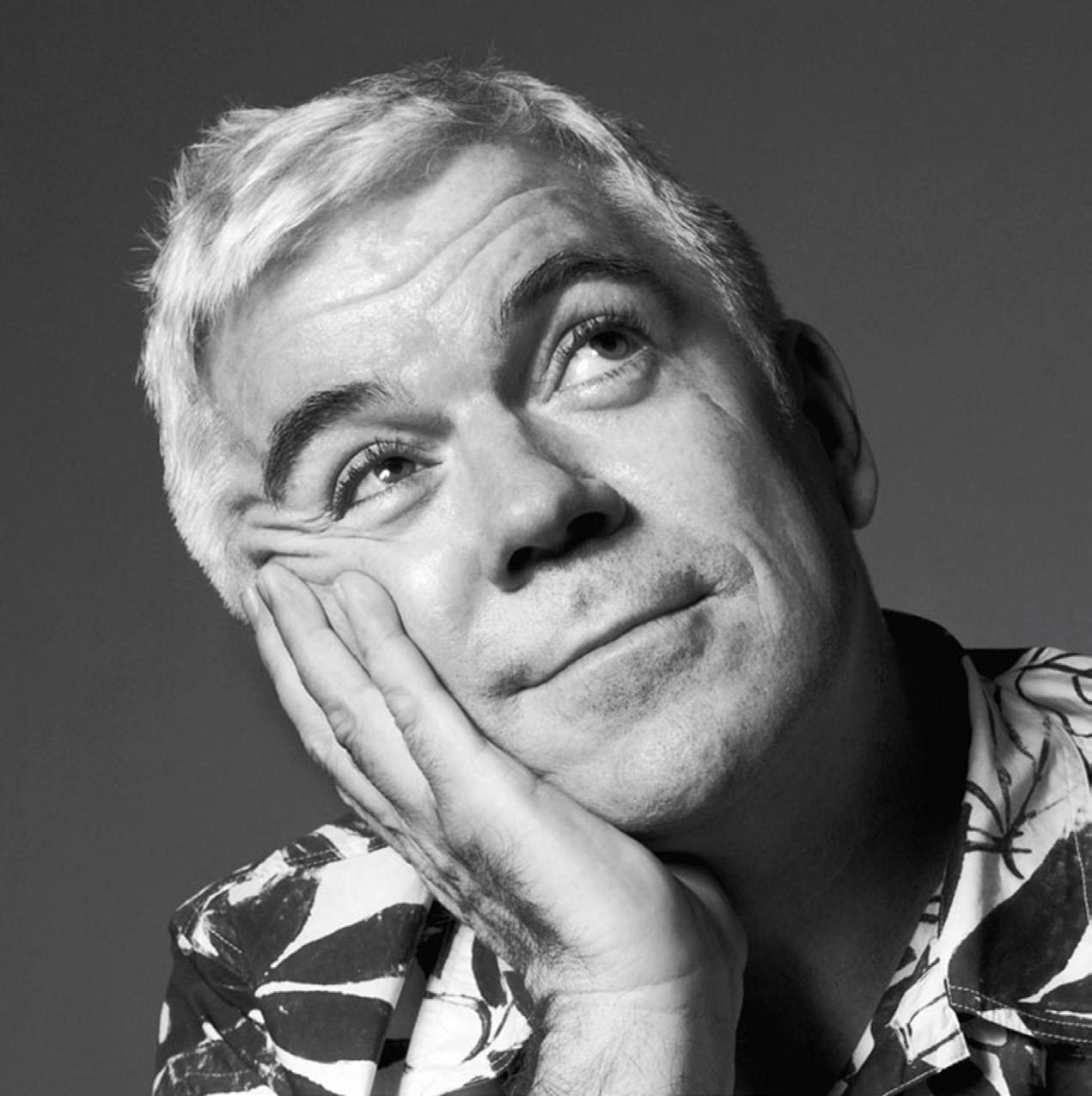
(Image by David Bailey)
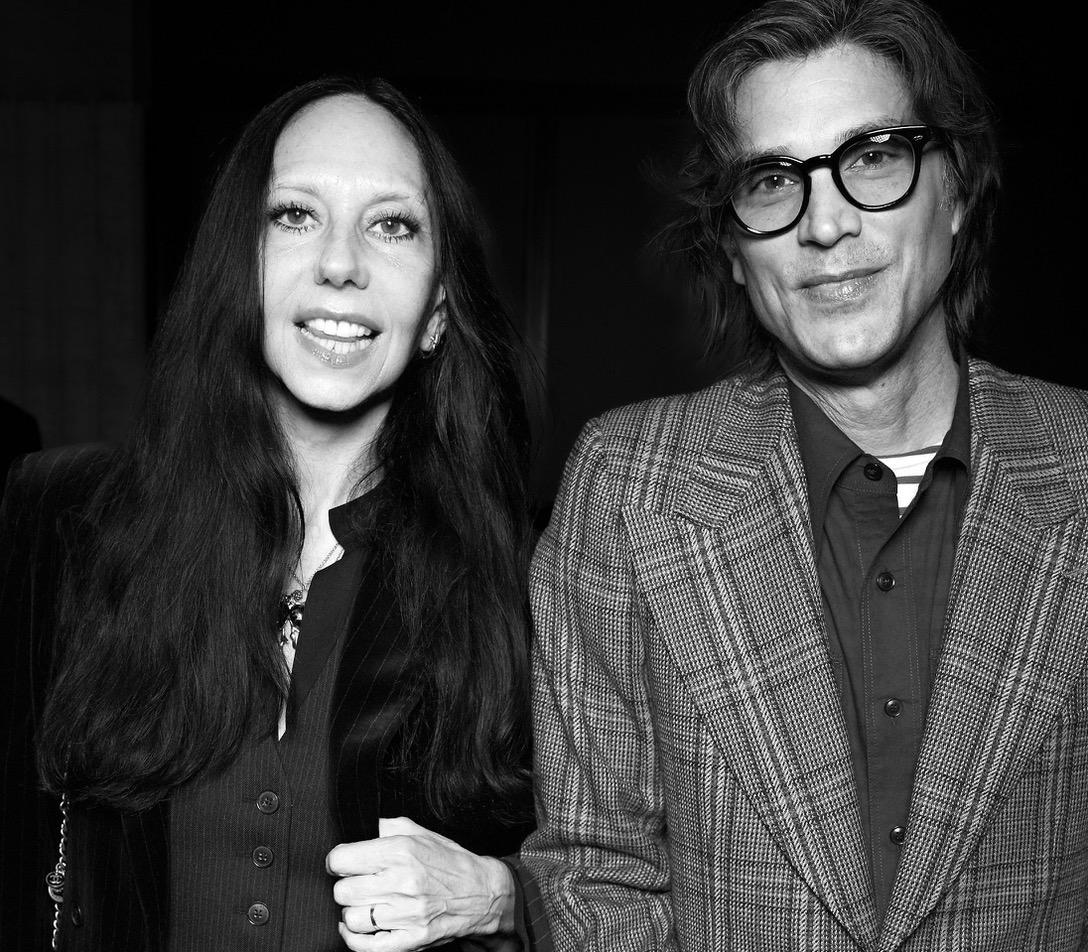
Foreward by Inez + Vinoodh
Image by Stephane Feugere
“What now?”
This question got the most inspiring reply when, last summer, we had the experience of visiting the Sarabande studios in London with our son Charles Matadin and his girlfriend Natalie Brumley. Both of them are sculpture students at the Rhode Island School of Design in Providence, graduating this year with that very daunting question swirling around in their minds.
And there, in the stable blocks in Haggerston, was the much needed answer: a rigorous community and caring environment full of safety nets and advice from anyone in any world you could dream up.
We were shown into the studio spaces of sculptors, fashion designers, goldsmiths and photographers who were all eager to share their thoughts and inspirations. It was an eye-opening opportunity for our two young artists, seeing the quality of the work but also hearing about Sarabande‘s help with setting up contracts, connections and specifically the “What Now?” fairs in London and New York.
We were both lucky enough to have received financial support from the Dutch government to develop our practice after art school and on top of that a life changing artist in residency at Moma PS1 in New York back in the early 1990s when budgets for art funding were still abundant and considered a must to expand a country’s cultural perception in the world.
Today’s world of reduced grant and government support budgets is very different for young artists starting out, having to juggle social media’s constant hunger for the new with diving into deep silence to create on top of finding ways to pay rent, eat and access materials and spaces to work.
So, yes, “What Now?” Sarabande is the answer to it all. We left the afternoon with Sarabande feeling hopeful and in awe of the ever expanding community of creatives that is thriving in Lee McQueen‘s name.
With love,
Inez van Lamsweerde and Vinoodh Matadin, 2026
A note to our Supporters
A BIG thank you to all the brands, companies and individuals who have contributed to this manifesto and supported Sarabande over the past year.
We know we are not alone in feeling that the economic landscape continues to be challenging for our industry. We are grateful to those who continue to support our mission in spite of, and even because of, the current environment.
Together, we comprise a global group of like-minded companies and individuals who share our mission to elevate and guide future generations of visionary thinkers to follow in your footsteps.
Sarabande was kickstarted by Lee’s vision and direction, but it is with your help that we have changed the lives of more than 280 artists and designers through scholarships and access to affordable studio space. Through workshops, exhibitions, and inspirational and educational talks, we have opened up our artistic realm to tens of thousands of curious creatives.
With your support, you have shown that the creative community cares for its members and pulls together, forming a strong, tight-knit community around the world, almost more than ever in time of need. Sarabande could not do it without you.
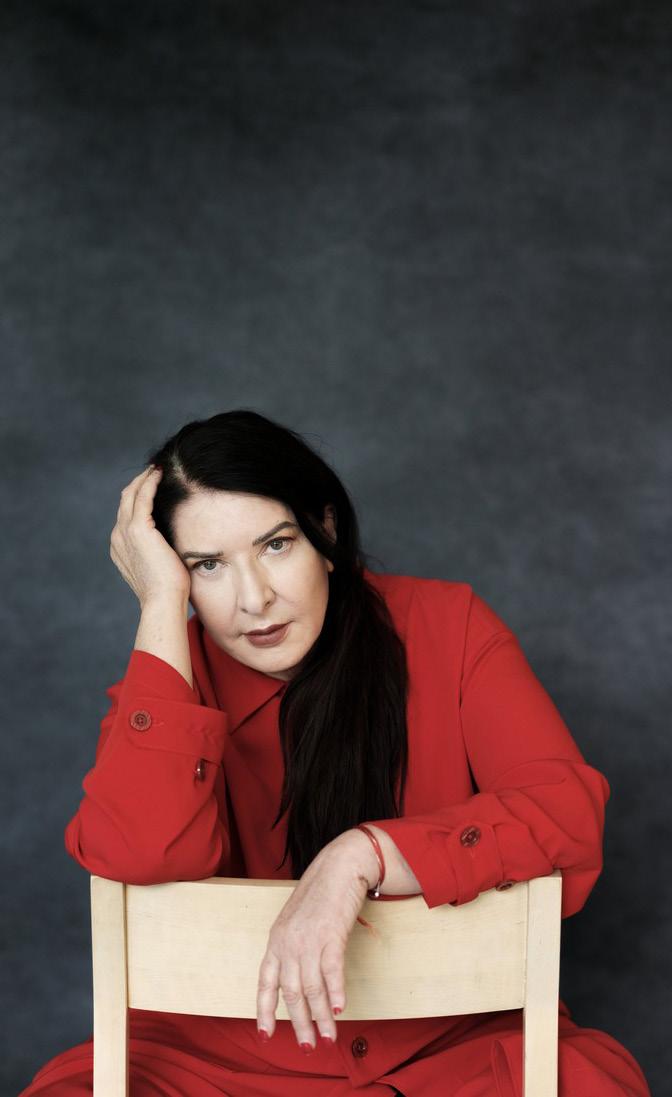
Marina Abramović is one of the most influential and groundbreaking artists of our time, redefining performance art and its role in contemporary culture. Born in Belgrade in 1946, Marina has spent more than five decades exploring the intersection of endurance, vulnerability, and connection, crafting works that push the boundaries of human potential and artistic expression. Marina has not only shaped the history of performance art but has also inspired a new generation of artists to embrace the transformative power of presence and self revelation.
In Marina’s words:
“Sarabande Foundation is a very special and unique combination of many media – art, fashion, architecture, film, video and mixed media.
Creatives are offered endless opportunities to develop and create new languages, influencing not just art, but culture, society and the way we think.”
“Creatives are offered endless opportunities to develop and create new languages, influencing not just art, but culture, society and the way we think.”
“Sarabande Foundation is a thriving incubator of creativity. It fosters a community of like-minded individuals, who are encouraged to express themselves in the truest and purest of ways. Every time I visit, I leave feeling inspired, invigorated and, above all, humbled by the work I see and the conversations I have with every resident.”
Andrew Bolton, OBE, has been Curator in Charge of the Metropolitan Museum of Art’s Costume Institute since 2006 and is widely recognised for curating several of the museum’s most pioneering and successful fashion exhibitions, including; Alexander McQueen: Savage Beauty, Rei Kawakubo/Comme des Garçons: Art of the In-Between, Heavenly Bodies: Fashion and the Catholic Imagination, and most recently, Sleeping Beauties: Reawakening Fashion.
In Andrew’s words:
“Lee’s legacy lives on through his extraordinary body of work, which still has the ability to generate visceral emotions. Perhaps more essentially, however, it thrives through the incredible ambitions of the diverse range of artists and designers that have passed through the Sarabande Foundation. Their unique creations not only channel the astounding originality and imagination of Lee, but also his astonishing bravery and fearlessness.
Sarabande Foundation is a thriving incubator of creativity. It fosters a community of likeminded individuals, who are encouraged to express themselves in the truest and purest of ways. Every time I visit, I leave feeling inspired, invigorated and, above all, humbled by the work I see and the conversations I have with every resident. Sarabande emboldens its artists and designers to think differently and empowers them through an inimitable camaraderie of creativity. Born out of Lee’s noble vision, it stands as his proud and eternal legacy.”
““I am honoured to be an ambassador for The Sarabande Foundation as I am in awe of the incredible work they do It is truly inspiring to visit the studio space and be in the company of such a diverse range of skills and talent”
Sandy Powell CBE is a multi awardwinning Costume Designer. Amongst her many accolades her work has earned her 3 BAFTA Awards, 3 Academy Awards and 3 Costume Designer Guild Awards.
In 2023 she was the first Costume Designer to receive the prestigious BAFTA Fellowship in recognition of Outsatnding Achievement in the Art Forms of the Moving Image.
Over the last three decades, Powell has collaborated with some of the most highly regarded filmmakers of the twentieth and twenty-first centuries including Martin Scorsese, Todd Haynes and Derek Jarman.
In Sandy’s words:
“I am honoured to be an ambassador for The Sarabande Foundation as I am in awe of the incredible work they do supporting creative talent by providing not only Scholarships for emerging visionaries but studio space for artists of varying ages to further develop their skills. It is truly inspiring to visit the studio space and be in the company of such a diverse range of skills and talent.”
“Sarabande Foundation provides the structure, the care, education, and community to create work. There is a wide range of artistic skills that are supported, ranging from jewellery making to image making, and Sarabande is always looking towards the future.”
Nick Knight CBE is one of the world’s most influential and visionary photographers. He is also the founder and director of award-winning fashion website, SHOWstudio.com.
In Nick’s words:
“Artists see the world in a way that the rest of us do not, tuning into the subtleties that we would normally bypass. Sarabande Foundation provides the structure, the caring, education, and community to create work. There is a wide range of artistic skills that are supported, ranging from jewellery making to image making, and Sarabande is always looking towards the future.
Lee sent out images into the world that were as important as paintings, and they stay in the consciousness. We want our artists to show us things we cannot see – good and bad – and we need to put time and effort into protecting them, and giving them the time, space and support they deserve.”
Meet the Ambassadors
“I’m proud to be a patron for Sarabande. That his legacy supports a charitable foundation for artists and designers means he is alive through the work he supports.”
Sam Taylor-Johnson OBE was born in Croydon and graduated from Goldsmiths, University of London, in 1990. Her first solo exhibition was at The Showroom, London, in 1994, and she was the youngest artist to be granted a solo exhibition at the Hayward Gallery for a major retrospective of her work. She traverses directing major films and her personal artistic practice.
In Sam’s words:
“From my perspective, it is really important to support the foundation, as it was so important to Lee. Sarabande is an extension of his creativity. It creates a thread linking his thought processes to his love of collaborations with other artists –musicians, artists, jewellers, imagemakers – and keeping that thread alive is magical.
Sarabande is curated with absolutely the right spirit, with artists working at a consistently high level. Lee was a fantastic collaborator and imagemaker, which was reflected in every single aspect of what he did. There is no one like him, but having these young creative minds coming through Sarabande is starting to fill that emptiness. It is a gift for me to be involved as a patron of the foundation – it is so alive.”
“When I’m trooping through the Sarabande studios, I’m transported... The heady combination of art and fashion and jewellery and strange ambitions is more than an artful testament to the legend of the man whose bequest made it all possible. It’s the best possible living legacy.”
A leading fashion critic and editor-in-chief of BoF, Tim Blanks is a greatly respected and loved commentator and writer on the global world of fashion. Tim moves effortlessly between art and fashion and has helped the foundation with several talks and introductions.
In Tim’s words:
“I know Sarabande was a stately court dance in 17th-century Europe, though its earlier incarnation as a notoriously lively Central American fandango might have been more up Lee McQueen’s street. Either way, the word has a connotation of otherworldly culture that makes it an ideal label for Lee’s foundation. When I’m trooping through the Sarabande studios, I’m transported. Where did these people come from, with their passions and their quirkiness and their extraordinary craftsmanship? The heady combination of art and fashion and jewellery and strange ambitions is more than an artful testament to the legend of the man whose bequest made it all possible. It’s the best possible living legacy.
‘On a more pragmatic front, Sarabande is also a smart investment in the future of the British fashion industry because it encourages and celebrates what we’re best at: storytelling, craft, idiosyncrasy, fearlessness, and a style heritage like no one else’s. I can’t remember a moment when we were more in need of a reminder of all that. If Sarabande had a banner, I’d be marching under it, in joyful humanist defiance of blinkered political orthodoxy.”
The Studios
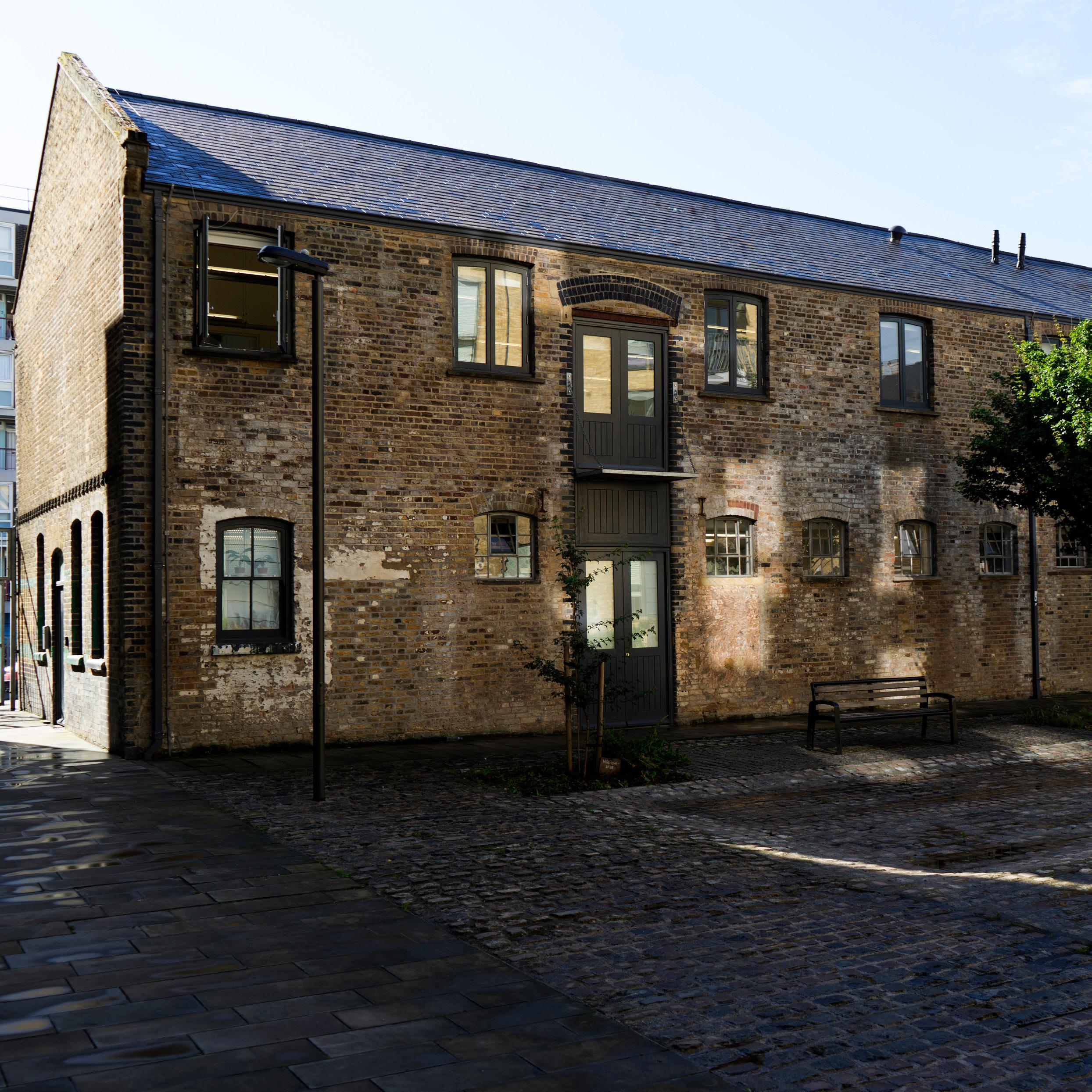
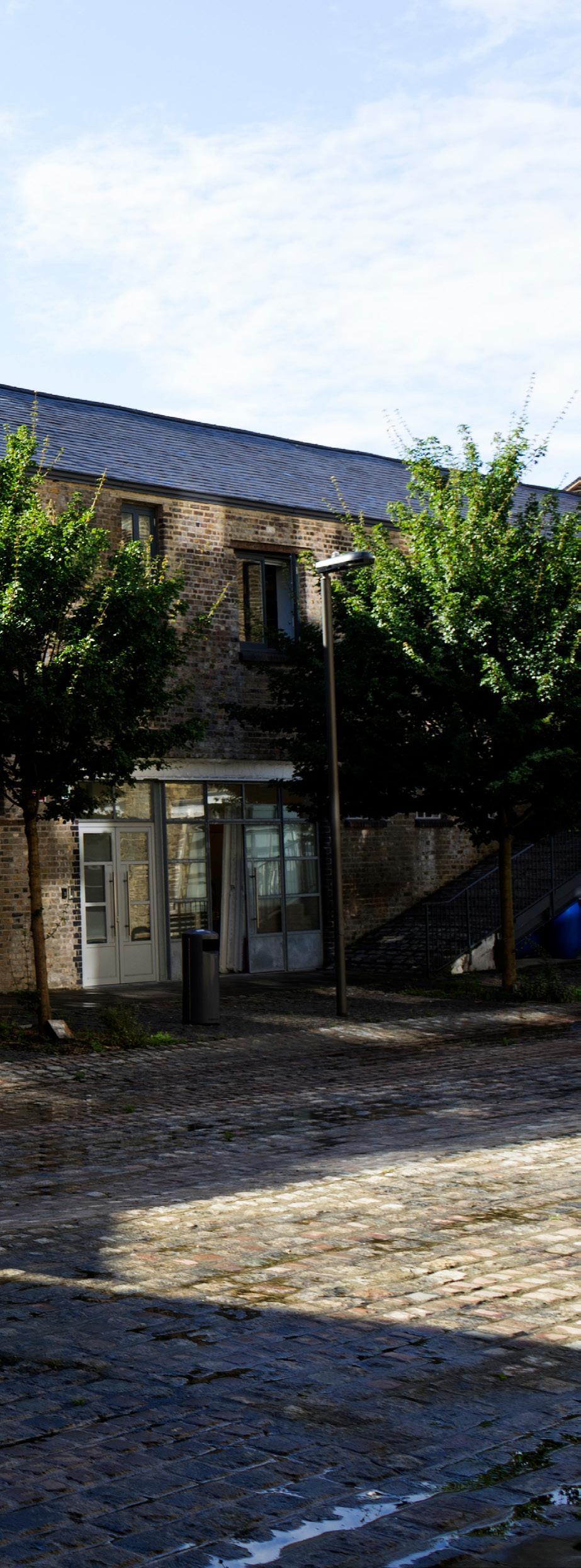
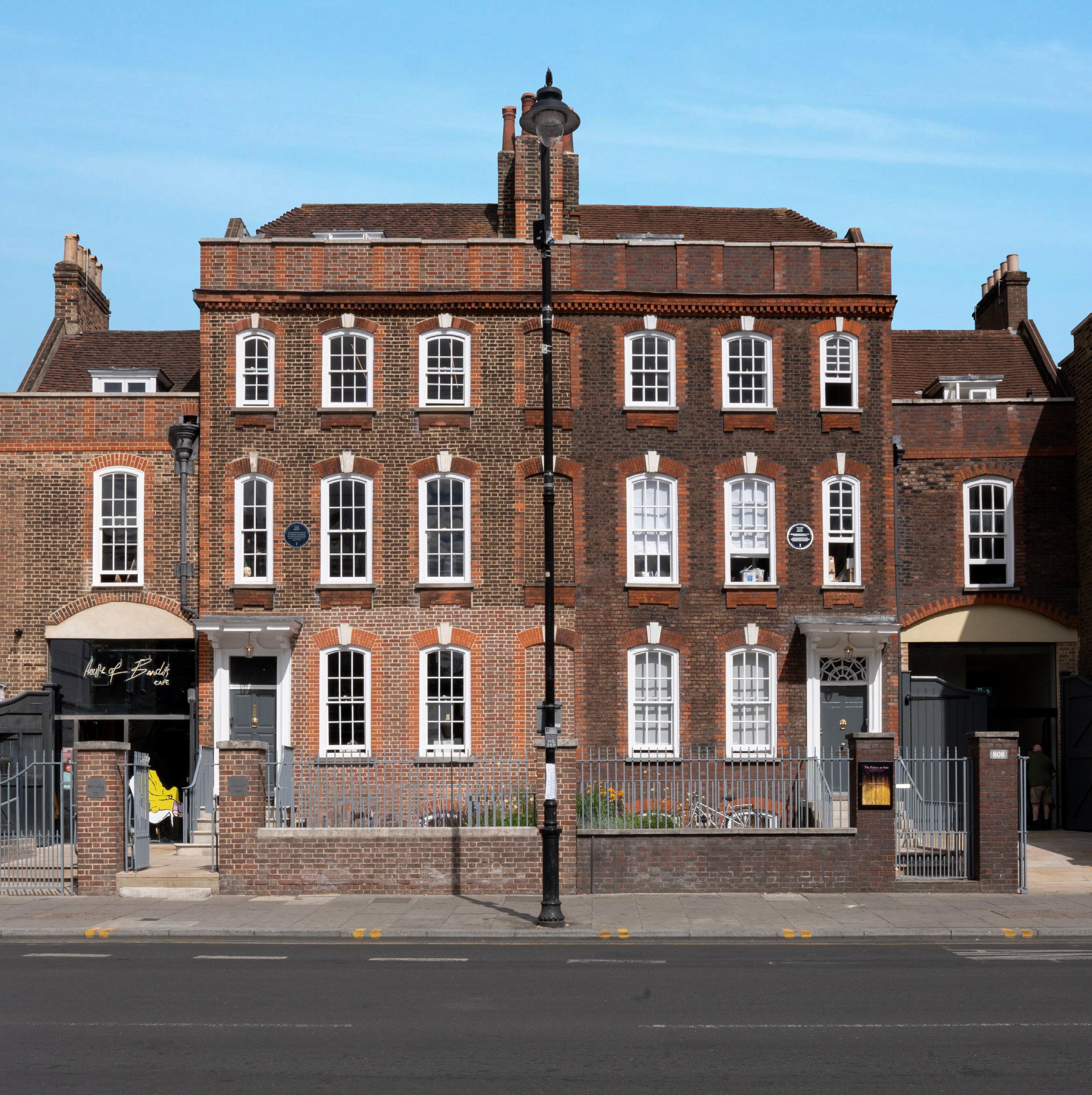
Sarabande is proud to have two pioneering studio complexes in London, boasting 32 of Europe’s best-value artist spaces. Our HQ is based in a converted Grade II-listed Victorian stable block in Haggerston, while its sister site – two Grade II-listed Queen Anne townhouses – stands on Tottenham’s High Road. Both sites have 24-hour access, forming a creative community with designers and artists from multiple disciplines.
Costing a fraction of the local average, our studios are among the cheapest in London. At only £1 per square foot per month, the heavily subsidised studios ensure that our residents can focus on creative development and expanding their business to establish sustainable models for growth. Sarabande has endowed these original studio spaces for the past nine years, with no increases to rent.
Set in two of London’s richest creative hubs, Sarabande epitomises its surrounding creative spheres. Our buildings are home to a plethora of artists, including sculptors, fashion designers, jewellers, textile designers, painters, performance artists, silversmiths, costume designers, ceramicists and dancers. Alongside these, Sarabande also houses filmmakers, animators, photographers, digital designers and visual artists.
The studios house a comradeship of creatives who bolster each other’s practices and provide the drive to capitalise on other opportunities provided by the foundation. In addition to subsidised rent, residents have access to bespoke business mentoring, pro bono support from accountants and lawyers, discounted tickets and networking within our educational events, assistance for press and marketing strategies, professional filming and documentation, free use of the exhibition space, support in realising ambitious projects, and inclusion in the global creative activities led by the foundation, such as retail events and exhibitions.
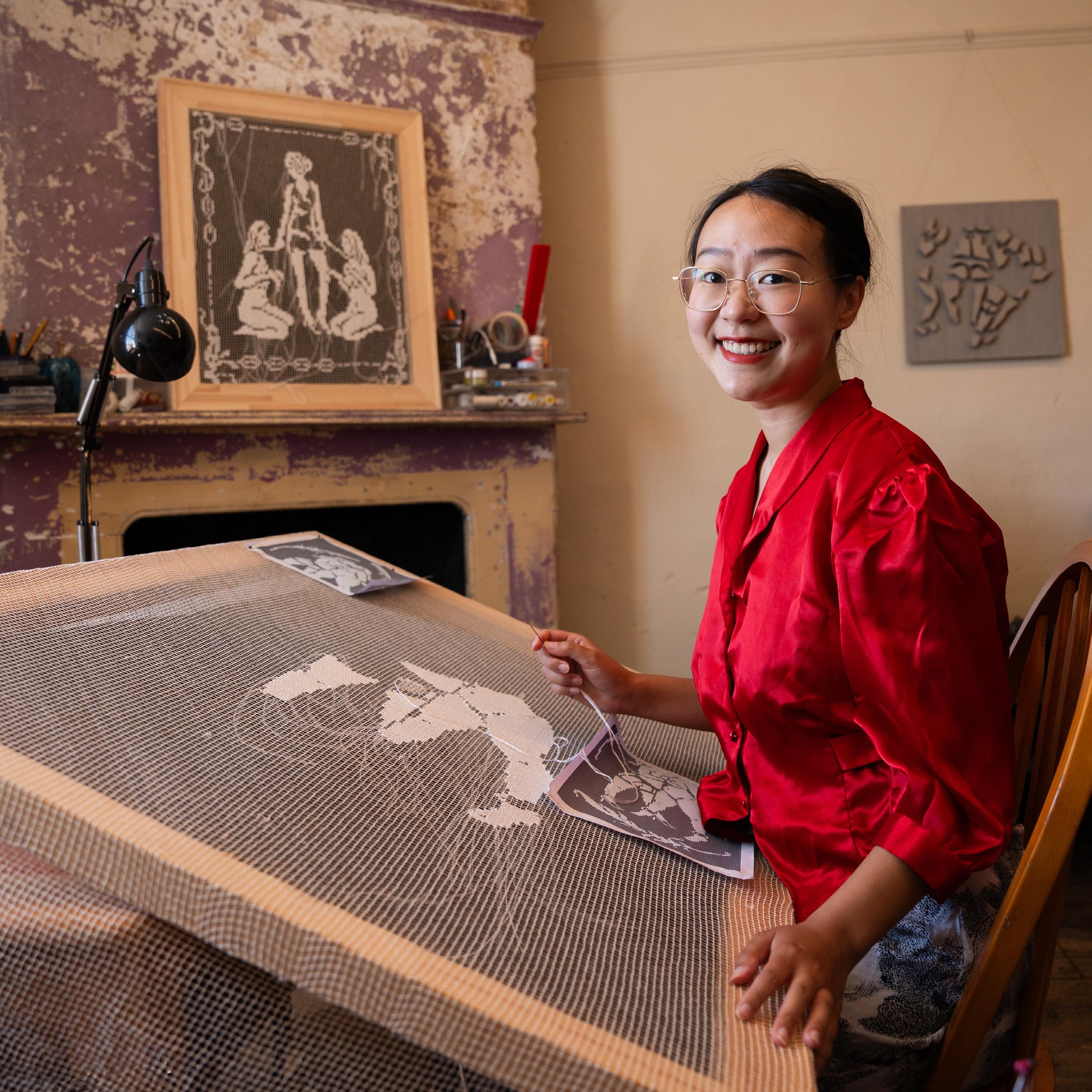
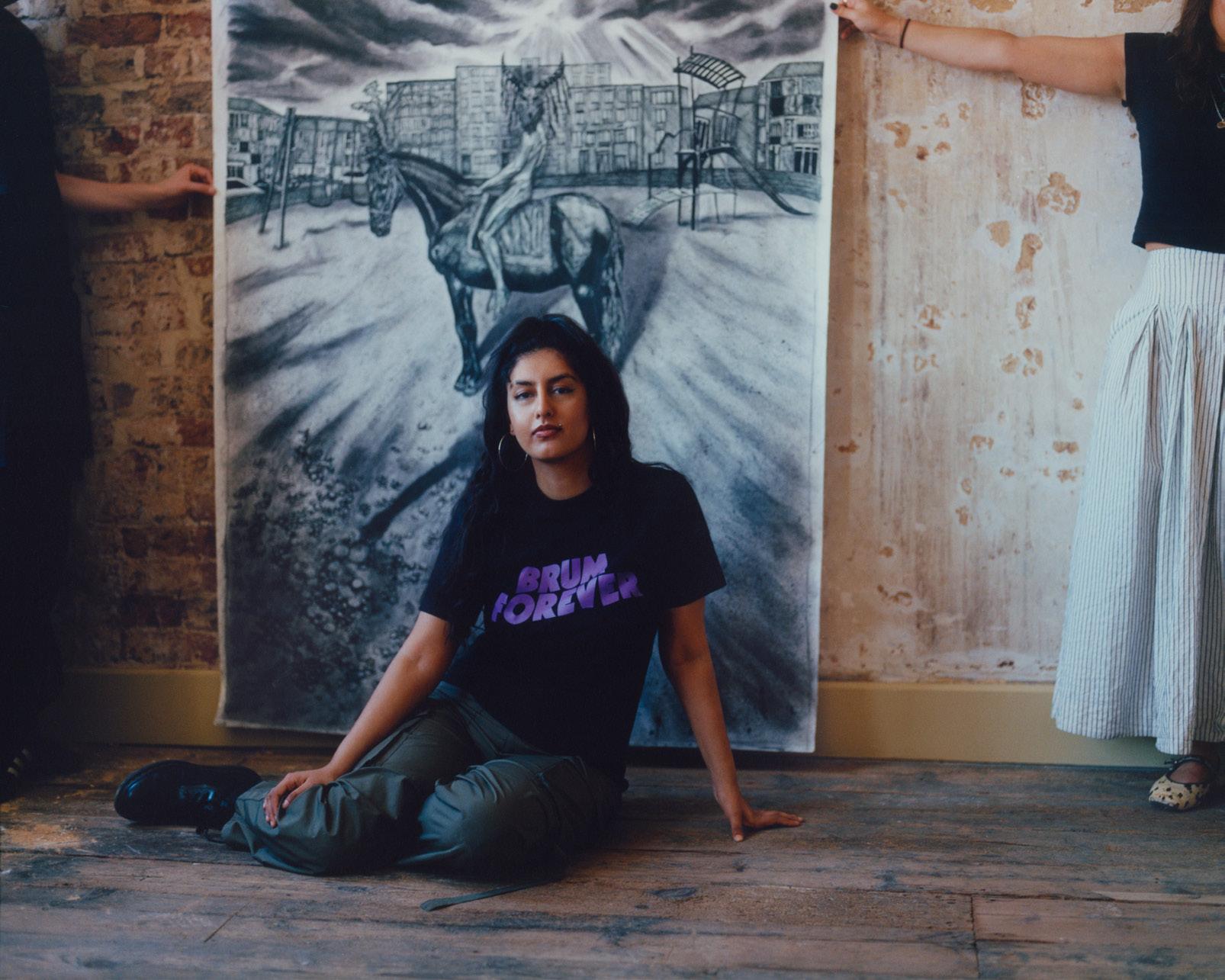
Jingyi Li in her Tottenham studio
Scholarships
Since 2012, Sarabande has awarded students with scholarships for fashion at Central Saint Martins and art at Slade School of Fine Art. Both being of the most prestigious and generous scholarships available in London, beneficiaries are selected for having a fearless approach to creativity, but lacking the financial means to fulfil their vision. As of 2020, Sarabande bolstered this aid: increasing our full scholarships to BA Fashion at Central Saint Martins two-fold and introducing final-year bursaries to all courses. In 2022, these bursaries were increased by 50% to BA Fashion at Central Saint Martins. In 2023, we increased scholars’ living stipend by 30% in line with the increased cost of living – this has been maintained throughout 2025 and 2026. In addition to financial support, students have access to bespoke mentoring from the Sarabande team and network, use of the building for development and exhibitions, and coverage in Sarabande’s international press. Unlike most scholarships, we are not just a final-year bursary. Instead, we financially support each student every year of their study, from start to finish, with a promise to support their practice beyond their years in education.
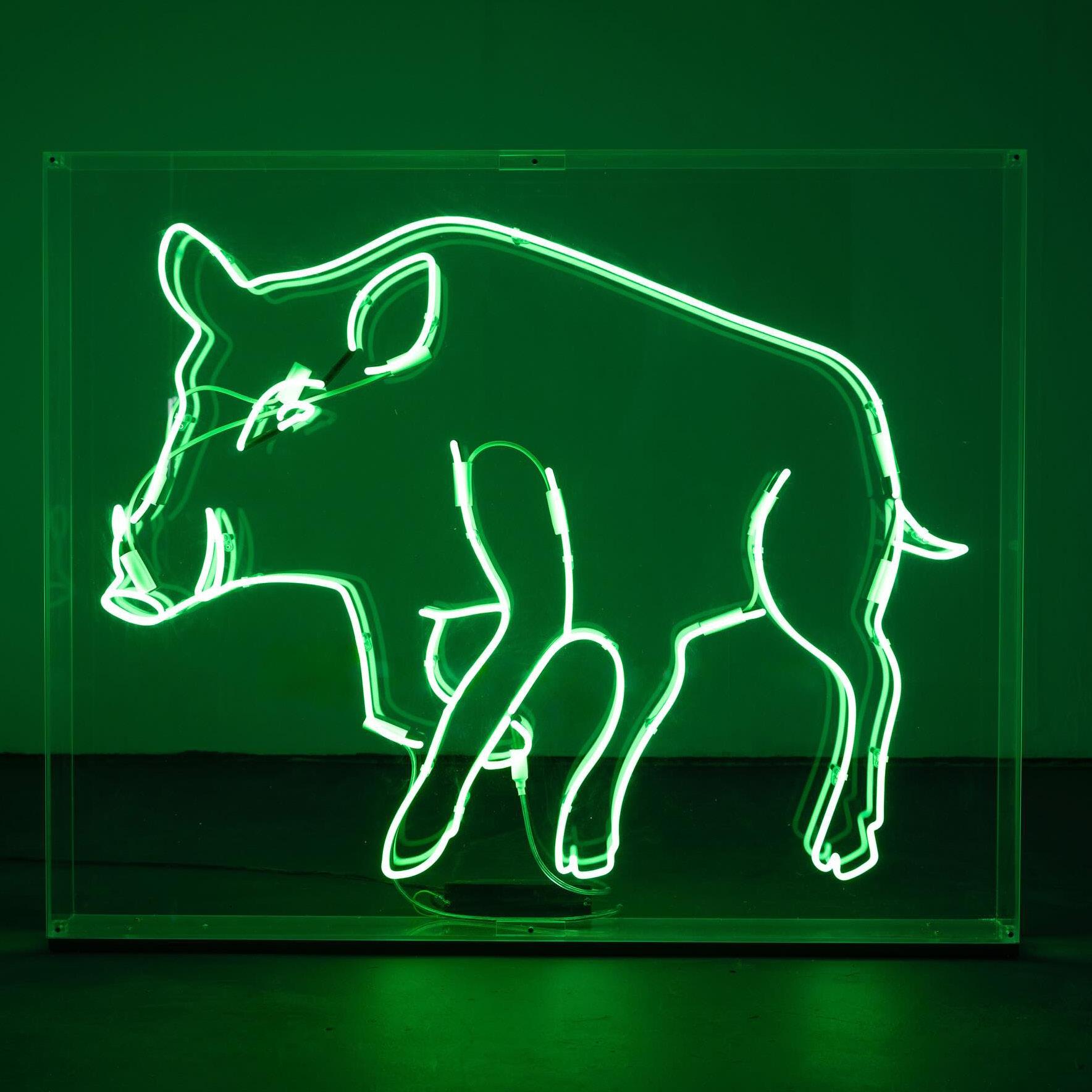
Radioactive Boar by Daniel Taylor
Our award-winning scholars have been chosen by industry experts from the foundation’s network, including Sarah Burton OBE, Dinos Chapman, Sølve Sundsbø, Shaun Leane, Katy England, Tim Blanks, Hannah Barry, Nick Knight CBE, Matthew Slotover, Craig Green MBE, Sadie Coles, Giles Deacon, Todd Lynn, Jake Chapman, Kim Jones, Chris Ofili CBE, Marina Abramović, Daniel Roseberry and Maria Balshaw CBE. This year, we welcomed Sandy Powell CBE and Hannah Watson to the roster. Starting at the beginning of a creative’s career by supporting their education and continuing to position opportunities in their way, our scholarship programme embodies Sarabande’s work and all that we do to champion visionary artists of future generations.
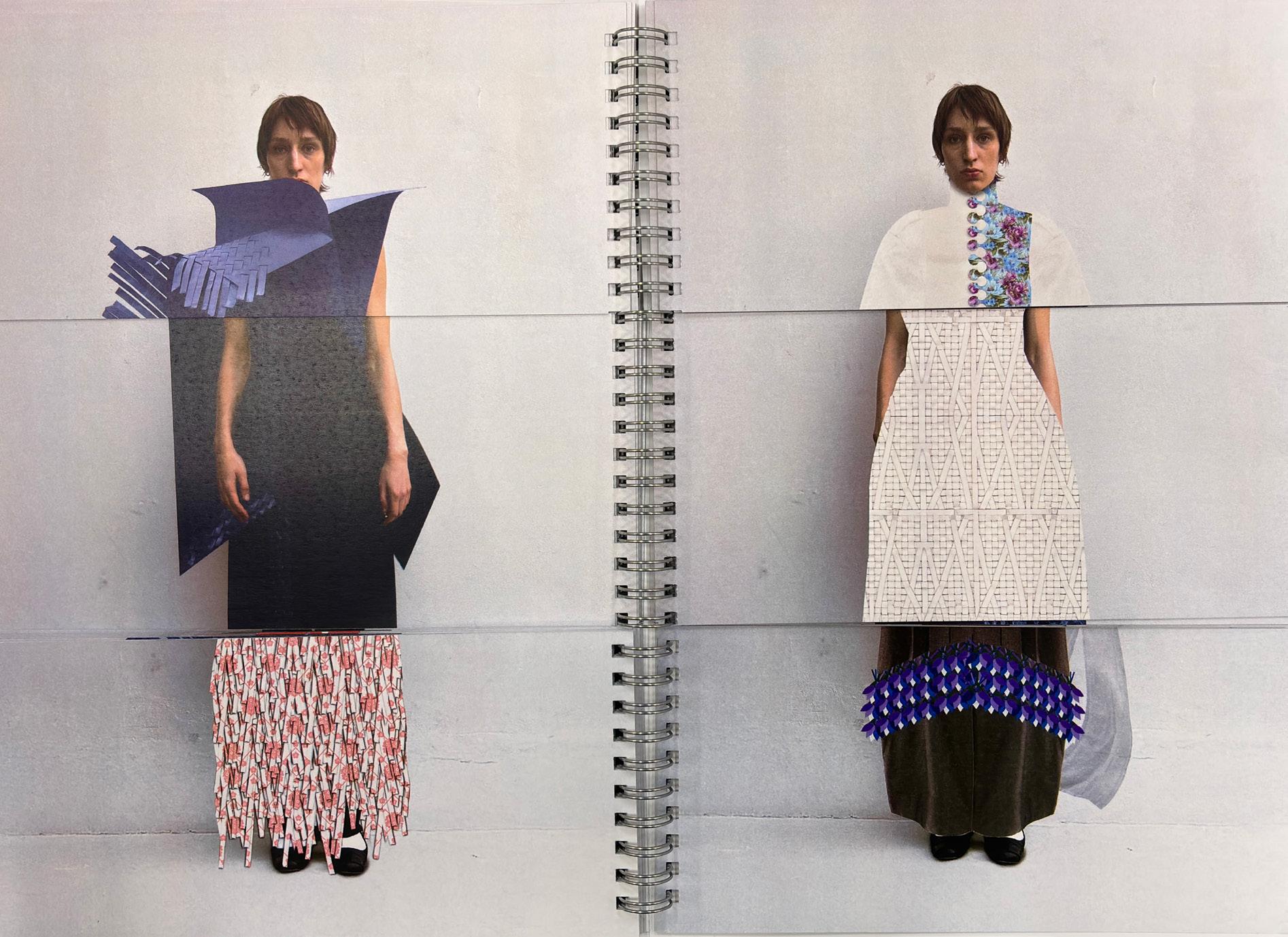
Jonas Duchaufour
As a foundation, it is our wish and our duty to honour the charity commission stipulations. In true Sarabande fashion, we go above and beyond the mandatory minimum by satisfying four of the 13 charity requirements. Not only do we address and relieve financial strain, but we also bring accessibility to the arts and education to the public realm. Sarabande is a foundation, not just a talent pool. We insist that neither we, nor anyone else, loses sight of that.
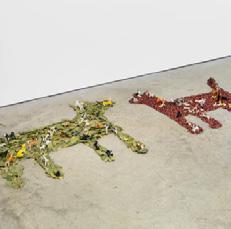
Dog Eat Dog by Bunny Henessy
Sarabande
The Year at Sarabande
2025 - 2026 has been a year of growth in every sense of the word. We finally opened the doors to our new Tottenham home, expanded House of Bandits in more ways than one and created more opportunities than ever before for creatives to flourish. Alongside packed galleries and busy studios, we’ve forged lasting partnerships, taken Sarabande onto the international stage and continued to champion our extraordinary creatives at the heart of everything we do. We wouldn’t have it any other way.
Summer can only mean one thing at Sarabande: Summer Group Show season. Under the thoughtful curation of Yijia Wu and Jan Urant, Sincerely, became the culmination of a year’s worth of making and creating. Needless to say, they pulled it off beautifully.
Imagined as an unfinished letter, Sincerely, unfolded as a conversation unfolding in real time through the works themselves. This was executed in two parts. Part 1, ...To… Part 2, … from…
Part 1: Consisting of Natalia Triantafylli, Shannon Swinburn, Shan Hua, Daniel Rey, Christian Hiadzi, Cherry Song, Helena Lacy, Adele Brydges, Françoise and Fredrik Tjærandsen. Part 2: Giulia Grillo, Camila Barvo, Beverley Duckworth, Jennifer Jones, Jan Urant, Tom Hemingway, Salvatore Pione, Lucy Ellerton, Yijia Wu and Bex Massey.
For six weeks, the galleries were anything but quiet. Late-night Thursdays came alive with performances by Daniel Rey, Fredrik Tjærandsen, Giulia Grillo and Françoise, while a whopping 890 visitors – including Nadège Vanhée of Hermès, TF Chan of Collect art fair, Soho House Art Collectors, Sandy Powell CBE and Sarah Burton of Givenchy – came through the doors. It was extremely busy… exactly how a Sarabande summer should be.
While the main exhibition drew crowds in Haggerston, a parallel energy was building up the road in Tottenham. Pinpoint brought together 13 artists from the Tottenham studios for an exhibition in response to the domestic scale of the space – focusing on the miniature with each piece no larger than 20 x 15 cm. Proof that big isn’t always better.
But the summer programme didn’t stay within Sarabande’s walls for long. In early July, we packed up a little piece of Sarabande and headed west, taking over The Roof Gardens for a three-day selling exhibition. An Art Trail wound its way through the building, with works popping up everywhere from the main lounge and Biba Bar to the gardens themselves, while House of Bandits transformed Esmé’s into a treasure trove of jewellery, artworks and irresistible finds.
As the evenings rolled in and the need for a drink set in, Aperitivo Hour brought together artists Shola Branson, Giulia Grillo, George Richardson and Banita Mistry for drinks, conversation and a healthy dose of creative crosspollination. The collaboration continued throughout the summer with Jan Urant’s pigment workshop, Kate Goodrich introducing members to the magic of cyanotypes, and Daniel the Gardener encouraging everyone to look a little closer.
Back at Sarabande HQ, there was never a quiet moment. Yijia Wu invited visitors into the wonderfully unexpected world of soap carving with her workshop Domestic Relics, before Daniel Rey transformed the gallery with his solo exhibition Islands in the Sky. To round off the quarter, Hussein Chalayan joined Mark O’Flaherty for our Inspired series in what proved to be a very hot ticket indeed, selling out in under three hours.
When the public programme paused, the making certainly didn’t. The main spaces remained a hive of activity, giving artists something increasingly rare in London: the space to think, experiment and make. And because once a Sarabande artist, always a Sarabande artist, the spaces remain available to current residents and alumni. They are constantly shapeshifting to be whatever the artists need them to be. London Fashion Week was no exception when Aaron Esh, AV Vattev, Renata Brenha and Neil Zhang transformed the building into a whirlwind of styling sessions, castings, collection presentations and campaign preparations.
Summer Group Show
Sincerely, 2025
As the season shifted, the momentum showed no signs of slowing. We don’t throw open the doors to everyone very often so a rare public opening point arrived with the Open House Festival. For the only day of the year, Sarabande opened its doors. Collaborating with F3 architects, we created an exhibition focusing on the heritage of the area and Sarabande’s site on the High Road. With just under 70 visitors throughout the day, we welcomed a mix of curious local residents, architecture students and the Director of Open House into the Foundation.
The Sarabande family also welcomed new faces – there’s always room for a few more. Our Slade School of Fine Art Scholar was picked by founder of TJ Boulting Gallery Hannah Watson. We were delighted to welcome Juliet Dodson to the Sarabande family, while Central Saint Martins MA scholar, Stephanie Corbyn, was selected by renowned costume designer and long-time friend of the foundation, Sandy Powell. And in the same spirit of welcoming new talent into the fold, Sarabande scholar and LVMH Savoir Faire prize winner Torishéju Dumi moved into the Tottenham studios. A big Sarabande welcome to everyone!
Then things really ramped up as autumn brought one of the busiest public moments of the year. House of Bandits stole the spotlight and decided one fair simply wasn’t enough, taking on Echo Soho and Minor Attractions. House of Bandits arrived at Echo Soho with no intention of blending in. We transformed our stall into a vibrant showcase of more than 30 predominantly female-identifying artists, standing shoulder to shoulder with leading names in the contemporary art world. Just a ten-minute skip across town, House of Bandits made itself at home at the Mandrake Hotel for Minor Attractions, taking over one of the hotel rooms (including bathroom and mini-bar…). Who said art only belongs on gallery walls?
Aviator’s Anatomy by Juliet Dodson
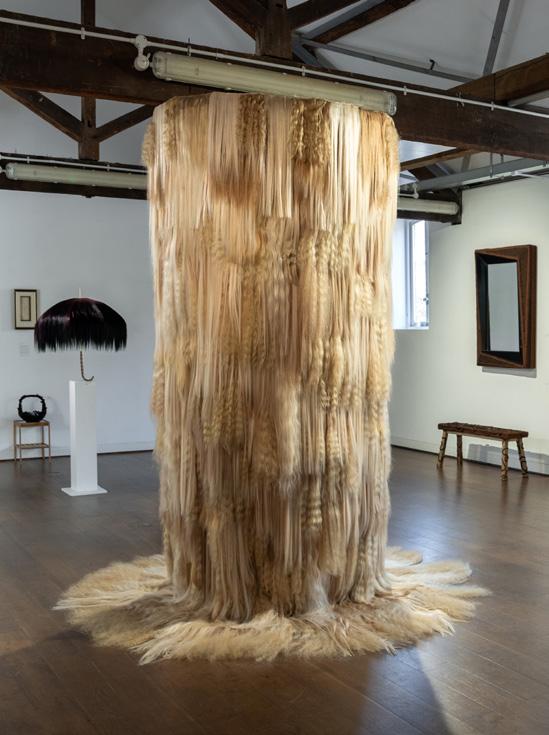
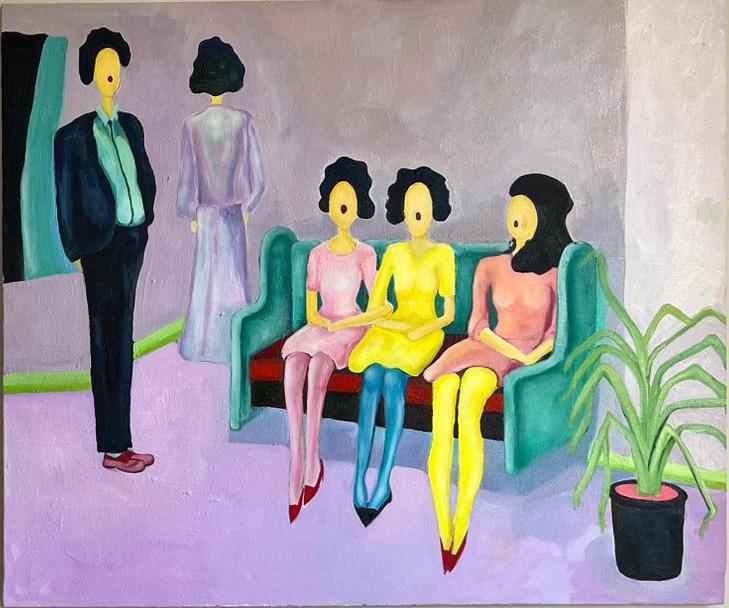
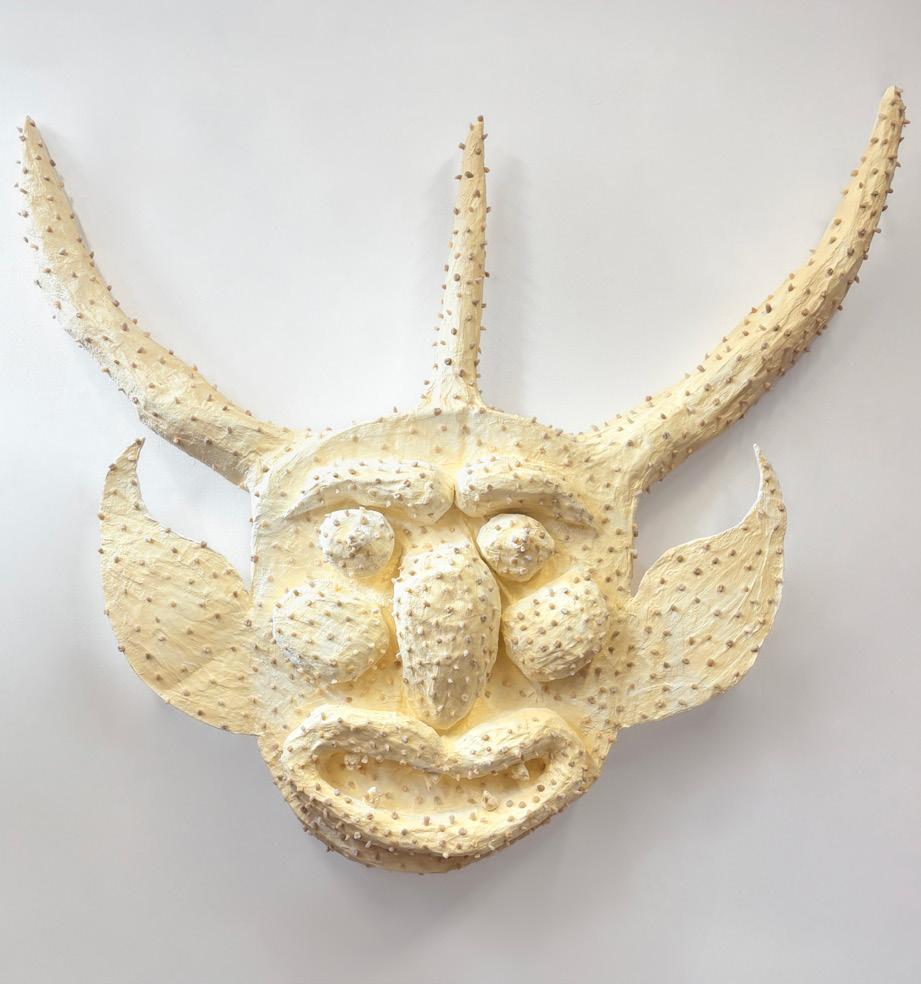
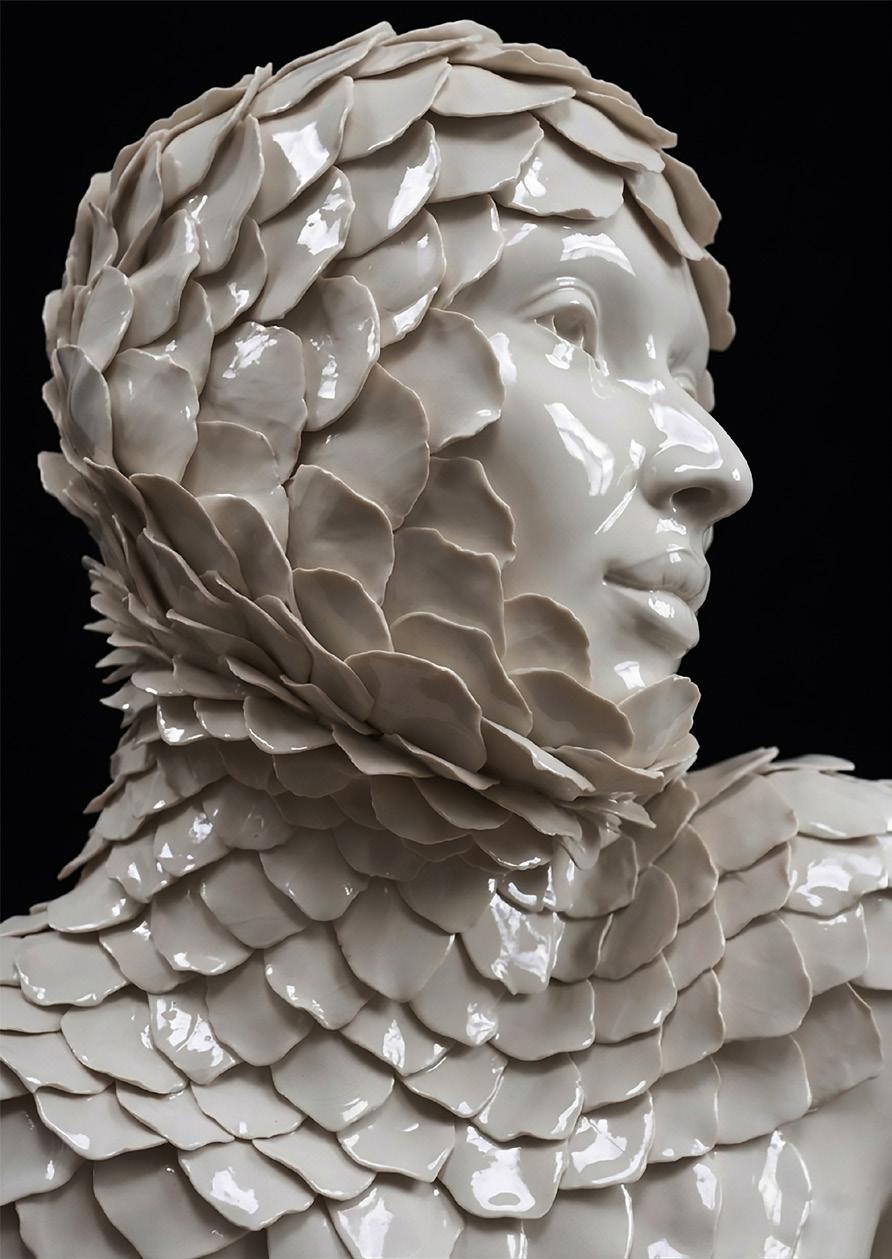
And just like that the end of the year was creeping up on us. The end of the year is always bittersweet, as we say goodbye to studio residents from the previous 12 months and the buildings fill up with new faces. In November we moved 29 new artists to our two sites – in the Hertford Road space we welcomed a painter whose dreamscapes are informed by lived experience of illness; a jeweller subverting established mythologies; a sculptor creating vibrant wearable works inspired by folk traditions; a painter drawing on Latin American tradition to explore identity; a fashion designer whose artisanal approach merges Nigerian and Scottish heritage; a ceramicist creating playful, spiked vessels; a hair sculptor; an artist and set-designer who blends ancient symbolism with futuristic sensuality; a sculptor working across textile and metalwork; a painter of the Black female nude; a ceramicist highlighting vulnerability, repair and transformation; and a multi-media artist working with salt and crystals.
In the High Road studios, new residents included a self-taught artist working in ink and charcoal; two jewellers working respectively in enamel and native seeds, and wood and exotic stones; an artist investigating Britishness, nostalgia and sexiness; a photographer making meticulously layered portraits; a ceramicist challenging Western views on art and craft; an artist highlighting the inherent beauty of the natural world; a painter bringing the tradition of oils into a contemporary context; an artist translating experience and emotion into small-scale posed figures; a multimedia artist and musician; a designer offering surreal reinterpretations of structure and proportion; a contemporary lacemaker who examines female desire, submission and BDSM dynamics; an artist making sewn paintings that straddle the painterly and sculptural; a multi-disciplinary artist looking at the hidden labour of care; a contemporary abstract painter, and a designer characterised by the tension between toughness and soft sensuality.
Depending on individual circumstances, Sarabande’s support occasionally extends further than a year in the studios, and Jo Grogan remained in Haggerston, Darcey Fleming in Tottenham and Yijia Wu, Tom Hemingway and Jet McQuiston moved up to join the High Road studios.
Image by NaoyaToita
Francisco Castillo by John Spyrou
The talks and workshops programme continued in full force. Our Practical talks tackle everything they forgot to mention at art and fashion school, equipping creatives with the confidence to navigate life beyond the studio. If you popped your head in during this time, you might have learnt why the right frame really can make all the difference or picked up a few survival tips for navigating the wonderfully messy reality of freelance life.
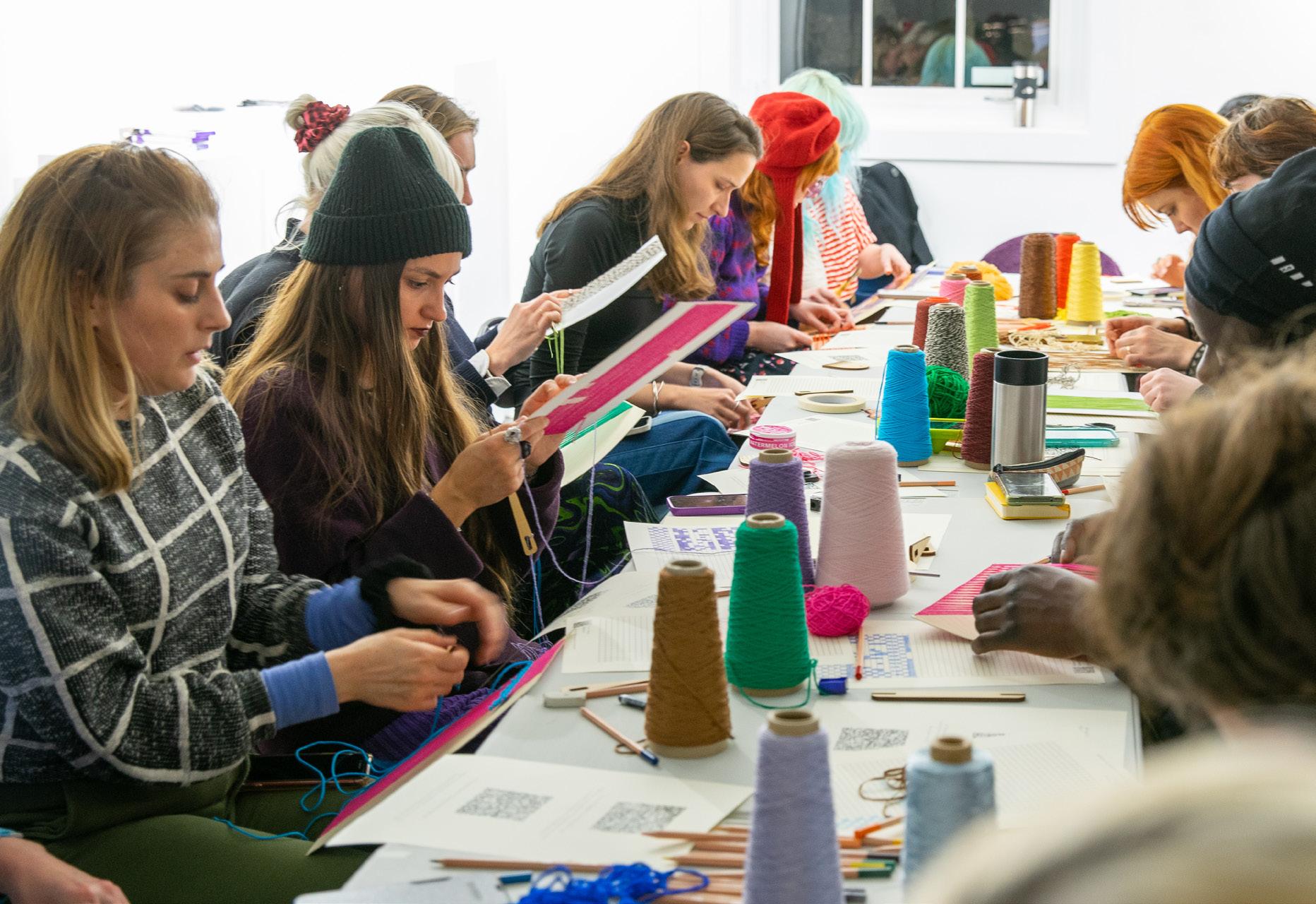
Of course, at Sarabande, learning is rarely confined to a conversation. Stephen Akpo had everyone stretching canvases, Shannon Swinburn’s sold-out Woven Code explored the intersections of textiles, technology and the history of Tottenham’s women, and over in Tottenham, Giulia Grillo and Salvatore Pione led one of our monthly artist crits, creating the space for artists to test ideas, share works in progress and challenge one another’s thinking.
Workshop Woven Code by Shannon Swinburn
Before long, the chairs were packed away and the gallery walls came back into play. Shan Hua transformed the gallery with her immersive installation, Loquat Tendons Severed, before contemporary painter Issy Wood drew a packed house for an Inspired conversation with acclaimed writer and curator Hector Campbell.
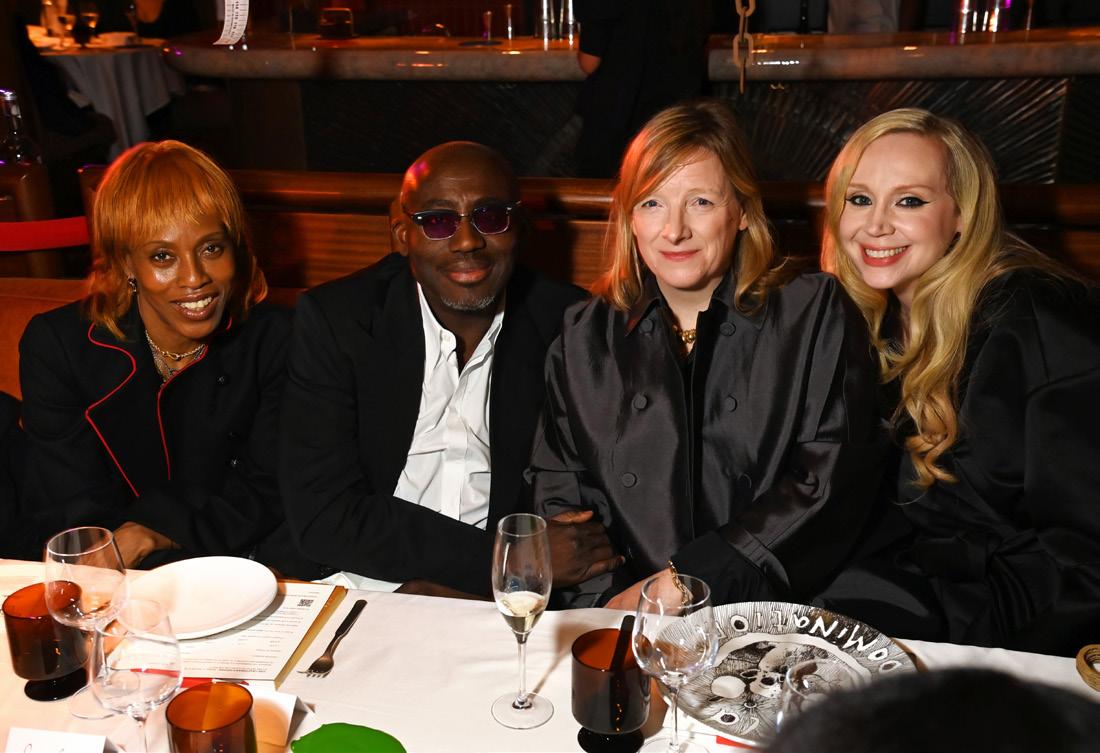
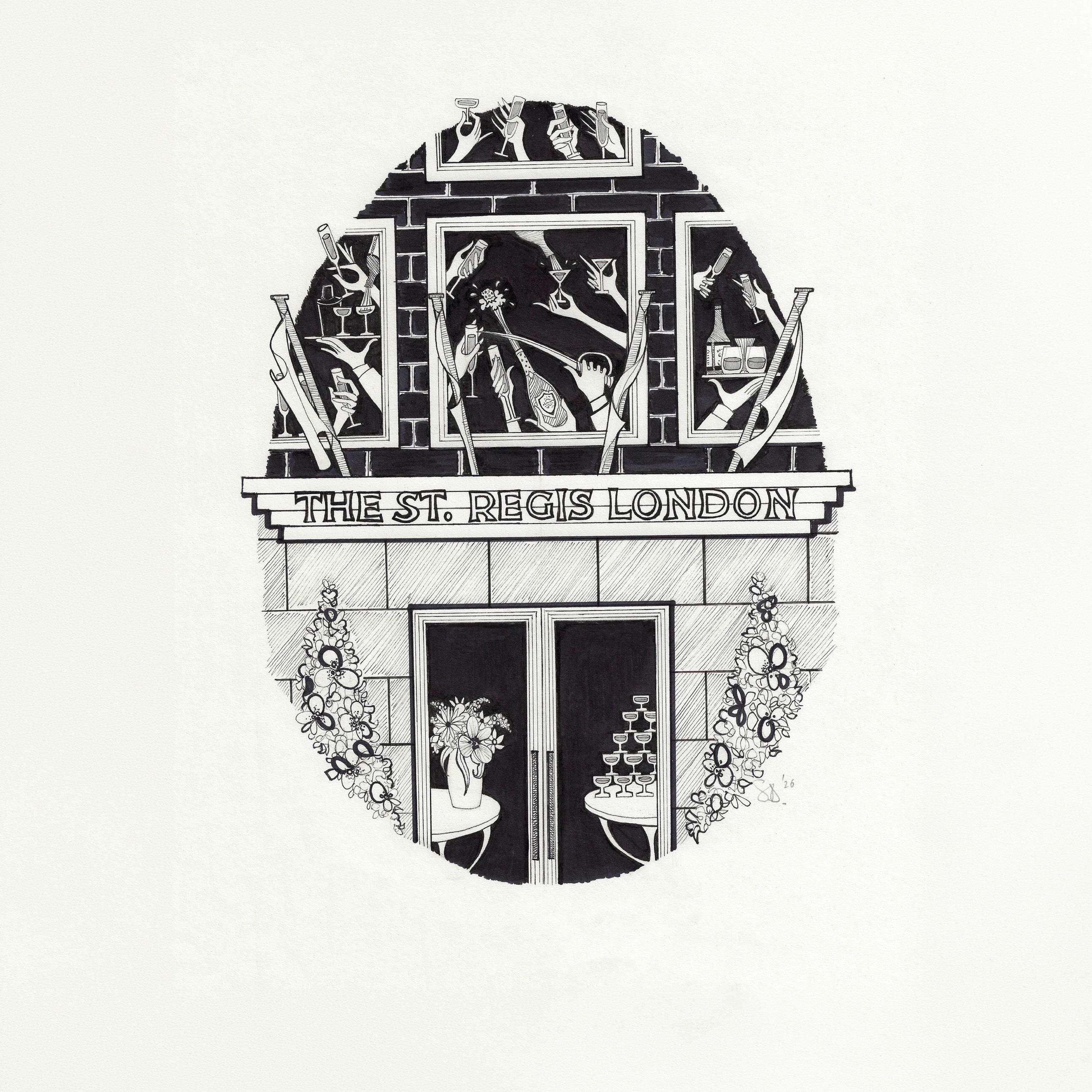
Sarabande’s fundraising gala returned to London this year. The Craftsman’s Dinner was hosted by our wonderful friends at The Standard hotel, and we were thrilled to be joined by many of our long-term supporters as well as meeting lots of new faces. We welcomed 160 guests across 15 tables. Burberry, Quadrature, Hermès, Mishcon de Reya, Givenchy, Moët Hennessy, WeTransfer, Alexander McQueen, Crosstree and Selfridges all took tables. While patrons Tania Fares, Francesca Amfitheatrof, Ryan Sebastian Taylor and Camilla Lowther CBE also hosted tables. Guests included Gwendoline Christie, Edward Enninful, Riz Ahmed, Jean Campbell, Cora Corré, Daniel Roseberry and Stephen Jones.
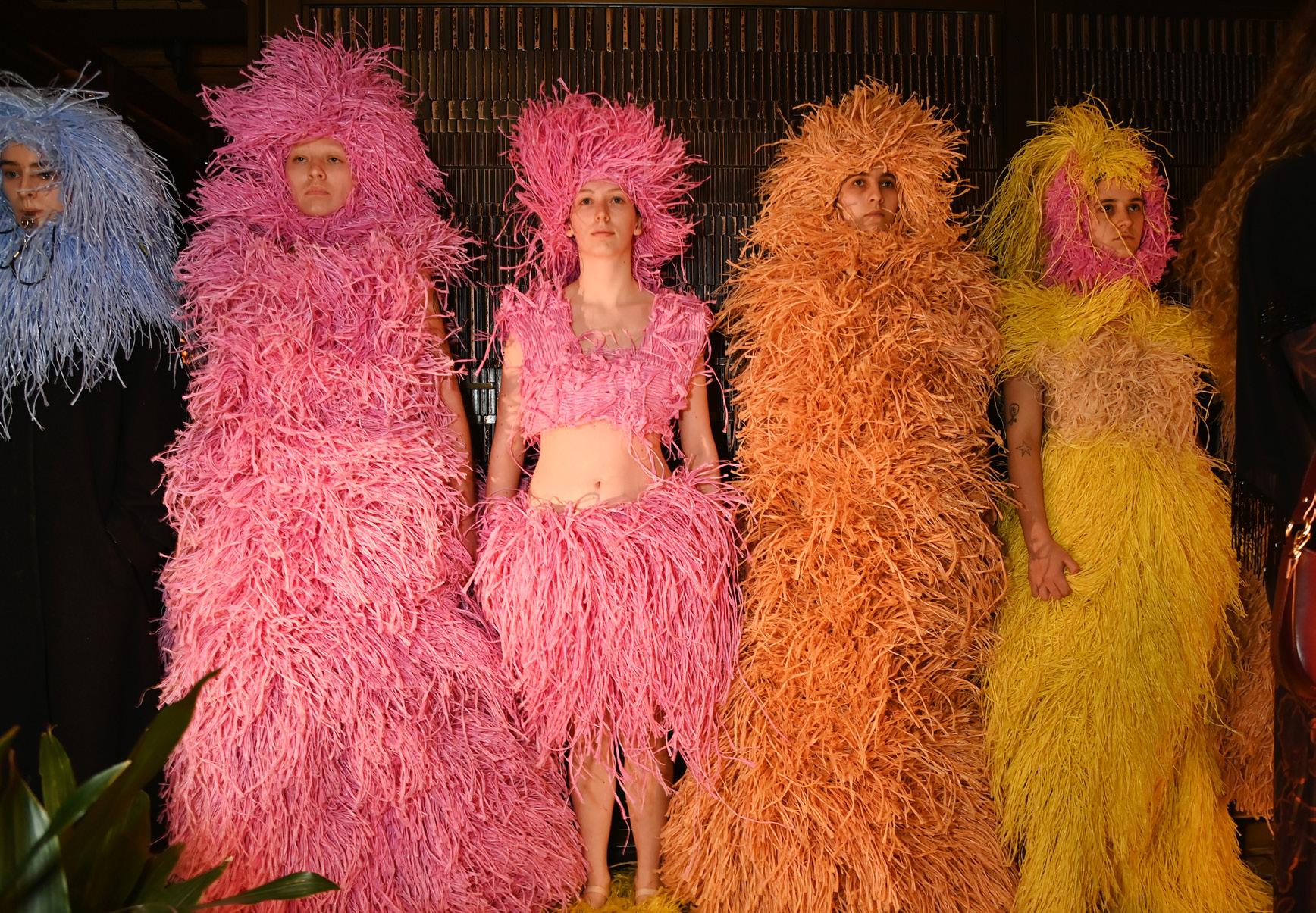
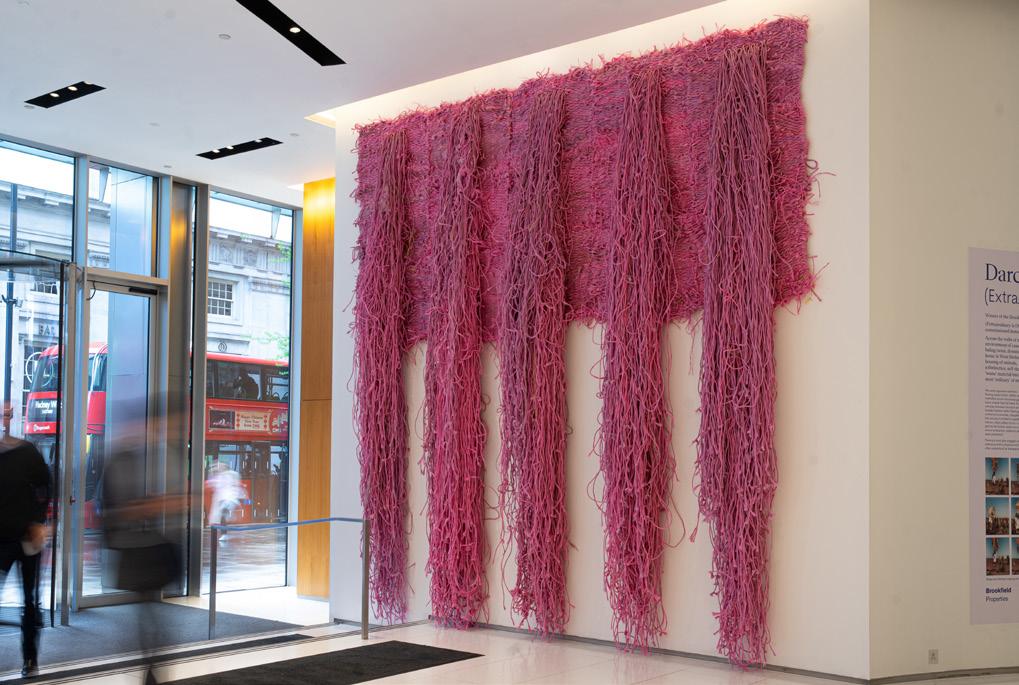
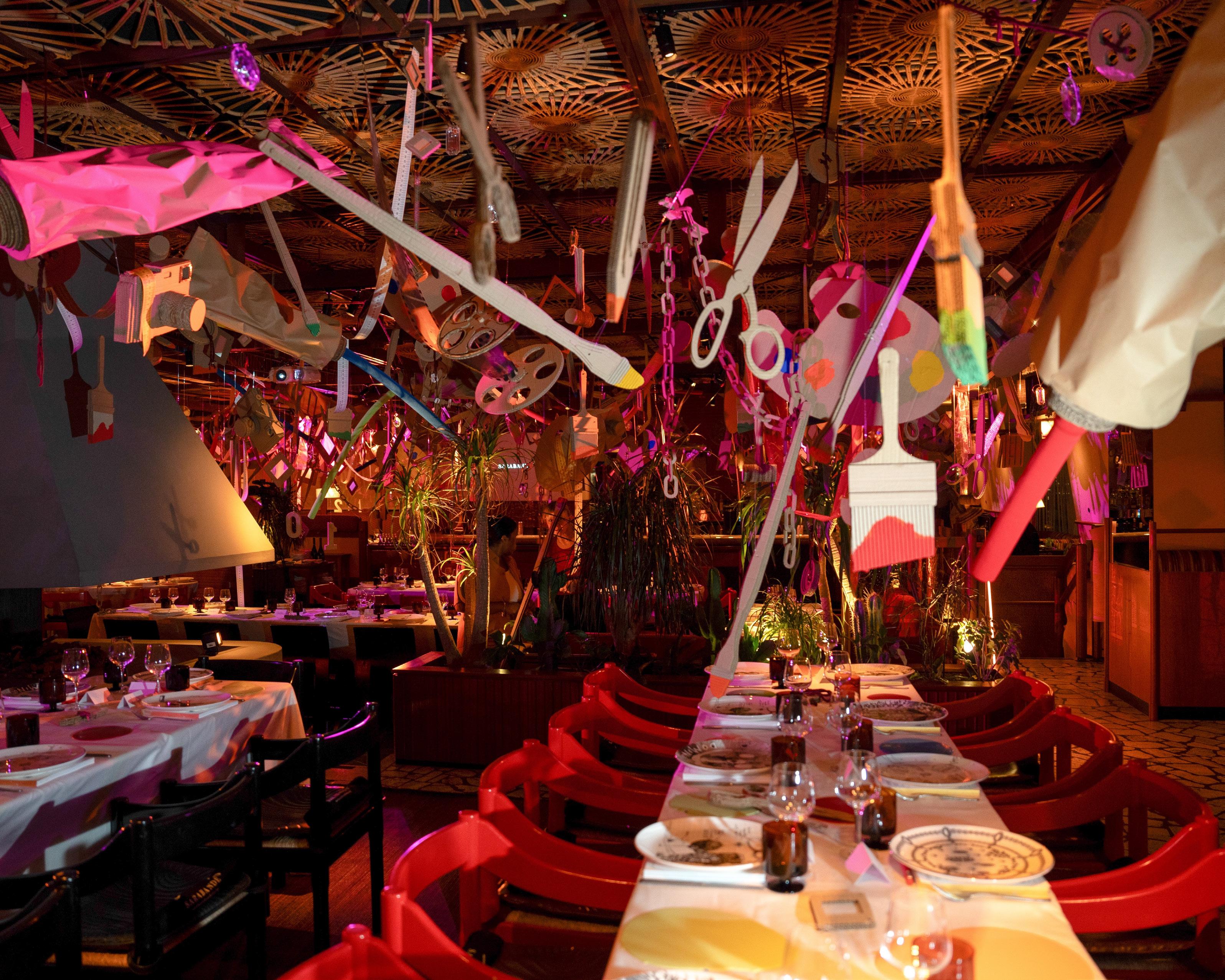
Celebrating 10 years of the Sarabande Studios and the ecosystem they feed, guestsm enjoyed a sublime supper experience with an immersive installation designed around artists’ materials and a live performance by Darcey Fleming debuting her wearable twine sculptures with dancers performing across the restaurant in a miasma of colour to music by Martin Creed, while a special film made for the evening offered a glimpse into the artists, studios and community that make Sarabande what it is today.
Darcey Fleming
The room was decorated with a bold installation suspended from the ceiling, representing the many artistic disciplines Sarabande supports –from photography to fashion, painting to film. Paintbrushes dropping from canopies onto tables with colourful splashes of paint with cardboard tools scattered across the tabletops brought Sarabande’s world to The Standard. Each table was dressed with plates by exceptional creatives Tim Burton, Daniel Roseberry, Francesca Amfitheatrof, Jake Chapman, Alexander McQueen and Sir Ridley Scott, which were gifted to the guests at the end of the dinner. No one went home empty handed.
A Sarabande tradition, the raffle featured gifts from artists Kasia Wozniak, Michaela Yearwood-Dan and Jo Grogan, as well as Lee’s toastie, a House of Bandits gift card and a set of our sought-after plates. A fitting end to a very Sarabande evening.
And if that wasn’t enough, Sarabande also found itself in print. The team from The Times paid Sarabande HQ a visit for the article, The House That McQueen Built, with Karen Dacre speaking to Trino Verkade about Sarabande’s mission and the artists it supports, paying tribute to the past decade of the Haggerston studios.
The year’s energy carried beyond Sarabande, as we continued our partnership with The Roof Gardens with two more bespoke workshops for members led by Jet McQuiston and Joshua Beaty. In the spectacular environment of the gardens, Jet took inspiration from her surroundings to guide participants to create watercolours of seasonal foliage, and Joshua led a fashion illustration workshop with guests drawing on onions and eggs.
Susan Bender Whitfield, Edward Enninful OBE, Sarah Burton and Gwendoline Christie
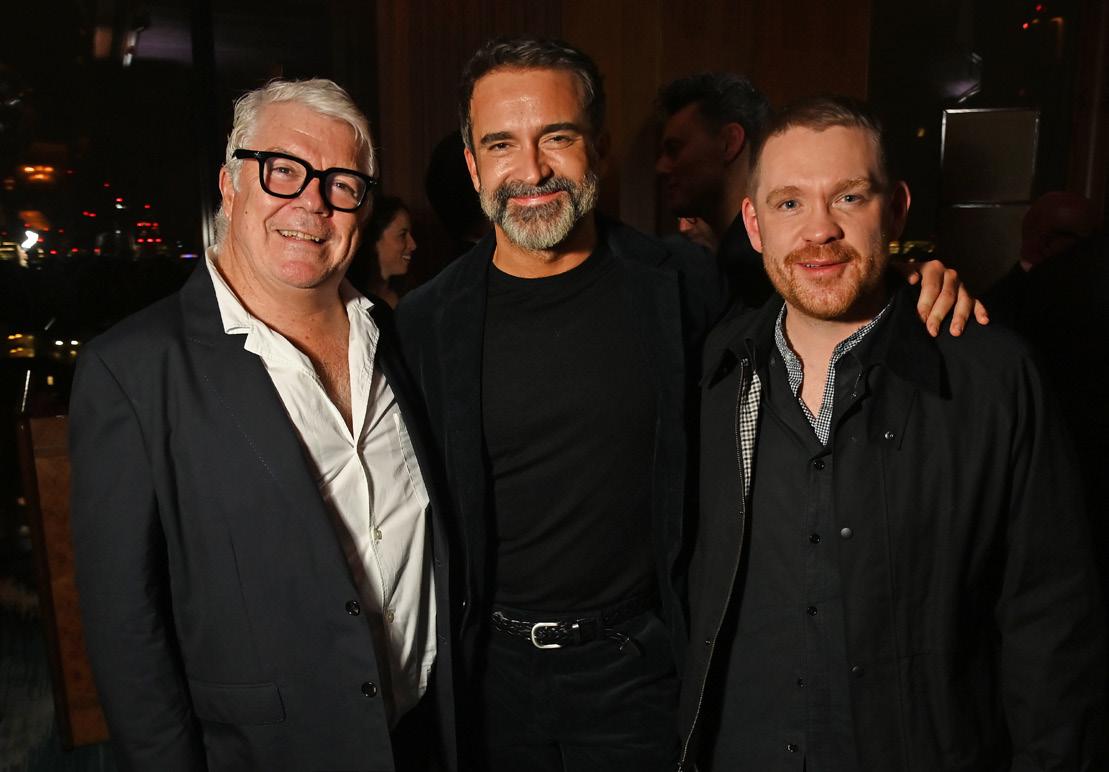
Tim Blanks, Daniel Roseberry and Craig Green MBE
As the year unfolded, our spaces remained alive with visits from the wider creative community, each offered a window into the world of Sarabande. We welcomed many fabulous faces to the Foundation including, the British Council, Sarah Burton, Sandy Powell CBE, Whitechapel Gallery, Collect art fair, Selfridges and the V&A.
And what better way to round off the year than with a proper Sarabande house party. In the final week before the holidays, the Haggerston main space filled up once again, this time for the much anticipated Sarabande Christmas party! Forget a formal party, this is how Sarabande celebrated 2025. In true house party style, with karaoke and the beloved raffle, more than 100 artists old and new came together to celebrate around the Christmas tree. We wouldn’t want to end the year any other way.
And then just like that, 2026 was well underway. While the artist studios remain open throughout the holidays and into the New Year, the Sarabande office takes a momentary break – though not for long. We came into 2026 at full tilt, with a calendar already bursting at the seams with events, exhibitions, and something a little out of our usual run of show, something rather delicious… a new House of Bandits Café. From sell-out talks and international screens to packed galleries and fashion week appearances, 2026 started at full speed.
Back to school and our scholarship programme returned with none other than British costume designer and Sarabande ambassador, Sandy Powell joining us as guest judge for our CSM BA award. For 2026, Sandy selected FanFan Huang and Emanuel Dawit as our newest recipients. Welcome FanFan and Emanuel into the weird, wonderful and ever-growing Sarabande family.
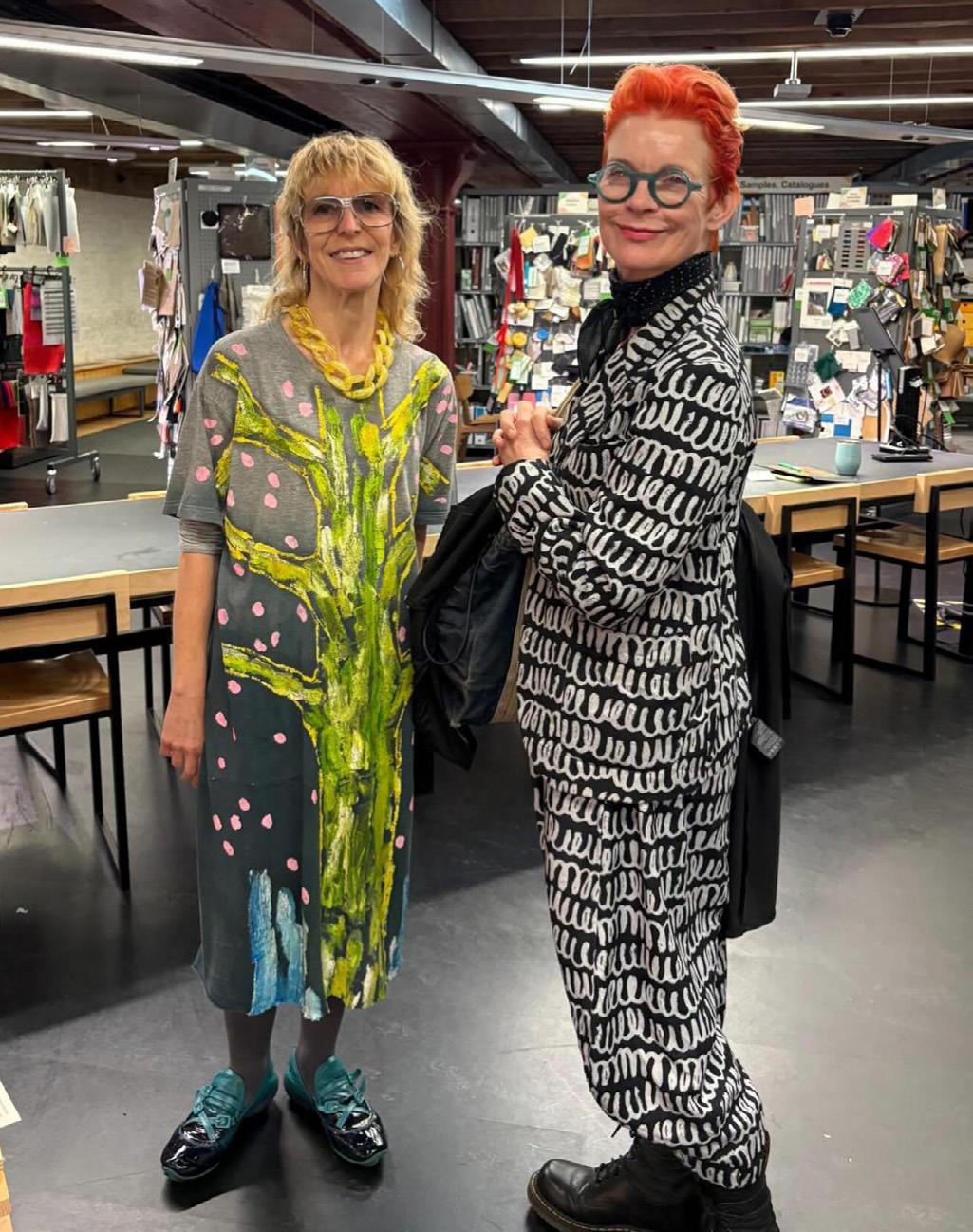
Sarah Gresty and Sandy Powell CBE
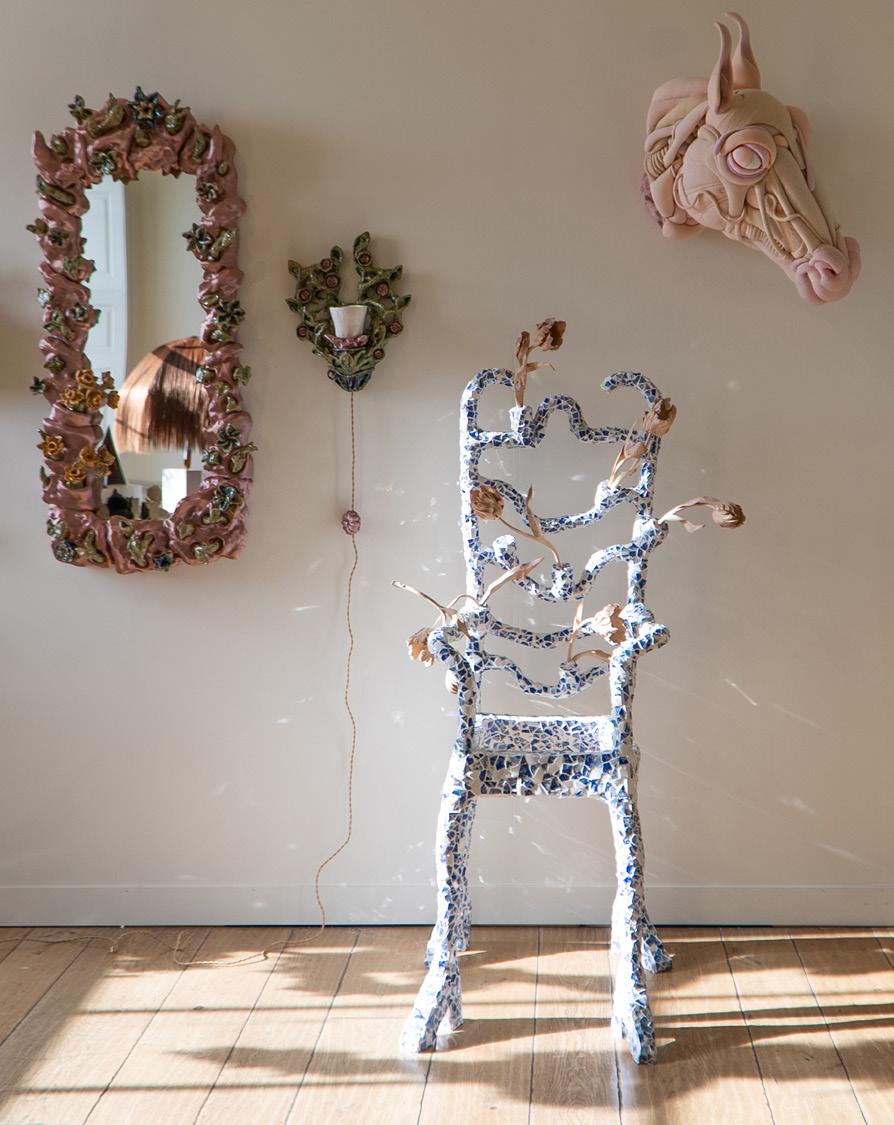
House of Bandits started the year with a bang, taking up residence at Collect Art Fair. We took charge in one of the largest rooms at Somerset House. For those who stopped by to say hello, the booth offered everything from fine jewellery and collectible design to sculpture, including, yes, a hairy umbrella and a textile horse head, both of which felt perfectly at home.
Back at base, we once again flung open our doors to the public. The annual sell-out Setting Up A Creative Business got the ball rolling, we spilled the beans on How To Price Your Artwork and gave you a few tips on Navigating The Art World, making sure everyone kicked off 2026 armed with a few more answers than questions. We certainly weren’t easing ourselves into 2026 with the Inspired series either. First up was boundary-pushing designer Iris van Herpen, who travelled from Amsterdam to join us for an evening that unsurprisingly sold out overnight. Things got wonderfully hands-on as Rizza Zahid encouraged attendees to have a go with pen and ink, ceramics took centre stage with Zoya Smirnova’s plate-decorating workshop and Amelia Cross brought a touch of illusion to the programme with a trompe l’oeil workshop.
The ink was barely dry on the new calendars before bookings in the mainspaces were snapped up. It was immediately clear that Sarabande artists had made it their new year’s resolution to be busy. John Spyrou was not waiting around and grabbed the first solo slot of the year with his exhibition, Knave of Diamonds.
By March, the conversation shifted to what do women inherit? This was the question tackled by our women artists as Sarabande hosted its annual International Women’s Day show, this year titled All That’s Been Given. Curated by artist alumnus Jennifer Jones, the exhibition brought together nine female-identifying Sarabande artists to consider what it means to inherit from stories, memories, bodies, histories and all the things passed down that are harder to box up. Featuring artists were Antonia Caicedo Holguín, Bisila Noha, Cherry Song, Ella Lynch, Paloma Tendero, Rizza Zahid, Siphiwe Nokukhanya Mnguni, Sophie Mei Birkin and Victoria Ruiz.
Across the gallery, visitors discovered painting, photography, ceramics, sculpture and performance, with everything from richly glazed vessels and bodily forms to sharp playful works, including a wonderful sculptural bum. The exhibition was accompanied by an exciting schedule of events, including a brilliant live performance by Victoria Ruiz who brought the room to life with movement and colour accompanied by live percussion. The programme also included an artist panel. And up north, on the High Road to be precise, Jack Laver presented the last show at 792, using the smaller, domestic main spaces to install an intimate show of new work.
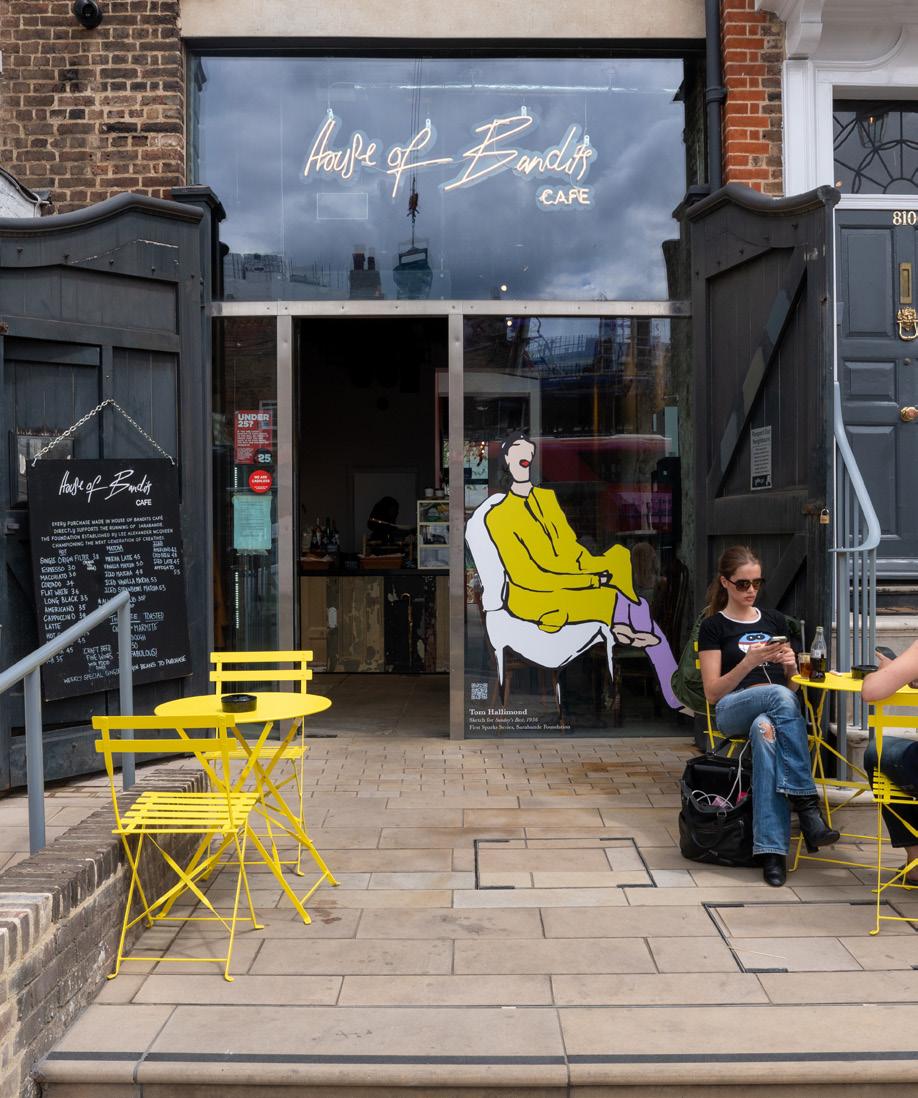
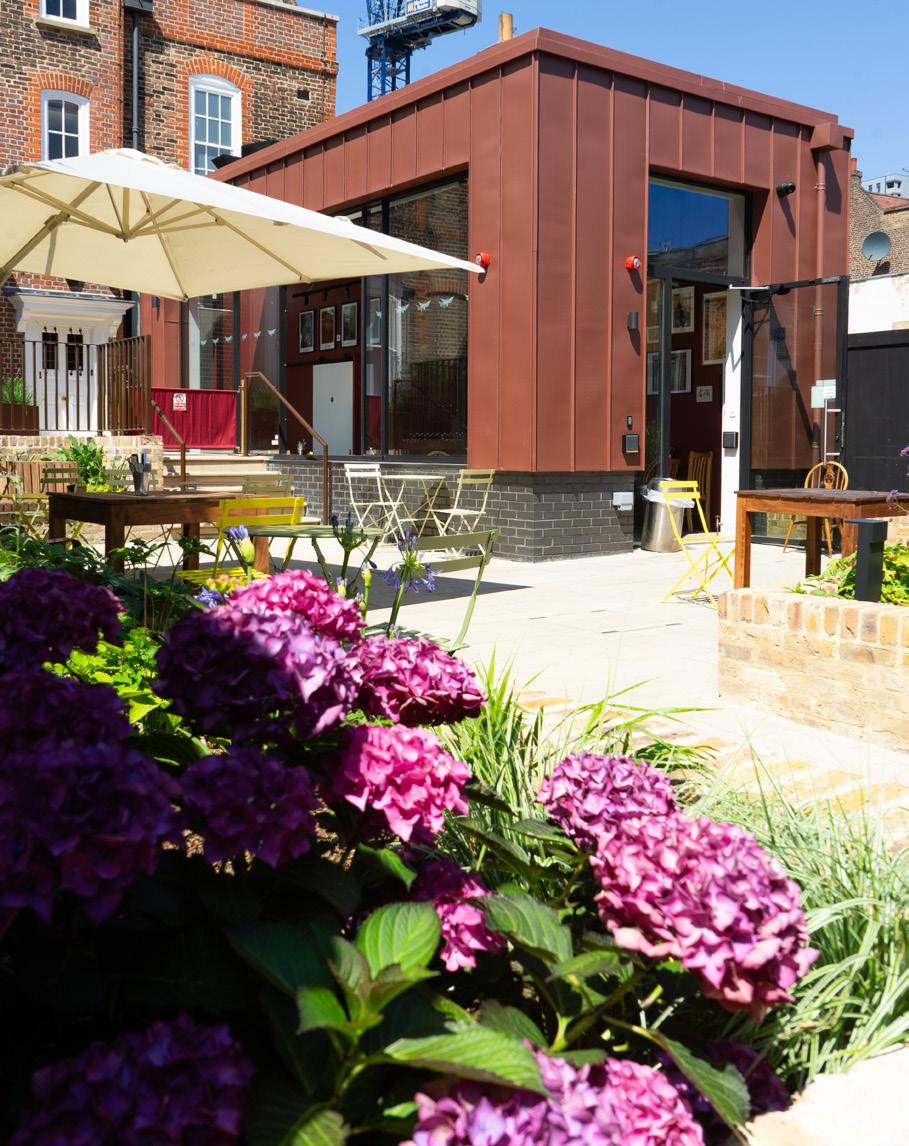
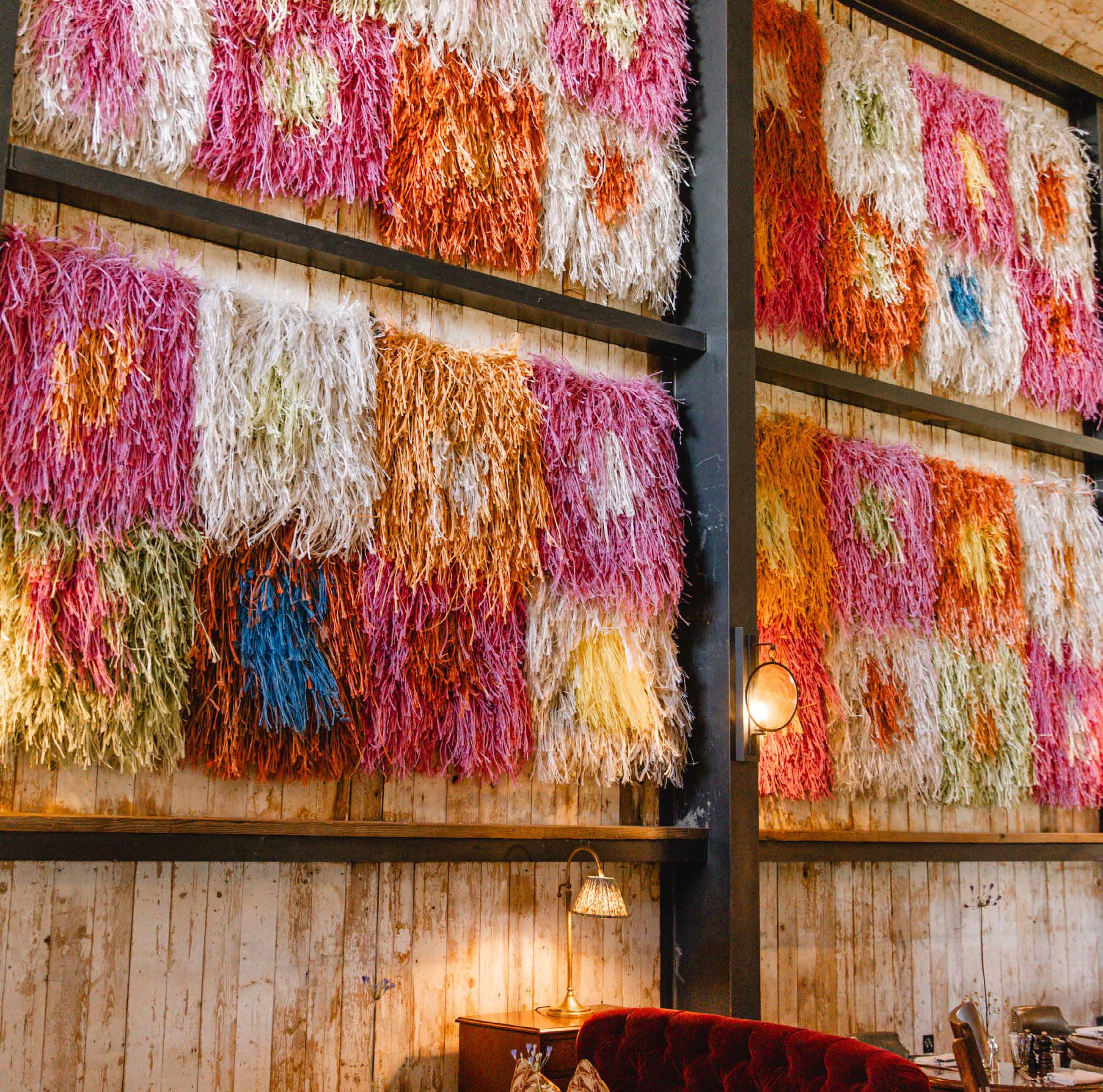
And FINALLY another home. After two years in construction (and many more in development), Sarabande got the keys to its beautiful new site in Tottenham, housed within a pair of Grade II* listed Queen Anne buildings. First to open its doors was the House of Bandits Café. Looking for your new favourite coffee spot? Look no further. The House of Bandits Café sits within the original coach house and is populated with bespoke commissions by Sarabande artists.
When it opened on Mother’s Day, the café was buzzing with visitors and already building a loyal local following. Being part of the Tottenham community has always been central to this project, so supporting local suppliers and neighbourhood connection has been a priority from day one. Come for the coffee, stay for the food, and enjoy it all surrounded by the work of our brilliant artists.
House of Bandits café
Sarabande
If you thought the first few months of 2026 were busy, you haven’t seen anything yet. This season at Sarabande was all about new beginnings with a new home in Tottenham, a new chapter for House of Bandits, a new cohort of scholars and plenty of new opportunities for our artists. Throw in a trip to New York for our all-important fashion career fashion What Now?, sold-out events, exhibitions, workshops and more than a little organised chaos and you have yourself a very Sarabande spring.
Our annual Emerging Artist award once again recognised a group of graduating Slade students, providing funding to help realise ambitious final year projects that might otherwise remain just out of reach. Congratulations are in order for Bunny Hennessey, Daniel Taylor, Elysia Byrd, Ethan Caflisch, Manuel Alejandro Hernandez Rivera, Nassim L’Ghoul and Yang-En Hume.
And the support continued within our walls too as the programme continued to champion every side of creative practice, from traditional craft to the realities of building a career. Jingyi Li introduced visitors to the intricate art of filet lace making, Tom Hallimond celebrated London Craft Week with soft sculpture portraiture, while Charlotte Young encouraged local students from LAET to explore creative coding, 3D modelling and digital assets. Away from the making, we unpacked intellectual property, explored world building and brand identity, and welcomed the Art Fund to share insider advice on securing funding.
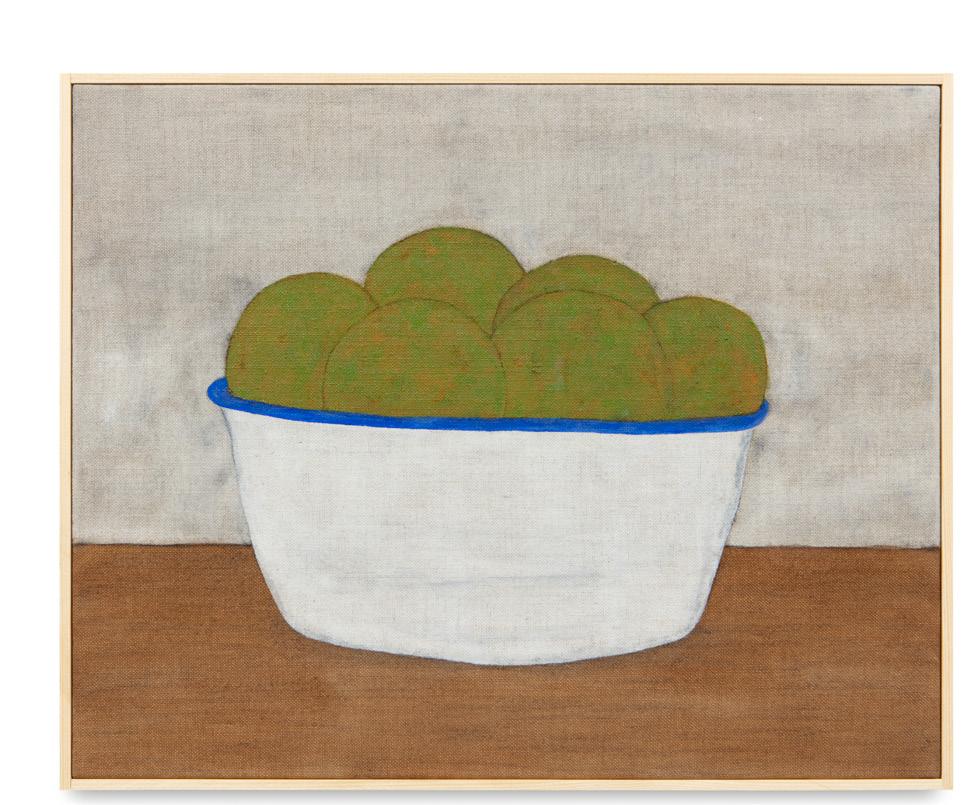
Bowl of Green Oranges(Cara Cara) by Elysia Byrd
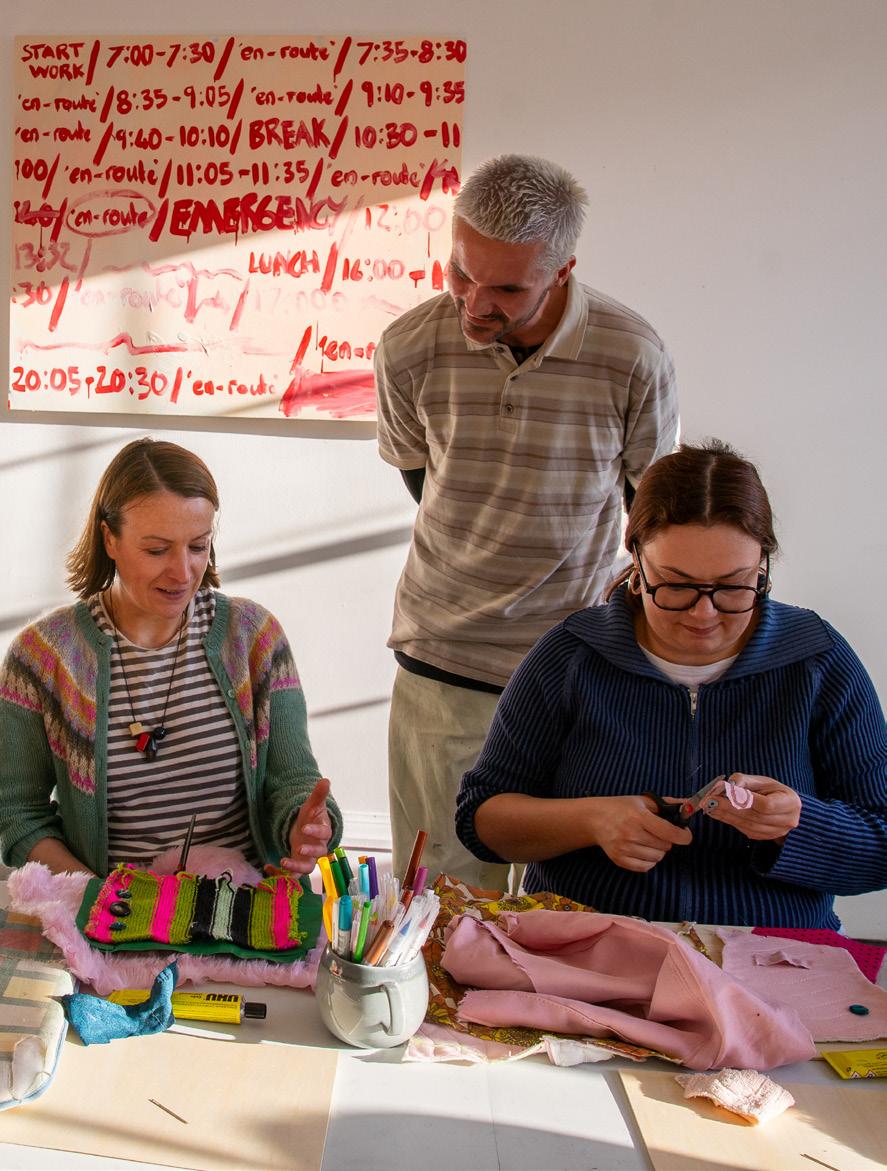
Workshop Soft Sculpture Portraiture by Tom Hallimond
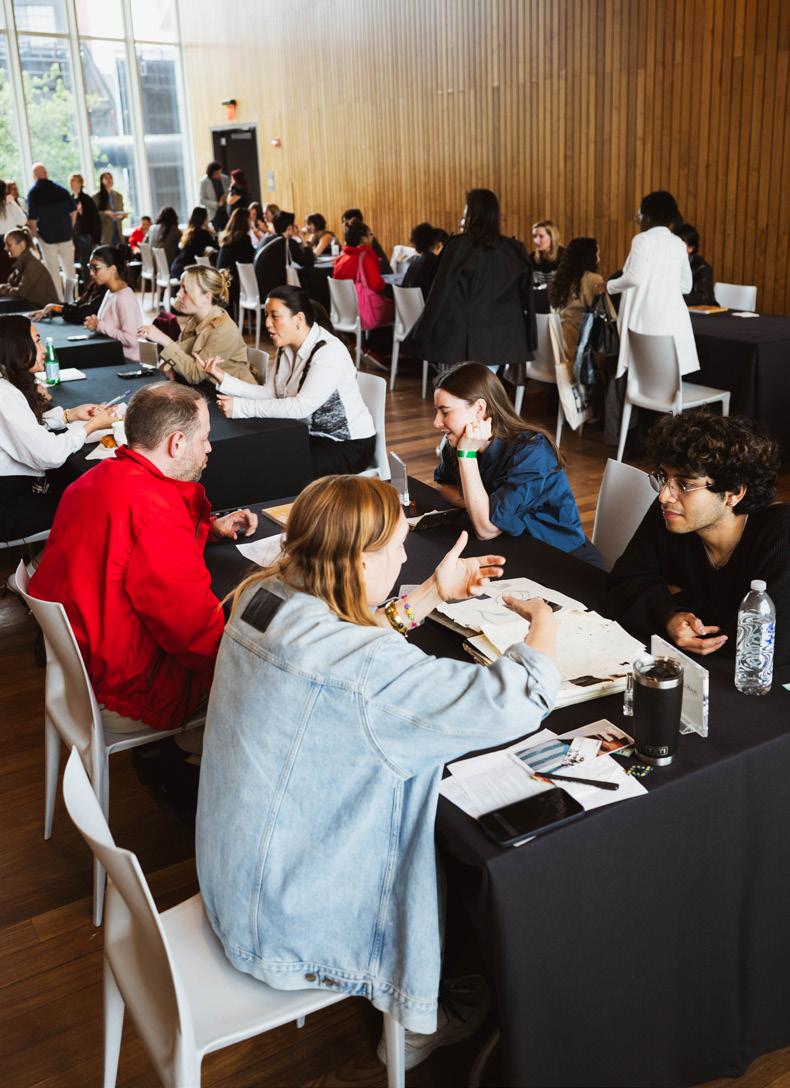
Sarabande travelled across the pond to the Big Apple for the third iteration of What Now? This is a key event in the Foundation’s calendar, supporting young creatives in their next steps. And guess what? It was the third year in a row that the event sold out. Hosted at The Standard, High Line, Sarabande ran a full day of one-on-one mentoring sessions with leading fashion brands: Zero + Maria Cornejo, J.Crew, Dazed, BPCM, Coach, Jonathan Cohen, KHAITE, WWD, Marc Jacobs, Hermès and Maria Hedian Media.
The numbers speak for themselves with 11 participating brands, 55 mentors, eight hours of conversations, over 130 attendees, and 600 tickets. Here’s a snippet of some feedback: “Thank you so so much. I drove in from Providence RI to come do this and I am so so glad I did. My world was feeling small and this has opened up my mindset in ways I couldn’t have imagined.” That’s why Sarabande does what it does.
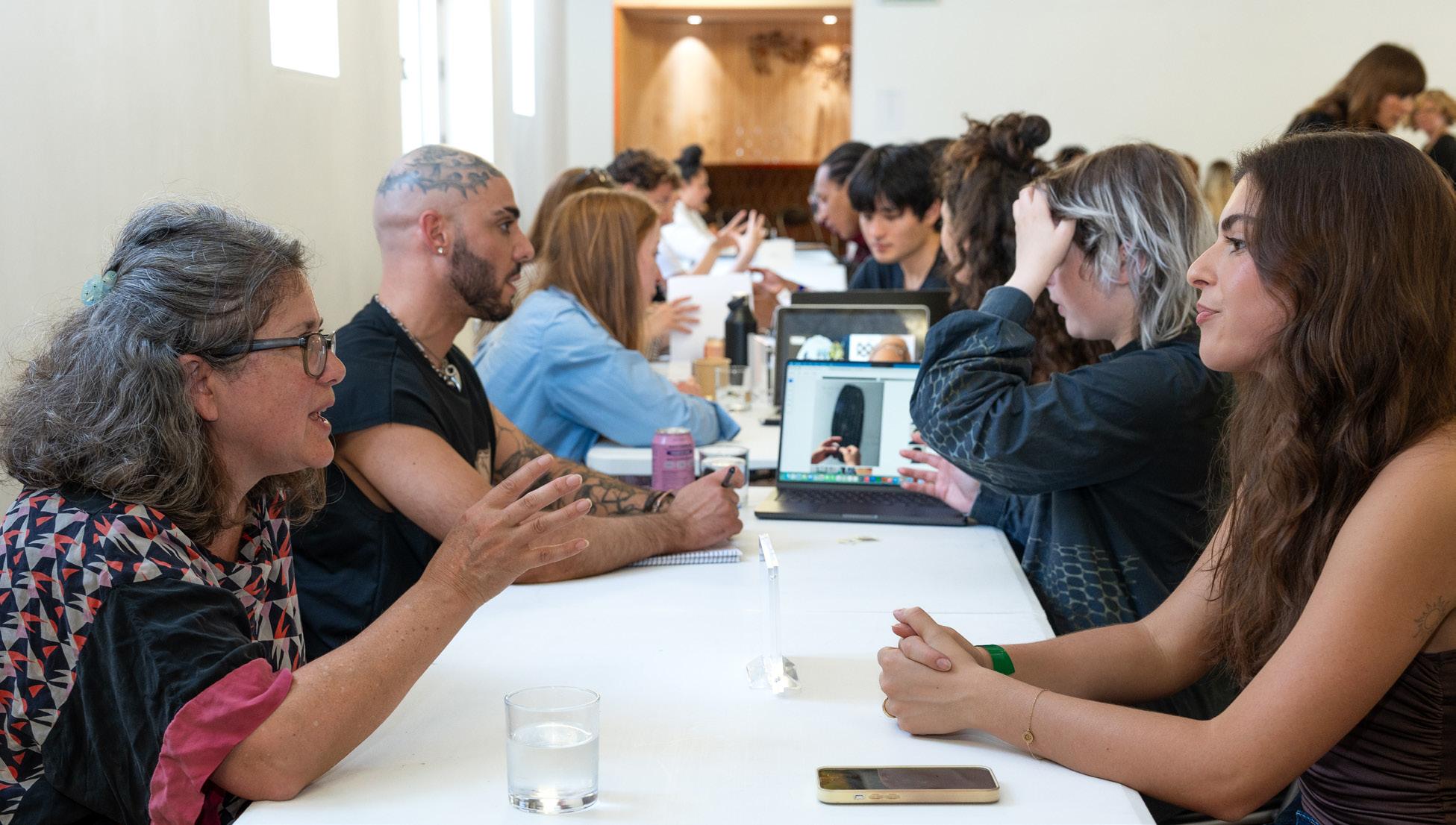
Then it was London’s turn as What Now? returned for its sixth edition and once again filled our HQ with ambitious young creatives, industry professionals and more than a few hopeful portfolios. Another sold out event in the bag for Sarabande. Joined by 10 Magazine, Art Partner, AllSaints, Giles Deacon, Purple PR, Robert Wun, Selfridges, McQueen, Mulberry and WWD, the day became a hive of conversations and invaluable advice. Across eight hours, over 300 attendees met with industry leaders, asked difficult questions and gained insight into navigating an increasingly competitive creative landscape.
Mentorship remained one of the cornerstones of Sarabande’s support in 2025 and 2026, with a growing network of industry experts sharing their knowledge with both new and returning residents. Artists received one-on-one guidance from mentors including Gino Da’Prato, Katherine Benson, Candice Fragis, Petra Kovacs, Calum Knight and Moin Roberts-Islam, covering everything from creative development and fashion to PR, digital strategy and the realities of selfemployment. Responding to demand, Sarabande’s in-house bookkeeper Gynette expanded her fortnightly bookkeeping sessions to Tottenham.
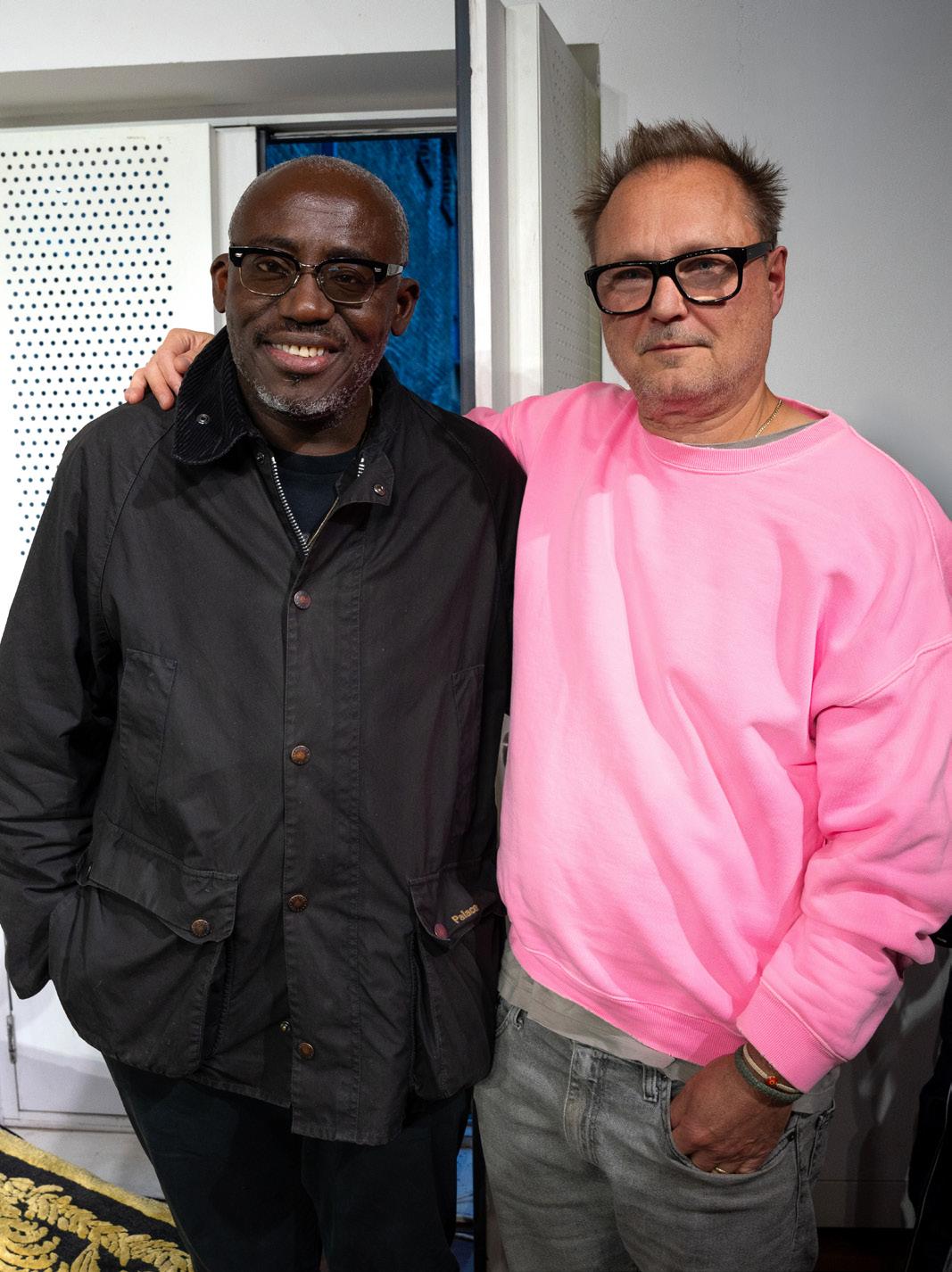
Juergen Teller also came knocking. Unsurprisingly, his Inspired talk sold out in a record five minutes. In conversation with Edward Enninful, the pair moved effortlessly between humour and reflection and, as always with Juergen, the unexpected was never far away. In true Inspired fashion, the next conversation spoke to a different discipline when Anne Imhof came to say hello. Anne was joined by Tate Modern’s Interim Director, Catherine Wood.
Taiba Akhuetie’s World of Hair took centre stage, unveiling her most ambitious body of work to date. Countless late nights in the main space culminated in one of her largest works yet for the show, proving that big ideas need big spaces. There was little time for the gallery walls to rest. The Weight of Turning, curated by Antonia Caicedo Holguín and Siphiwe-Nokukhanya Mnguni, brought together Antonia Caicedo Holguín, Jo Grogan, Anna-Lena Krause, Jack Laver, Siphiwe-Nokukhanya Mnguni, Bisila Noha, Louis Petit, Jane Preston, George Richardson, Olubiyi Thomas and Helena Palmeira.
Koby Martin returned to Sarabande with a new body of work examining the politics of land, inheritance and memory. And because Sarabande never stays in one lane, it was soon fashion’s turn. Olubiyi Thomas transformed the gallery into a retrospective celebrating ten years of his practice before unveiling a new collective with a runway show.
Degree show season got underway at Central Saint Martins, where scholar Ilan Pozeilov made his mark at the BA show in Peckham, and at Slade it was great to see Claudia Ramirez, who was selected by Maureen Paley to receive the full Sarabande MA/MFA Scholarship in 2024, exhibiting alongside the recipients of the Emerging Artist award. Well done all! Until next year.
What Now London, 2026
January–October 2026
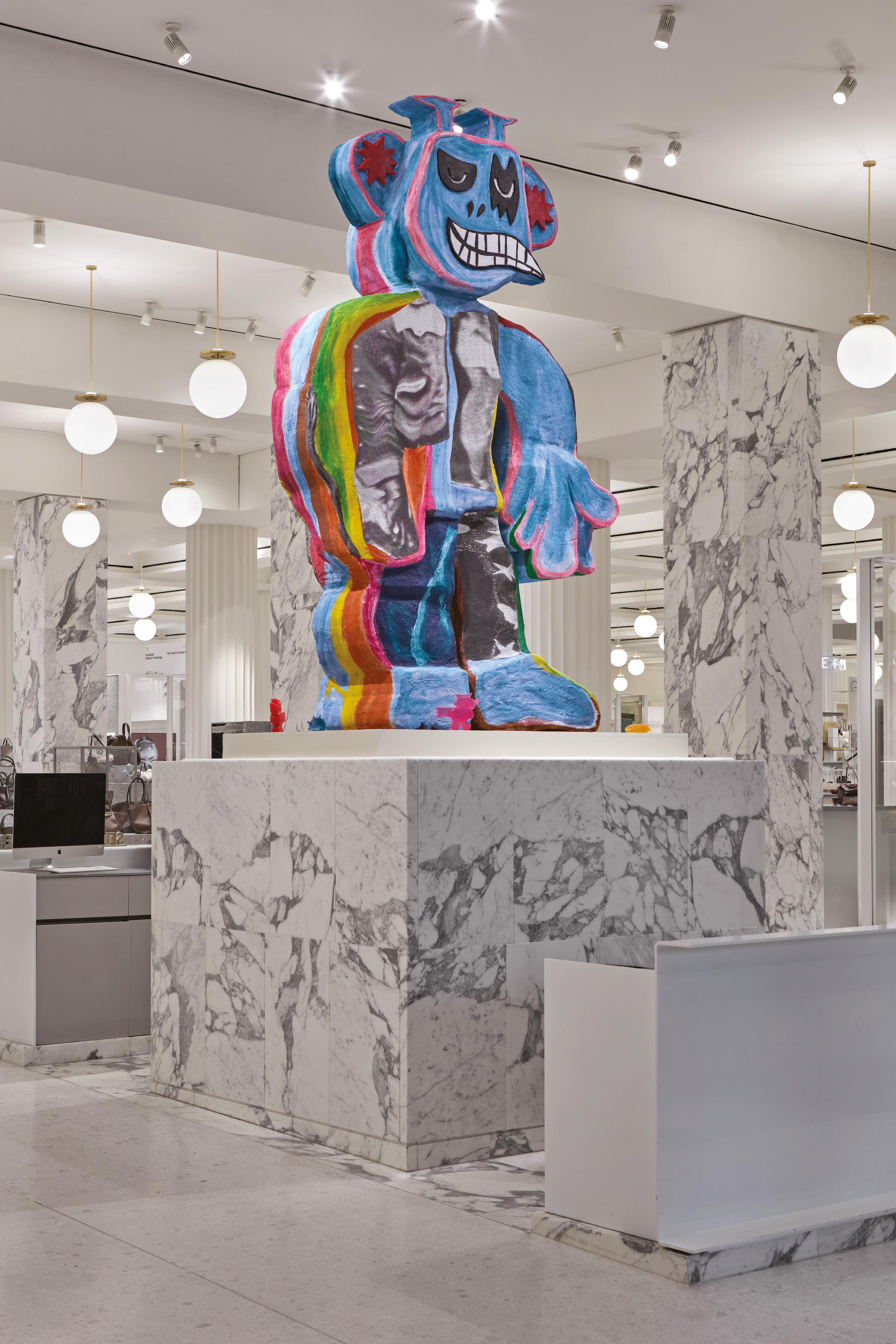
The Art Block, Selfridges London
‘Cactacuha’, 2026, Hank Grüner
Photo by Ollie Hammick
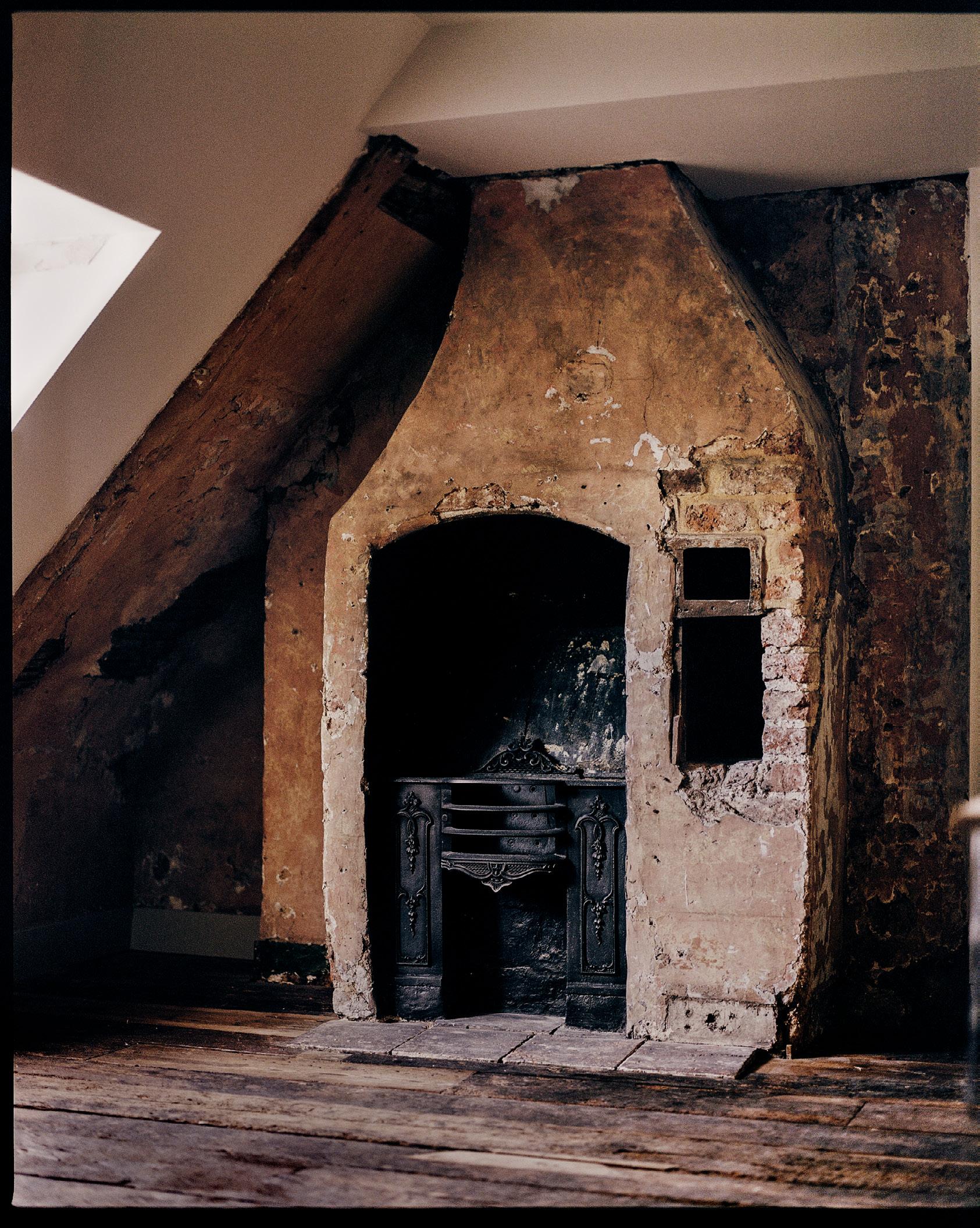
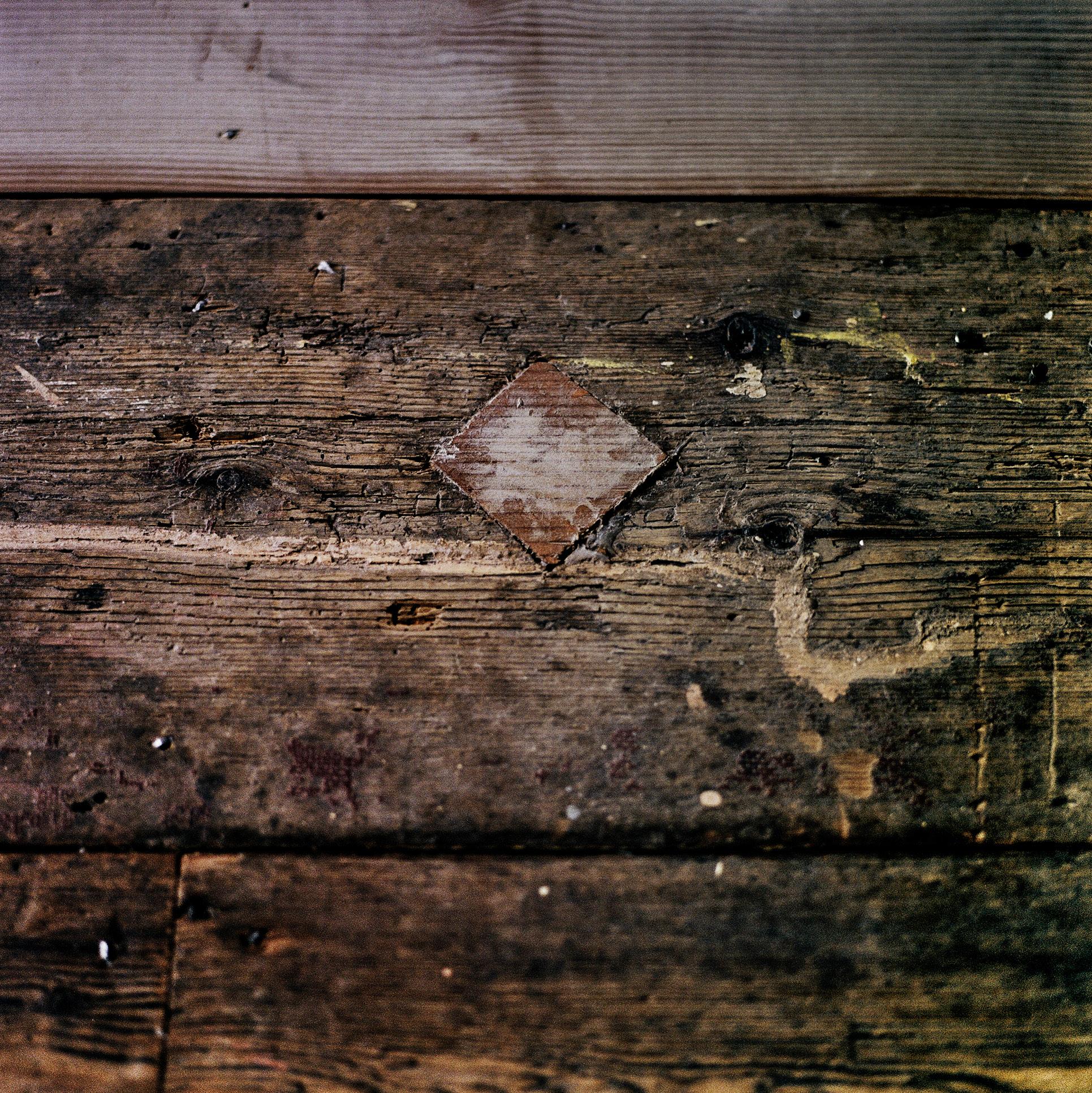
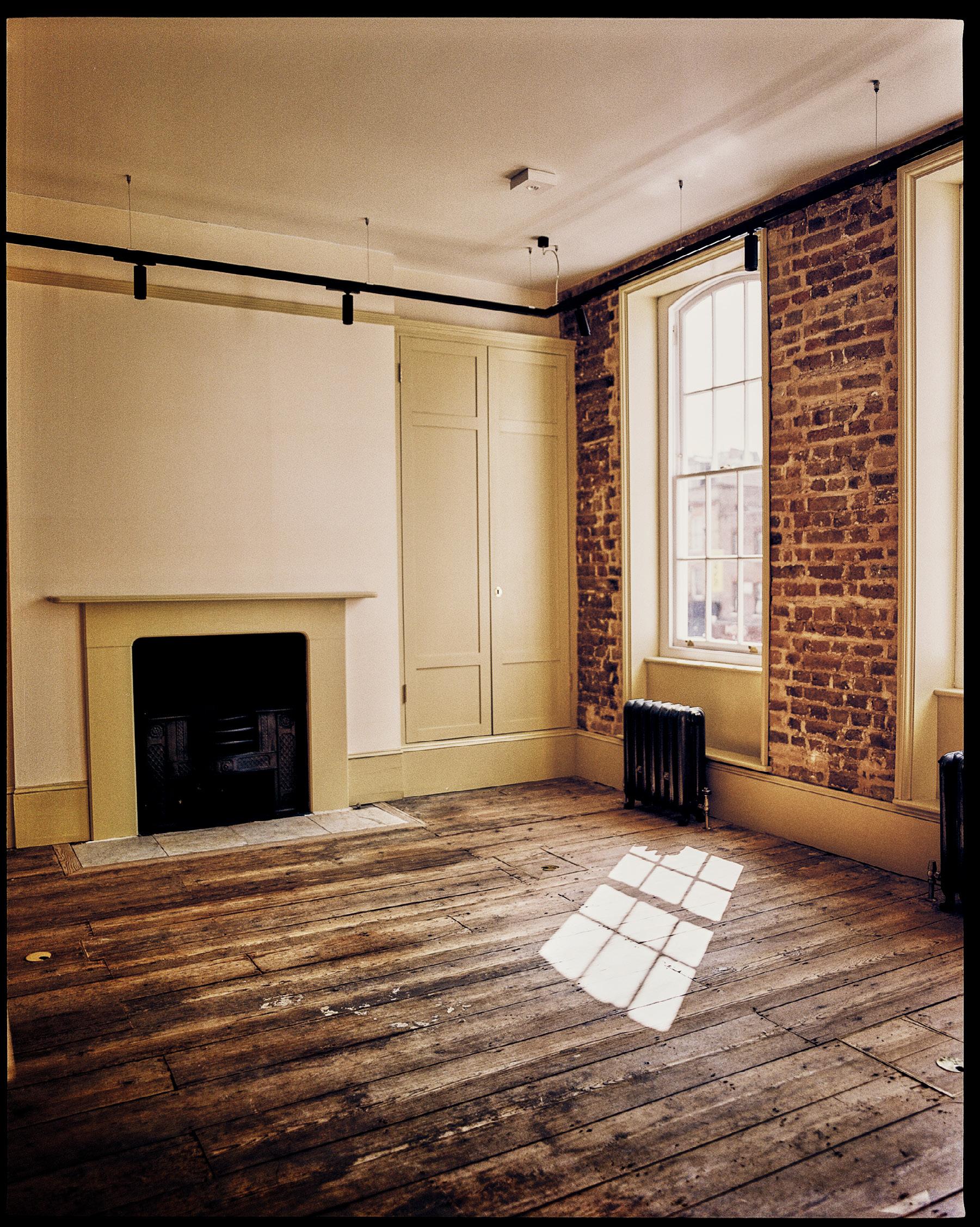
And now the moment we have all been waiting for… After years of planning, restoring, negotiating and waiting very impatiently, Sarabande got the keys to a new building to call home: a pair of extraordinary Grade II* listed Queen Anne buildings in Tottenham dating from 1715–1725. Together with Tottenham Hotspur, we secured funding from The National Lottery Heritage Fund to save these buildings from Historic England’s Heritage at Risk Register. To document the space, we commissioned photographer in residence John Spyrou to capture the space, bringing his artisanal techniques, using analogue medium-format film and traditional hand-printing techniques.
As soon as our new building opened its doors, the artists got straight to work putting together the first exhibition, a group show titled The Palace at 4am. Curated by Kay Doble and Phoebe Corker-Marin, it brought together 17 artists-in-residence across two floors of the newly restored buildings.
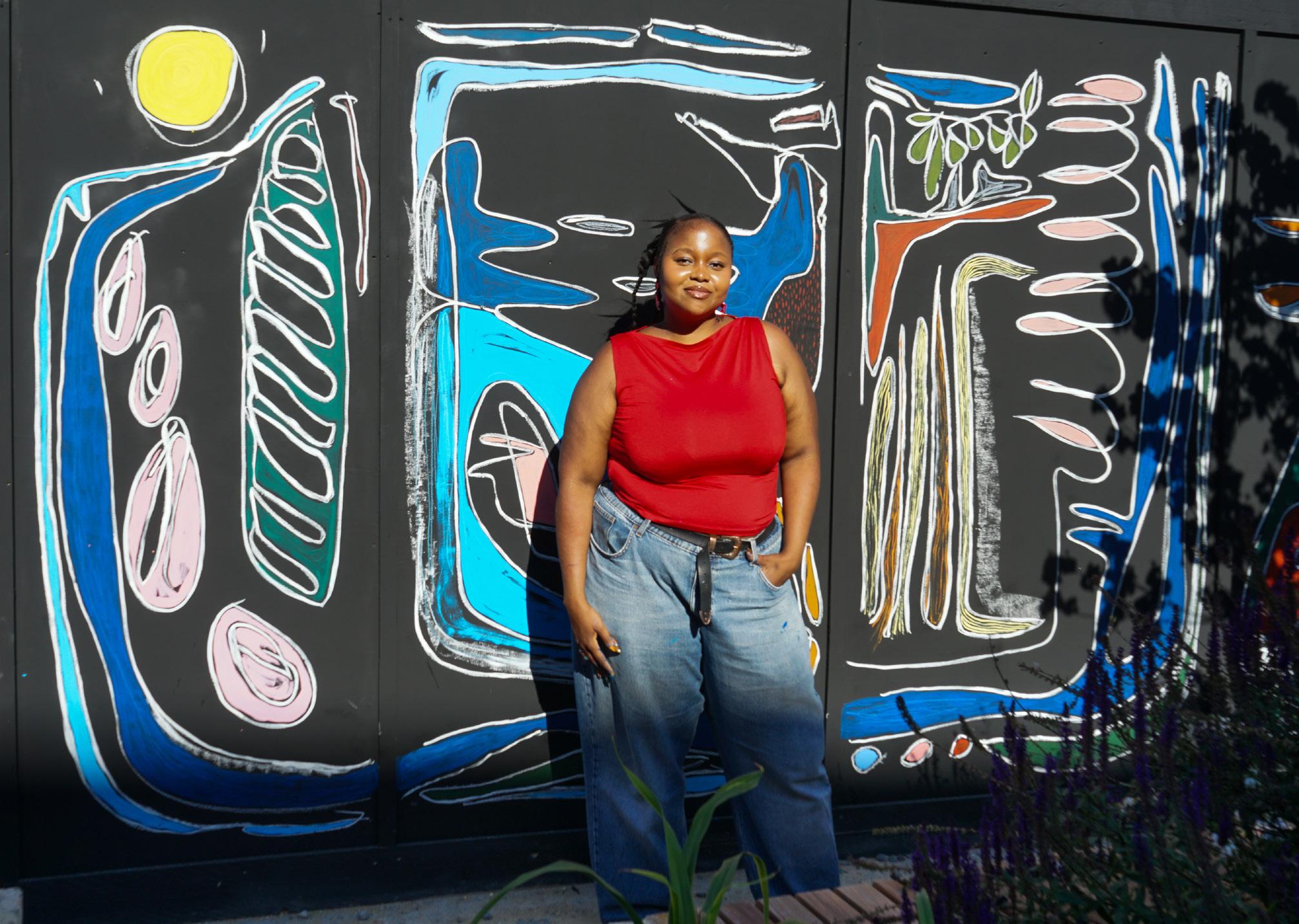
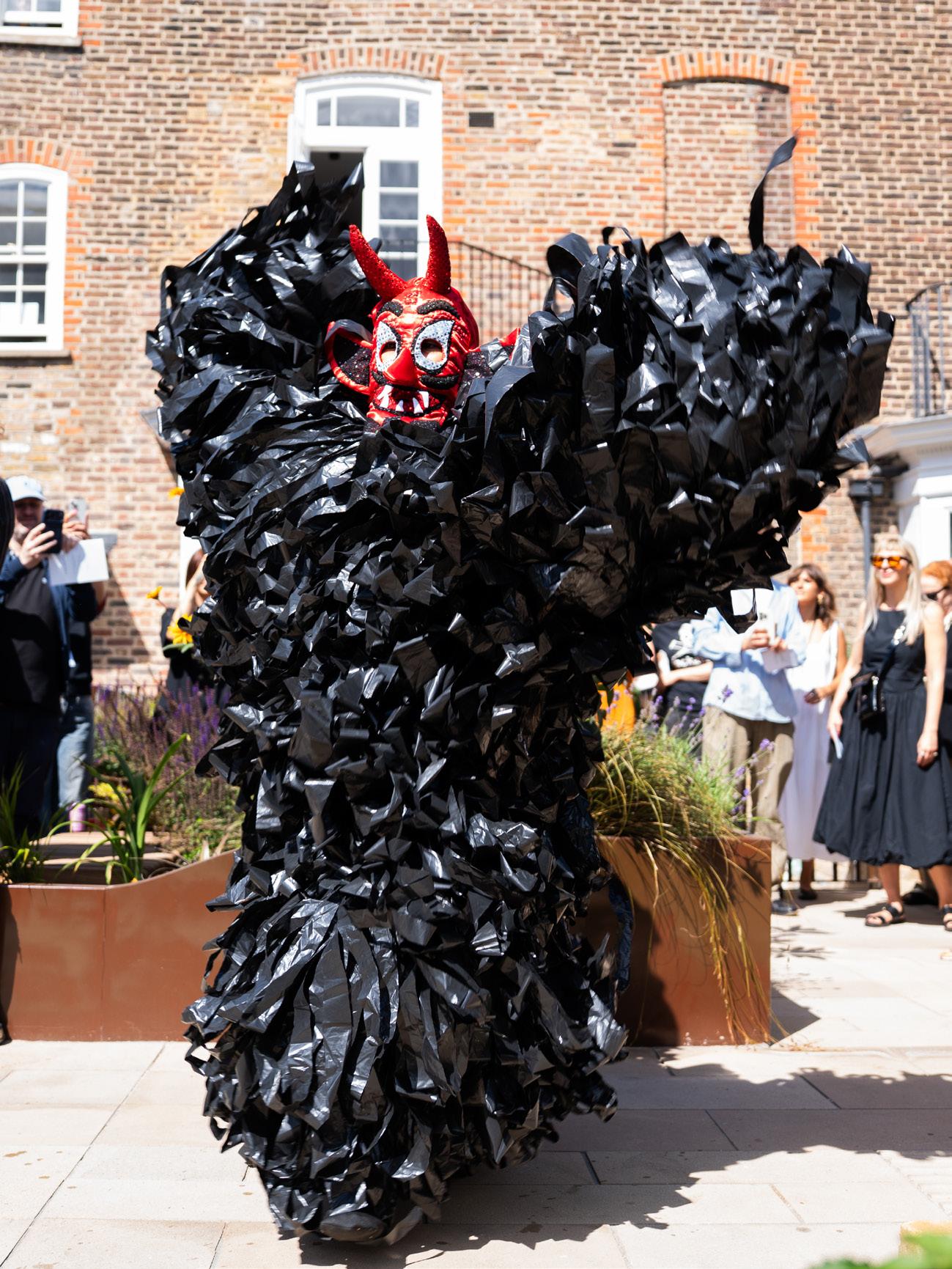
And of course we had to celebrate this milestone in true Sarabande style. We hosted a Summer Garden ‘Do’ to invite the wider Sarabande family to see what all the fuss is about. The day started off with a bang with a commissioned performance by Victoria Ruiz, who gave a live offering through a dynamic procession, bringing her unique flair to N17. Siphiwe-Nokukhanya Mnguni spent the day painting, creating a work that celebrates the Foundation’s close-knit community of artists, the exchange of ideas across disciplines, and the craftsmanship, creativity and care embedded within the new space. The day also included an exhibition, studio tours, a film screening and a few delicious drinks. It was the perfect way to christen our new home.
With one eye on the present, the other on the future as the time of year rolled around again,applications for our 2026-2027 artist residencies officially opened. Every year we are blown away by the creativity that lands in our inbox and this year is shaping up to be no different.
There is nothing quite like experiencing Sarabande’s magic in person. Our studios were buzzing with visitors, giving artists the opportunity to share their new, exchange ideas and forge new connections. Walk throughs were enjoyed by many including, Nadège Vanhée (Hermes), Monica Vinader, Bengi Unsal and Steven Cairns (ICA), Priya Matadeenn and Alexandre Viratham Pulsawatdi (Mulberry), UBS, V&A Young Patrons Tour and more.
And just like that, it was time for the Summer Group Show again. If this year taught us anything it’s that Sarabande never stands still. Here’s to another year of championing the next generation of fearless creatives.
Life and Death byJet McQuiston
A fromLetterDirectorthe A Letter from the Director
As I sit to write my annual letter, I’m always faced with the same question: what big changes are shaping our world, and how do they affect the creative landscape and the world of Sarabande?
This year is no different. We are living in a world of uncertainty and chaos, yet the world keeps turning. Fortunately, people continue to dream and find ways to express those dreams and, inevitably, their fears.
I am constantly reminded of the many different ways people express their experiences and communicate with the world. As Sarabande isn’t limited by discipline, medium, visual language, creative approach, age or background, we always enter the summer months with excitement as the hundreds of studio applications come through. The rhythm of the year at Sarabande, and in many ways the experience of every artist, is dictated by those few intense summer weeks of interviews as we discover artists with different points of view and abundant creativity.
We enter those weeks excited, but also knowing that many creatives will leave disappointed that Sarabande is unable to help or support them that year. The overwhelming number of applications for the Sarabande studio residency – typically around 800 for just 30 places – speaks to the growing need for support, and to how the options and support systems that used to be open for artists and creators are failing.
We say we value creativity in the UK. The government and our mayor’s office parade it like a proud flag. It grabs headlines, it’s presented as colourful and fun, and it’s known to bring communities together. The value of the arts can sometimes be difficult to measure, but when it comes to the economy, the numbers speak for themselves: £126 billion in 2025.
However, despite its huge annual contribution to the economy, and despite being one of the few sectors driving growth since the pandemic, (UK GDP has grown 6% since 2020, while the creative industries have grown 12% over the same period), the arts still don’t receive the recognition they deserve. Local governments have severely cut spending on the arts, while state-funded schools have reduced arts provision within their curricula.
It’s an indication of how we ‘value’ the arts. Central government investment is largely focused on the economic benefits rather than the cultural impact, directing funding and energy towards gaming, TV, film and music. Local governments, meanwhile, have traditionally supported the visual arts, museums, local galleries, school clubs and the role arts and culture play in helping young communities understand who they are and how they fit within the world.
As local budgets continue to shrink, we risk starving future generations of cultural experiences. Fewer children will spend weekends discovering world-class exhibitions on their doorstep, and with arts education continuing to disappear from local school curricula, we are placing a value on creative education that only a few can afford.
What part can we play? Artists often tell us that a Sarabande residency fulfills the creative education they were looking for. The right amount of pressure, encouragement and creative audacity, surrounded by free-thinking creatives, helps artists form and solidify their vision. Not exactly a curriculum, but certainly a space to focus your mind and understand who you are as an artist.
Creativity should be an avenue available to everybody. Artistic skills have never been the privilege only offered in key institutions and, fortunately, our understanding of creativity has expanded. We understand that it takes different voices from across our spectrum to make culture move, and that a better understanding of the world comes from lived experiences, and – to repeat the mantra of Sarabande – ‘a dedication to your craft.’
But life in the creative field is a long slog, not just a few years in education or a Sarabande residency. It takes a support system and opportunities that allow creative vision to be monetised. Yet we know the gallery system is crumbling, and our retailers and friends in fashion are equally fighting to keep their businesses afloat, missing the profitability of days gone by.
For many years, Sarabande sat on the outside, focused on the individuals who benefited from our support. But we have also witnessed first-hand how difficult it has become to find routes to commercial success, with fewer younger galleries willing to invest in emerging artists, and stores struggling to pay their bills putting a whole ecosystem at risk. Sarabande entered the arts landscape with its own gallery, House of Bandits, launched to create additional avenues for Sarabande artists to sell their work, while also helping the charity diversify its own funding for the future.
The art world champions free expression and a strong artist community. Yet, underneath it all, commercial success remains a powerful driver. To succeed, artists need to appeal to the broadest market, and many galleries are forced to hedge their bets on who will succeed and who will be collected. While that business model makes sense on paper, it often becomes a race to attract the same limited pool of collectors.
And then the tipping point. Is this now an investment? Will it rise in value? When did art suddenly become a commodity, listed like a stock on the market? We talk about art as though we’re discussing coffee prices.
It’s a strange concept, and perhaps explains why the art world is even stranger. Fashion says, ‘Welcome, come in,’ dangling its shiny wares, whispering, ‘Please buy something from me.’ Even if it’s a little token – a lipstick, a belt, or some sunglasses. Like a backstreet car salesman.
The art world, on the other hand, is more reserved. White walls. Closed doors. Selling only to the biggest collectors, those deemed important enough to make or break an artist’s career. Success is driven by the inner circle. In fashion, the public has its say and, in turn, creates the economic impact and drives success.
The answer isn’t to change artists, but to change who feels welcome to collect them. House of Bandits is our way of opening that door. We want to make collecting art feel less exclusive and more accessible, because every collector starts with a first piece. If we can help build the next generation of collectors, we can help build the next generation of artists too.
And finally thank you to everyone from the Sarabande team.
Our Trustees AFOS Board
Chair – Camilla Lowther OBE
Damian Bradfield
Francesca Amfitheatrof
David Collison
Benjamin Hooper
Reema Sharma
American Friends of Sarabande is a publicly supported, tax-exempt organisation under section 501(c)(3) of the United States Internal Revenue Code and is eligible to receive tax deductible charitable contributions within the limits prescribed by law.
TIN: 84-1472246
Its mission is to raise awareness for the activities and program of the Sarabande Foundation in the US and overseas to enhance the Foundation’s support for emerging creatives.
Board:
President – Francesca Amfitheatrof
Secretary – Nancy Chilton
Treasurer – Jay Sternstein
Sarabande Sessions:
Sarabande has always been digital second. Everything begins in the room first with people gathering, conversations unfolding in real time, artists meeting one another, exchanging ideas and building the kind of creative community that can’t exist through a screen alone. At its heart, the public events programme is about creating an open, welcoming and genuinely supportive space for the wider creative community.
Held in Sarabande’s versatile exhibition spaces, these events are welcoming and open to all. All talks are digitally recorded, allowing us to share vital insights and stories to a global audience to advise, guide and inspire.
Edward Enninful OBE and Juergen Teller
Workshops
Sarabande’s workshops keep skills sharing at the forefront, from creative techniques such as weaving and lace making to practical skills such as creative coding and marketing.
Keeping creative skills at the forefront, Sarabande’s workshops deliver a wide range of skills and techniques; weaving, life drawing, lace making, creative coding and painting. These workshops invite the public to refine existing skills or develop new ones, enriching their practice through a deeper understanding of both traditional and contemporary processes.
Our second home in Tottenham allows us to expand our events programme even further. Its smaller gallery space provides the perfect setting for workshops tailored to more intimate crowds and for Artist Crits, the latest addition to Sarabande’s events line-up. The Crits offer artists of all ages, disciplines and backgrounds the opportunity to receive feedback on their latest work and discuss their next creative steps, aimed at those artists who are not in a creative studio space where they can mix and communicate with other artists, we make Sarabande Tottenham their extended studio home for that afternoon.
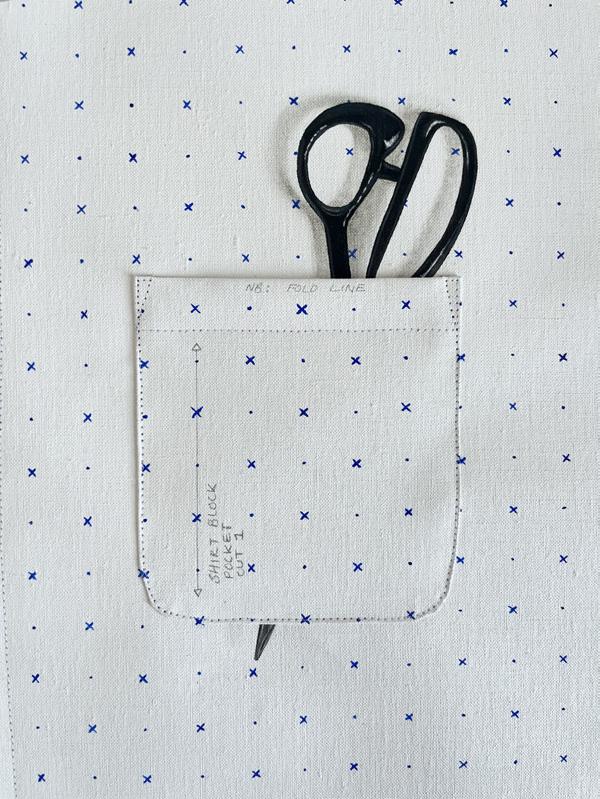
Workshop Trompe-l’ œil Pocket-making by Amelia Cross
Inspired Series
The Inspired series is a forum to hear an individual’s journey in an intimate setting. So far, we’ve programmed talks with Oscar-winning costume designer Colleen Atwood and shoe designer Nicholas Kirkwood, designer Morag Myerscough, artists Maggi Hambling CBE, Rachel Whiteread DBE, Cornelia Parker CBE, Jake Chapman, Issy Wood, Mat Collishaw and Grayson Perry CBE, along with Martin Parr CBE, Juno Calypso and Yinka Shonibare CBE. Jewellers Wallace Chan, Christian Hemmerle, Silvia Furmanovich and Francesca Amfitheatrof have travelled from Hong Kong, Germany, Brazil and New York for rare talks in the UK, alongside designer Thom Browne and Sarabande ambassador Andrew Bolton OBE. We have also welcomed Simone Rocha, Polly Morgan, Tim Walker, Campbell Addy, Robert Wun, Samuel Ross, Nick Knight CBE, alumni Molly Goddard and Craig Green MBE, Sam Taylor-Johnson OBE, Daniel Roseberry, Nadège Vanhee-Cybulski, Liz Collins in conversation with Penny Martin, Sandy Powell OBE, Edmund de Waal CBE, Miles Aldridge and Peter Saville CBE. We began 2026 strong with Iris van Herpen, Ib Kamara and Juergen Teller, who sold out in just five minutes.
The demand for these conversations demonstrates the hunger for insight into the journey of building a successful career, with speakers sharing the experiences, challenges, and turning points that shaped their paths. We are incredibly grateful that so many visionary creatives generously give their time to speak with our network. Their generosity has allowed Sarabande to build a broad programme of talks spanning the diverse disciplines represented by the foundation that is accessible to everyone, even those living outside of London.
Practical Talks
Sarabande recognises that many skills are transferrable across disciplines, which is why our Practical talks are intended to explore the fundamentals of building a successful creative business. From the day-today challenges of raising funds, building a brand identity, navigating trademarks and employment contracts, our Practical series covers it all. Often the idea for a talk comes from the repeated quest for information from our artists to meet a challenge, this normally signals this is a problem faced by the larger community, and something we hope to help fix.
These talks bridge the gap between academia and industry, offering creatives the tools and insights they need to establish themselves with confidence and clarity.
Delivered by professionals already working within the creative industries, the sessions draw on real-world experience and collective knowledge. It is this peerto-peer support that makes Sarabande’s programme so engaging and vital. It strengthens the care and value that we and our network invest in expanding opportunities for future creative communities. And we allow the flexibility to cover our regular annual talks, with some specific and time-sensitive advice peppered in as the world continues to shift.
MEET ADELE BRYDGES
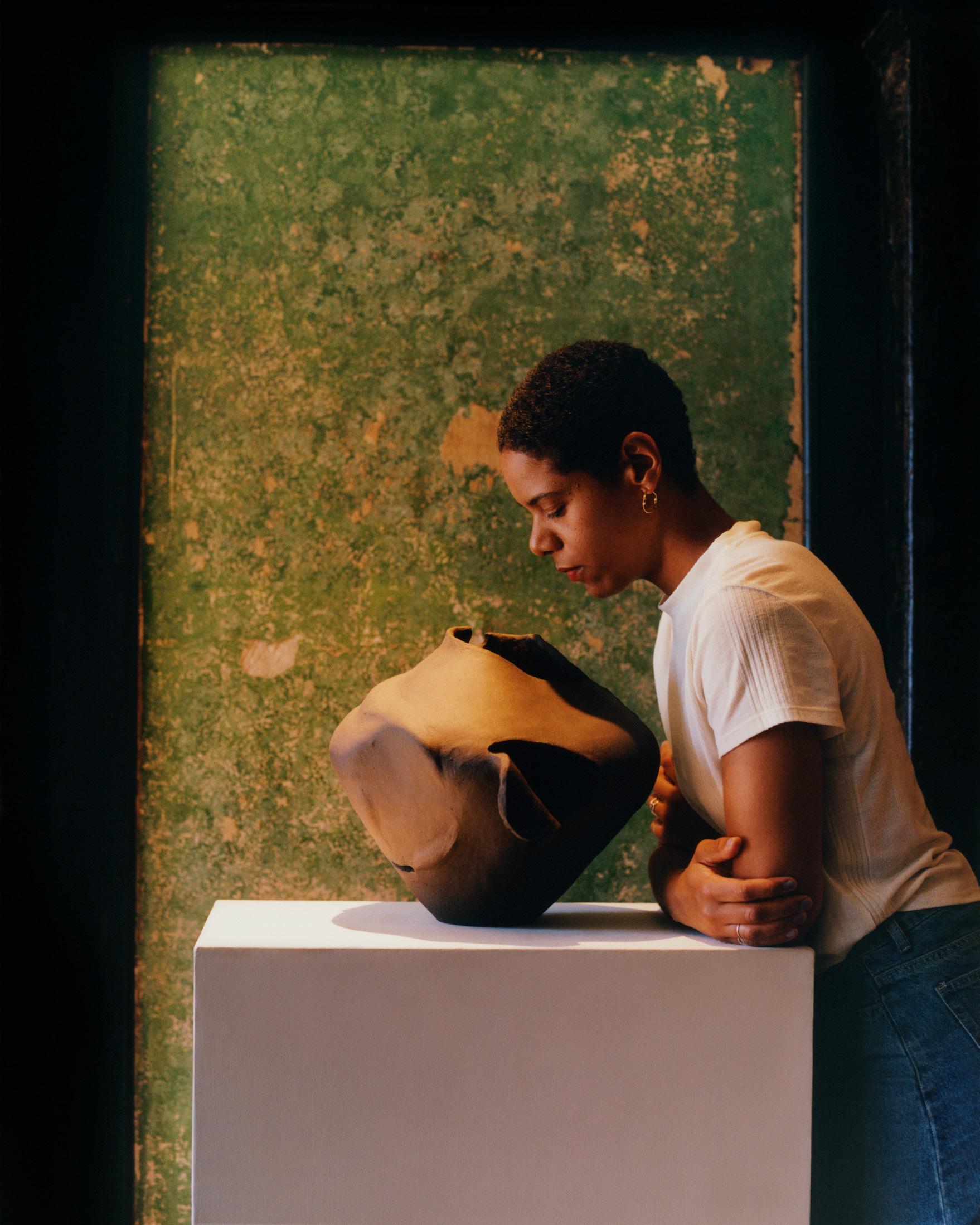
A lot can happen in a year. For Adele Brydges, it was a complete reinvention. Working with clay, ritual and sensuality as pathways into connection, her practice sits somewhere between sculpture and ceremony, exploring our relationship with ourselves, one another and the natural world. Since joining Sarabande, her practice has undergone a profound transformation, expanding intimacy beyond the body and into our relationship with place.
Sarabande
For years, Adele was known for her ceramic pleasure tools; beautiful, intimate objects that explored sexuality through craft. During her time at Sarabande, however, something shifted. Rather than refining an already successful practice, Adele chose to dismantle it altogether. ‘I used to make pleasure tools,’ Adele says. ‘But people don’t need more things, they need more connection.’
Closing her business wasn’t an ending so much as permission to begin again. The residency gave Adele the freedom to strip away expectation and ask herself, ‘Who are you without all of those other things? What would you create if you didn’t have any of those pressures?’ The answer became a new body of work rooted in landscape, ritual and ecology, expanding intimacy beyond the body and into our relationship with place.
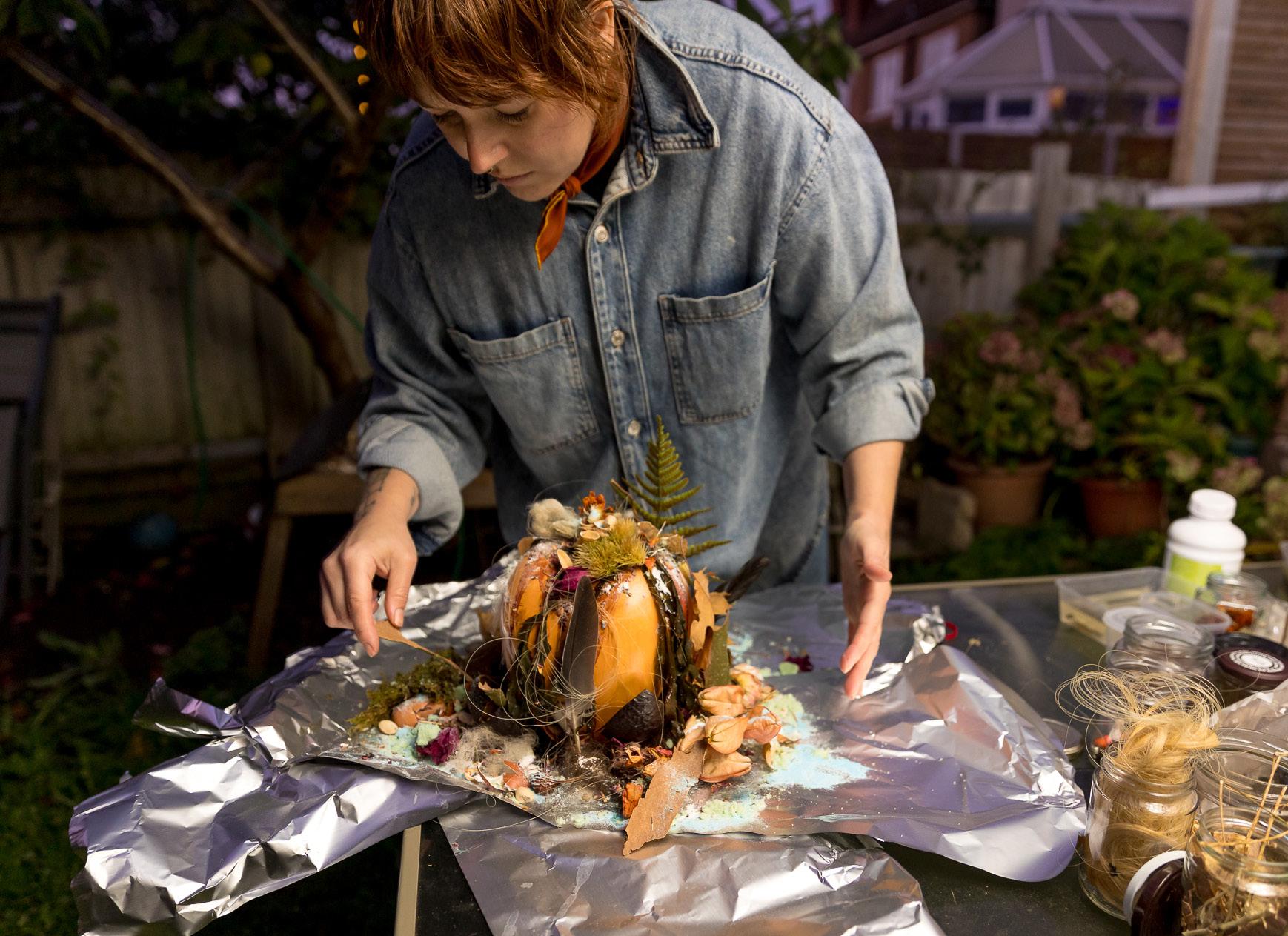
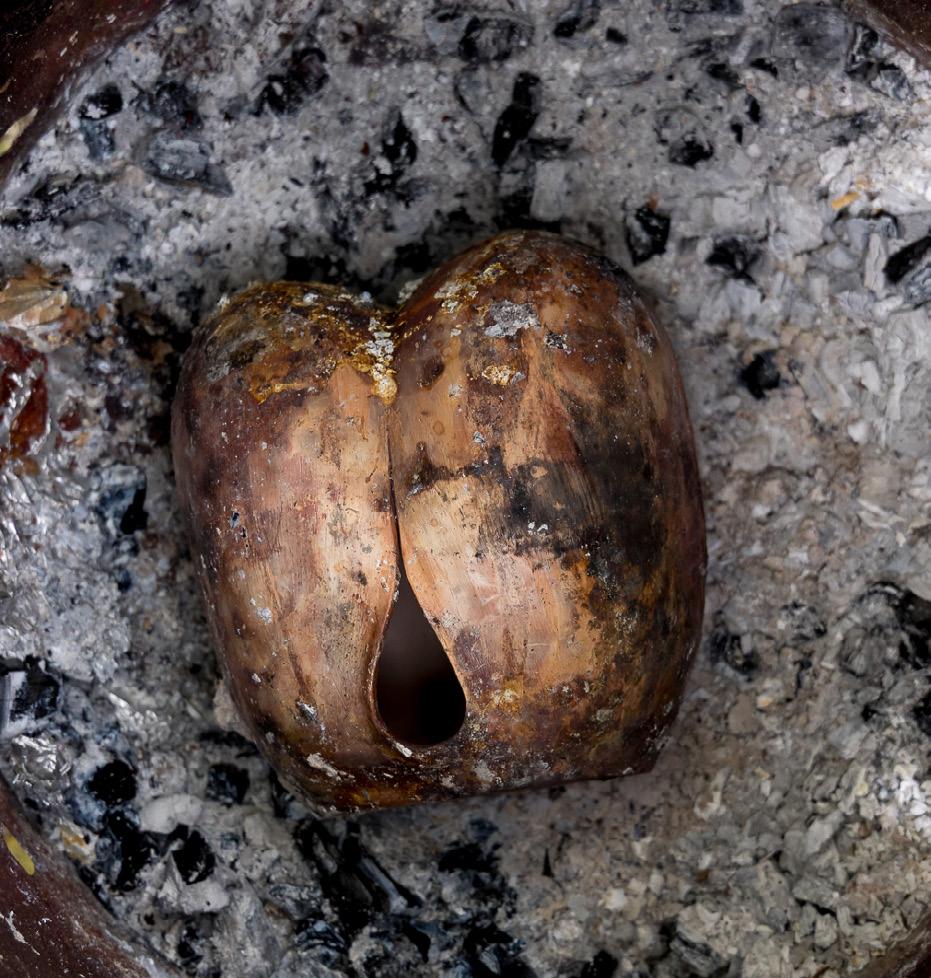
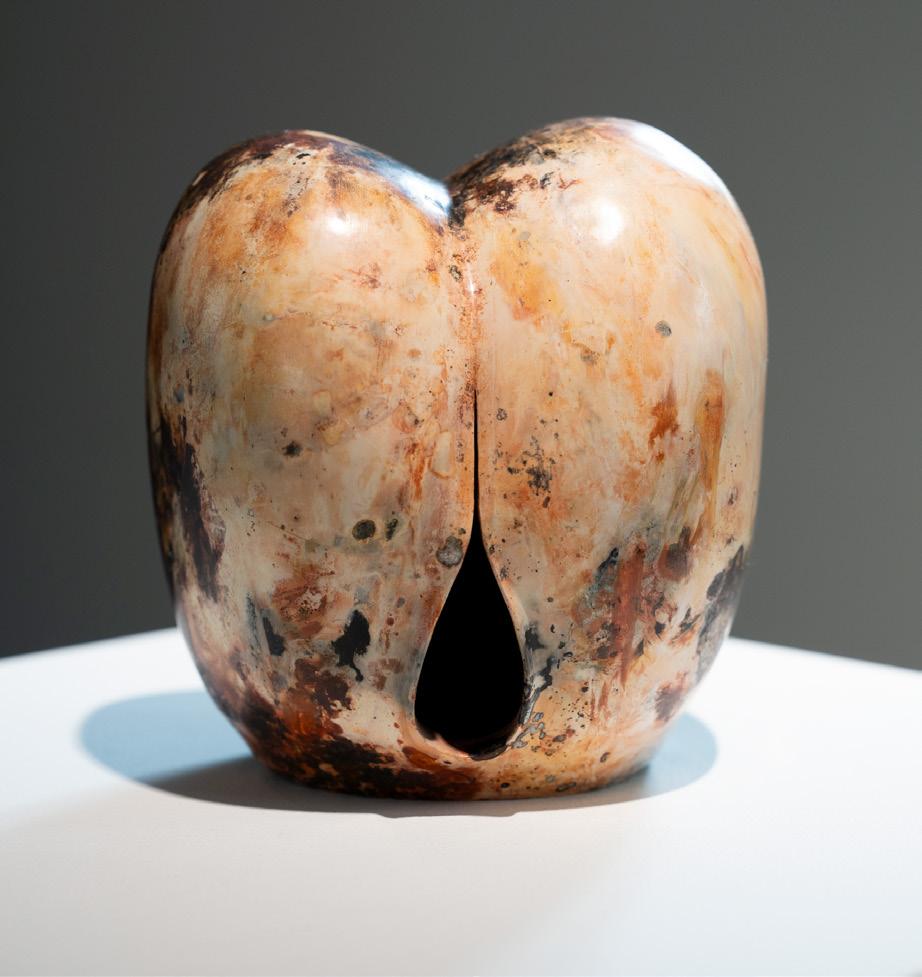
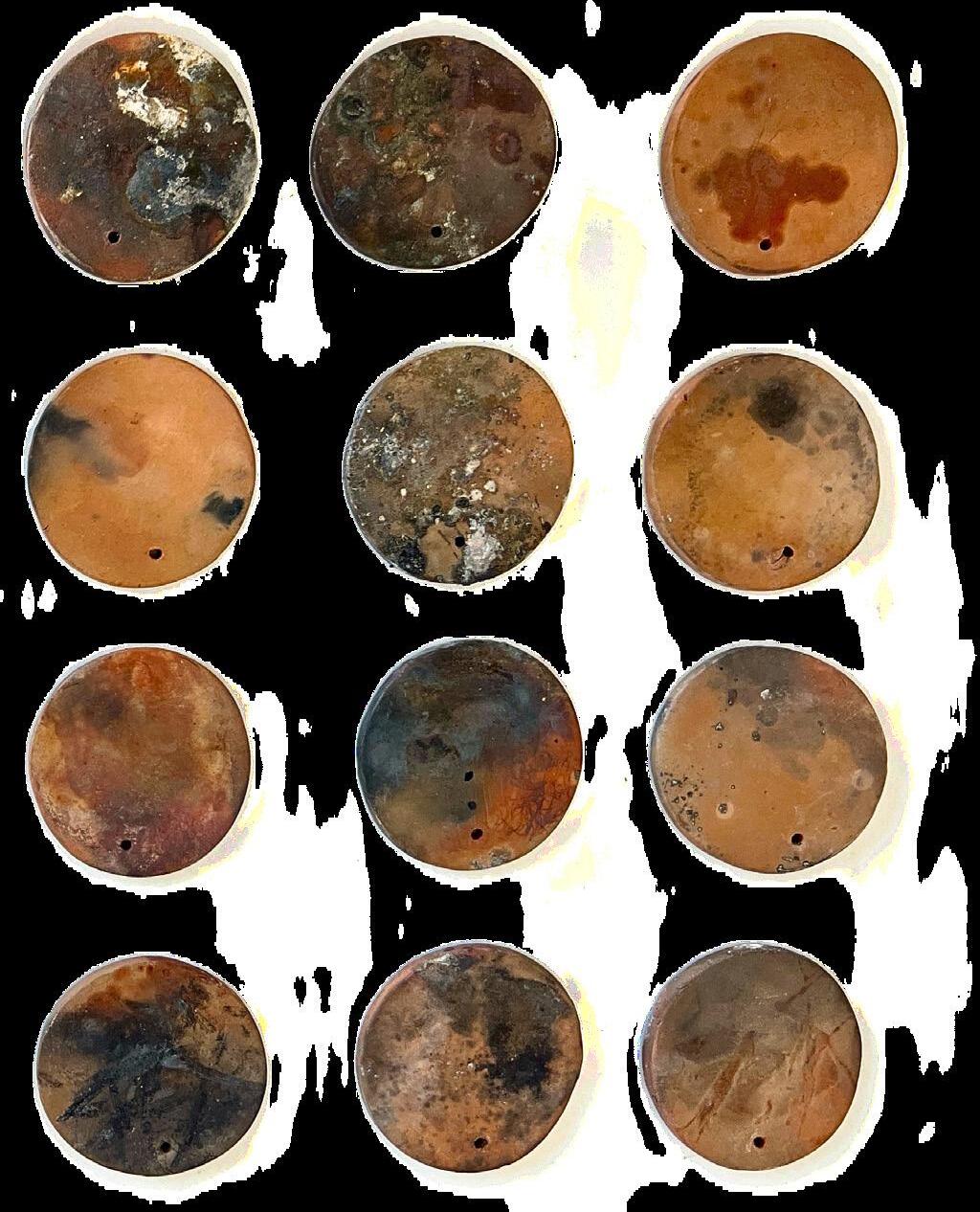
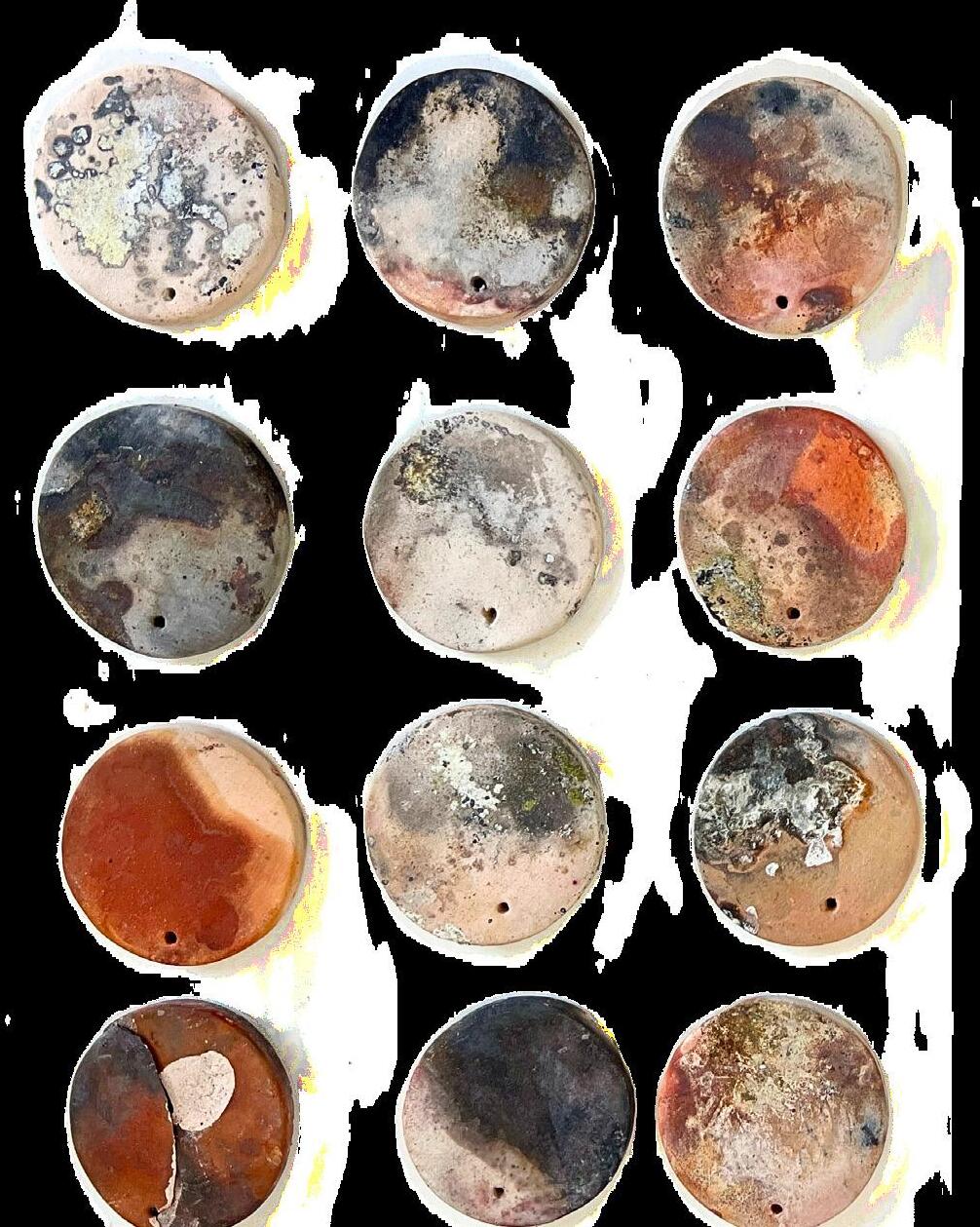
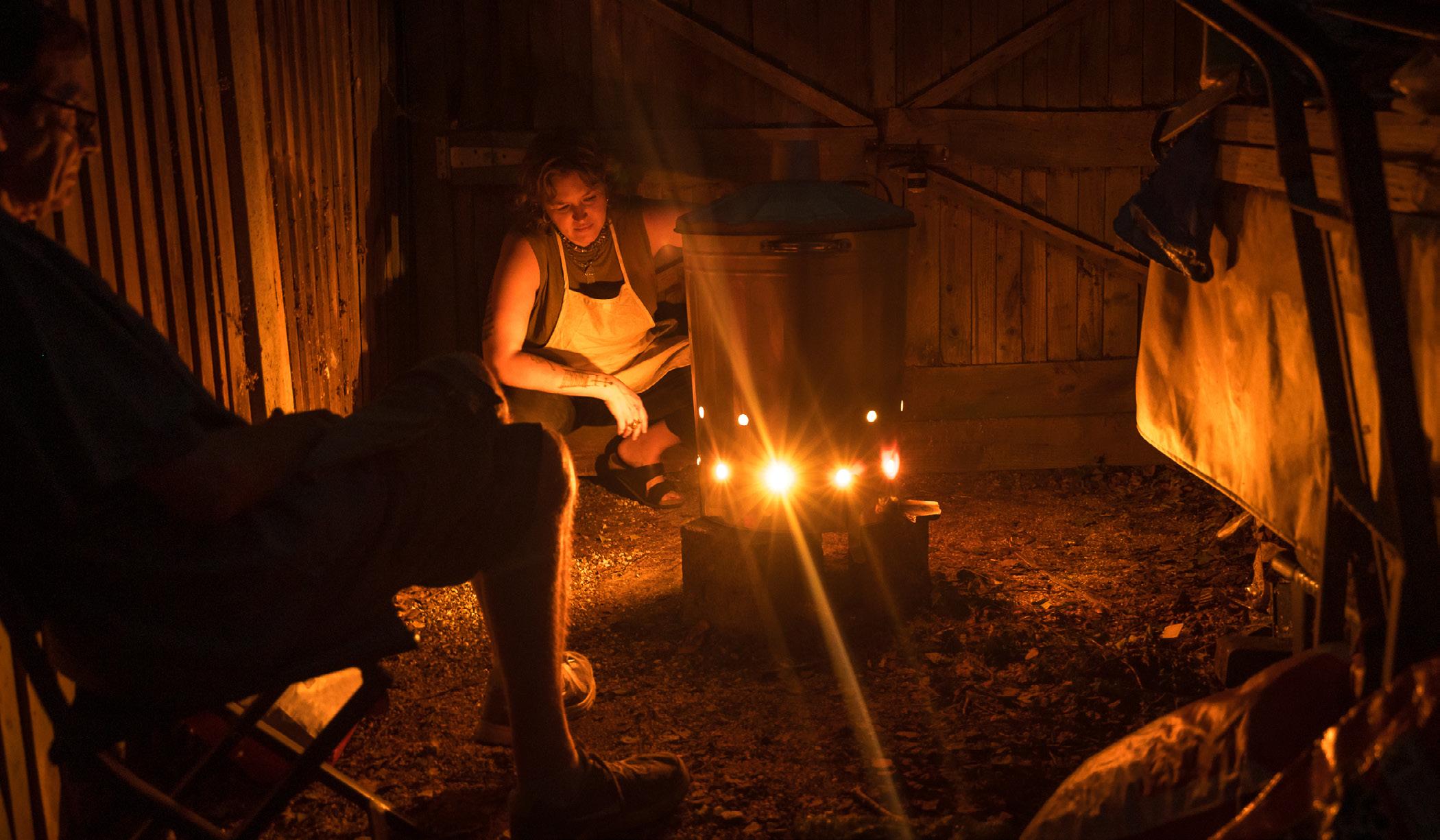
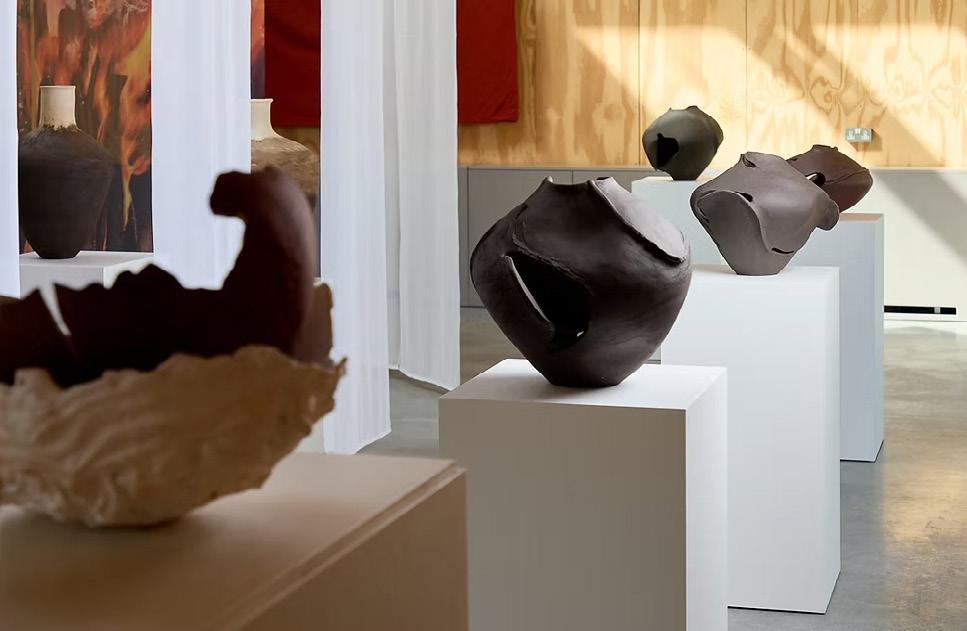
Today, Adele gathers what nature has already discarded; fallen leaves, flowers, seeds and botanical ash, embedding traces of the landscape into clay before transforming them through saggar and barrel firing. ‘ go to a place and look at nature not as something to extract from,’ she says, ‘but something to work alongside.’ Fire has become as important as clay itself. ‘There’s an element of having to let it be what it’s going to be,’ she says, embracing a process where control is shared with the materials themselves.
The new body of work quickly found a life beyond the studio. Through House of Bandits, Sarabande’s gallery, her new barrel-fired works have travelled from Collect art fair 2026 to Selfridges (during our three-month residency), Echo Soho and The Roof Gardens. This new direction also led to a commission from the Barbican Centre to conceive and lead Embodied Connections, a sensorial workshop exploring intimacy through the senses, before returning as a keynote panellist discussing intimacy and censorship.
The work wasn’t the only thing Adele left Sarabande with. Perhaps the most lasting part of the residency has been the community it fostered. After sharing a studio throughout the programme, Adele and fellow resident Beverley Duckworth now continue to work alongside one another in a studio of their own, a friendship and creative partnership that has outlived the residency itself.
Now developing a debut solo exhibition exploring grief, wildness and collective ritual, Adele continues to build a practice that is slower, more instinctive and deeply connected to the world around her.
Your practice has evolved quite dramatically over the past year. What sparked that shift? My work used to focus on intimacy through the lens of pleasure and the objects I made. Over time that idea of connection expanded. Now I’m interested in our relationship with place, with the land and with the natural world. I gather materials that nature has already discarded – fallen leaves, seeds, flowers – and use them to capture the essence of a place within an object. It’s become much more about emotional responses than creating a polished product. I realised people don’t need more things; they need more connection.
You closed your business making ceramic pleasure tools. Was that a difficult decision? It was something I’d been thinking about for years. I was frightened because I didn’t know what would come next, but the residency gave me the space to explore that uncertainty without the pressure of constantly making work to sell. Closing that chapter felt incredibly liberating. My practice is much more experimental now. I’m following ideas rather than products, and trusting that the work will eventually connect with people on a deeper level.
Nature feels central to your current work… not just as subject matter, but as collaborator. Absolutely. Rather than imposing an idea onto materials, I’ve had to relearn how to be guided by them. My practice has become much more elemental. I work with raw materials that aren’t heavily processed, and I’ve moved away from electric kilns towards barrel firing using wood and charcoal. There’s an element of relinquishing control. You can prepare everything, but the fire still has its own language. You have to sit with it, respond to it, and accept that every firing is different. That process has become almost ritualistic. Friends and family gather around the fire, people come and go, conversations happen. The making becomes a shared experience rather than something isolated.
There’s a strong sense of folklore and ritual in your work. Where does that come from? I grew up in an Irish Catholic family where storytelling, mythology and rituals around nature were part of everyday life. My grandmother would collect pine cones, flowers and natural objects to place on a small altar at home. Looking back, I realised I’m collecting things in exactly the same way now. I’m interested in rediscovering that sense of wonder that can disappear in modern life. If you really pay attention, nature is full of extraordinary moments. My work tries to preserve something of that feeling.
How has your time at Sarabande changed your practice? It changed everything. Financially it gave me the freedom to focus on making rather than surviving, but more importantly it shifted how I saw myself. I’d always thought of myself as a designer, even though the work I wanted to make had grown beyond that. Conversations with mentors and being surrounded by artists who approached their practices in completely different ways gave me permission to embrace being an artist. It also reminded me that there isn’t one correct way to have a creative practice. That confidence has fundamentally changed how I work.
What are you working towards now? I’m developing a body of work for a solo exhibition, bringing together ceramics, installation and other materials. The work continues to explore ideas of land, ecology and intimacy, but on a much larger scale. More than anything, I’m allowing myself to experiment. Instead of waiting for every concept to be fully formed, I’m simply making – following ideas, seeing where they lead, and trusting the process.
Three words that describe your practice? Foraged. Embodied. Elemental.
The 2026 Summer Group Show
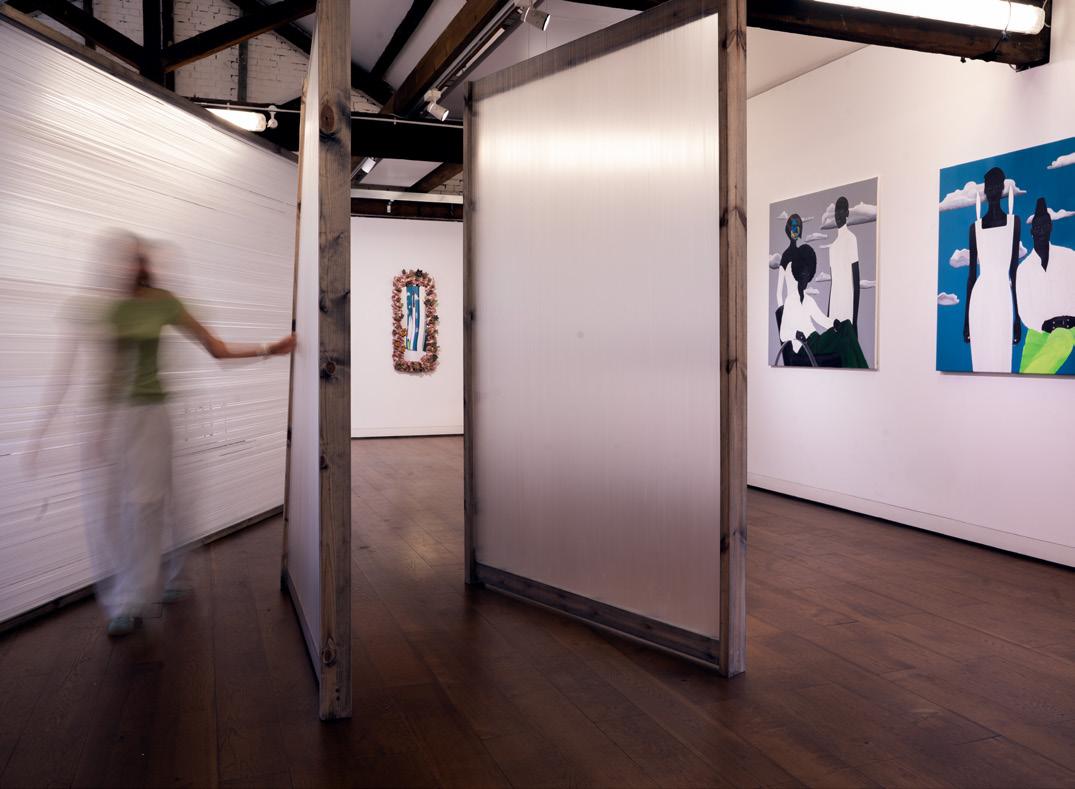
The Sarabande Summer Group Show, established in 2017, has developed into a landmark event for the foundation. The exhibition serves as a vibrant showcase of the talent nurtured within our studios, offering visitors a first look at the work created by our resident artists over the course of the year. Welcoming friends of the foundation, major cultural organisations and members of the public, it celebrates the breadth, originality and ambition of the next generation of creative voices.
For the 23 visual artists currently in residence across Sarabande’s studios in Haggerston and Tottenham, Sarabande’s Summer Group Show, DESIRE:The Anatomy of Looking, presents the culmination of their time at the Foundation. Over the past year, each artist has delved deeper, immersing themselves in their craft; their final pieces reflect countless hours of experimentation and research.
Part 1, considers desire as a fundamental human imperative, an animating catalyst of creativity, imagination and the ongoing process of transforming. Part 2, considers the impulse to make as a form of attention; a way of giving visual form to inner desire. We make things because we do not want certain experiences, people, places or memories to pass through our lives unnoticed. Works on show will include painting, sculpture, textiles, photography and installation, exploring themes of desire, memory, intimacy and transformation through a diverse range of material and conceptual approaches.
Desire often begins with an act of looking. The theme takes a broader reading here beyond its usual meaning of longing or attraction, it’s understood as a process of seeking, longing and projection, a movement towards something not yet fully known. It is both the desire for something and the desire to make something.
Part 1 will see works from Anna-Lena Krause, Amelia Cross, Cha’ky Donnelly, Ella Lynch, Furmaan Ahmed, John Spyrou, Antonia Caicedo Holguín, George Wilkin, Jack Laver, Jane Preston and Phoebe Corker-Marin.
Part 2 will include works from Siphiwe-Nokukhanya Mnguni, Bisila Noha, Rizza Zahid, Louis Petit, Kay Doble, Jingyi Li, Sophie-Mei Birkin, Georgina Odell, Taiba Akhuetie, Tom Hallimond, Victoria Ruiz and Zoya Smirnova.
Sarabande
Forget trying to pin this exhibition down. Here, hair becomes sculpture, garments become paintings, lace unpicks ideas of desire and photography is pushed to its limits through experimental processes. Ceramics become emotional landscapes, paintings escape their frames, and everyday materials are transformed into extraordinary works that challenge how we think about making. From monumental works to quietly intimate pieces, every artist brings their own distinct language, material and perspective. Together, Desire:The Anatomy of Looking is an exhibition that is bold, surprising and impossible to define. A reminder that there is no such thing as a ‘typical’ Sarabande artist.
This is truly an artist-led affair: the show is hosted, produced and curated by them. Although we are there to be the wind on their backs, supporting them with each of the above and guiding the execution of this large project, this is really an opportunity for and testament to the artists who spearhead the operation themselves.
We are passionate that at every opportunity and every turn, the artists are best prepared to apply all they have learned under the Sarabande umbrella in the ‘real world’. A true exercise in collaboration and sharing, it’s about just making it happen. We remove all barriers (without transgressing health and safety rules), so that they can be bold – anything (and we mean anything) goes. These skills they learn, from how to work to strict timelines to presenting their work at a high level, are invaluable.
This exhibition is not defined by commercial success, but by ambition, experimentation and the confidence to explore new creative territory. It showcases the culmination of what our artists have developed throughout their residency, giving them the space to take risks, challenge conventions and present work on their own terms. Fully supported by Sarabande, the exhibition is delivered free of charge to participating artists, with no commission attached, ensuring complete artistic independence.
Situated in East London, we are fortunate to offer a platform that resists many of the financial and structural obstacles facing today’s creative community. As rising costs continue to limit access to space and opportunity, Sarabande remains committed to fostering an environment where talent can flourish without unnecessary constraints. This commitment lies at the heart of everything we do: creating pathways for emerging voices and supporting bold ideas wherever they may lead.
As we gather to share this work, connect with one another, and celebrate the achievements of this year’s artists, we also take a moment to acknowledge the ever-growing Sarabande community that makes it all possible. And for now, we bid a fond farewell to this chapter, excited for what comes next.
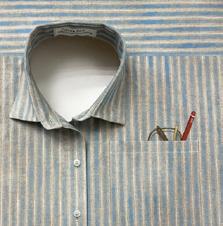
Amelia Cross is an artist whose practice bridges painting, pattern-cutting, and sewing. Amelia investigates how garments shape identity and social systems, merging the craft of pattern-cutting with painting to create her signature ‘sewn paintings’. Drawing on clothing from her personal archive, each piece offers potential confessions, at times dark, at times humorous, reflecting on life’s uniforms and the ways clothing mediates presence and authority. For this show, Amelia presents The Draft, a sewn painting that embodies her unique process of craftsmanship. Replicating her beloved studio tools of scissors, pattern paper and tape measure in oil paint, the work places value in the discipline of craft itself and history of garment making.
Anna-Lena Krause is an artist working across sculpture, performance, and moving image. Her practice explores how we connect through proximity, care and relation, asking what happens when the boundary between self and other becomes unstable. Drawing on lived experience, she investigates how bodies are shaped by those around them, not as fixed entities, but as open, relational forms, inhabited by other bodies, other minds, and other versions of reality. For this show, Anna-Lena presents two works made from the same source: a single body, scanned alone while sleeping. In the relief, it is surrounded by fragments of others, incomplete, fleeting, placed there by digital procedure. They never shared a room. We construct intimacy retrospectively, narratively: what we call closeness is always partially assembled from fragments that did not originally belong together.
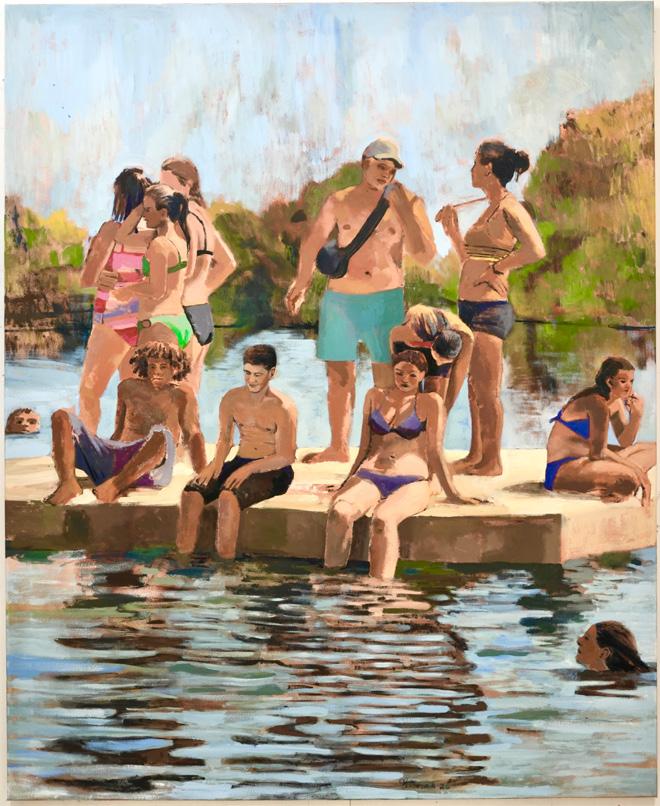
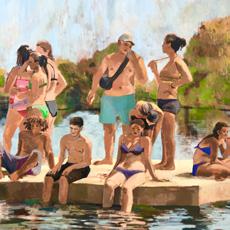
Antonia Caicedo Holguín’s paintings focus on the emotional and psychological dimensions of memory. Working primarily through figurative painting, she constructs images from remembered experiences, observations, and stories shared by others. Growing up in Colombia, Latin America, and living in London, Antonia makes paintings from memory, much as a writer transforms lived experiences or stories shared by others into fiction. For this show, Antonia presents Small Human Tides, a painting that addresses the psychological weight of bodies in close proximity, particularly in urban spaces where people share confined environments without interacting. The idea develops from experiences of swimming in natural waters, including the Pance river in Cali, Colombia, and observing people at Hampstead Heath ponds in London.
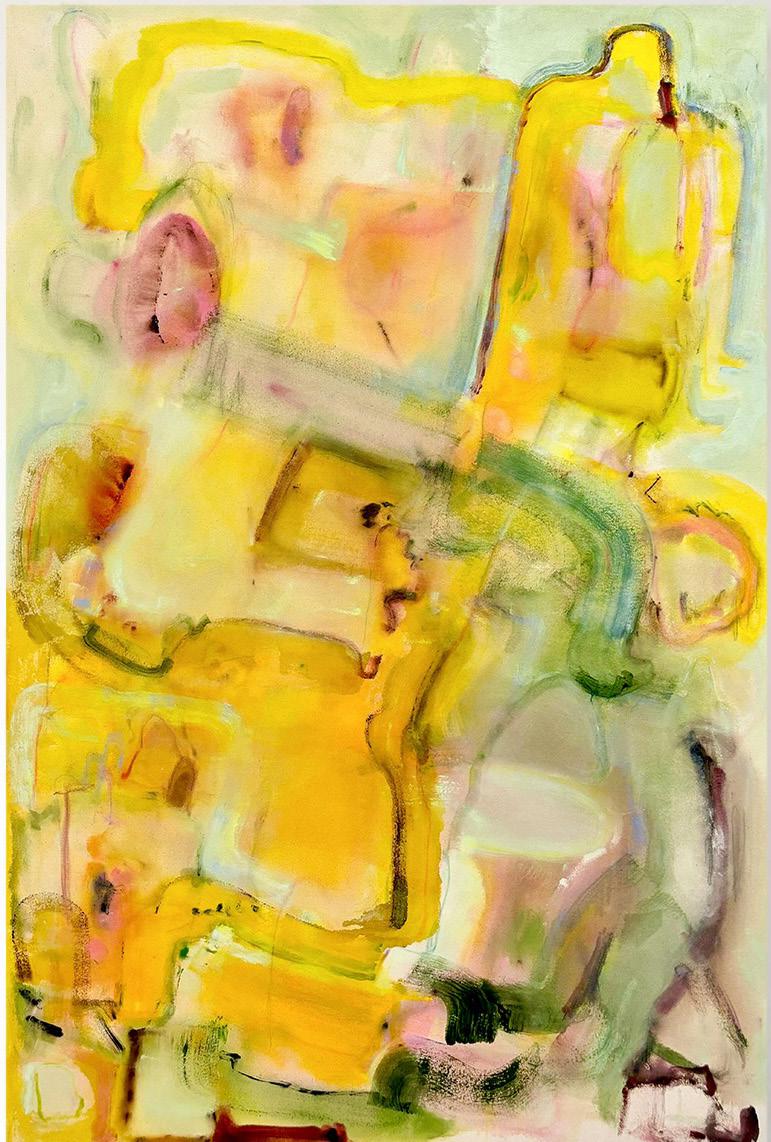
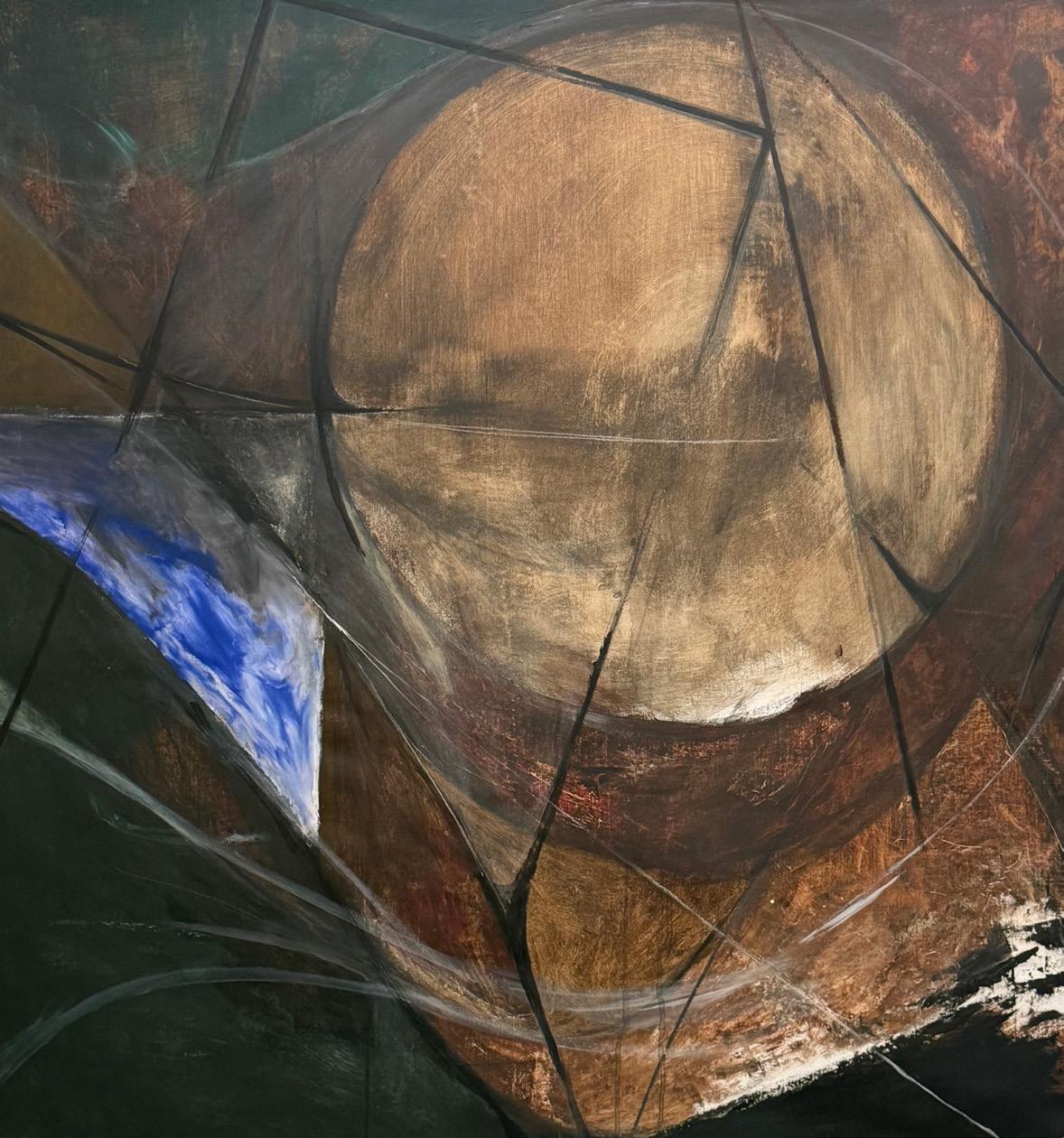
Cha’ky Donnelly is a contemporary, abstract painter whose work blends chaotic harmony with introspective detail. Tracing an organic path of growth, reflection, and becoming, Cha’ky’s paintings consist of simple yet profound shapes and spontaneous, expressive gestures. Drawing from personal experience and cultural nuance, Cha’ky explores emotion and self-identity through layered compositions that invite open interpretation and personal reflection. The painting exhibited in this show is an abstract meditation on exhaustion, deterioration, and an accumulation of neglect. Through rejection of bodily rest, the valley starts to erode.
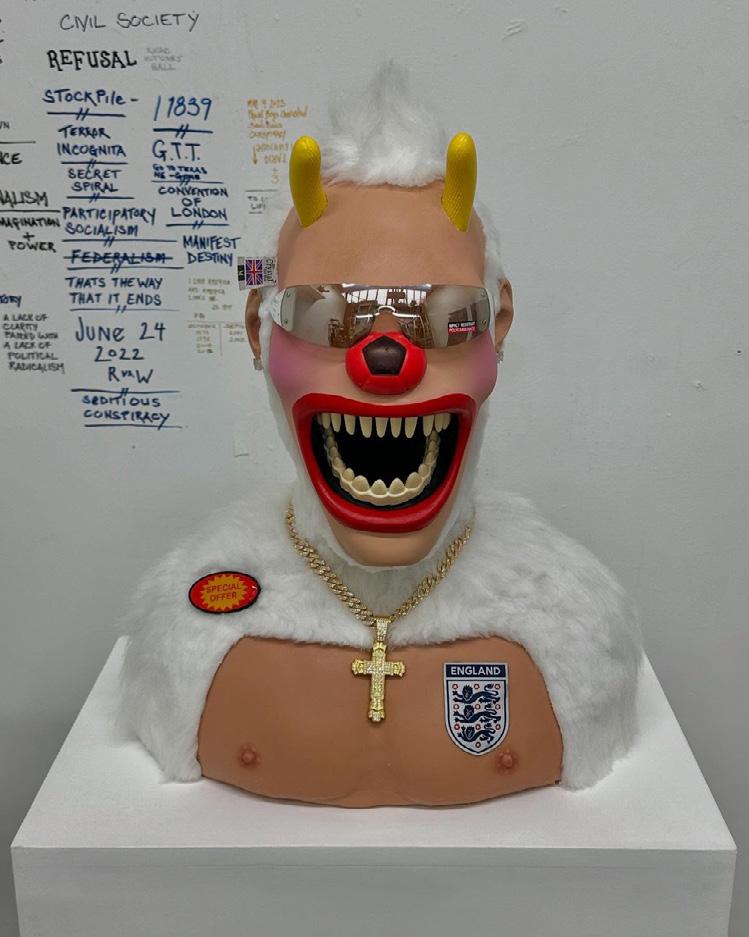
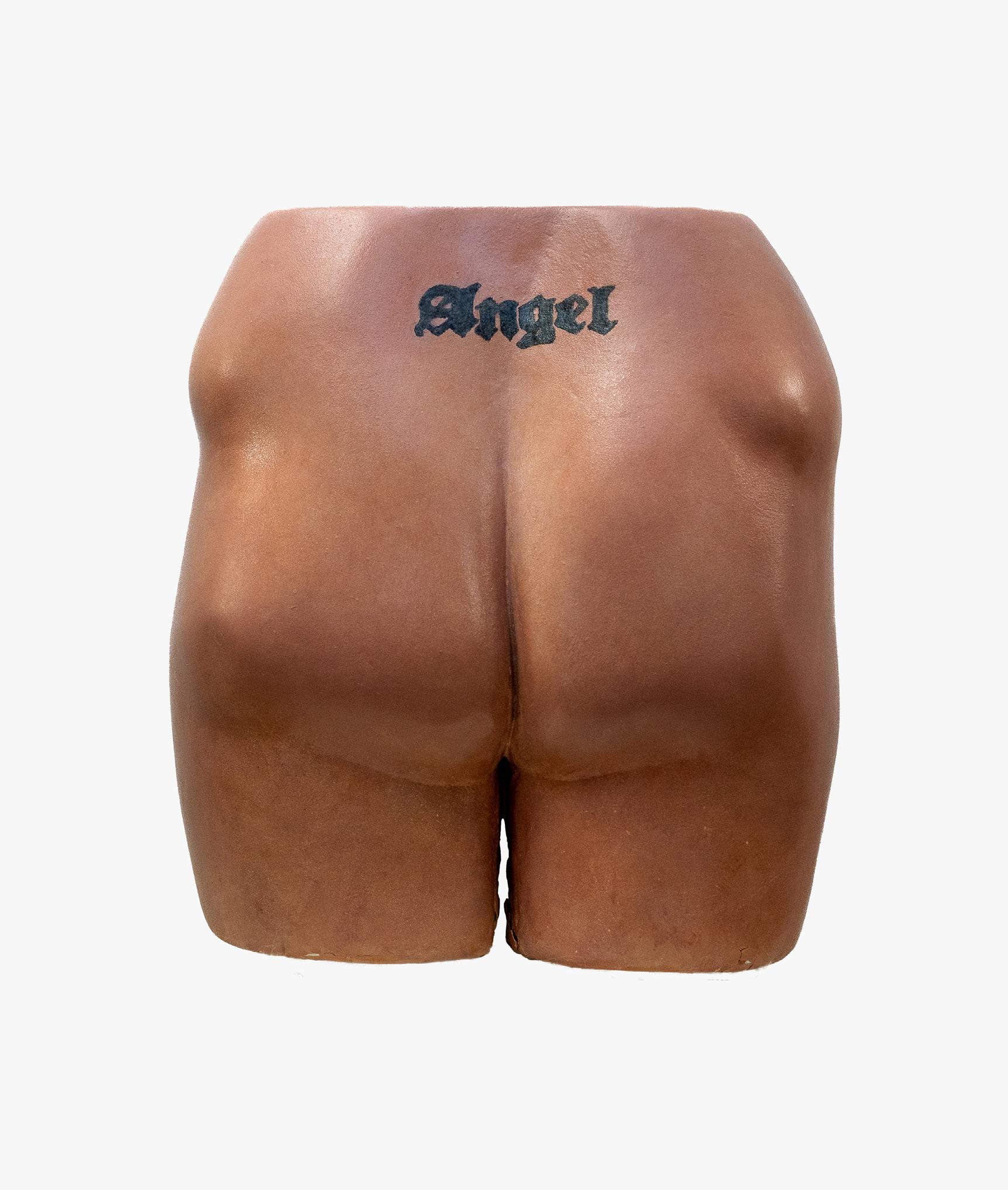
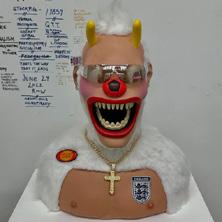
Ella Lynch is an artist working primarily in sculpture and three-dimensional forms. Her work examines Britishness, nostalgia, sexiness, and the playful side of glamour. Ella collages familiar imagery from the British High Street, ‘geezer’ culture, and pop iconography, experimenting with scale and frequently incorporating found objects. For this show, Ella presents *Bimbo*, a bust fitted with a ‘bobblehead’ mechanism, depicting a sexual fantasy so extreme that it becomes grotesque. In this work, Ella explores the ways in which women have been depicted as operational, as toys, ornaments or pieces of furniture. By incorporating the bobblehead element – a feature more commonly associated with novelty objects and souvenirs – Ella also explores ideas of ‘naffness’ and ‘taste’, challenging what does and does not belong in a gallery space.
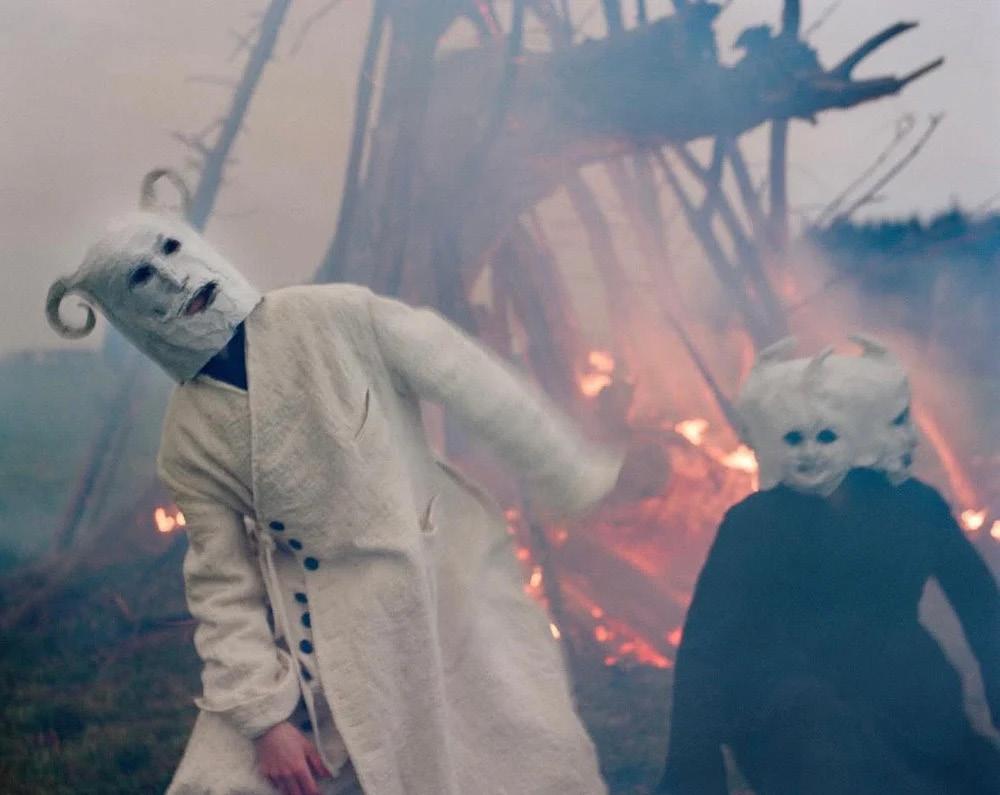
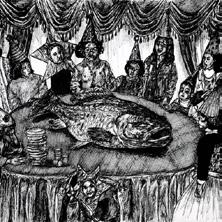
Furmaan Ahmed is a photographer with a background in set design and filmmaking. Creating orchestrated images, Ahmed explores theatricality, identity and diasporic memory. Drawing on personal histories alongside the lives, places and notable moments in queer history, the work investigates psychic inheritance and systems of belief. Often using British folklore as the framework for imagined worlds, Ahmed’s practice reflects on loss: of fading traditions, forgotten histories and cultural memory in the face of modern nationalism and capitalism. For this exhibition, Ahmed presents the diptych *The Fish That Never Swam*, an ethnographic exploration of the power and pageantry of nationalism, tribalism and learned behaviour. Drawing on personal and collective tragedies within their community, the work examines the unstable space between fabricated belief systems, social codes and acts of self-categorisation.
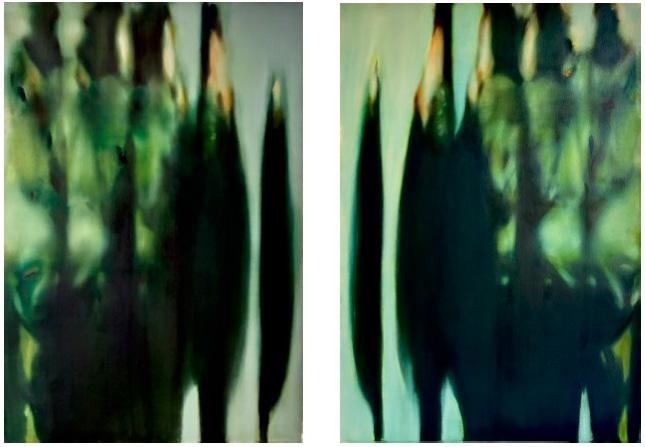
George Wilkin works primarily in large-format oil paintings, exploring the tension between the finality of form and its continual undoing in motion. George aims to bring the tradition of oil painting into a contemporary context, examining how technology shapes the way we consume imagery and information. In *Zweispaltung*, George presents a diptych of reverse-twin images; each canvas is at once unique and inseparable from its other. Drawing on 19th Century philosopher Georg Hegel’s dialectic of world history, George utilises the format’s potential to explore themes of splitting, opposing and the dynamism that can emerge.
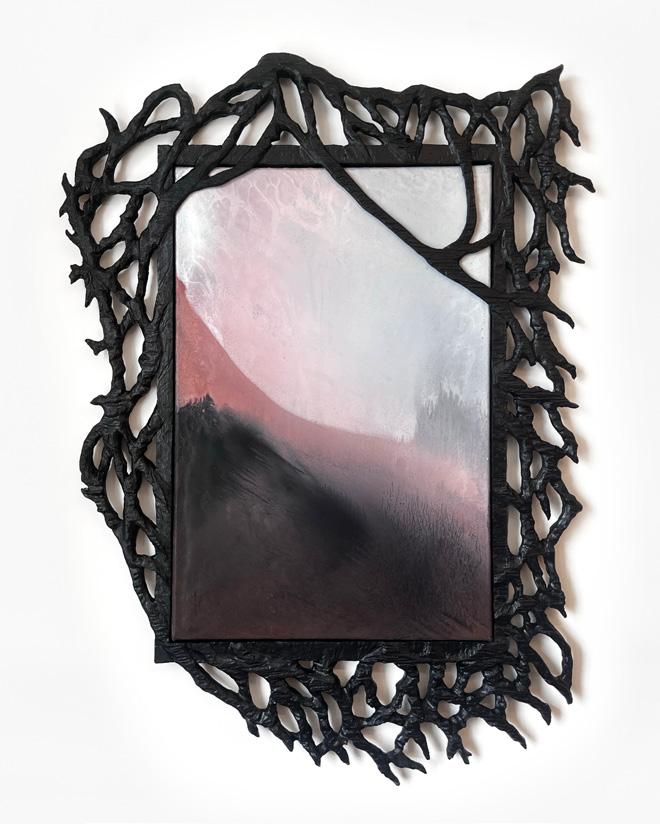
Drawn to the interplay of light and shadow, Jack Laver’s work exists in a state of tension between tangible materials –wood, inks, pigments, and resins – and more ephemeral elements such as light, shadow, and void. His painterly practice is shaped by volatile and unpredictable processes that encourage spontaneous compositions and textures. In his current work, Jack also explores the concept and construction of the frame. Meticulously carved wood becomes an integral component of the process, moving beyond its traditional role of containment and support. Instead, frame and painting enter into a symbiotic relationship, each informing and enhancing the other as a unified work.
Jane Preston is a ceramist who creates sculptures inspired by nature’s shapes, balance, and metaphors. Her practice is informed by the pain and pleasure of lived experience and explores communication through symbolic form, responding to the tension between human existence and the natural world. For this show, Jane builds on her current ceramic collection *Vexed Earth* with the new work *Vexed Earth Descending*, an abstract wall installation that flows into a large freestanding floor sculpture. The piece blends nature’s contours with modern colour and structure, inviting viewers to reflect on the desire for humankind and nature to coexist in a relationship of mutual respect.
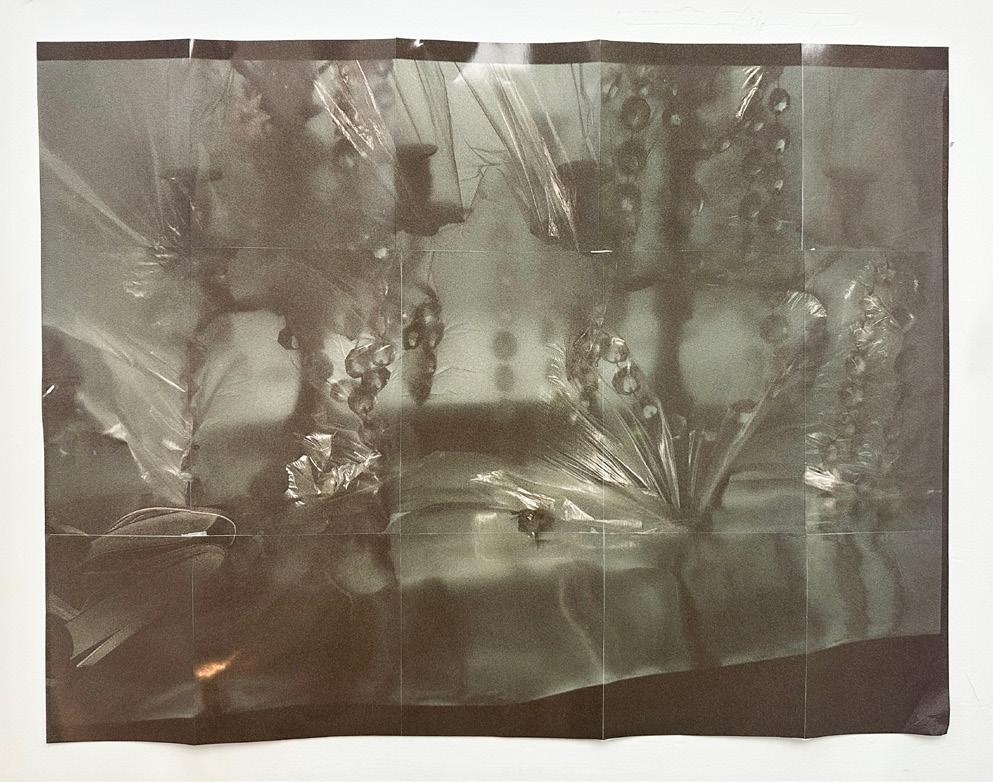
John Spyrou is a portrait and fashion photographer using novel and personal alchemical techniques and alternative printing methods to create his imagery. To view John’s subjects is to take on a peculiar voyeuristic responsibility, perceiving each character in a state of apparent introspective self-absorption. For this show, John presents three works from his wider Circus series, developed during his time at Sarabande over the past year. Through a considered colour palette and selective cropping, the work decontextualises the visual spectacle of the circus. To create the series, John visited six circuses across London and Paris, watching each performance entirely through his viewfinder. Captured digitally and refined through post-production, the final works emerge from labour-intensive adaptations of antiquated printing techniques developed during his experimentation at Sarabande.
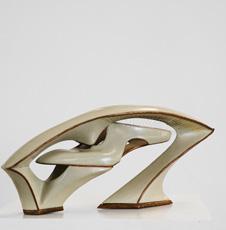
Phoebe Corker-Marin is a sculptor interested in internal narratives and the stories we tell ourselves. For Phoebe, these experiences are physical and grounded in the body, shaping how we perceive, remember and respond to the world. She translates these internal experiences into small, hand-held sculptures, evoking emotion through materials and form. Their intimate scale invites viewers to engage closely, fostering personal and contemplative interaction with each piece.In this piece, Phoebe explores the idea of the corporeal being held up as the antithesis to spirituality rather than as the vessel through which we experience the divine. As the light changes, so does the solidity of the pedimental sculptures, continually receding and resolving.
Georgina Odell is an artist working primarily in sculpture using textiles and metalwork. Her work examines personal and collective histories and how stories are retold. Using familiar materials and objects, she explores how nostalgia can feel both comforting and melancholic. In Georgina’s practice, weaving becomes analogous to the construction of memory. Our memories rarely return as complete images; they emerge in fragments that we piece together into a coherent whole.The work reflects the limitations of memory itself: however carefully we try to reconstruct the past, the complete picture remains just out of reach.
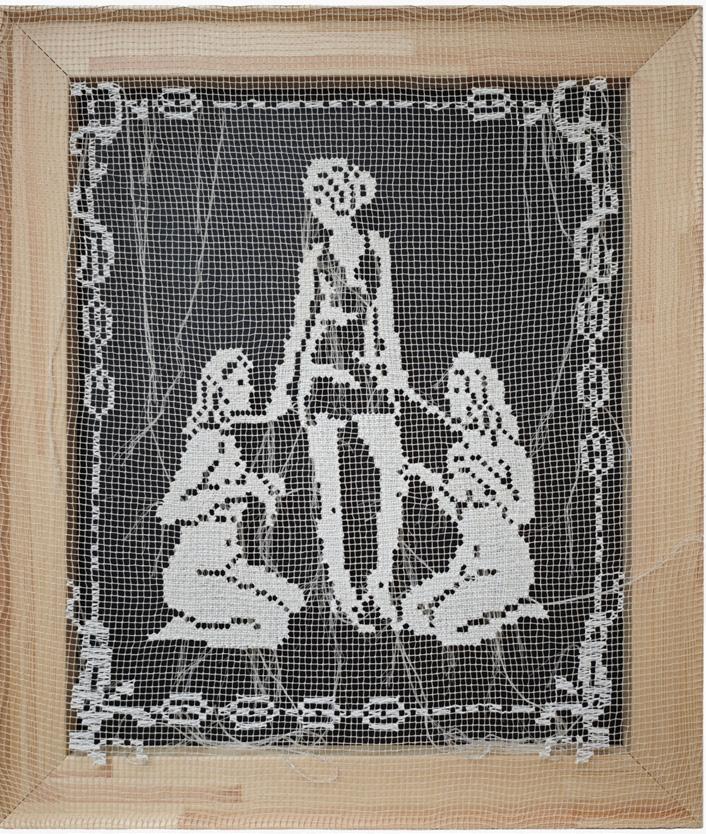
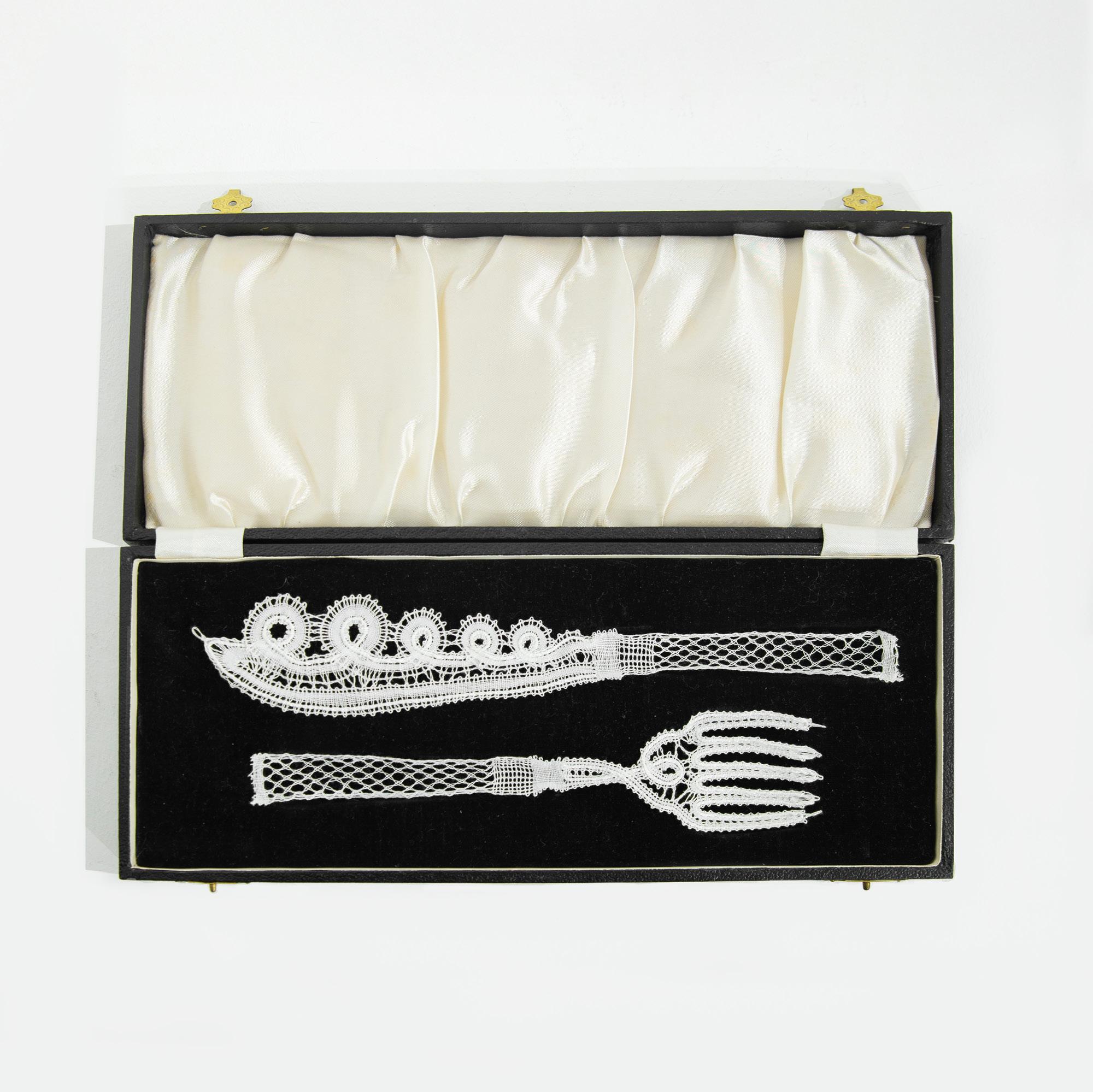
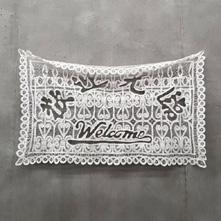
Jingyi Li is a textile artist whose practice explores intimacy and the cultural meanings embedded in craft traditions. Working primarily with lace, she transforms traditional forms and domestic objects into sculptural works that examine female desire and the relationship between power, materiality and embodied experience. For this show, Jingyi presents a new work from her ongoing New Heaven series. Inspired by the idyllic imagery found in traditional filet lace patterns, the work draws a parallel between inherited visions of paradise and the fantasies projected through contemporary pornography, exploring how desire is shaped through imagined spaces.
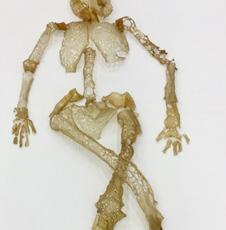
Kay Doble is a visual artist pioneering original techniques rooted in traditional taxidermy preservation and developing a distinctive sculptural language that highlights the inherent beauty of natural materials. Her refined craftsmanship and unique material sensibility form a meticulous practice aimed at inspiring awe, provoking curiosity, and shifting perspectives. The works presented in this exhibition mark a shift towards a more expressive sculptural language, where the natural forms of the materials are echoed throughout each composition to create a greater sense of visual continuity and cohesion. Each material is selected and composed in dialogue with others that share structural and visual similarities, forming works that deepen Kay’s ongoing exploration of the interconnected patterns that recur across the natural world.
Louis Petit is a painter working on a body of work that explores physical space in relation to sound. Our inherent visual bias means that most of what we process is by sight, when in fact other senses, especially sound, shape the space around us far more than we realise, providing an often unheard or filtered soundtrack to our everyday lives. A change of neighbours and the new sounds they bring can completely reshape your perception of the apartment you live in. This change led Louis to consider the space he grew up in and create a series of paintings combined with an ambient sound installation of local field recordings, as a way of conditioning the way people perceive the paintings, just like those sounds condition the way he sees his estate.
Rizza Zahid is an artist working across drawing and mixed media. Her practice combines surreal imagery, narrative and everyday experience to explore human relationships and communal life. Through detailed mark-making and psychologically charged imagery, she creates immersive works that move between reality and imagination. For this show, Rizza presents a work from an ongoing series drawing on urban legends, folklore, and rituals rooted in South Asian diasporic communities in Birmingham. Unfolding through a sequence of interconnected scenes, the series translates these narratives into speculative visual worlds, exploring what it means to encounter and inhabit mythology within contemporary urban life.
u
Sophie Mei Birkin is an artist whose multi-media practice explores material interaction and the generative potential in the transformation of matter. Working with salt crystals, industrial waste, and organic and synthetic residues, her works are formed by processes of dissolution and regeneration. For this exhibition, Sophie Mei presents a salt-crystallised fabric sculpture made from a digital photographic print of her organic-synthetic composite surfaces inspired by microbial biofilms. The work explores the threshold between control and material agency, as well as the discomfort within that tension, drawing on embodied phobias as inspiration. Through this work Sophie Mei explores how her pieces can feed back into each other, forming a living system or material ecosystem within the work.
Taiba Akhuetie is an artist who transforms hair into intricate, thought-provoking works of art. Blurring the lines between sculpture, textile art and conceptual storytelling, her work explores themes of identity, memory, and cultural heritage. Inspired by the personal and symbolic weight hair carries – its connection to beauty, lineage, and even loss – Taiba weaves, braids and sculpts strands into delicate yet powerful compositions. With a background in hair-styling, the artist has collaborated with fashion designers, filmmakers, and institutions to push the boundaries of hair as an artistic medium. Through her practice, Akhuetie invites viewers to reconsider the meaning of hair not just as a personal adornment, but as a vessel for stories, emotions, and history.
Tom Hallimond is a multi-disciplinary artist whose practice explores care and lived experience. His work reflects on the quiet resilience and human effort required to adapt during times of upheaval, particularly the isolation and uncertainty experienced during the global shutdown of 2020. Hallimond’s work focuses on groups of people within social and family situations, with attention to hidden histories, uncertainty, and the gaps in what can ever be fully known about others. He removes facial features to shift attention away from individual identity and towards relationships, posture, and emotional tension within a scene. In doing so, figures become less about who they are and more about what might be understood or misunderstood between them.
Victoria Ruiz is a Venezuelan multi-disciplinary artist whose practice spans photography, sculptural garments, and performance. Her work explores identity, cultural resistance, Afro-diasporic spirituality, and its relationship with nature. Through wearable sculptures and distinctive photographic approaches, she revisits childhood and cultural narratives, giving voice to marginalised communities. Her practice is rooted in activism and employs a carnivalesque lens to transform traditional narratives, highlighting resilience, vibrancy, and environmental and cultural concerns. Victoria invites audiences to reflect on identity, empathy, and the interconnectedness of human experience and the natural world. In *La Muerte También Baila*, Victoria asks what happens to the spirit when the body is shaped by fear, and whether even death can become a form of testimony.
Zoya Smirnova is a ceramic sculptor working with stoneware and porcelain. Her practice explores vulnerability, repair, and transformation through abstracted human forms that sit between body and psyche. Zoya’s work occupies an intimate psychological space: quiet, tactile, and resonant with half-remembered internal states. In this work, layers of clay form a protective chainmail-like structure that envelops the figure like a second skin. Inspired by the accumulation of lived experience, each petal represents memories that gradually build a protective surface. Rather than concealing vulnerability, the armour becomes a record of it. It is a quiet testament to resilience, healing, and the grace with which we carry our histories.
Image by Kasia Wozniak
MEET ELECTRIC ADAM
Sarabande
As part of our collaboration with Buildhollywood, imagery of Adam’s work appeared on billboards across North and South London, bringing their work across the city and into the public realm. Recently, Adam has been in the main-space building one of his largest bodies of work yet, that he hopes to share shortly.
How did you first get into working with latex? to wear to fetish parties. I didn’t have anything to wear so I kind of taught myself how to work with latex and make my own outfits. I started making more and more elaborate pieces. One of the unique elements of latex is it’s very stretchy but it’s airtight. I have asthma and breathing has always been an issue for me. Through that, I started using those techniques to make these airtight latex pieces that I vacuum myself inside.
What does it feel like to be inside these vacuum-sealed pieces? quite a stressful or distressing experience to be in these things. But for me, it’s incredibly empowering. Once I do achieve the full vacuum and I’m just breathing and being in these pieces, I get a huge sense of relaxation and well-being and kind of otherness. I’m also dealing with issues with body or gender. When you’re vacuum packed in these things, there’s no hiding. You are reducing yourself to the most basic form of yourself. On the outside it looks kind of quite intimidating or scary, but for me it’s a very peaceful and almost therapeutic experience.
You’ve been moving towards creating immersive environments. Where are you taking the work now? I’ve always felt like my pieces belong in a world of their own. I’m developing and designing an immersive exhibition where the space will be a part of the work itself. The entire space I want to feel like a living, breathing piece … like you’re entering into an organic world.
Can you tell us about the Diamond Angels
Diamond Angel costume. I got myself scanned and 3D printed in miniature, and then I made a negative mold. I’ve cast them in wax, resins mixed with metal powder, and plaster. I wanted to replicate the aesthetic of my shiny red latex outfits. These two different versions of the are available in the House of Bandits.
How has being at Sarabande supported you? quite a pivotal moment in my practice. It’s given me the time and space to be able to explore and play. That combined with access to the gallery spaces, workshop spaces, and all the other artists has been really helpful. It feels like it will have such a fundamental effect on myself and my practice.
Image by Kasia Wozniak
OUR NEW HOME IN N17
Where artists go, Sarabande follows.
When Sarabande opened the doors of its HQ in Haggerston in 2015, the area looked very different to the polished East London postcode we know today. Hackney was still just affordable enough for artists and fashion designers to rent homes and studios. The canal-side stable block that would become Sarabande sat in the centre of a growing creative community. Ten years down the line and London has shifted again. Rents have climbed and creative communities have migrated in search of a new space to call home. And so have we.
Sarabande has always followed the artists and, increasingly, the trail led north to Tottenham, where creative communities are thriving and studio space hasn’t yet become entirely mythical. Almost a decade ago, Sarabande began the very first conversations around a second home for the foundation in Haringey. As the landlords Tottenham Hotspur began their development of the Paxton area, Sarabande saw an opportunity to support the growing creative community already making Tottenham its home. Whilst the overall development was in discussion and there were many grand buildings in the road, it was the last remaining extraordinary Grade II* listed buildings on Tottenham High Road that came into our grasp. And what a find they were.
Sitting at the intersection of several defining forces – the epicentre of Tottenham’s regeneration, a flourishing community of artists and makers, and the layered history of the 300-year-old building – the terrace immediately felt like home. A vast Queen Anne relic sitting in the middle of one of London’s fastest-changing neighbourhoods, just waiting for its next life.
After extensive consultation and a successful application to The National Lottery Heritage Fund, Sarabande and Tottenham Hotspur secured a substantial grant to rescue and reimagine the site as a permanent creative home.
Images by John Spyrou
Push open the doors and it feels like stepping sideways through time. The interiors are packed with original architectural features, from historic panelling and fireplaces to floorboards worn by centuries of footsteps. And then there’s the wallpaper. Layers upon layers of it. In some rooms, jaw-dropping 18th-century fragments still cling to the walls beneath centuries of paint and decoration. Studios have been stabilised and upgraded for long-term use while retaining as much original fabric as possible. This wasn’t about polishing the buildings into something pristine and untouchable. Quite the opposite. The ambition was to allow the buildings to continue living.
As part of the conservation process, layers of wallpaper and paint applied over hundreds of years have been left visible in what the architects refer to as ‘arrested decay.’ Unless something was dangerous or structurally unsound, it was left alone. Throughout the building, surfaces quietly reveal traces of former inhabitants and forgotten moments, including the scribbled seating plan from a 19th-century dinner party discovered on one of the upstairs walls. Elsewhere, blistered surfaces still bear the scars of a fire that once tore through parts of the building. Everywhere you look, the building carries evidence of lives already lived.
But alongside this incredible history now sits something entirely new: studios flooded with natural light, communal spaces for collaboration, and rooms that will hold the quiet intensity of making for years to come. Contemporary architectural interventions have been deliberately restrained with subtle intersections sitting in quiet contrast to the historic fabric, allowing old and new to coexist. Step outside and the transformation continues. Landscaped rear gardens and newly planted biodiverse green spaces soften the bustle of the High Road and will eventually connect with neighbouring outdoor spaces behind Northumberland Terrace, creating a new public space for gathering and the occasional coffee-fuelled creative crisis.
The House of Bandits Café is Sarabande’s first fully public-facing permanent space and somewhere that visitors can experience the building’s history through the lens of Sarabande. The first commissioned works were carved directly into the York stone floor. Sarabande artists Castro Smith, Jo Grogan, Tom Hemingway and Yijia Wu each created designs based on their own interpretations of the history of the building and its place in the surrounding area. Undertaking in-depth research (even going back to a time when Tottenham was a country retreat, with fields full of wildflowers), these beautiful carvings represent months of work by the artists.
Sarabande
But the ambition stretched far beyond simply occupying the building. The vision was to create a working ecosystem: studios buzzing late into the evening, workshops spilling out into public spaces, exhibitions, talks, chance encounters over coffee and an ongoing exchange between the artists inside the building and the wider creative community thriving beyond its walls.
Fast forward through many months of hard hats, dust sheets, conservation reports and heroic patience from F3 Architects and Harris Calnan contractors, and the terrace has been officially saved from Historic England’s risk register. What once stood deteriorating and structurally unsafe on Tottenham High Road has now entered an entirely new chapter.
The buildings known as Holly House and Prudhoe House have opened their doors once again; this time to fourteen new studios for artists and designers, doubling Sarabande’s provision of subsidised space for fearless creatives. Aside from the studios, the building also houses a 60-square-metre public gallery and event space for Sarabande to continue to deliver its pioneering public programme, a permanent home for House of Bandits Gallery, and tucked into the former coach house, House of Bandits Café.
Sarabande
Image by André Jacques
Image by André Jacques
Within the remarkable ensemble of Georgian buildings lining Tottenham High Road, Sarabande’s new home dates back to 1715-1725 and stands as the earliest surviving house within the terrace. Widely regarded as some of the finest Queen Anne buildings in London, the Grade II* listed properties have spent the past three centuries shapeshifting alongside the city around them.
Before Sarabande got the keys, the buildings had already lived many lives. They began as a country residence for Sir Hugh Smithson – later Duke of Northumberland and local MP – back when Tottenham was fields, gardens and open countryside. Over the centuries the houses adapted again and again, shifting between residential and commercial use as London expanded around them.
By the time Sarabande first viewed the site in 2017, Holly House had fallen into near ruin. While Tottenham Hotspur had previously stabilised the buildings with emergency works and a replacement roof, parts of the structure had become unsafe and much of the original charm had disappeared beneath decades of neglect, subdivision and alteration. But the bones were always extraordinary. The architects had their work cut out.
Designed as a symmetrical pair in the Queen Anne style, the imposing brick façade rises across four storeys with half-hipped roofs, dentilled parapet cornices and all the grandeur you’d hope for from an 18th-century London townhouse. Original and faithfully reconstructed architectural details remain throughout: bracketed moulded entrance doorcases, six-panel front doors, elegant stone entrance steps and intricate wrought iron balustrading –the sort of architectural detailing they just don’t make anymore.
Sarabande
Images by John Spyrou
The second commission sits at the heart of the café – the counter itself, home to the all-important coffee machine. Sarabande alumnus George Richardson rose to the challenge, transforming original doors and salvaged panelling from the building into a patchwork surface rich with texture and history, referencing 300 years of history. Emerging from the front is a bronze umbrella, abandoned in a puddle of rainwater as though some hurried customer has accidentally left it behind mid-flat white.
Sarabande’s expansion into Tottenham is ultimately about much more than square footage. It is a commitment to remaining embedded with London’s creative communities as they evolve and shift across the city. With new exhibition spaces, expanded public programming and long-term investment in affordable studios, Sarabande arrives in Tottenham not as an outsider but as an active participant in an already rich cultural ecosystem.
The past two years have shown how careful restoration, sustained investment and artist-led activity can transform a historic building into something far more vital: a cultural anchor, a creative home and a site of ongoing creative possibility. Looking ahead, the High Road marks a pivotal moment for the foundation – a shift from a singular site to a growing network of spaces across London, each with its own character and community but united by the same unforgettable Sarabande spirit. And perhaps most importantly, it ensures that there is still space in London for artists to make noise, make mistakes and make extraordinary things.
MEET TORISHÉJU
There’s an electricity within the walls of Torishéju Dumi’s new studio at Sarabande High Road, Tottenham. It feels fitting that it’s within these derelict walls that she’s building a world that draws upon timeless references, from spirituality to Catholicism, before twisting and reinterpreting them through a distinctly modern lens. Through TORISHÉJU, her womenswear and menswear label, she redefines contemporary fashion with an obsessive focus on shape, form and fabric. Her garments often begin with familiar silhouettes, or wardrobe staples, only to be subtly disrupted and manipulated, often working three-dimensionally on the stand to transform the recognisable into something stranger…something more alive.
Torishéju was welcomed into the Sarabande family in 2019 as our CSM MA scholar, selected by photographer and friend of the foundation, Sølve Sundsbø. Now, through her residency in the Tottenham studio, her practice has developed into one of the most exciting brands on the Fashion Week calendar.
Since joining the Sarabande residency programme in 2024, TORISHÉJU has built momentum through a clear and singular vision. Major milestones to date include presenting collections at Paris Fashion Week SS26 (DŪRER/ Real Good Clothes In Unreal Times) and FW26 (Riders in the Storm), with The Metropolitan Museum of Art acquiring eight pieces from her first collection. She has also won the Savoir-Faire Prize at the 2025 LVMH Prize, received an honorary doctorate from Central Saint Martins in July 2025 alongside IB Kamara, dressed Kendall Jenner at the 2025 Met Gala, featured on a British Vogue cover, and expanded globally through Dover Street Market’s Paris incubator programme.
Yet it is the quieter, sustained support of Sarabande that has allowed Juju to move with greater freedom. The MA scholarship provided early validation, and it’s a full circle moment to see Juju now shooting with Sølve for her FW26 lookbook and campaign. The Tottenham residency now offers deeper permission: to slow down amid rapid success, find her footing and to experiment fearlessly.
The residency has also strengthened the community around Juju, fostering conversations with other residents and mentors. This sense of belonging has helped Juju embrace her identity fully, not just as a designer but as an artist building a world, brick by brick. Today, Torishéju Dumi continues to develop her practice with steady care, and with a major new collection on the horizon, her most ambitious yet.
Your practice has evolved quite dramatically in recent years. What sparked that shift? It’s always been an obsession with shape, form and texture. That’s the basis of it. I’m obsessed with history and cultural identities and how they intersect. I love things that scare me or things that I don’t know make me feel uncomfortable. And it’s that uncanny feeling that you get when you see certain garments that I create.
You’ve achieved so much so quickly…LVMH Prize, PFW shows, Met acquisitions, a Vogue cover. Has the residency at Sarabande changed how you approach your work? Since being in the building specifically, that has changed everything. With the setup that I have here, I feel safe. This feels like a whole studio… it’s laid the foundation of a business, now it’s a business first and foremost. Being in this building has inspired me to work like fucking crazy. I’m so grateful for this opportunity.
Heritage and ritual feel central to your work, not just as inspiration but as a way of working. Can you talk about that? I grew up as a Catholic. I went to church every Sunday. I am a Catholic and I believe in God because you have to believe in something in this world. I don’t care what people believe in, but believe in something, even if it’s yourself. You have to believe in something because this can’t be it. I fell in love with the Catholic Church… I remember going to church and seeing the altar servers, and the priest walked down in these clothes and I was like, ‘wow, this is amazing’. I’m Nigerian, Brazilian and British. It’s always about mixing these two cultures together… I always love going back to that. Looking at Nigeria, looking at Brazil… that fusion and that mix and that twist.
Puff-Puff
There’s an obsession with world-building within your work and way of thinking, almost similar to that of an artist? I love world-building. That’s why I fell in love with fashion… You create these worlds and these collections that you do, and then you build that world around that collection, and then you show it to an audience. It’s just mindblowing to me… I create characters, not necessarily clothes. I create clothes, but the clothes are different characters in the collection, in the world.
What are you working towards now, what’s next? The show. This (SS27) show is going to be the biggest and the best show that the brand has ever done. It’s going to be bloody insane. It’s going to be a whole statement. A movement… I’m very passionate about the message that we’re putting out for this show.
Image by Sølve Sundsbø
THE EVOLVING WORLD OF
With each year that passes, House of Bandits (HOB) takes up more space in the Manifesto as well as in the world. We have had a BUSY year that continued from our strong start to 2025, with our Selfridges pop up followed by a Photo London debut that set the tone for everything that came next.
Summer brought us to The Roof Gardens with a threeday showcase of amazing art and objects available across its private spaces. An art trail ran through the main lounge area, Biba Bar and the gardens, while Esme’s, the private dining room, was transformed into a HOB concept store. Members stepped into the world of Sarabande to explore jewellery and art in every corner. But that wasn’t enough for us, of course. We hosted two Aperitivo Hours, giving guests the chance to meet the artists, while Jan Urant led a pigment workshop that had members heading straight upstairs to find something beautiful for their walls. Guests weren’t just encountering work, they were encountering the artists, their process and their worlds.
As the months got colder and Frieze Week mania took over the capital, the Bandits spread across town, participating in not one but two major Frieze satellite art fairs: Echo Soho and Minor Attractions. One fair simply wasn’t enough for us – clients were excitedly noticing: ‘Didn’t I just see House of Bandits at the other fair?’ A strong reminder that HOB is no longer a newcomer.
At the inaugural Echo Soho, HOB took over the largest ground-floor space, presenting works by more than 30 predominantly female artists. From a hand-carved chair, to a woman dressed as a crab, to an octopus frozen in time and a framed slice of toast, we arrived exactly as expected. We also hosted a brunch with our artists with generous support from Fortnum & Mason, who supplied the all-important champagne, scotch eggs and pastries, while our friends at Daisy Green kindly supported us with glassware.
Just a stone’s throw away at The Mandrake, Minor Attractions gave us a hotel room and naturally we filled every inch of it. The bathroom, shower and even the minibar became home to works by twenty artists. The installation transformed the bedroom into something far more playful and imaginative than a hotel suite.
For our final hurrah of 2025, Roche Bobois, French luxury furniture designer and interior design brand, hosted our brief December excursion. We wanted to show how artworks can live beautifully within highend interiors, so we curated the art for the opening of their new flagship showroom in Hampstead. It was a welcome injection of Sarabande spirit in the run-up to Christmas.
As the year turned into 2026, we carried that momentum straight into Collect, a fair we had been eagerly anticipating and one that more than lived up to expectations. With one of the largest and grandest spaces on the first floor of the South Wing, we enjoyed river views and an exceptional response to the artists’ work. Craft sits firmly at the heart of Sarabande, and the presentation brought together 33 artists spanning sculpture, ceramics, textiles, metalwork, jewellery and mixed-media installation. From a hairy umbrella, to chicken bone flowers, to a textile horse head, the display was impossible to miss. Alongside the fair, we hosted tours for clients from The Roof Gardens and Givenchy, as well as a talk with interior designer Jermaine Gallacher. Collect proved another win for the Bandits.
All while the above was unfolding, and while HOB continued establishing itself within the art world, we were also building something just as exciting: House of Bandits Consultancy. HOB offers an end-to-end bespoke art consultancy service for residential and commercial interiors that refuse the ordinary. Our services include art advisory and curation, complimentary consultations, site visits, curatorial proposals, procurement of artworks and artist commissions, framing guidance and installation oversight. After all, what better story can a space tell than one that actively supports living artists and the future of creativity? With access to works by more than 300 artists, from existing pieces to entirely bespoke commissions, HOB connects collectors and interiors with art that feels personal, unexpected and impossible to replicate.
Debuting Autumn 2026
37 Conduit Street, Mayfair, W1S 2YF
The consultancy arm began with a bang: The St. Regis London commissioned HOB to curate, procure, frame and install the entire art collection for its new hotel opening at the corner of Conduit Street and New Bond Street in 2026. Following their ethos as Patrons of the Arts, The St. Regis London purchased over 1,100 framed artworks for the building and commissioned a public sculpture for its entrance. What a collection. The hotel proved a natural partner for us, sharing our belief and passion in supporting the next generation of creatives. It has marked a significant shift for HOB from occupying spaces temporarily to shaping them permanently.
Our approach to curation and our direct access to artists is what makes HOB different. Each room carries its own theme, meaning no two rooms feel the same. Corridors follow sartorial narratives, while original works and bespoke commissions transform the guest experience into one of discovery. Every stay reveals a different encounter with Sarabande’s creative world.
We commissioned hundreds of artworks specifically for the hotel: original paintings for bedrooms, tin cans for suites, restaurant portraits, a lobby painting inspired by a historic The St. Regis London photograph, three separate 3D sculptures hidden across 60 rooms and so much more. While conceived for The St. Regis London, the collection extends beyond its setting, bringing together a remarkable cross-section of contemporary artistic voices and offering a snapshot of the cultural landscape of today.
We have also produced illustrations for the hotel’s launch as well as the crockery within the rooms, giving our artists the opportunity to expand on their practices. With more than 60 artists participating and counting, the project is a celebration of Sarabande’s creative community in all its forms. That is the point of House of Bandits: making space for art that refuses to stay in one lane.
Illustration by DMC
Illustration by Evie O’Connor
The Importance of Commissions
Making ambitious, original work is rarely straightforward. It takes time, funding, experimentation and usually a leap into the unknown. Commissions give artists the chance to scale ideas up, test something unfamiliar or make the work that has been sitting at the back of their minds for years.
That support matters now more than ever. Making new work is expensive, and artists are increasingly expected to constantly produce, exhibit and innovate while navigating creative industries that rarely make any of that easy. At Sarabande, collaborations and partnerships exist to create room for experimentation: supporting artists to push their practices somewhere unexpected and occasionally surprise themselves in the process.
Over at the House of Bandits Café (home to what might genuinely be the best coffee in N17) a group of artists were invited to respond directly to the building itself. George Richardson took on the café counter and completely ran with it. Using salvaged doors and original panelling from the site, he transformed fragments of the building into a patchwork surface rich with texture, wear and history that catches your eye on your coffee run.
And then there’s the umbrella.
Cast in bronze and emerging from the front of the counter in a puddle of rainwater, it is based on a 1960s women’s silk umbrella: quietly British, faintly melancholic and immediately recognisable. No longer useful in any practical sense, it becomes playful, surreal and oddly elegant all at once. The work evolved from George’s time at Sarabande, where months of experimentation with soap-cast umbrellas slowly developed into something more permanent. However, while he had played with smaller bronze works in his custard creams, the commission gave him the chance to make his first larger bronze work.
Underfoot, things continue. Carved directly into the York stone floor, are four works by artists Castro Smith, Jo Grogan, Tom Hemingway and Yijia Wu. Each offers completely different ways of engaging with the building’s history and the surrounding area.
Castro Smith approached the carving as a kind of Sarabande medieval remix, pulling together references from the building’s history, the beauty of artists’ studios and the wider visual world surrounding Sarabande. Drawing inspiration from Noah Davis’ Coat of Arms for the Underground Museum, Umberto Eco’s medieval symbolism and Lee Alexander McQueen’s 1996 Dante collection, the work centres around a traditional shield protecting our new Tottenham base, held aloft by the hands of the creative community around it. Above it sits McQueen’s distinctive breastplate and helmet, rooting the piece firmly within Sarabande’s own lineage.
From the helmet, a traditional medieval mantle spills outwards into curling decorative forms holding Sarabande’s moth emblem alongside paintbrushes and craftsmen’s hammers – symbols lifted from the life of the studios and the artists working within them. Using traditional carving tools, Castro cut deep channels and dramatic textures directly into the York stone before contrasting them with lighter, almost sketch-like linework.
Jo Grogan takes a more archaeological route, carving through Tottenham’s layered histories of migration, craft and domestic interiors. Her starting point came from fragments of 18th-century wallpaper uncovered within our new walls, sending Jo deep into the archives of Bruce Castle Museum in Tottenham and into the world of French Huguenot artisans whose craftsmanship helped shape Britain’s decorative language.
From there, Jo traced connections between these historic interiors and the living creative communities surrounding Tottenham today, particularly Haringey’s Kurdish and Turkish communities. Through research into kilim traditions and conversations with the Day-Mer community centre, Jo became drawn into the symbolic language woven into Kurdish textiles with its diamonds, hooks, amulets and protective motifs passed between generations of women through craft and making.
Jo hand-carved layered ornamental patterns inspired by both 18th-century wallpaper and Kurdish/Turkish kilims, allowing the different cultures to sit beside one another across the surface. The artwork is comprised of segmented lines, the fragmented borders lifted from historic maps of Tottenham discovered at Bruce Castle, including the High Road itself, softly illuminated in moon gold as a thread connecting centuries of movement, migration and creative exchange in Tottenham.
Tom Hemingway’s carving responds directly to the building’s early Georgian origins, drawing on the ornamental details, imported luxuries and trade histories that once shaped the house and surrounding area. Looking back to the period when the building was first constructed, Tom became interested in the contradictions of Georgian London: an era of aspiration and flourishing craftsmanship that sat alongside widening social and economic divides.
The work presents a bountiful yet subtly treacherous harvest of organic forms, where abundance and danger sit uncomfortably beside one another. Inspired by Sir Hugh Smithson’s merchant background, the imported luxuries that once passed through Georgian Britain and the decorative excess of the period, the carving explores the seductive pull of wealth and consumption while hinting at the systems that sustained them.
Working with York stone for the first time reshaped Tom’s own process. Accustomed to the immediacy of drawing, he approached carving as a slower and more physical act of making, learning traditional stone-carving techniques from fellow Sarabande artists. The result translates his fluid visual language into something far more permanent, embedding these histories directly into the fabric of the building.
For Yijia Wu, the starting point was the building’s surviving keyholes: small, easily overlooked details carrying centuries of memory. During early site visits, she became fascinated by these quiet thresholds between inside and outside, past and present. Her carving transforms a collection of keys from different historical periods into a clock face, where each hour is marked not by numerals but by a different carved key, referencing the many chapters of the house’s life.
At the centre, delicate clock hands remain permanently fixed at 20:26, marking the year Sarabande artists begin working within the Tottenham studios and the building’s next chapter officially begins. Usually working in alabaster, Yijia approached York stone for the first time, adapting her process to a far more demanding material. The carving reflects on thresholds, transitions and the way buildings quietly accumulate histories over time.
Image by John Spyrou
And just next door, John Spyrou was commissioned to photograph our new home before artists officially moved in. John applied his artisanal techniques to shoot the space, using analogue medium-format film and traditional hand-printing techniques. He captured the building exactly as it stood: layers of peeling wallpaper, worn staircases and rooms still holding centuries of history. The photographs celebrate the building itself, not polished or over-restored, but full of character and the quiet evidence of lives already lived within its walls.
Then we got the keys and it was time to celebrate. A building this special deserved a proper Sarabande welcome, so we called in the artists. Victoria Ruiz set the day in motion with not one but two performances. La Bendición was a living offering, a procession where sound, spirit and the body moved as one. Guided by samba percussion, sculptural figures entered the space as carriers of protection and force. The performance opened a temporary space where carnival became a ceremony, turning the audience into witnesses of a collective cleansing –the perfect way to kick off the day.
Sarabande
While everyone else was busy enjoying the event, Siphiwe-Nokukhanya Mnguni spent the opening doing what she does best: painting. Across the entirety of the opening, she created a live mural painting that celebrates the Foundation’s close-knit community of artists, the exchange of ideas across disciplines, and the craftsmanship, creativity and care embedded within the new space. Created live throughout the event, the mural was both an artwork and a public activation, inviting visitors to engage with the creative process and witness the work evolve throughout the day.
And it doesn’t stop in N17.
For The Craftsman’s Dinner, Darcey Fleming’s sculptural twine works left the gallery walls behind entirely. Commissioned as her first choreographed live performance, the works were activated by six dancers moving slowly through the restaurant to music by artist Martin Creed. Unravelling into a colour-saturated haze among the tables, the performance slipped somewhere between sculpture, fashion and installation, transforming the evening into something immersive, theatrical and far beyond your average dinner party.
La Bendición by Victoria Ruiz
MEET JET MCQUISTON
Entering Jet McQuistion’s studio in Tottenham feels like stepping into a magpie’s nest: fragments of history, memories, ecosystems and love stories gathered and recontextualised by the beauty and craft of Jet’s work, carried forward as a way of archiving the past and outliving the present.
Jet is obsessed with how looking can shift meaning. Jewellery, in its most familiar form, is often read as decorative, ‘pretty’, but for her the surface is the beginning of the process. ‘I’m interested in how you can draw the viewer into considering something in a different context,’ she says. ‘If you scratch the surface, another world can exist.’ And it’s in that ‘other world’ where the work lives; jewellery becomes a way of holding meaning, relationships, histories, extinct species, cultural memory, all compressed into form. Her first collection, Fallen Flora, explored extinct plant and flower species from around the world, each piece tied to a specific region and narrative. ‘Each plant has its own story to tell,’ she says, ‘whether that’s scientific, historical, or something that sits in art history.’
What appears ornamental often carries something else beneath it. ‘Some people think working with loss is morbid,’ she says. ‘But I like that there can be a darkness, or even humour, to something that looks beautiful at first glance.’ It is this tension between surface and meaning that runs through her practice. For Jet, jewellery sits within a much older lineage of communication. ‘It’s about leaving traces in jewels,’ she says, linking her thinking back to prehistoric marks and early forms of symbolic expression. Studying philosophy and semiotics at CSM sharpened that interest in how objects and signs operate, not just to describe the world, but to shape how it is understood.
‘I like the challenge of preserving ideas in a very small space,’ she says. ‘Jewellery is perfect for that because it can outlive you if it’s made properly.’ This thinking continued in her collection Vital Signs, which examined speech and influence across five centuries of cultural figures, treating jewels as power totems for the wearer. Across these works, Jet returns to the same question: how can an object communicate something beyond its immediate form?
Since joining the residency, Jet has been selected as one of seven designers for The Jewelry Cast, exhibited at Dover Street Market’s Jewellery Market, and is now stocked with DSM following the success of the show. Her work has been featured in The Times, Vanity Fair and Financial Times: How To Spend It, and she was awarded the Emerging Business Bursary at Goldsmiths’ Fair to support the development of a new fine jewellery collection. Jet has also stocked pieces with House of Bandits, our gallery, travelling with the collection and exhibiting at Collect art fair 2026. She also expanded her stockists after the residency extension to DSM Ginza, and Twist, one of the most prominent fine jewellery stores in the United States.
Jet’s time at Sarabande has given her the space to extend this thinking beyond commercial constraint, including the development of larger sculptural work. ‘It was the first time I could make something without needing to justify it immediately,’ she says. ‘You were surrounded by people making work for its own sake. That changes how you think.’ She named one of these works *Mythical House of Inspiration*, after a conversation about the studio itself. ‘Lee said, “When I’m gone, hopefully the house will still be going and it will be this mythical place that people come to,’ she says. ‘That idea stayed with me. That was Sarabande.’
Why does jewellery, as a medium, feel so capable of carrying meaning and ideas over time? I think there’s something beautiful that an object can live on to tell a story or communicate outside of its immediate connotations. Jewellery is the perfect object to do that because if it’s made carefully with considered materials it can last for thousands of years and being worn on the body can communicate with its audience in real time. And I like that idea of breathing life into what might be seen as obsolete. As well as breathing life or stories into what could be seen as purely ornamental. With jewellery it can take on a different kind of life because it’s durable, (and) free to travel through the world.
Your bespoke commissions have taken on an immense emotional weight lately. What has it been like stepping into that sacred space with clients? All my commissions are very information and meaning led and bespoke. The two most meaningful pieces I’ve just done, actually, are two memorial rings. It’s almost like they’ve gathered a bit more weight as time has gone on. You kind of get these crazy insights off the bat for people you’ve hardly met, and they’re trusting you to do this. One client shared her sister’s memorial website with me, and I was just sobbing at my desk because it was just so absolutely tragic. To even have a small role in that is very, very beautiful. You’re bottling these memories in a way, I guess.
How do your underlying interests in philosophy and semiotics manifest in your text-driven work, like Vital Signs? I became very interested in the power of script, the power of words, the power that words have to communicate beyond being just typical communication tools. They’ve actually got the power to change behavior and impact behavior. My *Vital Signs* collection is all to do with almost manifestation exercises, I guess.
Sarabande pushed your practice into a larger, sculptural scale. How did your time in the studios actually alter your approach to creating? Sarabande really gave me the freedom to do something that was not with the intent to sell, and then, lo and behold, it sells anyway. It was a really productive experiment and process just be given the space... to want to do something that is for the gods, for the art, and not for the bank. I definitely wouldn’t have thought about doing that or allowed myself to do that had I not been here. I was inspired by all the artists around me who are more inclined to do that work because that’s almost like their crux. There’s such a beautiful, symbiotic relationship between the artists and the designers at Sarabande.
Breaking into the fine jewellery world is a notorious grind. How did it feel to hit major milestones like Twist and Dover Street Market while maintaining a ‘slow jewellery’ ethos? I always say I make slow jewellery. The pieces physically take a long time to make, and the conversations with clients often take a month of emails. Trying to break into fine jewellery when you don’t have capital is a hard task because obviously the price of materials is a major barrier to entry. So it had to go slow for me, but there was a very nice organic journey about that. I’ve ended up ticking off goals, like having who I perceive to be the best jewellery stockists in the world. Getting the bursary scheme was majorly buoying and kind of nice to know it is going in the right direction, because you can lose heart and kind of want to pack it in, especially after you do your tax return!
To close, your work in the group show in Tottenham featured the death’s-head hawkmoth, an icon for Sarabande. What does that symbol represent for you? That moth with a skull on its back kept visiting me last year, which was like a kind of prophetic revelation, and it’s also a fitting, culturally loaded symbol. Some people, probably witch burners, saw that moth as a harbinger of doom because of the skull, but a lot of other cultures like Celtic, Mexican, Native American, viewed it as an icon of transformation and rebirth because moths undergo total metamorphosis, representing growth and revolution, so that seemed perfect for a new chapter.
Catching up with...
Sarabande alumni and our current artists-in-residence have had another remarkably busy year, filled with career-building opportunities, prestigious awards, noteworthy shows and international recognition. The next few paragraphs will bring you up to date with their numerous achievements.
Renata Brenha unveiled her SS26 collection, channelling the rebellious tropical punk spirit of Brazil’s Tropicália movement. To celebrate the release, Renata hosted an intimate dinner at Sarabande, welcoming friends of the brand to toast the collection.
Come September and it was London Fashion Week. Ahead of the SS26 shows, Paolo Carzana gave an interview with BBC London, where he was described as ‘a name to watch, highly respected in the industry’. He then presented his collection at the British Library to a standing ovation from guests. A long queue could be seen snaking outside an East London warehouse for Aaron Esh’s SS26 runway show, where guests inside watched the collection with music pumping so loud it was audibly rattling bags and phones. Stefan Cooke presented Illusion Ascends, fusing tailoring with subcultural codes, pleated tuxedo trousers meeting surplus flight jackets, oversized jerseys merging with silk pleats. Also showing at the week was Sarabande scholar Karina Bond, presenting The Midnight Sun, the collection of its kind to introduce her unique 3D hand-drawn technique.
As autumn settled in during the latter part of 2025, High Road resident Torishéju Dumi was awarded the Savoir-Faire Prize at the LVMH Prize final in Paris. Shortly afterwards, she presented her SS26 collection at Paris Fashion Week with Naomi Campbell opening the show, the collection leaned into a darker, more introspective exploration.
Paolo Carzana SS26
Aaron Esh SS26
TORISHÉJU SS26
Sarabande designers Michaela Stark, Paolo Carzana and Yodea-Marquel Williams Braham featured in the Barbican’s Dirty Looks exhibition. The major exhibition marked the return of contemporary fashion to the Barbican Centre, exploring how contemporary fashion has harnessed the rebellious, playful and regenerative potentials.
Kuniko Maeda took part in the Homo Faber Fellowship as a master artisan, working alongside fellow Japanese maker Momoka Ienaga. Over seven months, the duo combined Kuniko’s distinctive paper sculpting practice with Momoka’s expertise in traditional Kaga embroidery
Frances Pinnock opened Accoutrements & Illuminations at Sarah Myerscough Gallery. Marking the gallery’s inaugural programme in its new Mayfair space, the exhibition brought together intricate leather and mixed-media sculptures developed over three years.
Initiated by Sarabande, Jet McQuiston, Martina Kocianova, Emily Frances Barrett and Miya Kumo participated in the Dover Street Market Jewellery Exhibition in London, connecting with international buyers and the wider jewellery community.
We continued our workshop series at The Roof Gardens with Kate Goodrich’s masterclass of cyanotypes, and Daniel The Gardener returned for a session detailing and appreciating flora on the roof. If you’ve been about town, you will have seen Sarabande billboards by Build Hollywood peppered around the city, injecting creative flare into the London skyline.
John Alexander Skelton presented Collection XIX with an exclusive installation and film screening at Dover Street Market London.
Kasia Wozniak has spent the year behind the lens, photographing an impressive line-up of cultural figures including Michele Lamy, Jaden Smith during his debut presentation for Christian Louboutin in Paris and Tori Amos.
Dress for the job you want (Accoutrements and Illuminations) by Frances Pinnock
Kasia Wozniak
Rachel Fleminger Hudson released a new story with Luncheon magazine’s 20th issue, titled Dream Story, shot at Sarabande High Road.
For the 2025 Fashion Awards, Craig Green and Stefan Cooke & Jake Burt for Stefan Cook was up for British Menswear Designer of the Year. Aaron Esh and Torishéju Dumi were both nominated for The Vanguard Award, which honours designers leading a new wave in British fashion. Aaron and Bianca Saunders were nominated for the 2026 BFC/Vogue Designer Fashion Fund.
As the year drew to a close, Aaron Esh was announced as the new chief creative officer at AllSaints. Aaron showed his AW24 collection at Sarabande not long after moving in two years ago; since then, he’s built his brand from the studio up, alongside friends of the Foundation like Katy England and a community that’s grown with him along the way.
Michaela Stark released her new 2026 calendar, drawing on the fearless energy of Leigh Bowery, whose work inspired her to reclaim freedom and joy in her practice. The images were created through a series of recorded performances across London: ‘I felt I did reclaim my body and creative expression through those mini performances – as well as reclaiming actual physical space on the street.’
Niel Zhao released his SS26 collection, shortly before A Letter presented their AW26 collection at London Fashion Week. The collection played with traditional wardrobe staples – dresses, skirts and blouses – reworked and, in true A Letter fashion, crafted from crepe paper, a delicately thin material often used to create artificial flowers.
A Sunday Times Style feature saw the team from The Times pay Sarabande HQ a visit for the piece The House That McQueen Built, with Karen Dacre speaking to Trino Verkade (director of Sarabande, see Director’s letter on page45) about Sarabande’s mission and the artists it supports, paying tribute to the past decade of the Haggerston studios.
We continued our partnership with The Roof Gardens with two more bespoke workshops for members led by Jet McQuiston and Joshua Beaty, taking inspiration from the surroundings to create watercolours of seasonal foliage.
Michaela Stark
Darcey Fleming’s Untitled chair sculpture was spotted in Givenchy’s Maison Montaigne boutique in Paris, shown alongside Look 37 from her FW25 Collection, encircled by Pinch bags. This opened doors to an astonishing number of pieces being purchased by Givenchy to adorn their boutiques around the world – in China, Darcey’s work can be seen in Hong Kong, Beijing, Hangzhou, Chengdu and Shenzhen, all the way through London and Paris to SoHo New York, LA, Las Vegas, Miami and Dubai. To celebrate at Givenchy’s London flagship, Darcey joined Tim Marlow, CEO of the Design Museum, in conversation to celebrate her extraordinary window commissions for Givenchy stores worldwide.
Giulia Grillo, also known as Petite Doll, performed a live performance as her character The Crab Girl at the V&A as part of their V&A Lates programme. Bringing her surreal self-portraiture out of the frame and into real life, The Crab Girl is a hymn to finding beauty in the strange, the surreal and the disturbing.
Craig Green presented new installations at Dover Street Market in Los Angeles, New York and Ginza, bringing his signature layered florals, Beatles-era prints and warm harvest-gold tones from his SS26 collection first shown in Paris.
FKA Twigs wore a custom Paolo Carzana dress to the 2026 Grammy Awards, where she won her first Grammy. The dress was handcrafted from peace silk chiffon and hand-dyed using natural dyes. Tilda Swinton stepped out sculpted in a custom Standing Ground dress. In residence at our HQ in Haggerston from 202223, Standing Ground’s practice is informed by the specificity of the body where draping, sculpting and craft techniques respond to the individual form.
Jennifer Jones and George Richardson took part in Domestic Relics at the Saatchi Gallery, joining seven other artists in an exhibition that transformed the familiar spaces of home into sites of memory, nostalgia and storytelling through painting, sculpture and installation.
Darcey Fleming, Tim Marlow OBE and Martin Creed
Craig Green x Dover Street Market Ginza
Embroidered Grandad by Jennifer Jones
W exhibited new work in In chests, nests and shells at Night Café, a group exhibition exploring the emotional qualities of inhabited spaces through the work of three contemporary artists.
Shan Hua’s project NOVELIST has found a new home in Tokyo, where it is now on long-term screening. Reflecting on farewell, impermanence and the fleeting nature of human connection, the work marks another exciting international milestone for Shan’s practice.
The film Bod by Sarabande artists Isabel Garrett and Daisy Collingridge, commissioned by Sarabande & Xenia hit the big screens in New York, screening on view to the public every night from 11:57pm–12:00am in Times Square for March’s Midnight Moment. Bod captures a moment: getting ready for bed, a woman takes a dive inside her own body, creating an intimate and dreamlike narrative that brings eccentric, intricately layered, and wonderfully lumpy sculptural forms to life. The project was first presented through an immersive exhibition at Sarabande in 2023.
George Wilkin’s solo exhibition Parasocial marked the inaugural exhibition at Subtitle Labs. The exhibition explored George’s interest in the painted medium, form and movement, using the tension between representation and abstraction to challenge conventional ways of relating to imagery.
Jewellers
Jet McQuiston, Martina Kocianova, Castro Smith and Megan Brown travelled to Paris with NouvelleBox, presenting their collections to international buyers during Paris Fashion Week.
Bisila Noha presented a solo exhibition at Thrown titled Ile Oka (‘House of the Soul’). Developed over four years, the exhibition brought together sculpture, vessels, photography and sound, the exhibition created an immersive space inspired by Yoruba spirituality.
Bod by Isabel Garret & Daisy Collingridge
Solo Exhibition Parasocial by George Wilkin
Solo Exhibition Ile Oka by Bisila Noha
Discover Sarabande artists in Soho House
‘32 Squares’ by Darcey Fleming at Soho Farmhouse
Sian Fan released new work Reconnection Charms, a series of sculptural video devices seeking to heal the mind-body connection and promote more intuitive and embodied ways of being.
John Alexander Skelton presented Collection XX, Otherworld. Inspired by an image of a Brigantian horned Celtic god harness fitting found in North Yorkshire, the collection explores the Otherworld and the festival of Samhain. Drawing on the uncanny nature of scarecrows and the transformative presence of fire, using natural plant dyes and heavy textural tweeds to create a roughly hewn, earthy sensibility. The collection was presented on scarecrows in the Grade II-listed Asylum Chapel in Peckham, London: ‘I wanted the clothes to be shown in a way that invokes this image and in a sense to blur the lines between the world of the living and an otherworld.’
This spring, Darcey Fleming, as the winner of the Brookfield Properties Craft Award 2026, unveiled (Extra)ordinary – her first solo exhibition and a newly commissioned large-scale installation for the reception at 99 Bishopsgate, transforming the corporate lobby into something far stranger and far more theatrical.
For London Craft Week, Sarabande artists seemed to pop up all over the city. At Berry Bros. & Rudd, Emma Witter brought her nature-led practice into conversation with craft, sustainability and wine. At Sotheby’s New Bond Street, Beverely Duckworth and Jingyi Li were selected as finalists for the inaugural House & Garden Craft Prize showcase.
Daisy Collingridge reimagined the traditional life drawing class for Dazed’s Culture Club at Selfridges. Bringing her iconic wearable sculptures to the stage, Selfridges’ car park was turned into something between an art school, performance piece and surrealist dressing room. Part sculpture, part costume, part living character, Daisy’s work turned the evening into a playful exploration of the body.
Collection XX Otherworld by John Alexander Skelton
(Extra)ordinary by Darcey Fleming
Emmely Elgersma was on the screen, participating in the Interior Design Masters, a reality competition television series where interior designers compete against each other for a chance to win a commercial contract.
Sinéad O’Dwyer, Michaela Stark and Yoav Hadari featured in the 2026 Met Costume Institute exhibition, Costume Art, curated by Sarabande ambassador Andrew Bolton OBE. Yoav’s Corpus Nervina 0.0 dress was first presented at Sarabande for their AW23 show. Torishéju dressed Jack Harlow in custom TORISHÉJU for the 2026 Met Gala. Currently in residence at our High Road Studios in Tottenham, TORISHÉJU, founded by Torishéju Dumi, is a womenswear and menswear label redefining contemporary fashion through the study of shape, form and fabric, blending timelessness with urgency.
Torishéju Dumi presented her first Fall/Winter 2026 collection, When it rains, it pours. The collection delves into the overwhelming weight of circumstance, where joy and sorrow alike can feel suffocating in their intensity – heavy, relentless, and consuming.
Aaron Esh presented his AW26 collection ahead of the launch of his footwear collaboration with Zara x Katy England at Dover Street Market London for London Fashion Week. Karina Bond presented her AW26 collection Vivarium, bringing a striking post-apocalyptic edge, drawing on the visual language of popular culture and pushing innovative 3D techniques into the world of fashion.
Daniel the Gardener published Beyond Botanical: A Guide to Drawing Plants in Nature. Forget everything you think you know about botanical drawing manuals; this one invites readers to step outside, slow down and let the plants lead the way. Daniel the Gardener also popped up with Jo Grogan at Inflorescence at Saatchi Gallery – a follow-on exhibition bringing together a select group of artists from Flowers –Flora in Contemporary Art & Culture
Emmely Elgersma
Beauty Marks by Michaela Stark
Over in Portugal, Saelia Aparicio had her own booth with Río & Meaka at ARCOlisboa titled In The Blink Of Collapse, comprising a large central sculpture alongside ceramic and drawing-based works.
Clara Pinto hosted pop-ups in London and Paris, unveiling her latest collection alongside exclusive one-off pieces created especially for each event. The pop-ups celebrated her signature sculptural approach to wool and textile innovation, bringing her handcrafted practice to new audiences.
Sam Rock unveiled a new story titled Heart Condition, capturing Bangkok for Double Magazine. In residence at Sarabande from 2017-18, Sam is a highly regarded photographer known for his ability to capture the subtle beauty in the everyday.
Saelia Aparicio and Emma Witter exhibited in By Which We Live at Gallery FUMI. Emma presented a new iteration of her Ocean Mirror series and Saelia contributed new lamps in glazed ceramics and extended her series of figurative stools.
Victoria Ruiz took part in Vertical Resistance – Practices of Endurance and Transformation at St Augustine’s Tower, where she showcased La Ocupación – a site-specific installation shown alongside her film, We Knew the World in Fragments of Colour
In The Blink Of Collapse by Saelia Aparicio Heart Condition by Sam Rock
Then it was London Gallery Weekend, and Yijia Wu performed Two Houses at Krupa Gallery. During the performance a small house made of soap is slowly washed away in a tank of water alongside a block of stone is filled into the shape of a house. Beverely Duckworth presented From Below at SLQS Gallery. Her first solo exhibition showcased her living works, root drawings and preserved archives to explore systems in flux, ecological resistance and quiet reclamation.
Yijia Wu also exhibited in A Place Between the Pines at the historic Crowsley Park estate in South Oxfordshire, an exhibition exploring Carl Jung’s theory of the tension of opposites and how contemporary art navigates the relationship between psyche and place.
Come June and the team were off to the Slade School MA/MFA Degree Show. A huge congratulations to Claudia Ramirez, recipient of the full Sarabande MA/MFA Scholarship, selected by Maureen Paley in 2024. We were also delighted to celebrate our final year scholars: Daniel Taylor, Elysia Byrd, Manuel Alejandro Hernandez Rivera, Ethan Caflisch, Yang-En Hume, Bunny Hennessy and Nassim L’Ghoul. The Sarabande MA/MFA Scholarships support emerging artists through postgraduate study, helping to remove financial barriers and give them the space, time and resources to develop properly ambitious creative practices.
Oliver McConnie, Shannon Swinburn and Darcey Fleming took part in The Sun and The Moon: Art Inspired by the Celestial at the Saatchi Gallery. An exhibition exploring two powerful phenomena in the sky and how they have inspired creativity and belief throughout history.
Helena Palmeira won the Sessùn Craft Prize 2026 and was selected for the Goldsmiths’ Centre’s four-month Shine training programme. Most recently, she was awarded a place on UAL’s Creative Business Accelerator 2026.
From international awards and recognitions and major creative appointments to solo exhibitions, red-carpet moments, landmark cultural showcases and heartfelt community celebrations, it has been an exceptional year for the Sarabande family. Congratulations to all our alumni and current residents on their inspiring achievements.
Solo Exhibition From Below by Beverley Duckworth
Küpan, 2025 by Claudia Ramirez
“SOFT”
“SUNLIT”
“MUSK”
119
A thought leader in art and design since the 1880s, Liberty’s fragrance collection of expertly crafted scents reimagine the beauty and artistry behind our most iconic prints.
Become a Supporter
Sarabande was established at the bequest of the late Lee Alexander McQueen CBE, as a charitable foundation to support creatively fearless emerging talent. Named after his Spring/Summer 2007 collection, Lee believed that creative minds, which have the potential to push boundaries and overturn prevailing orthodoxies, should be given the same opportunities he enjoyed during his career.
Sarabande supports talent through three main streams of activity:
- Full-time scholarships and bursaries
- Subsidised/free studio space with extended support network for new businesses
- An extensive events programme with workshops and practical and inspirational talks
The support offered by Sarabande is not confined to a singular art form, medium or discipline but centres around our founding principles of craft, quality, creativity, passion and unique vision.
As an individual or on behalf of an organisation, there are several ways in which you can help support Sarabande and continue the innovative legacy that enables the fearless creative minds of the future. We rely on our family of benefactors to play a vital role in supporting Sarabande’s key activities. From conceptualisation of our talks programme to the provision of affordable studios for artists, your support directly contributes to the longevity and future development of London’s leading independent arts organisations. We develop a close reciprocal relationship with all our benefactors, giving you the opportunity to enjoy a bespoke package of benefits while enabling Sarabande support to flourish and increase artist opportunities.
Patron Membership Levels:
The Sarabande family of patrons play a vital role in supporting Sarabande’s key activities, from the development of our talks programme to the provision of scholarships and affordable studio space for artists. Each level of Patron Membership enjoys distinct special access to Sarabande and an individual set of privileges.
Sarabande Guardian
From £30k per annum
Become a Sarabande Guardian and safeguard the support Sarabande offers to visionary emerging artists and designers. This level of support is for those who seek to make a paramount impact. A Guardian’s generosity will be instrumental to all that Sarabande aims to achieve.
In return, Sarabande Guardians will enjoy:
- Use of the Grade-II listed Sarabande space for a private event
- A private tour of Sarabande studios for a Guardian and six guests, with refreshments at the Sarabande bar
- Recognition on the Sarabande Supporters’ Board in HQ and on the website
- Complimentary tickets for you and up to three guests with reserved seating for three talks a year in our events programme, including the ‘Inspiration Series’, with notable names from the art and creative worlds
- Two complimentary seats at Sarabande’s biennial fundraising dinner
- Invitations to privately hosted offsite events, organised by Sarabande, including art fairs, exhibition tours, studio visits and artist talks throughout the year
- An invitation to the Summer Group Show Benefactors’ Preview, attended by artists, gallerists and leading figures in the creative industries
- An invitation to preview exhibitions co-hosted by the exhibiting artist
- Advance invitations to onsite events
Sarabande Platinum Benefactor
From £20k per annum
Becoming a Sarabande Platinum Benefactor helps to safeguard the support that Sarabande offers visionary emerging artists and designers. It is an excellent way to enjoy a close involvement with Sarabande and directly influence what it can achieve.
In return, Sarabande Platinum Benefactors will enjoy:
- One day use of the Grade-II listed Sarabande space for a private event
- A private tour of Sarabande studios for you and six guests, with refreshments at the Sarabande Bar
- Recognition on the Sarabande Supporters’ Board in HQ and on the website
- The opportunity to build close relationships with Sarabande artists
- Complimentary tickets for you and up to three guests with reserved seating to three talks a year in our events programme, including the ‘Inspiration Series’, with notable names from the art and creative worlds
- Invitations to privately hosted offsite events, organised by Sarabande, including art fairs, exhibition tours, studio visits and artist talks throughout the year
- An invitation to the Summer Group Show Benefactors’ Preview, attended by artists, gallerists and leading figures in the creative industries
- Advance invitations to onsite events
Sarabande Benefactor
From £10k per annum
Becoming a Sarabande Benefactor will engage you with our programme and foster a meaningful relationship with Sarabande. Your position as a Benefactor allows Sarabande to support the most creative emerging artists and designers.
- A private tour of Sarabande studios for you and six guests, with refreshments at the Sarabande Bar
- Recognition on the Sarabande Supporters’ Board in HQ and on the website
- Invitations to privately hosted offsite events, organised by Sarabande, including art fairs, exhibition tours, studio visits and artist talks throughout the year
- An invitation to the Summer Group Show Benefactors’ Preview, attended by artists, gallerists and leading figures in the creative industries
- Advance invitations to onsite events
Anna-Lena Krause,
George Wilkin, Weorþung
Sarabande Patron
From £5k per annum
Becoming a Patron is synonymous with being part of the foundation. It allows for a high level of engagement with the Sarabande’s CEO and events throughout the year.
In return, Sarabande Patrons will enjoy:
- An invitation to the Summer Group Show Benefactors’ Preview, attended by artists, gallerists and leading figures in the creative industries
- Advance invitations to onsite events
- Acknowledgement on the ‘Thank You’ page of our website and annual manifesto
Sarabande appreciates and values any financial support given to the foundation and will ensure it is used to further support our mission. You will receive acknowledgement on the ‘Thank You’ page of our website and annual manifesto.
Corporate Giving
By pledging your support to Sarabande, you will be joining a select group of patrons who are passionate about supporting the new, and want to encourage innovation and help emerging talent. Sarabande values creative freedom for artists, allowing them to express their thoughts, and upholding the values of uniqueness of vision, craft, passion, respect and creativity.
We would be delighted to discuss the following levels of corporate support with you and develop a bespoke and mutually beneficial package.
Headline Partner
£250k per annum ex VAT
As a Headline Partner, we would work with you to develop a tailored package of benefits that give you a range of opportunities to engage with us, our artists and the wider creative community who support (and are supported by) Sarabande. These could include, but are not limited to: using Sarabande’s space for events; tickets to talks for you, your staff or any guests. Subsequently, you would have postevent access to online discussions adjacent to email bulletins, reports and newsletters – to communicate your support and demonstrate your commitment to the arts.
Sponsor The High Road Gallery
£60,000 per annum ex VAT
Accessibility to art is vitally important both in how approachable it appears and in terms of geography.
As a public space, The High Road Gallery offers an opportunity for the local community to engage and satiate their creative appetite in a beautiful GradeII listed space. By supporting The High Road Gallery, you endorse this redistribution of cultural wealth and increase accessibility to the arts for N17 and neighbouring communities.
Your support will be honoured with a bespokedesigned identity plaque and you will also have the opportunity to hold private on-site events for your staff or clients in our gallery space and garden, invite them to a private tour of the foundation and meet the artists and access in-house produced digital content.
Sponsorship of the landscaped garden is available for an additional £50,000 per annum.
As a High Road Gallery Sponsor, we are delighted to offer you:
- A private tour of Sarabande and the artist studios for you and six guests with complimentary refreshments at the Sarabande Bar
- Complimentary tickets for you and up to three guests with reserved seating for all talks in our events programme, including the Inspiration Series, with notable names from the art and creative worlds
- Use of the Grade II-listed Sarabande High Road space for a private event
- An invitation to the Summer Group Show Benefactors’ Preview, attended by artists, gallerists and leading figures in the creative industries
- Your company name and logo on a premium plate located at the entrance of the High Road Gallery
- Your company name on the Sarabande Supporters board located in the entrance of the HQ, visible to all visitors – more than 5,000 creatives and professionals each year
- A visual logo on Sarabande’s website and annual manifesto on the Sponsor page
- A printed page of your choice in the Sarabande Manifesto – the annual bible of the Foundation’s activities and mission shared over the year to our audience in the HNWI world in company with fellow creators
- A quarterly Impact Statement of the programme with insights into the artists working at the foundation, in addition to useful information and opportunities for integrated external engagement that will help bring corporate social responsibility to life
Tom Hallimond, After
Sponsor a Room
£20k-60k per annum ex VAT
Endorsing the expansion of Sarabande’s support to London’s international creative community, sponsors of our artist studios at Sarabande High Road are companies (and individuals) with a palpable connection to ‘hands-on’ artistry. Sponsoring a room means that you have the opportunity to demonstrate your direct support to artisans, makers, jewellers and designers with a strong visibility in our exceptional Grade-II listed space. At accumulative price points, you can choose to sponsor a small, medium or large studio, which will be honoured with a beautifully designed identity plaque. You will also have the opportunity to hold private on-site events for your staff or clients in our gallery space and garden, invite them to a private tour of the foundation to meet the artists, and access in-house produced digital content.
Sponsorships of the landscaped sculpture garden or public gallery space are available for £50,000 or £60,000 per annum, respectively.
As a room sponsor, we are delighted to offer you:
- A private tour of Sarabande and the artist studios for you and six guests with complimentary refreshments at the Sarabande Bar
- Complimentary tickets for you and up to three guests with reserved seating for three talks a year in our events programme, including the Inspiration Series, with notable names from the art and creative worlds
- One day use of the Grade-II listed Sarabande High Road space for a private event
- An invitation to the Summer Group Show Benefactors’ Preview, attended by artists, gallerists and leading figures in the creative industries
- Your company name on the Sarabande Supporters board located in the entrance of the HQ, visible to all visitors – more than 5,000 creatives, and professionals each year
- Your company name and logo on a premium plate located at the entrance to your chosen studio or room
- A visual logo on Sarabande’s website and annual manifesto under the Sponsor page
- A printed page of your choice in the Sarabande Manifesto – the annual bible of the Foundation’s activities and mission shared over the year to our audience in the HNWI world in company with fellow creators
- A quarterly Impact Statement of the programme: insights into the artists working at the Foundation, in addition to useful information and opportunities for integrated external engagement that will help bring corporate social responsibility to life
The Creative Benefactor Programme
£20k per annum ex VAT
Our Creative Benefactor Programme is open to like-minded companies in the creative world. As a highly engaged workplace that fosters events and gatherings, Sarabande will help your employees connect with other co-workers and build relationships. By supporting Sarabande as a Creative Benefactor, you will have the opportunity to engage with your staff by inviting them to our events programme of workshops, exhibitions and educational and inspirational talks. Patrons of this programme may also hold private onsite events for your staff or clients, invite them to a private tour of the Foundation and meet the artists, and access to our online content.
As a corporate benefactor, we are delighted to offer you:
- A private tour of Sarabande and the artist studios for you and six guests with complimentary refreshments at the Sarabande Bar
- Complimentary tickets for six guests with reserved seating for three talks a year in our events programme, including the Inspiration Series, with notable names from the art and creative worlds
- One day use of the Grade-II listed Sarabande space for a private event
- An invitation to the Summer Group Show Benefactors’ Preview, attended by artists, gallerists and leading figures in the creative industries
- Your company name on the Sarabande Supporters board located in the entrance of the Sarabande building, visible to all visitors – more than 5,000 creatives and professionals each year
- A visual logo on Sarabande’s website under the Creative Benefactor Programme
- A printed page of your choice in the Sarabande Manifesto – the annual bible of the Foundation’s activities and mission shared over the year to our audience in the HNWI world in company with fellow creators
- A quarterly Impact Statement of the programme: insights into the artists working at the Foundation, in addition to useful information and opportunities for integrated external engagement that will help bring corporate social responsibility to life
Ella Lynch, Angel, 2026
Creative Industries Supporters
£5,000 - £15,000 ex VAT
Sarabande was founded upon the legacy of Lee Alexander McQueen to ensure that emerging talent is allowed the opportunity to be bold, fearless and creative without boundaries. The Foundation would not be possible without support from across the creative industries – individuals and companies sharing belief in our goals.
In return for your support, we are delighted to offer you:
- Complimentary tickets for you and two guests with reserved seating for three talks a year in our events programme, including the Inspiration Series, with notable names from the art and creative worlds
- Permission to reference support across internal marketing and communications
- Acknowledgement on the ‘Thank You’ page of our website and annual manifesto
- A quarterly Impact Statement keeping you and your teams updated with our activities and the undertakings of the visionary creatives who make up the Sarabande alumni
Tax Effective Giving
American Friends of Sarabande’s mission is to raise awareness for the activities and programmes of the Sarabande Foundation in the US and overseas to enhance the foundation’s services for emerging creatives.
American Friends of Sarabande is a publicly supported, tax-exempt organisation under section 501(c)(3) of the United States Internal Revenue Code and is eligible to receive tax deductible charitable contributions within the limits prescribed by law.
If you are a US citizen and would like to donate to us, you can make your tax-deductible donation payable to American Friends of Sarabande, Inc. via the website: www.afosarabande.org. For further enquiries, please email info@afosarabande.org.
Our American Supporters
American Friends of Sarabande’s mission is to raise awareness for the activities and programmes of the Sarabande Foundation in the US and overseas to enhance the foundation’s services for emerging creatives.
American Friends of Sarabande is a publicly supported, tax-exempt organisation under section 501(c)(3) of the United States Internal Revenue Code and is eligible to receive tax deductible charitable contributions within the limits prescribed by law.
If you are a US citizen and would like to donate to us, you can make your tax-deductible donation payable to American Friends of Sarabande, Inc. via the website: www.afosarabande.org. For further enquiries, please email info@afosarabande.org.
TIN: 84-1472246
Getting in Touch
To arrange a visit to Sarabande Foundation and to discuss how to get involved, contact us here:
info@sarabandefoundation.org
Sarabande Foundation 22 Hertford Road
Haggerston, London N1 5SH
T: +44 (0) 2038148630
Sarabande Foundation High Road
808 - 810 High Road Tottenham, London N17 0DH
T: +44 (0) 2038148631
@sarabandefoundation sarabandefoundation.org
CIO No.1153464
George Richardon
Thank You
Adam Reynolds, Afari Owusu, Agnes Kenny, Aidan Meller, Aimee Mullins, Aimee Phillips, Akshata Hatle, Alan Carruthers, Alana Betancourt, Alessia Glaviano, Alex Foreman, Alex Harrell, Alex Milnes, Alex Monroe, Alexander Giantsis, Alexander McQueen, Alice O’Meara, Alison Ford, Alison Wilding, Alistair McCallum, AllSaints, Altuzarra, Alyne Hansen-Damm, Alyssa Auberger, Amalia Munoz Davis, Andie Aylsworth, Andressa Moreira, Andrew Bolton, Andrew Keith, Andrew Linares, Andrew Mandall, Andy Tooth, Angelos Tsourapas, Anna Bailey, Anna Cromie, Anna Mandlik, Annabel White, Anne Imhof, Antonia Thier, Antony Gormley, Apparatus, Art + Commerce, Art Partner, Audrey Furmanovich, Averyl Oates, Base Contractors, Becky Wright, Beki Bateson, Bella Koopman, Ben Cercio, Ben Curwin, Ben Hooper, Benedetta Pezzini, Bianca Roden and the Roden Family, Blue Gaydon, BPCM, Brandon Keeney, Brian Boylan, Brigitta Freund, Bruno Busson, Bunny Kinney, Burberry, Cal Carver, Calandra Caldecott, Calum Knight, Cam Cronin, Camilla Lowther, Candice Fragis, Carl Anscomb, Caroline Hussey-Bain, Caroline Kelley, Caroline Massenet, Caroline Roux, Caroline Smith, Catherine Holmes, Catherine Russell, Catherine Wood, Cavan McPherson, Charlie Porter, Charlie Thomas, Charlotte Colbert, Charlotte Cutler, Charlotte Dawson, Charlotte Knight, Charlotte Leseberg Smith, Charlotte O’Sullivan, Cherry Rao, Chris Ofili, Chrissie Yiannou, Claudia Ward, Clémence Cointy, Coach, Cora Corré, Craig Green, Cristina Colomar, Daisy Hoppen, Dal Chodha, Dale and Jamie Gould, Daljit Singh, Dalston’s, Damian Bradfield, Damian Totman, Dan Clarke, Dan Jones, Dan May, Daniel Lancaster, Daniel Levy, Daniel Roseberry, Daniella Wells, Danny Luhde-Thompson, David Bailey, David Collison, David Dellamura, David Waddington, Dayun Zhang, Dazed Media, Dea Vanagan, Denisa Palsha, Devina Sanghani, Dick Straker, Dickon Bowden, Dior, Dom Pérignon, Domenico De Sole, Dominic Jones, Donna-Maria Cullen, Dover Street Market, Duchess China 1888, Eddie Redmayne, Edmund de Waal, Edward Enninful, Eilis Kennedy, Eleanor De Sole, Eleanor Gregory, Elli Jafari, Elizabeth Buchmueller, Emma Cosgrove, Emma Restall, Emma Rock, Emilie Procnard, Emily Dance, Emily Fontana, Emily Steer, Emily Taylor, Emily Zak, Erica Travis, Ewan Venters, FE Burman, Fiona Thompson, Fleur Kenny, Fortnum & Mason, Francesca Amfitheatrof, Francesco Pastore, Francesco Risso, F3 Architects, G.F Smith, Gabriela and Austin Hearst, Gabrielle Fried, Gaelle Collet, Garbhan O’Bric, Gareth Harris, Gary Jackson, Gemma Ebelis, Gemma Rolls Bentley, Gena Smith, George Pistachio, Georgia Graham, Georgia Stephens, Gigi Chung, Giles Deacon, Giles Moulder, Gina Kouvara, Gino Da Prato, Givenchy, Goldsmiths, Guillermo Canon, Grace McCloud, Greg Milne, Greg Skinner, Greg Wilson, Gregory Scott Krum, Grosvenor Estate, Gwendoline Christie, Gynette Dowou Yonkio, Hana Avramovic, Hannah Crewe, Hannah Dolan, Hannah Louise Waters, Hannah Redmayne, Hannah Ridley, Hannah Russell, Hannah Silver, Hannah Watson, Harper’s Bazaar, Harriet Quick, Harry Fitzgerald, Hayley Cross, Hazel Robinson, Hector Campbell, Helen Protheroe, Hermès, Hetty Mahlich, Hikari Yokoyama, Holly Fraser, Hooman Pishdad, Hugh Monk, Iana Shevchuk, IB Kamara, Ils Abdulahi, Inez and Vinoodh, India Lawrence, India Rose James, Ipsa Dhariwal, Iris van Herpen, Isabelle Horn, Issy Wood, Ivan Arguello, J.Crew, Jack Lazenby, Jack Sunnucks, Jacob Barnes, Jade Taylor, Jade Wellman, Jade Zaheer, Jaime De Riso, Jake Chapman, James Bowthorpe, James Court, James Fallon, Jan Moolsintong, Jasmine Humphrey, Jay Sternstein, Jazzy Kohler, Jeii Hong, Jenna Blaha, Jermaine Gallacher, Jess Christie, Jess Topping, Jessica Daly, Jessica Douglas, Jimmy Choo, Jimmy Moffat, Jimmy Pahud, Jo Applin, Joe Kennedy, Joe McCombe, John Gosling, John Matheson, Jon Sharples, Jonathan Akeroyd, Jonathan Cohen, Jonathan Kiman, Jonny Tanna, Jordy Nasa, Joseph Rigby, Joshua Wertheimer, Judd Crane, Juergen Teller, Julie Neitzel, Juliet Walsh, Julius Walters, Kai Hsiung, Kaitlyn Nason, Karen Dacre, Karen Harvey, Karina Bakri, Karina Givargisoff, Karla Rodriguez, Kate Bryan, Katherine Benson, Katherine Pasaltos, Kathleen Fialka, Kathleen Soriano, Kelli Orihuela, Kelly Connor, Kerry Maher, Khaite, Kiki Kaur, Kijana Mihajlovski, Kim Jones, Kim Manocherian, Kylie Wagner, Lan-Tien Guo, Laura Atkinson, Laura Bond, Laura Hawkins, Laura Ingham, Laura Watt, Laura Weir, Lauren Levison, Lee Murphy, Lesley McCarthy, Leslie Nixon, Leticia Saleh, Leyla Tahir, Liam Freeman, Liberty, Lilianne Cookson, Lily Thompson, Linna Hult, Lisa Nielsen, Lizzie Jane, Lock Studios, Lola Bute & Stitching West Coast Foundation, Lorraine Larmer, Lottie Lewis, Louise Ryan, Luke Minost, Luke Scott, LVMH, Maggi Hambling, Malcolm Young, Mallory Spadaro, Malvika John, Manuela Buitrago, Marc Jacobs, Maria Balshaw, Maria Hedian, Maria Oldin, Marianne Boesky, Marina Abramovic, Mark Catton, Mark O’Flaherty, Markus Anderson, Markus Lupfer, Marysia Woroniecka, Martha Nestor, Material World Foundation, Matt Nicholson, Matthew Foley, Matthew Pawson, Matthew Seal, Max Foshee, Maxi Kish, Maxime Souverain, Maximiliano Modesti, Melanie Grant, Mercy Amankwe, Meryl Verkade, Michael Bracewell, Michael Nash, Michelle Kapp, Miki Rowe, Millie Gerhard, Mimi Hoppen, Mingxuan Ma, Misha Noonoo, Moin Roberts-Islam, Monica Vinader, Mulberry, Murphy Tang, Nadège Vanheé, Nancy Chilton, Nancy Cuocci, Natalie Kingham, Natalie Rawling, Nayla Touma, Nell Kalonji, Nick Knight, Nick Lyle, Nick Mulholland, Nicky Sargent, Nicolas Colombies, Nikki Nguyen, Nicole Plener, Nicole Teknus, Nina Tiari, Olivia Lenik, Olivia McCall, Olya Kuryshchuk, Ommy Akhe, Oscar J Ryan, Paul Ettlinger, Paul Letchford, Paul Regan, Paula Galama, Pauline Cochet Dallet, Palistha Kakshapati, Patrick Cunningham, Patrick Farrer, Percy Cobbinah, Peter Malachi, Peter Reed Linen, Peter Russell-Clarke, Peter Saville, Petra Kovacs, Phoebe Shardlow, Pierre M’Pele, Pina Ferlisi, Pippa Mellor, Plum Ayloff, Plum Hoppen, Priya Matadeen, Prue Freeman, Purple PR, Quadrature, Rachel Stacey, Rachel Bromley, Rachel Lillywhite, Rachel Whiteread, Raluca Anghel, Raphaelle Dallot, Rebecca Seidenstein, Rebecca Ward, Reema Sharma, Renny Harlin, Rhianna Langan, Ricardo Alonso, Richard Lazres, Rickie De Sole, Ridley Scott, Robert Gersohn, Robert Wun, Rogers & Goffigon, Roisin Ingleby, Romy Turkington, Rowan Greig, Ruby Arreola, Rupert Friend, Russell Tovey, Ruth Hogben, Ryan Taylor, Ryan White, Sadie Coles, Sally Britton, Sam Ross, Sam Taylor-Johnson, Sam Wilson, Samantha Conti, Samantha Walker, Sandy Powell, Sara Terzi, Sarah Barron, Sarah Bowen, Sarah Burton, Sarah Cohen, Sarah Corn, Sarah Douglas, Sarah Jones, Sarah Randall, Sarah Thornley, Sasha Pinto, Schiaparelli, Scott McKeown, Scott Warren, Sean Arnold, Sean Clayton, Sebastian Picardo, Selfridges, Serena Bute, Serena Rees, Shane Akeroyd, Sheila Muiry, Shel Kaplan, Sheryl Needham, Sierra Brown, Sigrid Kirk, Silvia Furmanovich, Simon Chilvers, Simon Hoare, Simon Kenny, Simon Ungless, Sofiya Freynk, Soho House Group, Sonia Afzal, Sølve Sundsbø & Marianne Alnæs, Sophia Neophitou, Sophie Barrett-Pouleau, Sophie Tamagna, Sorcha Hookham-Lyons, Souvenir Scenic Studios, St Regis, Stephanie Finnan, Stephen Garner, Stephen Jones, Stephen Walters, Stevie Cannell, Suneil Setiya, Susanna Elizabeth Brown, Susannah Frankel, Tai Shani, Tala Shawahin, Tamsin Blanchard, Tania Fares, Tara Carroll, Tara Maurice, Taya Suleyman, Teresa Larson, Teresa Suddeth, TF Chan, The Art Newspaper, The Golden Bottle Trust, The Goldsmiths’ Centre, The National Lottery Heritage Fund, The Roof Gardens, The Rug Company, The Standard, Thea Monteiro, Thom Browne, Tiffany Gonzalez, TianWei Zhang, Tim Blanks, Tim Burton, Tim Marlow, Timothy Watson, Todd Lynn, Toan Mach, Tom Gee, Tom Onions, Tom Skipp, Tom Young, Tomer Emmer, Tommy Davies, Tottenham Hotspur, Tyler Smeeton, Uma Karavadra, Valeria Gemelli Rava, Vanessa Tan, Vanessa Xuereb, Vikki Dunn, Vinay Verhani, Vivi Kallinikou, Vivienne Lewis, Wallace Chan, Wallpaper*, Warren Weertman, WeTransfer, Will Wyness, William Russell, Willy Chavarria, WWD, Yinka Ilori, Yinka Shonibare, Zach Leis, Zaida Zayas, Zero + Maria Cornejo, Zia Zareem-Slade, 10 Magazine.
Residents
Aaron Esh
Aaron Esh blends Savile Row precision with the edge of British subculture, the brand crafts refined, rebellious clothing for a generation that lives in the in-between – worldly, genderless, and distinctly modern.
Adele Brydges
Adele is a ceramic designer and artist whose work sits at the intersection of sensuality, connection and self-expression. Adele’s practice spans functional erotic ceramics, workshops and immersive experiences that explore new dimensions of pleasure and intimacy.
Akiko Shinzato
Akiko is a jewellery artist and illustrator who crafts conceptual pieces that explore the profound connections between the physicality of the body and the workings of the mind.
A Letter
Freddy Coomes and Matt Empringham are a design duo exploring British identity through a tactile approach to fabric, colour, and texture. Their work reimagines familiar garments with a fresh, subversive perspective.
Alice von Maltzahn
Working with specialist papers, Alice’s practice explores temporality, our intimate bonds with the environment, as well as the traces we leave behind, through intricate paper constructions that prompt us to reconsider our relationship with materiality, nature, growth and decay.
Almudena Romero
Almudena applies her expert knowledge of 19th-century photographic processes to plants, creating new ways of experiencing photography.
Amelia Cross
Amelia is an artist who merges painting with pattern-cutting and sewing to explore how garments shape identity and social systems, creating her signature ‘sewn paintings’ that blend painterly and sculptural forms.
Anna-Lena Krause
Anna-Lena is a multidisciplinary artist working across sculpture, performance and image-making. Her practice explores human connection in shifting physical and digital realities, drawing from psychology and phenomenology.
Anna Nicolò
Anna is an illustrator and graphic artist working across editorial illustration, branding and site-specific installations in the public realm. Featuring bold, colourful geometric shapes, Anna’s work can be seen around Haringey Council and in Nine Elms.
Anna Perach
Anna is a fine artist who specialises in creating sculptures using the tufting technique commonly employed in carpet-making. Her sculptural pieces can be displayed as free-standing objects, supported by wooden frames, or dynamically worn and activated during performances.
Anouska Samms
Anouska is an artist and researcher who intricately combines ceramics and textiles made from human hair to sculpt a series of absurd, amorphous and ornate sculptures. Symbolising maternal themes, Anouska carefully selects materials and processes with shared symbolic associations, representing the womb and weaving as a universal mythic trope.
Antonia Caicedo-Holguín
Antonia is a painter whose work explores memory, intimacy and diasporic experience, using color, composition and spatial tension to reflect how personal and cultural cultural histories shape relationships and spaces.
Arthur Poujois
Arthur is a multi-disciplinary artist who proficiently merges painting, performance and installation. Through a perpetual flow of images, his performative abstraction disrupts the authenticity of the mark and challenges the deceitfulness of perception.
Auroboros
Auroboros is the first metaverse native luxury fashion house creating style and status for all realms. Presenting physical couture and digital ready to wear, reflective of the scientific and technological advances of the 21st century, its work stands for innovation, sustainability and immersive design.
Aurora Pettinari York
Aurora is a textile artist and embroiderer; she delves into the realm of mythology as she weaves intricate narratives. Drawing from a collective archive of profound tales that lay bare the human experience, her work explores the profound encounters between humans, animals and deities, serving as a rich tapestry of storytelling.
Av Vattev
Av Vattev was founded by fashion designer Antonio Vattev. Using more than 70% deadstock fabrics, Av Vattev produces collections that speak to the desire for community and create a universe exploring the sensory aspect of garments: sound, vision and touch.
Banita Mistry
A multi-disciplinary artist, Banita works across sculpture and painting. Through her work, she initiates conversations about our relationship with technology and its impact upon our perception and experience of the world.
Beverley Duckworth
Beverley creates spaces and moments which connect the smallest, poetic actions of plants with precarious issues faced by humanity. Through living sculpture and installation, Beverley centres on the afterlife of the discarded and is rooted in small acts of reparation.
Berke Yazicioglu
Berke is a versatile designer and illustrator who expertly employs print and textiles as mediums to delve into bold themes of desire and censorship.
Benjamin Hawkins
Benjamin is a jeweller trained in goldsmithing and fine diamond ware; his work is influenced by historic artisanry. He engages creatively with every client, transforming their vision into bespoke pieces.
Bex Massey
Bex’s work examines the role of painting and the language of display in the face of popular culture. Her work examines the codes and historical context of queer culture along with Northern identity to investigate the notion of ‘worth’.
Bianca Saunders
Bianca addresses the tension between tradition and modernity, between the masculine and the feminine. The award-winning designer and creative director takes inspiration from her British and Jamaican background; she approaches design with a multi-disciplinary attitude that brings cross-cultural references into a modern and reinvigorated evolution of menswear.
Bisila Noha
Bisila is an artist, researcher and writer. With her work she aims to challenge Western views on art and craft; to question what we understand as productive and worthy in capitalist societies; and to reflect upon the idea of home and oneness pulling from personal experiences in different pottery communities.
Camilla Hanney
An Irish sculptor and ceramicist, Camilla expertly dismantles archaic identities by employing genteel crafts. With a deft touch, she reconstructs new figures from the remnants of the past, imbuing them with renewed significance and meaning.
Carson Lovett
Carson is a designer who blends various aesthetics from different periods in combination with bohemianism and street culture to create captivating collections. His work is a whimsical journey through time, reimagining the past but with an innovative twist.
Castro Smith
Castro is a hand engraver and jeweller. Castro started training as a painter and printmaker, and his illustrative and painterly style comes through in the design of his rings. Having always been obsessed with creatures and their creations, his artwork is inspired by history, myths and biology.
Clara Chu
An art director and women’s accessories designer, Clara displays her visionary approach by ingeniously transforming ordinary everyday objects, such as kitchenware, into extraordinary fashion statements, resulting in a captivating fusion of art and functionality.
Camila Barvo
Camila is a Colombian textile artist and designer whose work explores soft sculpture. She pairs embroidery, video and fibre/fabric manipulation as powerful languages to document femininity and identity. Her practice draws attention to the knowledge inherent in hair and the cultural relevance of the medium within her culture and work.
Cha’ky Donnelly
Cha’ky is a contemporary, abstract painter whose work blends chaotic harmony with introspective detail. Tracing an organic path of growth, reflection, and becoming, Cha’ky’s paintings consist of simple yet profound shapes and spontaneous, expressive gestures. weaving as a universal mythic trope.
Charlotte Garnett
Charlotte is a jewellery designer who handcrafts works that are ergonomically designed to encourage mental wellbeing. Charlotte works autobiographically, informing her meaningful concepts by drawing upon experiences and emotions..
Christian Hiadzi
Christian’s portraits explore the tensions between representation and abstraction. Using acrylics, brushes and palette knives, he fuses his past in Ghana with his present in London, and creates work that challenges and enhances the viewer’s imagination.
Christopher Thompson-Royds
An artist and jeweller, Christopher draws inspiration from his upbringing in the English countryside. This profound connection to the natural world permeates his work, shaping his artistic vision and the portrayal of nature within his creations.
Cherry Song
Cherry works at the intersection of art and science. Her work explores a myriad themes from technology to philosophy to religion. Metamorphosis sits at the centre of practice as her imagination reshapes the world around her.
Clara Pinto
Clara is a fashion designer focused on working with wool. Aiming to highlight the possibilities that wool offers and preserving artisanal production methods, she works with hand-made felts, nuno felts, natural dyes and biomaterials as her core techniques.
Coline Assade
Coline specialises in crafting personal talismans – forest spirits that serve as protectors and sources of empowerment. Through her unique creations, she challenges traditional notions of femininity and gender, inviting contemplation and exploration of alternative perspectives.
Conor Joseph
Conor’s jewellery exhibits prevailing themes of otherness, fetishism and the macabre. The human form serves as a noteworthy influence in his artistic practice, with many perceiving his works as an extension of the body itself.
Craig Green
Craig founded his label in 2012, redefining menswear through uniform, utility and emotion. Fusing spectacle with substance, the brand balances concept, craft, and cult appeal – earning him a well-deserved place at the forefront of fashion.
Daisy May Collingridge
Daisy is an artist with an education in fashion design and a practice driven by craft. Her multi-disciplinary work investigates the human form as the central theme, sitting in an awkward space between sculpture, performance and art.
Daniel The Gardener
Daniel is a multi-disciplinary artist whose painting practice is inspired by his freehand, large-scale botanical tattooing. His work is deeply rooted in botanical study and experimentation.
DANSHAN
DANSHAN explores the undervalued nuances of modern male life, examining how male body language develops, and looks at ways to make a masculine silhouette become effeminate, without breaking the austere boundaries that define menswear.
Darcey Fleming
Darcey is a multi-disciplinary artist. Her works are intense yet freeing, playful yet serious, unrefined yet refined, spontaneous yet planned, unique yet universal. While her practice is shaped by social, cultural and personal influences, she avoids imposing meaning, inviting viewers to interpret her art freely.
David Abrahams
David is an established commercial photographer who explores diverse subjects through the lenses of still life, landscape, fashion and documentary photography. David’s thought-provoking work challenges capitalist social structures, examines consumer necessity and advocates for sustainability.
Daniel Rey
Daniel is a multi-disciplinary artist who explores the intersection of queer bodies, the built environment and spirituality. His work spans performance, painting, moving image and installation, aiming to generate ‘meditative environments’ rooted in challenging conventional constructs of masculinity within patriarchal societies.
Dean Hoy
A visual artist working between soft sculpture, film and photography, Dean’s soft sculpture examines the culture and his personal struggle with care. Using soft toys as a symbolic medium, he explores the spectrum of care, from genuine to neglectful.
Donal Sturt
Donal is a self-taught artist whose creative journey is influenced by graphic design. He produces tangible artworks by translating meticulously crafted digital drafts onto physical mediums.
Ella Lynch
Ella is a sculptor and 3D artist whose work playfully explores Britishness, nostalgia and glamour. She combines humor, pop iconography and found objects, often experimenting with scale and referencing the British high street and ‘geezer’ culture.
Electric Adam
Adam is a performance artist whose practice combines sculpture, wearable art and installation for live performance. They create wearable latex pieces and perform them as living sculpture, sealing themselves inside airtight latex and using their breathing, pumps out the air to vacuum pack themselves into a sculptural form.
Emily Frances-Barrett
Emily is an artist and jeweller who celebrates the beauty of decay by elevating natural and found objects through laborious techniques to transform them into fine jewellery.
Emma Witter
Emma transforms salvaged and meticulously cleaned animal bones and shells into exquisite and intricate artworks that challenge the traditional and morbid associations commonly associated with the material.
Emmely Elgersma
Sculptor, ceramist and football coach, Emmely creates large paper-mâché works from upcycled materials and cast aside, found objects. From tennis ball tubes to disused packaging, functioning lamps and chairs emerge.
Esna Su
Esna is an award-winning artist who uses traditional Turkish techniques to create hand-woven wearable sculptures that depict the burden of displacement.
Evie O’Connor
A painter who envisions captivating territories, Evie draws inspiration from her rural upbringing in northern England. Her unconventional landscapes reflect a blend of beauty and wit, tainted with elements of industrialisation.
Françoise
Françoise is an artist and contortionist investigating body manipulation. The human form, modes of bodily self-expression, body augmentation and abstraction, and the body’s relationship to its environment, are always at the centre of her interest.
Freya E. Morris
Freya’s mixed-media artworks are both playful and analytical in nature. She starts with stock images and then manipulates them by enlarging, pinning, cutting and distorting them.
Fredrik Tjærandsen
Fredrik is a multi-disciplinary artist whose work explores the edges of experience, sensation, and the complex relationship between body and space. Working with installation, sculpture and performance, Fredrik merges elements of art and philosophy to create immersive experiences.
Fuchsia
Fuchsia is a mixed-media artist working primarily with watercolour, inks, and oils. She explores notions of good and evil through carefully selected colour palettes and spiritual iconography.
Furmaan Ahmed
Furmaan is an artist whose staged photography, film and set design explore decadence diaspora and folklore. As a South Asian trans artist, Furmaan reimagines cultural iconography, ancestral loss and matriarchal societies within changing landscapes.
Frances Pinnock
Frances works with leather, vellum and horsehair to create compositional and surrealistic works. She marries hand stitching with gestural mark-making and playful metal fabrication to layer fragments of psychology, personal narrative and the body.
George Richardson
George creates sculptures looking at community culture, identity politics and power structures within Britain. With humour and a tongue-in-cheek viewpoint, George creates work that pokes fun at daily ‘British’ practices.
George Wilkin
George is a painter of large-format oils exploring the tension between fixed forms and their dissolution, revealing new possibilities between the familiar and the unknown.
Georgina Odell
Georgina is an artist working primarily in sculpture using textiles and metalwork. Her work examines personal and collective histories - childhood, family, memory - and how stories are retold.
Grzegorz Stefański
Grzegorz works primarily with multi-screen video installations, moving images and photography. His practice, strongly influenced by performance, is positioned at the nexus of choreography, psychology and film.
Hamed Maiye
Hamed is an interdisciplinary artist who explores themes revolving around visual archiving, surrealism and portraiture, utilising painting, photography, sculpture and performance as research tools.
Hamish Pearch
Hamish is a visual artist whose practice spans sculpture, installation and drawing. He creates work that plays with process, language and meaning, and is drawn to inherent contradictions within both everyday materials and natural phenomena.
Hannah Norton
Hannah is a socially engaged documentary photographer who works with individuals and communities that have been misrepresented in the mainstream media. Through long-term engagement and collaborative practice, centred around portraiture, she aims to disrupt stereotypes and inform new ways of thinking.
Harriet Horton
Harriet is a self-taught artist who brings a fresh and imaginative perspective to taxidermy, breaking away from its traditional presentation. With a surreal and contemporary pop twist, she infuses the ancient art form with a vibrant and playful essence.
Helena Lacy
Helena is a ceramic artist who creates sculptures and one-of-a-kind furniture pieces. Material exploration is central to her work, particularly how materials layer and interact to replicate natural patterns.
Helena Palmeira
Helena is an artist and designer whose practice explores materiality as a carrier of memory. Helena creates sculptural jewellery pieces that integrate historically and culturally significant materials, such as Amazonian seeds, native woods and precious stones to preserve and reactivate narratives embedded in their origins.
Henry Stanford
Henry is an inventor and artist who designs processes and machines to create garments around the human body, as a means to innovate fashion and encourage less waste.
Isabel Castro-Jung
Isabel’s core practice materialises personal conditioners into artwork ideas. She explores narratives around migration, heritage, gender and their consequences on identity and belonging, focusing on the connections between the individual and the community.
Isabel Garrett
Isabel crafts peculiar and subversive tales through the mediums of stop motion, puppetry and live action. Her narratives typically revolve around powerful yet tragically inclined female characters who inhabit fantastical and surreal cosmos.
Izaak Brandt
Izaak works across dance, sculpture, performance, filmmaking and drawing. His practice is rooted in his experience as a dancer and the energetic relationships between dancers, identity, movement and the human body.
Jack Laver
Jack is a multimedia artist and musician whose sculptural, painterly works explore dependency and dissonance. His pieces, inspired by natural systems like roots, veins and rivers, transcend human perspectives, offering contemplative reflections on nature’s hidden depths.
James Tailor
James’s artistic practice revolves around the versatility and potential of assemblage, freeing him from the constraints of a specific medium or style. Working primarily with found objects, often in their final stages of life, he cautiously recontextualizes their narratives.
Jane Preston
Jane is a ceramic artist creating sculptures inspired by nature’s shapes, balance and metaphors. Her work explores communication through form, responding to the pleasure and pain of lived experience.
Jana Zornik
Jana is a fashion artefact designer specialising in the creation of distinctive objects related to the body. Her repertoire spans fashion adornments and abstract accessories to perfume bottles and jewellery.
Jan Urant
Jan is a painter whose layered works explore personal stories, memories, and figurative characters. Through dry pigments, washes and scraping, he creates dreamlike images that blur the line between reality and imagination.
Jet McQuiston
Jet is a self-taught artist using jewellery to eternalise important worlds such as fragile ecosystems, love stories and historical narratives. Jet sees jewels as the perfect setting to store data, a tiny precious vessel that - if made carefully - can endure and communicate for thousands of years.
Jennifer Jones
Jennifer’s multi-disciplinary practice explores the manipulation of memory. The narrative behind family photos is rewritten as photographic image becomes textile and reality is abstracted into the imaginary.
Jia Xi Li
Jia is a textile artist who focuses on innovative knit practice with a multi-cultural background. She has built a multi-disciplinary and interactive art practice in material exploration, art digitalisation, artisanry and cross-subject collaboration. As a textile artist, she values the emotion, history and humanity in each creation.
Jimmy Junichi Sugiura
A versatile craftsman, designer and artist, Jimmy collects antique footwear and melds design with sculptural art in his creations.
Jin Han Lee
Jin is an oil painter who captures metaphors she discovers while eating, reading, listening or dancing. Through her art, she aims to construct an inclusive language that transcends cultural boundaries, enabling communication and understanding among diverse audiences.
Jingyi Li
Jingyi is an artist whose work interlaces feminist narratives, material culture, and soft forms. Lace-making is central to her practice, transforming traditional forms into sculptural and domestic objects to examine female desire, submission, and BDSM dynamics.
Jo Grogan
With a blend of traditional contemporary craftsmanship at the core of her sculpture practice, Jo works predominantly with wood carving and embroidery. She questions how these ancient processes can be invited and integrated into our modern day.
Jo Miller
Jo creates thoughtfully experimental hats that blend traditional techniques with a playful disregard for materials, resulting in imaginative re-inventions of familiar headwear.
John Alexander Skelton
John has a sustainable design ethos, using recycled fabrics often found in markets, such as antique bed sheets and old grain sacks. He customises these materials through hand-dyeing, over-washing, painting and patching to create garments inspired by his research into traditional craft, heritage and politics.
John Spyrou
John is a portrait and fashion photographer who employs personal alchemical techniques and alternative printing methods. His work captures subjects in introspective, voyeuristic moments, balancing technical precision with the tension between calmness and intensity.
John Hui
John is a painter who creates a cultural commentary around how we consume objects and content. Collage-like, and taking inspiration from pop and everyday culture, John’s work looks at how what we currently consume is a constant rehashing of the past.
Jonah Pontzer
Jonah is an oil painter who explores the interplay between the physicality of paint and the pervasive presence of pornography in mainstream culture. Through his art, he dives into the dialogues arising from this juxtaposition, examining the cultural implications and influences of pornography.
Joshua Beaty
Joshua is a multi-disciplinary artist and designer who uses craft to create installations that investigate seduction and repulsion; pleasure and pain; life and death.
Joy Bonfield Colombara
Joy BC is a goldsmith and sculptress whose practice both honors and deconstructs classical representations of femininity, mythology and beauty. Her work is rich in narrative, blending wearable art with miniature sculpture to explore themes of deconstruction and reconstruction.
Judas Companion
Judas aims to unite art and fashion through grotesque masks made from soft yarn and oversized garments made of recycled leather, which she then photographs on herself.
Julia Curtin
Julia’s practice incorporates photography and sculpture with a concern for mobilising the photograph as an object or material.
Karimah Hassan
Karimah has an expressive, bold aesthetic and is heralded for ‘taking stories of community gatekeepers full circle, from the canvas to the streets’. She creates live paintings at performance events across London and New York to highlight the importance of communities in the city.
Kasia Wozniak
Kasia is an experimental photographer who examines the alchemy of photography, particularly focusing on the wet plate collodion process. With a primary focus on fashion and portraiture, Kasia explores themes related to the intricate dynamics of belonging, the passage of time, nostalgia and the significance of artefacts.
Kay Doble
Kay is a visual artist pioneering original techniques rooted in traditional taxidermy preservation and developing a distinctive sculptural language that highlights the inherent beauty of natural materials.
Katy Mason
A multi-disciplinary artist and designer covering jewellery, sculpture and fashion, Katy’s practice is linked to the value of found materials through their life and history and the appropriation of materials conventionally deemed as waste.
Kirico Ueda
A multi-disciplinary artist, Kirico is known for her approach of deconstructing and reassembling motifs and narratives sourced from folktales, myths and theatres. Her artistic practice traverses multiple mediums, including photography, puppetry, sculpture and printmaking.
Kate Goodrich
Kate is a multi-disciplinary artist who grows the materials for her practice; she creates art about nature with nature. In an effort to preserve flora with traditional methods, she constructs her works with distorted sheet-glass, collage and camera-less photography.
Koby Martin
Koby’s work is an introspective exploration of his life and looks to the inclusive human experience of dealing with emotions, memories, thoughts and feelings. His paintings capture the duality of courage and sadness through emotive figures, subjects and abstract forms.
Kristina Walsh
Kristina’s work is characterised by sensual forms and an otherworldly aesthetic and underpinned with research into psychology and social theories. Her narrative-based and critically researched approach engineers new experiences that call for emotional introspection and physical exploration.
Kuniko Maeda
Kuniko works with paper, leather and textiles to create sculptural artworks and installations. Incorporating traditional Japanese techniques and digital technology, she explores the possibility of the materials themselves and their unique properties, embracing natural formed abstraction.
Laila Tara H
Laila deconstructs the aesthetic framework of the Persian miniature tradition, hybridising it with that of its European counterparts to form her own language and paying particular attention to the examples where these traditions met and mixed.
Leo Carlton
Leo combines VR sculpts, 3D scanning and printing with a test-lab of biomaterials. Using 3D scans of a head, face or body lends to a bespoke process where using technology and natural plant-based materials produce a wearable and ecologically friendly outcome.
Leyman Lahcine
A narrative and figurative painter, Leyman combines playful visual vocabulary with bright colours and cartoon-like style. His works are filled with religious and mythology references to convey ideas around the emotional weights we carry.
Louis Alderson-Bythell
Known as LAB, Louis is an artist who explores the intricate connections between human and non-human ecologies, genetics, biological technology and deep time environmental observation. His work touches on bio-politics and the dynamic balance between stability and plasticity in ecological systems.
Louis Petit
Louis is an artist working in painting, drawing, writing and etching, whose work is shaped by his experiences with severe epilepsy and the hallucinatory effects of misprescribed medication in adolescence.
Lucy Ellerton
Lucy reframes mass-produced objects as thoughtfully produced items. Through the medium of sculpture and printmaking, her work asks how we assign meaning to the ordinary and critiques the throwaway nature of contemporary culture.
Lucy Jagger
Lucy’s practice engages with commentary of the present-day socio-cultural landscape. Her paintings continue the tradition of narrative painting while addressing contemporary issues and concerns.
Lulu Wang
Lulu is a multi-disciplinary artist whose practice combines craft, new technologies, performance, installation and illustration. Her work translates the body’s dynamics and perceptions into visual creations.
Mairi Millar
Mairi is an artist who explores the interplay between human culture and physicality through her creations, specifically focusing on the role of jewellery as a mediator. Mairi’s work embodies this dynamic relationship, offering a poignant exploration of the intersection between personal expression, cultural identity and adornment.
Malgorzata Lisiecka
Malgorzata is a visual artist practising across installation, performance and public art, whose work focuses on the political and psychological aspects of fashion. Balancing on the edge of the ‘uncanny’ and the absurd, she unpicks the connection between art and social issues.
Mandy Niewöhner
Mandy is a performance and video artist who boldly challenges the confines of gender perception through their alter-ego, Gerrit. With a focus on pushing boundaries, their works seek to expand our understanding of gender and its fluidity.
Marta Klara
Marta is an artist, a filmmaker and a funeral director. She works in a multi-disciplinary capacity and explores how art and technology enable us to go beyond physical spaces, embracing the experience of merging physical objects with digital realms.
Martina Kocianova
Martina is a jewellery artist creating fantastical and playful pieces inspired by the world of magic and mushrooms. Childhood memories of foraging in her hometown in Slovakia are reinterpreted into vibrant and conceptual jewellery pieces.
Martina Spetlova
Designer Martina Spetlova’s highly identifiable hand-woven leathers in unexpected juxtapositions have become a trademark of her brand and are applied on jackets, accessories and larger-scale interior designs.
Matija Čop
Matija’s practice challenges conventional notions of sculpture and materiality. His practice sits at the intersection of science and art, exploring the transformative potential of translation.
Matilde Mozzanega
Matilde is fascinated by the power of jewellery as a healing and wellness source. A modern twist on the ancient tradition of jewellery as talisman, her pieces encourage openness and conversation around mental health, depression and anxiety.
Matthew Needham
A multi-award-winning designer and artist, Matthew is renowned for his responsible approach to upcycling and his significant contributions towards sustainability in the British fashion industry.
Megan Brown
Megan is an artist, jeweller and silversmith who creates innovative designs using traditional jewellery and silversmithing techniques. Inspired by her own family history of jewellery making, she has taken her heritage and translated it into her preferred medium of precious metals, with which she has set up her own business, Megan Brown Jewellery.
Michaela Stark
Michaela is an artist, costume designer and couturier. She creates custom-made lingerie pieces that are designed to sculpt the body and enhance the society-perceived ‘imperfections’, offering a new and more forgiving perspective on the female form. She photographs herself in these outfits, creating surreal imagery of her morphed, disfigured and sculptural body.
Michaela Yearwood-Dan
Michaela works predominantly in vibrant paint and collage to depict observations of society and self, exploring themes of class, culture/race, gender, nature and love.
Michelle Marshall
Michelle is a photographer whose works span from artistic portraiture to commercial fashion editorials. She explores conversations surrounding identity and stereotypes, and how these might inform our perception of ourselves.
Mimi Hope
Mimi hand-makes lenticulars that explore notions of transcendence and freedom. The works are simultaneously static and in flux, activated only by the viewer’s movement around them.
Mircea Teleagă
Mircea is best known for his human-less scopes painted in oil and acrylic on canvas. Balancing between landscapes and urban environments, the artist approaches the application of paint as if a shapeshifter; from virtuously to vigorously, opaque to transparent, lucid to destructive.
Miya Kumo
Miya is the self-taught jeweller behind the brand Miya Kumo. Referencing images, myths and experiences that captivated her at a young age, her work captures the whimsy of common folklore together with darker and more complex symbols.
Nicole Zisman
A visual artist and fashion designer, Nicole explores the role of our physical and online identities with mixed media approaches ranging from UV sublimation, lenticular hand-pleating, embroidery and VR techniques.
Natalia Triantafylli
Natalia explores the material world through the lens of ornamentation and revivalism. Her practice involves the manipulation of ceramics and 3D printing. With this process, she shapes forms from clay and then digitises through photogrammetry.
Noah Berrie
Noah is a composer, performer and sound artist whose work explores the perceptual and spatial subtleties of sound. His practice spans sound installations, improvisation and score-based composition.
Oliver McConnie
Oliver creates intense, satirical prints that blend the grotesque, historical symbolism and modern social mores to critique contemporary politics. His work channels humour, prophecy and beauty through the dark lens of printmaking.
Olubiyi Thomas
Olubiyi Thomas is an independent fashion label that investigates archaic textiles, multicultural identity and historical reinterpretation through an artisanal, avant-garde lens.
Paloma Tendero
Paloma is a visual artist exploring the physical and psychological relationships that arise from complications in inherited DNA, through self-portrait photographs with knitted or hand-crafted sculptures.
Paolo Carzana
Working with plant based, recycled, organic and repurposed materials, natural dyes and handmade construction, Paolo’s garments explore the tensions between strength and fragility.
PARISER
Camille Liu is a French-Chinese womenswear designer, founder of the brand PARISER. She is deeply inspired by jewellery design, incorporating materials such as chains, stones, rhinestones and pearls into her knitwear..
Peter Griffiths
Peter initially pursued menswear design studies and then used his technical skills he learnt as a designer to transition to a full-time technician.
Philip Pope
Philip is a jeweller specialising in enamelling, drawn to the unique qualities of fired glass as a medium for reflecting the forms and colours of the natural world. His practice is informed by the stillness and wild beauty of the English countryside, where he spends much of his time outside the city.
Phoebe Corker-Marin
Phoebe is a sculptor interested in internal narratives and the stories we tell ourselves. For Phoebe, these experiences are physical, grounded in the body, which shapes how we perceive, remember, and respond to the world.
Petite Doll (aka Giulia Grillo)
Giulia Grillo is a surrealist artist whose practice transforms the familiar into the extraordinary. Blending beauty with the macabre, she has harnessed the power of self-portraiture to create outlandish visions and with her mastery of design and detail she invites the viewer into her unorthodox worlds.
Polly Jane Wilson
Polly is a cross-disciplinary visual artist. Her works are often realised as ephemeral installations that combine unstable materials, painting techniques, sculptural forms and disorientating plays of light and shadow.
Puck Verkade
Puck challenges social complexities of gender, race and inequality through powerful installations blending video, sculpture and architectural intervention.
Rachel Fleminger Hudson
Rachel works at the intersection of photography, film, costume and set design. She builds highly curated worlds that occupy the space between fashion image and fine art.
Renata Brenha
Renata is a womenswear designer who pushes sustainable methods and craftsmanship to develop a label that faces the collective challenges of our times. Her signature pieces are recognised by her expert smocking, pleating and repurposing of dead-stock sportswear.
Renee Zhan
A Chinese-American director/animator, Renee delves into themes of the body, nature, and sexuality, fearlessly exploring the beauty, ugliness and sensuality of all that is vibrant and tactile.
Rizza Zahid
Rizza is a self-taught artist whose ink and charcoal drawings blend surrealism and narrative, exploring human relationships through detailed, psychologically charged imagery influenced by her South Asian heritage, working-class British life and punk culture.
Robert Cooper
Robert is a multi-disciplinary artist whose drawings and paintings sit between expressionism and abstract expressionism. He relies on intuitive colour choice and graphic mark making to capture the appearance of a subject as a visualisation process.
Robert George Sanders
Robert is a designer and performance artist with a focus on portraiture-illustration and repurposing the unwanted through storytelling.
ROBERTS | WOOD
A womenswear designer who originally studied medicine, ROBERTS | WOOD now makes collections that focus on material innovation and ways of constructing garments without stitching.
Rosie Gibbens
Rosie works primarily in performance, video and sculpture. She uses absurdity in an attempt to unravel learnt behaviours, particularly from her intertwined identities as a woman and consumer.
Ruby Mellish
Ruby is an experimental jewellery artist who uses a wide range of materials and techniques to achieve unique outcomes. Her practice is primarily influenced by the body and carries surreal themes through the application of computer-aided design and handcrafting.
Saelia Aparicio Torinos
Saelia works in sculpture, animation, large-scale hand drawings and glass blowing to create installations that are personal alien landscapes, touching on inequality, sustainability and the inherent humour that underpins our fundamental human existence.
Salvatore Pione
Salvatore is a multi-disciplinary artist creating works that engage with themes of grotesque theatricality, camp and remembrance. Working with traditional mediums such as wood and steel in contemporary and innovative ways, Salvatore aims to challenge the masculinity embedded in Italian Catholic culture.
Sam Rock
Sam’s photography is characterised by a unique colour palette, romanticism and nostalgia, which he uses to construct a fantastical social commentary.
Sayan Chanda
Sayan is a textile artist who reimagines votive objects and folk narratives as ambiguous forms through tapestry weaving, stitching and dyeing.
Semin Hong
Semin is a mixed-media installation artist. Her work starts from the belief that every space anyone has ever lived in, whether it is called home, shelter or without a name, is inscribed with memory and always left with indecipherable traces and marks.
Serena Gili
Serena’s design work is creative and precise, with great attention to delicate details, combined with a strong interest towards innovative and unconventional materials.
Shaina Craft
Shaina is an oil painter grounded in the historical precedent of the Italian Baroque yet adapted to express a contemporary alternative to the abasement of the female nude. Her practice is informed by an obsession with flesh and bodies, a critical perspective on the viewer/subject relationship, and an exploration of the grotesque.
Shannon Swinburn
Shannon’s arresting textiles explore the connections between gender, craft and modern-day computing. She employs speculation, counterfactual histories and material storytelling to bring these narratives to the forefront. Her use of weaving, metal work and physical computing combine to create an innovative craft process.
Shannon Bono
Shannon’s work embodies an Afrofemcentrist consciousness, sharing muted narratives and projecting black women’s lived experiences. She is invested in producing layered, figurative, compositions embedded with symbols and scientific metaphors that centralise black womanhood as a source of knowledge and understanding.
Shan Hua
Shan is a digital artist whose work explores pop culture and social change through fairytale-like, nonlinear narratives. Blending video, sound and text, she reflects on identity and cultural transformation.
Shinta Nakajima
Shinta is an acclaimed silversmith who produces ornaments and vessels inspired by plants, seeds and fruits using hammering and chasing techniques.
Shirin Fathi
An artist and curator, Shirin’s practice focuses on cultural changes in relation to gender identity, and includes roleplay with the use of cosmetics, masks and prosthetics. Fathi uses her own body as a subject to stage ambiguous and often marginalised identities.
Shola Branson
Shola creates future artefacts that combine the bold minimalism of the contemporary with rich textures and silhouettes from antiquity. Each piece is meticulously handcrafted using only the finest materials.
Sian Fan
Sian explores the threshold between the virtual and the physical, through digital performance, sculpture, video and installation.
Sinéad O’Dwyer
Sinéad O’Dwyer is a womenswear brand, founded in 2021, aesthetically characterised by a tension between a soft sensuality and an imposing toughness.
Siphiwe Nokukhanya Mnguni
Siphiwe is an artist and curator whose work in painting, collage and ceramics explores identity, womanhood and community, celebrating marginalised figures through abstract figuration with joy and play.
Sophie Lloyd
As a sculptor, Sophie is interested in the things we consume and how they consume us. Her works are made of sugar, a material that reflects the additive, sickly and enjoyable qualities of entertainment and media.
Sophie Mei Birkin
Material exploration drives Sophie Mei’s work, focusing on how materials interact to create psychophysical responses. She investigates matter’s transformation through processes such as growing salt crystals and working with amorphous, decomposing substances.
Standing Ground
Standing Ground was established by Michael Stewart Dunne. Michael designs modern eveningwear, custom garments and body ornaments, informed by the specificity of the body, where draping, sculpting and craft techniques respond to the individual form.
Stefan Cooke
Stefan Cooke is a menswear design brand that subverts textile techniques and skill with silhouette and design to underpin its signature style.
Stephen Akpo
Stephen employs drawing and painting to explore the profound journey of self-healing. Rooted in experiences of grief and loss, his art reflects a dualistic blend of melancholic introspection and unwavering optimism. Through abstracted internal conversations conveyed in paint, he shares life learnings and challenges, offering an emotive connection to others.
Stephen Doherty
Stephen is an artist who works in inks, drawing and print to create images that reflect on his environments, the people around him, their relationships and shared experience, as well as nature, community and ritual.
Taryn O’Reilly
Taryn is a sculptor and an academic. Her work predominantly explores concepts of queerness, sexuality and femininity while embracing dark humour, the macabre and camp culture.
Taiba Akhuetie
Taiba is a multidisciplinary artist who uses hair as both material and metaphor, creating sculptural works that explore identity, memory and belonging while highlighting hair’s emotional and historical significance.
Tenant of Culture
A combination of deadstock fashion and installation, Tenant of Culture’s work focuses on themes of preservation, decay and cultural hierarchy to demand transparency in the fashion industry.
Tom Hallimond
Tom creates soft sculptures exploring care, control and survival, rooted in his experience as a community carer during the COVID-19 pandemic.
Torishéju Dumi
Torishéju is a womenswear designer who mindfully weaves her Catholic upbringing into every fibre of her work, infusing it with profound religiosity and spirituality.
Tom Hemingway
Tom subverts traditional drawing practices to create figurative work. By mixing modern and classic forms, Hemingway explores the restrictions of the human figure using graphite and charcoal. Contrast is used to trace the intricacies of his drawn anatomies.
Thomas Garnon
Thomas is interested in how natural surfaces can be activated when different narratives are introduced, and uses readily available materials to create situations in which the work is completed when viewed by the public.
Urte Janus
Urte primarily creates sculptural installations exploring the deep time and interconnected nature of living and non-living matter. Her sculptures are characterised by the use of raw elements, such as gelatine, charcoal, ash, limestone and salvaged metals, as well as acid, salts and other destructive. .substances.
Victoria Ruiz
Victoria is a multidisciplinary artist whose practice spans photography, sculptural garments and performance. Her work explores identity, cultural resistance, Afro-diasporic spirituality and the relationship between spirituality and nature.
WED
WED is a bridal and eveningwear brand that draws inspiration from the spirit of early couture to challenge the notion that a bridal gown is a one-day occasion piece.
Whiskey Chow
Whiskey is a performance artist, activist and Chinese drag king. Whiskey’s art practice engages with broadly defined political issues, covering a range of related topics from female and queer masculinity, and problematising the nation-state across geographic boundaries, to stereotypical projections of Chinese/Asian identity.
Yijia Wu
Yijia is a multi-disciplinary artist whose practice explores everydayness, fluid notions of home and both collective and individual experiences of migration. Through performance, sculpture and installation, she utilises domestic – and sometimes mundane – materials to represent paradoxical situations of everyday life.
Yoav Hadari
Yoav is a designer working under the label HADARI, focusing on handmade, couture-inspired nonbinary tailoring made from recycled and donated materials, catering to the woman’s shape.
Zoya Smirnova
Zoya is a ceramic sculptor working with stoneware and porcelain. Her practice explores vulnerability, repair and transformation through abstracted human forms that sit between body and psyche.
Zongbo Jiang
Zongbo is a visual artist with a background in graphic and digital fashion design. His work centres around creating digital characters, which often take strange and comedic forms.
Scholars
Alice Burnhope
Alice is a versatile textile designer who creates interactive and sensory wellbeing artwork. She skilfully repurposes fabrics to address material waste and its impact on the natural environment.
Andrea Dritschel
Andrea is a jeweller who expertly crafts pieces that seamlessly adapt to the wearer. Utilising cuttingedge thermochromic materials and novel biological polymers, her creations undergo captivating transformations in response to changes in temperature and surrounding environment.
Andrew Davis
Andrew is a menswear designer reimagining commonly found materials and unlocks their transformative potential within clothing, fascinated with the shift of connotations that occurs when materials seamlessly integrate into garments.
Antonia Caicedo Holguín
Antonia’s work explores human experience through life, memory, and imagination. Influenced by Latin American culture, she captures fleeting moments of intimacy, solitude and personal identity.
Cathy Meyong
Cathy is a womenswear designer exploring race relations in the West and championing empowerment for marginalised women from diverse backgrounds.
Cecily Cracroft-Eley
Cecily is a knitwear designer whose graduate collection was made with women in Kampala, whom she taught sewing and embroidery to support employment.
Ciara Courtney
Ciara is a fashion designer and writer whose main research focus is crafting with rural communities to preserve heritage.
Chaney Diao
Chaney works across various mediums to explore desire, labour and identity, using fashion as a starting point to examine agency, overload and cultural performance.
Claudia Bampoh
Claudia is a product designer who curates collections blending quotes, found images, events, films, and personal experiences into designs that challenge norms. substances.
Claudia Ramirez Julio
Claudia creates powerful works exploring identity, memory and culture, blending Indigenous heritage with contemporary media to reclaim hidden stories.
Davide Carrano
Davide was chosen for the scholarship by Katy England. Davide explains that he “learns by observing” and that his first steps for research is to read anthropological books and essays, which help him to “understand the everyday”.
Elena-Andreea Teleagã
Elena-Andreea is a lens-based media artist whose practice is rooted in photography. Using found material or own imagery, her work creates spaces for reflection, introspection and self-analysis.
Ellie Wang
Ellie is a multimedia artist whose practice is characterised by a dynamic and surreal grasp on the fixed realities of everyday life.
Emanuel Dawit
Emanuel’s work explores the formation of adolescent identities in cities, articulating the realities of navigating manifold pressures. He is interested in the emergence of a unique cosmopolitan style formed through cultural clashes, necessity and adaptation.
Ernie Wang
Ernie is a sculptor and creator who explores themes of sexuality and gender, intertwining elements of reality and fantasy in his practice.
Ed Lawrenson
Ed is an artist whose work can manifest through narrative film, intervention, sculpture or printed matter, as long as its core values are to raise important questions through an entertaining lens.
Erik Litzen
Erik is a fashion designer who is captivated by the influence of identity and gender in clothing and its potential to either foster or hinder social progress.
Fanfan Huang
Fanfan grew up in a practical household which has instilled in her a respect and admiration of ‘redundant’ and ‘unglamorous’ materials such as food remnants and hair, reflecting shared experiences of morbid curiosity, embarrassment and repulsion in a culture of spectacle and aspiration.
Francesca Kappo
Semin is a mixed-media installation artist. Her work starts from the belief that every space anyone has ever lived in, whether it is called home, shelter or without a name, is inscribed with memory and always left with indecipherable traces and marks.
Georgia Lucas-Going
Georgia is a video and performance artist who crafts vibrant and lively works that draw inspiration from her friends, family, and her hometown of Luton, while exploring matters of social class and culture.
Hannah Regal
Hannah is an artist and accomplished writer, known for her poignant poetry collections, chapbooks and novels that delve into the themes of misuse and its consequences.
Hannah Dixey
Hannah’s creations are rooted in personal memories, family influences, individual experiences and the spontaneous objects and images she encounters in her daily life.
Isabelle Pennington-Edmead
Isabelle’s designs have strong connotations coming from her fine art and textile design background. Her work is deeply influenced by the past, weaving together elements of personal recollections and sentimental experiences.
Ivan Delogu
Ivan’s work blends his Sardinian heritage with sustainability, using upcycled materials to craft bold silhouettes that reflect diverse female experiences.
James Crewe
James is a fashion designer who embarks on a mission to explore a fresh and unconventional perspective on modern masculinity. Through his work, he seeks to challenge societal norms and redefine the expectations placed upon men in today’s world.
Jamie Hammill
Jamie’s practice spans various mediums, focusing on the intersection of image and song. He explores socio-political issues, weaving in humor, millennial culture, masculinity, folk dissent and doubt throughout his work.
Jocelyn McGregor
Jocelyn is an artist who creates captivating sculptural works that blend human body parts with synthetic materials, resulting in pieces that induce a sense of vitality and intrigue.
Joshua Beaty
Joshua is a multi-disciplinary artist and designer who uses craft to create installations that investigate seduction and repulsion; pleasure and pain; life and death.
Juliet Dodson
Juliet is an interdisciplinary artist working across sculpture, costume, painting and performance. Her work explores the fragility of bodies and human existence.
Kitty McMurray
Kitty explores urban spaces and their relationships, focusing on the ‘betrayal of space’. Her process starts with screen-printing and extends through site engagement and dialogue.
Liam Johnson
Liam is a fashion designer who creates collections that redefine conventional fashion, highlighting remodelled silhouettes, vibrant colours, unexpected textures and exaggerated forms.
Maissane Zinai
Maissane’s work stems from a deep need to tell stories and build shelters for those seeking more than the everyday; weaving new folklores across fashion, medicine, spirituality and bioscience.
Mae Morris
Mae’s work is driven by her love of flea markets and car boot sales, where she finds most of her fabrics and materials. She studies her collected objects and clothing, aiming to capture and preserve the craftsmanship and charm of past eras.
Matilda Mayhew
Matilda’s work explores disability, queerness and English folk. As an autistic and queer designer, she uses clothing to express and navigate her identity and lived experience.
Max Adderley
Max is a designer whose work is guided by nostalgia and reflections on past experiences. Through sampling and observation, he connects everyday textures to his creative process with care and sensitivity.
Molly Goddard
Molly Goddard is celebrated for her signature tulle and hand-smocked taffeta dresses. Since launching her label in 2014, she has earned acclaim at London Fashion Week, gained global retail presence, and received multiple awards recognising her impact in fashion.
Natasha Burton
Natasha is a sculptor inspired by African mythology. For her Slade MFA show, she created an installation and film highlighting Congo’s history and the lasting impacts of slavery, imperialism, colonialism and neo-colonialism.
Natalya Falconer
Natalya explores her southern Italian roots through sculpture, installation and text. Her work reflects the ‘material fallout’ from research and the region’s geophysical, political and economic struggles.
Neil Zhao
Neil uses fashion as an anthropological lens, shaped by growing up in Australia, China and Norway. He reinterprets familiar cultural elements, placing them in fresh, unexpected contexts.
Paula Mihovilović
Paula’s fashion design and illustration are driven by instinctive passion, drawing inspiration from historical tales, superstitions, Slavic myths and vintage Croatian films, which shape her creative work.
Rosie Kennedy
Rosie uses sculpture, installation, and video to explore the clumsy and obscure. She examines how we strive to improve ourselves and our environment while dealing with objects and methods beyond our skills.
Ruby Wroe
Ruby is a multi-disciplinary artist whose work spans speech, video, performance and installation. Influenced by Ana Mendieta and bell hooks among others, her practice focuses on process, identity and social themes.
Rebecca McBallantine
Rebecca is a textile artist with a particular interest in surface; she is drawn to rust, moss, lichen, stone and wood, incorporating them in drawing, prints and sculptures.
Rosa-Johan Uddoh
Rosa is a multi-disciplinary artist working across ceramics, performance, video and performance, fanfiction and sound, exploring places, themes and celebrities in British popular culture, decolonisation and their consequences on self-esteem.
Sam Crabbe
Sam is a womenswear designer whose collections are based on his experience of being sectioned under the Mental Health Act, using his themes and design process as a chance to heal.
Samuel Barry
Samuel is an artist who works with materials such as bitumen, concrete and grease to ask fundamental questions around traditional ways of art making.
Sarah McCormack
Sarah is an esteemed designer who is curious about the morbid fate of the Anthropocene, consequently wishing to question what we see as beautiful or grotesque.
Shaw Chin Hao-Chen
Shaw Chin is a designer focused on Asian masculinity and identity. His work serves as a personal healing tool and aims to support others on their own journeys of self-healing.
Shin Aduwa
Shin is a menswear designer who makes personal work that has its roots firmly within their family dynamic, taking inspiration from the person who remains their main driving force – their mother.
Shinsuke Nakano
Shinta is an acclaimed silversmith who produces ornaments and vessels inspired by plants, seeds and fruits using hammering and chasing techniques.
Sonny Peters
Sonny works with knit and textiles, using biomaterials such as bones, blood, and hair. His macabre fascination with the body and spirituality shapes a personal process where he fully immerses himself, ‘method-acting’ his ideas.
Sophie Mei Birkin
Material exploration drives Sophie Mei’s work, focusing on how materials interact to create psychophysical responses. She investigates matter’s transformation through processes such as growing salt crystals and working with amorphous, decomposing substances.
Stephanie Corbyn
Stephanie’s practice explores the intertextuality between historical and contemporary bodies, seeking to re-evaluate how Fashion is read and understood in a contemporary setting. Rooted in craft and discipline, their intuitive approach to design enriched by its deconstructivist literacy, proposes a unique blend of philosophy, linguistics and personal rumination.
Steven Chevallier
Steven is a designer exploring the emotional complexities of human relationships. He pushes traditional knitwear boundaries by incorporating unconventional materials such as latex and plastic into his work.
Solveig Settemsdal
Solveig works across sculpture, drawing, painting, video, sound and photography. She explores how objects and ideas change over time and examines our complex, often unclear relationship with the environment.
Timisola Shasanya
Timisola’s designs have allowed her to express herself by speaking on critical race issues, and the dynamisms of being an African migrant, exploring her culture and sharing a homogenous Black experience.
Yodea Williams Braham
Yodea is a fashion designer inspired by their Jamaican heritage and London upbringing, using personal and cultural experiences to create work that connects identity with artistic expression.