



The Lamp & Lens: Evidence to Action – A Journal of Professional Research, Issue One
It is with great pleasure that I introduce the inaugural edition of The Lamp & Lens, Santa Sabina College’s journal of professional research. This publication stands as a testament to the intellectual curiosity, scholarly discipline and professional generosity that characterise our teaching community. In bringing together the action research and findings from post graduate studies undertaken by our staff, this volume offers a compelling example of how reflective practice and evidence-informed inquiry enrich the craft of teaching and deepen the learning experiences of our students.
At Santa Sabina College, we believe that excellent teaching is both an art and a discipline. It demands not only experience and intuition but also rigorous engagement with research, reflection and collaboration. The studies presented in this journal demonstrate how teachers can examine their own practice with intellectual honesty and methodological care, transforming everyday questions of classroom practice into opportunities for professional growth and innovation. In doing so, they contribute meaningfully to a culture in which teachers are not only practitioners but also producers of knowledge within the profession.
The spirit of inquiry reflected in these pages resonates strongly with the Dominican tradition that shapes our College. The Dominican commitment to the pursuit of truth calls educators to question, analyse and seek deeper understanding. As educational philosopher John Dewey observed, ‘Education is not preparation for life; education is life itself.’ His insight reminds us that learning is an active, ongoing process of investigation and discovery, shared by teachers and students alike.
I extend my sincere congratulations to Kate Corcoran, our Coordinator of Action Research at the College and the authors whose research appears in this edition, and to the colleagues who have supported this work through collaboration, dialogue and encouragement. Your scholarship reflects both professional rigour and a deep commitment to improving student learning.
May this first edition inspire continued inquiry, collegial exchange and the flourishing of a vibrant research culture within our College and beyond.
Paulina Skerman College Principal



Cath Duncan, Nicole Ellis-Windsor, Anna Formosa, Rowan Freeman, Jacqueline Iskander, Natasha Kempers, Margaret Maronese, Michael Moses, Matthew Mountford, Janine Sabeh, Jacqueline Sheehan, Paulina Skerman, Mark Strong, Rosanne Sukkar, Jessica Tavernese
The Lamp & Lens is published by Santa Sabina College | 90 The Boulevarde Strathfield 2135 The entire content is the exclusive copyright of Santa Sabina College. PHONE +61 2 9745 7000 | WEBSITE: ssc.new.edu.au | SSCommunicate santasabinacollege


Established in 1894, Santa Sabina College, an independent Catholic school, educates
with justice and compassion, and embrace the future with an optimistic global
and girls only from Year 5 to Year 12.
‘A good teacher is a good diagnostician.’
Lev Vygotsky

Vygotsky’s insight reminds us that teaching is, at its core, an ongoing process of inquiry. To diagnose learning well, teachers must observe closely, question thoughtfully and draw on evidence to refine their practice. This belief sits at the heart of Santa Sabina College’s commitment to research-informed and enriched teaching and learning that has shaped the development of our Action Research Program, one of the College’s central models of professional learning.
Most of the research presented here was undertaken through this program, along with two additional contributions from teachers engaging in postgraduate studies. Together, these works reflect a growing research culture at the College in which teachers are not only expert practitioners but also creators of knowledge, shaping ongoing improvement in their practice through structured inquiry and reflective dialogue.
Teacher-led research has transformative potential. When teachers investigate their own problems or puzzles of practice, they refine their craft and contribute to a shared
professional wisdom that strengthens interprofessional learning and ultimately enhances student learning outcomes. By making this work public, we aim to amplify its impact, allowing insights to resonate across faculties, year groups and the broader educational community.
This inaugural edition marks a new way of sharing and celebrating the research emerging from our ongoing Action Research Program and our vibrant, inquiry-driven professional culture at Santa Sabina College. I would like to thank the contributing teachers who have shared their work for this publication. Their curiosity, rigour and generosity illuminate our collective path forward. I look forward to showcasing the many insights, discoveries and developments in professional growth that will be featured in future editions.
Kate Corcoran Coordinator of Action Research
Natasha Kempers, Matthew Mountford, Jacqueline Sheehan, Jacqueline Iskander and Cath Duncan
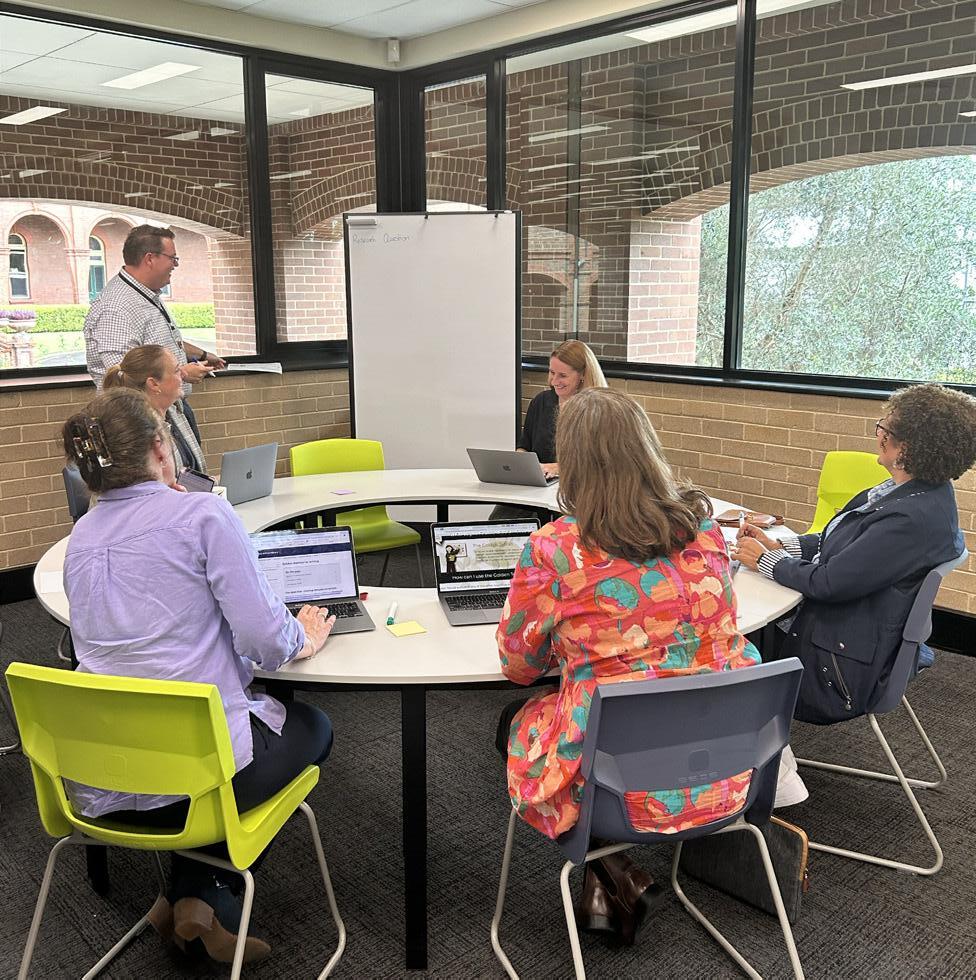
HOW CAN WE DEVELOP OUR STUDENTS’ ABILITY TO ANALYSE INFORMATION SO THEY CAN MORE EFFECTIVELY ADDRESS INSTRUCTIONAL VERBS IN THEIR WRITING?
This action research project explored strategies to improve students’ ability to analyse information and respond effectively to instructional verbs, particularly ‘explain,’ in science assessments. Through targeted interventions focusing on analytical thinking, we aimed to deepen content understanding and enhance students’ ability to effectively convey their understanding in their written responses.
In scientific thinking, the ability to critically analyse and communicate ideas clearly is essential for success, not only in assessments but in developing lifelong problem-solving skills. Yet, our analysis revealed a persistent challenge.
Students across all year groups were underperforming in extended response questions, particularly those requiring analysis and explanation. Data from both external and internal assessments showed that many responses were superficial, lacking depth and complexity, and so were failing to demonstrate deep understanding and conceptual connections.
How can we develop our students’ ability to analyse information so they can more effectively address instructional verbs in their writing?
This is a significant challenge because questions using the verb ‘Explain’ are common and cumulatively they carry the highest marks in science assessments. When students fail to address these questions effectively, their overall performance suffers. Previous interventions focused on teaching cause-and-effect structures, but these strategies did not lead to the depth of thinking required.
Work samples from Year 9 Semester 1 examinations confirmed that the formulaic approaches we trialled previously were too rigid, limiting deeper thinking. Literature on the application of cognitive skills from both Ellerton (2021) and PaulElder (2022) highlighted the importance of analysis and reasoning as foundational skills in supporting explanation, evaluation and justification. Reflection on the ‘Golden Tetrad’ framework (University of Queensland, 2025) reinforced the need to cultivate analytical thinking as a precursor to developing richer responses where depth, breadth and significance are some of the important measures in applying these cognitive skills
A range of Project Zero thinking routines were introduced to build students’ analytical habits by making their thinking more visible when engaging with new content. This included a modified version of the Connect, Extend, Challenge routine (Harvard, n.d.) which was used in our Year 8 classes where students were required to examine and respond to a series of diagrams and images of plant and animal cells using prompts such as those added to the image on the right. Technology tools such as Shout it Out! were used to capture, collate and open discussion of ideas.
Pleasingly, by encouraging observation and inference, teachers observed noticeable improvements in student
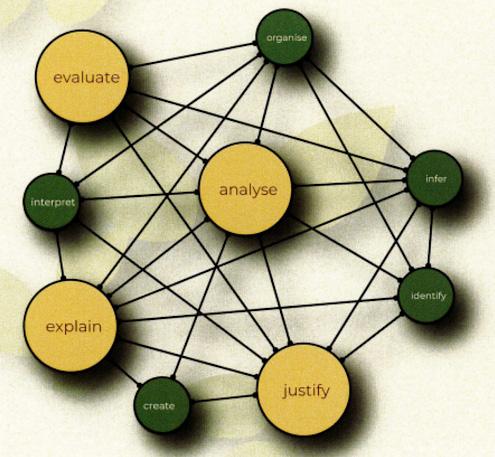
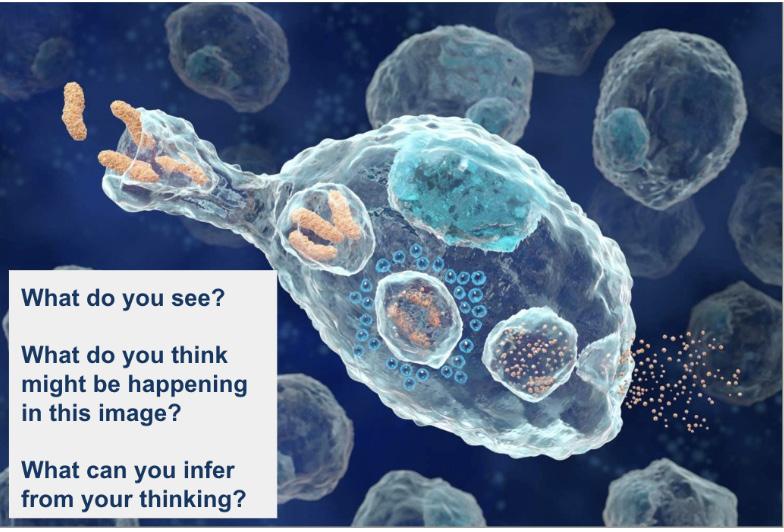
thinking. Moving from simple to more complex diagrams had the effect of encouraging students to build on prior knowledge and move into a more analytical thought process. In the process of using images to observe, reflect on and make inferences that were shared collaboratively, teachers noticed a gradual movement in students’ thinking from the initial reluctance to respond to complex questions through a simple ‘I don’t know’, to more descriptive and eventually more explanatory responses. There was also an improvement in students’ incorporation of examples to add depth to their conversations. The collaborative and accessible nature of these activities
with entry points for all learners also had the effect of fostering higher student engagement and supported the development of scientific thinking skills beyond rote learning.
Building analytical skills in Science students is not a one-off initiative but a sustained commitment to shaping how our students think and communicate. Moving forward, we plan to expand analytical activities across topics and year groups, design assessments and marking criteria that reward deep reasoning and continue modeling ‘visible thinking’ strategies to make cognitive processes more explicit. We
‘Ultimately, our goal is to embed analytical thinking and communication as a habit...’
also aim to investigate how these practices influence performance in Stage 6 Science and beyond. Ultimately, our goal is to embed analytical thinking and communication as a habit, enabling students to craft deep and well supported explanations that respond appropriately to complex questions.
References
Elder, L and Paul, R., 2022, How to Apply Paul-Elder Critical Thinking Framework, Designorate https:// www.designorate.com/criticalthinking-paul-elder-framework/ Ellerton, P., 2021, On Critical Thinking and Content Knowledge. Thinking Skills and Creativity, 43. doi. org/10.1016/j.tsc.2021.100975
University of Queensland, 2024, Critical Thinking Project, Teaching for Thinking Foundational Course.
‘...a gradual movement in students’ thinking from the initial reluctance to respond to complex questions through a simple ‘I don’t know’, to more descriptive and eventually more explanatory responses.’
Nicole Ellis-Windsor, Rowan Freeman and Margaret Maronese
HOW CAN WE INCLUDE THE USE OF MULTIMEDIA IN DRAMA PERFORMANCES TO ENHANCE STUDENT LEARNING AND STORYTELLING?
From virtual backdrops and live camera feeds to holographic visuals and interactive audiences, ‘theatre artists are increasingly toying with multimedia’ (Jacobs, 2019). This has made multimedia a common feature of contemporary theatre, demanding greater technical proficiency from drama educators and production teams.
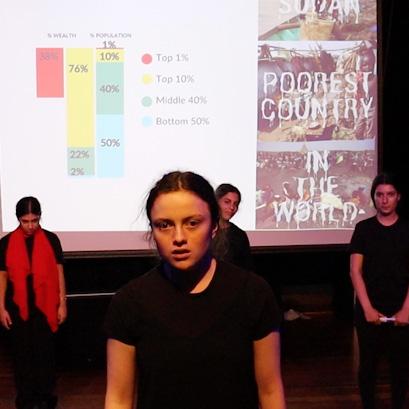
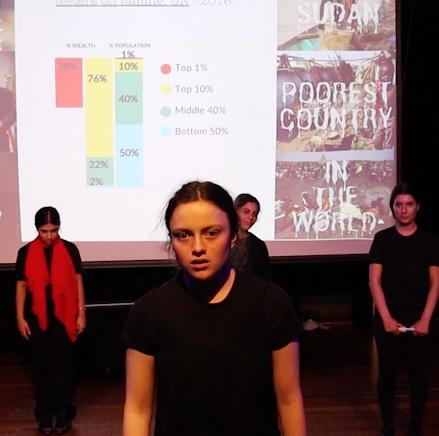
This action research project focused on activating underused technology in our Black Box Theatre and embedding it meaningfully into the Year 10 Group Performance unit. The result was a more immersive, contemporary approach to theatrical storytelling that empowered students to explore social issues through both live performance and digital media.
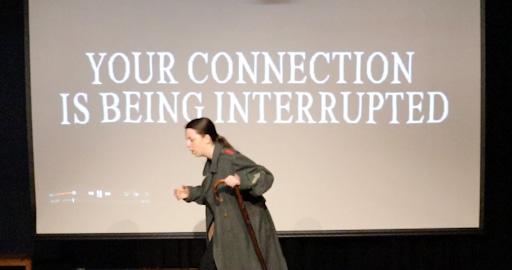
With multimedia now a common feature of contemporary theatre, the Drama Department was eager to explore the potential for its integration into our teaching and learning practices. While we recognised the potential of our existing technology to enhance student performances, limited skill and experience in integrating it effectively meant it was underutilised. As a result, we set out to develop a drama program that would meaningfully incorporate multimedia elements, enabling students to use the projector as a storytelling tool as well as enhance their understanding of theatre as a dynamic, multisensory art form.
To address this challenge, we explored the role of multimedia in contemporary theatre,
units of work best suited to multimedia integration and the technical capacity of the Black Box Theatre.
Multimedia in theatre can include projected images, video, symbolic visuals and soundscapes. (Fiveable, 2024). These elements can be used to enhance set design, create atmosphere and challenge traditional theatre boundaries by blending live performance with digital storytelling. The integration of multimedia requires careful planning, technical precision and
multiple rehearsals to ensure seamless execution (Briscoe and Barnard, 2022).
We selected the Stage 5 Year 10 Group Performance unit which focuses on Bertolt Brecht’s political theatre. This unit encourages students to confront contemporary societal issues, making it an ideal context for multimedia storytelling. With the assistance of our IT staff, to ensure the projector was repaired and fit for
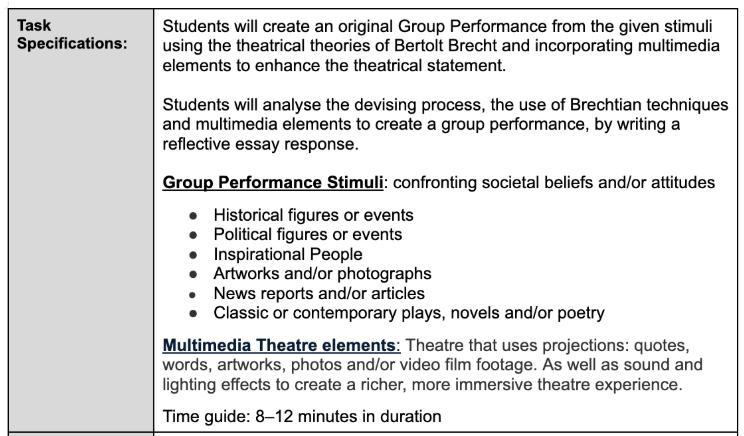
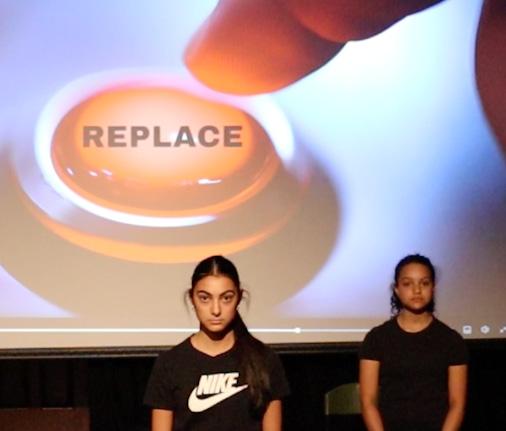
purpose, we redesigned the program to include a new task and assessment rubric, a revised notification and a focus on multimedia as a core performance element. Students were tasked with creating an original group performance using Brechtian techniques and multimedia to explore social or political themes. Stimuli included historical events, artworks, news articles and literature.
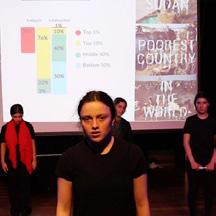
Students incorporated a range of multimedia elements into their performances, including projected images, quotes and
symbolic words, video footage and sound and lighting effects. Drawing on student reflections during post-task discussions, the critique centred on how multimedia elements enriched performance intentions and deepened the expressive impact of the work on stage. Students thoughtfully evaluated the collaborative interplay between the roles of creator, director, designer and actor, recognising how each contributed to shaping the final vision. Their high level of engagement was evident throughout the process, culminating in the presentation of a dynamic and compelling theatrical statement. The
‘...not only enhanced the visual and emotional impact of performances but also encouraged students to think critically...’
integration of multimedia not only enhanced the visual and emotional impact of performances but also encouraged students to think critically about the relationship between form, content and audience.
This project has opened up exciting possibilities for further innovation in Drama exploring real-time video and interactive media, projecting onto unconventional surfaces, including set pieces and performers, integrating virtual environments and computergenerated imagery into live performance. The success of this action research has laid the groundwork for continued experimentation with multimedia in Drama, positioning students as creators of bold, contemporary theatre that speaks to the world around them.
References
Briscoe, R., & Barnard, D. (2022). It’s a kind of magic: Multimedia theatre and digital performance. Fast Familiar Workroom. https://workroom. fastfamiliar.com/multimediatheatre/
Fiveable. (2024, July 30). Multimedia & technology in performance: Modernism to Postmodernism theatre. https://fiveable.me/ history-theatre-iii-modernism-postmodernism/unit-14/multimediatechnology-performance/studyguide/OspZiXFWi9edqvNi Jacobs, L. (2019). Multimedia fills stages with multiple meanings. Backstage Magazine. https://www. backstage.com/magazine/article/ multimedia-fills-stages-multiplemeanings-32716/
Janine Sabeh (on behalf of the Secondary School Maths Department)
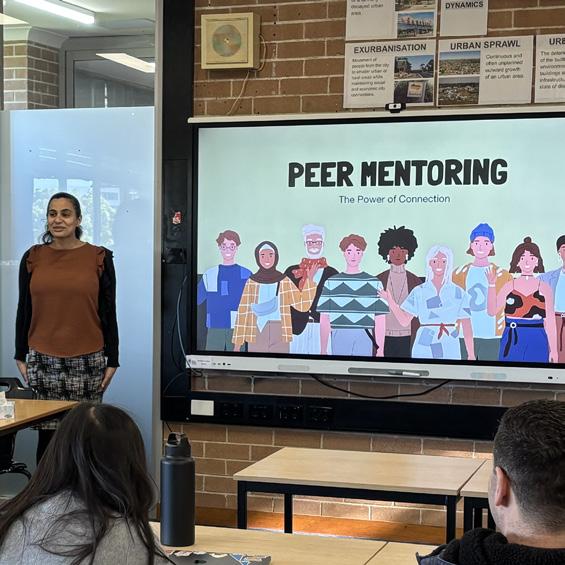
HOW CAN WE USE A PEER MENTORING MODEL TO GROW THE TEACHING CAPACITY OF OUR TEAM TO MEET SPECIFIC FACULTY GOALS?
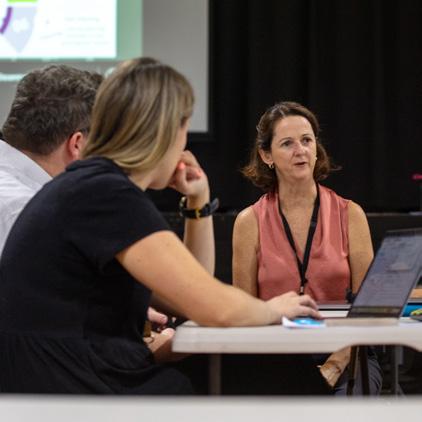
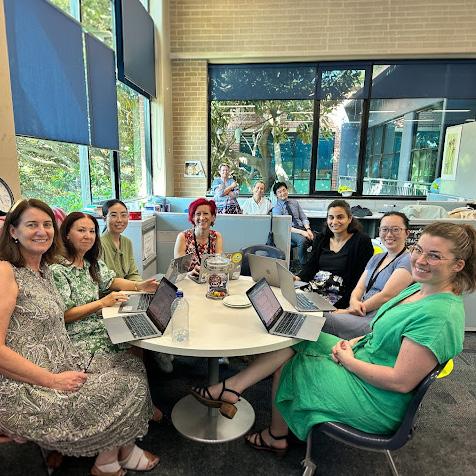
The Mathematics Department has a strong culture of collaboration with regular, real time exchanges of ideas, resources and demonstrations of practice. When given the opportunity to engage in another cycle of action research, our team decided to enhance the impact of these interactions by formalising and putting structure to this important source of professional learning.
While we are aware of the vast range of expertise and professional learning experiences within our team, our ability to share our knowledge and skills is often constrained by structural impediments such as limited time together during the work day and teaching team allocation. As a result, our attempts to share expert knowledge and experience are often brief and incidental. After identifying examples of incidental peer mentoring that we were already using, we then explored literature on workplace peer mentoring.
According to AITSL (n.d.), peer mentoring involves a teacher with skill or expertise in a particular area (the mentor) working alongside one or several colleagues (the mentee) to support them in developing this knowledge and skill. In this model, the mentor is not defined necessarily by years of
experience, but by expertise in an identified area of need. In a 2024 research study conducted by Ridgway et al., it was found that peer mentoring can be an effective form of workplace learning when it is accompanied by a supportive environment involving goal setting, modelling best practice and providing time for feedback and critical reflection on teacher observation.
Based on our professional reading and discussions, faculty members were grouped according to
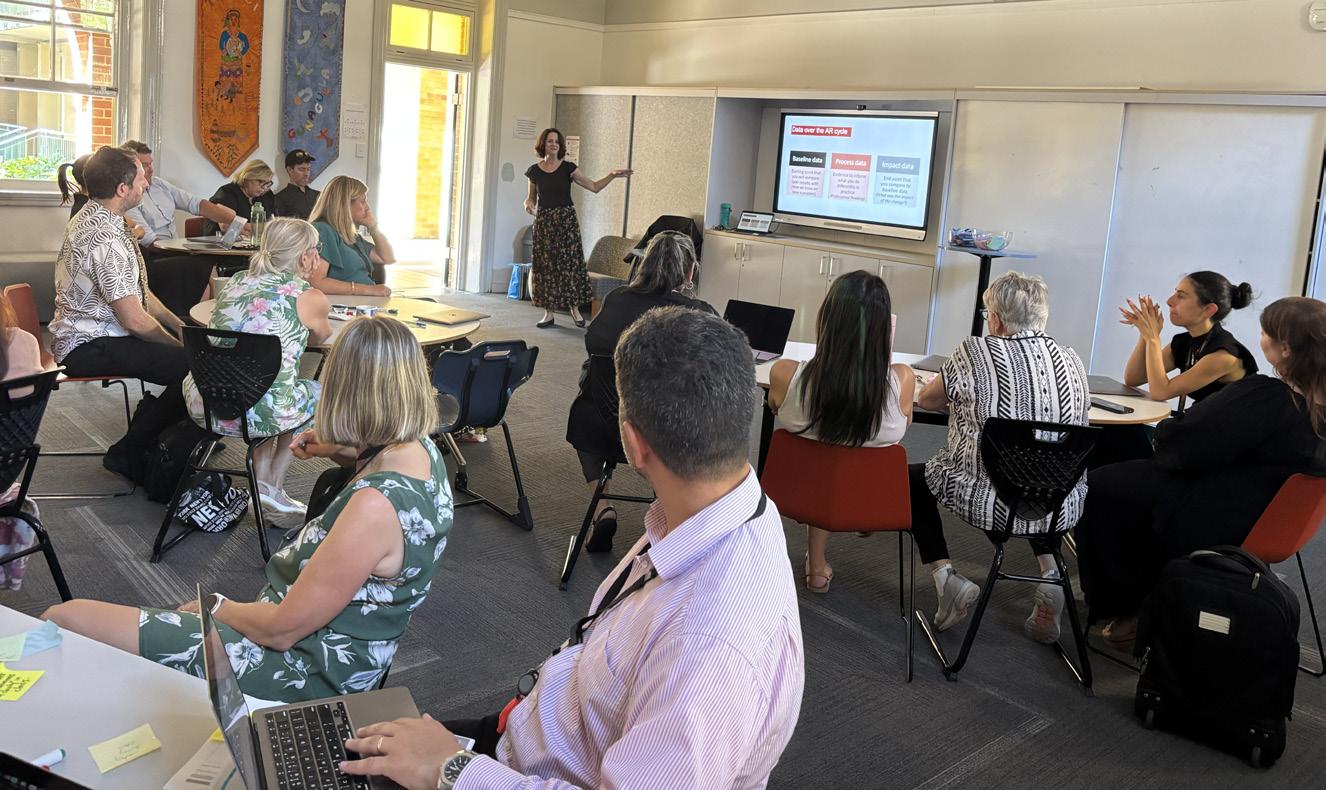
individual goals and areas of expertise. Each group then set goals, developed a timetable and established expectations for planned mentoring activities using a mentoring agreement (see below). Over the next two terms, we then engaged in these activities to explain, model, practise and critically reflect on the identified learning objectives.
The initial professional discussions helped us prioritise and clarify faculty goals as well as identify where the expertise and
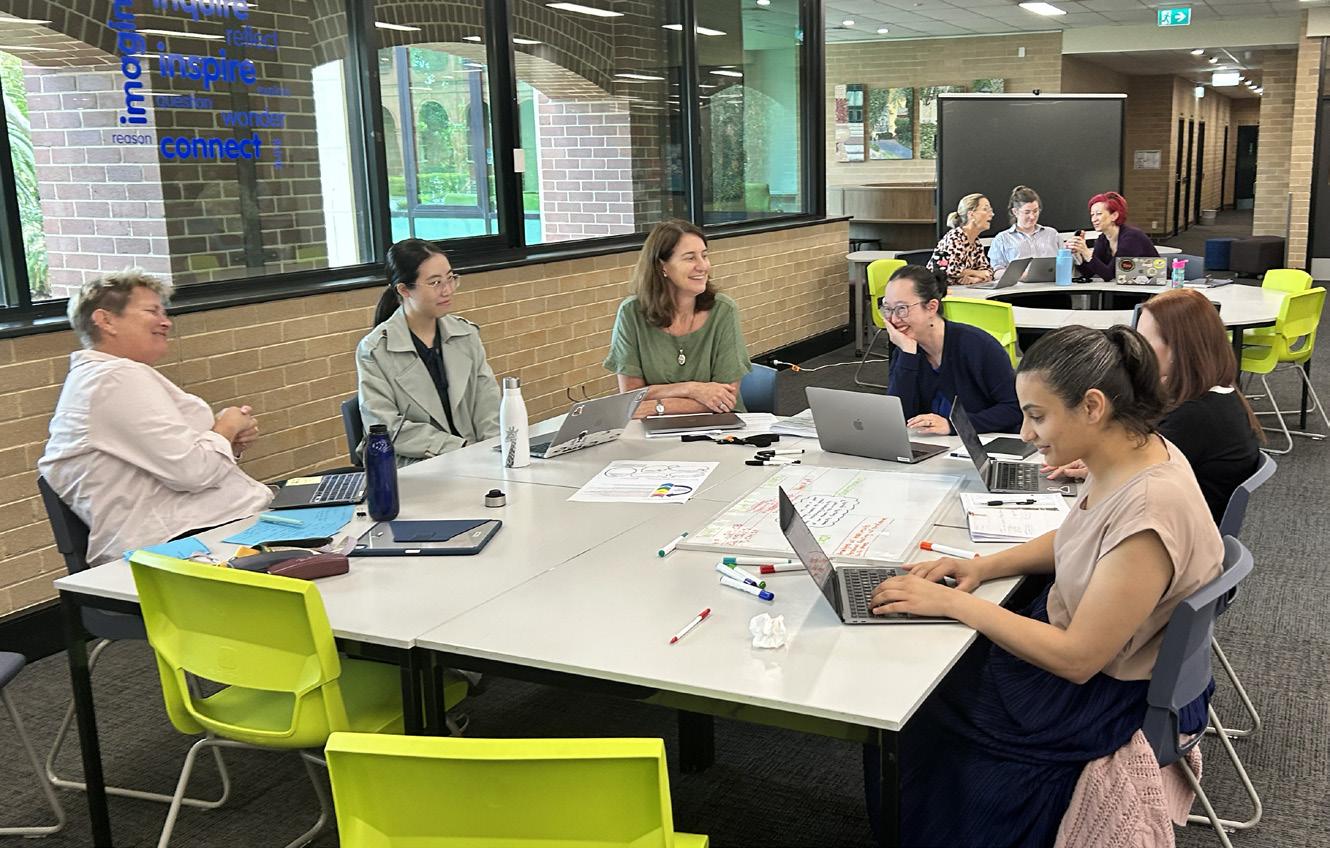
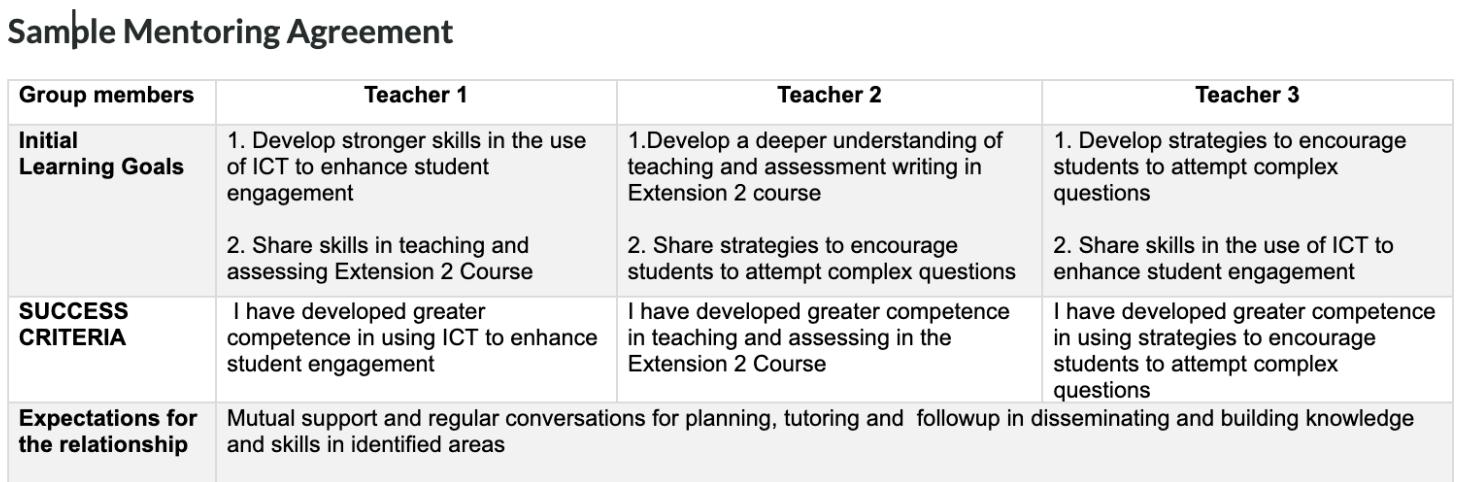
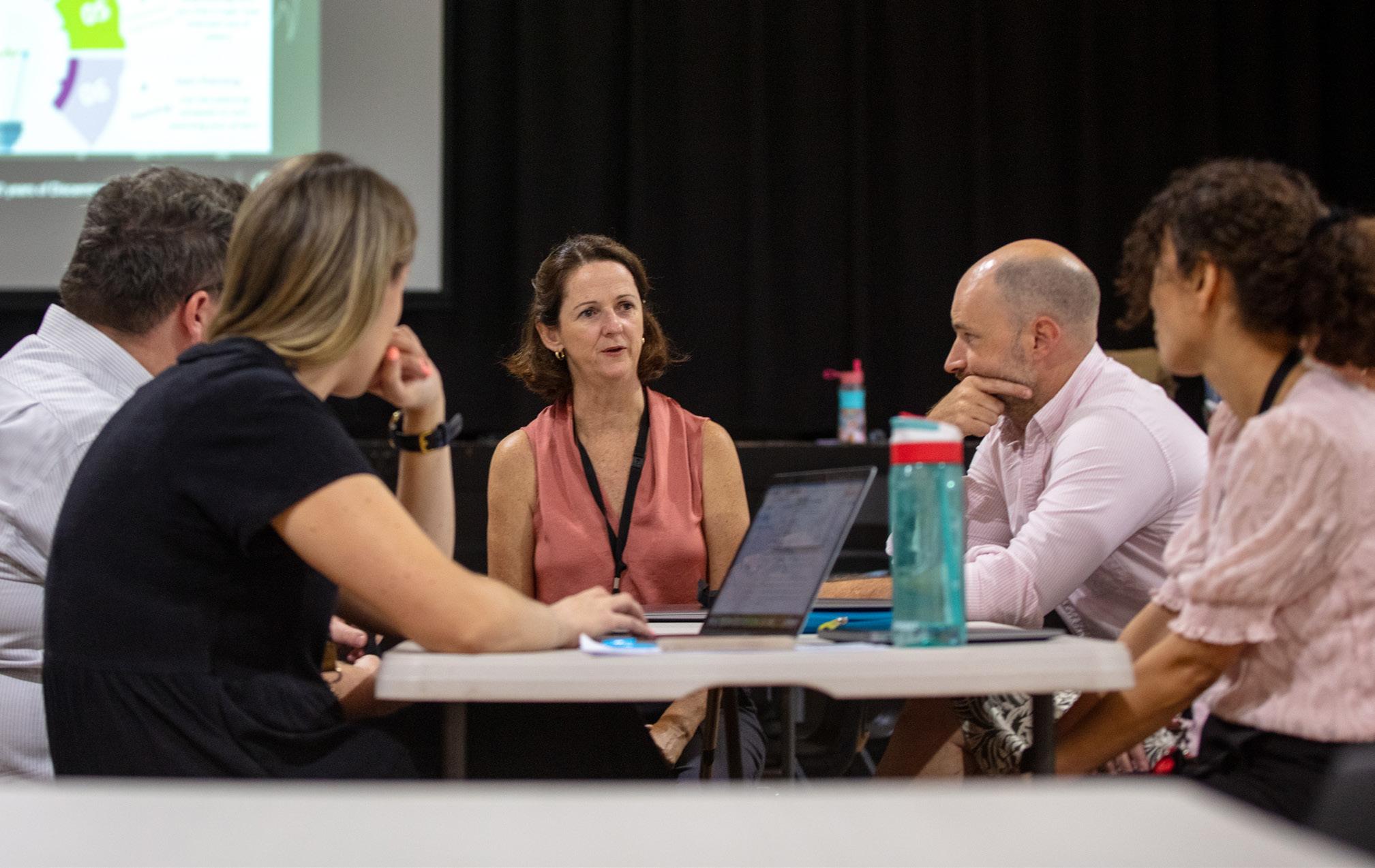
gaps in our professional skills and knowledge existed. These discussions not only helped reveal previously unknown areas of expertise within our faculty but they also encouraged teachers to critically reflect on and recognise areas for growth in their current practice and essentially ask for help.
This simple peer mentoring model has proved to be
highly adaptable, with other faculties expressing interest in implementing it following our project showcase. Its potential extends beyond individual subjects, offering opportunities to share expertise where content and skills overlap, promote consistency across disciplines and foster interdisciplinary learning. Having experienced the benefits of a more structured and intentional approach to professional collaboration, our faculty is now eager to
‘...not only helped reveal previously unknown areas of expertise... also encouraged teachers to critically reflect on and recognise areas for growth...’
continue using this model to identify, share and learn from the diverse expertise and professional learning experiences within our team.
References
Ridgway, K., Collier, A., Pian, R., People, J., Bradford, D., & Mancenido, Z. (2024). Peer mentoring for sharing skills and knowledge from professional learning: The importance of planning and support: Findings from an experimental study (Report No. 978-1-923066-51-9 [online]). Australian Education Research Organisation.
Australian Institute for Teaching and School Leadership. (n.d.). Improving Teacher Professional Learning: Mentoring. Retrieved November 3, 2025,
Anna Formosa (Head of Modern Languages)

HOW DO SECONDARY LANGUAGE TEACHERS INTERPRET, TEACH AND ASSESS INTERCULTURAL COMPETENCE?
In an increasingly globalised and multicultural world, intercultural competence (IC) is considered more than ever a necessary skill that educators should strive to develop in students so that they can contribute towards a fairer, more cohesive and just society. Numerous IC theorists argue that this skill is key to developing responsible and informed citizens (Byram, 2008; Guilherme, 2002; Osler & Starkey, 2005). The skills associated with IC include the willingness for individuals to engage with diverse cultures, self-awareness and ‘the ability to look upon oneself from the outside’ (Sercu, 2005). This article provides a summary of my doctoral research into understanding how secondary language teachers interpret, teach, and assess intercultural competence.
This study set out to explore how secondary language teachers understand, teach, and assess intercultural competence (IC) in their classrooms. By examining current practice, the research highlights where students may lack key IC skills and identifies opportunities to strengthen their learning. Developing intercultural competence invites students to question stereotypes, recognise and challenge prejudice and cultivate a genuine openness to difference. In doing so, they not only deepen their understanding of the language they are studying but also gain the skills needed to participate thoughtfully and positively to a thriving multicultural society.
The research findings suggest that teachers have a varied understanding of what both culture and IC mean and teachers are often unsure how to manage and apply these concepts in their classroom practices. The findings further suggest that the diverse interpretations of these concepts coupled with the requirements of education syllabi or guidelines dictate the choices that are made by teachers in their teaching practices and subsequently the way IC is assessed.
What emerges from the literature on IC and correlated terms, is that this concept is increasingly present in the educational sector, particularly in the learning objectives of the language classroom.
‘Developing intercultural competence invites students to question stereotypes, recognise and challenge prejudice and cultivate a genuine openness to difference.’
However, the literature also identifies that interpreting and achieving IC poses complex challenges for both educators and students (Lange, 2003; Welsh, 2011; Young & Sachdev, 2011; Zhao, 2015), particularly because numerous definitions and understanding regarding IC exist (Crochet, 2017; Díaz, 2013; Sercu, 2006, 2023).
The findings of this research have helped the Language
Department at Santa Sabina recognise the importance of developing a shared understanding of what intercultural competence means. With this clarity, teachers have been able to create richer opportunities for students to engage with diverse cultures and form connections that extend well beyond the traditional language-learning context. Building on the study’s insights, teachers are now designing programs that foster curiosity, openness
‘...but also observe a range of cultural nuances such as the environment, the clothes the people are wearing, hand gestures or even the distance between those interacting.’
and respect for those who may seem different, while also encouraging students to reflect on and value their own identities.
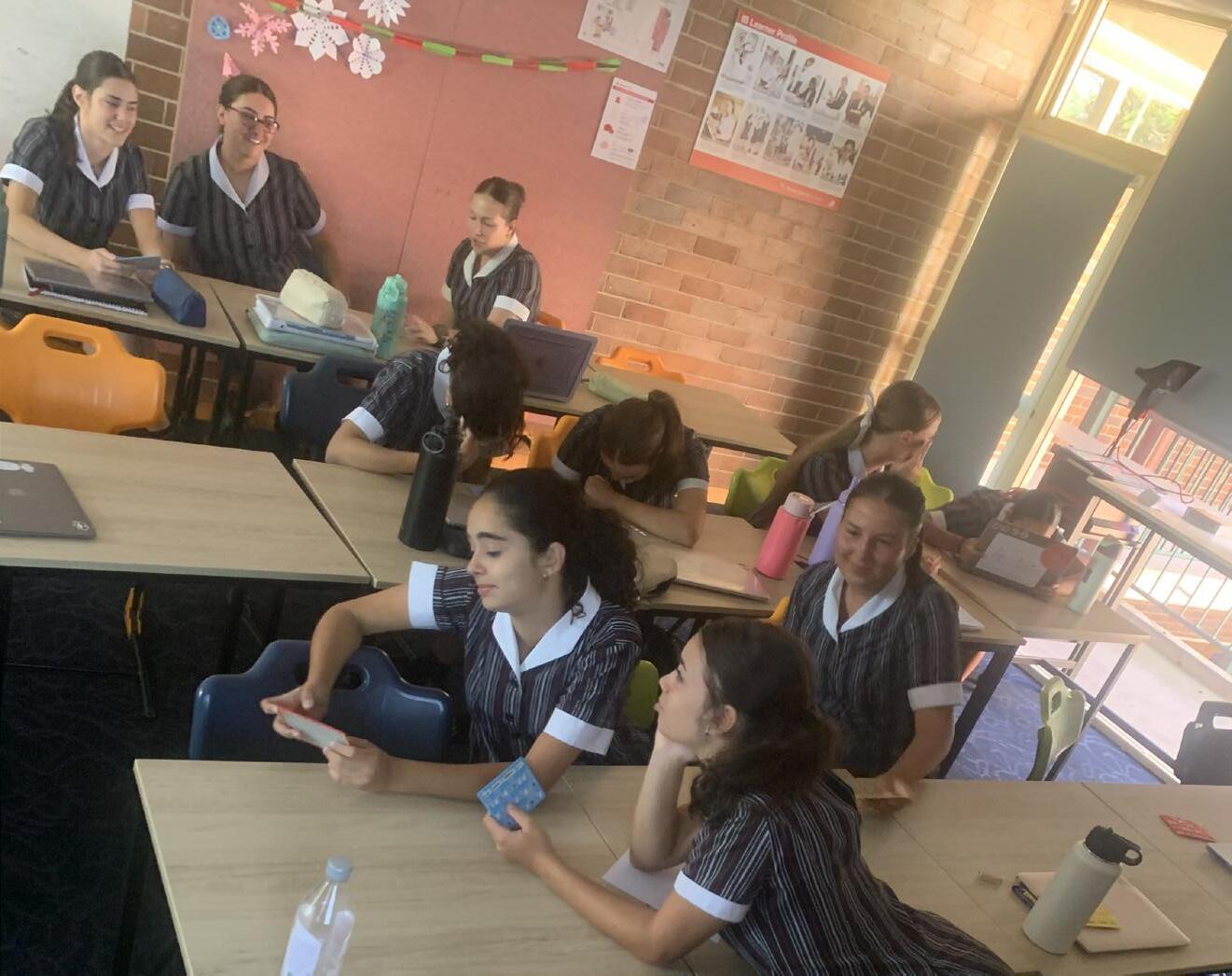
Through the use of experiential activities, opportunities for group and self-reflection and most importantly, class discussions, the language learners are encouraged to explore areas of culture and identity that help them to deconstruct stereotypes and to address prejudice. Activities are therefore used not simply to develop a language skill, but also to learn about how people of certain communities may live, speak
and interact with one another.
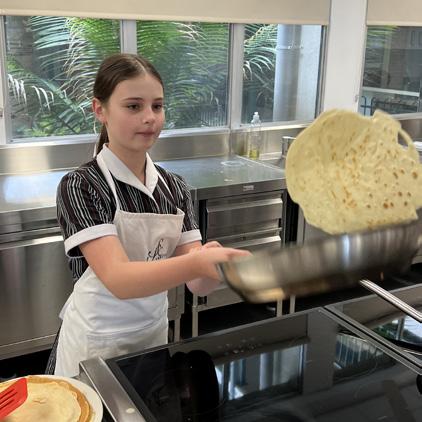
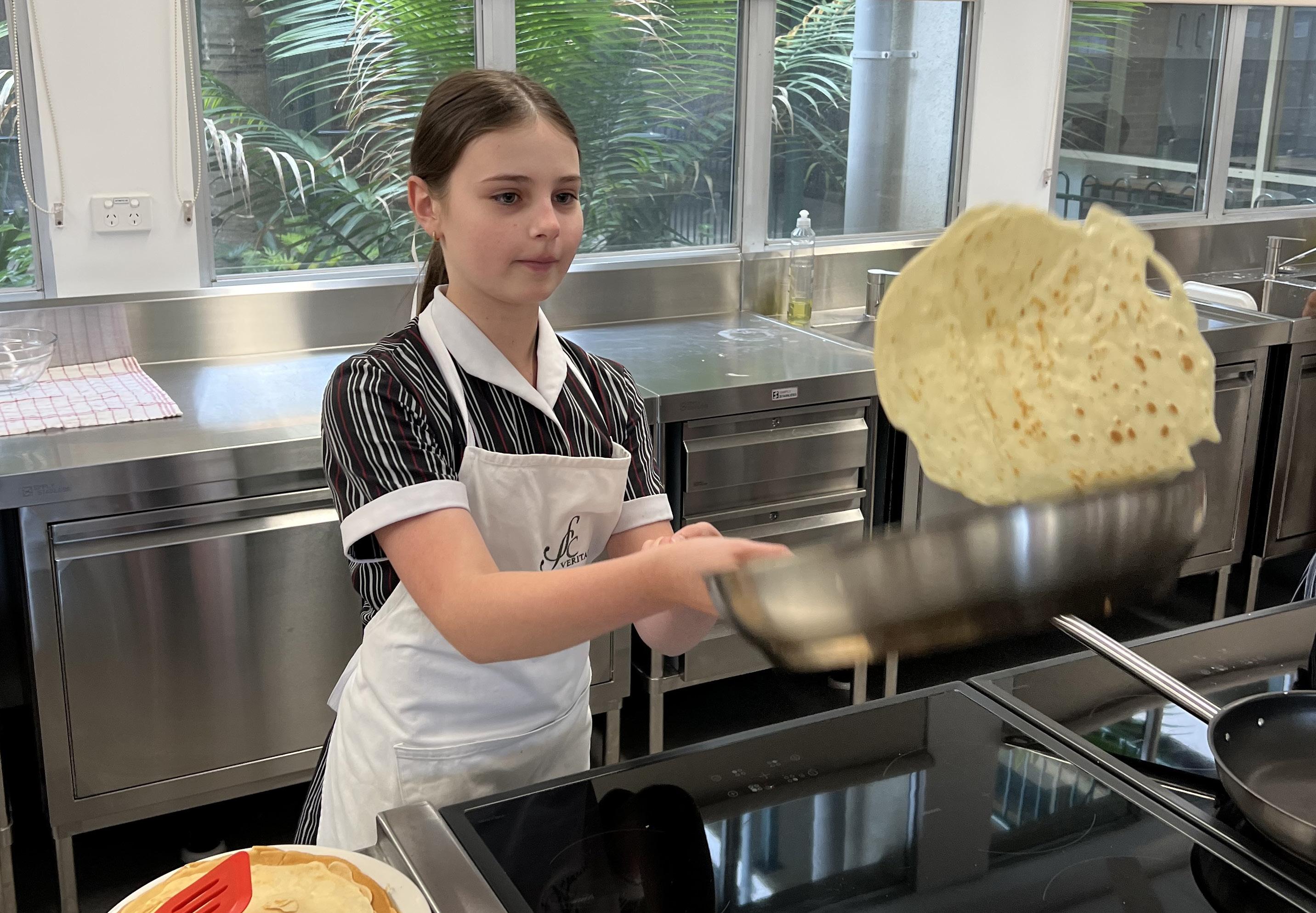
For example, with all year groups when practising aural skills, instead of just listening to a dialogue, videos are also used to not only help students understand what the people are saying, but also observe a range of cultural nuances such as the environment, the clothes the people are wearing, hand gestures or even the distance between those interacting. Experiential activities, such as cooking incursions, are now embedded in Stage 4 programs, giving students meaningful opportunities to explore cultural practices and make
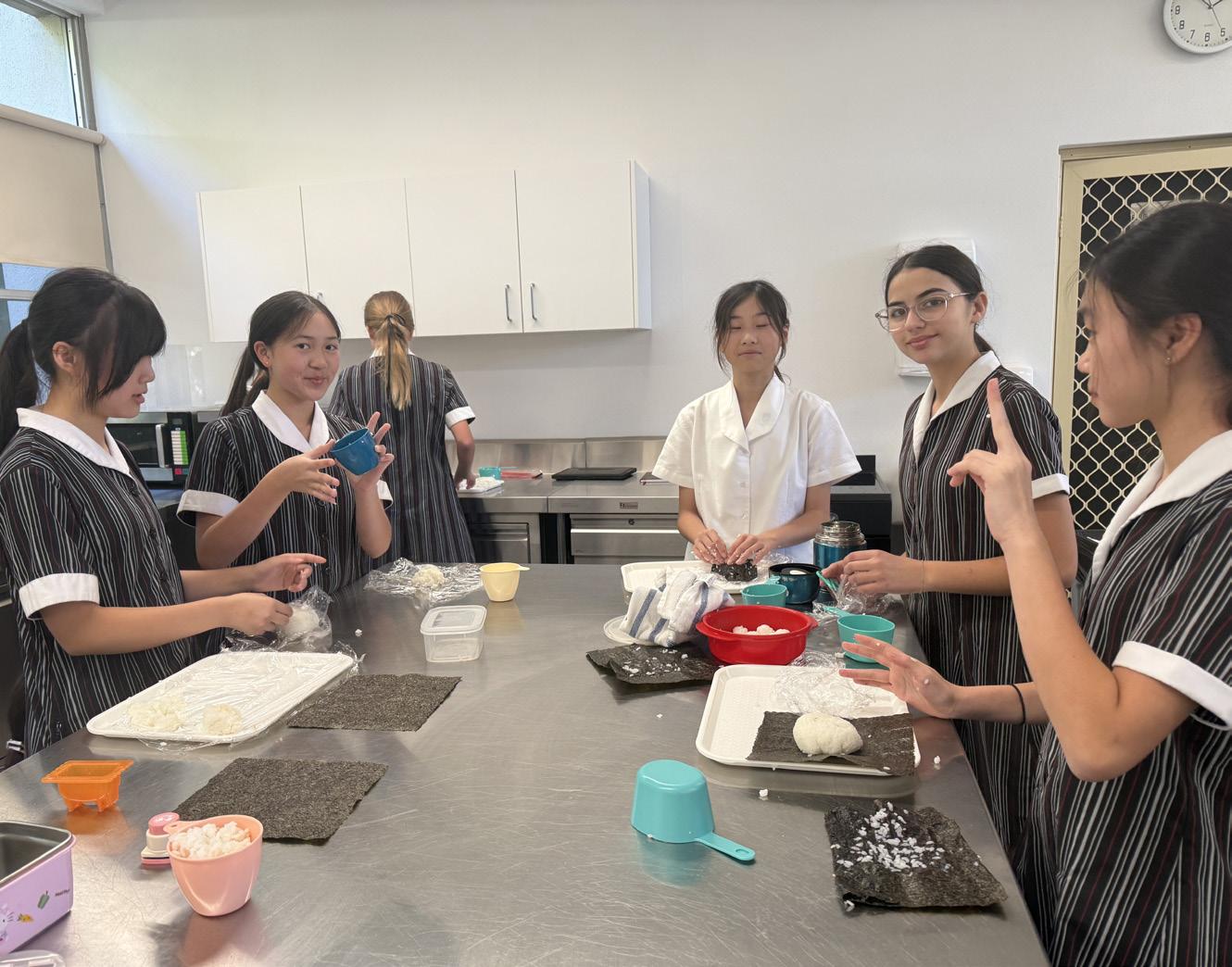
connections with a range of cultures, including their own.
In an increasingly divided world, the focus on intercultural competence has never been more important. As this work continues, the Language Department remains committed to strengthening these skills in meaningful and authentic ways. By embedding intercultural learning across programs and classroom experiences, we are helping to shape learners who are not only confident language users but also culturally aware, reflective individuals prepared to contribute positively to a multicultural society.
References
Byram, M. (2009). The intercultural speaker and the pedagogy of foreign language education. In D. K. Deardorff (Ed.), The Sage handbook of intercultural competence (pp. 321–332). Sage.
Crozet, C. (2017). The intercultural foreign language teacher: Challenges and choices. In M. Dasli & A. Díaz (Eds.), The critical turn in language and intercultural communication pedagogy (pp. 143–161). Routledge. Díaz, A. (2013). Intercultural understanding and professional learning through critical engagement. Babel, 48(1), 12–19.
Guilherme, M. (2002). Critical citizens
for an intercultural world: Foreign language education as cultural politics. Multilingual Matters.
Lange, D. L. (2003). Implications of theory and research in second language classrooms. In D. L. Lange & R. M. Paige (Eds.), Culture as the core: Perspectives on culture in second language learning (pp. 271–336). Information Publishing Age.
Osler, A., & Starkey, H. (2006). Education for democratic citizenship: a review of research, policy and practice 1995–2005. Research Papers in Education, 24, 433–466.
10.1080/02671520600942438.
Sercu, L. (2006). The foreign language and intercultural competence teacher: The acquisition of a new professional identity. Intercultural Education, 17(1), 55–72.
Sercu, L. (2023). Internationalization at home as a factor affecting intercultural competence. A study among Belgian university students. European Journal of Higher Education, 13(4), 536–557.
Young, T., & Sachdev, I. (2011). Intercultural communicative
competence: exploring English language teachers’ beliefs and practices. Language Awareness, 20, 81–98.
Zhao, B. (2011). How to enhance culture teaching in English language classes. Theory and Practice in Language Studies, 1(7), 847–850.
‘...we are helping to shape learners who are not only confident language users but also culturally aware, reflective individuals prepared to contribute positively to a multicultural society.’
Jessica Tavernese (Religious Studies Teacher)

HOW CAN WE USE MAGISTERIUM AI TO DEVELOP STUDENTS’ SKILLS IN AI PROMPTING AND ENHANCE THEIR LEARNING DURING THE INQUIRY PROCESS?
Launched in 2023, Magisterium AI is an artificial intelligence (AI) powered tool designed to provide answers based on the theological teachings of the Catholic Church (Hallow, 2025). While this platform has provided opportunities to enhance our teaching and learning practices in Religious Education at Santa Sabina it has also highlighted the need to develop students skills in the use of prompts and questioning to generate, synthesise and evaluate information provided by this platform. This practitioner research aimed to develop, integrate and measure the impact of this AIgenerated inquiry through our Year 8 study of the spread of Christianity beyond Jerusalem.
Magisterium AI has become a useful tool for Religious Education students to navigate their faith in an everchanging world. Aiming to provide a reliable source of information that aligns with Catholic doctrine and values, this platform offers trending and updated news about what is shaping the Church today (Magisterium, n.d.). It uses an accessible and comprehensive source library of Church documents and resources, which in the past have been difficult for students to access, read and understand.
However, as with any AI platform, students need to be skilled in their use of prompts to ensure that they can access quality information that meets the criteria of their inquiry.
An AI prompt is an input that provides AI platforms, such as Magisterium AI, with an instruction that provides an output or answer to the inquiry. According to Walter (2024), ‘Prompt engineering is highlighted as a key skill for eliciting specific responses from AI systems, thereby enriching educational experiences and promoting critical thinking’. Students with limited AI literacy may be less inclined to develop effective prompting skills, instead using AI tools primarily to reduce effort rather than engage in deeper synthesis and analysis of information. By developing students’ critical thinking skills through developing prompts, students are equipped with essential capabilities that transfer beyond the classroom (Walter, 2024).
Students in Year 8 Religious Education explored how Christianity spread beyond Jerusalem by analysing key figures and events, aiming to deepen their understanding through AI-supported inquiry.
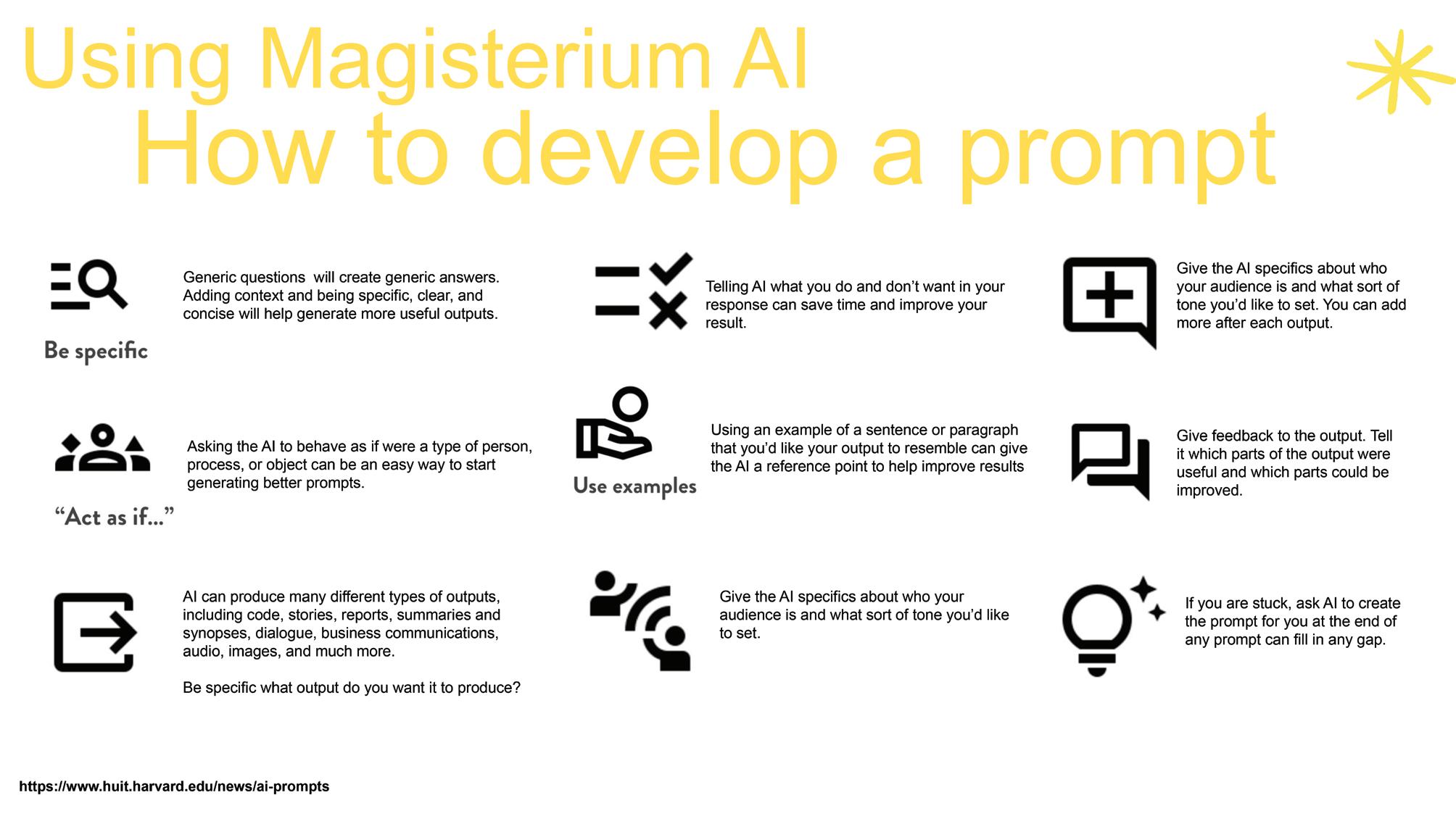
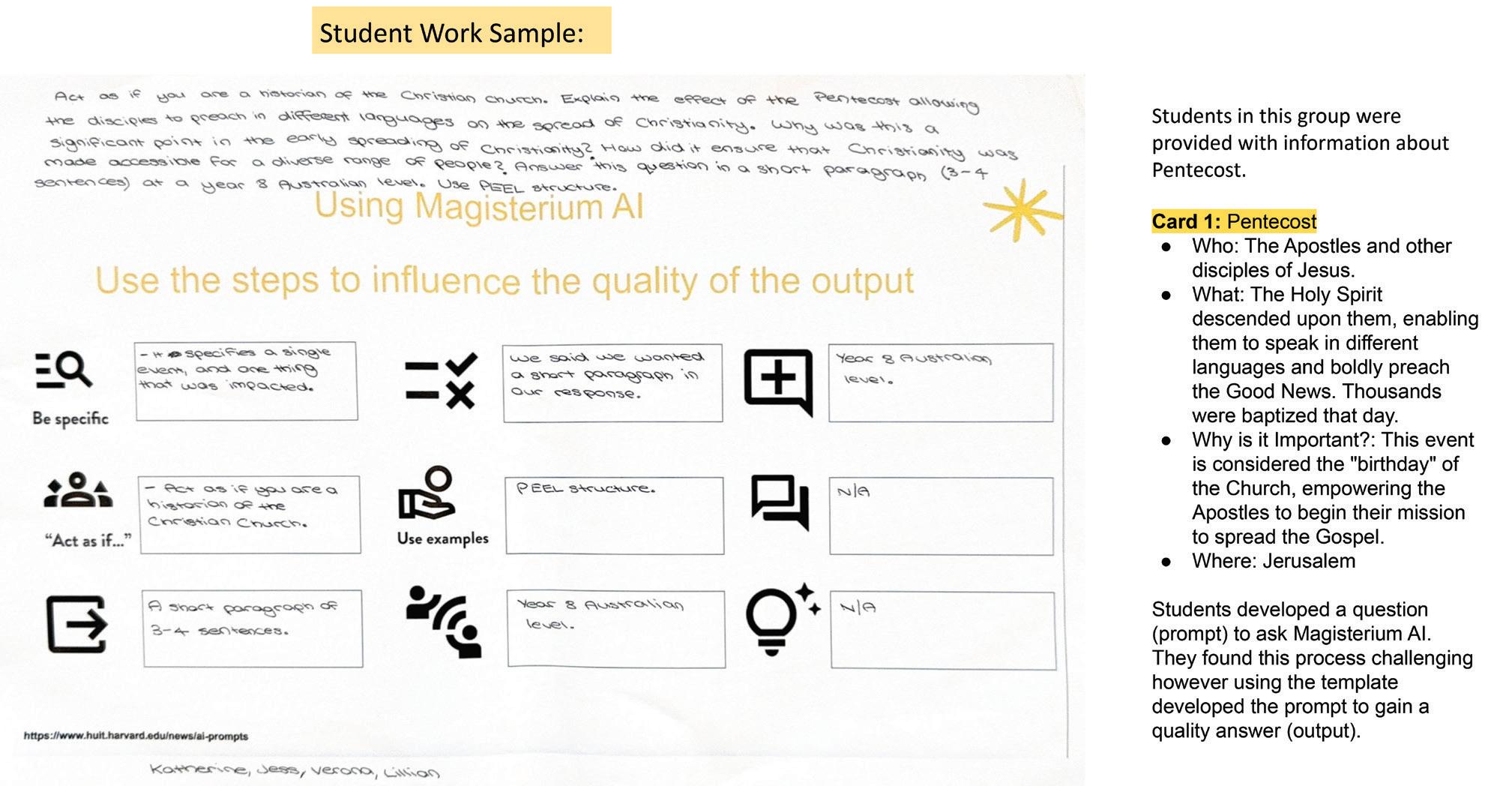
To develop their AI prompting skills and enhance the quality of the output, the Harvard University (2025) Guide to Getting Started with Prompts for Text-Based Generative AI Tools was adapted into a step-by-step guide to develop prompts tailored to access quality information that meets the criteria of their inquiry. Students had to complete each step before creating a prompt that generated an output using Magisterium AI. The aim focused on the importance of developing the prompt rather than focusing on the output.
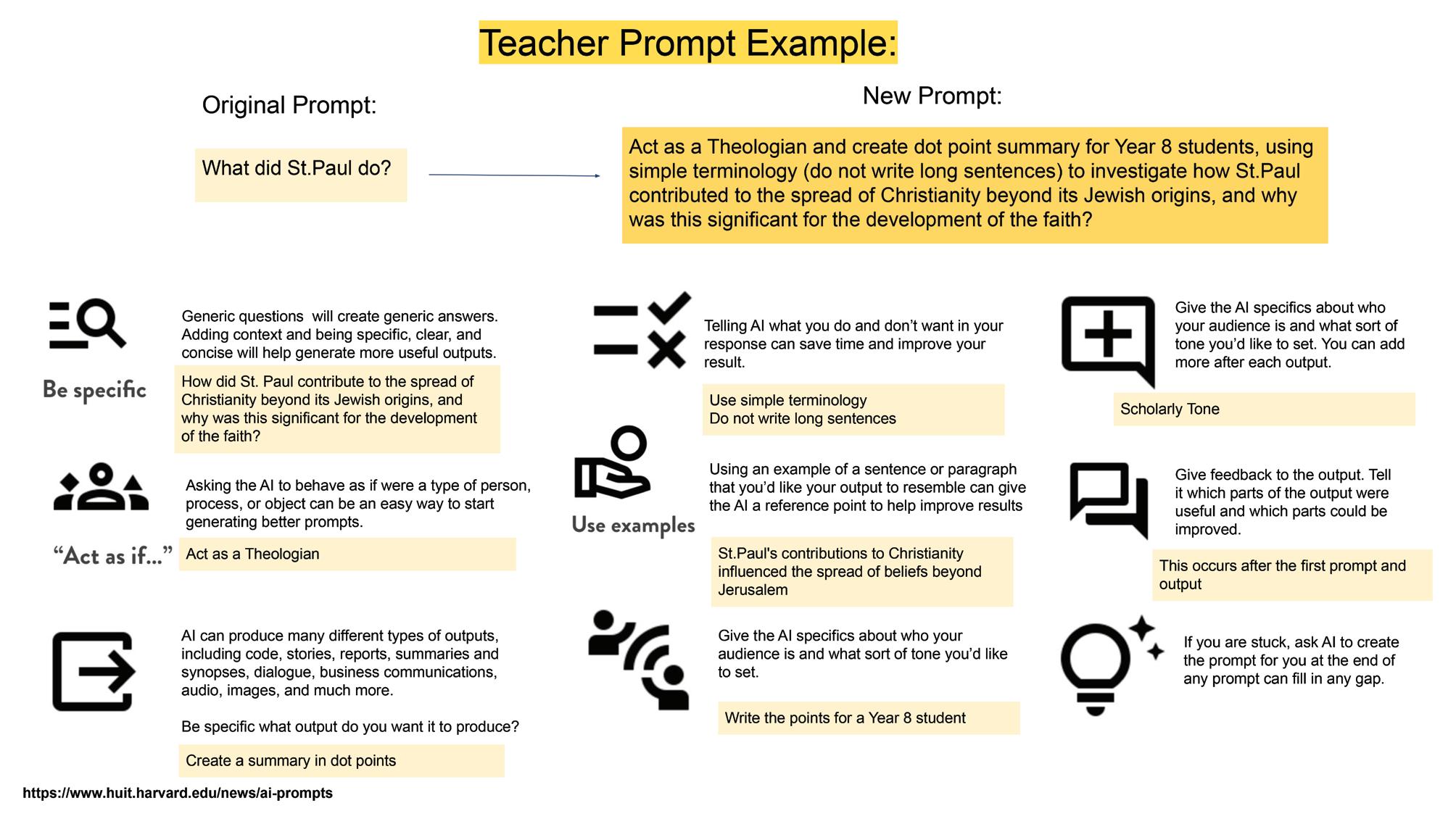
Students were hesitant to develop a quality prompt; the activity felt strenuous for some, whilst others thrived when thinking critically about the importance of developing a quality prompt, using Magisterium AI as a tool rather than a means to attain a quick answer.
The exit ticket completed after the activity highlighted the benefit of developing students’
AI prompting skills and competencies that support their ability to use AI critically to attain a quality output.
AI in education has endless possibilities. Within Religious Education, AI Magisterium has been a useful and accessible tool to navigate the richness of Church doctrine and teachings in the modern world. To develop students’ AI literacy, guidelines can
be refined and developed to equip students with the skills to navigate AI, leading to a broader understanding of the importance of engineering prompts to meet the criteria of inquiry.
References
Hallow. (2025). Magisterium AI FAQ. Hallow Help Center. https://help. hallow.com/en/articles/10601094magisterium-ai-faq
Harvard University. (2023). Getting started with prompts for textbased generative AI tools. Harvard University Information Technology. https://www.huit.harvard.edu/news/ ai-prompts
Magisterium. (n.d.). Why choose Magisterium AI for exploring the Catholic faith? Magisterium. https:// www.magisterium.com/about/whymagisterium-ai
Walter, Y. (2024). Embracing the future of artificial intelligence in the classroom: The relevance of AI literacy, prompt engineering, and critical thinking in modern education. International Journal of Educational Technology in Higher Education, 21(15). https://doi.org/10.1186/ s41239-024-00448-3
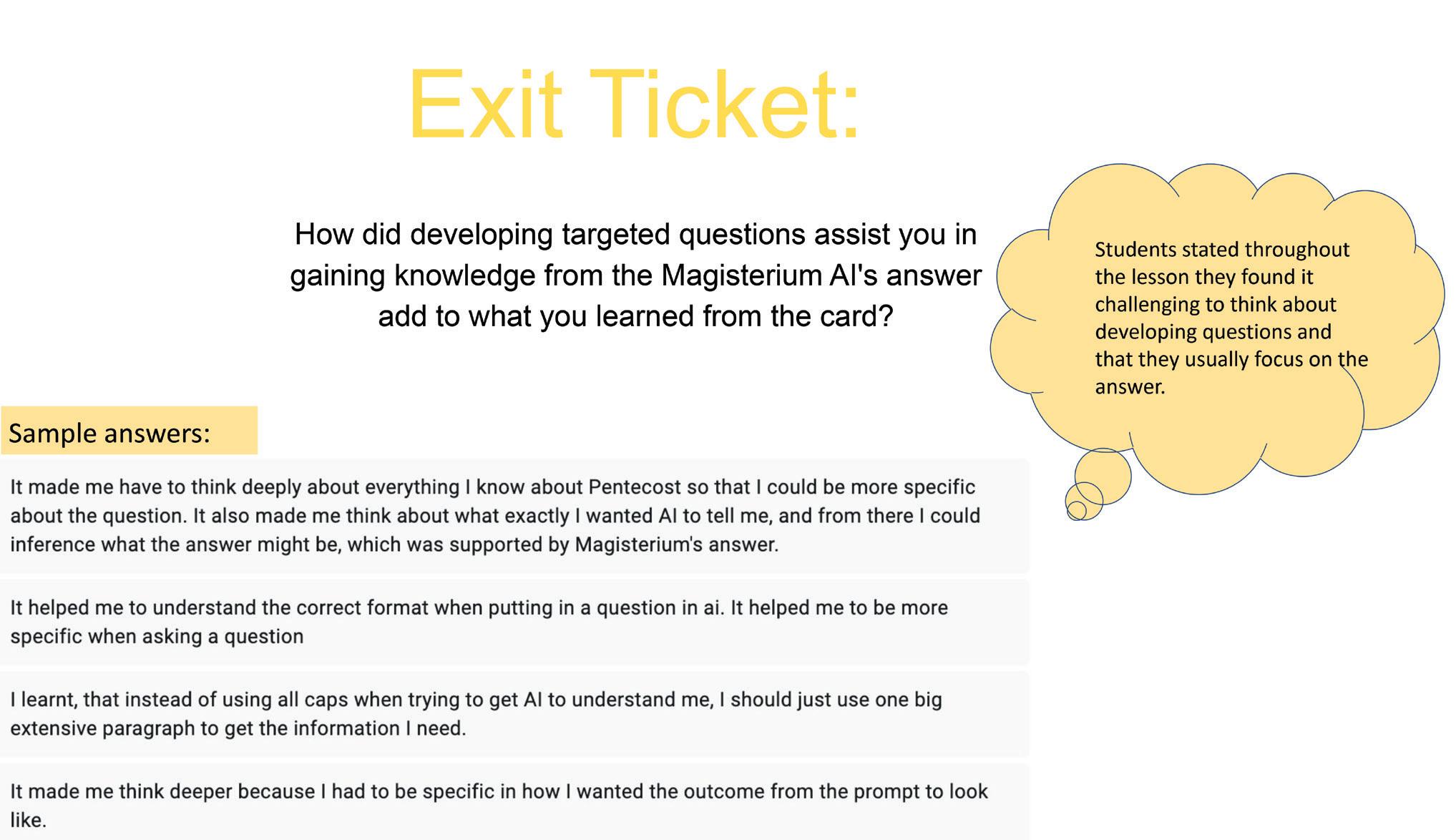
‘The exit ticket completed after the activity highlighted the benefit of developing students’ AI prompting skills and competencies that support their ability to use AI critically to attain a quality output.’
Michael Moses (Teacher Librarian, English Teacher)
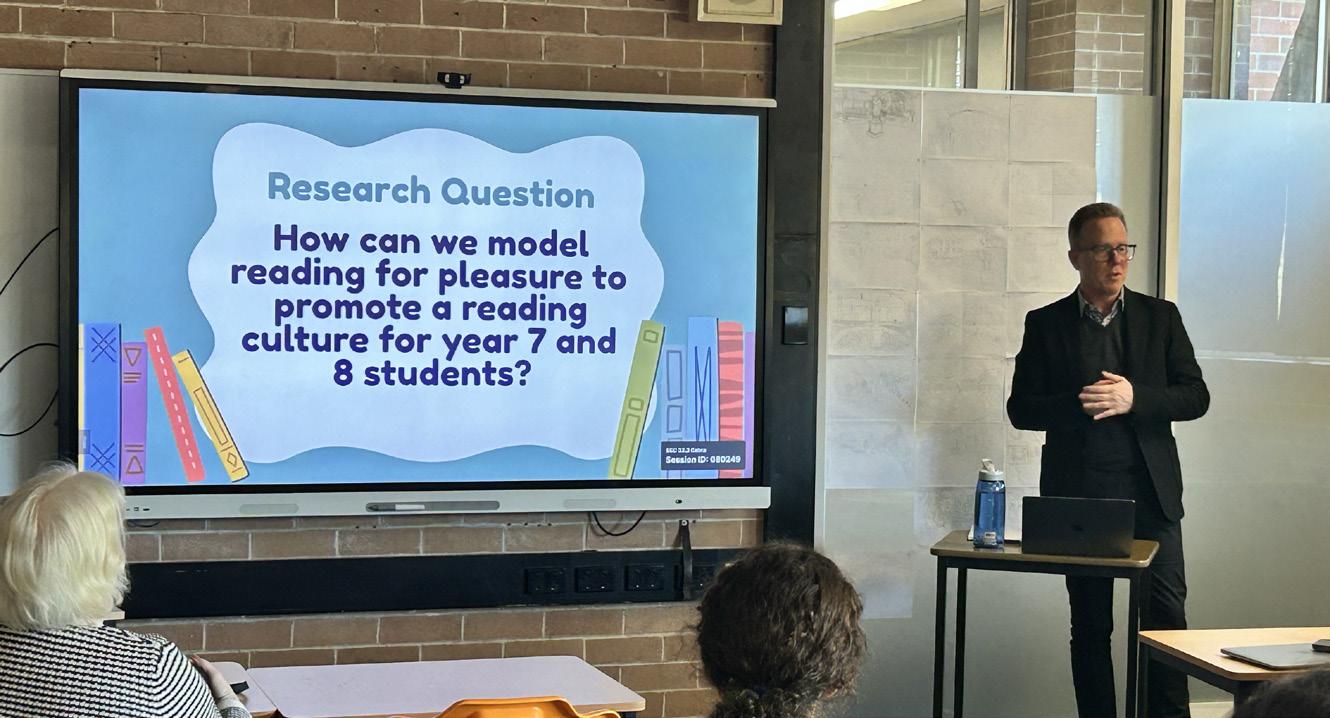
HOW CAN WE MODEL READING FOR PLEASURE TO PROMOTE A READING CULTURE AMONG YEARS 7 AND 8 STUDENTS?

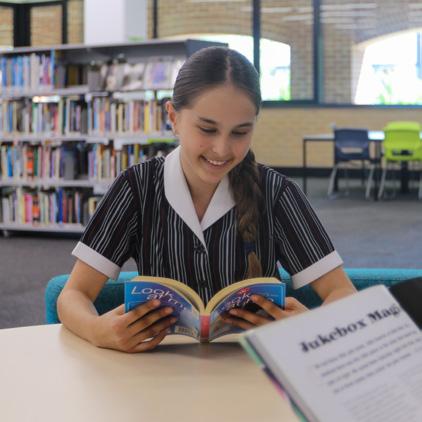
Our library identified a concerning decline in reading for pleasure among our Years 7 and 8 students, a trend mirrored nationally and internationally. We soon embarked on an action research project to address this issue. This included forming a team of colleagues with an interest in strengthening our reading culture at the College. We then proceeded to explore strategies to support this endeavour by modelling reading practices and promoting student engagement. This article outlines our research question, an identified problem with reading engagement, intervention strategies to address the problem, our summary findings, and recommended future directions.
Reading for pleasure is strongly linked to academic success as well as developing positive attitudes toward learning (Merga, 2023; Oxley & McGeown, 2023). Yet, global trends amongst western countries show a steep decline in recreational reading among adolescents, with only 14% of 13-year-olds reading for fun almost daily (NCES, 2024).
This downward trend is mirrored in our own borrowing patterns, highlighting a pressing need for renewed attention. Encouragingly, a growing body of contemporary research offers valuable insights into how schools can foster a vibrant reading culture and re-ignite students’ intrinsic motivation to read.
Our internal borrowing data has revealed a marked decline
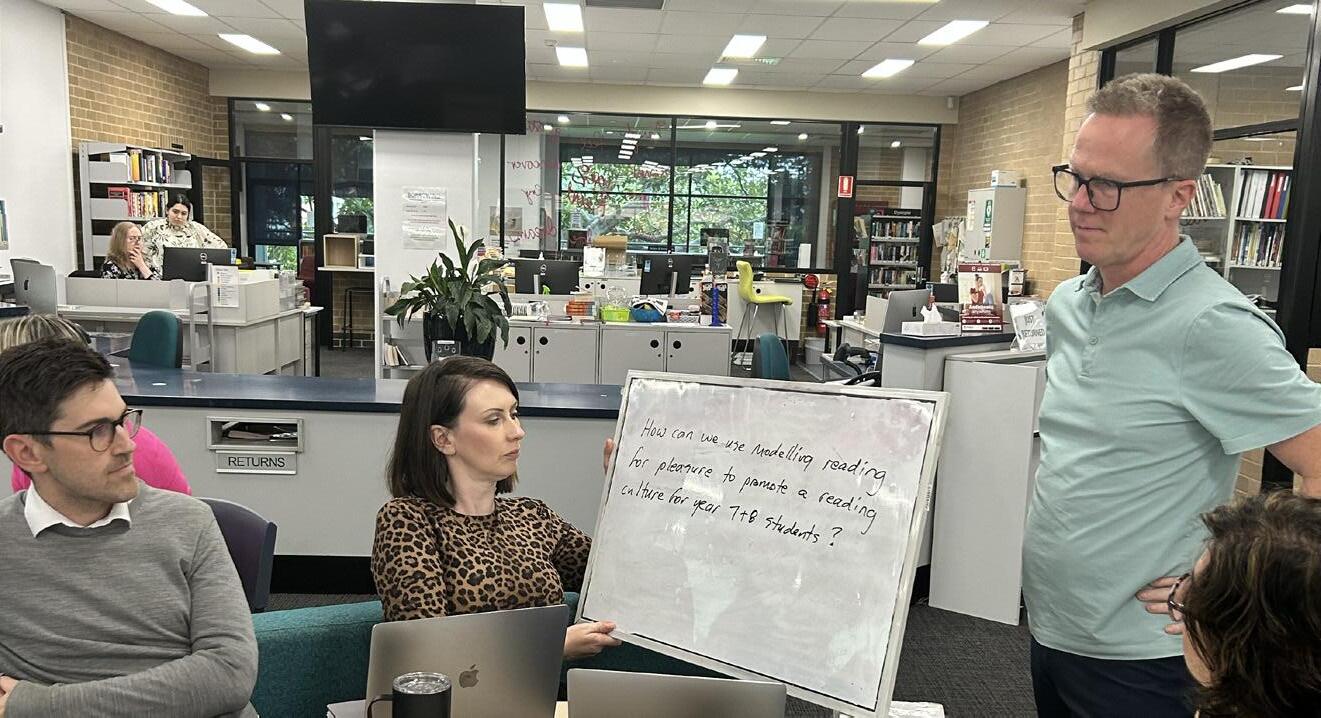
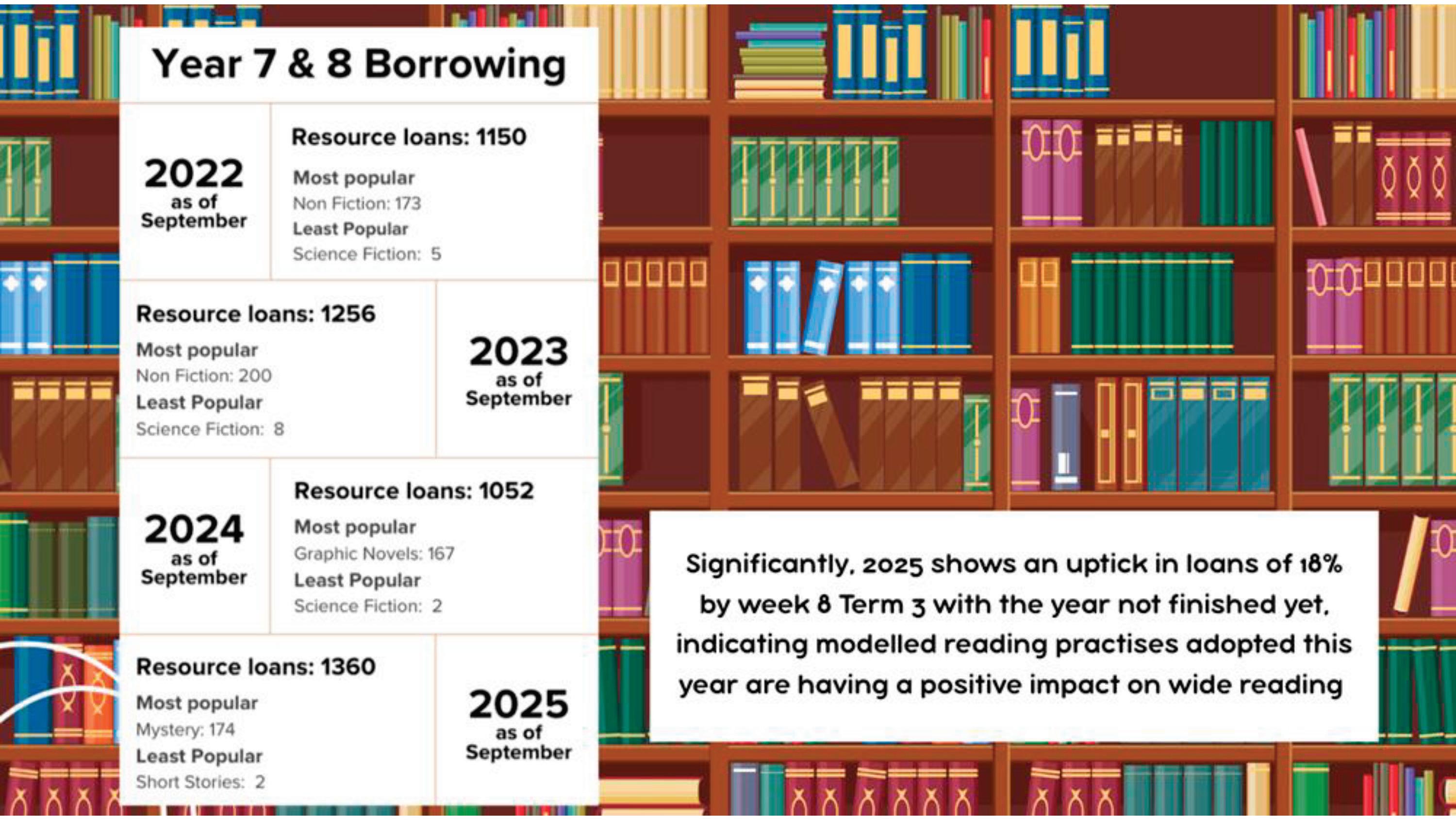
in book loans as students transitioned from Year 6 to Year 7. In 2023, our Year 6 students borrowed 1,928 books. When our Year 6 students transitioned to Year 7 in 2024, they borrowed just 823 titles, a marked decrease in borrowing which is concerning.
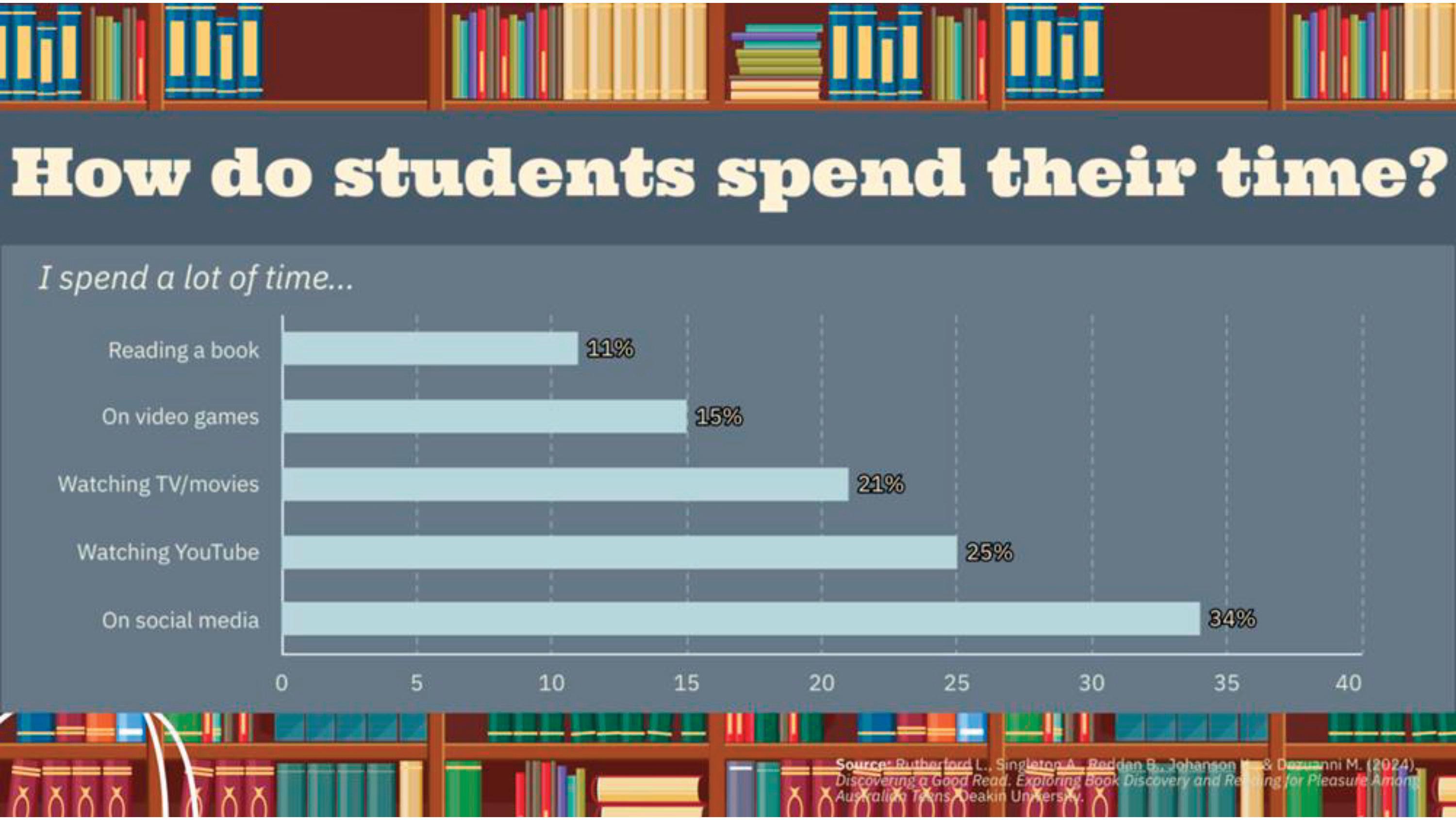
External studies (Deakin University, 2024) indicate that 29% of Australian teens do not read in their spare time, spending most of their leisure time on social media. Our own data confirms this pattern.
Academic literature advocates using modelled reading strategies to counter this trend. These include establishment of personal reading goals, book talks, peer recommendations and teacher-led silent reading as effective methods in encouraging students to read (Merga, 2023; Vogrinčič Čepič et al., 2024).
In our attempts to address this problem, we implemented a series of modelled reading
‘Our Years 7 and Year 8 students combined borrowed 1360 titles in 2025 and this data shows an 18% increase in loans by Week 8 Term 3...’
strategies recommended by the academic research during timetabled reading sessions for Years 7 and 8 classes. These modelled reading strategies consisted of:
• working with students individually to establish Personal Reading Goals to encourage exploration of diverse genres
• Book Talks and Peer Recommendations to spark interest and build a community of readers
• modelled Silent Reading where teachers read alongside students to normalise and promote reading as a valued activity.
Library staff collaborated closely with classroom teachers to embed these strategies consistently across two terms.
Our Years 7 and Year 8 students combined borrowed 1360 titles in 2025 and this data shows an 18% increase
in loans by Week 8 Term 3 compared to the previous year, suggesting these strategies are having a positive impact on student borrowing patterns. Student surveys also reveal strong support for peer recommendations and recognition systems (e.g. awards and positive entries in the pastoral system notifying parents). Comments from our students such as ‘Recommendations from friends widen my book list’ and ‘Recognition for reading motivates me’ highlight
the importance of social and motivational factors to encourage reading.
Students suggested further initiatives, including allocated reading time in homeroom, competitions and House challenges. Building on these insights, we are eager to explore possibilities of wholeschool approaches to embed reading into community time and expand recognition
programs. This, combined with continuing to use modelled reading strategies in the library will support our goal to sustain and grow our reading culture at Santa Sabina College.
References
Merga, M. K. (2023). Creating a reading culture in primary and secondary schools: A practical guide. Facet Publishing.
Oxley, E., & McGeown, S. (2023). Reading for pleasure practices in school: children’s perspectives and experiences. Educational Research, 65(3), 375-391.
‘...strong support for peer recommendations and recognition systems...’
National Center for Education Statistics. (2024). The Nation’s Report Card: Reading 2024.
Rutherford, L., Singleton, A., Reddan, B., & Johanson, K. (2024). Discovering a good read: Exploring book discovery and reading for pleasure among Australian teens. Deakin University.
Vogrinčič Čepič, A., Mascia, T., & Aerila, J.-A. (2024). Reading for pleasure: A review of current research. New Zealand Journal of Educational Studies, 59(1), 49-71.
Rosanne Sukkar (Dean of Enterprise and Innovation) and Mark Strong (Head of English)
HOW CAN WE TEACH STUDENTS TO APPLY CRITICAL THINKING TO ENHANCE THEIR LEARNING THROUGH THEIR USE OF GENERATIVE AI?
Building students’ critical and creative thinking skills has for a long time been an important goal of a future focused education. But this goal has become even more crucial in a world where generative artificial intelligence (GenAI) can not only carry out simple learning tasks but increasingly more complex ones (Chen et al, 2023). While this action research project had a broad goal of building both teachers and students’ capacity to effectively integrate Gen AI into their teaching and learning practices, a common theme that emerged during this research was the importance of applying critical thinking skills to ensure this suite of tools are used discerningly and to develop deeper understanding, rather than just a shortcut for generating answers.
Generative AI has rapidly become a valuable tool for supporting student learning, offering functions such as personalised tutoring, concept explanation, research and writing assistance and creative idea generation. However, regardless of the platform used, students must develop skills in crafting effective prompts and applying critical evaluation to AI-generated output. These competencies are essential not only for ensuring that the information they access meets the requirements of their tasks but also for fostering deep learning through synthesis and analysis of this information.
This article outlines some of the opportunities we explored to explicitly teach the skills needed to effectively integrate GenAI into learning activities.
Our students are well aware that GenAl will give answers, but it doesn’t explain how it made its decision. This is called the ‘black box’ problem where we see the outcome of an AI request but not the reasoning and data behind this outcome (Bluin, 2023). This notion should be an important evaluative consideration for GenAI users and can be introduced to students by teaching them to ask a series of questions about AI output. For example, students can be asked to imagine this: ‘If an Al platform reads a sentence like: I can’t believe I don’t have to go to
school again, do you think it would be interpreting the subject of this statement as happy or annoyed?’. Followup questions could include: ‘What clues would Al look for? Could it get confused? Why might that matter?’ This questioning process is designed to build students’ awareness that Al doesn’t always ‘understand’ like people do, it just looks for patterns. By helping students consider how Al makes its decisions, they are encouraged to think critically and ethically about the output that it generates.
When using Al tools like Copilot, students need guidance on how to prompt the Al with step-by-step thinking rather than just ask for answers. This chain of thought prompting (CoTP) teaches them how to structure reasoning and evaluate AIgenerated responses critically. By showing students how to write prompts like: ‘Explain using a step by step approach how to solve this...’ or ‘Show your thinking for this math problem...’ students are likely to receive output that is more useful to their learning.
Students can also be asked to compare the Al’s CoTP generated response to their own reasoning and justify how the response improves with more fine-tuned prompting. This process turns Al into a thinking partner, rather than just a shortcut, acting as a tool for both logical reasoning and metacognition.
Students need regular reminders that Al doesn’t always get it right and that it can generate biased, outdated or incorrect information. This tendency for AI tools like ChatGPT to sometimes generate confident sounding answers that are flat-out wrong is known as an AI hallucination. It happens when the AI fills in gaps based on patterns rather than verified facts. With any AI generated output, students need to develop a habit of asking: ‘How do I know this is true?’ and ‘What’s missing or misrepresented here?’.
Using AI tools such as Copilot, students can begin a process of fact checking the response
‘... regardless of the platform used, students must develop skills in crafting effective prompts and applying critical evaluation to AI-generated output.’
by analysing its identified source and seeking out and comparing it to alternative trusted sources. To explicitly illustrate this process to students, teachers can pose a prompt to students such as: ‘If AI tells you that octopuses have five hearts, how would you know if this is true?’ Have them consider: ‘What should you do next? Why do humans check sources, and should all AI responses be treated the same way?’ This process is crucial to student learning because it helps build digital literacy and critical thinking as students learn to verify and not just accept information that comes their way.
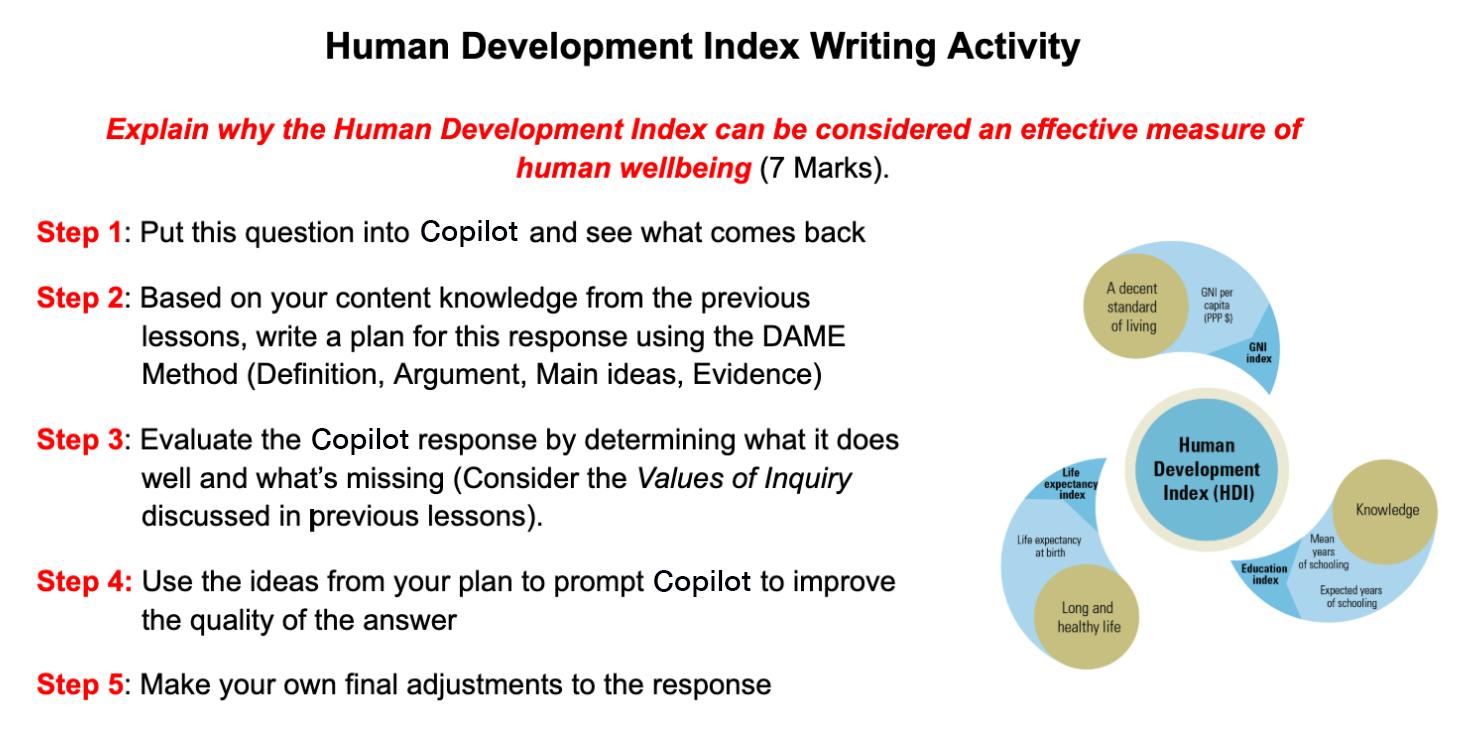
Instead of asking AI for the perfect answer, teachers can ask students to use AI to generate a draft and then set about improving on it. This helps students practise editing, evaluating and refining, all essential thinking
skills. It also reinforces that AI is a learning partner, not just an answer machine. This activity can be used in any subject to develop deeper thinking while also improving the clarity of their writing and depth and breadth of their reasoning. The example below was used in a Year 9 Geography class to teach students how Copilot can be used to assist with their writing.
AI agents are digital tools that can make decisions and complete tasks on their own rather than just respond to questions (McKinsey & Company, 2025). They are already being used to help with tasks like booking appointments, solving problems in customer service and in the operation of autonomous vehicles. As these agents become more common in teaching and learning and in carrying out
tasks in workplaces, students will need to learn how to work with them and create them. In the classroom, this means helping students build skills like critical thinking, digital literacy and understanding how AI makes decisions. A simple activity could be designing an AI agent to complete a school task such as organising homework reminders or generating study plans. While the future of work will still involve humans, businesses are increasingly using AI agents to automate both simple and complex organisational processes and help make employees’ dayto-day work more efficient. So, as educators, we have a responsibility to ensure students understand both the capabilities and limitations of AI agents to ensure their skillsets stay ahead of what machine learning systems can automate. For some learners interested in this field of work,
this will also mean developing the foundational skills to build these agents themselves.
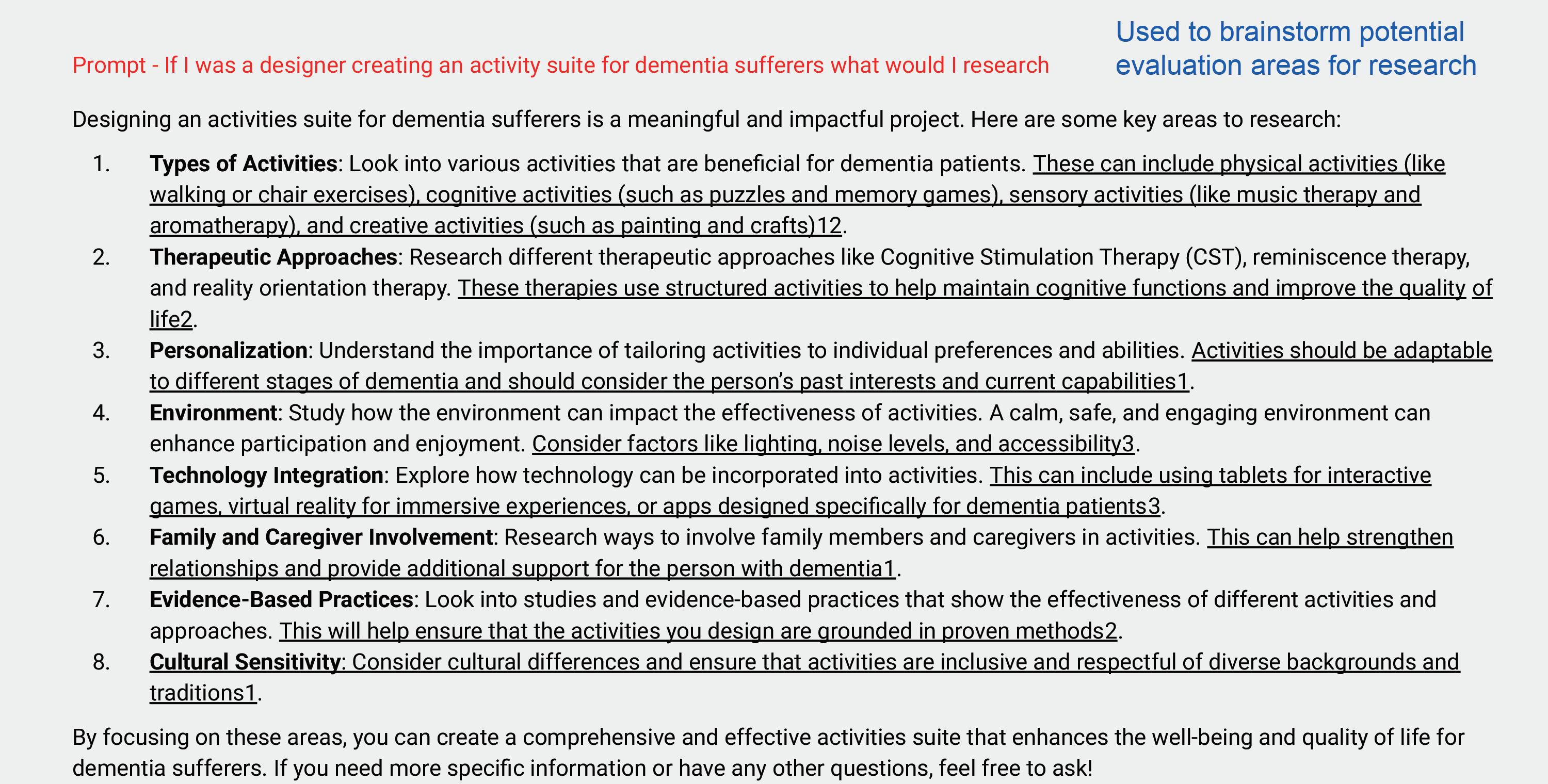
GenAI platforms can be useful tools to generate and refine ideas during the research phase of an inquiry project. In Year 12 Design and Technology, Mr Scott Henderson has been teaching students to use platforms such as Microsoft Copilot to engage in guided AI conversations to explore both the functional and aesthetic aspects of their product or system ideas for the Major Design Project. In order to refine and critically evaluate the ideas generated by the platform, students were required to apply a series of questions to the output. These questions included: ‘Were there any inaccuracies, gaps or biases evident?’ and ‘What prompts could have made
‘Our role as educators is to help them approach GenAI with both curiosity and discernment so they can harness its potential responsibly and thoughtfully.’
the output more useful?’. The sample below provides an example of the prompts used to ensure the design criteria is met.
When students learn to analyse, challenge and improve AI-generated outputs, they develop the critical thinking habits that will define successful learners in an AI-driven future. By teaching them to question outputs, verify accuracy and understand the capacity and limitations of automation, we ensure they use these tools to deepen understanding
rather than replace it. Our role as educators is to help them approach GenAI with both curiosity and discernment so they can harness its potential responsibly and thoughtfully.
References
Bluin, L., 2023, AI’s mysterious ‘black box’ problem, explained, University of Michigan-Dearborn News
Chen, B., Zhu, X., Castillo, F.,2023, Integrating generative AI in knowledge building, Computers and Education: Artificial Intelligence, Volume 5
McKinsey & Company, 2025, McKinsey Explainers, What is an AI Agent?, March Edition https://www. mckinsey.com/featured-insights/ mckinsey-explainers/what-is-an-aiagent
Kate Blake (Head of Mundawora House and HSIE teacher)

TO WHAT EXTENT ARE THE PROGRAMS OFFERED AT SANTA SABINA REFLECTIVE OF THE CURRENT RESEARCH ON POSITIVE TEACHER-STUDENT RELATIONSHIPS?
Historically, schools have existed to educate students, with teachers undertaking the role of instructor, disciplinarian and the source of knowledge for their students. However, since the turn of the century, there has been a significant shift in how the role of the teacher is understood. Contemporary research highlights the significance of the teacher–student relationship and its influence on students’ academic engagement and achievement. This literature review examines the growing body of evidence demonstrating how positive relational connections contribute to students’ success at school. It also offers a foundation for reflecting on and strengthening current relational practices within our teaching context.
At Santa Sabina College, we recognise that strong teacher–student relationships are central to the holistic educational experience we strive to provide. As a Dominican school, our approach is grounded in the Dominican Pillars of Prayer, Study, Community and Service. These pillars remind us that flourishing communities are built on positive, respectful and mutually supportive relationships. Guided by this understanding, we continually seek to strengthen the programs and practices that nurture these connections, ensuring that every student experiences a learning environment where they feel known, valued and supported.
Current literature overwhelmingly supports the fact that positive TeacherStudent Relationships (TSRs) play a pivotal role in student academic engagement and success (Adams & Olsen, 2017; Allen et al., 2018; Anderson & Graham, 2016; Cook et al., 2018; Deci & Ryan, 2016; Duong et al., 2019; Herman et al., 2018; Li et al., 2022; Maricuțoiu et al., 2023; Powell et al., 2018; Quinn & Owen, 2016; Roffey, 2011; Rusticus et al., 2023; Schonert-Reichl, 2017; Spilt et al., 2011; Velasquez, et al., 2013). The development of wellbeing and educational frameworks by various bodies also places emphasis on the
role relationships play in the development of individuals, with examples such as the Australian Students’ Wellbeing Framework, highlighting the significance of TSRs in creating an inclusive environment (Education Council, 2018).
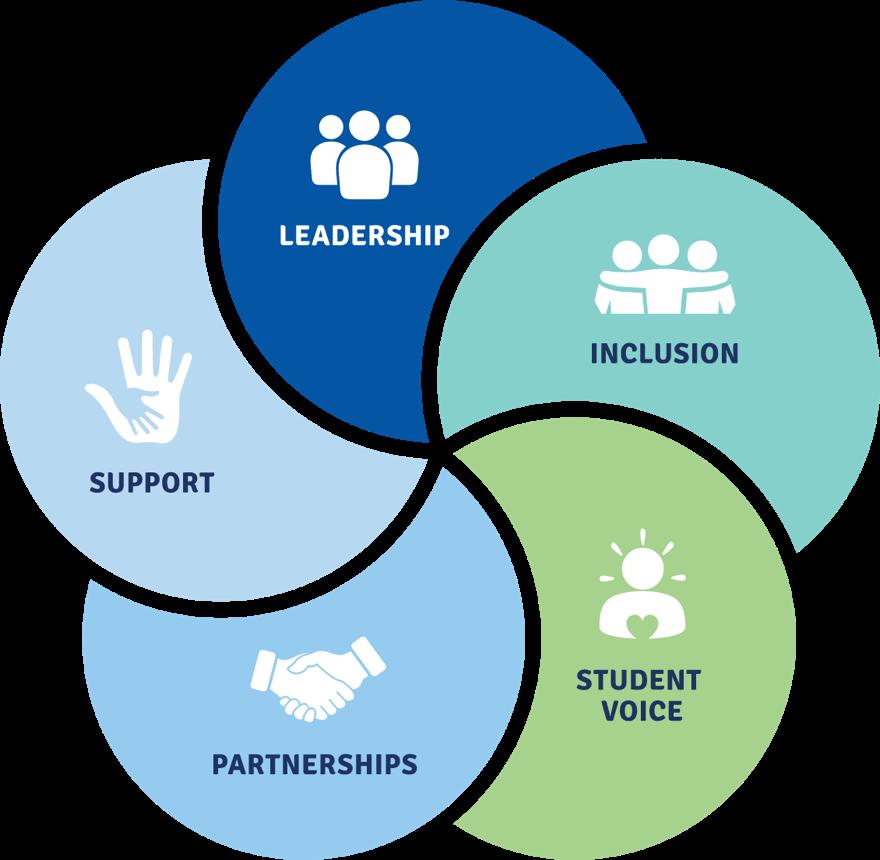
Beyond the literature and policies relating to TSRs, students also play a key role in understanding the importance of making this a priority issue. For relationships to be effective, they require equality and shared decision making; however, in the schooling environment, there is naturally an imbalance between teachers and students, with teachers in a position of power and authority (Roffey, 2011, pp 101). Student voice allows an opportunity to bring some balance to these relationships and, as such, is connected to building positive TSRs (Anderson
& Graham, 2016; Quinn & Owen, 2016). Additionally, when considering what students identify as a priority, relationships are recognised as one of the largest emerging areas (Powell et al., 2018). Student voice is likewise identified as a key element of the Australian Student’s Wellbeing Framework with a focus on developing a sense of connectedness for the individual (Education Council, 2018), which is critical for positive relationships.
For this approach to be successful, teachers are challenged to reconsider the manner in which they relate to students to ensure their positive relationships are inclusive of all, including disadvantaged and marginalised students (Quinn & Owen, 2016) as well as to know their students and how they learn and relate to others (NSW Department of
Education and Communities, Building the Teacher-Student Relationship, 2022; Roffey, 2011, pp 56; Young et al., 2017). As teachers play a role in imparting knowledge and developing skills in students, they must also be able to demonstrate and teach the appropriate behaviours required for a positive
relationship. Explicit teaching of evidence-based social and emotional skills (SEL), especially in relation to social skills, can not only assist students to build positive relationships (Chodkiewicz & Boyle, 2017; Schonert-Reichl, 2017) but can also positively impact teacher wellbeing (Domitrovich et al., 2016; Li
et al., 2022). Consistency is important, with teachers and adults within the community needing to regulate emotions during interactions with students (Allison et al., 2021; NSW Department of Education and Communities, Conflict resolution, 2023) as well as maintaining clear expectations and routines (Domitrovich et
al., 2016; Noble & McGrath, 2016), while still being capable of flexibility when required to respond to and accommodate student needs (Allison et al., 2021; Roffey, 2011, pp 101).
When these factors are applied and TSRs become more positive, a decrease in behavioural issues can be experienced (Duong et al., 2019; Li et al., 2022; Noble & McGrath, 2016; Spilt et al., 2011; Themane & Osher, 2014). To effectively support the development of positive TSRs, student and teacher buy-in will be required, given their significant roles in the school dynamic. As such, both the student and teacher are significant figures when developing a plan to build positive TSRs.
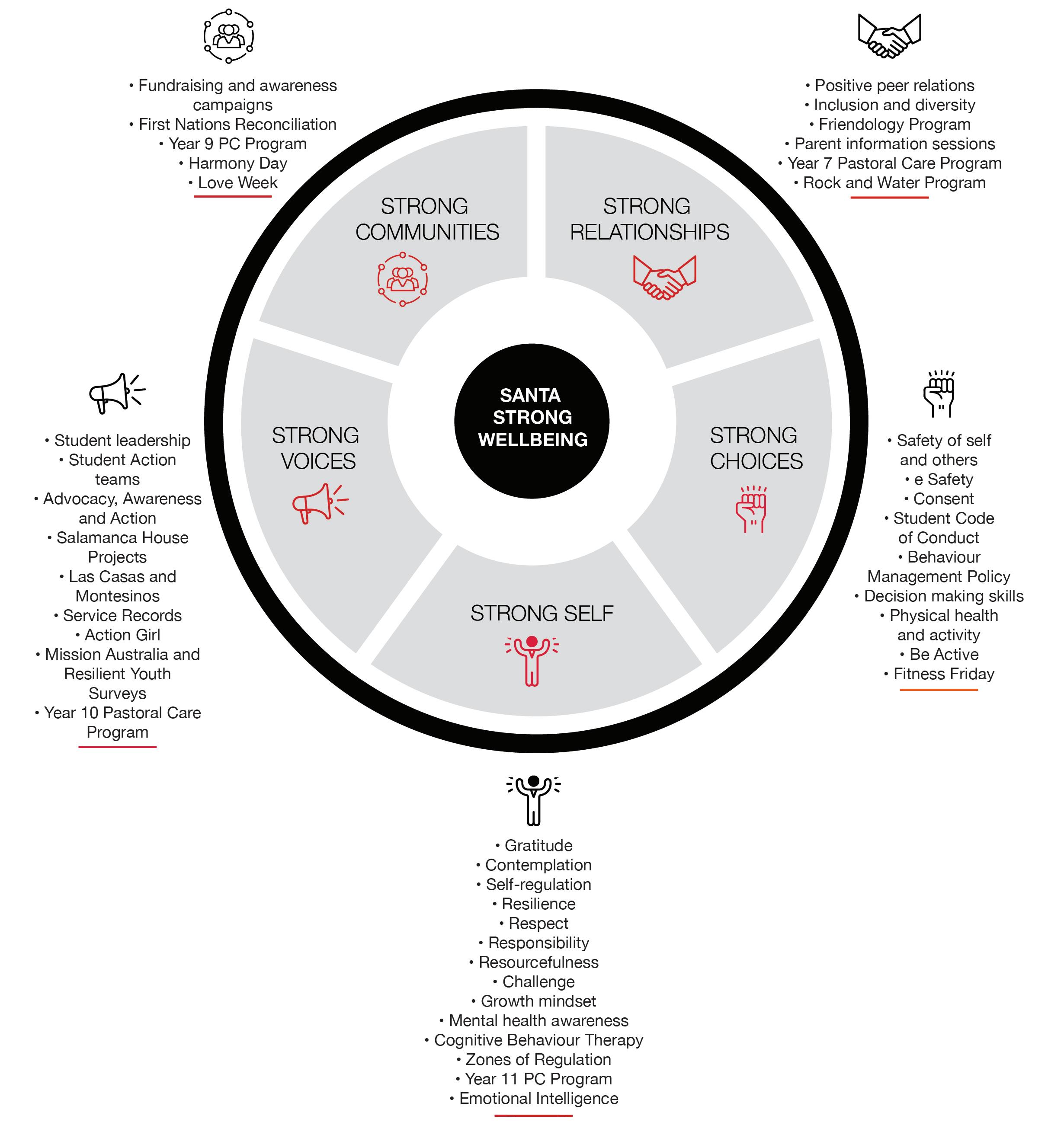
At Santa Sabina, we are informed by government policies and the literature in our approaches to building and maintaining our TSRs. The newly developed Santa Sabina Wellbeing Framework prioritises student wellbeing as essential for academic success. One branch of the framework specifically targets ‘Strong Relationships’ as crucial. Our students are supported in their vertical Homerooms, with continuity of care from their Homeroom Teacher, assistant Head of House and Head of House. Homeroom teachers seek to build strong relationships with all members of the group, emphasising the importance of daily Homeroom as an
‘...
prioritises student wellbeing as essential for academic success.’
essential element of the school day. Likewise, the vertical pastoral system enables continuous oversight of each student and their family.
Furthermore, our students are supported through an Academic Mentoring program, where they have allocated teachers who regularly check in with them, building their skills and capacity to achieve their academic goals. Finally, our bespoke K-12 Santa Strong Pastoral Care Program enables the development of TSRs beyond academics, developing students’ social and emotional capacity and supporting the development of the whole person.
References:
Adams, & Olsen, J. (2017). Principal Support for Student Psychological Needs: A Social-Psychological Pathway to a Healthy Learning Environment. Journal of Educational Administration, 55(5), 510–525. https://doi.org/10.1108/JEA-05-20160045
Allen, K., Kern, M. L., Vella-Brodrick, D., Hattie, J., & Waters, L. (2018). What Schools Need to Know About Fostering School Belonging: a Metaanalysis. Educational Psychology Review, 30(1), 1–34. https://doi. org/10.1007/s10648-016-9389-8
Allison, L., Waters, L., & Kern, M. L. (2021). Flourishing Classrooms: Applying a Systems-Informed Approach to Positive Education. Contemporary School Psychology, 25(4), 395–405. https://doi.
org/10.1007/s40688-019-00267-8
Anderson, D. L., & Graham, A. P. (2016). Improving student wellbeing: having a say at school. School Effectiveness & School Improvement, 27(3),348–366. https://doi.org/10.108 0/09243453.2015.1084336
Chodkiewicz, A.R., & Boyle, C., 2017. Positive psychology school-based interventions: A reflection on current success & future directions. Review of Education 5,60–86 https://doi. org/10.1002/rev3.3080
Cook, C. R., Fiat, A., Larson, M., Daikos, C., Slemrod, T., Holland, E. A., Thayer, A. J., & Renshaw, T. (2018). Positive Greetings at the Door: Evaluation of a Low-Cost, High-Yield Proactive Classroom Management Strategy. Journal of Positive Behavior Interventions, 20(3), 149–159. https:// doi.org/10.1177/1098300717753831
Deci, E.L. and Ryan, R.M. (2016), “Optimizing students’ motivation in the era of testing and pressure: a selfdetermination theory perspective”, in Liu, W., Wang, J. and Ryan, R.M. (Eds), Building Autonomous Learners, Springer, New York, NY, pp. 29-89.
Domitrovich, C. E., Bradshaw, C. P., Berg, J. K., Pas, E. T., Becker, K. D., Musci, R., Embry, D. D., & Ialongo, N. (2016). How Do School-Based Prevention Programs Impact Teachers? Findings from a Randomized Trial of an Integrated Classroom Management and SocialEmotional Program. Prevention Science, 17(3), 325–337. https://doi. org/10.1007/s11121-015-0618-z
Duong, M. T., Pullmann, M. D., Buntain-Ricklefs, J., Lee, K., Benjamin, K. S., Nguyen, L., & Cook, C. R. (2019). Brief Teacher Training Improves Student Behavior and Student-Teacher Relationships in
Middle School. School Psychology, 34(2), 212–221. https://doi. org/10.1037/spq0000296
Education Council. (2018) Australian Student Wellbeing Framework. https://studentwellbeinghub.edu. au/educators/resources/australianstudent-wellbeing-framework/
Herman, K. C., Hickmon-Rosa, J., & Reinke, W. M. (2018). Empirically Derived Profiles of Teacher Stress, Burnout, Self-Efficacy, and Coping and Associated Student Outcomes. Journal of Positive Behavior Interventions, 20(2), 90–100. https:// doi.org/10.1177/1098300717732066
Li, X., Bergin, C., & Olsen, A. A. (2022). Positive teacher-student relationships may lead to better teaching. Learning and Instruction, 80, 101581– https://doi.org/10.1016/j. learninstruc.2022.101581
Maricuțoiu, L. P., Pap, Z., Ștefancu, E., Mladenovici, V., Valache, D. G., Popescu, B. D., Ilie, M., & Vîrgă, D. (2023). Is Teachers’ Well-Being Associated with Students’ School Experience? A Meta-analysis of Cross-Sectional Evidence. Educational Psychology Review, 35(1), 1–. https://doi.org/10.1007/ s10648-023-09721-9
NSW Department of Education and Communities, (2022) Building the Teacher-Student Relationship. https:// education.nsw.gov.au/campaigns/ inclusive-practice-hub/all-resources/ primary-resources/other-pdfresources/building-the-studentteacher-relationship
NSW Department of Education and Communities, (2023). Conflict resolution, Inclusion and Wellbeing
https://education.nsw.gov.au/ student-wellbeing/attendancebehaviour-and-engagement/ behaviour-support-toolkit/supportfor-teachers/restorative-practices/ conflict-resolution
Noble, T., & McGrath, H. (2015). PROSPER: A New Framework for Positive Education. Psychology of Well-Being, 5(1), 1–. https://doi. org/10.1186/s13612-015-0030-2
Powell, M. A., Graham, A., Fitzgerald, R., Thomas, N., & White, N. E. (2018). Wellbeing in schools : what do students tell us? Australian Educational Researcher, 45(4), 515–531. https://doi.org/10.1007/ s13384-018-0273-z
Quinn, S., & Owen, S. (2016). Digging deeper : Understanding the power of “student voice”. The Australian Journal of Education, 60(1), 60–72. https://doi. org/10.1177/0004944115626402
Roffey, S. (2011). Changing behaviour in schools :promoting positive relationships and wellbeing. SAGE.
Rusticus, S. A., Pashootan, T., & Mah, A. (2023). What are the key elements of a positive learning environment? Perspectives from students and faculty. Learning Environments Research, 26(1), 161–175. https://doi. org/10.1007/s10984-022-09410-4
Schonert-Reichl, K. A. (2017). Social and Emotional Learning and Teachers. The Future of Children, 27(1), 137–155. https://doi. org/10.1353/foc.2017.0007
Spilt, J. L., Koomen, H. M. Y., & Thijs, J. T. (2011). Teacher Wellbeing: The Importance of Teacher—
Student Relationships. Educational Psychology Review, 23(4), 457–477. https://doi.org/10.1007/s10648-0119170-y
Themane,&Osher, D.(2014). Schools as enabling environments. South African Journal of Education, 34(4). Velasquez, A., West, R., Graham, C., & Osguthorpe, R. (2013). Developing caring relationships in schools: a review of the research on caring and nurturing pedagogies. Review of Education (Oxford), 1(2), 162–190. https://doi.org/10.1002/rev3.3014