Stem Cell Therapy in LosAngeles:A Cutting-EdgeApproach to Regenerative
Medicine
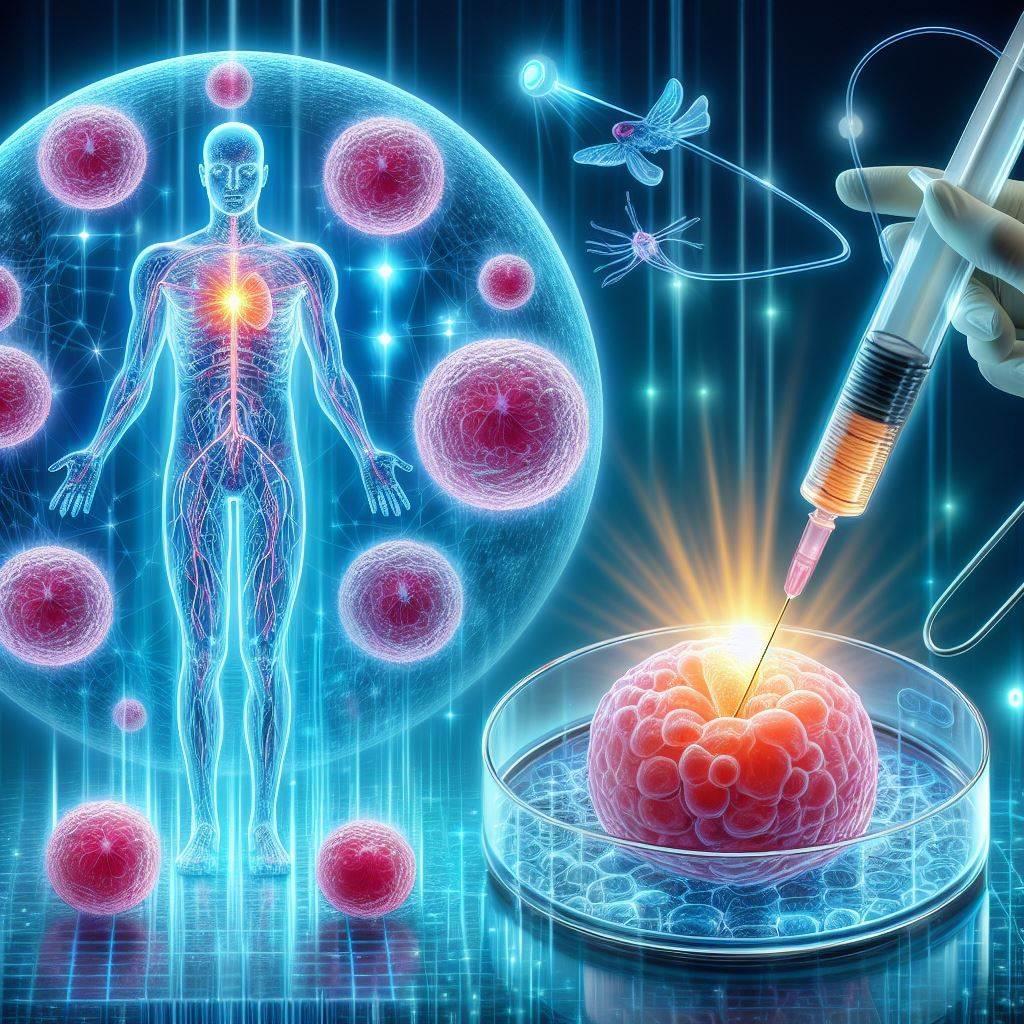
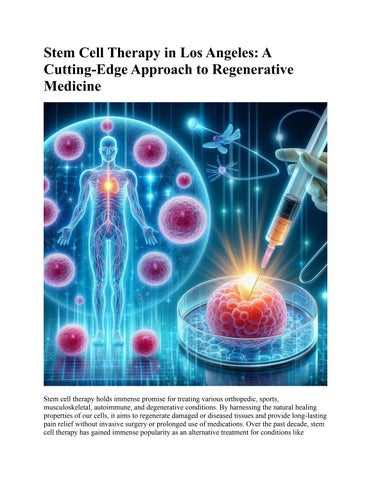
Stem cell therapy holds immense promise for treating various orthopedic, sports, musculoskeletal, autoimmune, and degenerative conditions. By harnessing the natural healing properties of our cells, it aims to regenerate damaged or diseased tissues and provide long-lasting pain relief without invasive surgery or prolonged use of medications. Over the past decade, stem cell therapy has gained immense popularity as an alternative treatment for conditions like
arthritis, tendinitis, shoulder injuries, knee injuries, and more. As one of the pioneering centers of regenerative medicine in the US, Los Angeles has emerged as a leading destination for stem cell procedures worldwide. This article provides an overview of stem cell therapy and looks at why it has become so popular in LA.
What are Stem Cells?
Stem cells are basic human cells that have the potential to develop into many different types of cells in the body. They can either differentiate into specialized cell types or continue to remain as stem cells capable of cell division through mitosis. Based on their differentiation potential, stem cells are broadly classified into three main types - embryonic stem cells, adult stem cells, and induced pluripotent stem cells.
• Embryonic stem cells are derived from embryos within the first five days of embryonic development. They are pluripotent, meaning they can differentiate into any fetal or adult cell type. However, their extraction from embryos raises ethical issues.
• Adult stem cells are found in small numbers in most adult tissues like bone marrow, adipose (fat) tissue, blood, and skin. They have multilineage potential and can differentiate into a limited range of genetically related cell types.
• Induced pluripotent stem cells are adult cells that have been genetically reprogrammed to an embryonic stem cell-like state through the introduction of specific genes. They have properties similar to embryonic stem cells but avoid ethical debates around embryonic research.
During stem cell therapy, a patient's adult stem cells are harvested from sources like adipose tissue or bone marrow. Under the influence of growth factors, these multipotent stem cells then differentiate into different cell types to regenerate the injured or diseased tissues.
How does Stem Cell Therapy work?
The basic steps involved in autologous stem cell therapy using a patient's cells are:
Adipose tissue or bone marrow collection: Adult stem cells are collected from easily accessible sources like abdominal fat via liposuction or the hip bone via a small bone marrow aspiration procedure conducted under local anesthesia.
Cell separation: The harvested tissue is broken down and centrifuged to separate stem cells from other components. This process concentrates millions of stem cells in preparation for injection.
Activation and proliferation: Isolated stem cells are activated and prompted to multiply in number using growth factors. This critical step allows a sufficient number of cells to be administered for therapeutic benefits.
Injection to the site of injury: Growth-factor activated stem cells are directly injected to target sites like joints, tendons, ligaments, and muscles under ultrasound or fluoroscopy guidance to ensure precise placement.
Regenerative effects: Administered stem cells trigger natural repair responses that curb inflammation, stimulate new blood vessel formation, and recruit local cells to regenerate cartilage, bone, tendons, etc. through paracrine signaling and tissue integration.
Resolution of symptoms: Patients often start noticing symptom relief within weeks as the healing process restores joint structure and function. Stem cells' immunomodulatory effects also help manage long-term disorders. Multiple injections may be required for severe chronic conditions.
This process harnesses the body's innate healing abilities without surgery or prolonged drug intake. Stem cells trigger a "bottom-up" healing cascade rather than just masking symptoms temporarily. The results can be durable, sometimes lasting years in responsive cases.
Why Stem Cell Therapy is Popular for Orthopedic Conditions
Los Angeles surgeons have extensive experience treating sports injuries, degenerative joint diseases, and a range of musculoskeletal issues prevalent among the city's active community. Stem cell therapy has become a mainstay treatment for many conditions, including:
• Arthritis: Stem cells suppress inflammation and spur cartilage regeneration to ease arthritis pain and symptoms. A 2020 study showed that 38% of osteoarthritis patients improved significantly after adipose stem cell injections. (Source: National Library of Medicine)
• Tendinitis: Chronic tendon injuries are notoriously difficult to treat without stem cell augmentation of the healing process. Research associates stem cell therapy with faster recovery and resumption of activities. (Source: Orthopedics Today)
• Ligament/tendon tears: Stem cells accelerate recovery even from partial or complete tears by stimulating tissue regrowth and vascularization. A 2018 case series outlined 70% success with stem cell-treated partial ligament tears. (Source: Foot and Ankle Surgery)
• Musculoskeletal pain: Beyond localized injuries, millions suffer diffuse orthopedic pain from impaired movement, prior trauma, or wear and tear. Stem cells profoundly counter both acute and chronic widespread musculoskeletal discomfort.
• Sports injuries: With LA's vibrant athletic culture, sports medicine specialists favor stem cell therapy for conditions like rotator cuff injuries, meniscal tears, ankle sprains, etc. Stem cells help athletes return to play quicker with less risk of reinjury.
Moreover, stem cell therapy presents several advantages over joint replacement or resurfacing surgeries in younger, active patients - it repairs rather than replaces damaged tissues, avoids invasive surgery risks, and affords a more durable solution given prosthesis lifespan limitations.