TERPENE PYROLYSIS: WHEN CANNABIS BECOMES TOXIC



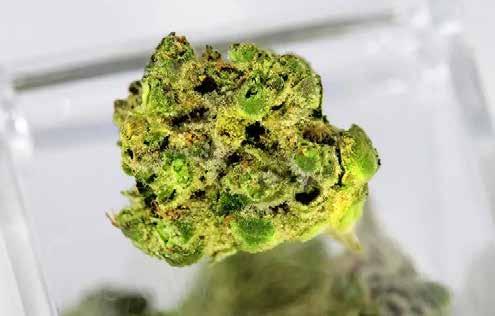



Terpenes are primarily associated with aroma, flavour, and the entourage effect. But from a scientific standpoint, terpenes are volatile organic hydrocarbons that can undergo significant transformations under extreme heat. When dabbing with concentrates like BHO or Rosin, it’s essential to understand that we’re not merely vaporising cannabinoids; we’re exposing a complex chemical mixture to high temperatures that may exceed the pyrolysis point.
What Is Pyrolysis and How Does It Affect Dabbing?
Pyrolysis refers to the chemical decomposition of organic materials due to high heat in the absence (or deficiency) of oxygen. Unlike simple vaporisation—where the physical state changes without alteration of molecular structure—pyrolysis breaks chemical bonds within the molecules.
When dabbing, an excessively high temperature can cause the terpene molecules to fracture, resulting in the recombination of compounds that didn’t exist in the original plant. Many of these byproducts can be irritants or toxic.
Which Terpenes Are Under Scrutiny in High-Temperature Dabbing?
A study from Portland State University (PSU) analysed how individual terpenes respond to heat. The findings provided crucial insights for extract users:
- Myrcene: Common in indica strains, myrcene has a high likelihood of producing methacro-
lein when heated beyond specific thresholds.
- Limonene: Known for its citrus aroma, limonene can degrade thermally, leading to the creation of more complex and potentially harmful aromatic hydrocarbons.
- Linalool: Frequently found in lavender and cannabis, linalool’s molecular structure is compromised at high temperatures.
As modern concentrates may contain 10% to 40% terpenes, the amount of byproducts generated greatly exceeds that of smoking dried flower.
What Is the Toxicity Curve for Dabbing?
An essential insight from the PSU study is that toxicity is not uniform; it varies directly with the temperature applied to the dab.
- Safe Zone (322°C): At this temperature, no toxin formation was detected, ensuring efficient and clean terpene transfer.
- Risk Zone (378°C): As temperatures increased, methacrolein became detectable, a severe lung irritant that can cause a burning sensation in the throat.
- Critical Zone (448°C): Beyond this point, pyrolysis becomes extensive, with the detection of significant levels of benzene, a known carcinogen resulting from degraded terpenes.
Why Are Benzene and Methacrolein Dangerous? Understanding these harmful compounds is
crucial for recognising why temperature control is a public health concern:
What Is the Danger of Benzene?
Benzene is a colourless aromatic hydrocarbon that only appears in cannabis through combustion or pyrolysis. Chronic exposure to benzene is linked to an increased risk of leukaemia and other blood disorders. Improperly managed dabs can generate benzene, which underscores the importance of using laser thermometers or e-nails.
How Does Methacrolein Affect Your Health?
Methacrolein shares similarities with acrolein (found in tobacco smoke) and attacks mucous membranes and lung tissue. If you’ve experienced breathlessness or a painful metallic cough after dabbing, it’s likely due to inhaling methacrolein from excessive heat.
What Should Advanced Users Know About Safe Dabbing?
This research shifts the narrative around dabbing from merely avoiding burnt flavour to preventing dangerous chemical transformations.
Why Does Material Matter for Safety?
Quartz is the preferred material for dabbing due to its thermal stability and purity, making it easier to maintain safe temperature ranges.
Why Is a Thermometer Essential for Dabbing?
In an era where rosin can command high prices in Spanish clubs, it’s critical to avoid ruining your product and jeopardising your health by not allowing the nail to cool for at least 20 seconds.
How Does Flavour Indicate Health in Cannabis?
In cannabis, good flavour—characterised by intact terpenes—serves as a biological indicator of safe consumption. If the product tastes burnt, it signifies pyrolysis; and if there’s pyrolysis, there are toxins.
By understanding these aspects of terpene pyrolysis and its impact on health, cannabis users can make informed choices for a safer and more enjoyable experience.
By Liz Filmer
A better way to feed modern plants




















By Liz Filmer
Austria's Landmark Ruling:
What It Means for the Hemp Industry?
Recently, an Austrian court issued a landmark ruling that clearly separates hemp flower from traditional tobacco products. This significant decision establishes that hemp cannot be treated as tobacco and, therefore, is not subject to the stringent regulations of Austria’s tobacco monopoly. By defining hemp as a distinct product category, the court has set a precedent that could impact the regulatory landscape across Europe.
What Are the Implications of This Ruling for the European Hemp Market?
This ruling carries profound implications beyond Austria. It signals to the broader European hemp market that plant-based products, including hemp, should not be classified as tobacco just for regulatory convenience. The court emphasized the commercial specificity of hemp and declared that it cannot be relegated to the same regulatory framework as traditional smoking products, which fall under a strict monopoly.
How
Did This Legal Dispute Arise?
The legal battle began when Austrian authorities attempted to enforce regulations requiring hemp flower to be sold exclusively through
authorized points of sale, akin to tobacco products. However, the judges firmly rejected this interpretation, affirming that hemp is a unique product that deserves its own regulatory category, separate from tobacco.
What Are the Economic Benefits of This Ruling for Hemp Entrepreneurs?
The ruling holds considerable economic significance. It strengthens the position of independent entrepreneurs in the hemp sector, who have been diligently constructing a supply chain centered on quality, transparency, and regulatory compliance. With the clarification provided by this court decision, these businesses can operate with greater confidence in their right to sell hemp products freely.
Why Is This Ruling Important for Regulatory Clarity in Europe?
In light of the current regulatory uncertainty in various European countries, including Poland, the Austrian ruling serves as a crucial interpretative precedent. It illustrates that state monopolies cannot extend their reach to hemp products unless explicitly stipulated in existing regulations. This decision sends a clear message across the EU: the unique nature of hemp should be acknowledged and respected within legal frameworks.

What Does This Mean for the Future of the Hemp Market in Europe?
Ultimately, this ruling underscores a vital principle: hemp is a distinct plant product that
Discover our products and our upcoming December giveaway by scanning the QR code!
should be governed by well-defined, proportionate regulations rather than being automatically subsumed under existing monopolies. This represents a significant step toward cultivating a more coherent and predictable framework for the hemp market throughout Europe. As the industry evolves, clarity in regulation will benefit both entrepreneurs and consumers alike, fostering growth and innovation within the sector.



Award-Winning cannabis cultivation author Jorge Cervantes teams up with Seedsman for a FREE, comprehensive digital book on home growing.
100-page digital book
270+ color images
Interactive – Searchable
Comprehensive guide to cannabis cultivation
FREEBOOK


Beginner and advanced growers
Easy-to-follow cultivation examples
8 chapters of cultivation wisdom
Dedicated to increasing cannabis yields
Discover the magic of cannabis!
www.marijuanagrowing.com/grow-cannabis-book
Co-Authors
Chief Scientific Officer, Dr. Gary Yates
Stefan Meyer
Table of Contents
• Cannabis Botany
• Life Cycle of Cannabis
• Cannabis Seeds & Seedlings
• Plan Your Garden
• Grow Room Setup
• Twelve-week Garden
• Harvest, Manicuring, Drying, Curing & Storage
• Diseases, Pests & Problems

JORGE CERVANTES
Author Marijuana Horticulture.
Legendary Jorge Cervantes, published in eight languages sold over a million copies worldwide.

By Hortizan
Varietal resistance: the future of cannabis in the face of HLVd
Hop-latent viroid disease (HLVd) has emerged in just a few years as one of the major phytosanitary challenges in our crops. Unlike a virus, the viroid is not an enveloped particle, but a simple, very small circular RNA molecule, lacking a protective barrier (the capsid). It is therefore entirely dependent on the cellular machinery of the plant it infects. This simplicity contributes to its stealth: the infection can remain asymptomatic for a prolonged period, facilitating its silent spread, particularly in intensive clonal systems.
The journal HLV: A Hidden Threat to the Cannabis Industry (2023) presents HLVd as a major emerging threat to the industry. Yield losses, reduced vegetative vigor, and impaired flower quality are frequent but variable consequences. This variability has fueled a central question: are some cultivars resistant to HLVd?
Experimental studies show that the impact of HLVd varies considerably among cannabis cultivars. The most robust experimental work comes from research conducted by plant pathologist Zamir K. Punja. In a study published in 2024 in the Canadian Journal of Plant Pathology, his team analyzed the relationship between RT-qPCR-confirmed infection and agronomic performance. The results show a clear correlation between the presence of the viroid and measurable losses. However, the intensity of these losses varies considerably depending on the genotypes under cultivation. Some lines exhibit a marked reduction in yield and rapid degradation of the mother plants. Others, although testing positive, maintain
relatively stable productivity and express only mild symptoms.
This heterogeneity is a key point: the response to HLVd is not uniform across phenotypes or genetics! However, it is crucial to distinguish between two concepts. Resistance implies that the plant prevents the establishment or severely limits the replication of the pathogen. Tolerance, on the other hand, means that the infection is present, but the physiological impact remains limited. Currently published data clearly support the existence of variability in tolerance. However, no demonstration of strict resistance, in the phytopathological sense, has yet been provided. Further work published in 2025 in the journal Plants confirms this interpretation. It shows that the infection dynamics and the tissue distribution of the viroid can vary according to the genotype, reinforcing the idea of a genetically dependent host-pathogen interaction.
The perception of varietal resistance depends heavily on the modes of transmission and the level of infection pressure. HLVd is primarily transmitted through clonal multiplication and mechanical means. Pruning tools, repeated handling, and certain hydroponic systems promote its spread when sanitary protocols are inadequate.
The work of Punja et al. highlights that the viroid, although relatively stable, remains susceptible to appropriate disinfection procedures. The use of correctly dosed sodium hypochlorite (bleach) significantly reduces transmission via surfaces and instruments. In an environment where infection pressure is controlled, a cultivar may appear more stable simply because it is less exposed or becomes contaminated later.
Comparative experimental approaches have highlighted measurable differences between cultivars in response to HLVd. A significant advance
in the analysis of genetic variability comes from a study published in 2025 in Plant Cell, Tissue and Organ Culture by Torres et al. The researchers evaluated HLVd removal by thermotherapy (a high-temperature sanitization technique) and meristem culture on a panel of thirteen distinct cultivars (see pic. 2). The protocol, combining heat treatment, in vitro regeneration, and molecular monitoring, revealed varying rates of sanitization among cultivars. Some genotypes exhibited more frequent viroid removal after treatment, while others retained a detectable load despite identical conditions. The study also included transcriptomic analysis (study of all RNAs), suggesting that differences in gene expression could influence the plant's ability to limit viroid persistence.
These results confirm the existence of a differentiated biological interaction between HLVd and its hosts. However, they do not demonstrate that a cultivar can prevent initial infection under natural conditions. The experiment focuses on eradication capacity after confirmed infection, not on prior immunity.
Available scientific data show that genetic variabi-
lity in the response to HLVd is real, thus clarifying the limits of resistance. Some cultivars appear to maintain their performance better despite infection, and measurable differences exist in the internal dynamics of the viroid. However, speaking of resistance in the strict sense remains premature. No published study has yet demonstrated that a commercial cultivar systematically prevents the establishment or replication of HLVd after controlled exposure. The most appropriate term at this stage is differential tolerance. This distinction is significant. It implies that HLVd management relies as much on rigorous sanitary practices as on genetic selection. As molecular tools and transcriptomic approaches develop, it will become possible to more precisely identify the mechanisms involved and, perhaps, to direct selection towards more robust profiles.
For now, “varietal resistance” is therefore more of a developing hypothesis than an established fact. Scientific caution dictates acknowledging the observed differences, while avoiding too hastily attributing to certain genetic traits a status that no definitive experimental evidence has yet confirmed.

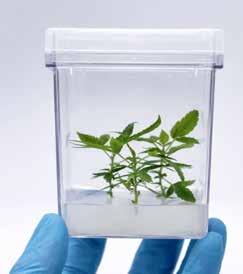
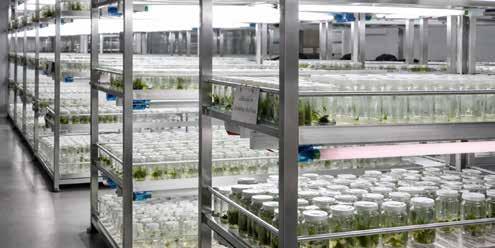
Tissue culture of cannabis plants
Researchers evaluated the removal of HLVd by thermotherapy (a high-temperature exposure cleansing technique) and meristem culture.
From the Soft Secrets Archives
By Guerrilla Daan
A Bridge Too Far?
How to use the hollow interior of a bridge for grow ops
On 18 februari 2026 , Dutch Police discovered a cannabis plantation inside a bridge that runs over the major highway A2 (E25) in the province of Utrecht. Approximately 180 plants have been seized and destroyed. The grow operation was discovered after workers of Rijkswaterstaat (the Dutch Ministry of Infrastructure) noticed that the lock on a technical room in a bridge pillar had been cut. The discovery also explained a surge in the site's power consumption. A bridge doesn't use that much power. There was an illegal electrical connection used to power the lights. As a result, consumption became high. Rijkswaterstaat had therefore unintentionally paid for the electricity costs of the cannabis plantation too.
Soft Secrets wouldn't be Soft Secrets, of course, if we didn't share the soft secrets on how to use a bridge structure for a grow operation. That's why we dove into our archives and found this gem, written by Dutch guerrilla grower Daan many years ago. This article is, naturally, intended solely for educational purposes.

The idea
This edition will be about an infamous bridge. This location came to light in 2008, when it was discovered that an attempt had been made to set up a grow-op inside the Willem Alexander Bridge in the Dutch town of Echteld. This audacious plan failed due to a short circuit in a tapped high-tension electricity cable. When the growers tried to measure the 10,000-volt current running through the cable, the voltmeter they were using exploded. This created an unbelievably loud bang. The police stated also that a patch of urine discovered at the scene came from one of the growers - when he literally pissed his pants with fear.
The idea behind this failed attempt though was ingenious; in concrete constructions
there are often hollow spaces that are not used for anything. Such spaces ensure that the finished construction is lighter and they also save concrete. For the Willem Alexander bridge caper, use was made of two spaces around 5 metres wide and at least a 1000 meters long. This adds up to a hollow space of at least 10,000 square metres and a height of around 3 metres. Many growers have to make do with just a fraction of such a space. The most important elements for growing were already inside the bridge space, or could be easily hauled in: energy (light), soil, water and air. Let's now take a look at how the growers came by these elements.
Energy
Bridge growers know that bridges are used
not just for the traffic they carry but also for carrying pipes and cables over a river. This is of course cheaper and safer than running them under the riverbed or over the river on high-tension cables. Bridge growers tap the power present in the bridge. Since they know full well that this is a life threatening operation, they tend to hire in some professional help. This is usually a good contact from the power company, or an electrical engineer with high-ten -
after all never knows when a fisherman or hiker might have their attention caught by activities going on in the bridge. This is also why the growers always have a good cover story rehearsed to explain what they are doing here at the bridge.
Water
Plants cannot survive without water, and under the bridge there is plenty of the stuff. The bridge growers use a powerful

sion experience. To prevent creating an explosion in the electrics, the grow-op is equipped with a transformer that steps the voltage down. Less well-connected bridge growers who cannot count a high voltage specialist among their friends have been known to tap the local street lighting. In certain cases this can even be a better alternative. The brave grower uses an aggregate, the least punishable choice but also a very awkward one to employ.
Soil
Since our bridge growers would prefer to remain as unobserved as possible as they go about their work, they disguise themselves as electricians, builders or some
pump to supply all their required water from the river. They have a hose passed through the concrete that enters the river by the legs of the bridge. They chose a black hose, and attached this to the pillar in a professional looking way to minimise suspicion. Because the quality of the river water is not as good as that from the mains, the growers regularly control the pH and EC values of the water and if necessary make the appropriate adjustments to get the water at the right levels, stored in a vat.
Air
With a bridge grow op, many of the most common problems with a traditional operation are simply not an issue. There is barely any smell
Since bridge growers know full well that this is a life threatening operation, they tend to hire in some professional help.
such professionals. For this they make use of a delivery van and work clothes of an established builders firm. In this way they can haul hundreds of kilos of soil and other growing materials into the space without creating any suspicion. The bridge grower
nuisance thanks to the air circulation in the bridge. Thanks to the rapid transit, the smell will not become noticeable to traffic using the bridge, and there is usually little or no housing nearby. As well as this, the air in the bridge space is much less warm than for example
The Willem Alexander bridge; a bridge that once housed one of the biggest grow ops ever found in the Netherlands.
The 2026 bridge grow op made national news in the Dutch media.

the attic of a house. The growers do though have trouble with moisture in the air. Since they want to reduce the chances of bud rot they decided during the bloom phase to suck air out only if the outdoor air was dry enough. The air that was removed was done so via a slit in the concrete to the outside world.
Visitors
Besides the four elements that need to be present in a grow op, there is one other factor that needs to be taken account of; unwanted visitors. The guerrilla growers amongst us know full well that even in the most isolated spots, sometimes people
crop up unexpectedly. In a bridge this could be a tramp looking for a place to crash for the night or a waterways inspector doing his check ups. In the Netherlands at least, all ‘artificial constructions’ such as bridges and viaducts are inspected several times a year. This is mostly to do with the road

surface and the outside of the construction. The bridge growers therefore do as much as they can to keep unwanted visitors away from where they are growing. So for instance they built an extra false wall with a door in it. They also installed an electronic squealer device that would send a message by SMS if this door were ever opened. Since this squealer in the bridge has no reach, the antenna is placed outside. In this way, the bridge growers know whether it is safe to return to their operation.
Conclusion
Not just bridges but any large concrete construction is a potential candidate for establishing a grow op inside of. A long search is usually needed to find such a suitable construction in which to build. On top of that a lot of research is needed to establish the chances of discovery and how they can safely get at a power source, as well as provide water and light. The bridge growers tend to be handy guys with a practical bent. On top of this they must be prepared for a considerable investment to establish the grow op. This investment will certainly repay itself since the location will be usable for long periods of time. The chance that the operation will be discovered thanks to the false wall is minimal. The chance that if it is discovered the growers will be caught is even smaller, since besides their visits there is nothing to connect them to the place. The bridge grower can expect a yield of 600 to 800 grams per square metre per grow. Four harvests per year are certainly achievable.
Via this cross section the space used in the bridge is clearly visible.
Right under the noses of unsuspecting travellers was an enormous plantation.
Japanese Wasabi, Grown Indoors in Austria: One of Europe’s Most Unique Indoor Crops
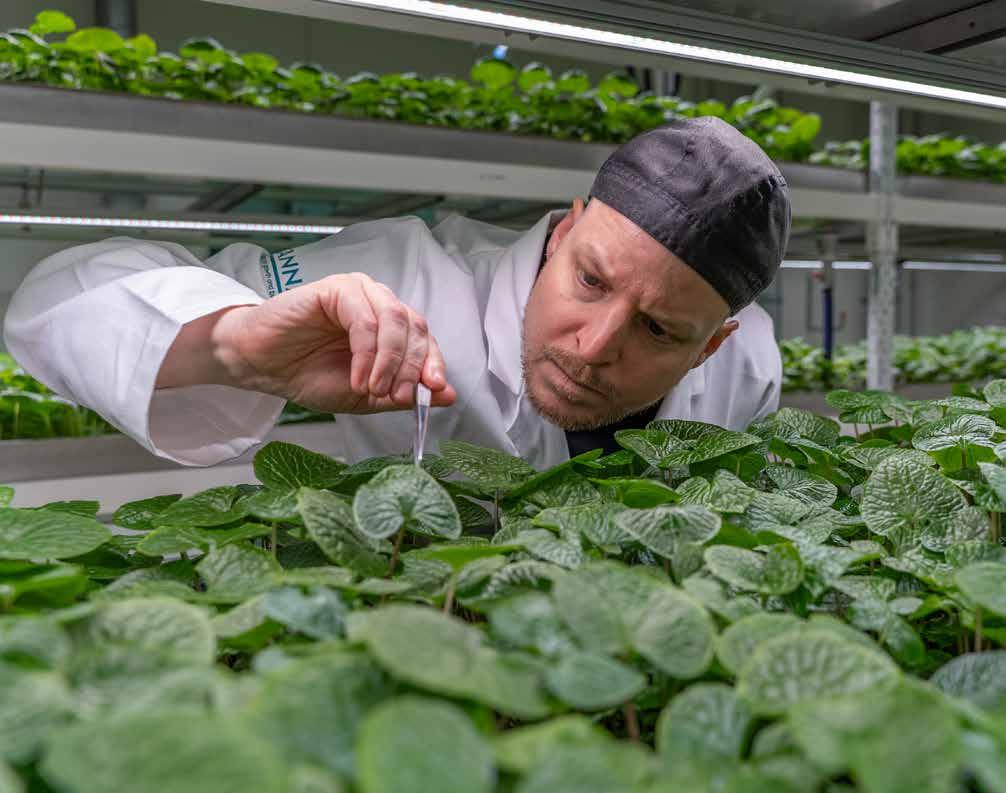
Hidden between the mountains in the south of Austria, something is happening that you would sooner expect to find in a Japanese valley than inside a high-tech indoor farm. Martin and Eszter are cultivating fresh wasabi there. Not in muddy mountain streams, but in a fully controlled indoor hydroponic system.
And that is remarkably unique. Because wasabi is widely known as one of the most difficult crops in the world to cultivate successfully.
While many speciality crops are steadily making their way into greenhouses and indoor farms, real wasabi remains an outsider. In nature, the plant grows only under highly specific conditions: cool flowing water, stable temperatures, high humidity, and above all, almost zero room for error. That is exactly why commercial wasabi cultivation fails so often.
Recreating a Japanese Mountain Stream Indoors
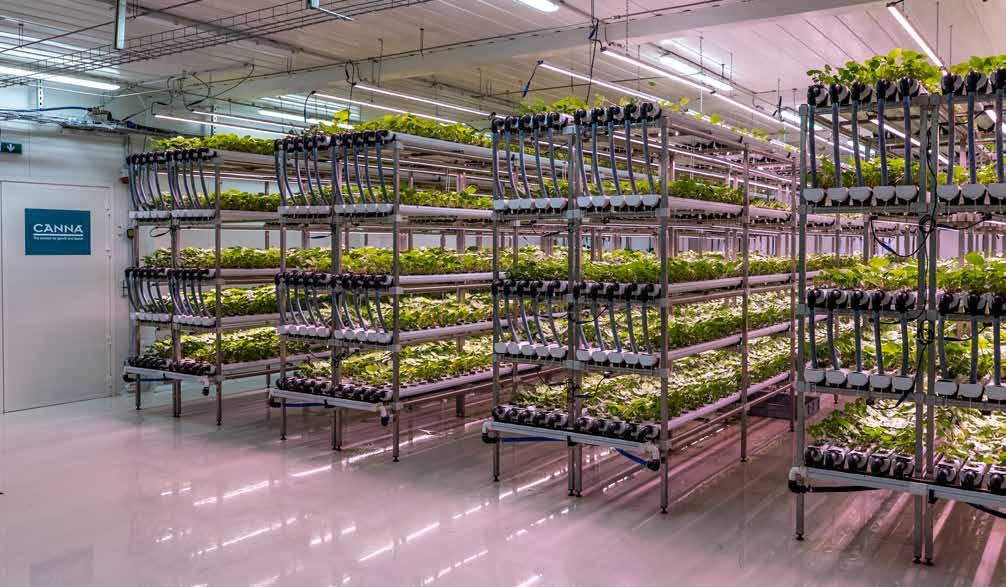
To recreate those natural conditions, Martin and Eszter developed their own floating recirculating system. Within this setup, temperature, water quality, and nutrition are constantly monitored and adjusted.
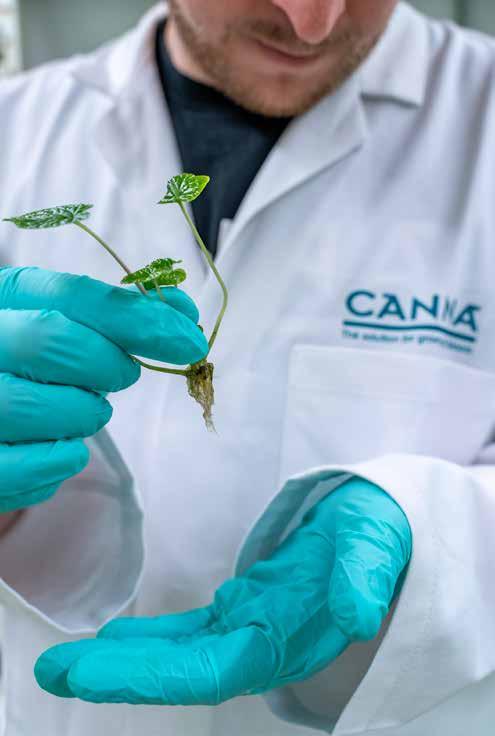
The plants begin as in vitro cultures imported directly from Japan. They then grow for several months until the rhizomes
become strong enough for harvesting. Part of the plant always remains intact, allowing fresh growth to continue immediately. This makes it possible to harvest again every five to six weeks.
Everything takes place indoors: cultivation, harvesting, processing, and packaging.
The fresh wasabi is ultimately transformed into powders and pastes for restaurants,
food companies, and even sports and wellness products. Demand for high-quality European-grown wasabi is increasing rapidly, especially as chefs continue searching for authentic wasabi instead of the familiar green horseradish paste commonly sold under the same name.
Precision, Stability, and Total Control
According to Martin, successful wasabi cultivation revolves around one thing above all else: stability. Even small fluctuations in water quality or nutrient balance can immediately create problems. That is why they rely on a recirculating hydroponic system where consistency and precision are central.
For nutrition, they eventually chose products from the Aqua line by CANNA, supplemented with products such as CANNA CALMAG AGENT and CANNA RHIZOTONIC. According to the growers, the stability of the nutrient solution within recirculating systems proved to be a decisive factor.
The entire facility also operates largely on solar energy. Particularly impressive
considering the whole operation is managed by a team of just six employees.
Indoor Farming Is Becoming More Specialised
The indoor cultivation of wasabi shows how rapidly controlled environment agriculture continues to evolve. Where indoor farming once focused mainly on lettuce and herbs, attention is increasingly shifting toward exclusive speciality crops with high market value.
And it is precisely these highly sensitive crops, which are difficult to grow consistently outdoors, that appear perfectly suited to fully controlled cultivation systems.
There is something fascinating about the idea itself: a plant traditionally found in cold Japanese mountain streams now thriving inside an Austrian indoor facility surrounded by pumps, sensors, and floating cultivation beds.
Perhaps the future of indoor farming is not simply about becoming larger. Perhaps it becomes far more interesting when it becomes more specialised.
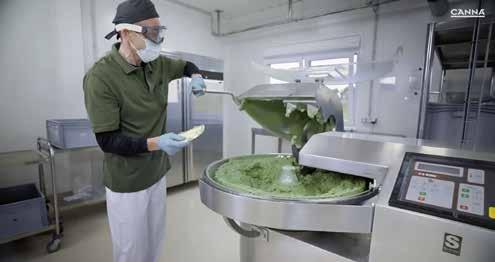
Media
By Rob Peace
Three feature films about cannabis: comedy, horror and tragedy
Cannabis creates creativity, so many films are made in which weed plays a role. Big films, such as the Oscar winner One Battle After Another, but also small films that are less well known. We list three of them from 2024 here, which you may have missed.



THE GANJA
Ryan, a reclusive weed smoker, agrees to help his autistic classmate Edward in exchange for answers to his homework. Edward wants to get high for the first time. However, Ryan soon finds out that he gets into more trouble than he expected when Edward approaches him to become real friends.
Rosetta Stoned is a microbudget project that was filmed entirely in Ann Arbor, Michigan with a budget of approximately 30,000 dollars. Is it worth it? According to this reviewer: 'Rosetta Stoned is exactly what the title promises: a high school stoner comedy in its purest form. The central theme of friendship and forging a bond through smoking and trust comes across well. The main roles ensure that viewers will enjoy the growing dynamic at the core of the film and the jokes that resulted from it. As a self-proclaimed passion project of director and screenwriter Benjamin Vomastek, it is just one of the many signs of love and admiration for the stoner counterculture.'
Tone and Flip are two cannabis dealers who are looking for a new supplier, but after they get weed from the new supplier, things get out of hand because this batch of weed turns out to be cursed. A crazy low-budget (an amount of only 10,000 dollars is mentioned somewhere) horror film that brings out the often used theme of 'cursed weed' once again. The fact that they were able to make 82 minutes with this budget is highly commendable. Not very easy to find, this American film production, but the few who have seen it are satisfied: 'They had a vision, a great plot, and I can see the potential this would have had with a bigger budget. Fortunately, the best things come in small packages and this film is delicious, funny, crazy and entertaining.'
This true story is based on the book The Short and Tragic Life of Robert Peace (2014) by Jeff Hobbs. Both studied at the renowned Yale University in the USA. Robert DeShaun Peace grew up in New Jersey. His life is dominated by the loss of his father who disappears behind bars when Robert is seven years old. He visits his father, who says he is innocent, often in prison. He needs 30,000 dollars to help him with the legal costs to realize a possible release in a review of the process. As a biochemistry student, he starts working with cannabis and sells it to his fellow students. Tragically, his father Robert 'Skeet' Douglas dies in prison in 2006. The trauma continues to haunt Robert, as does the tragedy. At the age of 30 he was killed in a deal over more than 20 kilos of cannabis. The perpetrator was never found.
ROSETTA STONED
ROB PEACE
Total international circulation now 166,000 copies
Soft Secrets expands to South Africa
Soft Secrets is now also available in South Africa. The first edition was released in February. The magazine will be published four times a year in a circulation of 10,000 copies and will be distributed over 120 distribution points. Soft Secrets South Africa is the ninth international edition.
Meanwhile, Soft Secrets has several national in Europe; in Germany, France, Spain, Italy, Poland and the Czech Republic. This international edition is distributed in a number of other European countries (including Great Britain, Ireland, Denmark, Malta and Slovenia) and Thailand. There is also a Latin American edition. And recently even a special Soft Secrets Las Vegas edition appeared in connection with the MJ Biz Con. With the South African edition, Discover Publisher takes the next step. The total circulation of Soft Secrets is now no less than 166,000 copies.
News
By Liz Filmer
In the first issue of Soft Secrets South Africa, you will find contributions from leading South African cannabis experts, such as Myrtle Clarke. Together with her partner Julian Stobbs, she gained international fame as The Dagga Couple for their fight for the legalization of cannabis in South Africa. In 2020, Stobbs was killed during a robbery. Myrtle Clarke is now also continuing her battle in Soft Secrets. You can read all Soft Secrets editions and Dutch glossy HighLife on the website: www.softsecrets.com


Coffeeshop Trial in Germany
The city of Neuss in North Rhine-Westphalia is set to become home to a groundbreaking cannabis shop as part of an experimental program. This development comes after Germany legalized recreational cannabis in 2024, yet the country still lacks easily accessible purchase options for consumers.

What is the Purpose of Legalizing Cannabis in Germany?
One of the primary goals of the cannabis legalization law (CanG) was to eliminate the
black market for cannabis. Unfortunately, this objective has not yet been realized. Currently, there are only two authorized methods to obtain recreational cannabis in
Germany: home cultivation and membership in a cannabis social club. For many, home cultivation may not be feasible, and the limited number of cannabis social clubs often restrict access.
What to Expect from the Cannabis Shop in Neuss?
Anticipation surrounds the opening of the cannabis shop in Neuss, a city with a population of 150,000, situated just across the border from Düsseldorf. This establishment aims to be the first official cannabis shop in Germany, following the existence of a local cannabis social club. The shop is expected to mirror the operational model of Dutch coffeeshops, allowing customers to purchase cannabis without the need for prior registration, marking a departure from traditional cannabis club practices.
Who is Leading This Research Initiative?
This experimental project will be led by biologist Andreas Alberts and supported by Heinrich Heine University Düsseldorf, which will handle data collection. The project was developed with input from Justus Haucap, a Professor of Economics at the University of Düsseldorf.
Why is This Research Important?
Numerous studies on cannabis legalization have been conducted globally, but the results are often deemed "not transferable," according to the project leaders. The focus of this research is to determine whether legalization leads to an increase in cannabis consumption and to evaluate the effectiveness of various preventative measures.
How Will Customers Participate in the Study?
Participation in the research is mandatory for customers of the new cannabis shop, distinguishing it from a conventional retail establishment. By participating in this study, customers will contribute to a deeper understanding of the implications of cannabis legalization in Germany.
What is the Approval Process for the Store?
An application to initiate operations at the cannabis shop will be submitted to the Federal Office for Agriculture and Food. While the timeline for approval remains uncertain, project director Andreas Alberts has mentioned that the store could potentially open within the next 12 months.

Grow with Jorge Cervantes
By Jorge Cervantes in collaboration with Matthew Gates (Zenthanol Consulting)
The Everswarm: Your Pests Are Evolving. Is Your Strategy too?
The bugs and molds in your garden are not sitting still. They are adapting to your sprays, your biocontrols, and even your resistant genetics— faster than most growers realize. Here is what you need to know to stay ahead.
The Enemy That Never Sleeps
I have been growing cannabis for over forty years, and I can tell you this with absolute certainty: I have lost more harvests to pests than I ever lost to the police. Spider mites, bud rot, aphids, caterpillars—every grower, from the bedroom hobbyist to the licensed commercial operator, knows the heartbreak of discovering that your beautiful plants have been invaded.
Most of us deal with pests the same way: we see a problem, we panic, we spray something, and we hope it goes away. But according to IPM specialist Matthew Gates—a man who has spent 17 years fighting bugs and mold across cannabis, roses, peppers, and tea on three continents— that approach is doomed to fail.
Matt calls his philosophy the “Everswarm.” The idea is simple but unsettling: pest populations are always evolving, always adapting, always finding new ways around whatever you throw at them. Your spray worked last time? Great—the
survivors just bred a generation that is resistant to it. That is not paranoia. That is basic biology.
What Is Actually Attacking Your Plants?
A major 2023 U.S. survey of cannabis pests painted a clear picture. Fungi are enemy number one. In the Northcentral U.S., 83% of reported pathogens were fungal. The usual suspects topped the list: bud rot (Botrytis) and powdery mildew. If you grow cannabis, these two are always in the forecast.
On the insect side, a 2024 Florida study documented over 100 arthropod species that feed on cannabis. Nearly half belong to one group: the sap-suckers—aphids, whiteflies, scale, and mealybugs. These are not just annoying; they are disease carriers. Whiteflies spread Lettuce Chlorosis Virus. Aphids transmit a range of plant viruses. Every insect that pierces your plant is a tiny syringe potentially injecting disease. Moths and caterpillars are
the second-biggest threat and they are on the rise. The corn earworm alone can destroy an entire cola by boring inside and eating it from within—and it leaves behind the perfect environment for bud rot to take hold.
Meet the “Megapest”
The corn earworm moth (Helicoverpa zea) is bad enough on its own. It flies up to 1,240 miles (2,000 km), feeds on over 300 plant species, and each female lays about 1,000 eggs. But scientists have discovered something far worse: it is hybridizing with its African-Asian cousin, the cotton bollworm, creating what researchers have officially named a “megapest.”
This hybrid has stacked up an alarming set of resistances. It can shrug off pyrethroids. It has developed resistance to Bt—Bacillus thuringiensis, the backbone of organic pest control—with some populations showing over 6,000-fold resistance. It can even survive harsh winters through a specialized dormancy mechanism.
The lesson? No single product will save you Not Bt alone. Not neem alone. Not any one thing alone. You need a layered defense: insect screens to keep moths out, Trichogramma wasps to parasitize eggs before they hatch, Beauveria bassiana fungus combined with Bt in rotation, and regular scouting of your flowers during late bloom.
Powdery Mildew: The War That Never Ends
If caterpillars are the invading army, powdery mildew is the siege. Cannabis and PM have been locked in an evolutionary battle for tens of millions of years. The PM genome is composed
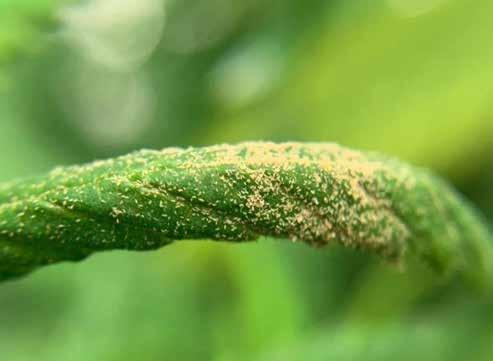
Hemp Russet Mite infestion. Credit: Zenthanol Consulting / Jorge Cervantes
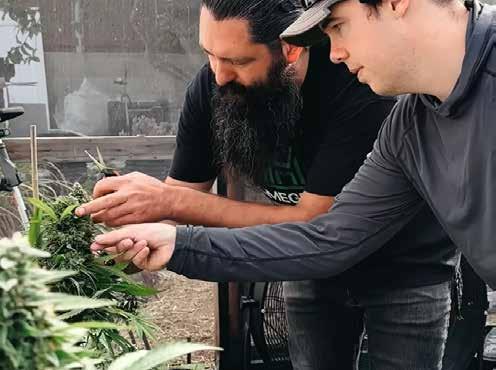
Matthew Gates (R) examining cannabis plants. Credit: Zenthanol Consulting / Jorge Cervantes

“Victorious warriors win first and then go to war.”
nate your region? Indoor or outdoor? Build a threat profile before you start, not after you find a problem.
2. Be proactive AND reactive . Prevention first—sanitation, screens, smart genetics, microbial inoculation. But have your reactive tools ready too.
3. Rotate everything. Different Bt strains, different biocontrols, different spray chemistries. Pests adapt to anything you use repeatedly.
4. Scout and record honestly. Sticky traps, weekly inspections, written notes. The data you collect this season wins next season’s battle.
5. Trust but verify. A forum tip is not a peer-reviewed study. Follow researchers who cite their sources. Matt’s Zenthanol YouTube channel (youtube.com/@zenthanol) is a great starting point.
Win Before the Fight
Matt ended his Everswarm presentation with a line from Sun Tzu’s Art of War: “Victorious warriors win first and then go to war.” In grower terms: the best pest management happens before you ever see a pest—when you choose your genetics, set up your screens, and build a strategy that expects the enemy to adapt. Because the Everswarm never sleeps. But if you understand it, you can stay one step ahead. Grow free, grow well.
Jorge Cervantes is the author of The Cannabis Encyclopedia and We Grow Cannabis, both available for free at marijuanagrowing.com. His books and videos have been published in 11 languages. Follow him at jorge-cervantes.com
Matthew Gates is an IPM specialist and founder of Zenthanol Consulting (zenthanol.com). His YouTube channel (youtube.com/@zenthanol) features in-depth pest primers for cannabis growers. Follow him on Instagram @Synchangel
of 60–80% mobile genetic elements that let it mutate at extraordinary speed. Every generation of spores is a slightly different version, optimized against whatever you used last time.
History tells us what happens when we rely on resistant genetics alone. In melon farming, breeders have been releasing PM-resistant varieties since the 1930s—and the fungus has cracked nearly every one of them, sometimes within a single growing season. Fungicide resistance can develop within one to three years.
The good news: breeders have now identified three genetic resistance loci in cannabis (PM1, CsMLO1, and PM2). Cultivar selection matters enormously. But the lesson from melons is crystal clear: no single defense lasts forever You must rotate your fungicides, diversify your genetics, and never assume your plants are safe just because they looked clean last week.
Your Secret Weapons
The picture is not all doom and gloom. Your plants have powerful allies—you just need to know how to use them.
Beneficial microbes: A 2024 study found that a single bacterium recovered from wild cannabis seeds (Peribacillus frigoritolerans)
boosted plant biomass roughly threefold, increased stalk diameter by 96%, and height by 43% in field trials. A healthy soil microbiome is not just about nutrients—it is part of your plant’s immune system. Outdoor and greenhouse growers with living soil have a natural advantage here, but even indoor growers using coco or rockwool can benefit from microbial inoculants at transplant.
Ladybeetle larvae eat 50–200 aphids per day. Parasitoid wasps kill pest eggs before they ever hatch. Beauveria bassiana fungus infects caterpillars on contact. These are real tools with real evidence behind them—not folk remedies.
A surprise from cannabinoid research: scientists discovered that cannabis plants high in CBDVA (cannabidivarinic acid) supported 17 times fewer aphids than low-CBDVA plants. Interestingly, CBD itself had no anti-aphid effect at all. This opens the door to breeding for pest resistance through cannabinoid profiles— nature’s own pesticide.
Five Steps to Stay Ahead of the Swarm
1. Know your landscape. What pests domi-

Jorge Cervantes, Matthew Gates & Stefan Meyer
Powdery mildew colonizing a cannabis leaf. When you see the white patches the fungus has already been producing thousands of spores per day. Credit: Zenthanol Consulting / Jorge Cervantes

Extractions
@sudestfam
ROSIN DROP
How to Make a Liquid Preparation with Rosin
Liquid preparations based on cannabinoids have long been a consolidated segment of the cannabis derivatives landscape. Oral ingestion methods are healthier and more easily controlled alternatives to inhalation methods like vaporization, dabbing, and combustion. Historically, alcohol tinctures have been the benchmark for this type of extraction, like the famous Rick Simpson Oil, but in recent years, the methods and matrices used to create liquid preparations have undergone a significant evolution. First, let's look at what they are.
A liquid cannabinoid preparation consists of an extract of the active ingredients of cannabis, such as THC and CBD, dissolved in a liquid carrier for ease of dosing, administration, and storage.

ALCOHOLIC TINCTURE VS. NEW SCHOOL
Originally, liquid preparations were made exclusively by macerating marijuana flowers in ethyl alcohol. Pre-decarboxylated trim waste and flowers are placed in a glass jar filled with food-grade alcohol until completely submerged. The jar is shaken once or twice a day for about two weeks. When the liquid appears saturated, the maceration process is complete, and it is then filtered through a sieve to remove the plant matter. Although it is a very simple method, it has some limitations:
The cannabis must be completely submerged and requires large amounts of alcohol.
The amount of cannabinoids can be excessively diluted, requiring evaporation of the solvent to concentrate it.
Alcohol is a polar solvent that also extracts other plant substances such as chlorophyll.
The extraction process is lengthy. It is difficult to standardize the result.
New-generation techniques prefer to use other types of solvents, such as olive oil,
from the fractionation of coconut oil. Its composition makes it perfect for dissolving and transporting fat-soluble substances such as cannabinoids. MCT oil is characterized by high oxidative stability compared to other types of oil, which degrade within a few months and become rancid. It also has a nearly neutral organoleptic profile, minimal -
Newer methods replace traditional buds with concentrates like rosin.
coconut oil, and MCT oil. The latter is the most commonly used; it is an oil composed primarily of medium-chain triglycerides, as the acronym MCT indicates. Triglycerides are fatty acids and are generally obtained
ly affecting the quality of the final extract. Liquid preparations that use oil as a carrier are called oleolites.
The real evolution, however, lies in the raw
material: the most recent methods replace traditional flowers with concentrates such as rosin, making it easier to handle and suitable for ensuring greater control of the extraction process and standardization of the final product.
ROSIN DROP
Rosin is a cannabis extract obtained by applying heat and pressure to buds or other concentrates, such as dry sift and water hash. The result is a resin rich in cannabinoids and terpenes, completely solventless. Rosin is a highly versatile extract; it can be used to prepare both an alcoholic tincture and an infused oil.
When using a cannabis extract, such as rosin, to make liquid cannabinoid-based preparations, the process is called solubilization, rather than maceration. Cannabinoids and terpenes, being lipophilic substances—meaning they have a strong affinity for fats, oils, and nonpolar solvents—transfer spontaneously into the oil or dissolve completely in the alcohol. Unlike buds, the plant material is not macerated; in this case, the carrier liquid is mixed with the rosin until a homogeneous solution is obtained, ready for use.
ROSIN QUALITY
The quality of the rosin used in liquid formulations significantly impacts the stability and organoleptic profile of the final product. The choice of raw material is therefore very important. Rosin obtained by pressing fresh frozen water hash (FFWH) is the best choice. One of the most important factors to consider is the purity of the concentrate; rosin with a high degree of purity dissolves more easily in the carrier liquid. The choice of strain also directly influences the profile of the liquid preparation, shaping its composition and overall effect.
DECARBOXYLATION
Before starting the process, the rosin must be decarboxylated. Cannabinoids in their natural form, such as THCA and CBDA, are bound to a carboxyl group, and this bond must be removed through decarboxylation to transform the cannabinoids into biologically active forms, meaning they can be absorbed by the human body. This process can occur through various methods: controlled heat application, combustion, vaporization, and degradation induced by environmental factors.
To perform the controlled heat application, the following tools are required:
Mason jar with a two-piece airtight lid Kitchen oven
Magnetic stirrer in operation

Laser thermometer
Silicone potholder
Here's how:
1. Place the rosin in the mason jar and seal it tightly.
2. Preheat the oven to 105°C (221°F).
3. Place the mason jar in the oven.
4. Observe the contents of the mason jar constantly.
5. Check the temperature with a laser thermometer.
6. The rosin will begin to liquefy and boil, releasing carbon dioxide.
7. When the bubbles stop, decarboxylation is complete.
8. Remove the jar from the oven using a silicone potholder.
9. Let the rosin cool to room temperature before opening the jar.
The decarboxylation process generally lasts between 30 and 60 minutes, depending on the temperature and the amount of mate -
News
By Liz Filmer
rial treated. At the end of the process, the rosin will have a more fluid consistency.
SOLUBILIZING ROSIN
The best method for solubilizing rosin in the carrier liquid, in this case MCT oil, is to use a magnetic stirrer with a hot plate, a tool specifically designed for this purpose and easily purchased for a few hundred euros. The magnetic stirrer allows the rosin to be completely dissolved and produces a homogeneous solution. Alternatively, you can use a simple blender or a mini-blender. Let's see how to proceed:
1. Weigh the desired amount of rosin
2. Fill the glass beaker with MCT oil
3. Set the magnetic stirrer to 74°C and turn it on at maximum speed
4. Using a dabber, pour the rosin into the beaker containing the MCT oil
5. Wait for the rosin to completely dissolve in the solution
6. Wait for the solution to cool before handling it
The solubilization process is complete when the liquid is completely homogeneous, free of streaks, color variations, visible particles, and residues deposited on the bottom or adhering to the sides of the beaker. One to two hours of continuous stirring may be required to achieve stable homogeneity.
DILUTION RATIO
The amount of rosin and carrier liquid to mix varies depending on the desired concentration. There are two ways to proceed: analyzing the rosin to determine the amount of cannabinoids present, or by making a rough estimate. While analysis is certainly the most reliable method, the best option is to analyze the rosin after decar -
boxylation for even more precise results. To calculate the concentration of the solution, you can use the following formula: mg total THC / mL total oil = mg/mL
Practical example:
One gram of rosin containing 70% THC, equal to 700 milligrams of the active ingredient, is dissolved in 30 milliliters of MCT oil; the final concentration will therefore be 700 ÷ 30, or approximately 23 mg of THC per ml. Considering an average value of 20 drops
the oral mucosa. Oral administration, i.e., by ingestion, takes longer to take effect because the solution must pass through the digestive system before being absorbed. An alternative route of administration is to add the rosin-in-MCT solution to foods and beverages.
FULL SPECTRUM VS. BROAD SPECTRUM
Full-spectrum refers to a preparation that preserves the entire phytocomplex of the plant, including major and minor canna -
When rosin is used to make liquid cannabinoid preparations, the process is called solubilization.
per milliliter, each drop will contain approximately 1.15 mg of THC, although this value may vary depending on the type of dropper.
STORAGE AND DOSAGE
The rosin-MCT solution can be stored in a glass dropper bottle; dark-colored bottles are ideal for preserving the contents. Depending on the size of the dropper, the number of drops varies from twenty to thirty per milliliter. After calculating the concentration of each drop, start with small doses and increase based on the desired effect.
METHOD OF DOSAGE
The most direct and effective route of administration is sublingually; the solution is applied under the tongue so that the active ingredients are absorbed through
Costa Rica Completes First Export of Medical Cannabis to the EU
Costa Rica has successfully completed its first export of pharmaceutical-grade medical cannabis to the European Union. This shipment, announced by Hybrida Farms, departed Costa Rica on March 13th. 2026.
The company asserts that the export was conducted in compliance with Costa Rican marijuana laws, regulatory regulations, international treaty requirements, and the import regulations of the EU member state receiving the shipment. The export was carried out by Hybrida Farms, a brand operated by Vantage Point Global CR S.A., which claims to be the first and only operator in Costa Rica with a dual license to manage both medical marijuana
containing THC and industrial hemp.
This export is significant not only because it marks the first transaction of its kind in Costa Rica's history, but also because it involved GACP-certified medical marijuana intended for the European market. GACP stands for Good Agricultural and Collection Practice, a standard that governs the cultivation, harvesting, drying, storage, and recordkeeping of medical pro-
ducts. For companies aiming to supply medical markets in Europe, obtaining this certification is often a crucial requirement.
Hybrida's operations are based on a former large farm in Cartago, which was previously used for tomato cultivation for export. The company has since transformed this property into a pharmaceutical-grade cultivation campus, incorporating greenhouse and indoor production, in-house tissue culture, precision fertilization, and third-party testing.
In announcing the shipment, company representatives hailed it as a significant commercial
binoids, terpenes, and other secondary metabolites, thus ensuring the potential entourage effect, or the synergy created between the different molecules. Broad-spectrum, on the other hand, refers to an extract in which one or more components are removed. The rosin-in-MCT oil solution is a true full-spectrum extract, maintaining the plant's original phytochemical profile intact.
Liquid preparations based on cannabinoids offer several advantages for the consumer: they guarantee longer-lasting effects compared to traditional methods of administration, such as inhalation, and are discreet and easier to administer.
Rosin Drop represents a modern approach to cannabinoid administration, a full-spectrum MCT extract that preserves the original identity of the plant.

breakthrough and evidence that Costa Rica can compete in the global medical marijuana market. They noted that the project has already generated hundreds of local jobs and involved millions of dollars in investments for infrastructure, suppliers, and employee training.
Cultivation Director Riley Shields stated that the shipment demonstrates Costa Rica's capability to produce high-quality cannabis for the European medical markets. Meanwhile, CEO Jorge Luis Calderón Chaves emphasized that these efforts are founded on providing safe, tested medicines and fostering long-term trust in the supply chain.
10 and 30 ml dropper bottles

Grow Season 2026
By Stoney Tark
Kick-Starting Your Outdoor Cannabis Grow
Summer is just around the corner, and it is everyone's favourite time of the year. Now is the perfect time to get your outdoor cannabis grow set up! If you are a low-profile grower with a few plants, or want to fill a greenhouse from top to bottom, this article will help guide you and increase your chances of success.
In this article, I will cover all you need to know about the early stages of growing outdoor weed. Talking about what you will need, genetic choice, pot size and type, watering and nutrient times, common mistakes to avoid and my top tips. By the end of this article, you will be armed with all the info you need to kick-start your 2026 outdoor grow with a bang!

Why Is Growing Cannabis Outdoors a Good Idea?
There is something special and unique about growing outdoor cannabis. Of course, we all love indoor cultivation as we can dial the environmental conditions and light intensity, resulting in phenomenal frosty dank buds.
However, organic, outdoor-grown flowers are unique and as natural as you can get. We all know that outdoor-grown flowers are inferior to high-grade indoor flowers. Still, you can learn a great deal about the plant’s natural life-
cycle, which demands 6-7 months, depending on the genetics.
• You do not need to grow lights or pay for electricity!
• Outdoor growing is cheap and easy to get started
• Plants are exposed to wind and breeze
• The air outside is rich in carbon dioxide
• The sun provides the perfect spectrum
• Plants are exposed to UV, enhancing resin production
• Outdoor plants can become huge with plant training
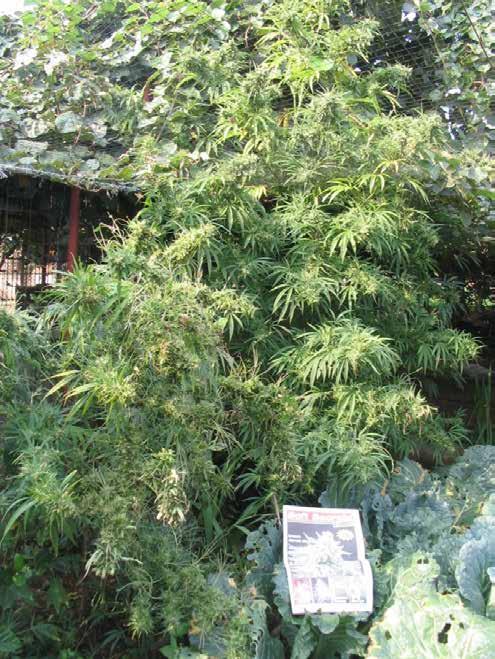
• Yields from outdoor crops can range from 500g to 1000g per plant
What Will I Need to Start My Outdoor Grow?
Unlike finding a budget to get an indoor project up and running, getting started outdoors requires little. You can easily get fully set up to cover you for the first 2-3 weeks with very little money spent. Below is a list of what you will need to get started.
• Potting soil that has good drainage
• Beneficial bacteria and fungi inoculant
• A 1L-sized pot/pots
• Vegetation liquid nutrient bottle
• Cannabis seeds
• Sunny West Face location
Which Outdoor Strains Are the Best to Grow and What Are My Options?
This will depend on where you live and the climate. Not everyone will get the same results as another outdoor grower, and choosing the right
strain for the season will be advantageous.
• Northern Europe - 7-8 weeks flowering photoperiods or autoflowering strains
• Southern Europe - 9-12 weeks flowering photoperiod or autoflowering strains
How
Much Sun and Nutrients Do Seedlings Need When Growing Outdoors?
You may be pleasantly surprised to know that 2-week-old seedlings only require low-intensity light and nutrients. So during the first time, you want to expose your plants to as much direct sun as possible. Once your seedling passes the 2-week mark, it will enter the vegetative stage and begin focusing its energy on growing leaves, branches, roots, and new nodes.
A Guide to Buying Good Soil
Soil is what allows cannabis plants to thrive. It is full of slow-release organic nutrients and millions of beneficial bacteria. A trip to the garden centre lets you see a range of soil brands available in 5-50L sacks. There are a few rules to follow before spending your money on soil.
• The soil should have good drainage and contain perlite
• The NPK on the packaging will be low
• Avoid any soil that contains chemical additives with a 20-20-20 reading
• Potting soil will be the best option for seedlings
• Do not buy cheap soil that has a dense and dusty quality
• The soil should have a fresh, earthy, sweet aroma when handling
• The colour of the soil will be shiny black, comprised of dark brown material
Can I Make My Own Soil?
If you do not want to risk buying low-quality soil for your seedlings, why not make your own? I love making my own custom mixes because I have full control over how airy, light, water-retentive, and nutrient-rich they are. Below is a list of my custom blends for a 10L pot that work incredibly well for seedlings and clones.
• Coco coir = 3L
• Worm castings = 2L
• Compost = 3L
• Perlite = 2L
Autos or photoperiods?
If you are not familiar with the differences between autos and photoperiods, I will highlight the differences so you can see which are more practical for you. Below shows the characteristics and traits of each.
Autoflowering
• Cannabis plants that begin to flower after 28 days from germination
• Autos flower regardless of the number of daylight hours
• They are medium-sized, sturdy and reliable plants
• Autos produce a good yield, especially in a Sea of Green
• Autoflowering plants can adapt well to colder climates
• The quality of the buds produced by autos is very high
• They can be perpetually harvested every 1012 weeks outdoors
• Autos are low-maintenance plants ideal for beginner growers
• Autos can be planted later in the year and produce great results
Photoperiod
• Photoperiods will only begin flowering around late July
• They can grow very tall and large
• From start to end, photoperiods can require 6-7 months
• You can produce a massive harvest with plant training and nutrients
• They will require a much larger pot for the roots to grow
Should I Use Regular or Feminised Cannabis Seeds?
The next step is to decide if you want to grow using feminised or regular cannabis seeds. There are pros and cons to using either; however, feminised seeds eliminate the need to remove male plants, making the most of your growing area and final plant count.
Which Pots Are Best, and How Big
Should They Be?
If your goal is to get some seeds germinated and planted into pots that sit on your windowsill, then you only need to use a small 0.5 - 1L pot. This will suffice for the first 4 weeks, which is when you would need to repot into a 3.5 - 5L pot to encourage a thick root mass and avoid root-bound plants.
Plastic Pots
The best thing about plastic pots is that they are easy to find locally, inexpensive, and can be washed and reused. The only downside to plastic pots is that they can create a root structure that is not favourable to cannabis root growth. As long as your growing medium is soft, airy, and contains a high level of air pockets, and you water frequently, then plastic pots work great.
Fabric Pots
Unlike plastic pots. Fabric allows air to pass through the soil or growing medium. As the roots of your plants search for moisture and air, they will come into contact with the air and prune themselves. This action promotes a more fibrous root system and prevents root binding. Fabric pots can be quite costly, but they are well worth it when you see how well your plants grow in them!
Finding the Right Location
It does not matter if you have the best soil, nutrients and the latest and greatest genetics; without the optimal conditions, your plants will not grow and develop well. Finding the right location does not necessarily mean a Westward settlement where the sun shines all day; there are plenty of other factors to consider.
• The growing area should be swept clean of any dirt
• Do not plant close to other plants in the garden
• Find a discreet location out of the neighbour’s view
• Keep the plants safe from cats or dogs
• The area should be easily accessible
• You should be able to comfortably work and manoeuvre
• Find somewhere that is exposed to direct sunlight until evening time
Can I Plant the Seedling Directly into the Ground in My Garden?
You can do it if you know for sure that the soil is of good quality in terms of nutrients, drainage, and water retention. I would recommend making an aerated microbial and fungal tea and soaking the soil, then turning it. Adding beneficials will supercharge the earth and ensure that any plants growing inside thrive. I would recommend that you turn old soil over, and even add fresh compost or worm castings back in as an organic
Watering Times and Nutrient Feeding Schedule
Remember that during the first 2-3 weeks, your cannabis plants will be slowly developing a root system, and are getting used to the outdoor environment. Even though you may be tempted to give them 5ml per litre of every nutrient bottle in sight, you should think that less is more.
• Only water the pots when the soil has become close to dry
• The pot should feel light to pick up off the ground before watering
• Slowly pour water around the edge of the pot
• Familiar spraying plants with a mild organic nutrient solution is advised
• Use the same volume of water every time you feed
• Water your seedlings during the warmest
part of the day during Spring
• A measuring jug allows you to keep a consistent feeding schedule
• Use a pH meter to check that the pH level of your water is between 6.0 and 7.0
What About Pest Control?
There is nothing worse than trying to start your outdoor grow and having insects eat your seedlings. Outdoors brings all kinds of unwelcome guests, including aphids, thrips, grasshoppers, ants, slugs, snails, birds, and feral cats. Keeping your seedlings well protected during their most vulnerable time is key. Below is a breakdown of the best ways to protect your plants from pests.
• Check your plants daily and inspect them for signs of insect damage
• Place a 1L plastic cup with small slits in the top over the seedlings for protection
• During the night, bring the seedlings indoors to keep them away from snails or slugs
• Birds can snag seedlings out of the soil and wipe out your entire crop
• You can buy predatory insects that can fight off the pest population
• Organic insecticidal soaps or neem oil can help deter insects during the seedling stage
Common Mistakes to Avoid During the Seedlings Stage
As home growers, we have to be extra vigilant and considerate during the seedling stage when growing outdoors. There are many ways a beginner grower can make a crucial mistake! Below are the most common mistakes to avoid.
Buying Soil That Is Too High in Nutrients
I have even fallen guilty of this before, unknowingly. I bought what I thought was organic

compost, but it turned out to contain chemical nutrients with a 20-20-20 NPK ratio. The plants were severely burnt by the high nutrient levels, and this seriously affected their development and health, until I repotted them into my own custom soil. Always double-check the nutrient analysis on the packaging when inspecting soil.
Growing in a Dirty Environment
You should strive to keep your outdoor space as clean as possible. This means that if you are growing on a roof terrace, patio, or even a sunny balcony, make sure there are no old pots, empty nutrient bottles, or soil on the floor. Growing in a dirty environment will only attract pests and make it harder to work as the plants get bigger.
Keeping Seedlings in the Cold
I have learned that, over the years, it is best to bring your seedlings in at night to keep them protected from pests, cold temperatures, and heavy rainfall. I have learnt the hard way over the years, and have woken to find the seedlings have been heavily chewed and eaten, and in most cases plucked from the soil by a feral cat or bird. I have even had ants cause me all sorts of problems, stealing the germinating seeds straight out of the soil in the night
My Top Tips
You will want to give your seeds the best start in life. Below are my tips to ensure you have a stress-free 4 weeks and grow healthy, robust young plants.
News
By Liz Filmer
Prepare Early
Being organised will always be beneficial when growing cannabis outdoors. You should prepare a list of everything you will need to kick-start your grow, make sure the area is as clean as possible, research which strains are best suited to your climate, determine which nutrients you need, and decide which soil you will buy. Having everything ready in advance will make life easy.
Research Genetics
As tempting as it can be to buy the genetics of a strain you smoked in Amsterdam, in a cof-
Uruguay: Latin American Leader in Legal Cannabis Exports
In 2025, Uruguay established itself as a key player in the global cannabis market, maintaining its pioneering status and enhancing its export capabilities by shipping 45 tons of cannabis.
During this year, Uruguay exported 45 tons of legal cannabis, generating $2.6 million in revenue. Of the total exports, 28 tons consisted of medicinal cannabis, 24.3 tons were non-psychoactive cannabis, and 3.9 tons were psychoactive.
Trade flow analysis reveals a specialization in markets. Low-THC flowers were primarily shipped to Switzerland and the Czech Republic, while high-THC cannabis—subject to stricter regulations—was mainly exported to Germany and Portugal.
Uruguay's cannabis ecosystem comprises over 100 companies employing 700 people. This advancement is largely due to the coun -
try becoming the first in the world to legalize the entire marijuana supply chain in 2014. According to the latest report from the state agency Uruguay XXI, "66% of the workers operate in the interior of the country," where labor costs are notably lower.
In terms of physical volume, the low-THC seed segment dominated with 34 tons, primarily exported to Argentina. In value, medicines and pharmaceutical ingredients now account for 17% of total exports, with Brazil emerging as the most important trading partner for these complex products.
Foreign investment plays a vital role in Uruguay's cannabis sector, accounting for 60%
feeshop or social club in Spain, not all strains are ideal for challenging weather. Growers in Northern Europe need to be very selective about flowering times. They should opt for a photoperiod with a flowering time of 7-8 weeks. Autos are also a great, reliable option, but I would recommend planting 4-6 for the best yields.
Feminised Seeds Are Easy
Buying feminised seeds means that you do not need to worry about throwing out male plants, and can decide exactly how many plants you want. I would recommend buying feminised
seeds over regular seeds, especially if you are a first-time or beginner-level grower. You can plant multiple feminised strains together and end up with a much better choice of flavours and effects.
Plastic Measuring Jug
Giving your seedlings the same amount of water every time that you water them will allow you to provide a consistent schedule that does not cause over or underwatering. Seedlings will use what water they need, due to the minimal amount of foliage, they are more focused on developing their roots. Do not cause soil to become soggy, waterlogged, heavy and dense.
My Final Thoughts
Growing outdoors is an experience that every indoor grower should undertake, in my opinion, as it can teach you so much about the plant’s lifecycle. You do not need to worry about power cuts or steep electricity bills every few months.
My final advice is to work in a clean environment, use feminised seeds, make your own custom soil mix using worm castings, compost, coco coir and perlite, bring your seedlings in at night, or protect them with a plastic 1L cup.
Once you have got your seedlings over the finishing line, you will be able to properly prepare for the vegetation period. This is where you can grow enormous bushy plants capable of epic yields in the right circumstances. Good luck growing outdoors in 2026!

of employment in the industry. Currently, 15 companies have been authorized by the Ministry of Public Health for medicinal production, demonstrating a strong commitment to innovation.
The Institute for the Regulation and Control of Cannabis (IRCCA) has issued 14 research licenses, allowing the number of registered national cultivars at INASE to increase from 11 to over 40 varieties within a single year.
On the international stage, Uruguay ranks as the world's fifth-largest cannabis producer, holding a 5.0% market share. It com -
petes with giants like Canada (28.8%), the United Kingdom (19.2%), and Israel (11.5%).
In terms of demand, eight countries account for 90% of global cannabis trade. Germany leads the way with 36 tons (25% of the total), followed by the United Kingdom and Australia.
Uruguay's success relies on its capacity to meet the traceability and quality standards required by highly regulated markets. Additionally, it has experienced a sales revolution in the domestic market by marketing high-THC varieties.
Home Growing
TRIPLOID CANNABIS
Genetics and Practical Applications
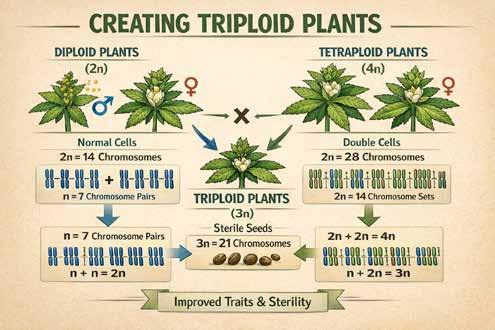
In Cannabis sativa breeding, triploidy, a central and increasingly discussed topic in recent years, is opening new horizons by introducing new dynamics in cannabis genetics and production.
POLYPLOID CANNABIS
Polyploidy is one of the most interesting genetic alterations that can occur in Cannabis sativa. Under natural conditions, cannabis is diploid, with two sets of chromosomes, referred to as 2n, one copy inherited from each parent. In some cases, during cell division, errors can occur that lead to the formation of three sets of chromosomes, called 3n, a condition called triploidy, or four sets, called 4n, a condition called tetraploidy. This alteration in chromosomal balance can influence cell size, plant morphology, and reproductive behavior, resulting in several advantages in breeding, such as increased biomass and vegetative vigor, increased density of glandular trichomes, and, in triploids, a drastic reduction in fertility—a controversial aspect with both positive and negative effects on cultivation.
HOW TETRAPLOIDY COMES ABOUT
Tetraploidy occurs when, during cell division, chromosomes do not separate correctly. More specifically, during meiosis, a process essential for sexual reproduction in which a diploid cell produces four haploid cells with a single set of chromosomes, which give rise to pollen in male plants and to ovules in female plants.
If the proper functioning of the meiotic spindle, the structure responsible for distributing each chromosome into new cells, is disrupted, the chromosomes remain within the mother cell, giving rise to tetraploid cells. This alteration can be induced, both in cannabis and other plant species, through treatments with substances capable of disrupting the correct functioning of the meiotic spindle. The me-
thods by which tetraploidism can be induced will be explained later.
TRIPLOID CANNABIS
Triploid cannabis plants possess three sets of chromosomes, 3n, a characteristic that can significantly influence plant architecture. Some breeders and seed banks have long since begun studying the advantages of triploid plants and producing the first seed lines. Currently, there are not many strains available, but the supply is expected to increase. The advantages observed so far in triploid cannabis plants, compared to their diploid counterparts, include: –
Colchicine 1 mg tablets – Distilled water
– Syringe
– Graduated measuring cup
Stirring rod
– Petri dish or similar
Gauze
• Protective equipment
The first step is to dissolve the required amount of colchicine in distilled water in a graduated measuring cup, stirring constantly until a completely homogeneous solution is obtained. The ideal concentration varies depending on the plant being treated, as each species responds differently. Some tests have demonstrated the effectiveness of a range between 0.05% and 0.2%. To make a 10-milliliter solution, 5 to 20 milligrams of colchicine will be needed.
Caution: It is necessary to wear protective equipment such as gloves, a mask, and goggles during the entire procedure, as colchicine is toxic to humans and can also be absorbed through inhalation or skin contact.
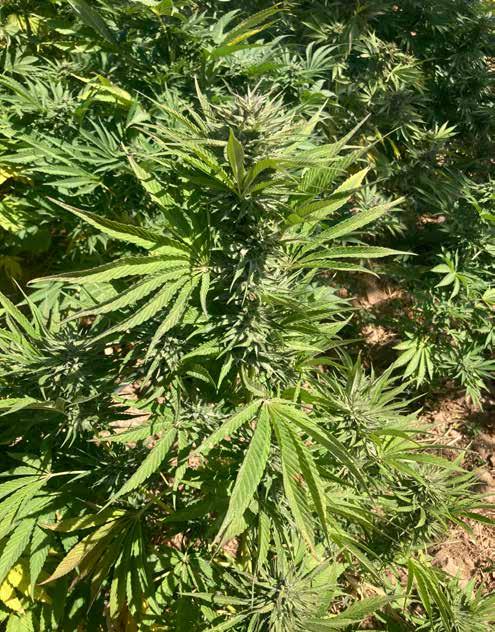
Depending on the type of treatment performed, partially or fully tetraploid plants can be obtained. Administering the solution to newly germinated seeds can help produce tetraploid individuals, while treating only the apical area can induce a partial change in the plant, which could end up being composed of diploid and tetraploid parts.
Germinated seeds should be treated by placing them in a Petri dish with gauze on the bottom. The solution should be administered in small doses with a syringe over a period of about 12 hours. The seeds should then be rinsed thoroughly with water to remove any colchicine residue that could interfere with development.
Not all treated seeds will survive or become tetraploid. If you wish to treat already-grown plants, you can wrap the selected meristem in colchicine-soaked gauze, placing it in a bag to maintain constant humidity for about 24 hours. Once the treatment is complete, rinse thoroughly with water.
In the early stages of growth, tetraploid plants develop more slowly than diploid individuals, but after a few weeks, the differences will be
clearly visible. In a breeding program, starting with newly germinated seeds to obtain tetraploids is not ideal, as the characteristics of the future parent plant are still unknown. Confirmation of tetraploidy must be performed with cytometric analysis to verify chromosome doubling and exclude any individuals that are not fully tetraploid.
The procedure described was adopted by the team at La Huerta del Diablo, whose work represents an important reference point. It is available, along with multimedia material, on the website supercannabis.ar.
THE CRITICAL FACTOR
Tripleloid cannabis plants have extremely low fertility, due to their unequal chromosomal endowment, which generates non-viable gametes. This can be an advantage, especially for large-scale outdoor cultivation, where pollen drift is a problem, such as in Morocco. However, the inability to pollinate plants creates problems that negatively impact ecosystem balance and reduce genetic variability, creating the basis for potential monopolies.
Triploid breeding program
Super-vigorous triploid cannabis specimen

Cannabis Fairs
Mr. José - info@pestovat.cz
Spannabis 2026
Since 2002, the gates of one of the world’s most important cannabis trade shows – Spannabis – have opened every spring. This year, however, brought an unusual change: instead of Barcelona, the center of the action moved to Bilbao. Naturally, the Soft Secrets editorial team couldn’t miss this legendary event.

Although Bilbao and Barcelona are just over an hour apart by plane, culturally they are two completely different worlds. The Catalan capital is literally packed with social clubs, its nightlife runs at full speed, and the smell of cannabis is nothing out of the ordinary. Basque Bilbao, on the other hand, feels a bit different in this regard, even though cannabis use is also very popular and widespread there. Locals told me that while the number of official social clubs in Bilbao is lower, there are still plenty of places where you can comfortably roll a joint without anyone raising an eyebrow.
This year’s edition of Spannabis carried the number 23, making it likely the longest-running cannabis trade show in
Europe, if not beyond. It has been held every spring since 2002, with only one interruption due to COVID – and that cancellation came just a day before the exhibition was set to open. The move to Bilbao was officially explained by the planned redevelopment of the Fira de Cornellà venue, which had long been Spannabis’ home. However, according to my information, the venue still stands unchanged, suggesting that its demolition has likely been postponed.
New location, new energy
In Bilbao, Spannabis took place at the Bilbao Exhibition Centre, and I have to say that in terms of organization and the overall level of professionalism, this was

a very positive change. The exhibition hall was spacious, allowing visitors to move comfortably between the stands. At the previous venue, you sometimes had to literally push your way through the crowds, and at times it felt a bit overwhelming. Thanks to the high ceilings, the air quality in Bilbao was also noticeably better. The conditions were simply perfect for spending a full day – or even an entire weekend – at the show.
All exhibitors were located in a single hall, which made it easy to quickly get an overview of who was where. I was a bit concerned whether the music stage – a staple of Spannabis – could be properly set up at the new venue, but the oppo -

site turned out to be true. From the hall, visitors could step outside on two sides into large open areas. There, they found chill-out zones, drinks, and plenty of spots to enjoy a wide variety of street food. All of this was accompanied by music from local DJs, rappers, and other performers. In my opinion, there was no chance of getting bored.
The entire event was very professionally organized, and in my view, the new venue elevated it to another level. And although it was noticeable that the European cannabis industry is not currently going through its strongest period – some regular exhibitors skipped this year, and there was a general sense of tighter budgets – it didn’t take anything away from the overall atmosphere of the show. Once again, Spannabis confirmed its position as a major global cannabis event and an excellent meeting point for both industry professionals and everyday enthusiasts. And I think it’s safe to say that the move from Barcelona to Bilbao exceeded expectations. I’m already looking forward to the next edition.














Text & photography: Derrick Bergman
Madness Land
The birthplace of one of the most beloved British bands ever
They have been dubbed ‘the working man’s Pink Floyd’ and have been scoring hits throughout Europe for nearly fifty years. In July, they are crossing the Channel for a short tour through Germany, France, Belgium, and the Netherlands. Enthusiast Derrick Bergman went on a pilgrimage to the Camden Town district in London, the birthplace of one of the most beloved British bands ever: Madness.

There will be few people who cannot hum along to at least one Madness song. Since 1979, the British band has scored an impressive string of hits and developed a recognizable sound, built on the Jamaican ska and reggae they listened to in their youth. On their first two albums, One Step Beyond and Absolutely, ska is dominant, but Madness has never been a true ska band. Their sound
is too British and too poppy for that.
Madness achieved success almost immediately. The ska revival surrounding Jerry Dammers' infamous 2-Tone record label contributed to that rapid breakthrough. Dammers, founder of The Specials, wanted to turn 2-Tone into a British version of Motown. The first Madness single, The Prince,

was released on 2-Tone, and the band participated in the legendary 2-Tone tour in the autumn, with The Specials and The Selecter.
But it remained just one single; after that, Madness switched to a larger record label and began placing less emphasis on ska. That yielded global hits like House of Fun, Our House, and Driving in My Car, but personally, I still prefer the first two albums. Madness never officially disbanded but disappeared from the scene in 1986. In the summer of 1992, they returned with a reunion concert at Finsbury Park under the name Madstock.
The 36,000 attendees were so enthusiastic that they caused an earthquake measuring five on the Richter scale. ‘When we started playing One Step Beyond, they all started jumping up and down at the same time,’ Suggs later told the BBC. ‘They had to evacuate nearby apartments. And the next night, exactly the same thing happened. So yes, Madness caused an earthquake – certainly something to put on your CV.’
Madstock was intended as a one-off event but became an annual tradition and a fresh start. New albums followed, culminating in The Liberty of Norton Folgate (2009), an ode to their city, London. The band's birthplace
is Camden Town, in the north. This is where the band members grew up and where they played for the first time as Madness, at The Dublin Castle. That pub still exists. A sign hangs on the facade: ‘Madness first performed here in 1979 at The Dublin Castle’.
The Hope & Anchor, where singer Suggs first saw The Specials play on May 5, 1979, and where Madness themselves often performed, is still there too. Because Specials frontman Jerry Dammers had nowhere to sleep, he stayed over at Suggs's place after the gig. A historic encounter in British pop history.
The entrance to the Chalk Farm Underground station, the setting for the cover of the Absolutely album, remains virtually unchanged. The same goes for the British Boot Company on Kentish Town Road, the place to buy Dr. Martens. A number of Docs signed by the band members hang in the packed shop. Saxophonist Lee Thompson still visits.
A logical endpoint for a walk through Madness Land is Primrose Hill, where the cover photo for the fourth album, The Rise and Fall (1982), was taken. From this hill, you have a view over the entire city, and it is large and quiet enough to smoke a joint. Last year, a powerful documentary about the band, *Madness, prince of ska, king of pop*, by French director Christophe Conte, was released. A nice warm-up for the concerts in July.

The Absolutely album cover
Madness live in Europe
2026
July 4: Stadtpark Open Air, Hamburg, Germany
July 5: Tempodrom, Berlin, Germany
July 7: AFAS Live, Amsterdam, Netherlands
July 9: Kunstrasen Bonn, Germany
July 10: Les Nuits Secrètes, Aulnoye-Aymeries, France
July 11: Cactus Festival, Bruges, Belgium
July 12: Festival Décibulles, Neuve Église, France
All concerts: www.madness.co.uk/live/
British Boot Company, 5 Kentish Town Road, Camden
Entrance to Chalk Farm Underground station in Camden, setting for the Absolutely cover photo
The other plant
By Hortizan
Alfalfa An Ancestral Heritage and an Agricultural Future
With over 10,000 years of use, alfalfa (Medicago sativa) occupies a central place in the history of agriculture. The ease of cultivation and storage of this legume allowed for its rapid spread throughout the world from antiquity. Initially called medicago (from the region of Media, present-day Iran), it was translated into Latin as Herba medica. Its English and Spanish name, alfalfa, may come from the Arabic word for this plant, al-fassa. As for the French term "luzerne," its origin is more uncertain; some suggest an Occitan root, luzerno, referring to the sheen of its glossy seeds.

Alfalfa cultivation is believed to have originated in Asia Minor and the Middle East, particularly in Persia, where it was already valued for its ease of preservation as dry fodder. It played a crucial role in animal feed, especially for horses, during military campaigns. In the 5th century BC, alfalfa arrived in Greece, and its spread to the Roman Empire continued in the 2nd century BC.
Although cultivated intensively for its long-lasting forage properties, alfalfa declined in Western Europe after the fall of the Roman Empire. Meanwhile, the Arabs continued to cultivate it in North Africa and Spain. It was only in the Middle Ages that alfalfa regained its prominence in Europe. Over the centuries, this plant has established itself as an essential forage in traditional agricultural systems thanks to its hardiness and ease of preservation through natural sun-drying, a method still used well into the 20th century. Alfalfa plays a crucial role in fixing atmospheric nitrogen, a process carried out in symbiosis with bacteria of the genus Rhizobium. These bacteria, present in the soil, colonize the alfalfa roots and form nodules, where atmospheric nitrogen is transformed into a
In terms of minerals, alfalfa is notable for its high magnesium, potassium, and iron content, but especially for its calcium, a crucial mineral for strong bones and teeth.
form usable by the plant. This process, common to the Fabaceae family, allows alfalfa to naturally enrich its soil with nitrogen, thus reducing reliance on chemical fertilizers.
Compared to other legumes, alfalfa stands out for its exceptional nitrogen (N) fixation capacity. In fact, it achieves a symbiotic nitrogen fixation rate of 90%, surpassing that of related crops such as peas, soybeans, and beans, whose rates range from 40% to 70%. This nitrogen fixation capacity is particularly advantageous in organic farming systems, where the application of mineral nitrogen is limited. Its use is significant: in France in 2009, nitrogen fixation by legumes con-
tributed the equivalent of a quarter of the country's chemical fertilizer needs, across all types of production!
Alfalfa is also known for its deep roots that penetrate the soil to depths of several meters. Its root structure helps aerate the soil, improves water retention, and prevents erosion. This makes it an excellent rotation crop in agricultural systems. It acts as a cleansing and restructuring crop, ideal for preparing soils for demanding crops such as wheat, corn, or rapeseed. Its perennial nature helps break disease and pest cycles, thus limiting the health pressure on subsequent crops. This "sanitary break" role is invaluable in the
management of intensive crops, particularly for reducing pesticide use.
Furthermore, alfalfa has a positive impact on biodiversity and beneficial insects. Its permanent soil cover and perennial cultivation create a favorable habitat for natural predators, helping to regulate pest populations. This dynamic contributes to greater crop resilience against pests and a more sustainable agricultural environment.
Furthermore, alfalfa stands out from other forage crops due to its higher protein and essential nutrient content. This makes it a preferred feedstuff in livestock systems, particularly in dairy cattle diets. Rich in protein (up to 20.1% dry matter) and fiber, with a high crude fiber content (25%), it helps
improve digestion in herbivorous animals. Alfalfa is also rich in vitamins (A, E, K), essential for animal growth and health.
In terms of minerals, alfalfa is notable for its high magnesium, potassium, and iron content, but especially for its calcium, a crucial mineral for strong bones and teeth. In human consumption, alfalfa is primarily consumed as sprouts, often included in healthy diets due to their low calorie content and richness in vitamins and antioxidants (Inrae Cirad Afz 2021).
Requiring less water and inputs than other legume crops, alfalfa helps reduce dependence on chemical fertilizers while improving soil structure in the long term! In short, alfalfa is emerging as a key crop for more resilient and sustainable agriculture. The versatile use of alfalfa, in both animal and human food, testifies to its immense potential and its essential role in modern agricultural practices.
Dew on Medicago sativa (Alfalfa) (Photo by JMKlatte)
Alfalfa flowers resemble other legumes such as clover or sainfoin (Photo by Makarevitch)

Text & photography: Derrick
Bergman
HOLIGRAM
Deep roots in the Dutch cannabis world
Dutch legal grower Holigram has deep roots in the Dutch cannabis world. They work with accomplished local growers and with Jetze de Raad, founder of nutrient producer BioBizz. Them joining forces resulted in a unique cultivation facility.
Jetze de Raad is a former student at Wageningen University in the 1990s (a prestigious agricultural university in NL -ed.), he worked at Positronics, Wernard Bruining’s legendary grow shop in Amsterdam. In the back of the shop, he developed an organic plant nutrient for cannabis. After Positronics went bankrupt, De Raad founded BioBizz in Groningen and built it into a multinational with millions in revenue. He now cooperates with Holigram to produce legal weed.
The Holigram facility is located in the far northeast of the Netherlands, a stone's throw from the German border, in the village of Nieuw Beerta. Sustainability is a top priority for the company. The facility uses no natural gas, the roofs are covered with solar panels, and LED lighting and water recycling also contribute to reducing the ecological footprint.
The nursery is unique in several respects. The municipality did not grant permission for a square box building, but demanded that the facility have pitched roofs, in keeping with the farmhouses in the region. The cultivation facility is attached to a beautiful farmhouse and certainly does not look out of place in the landscape. Also unique: Holigram cultivates in two layers to make optimal use of the available space. Of the eighteen growing cells, ten were in use during our visit.
John, a famous local grower who now works exclusively for Holigram, shows us around, together with one of his Italian master growers. We start in the grow room where the Sub Zero is harvested. The plants look spectacular. The compact flowers are so full of trichomes that they appear white and stand out beautifully against the dark, purple leaves. The intense
aroma has Tangie-like notes. John watches proudly as employees dressed in red work clothes cut the plants and hang them on transport racks.
Trim Bins
Holigram has tested various substrate mixtures and has chosen coco coir as the medium. All weed is trimmed by hand. The trimmers use “Trim Bins,” in which fallen trichomes are collected. This powder is pressed into classic slabs of hash in the hash department. Holigram also produces joints, but not yet edibles. The focus is on optimizing cultivation. Only when that is completely under control will the edibles come into the picture.
Like all cannabis trial growers, Holigram notices that for most consumers, the THC percentage is the most important criterium. Strains with less than 20% THC are difficult to sell, explains Patrick, an account manager from the very beginning and a veteran in the cannabis world. ‘It is a real shame, because THC alone says very little about a strain. The terpene profile is more important. And the Entourage Effect, the interplay of cannabinoids and terpenes, is the deciding factor.’
FOMO
Patrick observes that the coffeeshops in the experiment suffer from FOMO: Fear Of Missing Out. ‘That is why they buy every strain they can get their hands on. But this causes customers an overload of choice, and they fall back on strains they already know. Even though there is so much delicious stuff available right now. Not just from us, but from all growers.’
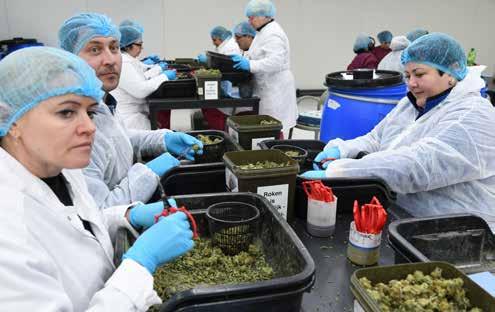
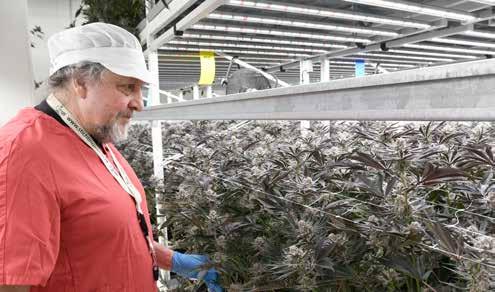
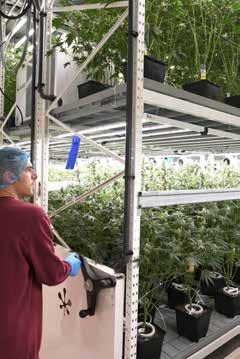

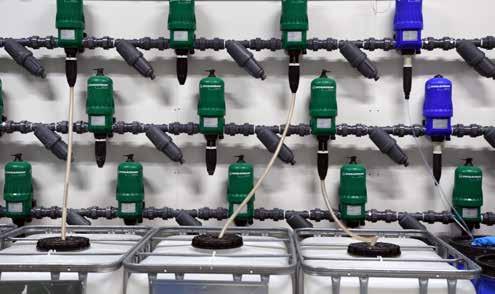
Grower John inspects the Sub Zero plants
The ‘water factory’ where all the food is mixed.
The shelves can be slid apart to get better access to the plants.
By growing in two layers, the available space is optimally utilized.
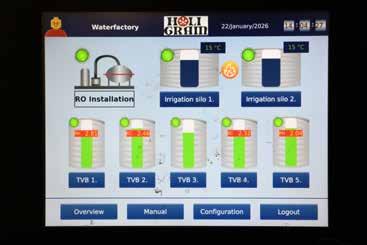
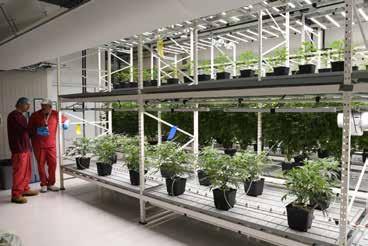
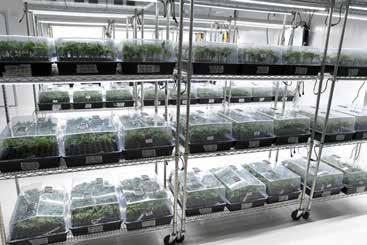
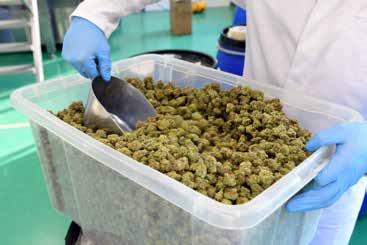
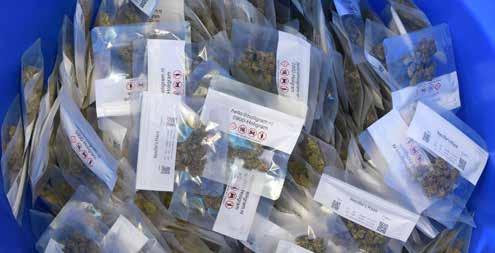


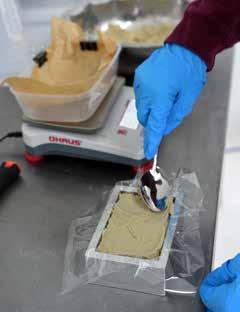


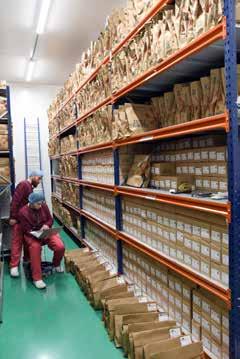
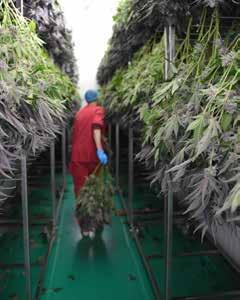
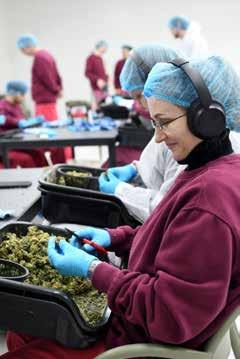
Holigram Facts and figures
Location: Nieuw Beerta
Number of employees: 75
Net grow area: 3,000 m2
Number of weed strains: 10 (65 strains in the library)
Number of plants: : approx. 12,000
Substrate: Coconut
Known strains: Koolato, Wilson Zero, Chauffeur, OG Kush Breath 2.1
The computer screen of the ‘water factory’.
The clones department.
The trichomes are placed in a mold and then pressed into a slab.
The space for mother plants.
A container full of AMG Haze (Amnesia Mac Ganja).
A staff member takes cuttings from motherplants.
Bags of Neville's Haze, one of the great Haze classic strains.
The nursery is built attached to a monumental farmhouse.
Some of the packaged product.
The drying room.
All weed trimmers use a trim bin to collect trichomes.
Slabs of Holigram Hasj.
Sub Zero plants.

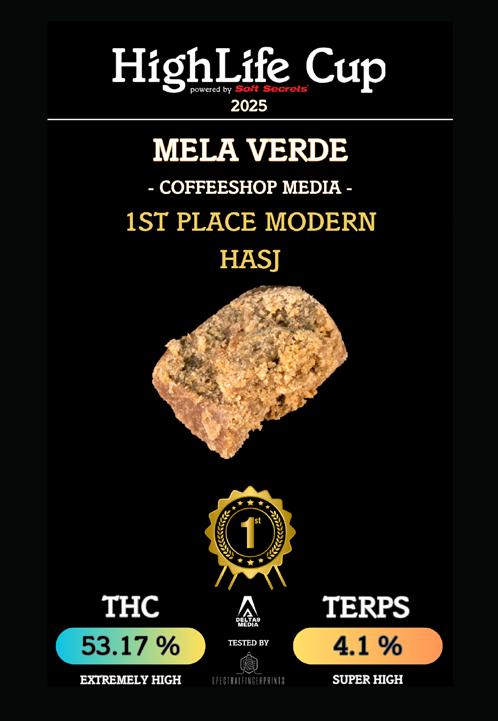

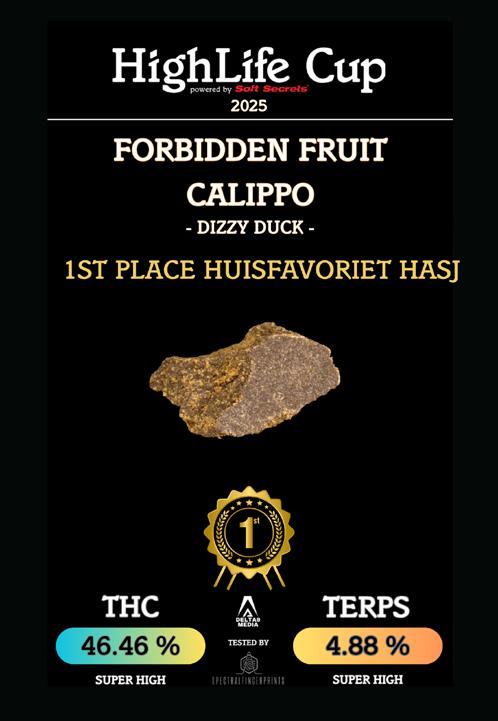
By Rob Peace
WOLF HOURJos Nesbø
Harry Hole is not part of Jo Nesbø's latest, but don't worry, because detective Bob Oz in Minneapolis drinks just as much and is also a terrible listener. Oz has to deal with a failed assassination attempt on a criminal arms dealer in a bad part of the city. The perpetrator then strikes again and it is up to Oz and his colleagues to stop him. The detective work leads to an old acquaintance, one Lobo who was once a hitman for the Mexican drug cartels. But Oz is suspended and the body count increases. When the gun lobby NRA holds a congress, the killer wants to complete his last 'work of art'. The refined Norwegian writer Nesbø once again provides the reader with entertaining reading pleasure in a book with unexpected twists and turns.
BOOKS MOVIES

MUSIC
THE AMSTERDELICSAngels And Rebels
It's 'just' an EP with four songs, but it does mark the tenth anniversary of the Amsterdam super reggae band The Amsterdelics. The album is called Angels And Rebels, and that's not so strange because angels and rebels are also the band members. Without going into detail about the history of all these special musicians, you can say that Amsterdam, reggae, cannabis and the good life form a beautiful combination here. For more of their psychedelic fusion of funk, soul & reggae, listen to their previous albums. And did we mention their singer Paul ‘the wizzard’ grows his own weed? Nuff said…

ONE BATTLE AFTER ANOTHER –
Paul Thomas Anderson
Starring: Leonardo DiCaprio, Chase Infiniti, Sean Penn
There’s lots of cannabis smoking in one of the best films of the last few years. Leonardo DiCaprio is high for almost the entire film and a convent with weed growing nuns is of course totally inspired by the Sisters of the Valley, who actually grow cannabis in real life. What a feast this film production is for the cinephile. DiCaprio is a former activist who, in addition to taking care of his daughter Charlene, goes through life mostly stoned. However, the sadistic military man Sean Penn has nefarious plans for the duo. Fortunately, there is a perfectly cast Benicio Del Toro who comes to the aid of the old and new revolutionaries. A fantastic film with a tough message for today's torn America. All the Oscars were well deserved!

A KILLING IN NOVEMBER –Simon Mason
A murder has been committed at a prestigious university in Oxford, so detective Wilkins is sent there. But the police dispatcher makes a mistake. Because it is not detective Ray Wilkins who gets the assignment, but his almost namesake Ryan Wilkins. And that is a world of difference. Ray is always impeccably dressed and graduated from Oxford. Ryan grew up in a trailer park and walks around in a training suit. Plus: he has a burning hatred for the elite. And that is not useful when he has to deal with an Arab sheikh and the rector magnificus of the university during his research. The unlikely duo are paired together and confronted with even more corpses. A great start to this series, of which 5 parts have already been published in the UK.


THE MAGIC MUMBLE JUMBLEBetter Days
An explosion of pure joy and energy - the press blurb is certainly right. We go high, we go low! And they do that with the eight of them, with a standard pop band line-up but also with an extended brass section. Serious business and a lower tempo is not something they avoid, but they really owe their live reputation to all the very cool, festive numbers with a solid drive. Cheerful fanfare type music where the good feeling and the lovely fellow human beings are most important. The musicians are still young but it is almost impossible not to be happy with them. The Magic Mumble Jumble has always been a band with a positive message and a true pleasure for life - and they seem to hit the mark!
ROOFMAN – Derel Cianfrance Starring: Channing Tatum, Kirsten Dunst, Lakeith Stanfield
Roofman is a excellent movie adaptation of a downright bizarre true story. American former soldier Jeffrey Manchester robs a large number of McDonalds establishments via the roof. During the robberies however, according to the staff present, he always remains polite. Yet after his arrest he is given a heavy prison sentence. He manages to escape in a clever way and remains untraceable for the police through a very unlikely hiding place. But he is faced with a choice: does he flee abroad or does he choose for his new love (Kirsten Dunst). The result is a wonderful feel-good movie, in which you get more and more sympathy for the main character, who in real life is stuck in prison until at least 2036.

Soft Secrets is published by Discover Publisher BV
Bruistensingel 400, 5232 AG ‘s Hertogenbosch
Netherlands
Telephone: +31(0)6 13 00 65 33
E-mail: info@softsecrets.nl
Web: www.softsecrets.com
Editor: Cliff Cremer
Contributors: Stoney Tark Jorge Cervantes, Mr. José, Fabrizio Dentini, Olivier F., Hortizan, Derrick Bergman, Sudestfam, Dryas, Guerilla Daan, Liz Filmer and others.
Photography: iStock, Unsplash
Editorial adress:
E-Mail: info@softsecrets.nl
Advertisements:
E-Mail: info@softsecrets.nl
Distributed throughout Denmark, Finland, Georgia, Germany, Greece, The Netherlands, Malta, Slovenia, Spain, Switzerland, Thailand, United Kingdom (England and Ireland).
A word from the publisher: World wide there is a process going on of relative liberalisation towards the use of cannabis, be it for medicinal or recreational purposes.
Several countries legalised cannabis as a way of separating soft and hard drugs, as it has proven to do in Holland. Other countries legalised the use of medicinal cannabis, including the right to grow cannabis plants for one’s own use. The publisher wants to highlight the process of normalisation of cannabis use. This assumes that the publisher does not necessarily agree with everything that appears in articles and advertisements. The publisher therefore distances himself explicitly from published statements or images that might give the impression that an endorsement is being made for the use and/or production of cannabis.
Nothing from this publication may be copied or reproduced in any format without prior permission from the publisher and other copyright holders. The publisher is not responsible for the content and/or point of view of advertisements. The editor takes no responsibility for unsollicited submissions.
The publisher has endeavored to reach all copyright holders of photos and/or images. Those who still believe they are entitled to these rights may contact the publisher.
Next issue out July 24 2026