When a Probate Estate is a Creditor in Bankruptcy Dinner Party Law: What Should I Know About Estate Planning?
SAN ANTONIO BAR ASSOCIATION
Protecting
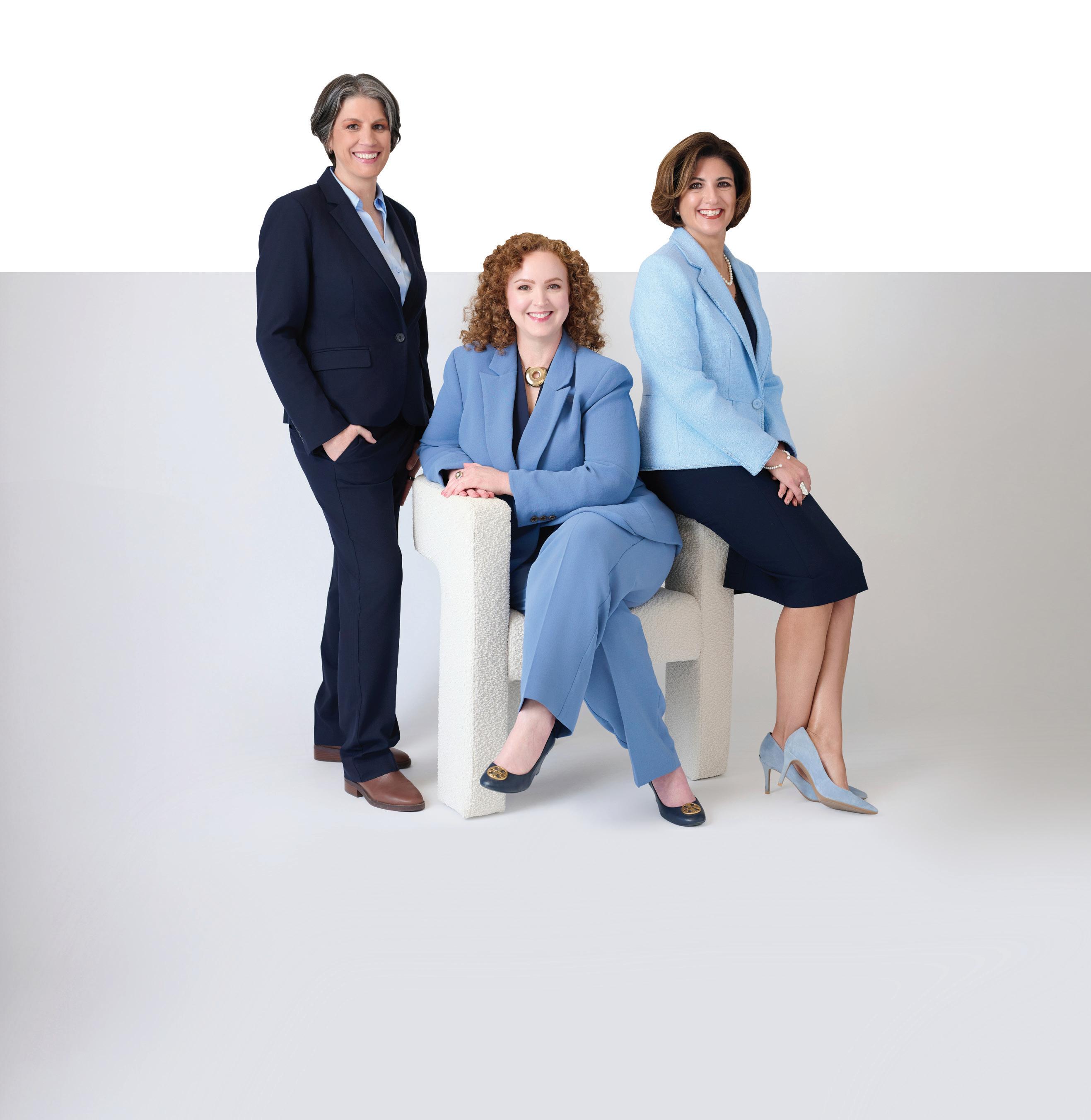
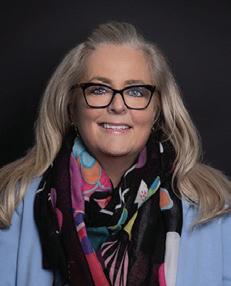
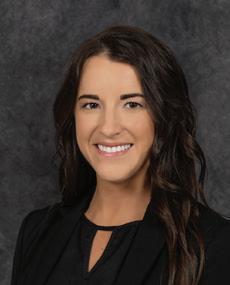
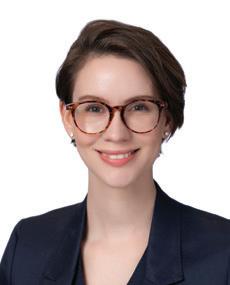
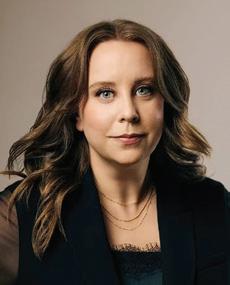
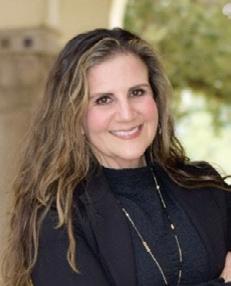
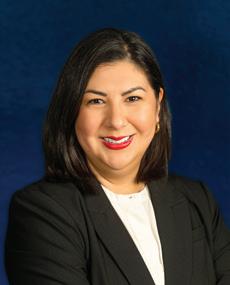
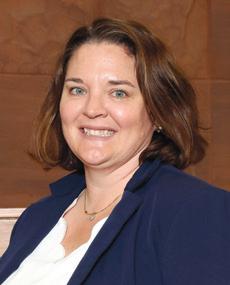
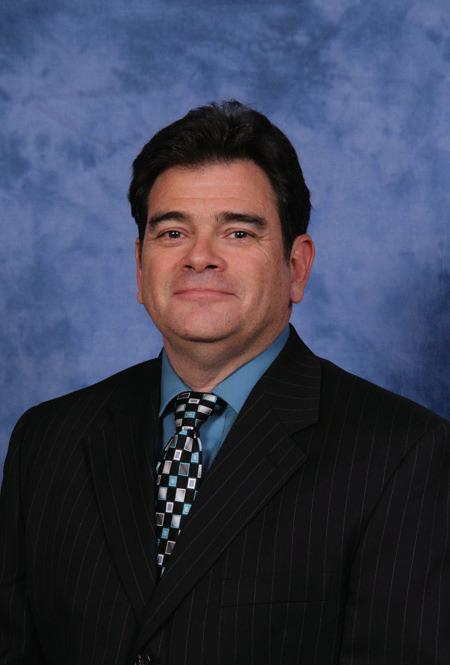
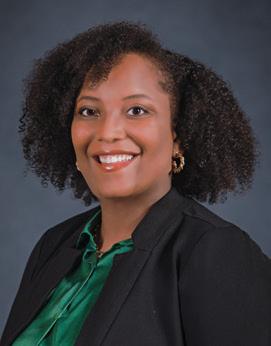
Heather Hudson, Charla Davies* , Kristal Thomson*
*Board Certified, Family Law Texas Board of Legal Specialization
what matters most—family, future, and financial security.
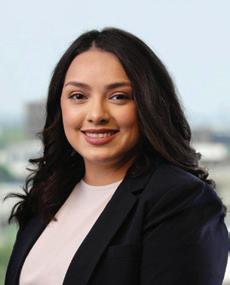
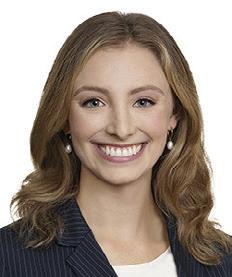
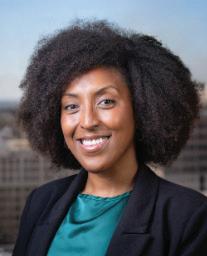
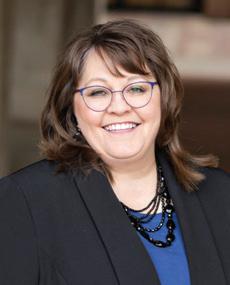
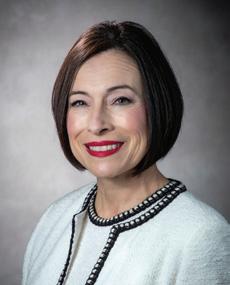
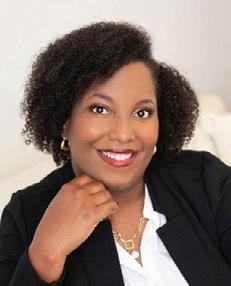
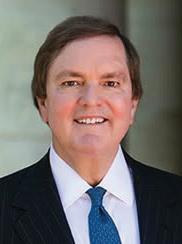
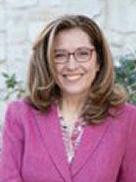
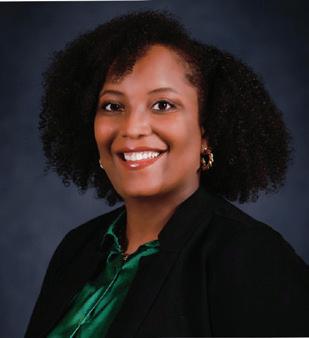
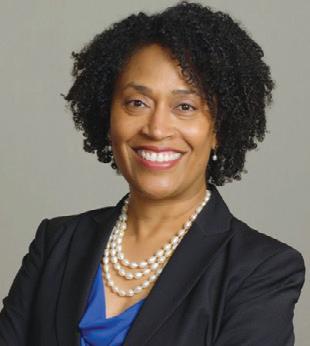
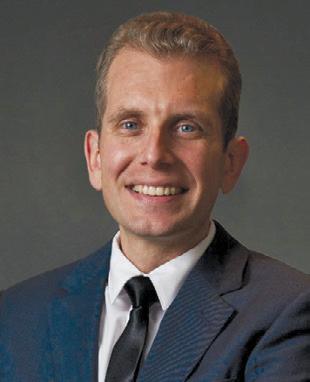
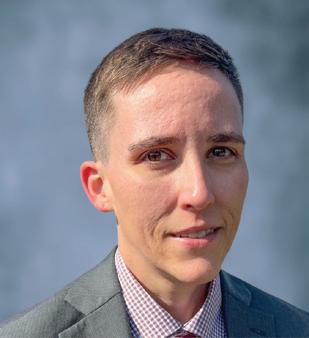
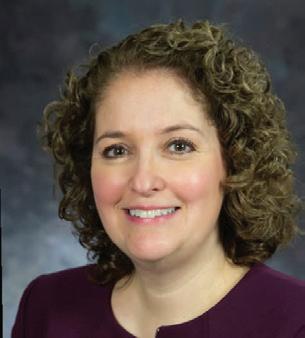
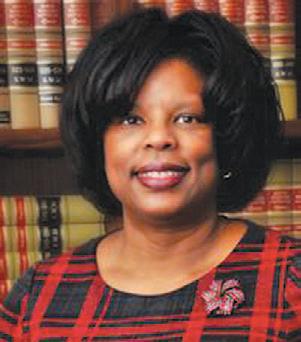
At our San Antonio office, you’re working with a team that includes Kristal Thomson, a Board Certified family law partner with more than 20 years of experience handling high-stakes divorce cases involving significant estates and complex custody issues; Charla Davies, a Board Certified family lawyer and partner known for guiding high-asset clients through complex divorce by negotiation, Collaborative Law, or litigation; and Heather Hudson, a former U.S. Air Force officer with more than eight years of exclusive family law experience and a strong track record in military and LGBTQ+ family law matters. Goranson Bain Ausley brings award-winning family law representation to San Antonio—when it matters most.
In Memoriam 2025
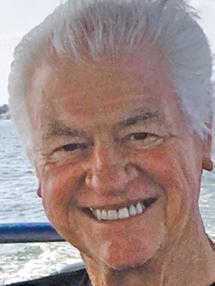
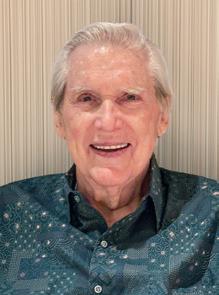
Ronald C. Bird
Robert Jay Birnbaum
James Bruce Bugg Jr.
Robert Emmett Cater
Richard Charles Danysh
Christina Falkiewicz
Harry Garwood
James Walter Goldsmith, Jr.
Reese L. Harrison
Anne Whittenburg Johnston
Ernest Karam
Alma Lamar Lopez Cavazos
Rufino Elia Lopez Jr.
Mary Ella McBrearty
Dan “Rusty” Wesley McCauley Jr.
Jack B. Moynihan
Charles J. “Chad” Muller
Barbara Hanson Nellermoe
Patrick (“Pat”) Joseph Pape
Gerald (“Geary”) S. Reamey
Courand Nicholas “Nick” Rothe, Jr.
Glen D. Sanborn
Gloria Lee Scott
Jerome Matthew (“Jerry”) Simon
Peter James Stanton
Tom Stolhandske
Robert Barnes “Bob” Summers
Stephen Peter Takas, Jr.
Robert Barnes Thornton
Michael David Valicek
Gail Kay Zimmerman
Jaclyn Roberson
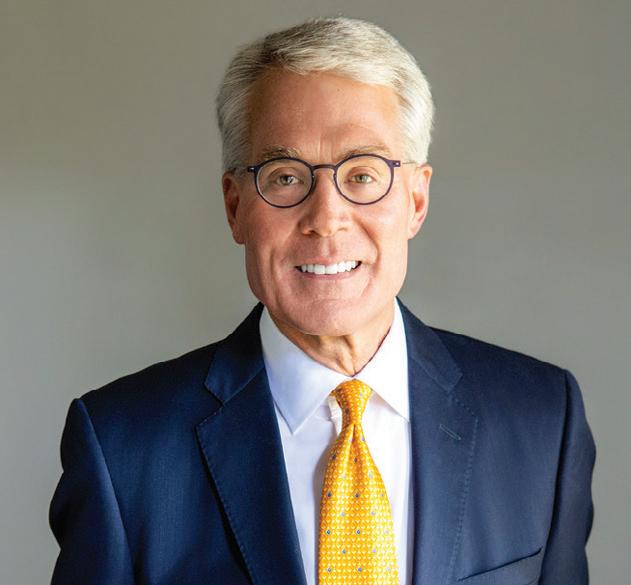
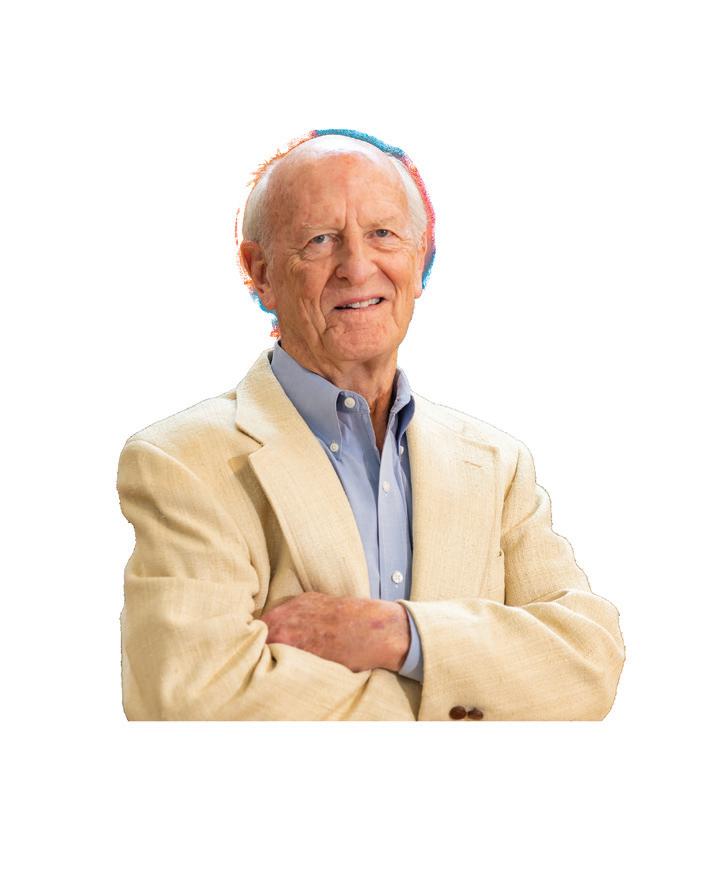
“His grasp of the forces that drive a successful mediation is always spot on. There is not a mediator working today that I would trust more in bringing a case to resolution.”
(Who’s Who Legal 2017)
“Donald is a very quick study and understands complex financial cases very quickly. He is thorough, intelligent and hard-working.” (Chambers 2025)
“He’s very charming, very professional, very understanding and empathetic to what’s going on.” (Chambers 2023)
“An extremely effective mediator in a wide variety of situations.” (Best Lawyers 2021)
“An outstanding and innovative mediator.” (Super Lawyers)
Views expressed in San Antonio Lawyer are those of the authors and do not necessarily reflect the views of the San Antonio Bar Association. Publication of an advertisement does not imply endorsement of any product or service. San Antonio Lawyer, the San Antonio Bar Association, and the Publisher reserve the right to edit all materials and assume no responsibility for accuracy, errors, or omissions. San Antonio Lawyer and the Publisher do not knowingly accept false or misleading advertisements or editorials, and do not assume any responsibility should such advertising or editorials appear.
Contributions to San Antonio Lawyer are welcome, but the right is reserved to select materials to be published. Please send all correspondence to info@sabar.org
Archives of San Antonio Lawyer are available at sabar.org. Send address changes to the San Antonio Bar Association.
EDITORS
Editor in Chief
Leslie Sara Hyman
Articles Editor Natalie Wilson
Departments Editor
Cassidy Daniels
PUBLISHING PARTNER
Monarch Media & Consulting, Inc.
512.293.9277 | monarchmediainc.com
Design Direction Andrea Exter Design Sabrina Blackwell
Advertising Sales
Chellie Thompson
For advertising information, contact:
Chellie Thompson, Monarch Media & Consulting, Inc. chellie@monarchmediainc.com
BOARD OF EDITORS
Leslie Sara Hyman, Chair
Pat H. Autry, Vice-Chair
Mary Adair
Naveen Adusumilli
Barry Beer
Amy E. Bitter
Linda Brandmiller
Billy Calve
Paul T. Curl
Cassidy Daniels
Hayley Ellison
Stephen H. Gordon
Per Hardy
Casey Lee
Todd Marquardt
Lauren Miller
Curt Moy
Sara Murray
Chinoso Osonma
Ricardo Aponte Parsi
Steve Peirce
Kerry Simmons
Regina Stone-Harris
ileta! Sumner
Soledad Valenciano
Natalie Wilson
Ex Officio
Nick Guinn
126 E. Nueva, 3rd Floor, San Antonio, Texas 78204 210.227.8822 | sabar.org
OFFICERS
President Nick Guinn
President-Elect
Jaime Vasquez
Treasurer
Emma Cano
Secretary
Elizabeth Provencio
Immediate Past
President
Patricia “Patty”
Rouse Vargas
/
DIRECTORS
Directors (2024–2026)
Jorge Herrera
Abel Martinez
Cynthia Orr
Kristal Thomson
Directors (2025–2027)
Krishna Reddy
Michael Ritter
Elena Villaseñor Sullivan
Collanne West
Executive Director
June Moynihan
State Bar of Texas Directors
Patricia "Patty" Rouse Vargas
Steve Chiscano San Antonio Bar Foundation Chair
BAR ASSOCIATIONS STATE BAR / SA BAR FOUNDATION
Patricia "Patty" Rouse Vargas
Association of Corporate Counsel South/Central TX
Bexar County Women’s Bar Association
Christian Legal Society
Defense Counsel of San Antonio
Federal Bar Association—San Antonio
Mexican-American Bar Association—San Antonio
San Antonio Black Lawyers Association
San Antonio Criminal Defense Lawyers Association
San Antonio Trial Lawyers Association
San Antonio Young Lawyers Association
TEX-ABOTA, American Board of Trial Advocates—San Antonio
William S. Sessions Inn of Court
San Antonio Lawyer Cited and Linked in The New York Times
On January 31, 2026, Judge Fred Biery sent off shockwaves with his opinion in Arias v. Noem. The impact of this powerful and pointed opinion was demonstrated when The New York Times ran a literary critique of the 3-page order. That critique is worth a read for anyone who wants to understand how to pack a punch in their professional writing, but the article was notable for another reason. In providing background on Judge Biery, the Times pointed to the profile of Judge Biery published in this very magazine in 2023! It was thrilling to see our work cited and linked in a nationwide publication. We do hope that people whose interest is piqued will follow the link and enjoy Steve Peirce’s wonderful profile, find solace in the humanity displayed in the Judge’s own description of the importance of mental health, and enjoy the greatest hits of the Judge’s opinions listed in the recommended reading.
WE LOVE FEEDBACK!
Please send letters to the editor to Leslie Sara Hyman, Editor in Chief, at info@sabar.org. The San Antonio Bar Association thanks our editors, board of editors, and contributing volunteer writers for bringing an unparalleled quality of editorial content to our valued readers.
Cover of the July-August 2023 issue of San Antonio featuring Judge Fred Biery. The article referenced was written by Steve Peirce, pictured at right.
Judge Fred Biery
SCAN TO READ the literary critique in The New York Times
SCAN TO READ the profile in San Antonio Lawyer
Probate, Estate, and Divorce Property Specialists! 40+ Years of Proven Results! Free Market Analysis! SELL A RANCH! BUY A RANCH!
The San Antonio Bar Foundation Welcomes Newly Elected Fellows Class of 2026
By SABA Staff
The San Antonio Bar Foundation (SABF) is pleased to announce its 2026 class of 22 newly elected Fellows. Selection as a Foundation Fellow is by nomination only and restricted to members of the San Antonio Bar Association (SABA). Fellows must demonstrate professional achievement,
an exemplary reputation, and commitment to the legal community. Each year’s class is limited to no more than one third of one percent of SABA members and subject to confirmation by the Foundation Board of Trustees. Today, the program is comprised of more than 650 Fellows who volunteer and financially support the Foundation’s
program and mission. Thank you to the SABF Fellows Nomination Committee: Chair Patricia Rouse Vargas, Blakely Fernandez, Guillermo Hernandez III, Juanmarcos Bañales, and Lauren Valkenaar, for their dedication to selecting this year’s class and for their continued support of SABF and its mission.
Cassidi Bañales RPSA Attorneys at Law
Lara Brock Espinoza & Brock, PLLC
Michael Arispe Aric J. Garza PLLC
Seth Bell Law Office of Seth K. Bell
Teresa Coles-Davila Law Offices of Teresa Coles-Davila, P.C.
Pablo Rivera Rivera Hernandez Campos, PLLC Farid Seyyedi Ahari Langley & Banack, Inc.
Whitney Thomas Whitney Thomas Law Firm
Associate Judge Ben Wallis Bexar County Probate Court No. 2
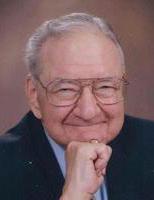
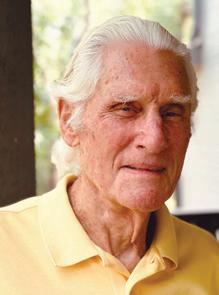
Ronald C. Bird died in November at the age of 88. Bird was born in St. Louis. He received his undergraduate degree in Business from Washington University. In college he also participated in ROTC. He was commissioned as a 2nd lieutenant in the U.S. Army and assigned to Fort Sam Houston. Bird received his law degree in 1973 from St. Mary’s University. While in law school he ran for, and won, election to the Texas State House of Representatives. He served in the State House from 1973-1981. In addition to practicing law, Bird served as a delegate to the Texas Constitutional Convention and was past president of both the San Antonio Bar Foundation and the St. Mary’s Law Alumni Association.
Robert Jay Birnbaum died in January at the age of 77. Birnbaum was born in San Antonio and graduated from Thomas Jefferson High School. He earned both his undergraduate degree (History) and his law degree from the University of Texas at Austin. Birnbaum served in the Air Force Ready Reserves from 1969-1971 and practiced law in Austin and San Antonio for more than 50 years. He loved the Texas Gulf Coast and was an active member of the Coastal Conservation Association for more than 20 years.
James Bruce Bugg Jr. died in August at the age of 70. A native of Springfield, Missouri, Bugg began his long career in banking working in the mailroom of Commerce Bank in Springfield. He received both his undergraduate degree in banking and his law degree from Southern Methodist University. He worked in the tax section of Groce, Locke & Hebdon (San Antonio) prior to beginning a solo practice providing tax guidance to prominent
Ron Bird
I met Ron Bird on the first day of his very first class at St. Mary’s Law School in 1971. The room was packed; the only open seat was next to me in the very last row. Ron arrived carrying a full briefcase, sat down, carefully laid out his books, opened a notepad, wrote his name at the top, then leaned over and asked if I knew anything about the professor.
I told him what little I knew: the professor was from Hungary, attended law school there, wrote our Law & Society textbook, was fluent in eight languages, and followed his outline closely on exams. Ron nodded, said “Thanks,” leaned back, and added the date to his notepad.
I didn’t look his way again during the lecture. But as class ended, I noticed his pen hadn’t moved. The notepad still showed only his name and the date. Ron looked at me and asked, “English wasn’t one of those eight languages, was it?”
Thus began a law partnership—and a friendship—filled with that same dry wit, lasting until Ron’s passing on November 8, 2025.
—Larry Noll
individuals in the community. He and a group of investors purchased The Bank of San Antonio in 1983. In 1995 he sold the bank and retired from the practice of law. Subsequently Robert L. B. Tobin entrusted Bugg and Leroy Denmann to oversee his estate and to help establish and oversee the Tobin Endowment and its singular support of San Antonio organizations and endeavors. Bugg was also active at the state level, serving on the Texas Department of Transportation Commission, the Texas Economic Development Corporation, and the Board of Directors of Humanities Texas.
Robert Emmett Cater died in February at the age of 94. Cater was born in Taylor, Texas. He attended Moye Military School in Castroville and graduated at the top of his class from St. Edward’s University High School in Austin. He received his undergraduate degree from the University of Notre Dame. His studies were interrupted by two years of service in the U.S. Marine Corps. Cater received his law degree from St. Mary’s University School of Law. Cater worked for several years as an Assistant District Attorney, initially in the Criminal Section and later as Chief of the County Affairs Section. Upon his departure from the District Attorney’s Office in 1972, Cater entered private practice. He retired in 2008.
Richard Charles Danysh died in August at the age of 76. Danysh was born, raised, and worked in San Antonio his entire career. He received his undergraduate degree from Tulane University in 1971, and his law degree from St. Mary’s University School of Law in 1974. Danysh was a civil trial attorney—trying 40 cases to verdict— and was elected to the American College of Trial Lawyers. He began his law career at Legal Aid. From there he went to Martin & Drought, followed by many years at Matthews & Nowlin (later, Matthews & Branscomb), and finally at Bracewell LLP.
Christina Falkiewicz died in August at the age of 54. Falkiewicz was born in Houston. She received her undergraduate degree from St. Mary’s University and her law degree from the University of Texas at Austin. She had an active probate and family law practice. Falkiewicz was also a Senior Lecturer in Political Science and Geography at the University of Texas at San Antonio.
Harry Garwood died in February at the age of 92. Garwood was born in Sister Bay, Wisconsin. He received his undergraduate degree from Marquette University and his law degree from the University of Wisconsin Law School. He practiced law in various locations in Wisconsin, Indiana and Texas. Garwood practiced in San Antonio in the late 1970s and early 1980s. Garwood was living in Grapevine at the time of his death.
James Walter Goldsmith, Jr. died in April at the age of 54. Goldsmith, a native of Houston, received his undergraduate degree from Texas A&M University, where he also was a member of the Corps of Cadets, the Fish Drill Team, and the Ross Volunteers. He received his law degree from Baylor University in 2006. He was associated with the Lanza Law Firm in San Antonio with a practice that emphasized insurance and litigation law.
Reese L. Harrison died in August at the age of 87. Harrison, a native of San Antonio, graduated from Breckenridge High School in 1956. He earned both an undergraduate degree in Business Administration and a master’s degree in economics from Baylor University. He received his law degree from Southern Methodist University. Harrison joined the Bar in 1962. He served as an Assistant U. S. Attorney in the Western District of Texas from 1964 to 1972. He entered private practice in 1972 as a partner in the
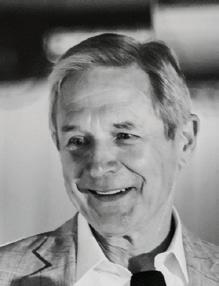
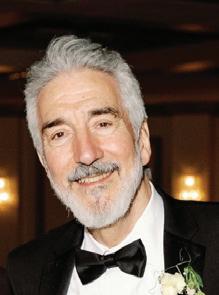
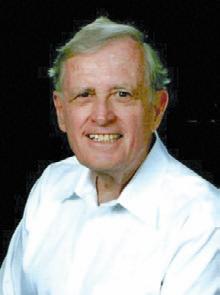
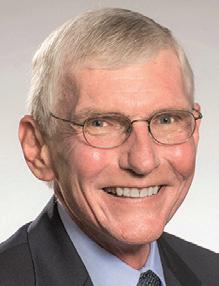
Ernest “Ernie” Karam
One thing that made Ernie a great mediator, as well as great friend and fun person to be around, was his interest in others and great listening skills. He would take everything in, ask thoughtful questions, and hear every word of your response.
I loved that we were exact contemporaries, 1972 high school grads. It was good to share memories of the old greats: Judges Mike Machado, James Barlow, Pat Priest … as well as stories of contemporaries we had “grown up with.”
The fact that Ernie raised five kids with his wife Elise gave him invaluable life experience and credibility as a mediator in family law. I would tell him that I reserved the impossible cases for him and that they would settle.
His life was deeply based in faith and a desire to help others overcome difficult and challenging circumstances. He succeeded in that. Matthew 5:9 comes to mind.
“Blessed are the peacemakers, for they shall be called children of God.”
—Sharyll Teneyuca
firm of Oppenheimer, Blend, Harrison and Tate. He continued to practice law as senior counsel when the firm merged with Clark Hill. In addition to the practice of law, Harrison served many years as a Judge Advocate in the Texas Air National Guard, ultimately rising to the rank of Brigadier General in 2005. He saw active duty during Desert Shield and Desert Storm. Harrison was active in the appendant Masonic Bodies on the local, state and national levels.
Anne Whittenburg Johnston died in December 2024 at the age of 82. Johnston was born in Amarillo to a pioneering family and raised in the Panhandle. She received both her undergraduate degree in accounting and her law degree from the University of Texas at Austin. She was one of only 40 women in the law school. She was selected as Bluebonnet Belle and as Portia of the Law School. Johnston helped found the Texas Lawyers Auxiliary, volunteered with the Cambridge Elementary PTO, and was an active member of the Junior League. Johnston was Board Certified in Estate Planning and Probate Law.
Ernest Karam died in April at the age of 70. Karam was born in San Antonio, the youngest of six children of Edmond and Sophie Abdo Karam. Karam served his family, his community and his church—St. George Maronite Catholic Church. He received his law degree from St. Mary’s University School of Law. A wellrespected civil practitioner, Karam had focused his practice on arbitration and mediation since 2012.
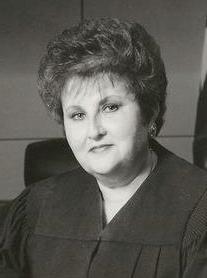
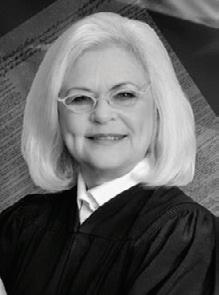
Chief Justice Alma López
Chief Justice Alma López was always a force—at times a breath of fresh air in a formal legal setting, and at other times a brisk wind challenging the status quo. Alma was a feisty model of compassion and respect. As a practicing lawyer she never rejected a destitute client, which paid off in life-long friendships rather than cash. As a jurist she approached every case with dedication to doing the right thing under the law no matter who the litigants were. And she acted with no airs of superiority. She was dedicated to opening the doors of the legal profession to women and minorities and was inspirational to many, not only because of her historic achievements, but also because she remained genuine and approachable to all. A quick hug, a firm handshake, a funny joke, a bright red judicial robe, a well-written legal opinion—all these were Chief Justice Alma López.
—Cathy Stone
Alma Lamar López Cavazos died in August at the age of 81. Born in Laredo, her family moved to San Antonio when she was young. Lopez was a graduate of Burbank High School and attended both San Antonio College and St. Mary’s University. She received her law degree from St. Mary’s University School of Law. She was one of four women in the program. After graduation López worked with Attorney Frank Green in his immigration practice. She later opened her own practice which emphasized immigration and family law. With encouragement from Frank Herrera, she pursued a state court judgeship. Governor Ann Richards appointed López to the Fourth Court of Appeals, making her the first Hispanic woman to serve on the Court. She later became Chief Justice of the Court and served until her retirement in 2008.
Rufino Elia Lopez Jr. died in September at the age of 84. Lopez received his law degree from Baylor University Law School and was admitted to the Texas Bar in 1965. He was an attorney with the Homer Dean Law firm in Alice from 1965 to 1990 and a partner in the Houston firm of Hirsch, Glover, Robinson & Sheiness from 1990-1997. He concluded his legal career in San Antonio as an insurance defense litigator.
Mary Ella McBrearty died in March at the age of 72. McBrearty was a native of San Antonio. She was the valedictorian of her 1971 graduating class from Ursuline Academy. She attended Our Lady of the Lake University and received her law degree from the University of Texas in 1980. McBrearty was a wellrespected real estate and general business attorney. She practiced with the Heinrichs and DeGennaro law firm in San Antonio for more than 25 years.
Dan “Rusty” Wesley McCauley Jr. died in August at the age of 81. Born in San Antonio, McCauley was raised in Bellaire. He received his undergraduate degree from the University of Houston and his law degree from South Texas College of Law. He began his legal career as an Assistant District Attorney in San Antonio and later became a well-respected criminal defense attorney.
Jack B. Moynihan died in November at the age of 92. Moynihan was a graduate of St. John’s University School of Law and began his legal career when he moved to San Antonio following military service. After serving in the government in various legal positions he became an Assistant U.S. Attorney and served as Senior Litigation Counsel until his retirement in 1994.
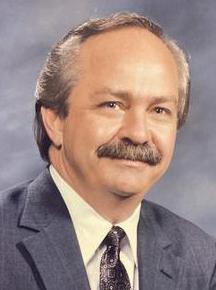
Charles J. “Chad” Muller died In June at the age of 82. Muller was born in San Antonio. He was a graduate of Little Flower High School and received both his undergraduate and law degrees from St. Mary’s University. He earned his master’s in taxation from Georgetown University. He began his career as a trial attorney with the Tax Division of the Department of Justice and later became an Assistant U.S. Attorney. Muller was an exceptional litigator, both as a prosecutor and defense counsel in complex tax controversies. He was inducted into the American College of Trial Lawyers in 2023.
Charles “Chad” J. Muller III
Chad met his wife of 59 years, Sherry, in law school. They were consistently devoted to each other and raised five children—Michelle, Melissa, John, Brian, and Mark—as well as five grandchildren—Sophia, Matthew, William, Alexander, and Jasper. Chad and Sherry stayed up all night on their first date and he took her to church in the morning. Every holiday he told stories of their time selling cotton candy in Brackenridge Park to make ends meet during law school.
Chad began his career as a trial attorney for the Tax Division of the Department of Justice, and later as Assistant United States Attorney, single-handedly trying—and repeatedly winning—the most challenging and complex tax controversy matters in the country. The matters he won form the backbone of federal tax controversy to this day. Chad was ultimately inducted into the American College of Trial Lawyers.
Chad’s insightful thinking and research were reduced to mountains of yellow pads with perfect handwritten script that never changed. His mind was perfectly ordered. His work ethic was tireless. He never retired.
—John Muller
Barbara Hanson Nellermoe died in November at the age of 81. Nellermoe was born in Vancouver, Washington. Judge Nellermoe had three careers –educator, attorney, and judge. She received her undergraduate degree in education from Concordia College (Minnesota) in 1965 and master’s degrees in history and sociology from Minnesota State University (1976). Nellermoe taught American History and Women’s History at Waldorf College (Forest City, Iowa) as well as secondary and elementary school in Iowa, Minnesota, and Oregon in her early post-college years. She received her law degree from St. Mary’s University in 1983. Following law school, she worked as a staff attorney for the Fourth Court of Appeals, and later as a corporate litigation attorney with Martin, Shannon & Drought. She served for 12 years as Judge of the 45th District Court in San Antonio and continued as a senior visiting judge before fully retiring and moving to Minnesota in 2020.
Barbara Nellermoe
I first met Barbara Nellermoe in 1991, when I was law clerk to former Bankruptcy Judge Leif M. Clark in San Antonio. I immediately noticed Barbara’s excellent writing when I reviewed the motions and briefs she submitted to the court on behalf of her clients. I also noticed how articulate and professional she was when she argued before the court. As a new lawyer, I thought Barbara set a great example of how a lawyer should be.
After I finished my clerkship and went into private practice, I saw Barbara at SABA events. A couple of years later, when a few lawyers decided to start a new SABA magazine, Barbara and I were among the first to volunteer to help. Barbara soon became Chair of the Publications Committee and Editor in Chief of San Antonio Lawyer, and when she asked me to be Articles Editor, I accepted. Along with Pat Autry, Regina Stone-Harris, Steve Peirce, Paul Curl, Barry Beer, Per Hardy, Leslie Hyman, Stephen Gordon, Linda Brandmiller, and many others, we worked diligently to create and publish a bi-monthly SABA magazine.
During those years, Barbara continued her law practice and eventually became a district court judge. All the while, she remained Editor in Chief of San Antonio Lawyer and Publications Committee Chair, positions she held until she retired. When, at that point, she asked if I wanted to take over as Editor in Chief, I accepted because I knew Barbara had already laid solid groundwork for what the magazine ought to be and had already instituted procedures and practices to ensure the magazine ran smoothly and would continue to do so. Under Barbara’s leadership, the magazine won many Stars of Texas Bars awards.
After she retired, Barbara continued to work on the magazine, and her ideas for San Antonio Lawyer were always excellent and welcome. When she and her husband decided to move to Minnesota to be closer to their daughter Sara and Sara’s family, Barbara continued to work on the magazine—staying in touch via telephone and email. She was always available to listen, answer questions, and offer suggestions. For her, it was a labor of love, and she was a dear, dear friend. Although I had the title of Editor in Chief by that point, I always considered Barbara to be the real Editor in Chief, and my goal was to continue to run the magazine as Barbara had done it.
Even after she got sick, Barbara continued to attend Publications Committee meetings via Zoom. She handled her illness with the same grace with which she handled everything else. She was open, honest, committed, and excellent. I never once heard her complain. I really miss her!
—Sara Murray
Patrick (“Pat”) Joseph Pape died in August at the age of 85. Pape was born in Miami. The family, which had ties to original settlors in the Hill Country, soon moved to San Antonio. Pape graduated from Central Catholic High School and received his law degree from St. Mary’s University School of Law. Pape practiced law in San Antonio for more than 60 years, with an emphasis on real estate and banking. He was a past president of the San Antonio Bar Association.
Gerald (“Geary”) S. Reamey died in November at the age of 77. Reamey received his undergraduate degree from Trinity University and his law degree (cum laude) in 1976 and his master of laws degree in 1982 from Southern Methodist University’s Deadman School of Law. Prior to joining the faculty at St. Mary’s University School of Law in 1982, Reamey practiced law in Dallas/
Fort Worth and served as Legal Advisor for the Irving Police Department. Reamey formerly served as Associate Dean for Academic Affairs at St. Mary’s. He was serving as Professor emeritus at the time of his passing.
Courand Nicholas “Nick” Rothe, Jr. died in February at the age of 81. The San Antonio native received both his undergraduate and law degrees from St. Mary’s University. He served two years in the U.S. Army following his graduation from law school. He practiced for 46 years –first as a prosecutor and then as defense counsel.
Glen D. Sanborn died in October at the age of 73. Sanborn was born at Naval Station Great Lakes in Great Lakes, Illinois to a military family. He served a 20-year career in the U.S. Air Force working on missile warfare. While in the military he earned his law degree from Creighton University School and moved to the Judge Advocate General’s Corps, serving in both domestic and international assignments. After separating from the military, Sanborn practiced administrative and health in law in Texas until his retirement.
Gloria Lee Scott died in January at the age of 79. Scott was born in Hallettsville, Texas. She received her law degree from St. Mary’s University School of Law in 1982. She had practiced law in San Antonio with Martin, Shannon & Drought.
Jerome Matthew (“Jerry”) Simon died in June at the age of 81. Simon was raised in Milwaukee, Wisconsin. After he graduated from high school, his childhood love of Westerns drew him to Texas. He received both his undergraduate and law degrees from St. Mary’s University and joined the Bar in 1971. He was a sports enthusiast, with a great short game.
Peter James Stanton died in November at the age of 69. Stanton was born in St. Paul, Minnesota. He received his undergraduate degree from Ohio State University (1978), and his law degree from St. Mary’s University School of Law (1982). Stanton established his own law office in 1991. He was a tenacious, tireless, and creative litigator. During his career he served as a Director of the San Antonio Trial Lawyers Association and a member of the Texas Civil Trial Law Commission. He sang in the choir of St. Mark’s Episcopal Church for more than 30 years.
Tom Stolhandske died in November at the age of 94. The Baytown native graduated from Robert E. Lee High School, where he excelled in football. He played collegiate ball at the University of Texas. He played in two Cotton Bowls and was named the Most Valuable Player in the 1953 Hula Bowl. He was the 10th overall pick in the 1953 NFL draft but elected to play in the Canadian Football League for the Edmonton Eskimos. Service in the U.S. Army interrupted his football career. Following military service, he finished his football career with the San Francisco 49ers. Thereafter, Stolhandske attended St. Mary’s University School of Law and received his degree in 1962. He served as a Justice of the Peace and as a commissioner of the Bexar County Commissioners Court. Stolhandske
was instrumental in the creation of Wurzbach Parkway, the current EMS system, and the introduction of electronic voting in Bexar County.
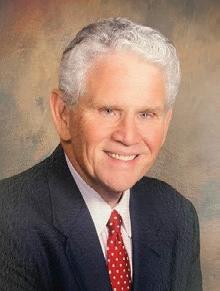
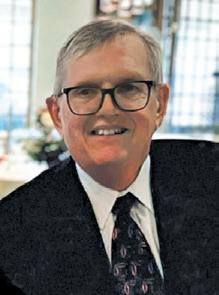
Robert Barnes “Bob” Summers died in July at the age of 85. Summers was born in San Antonio. He received his undergraduate degree from the University of Texas and his law degree from the University of Houston (1967). Following graduation Summers moved to San Antonio. In 1977 he partnered with Robert Thornton to start the Thornton & Summers Law Firm. The firm eventually grew to over 50 lawyers with offices in Houston, Austin, San Antonio, and the Valley.
Stephen Peter Takas, Jr. died in April at the age of 82. Takas was born in Detroit to a military family. Consequently, he lived in a variety of places –Michigan, Louisiana, Georgia, Maine, New Jersey, Idaho, Texas, and Japan. He received both his undergraduate degree (1965) and his law degree (1968) from St. Mary’s University. Takas became Texas Board Certified in Criminal Law in 1975. He argued before the United States Supreme Court in 1987 in the case of Satterwhite vs. Texas. He and co-counsel Richard Woods prevailed, for the defense, on the issue of a defendant’s right to consult with counsel before submitting to psychiatric evaluation. He served as a municipal judge for three communities – Windcrest, Shavano Park, and Schertz.
Robert Barnes Thornton died in November 2024 at the age of 90. A native of Kansas City, Missouri, Thornton was raised in San Antonio. He was a four-sport letterman at Alamo Heights High School. He received both his undergraduate and law degrees from the University of Texas at Austin and served in the U.S. Army Reserves between college and law school. As noted above, he partnered with Bob Summers to form Thornton & Summers – a firm that continues today under the name Thornton, Biechlin, Reynolds & Guerra.
Michael David Valicek died in January at the age of 70. Valicek received his undergraduate degree from the University of Texas at Austin and his law degree from Texas Tech University Law School. He was admitted to the bar in 1979 and served as a criminal defense attorney for 46 years. Valicek liked to fish, hunt, and repair cars and houses. He was the president of the Alamo Aquarium Society for 10 years.
Gail Kay Zimmerman died in November at the age of 79. The San Antonio native was a graduate of Thomas Jefferson High School, the University of Texas at Austin, and St. Mary’s University. Zimmerman practiced law in San Antonio with her husband, Marvin Zimmerman, for more than 25 years.
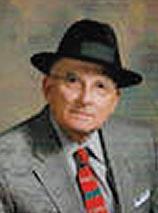
Bob Thornton
Bob was raised in San Antonio, went to Alamo Heights High School and was a member of the 1954 Mules State Championship basketball team. He was as competitive a person as you’d ever meet, whether it was on the basketball court in his early days or later on the golf course, around a bridge or gin table, or in the courtroom. Anything Bob did, he did to win.
After attending the University of Texas for both his undergraduate and law degrees, Bob returned to San Antonio to practice law. Following his early days of practice, Bob joined the firm of Huson, Clark & Thornton and after Hobart Huson and Ken Clark went their separate ways, he led the firm that came to be known as Thornton, Summers, Biechlin, Dunham & Brown, now Thornton, Biechlin, Reynolds & Guerra.
Bob was an outstanding lawyer, a born leader and most of all, a real people person. His personality and his ability to connect with people was such that once you met Bob you never forgot him, nor he you. He had a way of communicating and connecting with people, be they jurors, clients, or friends, that was unmatched.
—Richard J. Reynolds III
Bob Summers
Bob Summers was born and raised in Big Lake, Texas and never forgot his country roots. He was equally at home in a courtroom or in a pasture herding cattle. His laid-back country demeanor disguised a quick mind and a thorough knowledge of the law. When Bob decided to begin handling products liability cases in the late ‘70s and early ‘80s, he took the time to read virtually every Texas case on the subject. And it paid off in the courtroom, where he won most of the cases he tried, often matched against the best plaintiff’s lawyers in Texas.
Bob came to San Antonio to practice in 1967 after graduating from the University of Houston School of Law. He started practice in the insurance defense firm of Huson, Clark & Thornton, which subsequently added his name to the letterhead when he became a partner. Along with his friend and partner, Bob Thornton, Bob Summers worked to grow the firm from four lawyers to more than 50 in the 1990s, with offices in four cities. He opened and ran the firm’s office in Austin until his retirement.
In his later years, Bob moved to his farm near Enchanted Rock outside Fredericksburg. But he wasn’t entirely through with practicing law. He opened a small office in Llano, Texas and worked from there for several years before finally hanging up his license.
—Rusty Biechlin
Editors Note: Although Bob Summers and Bob Thornton passed in separate calendar years, given their long partnership, the Publications Committee thought there was nothing more appropriate than to honor them in the same issue of San Antonio Lawyer.
THE MYTHS LAWYERS BELIEVE About Cessation of Practice
By Jaclyn Roberson and Dean Schaffer
John had been dead for only a week when a stranger’s fist struck the glass of his widow’s car window.
It was almost midnight in a grocery store parking lot, the kind with flickering overhead lights and a wind that pushes shopping carts in unpredictable directions. She had gone out for milk, something small and routine in a week when nothing felt familiar. When the knock jolted the window, she gasped and dropped her keys into the footwell. Her hands shook as she leaned forward, and grief clouded her thinking. She lowered the window.
A man bent down toward her, his breath visible in the cool air.
“You’re my lawyer’s wife,” he said. “I need help. He was supposed to call me back. He told me he would. I have court, and I need to know what I’m supposed to do.”
It took her a moment to find her voice.
“I need help too,” she managed, and the words seemed to dissolve between them.
He pulled back slightly, startled by the rawness of her answer. She watched confusion cross his face as he realized she could not help him. She was not a lawyer. She could not access files. She could not return phone calls. She could barely get through a day without forgetting where she put her shoes.
What she knew, what she was certain of, was that her husband had died the previous week at fifty-seven years old, three weeks shy of their twentieth wedding anniversary. He
had been packing for a trip to Fiji. They had argued playfully over whether they should snorkel on the first or second day. She had ordered sunscreen. She had bought a new suitcase. She had also, without realizing it, assumed that the rest of their lives would unfold slowly and in order.
Now she was answering the phone every day with an apologetic whisper and a plea for people to call the State Bar. Someone there would help them, she believed. Someone would take care of things.
But in Texas, the State Bar does not assume control of a law practice when a lawyer dies or collapses or disappears. Courts may step in, sometimes weeks later. Custodians may be appointed. But none of it is automatic, and none of it prevents the chaos that unfolds in the first hours and days after a lawyer’s sudden absence.
As this widow sat in her car while the stranger paced outside the door, she felt the truth settling into her bones. Her husband’s work had no plan to outlive him. And she was about to discover that very few lawyers in Texas do.
The First Myth: “This Will Not Happen to Me”
If you sit in any conference room where lawyers gather, you will find people who believe that unplanned cessations are rare. They imagine that lawyers die at the end of long retirements or fade out gracefully after decades in practice.
They imagine that the profession, stitched together by rules and traditions, has built-in safety nets.
At the State Bar of Texas Office of Chief Disciplinary Counsel, often referred to as CDC, the staff learned otherwise.
During the 2010s, calls linked to unplanned cessations began to spike in a way that could not be ignored. Lawyers were dying in their forties and fifties. They were collapsing in courtrooms. They were found unconscious in offices. They were experiencing strokes and heart attacks at dinner tables. Some quietly battled mental health or substance use issues until the situation escalated into a crisis that prevented the attorney from practicing for a period of time.
When COVID-19 hit, the calls surged with heartbreaking speed as the illness hospitalized lawyers overnight and entire practices went dark without warning.
The CDC created a pilot program to centralize and study these calls. After thousands of inquiries involving hundreds of practices, the pattern became unmistakable. Unplanned cessations were not rare at all. They were rising. They were draining the system. And they were rooted not in a failure of character, but in a failure of planning.
The myth that “this will not happen to me” was widespread and deeply held. Almost every lawyer who died suddenly had intended to plan eventually. They believed they would have time to write down passwords, to clean
up trust account records, to clarify which files were open and which were closed, to identify the colleague they trusted enough to designate as custodian. But time is not an equal partner in the law. It does not make promises. It does not wait.
John believed he had time. He had even joked a year earlier that he would “deal with all that end-of-career stuff later.” He was healthy. He was busy. He had no intention of disappearing.
Then he did.
The Second Myth: “Someone Else Will Step in and Keep the Practice Running”
This myth takes two familiar forms: the belief that a spouse, staff, or estate executor can keep things afloat, and the assumption that the State Bar will step in when disaster strikes. Both ideas feel comforting, but both collapse instantly in real life.
After John’s death, his widow walked into his office hoping to make sense of what he left behind. The air still carried his cologne. Files lay open. Sticky-note reminders clung to case folders. Court notices sat in small, precarious stacks only he understood. His staff was kind but exhausted, operating without authority. The receptionist cried after days of being yelled at by clients who needed answers she could not give. The paralegal stayed one extra day, even after accepting another job, to help search for passwords no one could locate. Even the courier eventually stopped coming.
John’s widow stared at shelves of file boxes, an IOLTA account binder, and a locked cabinet with no key. She did not know which clients had hearings, which judges were involved, how much money sat in trust, or whether checks had been issued. And even if she found the information, she could not act on it because she was not licensed to practice law. Staff could answer phones, but they could not advise clients, withdraw from representation, transfer files, access trust records, or issue refunds. Each day the phone rang less, not because clients no longer needed help but because they had begun to give up.
In her confusion, the widow told callers to contact the State Bar, believing in the same assumption many lawyers hold that the bar has the power to take charge. The reality is that the State Bar cannot seize a practice, appoint new lawyers, or reach into accounts. Only a court can grant that authority, and courts do not move at the speed of crisis. While families, clients, and colleagues waited, deadlines passed. In one case, hearings were missed the morning after
a lawyer died because everyone assumed help would arrive automatically. It took nearly two weeks before a custodian was appointed, long after a hearing was missed, a bond condition violated, and a plea deadline expired.
Both beliefs, that family or staff can wrap things up or that the State Bar will intervene on its own, are intuitive but unrealistic. They leave grieving spouses in the impossible position of managing an abandoned practice and leave clients stranded, hoping for an intervention that is not coming.
The Third Myth: “A Custodian Is a Replacement Lawyer”
This myth persists because it appears to solve the problem, yet it is often the very reason attorneys avoid asking a friend or colleague to serve as a custodian. Very few attorneys would willingly agree to take on an entire firm’s worth of unfamiliar cases and clients.
For those who do consider saying yes, a custodian’s duties are strictly administrative, but they require a law license to complete properly. Serving as a custodian is a gift to the attorney’s staff and family. The custodian
Howdy.
Howdy | definition: a greeting as in “How do you do?” As in, howdy, we’d like to help you be successful.
We know Texas. Since 1979, we’ve been helping Texas lawyers, across all Texas jurisdictions, in all areas of practice. We help you be successful by providing risk management resources, best practices recommendations and exceptional customer service.
Howdy is just the beginning of our long-term relationship.
Apply today.
We help Texas attorneys succeed.
John never designated a custodian. Doing so would not have saved his practice, but it would have spared clients weeks of uncertainty. It would have spared his widow the nightly messages. It would have spared his staff the guilt of walking away from clients while still needing to support themselves.
follows a defined checklist, which is available on the State Bar’s website (Scan the QR code at the end of the article on page 19 to access the checklist.) The custodian’s role is to act as an administrator who winds down the practice or, in a temporary interruption, notifies clients, courts, and counsel that the attorney is unavailable.
It is a myth that a custodian will automatically take over the practice, meet with clients, or continue the legal work. Custodians are not successors. They are not new counsel. They do not become the attorney for the clients whose files appear on their desks. Their responsibilities are limited and technical. They locate files, notify clients that the lawyer is no longer practicing, return client property, and complete trust account reconciliations. They close the practice. They do not inherit it.
John never designated a custodian. Doing so would not have saved his practice, but it would have spared clients weeks of uncertainty. It would have spared his widow the nightly messages. It would have spared his staff the guilt of walking away from clients while still needing to support themselves.
Designating a custodian is only the first
step. Ensuring the custodian has access to key information is what allows them to do the job effectively. A few hours spent planning and documenting account details will make it possible for the custodian to assist your family. Updating engagement agreements with a standard custodian clause will streamline their work. Adopting simple filing practices will make returning files easier.
In John’s case, passwords were missing, file lists were outdated, trust accounts were incomplete, and boxes were mislabeled. Closed files were mixed with active ones. A custodian with a clear roadmap would have known exactly where to begin.
A custodian is only as effective as the preparation done in advance.
The Fourth Myth: “Reputation Survives the Lawyer”
There is a quiet myth in the legal profession that a lawyer’s reputation, once earned, floats above the reach of circumstance. Lawyers imagine that their decades of work, their courtroom victories, their community service, and their good standing will speak for them after they are gone.
But reputations are fragile. They are built on intangible trust. And when a lawyer leaves clients in the dark without intending to, that trust can fray in hours.
John had built a reputation as a fierce defender who never abandoned a client. Within days of his death, social media accounts filled with messages from people who felt abandoned anyway. They needed help. They wanted answers. They did not know where to turn. Some asked for refunds to which they were legally entitled but which no one could access because the account information was incomplete. Others asked whether a plea offer still stood or whether a hearing could be reset. Some were grieving John alongside his family. Others were angry because their lives, their freedom, and their futures depended on John’s guidance.
A lawyer’s reputation cannot survive in a vacuum. It can only survive with a plan.
A succession plan is not created for the lawyer who drafts it. It is created for everyone the lawyer leaves behind. Appointing a custodian is the final word an attorney offers to clients, the legal community, staff, and family. Designating a custodian preserves the attorney’s work and provides clarity when it is needed most.
KEY FACTS AND RULES ABOUT SUCCESSION AND CESSATION OF PRACTICE IN TEXAS
Unplanned Cessations in Texas
The Office of Chief Disciplinary Counsel reported a significant rise in unplanned cessations beginning in the 2010s, involving sudden death, incapacity, mental illness, substance use, aging demographics, and market disruptions affecting law practices. Firms affected by temporary cessations (sudden illness, accidents, etc.) can be made more vulnerable without quick intervention by a custodian to protect the firm while the attorney is unavailable. The right time to appoint a custodian is today.
Impact on the System
Emergency law-practice cessations were once handled informally by regional CDC offices, but the sharp rise in unplanned closures created significant strain and revealed gaps in how these situations were managed. A pilot program later centralized calls and transitioned in 2020 to the State Bar’s Law Practice Management Program, which now provides resources, guidance, and tools for those involved in cessations. This shift does not mean that the CDC or the State Bar will take over managing a lawyer’s practice; rather, they offer support for custodian attorneys who perform the actual cessation work, including an online custodian-designation system and a free Succession Planning Toolkit for Texas lawyers.
Texas Rules of Disciplinary Procedure, Part 13
Part 13 governs the cessation of practice for lawyers who die, disappear, resign, become inactive, are suspended or disbarred, or are physically, mentally, or emotionally unable to practice.
Cessation Procedures
Routine cessation involves client notification and return of property. Extraordinary situations allow any interested party to petition a court to assume jurisdiction. Courts may appoint custodians whose role is limited to winding down the practice.
Reforms
TRDP 13.04 (effective July 1, 2021) allows voluntary custodian designations without court action. TRDP 13.05 (effective October 1, 2024) allows termination of custodianships and the lawyer’s return to practice if competent.
Resource Tools
The State Bar’s Law Practice Management Program provides a succession planning toolkit, fee-agreement language, templates for client notifications, guidelines for custodianship, trust account procedures, and transition planning guidance at texasbarpractice.com
The Widow in the Parking Lot
John’s widow still remembers the man who knocked on her window. She remembers the sound of his desperation and the helplessness of her response. She remembers thinking that she had never understood how many people depended on her husband, how many lives he held steady just by showing up.
In that moment she understood that grief was not the only thing she was carrying. She was also carrying the weight of a practice that had no plan to outlive John.
If John had created a succession plan, the man in the parking lot would not have felt compelled to hunt down his lawyer’s family. If John had designated a custodian, clients would have received clear instructions. If John had left organized files, staff would not have fled, overwhelmed by the task of translating chaos into action.
His widow replayed the scene in the parking lot for months. It haunted her. It shaped her understanding of the profession. It made her wish that every lawyer could live long enough
to put a plan in place, not for themselves but for the strangers who might someday knock on a bereaved spouse’s window.
Succession Planning as an Expression of Care
The myths surrounding succession planning persist because the work is uncomfortable. It requires acknowledging mortality. It requires imagining a world that goes on without you. It requires handing your life’s work to someone else.
But succession planning is not an administrative exercise. It is an act of care. • It protects clients who depend on you.
Upon centralizing calls, it was evident that most contacts involved deceased lawyers. The lawyer discipline system, on the other hand, applies only to living lawyers.
In 2020, the pilot migrated from CDC to the State Bar’s Law Practice Management Program. There, the State Bar’s Law Practice Management Committee – a team of experts appointed from throughout Texas –collaborates with bar staff to develop solutions.
Texas soon went live with an online system for advance designation of custodian attorneys. The system for responding to calls evolved and the LPM Program routinely provides guidance on cessations to lawyers, their families and staff, clients, colleagues, court personnel, and others. LPM also created the Succession Planning Toolkit, a comprehensive resource that is free to all Texas lawyers at the LPM website, texasbarpractice.com.
To all Texas lawyers:
Consider the arc of your practice. How do you want it to end? Will it be an unplanned cessation with abrupt closure of the practice? Or will you take care with plans to benefit you, your clients, and your family?
Jaclyn Roberson practices family law, probate, and estate planning for Roberson Duran Law, PLLC, where she is a seni or partner. She serves on the Board of Directors of the Texas Lawyers Insurance Exchange and is a member of the SBOT Law Practice Management Committee.
Dean Schaffer administers the State Bar of Texas’ succession planning program and assists the State Bar of Texas Law Practice Management Committee. He joined the State Bar of Texas staff in 2017 after 29 years in general litigation, trials, appeals, and outside general counseling. His work on the Cessation of Practice Pilot Program earned a State Bar of Texas Presidential Citation.
Assumption of Practice: A Custodian’s Guide
Issued by the State Bar of Texas
• Experienced, having conducted more than 25,000 mediations since 1989 with more than 850 years’ experience practicing law
• Committed to the mediation process and devoted to the ethical practice of law
• Covered by the AAM Member
Areas of Practice
For more information, contact the local San
Patricia O. Alvarez
888.413.6630
patricia@alvarezdr.com
Michael Black
210.829.2020
mblack@burnsandblack.com
Paul Bowers
713.907.7680
paul@ptbfirm.com
John K. Boyce, III 210.736.2224
jkbiii@boyceadr.com
Leslie Byrd
210.229.3460
leslie.byrd@bracewell.com
Kevin Chaney 210.889.4479
kevin@kevinchaneylaw.com
Dori Contreras 956.655.9206
dori@justicedori.com
Debbie Cotton
210.338.1034
info@cottonlawfirm.net
Aric J. Garza
210.225.2961
aric@sabusinessattorney.com
Charles Hanor
210.829.2002
chanor@hanor.com
Gary Javore
210.733.6235 gary@jcjclaw.com
Alex Katzman 210.979.7300 alex@katzmanandkatzman.com
Diego J. Peña 817.575.9854 diego@thepenalawgroup.com
Don Philbin 210.212.7100 don.philbin@adrtoolbox.com
Edward Pina 210.614.6400 epina@arielhouse.com
Elizabeth “Sissy” Preston 713.412.1458
epreston@advmediation.com
Richard L. Reed, Sr. 210.953.0172
rick.reed@steptoe-johnson.com
Wade Shelton 210.219.6300
wadebshelton@gmail.com
Richard Sparr
210.828.6500
rsparr@sparrlaw.net
John Specia 210.734.7092
jspecia@macwlaw.com
Phylis Speedlin 210.405.4149
phylis@justicespeedlin.com
Mark Stein
210.385.4771
mstein@asdh.com
Lisa Tatum
210.249.2981
ltatum@tatum-law.com
James Upton 361.884.0616 jupton@umhlaw.com
Recommended by Judges and Attorneys
“So, you're at a dinner party and your friend asks...”
What Should I Know About Estate Planning?
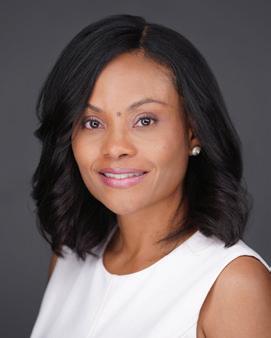
By Whitney Thomas
We are all familiar with the saying that nothing in life is certain except death and taxes. Consistent with that reality, lawyers outside of probate and estate planning are routinely asked questions about the legal implications of incapacity or death, including during events where they are hoping not to work for free. Below are five commonlyasked questions about estate planning and probate that may come up the next time you are out with family or friends.
“Can’t I just use an affidavit of heirship?”
An affidavit of heirship is not a “one size fits all” probate solution. Affidavits of heirship are sworn statement made by disinterested witnesses—persons generally not in the line of inheritance— stating the familial history and marital history of a decedent. Tex. Est. Code § 203.002. An affidavit of heirship is not a judicial proceeding that legally transfers title; it is merely a statement of evidence to show who legally inherits when a person dies without a will. Texas intestacy law lays out who receives interest in property when a person dies without a will. Id. §§ 201.01–201.003. An affidavit of heirship is generally used as evidence in the county property records. It is highly unlikely that an affidavit of heirship will give one access to a deceased person’s bank account and it will not allow you to handle administrative tasks for final affairs, regardless of how urgent the bank teller or the client insists the situation is.
“We were married. Don’t I just inherit everything?”
The surviving spouse may not automatically inherit all of the deceased spouse’s property without a probate of his or her will making such a gift. Time and time again, probate courts see unfortunate widows who failed to probate their deceased spouse’s will under the assumption that all property now belongs to the survivor. Often this comes up years later when the issue is discovered at the worst
possible time. Under Texas law, a will must be probated within four years of the date of death. Tex. Est. Code § 256.003. Probate of a will after four years is allowable under a few exceptions, but the applicant must prove he is not in default for failing to probate within the required timeline. Id. § 256.003(a), (b). Additionally, notice of an untimely application to probate must be given to the heirs at law for descent and distribution. Id § 258.051. This can be an unwanted surprise and may lead to problems if heirs refuse to forfeit their right to inherit. For example, in blended families where spouses have children from relationships outside of the marriage, children of the deceased are entitled to interest in both community and separate property. Id §§ 201.002, 201.003.
“I got a trust from [insert DIY estate planning website]. I’m all set, right?”
A trust agreement is not enough. Forming a trust is a common estate planning trend designed to avoid probate and create privacy when it comes to the management and transfers of one’s property. Though a great management tool that can be useful in the event of incapacity or death, a wellwritten trust must be funded in order to take effect, meaning signed documents alone do not magically move assets. Tex. Prop. Code § 112.005. The process of funding a trust can include the transfer of property ownership via deed conveyance and retitling assets such
as financial accounts. Experienced estate planning advice can be key when it comes to funding a trust, as proper funding requires a comprehensive review of assets, including chain of title and marital property status. Even when creating a stand-by or contingency trust, there must be a well-thought-out plan in place for funding.
“My divorce lawyer can draft my simple estate plan without jeopardizing my Medicaid eligibility, right?”
Medicaid planning is a niche practice area of estate planning and requires additional knowledge of Medicaid rules. Common estate planning strategies, such as funding your homestead in a revocable trust, may sound like a great idea that will protect the home for future generations. However, under Medicaid rules, a home in a revocable trust actually becomes a countable asset, as opposed to an exempt homestead, and can hurt a Medicaid applicant’s eligibility. Tex. Health & Human Services Comm’n, Medicaid for the Elderly and People with Disabilities Handbook, CH. F-3000 (2025), https://www.hhs.texas. gov/handbooks/medicaid-elderly-peopledisabilities-handbook/f-3000-home. Not all estate planning attorneys are familiar with Medicaid issues. It is important that anyone who may be planning to apply for Medicaid for long-term care complete estate planning with an experienced elder law attorney. The basic documents and language may not be enough.
“A transfer on death deed is the same as a Lady Bird deed, right?” It’s important to know all the ins and outs of your estate planning documents to avoid unexpected consequences.
In service of avoiding probate as the ultimate goal for estate planning efforts, new legislative tools are readily available. One example is the transfer on death deed. Tex. Prop. Code Ch. 114. Many incorrectly believe that the transfer on death deed is a replacement for the traditional Lady Bird Deed. It is not. Though there are quite a few important differences between these documents, one major difference is the timing for the vesting of the ownership interest. Kristen Quinney Porter & Morgan Brubaker Bakke, Lady Bird Deeds— What, When, Why, and How, State Bar of Texas Advanced Real Estate Drafting, March 2024, at 1. With a transfer on death deed, ownership vests in the listed beneficiaries after the transferor, the original owner, dies. Tex. Est. Code § 114.051. A Lady Bird deed, in contrast, allows ownership to vest immediately as a remainder interest to the beneficiaries. Why is this important? One benefit of the transfer on death deed is revocability during the transferor’s lifetime. If ownership doesn’t vest until after the original owner dies, there is flexibility to sell, lease, mortgage, or gift the property to another person entirely. In other words, both documents can provide benefits for specific planning situations, but they must be used intentionally rather than interchangeably.
While these tips may help you get past a dinner party conversation, the value of sending a friend or family member to an experienced estate planning or probate attorney cannot be overstated. Attorneys often forget the importance of putting their own plan in place or create problems by handling their own estate planning, often with the same confidence they would discourage clients from. Texas estate and probate law is constantly changing, and it is important to discuss planning with an attorney who is up-to-date on legislative and case law.
Own an Iconic Piece of Texas History!
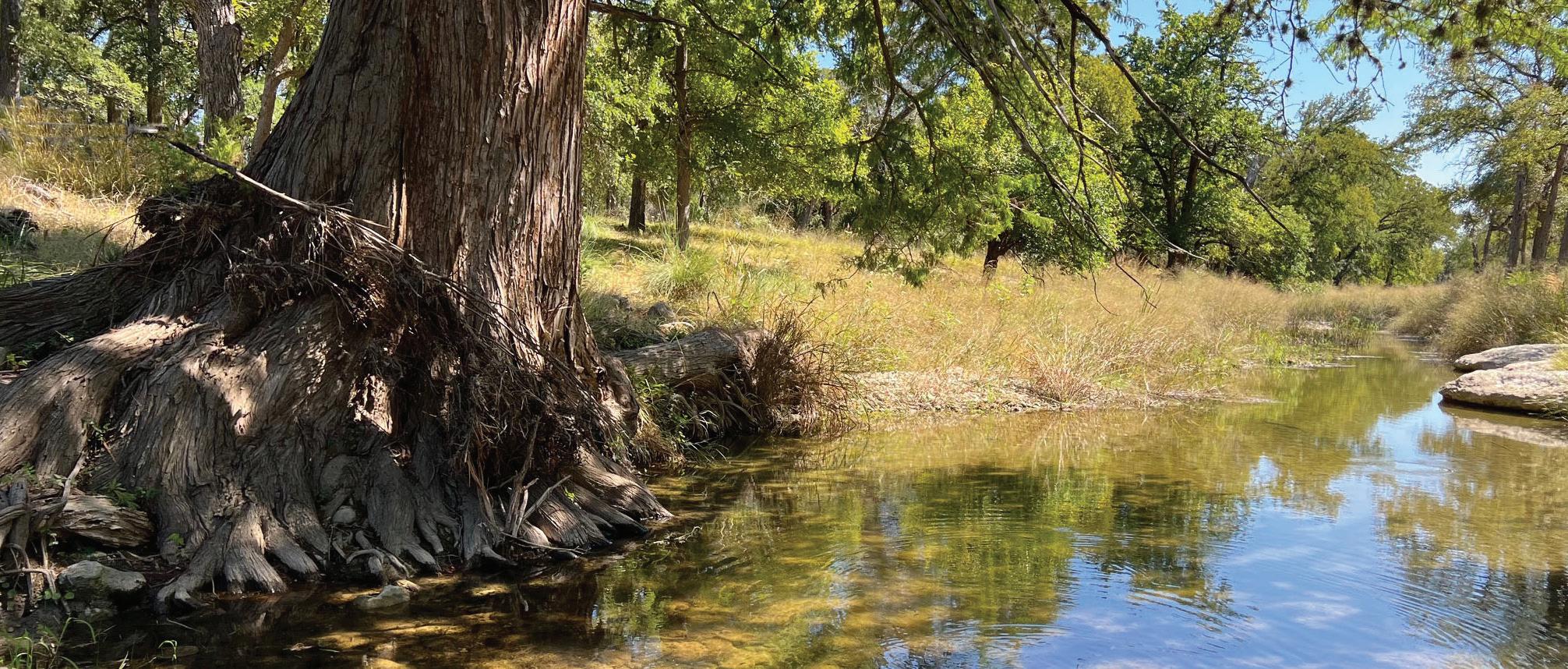
3.53+ Ac. Kendall Cnty. - Located minutes from Sisterdale on the banks of West Sister Creek is the Iconic Sisterdale Dancehall and Opera House. This property offers a blend of cultural heritage and natural Hill Country beauty. Whether you are a preservationist, investor, or visionary seeking a one-of-a-kind historic venue, this property presents a truly rare and irreplaceable opportunity.
Live Water Opportunity! COMING SOON! Fredericksburg’s Best Kept Secret!
159± Ac. Comfort/Fredericksburg - Off market deal coming soon! Don’t miss out! Why wait!!
South Texas Game Ranch Done Right!!!
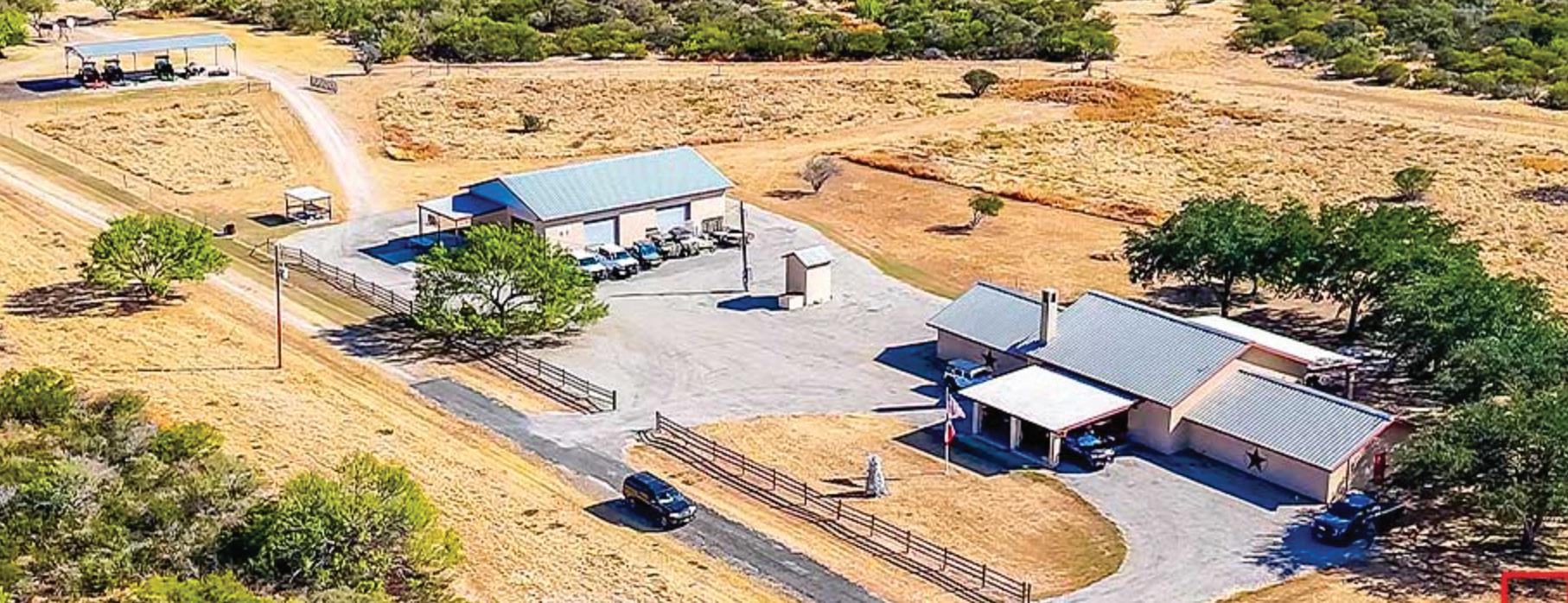
2684+ Ac. Maverick Cnty. - Minutes to Eagle Pass and Kickapoo Lucky Eagle Casine. Fourteen years of disciplined game management. Legendary, proven South Texas genetics. If you’re tired of leasing and watching checks disappear every season, this is the pivot. Ownership. Control. Long-term upside. Real Texas tax advantages tied to a working, income-capable asset that holds its value—and its legacy. This isn’t a starter ranch. It’s a finished one.
Texas Best Hill Country!!
393± Ac. Kerr Cnty. - Live water ranch located near historic Camp Verde, minutes from Kerrville, and 45-minutes from San Antonio. Ranch offers beauty and solitude. Includes 2 rustic cabins, 2 wells, paved access, and a fabulous assortment of wildlife, including free roaming exotics.
When a Probate Estate is a Creditor in Bankruptcy
By Kerry Alleyne-Simmons
Probate and Bankruptcy are similar bodies of law in that both are comprised of an estate overseen by a representative with fiduciary duties to take charge of estate assets for the benefit of creditors (in the bankruptcy context) and consistent with the terms of the Will or Texas probate laws (in the probate context). When these two systems overlap, cases quickly become complex.
Probate in Texas is the legal process used to distribute a person’s property (called an estate) after that person dies. The “estate” in probate means the decedent’s property: (a) as it exists originally and as it changes by sale, reinvestment, or otherwise; (b) as it is augmented by accretions; and (c) as it is diminished by decreases or distributions. See Tex. Estates Code § 22.012.
Bankruptcy law is created by Article I, Section 8 of the United States Constitution, which authorizes Congress to enact “uniform Laws on the subject of Bankruptcies.” Under this grant of authority, Congress enacted the Bankruptcy Act of 1800, which is the precursor to the Bankruptcy Abuse Prevention and Consumer Protection Act of 2005 set forth in 11 U.S.C. § 101, et seq., which is the current iteration of the Bankruptcy Code.
Like all federal courts, the bankruptcy courts have limited jurisdiction. One limitation on their authority is the “probate exception”—federal courts may not probate a will or administer a probate estate. So what happens when a probate estate ends up involved in a bankruptcy case? The United States Supreme Court clarified the “probate exception” to federal court jurisdiction in Marshall v. Marshall, 547 U.S. 293, 311-12 (2006).
In that case, the war between Vickie Lynn Marshall, aka Anna Nicole Smith, and her stepson E. Pierce Marshall over Texas billionaire’s J. Howard Marshall’s inter vivos trust and pour over will placed the bankruptcy court’s jurisdiction over claims and the probate exception squarely at odds with each other in one of the most extensively litigated cases that ever reached the Supreme Court.
Ultimately, the Supreme Court held that federal courts cannot probate a will, annul a will, or dispose of property under the state probate court custody. See id. However the Court clarified that federal
courts, including bankruptcy courts, may adjudicate matters outside those confines and otherwise within federal jurisdiction, even if those matters concern probate matters. Id
Scope of Property of the Bankruptcy Estate
Pursuant to 11 U.S.C. § 541, the bankruptcy estate is quite extensive and includes all legal or equitable interests of the debtor in property as of the commencement of the case; and any interest in property that would have been property of the estate if such interest had been an interest of the debtor on the date of the filing of the petition, and that the debtor acquires or becomes entitled to acquire within 180 days after such date — by bequest, devise, or inheritance. Thus, assets distributed in a probate proceeding may become property of a bankruptcy estate, potentially available to satisfy the claims of creditors.
Notice of Commencement of the Bankruptcy Case
Upon the filing of the bankruptcy case, the bankruptcy court sends notice of the filing to all creditors listed on the mailing matrix filed with the court by the debtor. The notice includes important information pertaining to the case, including contact information for the debtor and debtor’s counsel, contact information for the bankruptcy trustee if applicable, the date of the section 341 meeting of creditors, and the deadlines to file a proof of claim and to file a complaint to object to the debtor’s discharge.
Probate Estate Claims in Bankruptcy
A probate estate qualifies as a legal entity under 11 U.S.C. § 101 capable of holding creditor status in bankruptcy proceedings and capable of initiating involuntary bankruptcy proceedings against a debtor. See e.g. In re Edwards, 501 B.R. 666, 676 (Bankr. N.D. Tex. 2013).
Under Texas law, only the representative of a decedent’s estate has the capacity to act on behalf of the estate and bankruptcy courts require that at the outset, the personal representative of the estate comply with state law requirements for estate representation. See id.
Once properly authorized to represent the probate estate pursuant to state law, the personal representative is authorized to represent the probate estate as a creditor in the bankruptcy proceedings and take part in the various matters that are typical in bankruptcy, including attending the section 341 meeting, filing a proof of claim, engaging in adversary proceedings, and settling or resolving the probate estate’s claims in the bankruptcy proceeding. The personal representative may be permitted to take certain limited actions pro se—such as filing a proof of claim or participating in the meeting of creditors—in general, they are required to obtain representation.
The specifics of a bankruptcy case may vary depending on the chapter under which it is filed, but the foundational framework for creditor participation in bankruptcy proceedings is codified at 11 U.S.C. § 501, which provides for the filing of proofs of claim.
A proof of claim is a written statement that sets out the creditor’s claim and basis for the right to receive a distribution from the bankruptcy estate. The proof of claim must be signed by the creditor or its representative and substantially conform to Official Bankruptcy Form B 410, as required by Federal Rule of Bankruptcy Procedure 3001(a). The proof of claim must include supporting documentation for the claim. Creditors holding claims against an individual debtor’s principal residence or real property must include supporting documentation with their proof of claim.
Under Federal Rules of Bankruptcy Procedure Rule 3002, proofs of claim are timely if filed within 70 days after the order for relief in voluntary Chapter 7, Chapter 12, or Chapter 13 cases, and within 90 days in involuntary Chapter 7 cases.
It is important that the estate’s representative timely file a proof of claim to have the estate’s claim be recognized and paid. A properly-filed
SERVICES
Support of Litigation
Geo-Structural Forensics
Shallow Foundations
Deep Foundations
Retaining Walls
Excavations
proof of claim serves as prima facie evidence of the validity and amount of the claim and is deemed allowed unless a party in interest objects. See 11 U.S.C. § 502(a).
Failure to file a proof of claim is a bar to payment from the bankruptcy estate and a late-filed claim may result in the claim being subordinated to other timely-filed claims.
Adversary Proceedings in Bankruptcy
“Adversary Proceedings” are bankruptcy parlance for litigation that occurs within the context of a bankruptcy case. Adversary Proceedings are subject to statutory deadlines established by the Federal Rules of Bankruptcy Procedure and the Bankruptcy Code. Notice of the deadlines will typically be included in the Notice of Bankruptcy Case filing.
The filing of the bankruptcy case operates as a stay of the commencement or continuation of any action or proceeding that was or could have been commenced against the debtor to recover a claim against the debtor that arose before the commencement of the case. 11 U.S.C. § 362. The stay prohibits actions or proceedings to enforce a prepetition judgment, or to obtain possession of property of the estate or of property from the estate, or to exercise control over property of the estate, and any act to create, perfect, or enforce any lien against property of the estate. See id.
It is important for the representative of the probate estate to file a motion to lift the automatic stay if it intends to pursue litigation against the debtor or the debtor’s estate in a forum outside the bankruptcy court. Alternatively, litigation that was pending prior to the filing of the bankruptcy petition may be removed to the bankruptcy court.
The probate estate may also have grounds to object to the discharge of the debtor under one of the enumerated grounds of 11 U.S.C. § 523. Such claims may only be litigated in the federal courts.
RBM Industries, Inc.
18911 Hardy Oak Blvd. Suite 121 San Antonio, TX 78258
P: 210-469-4611
F: 210-404-2402
info@rbm-inc.com www.rbm-inc.com
Dr. Rozbeh B. Moghaddam (Roz), a licensed civil engineer with a doctoral degree and extensive expertise in foundations, Geo-Structural Engineering, and expansive soils, offers specialized litigation support to clients facing complex construction and soil-related disputes. With over 20 years of experience and a deep understanding of soil mechanics and foundation behavior, Roz provides expert evaluations, data analysis, and clear scientifically grounded testimony to support case proceedings.
Abstention regarding probate matters
Notwithstanding the bankruptcy court’s broad jurisdiction over matters arising in or related to bankruptcy proceedings, bankruptcy courts are authorized to mandatorily or permissively abstain from hearing a particular proceeding based on comity or the interests of justice under 28 U.S.C. § 1334(c) or remanding a removed case under any equitable ground under 28 U.S.C. § 1452(b).
Bankruptcy courts often rule in favor of abstention when probate is involved, since a state court has more expertise and is more familiar with its own probate laws than a federal bankruptcy court. Therefore, if the probate estate is a creditor, the attorney can seek permission from the bankruptcy court to pursue claims in the probate court rather than in bankruptcy.
Conclusion
If a probate estate becomes a creditor in a bankruptcy matter, the intersection of these two bodies of law is complicated and can give rise to parallel proceedings affecting the probate estate and its beneficiaries. The personal representative will have to inform themselves to gain an understanding of bankruptcy processes and deadlines, and may need to make strategic decisions about which court should adjudicated certain disputes.
Kerry Alleyne-Simmons is a senior bankruptcy associate at Pulman Leflore Pullen & Reed, LLP where she represents debtors and creditors in all aspects of Chapter 7 and Chapter 11 proceedings. Ms. Alleyne is a member of the Larry E. Kelly Bankruptcy American Inn of Court.
SAN AN TO N I O BAR ASSOCI A T I O N
JANUARY
Fennemore is expanding into Texas through a combination with San Antonio–based Schmoyer Reinhard LLP, marking its first major presence in the state. The move adds 11 attorneys and strengthens the firm’s national labor and employment practice.
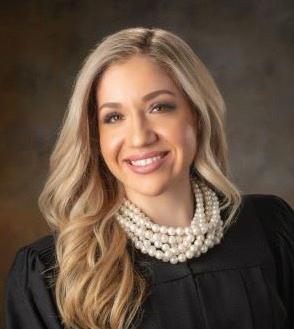
Whitney Thomas, an Estate Planning and Probate attorney and President-elect of the Bexar County Women’s Bar, is part of the National Conference of Bar (NCBP) Presidents 2025-2026 Diversity Scholar Class. This program develops emerging bar leaders while strengthening collaboration and national connections across the legal profession.
Jamissa Jarmon, Chief Administrative Attorney at the Bexar County District Attorney’s office, moves into the position of President and Chair of the Bexar County Family Justice Center (BCFJC) Foundation. BCFJC Foundation is a non-profit organization that is dedicated to assisting victims in their journey from survivor to thriver and supports the BCFJC by providing the facilities and resources needed to offer direct services to victims, at no cost.
Briefly is now included in San Antonio Lawyer! Briefly features SABA members and firm updates, new hires, awards, and other professional news. Submit Briefly notices to comm@sabar.org
Ray | Peña | McChristian PC announces the addition of two new associates, Mussarrat Rehman, a 2025 graduate of St. Mary’s University School of Law and former National Moot Court competitor, and Andy Estrada, a 2025 St. Mary’s Law graduate and former Staff Writer for the St. Mary’s Law Journal.
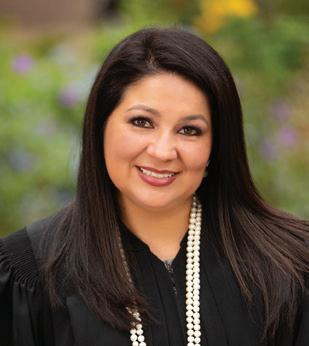
Heather Hudson, an experienced family law attorney, joins Goranson Bain Ausley. Hudson brings more than eight years of family law experience and is recognized in the San Antonio legal community for her client-centered practice spanning divorce, custody, family formation and complex property matters.
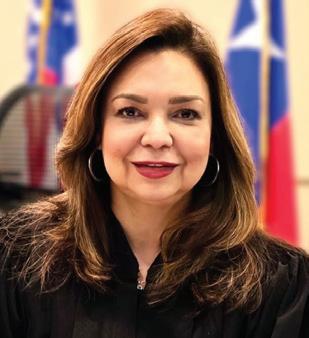
Judge Angélica Jiménez was elected by the Bexar County District Court judges to serve as the Local Administrative
Judge for the District Courts of Bexar County for a two-year term.
Judge Melissa Vara was elected by the judges of the Bexar County Courts at Law to continue her service as the Local Administrative Judge for the County Courts at Law for a one-year term.
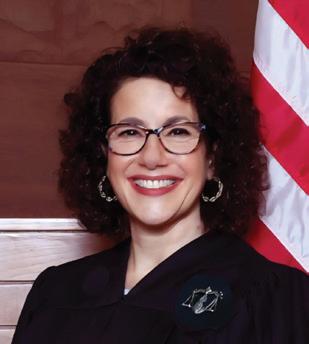
Judge Barbie Scharf-Zeldes was appointed by the Presiding Statutory Probate Judge of Texas, Guy Herman, to serve as the Bexar County Local Administrative Probate Judge
Judge Catherine Torres-Stahl, was appointed by Judge Jiménez to serve as the Presiding Judge of the Criminal District Courts.
All positions were effective January 1, 2026.
FEBRUARY
Ryan Borelo joins the Texas Business Court as Staff Attorney for Judge Stacy Sharp, bringing extensive experience in intellectual property, commercial litigation, and discovery, along with a unique background as a registered patent attorney and former engineer.
Sarah Irwin was promoted to Senior Associate Attorney at Clausewitz Reyes PLLC, in recognition of her transactional business practice, strategic counsel to entrepreneurs and nonprofits, and leadership through mentorship and service on multiple nonprofit boards in San Antonio.
The Texas General Counsel Forum honored Monica Trollinger, General Counsel, Southwest Research Institute with a Magna Stella Award for excellence in the nonprofit and government sector, recognizing her leadership and impact among in-house counsel across Texas.
Judge Stephanie Boyd, 187th Criminal District Court; Sara Dysart, Sara E. Dysart, P.C.; and Dr. Norma GreenfieldLaborde, Director of Bexar County Office of Criminal Justice will be inducted into the San Antonio Women’s Hall of Fame, recognizing their leadership, service and lasting contributions to the community.
We help build legacies and nurture relationships along the way.
and
Scan the QR Code for links to the full online Briefly posts, which often include additonal details.
Affinity Bars and SABA Sections/Committees
See yourself in San Antonio Lawyer!
San Antonio Lawyer is proud to feature moments of the San Antonio legal community serving others, networking, educating, and celebrating.
Submit your affinity bar and section gathering photos and recaps to comm@sabar.org to be featured in our next issue.
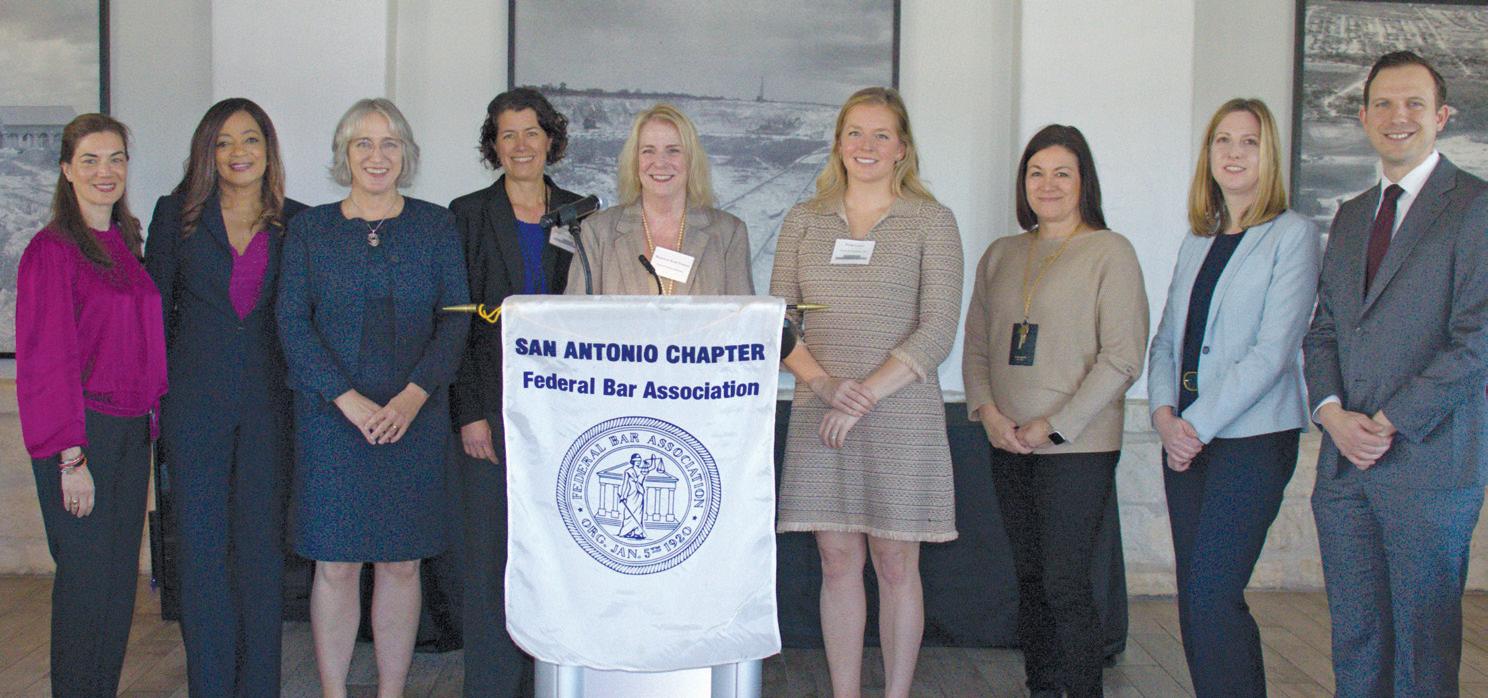
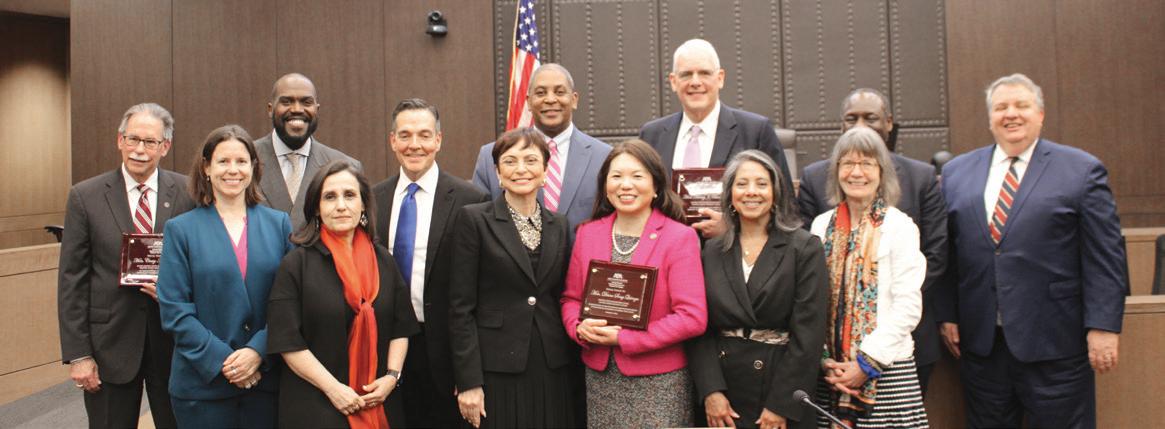
Federal Public Defender Maureen Franco with members of the FBA Board. Franco spoke at the FBA’s February monthly luncheon. Photo courtesy of the FBA
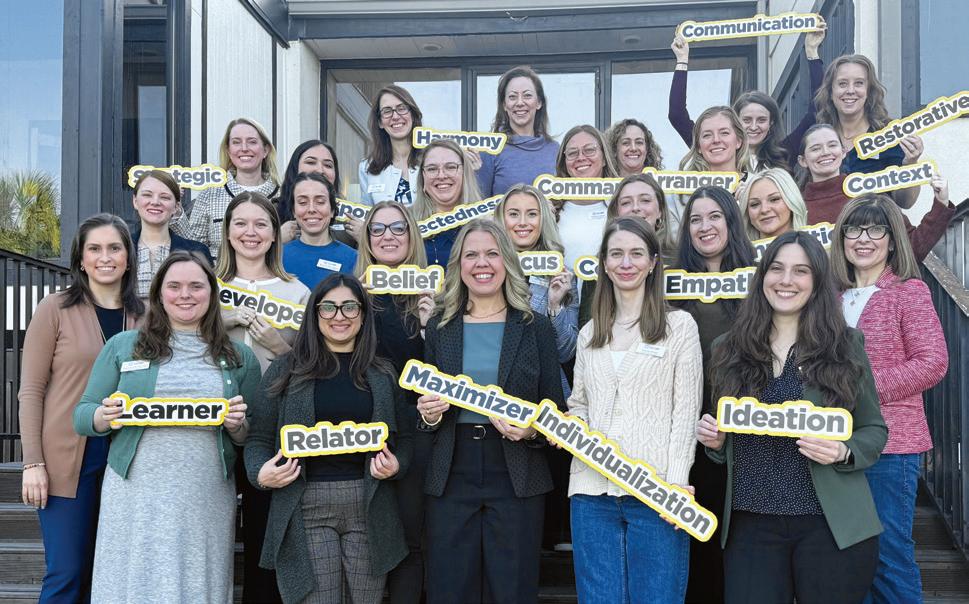
The LEAD Academy held its Symposium for the 2026 Class. StrengthsFinder is always one of the highlights.
Photo courtesy of BCWBF LEAD Academy
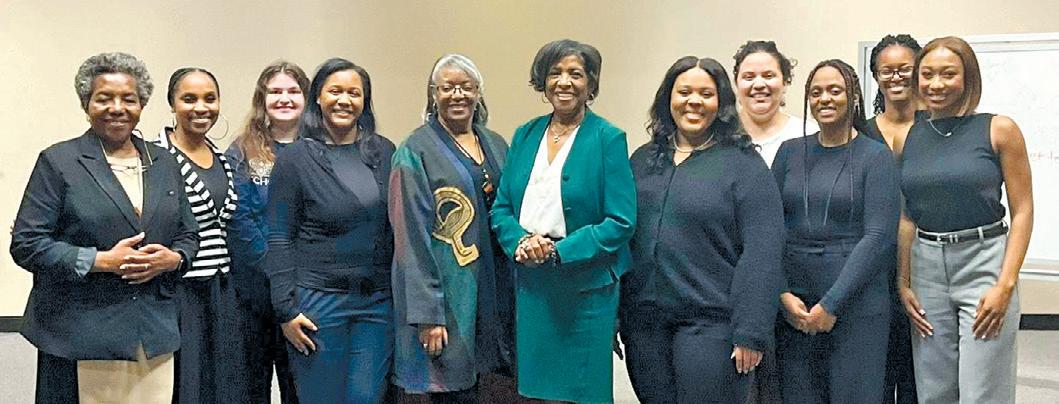
San Antonio Black Lawyers Association joined St. Mary’s Law students for a documentary and discussion on February 11. The documentary was “Becoming Black Lawyers.” Students discussed their path to getting to law school, while attorneys and judges shared their experiences.
Photo courtesy of SABLA
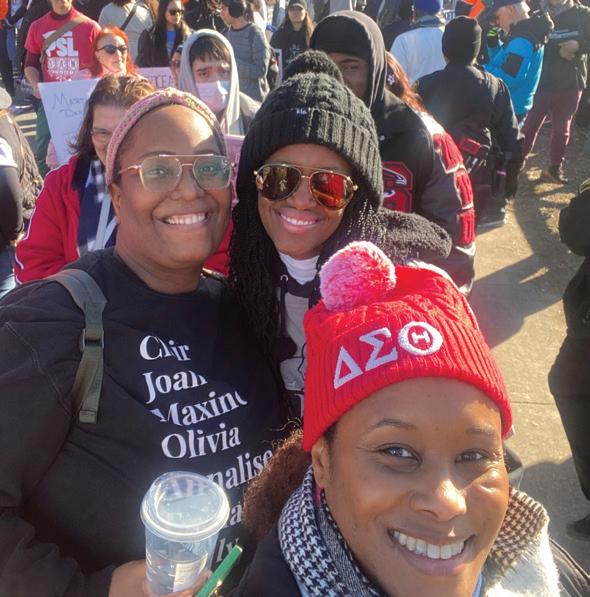
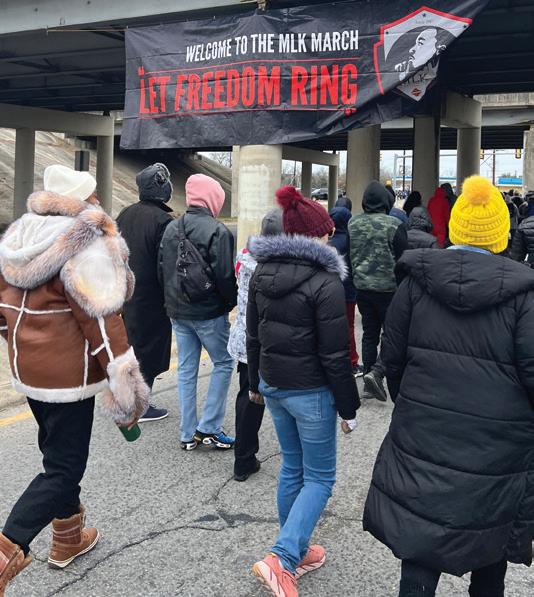
San Antonio Black Lawyers Association participated in the 39th Dr. Martin Luther King, Jr. March and Celebration on January 19, 2026.
Photos courtesy of SABLA
The American Bar Association (ABA), Judicial Division National Conference of Federal Trial Judges hosted a ceremony and reception to honor judges from the Western District of Texas during the ABA’s Midyear meeting in San Antonio.
Photo courtesy of SA Bar
Ethics, Jurisprudence, and Artificial Intelligence in the Courts
By Justice H. Todd McCray
Lawyers, judges, and legal scholars have generally approached technological innovations with cautious optimism, grounded in the belief that established principles of professional ethics are capable of accommodating new tools without abandoning the core principles of the profession. See Vincent R. Johnson, Ethical Lawyering: The Role of Honor, Conscience, and Codes, 13 St. Mary’s J. Legal Mal. & Ethics 172, 183 (2023) (reviewing Michael S. Ariens, The Lawyer’s Conscience: A History of American Lawyer Ethics (2023)). The emergence of generative artificial intelligence, however, presents a unique challenge. Unlike with prior technological changes, such as electronic research and electronic filing systems, generative AI actually produces substantive legal content. Yet that content, despite appearing authoritative, can contain material inaccuracies.
Recognizing both the inevitability and the risks of AI use in legal practice, the State Bar of Texas formed the Taskforce for Responsible AI in the Law in 2023. Taskforce for Responsible AI in the Law, Interim Report to the State Bar of Texas Board of Directors 1 (2023), https://www.texasbar. com/AM/Template.cfm?Section=Meeting_ Agendas_and_Minutes&Template=/CM/ ContentDisplay.cfm&ContentID=62597 [https://perma.cc/5ZLH-22ZJ] (hereinafter “Interim Report”).The Taskforce examined how generative AI is being used by Texas lawyers, identified ethical concerns that accompany its use, and called for formal guidance from the Professional Ethics Committee. Id. at 5. In February 2025, the committee responded by issuing Texas Ethics Opinion 705. Tex. Comm. on Prof’l Ethics, Op. 705 (2025). Consistent with past technological changes, the opinion grounds the use of AI firmly within the established ethical requirements of the legal profession.
Ethics Opinion 705 highlights three core obligations for attorneys using AI: competence, confidentiality, and supervision.
First, competence requires lawyers to understand the tools they use. This includes
Ethics Opinion 705 highlights three core obligations for attorneys using AI: competence, confidentiality, and supervision.
knowing the limitation of generative AI systems, which may fabricate citations, misstate legal principles, or generate outdated or incorrect information. A lawyer who relies on legal reasoning generated by AI, without understanding these risks, fails to meet the duty of competent representation.
Second, confidentiality remains paramount. Many generative AI platforms process or store user inputs, raising the possibility that client information could be unintentionally disclosed. Lawyers must therefore evaluate whether an AI tool adequately protects client data and must avoid entering confidential information into systems that do not provide appropriate safeguards.
Third, lawyers must independently review and verify any AI-generated content. Opinion 705 makes clear that generative AI cannot substitute for professional judgment. The responsibility for the accuracy of legal filings and advice remains with the lawyer, regardless of the technology used to assist in their creation.
These principles reflect the foundation of the judicial process itself. Courts depend on accurate citations, faithful representations of the law, and honest advocacy to evaluate the matters before them. When those inputs are compromised by the use of AI tools without appropriate human oversight, confidence in the judicial process suffers.
The ethical implications of generative AI extend beyond represented parties. Increasingly, courts are encountering filings by pro se litigants who have used AI tools. While self-represented litigants are not subject to the Texas Rules of Professional Conduct, they are not exempt from accountability. Interim Report at 7. The Taskforce observed that Rule
13 of the Texas Rules of Civil Procedure— which provides that the signatures of attorneys or parties constitute knowledge, belief, and information that the pleading, motion, or filing is not groundless or fictitious—applies equally to lawyers and pro se litigants. Tex. R. Civ. P. 13; Interim Report at 7.
Recent opinions from the Fourth Court of Appeals illustrate how these principles apply in an AI context. In Estate of Williams, a pro se appellant relied on case authority that appeared to be fictitious in challenging the enforcement of a settlement agreement. No. 04-23-00463CV, 2024 WL 950681, at *3, n.6, 2024 Tex. App. LEXIS 1638, at *6, n.6 (Tex. App.—San Antonio Mar. 6, 2024, no pet.) (mem. op.).
Writing for the court, Justice Watkins pointed out that “[w]e hold pro se litigants to the same standards as licensed attorneys and require them to comply with applicable laws and rules of procedure.” Id. Justice Watkins cautioned that, in choosing to represent himself pro se, an appellant acts as an attorney and, as such, owes a duty of candor to the court. Id. Similarly, in AGiza v. Franklin, another pro se appellant responded to a show cause order by citing authority that was either nonexistent or materially mischaracterized. No. 04-25-00099-CV, 2025 WL 2058089, at *3, n.1, 2025 Tex. App. LEXIS 5236, at *5, n.1 (Tex. App.—San Antonio July 23, 2025, pet. denied) (mem. op.) (citing David T. Laton, A Cautionary Tale of AI as a Research Tool for Lawyers, 70 Prac. Law. 42, 43 (2024)). The court detailed its efforts to locate the cited cases and explained why the authorities appeared fictitious or inaccurate. Id. at *4–5. The court noted its suspicion that ChatGPT or another generative artificial intelligence tool may have been used in the
preparation of the appellant’s response, and cautioned litigants that “ChatGPT currently lacks the ability to produce reliable and accurate results when given a legal query.” Id. at *5 n.1 (quoting Laton, supra at 43).
These cases offer a practical lesson for practitioners: courts are less focused on whether AI was used than on whether the resulting filing is accurate and reliable. The method of preparation does not alter the filer’s responsibility for the content of the filing.
As Fifth Circuit Judge Don Willett and Texas Supreme Court Justice Evan Young recently observed at a SABA Appellate Practice Section event, artificial intelligence represents an inevitable “brave new world” that the legal profession should approach with neither fear nor resistance. Used responsibly, AI may enhance efficiency and expand access to legal services. Used carelessly, it threatens the accuracy and credibility on which the judicial system depends.
For Texas lawyers, the takeaway is straightforward. Generative AI is a tool, not an authority. Its use must always come second to professional judgment and must be tempered by awareness of its limitations and the irreplaceable human elements of justice. The ethical rules governing competence, confidentiality, and candor already provide the framework needed to navigate this evolving landscape. The challenge is not to reinvent legal ethics for the technological age, but to continue to apply them faithfully.
Justice H. Todd McCray was elected to serve on the Fourth Court of Appeal in November 2024. Prior to the election, Justice McCray practiced in Texas trial and appeal courts for 34 years including service as a prosecutor in both the Grayson County Attorney’s Office and the Bexar County District Attorney’s Office. Justice McCray obtained his B.B.A degree from the University of Texas at Austin and his Juris Doctor degree from St. Mary’s University School of Law. He was Board Certified in Criminal Law in 1997.
J. Michael Clay Family Law Mediation Services
Western District of Texas Court Summaries
By Soledad Valenciano, Sabrina Salazar, and Clarissa Valenciano
If you are aware of a Western District of Texas order that you believe would be of interest to the local bar and should be summarized in this column, please contact Soledad Valenciano (svalenciano@svtxlaw.com, 210-787-4654) with the style and cause number of the case, and the entry date and docket number of the order.
Personal Jurisdiction; Alter Ego; Copyright
Hargrove v. Reach, PLC, No. 5:25-cv00064-DAE (Ezra, D. – December 1, 2025).
Plaintiff Hargrove, a former SeaWorld killer whale trainer and star of the documentary Blackfish, sued several defendants for copyright infringement after The Daily Mirror and The Daily Star published articles that contained images he alleged were owned exclusively by him. Hargrove urged the court to disregard the formal separation of the affiliated corporate entities and extend personal jurisdiction by imputing one defendant’s contacts to the other defendants under the alter ego theory, which the court refused to do because Hargrove made only conclusory allegations without engaging in “any meaningful alter ego analysis.” The court then dismissed with prejudice claims against The Daily Mirror, The Mirror US, and The Daily Star, as they are not companies, but publications of defendants MGN, Ltd. and Express Newspapers (the “Publishers”), and thus not separate legal entities capable of being sued. The court then assessed the Publishers’ contacts with U.S. and Texas readers, focusing on their websites. In the Fifth Circuit, “the mere possibility that forum residents have visited a website—even an extremely interactive one— does not alone constitute minimum contacts between the website’s owner and the forum.” The Publishers’ websites, merely by being accessible from anywhere in the world, did not rise to the level of purposeful conduct that establishes personal jurisdiction. The court also considered the Calder “effects test,” which district courts in the Fifth Circuit have applied to copyright infringement claims, but found there was no personal jurisdiction because the Publishers’ websites (which, for example, listed subscription prices in British pounds, not American dollars) did not prove that their internet activity was expressly directed at or to the forum state.
Default; Service; Arbitration
Collins v. Toyota Motor Credit Corp., SA25-CV-1179-FB (HJB) (Bemporad, H. –December 4, 2025).
The court denied the pro se plaintiff’s motion for clerk’s entry of default, filed on the ground that defendant Toyota Motor Credit Corp. (“TMCC”) failed to answer within 21 days under Rule 12. First, the plaintiff failed to properly serve TMCC, by attempting to serve the complaint himself rather than through a non-party, and second, the answer deadline fell on a federal holiday, meaning TMCC’s deadline to file a responsive pleading was the next business day. Tex. R. Civ. P. 103; Fed. R. Civ. P. 4(c)(2). On that day, TMCC timely filed its motion to compel arbitration. As for the arbitration clause at issue, the plaintiff did not contend that no arbitration agreement existed, that his claims against TMCC were outside the scope of the arbitration agreement, or that he was incapable of understanding the agreement; rather, he argued that the agreement was unconscionable because it was buried in a multi-page agreement that he had no opportunity to negotiate. The court explained that, under Texas law, these facts do not render an agreement to arbitrate procedurally or substantively unconscionable. Because the plaintiff did not waive any substantive rights or argue that he was incapable of understanding the agreement, the court granted the motion to compel arbitration.
Removal and Remand; Amount in Controversy
Garcia v. HSBC Bank USA, N.A., No. SA-25-CA-01330-XR (Rodriguez, X. –December 5, 2025).
A mortgage holder (defendant HSBC Bank USA, N.A.) and mortgage servicer (defendant NewRez, LLC) moved to foreclose on a property under a 2006 deed of trust. Since
the time the original mortgage was issued, the property had been sold to plaintiff Garcia. The original homeowner died, and Garcia sued the defendants in state court, claiming that her estate was the proper debtor and that the defendants failed to provide proper notice of the foreclosure. The defendants removed the case to federal court, and Garcia moved to remand, arguing that the amount in controversy was the unpaid balance on the 2006 deed of trust: $15,967.15. The defendants opposed remand, arguing that the amount in controversy was the appraised value of the property, which was over the $75,000 threshold for diversity jurisdiction. The court explained that when a right to property is called into question in its entirety, the value of the property controls the amount in controversy. Here, because the assessed property value exceeded the amount in controversy threshold, the court denied the motion to remand.
Defendants WellMed Management, Inc. and UnitedHealth Group, Inc. moved to dismiss the plaintiffs’ claims for retaliatory discharge under the under the False Claims Act (“FCA”), 31 U.S.C. § 3730(h). The plaintiffs, Valdez and Hack, alleged they were discharged after reporting fraud in the form of kickbacks and improper gifts from a contractor, including designer purses, luxury trips, and cosmetic surgeries, to their supervisors and the FBI. They also claimed that Medicare funds were diverted to the contractor. Valdez and Hack alleged that after they reported this alleged fraud to WellMed’s vice president, he put his fingers in his ears and said “lalalalala—I don’t want to hear it.” They claim after they reported, there was a pattern of employees
being promoted over them that continued through the end of their employment and that these promotions were in violation of WellMed’s own policies and procedures. The FCA “includes an anti-retaliation provision that penalizes employers who take adverse action against whistleblowing employees.”
To state a claim under this provision, the employee must show that he engaged in a protected activity; the employer knew the employee engaged in the protected activity; and the employer discriminated against the employee because of the protected activity. The plaintiffs’ allegations satisfied the pleading requirements, so the court denied WellMed’s motion to dismiss. WellMed incorrectly argued that the plaintiffs were required to show a “distinct possibility” of FCA litigation. The plaintiffs were required only to demonstrate they engaged in an activity motivated by a concern regarding fraud against the government—not that the defendants actually violated the FCA. The court did, however, grant UnitedHealth’s motion to dismiss because the plaintiffs failed to plead an “employer-type relationship” with it, which is required for liability under the FCA.
Soledad Valenciano practices commercial and real estate litigation with Spivey Valenciano, PLLC.
Sabrina Salazar practices commercial litigation with Dykema Gossett PLLC.
Clarissa Valenciano is a 3L
Joseph CASSEB
Don PHILBIN Wade SHELTON
SPECIA, Jr. Hon. Phylis SPEEDLIN
Hon. Catherine STONE
Hon. Karen POZZA
Kevin MICKITS
Krishna REDDY
Aric GARZA
Dan POZZA
AVOIDING MALPRACTICE IN TAXABLE DAMAGES
The 2025 Tax Law made permanent the loss of ‘personal exemptions’, which means an individual can no longer deduct Attorney Fees and Expenses from their ‘taxable’ litigation settlements; they must pay taxes on the GROSS recovery. Congress carved out “unlawful discrimination, ” and ’pure employment’ settlements, with few other exceptions.
Attorneys can no longer deal with Taxable damages of ‘non-physical injury’ and ‘punitive damages-Gross Negligence’ after an agreed settlement/mediation or before funds are distributed.
The remedy on ‘contingency fee’ cases is to create a Plaintiff Recovery Trust (PRT), but it must be created BEFORE the mediated settlement; the litigation must be transferred to the trust prior to an agreed settlement so the plaintiff can avoid taxation on the fee/expense portion of the recovery, receiving tax reporting (an IRS Form K-1) only on the net recovery.
Structured settlements also have a role to play: Tax savings occur when structuring client proceeds to lower tax brackets! (Use in conjunction with the PRT to maximize tax savings, for non-contingency fee cases, and as the only rememdy if it is too late for the PRT.)
Now wrongful death cases in Texas under the 408 statute are not only taxable, but paying taxes on the GROSS settlement has a devastating effect for widows and orphans, and serious implications for attorney malpractice.
WITHOUT USING ONE OF THESE REMEDIES, THE ATTORNEY’S FEES EXCEED THE NET DOLLARS TO CLIENT, and IGNORING TAX ISSUES CAN CREATE LIABILITY!
Plaintiff attorneys: Beware! Malpractice trap is waiting, and you will have a difficult time justifying your fees that exceed the net to clients!
These cases require extra-care, planning and action. Create a PRT before mediation! There are no up-front costs in doing so… but plenty of problems if you do not. Defer finalizing the mediated settlement until the PRT is in place (more time is allowed if any Court orders are required, or if case is Appealed)
Appellate attorneys: Interest accumulations on appeal should be considered for amounts of $100,000 or greater. Punitive damages is a must do.
Mediator/Arbitrators: Alert plaintiff attorneys to this issue; consider a means for parties to finalize the settlement agreement after a PRT is in place.
TRIAL VERDICT STRATEGIES: A PRT works as long as (1) there is no binding release, or binding agreement to enter into a release. Get busy creating a PRT before the verdict is final for any taxable damages (Non-physical injuries, Defamation, Contract disputes, Punitive damages, etc.)
Carola M. Davis, CFS
Bobby Barrera
• Invoking the 5th Amendment in
• Protective Orders in Family Law Cases?
• Parallel Civil/Criminal Fraud Allegations?
• DWI/Manslaughter Civil Personal Injury Defenses?
• CPS Child Abuse Investigations?
Endnotes
Art, poetry and thought for those who practice both reason and imagination.
Tho’ much is taken, much abides; and tho’ We are not now that strength which in old days Moved earth and heaven, that which we are, we are; One equal temper of heroic hearts, Made weak by time and fate, but strong in will To strive, to seek, to find, and not to yield.
Alfred, Lord Tennyson, “Ulysses”
Photograph by Bobby Barrera at Etosha National Park, Namibia