College
BEYOND BUSINESS

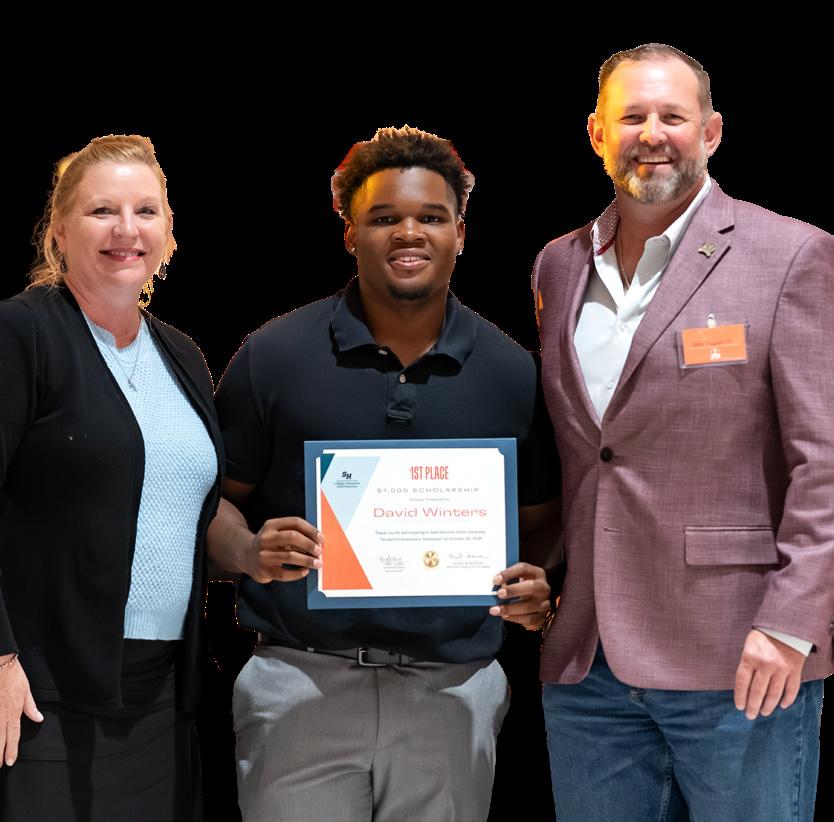

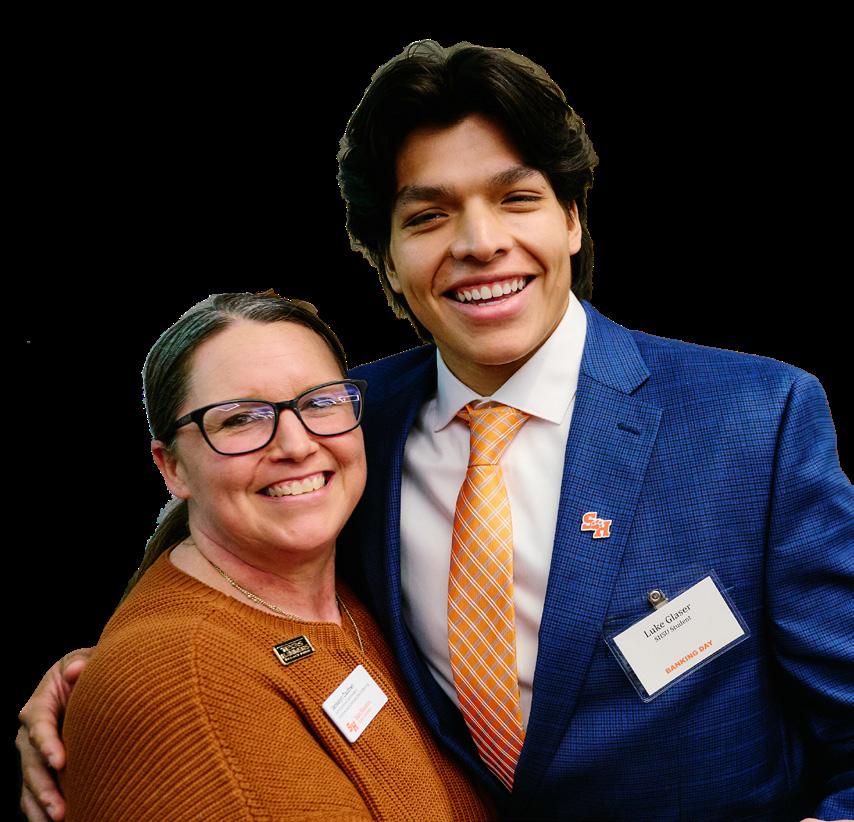

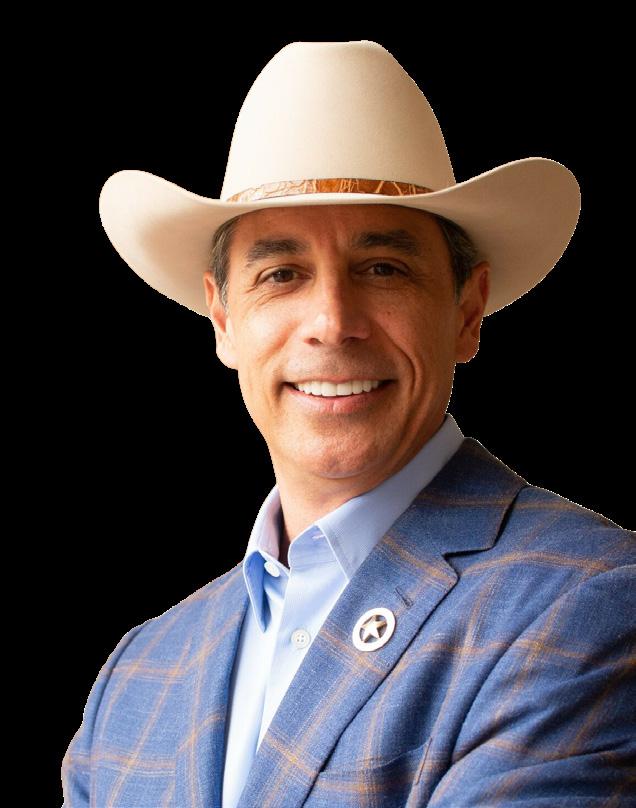
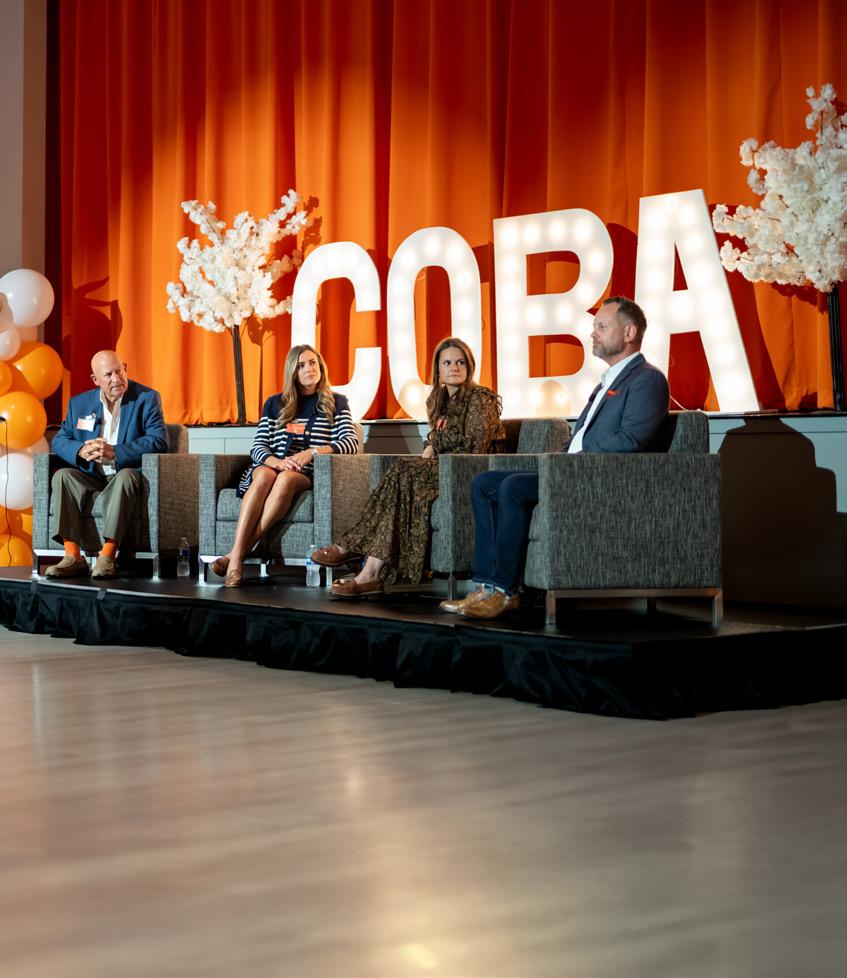

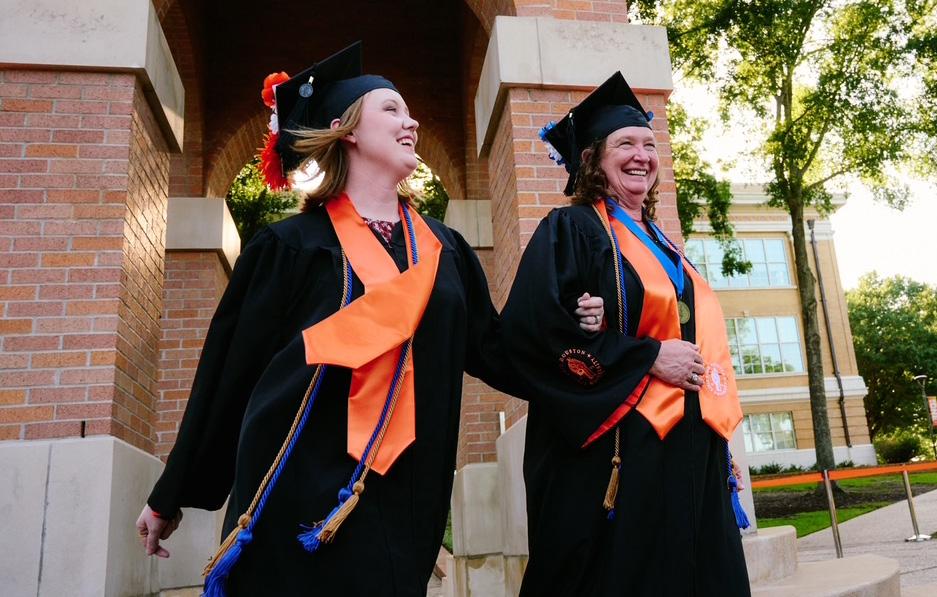
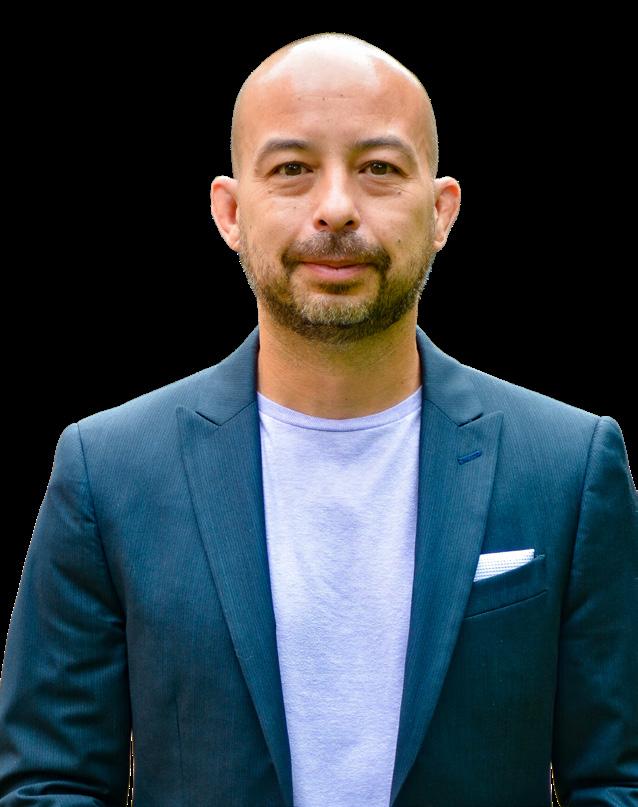

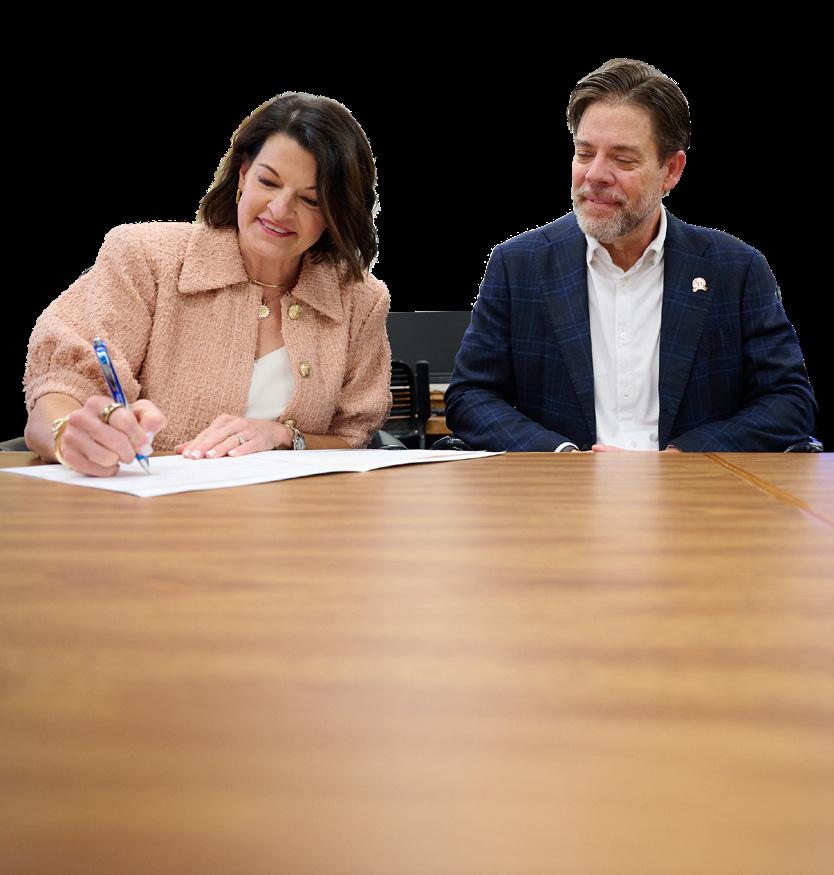
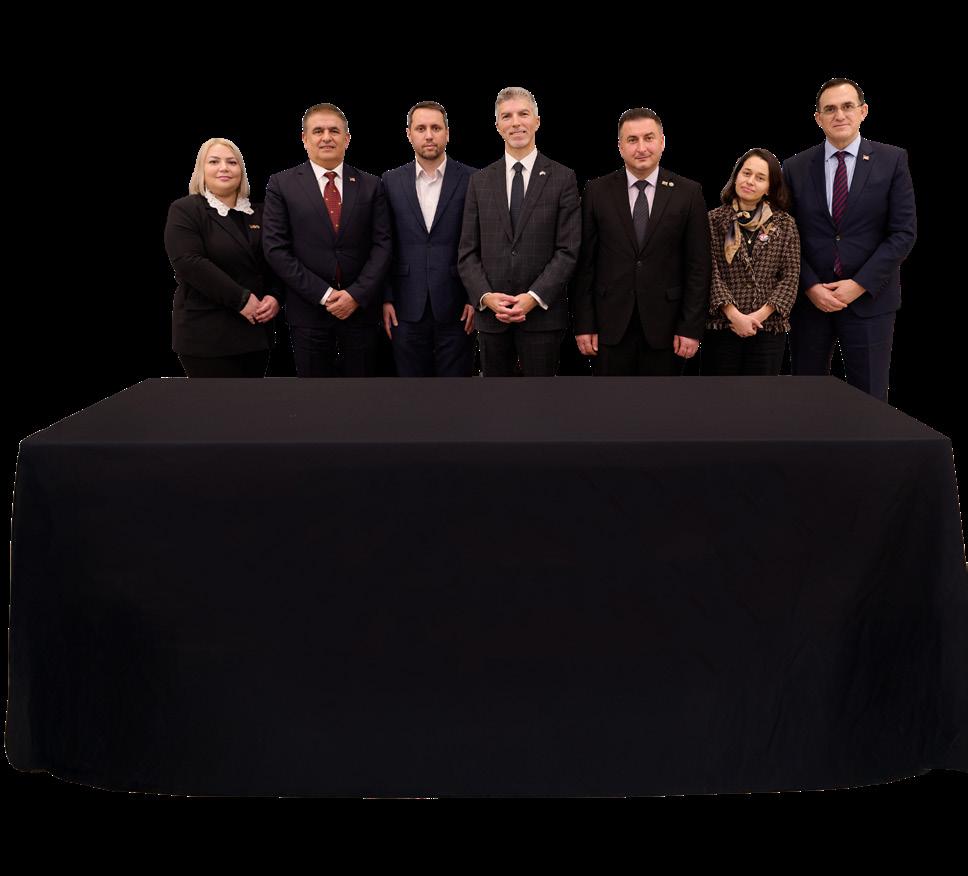
TABLE OF CONTENTS
How A New Endowed Professorship Is Transforming Finance Education In COBA
Celebrating Entrepreneurship, Connection, And Bearkat Excellence
Russell Molina: Building Businesses, Preserving Legacy, And Leading With Purpose
How COBA Faculty Are Preparing Students For An AI-Driven Future
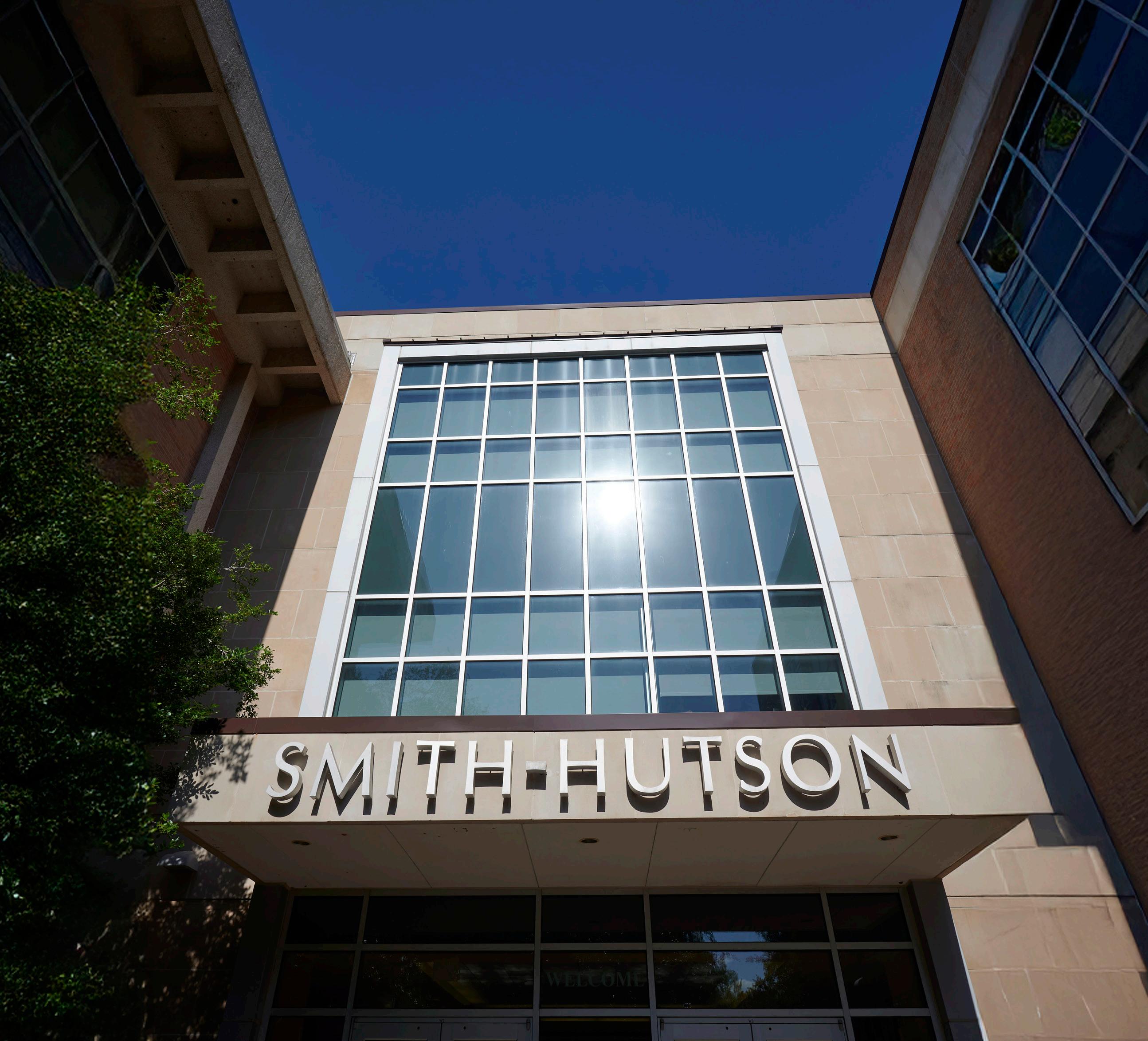
Smith-Hutson Banking Program’s Thirty-Year Legacy Of Leadership
A Shared Journey: Mother and Daughter Graduate Together From COBA
Building Global Bridges: COBA Expands International Partnerships In The Albanian Region
How Sam Houston State’s Next Gen PMR Program Transforms High School Students Into Future Project Managers
Changing The Way Students Think About Financial Literacy
Honoring Leadership, Service & Generosity: Bryan Michalsky
Ashlee Sawtell’s Purpose-Driven Career COBA


DEAN’S WELCOME
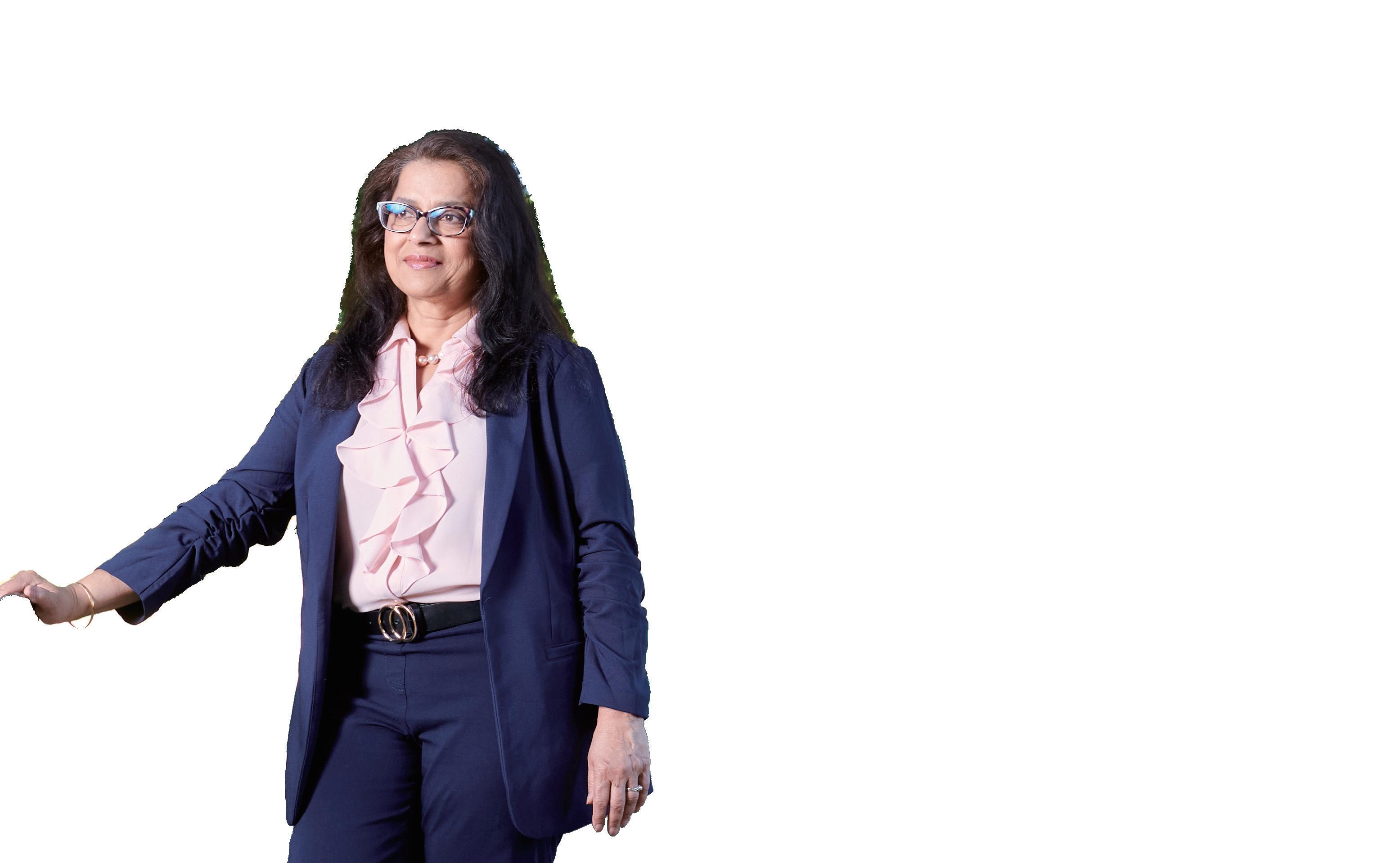
Welcome to this year’s edition of Beyond Business. As I reflect on the past year in the College of Business Administration (COBA), I am inspired by how our students, faculty, alumni, and friends continue to turn opportunity into impact. Together, we are charting new paths for student success, innovation, and global connection.
Our alumni community plays an extraordinary role in shaping the COBA experience. You give back not only through financial support but through your time, expertise, and leadership. Whether you are speaking to our student organizations, guest-lecturing in our classrooms, serving as panelists for our alumni career panel, hiring our students as interns or full-time employees, or mentoring the next generation of bankers, accountants, or entrepreneurs, your involvement has a profound impact. Thanks to your generosity on Giving Day and throughout the year, we are able to advance initiatives that change lives.
Alumni partnership ensures that COBA graduates are not only academically strong but career-ready from day one. Your engagement helps our students become more qualified, better prepared, and more marketable in a rapidly evolving job market, and we are deeply grateful.
You will see our commitment to excellence on every page of this magazine. Our faculty are integrating artificial intelligence across the curriculum so students learn to use emerging technologies ethically and strategically in every discipline. Our students and alumni are launching ventures, sharing expertise, and celebrating entrepreneurship through events that bring Bearkats together across generations. New partnerships, including our project management initiatives and a growing network of international collaborators in Europe, are expanding the horizons of what a COBA education makes possible.
Most of all, this edition tells the story of our people: students whose hard work is opening doors, faculty whose innovation keeps our programs on the leading edge, and alumni and friends whose investment fuels our mission. Thank you for believing in COBA and in the promise of our Bearkat community. I hope you are as inspired by these stories as I am every day.
Warm regards,
Dr. Sharmistha (Shar) Self, Dean College Of Business Administration

EMPOWERING TOMORROW’S BUSINESS LEADERS TODAY

Strategic Priorities
Strategic Priority 1
Student Success
Strategic Priority 2
Academic Excellence and Agility
Strategic Priority 3
Faculty and Staff Success
Strategic Priority 4
Increased Collaborative Partnerships & Engagement
Strategic Priority 5
Student Recruitment, Retention & Placement Data
Strategic Priority 6
Branding and Fundraising
Strategic Priority 7
Societal impact by enhancing social mobility and increasing regional economic growth
Thanks To The Generosity Of Our Donors!
Annual COBA Scholarships
$600,000
COBA
ADVISORY COUNCIL'S EXECUTIVE COMMITTEE
Dawn Wesneski
Class of 2015 • Time on Advisory Council Board: 3 years
“I have been so blessed to have obtained my bachelor’s degree from Sam Houston State’s College of Business and consider it a privilege to serve on its Advisory Council. Being able to assist Dean Self, the COBA staff, and the entire COBA Advisory Council in developing programs to ensure the success of its current and future students has been a great honor. Service on this Advisory Council has enriched my life and allowed me to give back to the university which is so near and dear to my heart, and so dear to the Smith-Hutson Scholarship Program.”
Brian Starr
Class of 2002
Time on Advisory Council Board: 10 years
“Serving on the COBA Advisory Council is both a profound honor and responsibility. It means giving back to the university that helped me get to where I am in my career and has so deeply enriched my life. I am honored to collaborate with my fellow alumni, the SHSU faculty, and the Dean to help them in their endeavor to continuously improve the College of Business and provide students with the opportunity to thrive in today’s business world.”
Larry Riggs
Class of 1967 • Time on Advisory Council Board: 3 years
“I see my role on the Advisory Council as both a privilege and a responsibility. The college invested in me years ago, and serving now allows me to invest in the future— in its students, its faculty, and its continued excellence.”
Brian Hall
Class of 1988 • Time on Advisory Council Board: 10 years
“It is a true privilege to advise, engage, and learn alongside such a dedicated Dean, faculty, and staff.
I’m inspired by their passion for, and commitment to, student success in the College of Business and beyond.”
Todd Zuspan
Class of 1987 (BBA), 1988 (MBA)
Time on Advisory Council Board: 15+ years
“I am appreciative of the opportunity to be part of the COBA Advisory Council and hope to be giving back in some way to COBA, which prepared me for a successful career.”
John Deveau
Class of 2006 • Time on Advisory Council Board: 5 years
“Being on the Advisory Board has given me the opportunity to see and hear firsthand so many positive developments happening at COBA that I almost wish I could go back and repeat my COBA experience again.”
How A New Endowed Professorship Is
TRANSFORMING FINANCE EDUCATION IN COBA
Endowed with the newly created finance professorship at Sam Houston State University’s College of Business Administration (COBA), Dr. Joey Gutierrez Jr. sees the role as the defining professional milestone of his career and a powerful catalyst for students who want to compete on Wall Street and beyond. For him, being entrusted with an endowment is not just a title but “the highest honor” a faculty member can earn, and a responsibility he is determined to turn into opportunities for COBA students.
A Career-Defining Honor
Most students never see the hierarchy behind academic titles, but for faculty, progressing from assistant to associate professor, and then to an endowed chair is a rare accomplishment achieved by only a few. Gutierrez, who has spent 16 years at Sam Houston State teaching investments, financial markets, and trading, calls this appointment “the most important professional achievement” of his career and something he has hoped for since the trading floor was first discussed.
When Dean Self shared her vision for a stateof-the-art trading floor, Gutierrez immediately felt called to lead the effort and recognized that it was the perfect match for his passion and expertise.
Teaching Philosophy Brought To Life
Gutierrez’s teaching has always focused on immersion in real markets rather than abstract theory, and the endowed professorship formalizes that approach. For years, he has routinely logged into his personal trading account in front of his classes, using his own capital to demonstrate trading tactics, portfolio construction, and how to respond to live data.
The endowment now amplifies that philosophy. It will fund a student-managed $250,000 investment fund, giving students direct responsibility for deciding what enters and exits the portfolio. Paired with a new trading floor, the professorship allows him to shift from showing his students how he trades to empowering them to manage meaningful capital themselves in a professional environment.
Real-World Preparation For Finance Careers
Holding an endowed professorship has already expanded the scope of what Gutierrez can offer students preparing for careers in wealth management, investments, hedge funds, and banking. Drawing on his own experience at a university that had a trading floor and Bloomberg Terminals, he knows firsthand how much of an upper hand that kind of exposure can provide in the job market.

Dr. Joey Gutierrez Jr.
“For Gutierrez, the endowed professorship and trading floor are inseparable, creating a space for Sam Houston State finance students to “trade every day from where professionals trade” and acquire skills that were previously out of reach.”
Under his leadership, COBA has launched the High Finance Association, a student organization focused on careers in high-end finance, including investment banking, hedge funds, and wealth management. Through the visibility and credibility of the endowed role, Gutierrez has brought back successful Sam Houston State alumni now working at firms such as BlackRock and Goldman Sachs to speak with students, offer internships, and share the realities of “a day in the life” on Wall Street.
Bridging Theory And Application Through Relationships
Gutierrez views the endowed professorship as fundamentally about building a network that helps students translate classroom concepts into career-ready skills. Professionals who once walked the same halls now stand in front of rooms full of finance majors, describing the knowledge and skills that are truly valued in today’s fast-changing financial landscape.
Gutierrez notes that alumni bring a unique perspective, offering students a firsthand example of what life after graduation can look like. The endowed position gives him the standing to ask high-profile alumni and firms to commit to longterm relationships, offering internships, returning regularly to campus, and helping place the “best
and brightest” Sam Houston State students into competitive roles year after year.
Why Endowed Professorships Matter
According to Gutierrez, endowed professorships do more than recognize faculty; they also reinvigorate them.
This endowment, he says, ‘lit a fire’ under him, making him feel like an assistant professor again, motivated to prove himself as he builds something new from the ground up. For him, the endowed role created an opportunity to pursue ambitious work in a new way, advancing both his own growth and student success.
A New Trading Floor, A New Trajectory
Perhaps the most visible symbol of the endowed professorship’s impact is the new trading floor scheduled to open in fall 2026. The endowment prompted a complete redesign of the finance curriculum, requiring students to choose one of three specialized tracks: investments, corporate finance, or financial planning, rather than pursuing a single general finance degree.
For the investment track he leads, Gutierrez designed an entirely new course sequence to prepare students for the roles in which he wants them to be competitive. At the heart of that experience will be 16 Bloomberg Terminals, professional-grade systems, on which students will learn the same tools used on trading floors at firms such as JPMorgan Chase.
By graduation, he expects students to be Bloomberg-licensed and ready to operate on a New York trading floor, using industry tools and systems as they are meant to be used. He believes the trading floor will showcase COBA, drawing students who are energized by its handson, high-performance environment. For Gutierrez, the endowed professorship and trading floor are inseparable, creating a space for Sam Houston State finance students to ‘trade every day from where professionals trade’ and acquire skills that were previously out of reach.

TCelebrating Entrepreneurship, Connection, And Bearkat Excellence
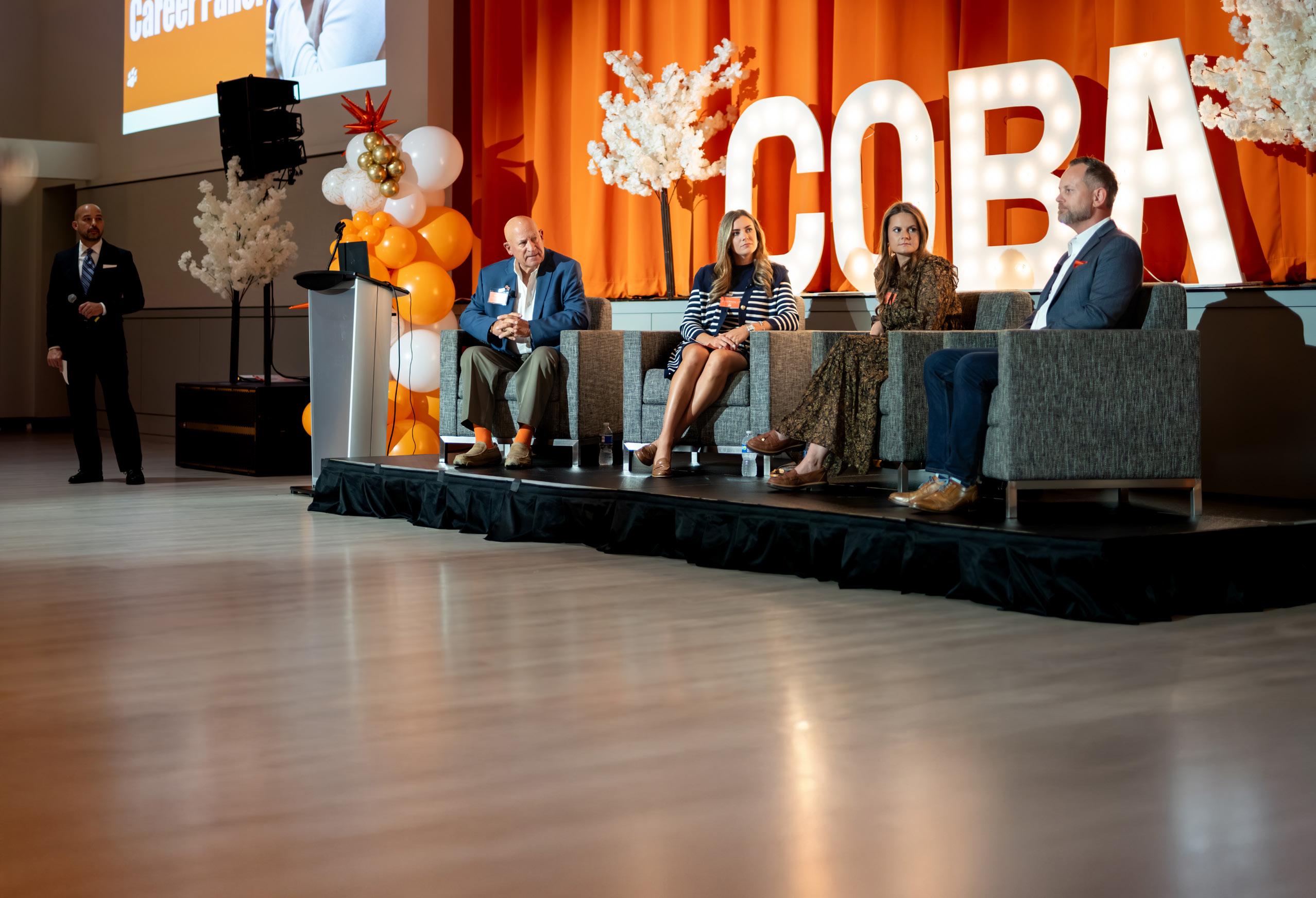
he Sam Houston State University (SHSU) College of Business Administration (COBA) and the Alumni Relations Office partnered to host an inspiring day dedicated to entrepreneurship, leadership, and Bearkat pride on October 20, 2025. The joint event featured an engaging Alumni Panel, the COBA Student Entrepreneur Showcase, and the annual SH79 Business Awards Dinner.
The collaboration between COBA and Alumni Relations created a powerful opportunity for students and alumni to come together, bridging generations of Bearkats through shared experiences, professional insights, and a celebration of success.
Alumni Panel: Lessons From Bearkats In Business
The day began with the COBA Alumni Panel, moderated by Dr. Joey Gutierrez Jr., where graduates from various industries shared their journeys,
lessons learned, and advice for current students. From corporate leadership to entrepreneurship, panelists discussed how their business education helped shape their careers and offered guidance for navigating today’s dynamic business world.
“Bringing students and alumni together creates a sense of community that reminds us all of the power of connection,” said Julie Campbell, associate director for the Center for Building Business Professionals. “Our students get to see firsthand that Bearkats go on to lead, innovate, and give back and that’s what makes events like this so meaningful.”
The panel served as a testament to the strong partnership between COBA and the Alumni Association, with Lauher and Bernal playing key roles in helping coordinate alumni engagement and ensuring a meaningful experience for both students and graduates.
COBA Student Entrepreneur Showcase: Innovation In Action
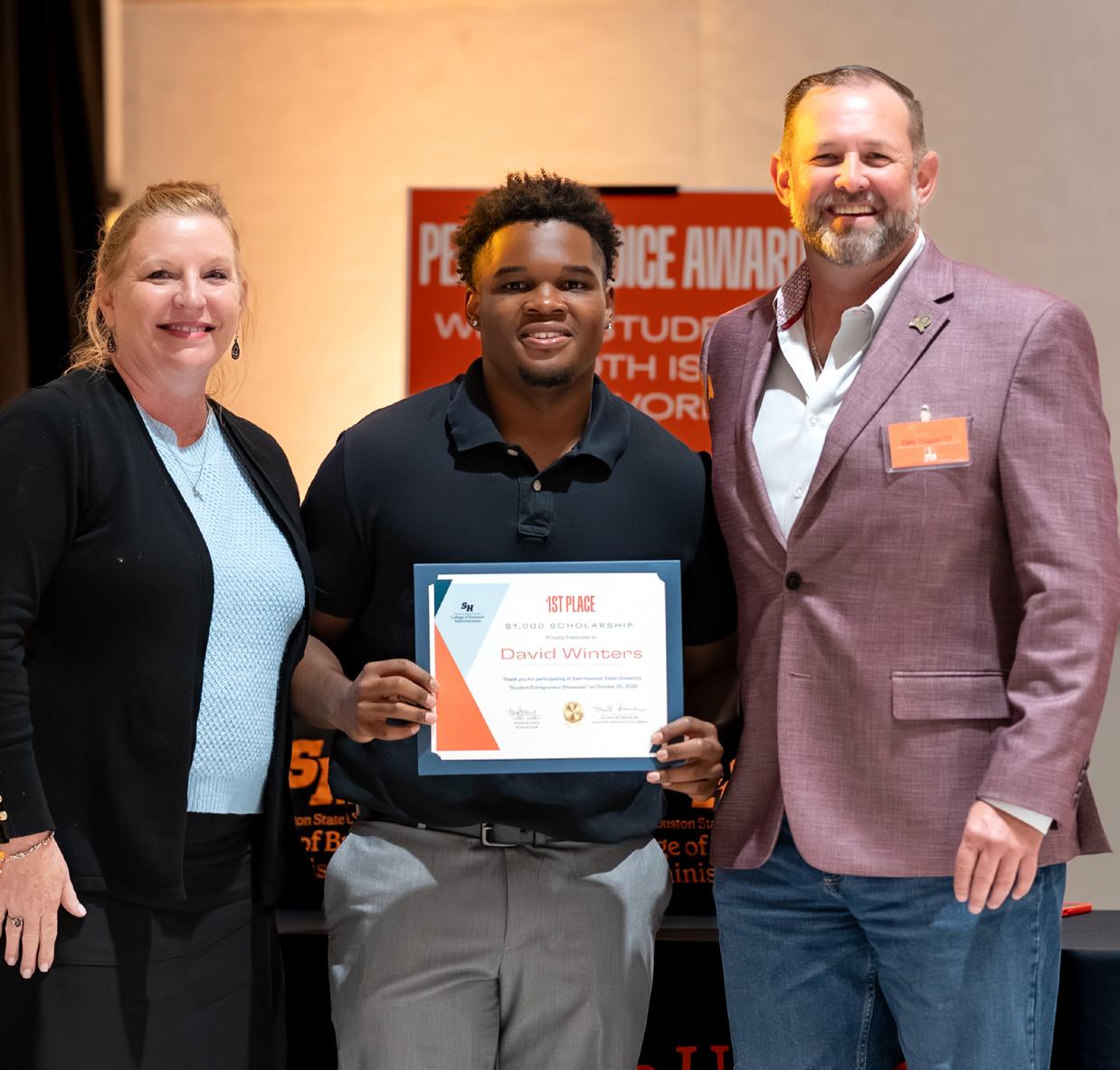
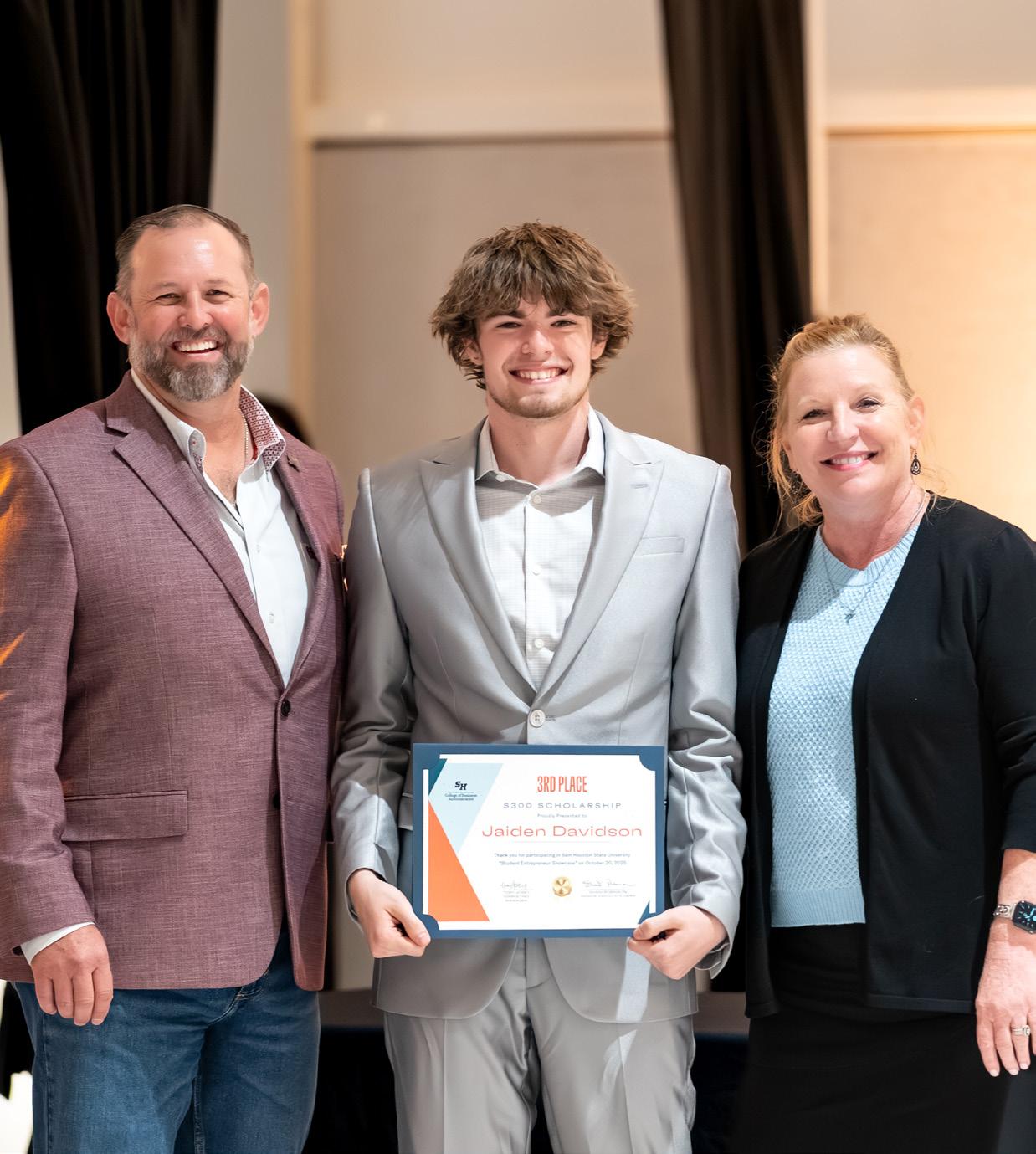
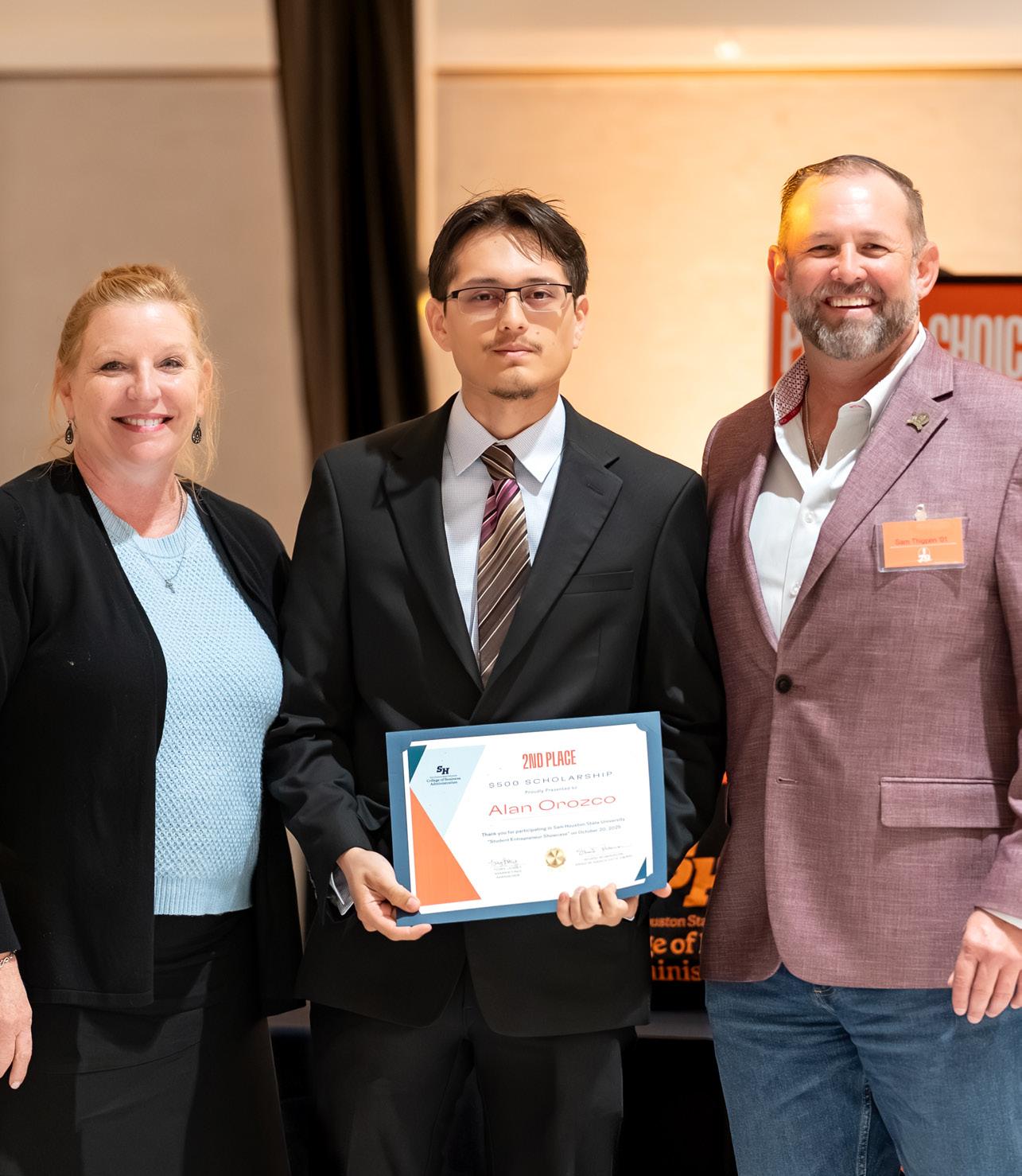
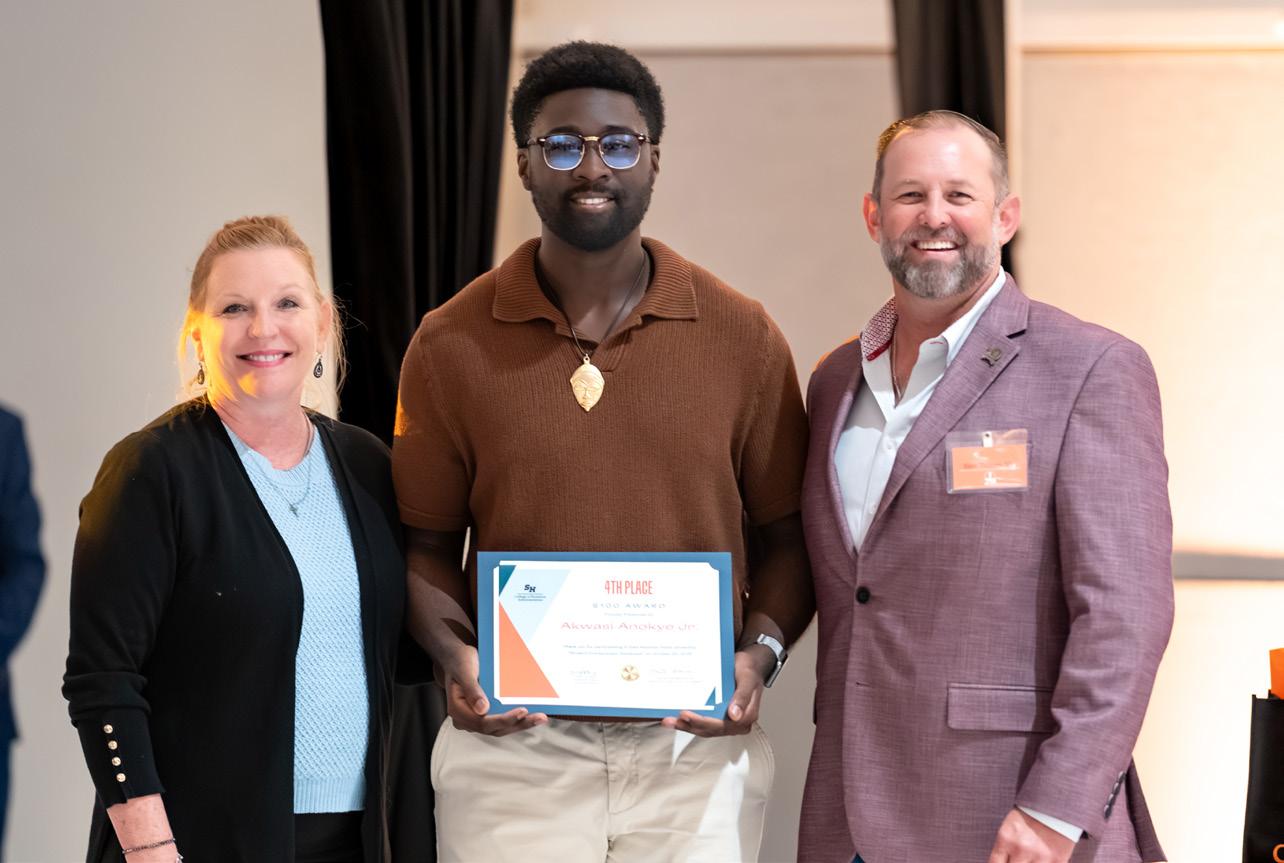
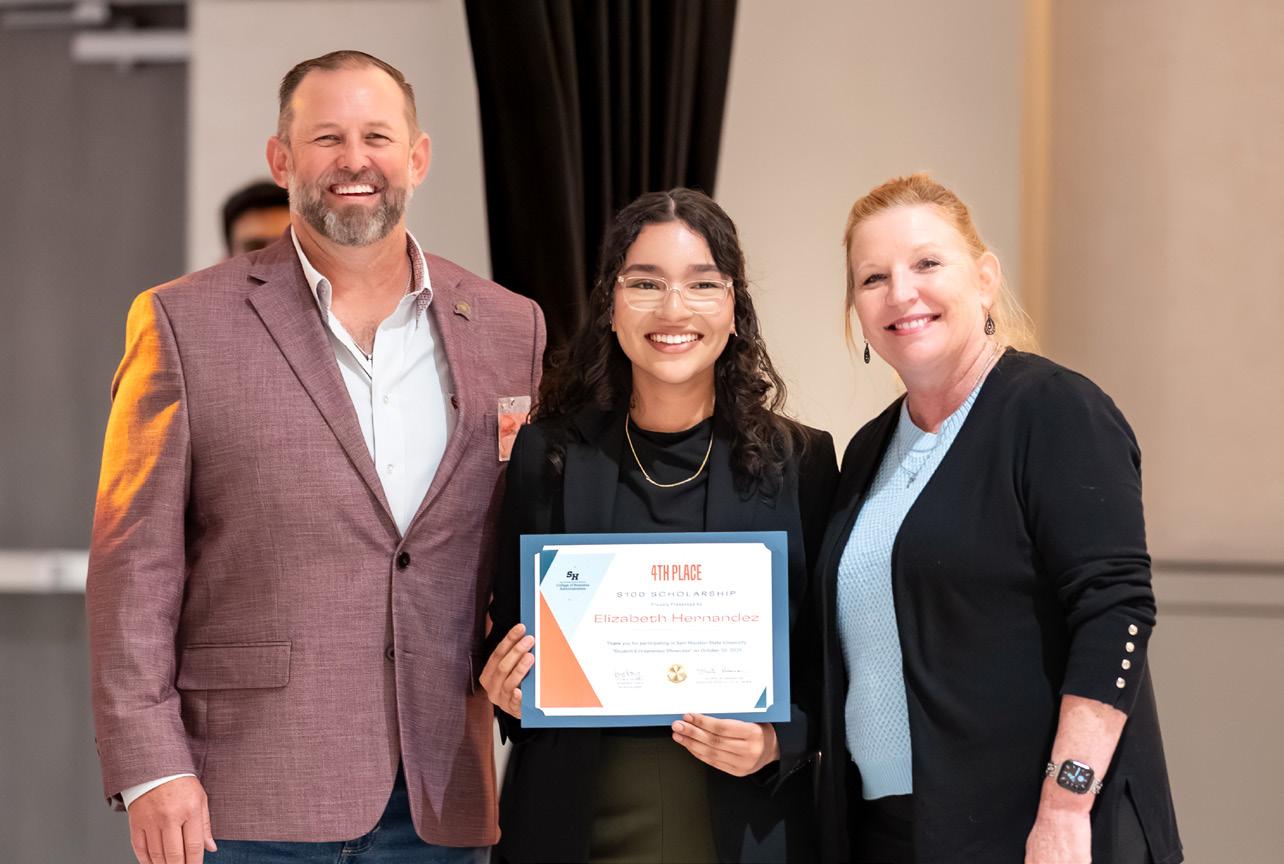
Following the panel, students took the stage for the COBA Student Entrepreneur Showcase, led by Tory Josey and Associate Dean Dr. Shani Robinson, presenting innovative business concepts. Before the showcase, students participated in a pitch competition where they had to pitch their business ventures or plan in front of a panel of alumni judges. The pitch competition highlighted the creativity, professionalism, and entrepreneurial drive of COBA students.
Pitch
Competition Winners:
• 1st Place & People’s Choice: David Winters ($1,000 Scholarship)
• 2nd Place: Alan Orozco ($500 Scholarship)
• 3rd Place: Jaiden Davidson ($300 Scholarship)
• 4th Place (Tie): Elizabeth Hernandez ($100 Scholarship) and Akwasi Anokye Jr. ($100 Award)
A distinguished panel of judges, Dr. Pam Zelbst and alumni Sam Thigpen, Dawn Wesneski, and Todd Zuspan, provided valuable feedback, helping students refine their ideas and gain insight into real-world business strategy.
“The Small Business Development Center [SBDC] was proud to partner with COBA for the Student Entrepreneur Showcase,” said an SBDC spokesperson. “Our advisors worked closely with students to refine their ideas, strengthen their pitches, and build the confidence needed to compete. Watching their growth and determination was inspiring, and we look forward to continuing to support them as they launch and grow their ventures.”
The SBDC played a critical role in preparing the students for the event. Through coaching sessions and one-on-one mentorship, the SBDC team helped participants strengthen their pitches and business plans.
“Our goal was to not only prepare students for the showcase but to equip them with the tools to sustain and grow their ventures long after the event,” said Tory Josey, former marketing manager for COBA. “We’re
“Bringing students and alumni together creates a sense of community that reminds us all of the power of connection...”
proud to help cultivate the next generation of entrepreneurs who will make an impact in their communities.”
SH79 Business Awards Dinner: Honoring Bearkat Excellence
The day concluded with the SH79 Business Awards Dinner, hosted by the Alumni Relations Office in collaboration with COBA. The evening celebrated the achievements of alumni and students who exemplify leadership, service, and excellence in the field of business.
“The Sam Houston ’79 Business Award Program is a unique opportunity to honor alumniowned and alumni-led businesses, whose success reflects remarkable dedication and resilience. Through business ownership, SHSU alumni not only achieve excellence but also strengthen our Bearkat legacy by employing fellow graduates. Now in its third year, we are proud to have expanded our impact through a partnership with the College of Business Administration and look forward to continuing this collaboration for years to come,” said Lindsay Lauher of the Alumni Association.
Working alongside the Office of Alumni Relations, led by Charlie Vienne, helped ensure the evening celebrated not only business success but also the deep and lasting connections that define the Bearkat network.
The partnership between COBA and Alumni Relations highlights SHSU’s shared commitment to fostering lifelong connections and supporting Bearkats at every stage of their professional journey. Together, both divisions continue to create meaningful opportunities for engagement, mentorship, and recognition.
Building The Future Of Bearkat Business
The success of this joint event underscores the power of collaboration and community within Sam Houston State University. From the classroom to the boardroom, Bearkats continue to demonstrate innovation, integrity, and leadership, values that define both COBA and the Alumni Relations Office.
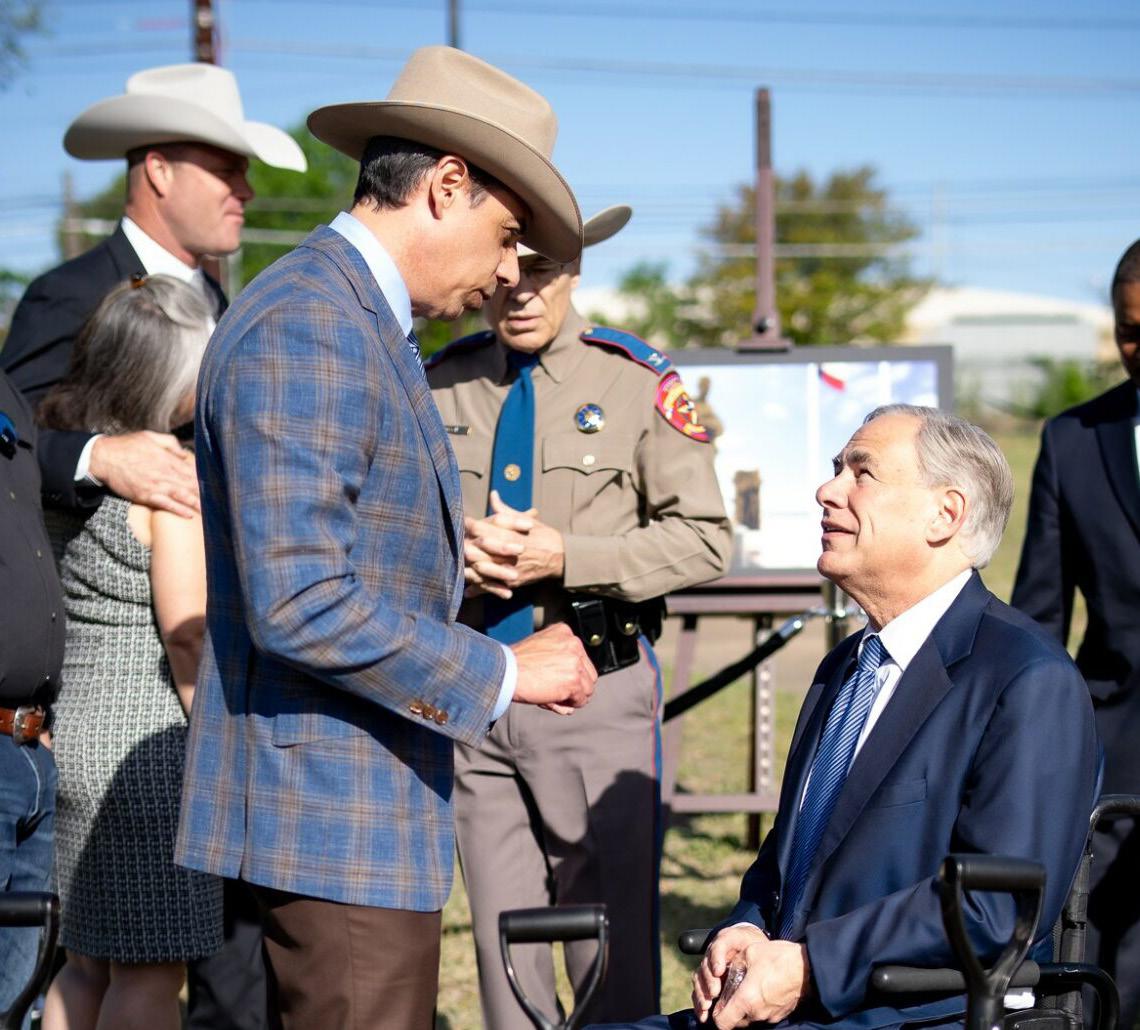
RUSSELL MOLINA Building Businesses, Preserving Legacy, And Leading With Purpose
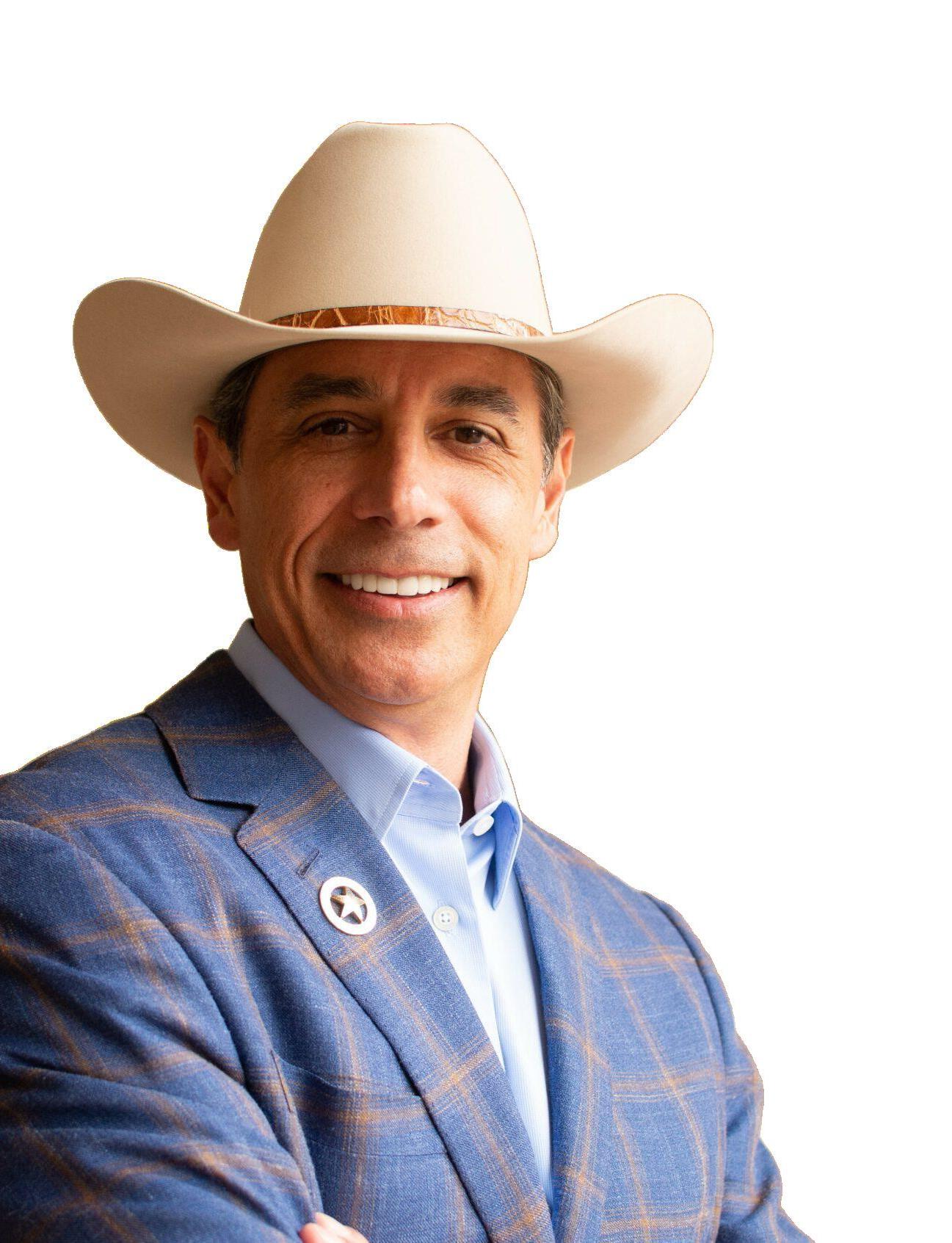
or Russell Molina, entrepreneurship isn’t a career path. It’s a legacy. A native Houstonian raised on a farm outside Sugar Land, Molina grew up in a family of entrepreneurs. His grandparents founded Molina’s Cantina in 1941, and by elementary school, Molina was bussing tables in the family restaurant. That early exposure to running a successful business instilled in him the importance of discipline and responsibility, as well as a deep respect for hard work.
After graduating from Dulles High School in 1985, Molina followed his brother to Sam Houston State University, where he earned a BBA in Marketing in December 1989. Active in Sigma Tau Gamma and the Interfraternity Council, he became only the second member of his family to earn a college degree.
From Finance To Industry Leader
Molina began his career in Houston in an entrylevel accounting role before joining Woodco Fund
Russell Molina
Management in 1991. Over the next decade, he rose to become president of the company, navigating complex financial transactions, including IPOs, reverse mergers, and international investments.
“I’ve had many struggles over my career,” Molina shares. “Early on, I was often the youngest person in the room. I ventured into industries I had no formal education in, and I even had to lose my Texas accent and slow down my speech so foreign investors could understand me.”
In 2002, he purchased Custom Rubber Products (CRP), a 41-year-old manufacturer serving the oil and gas industry. Through strategic restructuring and growth, he increased revenue from $3.3 million to more than $50 million before selling the company in 2012.
Entrepreneurial Ventures Today
Molina’s current portfolio reflects both innovation and Texas heritage:
• PPI Security – A fullservice private security and investigation firm
• Superior Trophies and Buckles – Specializing in custom merchandise
• Rewards – Retailer of premium western accessories
• THS Ranch – A luxury western wear brand
• The Hat Store – A Houston staple since 1915
“What sets us apart is our customer service,” he says simply.
Service Beyond Business Beyond entrepreneurship, Molina is deeply committed to service. He currently chairs the Sam Houston University Foundation and has been recognized with the 2019 College of Business Administration Hall of Honor Award and the 2025 SHSU Distinguished Alumni Award. He also serves on the boards of the Texas Business Leadership Council and the Texas Ranger Association Foundation, and he sits on the Finance Committee for Holocaust Museum Houston. In 2023, he chaired the statewide bicentennial initiative honoring the Texas Rangers.
A Houston Mindset
When asked what he loves most about Houston, Molina doesn’t hesitate: “It’s a city that welcomes people who want to build things. It’s easy to destroy, but it’s hard to build. Houstonians and Texans want to see people build.”
Traffic may be the challenge, he admits, but the opportunity outweighs the inconvenience. From bussing tables at his grandparents’ restaurant to leading multi-industry ventures across Texas, Russell Molina’s journey reflects resilience, adaptability, and a commitment to building businesses, communities, and opportunities for future Bearkats.


How COBA Faculty Are
Preparing Students For An AI-Driven Future

Artificial intelligence is no longer a fringe topic in higher education. It is shaping how students learn, how faculty teach, and what employers now expect from new graduates. At the College of Business Administration (COBA), faculty across disciplines are integrating AI into their courses in intentional, practical, and highly ethical ways to ensure students graduate not just familiar with AI but fluent in using it as a strategic partner.
From Course Content To AI-Powered Learning Environments
For entrepreneurship faculty member Bob Milner, AI has become part of the course infrastructure itself. He has loaded his course materials into NotebookLM,
using it to generate multiple learning modalities, audio overviews, podcasts, flashcards, slide decks, infographics, and short quizzes for each module. He also builds custom agents in Copilot Studio to act as consultants and debate partners for students, and he provides structured templates and prompts for students to use when they upload their modeling projects into AI tools. Students must document their entire sequence of prompts, analyze where AI was effective or ineffective, and reflect on their learning, ensuring that human judgment remains central.
Professor of Management Information
Systems
(MIS) Dr. Kamphol Wipawayangkool takes a similarly applied approach in MIS courses. He integrates AI into assignments, exams, and team projects, asking
students to brainstorm business processes, refine workflows, and build process diagrams with AI’s help. Students also use AI to create web applications as part of Agile team-based projects, developing chatbots, websites, and databases for real organizations to improve communications and manage information more efficiently and effectively. In one research project, Wipawayangkool and a student even tested multiple generative AI tools to compare their statistical analyses with manually produced results, underscoring the need for critical comparison rather than blind trust.
In business communication courses, Dr. Ashton Mouton structures AI integration as a progression: students begin with foundational human effort, move into AI assistance, and then advance to genuine collaboration. Early assignments require students to build skills themselves, such as crafting their own résumés or writing routine emails, before they are allowed to leverage AI for efficiency, brainstorming, and refinement. That tiered model keeps the emphasis on skill building while giving students room to experiment with AI once they have a solid base.
Marketing faculty member Dr. Vinu Simon and his co-instructors, Dr. Mehta and Dr. Ahmed, take yet another angle with MKTG 4805—Strategic Applications of AI in Marketing, COBA’s first dedicated AI course. Launched in Spring 2026, the course introduces students to AI from the ground up and blends academic principles with hands-on practice. A central feature is a real-world project in which students work directly with the SHSU administration as their client, designing unique AI applications to address specific institutional needs. Students navigate real stakeholders, deadlines, and deliverables, gaining practical experience while contributing to the university’s broader push to adopt AI across campus.
Why Faculty Are Leaning In To AI
Across these courses, the motivation to adopt AI is both pragmatic and student-centered. Milner comes to the classroom as a partner in multiple SaaS and AI technology companies, where AI is already integrated into workflows and customer engagement solutions. For him, failing to prepare
students to use AI effectively would leave them at a disadvantage in the workplace.
Wipawayangkool notes that AI is “here to stay,” especially in IT, and that employers increasingly expect graduates to use AI to boost productivity.
Incorporating AI into the classroom helps make students more marketable and keeps the curriculum aligned with evolving industry needs.
Mouton describes her decision as a response to both student behavior and employer demand. Students were already experimenting with AI on their own, so she chose to bring that experimentation into a guided environment where ethics and professionalism could be explicitly addressed. At the same time, advisory board members and employers began calling for graduates with AI fluency and prompt engineering skills, reinforcing the need to make AI a core part of her curriculum.
For Simon and his colleagues, AI represents a disruptive paradigm that is rapidly reshaping both work and daily life. They created the new marketing course specifically to build AI as a foundational skill for students entering a competitive labor market.
Enhancing Learning, Equity, And Career Readiness
Faculty members consistently highlight AI’s potential to deepen learning and sharpen critical
“Faculty members consistently highlight AI’s potential to deepen learning and sharpen critical thinking when used thoughtfully.”
thinking when used thoughtfully. Milner describes AI as “Google but on hyper-steroids,” a powerful tool that can expand opportunity recognition, support business model ideation, and help students iteratively refine customer segments, value propositions, and experiments, provided they must justify where they disagree with AI’s suggestions. That requirement keeps human judgment at the forefront and trains students to critique, not copy, machine outputs.
In MIS, Wipawayangkool sees AI changing the learning paradigm. Students must be AI-capable from day one, not only in using tools but also in crafting effective prompts and overseeing AI work. Student feedback, he notes, reflects an understanding that critical thinking and oversight remain essential even as AI takes on some cognitive load.
Mouton emphasizes AI’s role as an equalizer. For students who struggle with grammar or professional tone, AI provides a baseline support that helps them participate more fully in advanced business writing tasks. By lowering technical barriers, AI allows more students to focus on content, strategy, and higher order thinking, which she has seen translate into increased critical engagement with AI outputs.
Simon’s marketing course leverages AI to encourage active experimentation. Interactive and customizable AI tools help students analyze problems, evaluate options, and propose innovative solutions, fostering both critical thinking and adaptability. These experiences, combined with real client projects, equip students with the tech savvy confidence needed in fast moving markets.
Facing Challenges: Integrity, Equity, And “Pay To Win” AI
Despite their enthusiasm, faculty are candid about the challenges. Milner cites integrity, learning quality, equity, and instructor workload as core concerns. If AI is misused, students can outsource analysis and creativity, undermining the very skills business education is meant to strengthen. Access is another issue: not all students can afford premium AI tools, so he requires the use of institution provided Copilot accounts and asks students to document and screenshot their AI use.
Wipawayangkool wrestles with designing assignments that prevent AI from doing all the thinking. He wants AI to support student reasoning, not replace it. He, too, worries about a “pay to win” dynamic where students with more resources gain access to more powerful tools, even as free or educational versions help bridge the gap.
For Mouton, the biggest obstacle is “intellectual apathy,” the temptation to accept the first AI output without critique. She counters this by grading the process, not just the product: students must submit prompt histories, initial outputs, and their own guided critiques, reinforcing that AI answers are starting points, not final solutions.
Simon and his colleagues acknowledge the widespread academic perception of AI as cheating, as well as the rapid pace of AI development and the cost of software and hardware. Their response is to embed explicit training on proper AI use into the curriculum so students understand both the opportunities and the limits of the technology.
Building An Ethical Framework For AI Use
All four faculty members intentionally foreground ethics and transparency. Milner shares real examples of AI hallucinations and requires students to sign
an “AI Use Ethics Contract,” tying AI use directly to professional integrity and credibility. Wipawayangkool has students sanitize sensitive data before using AI and submit their prompts for review to ensure their own thinking leads each project.
Mouton designs her courses around a culture of ownership rather than policing. She sets clear, assignment-specific boundaries for AI usage and insists on explicit disclosure of how AI contributed to each final product, including which parts were AI-generated, which were humanedited, and what prompts were used. Students must affirm their responsibility for the work, regardless of AI assistance.
In the marketing course, Simon’s team incorporates dedicated learning modules focused on ethical and responsible AI use, not only in academic contexts but also in students’ personal and professional lives. This broad framing helps students see AI ethics as an ongoing professional obligation rather than a classroom rule.
The Emerging Consensus: AI As Amplifier, Not Replacement
Though their disciplines differ, COBA faculty share a common vision: AI should augment, not replace, human creativity, judgment, and ethical decision making. Milner sees AI as amplifying the entrepreneurial classroom, shifting his role from information gatekeeper to venture coach.
Wipawayangkool teaches students to treat AI as a partner that speeds up exploration, while making clear that original thinking is what keeps their work distinctive and credible. Mouton aims to graduate students who can engineer prompts, interrogate outputs, and lead with ethical discernment. Simon underscores AI as a practical tool that, used responsibly, both enhances learning and prepares students for a rapidly changing workplace.
Together, their efforts show how one college is moving beyond AI as a buzzword and turning it into a concrete, ethical, and career relevant part of business education.


TTHIRTY-YEAR LEGACY OF LEADERSHIP SMITH-HUTSON BANKING PROGRAM’S
hirty years ago, during a challenging economic landscape for Texas banking, the SmithHutson Endowed Chair of Banking was created as an investment in opportunity. Instead of accepting a future shaped by talent shortages and uncertainty, donors, industry leaders, and Sam Houston State University paved the way for motivated students to become the professionals their communities needed. From the start, the goal went far beyond classrooms and textbooks; it was about turning potential into leadership and education into real-world impact. Thirty years later, that spark has become a strong legacy, inspiring students and professionals alike to see banking not just as a career but as a calling to serve, lead, and shape Texas’s future.
“One of the most notable achievements of the Smith-Hutson
Endowed
Chair’s work is its contribution to redefining the landscape of banking education in Texas.”
Thirty Years Of Measurable Impact
As Chair, Jill Vaughan leads the Banking program with scale and staying power. Vaughan, a retired banker who joined Sam Houston State University as the Smith-Hutson Endowed Chair in 2022, sees three decades of graduates embedded in the financial services industry across the state, many of them now in leadership roles, mentoring the next generation. Over time, more than 2,200 students have secured full-time jobs and internships through intentional placement efforts, underscoring a consistent effort to address a long-standing talent shortage in Texas banking.
Thirty years ago, the Texas banking industry faced economic stress, and community institutions needed well-prepared professionals for complex roles. Founding chair, the late Dr. James B. Bexley and former Associate Director Pam Thaler, along with industry partners, created a program focused on banking education to equip students with technical skills and a service mindset. What started as a single endowed chair has grown into Texas’s oldest and most distinguished undergraduate banking program, influencing students and banks beyond Huntsville. That original vision has held and evolved.
Today, alumni do not just fill roles; they help shape strategy across financial institutions of all sizes. The program’s longevity has built a strong alumni
network that extends its influence, supporting students, endorsing the program to employers, and exemplifying the character-driven leadership the founders aimed to foster.
A Model That Reshaped Banking Education
One of the most notable achievements of the SmithHutson Endowed Chair’s work is its contribution to redefining the landscape of banking education in Texas. Rather than treating banking as a narrow specialization within a broader finance curriculum, SHSU developed a focused, practice-driven program that positions banking as a distinct profession. The Bachelor of Business Administration (BBA) in Banking and Financial Institutions curriculum is built around an optimal blend of accounting, finance, credit, sales, banking, and risk management, a framework that has proven durable over time. Building on that foundation, and developed in close partnership with industry, the Executive Master of Business Administration (EMBA) in Banking and Financial Institutions was later created to meet the needs of working banking professionals through a cohort-based degree program tailored to the financial services industry.
This design was intentionally crafted. From the beginning, Texas bankers were not just stakeholders but collaborators in the development process. They helped define the curriculum’s exact composition, determining the proportion of coursework in areas such as accounting and finance as well as the number of classes dedicated to sales, bank management, and credit risk management. This structure ensures that graduates are prepared to make immediate contributions in a banking environment. Such a high level of detailed industry input is uncommon in higher education and has made the Smith-Hutson Endowed Chair of Banking model both distinctive and notably resilient.
For students, this means they are learning banking as it is practiced, not as an abstract theory. Casework reflects current regulatory realities. Class discussions echo real conversations happening in credit committees and CEO offices. The result is a curriculum that feels less like a major and more like a launchpad into a career path with clear expectations and tangible opportunities.
“Rather than treating banking as a narrow specialization within a broader finance curriculum, SHSU developed a focused, practice-driven program that positions banking as a distinct profession.”
Bridging Classrooms And Corner Offices
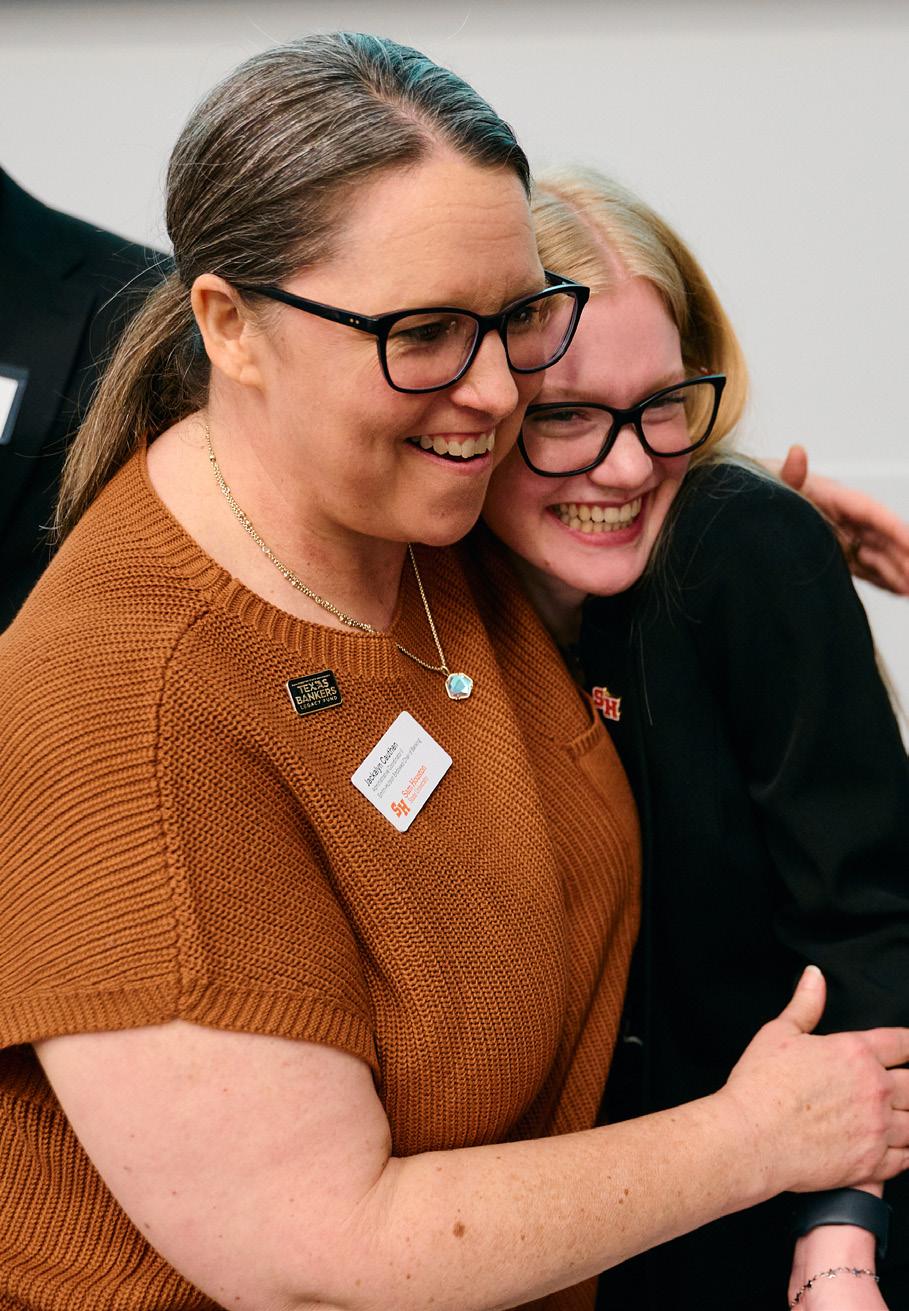
What truly sets the Smith-Hutson Endowed Chair apart is its role as a bridge between academia and industry. Vaughan’s background as a seasoned banker gives her credibility with executives and relatability with students; she speaks both languages fluently. Dr. Steve Nenninger, Smith-Hutson Endowed Professor of Banking, brings real-world insight into the classroom and equips students with the practical skills needed in today’s banking industry demands. Program Manager Heather Caudle, who has served the university in multiple roles, adds operational depth and continuity, helping students navigate everything from course planning to internship logistics. Student Coordinator Jackalyn Cauthen serves as a welcoming first point of contact and ensures students receive the hands-on support they need to thrive throughout their academic journey.
Banks have confidence in the program because they were involved in its development. They know what students are expected to learn, having helped specify the required skill set. Consequently, students benefit from a continuous series of guest lectures, site visits, internships, and entry-level development initiatives that are closely aligned with their academic pursuits. Prominent events such as the annual Banking Day Industry Career Fair create natural opportunities for students and employers to engage meaningfully. Professional readiness is integrated throughout
the experience. Students develop technical skills, communication, judgment, and leadership. They learn how to ask questions, how to think critically about risk, and how to practice the humility and curiosity needed to be coachable. Over multiple semesters, these habits help transform students into high-potential hires. For professionals, the program is a trusted source of talent. Hiring a Banking student means gaining an employee who understands numbers and the community impact behind credit decisions. In an industry that values relationships as much as analytics, that combination is powerful.
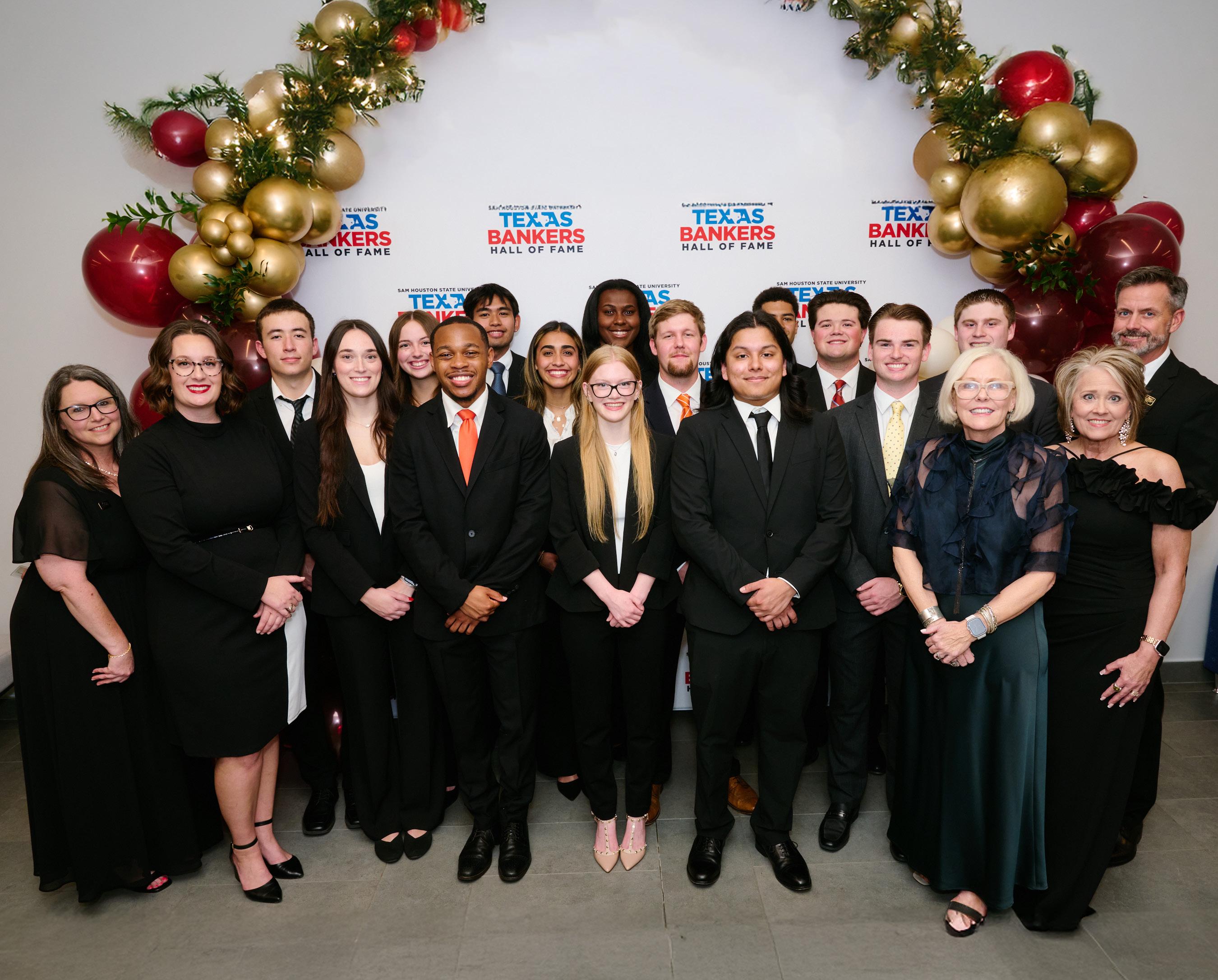
The Texas Bankers Hall Of Fame: Values In Motion
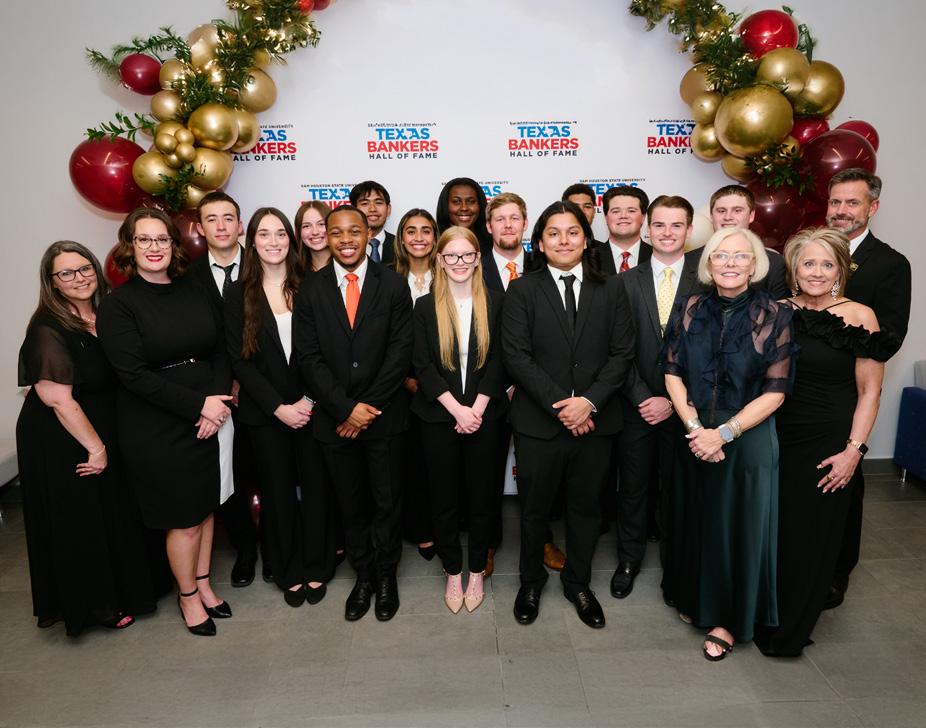
The annual Texas Bankers Hall of Fame Gala is the most visible public expression of the endowed chair’s mission. Established in 2013 and now honoring more than 50 influential bankers, it is more than a celebration of distinguished careers; it is an example of what long-term, values-driven banking leadership looks like. For students who attend, the evening feels like a masterclass, with each honoree’s story offering a different angle on integrity, resilience, innovation, and service to the community.
In that room, theory and practice converge. Students see the same principles they hear about in class embodied in people who have spent decades building institutions, supporting small businesses, and navigating crises without losing sight of their responsibility to customers and communities. The gala amplifies the endowed chair’s visibility among industry leaders, but just as importantly, it gives students a concrete vision of what their own careers might become.
These stories set a standard by showing that banking is about more than balance sheets; it involves stewardship of capital, trust, and opportunity. Students connect their aspirations to a larger legacy, recognizing that the Smith-Hutson program prepares them for a career with purpose, not merely a job. The Smith-Hutson Endowed Chair teaches more than banking; it cultivates leaders who carry forward a 30-year tradition of excellence, innovation, and community impact for future generations.
New & Retired
FACULTY & STAFF
New Faculty and Staff Members
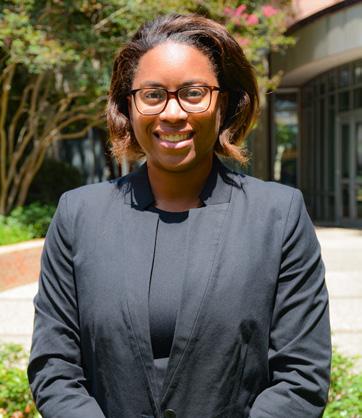
Taylor Cunningham (Accounting)
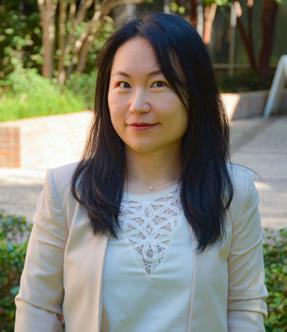
Dr. Qiao Xu (Accounting)
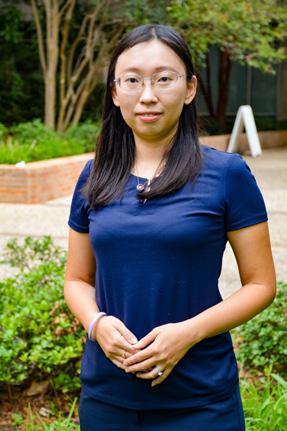
Dr. Yuan Wang (Analytics Information Systems and Supply Chain)

Dr. Ma-aruf Jack Al-hassan (Business Administration and Entrepreneurship)

Dr. Nazmus Sakib (Management and Marketing)
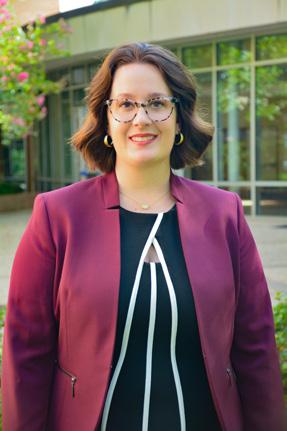
Heather Caudle (Smith-Hutson Endowed Chair of Banking)
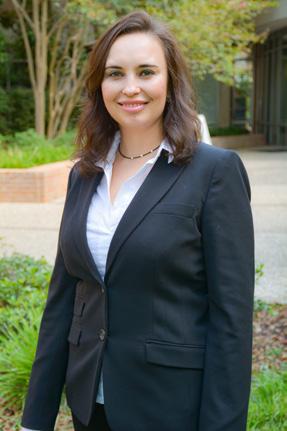
Dr. Olesya Lobanova (Finance and Banking)
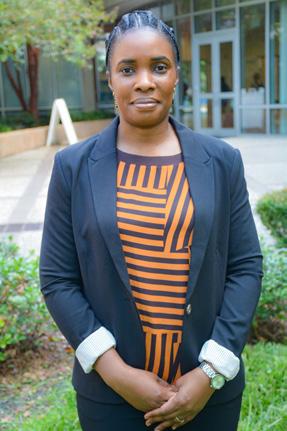
Dr. Nero Edevbie (Management and Marketing)
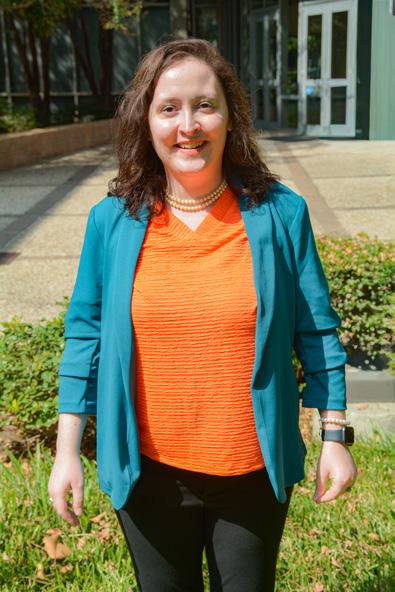
Dr. Bethany Pitchford (Business Administration and Entrepreneurship)
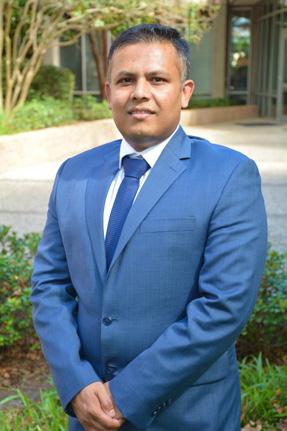
Dr. Mahmud Riaj (Management and Marketing)
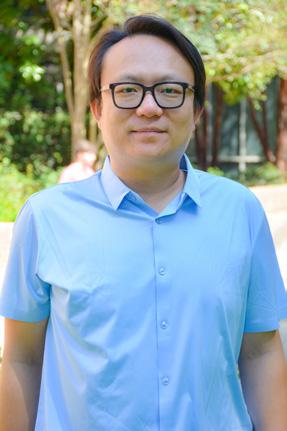
Retired Faculty and Staff
Dr. Wenbin Cao (Finance and Banking)
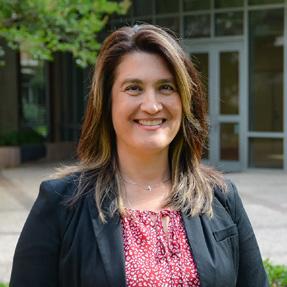
West (Professional Golf Management)
Parker (Professional Golf Management)
Betina
Alex
Dr. Robert (Bob) Stretcher
Dr. Michael Pass
Pam Thaler
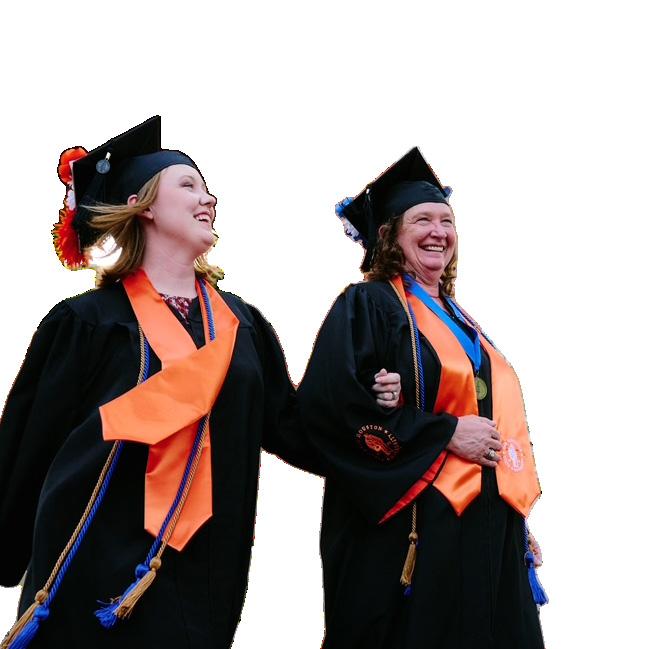
A SHARED JOURNEY
Mother
and Daughter Graduate Together from COBA
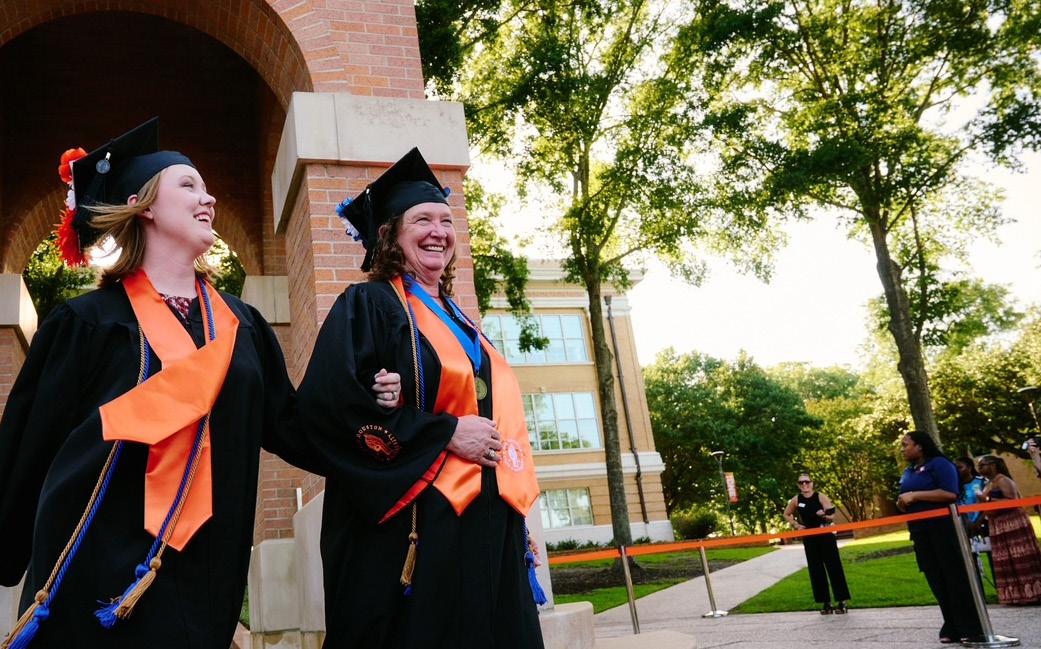
Teresa Skidmore A Dream Deferred, Then Realized
In May 2025, a mother and daughter walked across the graduation stage together at Sam Houston State University, not just as graduates but as partners in a seven-year journey of determination, sacrifice, and second chances.
For Teresa Skidmore and her daughter, Tiffani Hensarling, earning their bachelor’s degrees in Spring 2025 represented more than academic achievement. It marked the fulfillment of a promise, the rewriting of personal narratives, and the creation of a new legacy as first-generation college graduates.
Teresa Skidmore was born in Smackover, Arkansas, before moving to Conroe, Texas, at the age of three. The only girl among four siblings, Skidmore graduated high school with honors, ranking 40th out of 643 seniors and earning straight A’s. College had once seemed inevitable.
Instead, life unfolded differently. She married, had four children, all 18 months apart, and devoted 17 years to
being a stay-at-home mother. Financial constraints made higher education unattainable at the time. “When you have babies and you’re poor,” Skidmore shared honestly, “there was not any money to do that.”
The dream of college slowly faded until her daughter revived it.
When Hensarling suggested they return to school together, Skidmore agreed. “What can I do? Fail?” she said with a laugh. That moment set everything in motion.
Beginning at Lone Star College in 2018, Skidmore earned her associate degree before transferring to SHSU in 2022. While working full time, she balanced coursework with a demanding career at Martin Chevrolet in Cleveland, where she rose from accounts payable to office manager and ultimately to controller. Today, she oversees accounting operations across multiple business entities.
When asked whether earning her bachelor’s degree made a professional difference, Skidmore’s answer was immediate: “Definitely.”
“As first-generation college graduates, Skidmore and Hensarling have reshaped their family’s educational legacy.”
Approaching 60, she has no plans of slowing down. Encouraged by her daughter, she plans to continue into graduate studies in accounting. “You’re never too old,” she said, a phrase that has become part of their shared story.
Tiffani Hensarling
From
Setback To Second Chance
Tiffani Hensarling grew up in Hardin, Texas, graduating 11th in her class of 52 students with a 3.6 GPA. Accepted to both Baylor University and SHSU, she chose Sam Houston and enrolled in 2009.
During her freshman year, however, she became pregnant. Rather than navigating academic accommodations, she withdrew from the university. “Instead of trying to work something out, I just left,” Hensarling admitted.
Years later, while working at the Montgomery County Appraisal District, she applied for a payroll administrative position but was passed over in favor of a candidate with a degree. “I knew I could do that job,” she said. “But I didn’t have a degree. And that is the worst feeling ever.”
Encouraged by her husband, James, a Black Hawk pilot in the Army Reserve and SHSU alumnus, and supported by his family, she decided it was time to finish what she started. She invited her mother to join her.
“I called her and said, ‘We should totally go back to school together,’” Hensarling recalled. “And she was on board.”
From placement exams at Lone Star to nearly every class taken side-by-side at SHSU, their educational paths intertwined. “Everything together,” Hensarling said. “Went to class together, wore matching shirts together.”
In Spring 2025, they completed their bachelor’s degrees: Skidmore in accounting and Hensarling in business administration.
Today, Hensarling serves as Deputy Chief Appraiser at the San Jacinto County Appraisal District. She credits her near-completed degree with strengthening her candidacy for the position.
Looking ahead, she hopes to become a chief appraiser and potentially return for additional accounting coursework. “I love knowledge,” she shared. “The more knowledge you have, the better you can be at what you’re doing.”
Support, Legacy, And What Comes Next
Behind their shared success stood a strong network of support. Teresa Skidmore credits her husband, Paul, for managing the household while she worked full-time and completed coursework. “He’s been amazing,” she said. “He’s fixing me dinner as I walk in the door from work.”
Tiffani Hensarling similarly credits her husband, James, for encouraging her to return to school. Both women also expressed gratitude toward faculty at Sam Houston State University, particularly Dr. Ronnie Daigle. “He cares. He really cares,” Hensarling said, while Skidmore noted that her professors ensured students truly learned the material.
As first-generation college graduates, Skidmore and Hensarling have reshaped their family’s educational legacy. Their path included financial hardship, pregnancy, divorce, transcript obstacles, and career setbacks, but in May 2025, they crossed the graduation stage together.
And they are not finished.
Both women plan to return to SHSU in the fall to pursue graduate education, continuing a journey that began with one simple question: Why not go together?
BUILDING GLOBAL BRIDGES
COBA Expands International Partnerships In The Albanian Region
When business education crosses borders, learning expands beyond the classroom.
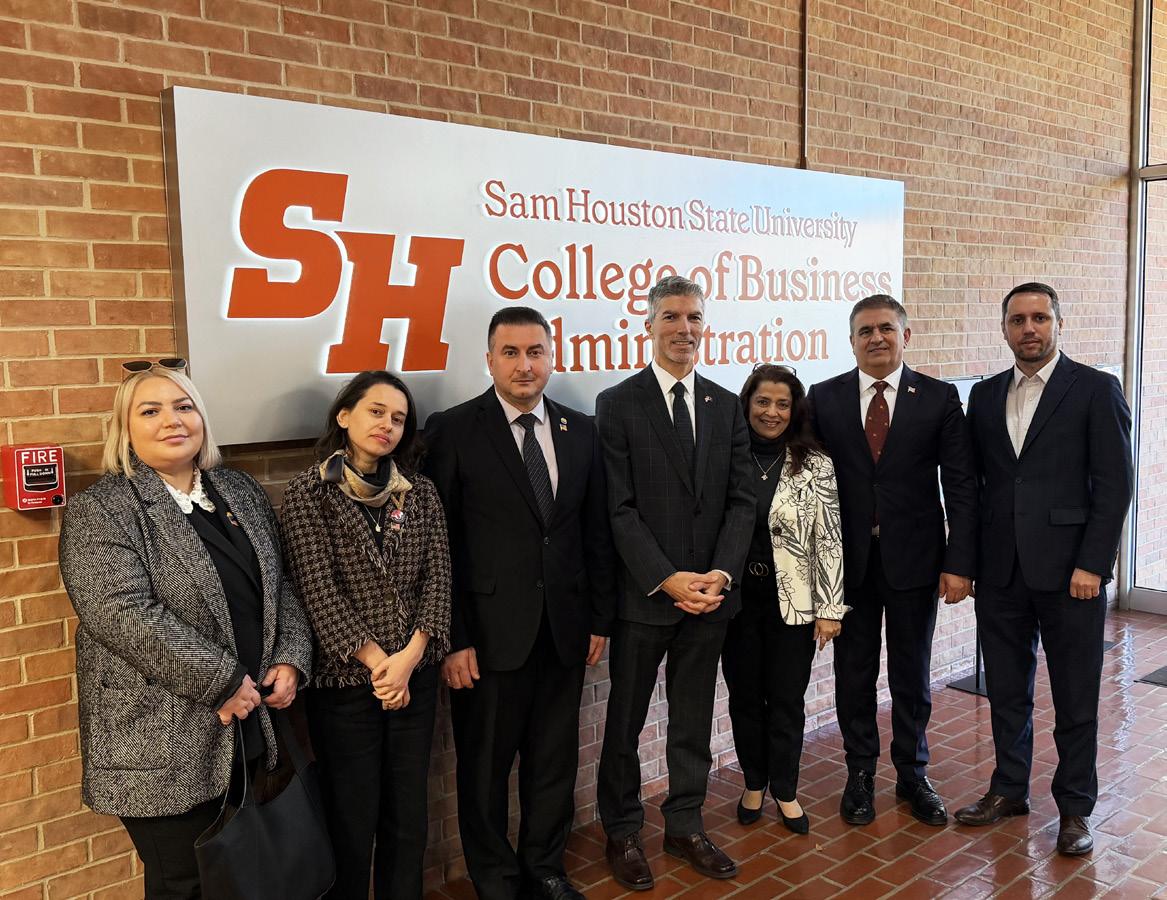
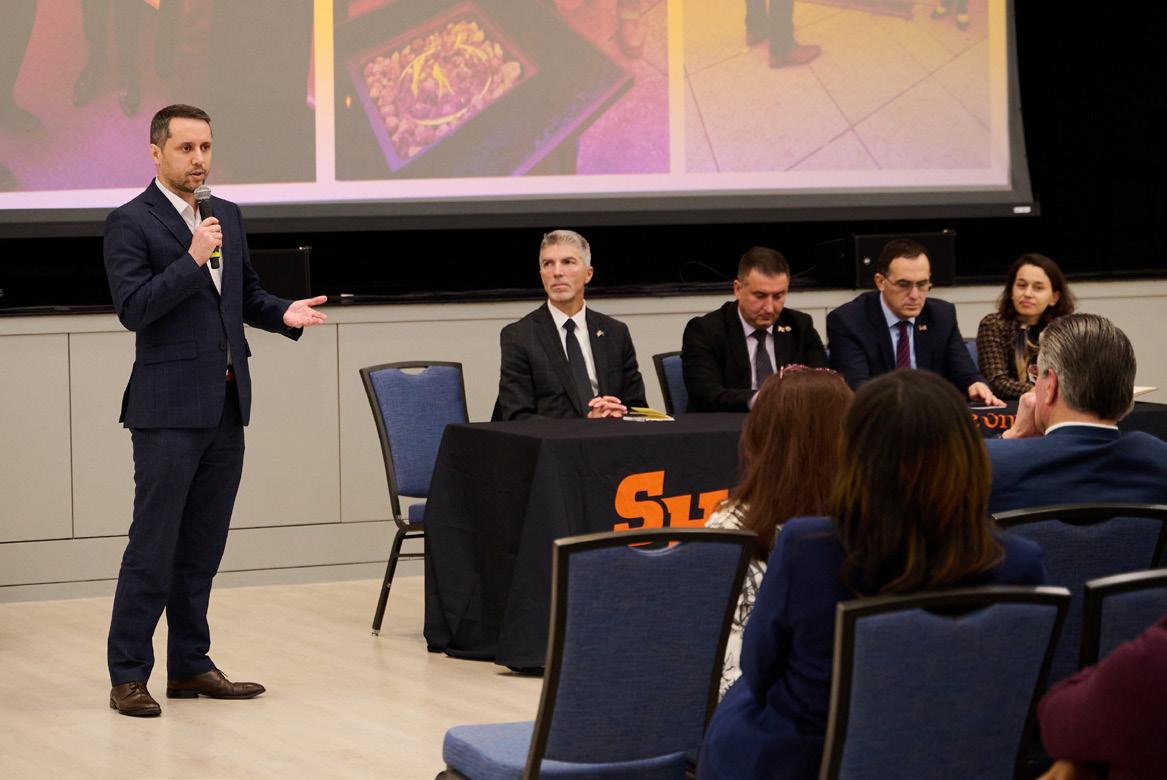
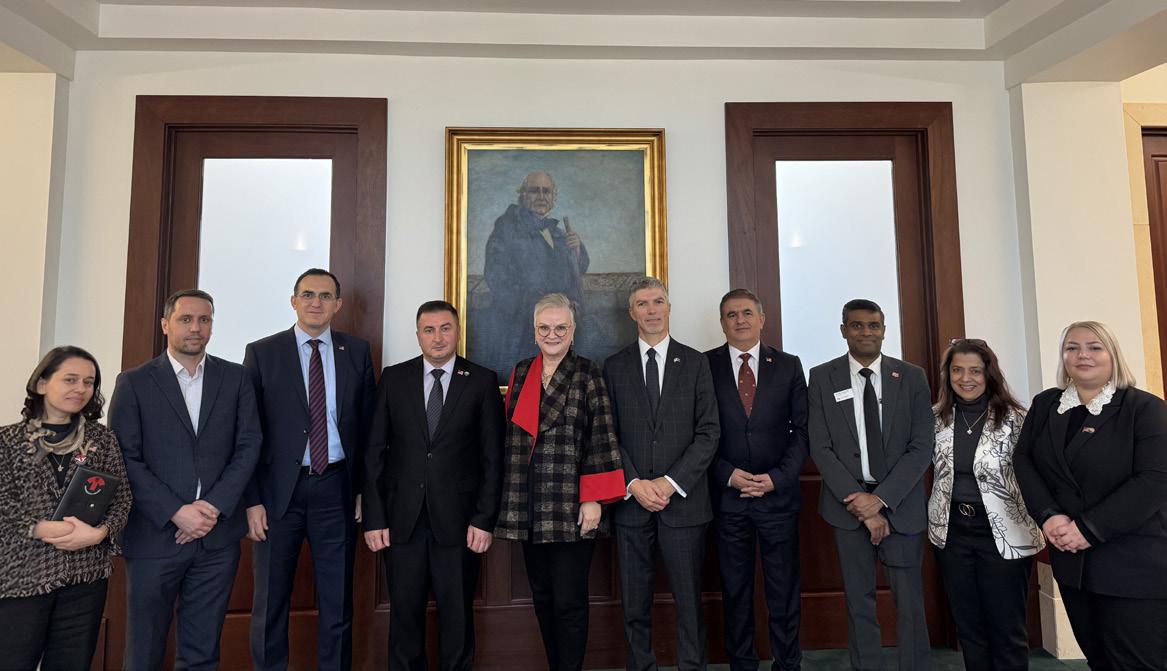
This year, the College of Business Administration (COBA) at Sam Houston State University strengthened its commitment to global engagement through a collaborative international initiative connecting the college with universities across the Albanian region. Academic leaders from the University of Tetova (North Macedonia), the University of Business and Technology (Kosovo), and the University of Tirana (Albania) joined COBA representatives for structured dialogue focused on expanding educational and research partnerships.
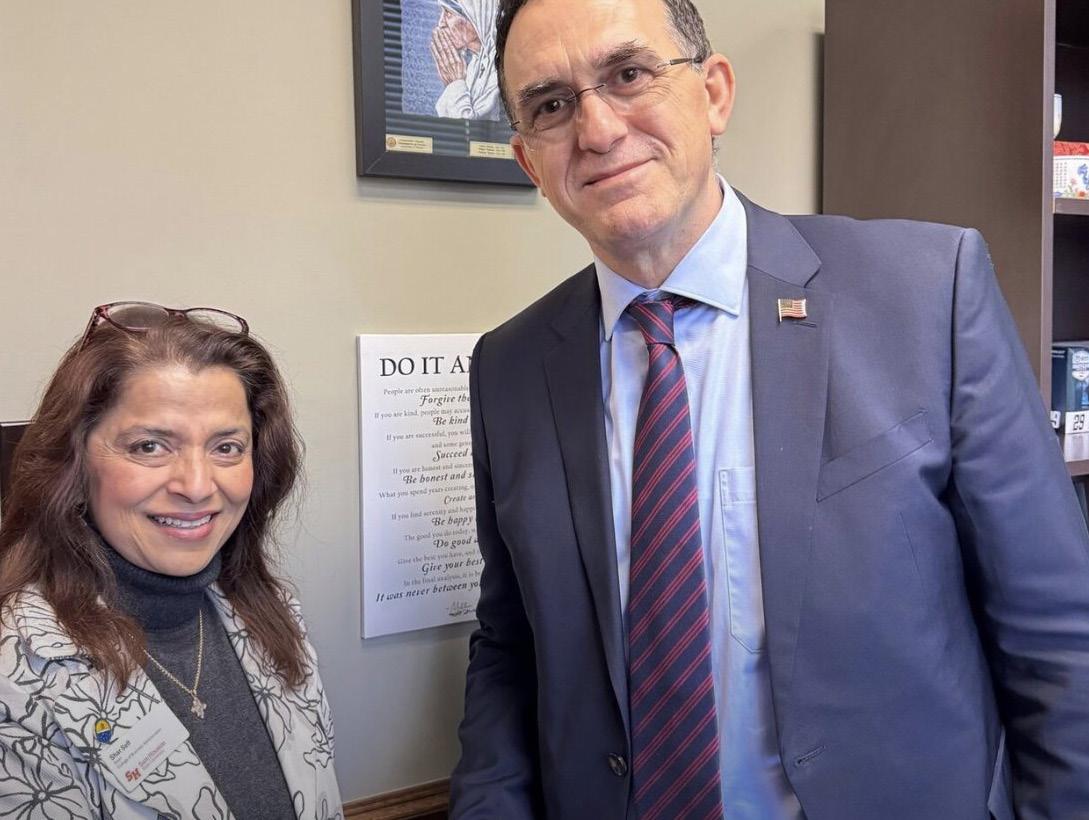
The initiative also included engagement with the Ambassador of Kosovo to the United States and members of the Albanian and Albanian-American communities in Texas, creating a meaningful connection between higher education, diplomacy, and community leadership.
From Conversation To Collaboration
Building on relationships established during a previous visit, this year’s effort broadened the scope of
cooperation and moved discussions toward long-term academic engagement. Planning efforts centered on identifying sustainable opportunities in areas such as the following:
• Student mobility and exchange
• Faculty collaboration and joint research
• Academic program development
• Cultural exchange and global learning experiences
These conversations reflected COBA’s strategic focus on preparing students to succeed in an increasingly interconnected global economy.
Why This Matters For Students
Global partnerships provide students with more than travel opportunities; they build perspective. Exposure to international academic environments helps students develop cross-cultural communication skills, adaptability, and a deeper understanding of global business systems. These competencies are essential for leadership in today’s workforce.
Faculty engagement is equally impactful, expanding research networks, encouraging knowledge exchange, and strengthening scholarly collaboration across institutions.
A Collective Achievement
This event would not have been possible without the leadership, active involvement, and participation of COBA alumnus Alban Fetahu, whose commitment to strengthening international academic connections helped bring this initiative to life. The effort also reflects the collaboration of COBA faculty and staff, university leadership, international partners, and community members who supported planning and coordination.
Together, these contributors helped transform dialogue into a growing global partnership that will continue to create opportunities for students and faculty alike.
Looking Ahead
As COBA continues expanding its global footprint, initiatives like this reinforce the college’s mission to deliver educational experiences that are innovative, inclusive, and internationally connected. By building bridges across institutions and cultures, COBA is preparing graduates not just for careers but for leadership in a global society.
“As an alumnus of the College of Business Administration (COBA), I take great pleasure in reflecting on the lasting impact it has had on me and continues to have on its students and the broader community. During my MBA studies, the guidance of committed faculty and the rigor of the academic program equipped me with lessons that continue to shape both my professional and personal life. Recently, I had the honor of working closely with Dr. Self, Dean of COBA, to organize a rather ambitious and unique event. We invited rectors of universities from Albania, Kosovo, and North Macedonia to visit Sam Houston State University with the aim of strengthening connections between our institutions. This collaborative effort reflects a shared vision of building bridges between academic communities and creating opportunities for students, faculty, and partners on a global scale. To further enrich the event, we reached out to the Ambassador of the Republic of Kosovo in Washington, DC, who honored us by agreeing to fly to Texas and attend the event. The Ambassador’s willingness to support our initiative emphasizes the importance he places on this partnership and the potential it holds for deeper cooperation and engagement.
What made this initiative truly unique was the involvement of the Albanian-American community in Texas, whose support and enthusiasm played an important role in making this opportunity an even greater success. Dean Self’s outreach to the Albanian community was a meaningful gesture. It not only acknowledged the strong ties between the Albanian diaspora and their region but also marked the beginning of a relationship that has the potential to be highly valuable for both the community and the respective universities. It is my strong belief that our efforts demonstrated how academic institutions can serve as bridges between cultures, communities, and nations. By fostering dialogue and collaboration, the College of Business Administration continues to create unique opportunities that extend far beyond the classroom and contribute to lasting partnerships for years to come.”
- Alban Fetahu



DMPr. Pamela Zelbst never set out to “add one more class” to the high school day; she set out to open a door. As director of the Center for Innovation, Technology, and Entrepreneurship at Sam Houston State University, she saw a way to bring industry-level project management skills to underserved high school students long before they step onto a campus or into a career.
Planting The Seed Early
RThe PMR (Project Management Ready) Program began with a simple community question: How could Sam Houston State University have a meaningful, practical impact on nearby high schools such as Huntsville, Trinity, and Madisonville? Every class already had “projects,” Zelbst realized, but few students were taught how project management works, its language, structure, and ethics. Certified herself as a Project Management Professional (PMP), she saw the PMR certification as a tangible credential that could serve both students and schools. The result is a no-cost online program that introduces high school students, many from at-risk, underserved communities, to a globally relevant, workforce-ready skill set.
How PMR Works
Because many students are in at-risk areas, accessibility was nonnegotiable. The program is delivered online via a Blackboard “genius” instance that eliminates platform fees and blends licensed materials with custom content developed by Zelbst and her colleagues to prepare students for the Project Management Ready exam. The opening lesson is
intentionally eye-opening: students watch a video about the “Two-Hour House,” a home built in just two hours using project management principles, and then respond to her deceptively simple question, “What do you see in that video that a project manager absolutely has to have?” The discussion typically starts with organization and leadership, but ultimately reveals communication as the central skill.
From there, students learn to distinguish a project from routine work (such as building a house versus answering phones); speak the language of projects through flashcards and terminology exercises; understand basic structures and methodologies such as waterfall, agile, hybrid, and approaches tailored to AI projects; and navigate ethical dilemmas such as evaluating bids when one vendor is a friend or relative and understanding why transparency matters. By the time they approach the exam, they are no longer just memorizing terms; they understand how real projects are scoped, governed, and delivered in practice.
Skills That Travel Anywhere
For Zelbst, the PMR Program’s true value lies in its transferability. “This skill set cuts across all industries,” she explains, noting that not every student will attend college, but all will face projects. Whether in construction, healthcare, IT, or volunteer work, understanding project structures and how a project manager thinks helps ensure effectiveness from day one.
Through the PMR Program, students build technical skills, including understanding project structures and choosing the right methodology:
“Zelbst
values transformation over perfection, focusing on students achieving what once felt impossible.”
waterfall for construction, agile for fast-changing initiatives, or a hybrid approach when appropriate. They also develop professional skills in ethics, transparency, and business outcomes, using tools such as project charters, business cases, and scope definitions. Just as importantly, they grow personal skills in confidence, teamwork, and conflict resolution, and learn to distinguish between simple “group work” and genuine collaboration.
Zelbst contrasts group work, where students divide tasks, work alone, and hope it all fits at the end, with real teamwork, in which students understand how their contributions connect. She argues that this mindset helps prevent common workplace project failures.
Real Outcomes, Real Confidence
Although the program is young, early results are notable. Throughout the fall and current semester, the PMR Program has maintained a 100% pass rate, which Zelbst calls “phenomenal,” though she expects it may shift as more at-risk students participate. She values transformation over perfection, focusing on students achieving what once felt impossible. During exams, she monitors while a high school instructor is in class; when a student passes, she messages the teacher and hears their joy as students realize they can become credentialed professionals. Those who do not pass initially receive support and a second chance, reinforcing that setbacks are part of growth.
One Huntsville High School football player, honored on homecoming court, considered his PMR certification his biggest achievement to date. Another student,
Jose, featured in Sam Houston’s Heritage magazine, used his certification to enroll at Sam Houston State as an accounting major and Smith-Hutson scholar; Zelbst has met his family. These stories give her hope that she plays a small role in students reaching new heights.
Aligned With Tomorrow’s Workforce
The Next Gen PMR Program is not just an academic add-on; it is aligned with workforce needs. Zelbst highlights a Forbes article that lists project management as a top employee skill, a claim supported by student job placements after they highlighted PMR on their résumés. She reminds students that basic tools such as Word and Excel are expected, but what truly stands out is the ability to “speak the language” of project managers: scope, milestones, risk, and stakeholders. Teaching high school students this vocabulary and mindset early prepares them for jobs, internships, and academic programs.
Powered By Partnerships, Built For Growth
The program’s success relies on a strong partnership with Sam Houston State, where the dean encourages the use of existing licenses so that high school students can participate at no cost. Department leaders and faculty attend celebrations to recognize students who complete the program and to affirm their place in the academic community.
On the K–12 side, educators at Huntsville, Trinity, and Madisonville High Schools dedicate six weeks each semester to guide students through the curriculum, exams, and preparation. Zelbst emphasizes their indispensable role: “We couldn’t do it without them.” The initiative is expanding into a broader “Next Gen” program, adding a second credential: Entrepreneurship and Small Business (ESB). Zelbst and colleagues Chuck Mize and Elwanda Bennett along with entrepreneur Robert Milner are piloting this curriculum, exposing students to business and entrepreneurial thinking alongside project management.
For students unable to pursue college immediately, combining PMR and ESB offers a launchpad into higherpaying roles or ventures. For Zelbst, the PMR Program is both a mission and a personal calling. “It brings me real joy,” she says, especially as it serves her community. Each cohort demonstrates how project management can unlock potential, not just as a career path but as a way to develop young talent.
COBA STUDENT ADVISORY COUNCIL
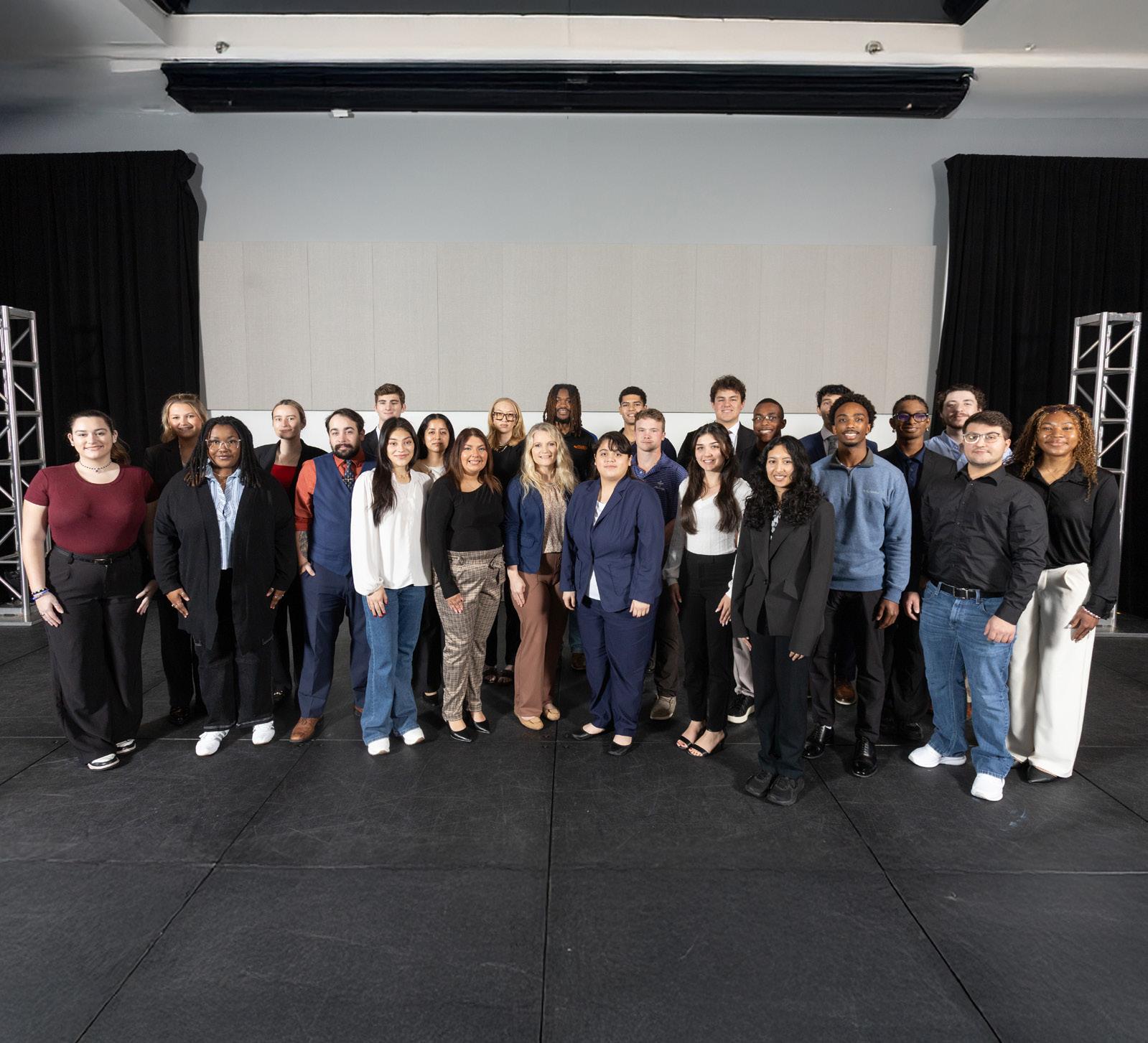
The COBA Student Advisory Council (SAC) is primarily composed of the presidents and vice presidents of recognized student organizations within the College of Business Administration. These student leaders represent a wide range of business disciplines and bring forward the collective voices of their respective organizations.
The Council was created to ensure that student leadership has a direct line of communication with college administration. By providing feedback, sharing insights from their organizations, and collaborating on key initiatives, SAC members help shape programming, strengthen engagement efforts, and enhance the overall student experience within COBA.
Through this structured partnership, the Student Advisory Council plays a vital role in advancing recruitment, retention, career readiness, and leadership development across the college.
Elijuah Bloem
Daniel Dematos
Ashley Ells
Gabriel Enriquez
Sydnee Evans
Leslie Gallegos
Devon Gallier
Crystal Hearren
Dawson Lathrop
Jali Luqman-Canady
Alexis Marshall
Kennedi Matthews
Caleb Murray
Dylan Perry
Skyler Robinson
Meredith Speer
Arleth Villegas

Changing The Way Students Think About Financial Literacy SKILLS FOR SUCCESS
When Dr. Sanjay Mehta arrived at Sam Houston State University as a newly minted PhD, he quickly realized how unprepared he was to navigate retirement plans, health insurance, and the fine print that shapes an adult’s financial life. That realization deepened as life became more complex for his own family, highlighting how high the stakes can be when people lack essential financial knowledge. If a business professor felt this unready, he wondered, how much more vulnerable were his students? That question sparked a long-term calling: equipping SHSU students with the skills and confidence to make sound financial choices.
In 2006, Mehta began hosting informal monthly sessions where students could show up, bring friends, and ask anything about money, from credit cards to retirement accounts. Those small gatherings of 15 to 20 students grew into campus-wide talks and, eventually, a full-fledged course grounded in one conviction: financial literacy is not a luxury; it is a lifelong necessity.
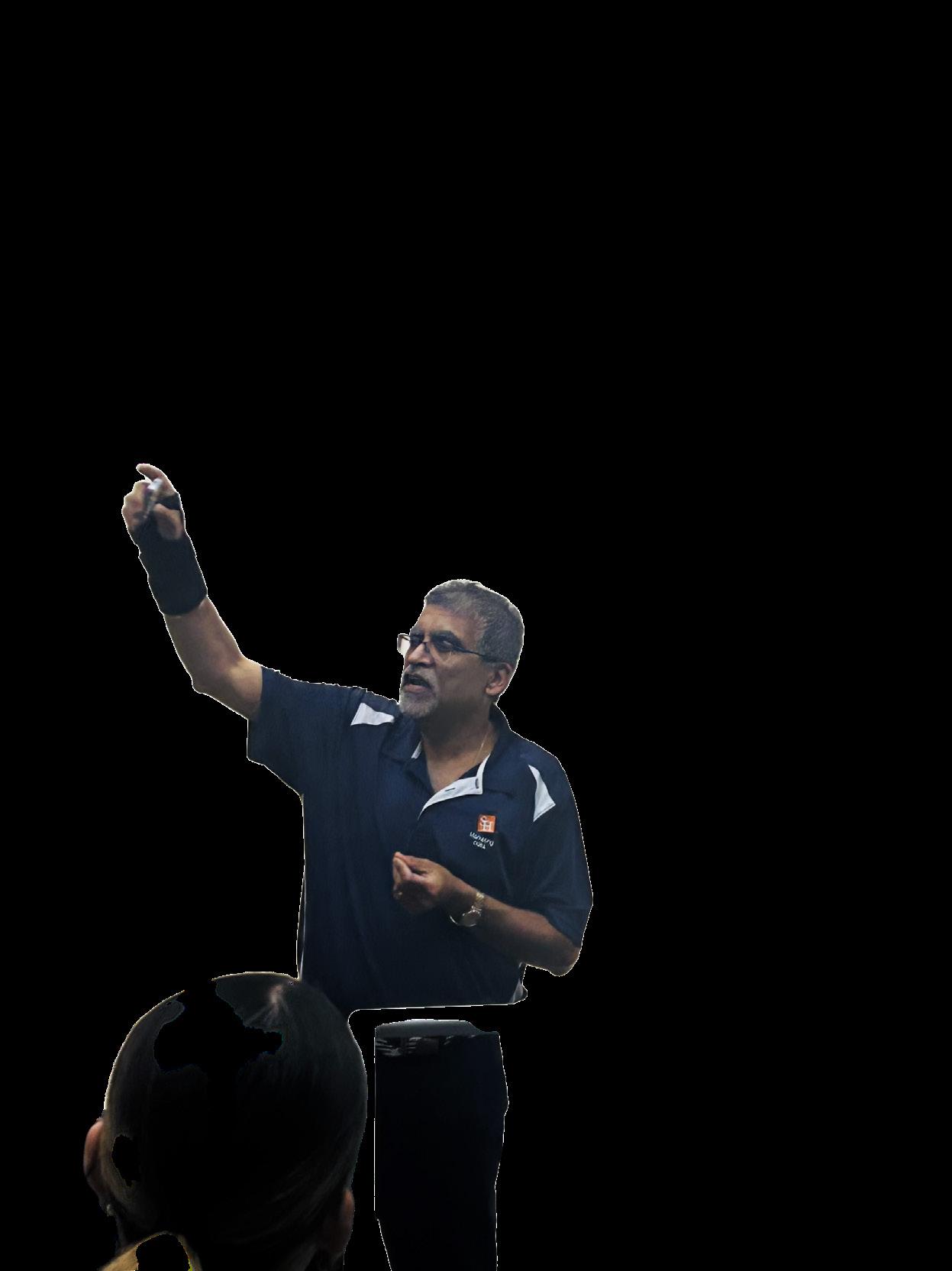
“Skills For Success”: More Than Just Money
When the College of Business Administration allowed him to develop a course, Mehta created “Skills for Success.” It started as a personal finance class but quickly grew into a broad life-skills toolkit, covering areas such as selfimprovement, frugal living, health, insurance, budgeting, tax planning, investing, banking, credit, debt, identity theft, retirement, negotiations, and Social Security. Instead of teaching abstract theories, Mehta tailors examples to reflect the diverse backgrounds and realities of SHSU students, many of whom are first-generation college attenders.
The urgency behind this work is stark. If roughly threequarters of former NFL players, who can earn a median lifetime income of around six million dollars, face severe financial distress or bankruptcy within two years of retirement, what does that mean for the average graduate starting out with far less? For Mehta, it underscores a simple truth: without foundational financial skills, even high incomes cannot guarantee stability. His goal is not to turn every student into a financial expert but to give them enough understanding to ask better questions, avoid obvious pitfalls, and plan for a future they can afford.
Making Money Talk Real, Relatable, And Human
Financial literacy might seem dull on paper, but not in Mehta’s class. He believes students are interested in making, saving, and growing money if the conversation feels real. He shares media stories and his own journey as a first-generation immigrant who arrived with little. Students share their family stories of struggle and resilience, fostering peer learning, especially when more experienced students sit with freshmen.
Every student should be exposed to topics like loans, retirement benefits, and debt as everyday realities that young adults, particularly those from low socioeconomic backgrounds, are expected to face without any formal preparation.
Teaching With Data, Tech, And Lived Experience
The course is dynamic because tax rules, Social Security, and financial regulations change yearly. Mehta avoids a traditional textbook. Instead, he uses primary sources such as the IRS and Social Security websites and responds to student requests, such as a recent entrepreneurship module. Technology plays a key role, with AI tools helping create slides, quizzes, and assignments and online calculators helping students grasp concepts such as compound interest. A notable activity involves students analyzing their parents’ home, estimating its value, comparing properties, checking flood risk, reviewing school districts, and mapping sex offender registries, demonstrating real-world financial decisionmaking.
To reach more students, including athletes and nonbusiness majors, Mehta recently added an online version of the course. Enrollment jumped from 30 students in a face-to-face section to 50 in an online section, and demand is strong enough that the class will be offered as an upper-division elective in summer 2026. Each February, he also presents to all SHSU athletes, more than 300 students, on budgeting, debt, and credit, with many

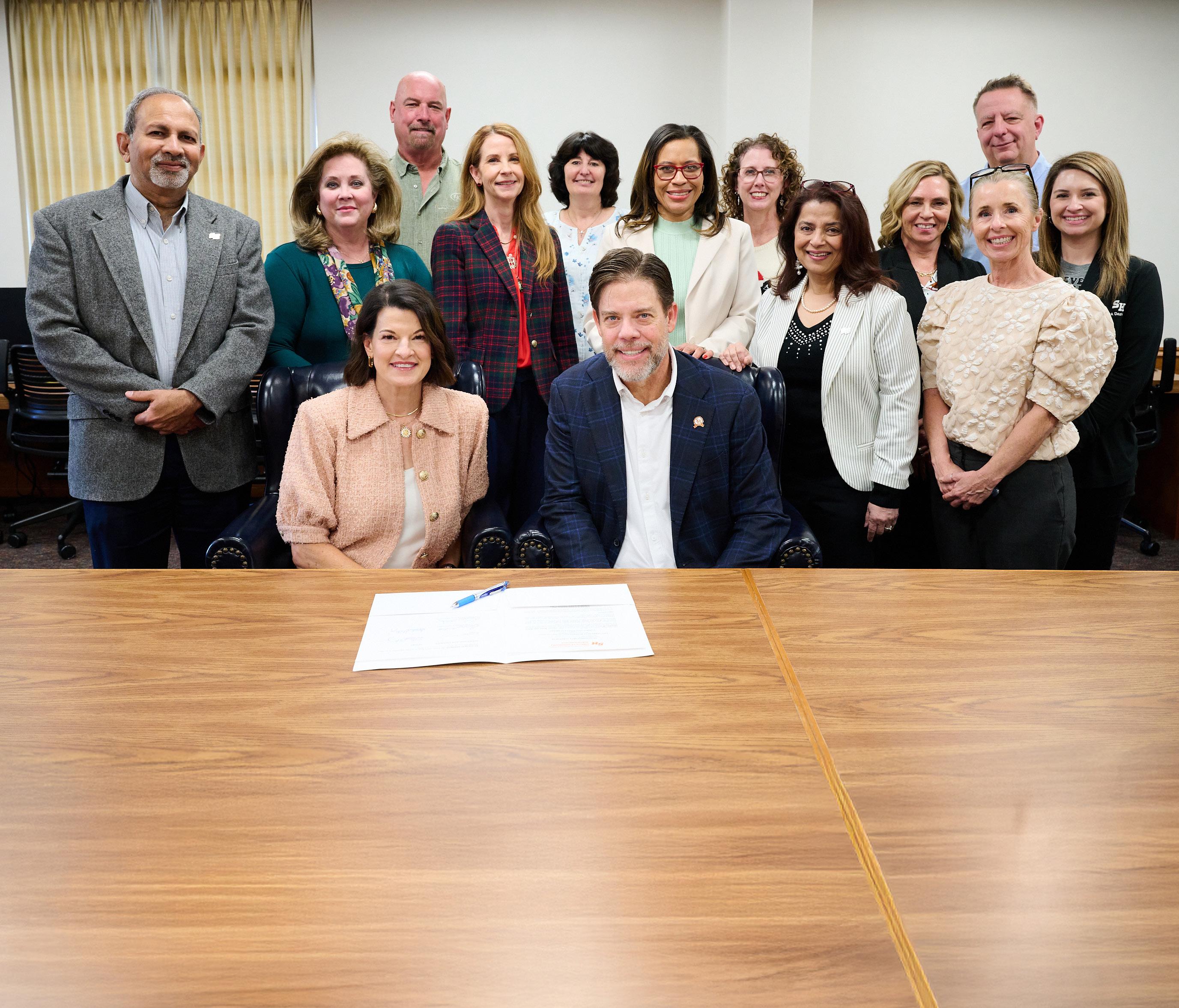
Honoring Leadership, Service, And Generosity
BRYAN MICHALSKY’S ENDURING IMPACT ON COBA
When Bryan Michalsky graduated from Sam Houston State University in 1991 with a Bachelor of Business Administration in Accounting, he carried with him not only a degree, which led to him earning the CPA, but a deep appreciation for the community that shaped him. A proud Bearkat and dedicated Sigma Chi fraternity member, Bryan has maintained close ties with his fraternity brothers and with the university that helped launch his professional journey. Today, he stands as a distinguished alumnus whose career and character reflect the very best of the College of Business Administration (COBA).
Bryan’s recent gift to support the Center for Building Business Professionals is a testament to his belief in the power of preparation, mentorship, and opportunity. His generosity directly strengthens the Center’s mission to equip business students with the professional readiness, experiential learning, and industry engagement essential for success in a rapidly evolving marketplace. This investment will have a transformative impact, expanding access to high- quality career development resources and ensuring that every COBA student, regardless of background, can confidently step into the workforce with the skills and support needed to thrive. This gift will significantly enhance the Career Readiness Academy,
an innovative program and graduation requirement for all COBA students, ensuring that every graduate enters the workforce with confidence, competence, and a strong professional foundation.
“Recent opportunities to engage with students have shown me that our university and COBA are doing great things to prepare this generation of graduates for success in life, just as they did for me decades ago. I’m proud to be able to support our university in this endeavor.”
– Bryan Michalsky
For more than two decades, Bryan has been a key leader at Cotton Holdings, serving nearly 19 years as Chief Financial Officer before stepping into the role of Co -CEO. His tenure there reflects a career marked by strategic insight, operational excellence, and a steady commitment to organizational growth. Recently, Bryan has embarked on a new chapter, dedicating his time and energy to Second Mountain Ministries, the nonprofit organization he founded. Through this work, he partners with organizations across the United States and Central America to support vulnerable and marginalized communities, thereby extending his impact far beyond the business world.
Bryan’s journey is one of leadership, service, and purpose. His support of the Center for Building Business Professionals reflects not only gratitude for his own SHSU experience but a desire to open doors for future generations of Bearkats. The College of Business Administration is deeply grateful to Bryan and his wife, Melysa, for their generous gift and for their unwavering commitment to student success. Their investment strengthens the college today and helps shape the business leaders of tomorrow.

COBACelebrates A Year Of Progress, Purpose, And People
2025 COBA Faculty & Staff Awards Teaching Award
Service Award
Research Award
Staff Award
Staff
Honorable Mentions in Teaching: Ashly Smith & Mark Tuttle
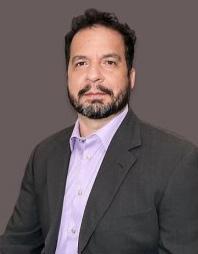
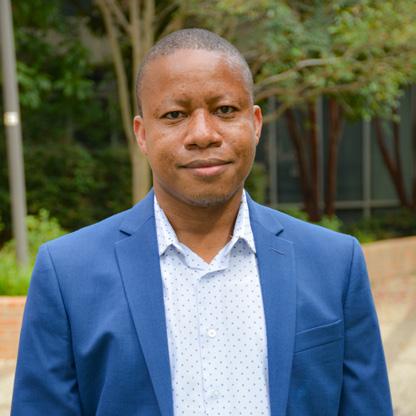
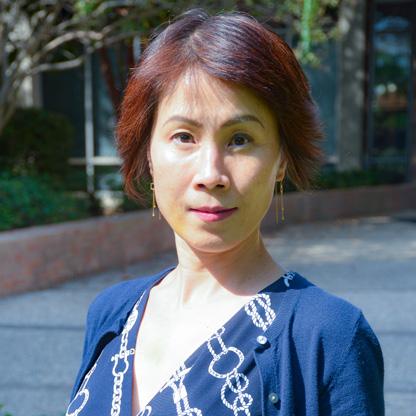
Dr. Cosmas Dery
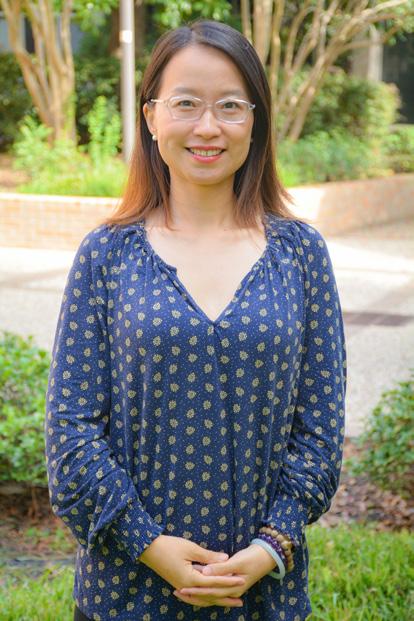
Dr. Willow Yang
Honorable Mentions in Research: Fidel Gonzalez, Farid Jahantab, Younoh Kim, Bala Maniam, Vlad Radoias, Jason Riley, Raisa Sara & Pam Zelbst
Honorable Mentions in Service: Lindsay Clark & Traci Austin
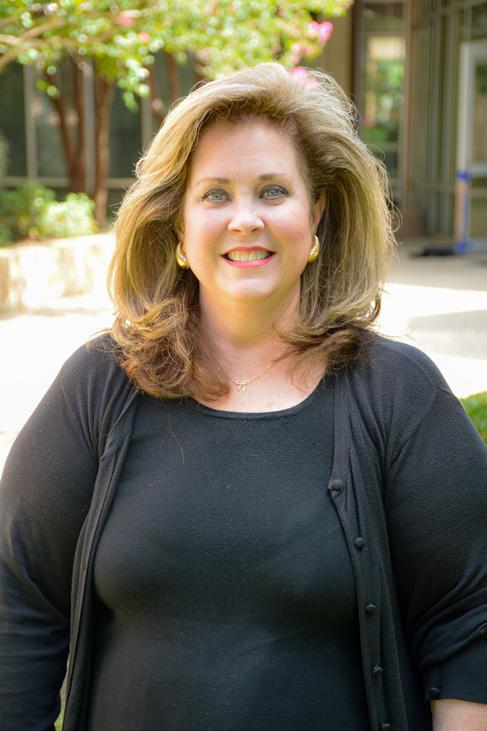
Honorable Mentions: Brandy Schanfish & Tricia McCarty
Above & Beyond Award
Emerging Leader Award
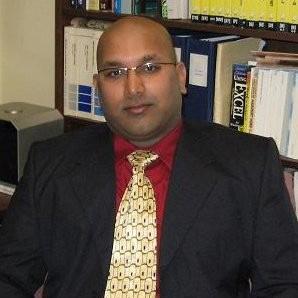
Dr. Arun Narayanasamy
Innovation Award Community Engagement Award
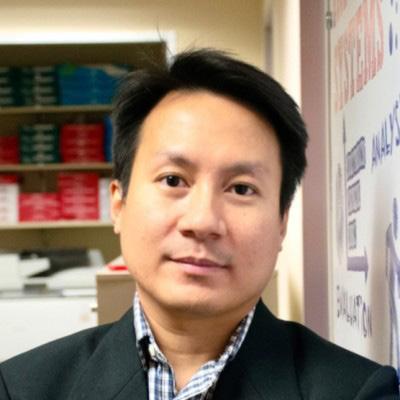
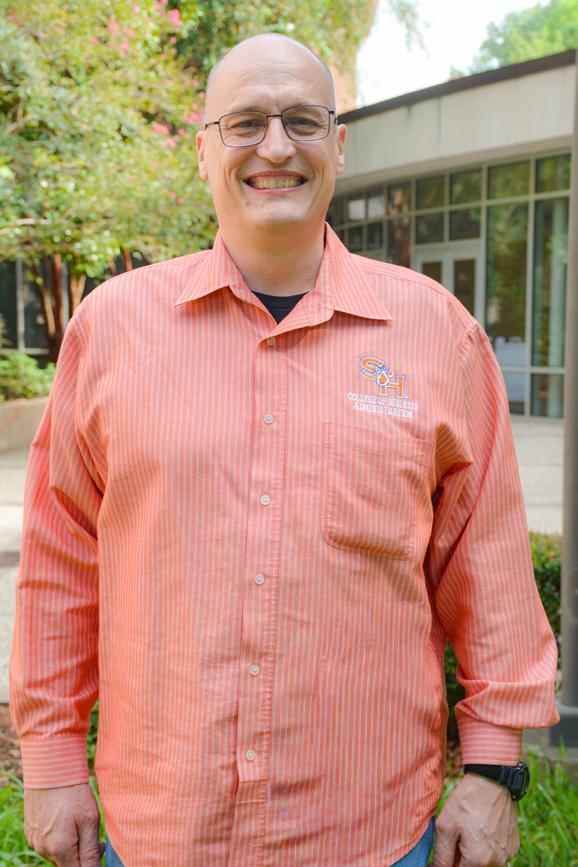
Dr. Kamphol Wipawayangkool

We are so proud of the incredible faculty and staff honored for their accomplishments, promotions, retirements, and emeritus recognitions. Congratulations to this year’s honorees!
Honorable Mentions: Katie Harris & Steve Nenninger
COBA
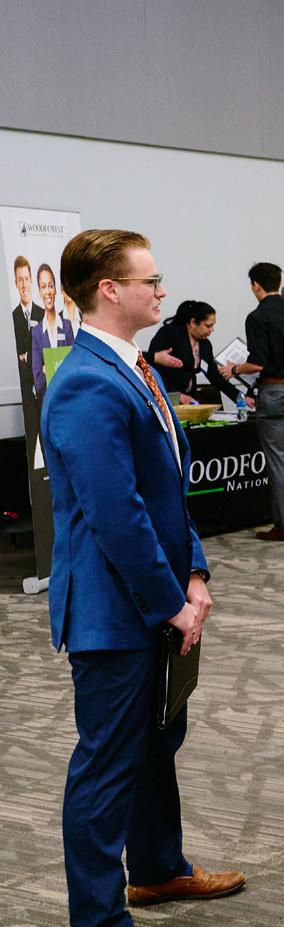
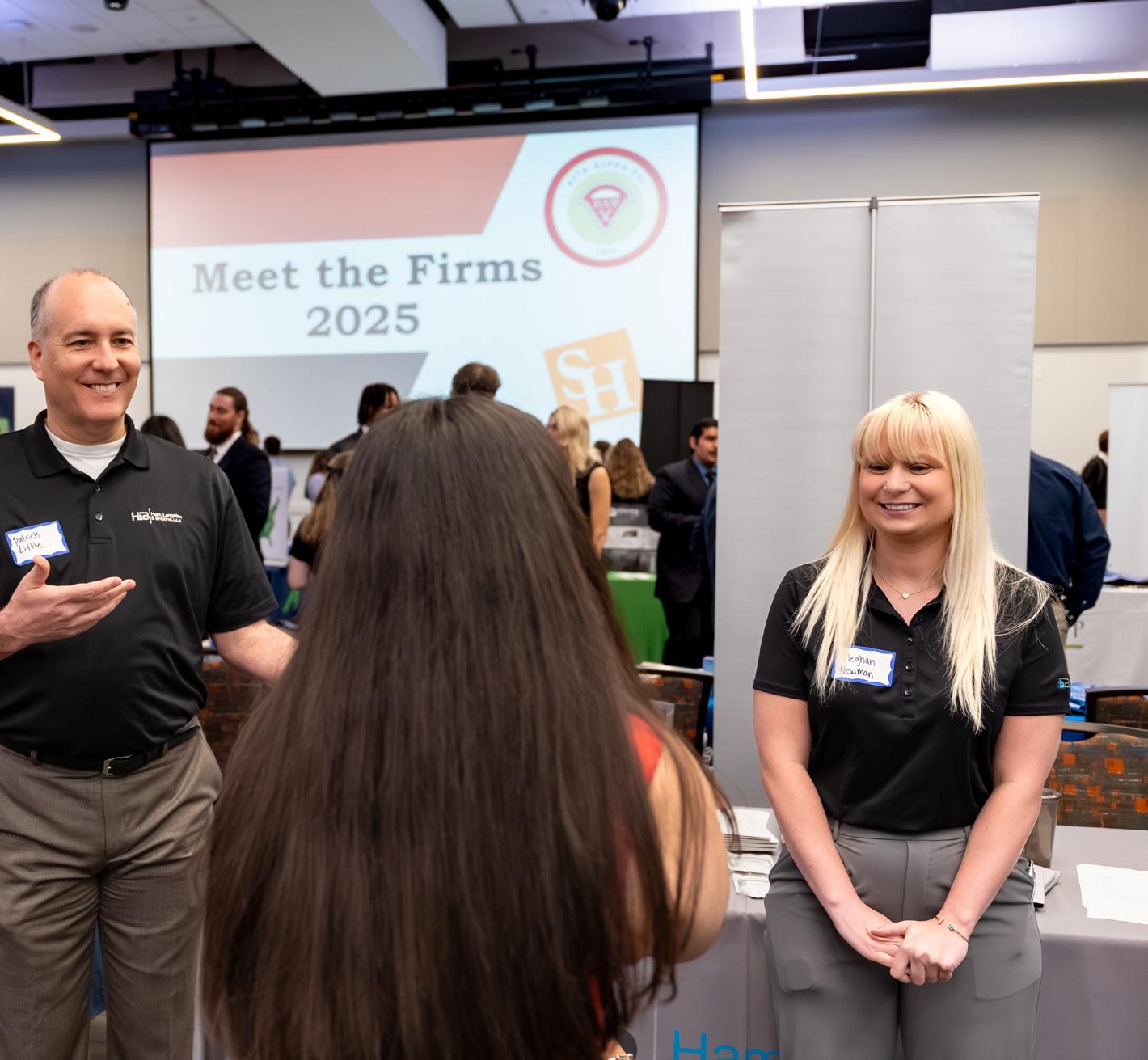
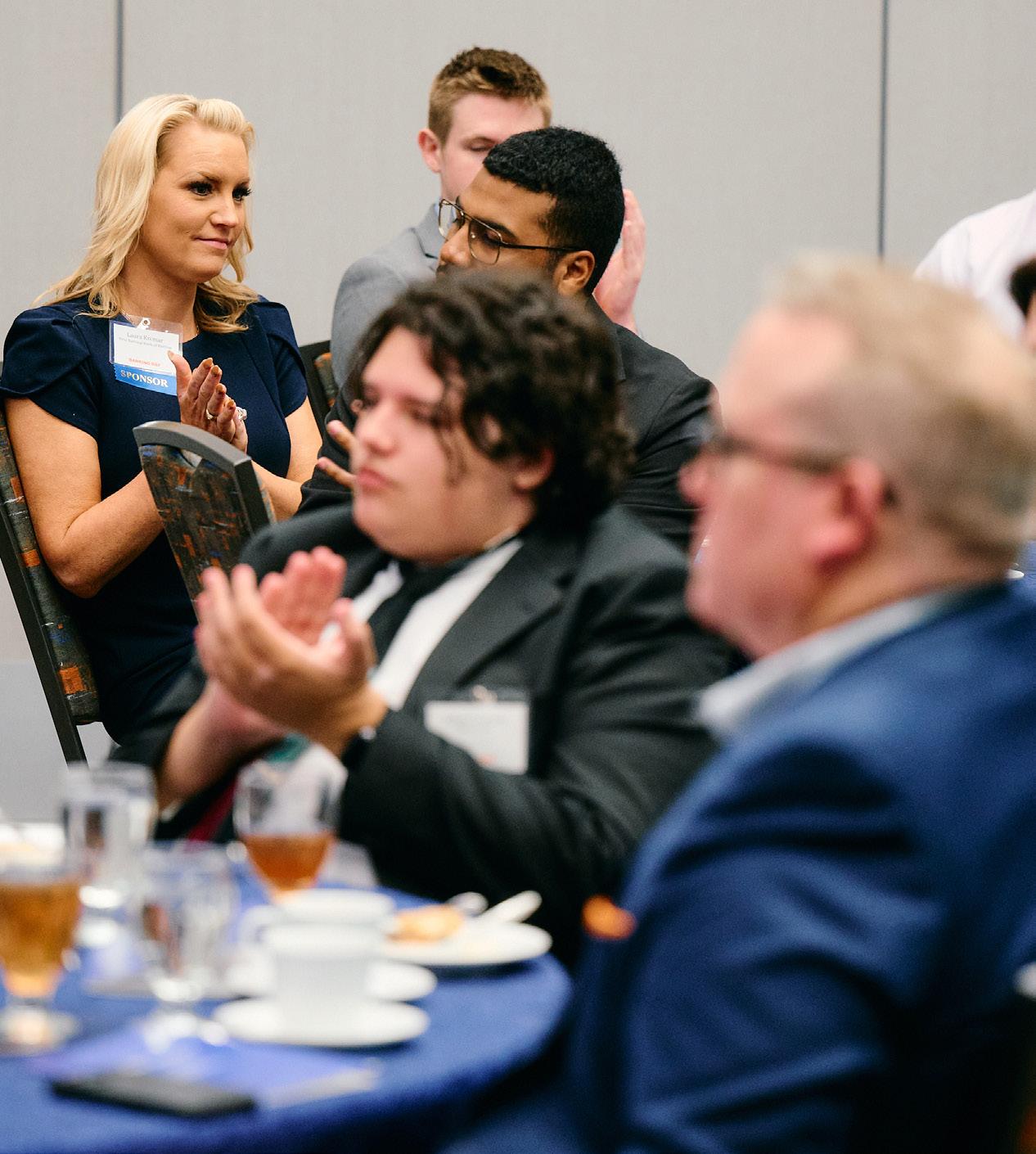
STUDENTS GET HIRED
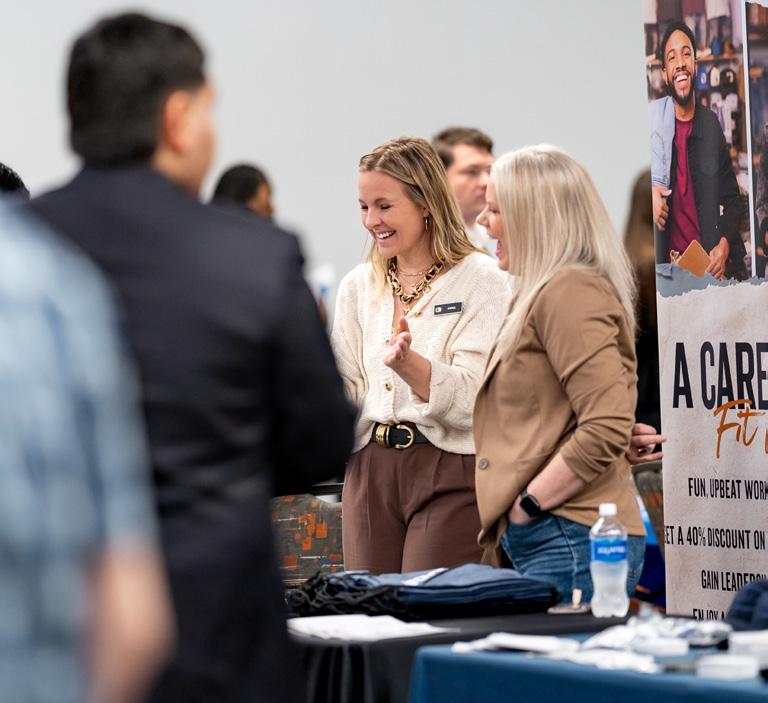
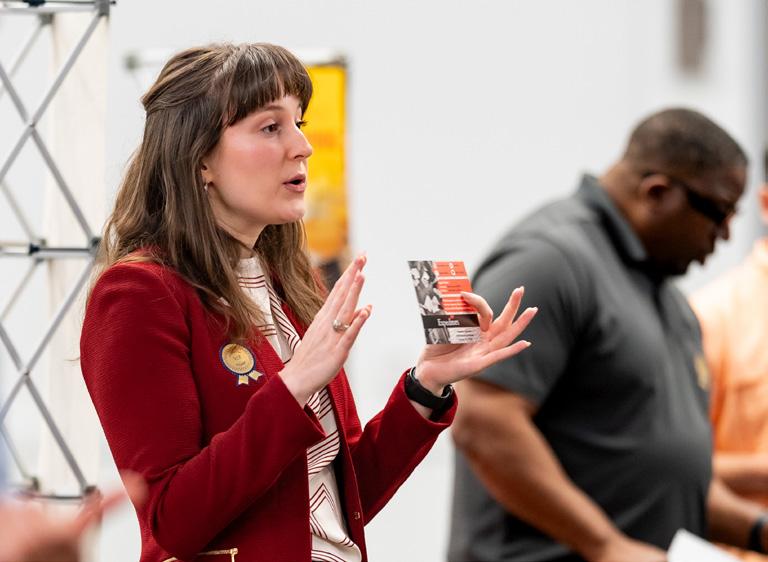
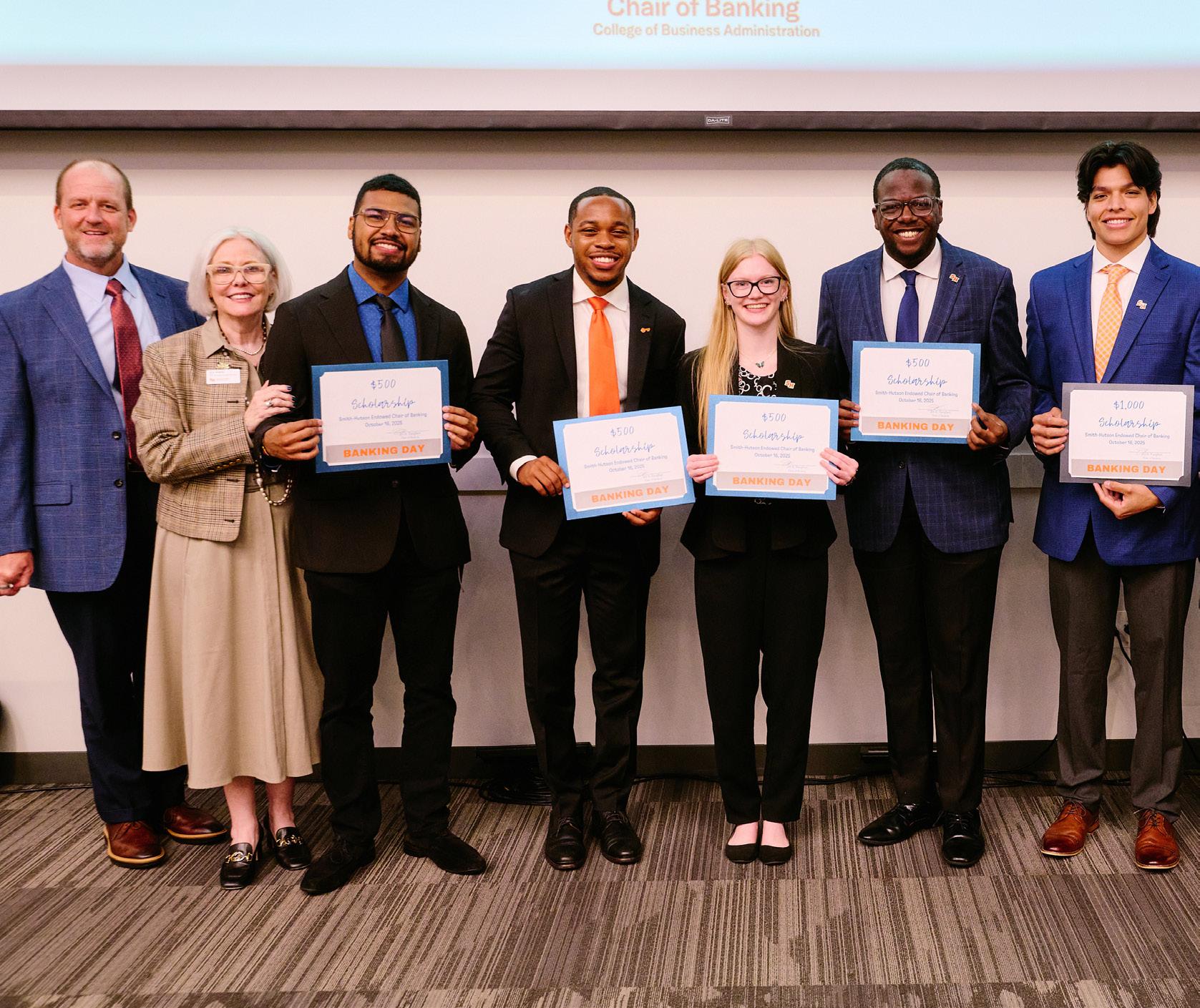
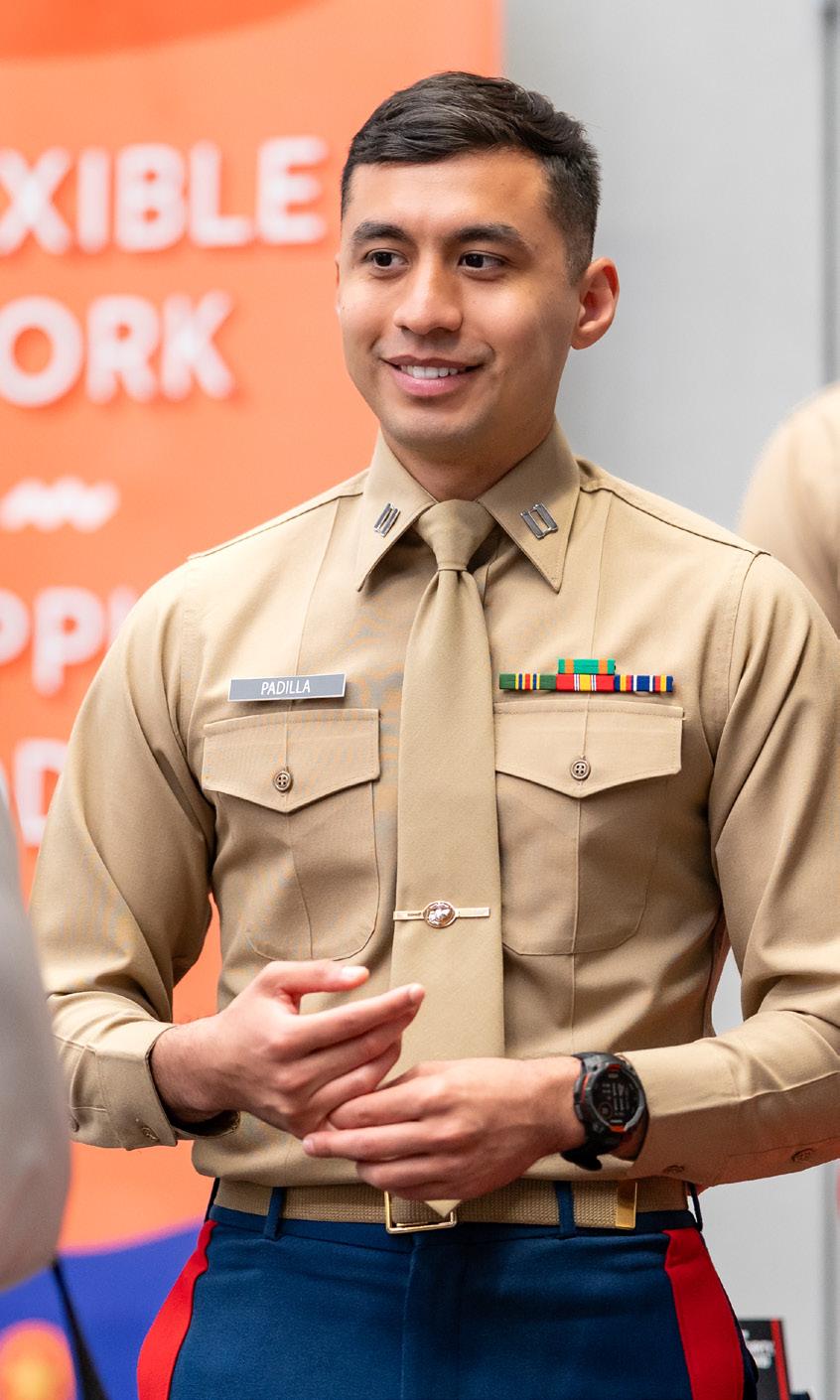
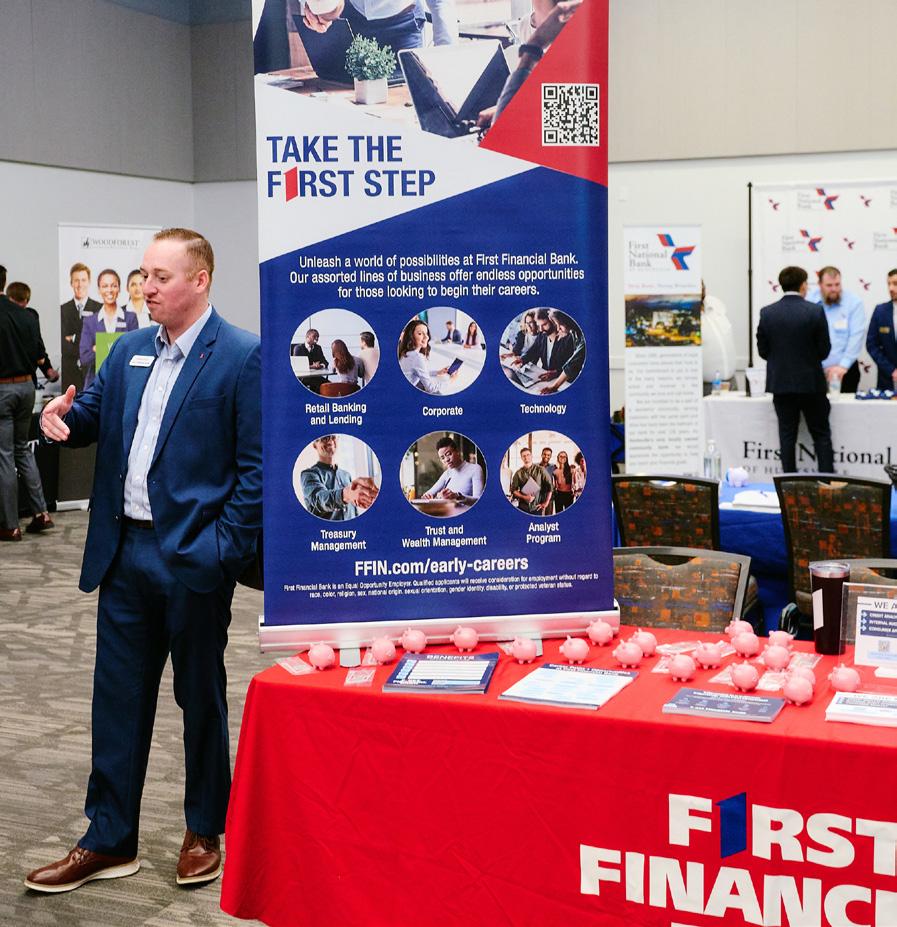
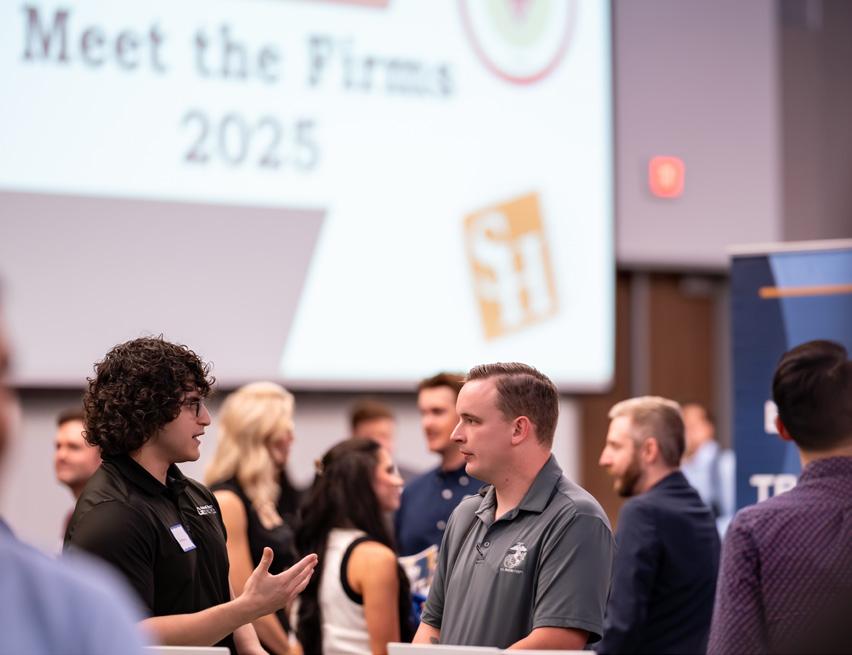
Three career fairs each year: the COBA Career Fair, Meet the Firms, and Banking Day.
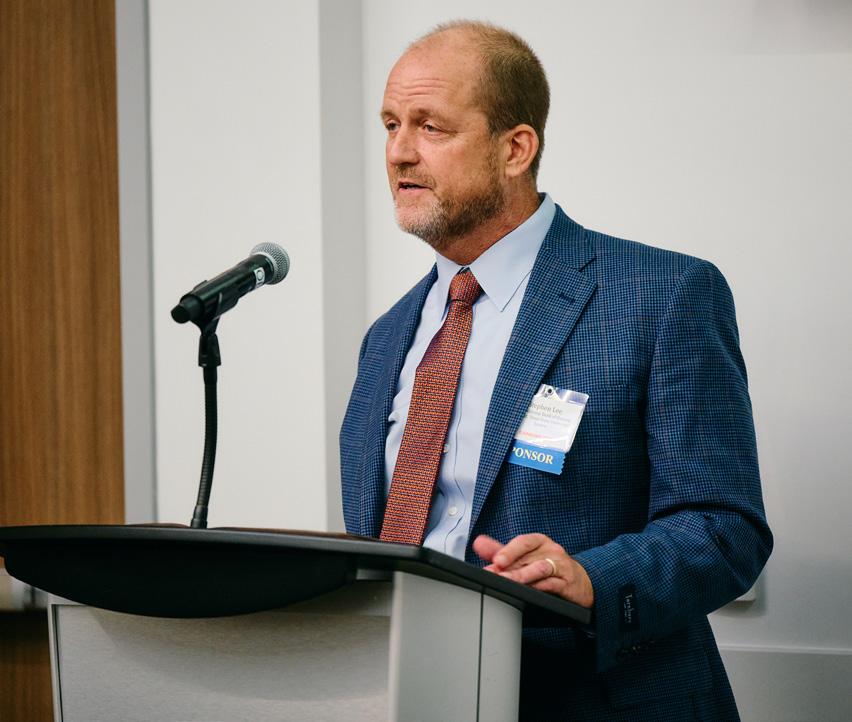
TSUS Chairman, Stephen Lee
COBA’S TOP 10
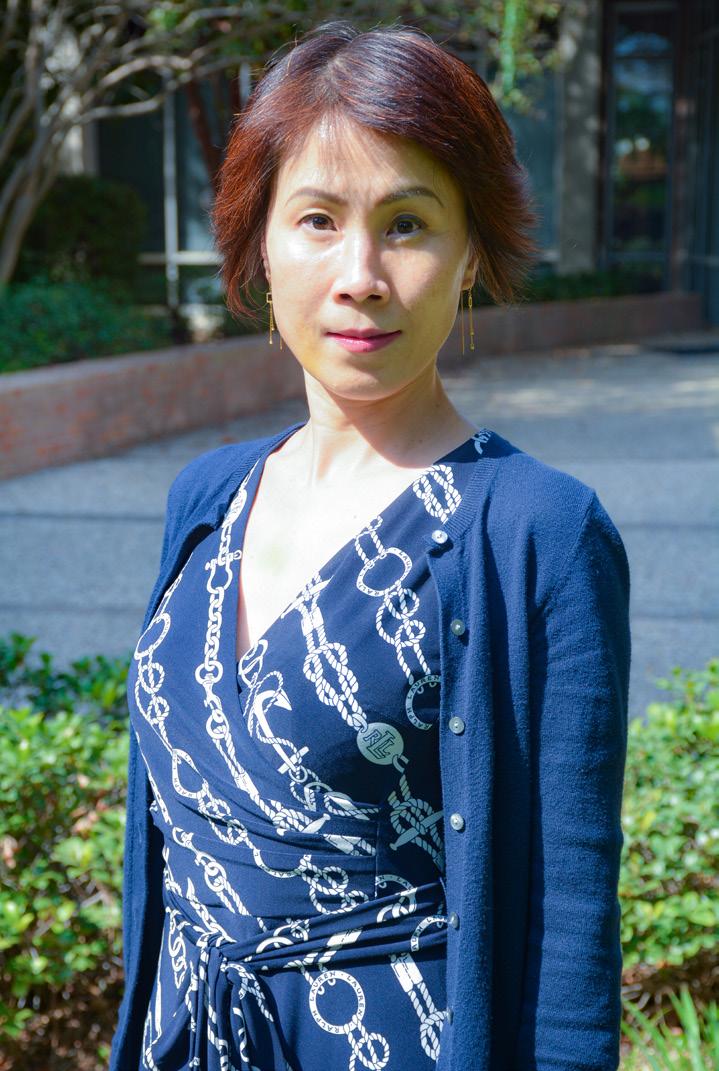
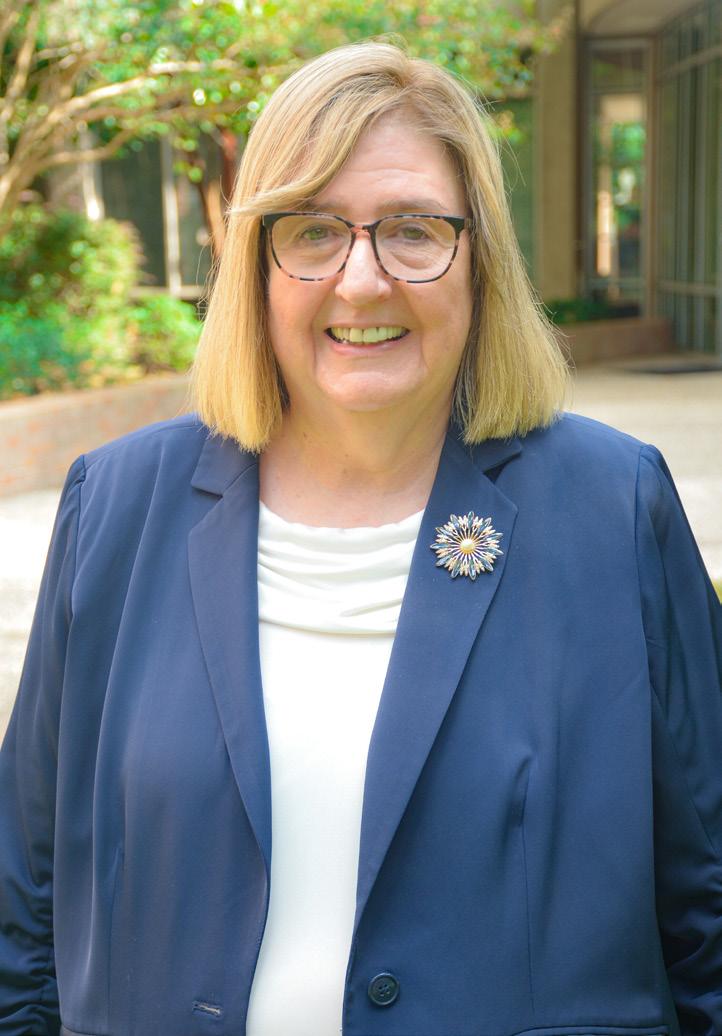
Dr. Willow Yang
Research Focus: Data-driven design of resilient supply chains and publicservice operations
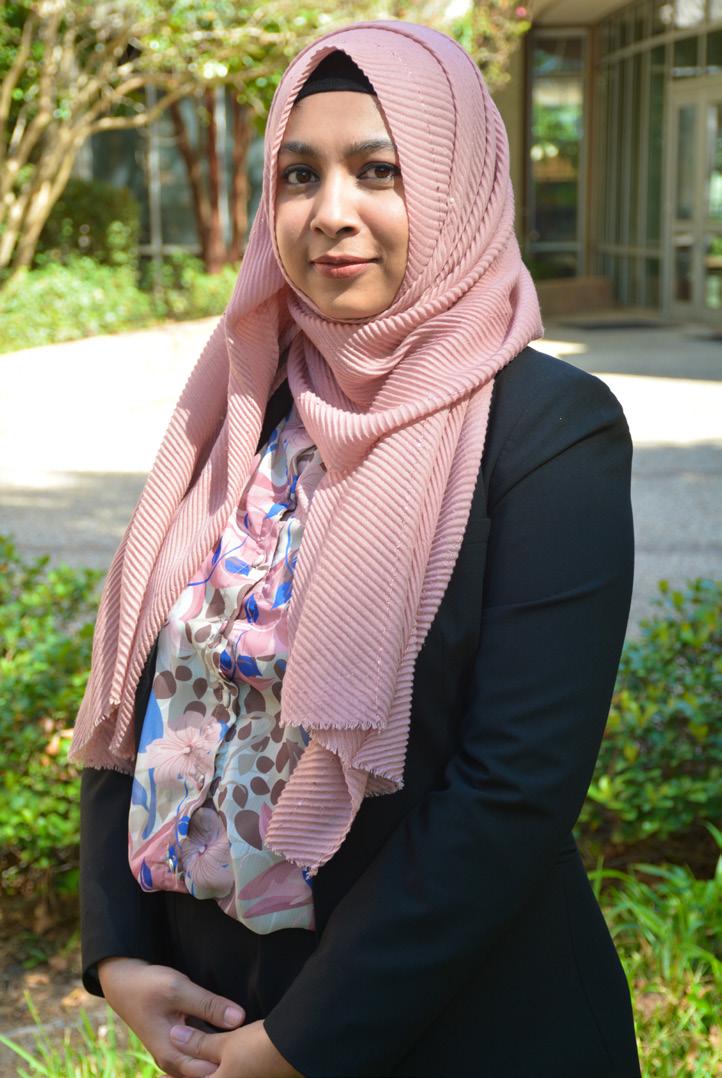
Dr. Pam Zelbst
Area of Expertise: Supply Chain
Research Focus: Supply Chain Resiliency and Supply Chain Technologies.
Dr. Raisa Sara
Area of Expertise: Development Economics
Research Focus: Applied Microeconomics, Development Economics, Gender, and Health
Dr. Fidel Gonzalez
Area of Expertise: Energy and Environmental Economics, Microeconomics, and Applied Data Tools for Economics and Business.
Research Focus: Energy and Environmental Economics, Health Economics, Applied Microeconomics, Computational Economics.
RESEARCHERS
Dr. Younoh Kim Area of Expertise: Interdisciplinary Studies
Research Focus: Global Health
Dr. Jason Riley*
Associate Professor of Supply Chain Management
Research Focus: Supply Chain Management.
*No longer with SHSU
Dr. Cosmas Dery Area of Expertise: Macroeconomics
Research Focus: Monetary Policy Transmission and Macroeconomic Dynamics.
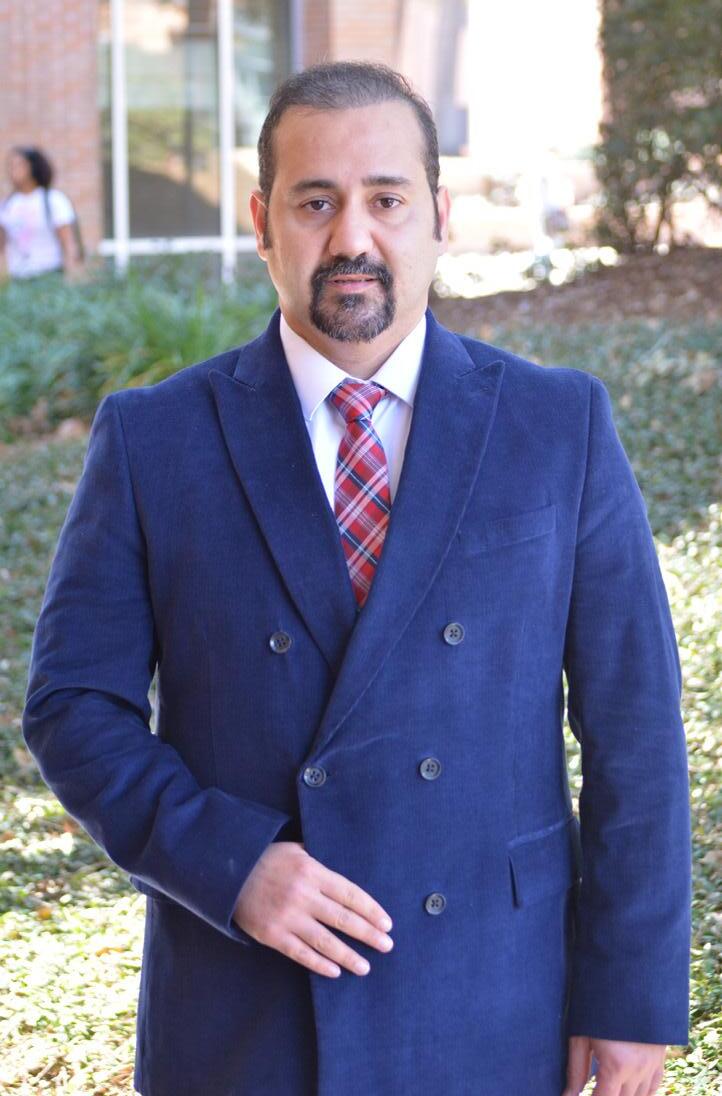
Dr. Farid Jahantab Area of Expertise: Organizational Behavior (OB)
Research Focus: Multilevel and social network examination of employment relationships
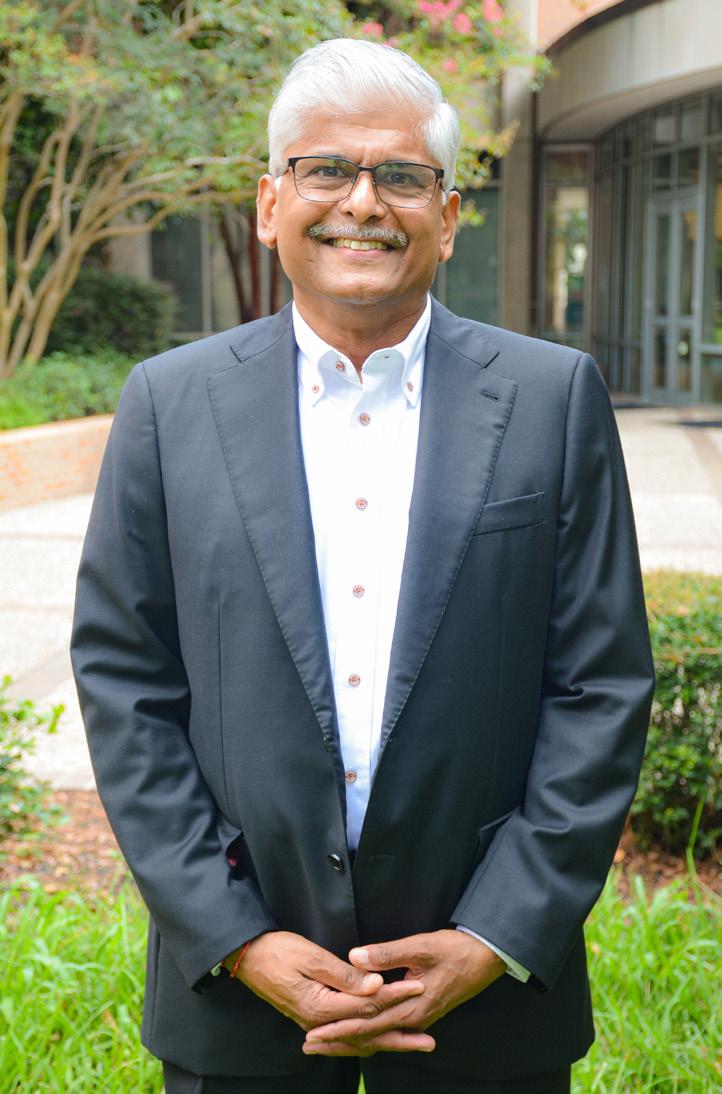
Dr. Bala Maniam Research Focus: International Finance & Investments, and Market Volatility
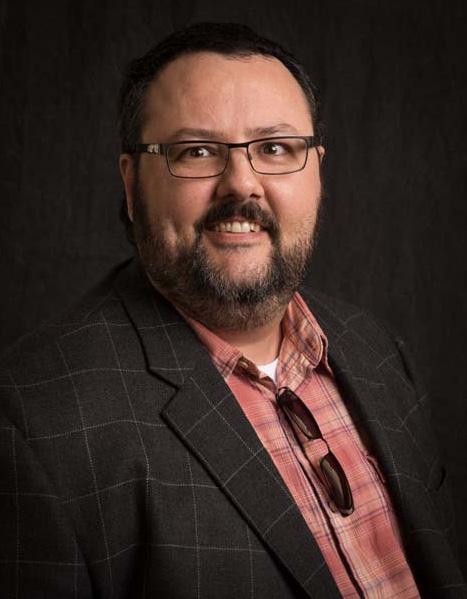
Dr. Vlad Radoias Area of Expertise: Applied Microeconomics
Research Focus: Socioeconomic Determinants of Health, Environmental Health
From Bearkat To Texas Business Hall Of Fame, ASHLEE SAWTELL’S Purpose-Driven Career
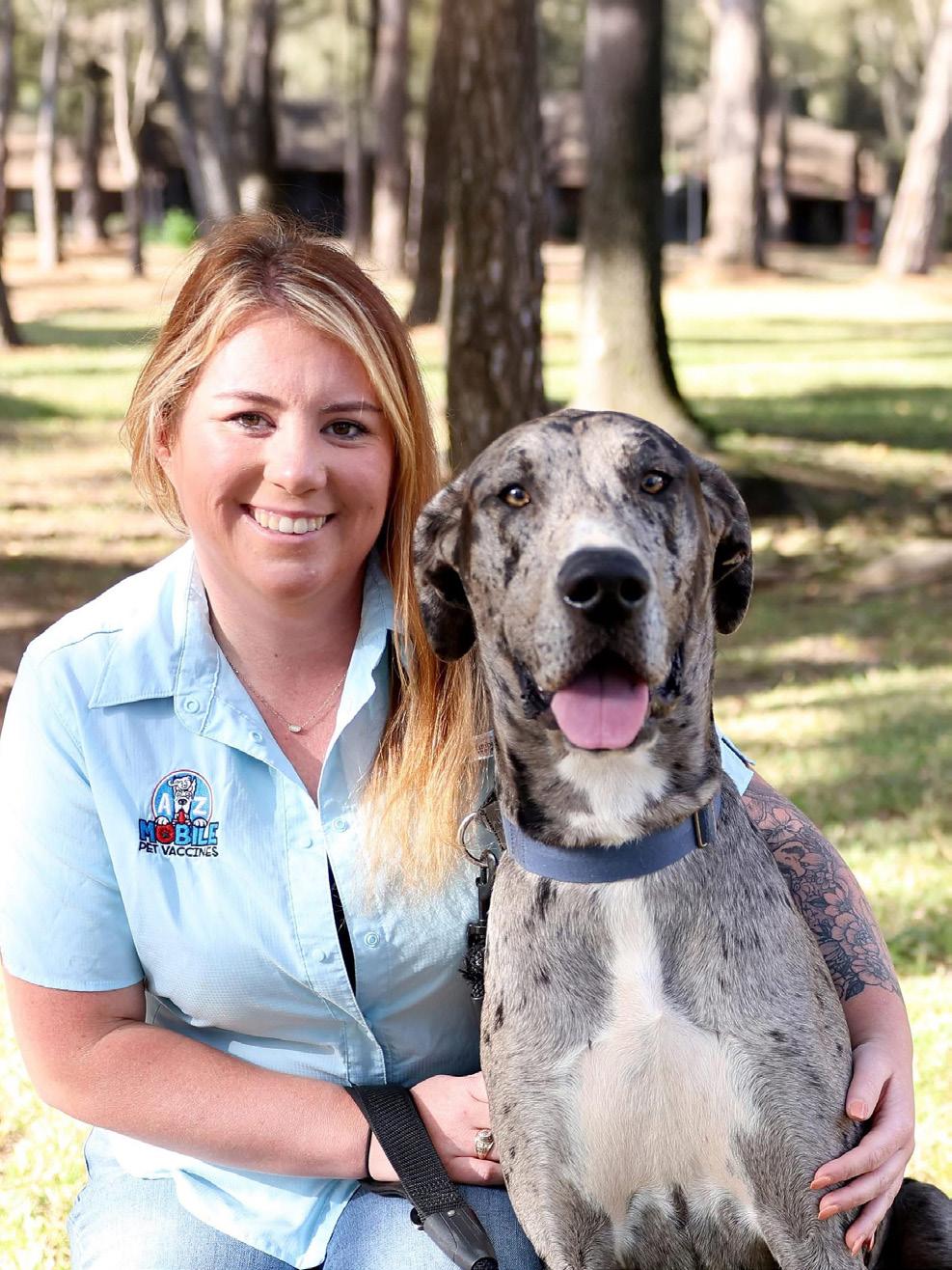
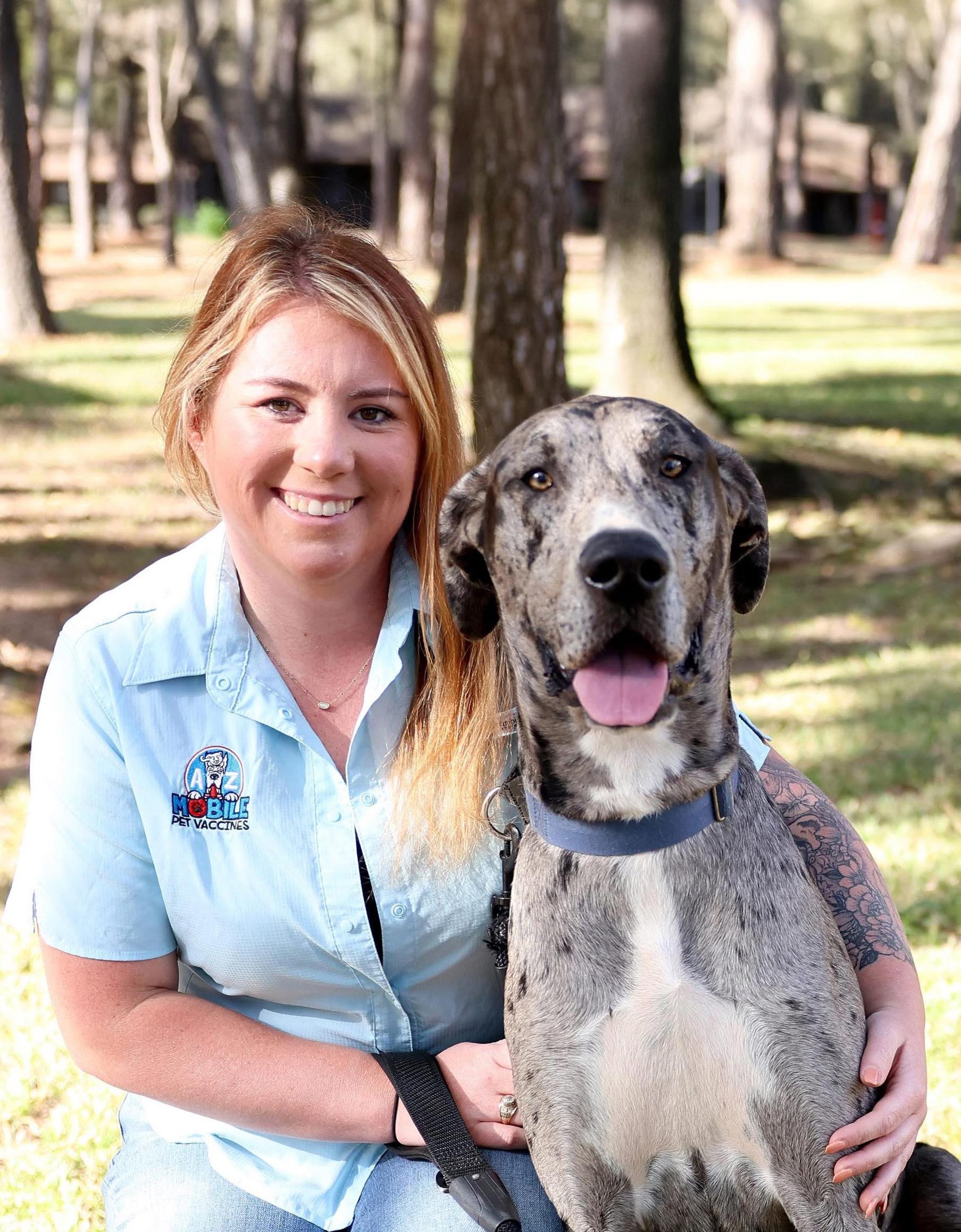
Ashlee Sawtell, an alumna of Sam Houston State University, left the vet’s office with her dog when an unfamiliar number appeared on her phone. She nearly ignored it, thinking it might be a spam call, but answered, assuming the clinic might be trying to reach her. To her surprise, she was informed she had received the Texas Business Hall of Fame SWBC Foundation Award. She calls it one of the most unexpected and rewarding calls she has ever received, a moment that reaffirmed the importance of her work.
Currently, Sawtell is the practice manager at AZ Mobile Pet Vaccines and serves on the Hall of Fame’s Executive Leadership Group. She explains that these positions were not part of her original career plans. She studied international business at Sam Houston State and initially aimed to work in the oil and gas sector, but her career was influenced by a stray Great Dane named Odie.
The Great Dane That Paved The Way
Sawtell first met Odie at a veterinary clinic during her university years. The big, gentle dog needed a home, and every doctor she spoke with told her the same thing: a Great Dane would be too expensive for a student to manage. She adopted him anyway.
Not long after, Odie developed severe seizures and needed costly medication. To keep up with his care, she took jobs at veterinary clinics around town. What started as a way to pay his bills became an unexpected education in the industry. She saw firsthand how many owners struggled to afford basic vaccines and preventive care, and how limited the low-cost options were for families like hers.
AZ Mobile Pet Vaccines was born out of Sawtell’s desire to improve Odie’s health and offer affordable care. She started weekend clinics for the pets of students and the students’ families, paid everyone on the team, and used her earnings for Odie’s treatment. Odie, the company’s mascot and her classmates’ friend, visited daily. What started as a small effort for one dog grew into a mission serving thousands of pets. Her rescue work expanded through AZ Animal Alliance, supporting shelters and rescues, especially those that care for large-breed dogs. Since Odie’s passing, Sawtell has fostered numerous Great Danes and continues to assist Great Danes in need.
Scaling Low-Cost Care And Community Impact
What began as a weekend side project has become a complex operation. AZ Mobile Pet Vaccines now runs

“For
students
and
emerging professionals at Sam Houston State, Sawtell’s journey offers important lessons.”
mobile, low-cost vaccine clinics on weekends and midweek, and operates a spay-and-neuter hospital, considered one of Houston’s most affordable. The schedule means the team is rarely idle.
The organization partners with shelters to host low-cost vaccine and microchip events, improving adoptability and animal health. The team performs dozens of rescue surgeries monthly and hosts free-surgery days. Fundraisers such as bowling and golf tournaments support local rescues, with beneficiaries rotating. AZ Mobile Pet Vaccines also collaborates with schools to host campus vaccine clinics, encouraging community engagement and offering affordable pet care.
Recognition from the Texas Business Hall of Fame has boosted AZ Mobile Pet Vaccines’ reputation. When they announced the award, clients showed support, and new visitors congratulated staff. The recognition changed perceptions: from a quick stop for vaccines to a full clinic with a story, mission, and team. Awarded at year’s end, a typically slow veterinary period, the award energized staff and reinforced their shared sense of mission ownership.
Leadership As Mentorship And Family
Sawtell views leadership as mentorship, inspired by her parents and mentors, including Dr. Bob Milner, and focuses on guiding others and preparing them for future roles. At AZ Mobile Pet Vaccines, she oversees operations in Houston, working with 15 managers who mentor staff and students, with an emphasis on developing successors. Her experience with the Texas Business Hall of Fame, where support often came through listening and problem-solving, influences her leadership approach. As a member of the Executive Leadership Group, she aims to instill these values in her team.
The company’s hiring approach reinforces this focus on people. Remembering how challenging it was to secure a veterinary position without prior experience, Sawtell chose not to rely on job boards. Instead, AZ Mobile Pet Vaccines hires almost exclusively through referrals. Employees are encouraged to recommend friends or family members for training; upon completion, these individuals are eligible to work under various managers across different regions. This “referral family system” fosters a culture in which staff refer trusted individuals and invest in their success.
The result is a workplace that often feels more like a family than a typical clinic. Team members frequently spend time together outside of work, celebrate strong months with dinners or group activities, and rally around colleagues during challenging seasons. Sawtell describes a close-knit culture where people support one another, sometimes pray together, and make laughter a regular part of the daily routine.
Advice For Bearkats And What Comes Next
For students and emerging professionals at Sam Houston State, Sawtell’s journey offers important lessons. First, meaningful careers often do not follow the original plan made in a classroom. Sawtell did not aim to work in veterinary medicine or run multiple locations, but she pursued a need she cared about and developed her skills around it. Second, she emphasized that leadership relies on teamwork. Her achievements were supported by mentors such as Dr. Milner; her parents, who assist at clinics after work; and managers with extensive veterinary experience who complement her business knowledge.
Her advice to Bearkats is to seek out difficult opportunities. She shares that she was initially hesitant to start a spay-and-neuter hospital, reluctant to give up micromanagement, and unsure about expansion. However, each step outside her comfort zone has resulted in growth for her, her team, and the communities she serves.
Looking ahead, Sawtell is considering expanding into new cities to offer affordable pet care where it is most needed and enhancing existing clinics. Her journey from Sam Houston State to the Texas Business Hall of Fame shows that purpose can emerge from unexpected sources and that success can combine excellence with a passion for service.
ADVANCING EXCELLENCE
Innovation Across The SHSU College Of Business Administration
Department Of Analytics, Information Systems, & Supply Chain
The Department of Analytics, Information Systems, & Supply Chain (AISSC) continues to strengthen its academic programs to meet the evolving needs of students and the modern workforce.
At the undergraduate level, students with relevant professional experience may earn up to six hours of academic credit through project management bootcamps or certifications such as CAPM or PMP. Eligible students complete a one credit refresher in project management and quality concepts and may earn three to six hours of credit by passing a competency exam.
The Supply Chain Management major is in the process of offering both a face-to-face and a fully online format, increasing accessibility. Curriculum enhancements will also expand the integration of artificial intelligence across coursework.

At the graduate level, the Master of Science in Project Management (MSPM) has been reduced from 36 credit hours to 30 credit hours to improve competitiveness. Professionals may earn up to nine hours of graduate credit through approved bootcamps or certifications, following a one credit refresher in project management principles, tools, and quality management, and a corresponding exam.
The department also offers MBA and MSPM students two certificate programs, Quality Management Tools and Project Methods and Tools, as well as concentrations in Supply Chain and Project Management.
Department Of Accounting
The Department of Accounting continues to expand its academic offerings to meet the evolving demands of the profession while enhancing student success.
At the undergraduate level, SHSU now offers both an Undergraduate Tax Certificate and a Minor in Taxation, the only program of its kind in Texas, positioning students with a distinct competitive advantage in a specialized and high-demand field.
At the graduate level, the department remains focused on student achievement through the Master of Science in Accounting and successful attainment of the CPA license. To support this goal, two CPA review courses have been integrated directly into the MS Accounting curriculum, enabling students to prepare for and complete all sections of the CPA exam while earning their degree. This strategic alignment facilitates a seamless transition from academic study to professional practice.
In addition, an Accounting Concentration within the MBA program has been introduced, providing expanded opportunities for students to deepen their expertise while supporting continued enrollment growth.
Department Of Business Administration & Entrepreneurship
The College of Business Administration is proud to announce a groundbreaking collaboration with the
Bowling Proprietors’ Association of America (BPAA), resulting in the launch of the BPAA Bowling & Entertainment Business Management Minor.
As the only program of its kind in the nation, this innovative minor complements the Bachelor of Business Administration degree and reflects COBA’s commitment to industry-aligned education. The BPAA, a nationally recognized organization representing thousands of bowling and entertainment centers, brings deep industry insight and resources to this partnership.
Designed for today’s rapidly evolving family entertainment sector, the program provides students with immersive, career-focused preparation and direct exposure to an industry actively seeking skilled business professionals.
Through this initiative, COBA continues to demonstrate its ability to deliver programs that are relevant, impactful, and responsive to workforce needs—preparing graduates to excel in a competitive and dynamic marketplace.
Department Of Finance & Banking
BEARKAT Rising: The Smith-Hutson Financial Center
A new era of experiential learning is on the horizon as the Smith-Hutson Financial Center nears completion. Made possible through a generous gift from the Smith-Hutson Endowment, this state-of-the-art facility is designed to replicate the pace, technology, and analytical rigor of modern financial markets. At its core will be a fully equipped trading floor featuring 16 Bloomberg Terminal workstations, industry-standard platforms used by financial professionals worldwide.
Beyond the trading floor, the center will include collaborative workspaces and meeting areas that support research, teamwork, and applied learning. Scheduled to open in Fall 2026, the facility will become an integral part of the finance curriculum, enabling students to analyze markets, evaluate financial assets, and monitor portfolio performance using real-world tools.
The center will also house the college’s studentmanaged investment fund, where students actively manage a $250,000 portfolio, gaining hands-on experience in portfolio strategy, risk analysis, and investment decision-making.
Together, these resources will create an immersive learning environment that bridges theory and practice, preparing Bearkat students for success in the global financial marketplace.
Building Career-Ready Credentials
The Department of Finance and Banking is strengthening its commitment to career readiness by developing academic pathways aligned with leading industry certifications.
• Certified Financial Planner (CFP ®): The financial planning curriculum is officially certified by the CFP Board, allowing students to complete the educational requirements necessary to sit for the CFP exam, widely regarded as the gold standard in personal financial planning.
• Securities & Investment Credentials: Students are prepared to pursue the Securities Industry Essentials (SIE) Exam and Level I of the Chartered Financial Analyst (CFA ®) Program, both highly respected credentials in investment and financial analysis.
• Banking Certification: Through the Risk Management Association (RMA) Credit Essentials Certification, students gain specialized expertise in commercial credit analysis, loan structuring, and financial statement evaluation.
These pathways ensure that graduates leave SHSU not only with a degree but with recognized credentials that signal immediate professional readiness.
Career Readiness Academy
To further enhance student success, COBA is launching the Career Readiness Academy, a structured program designed to ensure every student develops essential professional competencies beyond the classroom.
Through required engagement activities tied to defined learning outcomes, students will build skills across five core pillars:
• Communication & Presentation Excellence
• Emotional Intelligence & Teamwork
• AI Literacy & Digital Professionalism
• Networking, Personal Branding & Leadership
• AI and Modern Legal Implications
This initiative provides a measurable, high-impact framework that equips students with the confidence, adaptability, and professional presence needed to thrive in today’s workforce.
Executive Education: Leadership For A Changing World
The SHSU College of Business Administration is also expanding its impact through executive education. The Executive Leadership Workshop is a one-day immersive experience designed for professionals navigating today’s AI-driven, people-centered workplace.
Through faculty-led sessions and insights from a featured leadership expert, participants explore:
• Practical applications of artificial intelligence
• Emotionally intelligent leadership strategies
• Strategic influence and decision-making
• Leading organizational change effectively
The program emphasizes actionable insights that can be immediately applied in professional settings. Participants who complete the workshop receive an Executive Certificate from SHSU COBA, reinforcing their commitment to continuous leadership development.
SHSU PROGRAM OFFERINGS
From innovative academic programs to cutting-edge facilities and career-focused initiatives, the SHSU College of Business Administration continues to elevate the student experience, preparing Bearkats not just for their first job but for long-term success and leadership in a rapidly evolving global economy.
Degrees Offered
Department of Accounting Accounting, BBA (Major & Minor Available)
Department of Analytics, Information Systems & Supply Chain Management Information Systems, BBA (Major & Minor Available)
Supply Chain Management, BBA (Major & Minor Available) Business Data Analytics (Minor Available)
Department of Business Administration and Entrepreneurship Business Administration, BBA (Major & Minor Available) Entrepreneurship, BBA (Major & Minor Available) Real Estate (Minor, Certificate, & Concentration Available)
Department of Economics & International Business
Economics, BBA (Major & Minor Available) International Business, BBA (Major & Minor Available)
Department of Finance & Banking Banking and Financial Institutions, BBA (Major & Minor Available)
Finance, BBA (Major & Minor Available)
Department of Management & Marketing
Human Resources, BBA (Major & Minor Available) Management, BBA (Major & Minor Available) Marketing, BBA (Major & Minor Available)
GRADUATE PROGRAMS IN COBA A
t the Sam Houston State University College of Business Administration, a graduate degree is more than an academic credential. It is a strategic investment in your professional trajectory, leadership capacity, and long-term earning potential.
SHSU COBA graduate programs are designed for working professionals and emerging leaders who want to immediately translate knowledge into impact. Our curriculum emphasizes applied learning, data-driven decision-making, and realworld problem-solving, ensuring that what you learn in the classroom delivers measurable value in your organization the next day.
What distinguishes SHSU is the combination of accessibility, relevance, and return on investment:
Career-Advancing Curriculum: Programs are aligned with current industry demands across accounting, finance, management, entrepreneurship, and real estate, equipping you with skills that employers actively seek.
Flexible Delivery: Our online degree programs are structured to accommodate the realities of full-time professionals without compromising academic rigor.
Faculty With Industry Insight: Our faculty bring both scholarly expertise and practical experience, bridging theory with application in meaningful ways.
Strong Professional Network: As part of SHSU’s extensive alumni and industry connections, particularly across the Greater Houston region, you gain access to a network that supports career mobility and advancement.
High-Value Investment: SHSU consistently delivers a strong return on investment, offering competitive tuition paired with programs that accelerate promotions, salary growth, and leadership opportunities.
For SHSU alumni, pursuing a graduate degree at COBA is a natural continuation of your Bearkat journey, building on a foundation you already trust while positioning yourself for the next level of success.
Now is the moment to differentiate yourself. Whether your goal is to advance within your current organization, pivot into a new field, or step into executive leadership, a graduate degree from SHSU COBA provides the knowledge, network, and credibility to get you there.
Executive MBA In Banking And Financial Institutions
The Executive Master of Business Administration (EMBA) in Banking and Financial Institutions program at Sam Houston State University is designed to develop and enhance a candidate’s skills that are necessary for a position of leadership in a financial institution or regulatory agency. The program emphasizes the integration and synthesis of various disciplines to develop a student’s ability to function and make sound administrative decisions in a dynamic financial institution environment. The EMBA program is suited for qualified students from any academic discipline who have experience in the financial institutions field.
Master Of Business Administration
The Master of Business Administration program at Sam Houston State University is designed to develop candidates for positions of leadership in modern organizations. Managerial procedures and practices are continually changing. Therefore, the program emphasizes the integration and synthesis of various disciplines to develop a student’s ability to function in a dynamic environment and make sound administrative
decisions that maximize the value and contributions of an organization. The MBA program is suited for qualified students from any academic discipline. The program provides the candidate with a basic managerial background through the core requirements while providing individualized adaptation through elective courses.
Master Of Science In Accounting
The Master of Science in Accounting is a graduate program designed to prepare students for careers in public, corporate, or governmental accounting. It provides advanced knowledge in financial reporting, auditing, taxation, and data analytics, while also helping students meet the educational requirements for CPA licensure.
Master Of Science In Applied Economics
The Master of Science in Applied Economics is designed to provide students with a solid foundation in the core economic fields, with a strong focus on evidencebased decision-making, quantitative methods, and data analysis. Students are introduced to a framework for analysis that can be applied to a variety of areas such as business and financial management, market research, international trade, public policy, health care and public health, and even criminal justice and law. The M.S. in Applied Economics provides graduates with the applied analytical skills and advanced tools needed to be competitive in today’s labor market.
Master Of Science In Project Management
The Master of Science in Project Management program (MSPM) is targeted toward professionals engaged in managing the project life cycle in organizations and industries, who face challenges of introducing new products and services in rapidly changing environments. These professionals must draw upon a host of knowledge, skills, and abilities, as well as on sophisticated technological tools and techniques, to meet project requirements. The program will enable students to develop these competencies and prepare them for effective project management, both functionally and strategically, and will address all aspects of the product life cycle, from design to delivery and cash collection. In addition, the program will prepare students for certification by the Project Management Institute (PMI), the premier certifying organization for the project management discipline.
FACULTY & STAFF
Accounting
Henderson, Cassy D. - Chair
Akaaboune, Ouadie
Blix, Leslie H.
Blocker, Tonya J.
Carrington, Linda G.
Cunningham, Taylor
Daigle, Ronald J.
England, Trevor K.
Harris, Katie L.
Harvin, Oscar J.
Lynch, Candy R.
Morris, Philip W.
Mudge, Lindsey E.
Puhl, Dan G.†
Strawser, Jeffery W.
Strawser, William R.
Xu, Qiao
Yeager, Jesse H.
McCarty, Patricia P. - Assistant to the Chair
Business
Administration & Entrepreneurship
Brown, Diana M. - Chair
Al-hassan, Ma-aruf
Austin, Traci L.
Bible, Dana E.
Milner, Robert L.
Mouton, Ashton M.
Narayanasamy, Arun
Pitchford, Bethany
Robertson, Tommy J.
Schieber, Danica L.
Smith, Ashly L.
Sullivan, Laura L.
Thompson, Christopher L.
Brit, Shelbi - Assistant to the Chair
Analytics, Information Systems & Supply Chain
Kohers, Gerald - Chair
Berg, Milo D.
Buzon Vargas, Sandra V.
Ellegood, William A.
Henning, Kevin S.
Mehta, Gurinderjit Mize, Charles D.
Raschke, Christian W. Rathor, Shekhar Sedaghatkish, Nazanin Tuttle, Markland H.
Wang, Yuan
Warner, Janis A. Wipawayangkool, Kamphol Yang, Liu
Zelbst, Pamela J.
Goodin, Tiffani R. - Assistant to the Chair
Economics & International Business
Funck, Mary C. - Chair
Grant, Darren P. Frank, Mark W. Radoias, Vlad M.
Sara, Raisa T.
Kim, Youn Oh
Nath, Hiranya K. Gonzalez, Fidel
Dery, Cosmas B.
Odell, Amber N. - Assistant to the Chair
Finance & Banking
Funck, Mary C. - Chair
Cao, Wenbin
Duan, Xiaoman
Gutierrez, Joey A.
Lobanova, Olesya
Nenninger, Steve A.
Maniam, Balasundram
Vaughan, Jill S.
Hollander, Michael G.
Johnson, Steve J.
Breazeale, Jonathan P.
Jesswein, Kurt R.
Odell, Amber N. - Assistant to the Chair
Management & Marketing
Ahmed, Irfan - Chair
Ajay, Bina
Cassidy, Christopher M.
Edebvie, Nero
Gravois, Adele R.
Grogan, Allan D.
Jahantab, Farid
Jones, Carla D.
Kianian, Parichehr
Lubojacky, Connor J.
Mahmud, Riaj
Maldonado, Tiffany R. Masood, Huda
Mchiri, Ali
Meacham, Jeramy P.
Mehta, Sanjay S.
Payne, Gary L.
Sakib, Nazmus
Simon, Vinu
Sweet, Kenneth
Seamans, Megan M. - Assistant to the Chair
Smith-Hutson Endowed Chair of Banking
Vaughan, Jill S.
Nenninger, Steve A.
Caudle, Heather Cauthen, Jackalyn L.
PGA Certified Professional Golf Management Program
Ballinger, Richard M. Parker, Alex H. West, Betina M.
Center for Building Business Professionals
Campbell, Julie L. Mundorff, Vinessa M.
Small Business Development Center
Ellisor, Ronda L. Fletcher, John H.
Mc Lerran, Kimbreley S. Fletcher, Marian P. Garcia, Eric A. Slater, Sue
FACULTY & STAFF
COBA
Dean's Office
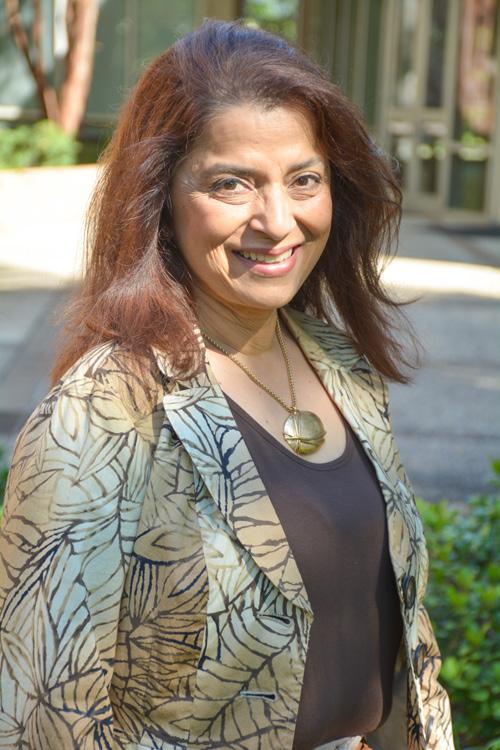
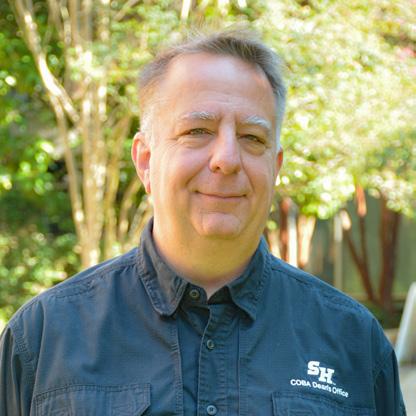
Forgey, Fred A.
Blocker, Tonya J.
Zelbst, Pamela J. Mize, Charles
Joey Gutierrez Jr.
Christian Raschke
COBA
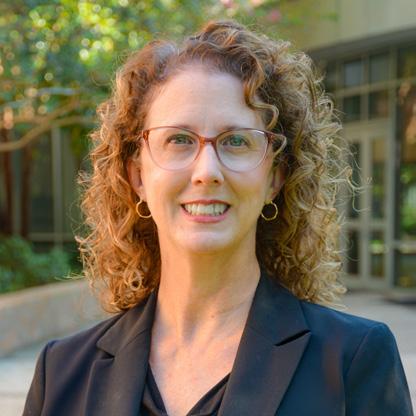
Hegwood, Natalie D. Assoc Dean Crclm & Assmnt
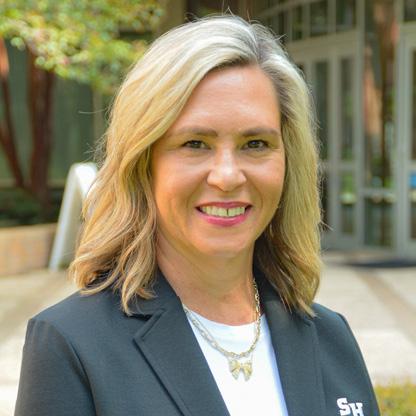
Grimes, Kristina A. Assoc Dir of Admin Budget Ops
Stewart, Kristi L. COBA Grad Std & Dist Lrn Coord
Kirkland, Victoria N. Program Coordinator
Hiavinka-Marek, Deana K. Administrative Coordinator
Galvan, Markeytta N. Administrative Associate
Texas State University System
Stephen Lee, Chairman - Bastrop
Dionicio (Don) Flores, Vice Chairman - El Paso
Charlie Amato, Regent - San Antonio
Duke Austin, Regent - Houston
Sheila Faske, Regent - Rose City
Russell Gordy, Regent - Houston
Tom Long, Regent - Dallas
William F. Scott, Regent - Nederland
Alan L. Tinsley, Regent - Madisonville
Donavan Brown, Student Regent - San Marcos
COBA AMBASSADORS SPREAD HOLIDAY CHEER




This past holiday season, the COBA Ambassadors demonstrated what it truly means to lead with heart and service. Through their annual Holiday Toy Drive, the Ambassadors collected and donated 50 toys to the Boys and Girls Club of Huntsville, helping bring joy to local
The initiative reflects the Ambassadors’ commitment not only to representing the College of Business Administration with excellence but also to giving back to the Huntsville community. Their efforts ensured that dozens of children experienced a brighter holiday season filled with generosity and hope.
COBA is proud of the leadership, compassion, and service demonstrated by our Ambassadors, proving once again that Bearkats go
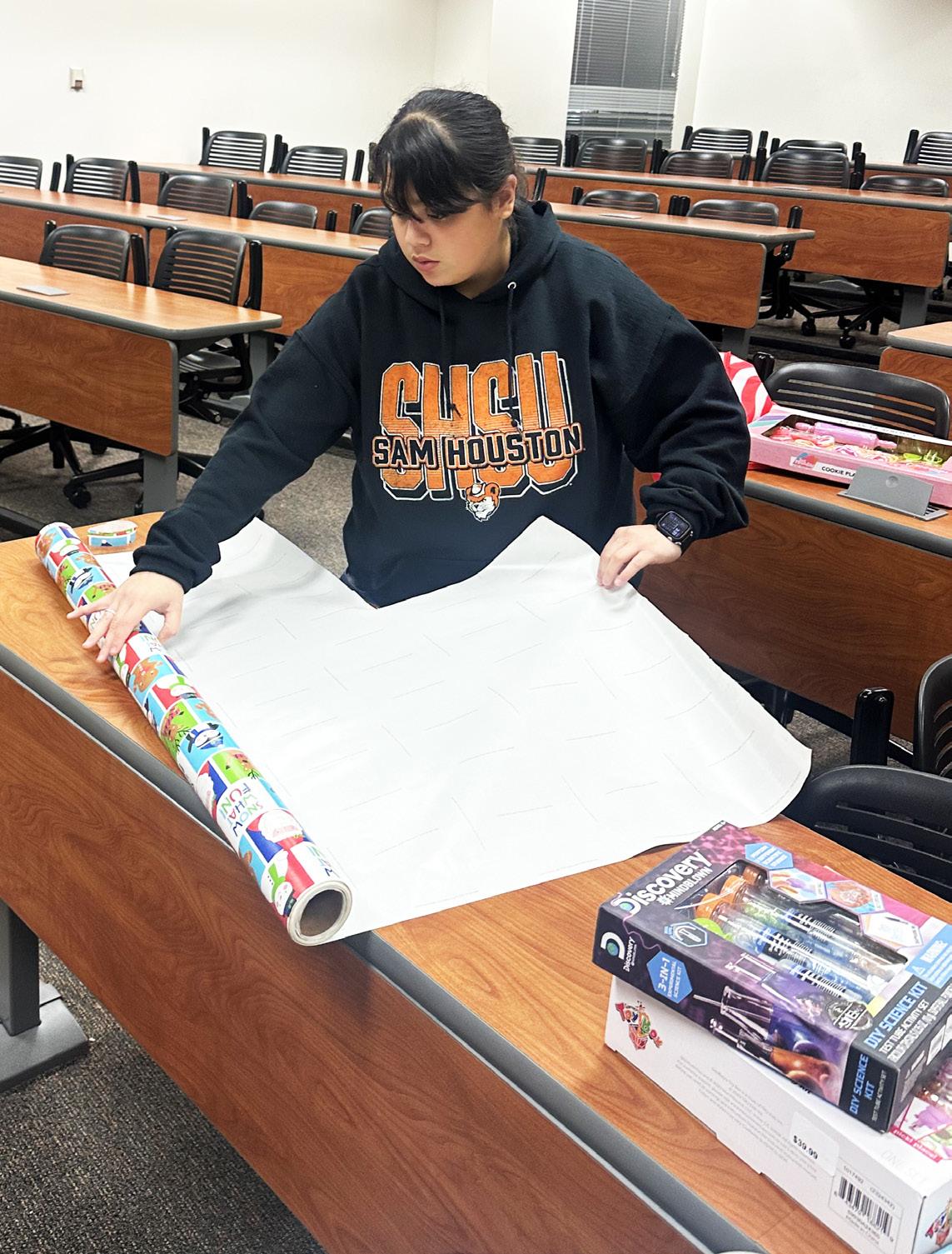

A SPECIAL THANK
We are grateful to Omar and Alesha Maalouf for their generous sponsorship and continued support of Beyond Business.

College of Business Administration
Huntsville, Texas 77341-2056